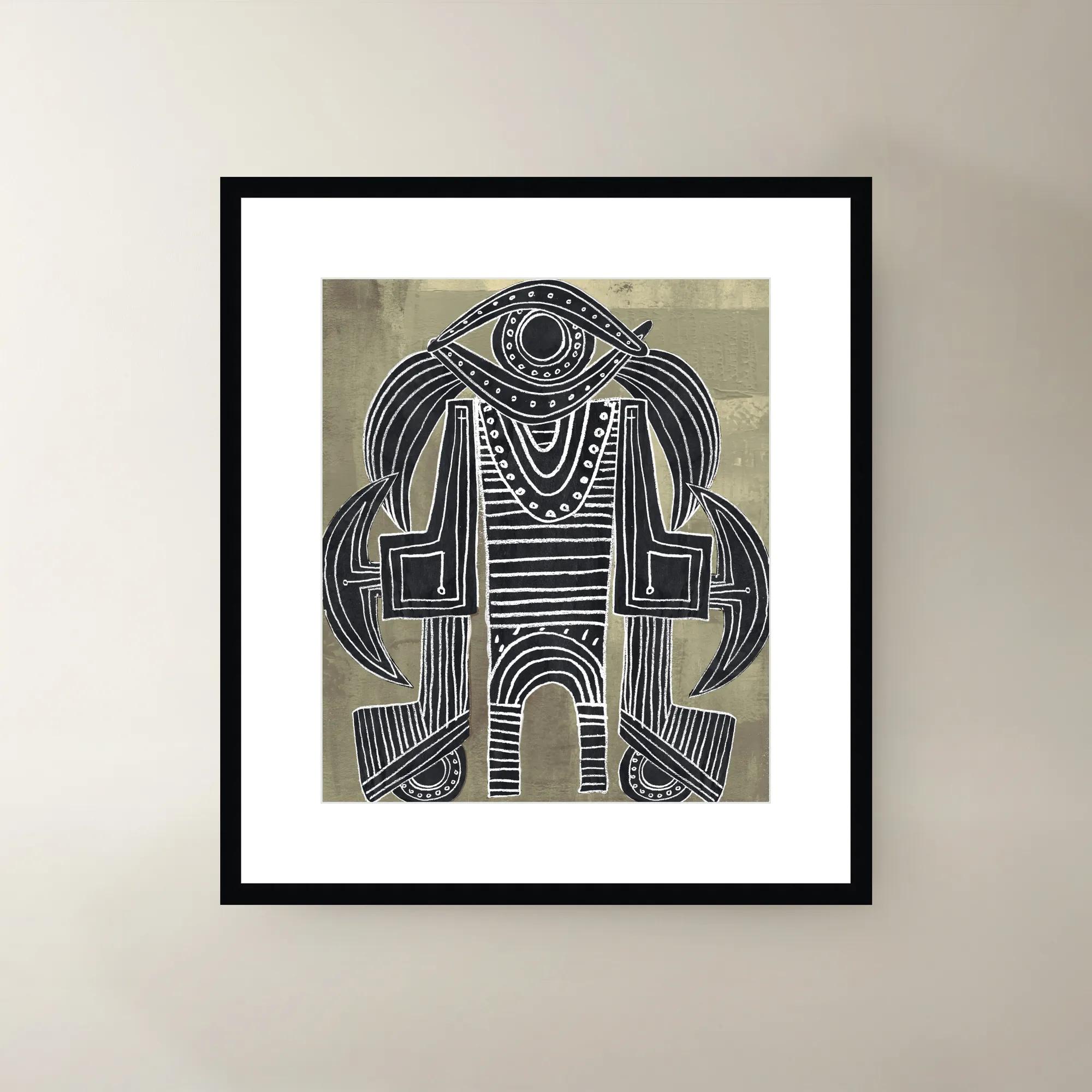
Nature Inspired Living Room Wall Arts
Nature Inspired Living Room Wall Arts
-
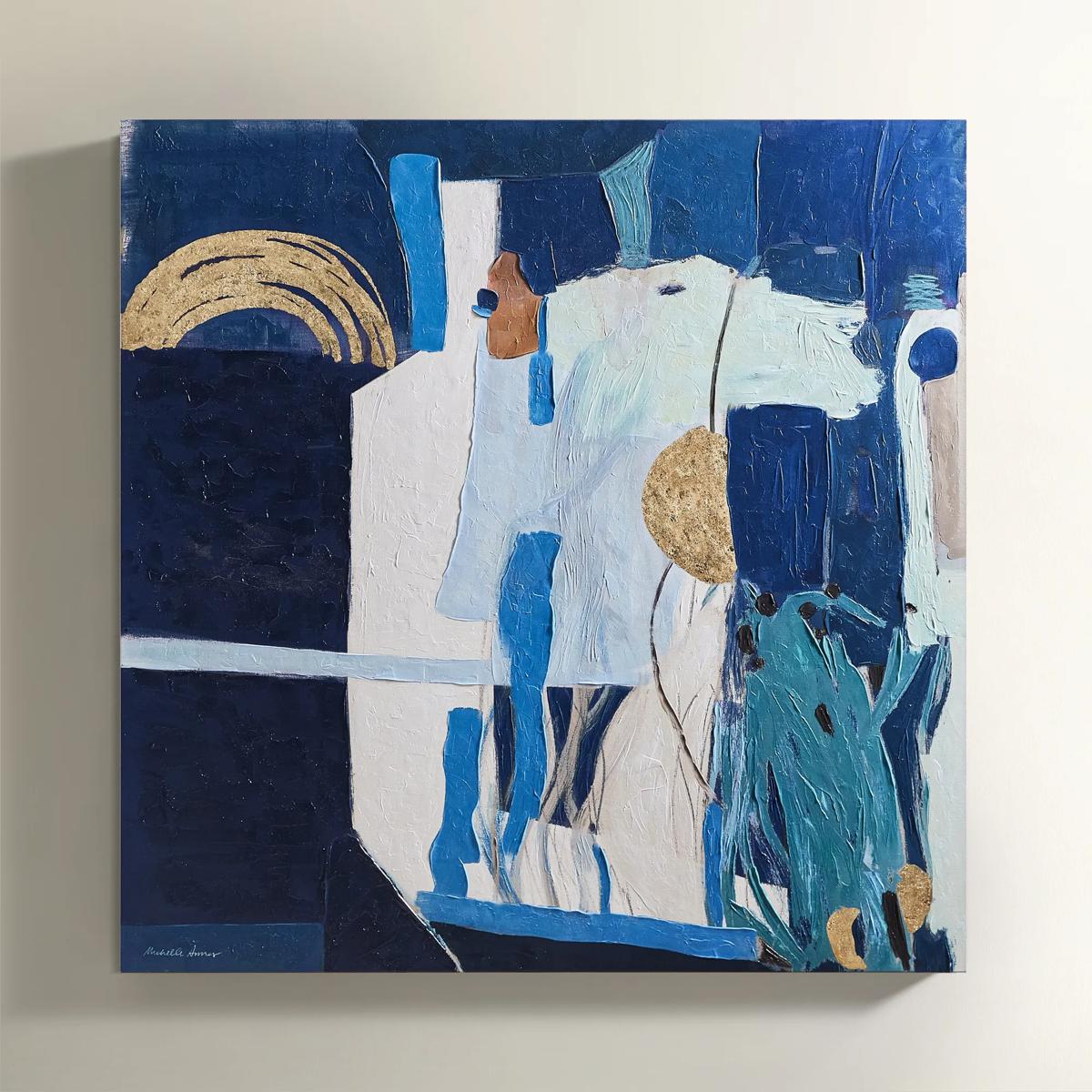
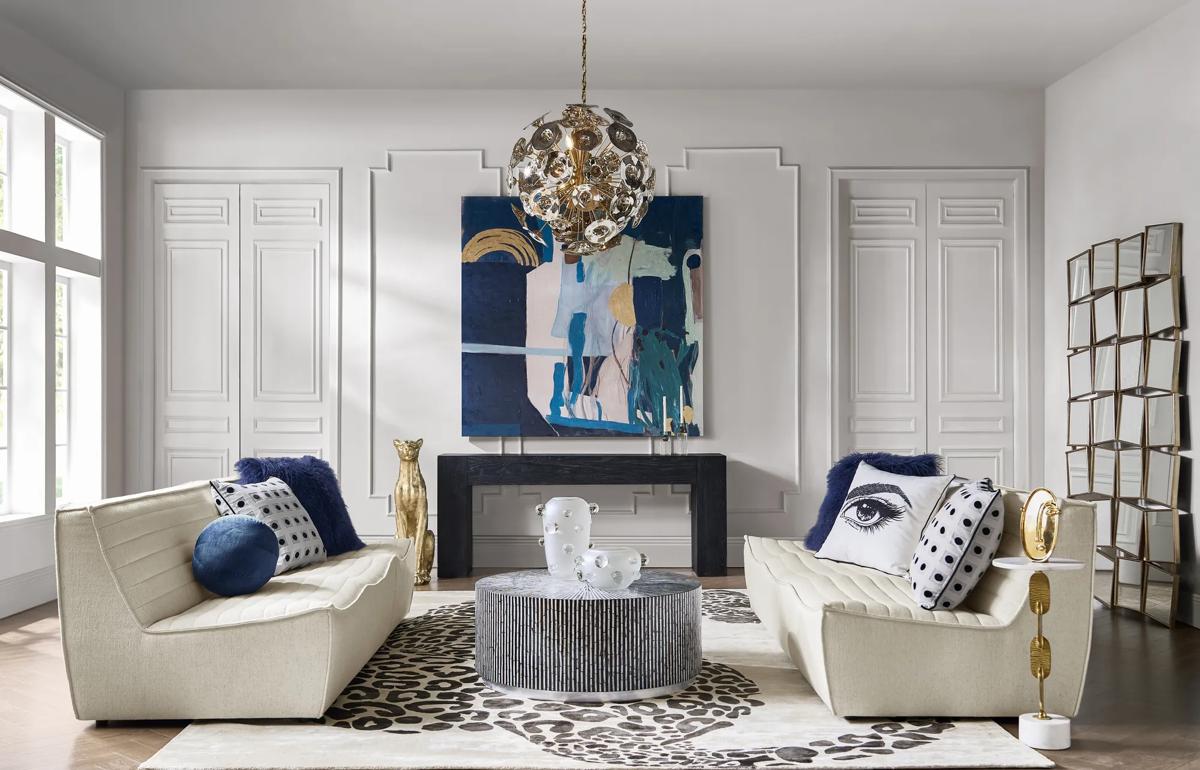 In Flux Painting$699
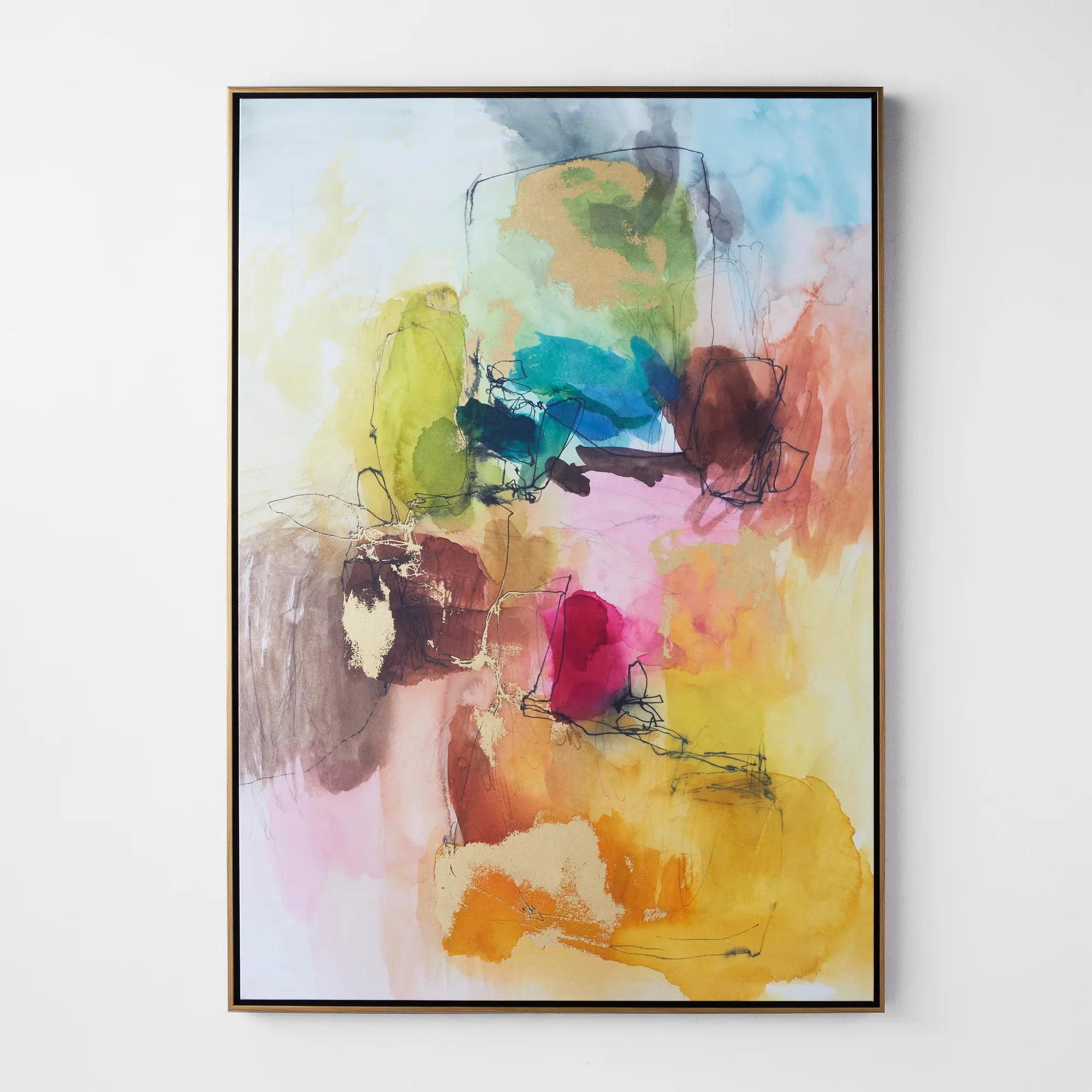
A hand-embellished canvas artwork featuring deep teal, green, ivory, and gold in a black Art Deco frame.
Add To Cart -
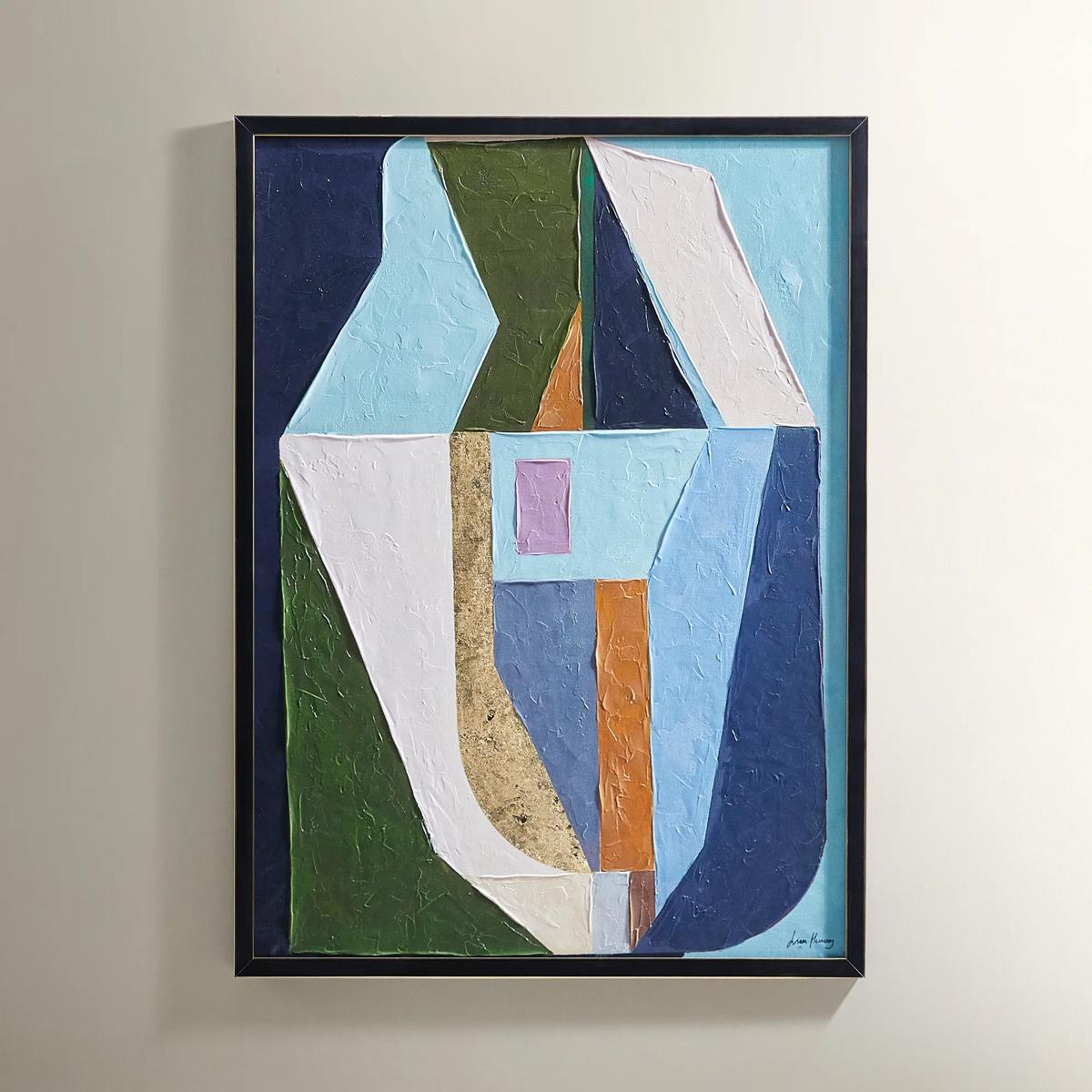 Thought Provoking Painting 2$249
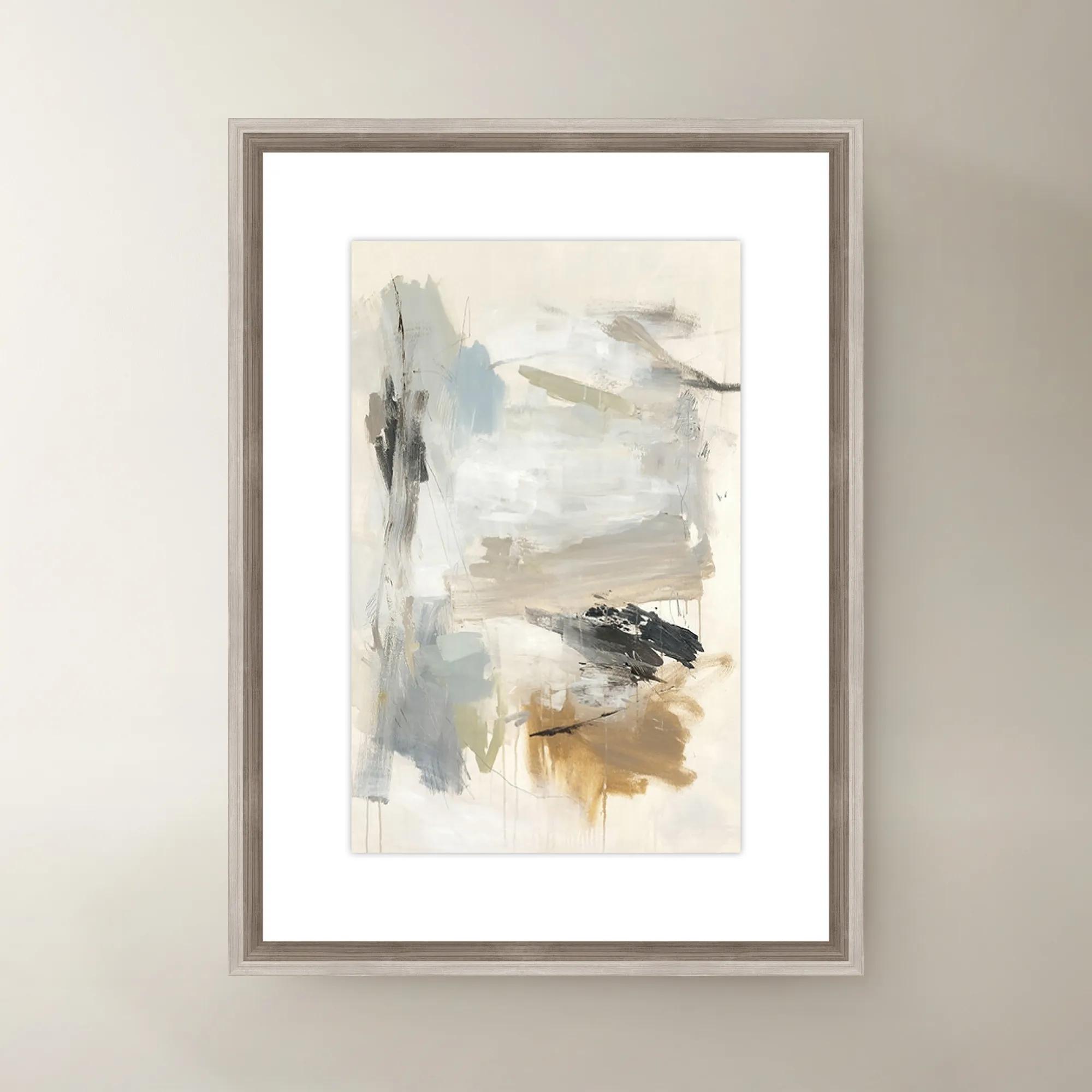
A hand-embellished canvas artwork featuring textured strokes in deep blue, olive green, and gold accents.
Add To Cart -
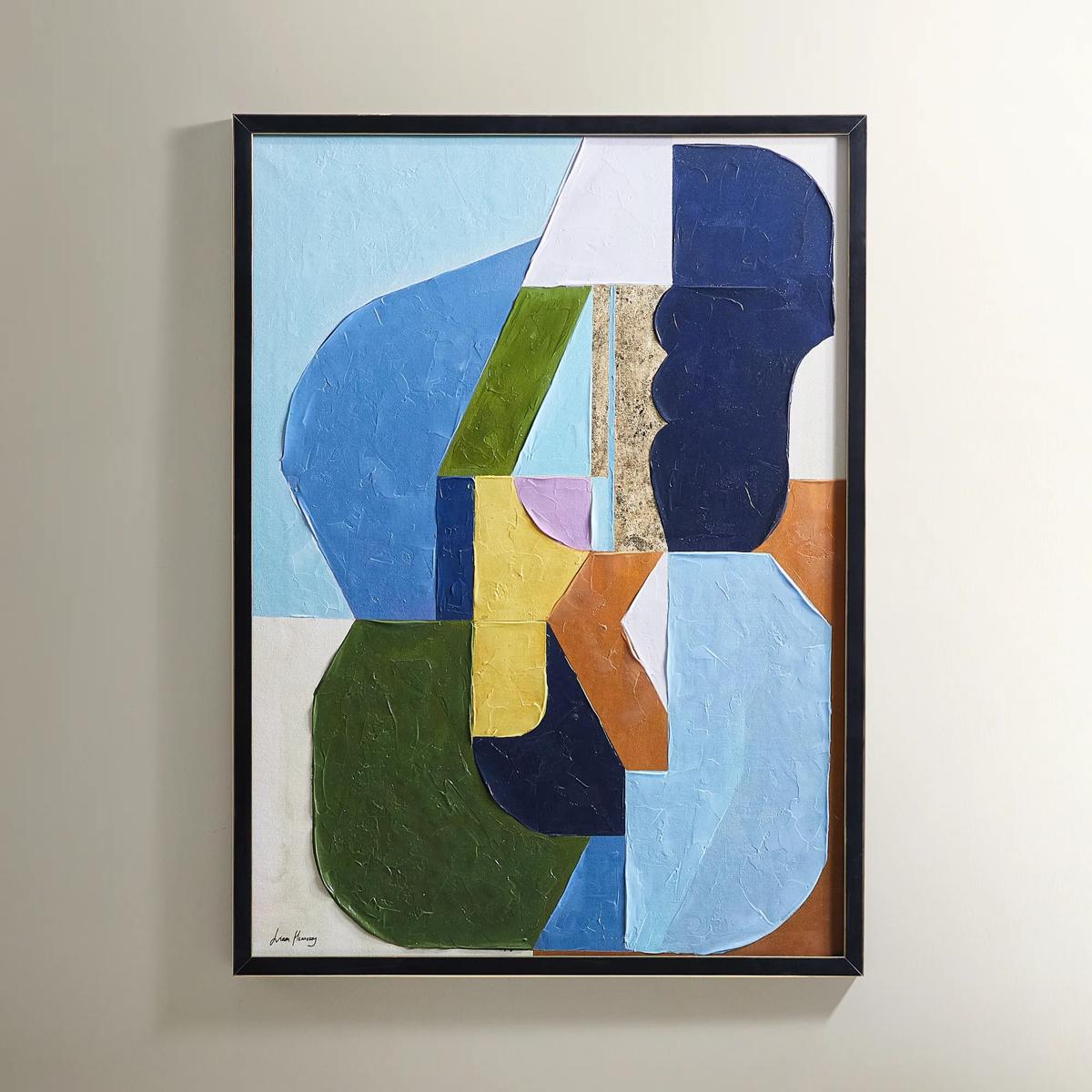
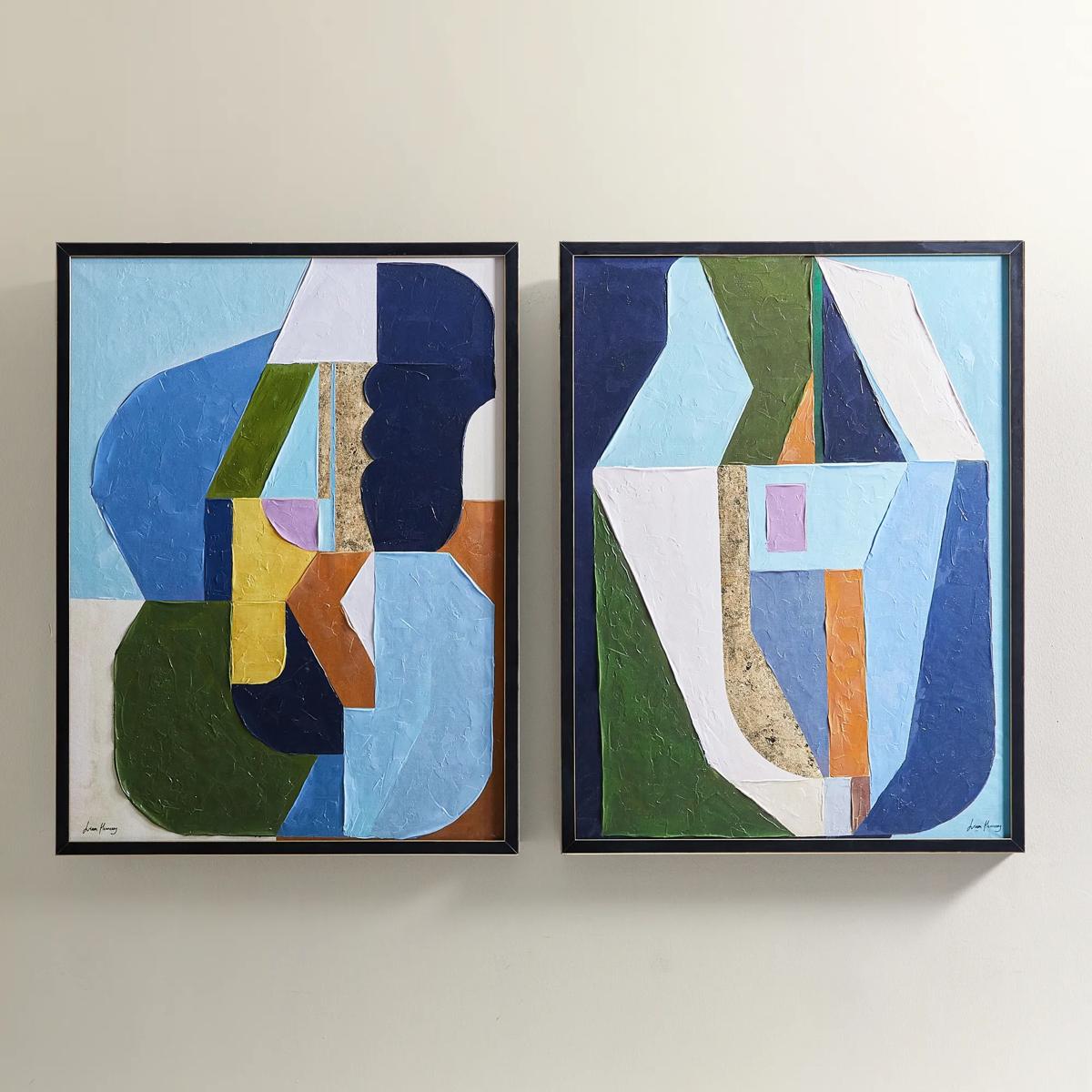 Thought Provoking Painting 1$249
A hand-embellished canvas artwork featuring textured strokes in deep blue, olive green, and gold accents.
Add To Cart -
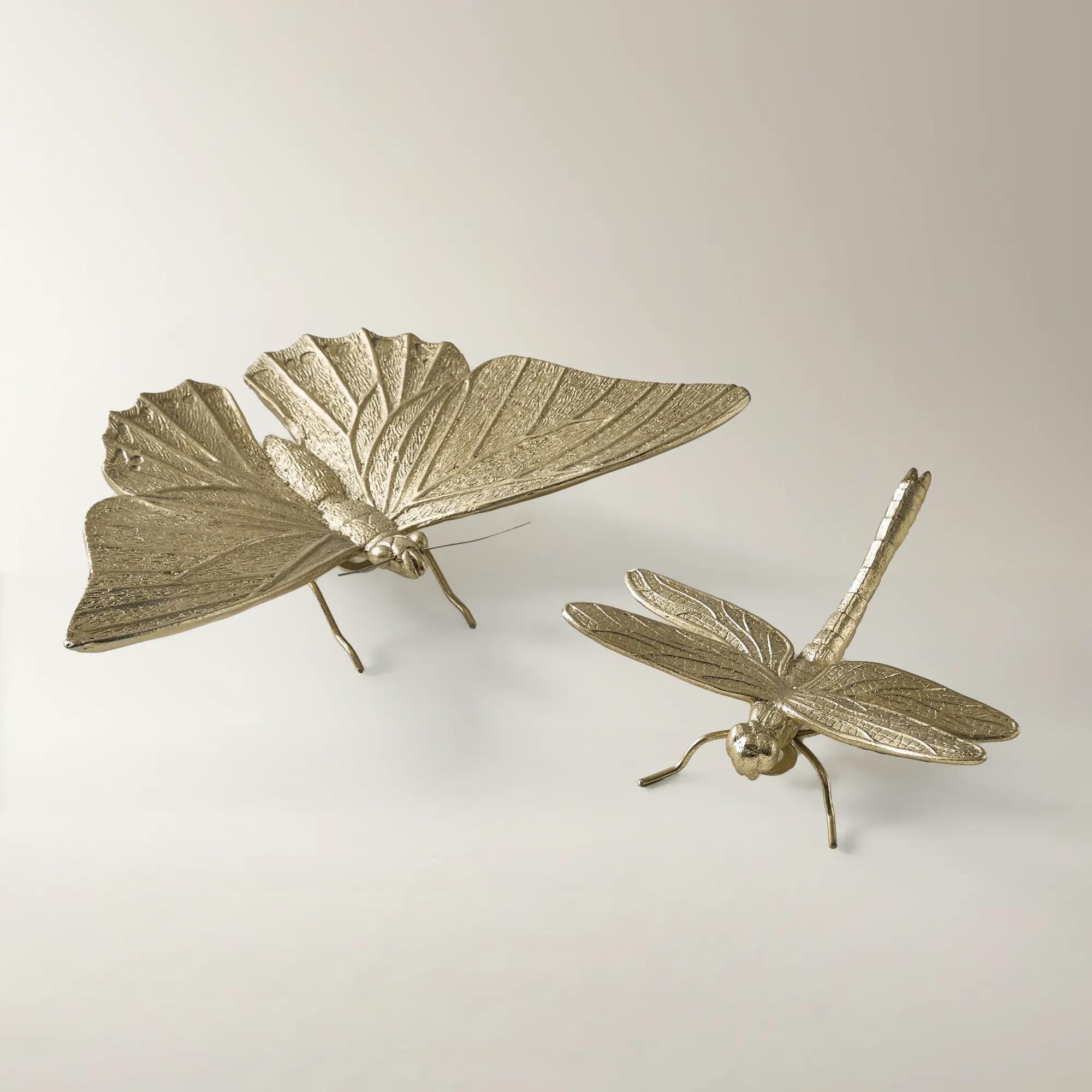 Gilt Champagne Resin Butterfly and Dragonfly Set of 2$99
A champagne-toned resin butterfly and dragonfly set adds sculptural shimmer to tabletops or walls.
Add To Cart -
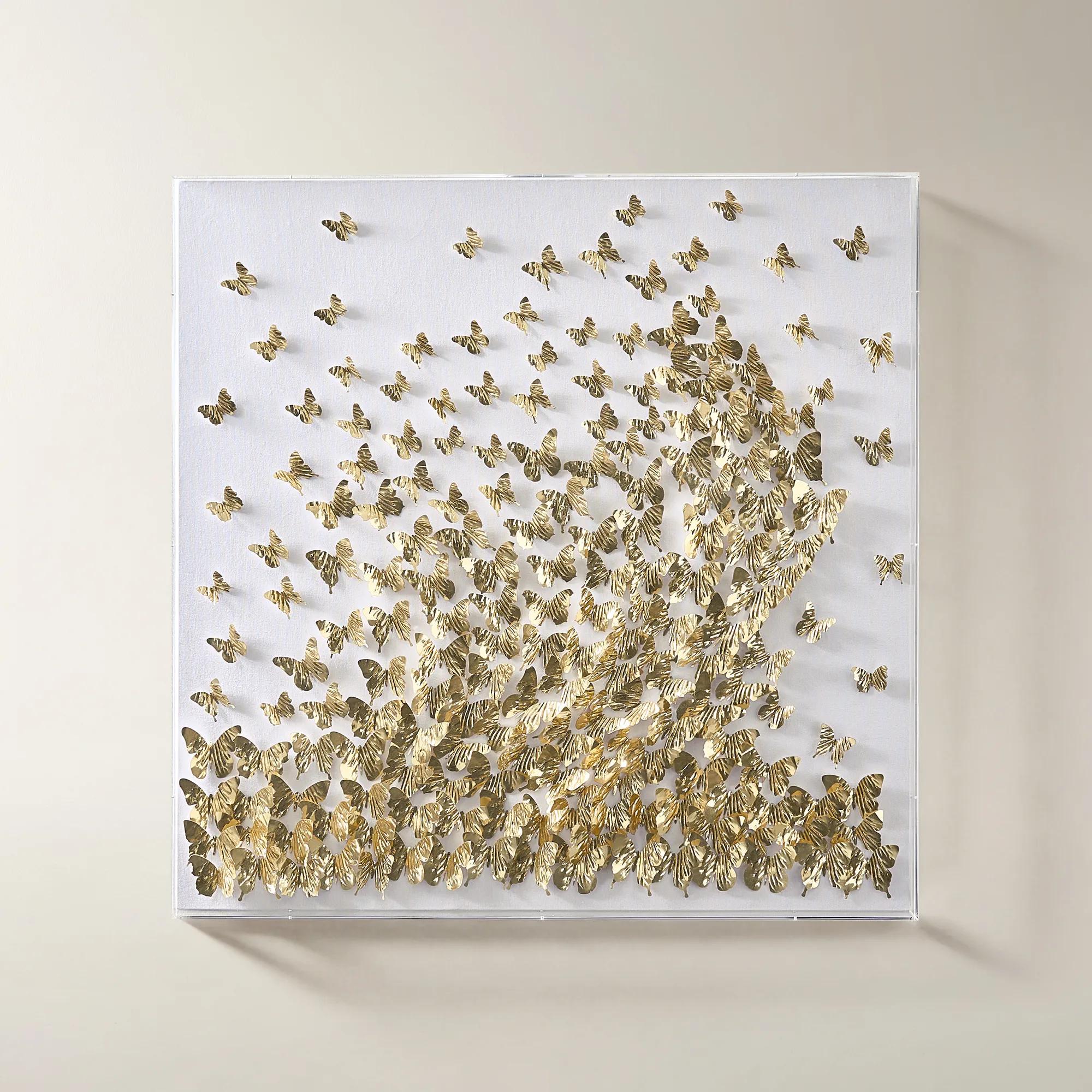
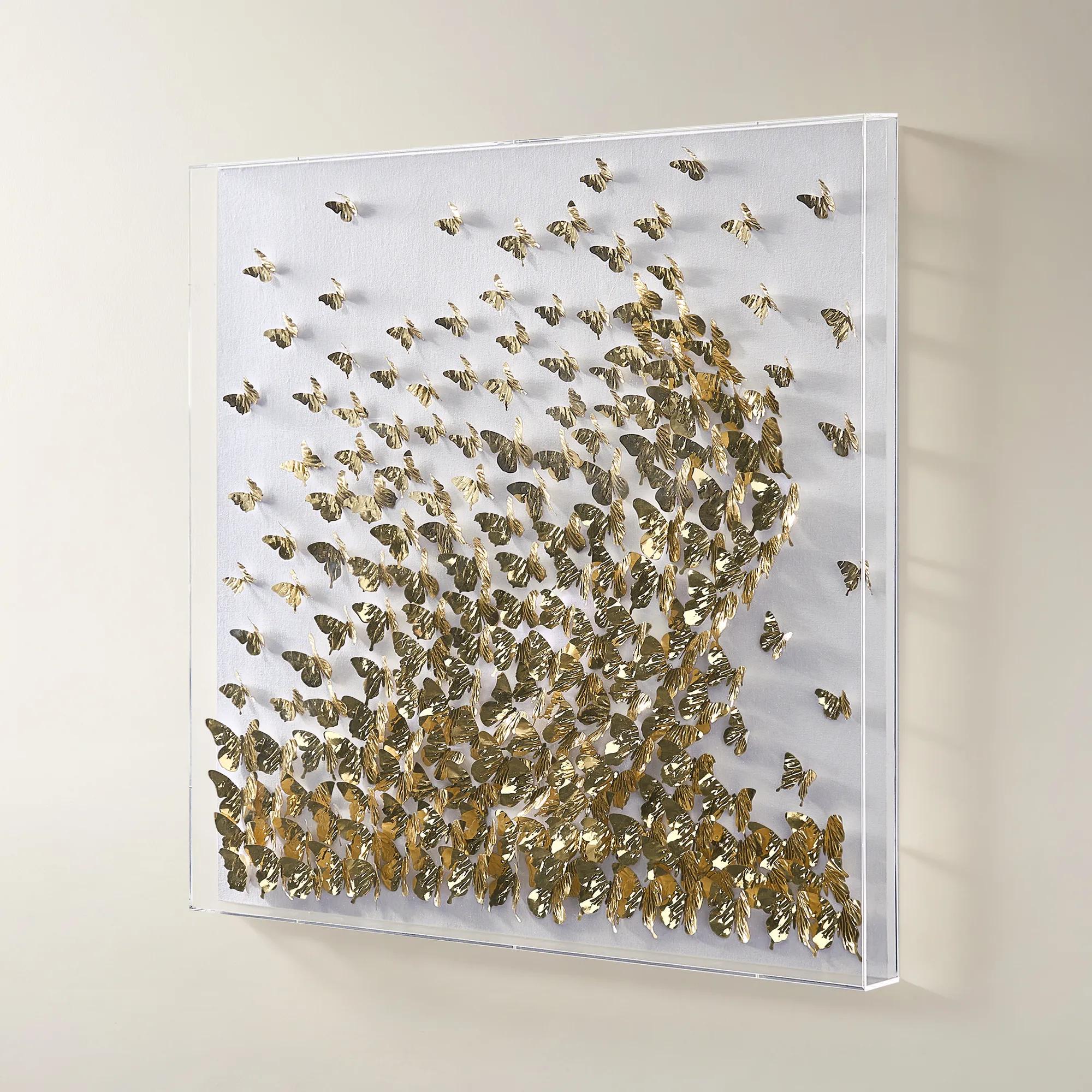 Butterfly Mist Handmade Gold Foil Wall Decor in Acrylic 39.25" x 39.25"$799
A sculptural wall art piece featuring handmade gold foil paper butterflies on linen, encased in a clear acrylic box.
Add To Cart -
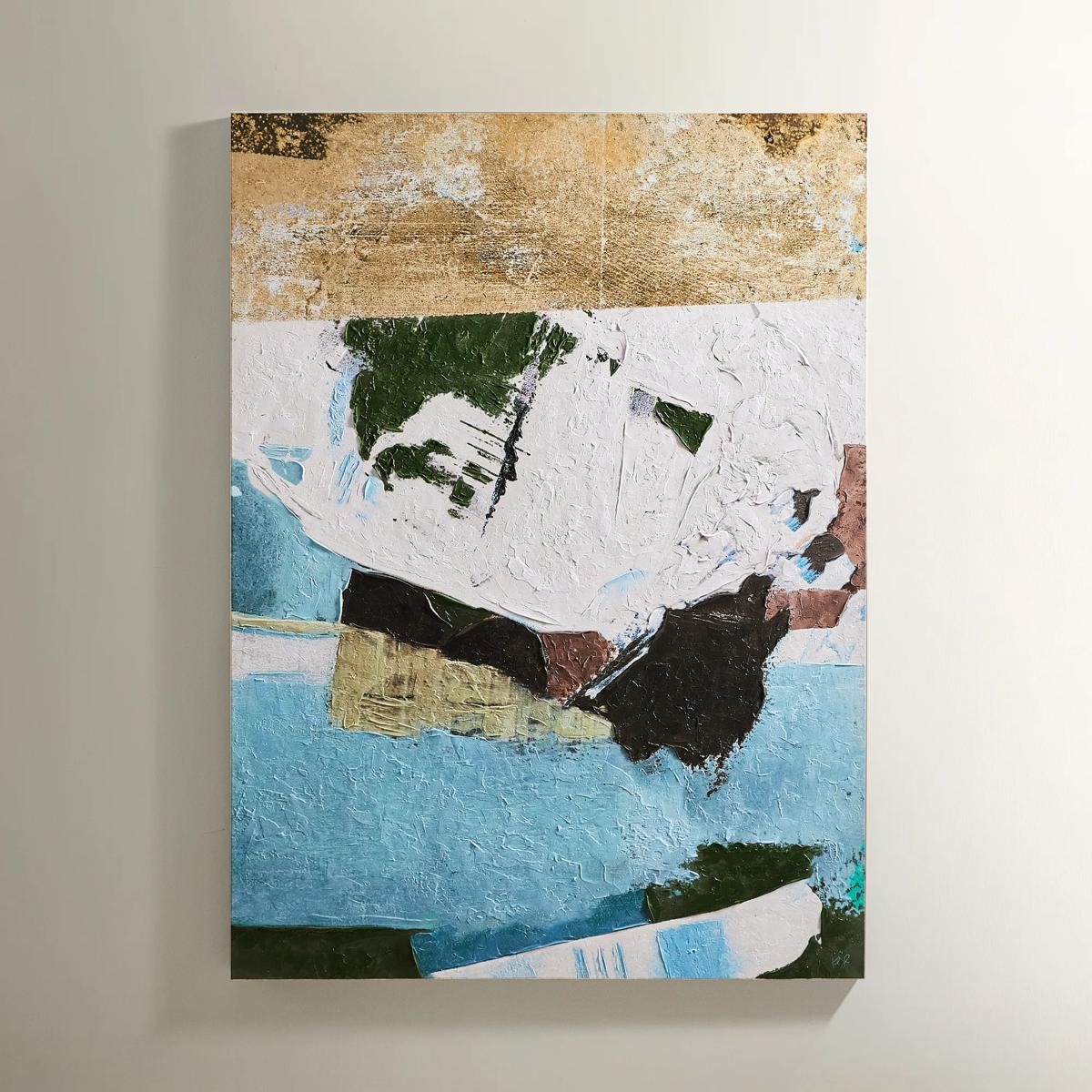 Cadence Painting$599
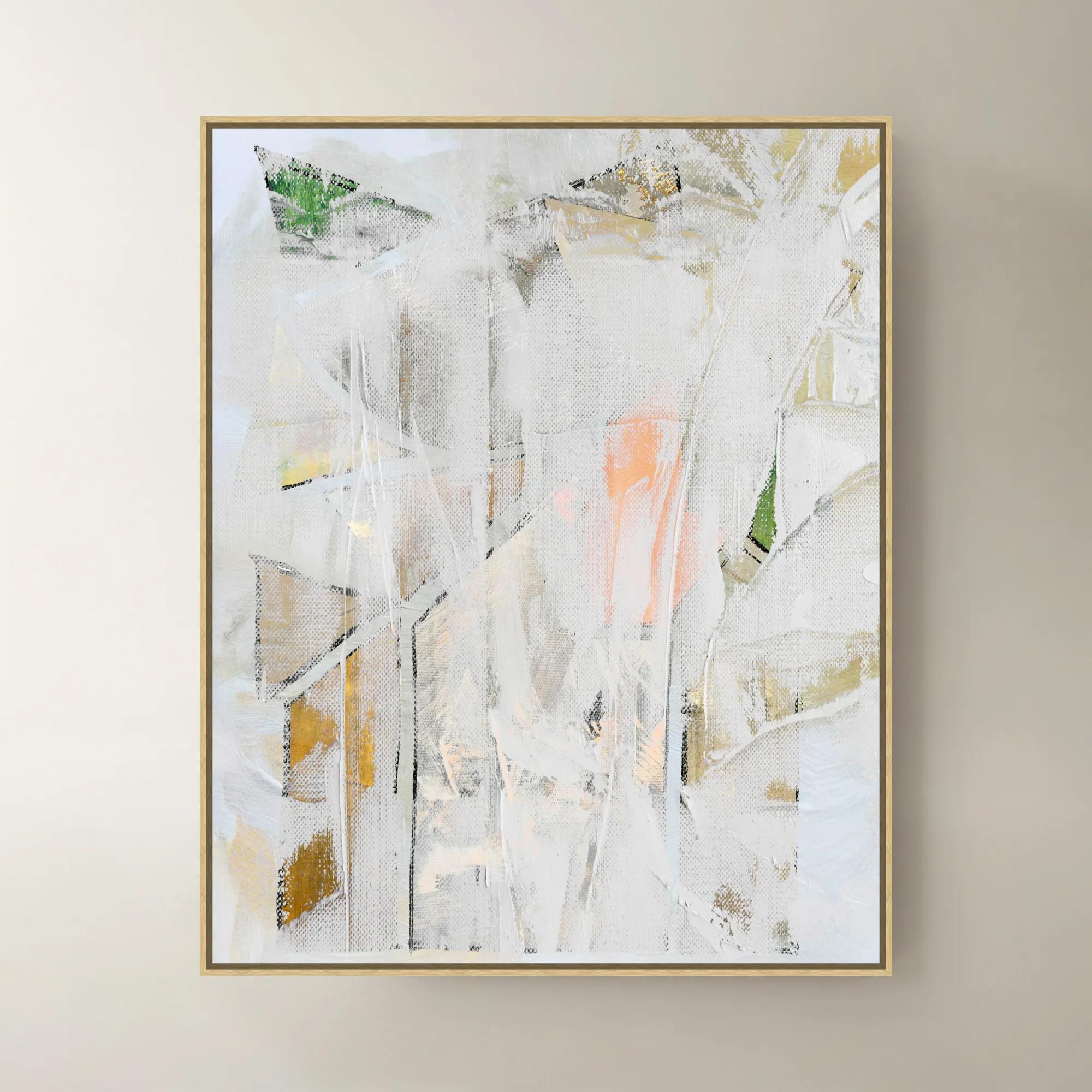
A hand-embellished canvas artwork featuring textured olive, gold, and ivory strokes in a black and gold frame.
Add To Cart -
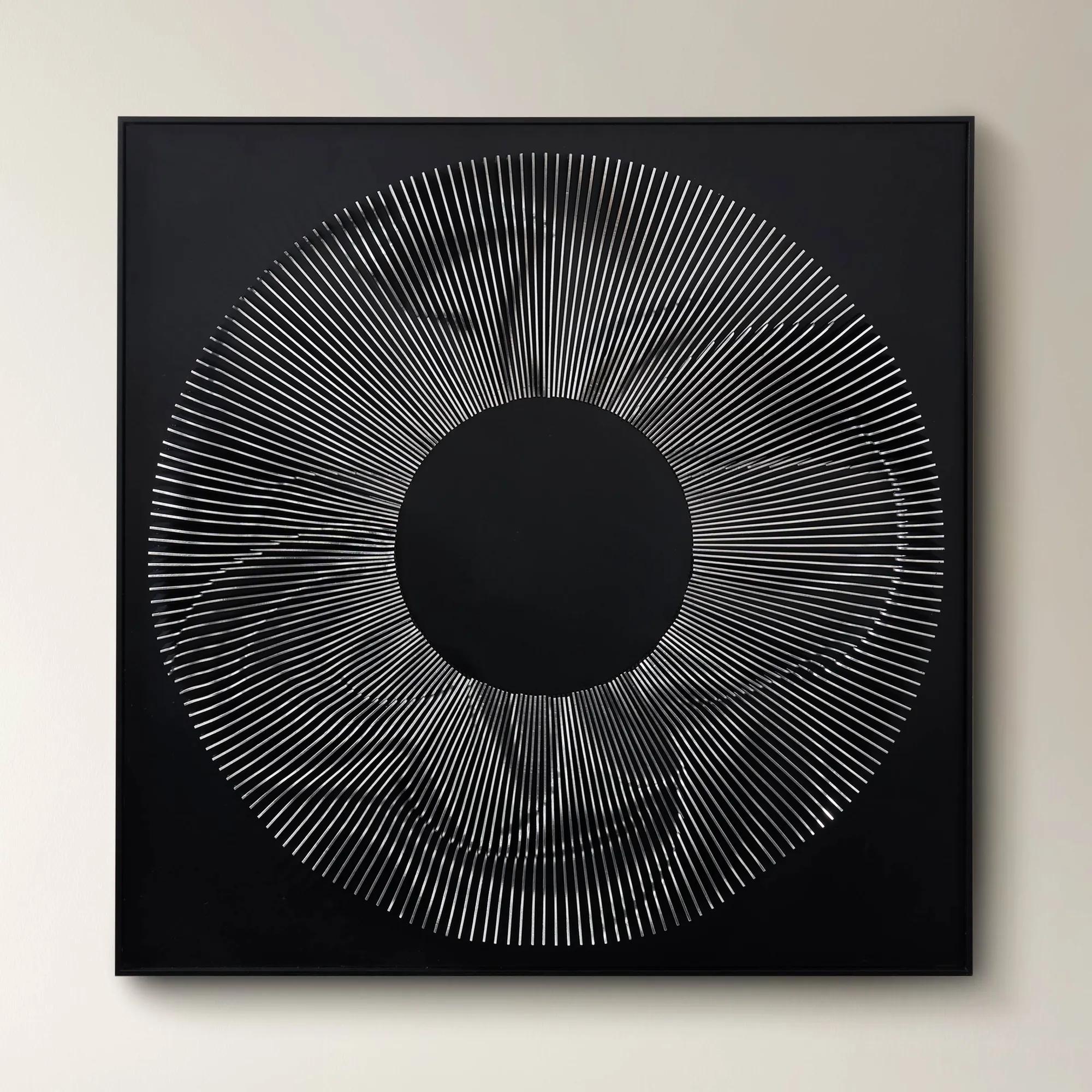 Efflorescence Wood Carving$799
A three-dimensional pine wood panel features a flowing carved motif in a striking silver finish.
Add To Cart -
 Way Back When Framed Painted Wall Art 36" x 48"$499
A hand-painted cotton canvas in sepia, black, and ivory with abstract animal-inspired patterns and a slim black frame.
Add To Cart -
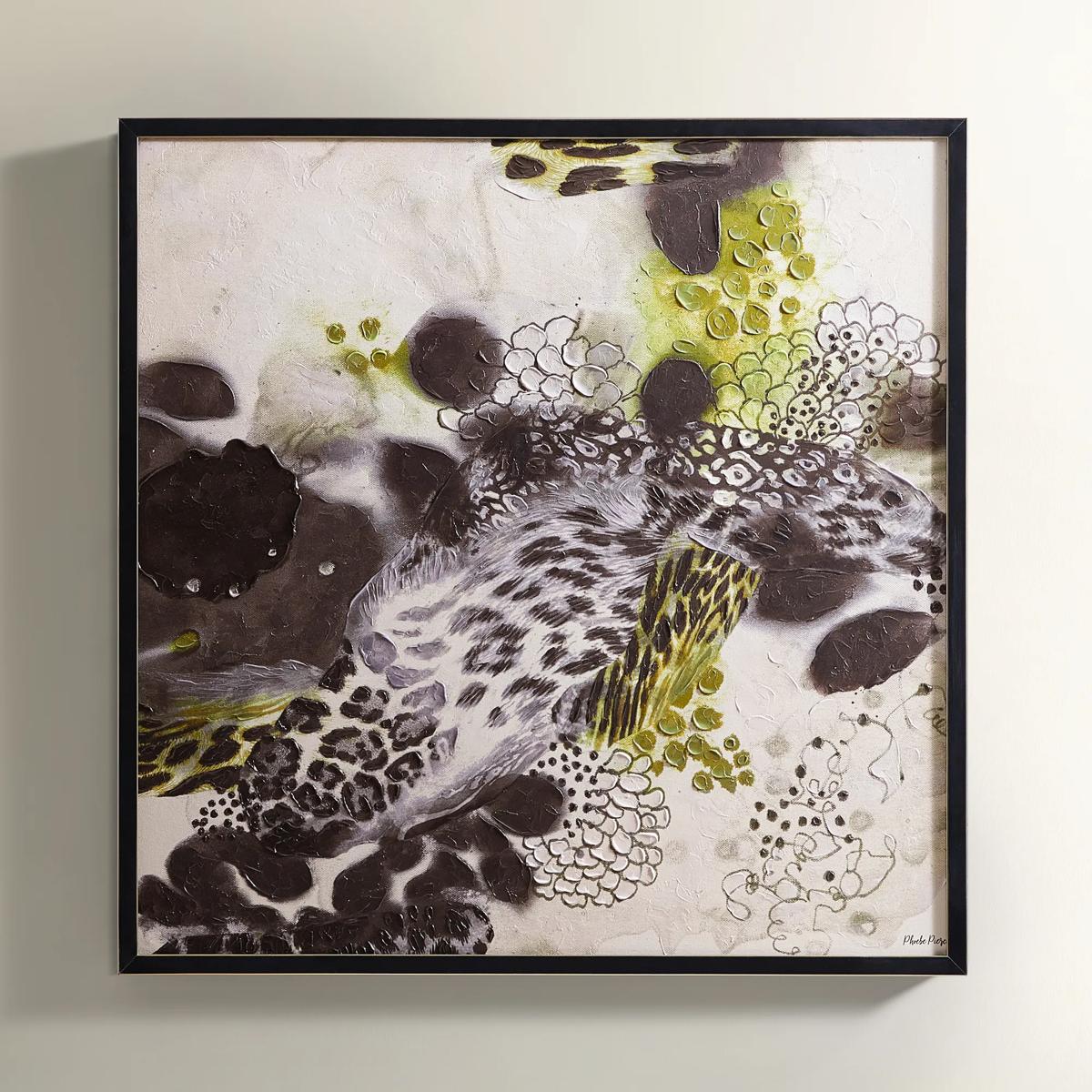
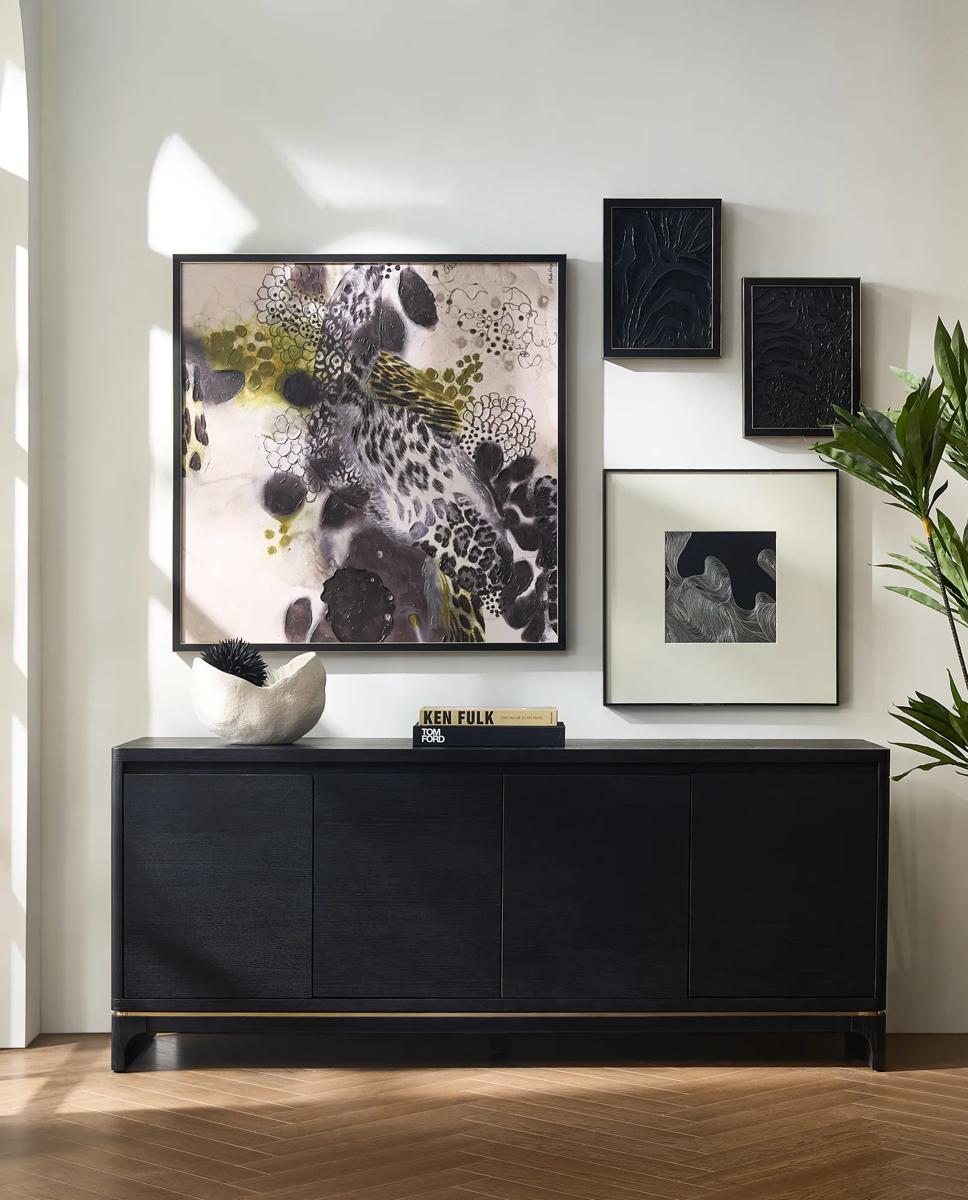 In the Wild$399
A hand-embellished canvas artwork featuring textured strokes in black, chartreuse, and sand, framed in ornate wood.
Add To Cart -
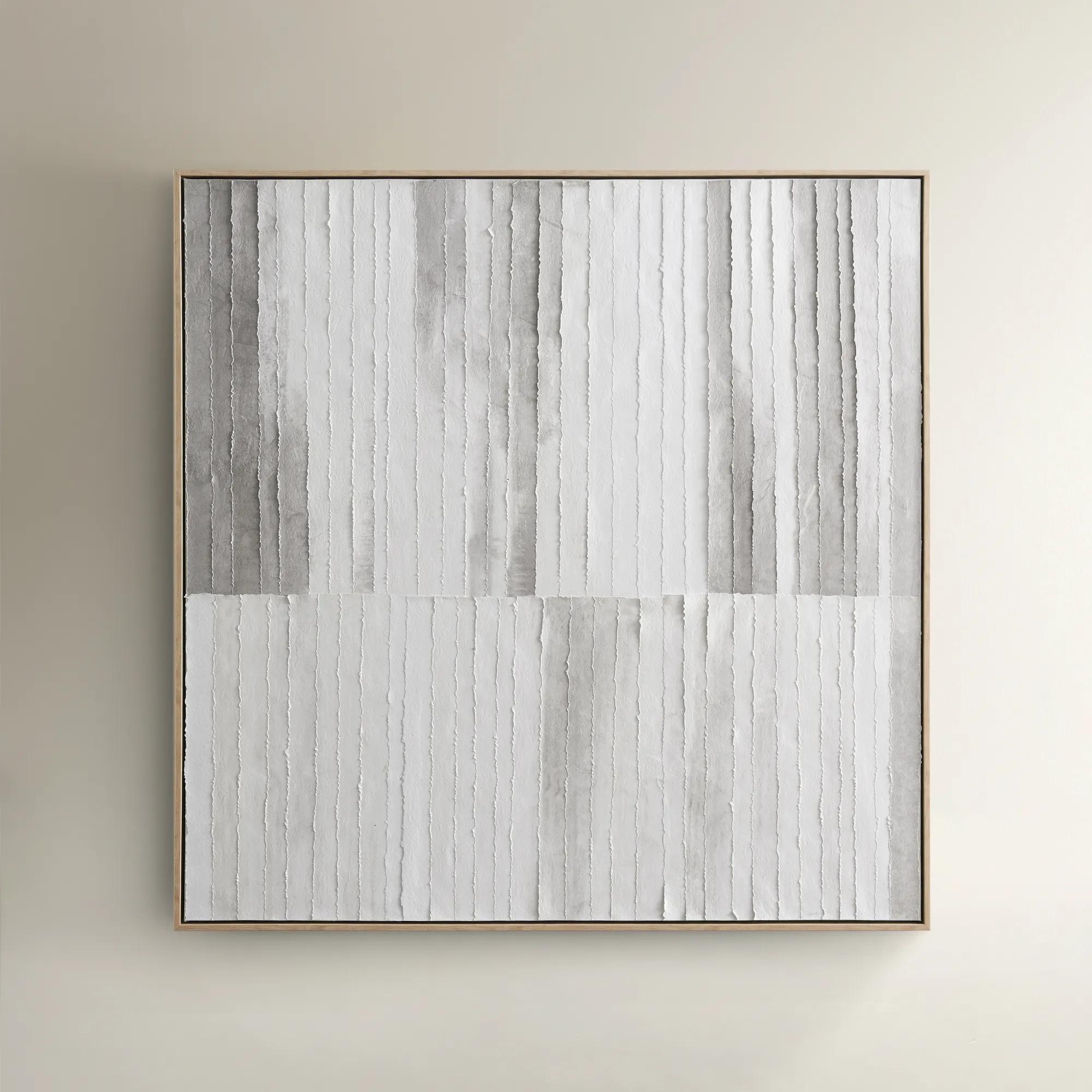
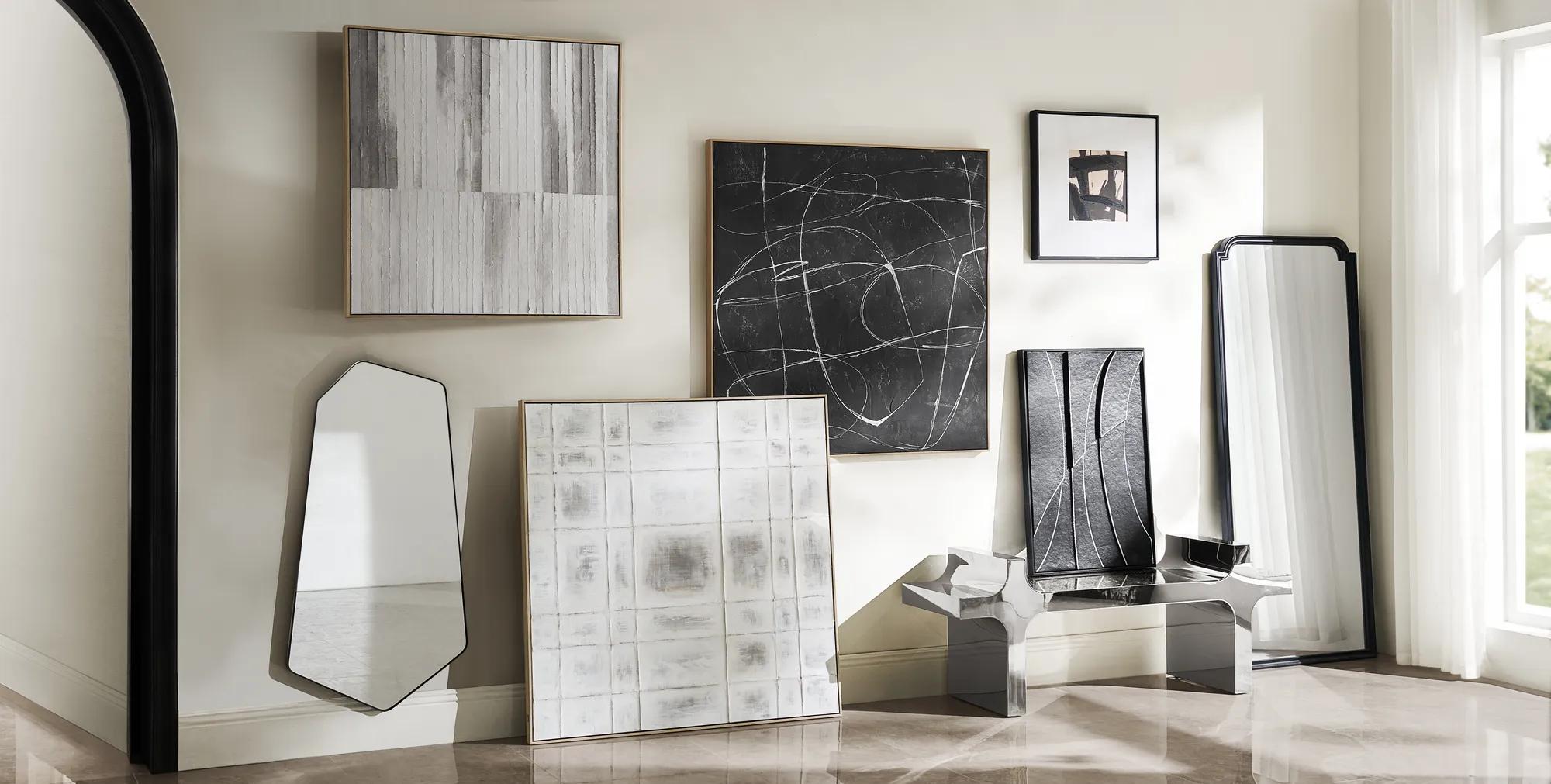 Morning Mist Paper Art$329
A hand-painted canvas featuring rhythmic grey lines in a textured, whitewashed floater frame for serene style.
Add To Cart -
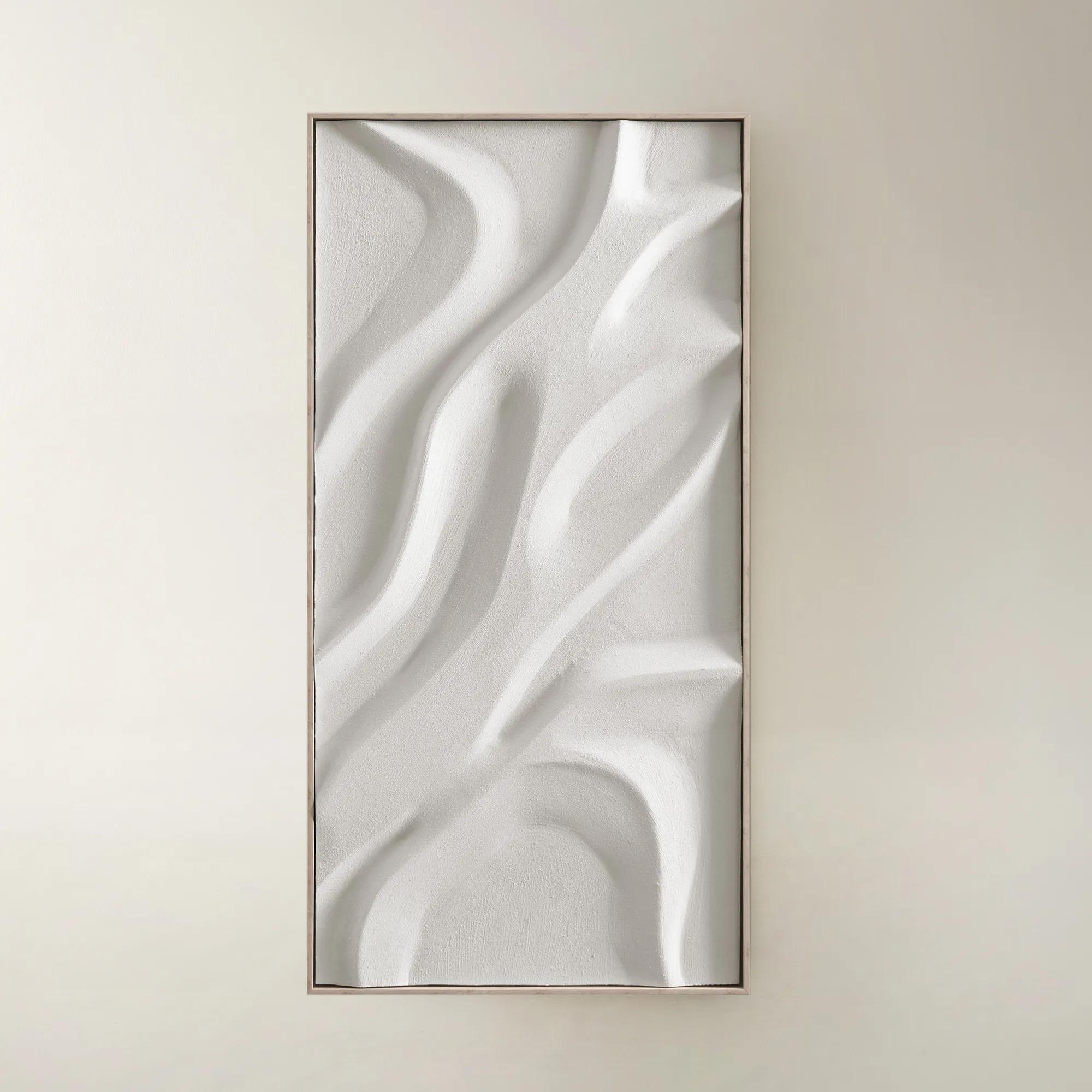
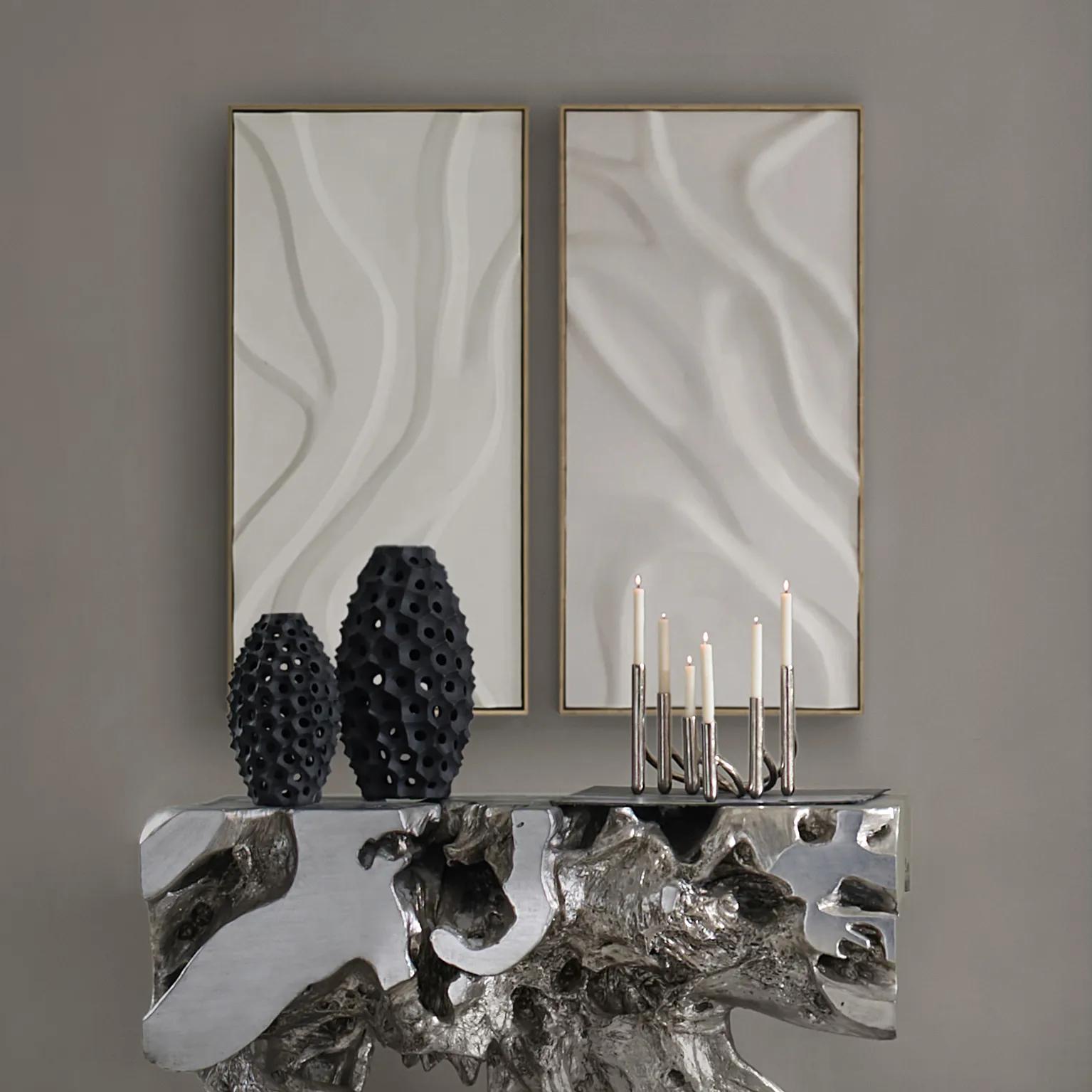 Au Lait Framed Painted Wall Art II 47.2" x 23.6"$199
A serene hand-painted canvas in beige, set in a warm whitewash floater frame for modern interiors.
Add To Cart -
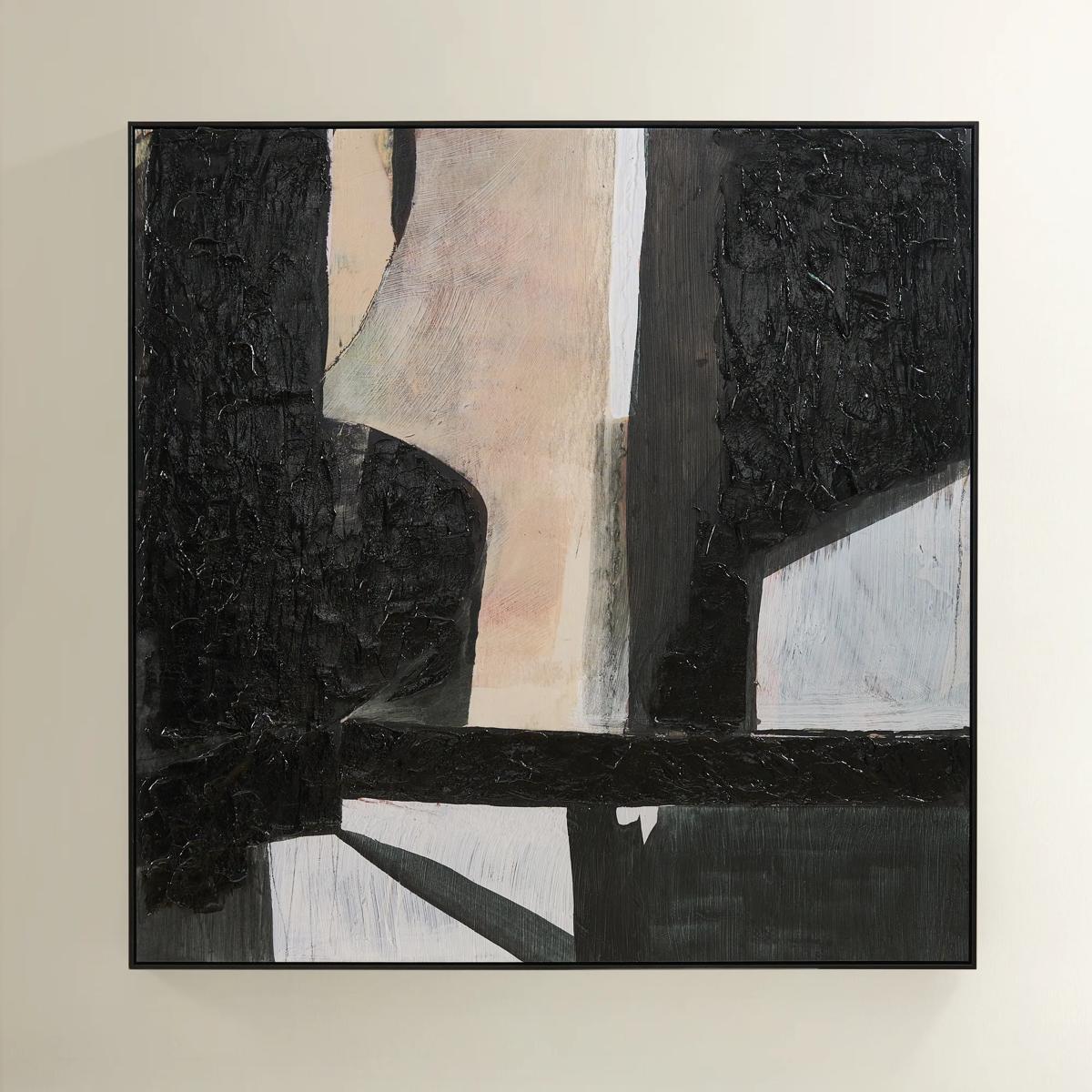 Grounded Painting$699
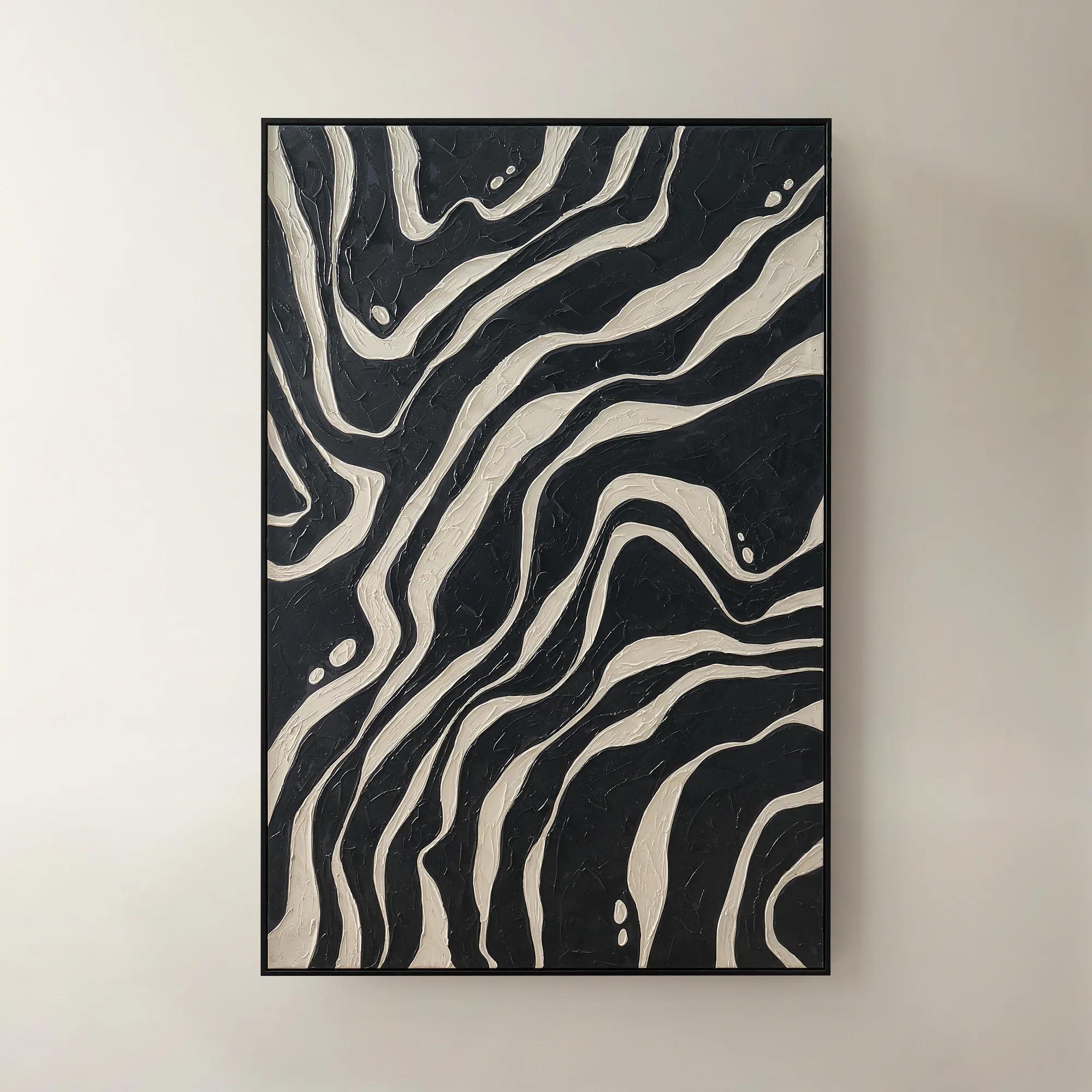
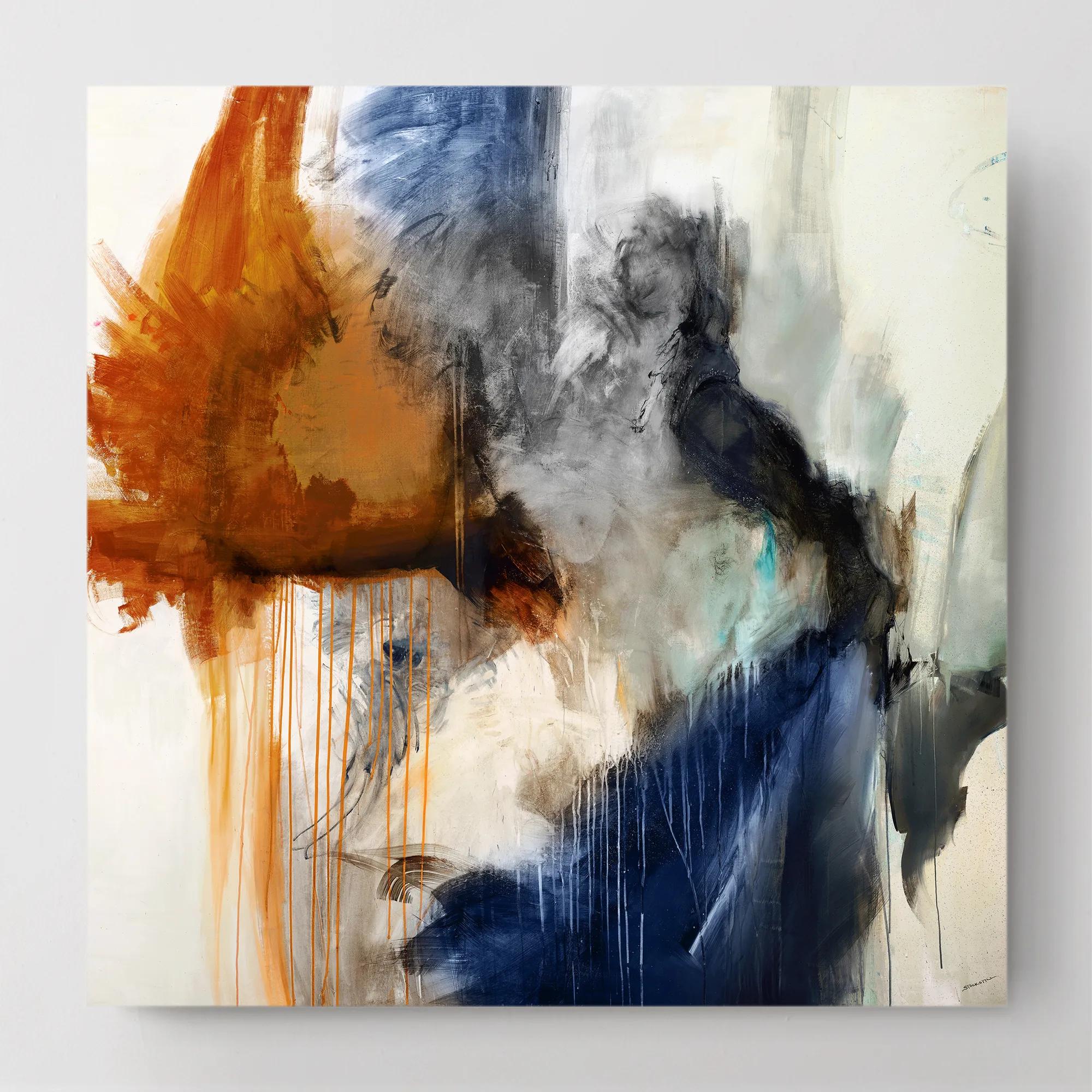
A hand-painted abstract canvas featuring black, cream, and earth tones in a sleek black floater frame.
Add To Cart -
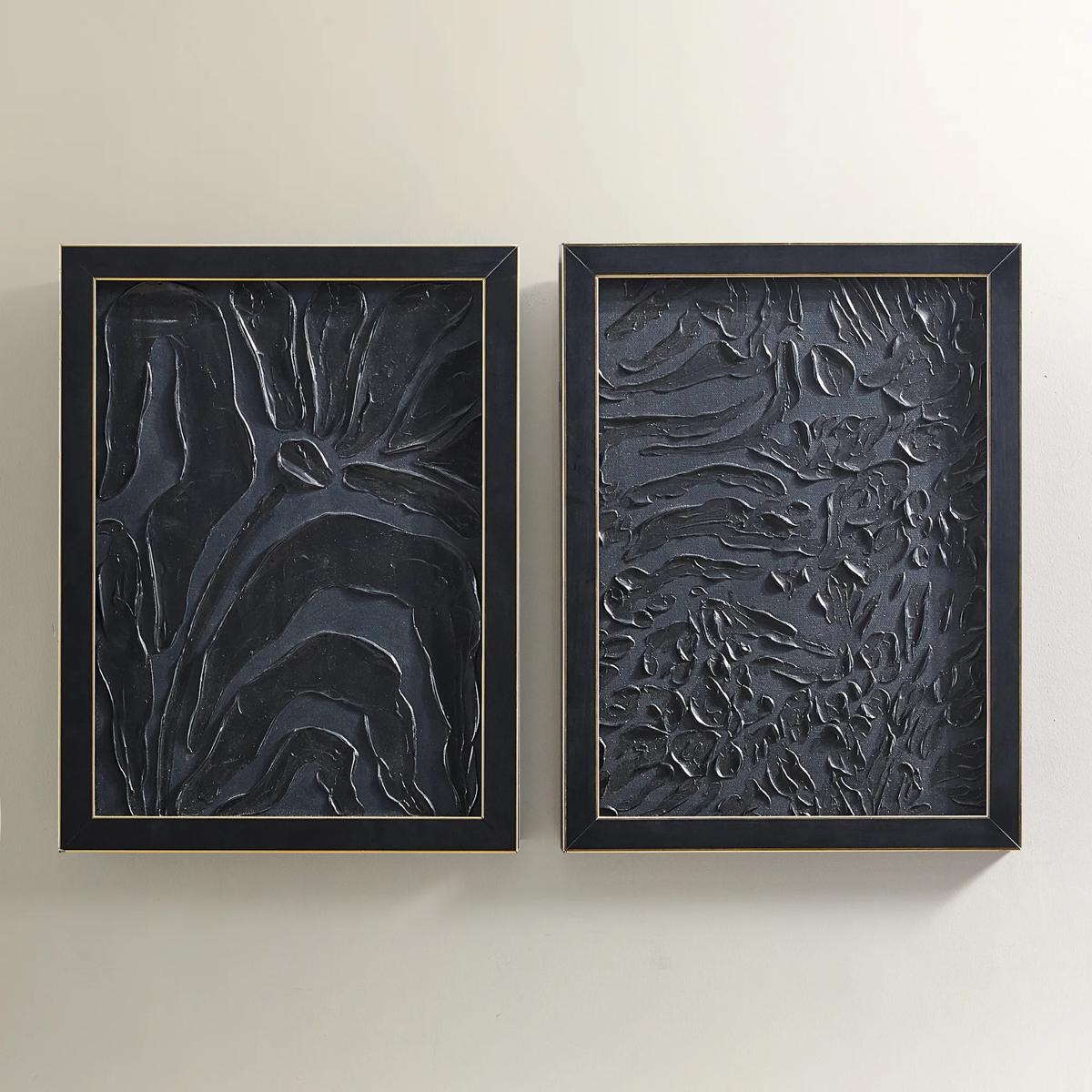
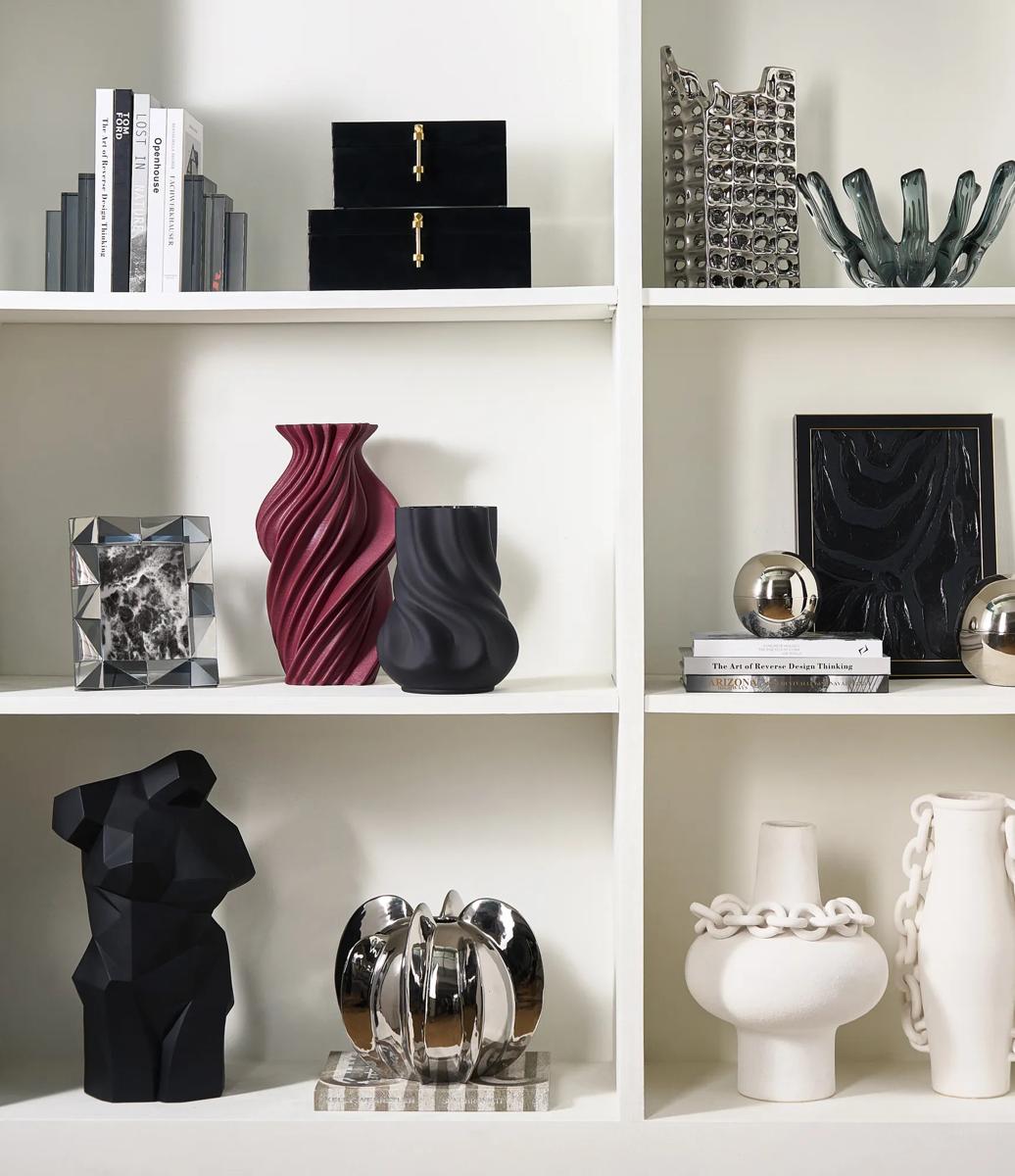 Midnight Animal Painting - Set of 2$119
A set of hand-embellished canvas artworks in black and gold frames, adding depth and warmth to interiors.
Add To Cart -
-0.jpeg?w=1200&h=1200)
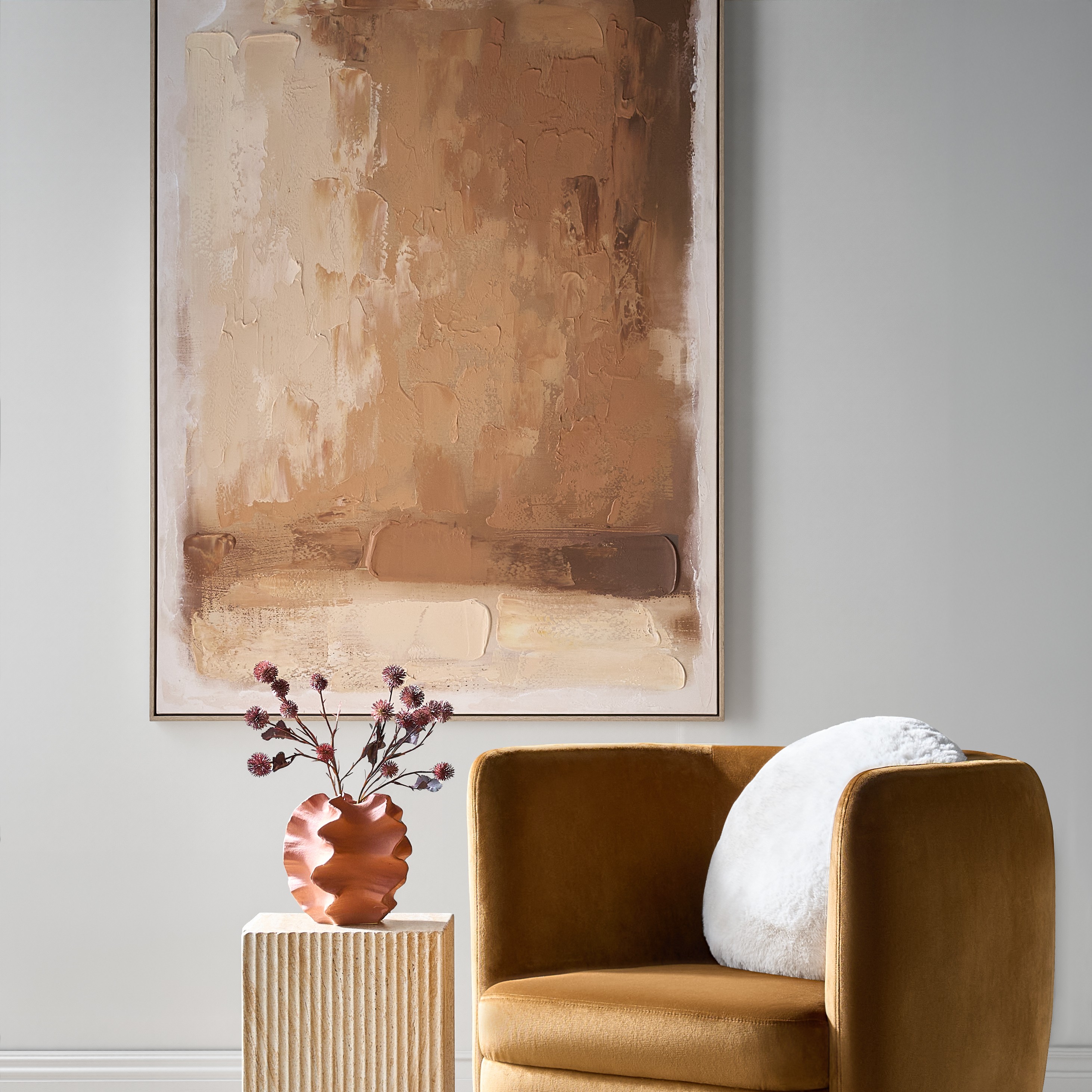 Ember Glow Framed Painted Wall Art 39.25" x 55"$499
A hand-painted abstract canvas blending ochre, terracotta, and golden clay hues in a light natural frame.
Add To Cart -
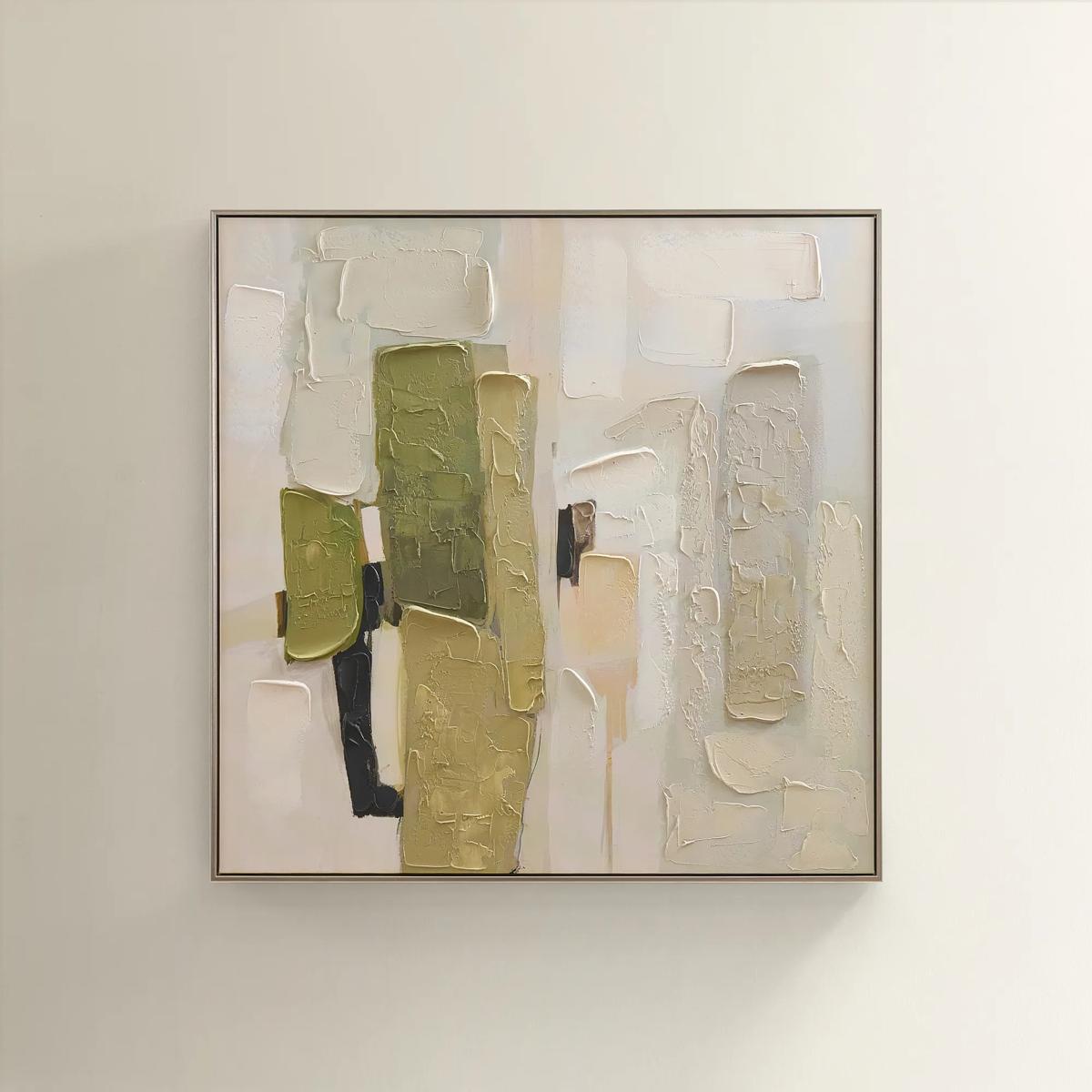 Verde Crush Framed Painted Wall Art 39.25" x 39.25"$349
A hand-painted abstract canvas featuring rich green tones, layered neutrals, and a champagne floater frame.
Add To Cart -
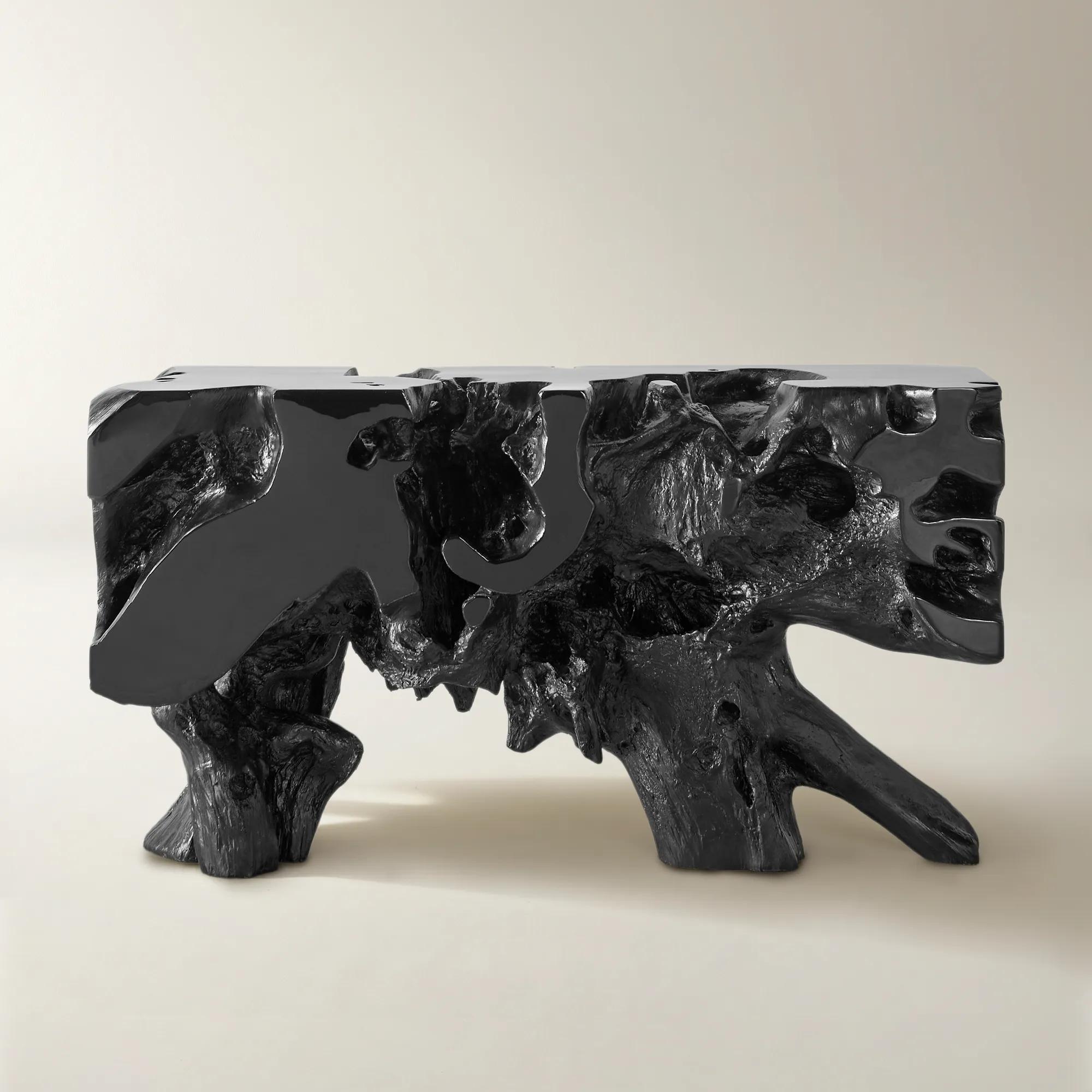 Sequoia Black Resin Console Table (58")$1999
A sculptural black console table crafted from resin, fiberglass, and polished stone for indoor or outdoor use.
Add To Cart -
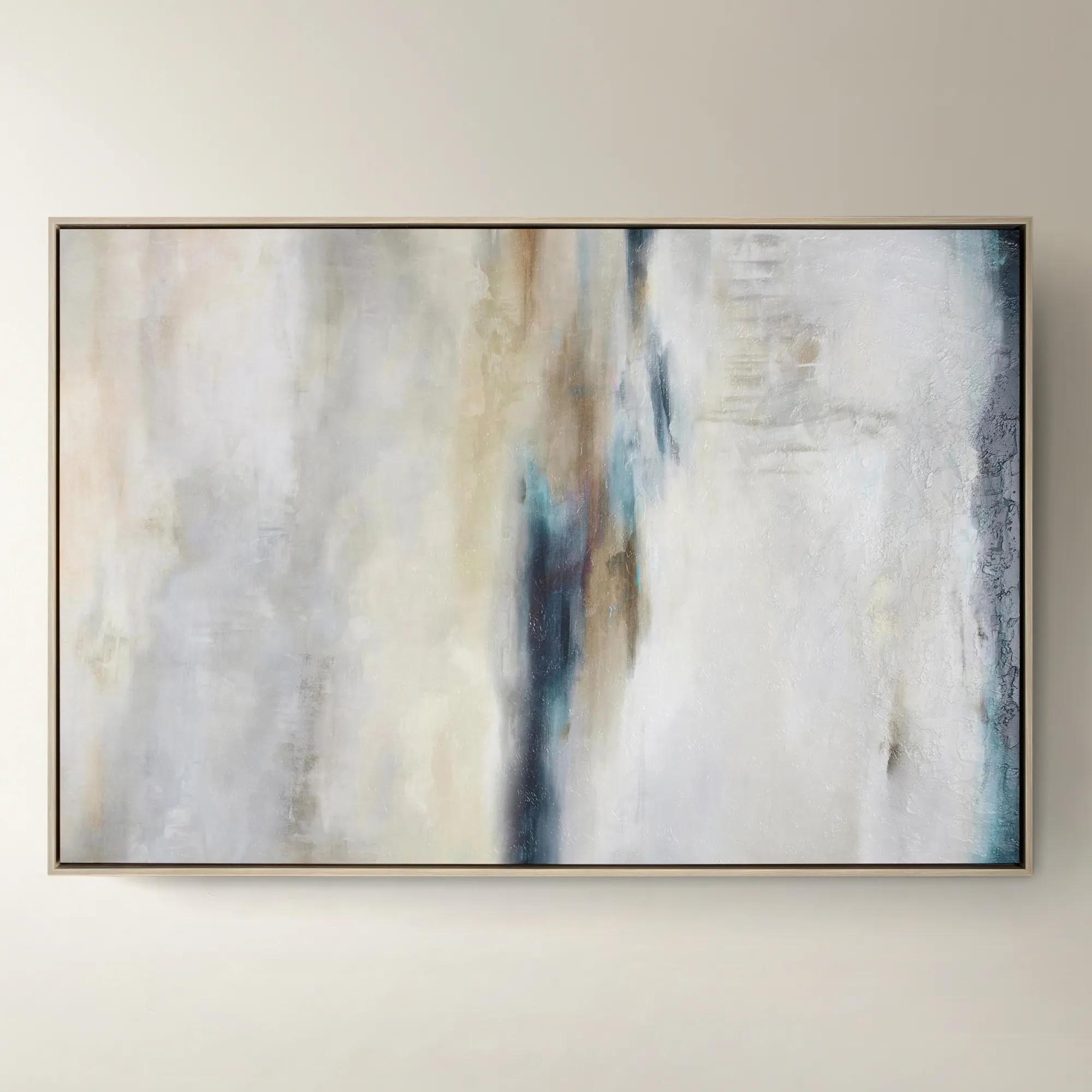
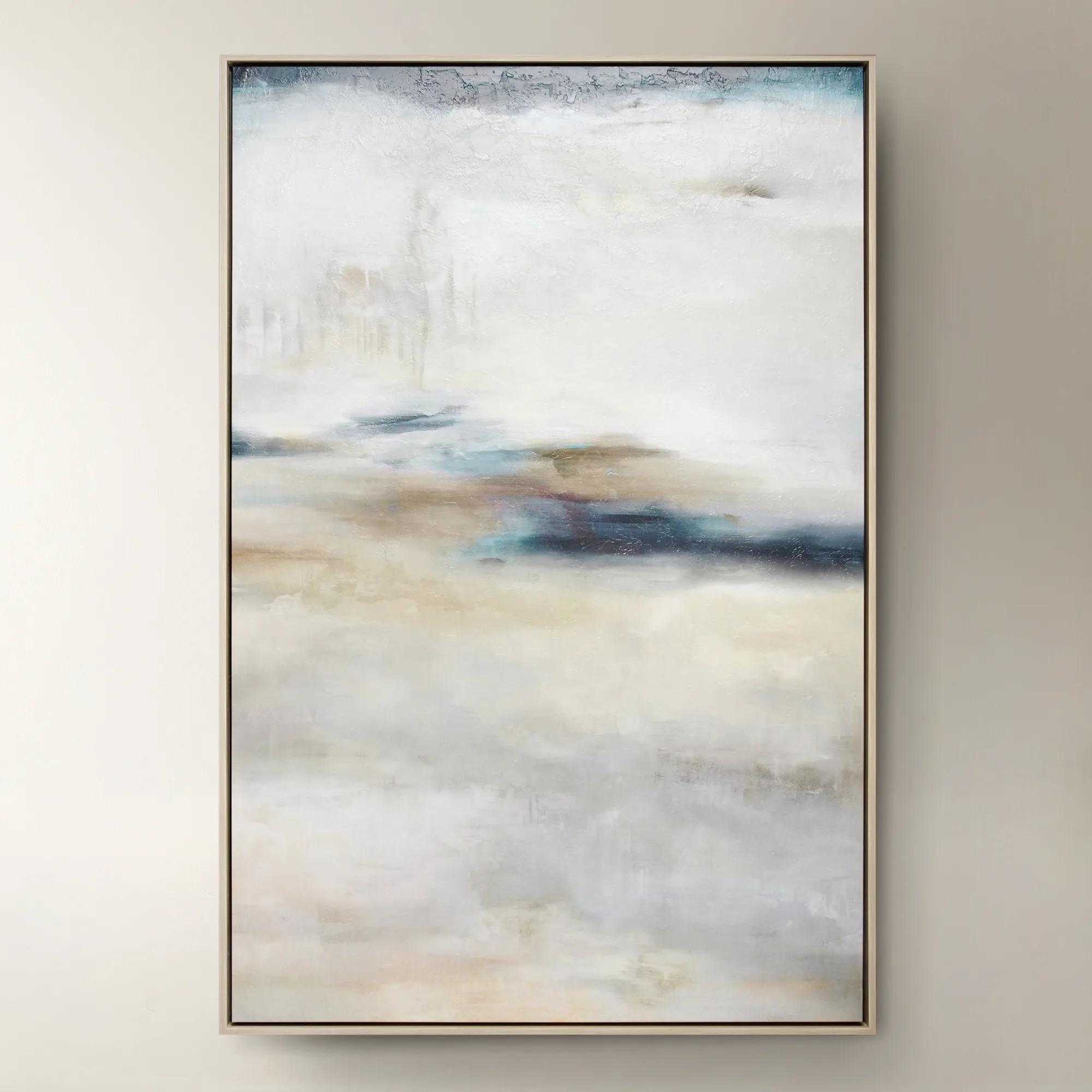 Forward Looking$1299
A softly layered abstract canvas print with a gel finish, set in a natural-hued floater frame.
Add To Cart -
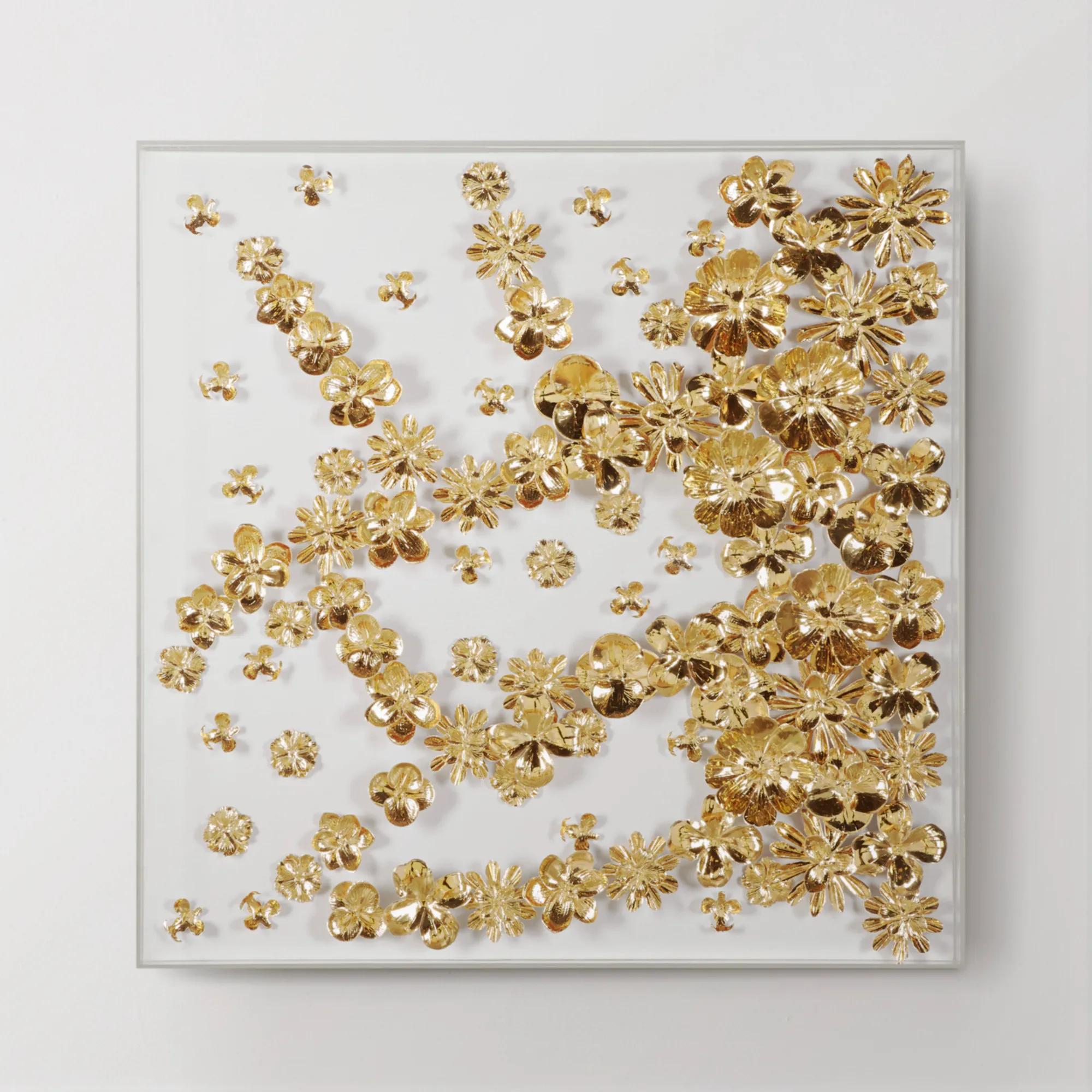
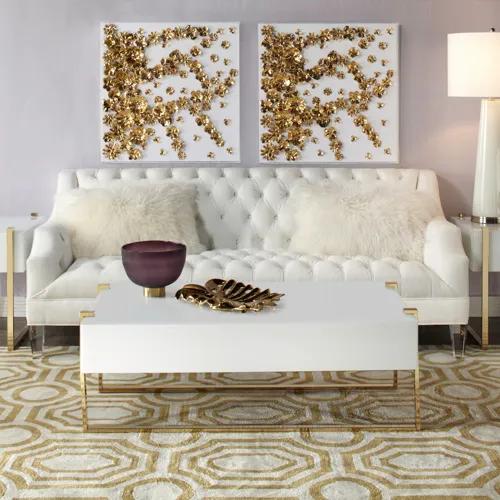 Gold Flora Handmade Foil Wall Decor in Acrylic 31" x 31"$499
A glam botanical wall art featuring handmade gold foil paper flowers on a white linen background.
Add To Cart -
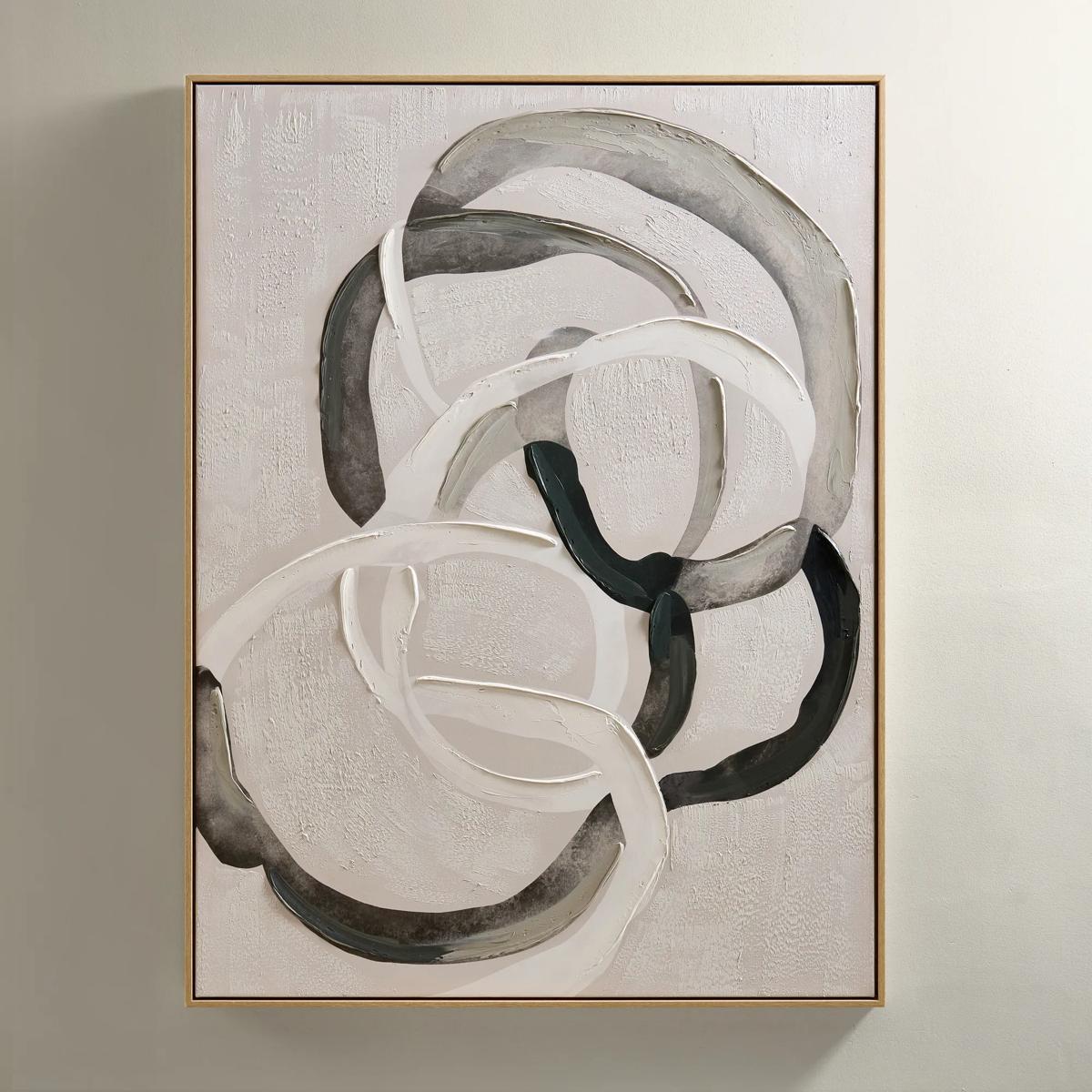
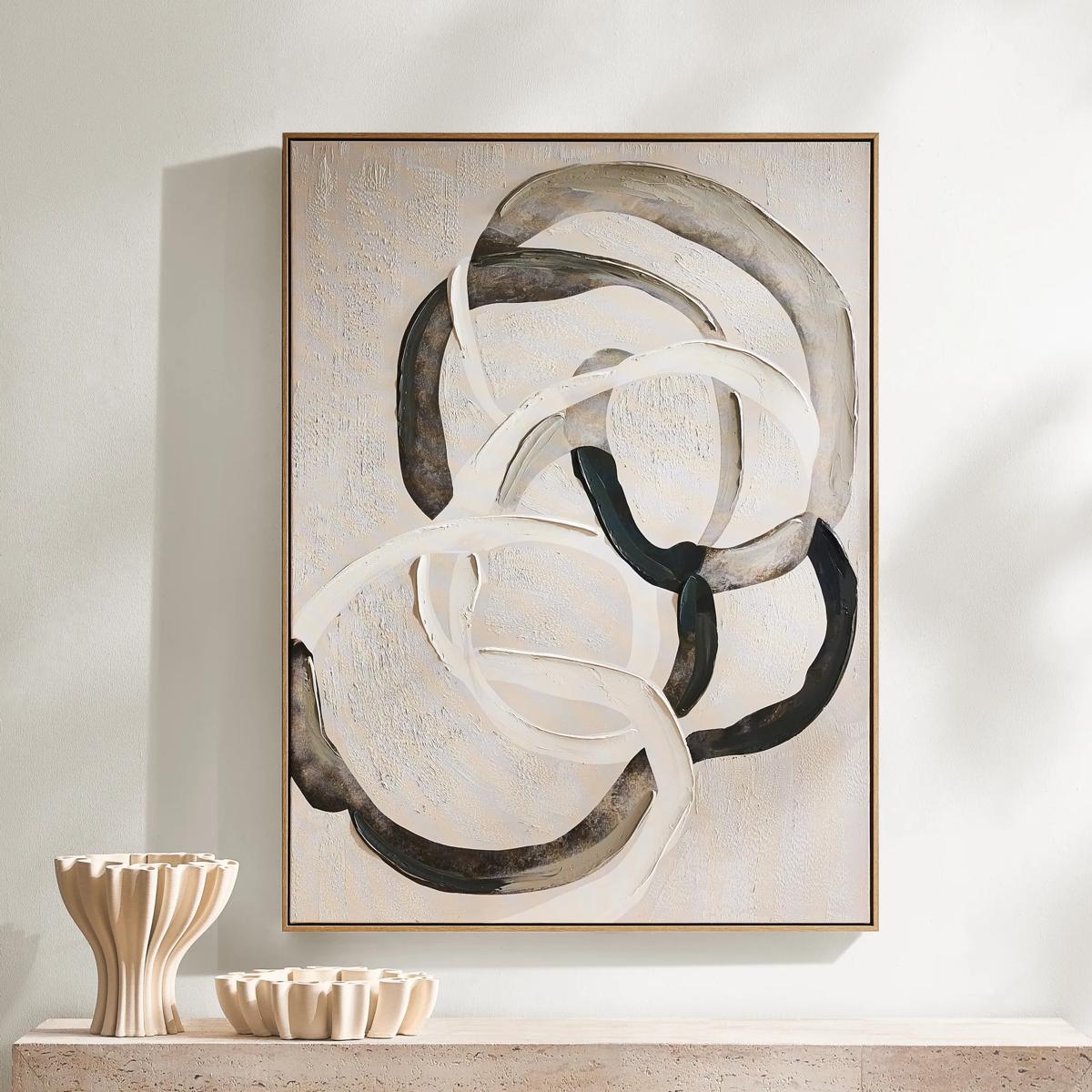 Round About Framed Painted Wall Art 35.25" x 47.25"$349
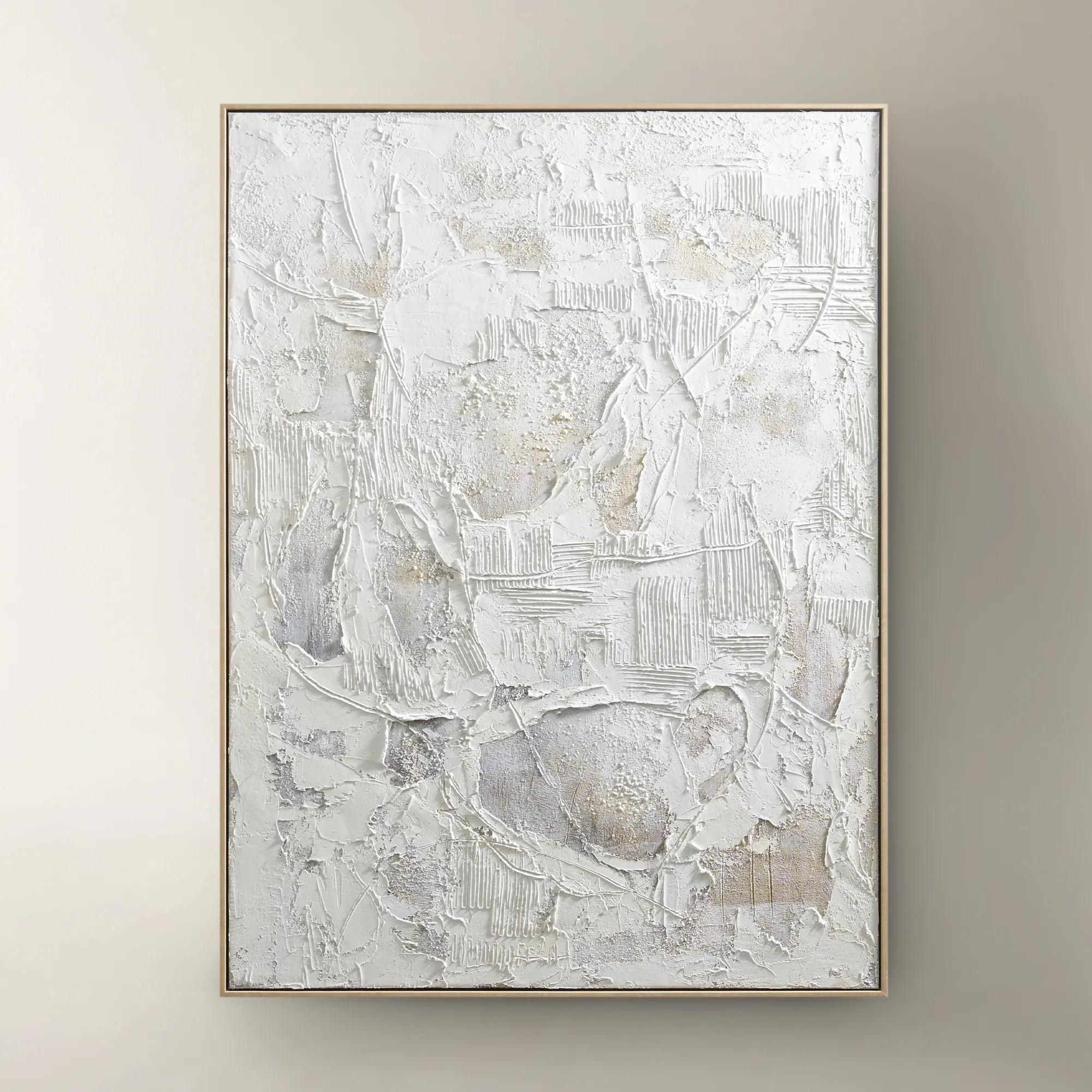
An abstract hand-painted canvas with tonal whites, charcoals, and taupes in a light wood floater frame.
Add To Cart -
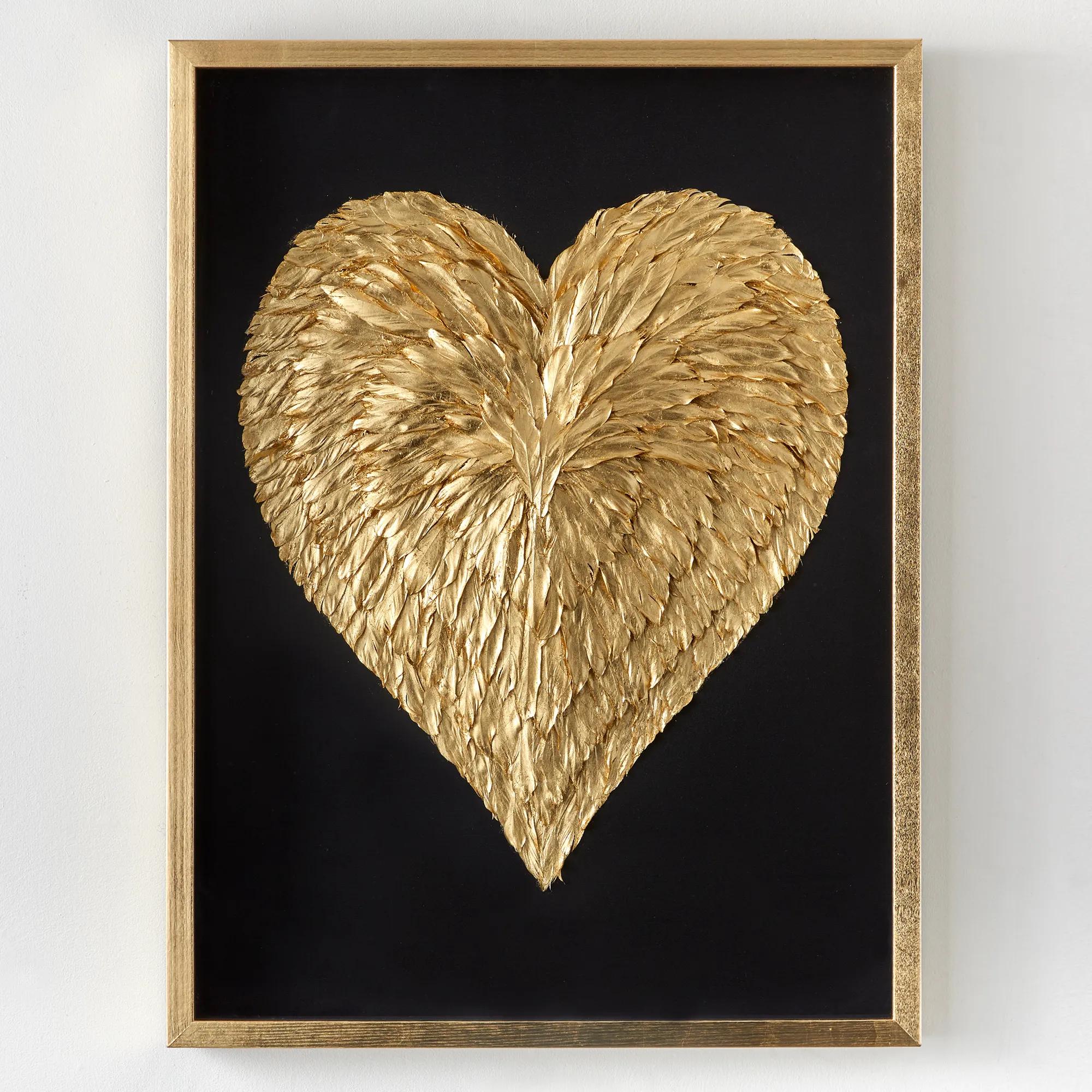 Heart Of Gold Feather Shadowbox 29.5" x 39.5"$449
A hand-painted feather artwork set on black fabric and framed in a gold shadowbox display.
Add To Cart -
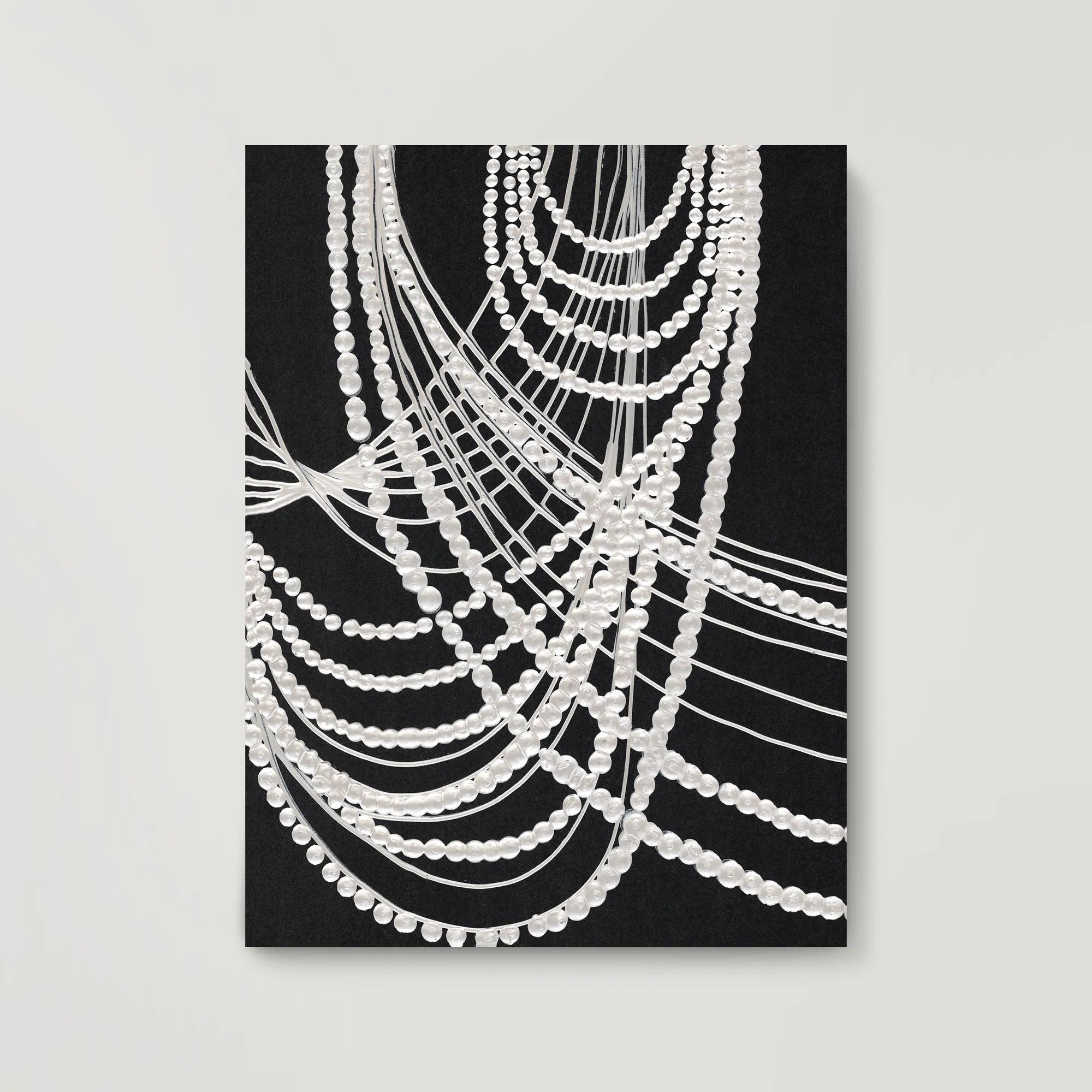 Dripping Pearls Painted Wall Art 36" x 48"$949
A striking hand-painted abstract artwork featuring layered acrylic and watercolor textures in a modern design.
Add To Cart -
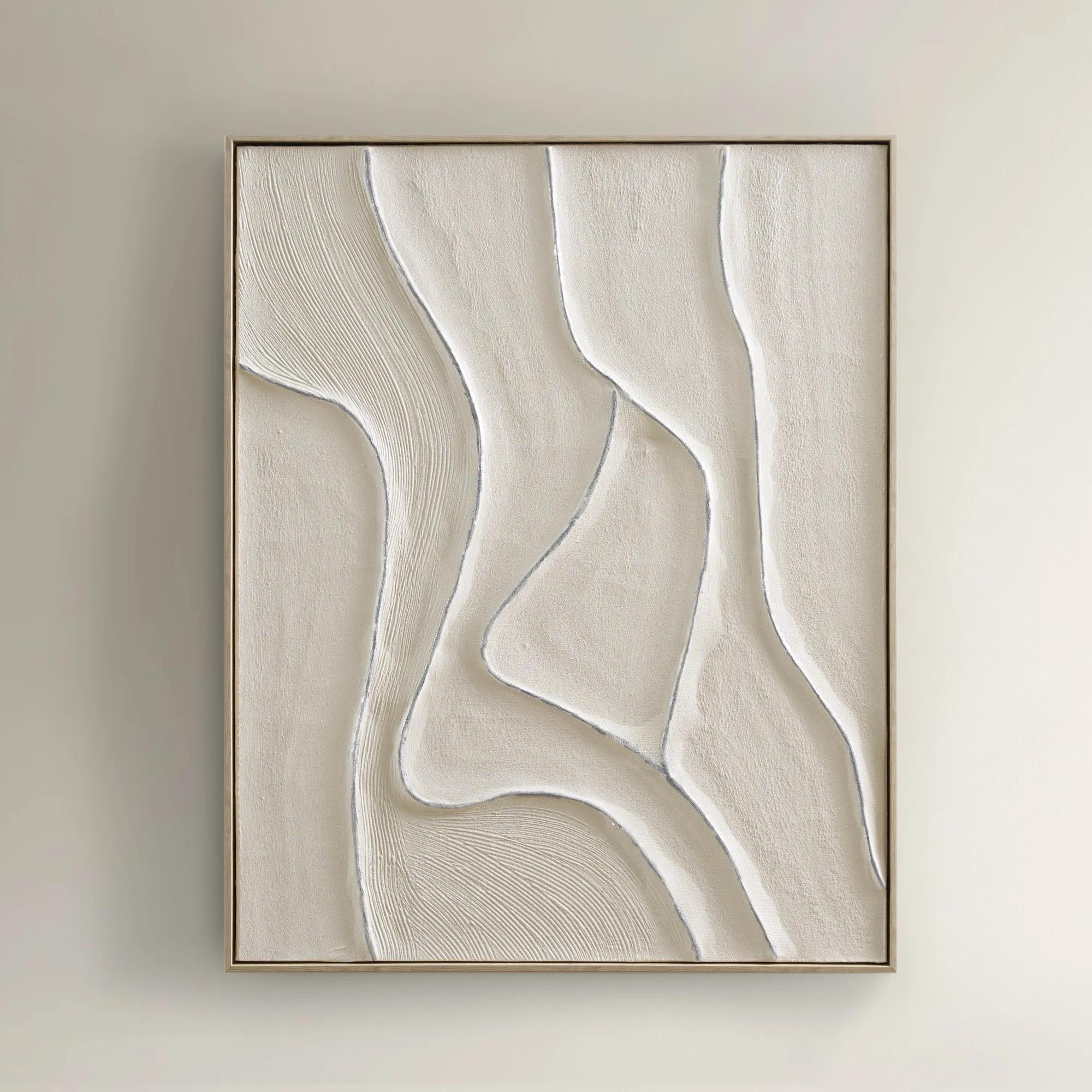
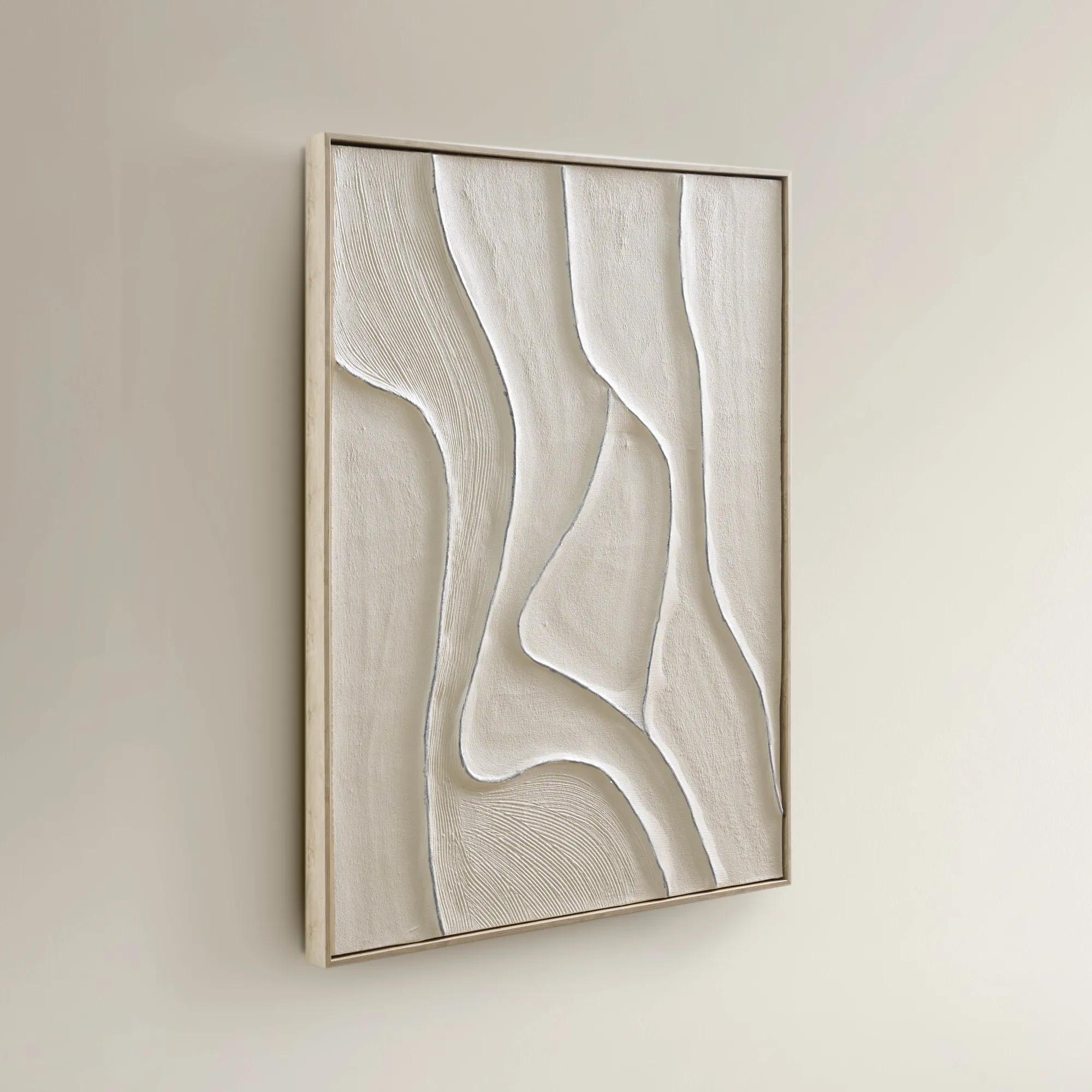 Vivre Framed Painted Wall Art 39.25" x 31.5"$199
A hand-painted canvas featuring tranquil beige hues and flowing lines in a warm whitewash floater frame.
Add To Cart -
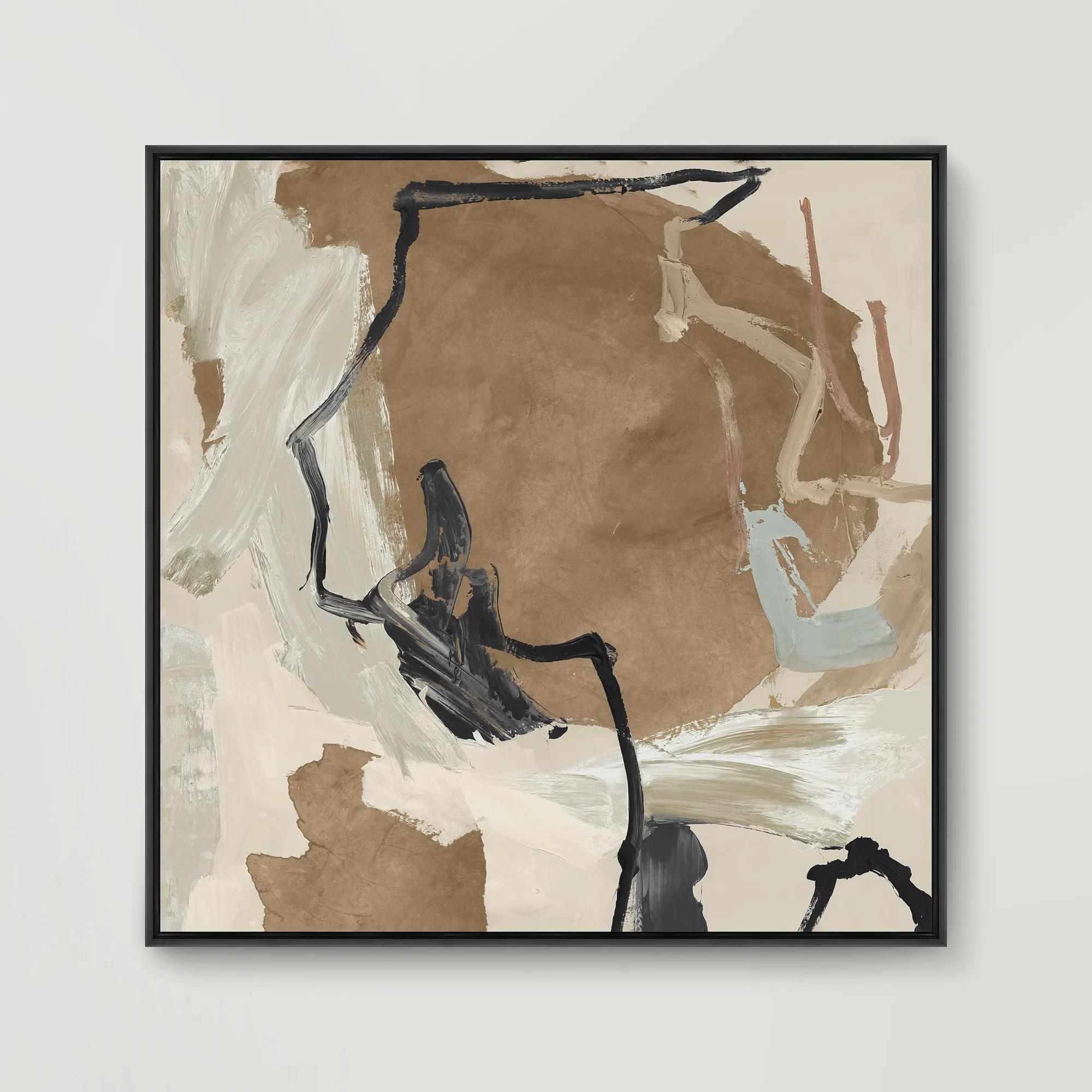
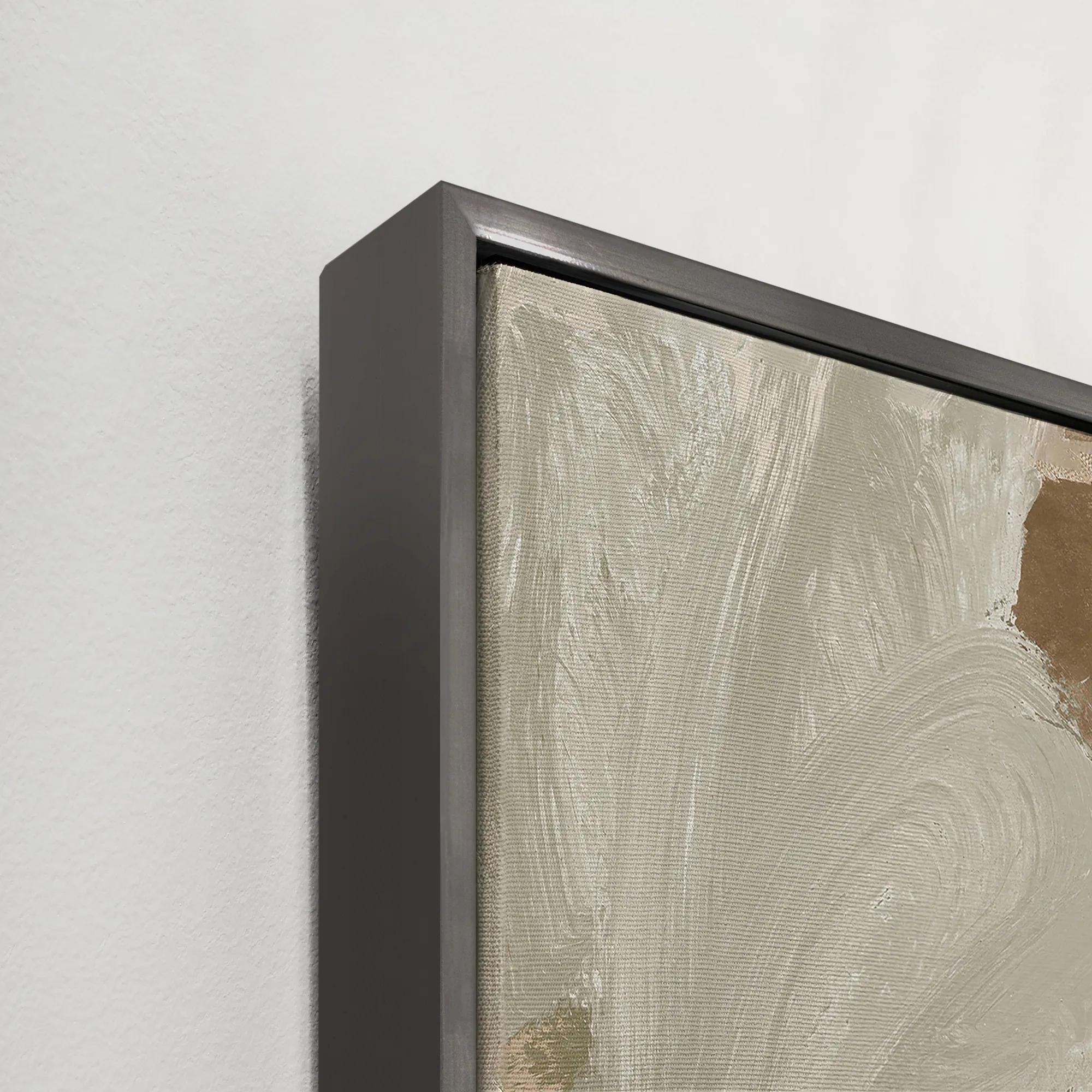 Borderlands IV Framed Wall Art 31.5" x 31.5"$499
A gallery-wrapped canvas artwork with a hand-applied brush gel finish in a sleek gray floater frame.
Add To Cart -
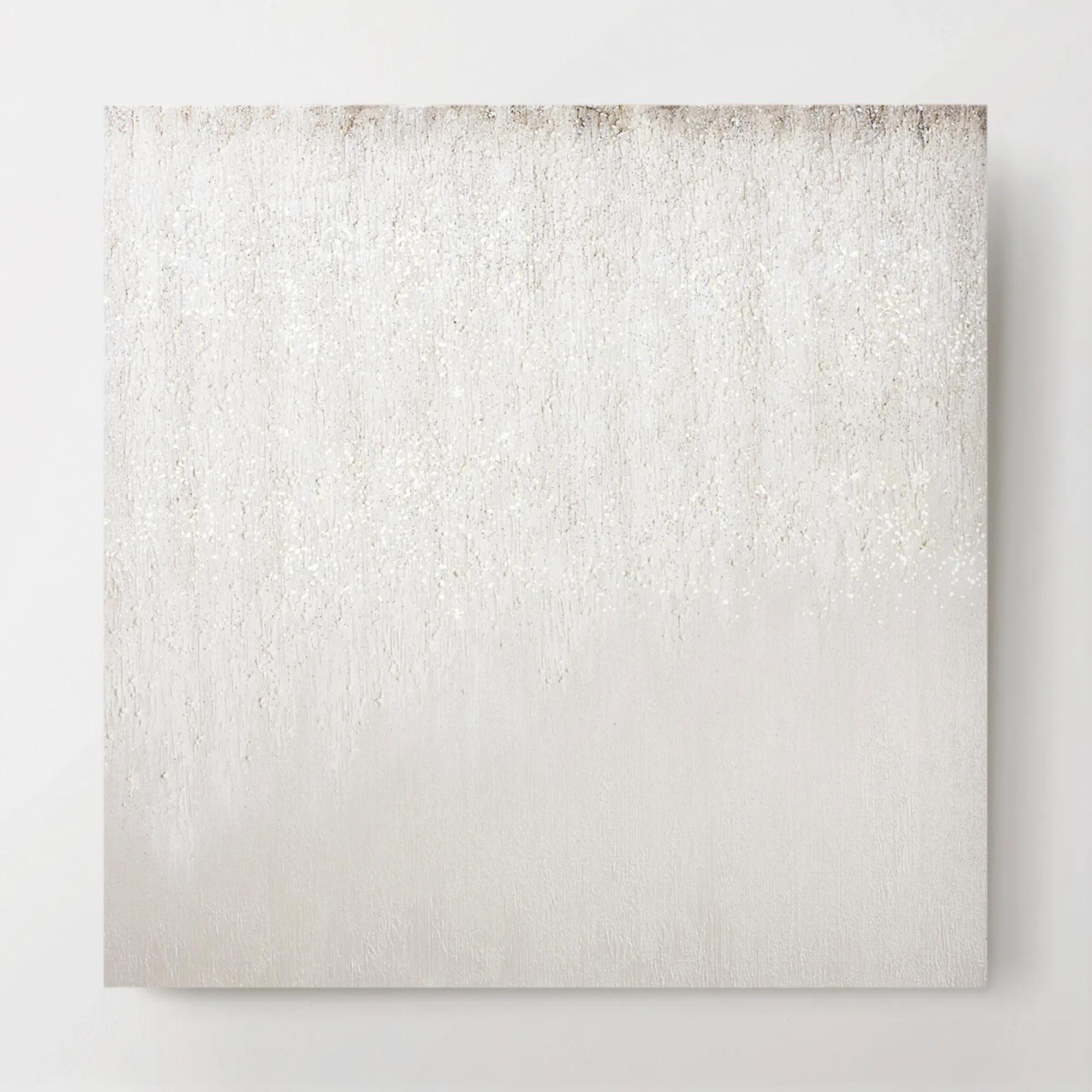 Je T'aime Glitter Painted Wall Art 30" x 30"$499
A hand-painted canvas artwork featuring ethereal hazy brushstrokes and subtle glitter embellishments.
Add To Cart

Nature Inspired Living Room Wall Arts
Nature inspired living room wall arts transform your space into a sanctuary of organic elegance, where every glance reveals the poetry of the outdoors. Lush botanicals, tranquil landscapes, and abstract interpretations of earth’s wonders infuse your home with a sense of serenity and untamed beauty. These captivating pieces invite sunlight and shadow to dance across your walls, creating an atmosphere that is both invigorating and soothing. With nature inspired living room wall arts, every day feels like a breath of fresh air—your living room becomes a canvas for the wild, the wondrous, and the endlessly inspiring.
Nature-inspired living room wall art translates botanical forms, expansive landscapes, and organic textures into a striking expression of personal style. The category spans detailed floral prints, forest and coastal imagery, sculptural wall decor, and abstract compositions that suggest stone, water, or foliage without depicting a literal scene. Each approach creates a different relationship between the room and the natural world: an oversized botanical study celebrates the architecture of a single leaf, while a panoramic landscape gives the eye a sense of distance beyond the wall. For a living room with sumptuous upholstery and gleaming accents, these organic references introduce contrast without sacrificing drama. Deep emerald foliage can lend richness to an ivory sofa setting; pale mineral tones can soften a composition of dark furniture and polished metal. Color is only part of the effect. The sweeping line of a branch, the rhythm of layered petals, or the irregular contours of a rock formation can echo shapes elsewhere in the room, connecting a curved chair, a rounded cocktail table, and a sculptural lamp. Botanical wall art often suits interiors that favor recognizable subjects and expressive detail, while scenic landscape wall art establishes an immersive focal point with depth and perspective. Abstract nature art offers a more interpretive direction, bringing the movement and palette of the outdoors into modern spaces through fluid marks, tonal layers, and unexpected proportions. For compositions that emphasize those qualities, Nature Inspired Abstract Wall Arts explores the connection between organic inspiration and expressive design. A restrained palette need not create a restrained impression: a generously scaled black-and-white tree study can command a room through silhouette alone. Equally, saturated floral imagery can become the defining gesture in a space furnished with quieter solids. The most compelling choice feels connected to the way the room is lived in, whether that means an intimate backdrop for conversation or an arresting composition visible from the entry.
Scale, placement, and construction determine how nature-inspired wall decor feels once it becomes part of the living room. Above a sofa, artwork measuring roughly two-thirds to three-quarters of the furniture’s width is a useful starting point, rather than a fixed rule; the wall’s proportions, ceiling height, and surrounding furnishings should shape the final balance. A single oversized canvas creates continuity, allowing broad botanical shapes or an open landscape to read clearly across the room. A pair or a coordinated grouping offers a more rhythmic arrangement, particularly when repeated frame finishes or related colors hold the composition together. When measuring a grouping, include the spaces between the frames in the total width. Leaving about six to ten inches between the sofa back and the bottom of the artwork often creates a comfortable visual connection, with adjustments for tall cushions, reclining furniture, and the artwork’s dimensions. Narrow walls beside a fireplace or between bookcases may suit a vertical botanical composition, while a broad wall behind a sectional can support a horizontal landscape. Materials bring another layer of character. Canvas introduces a woven surface that can soften the appearance of printed imagery, while works on paper displayed behind glazing often lend themselves to crisp detail and a tailored presentation. Mats create breathing room around an image and can give a delicate drawing greater presence without enlarging the subject itself. Wood frames add grain and tonal warmth; metallic finishes introduce a luminous edge that relates beautifully to decorative lighting and mirrored accents. Dimensional wood or metal wall art can emphasize organic silhouettes through actual depth and shadow, though weight and projection deserve consideration in busy spaces. Reflective glazing may catch windows or lamps, so viewing angles matter as much as the composition. Where a matte surface keeps attention on subtle texture, a more reflective finish can heighten contrast and light. Review the stated materials, overall framed dimensions, weight, and mounting requirements to understand how a piece will occupy the wall, not simply how its image appears at a smaller scale.
Nature-themed artwork is especially versatile because its visual language can support both layered glamour and quieter, carefully edited interiors. In a living room with patterned pillows, veined stone, and richly textured upholstery, a broad, tonal landscape gives those details room to breathe. Against solid upholstery and an uncluttered wall, intricate foliage or dimensional organic forms introduce the detail that makes the setting feel complete. Repeating one or two colors from the artwork in a throw, ceramic vessel, or accent chair establishes a relationship without requiring every element to match. Consider the perspective from a favorite seat as well as from the doorway: delicate botanical linework rewards closer viewing, while bold silhouettes and large passages of color remain legible from farther away. Intended placement also influences durability and care. Most decorative canvas prints and framed paper works are intended for dry indoor settings, and prolonged direct sunlight can contribute to fading or changes in materials. A wall away from strong direct light, excessive humidity, and direct heat is generally a more protective location. UV-filtering glazing may help reduce light-related damage, but it does not make artwork immune to exposure. Follow the care instructions for the particular surface and finish; gentle dusting with a clean, soft cloth may be appropriate for many frames, while textured, embellished, or unsealed surfaces can require different handling. Avoid spraying cleaner directly onto framed artwork, since liquid can seep beneath the frame or affect adjacent materials. Secure installation is equally important, especially above seating: use hardware rated for the artwork’s weight and suitable for the wall construction, and seek professional installation for substantial or complex arrangements. For gifting, nature-inspired art can be a thoughtful choice for a housewarming or a meaningful personal milestone when the recipient’s taste and wall space are familiar. A botanical subject may resonate with a devoted gardener, while a landscape can recall a treasured destination. Whether selected for its personal associations or its sculptural presence, nature-inspired living room art gives organic beauty a deliberate, expressive place in the home.
FAQs
Nature-inspired wall art infuses your living room with a sense of tranquility and vitality, evoking the serenity of the outdoors. Whether you choose lush landscapes, botanical prints, or abstract interpretations, these pieces can create a calming retreat, spark conversation, and add a layer of sophistication to your decor.
Nature-themed decorative canvas art is remarkably versatile, complementing a range of styles from modern glam and eclectic to transitional and bohemian. The organic motifs and earthy tones can soften contemporary spaces or add a fresh, lively contrast to more traditional rooms.
Absolutely. Nature-inspired wall art makes a thoughtful and enduring gift for housewarmings, holidays, weddings, or anniversaries. The universal appeal of nature’s beauty ensures the artwork will resonate with a wide range of tastes and become a cherished focal point in any home.
To create a cohesive gallery wall, mix different sizes and styles of nature-inspired pieces—such as botanical sketches, abstract landscapes, and textured canvas art. Anchor the arrangement with a larger focal piece and arrange smaller works around it, balancing color palettes and frame finishes for an artful, curated effect.
In winter, pair your nature-inspired wall art with plush throws, metallic accents, and rich, layered textiles to create a cozy and inviting atmosphere. Opt for artwork with warm tones or golden highlights to brighten your space and evoke the promise of spring, even on the coldest days.