Living Room Art Inspiration
Living Room Art Inspiration
-

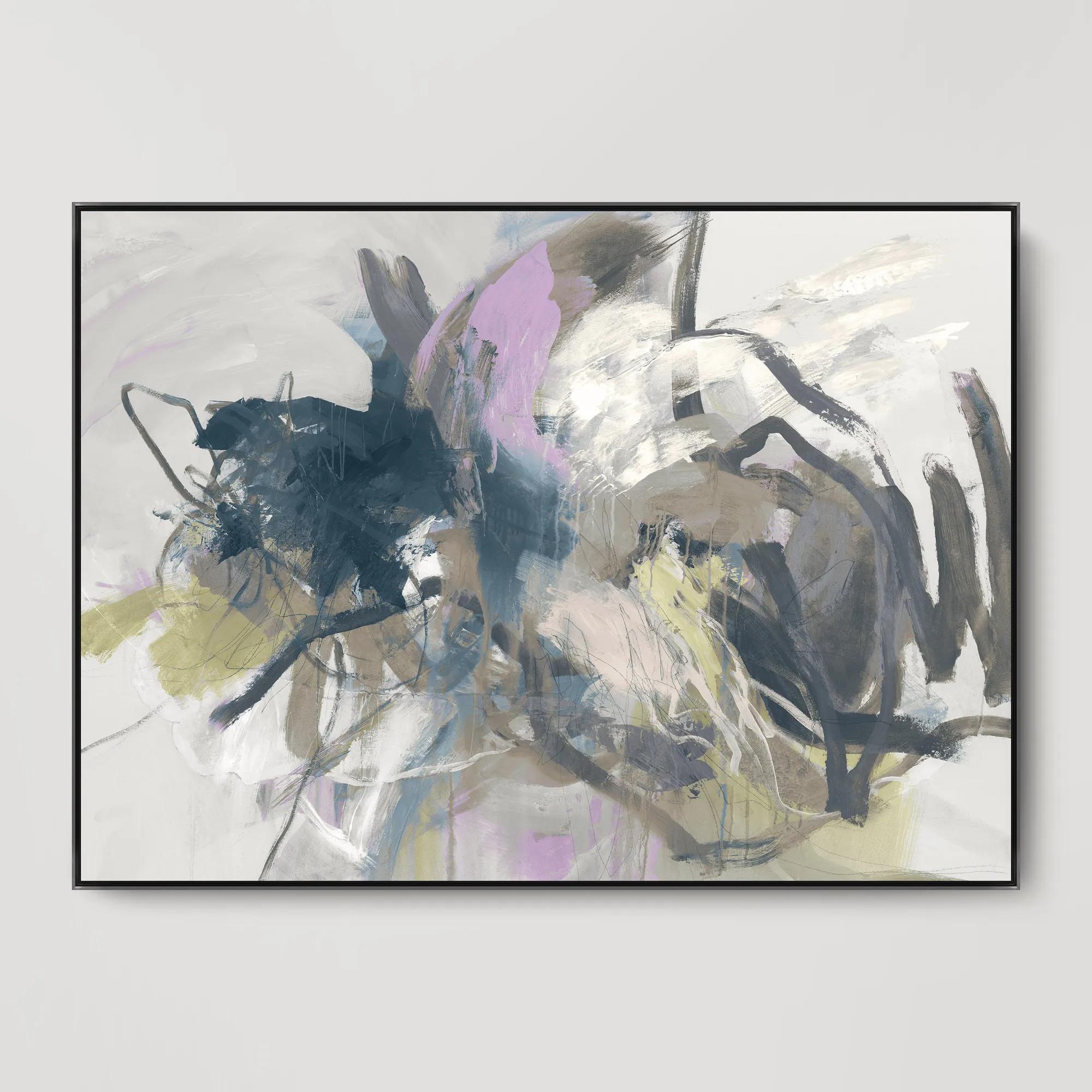
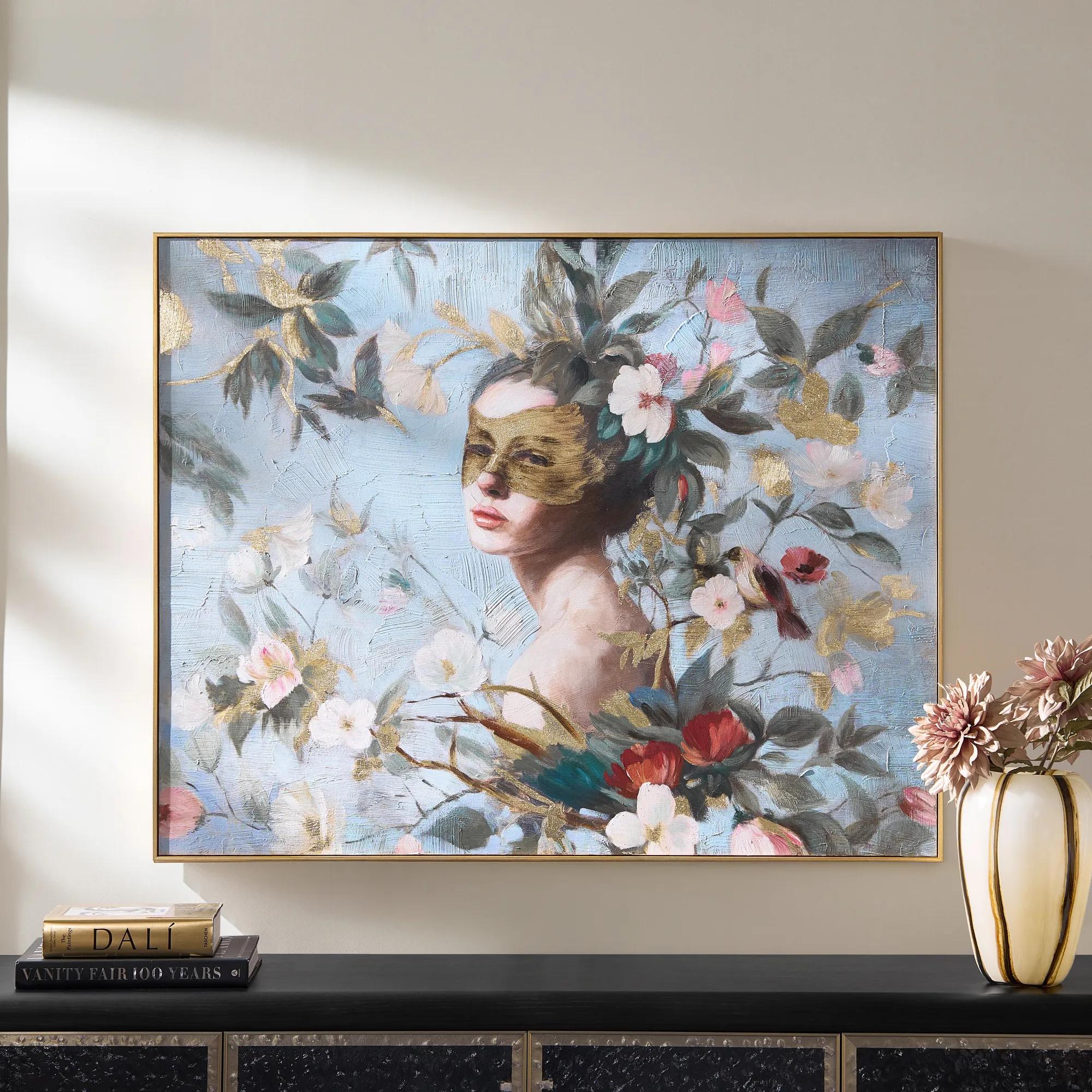 Garden Party Framed Gold Leaf Painted Wall Art 50" x 40"$399
A gold leaf painted canvas artwork in a framed presentation, bringing artistic sophistication to modern interiors.
Add To Cart -

 Morning Lift Wall Art 30" x 30"$399
A gallery-wrapped canvas artwork featuring a hand-applied image brush gel finish for added texture and depth.
Add To Cart -
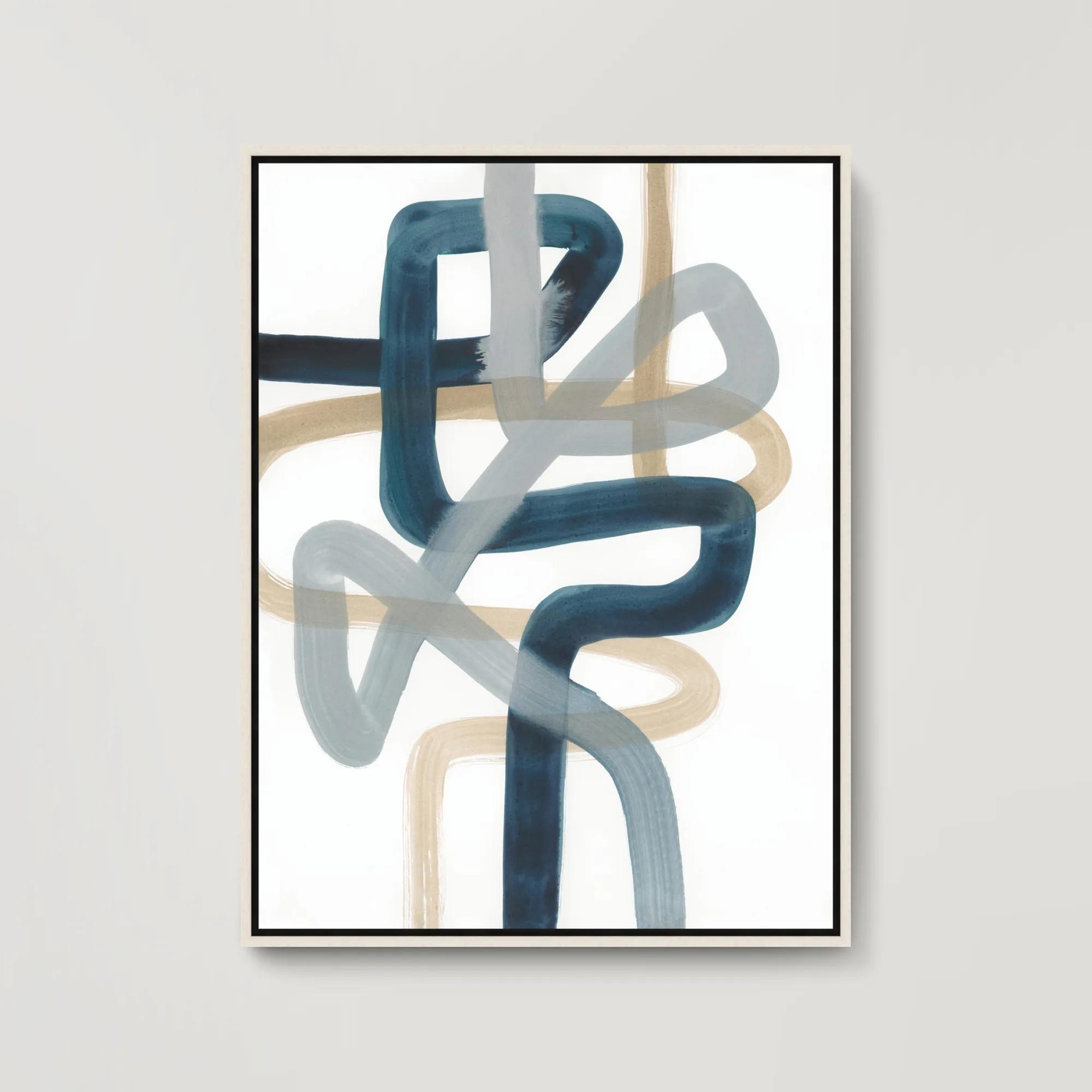
 Looped In I Framed Wall Art 31.5" x 41.5"$699
A gallery-wrapped abstract canvas featuring hand-applied brush gel and a sleek white floater frame.
Add To Cart -
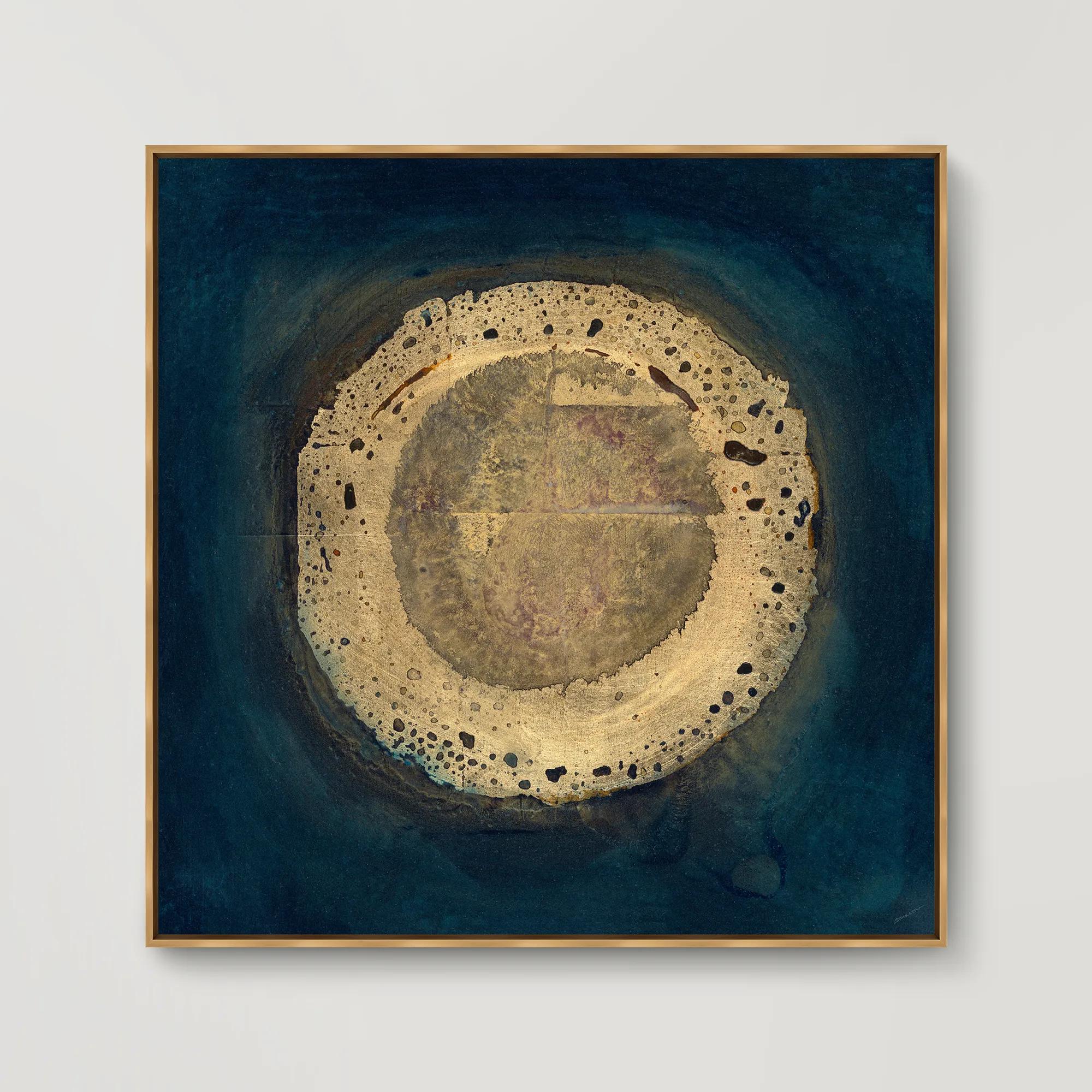
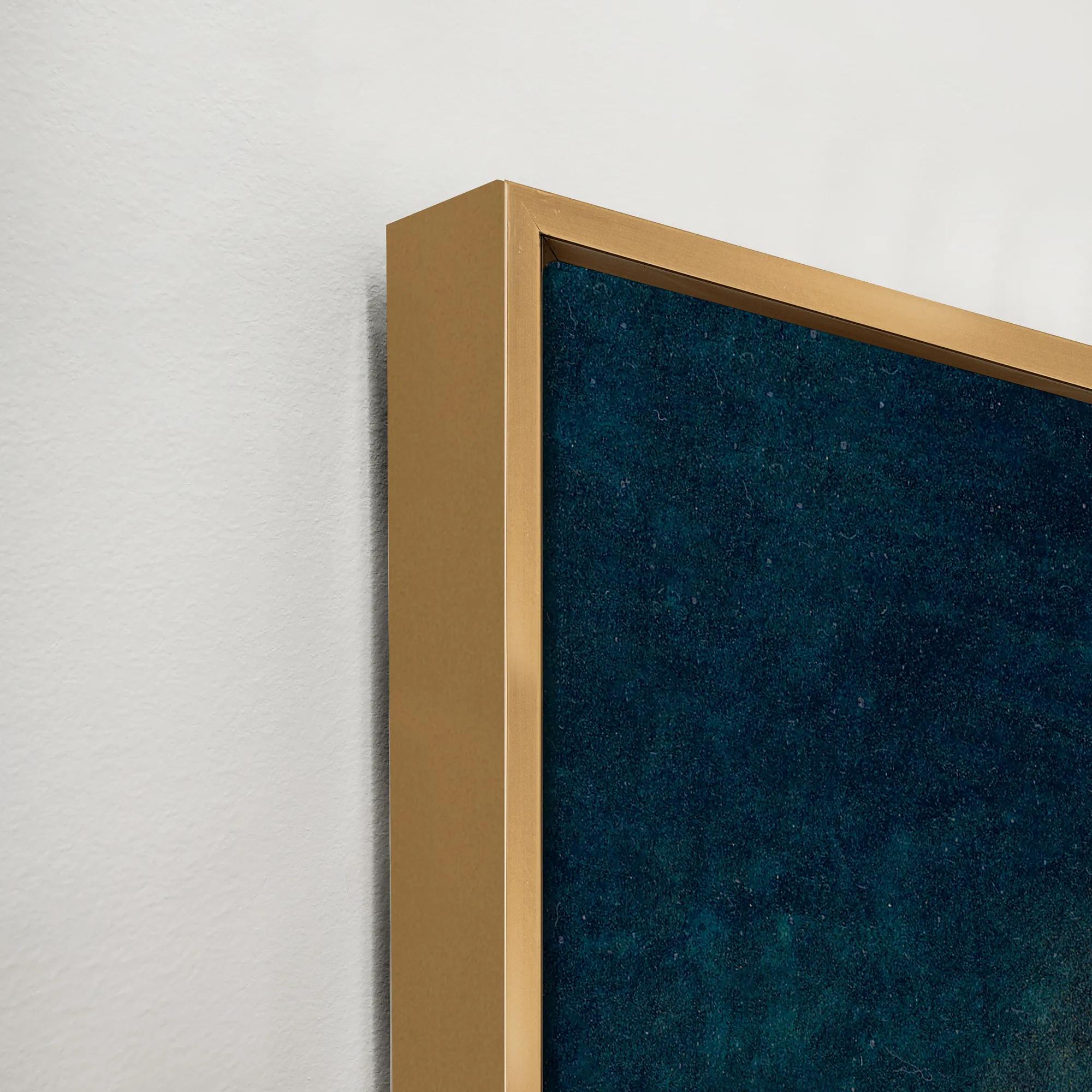 Bramble I Framed Wall Art 41.5" x 41.5"$749
A gallery-wrapped abstract canvas with hand-applied gel finish, set in an elegant gold floater frame.
Add To Cart -
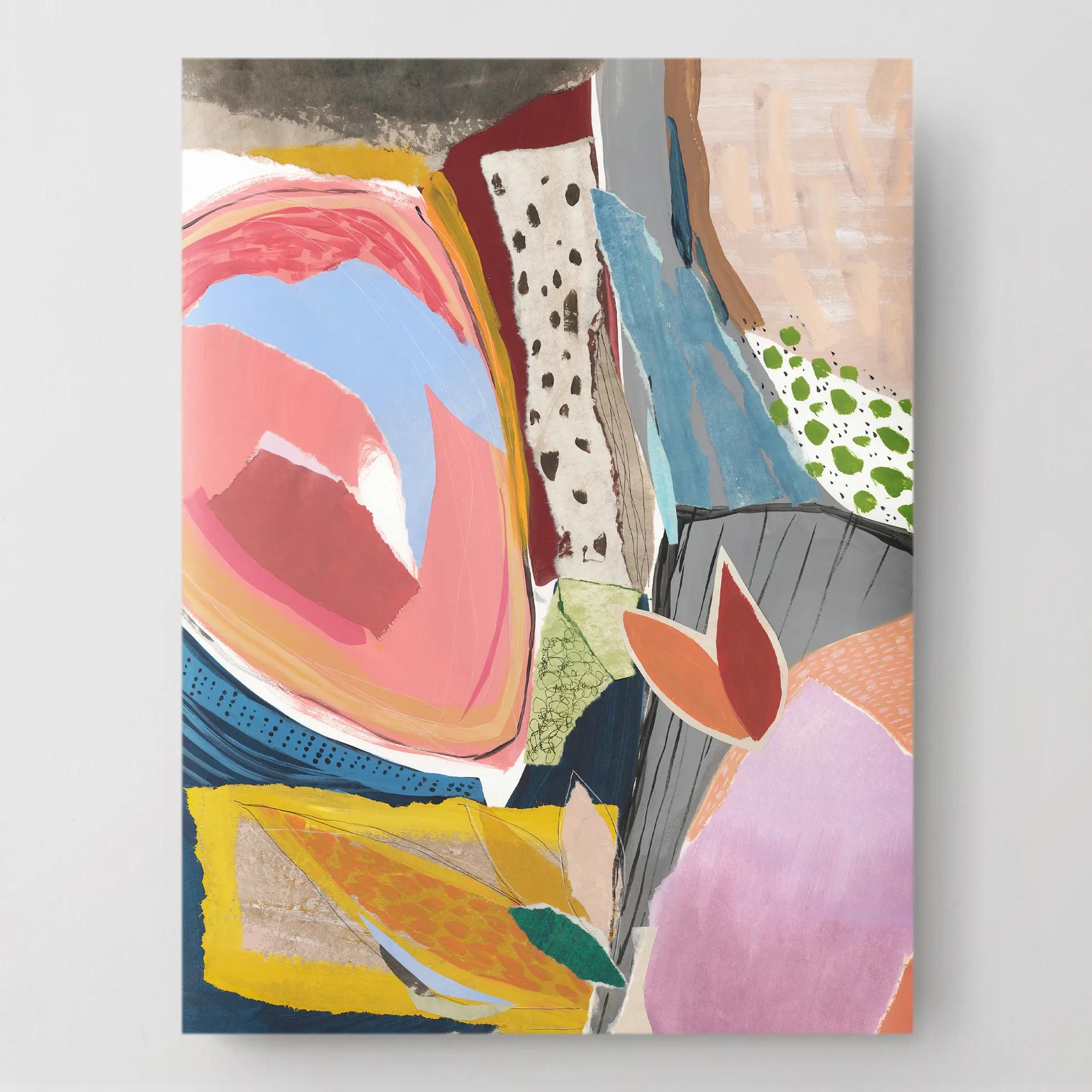
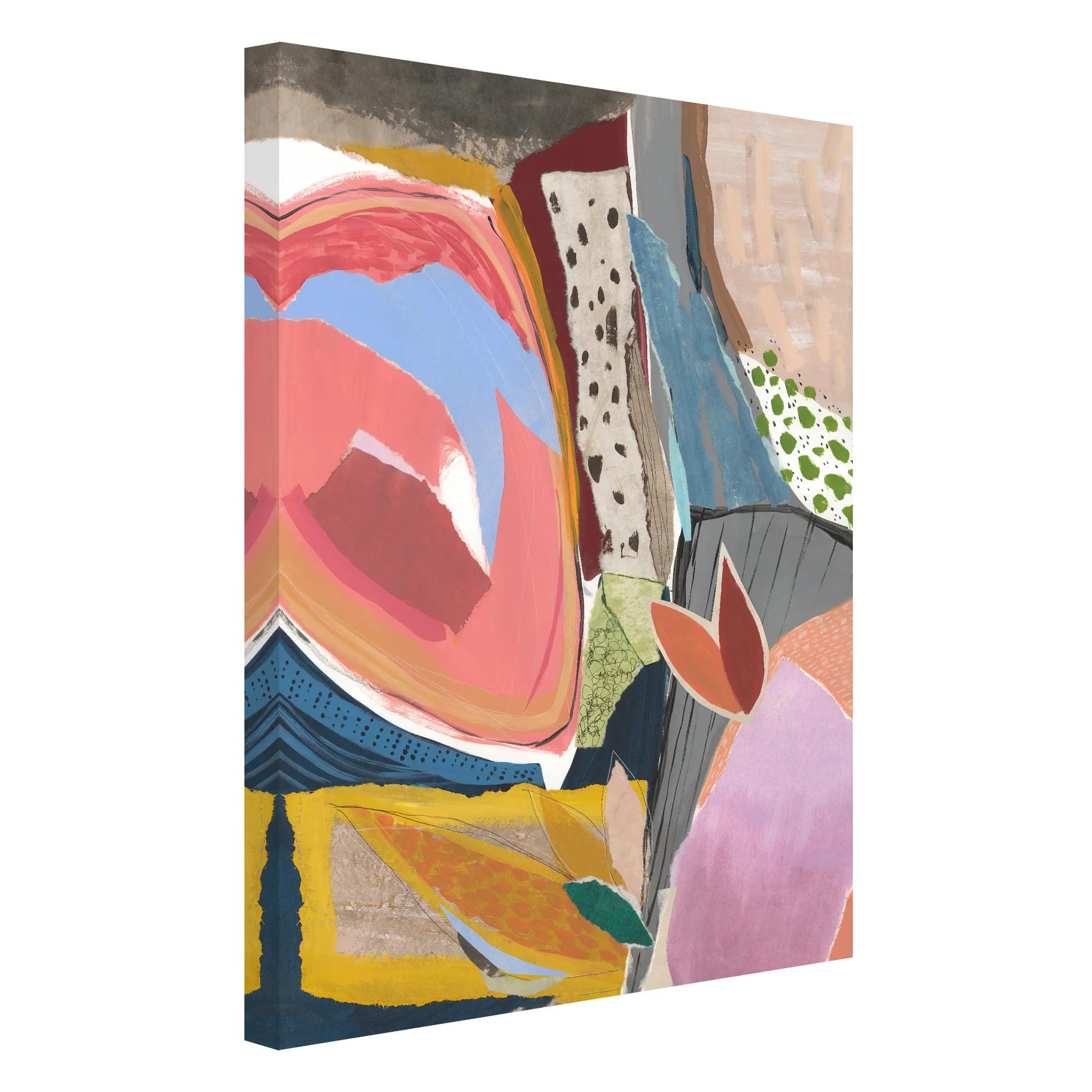 Sunday Vibes 1 Wall Art 30" x 40"$449
A gallery-wrapped canvas artwork featuring a hand-applied image brush gel finish for a textured look.
Add To Cart -
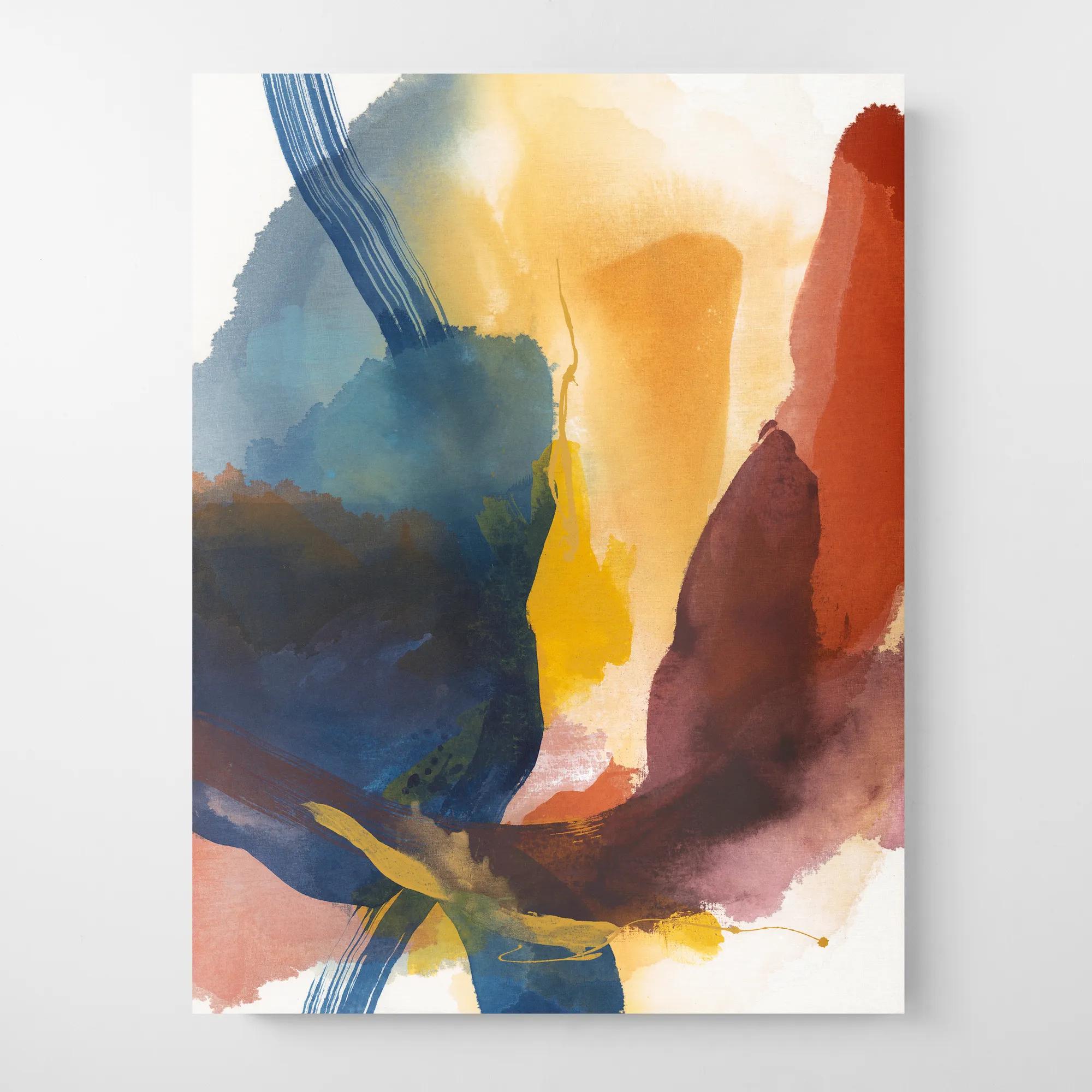
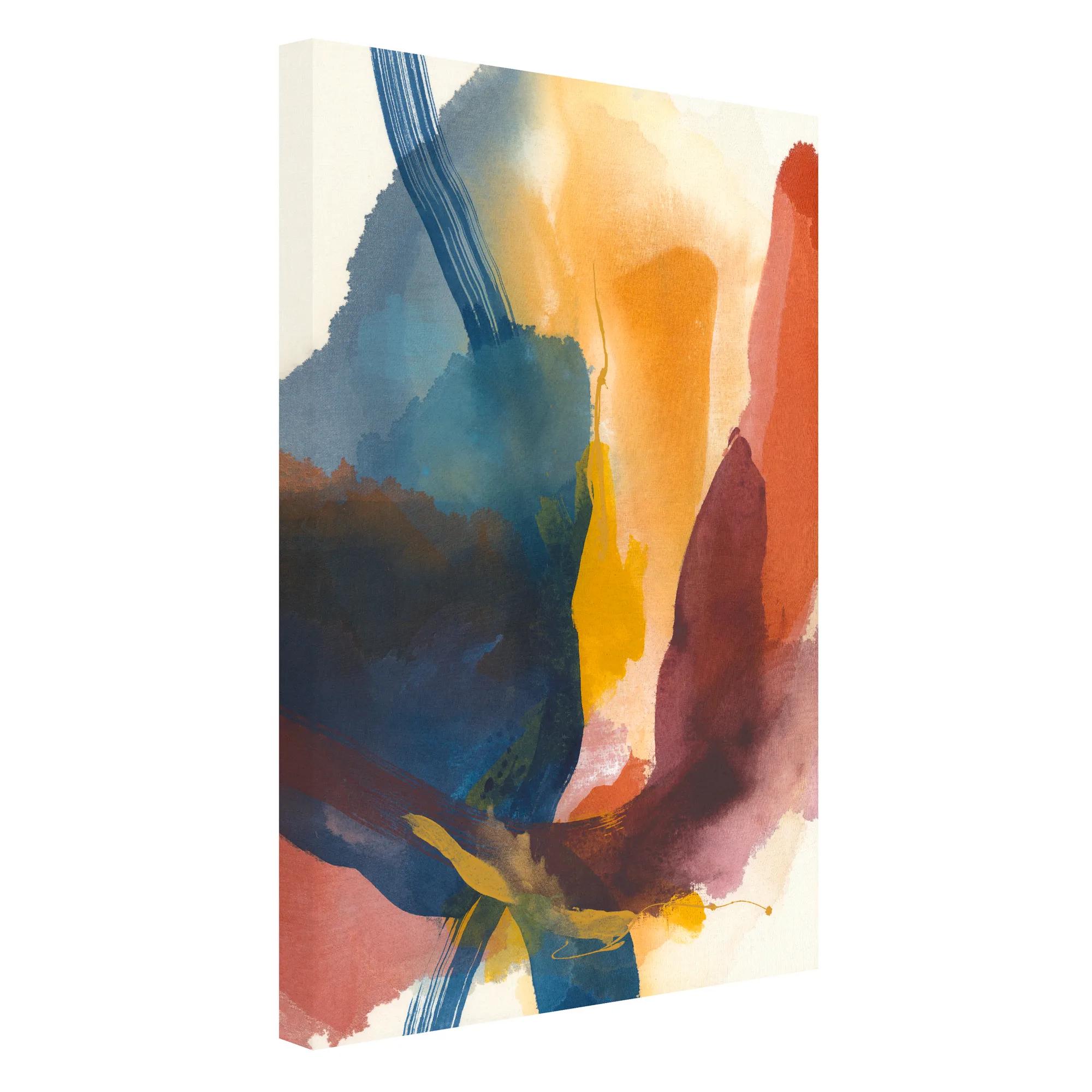 Moon Shower 1 Wall Art 30" x 40"$449
A gallery-wrapped canvas artwork featuring a hand-applied image brush gel finish for versatile display.
Add To Cart -
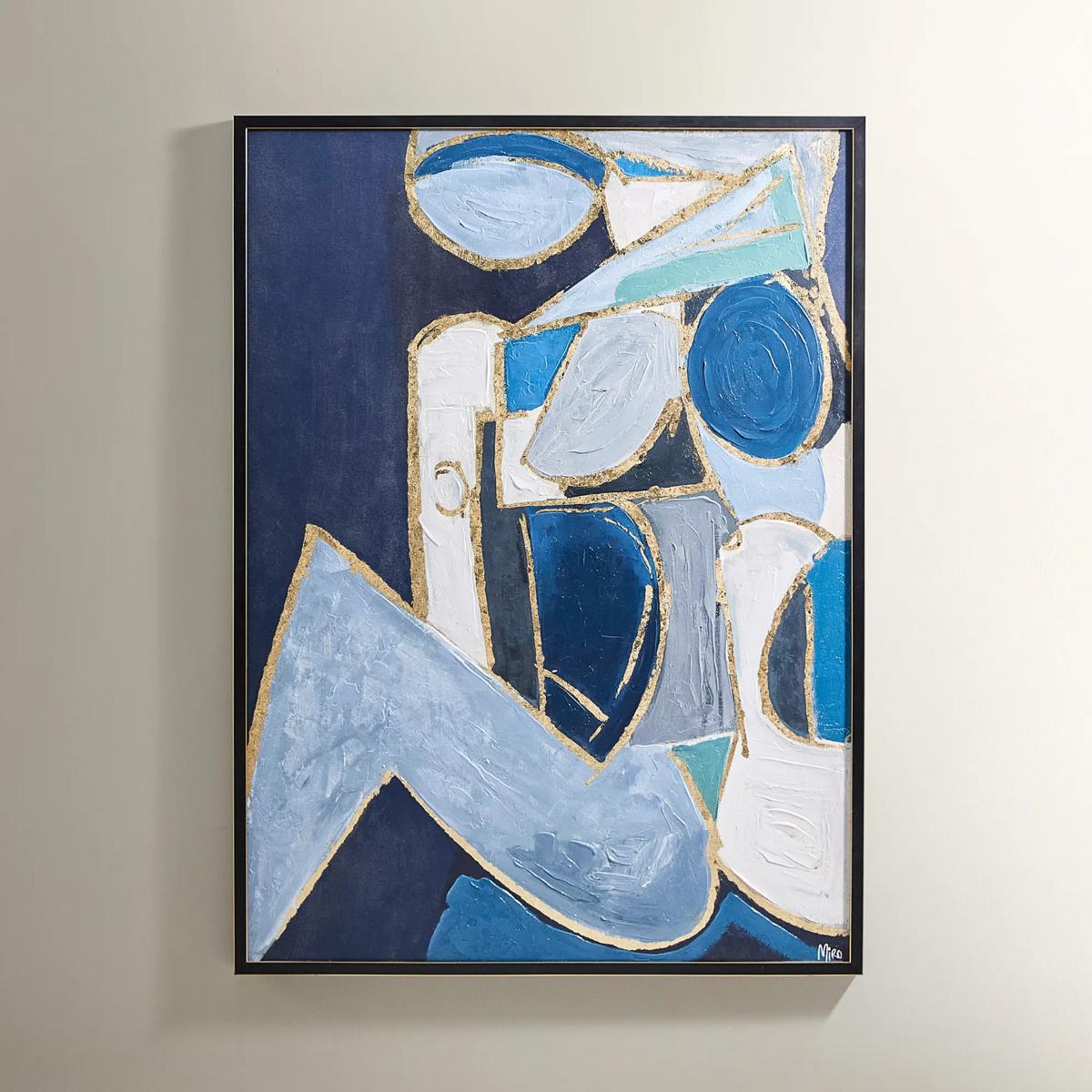
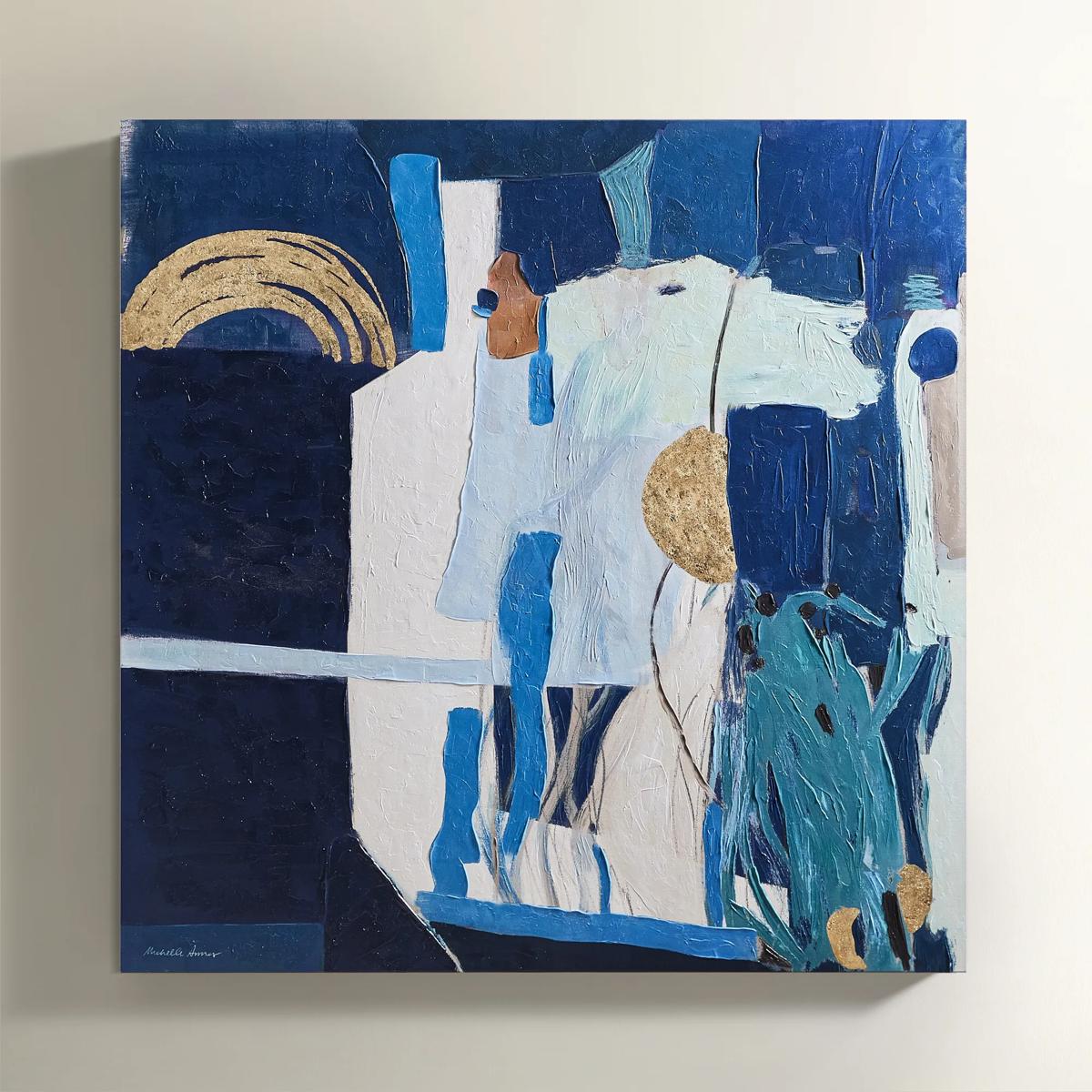
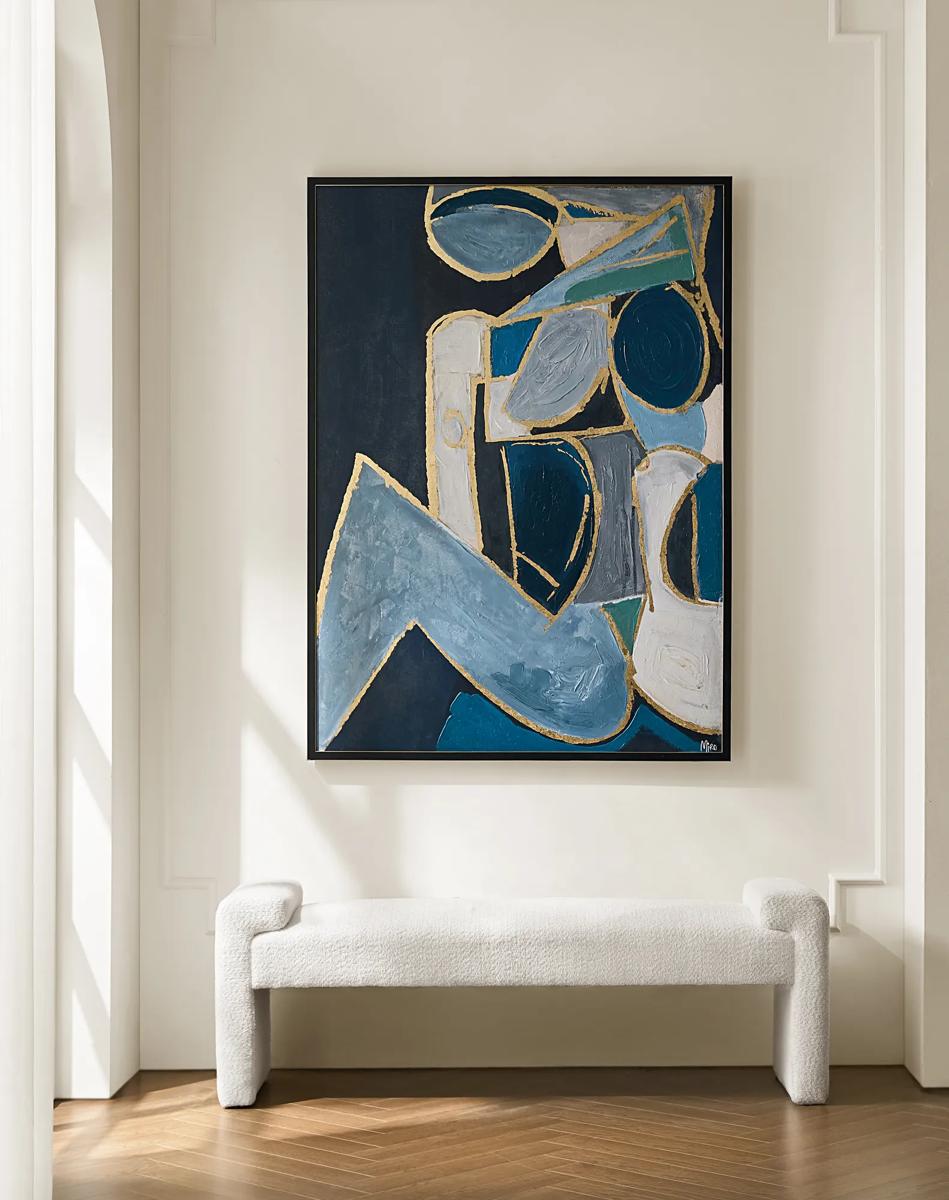 Figure in Cubism Painting$599
A hand-embellished canvas artwork featuring blue, gold, and white hues with elegant silver foil accents.
Add To Cart -
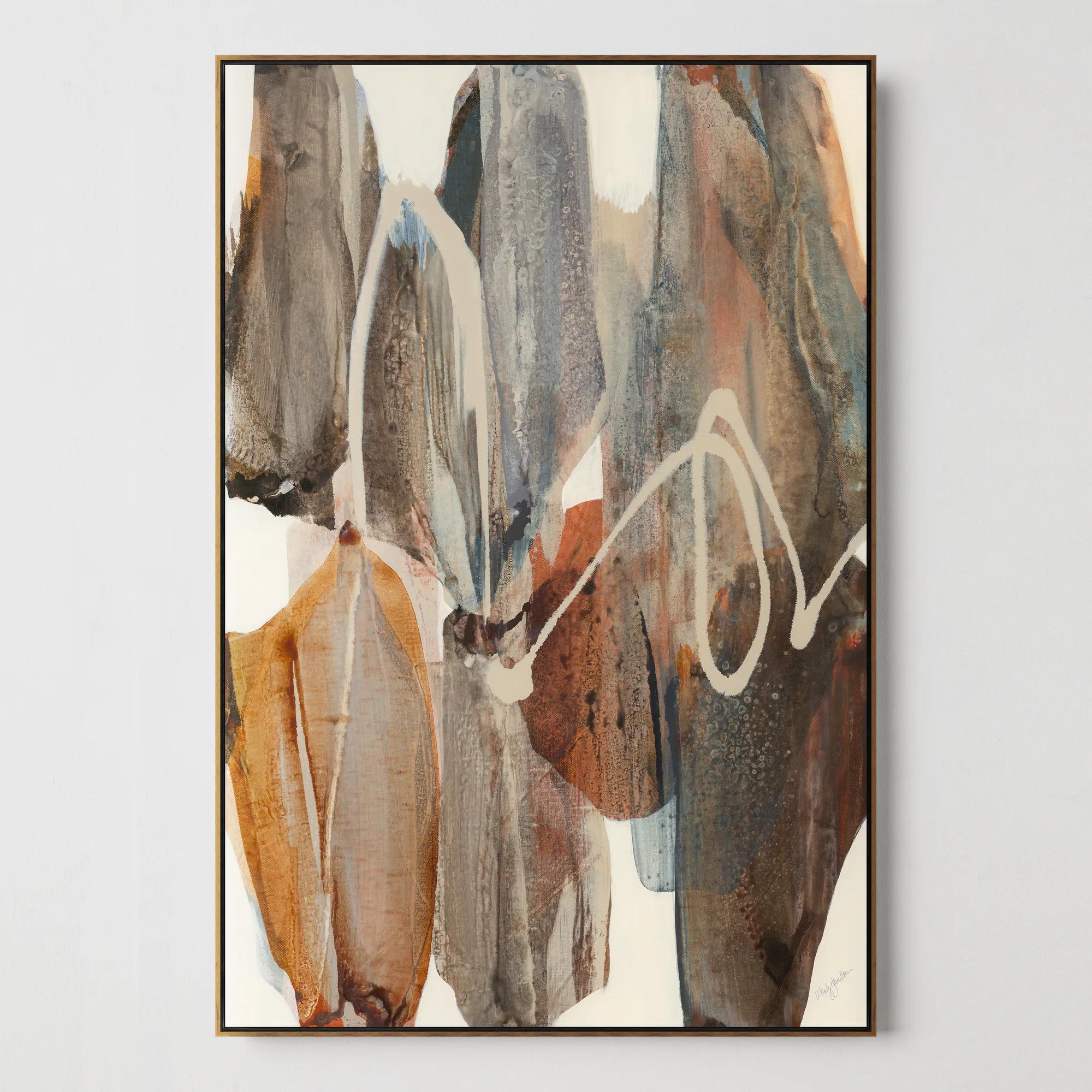
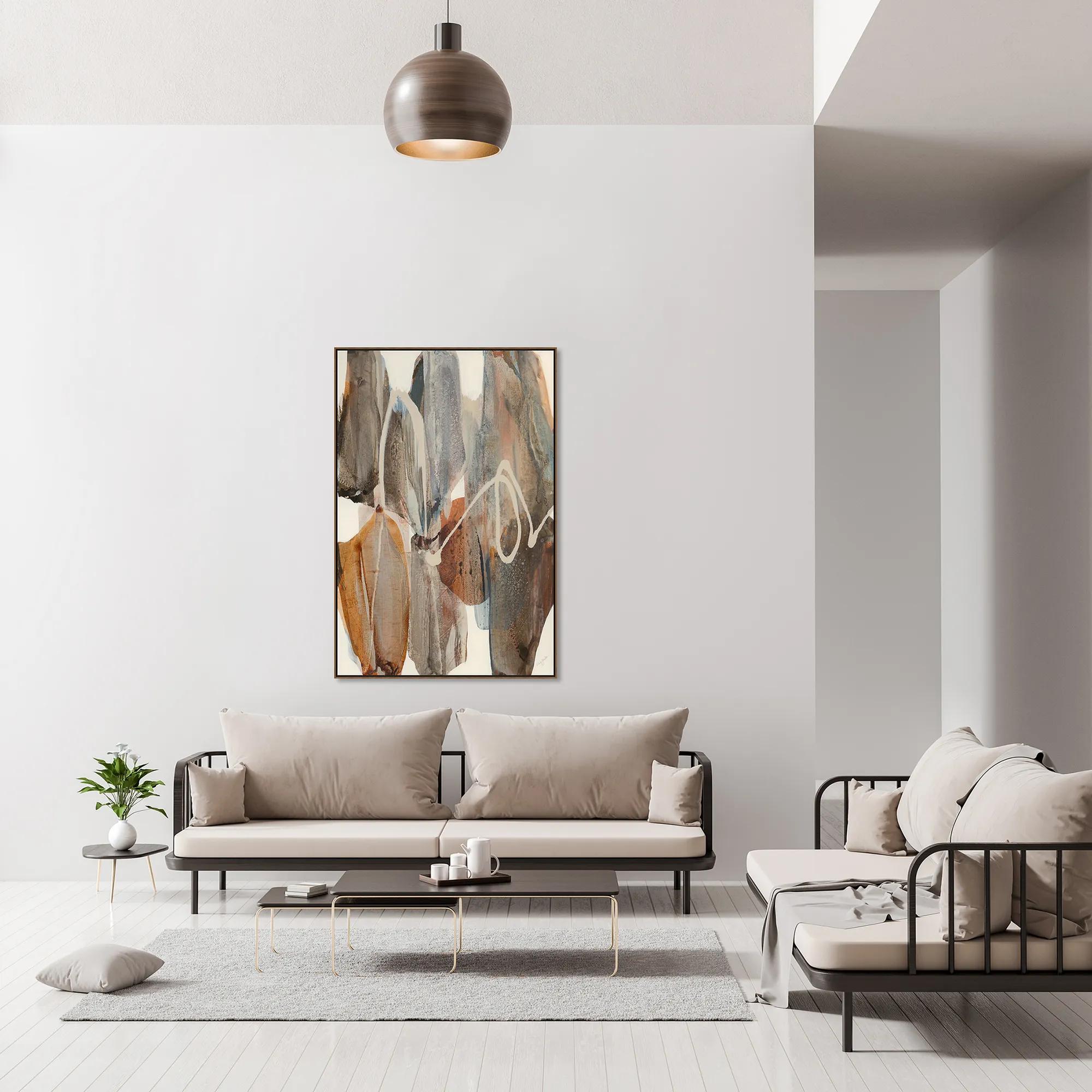 Boundless Framed Wall Art 40" x 60"$999
A gallery-wrapped canvas artwork with hand-applied brush gel finish in an oak floater frame.
Add To Cart -
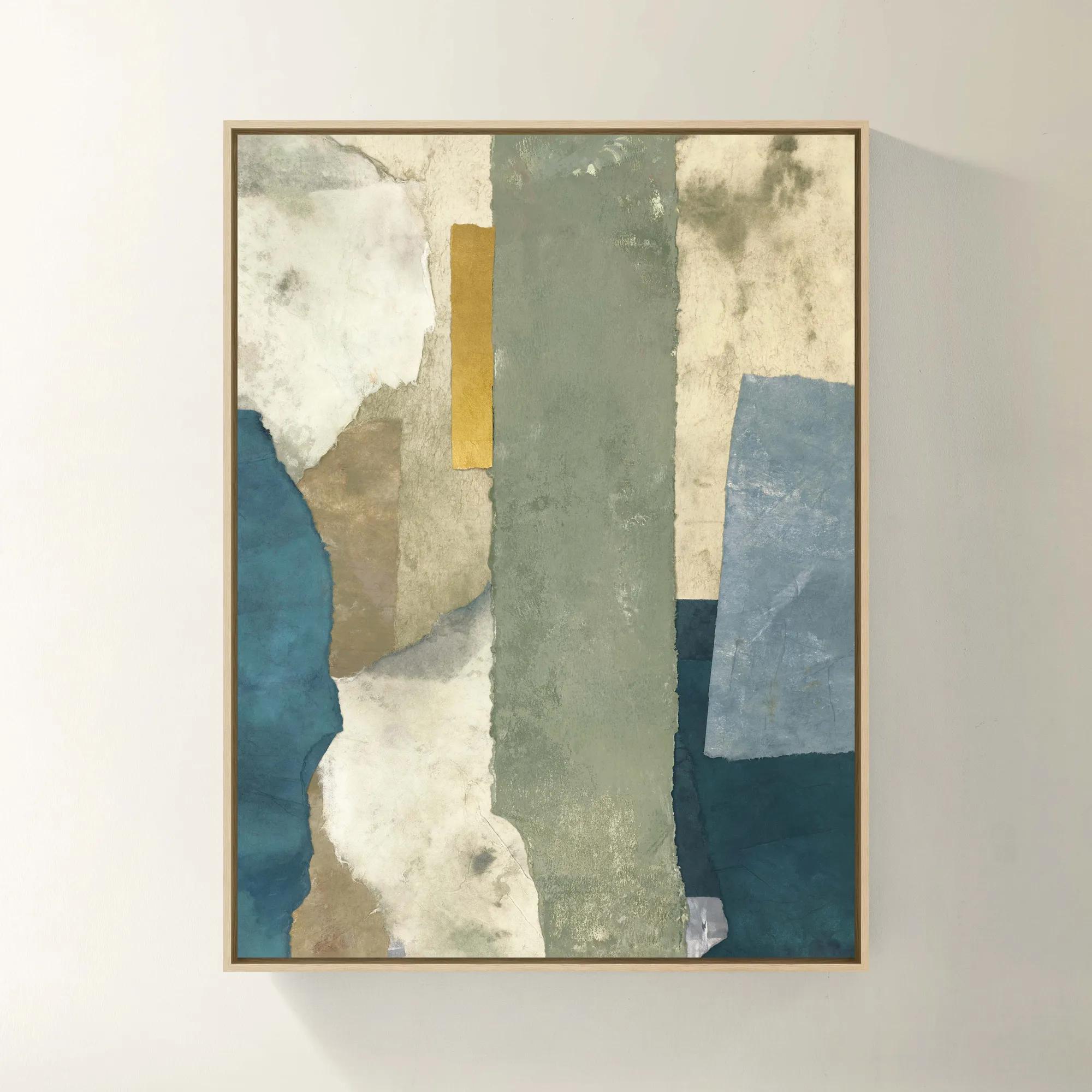 Earth Fragments II Framed Wall Art 30" x 40"$799
A gallery-wrapped canvas featuring gild accents and hand-applied gel, set in a natural floater frame.
Add To Cart -
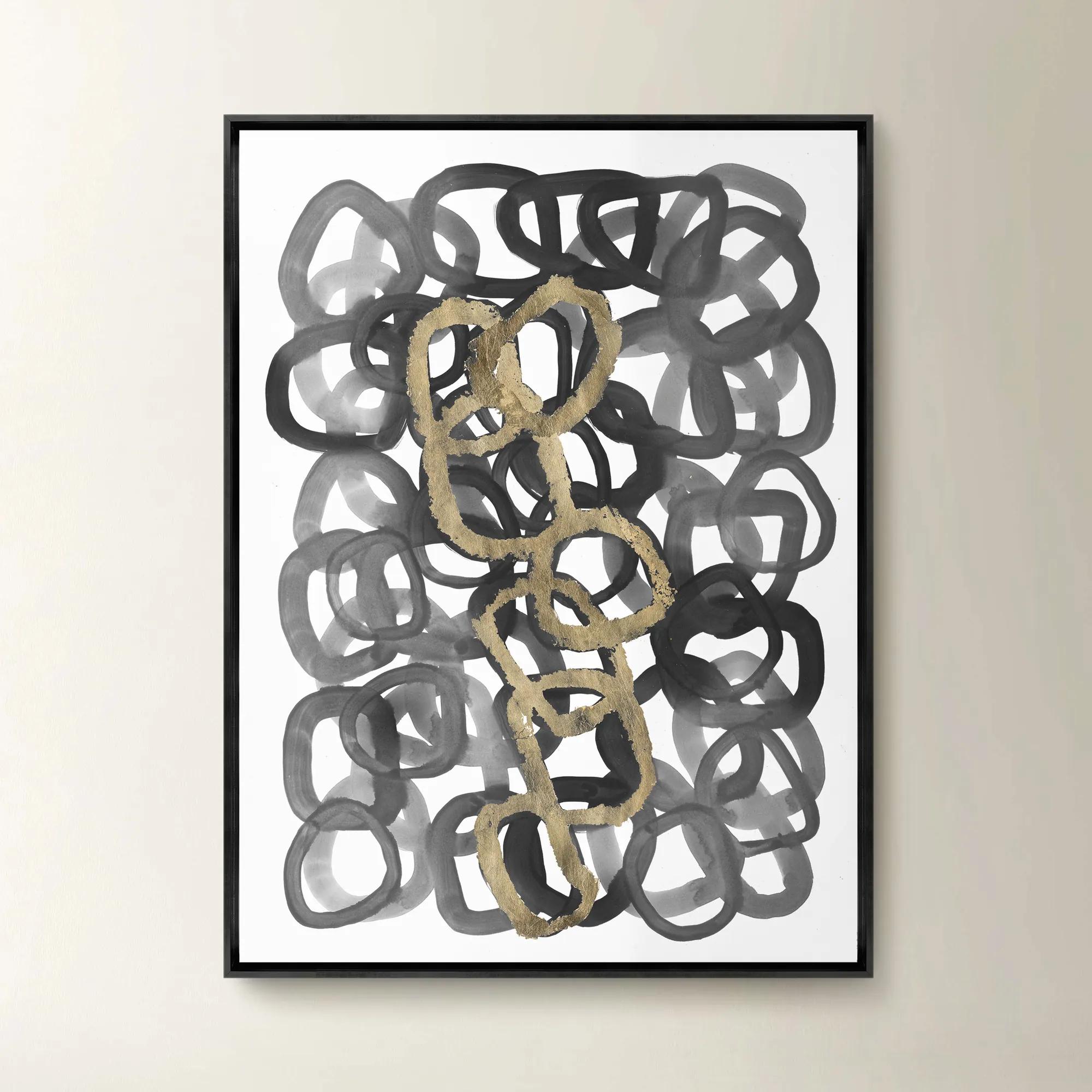
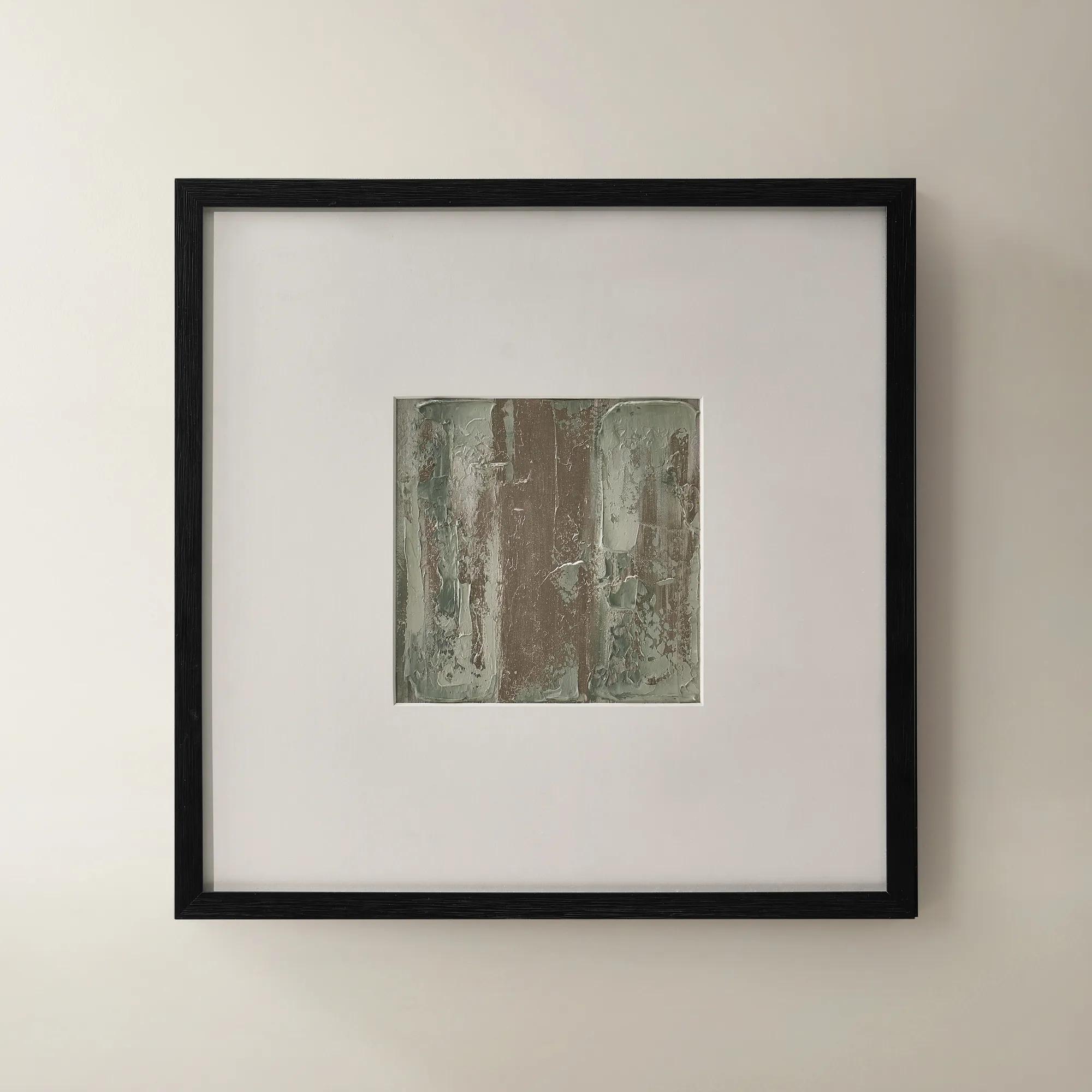
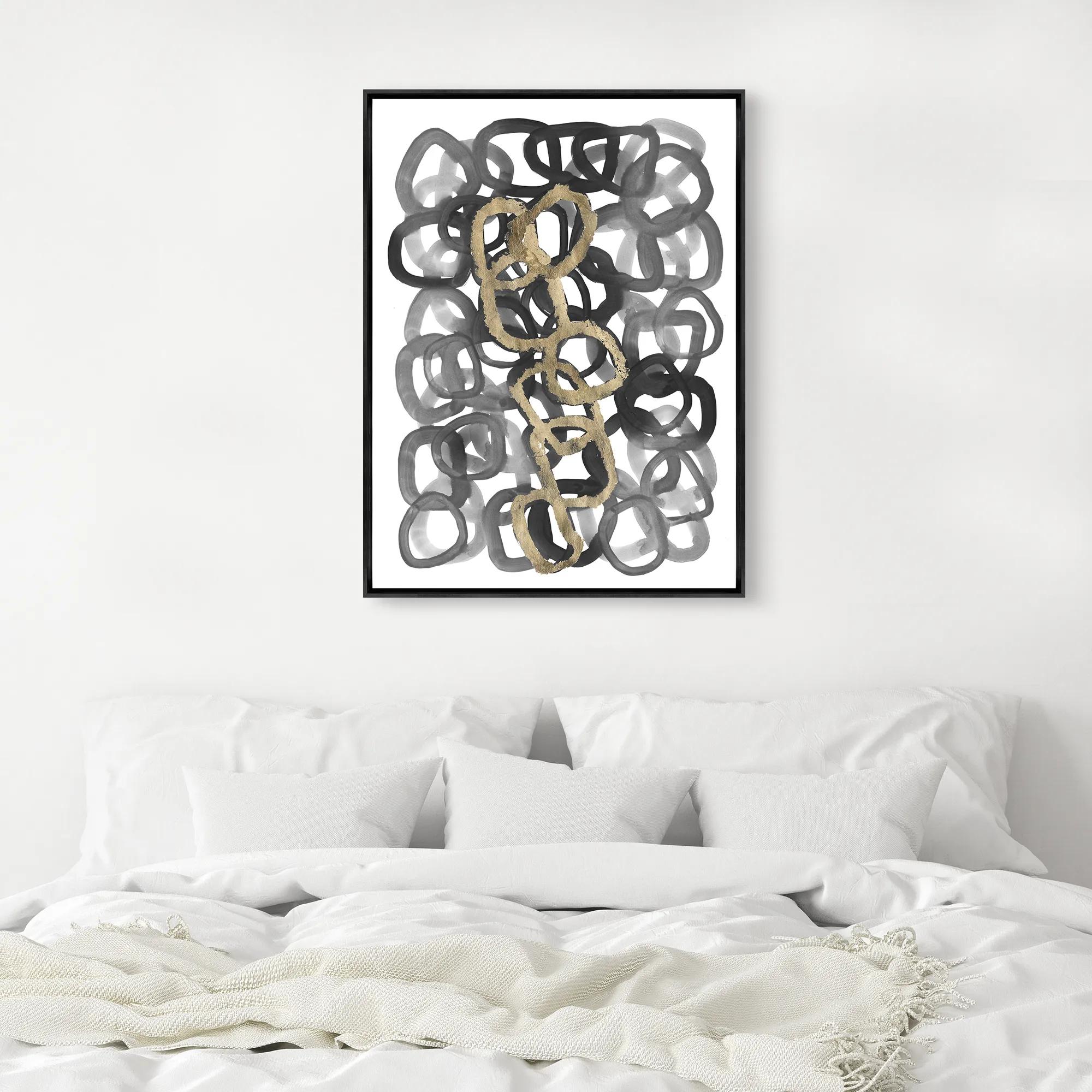 Unbroken Framed Wall Art 26" x 35"$499
A gallery-wrapped canvas artwork with a hand-applied gel finish, set in a sleek black floater frame.
Add To Cart -
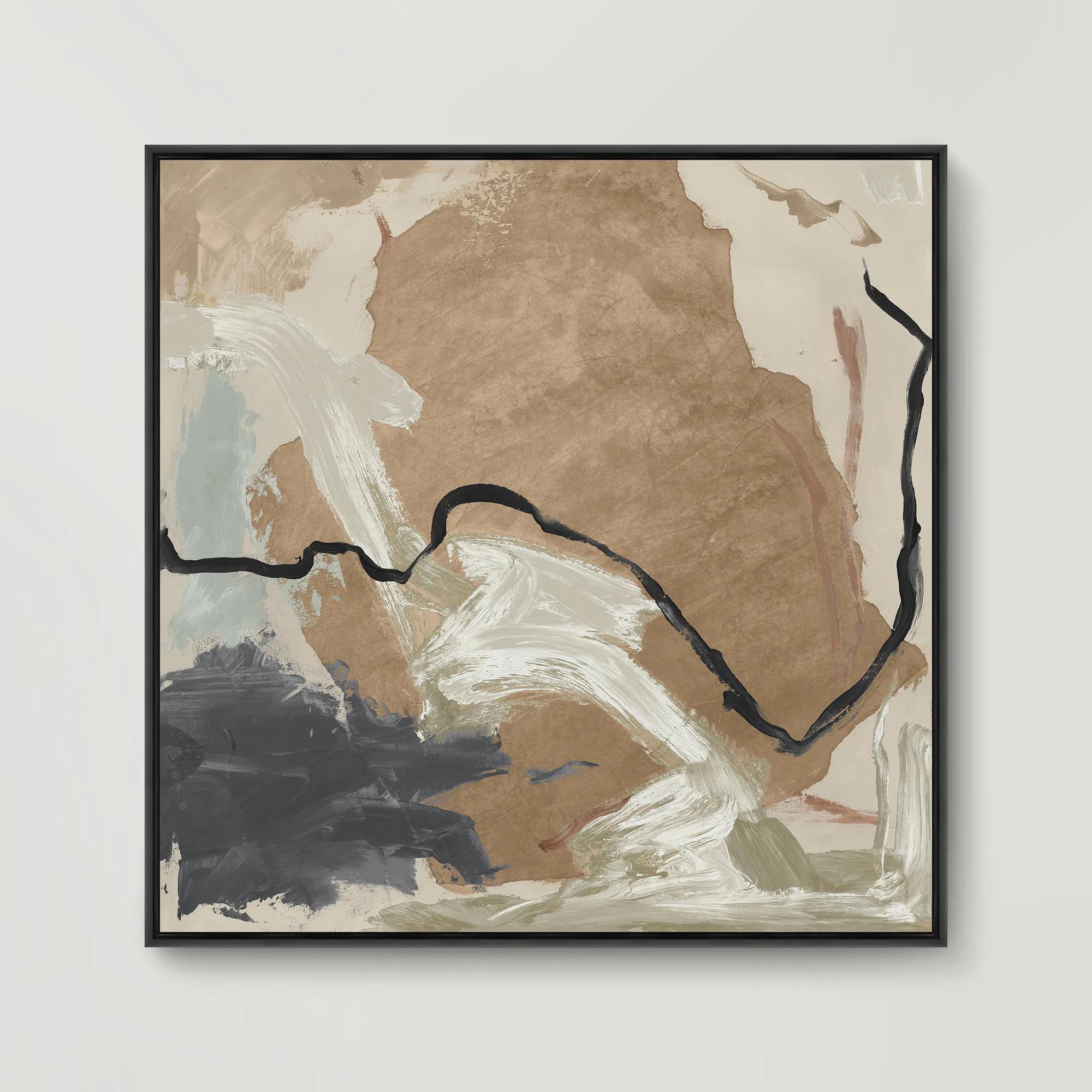 Borderlands III Framed Wall Art 31.5" x 31.5"$499
A gallery-wrapped canvas artwork with hand-applied brush gel finish, set in a sleek gray floater frame.
Add To Cart -
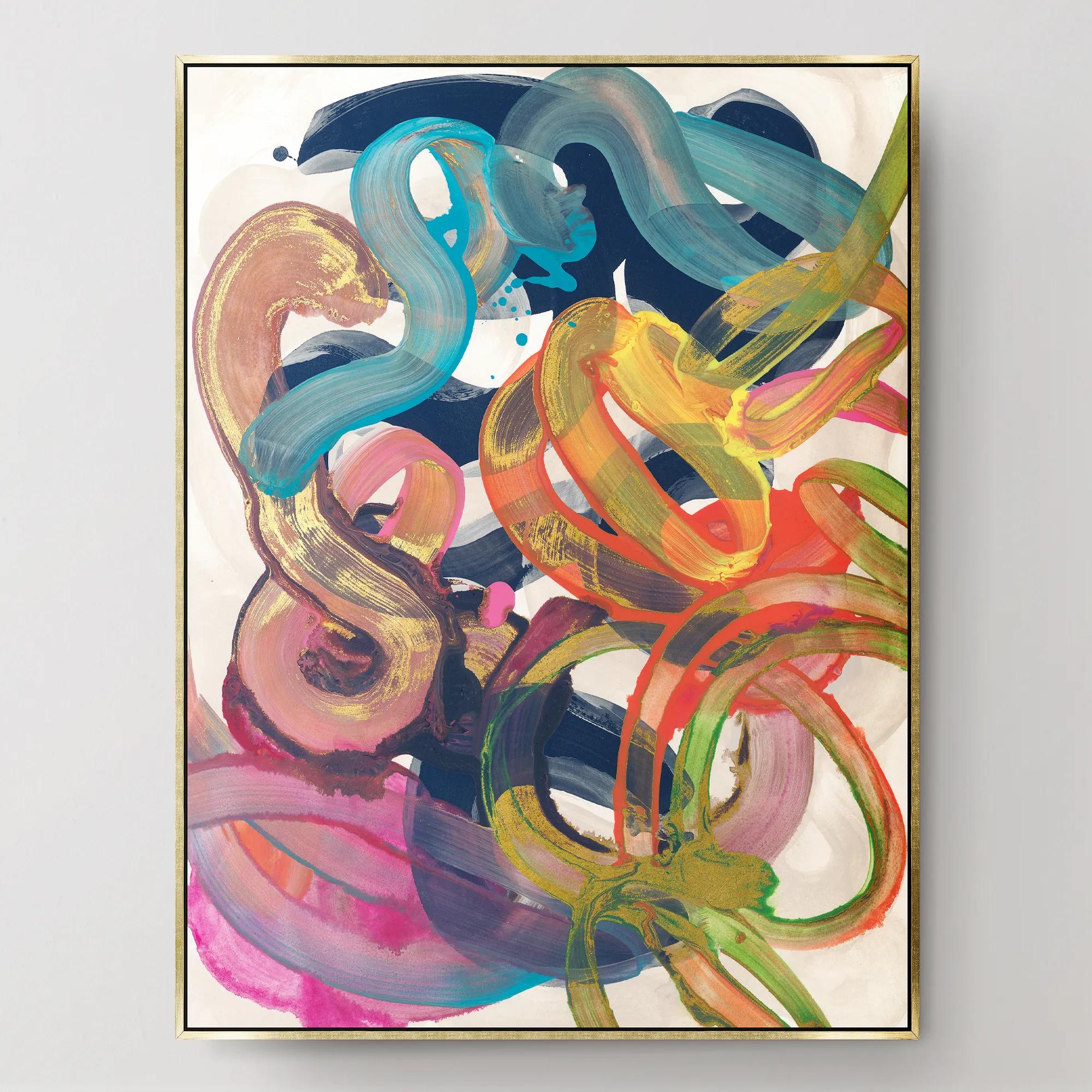
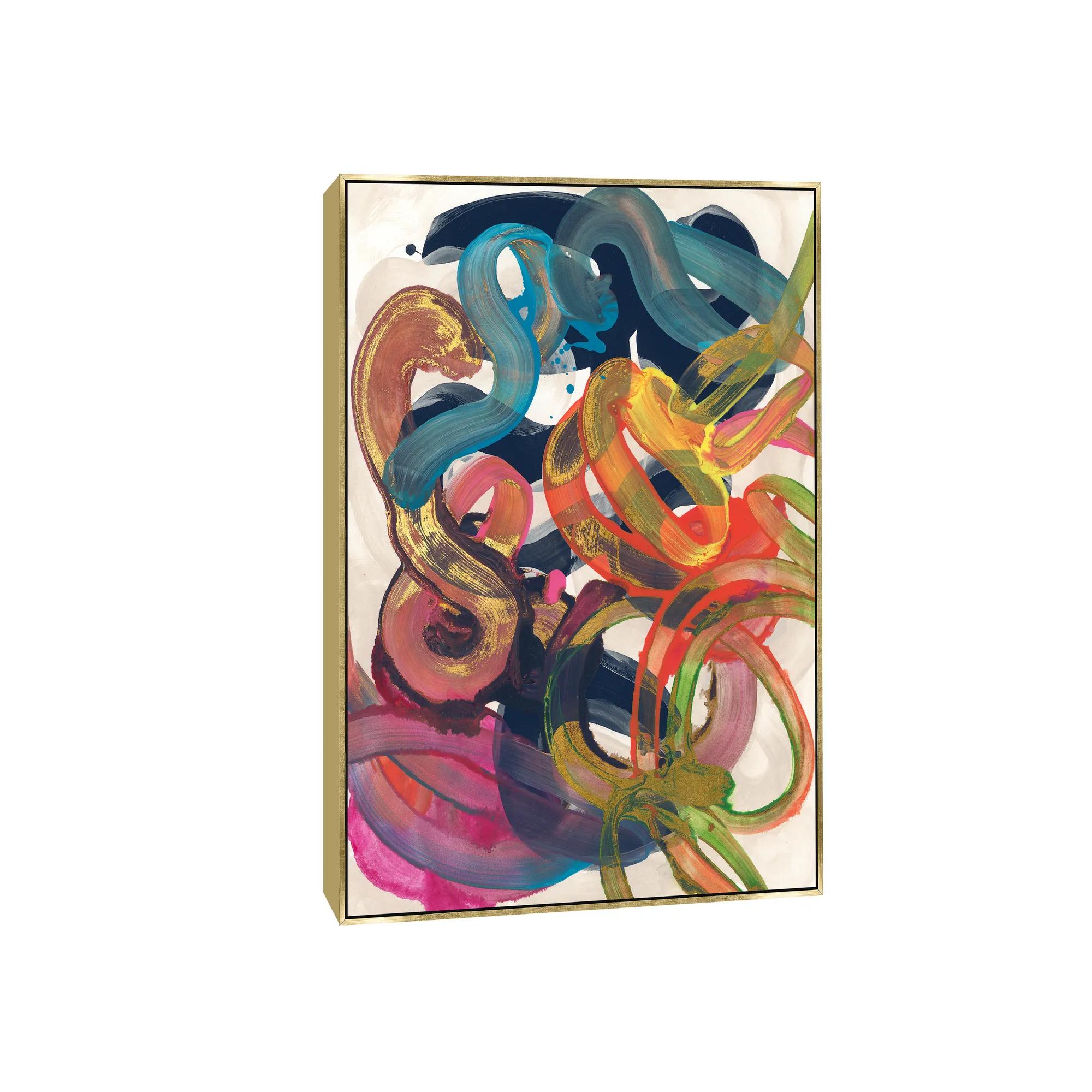 Illogical Conclusions Framed Wall Art 26" x 35"$499
A gallery-wrapped canvas artwork with a hand-applied gel finish, set in a gold float frame.
Add To Cart -
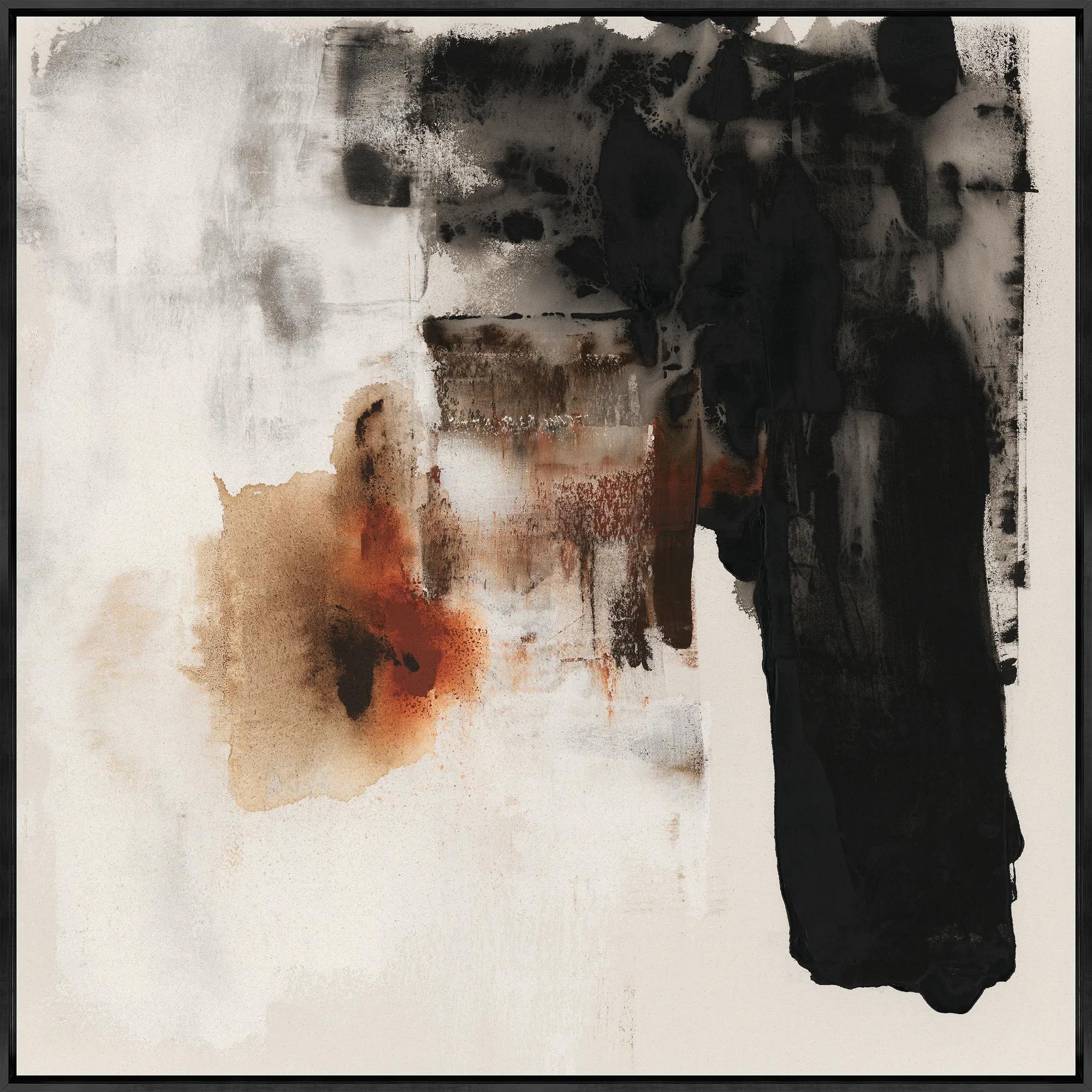
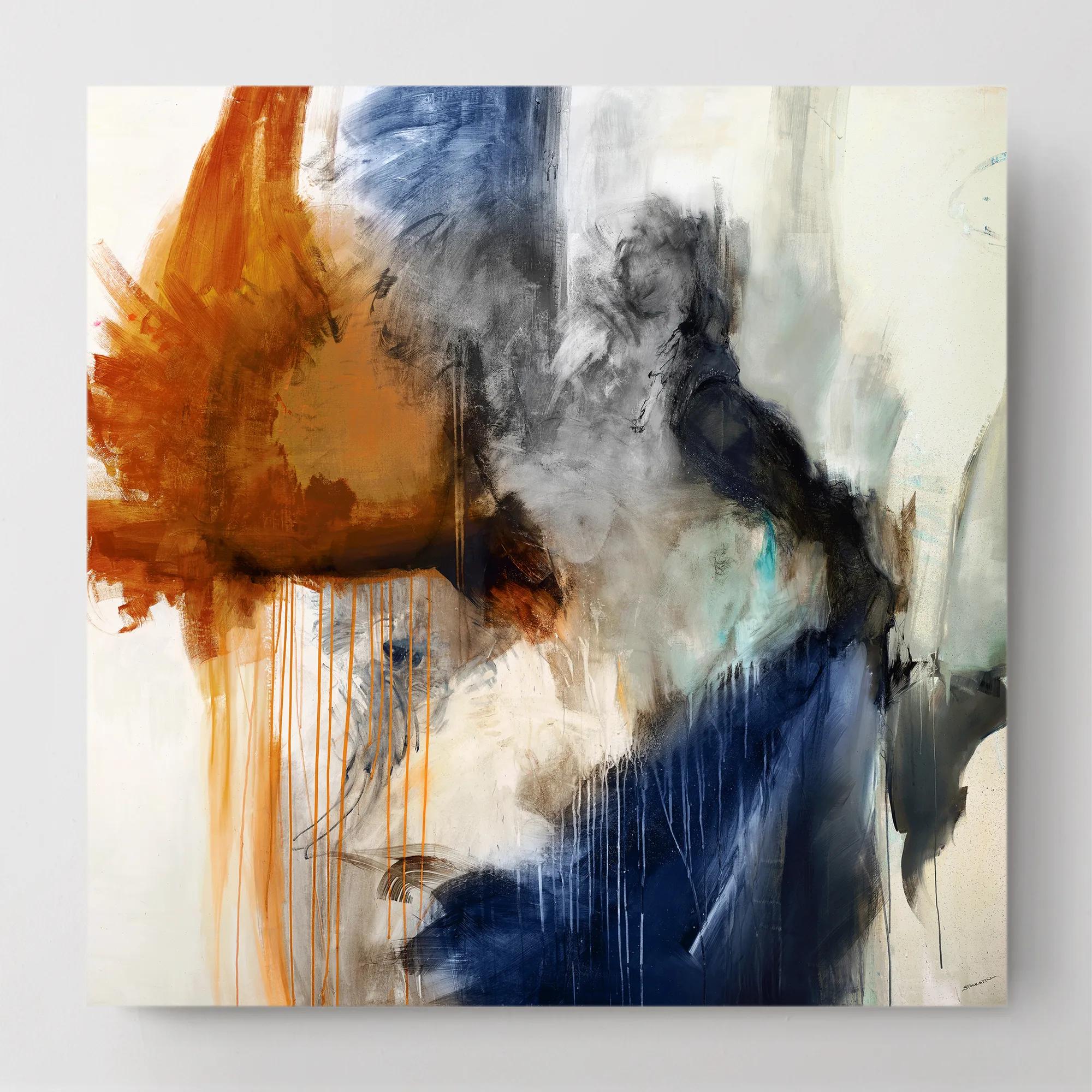
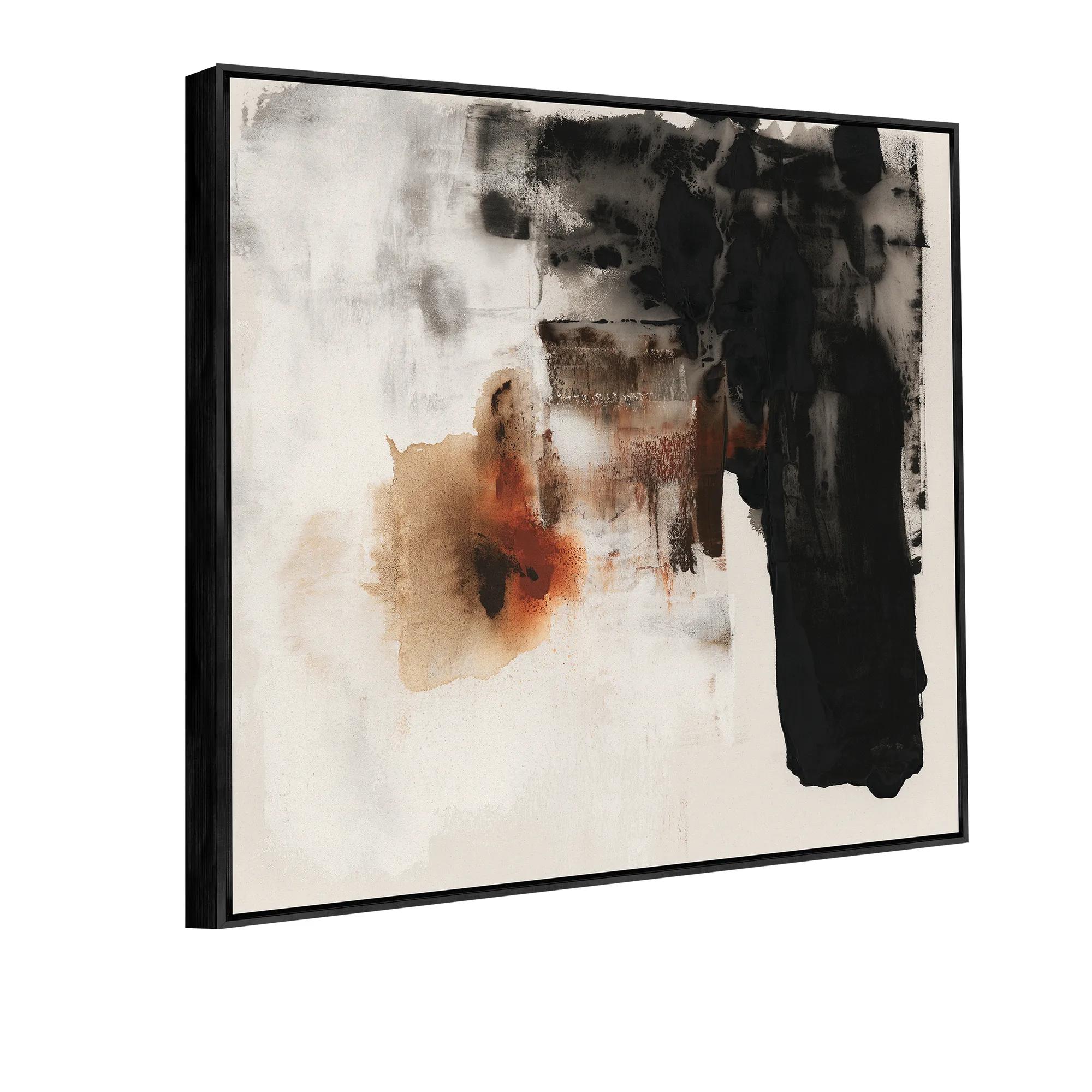 Burning for You II Framed Wall Art 40" x 40"$799
A gallery-wrapped canvas artwork with hand-applied brush gel, set in a sleek black floater frame.
Add To Cart -
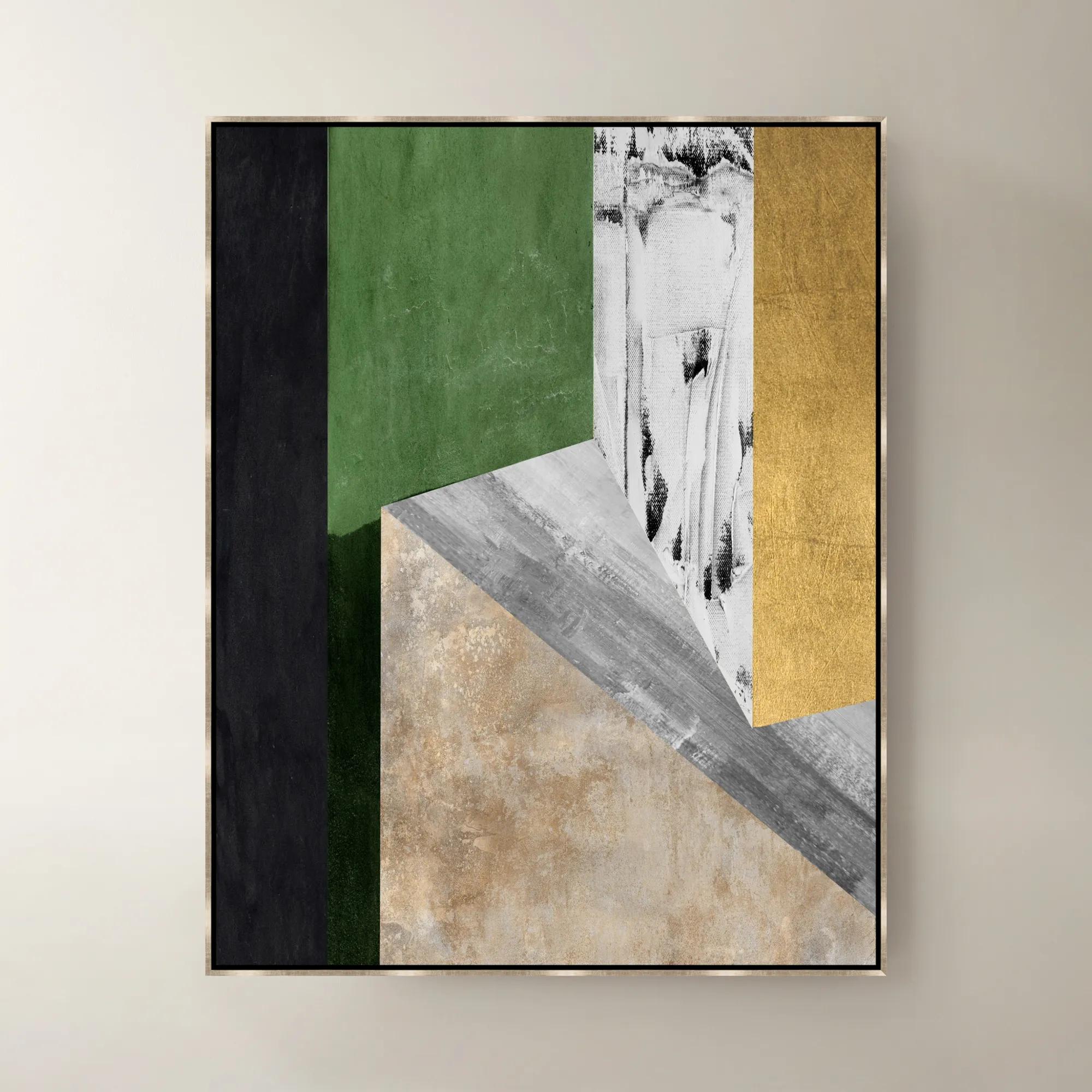
 Blocked III Framed Wall Art 42" x 50"$1199
A striking abstract art piece featuring bold geometric shapes and modern design by Nikki Chu.
Add To Cart -
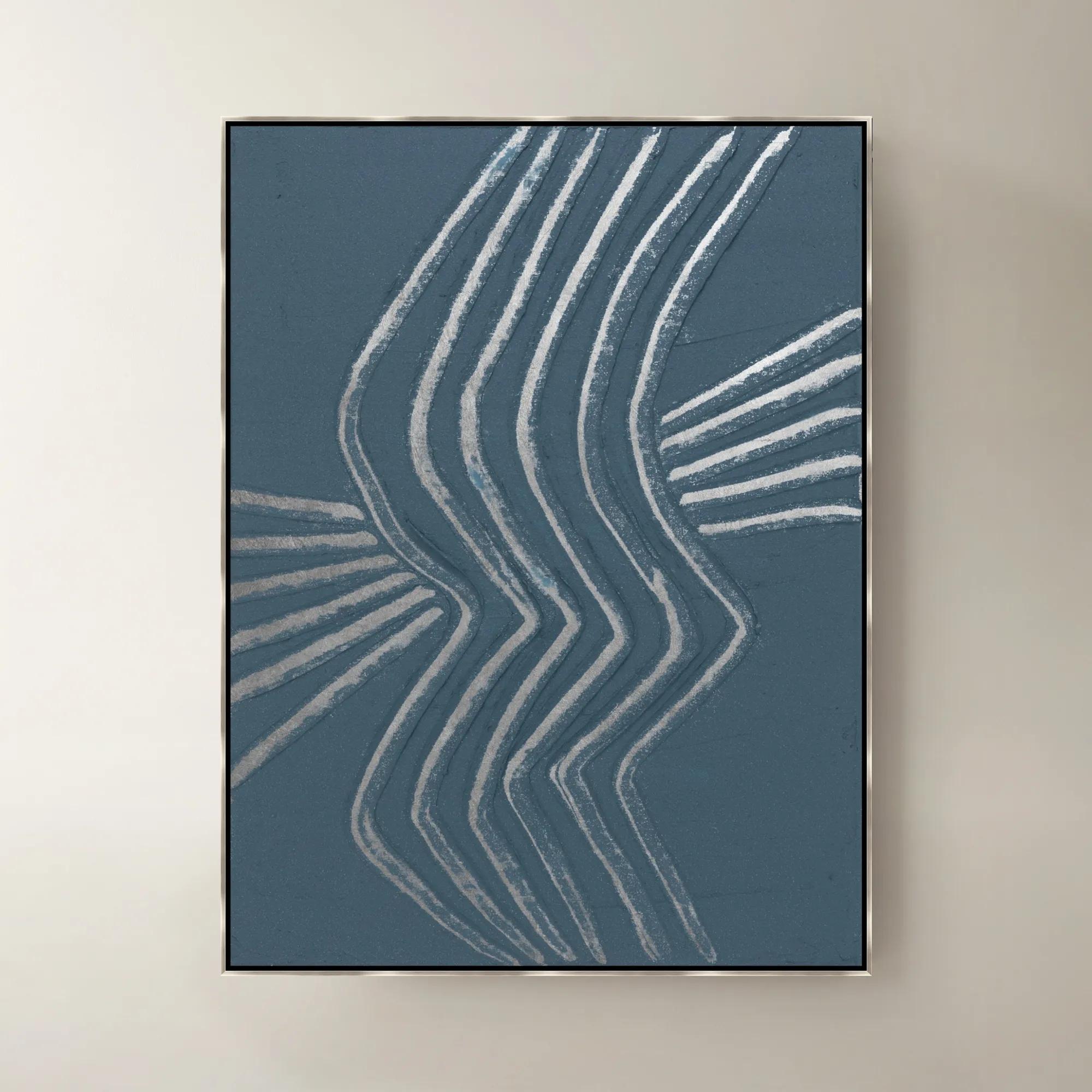
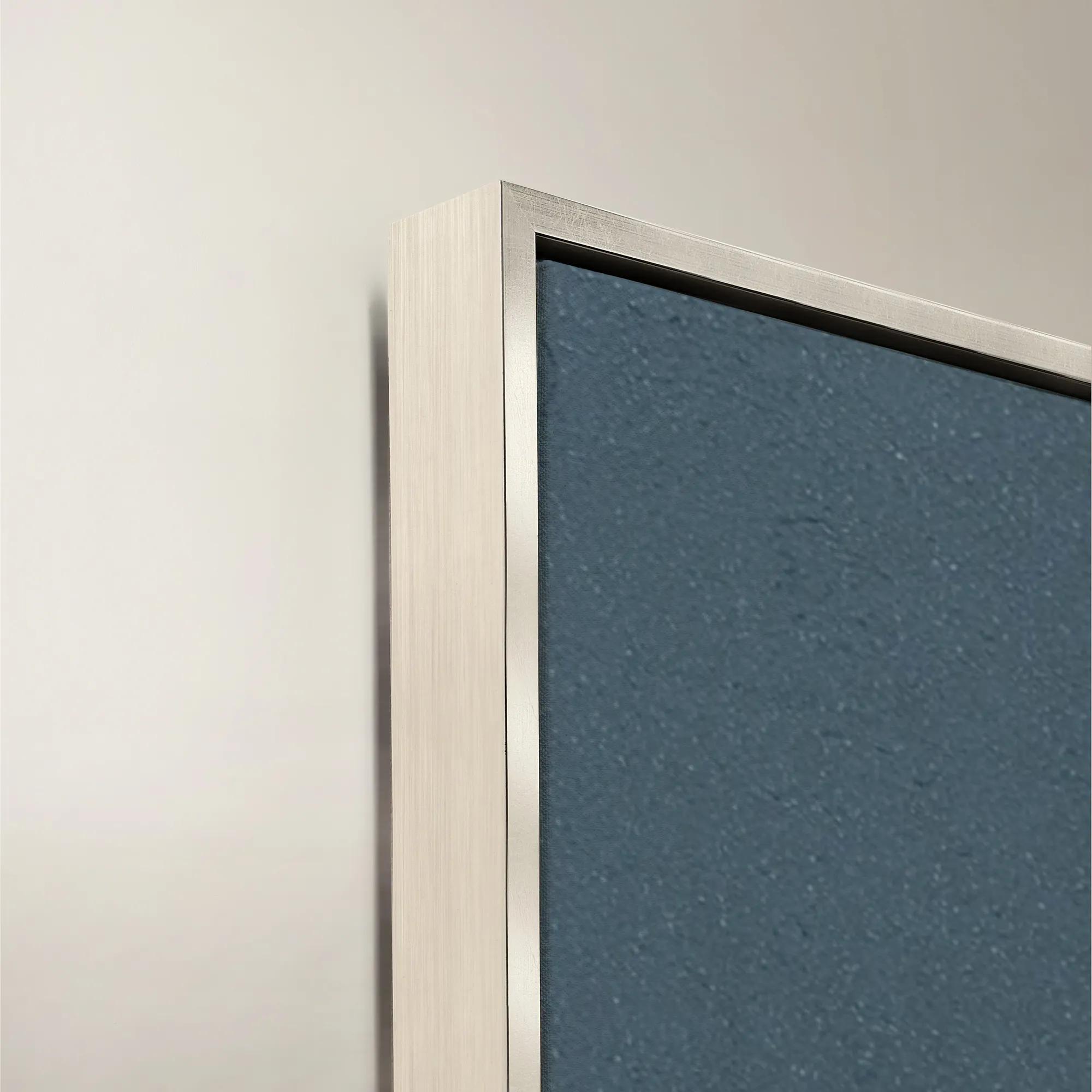 Gilded Waves IV Framed Painted Wall Art 40" x 53"$1399
A framed painted canvas artwork featuring flowing gilded waves in soothing blue and purple tones.
Add To Cart -
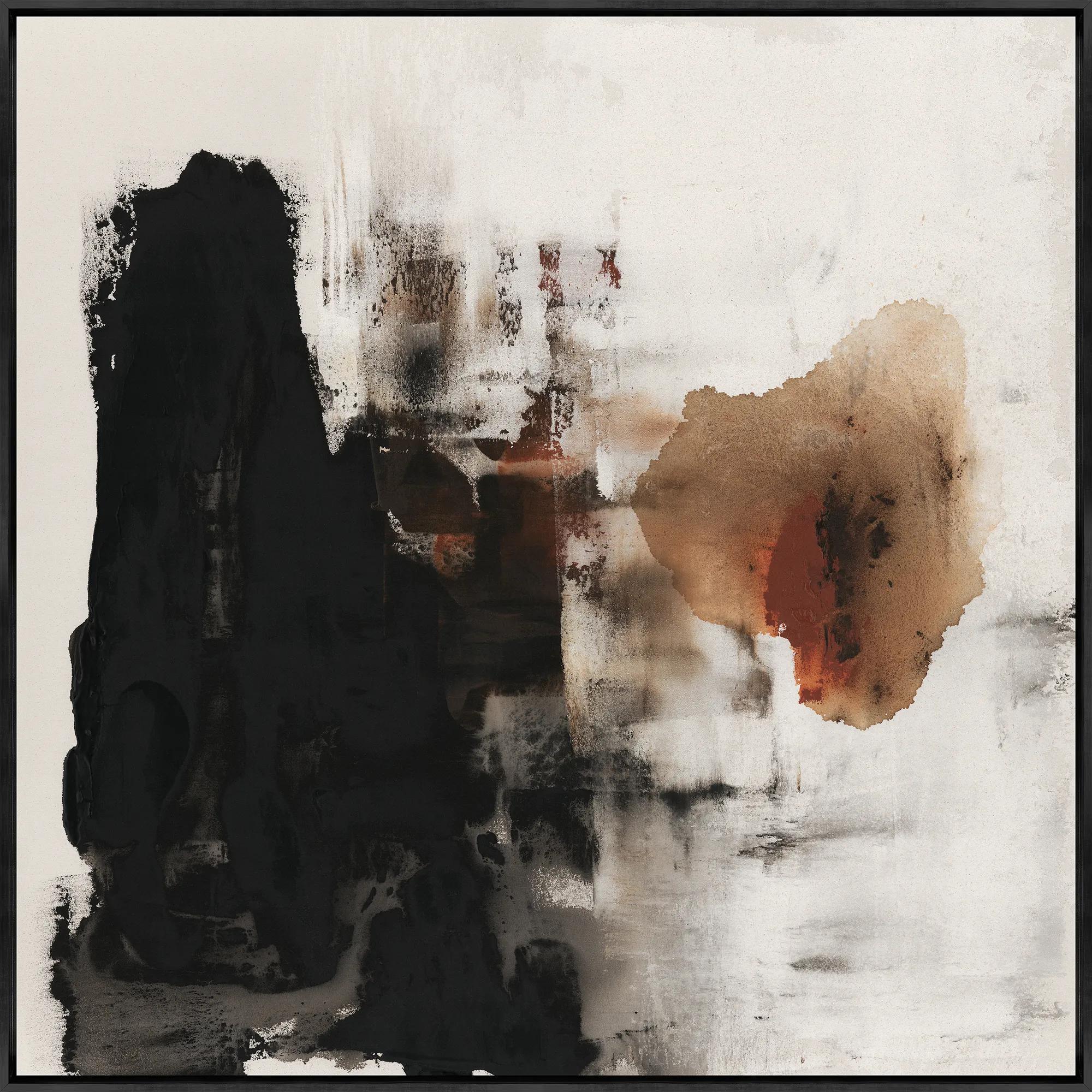 Burning for You I Framed Wall Art 40" x 40"$799
A gallery-wrapped canvas artwork with hand-applied brush gel, set in a sleek black floater frame.
Add To Cart -

 Heart Dancing Framed Wall Art 51.5" x 37.5"$799
A gallery-wrapped canvas artwork with a hand-applied brush gel finish in a sleek gunmetal floater frame.
Add To Cart -
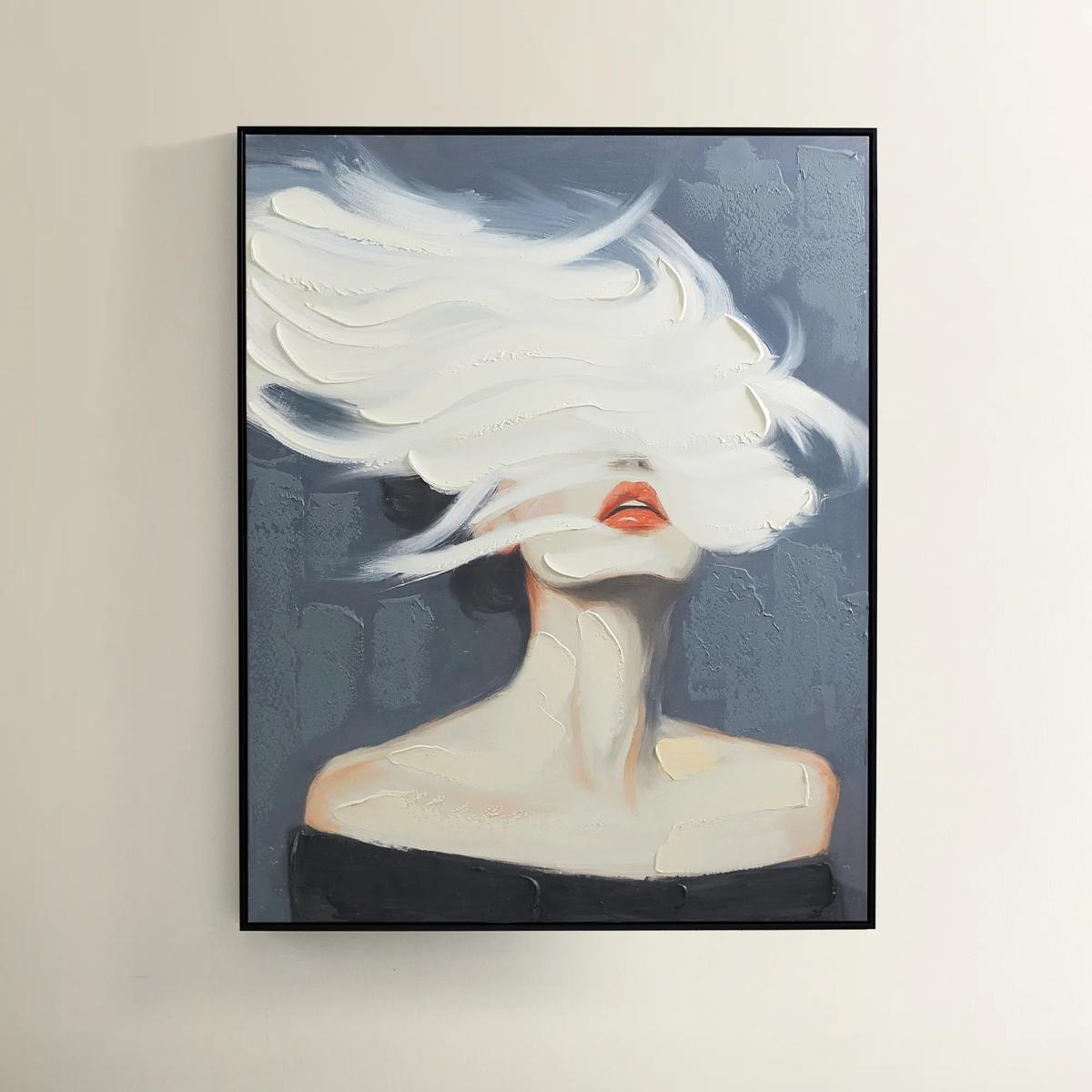
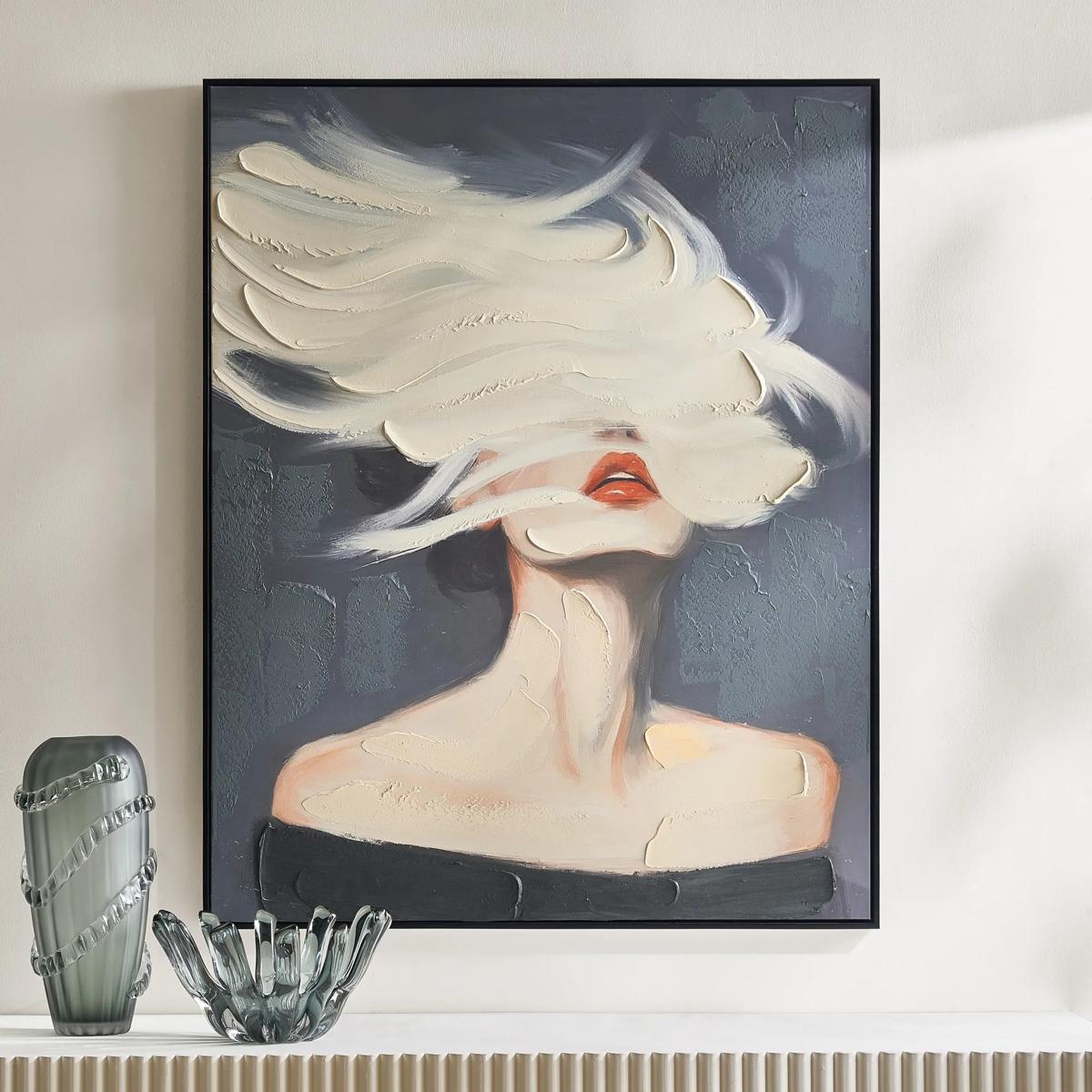 Daydreamer Painting$599
A hand-painted canvas portrait with sculptural white brushstrokes, bold red lips, and a sleek black frame.
Add To Cart -
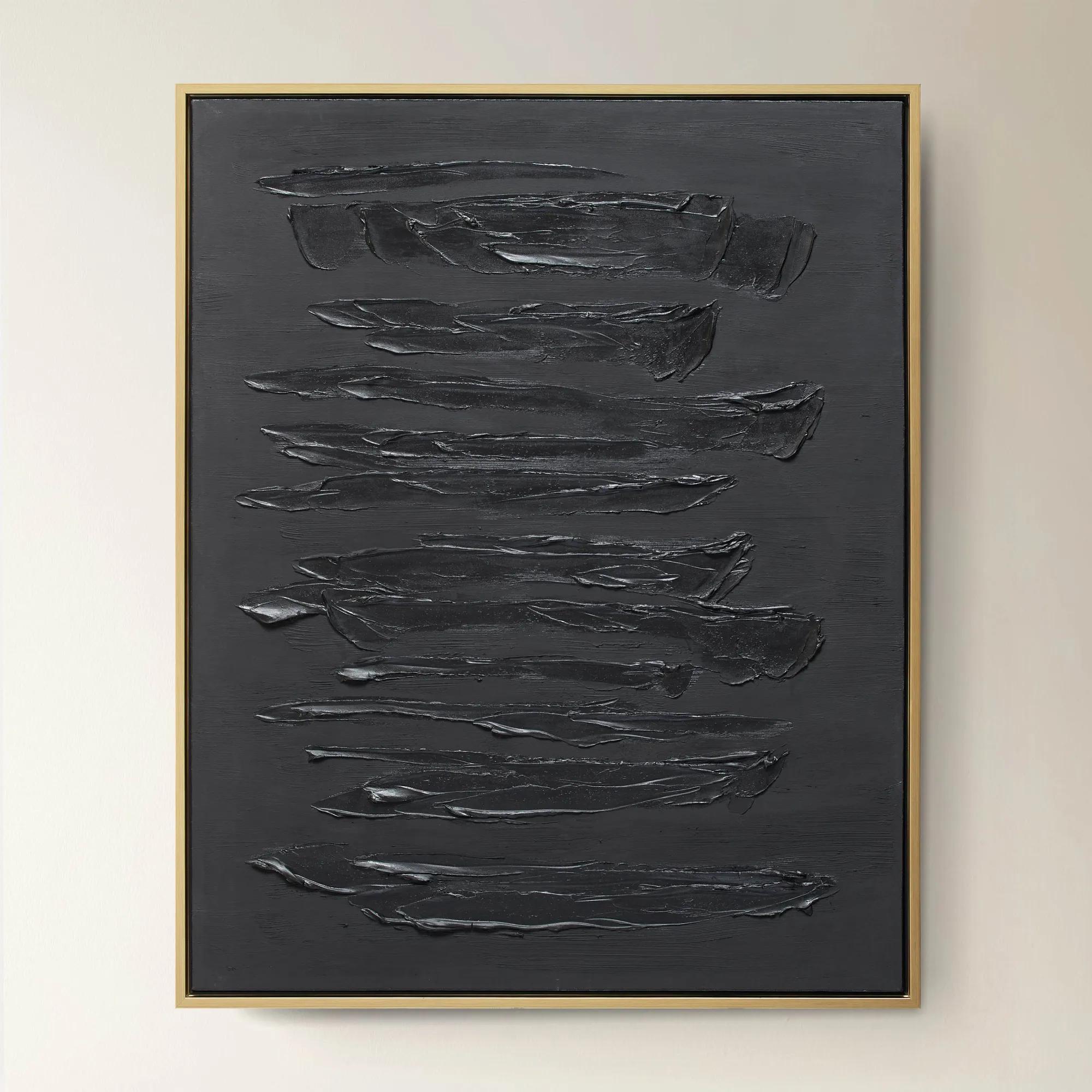
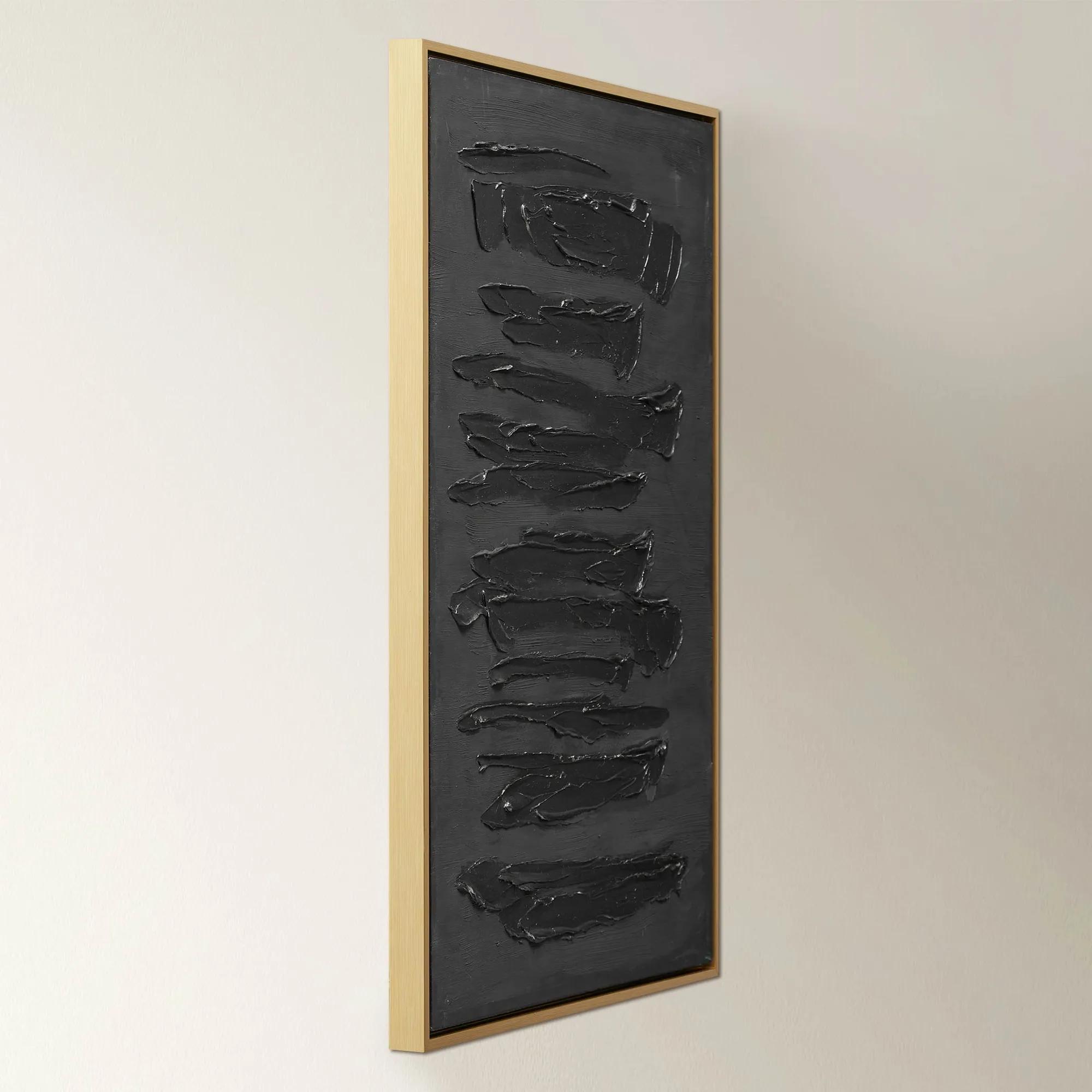 Nocturne$599.95
A dramatic abstract artwork featuring bold, dark brushstrokes on hand-painted canvas in a gold floater frame.
Add To Cart -

 Blooming in Her Own Time Framed Wall Art 40" x 50"$1029
A vibrant multicolored canvas wall artwork featuring an expressive botanical-inspired design in a framed presentation.
Add To Cart -
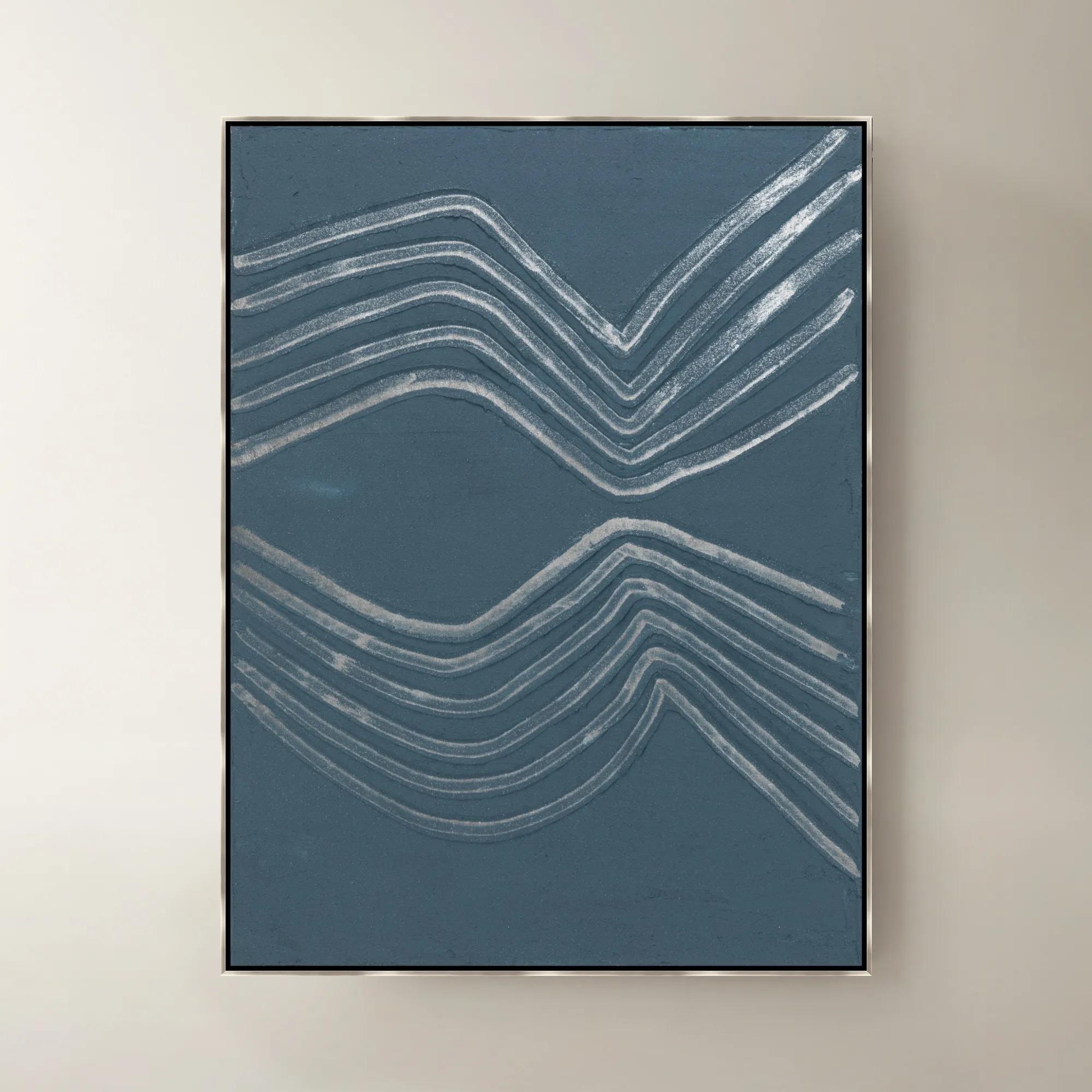
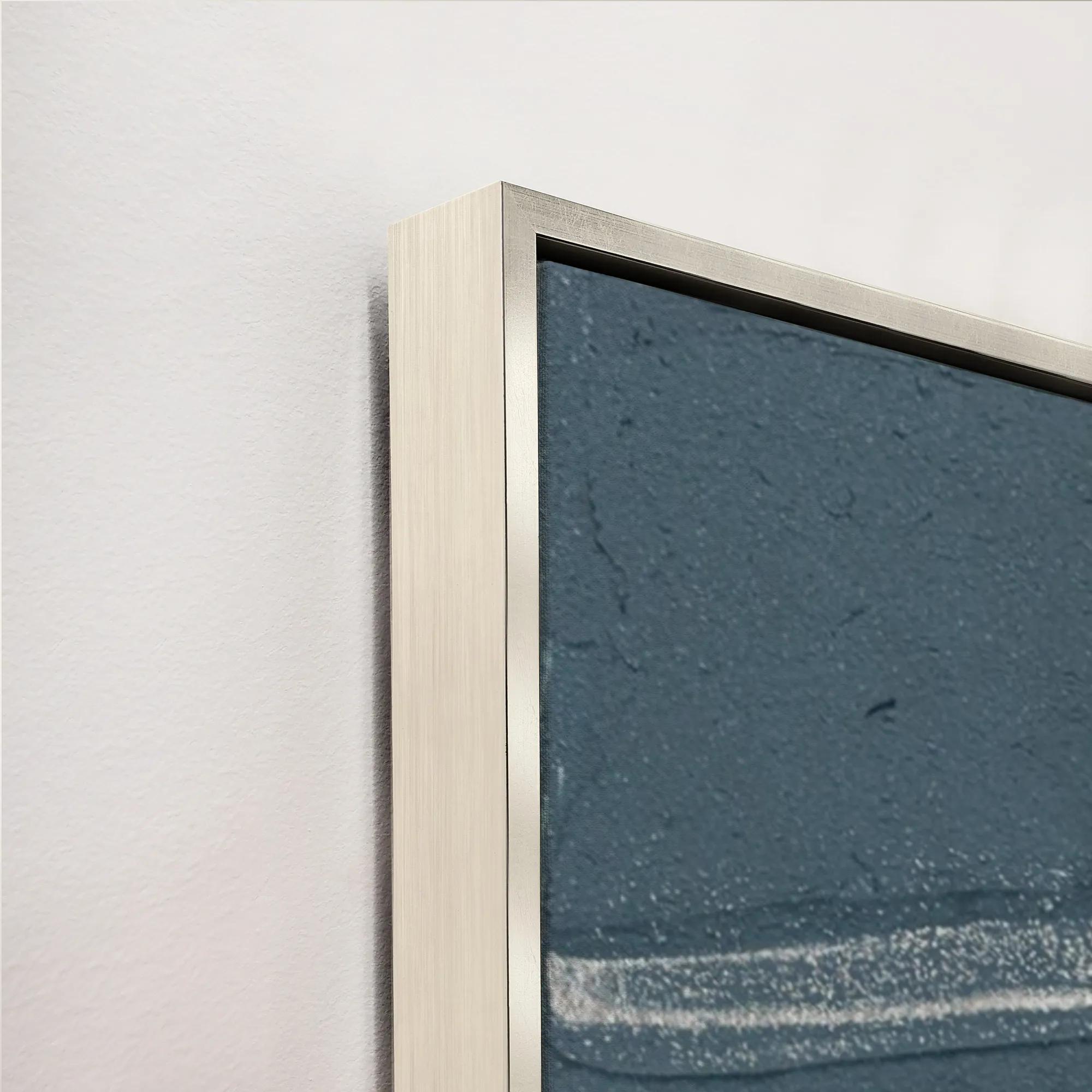 Gilded Waves VI Framed Painted Wall Art 40" x 53"$1399
A framed painted canvas artwork featuring sweeping gilded waves in rich blue and purple tones.
Add To Cart -
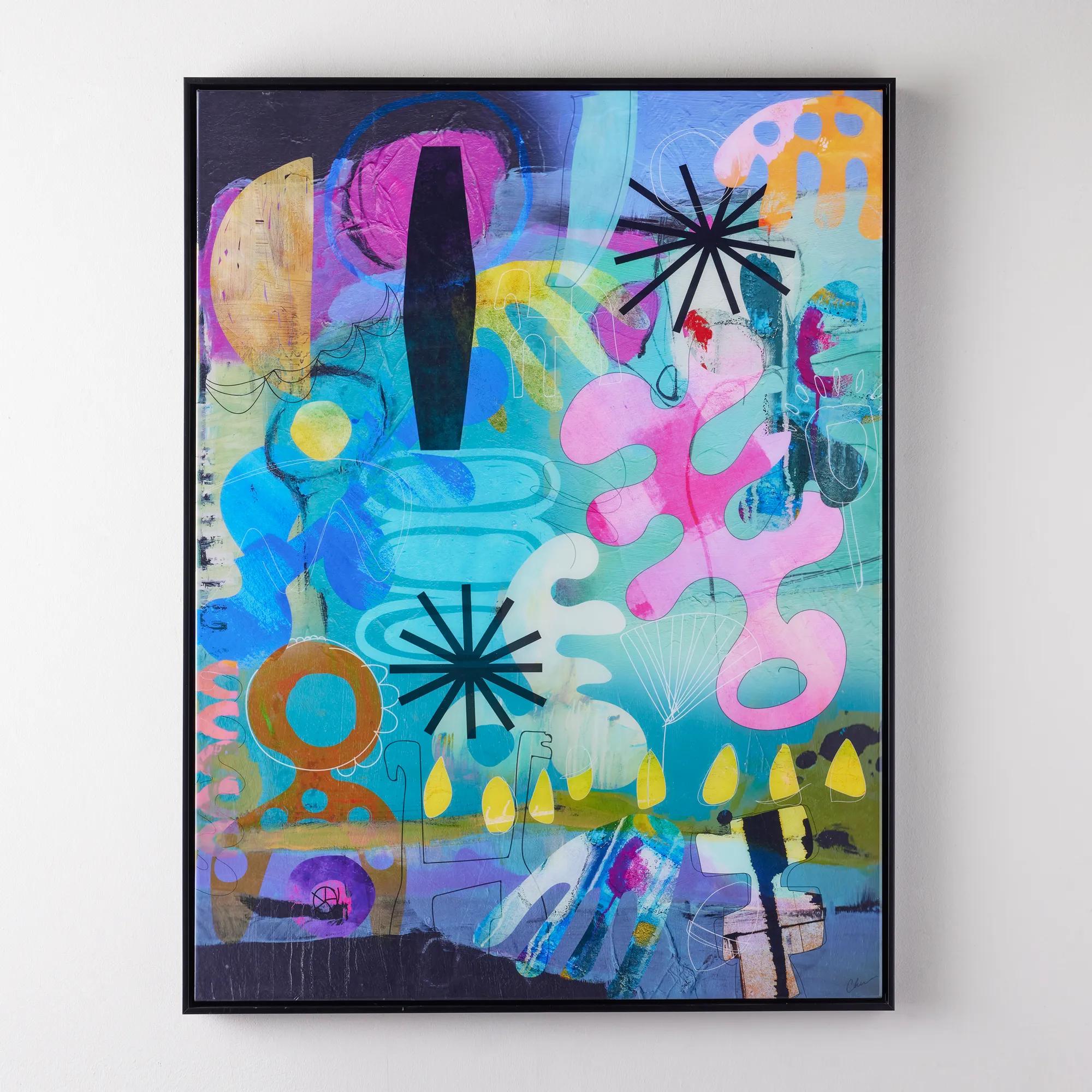
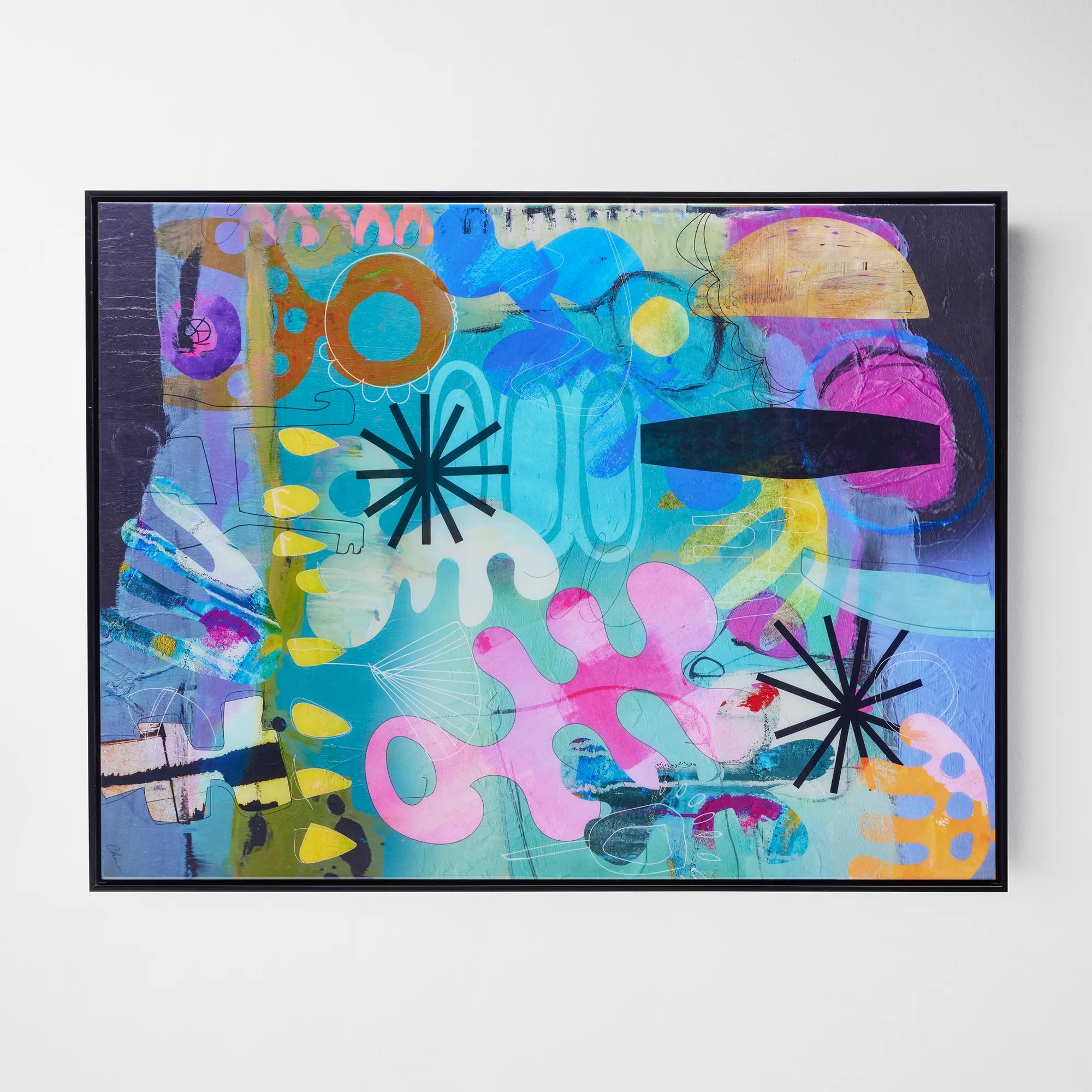 Nikki Chu Detailed Vision Framed Wall Art 54" x 41"$1099
A vibrant, high-gloss artwork with a black frame, designed to hang vertically or horizontally.
Add To Cart -
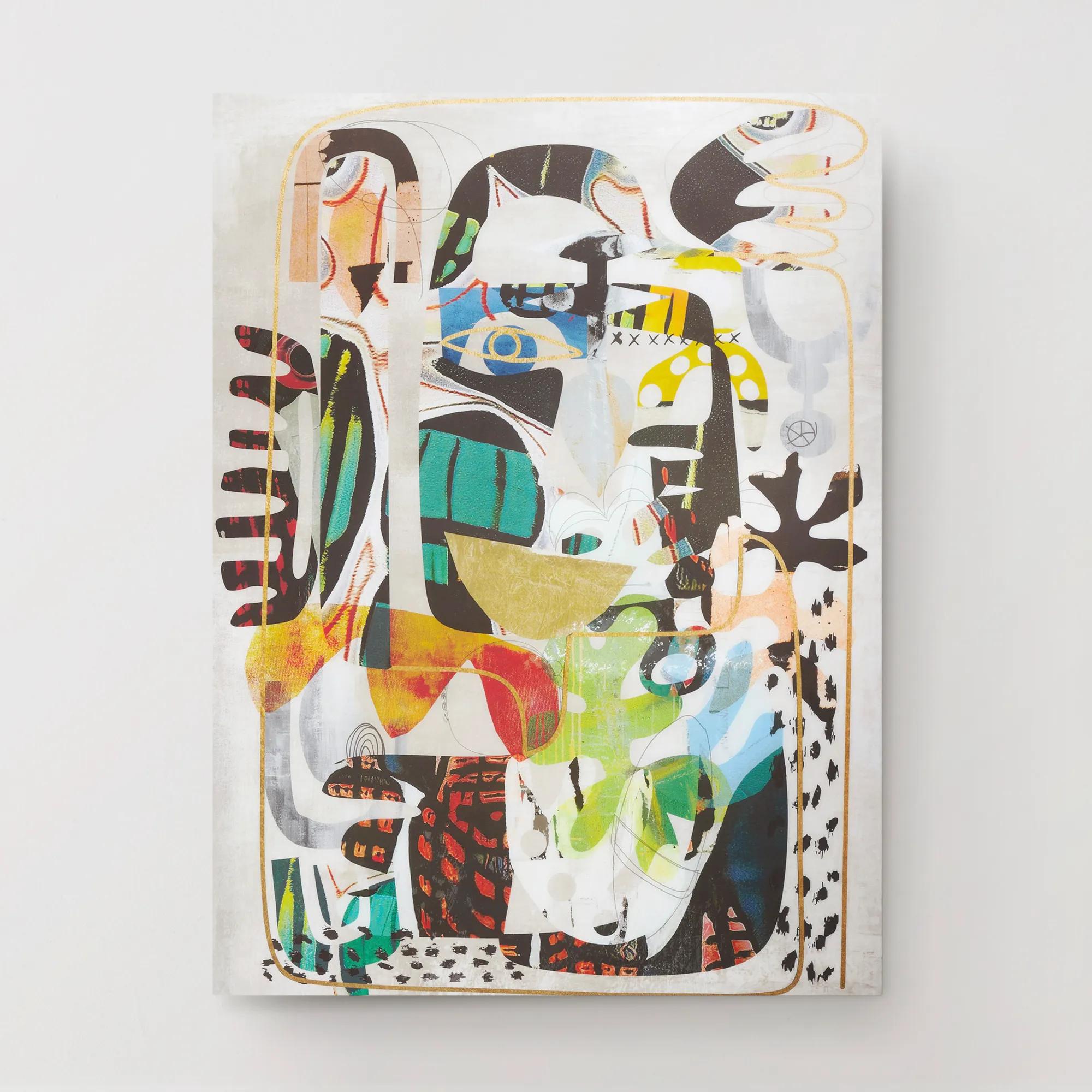
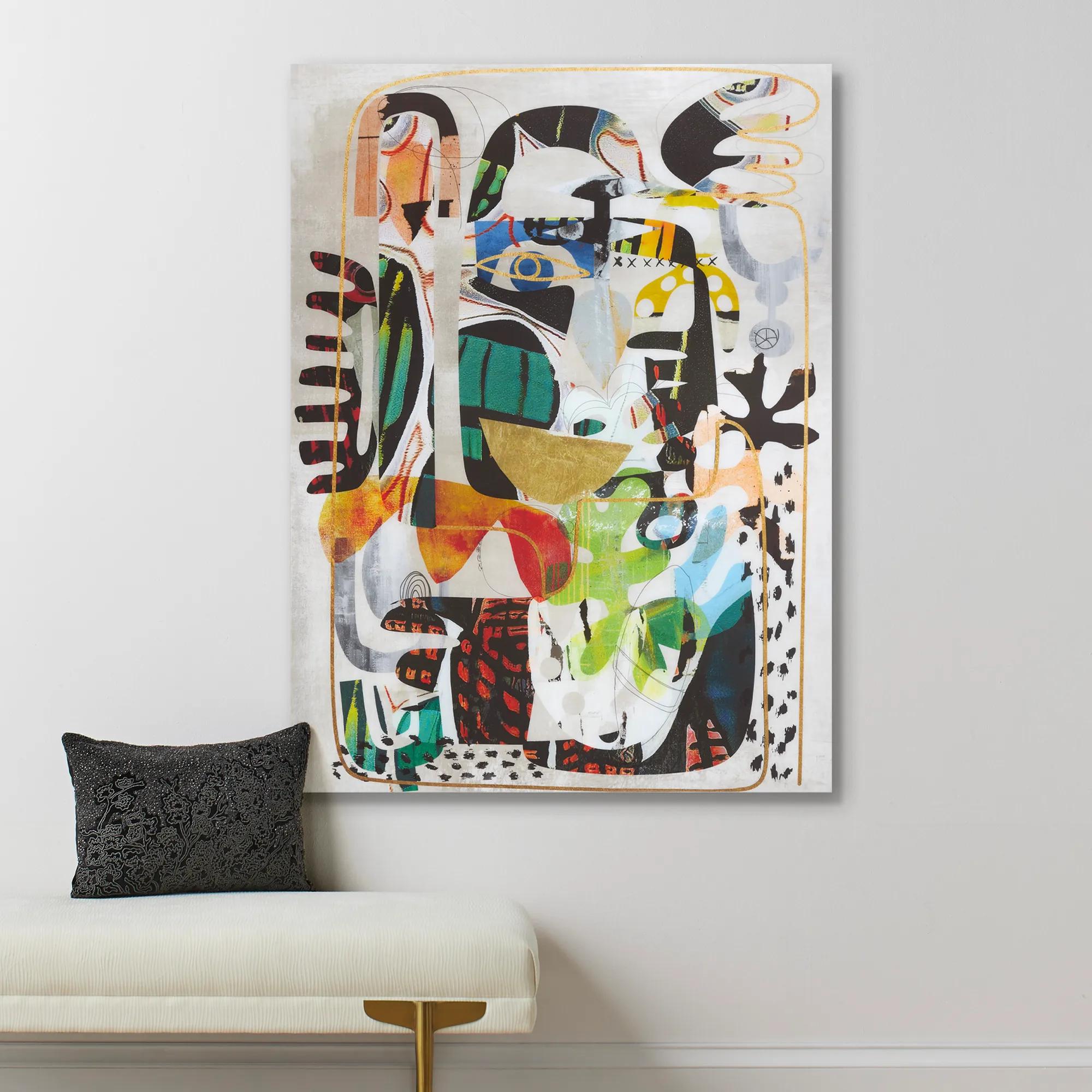 Nikki Chu Masked Wall Art 40" x 54"$899
A vibrant giclee print on canvas featuring a hand-applied glossy finish for a modern statement.
Add To Cart -
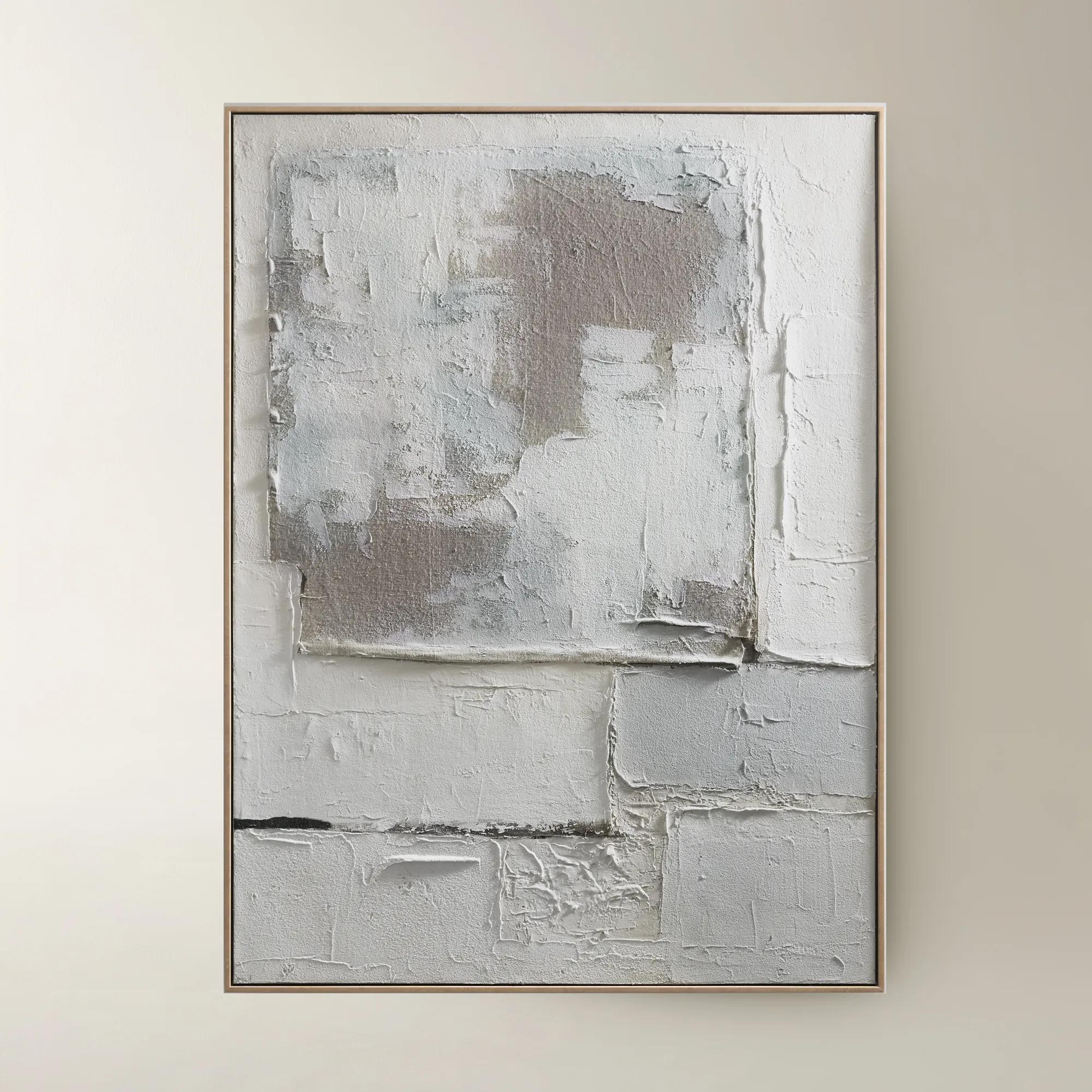
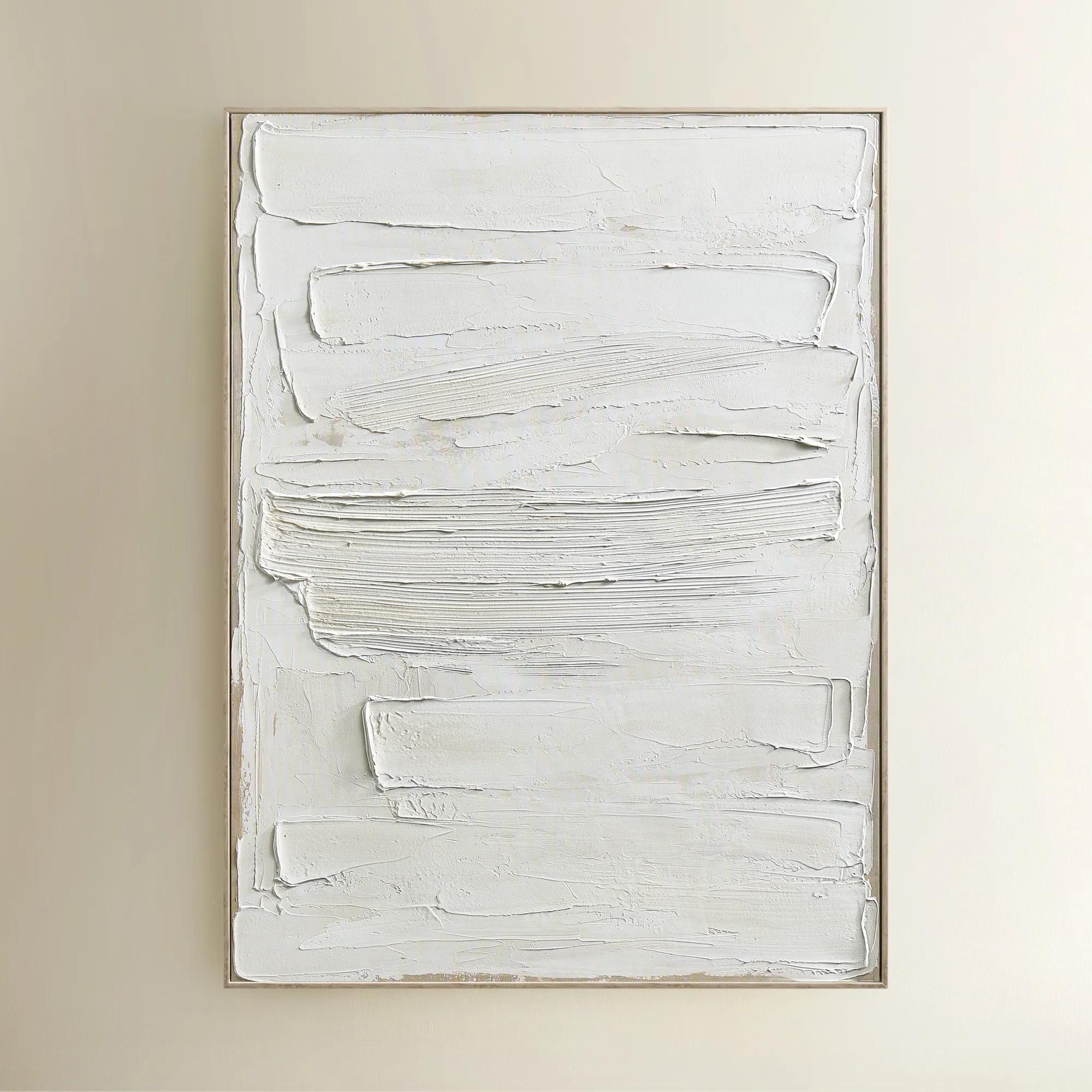
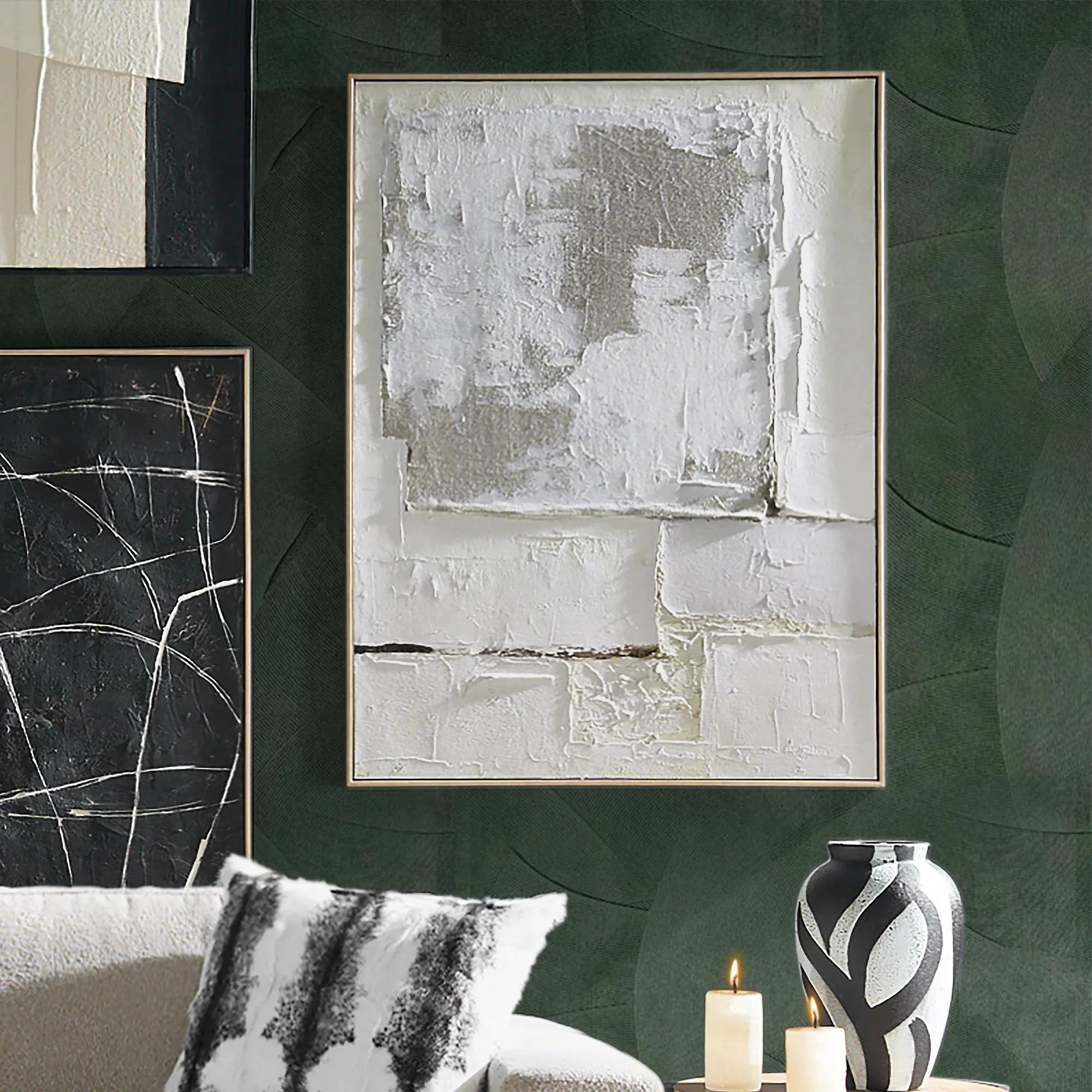 Marrow Painting$399
A hand-painted abstract canvas in subtle beige hues, elegantly framed in a warm beech wood floater.
Add To Cart

Living Room Art Inspiration
Find living room art inspiration with artwork that brings color, character, and a striking focal point to your space. Explore wall art with your sofa’s proportions, available wall space, and existing palette in mind. Whether you envision one commanding piece or a gallery-style arrangement, let scale and composition guide a living room that feels expressive and distinctly yours.
Living room art gives a gathering space its signature: a sweeping abstract above the sofa, a pair of architectural images beside a fireplace, or a dimensional composition that turns an open wall into a sculptural focal point. The strongest living room art inspiration connects color, scale, texture, and subject matter to the way a room feels and functions. Large wall art creates visual impact with a single composition, while coordinated pairs and gallery walls introduce rhythm through multiple frames. Abstract artwork can bring movement to tailored furniture; landscapes add depth and atmosphere; geometric designs echo the precision of architectural details. Black-and-white photography lends a room graphic clarity, especially when paired with rich upholstery or gleaming accents. Color sets another layer of expression. Ivory, charcoal, and champagne tones can establish a sophisticated foundation, while saturated blue, emerald, or burgundy gives the wall a more commanding presence. For interiors drawn to watery washes, inky brushwork, and deep sapphire accents, living room blue wall art creates a compelling connection between an expressive focal point and the surrounding furnishings. A blue composition above a cream sofa, for example, can feel integrated when its darker notes reappear in a patterned pillow or decorative vessel. Artwork does not need to match every textile to belong; a shared undertone, recurring shape, or related finish often creates a more layered result. A restrained room may welcome one exuberant composition, while an interior already rich in pattern may benefit from generous negative space within the artwork itself. These relationships make wall art especially personal for anyone furnishing a first home, refining a formal sitting room, or giving a familiar living area a more distinctive point of view. Whether the mood is serene, theatrical, or sharply graphic, the artwork becomes part of the room’s identity rather than an afterthought. Even a subtle composition can feel commanding when its proportions and placement give it room to breathe.
Proportion determines how confidently artwork holds its place among sofas, consoles, windows, and built-in shelving. Above a substantial sofa, a wide composition or a coordinated grouping often feels more connected to the furniture than a small frame floating alone. Artwork spanning roughly two-thirds to three-quarters of the sofa’s width can be a useful starting point, with the final choice shaped by ceiling height, nearby architecture, and the visual weight of the frame. A tall, narrow wall may favor vertical artwork, while a long wall can accommodate a panoramic composition, a diptych, or a carefully spaced series. In a gallery arrangement, the entire grouping reads as one visual unit, so its outer dimensions matter as much as the measurements of each piece. Consistent spacing gives varied subjects a deliberate rhythm; matching frames create cohesion, while a considered mix of profiles can feel collected and expressive. Placement should also acknowledge the seated view. Artwork positioned in relation to the furniture, rather than simply centered between floor and ceiling, tends to feel more connected to conversation areas. There should still be enough clearance above a sofa back or console to keep the arrangement comfortable and visually distinct. In an open-plan home, art can define the living area without adding a physical boundary, particularly when its palette relates to a rug or upholstered seating. A striking composition visible from an entryway creates an immediate focal point, while a quieter work near a reading chair rewards closer attention. Lighting changes the experience, too: softly directed illumination can reveal brushwork, metallic details, or dimensional relief, whereas a lamp reflected in glazing may obscure the image from a favorite seat. Before choosing proportions and finishes, considering the wall from the doorway, the sofa, and adjacent spaces helps establish whether the artwork should command attention across the room or offer a more intimate moment within it.
Materials and presentation influence both the visual character of living room wall art and the attention it needs over time. Canvas has a woven surface that can bring tactile warmth to an image, while artwork on paper often gains definition from a mat and frame. Glazed presentations introduce a polished layer between the image and the room; depending on the glazing, they may also produce reflections that deserve consideration near windows and lamps. Metal wall art contributes crisp contours and shifting highlights, and dimensional mixed-media designs create shadows that change with the direction of light. A gold-tone frame can pick up the glow of decorative accents, a black frame can sharpen a pale composition, and a wood finish can add depth beside stone, glass, or upholstery. Frame width matters as well: a substantial profile lends architectural presence, while a slender edge lets the image carry more of the drama. Surface treatments vary, so care should follow the artwork’s specific instructions rather than a single cleaning method for every medium. Gentle dusting with a clean, soft cloth is often appropriate for frames, but exposed painted, textured, or embellished surfaces may require different handling. Household sprays and abrasive materials can damage finishes; cleaners should never be applied directly to artwork. Protection from prolonged direct sunlight, excess moisture, and accidental contact helps preserve color and surface integrity. Secure installation is equally important, with hardware and anchors selected for the artwork’s weight and the wall’s construction. In active family rooms, placement away from frequent contact helps protect delicate details without diminishing their presence. Art also makes a thoughtful housewarming or wedding gift when the recipient’s preferred colors, available wall space, and decorating style are understood. A versatile composition with a considered frame can become a lasting part of everyday life, accompanying lively gatherings, quiet evenings, and the evolving arrangement of a well-loved home. The most enduring choice is one that feels expressive enough to hold attention and personal enough to belong.
FAQs
Begin with the atmosphere you want to create: expressive and energetic, serene and polished, or richly dramatic. Abstract compositions bring movement, photography offers a distinct point of view, and figurative art adds narrative. Choose work that draws you in, then let its mood guide the surrounding decor.
Look to your upholstery, rug, and accent pieces for a starting palette. Art that echoes a few existing tones creates a composed, layered look, while an unexpected color introduces striking contrast. In a neutral living room, saturated artwork can become the expressive heart of the space.
Give your gallery wall a unifying thread, such as a recurring color, related subject matter, or consistent frame finish. Then introduce variety through different compositions and artistic styles. A collection of fluid abstracts, architectural photographs, and expressive line drawings can feel intentional when those visual connections carry across the arrangement.
Mixing art styles brings depth and individuality to a living room. Pair a gestural abstract with crisp photography, or place a traditional-inspired portrait near a contemporary composition. Repeat a color or framing detail to connect the works while allowing each piece to retain its own presence.
Let the artwork lead, then draw its colors, shapes, or mood into a few considered accents. A sculptural vase might echo a sweeping line, while pillows can repeat a rich accent hue. Keep nearby surfaces thoughtfully edited so the art commands attention without competing with every detail.