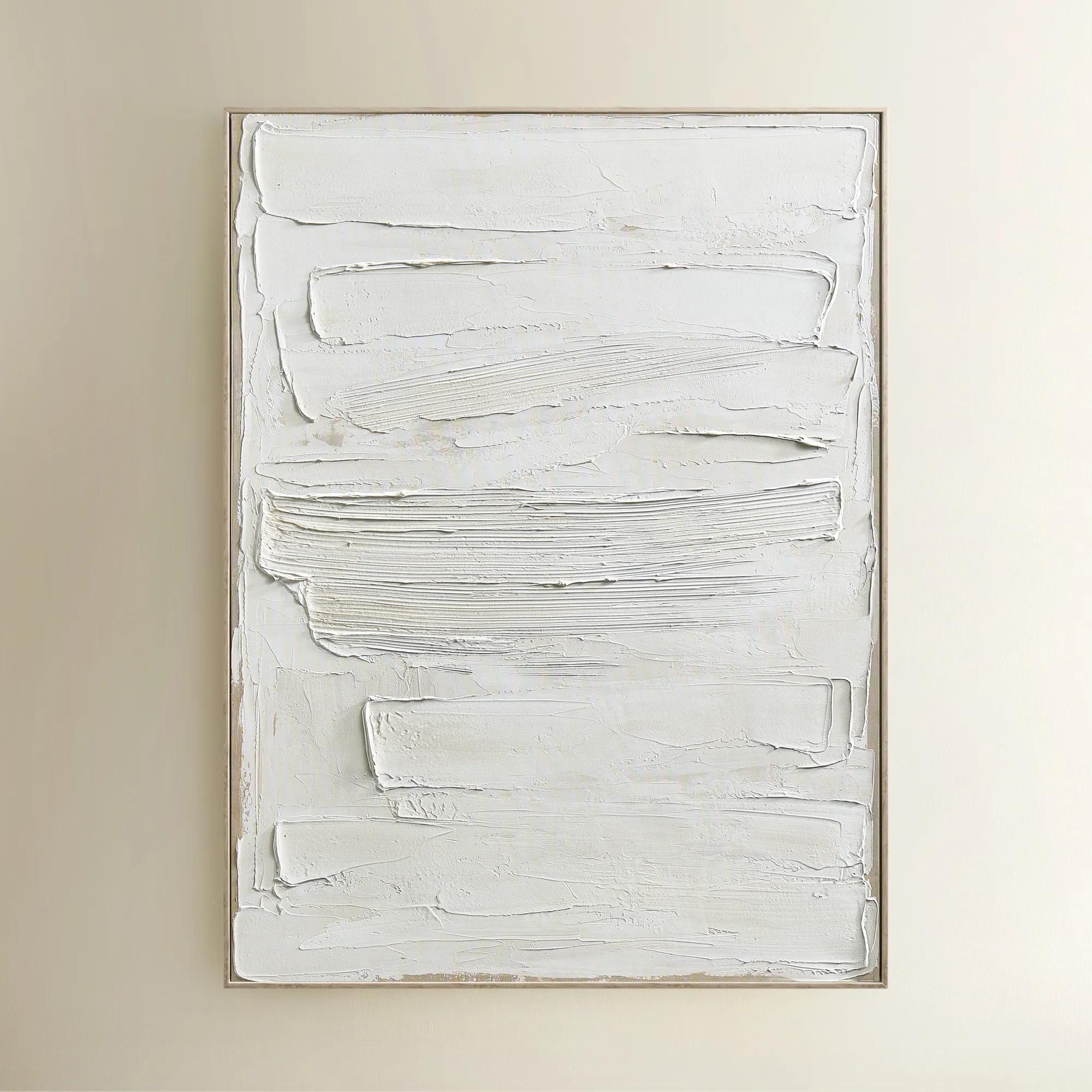
Minimalist Living Room Art
Minimalist Living Room Art
-
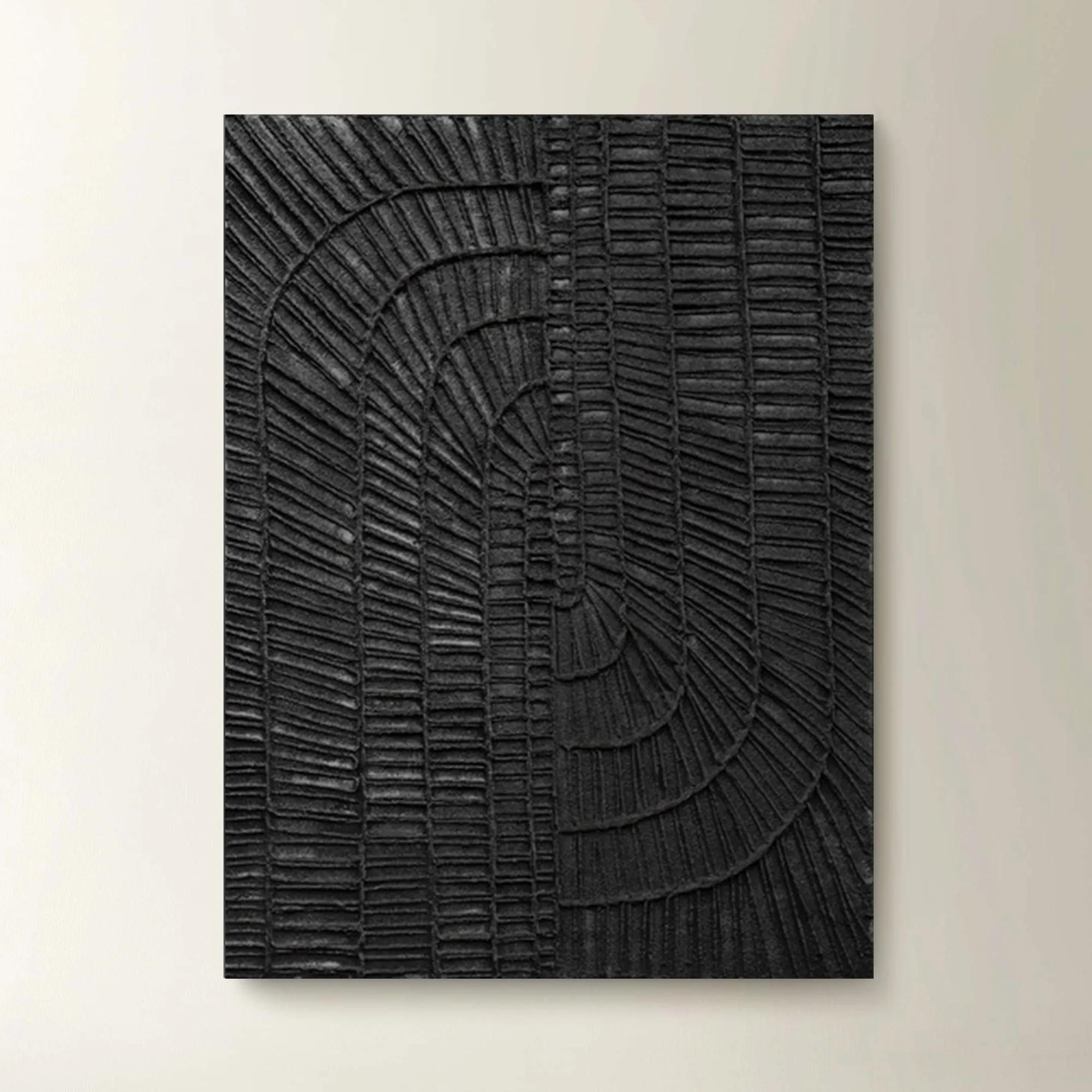
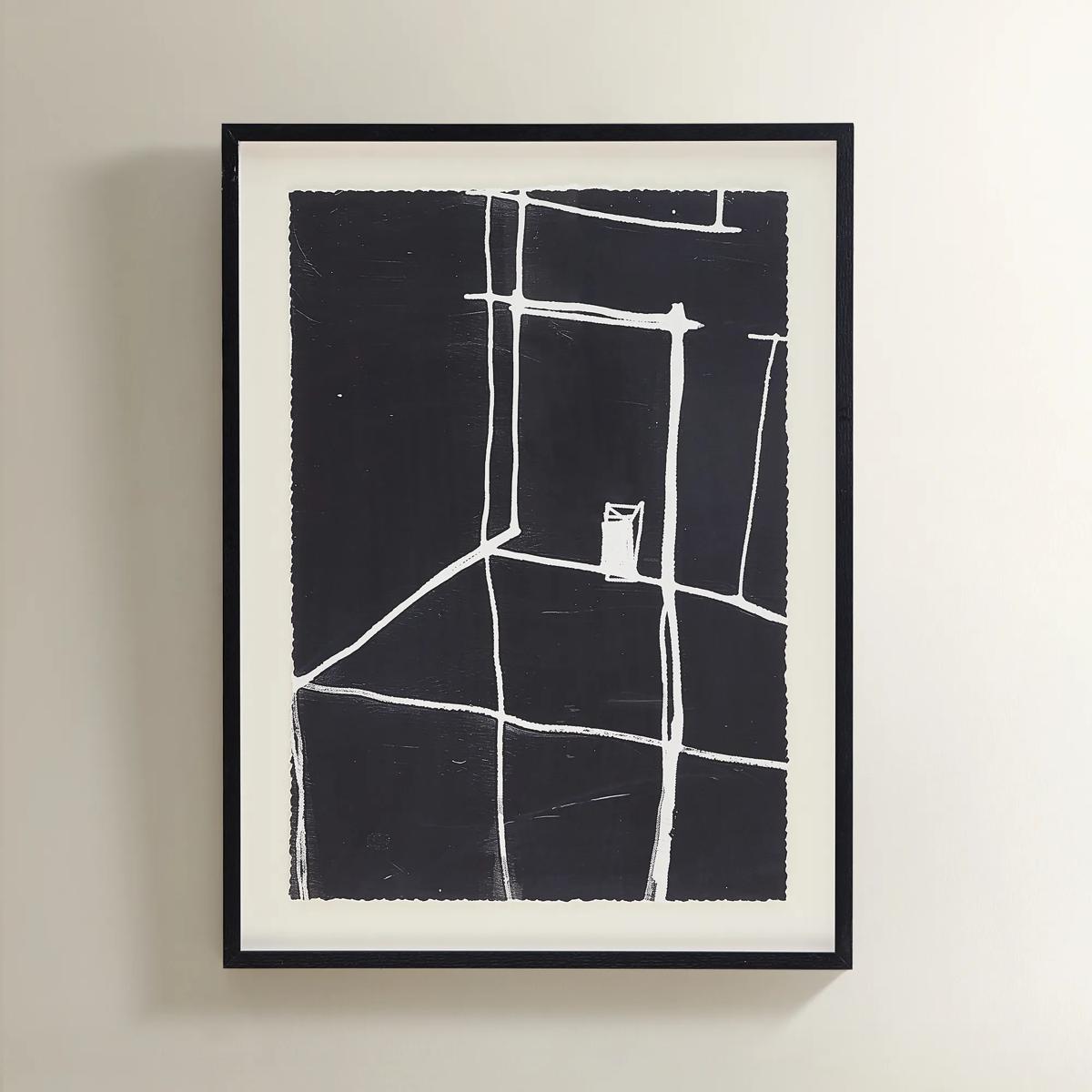 Solitude Art$269
A minimalist black-and-white abstract print featuring bold white lines in a sleek black polyresin frame.
Add To Cart -

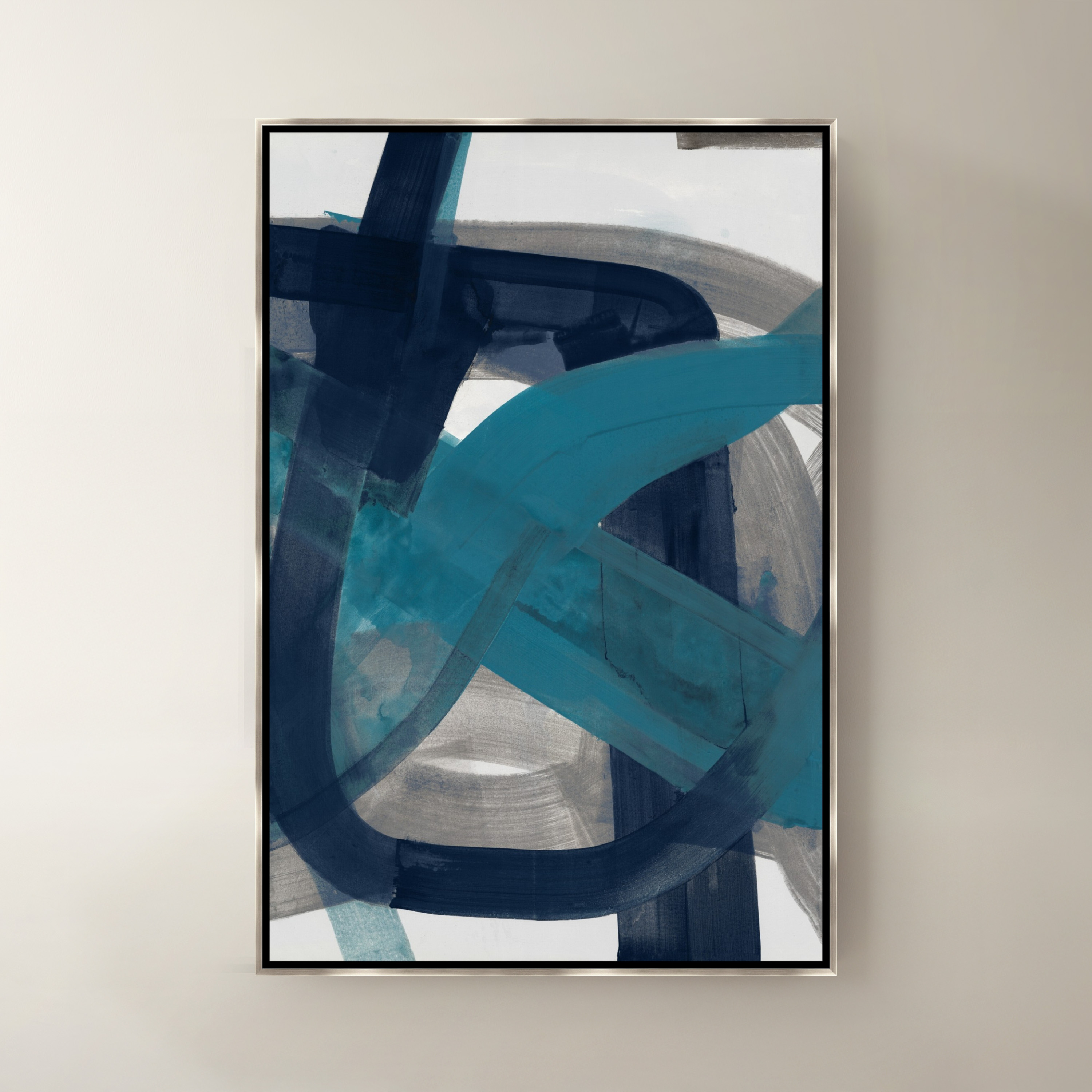
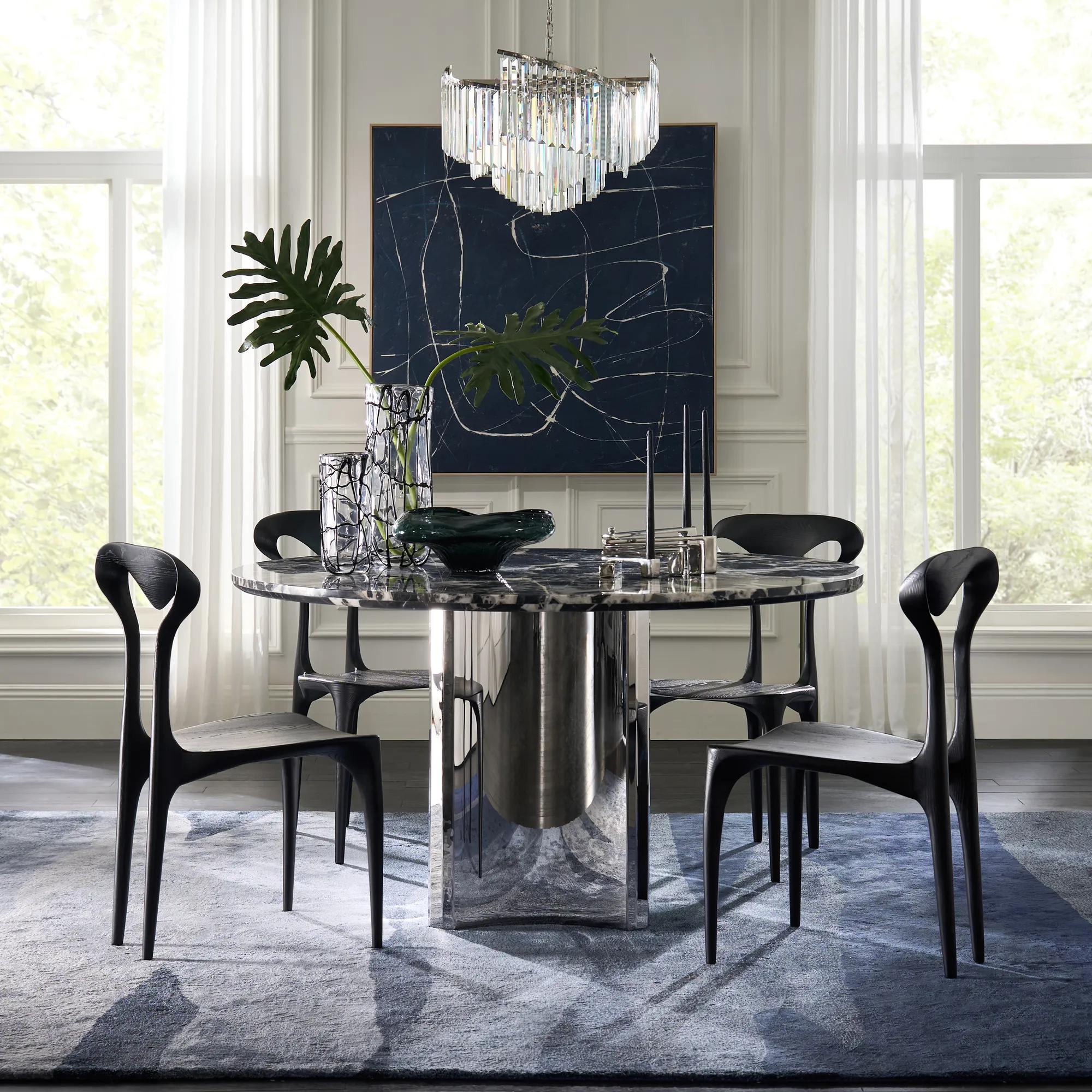 Almost Midnight Painting - Blue$439
A hand-painted canvas featuring bold blue and black tones with delicate white lines in a light wood frame.
Add To Cart -
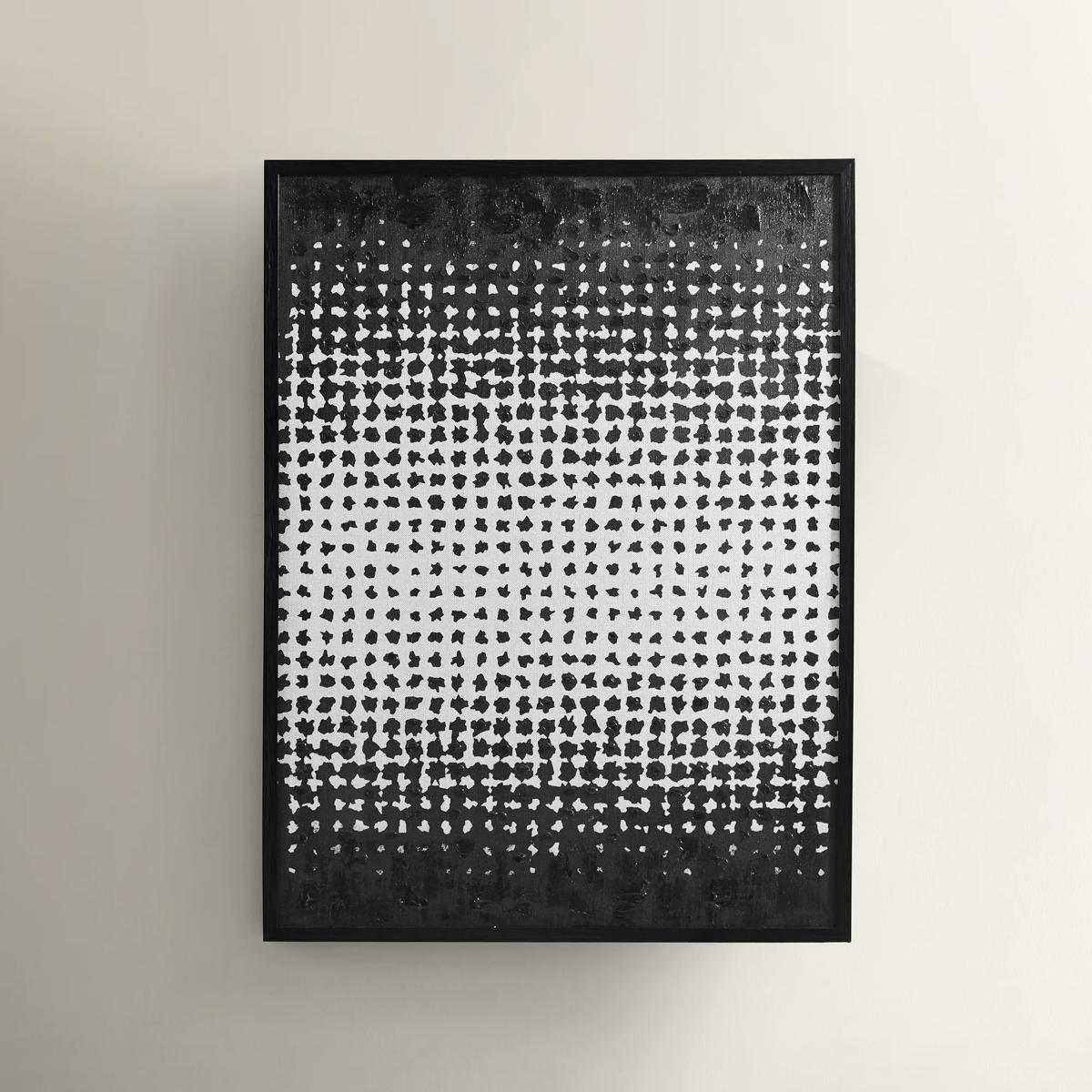
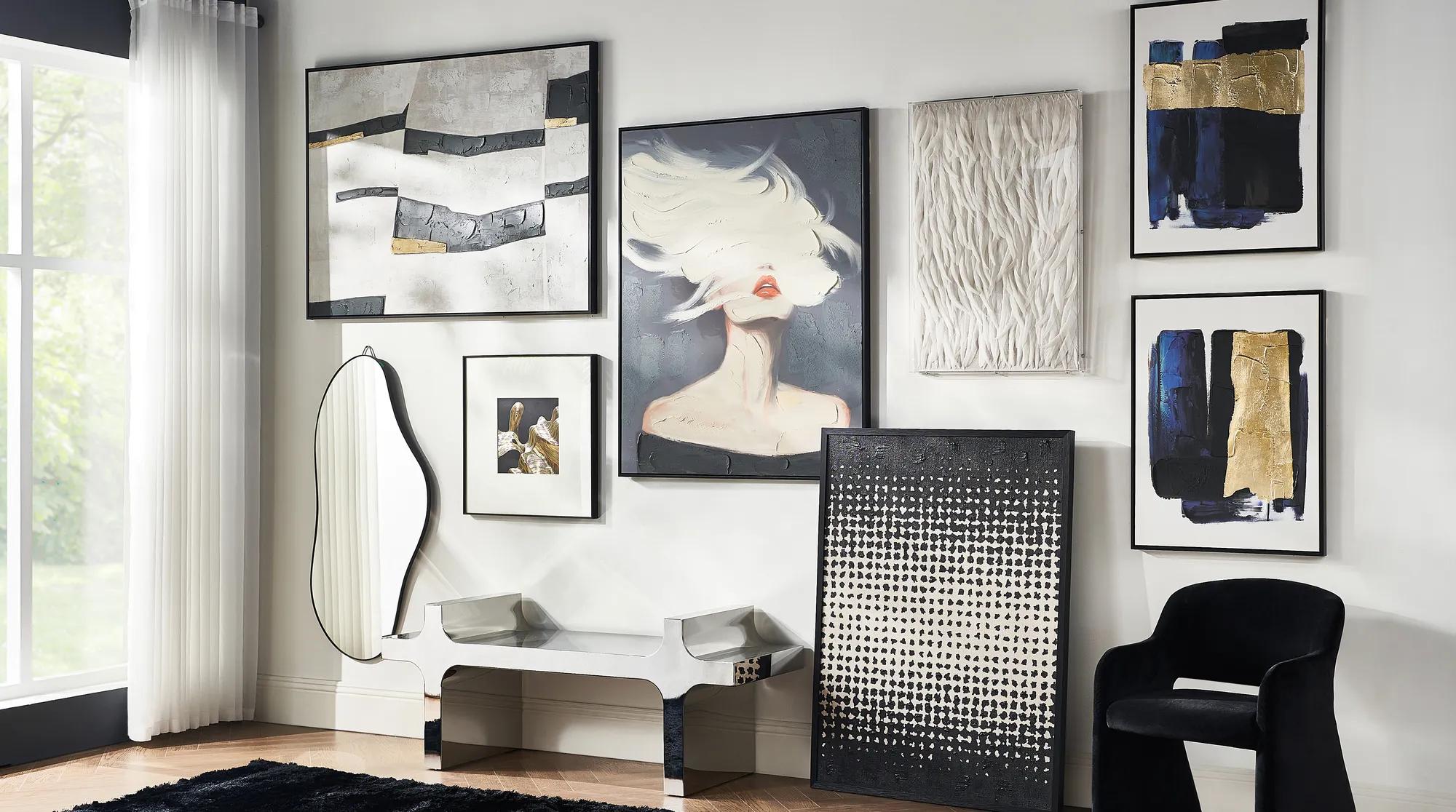 In Time Painting$399
A hand-painted linen canvas featuring cream and black dots in a modern, minimalist geometric pattern.
Add To Cart -
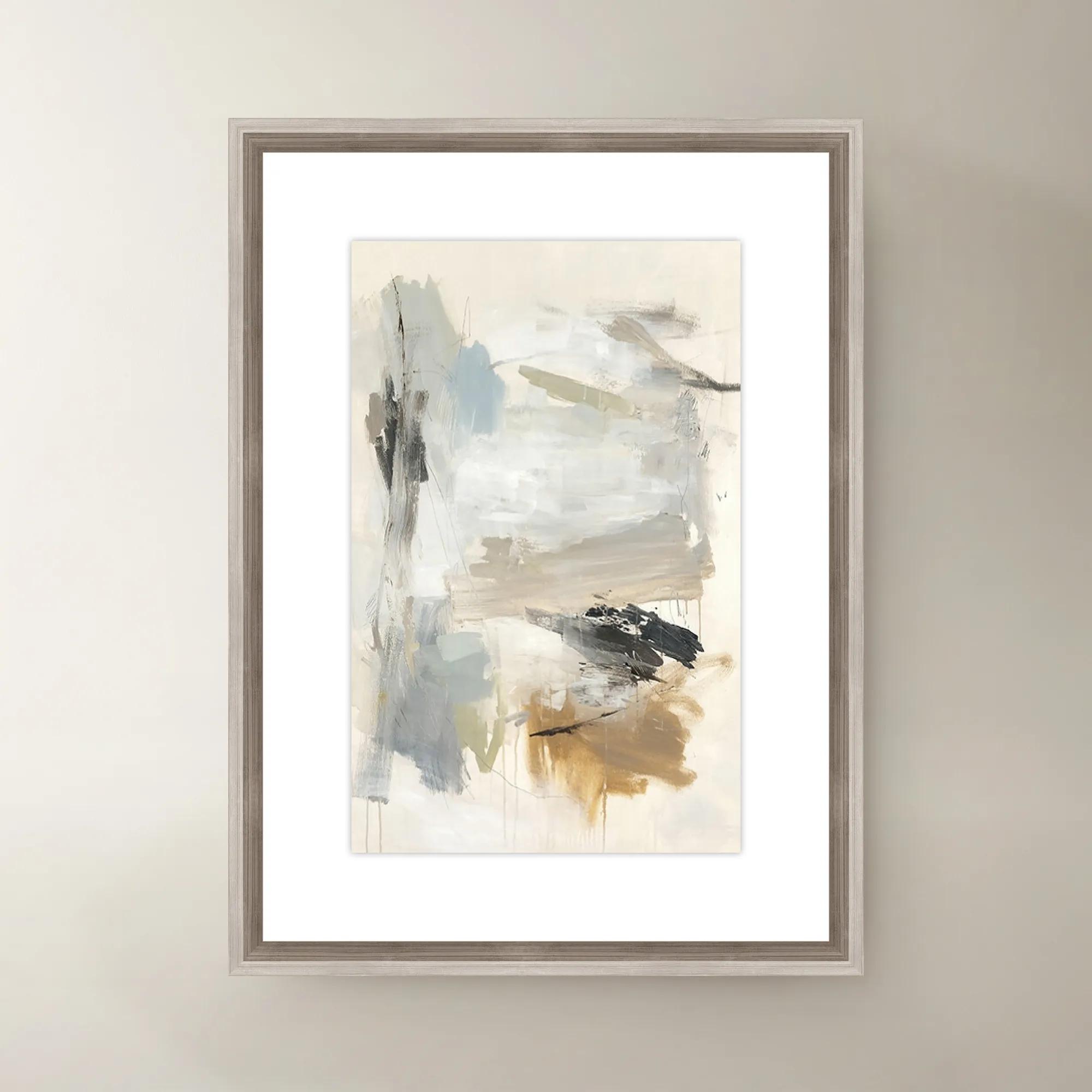
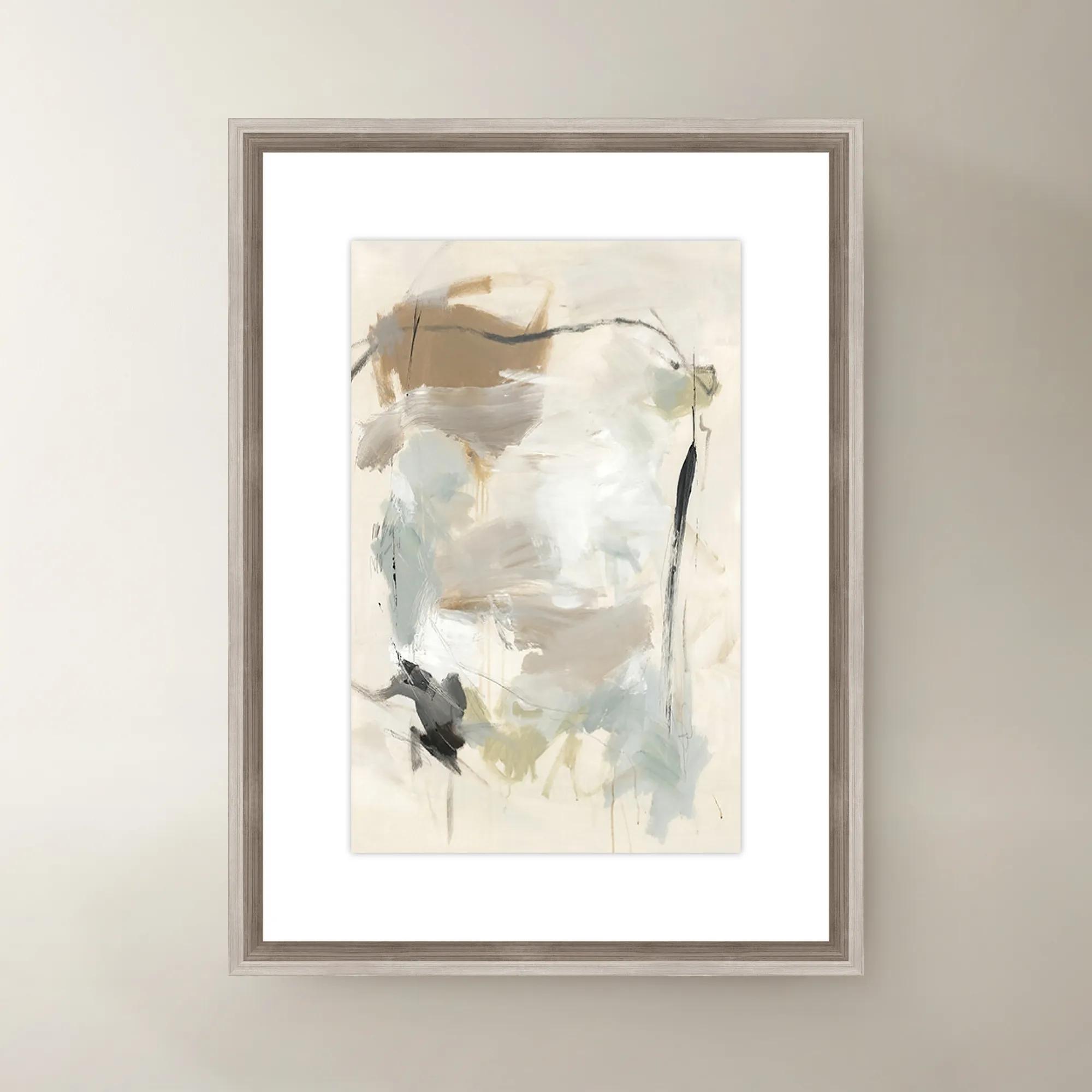
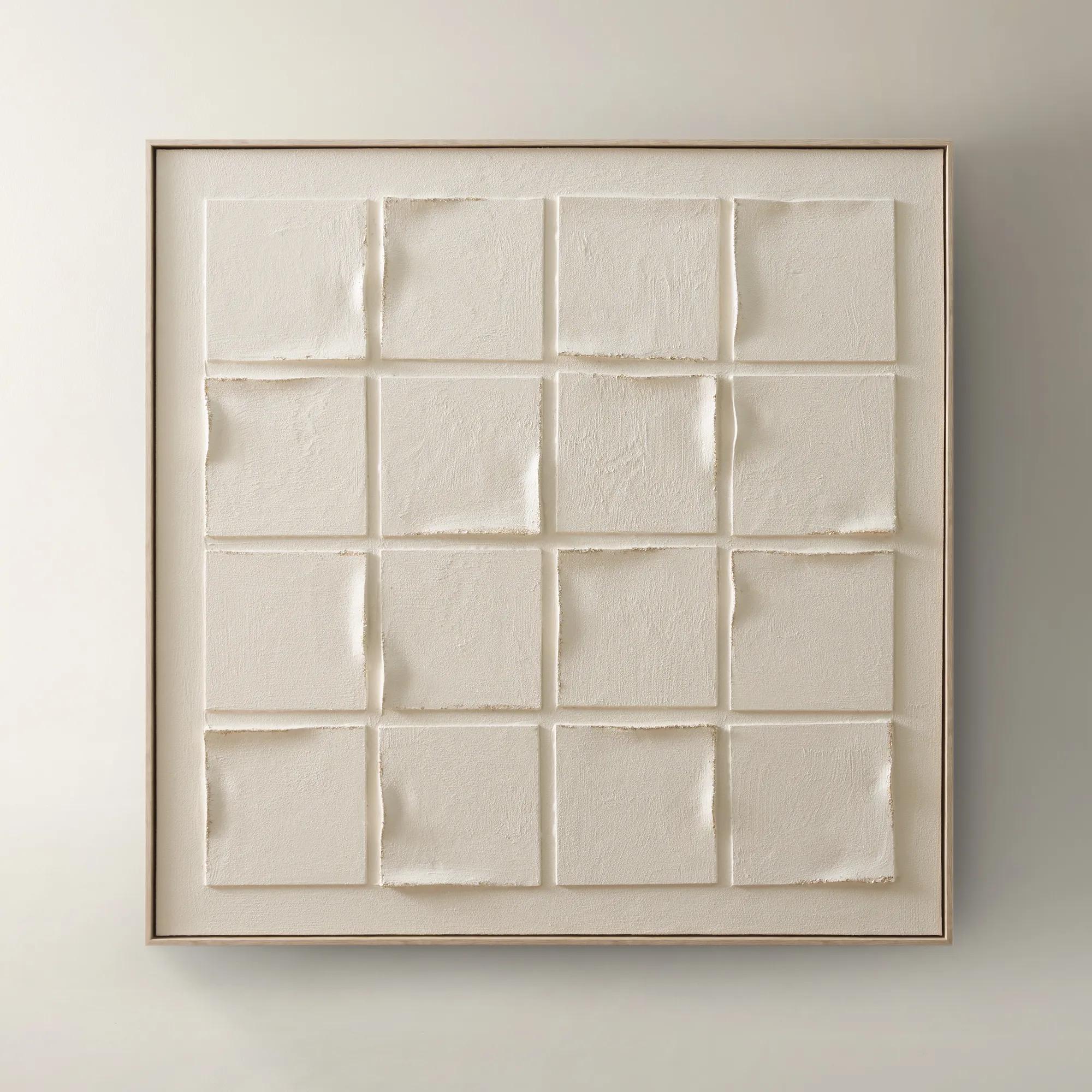 Gaze Framed Painted Wall Art 39.4" x 40"$329
A hand-painted canvas featuring subtle beige tones and textured depth in a warm whitewash floater frame.
Add To Cart -

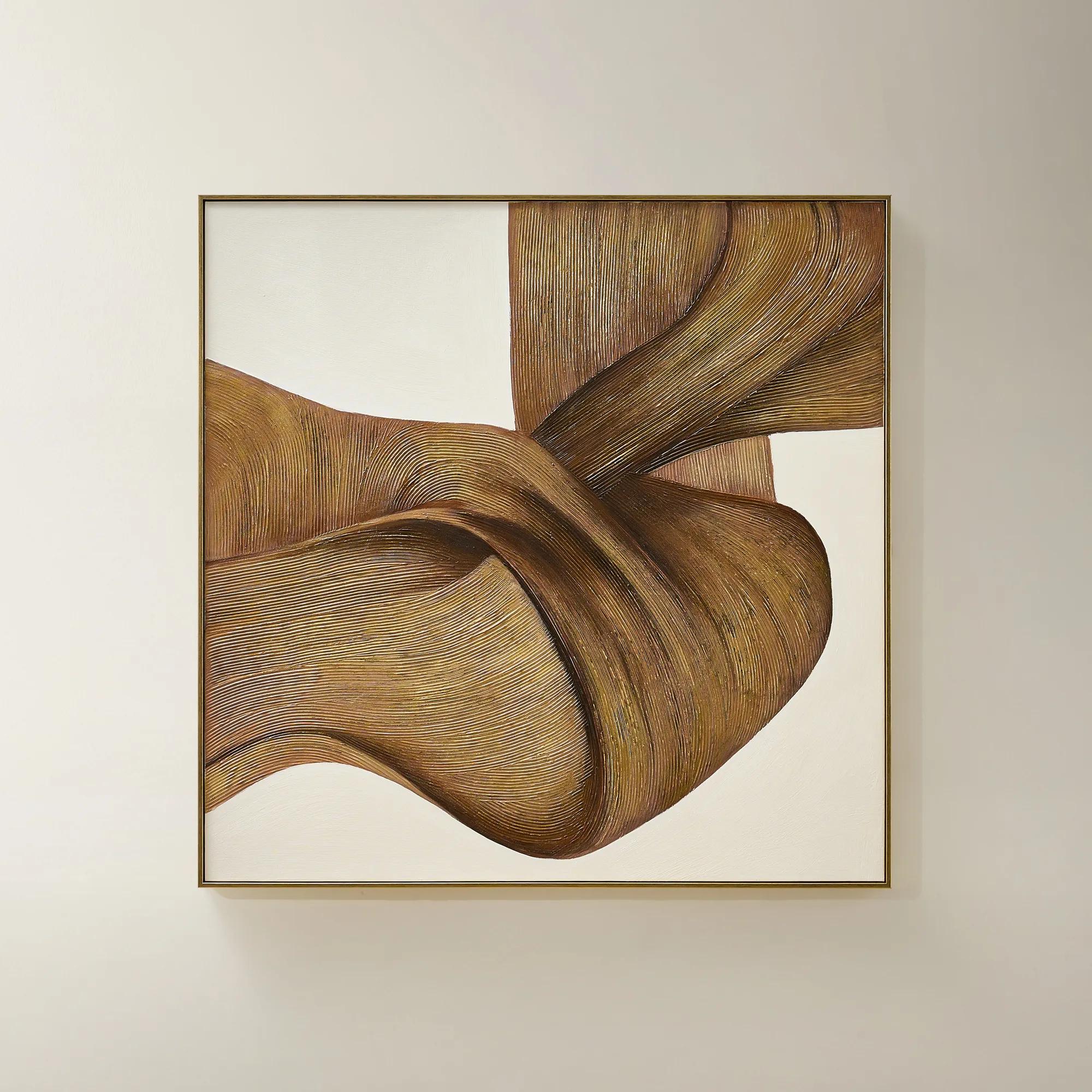
 Transformation Framed Wall Art 47" x 47"$1099
A sophisticated brown canvas wall artwork in a striking framed design for modern interiors.
Add To Cart -
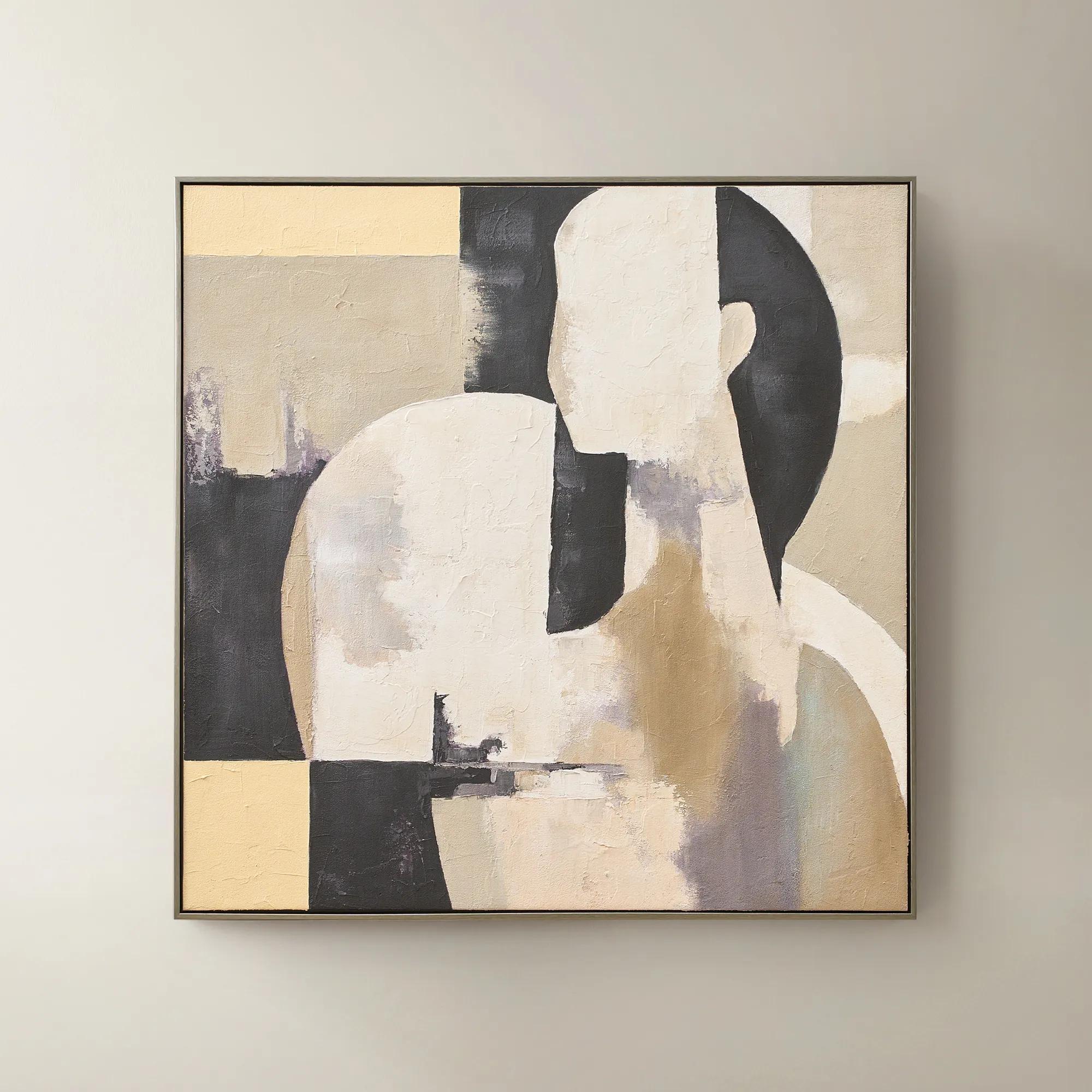 Afternoon Rest Framed Painted Wall Art 40" x 40"$399
A hand-painted abstract figure in buttercream, turtledove, and black hues framed in dark grey.
Add To Cart -
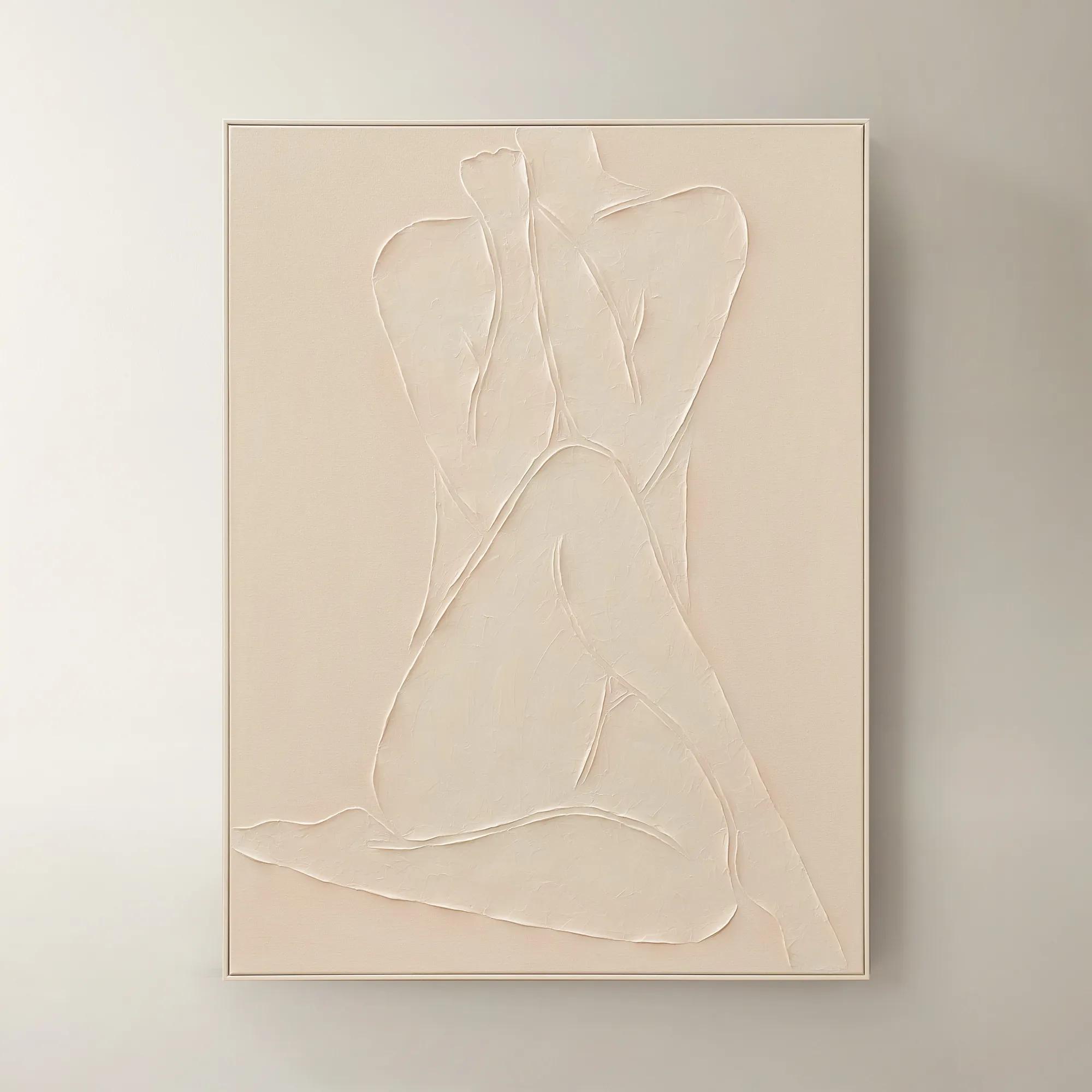
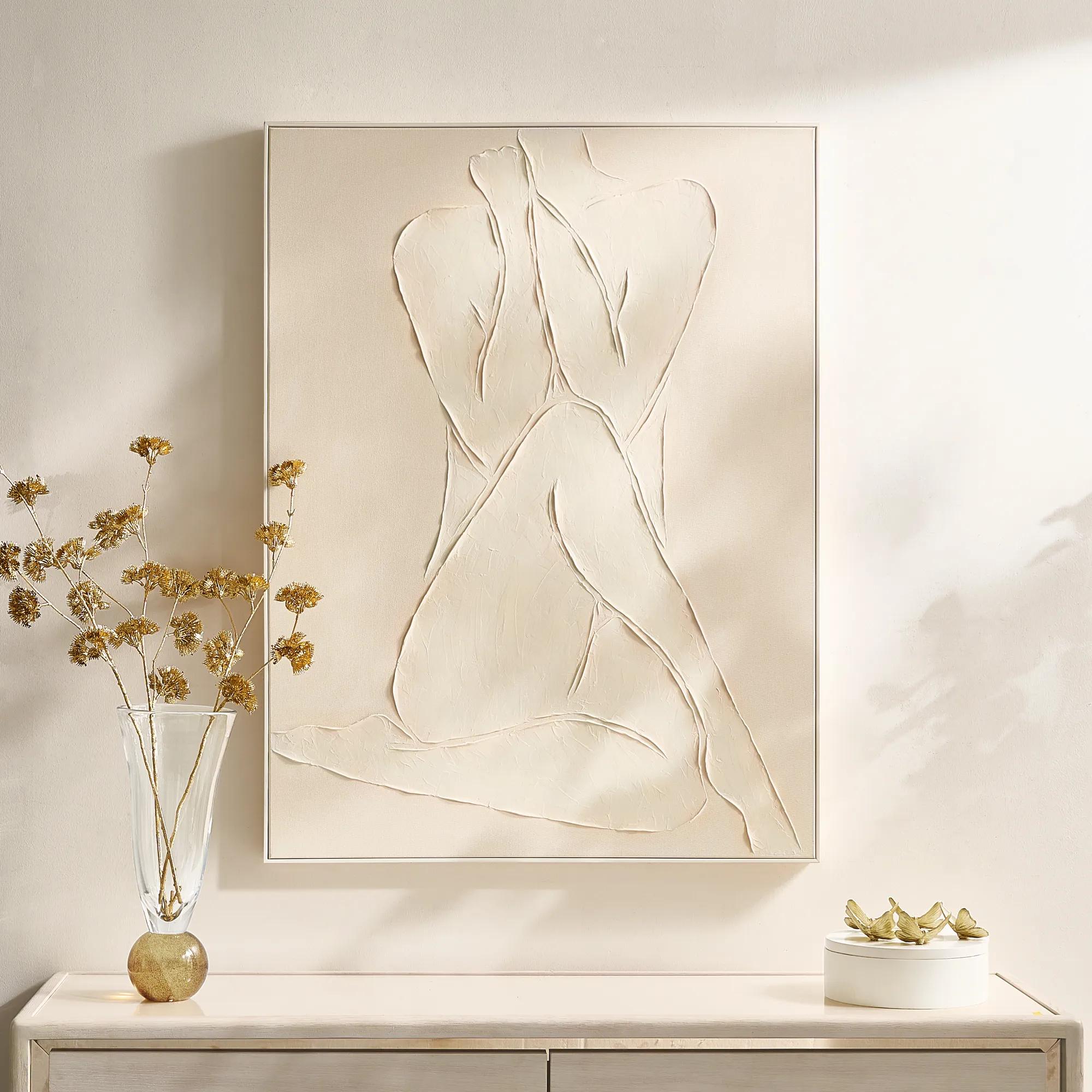 Modern Elegance Nude Ivory Framed Painted Wall Art 35.5" x 47.25"$599
A hand-painted ivory canvas in a white frame brings serene, modern artistry to any space.
Add To Cart -
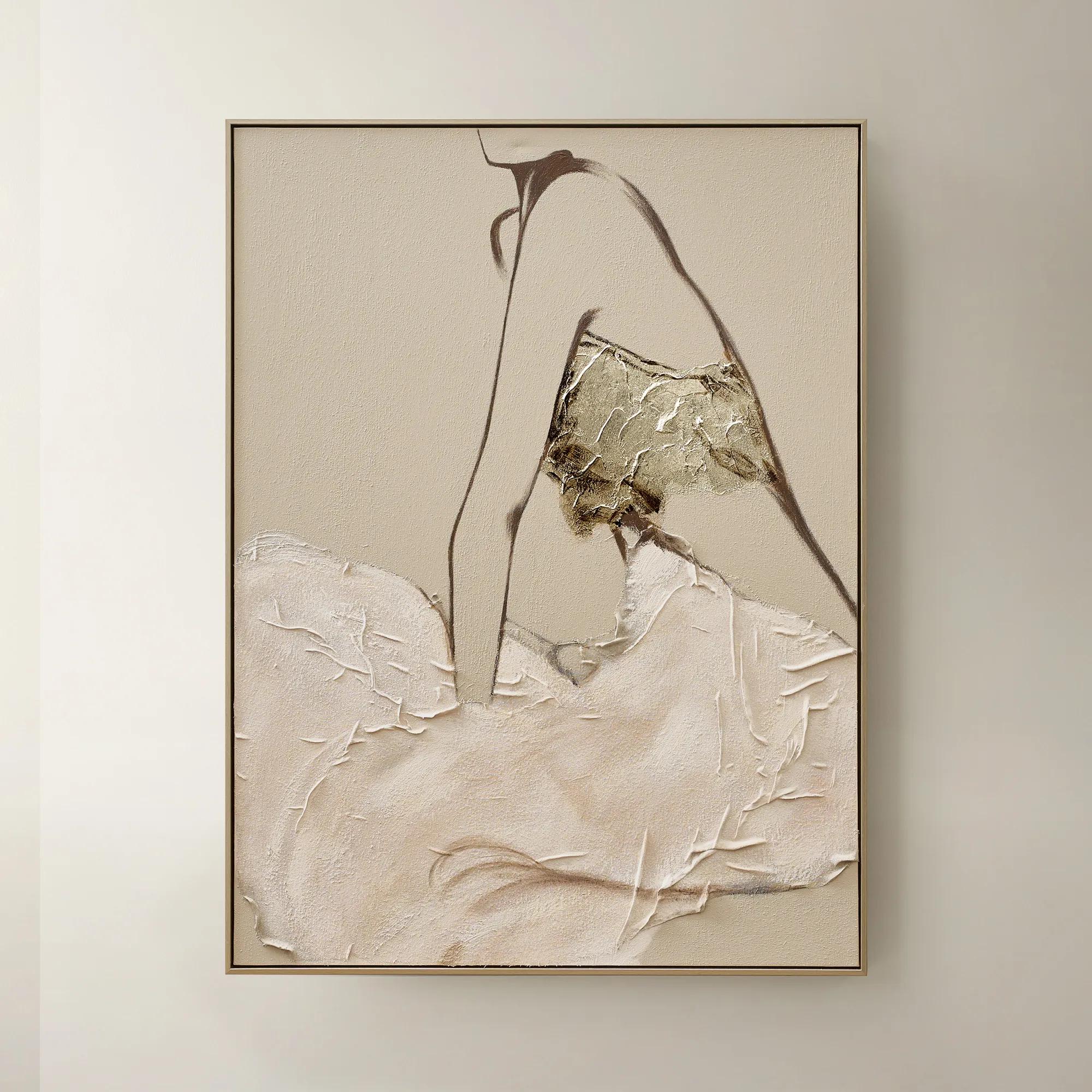 Quiet Pose Framed Painted Wall Art 36" x 48"$499
A hand-painted canvas in taupe and champagne tones features textural details and shimmering champagne leafing.
Add To Cart -
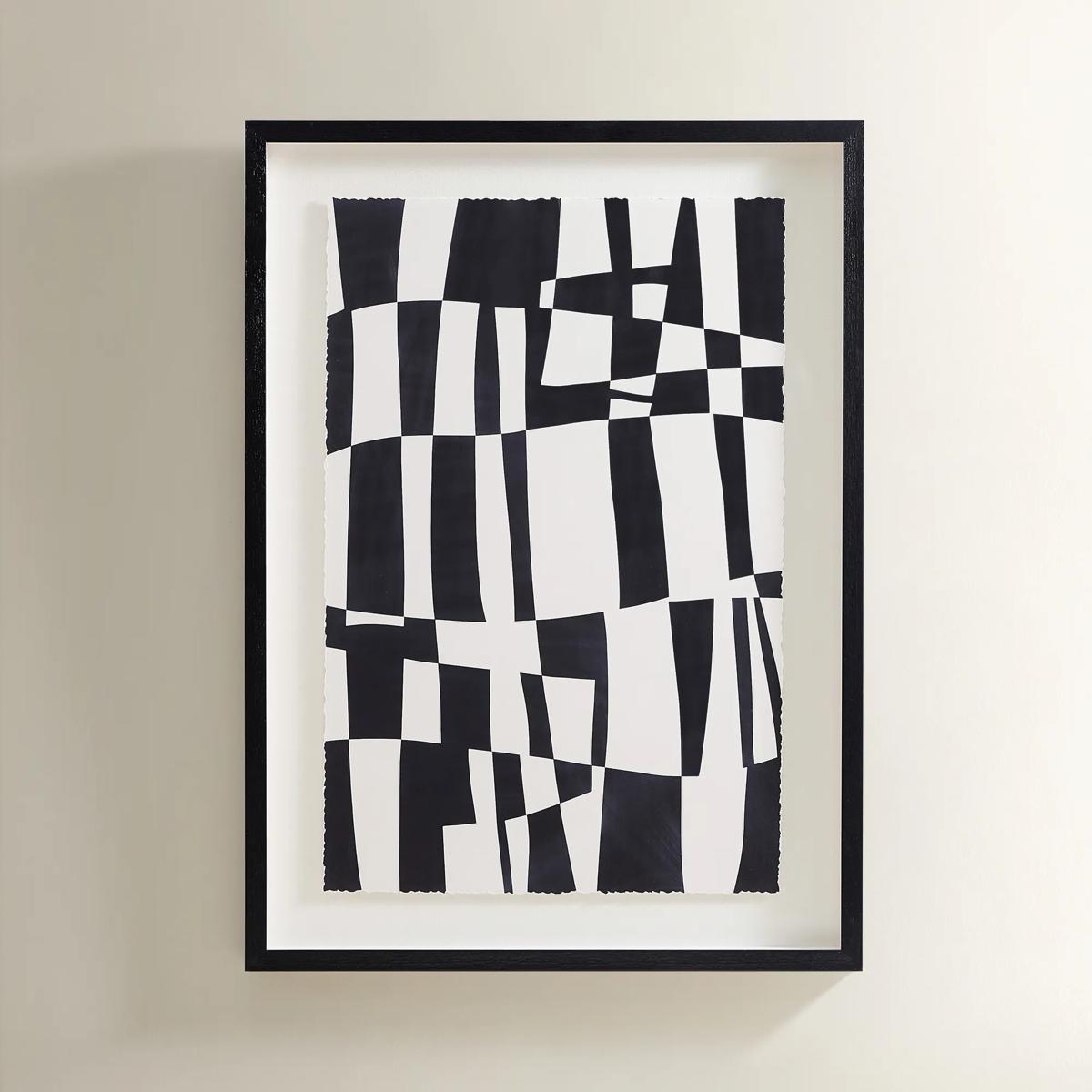 Matrix Art$369
A striking black and white abstract grid print set in a sleek black polyresin frame.
Add To Cart -
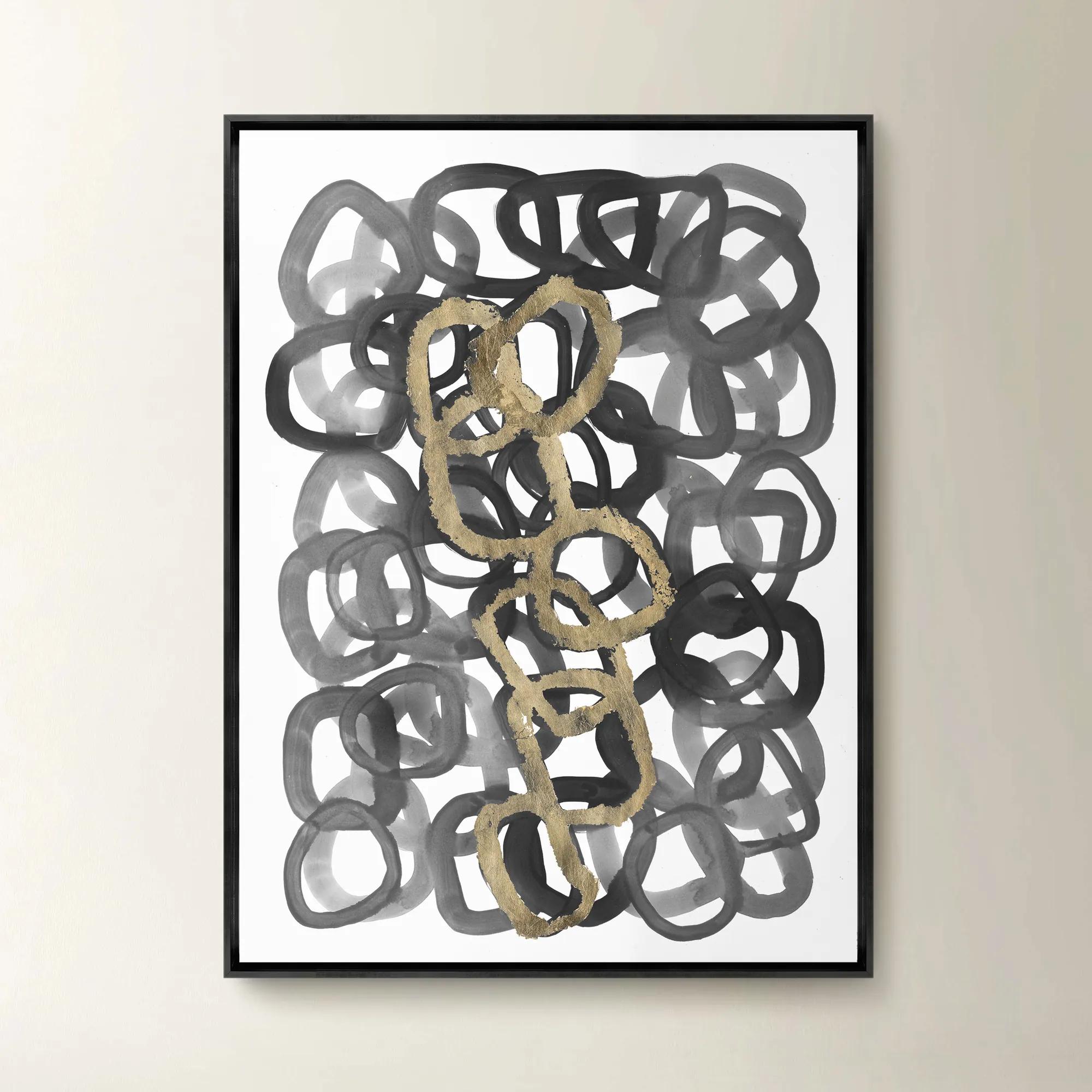
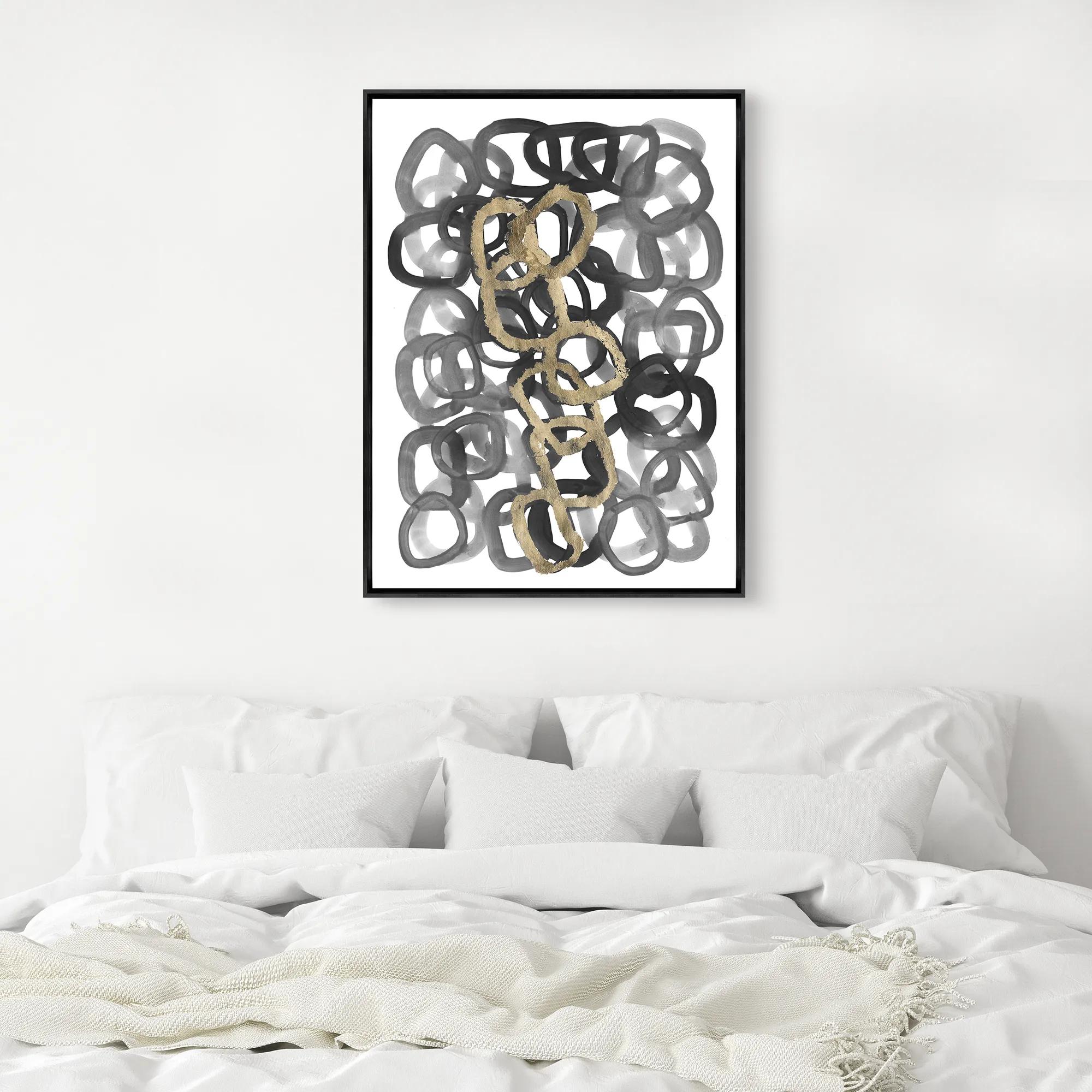 Unbroken Framed Wall Art 26" x 35"$499
A gallery-wrapped canvas artwork with a hand-applied gel finish, set in a sleek black floater frame.
Add To Cart -
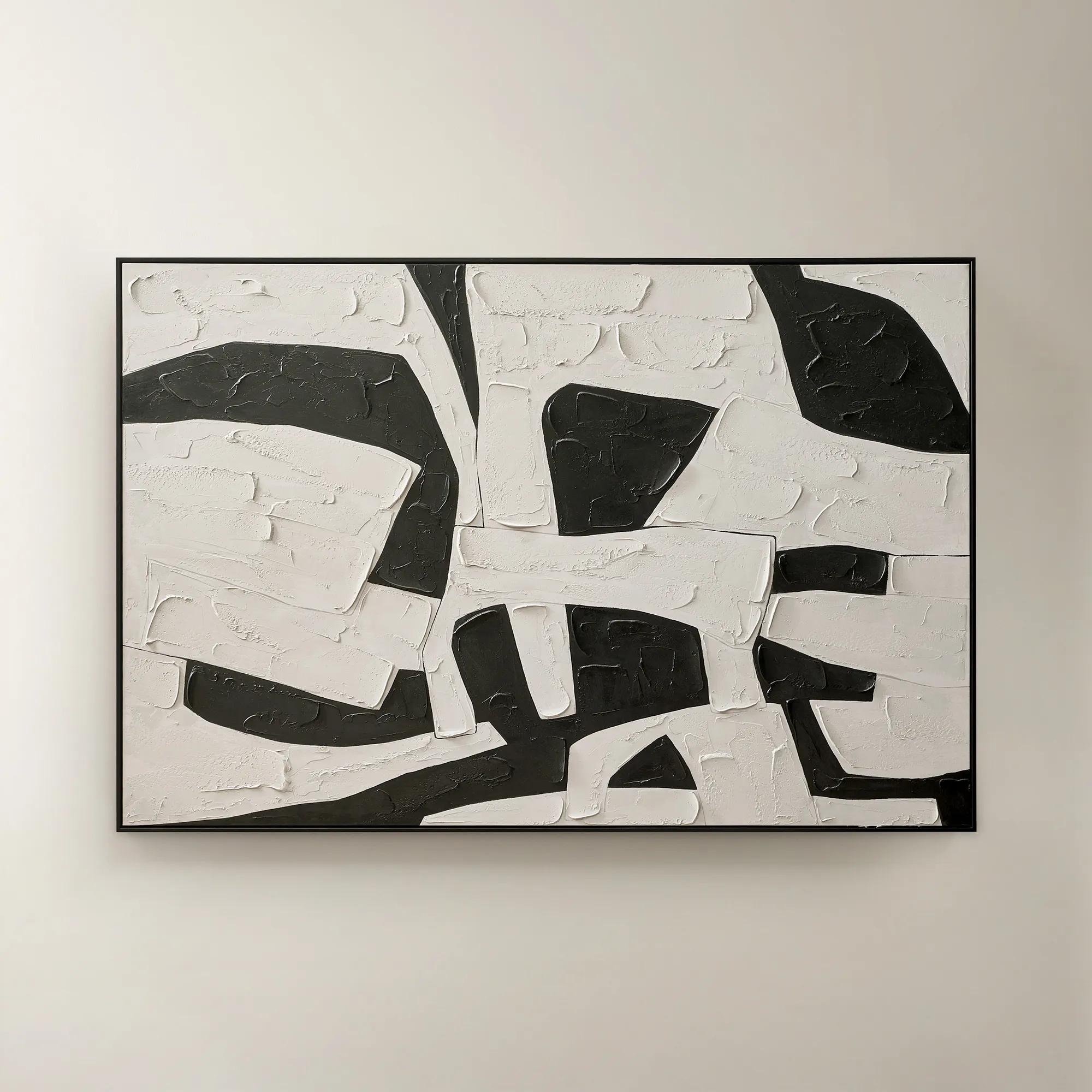 Space Between Shadows Framed Painted Wall Art 72" x 48"$799
A hand-painted abstract canvas featuring bold alabaster and black geometric forms in a sleek black frame.
Add To Cart -
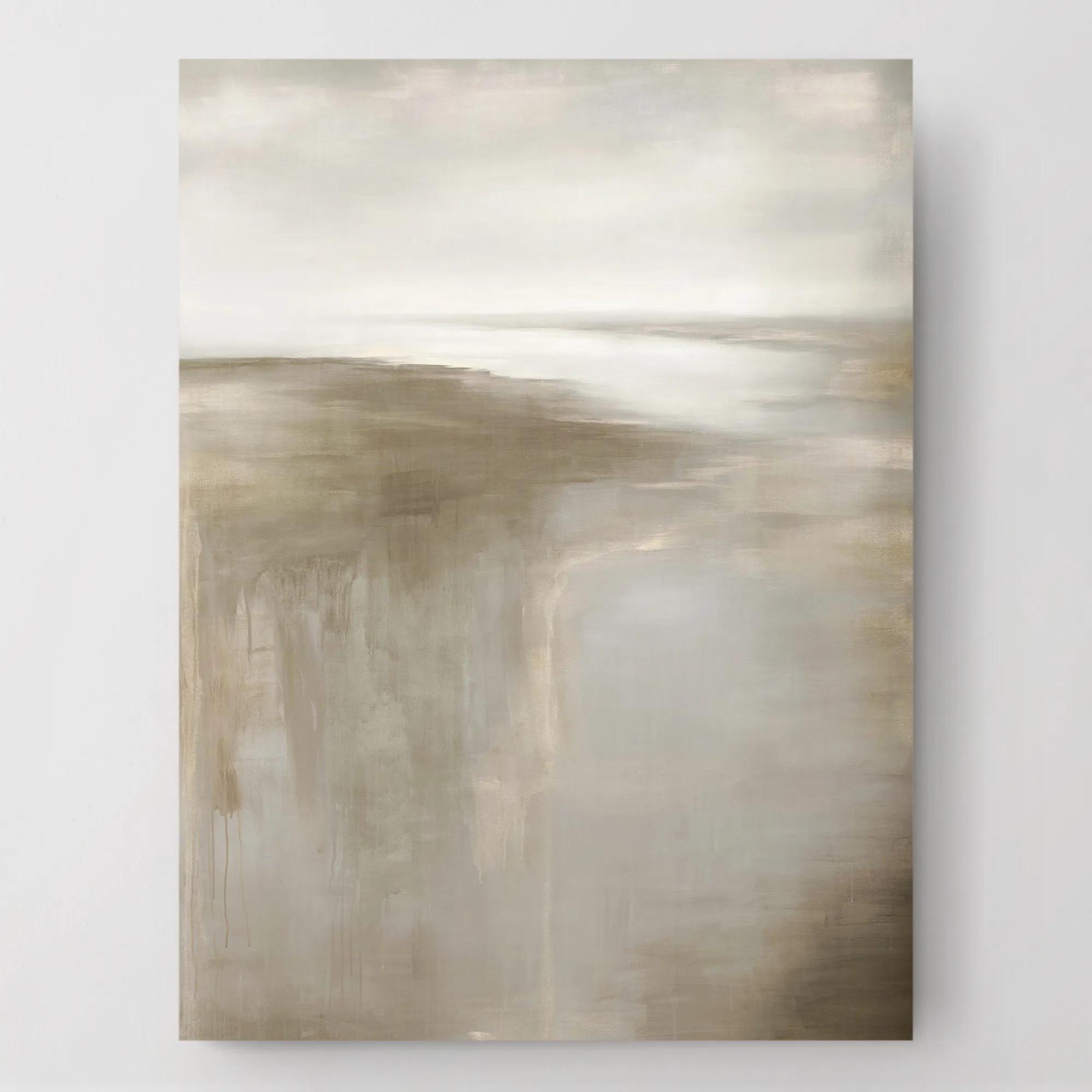
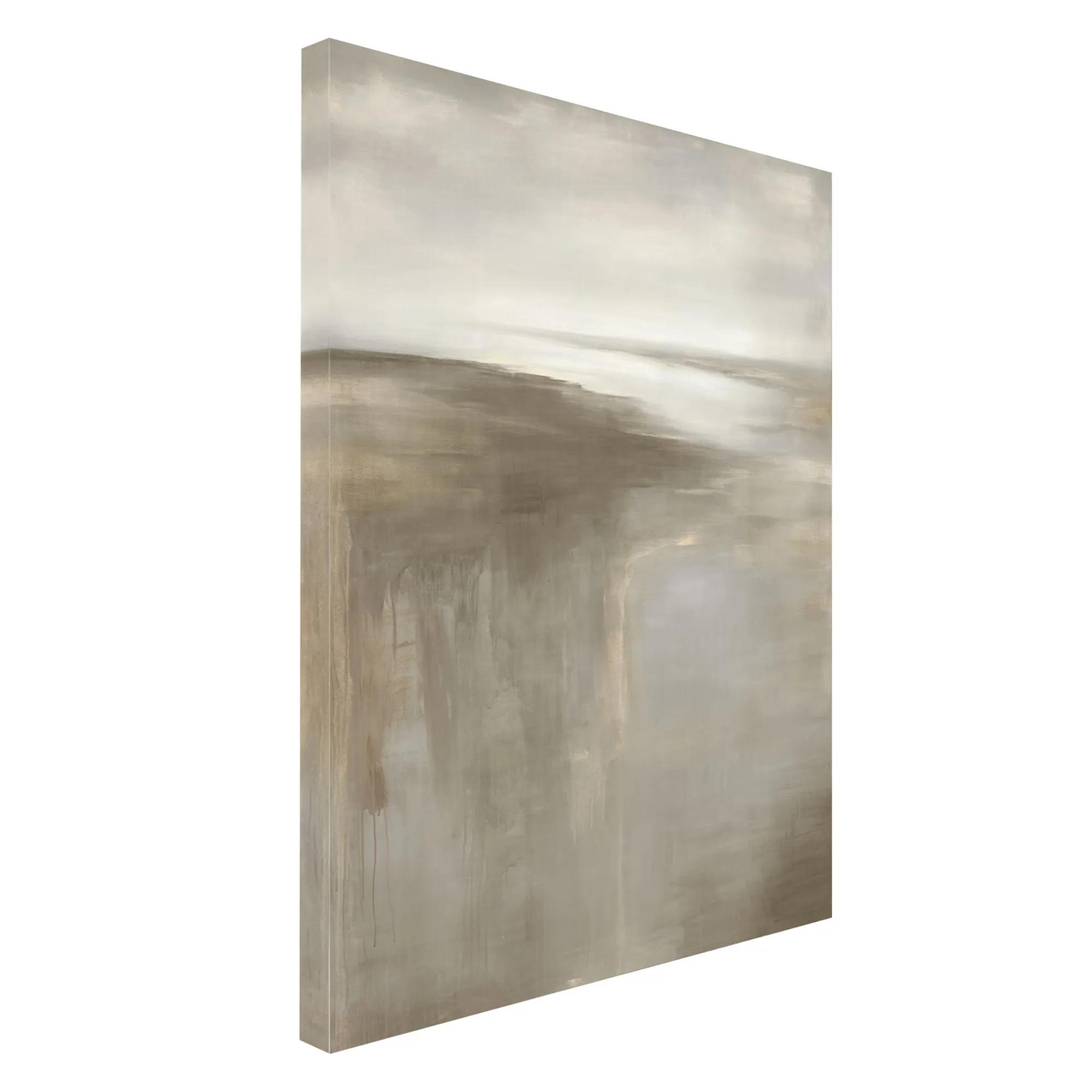 Silver Morning Wall Art 30" x 40"$449
A gallery-wrapped silver canvas artwork featuring a hand-applied image brush gel finish.
Add To Cart -
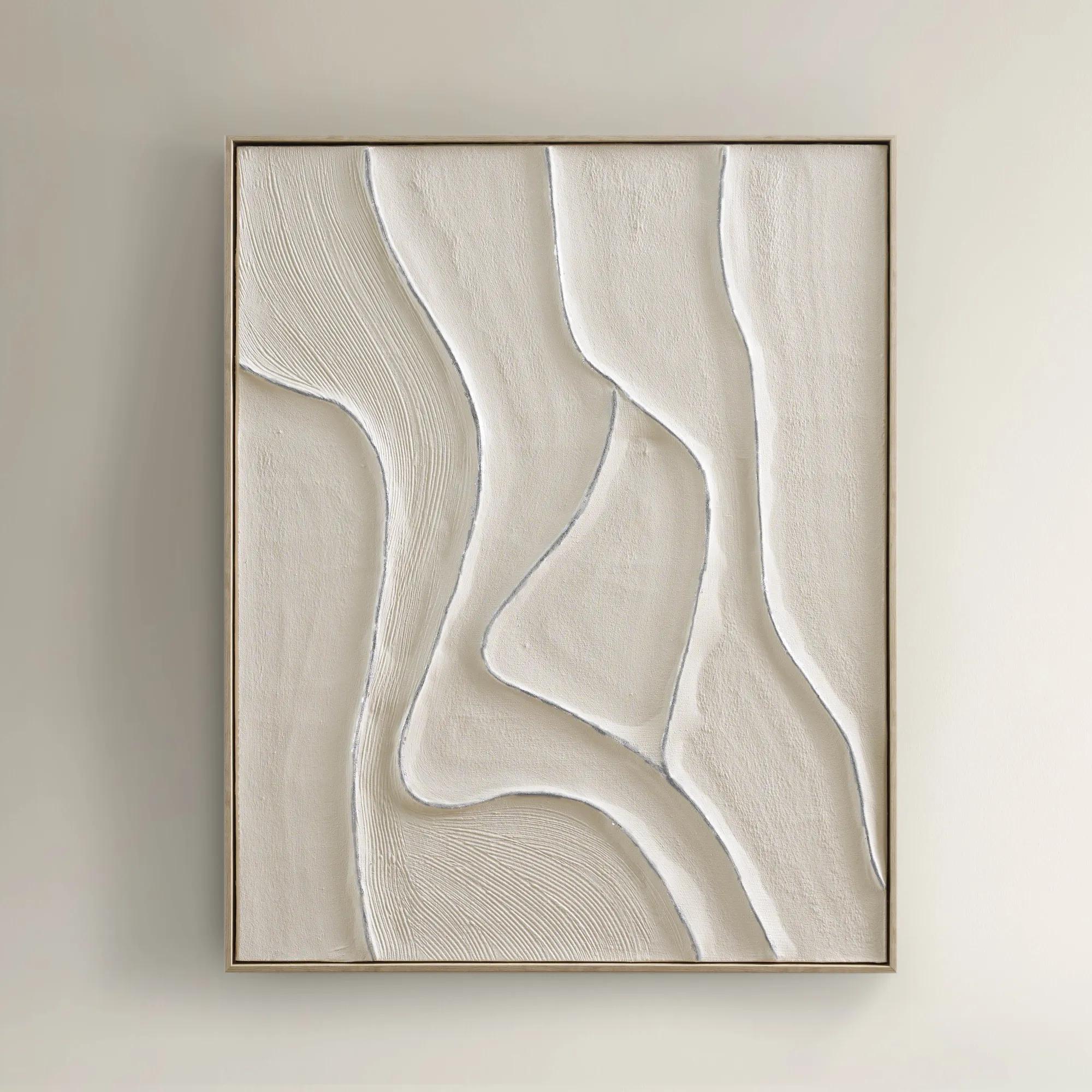
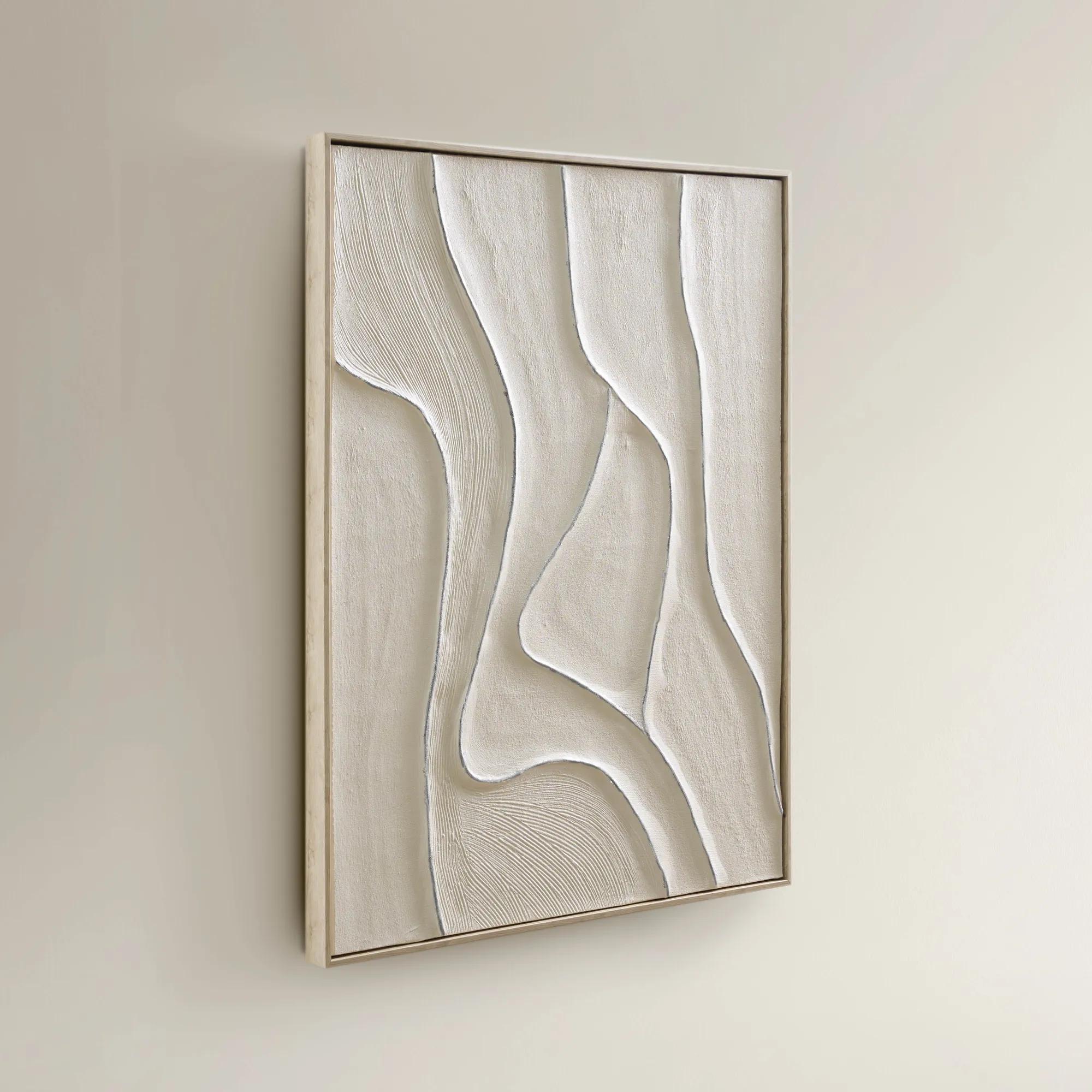 Vivre Framed Painted Wall Art 39.25" x 31.5"$199
A hand-painted canvas featuring tranquil beige hues and flowing lines in a warm whitewash floater frame.
Add To Cart -
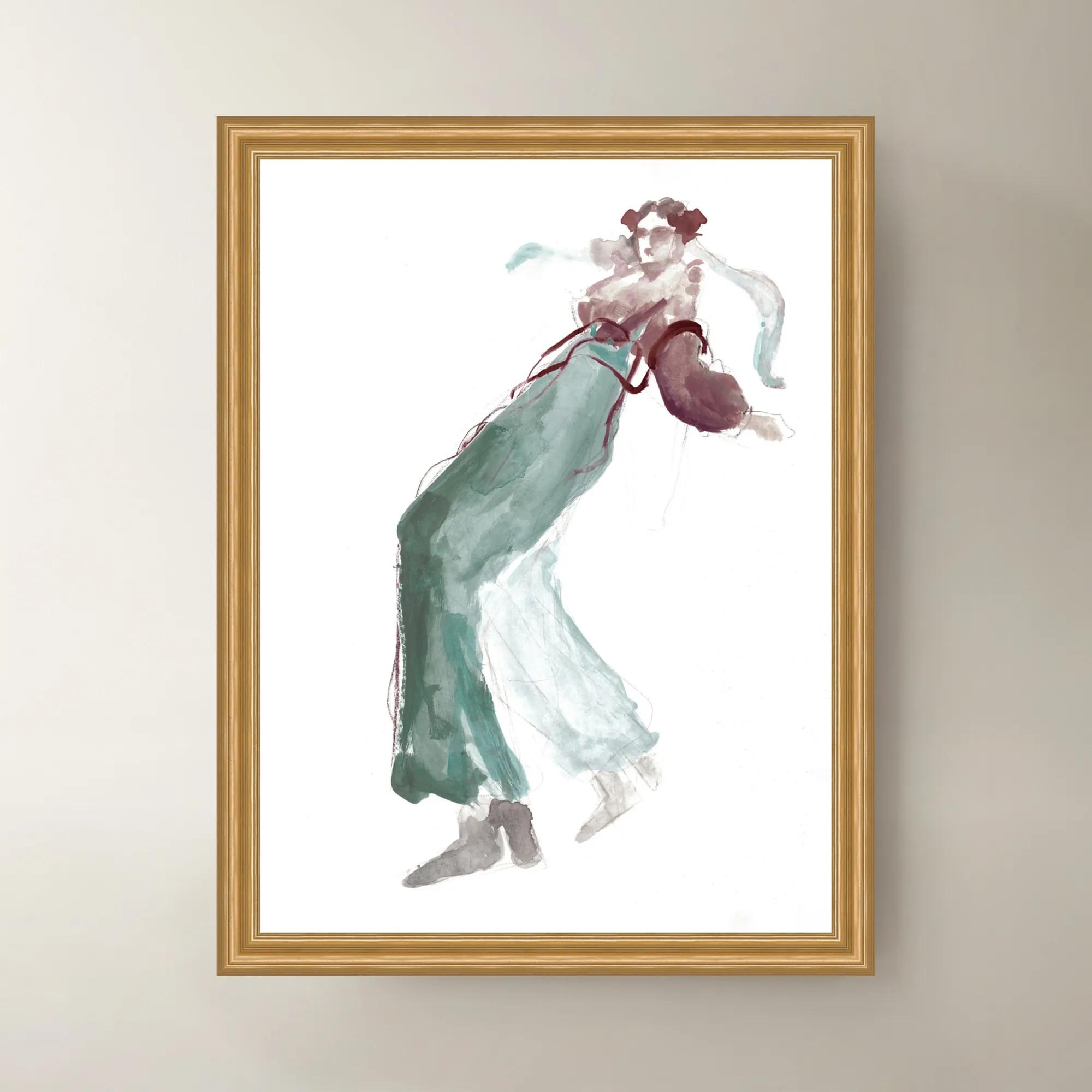
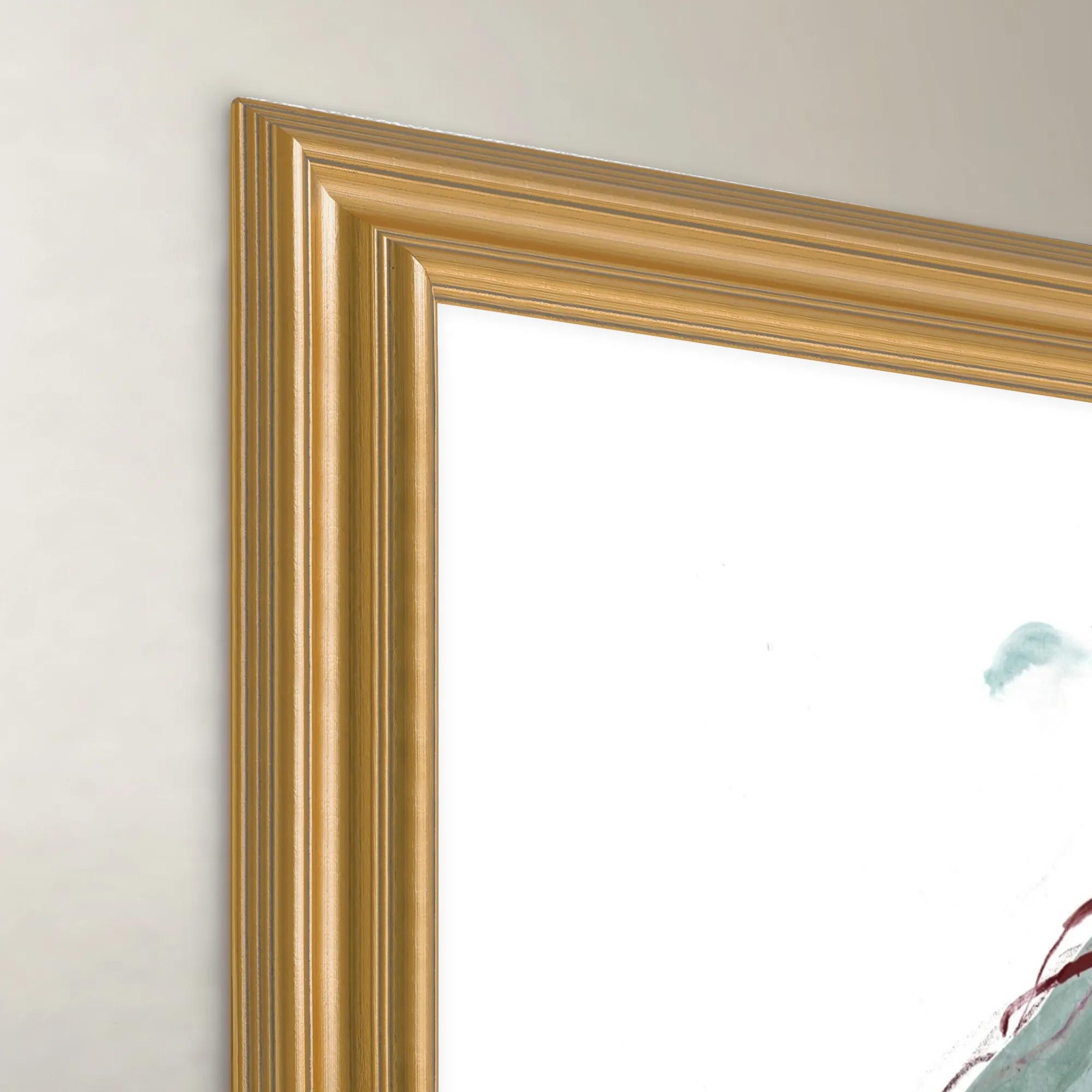 A Le Mode II Framed Wall Art 30" x 40"$799
A green canvas wall art piece presented in a sleek frame.
Add To Cart -
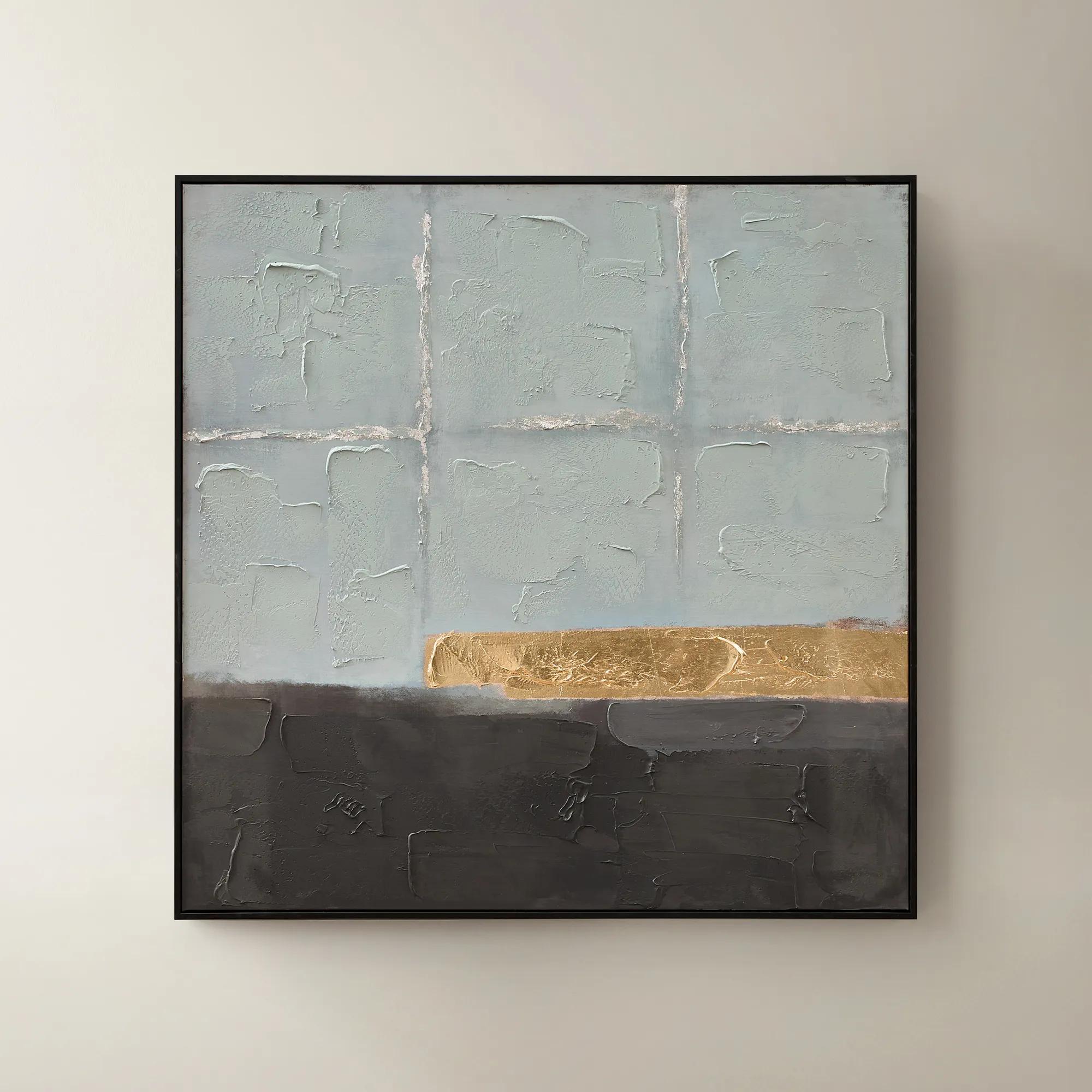
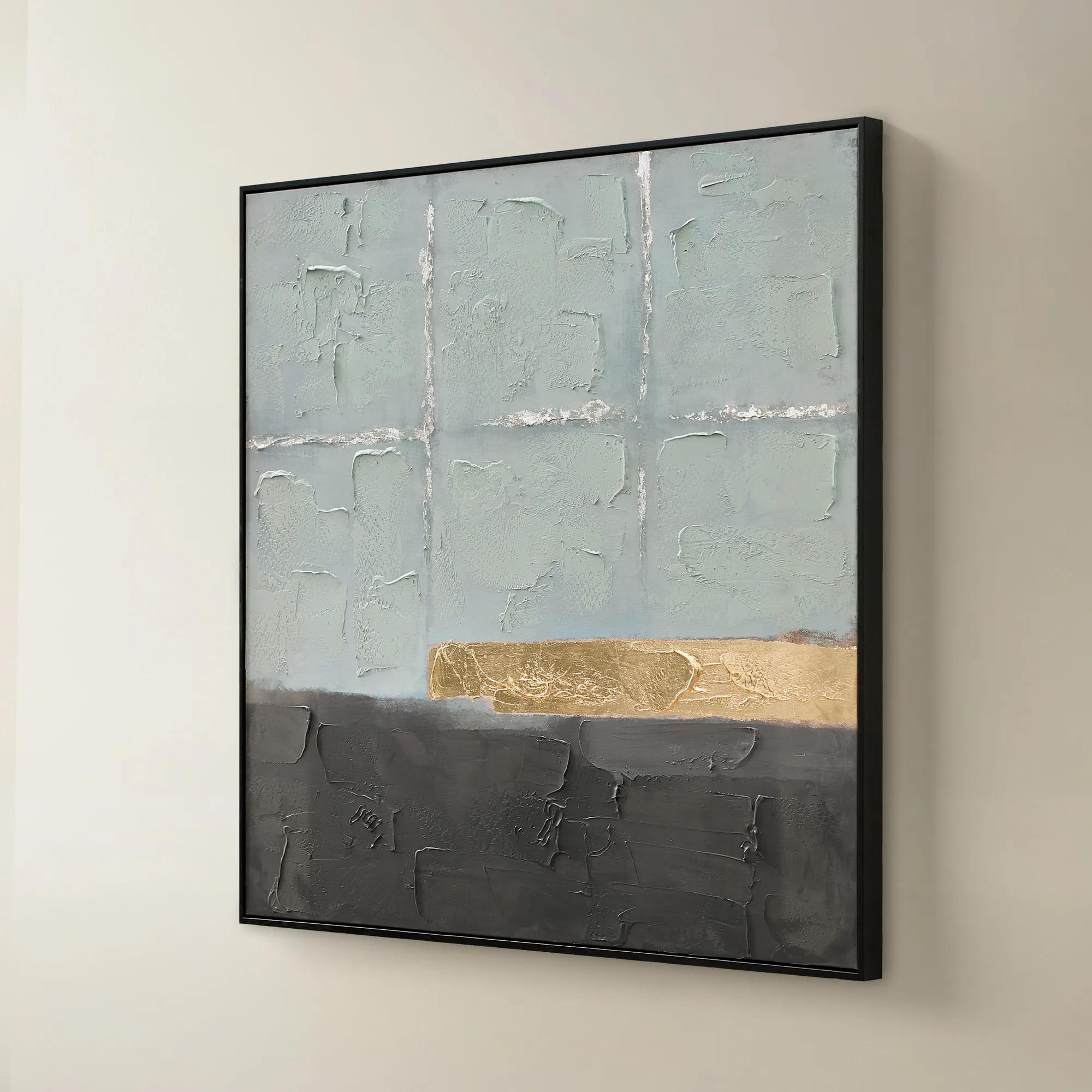 Jules Framed Gold Leaf Painted Wall Art 40" x 40"$299
A hand-painted canvas in mineral blue with gold leaf accents and a sleek black frame for modern appeal.
Add To Cart -
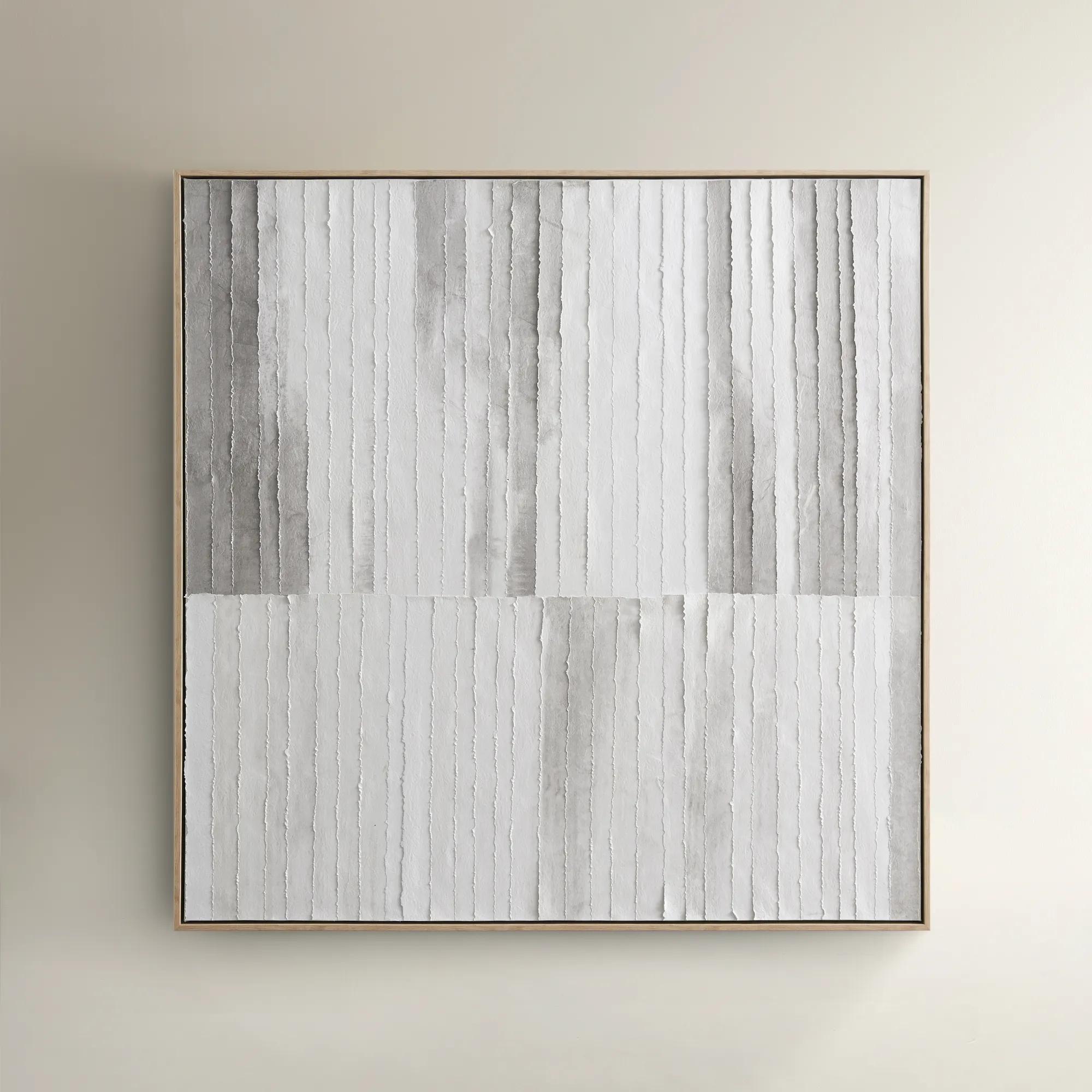
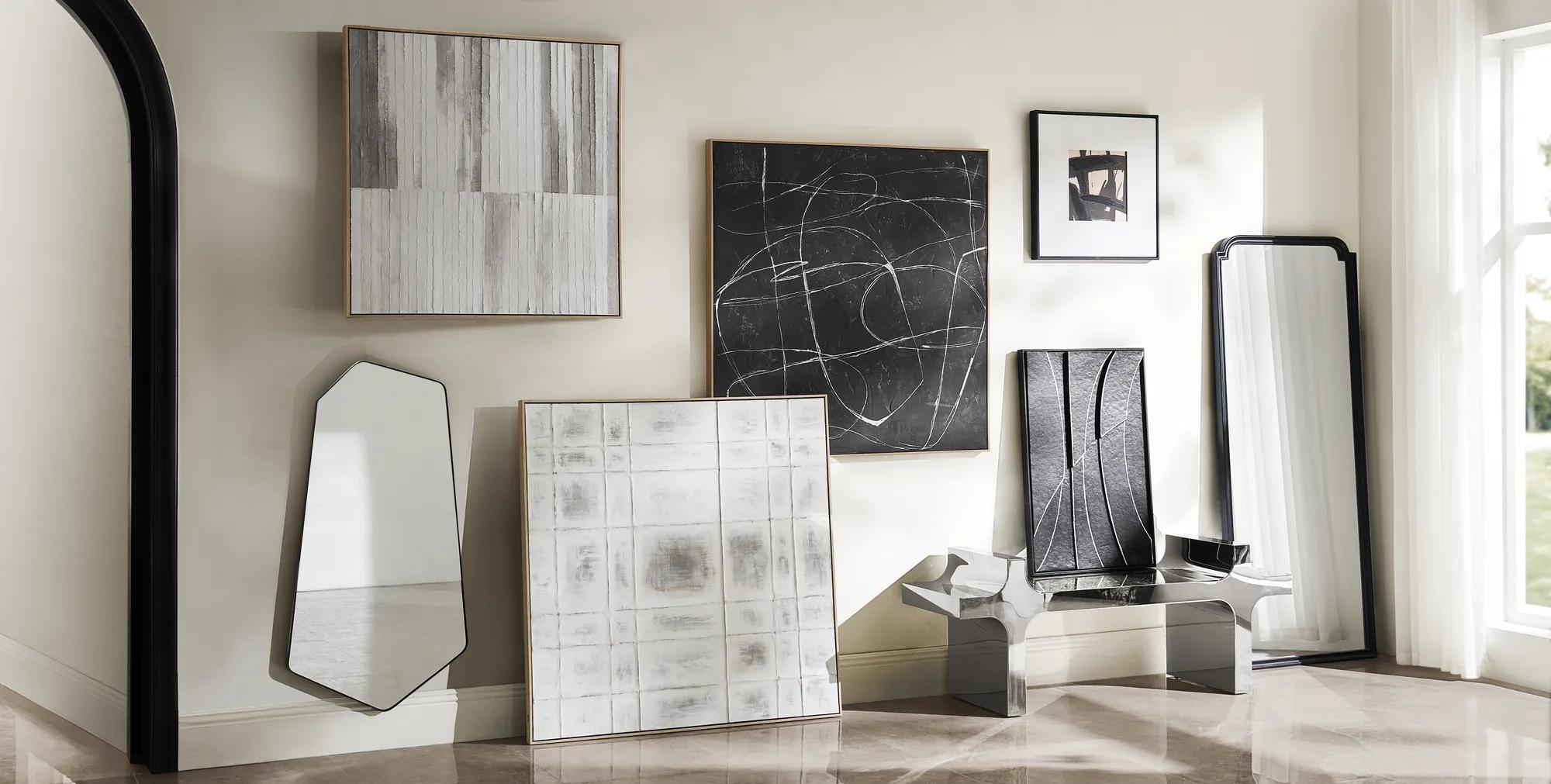 Morning Mist Paper Art$329
A hand-painted canvas featuring rhythmic grey lines in a textured, whitewashed floater frame for serene style.
Add To Cart -
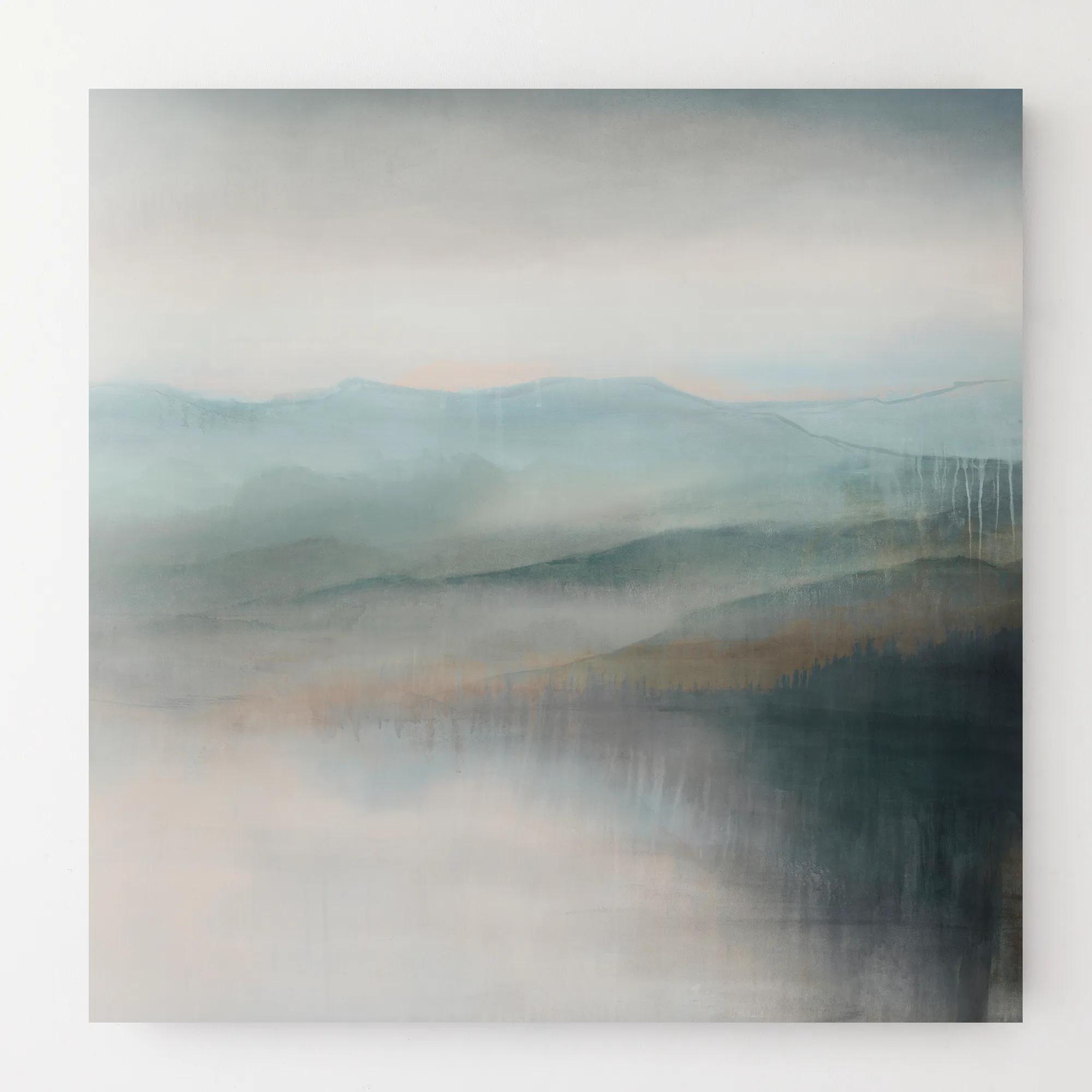
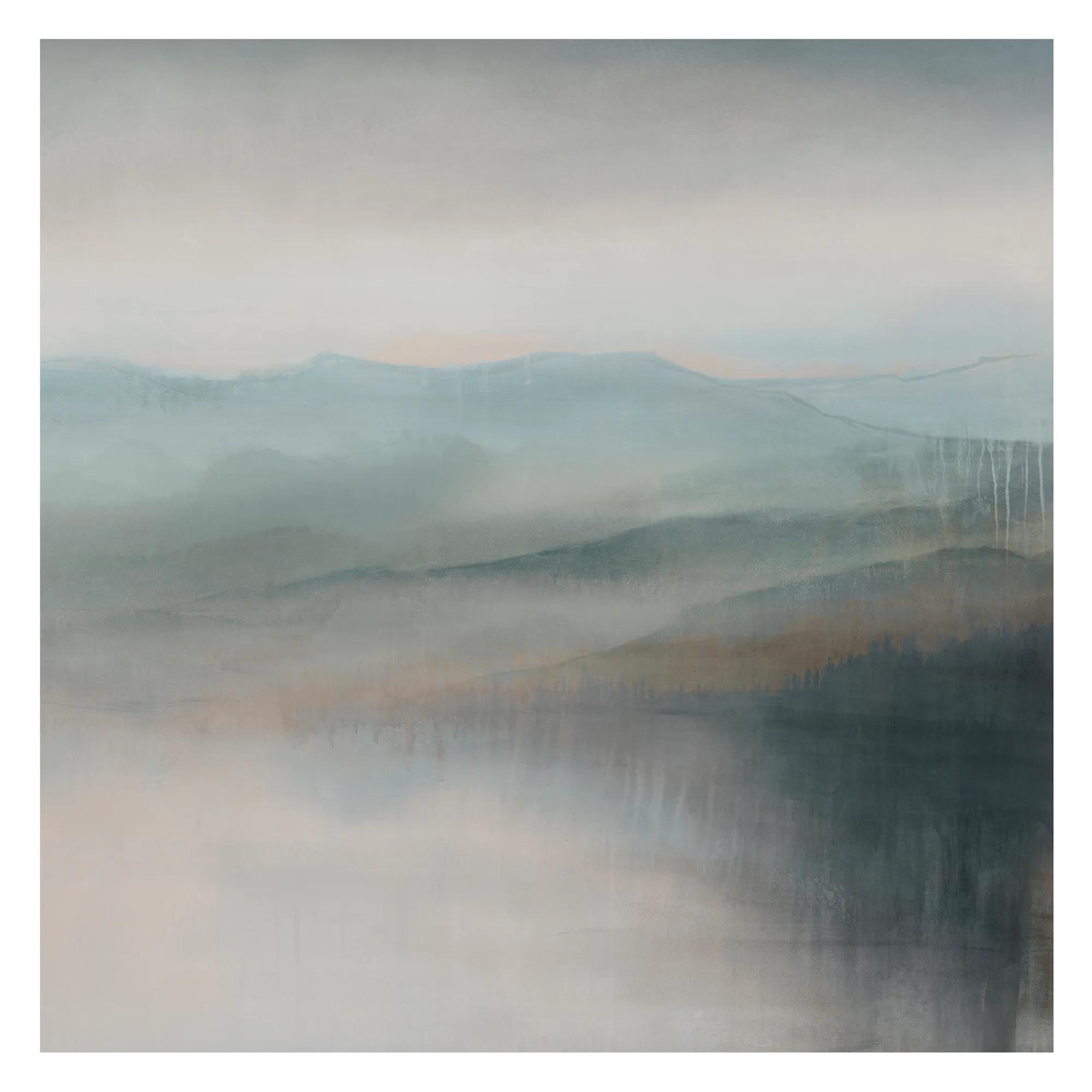 Morning Lift Wall Art 30" x 30"$399
A gallery-wrapped canvas artwork featuring a hand-applied image brush gel finish for added texture and depth.
Add To Cart -
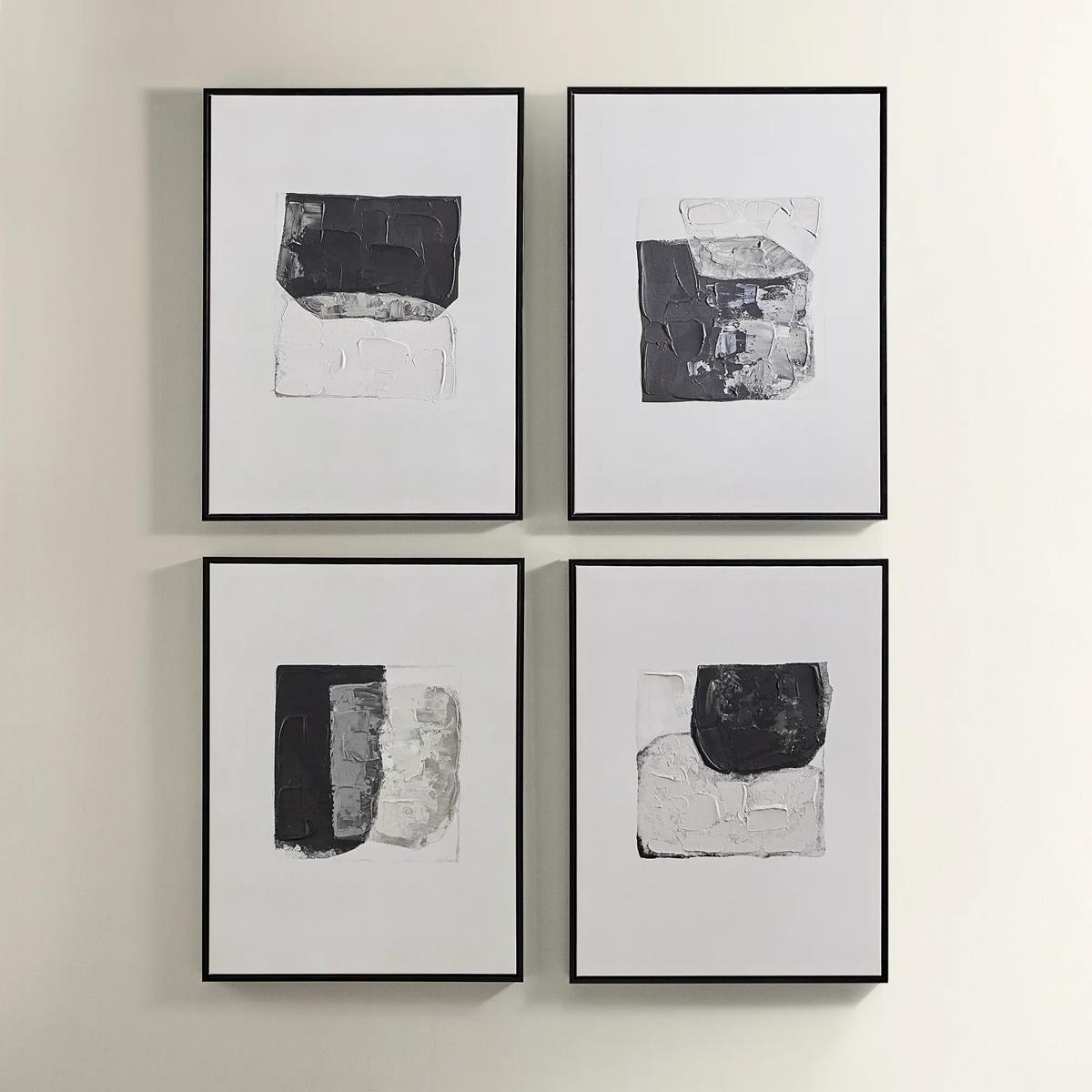
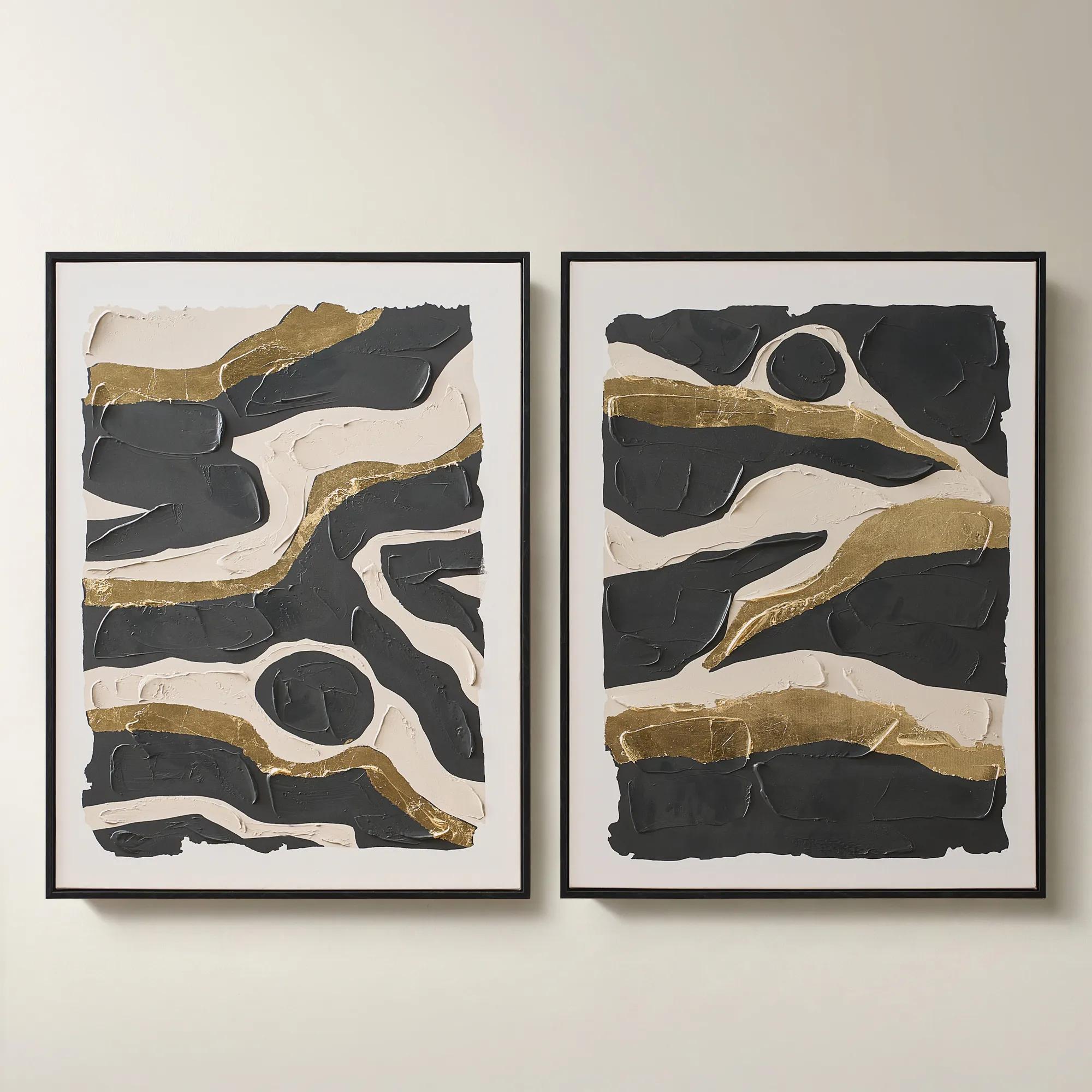
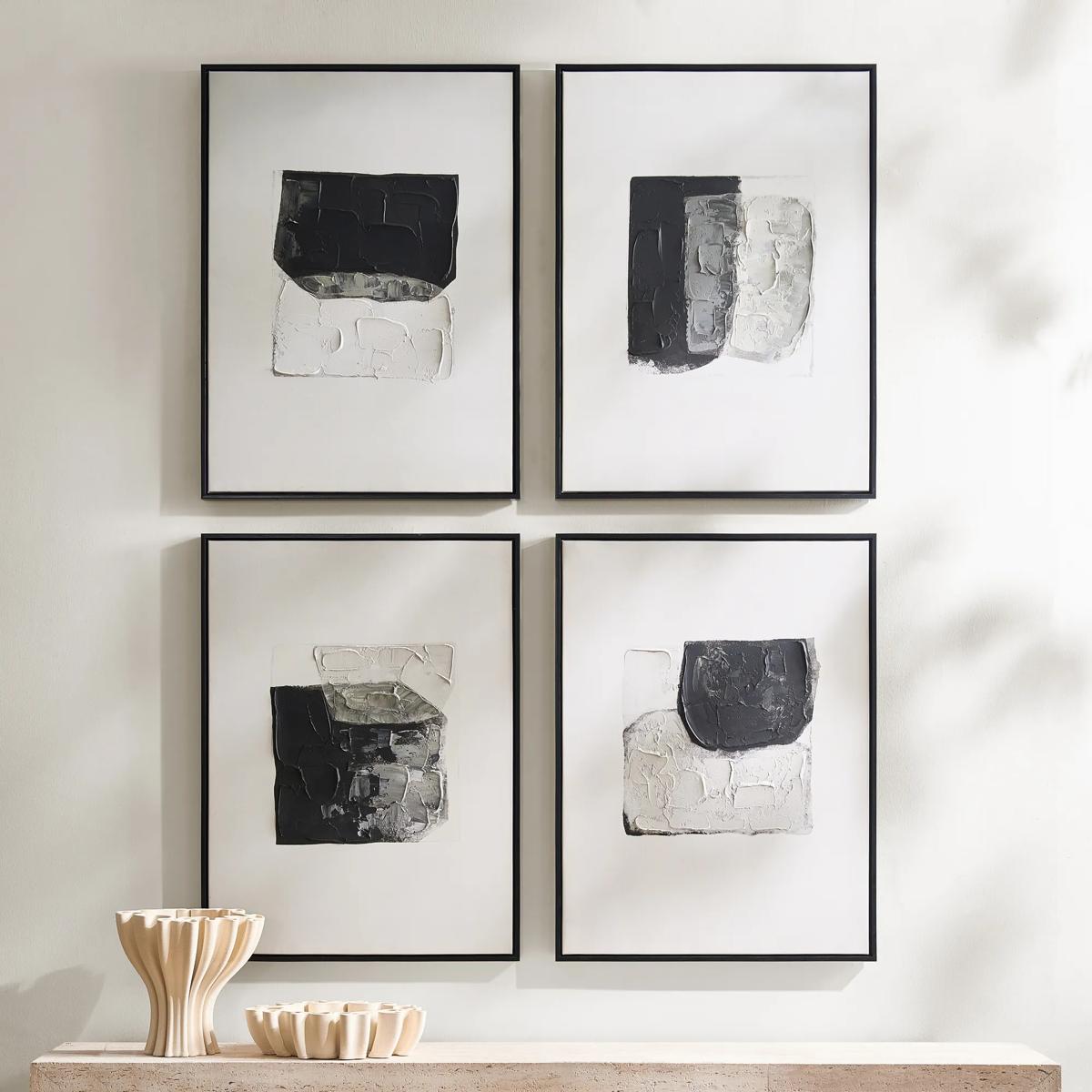 Shadows Framed Painted Wall Art Set of 4$299
A set of four hand-painted abstract canvases featuring black, white, and gold accents in black frames.
Add To Cart -
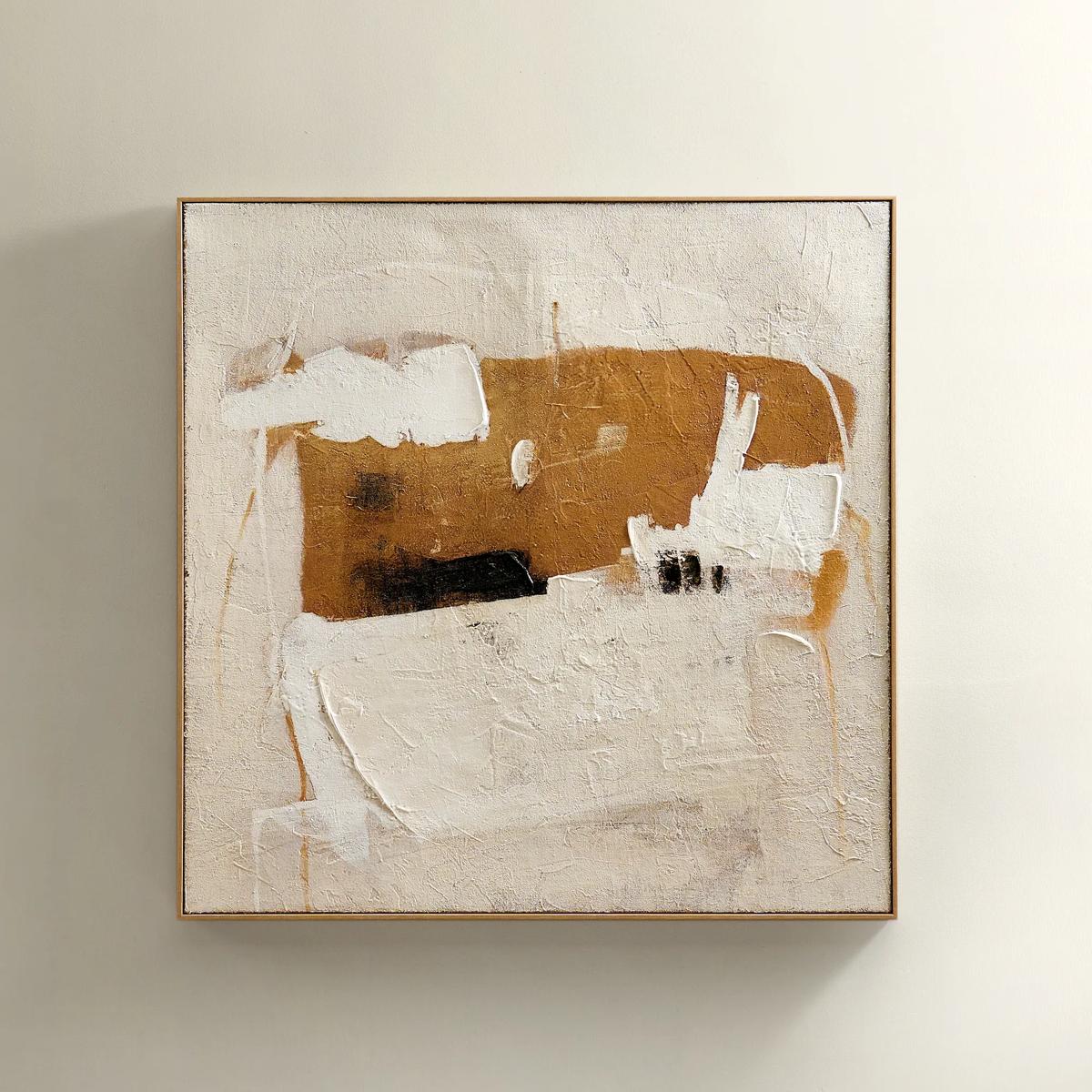 Instinct Framed Painted Wall Art 39.25" x 39.25"$349
An abstract hand-painted artwork featuring warm neutrals and black strokes on hessian with a light natural frame.
Add To Cart -
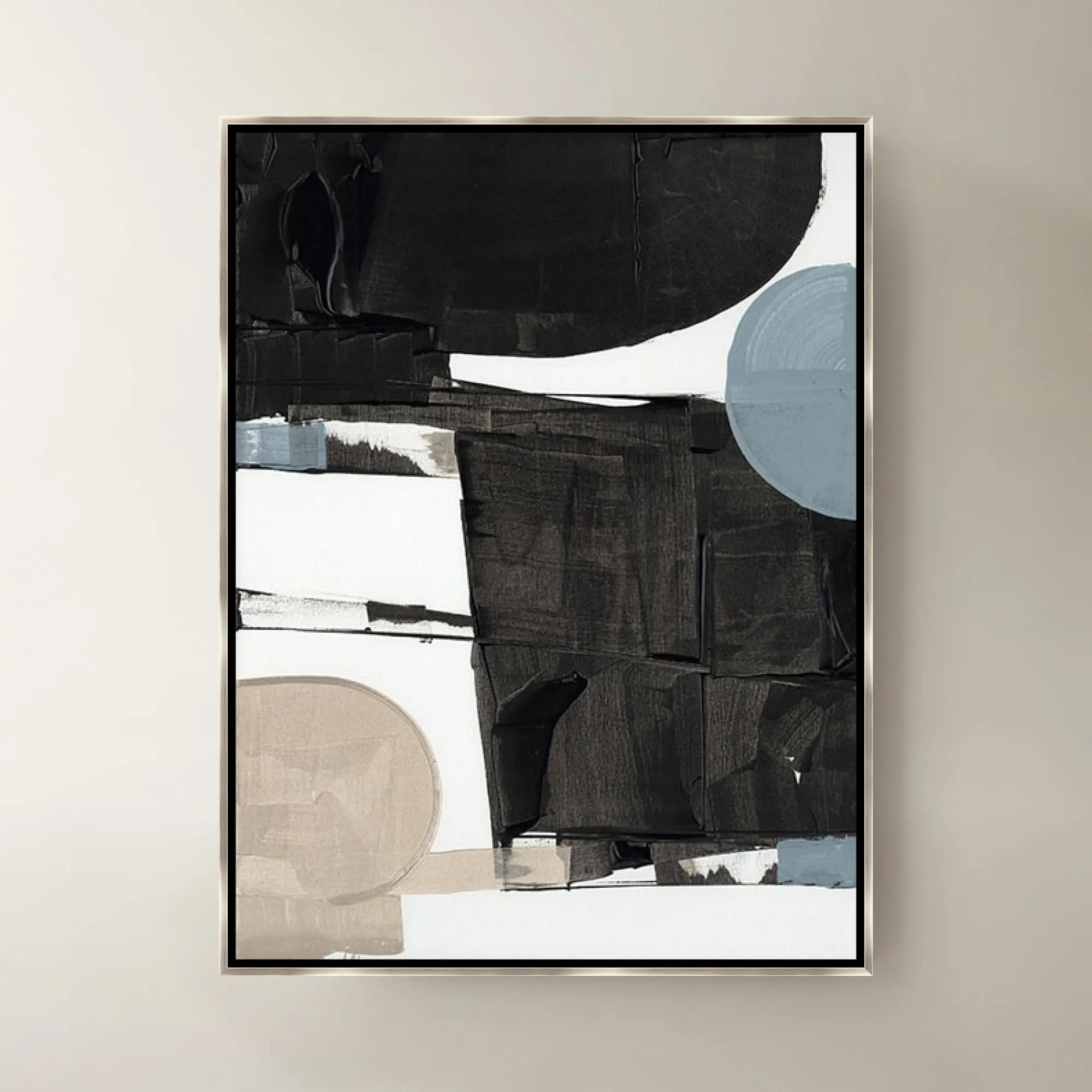
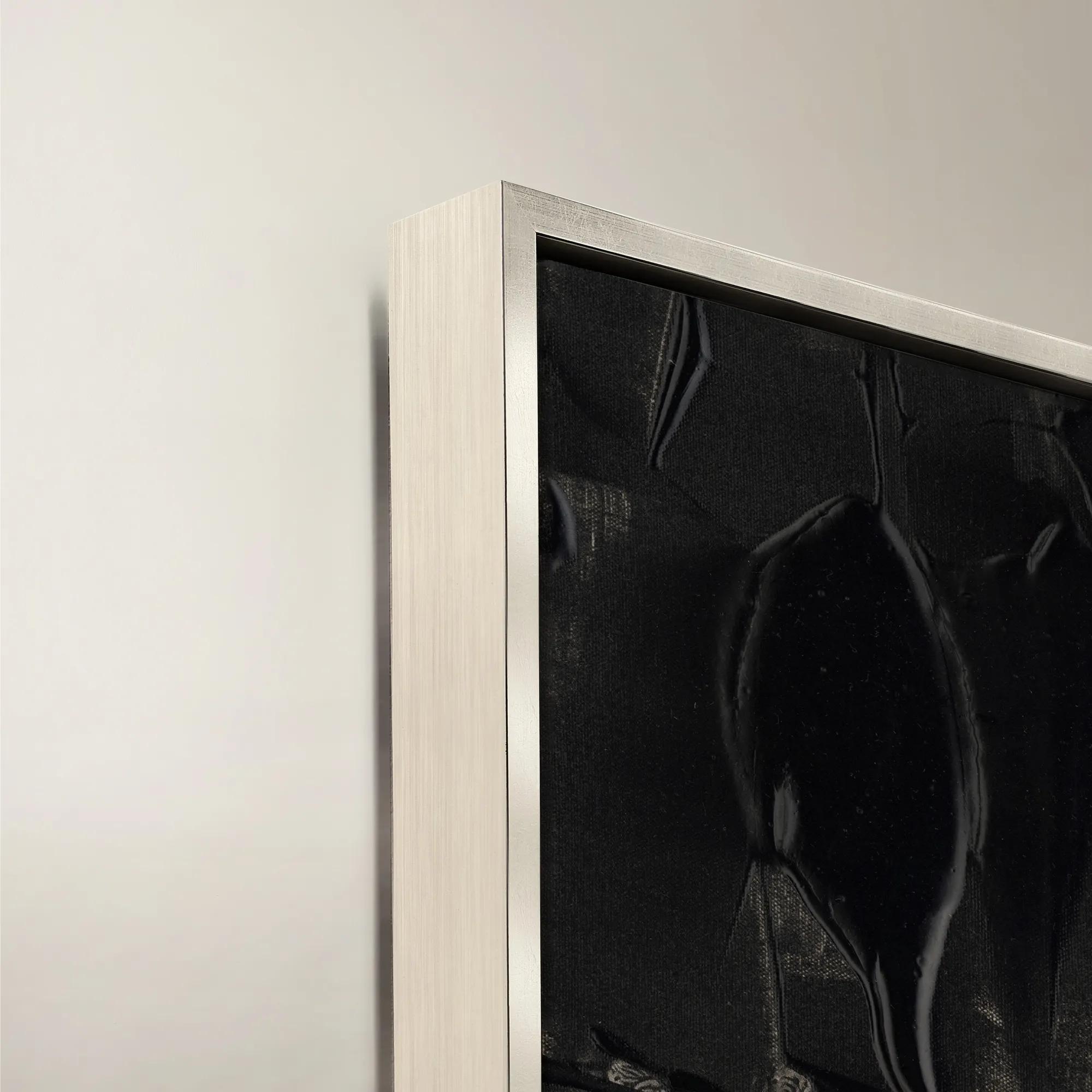 Blanc de Blancs II Framed Wall Art 24" x 30"$519
A sophisticated black canvas artwork presented in a refined frame, bringing modern elegance to your walls.
Add To Cart -
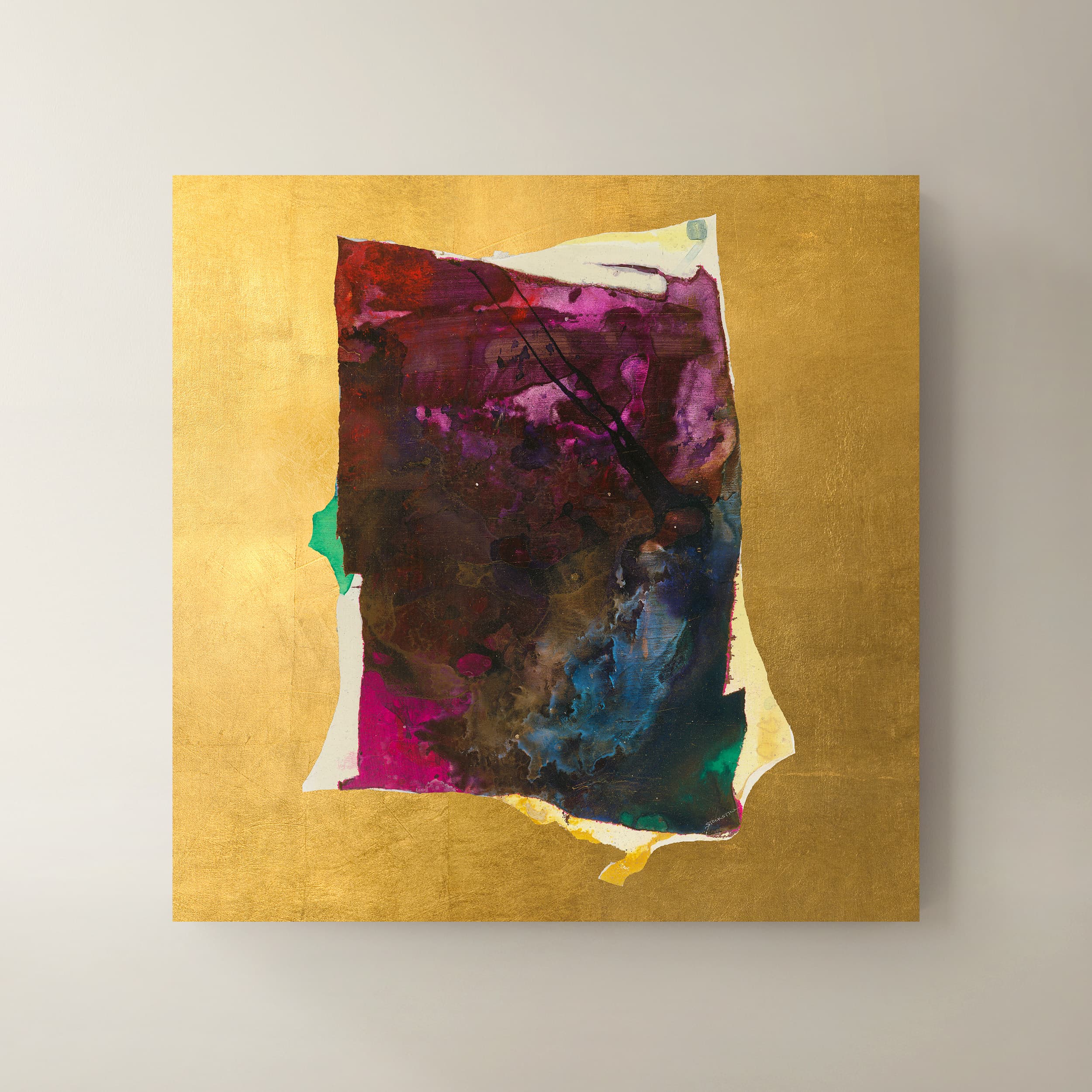 Supremo I Wall Art 40" x 40"$999
A multicolored canvas wall art piece adding contemporary visual interest to your interior.
Add To Cart -
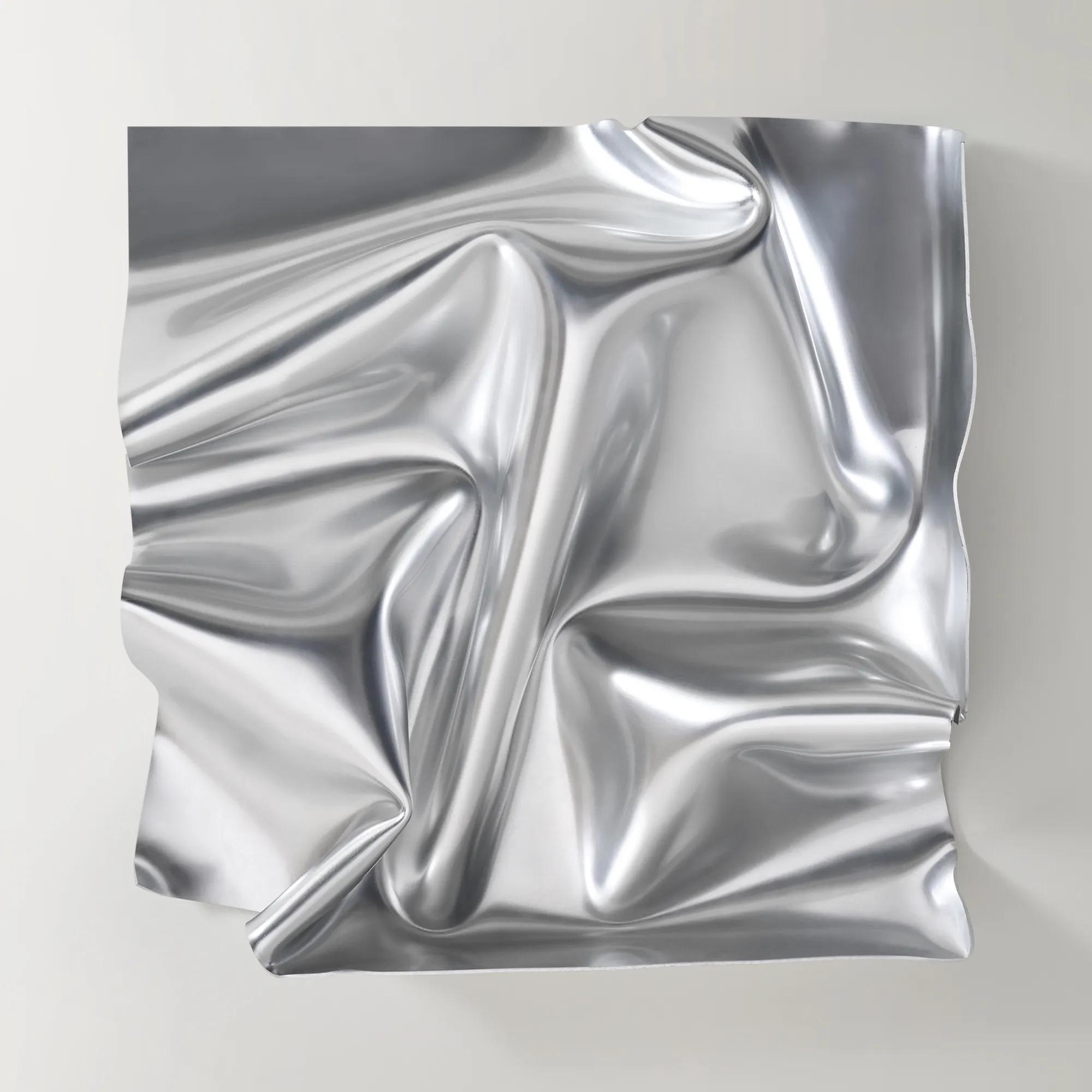
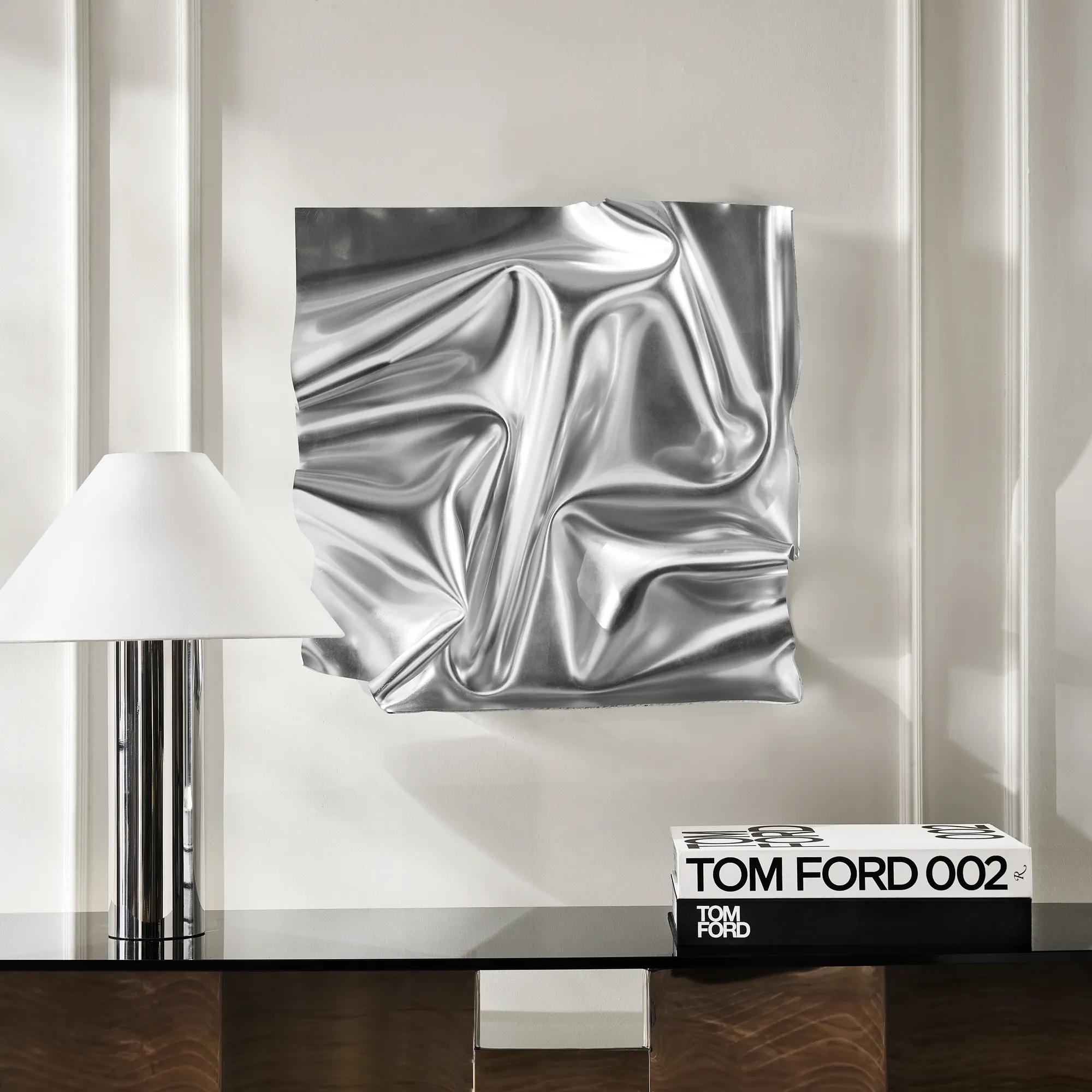 Surface Sculpted Silver Leaf Acrylic Wall Decor 23.6" x 23.6"$189
A striking acrylic wall piece featuring fluid, reflective silver shapes for dramatic, modern visual impact.
Add To Cart -
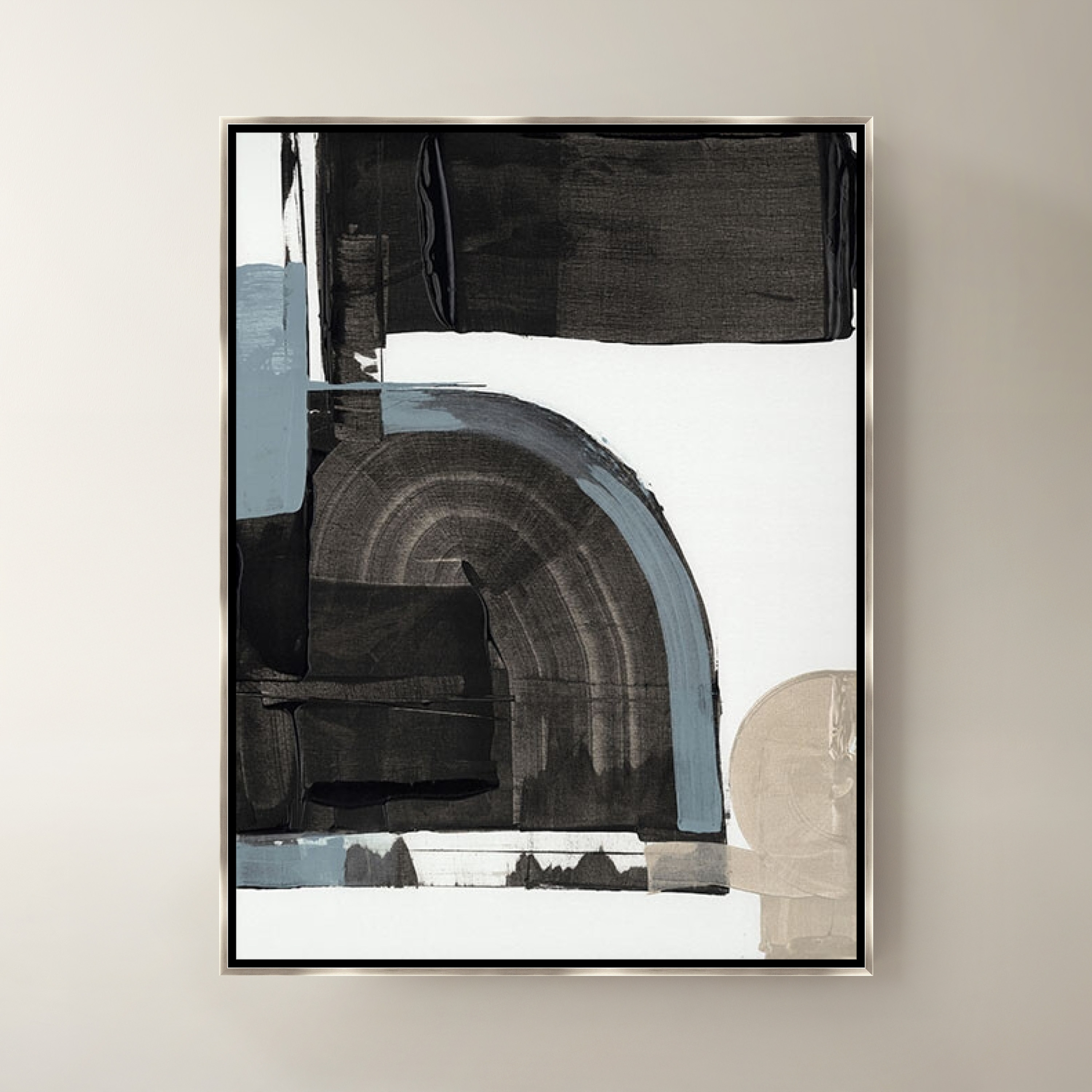
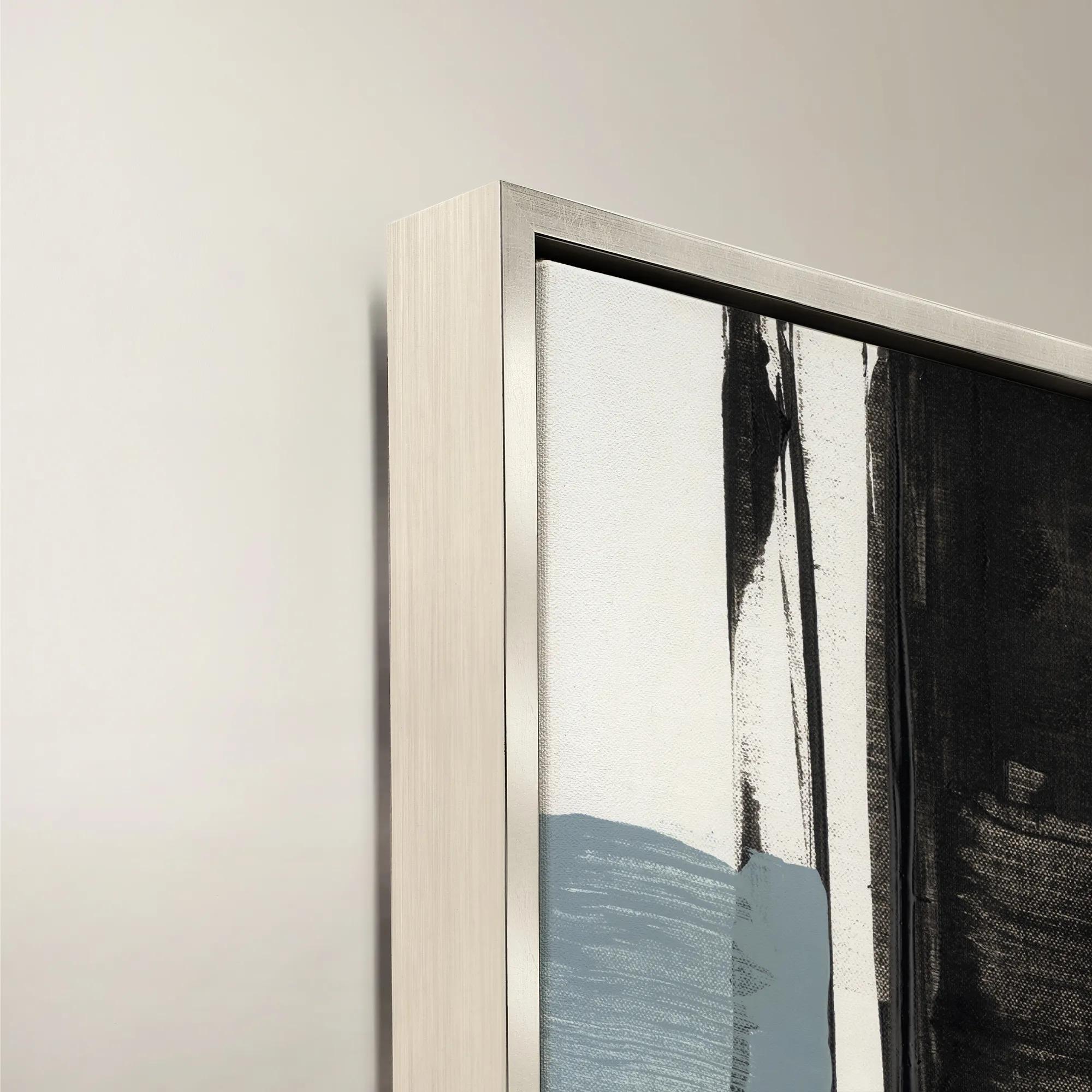 Blanc de Blancs III Framed Wall Art 24" x 30"$519
A sophisticated black canvas artwork presented in a refined frame for modern wall styling.
Add To Cart -
 Lunar Art$119
A contemporary green canvas artwork bringing modern artistic character to your space.
Add To Cart

Minimalist Living Room Art
Minimalist Living Room Art transforms every wall into a masterstroke of modern elegance, inviting serenity and sophistication into your space. Clean lines, striking compositions, and a whisper of restraint create an atmosphere where less becomes infinitely more. Each piece is curated to evoke calm confidence and refined artistry, allowing your living room to breathe with intention and style. Let your walls become a gallery of understated drama, where every brushstroke and silhouette celebrates the beauty of simplicity reimagined.
Minimalist living room art brings clean lines, generous negative space, and a restrained color palette into focus, creating a composed focal point without crowding the room. Its appeal lies in the relationship between what appears on the surface and what is deliberately left open: a single charcoal curve against ivory, a muted horizon with a nearly imperceptible shift in tone, or geometric forms balanced across an expansive canvas. Neutral and subdued colors are common, but minimalism does not require a room to feel colorless. A wash of sage, smoky blue, or warm clay can lend depth while preserving visual clarity. Geometric abstract art emphasizes circles, arcs, and intersecting lines; continuous-line drawings capture a face, figure, or botanical silhouette with remarkable economy. Minimalist landscapes soften the atmosphere with distant shorelines and open skies, while textured monochrome artwork lets relief and shadow become part of the composition. These different expressions share a sense of intention, making them compelling companions to both tailored furniture and more expressive interiors. Above a sumptuous velvet sofa, a spare black-and-white composition introduces contrast without competing with the upholstery. Against a pale wall beside a sculptural chair, an ivory-toned work can feel almost architectural, its raised details emerging as light moves across the surface. For rooms with mirror-finish accents or richly patterned textiles, quieter artwork gives those elements room to resonate. For a more restrained interior, an oversized abstract can supply the drama on its own. The most persuasive minimalist wall art is not simply an empty-looking picture; it has a deliberate balance of shape, texture, and proportion. Whether the mood is serene, graphic, or softly atmospheric, the artwork should hold attention through its composition rather than an abundance of detail. That makes this style especially appealing to anyone who wants a living room to feel expressive and polished while retaining a clear, restful visual rhythm.
Scale determines how confidently minimalist art occupies a living room. A single oversized statement piece often creates a stronger focal point than several small works scattered across the same wall, particularly above a sofa or a substantial console. As a general starting point, artwork spanning about two-thirds of the furniture’s width tends to look balanced; above an 84-inch sofa, that suggests a piece approximately 56 inches wide, measured across its outer frame. This is a proportion to consider rather than a rigid requirement, since ceiling height, nearby windows, and the composition itself all influence the result. A broad horizontal work can echo the silhouette of a low sofa, while a vertical composition can bring presence to a narrow wall beside a seating arrangement. In a compact living room, one generously scaled piece may feel more composed than a cluster of undersized frames. Leaving ample blank wall around the artwork preserves the negative space that defines the style and allows the composition to register from across the room. When hanging art above seating, a gap of roughly 6 to 10 inches between the sofa back and the bottom of the frame is often a useful starting point, adjusted for comfort and the surrounding architecture. A pair of coordinated works can also create a measured rhythm, with consistent spacing and a combined width that relates to the furniture below. Framing adds another layer of definition: slim natural wood introduces warmth, matte black sharpens graphic lines, and brushed metal offers a subtle gleam. The frame should complement the art rather than overwhelm it. An off-white mat can give a delicate drawing additional breathing room, while a narrow frame around a textured canvas keeps attention on the surface. Consider the whole sightline, including lamps, shelving, and adjacent artwork. Repeating one existing finish or color helps the room feel connected without making every element match.
Materials influence both the visual character of minimalist living room artwork and the care it needs over time. Canvas has a woven surface that can soften an abstract composition, while art printed on paper often lends itself to crisp linework, delicate washes, and the spacious presentation of a mat. Dimensional artwork may use applied mediums to create ridges or sculptural marks, making its effect more dependent on light and viewing angle. Construction varies, so material descriptions, framing details, overall dimensions, and hanging requirements deserve attention before a piece becomes part of the room. For works on paper, acid-free mounting materials can help limit discoloration associated with acidic backing, and glazing adds a barrier against dust and accidental contact. UV-filtering glazing may reduce some light-related fading, but it does not make artwork immune to prolonged sun exposure. A wall outside direct sunlight is generally a better setting for preserving subtle colors, especially when the composition relies on small differences between cream, beige, and taupe. Textured surfaces benefit from thoughtful placement away from frequent contact; above a console, for example, leave enough clearance that decorative objects do not brush against the artwork. Care should follow the maker’s instructions, with no cleaning liquid applied directly to an art surface. Frames and glazing may require different cleaning methods from canvas or raised finishes, and gentle handling helps protect edges and delicate details. Durability also depends on secure installation, using hardware appropriate to the artwork’s weight and the wall construction. Beyond its everyday role in a seating area, minimalist art can make a considered housewarming or wedding gift for someone whose taste favors sculptural forms, quiet color, or expressive simplicity. Knowing the recipient’s wall dimensions and preferred finishes makes the gesture more personal. A related visual language can extend into private spaces through Minimalist Bedroom Wall Arts, with softer compositions carrying the same sense of intention from one room to another. In the living room, the lasting appeal is the balance itself: enough presence to shape the atmosphere, enough openness to let the surrounding furnishings shine.
FAQs
Minimalist art brings a sense of calm and clarity to a living room by emphasizing simplicity, balance, and negative space. Its refined compositions can create a serene backdrop that highlights architectural features and other décor elements, making the space feel more open, sophisticated, and thoughtfully curated.
Popular color palettes for minimalist living room art often include soft neutrals such as whites, creams, taupes, and grays, as well as muted earth tones and occasional bold accents like deep navy or charcoal. These hues evoke tranquility and provide a versatile foundation that complements a wide range of interior styles.
Minimalist living room art makes a thoughtful gift for design enthusiasts, new homeowners, newlyweds, or anyone who values clean lines and subtle sophistication in their space. Its timeless appeal and versatility allow it to suit a variety of tastes and décor preferences.
Choose a location that allows the art to become a focal point—above a sofa, fireplace, or console table are classic choices. Ensure the piece has enough breathing room to let its simplicity shine, and consider lighting that enhances its textures and tones throughout the day.
Absolutely. Minimalist art can provide a harmonious counterpoint to bold furnishings or dramatic accents, grounding the overall design and preventing the space from feeling overwhelming. Its understated elegance allows statement pieces to shine while maintaining a cohesive, elevated look.