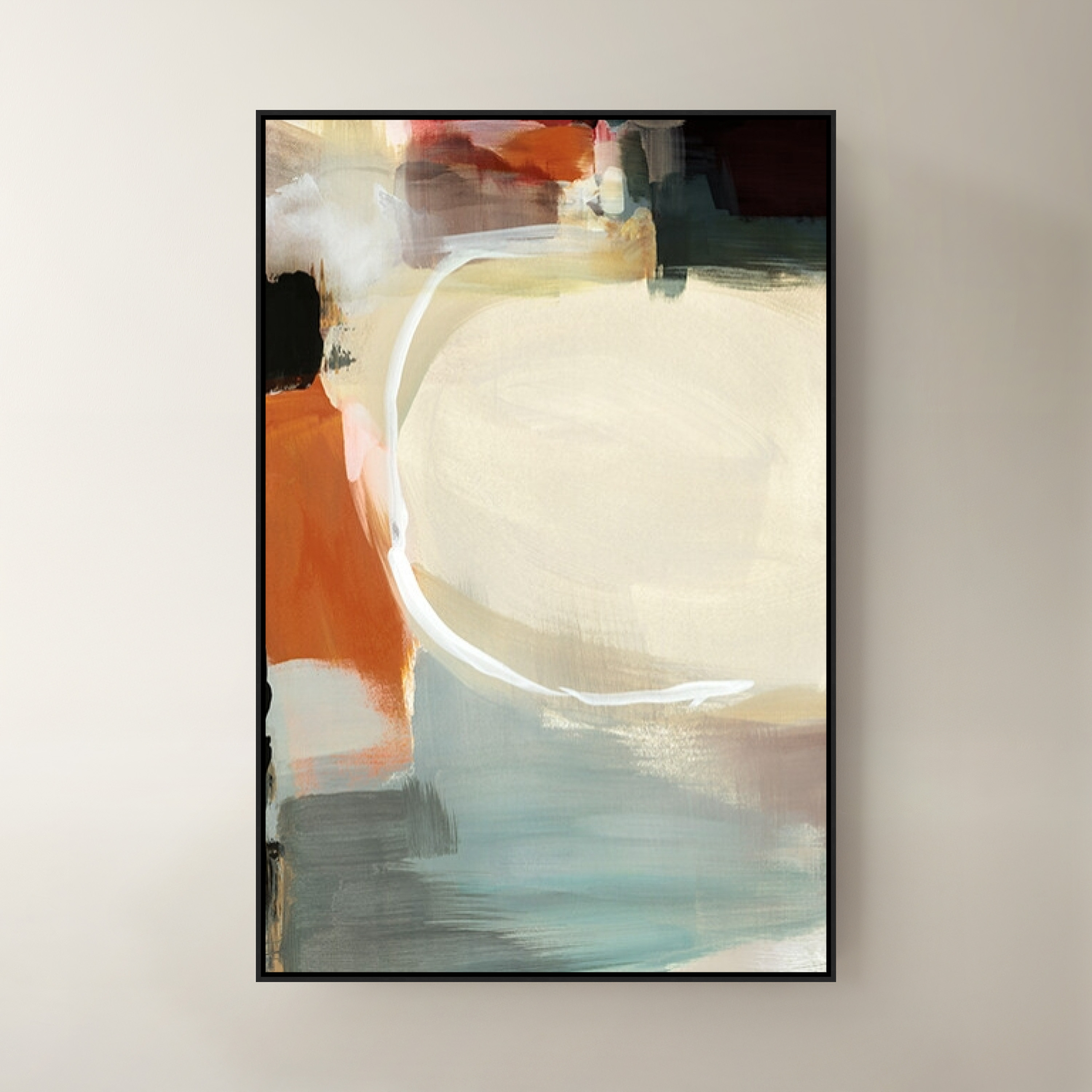
Minimalist Art For Walls
Minimalist Art For Walls
-
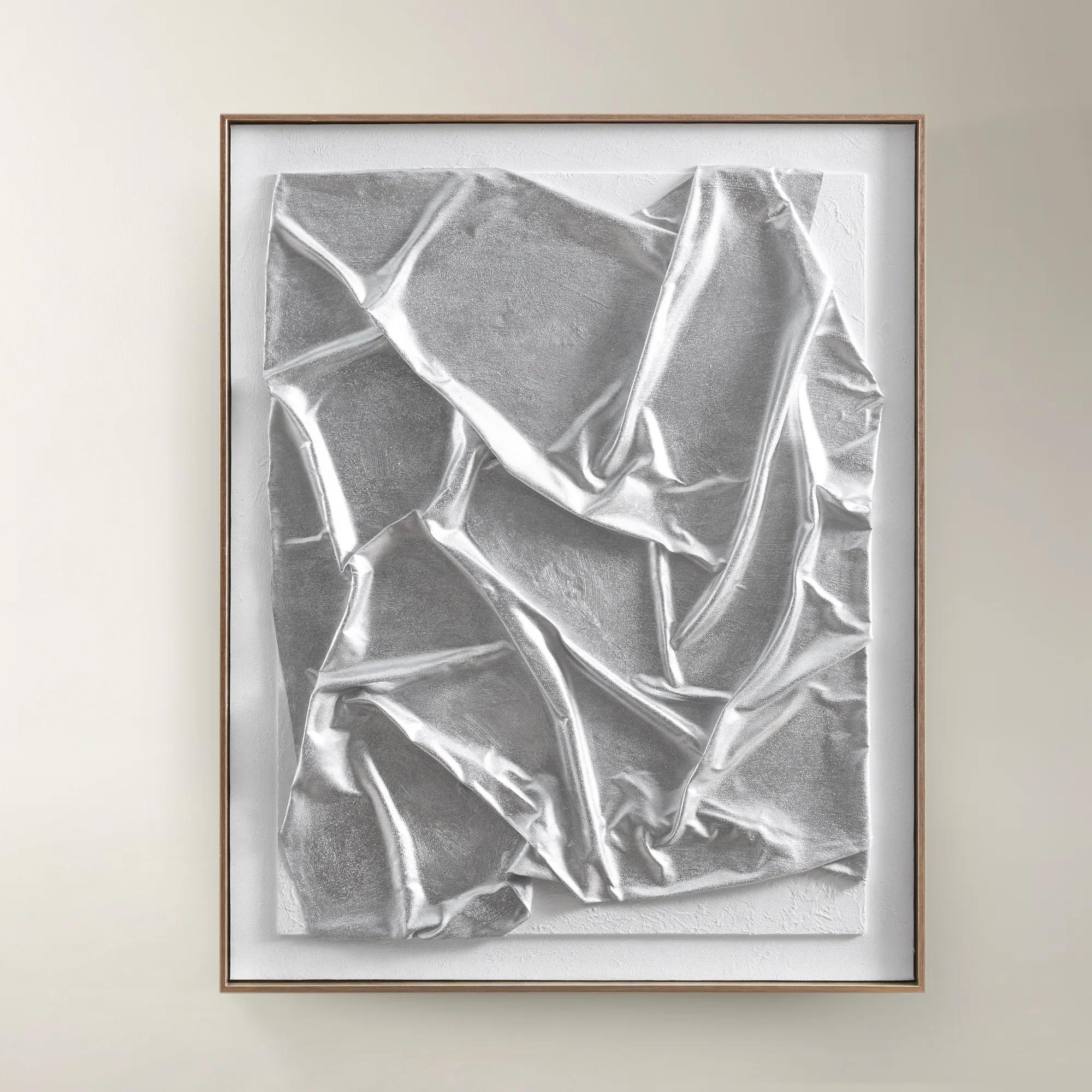 In the Mood Framed Painted Wall Art 31.5" x 39.5"$199
A hand-painted abstract canvas in shimmering silver tones, set in a warm champagne floater frame.
Add To Cart -
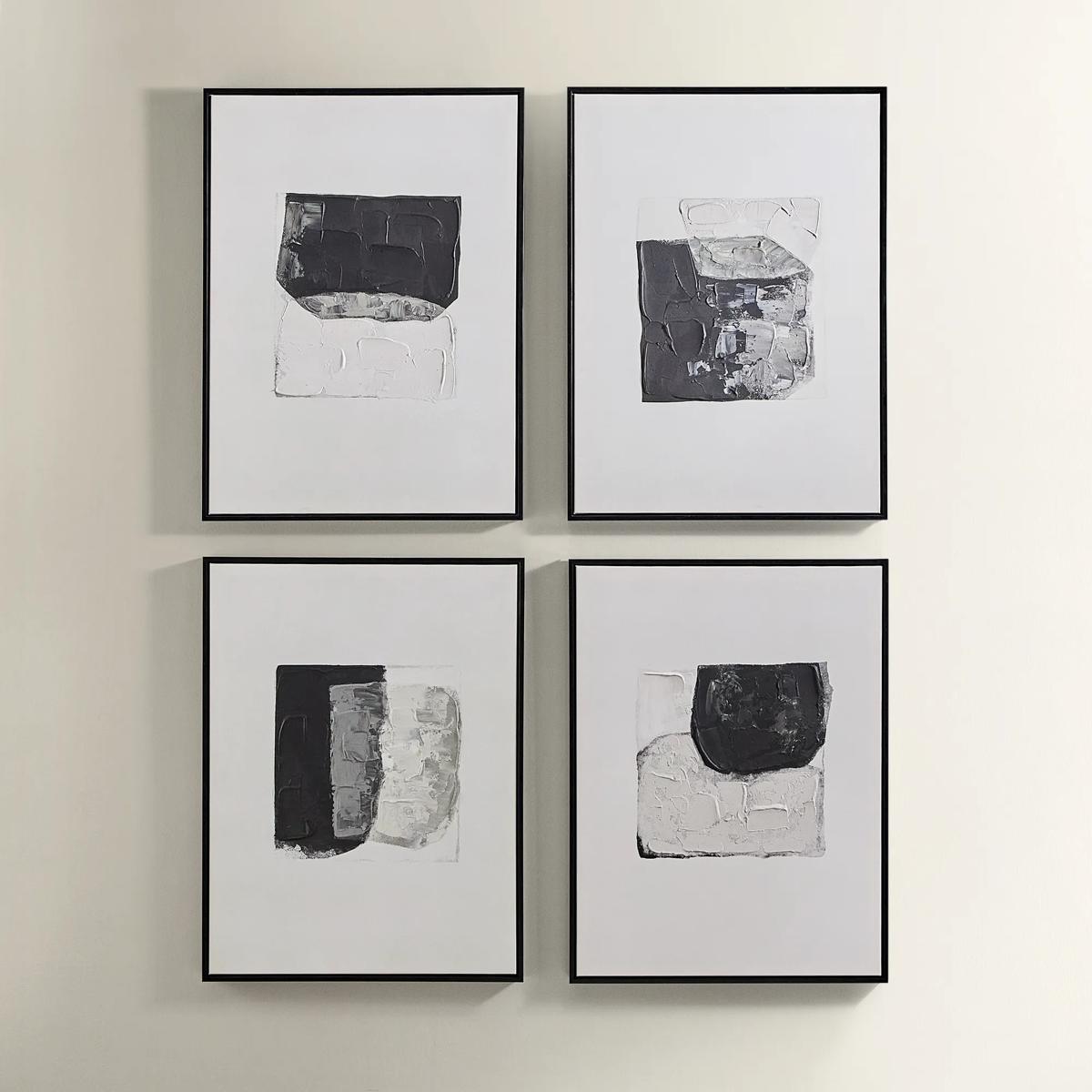
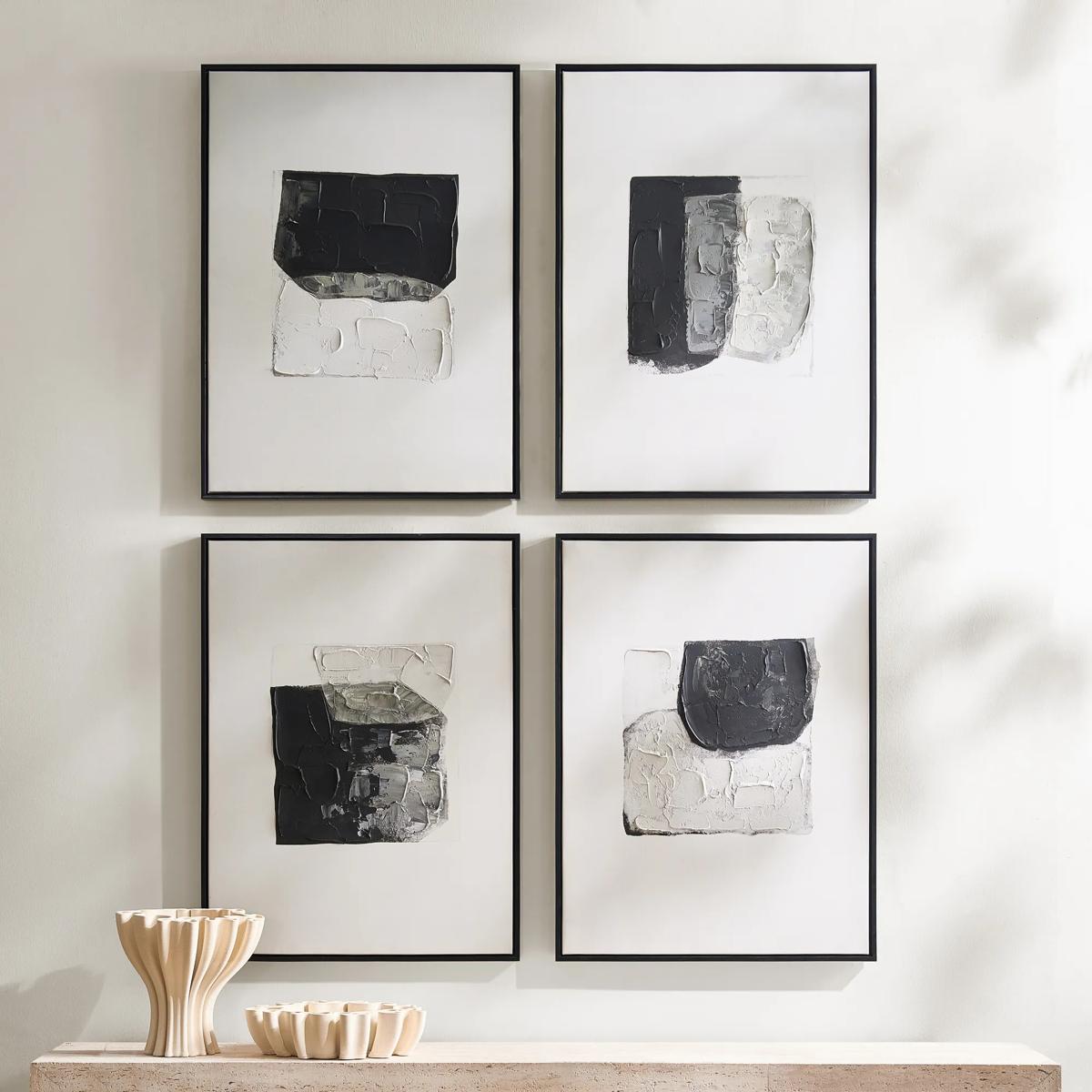 Shadows Framed Painted Wall Art Set of 4$299
A set of four hand-painted abstract canvases featuring black, white, and gold accents in black frames.
Add To Cart -
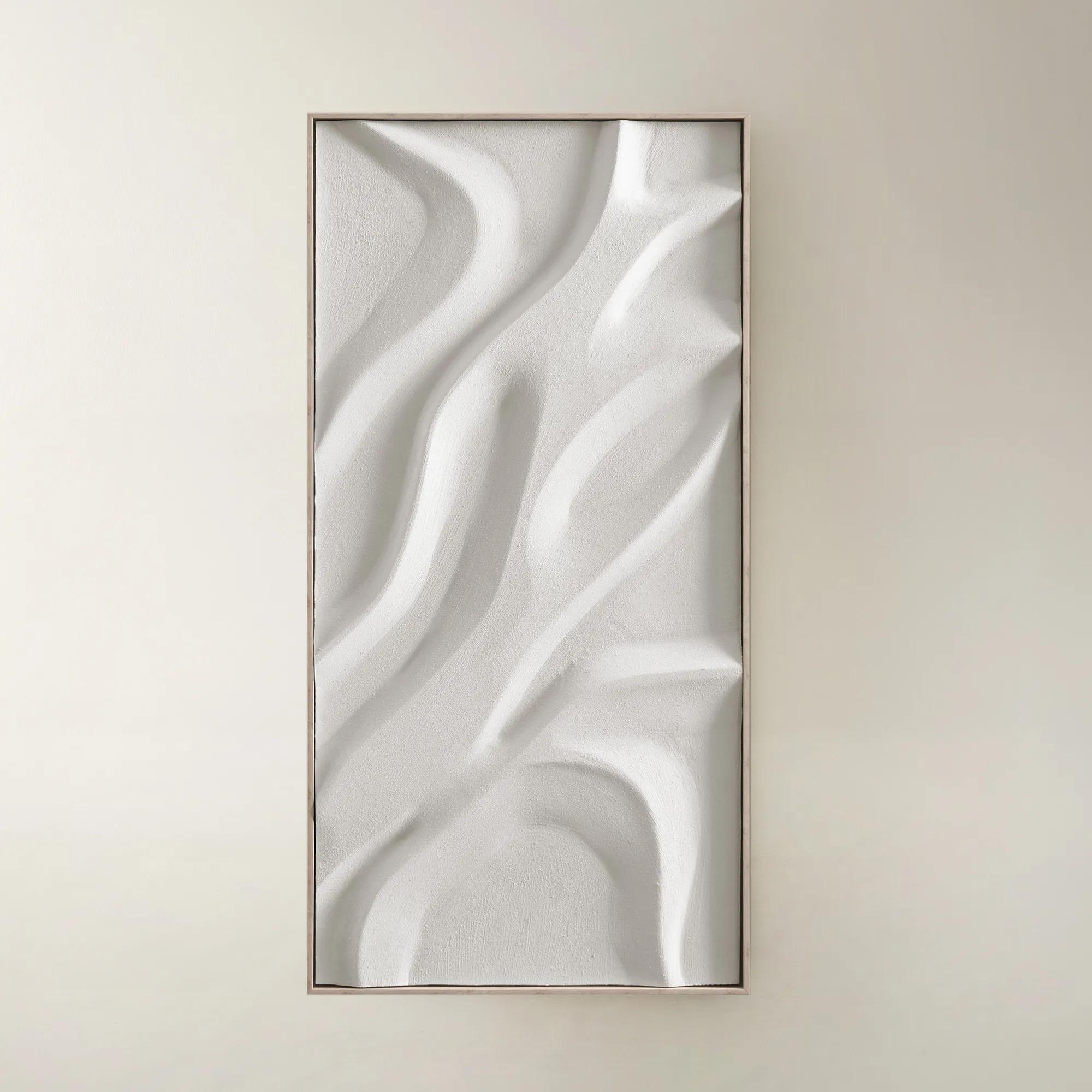
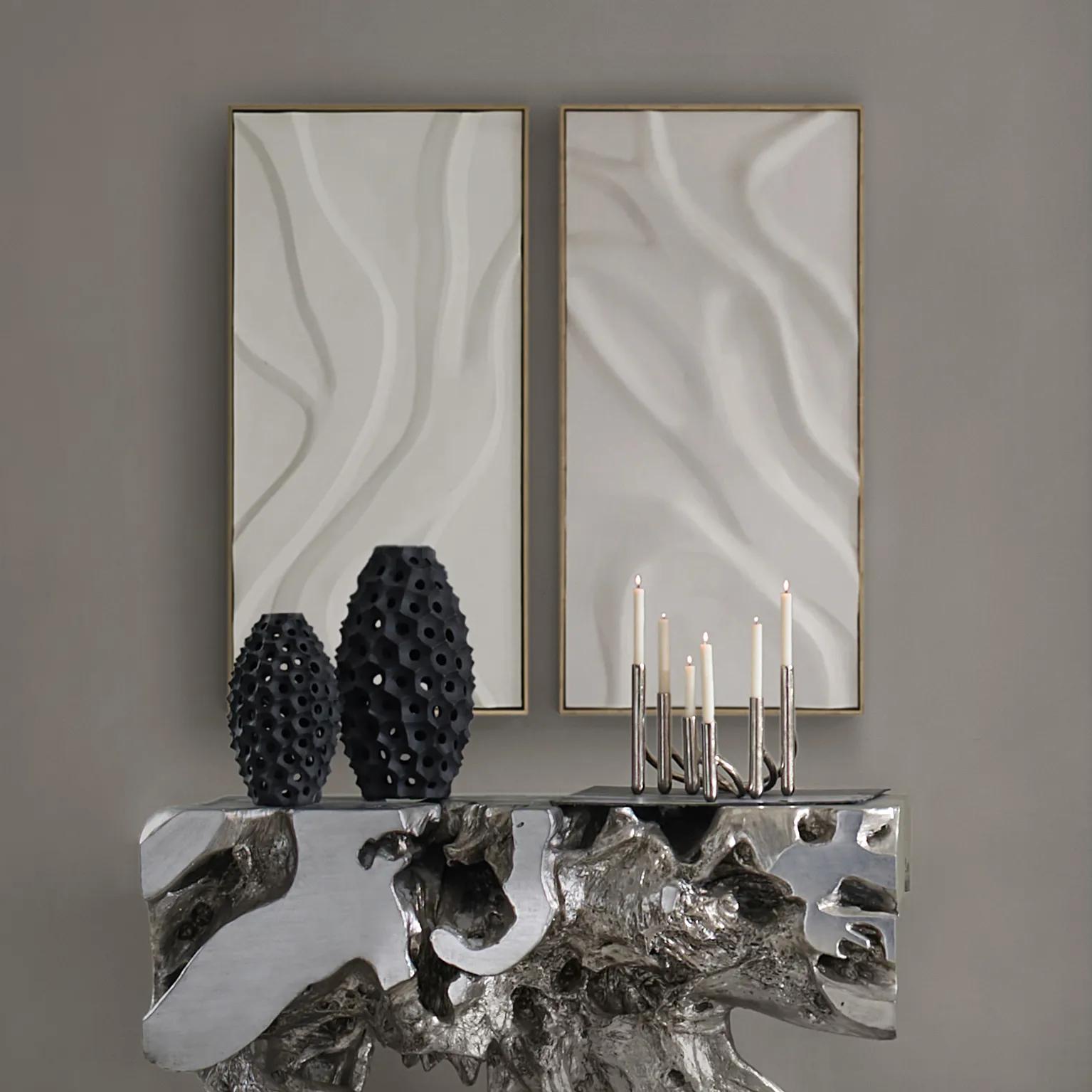 Au Lait Framed Painted Wall Art II 47.2" x 23.6"$199
A serene hand-painted canvas in beige, set in a warm whitewash floater frame for modern interiors.
Add To Cart -
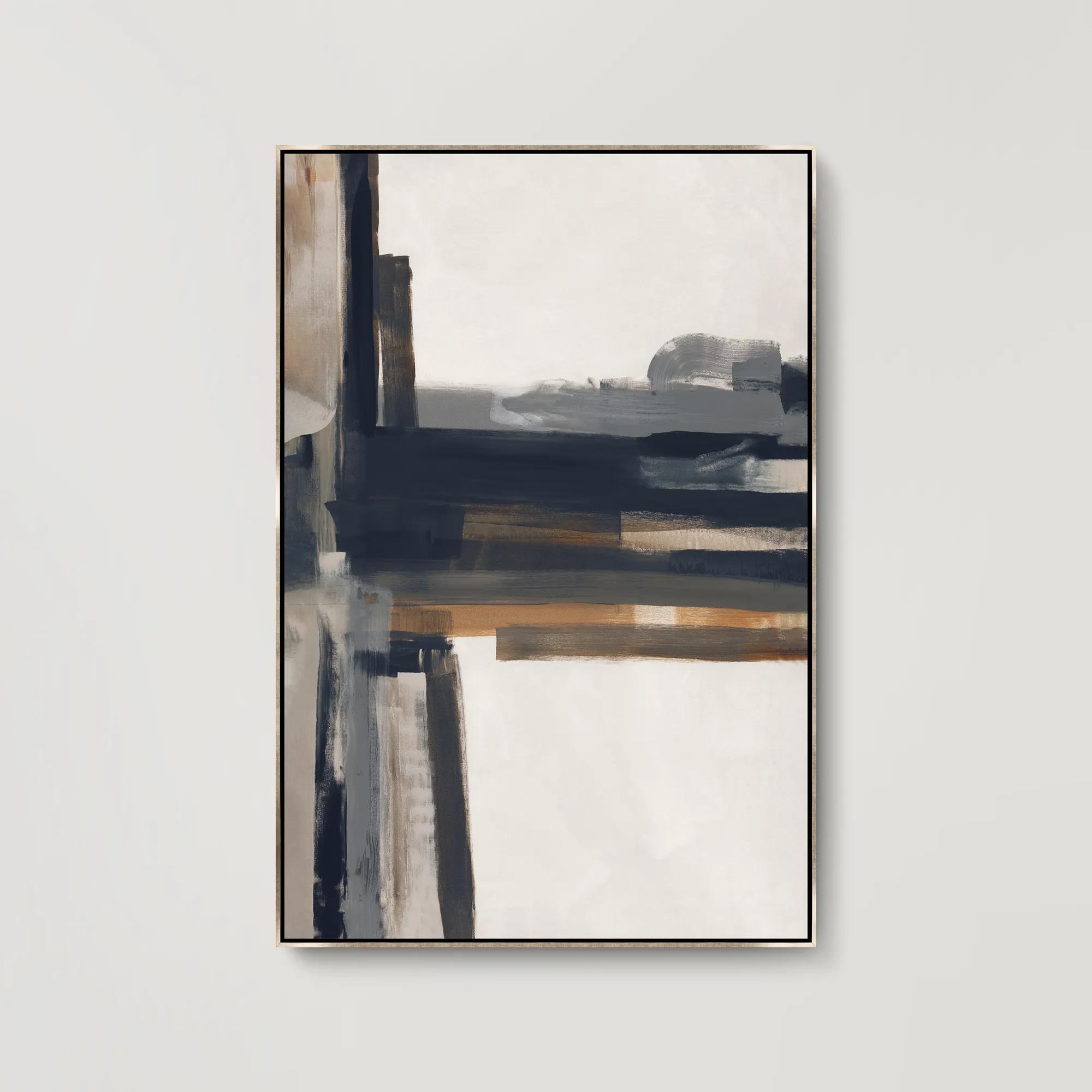
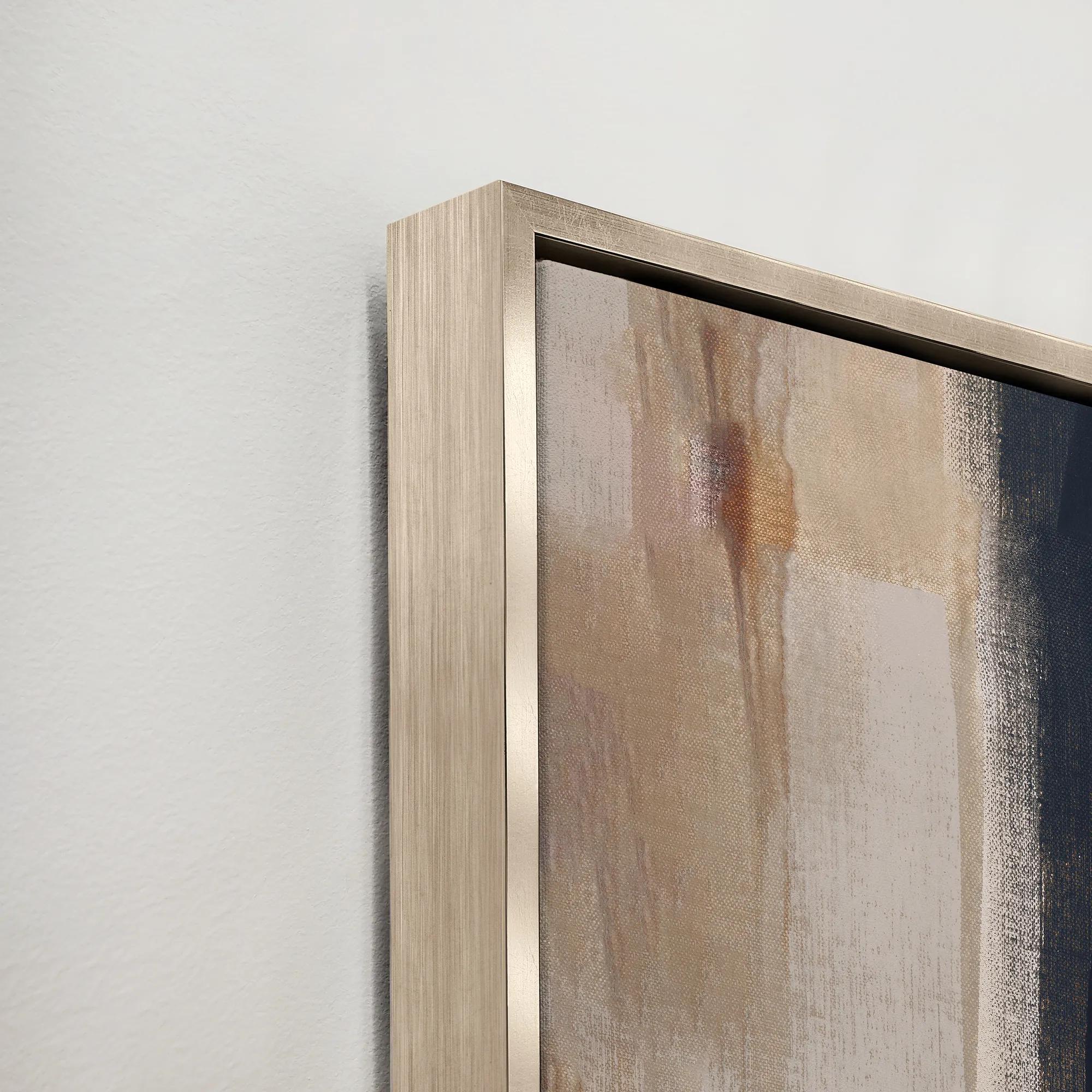 Imposing Construct I Framed Wall Art 41.5" x 61.5"$949
A gallery-wrapped abstract canvas featuring hand-applied brush gel and set in a sleek silver floater frame.
Add To Cart -
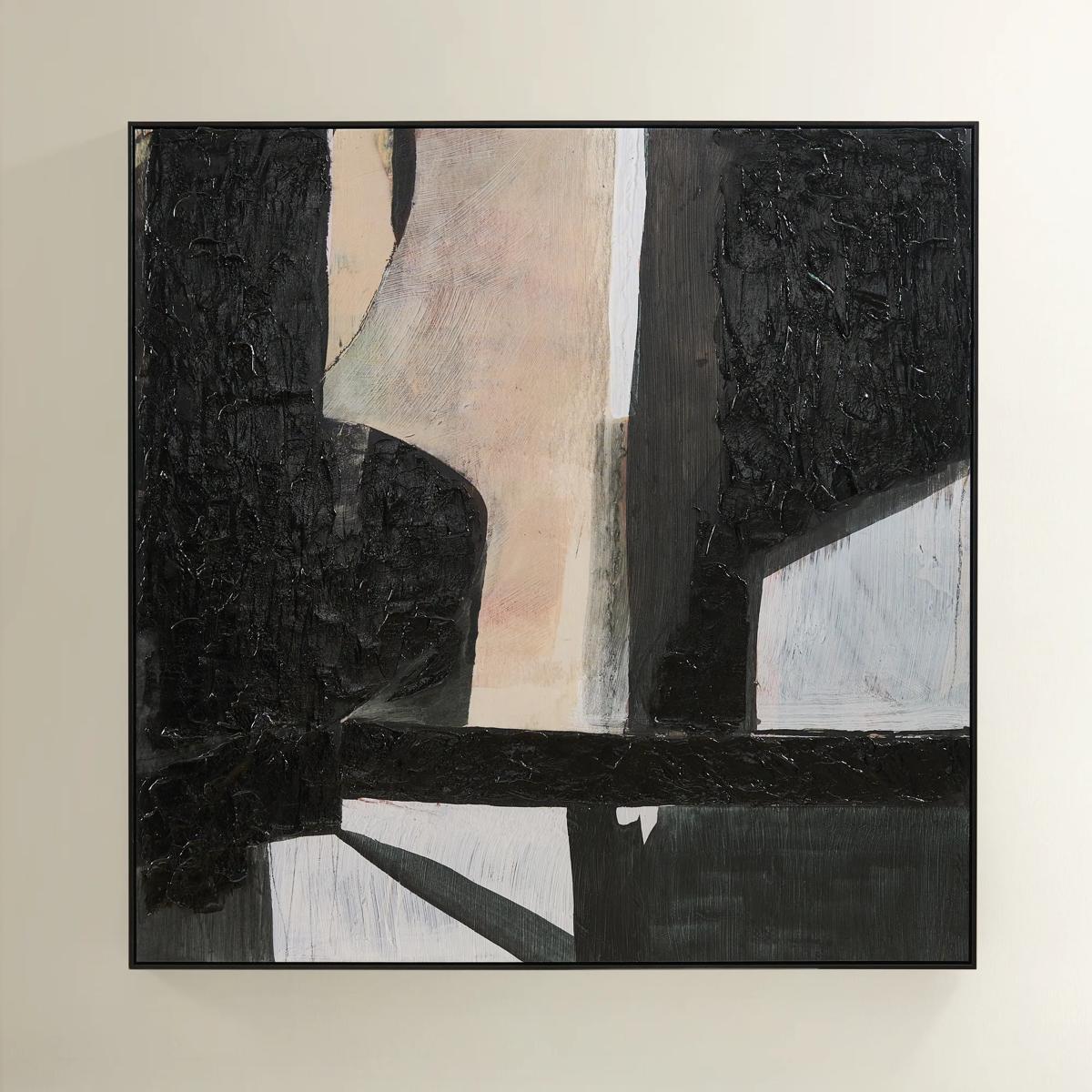 Grounded Painting$699
A hand-painted abstract canvas featuring black, cream, and earth tones in a sleek black floater frame.
Add To Cart -
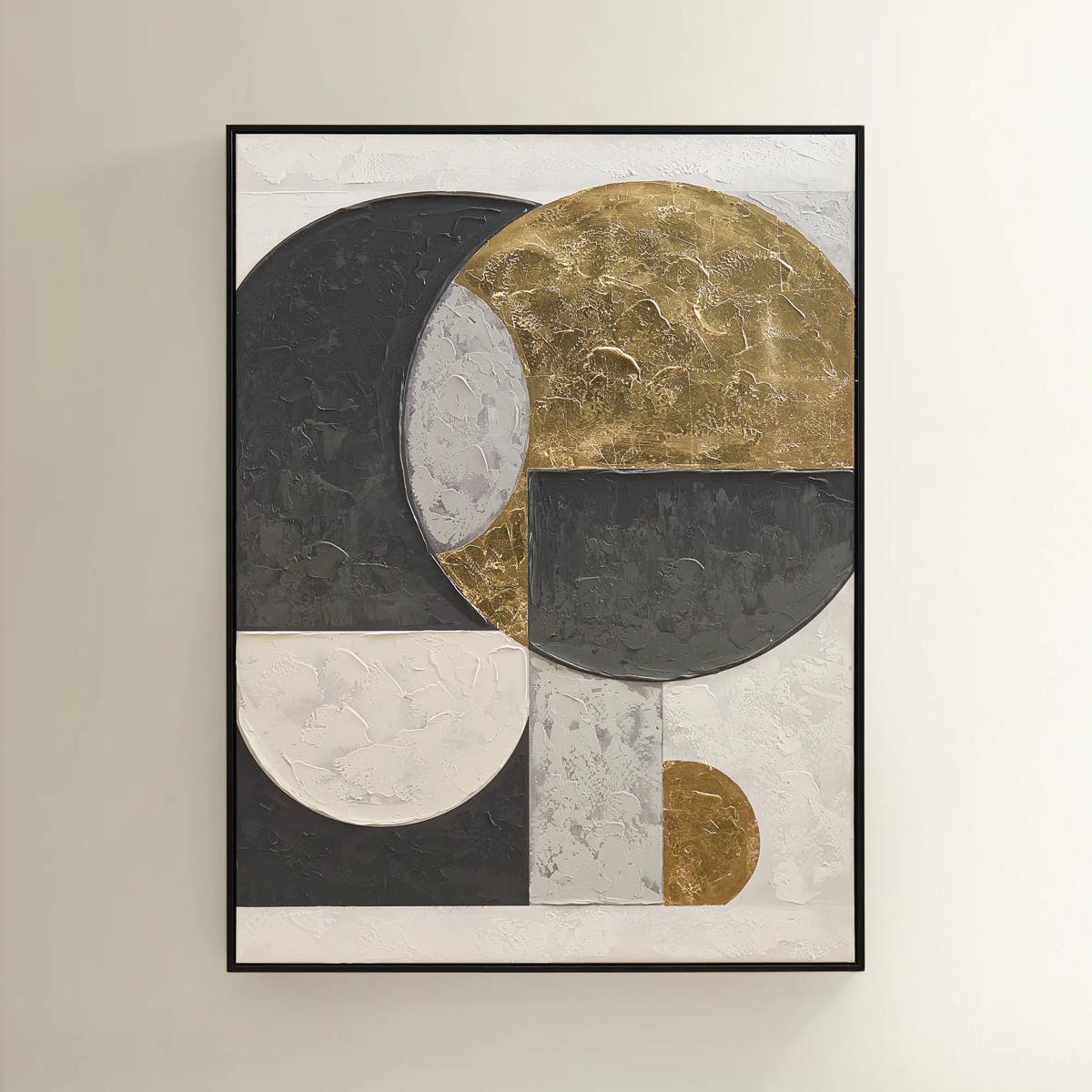
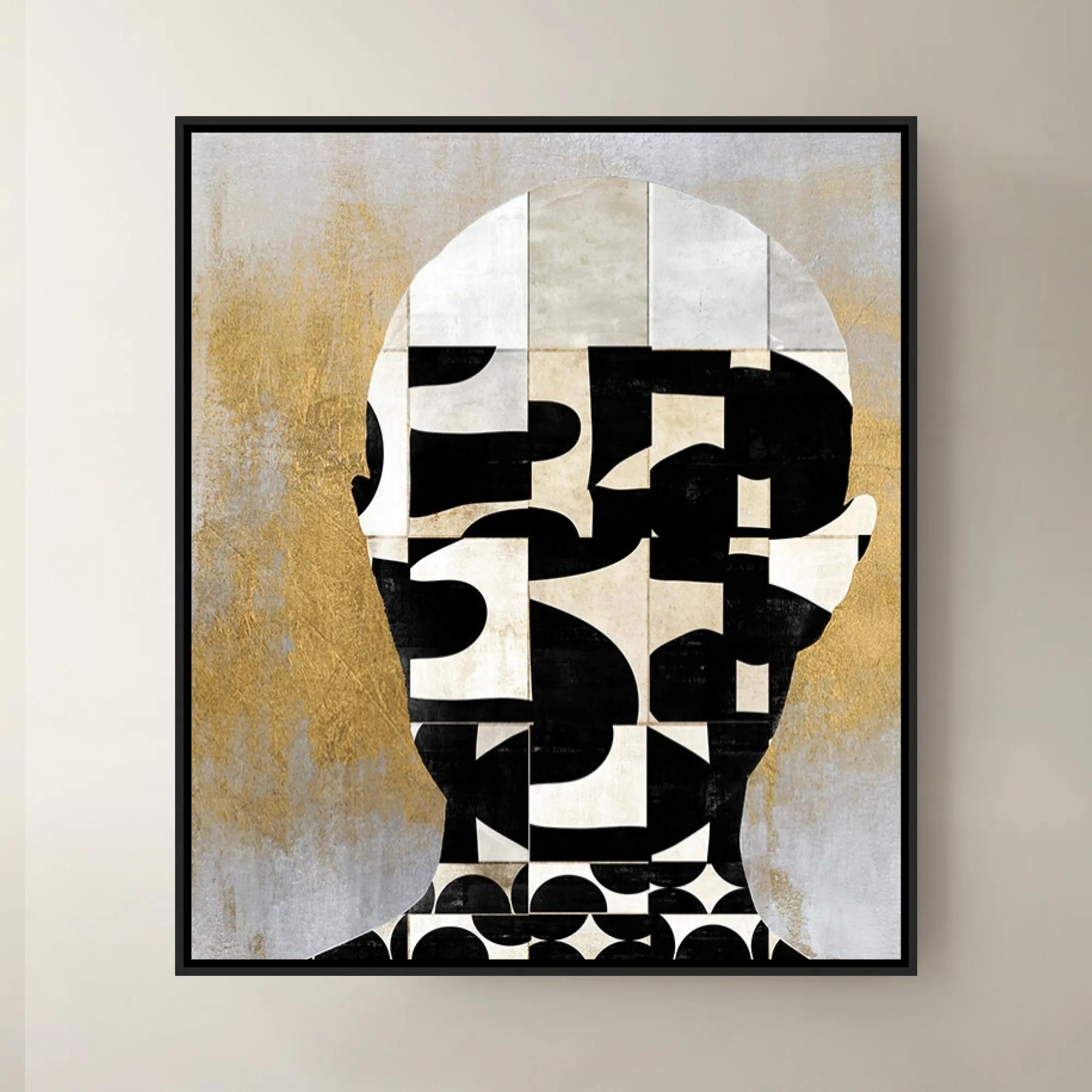
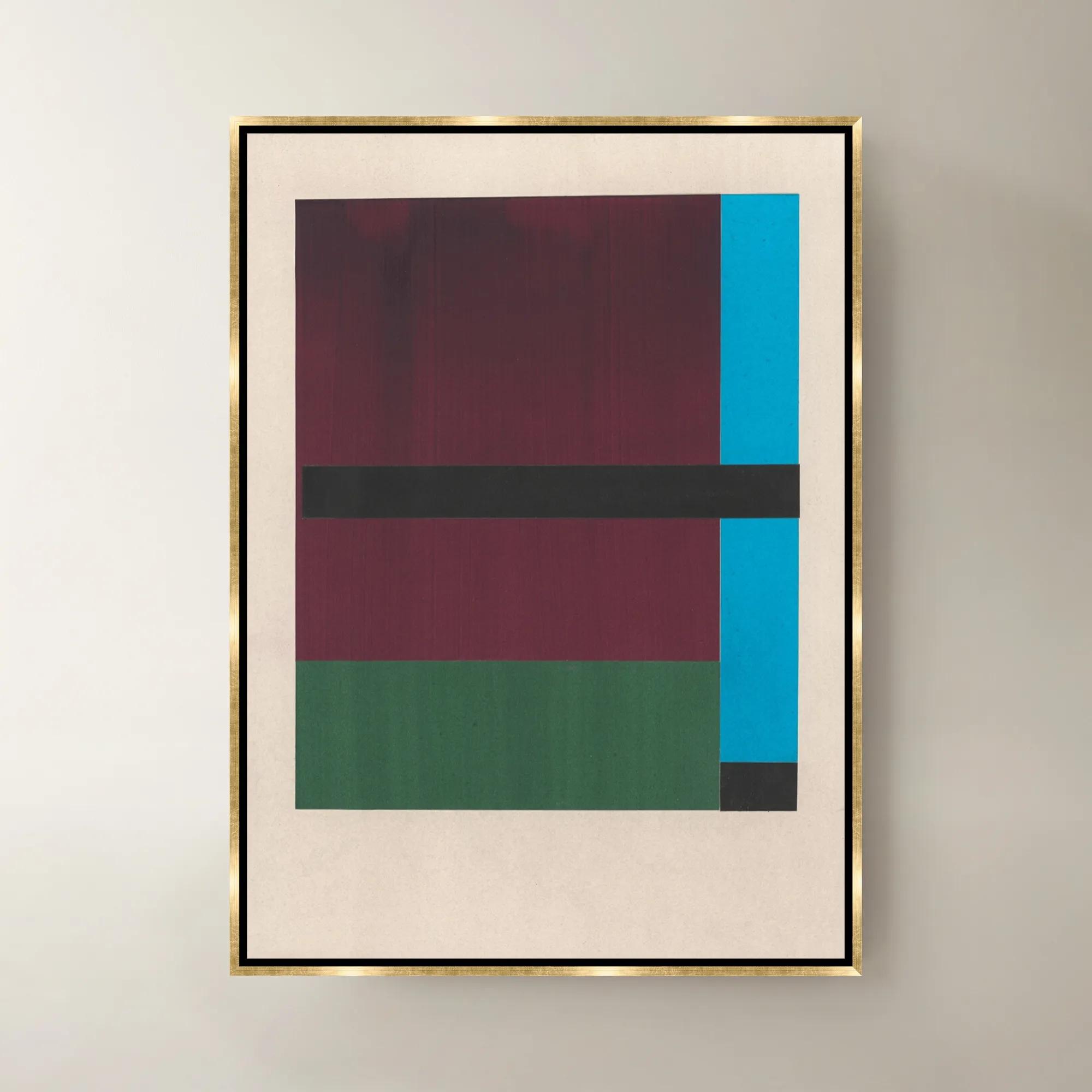
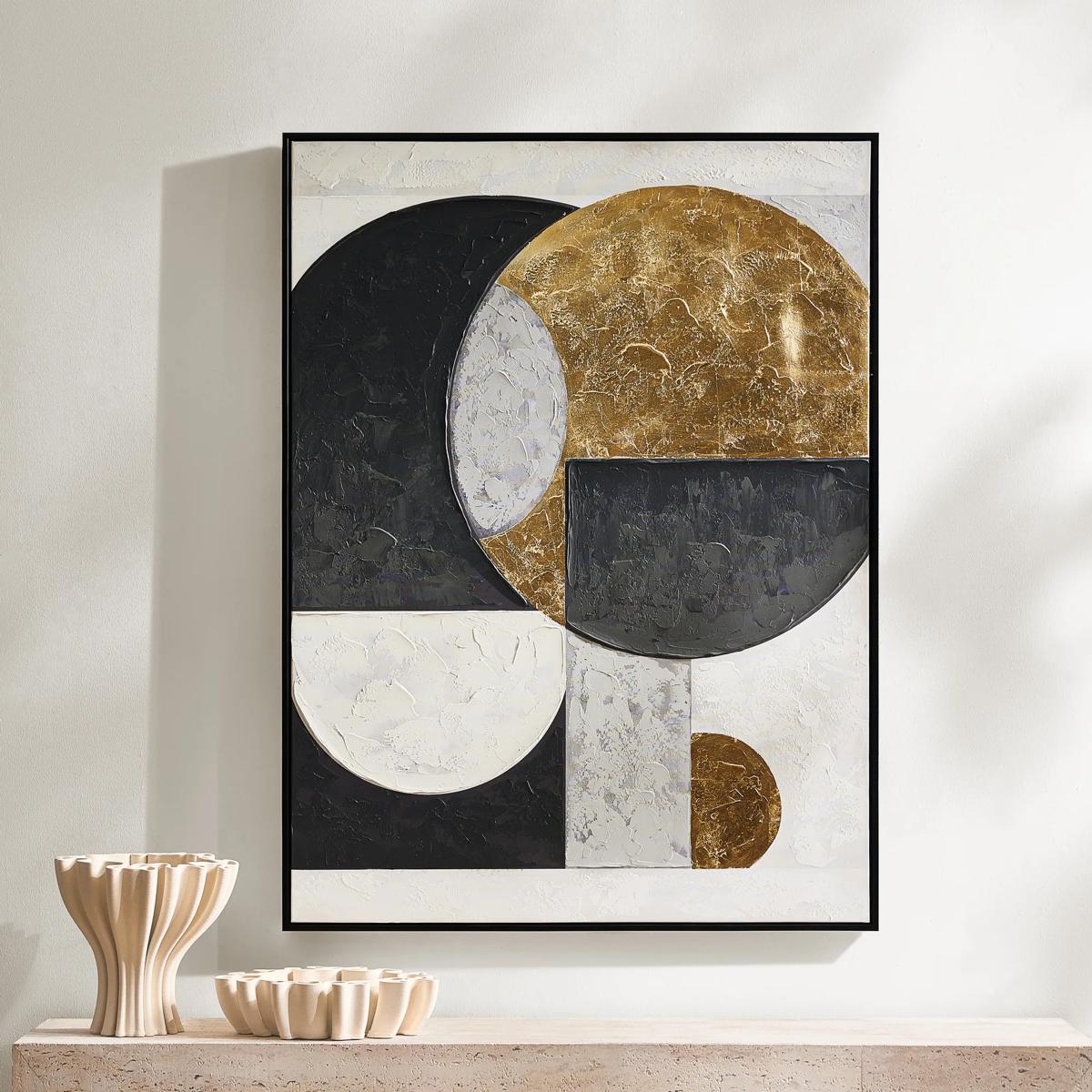 Eclipse Framed Gold Leaf Painted Wall Art 35.25" x 47.25"$449
A hand-painted canvas featuring bold black, grey, and gold geometric shapes with shimmering gold leaf accents.
Add To Cart -
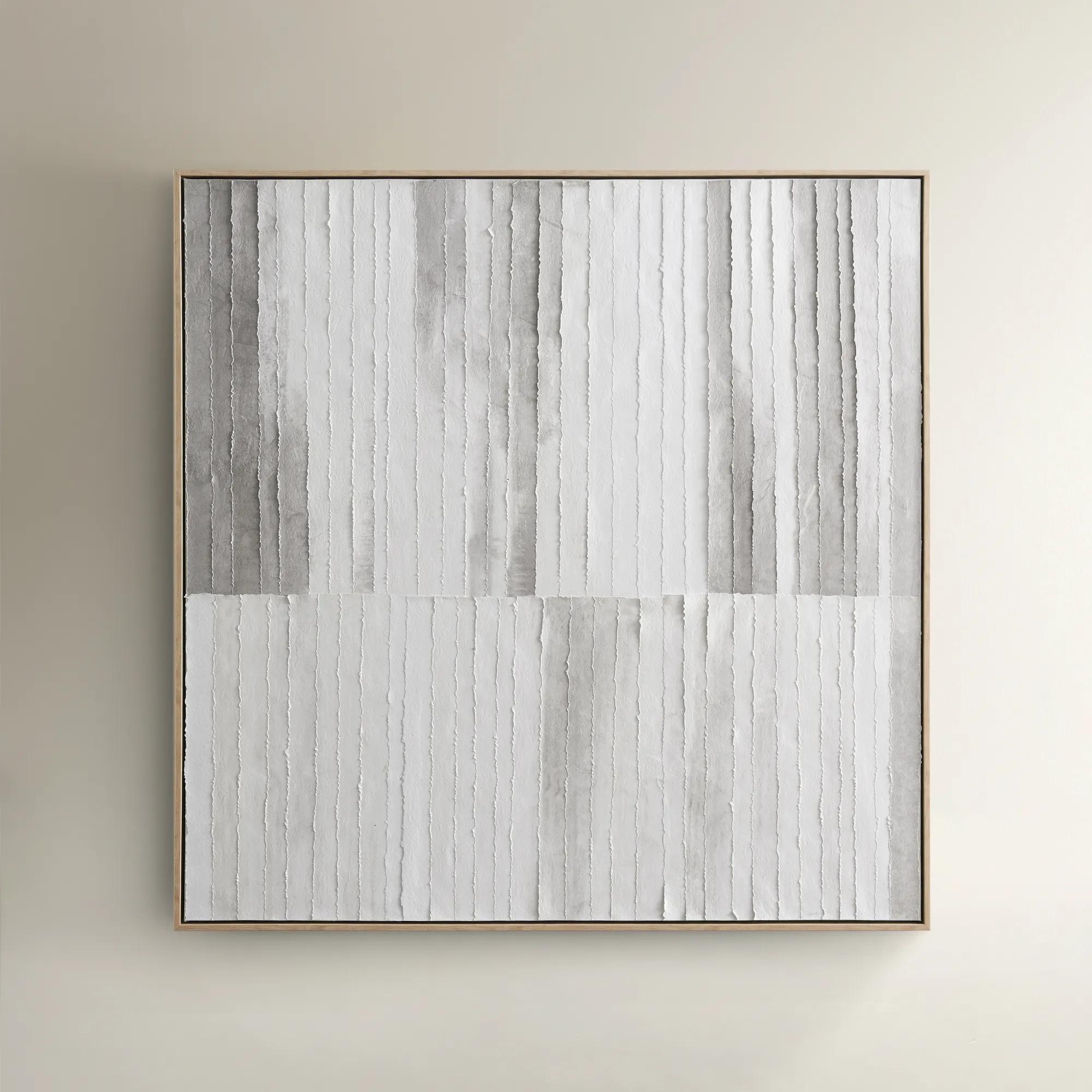
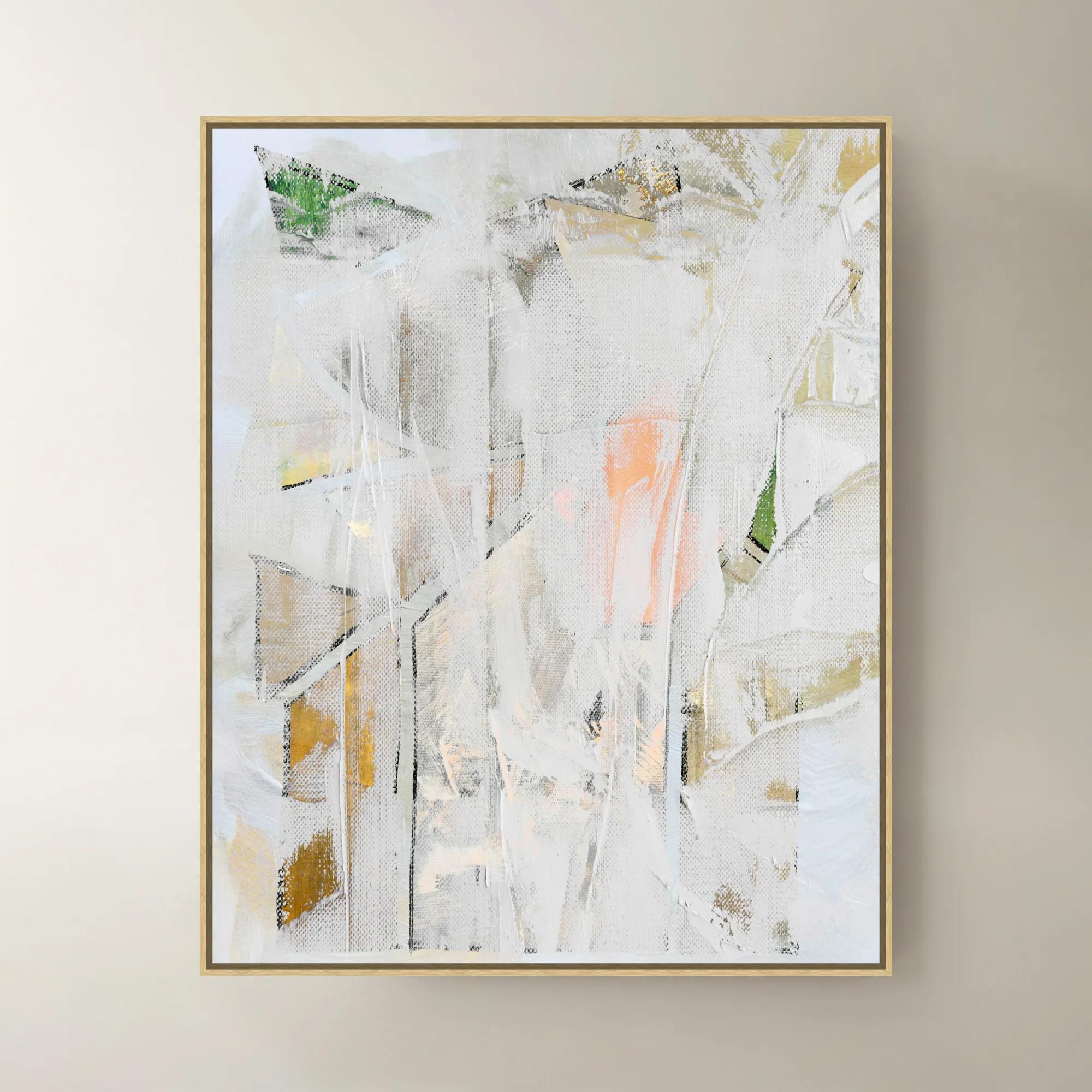
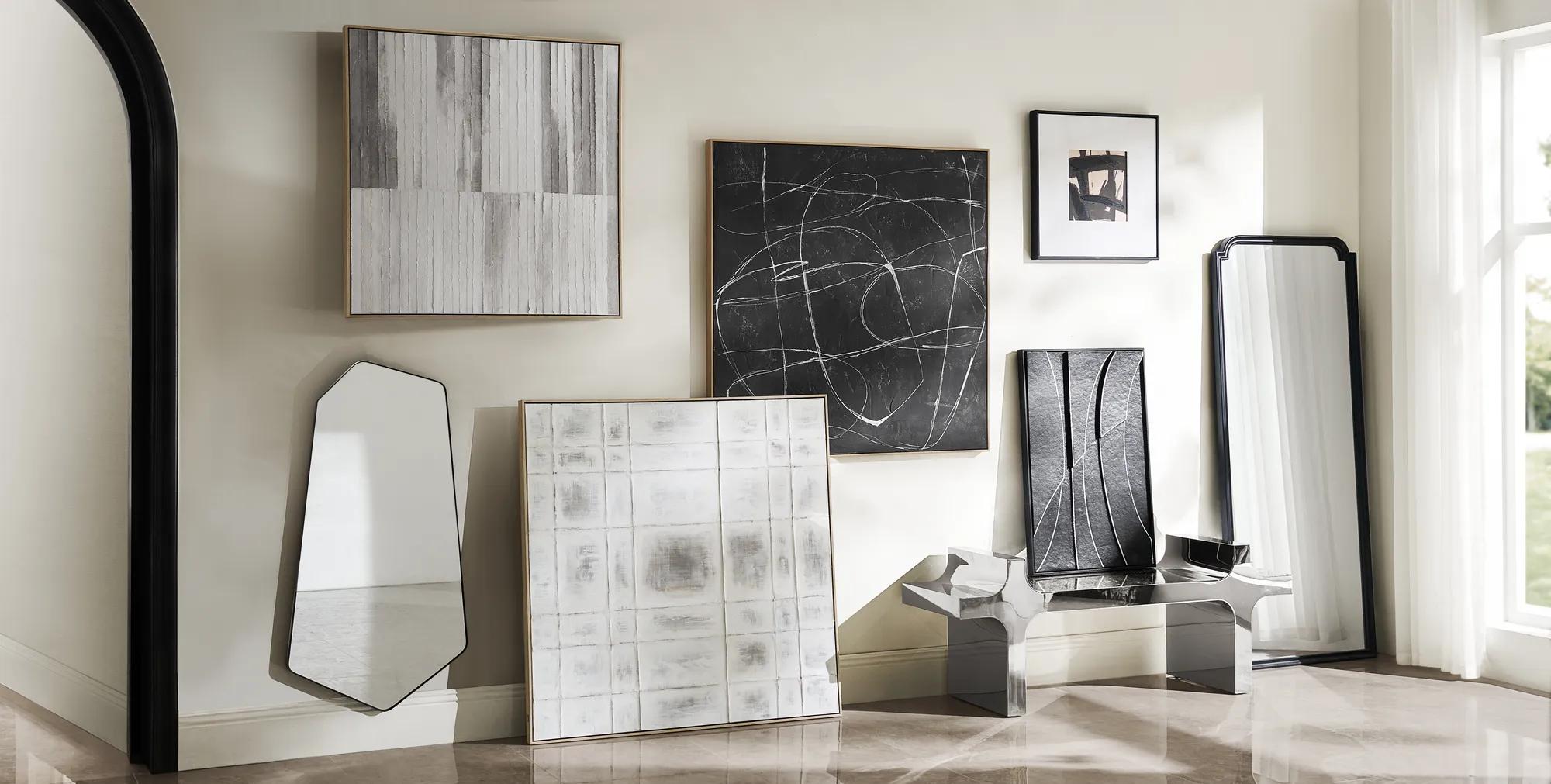 Morning Mist Paper Art$329
A hand-painted canvas featuring rhythmic grey lines in a textured, whitewashed floater frame for serene style.
Add To Cart -
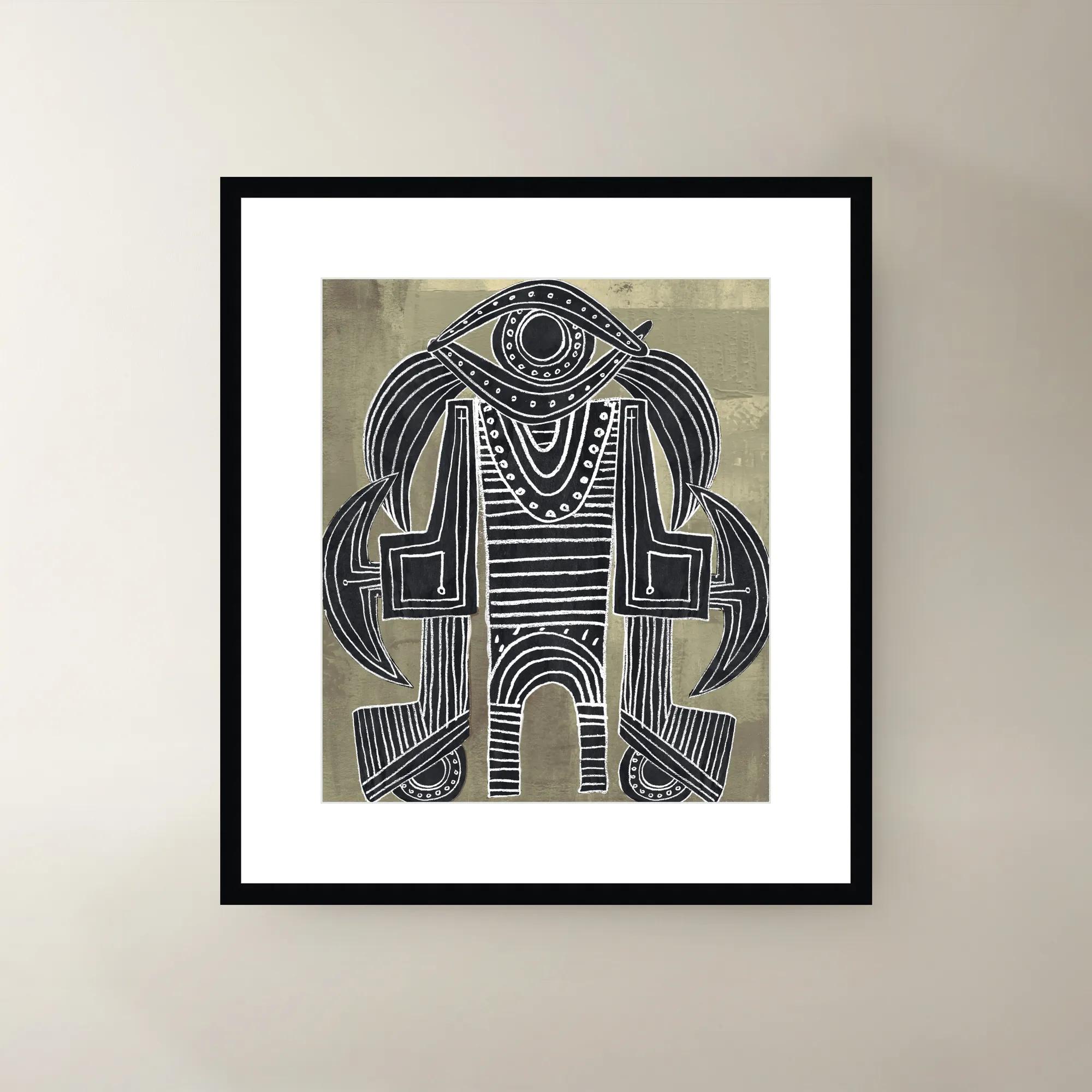
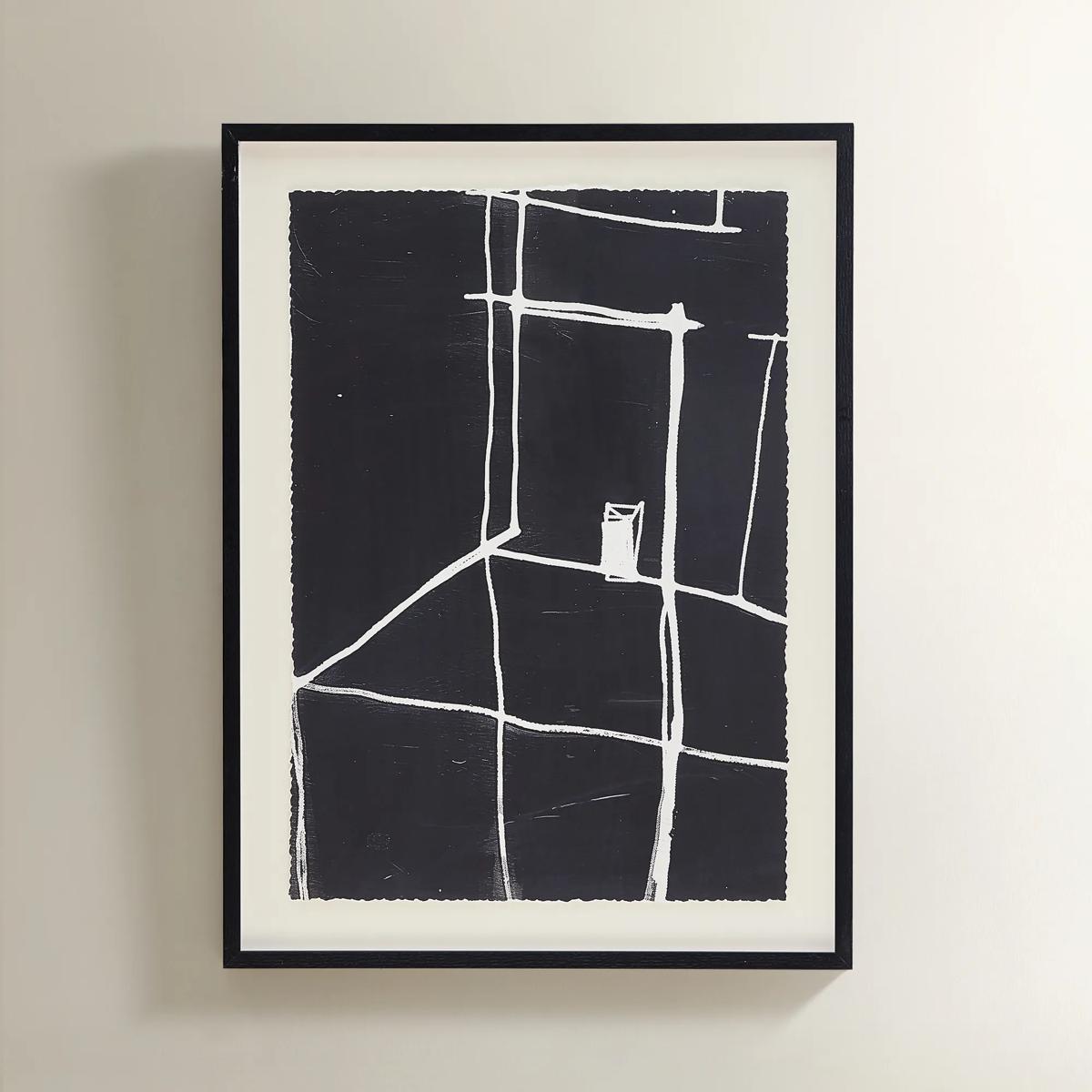 Solitude Art$269
A minimalist black-and-white abstract print featuring bold white lines in a sleek black polyresin frame.
Add To Cart -
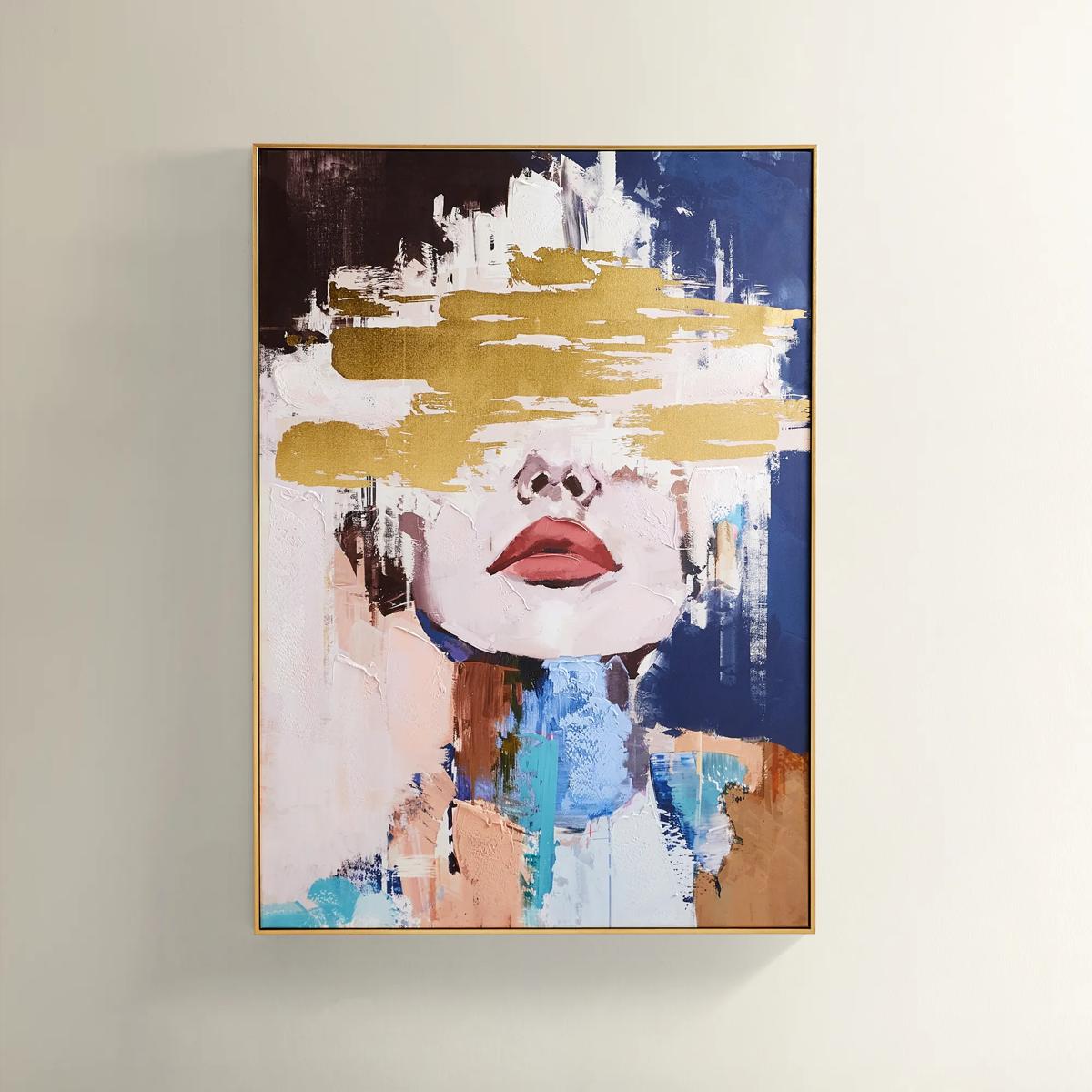
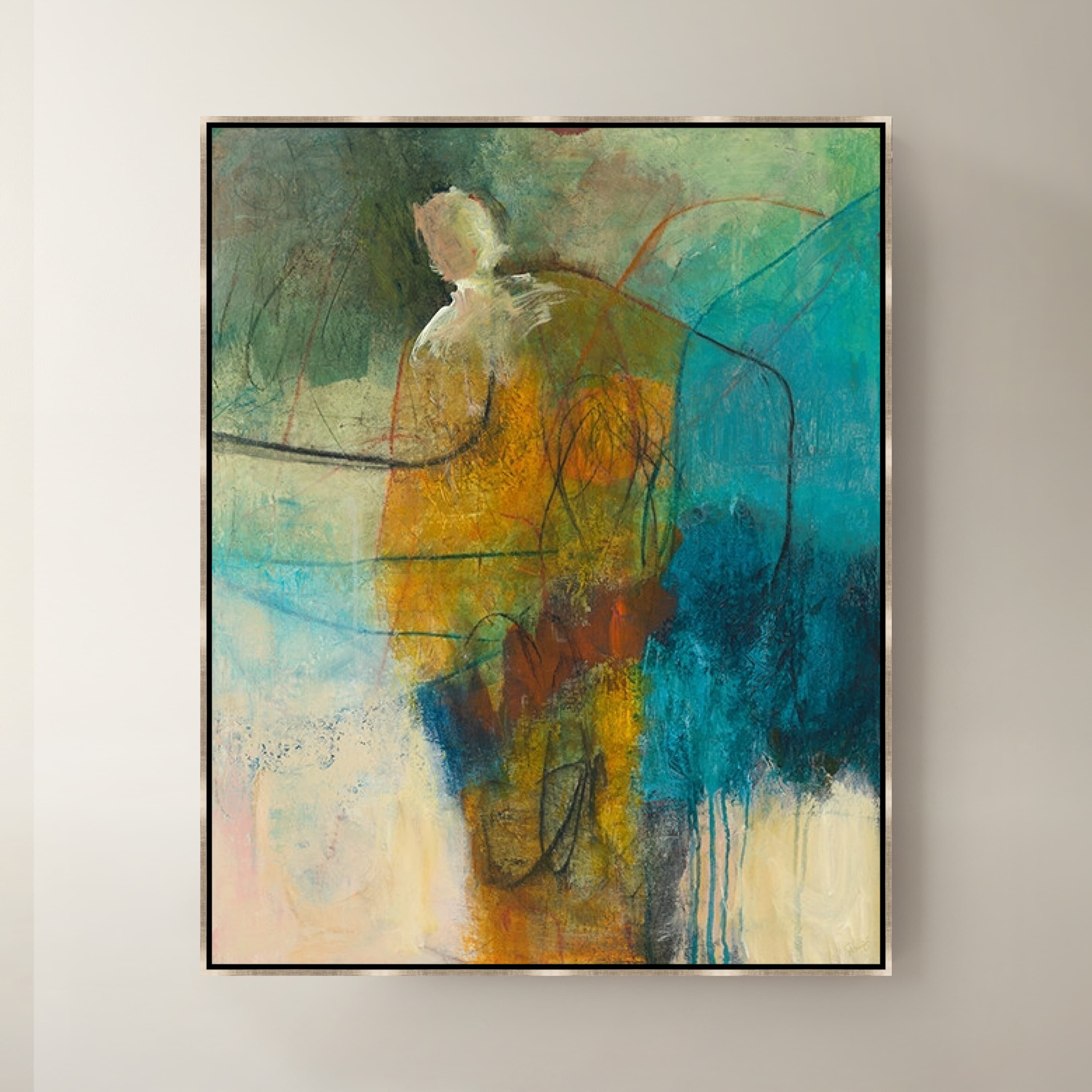
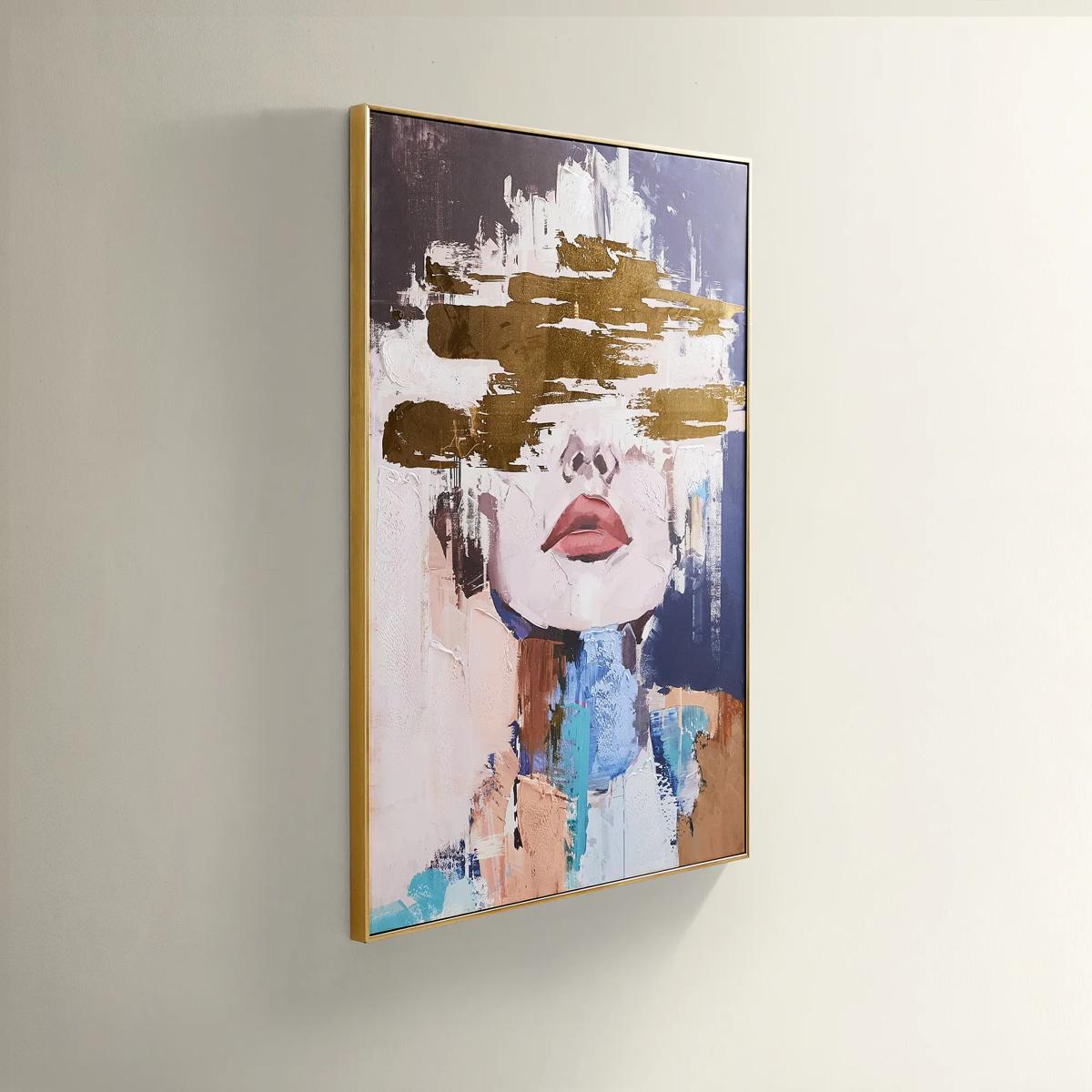 Waiting in Color Gold Foil Painted Wall Art 39.25" x 55"$499
A hand-painted abstract portrait in vivid blue, blush, and gold foil, framed in luxe gold.
Add To Cart -
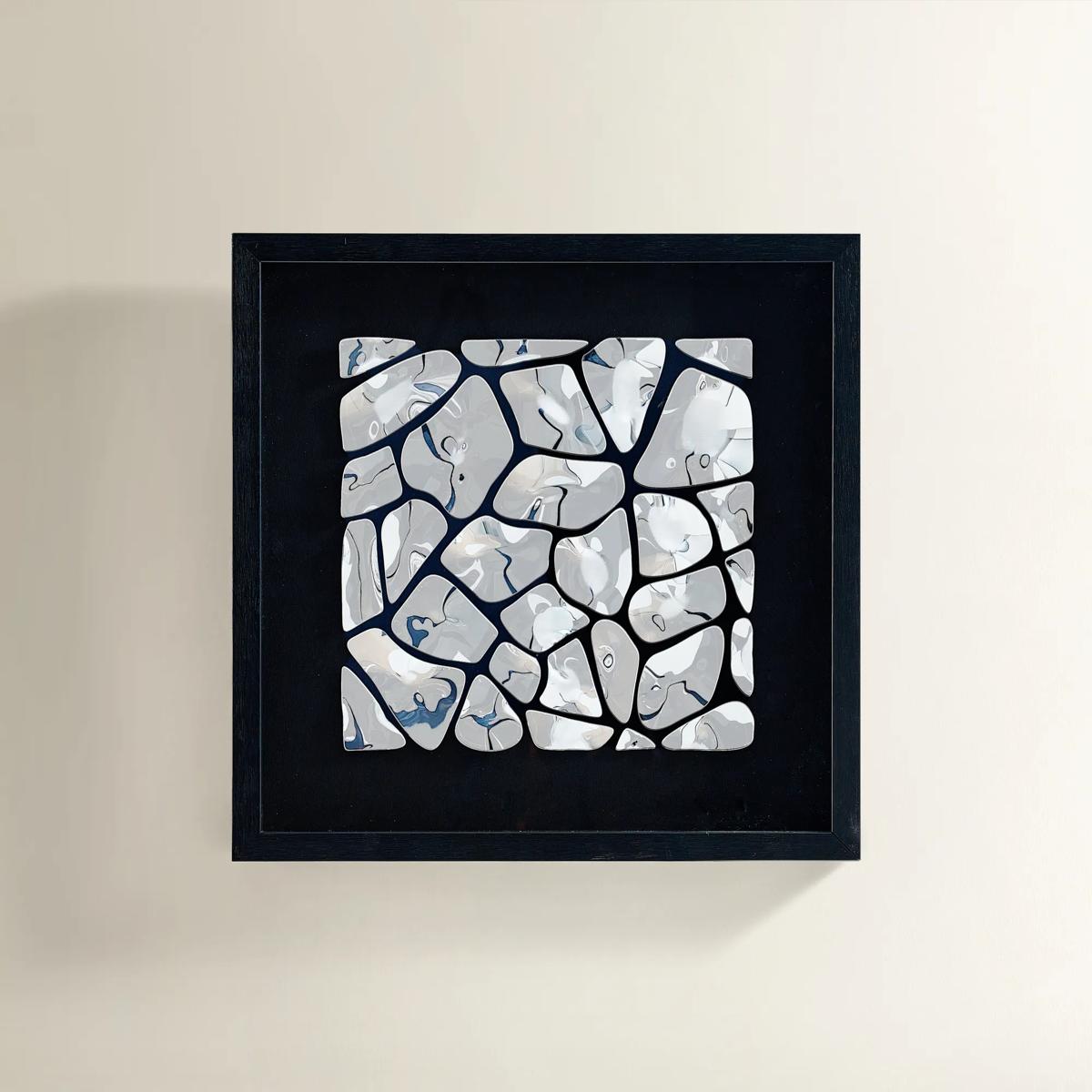 Reflect Silver And Black Shadowbox Art I$189
A dimensional metal wall art piece featuring polished silver and black forms in a sleek black frame.
Add To Cart -
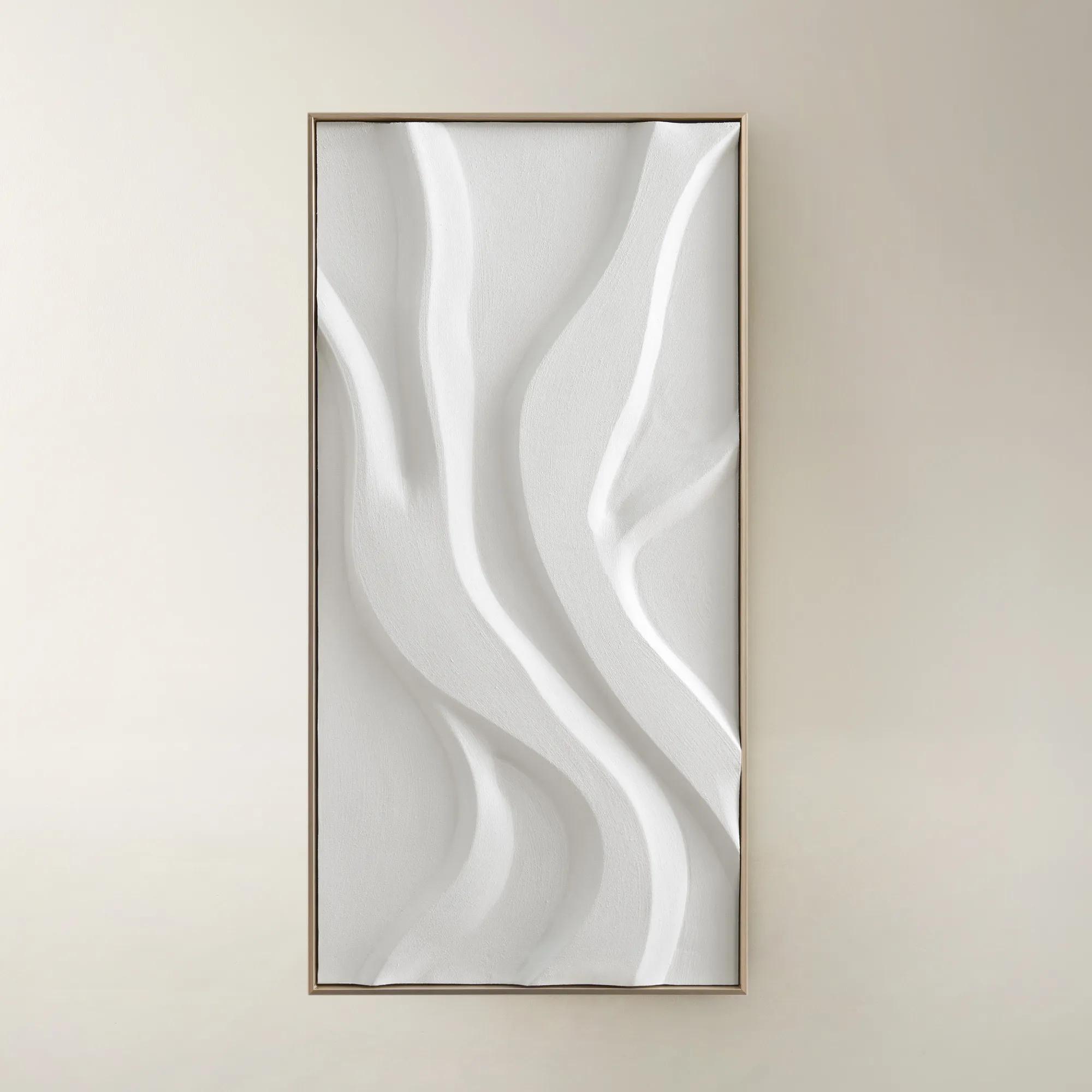
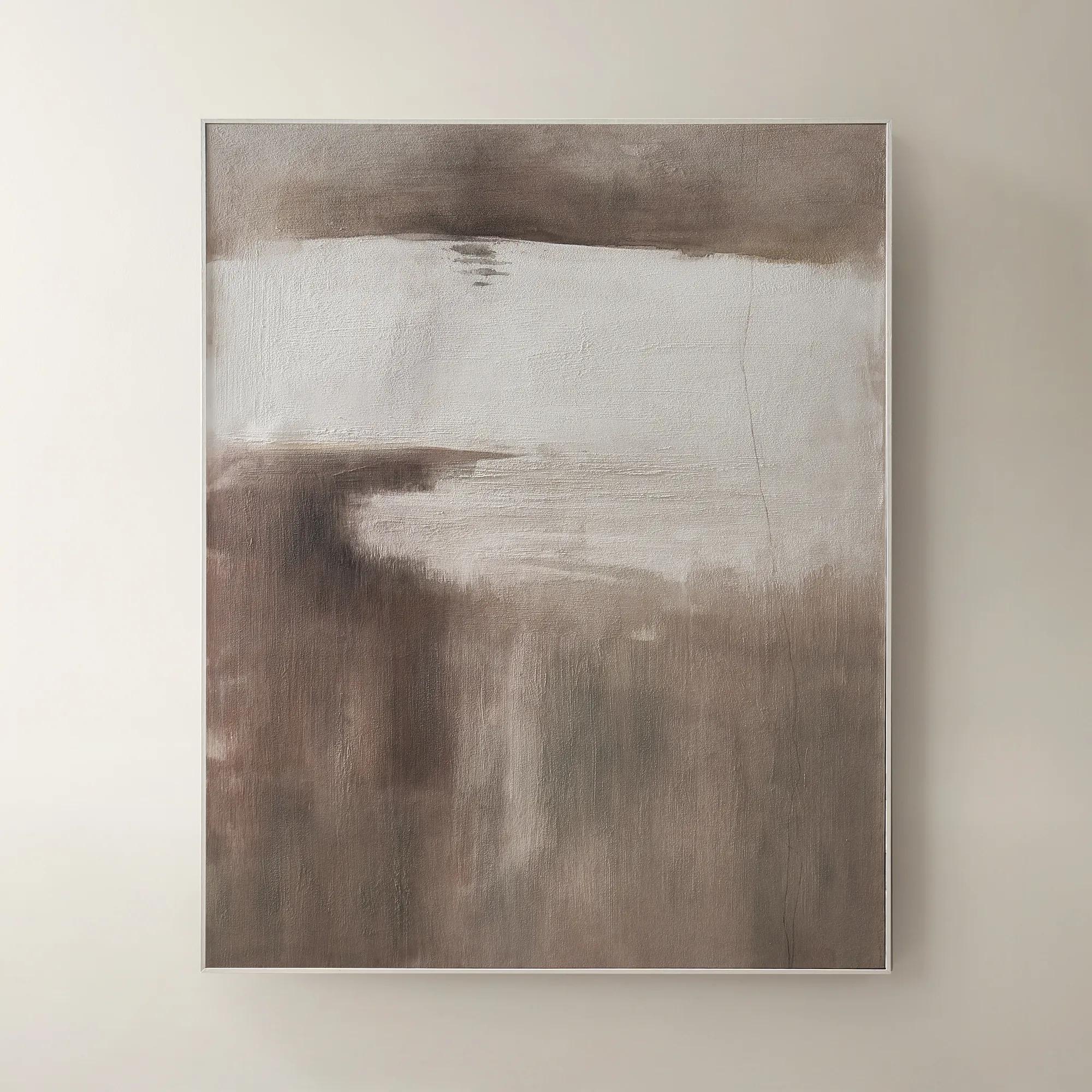
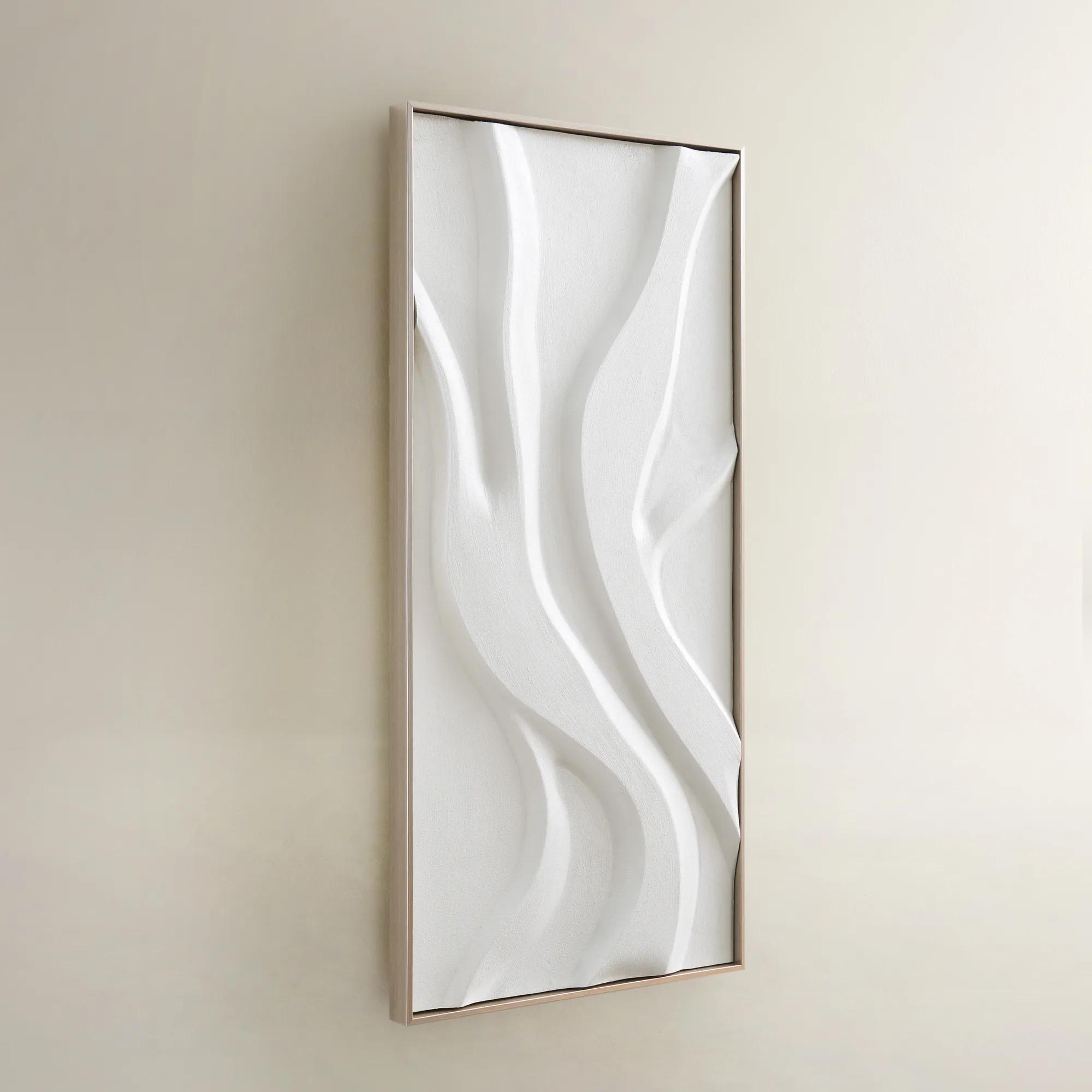 Au Lait Framed Painted Wall Art I 47.2" x 23.6"$199
An organic hand-painted canvas featuring flowing white forms in a warm champagne finish floater frame.
Add To Cart -
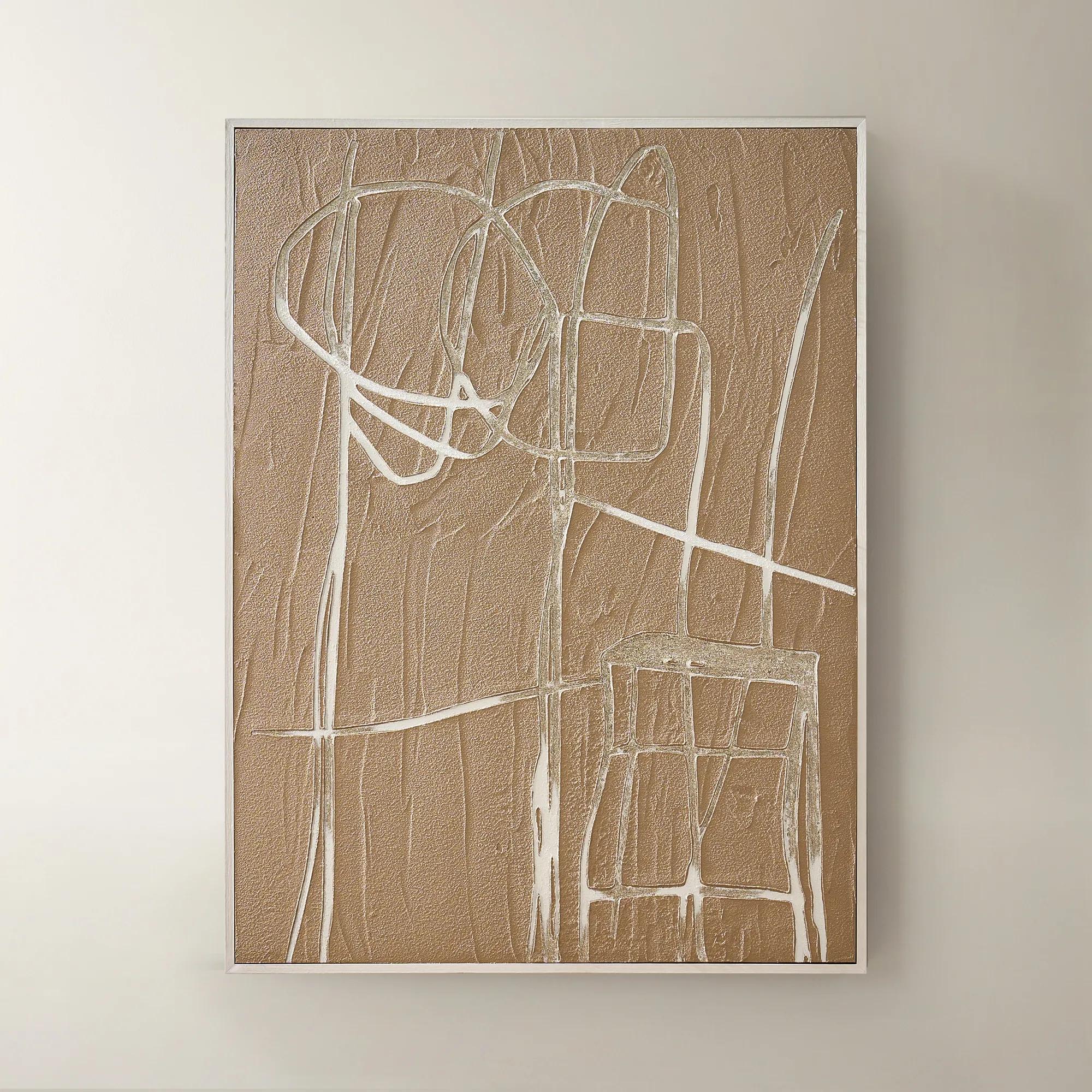
-compressed.jpg?w=1200&h=1200) Etched in Gold$229
Etched in Gold$229A hand-carved gold copper artwork set in a sleek black alloy frame for modern contrast.
Add To Cart -
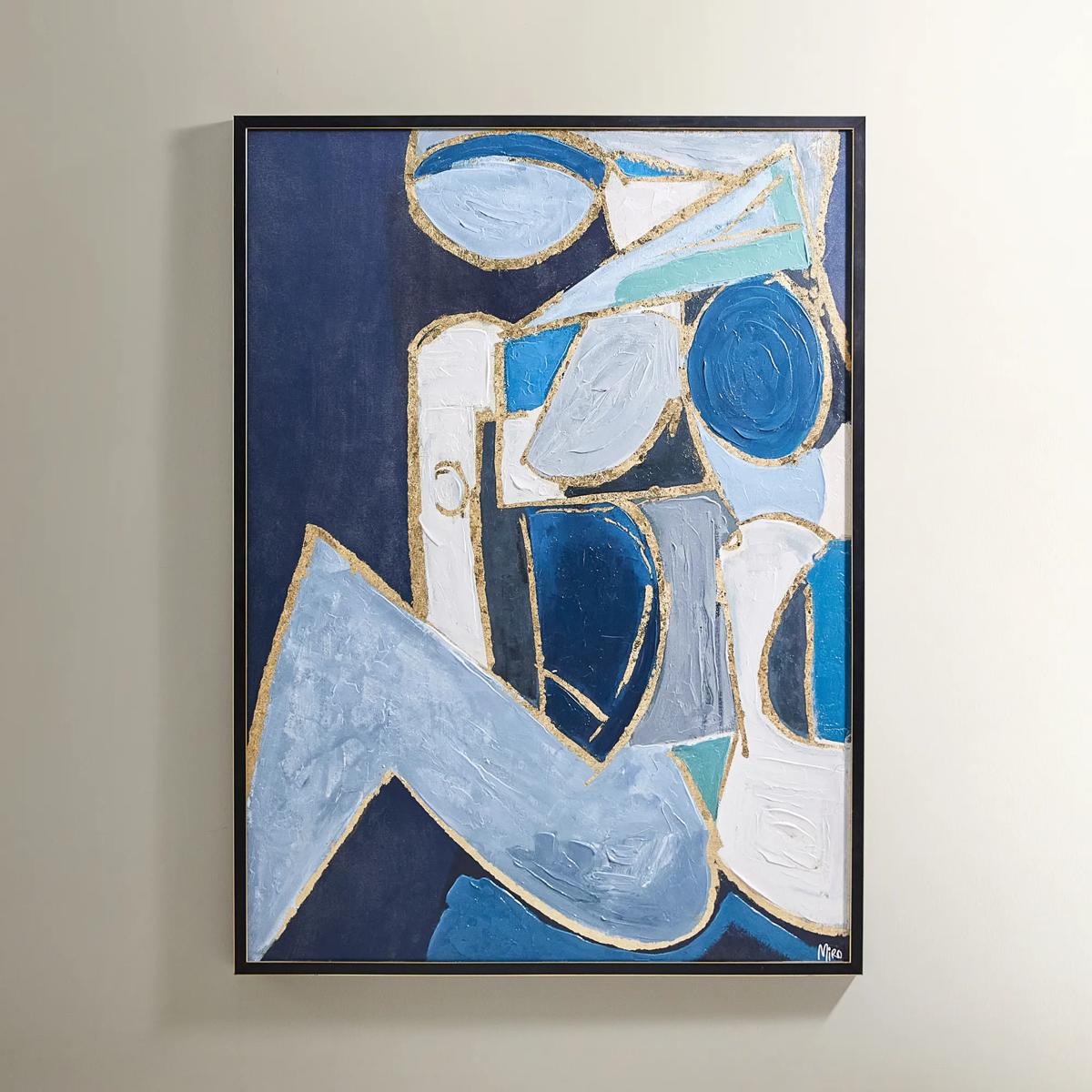
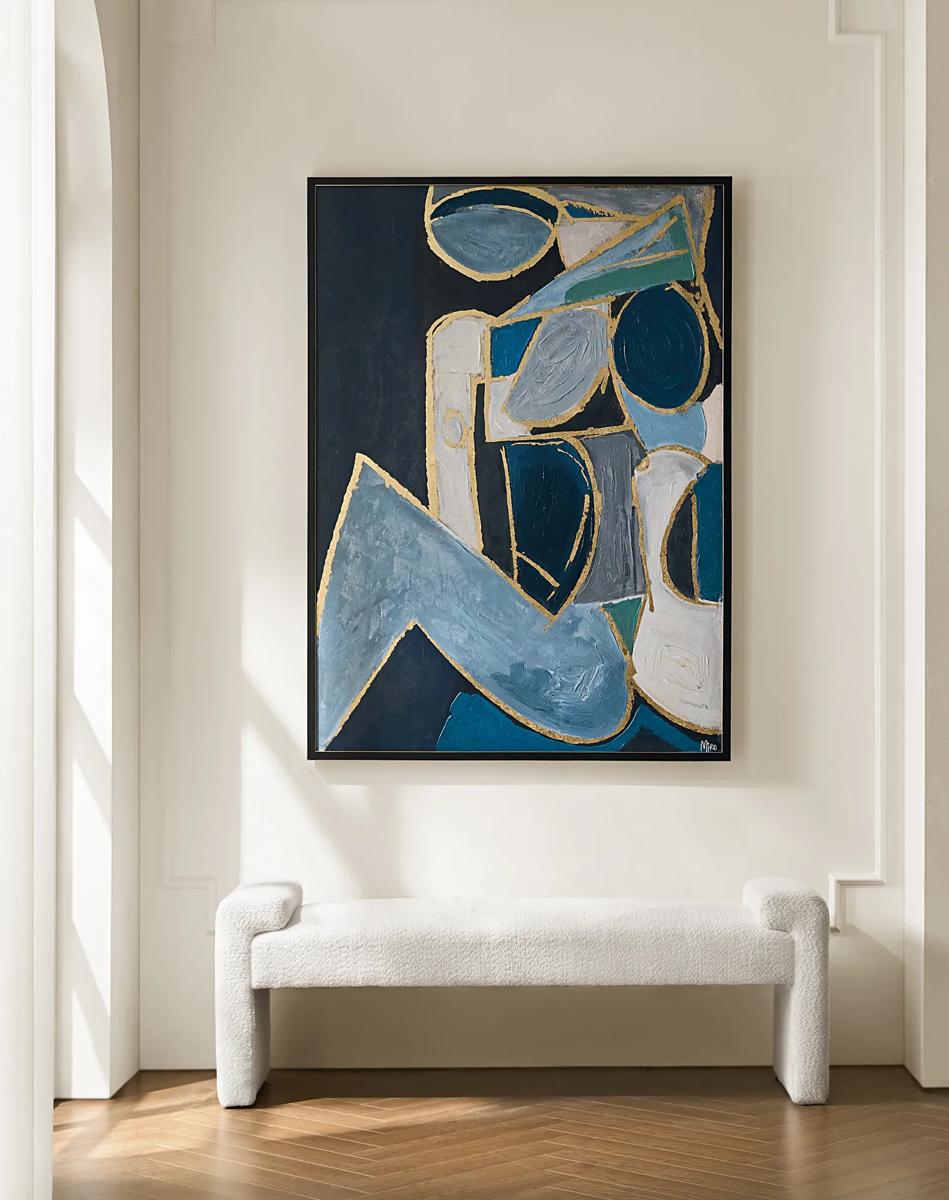 Figure in Cubism Painting$599
A hand-embellished canvas artwork featuring blue, gold, and white hues with elegant silver foil accents.
Add To Cart -
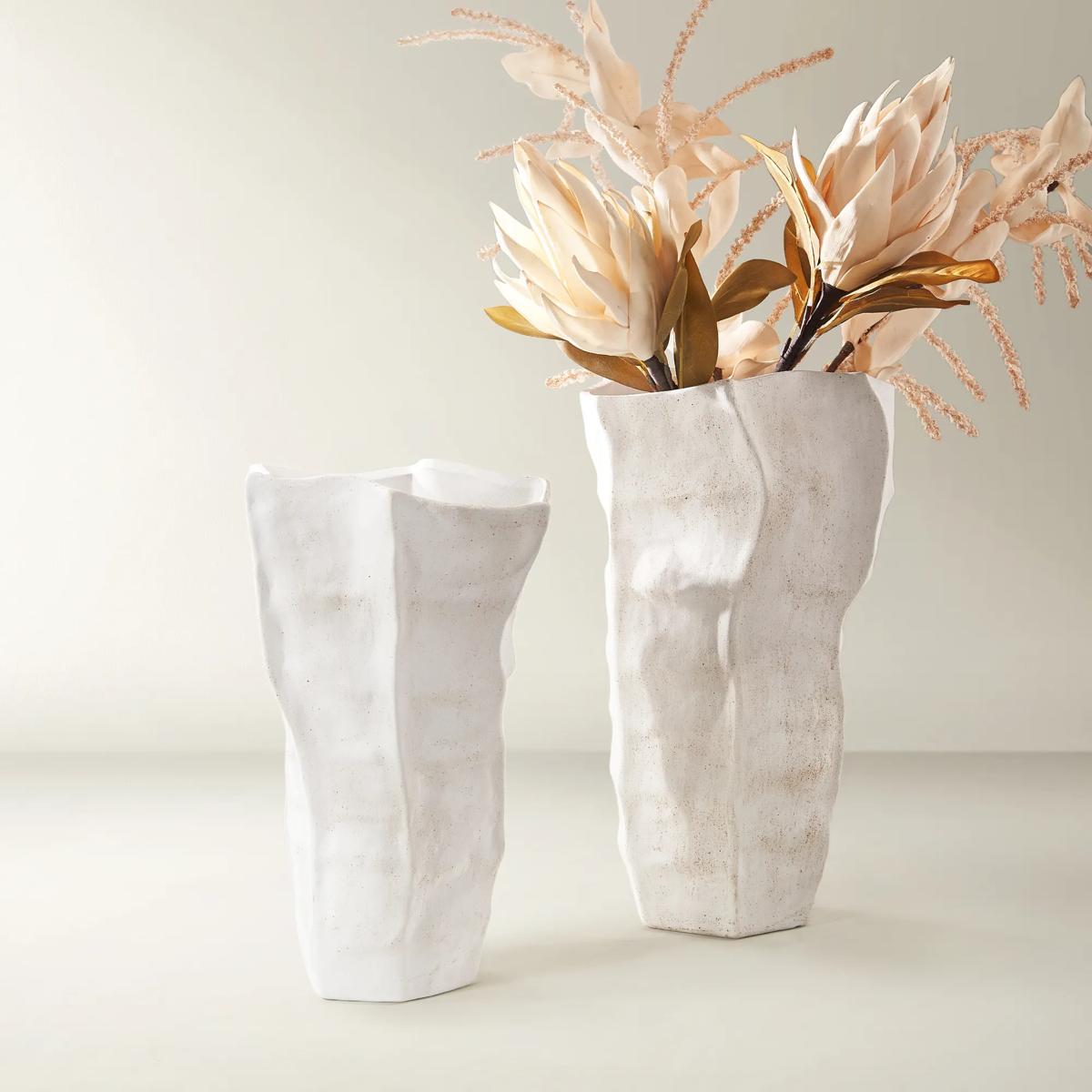 Kira Porcelain Vase$169
A sculptural matte white porcelain vase with a fluid, faceted design for modern, minimalist decor.
Add To Cart -
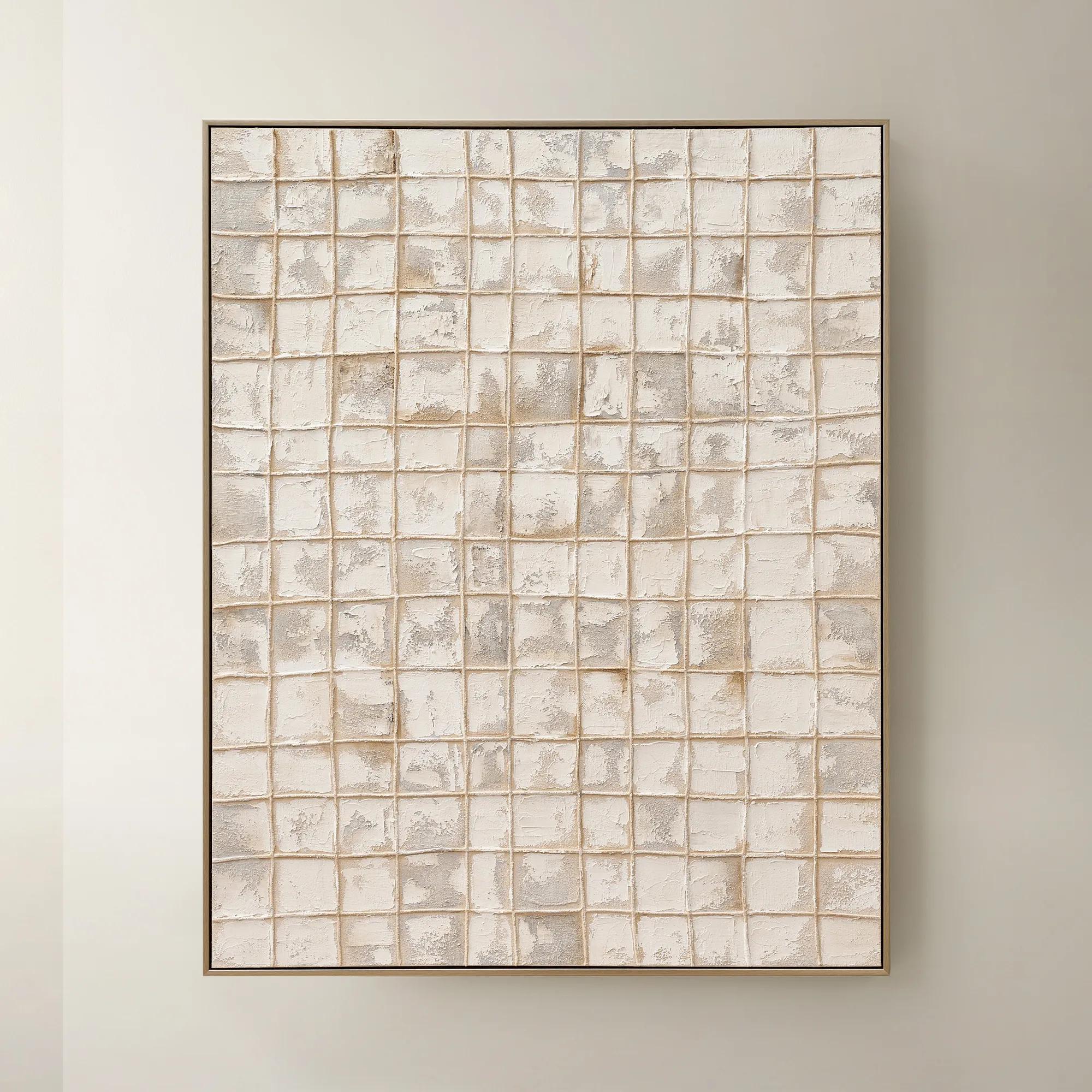
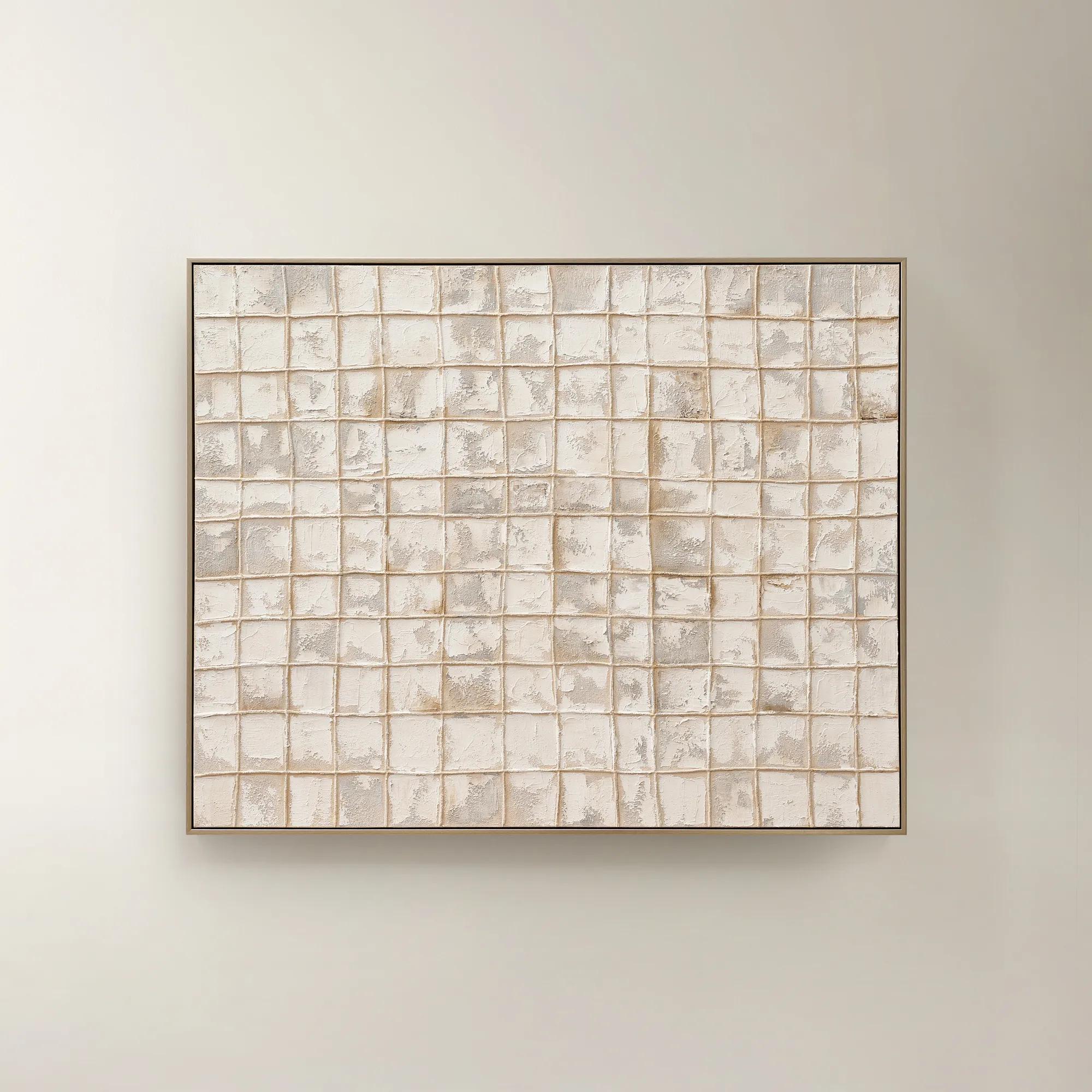 Painted Echos Framed Gold Leaf Wall Art 60" x 48"$699
A hand-painted abstract canvas with gold leaf accents and a champagne frame for modern, versatile display.
Add To Cart -
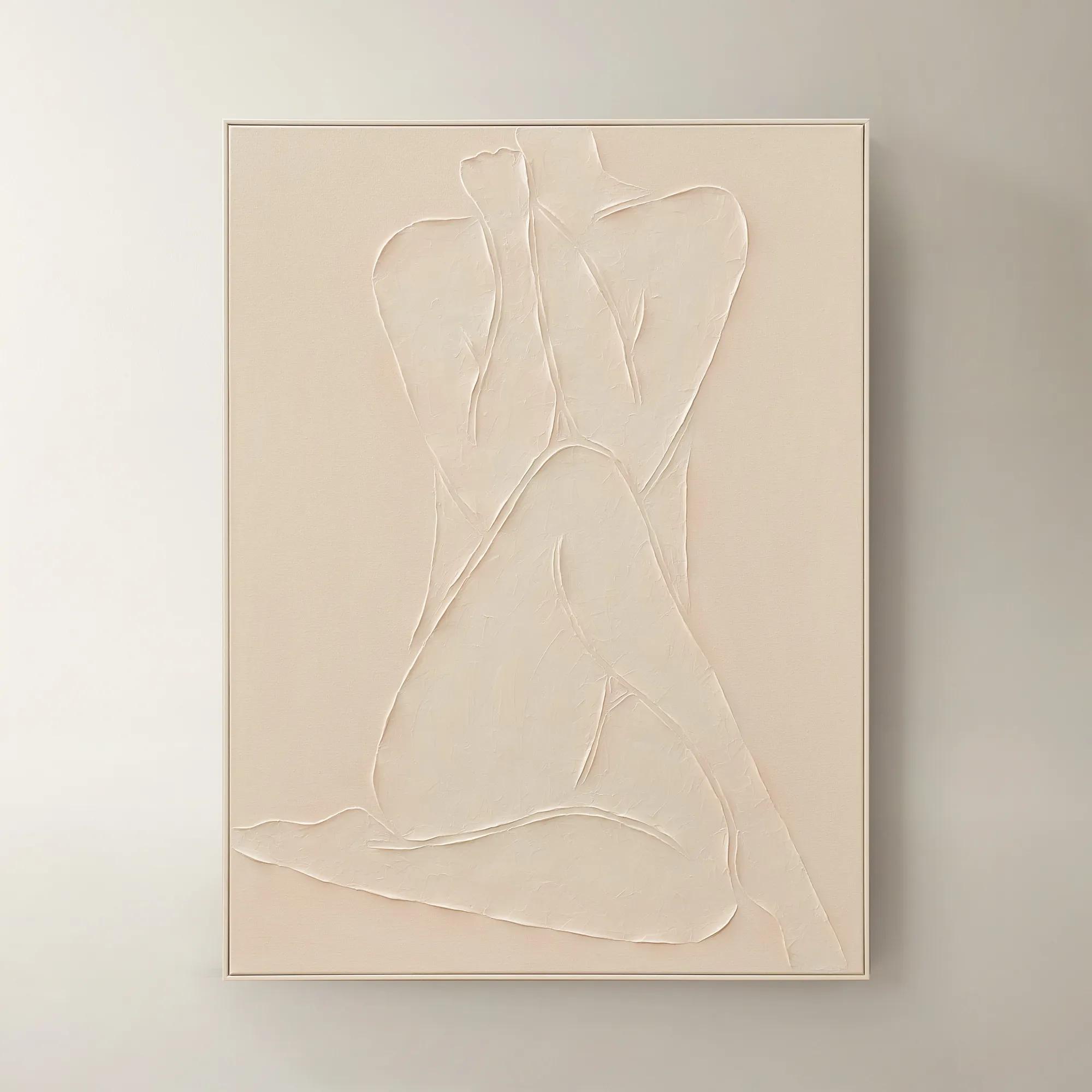
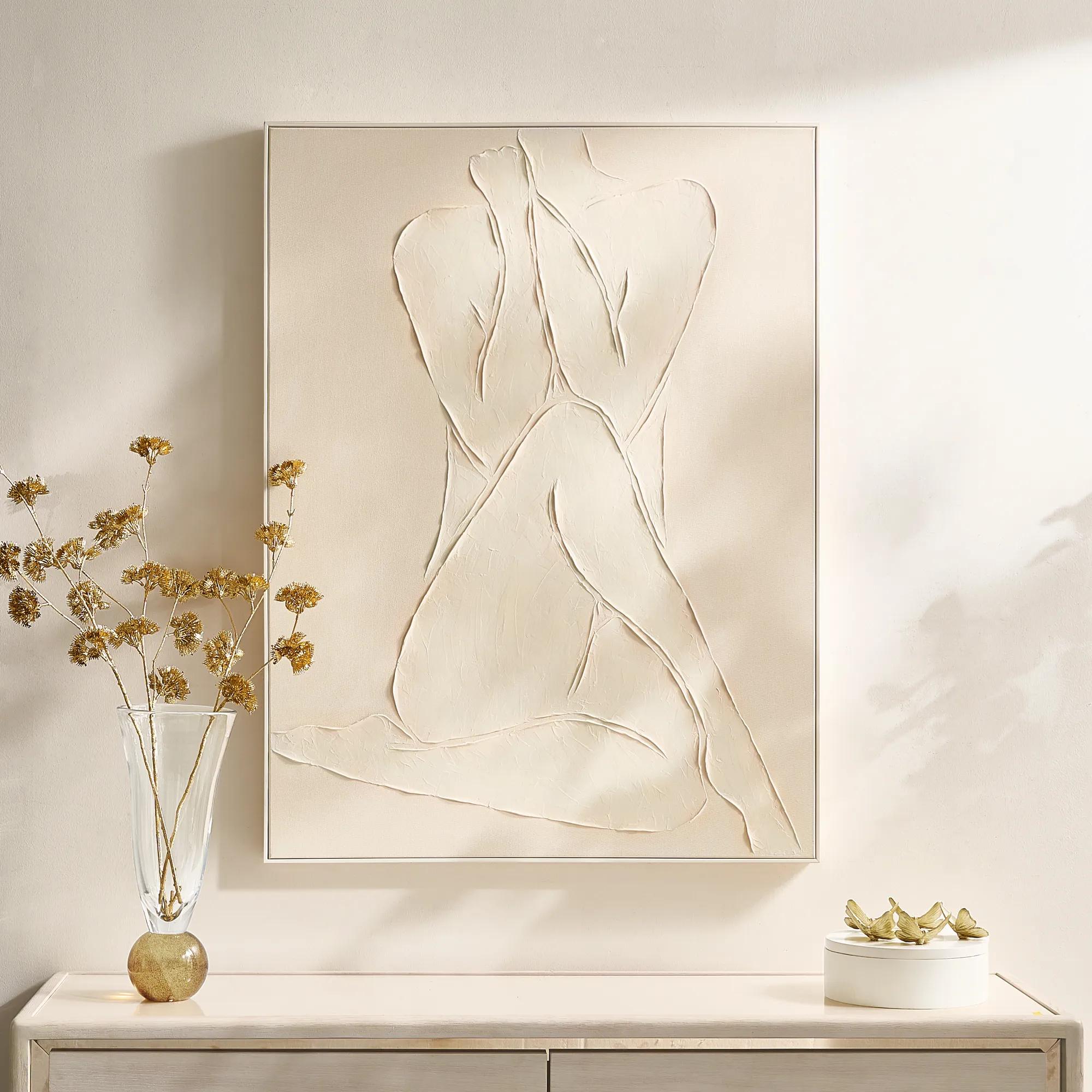 Modern Elegance Nude Ivory Framed Painted Wall Art 35.5" x 47.25"$599
A hand-painted ivory canvas in a white frame brings serene, modern artistry to any space.
Add To Cart -
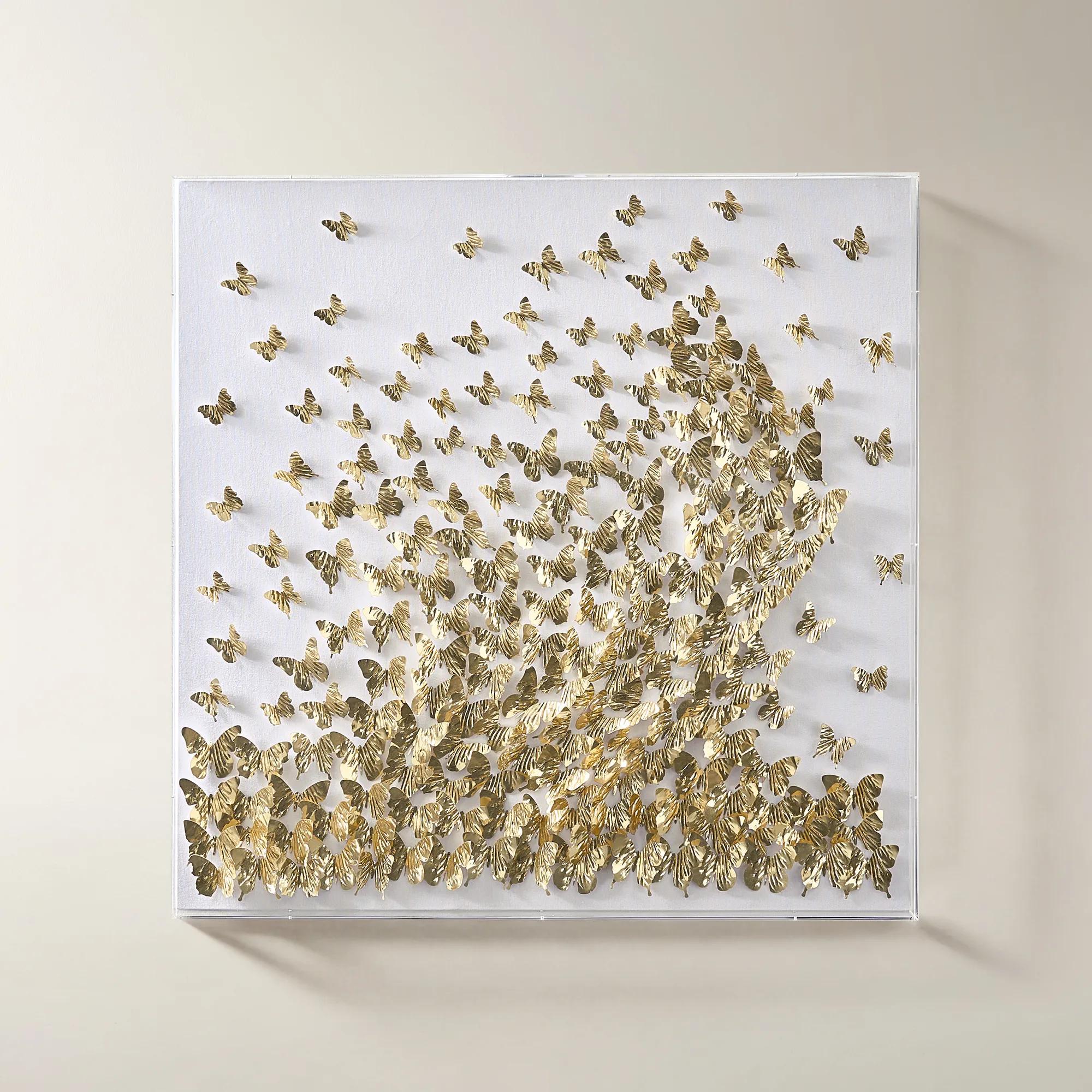
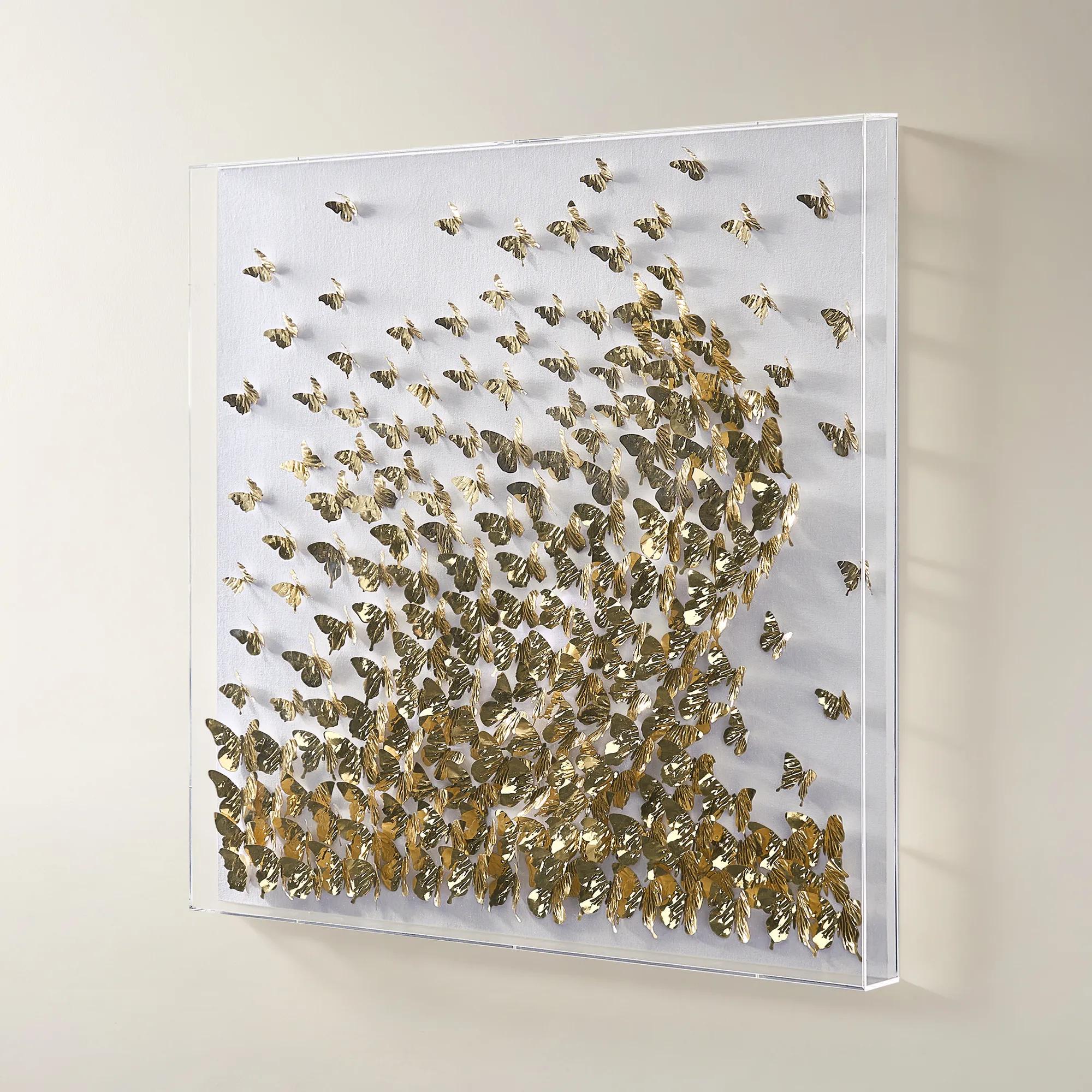 Butterfly Mist Handmade Gold Foil Wall Decor in Acrylic 39.25" x 39.25"$799
A sculptural wall art piece featuring handmade gold foil paper butterflies on linen, encased in a clear acrylic box.
Add To Cart -
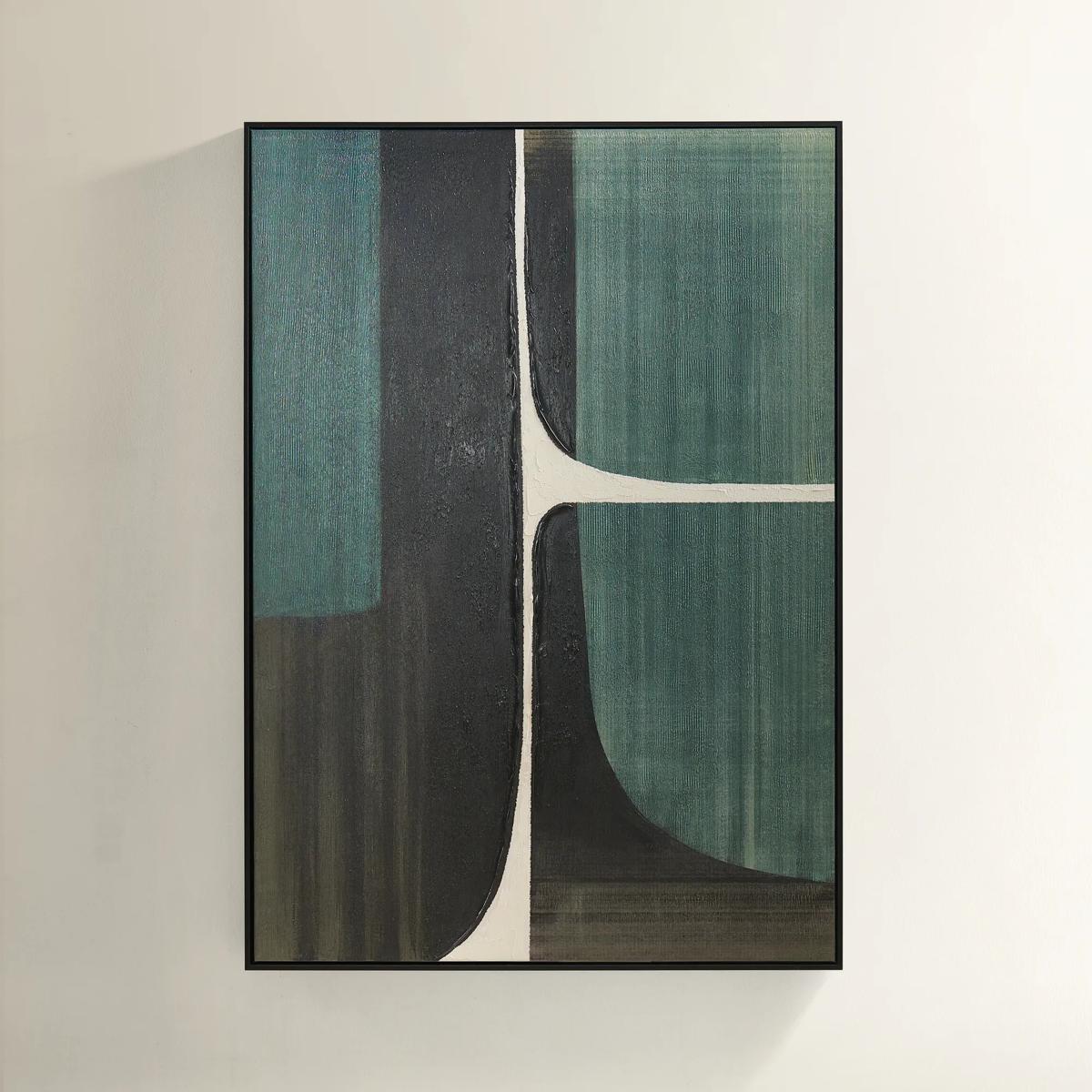 Plains Framed Painted Wall Art 39.25" x 55"$499
A hand-painted abstract canvas in forest green, ivory, and black with a sleek black floater frame.
Add To Cart -
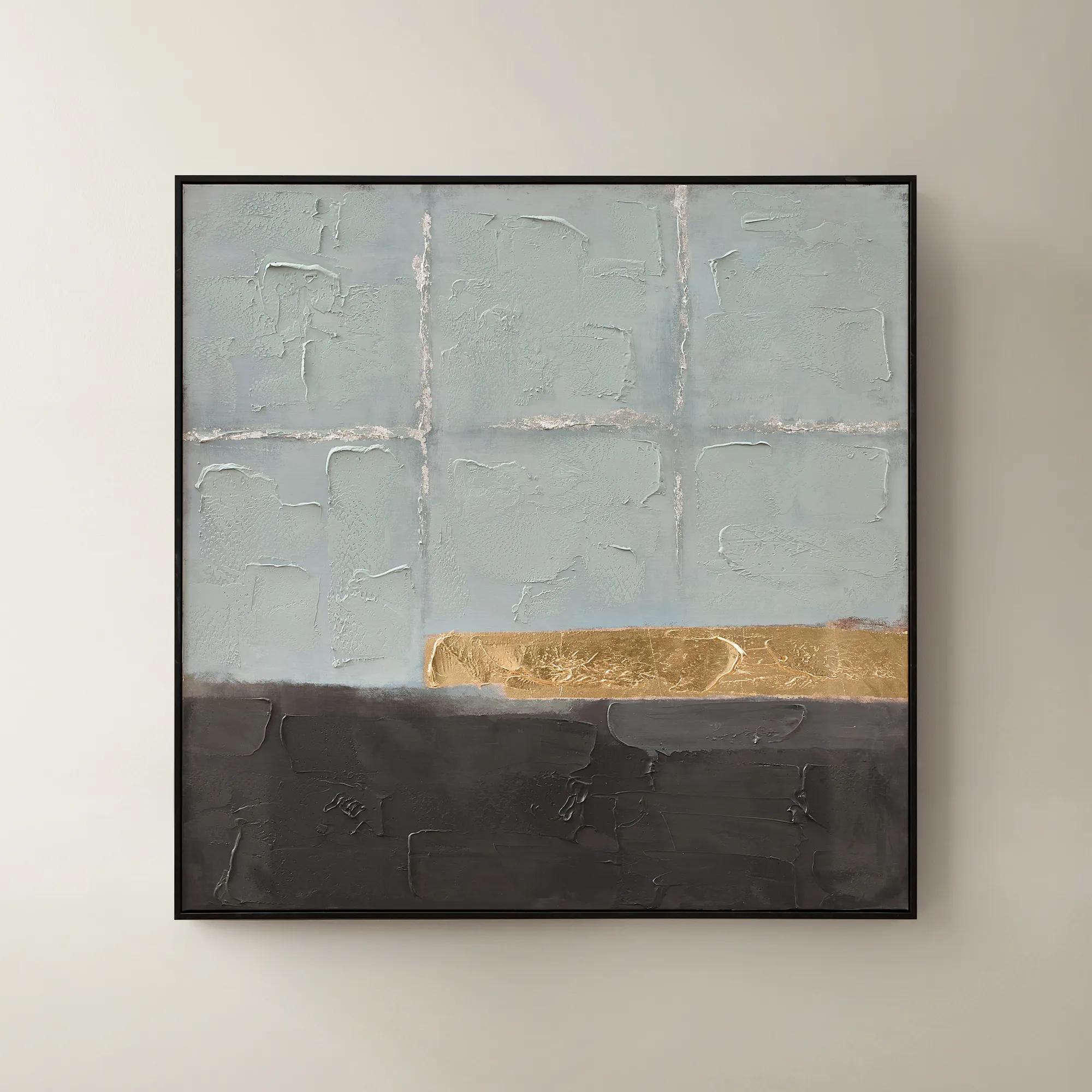
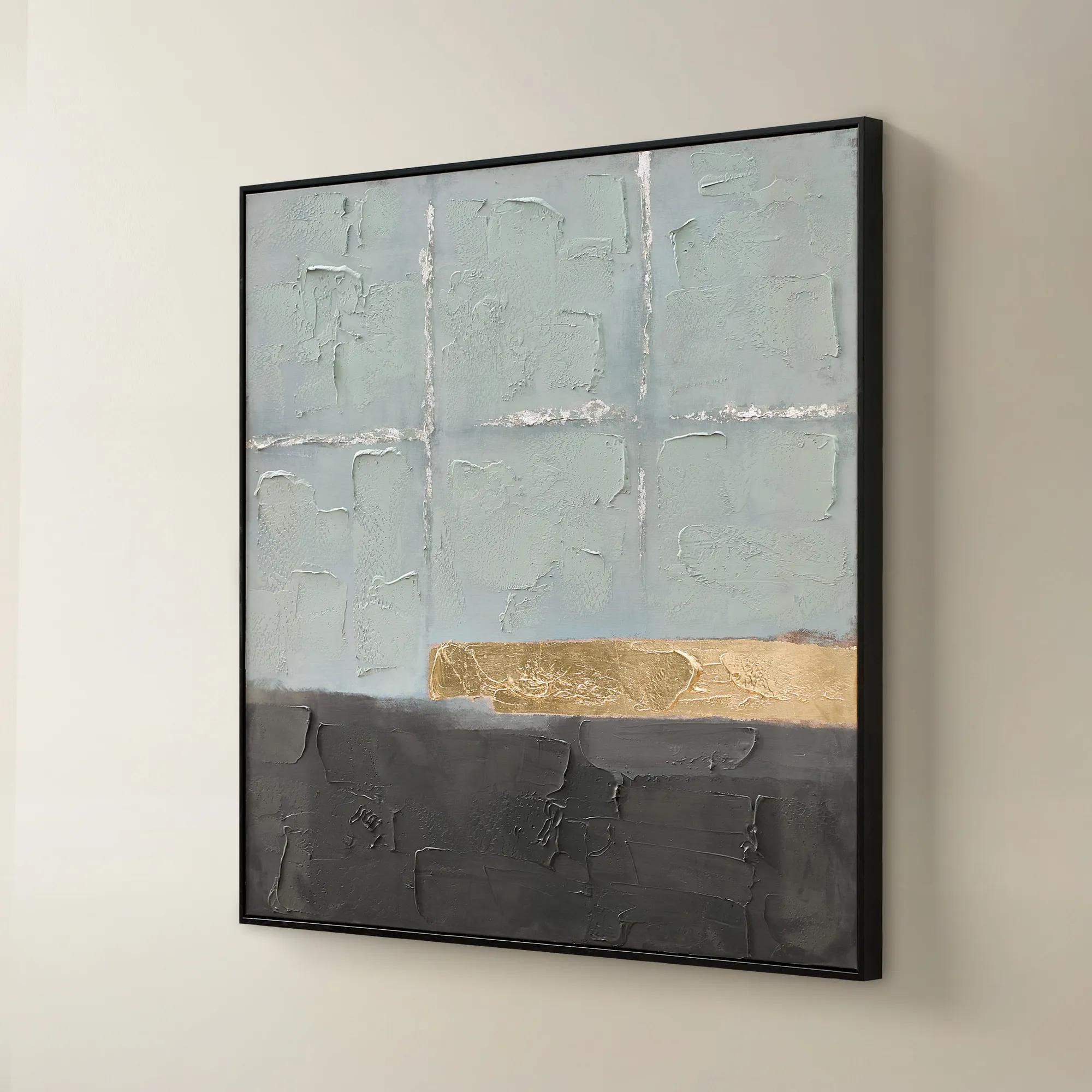 Jules Framed Gold Leaf Painted Wall Art 40" x 40"$299
A hand-painted canvas in mineral blue with gold leaf accents and a sleek black frame for modern appeal.
Add To Cart -
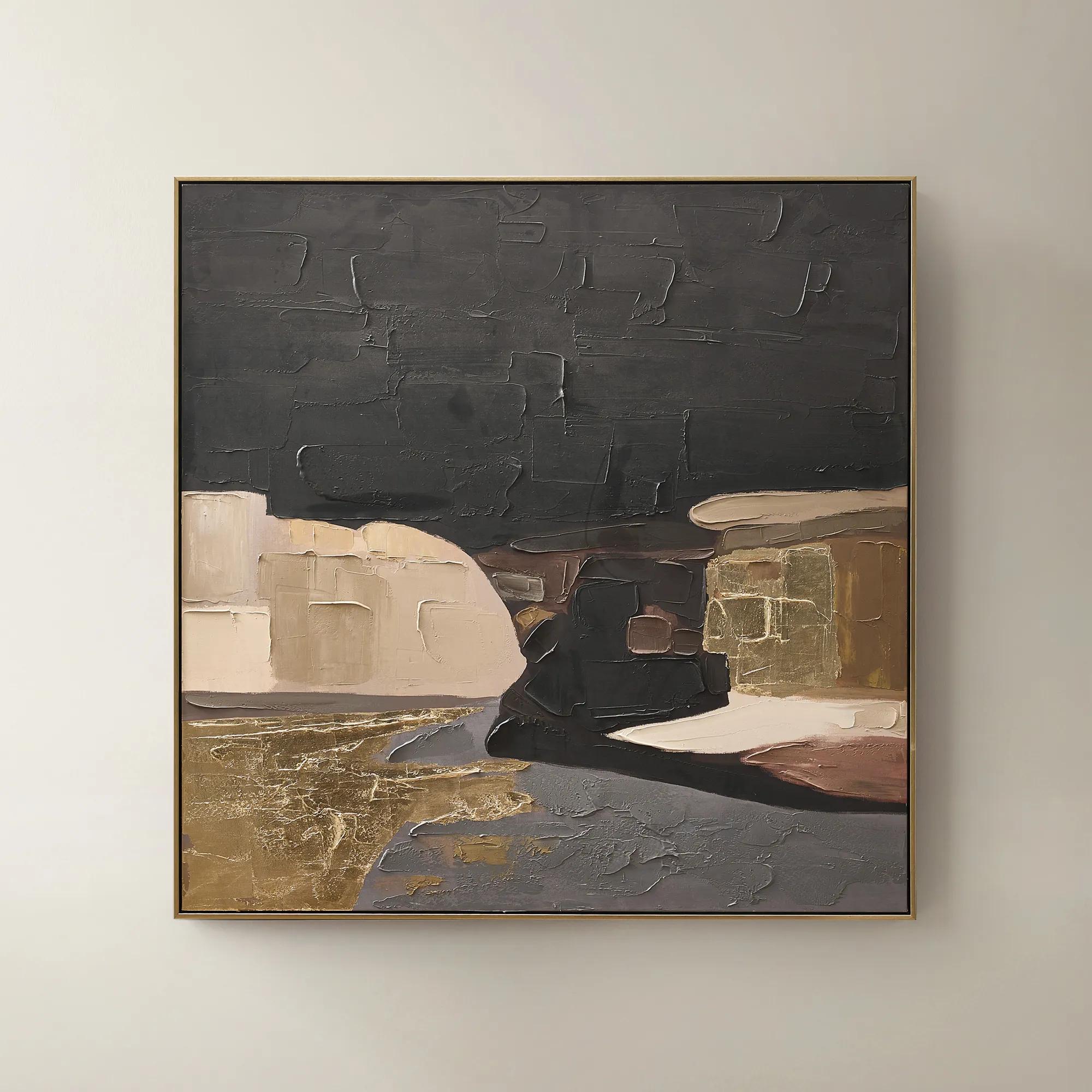 Obscured Light Framed Gold Leaf Painted Wall Art 48" x 48"$499
A hand-painted canvas with gold leaf accents and a black-gold frame in dramatic neutral tones.
Add To Cart -
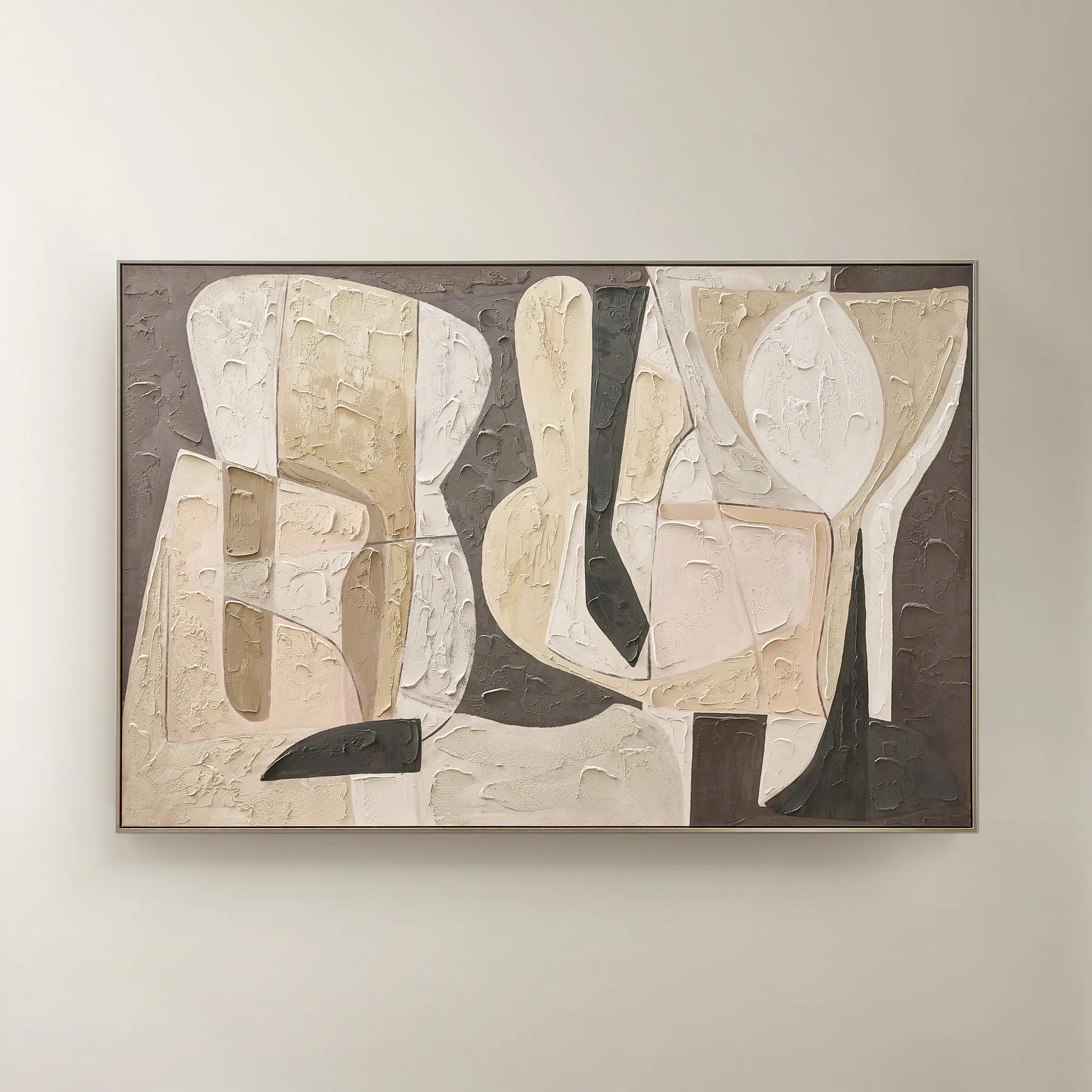 Wishful Thinking Framed Painted Wall Art 72" x 48"$599
A hand-painted abstract canvas featuring bold geometric forms and warm smoked plum, apricot, and tawny hues.
Add To Cart -
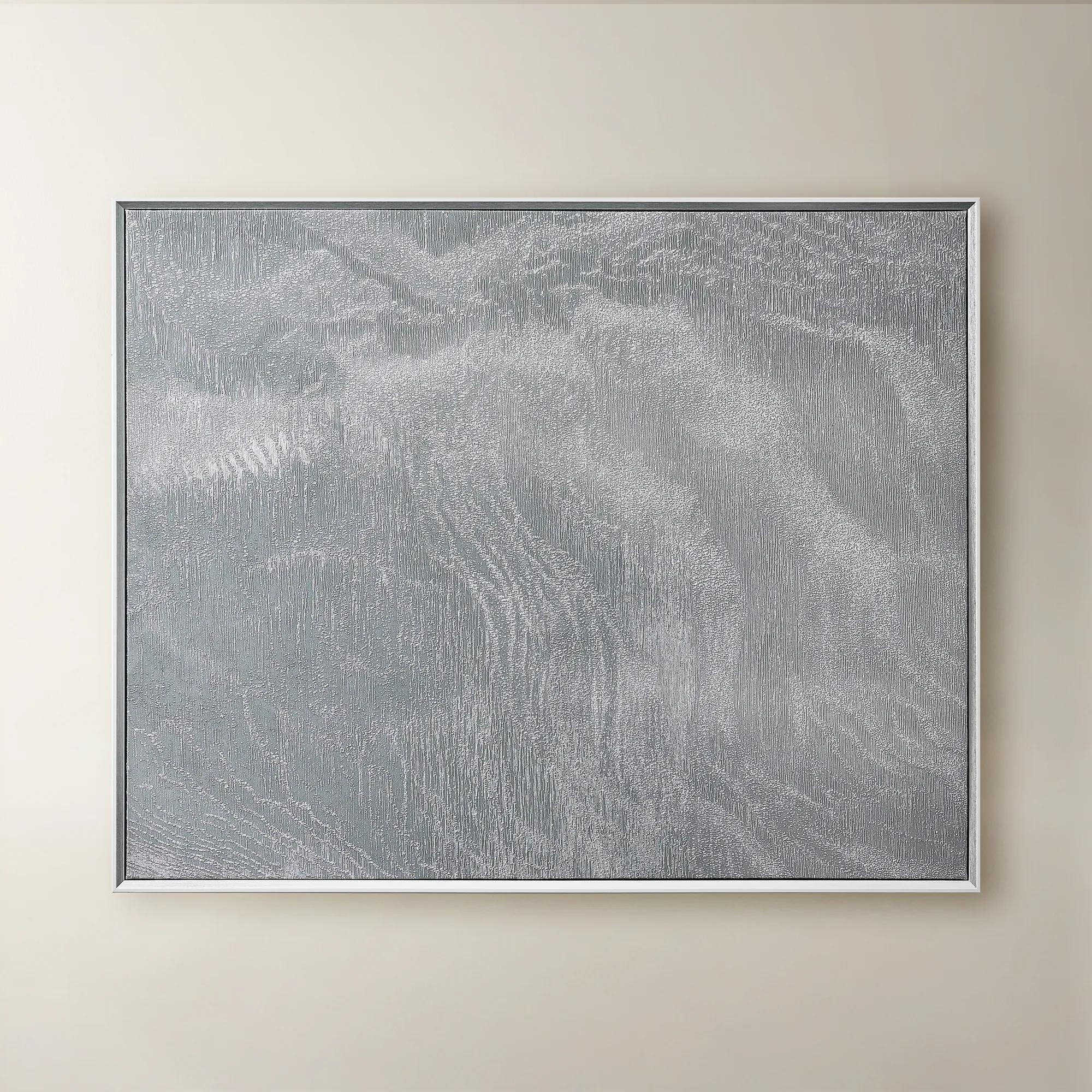 Slow Blue Morning Framed Silver Foil Wall Art 48" x 60"$599
A serene powder blue abstract canvas with silver foil accents, framed in silver and white for modern elegance.
Add To Cart -
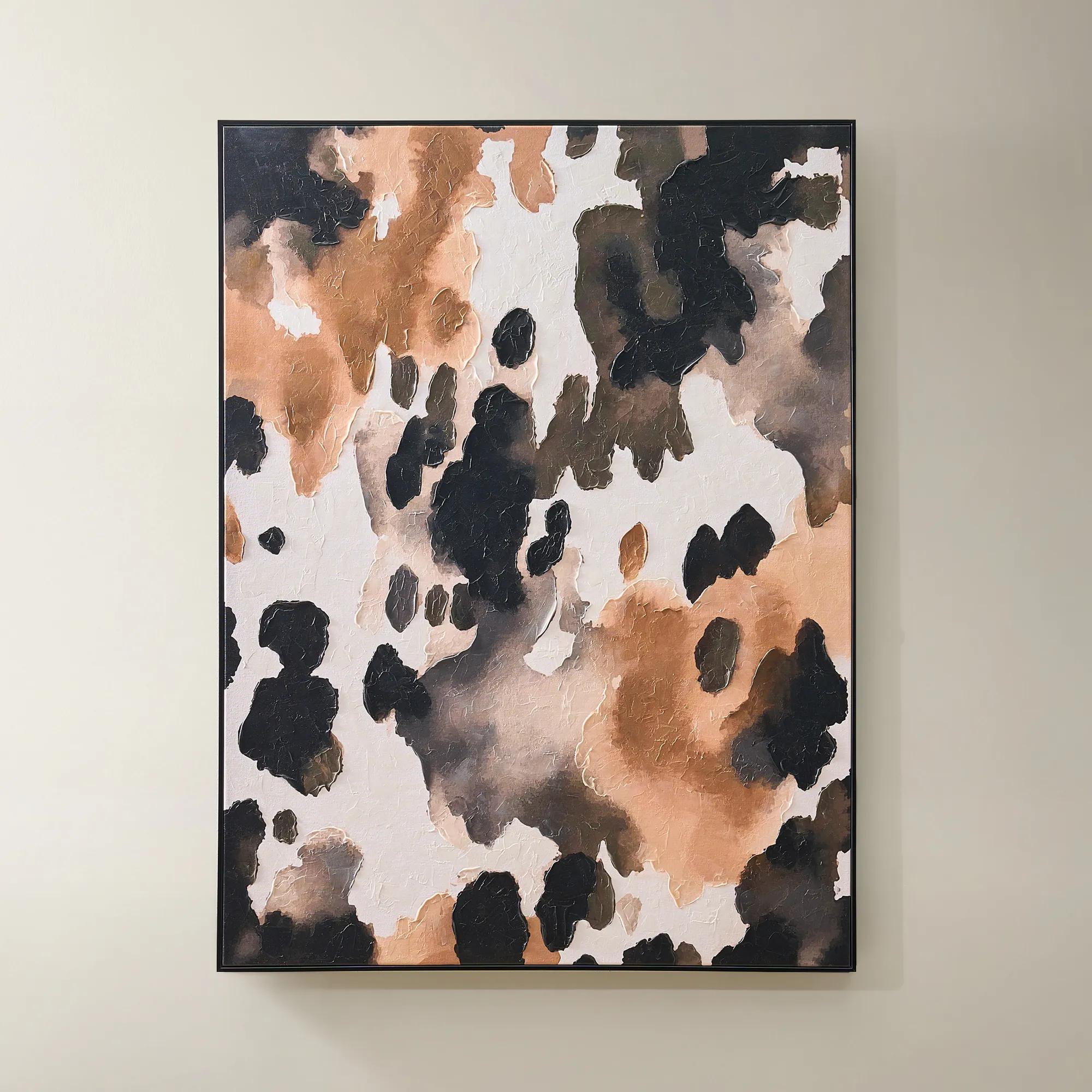
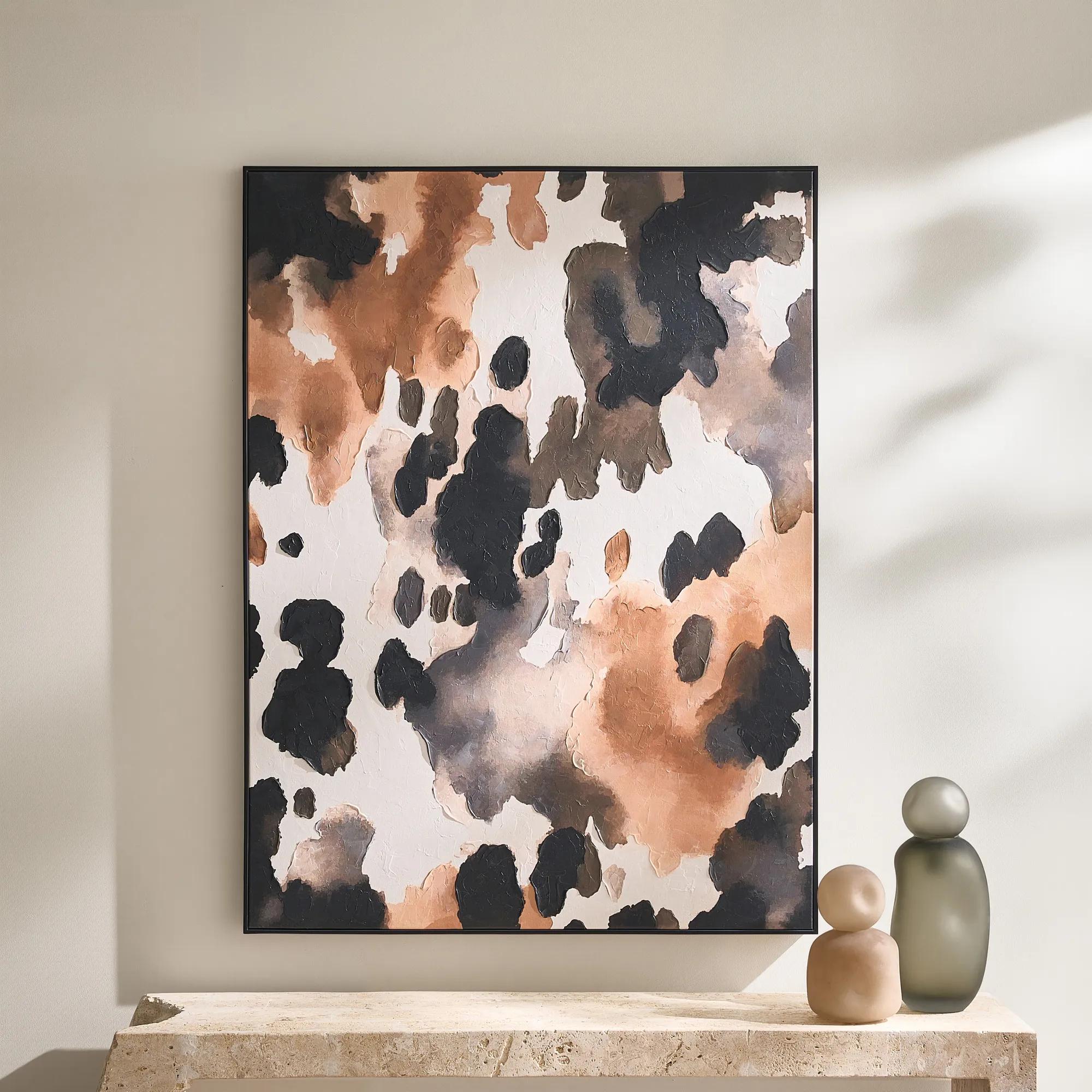 Wilder Framed Painted Wall Art 36" x 48"$499
An abstract hand-painted canvas featuring inky black, taupe, ivory, and coral hues in a sleek black frame.
Add To Cart -
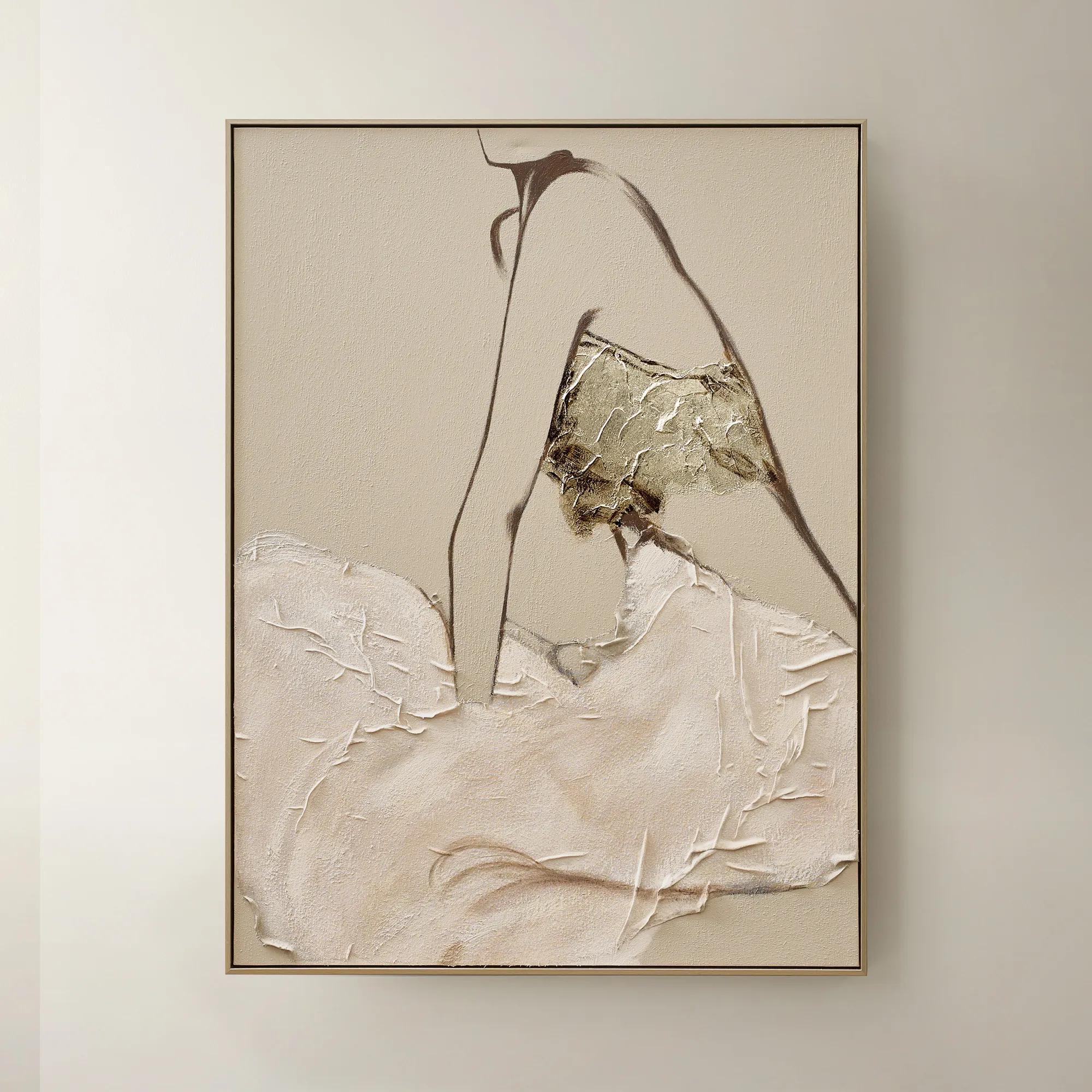 Quiet Pose Framed Painted Wall Art 36" x 48"$499
A hand-painted canvas in taupe and champagne tones features textural details and shimmering champagne leafing.
Add To Cart

Minimalist Art For Walls
Minimalist art for walls transforms the everyday into a gallery of pure intention—where every line, every brushstroke, is an invitation to breathe and behold. In these curated compositions, restraint becomes a statement and negative space is celebrated as much as form. The allure lies in the subtle interplay of light, shadow, and texture—each piece quietly commanding attention while cultivating a sense of calm sophistication. For those who believe that less can be endlessly more, minimalist art for walls offers a canvas upon which your personal style radiates with quiet confidence and modern grace.
Minimalist art for walls brings a sense of composure to the home through restraint, proportion, and purposeful detail. Clean lines, simple shapes, tonal layering, and generous negative space create a visual pause—a moment of calm amid the movement of everyday life. Rather than competing with a room’s architecture or furnishings, minimalist wall art gives the eye somewhere beautiful to rest. A single continuous line can suggest the graceful curve of a figure; a precise geometric composition can introduce structure above a console; a soft neutral wash can lend warmth to a bedroom, entryway, or reading nook without overwhelming the palette. Look for artwork that reflects the mood you want to establish as well as the colors already present in the space. Black and ivory compositions bring graphic contrast to a modern interior, while taupe, sand, stone, muted sage, and warm gray create an enveloping atmosphere with a quieter edge. For a more tactile interpretation of simplicity, explore Minimalist Textured Wall Art, where raw-looking surfaces and subtle dimension add depth while preserving the clarity that defines a minimalist aesthetic. These pieces are especially effective in homes with sculptural furniture, streamlined silhouettes, reflective accents, or richly grained wood, allowing each element to feel considered rather than crowded. During the cooler months, pared-back artwork can also soften the visual weight of layered textiles, deeper tones, and glowing lamps, keeping the room feeling polished and open.
Scale is one of the most important considerations when choosing minimalist wall art. A composition that is too small may appear disconnected from the furniture beneath it, while one that is too large can dominate the room and diminish the quiet balance you are trying to create. As a reliable starting point, choose artwork that spans roughly two-thirds the width of a sofa, credenza, bed, or console table. This proportion feels anchored without becoming overly rigid. For a narrow wall, hallway, or vertical corner, a tall format or an arrangement of vertically stacked pieces can draw the eye upward and emphasize the height of the space. When working with multiple works, allow enough breathing room between each piece for the individual forms to remain legible; minimalist compositions rely on space as much as line and color. A cohesive grouping may share a palette, frame finish, or visual rhythm without being perfectly matched. In fact, slight variation can make a wall feel collected and artistic rather than overly arranged. Consider the viewing distance as well. Fine linework and subtle washes reveal themselves beautifully in intimate settings such as a bedroom or home office, while bold shapes and high-contrast blocks hold their own in an open living area. Before hanging, place paper templates on the wall to test proportions, sightlines, and spacing. Center the arrangement at a comfortable eye level, while taking the height of nearby furniture into account, and let the architecture guide the final placement. Minimalism is not about leaving a room bare; it is about giving every chosen element enough presence to matter.
Minimalist wall art suits anyone drawn to interiors that feel serene, edited, and quietly expressive, from the design-minded host curating a refined living room to the creative professional shaping a focused home office. It is equally at home in a primary bedroom, where soft tonal artwork can encourage a restful atmosphere, or in an entryway, where a crisp abstract composition establishes a confident first impression. For dining spaces and entertaining areas, geometric forms and sculptural lines introduce sophistication without distracting from conversation or table settings. These pieces can also make thoughtful gifts for someone settling into a new home, refreshing a workspace, or building a collection around a favorite neutral palette. Because minimalist art leaves room for interpretation, it can feel personal without requiring an intimate knowledge of someone’s exact taste. Choose a calming wash for a friend who favors organic textures, a monochromatic line composition for the modern traditionalist, or a structured abstract arrangement for someone who appreciates architectural detail. The most successful selection will echo something already meaningful in the room—a charcoal accent, a limestone finish, the curve of a chair, or the gentle tonal variation of a woven textile. Let the artwork create connection rather than decoration alone. In a home filled with layered light, tactile surfaces, and expressive furnishings, minimalist art provides the exquisite counterpoint: a composed gesture, a breath of negative space, and a reminder that simplicity can be every bit as striking as spectacle.
FAQs
Minimalist art wall pieces thrive in a variety of interiors, from sleek contemporary lofts to classic homes seeking a modern edge. Their understated elegance complements open floor plans, neutral palettes, and spaces with abundant natural light. They are equally striking when juxtaposed with bold furniture or layered textures, allowing the art to anchor the room with quiet sophistication.
Abstract minimalist art can serve as a harmonious anchor or a visual pause within a gallery wall. Pair these pieces with more detailed works to create balance, or curate a series of minimalist pieces for a serene, cohesive effect. Varying frame finishes and spacing can add dimension, while maintaining a consistent color palette ensures the overall look remains unified and elegant.
Minimalist art makes a thoughtful and sophisticated gift for housewarmings, anniversaries, weddings, or milestone celebrations. Its timeless appeal and versatility mean it can complement a wide range of personal tastes and home styles, making it a meaningful choice for art lovers and design enthusiasts alike.
To amplify the impact of minimalist art, consider strategic placement—such as above a mantel, in a grand entryway, or as a focal point in a serene bedroom. Pairing minimalist pieces with tactile elements like textured rugs, velvet furnishings, or metallic accents can enrich the sensory experience and highlight the art’s subtle nuances.
Minimalist art introduces a sense of calm, clarity, and intentionality to any space. Its restrained palette and thoughtful composition create visual breathing room, inviting reflection and elevating the everyday. These pieces encourage a mindful approach to living, transforming ordinary walls into moments of quiet luxury and artistic expression.
.jpg?w=3000&h=3000)