Black Wall Art For Minimalist Decor
Black Wall Art For Minimalist Decor
-
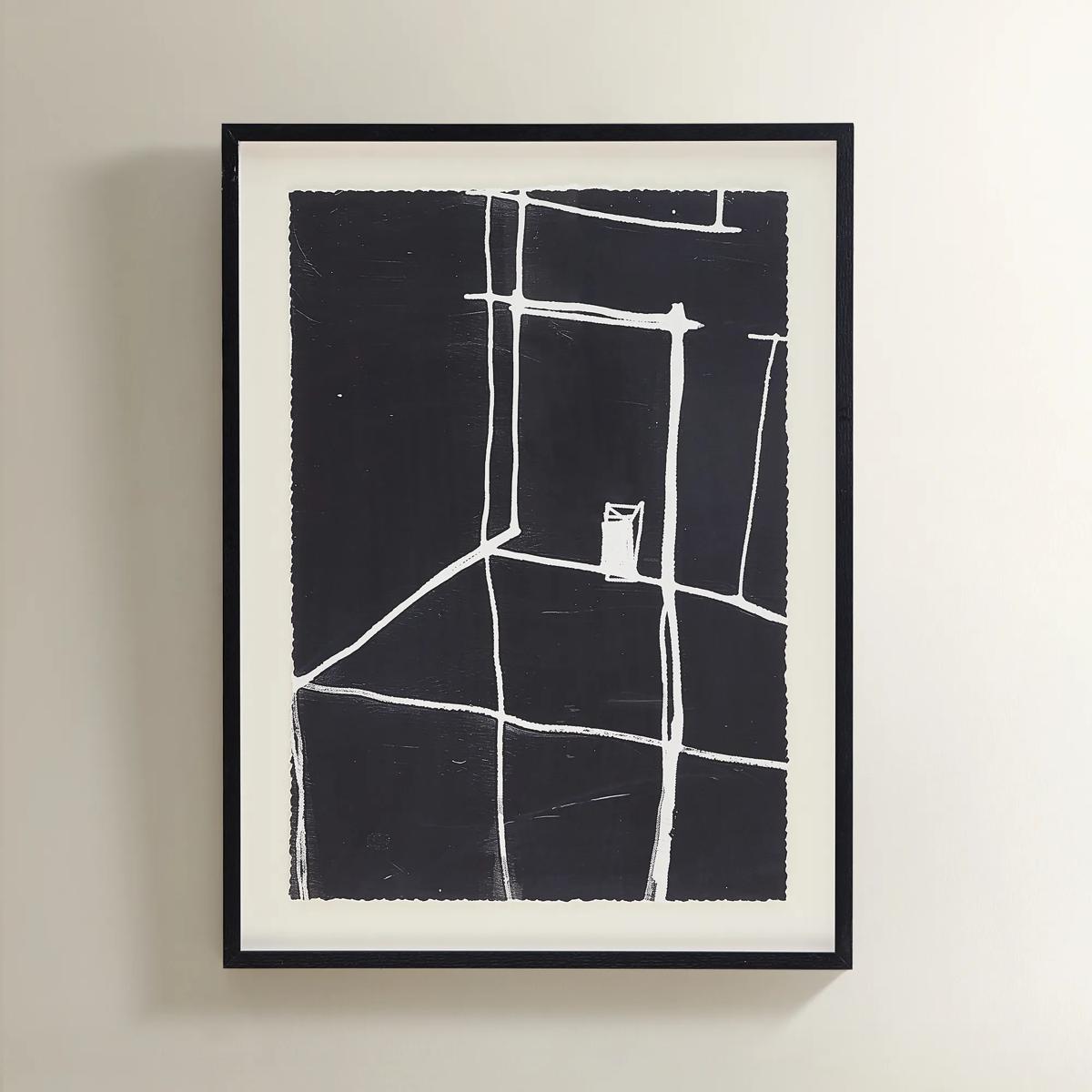 Solitude Art$269
A minimalist black-and-white abstract print featuring bold white lines in a sleek black polyresin frame.
Add To Cart -
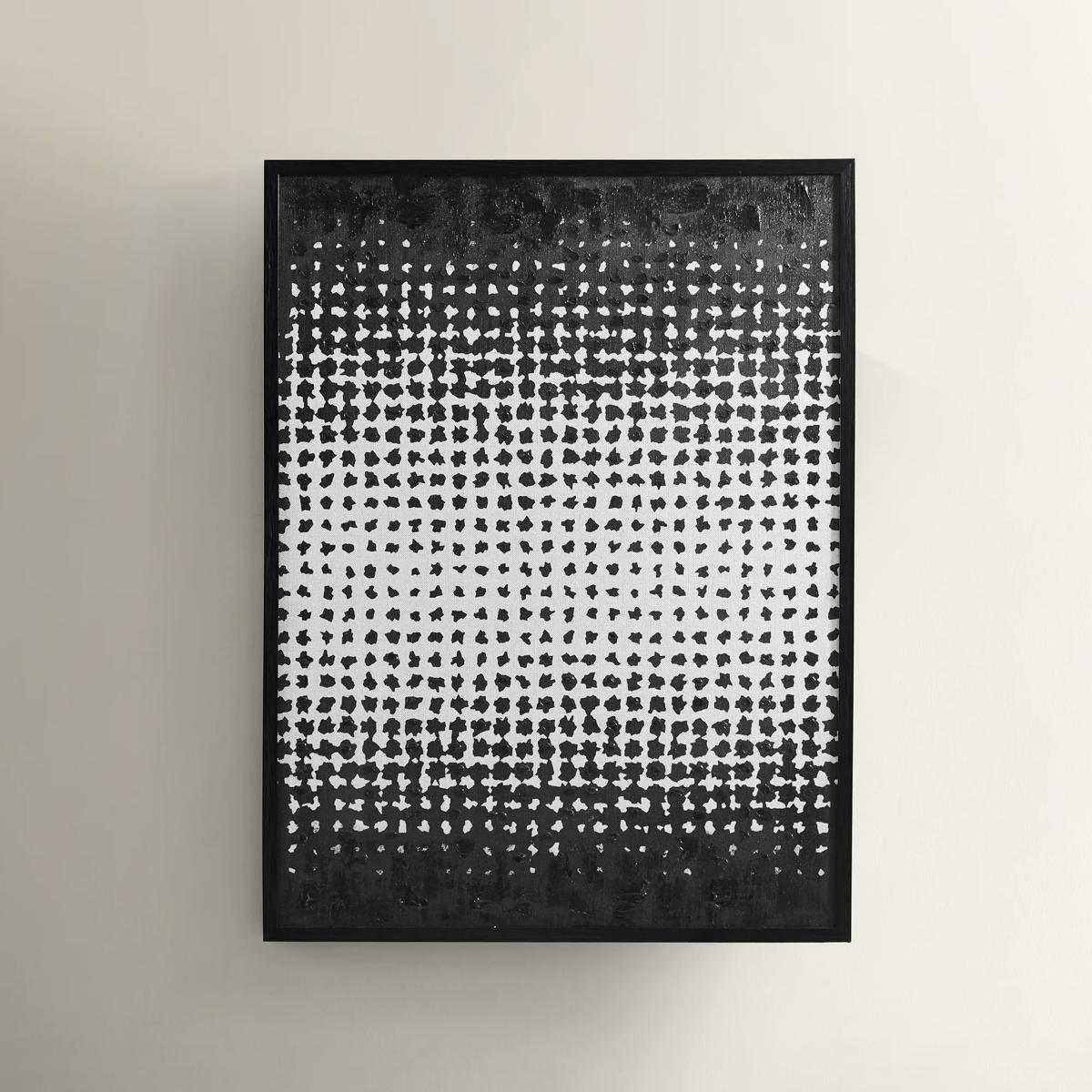
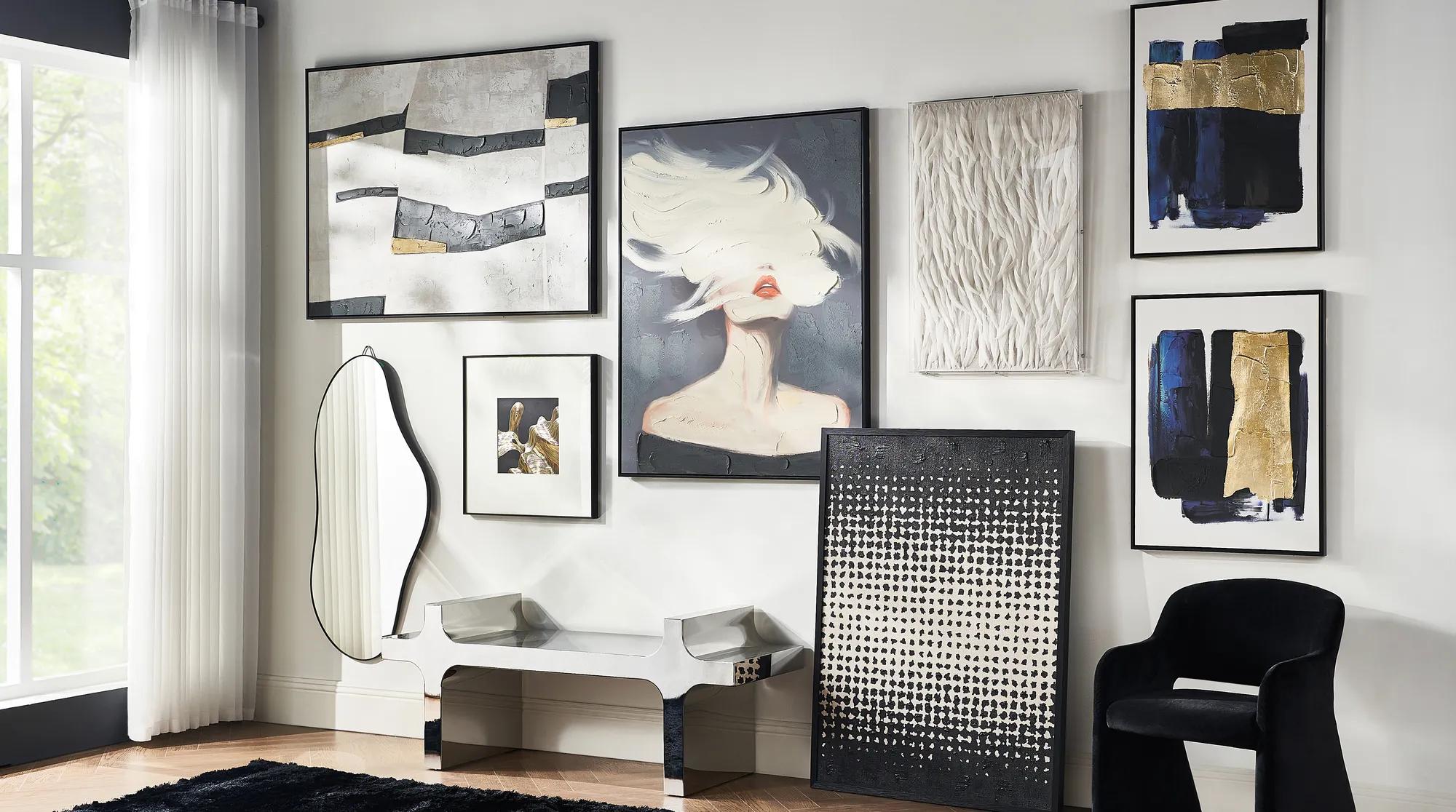 In Time Painting$399
A hand-painted linen canvas featuring cream and black dots in a modern, minimalist geometric pattern.
Add To Cart -
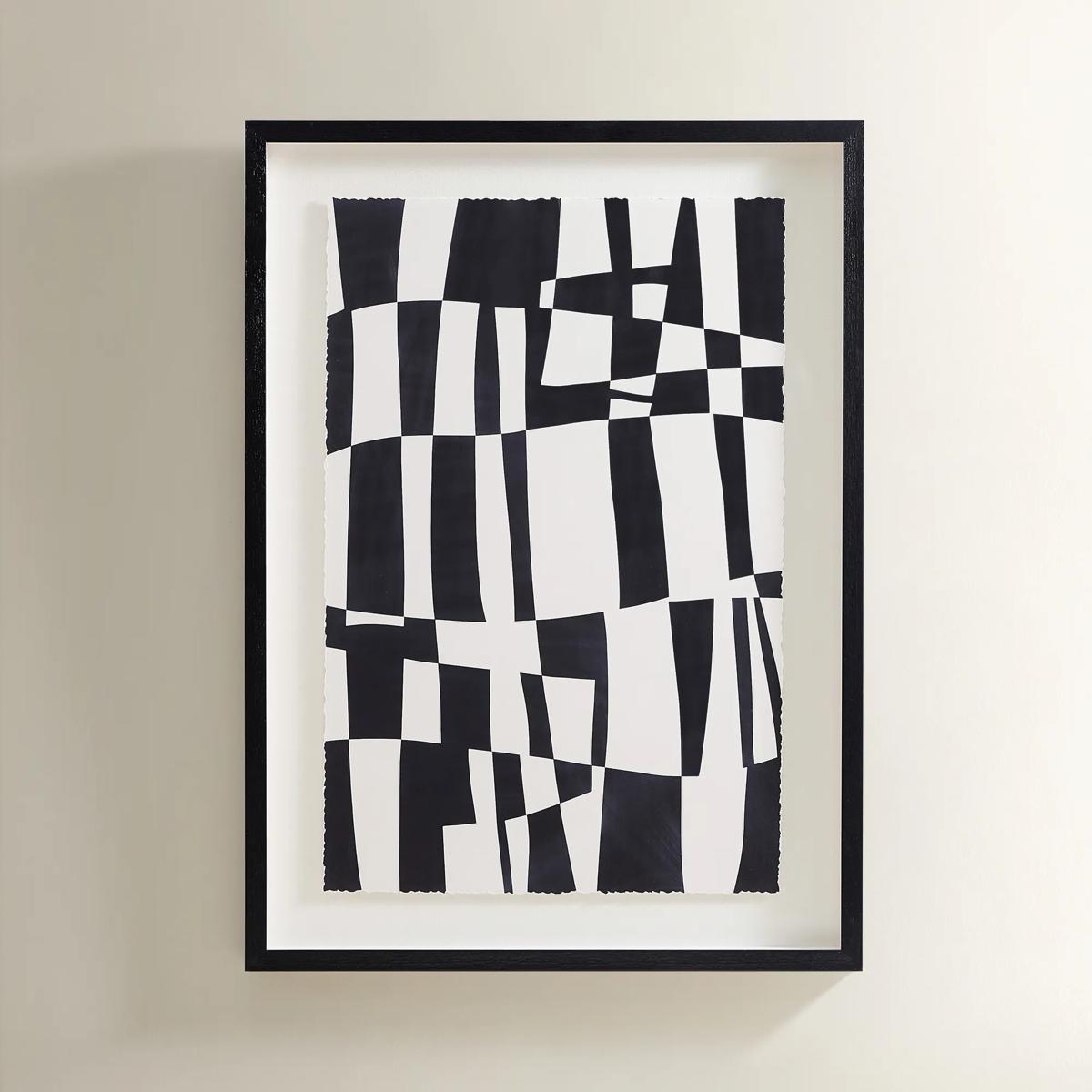 Matrix Art$369
A striking black and white abstract grid print set in a sleek black polyresin frame.
Add To Cart -
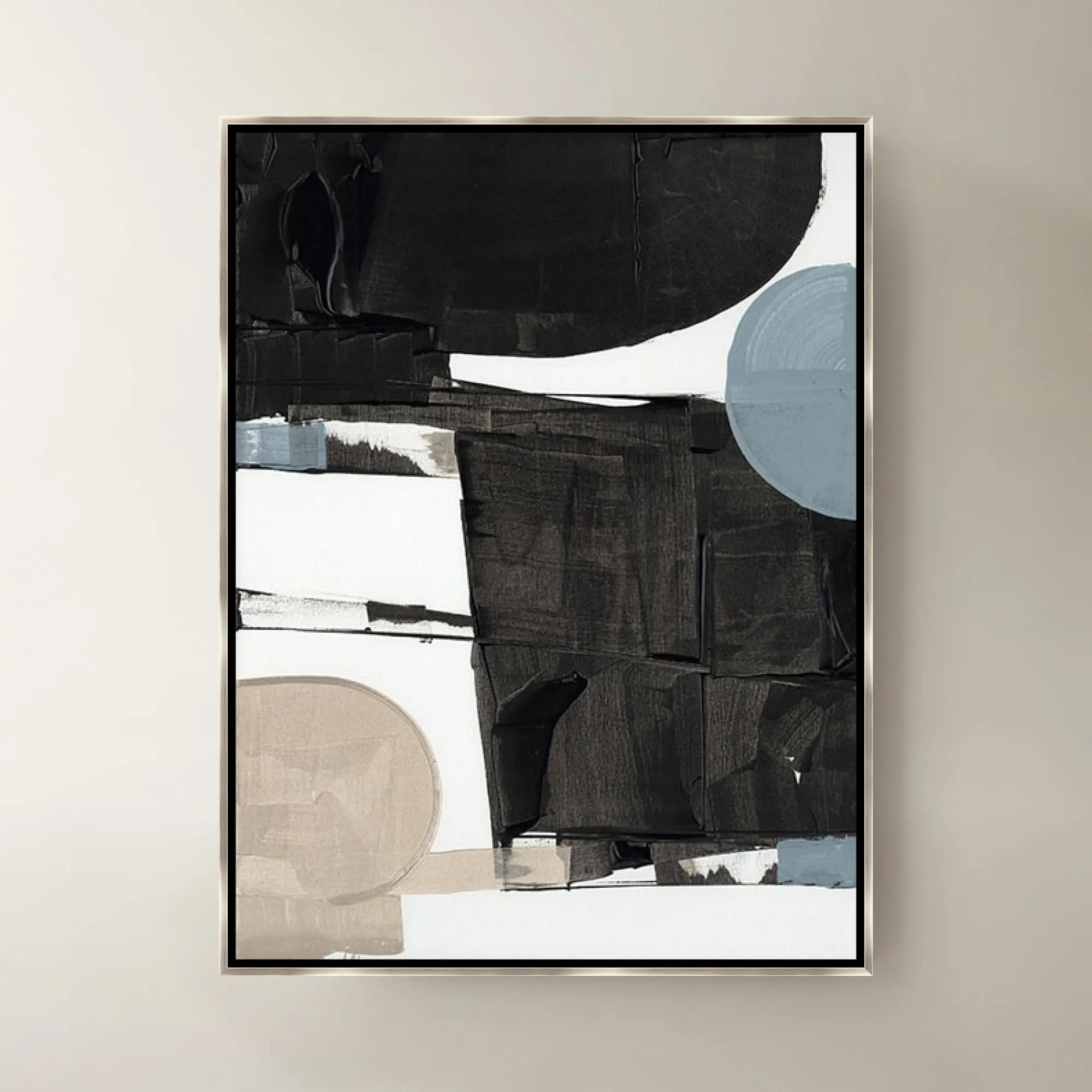
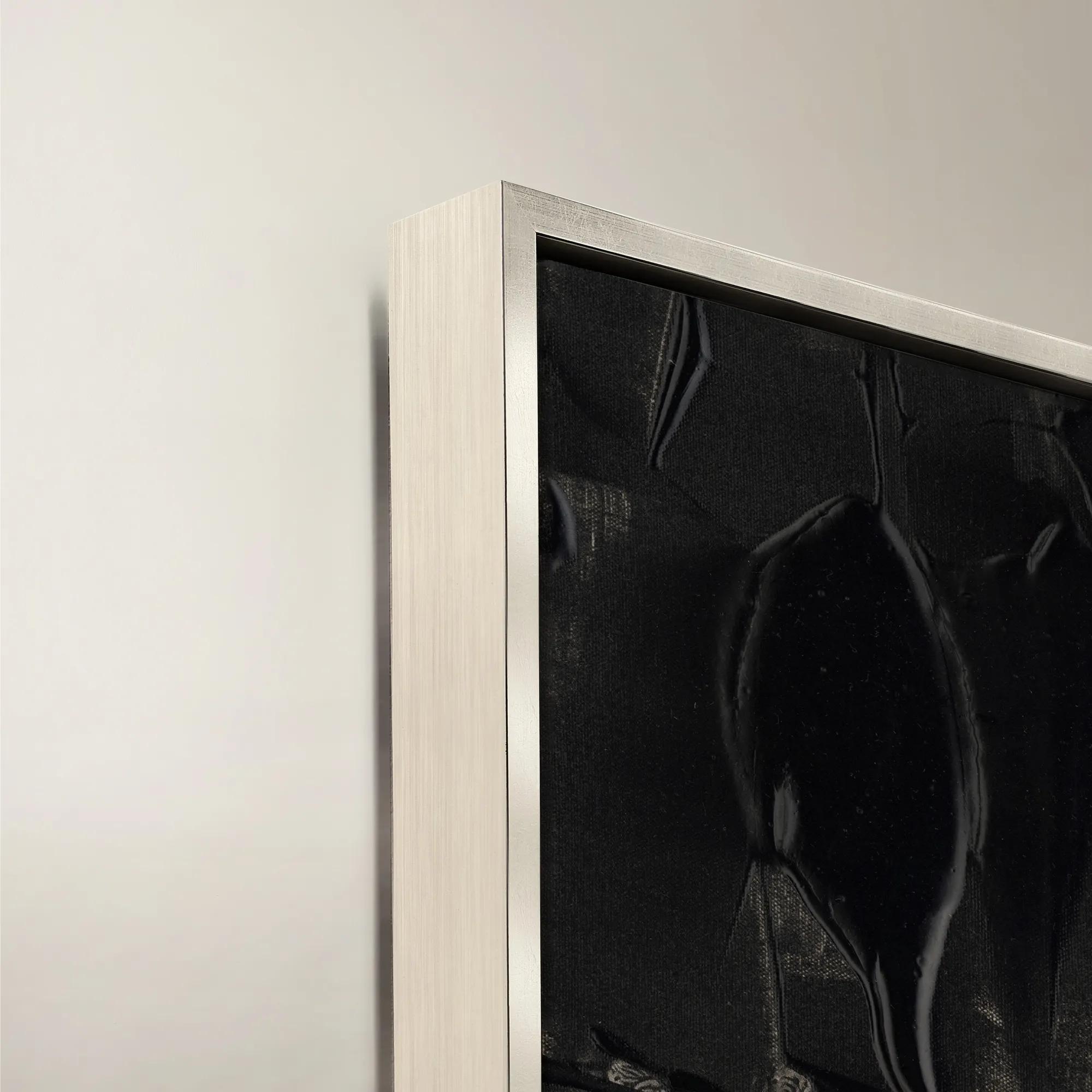 Blanc de Blancs II Framed Wall Art 24" x 30"$519
A sophisticated black canvas artwork presented in a refined frame, bringing modern elegance to your walls.
Add To Cart -
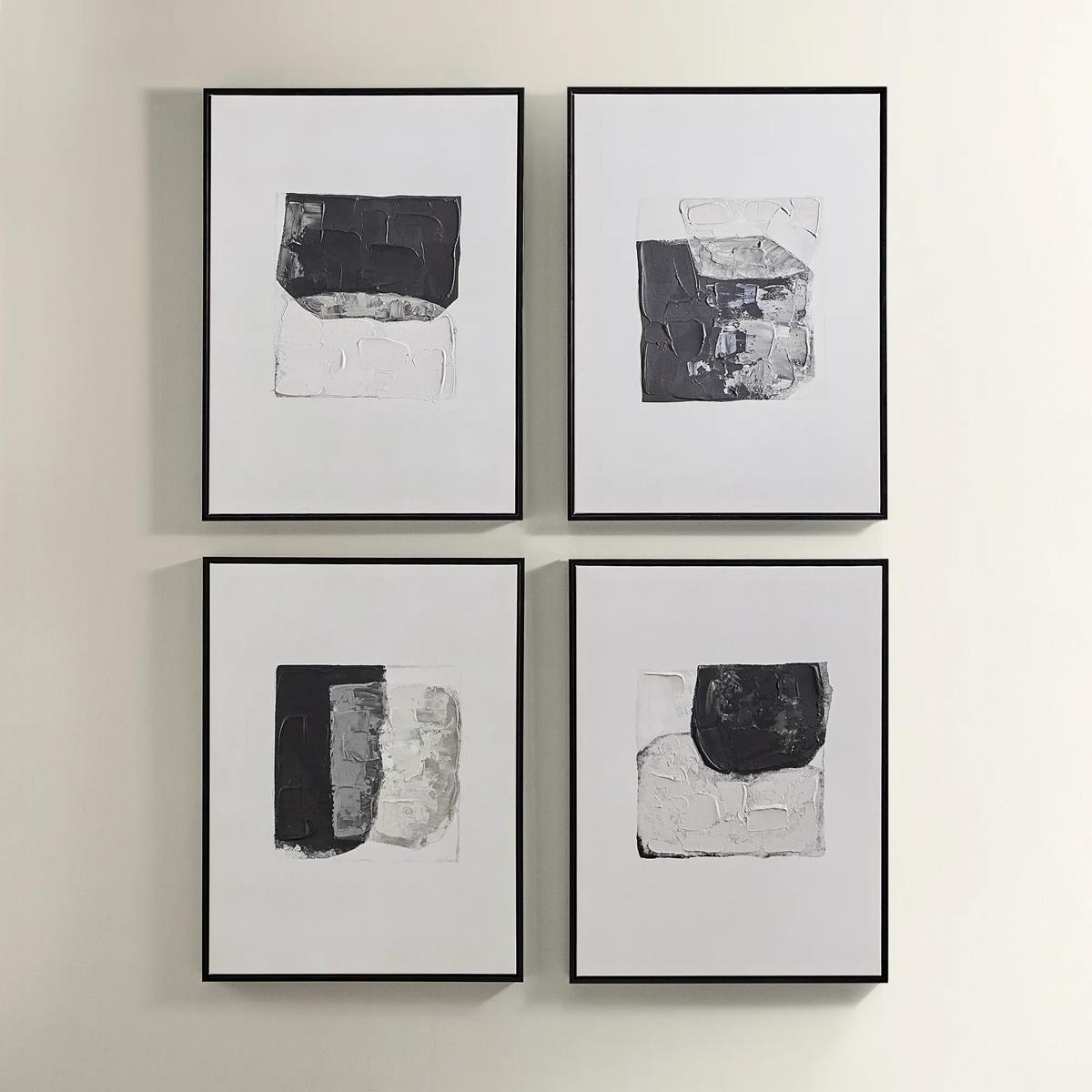
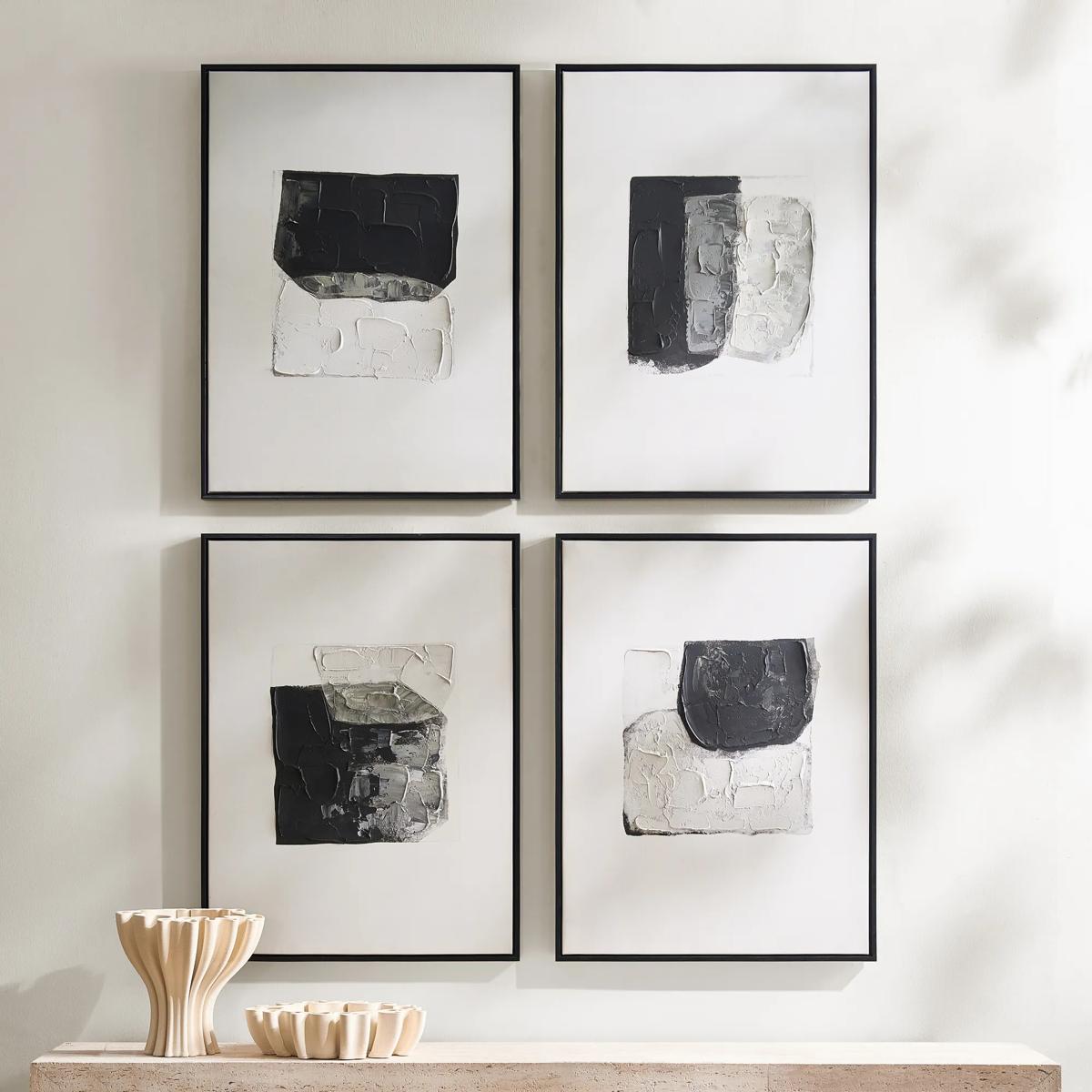 Shadows Framed Painted Wall Art Set of 4$299
A set of four hand-painted abstract canvases featuring black, white, and gold accents in black frames.
Add To Cart -
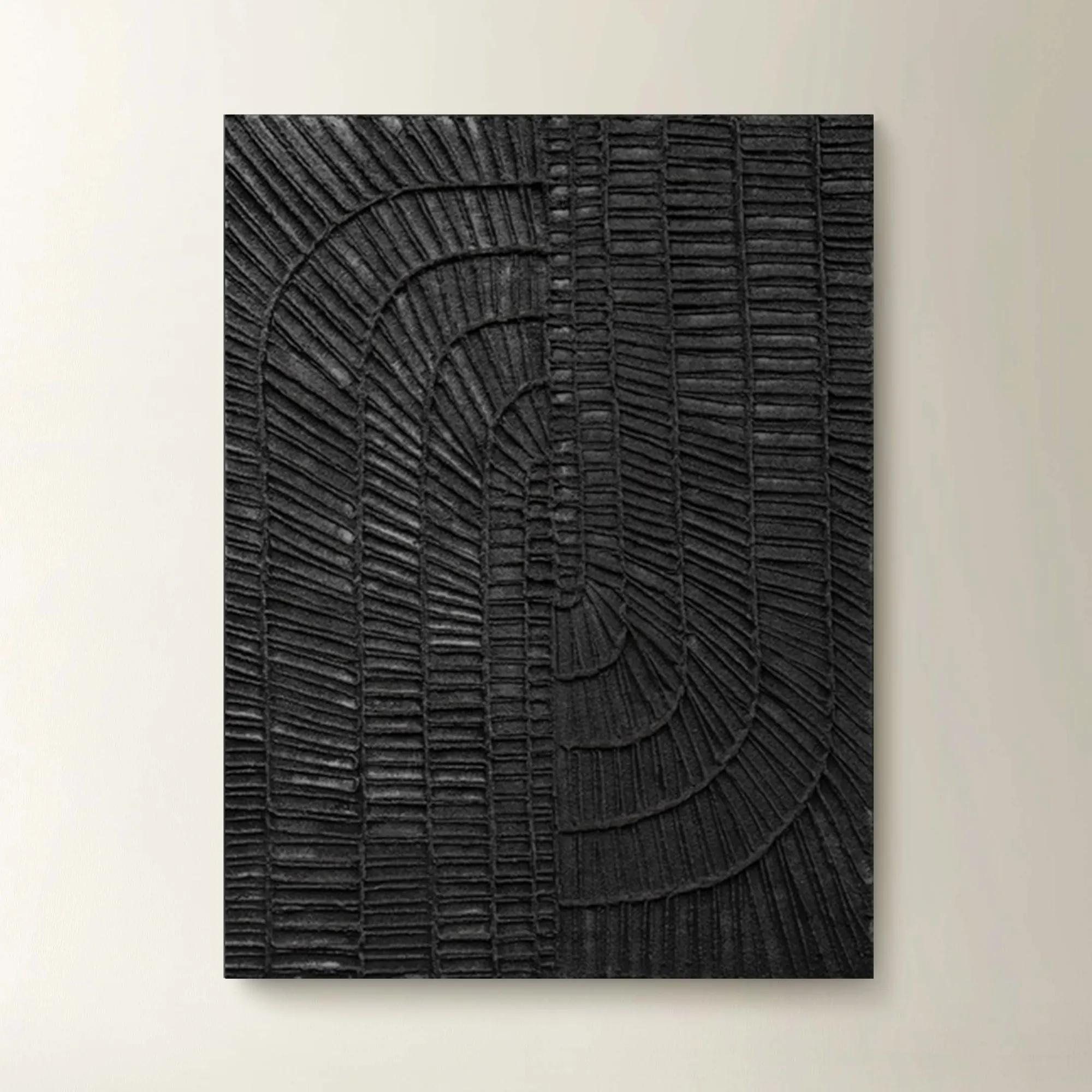 Textured Haze Black II Painted Wall Art 26" x 35"$499
A striking hand-painted black artwork featuring textured details for versatile vertical or horizontal display.
Add To Cart -
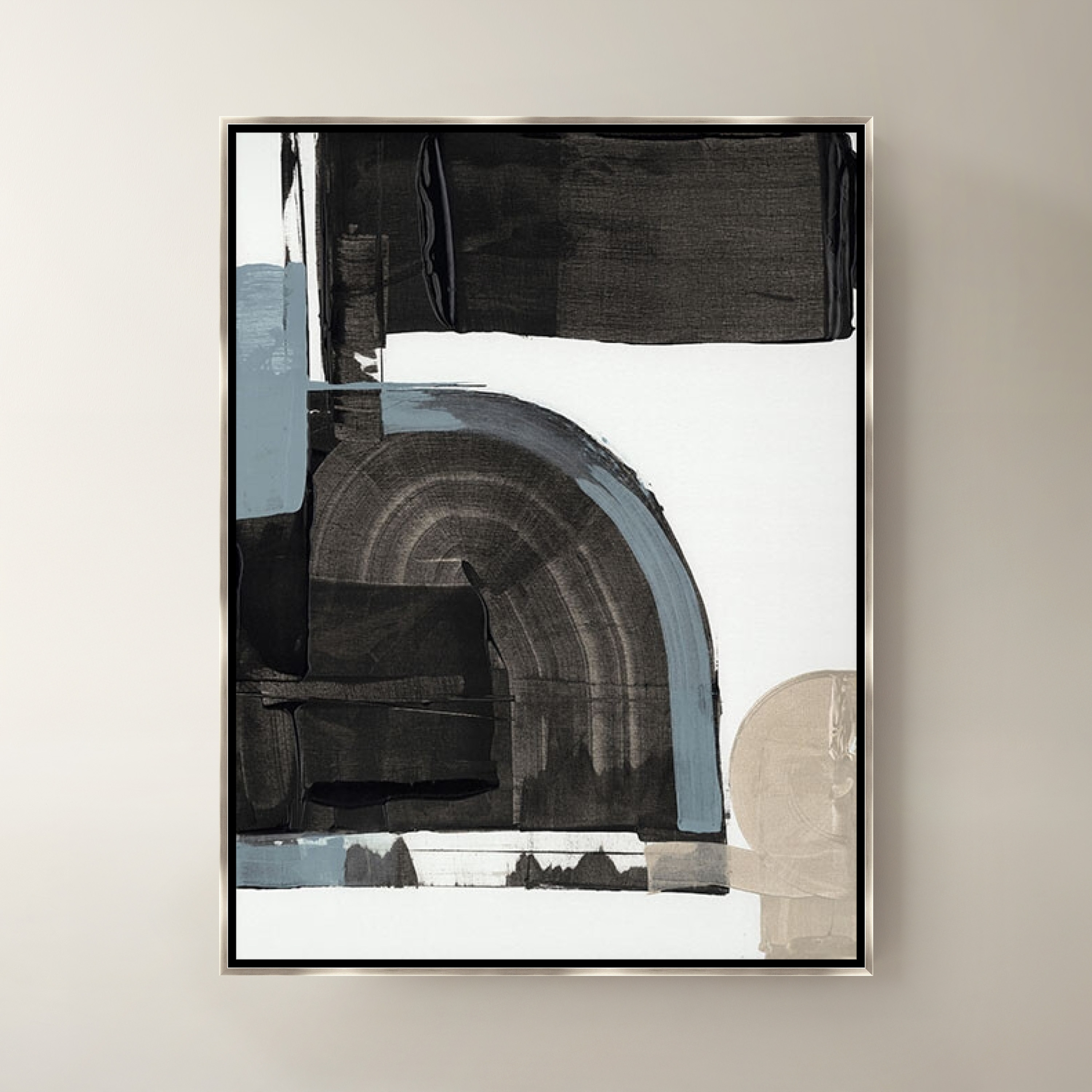
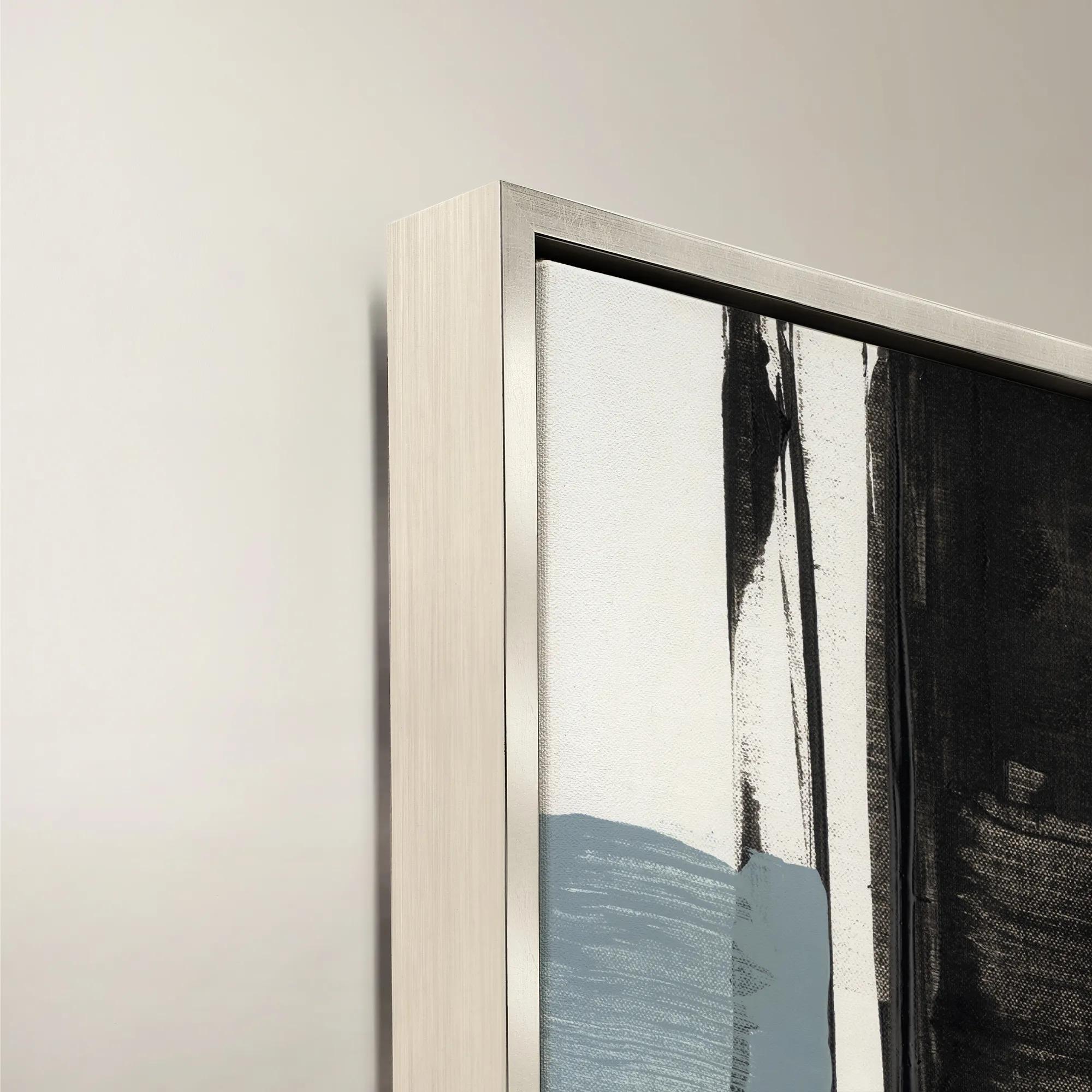 Blanc de Blancs III Framed Wall Art 24" x 30"$519
A sophisticated black canvas artwork presented in a refined frame for modern wall styling.
Add To Cart -
 Jagged Black Leather Wall Decor in Acrylic 23.5" x 35.5"$329
A sculptural wall art piece featuring folded black leather strips encased in a clear acrylic shadow box.
Add To Cart -
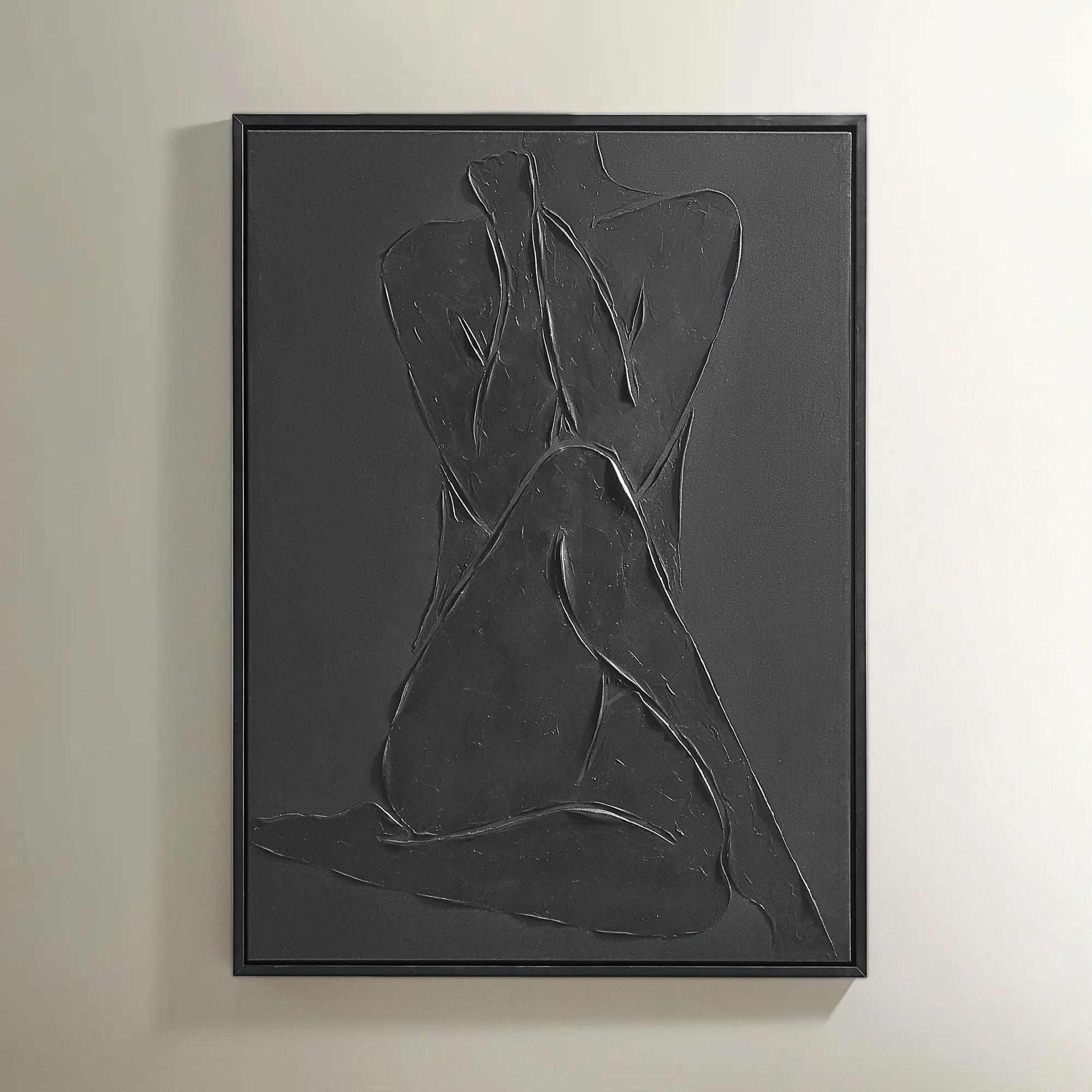 Modern Elegance Nude Black Framed Painted Wall Art 35.5" x 47.25"$599
A hand-embellished canvas artwork featuring textured strokes and vibrant hues in a black and gold Art Deco frame.
Add To Cart -

 Tribe V Framed Wall Art 24" x 28"$599
A striking contemporary art piece designed by acclaimed interior designer Nikki Chu.
Add To Cart -
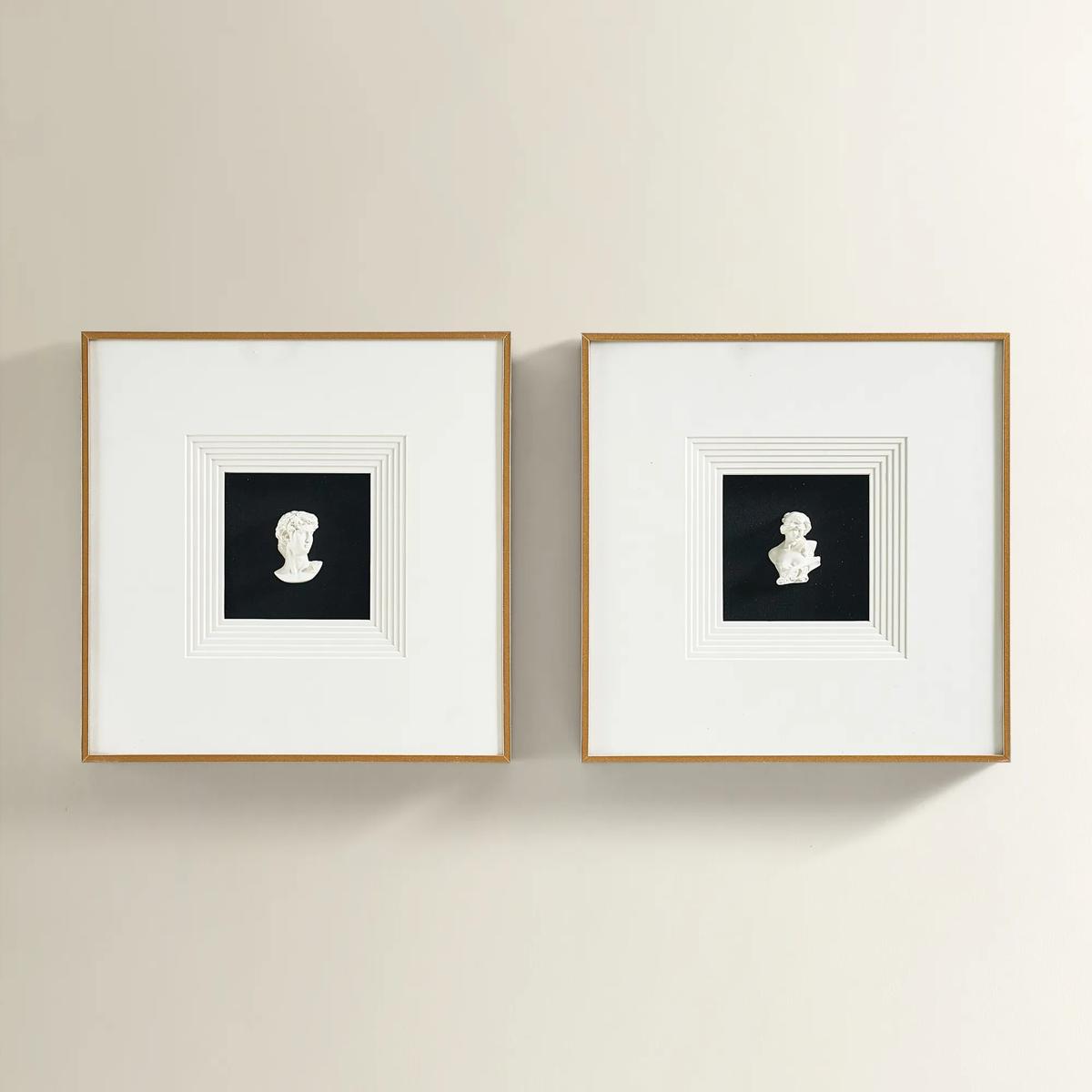
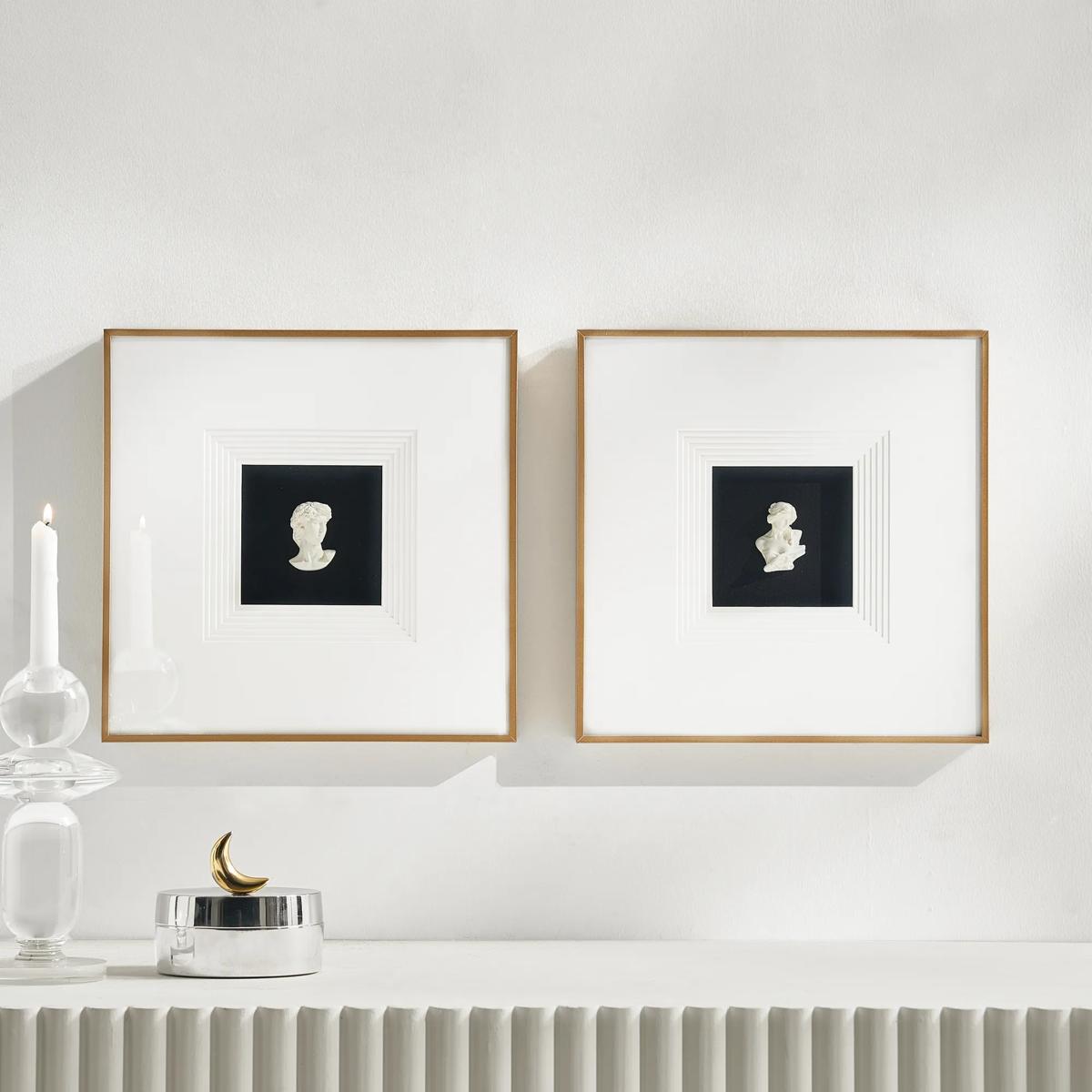 Classics Framed Plaster Wall Decor Set of 2$149
A set of two plaster portrait wall art pieces in black and ivory with sleek aluminum frames.
Add To Cart -
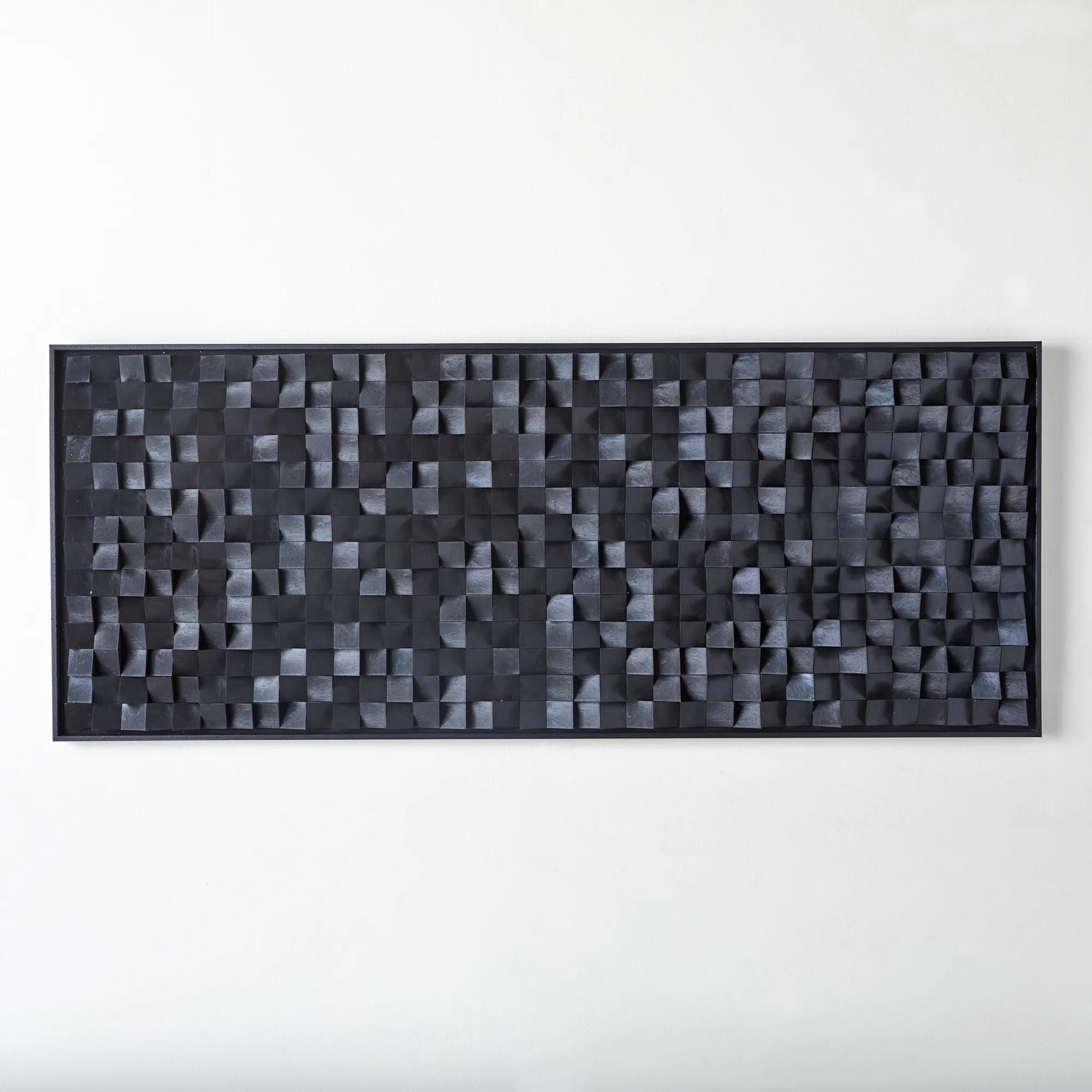 Nightfall Black Wood Dimenisonal Wall Panel 59" x 23.5"$599
An abstract wall art piece featuring cut black blocks in a sleek, low-profile black frame.
Add To Cart -
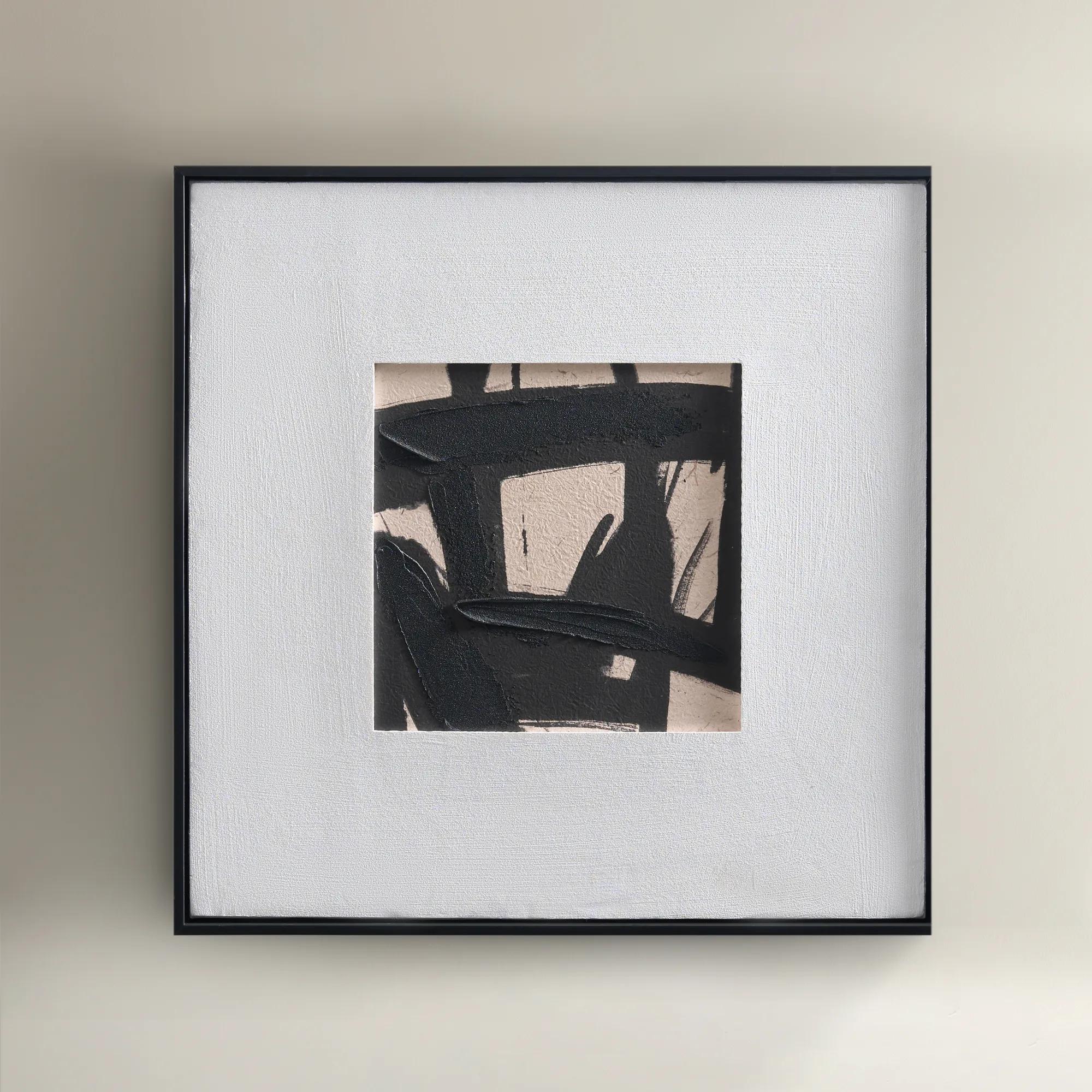
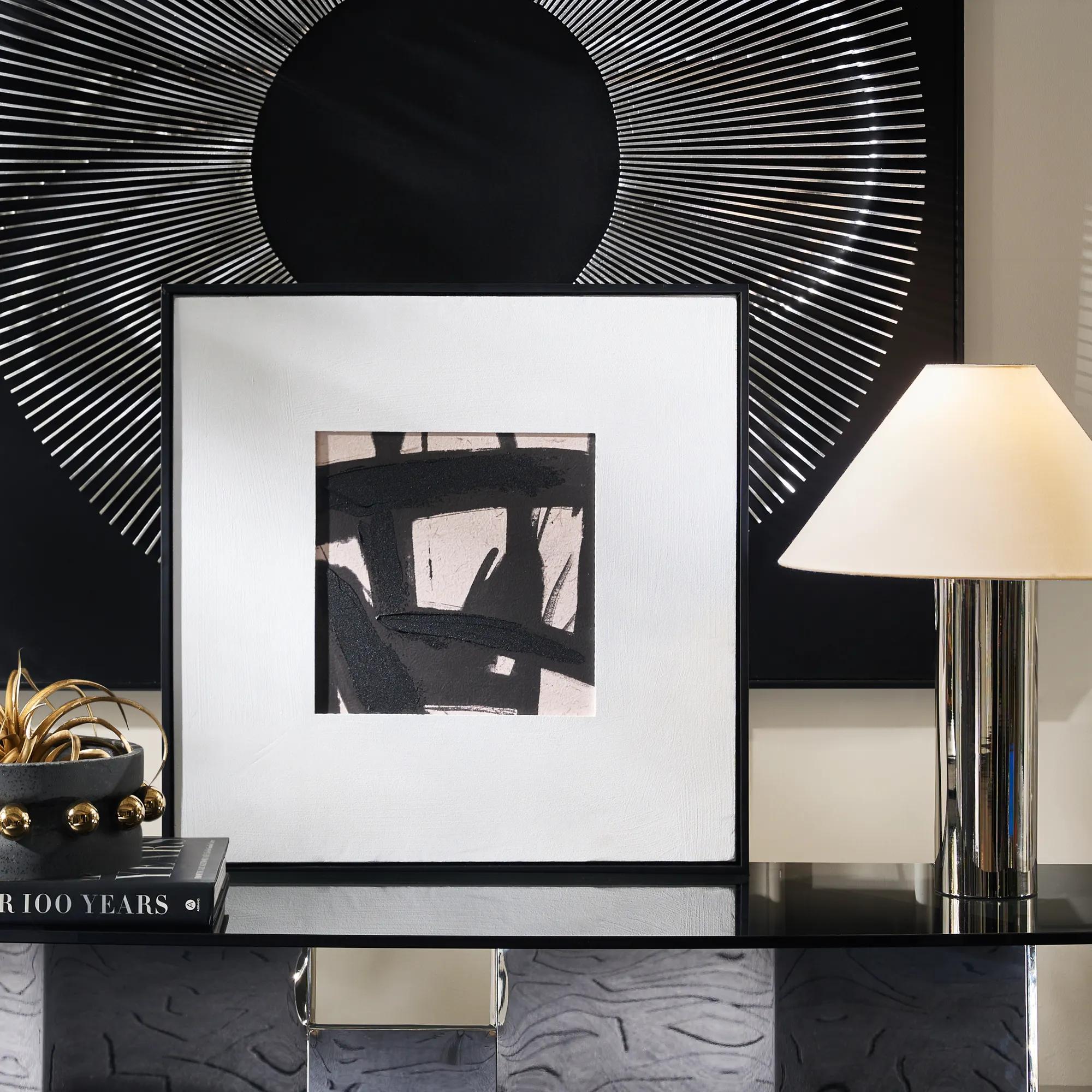 Ink Maze Painting$89
A hand-painted canvas featuring bold black and beige contrasts, set in a sleek black floater frame.
Add To Cart -
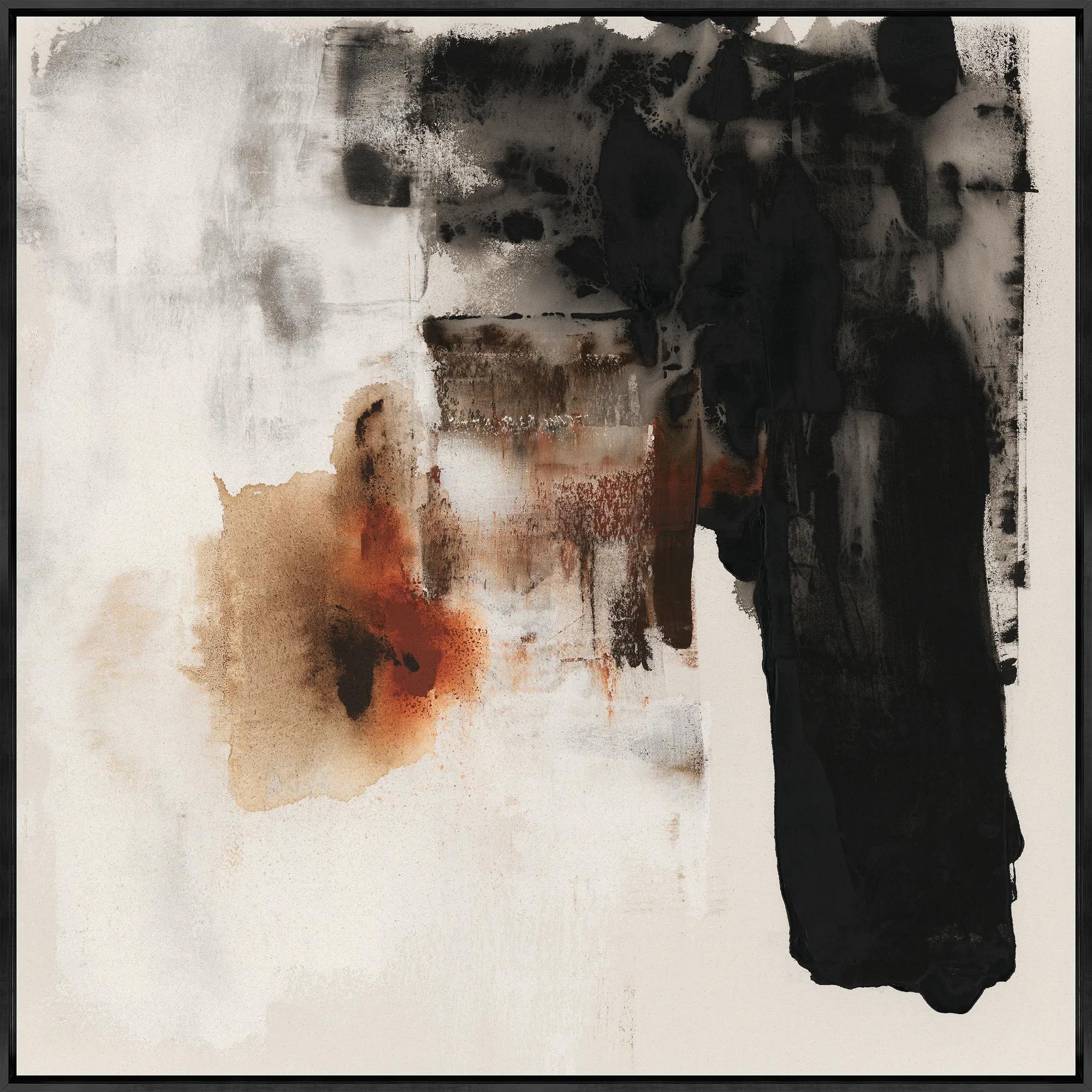
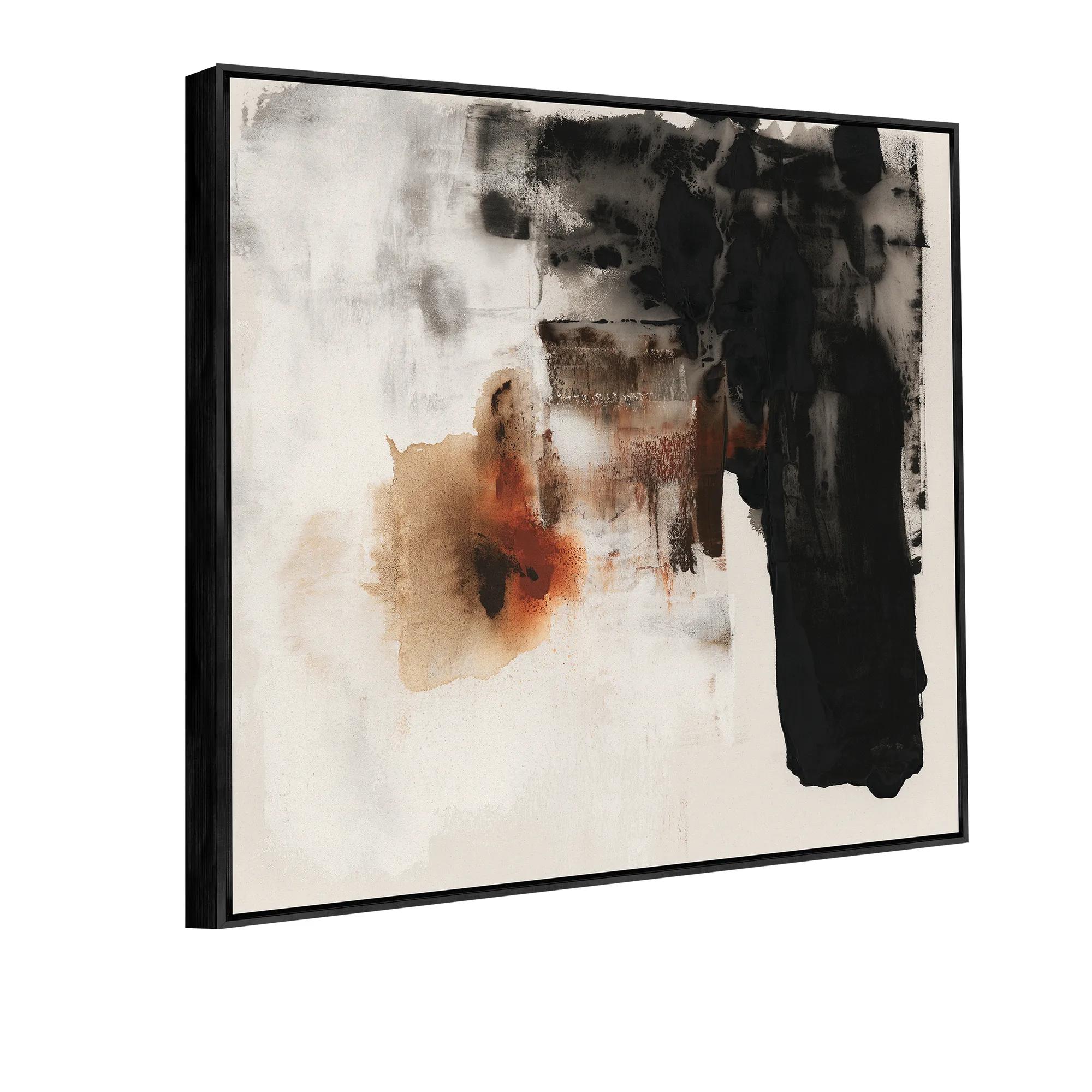 Burning for You II Framed Wall Art 40" x 40"$799
A gallery-wrapped canvas artwork with hand-applied brush gel, set in a sleek black floater frame.
Add To Cart -
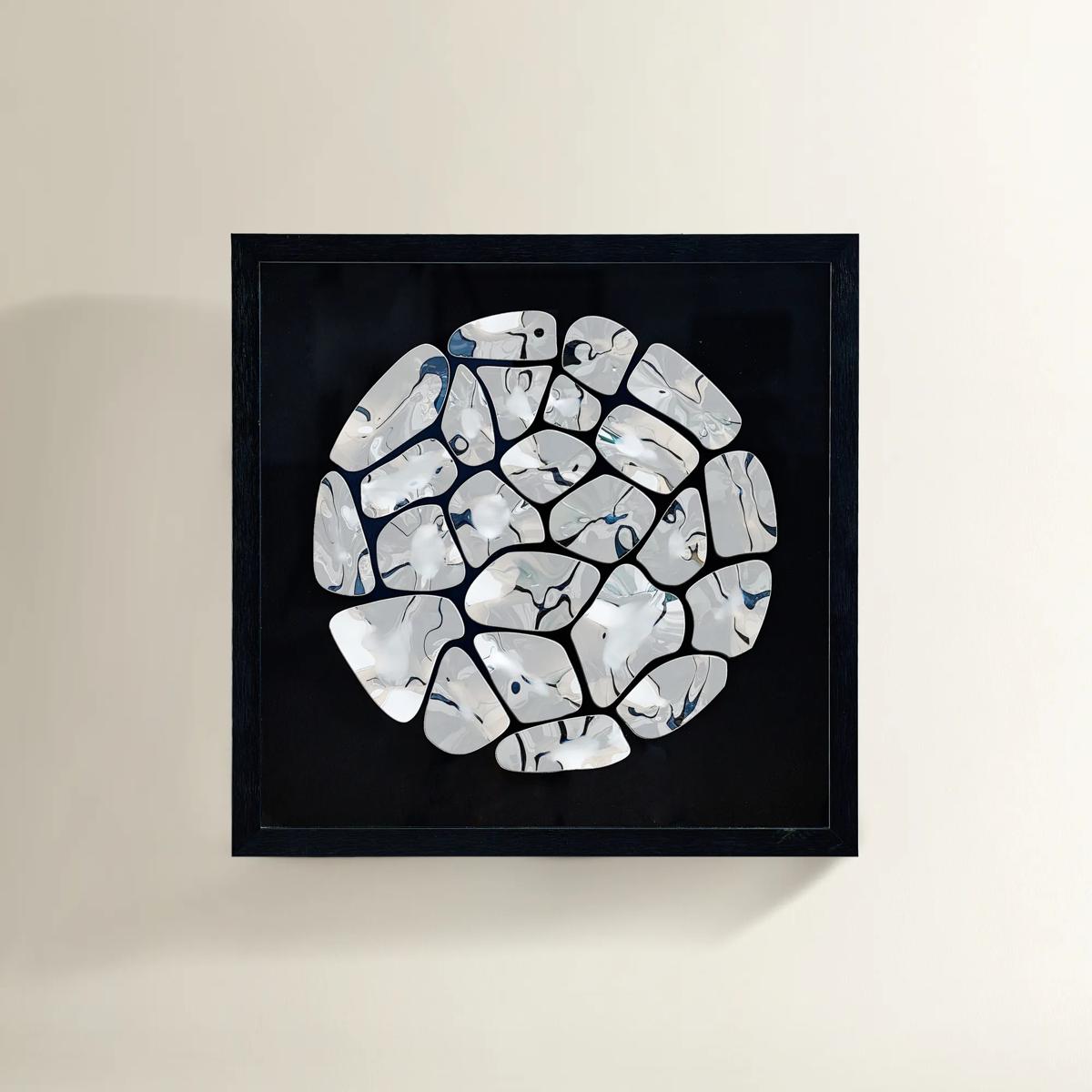
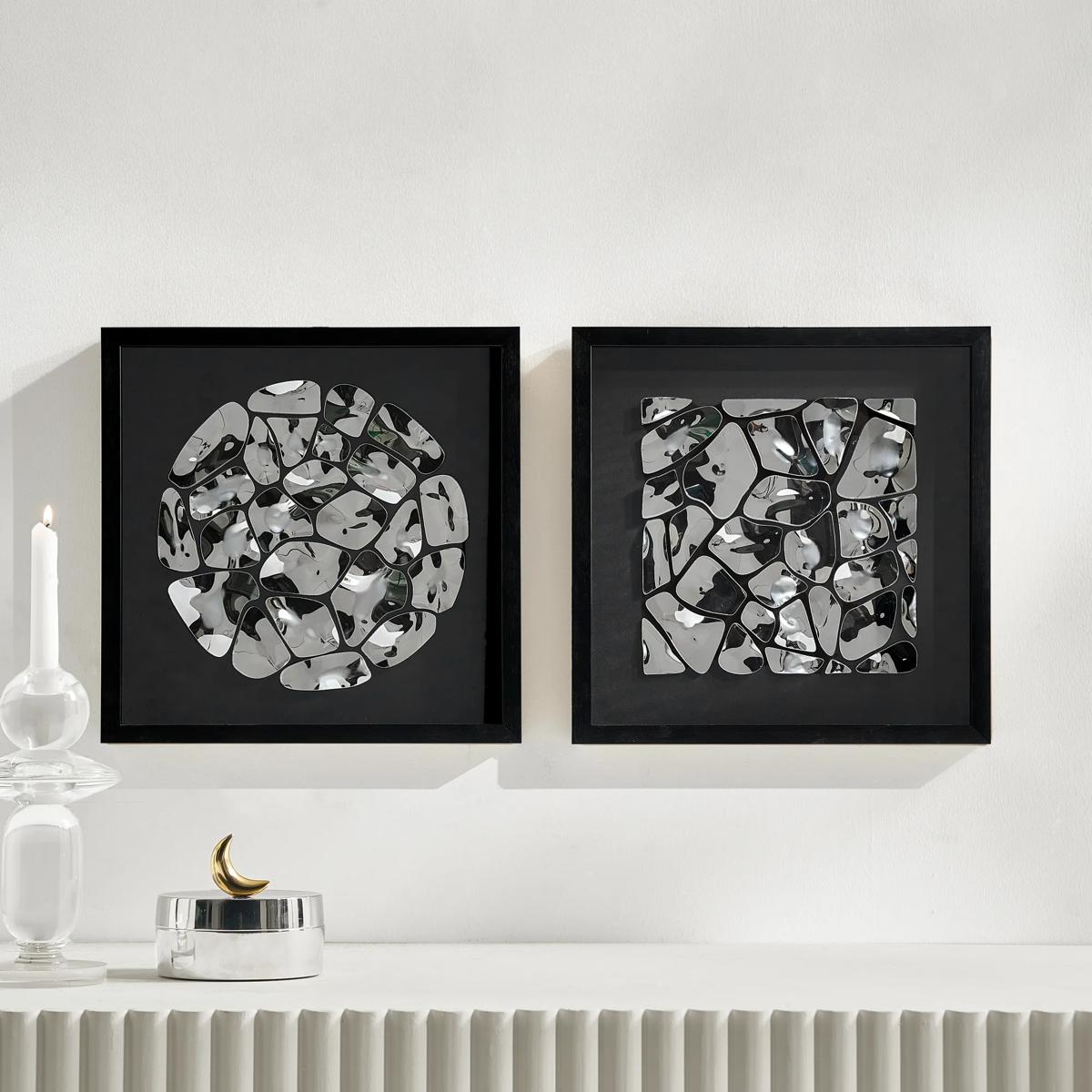 Reflect Silver And Black Shadowbox Art II$189
A dimensional metal wall art piece featuring polished silver and black forms in a sleek black frame.
Add To Cart -
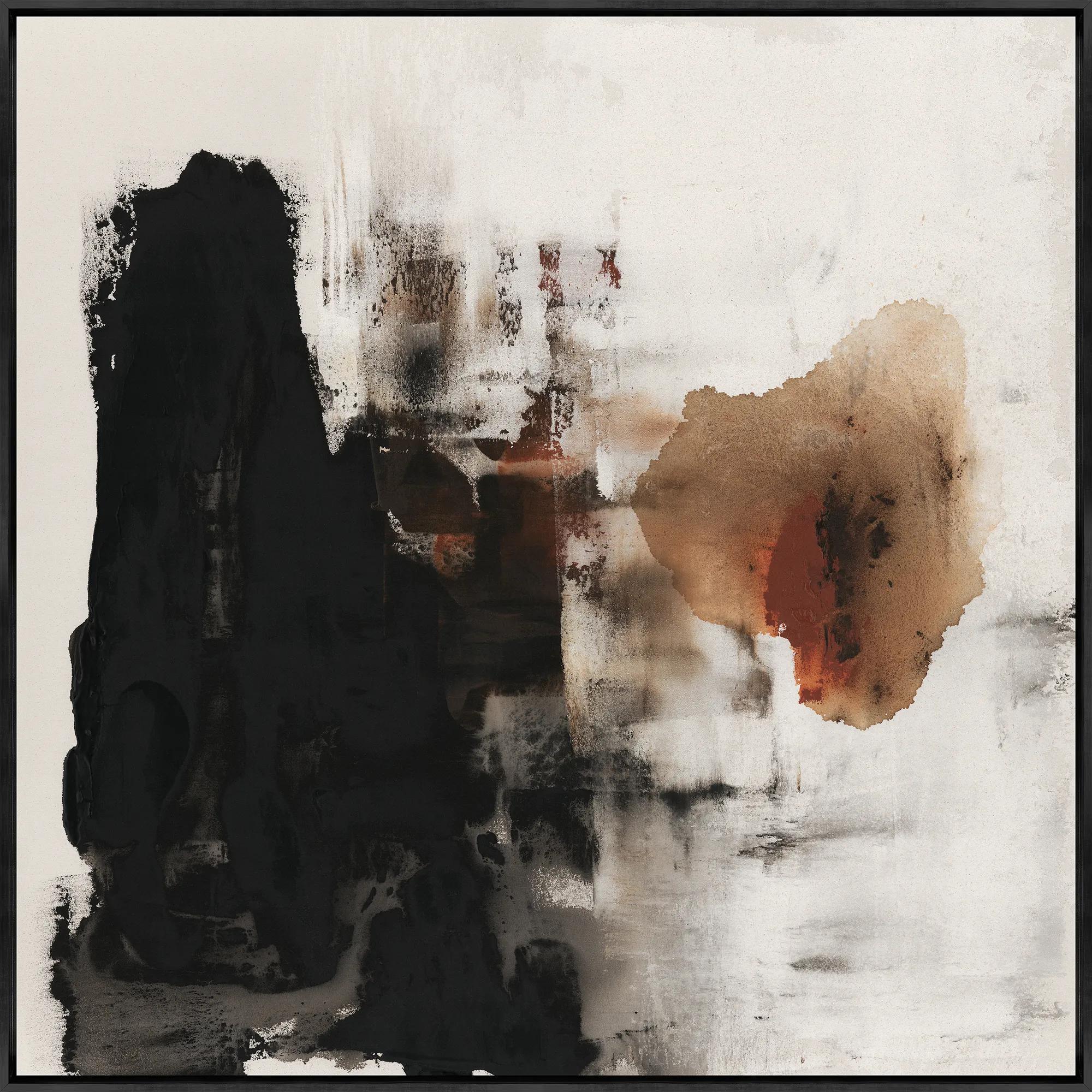 Burning for You I Framed Wall Art 40" x 40"$799
A gallery-wrapped canvas artwork with hand-applied brush gel, set in a sleek black floater frame.
Add To Cart -
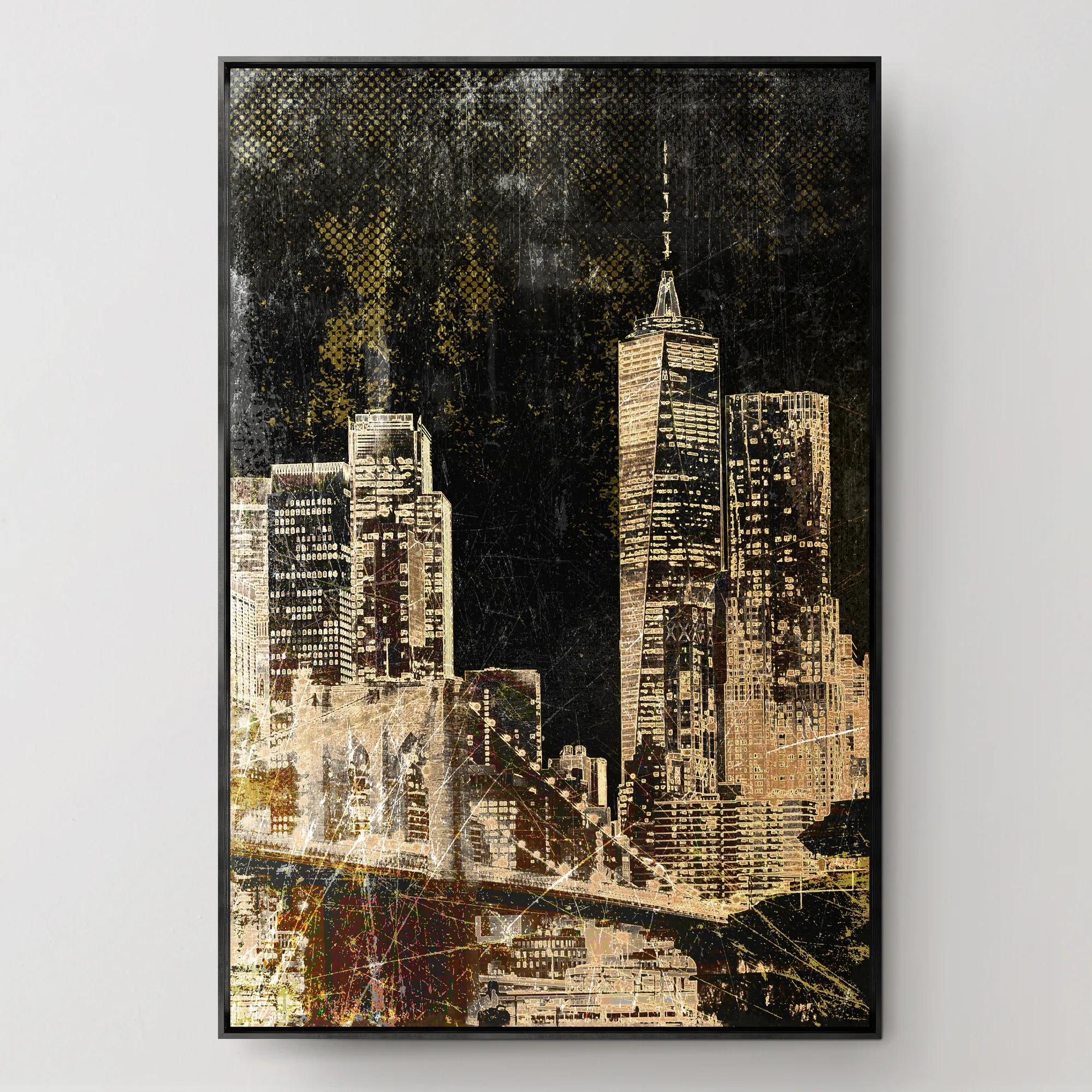
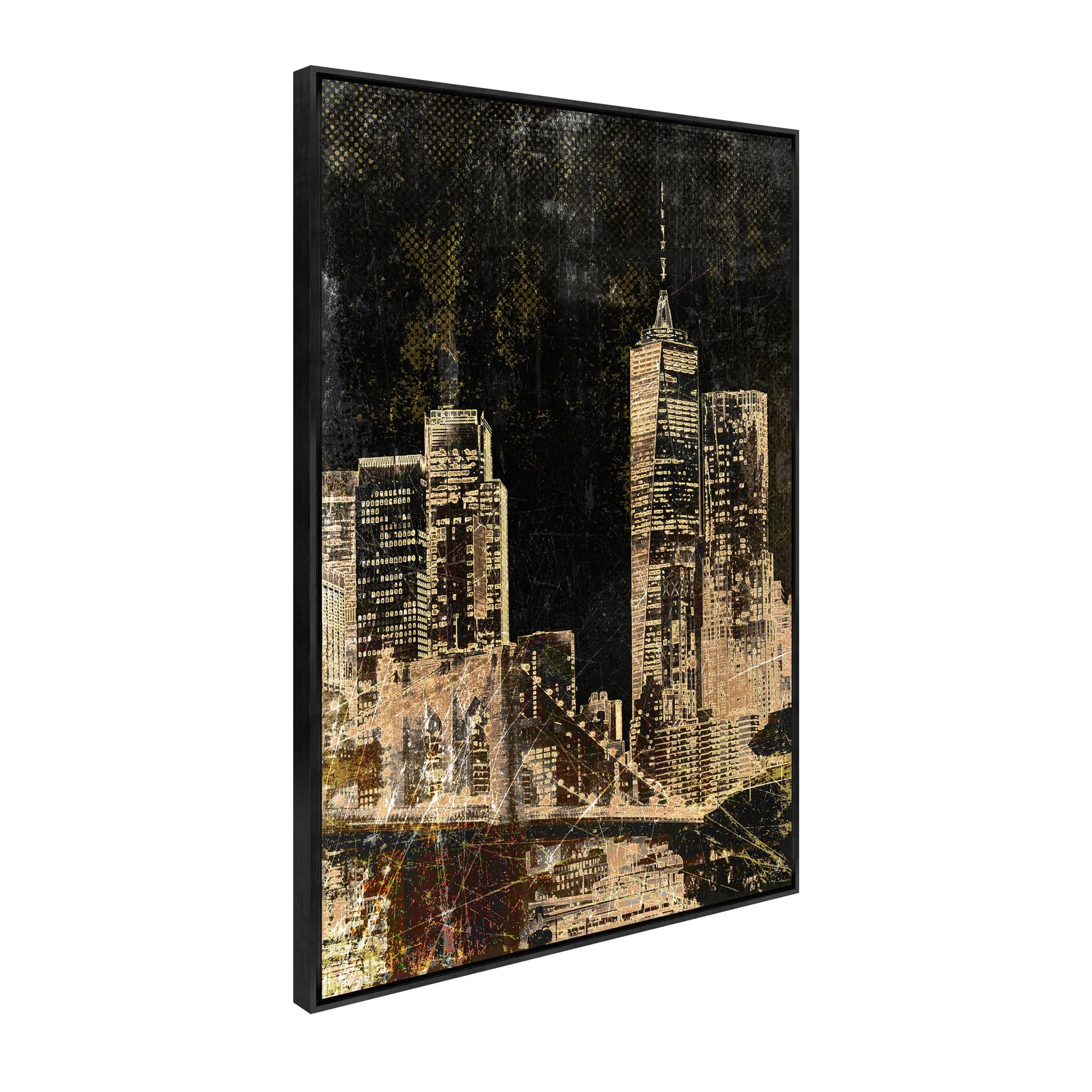 New York Lights Framed Wall Art 30" x 45"$649
A gallery-wrapped canvas artwork featuring a hand-applied gel finish and sleek black floater frame.
Add To Cart -
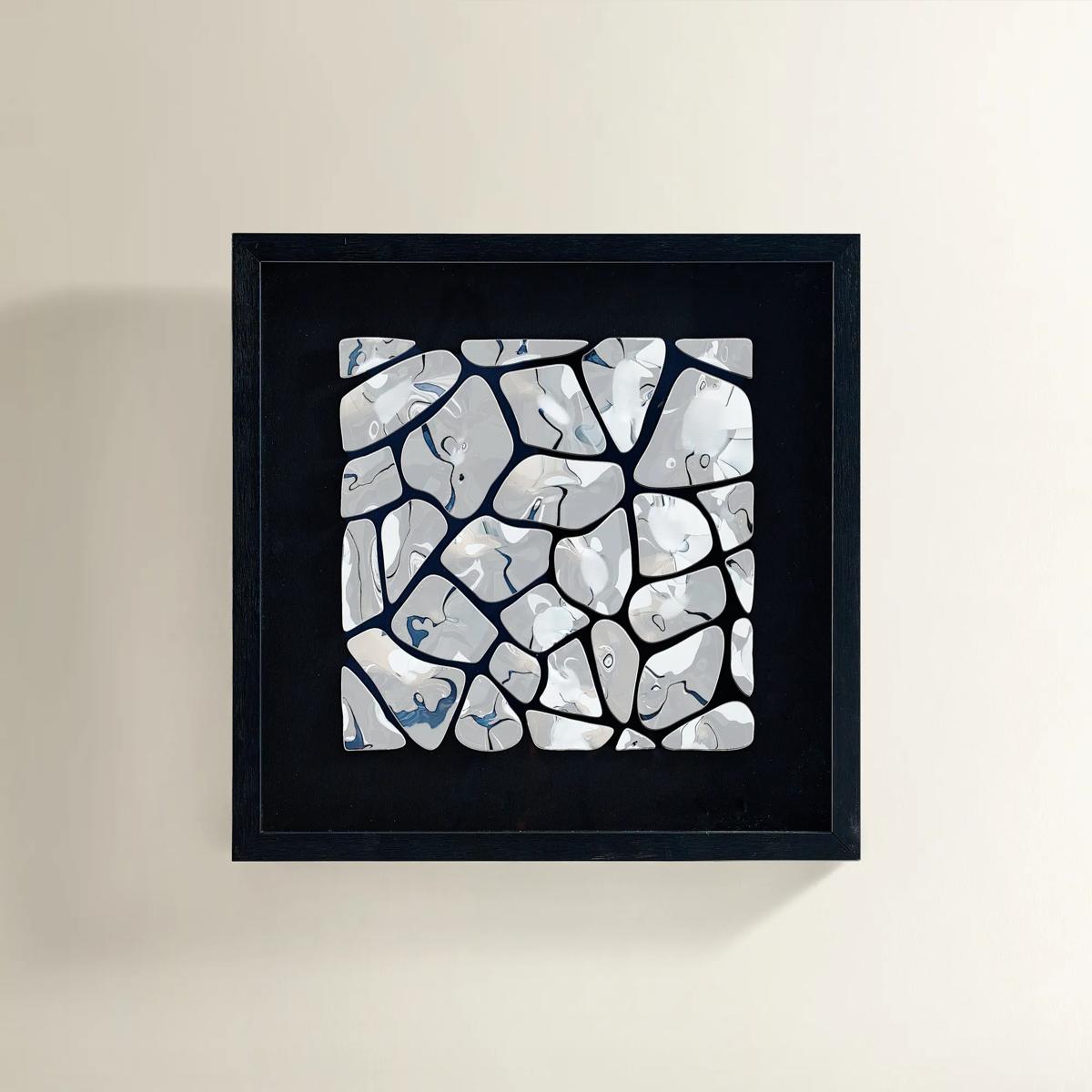 Reflect Silver And Black Shadowbox Art I$189
A dimensional metal wall art piece featuring polished silver and black forms in a sleek black frame.
Add To Cart -
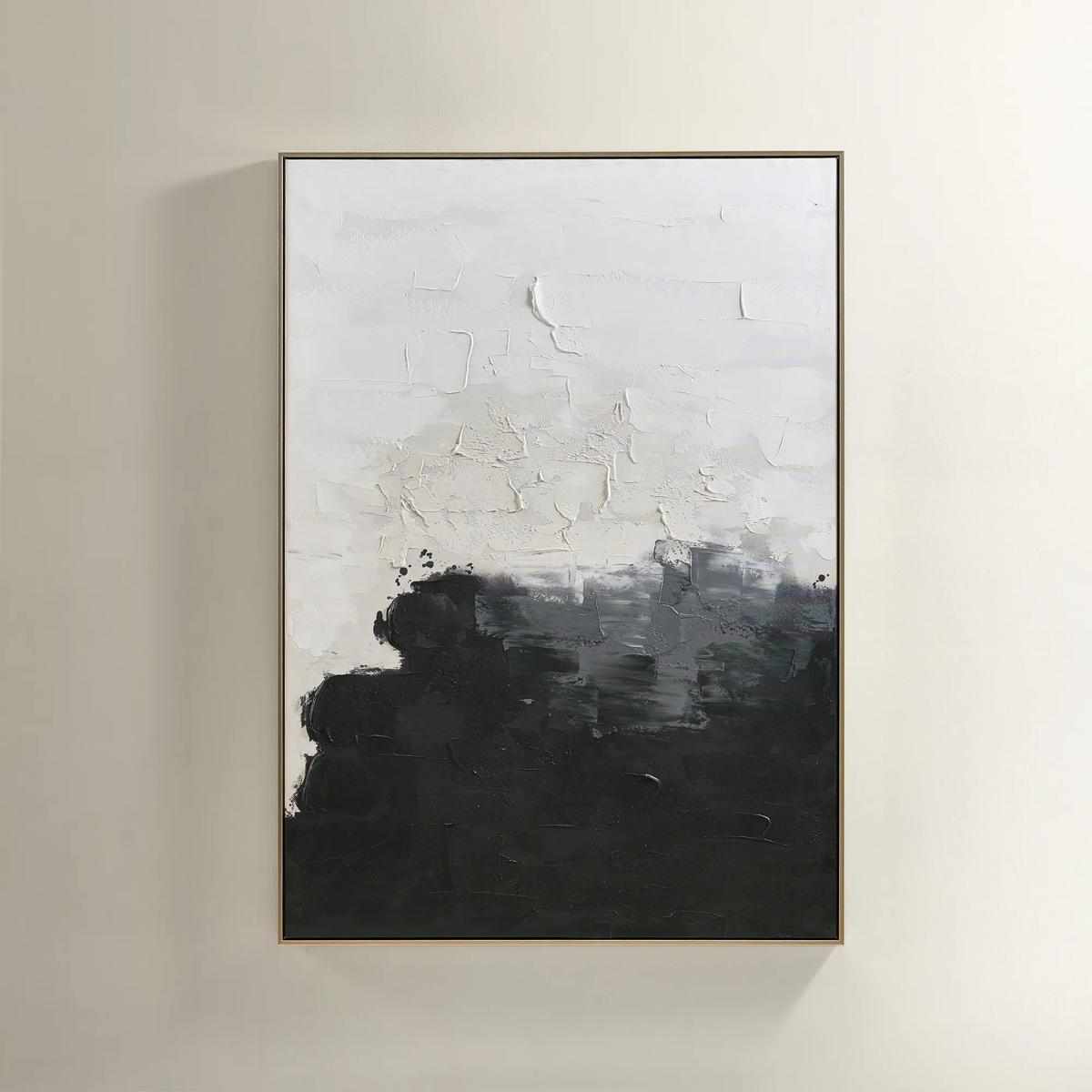
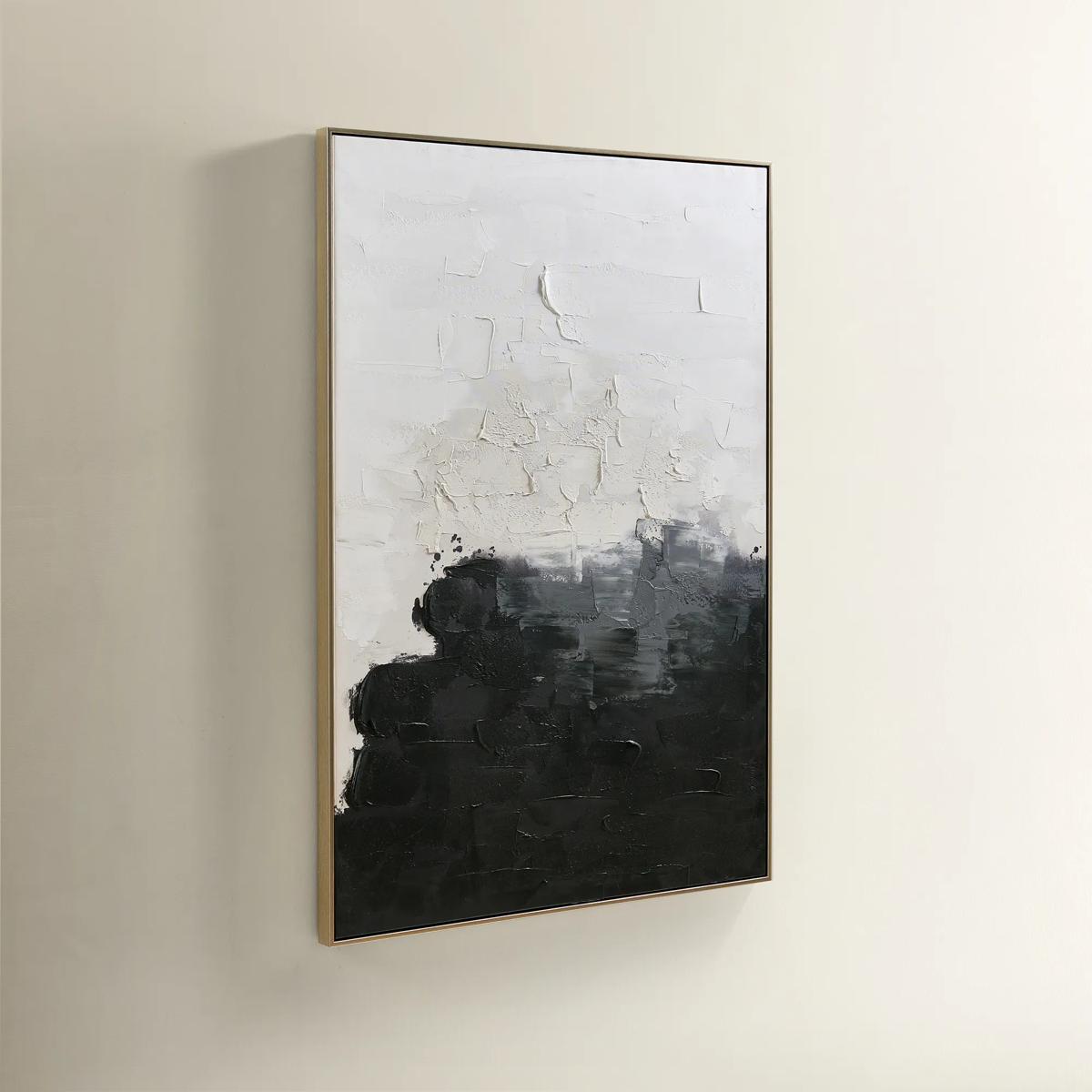 No Rush Painted Wall Art 39.25" x 55"$499
A hand-painted canvas featuring textured strokes of white, ivory, and charcoal in a natural wood frame.
Add To Cart -
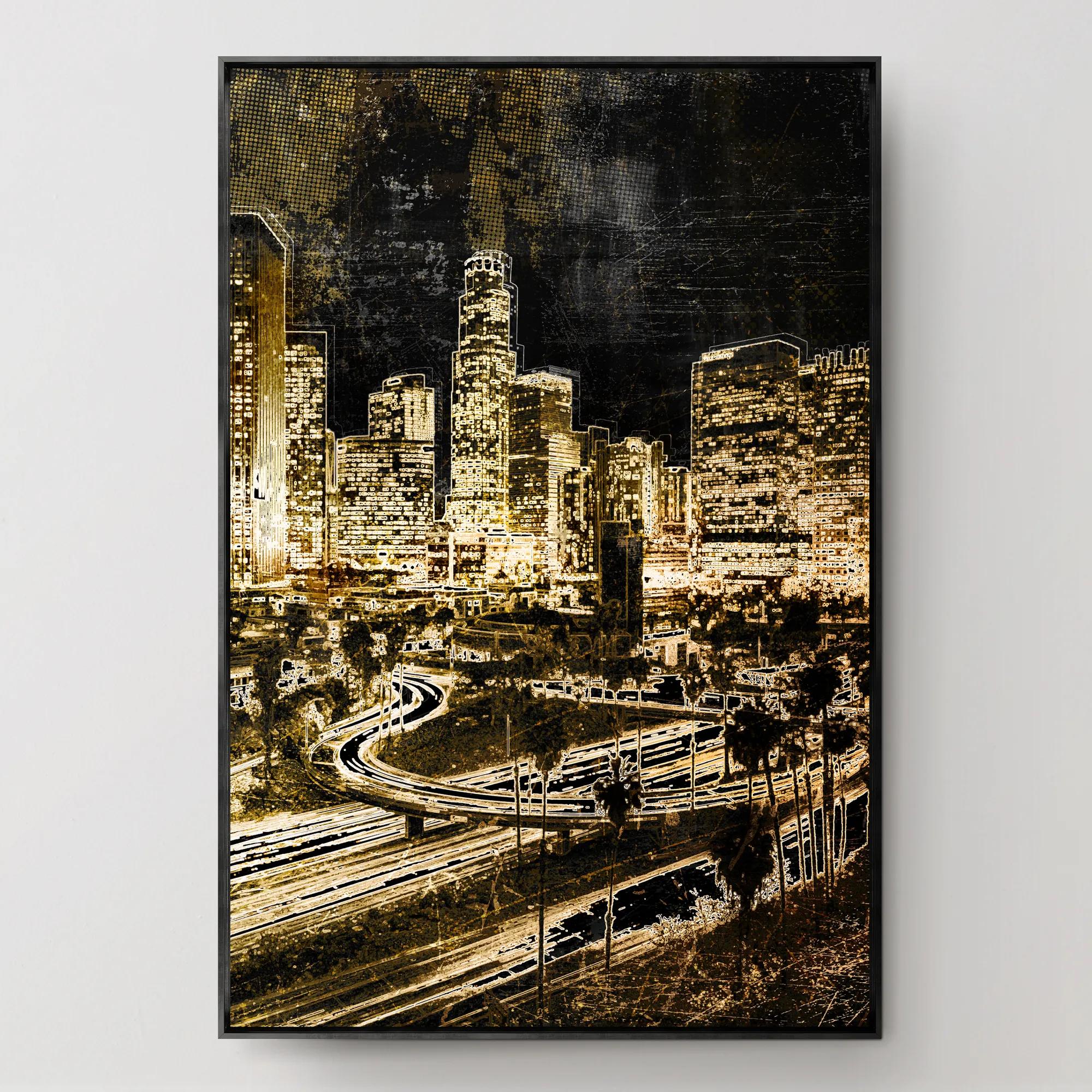 LA Lights Framed Wall Art 30" x 45"$649
A gallery-wrapped canvas artwork featuring a hand-applied brush gel finish in a sleek black floater frame.
Add To Cart -

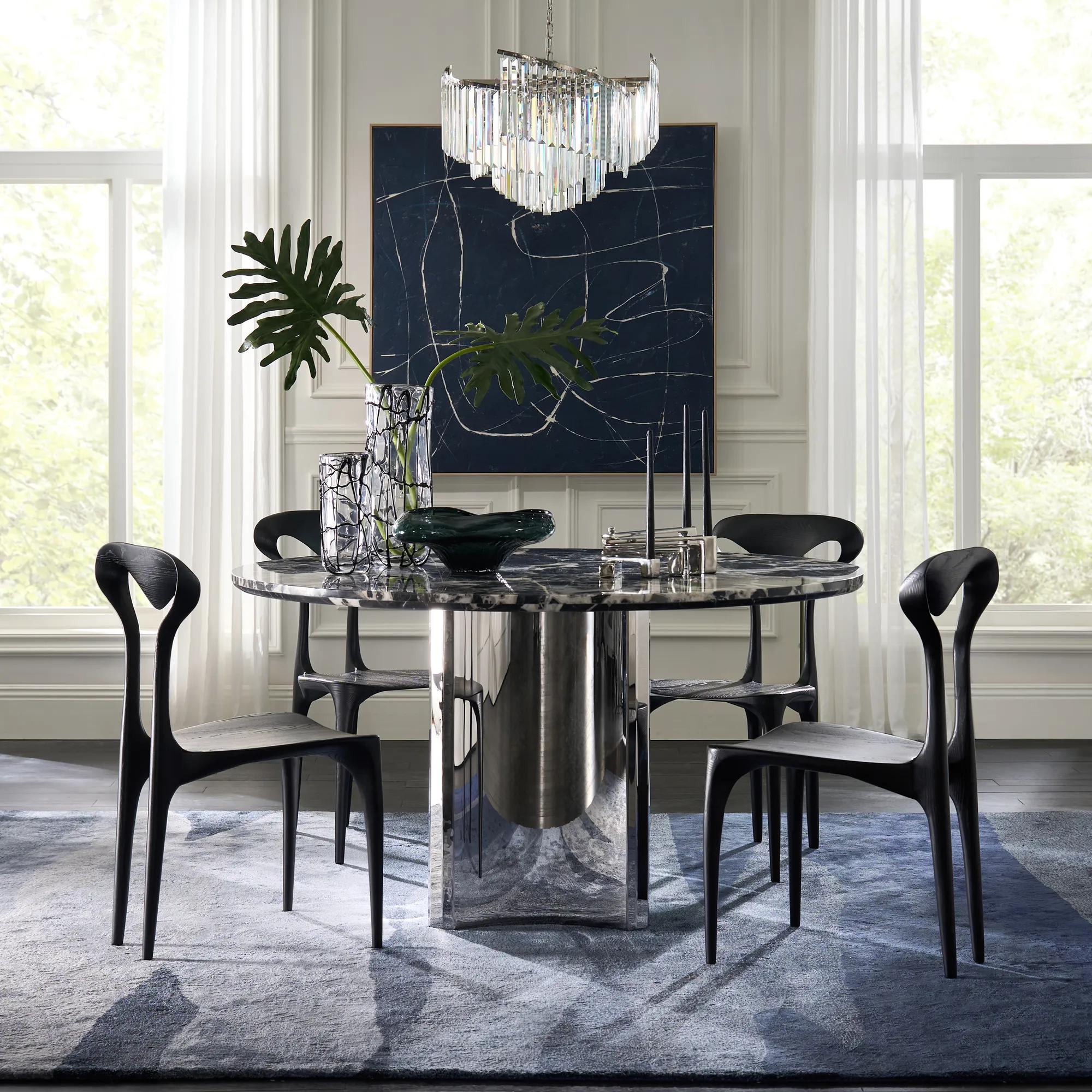 Almost Midnight Painting - Blue$439
A hand-painted canvas featuring bold blue and black tones with delicate white lines in a light wood frame.
Add To Cart -
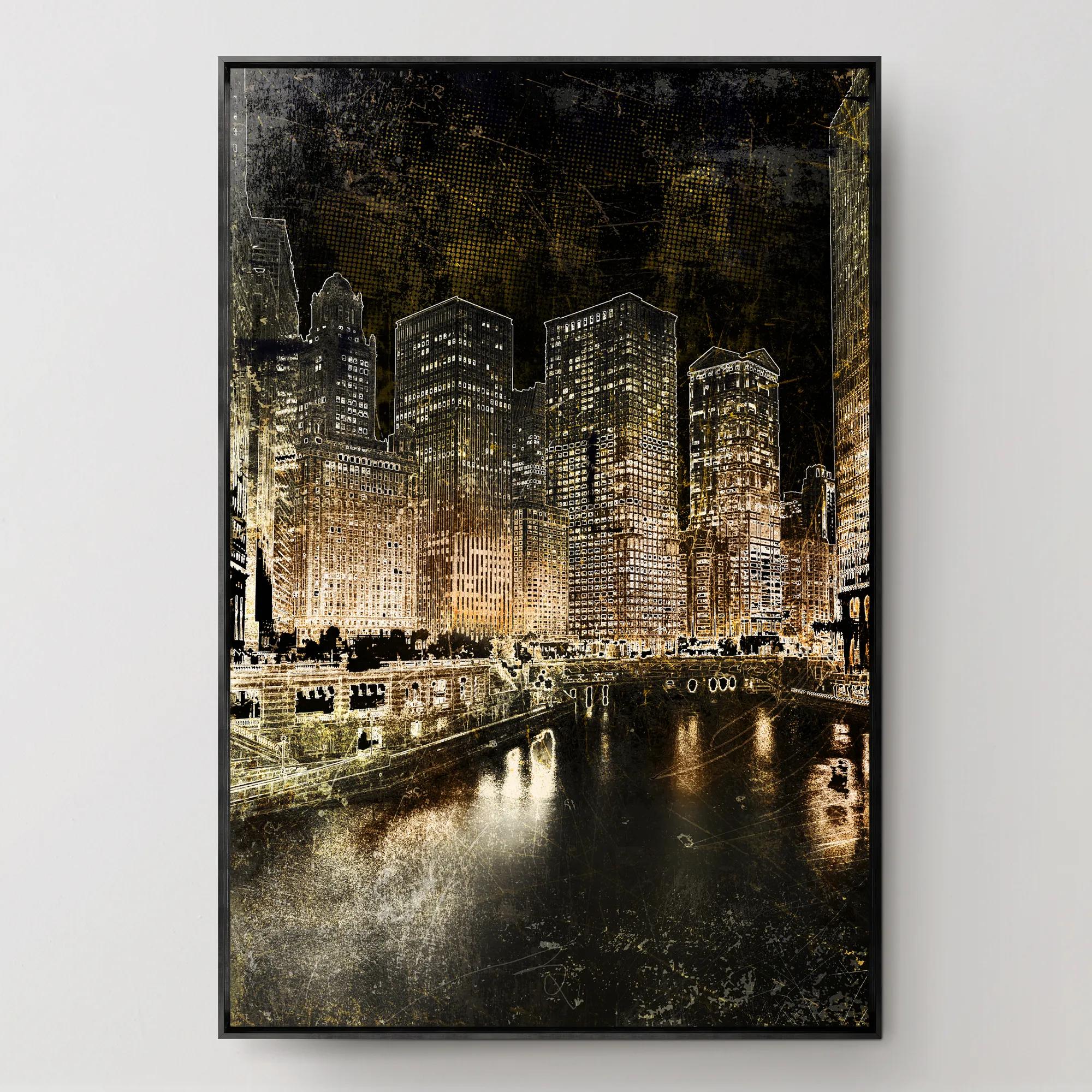
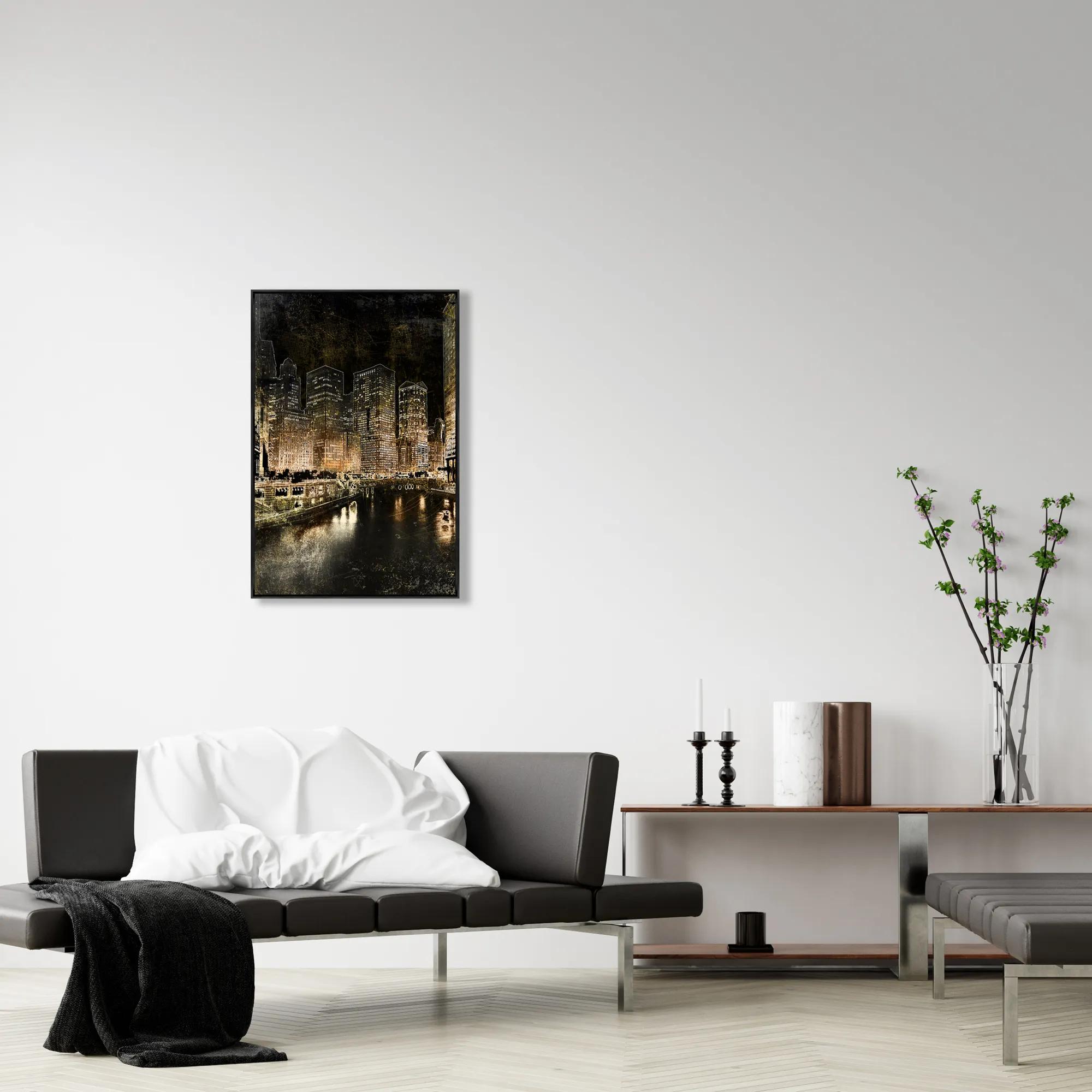 Chicago Lights Framed Wall Art 30" x 45"$649
A gallery-wrapped canvas artwork featuring a hand-applied gel finish in a sleek black floater frame.
Add To Cart -
 World At Night Framed Wall Art 40" x 50"$899
A gallery-wrapped canvas artwork featuring a hand-applied gel finish and set in a sleek black frame.
Add To Cart -
 Etched in Silver$229
An abstract hand-carved aluminum wall art featuring shimmering silver tones in a modern black alloy frame.
Add To Cart

Black Wall Art For Minimalist Decor
Black Wall Art for Minimalist Decor transforms restraint into revelation—where every brushstroke and silhouette commands attention without uttering a word. In the world of pared-back interiors, these pieces are more than accents; they are bold declarations of style, anchoring your space with striking contrast and quiet drama. Let sculptural forms and inky hues infuse your walls with an artful tension, creating a gallery-worthy backdrop that celebrates both simplicity and sophistication. Embrace the allure of negative space, and discover how Black Wall Art for Minimalist Decor turns understatement into pure visual poetry.
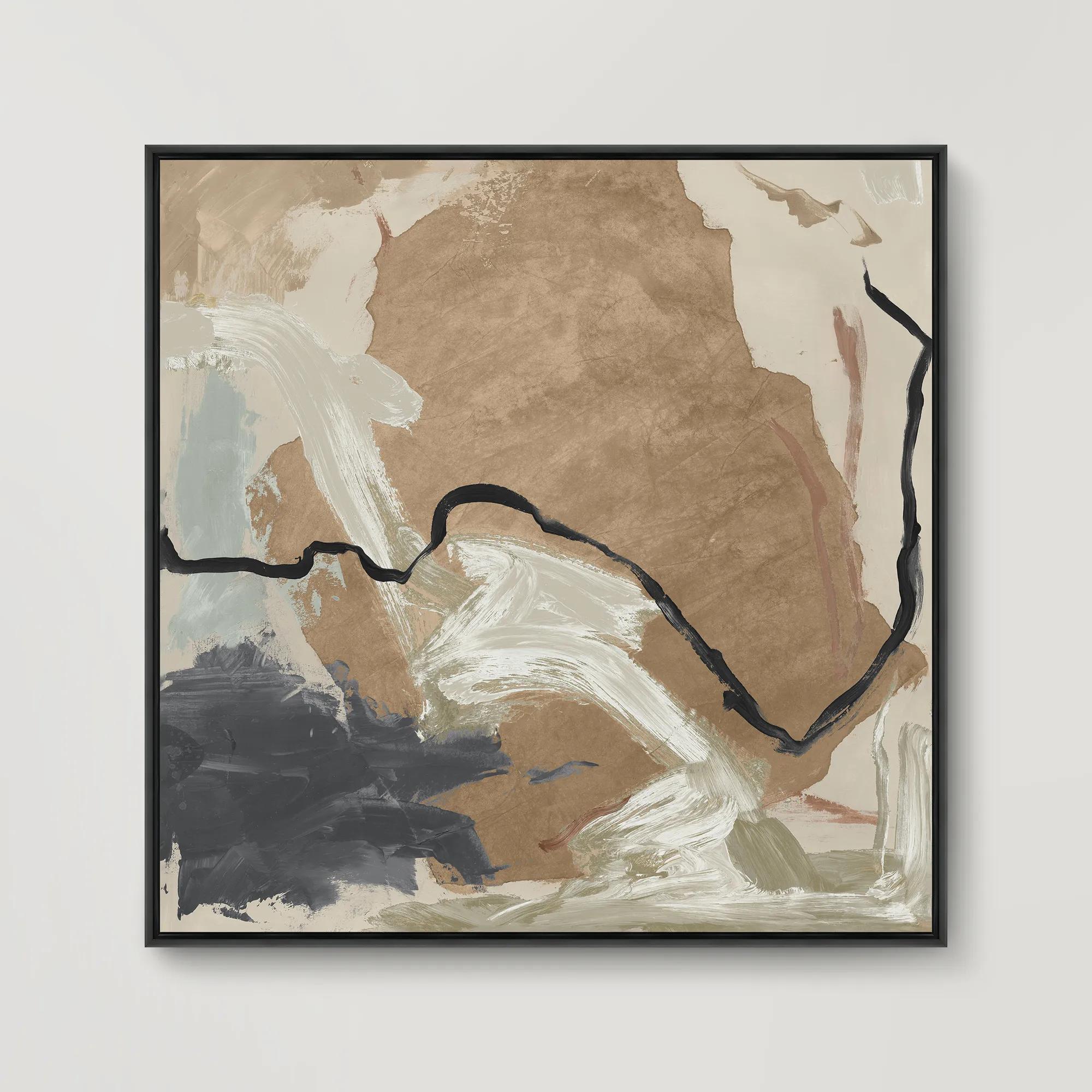
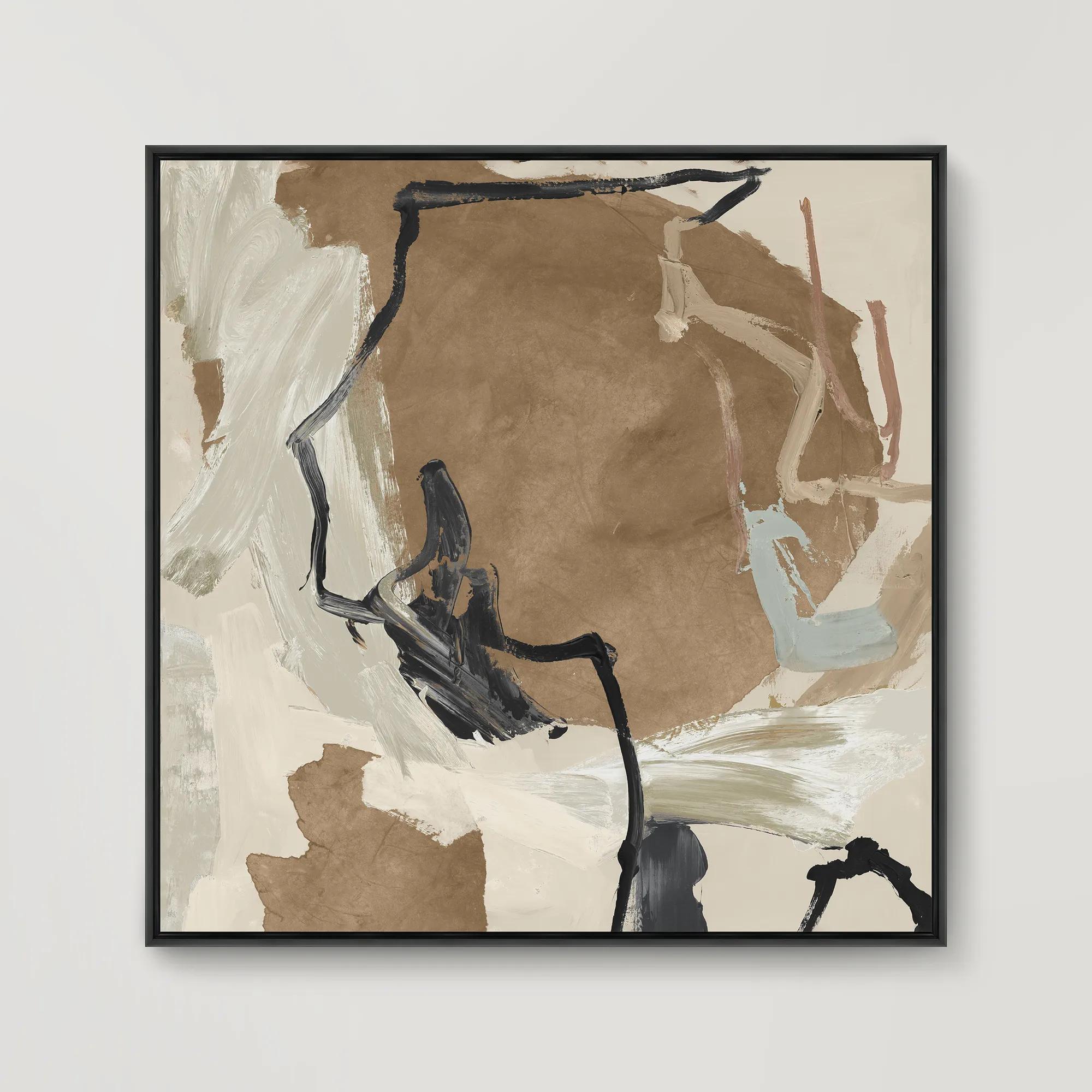
Black wall art for minimalist decor creates a focal point through clean lines, simplified forms, and a tightly edited palette rather than layers of ornament. Its presence can be bold without making a room feel crowded: a sweeping charcoal gesture across an ivory ground, an inky field interrupted by a fine white line, or a sculptural surface that reveals its depth through shadow. Negative space—the unmarked area within and around a composition—gives these details room to register. The result is an interior with clarity, contrast, and unmistakable character. Black abstract wall art feels especially expressive when the composition balances dense marks with generous open areas, while line art introduces a more fluid rhythm. Geometric compositions bring architectural precision through circles, arches, grids, and intersecting planes; Minimalist Geometric Wall Art offers a related direction for spaces shaped by strong silhouettes and deliberate repetition. Black-and-white wall art delivers crisp contrast, while black against cream, sand, or warm gray creates a softer relationship between the artwork and its surroundings. An almost entirely black composition can be equally compelling, drawing attention to subtle changes in sheen, texture, and depth instead of color. Against a pale wall, these darker surfaces become a commanding focal point. Against a charcoal wall, they take on a quieter, enveloping richness, with the frame and surface detail defining their edges. This versatility makes black artwork a natural companion to both tailored contemporary furniture and more sculptural interiors. A curved ivory sofa, a polished stone console, or a richly grained wood cabinet gives the composition a different context without competing for attention. Minimalist decor need not feel austere; sumptuous upholstery, a gleaming accent, and art with a confident silhouette can create a room that feels edited yet deeply expressive. The strongest connection is often a shared line or finish rather than an exact match.
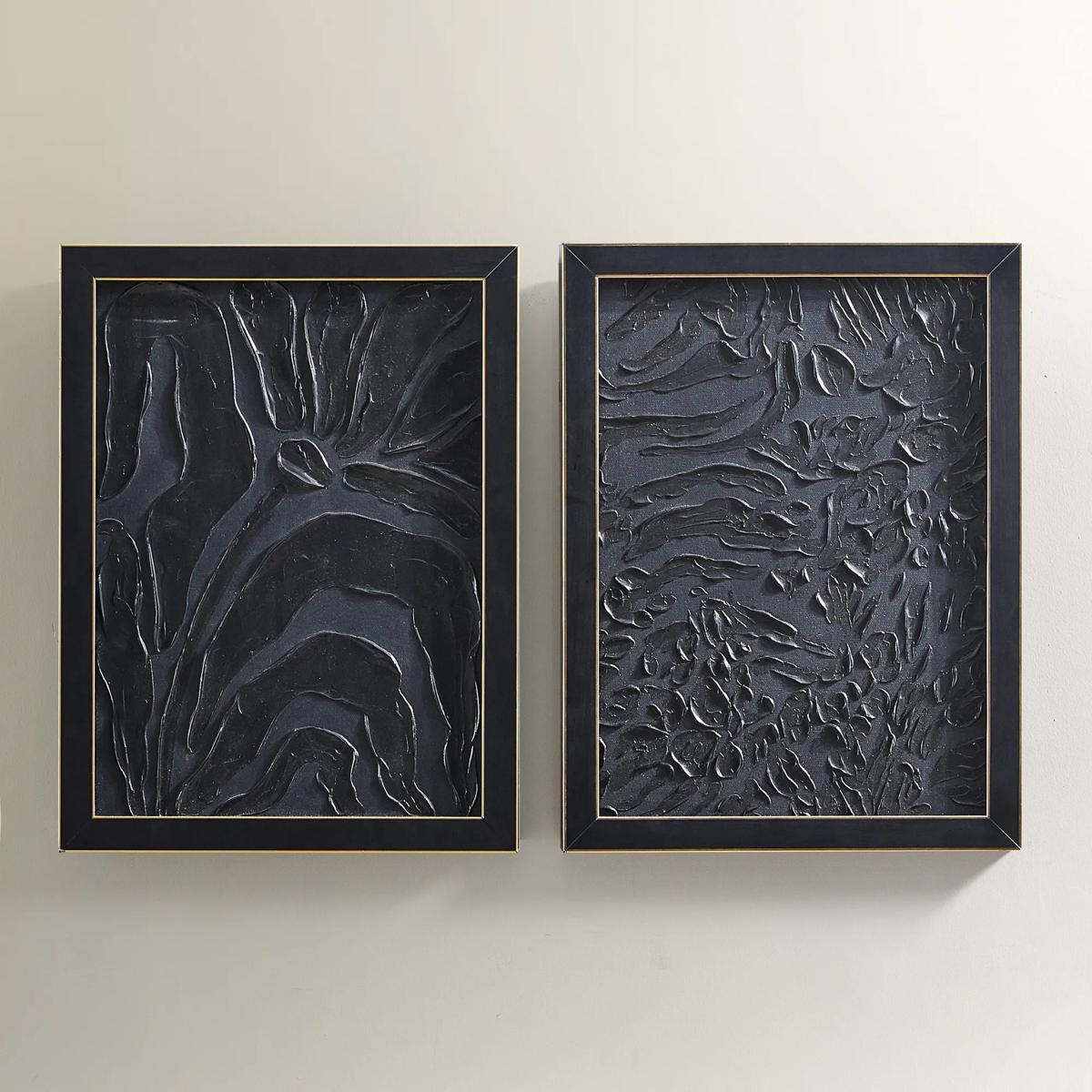
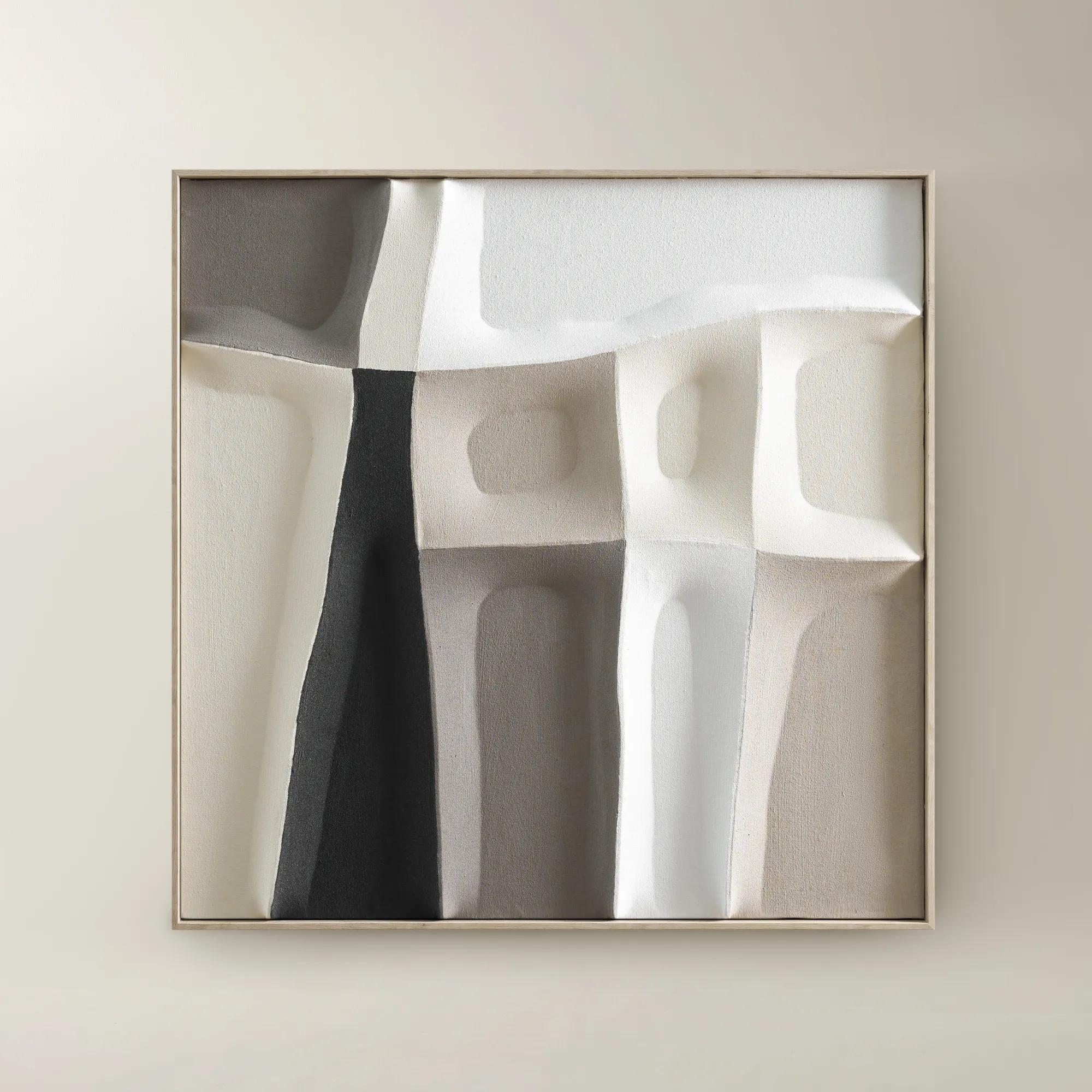
Materials give black minimalist wall art much of its personality, even when the palette remains restrained. Canvas has a woven surface that lends printed or painted imagery a tactile quality, allowing broad gestures and tonal variations to feel less severe. Gallery-wrapped edges extend the presentation around the sides, while a floating frame creates a narrow shadow line between the canvas and its border. Works on paper offer a different kind of refinement: delicate marks, sharply defined shapes, and the subtle character of the paper itself can become part of the visual experience. A generous mat adds breathing room around a smaller composition, giving it presence without enlarging the image. Textured wall art introduces another dimension through raised surfaces, carved wood, or layered forms, where changing light reveals detail across a limited range of tones. Matte finishes tend to soften reflections and emphasize shape; glossy surfaces introduce a more luminous, mirror-like interplay with the room. Frame materials further influence the mood. Slim black metal feels precise and architectural, black wood adds substance, and a natural wood surround brings warmth to a graphic composition. The choice is as much about the surrounding furniture and finishes as the artwork itself. For lasting presentation, construction and protection deserve the same attention as appearance. Sturdy framing, secure backing, and hanging hardware suited to the artwork’s weight help support reliable display. Paper artwork benefits from acid-free matting and backing, while UV-filtering glazing can help reduce light-related fading without eliminating the need to avoid prolonged direct sun. Care depends on the medium and finish: gentle dusting with a clean, dry, soft cloth is appropriate for many frames, but textured, painted, or delicate surfaces may require different handling. Cleaning liquid should never be sprayed directly onto artwork or allowed to seep beneath glazing. Material-specific care instructions remain important, especially for dimensional surfaces whose recesses and raised details can be damaged by moisture or vigorous wiping.
Scale and placement determine whether black wall decor feels intentional within a room. Above a sofa or headboard, a horizontal composition can echo the furniture’s breadth and establish a generous visual anchor; a tall, narrow work can accentuate a vertical stretch of wall beside a console or along an entry passage. As a starting proportion, artwork spanning roughly two-thirds to three-quarters of the furniture’s width often feels balanced, although nearby windows, sconces, and the shape of the composition may call for adjustment. A single large work can give a compact room a strong identity without introducing the visual activity of many smaller frames. A pair or trio offers another approach, particularly when consistent spacing and a shared frame finish allow the arrangement to read as one composition. Measuring the complete grouping, including the gaps, helps relate it to the furniture below. The center of artwork is often placed near eye level, but seating height, ceiling proportions, and sightlines matter more than a rigid rule. Over furniture, a close visual relationship usually feels more cohesive than a frame floating high above it, provided there is comfortable clearance for everyday use. In a living room, black canvas wall art can connect darker accents scattered throughout the space, from table bases to lighting details. In a bedroom, a restrained composition with softer edges can lend depth without overwhelming the restful setting. In a dining area or home office, crisp geometry brings definition to a wall that might otherwise feel unfinished. Glazing and glossy finishes merit consideration opposite bright windows, where reflections may obscure the image. Intended placement also matters for durability: indoor artwork generally belongs away from persistent humidity, splashes, and direct heat. For a housewarming or milestone gift, black minimalist art can suit someone drawn to monochrome interiors, expressive architecture, or carefully collected decor. Knowing the recipient’s wall dimensions and preferred framing style makes the gesture more personal, turning a striking object into a considered part of the home.
FAQs
For minimalist spaces, black wall art featuring abstract shapes, single-line drawings, or subtle monochromatic textures is ideal. Look for pieces that emphasize simplicity and negative space—such as graphic line art, geometric forms, or textured canvases—which add depth and sophistication without overwhelming the room.
Black wall art introduces a sense of drama and refinement to any interior. Its rich, dark tones create striking contrast against neutral walls, grounding the space and drawing the eye. Depending on the design, it can evoke a calming, serene mood or serve as a bold focal point, transforming the overall ambiance of your home.
Absolutely! Black wall art is a versatile and thoughtful gift, especially for those who appreciate modern or minimalist aesthetics. Its timeless appeal and ability to complement a wide range of decor styles make it perfect for housewarmings, weddings, or milestone celebrations.
Minimalist black wall art often features materials such as canvas, metal, or high-quality paper. Textured pieces may incorporate paint techniques, palette knives, or even crushed charcoal, while metal wall sculptures offer a sleek, architectural feel. These materials ensure both visual interest and lasting durability.
Yes, black wall art pairs beautifully with other minimalist elements, such as natural wood, soft textiles, and sculptural ceramics. It can be displayed as a standalone statement or layered within a gallery wall for added dimension, allowing you to create a curated, personalized look in any room.