Modern Minimalist Wall Paintings
Modern Minimalist Wall Paintings
-
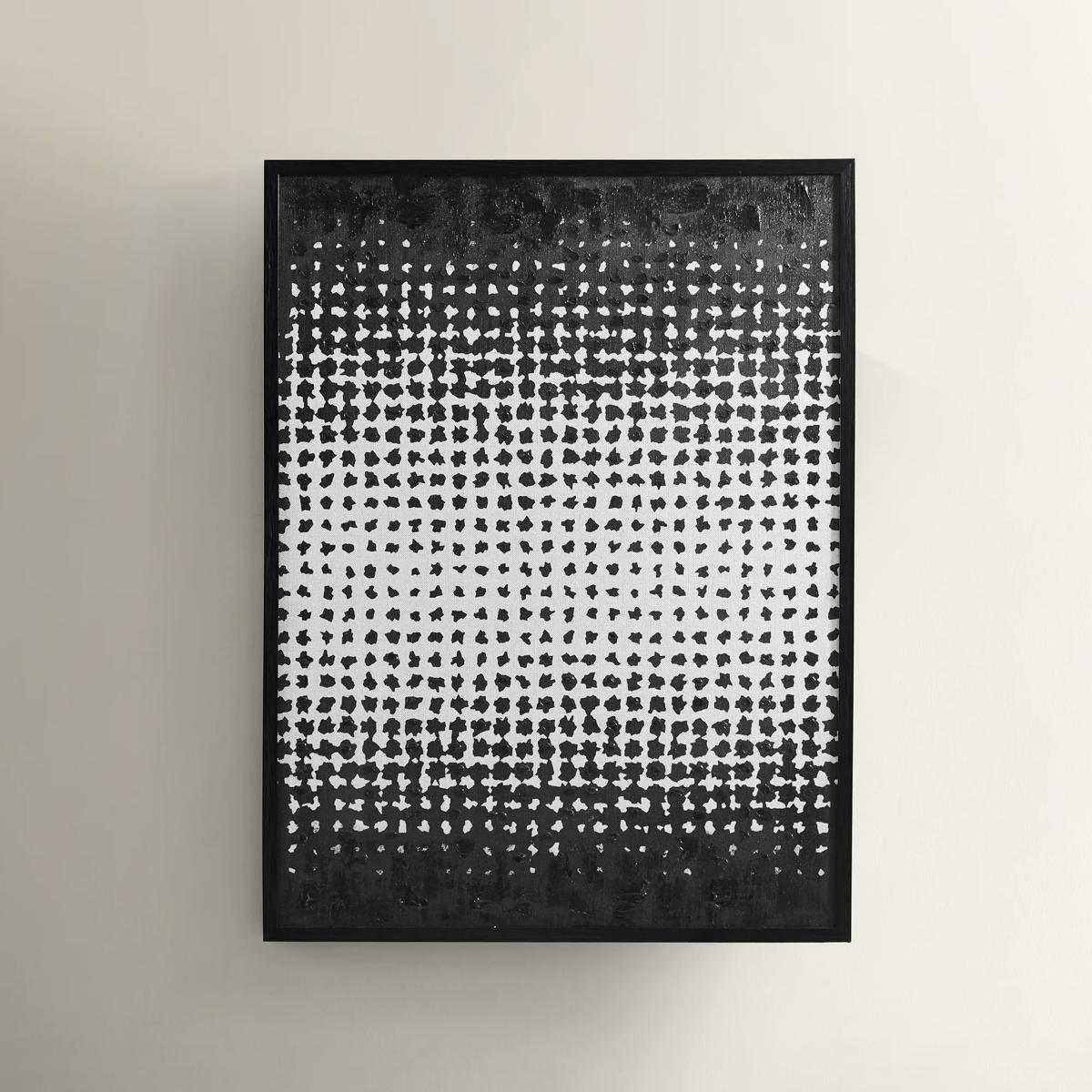
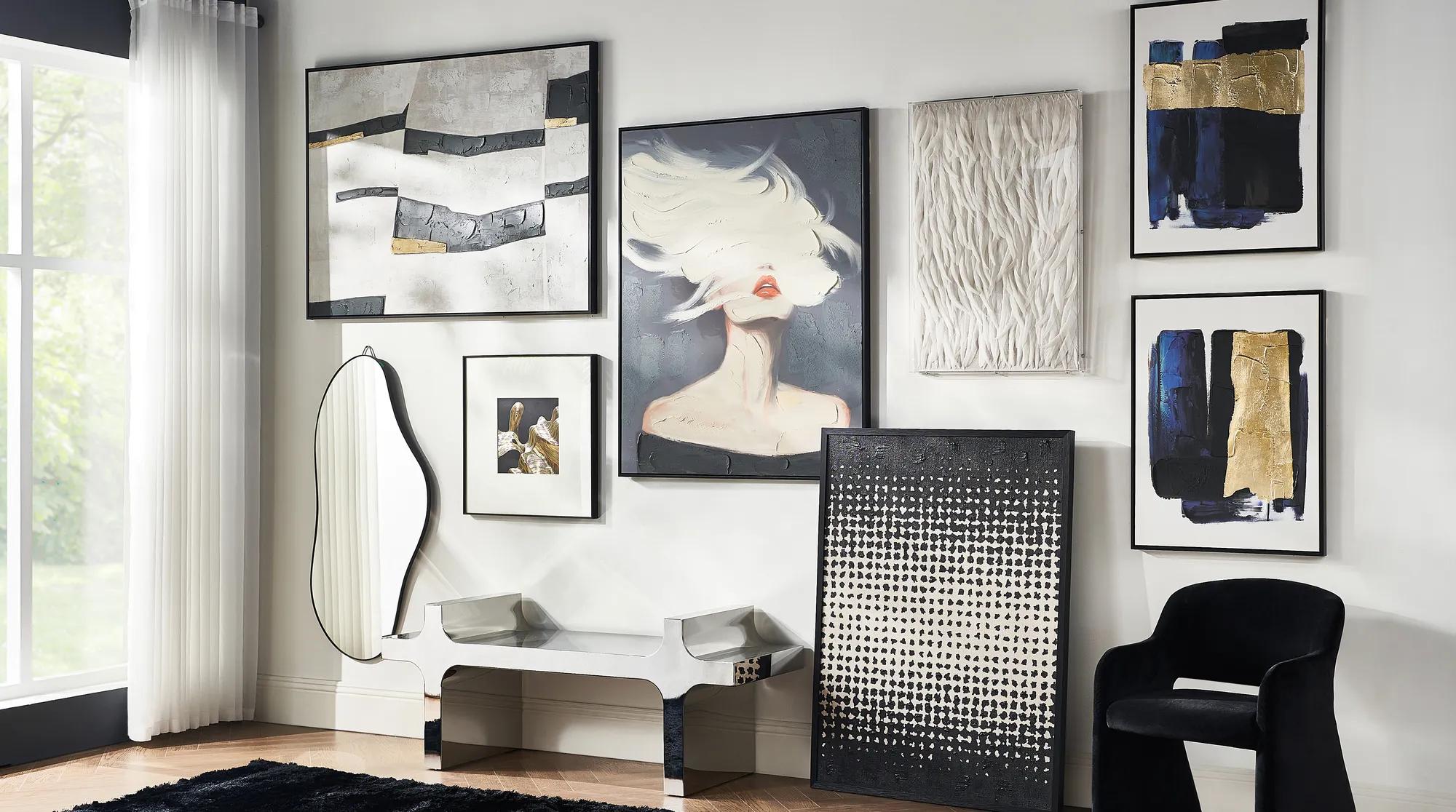 In Time Painting$399
A hand-painted linen canvas featuring cream and black dots in a modern, minimalist geometric pattern.
Add To Cart -

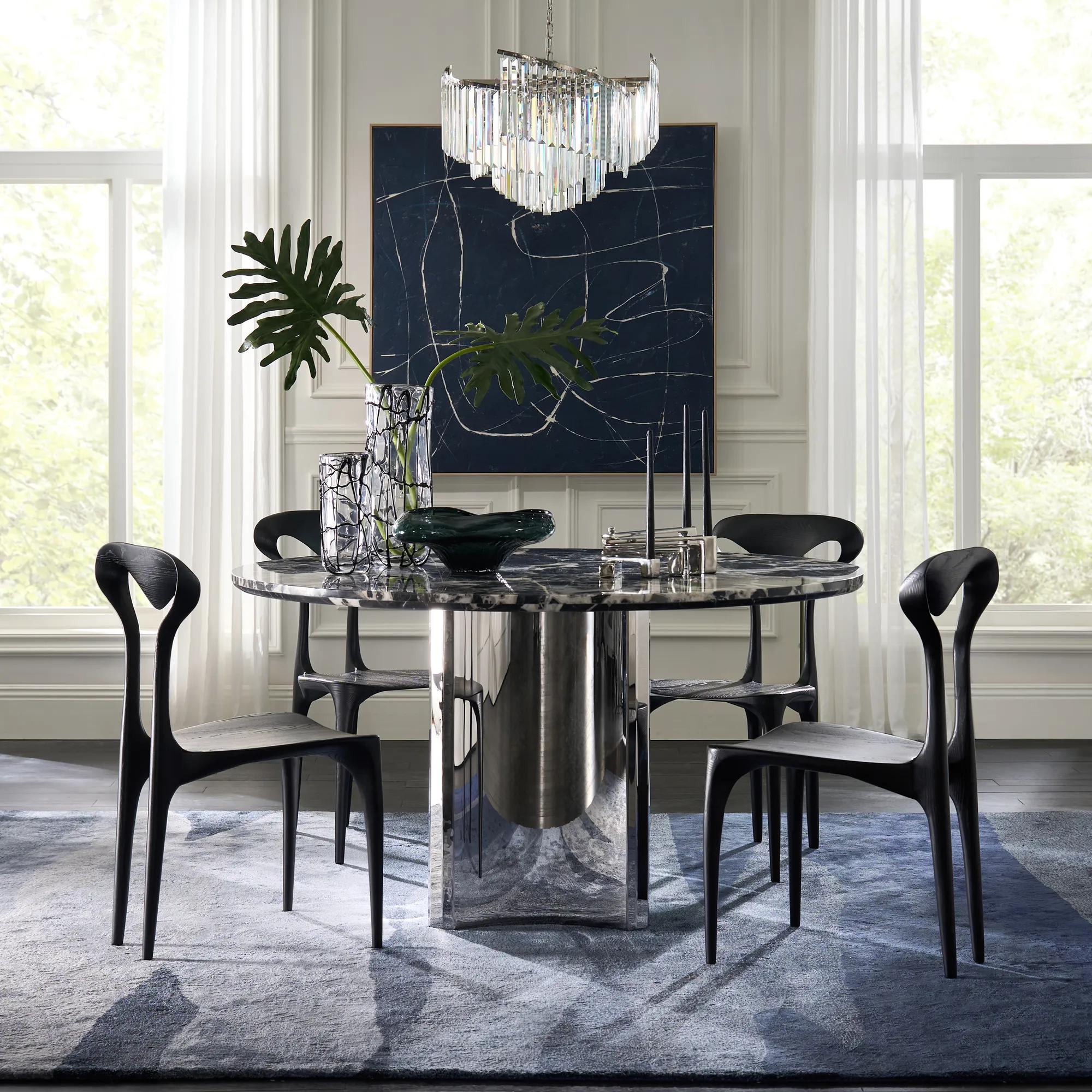 Almost Midnight Painting - Blue$439
A hand-painted canvas featuring bold blue and black tones with delicate white lines in a light wood frame.
Add To Cart -
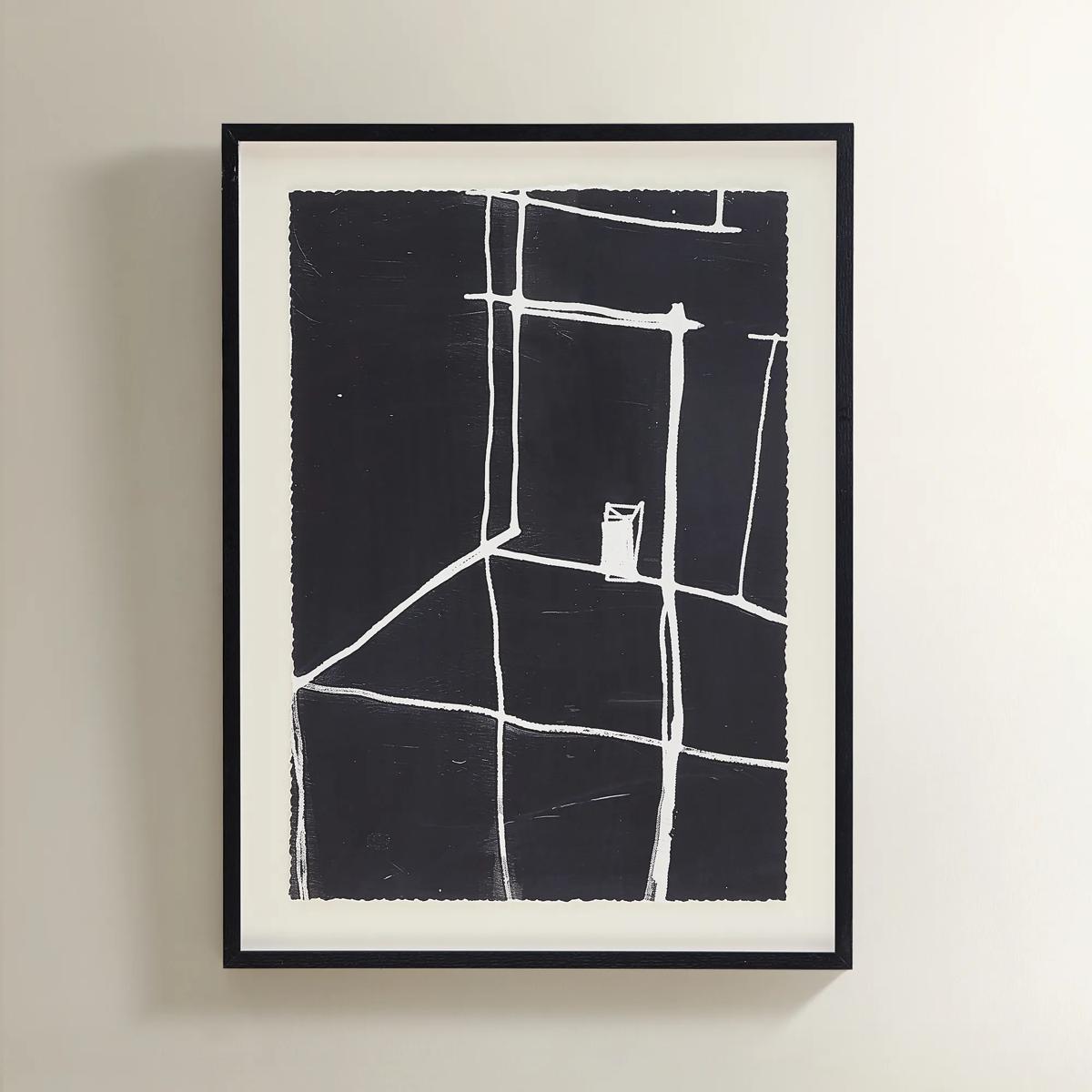 Solitude Art$269
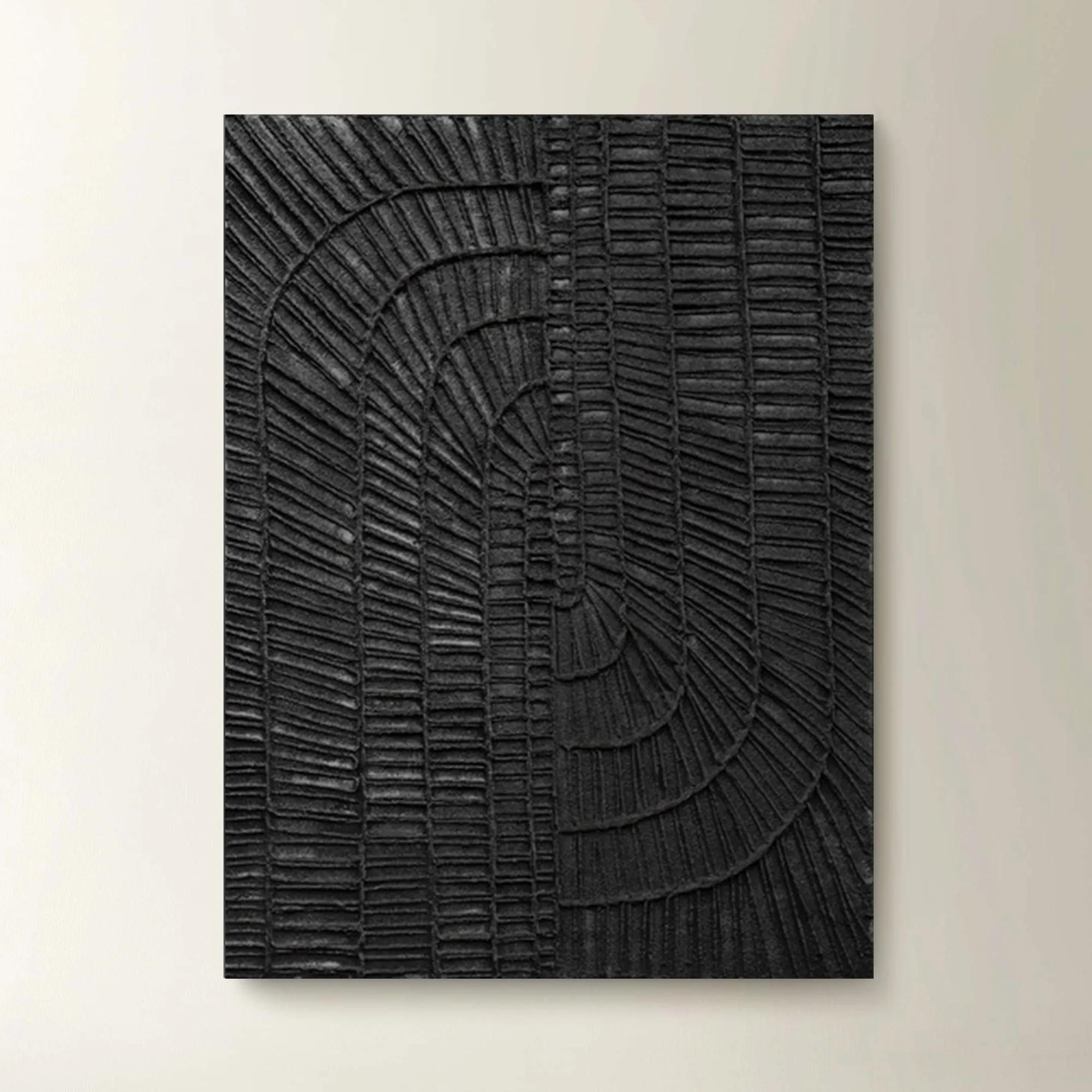
A minimalist black-and-white abstract print featuring bold white lines in a sleek black polyresin frame.
Add To Cart -
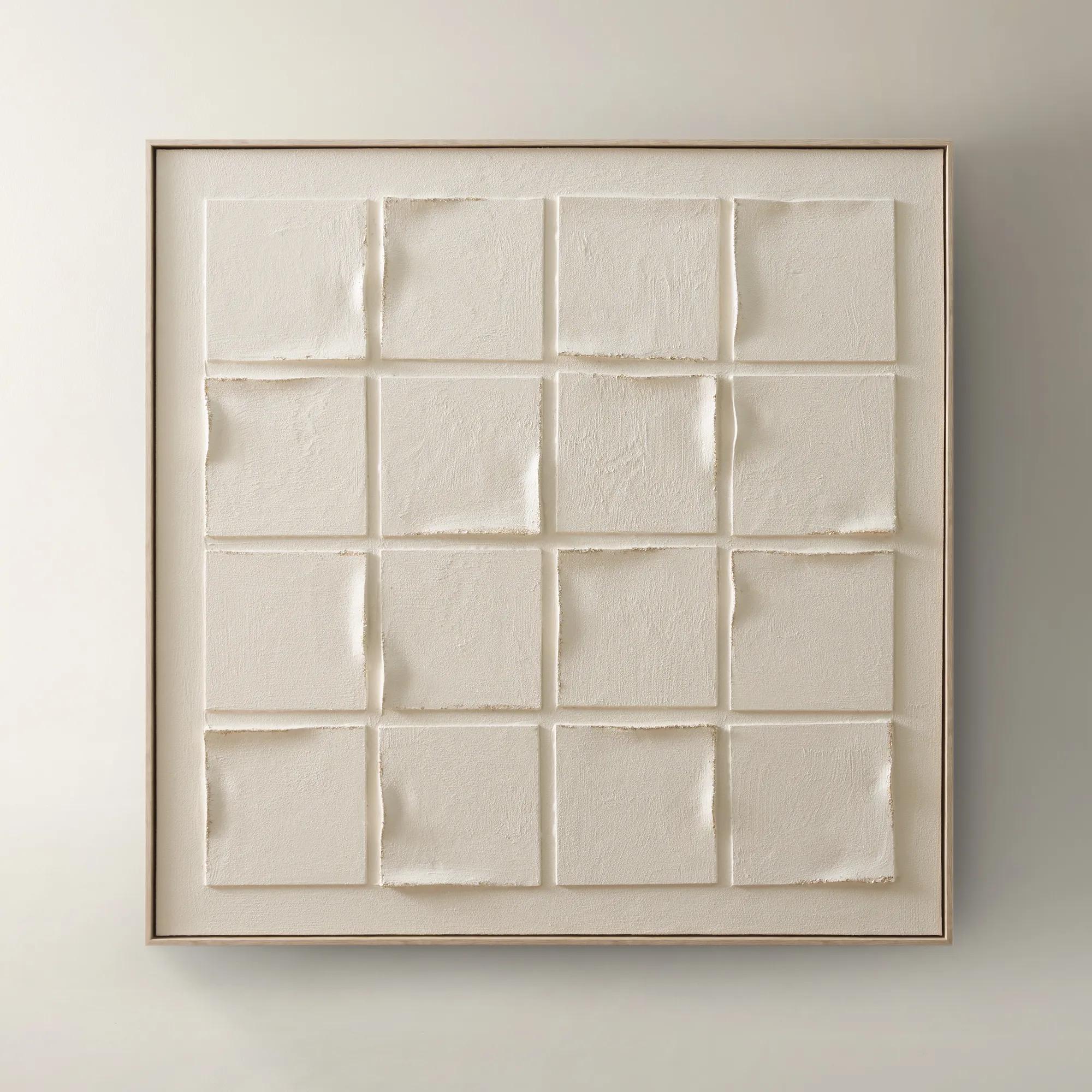 Gaze Framed Painted Wall Art 39.4" x 40"$329
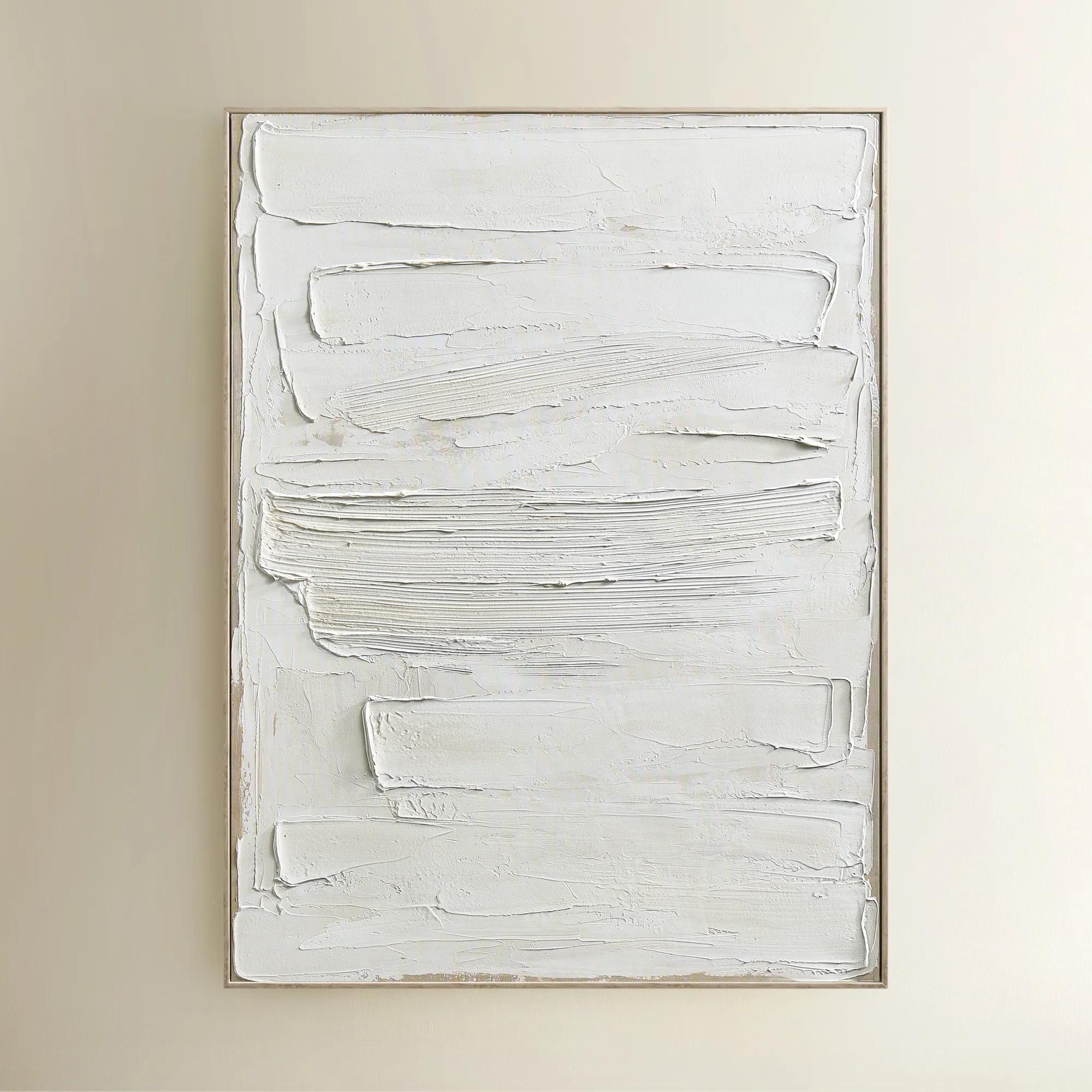
A hand-painted canvas featuring subtle beige tones and textured depth in a warm whitewash floater frame.
Add To Cart -
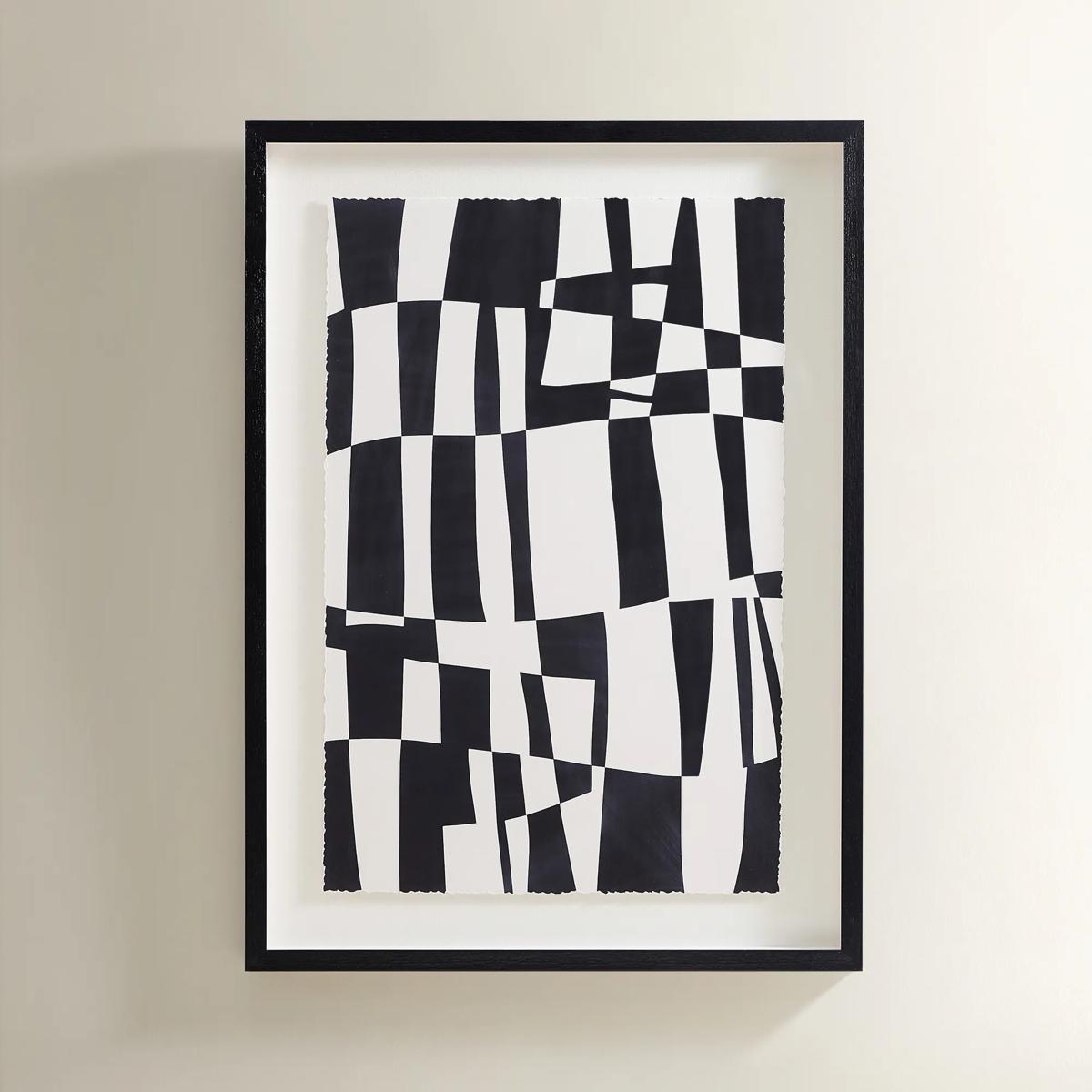 Matrix Art$369
A striking black and white abstract grid print set in a sleek black polyresin frame.
Add To Cart -

 Transformation Framed Wall Art 47" x 47"$1099
A sophisticated brown canvas wall artwork in a striking framed design for modern interiors.
Add To Cart -
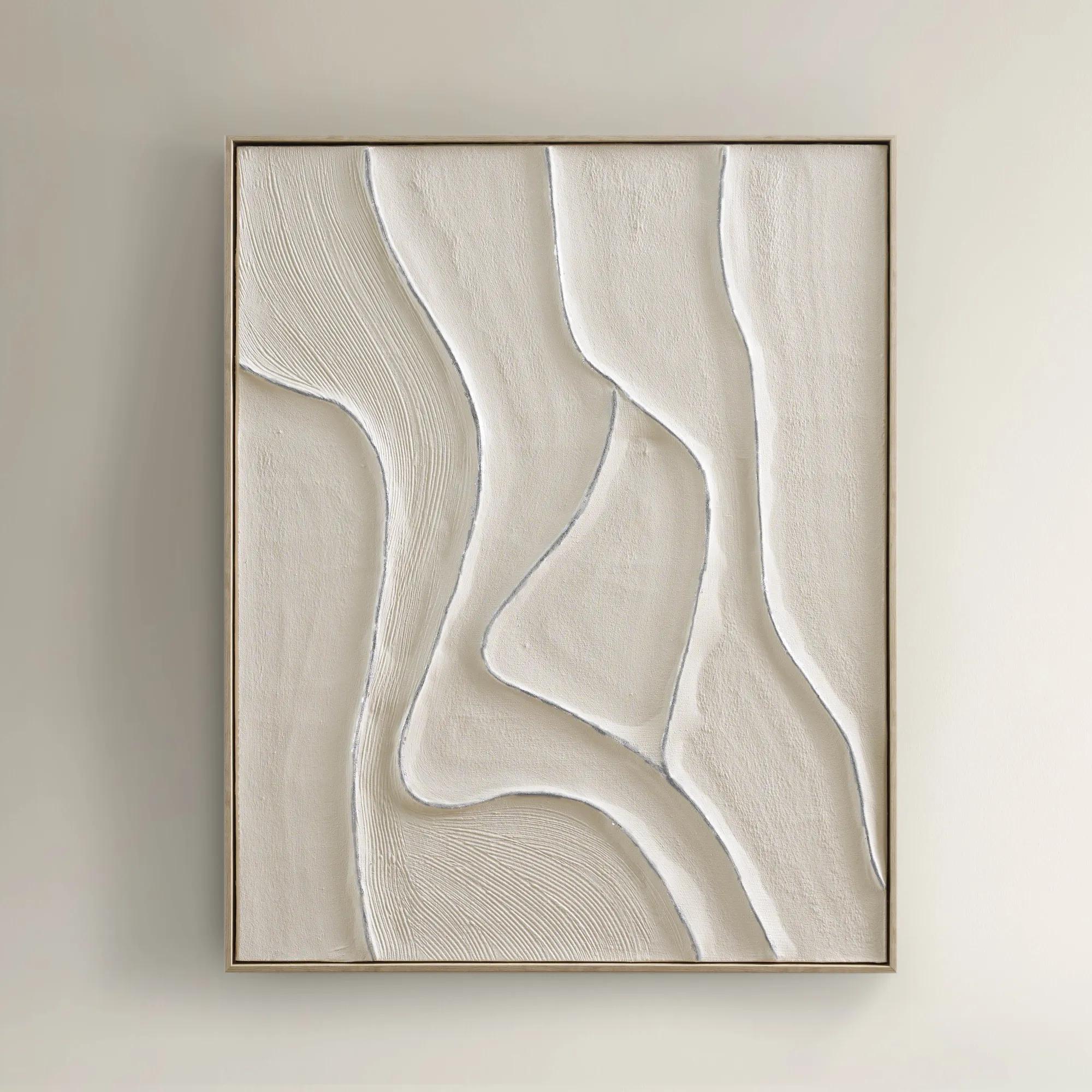
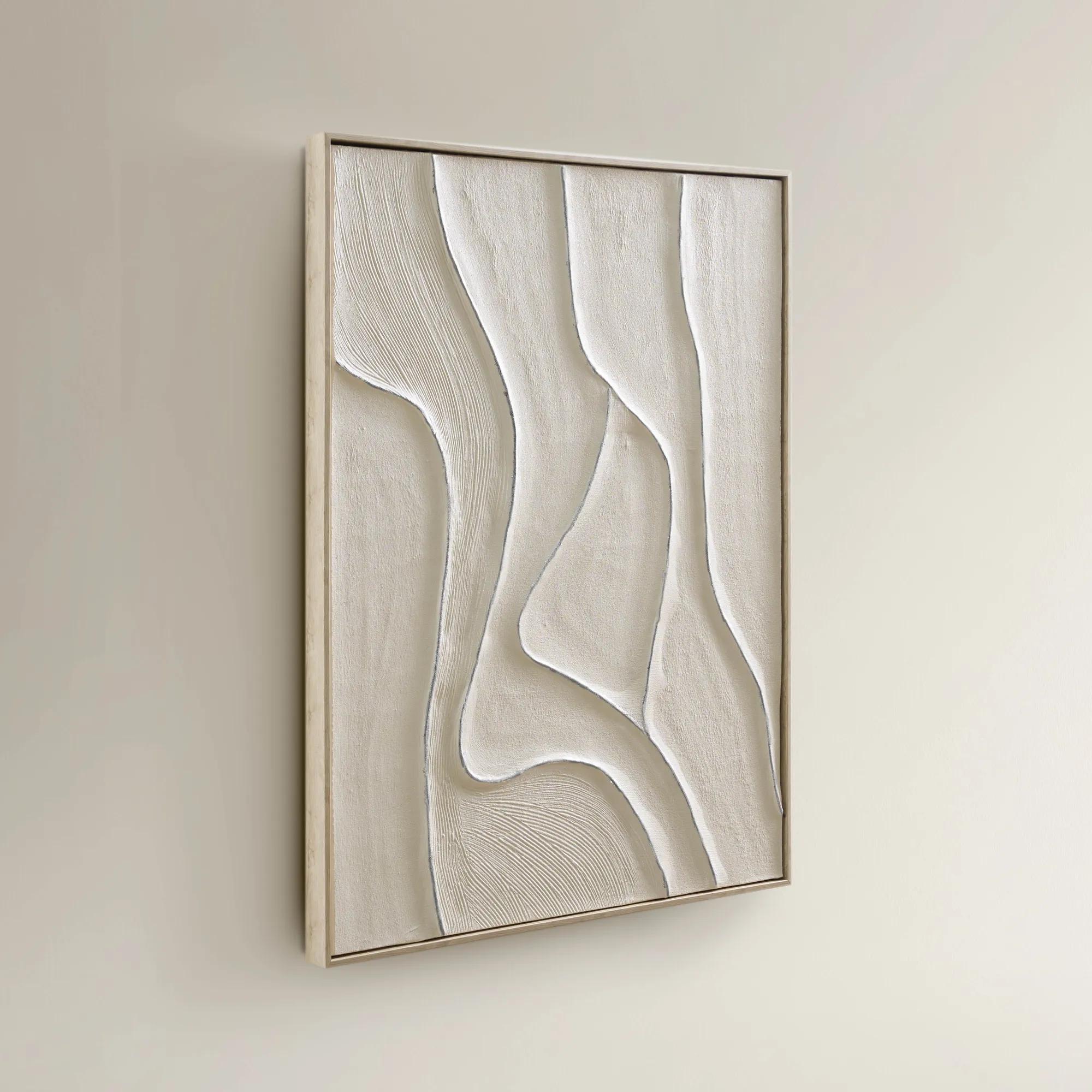 Vivre Framed Painted Wall Art 39.25" x 31.5"$199
A hand-painted canvas featuring tranquil beige hues and flowing lines in a warm whitewash floater frame.
Add To Cart -
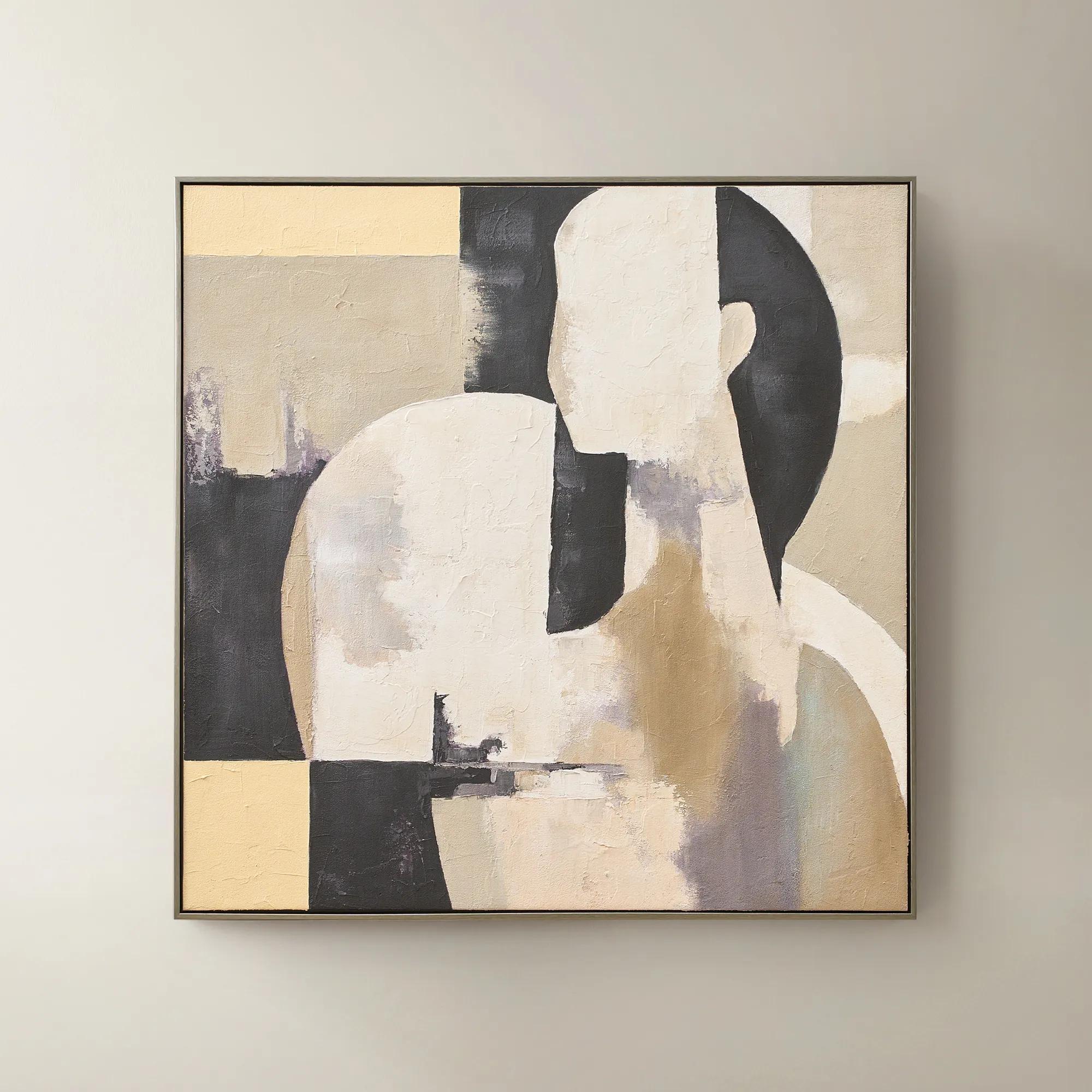 Afternoon Rest Framed Painted Wall Art 40" x 40"$399
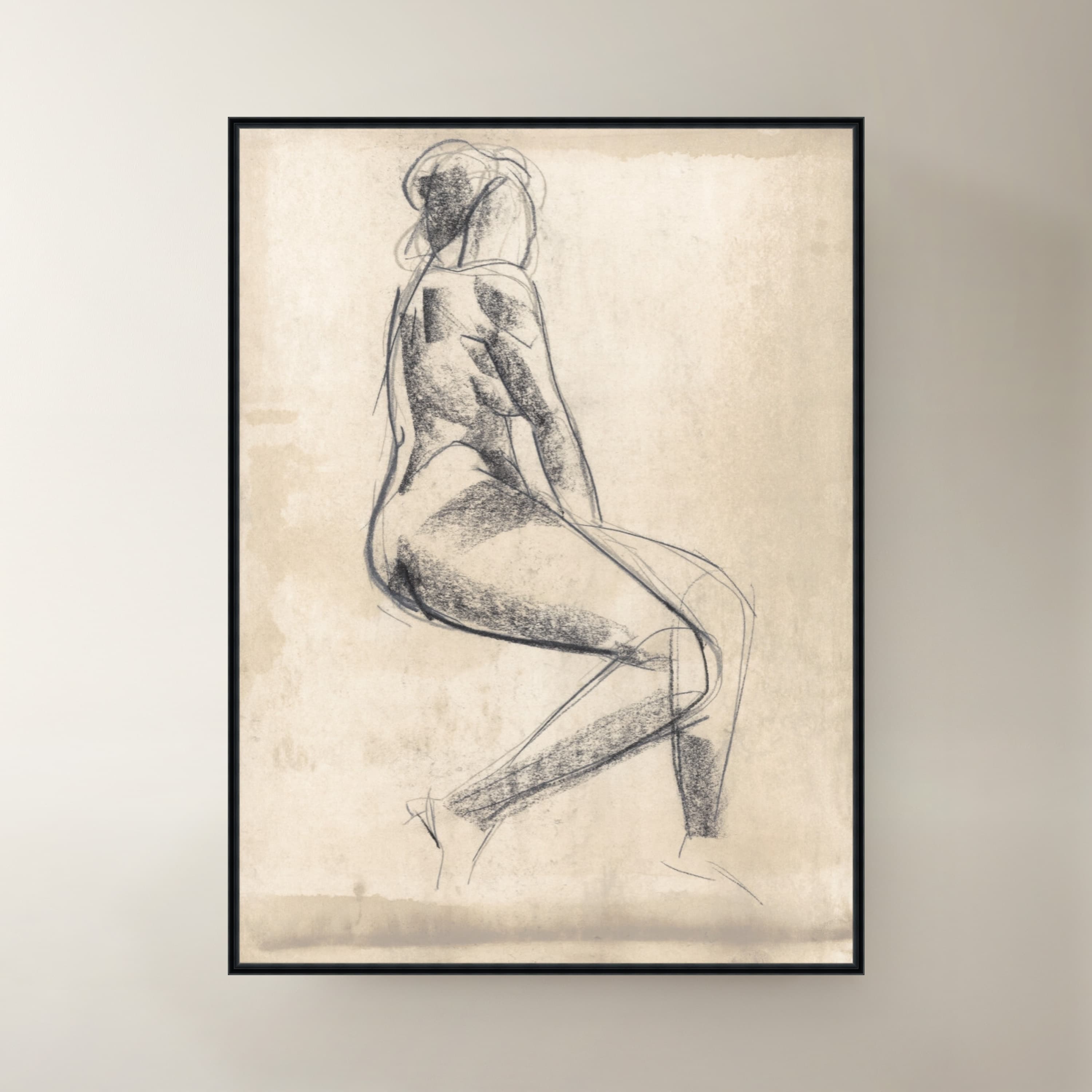
A hand-painted abstract figure in buttercream, turtledove, and black hues framed in dark grey.
Add To Cart -
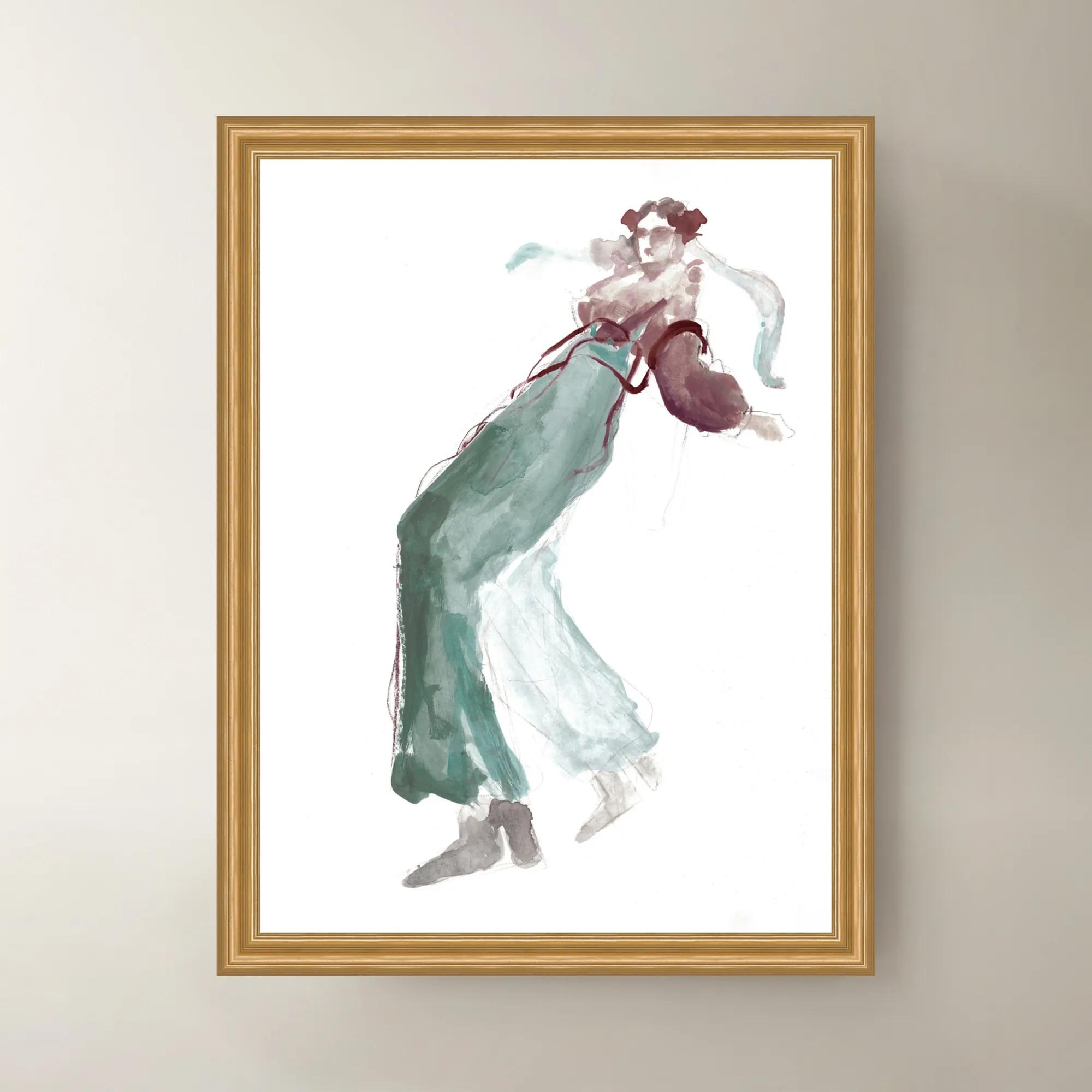
 A Le Mode II Framed Wall Art 30" x 40"$799
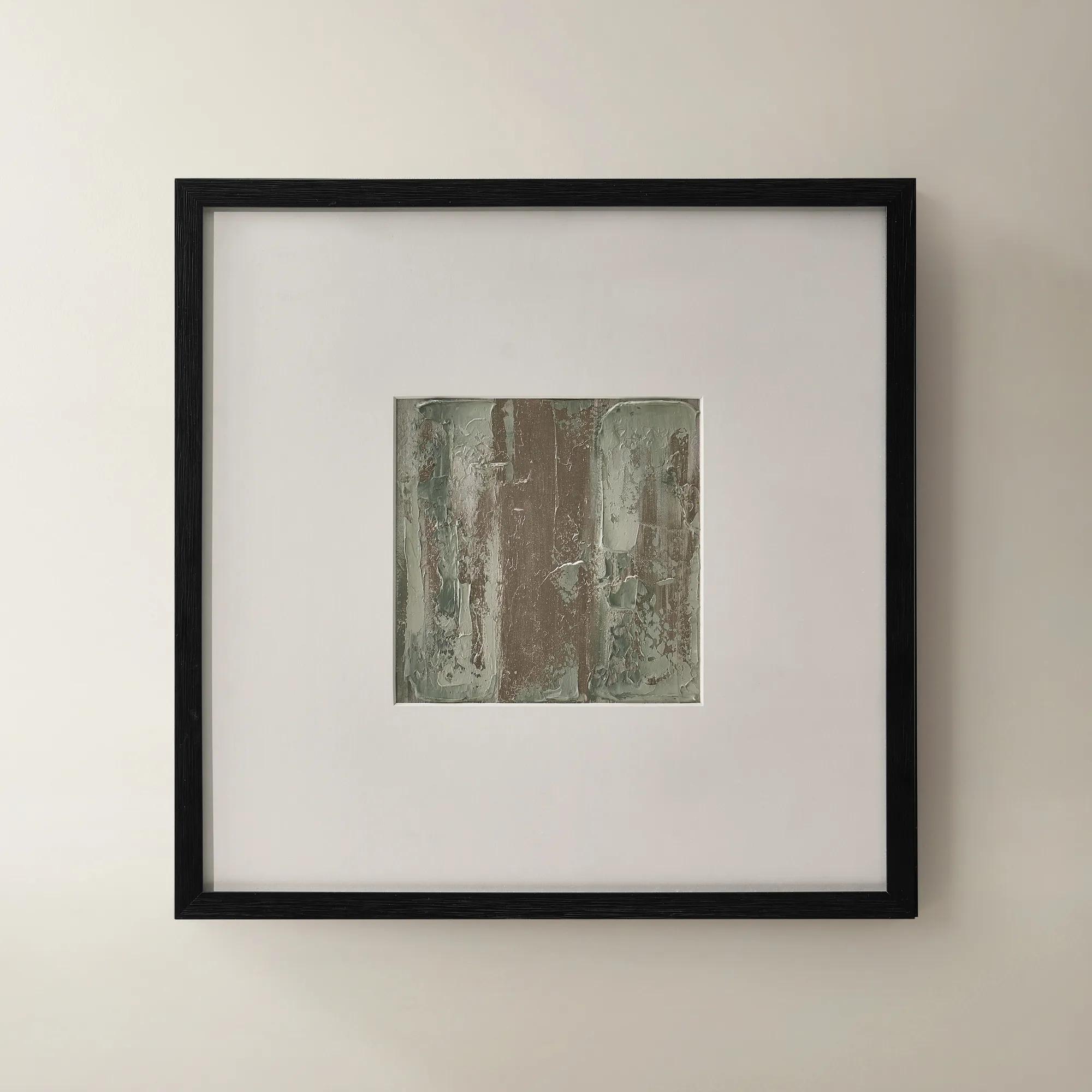
A green canvas wall art piece presented in a sleek frame.
Add To Cart -
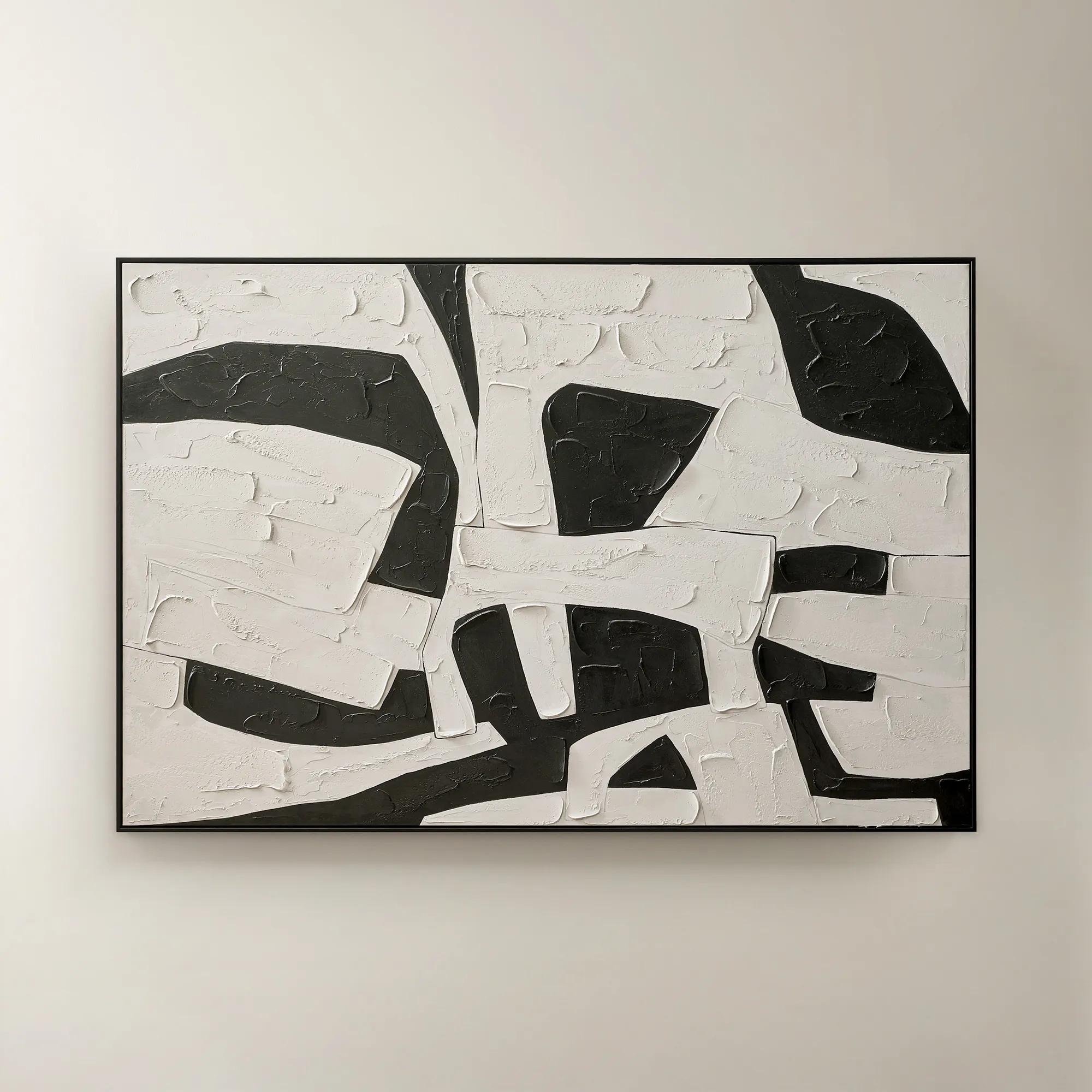 Space Between Shadows Framed Painted Wall Art 72" x 48"$799
A hand-painted abstract canvas featuring bold alabaster and black geometric forms in a sleek black frame.
Add To Cart -
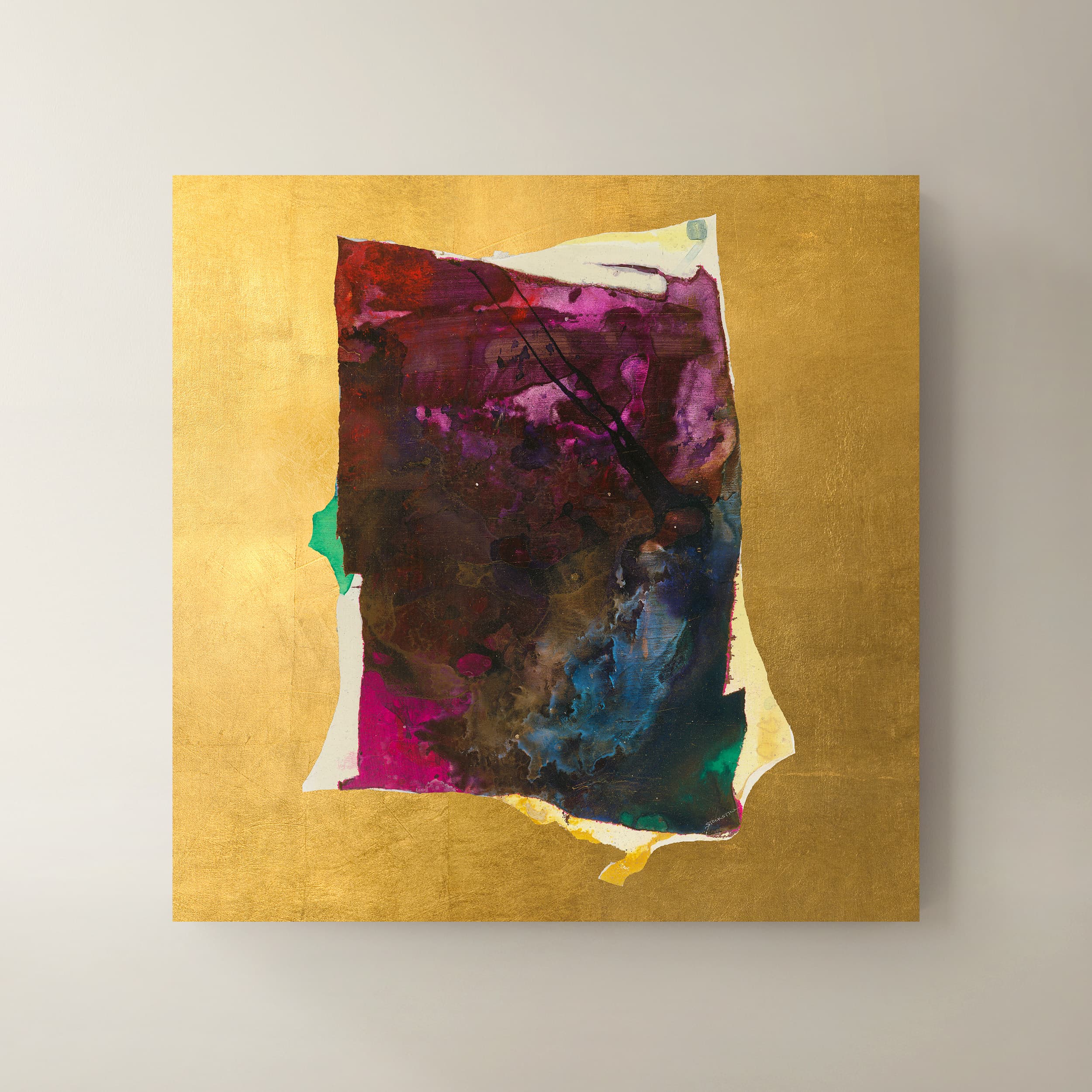 Supremo I Wall Art 40" x 40"$999
A multicolored canvas wall art piece adding contemporary visual interest to your interior.
Add To Cart -
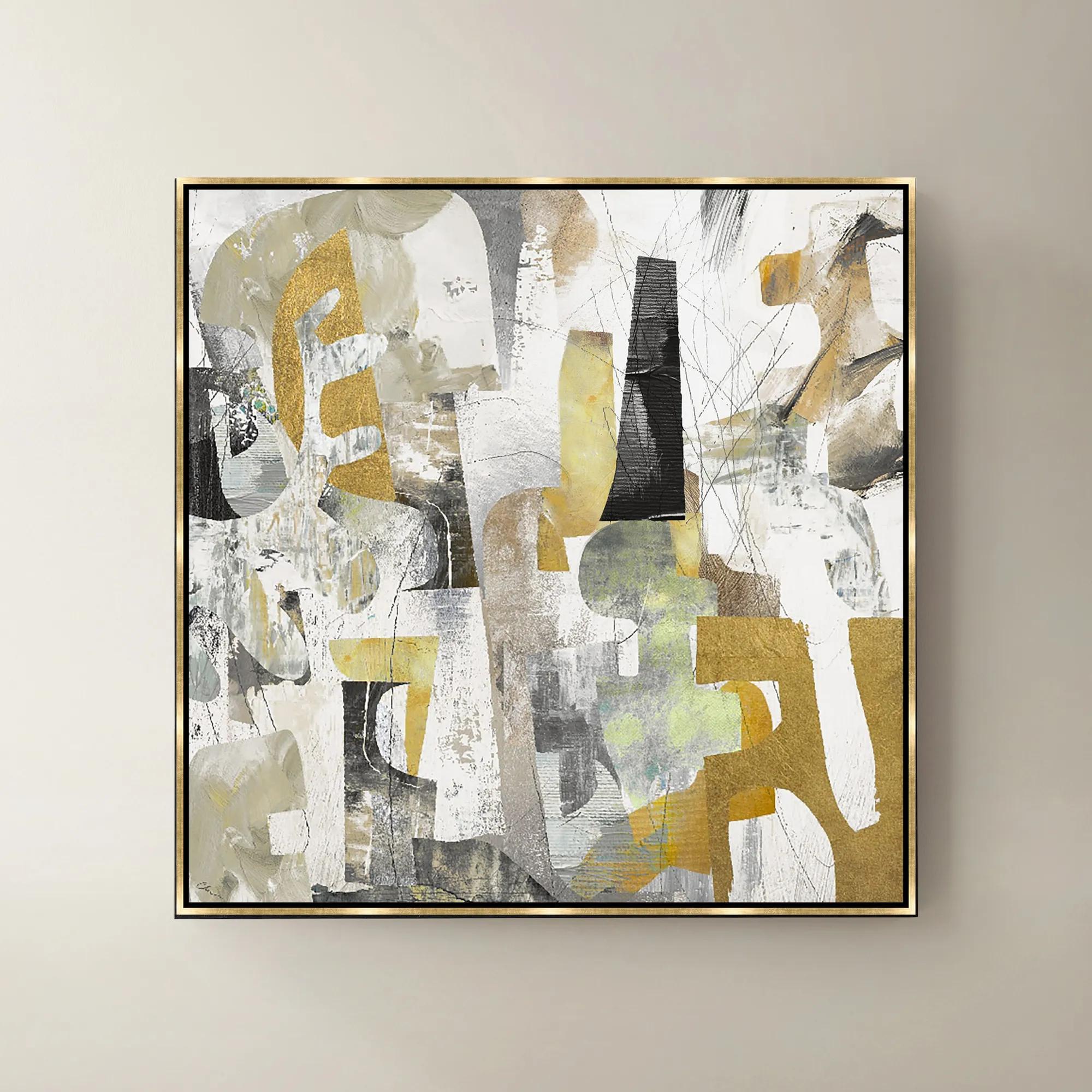
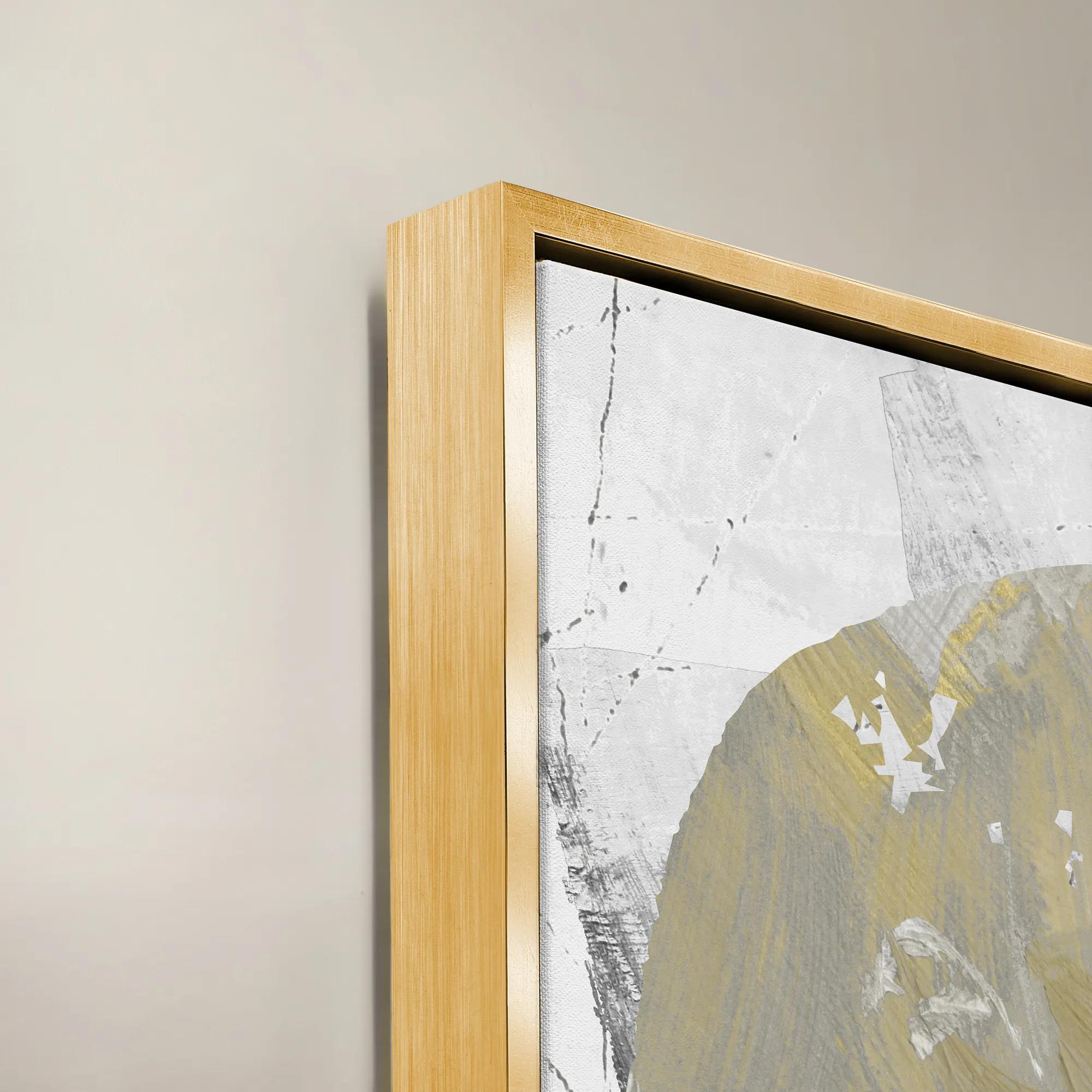 Abby II Framed Wall Art 40" x 40"$849
An abstract art piece inspired by Nikki Chu’s modern design aesthetic and creative expertise.
Add To Cart -
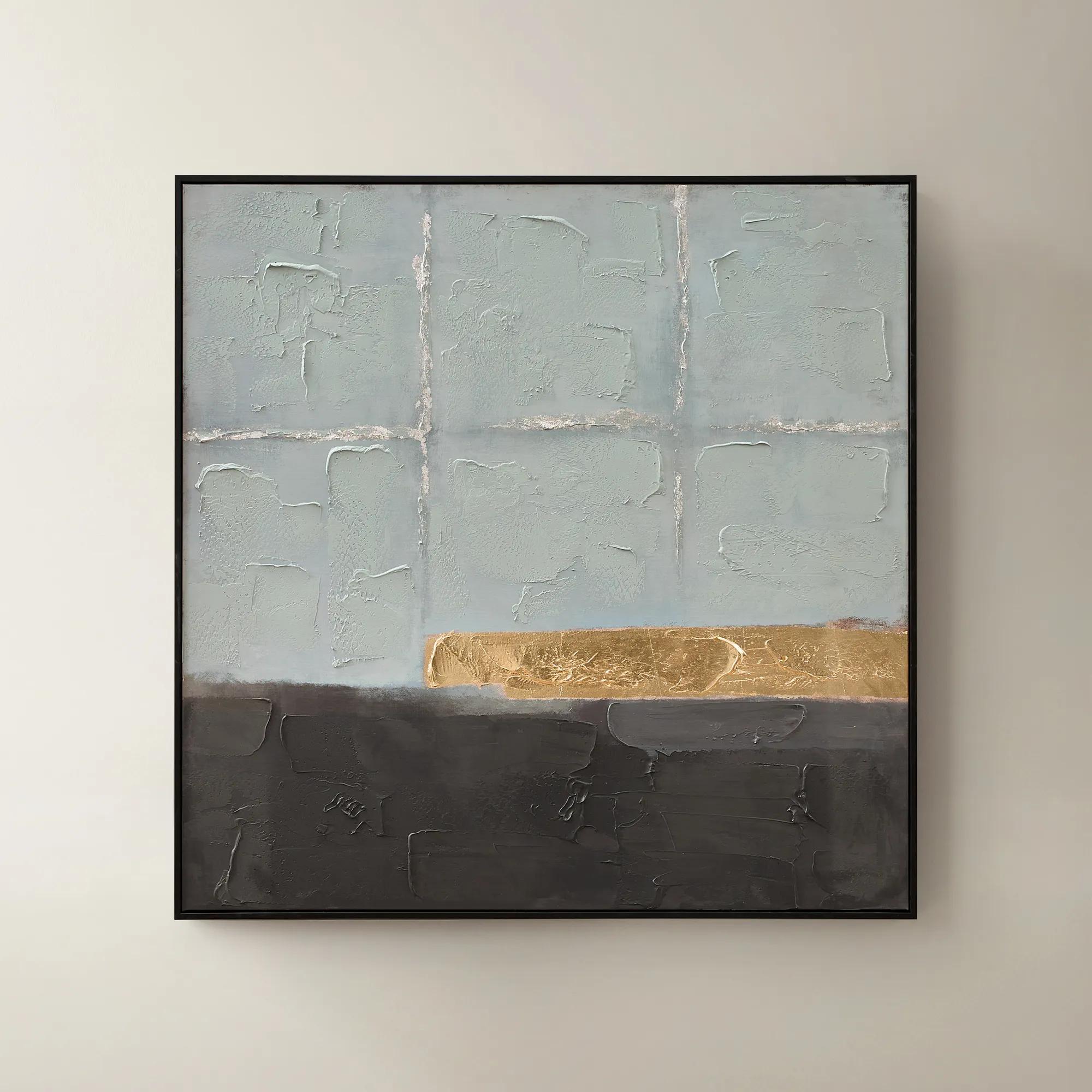
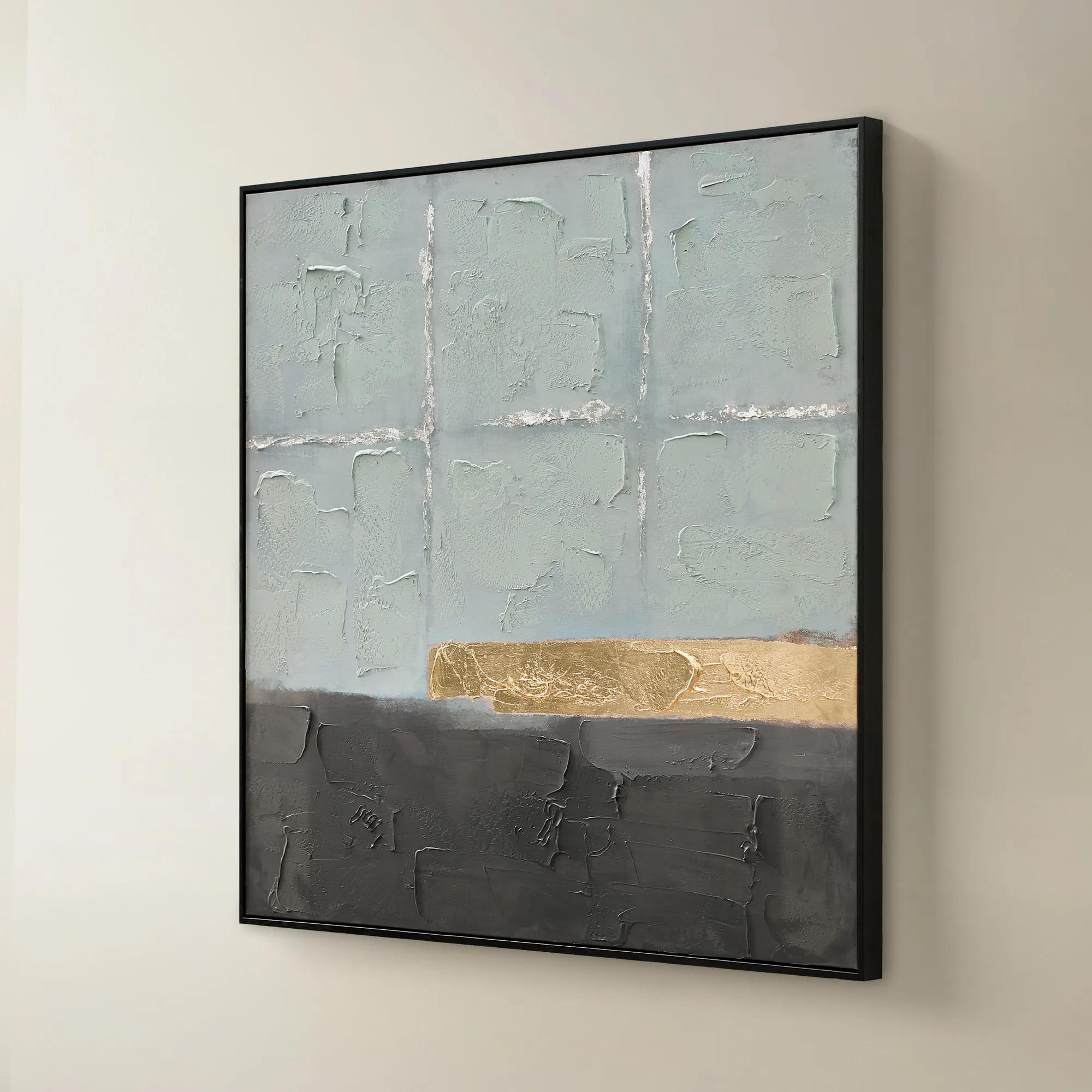 Jules Framed Gold Leaf Painted Wall Art 40" x 40"$299
A hand-painted canvas in mineral blue with gold leaf accents and a sleek black frame for modern appeal.
Add To Cart -
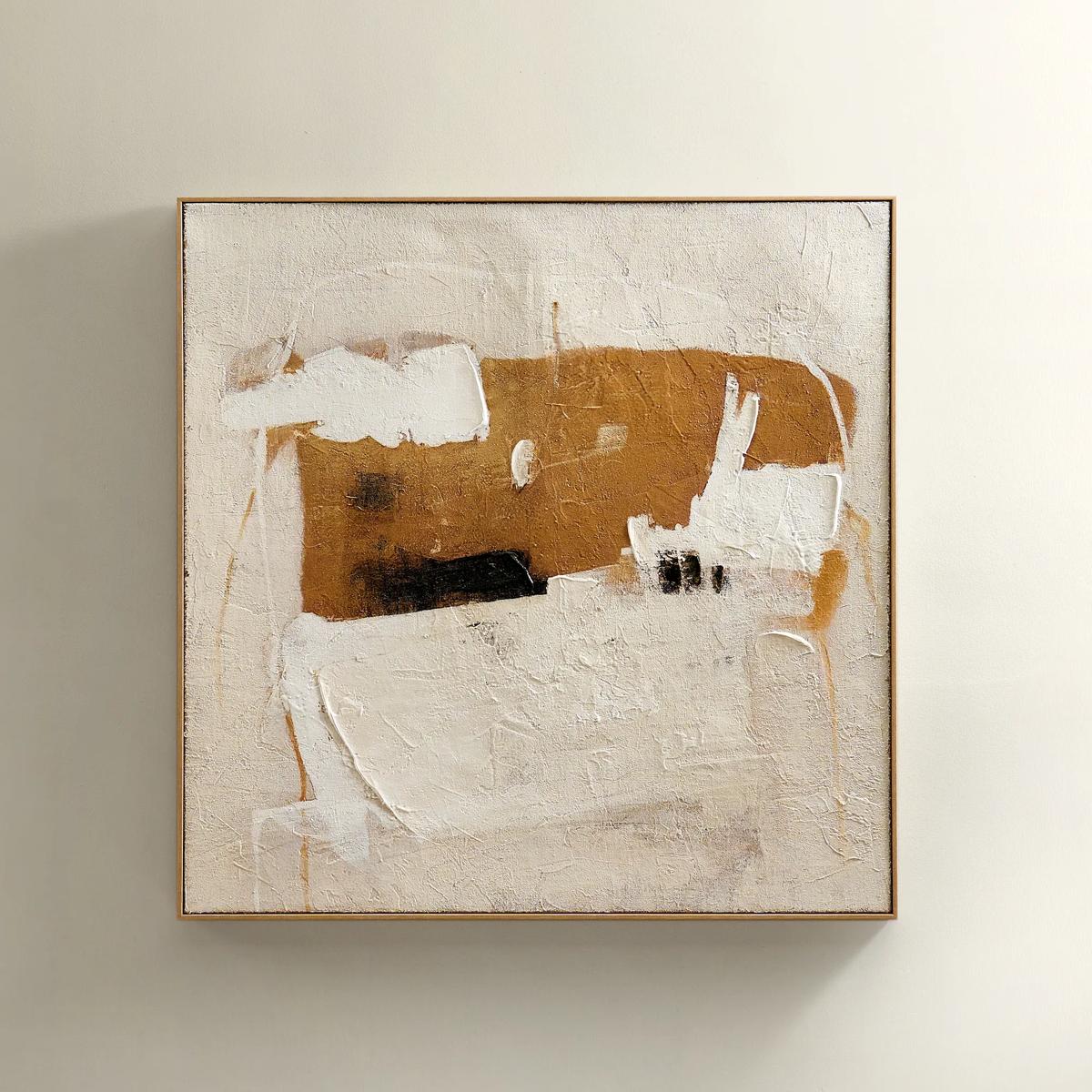 Instinct Framed Painted Wall Art 39.25" x 39.25"$349
An abstract hand-painted artwork featuring warm neutrals and black strokes on hessian with a light natural frame.
Add To Cart -
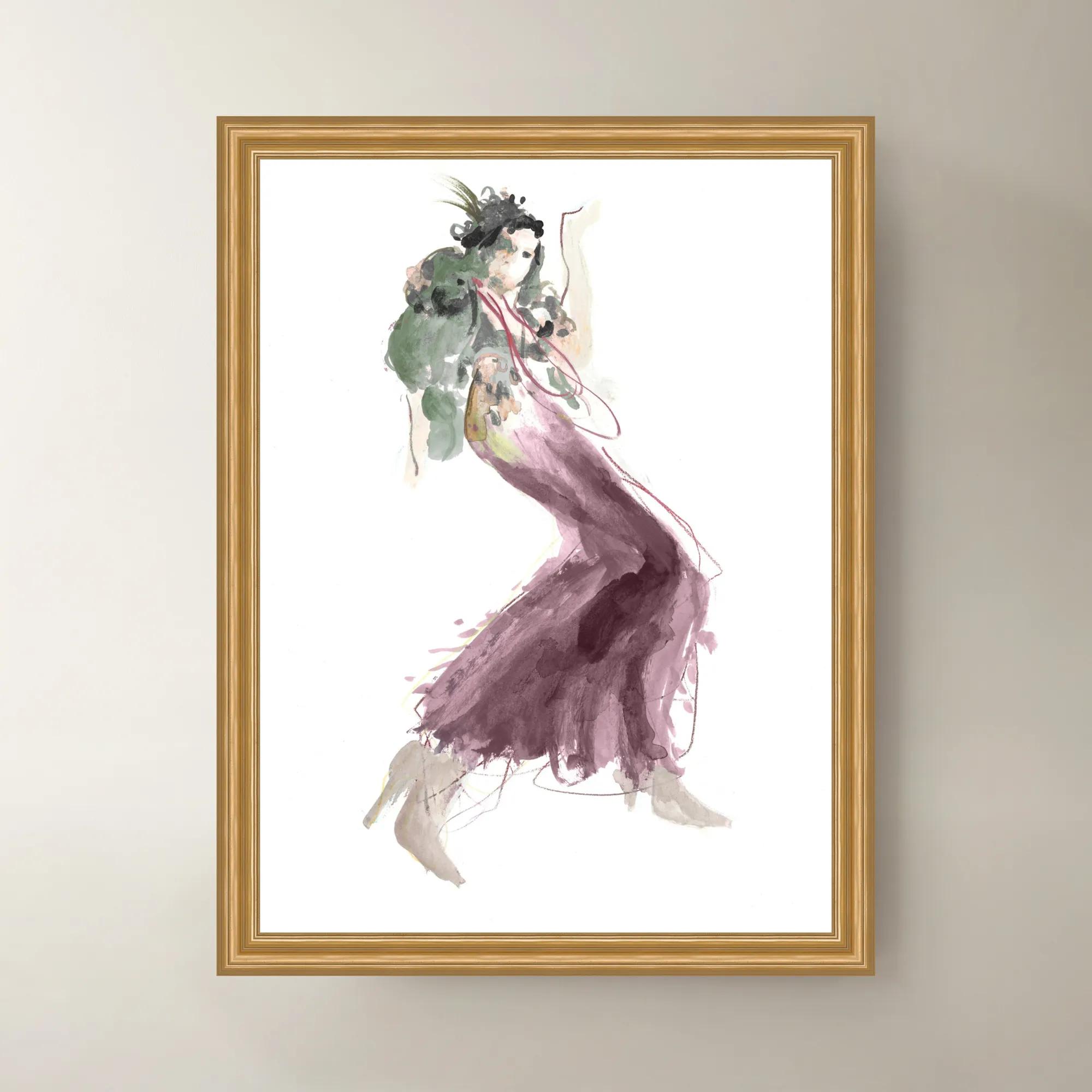
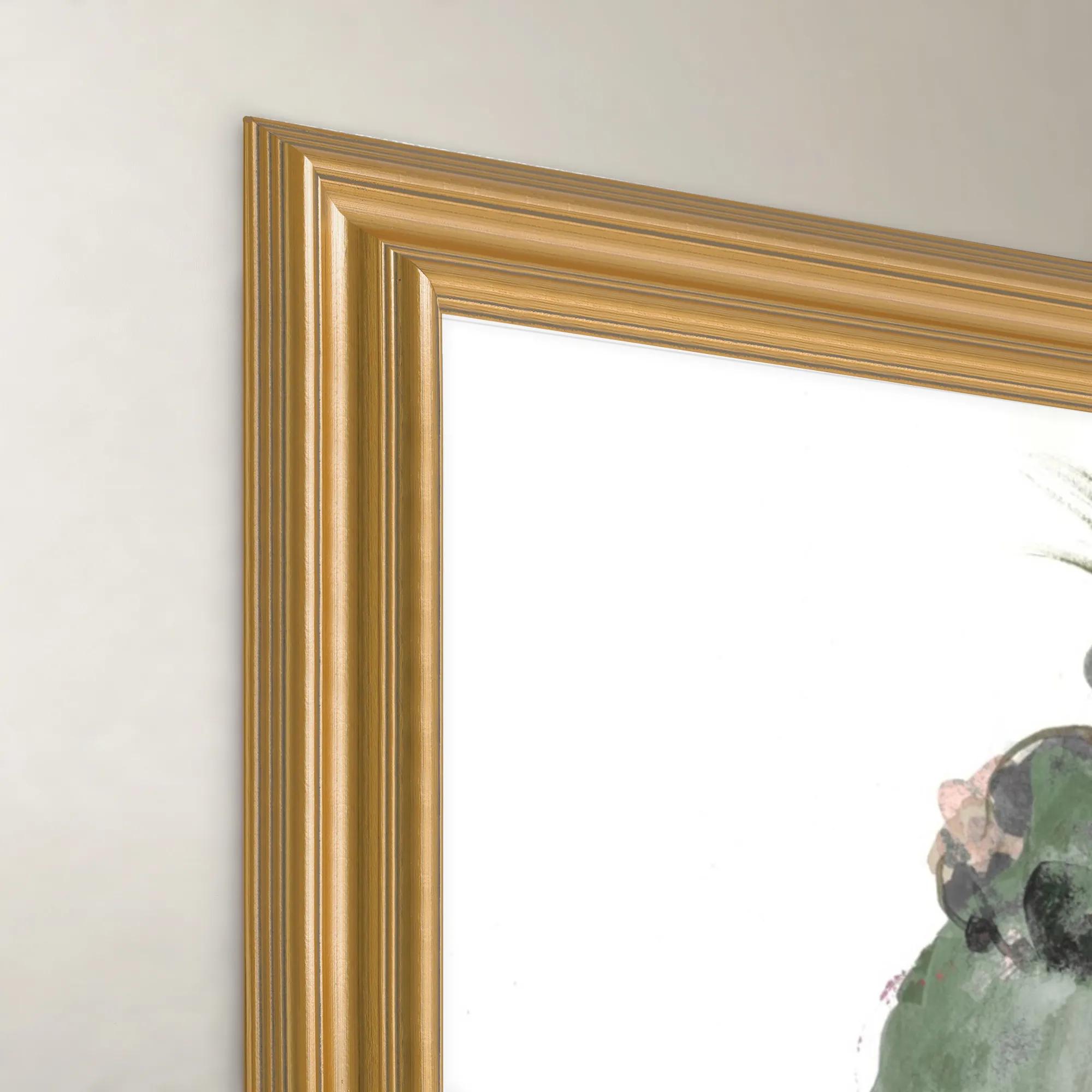 A Le Mode I Framed Wall Art 30" x 40"$799
A blue and purple framed canvas wall artwork bringing contemporary color and dimension to interior spaces.
Add To Cart -

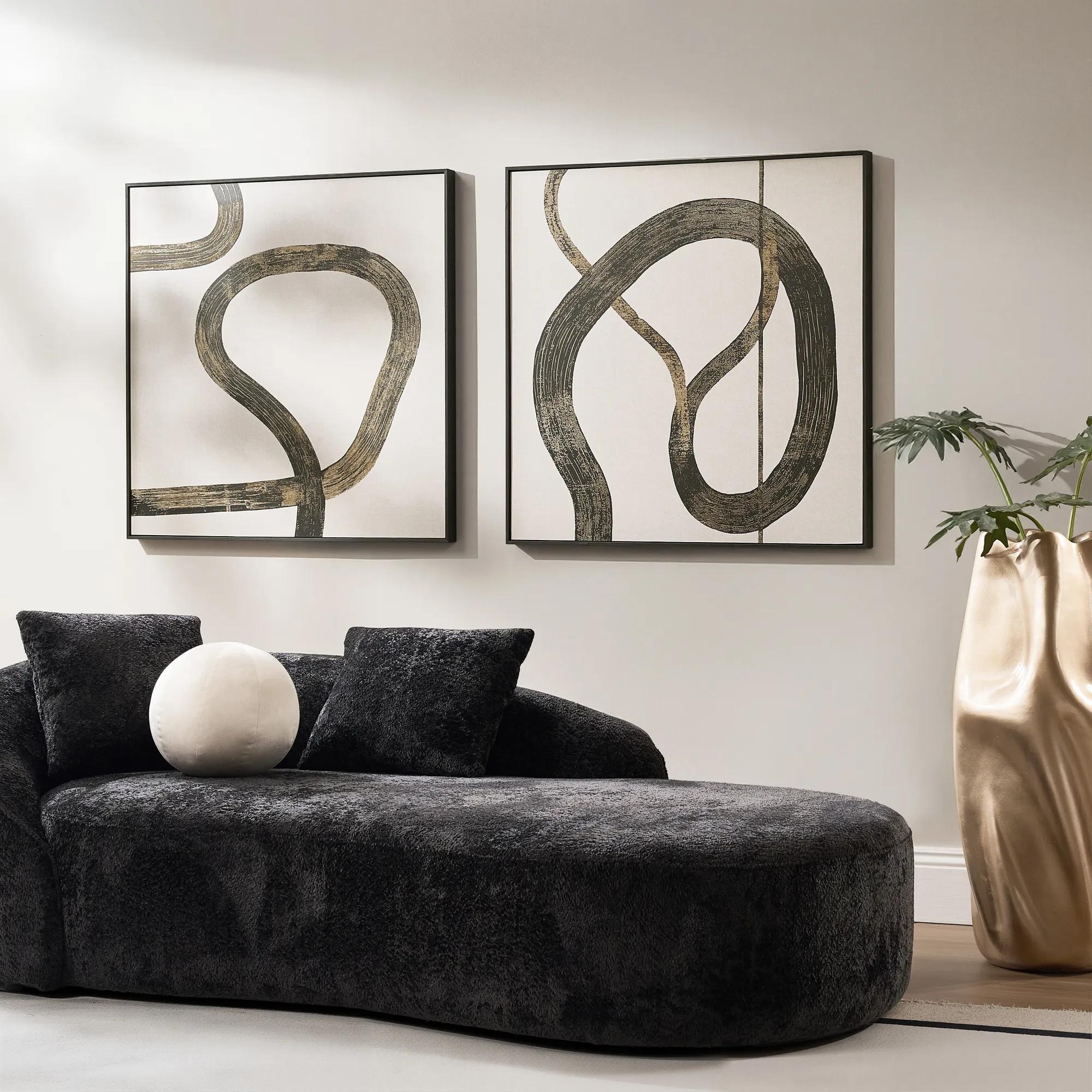 Live Wire Framed Gold Foil Painted Wall Art II 39" x 39"$349
A framed wall artwork featuring gold foil-painted detailing for glamorous modern display.
Add To Cart -

 Shift Framed Painted Wall Art 39.4" x 59"$499
A hand-painted canvas featuring bold black and beige contrasts with textured layers in a sleek black frame.
Add To Cart -
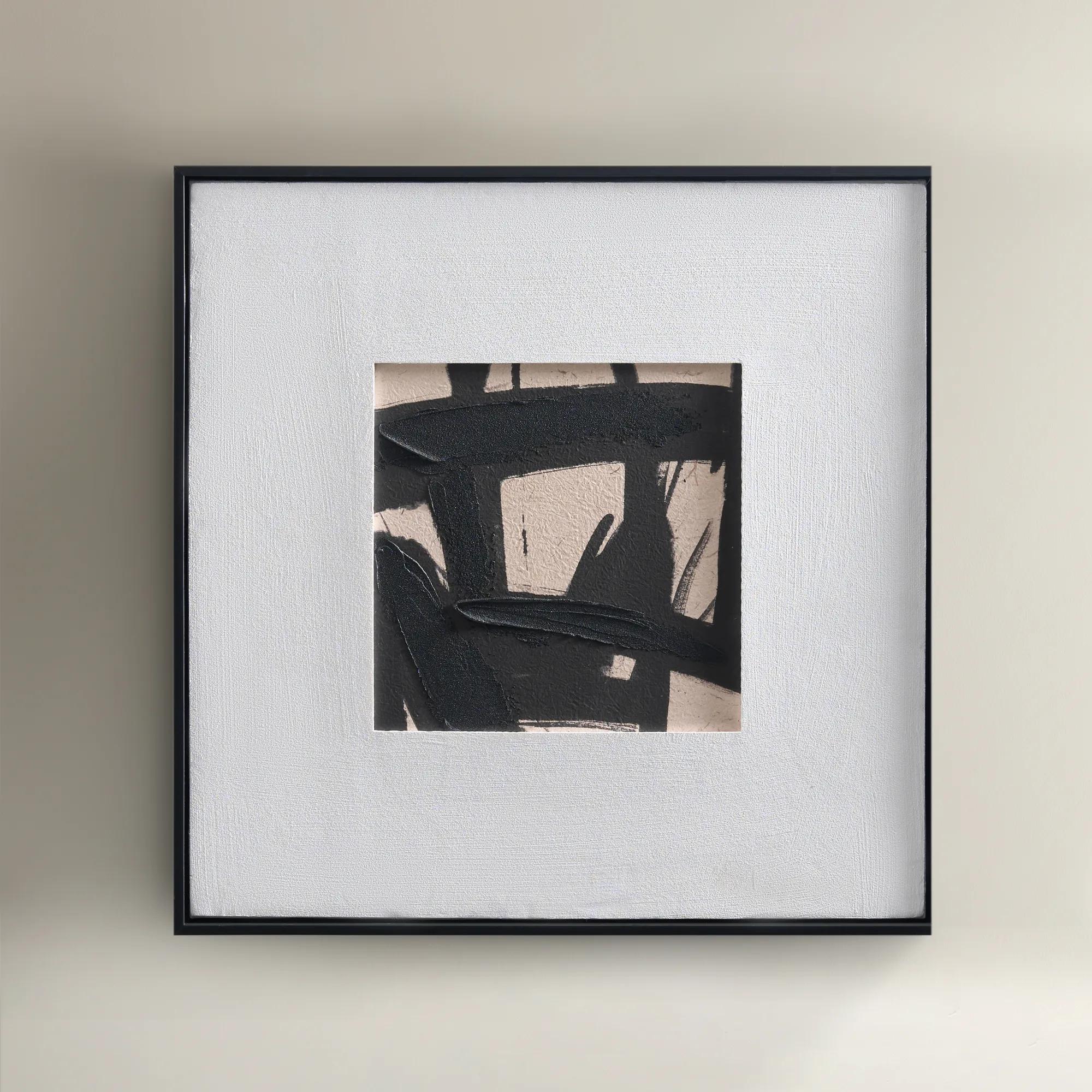
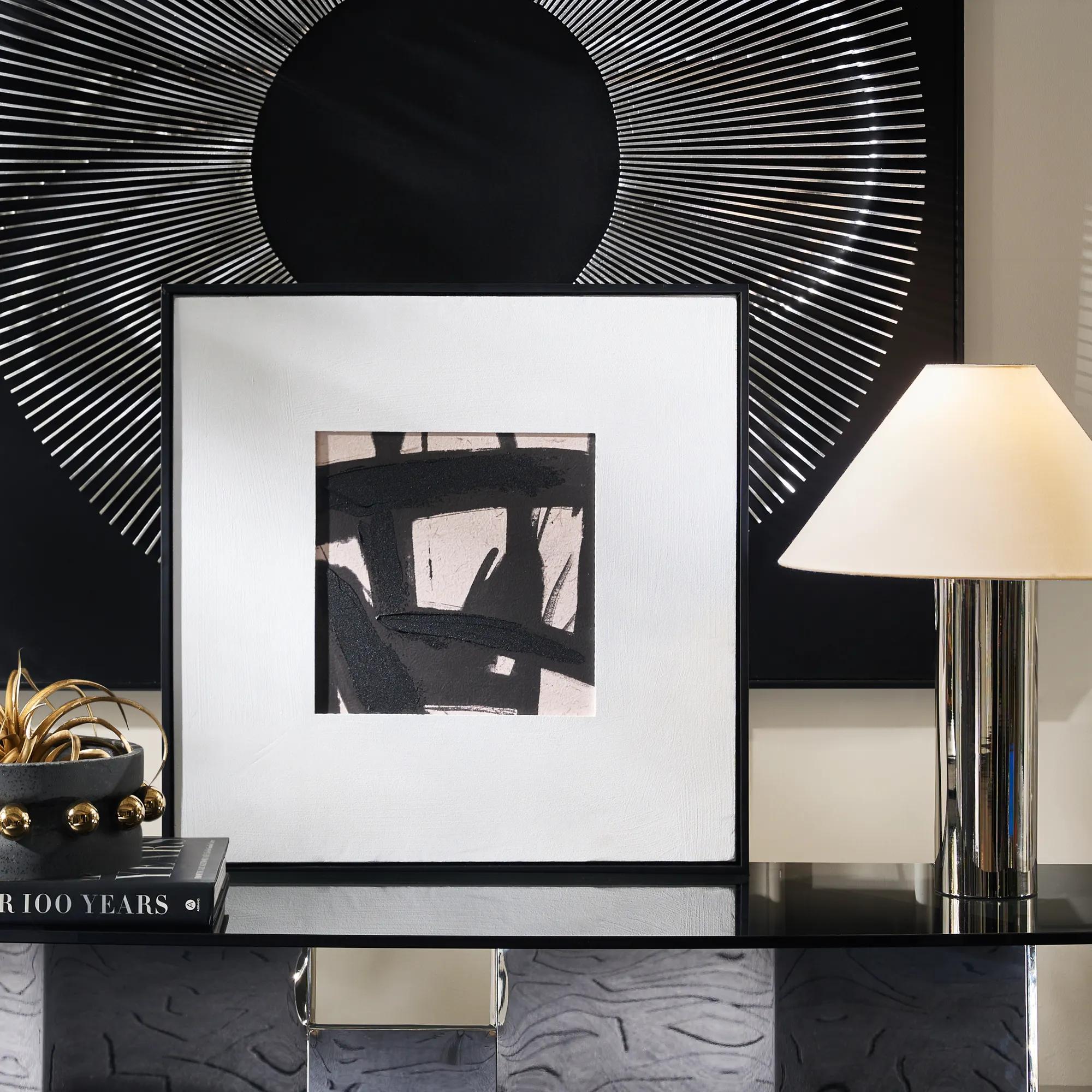 Ink Maze Painting$89
A hand-painted canvas featuring bold black and beige contrasts, set in a sleek black floater frame.
Add To Cart -
 Lunar Art$119
A contemporary green canvas artwork bringing modern artistic character to your space.
Add To Cart -
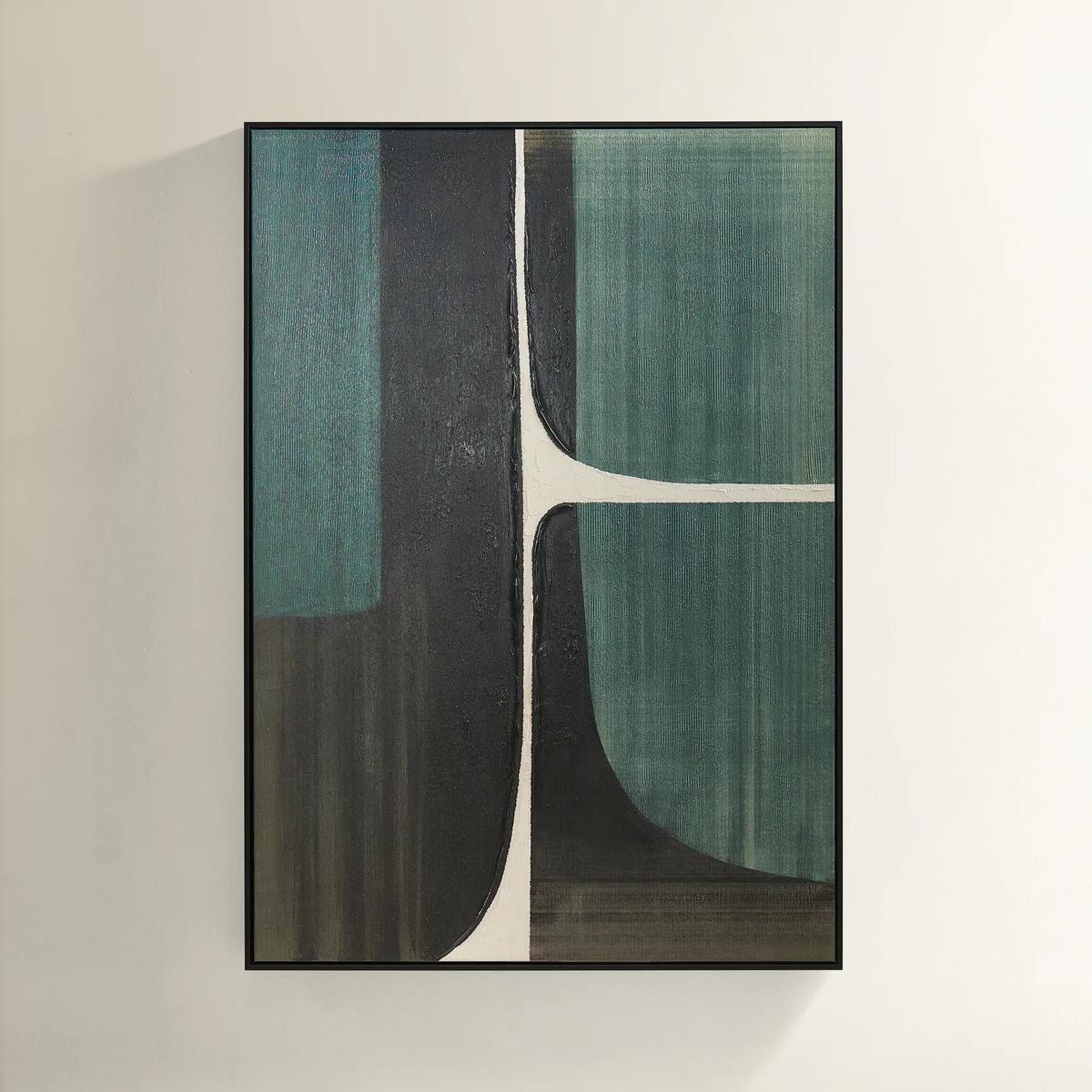 Plains Framed Painted Wall Art 39.25" x 55"$499
A hand-painted abstract canvas in forest green, ivory, and black with a sleek black floater frame.
Add To Cart -

 Tribe V Framed Wall Art 24" x 28"$599
A striking contemporary art piece designed by acclaimed interior designer Nikki Chu.
Add To Cart -
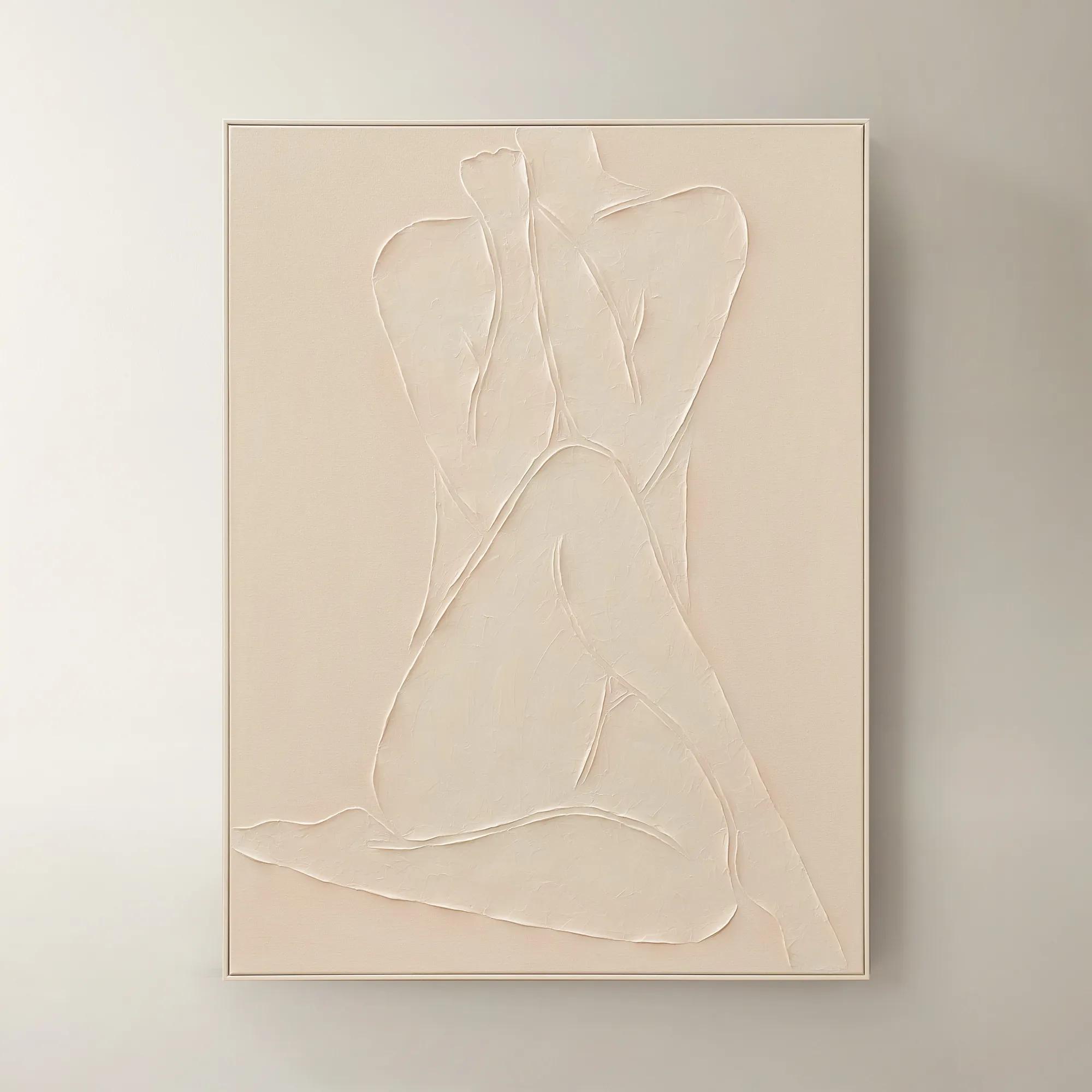
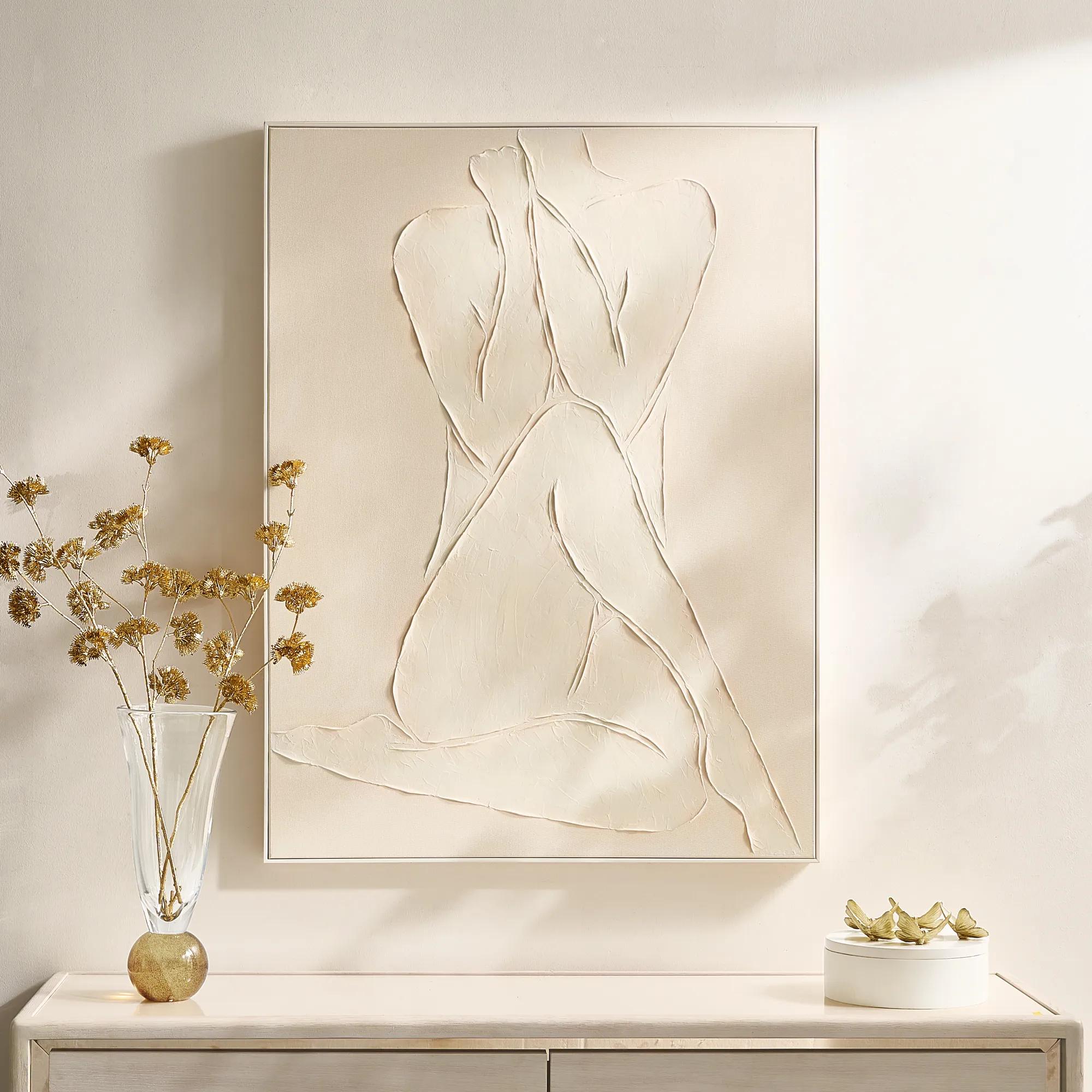 Modern Elegance Nude Ivory Framed Painted Wall Art 35.5" x 47.25"$599
A hand-painted ivory canvas in a white frame brings serene, modern artistry to any space.
Add To Cart -
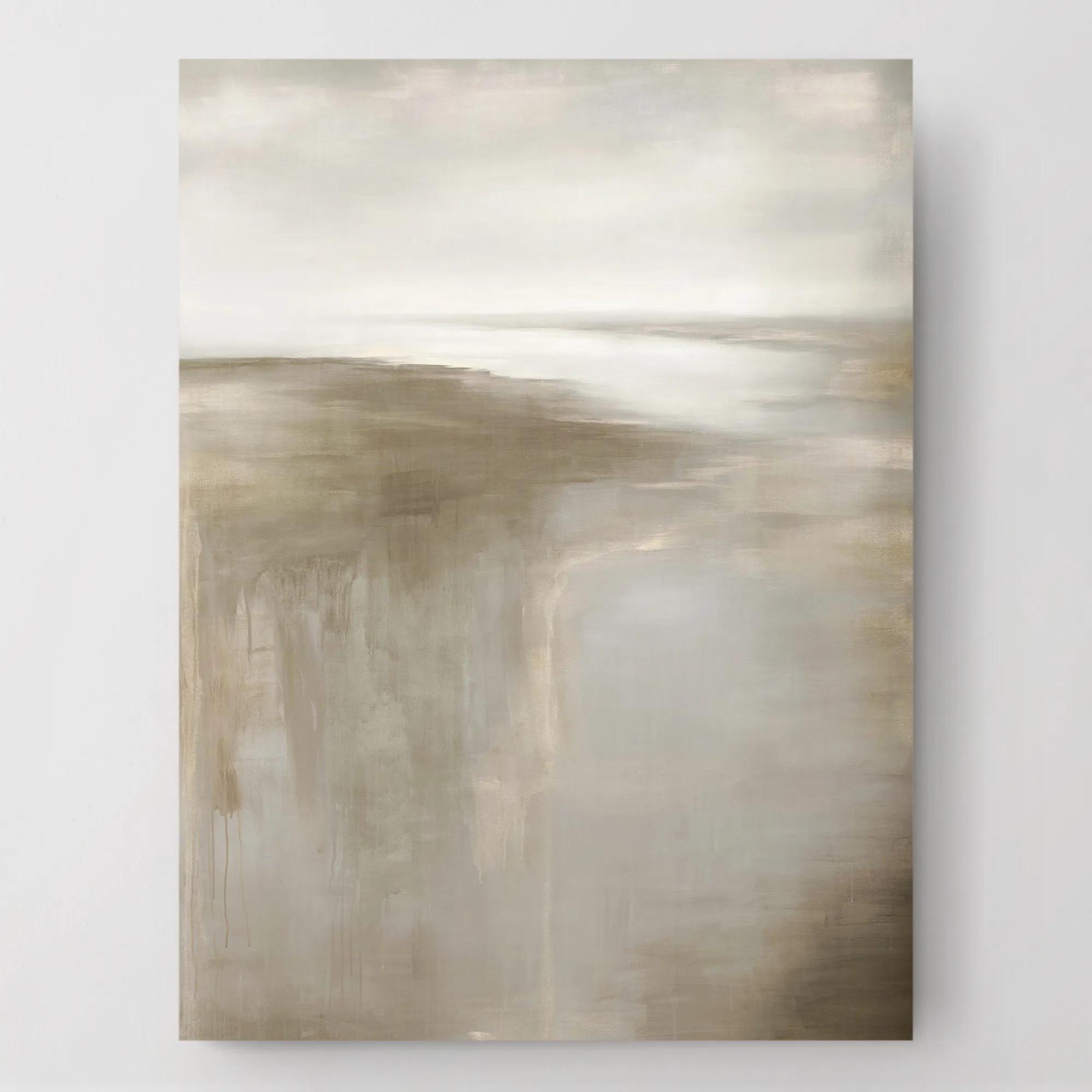
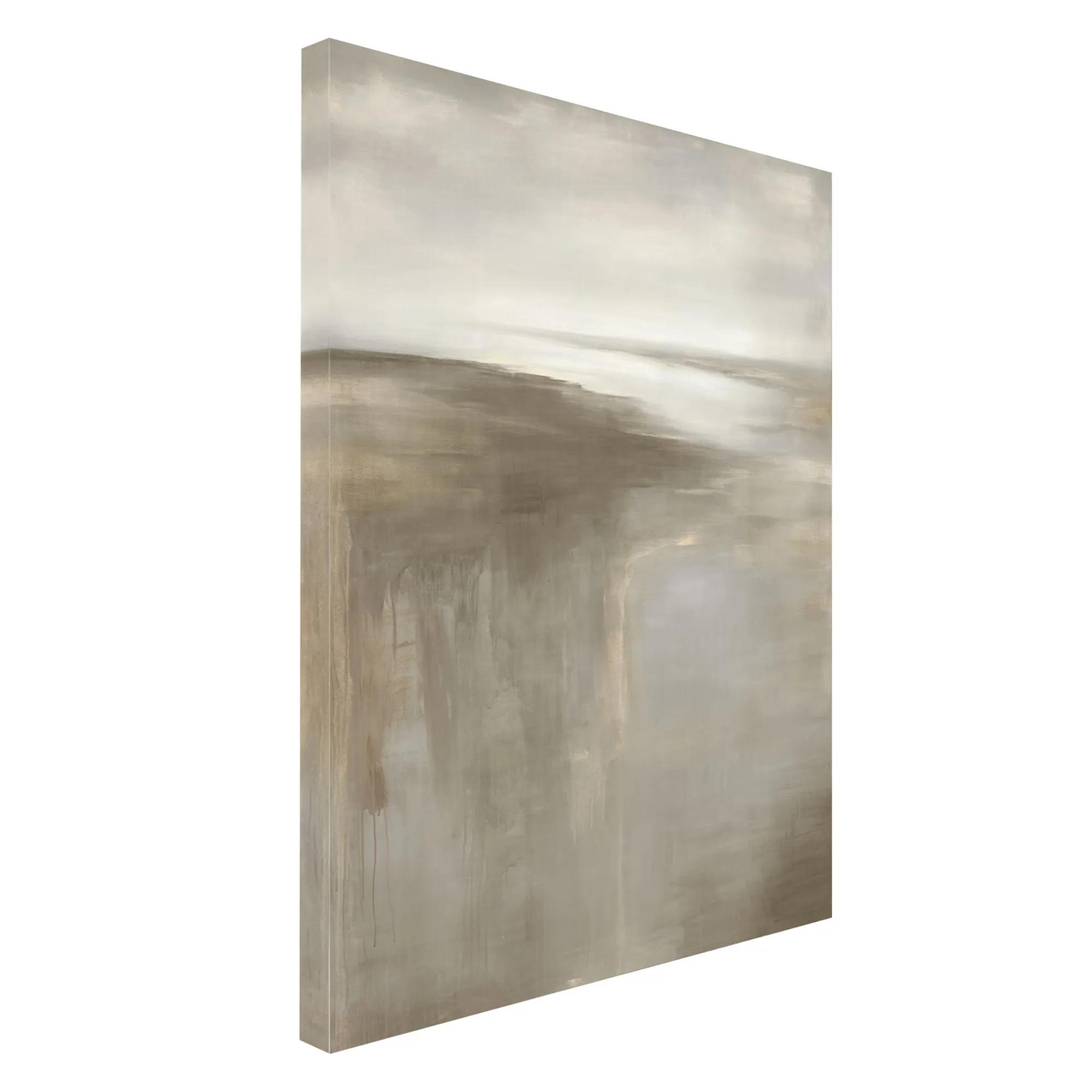 Silver Morning Wall Art 30" x 40"$449
A gallery-wrapped silver canvas artwork featuring a hand-applied image brush gel finish.
Add To Cart -
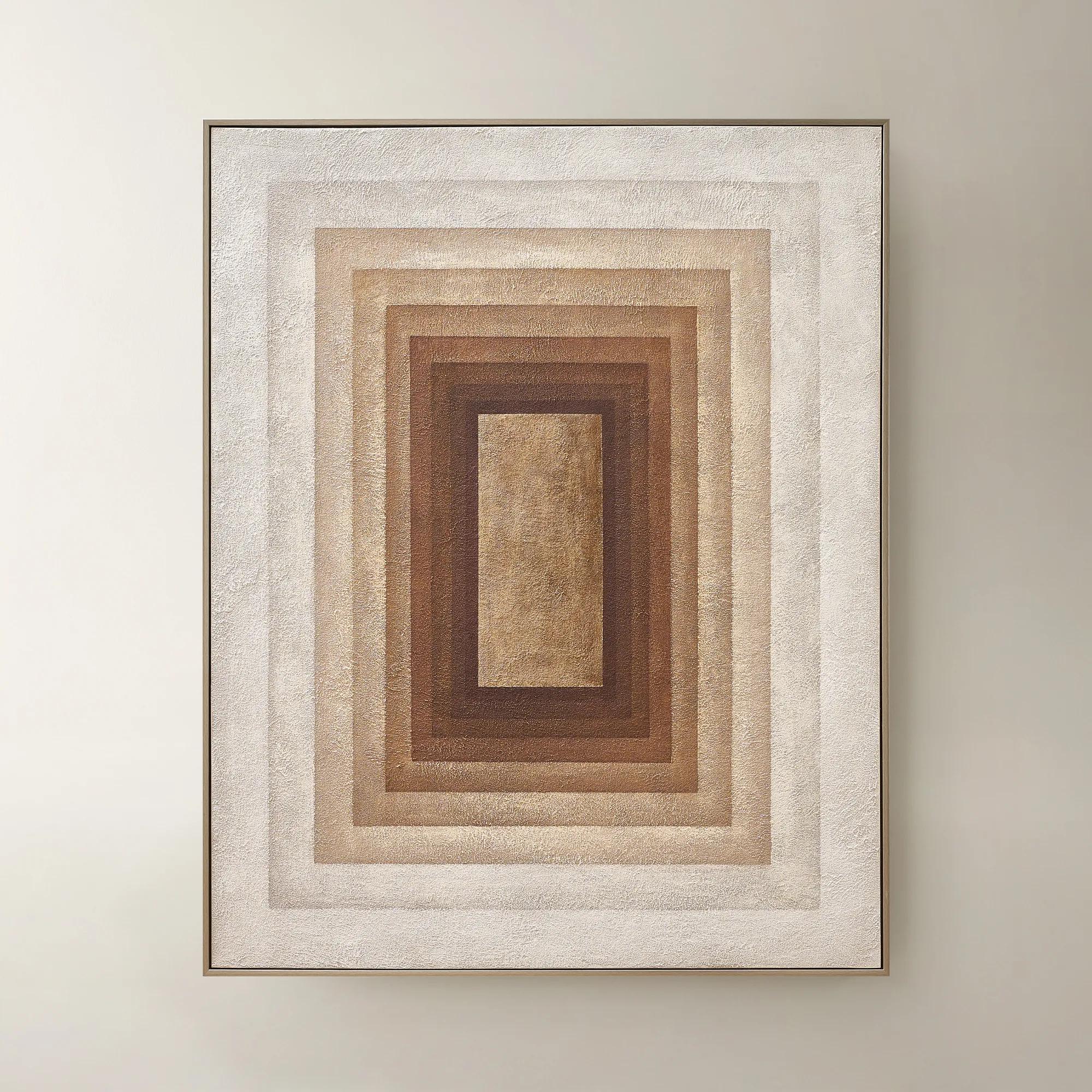 Monochrome Drift Framed Painted Wall Art 60" x 48"$699
A hand-painted abstract canvas with champagne leafing, featuring cocoa and gold tones in modern geometric design.
Add To Cart

Modern Minimalist Wall Paintings
Modern minimalist wall paintings invite a sense of curated calm, transforming blank walls into striking statements of artistry and intention. Each piece is a masterclass in restraint—where bold geometry, nuanced color, and negative space converge to create a gallery-worthy focal point. Whether you’re drawn to the serene purity of monochrome or the quiet drama of abstract forms, modern minimalist wall paintings offer more than decoration; they set the tone for rooms that celebrate clarity, sophistication, and the beauty of less-is-more design. Elevate your space with artwork that whispers elegance while commanding attention—where every brushstroke is deliberate, and every glance reveals something new.
Modern minimalist wall paintings use clean lines, restrained color, subtle texture, and generous negative space to create a composition with a distinct point of view. Rather than filling every inch with detail, these works give a single gesture, shape, or tonal shift room to command attention. An arc of charcoal across an ivory ground can feel as expressive as a richly layered canvas; a field of warm white interrupted by a slender black line can bring architectural definition to a room. The appeal lies in that balance of restraint and presence. Minimalist artwork does not have to disappear into its surroundings. At a generous scale, a spare composition can become the most dramatic element above a sofa, drawing the eye without competing with sculptural furniture or sumptuous upholstery. Palettes often center on black, white, cream, taupe, and gray, though muted earth tones and carefully placed color can give the same pared-back aesthetic a warmer or more expressive character. The relationship between those tones matters as much as the colors themselves: soft transitions create a contemplative mood, while sharp contrasts deliver graphic impact. Open areas within the painting also become part of the design, allowing the surrounding wall and nearby furnishings to feel intentionally connected. In a living room with velvet seating and gleaming metal accents, quiet artwork gives luxurious materials space to shine. Against a textured wall or above a richly grained console, an uncomplicated composition introduces contrast without making the setting feel crowded. These paintings suit interiors shaped by confident choices rather than an abundance of decoration, including serene bedrooms, polished dining spaces, and entryways where one arresting work establishes the mood. For a closer emphasis on nonrepresentational forms, Minimalist Abstract Paintings explore the expressive possibilities of line, shape, and open space. The result is art that feels composed but never anonymous, with enough visual distinction to give a room its own signature.
Materials and surface treatments give modern minimalist paintings much of their character, especially when the composition contains only a few elements. On canvas, the weave can remain subtly visible beneath thin applications of paint, adding depth to an otherwise restrained field of color. Heavier applications of acrylic or oil can introduce raised passages, ridges, and traces of the artist’s gesture, allowing light to reveal details that are less apparent from across the room. Acrylic generally dries more quickly than oil, while oil allows extended blending and gradual tonal transitions; either medium can support crisp geometry or atmospheric abstraction. Works on paper offer another sensibility, with the sheet’s texture and the surrounding mat contributing to the finished presentation. A hand-painted original, an embellished reproduction, and a printed image can share a similar visual language, but their surface depth and construction may differ considerably, making the medium and finish worth noting in the artwork’s description. Framing further shapes the effect. A slender black frame sharpens a pale composition, a warm wood frame softens graphic contrasts, and a metallic finish can connect the artwork to luminous accents elsewhere in the room. A float frame leaves a visible gap around a canvas, emphasizing its edges and lending the painting a dimensional, gallery-like presence. Paper-based art generally benefits from protective glazing and a mat or spacer that keeps the image from touching the glazing. Long-term appearance depends on thoughtful placement and care as well as construction. Direct sunlight can fade pigments and printed inks, while persistent moisture or abrupt humidity changes can affect paper, canvas, and frames. Most painted surfaces should not be wiped with household cleaners or damp cloths; care should follow the medium and the maker’s recommendations. Frames and glazing need their own appropriate cleaning methods, with liquid kept away from edges and artwork. Acrylic glazing is lighter and more resistant to shattering than glass, but it also scratches more easily. These distinctions matter when choosing art for a busy household, a frequently used hallway, or a quieter room where delicate finishes can remain undisturbed.
Scale determines whether a minimalist wall painting reads as an intimate accent or an architectural statement. A large canvas above a low-profile sofa can create a broad visual anchor, while a narrow vertical work lends emphasis to an entry console or a slim stretch of wall between openings. The dimensions of the framed artwork matter more than the image size alone, particularly when a wide mat or substantial frame adds to its footprint. Above furniture, a composition that occupies roughly two-thirds to three-quarters of the furniture’s width often feels balanced, though surrounding windows, lamps, and ceiling height can call for a different proportion. Breathing room is especially important with pared-back art: enough exposed wall around the frame allows an understated gesture to retain its force. A pair of related paintings can create rhythm over a long sideboard, while one oversized piece offers a more uninterrupted focal point. In either arrangement, repeated tones or similar frame profiles help the display feel deliberate rather than fragmented. Color can establish equally compelling connections. A warm ivory background may echo a rug’s lighter threads, while a charcoal brushstroke can draw together dark chair legs, a stone tabletop, and black window trim. Exact matching is unnecessary; a shared undertone or recurring shape often creates a more layered result. In bedrooms, softened contrasts can support a restful atmosphere without sacrificing sophistication. In dining rooms and home offices, more pronounced geometry brings definition to spaces used for conversation, concentration, and daily rituals. Secure hanging hardware matched to the artwork’s weight and wall construction helps maintain that carefully considered presentation, particularly for oversized or glazed pieces. Modern minimalist wall paintings also make thoughtful housewarming or wedding gifts for recipients whose taste favors expressive interiors with a measured palette. A manageable scale and a familiar color story can make a gift easier to place, while the recipient’s existing finishes provide useful clues about framing. Whether selected for a first apartment or a long-established home, the strongest choice has a clear relationship to the room and enough individuality to remain compelling beyond a passing decorating mood.
FAQs
Modern minimalist wall paintings are characterized by their focus on simplicity, clean lines, and a restrained color palette. These works often emphasize negative space, geometric forms, and subtle texture, allowing the artwork to make a statement through thoughtful composition and intentional detail rather than ornate embellishment.
Minimalist wall paintings have a unique ability to bring a sense of calm and sophistication to any space. Their understated beauty can create visual harmony, making rooms feel more open and serene. They complement both bold and neutral interiors, acting as a grounding element that elevates the overall aesthetic without overwhelming the senses.
Minimalist wall paintings make thoughtful gifts for anyone who values refined design and artistic expression. They are especially well-suited for individuals who appreciate clean aesthetics, enjoy curating their living space, or are celebrating milestones such as moving into a new home, starting a new job, or marking an anniversary.
To style minimalist wall paintings, consider placing them in areas with ample natural light to highlight their textures and details. Pair them with sleek, modern furnishings and uncluttered surfaces to maintain visual balance. For a curated look, combine several pieces in a gallery arrangement or let a single work stand alone as a focal point.
Absolutely. The clean, sophisticated nature of minimalist wall paintings makes them equally at home in living rooms, bedrooms, and entryways as well as in offices, lobbies, or conference rooms. Their versatile appeal ensures they can enhance a wide range of environments, adding a touch of modern artistry wherever they are displayed.