Minimalist Abstract Canvas Wall Arts
Minimalist Abstract Canvas Wall Arts
-
 In Time Painting$399
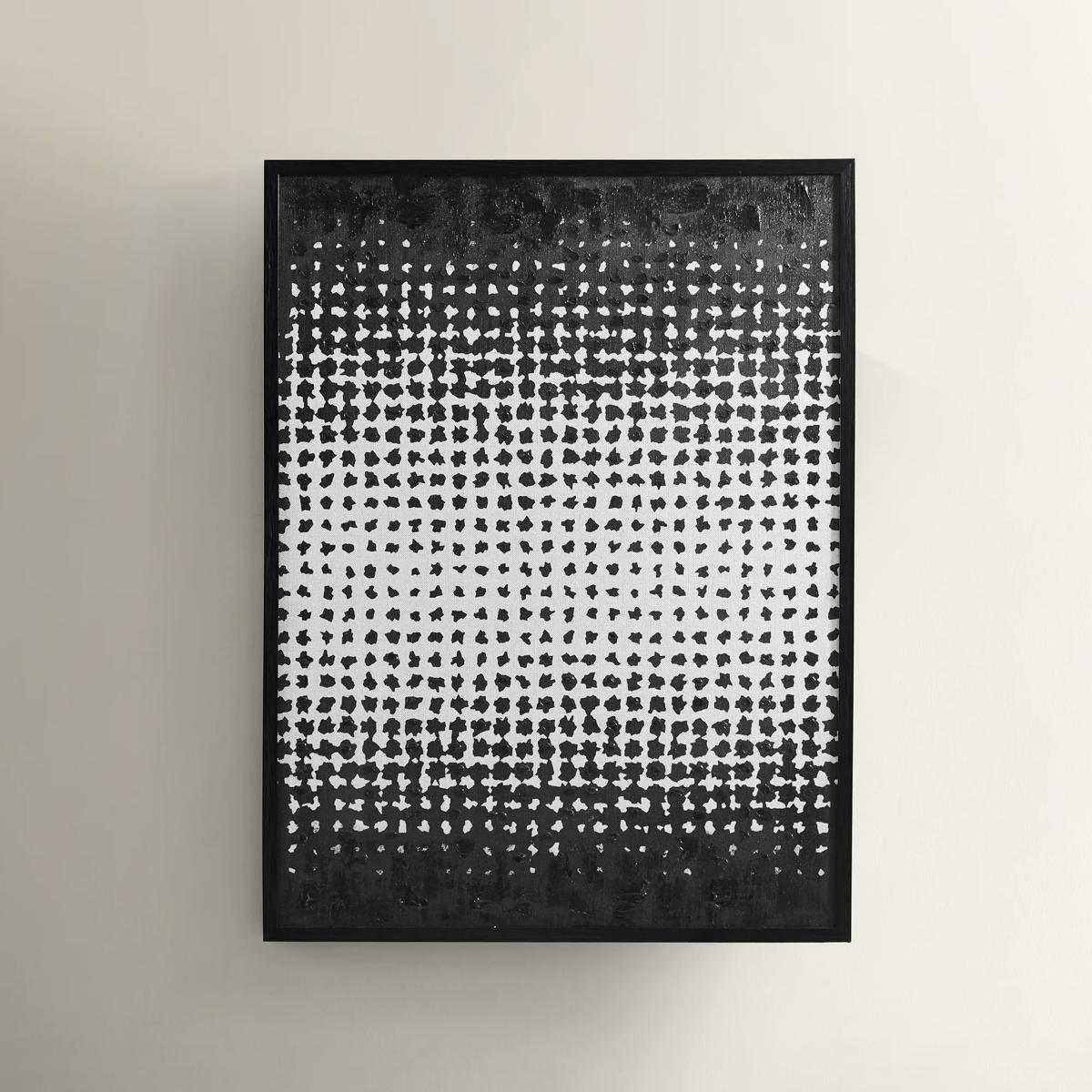
A hand-painted linen canvas featuring cream and black dots in a modern, minimalist geometric pattern.
Add To Cart -
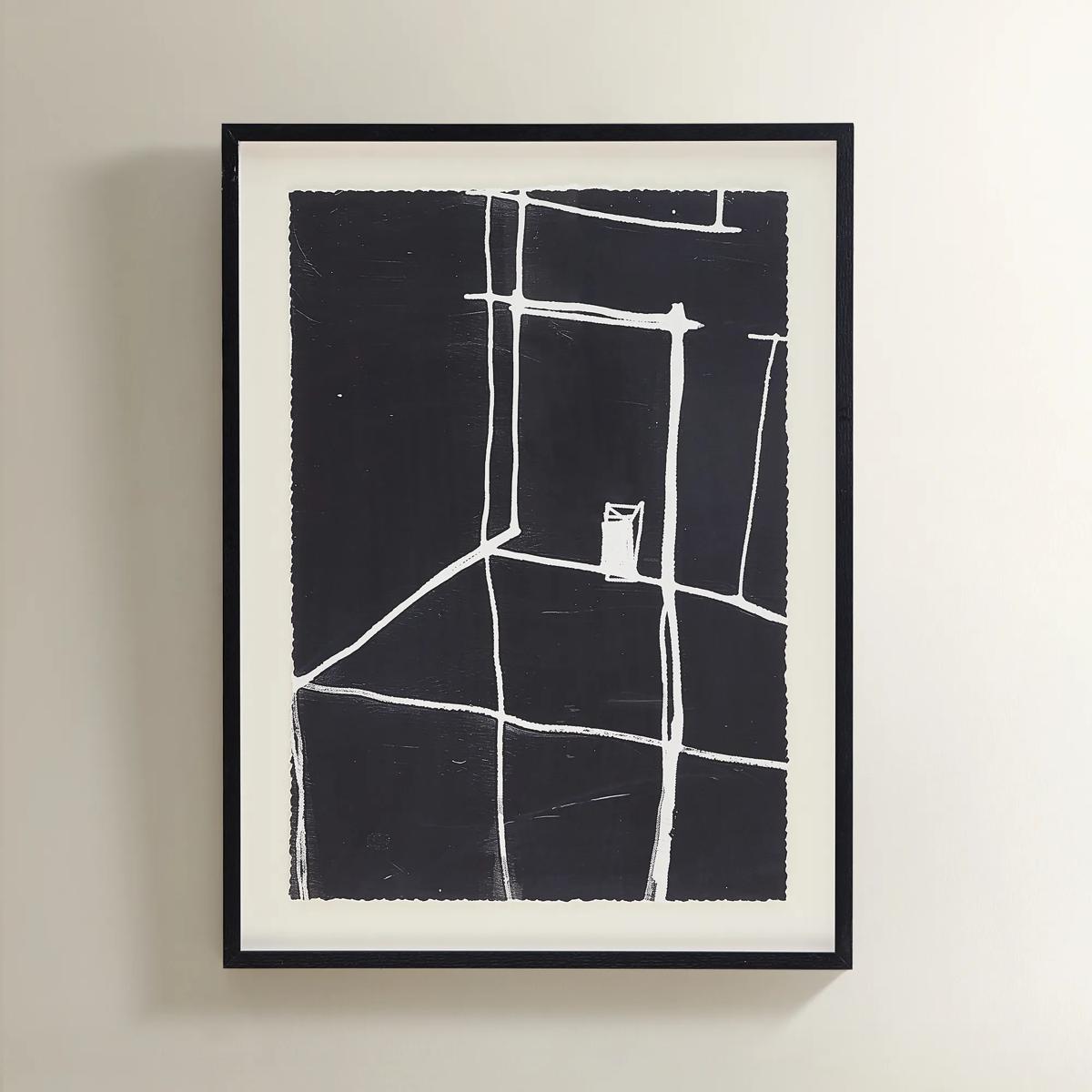 Solitude Art$269
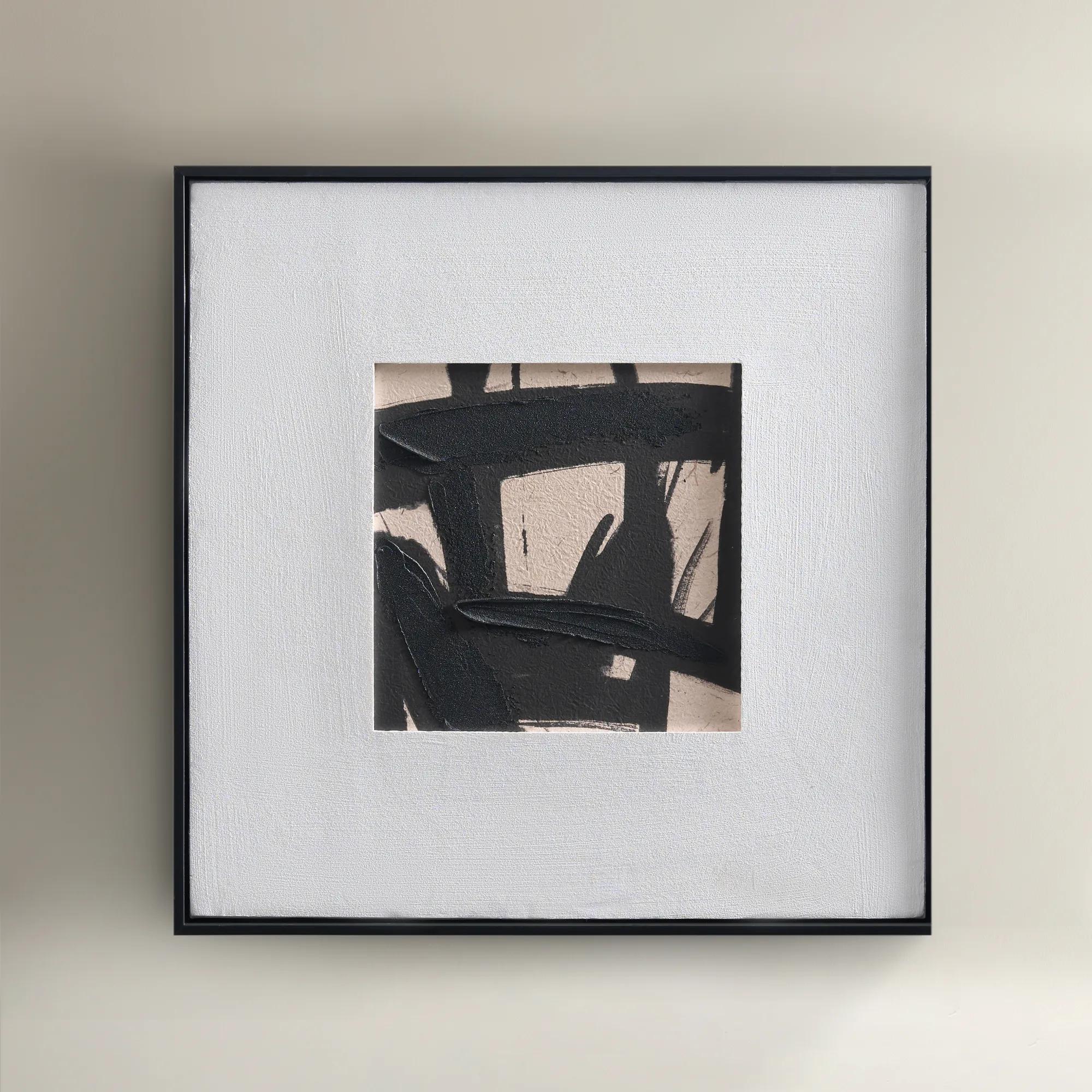
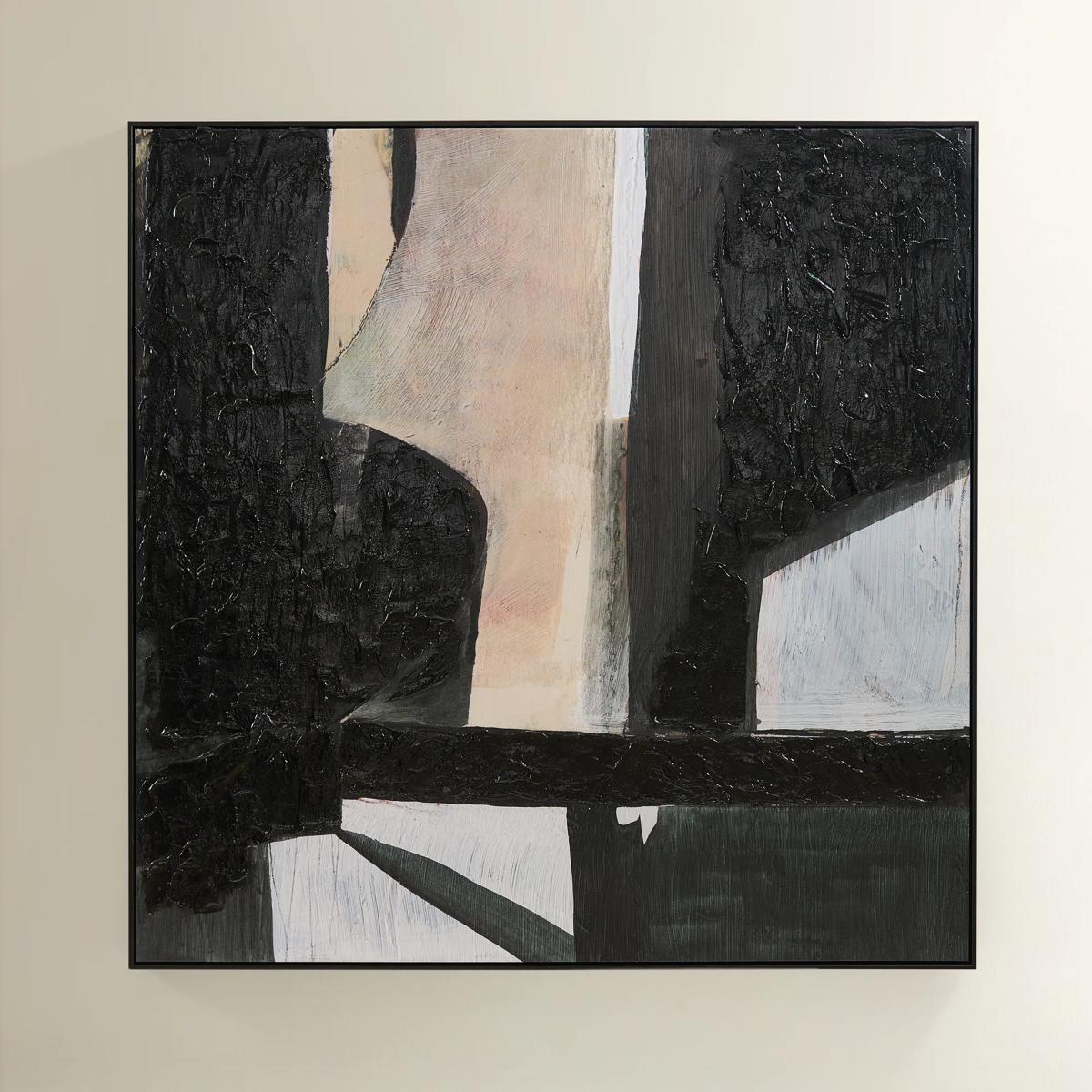
A minimalist black-and-white abstract print featuring bold white lines in a sleek black polyresin frame.
Add To Cart -
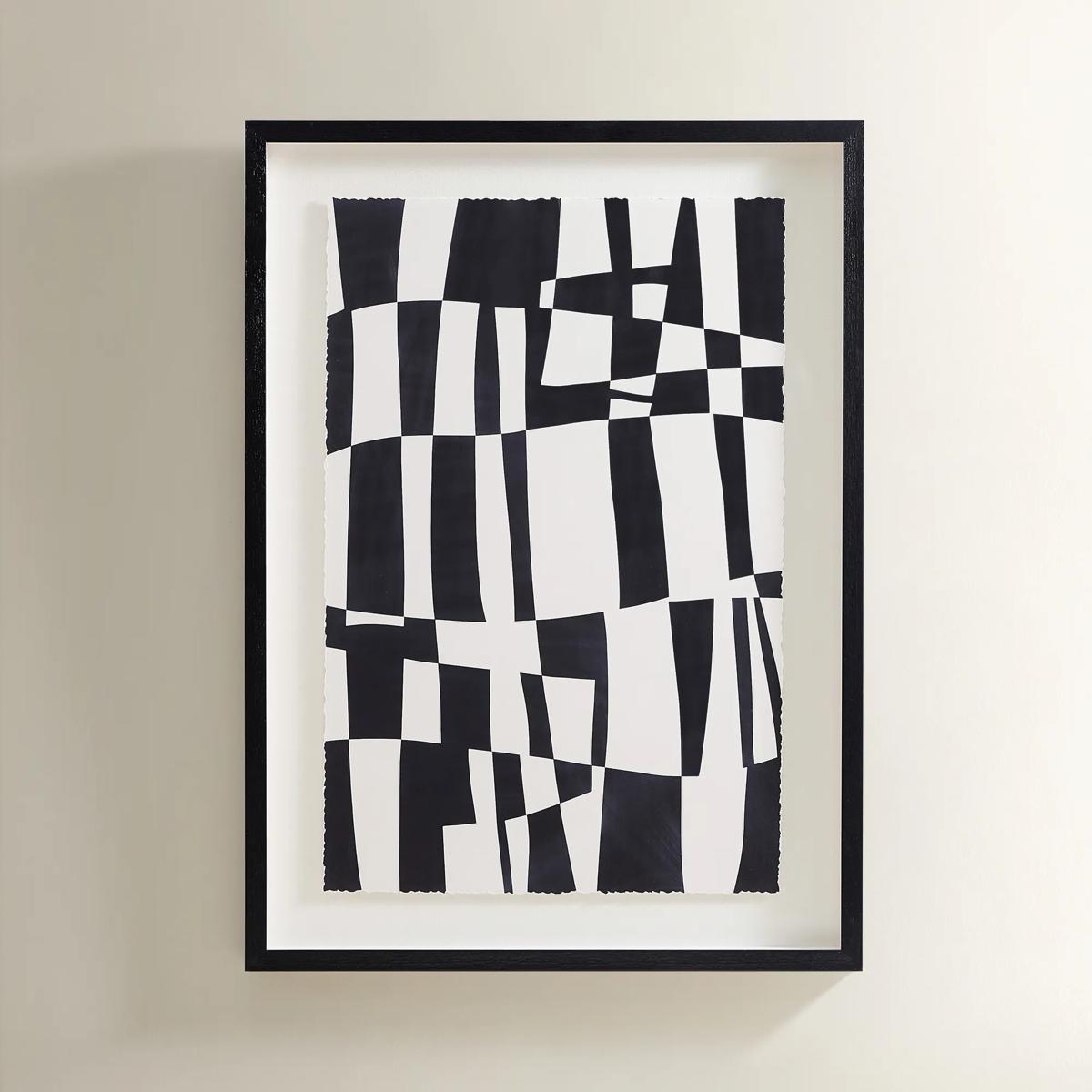 Matrix Art$369
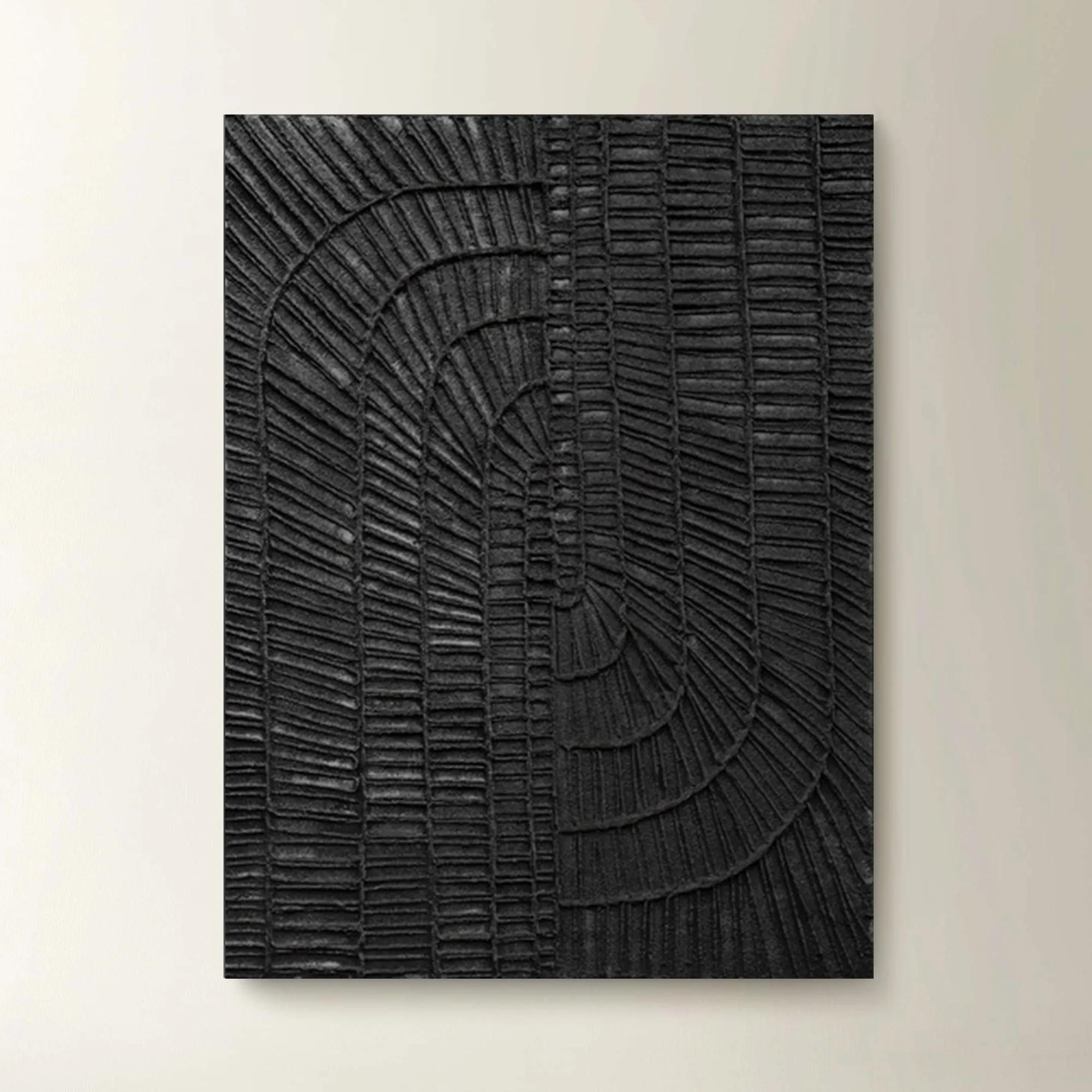
A striking black and white abstract grid print set in a sleek black polyresin frame.
Add To Cart -
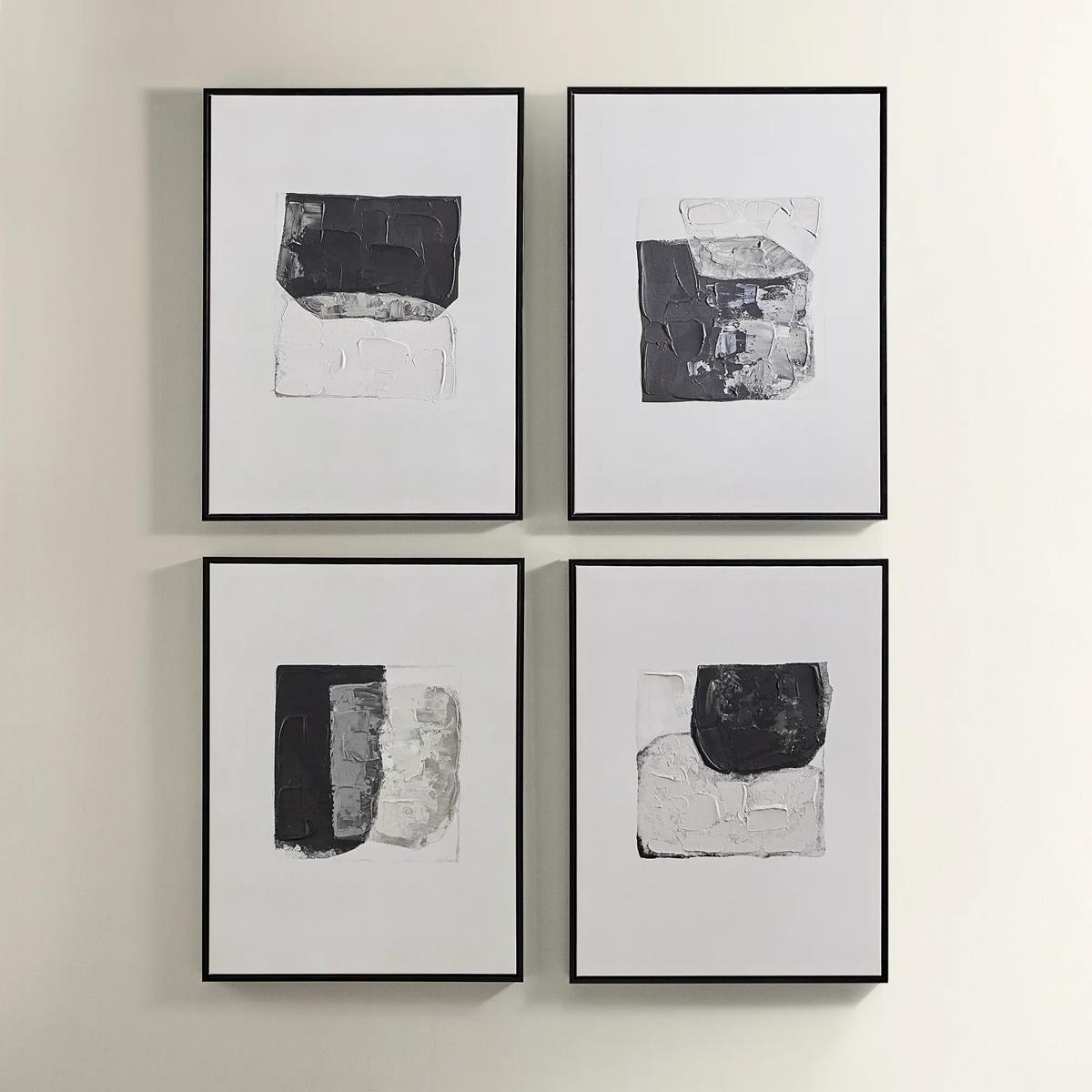
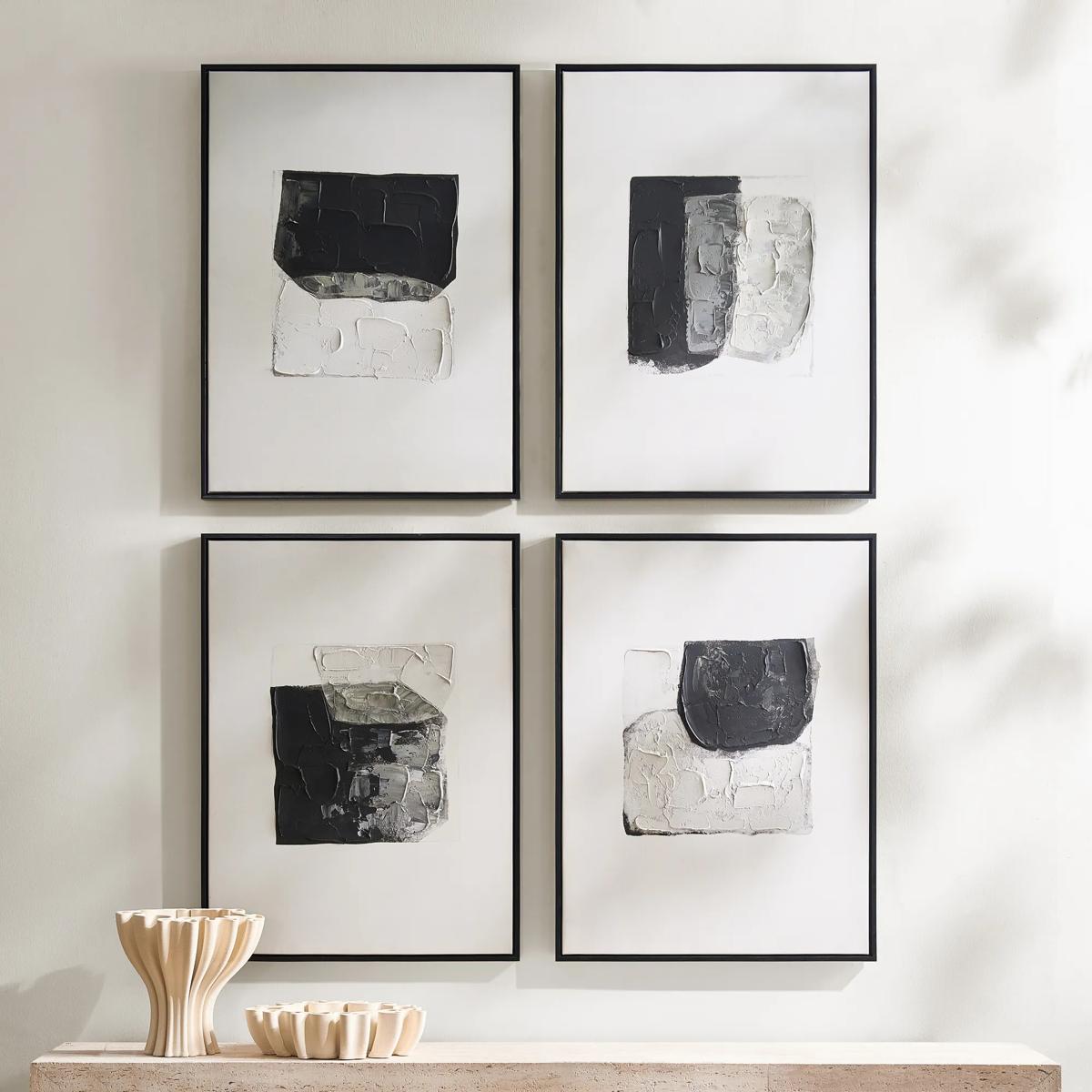 Shadows Framed Painted Wall Art Set of 4$299
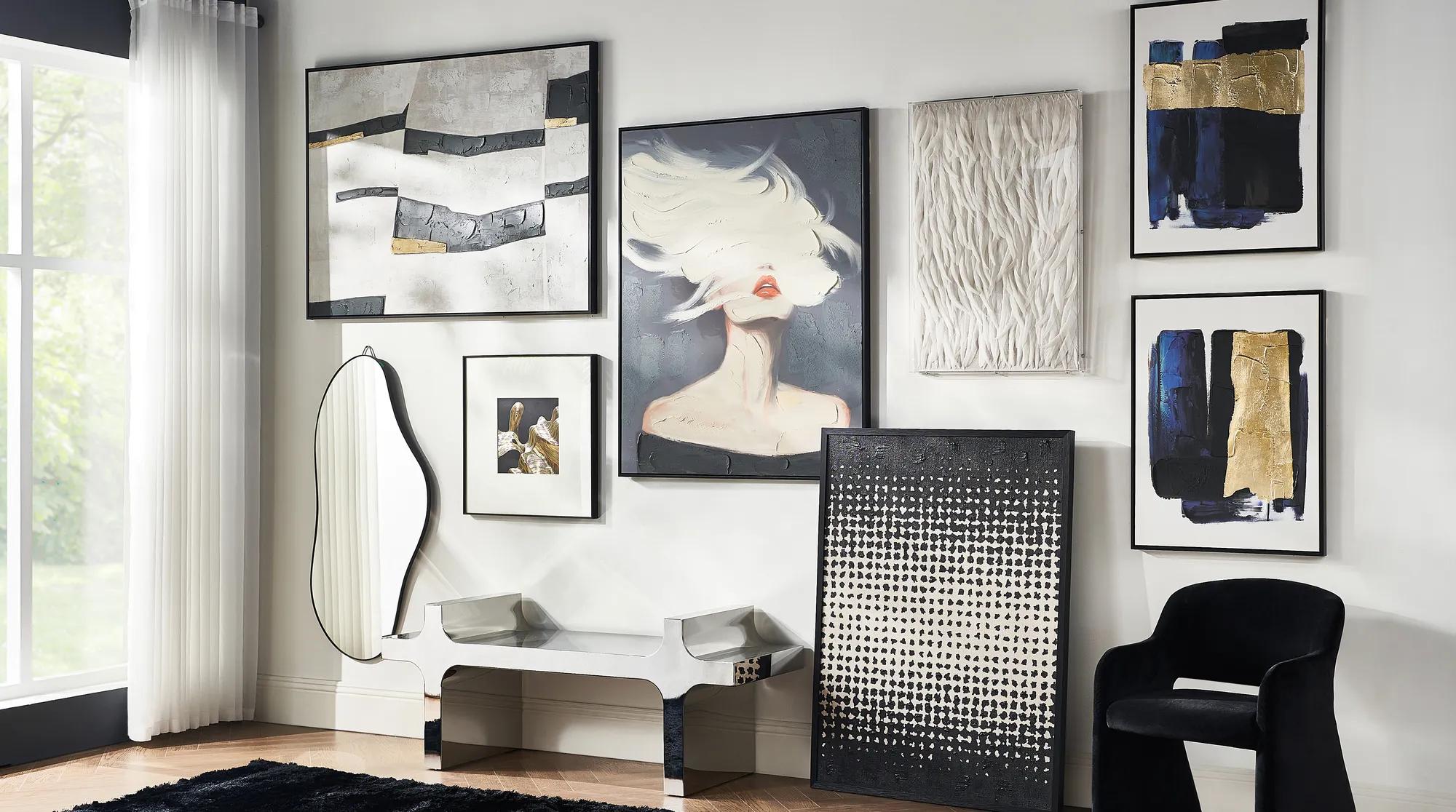
A set of four hand-painted abstract canvases featuring black, white, and gold accents in black frames.
Add To Cart -
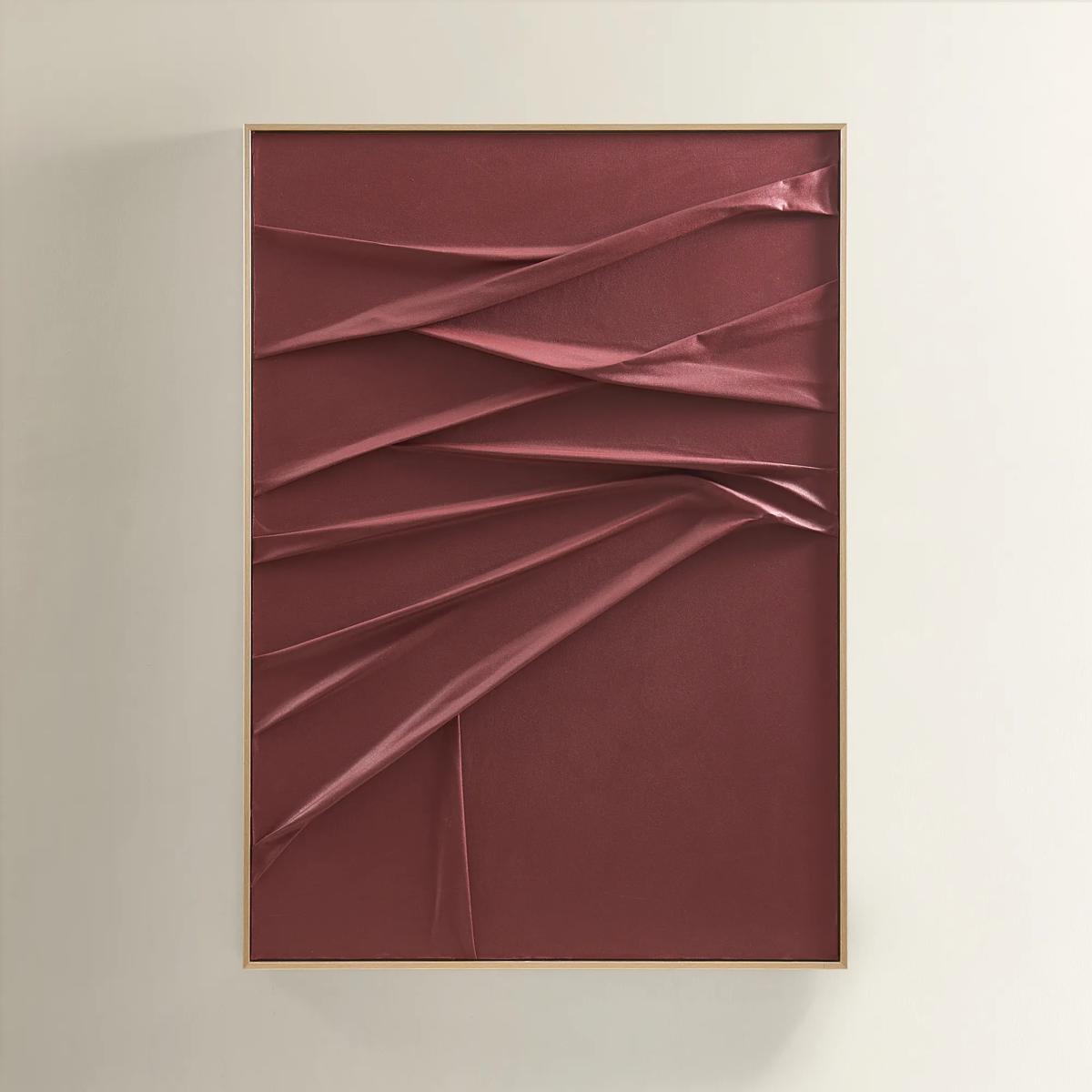
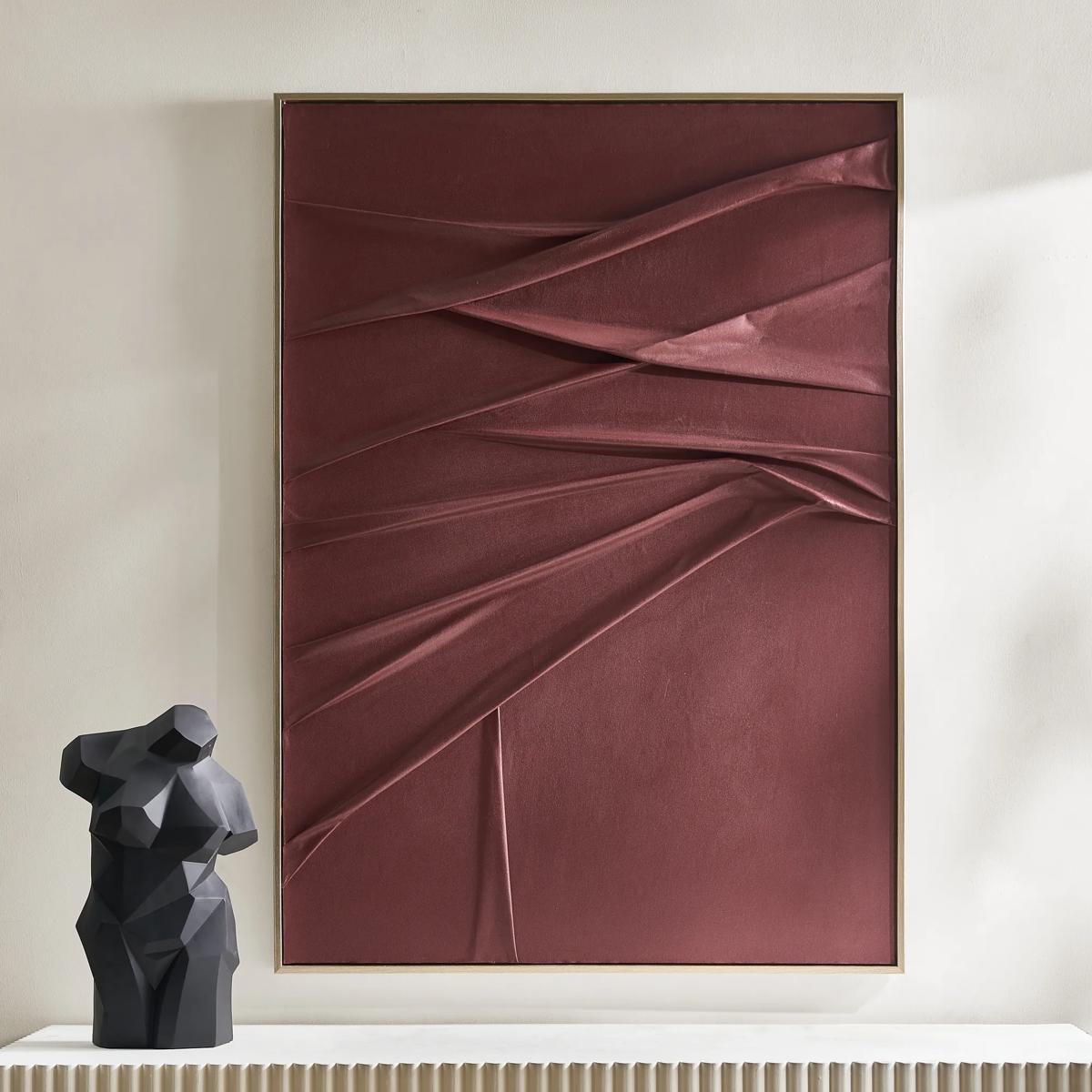 Crimson Painting$599
A handcrafted burgundy canvas artwork with sculptural folds, framed in champagne for a dramatic, textured effect.
Add To Cart -
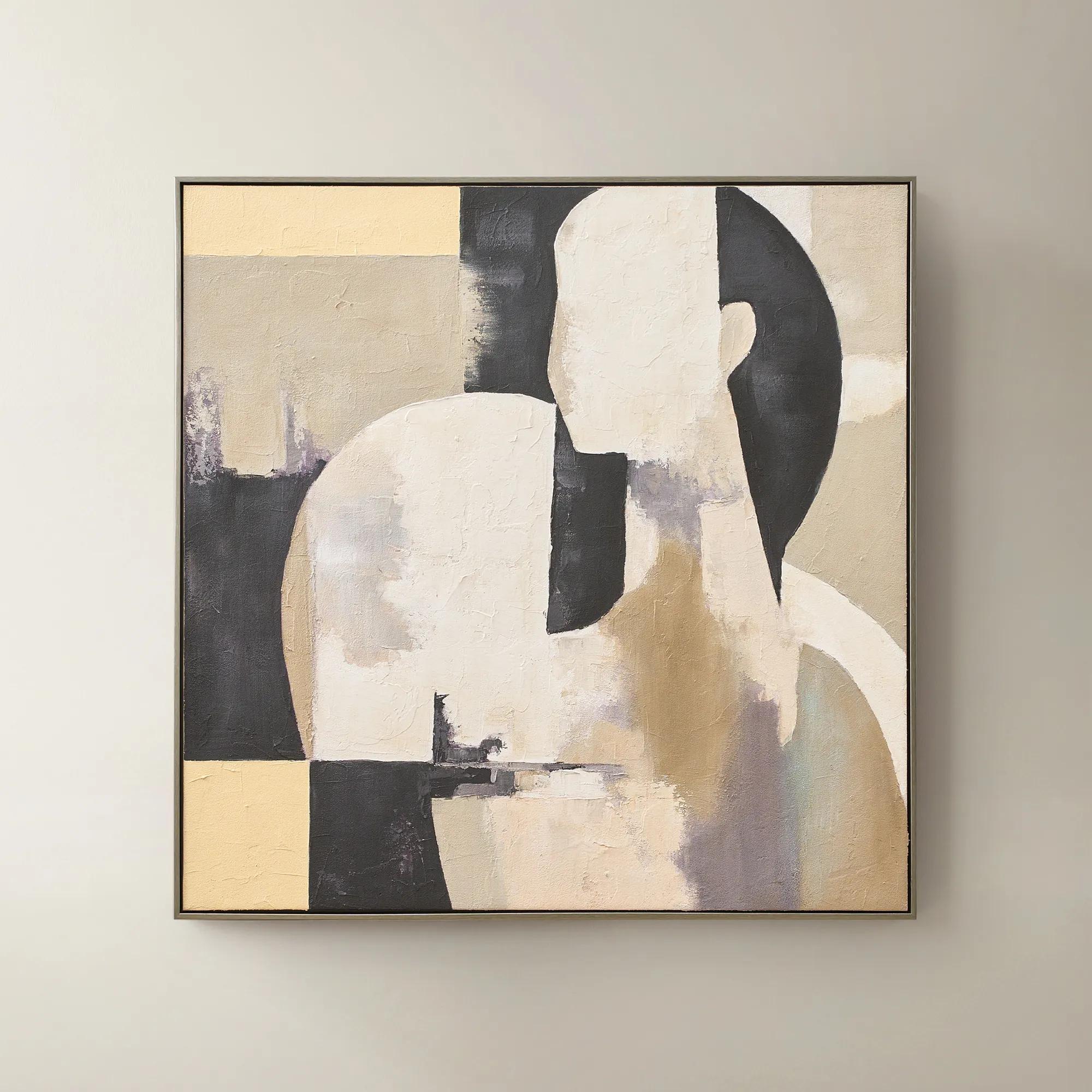 Afternoon Rest Framed Painted Wall Art 40" x 40"$399
A hand-painted abstract figure in buttercream, turtledove, and black hues framed in dark grey.
Add To Cart -
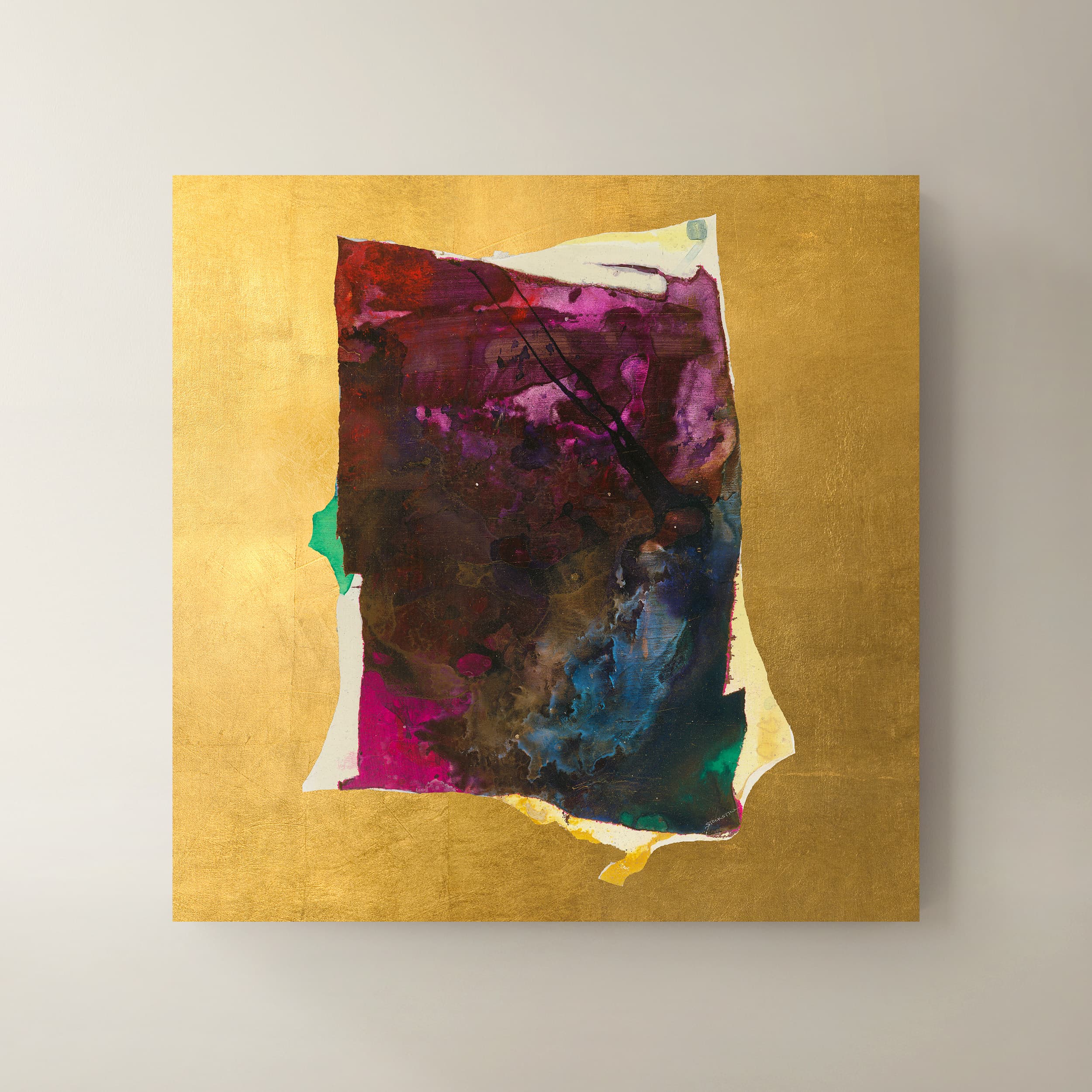 Supremo I Wall Art 40" x 40"$999
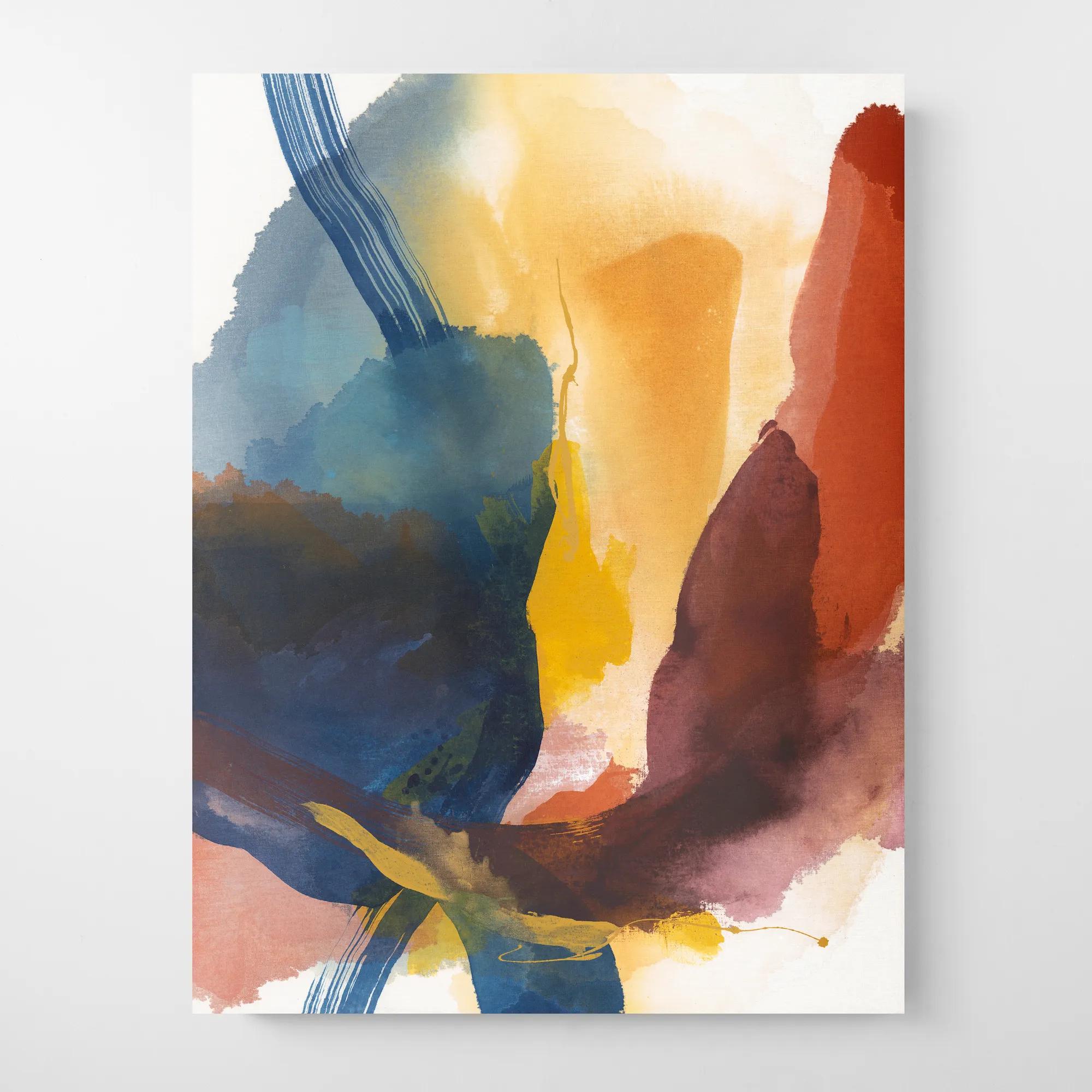
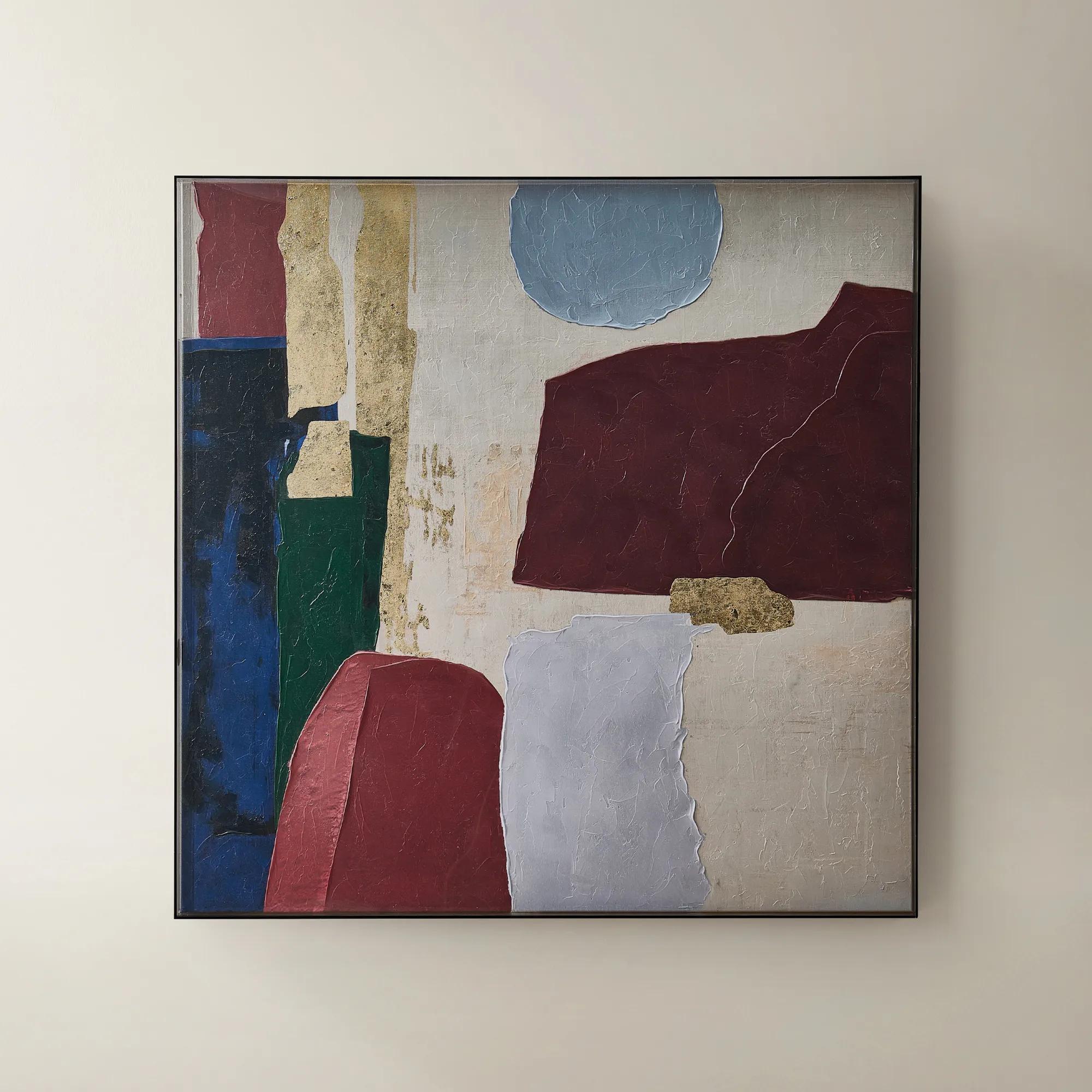
A multicolored canvas wall art piece adding contemporary visual interest to your interior.
Add To Cart -

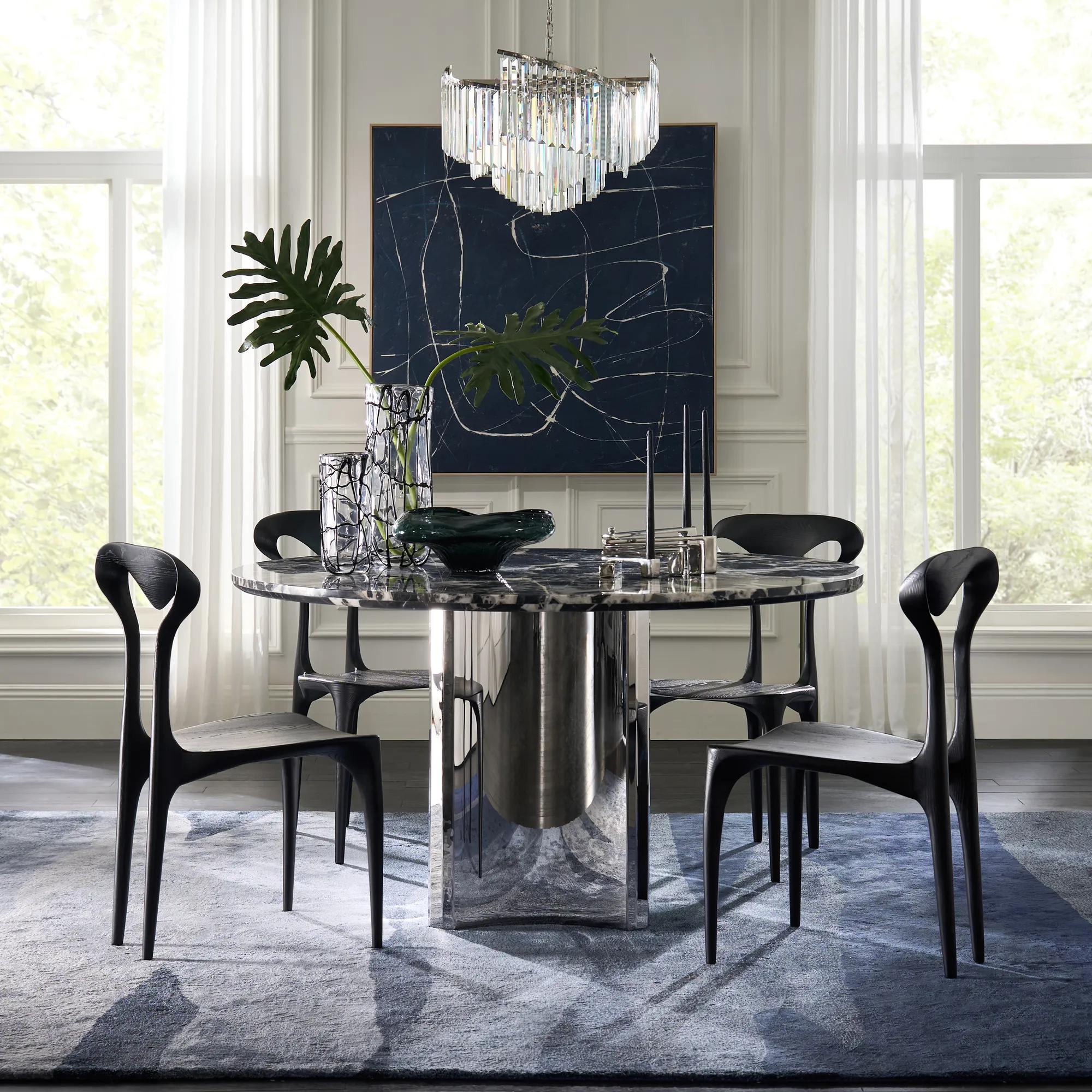 Almost Midnight Painting - Blue$439
A hand-painted canvas featuring bold blue and black tones with delicate white lines in a light wood frame.
Add To Cart -
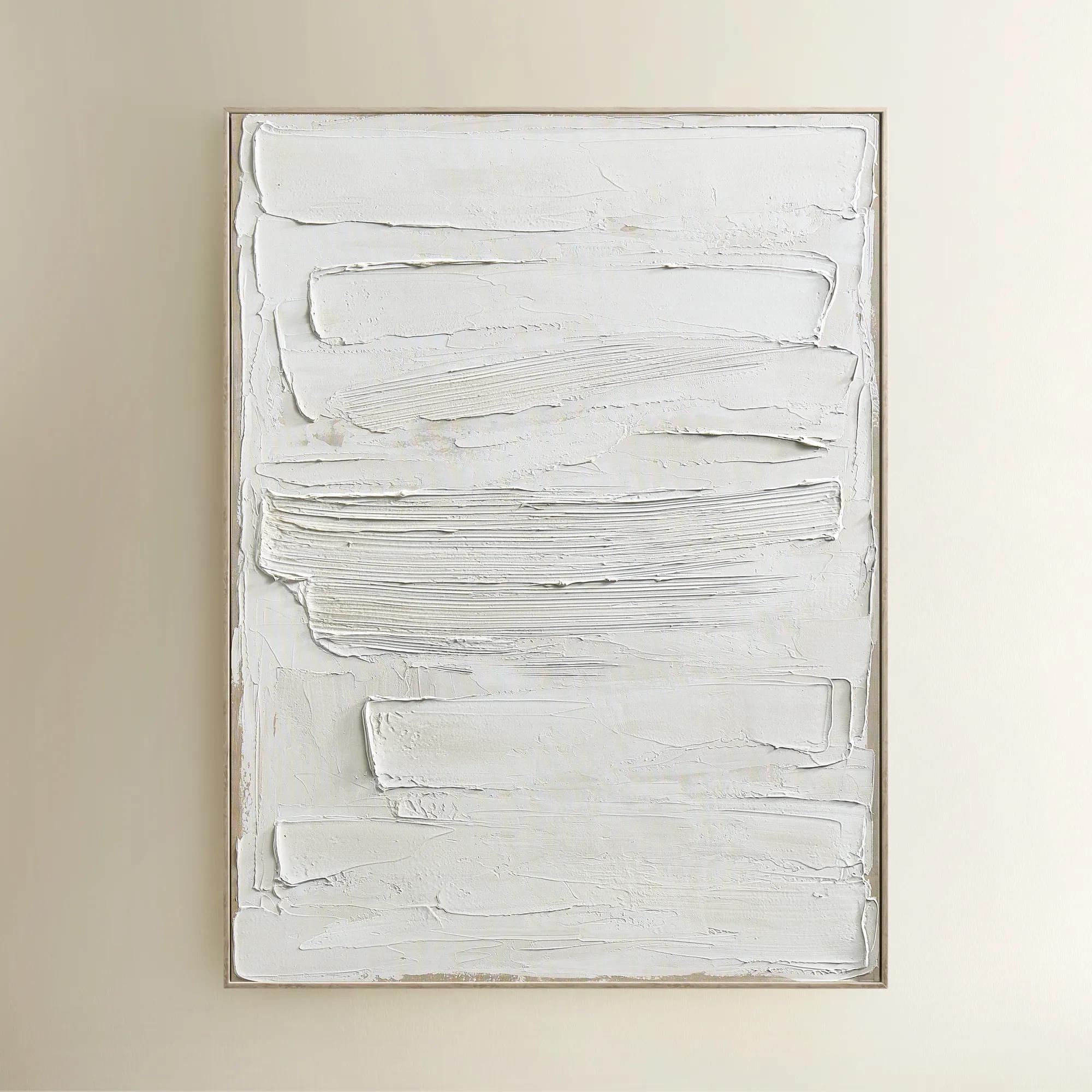
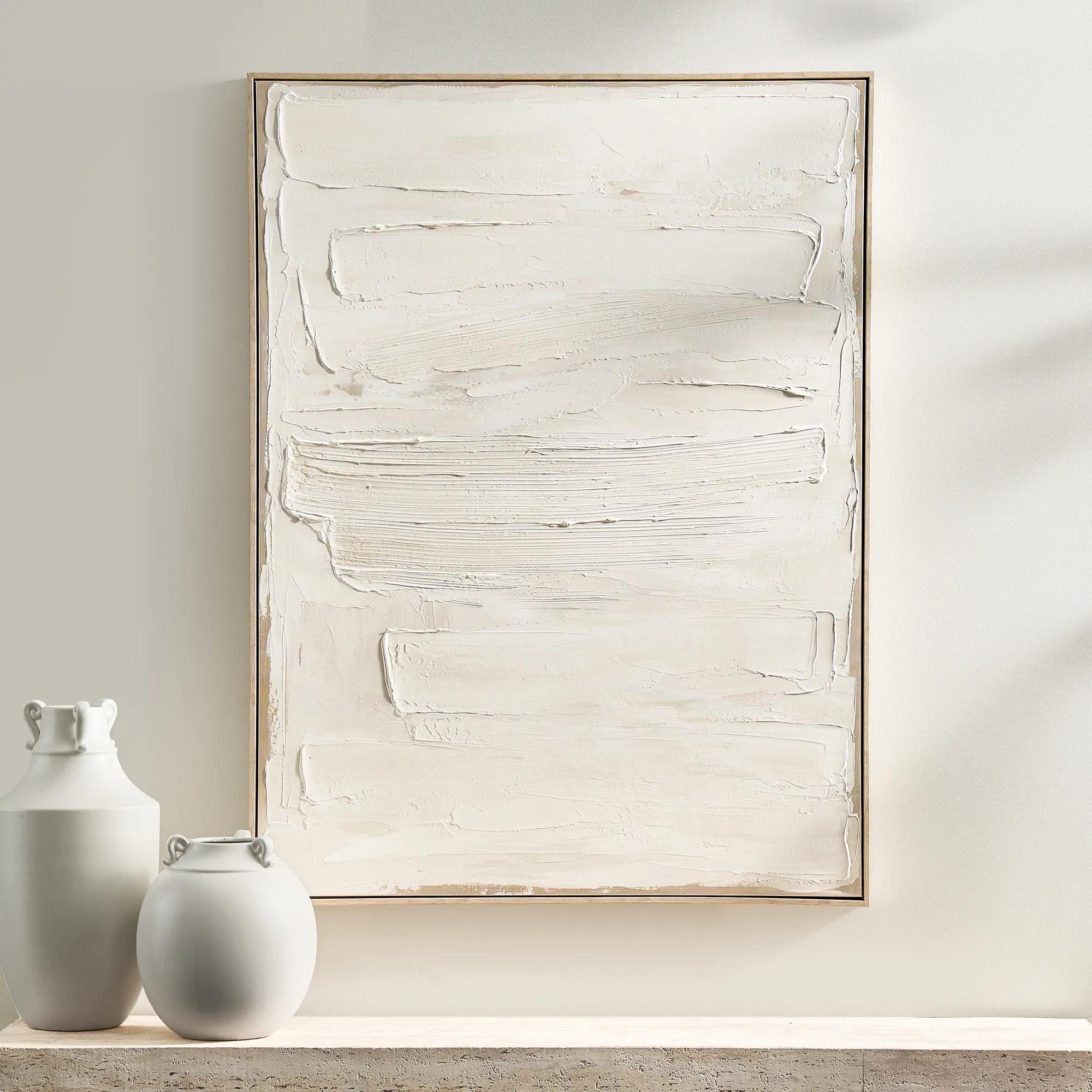 Monotype Canvas 1$399
A hand-painted abstract canvas featuring layered white tones and textured paint in a whitewashed wood frame.
Add To Cart -
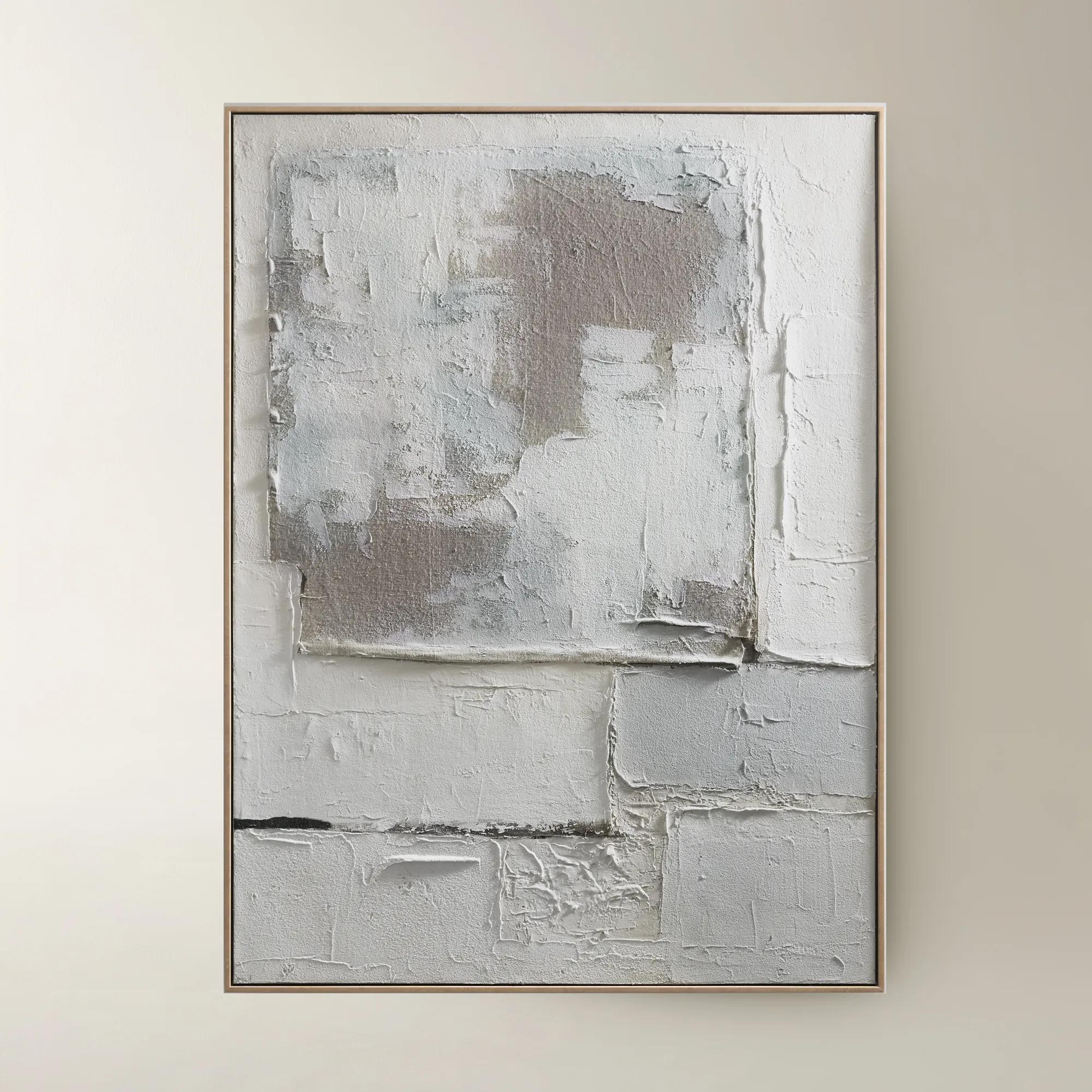
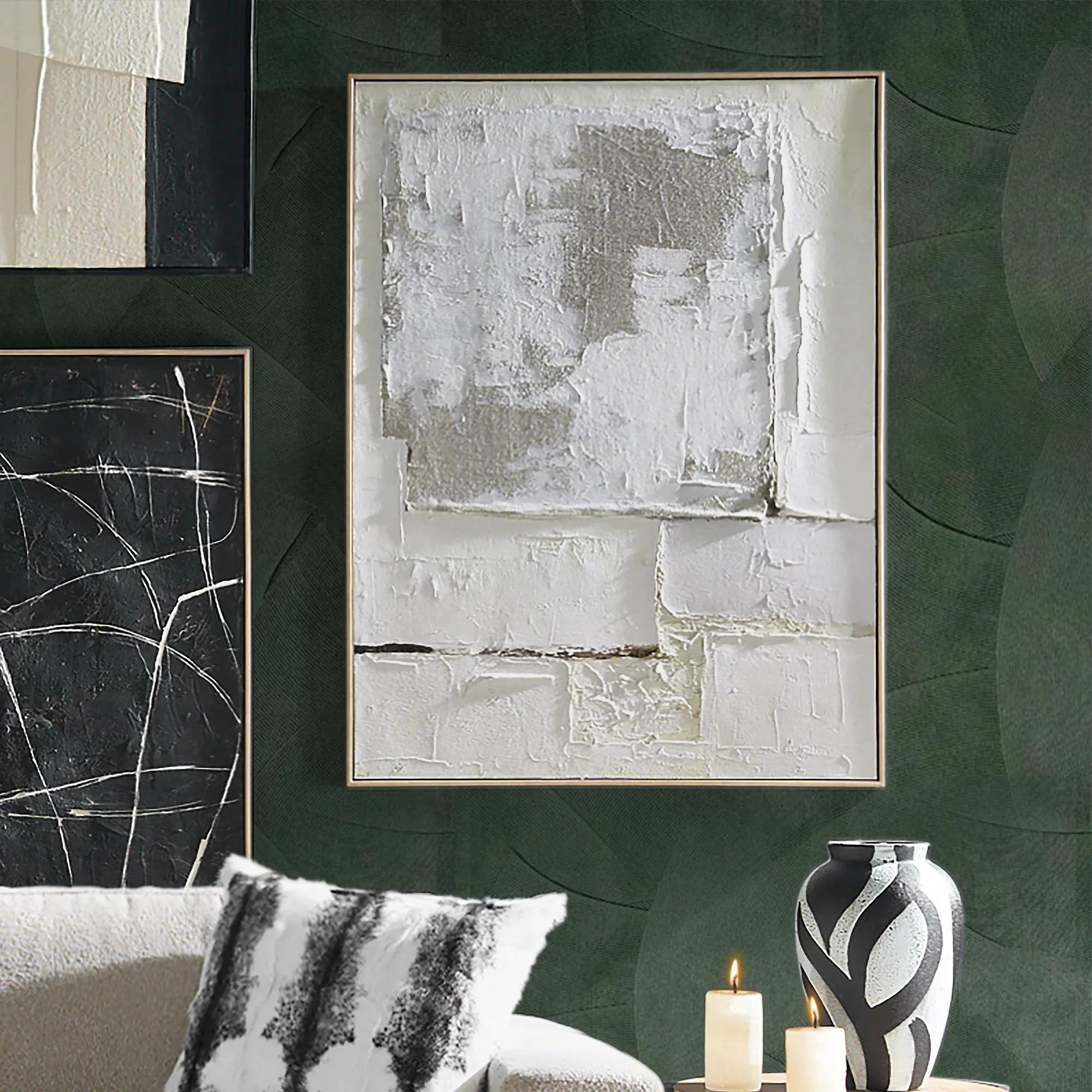 Marrow Painting$399
A hand-painted abstract canvas in subtle beige hues, elegantly framed in a warm beech wood floater.
Add To Cart -
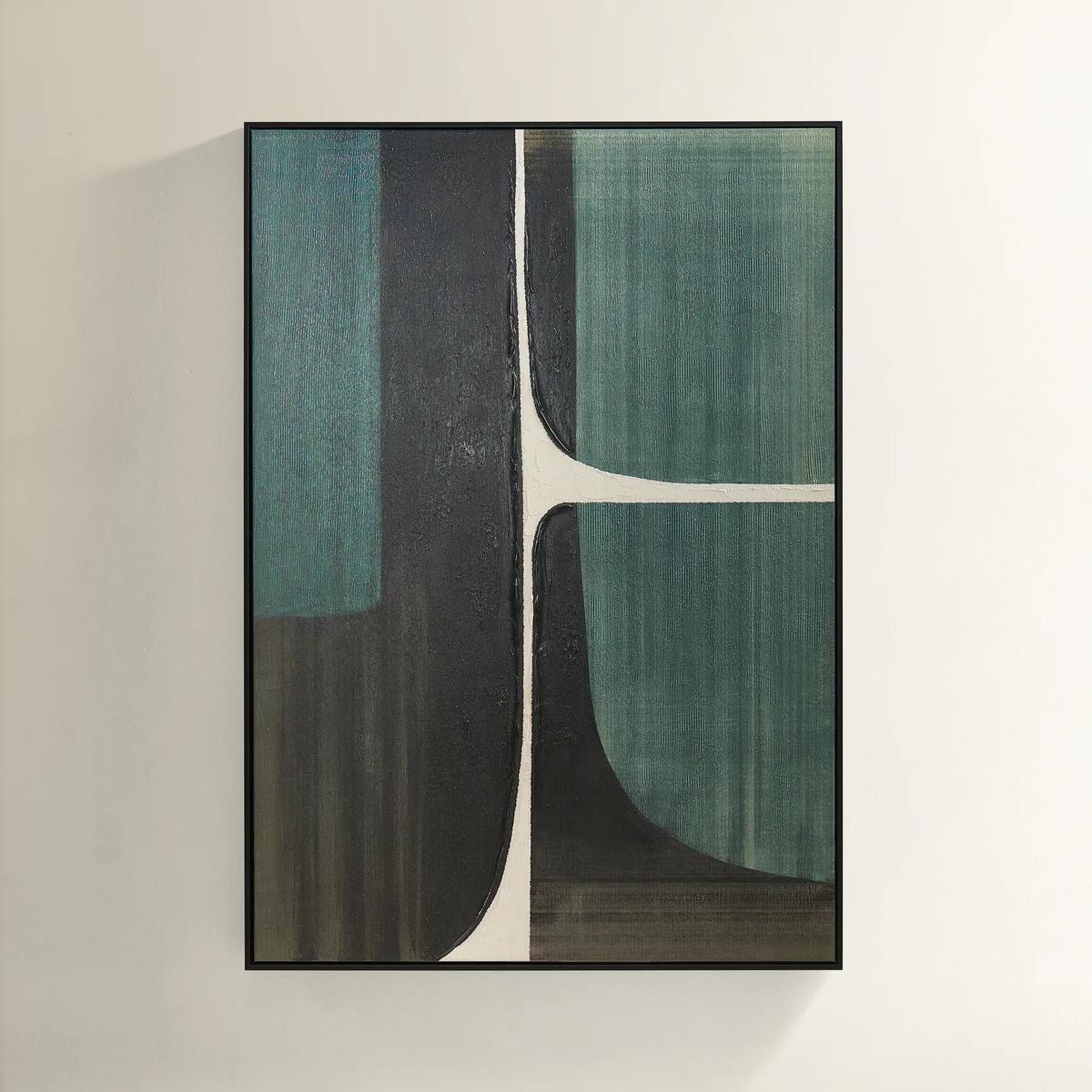 Plains Framed Painted Wall Art 39.25" x 55"$499
A hand-painted abstract canvas in forest green, ivory, and black with a sleek black floater frame.
Add To Cart -
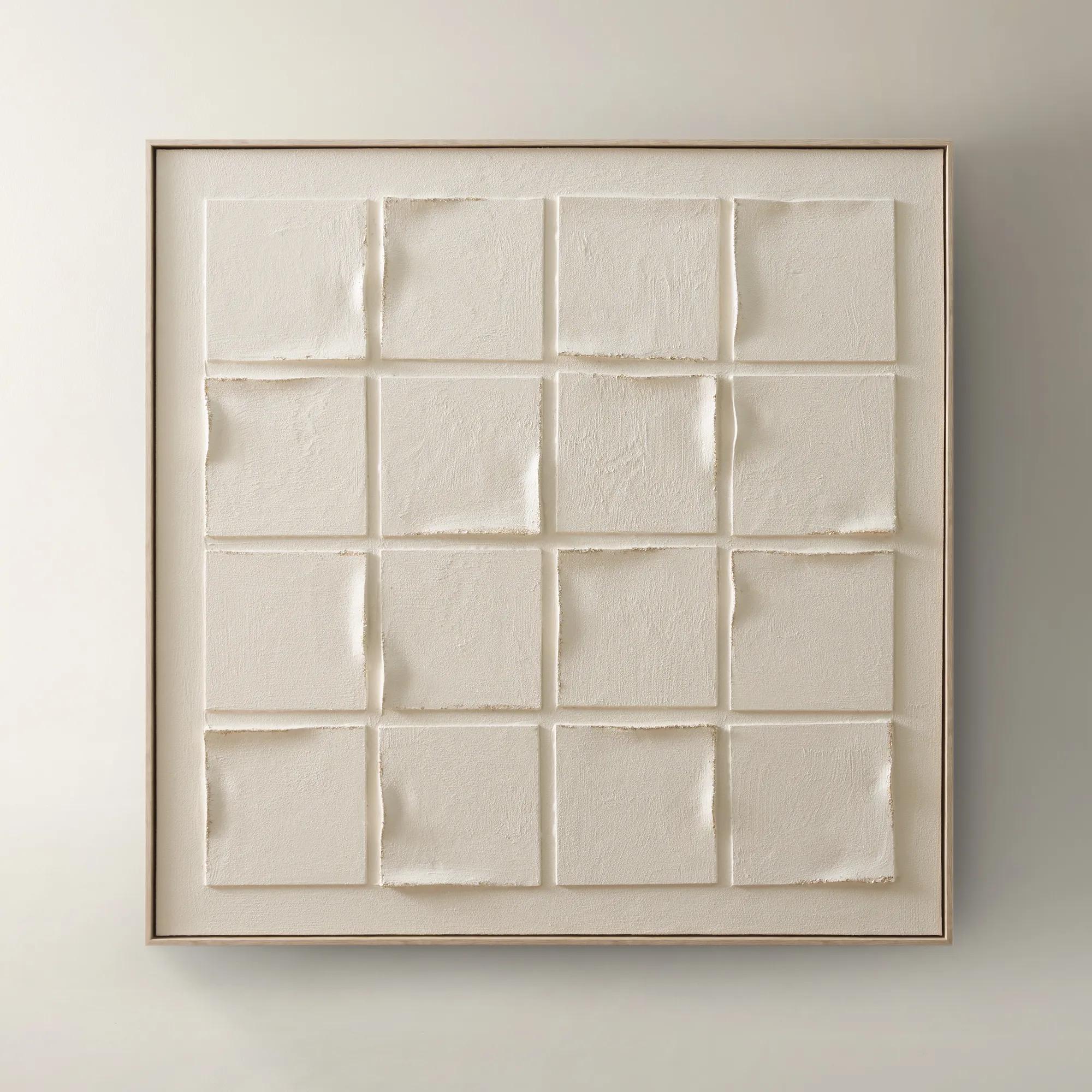 Gaze Framed Painted Wall Art 39.4" x 40"$329
A hand-painted canvas featuring subtle beige tones and textured depth in a warm whitewash floater frame.
Add To Cart -
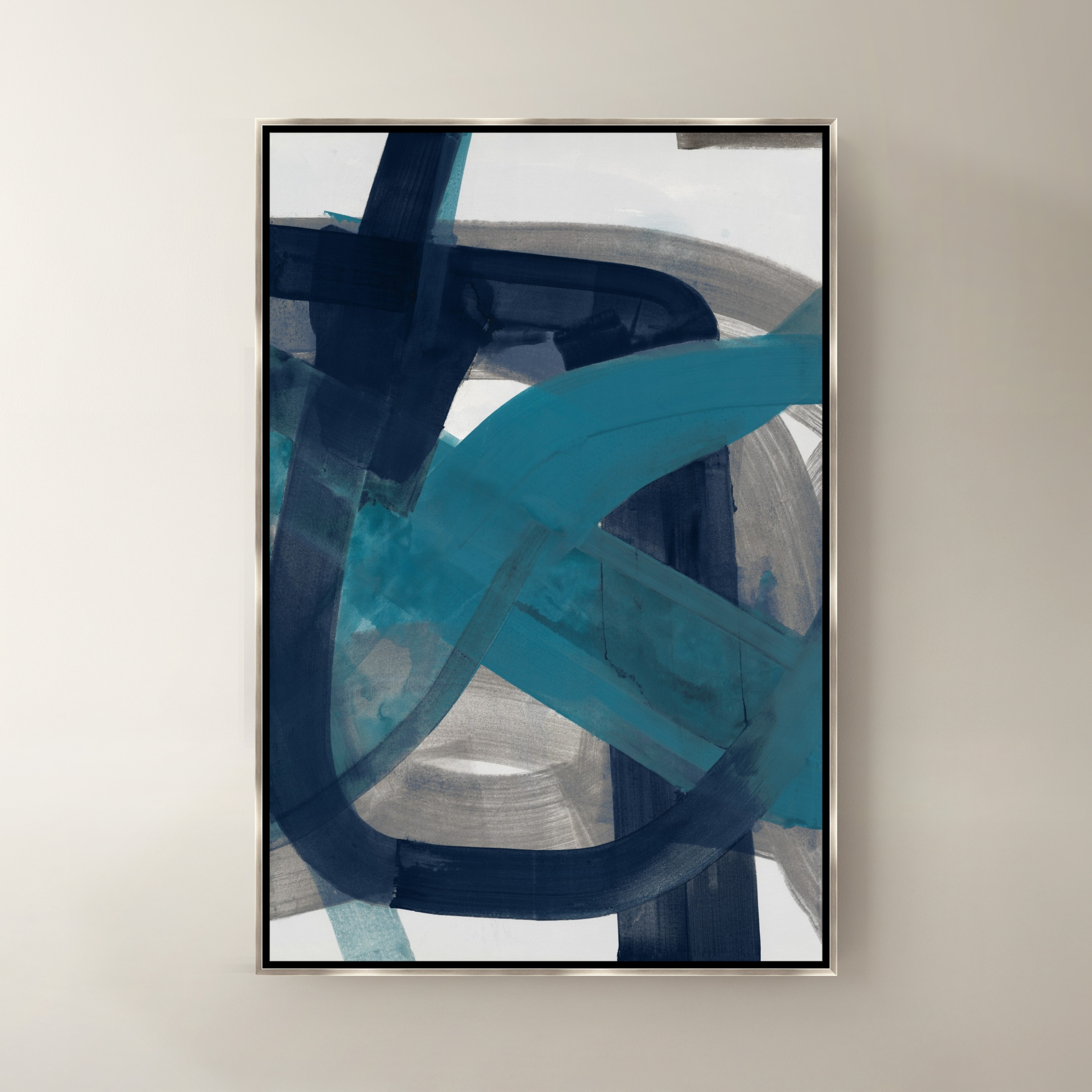
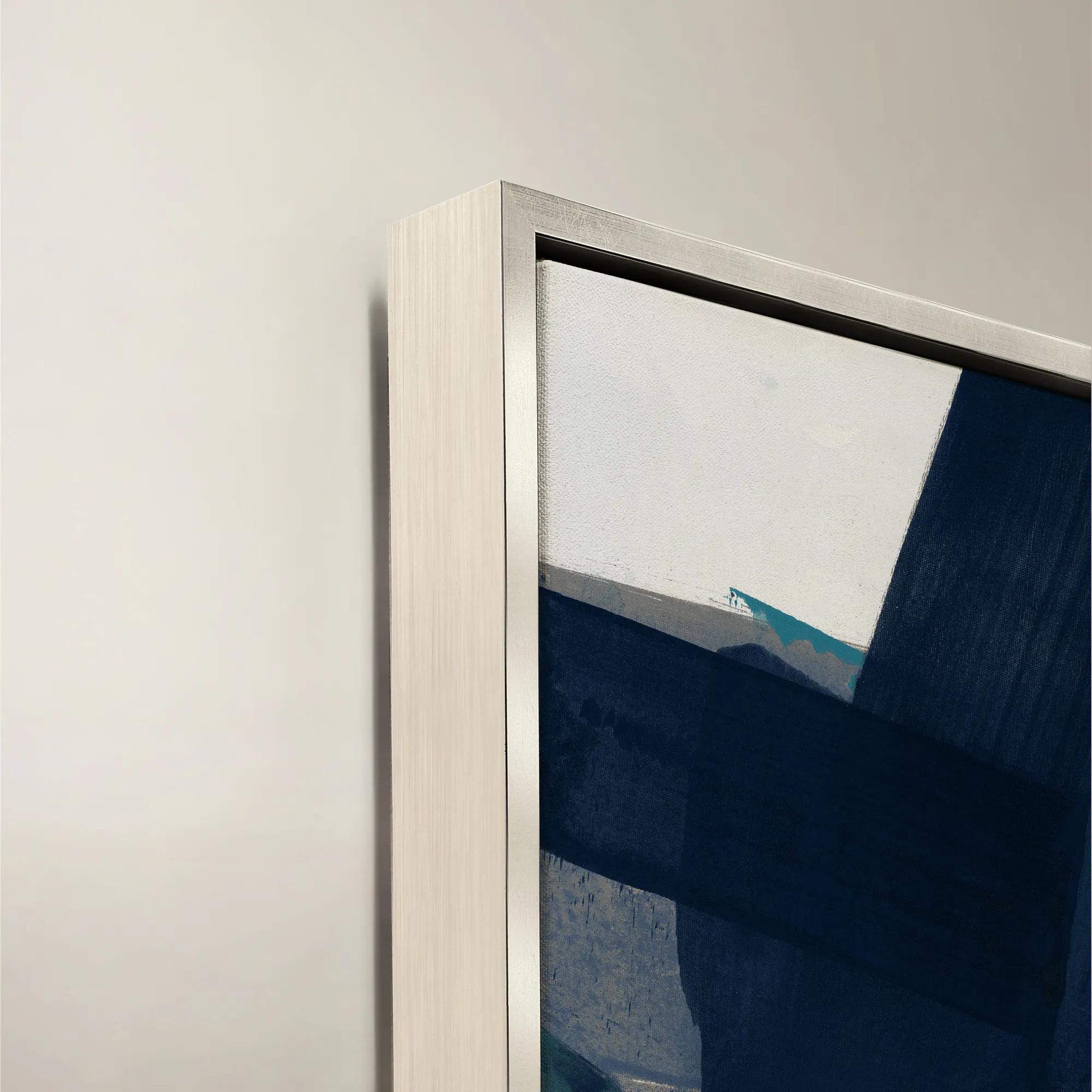 Fractured Currents II Framed Wall Art 24" x 36"$499
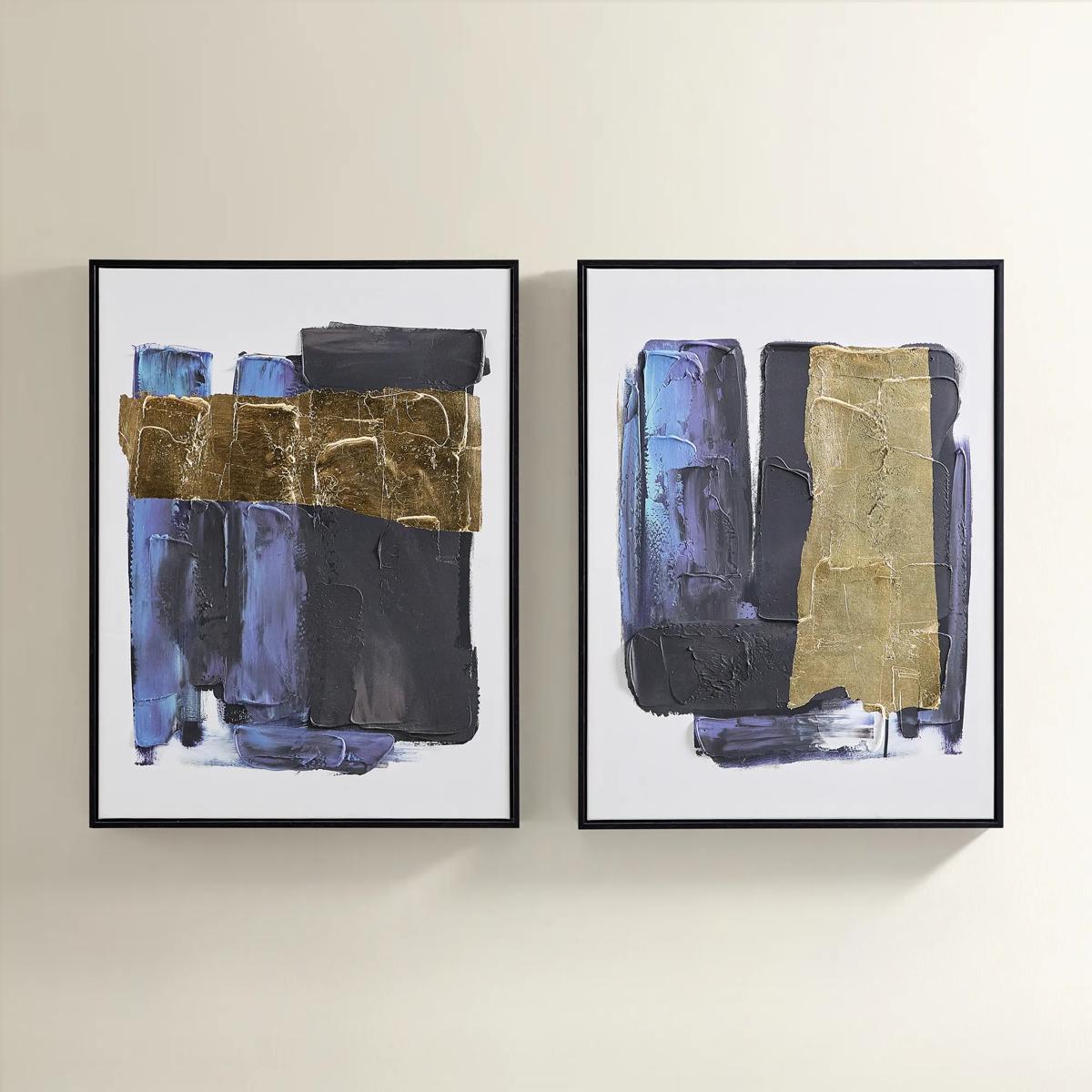
A framed canvas wall artwork featuring dynamic blue and purple tones for a modern, expressive accent.
Add To Cart -
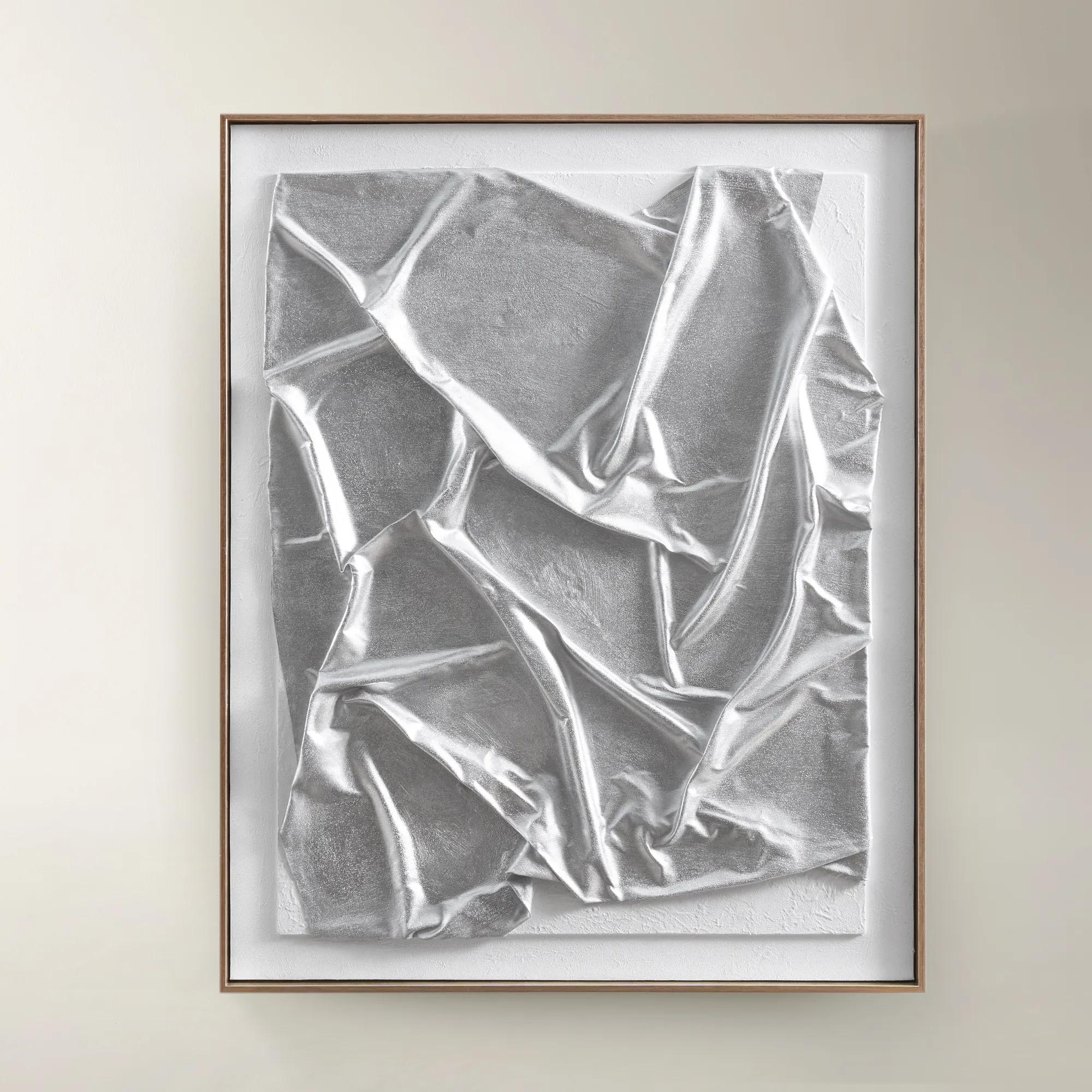
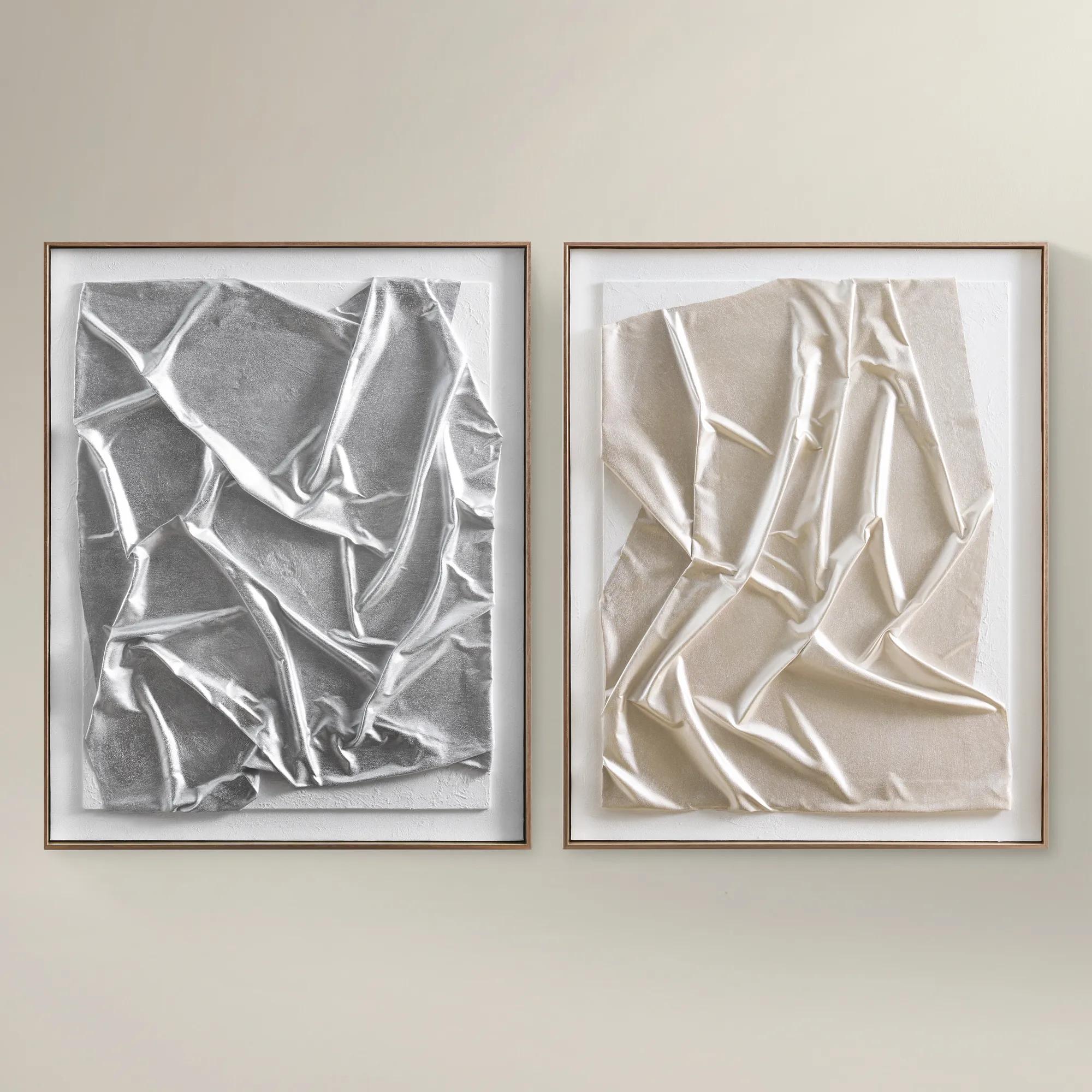 In the Mood Framed Painted Wall Art 31.5" x 39.5"$199
A hand-painted abstract canvas in shimmering silver tones, set in a warm champagne floater frame.
Add To Cart -
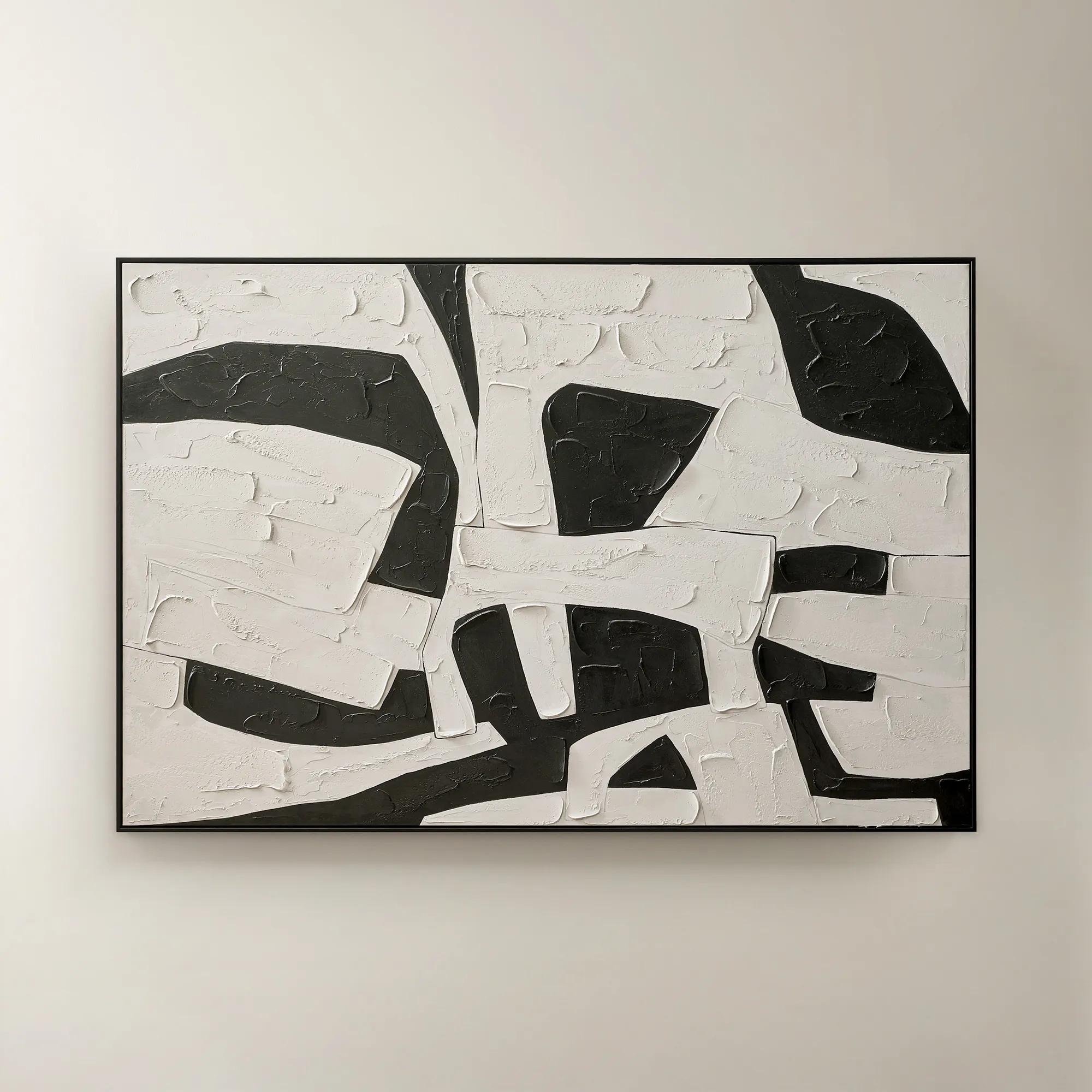 Space Between Shadows Framed Painted Wall Art 72" x 48"$799
A hand-painted abstract canvas featuring bold alabaster and black geometric forms in a sleek black frame.
Add To Cart -

 Transformation Framed Wall Art 47" x 47"$1099
A sophisticated brown canvas wall artwork in a striking framed design for modern interiors.
Add To Cart -
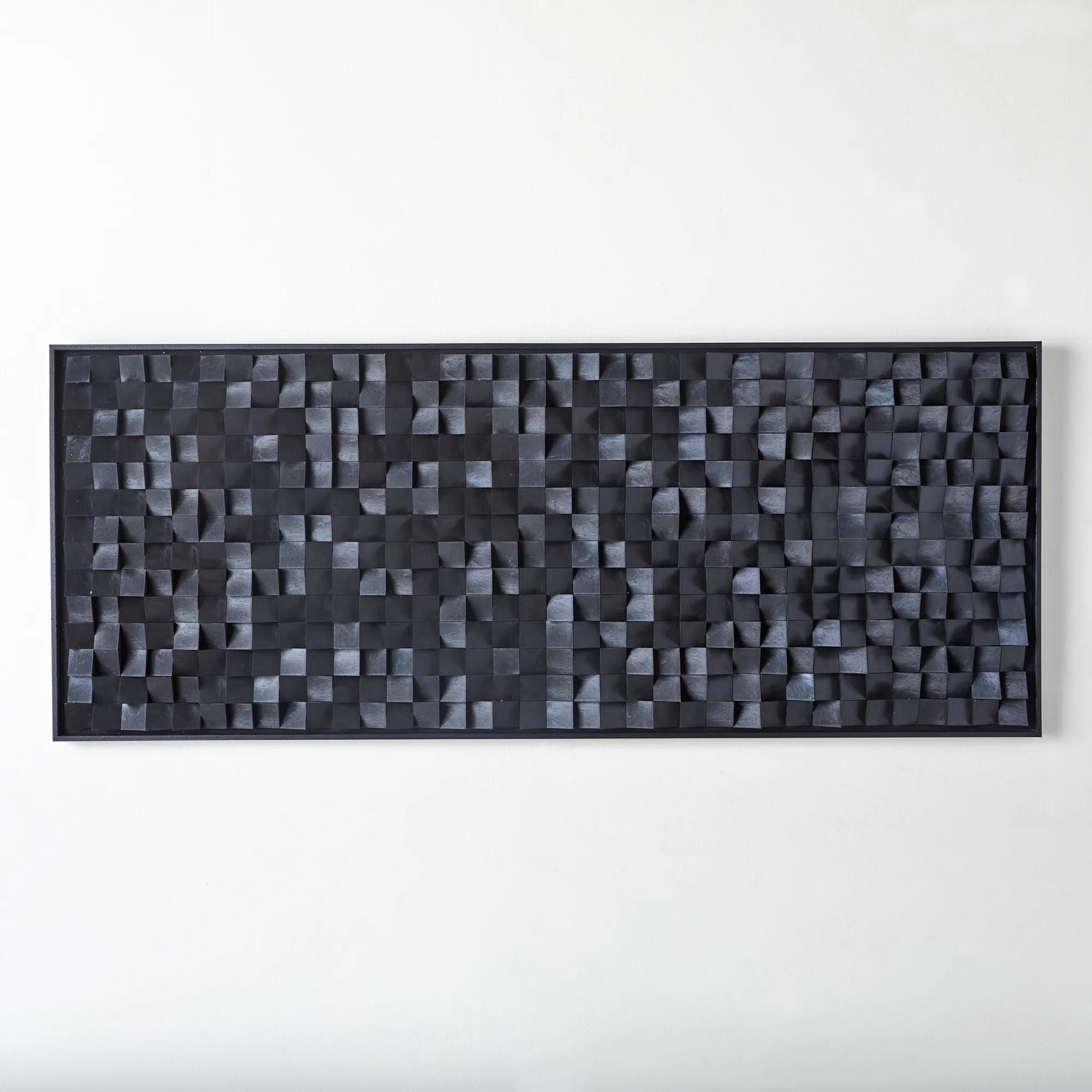 Nightfall Black Wood Dimenisonal Wall Panel 59" x 23.5"$599
An abstract wall art piece featuring cut black blocks in a sleek, low-profile black frame.
Add To Cart -
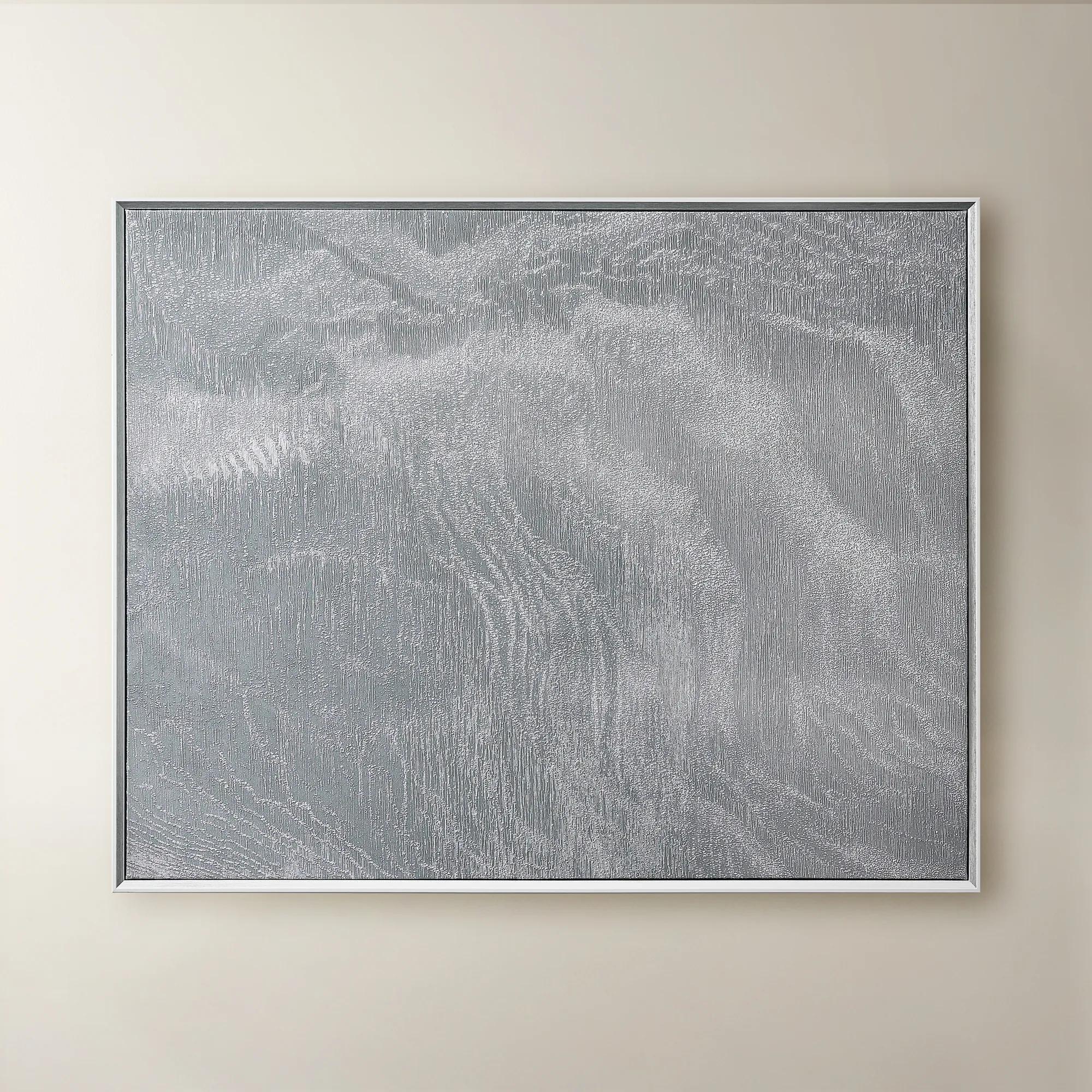 Slow Blue Morning Framed Silver Foil Wall Art 48" x 60"$599
A serene powder blue abstract canvas with silver foil accents, framed in silver and white for modern elegance.
Add To Cart -
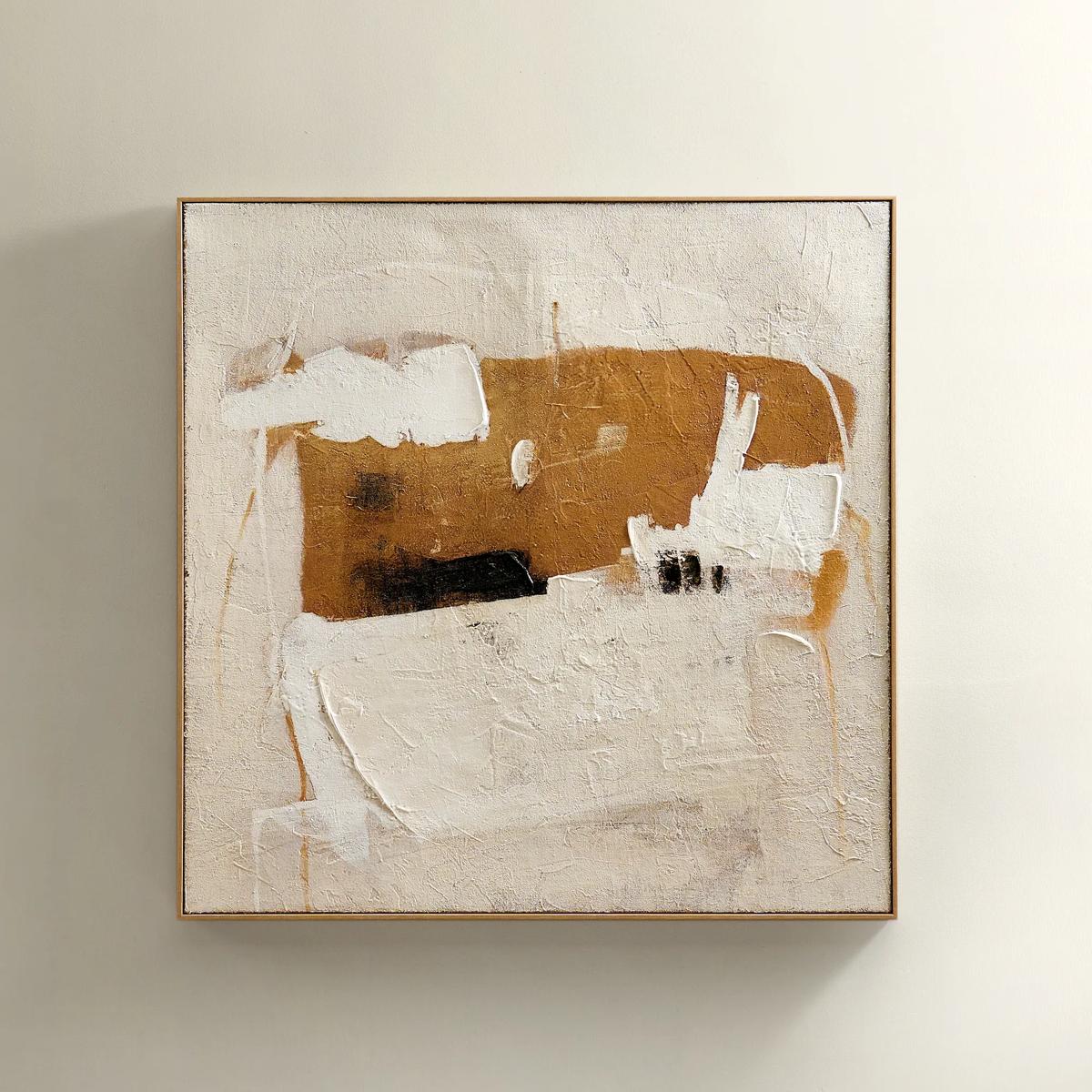 Instinct Framed Painted Wall Art 39.25" x 39.25"$349
An abstract hand-painted artwork featuring warm neutrals and black strokes on hessian with a light natural frame.
Add To Cart -
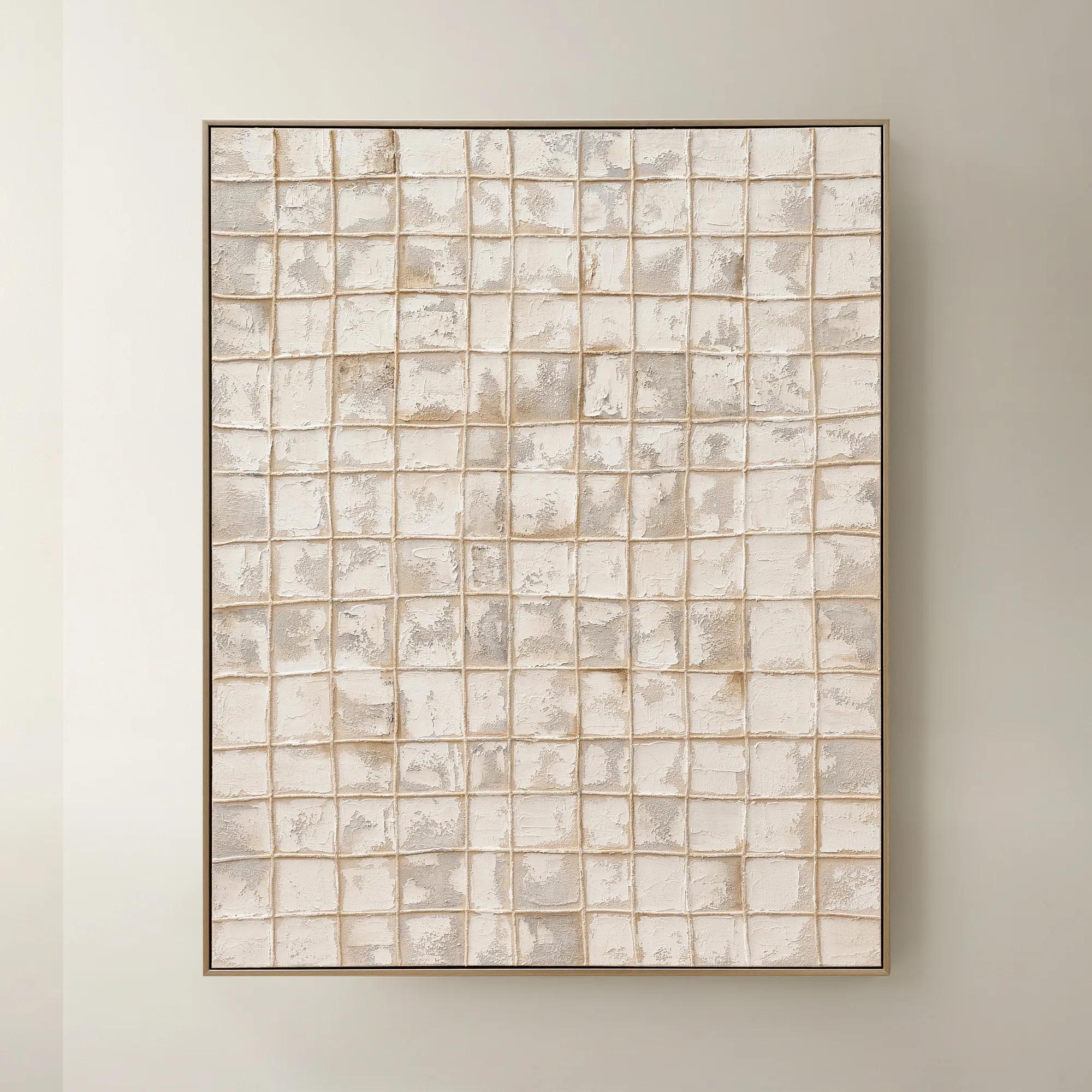
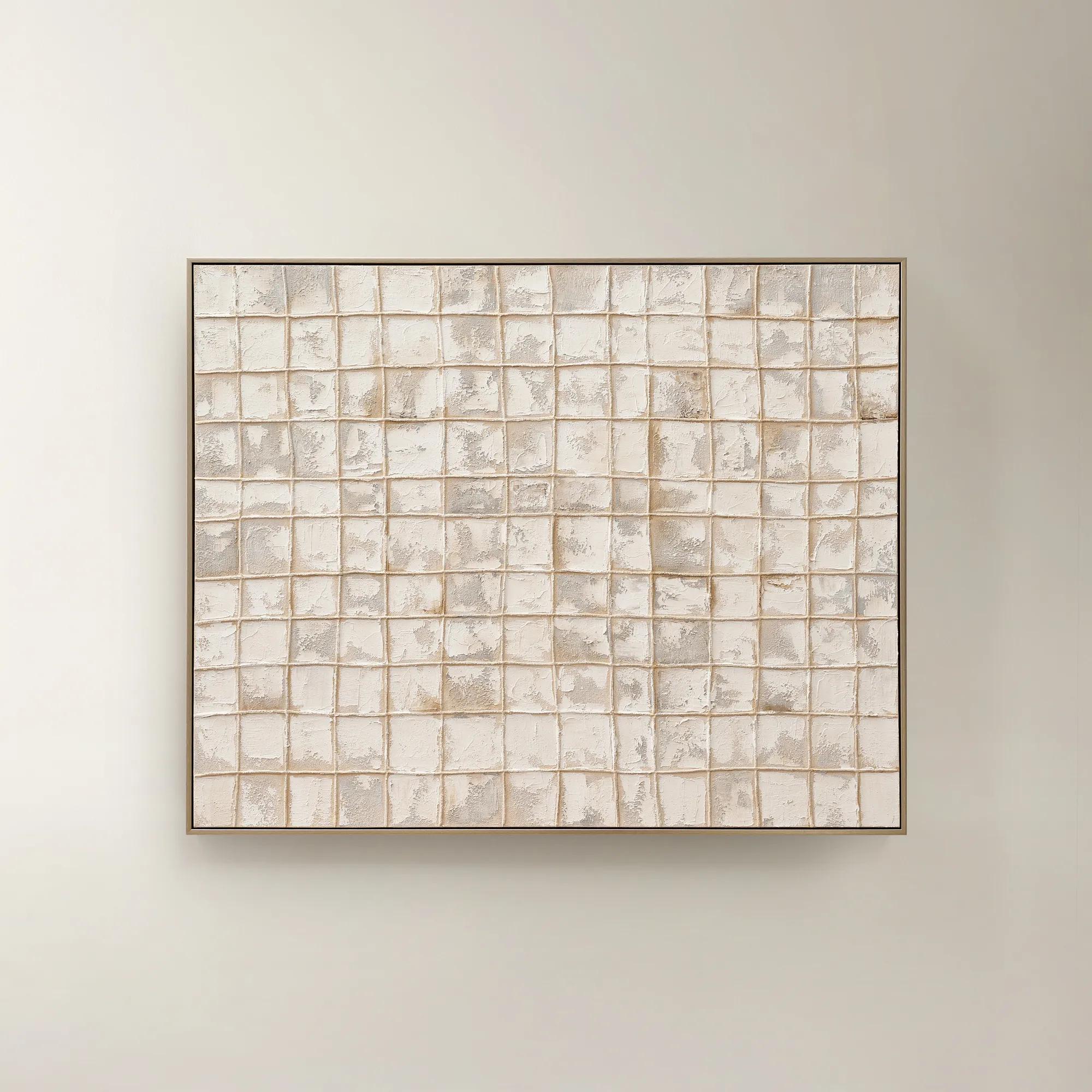 Painted Echos Framed Gold Leaf Wall Art 60" x 48"$699
A hand-painted abstract canvas with gold leaf accents and a champagne frame for modern, versatile display.
Add To Cart -
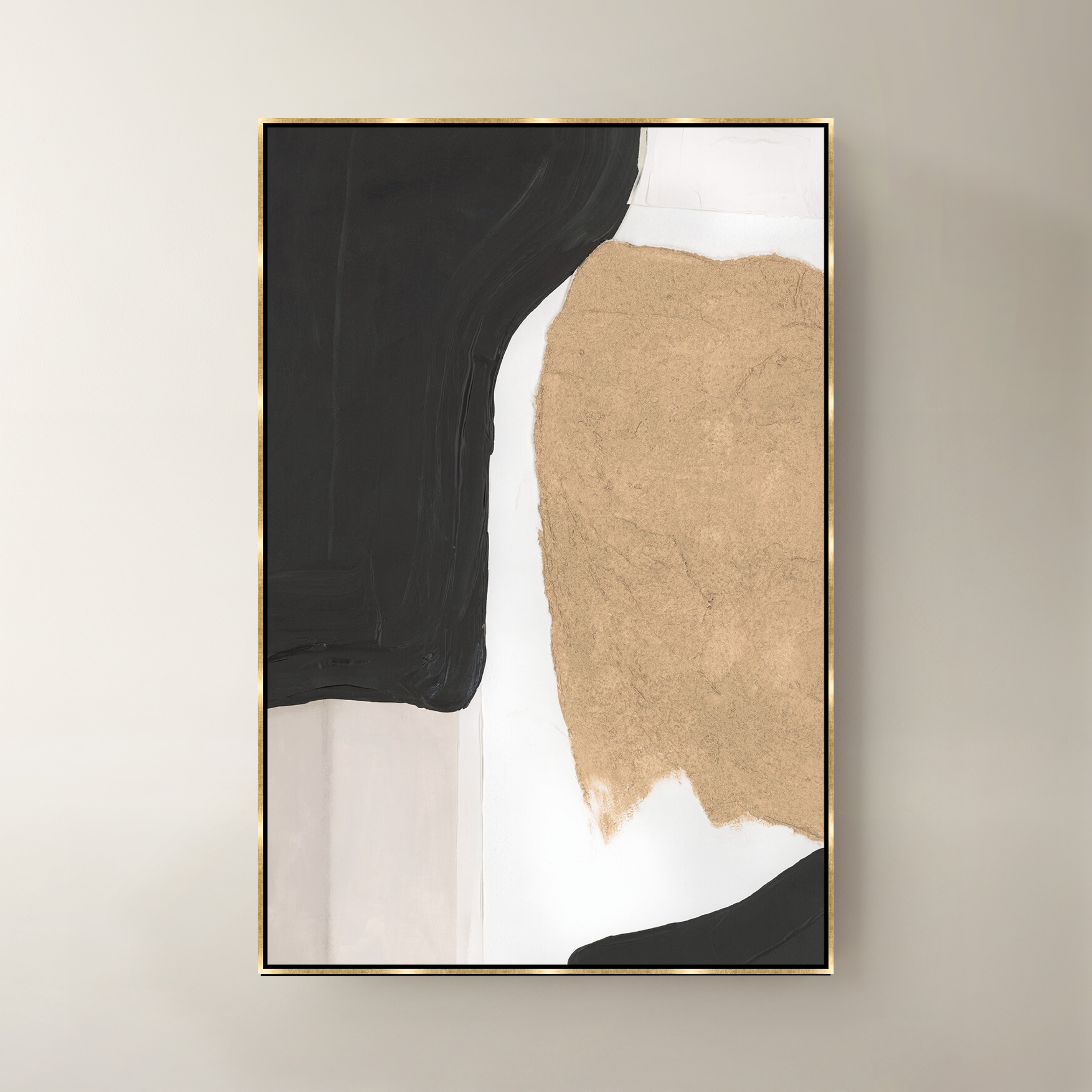
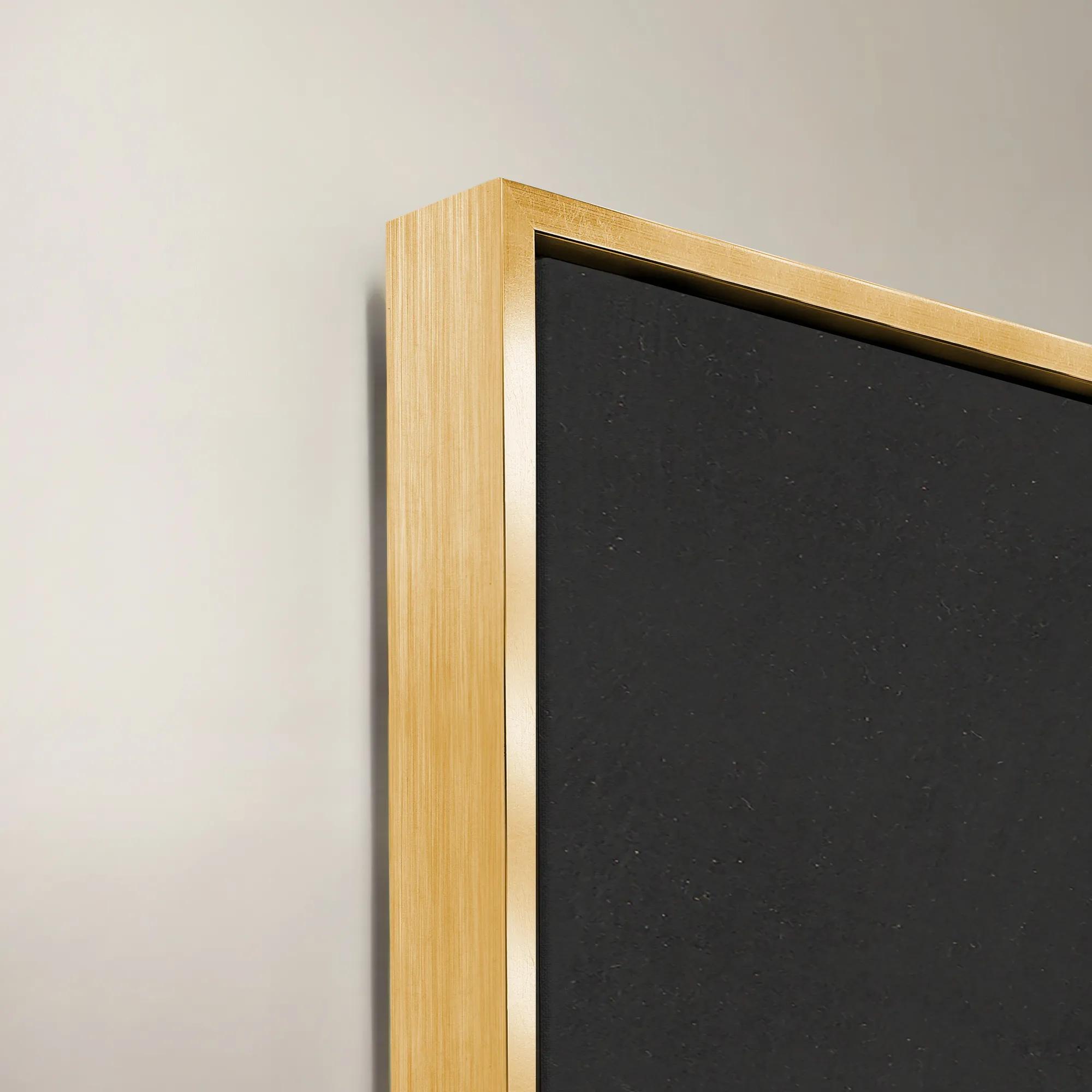 Noir I Framed Wall Art 40" x 60"$1299
A multicolored canvas wall artwork presented in a striking frame for modern interior styling.
Add To Cart -

 Twin Abstract 1 Framed Wall Art 30" x 45"$699
A captivating abstract canvas artwork featuring layered blue and purple tones in a sophisticated framed presentation.
Add To Cart -
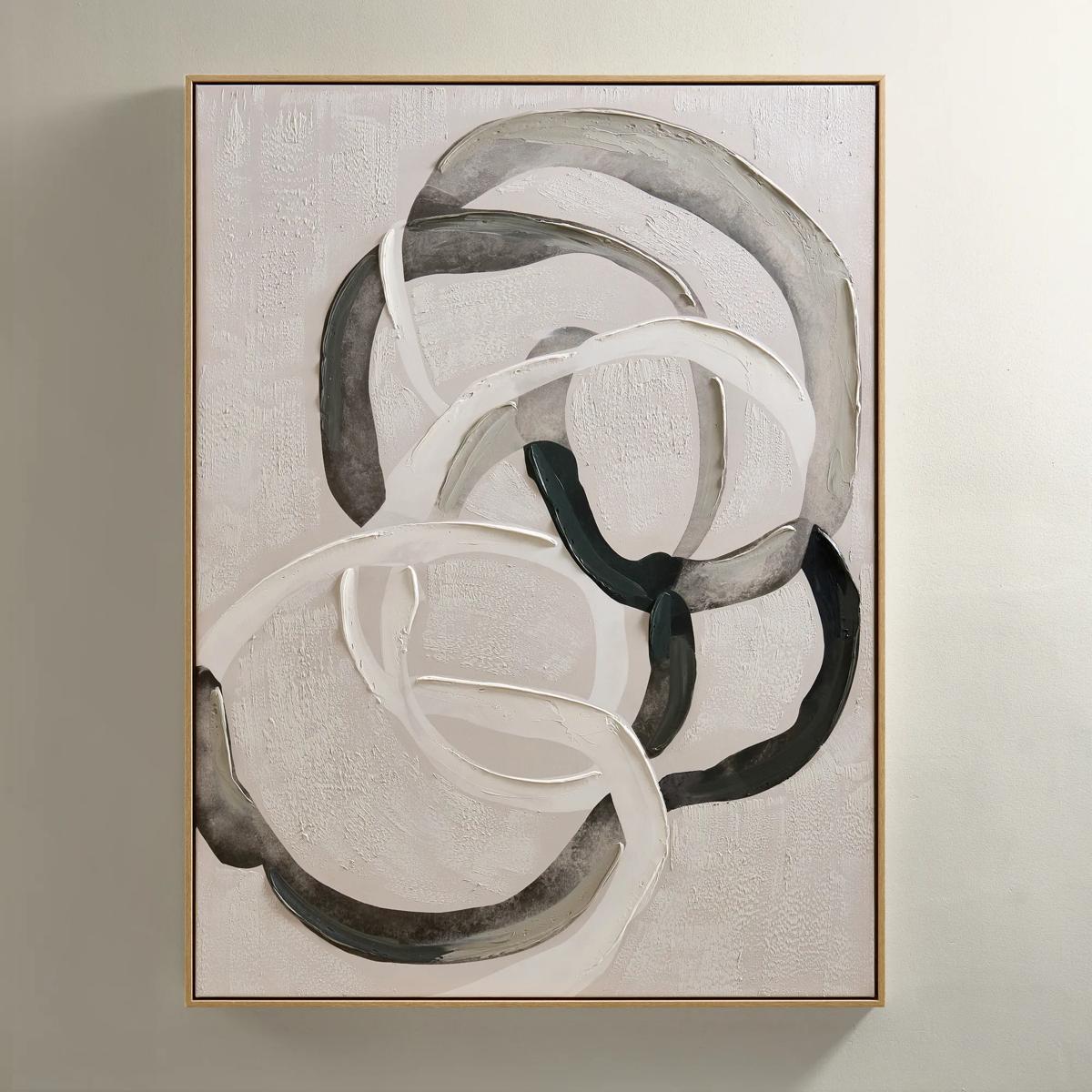
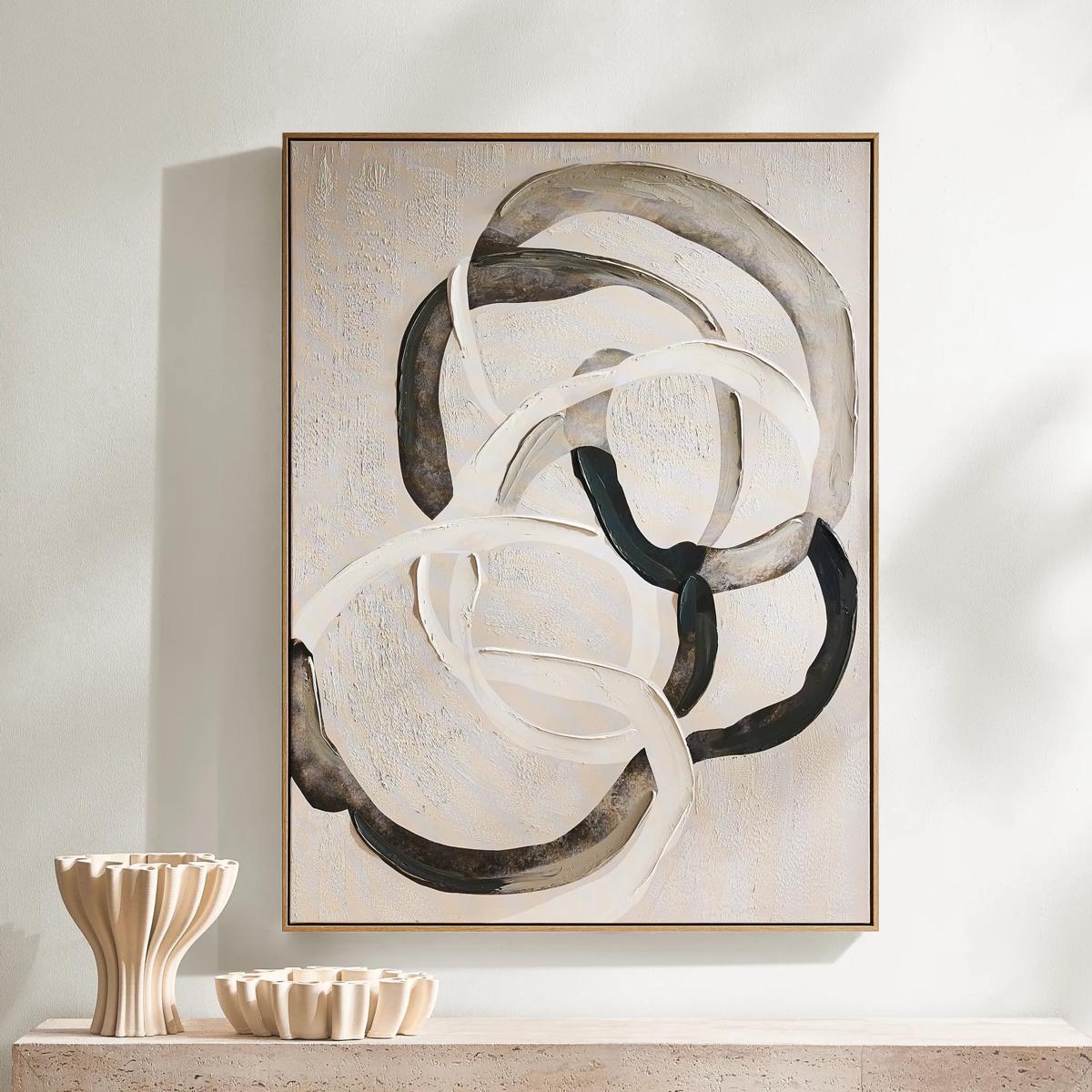 Round About Framed Painted Wall Art 35.25" x 47.25"$349
An abstract hand-painted canvas with tonal whites, charcoals, and taupes in a light wood floater frame.
Add To Cart -
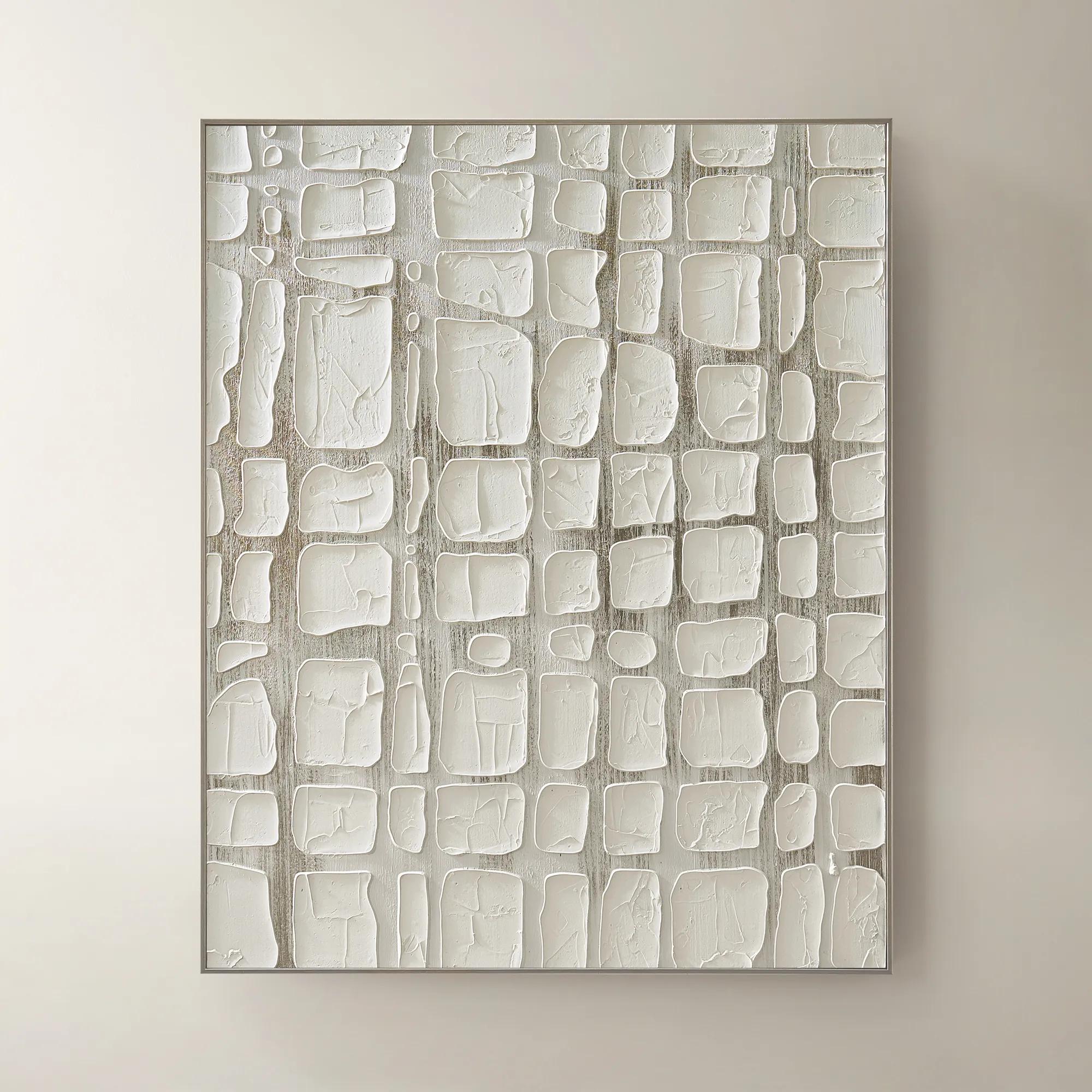
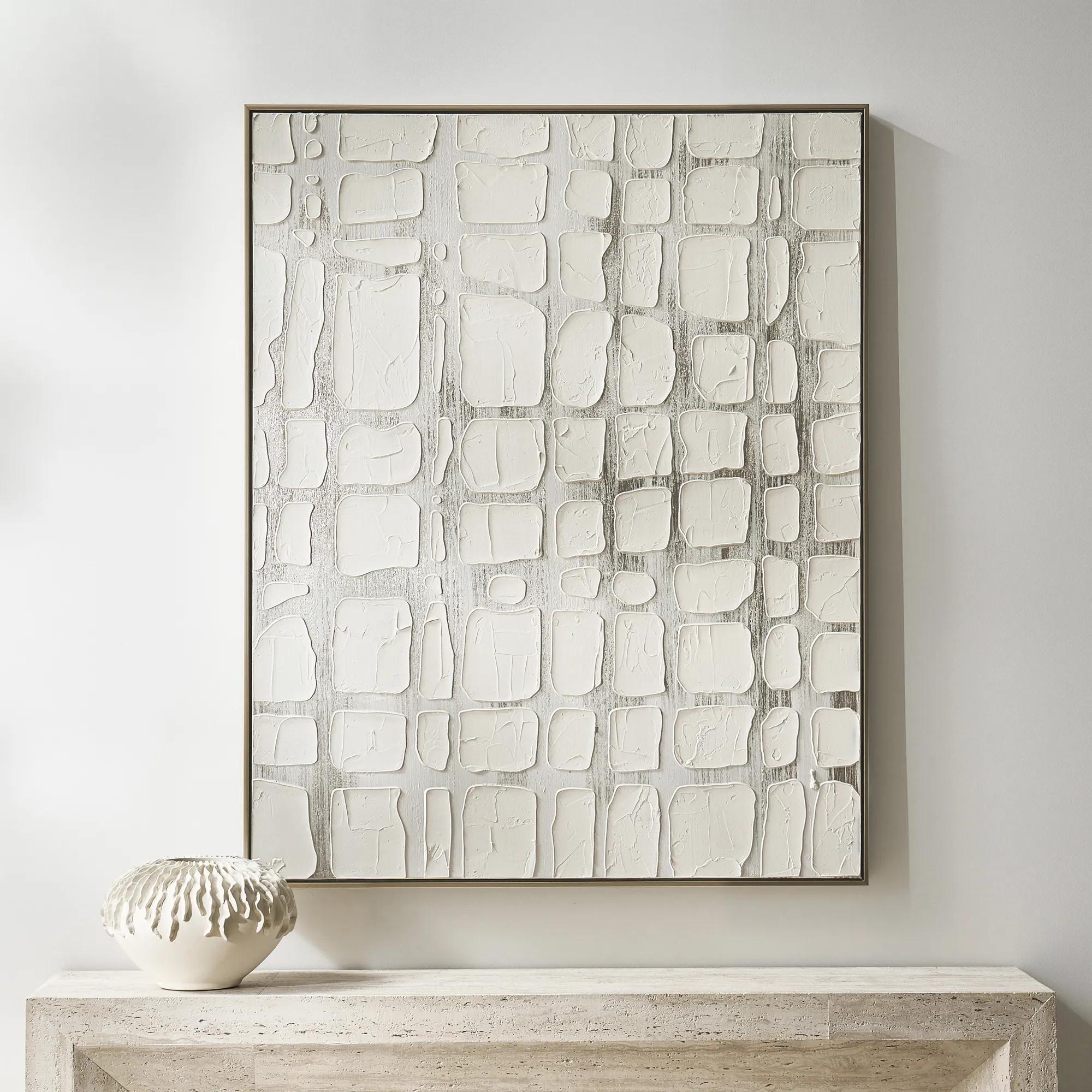 Vanish Framed Painted Wall Art 40" x 50"$499
A hand-painted canvas with raised white forms over champagne metallic ground in a refined floater frame.
Add To Cart

Minimalist Abstract Canvas Wall Arts
Minimalist abstract canvas wall arts transform blank walls into curated expressions of modern elegance. Each piece distills artistry to its purest form—striking lines, subtle textures, and evocative shapes—inviting a sense of calm sophistication while igniting visual intrigue. For those who believe that less is truly more, these artworks offer a masterclass in restraint and refinement, allowing your space to breathe while making an unforgettable statement. Let your walls become a gallery of poetic simplicity, where every brushstroke whispers intention and every canvas radiates quiet confidence.
Minimalist abstract canvas wall art creates presence through a deliberate balance of line, shape, color, and open space. Rather than depicting a recognizable scene, these compositions invite the eye to follow a sweeping gesture, a precise geometric form, or the subtle meeting of two tones. Their impact comes from what remains essential: a charcoal stroke against an ivory field, a sculptural curve suspended in soft beige, or layered rectangles that give a quiet palette architectural depth. This restraint can feel remarkably expressive, especially in a room with sumptuous upholstery, gleaming accents, or richly grained wood. The artwork provides a place for the eye to settle without surrendering personality. Neutral abstract canvas art in cream, taupe, sand, and warm gray creates continuity with tonal interiors, while black-and-white compositions introduce sharper definition. Earth tones lend warmth to stone surfaces and pale walls; a limited accent color can echo a velvet chair or a distinctive ceramic vessel without making every detail match. Minimalism describes the composition, not a requirement that the entire room be spare. A single confident canvas can hold its own above a dramatic sofa, complement an ornate console, or bring clarity to a layered bedroom. Look closely at the relationship between the marks and the surrounding space. Fine lines tend to feel airy and precise, broad brushlike forms have a more gestural character, and overlapping shapes introduce rhythm without relying on intricate imagery. Texture also changes the mood. A design that depicts sweeping plasterlike movement may suggest depth even when printed on a smooth surface, while physically raised paint or other applied media creates actual relief. Product descriptions and close-up images help distinguish those effects. For collectors drawn to expressive interiors without visual congestion, minimalist abstract art offers a compelling balance: enough character to establish a focal point, enough openness to let the furniture, lighting, and architecture remain part of the composition. Its simplicity makes small decisions in proportion and contrast especially noticeable, giving each line and interval of space greater significance.
Scale and placement determine whether abstract canvas wall art feels integrated or merely added to a room. Above a sofa, credenza, or headboard, a useful starting point is artwork spanning approximately two-thirds to three-quarters of the furniture’s width, rather than the full width of the wall. This proportion gives the composition a substantial presence while preserving breathing room at either side. For multiple canvases, measure the complete arrangement, including the spaces between panels. A diptych can extend a visual gesture across a broad wall, while a vertical canvas draws attention upward in a narrow entry or beside an architectural feature. Square artwork brings an especially balanced silhouette to spaces where a long horizontal piece would feel compressed. The equal proportions of Abstract Square Canvas Wall Arts suit a centered arrangement above a console or a composition that needs a defined geometric anchor. Before selecting a size, consider the view from both the doorway and the nearest seat; a delicate line that appears compelling close up may read differently across a generous living room. Paper templates can reveal how the dimensions relate to nearby sconces, windows, and furniture without committing to a placement. When art hangs above furniture, a gap of roughly six to ten inches is a common starting point, adjusted for the furniture’s height and the artwork’s proportions. On an unobstructed wall, placing the center near eye level generally creates a comfortable viewing position. Framing adds another layer of definition. Gallery-wrapped canvas carries the canvas around the stretcher edges for a presentation without a visible outer frame. A floating frame leaves a narrow reveal around the canvas, emphasizing its depth and separating it from the wall. Black frames sharpen graphic compositions, pale frames preserve an airy effect, and wood tones introduce warmth. Consider the wall color as well: an ivory canvas on a pale wall may benefit from a distinct frame, while a darker wall can give the same artwork a luminous, gallery-like presence.
Materials and construction influence both the appearance and longevity of minimalist canvas art. Cotton, polyester, and blended canvases can differ in weave, surface texture, and response to environmental changes; the finished effect also depends on the ground, printing process, paint, and protective coating, when present. A visible weave can soften crisp geometry with tactile character, while a smoother surface keeps attention on the composition’s edges and tonal transitions. Stretched canvas typically uses a wooden support, and a well-constructed piece should sit squarely, with an evenly tensioned surface and neatly finished corners. Larger formats may require additional bracing to help maintain their shape. Review the listed dimensions carefully, including overall framed measurements and depth, particularly for narrow passageways or placements close to doors. Weight and hanging hardware matter as much as width: supports should be appropriate for the artwork and wall material, with studs or correctly rated anchors used where needed. Canvas wall art is generally intended for indoor display, and living rooms, bedrooms, dining spaces, and home offices offer opportunities to enjoy its visual presence away from excessive moisture. Avoid locations exposed to direct sunlight, splashes, grease, or strong heat sources, which can contribute to fading, staining, or changes in the canvas and support over time. For routine care, follow the piece’s instructions; gentle dusting with a clean, dry, soft cloth is often appropriate for an untextured surface, while raised or delicate finishes may need a different approach. Do not assume that a protective coating makes artwork washable, and avoid household cleaners or abrasive tools. When moving a canvas, support its frame rather than pressing against the image surface. With thoughtful placement and care, an abstract composition can remain relevant as furnishings and accent colors evolve. It can also be a meaningful housewarming or milestone gift for someone who appreciates modern design. A restrained palette and considered scale offer flexibility, but the most personal choice reflects the recipient’s taste: the precision of geometry, the freedom of gestural marks, or the quiet richness of tonal layers.
FAQs
Minimalist abstract canvas art is celebrated for its understated elegance and adaptability. Its clean lines, neutral palettes, and evocative forms blend seamlessly with a variety of interior styles, from modern and contemporary to eclectic and transitional. These pieces serve as sophisticated backdrops or striking focal points, allowing other design elements—such as furniture, lighting, or decorative accents—to shine while still making a bold artistic statement.
Oversized minimalist wall art can transform a room by creating a sense of scale and drama. Place a large canvas above a sofa, bed, or console to anchor the space and draw the eye upward. Pair it with sculptural furniture and metallic accents to enhance the artwork’s impact, or let it stand alone against a neutral wall for a gallery-inspired effect. The simplicity of the design ensures it remains timeless and visually compelling.
Minimalist abstract art makes a thoughtful gift for those who appreciate refined design and artistic expression. It’s especially well-suited for creatives, professionals, newlyweds, or anyone starting a new chapter in a fresh space. Its subtlety and sophistication ensure it complements a variety of tastes, making it a memorable and meaningful gesture for housewarmings, anniversaries, or special milestones.
Simplistic abstract art infuses a space with a sense of calm, clarity, and quiet sophistication. The restrained color palettes and deliberate forms invite contemplation, making them ideal for rooms where relaxation and focus are desired—such as bedrooms, studies, or serene living areas. These artworks create a harmonious atmosphere that feels both modern and inviting.
Z Gallerie abstract art is distinguished by its bold vision, meticulous craftsmanship, and attention to detail. Each piece is thoughtfully designed to evoke emotion and inspire creativity, transforming everyday spaces into works of art. Whether it’s a textured canvas or a striking composition, Z Gallerie’s collection celebrates expressive design and elevates the home with a touch of luxury and artistry.