Minimalist Abstract Paintings
Minimalist Abstract Paintings
-
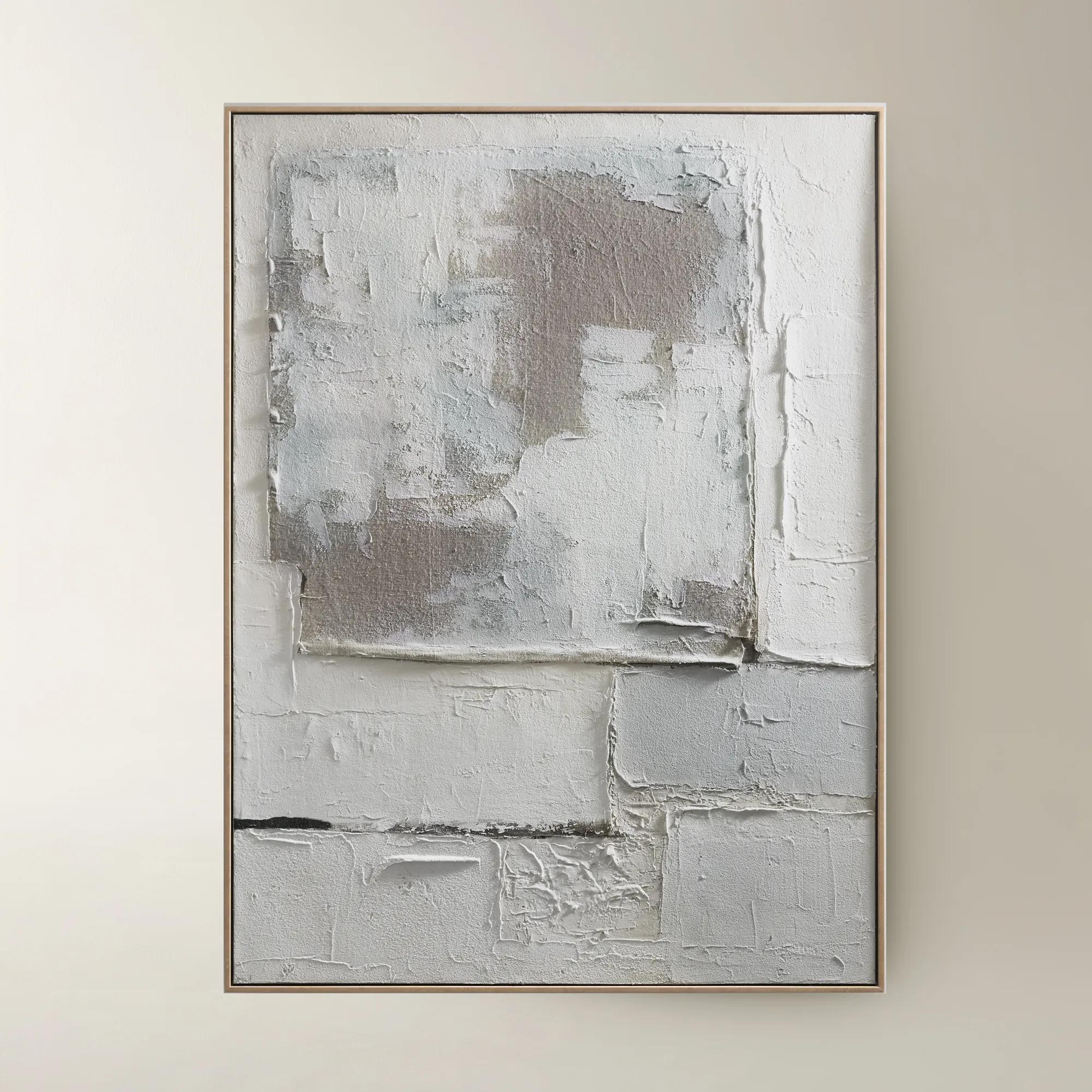
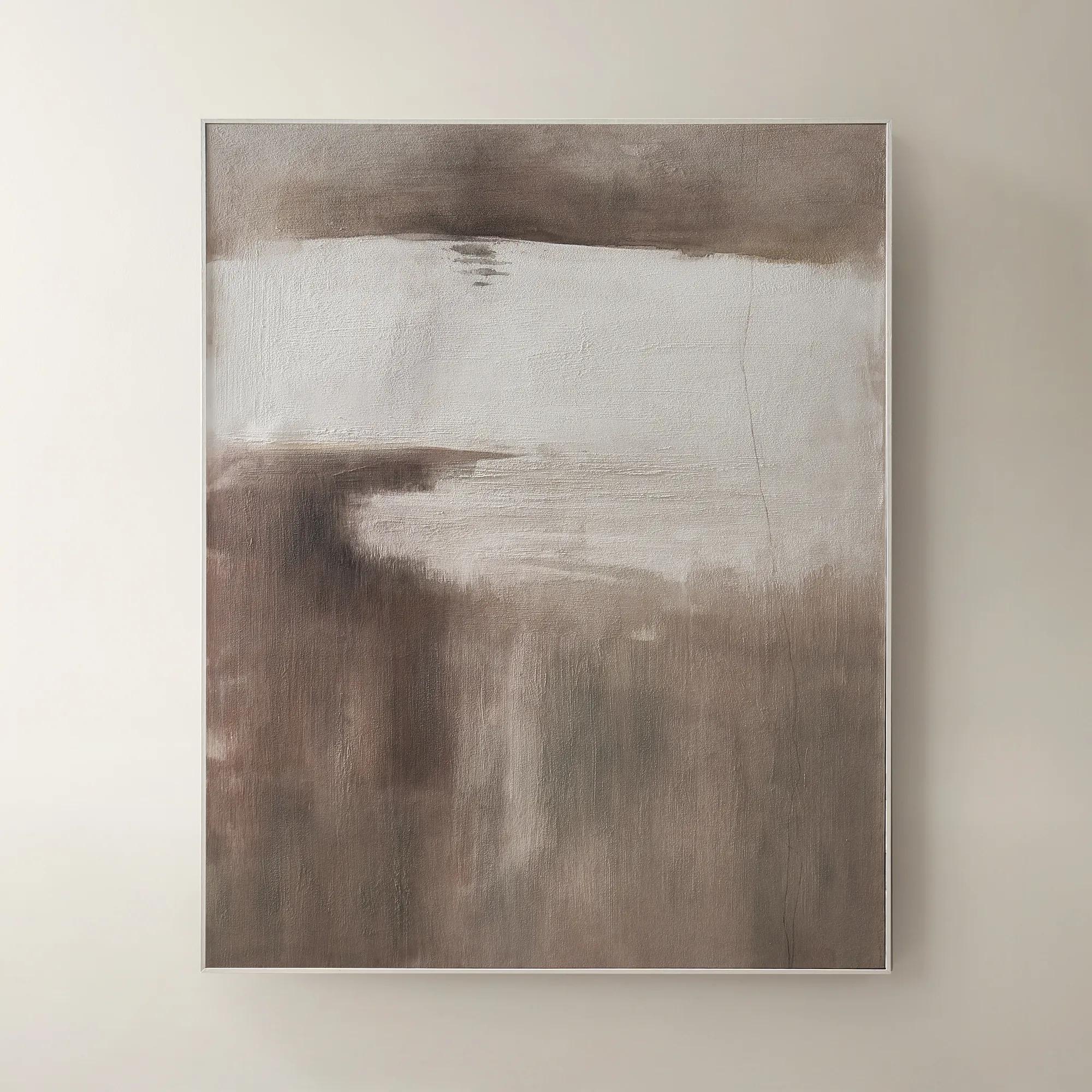
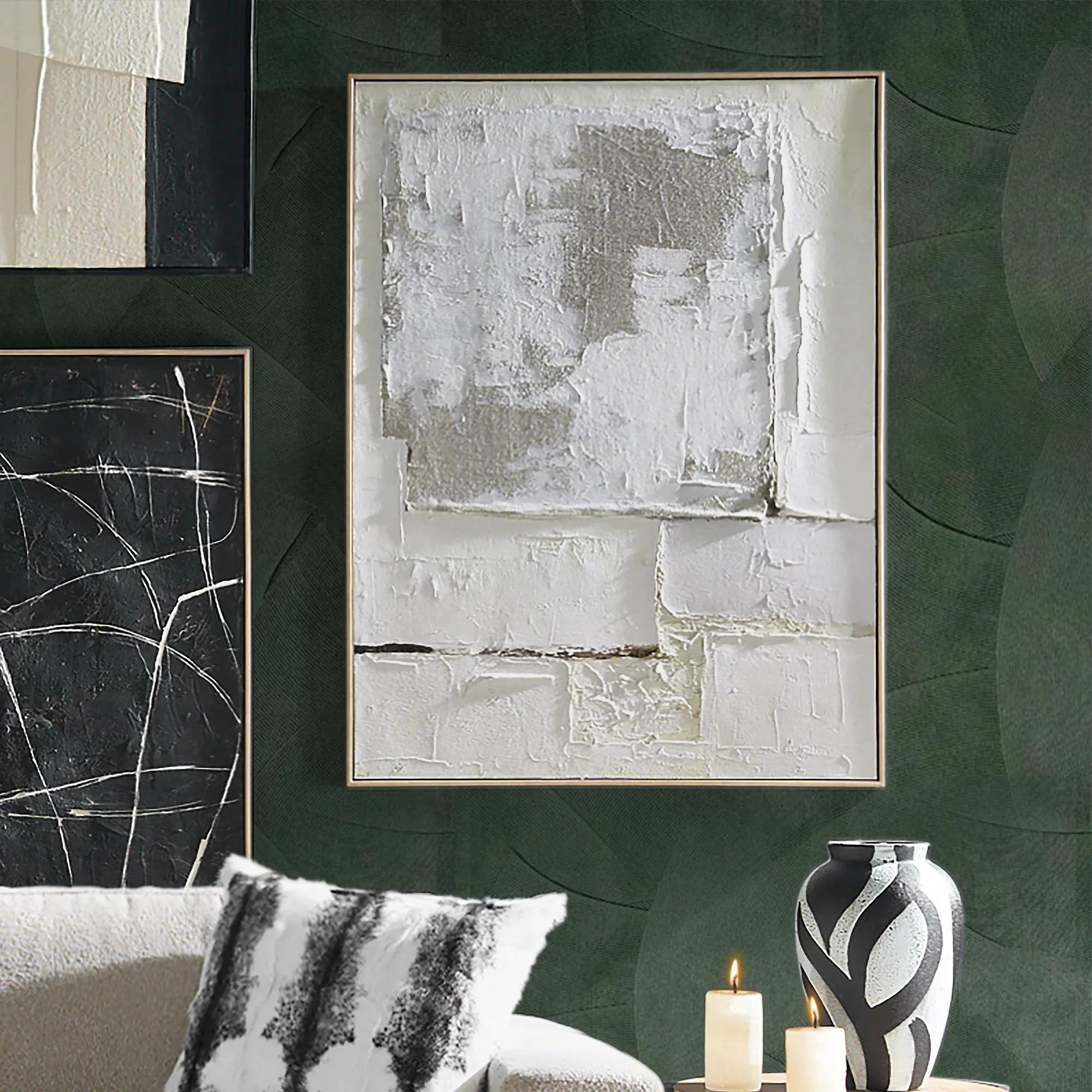 Marrow Painting$399
A hand-painted abstract canvas in subtle beige hues, elegantly framed in a warm beech wood floater.
Add To Cart -
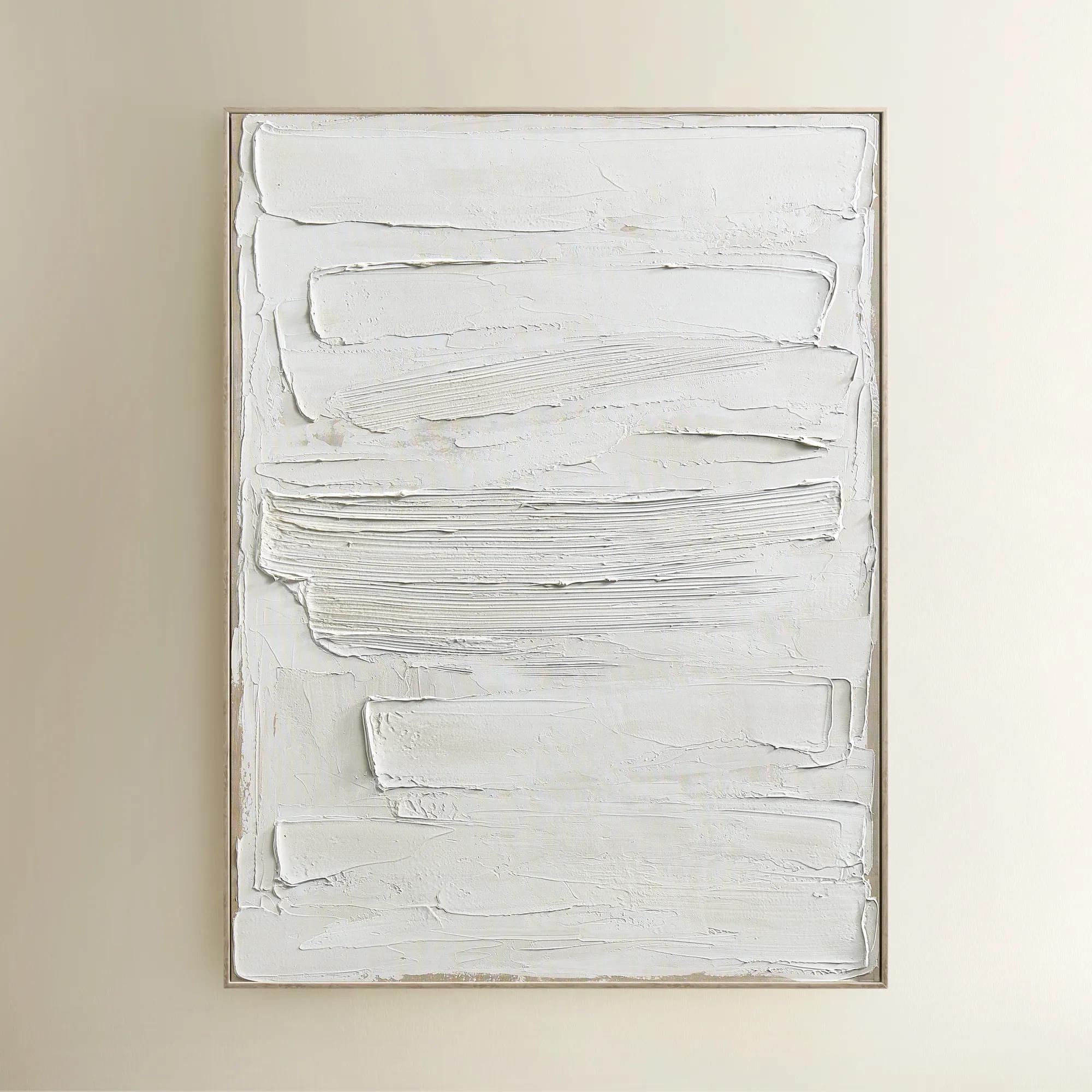
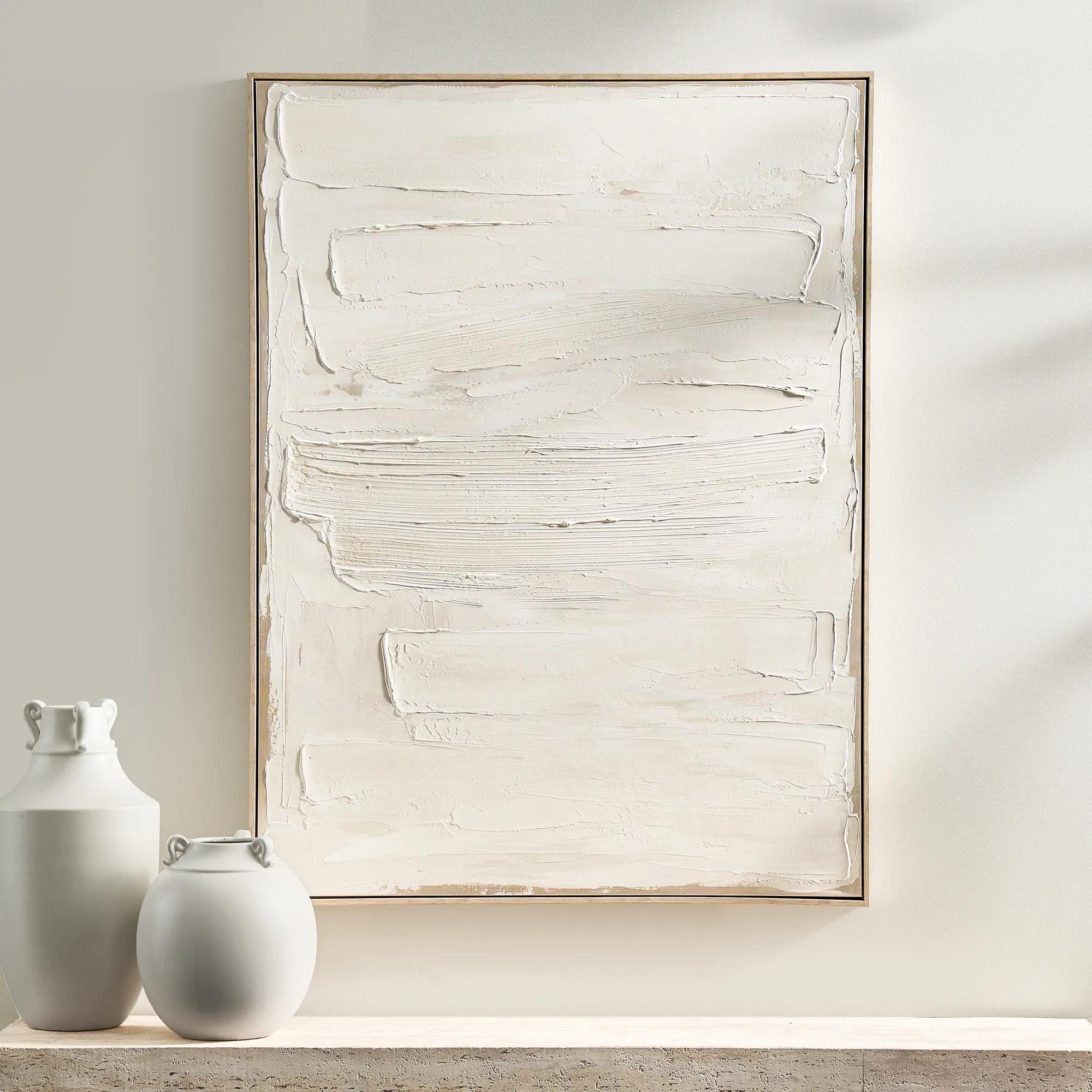 Monotype Canvas 1$399
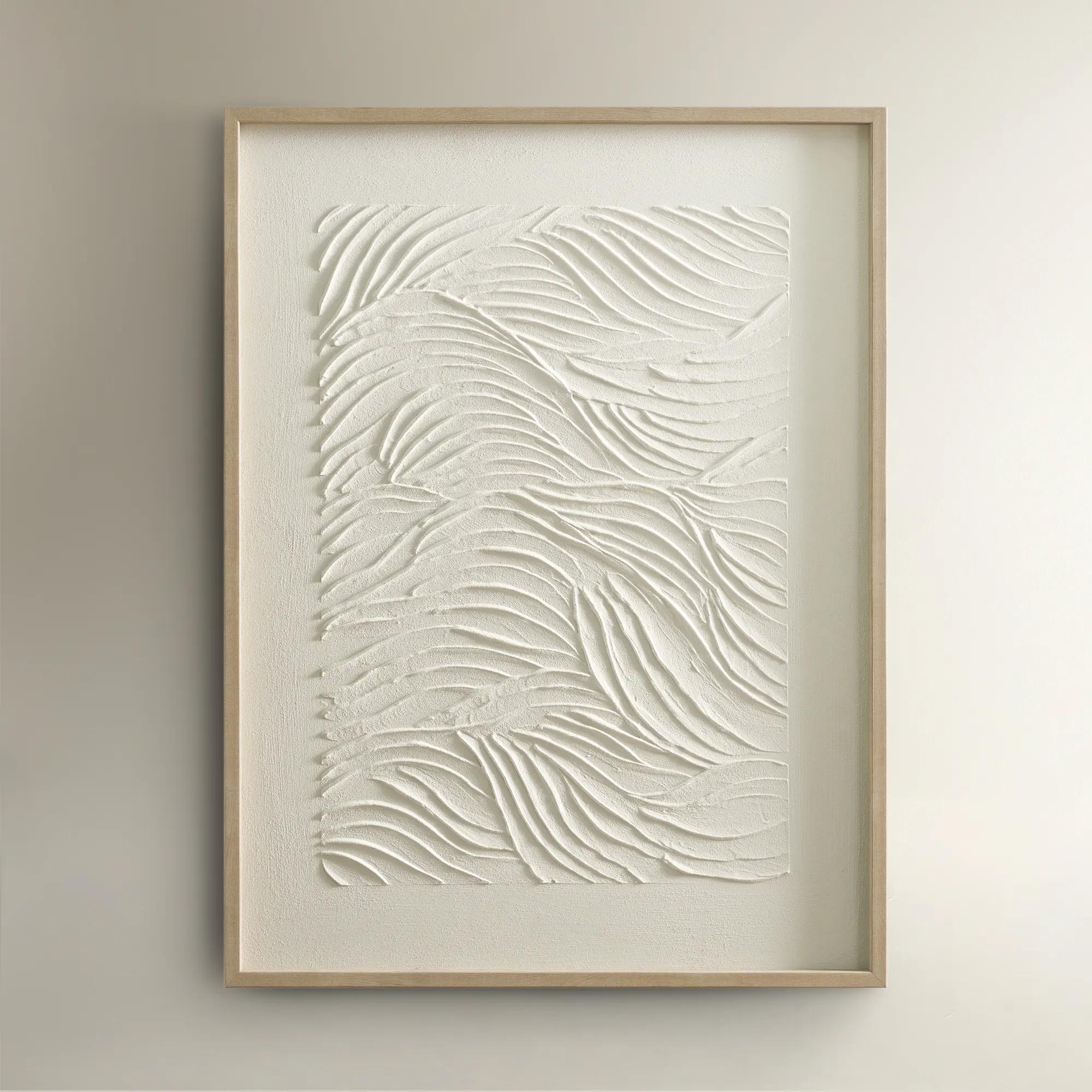
A hand-painted abstract canvas featuring layered white tones and textured paint in a whitewashed wood frame.
Add To Cart -
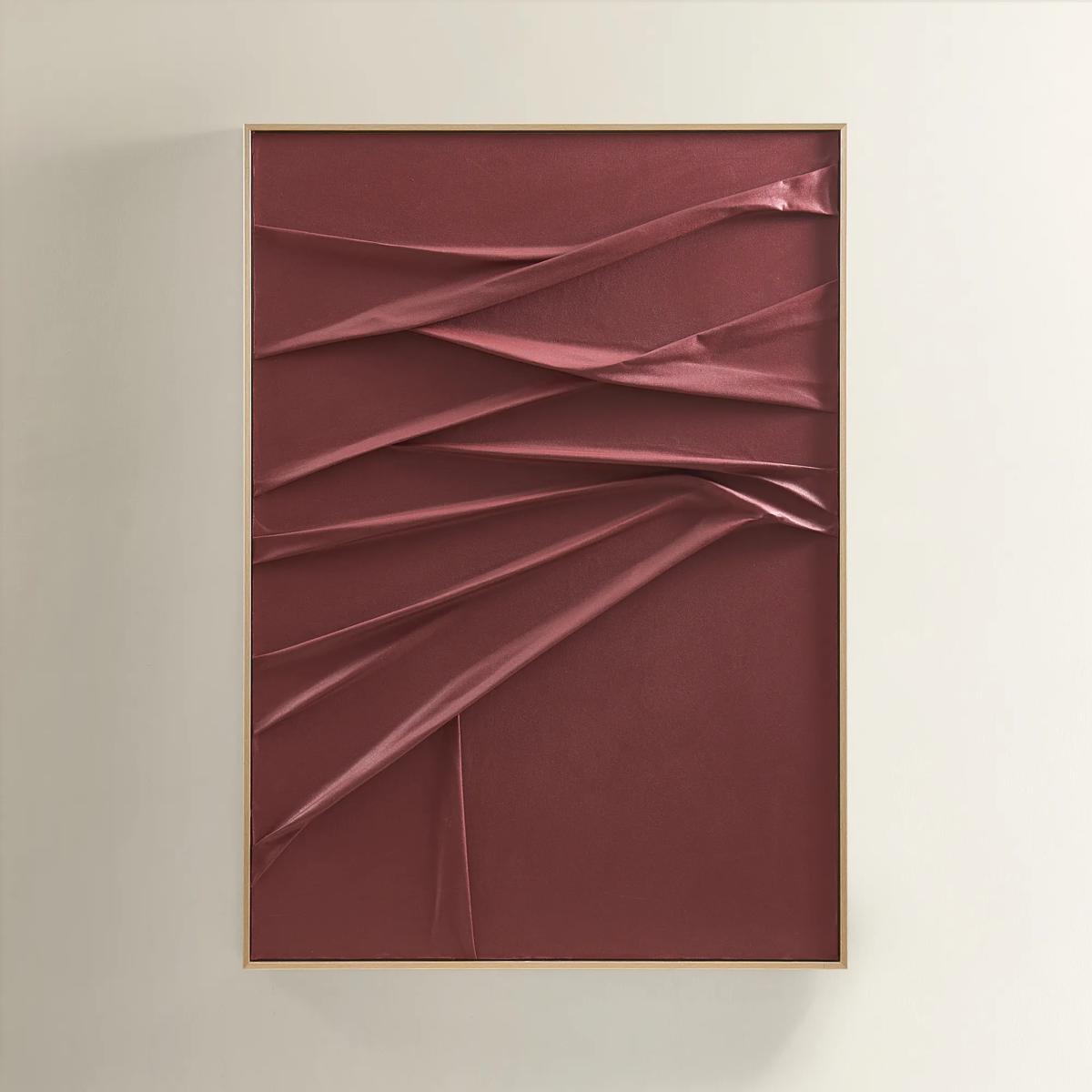
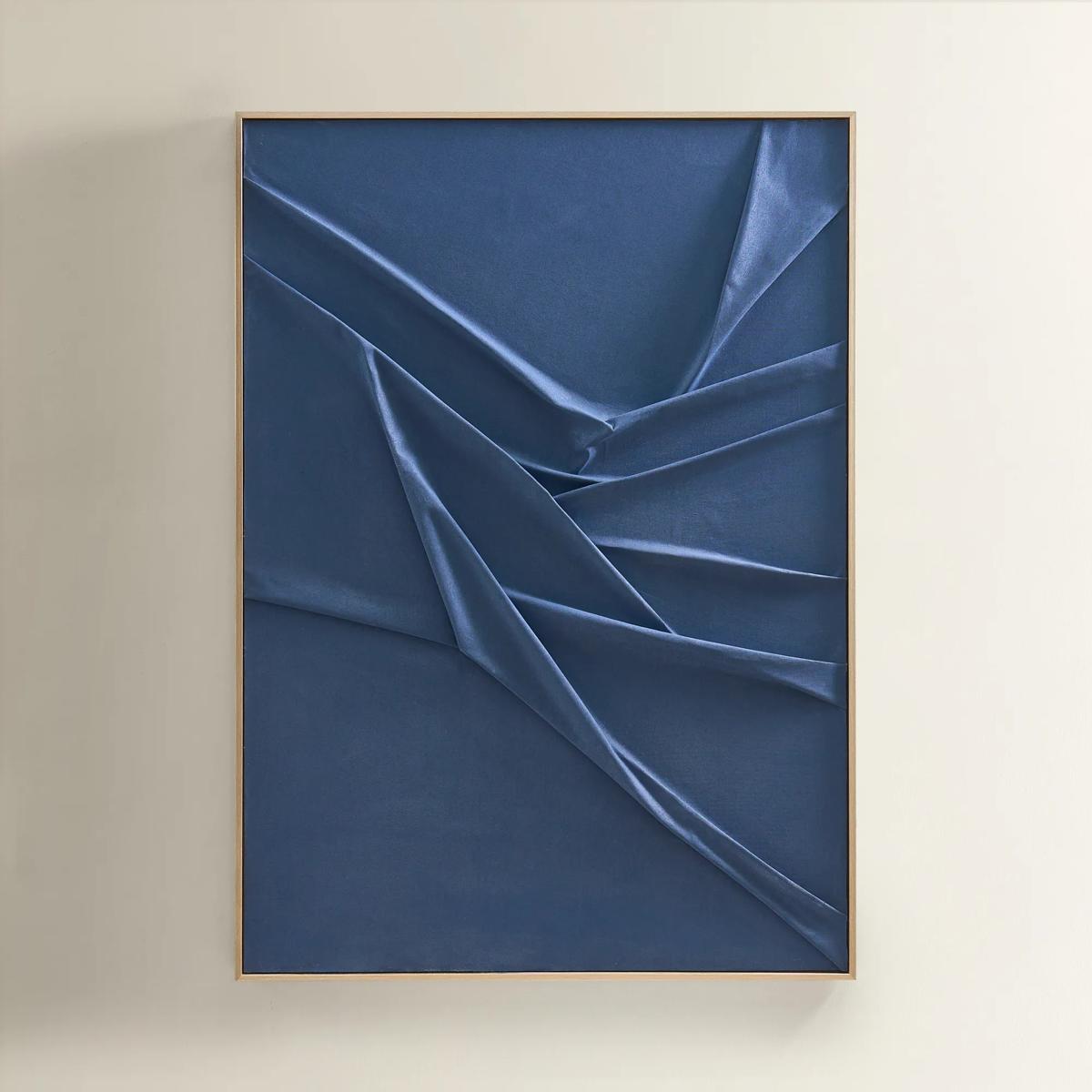
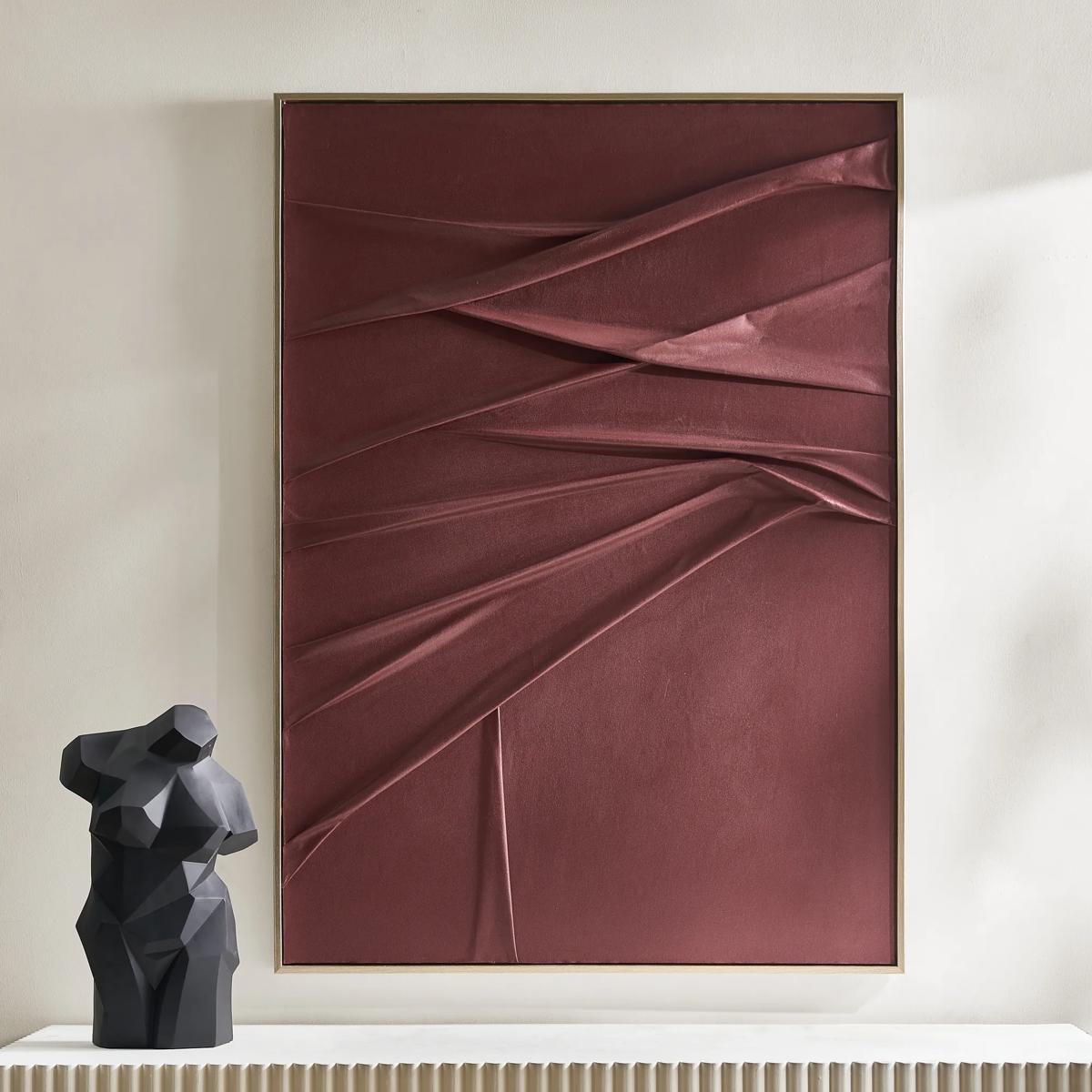 Crimson Painting$599
A handcrafted burgundy canvas artwork with sculptural folds, framed in champagne for a dramatic, textured effect.
Add To Cart -
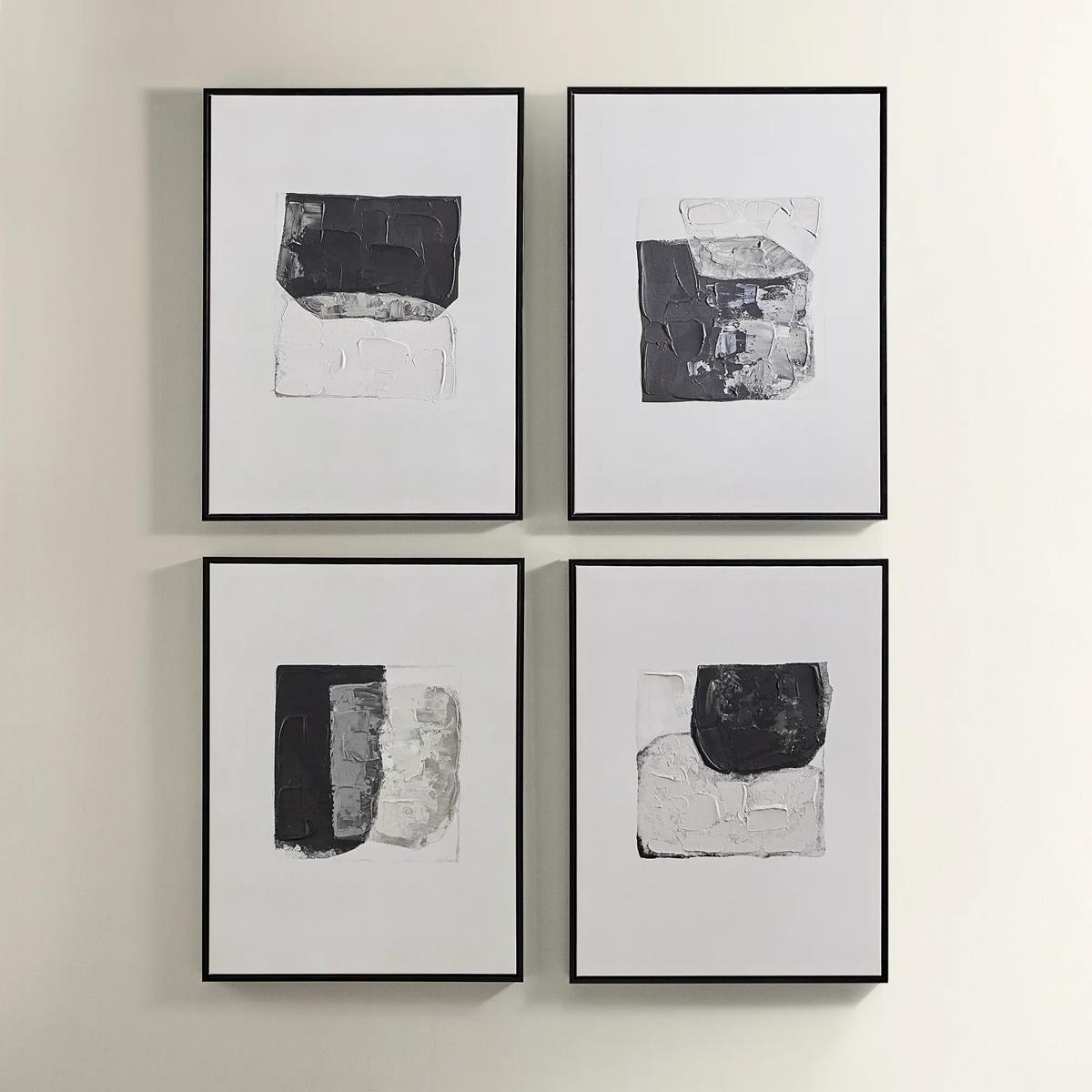
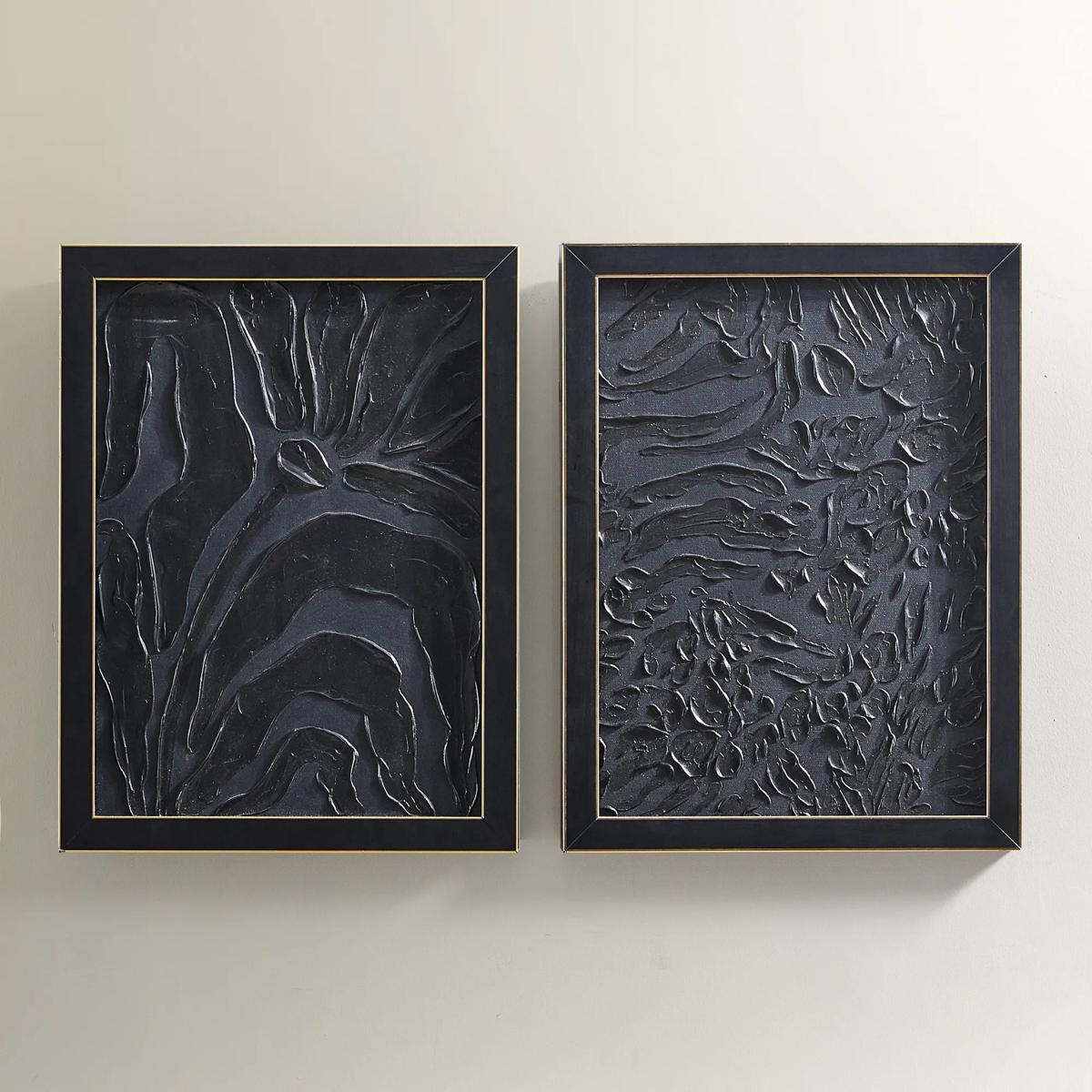
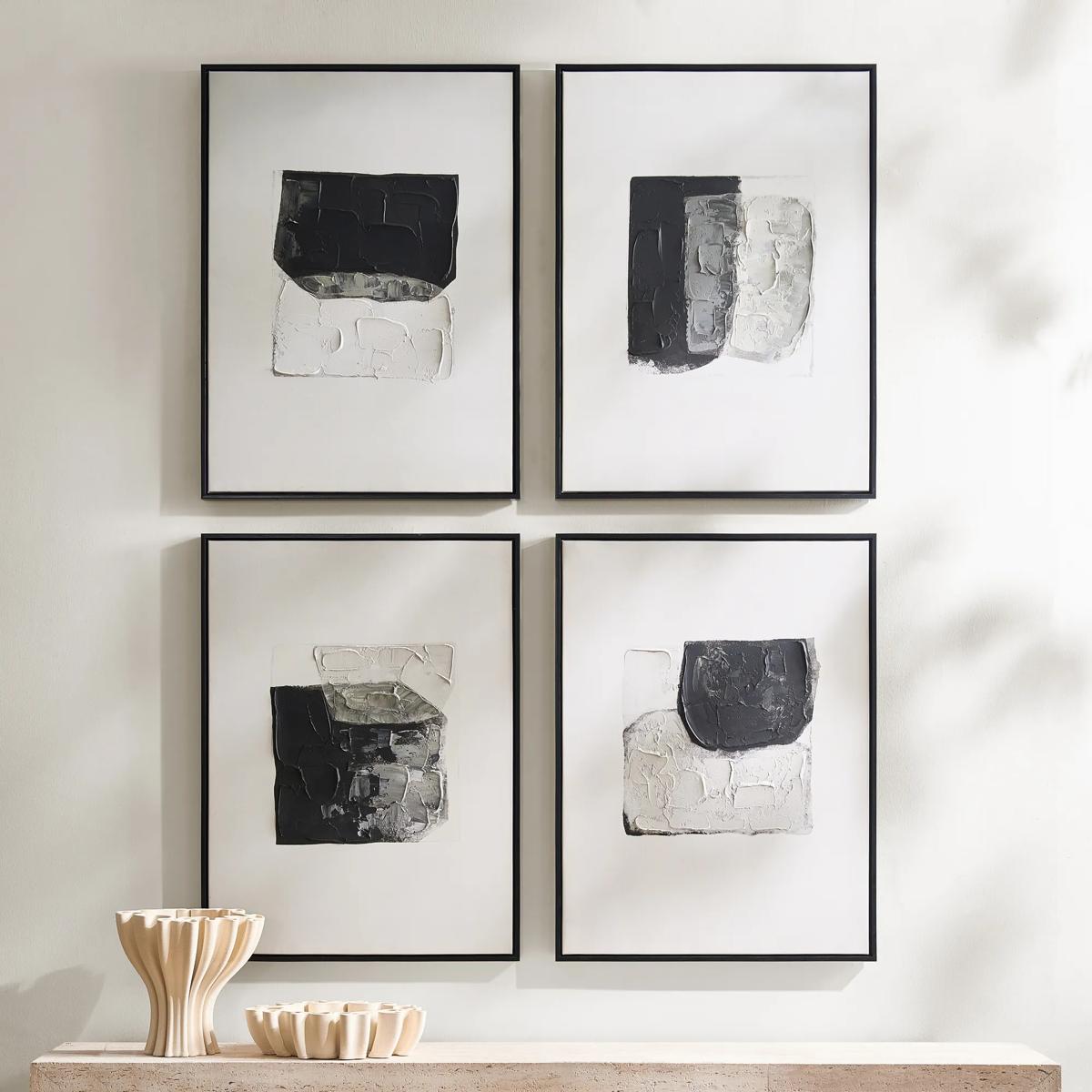 Shadows Framed Painted Wall Art Set of 4$299
A set of four hand-painted abstract canvases featuring black, white, and gold accents in black frames.
Add To Cart -
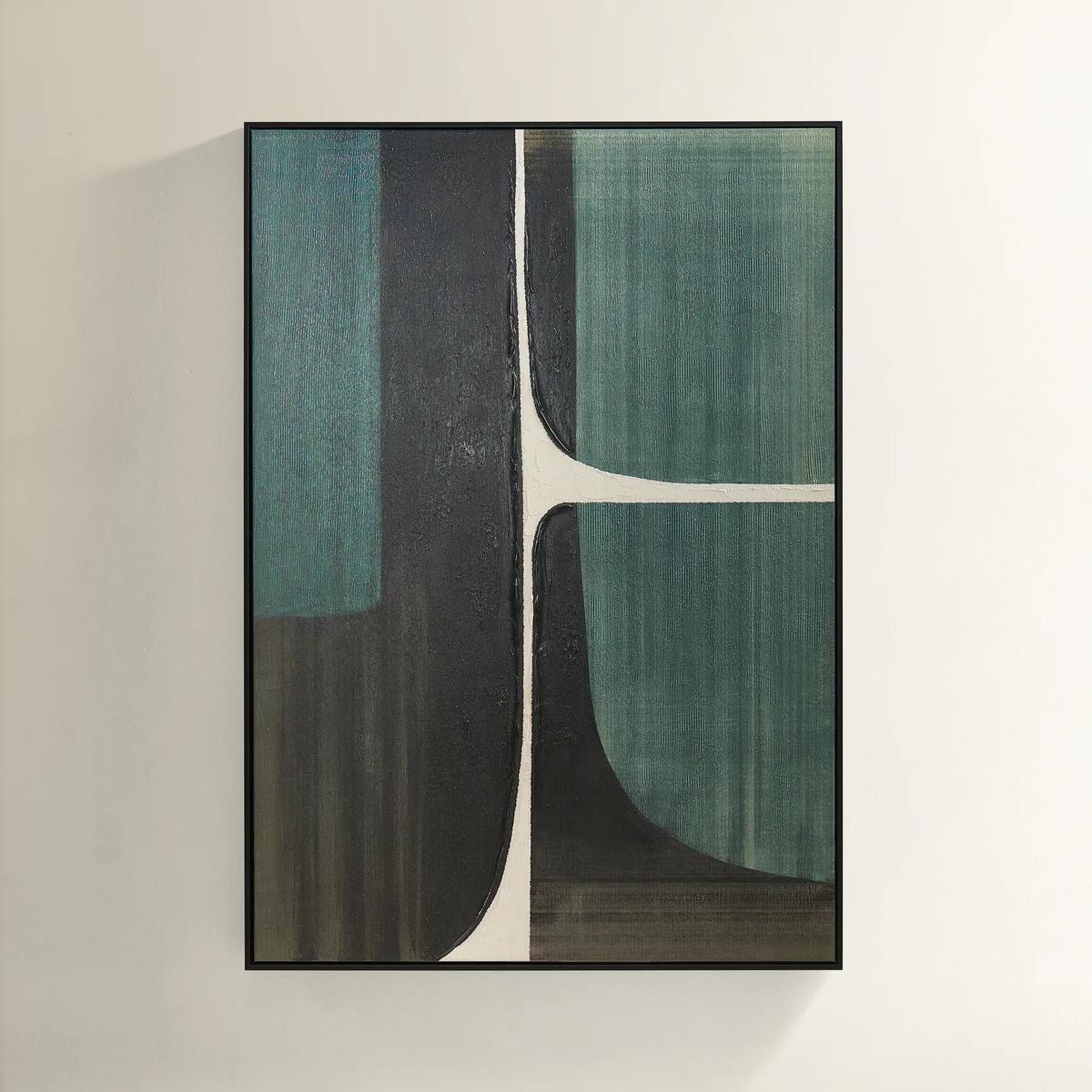 Plains Framed Painted Wall Art 39.25" x 55"$499
A hand-painted abstract canvas in forest green, ivory, and black with a sleek black floater frame.
Add To Cart -
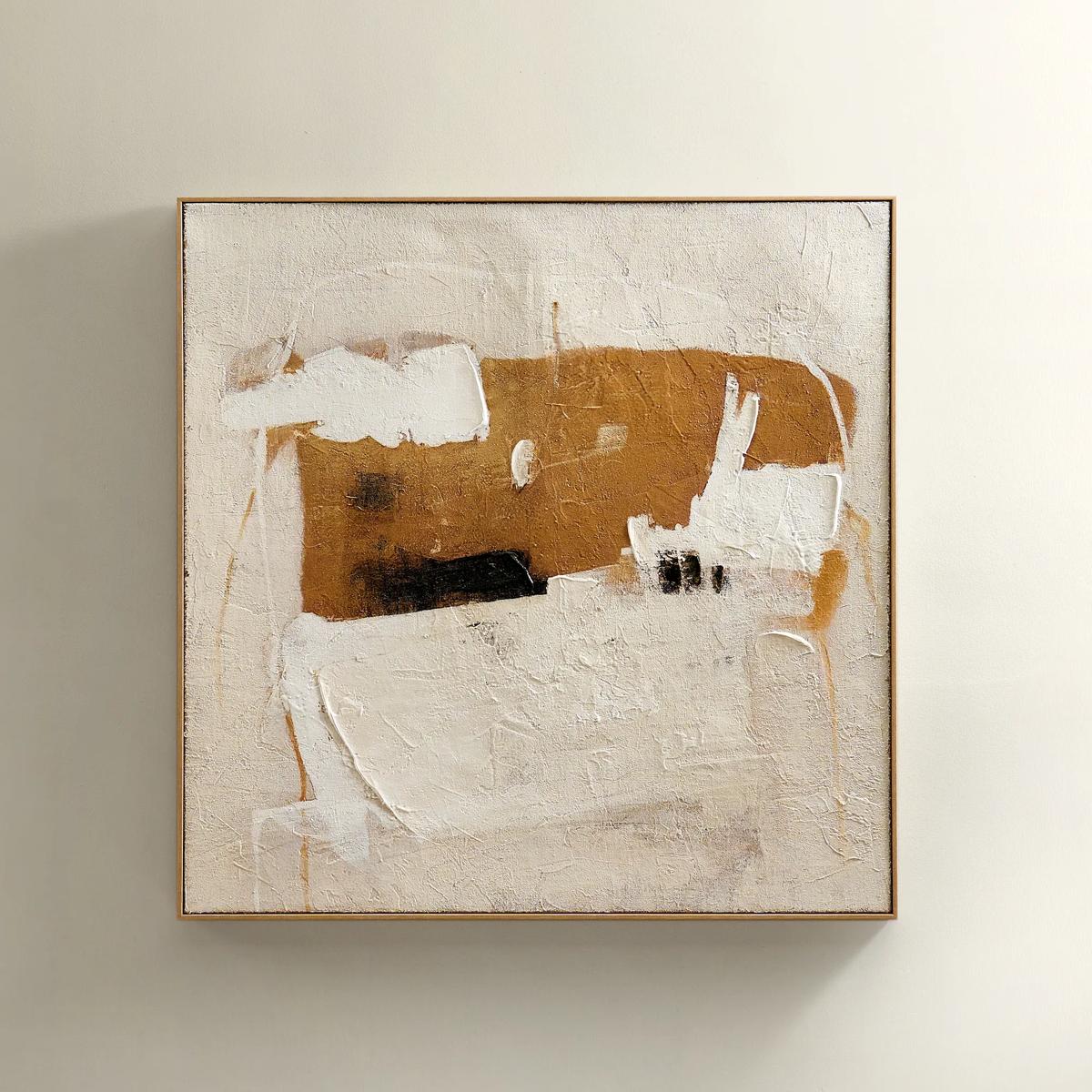 Instinct Framed Painted Wall Art 39.25" x 39.25"$349
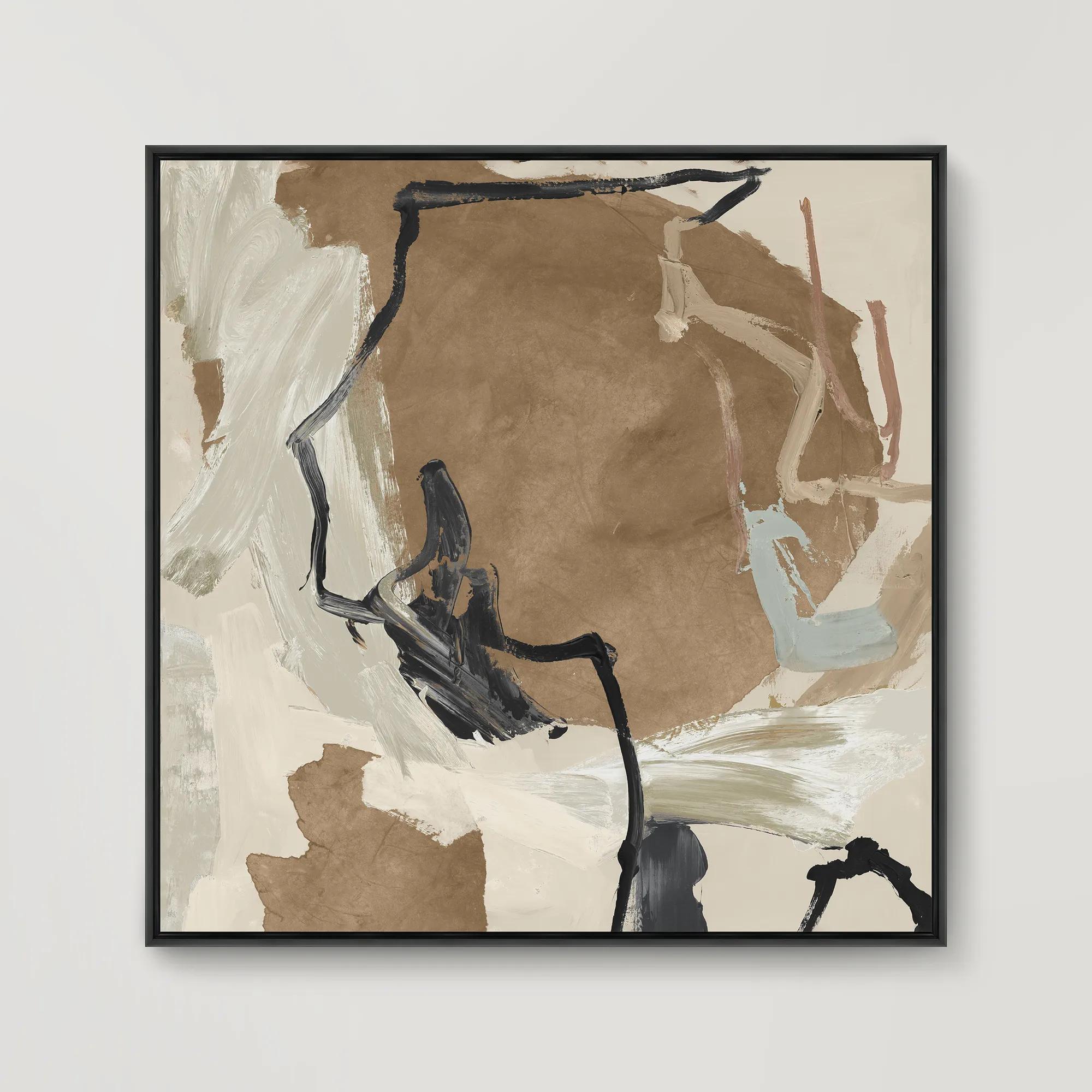
An abstract hand-painted artwork featuring warm neutrals and black strokes on hessian with a light natural frame.
Add To Cart -
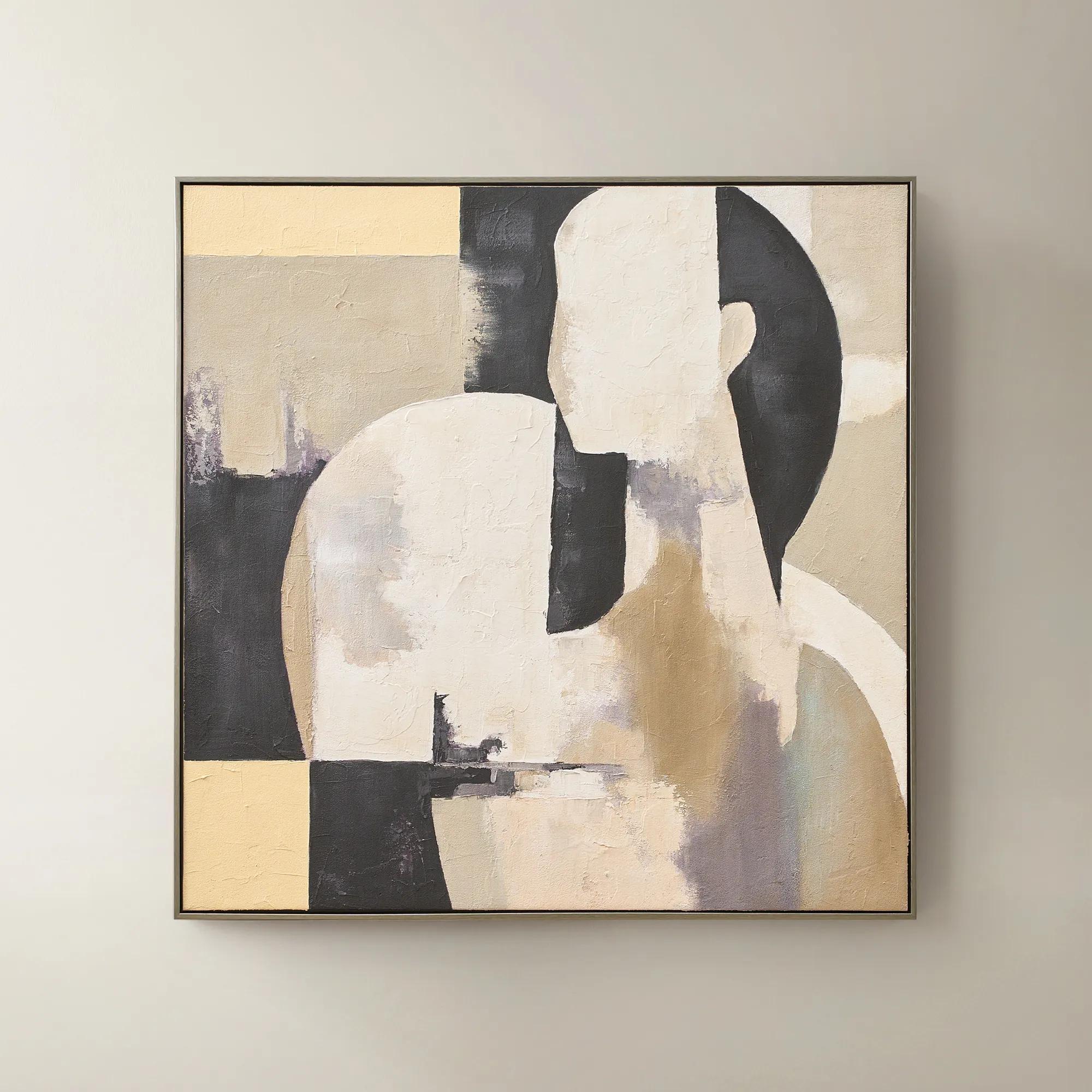 Afternoon Rest Framed Painted Wall Art 40" x 40"$399
A hand-painted abstract figure in buttercream, turtledove, and black hues framed in dark grey.
Add To Cart -
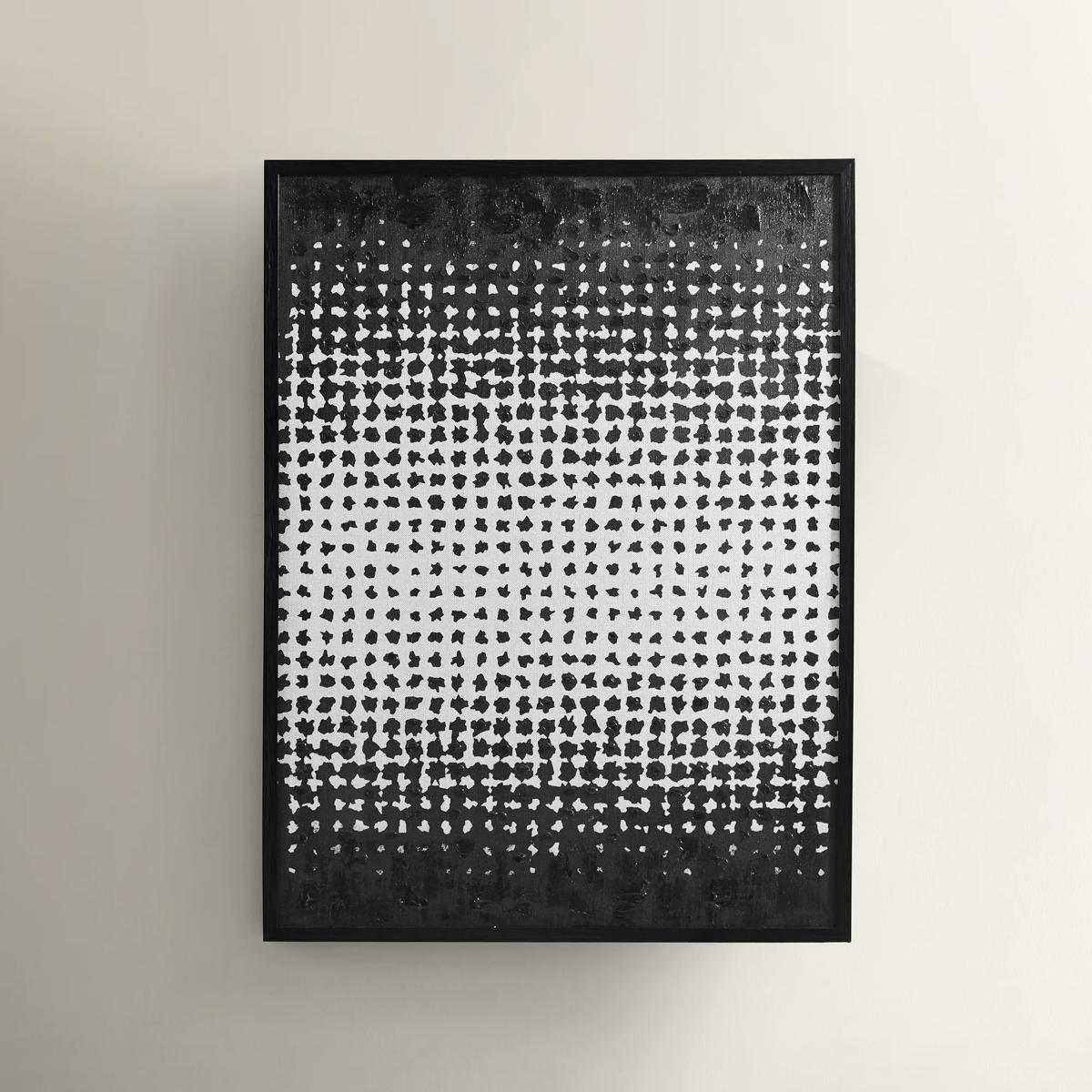
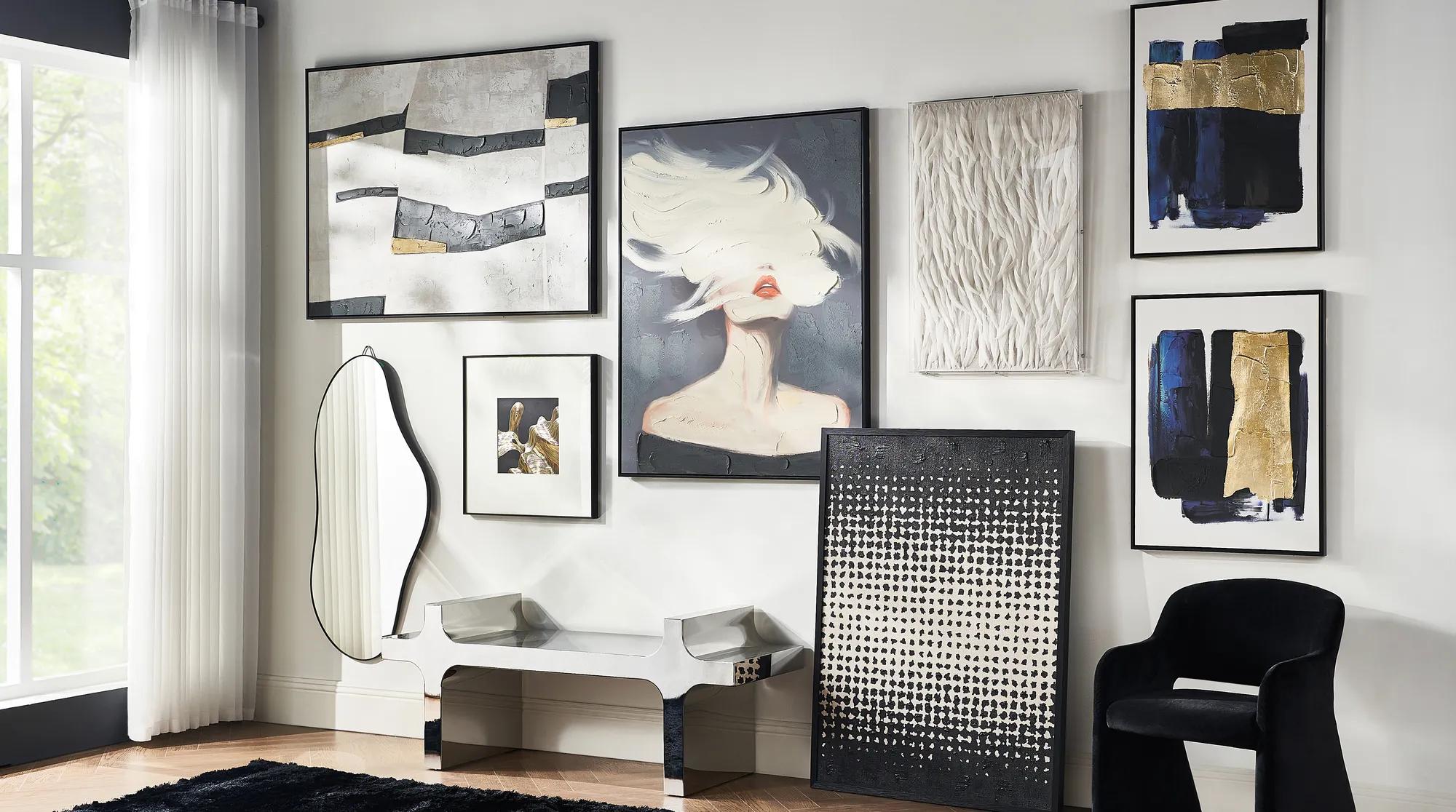 In Time Painting$399
A hand-painted linen canvas featuring cream and black dots in a modern, minimalist geometric pattern.
Add To Cart -
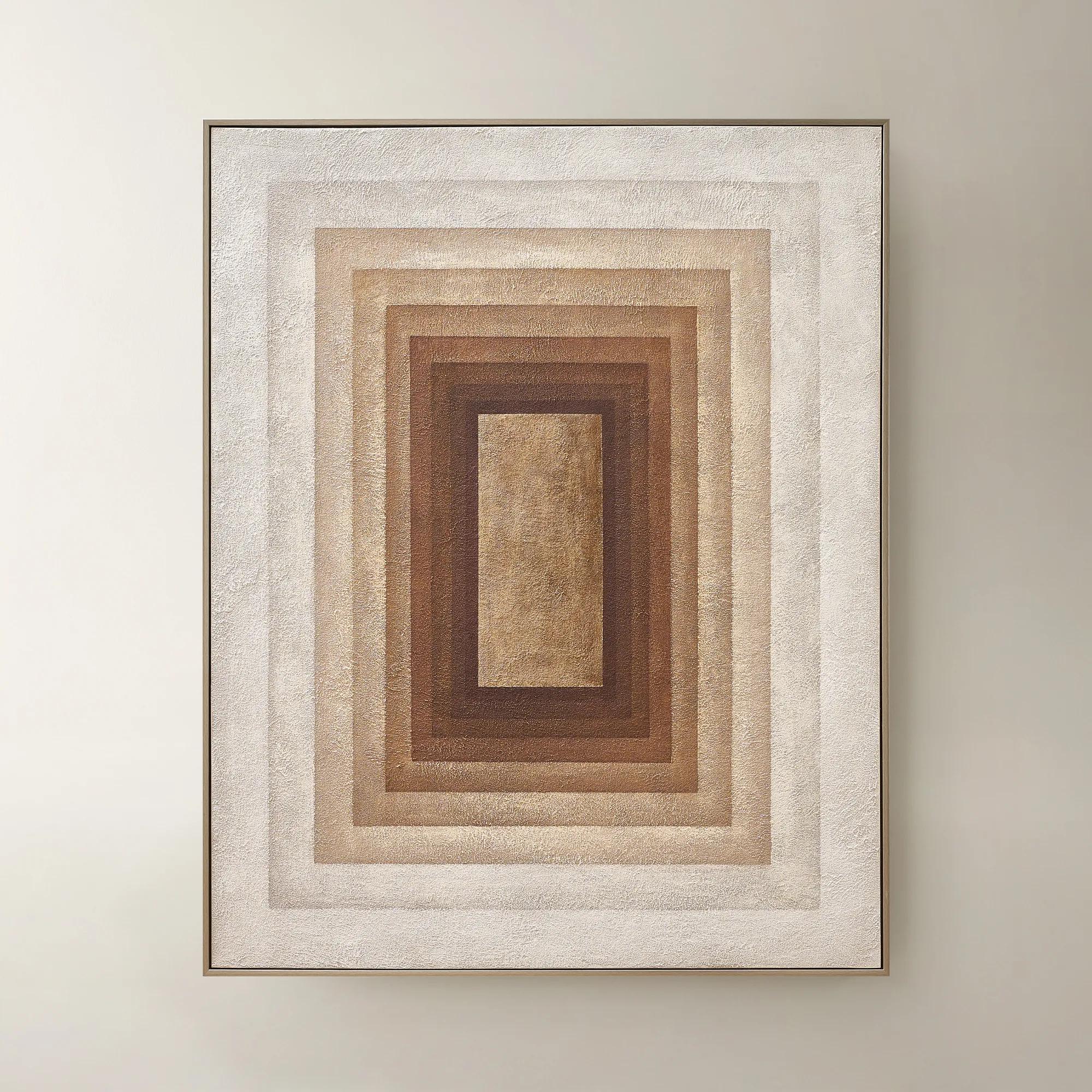 Monochrome Drift Framed Painted Wall Art 60" x 48"$699
A hand-painted abstract canvas with champagne leafing, featuring cocoa and gold tones in modern geometric design.
Add To Cart -
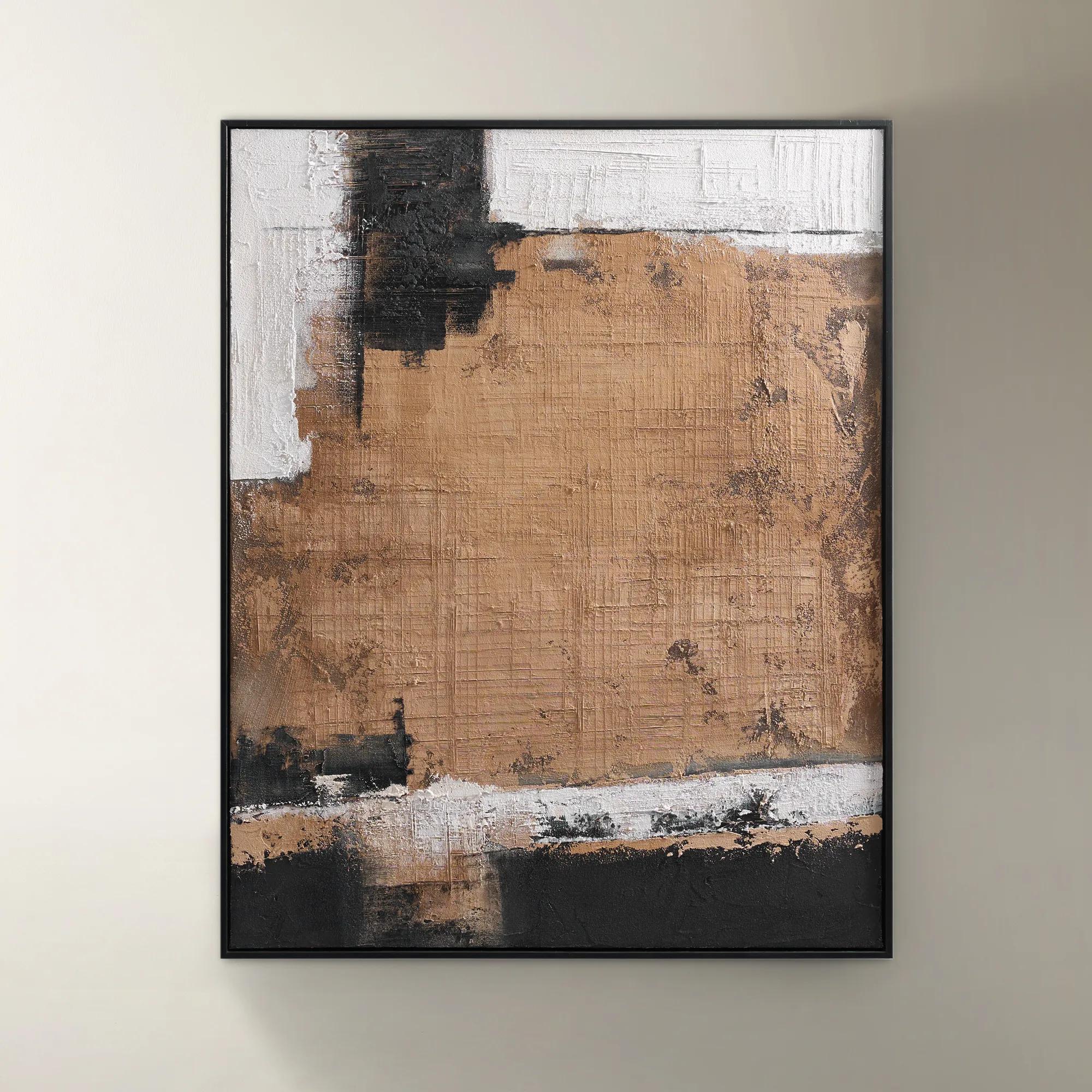
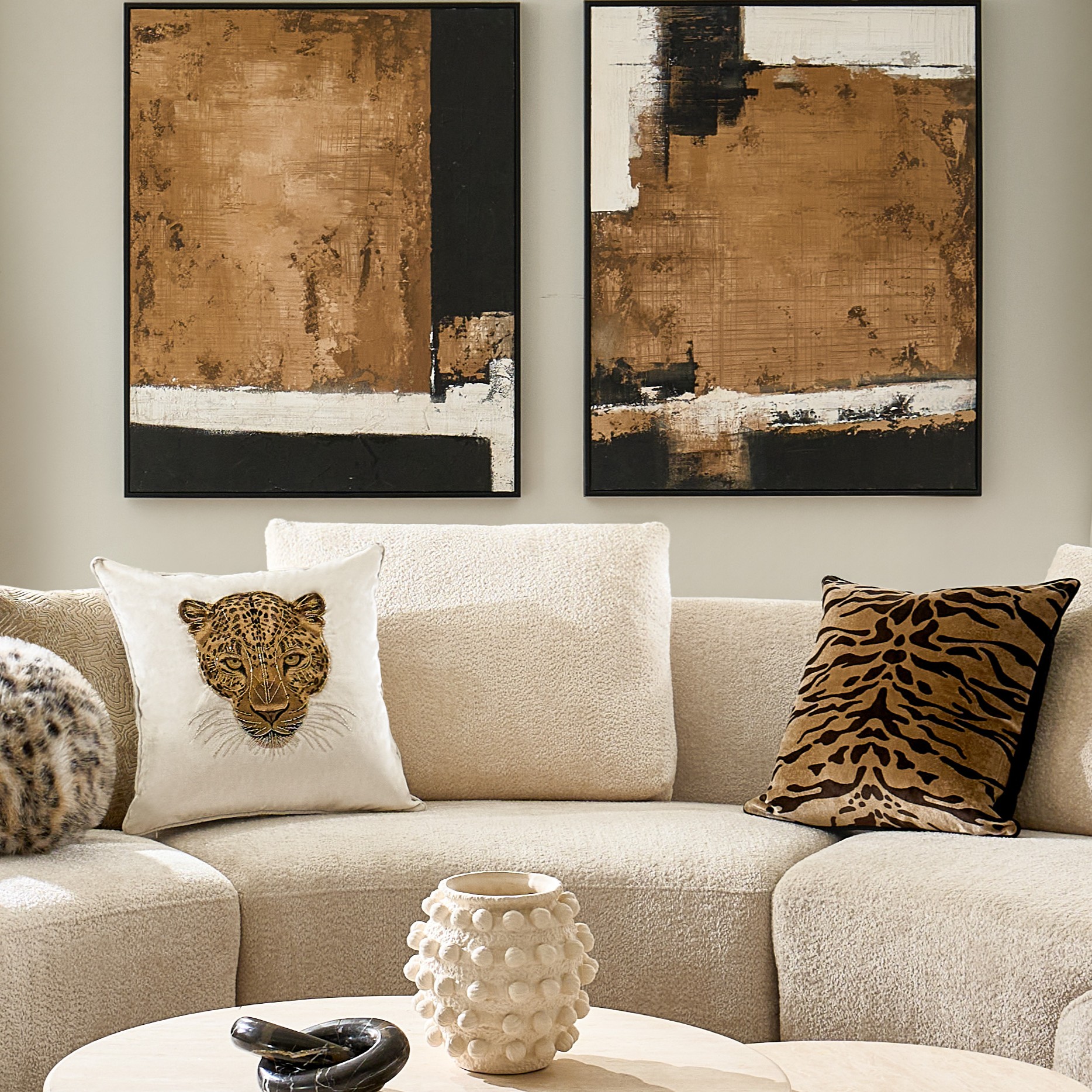 Drift Framed Painted Wall Art II 39.4" x 31.5"$299
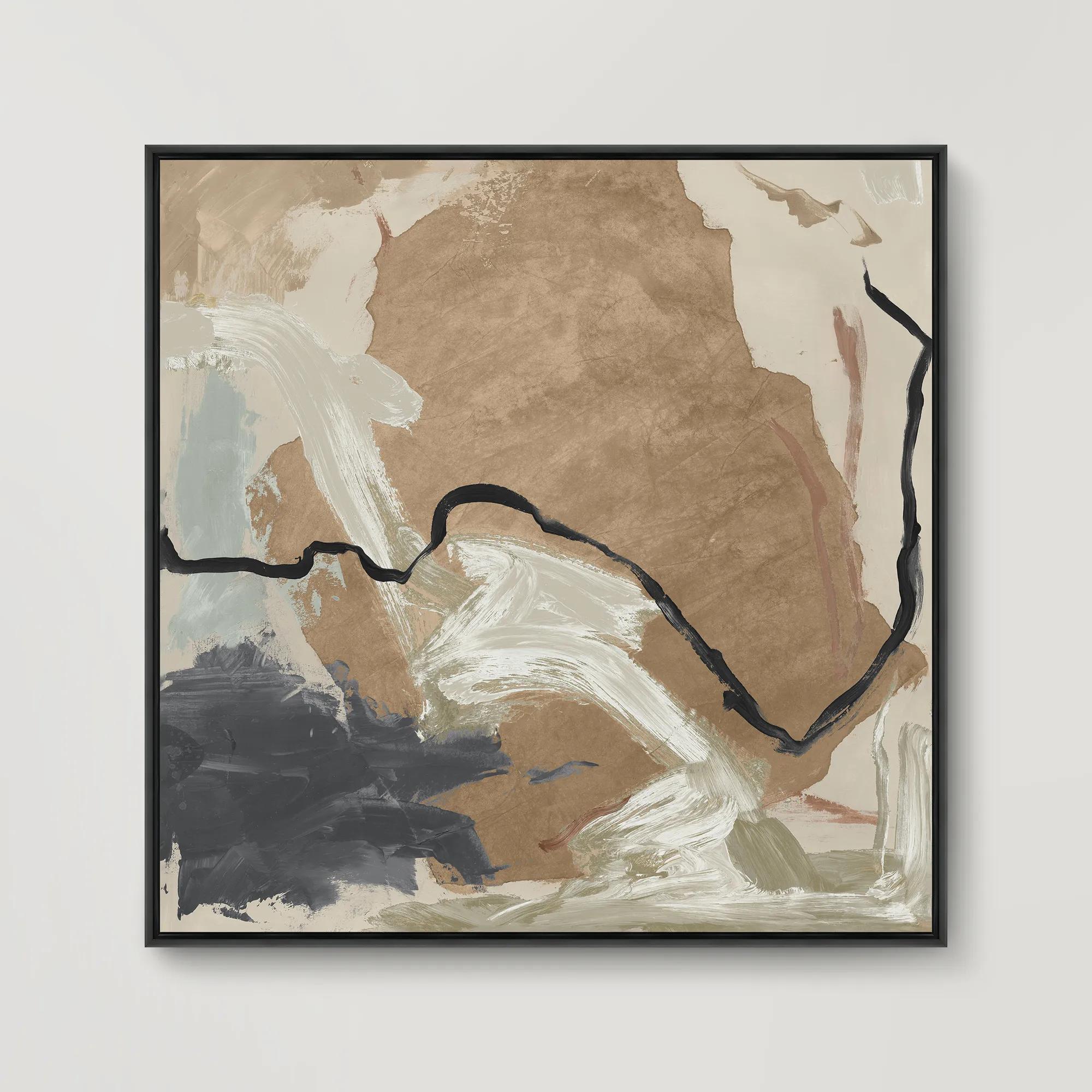
A hand-painted canvas in brown, featuring bold texture and color interplay within a sleek black floater frame.
Add To Cart -
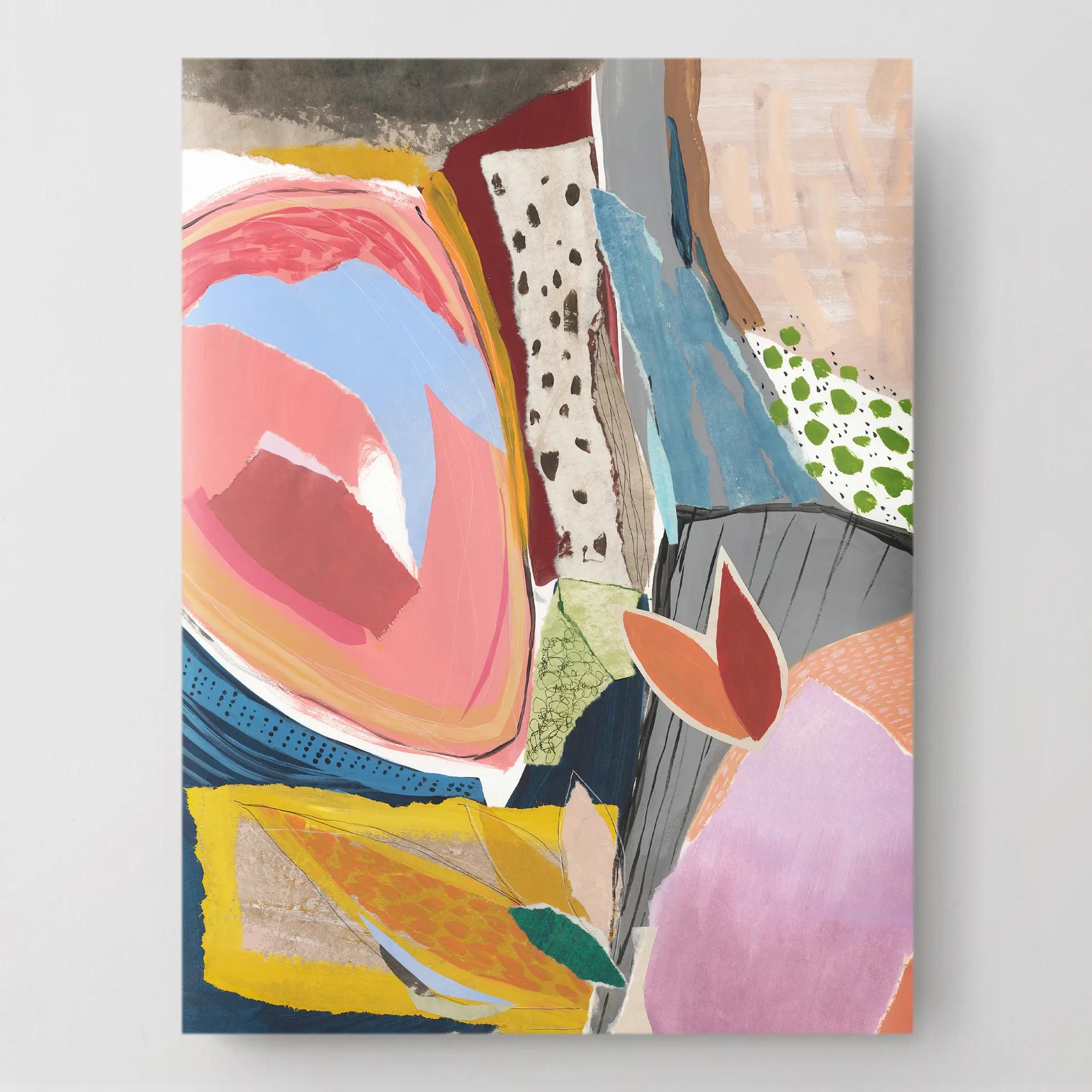
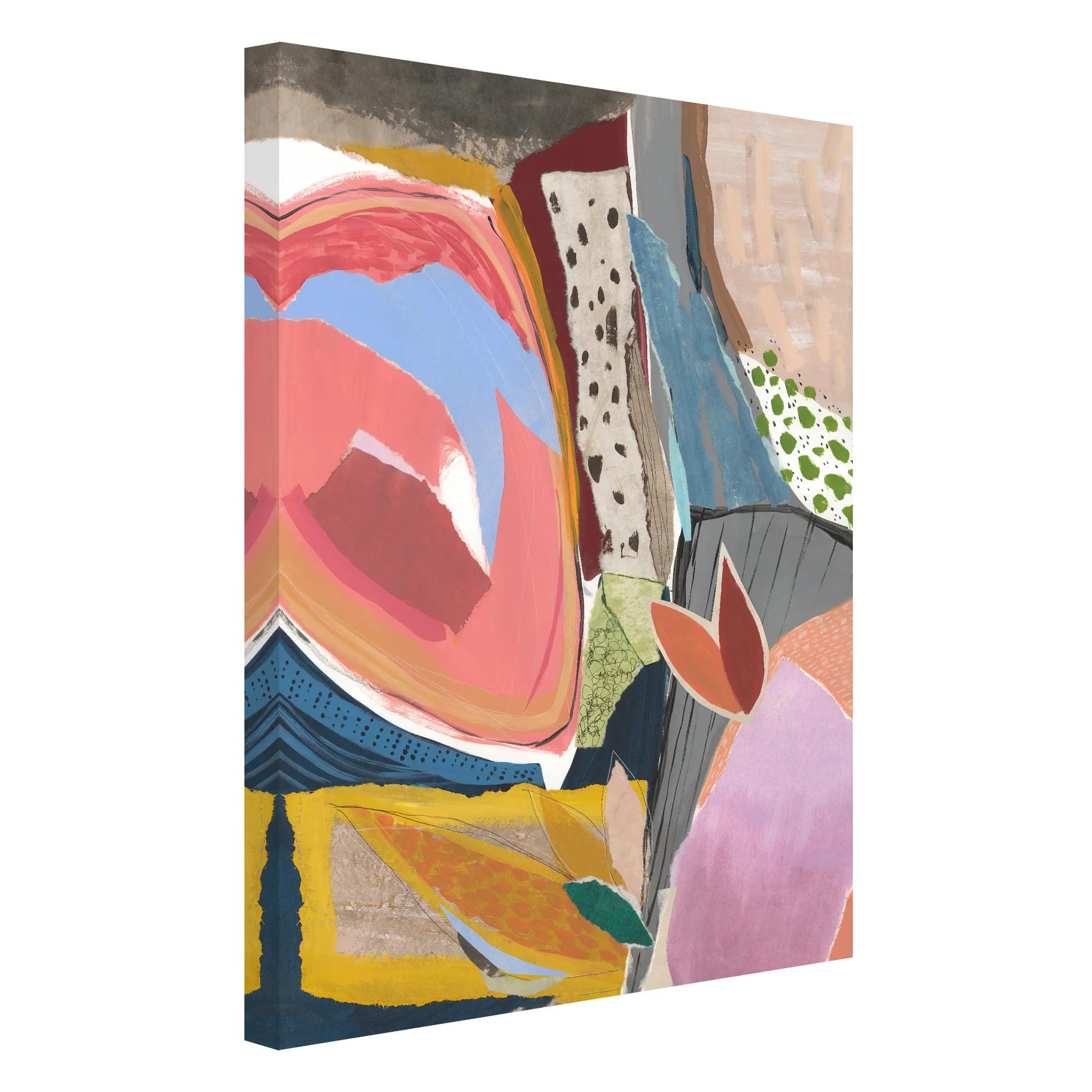 Sunday Vibes 1 Wall Art 30" x 40"$449
A gallery-wrapped canvas artwork featuring a hand-applied image brush gel finish for a textured look.
Add To Cart -
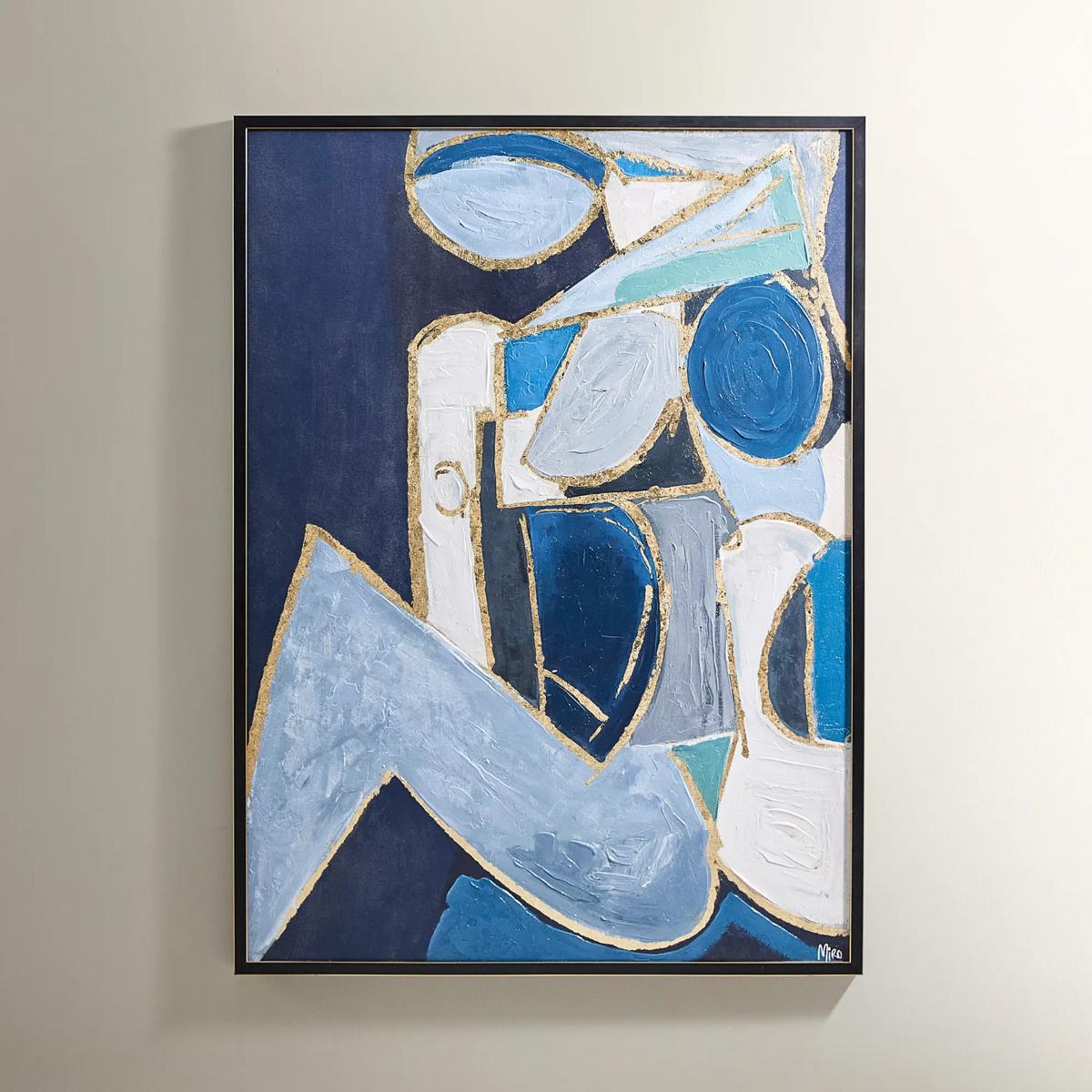
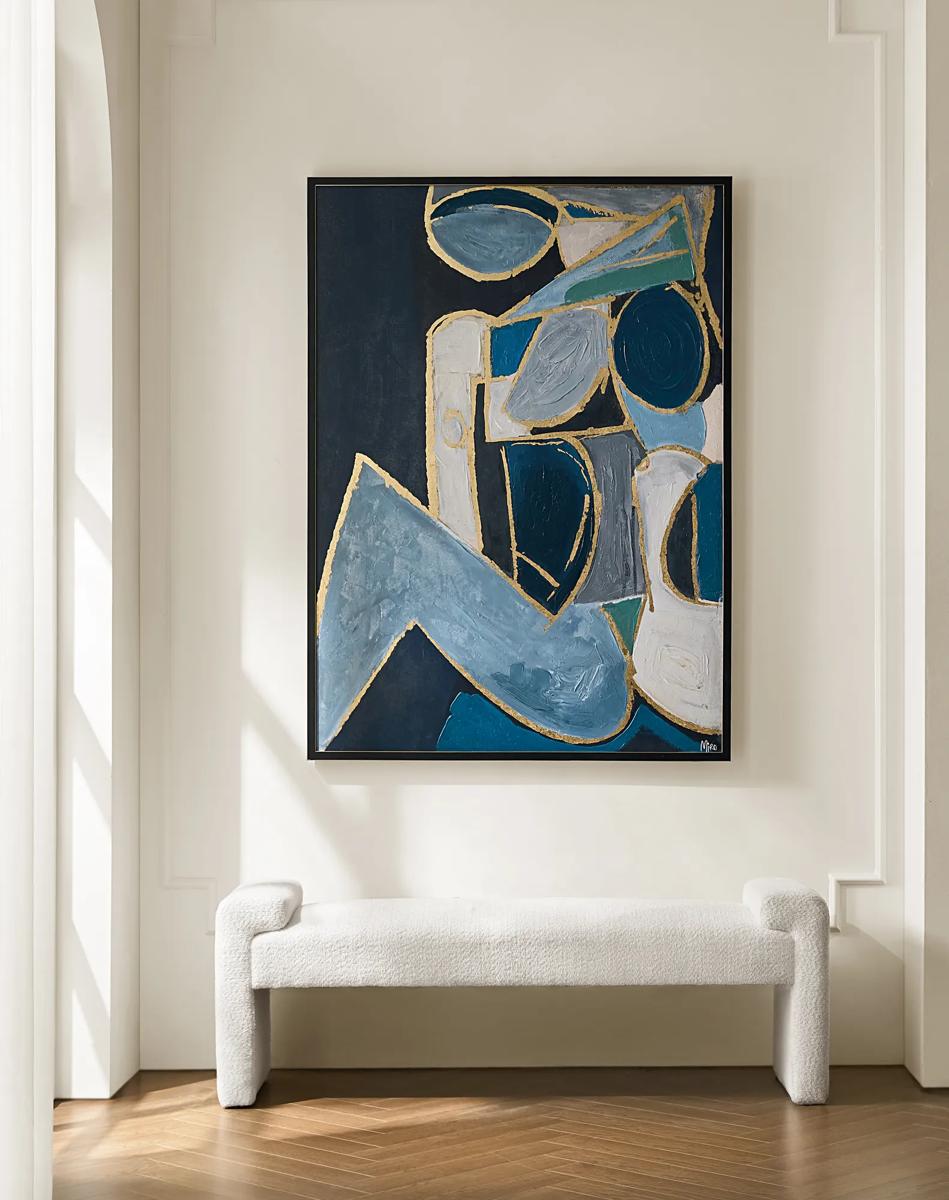 Figure in Cubism Painting$599
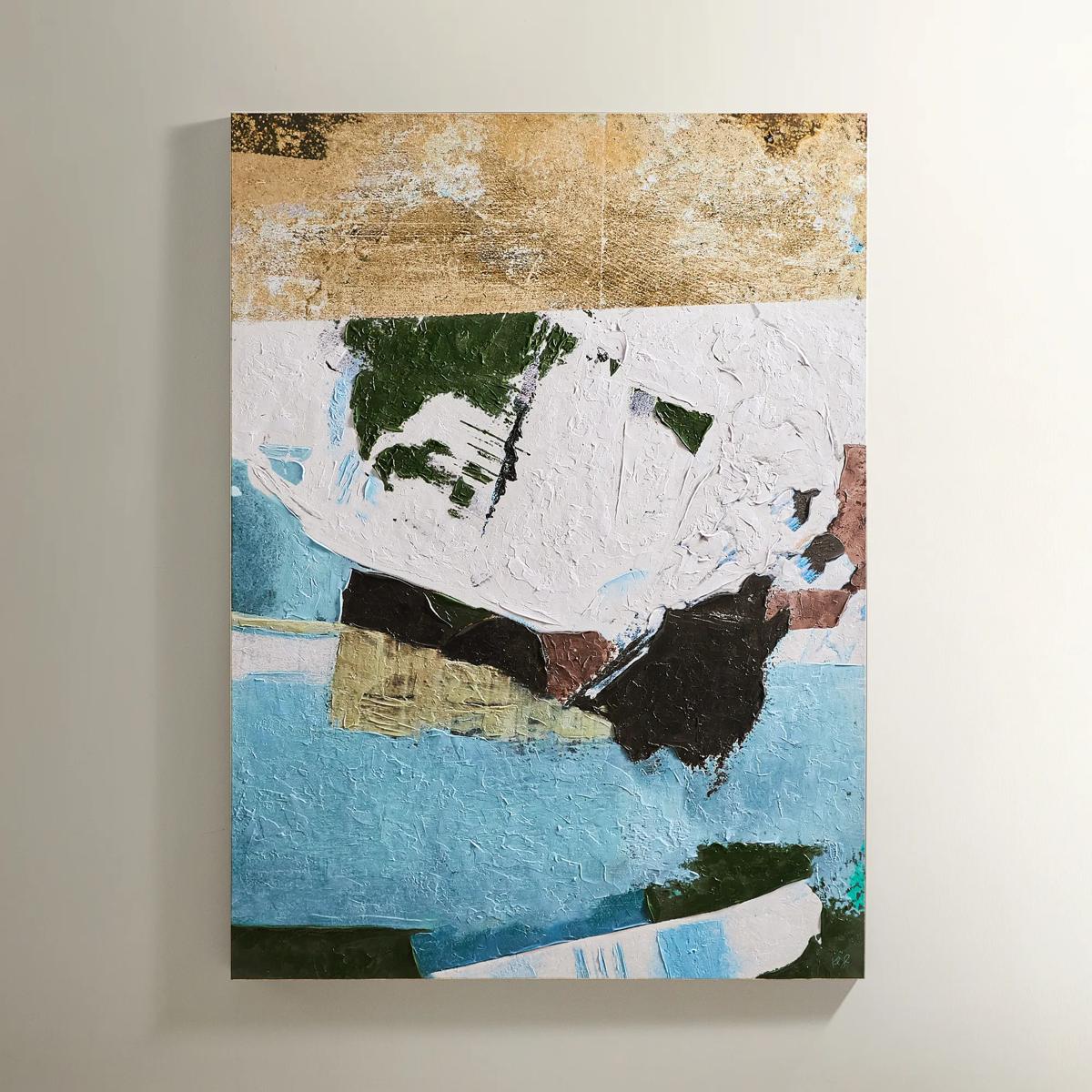
A hand-embellished canvas artwork featuring blue, gold, and white hues with elegant silver foil accents.
Add To Cart -
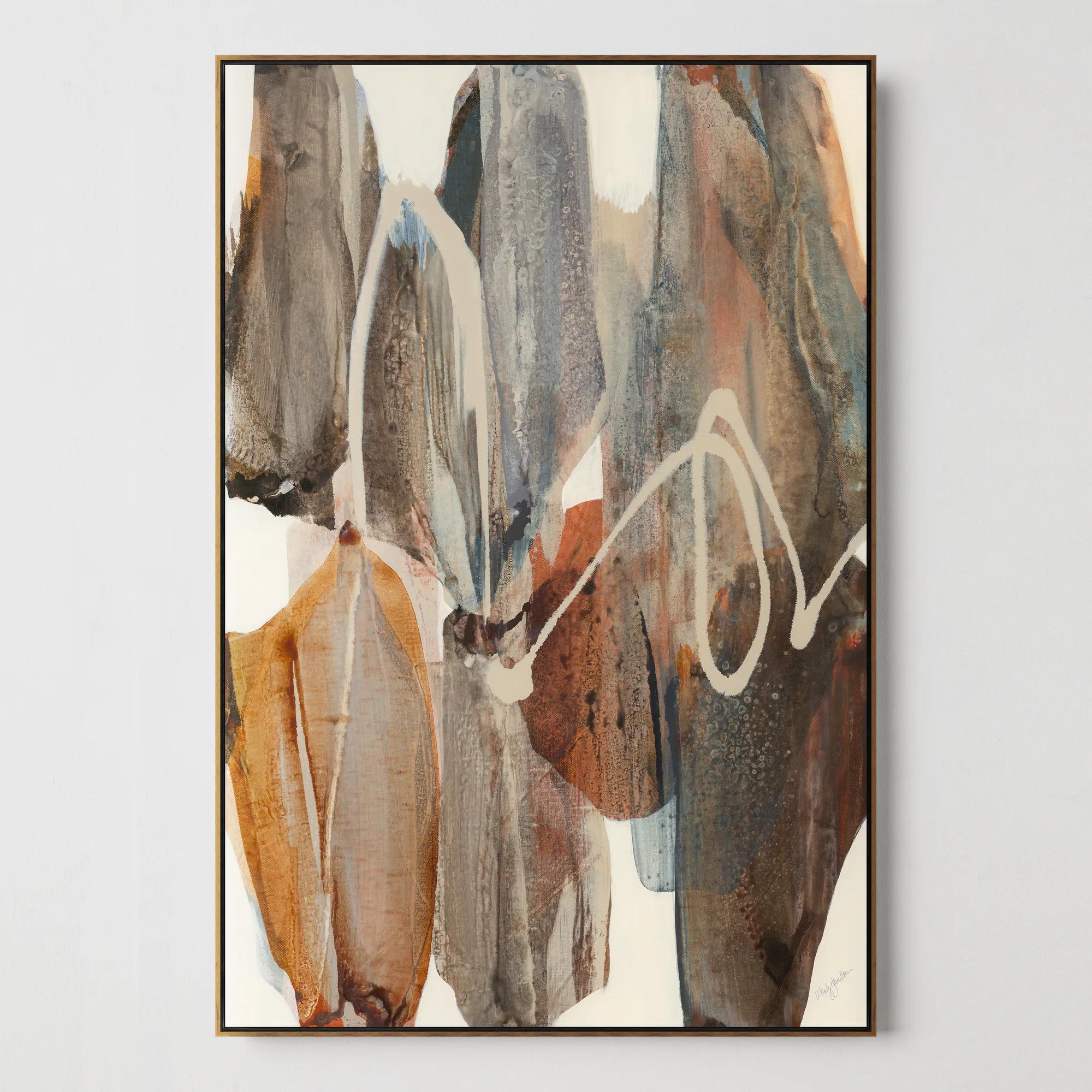
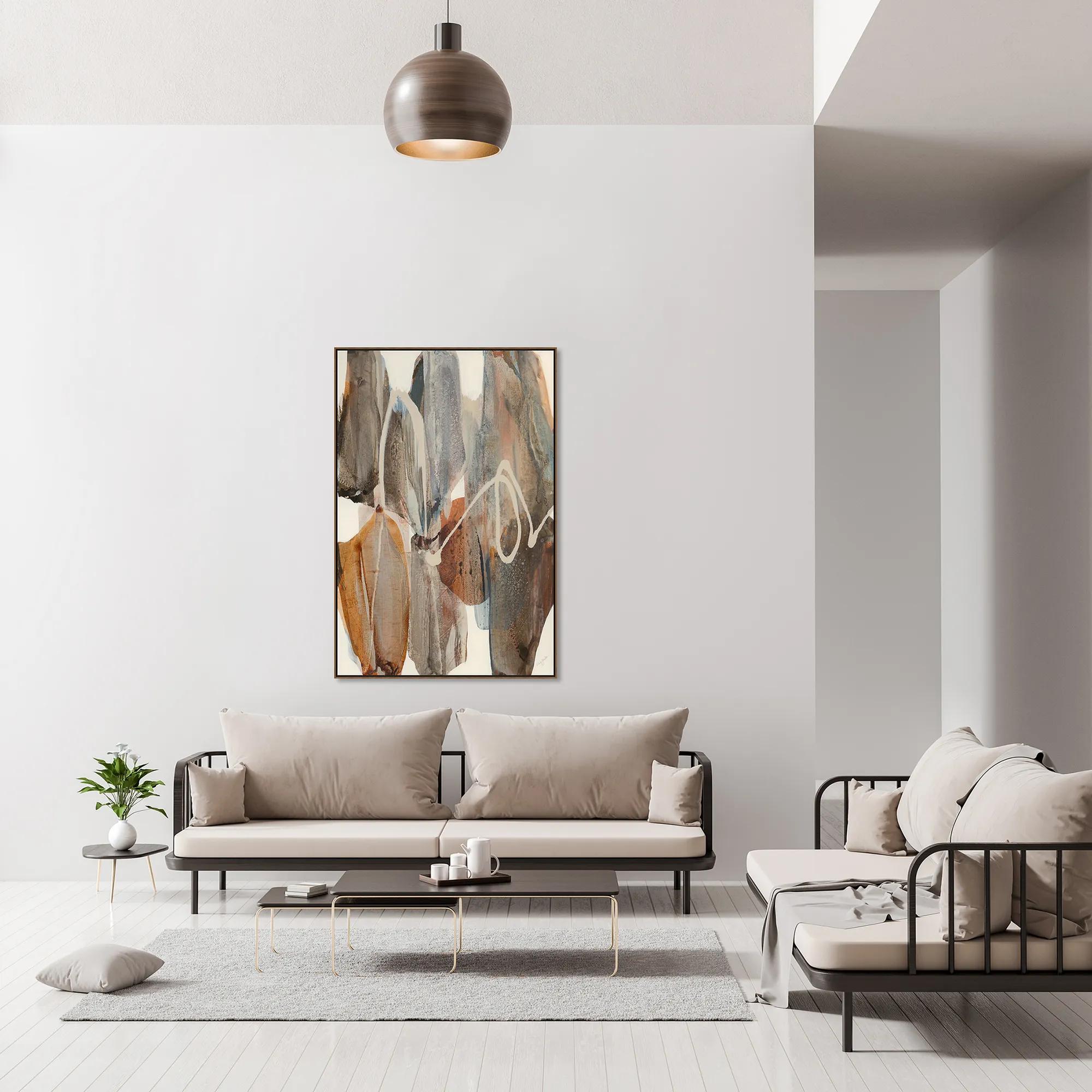 Boundless Framed Wall Art 40" x 60"$999
A gallery-wrapped canvas artwork with hand-applied brush gel finish in an oak floater frame.
Add To Cart -
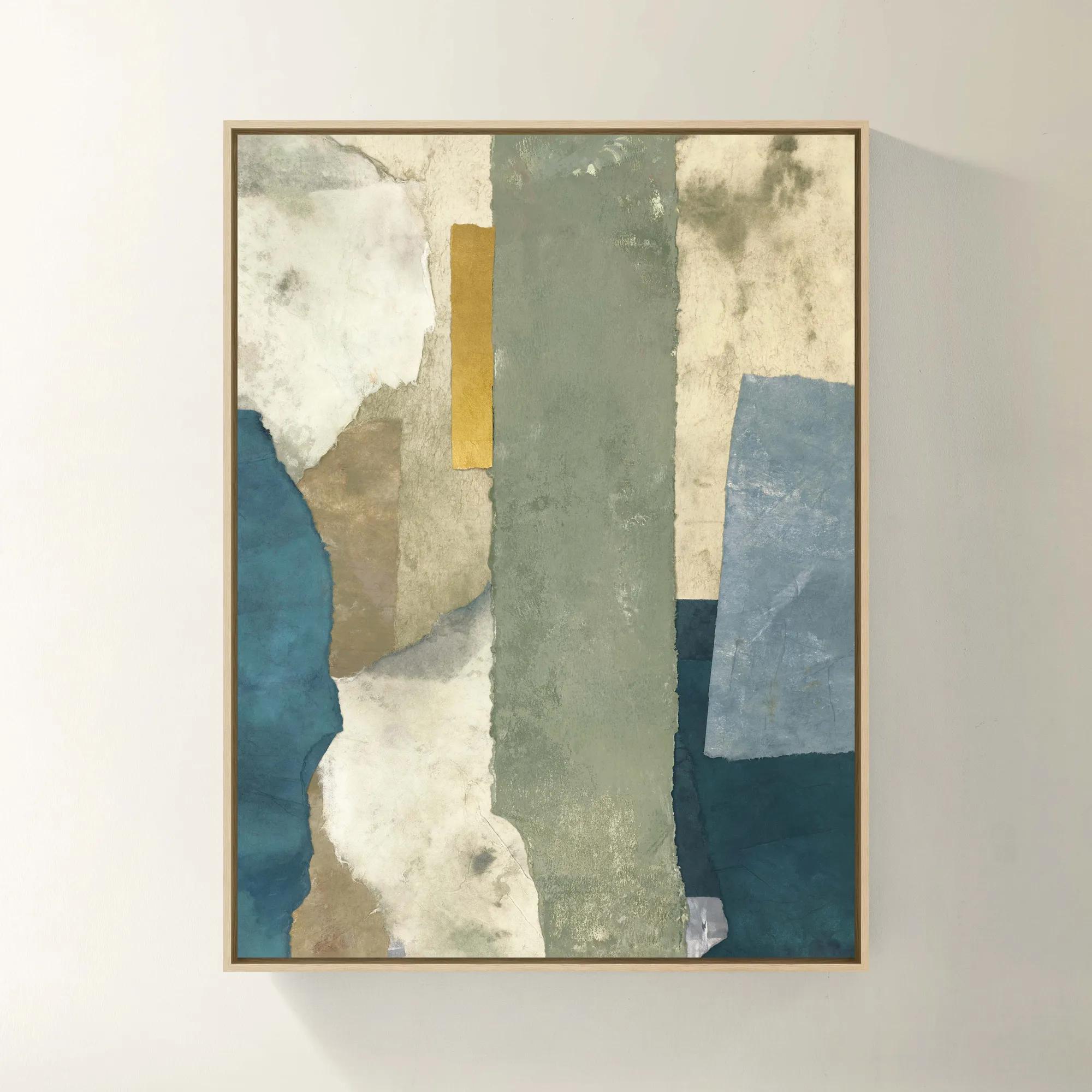 Earth Fragments II Framed Wall Art 30" x 40"$799
A gallery-wrapped canvas featuring gild accents and hand-applied gel, set in a natural floater frame.
Add To Cart -
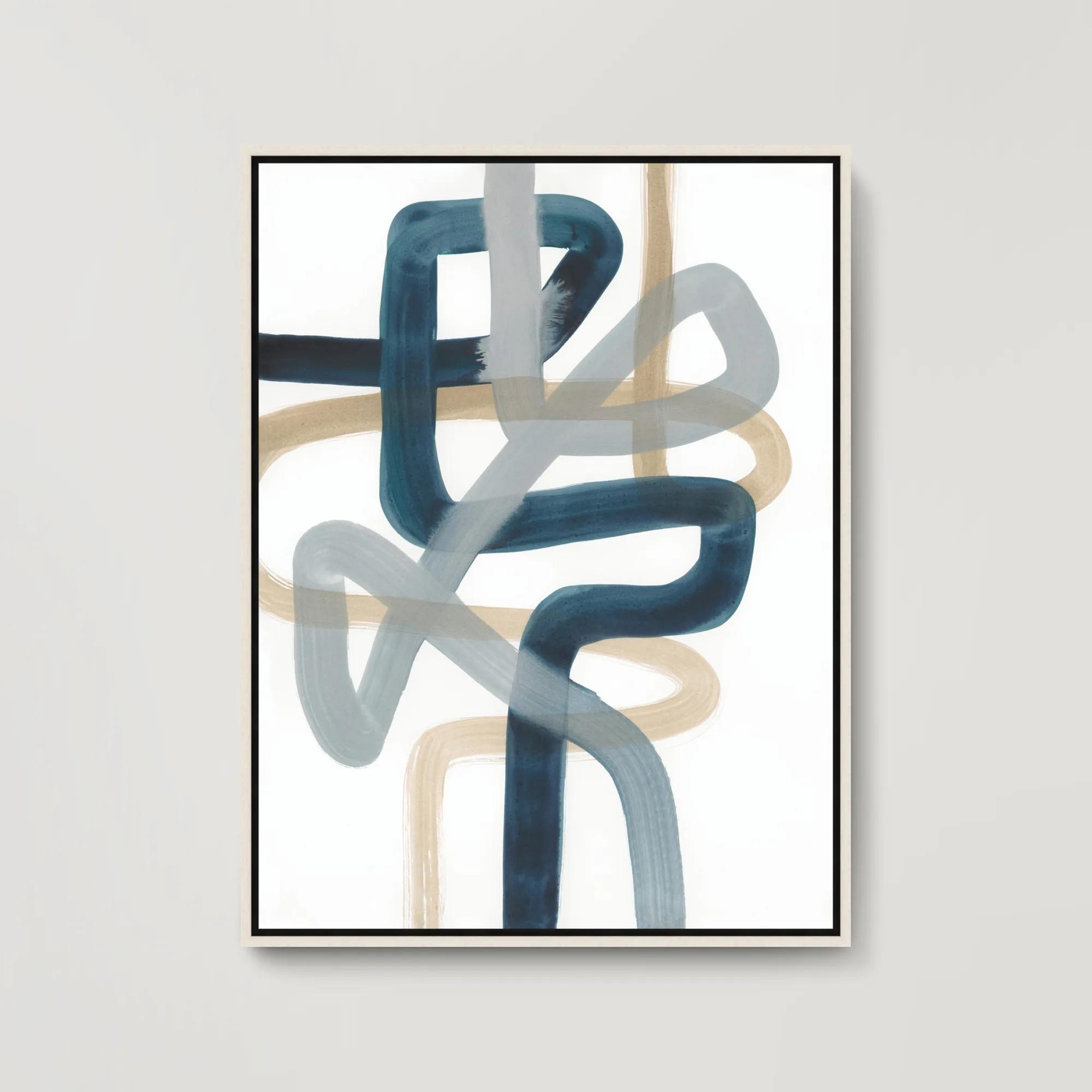
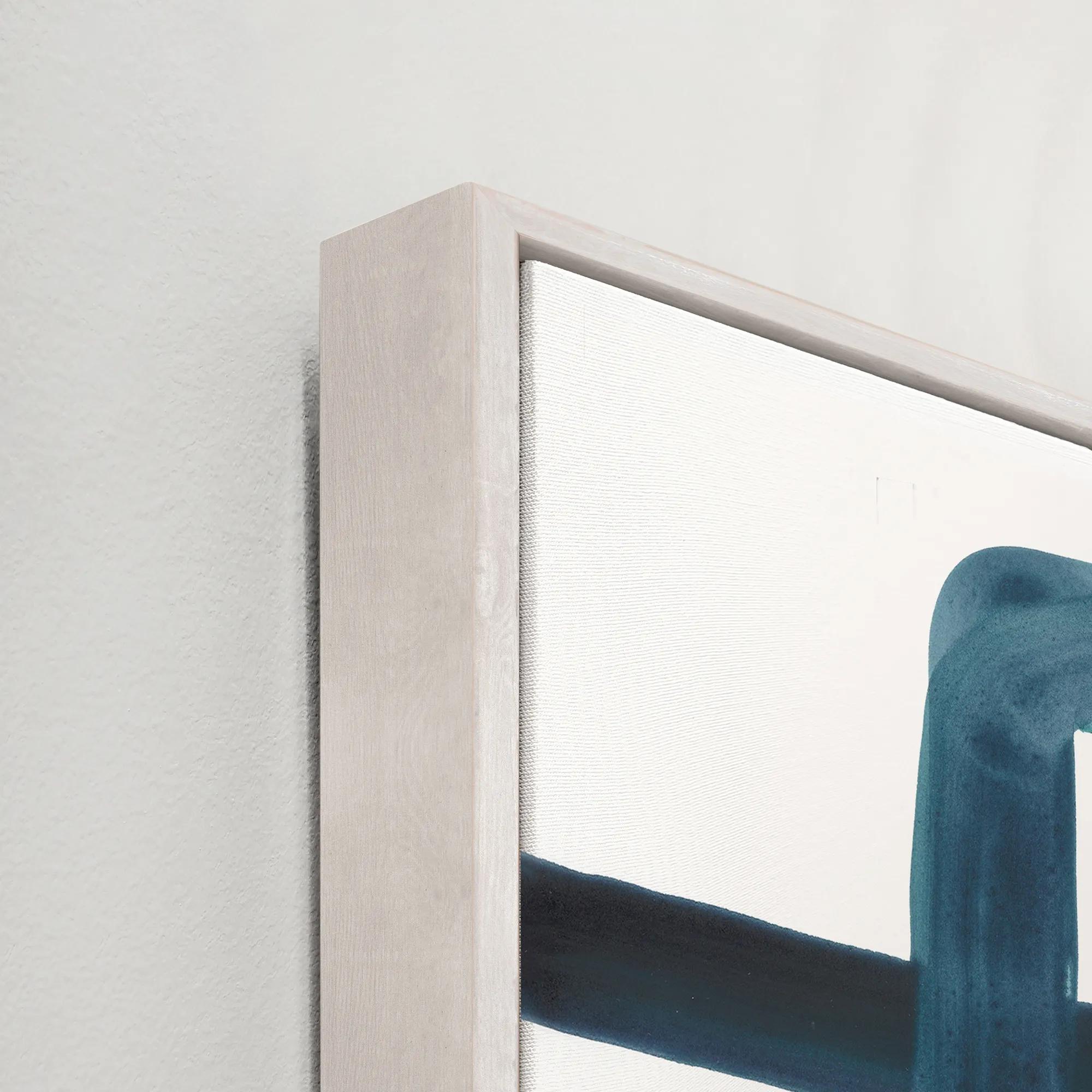 Looped In I Framed Wall Art 31.5" x 41.5"$699
A gallery-wrapped abstract canvas featuring hand-applied brush gel and a sleek white floater frame.
Add To Cart -
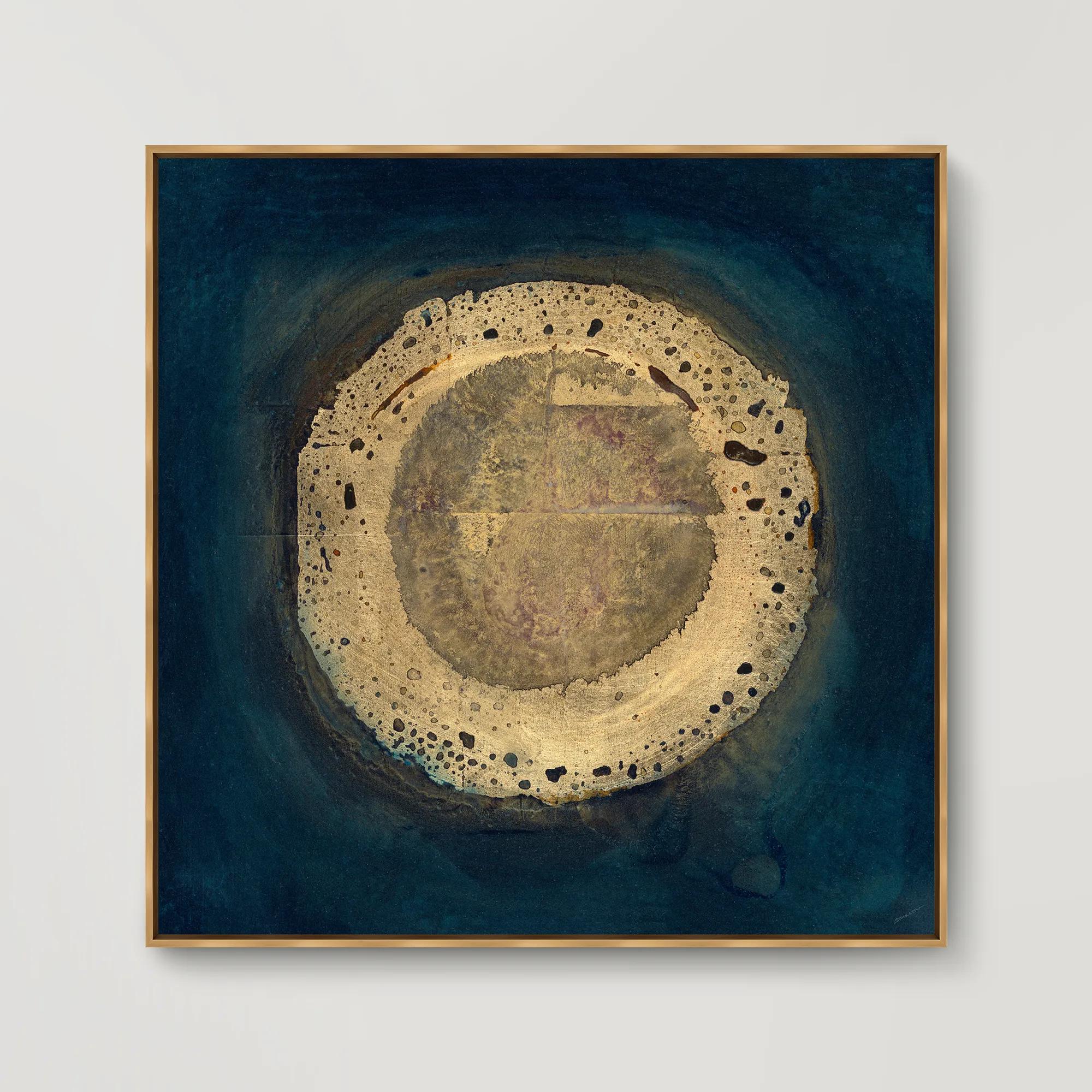
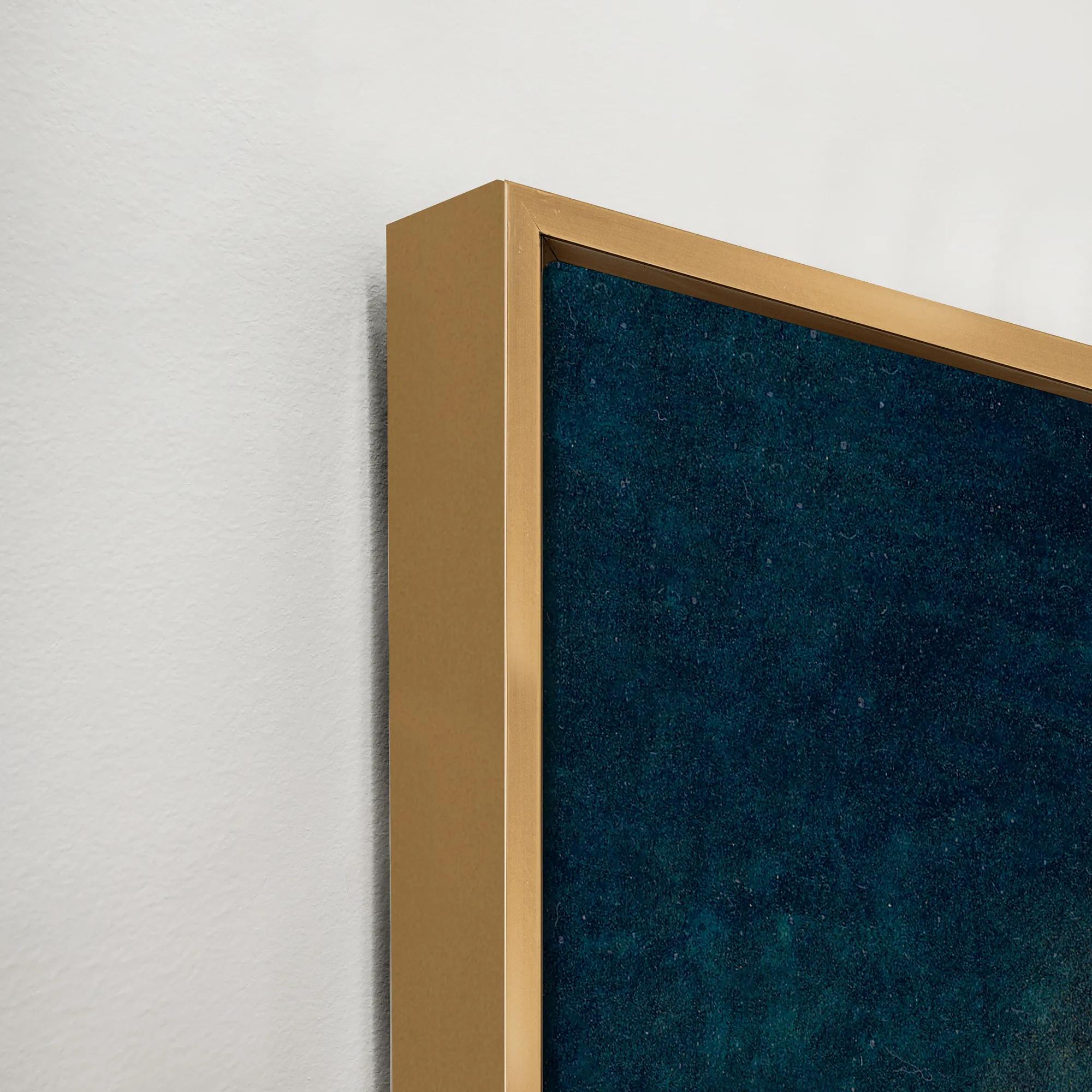 Bramble I Framed Wall Art 41.5" x 41.5"$749
A gallery-wrapped abstract canvas with hand-applied gel finish, set in an elegant gold floater frame.
Add To Cart -
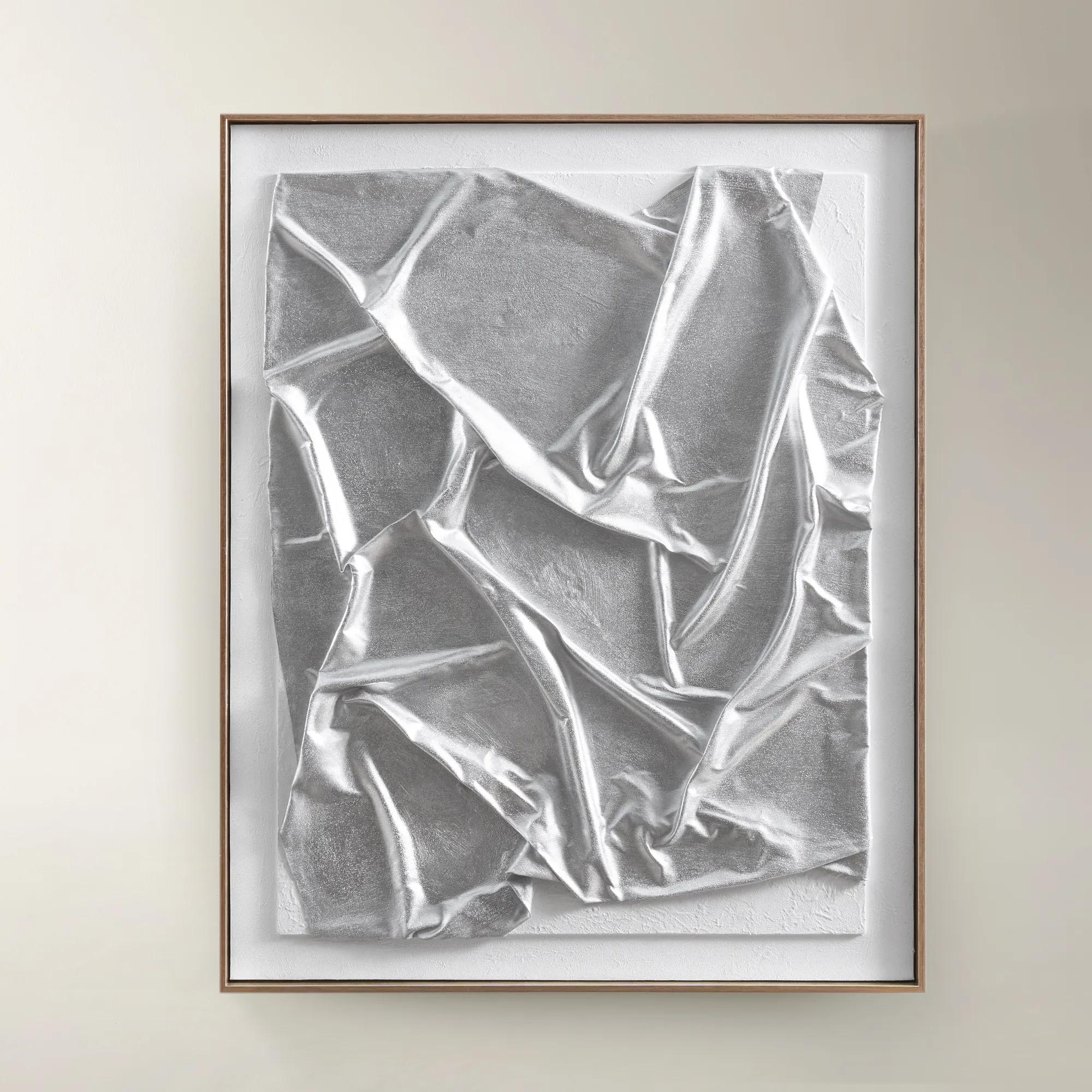
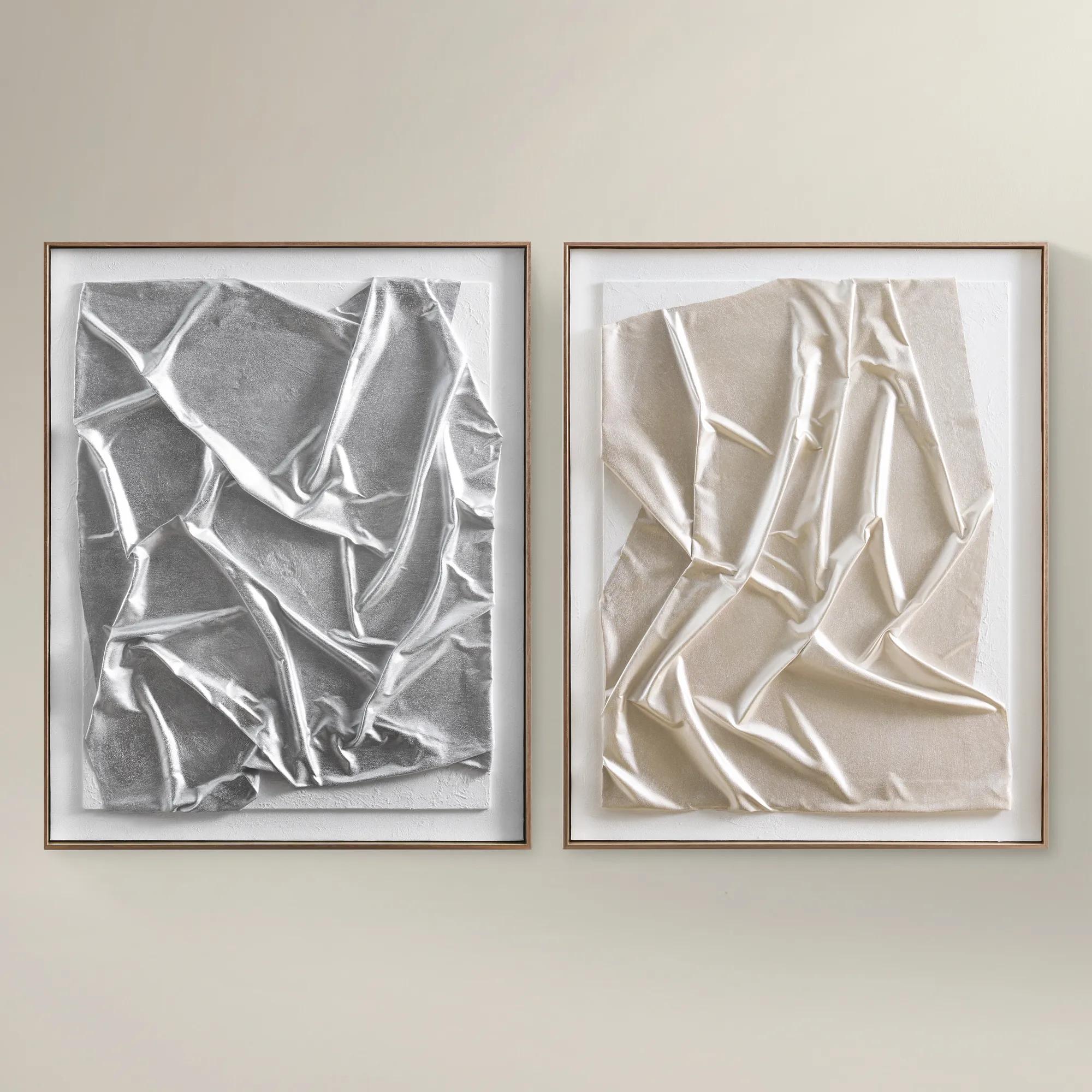 In the Mood Framed Painted Wall Art 31.5" x 39.5"$199
A hand-painted abstract canvas in shimmering silver tones, set in a warm champagne floater frame.
Add To Cart -
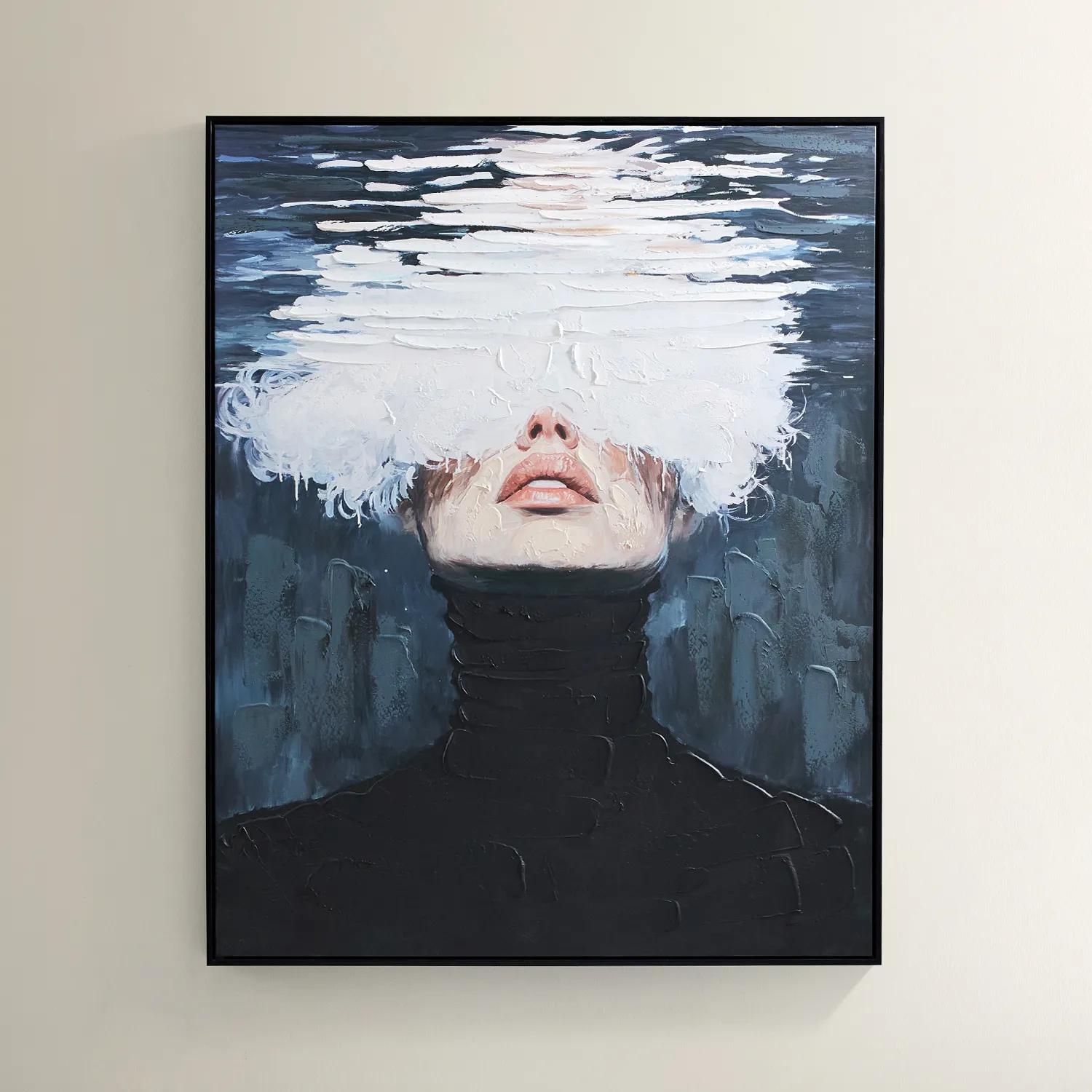
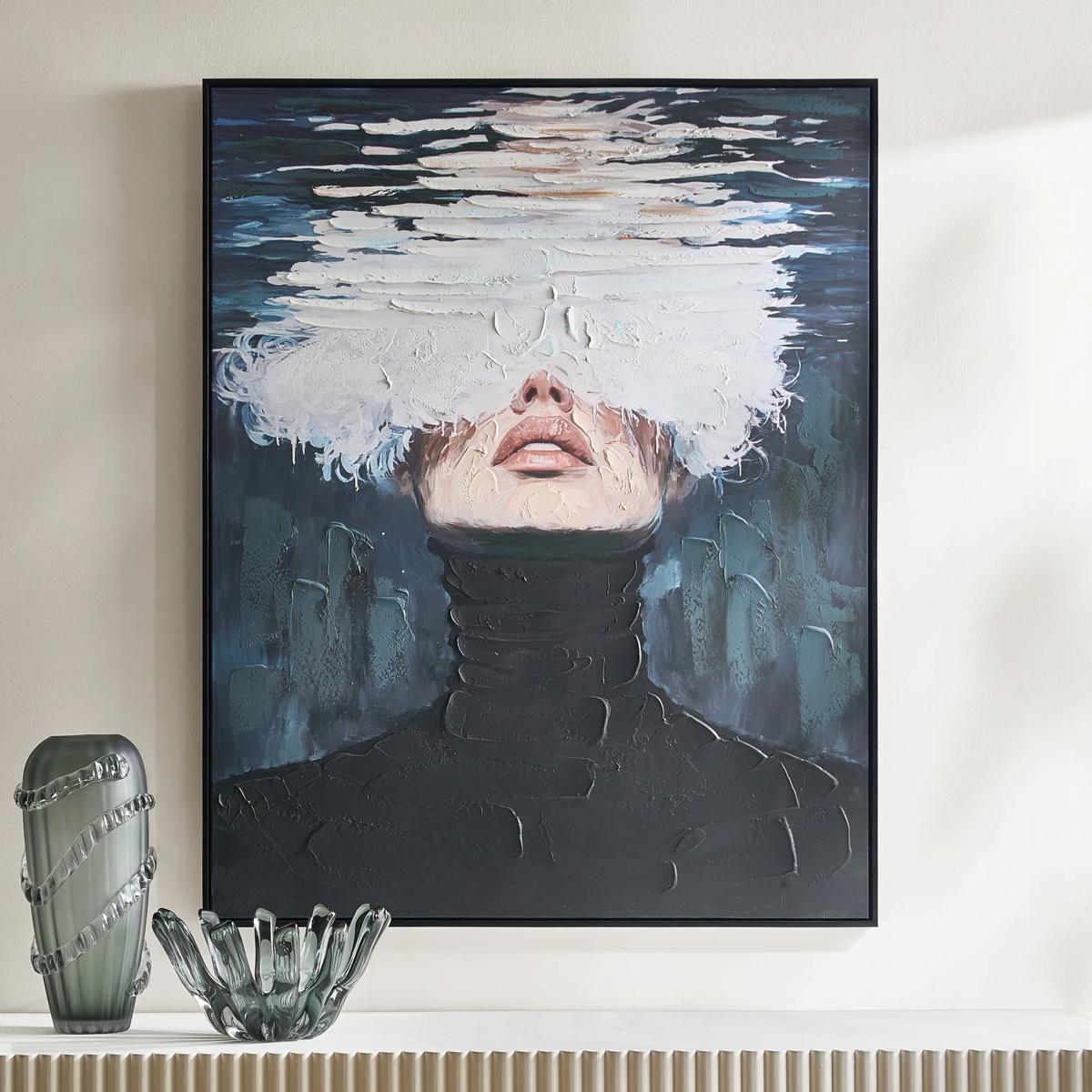 Submerged Framed Painted Wall Art 40" x 50"$599
A hand-painted canvas featuring a surreal portrait in black, blue, and white with a black floater frame.
Add To Cart -
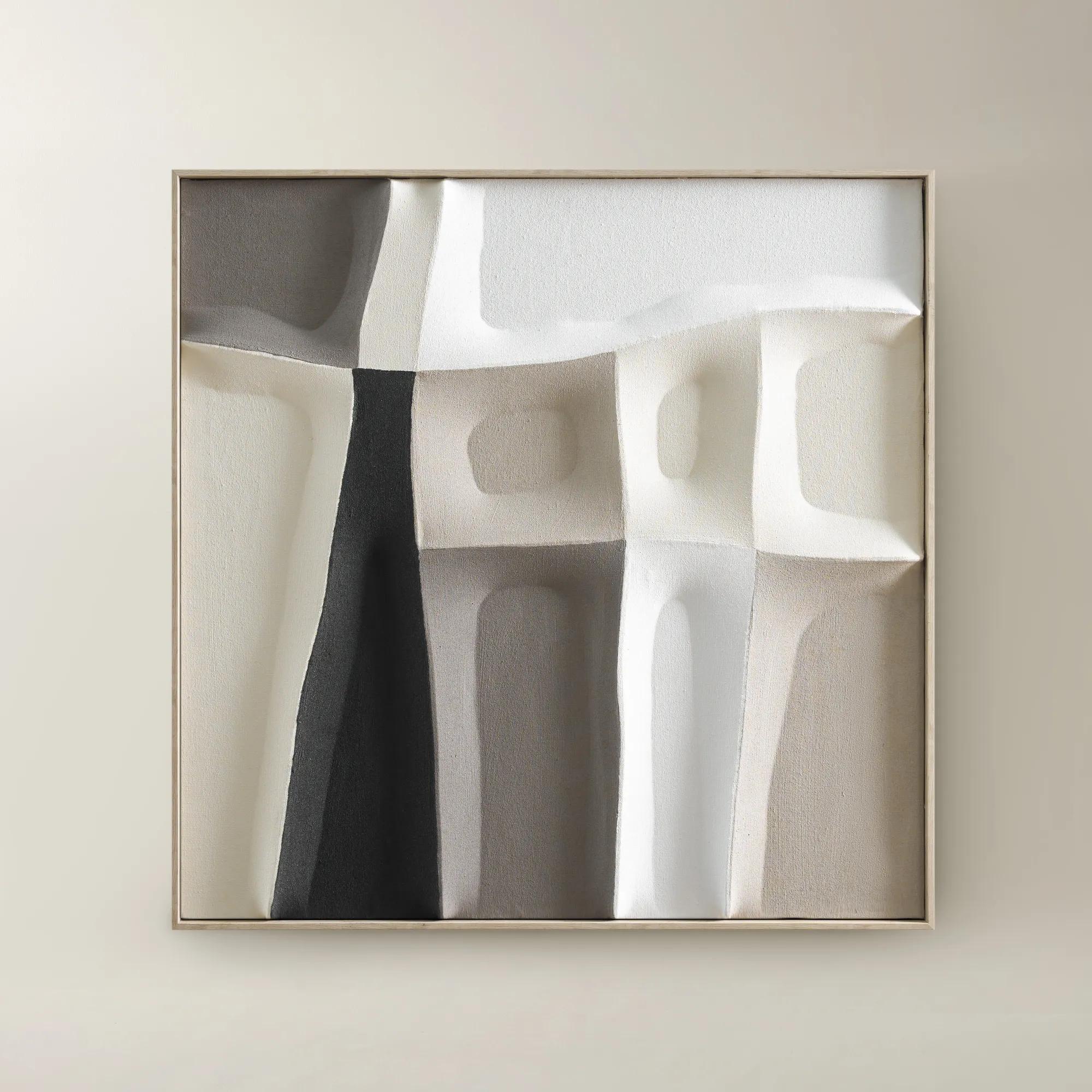 Shadow Painting 1$179
A hand-painted canvas featuring bold colors and sculptural textures in a warm whitewash floater frame.
Add To Cart -

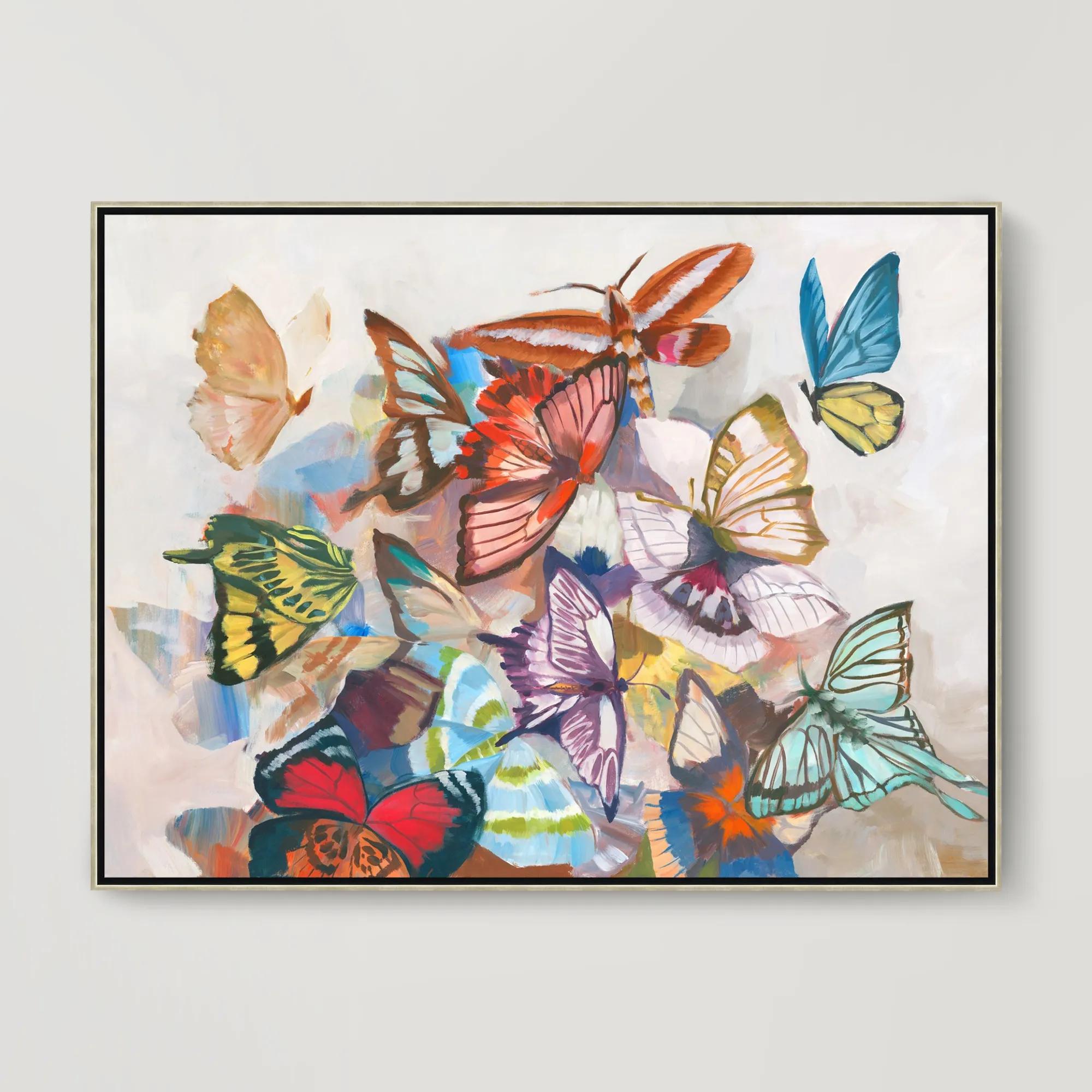
 Blooming in Her Own Time Framed Wall Art 40" x 50"$1029
A vibrant multicolored canvas wall artwork featuring an expressive botanical-inspired design in a framed presentation.
Add To Cart -
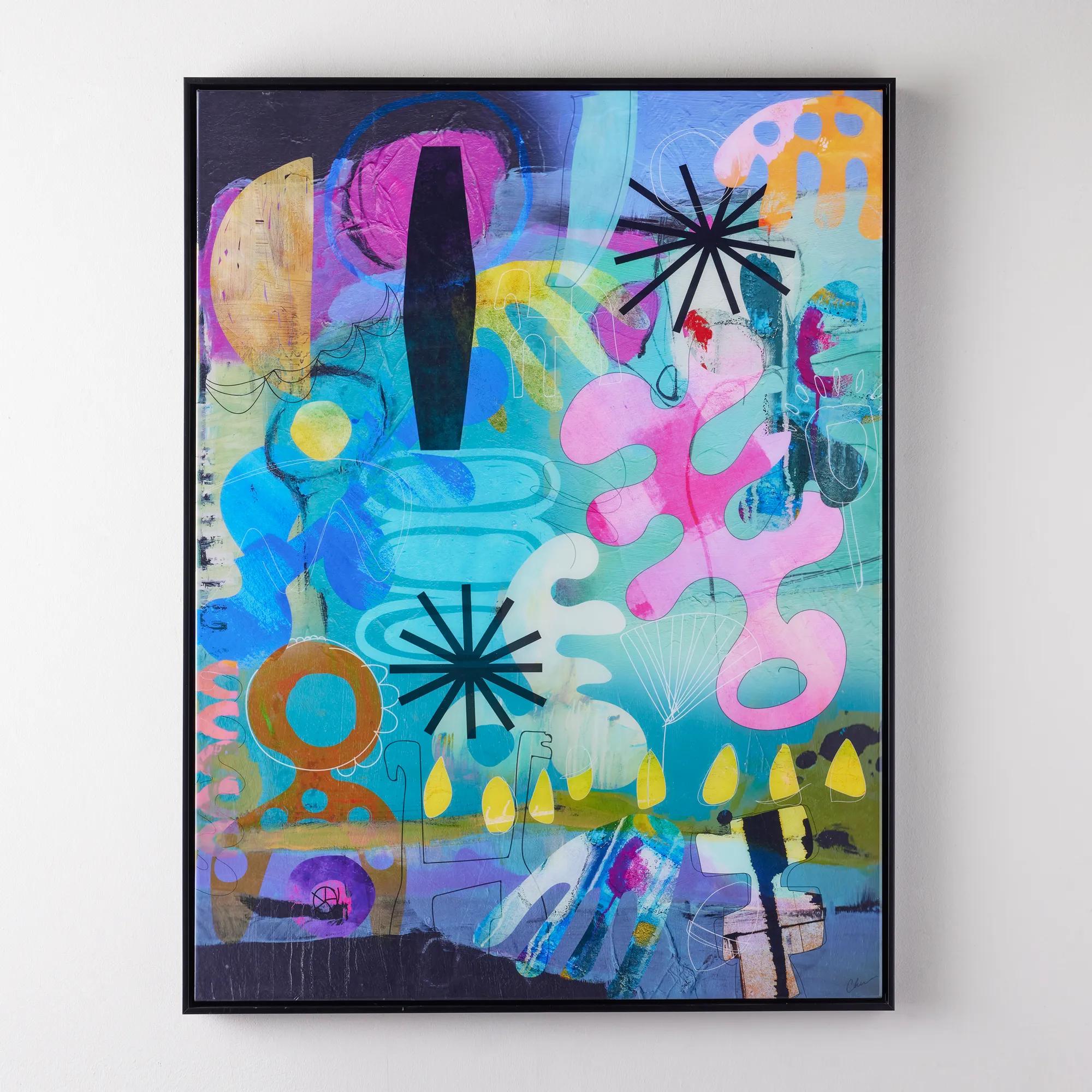
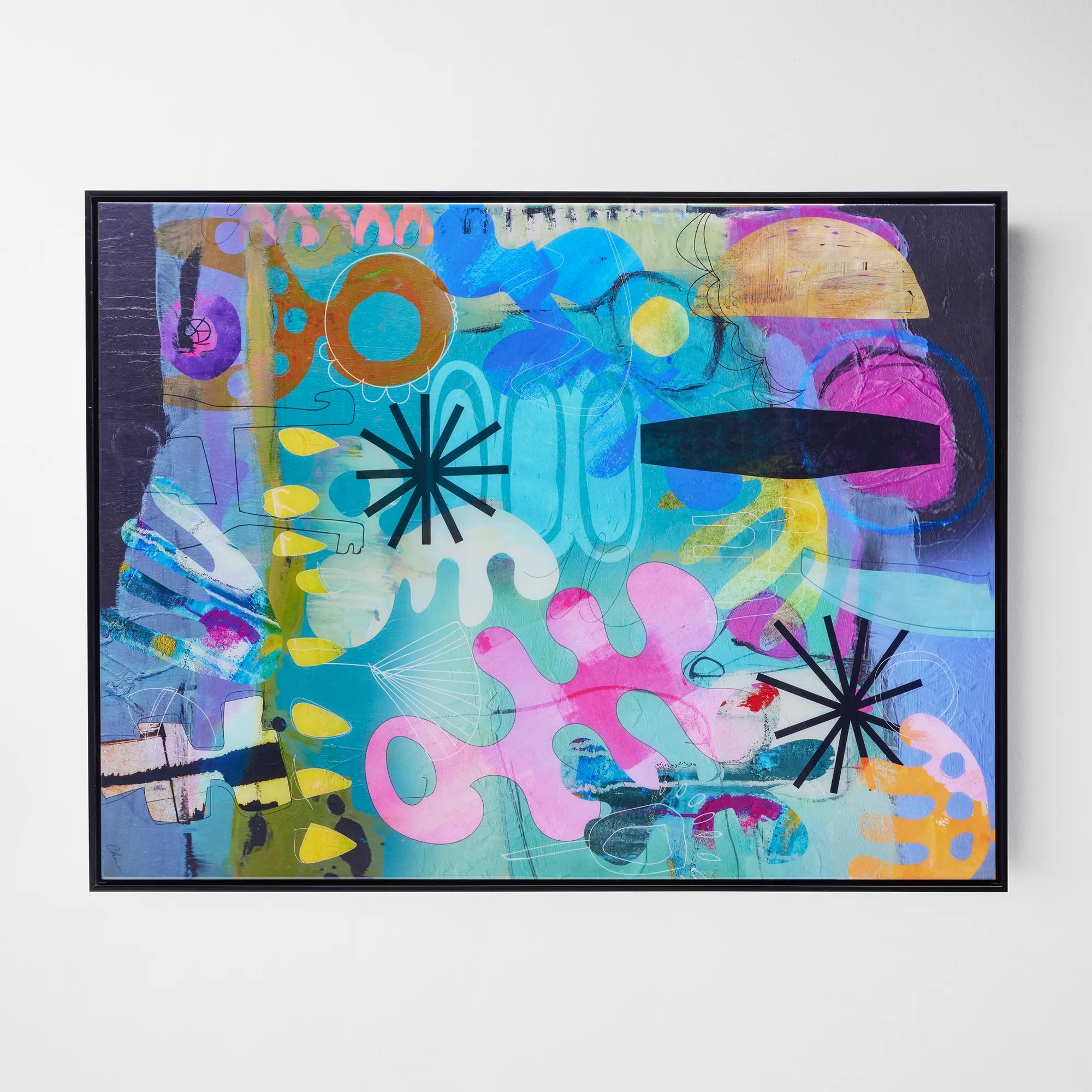 Nikki Chu Detailed Vision Framed Wall Art 54" x 41"$1099
A vibrant, high-gloss artwork with a black frame, designed to hang vertically or horizontally.
Add To Cart -
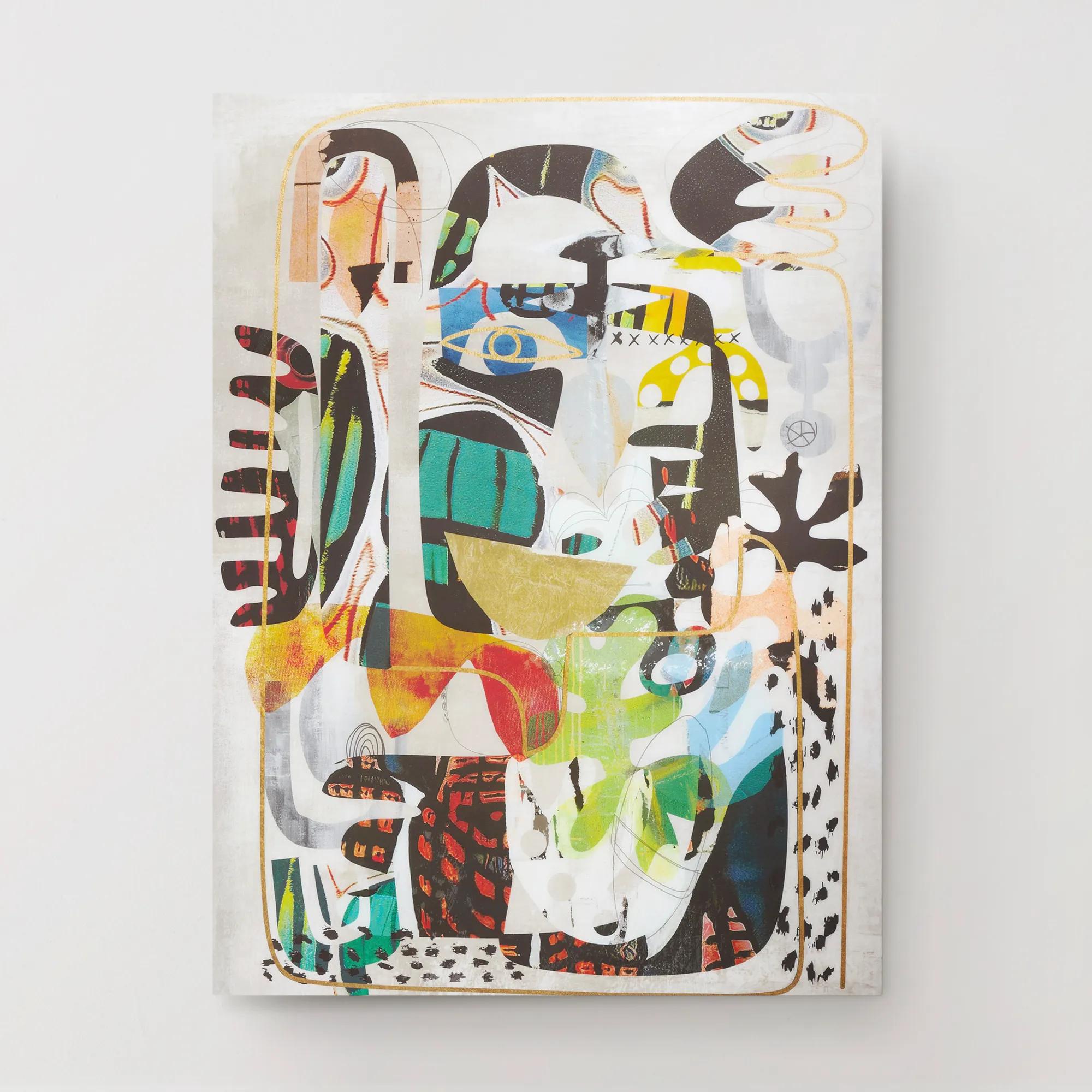
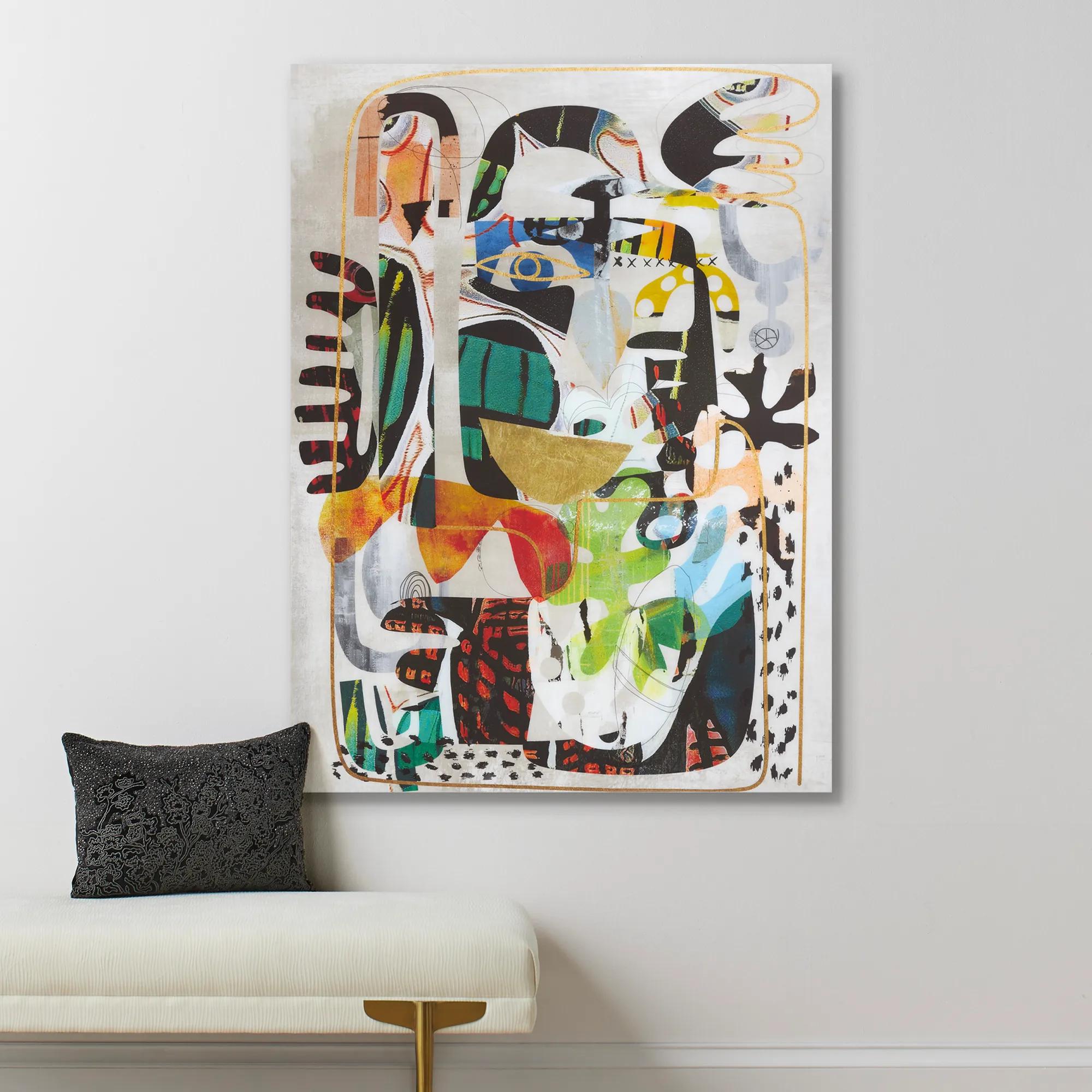 Nikki Chu Masked Wall Art 40" x 54"$899
A vibrant giclee print on canvas featuring a hand-applied glossy finish for a modern statement.
Add To Cart -
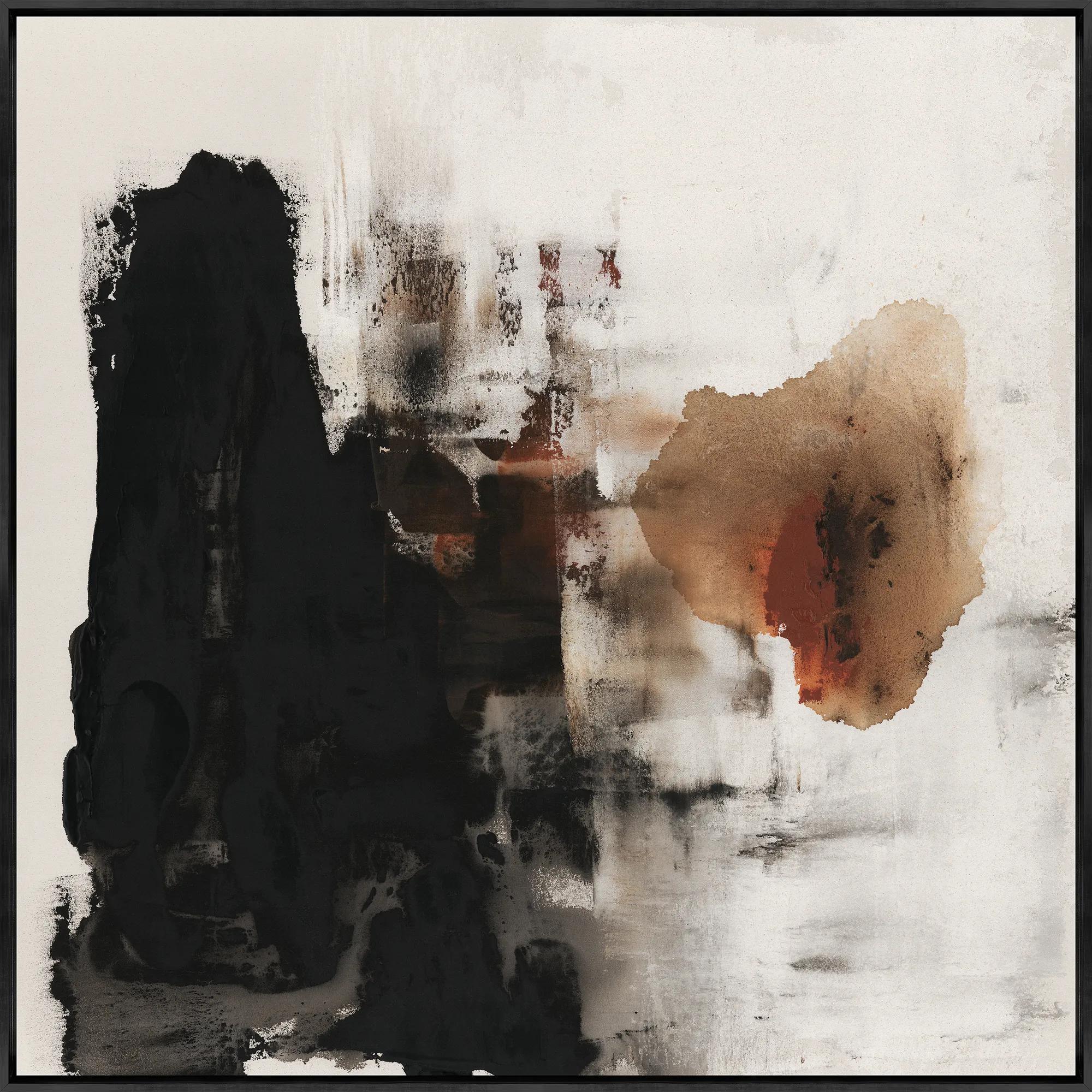 Burning for You I Framed Wall Art 40" x 40"$799
A gallery-wrapped canvas artwork with hand-applied brush gel, set in a sleek black floater frame.
Add To Cart -
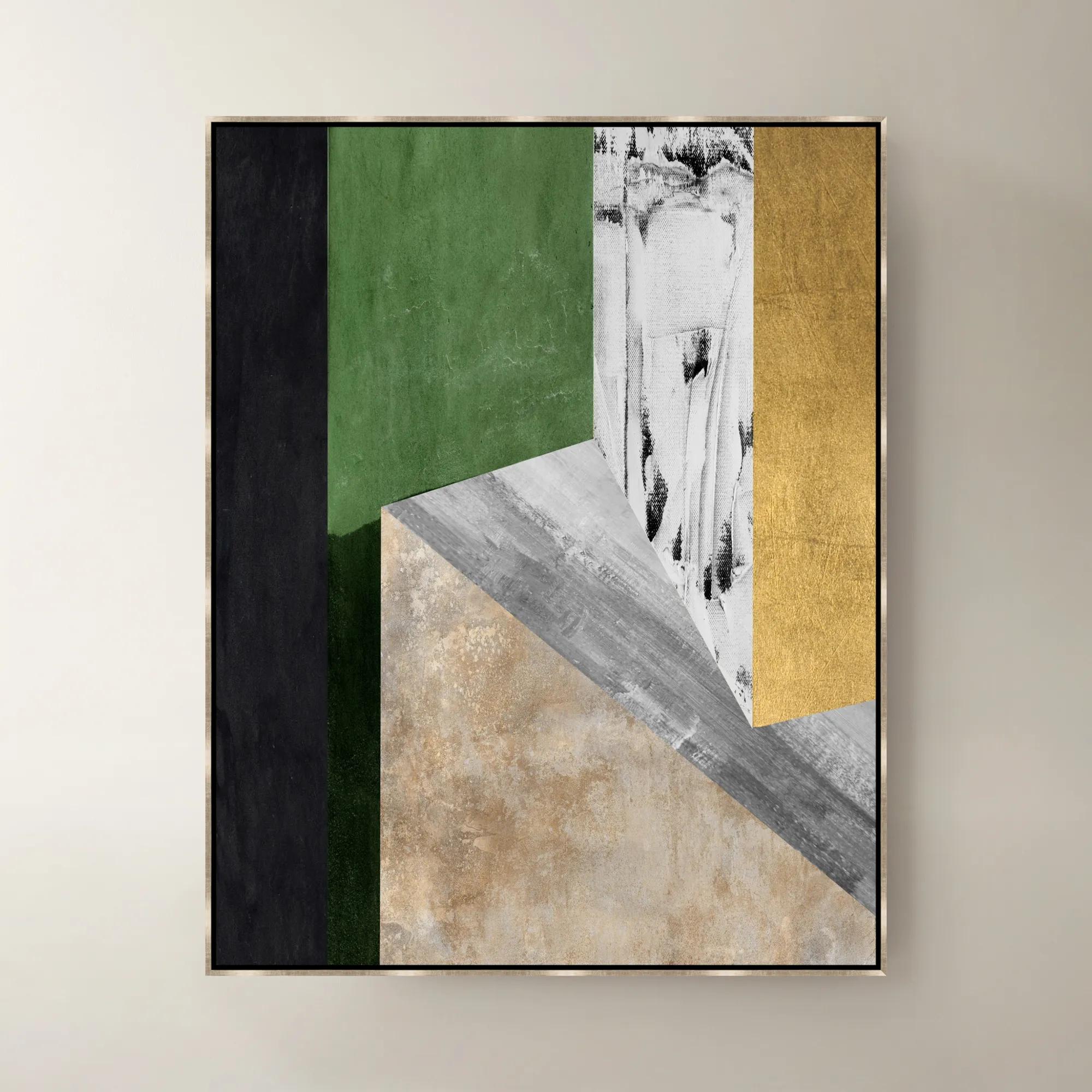
 Blocked III Framed Wall Art 42" x 50"$1199
A striking abstract art piece featuring bold geometric shapes and modern design by Nikki Chu.
Add To Cart

Minimalist Abstract Paintings
Explore minimalist abstract paintings that make a statement through pared-back forms and expressive composition. When choosing abstract wall art, consider the balance of color, open space, and scale—whether your room calls for a restrained focal point or a quiet contrast to richly layered furnishings.
Minimalist abstract paintings use essential shapes, selective color, and negative space to create compositions with a distinct sense of balance. Rather than depicting a recognizable scene, they draw attention to the relationship between a line and an open field, a dark form and a pale ground, or a textured surface and a smooth expanse. Their visual restraint can feel quietly atmospheric or strikingly dramatic, depending on scale, contrast, and composition. Neutral palettes are common, with ivory, charcoal, taupe, and warm white lending depth through subtle variations, but minimalist abstraction is not limited to neutrals. A single saturated blue shape or a sweep of rich ocher can command an entire wall without making the composition feel crowded. Negative space—the deliberately open area around and between forms—is part of the design, giving each gesture room to register. A broad arc can suggest movement; an uneven rectangle can introduce an architectural rhythm; a softened edge can make an otherwise precise arrangement feel expressive and human. These paintings suit interiors where every element has a clear presence, from a sculptural sofa to a gleaming console or an intricately textured rug. They also create a compelling counterpoint to more elaborate furnishings. Above a deeply tufted headboard, a spare composition can bring visual clarity without diminishing the room’s sumptuous character. Beside polished metal and richly veined stone, restrained brushwork introduces an artistic note that feels considered rather than decorative by default. The appeal lies in how much expression a few elements can hold. Some works emphasize the physical gesture of painting, while others depend on crisp geometry or nearly imperceptible shifts in tone. That range makes minimalist abstract art especially personal: one viewer may gravitate toward a sweeping black mark, another toward overlapping pale forms that seem to recede into the surface. The strongest connection comes from the mood a composition creates and the way its proportions speak to the surrounding room.
Scale gives minimalist abstract wall art much of its impact. A large canvas with generous open space can establish a focal point above a sofa, allowing one decisive gesture to anchor an expansive seating area. A smaller painting can feel equally intentional in a narrow entry, above a bedside chest, or within a carefully composed arrangement of objects. The relationship to nearby furniture matters more than wall size alone: artwork that is noticeably narrower than a console may need the visual support of a substantial lamp or sculptural vessel, while a broad painting often looks most settled when its edges remain within the furniture’s overall width. A grouping of two or three related compositions can extend that rhythm across a longer wall, with consistent spacing helping the arrangement read as a single statement. Generous breathing room is particularly effective with this aesthetic, since crowded surroundings can obscure the interplay of shapes and empty space. Color offers another point of connection. A charcoal gesture might echo a dark chair frame, while a warm ivory ground can soften the transition between pale upholstery and a stone tabletop. Exact matching is rarely necessary; related undertones often create a richer, more layered result. In a dining room, elongated forms can complement the sweep of a table, while a tall composition can emphasize the vertical lines of an entryway. Bedrooms often benefit from softened edges and lower contrast, although a bold black-and-white painting can be equally compelling when the surrounding textiles provide softness. Explore Minimalist Abstract Canvas Wall Arts for a canvas-focused expression of this aesthetic. Surface and framing further shape the effect: an exposed canvas edge feels different from a slender floating frame, and a dark surround can lend definition to a pale composition. The result should feel connected to the room without disappearing into it, with enough contrast or texture to reward attention from across the space and at close range.
Materials and construction influence both the appearance of minimalist abstract paintings and how they live in a home. Canvas may be woven from cotton, linen, or synthetic fibers, with the weave contributing to the finished surface when it remains visible. Acrylic paint can support crisp shapes, translucent layers, or sculptural texture, while oil paint can produce luminous tonal transitions and richly worked passages. Neither medium guarantees a particular look; technique, pigment, and surface preparation all contribute to the final effect. Original paintings, printed reproductions, and hand-embellished canvases are distinct formats, so material descriptions help clarify whether the visible marks are painted, printed, or a combination of both. Raised details can catch light and cast delicate shadows, whereas a smoother surface places greater emphasis on silhouette and color. A well-constructed support helps the canvas retain its shape, and secure framing and appropriately rated hanging hardware are important considerations, particularly for oversized art. Intended placement also affects long-term appearance. Direct sunlight can alter colors over time, and persistent humidity or proximity to splashes makes some locations less suitable for unprotected painted surfaces. Everyday care is generally restrained: follow the artwork’s care instructions, avoid household cleaners on the image surface, and handle the work by its frame or support rather than pressing against the canvas. Heavily textured or delicate finishes may require professional attention instead of routine dusting. For a home office, living room, bedroom, or welcoming entry, these paintings offer an expressive focal point without relying on literal imagery. They can also make thoughtful housewarming, wedding, or milestone gifts when the recipient’s preferred palette, available wall space, and taste in abstraction are known. The most successful choice feels personal rather than prescriptive—a composition that belongs with the objects someone loves while introducing something unexpected. With thoughtful proportions, an engaging surface, and a palette that resonates, minimalist abstract paintings bring artistic confidence to a room, allowing a measured collection of marks to make a lasting impression.
FAQs
Minimalist abstract paintings use simplified forms, intentional lines, and restrained color palettes to create expressive compositions. Rather than depicting a recognizable scene, they draw attention to balance, contrast, and negative space—giving a room an artful focal point with a quiet yet commanding presence.
Consider whether you want your artwork to echo the room’s palette or introduce a striking contrast. Soft neutrals can create a serene, layered atmosphere, while black-and-white compositions bring graphic drama. A restrained accent color can connect the painting to decorative objects for a thoughtfully composed interior.
Minimalist abstract paintings offer an elegant counterpoint to glamorous interiors. Their pared-back compositions let gleaming accents, sculptural furniture, and sumptuous textures shine without competing for attention. Choose artwork with decisive lines or bold tonal contrast to create a dialogue between visual restraint and expressive luxury.
A minimalist abstract painting can establish an artful mood in an entryway, lend visual poise to a living room, or introduce a contemplative note to a bedroom. Consider the atmosphere you want to create: flowing gestures suggest movement, while defined geometric forms bring structure and a tailored sensibility.
Build the composition around a shared color story, recurring shape, or complementary framing style. Pair minimalist abstract paintings with line drawings or monochromatic photography for an expressive mix. Leave deliberate breathing room between pieces so each composition retains its presence and the arrangement feels curated rather than crowded.