Minimalist Abstract Paintings
Minimalist Abstract Paintings
-
 The Fight Between Two Creatures Framed Wall Art 30" x 40"$699
A dramatic blue and purple canvas artwork presented in an elegant frame.
Add To Cart -
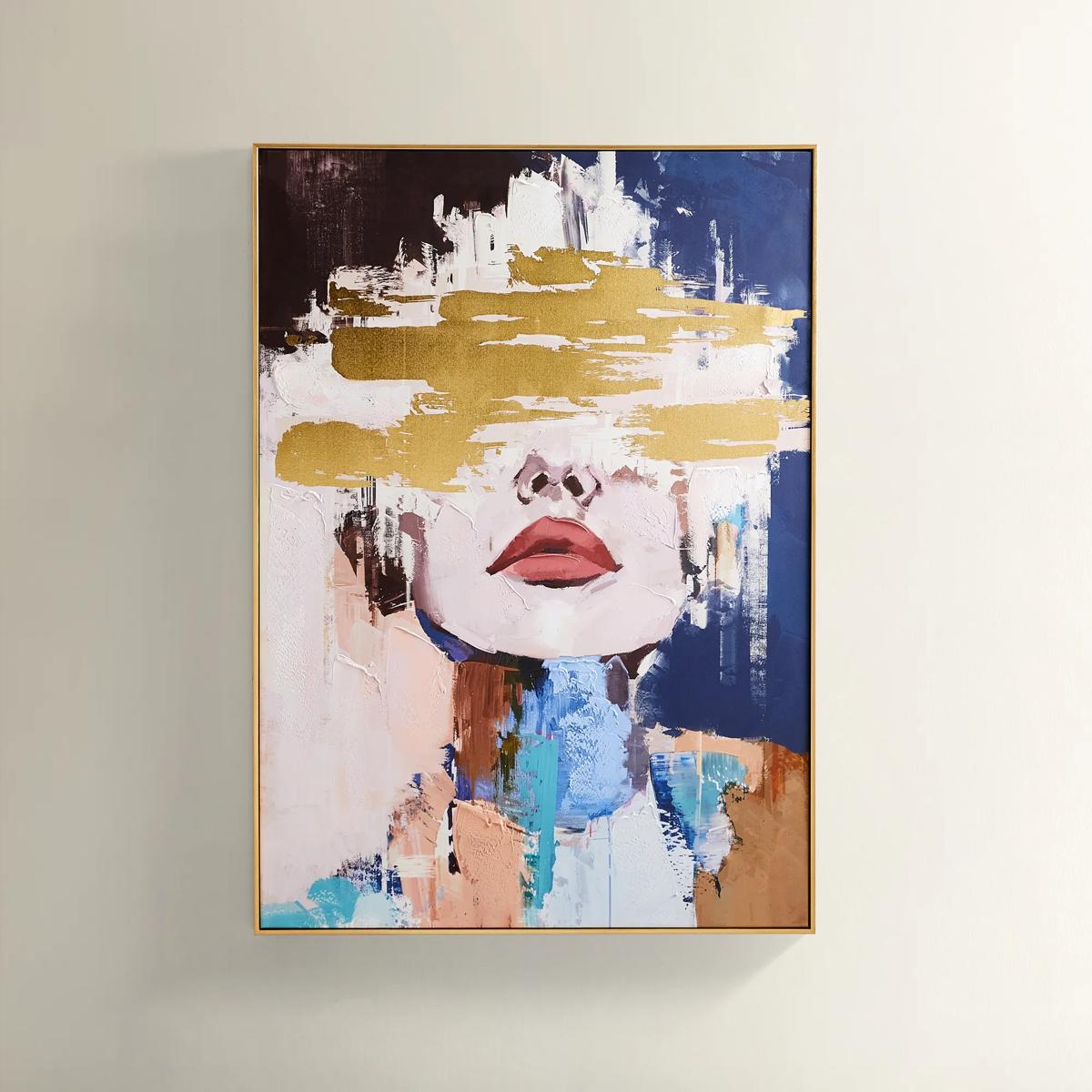
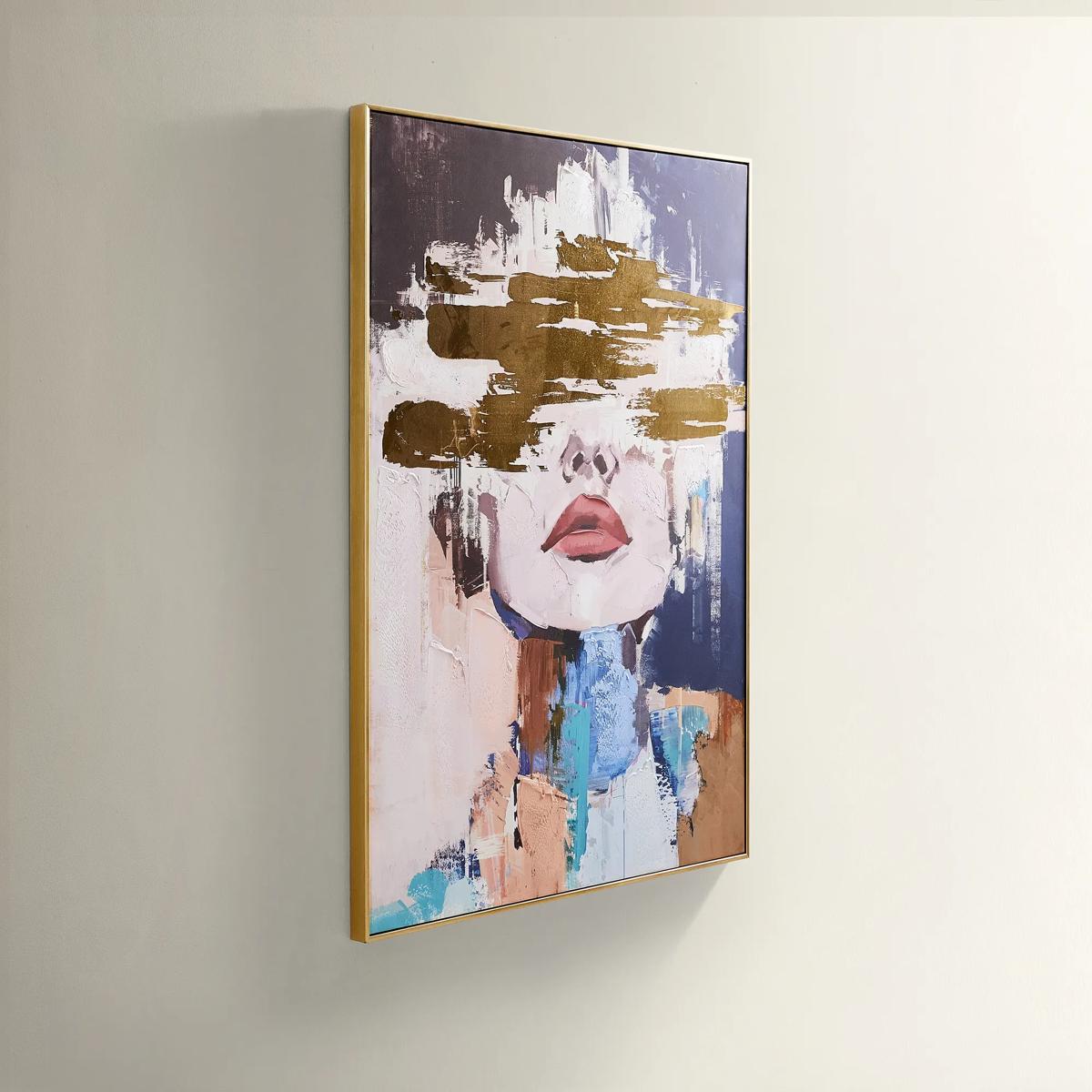 Waiting in Color Gold Foil Painted Wall Art 39.25" x 55"$499
A hand-painted abstract portrait in vivid blue, blush, and gold foil, framed in luxe gold.
Add To Cart -
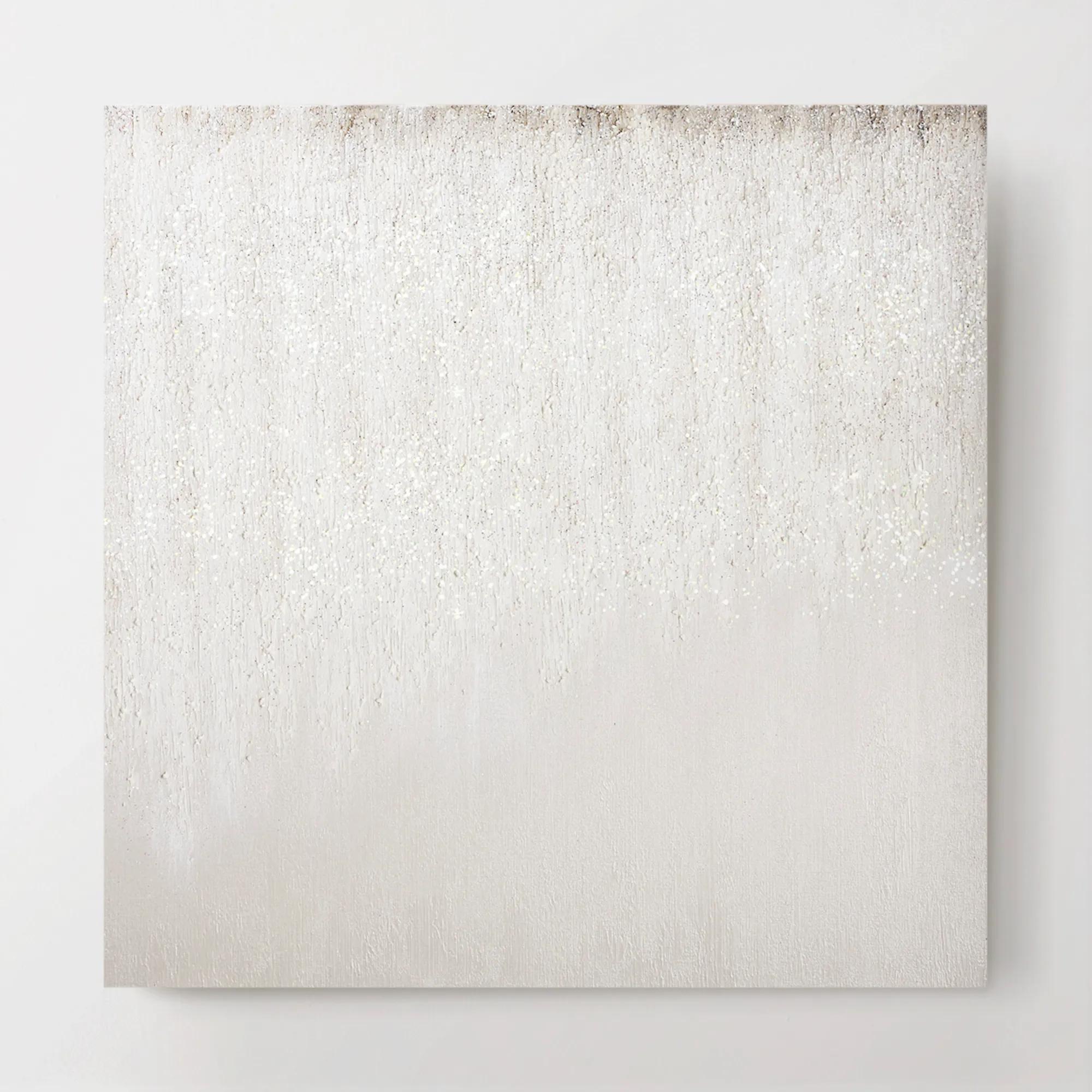 Je T'aime Glitter Painted Wall Art 30" x 30"$499
A hand-painted canvas artwork featuring ethereal hazy brushstrokes and subtle glitter embellishments.
Add To Cart -
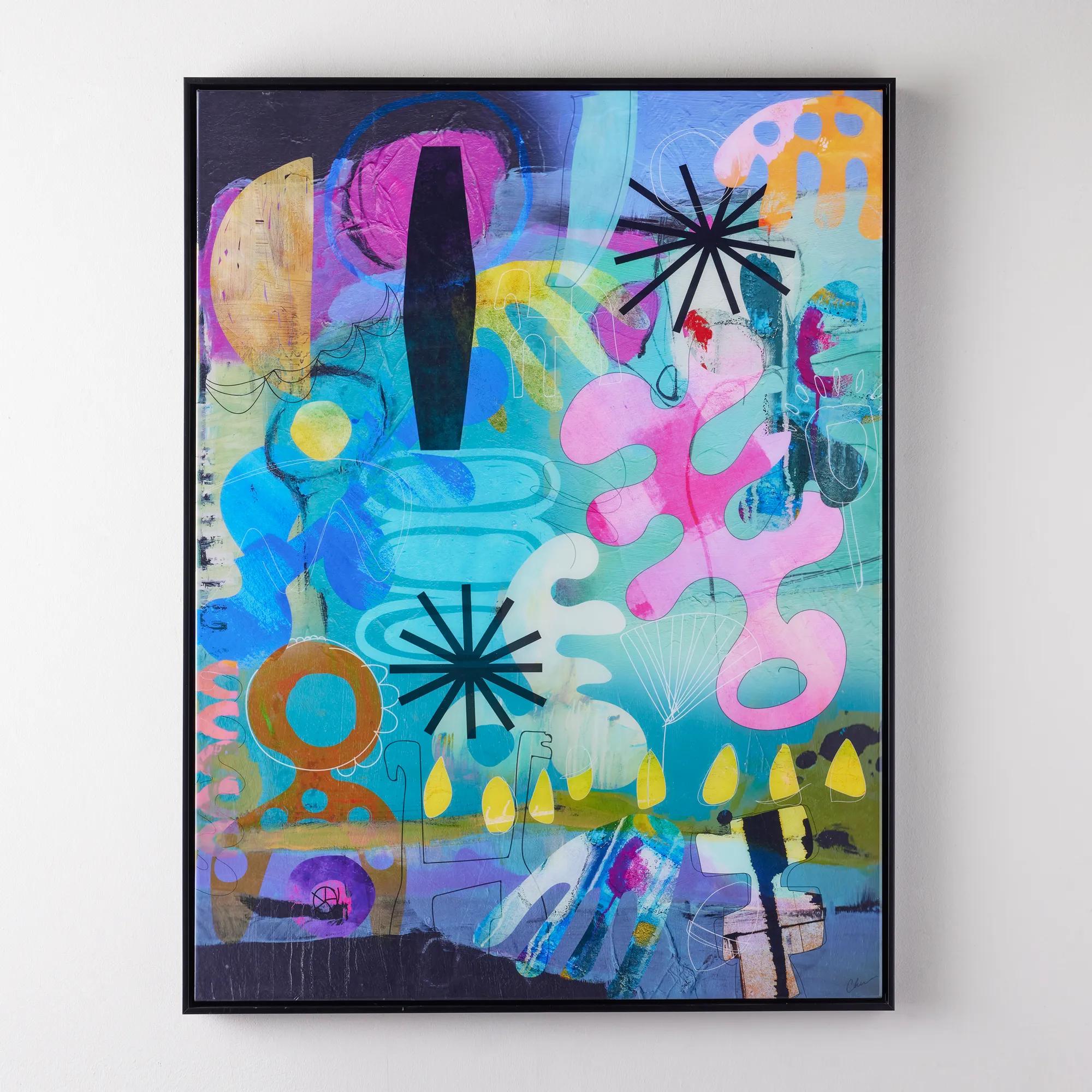
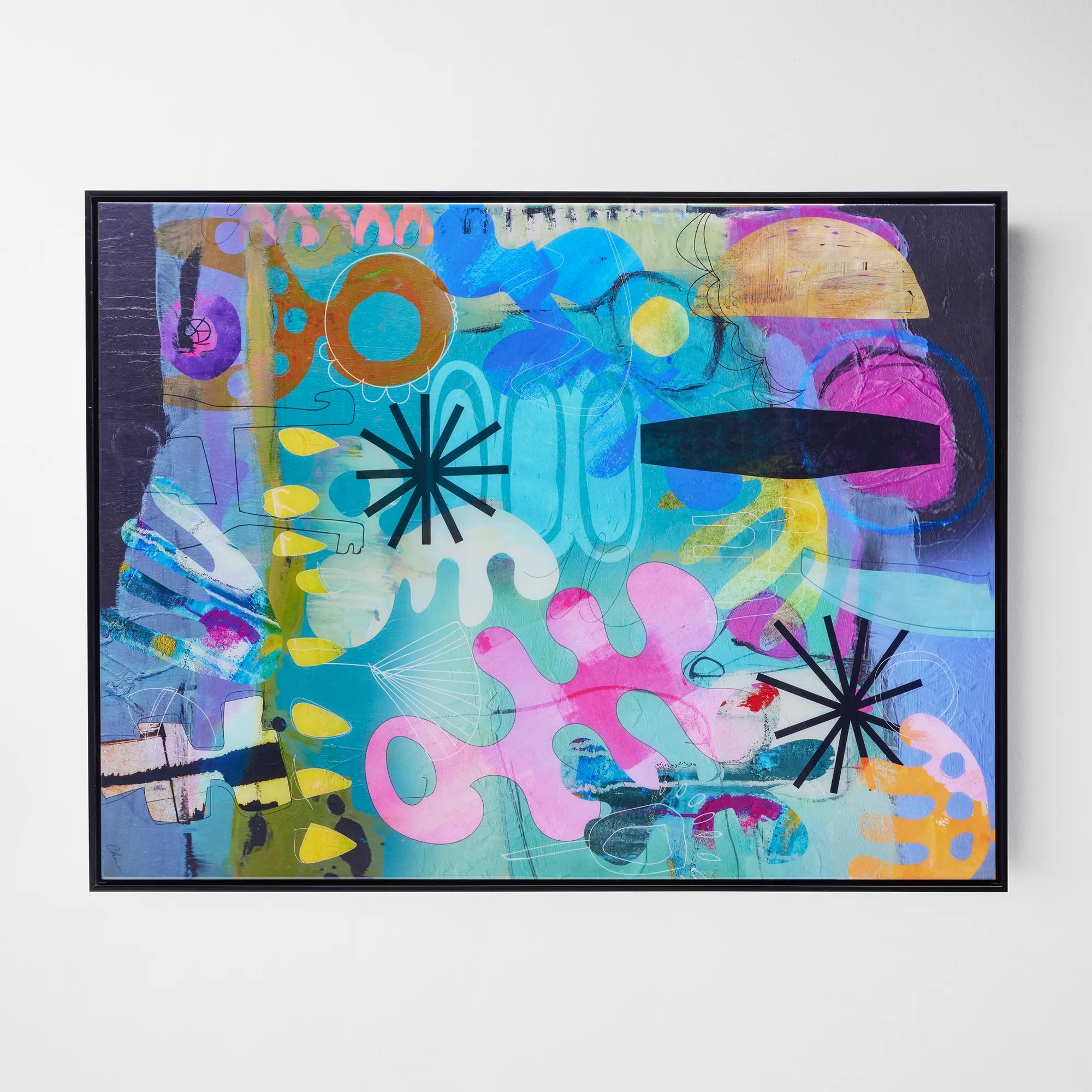 Nikki Chu Detailed Vision Framed Wall Art 54" x 41"$1099
A vibrant, high-gloss artwork with a black frame, designed to hang vertically or horizontally.
Add To Cart -
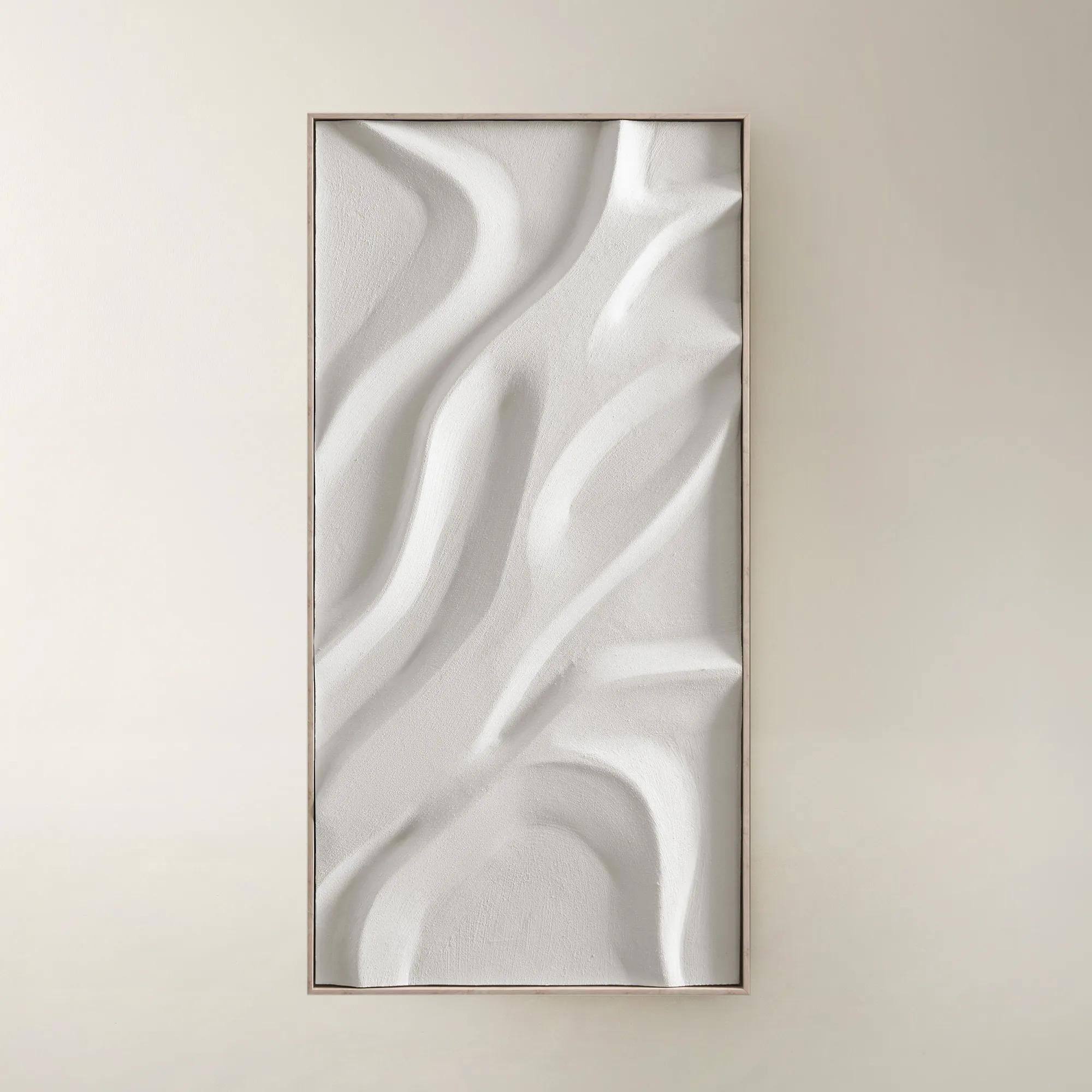
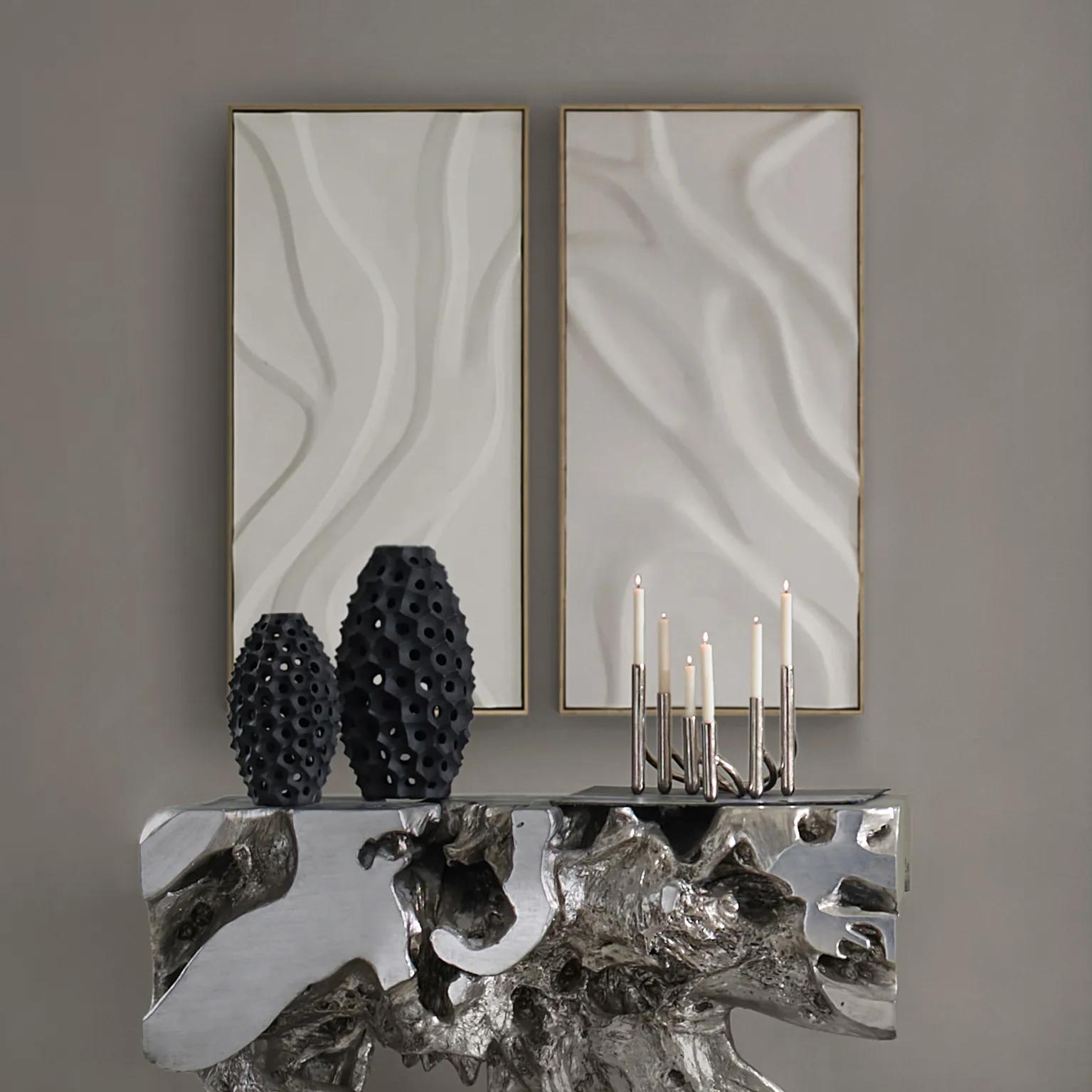 Au Lait Framed Painted Wall Art II 47.2" x 23.6"$199
A serene hand-painted canvas in beige, set in a warm whitewash floater frame for modern interiors.
Add To Cart -
 Etched in Silver$229
An abstract hand-carved aluminum wall art featuring shimmering silver tones in a modern black alloy frame.
Add To Cart -
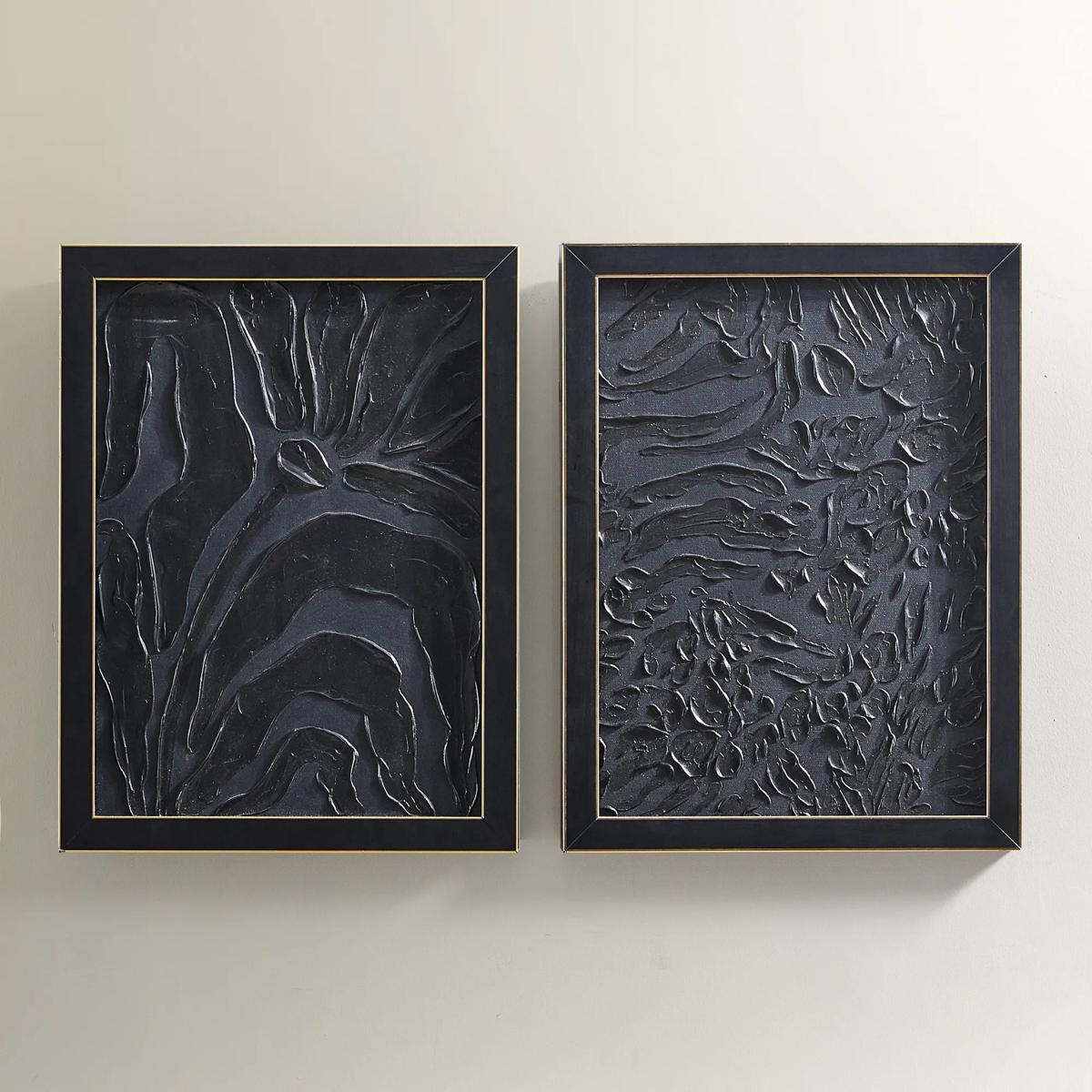
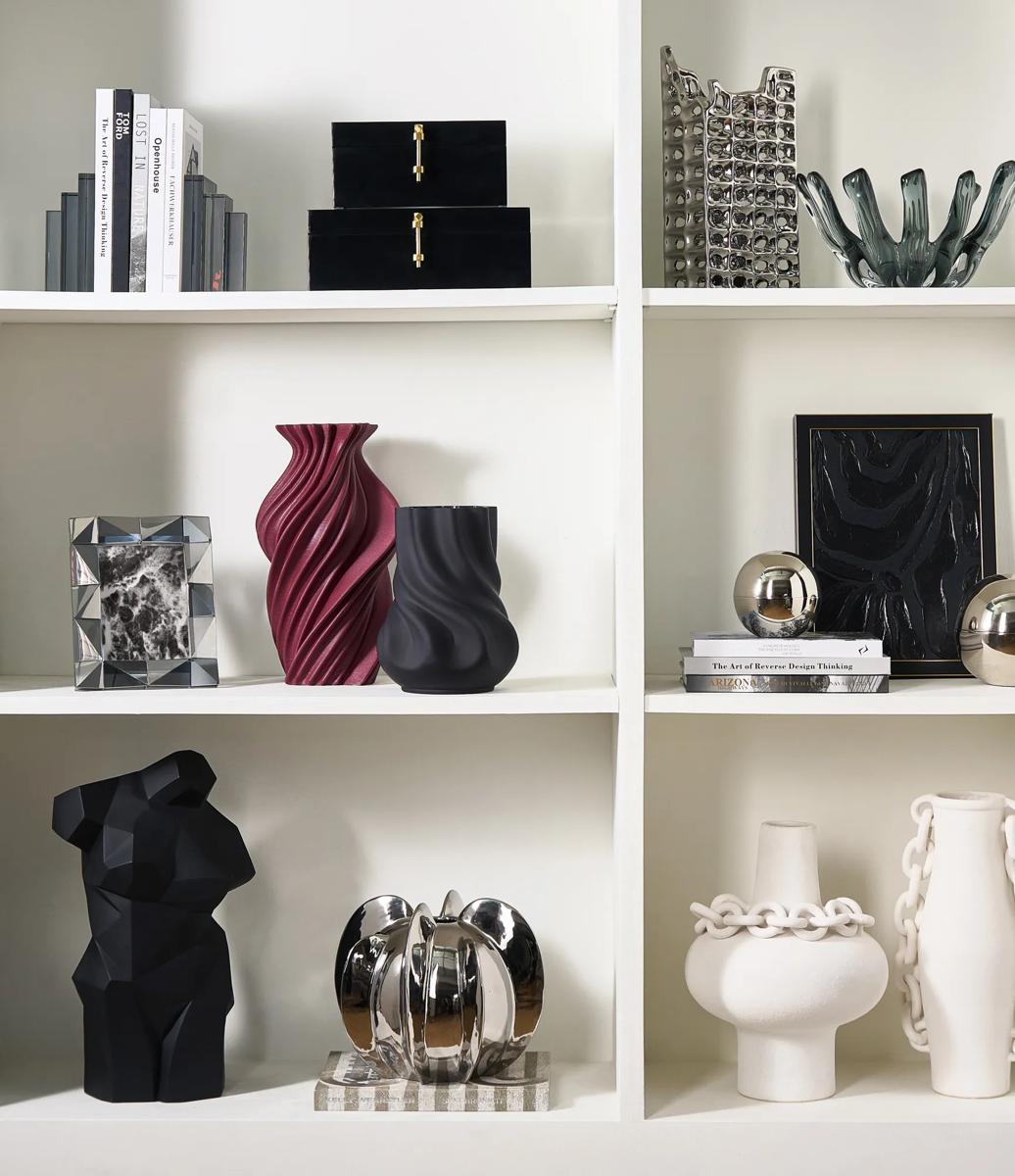 Midnight Animal Painting - Set of 2$119
A set of hand-embellished canvas artworks in black and gold frames, adding depth and warmth to interiors.
Add To Cart -
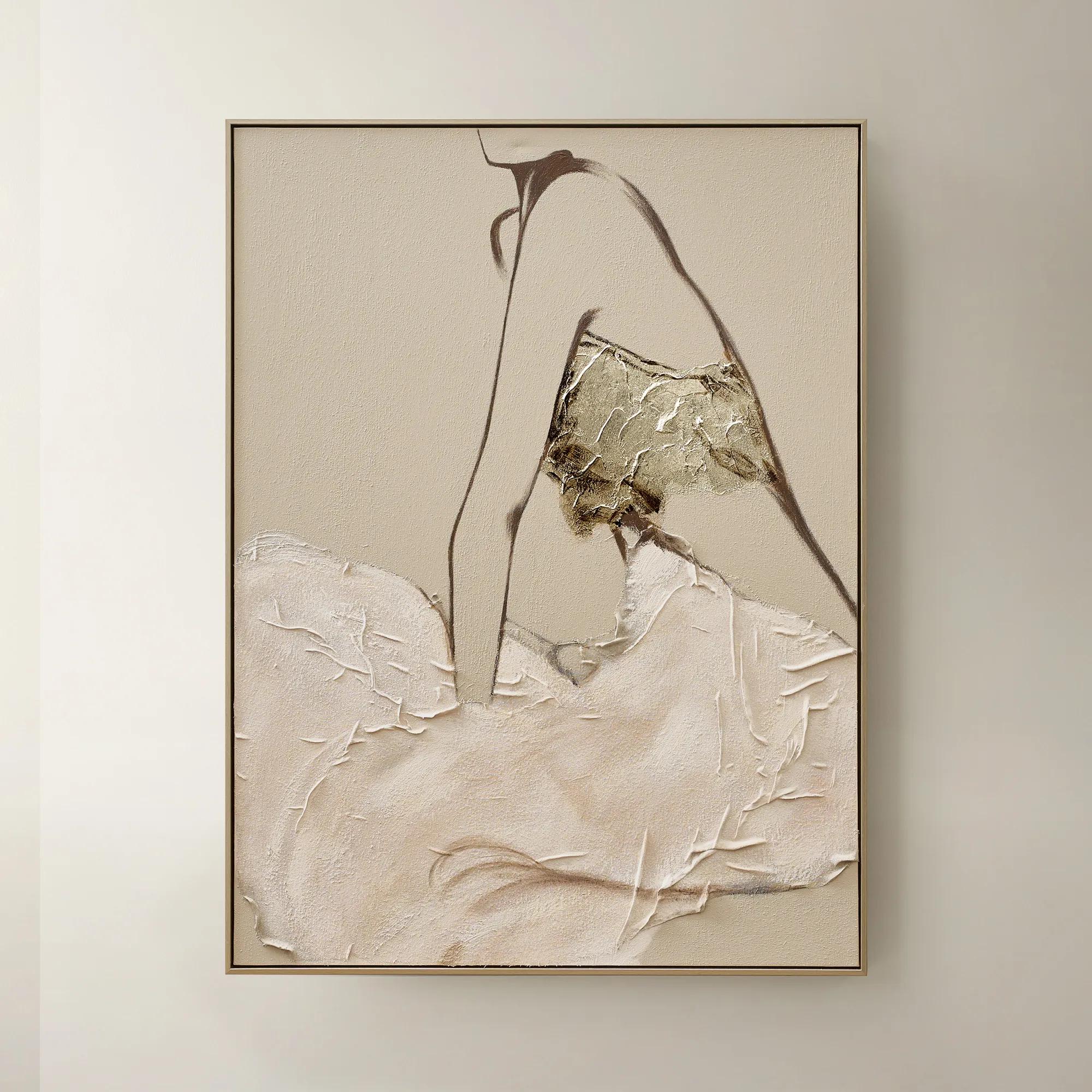 Quiet Pose Framed Painted Wall Art 36" x 48"$499
A hand-painted canvas in taupe and champagne tones features textural details and shimmering champagne leafing.
Add To Cart -
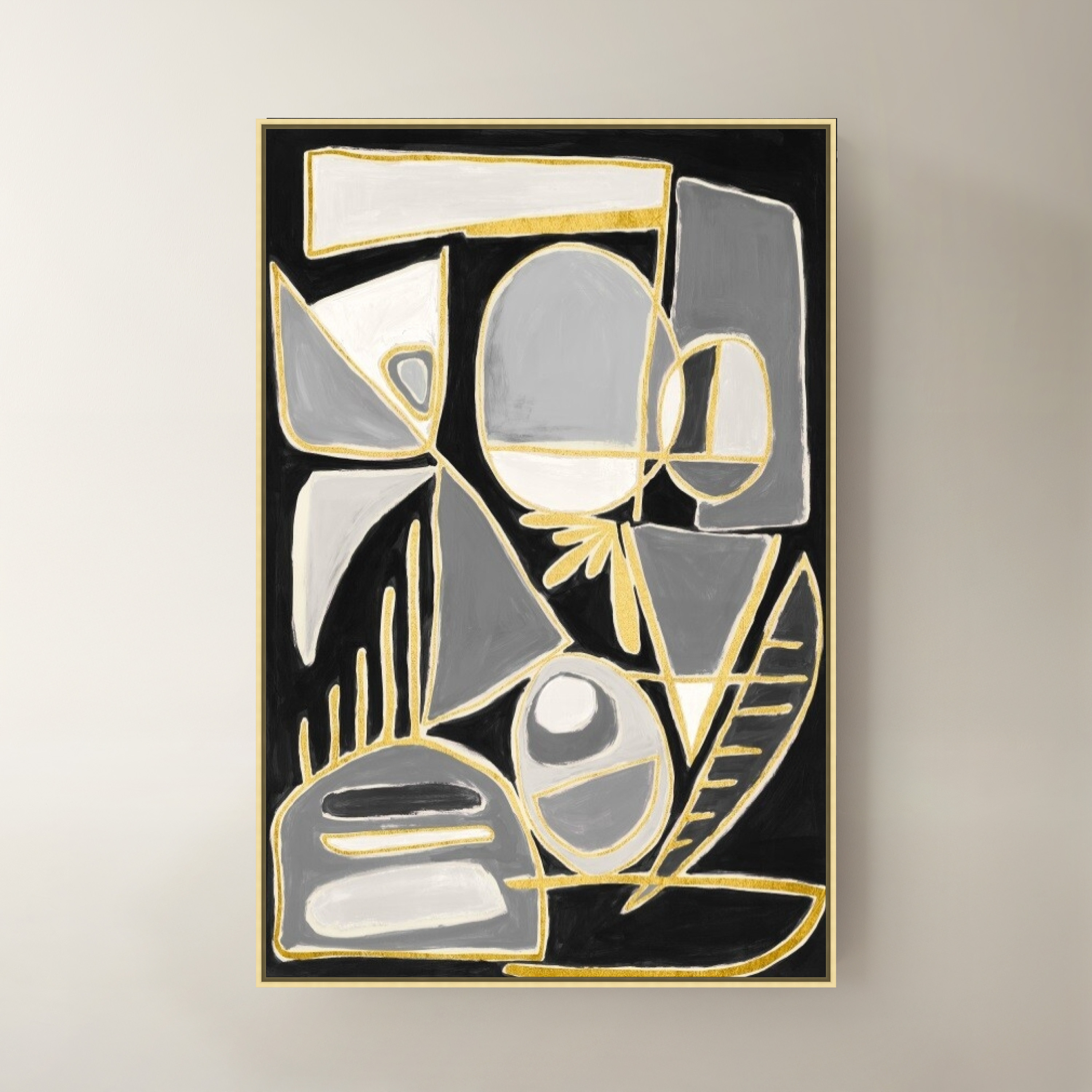
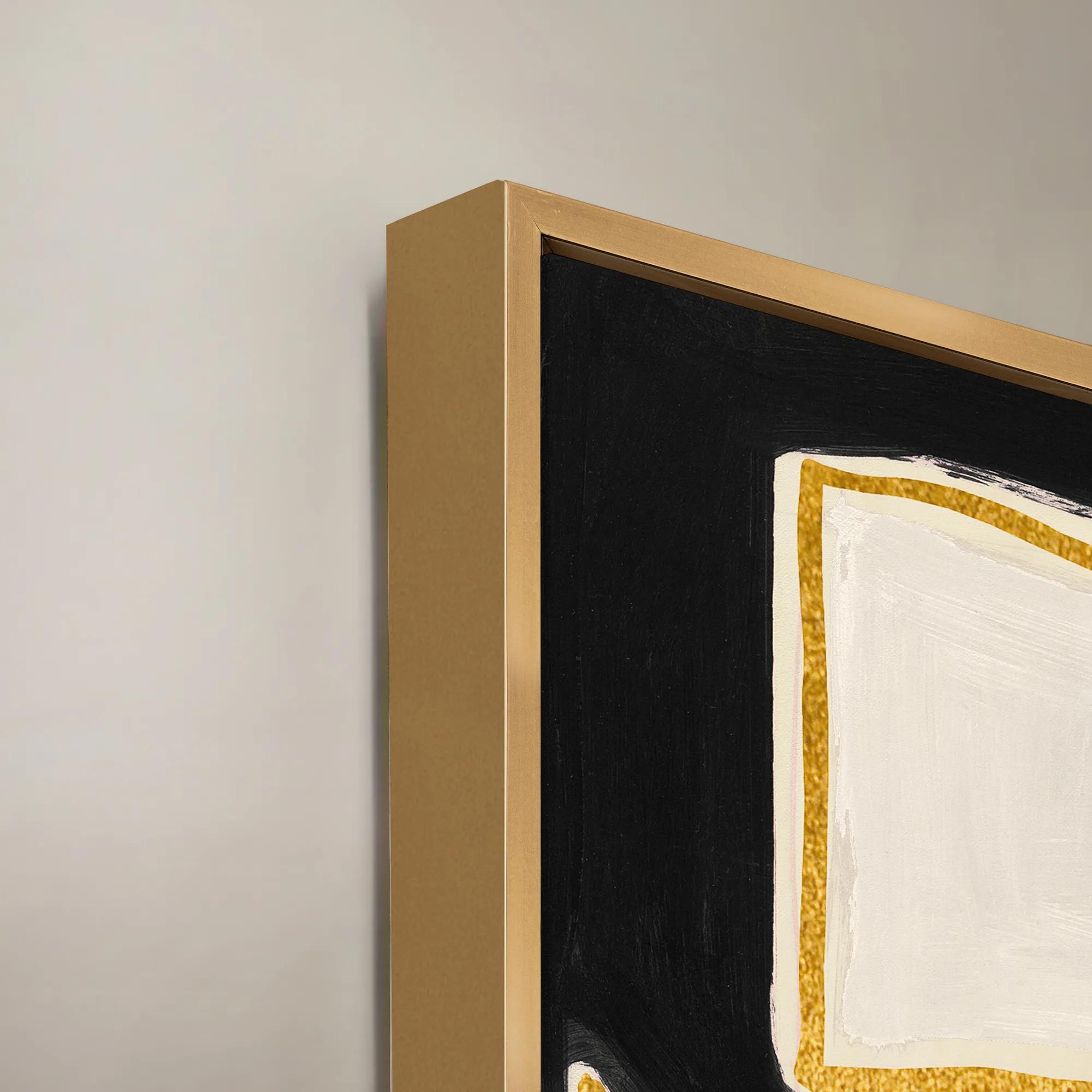 Shuffle City III Framed Wall Art 40" x 60"$1199
A dramatic black canvas wall artwork presented in a refined frame for contemporary interiors.
Add To Cart -
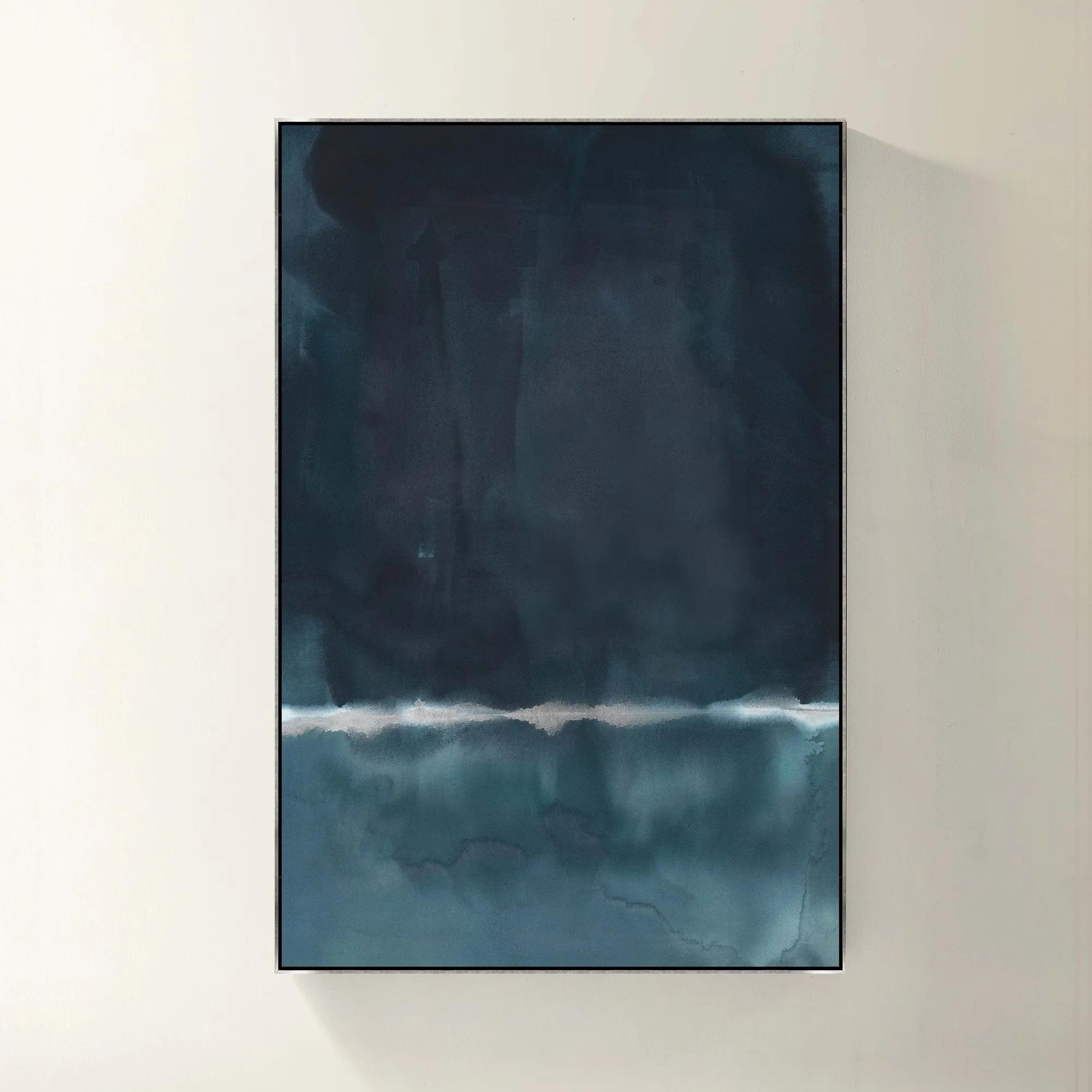 Blue Monday Framed Wall Art 40" x 60"$1119
A gallery-wrapped blue canvas with hand-embellished silver accents in a sleek silver floater frame.
Add To Cart -
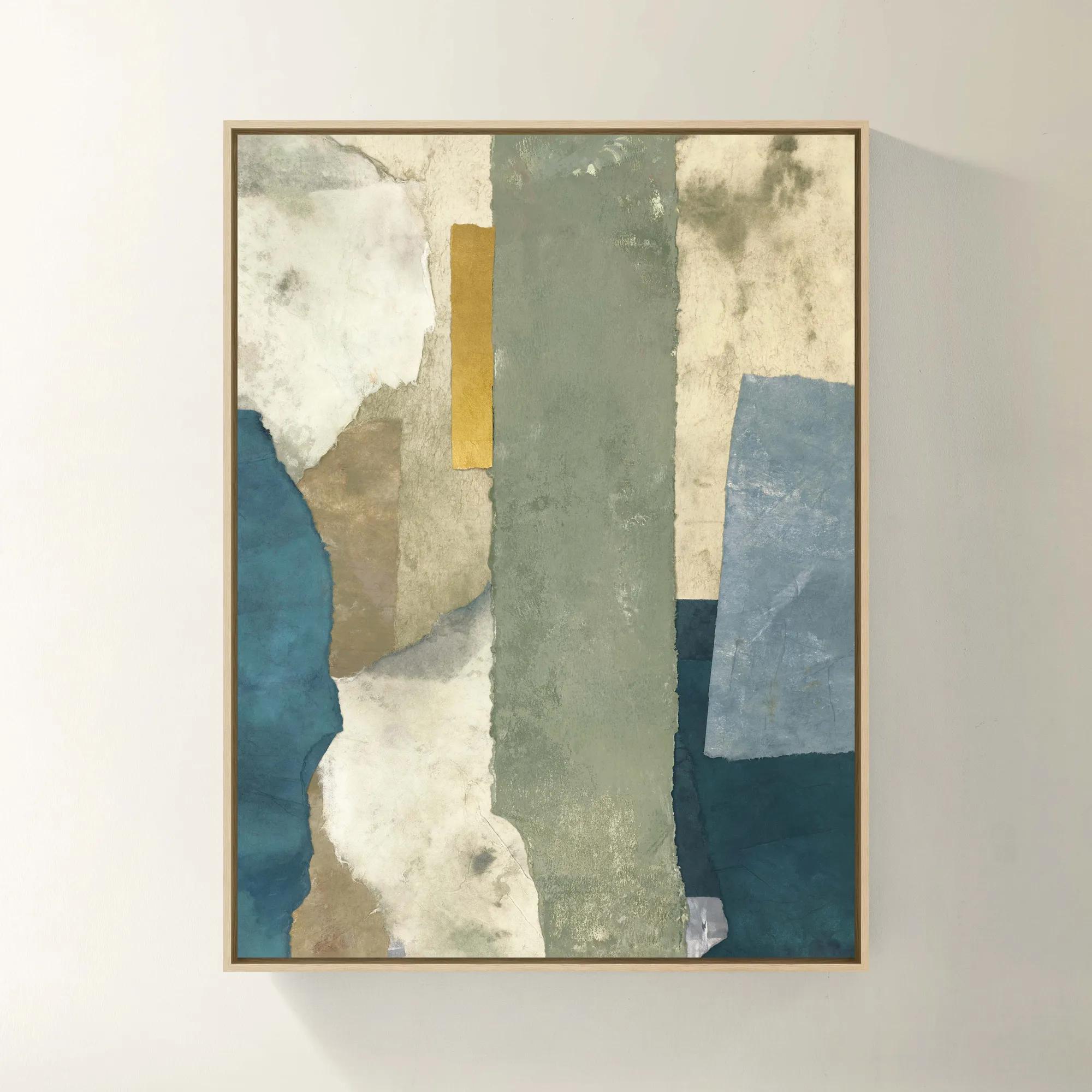 Earth Fragments II Framed Wall Art 30" x 40"$799
A gallery-wrapped canvas featuring gild accents and hand-applied gel, set in a natural floater frame.
Add To Cart -
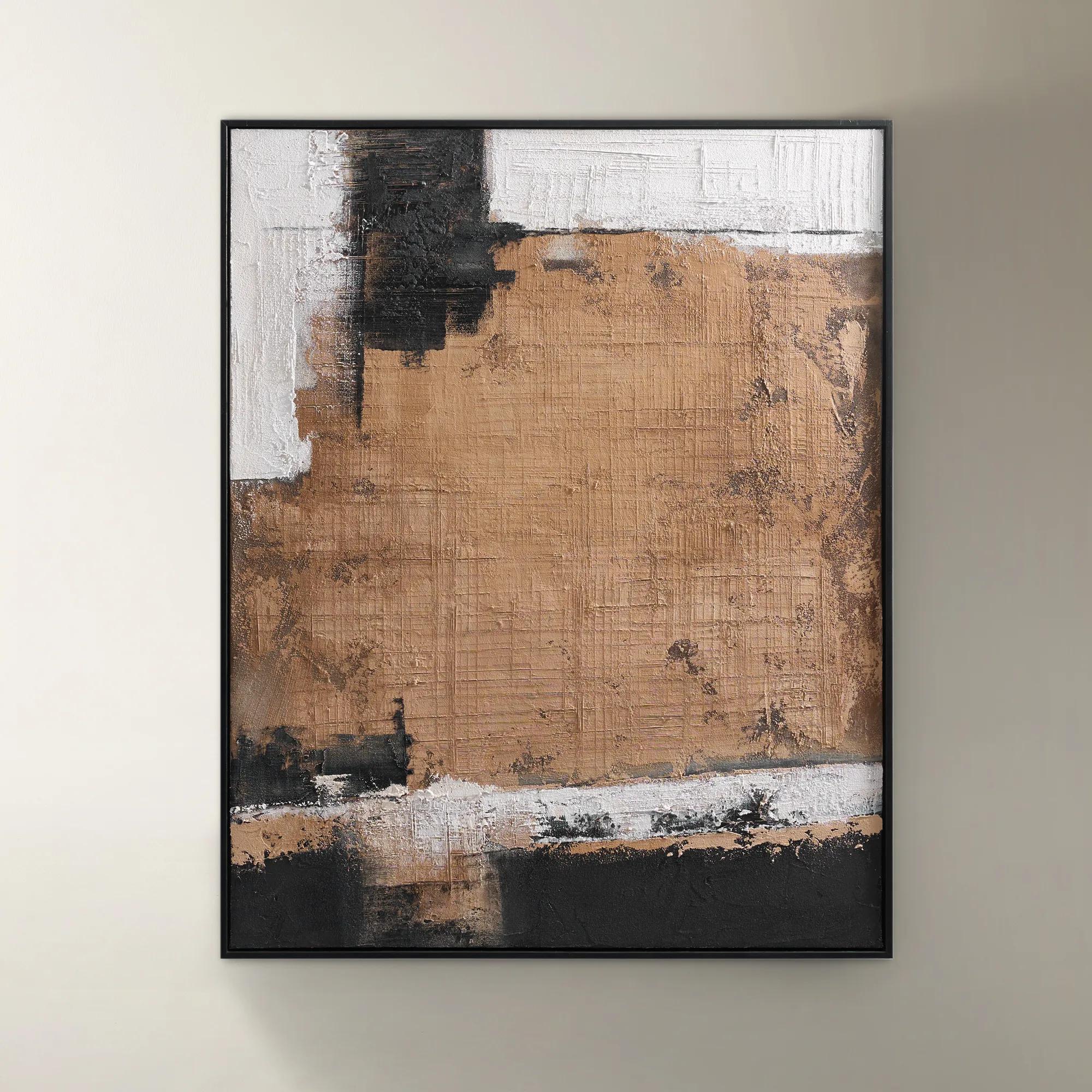
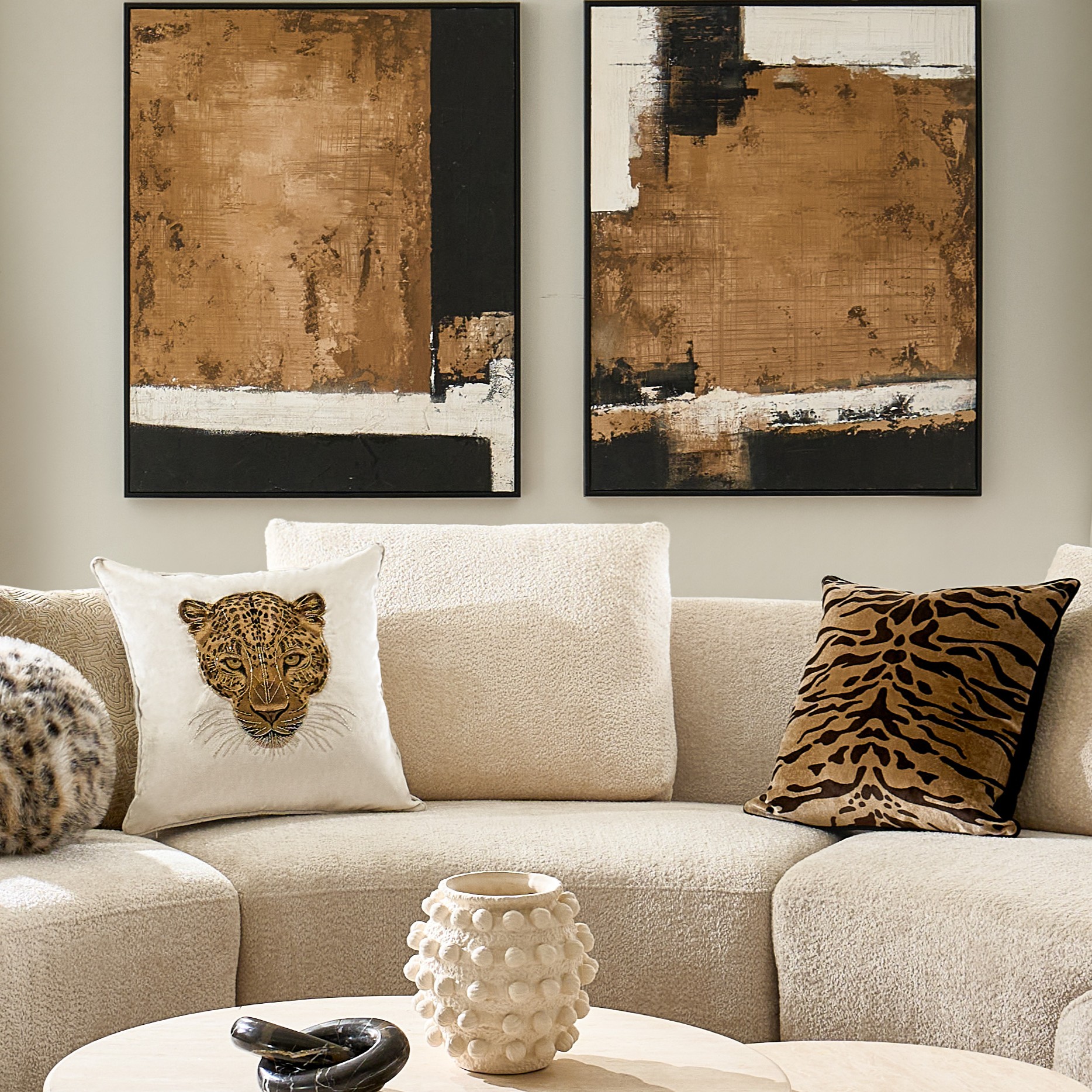 Drift Framed Painted Wall Art II 39.4" x 31.5"$299
A hand-painted canvas in brown, featuring bold texture and color interplay within a sleek black floater frame.
Add To Cart -
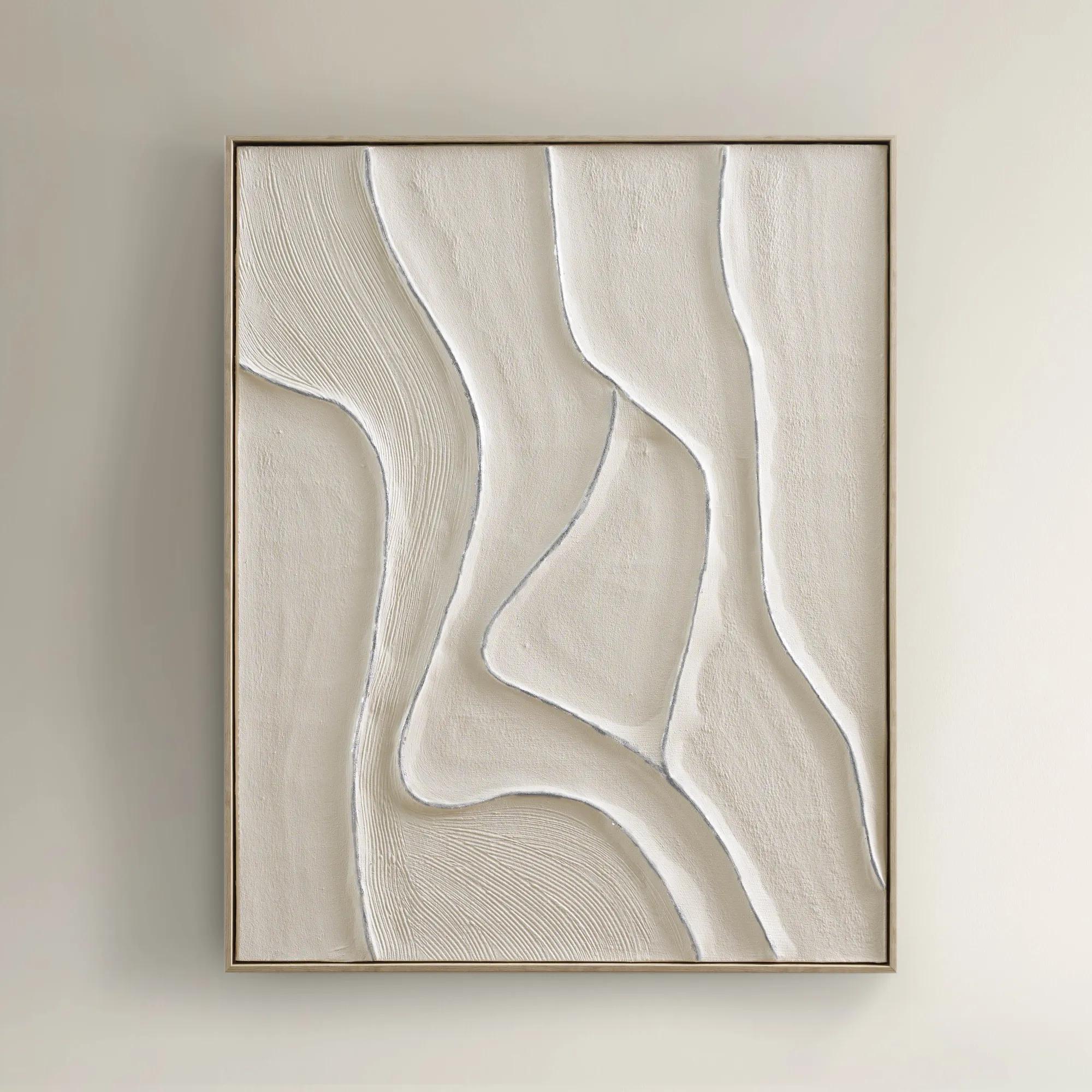
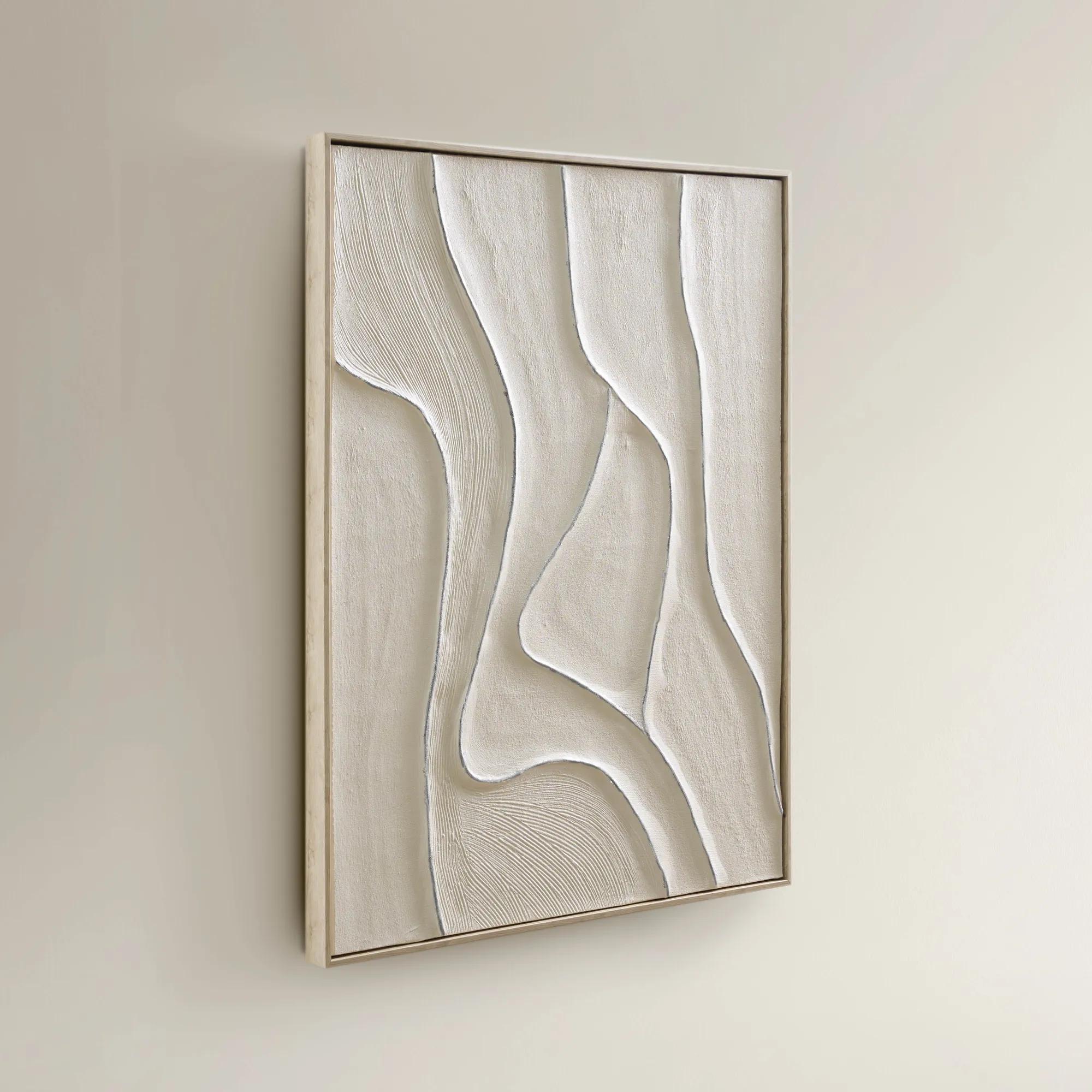 Vivre Framed Painted Wall Art 39.25" x 31.5"$199
A hand-painted canvas featuring tranquil beige hues and flowing lines in a warm whitewash floater frame.
Add To Cart -
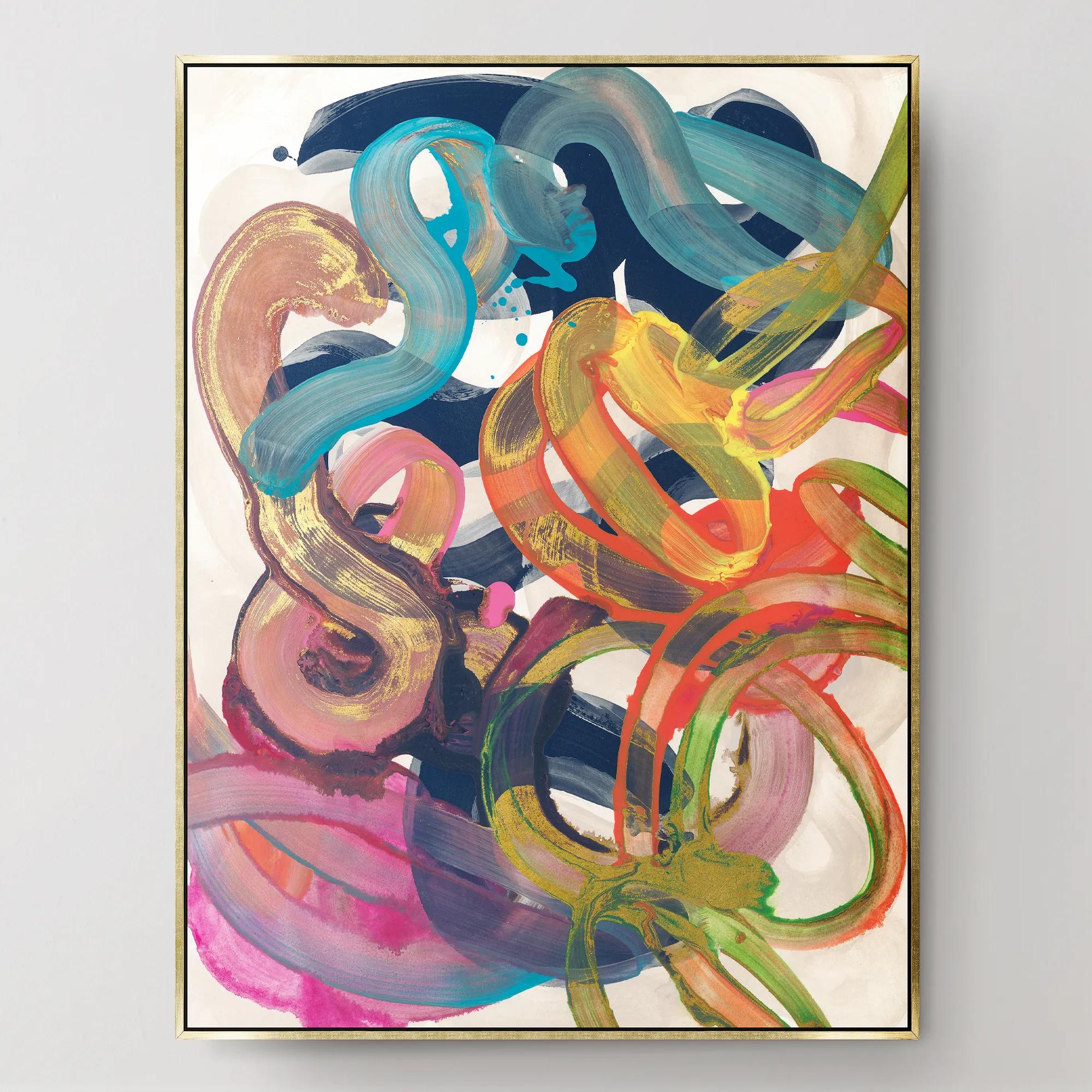
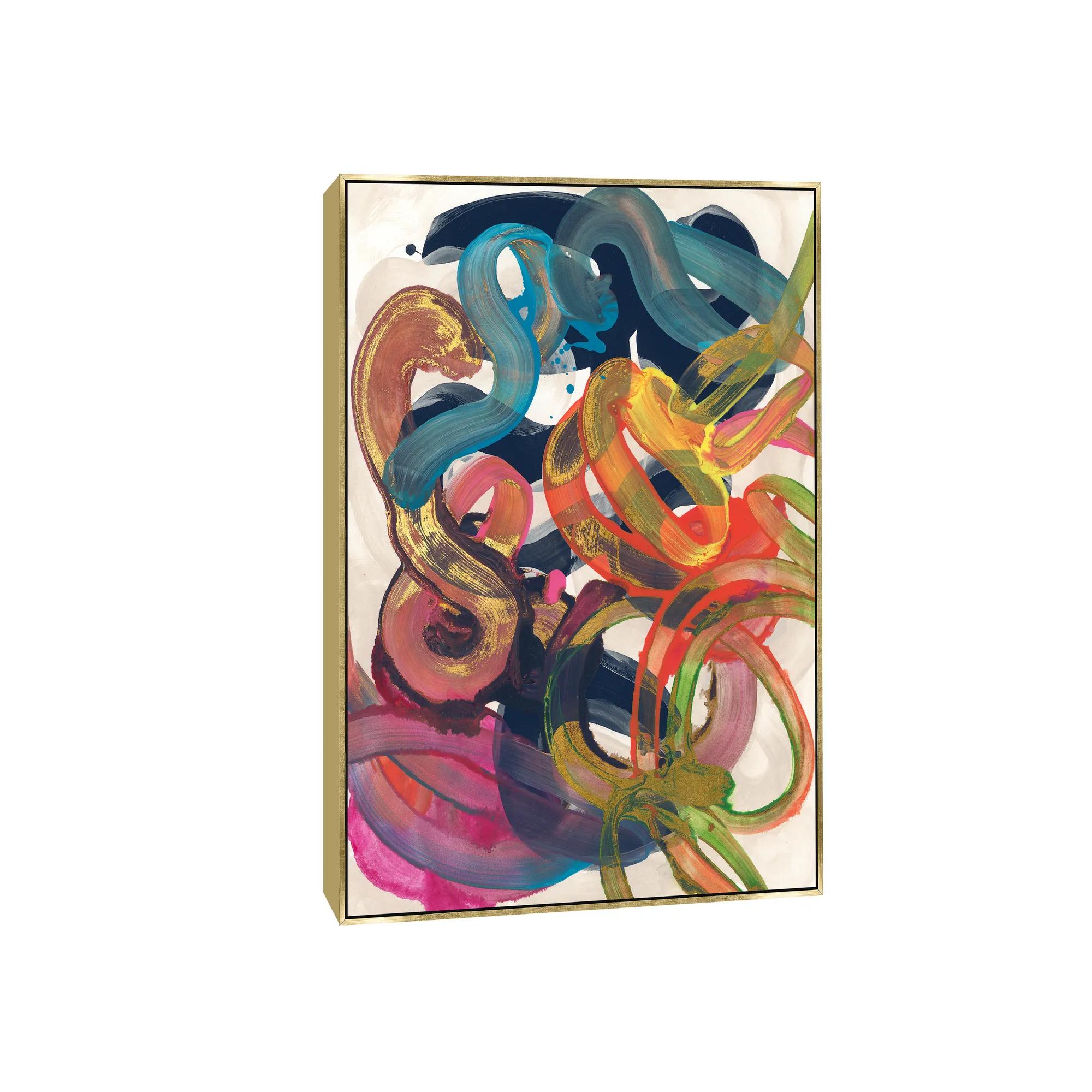 Illogical Conclusions Framed Wall Art 26" x 35"$499
A gallery-wrapped canvas artwork with a hand-applied gel finish, set in a gold float frame.
Add To Cart -

 Saeng Myeong-Ui II Framed Wall Art 30" x 30"$699
A sophisticated green canvas wall artwork presented in a refined frame for contemporary interiors.
Add To Cart -
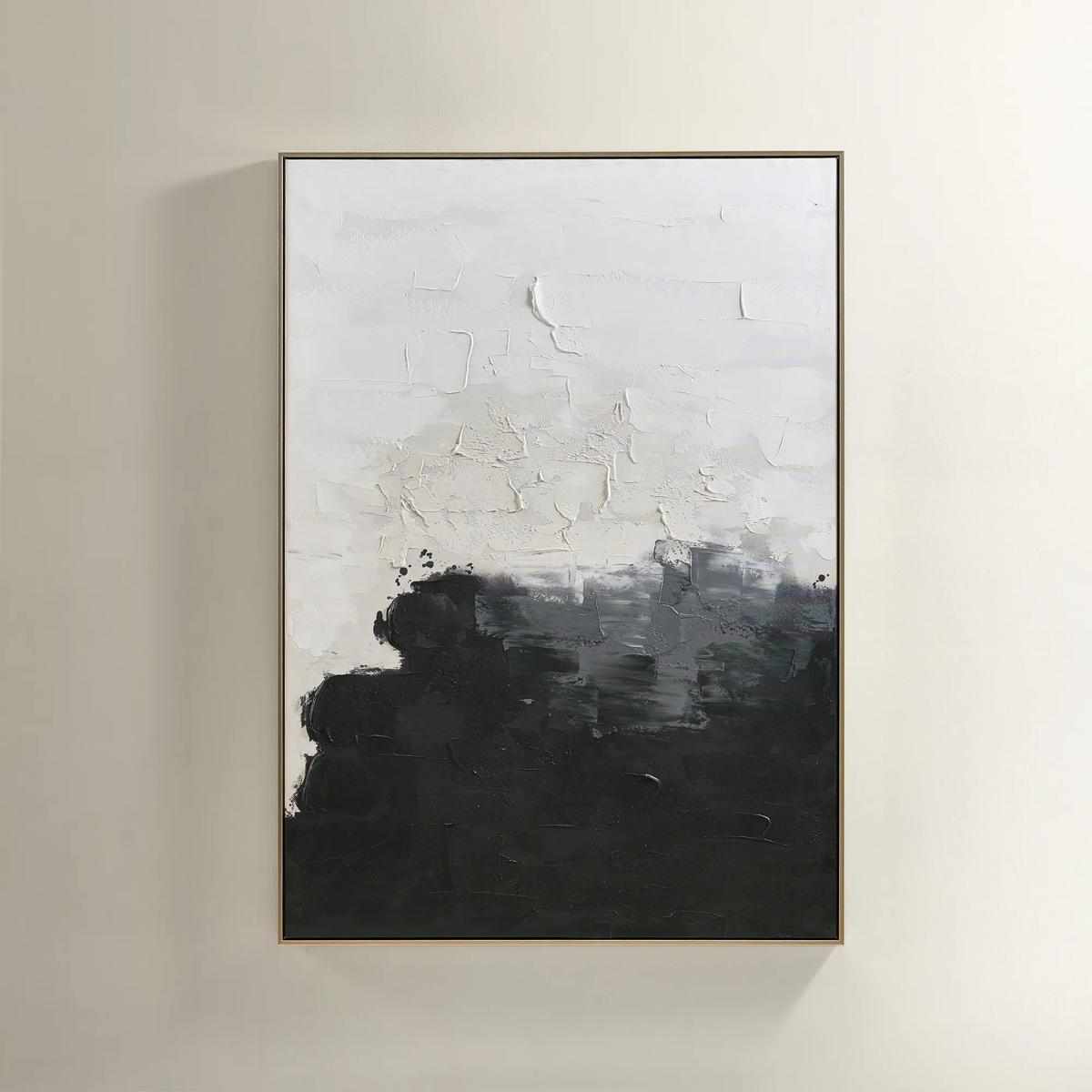
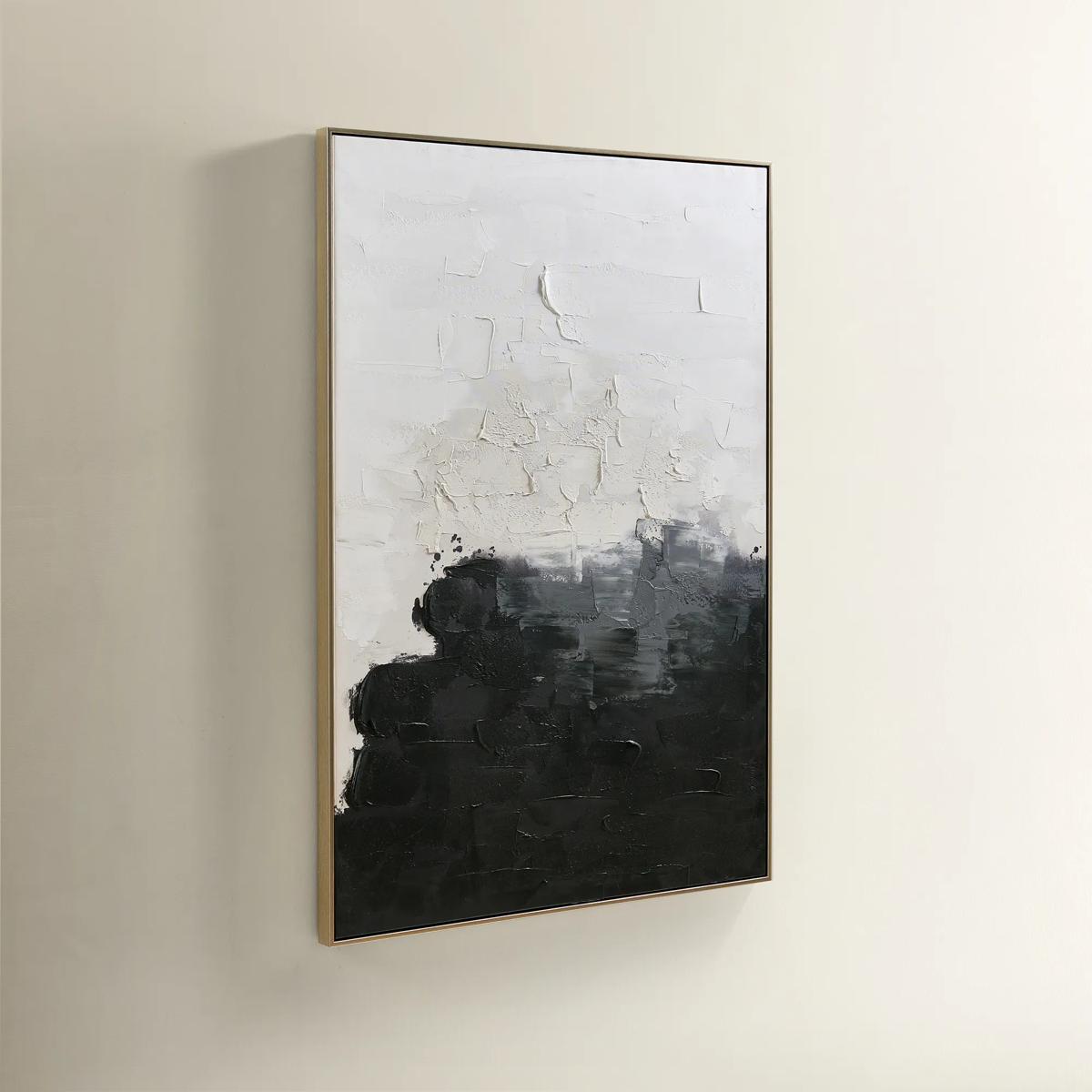 No Rush Painted Wall Art 39.25" x 55"$499
A hand-painted canvas featuring textured strokes of white, ivory, and charcoal in a natural wood frame.
Add To Cart -
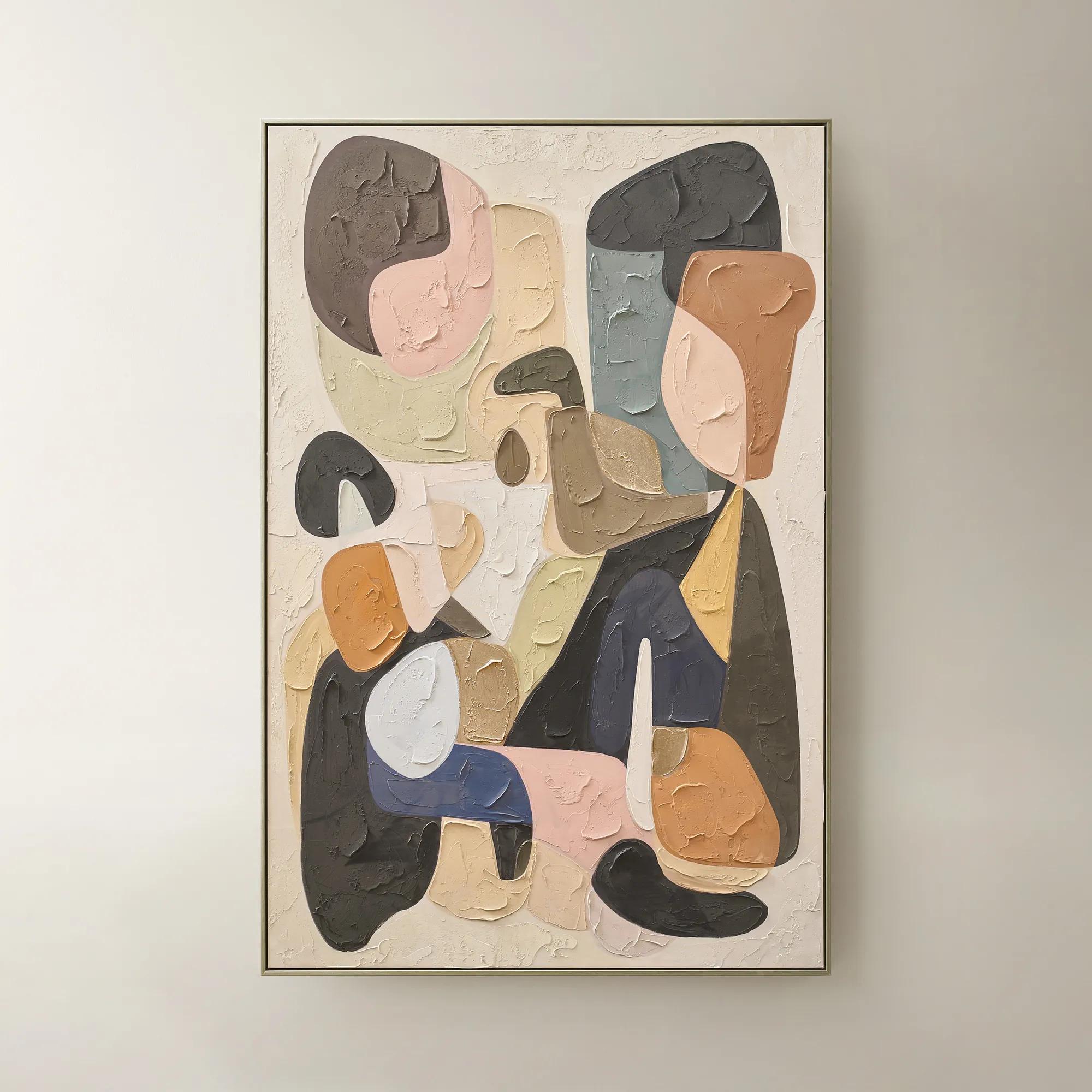 Chromatic Bloom Framed Painted Wall Art 40" x 60"$519
A hand-painted abstract canvas featuring a vibrant multi-color palette and shimmering champagne detailing.
Add To Cart -
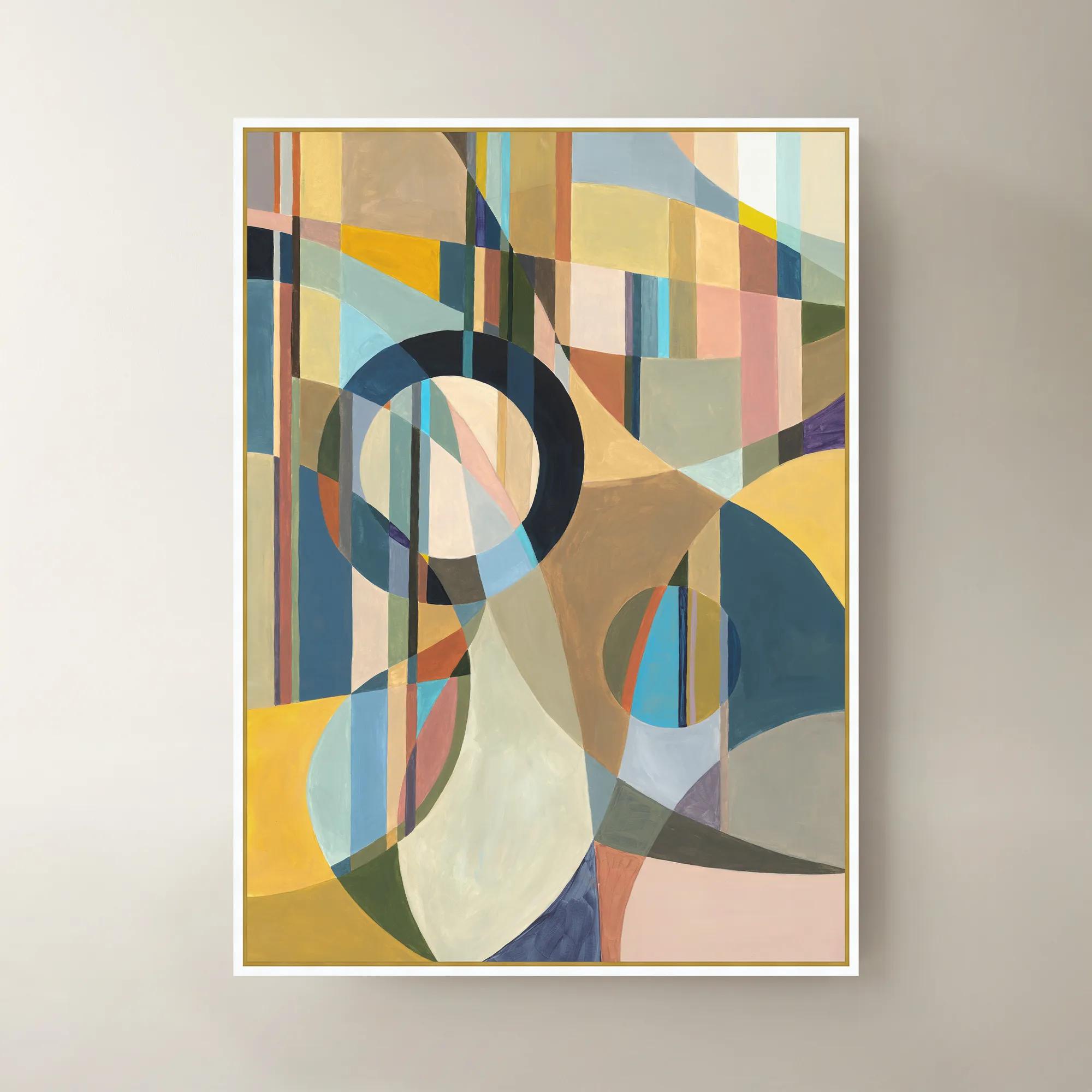
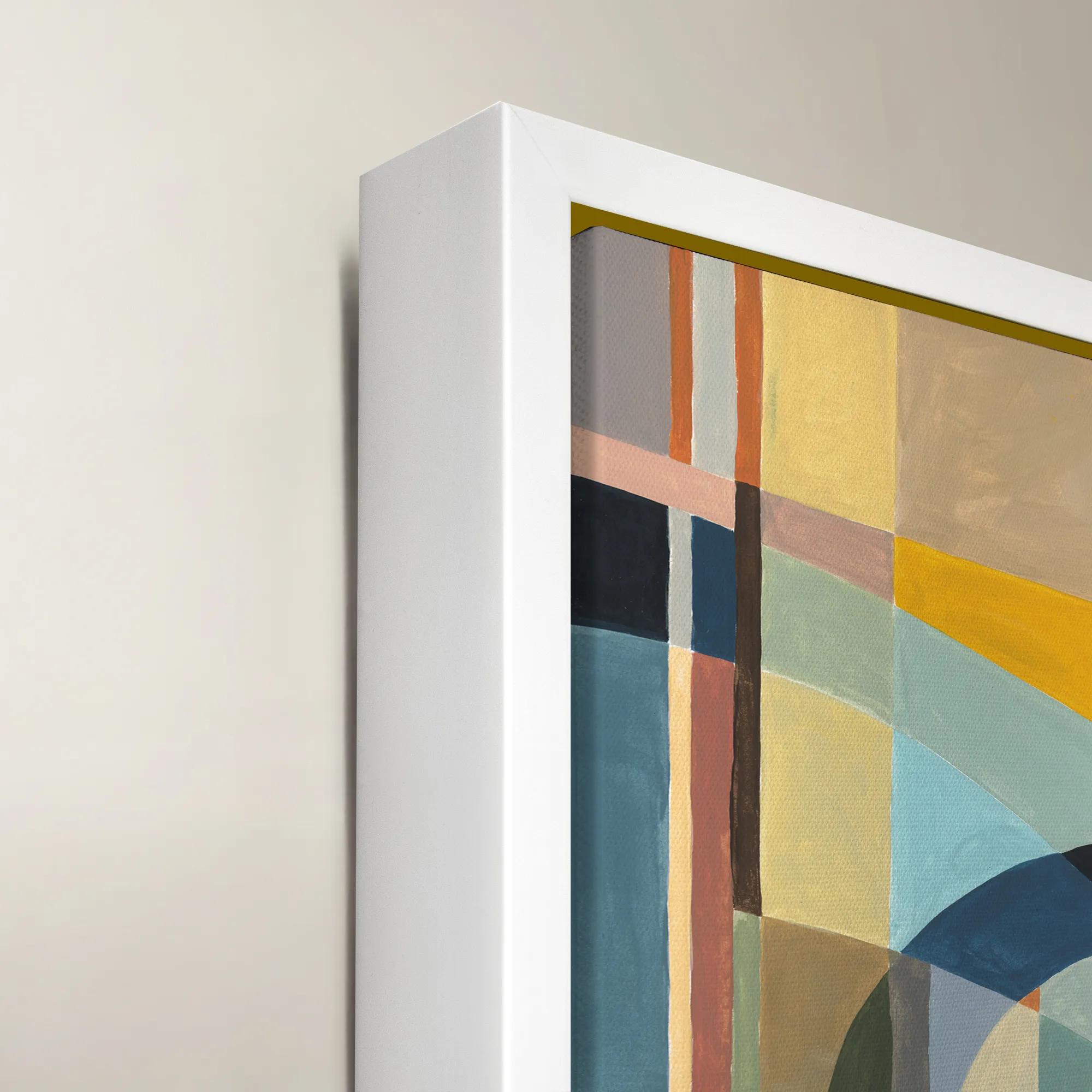 Happy Mistake Framed Wall Art 40" x 54"$1099
A vibrant multicolored framed canvas artwork adding expressive style to modern interiors.
Add To Cart -

 Zebra Pop Framed Painted Wall Art 36" x 48"$449
A bold black painted canvas artwork in a sleek frame, bringing graphic energy to modern interiors.
Add To Cart -
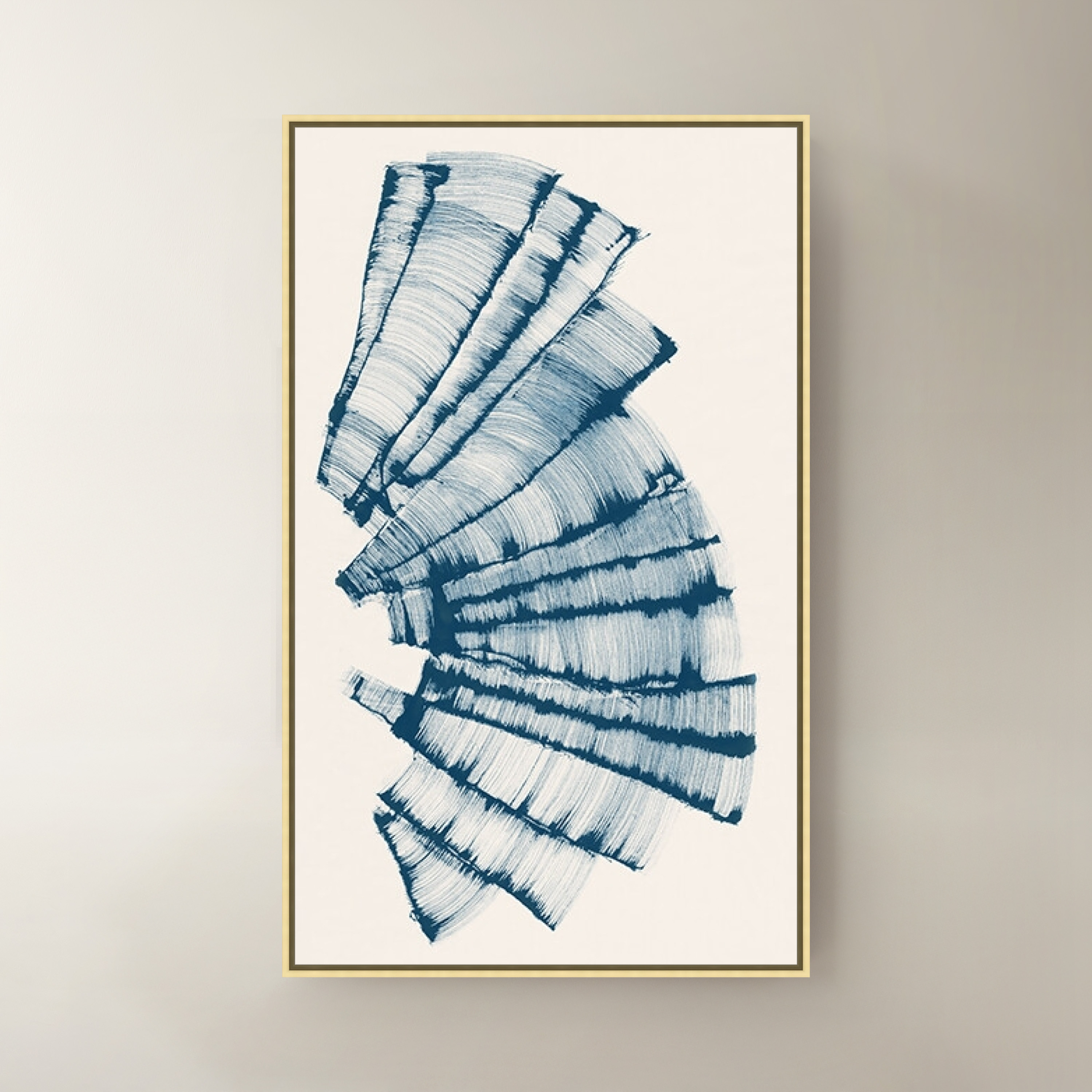
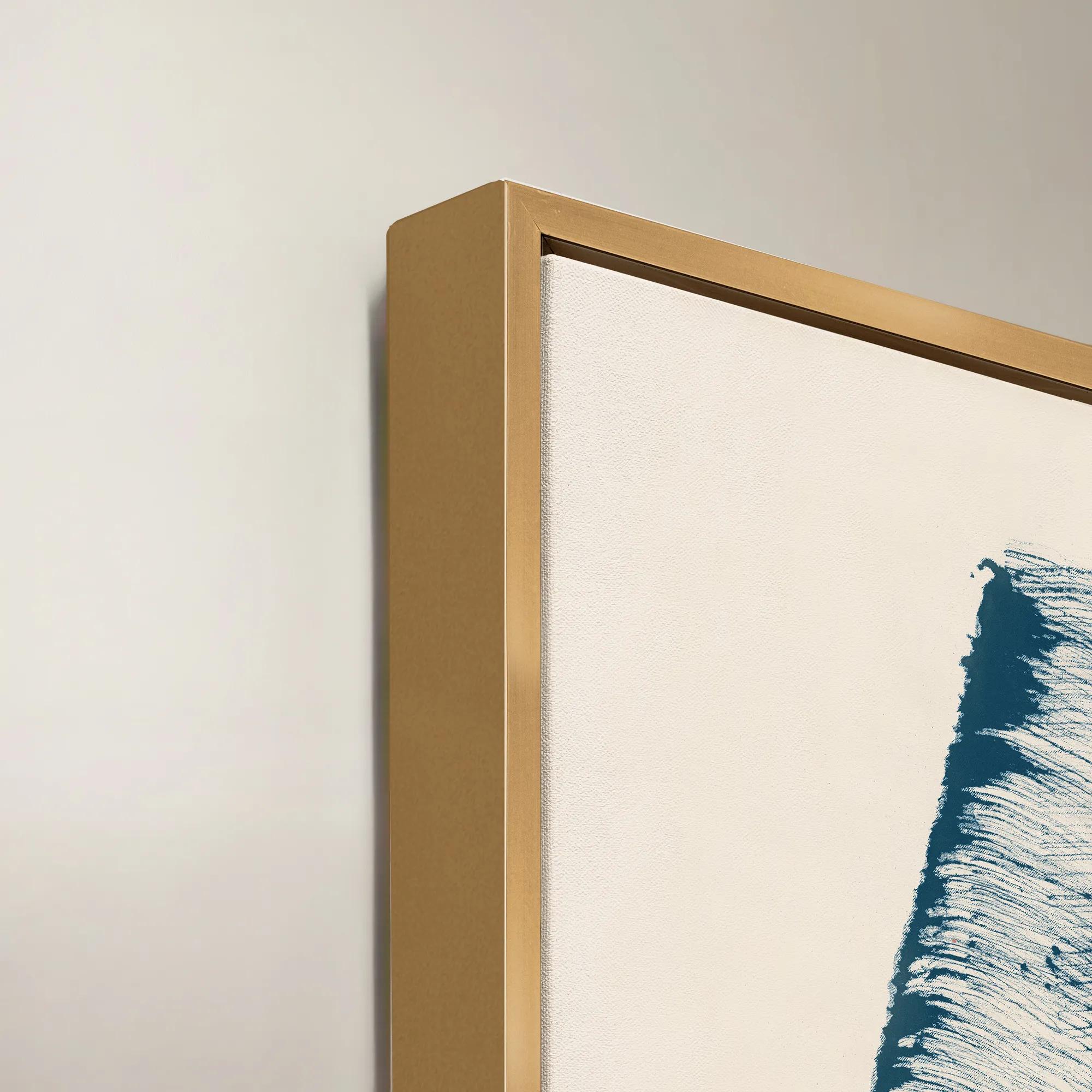 Escape Path IV Framed Wall Art 30" x 50"$799
A blue and purple canvas wall artwork presented in a sophisticated frame for modern interiors.
Add To Cart -
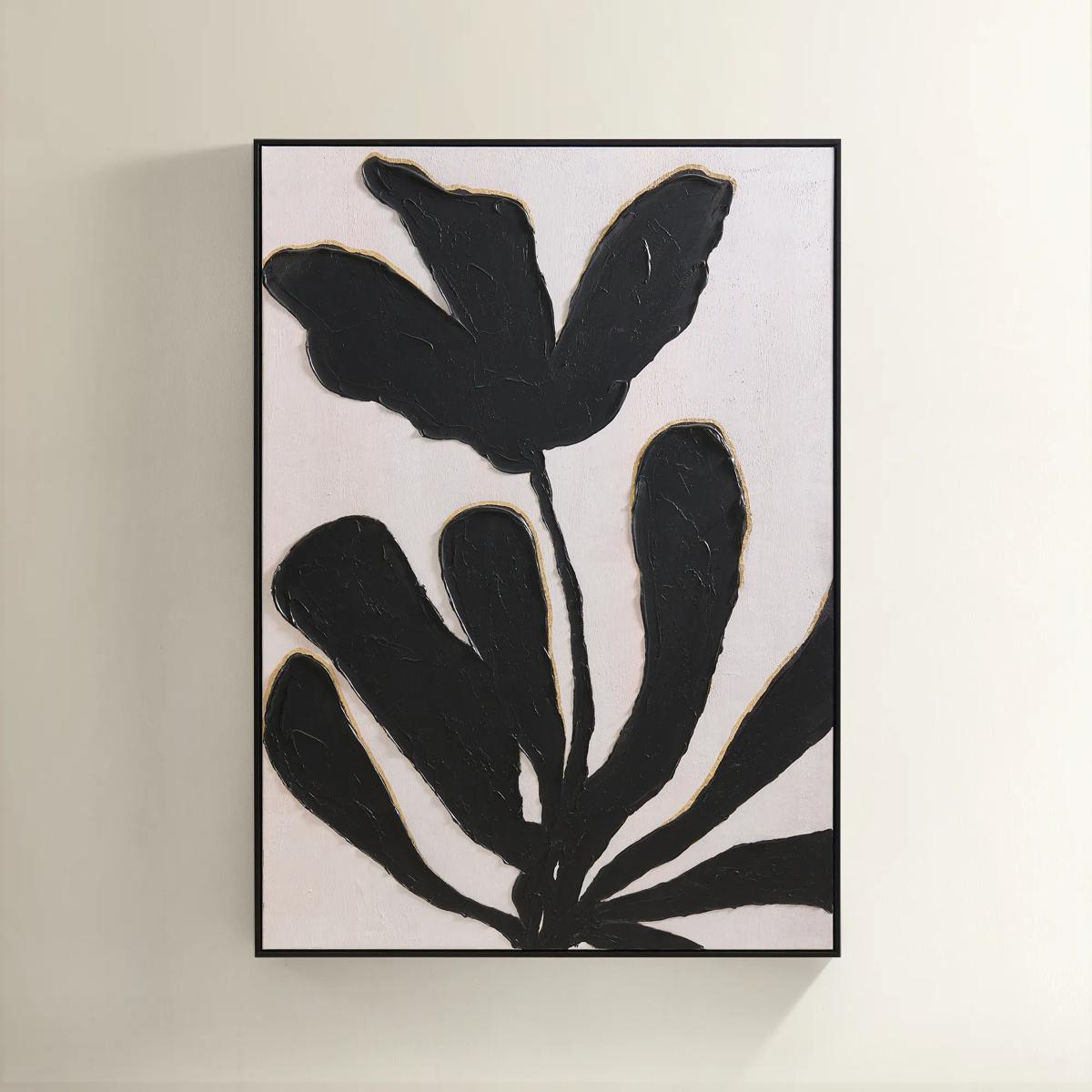
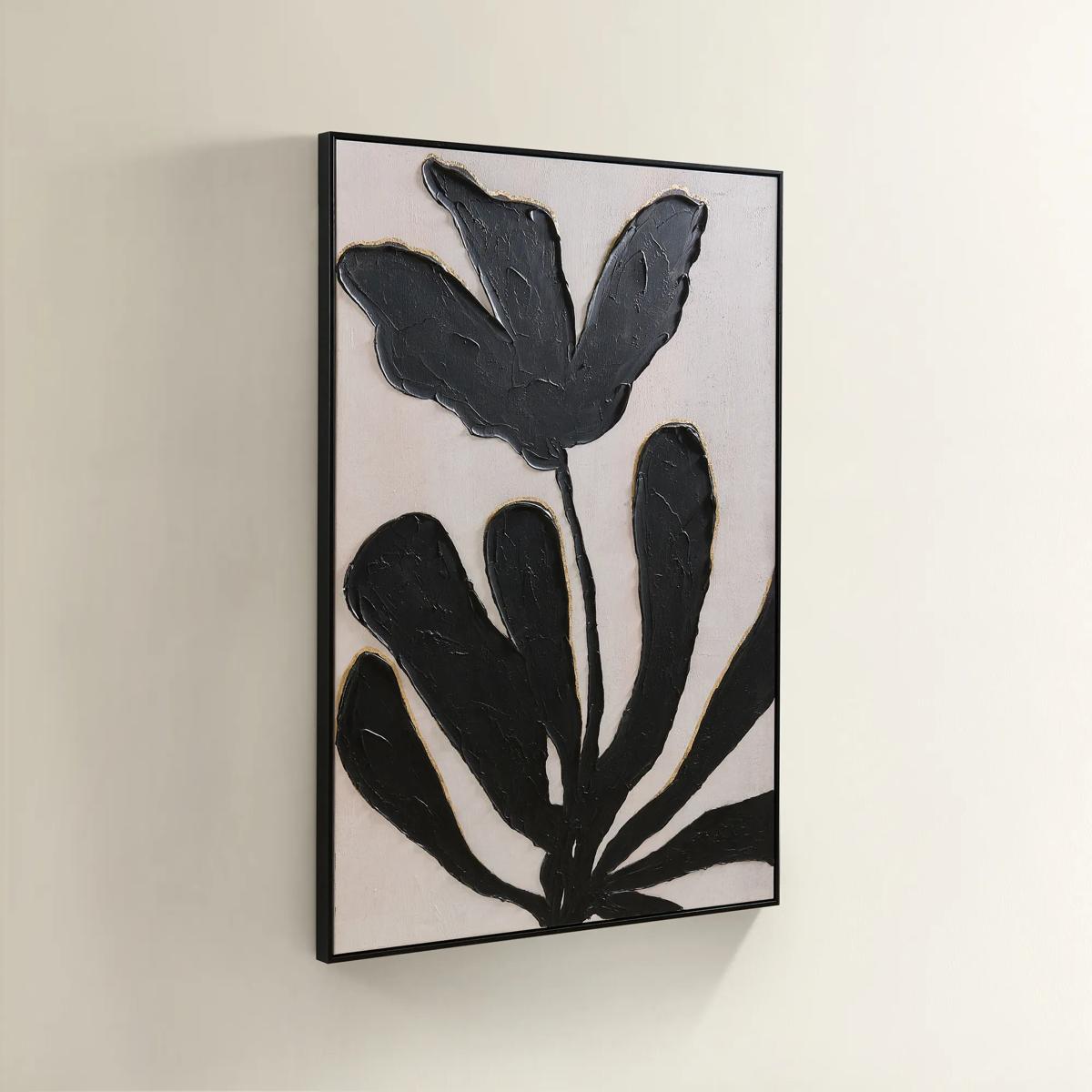 First Bloom Framed Painted Wall Art 39.25" x 55"$499
A hand-painted canvas featuring black abstract leaves and gold leafing on an ivory background in a black frame.
Add To Cart -

 Jewel Toned Geometry Framed Wall Art 24" x 33"$519
A jewel-toned geometric canvas artwork framed to bring vibrant modern dimension to any wall.
Add To Cart -
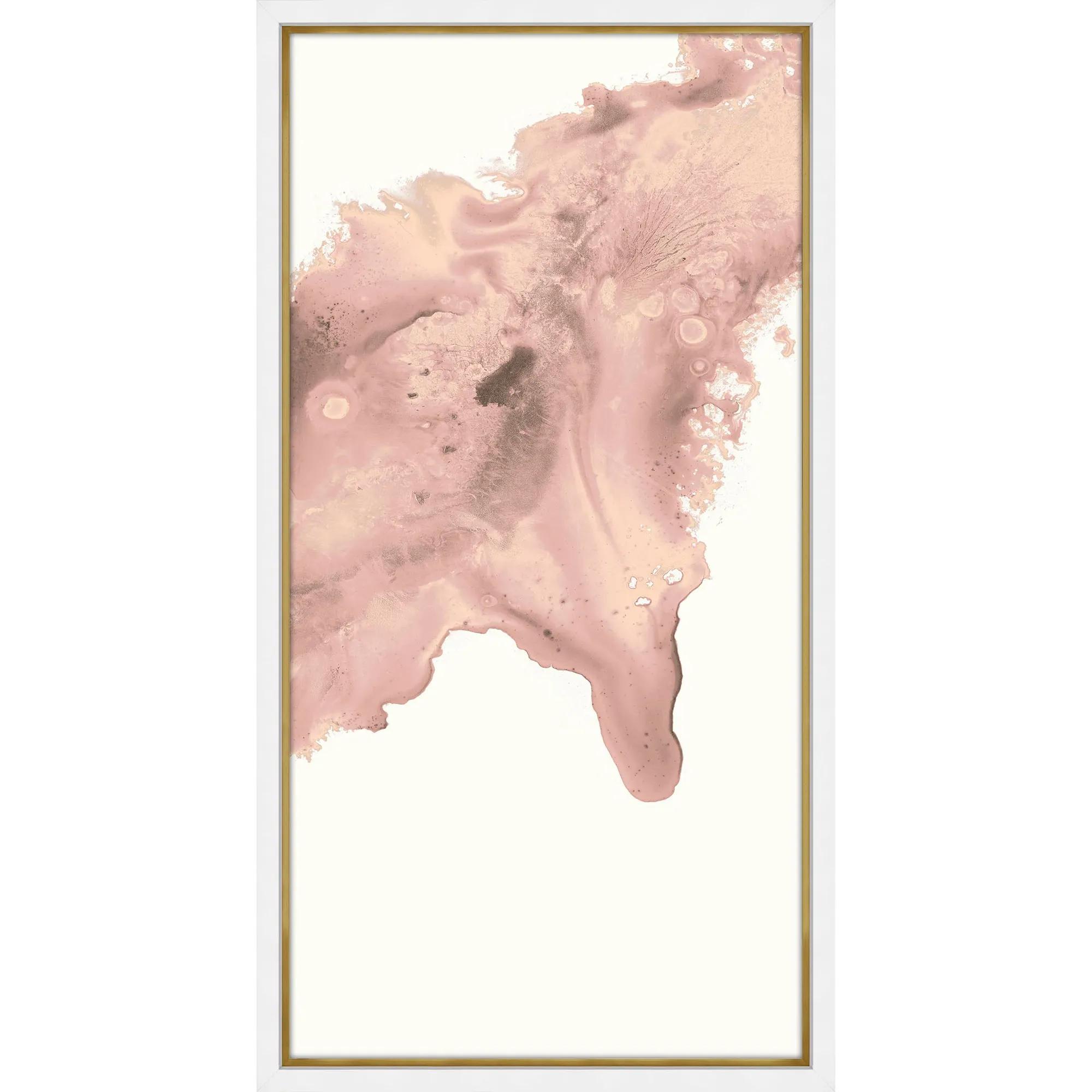
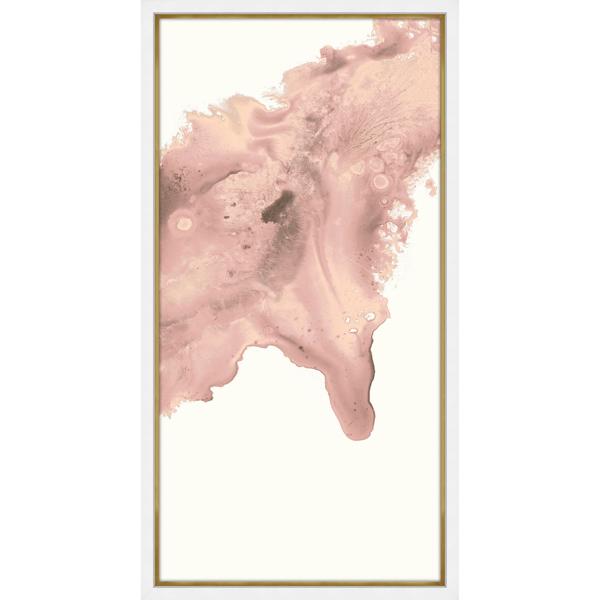 Blush Conduit 2 Framed Wall Art 24" x 48"$849
A striking abstract print on pearl paper, elegantly framed in gold and matte white for modern appeal.
Add To Cart -
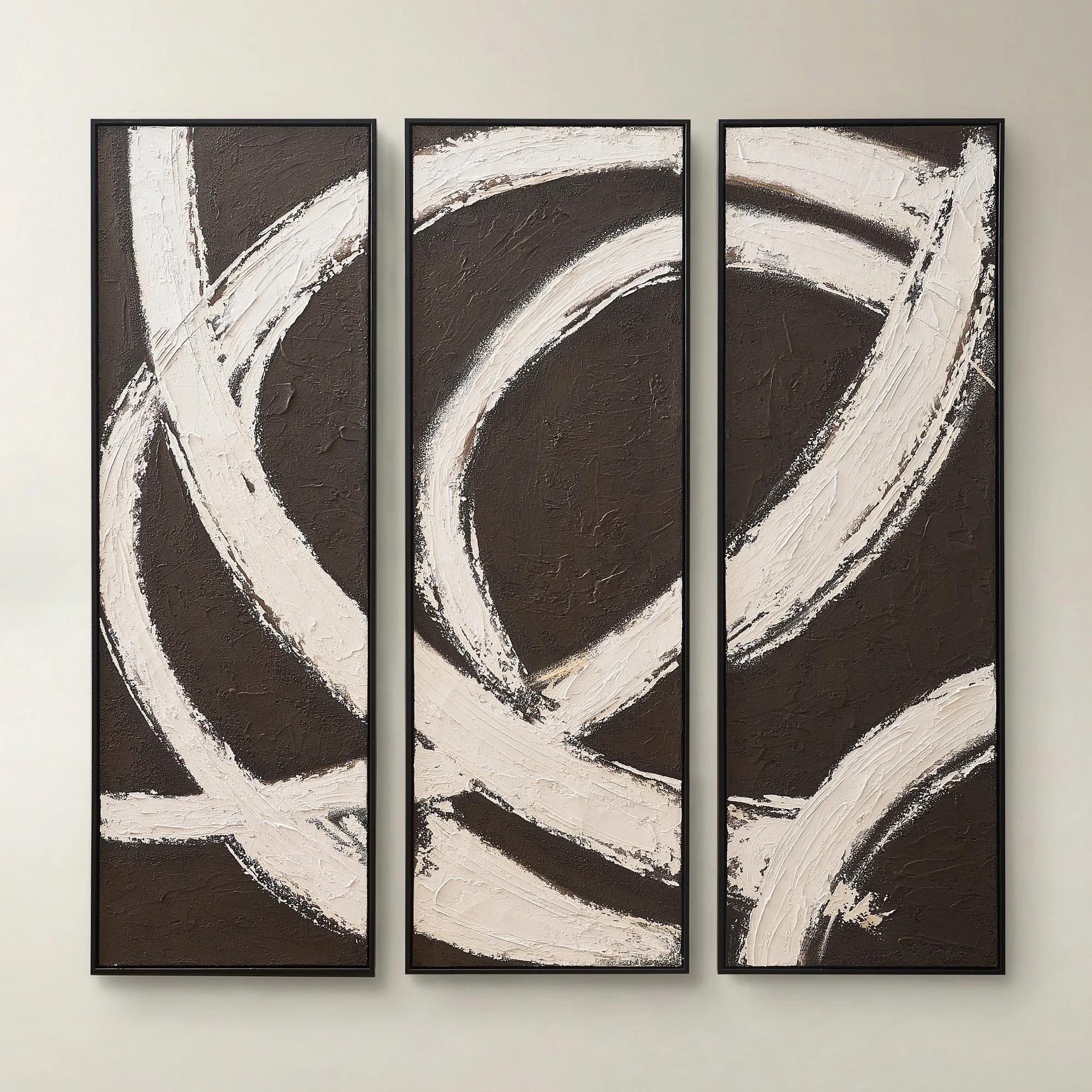
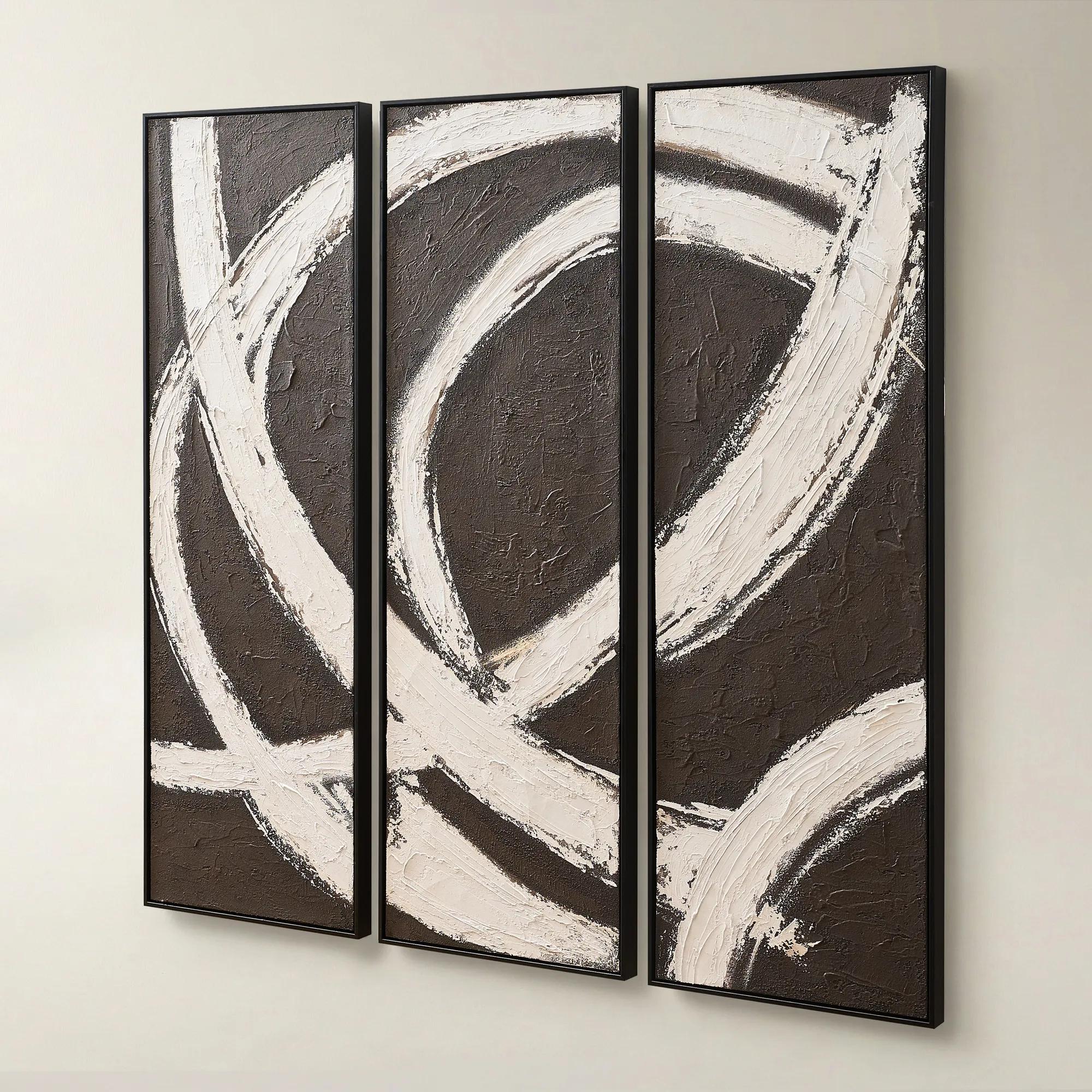 Spun in Coco Framed Painted Wall Art 20" x 60" Set of 3$499
A hand-painted triptych featuring dark chocolate and alabaster tones with rich texture and modern contrast.
Add To Cart

Minimalist Abstract Paintings
Explore minimalist abstract paintings that make a statement through pared-back forms and expressive composition. When choosing abstract wall art, consider the balance of color, open space, and scale—whether your room calls for a restrained focal point or a quiet contrast to richly layered furnishings.
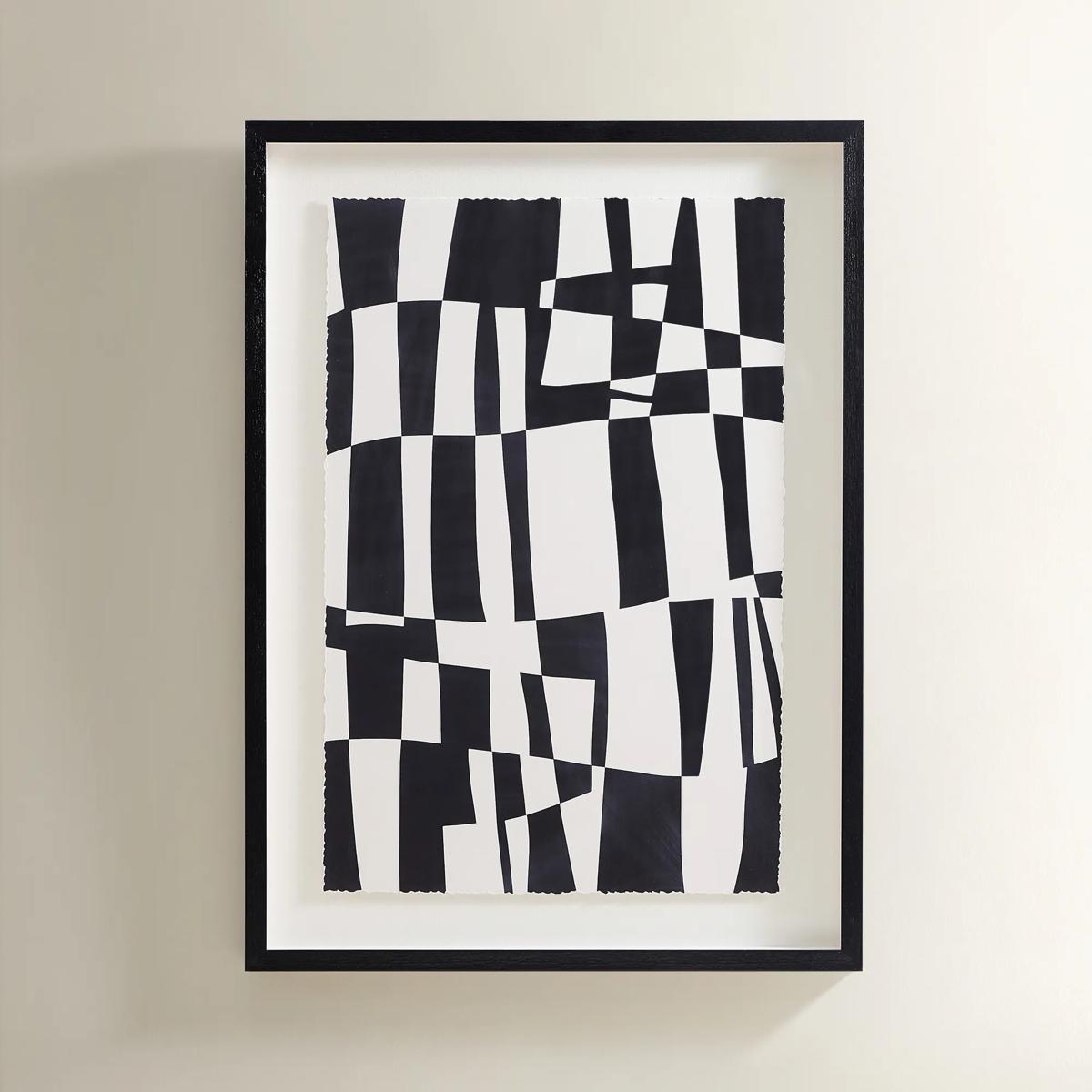
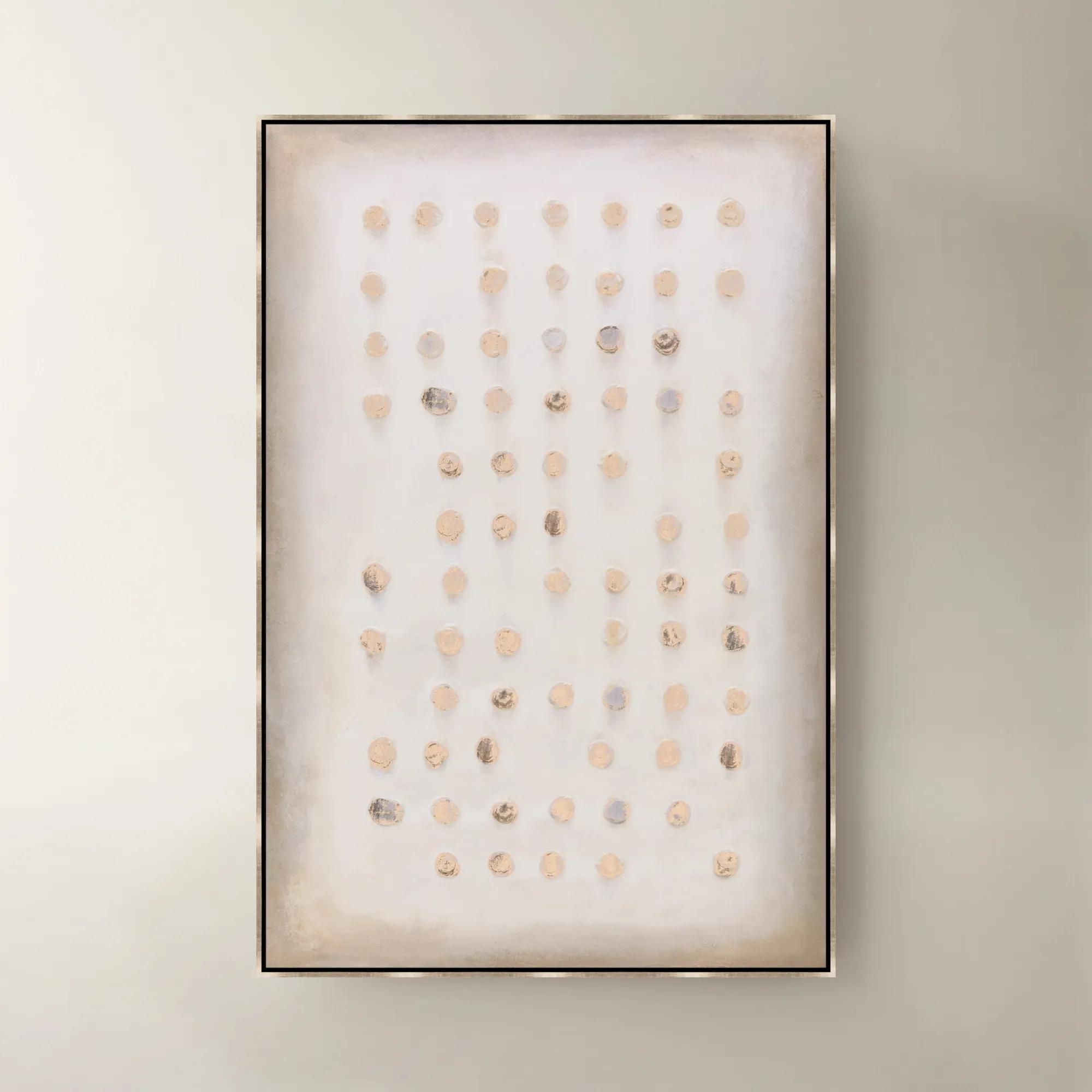
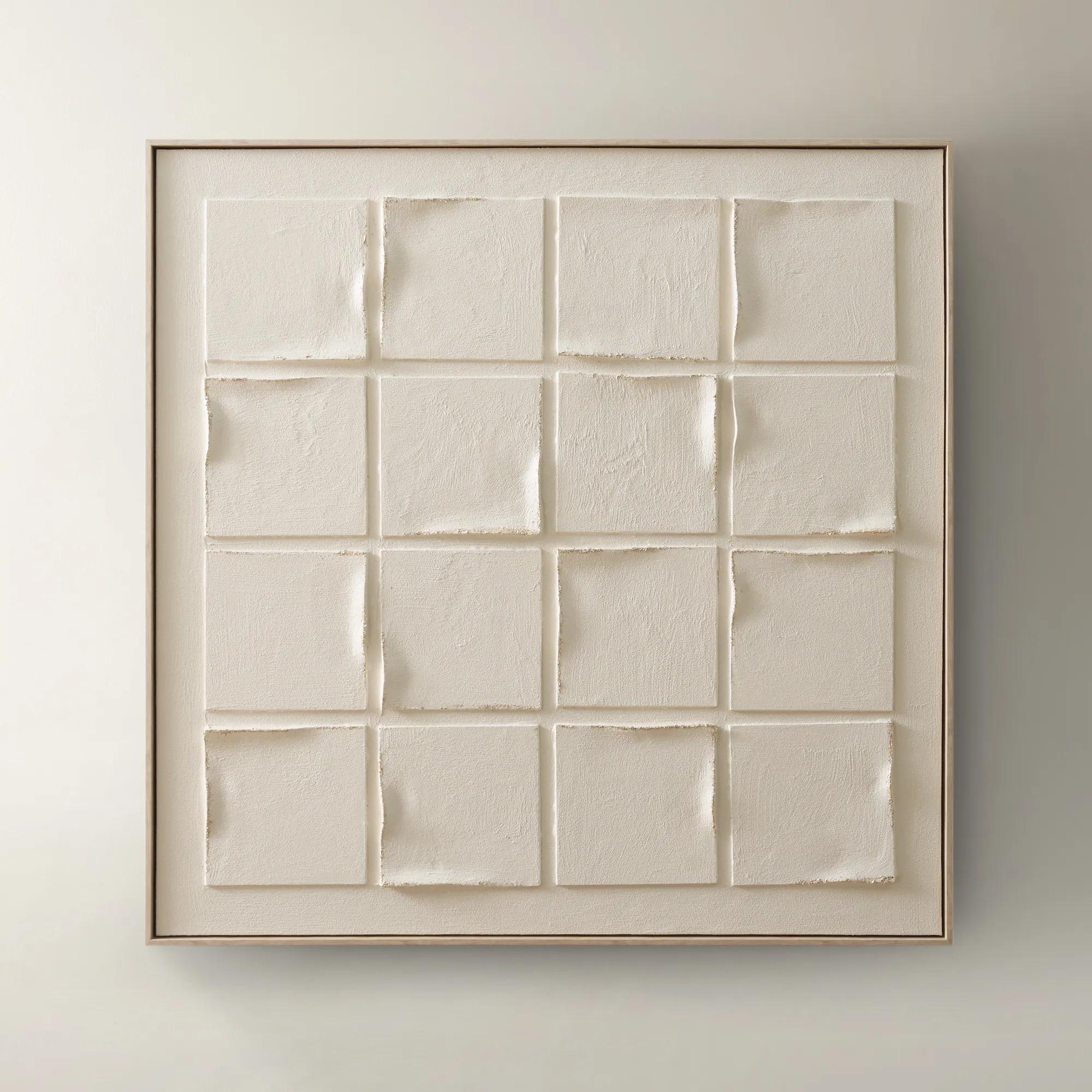
Minimalist abstract paintings create a commanding focal point through the artful balance of shape, color, and open space. Rather than depicting a recognizable scene, this style draws attention to the relationship between elements: a sweeping black gesture against an ivory ground, intersecting geometric forms, or tonal washes that seem to dissolve into one another. The result can feel serene, architectural, or boldly expressive, depending on the composition. For a refined foundation, explore neutral abstract art in shades of cream, taupe, charcoal, and soft gray; for greater visual drama, consider black-and-white abstract paintings with striking contrast. A restrained palette gives each line and brushstroke greater presence, allowing the artwork to make an impression without relying on intricate detail. Whether you gravitate toward fluid organic shapes or crisp geometry, minimalist abstract wall art offers a sophisticated way to express your perspective while giving statement furniture, sculptural lighting, and richly layered textiles room to shine. Choosing minimalist abstract paintings for your home begins with the mood you want to create and the scale of the surrounding furnishings. Large abstract wall art can anchor a living room above a sofa, establish an elegant focal point over a dining room sideboard, or bring a sense of expansive calm to a bedroom. Before selecting a size, measure the available wall space and consider how the composition will read from across the room; delicate marks invite closer attention, while broad shapes carry greater visual weight at a distance. For a cohesive arrangement, echo one color from the painting in a pillow, rug, or decorative accent rather than matching every element. Frame style also influences the effect: a slender dark border can sharpen a graphic composition, while a warm metallic finish can introduce a luminous note alongside softer tones. Give minimalist wall decor generous breathing room, then layer the surrounding space with expressive silhouettes and tactile accents. That contrast allows a visually restrained painting to become the confident centerpiece of a richly personal interior.
FAQs
Minimalist abstract paintings use simplified forms, intentional lines, and restrained color palettes to create expressive compositions. Rather than depicting a recognizable scene, they draw attention to balance, contrast, and negative space—giving a room an artful focal point with a quiet yet commanding presence.
Consider whether you want your artwork to echo the room’s palette or introduce a striking contrast. Soft neutrals can create a serene, layered atmosphere, while black-and-white compositions bring graphic drama. A restrained accent color can connect the painting to decorative objects for a thoughtfully composed interior.
Minimalist abstract paintings offer an elegant counterpoint to glamorous interiors. Their pared-back compositions let gleaming accents, sculptural furniture, and sumptuous textures shine without competing for attention. Choose artwork with decisive lines or bold tonal contrast to create a dialogue between visual restraint and expressive luxury.
A minimalist abstract painting can establish an artful mood in an entryway, lend visual poise to a living room, or introduce a contemplative note to a bedroom. Consider the atmosphere you want to create: flowing gestures suggest movement, while defined geometric forms bring structure and a tailored sensibility.
Build the composition around a shared color story, recurring shape, or complementary framing style. Pair minimalist abstract paintings with line drawings or monochromatic photography for an expressive mix. Leave deliberate breathing room between pieces so each composition retains its presence and the arrangement feels curated rather than crowded.