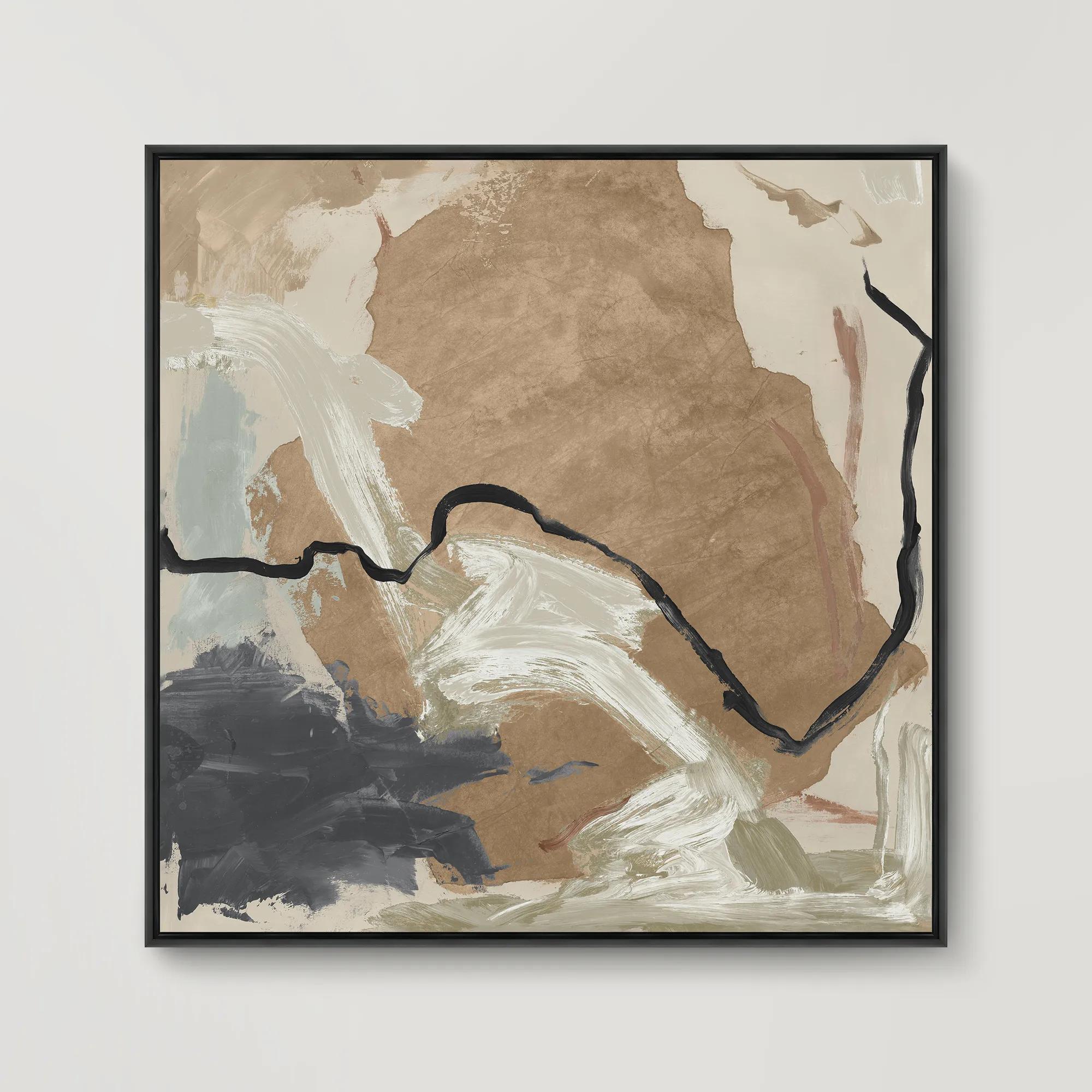
Abstract Landscape Paintings
Abstract Landscape Paintings
-
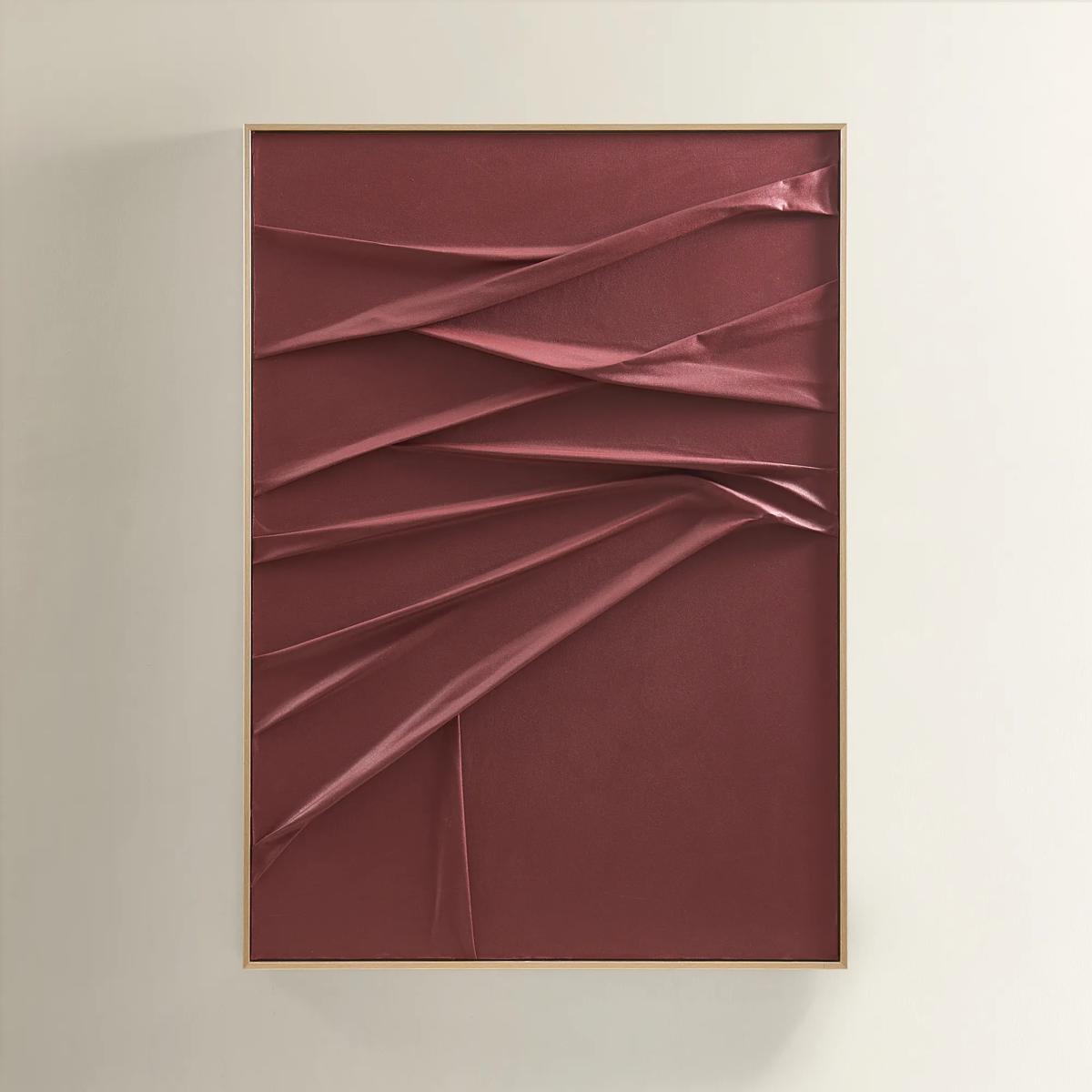
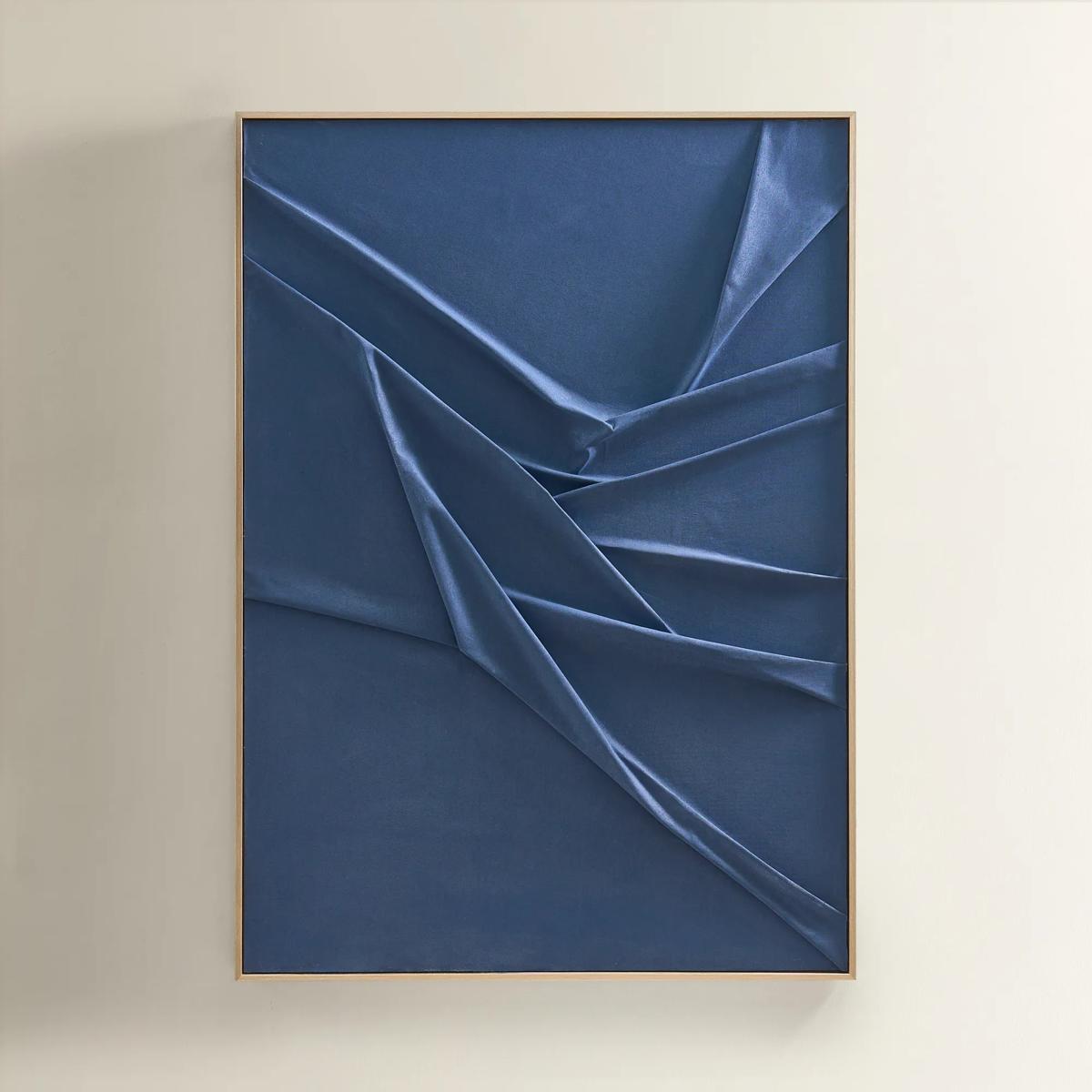
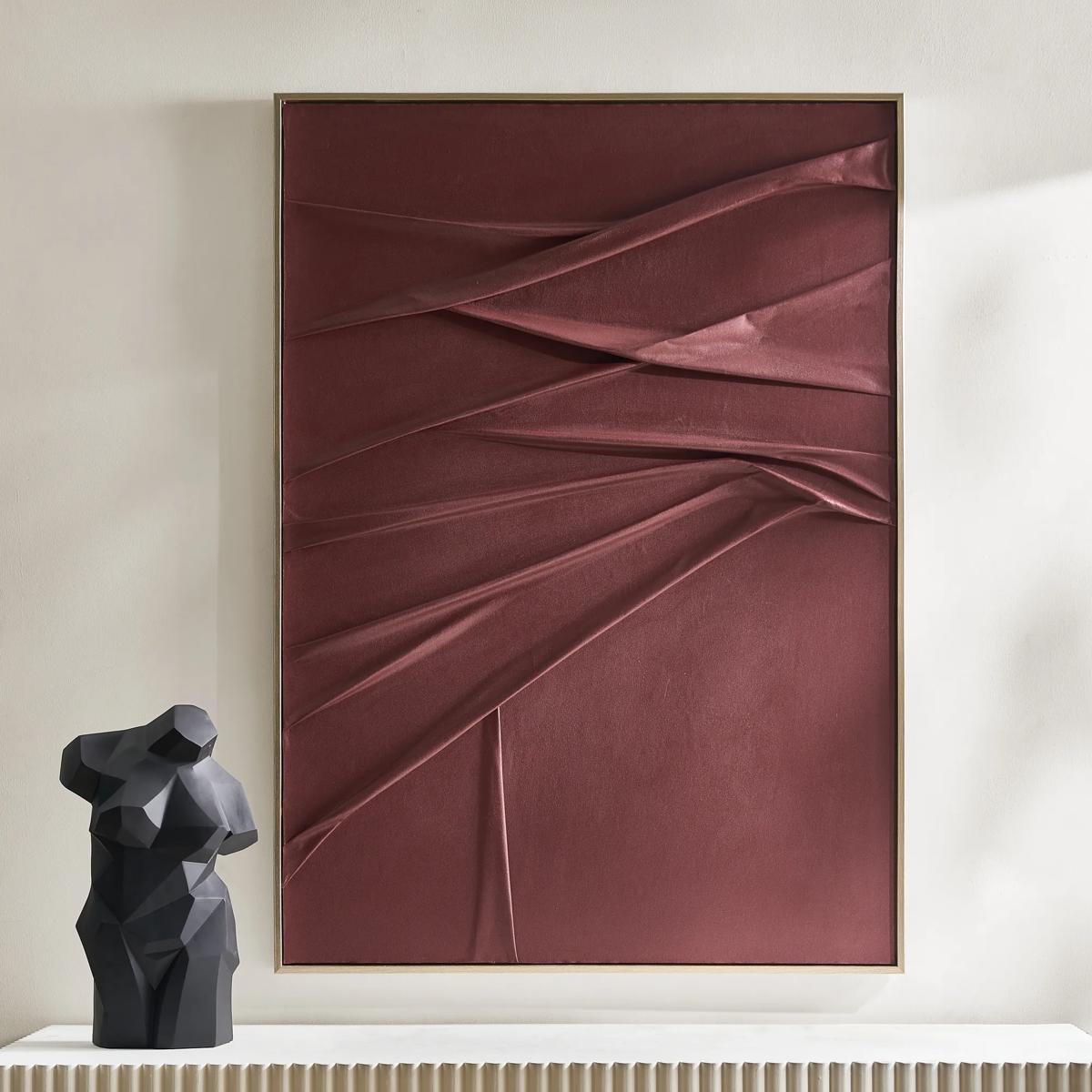 Crimson Painting$599
A handcrafted burgundy canvas artwork with sculptural folds, framed in champagne for a dramatic, textured effect.
Add To Cart -
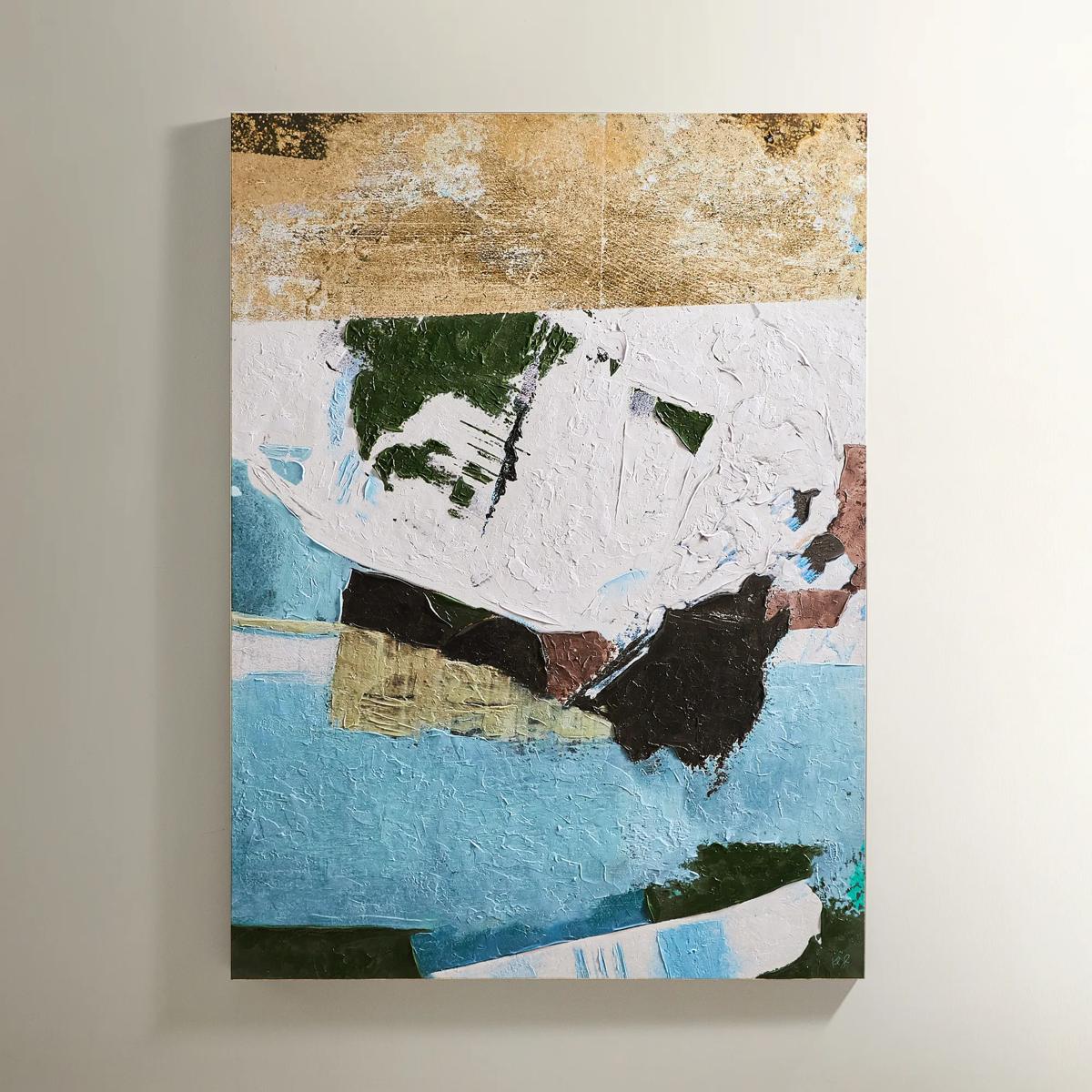
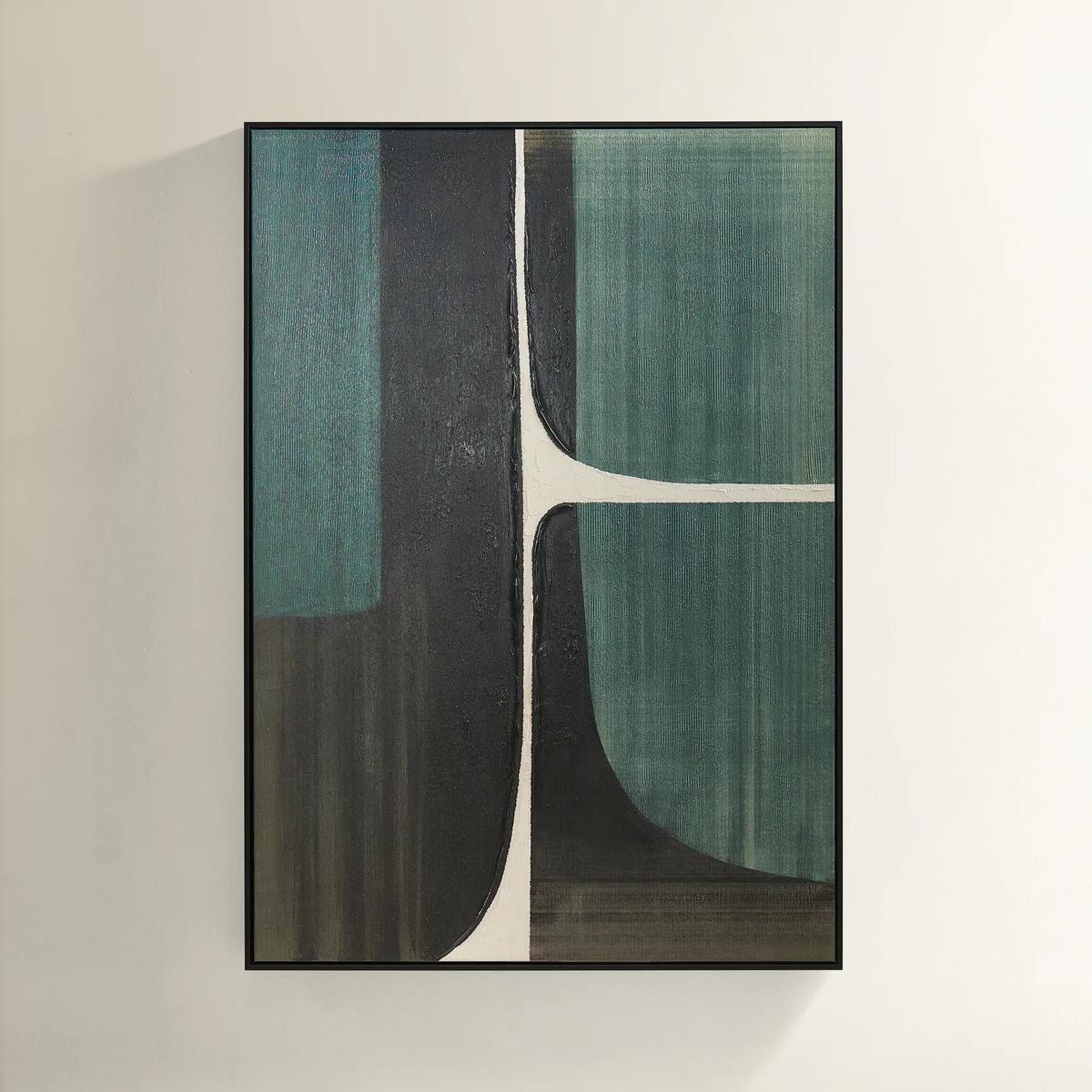 Plains Framed Painted Wall Art 39.25" x 55"$499
A hand-painted abstract canvas in forest green, ivory, and black with a sleek black floater frame.
Add To Cart -
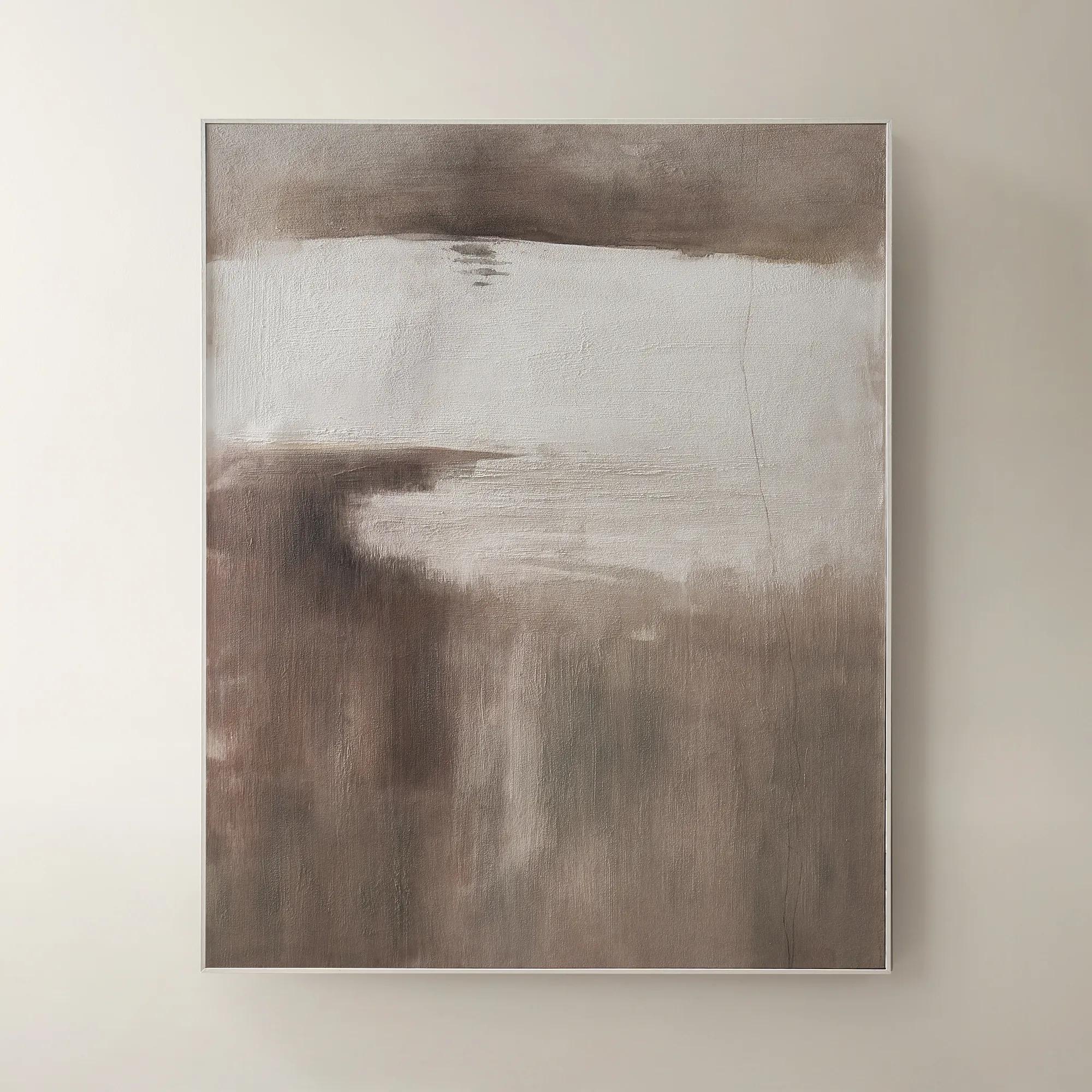
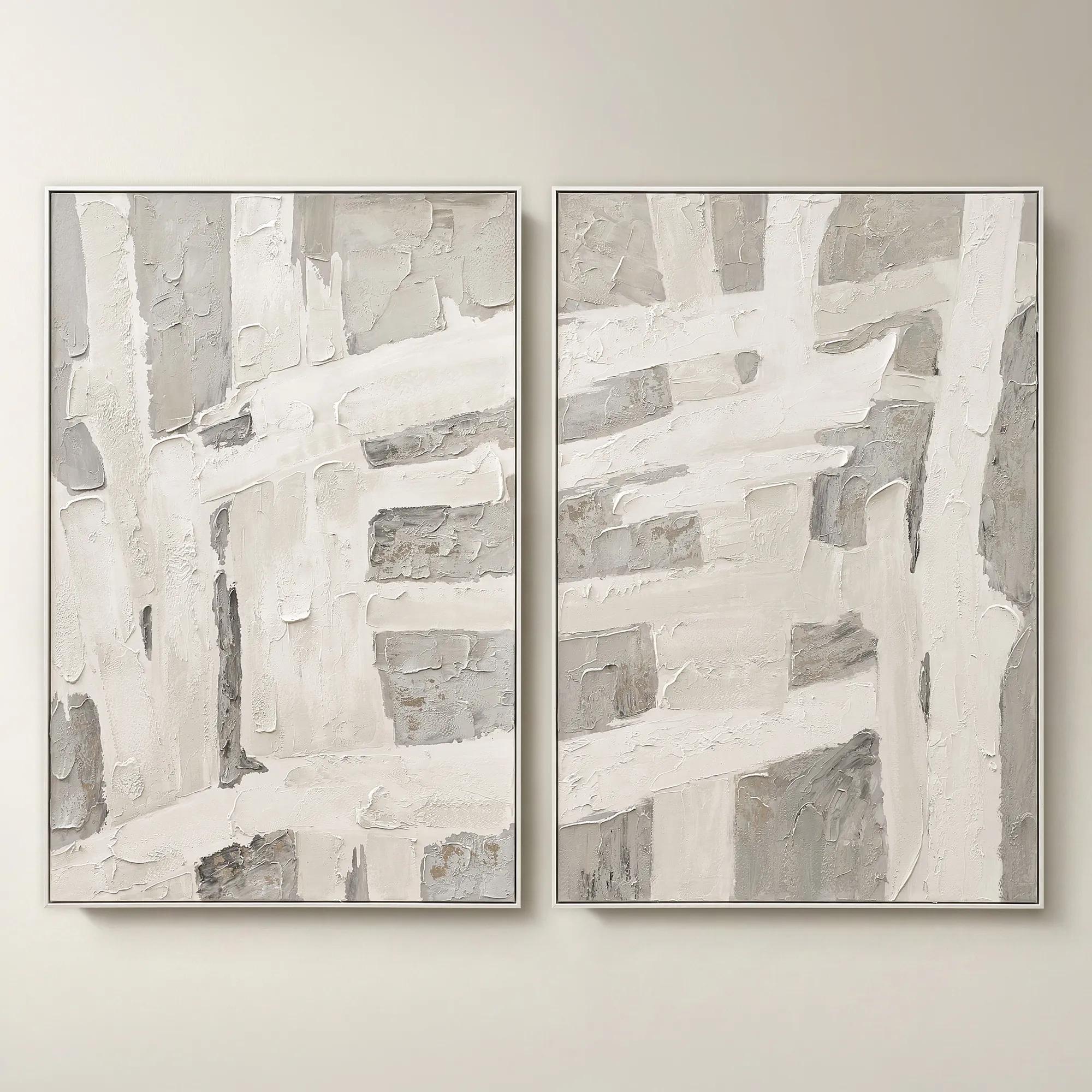 Traverse Framed Painted Wall Art 40" x 60" Set of 2$799
A hand-painted abstract diptych features champagne accents and soft grey, pearl, and alabaster tones in white frames.
Add To Cart -
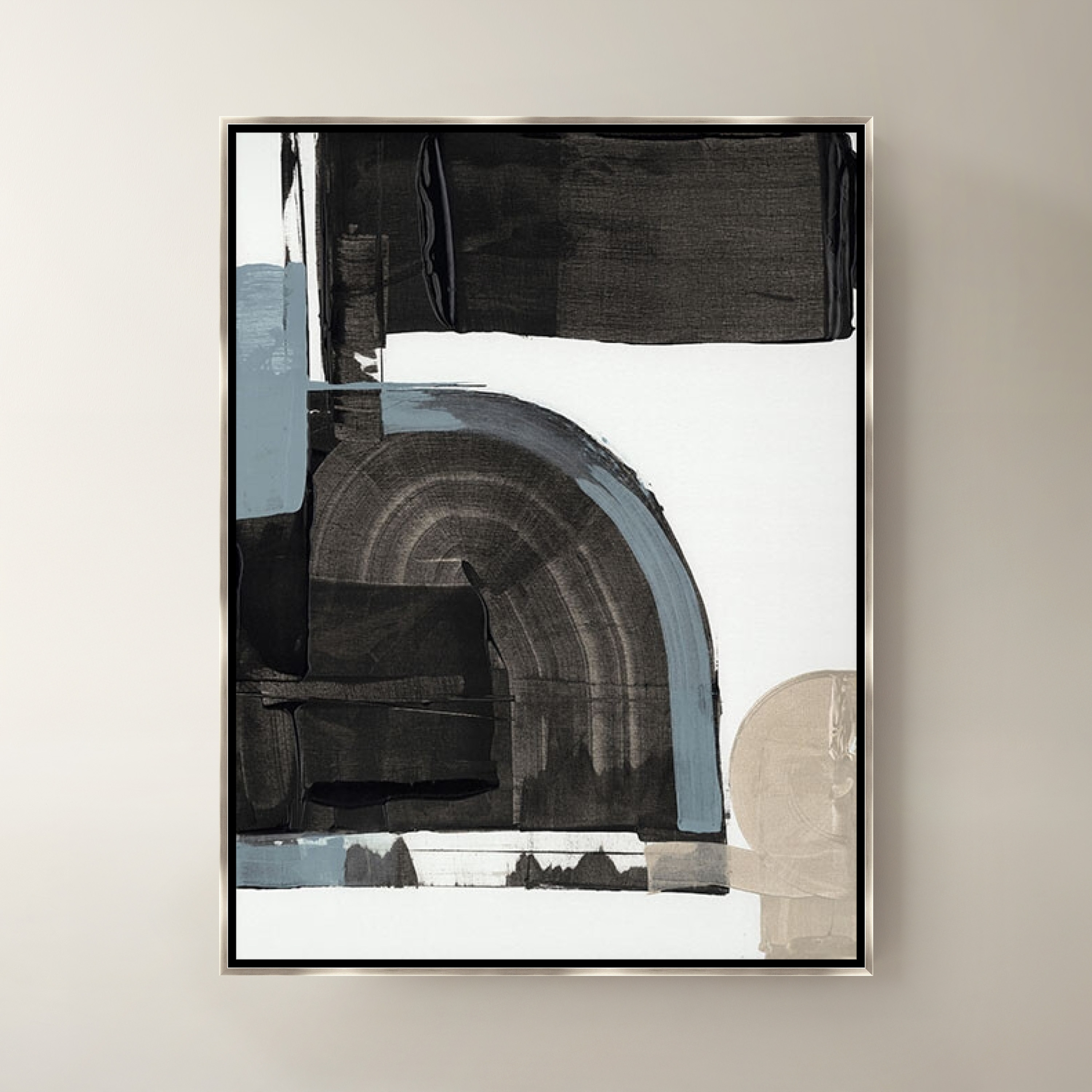
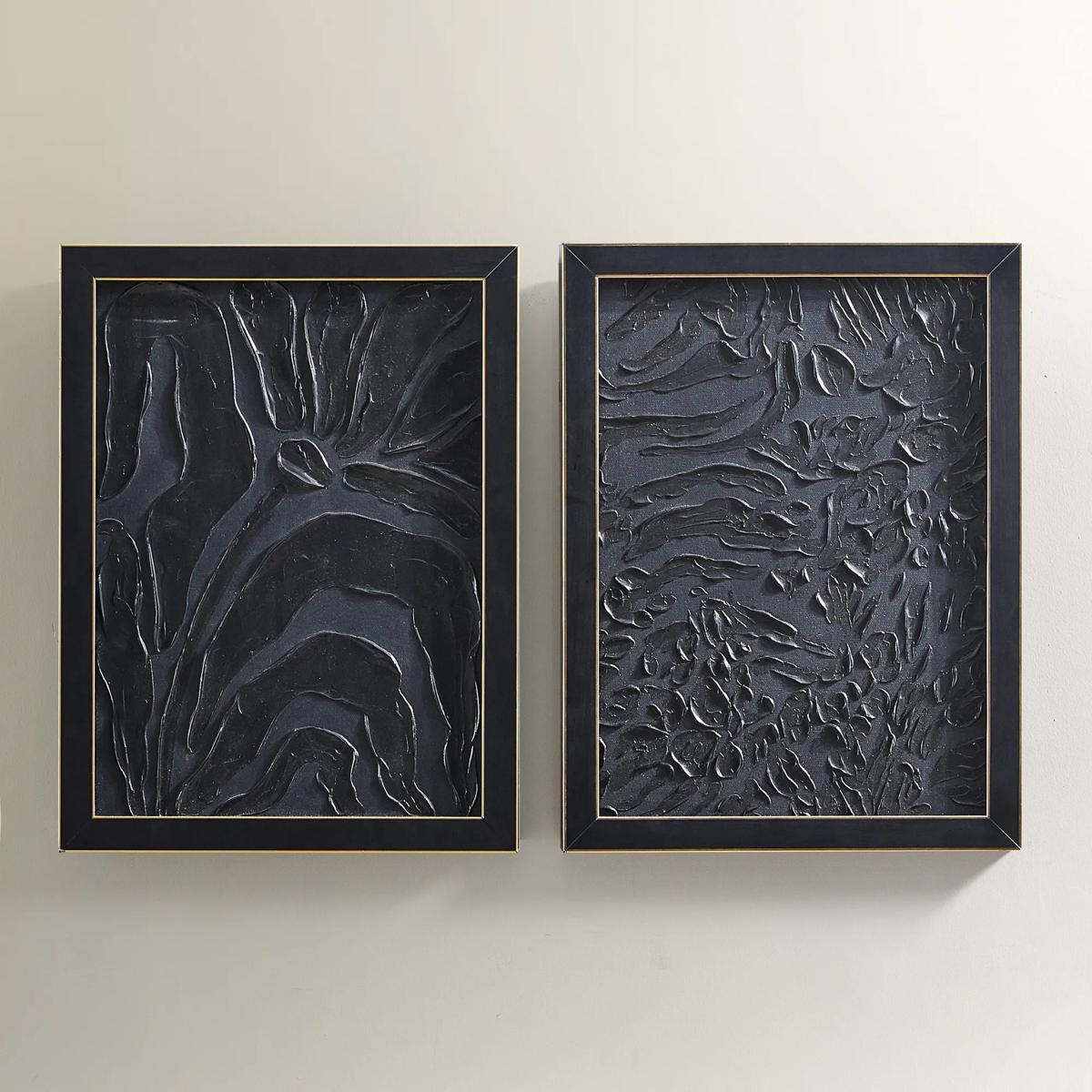
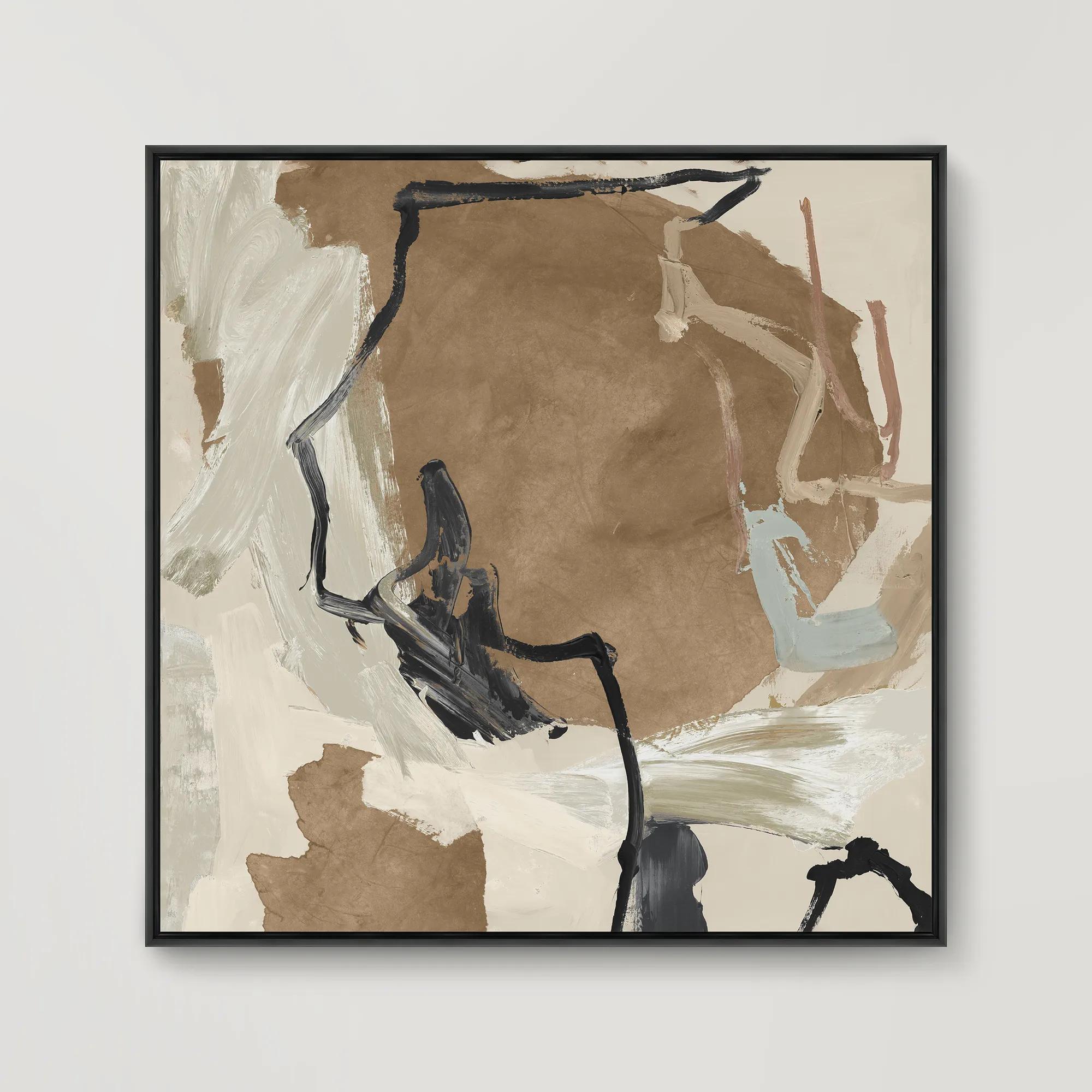
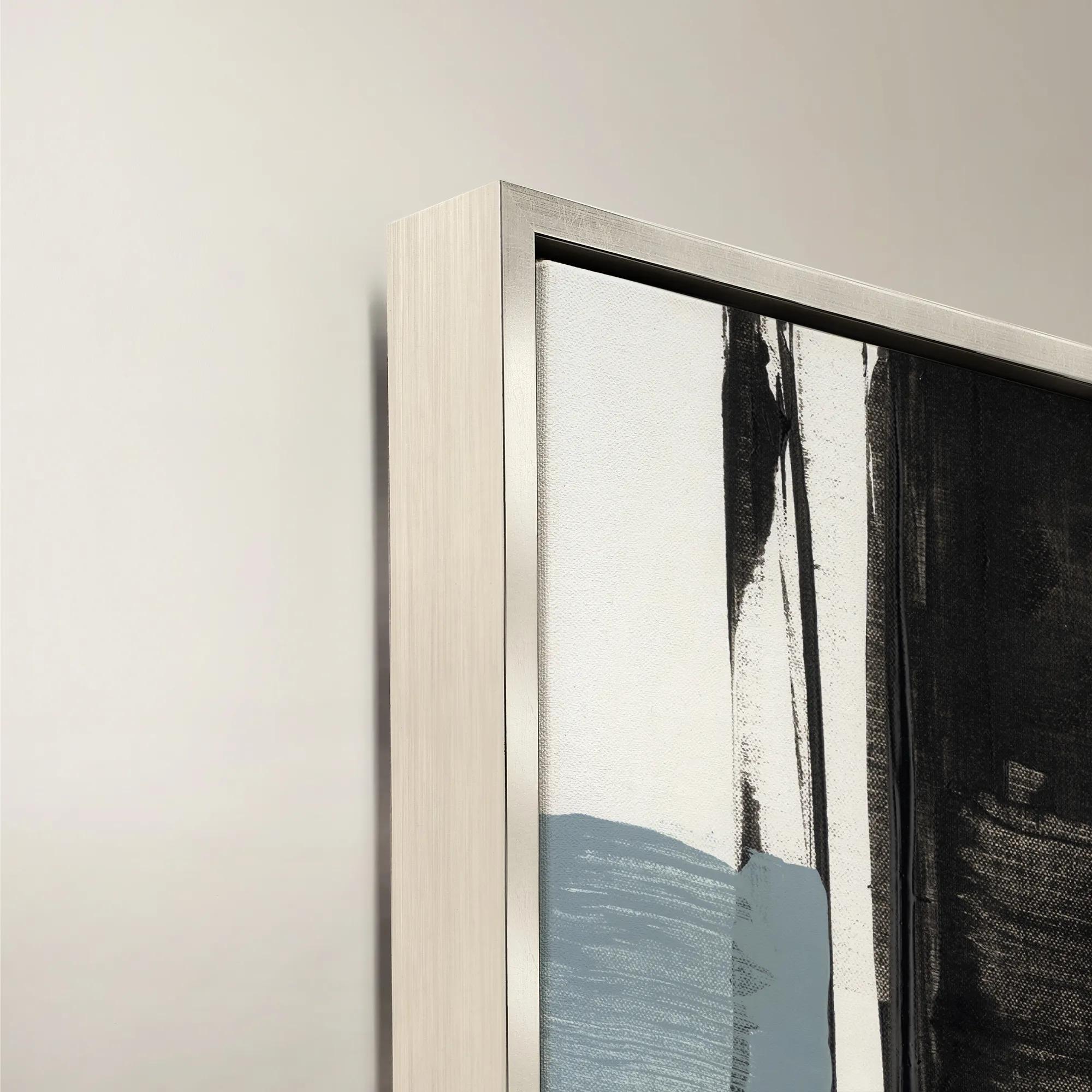 Blanc de Blancs III Framed Wall Art 24" x 30"$519
A sophisticated black canvas artwork presented in a refined frame for modern wall styling.
Add To Cart -
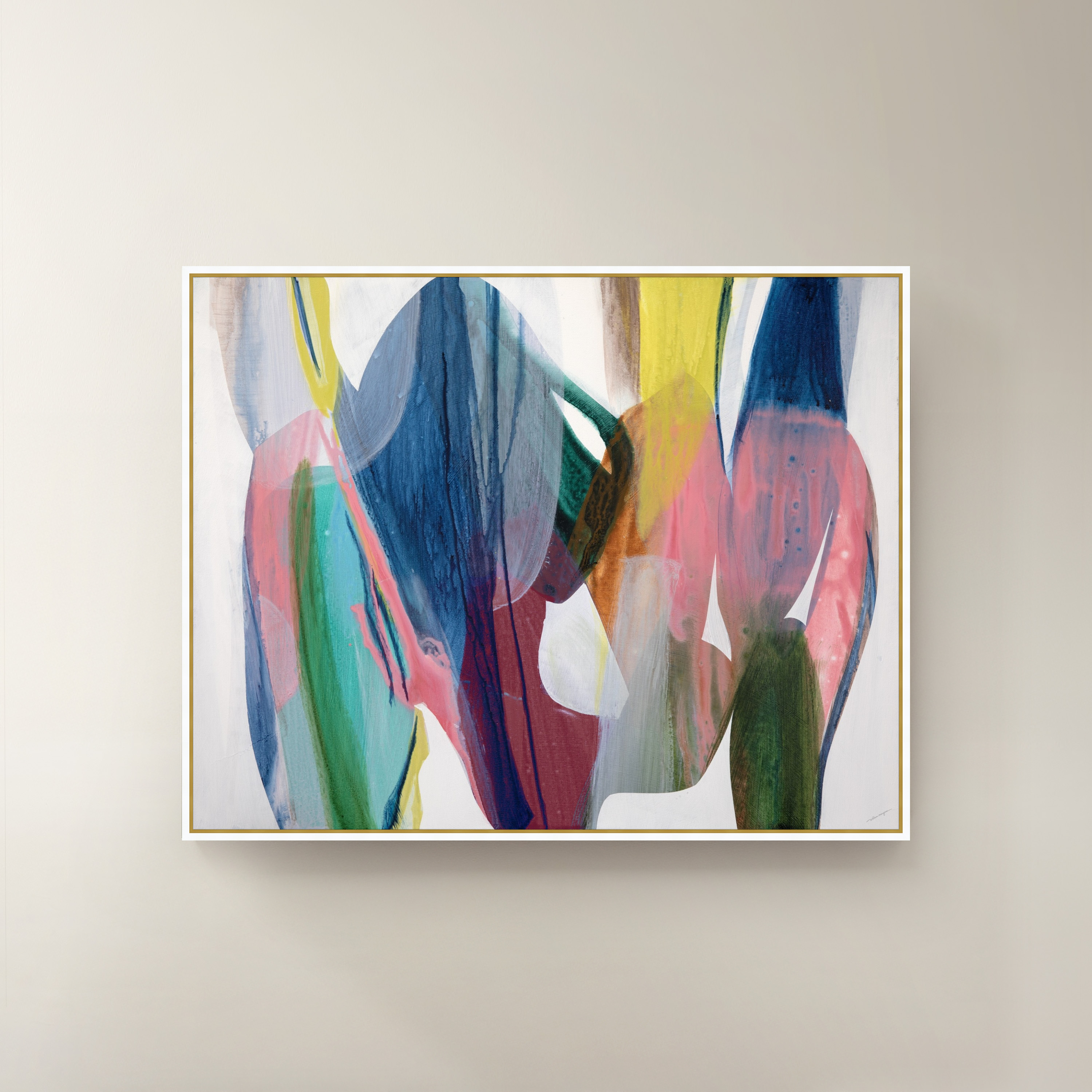
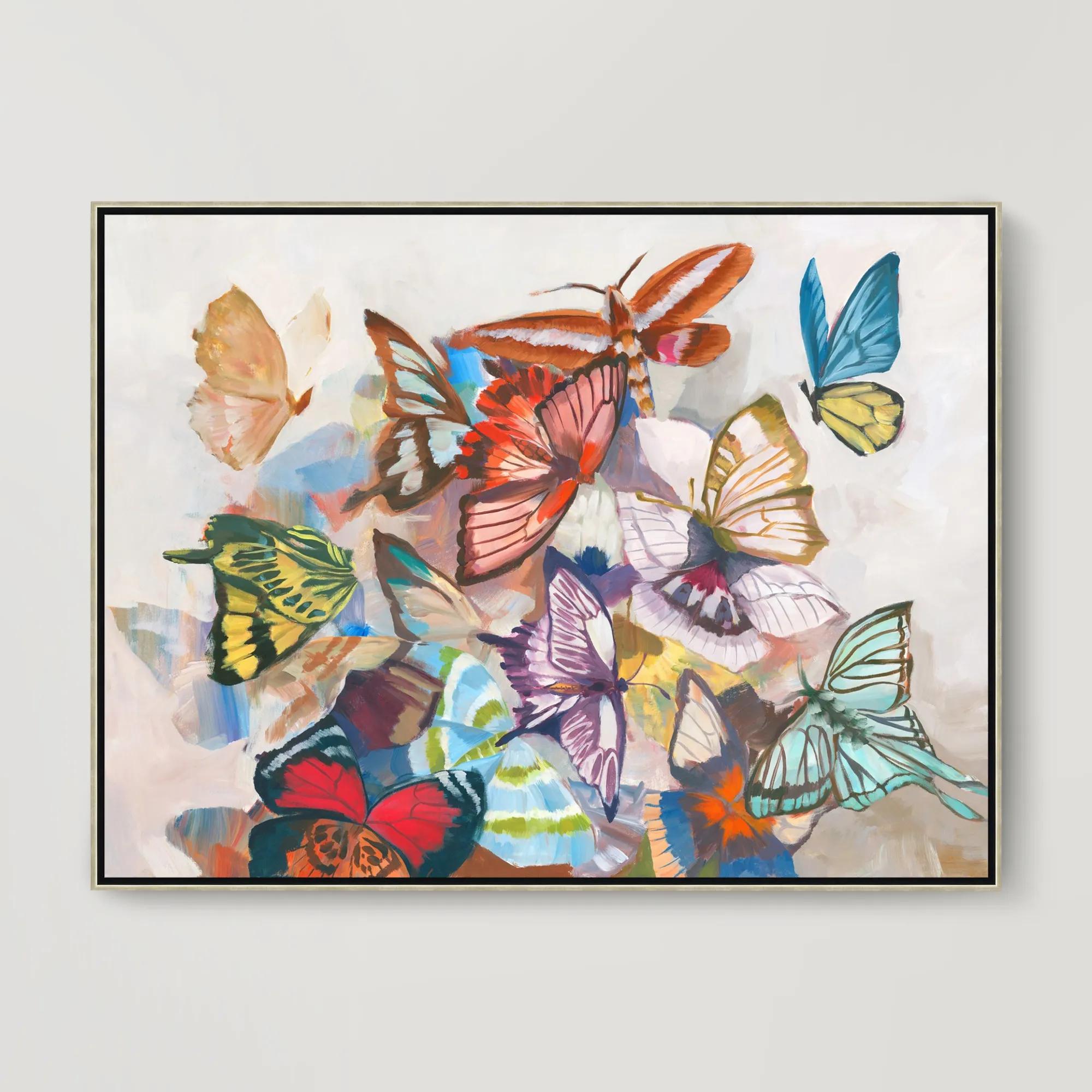
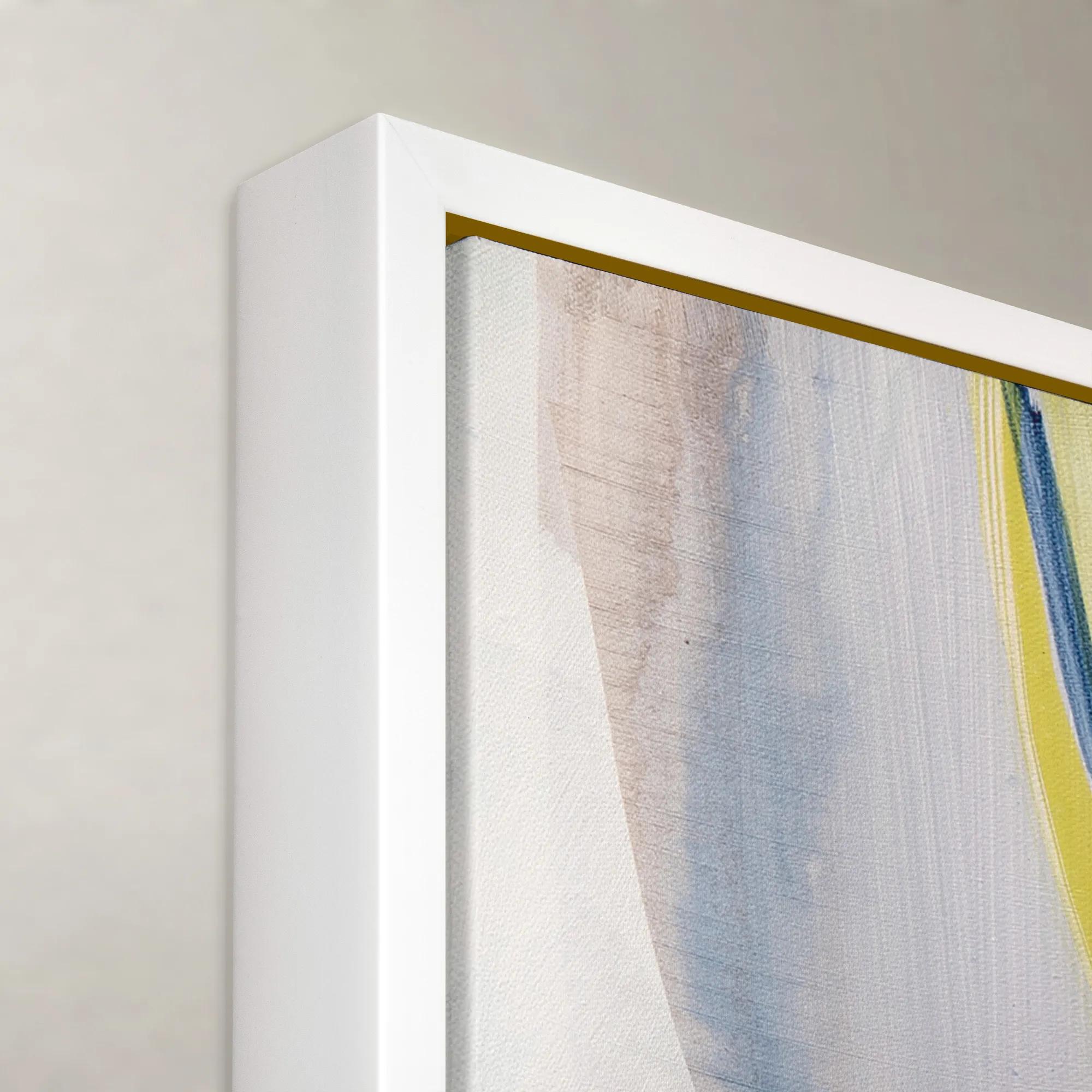 Dreams Take Flight Framed Wall Art 60" x 47"$1299
A vibrant multicolored framed canvas artwork adding expressive, contemporary style to any wall.
Add To Cart -
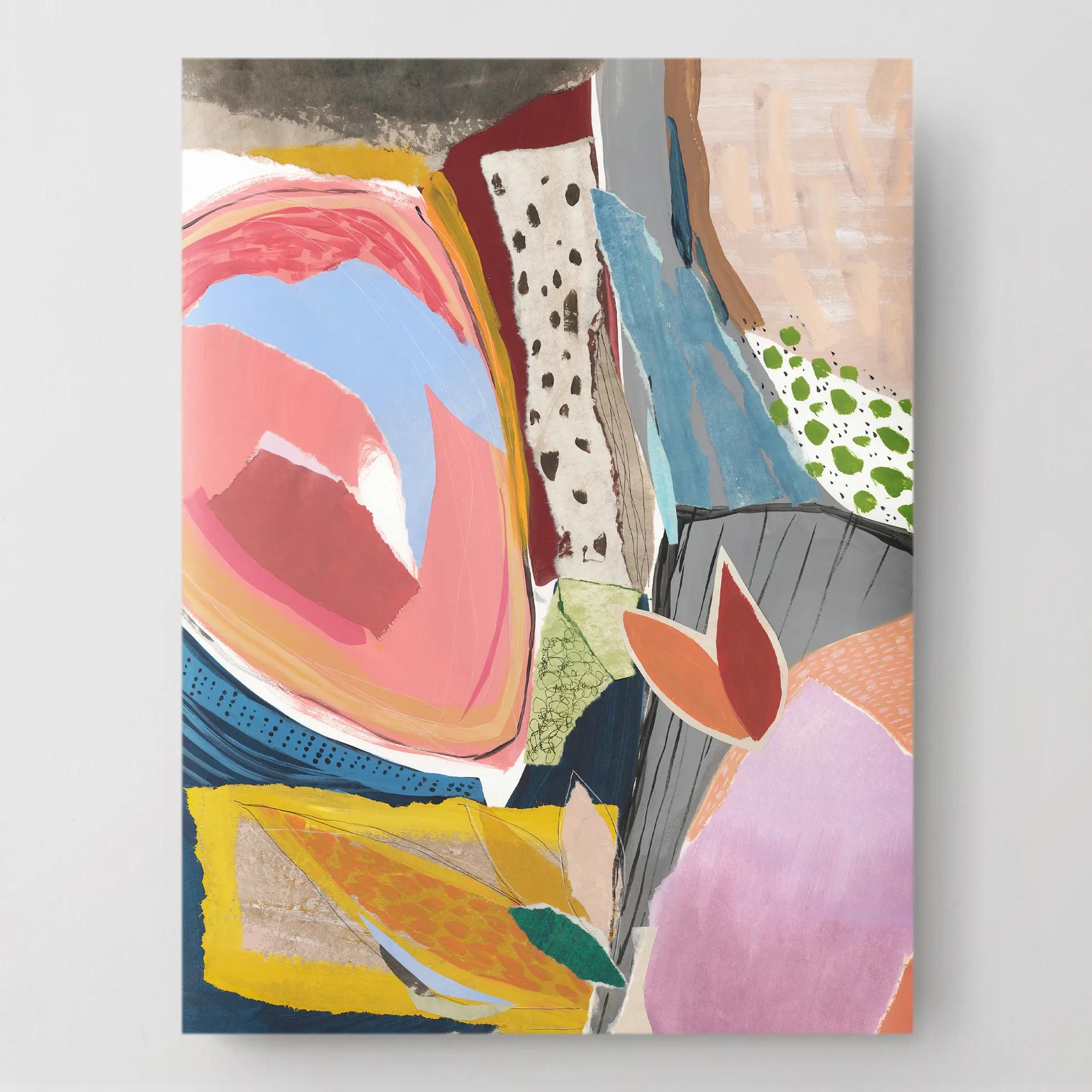
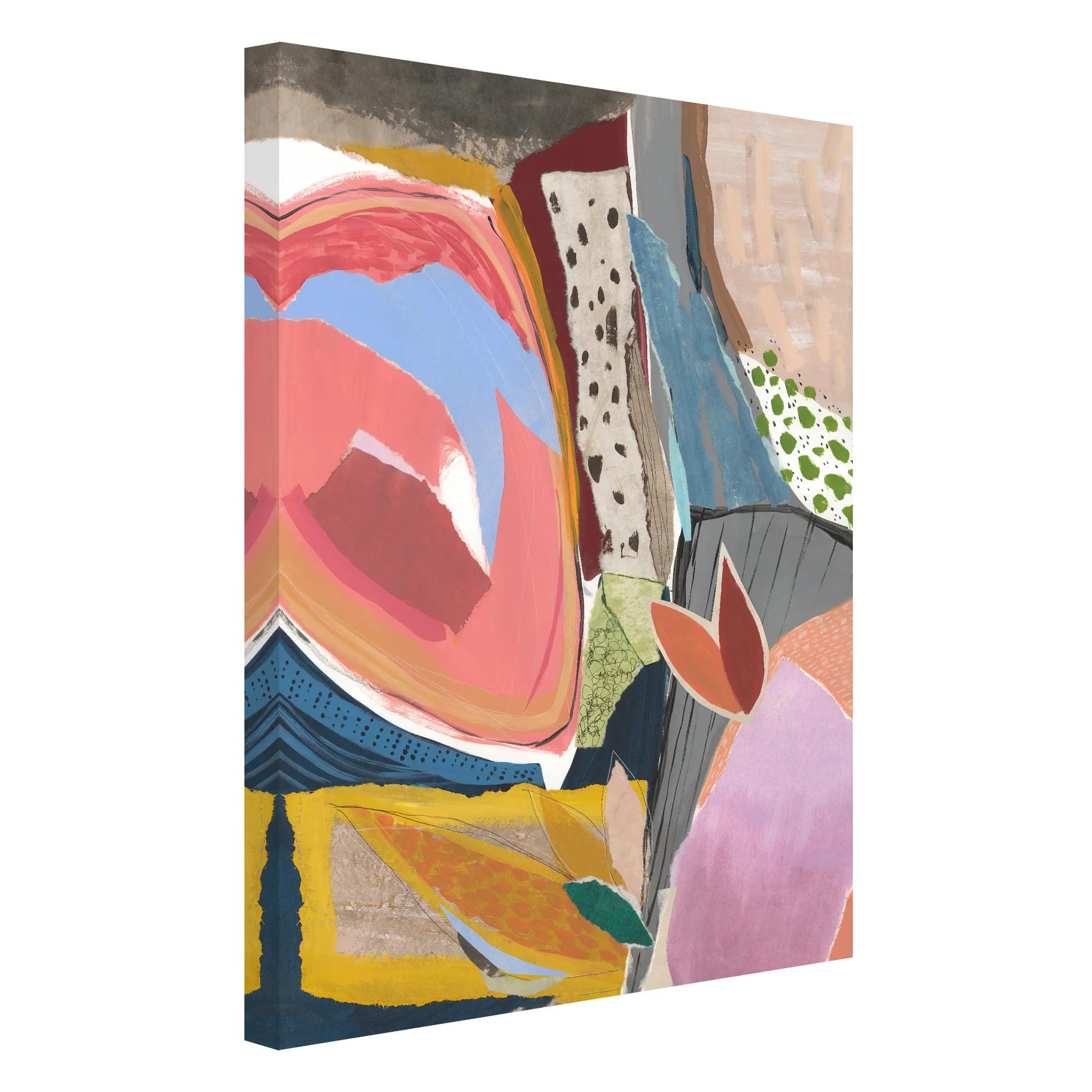 Sunday Vibes 1 Wall Art 30" x 40"$449
A gallery-wrapped canvas artwork featuring a hand-applied image brush gel finish for a textured look.
Add To Cart -
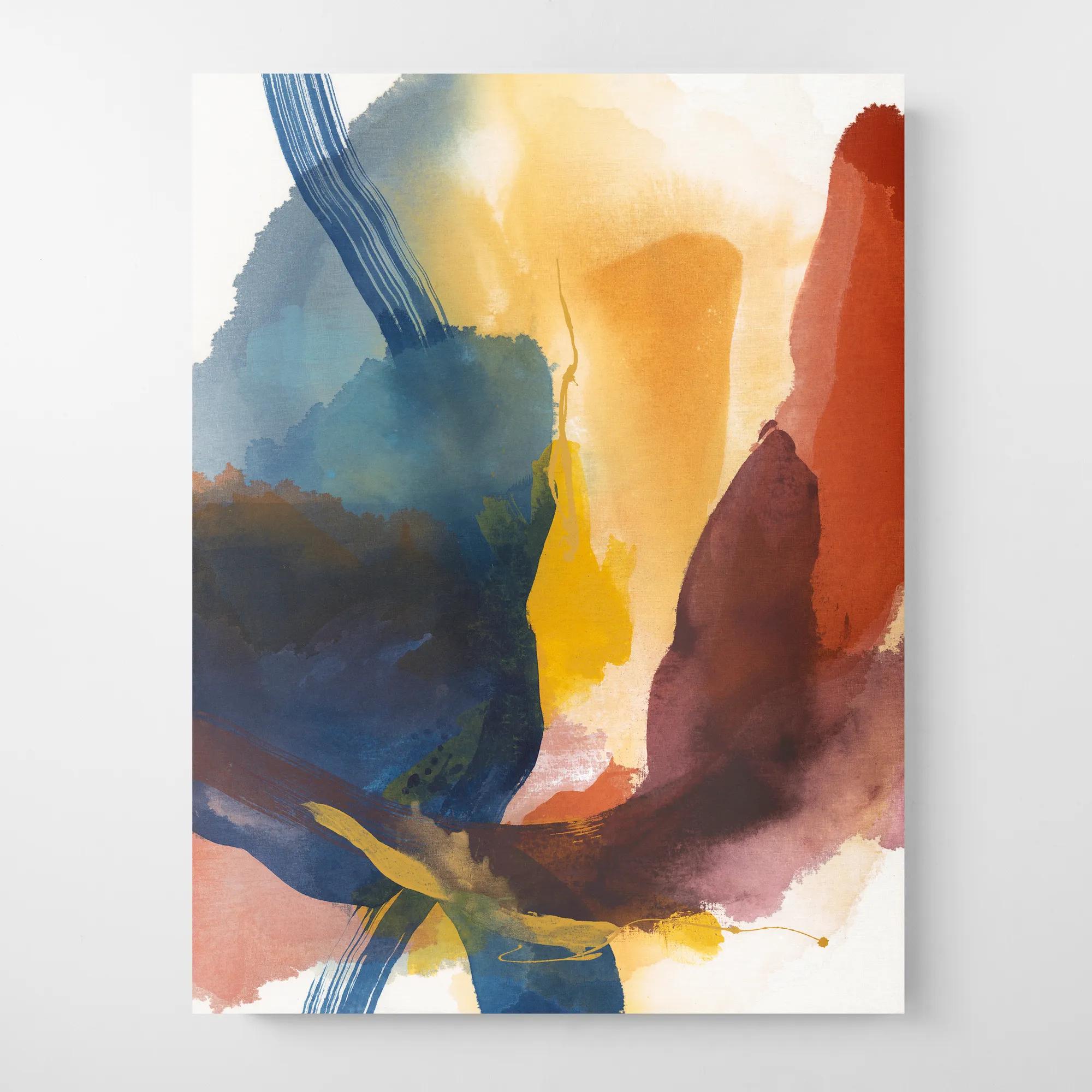
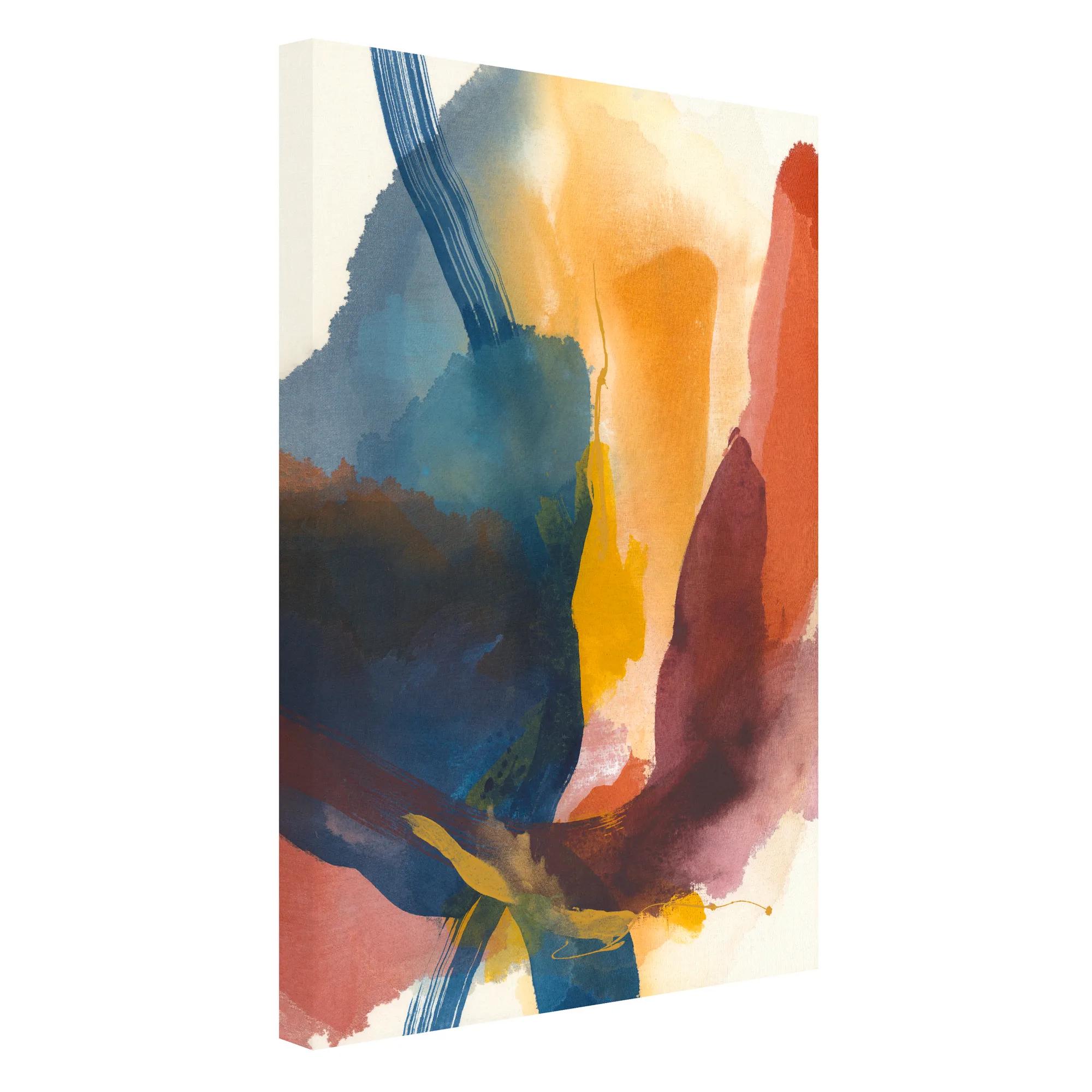 Moon Shower 1 Wall Art 30" x 40"$449
A gallery-wrapped canvas artwork featuring a hand-applied image brush gel finish for versatile display.
Add To Cart -
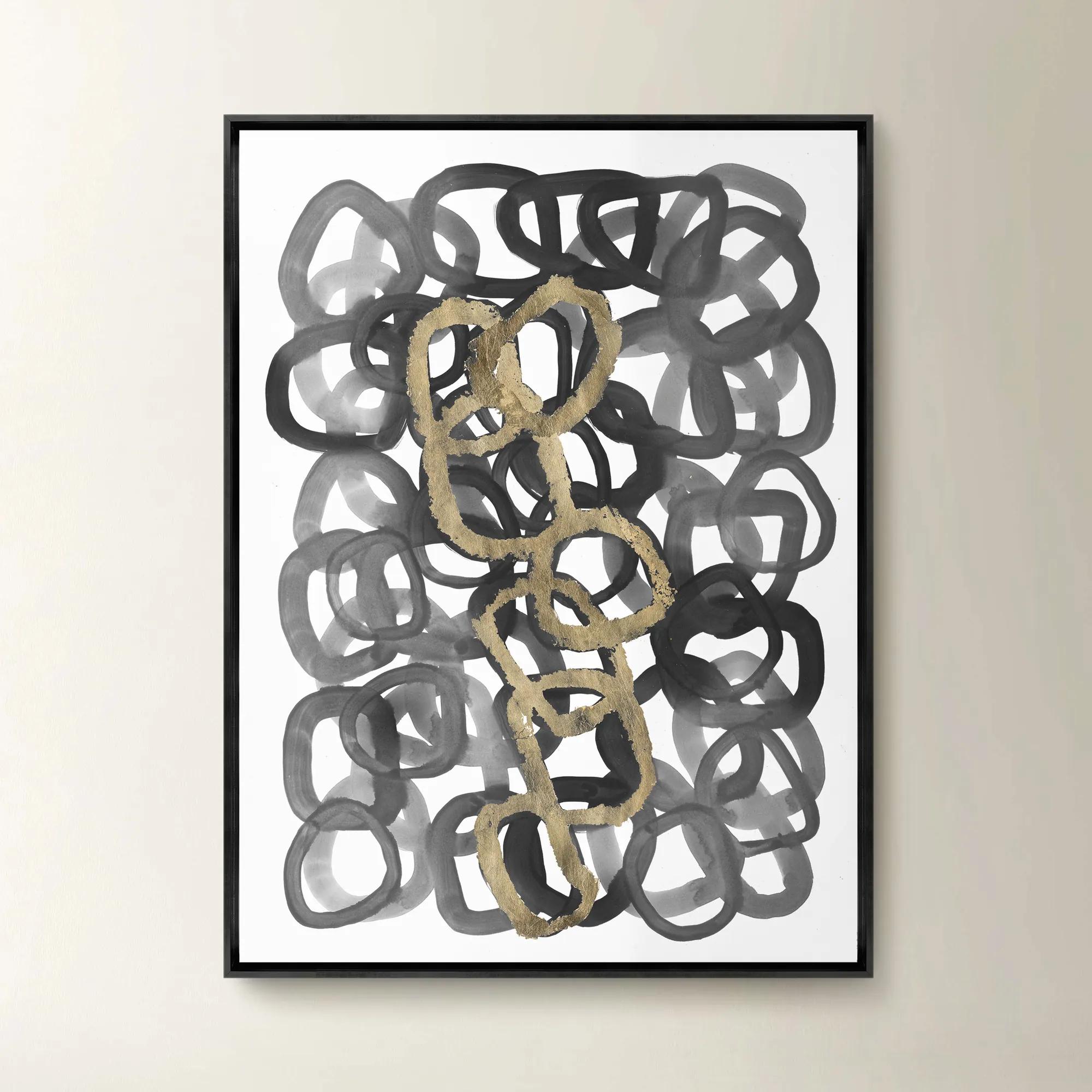
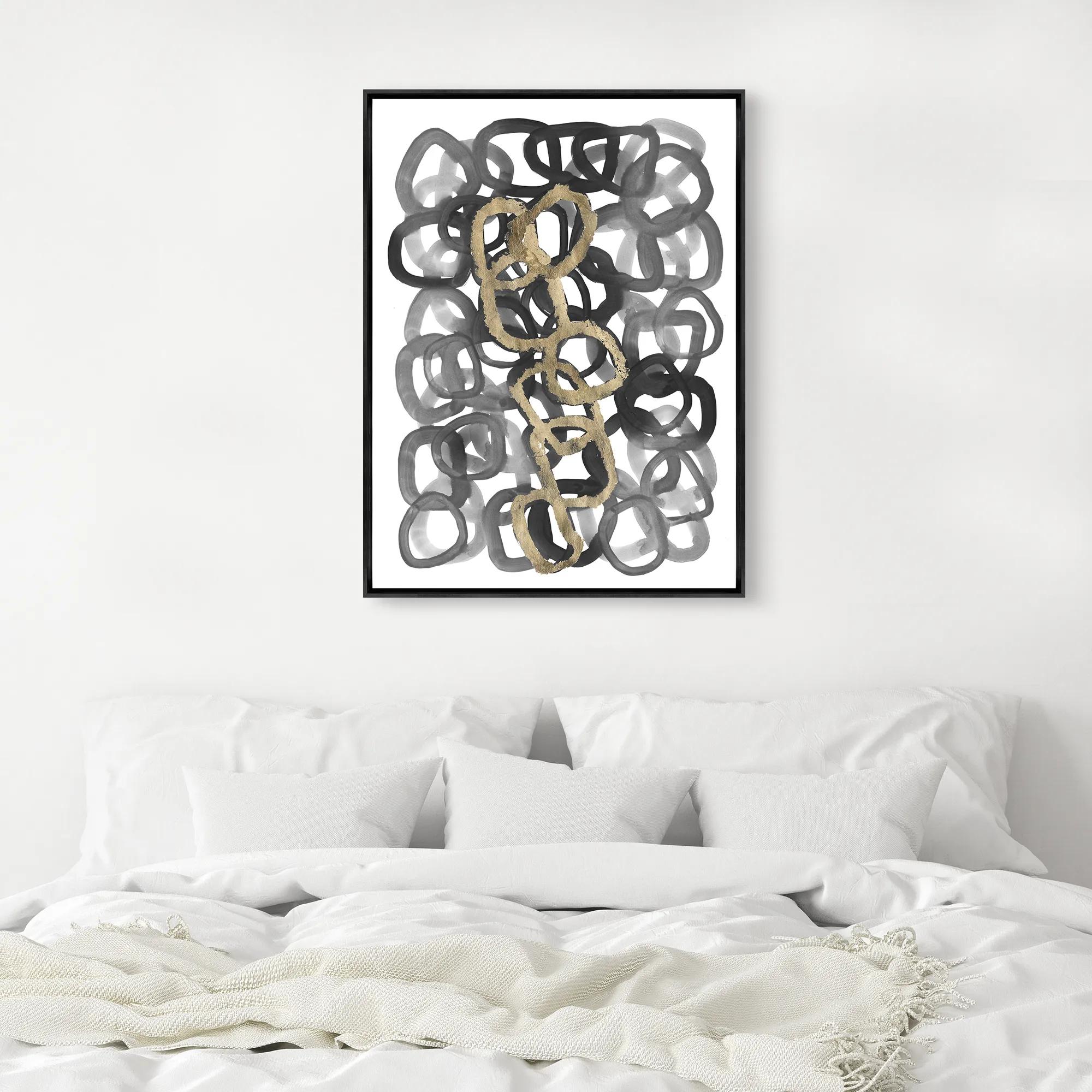 Unbroken Framed Wall Art 26" x 35"$499
A gallery-wrapped canvas artwork with a hand-applied gel finish, set in a sleek black floater frame.
Add To Cart -
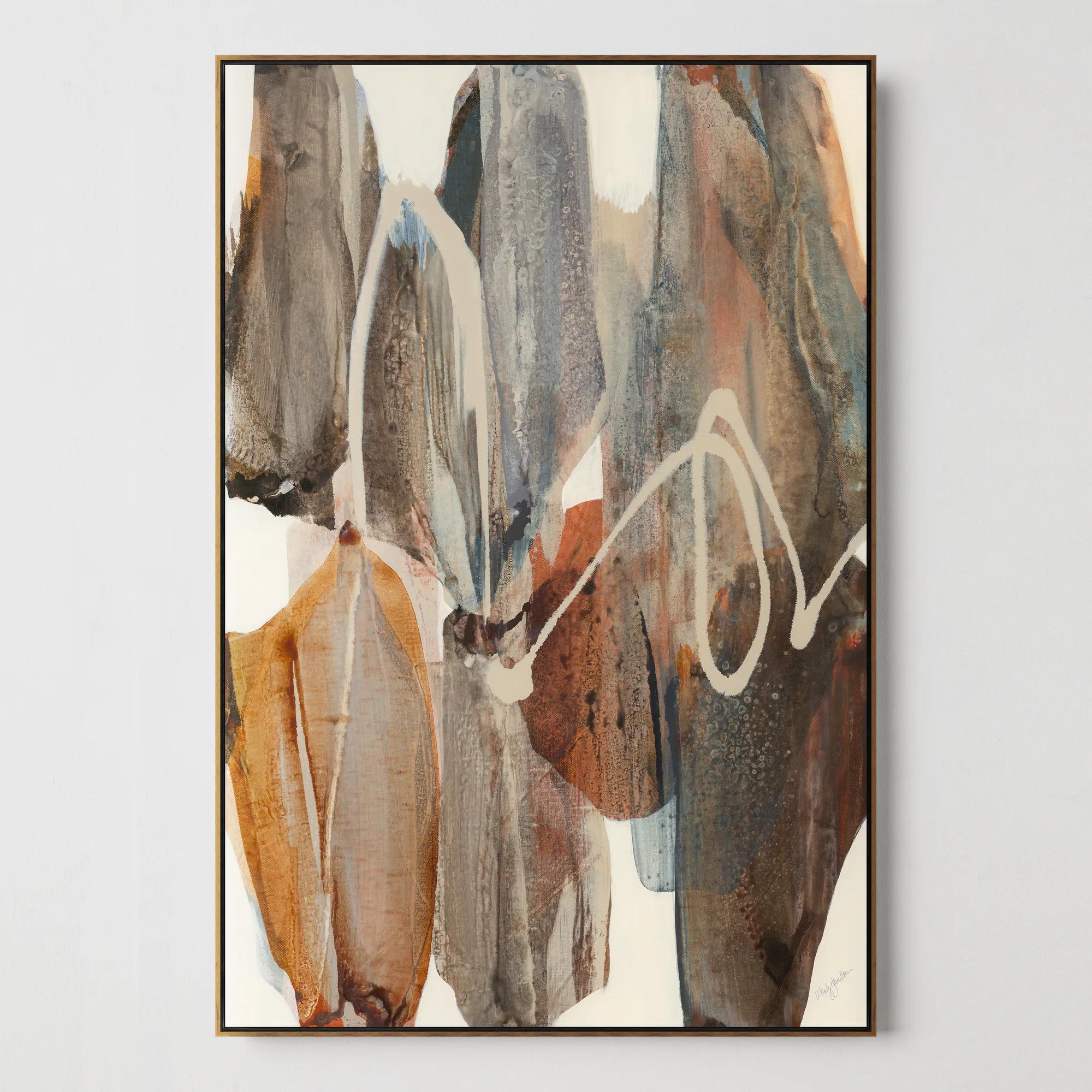
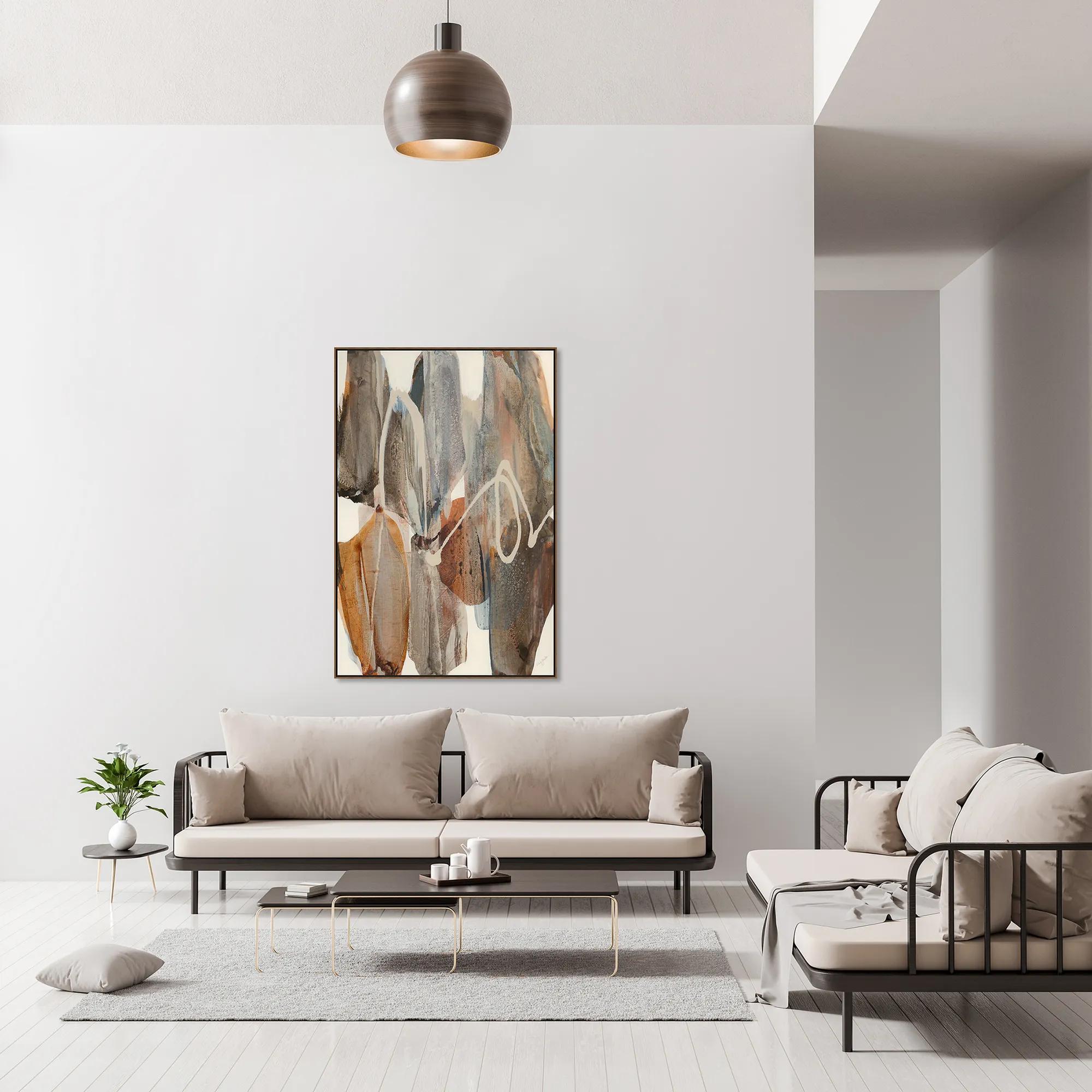 Boundless Framed Wall Art 40" x 60"$999
A gallery-wrapped canvas artwork with hand-applied brush gel finish in an oak floater frame.
Add To Cart -
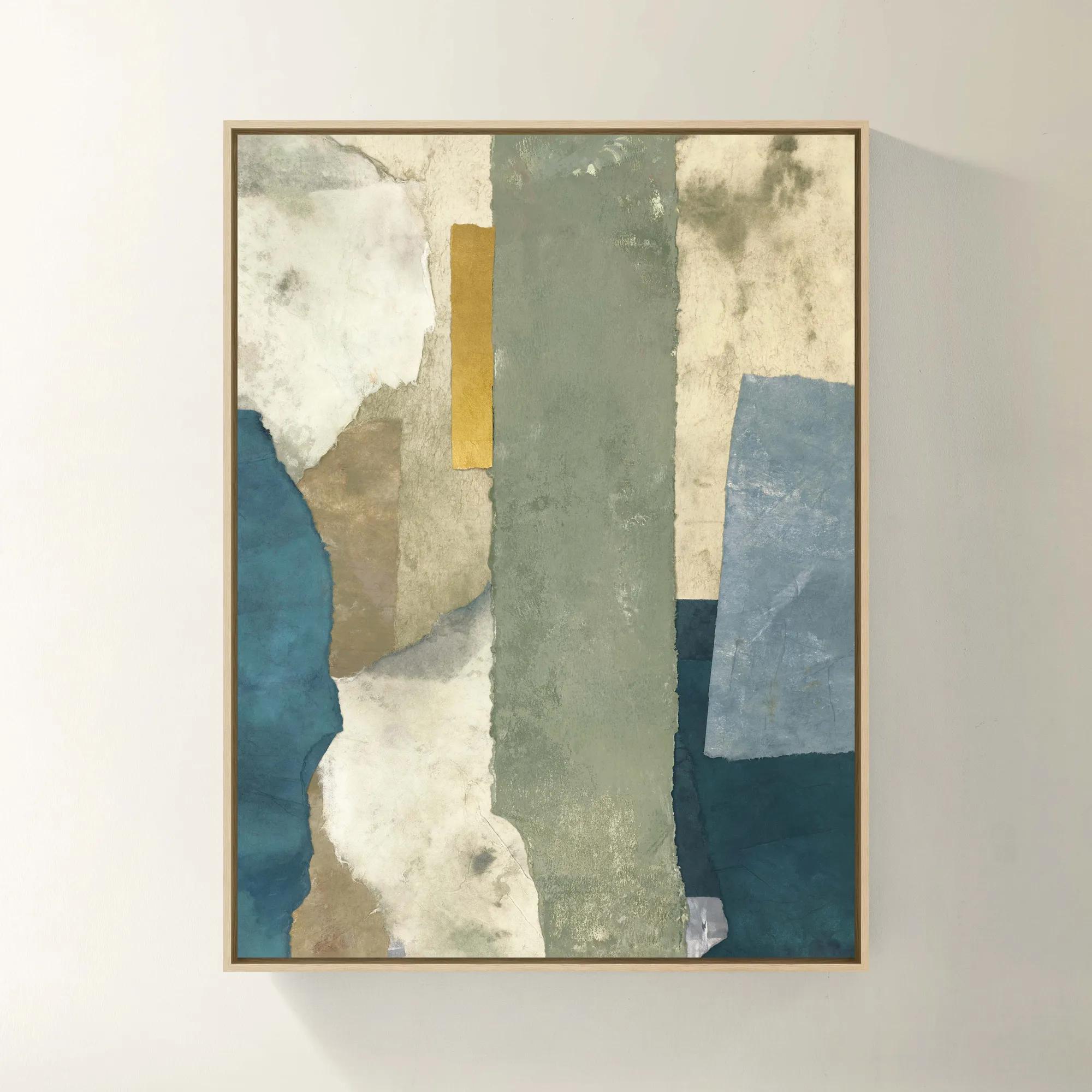 Earth Fragments II Framed Wall Art 30" x 40"$799
A gallery-wrapped canvas featuring gild accents and hand-applied gel, set in a natural floater frame.
Add To Cart -
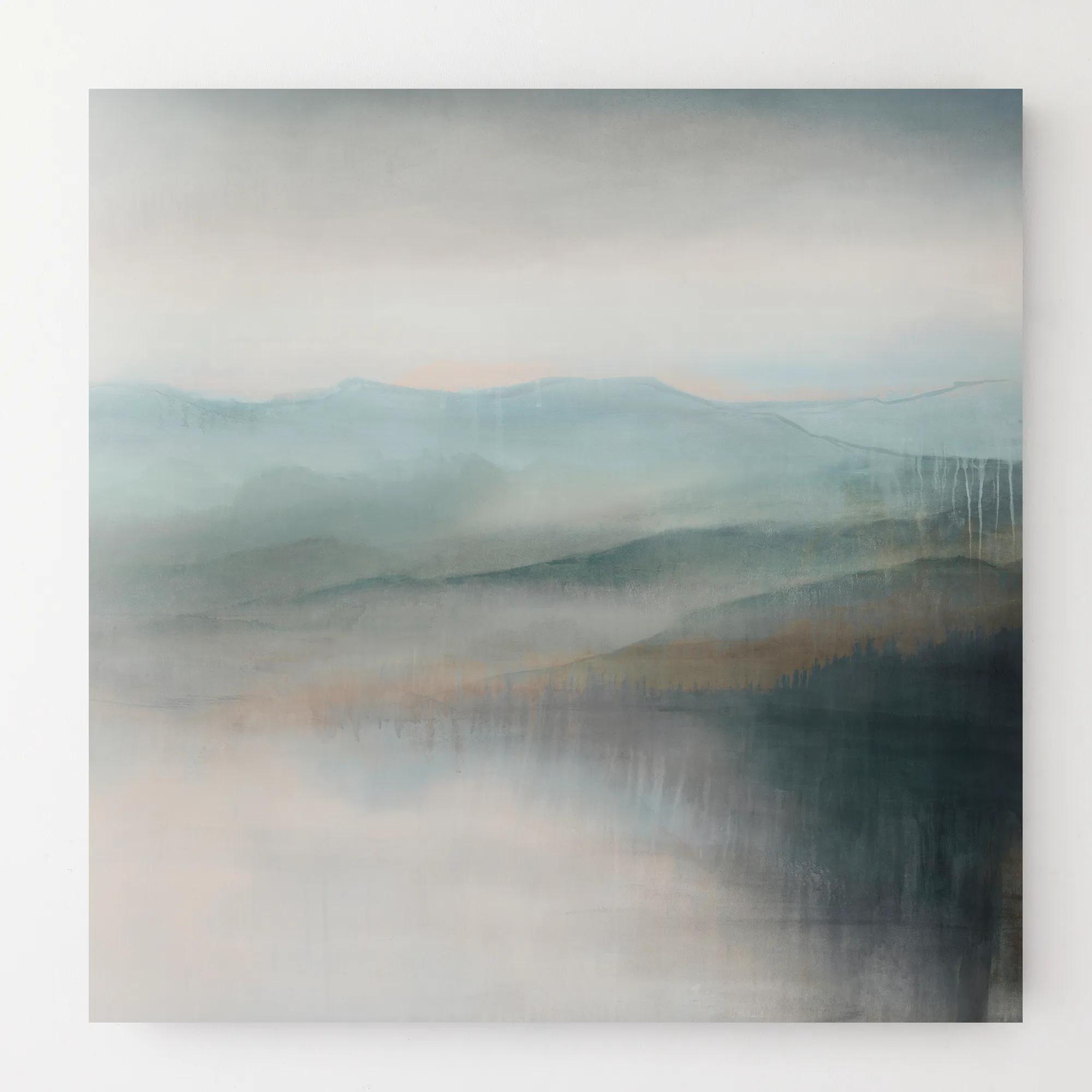
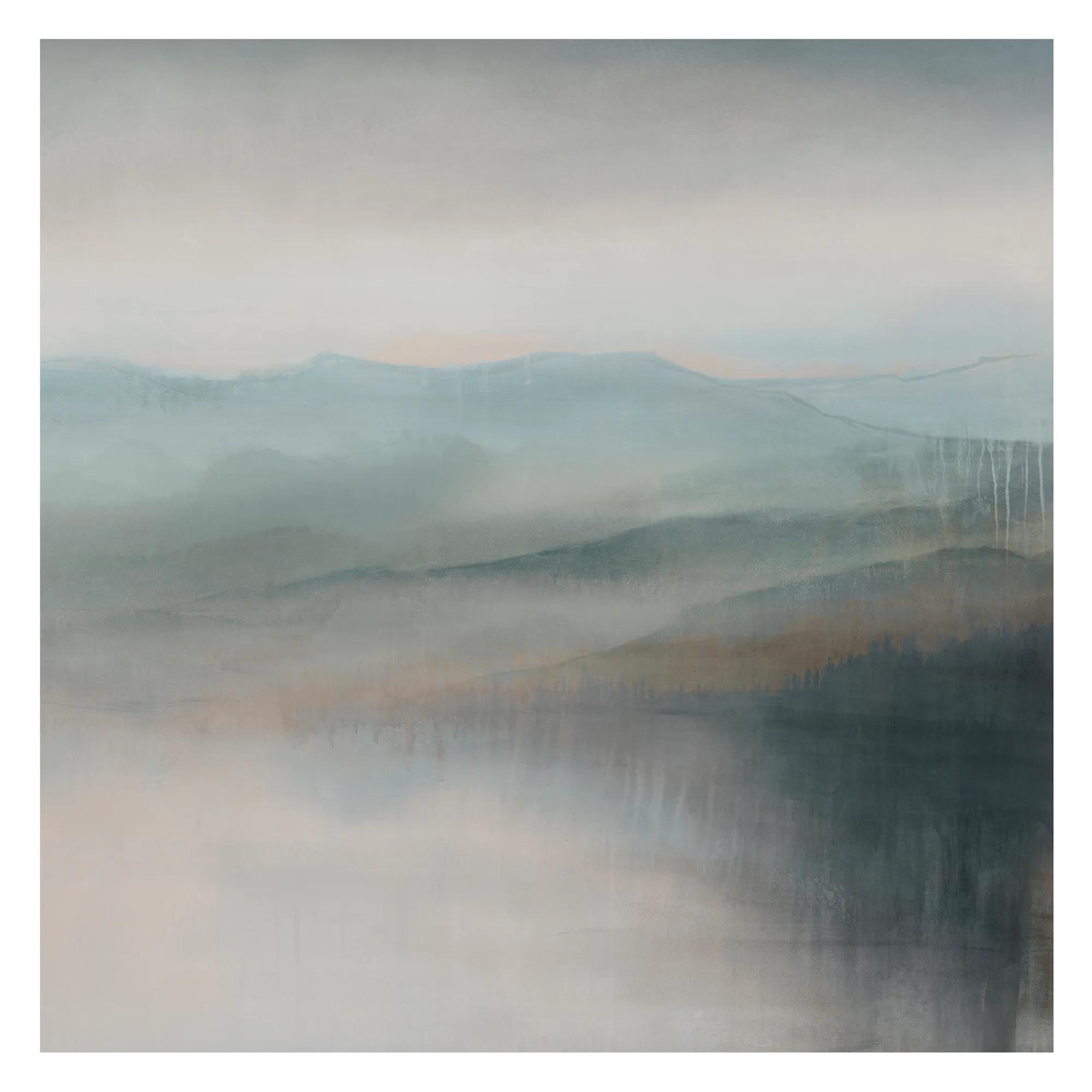 Morning Lift Wall Art 30" x 30"$399
A gallery-wrapped canvas artwork featuring a hand-applied image brush gel finish for added texture and depth.
Add To Cart -
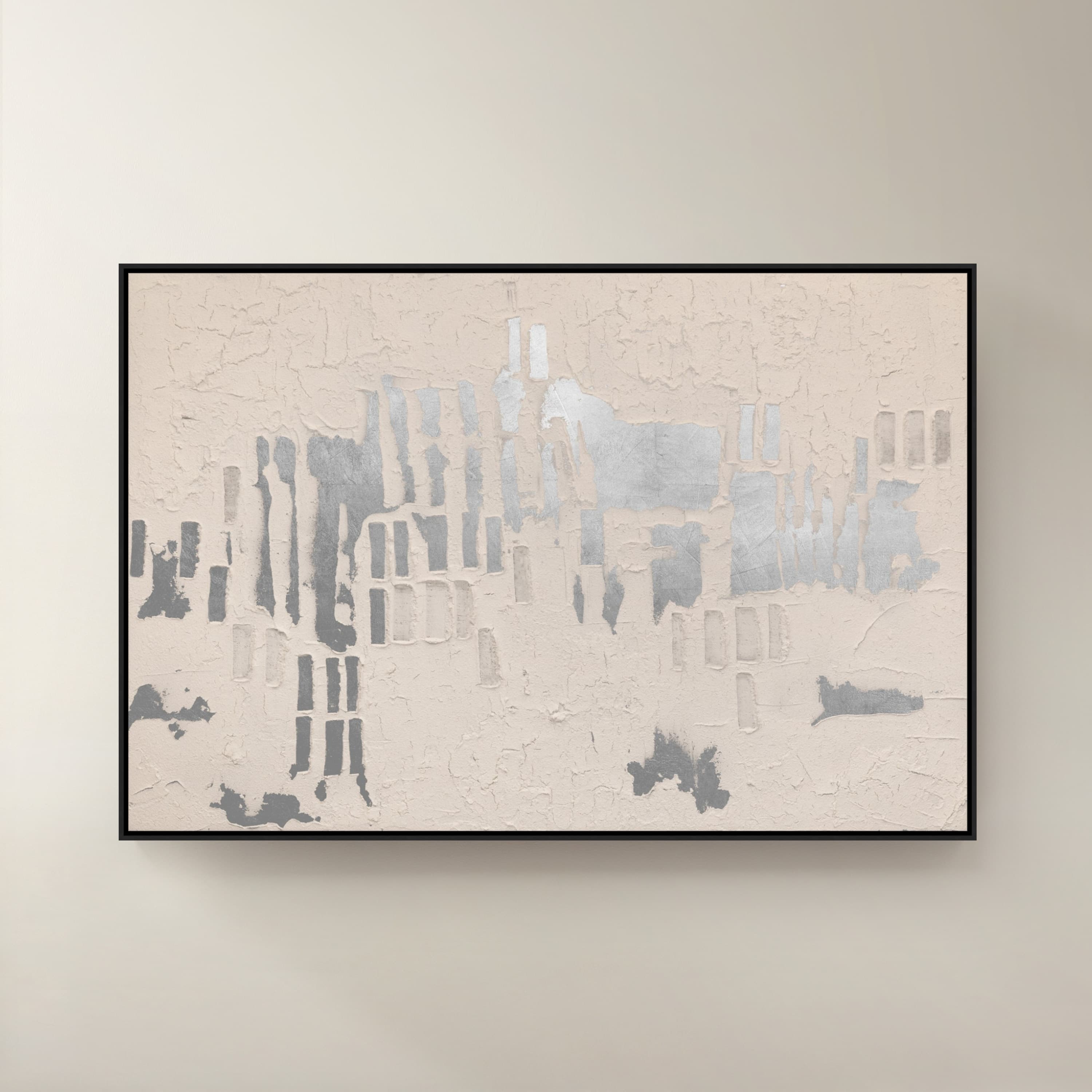
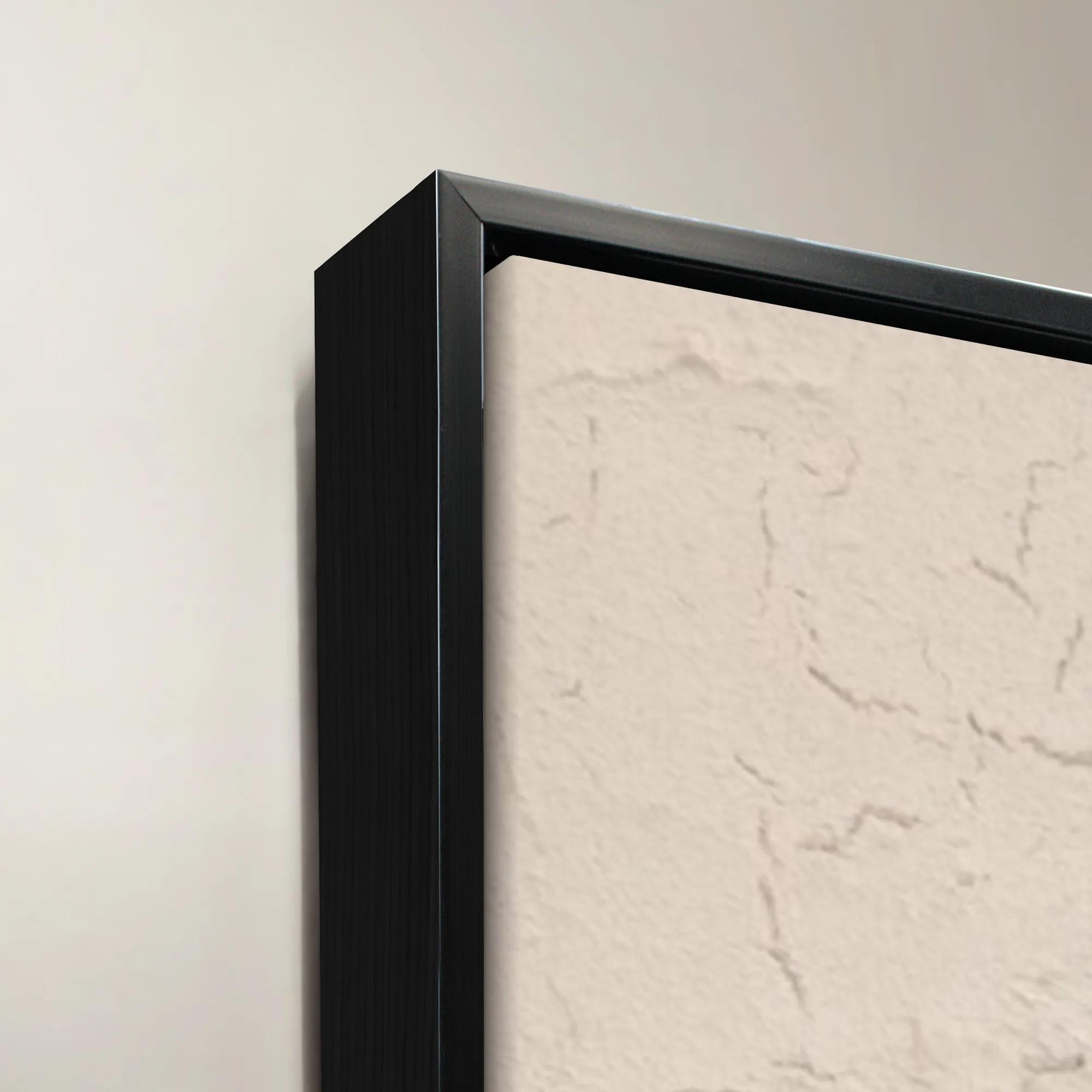 Silver Reverie Framed Painted Wall Art 60" x 40"$1699
A silver-toned painted canvas artwork framed for a sophisticated, contemporary wall display.
Add To Cart -

 Blooming in Her Own Time Framed Wall Art 40" x 50"$1029
A vibrant multicolored canvas wall artwork featuring an expressive botanical-inspired design in a framed presentation.
Add To Cart -
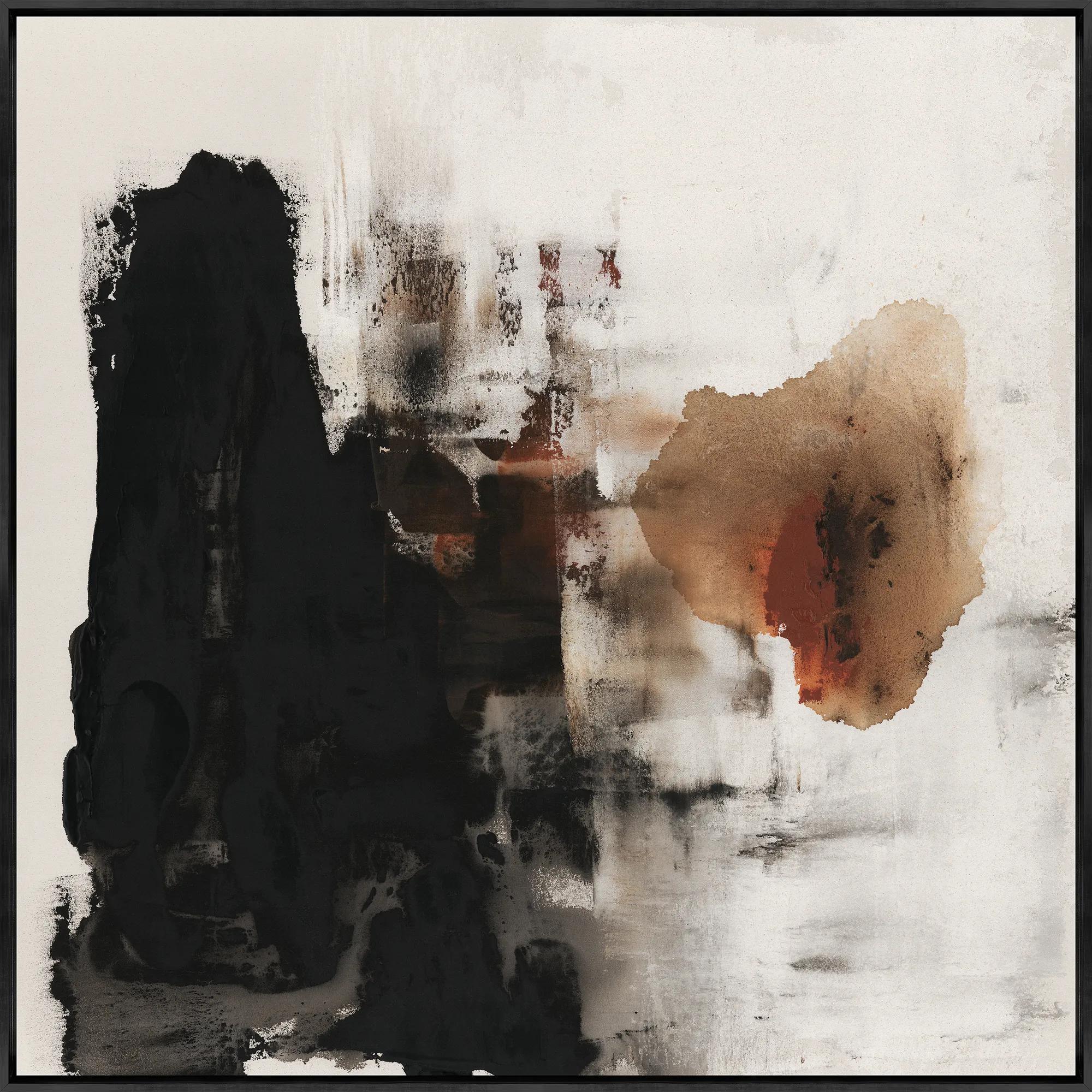 Burning for You I Framed Wall Art 40" x 40"$799
A gallery-wrapped canvas artwork with hand-applied brush gel, set in a sleek black floater frame.
Add To Cart -
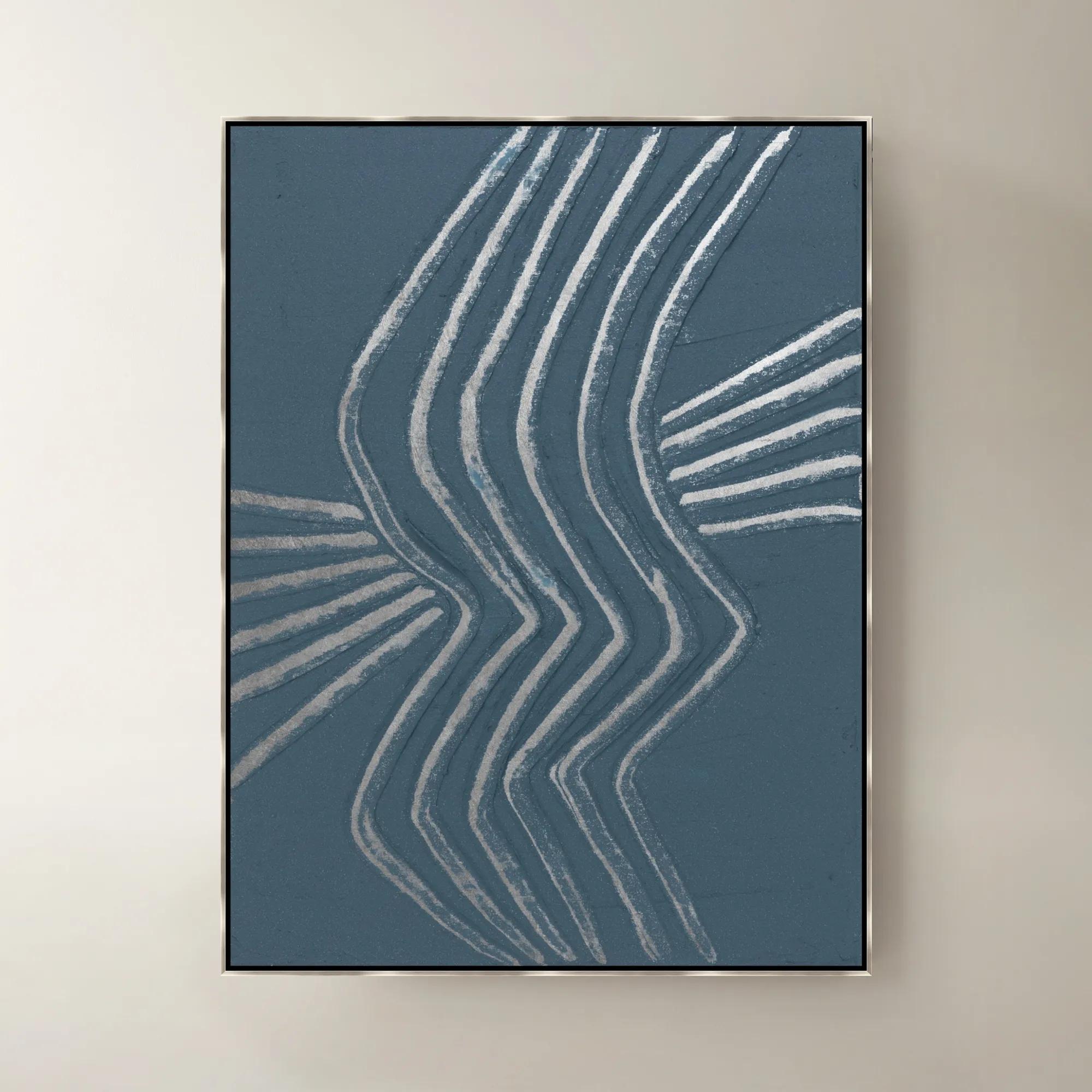
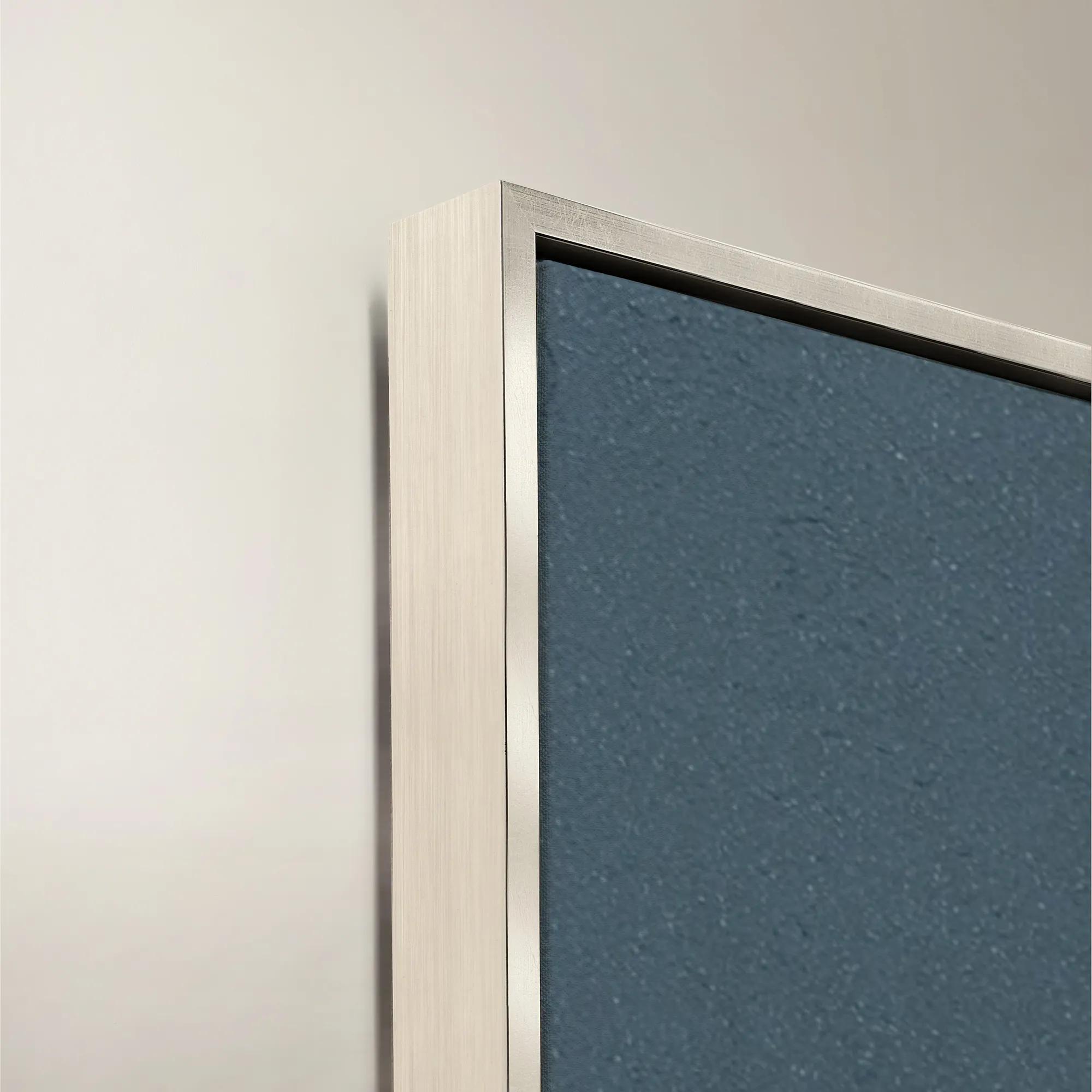 Gilded Waves IV Framed Painted Wall Art 40" x 53"$1399
A framed painted canvas artwork featuring flowing gilded waves in soothing blue and purple tones.
Add To Cart -
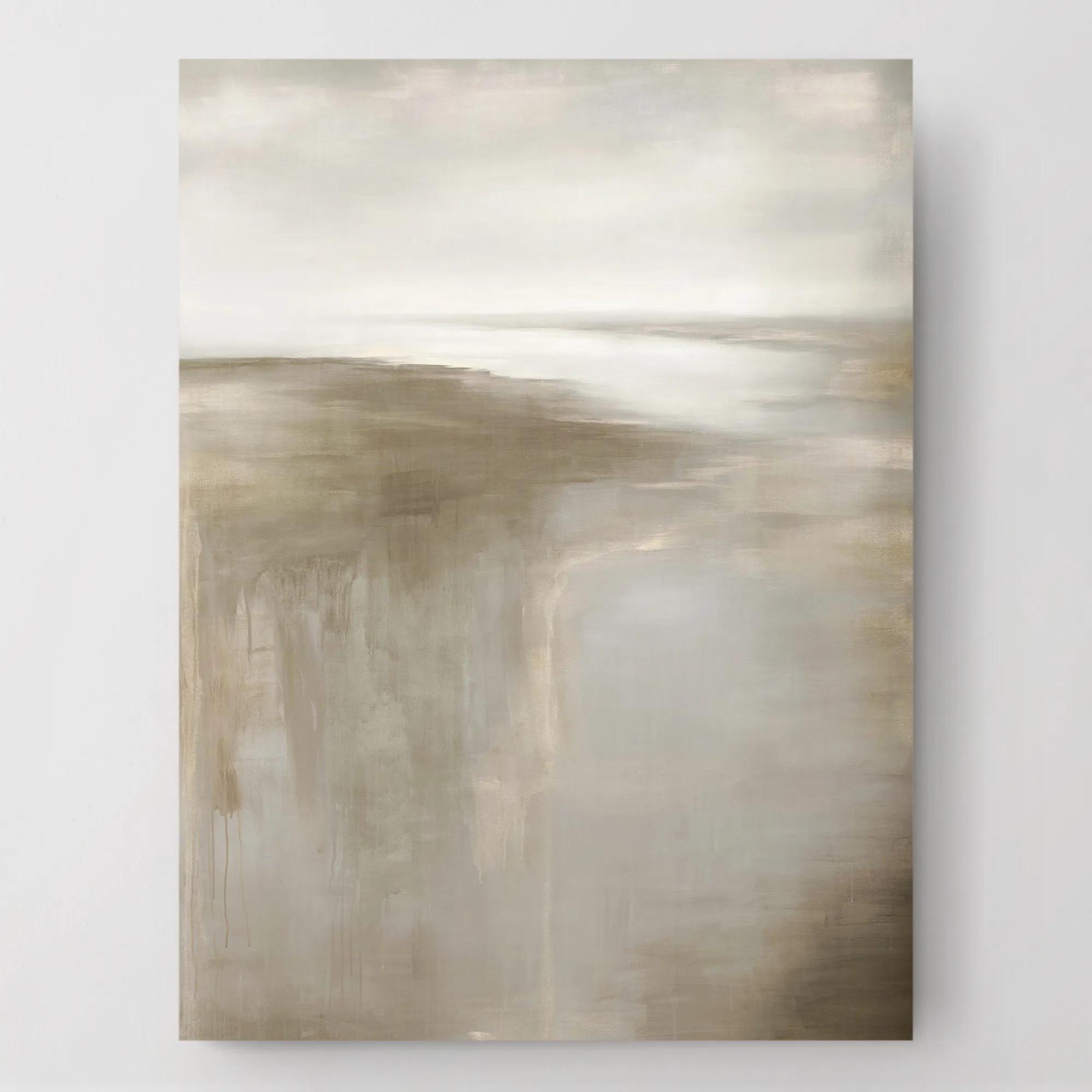
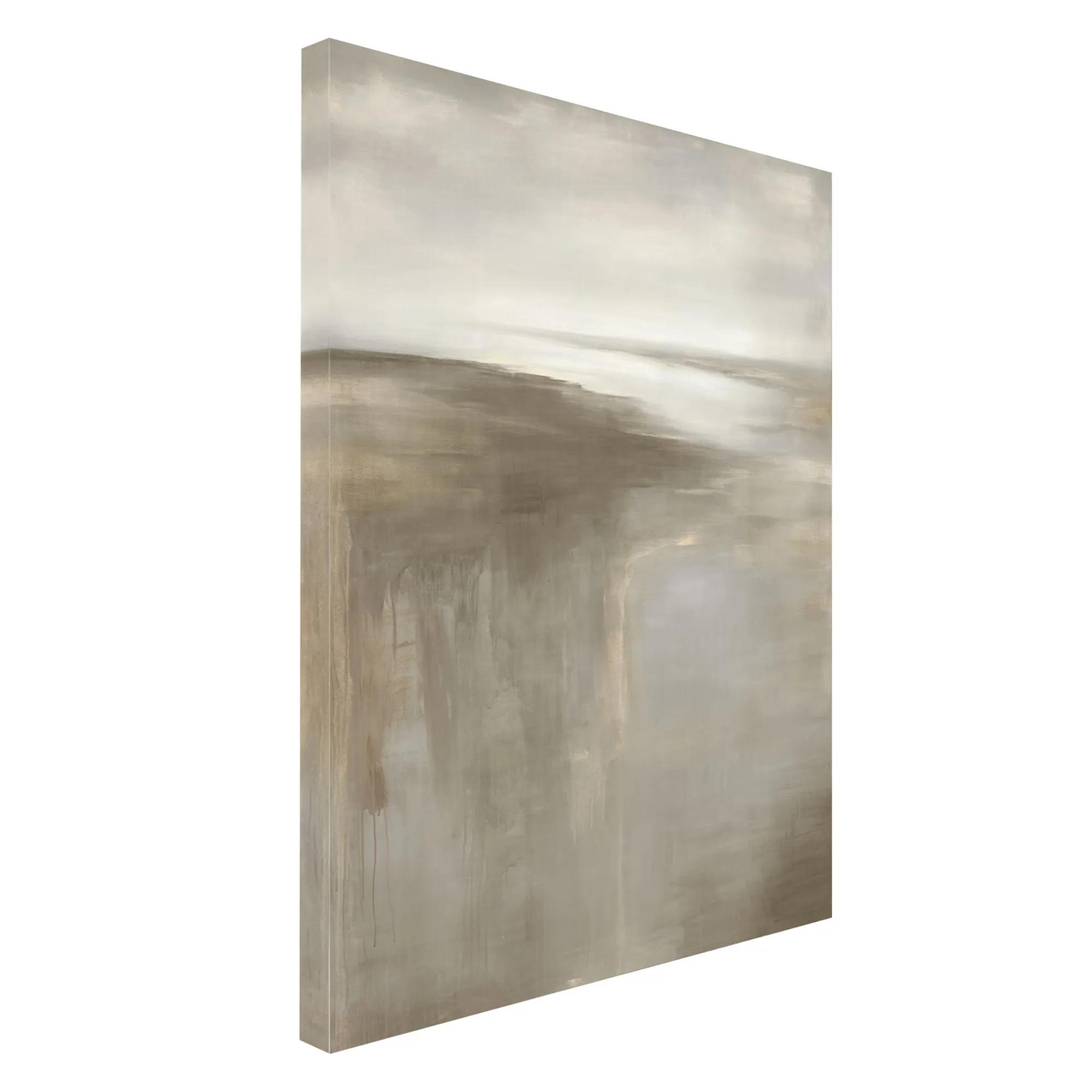 Silver Morning Wall Art 30" x 40"$449
A gallery-wrapped silver canvas artwork featuring a hand-applied image brush gel finish.
Add To Cart -
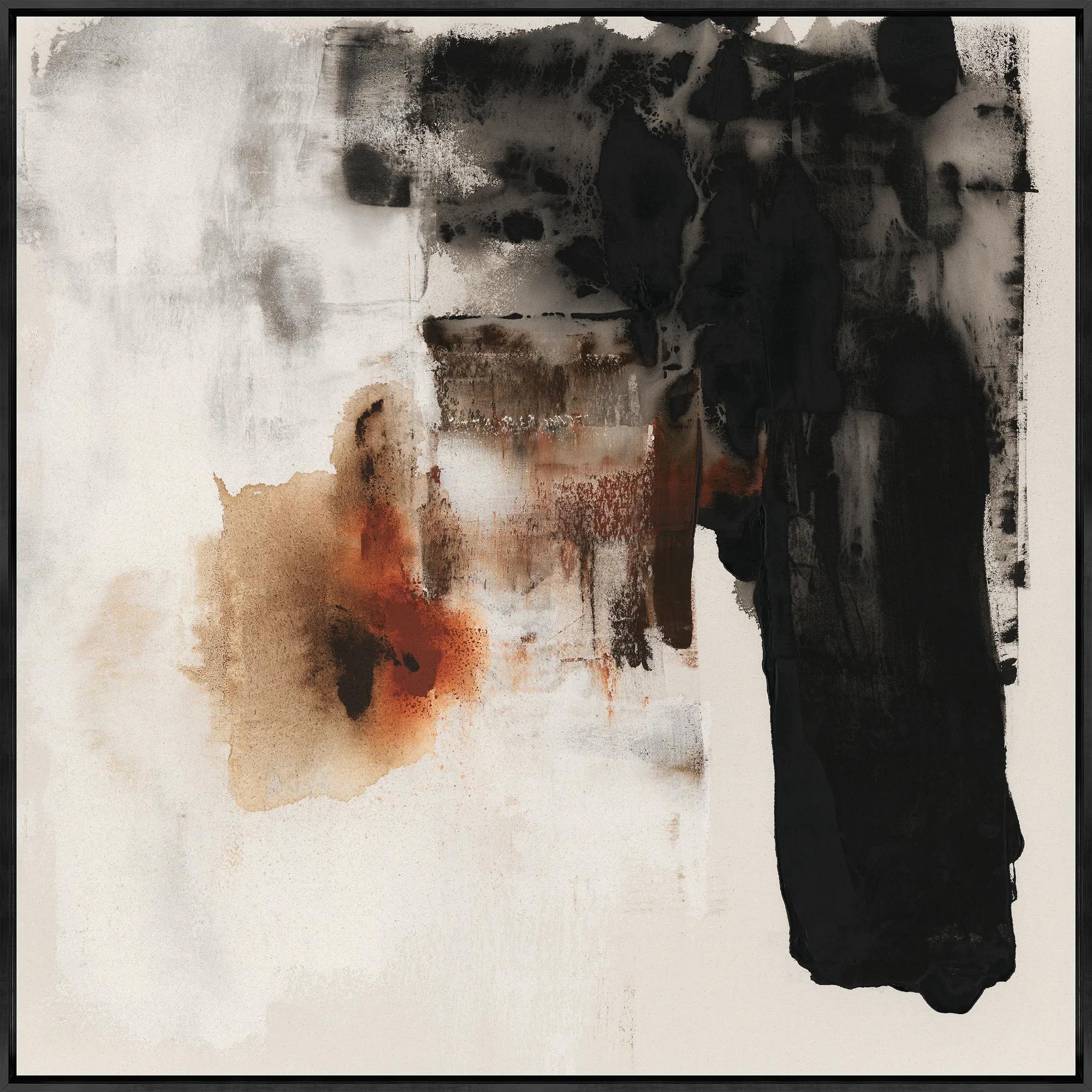
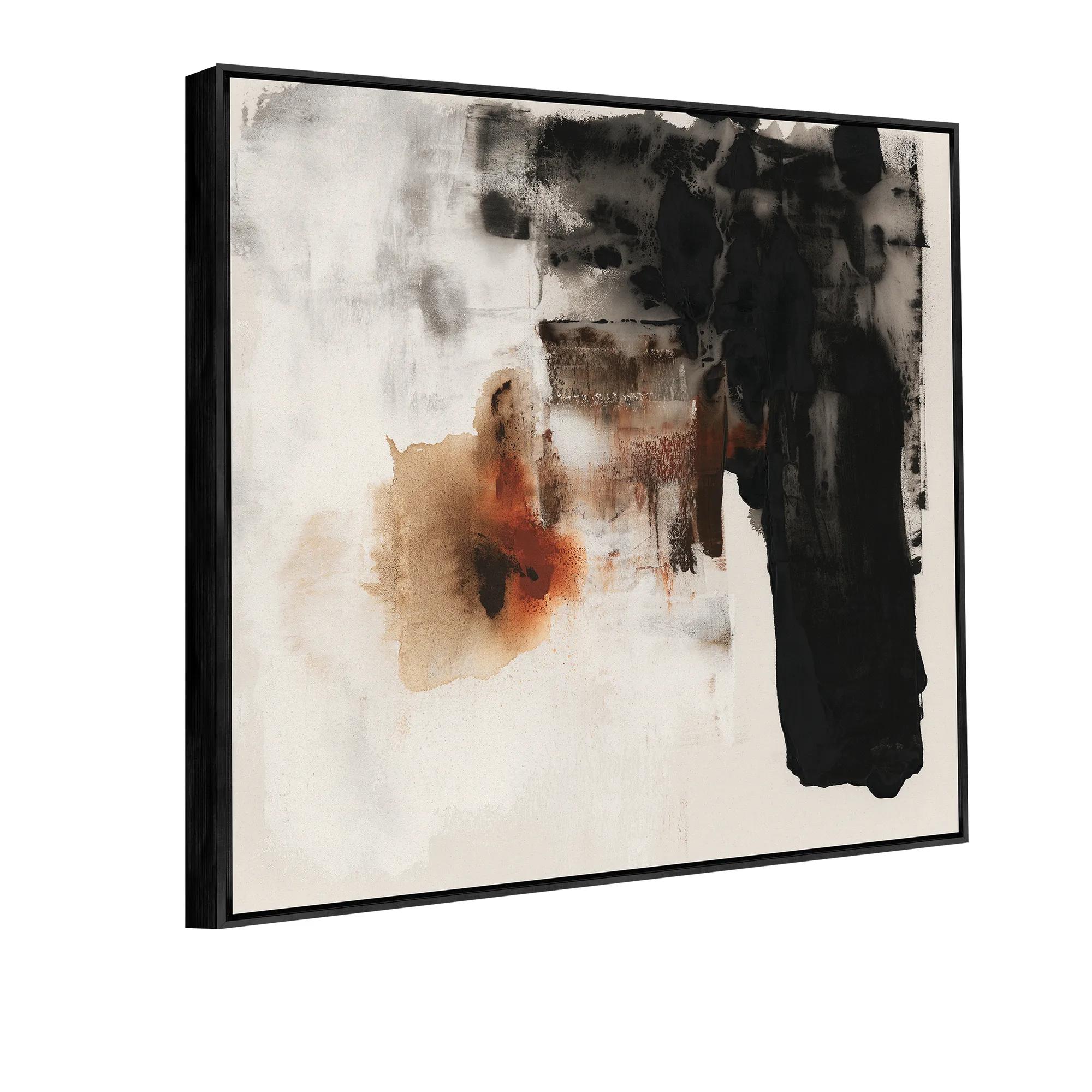 Burning for You II Framed Wall Art 40" x 40"$799
A gallery-wrapped canvas artwork with hand-applied brush gel, set in a sleek black floater frame.
Add To Cart -
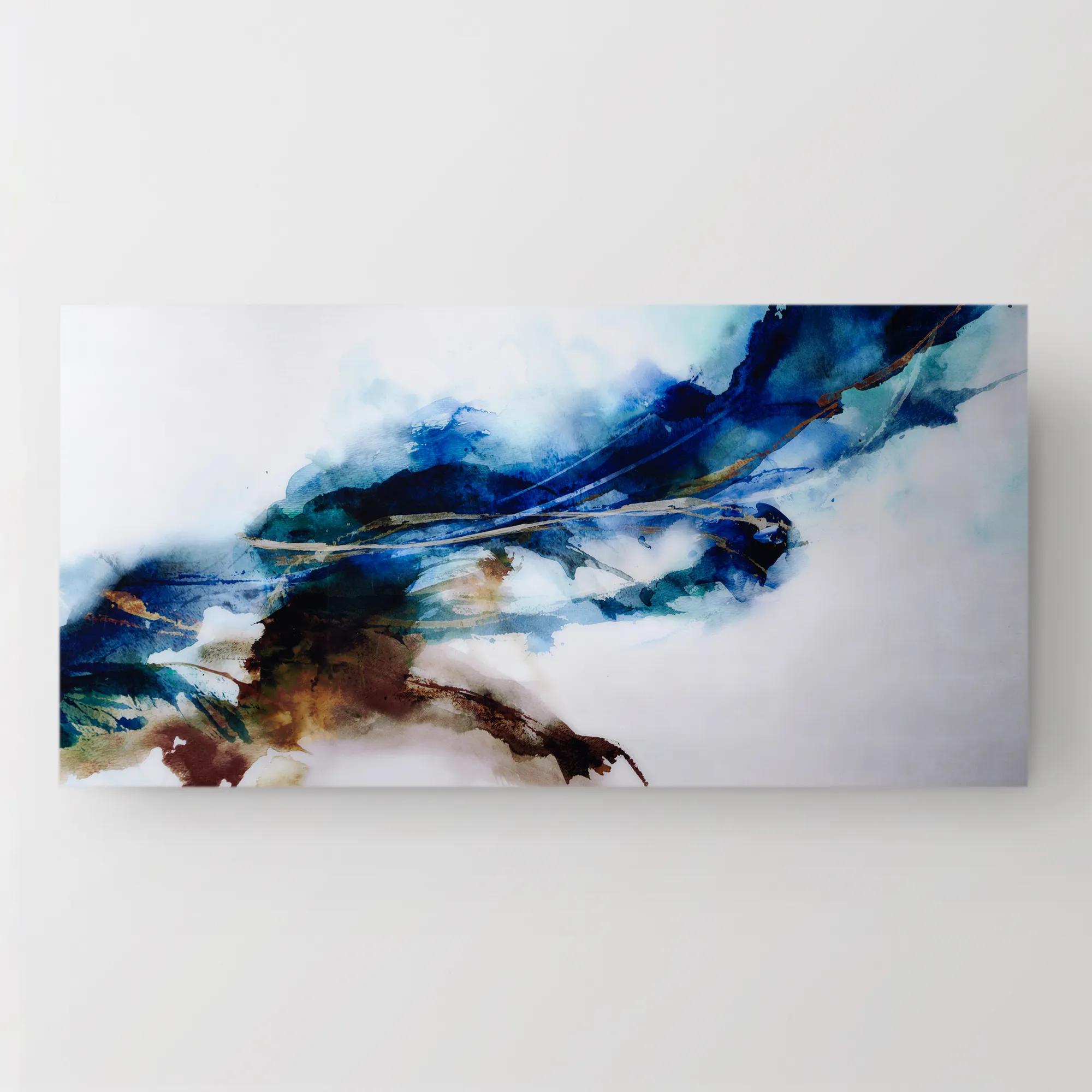 Cerulean Movement Acrylic Art 72" x 36"$1299
A vibrant abstract artwork printed on high-gloss acrylic, infusing your space with dynamic energy and movement.
Add To Cart -
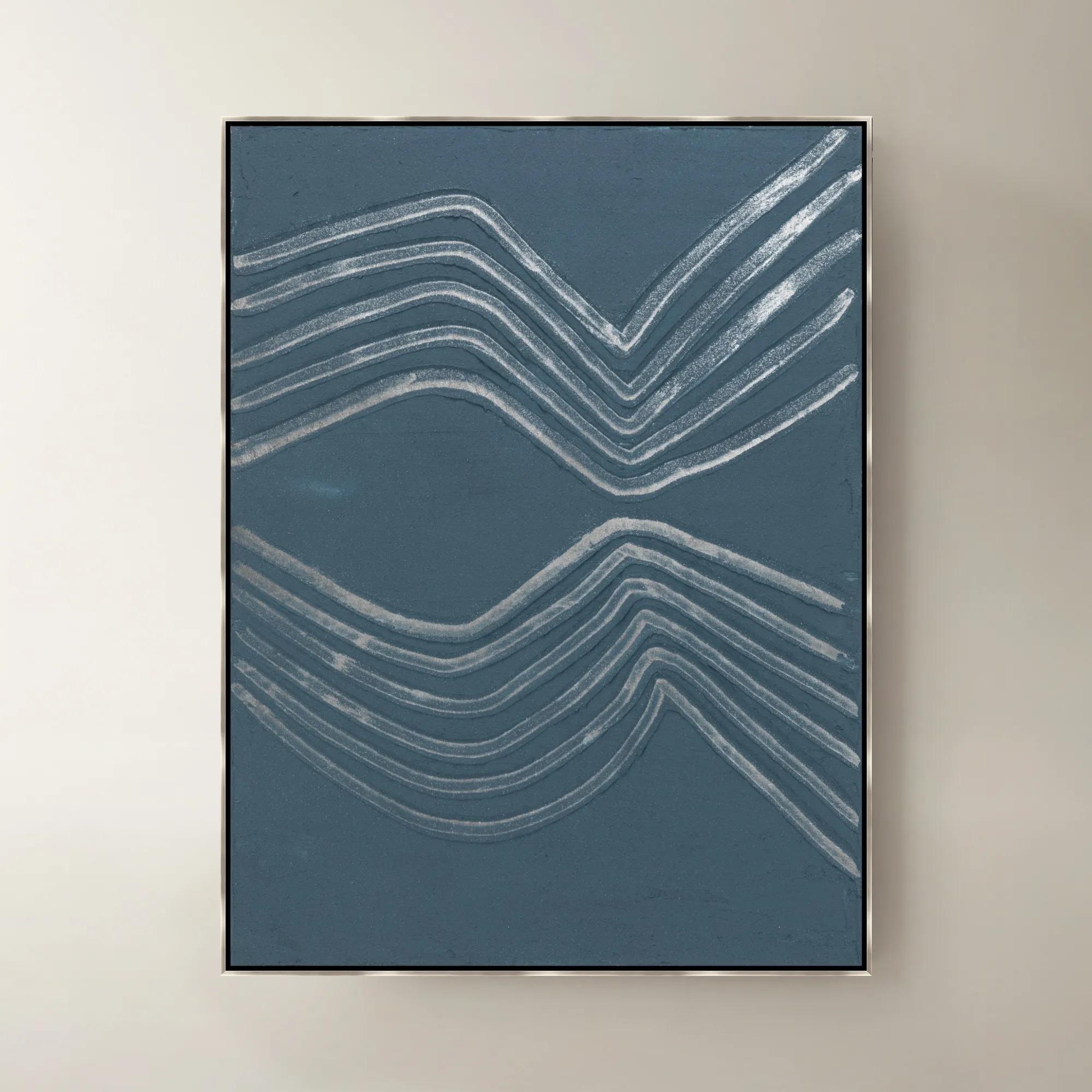
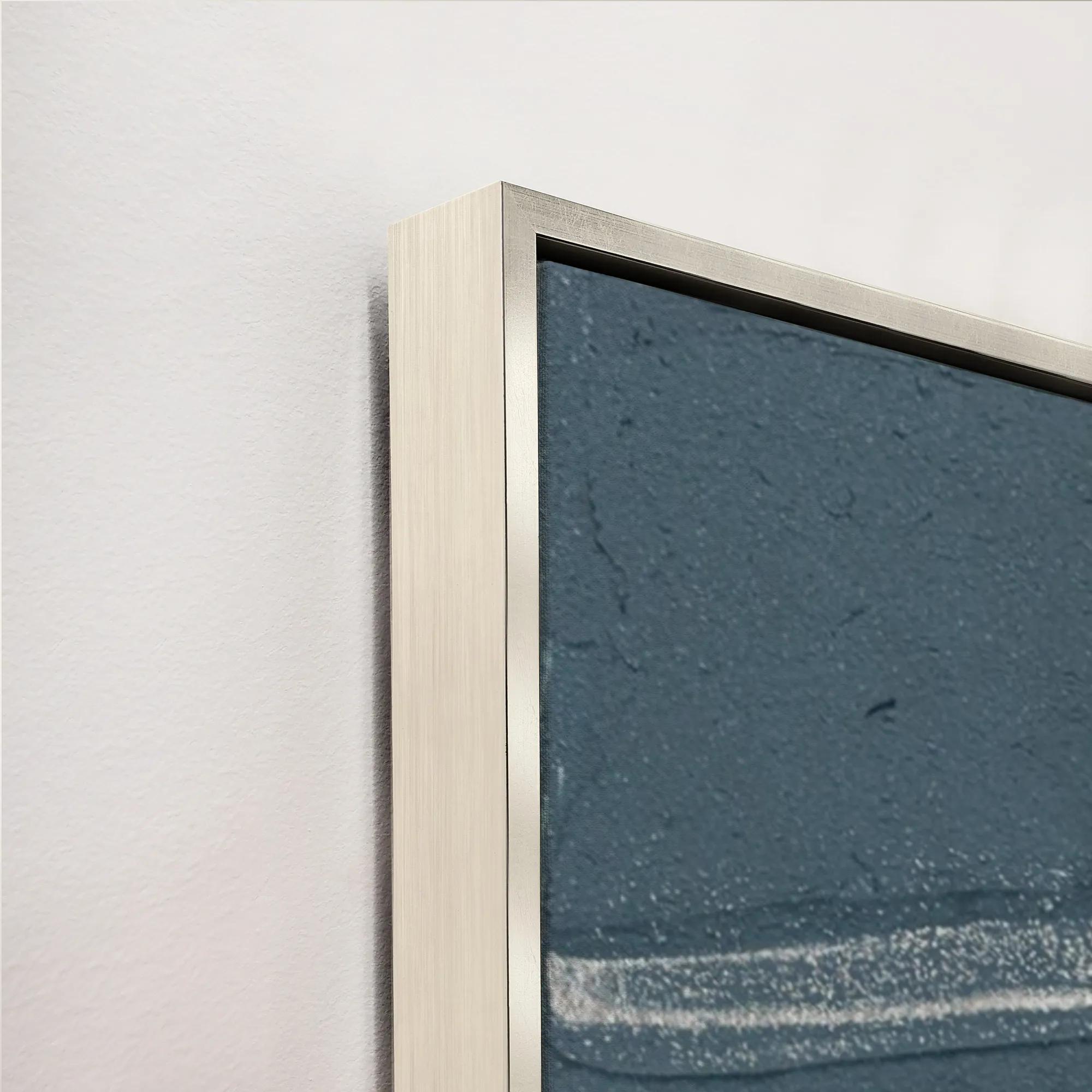 Gilded Waves VI Framed Painted Wall Art 40" x 53"$1399
A framed painted canvas artwork featuring sweeping gilded waves in rich blue and purple tones.
Add To Cart -
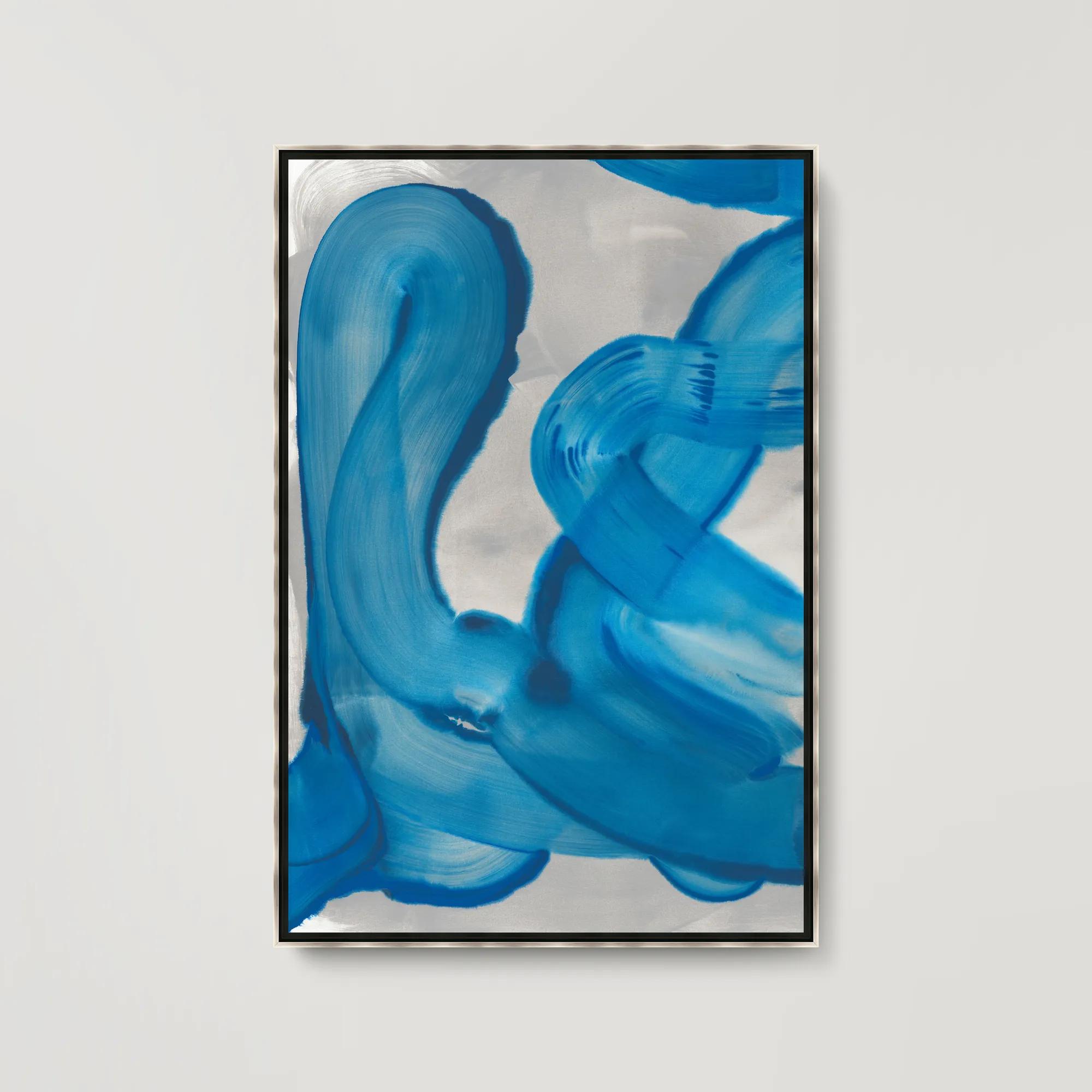 Royal Waves I Framed Wall Art 31.5" x 46.5"$699
A gallery-wrapped abstract canvas featuring hand-applied brush gel and set in a sleek silver floater frame.
Add To Cart -
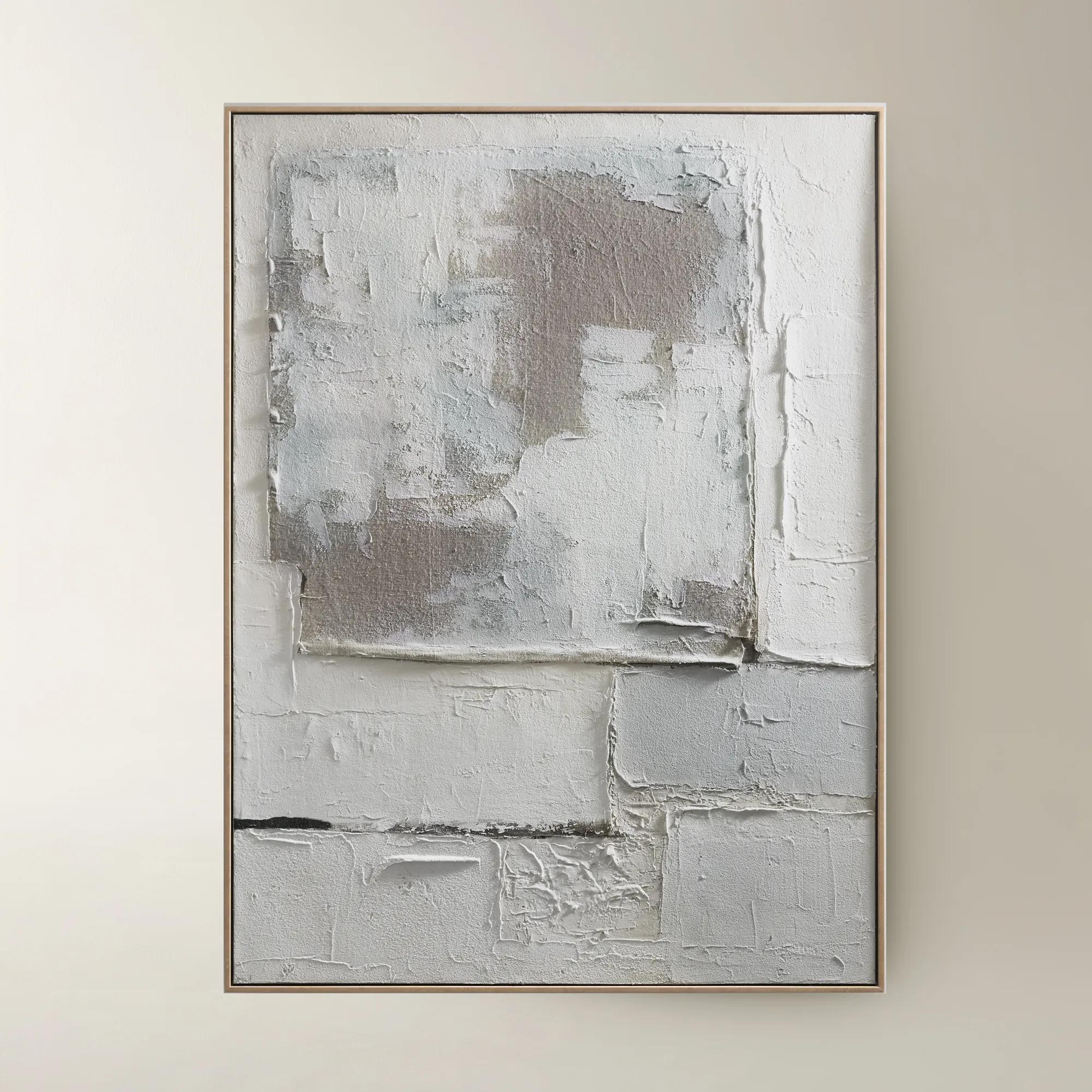
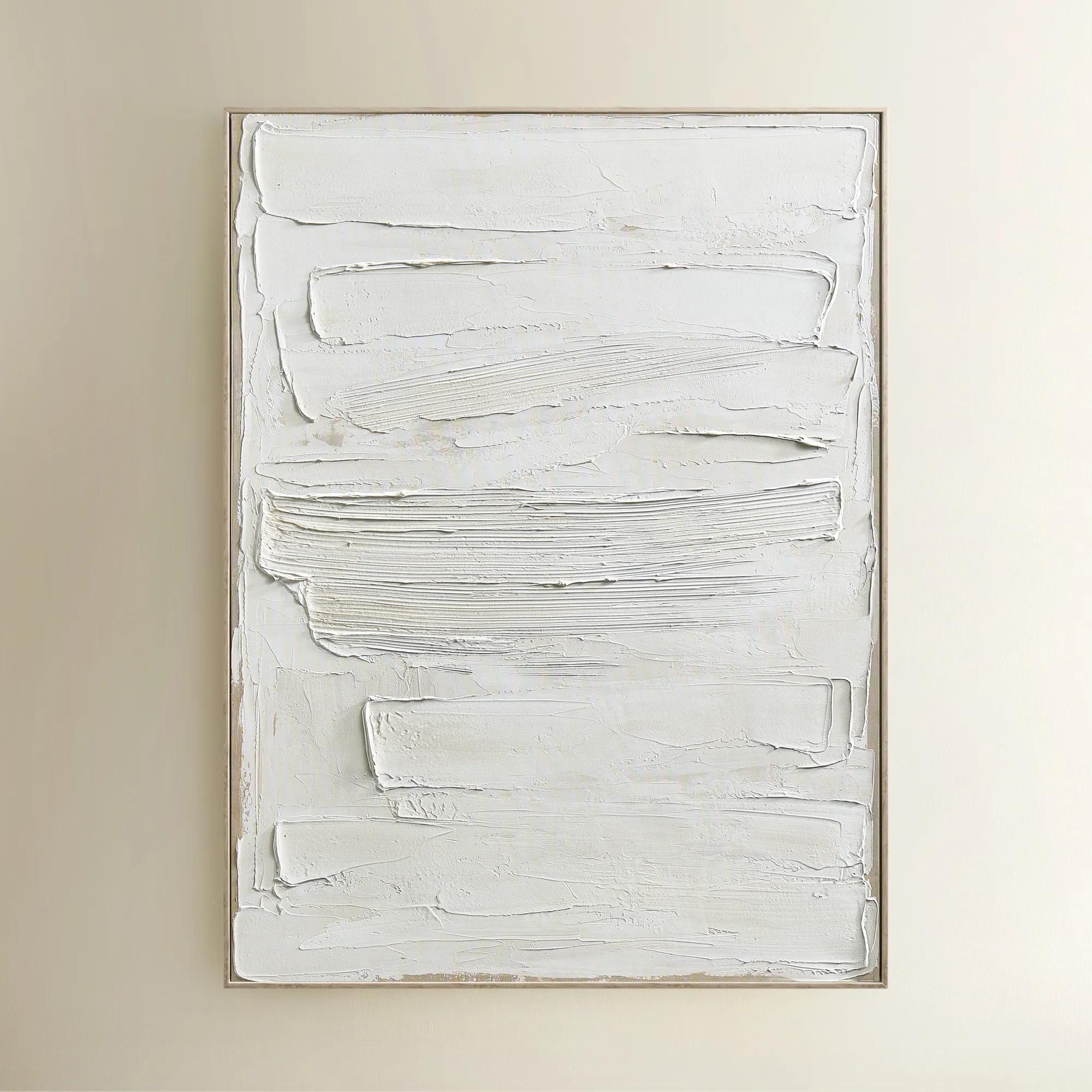
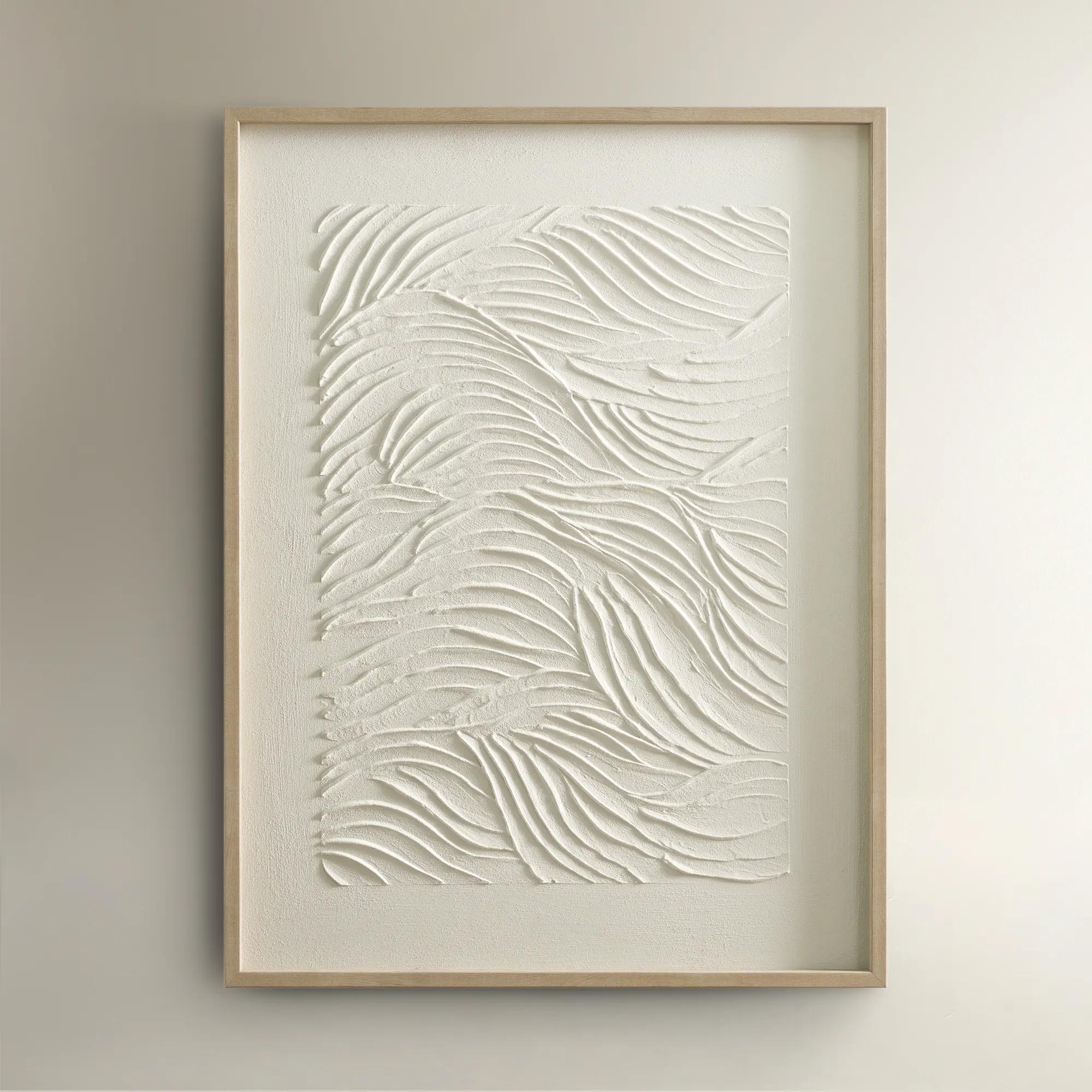
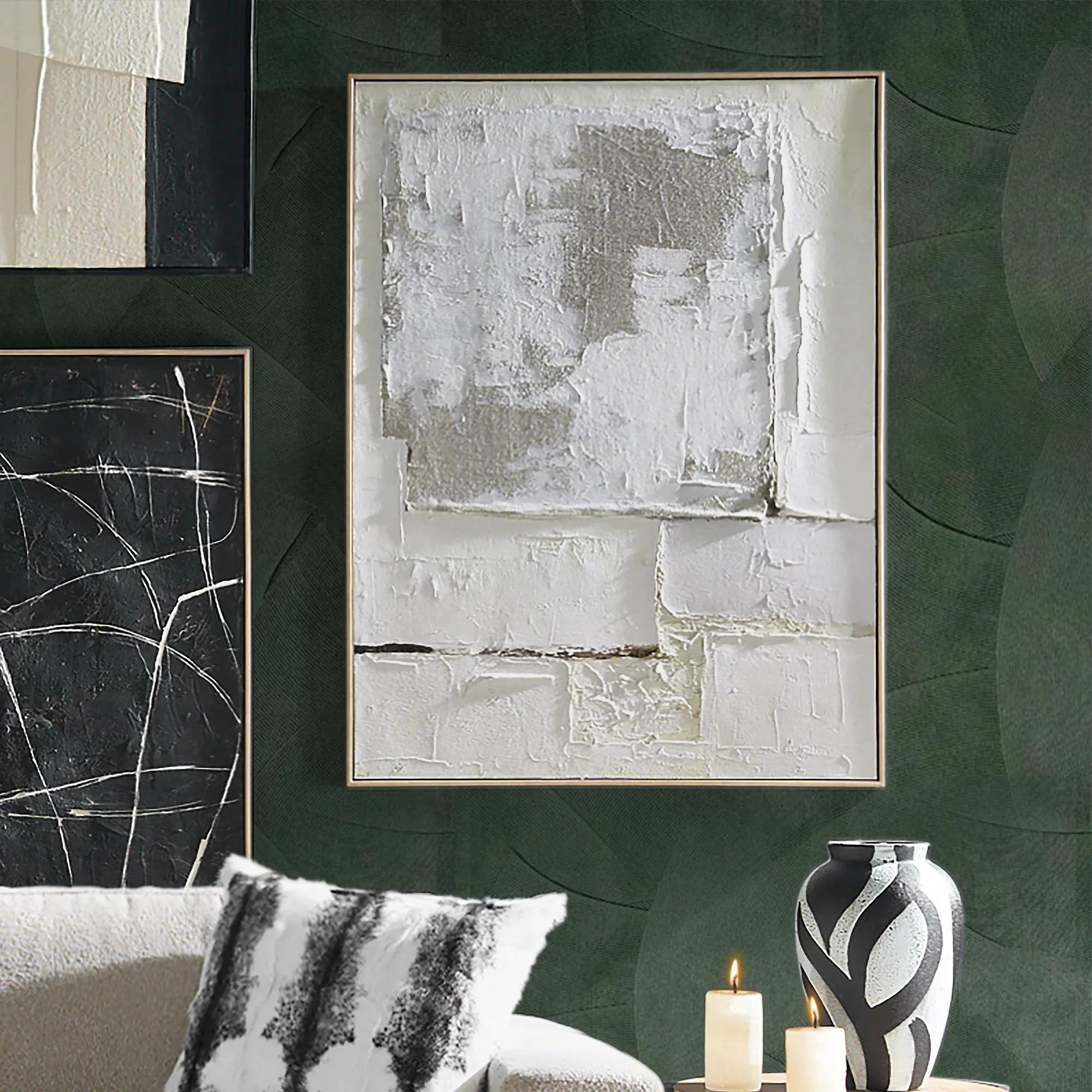 Marrow Painting$399
A hand-painted abstract canvas in subtle beige hues, elegantly framed in a warm beech wood floater.
Add To Cart -
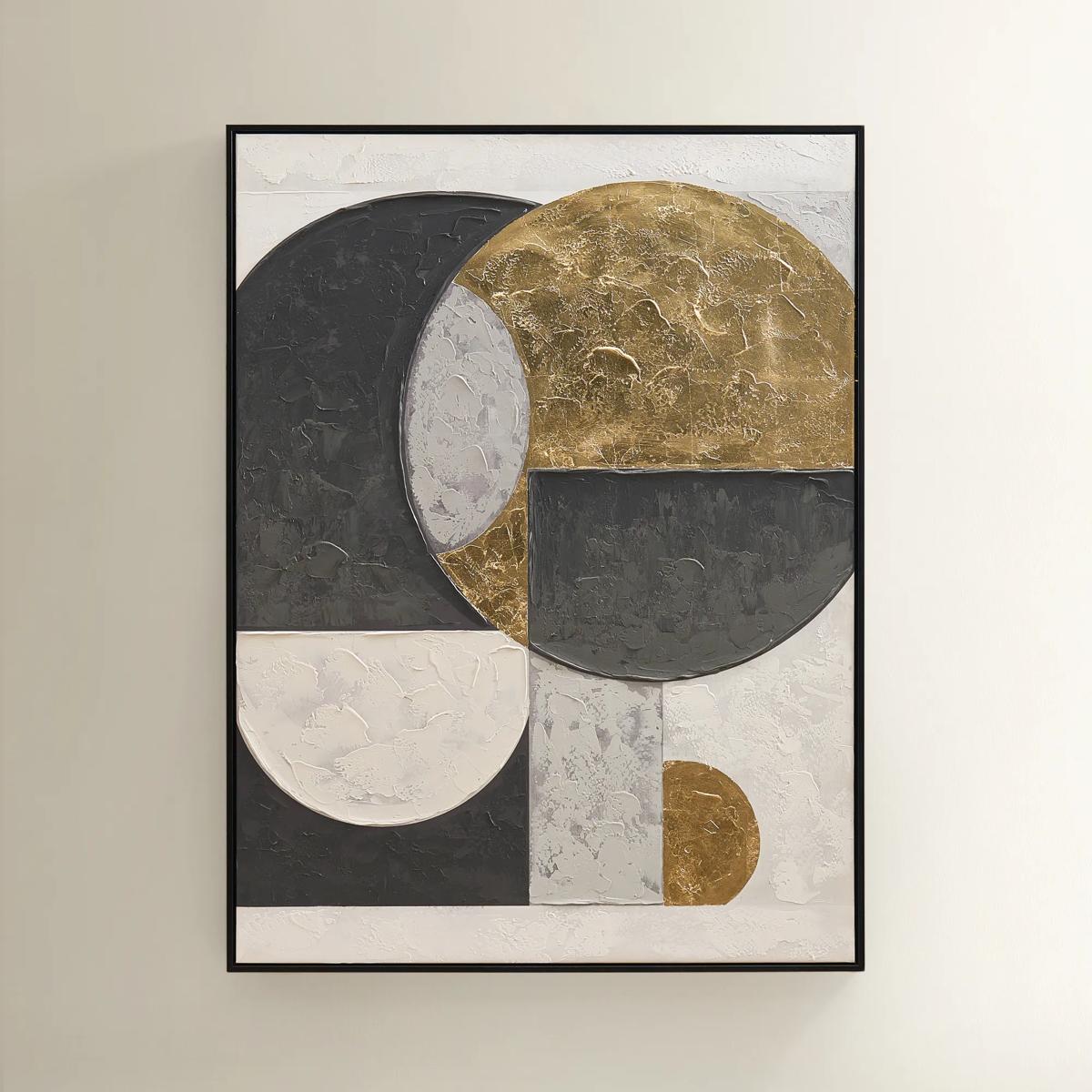
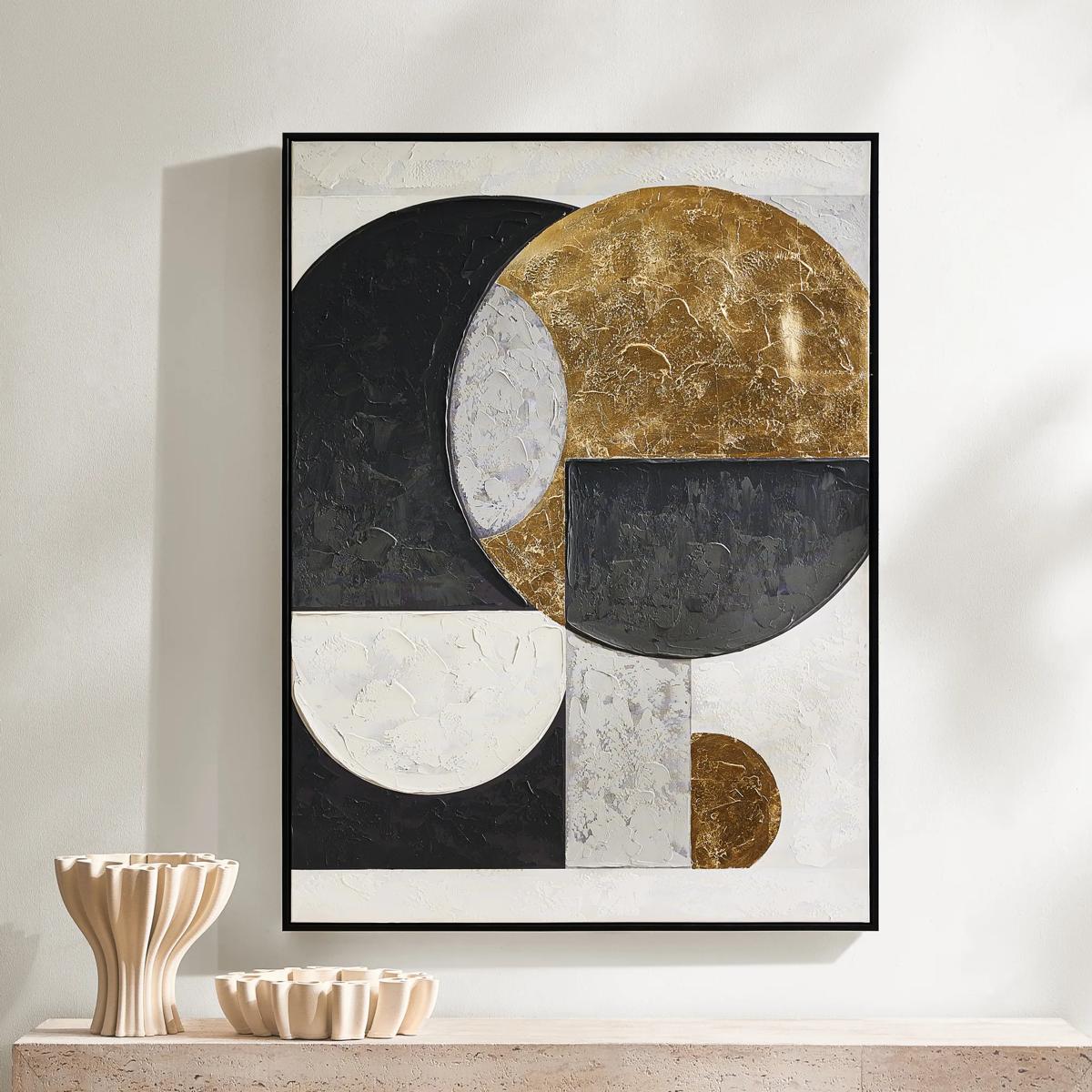 Eclipse Framed Gold Leaf Painted Wall Art 35.25" x 47.25"$449
A hand-painted canvas featuring bold black, grey, and gold geometric shapes with shimmering gold leaf accents.
Add To Cart -
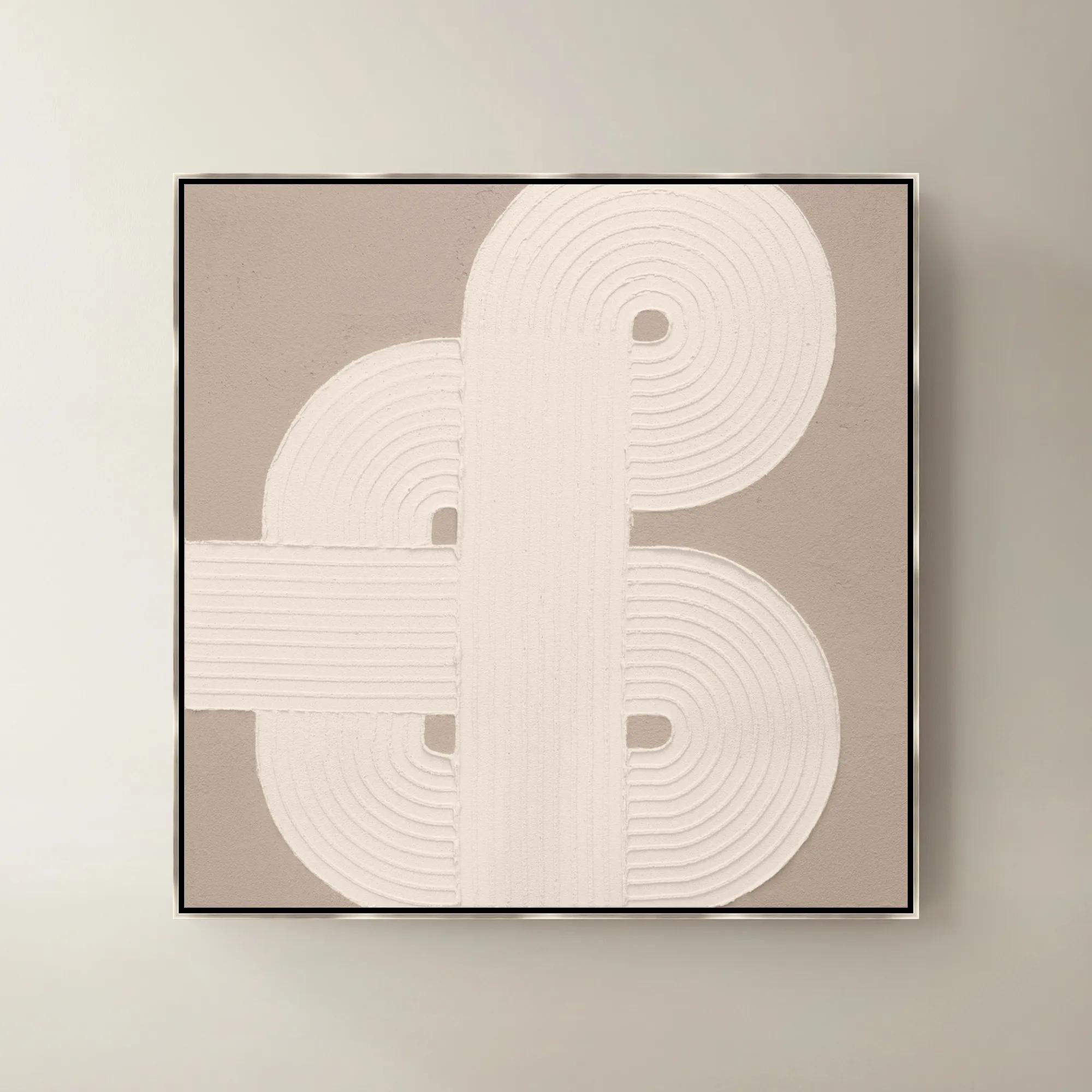
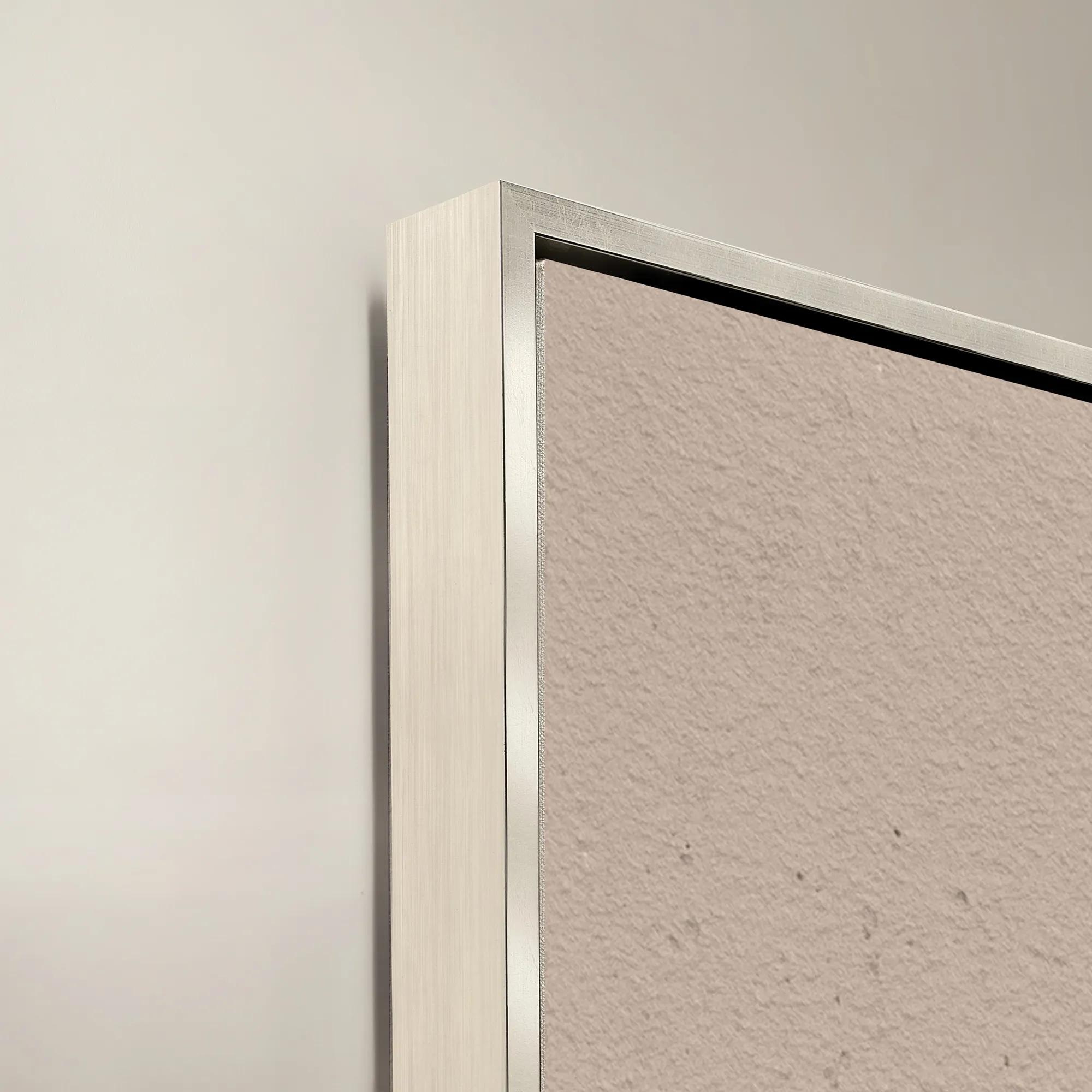 Sacred Geometry IV Framed Painted Wall Art 40" x 40"$1099
A striking abstract art piece featuring bold geometric patterns for a modern, sophisticated touch.
Add To Cart -
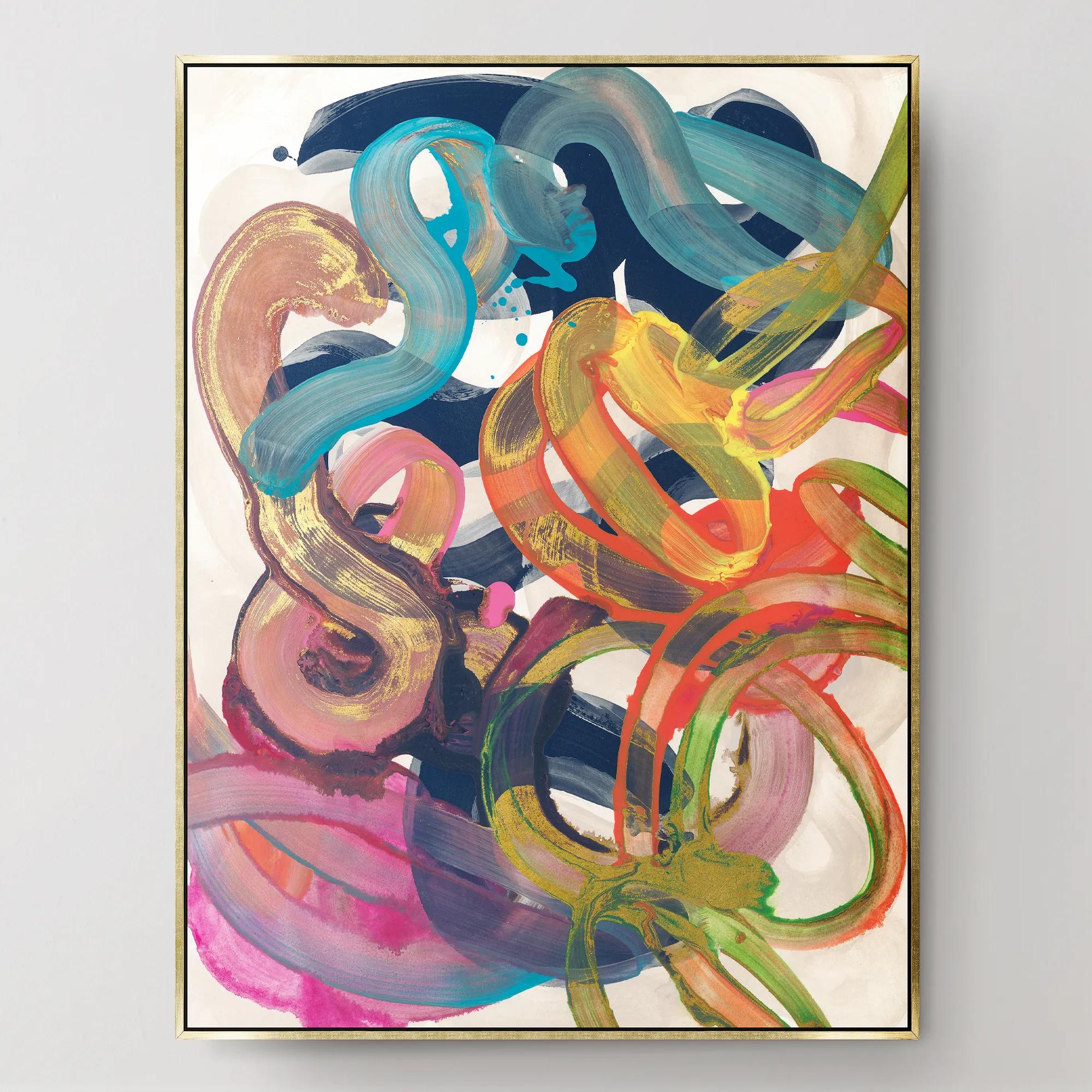
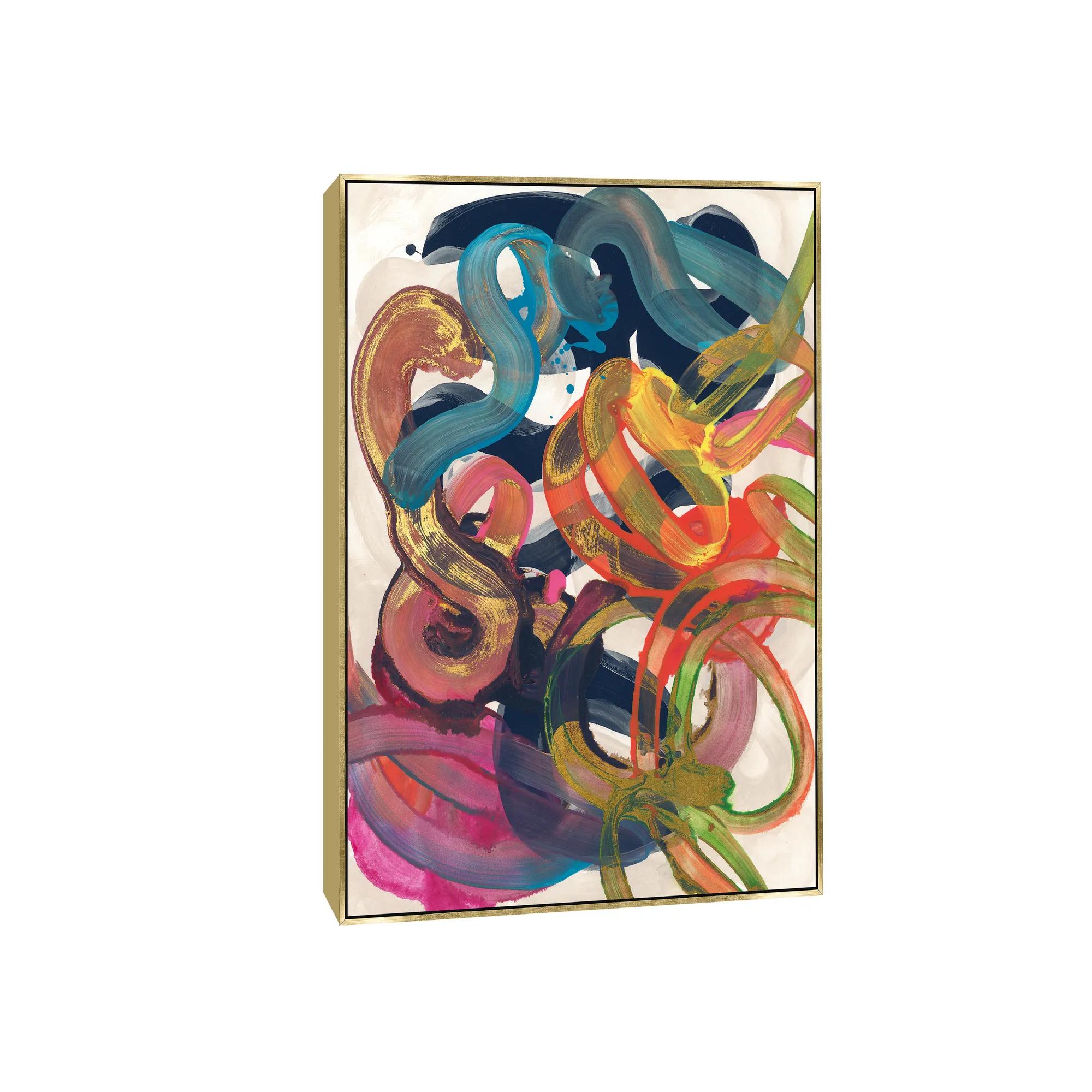 Illogical Conclusions Framed Wall Art 26" x 35"$499
A gallery-wrapped canvas artwork with a hand-applied gel finish, set in a gold float frame.
Add To Cart

Abstract Landscape Paintings
Explore abstract landscape paintings that reinterpret natural scenery through expressive color and form. Look for a composition that captures the mood you want to create, from serene to dramatic, and consider how its palette and scale will create a focal point above a sofa, console, or bed.
Abstract landscape paintings capture the emotional essence of a natural setting through color, shape, texture, and composition rather than realistic detail. A horizon might appear as a single luminous band; a shoreline may dissolve into sweeping strokes of blue, ivory, and charcoal. These works preserve the feeling of a place while leaving its exact location open to interpretation, bringing both atmosphere and artistic expression to an interior. Some compositions retain recognizable suggestions of mountains, fields, or water, while others reduce the landscape to layered planes and gestural marks. That range gives abstract landscape wall art an expressive presence: it can establish a tranquil focal point, introduce a daring accent, or lend movement to a room defined by tailored furnishings. A broad expanse of pale color above a deep, grounding foreground can feel expansive over a low-profile sofa. Saturated bands of ochre, ink, and rust create a more commanding impression beside sculptural furniture or gleaming metallic finishes. Softly blended neutrals offer a different kind of drama, revealing subtle shifts in tone as the eye moves across the composition. The appeal lies in this balance between recognition and imagination. There is enough of nature to feel familiar, yet enough abstraction to invite a personal response. In a living room, an expansive landscape can anchor the seating arrangement without introducing the literal narrative of a scenic photograph. In a dining room, rhythmic brushwork adds energy above a sideboard, while a more restrained composition can give a bedroom a contemplative center. Rather than simply repeating the colors already present, a painting can introduce the unexpected note that makes the space feel collected: a trace of violet against warm gray, a mineral green beside cream upholstery, or a dark horizon that sharpens an otherwise luminous room.
Materials and presentation shape how abstract landscape art is experienced, especially at the generous scale these compositions often invite. Acrylic and oil paintings can display visible brushwork, layered pigment, or raised passages that give the surface a sculptural quality, although texture varies considerably with the artist’s technique. Canvas contributes its own woven character, while artwork on paper may emphasize delicate marks, translucent washes, or crisp transitions between forms. A fine art reproduction translates an existing composition into a printed format; visible brushstrokes in its image do not necessarily indicate physical texture on the surface. Product descriptions and close-up images help distinguish painted details, printed imagery, and any applied embellishment. The support, finish, and framing deserve as much attention as the palette. A stretched canvas with finished edges offers a continuous visual presence, while a floating frame creates a narrow shadow line that makes the artwork feel distinctly architectural. Works on paper are often presented behind glazing, with a mat or suitable spacing keeping the image from touching the protective surface. Archival framing materials can help support long-term preservation, and UV-filtering glazing can reduce light exposure without eliminating the need for thoughtful placement. Scale is equally influential. Above a sofa or console, artwork generally feels more connected when its width relates to the furniture beneath it rather than competing with the entire wall. Measuring the available space, accounting for the frame’s outer dimensions, and leaving room around nearby sconces or architectural details helps preserve that relationship. A horizontal format emphasizes breadth and can echo the landscape itself; a vertical interpretation draws attention upward in a narrow entry or beside a tall cabinet. Where the composition contains especially fine tonal shifts, a location with comfortable viewing distance allows those details to register. Oversized abstract landscape paintings reward both perspectives: the sweep of the image from across the room and the quieter complexity of its surface at closer range.
The most compelling placement gives the artwork a clear relationship to the room without making every element match. A painting with warm ivory passages can converse with a textured rug, while a charcoal accent finds an echo in a lamp base or the slim outline of a chair. Repeating just one or two tones elsewhere leaves room for contrast and keeps the composition from disappearing into the decor. In richly layered interiors, an open horizon and generous areas of uninterrupted color can provide visual breathing room without sacrificing presence. The restrained compositions of Minimalist Abstract Paintings offer a related direction for spaces where fewer gestures and quieter color relationships make the strongest statement. More expressive landscapes, by contrast, can bring a sense of movement to polished stone, plush upholstery, and precisely tailored silhouettes. Lighting should reveal these relationships rather than overpower them. Soft, indirect illumination often makes color easier to appreciate, while carefully positioned picture lighting can highlight texture; reflections on glazed artwork are worth considering from the seats and doorways used most often. For lasting enjoyment, interior wall art belongs away from direct sunlight, excessive humidity, splashes, and strong heat sources. Frames and suitable finished surfaces can usually be dusted gently with a clean, dry, soft cloth, but painted surfaces, exposed paper, and textured embellishments may require different handling. Cleaning sprays should never be applied directly to artwork, and the supplied care instructions take precedence over general recommendations. Secure installation also matters, with hardware selected for the artwork’s weight and the wall’s construction. These practical details protect a piece chosen for deeply personal reasons. Abstract landscapes appeal to design enthusiasts, collectors drawn to expressive color, and anyone who wants a room to suggest a place without illustrating it literally. As a housewarming or milestone gift, a thoughtfully chosen composition can feel especially meaningful when its palette, scale, and mood reflect the recipient’s surroundings and taste. Its lasting distinction comes from the way it continues to invite interpretation, giving a familiar room another dimension each time it is seen.
FAQs
Abstract landscape paintings reinterpret natural scenery through expressive color, gesture, and form rather than precise detail. A horizon might become a sweeping band of color, while mountains or coastlines emerge as layered shapes. The result is art that evokes the feeling of a place while inviting your own interpretation.
Begin with the mood you want to create. Misty blues and soft neutrals suggest an atmospheric retreat, while saturated jewel tones bring a more dramatic presence. Choose artwork that echoes a few colors in your furnishings, or introduce a striking contrast that gives your room a confident new direction.
Abstract landscapes bring expressive depth to modern, contemporary, transitional, and glamorous interiors. Fluid forms can soften crisp architectural lines, while bold color fields add intrigue alongside sculptural furniture. In a richly layered room, a restrained landscape offers visual breathing room without sacrificing artistry.
Give the artwork a visually distinct setting, such as above a sofa, console, or fireplace mantel. Let its colors inspire a few deliberate accents throughout the room, then keep nearby decorative details selective. This creates a composed vignette where the painting’s movement, contrast, and atmosphere command attention.
Yes. Pair abstract landscapes with line drawings, photography, or geometric compositions for a gallery wall with an expressive point of view. Establish a connecting thread through color, framing, or recurring shapes, then vary the imagery. The contrast creates a collected, personal display rather than a predictable matching arrangement.