Abstract Landscape Canvas Prints
Abstract Landscape Canvas Prints
-
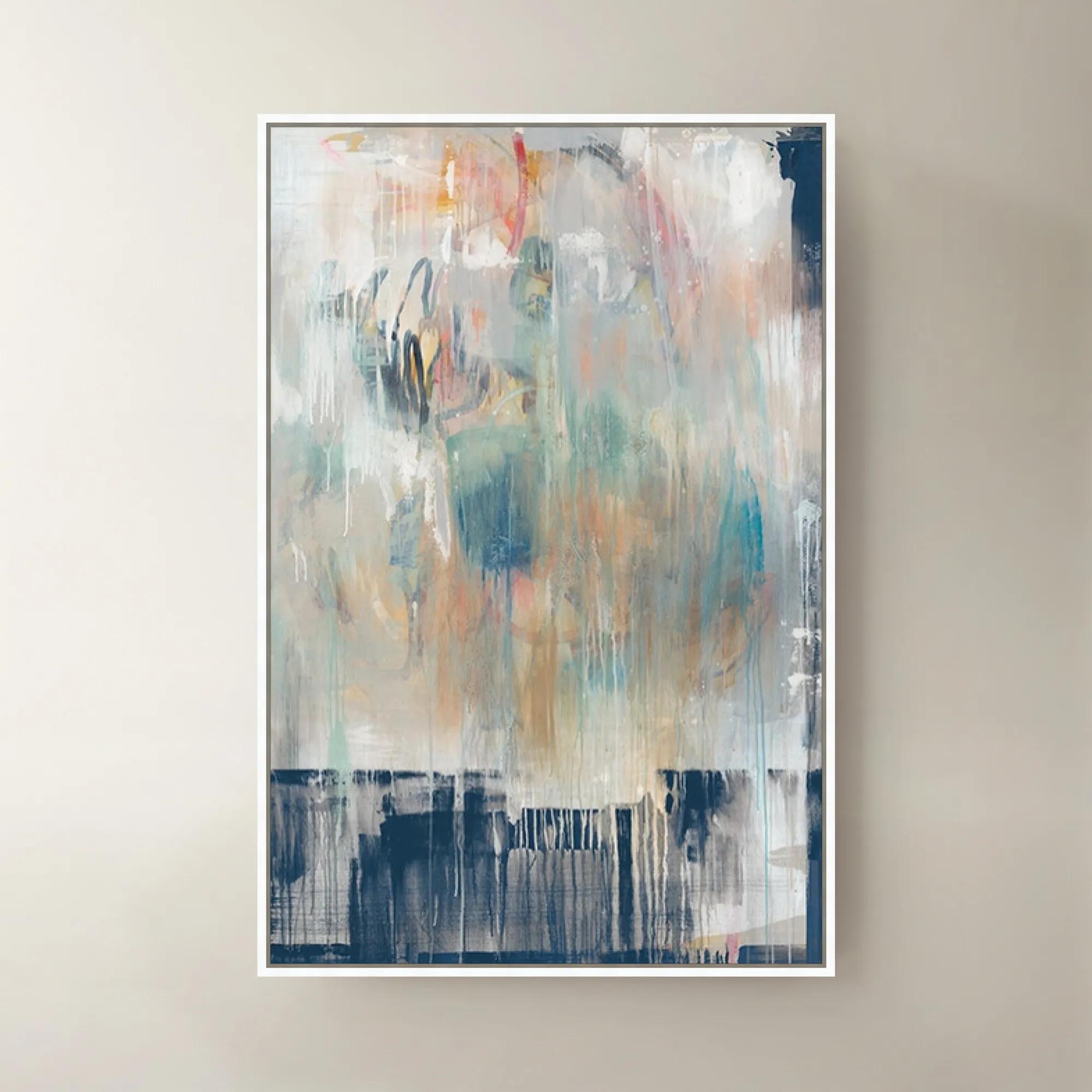
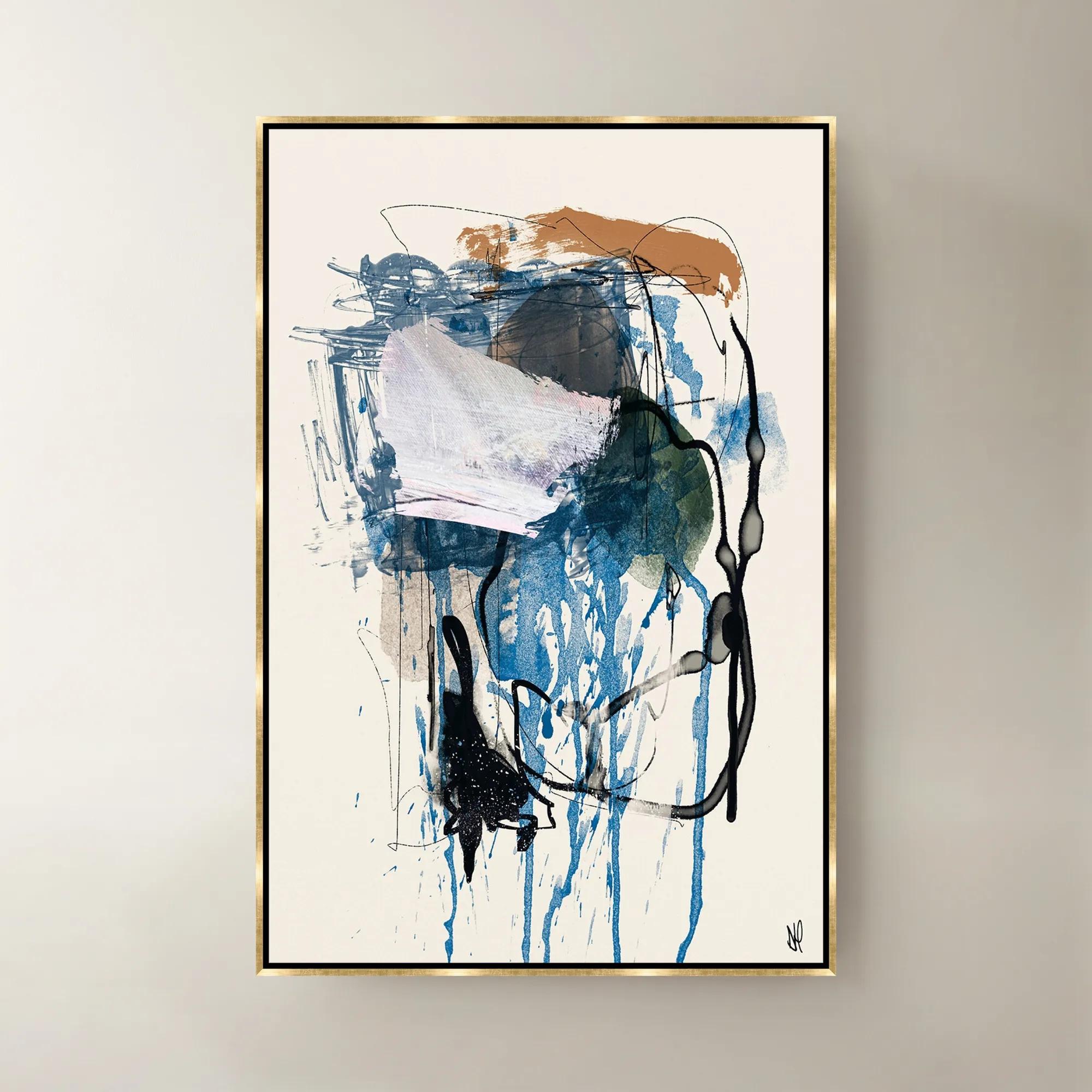
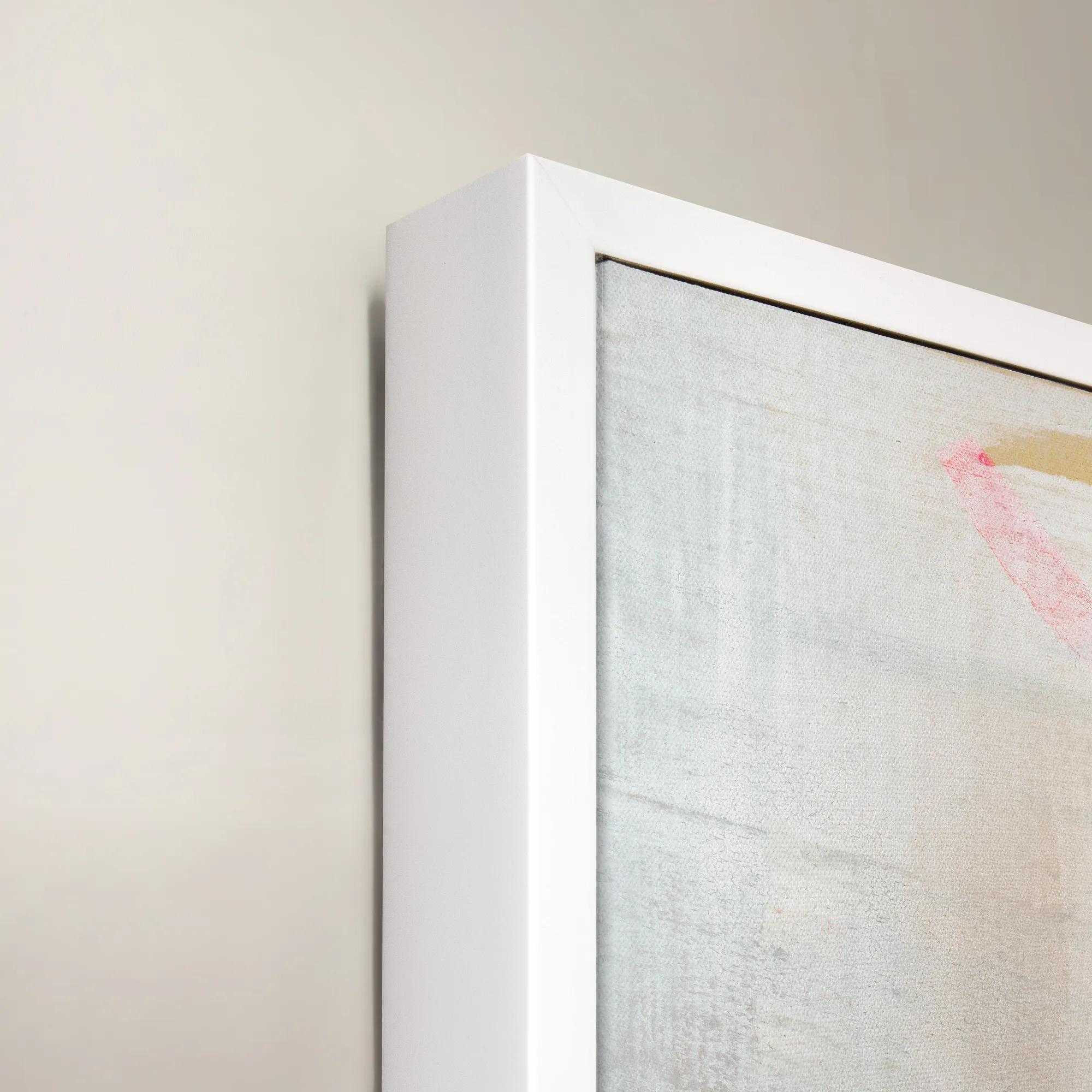 Disrepair III Framed Wall Art 40" x 60"$1099
A multicolored canvas wall artwork in a framed presentation, bringing expressive contemporary character to interiors.
Add To Cart -
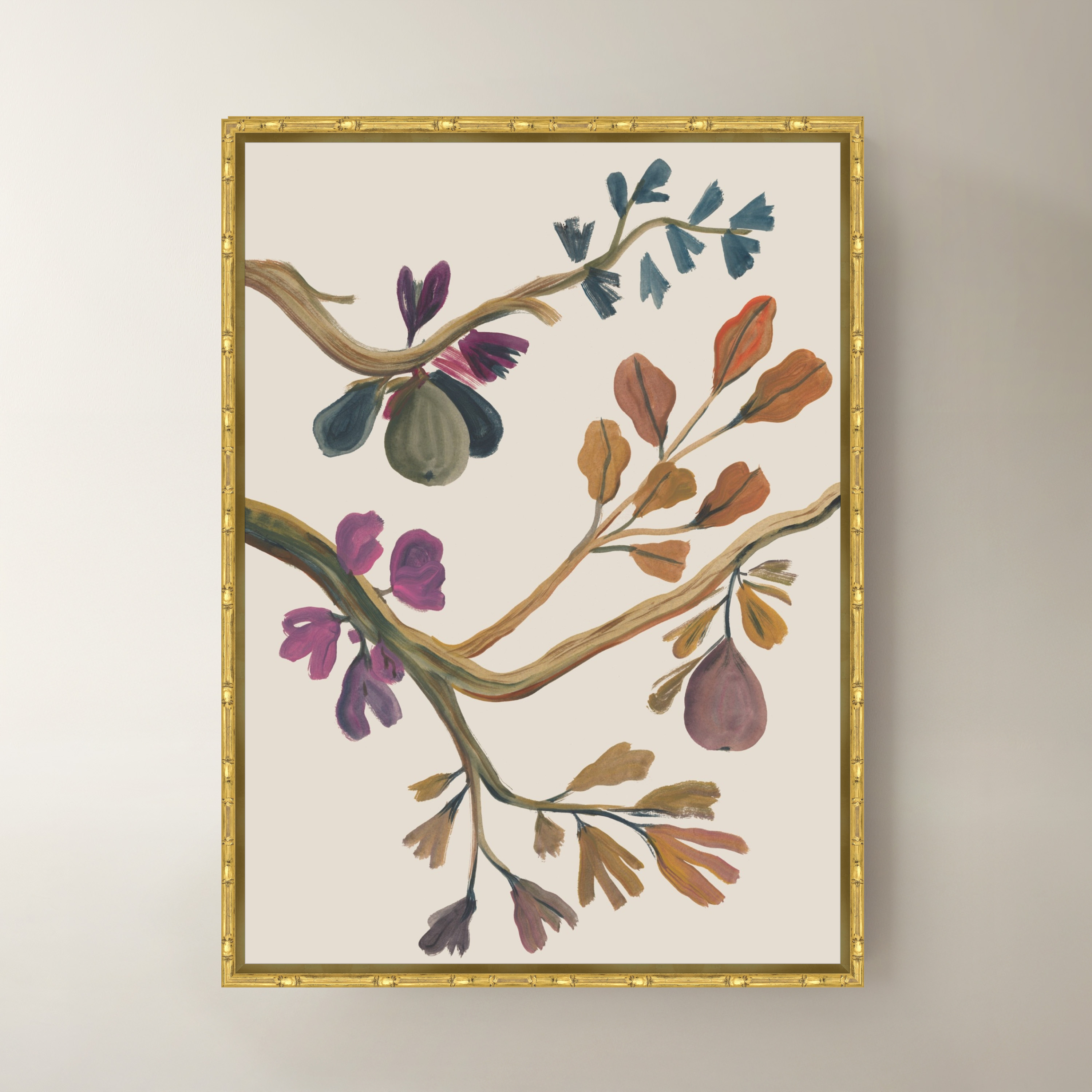
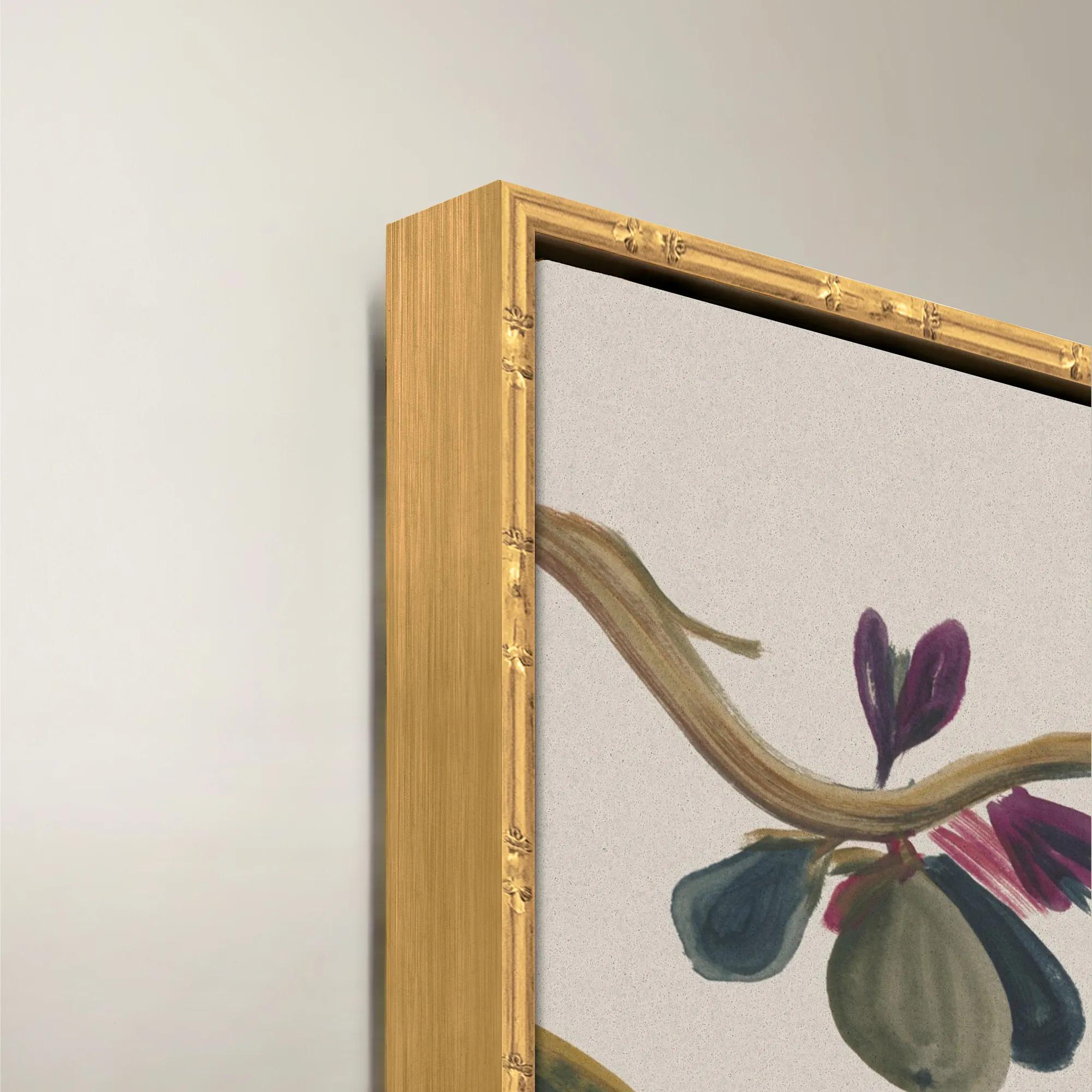 Whispering Orchard II Framed Wall Art 24" x 33"$749
A multicolored canvas wall art piece presented in an elegant frame for contemporary interiors.
Add To Cart -
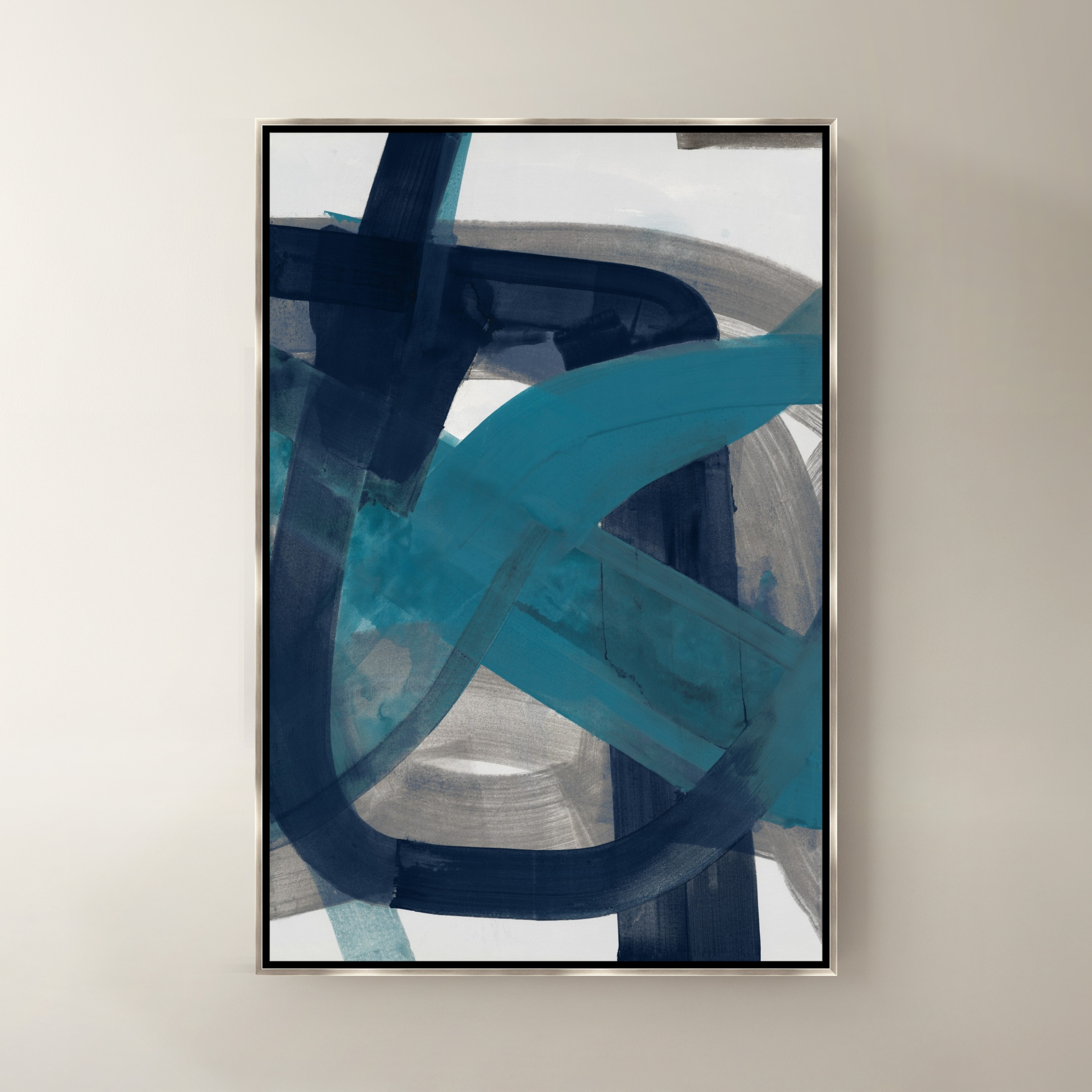
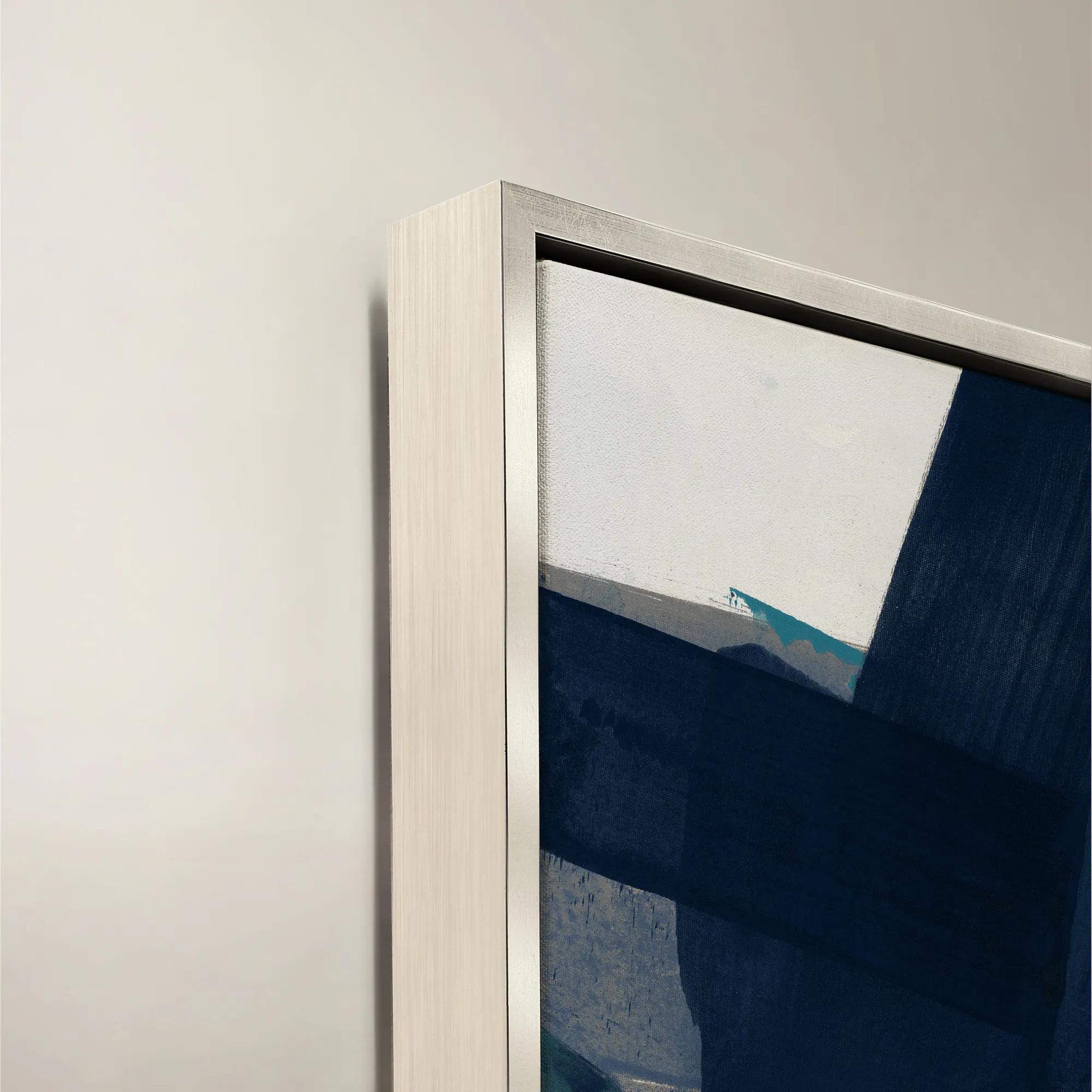 Fractured Currents II Framed Wall Art 24" x 36"$499
A framed canvas wall artwork featuring dynamic blue and purple tones for a modern, expressive accent.
Add To Cart -
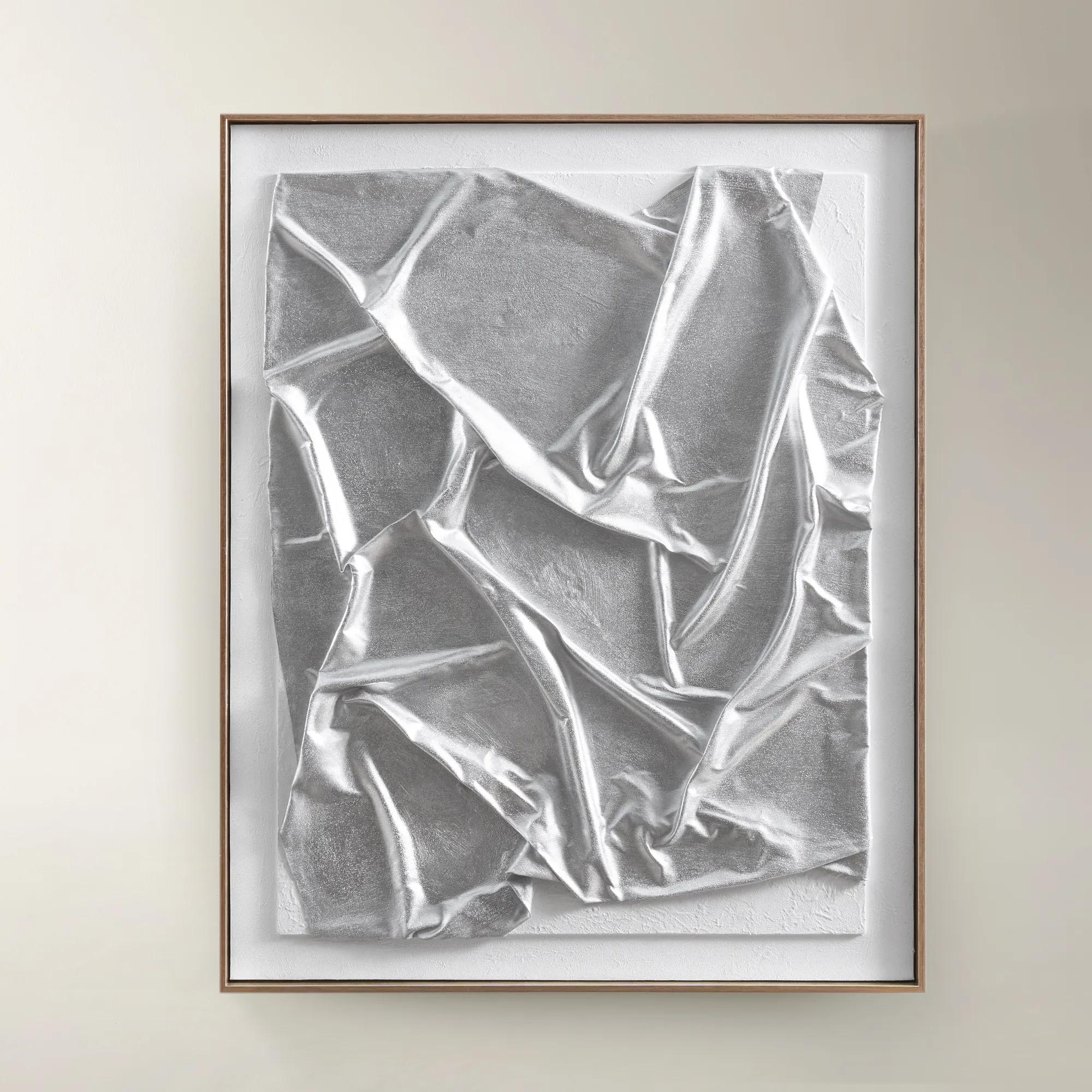
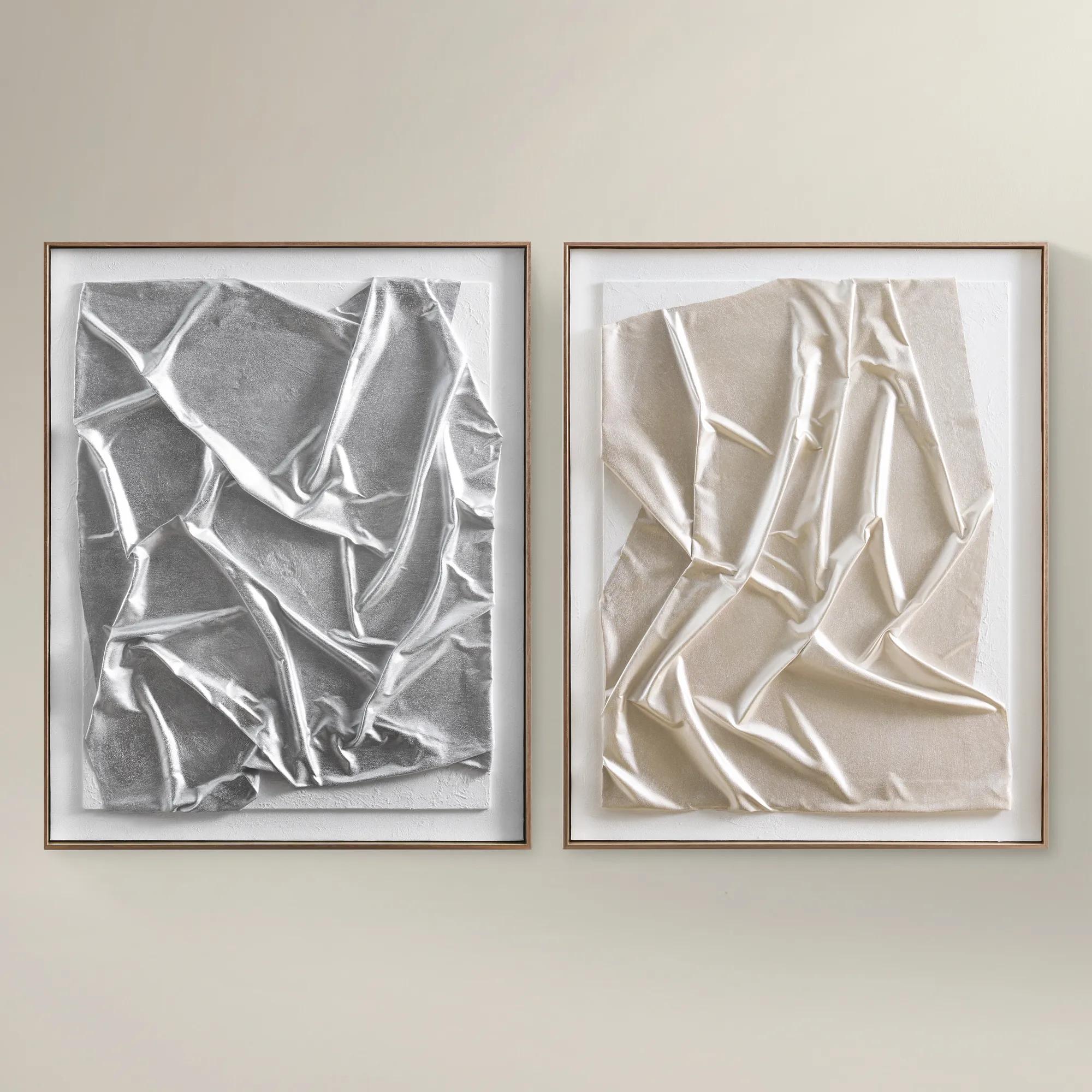 In the Mood Framed Painted Wall Art 31.5" x 39.5"$199
A hand-painted abstract canvas in shimmering silver tones, set in a warm champagne floater frame.
Add To Cart -
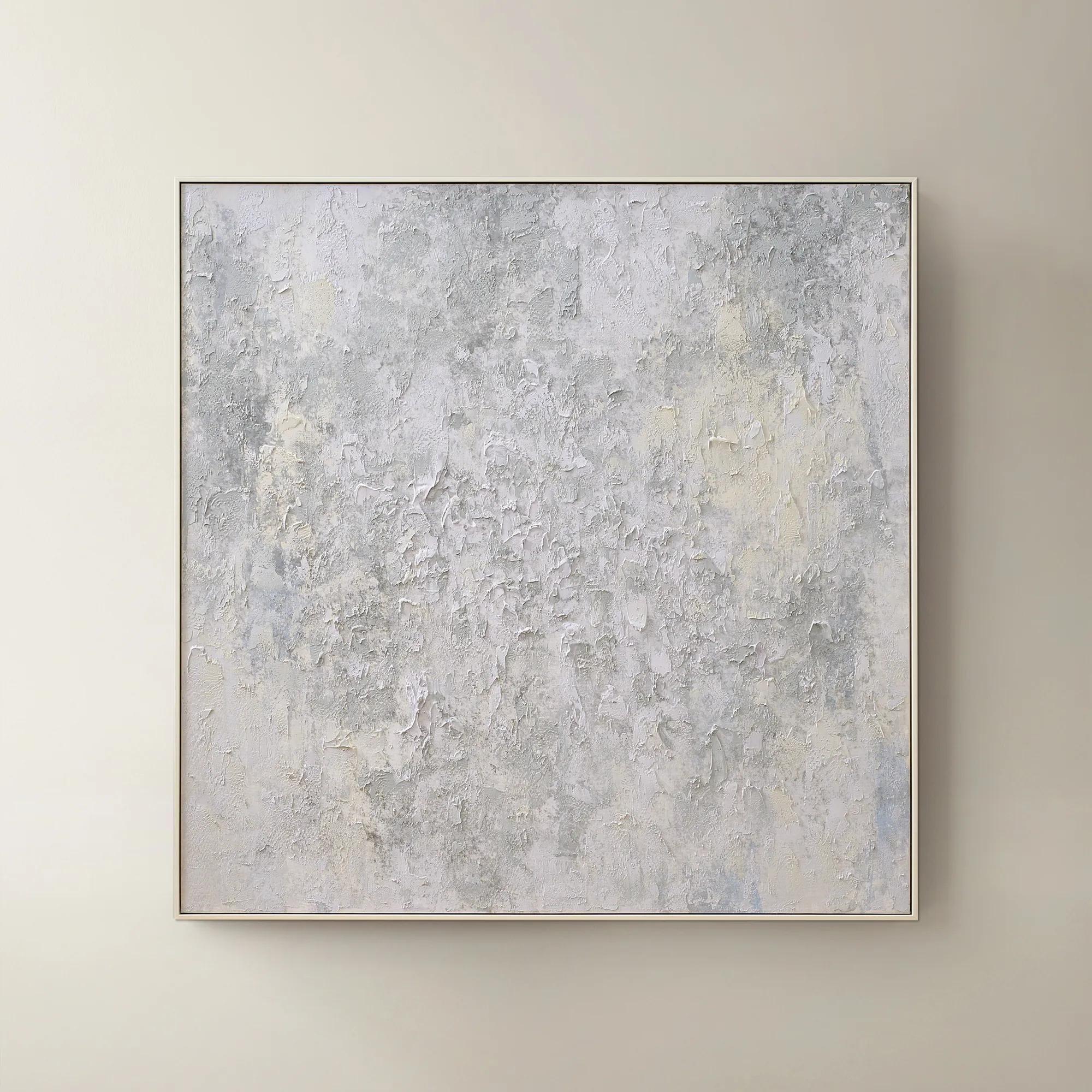 Breathe of Fresh Air Framed Painted Wall Art 50" x 50"$499
A hand-painted abstract canvas in dusty blue hues, elegantly framed in white for a serene, modern accent.
Add To Cart -
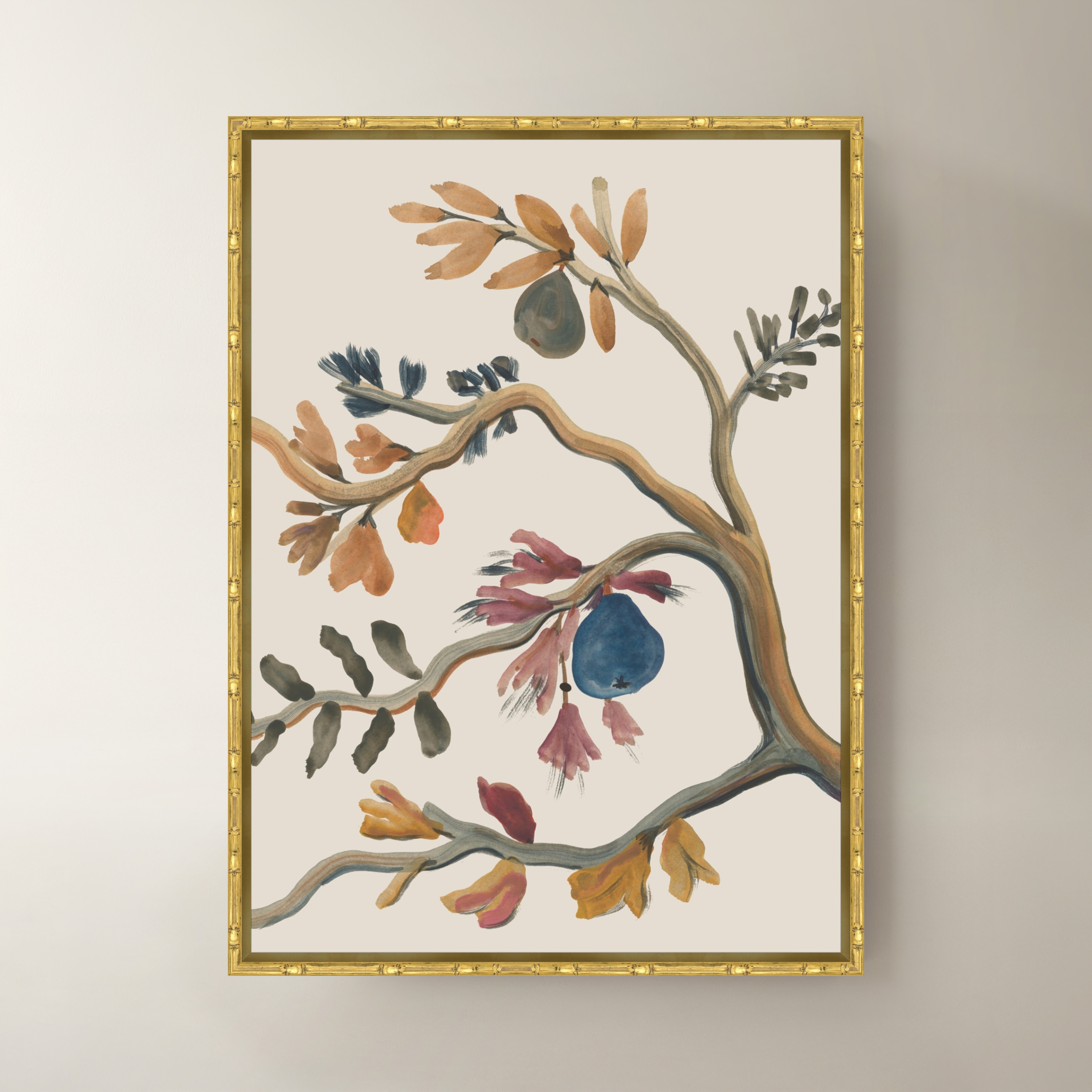
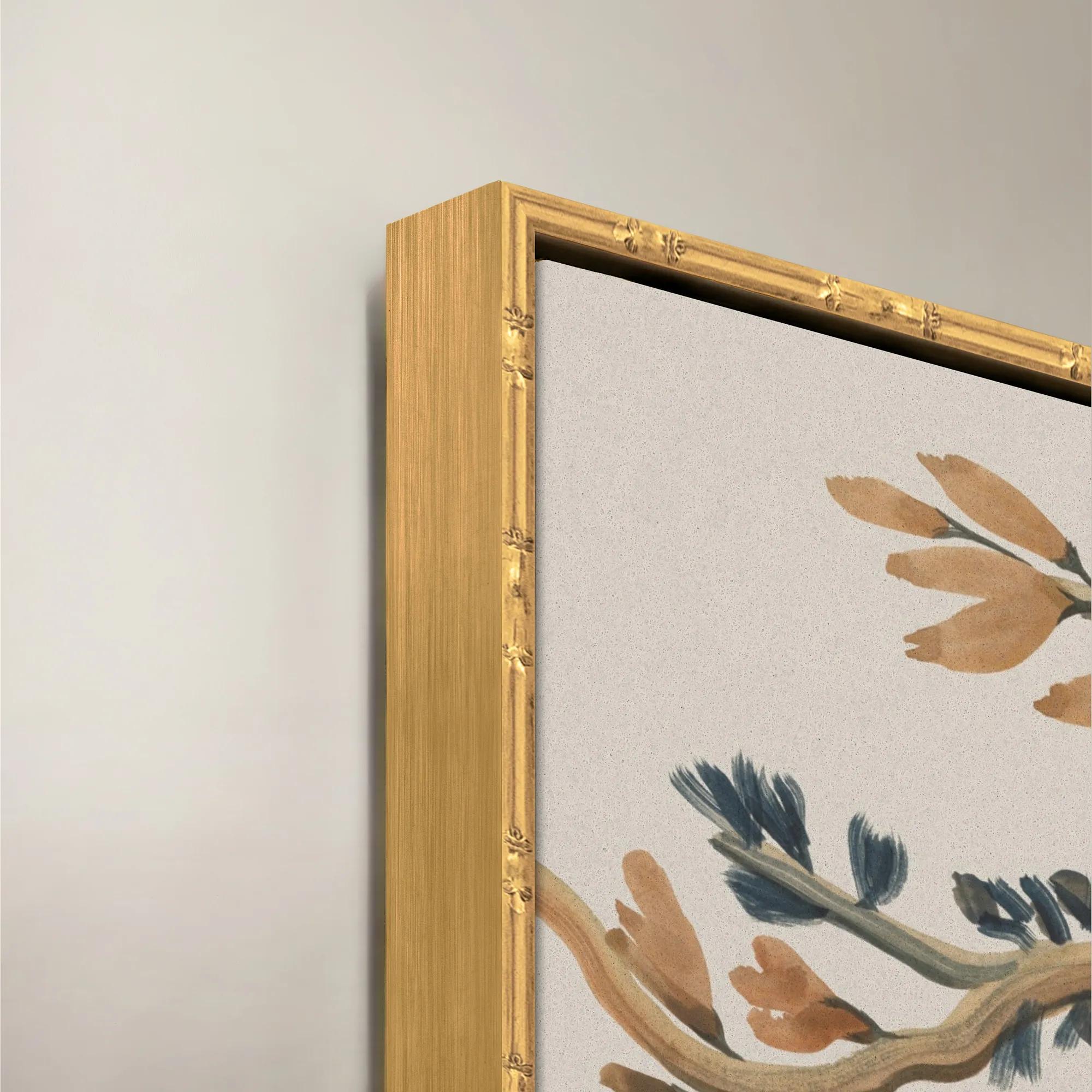 Whispering Orchard I Framed Wall Art 24" x 33"$749
A multicolored canvas wall artwork presented in a refined frame for vibrant, gallery-inspired styling.
Add To Cart -
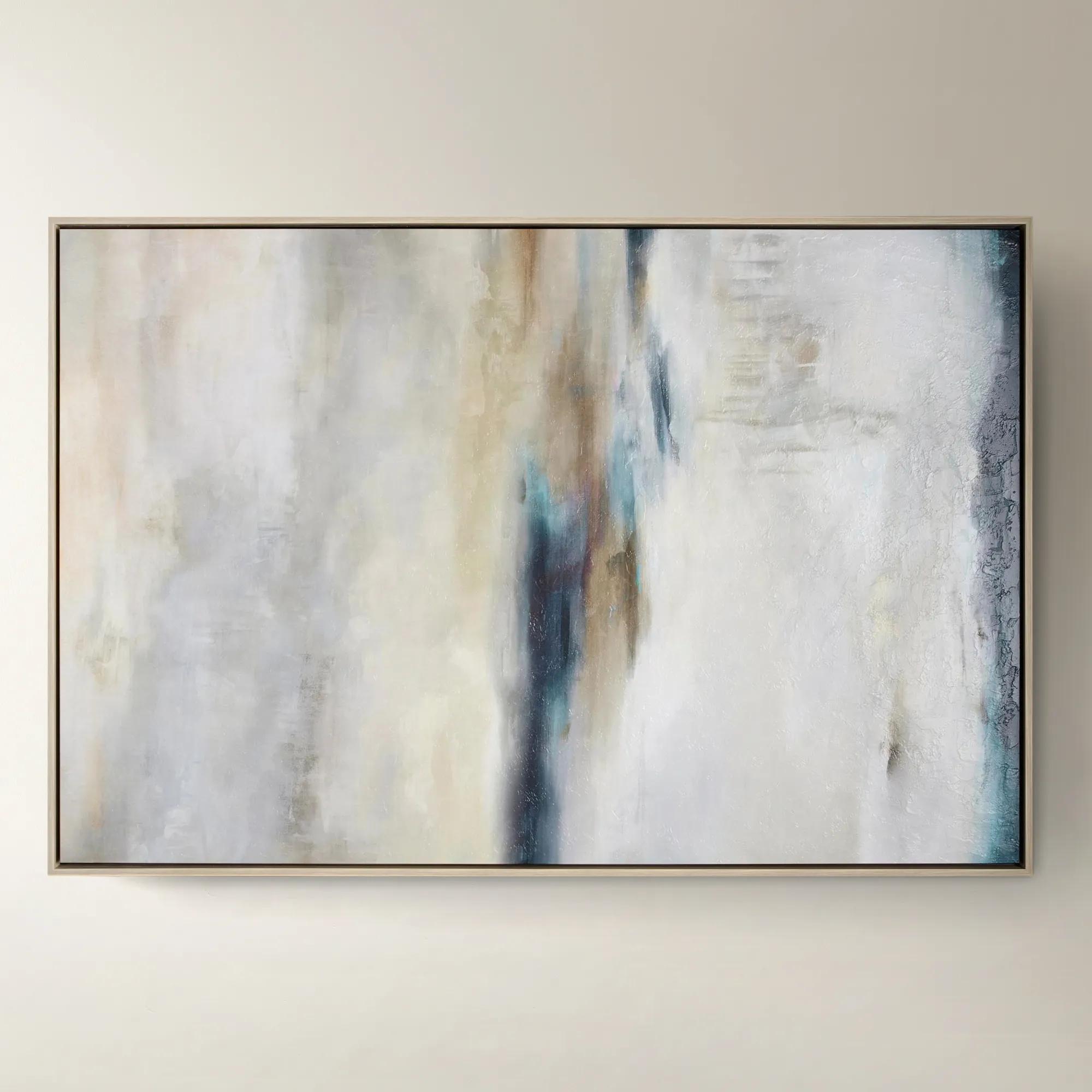
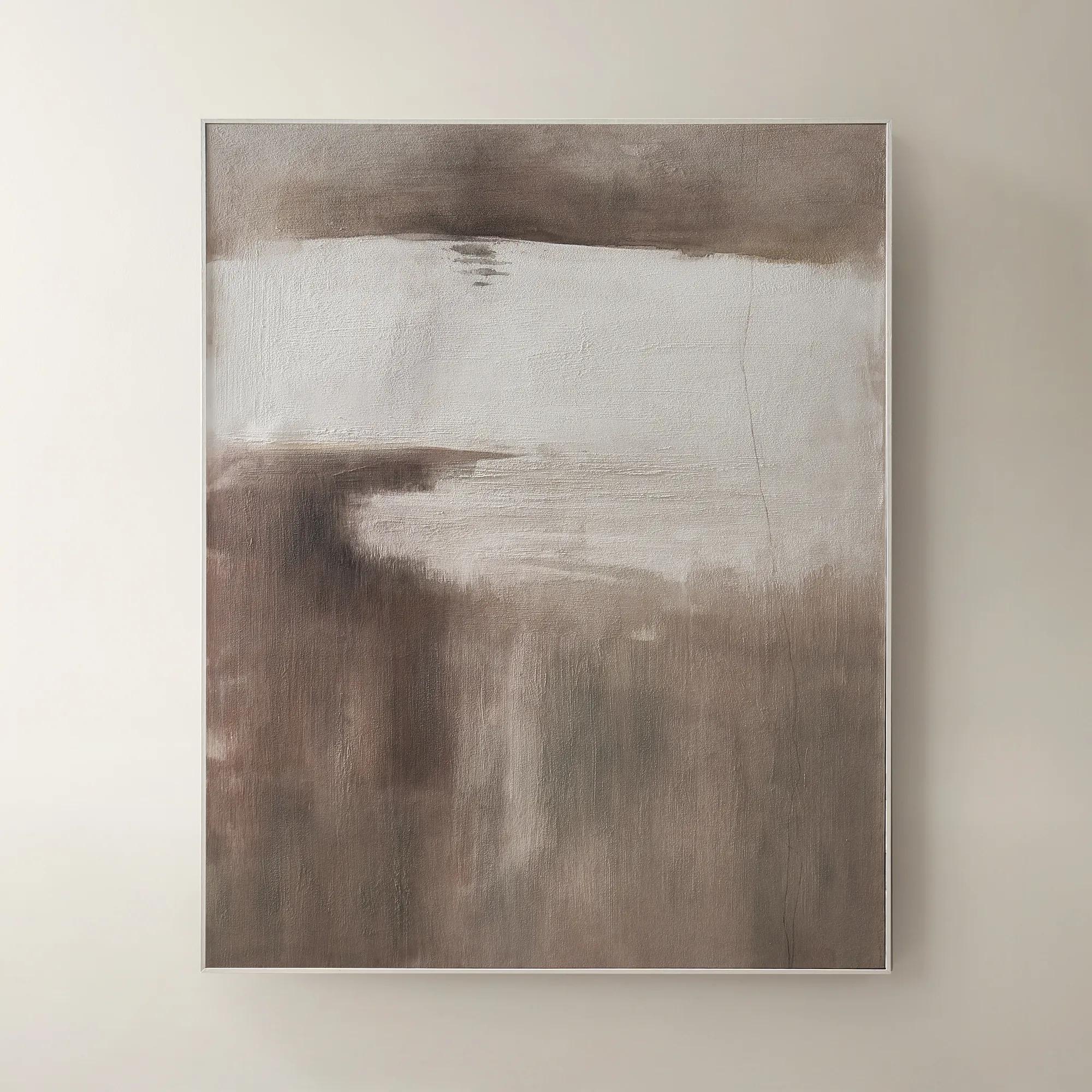
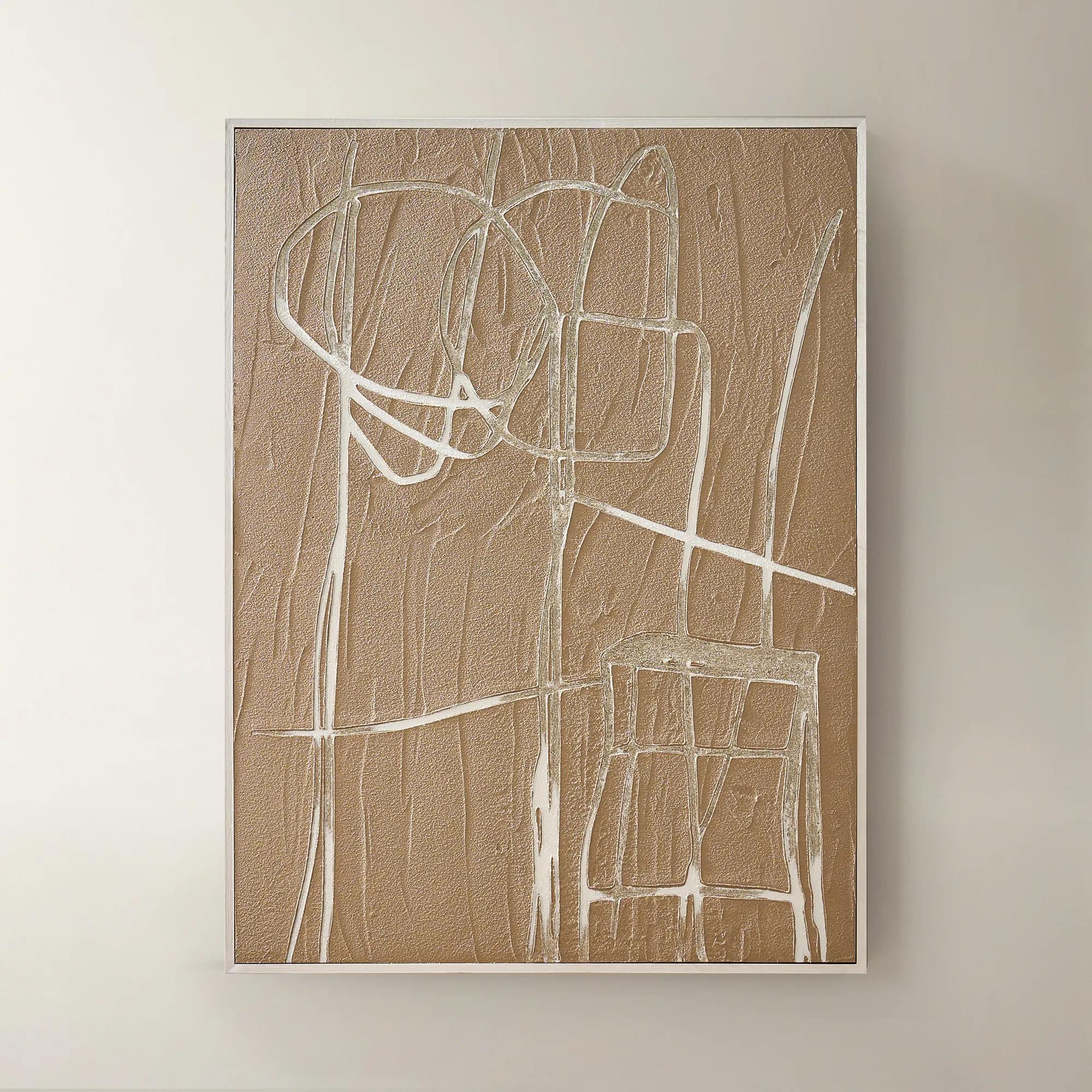
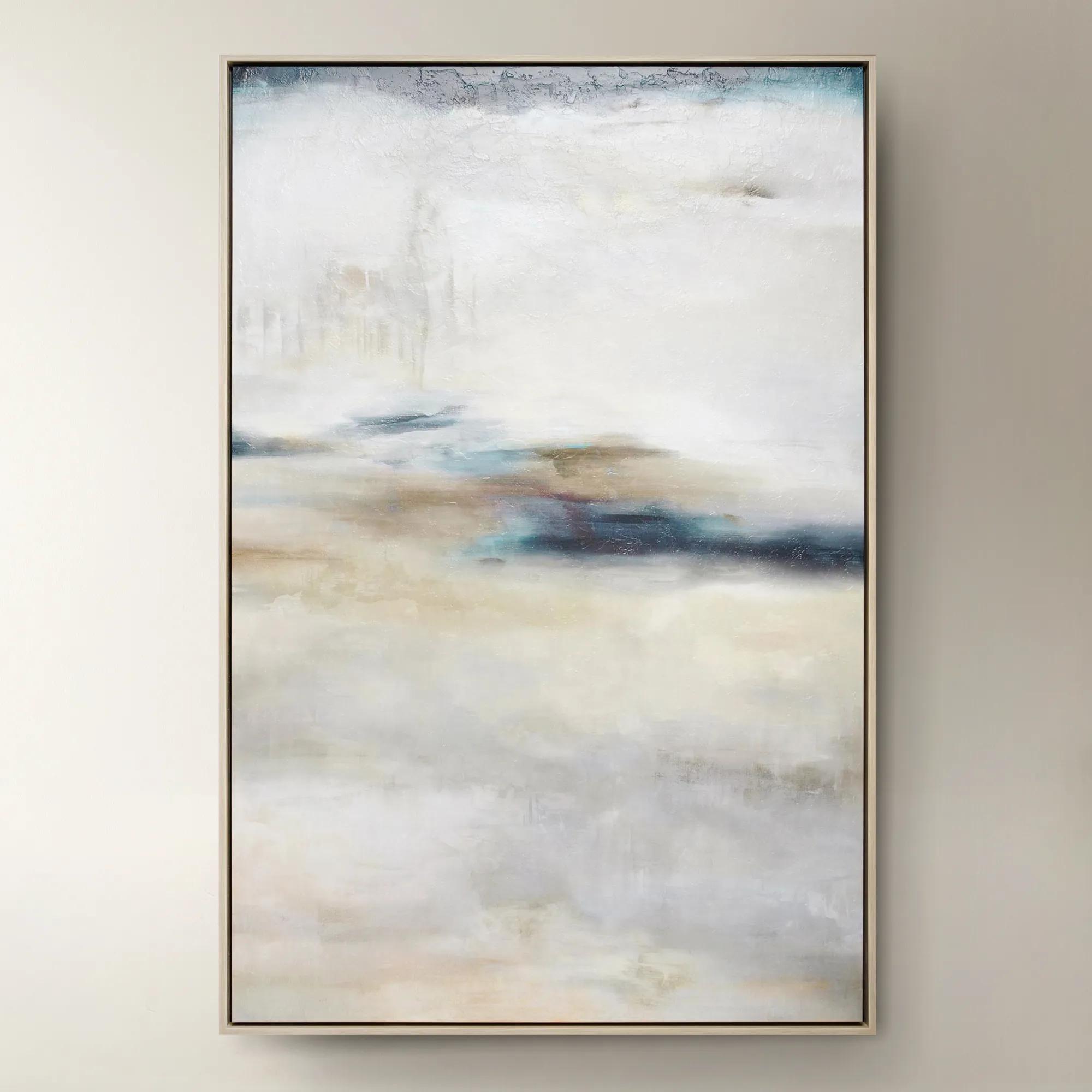 Forward Looking$1299
A softly layered abstract canvas print with a gel finish, set in a natural-hued floater frame.
Add To Cart -
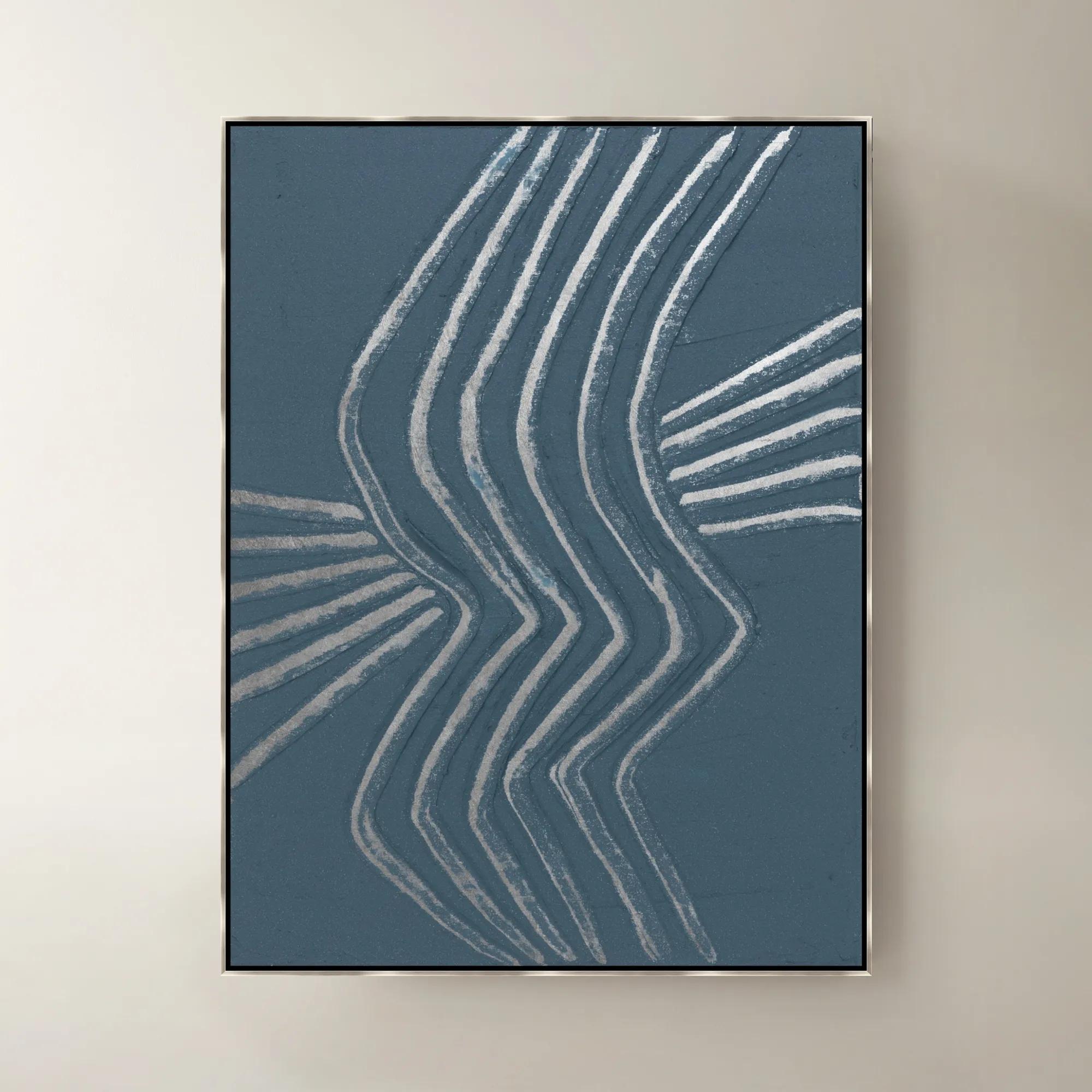
 Gilded Waves IV Framed Painted Wall Art 40" x 53"$1399
A framed painted canvas artwork featuring flowing gilded waves in soothing blue and purple tones.
Add To Cart -

 Twin Abstract 1 Framed Wall Art 30" x 45"$699
A captivating abstract canvas artwork featuring layered blue and purple tones in a sophisticated framed presentation.
Add To Cart -

 Blooming in Her Own Time Framed Wall Art 40" x 50"$1029
A vibrant multicolored canvas wall artwork featuring an expressive botanical-inspired design in a framed presentation.
Add To Cart -
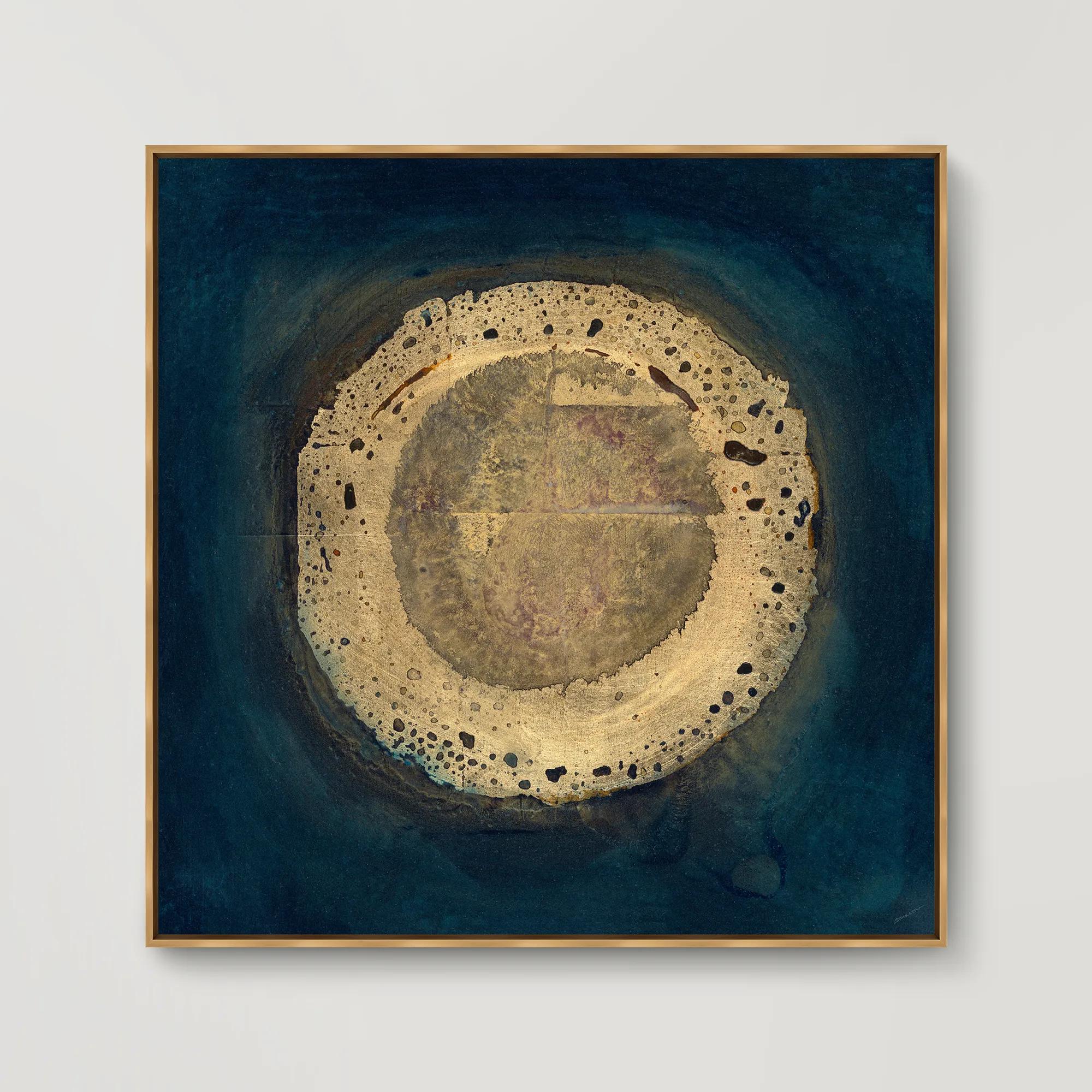
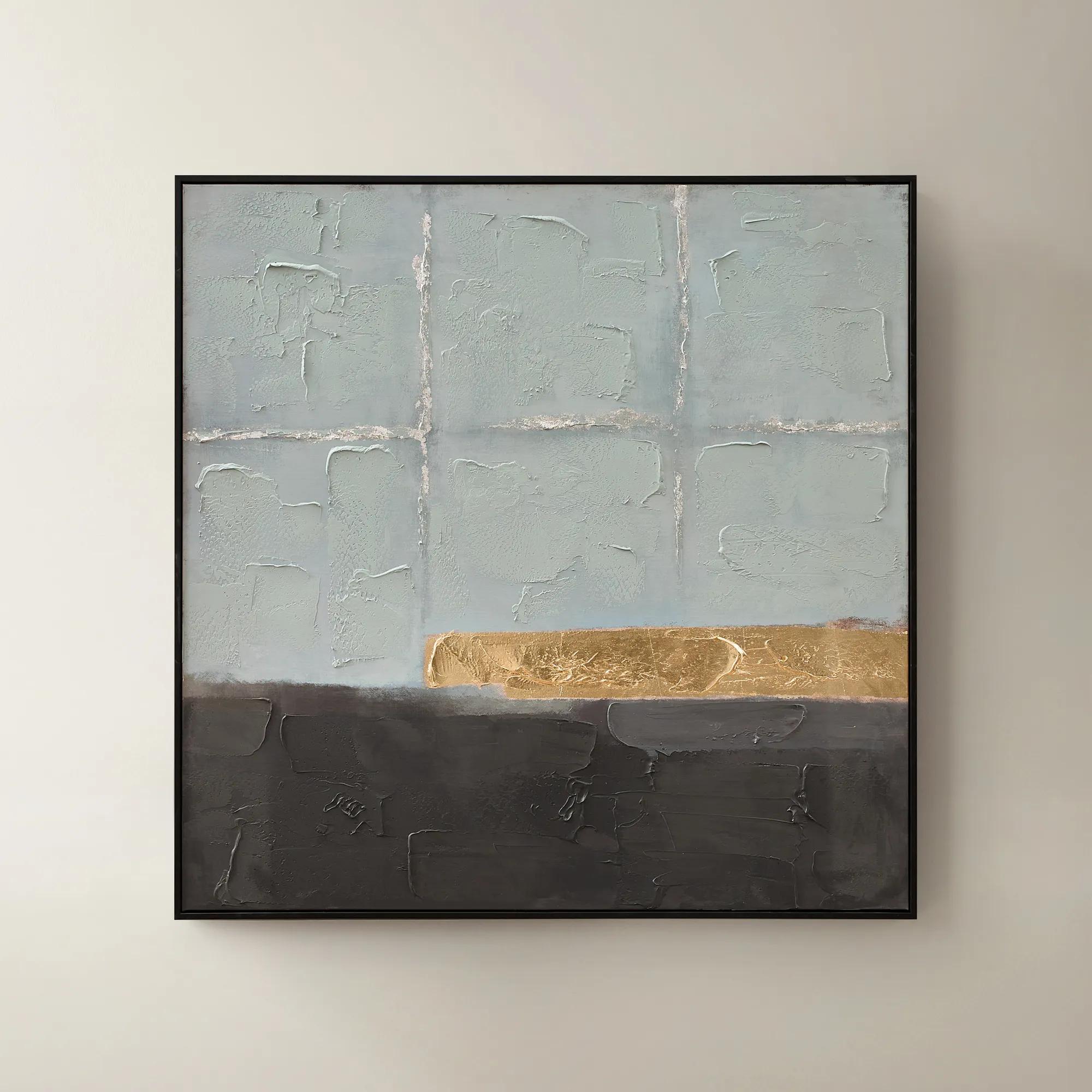
 Bramble I Framed Wall Art 41.5" x 41.5"$749
A gallery-wrapped abstract canvas with hand-applied gel finish, set in an elegant gold floater frame.
Add To Cart -
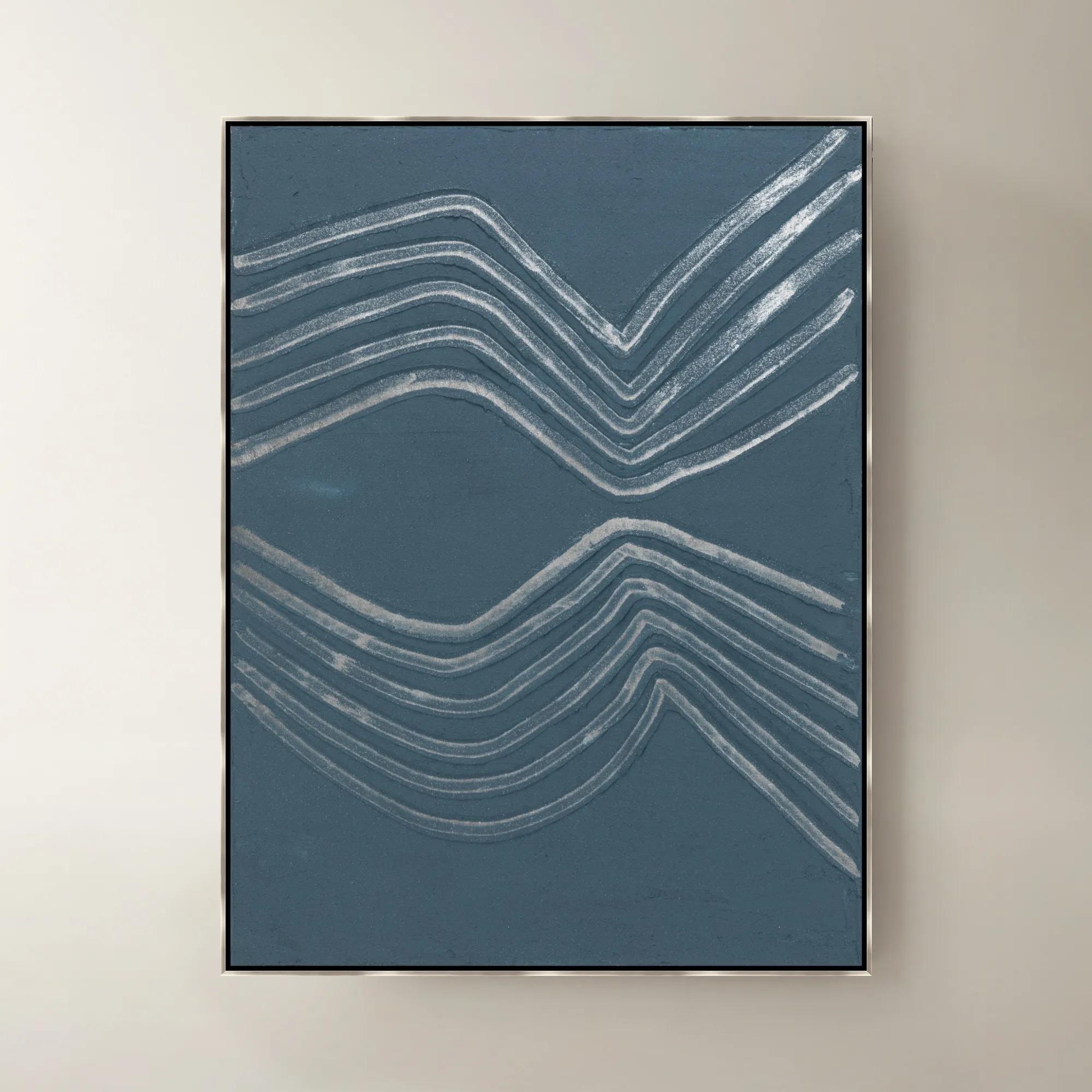
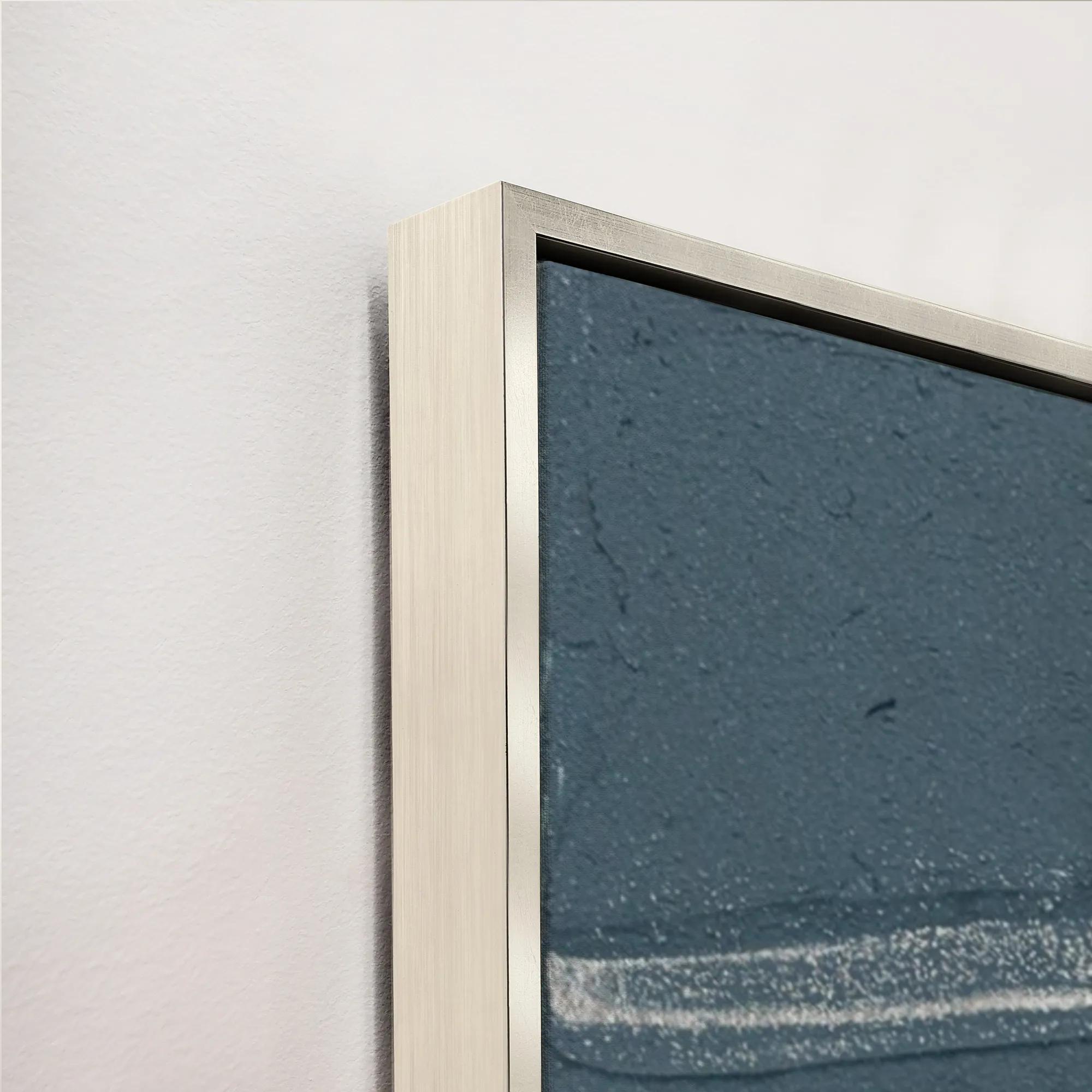 Gilded Waves VI Framed Painted Wall Art 40" x 53"$1399
A framed painted canvas artwork featuring sweeping gilded waves in rich blue and purple tones.
Add To Cart -
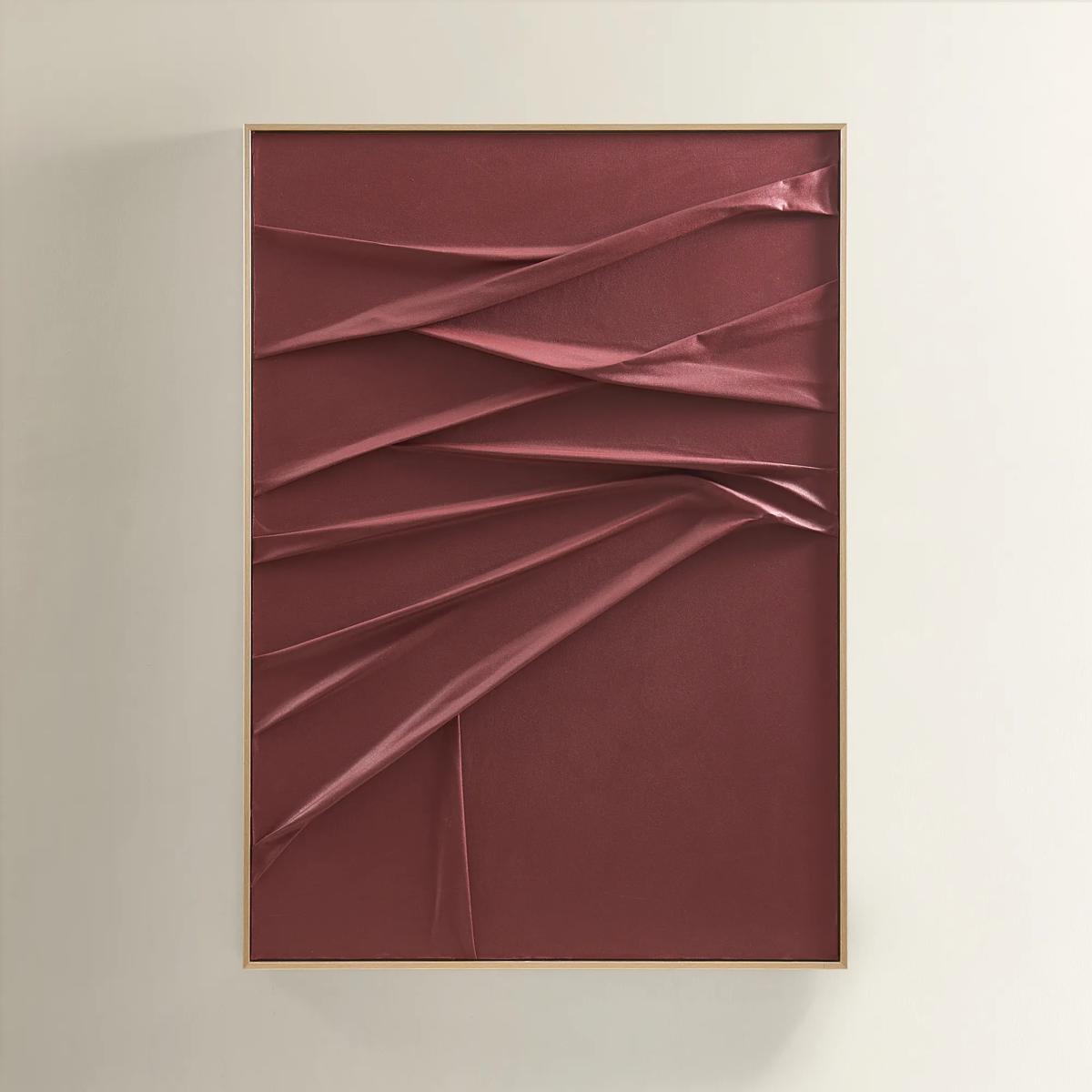
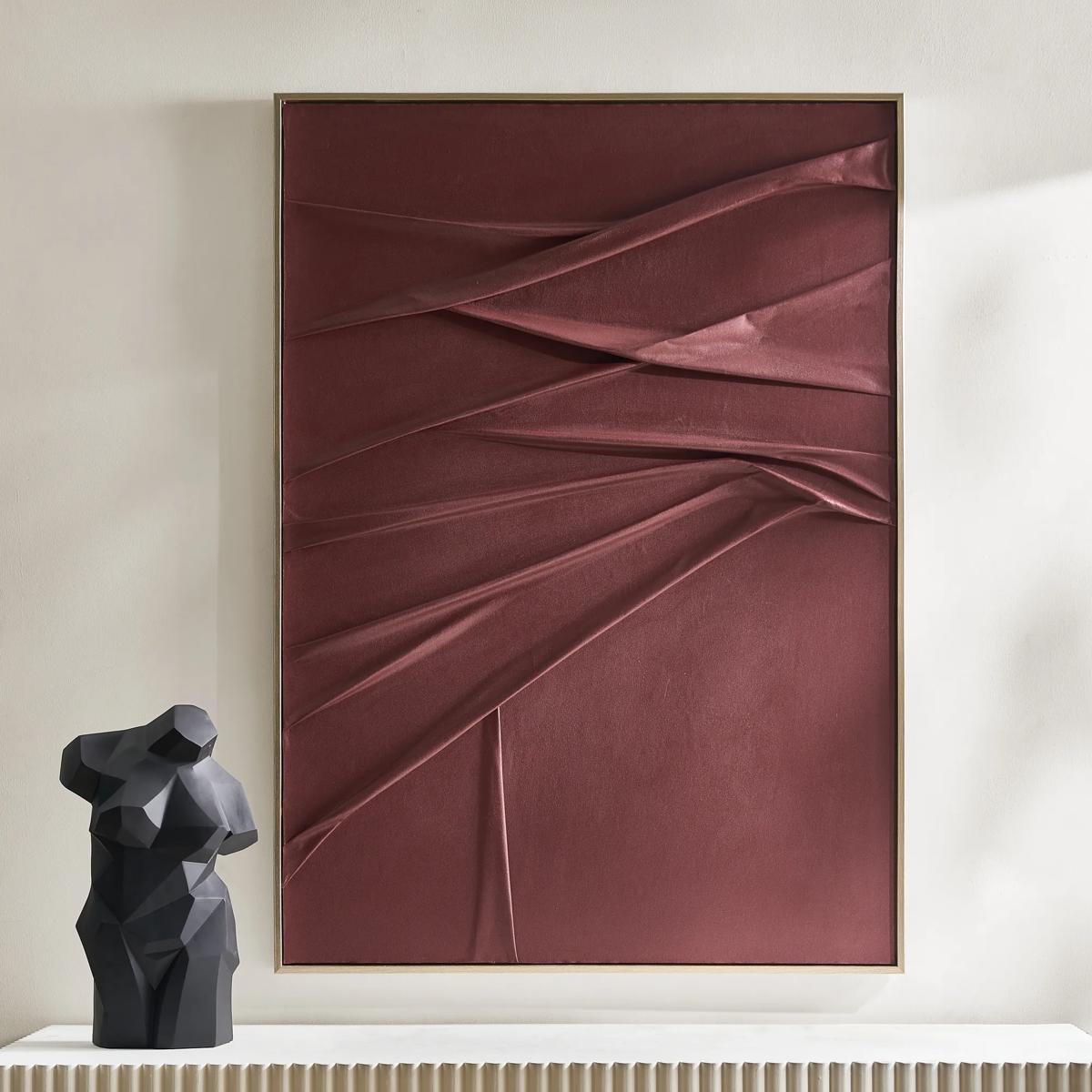 Crimson Painting$599
A handcrafted burgundy canvas artwork with sculptural folds, framed in champagne for a dramatic, textured effect.
Add To Cart -
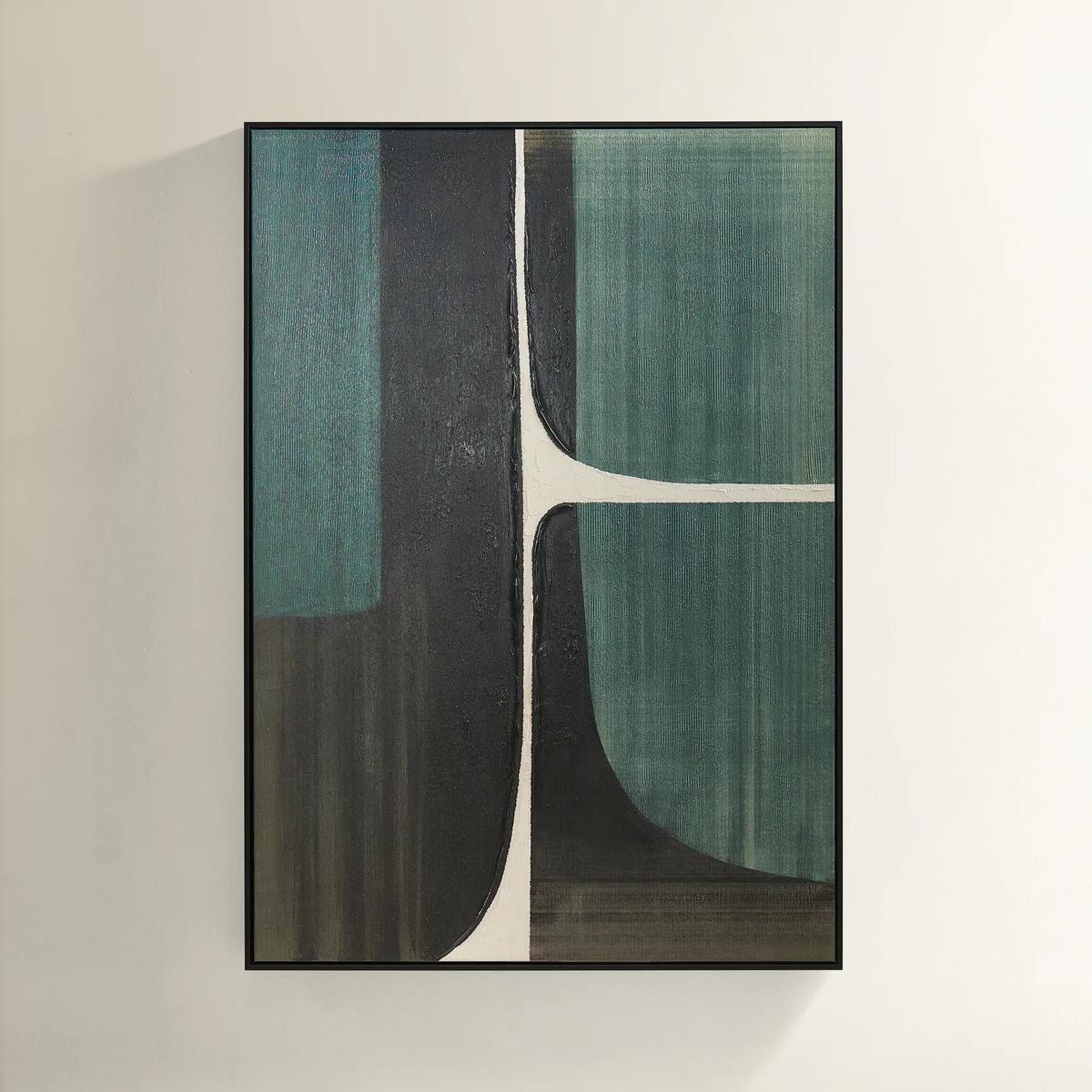 Plains Framed Painted Wall Art 39.25" x 55"$499
A hand-painted abstract canvas in forest green, ivory, and black with a sleek black floater frame.
Add To Cart -

 Escape Path III Framed Wall Art 30" x 50"$799
A captivating blue and purple canvas artwork adding contemporary movement and layered dimension to your walls.
Add To Cart -
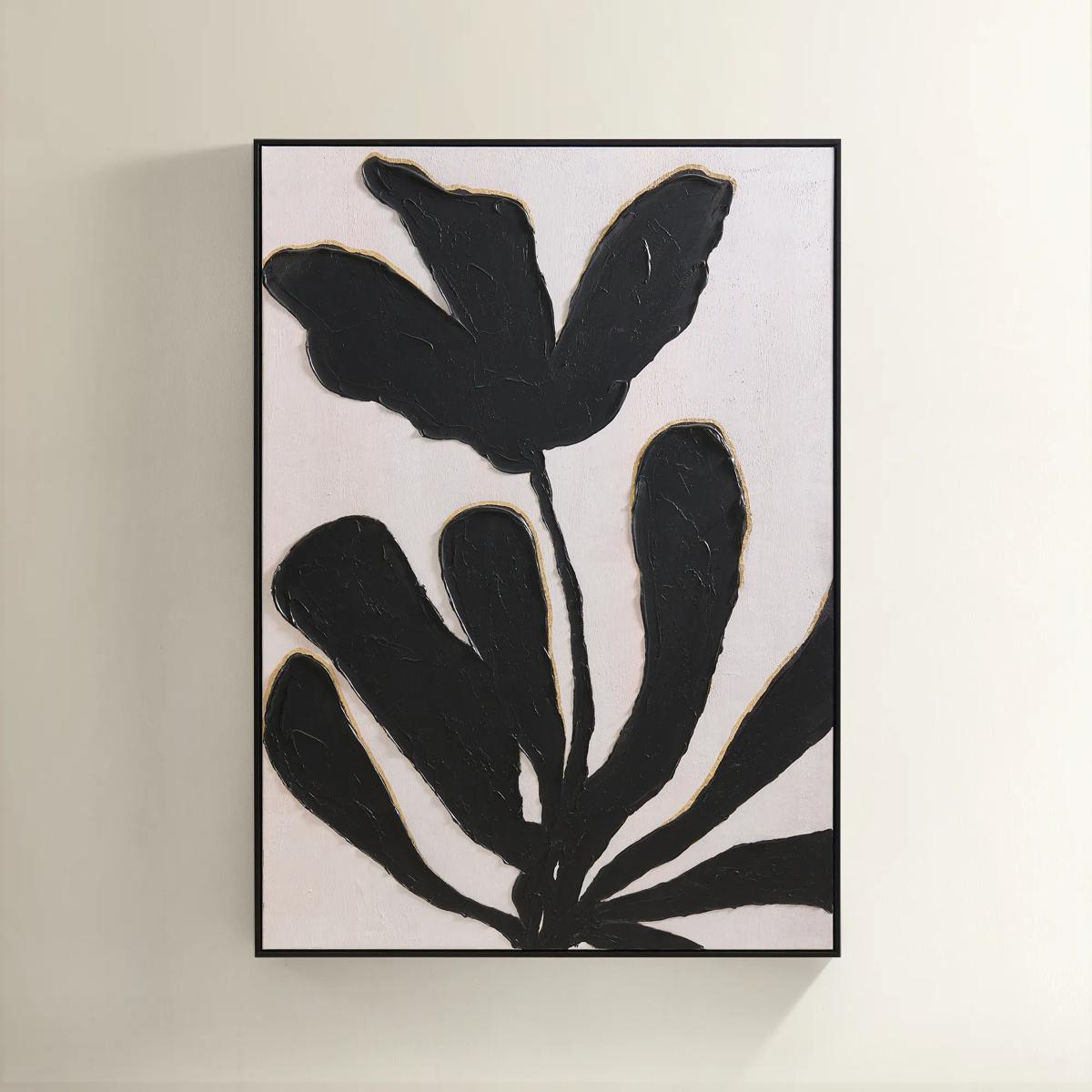
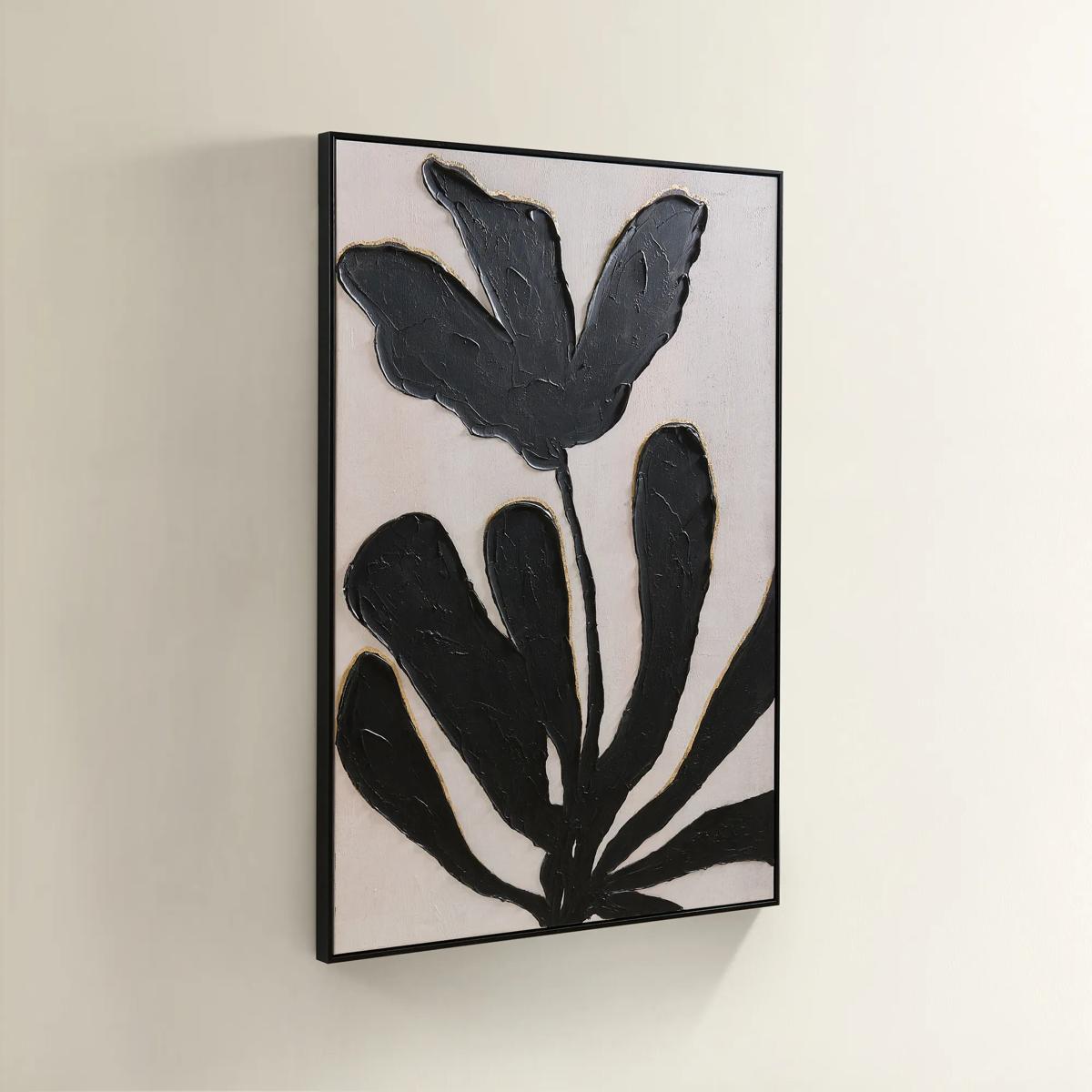 First Bloom Framed Painted Wall Art 39.25" x 55"$499
A hand-painted canvas featuring black abstract leaves and gold leafing on an ivory background in a black frame.
Add To Cart -
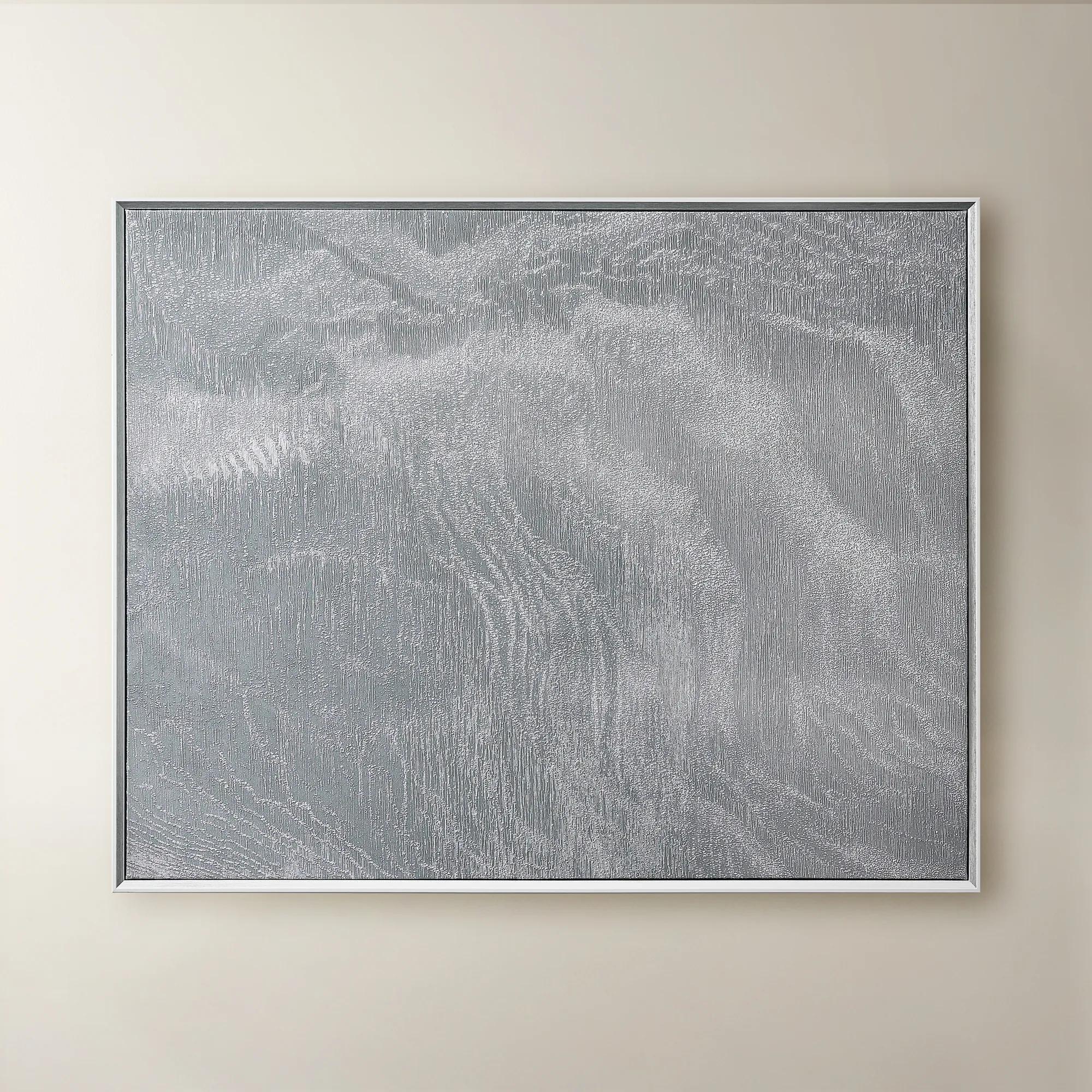 Slow Blue Morning Framed Silver Foil Wall Art 48" x 60"$599
A serene powder blue abstract canvas with silver foil accents, framed in silver and white for modern elegance.
Add To Cart -
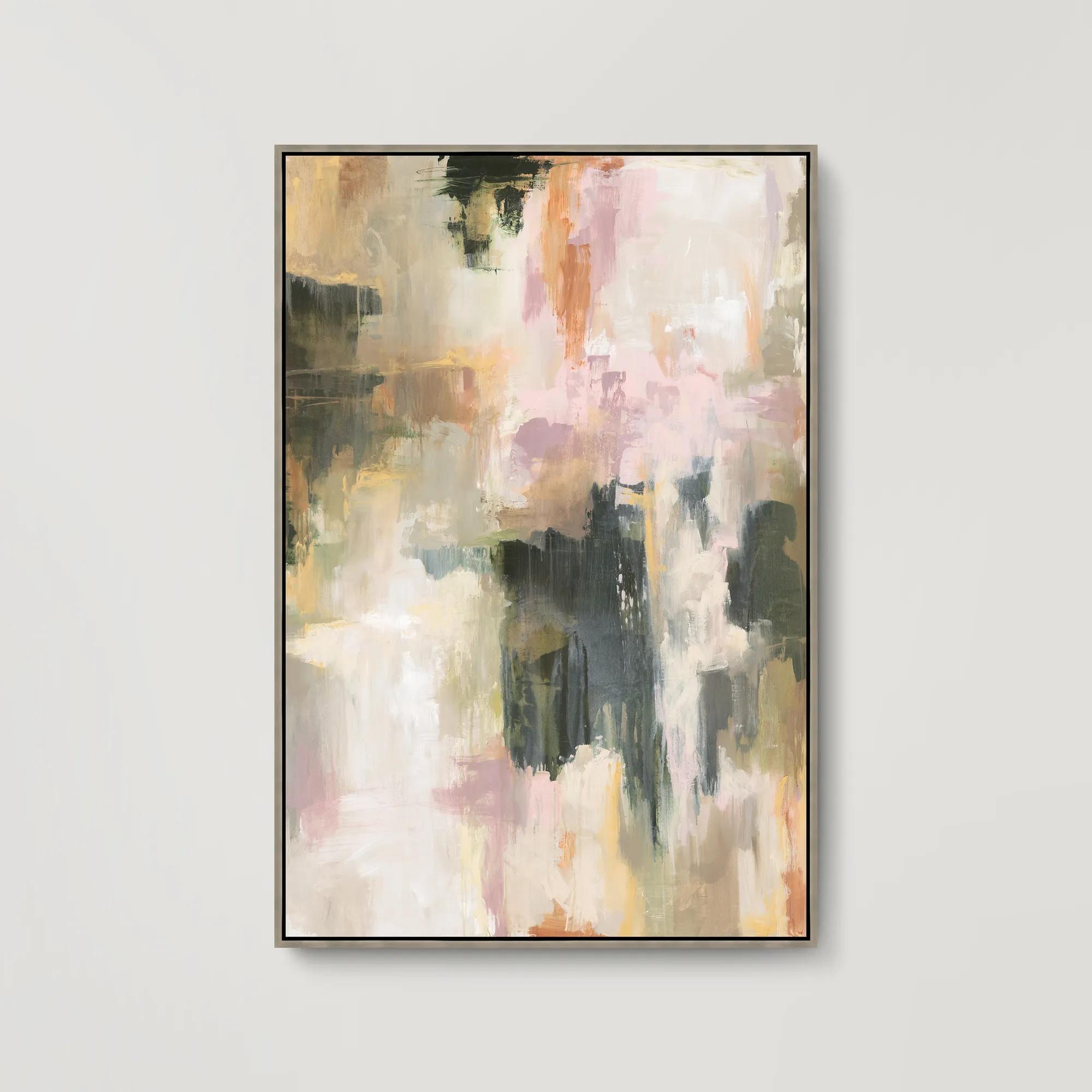
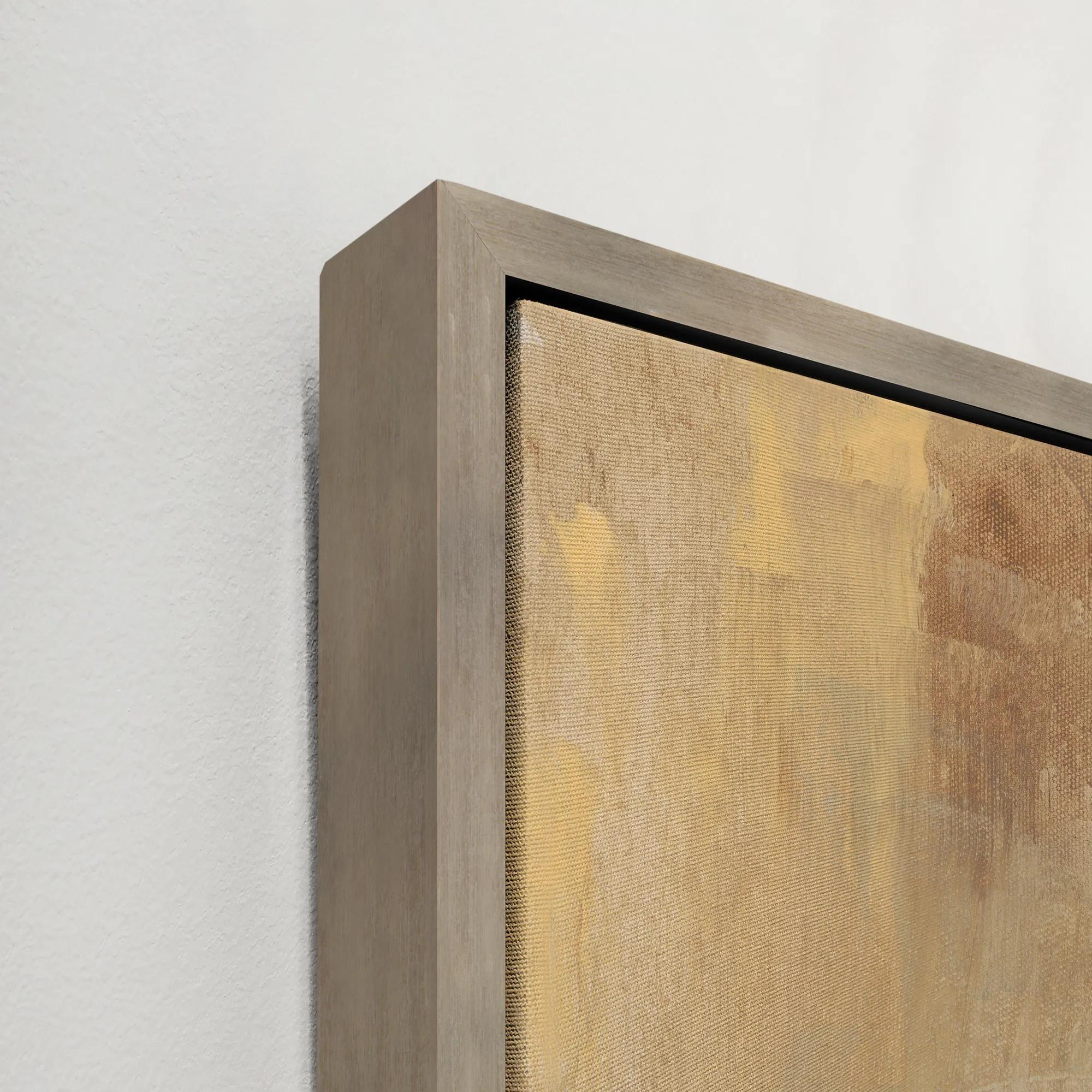 Sculpted Dreamscape Framed Wall Art 41.5" x 61.5"$999
A gallery-wrapped canvas artwork featuring a hand-applied gel finish and a sleek silver floater frame.
Add To Cart -
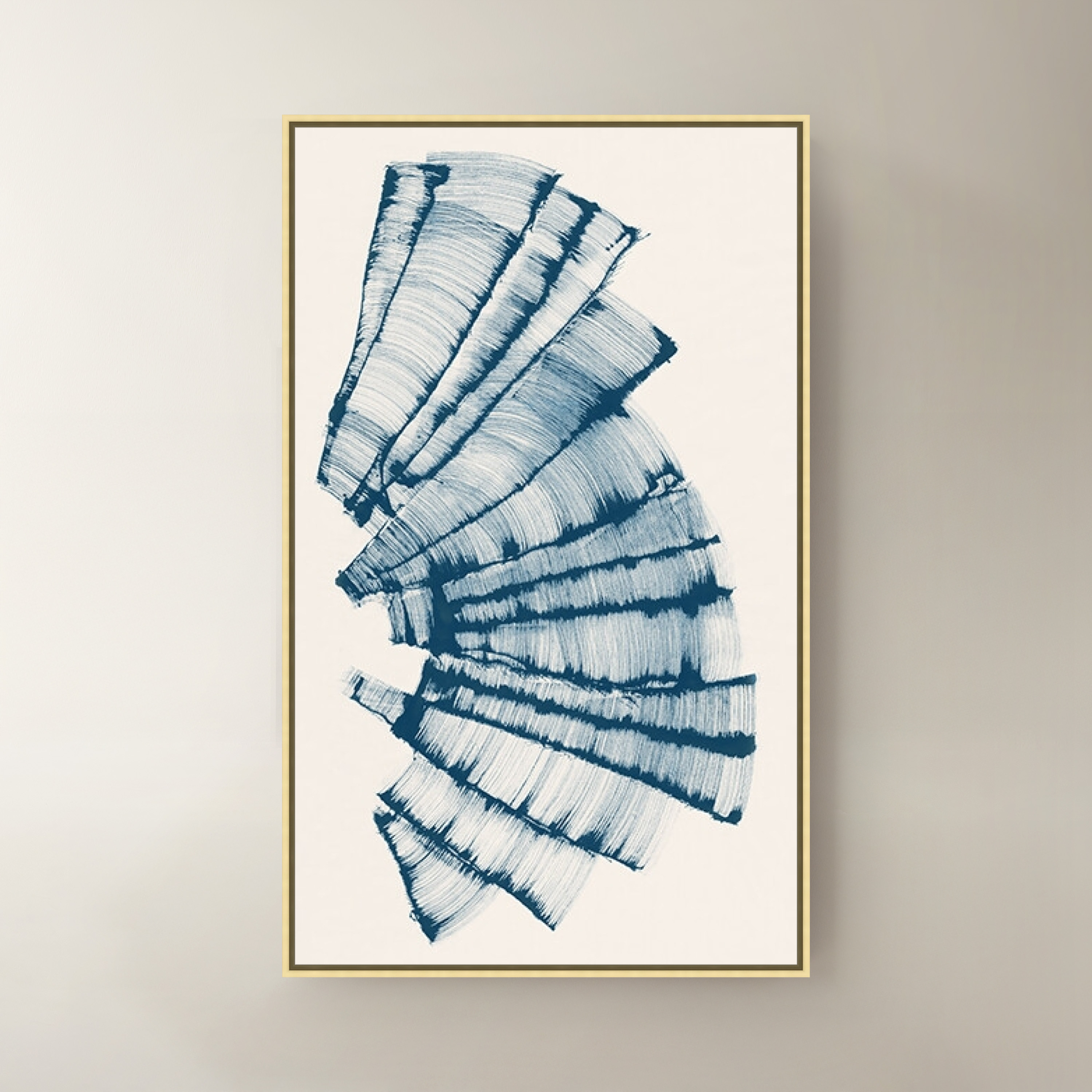
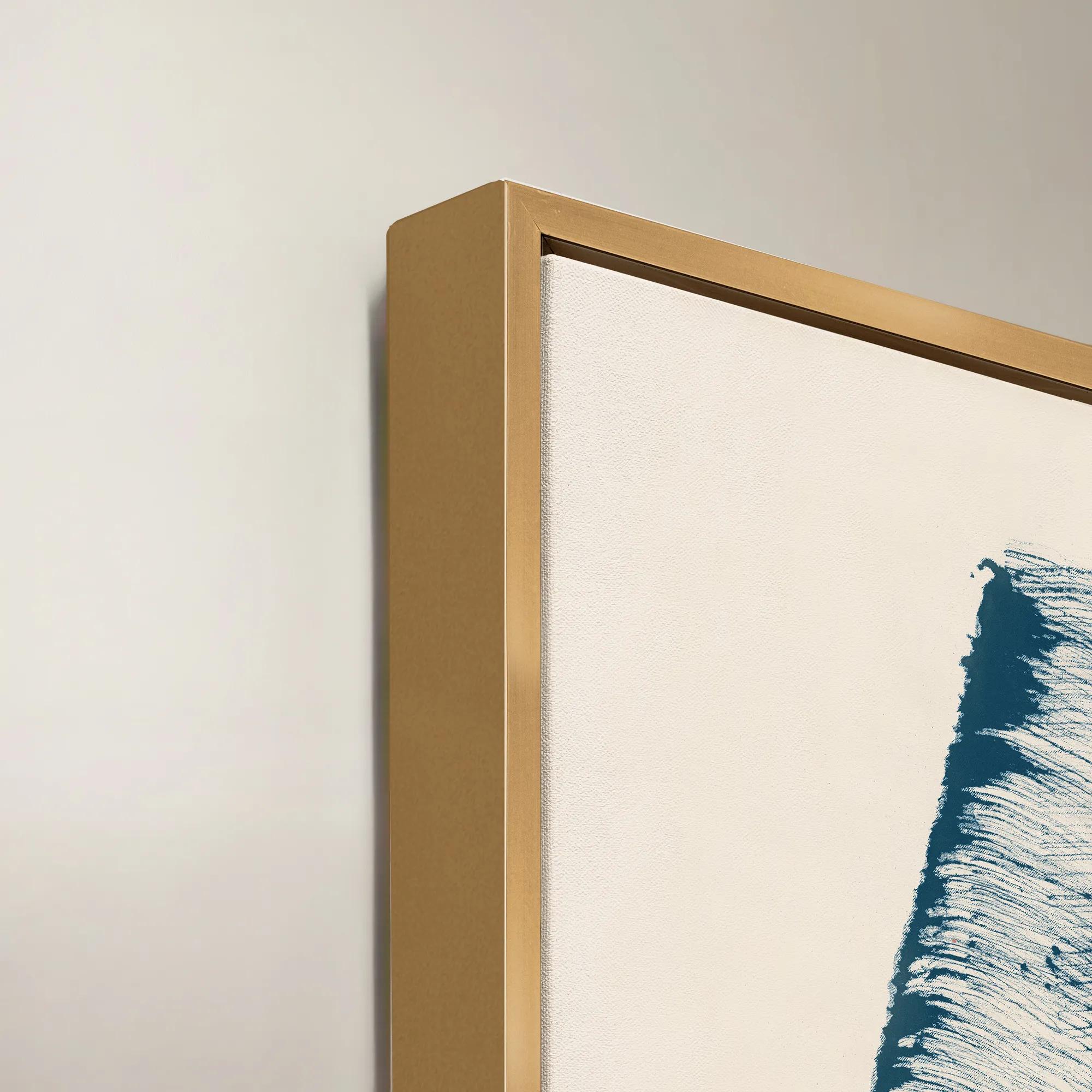 Escape Path IV Framed Wall Art 30" x 50"$799
A blue and purple canvas wall artwork presented in a sophisticated frame for modern interiors.
Add To Cart -
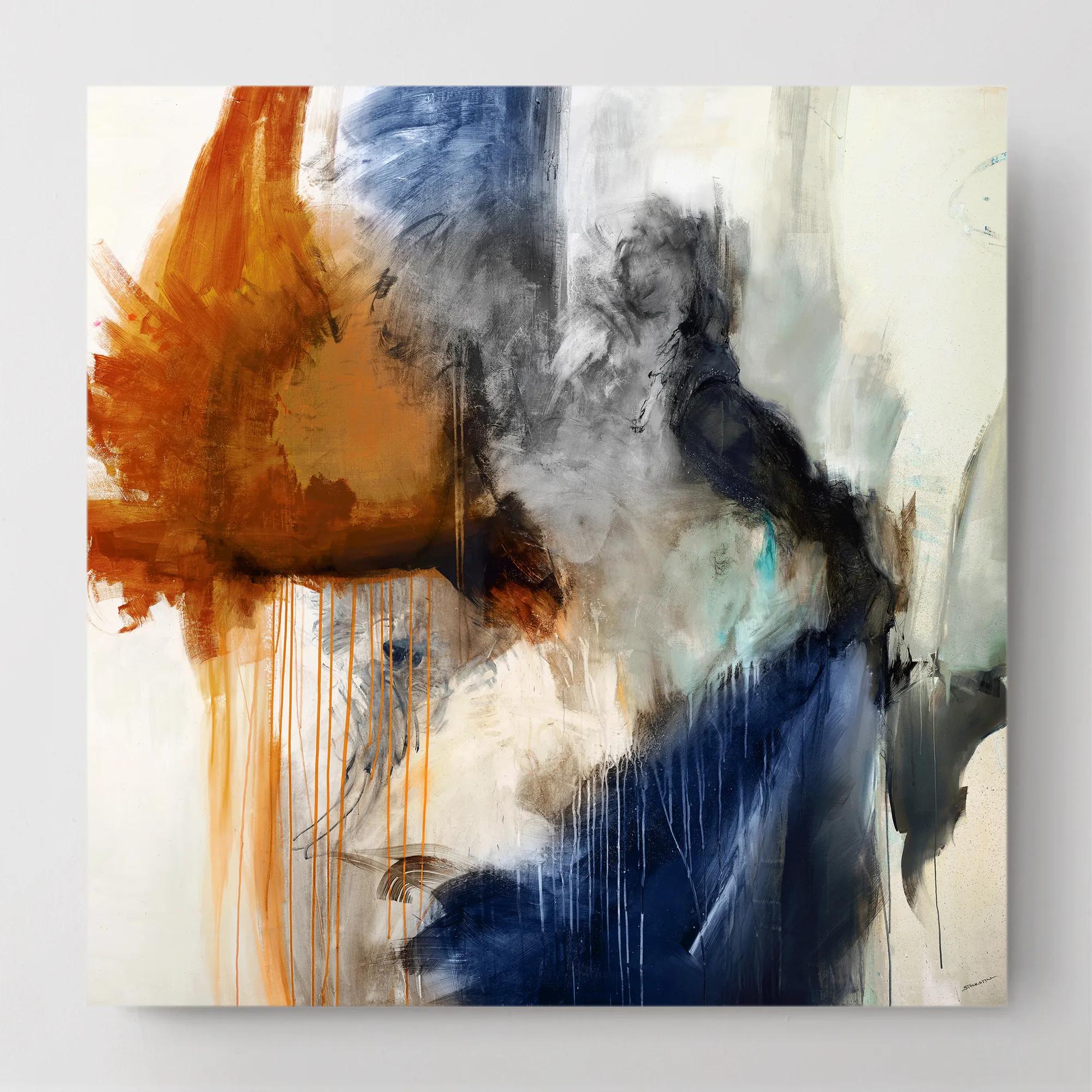
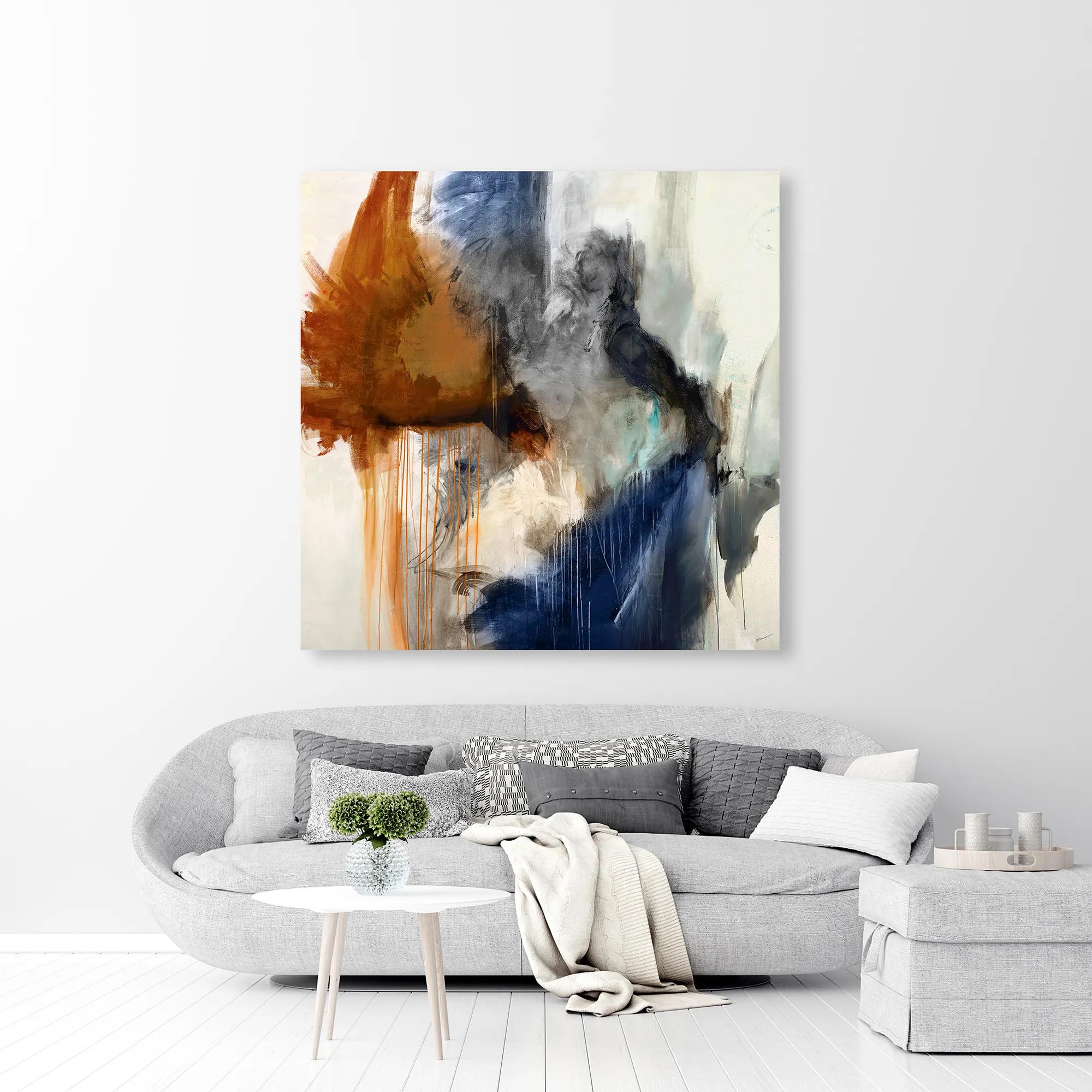 Swoon 6 Wall Art 54" x 54"$899
A gallery-wrapped canvas featuring a hand-applied image brush gel finish for a textured, artistic look.
Add To Cart -
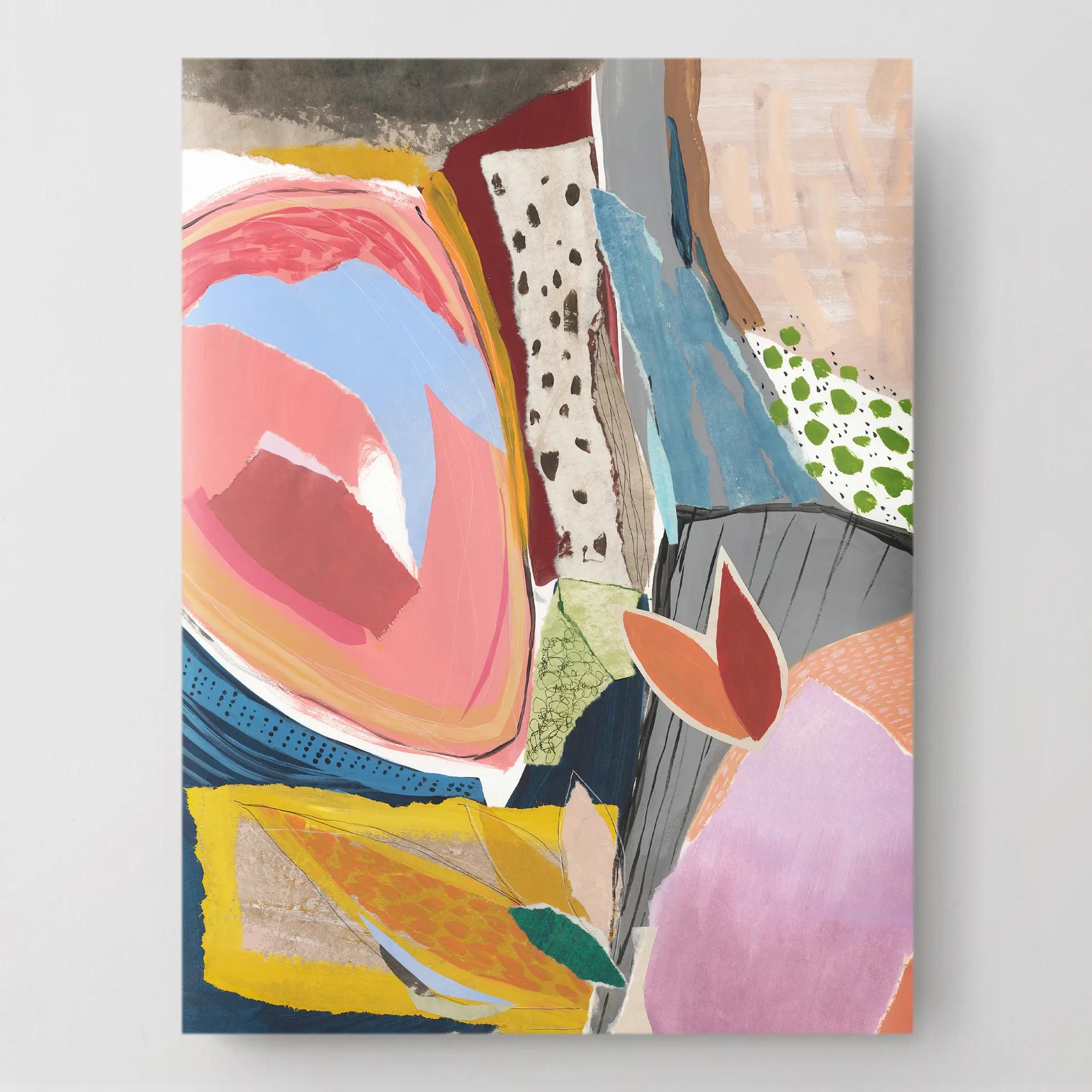
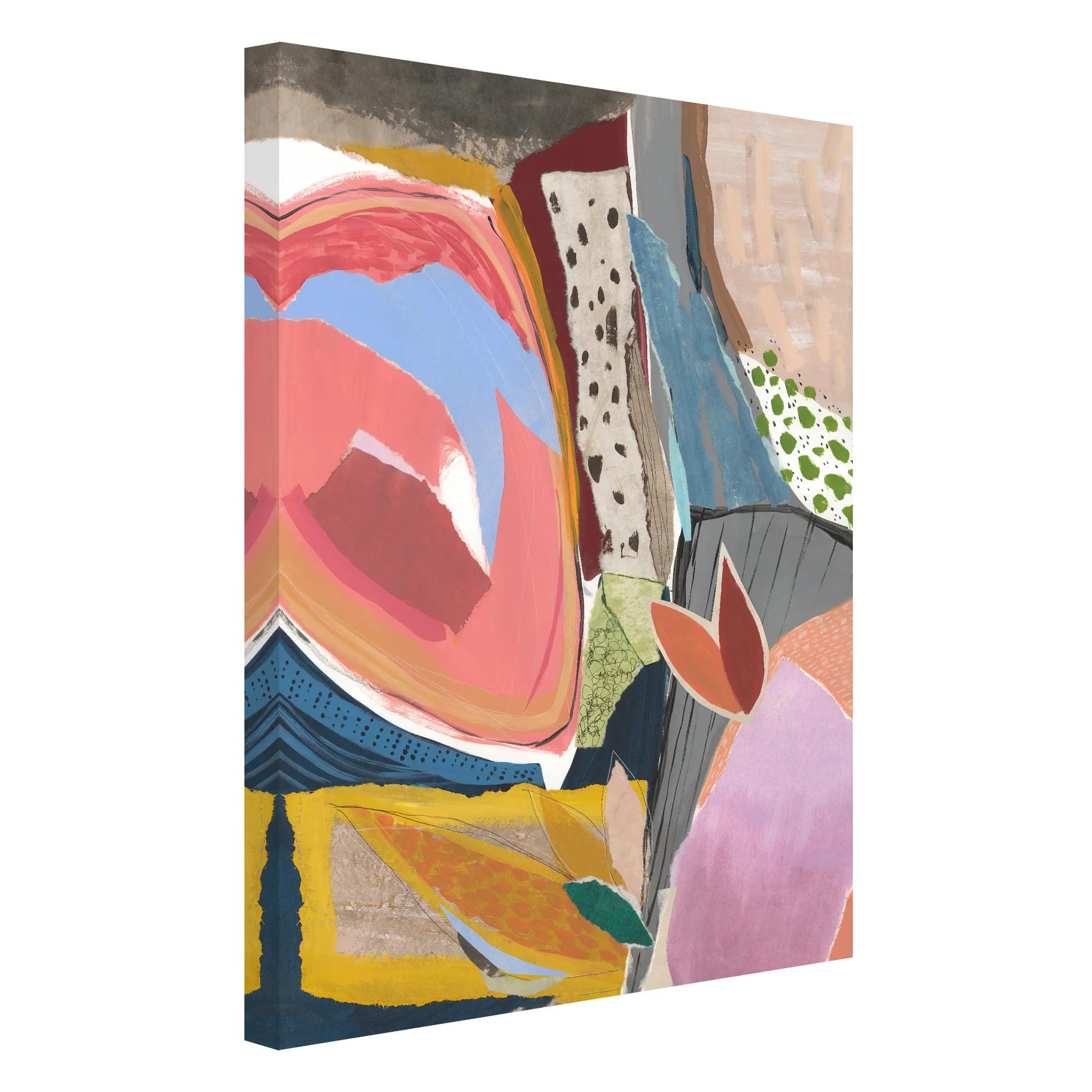 Sunday Vibes 1 Wall Art 30" x 40"$449
A gallery-wrapped canvas artwork featuring a hand-applied image brush gel finish for a textured look.
Add To Cart -
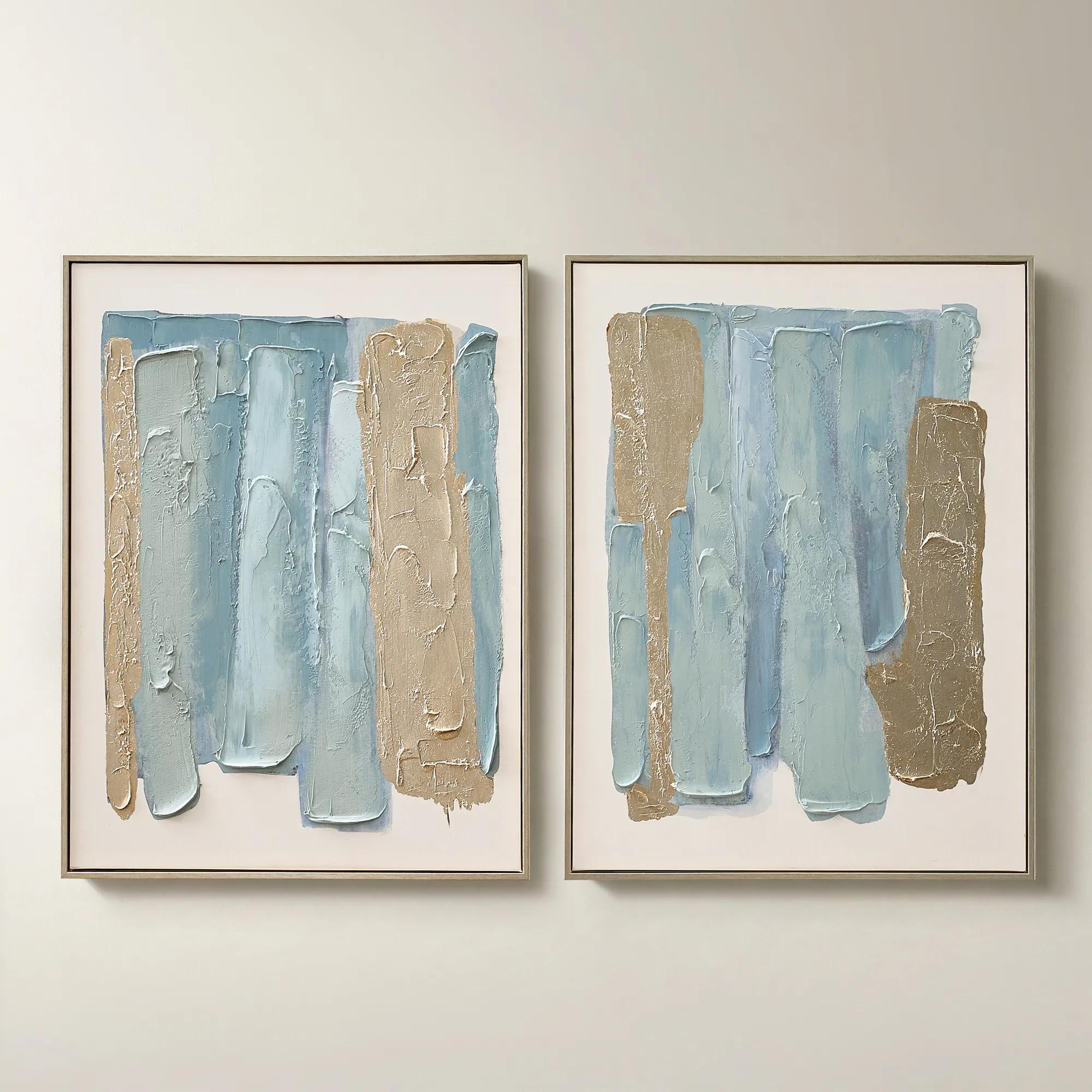
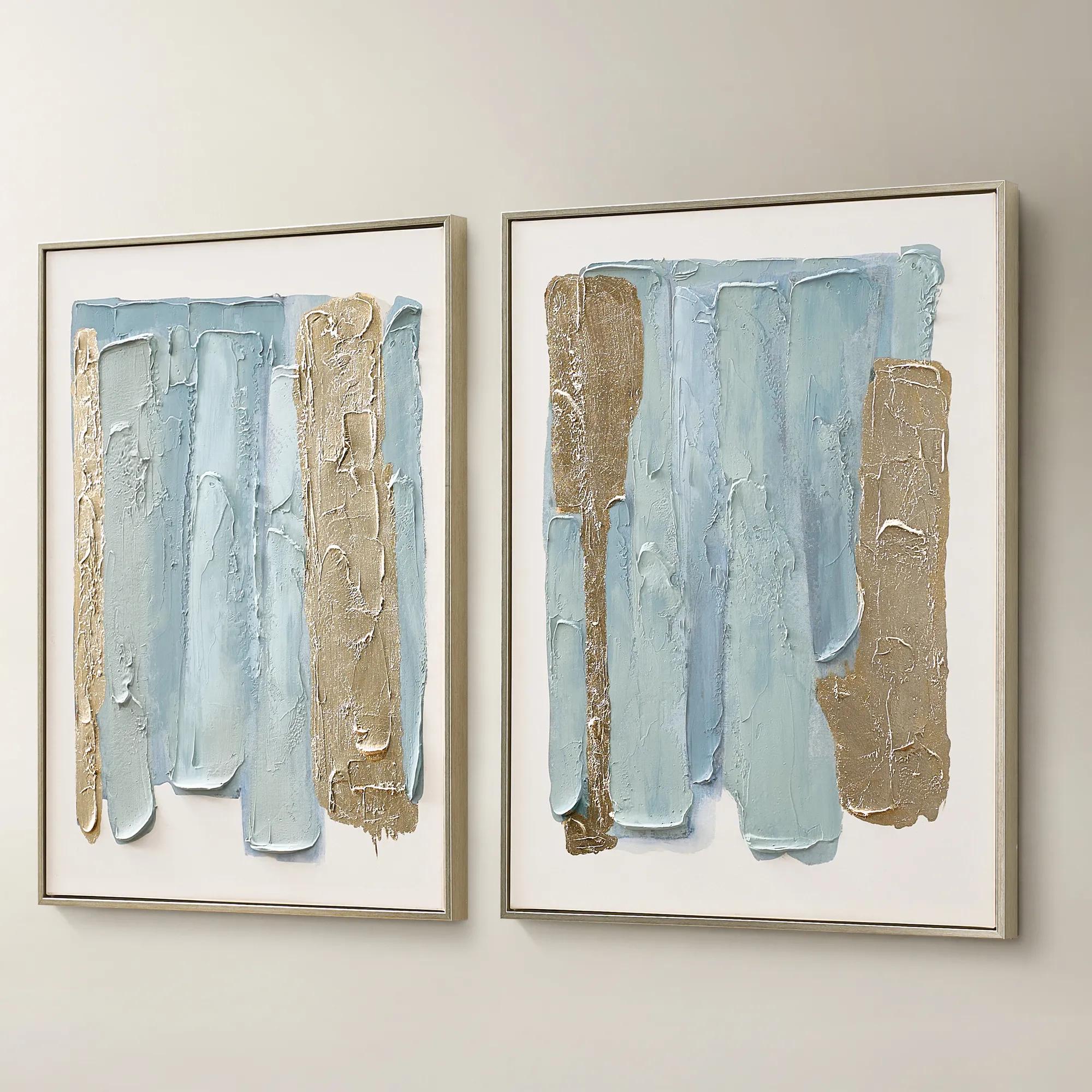 Blue Drift Framed Champagne Painted Wall Art 24" x 32" Set of 2$199
A set of two hand-painted canvases in dusty blue with champagne leafing and modern abstract movement.
Add To Cart -
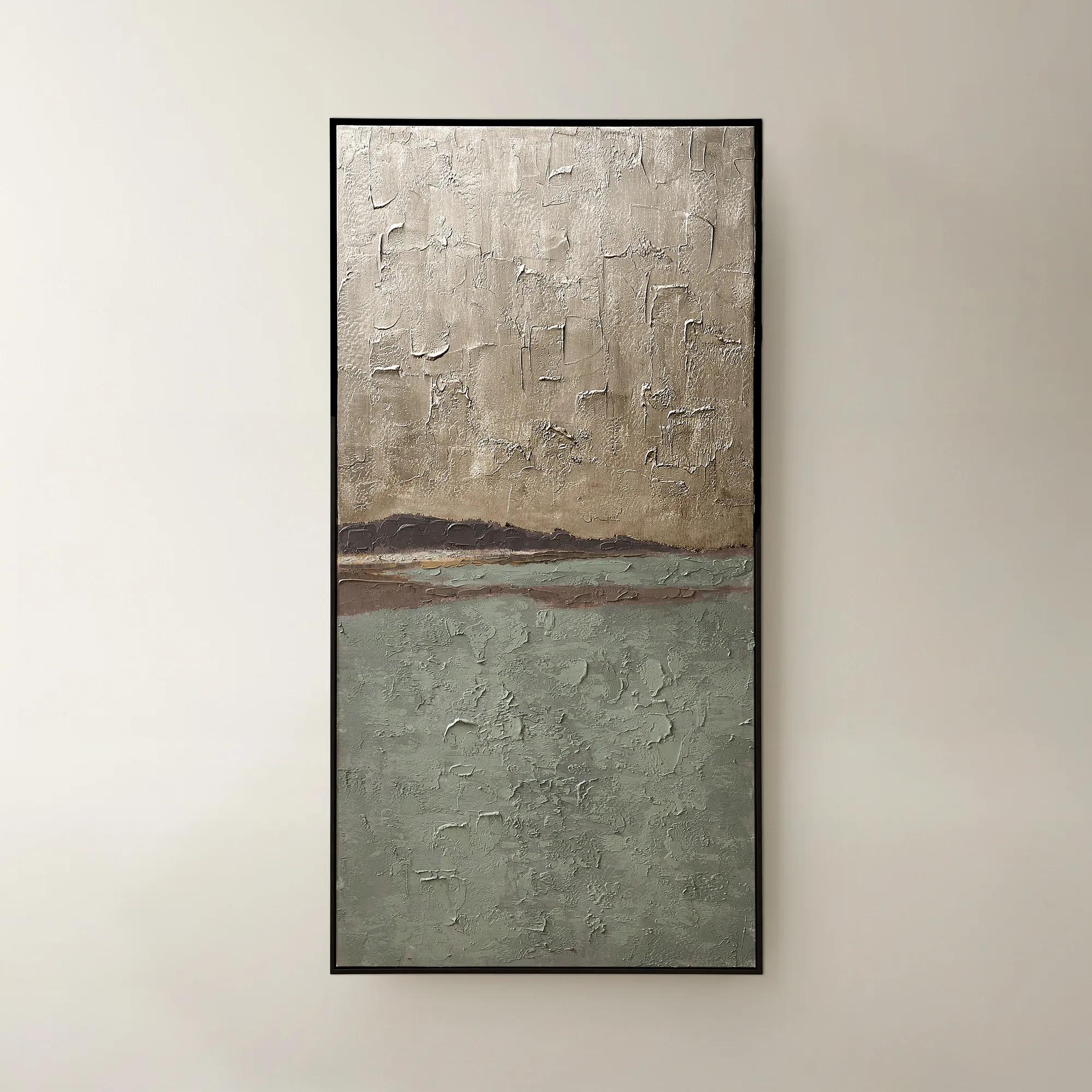
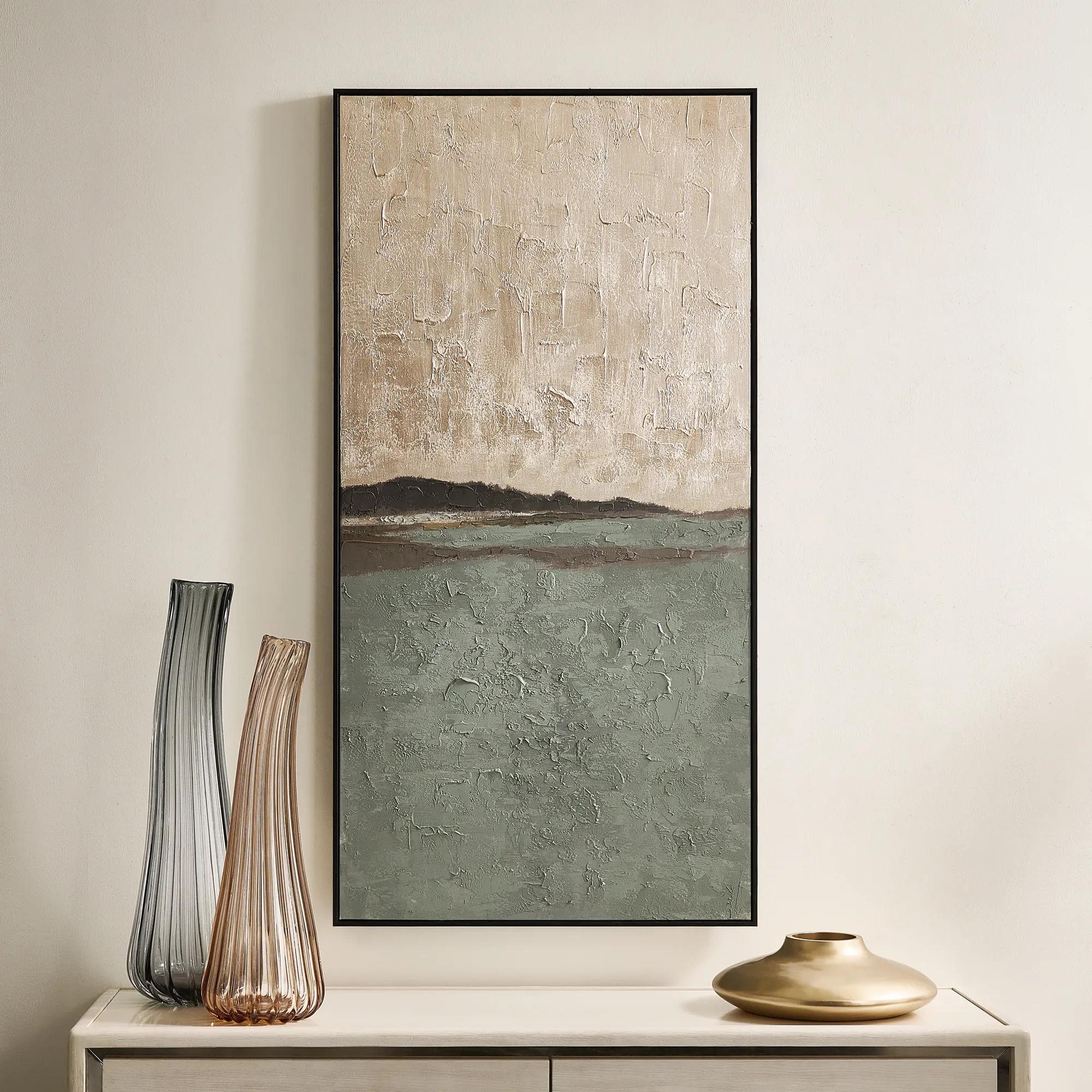 Fields of Gold Framed Painted Wall Art 60" x 30"$399
A hand-painted sage and champagne abstract canvas with a black frame, offering versatile vertical or horizontal display.
Add To Cart -
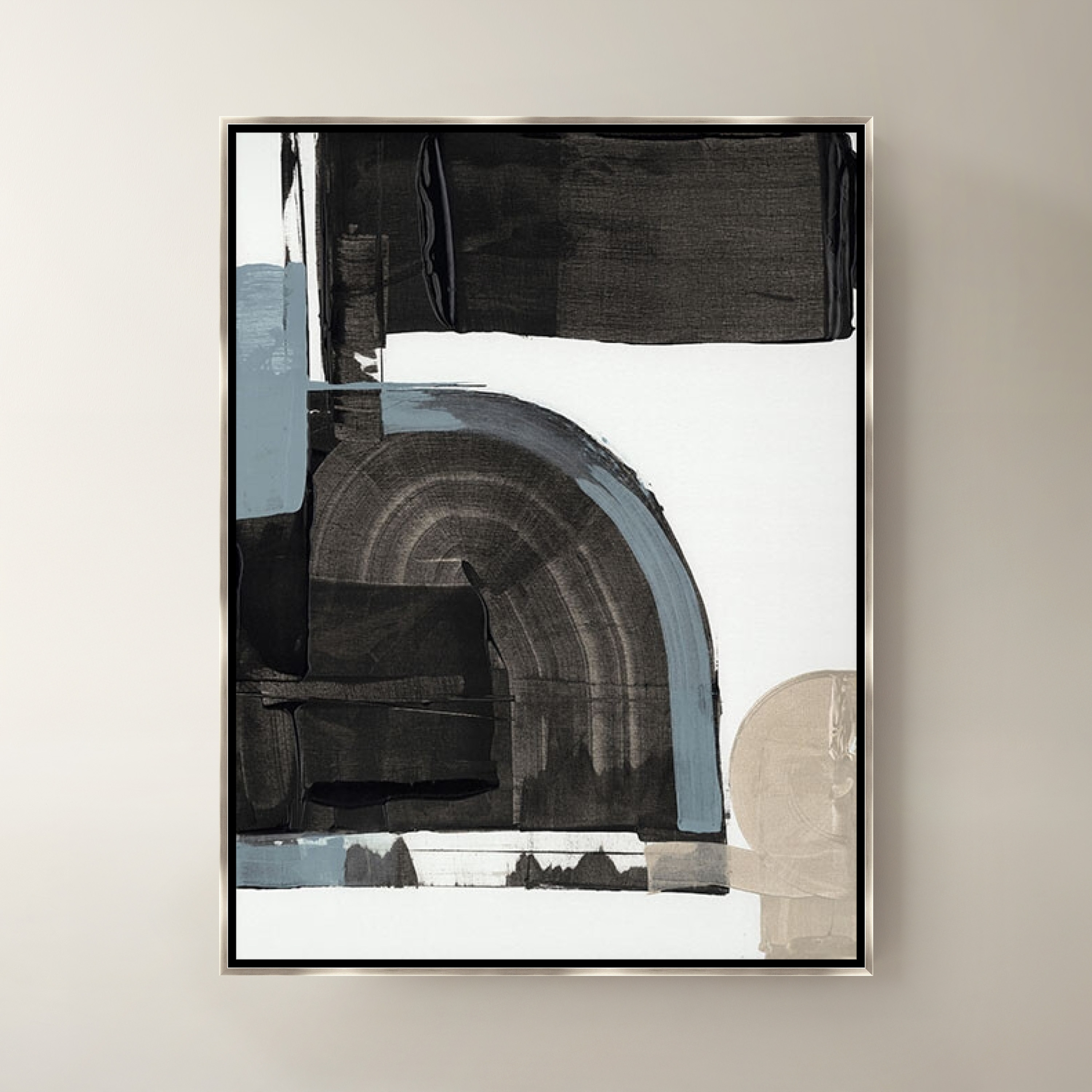
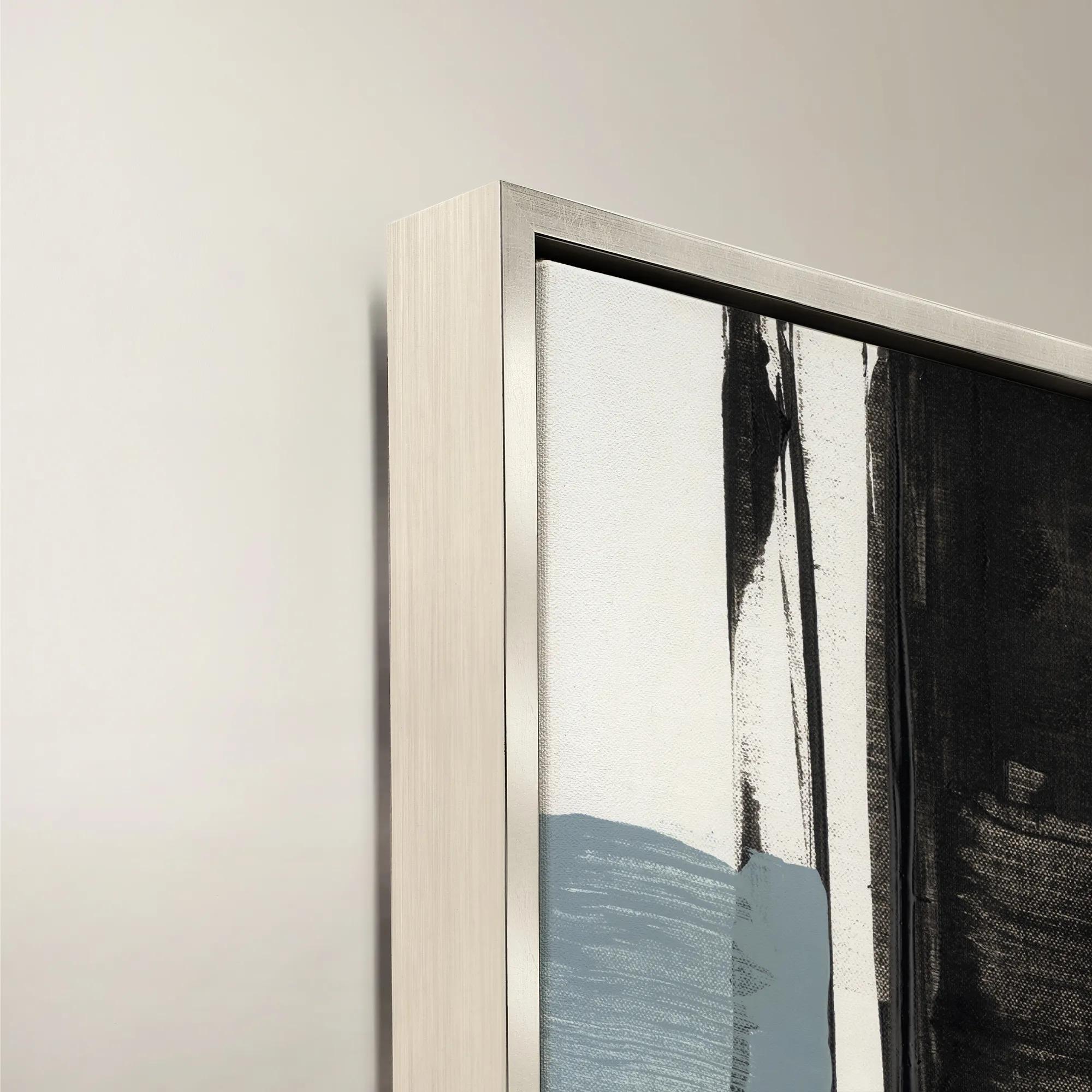 Blanc de Blancs III Framed Wall Art 24" x 30"$519
A sophisticated black canvas artwork presented in a refined frame for modern wall styling.
Add To Cart

Abstract Landscape Canvas Prints
Explore abstract landscape canvas prints that reinterpret natural scenery through expressive color, shape, and composition. This approach to landscape wall art brings an artistic mood to living rooms, bedrooms, and beyond. Look for a palette that complements your decor, and consider the artwork’s scale and visual intensity to create a dramatic focal point or a quieter moment.
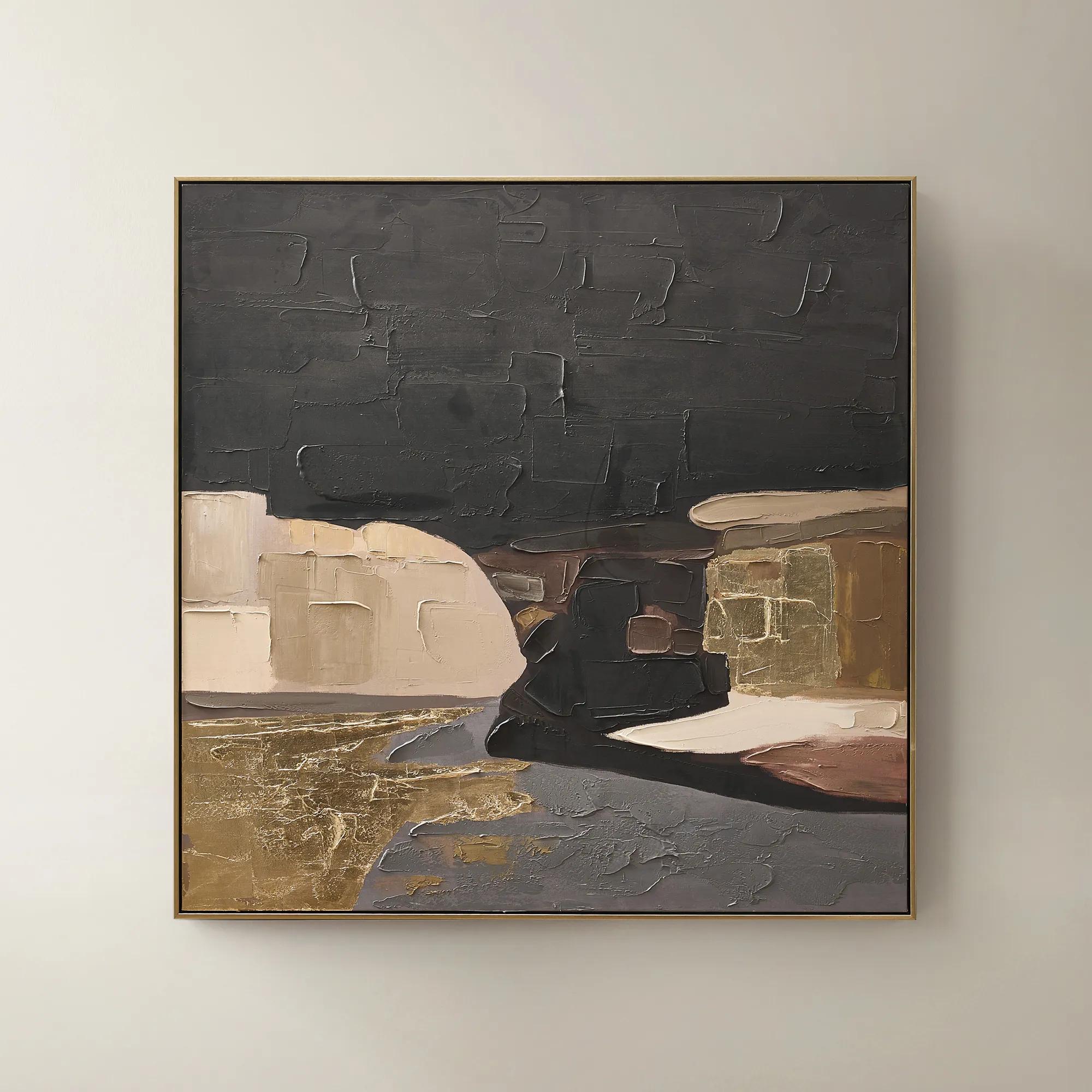
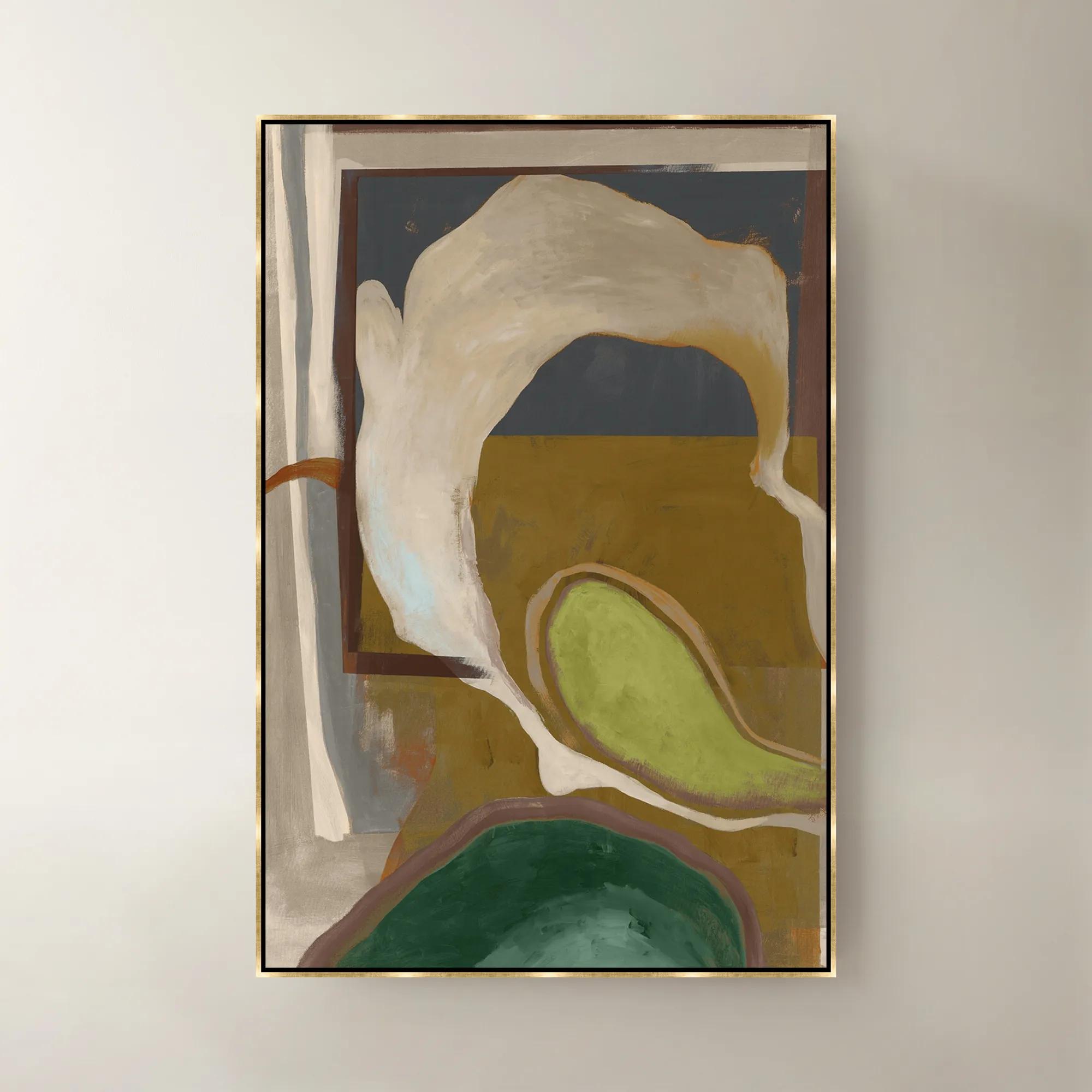
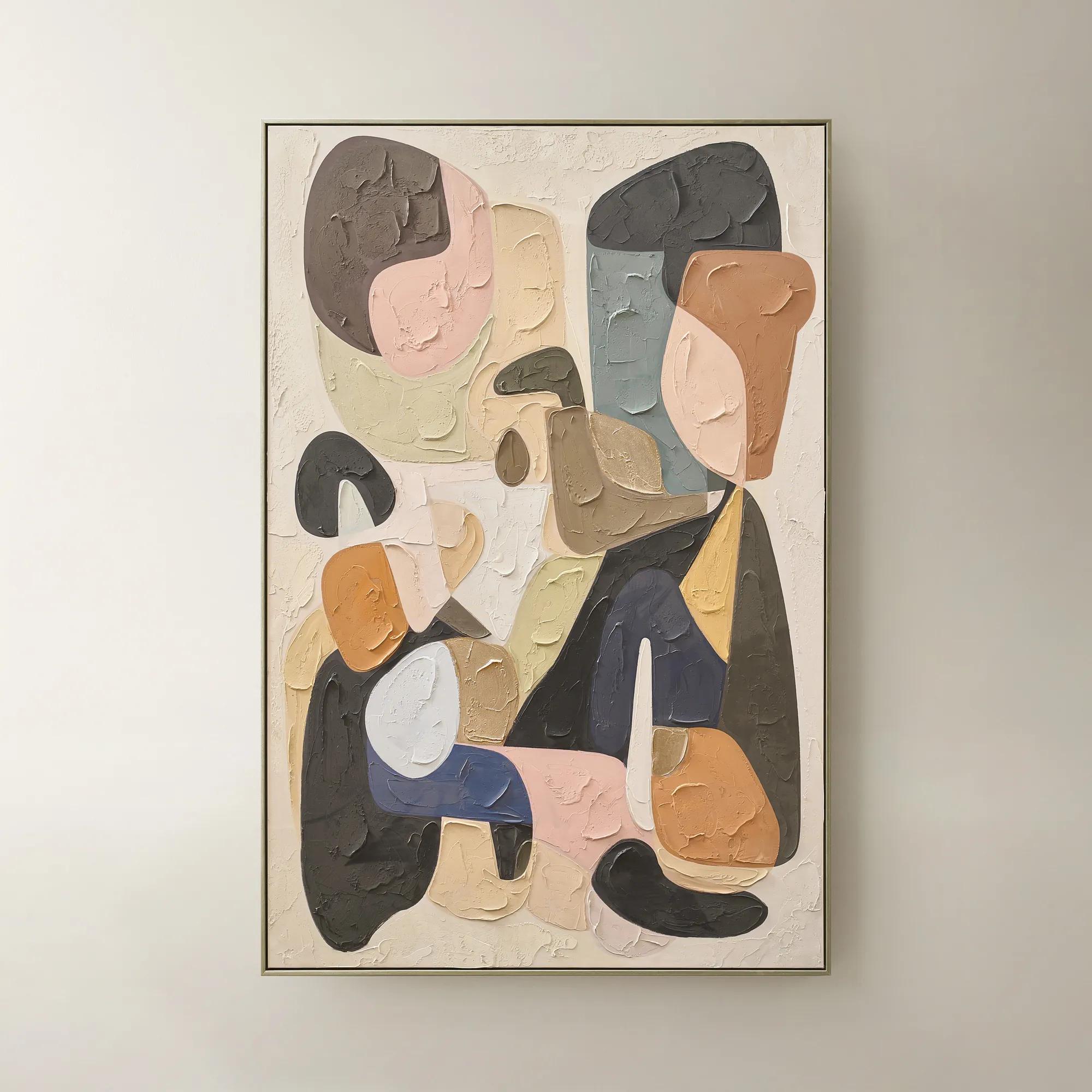
Abstract landscape canvas prints interpret natural scenery through expressive color, simplified forms, and the suggestion of movement rather than precise, literal detail. A coastline might become a sweep of ivory against deep blue; distant hills might emerge as layered silhouettes in charcoal, taupe, and gold. Horizons, valleys, water, and open skies remain recognizable enough to create a sense of place, while softened edges and unexpected palettes leave room for imagination. Rooted in the visual language of abstract landscape paintings, this artwork brings the grandeur of the outdoors into a room without requiring a traditional scenic composition. The effect can be expansive and contemplative or richly dramatic, depending on the contrast, scale, and rhythm of the image. Broad passages of color give the eye somewhere to rest, while energetic marks introduce an expressive counterpoint to tailored upholstery and polished surfaces. In a living room with a sculptural sofa and gleaming metal accents, an atmospheric landscape can soften the arrangement without diminishing its confidence. Against a restrained bedroom palette, a sweeping horizon adds depth and a sense of visual openness. Color is often the strongest connection between the artwork and its surroundings: a muted blue can echo velvet seating, a warm neutral can draw out the grain of a wood console, and a dark passage can give pale walls greater definition. Matching every shade is unnecessary; a shared undertone or a single repeated accent often creates a more nuanced relationship. Some compositions invite close examination through intricate layers and fine marks, while others reveal their full presence from across the room. That distinction matters in spaces where artwork is viewed primarily from a doorway, a dining chair, or the far end of a sofa. The appeal lies in that balance of recognition and invention—a landscape that feels familiar without being tied to one destination, and a statement that remains open to personal interpretation.
Canvas gives printed artwork a tactile foundation, with a woven surface that can lend visual softness to reproduced brushwork, blended color, and expansive compositions. Common canvas materials include cotton, polyester, and blends, each with characteristics that influence texture, consistency, and the way an image appears on the surface. The finished result also depends on the printing process, inks, image resolution, and construction, so material alone does not determine quality. Fine-art inkjet printing, sometimes described as giclée, can reproduce subtle tonal changes and detailed marks, but that term by itself does not guarantee archival performance. For an abstract landscape, smooth transitions between pale and saturated areas help preserve the illusion of depth, while crisp reproduction keeps intentional gestures from appearing blurred. A printed image may suggest thick paint, metallic color, or raised brushstrokes without having those physical qualities; actual embellishment or dimensional texture should be identified in the artwork’s specifications. Stretched canvas is typically supported by a frame or stretcher bars, and its depth influences how prominently it projects from the wall. A gallery-wrapped presentation carries the image or a finished edge around the sides, while an outer frame creates a more defined architectural boundary. Neither treatment is inherently more expressive: an unframed edge can emphasize the uninterrupted composition, while a narrow frame can establish a deliberate pause between artwork and wall. Durable construction helps the canvas maintain an even surface, though longevity also depends on placement and care. Direct sunlight, persistent humidity, and nearby heat sources can affect inks, canvas tension, and supporting materials over time. A dry, stable interior location generally suits decorative canvas better than a damp bathroom or an area exposed to cooking residue. Routine care is usually gentle: light dusting with a clean, soft, dry cloth, without pressing into the canvas or applying household cleaners. Any care directions supplied with the artwork take precedence, particularly when finishes, embellishments, or framing materials require special handling.
Scale determines whether an abstract landscape canvas print feels like a quiet accent or the defining gesture of a room. Above a sofa or sideboard, artwork spanning roughly two-thirds to three-quarters of the furniture’s width often creates a balanced starting point, although generous wall space and surrounding architectural details can support a different proportion. The measurement should include an outer frame when present. A broad horizontal composition can reinforce the length of a seating arrangement, while a vertical landscape can bring height and presence to a narrow wall beside a console. When artwork hangs above furniture, a gap of about six to eight inches often keeps the arrangement visually connected; taller accessories, unusually high ceilings, and the composition itself may call for adjustment. In a dining room, the view from a seated position deserves as much consideration as the view from the entrance. In an entryway, a bold horizon can establish the home’s artistic character before the rest of the interior comes into view. Multipanel landscapes introduce another consideration: the combined width includes the spaces between panels, and consistent spacing helps the composition read as a whole. Appropriate hardware, wall compatibility, and the artwork’s weight are essential to a secure installation, especially over seating or along a frequently used passage. Beyond dimensions, the emotional character of the image makes the choice personal. Someone drawn to sculptural furniture may appreciate decisive shapes and graphic contrasts, while a collector of richly layered textiles may respond to intricate color relationships and expressive surface effects. Abstract landscape prints can also make thoughtful housewarming, wedding, or anniversary gifts when the recipient’s palette, wall space, and taste are well understood. A loosely interpreted shoreline might recall a meaningful journey without becoming a literal souvenir; an expansive valley might resonate with someone who finds inspiration in open terrain. Whether displayed as a solitary focal point or composed with complementary artwork, an abstract landscape brings more than scenery to the wall. It introduces perspective, atmosphere, and a distinctive artistic presence that helps the entire room feel considered.
FAQs
Abstract landscape canvas prints reinterpret natural scenery through expressive color, fluid shapes, and suggestive details rather than realistic imagery. A horizon might become a sweeping band of color, while mountains dissolve into gestural forms. The result brings the spirit of the outdoors into your home with an artistic, distinctly modern point of view.
Let the artwork inspire the room’s visual story. Echo a color from the composition in decorative pillows or an accent chair, then introduce sculptural objects for dimension. Pair softer landscapes with gleaming accents for contrast, or let a dramatic composition command attention against a restrained wall color.
Decide whether you want your artwork to harmonize with the room or introduce a daring contrast. Tonal landscapes can unite an existing palette, while saturated blues, rich earth tones, or unexpected color combinations create a more expressive statement. Look for a shared undertone to connect the art with your furnishings without making every detail match.
Yes—abstract landscapes bring expressive movement to a collected gallery wall. Pair them with architectural photography, line drawings, or geometric compositions, using a recurring color or related frame finish to establish continuity. Vary the imagery while preserving a visual connection for an arrangement that feels curated rather than coordinated.
Abstract landscape canvas prints complement modern, contemporary, transitional, and glamorous interiors. Atmospheric compositions can soften crisp architectural lines, while bold interpretations add drama alongside sumptuous upholstery and reflective accents. Choose artwork that speaks to your personal aesthetic, whether your room celebrates tonal elegance or an exuberant interplay of color and pattern.