Abstract Wall Art Prints
Abstract Wall Art Prints
-
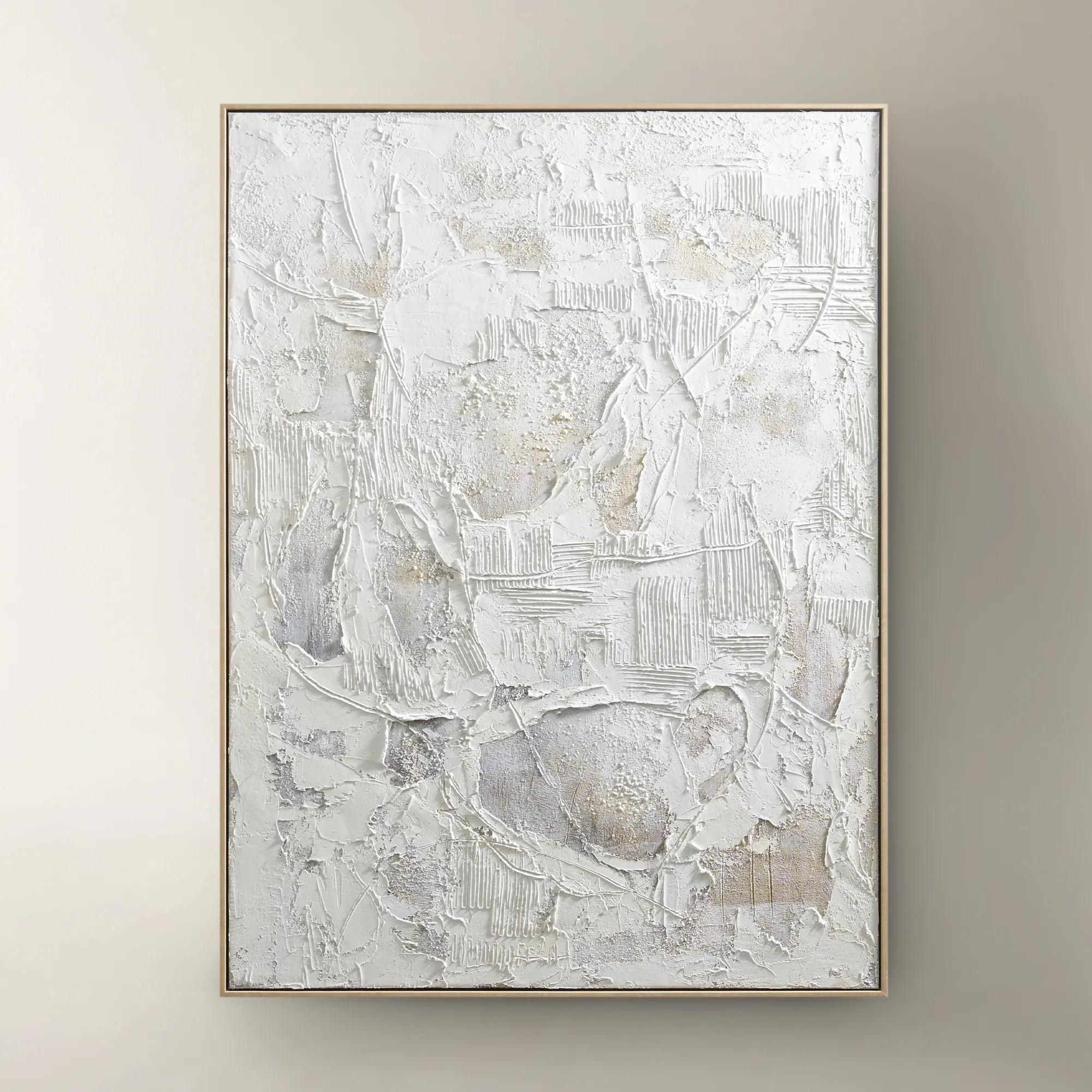
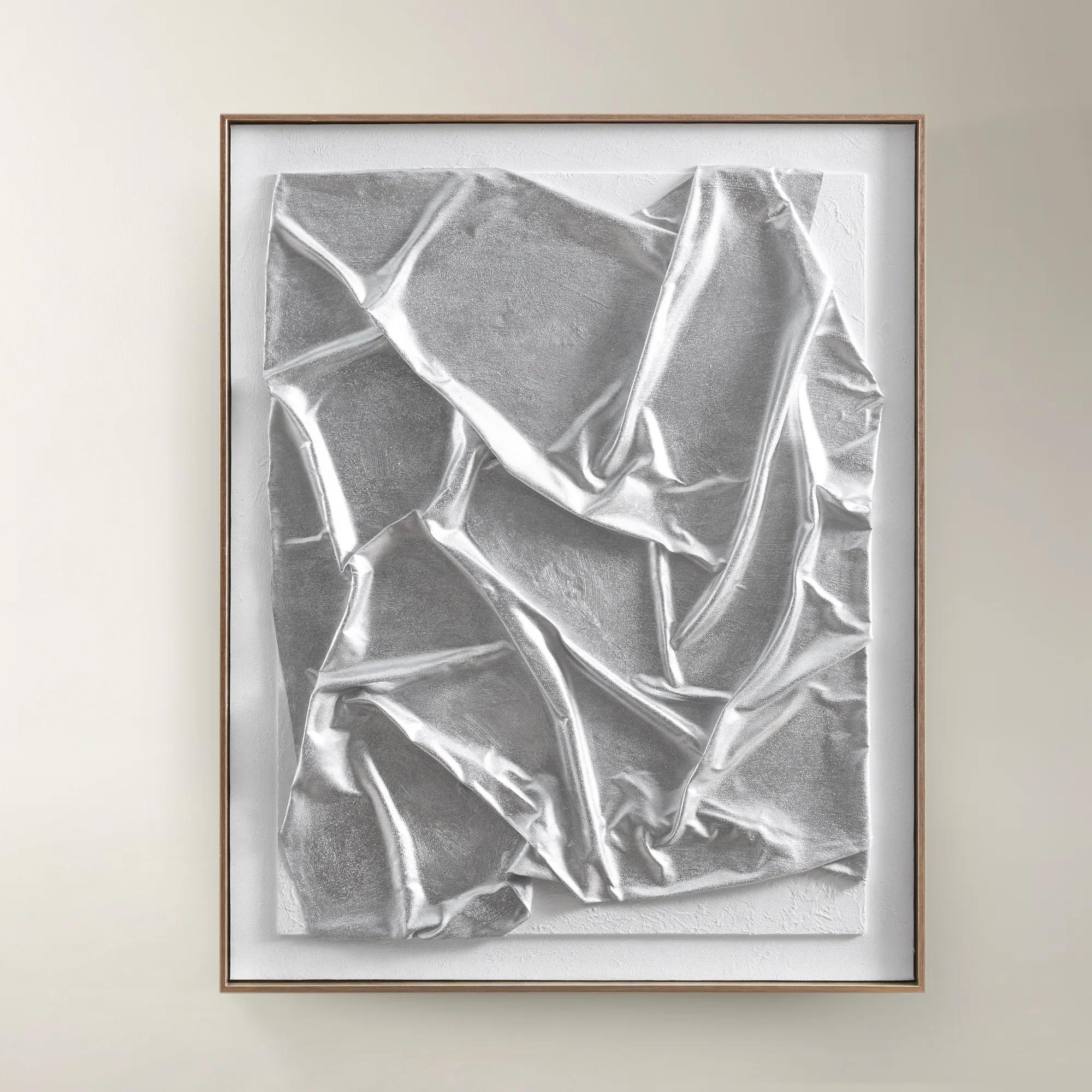 In the Mood Framed Painted Wall Art 31.5" x 39.5"$199
A hand-painted abstract canvas in shimmering silver tones, set in a warm champagne floater frame.
Add To Cart -
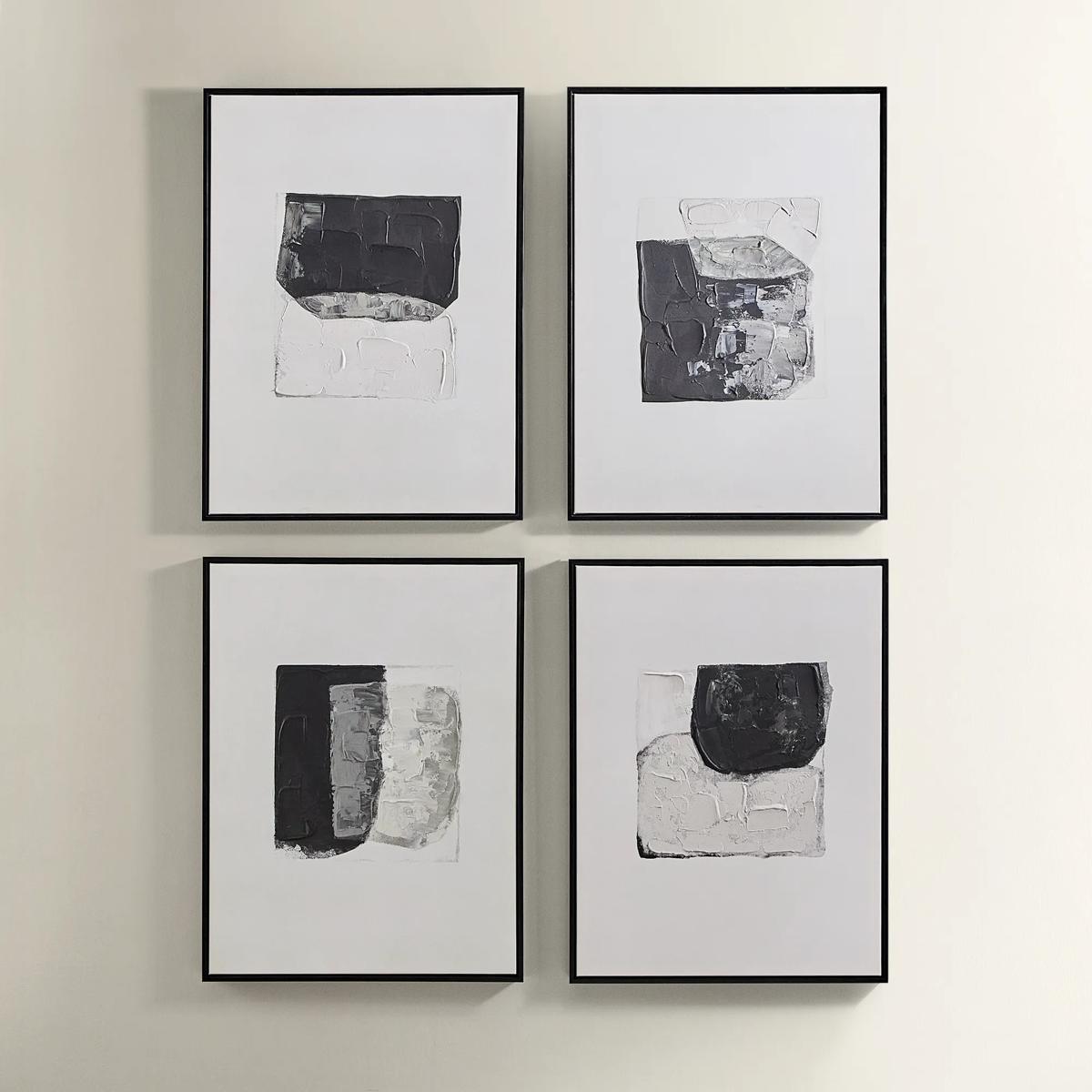
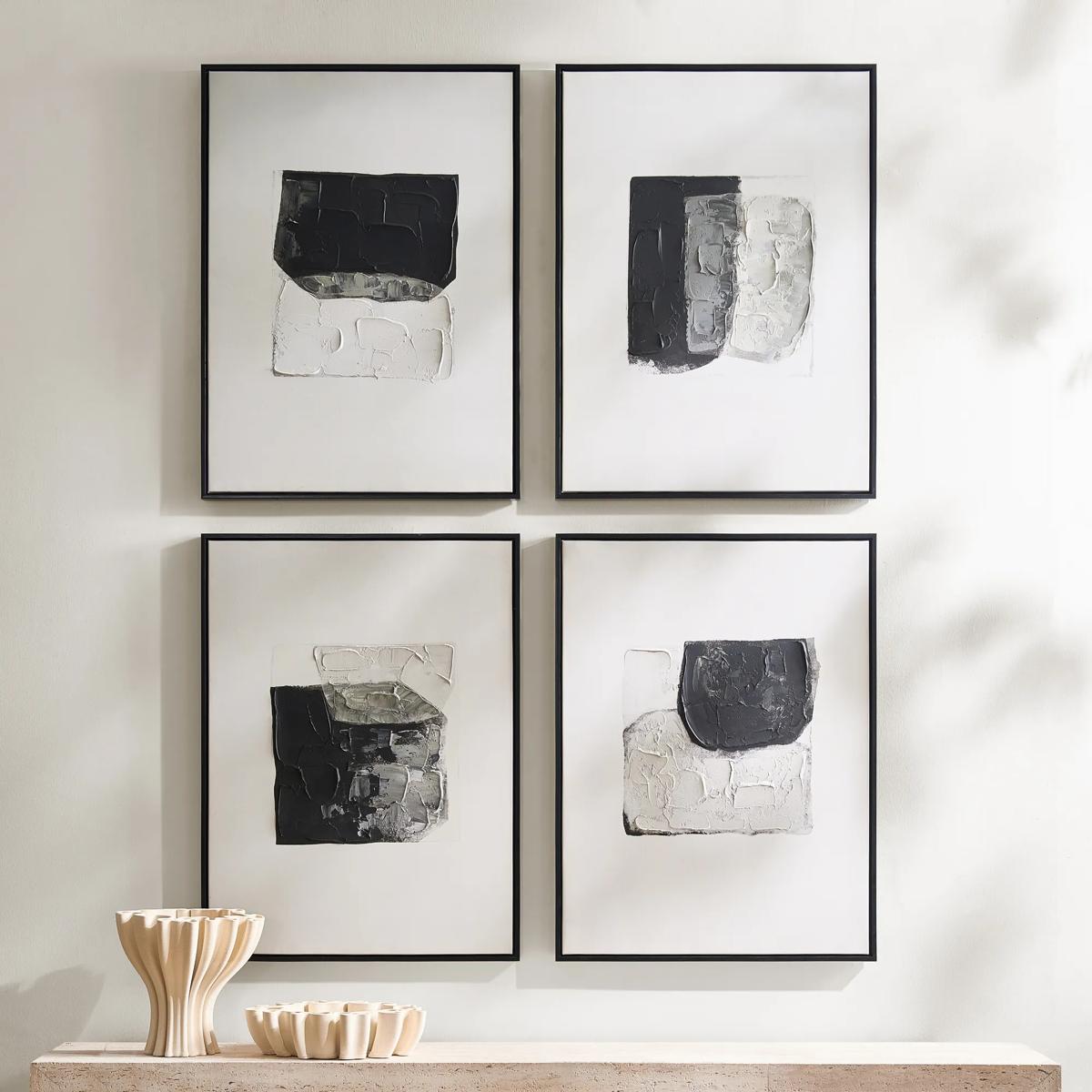 Shadows Framed Painted Wall Art Set of 4$299
A set of four hand-painted abstract canvases featuring black, white, and gold accents in black frames.
Add To Cart -
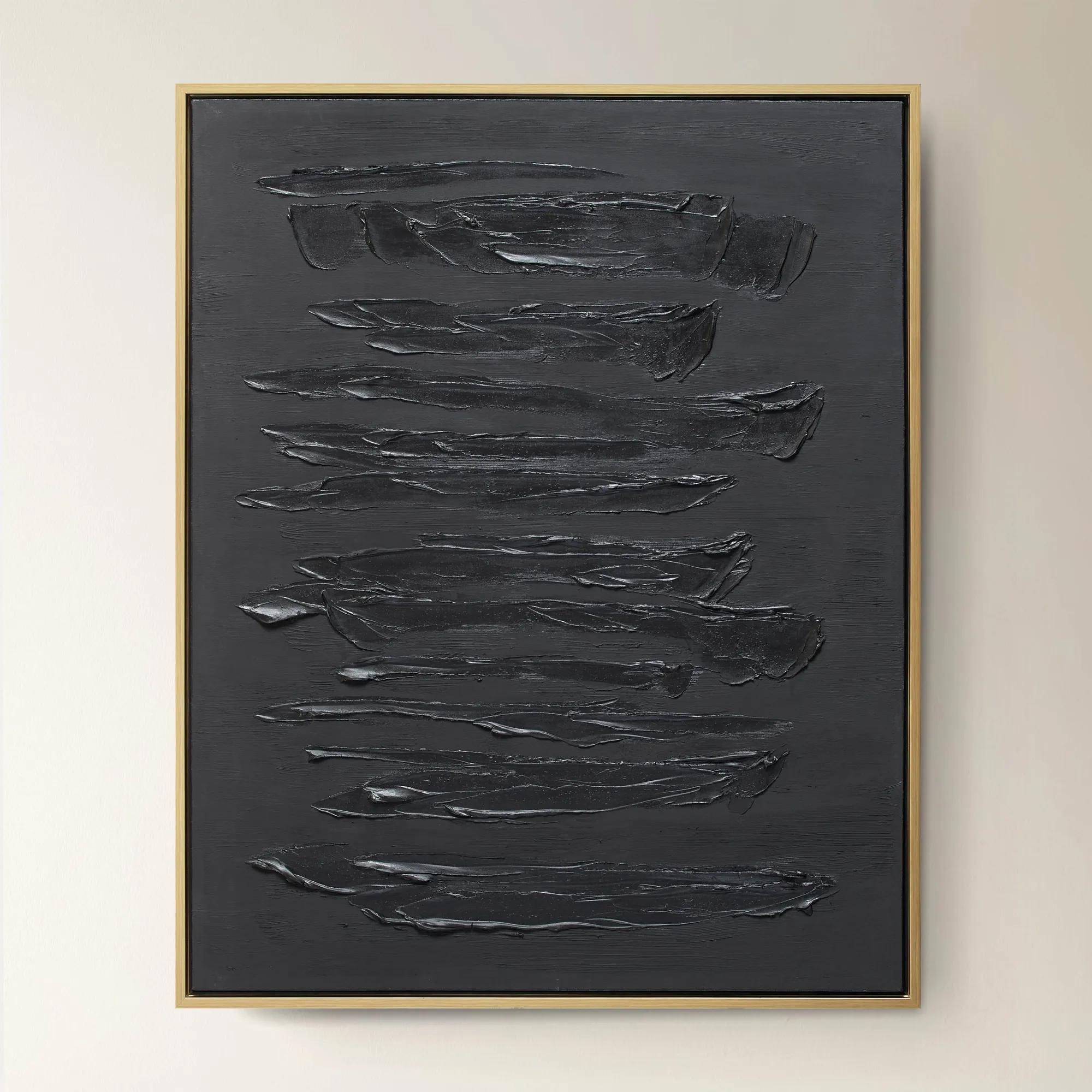
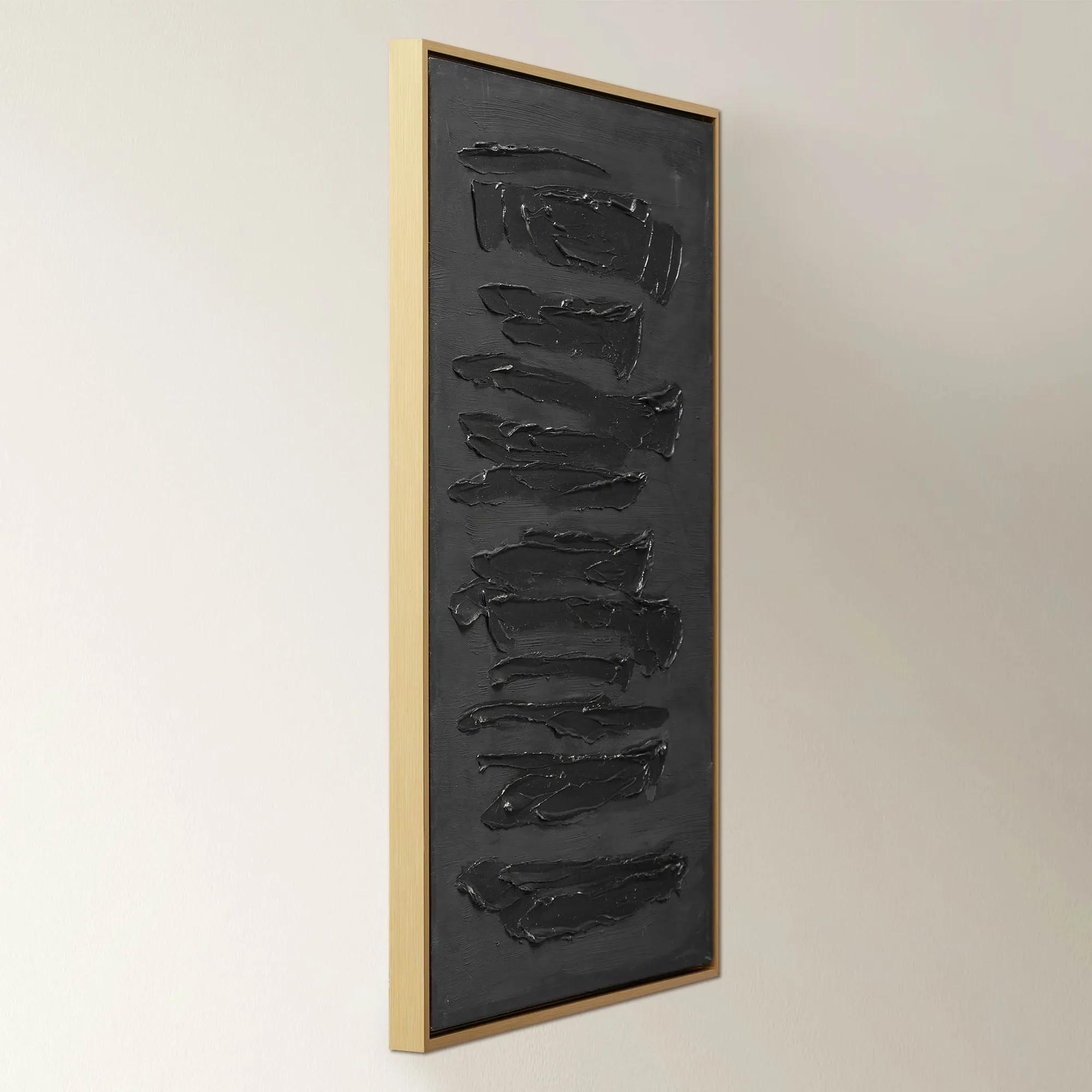 Nocturne$599.95
A dramatic abstract artwork featuring bold, dark brushstrokes on hand-painted canvas in a gold floater frame.
Add To Cart -
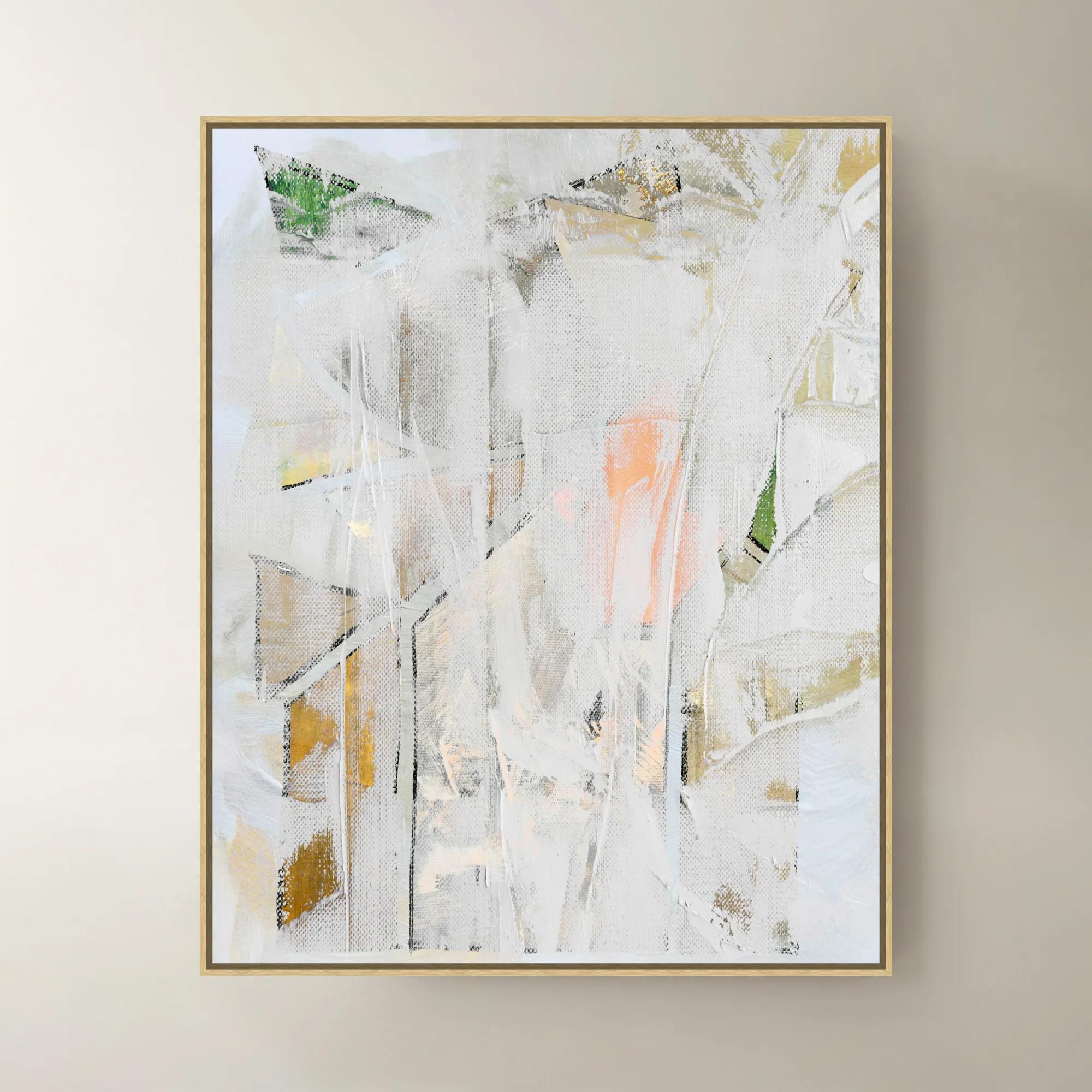
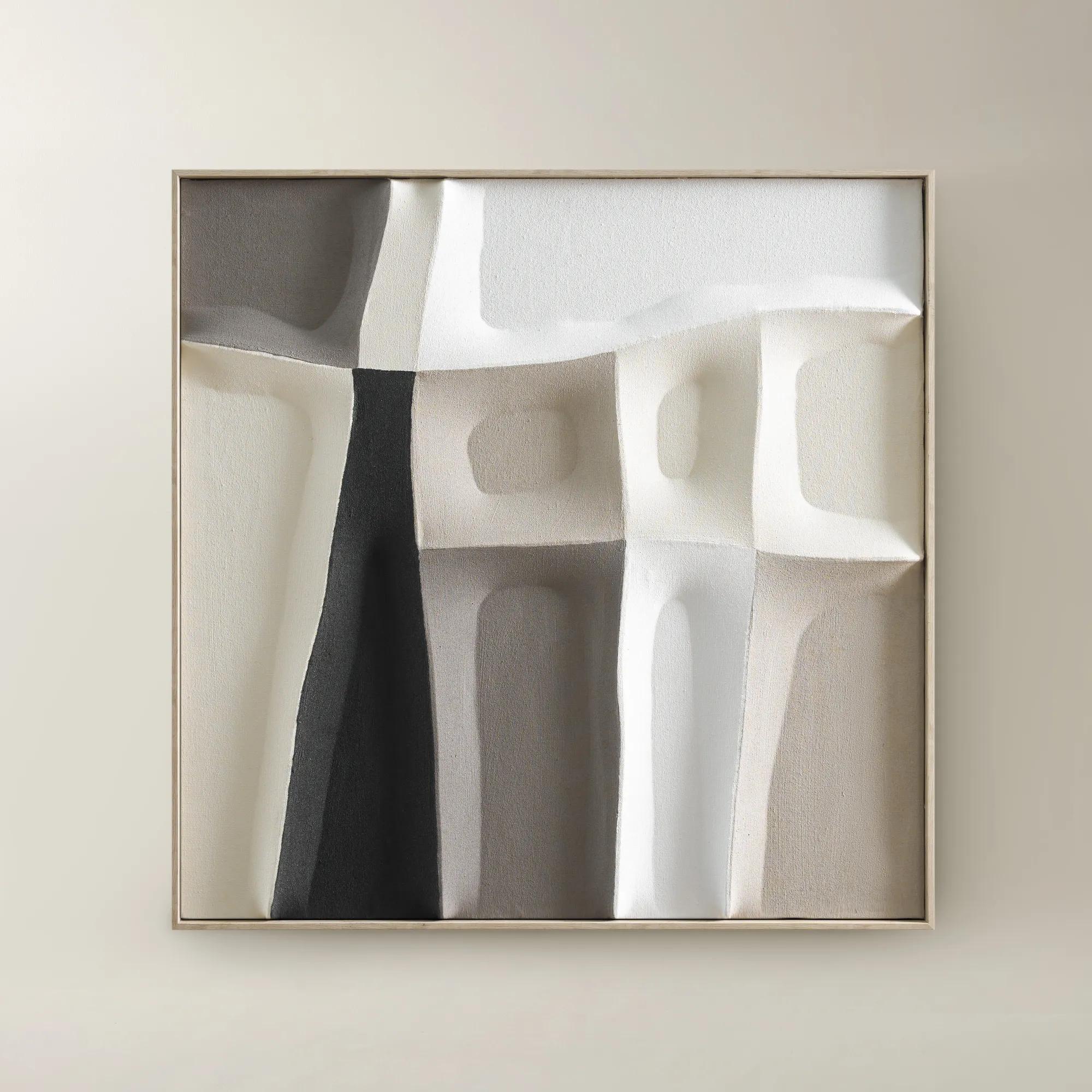 Shadow Painting 1$179
A hand-painted canvas featuring bold colors and sculptural textures in a warm whitewash floater frame.
Add To Cart -
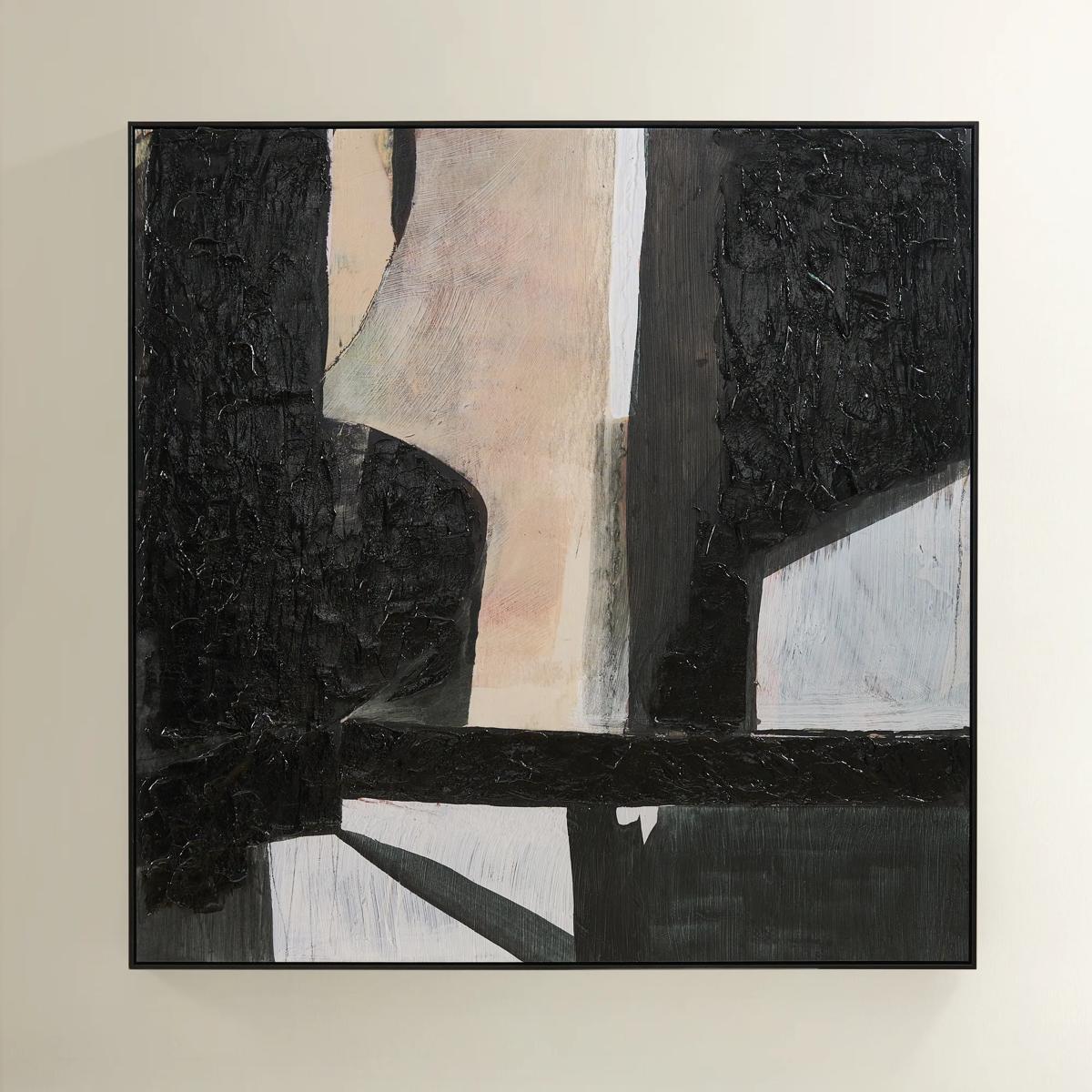 Grounded Painting$699
A hand-painted abstract canvas featuring black, cream, and earth tones in a sleek black floater frame.
Add To Cart -
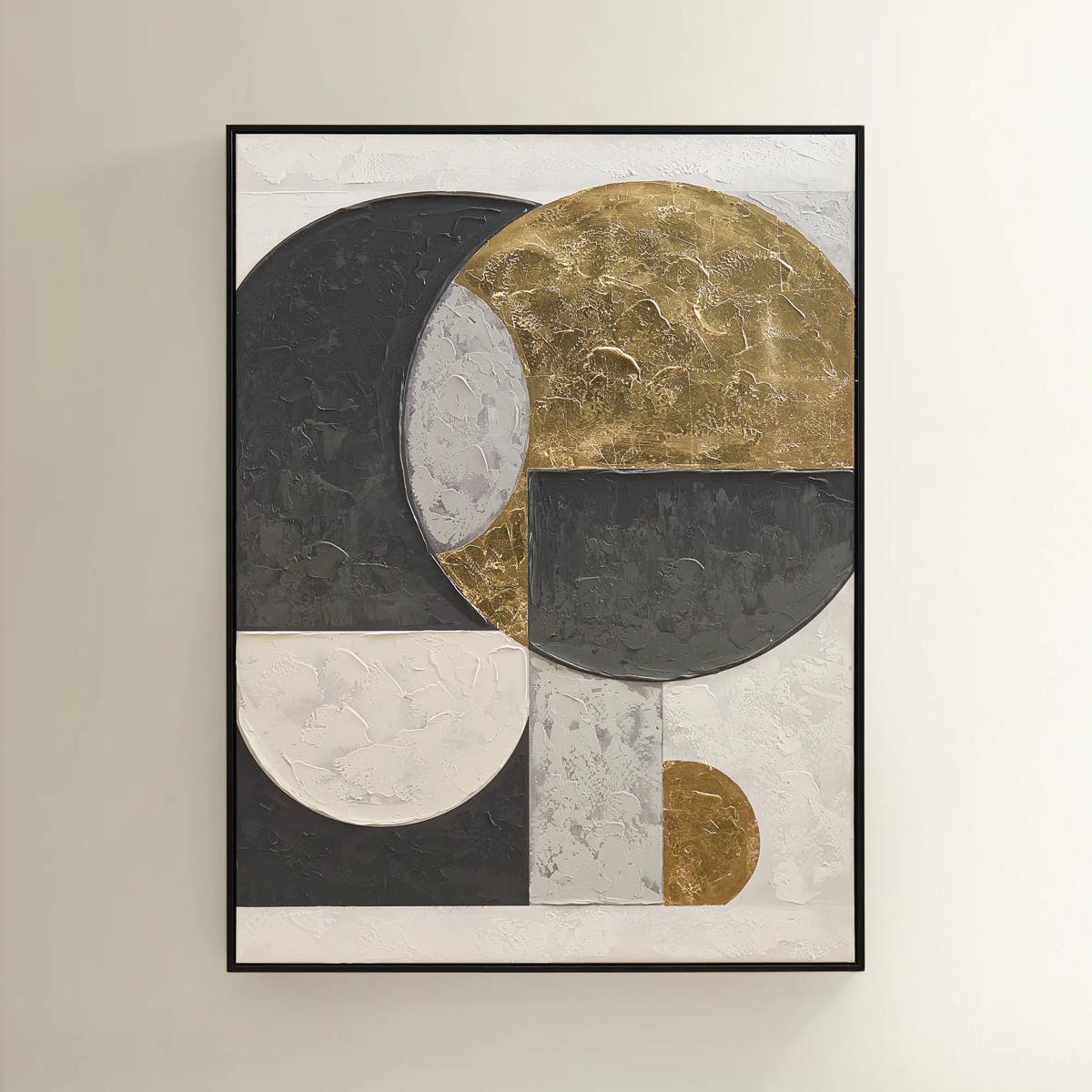
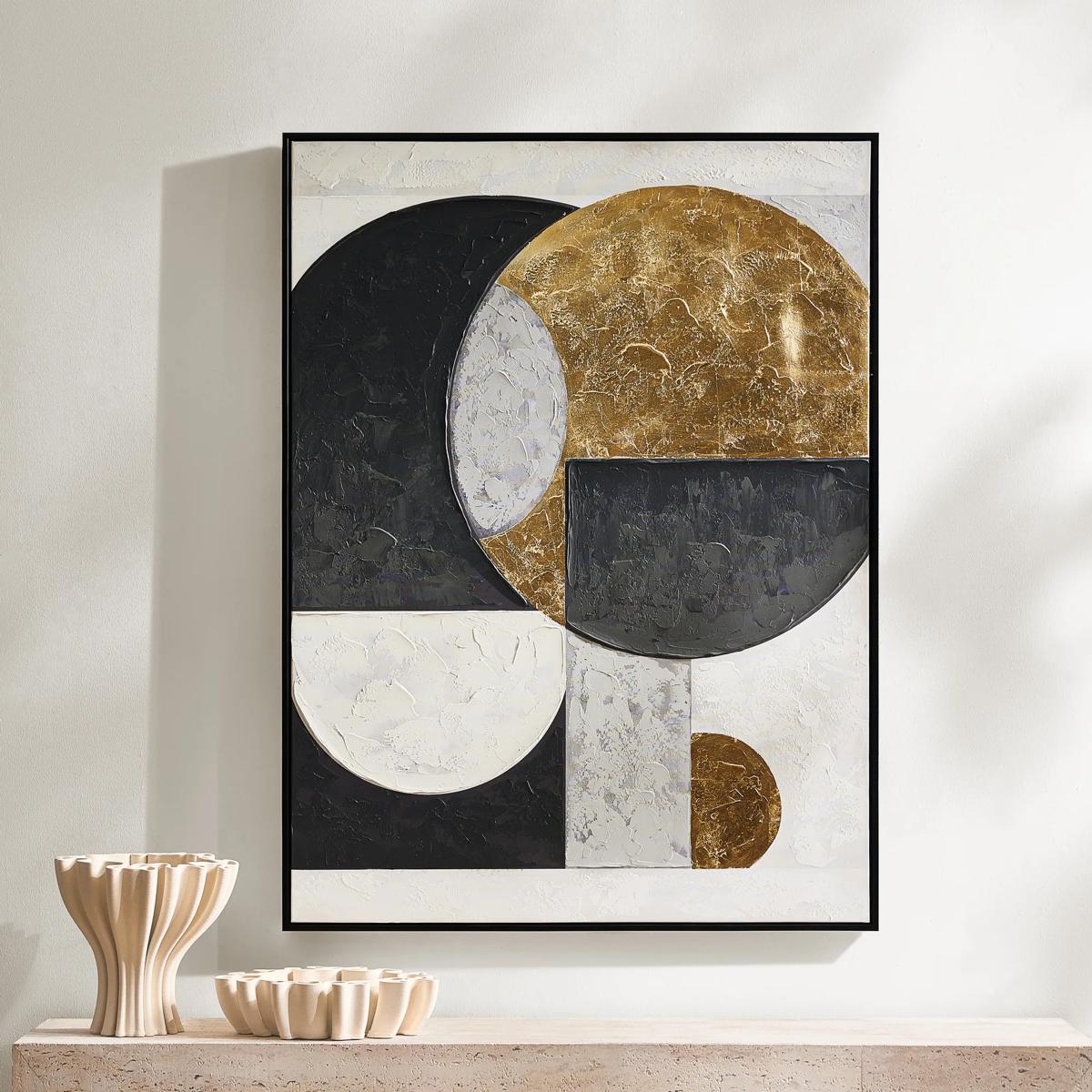 Eclipse Framed Gold Leaf Painted Wall Art 35.25" x 47.25"$449
A hand-painted canvas featuring bold black, grey, and gold geometric shapes with shimmering gold leaf accents.
Add To Cart -
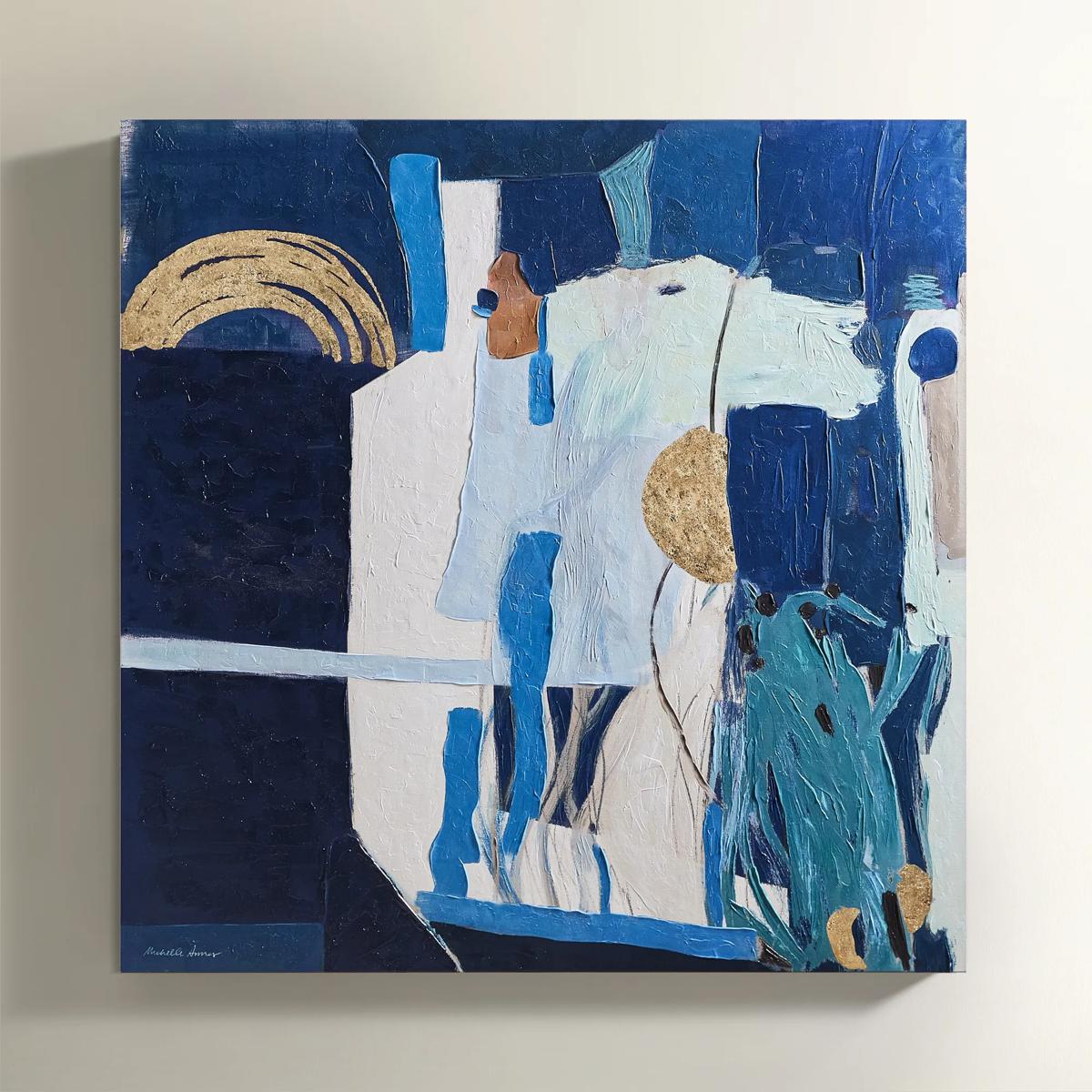
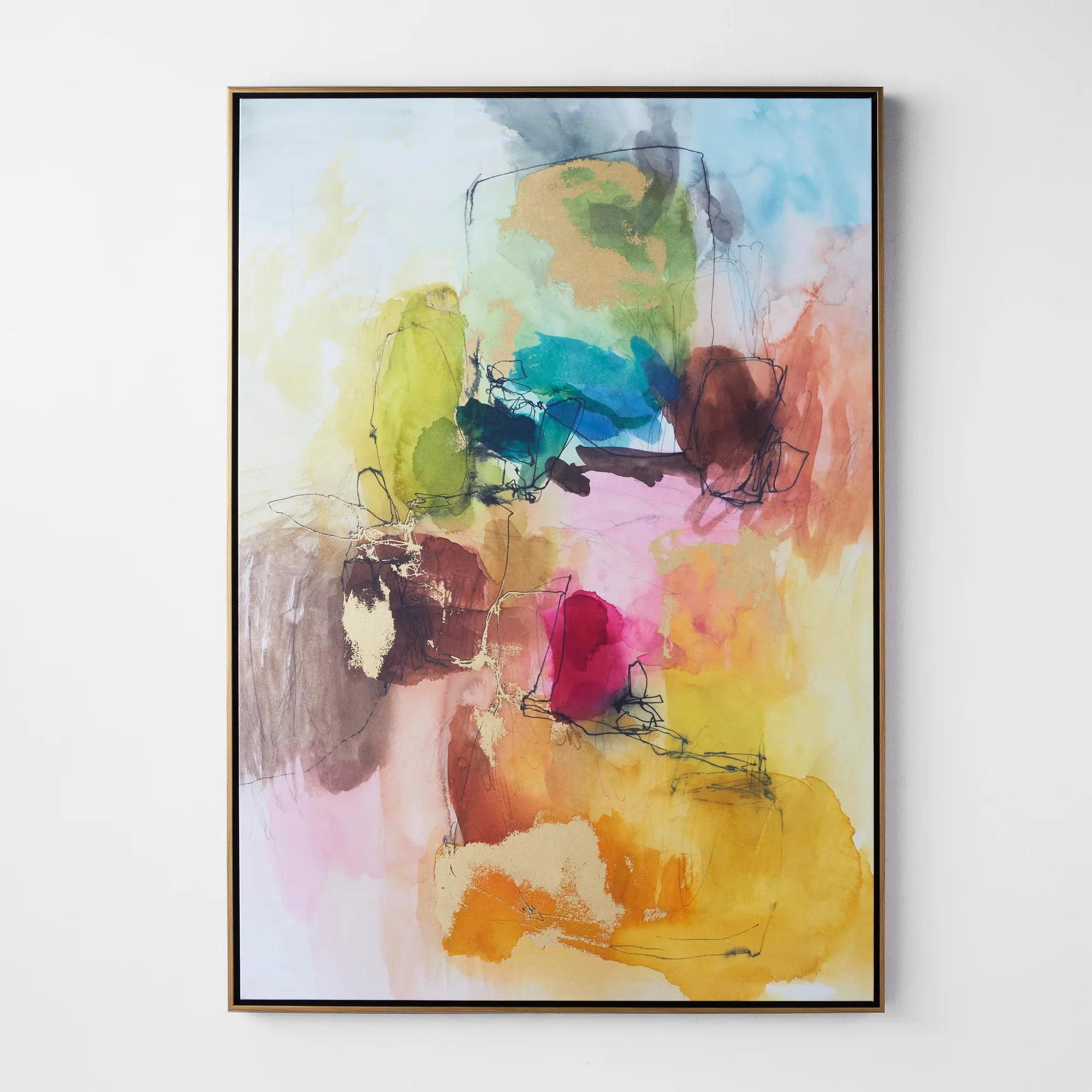
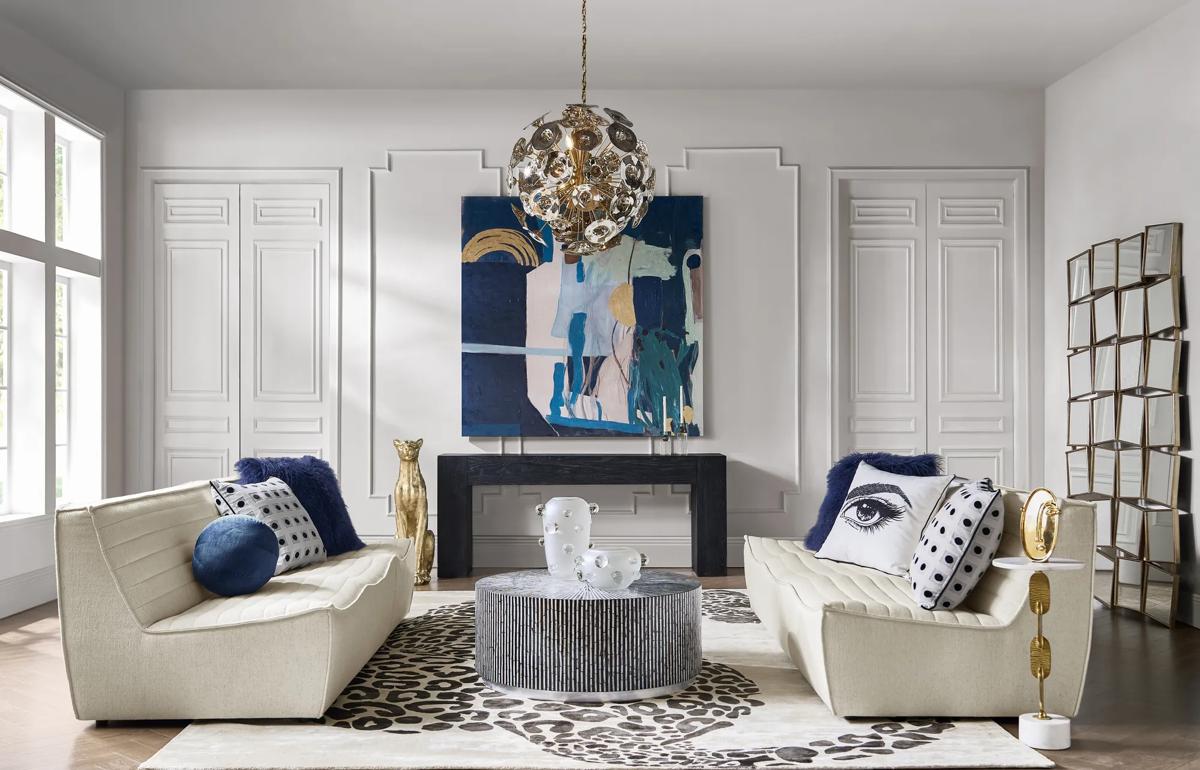 In Flux Painting$699
A hand-embellished canvas artwork featuring deep teal, green, ivory, and gold in a black Art Deco frame.
Add To Cart -
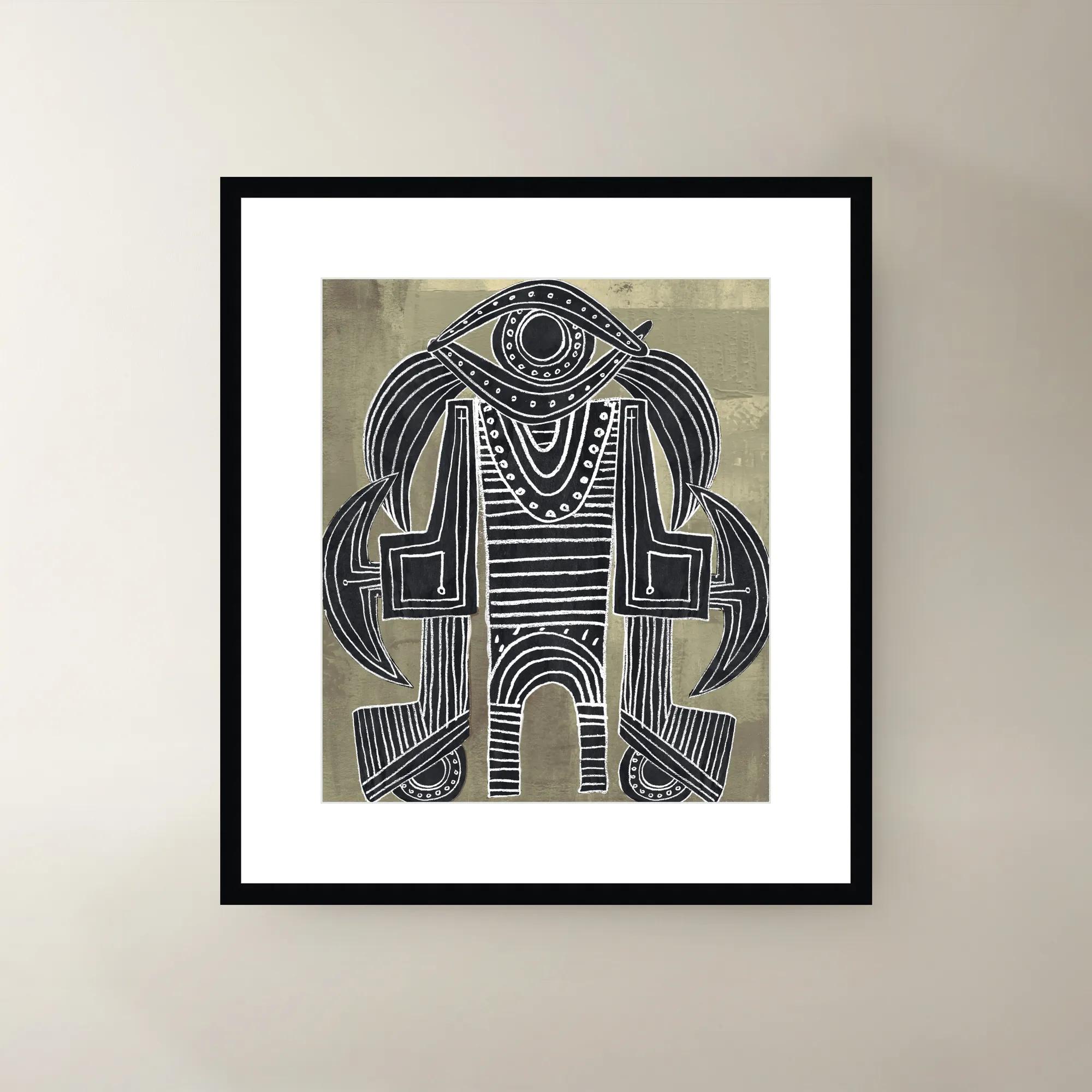
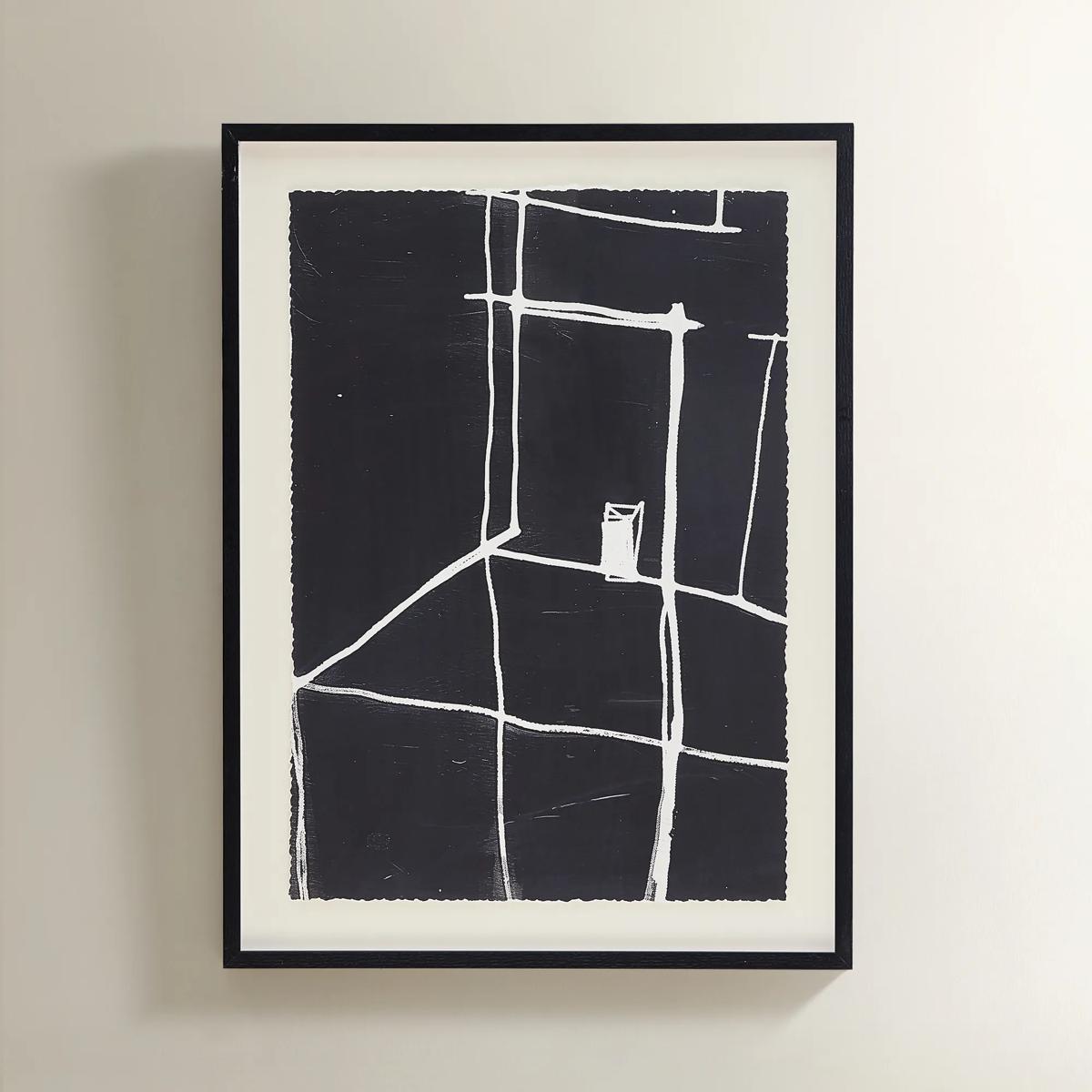 Solitude Art$269
A minimalist black-and-white abstract print featuring bold white lines in a sleek black polyresin frame.
Add To Cart -
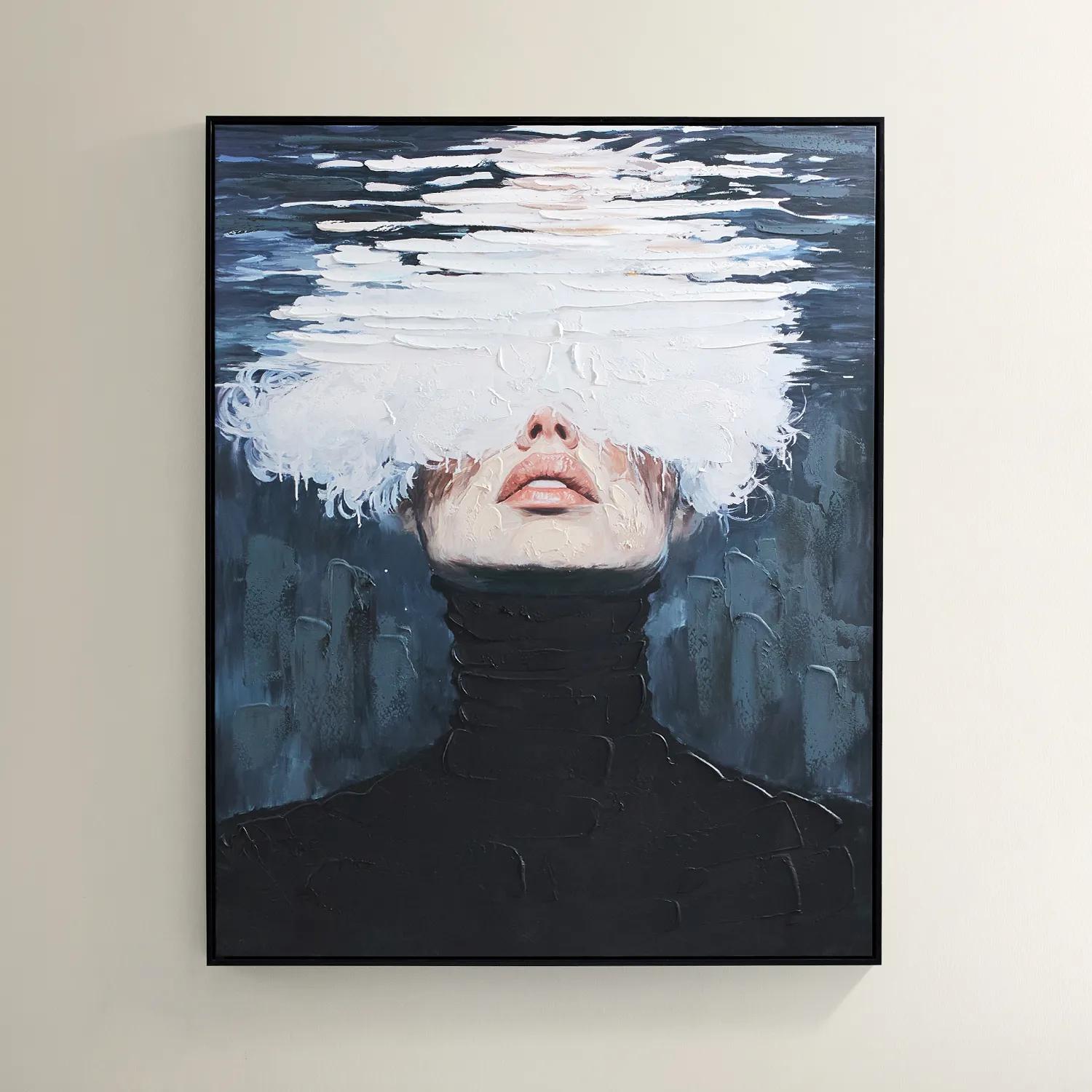
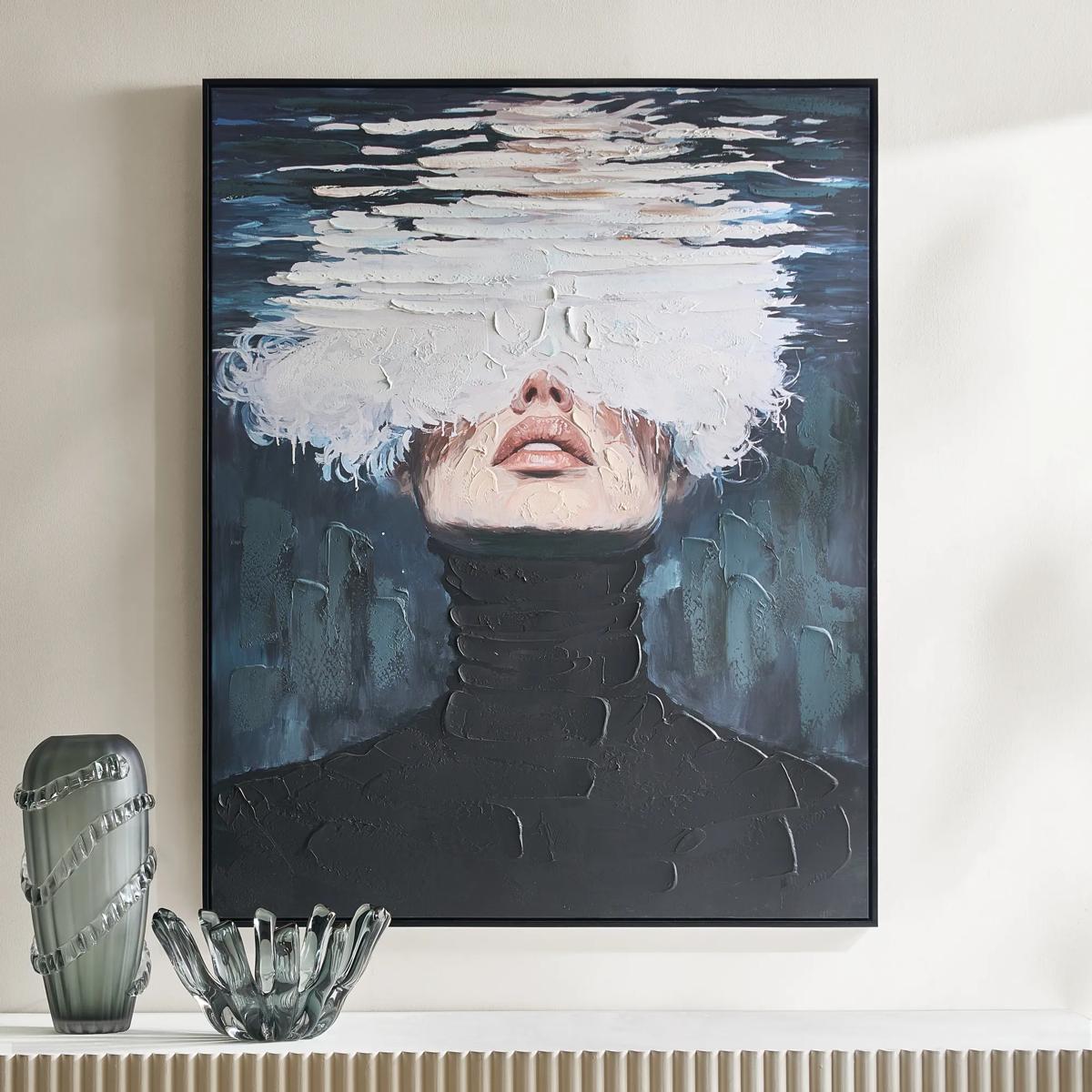 Submerged Framed Painted Wall Art 40" x 50"$599
A hand-painted canvas featuring a surreal portrait in black, blue, and white with a black floater frame.
Add To Cart -
-0.jpeg?w=1200&h=1200)
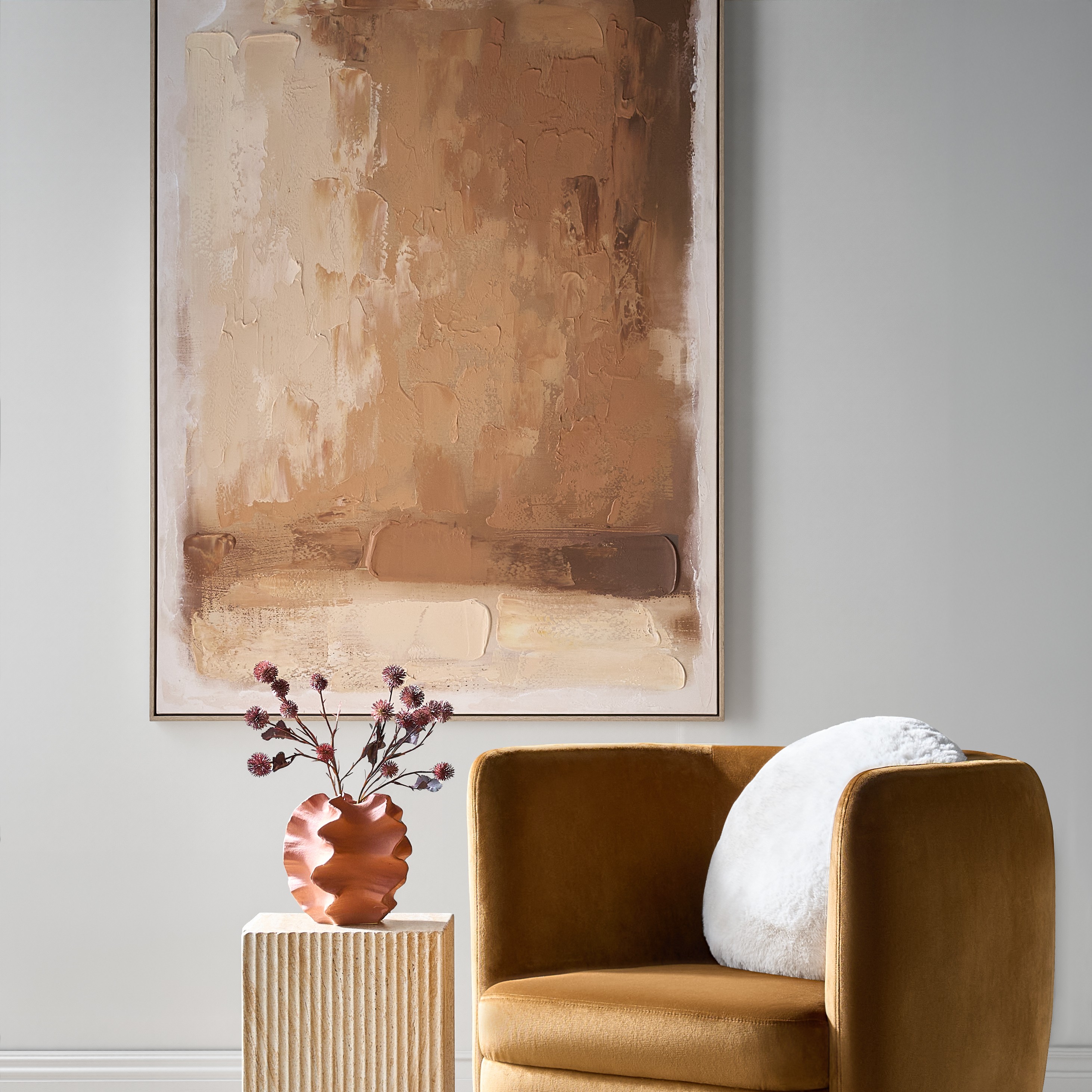 Ember Glow Framed Painted Wall Art 39.25" x 55"$499
A hand-painted abstract canvas blending ochre, terracotta, and golden clay hues in a light natural frame.
Add To Cart -
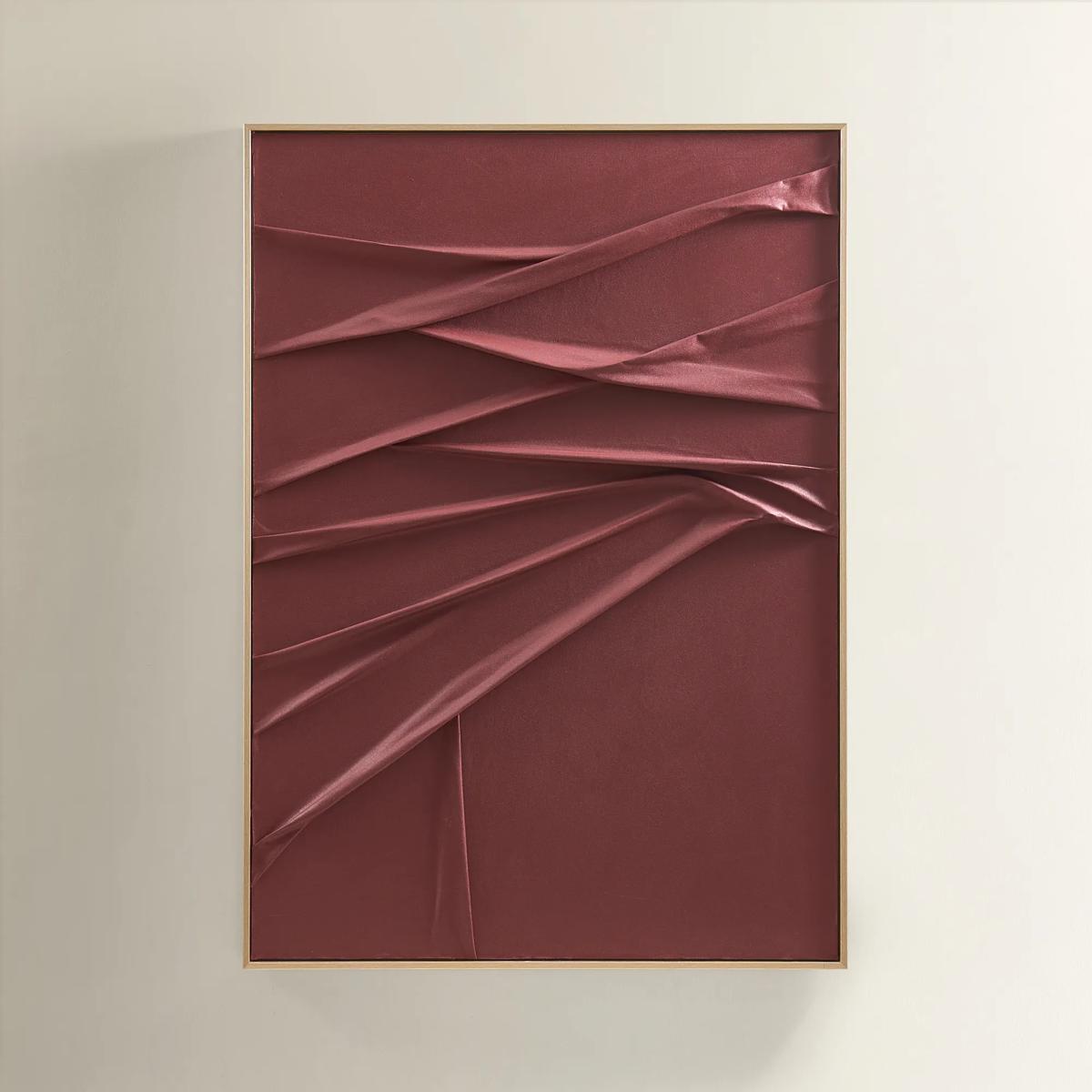
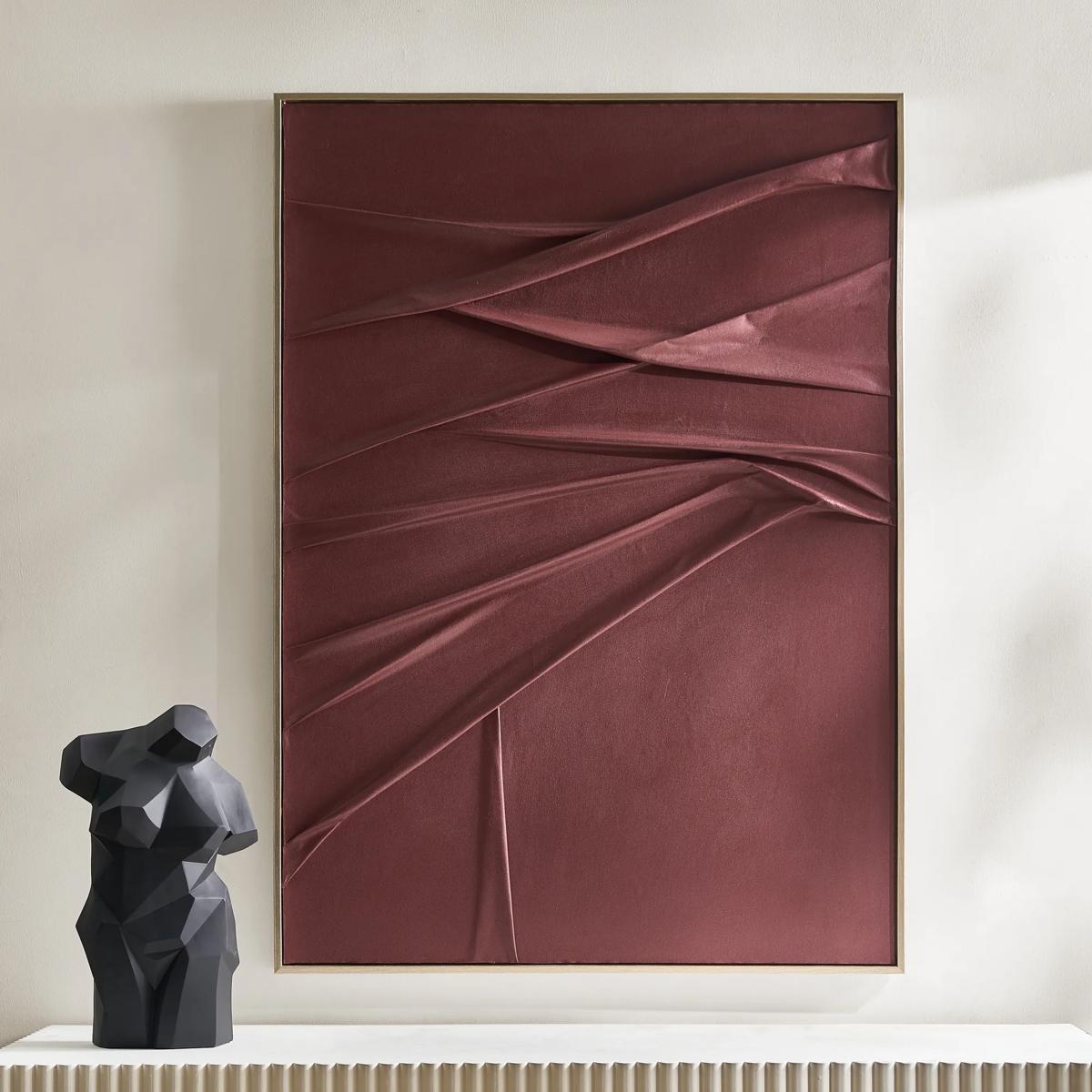 Crimson Painting$599
A handcrafted burgundy canvas artwork with sculptural folds, framed in champagne for a dramatic, textured effect.
Add To Cart -
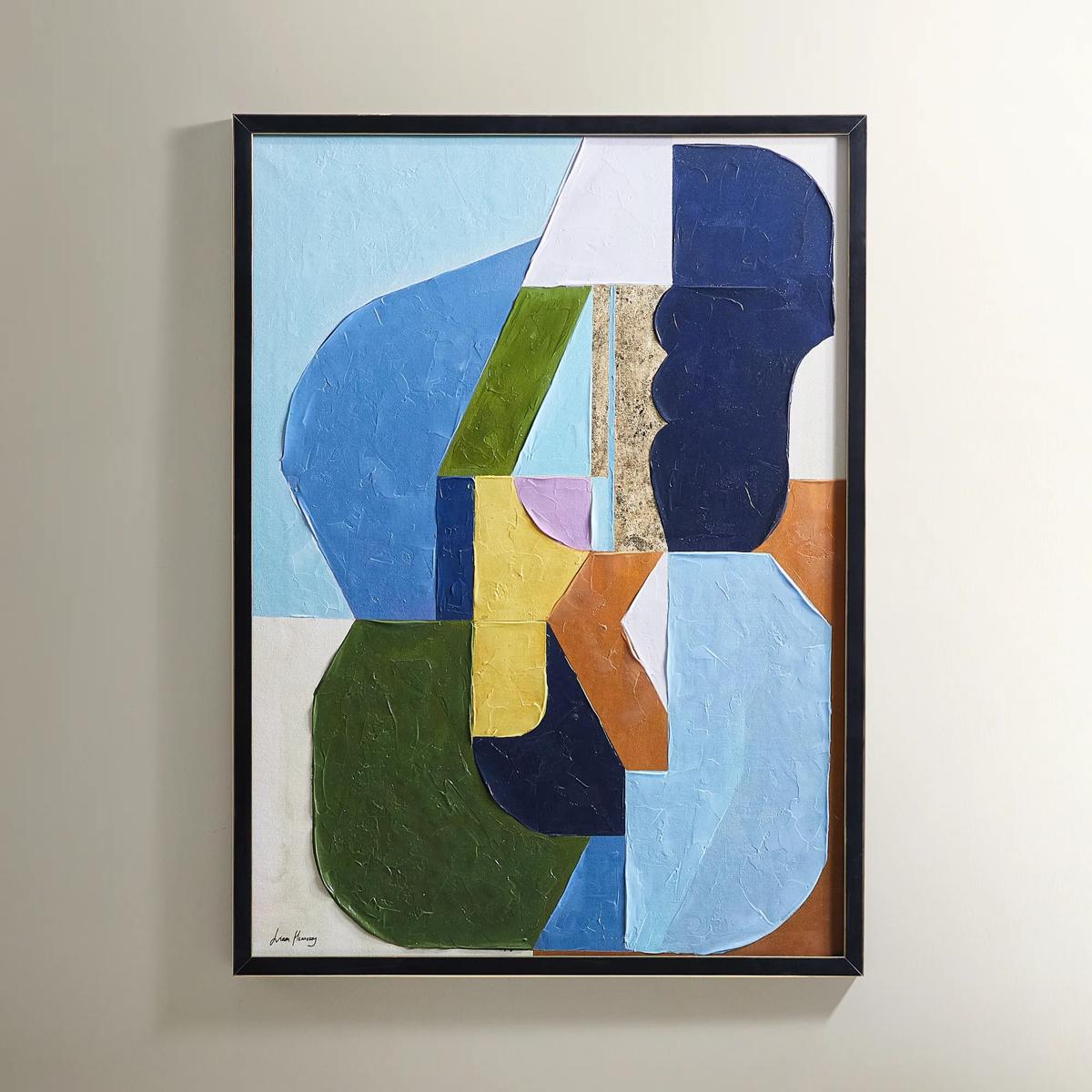
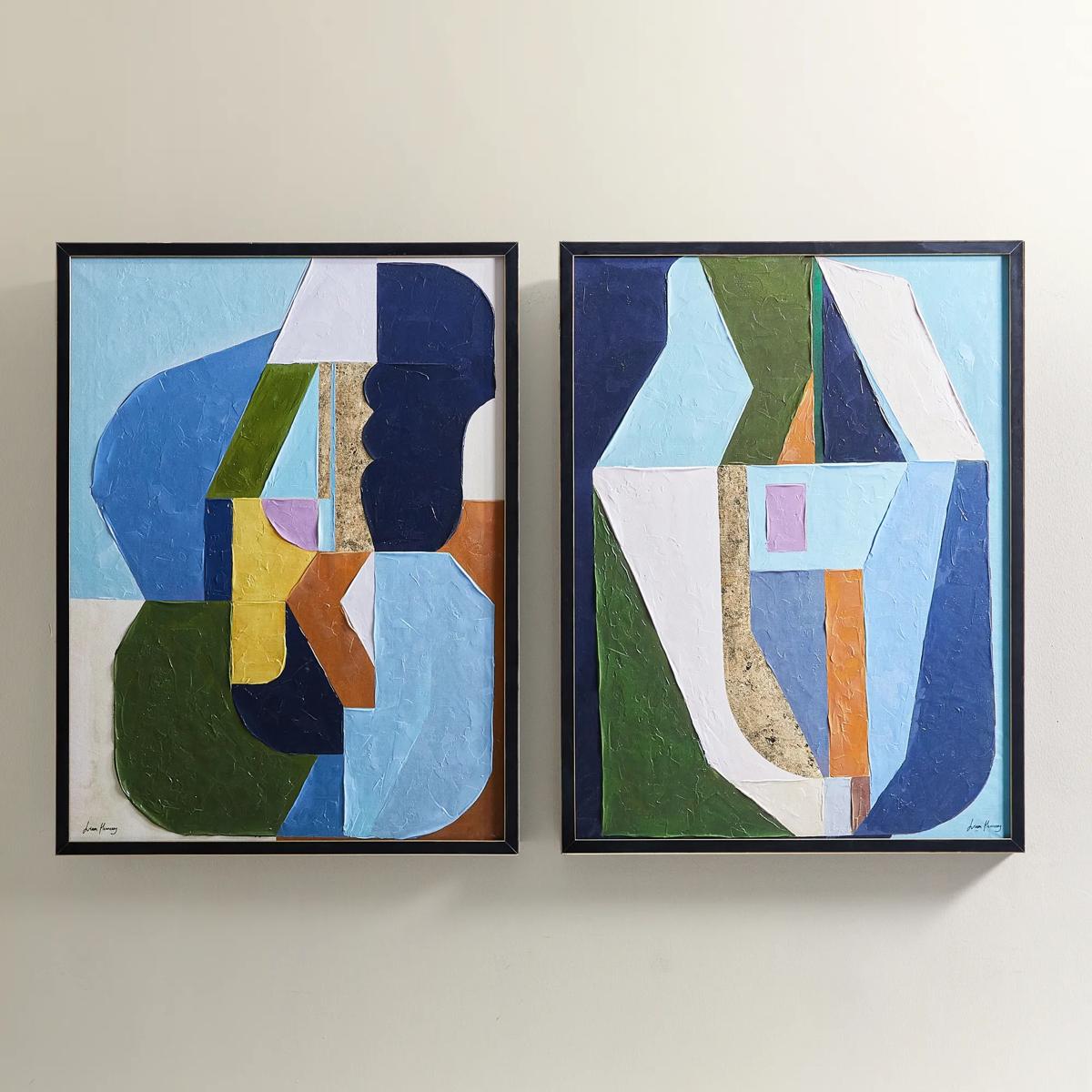 Thought Provoking Painting 1$249
A hand-embellished canvas artwork featuring textured strokes in deep blue, olive green, and gold accents.
Add To Cart -
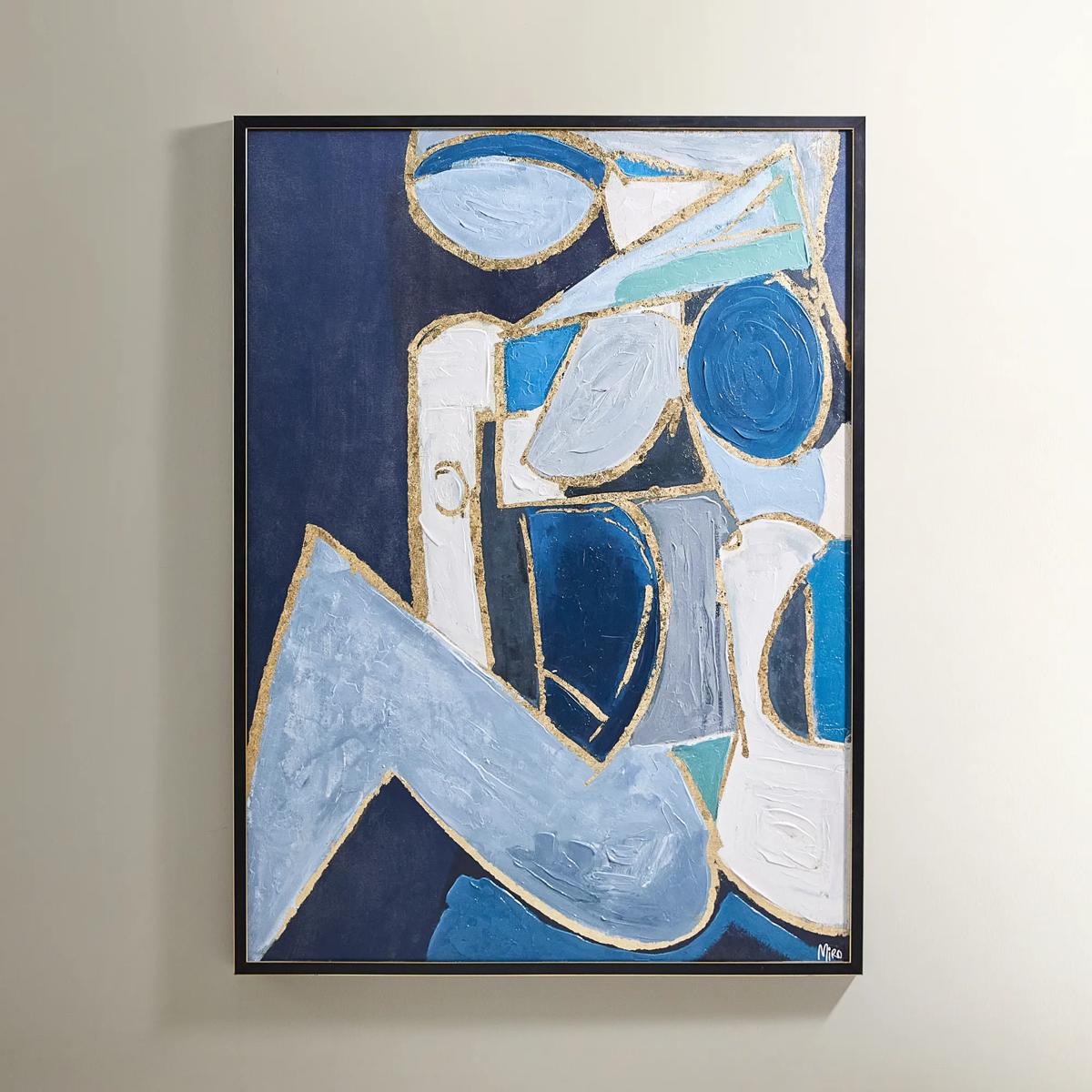
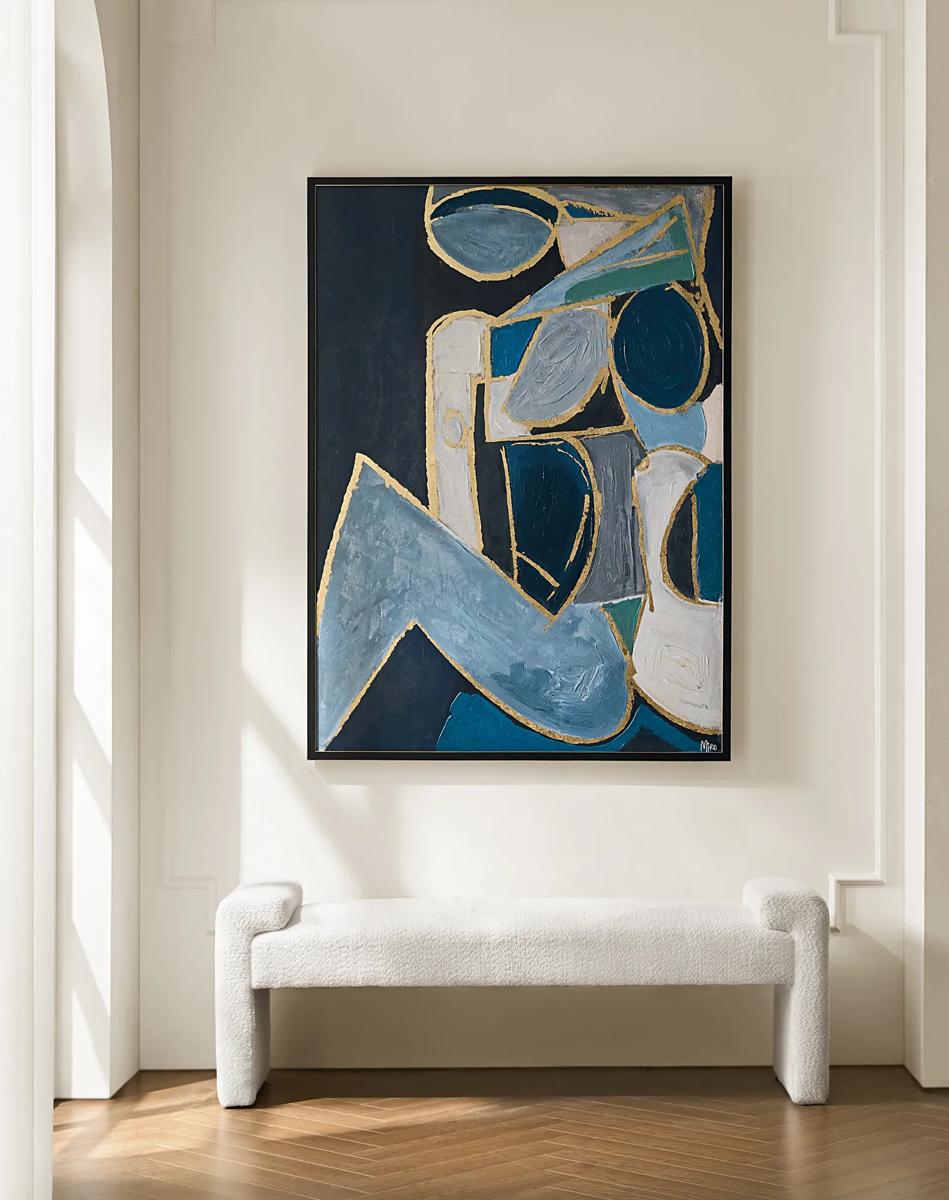 Figure in Cubism Painting$599
A hand-embellished canvas artwork featuring blue, gold, and white hues with elegant silver foil accents.
Add To Cart -
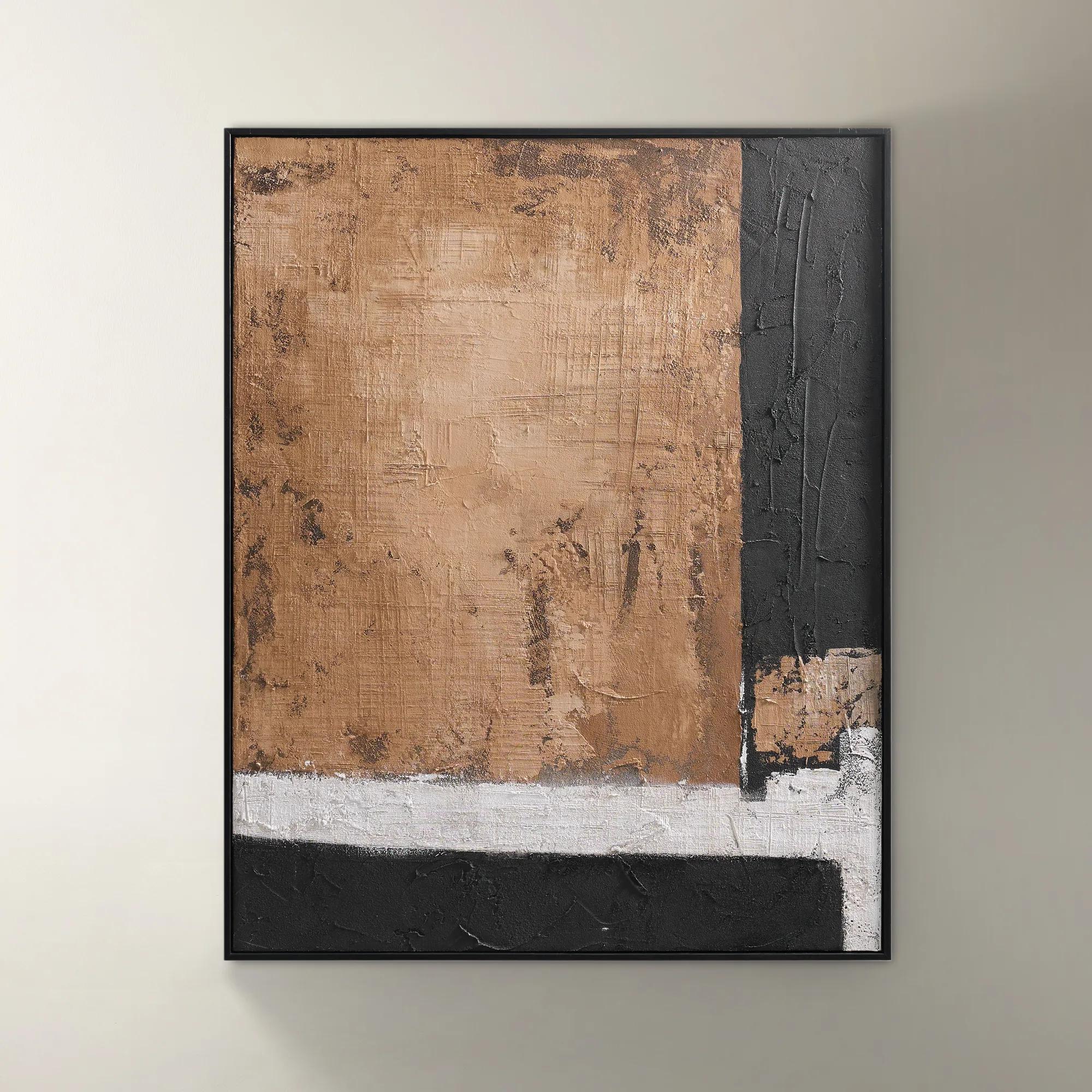 Drift Framed Painted Wall Art I 39.4" x 31.5"$299
A bold hand-painted abstract artwork featuring layered brown tones in a sleek black floater frame.
Add To Cart -
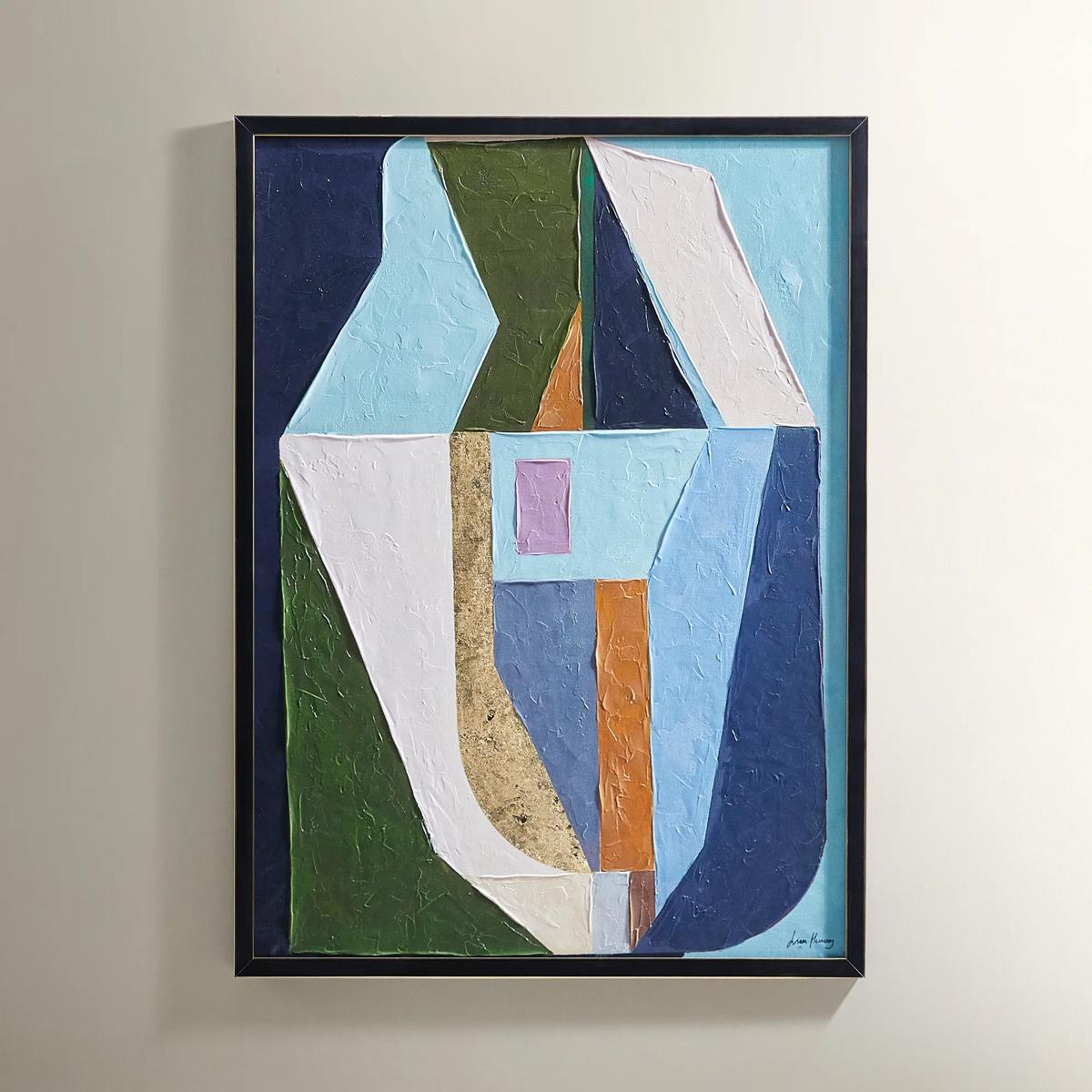 Thought Provoking Painting 2$249
A hand-embellished canvas artwork featuring textured strokes in deep blue, olive green, and gold accents.
Add To Cart -
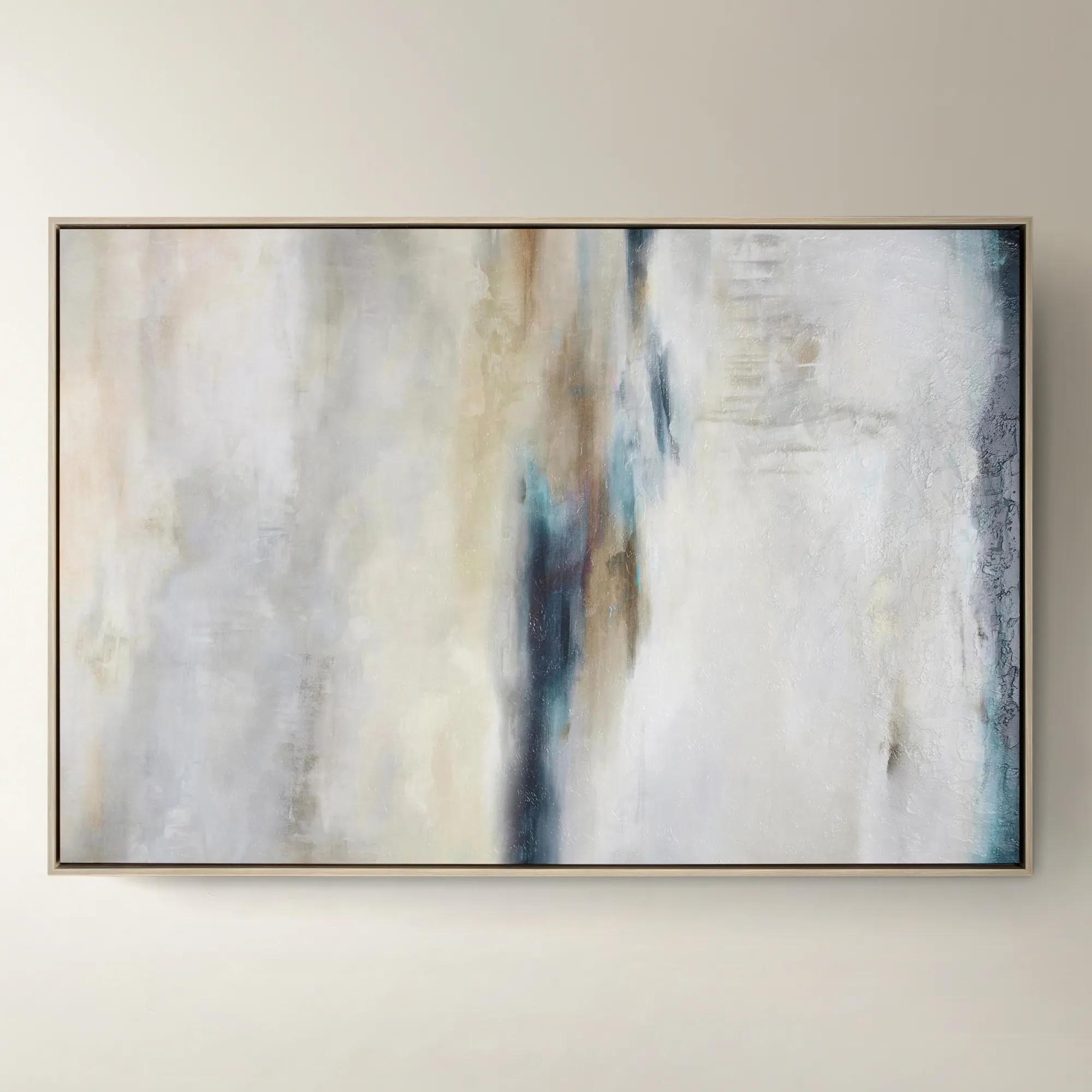
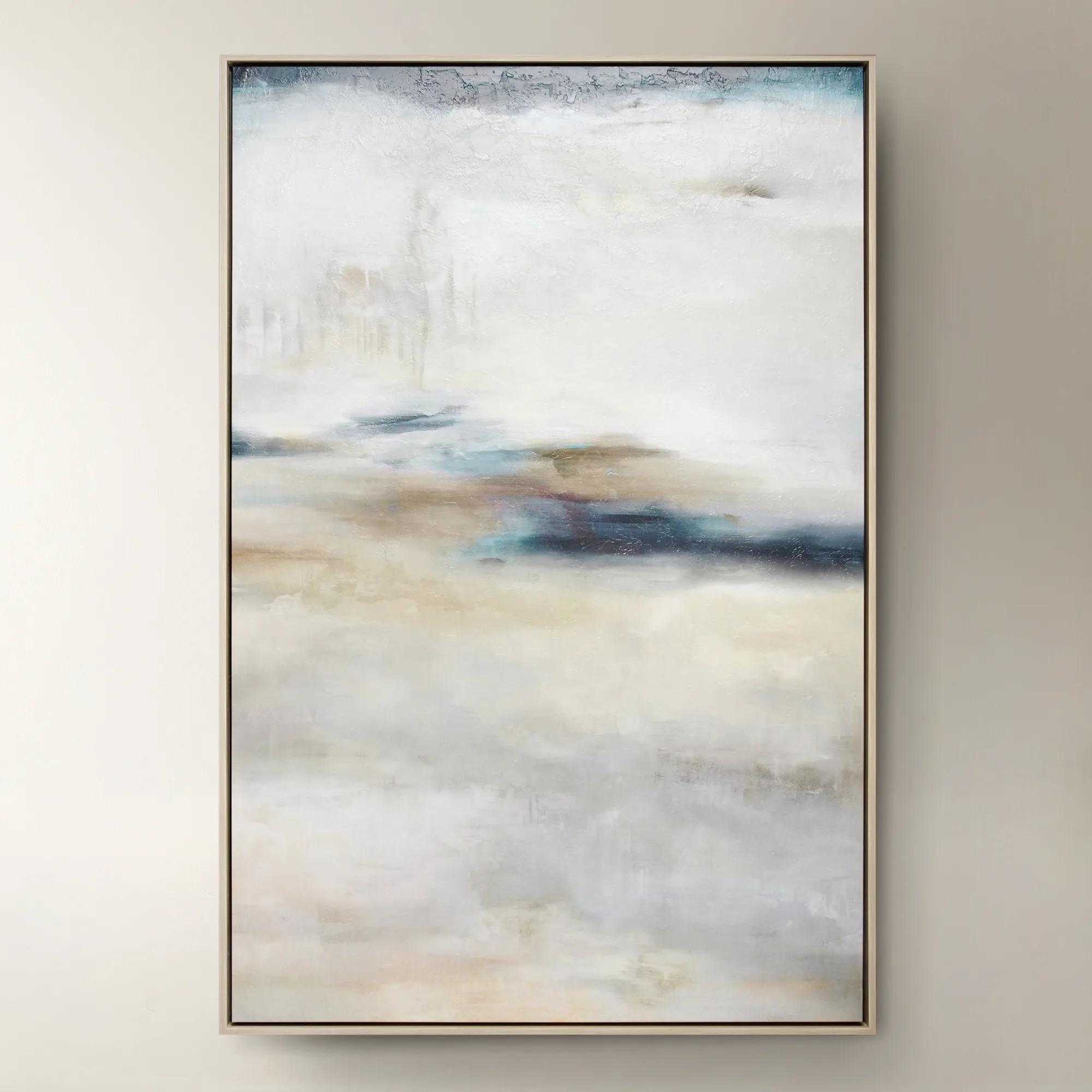 Forward Looking$1299
A softly layered abstract canvas print with a gel finish, set in a natural-hued floater frame.
Add To Cart -
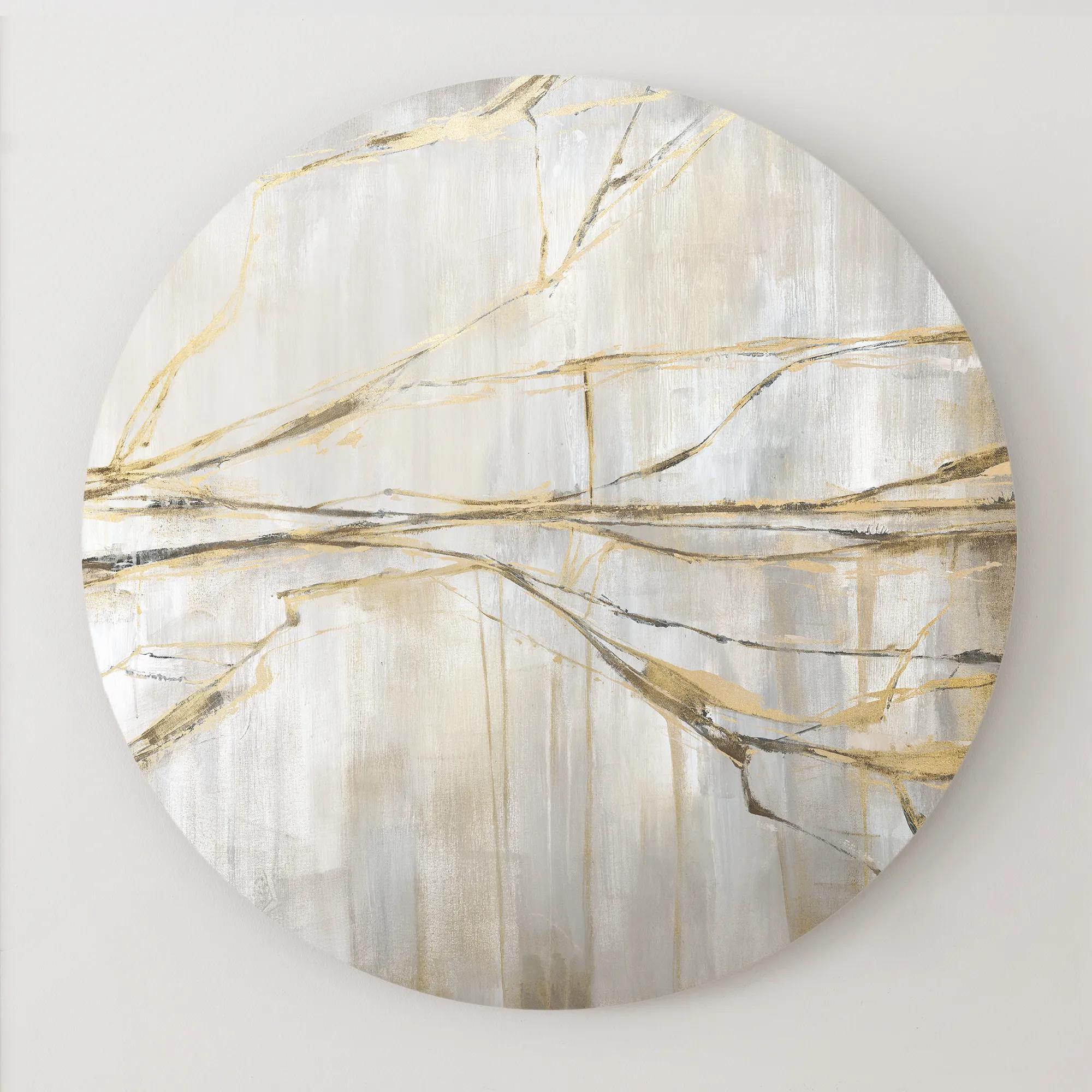
 Lightening Crashes Round Wall Art 30"$899
A hand-textured circular linen canvas featuring a gallery-wrapped design for versatile wall display.
Add To Cart -
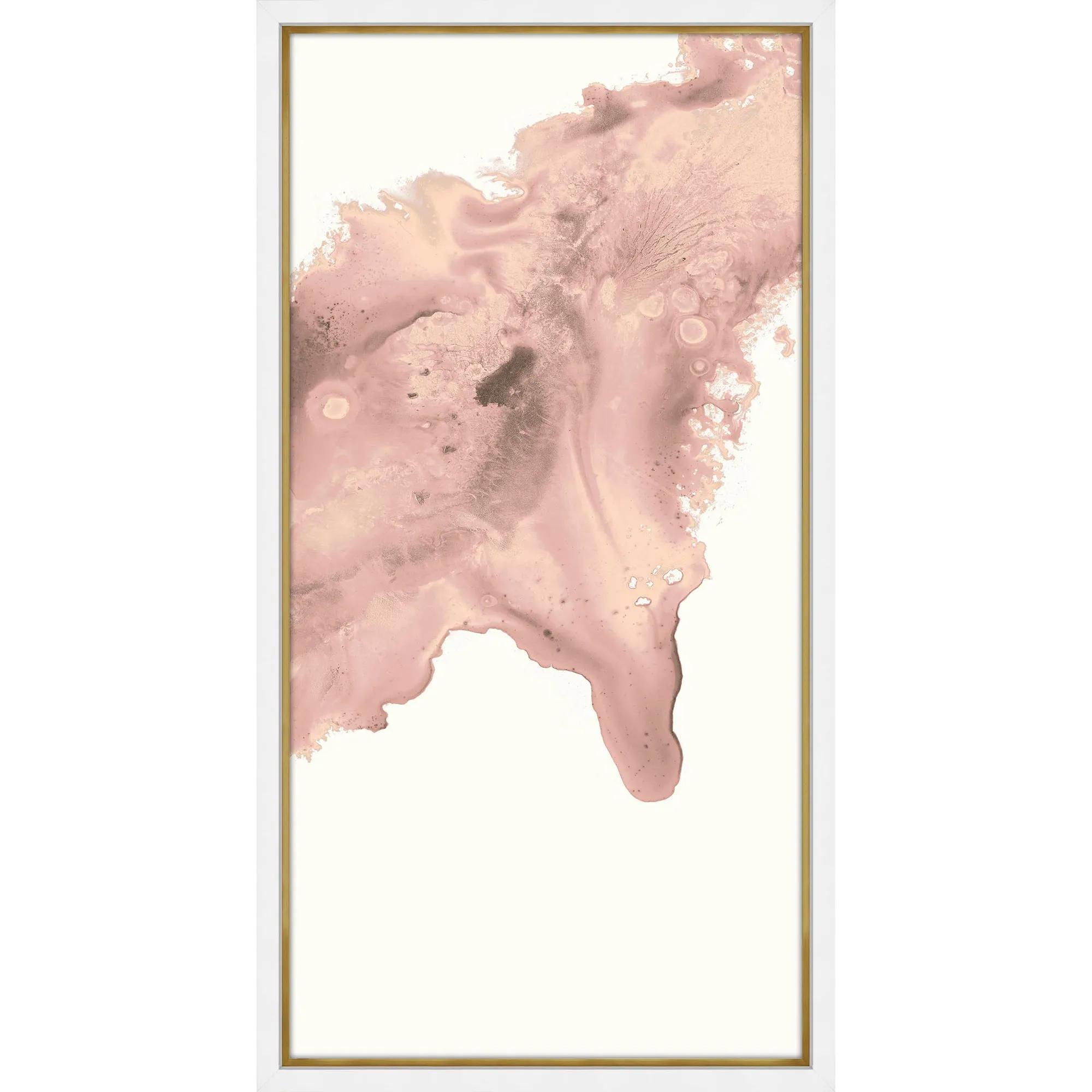
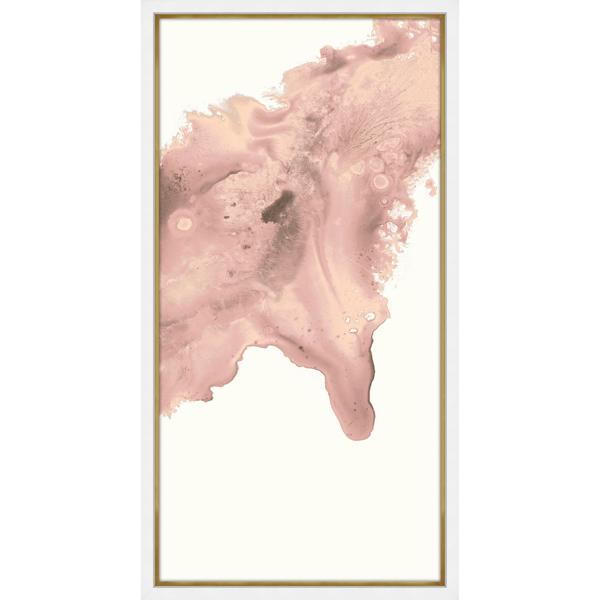 Blush Conduit 2 Framed Wall Art 24" x 48"$849
A striking abstract print on pearl paper, elegantly framed in gold and matte white for modern appeal.
Add To Cart -
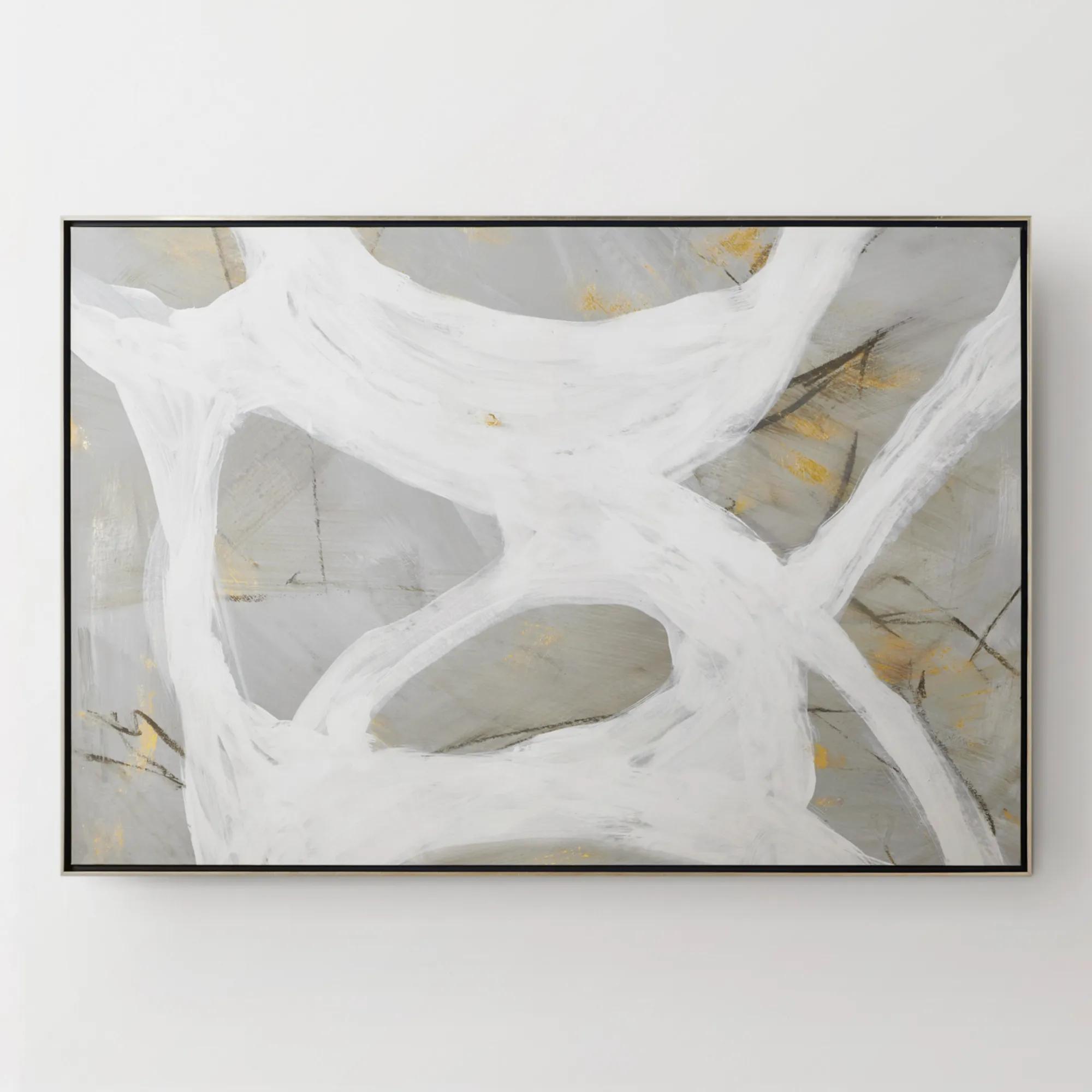
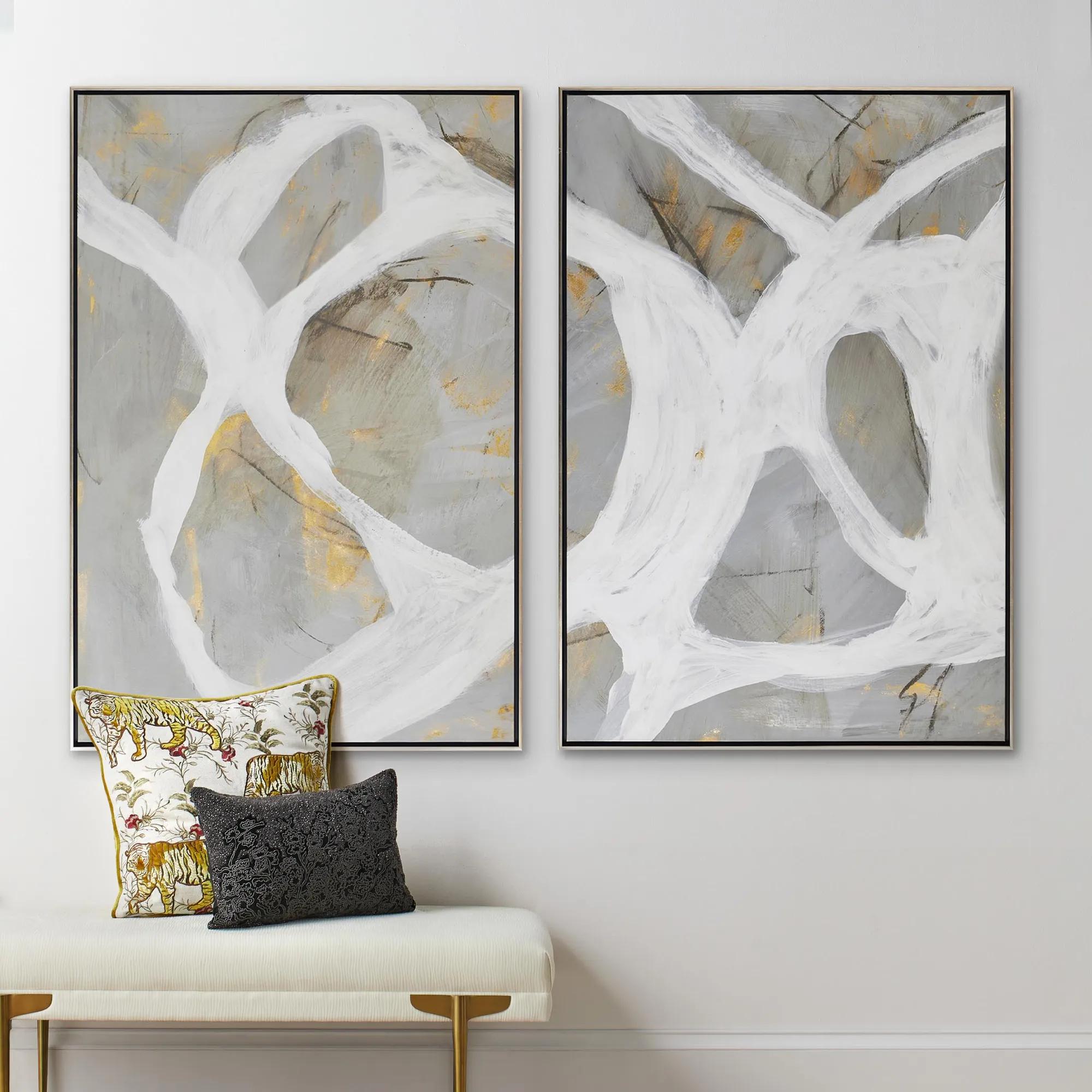 Les Series Framed Painted Wall Art II 61" x 41"$1099
An abstract canvas artwork featuring bold brushstrokes, hand-applied gold accents, and a silver floater frame.
Add To Cart -
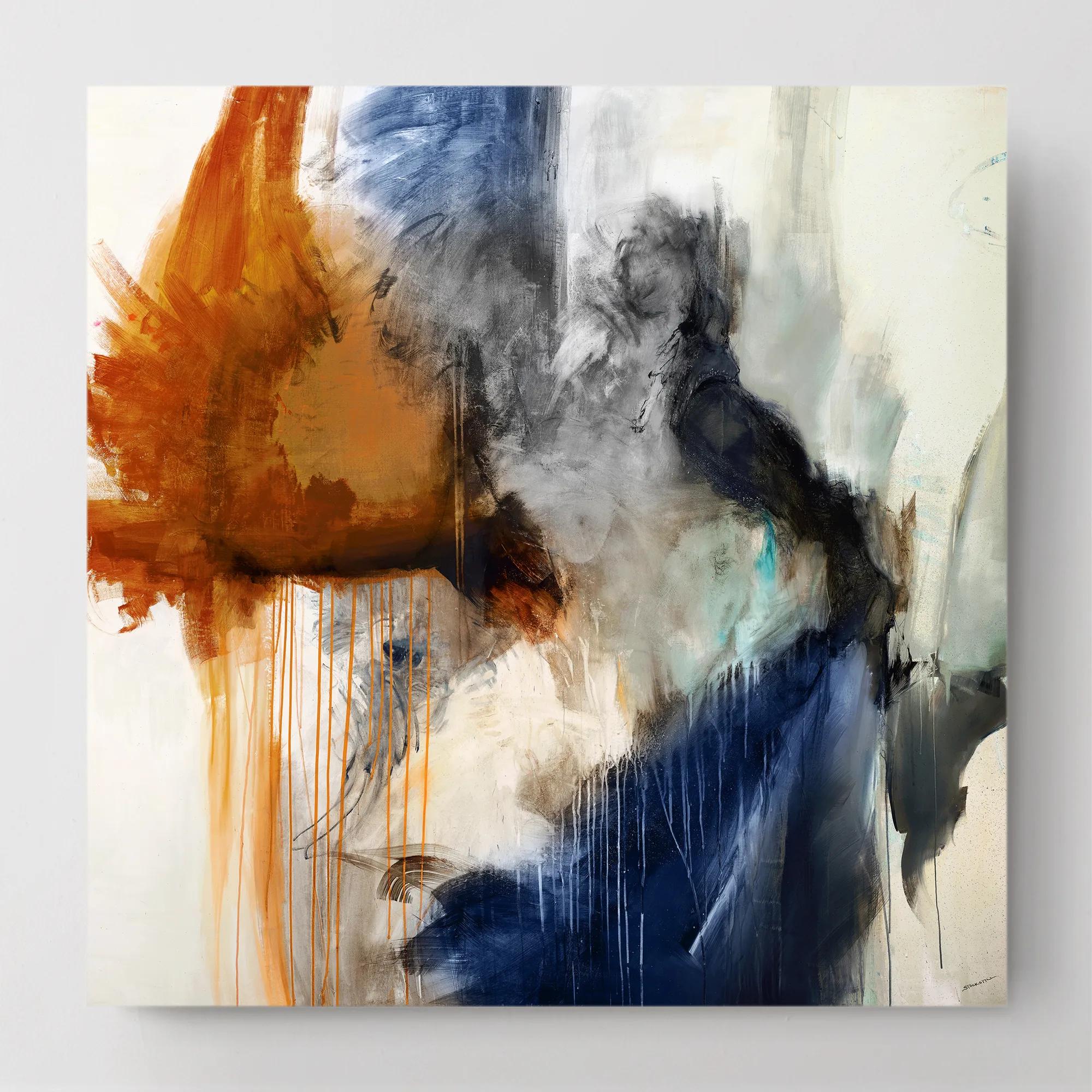
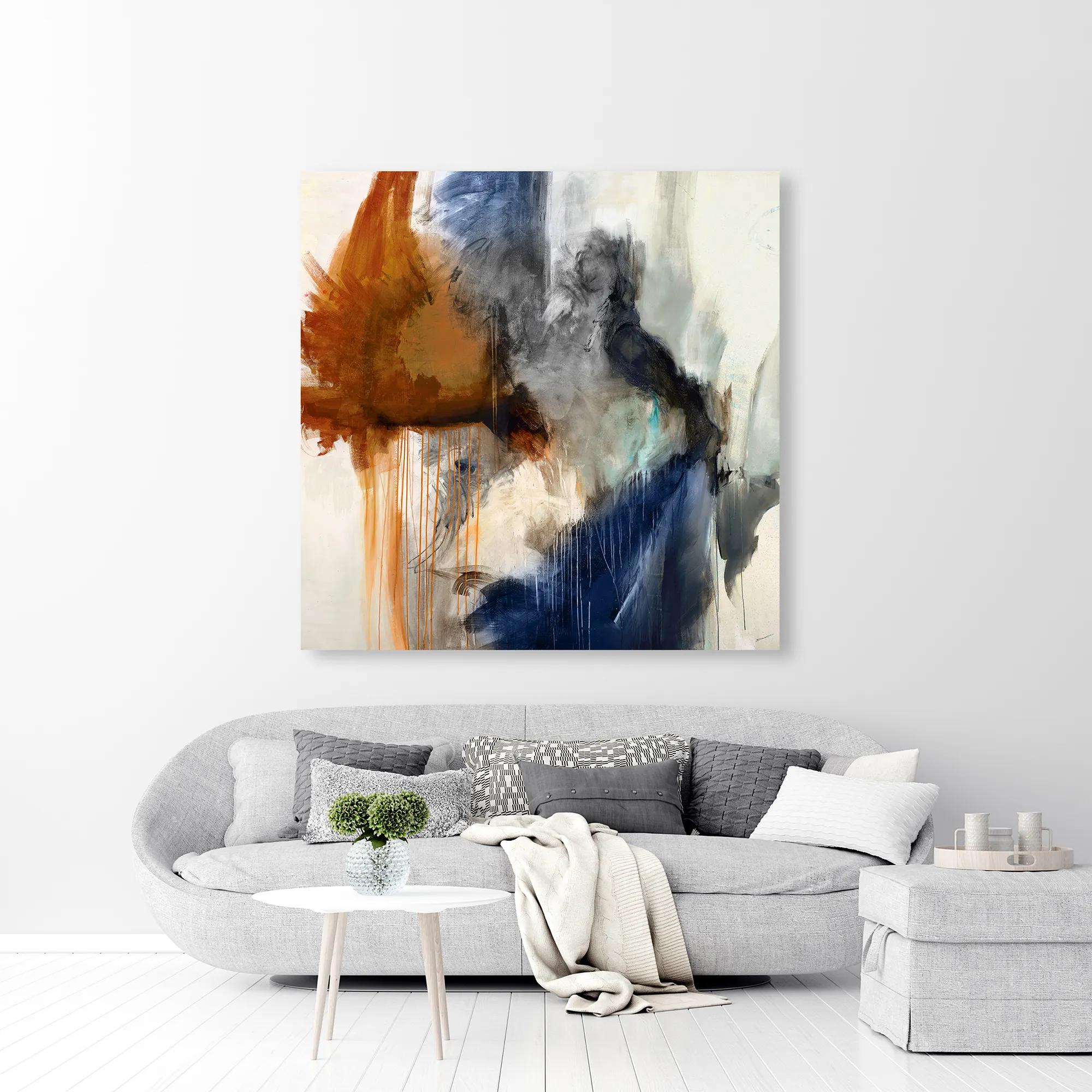 Swoon 6 Wall Art 54" x 54"$899
A gallery-wrapped canvas featuring a hand-applied image brush gel finish for a textured, artistic look.
Add To Cart -
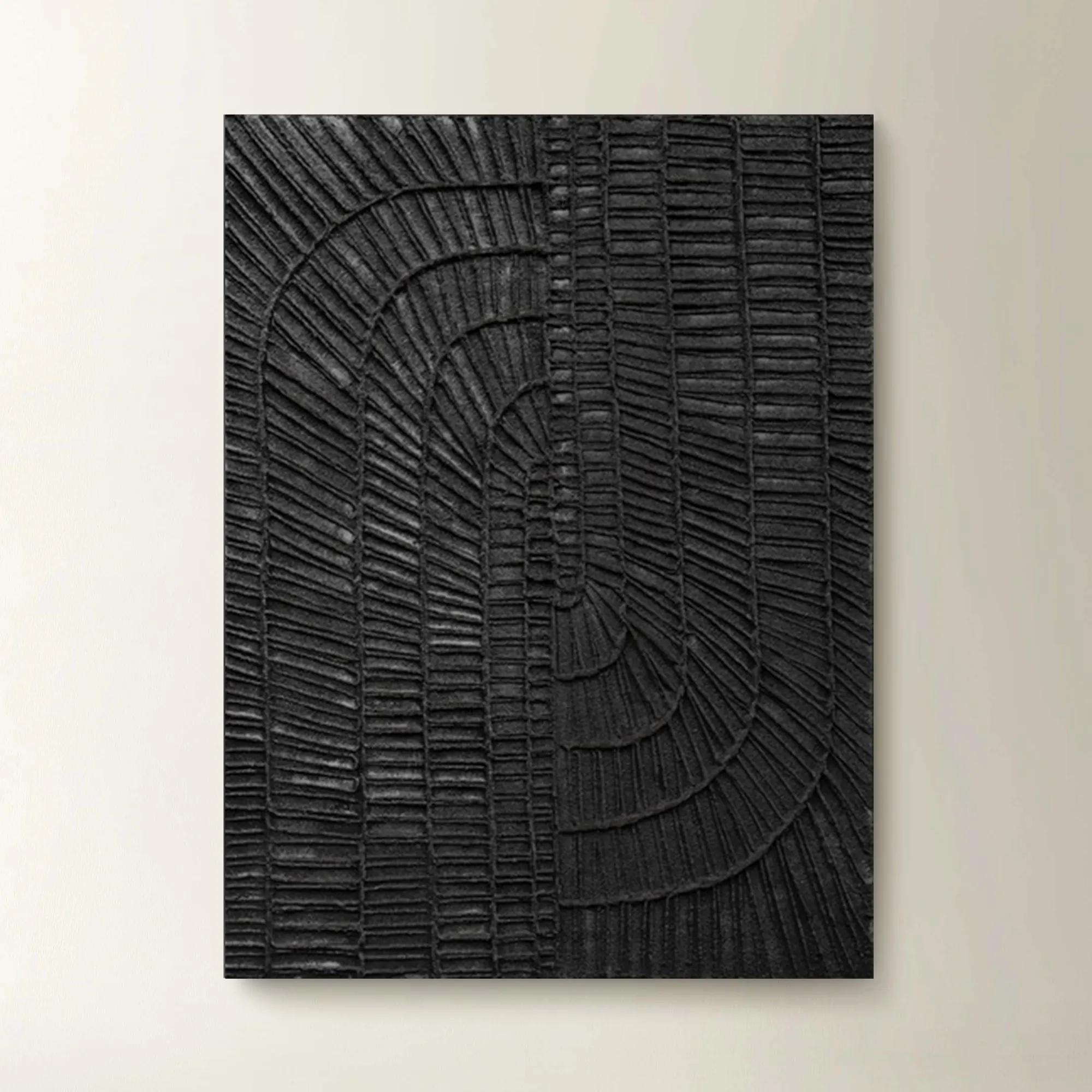 Textured Haze Black II Painted Wall Art 26" x 35"$499
A striking hand-painted black artwork featuring textured details for versatile vertical or horizontal display.
Add To Cart -
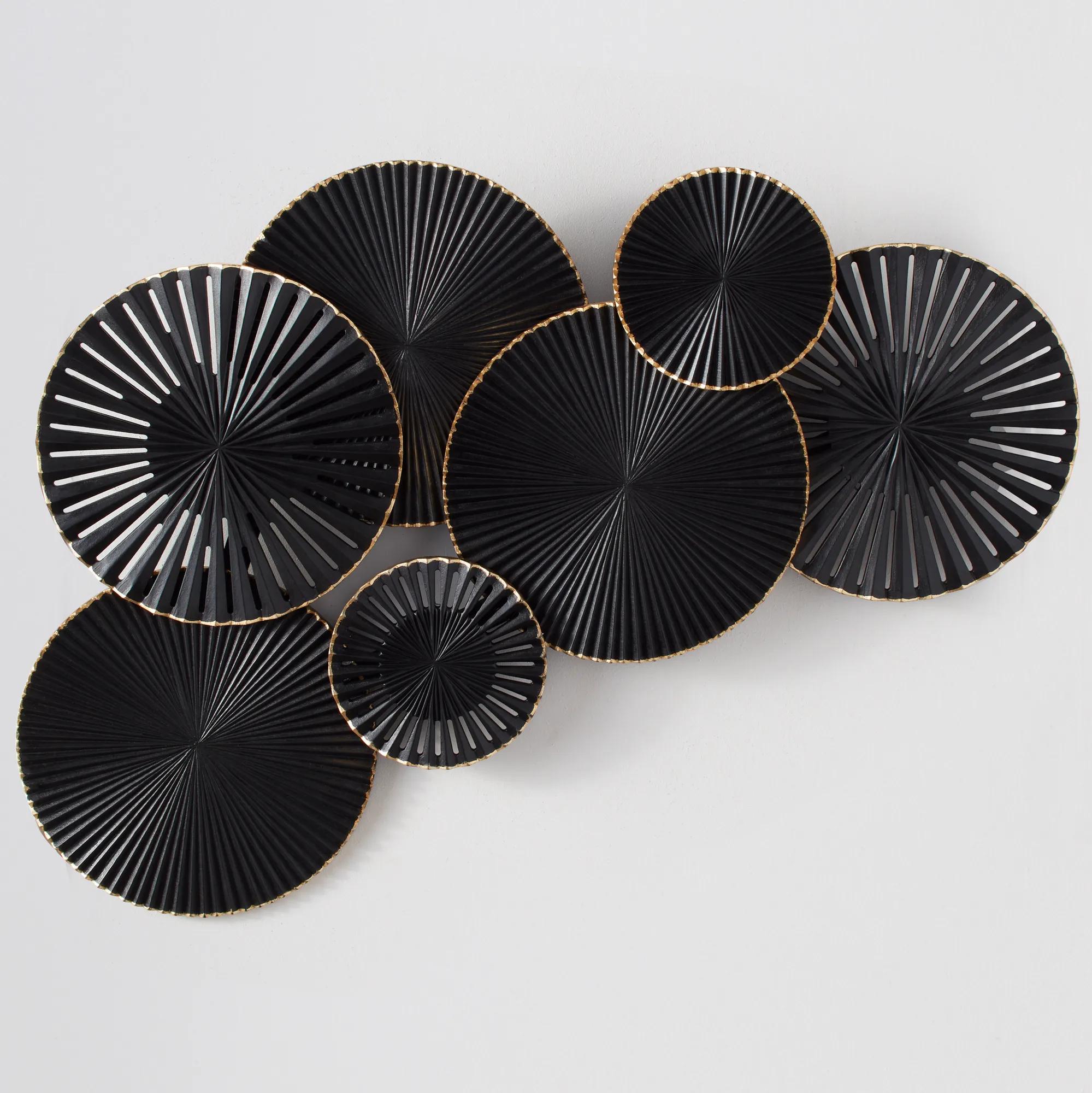
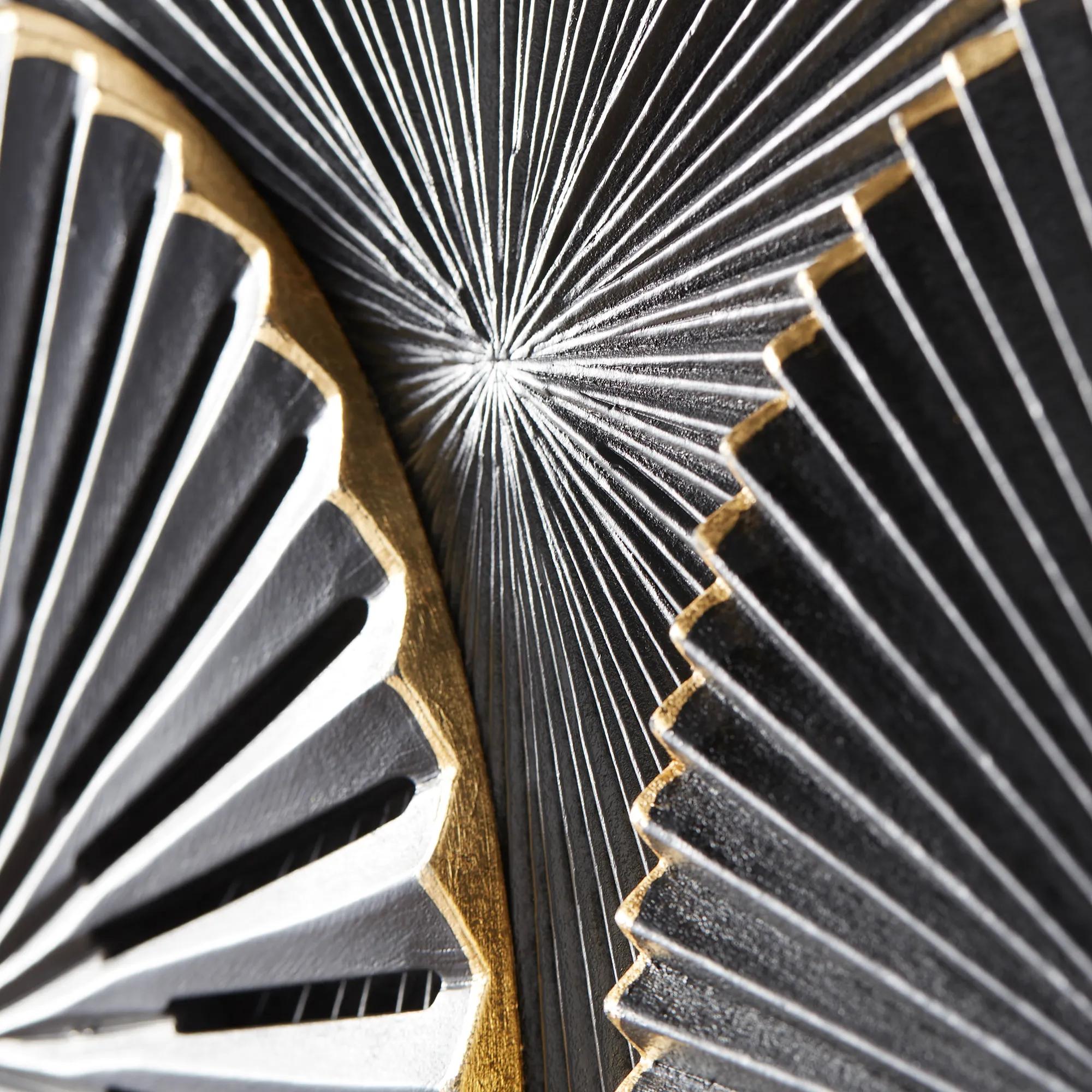 Circa Black Carved Wood Dimensional Wall Panel 47.25" x 27.5"$499
A carved wood wall art panel in black and gold that adds abstract intrigue to any room.
Add To Cart -
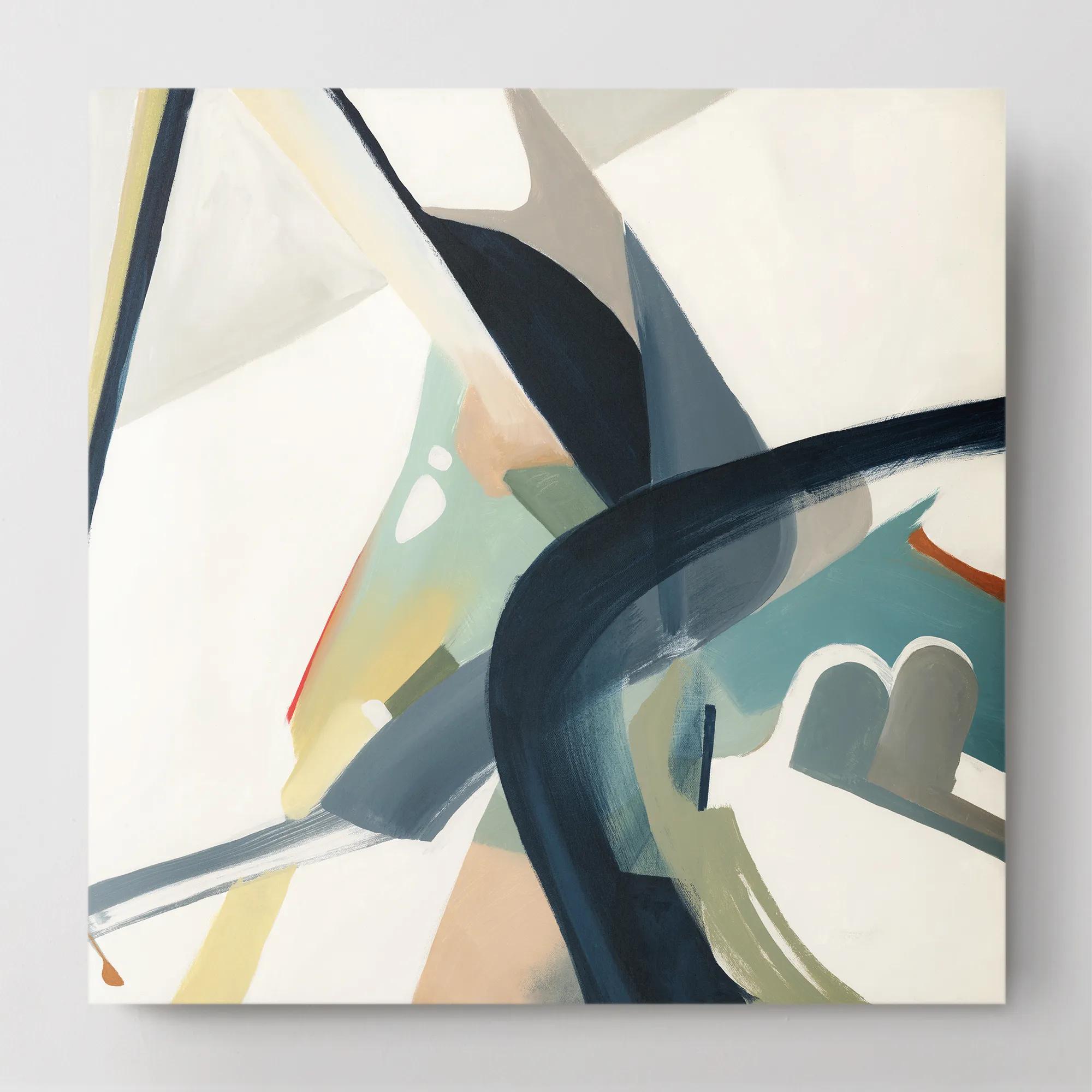 Impermanence 2$499
A gallery-wrapped canvas artwork featuring a hand-applied image brush gel finish for a textured look.
Add To Cart -
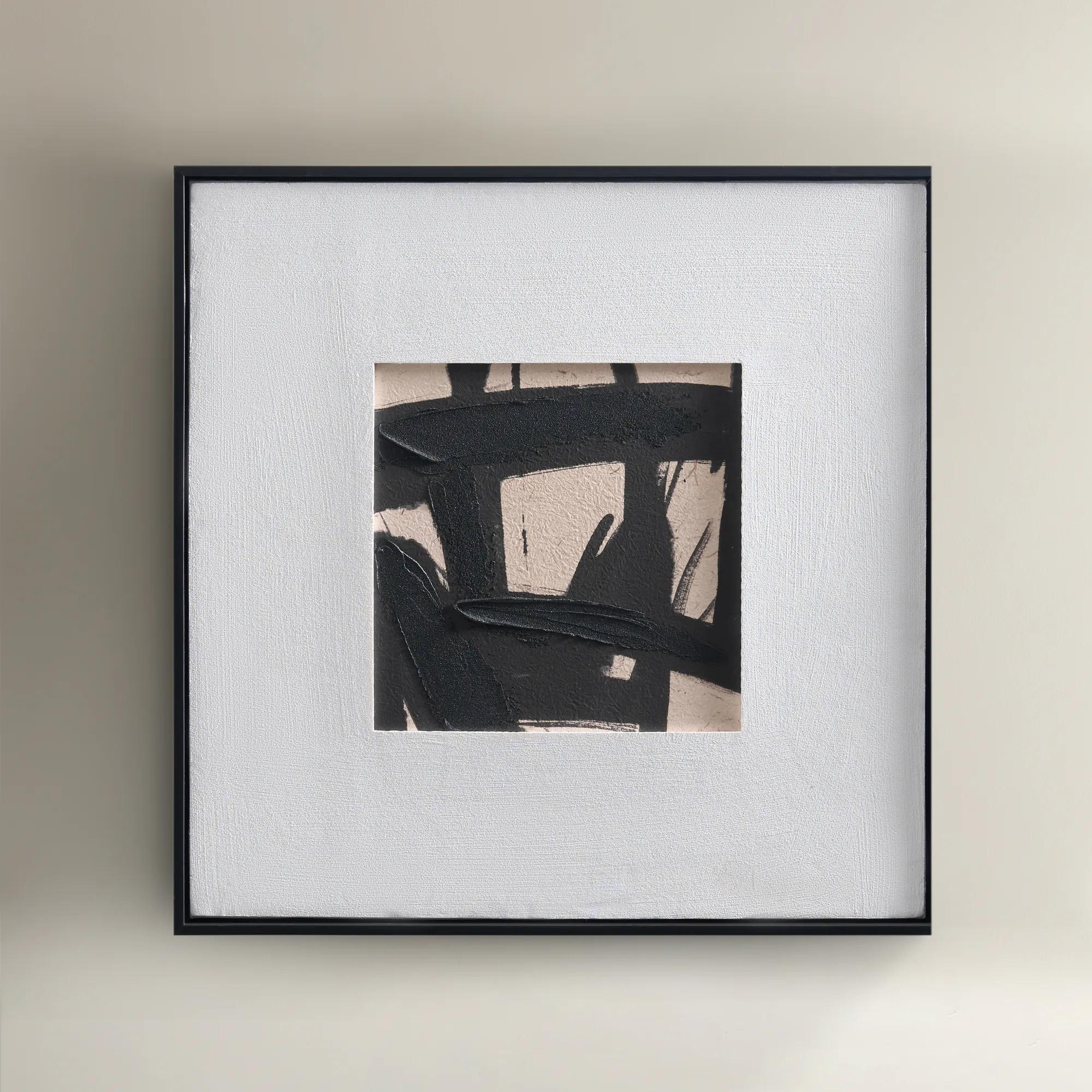
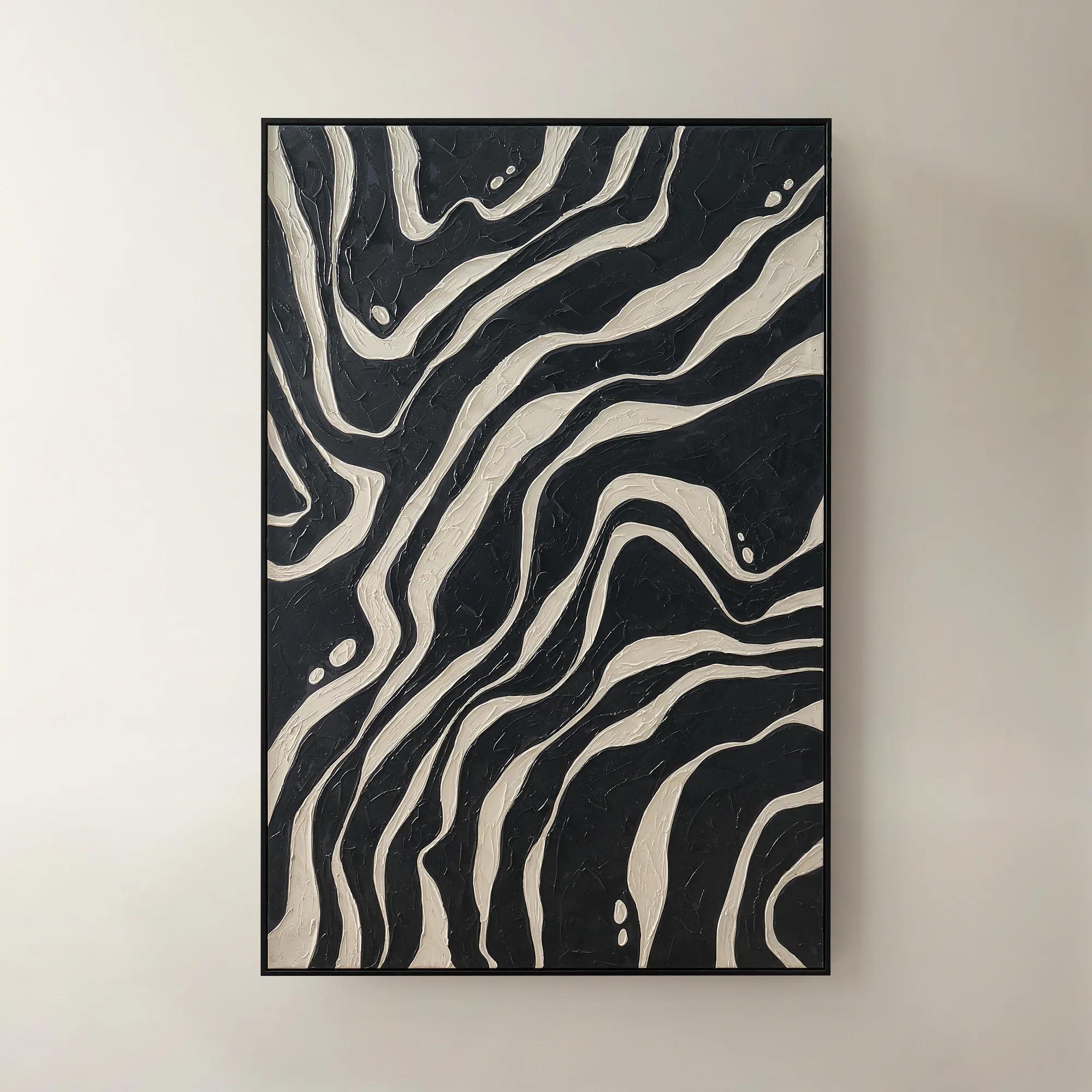
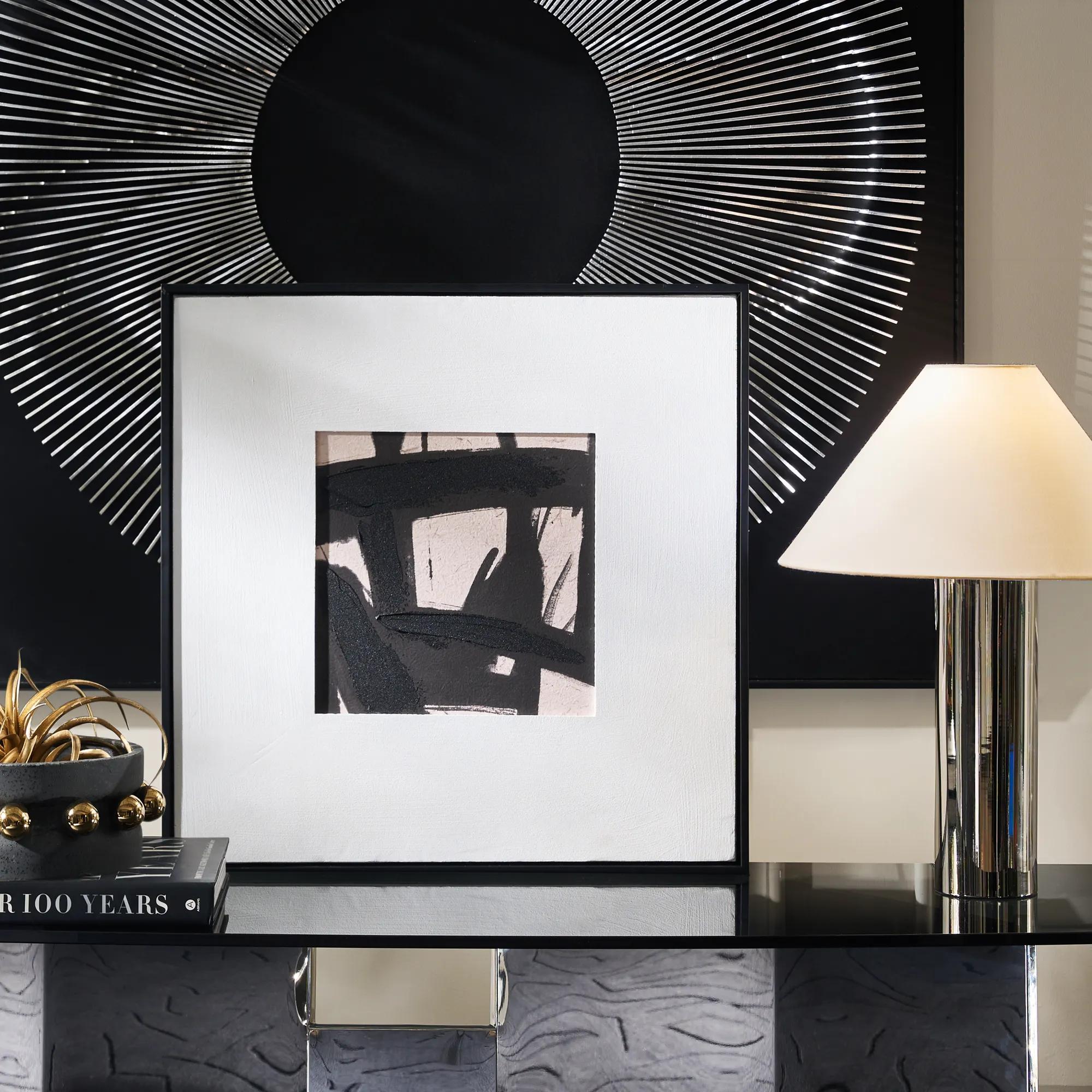 Ink Maze Painting$89
A hand-painted canvas featuring bold black and beige contrasts, set in a sleek black floater frame.
Add To Cart

Abstract Wall Art Prints
Abstract Wall Art Prints invite you to reimagine your walls as a gallery of bold expression and boundless creativity. Each piece is a conversation starter—an evocative blend of color, form, and movement that transforms blank space into a showcase of personality and vision. Whether you crave the drama of sweeping brushstrokes or the intrigue of geometric compositions, these prints promise to infuse your home with artistry and allure. Elevate every room with Abstract Wall Art Prints that celebrate individuality and turn everyday moments into extraordinary visual statements.
Abstract wall art prints use color, shape, line, and the illusion of texture to create compositions that do not depend on recognizable subjects. Their appeal lies in the mood they establish: a sweep of charcoal can lend a room architectural strength, while translucent washes of ivory and champagne introduce a luminous softness. Unlike an original painting, a print reproduces artwork on a surface such as paper or canvas, bringing expressive imagery into spaces for gathering, resting, working, and entertaining. The visual range is expansive, from precise geometric arrangements and spare linework to sweeping gestures, layered fields of color, and compositions that suggest stone, water, or movement without depicting them literally. For interiors with sculptural furniture and gleaming accents, black-and-white abstract prints offer a striking counterpoint that lets silhouette and contrast command attention. Rich blue, plum, or rust tones can draw out colors already present in upholstery, while a neutral abstract print can connect warm wood, pale textiles, and polished metal without making the room feel overly coordinated. A restrained palette need not be timid; a single dark form against a generous ivory ground can carry remarkable presence. More densely layered imagery invites closer looking, revealing shifts in tone and rhythm as the eye moves across the composition. These qualities make abstract artwork especially versatile for living rooms, bedrooms, entryways, dining rooms, and home offices, where personal expression matters as much as visual harmony. A broad, fluid composition above a velvet sofa creates a different atmosphere from a crisp geometric print behind a desk, even when both share the same colors. The most compelling choice often reflects how a space should feel rather than matching every finish within it. For someone furnishing a first home, refreshing an established interior, or choosing a housewarming gift for a design enthusiast, an abstract print offers room for individual interpretation. When gifting, a familiar color preference and a sense of the recipient’s wall space are more useful than assumptions about what the artwork should mean.
Material and presentation shape the experience of an abstract art print just as much as its imagery. Paper prints can preserve fine lines, delicate tonal transitions, and the subtle detail of a reproduced brushstroke; the paper’s surface, weight, and print quality all influence the finished impression. Smooth paper gives sharp-edged geometry a precise appearance, while textured fine art paper can add tactile character to softer, more atmospheric compositions. Canvas introduces a visible weave that lends reproduced artwork a painterly presence, although a printed image of thick paint does not necessarily have a raised surface. Actual hand-applied embellishment or dimensional texture should be identified in the individual artwork’s description rather than inferred from a photograph. Stretched canvas is supported by an internal frame, and gallery-wrapped presentations carry the canvas around its edges for a finished profile that may be displayed without an exterior frame. Paper artwork typically benefits from framing and suitable glazing, which help shield the surface from dust and handling. For a defined silhouette and an intentional relationship between image and border, framed abstract art prints bring another layer of design to the wall. A slender black frame can sharpen a pale composition, a warm metallic finish can echo brass lighting, and a wood frame can temper high-contrast imagery with organic warmth. Matting introduces breathing room around a paper print and, when properly fitted, helps keep the artwork from touching the glazing. Glass and acrylic have different handling considerations: acrylic is generally lighter and less prone to shattering, but it can scratch more easily. Neither material automatically provides UV protection, so protective properties deserve attention in the stated specifications. For longevity, acid-free paper and matting, appropriate backing, and inks with documented fade resistance are useful qualities to consider. Terms such as giclée describe an inkjet printing method, not an unconditional promise of permanence. The combined quality of the ink, surface, framing, and display environment determines how gracefully a print retains its character over time.
Scale gives abstract wall decor its authority, and the relationship between the artwork, furniture, and surrounding wall often matters more than the dimensions alone. An oversized abstract print can anchor a generous sofa or dining room sideboard, allowing one expansive gesture to define the setting. A smaller composition may feel more deliberate above a narrow console, beside a reading chair, or within an intimate grouping. As a starting point, artwork or a coordinated arrangement spanning roughly two-thirds to three-quarters of the furniture’s width often feels balanced, though ceiling height, nearby windows, and the visual weight of the frame can change that relationship. Measure the full framed dimensions, not only the image area, and leave enough clearance above furniture for the composition to feel connected without appearing crowded. In open wall areas, placing the center near average eye level is a useful starting point; in rooms used primarily while seated, a slightly lower position may feel more natural. Diptychs and triptychs extend a composition across two or three panels, creating rhythm along a wide wall, while a gallery arrangement allows different abstract languages to share a common palette or frame finish. Consistent spacing helps those separate pieces read as a considered whole. Lighting deserves equal attention. A print opposite a bright window may catch distracting reflections, and prolonged direct sunlight can fade inks or discolor paper and canvas. Gentle, indirect illumination allows subtle gradients and richly layered imagery to remain legible without overwhelming them with glare. Secure mounting hardware should suit both the artwork’s weight and the wall material; included hardware, when specified, may not include every anchor needed for a particular installation. Routine care is generally restrained: dust frames and appropriate canvas surfaces gently with a clean, soft, dry cloth, follow the artwork’s care directions, and keep moisture away from exposed paper. Clean glazing with a product suitable for its material, applied to the cloth rather than sprayed toward the artwork. With thoughtful placement and careful handling, abstract prints contribute more than decoration: they give a room a distinctive visual voice, whether expressed through a dramatic sweep of color or the quiet tension of a single sculptural line.
FAQs
Abstract wall art prints are remarkably versatile, making them a striking addition to a wide range of interior styles. They shine in contemporary and modern spaces, where their bold forms and expressive colors become a focal point. Yet, they also lend a sophisticated edge to traditional rooms by introducing an unexpected twist. For eclectic or maximalist homes, abstract prints offer layers of visual intrigue, while in minimalist settings, a single dramatic piece can provide just the right amount of artistic flair.
To achieve a cohesive look, consider echoing the colors, shapes, or textures found in your abstract wall art throughout your space. Pull accent hues from the artwork into pillows, throws, or decorative accessories. If your print features metallics or high-gloss finishes, complement it with mirrored furniture or metallic frames. Grouping multiple abstract prints with a unifying color palette or theme can also create a harmonious gallery effect that feels intentional and artfully curated.
Abstract wall art makes a thoughtful and memorable gift for anyone who values creativity, artistry, or bold design. It’s especially well-suited for housewarmings, milestone celebrations, or holidays, offering a unique way to commemorate a new beginning. Art lovers, design enthusiasts, and those who see their home as an extension of their personality will especially appreciate the expressive, open-ended nature of abstract prints.
For maximum impact, place your abstract wall art where it will naturally draw the eye—above a mantel, behind a sofa, or as the centerpiece of a dining room wall. Use lighting to highlight the piece and enhance its colors and textures; picture lights or spotlights can add a gallery-like ambiance. Consider the height at which you hang your art—eye level is generally ideal, but oversized pieces can be anchored lower for a dramatic, enveloping effect.
To preserve the vibrancy and integrity of your abstract wall art, display it away from direct sunlight, which can cause fading over time. Dust the surface gently with a soft, dry cloth, and avoid using cleaning sprays or abrasive materials. If your print is framed under glass, a gentle glass cleaner applied to a cloth (never directly to the glass) will keep it gleaming. Regular care ensures your artwork remains a captivating focal point for years to come.