Black And White Abstract Wall Art
Black And White Abstract Wall Art
-
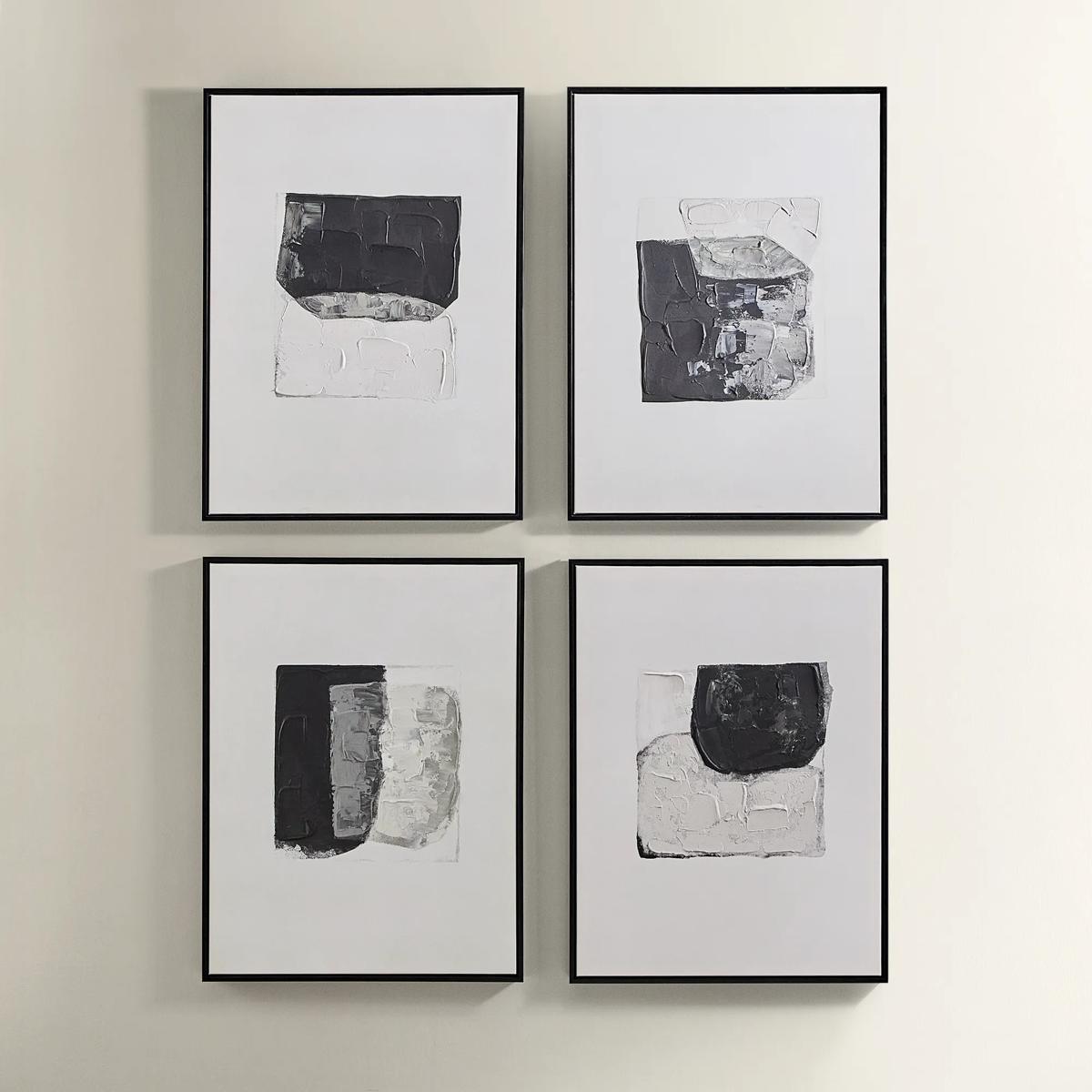
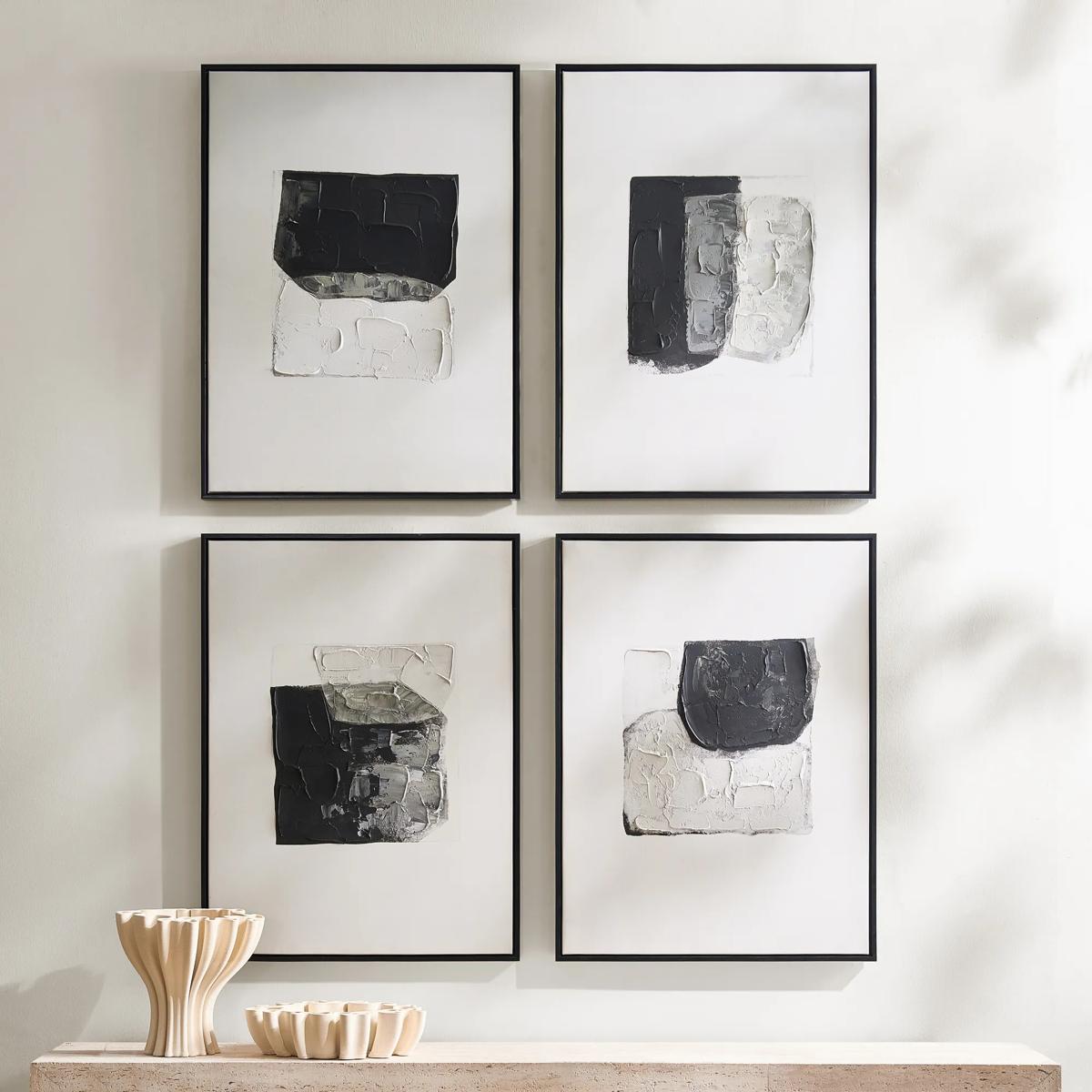 Shadows Framed Painted Wall Art Set of 4$299
A set of four hand-painted abstract canvases featuring black, white, and gold accents in black frames.
Add To Cart -
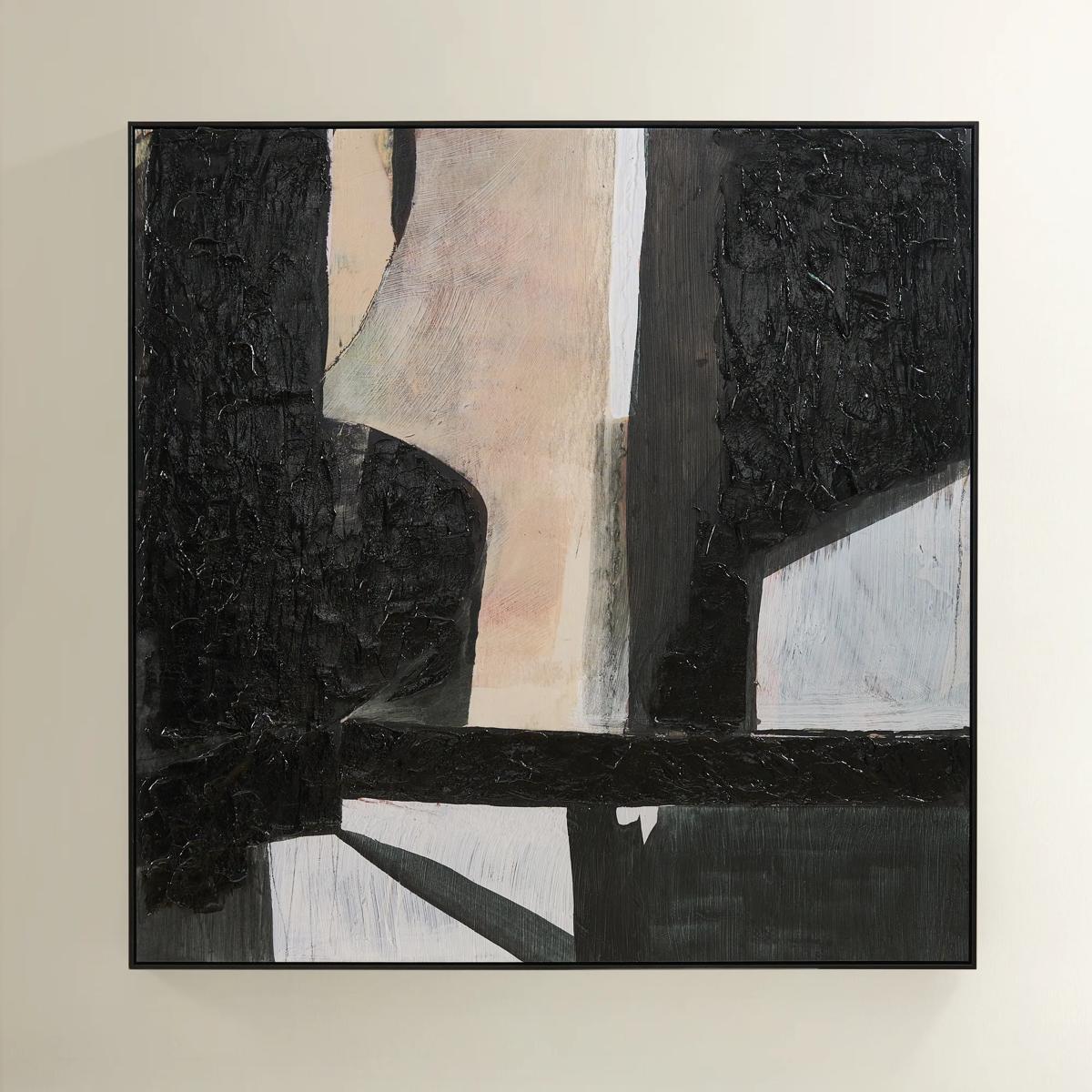 Grounded Painting$699
A hand-painted abstract canvas featuring black, cream, and earth tones in a sleek black floater frame.
Add To Cart -
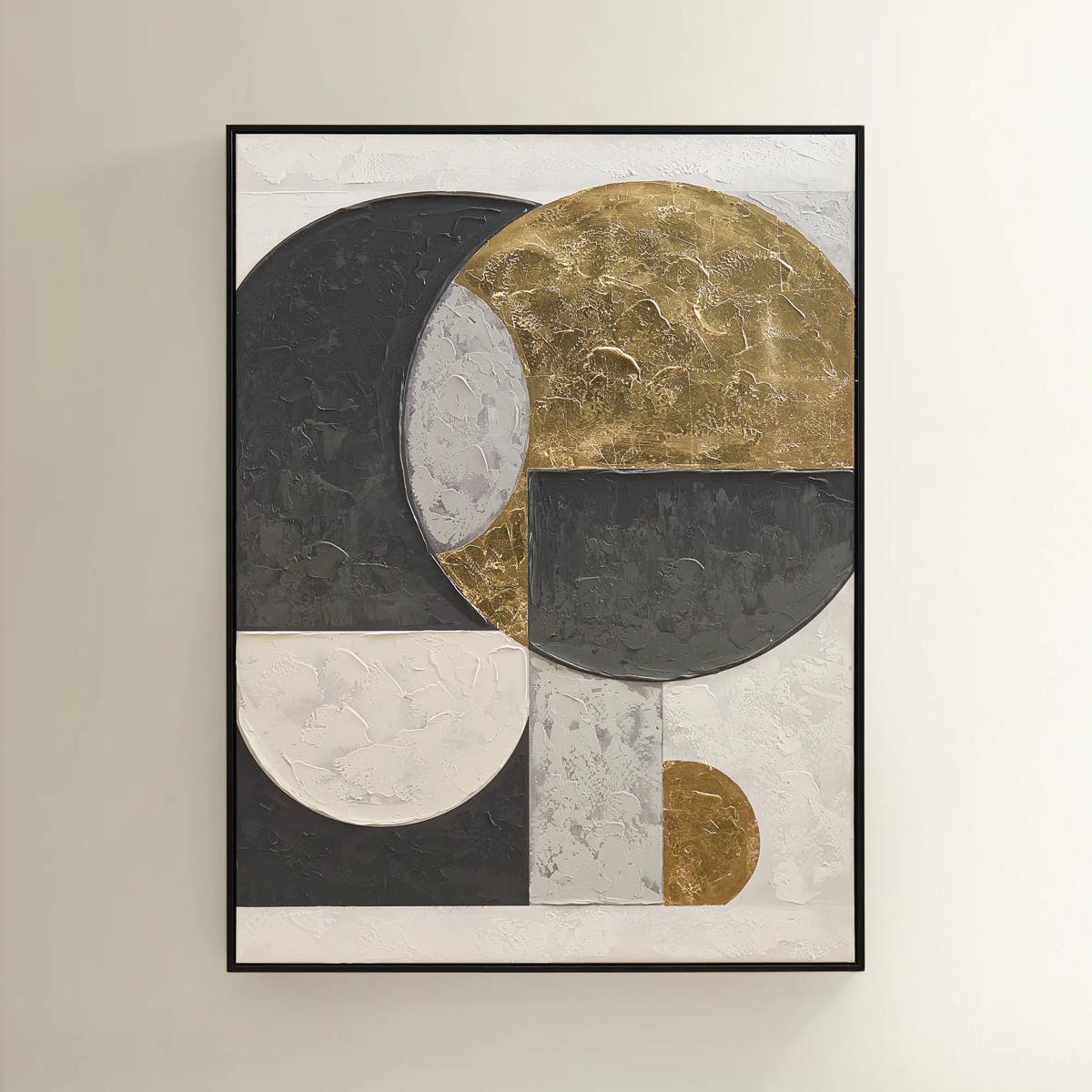
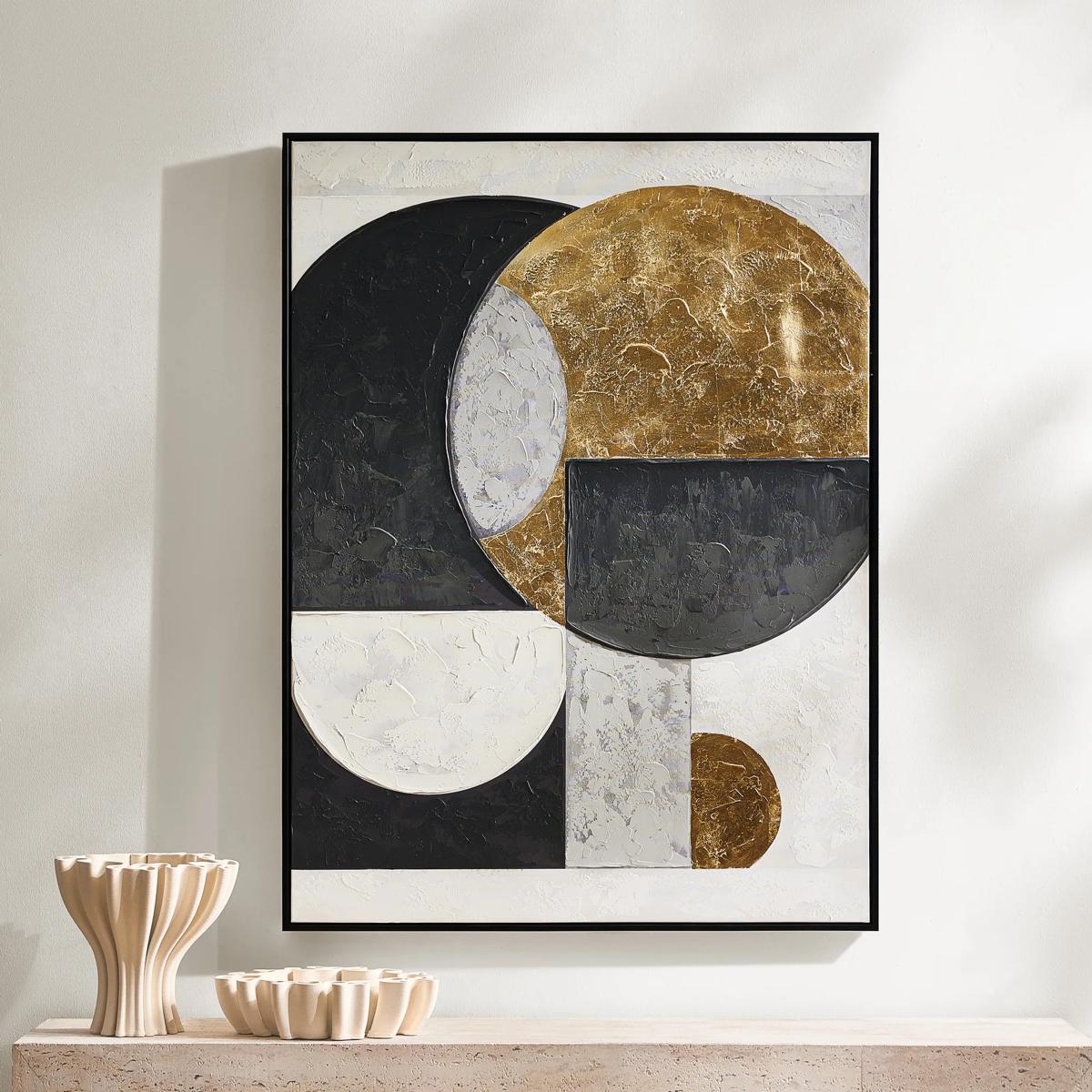 Eclipse Framed Gold Leaf Painted Wall Art 35.25" x 47.25"$449
A hand-painted canvas featuring bold black, grey, and gold geometric shapes with shimmering gold leaf accents.
Add To Cart -
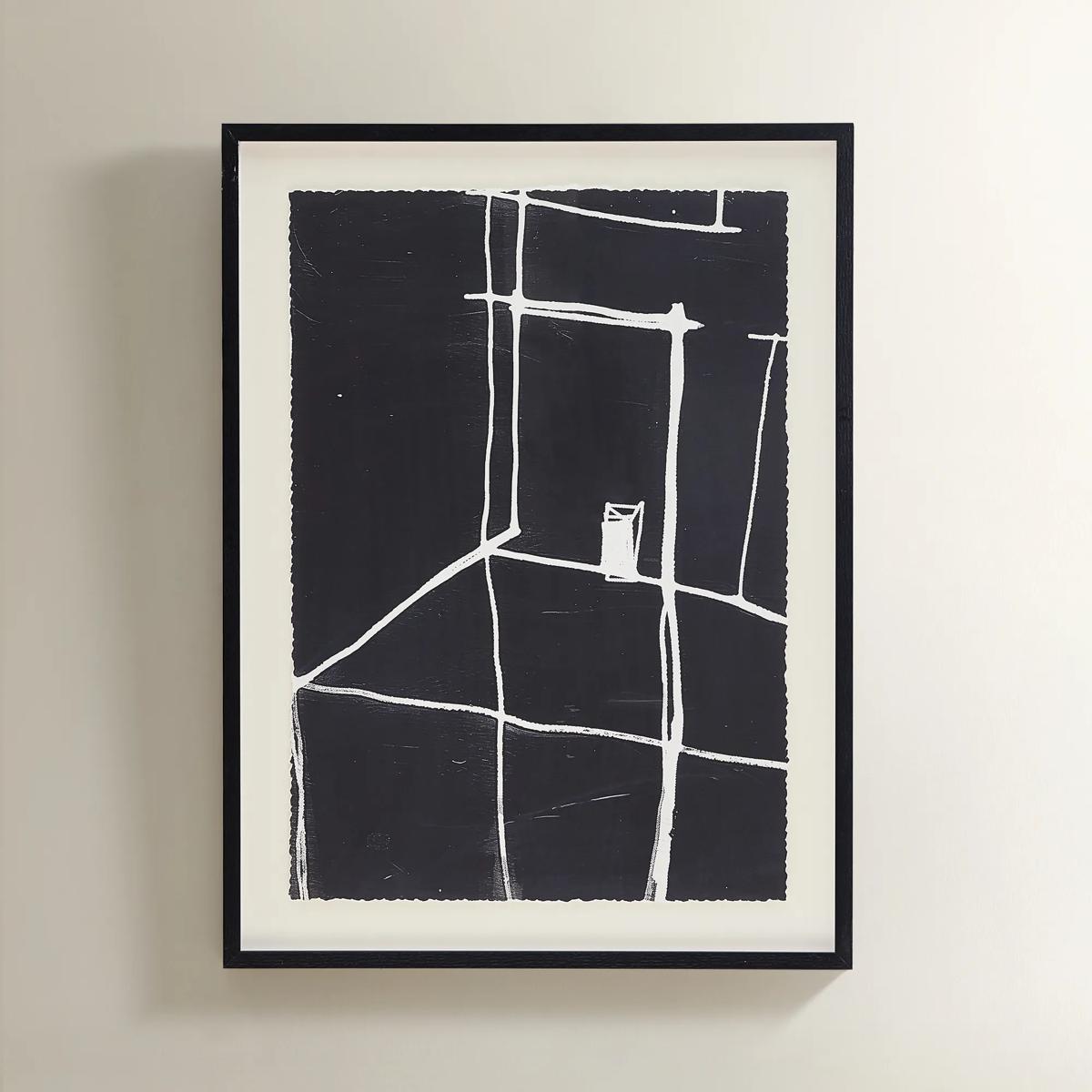 Solitude Art$269
A minimalist black-and-white abstract print featuring bold white lines in a sleek black polyresin frame.
Add To Cart -
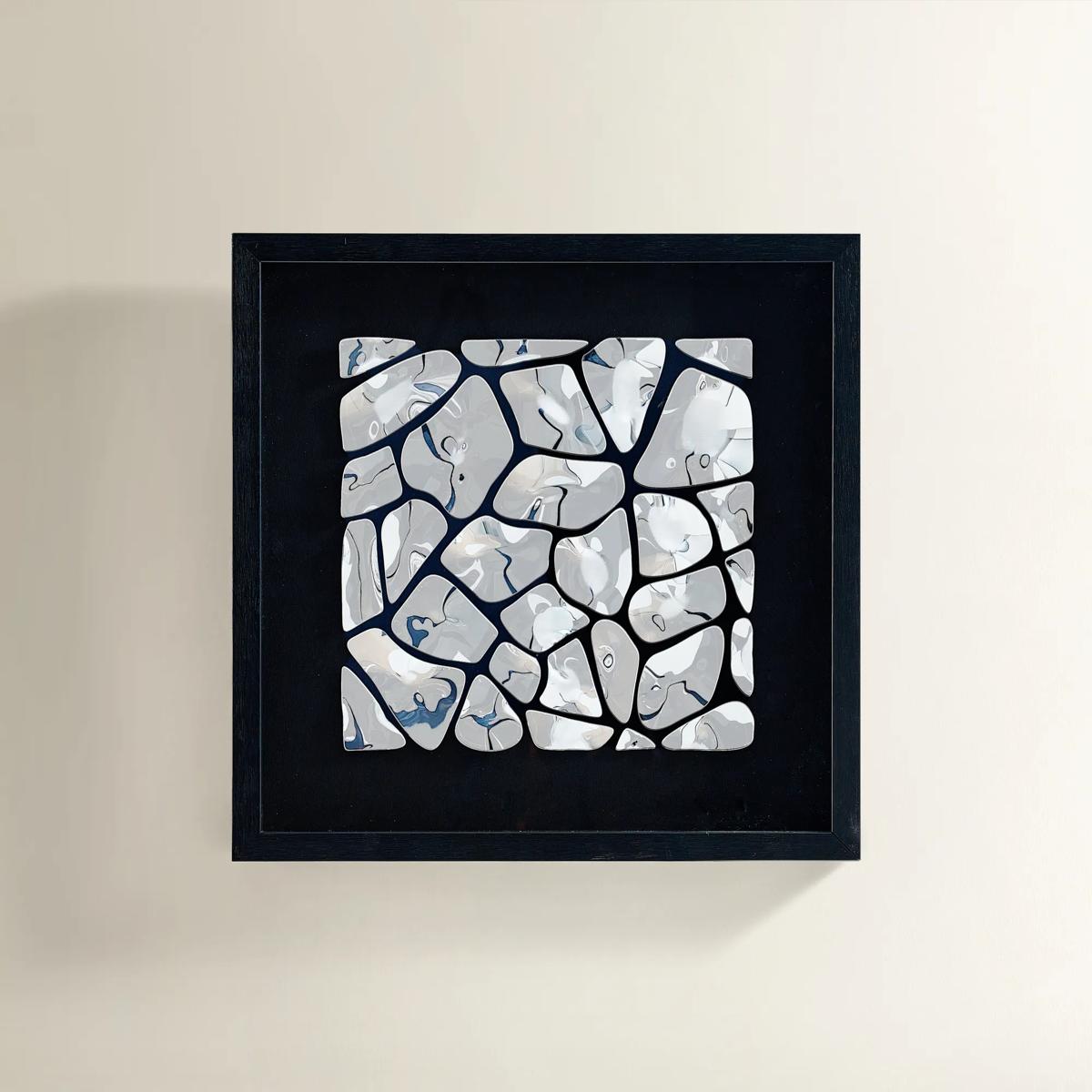 Reflect Silver And Black Shadowbox Art I$189
A dimensional metal wall art piece featuring polished silver and black forms in a sleek black frame.
Add To Cart -
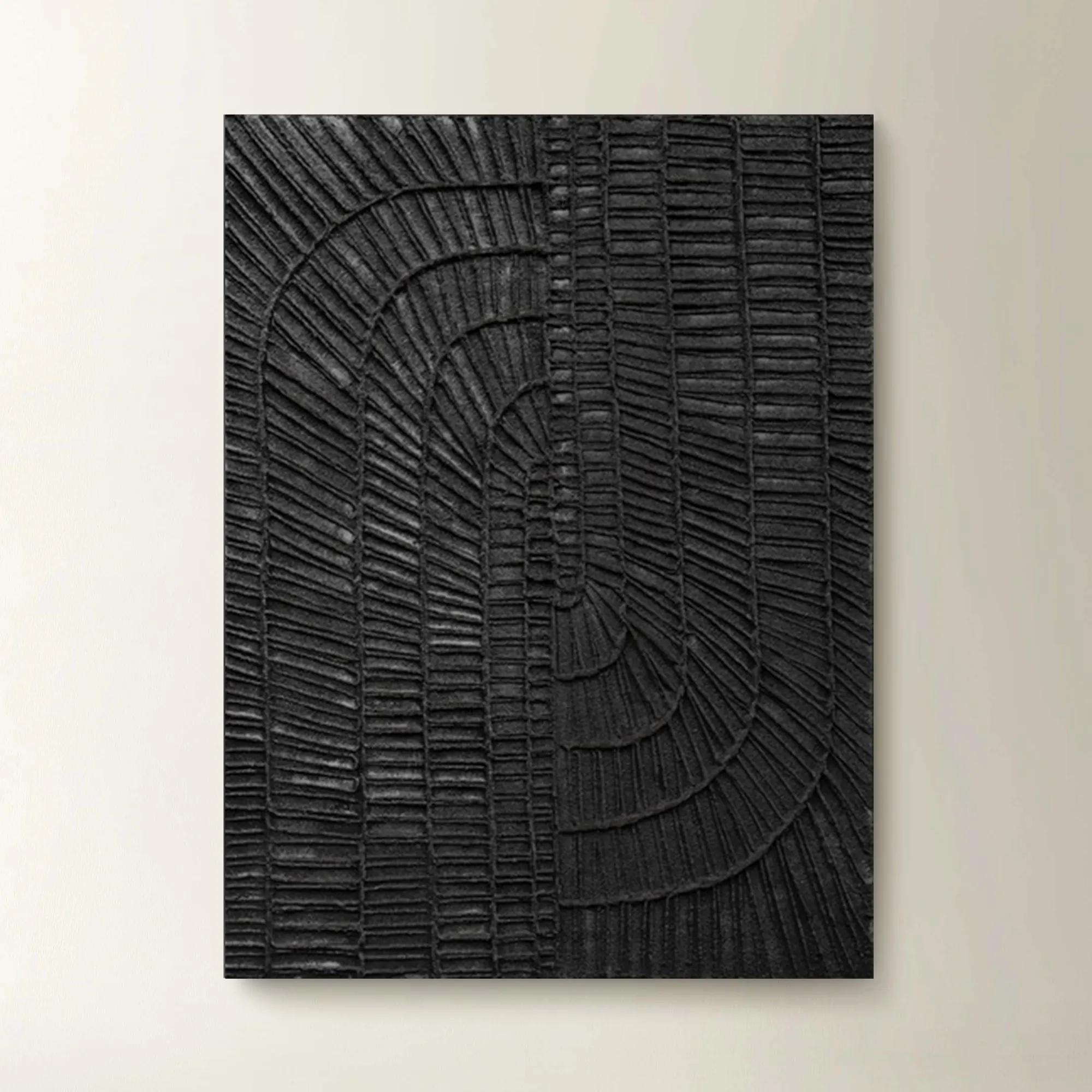 Textured Haze Black II Painted Wall Art 26" x 35"$499
A striking hand-painted black artwork featuring textured details for versatile vertical or horizontal display.
Add To Cart -
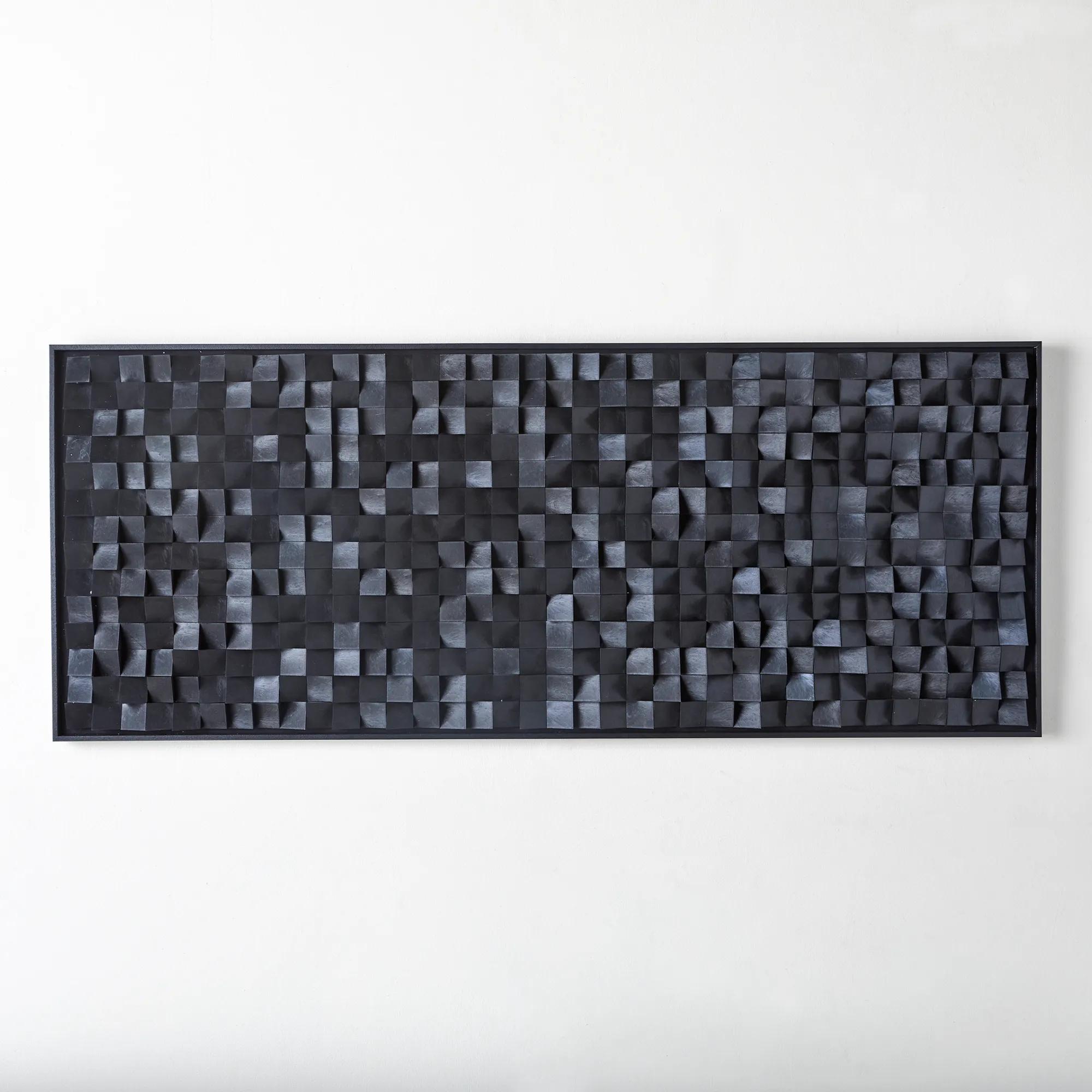 Nightfall Black Wood Dimenisonal Wall Panel 59" x 23.5"$599
An abstract wall art piece featuring cut black blocks in a sleek, low-profile black frame.
Add To Cart -
.jpeg?w=1200&h=1200) Fossil Painting$299
Fossil Painting$299A bold hand-painted abstract artwork featuring textured black shades in a sleek black floater frame.
Add To Cart -
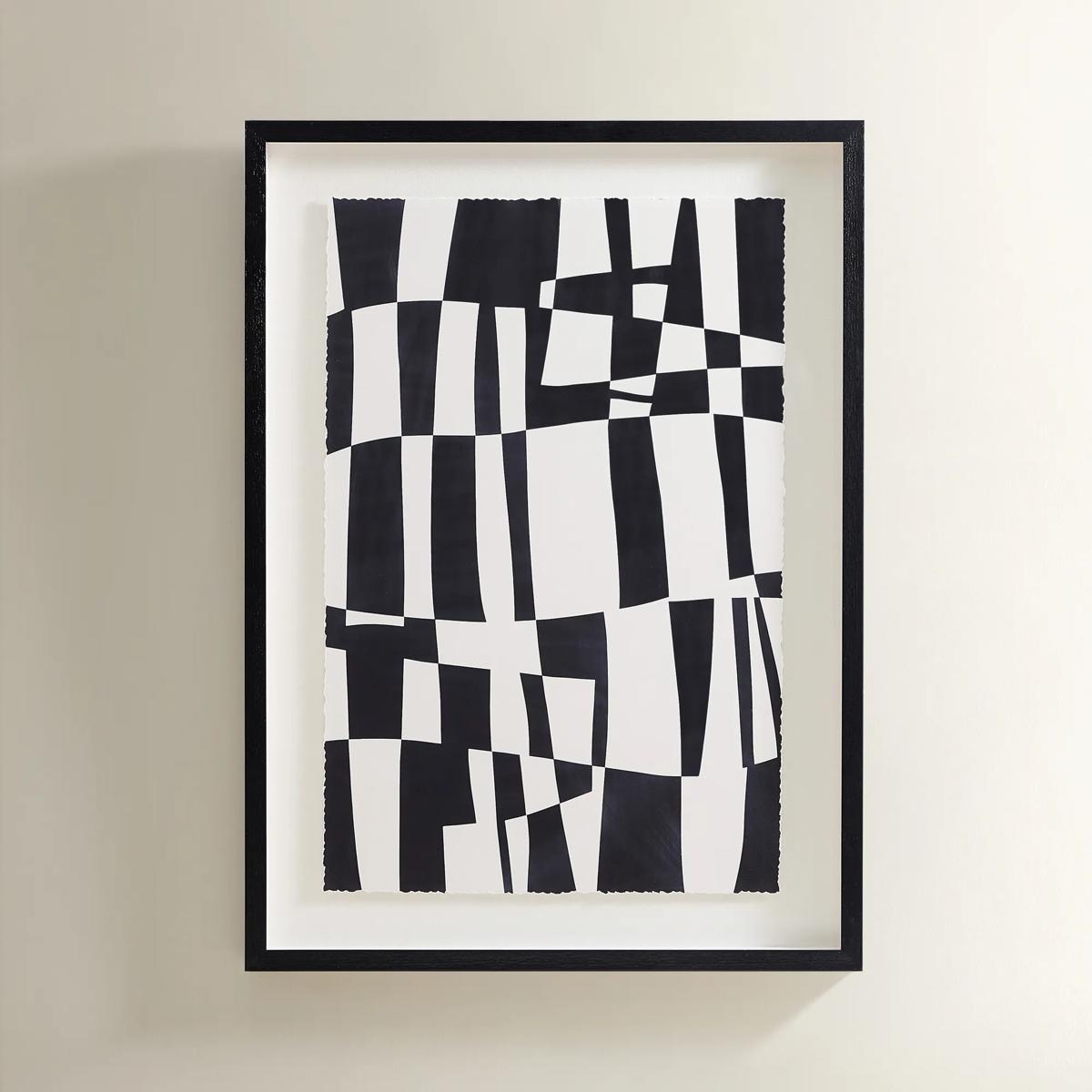 Matrix Art$369
A striking black and white abstract grid print set in a sleek black polyresin frame.
Add To Cart -
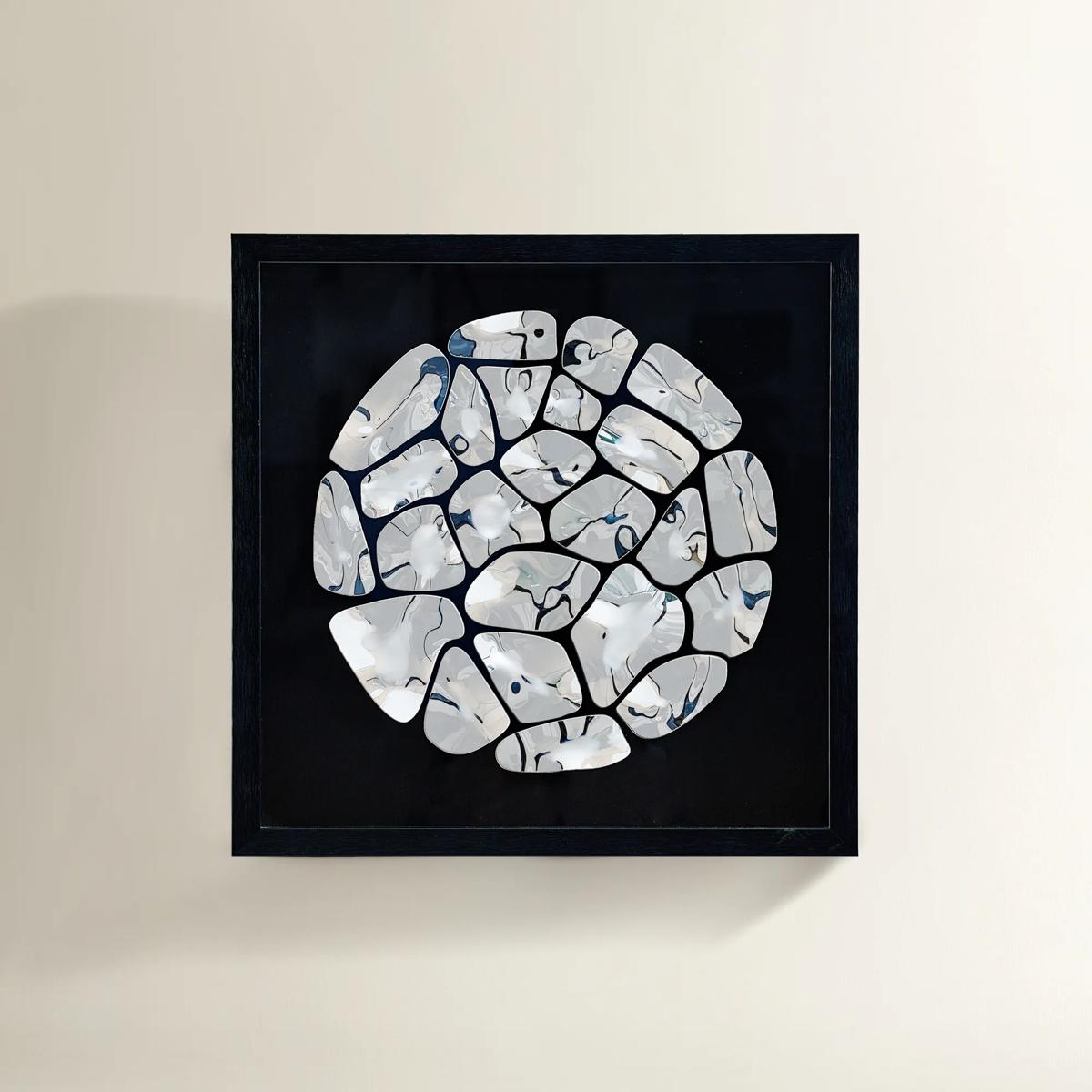
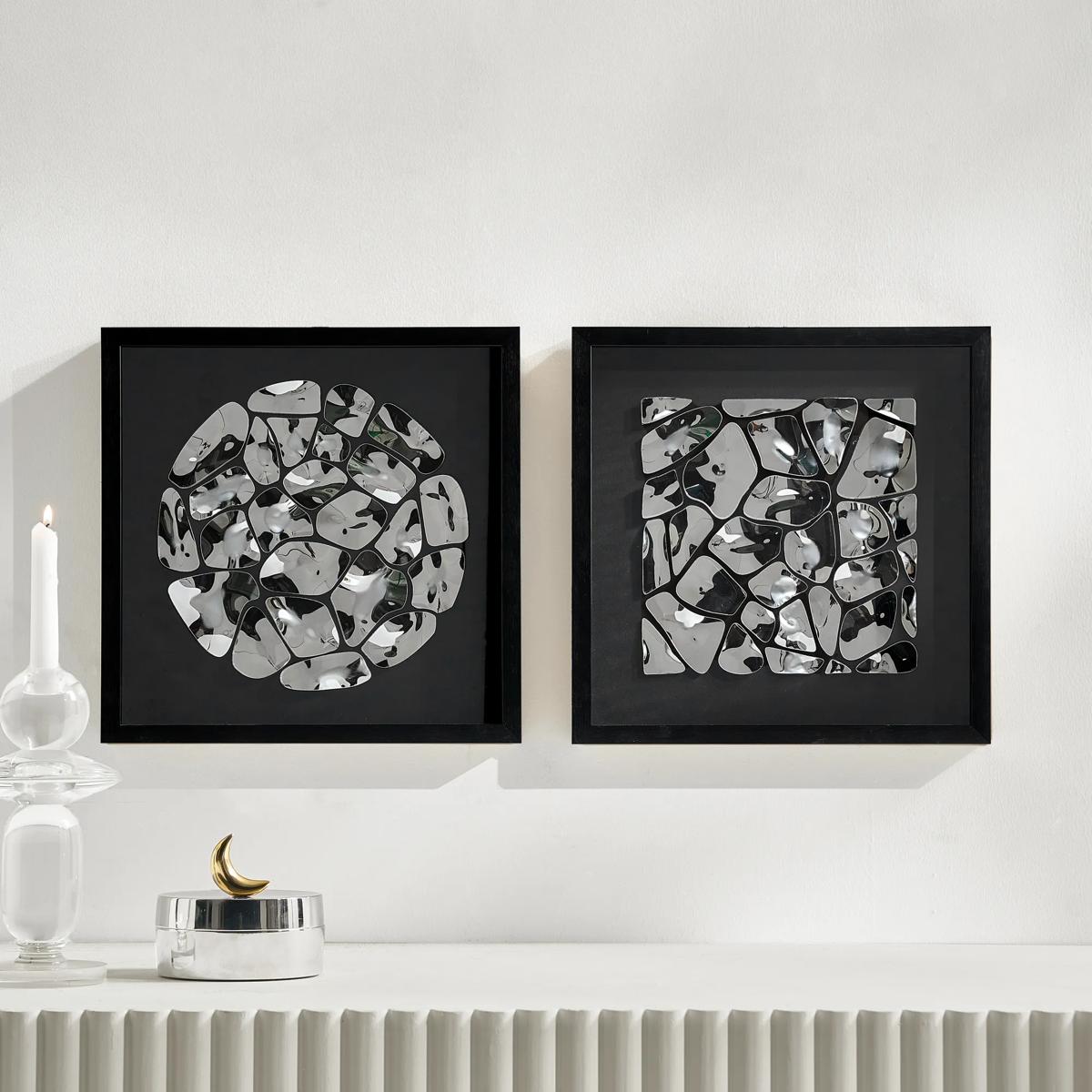 Reflect Silver And Black Shadowbox Art II$189
A dimensional metal wall art piece featuring polished silver and black forms in a sleek black frame.
Add To Cart -
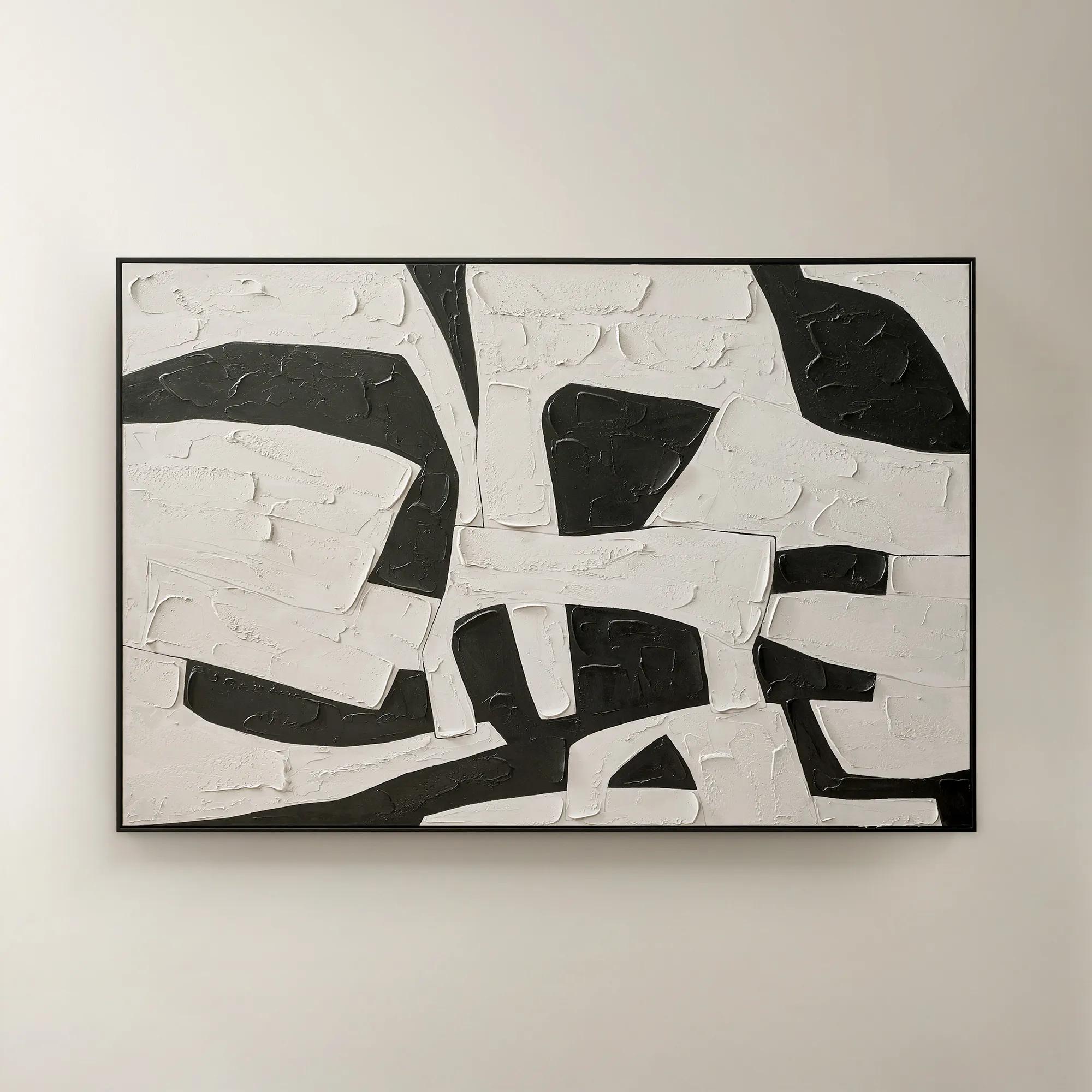 Space Between Shadows Framed Painted Wall Art 72" x 48"$799
A hand-painted abstract canvas featuring bold alabaster and black geometric forms in a sleek black frame.
Add To Cart -
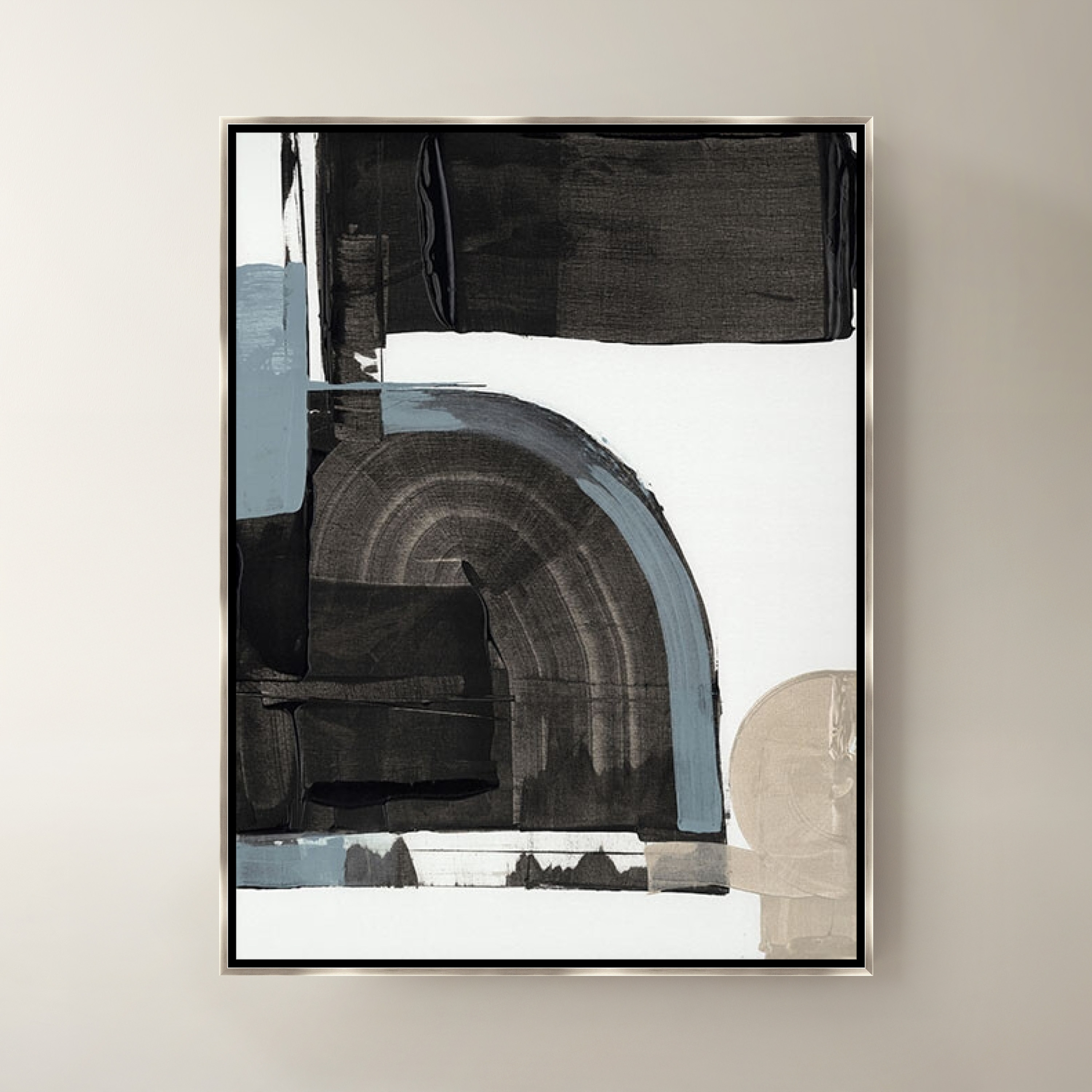
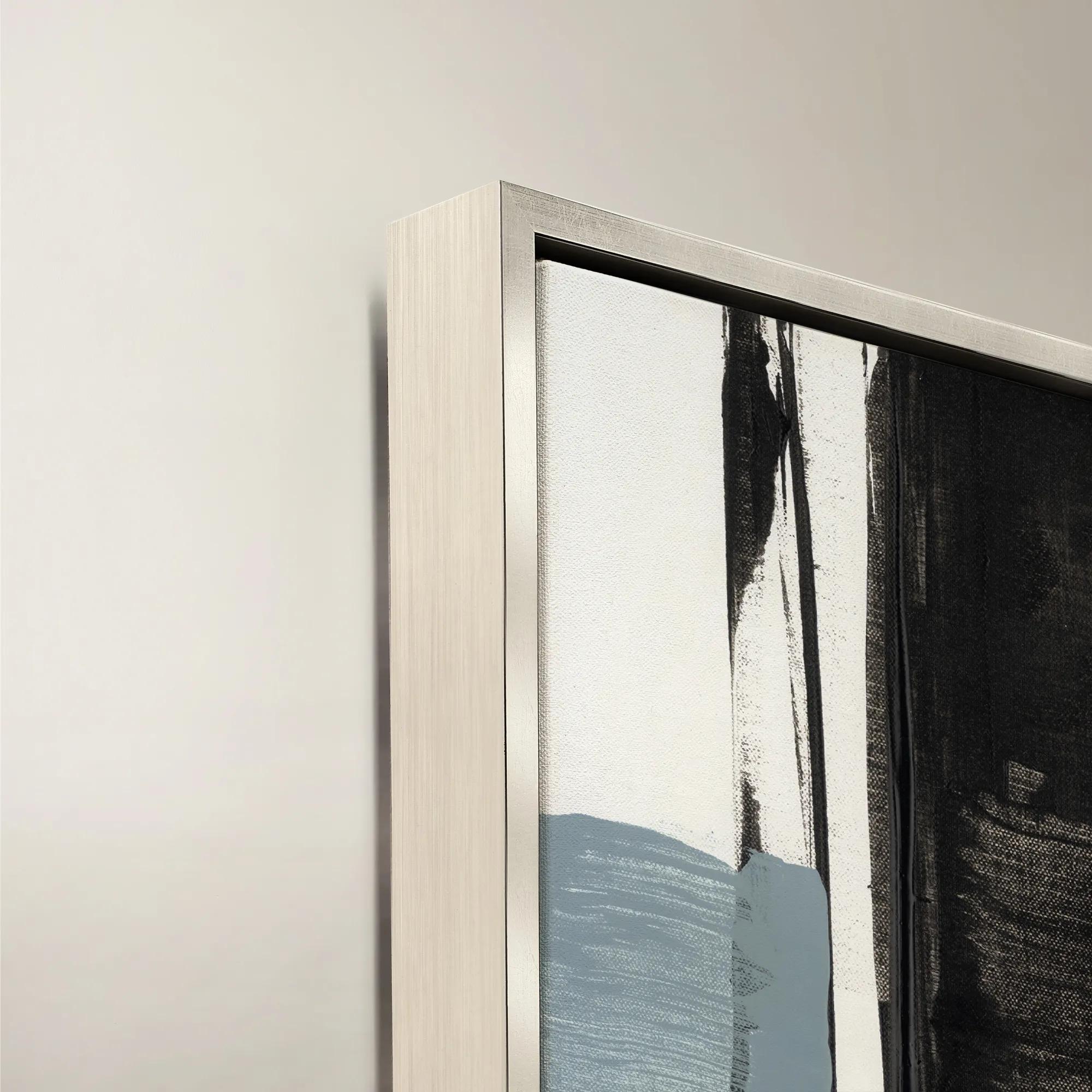 Blanc de Blancs III Framed Wall Art 24" x 30"$519
A sophisticated black canvas artwork presented in a refined frame for modern wall styling.
Add To Cart -
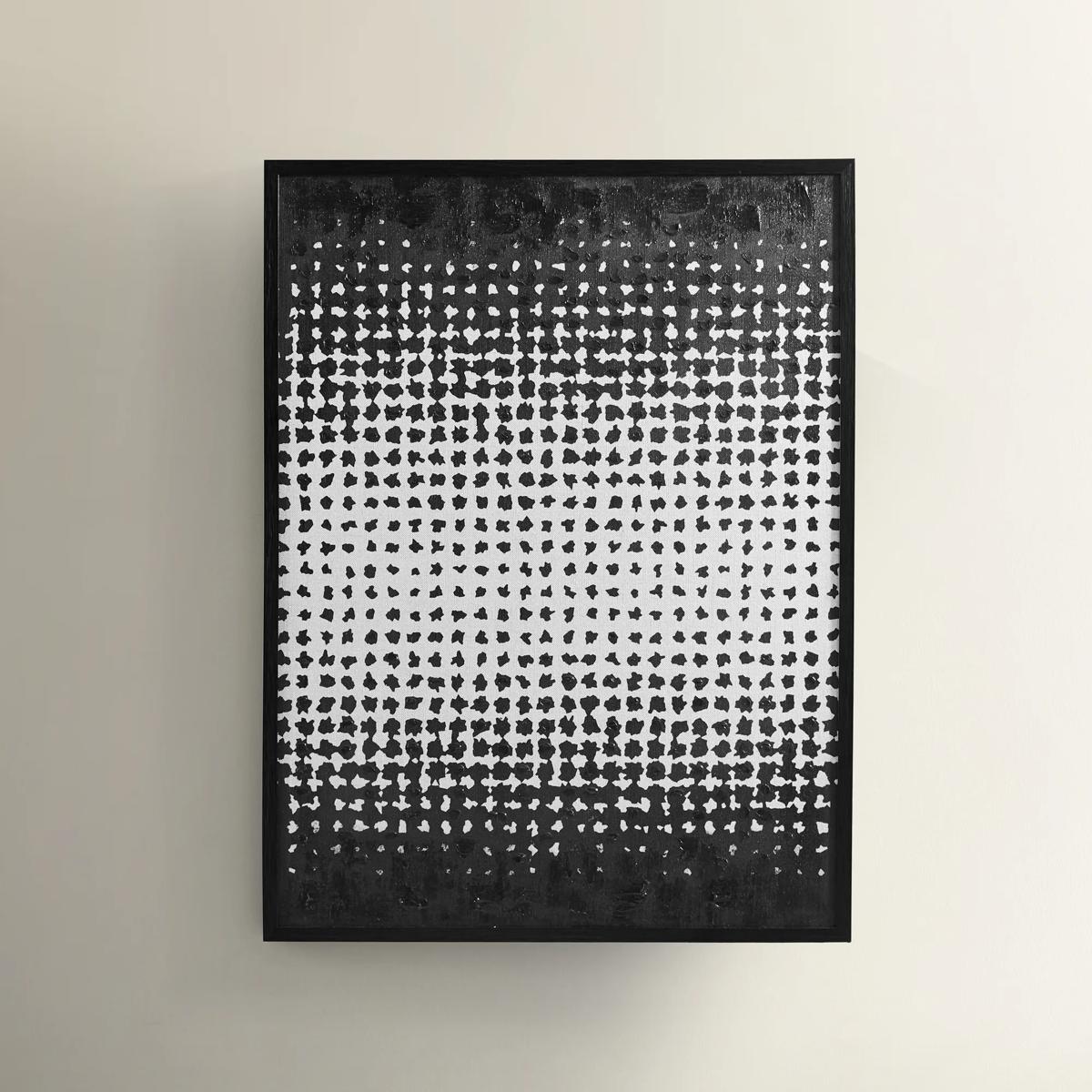
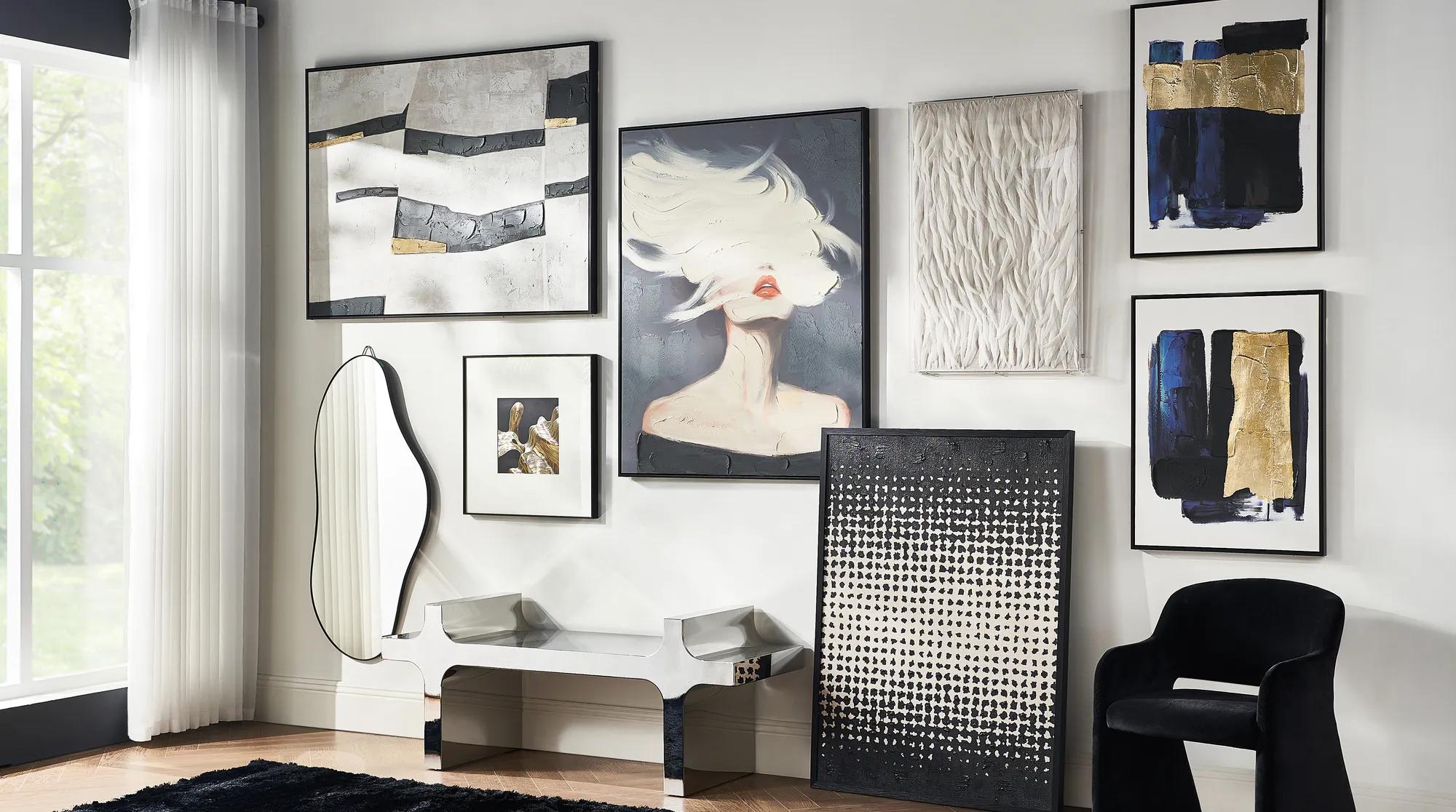 In Time Painting$399
A hand-painted linen canvas featuring cream and black dots in a modern, minimalist geometric pattern.
Add To Cart -
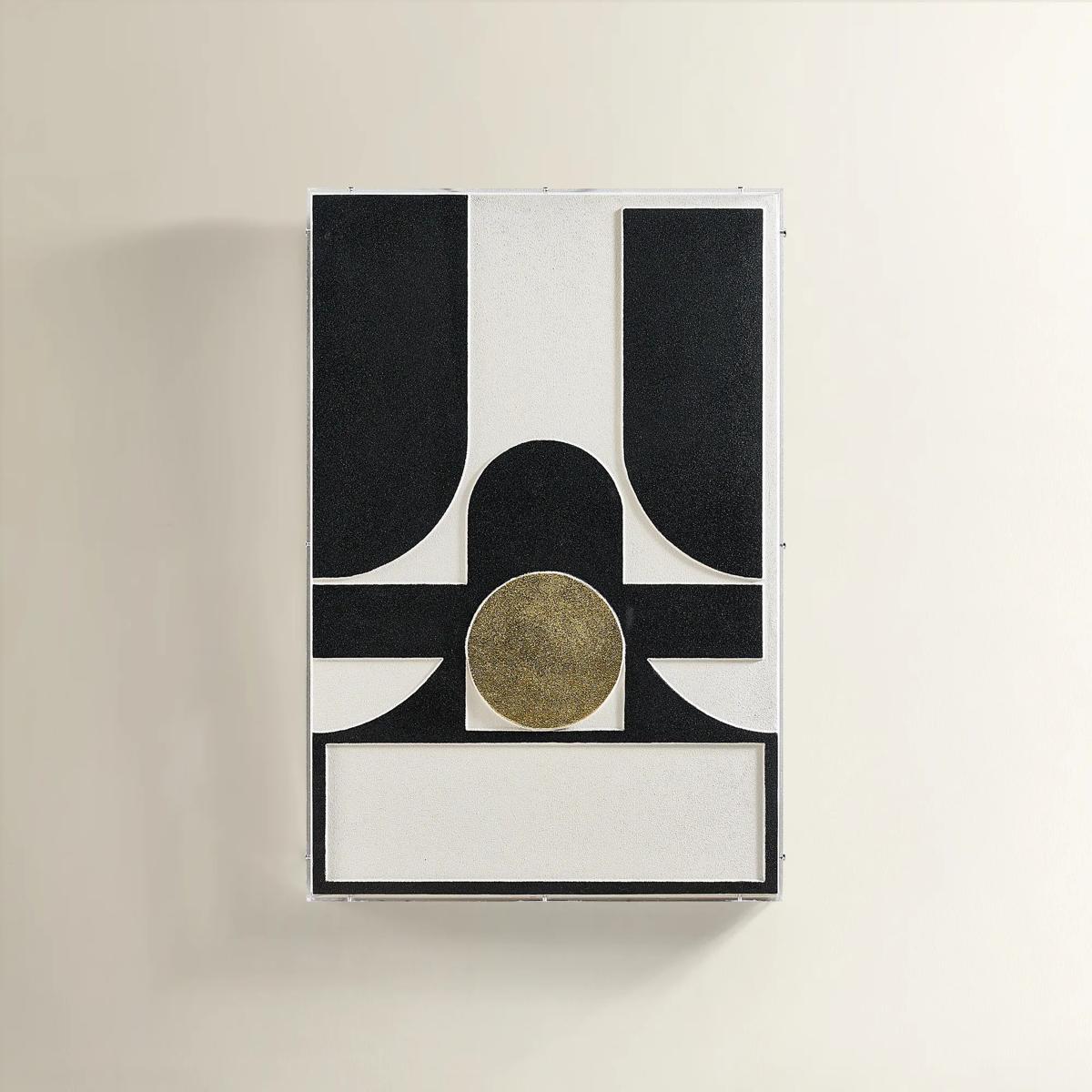
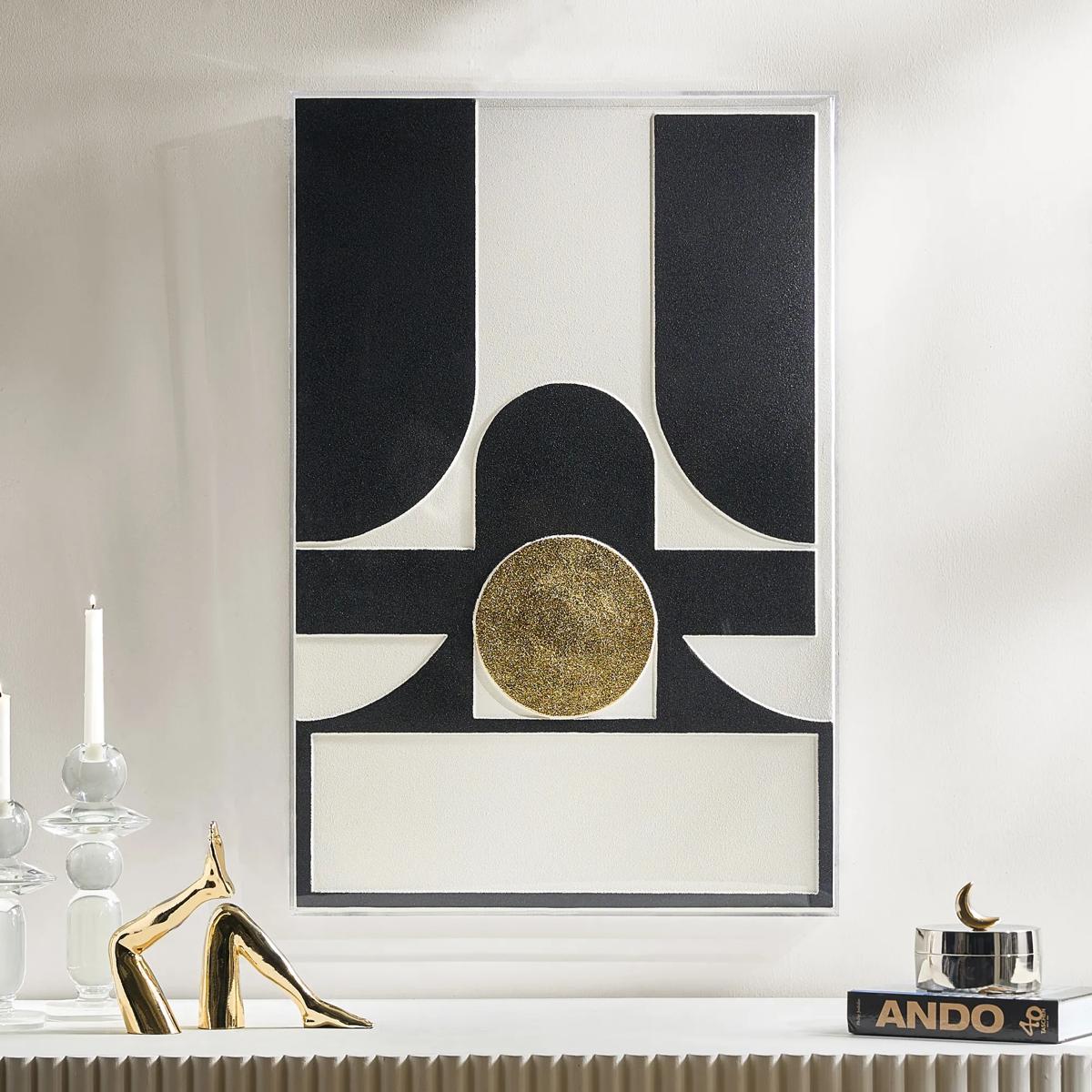 Siren Black And Gold Wall Decor in Acrylic 23.5" x 35.5"$299
A layered composition of black, ivory, and gold geometric forms set in a sleek acrylic shadow box.
Add To Cart -
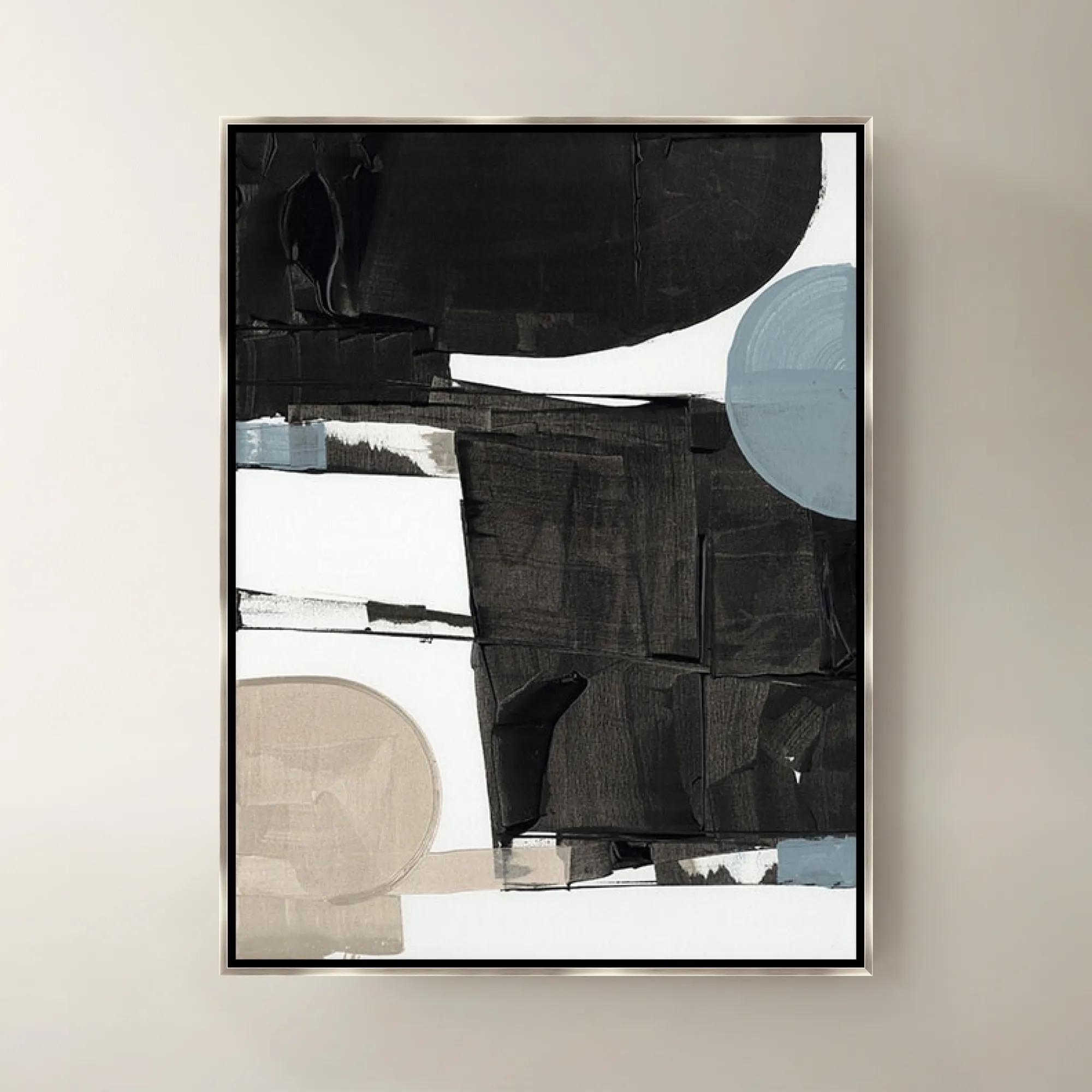
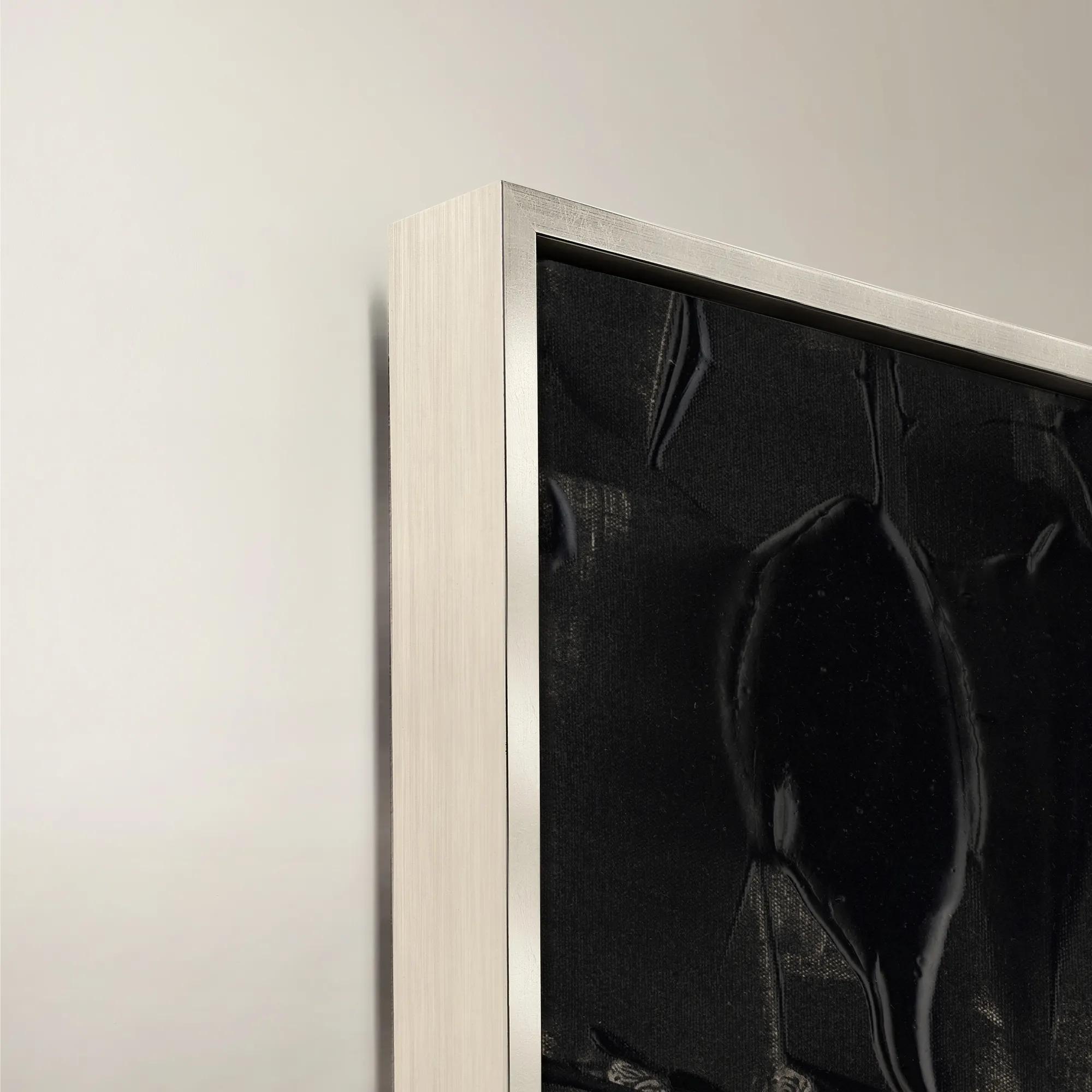 Blanc de Blancs II Framed Wall Art 24" x 30"$519
A sophisticated black canvas artwork presented in a refined frame, bringing modern elegance to your walls.
Add To Cart -
.jpeg?w=1200&h=1200)
.jpg?w=1200&h=1200) Shift Framed Painted Wall Art 39.4" x 59"$499
Shift Framed Painted Wall Art 39.4" x 59"$499A hand-painted canvas featuring bold black and beige contrasts with textured layers in a sleek black frame.
Add To Cart -
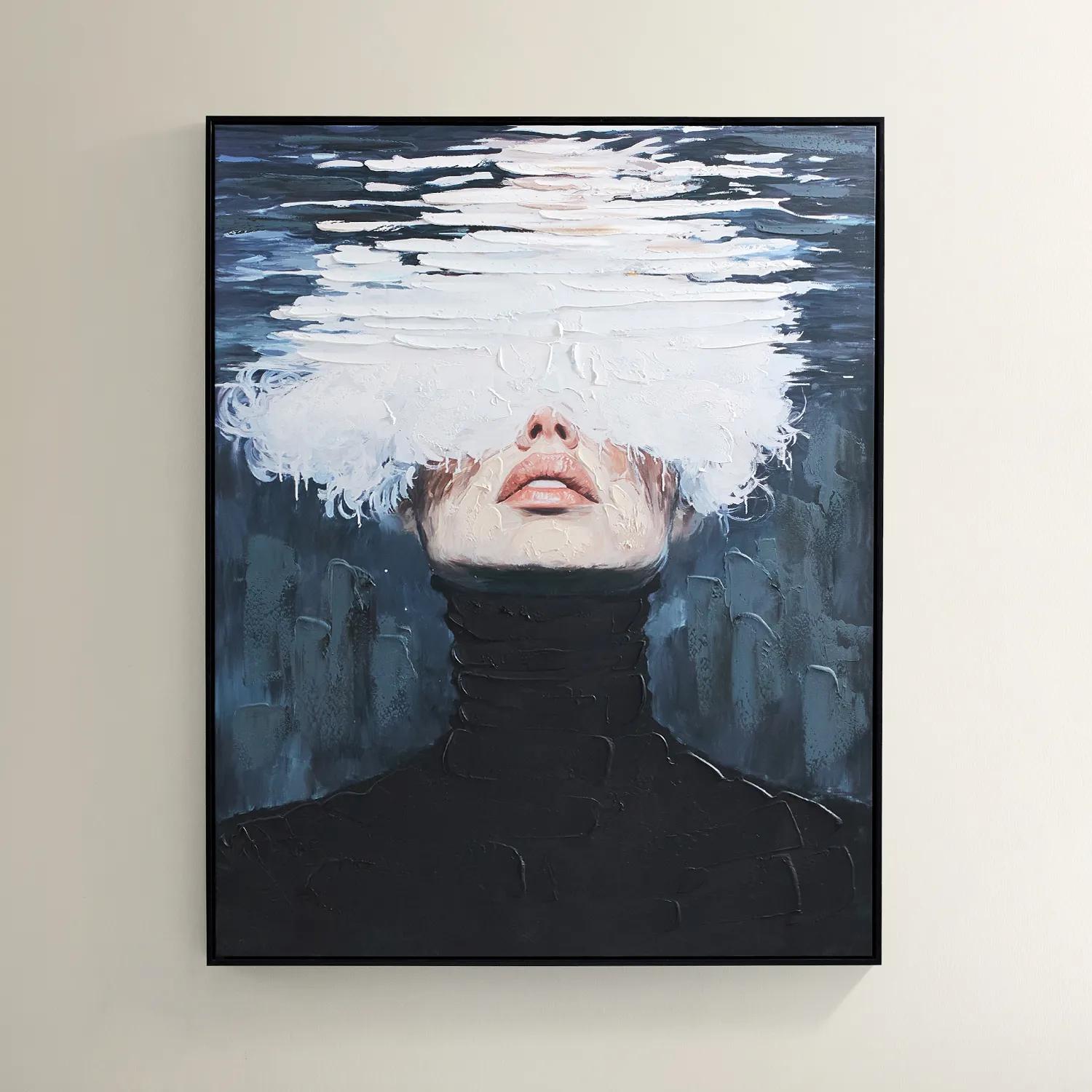
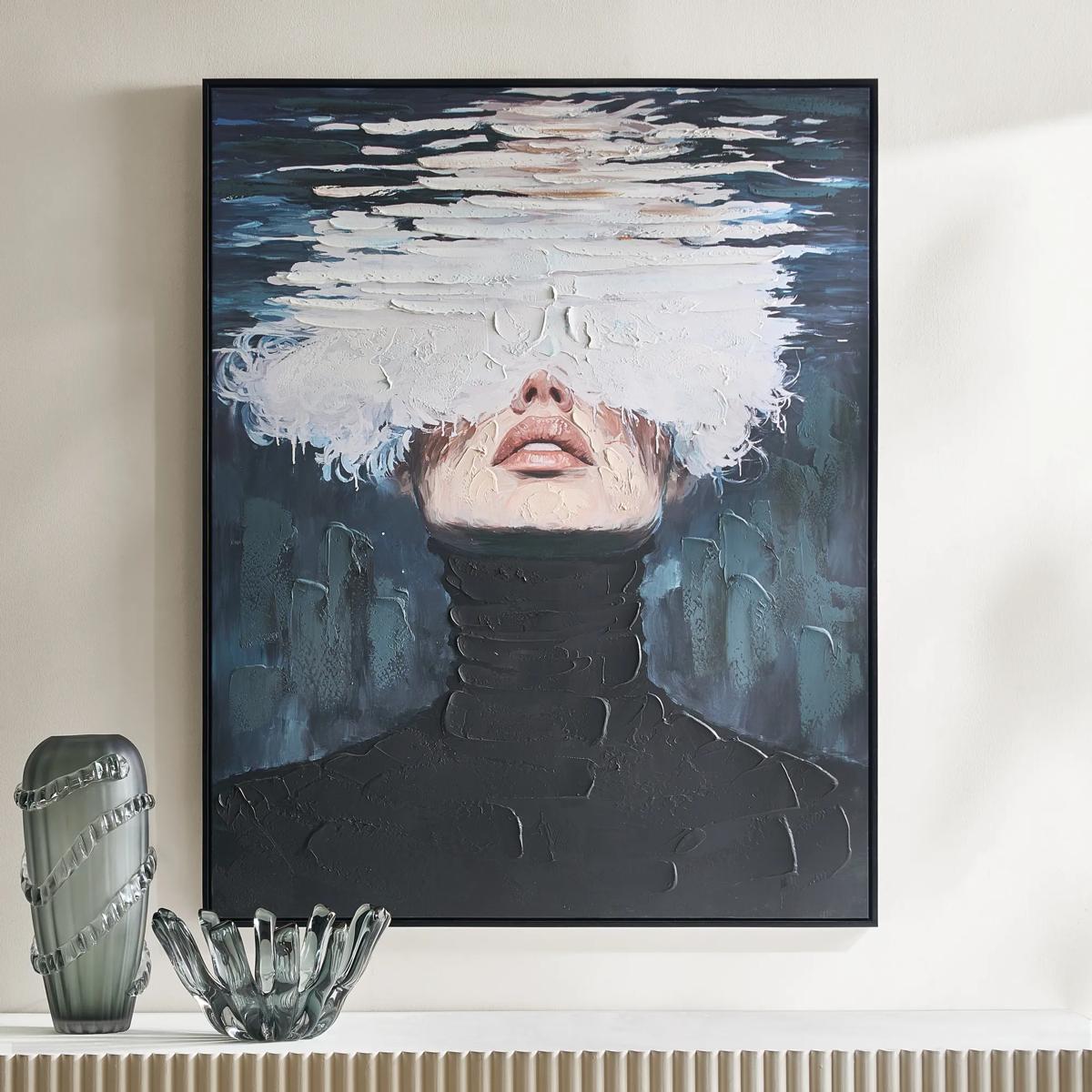 Submerged Framed Painted Wall Art 40" x 50"$599
A hand-painted canvas featuring a surreal portrait in black, blue, and white with a black floater frame.
Add To Cart -
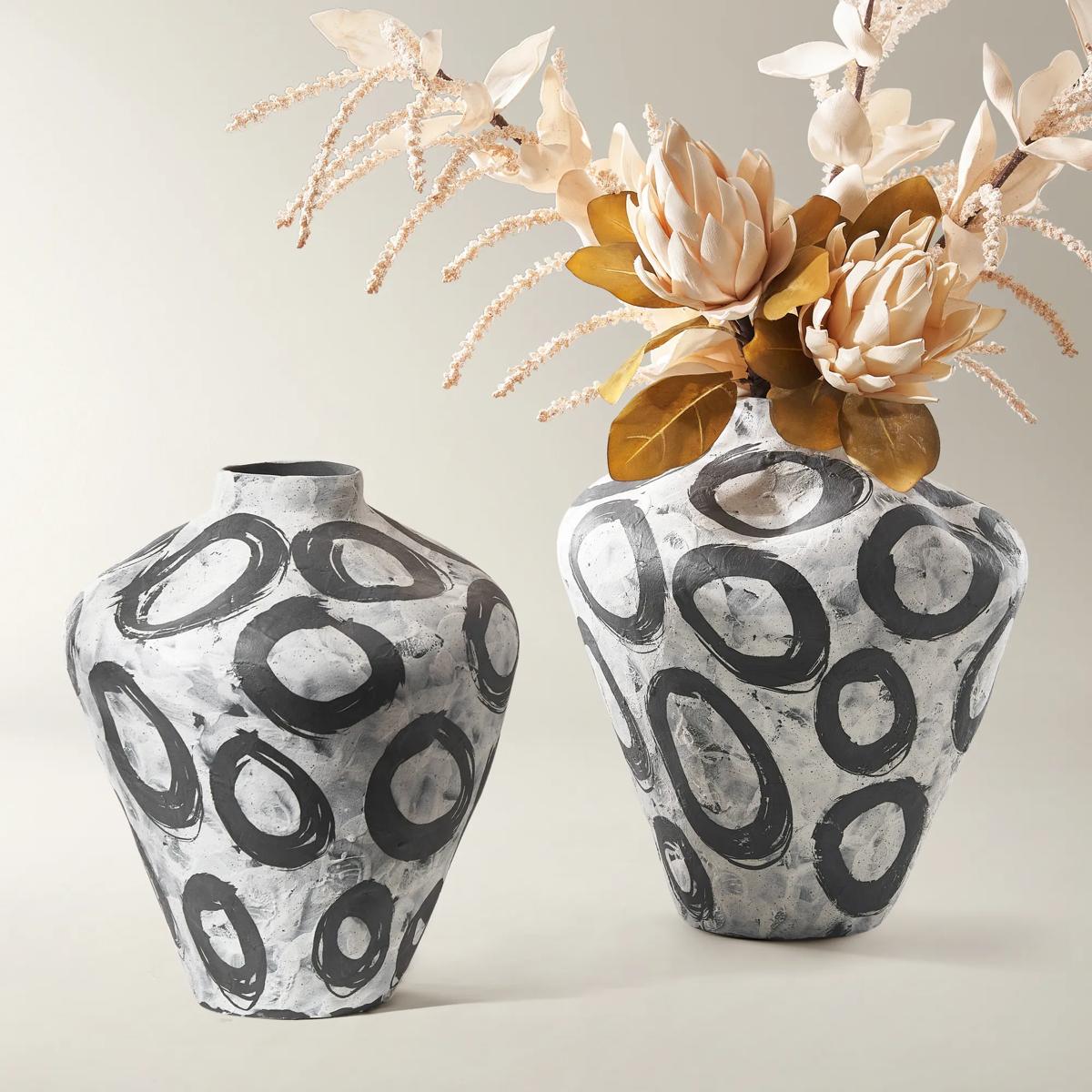
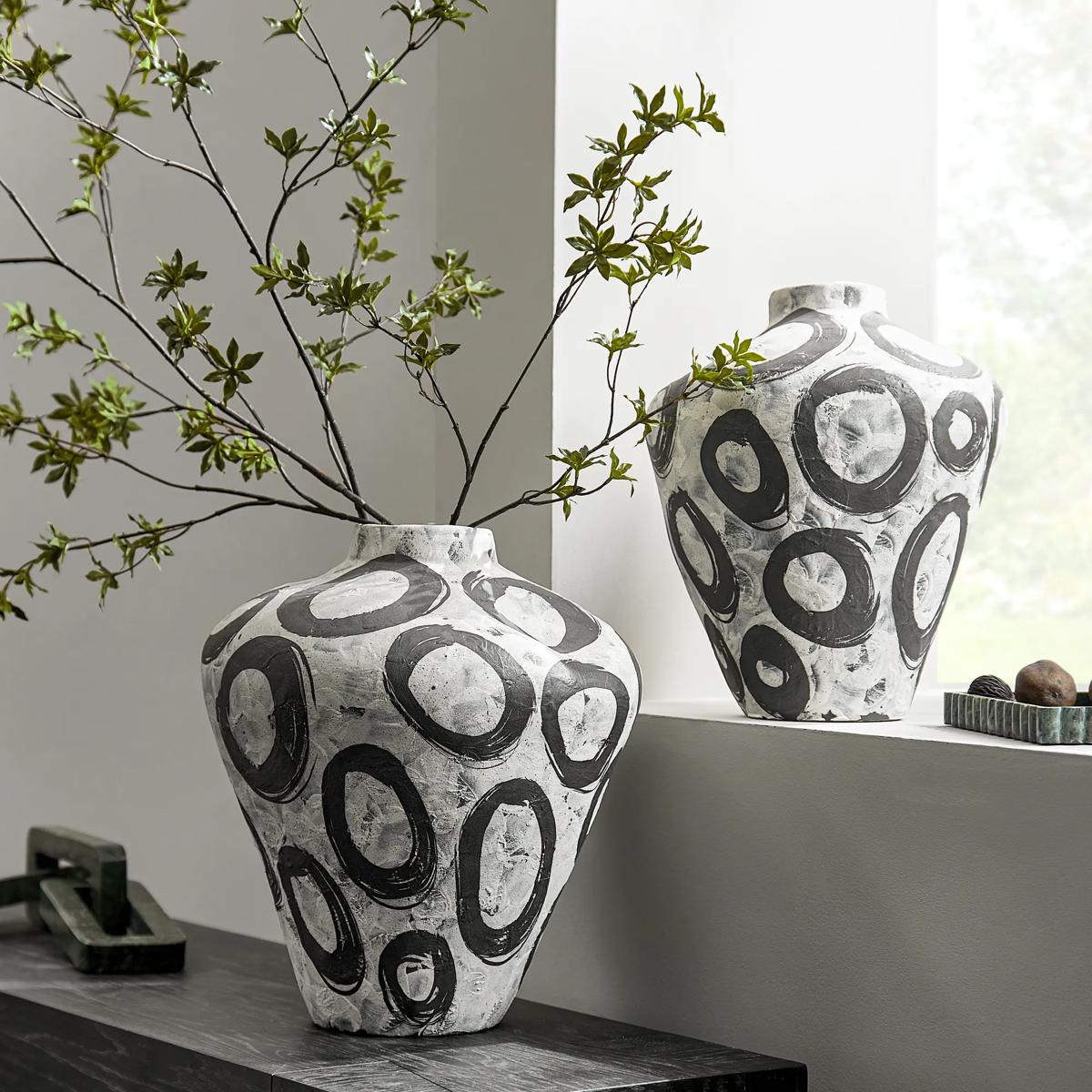 Stone Porcelain Vase$239
A sculptural porcelain vase featuring hand-painted black and white circular brushwork with a matte stone-like texture.
Add To Cart -
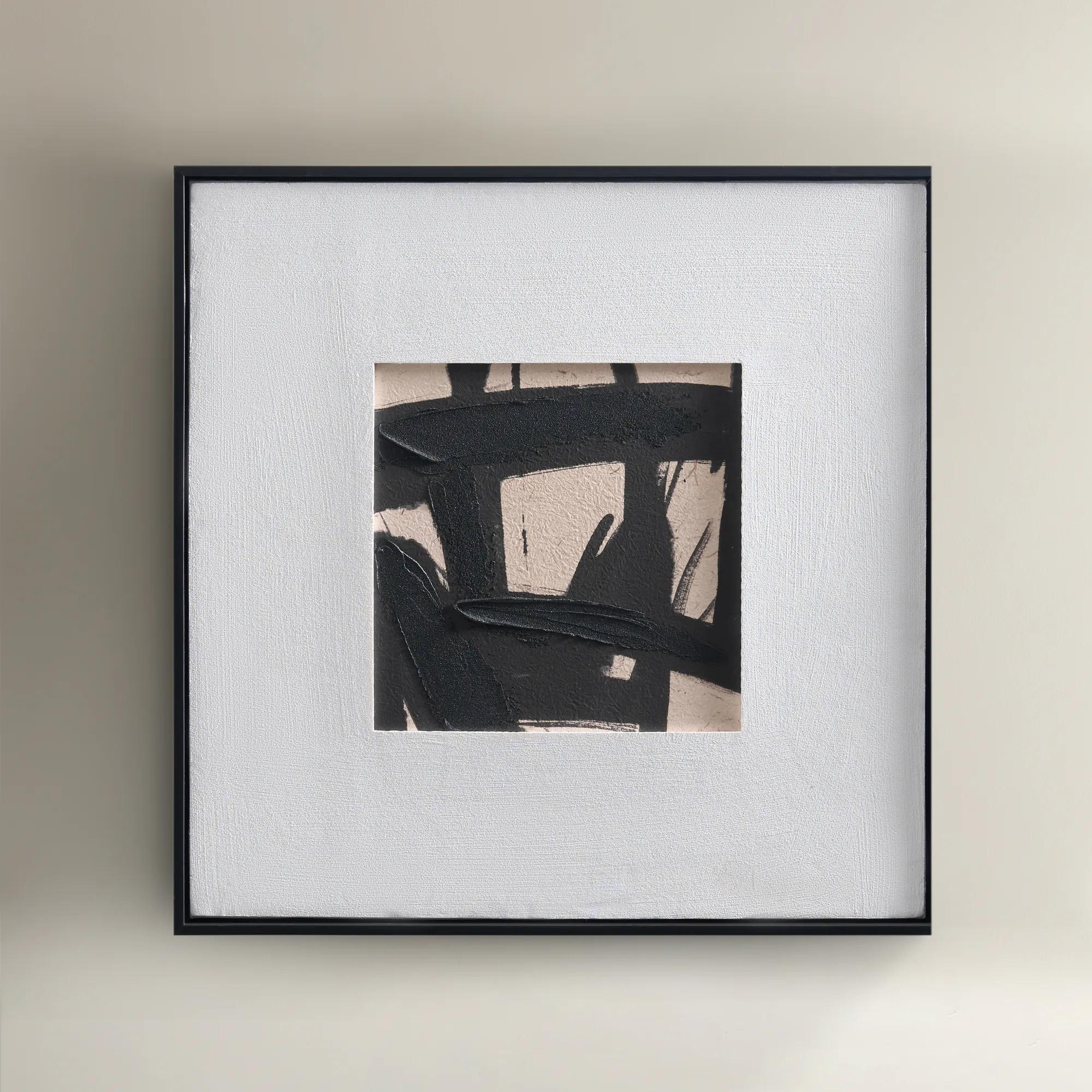
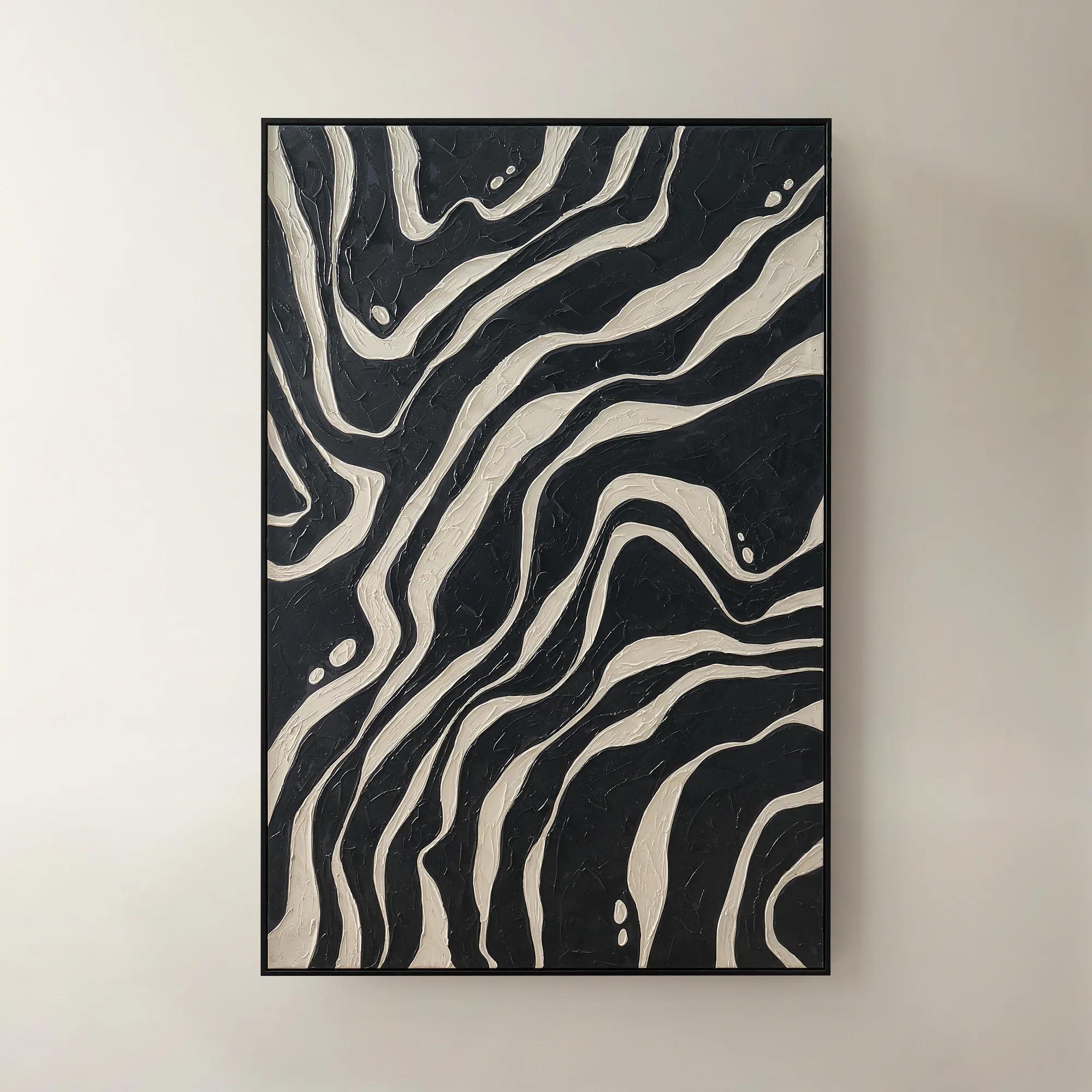
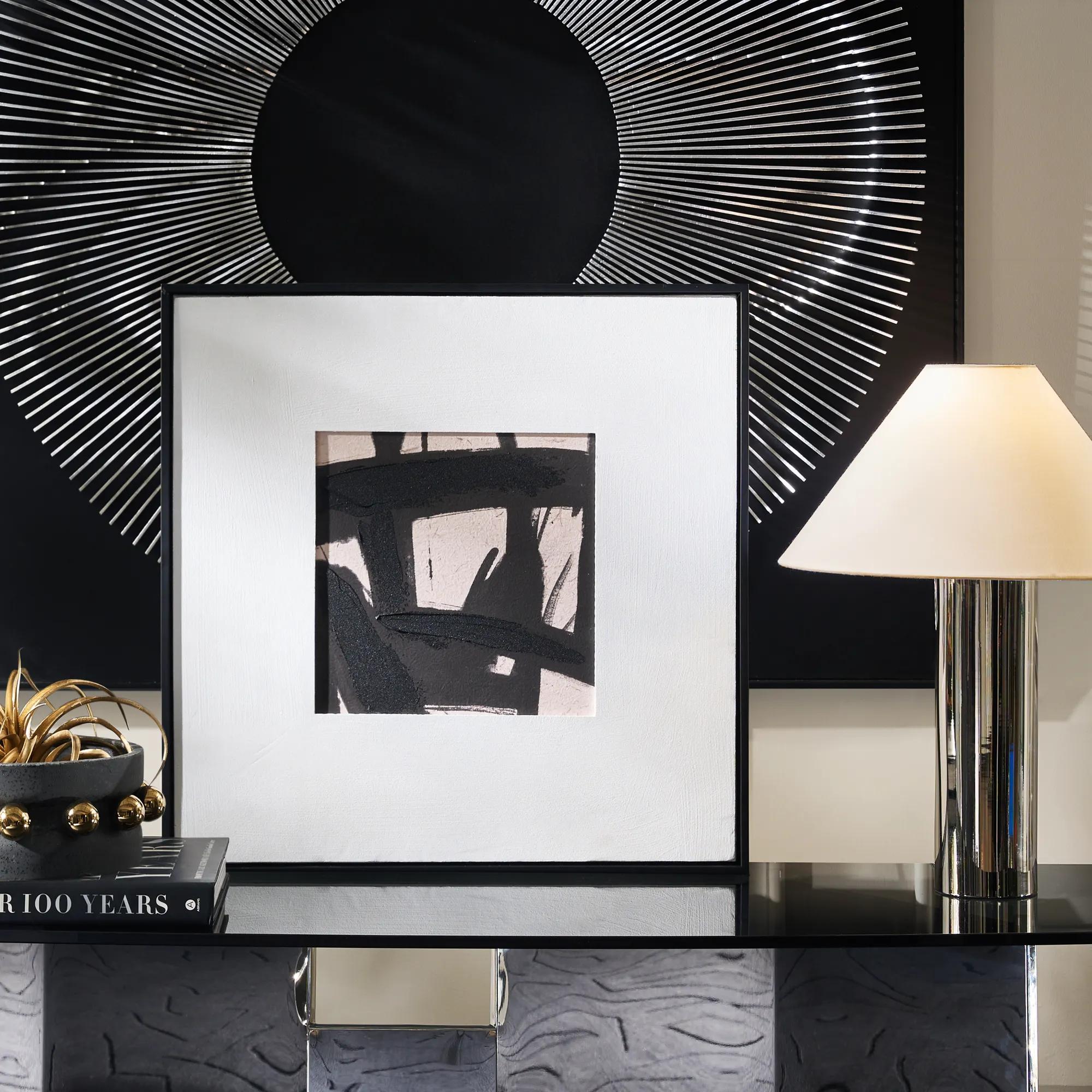 Ink Maze Painting$89
A hand-painted canvas featuring bold black and beige contrasts, set in a sleek black floater frame.
Add To Cart -
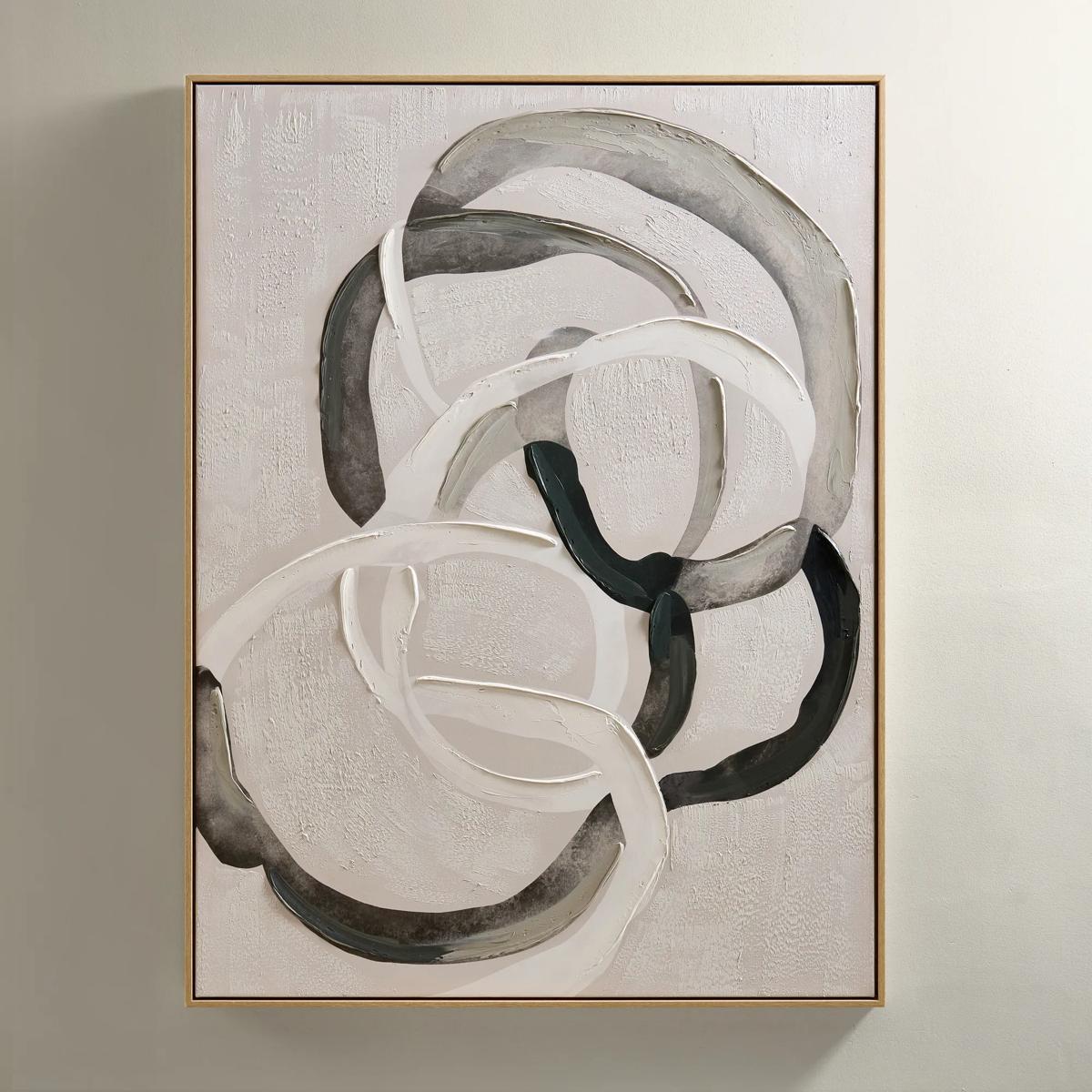
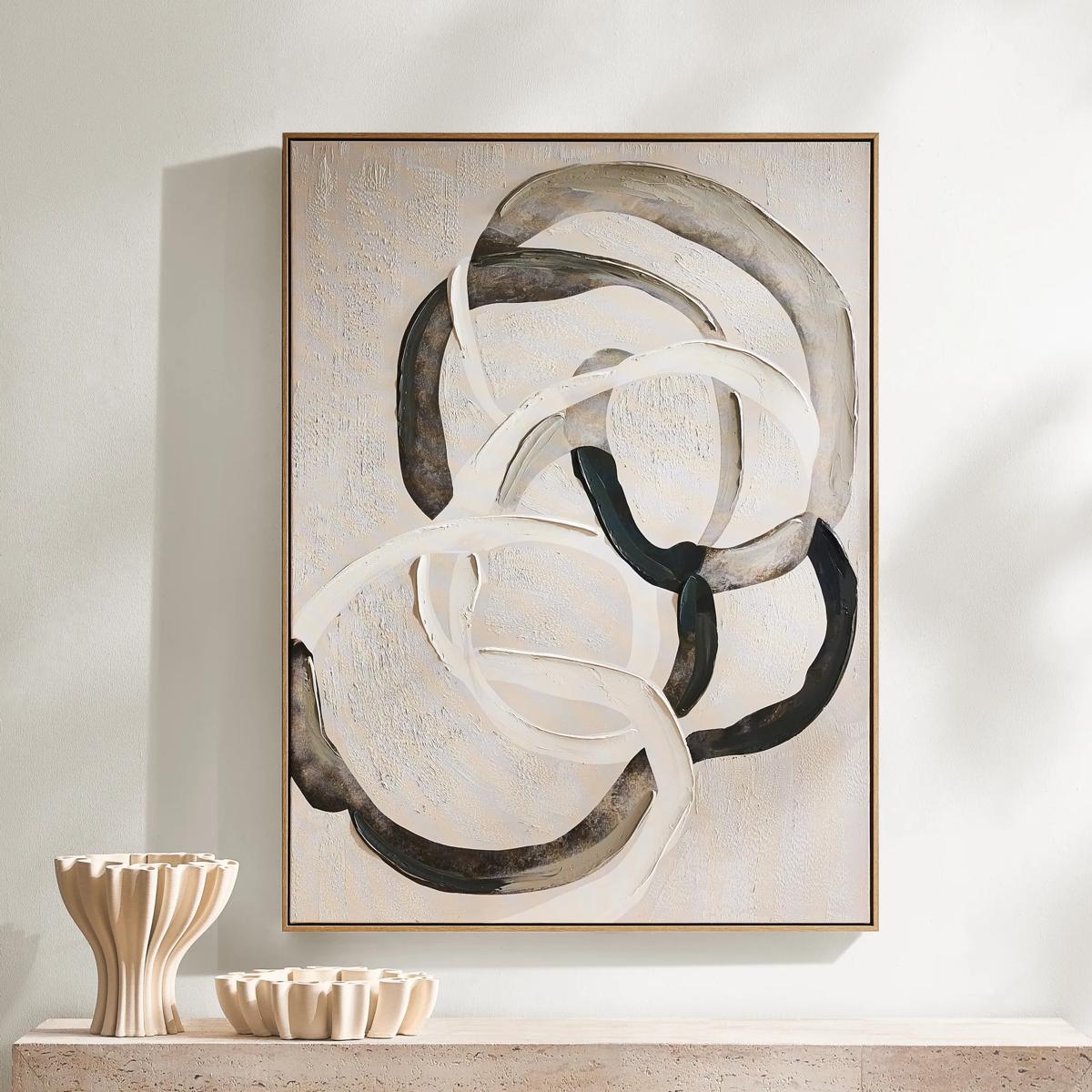 Round About Framed Painted Wall Art 35.25" x 47.25"$349
An abstract hand-painted canvas with tonal whites, charcoals, and taupes in a light wood floater frame.
Add To Cart -
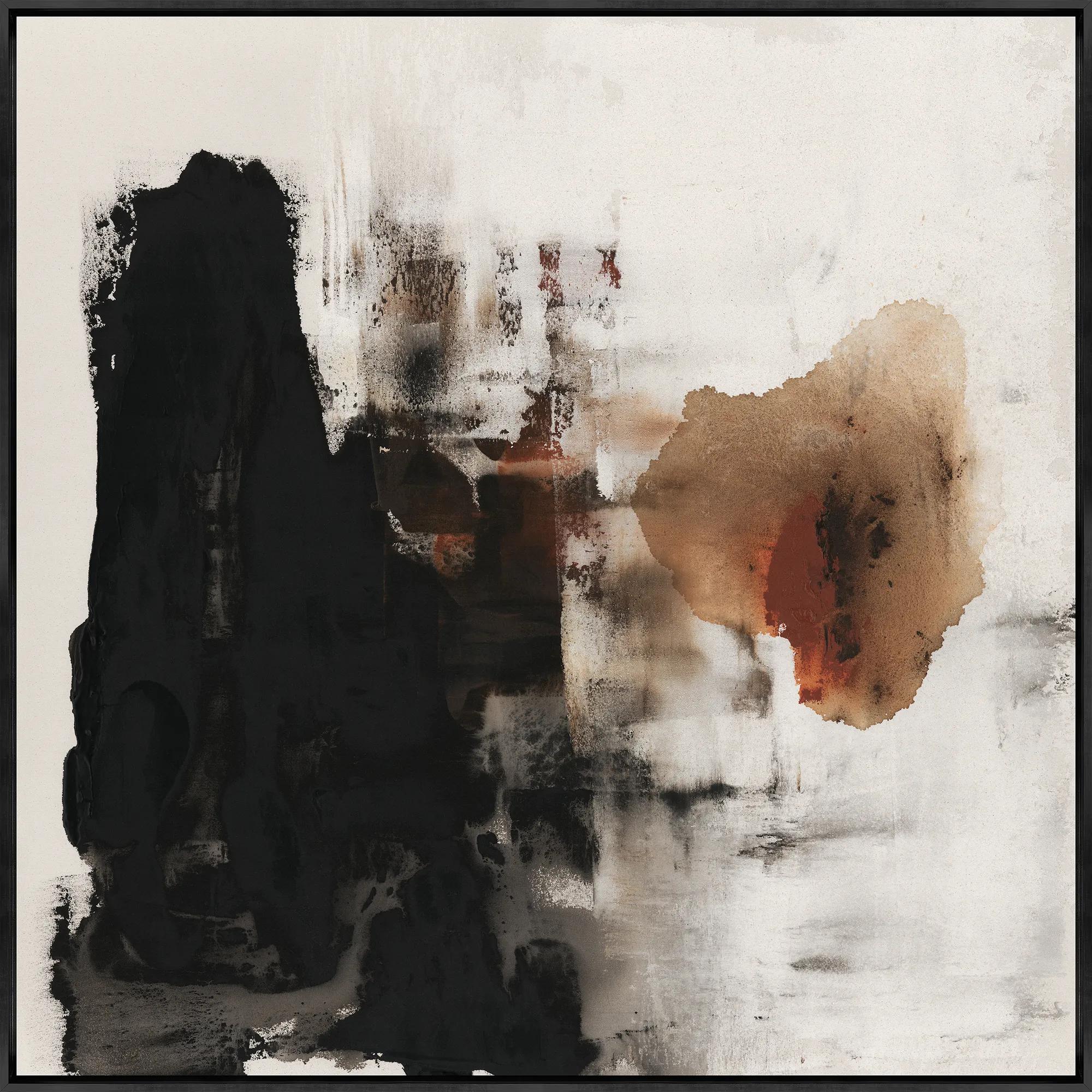 Burning for You I Framed Wall Art 40" x 40"$799
A gallery-wrapped canvas artwork with hand-applied brush gel, set in a sleek black floater frame.
Add To Cart -
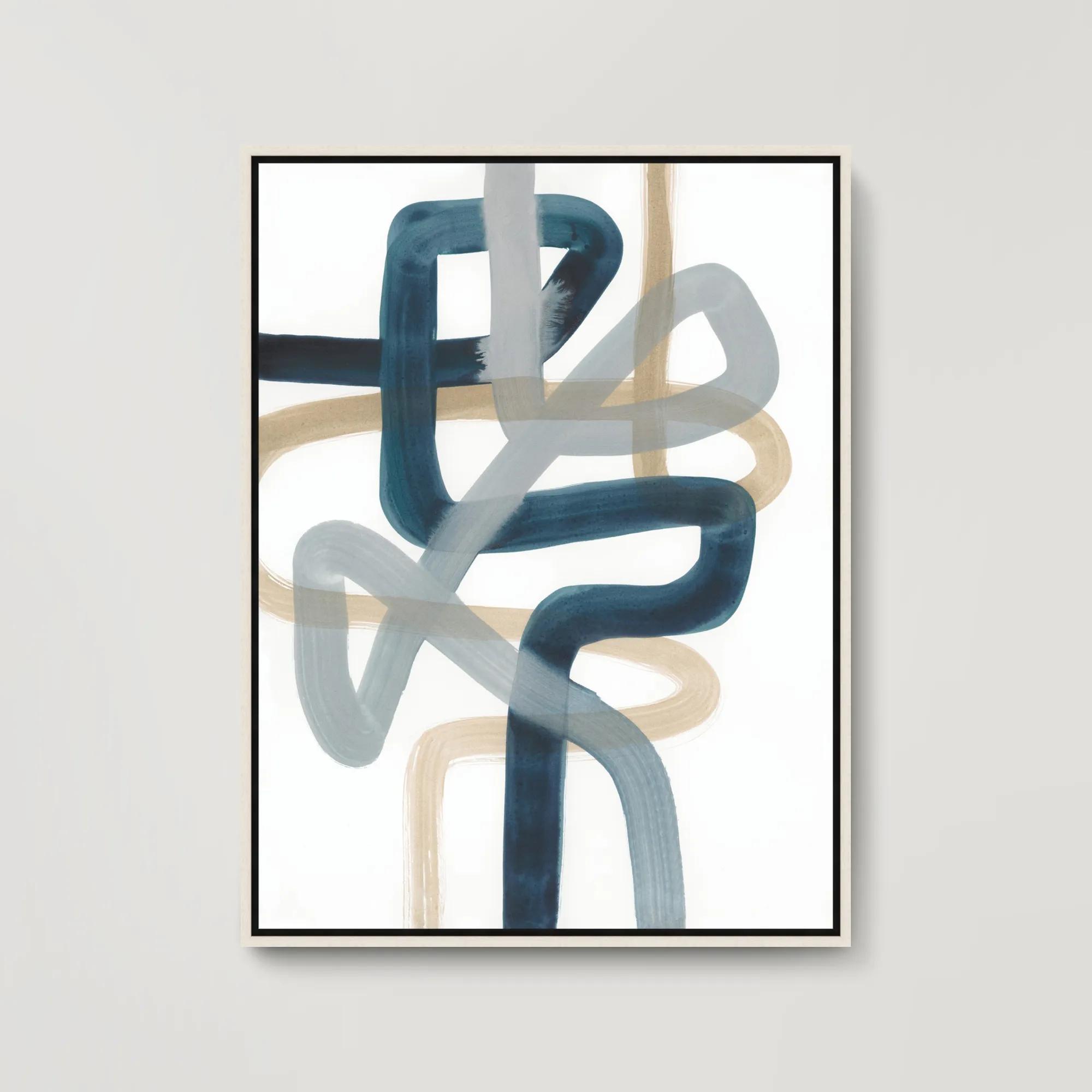
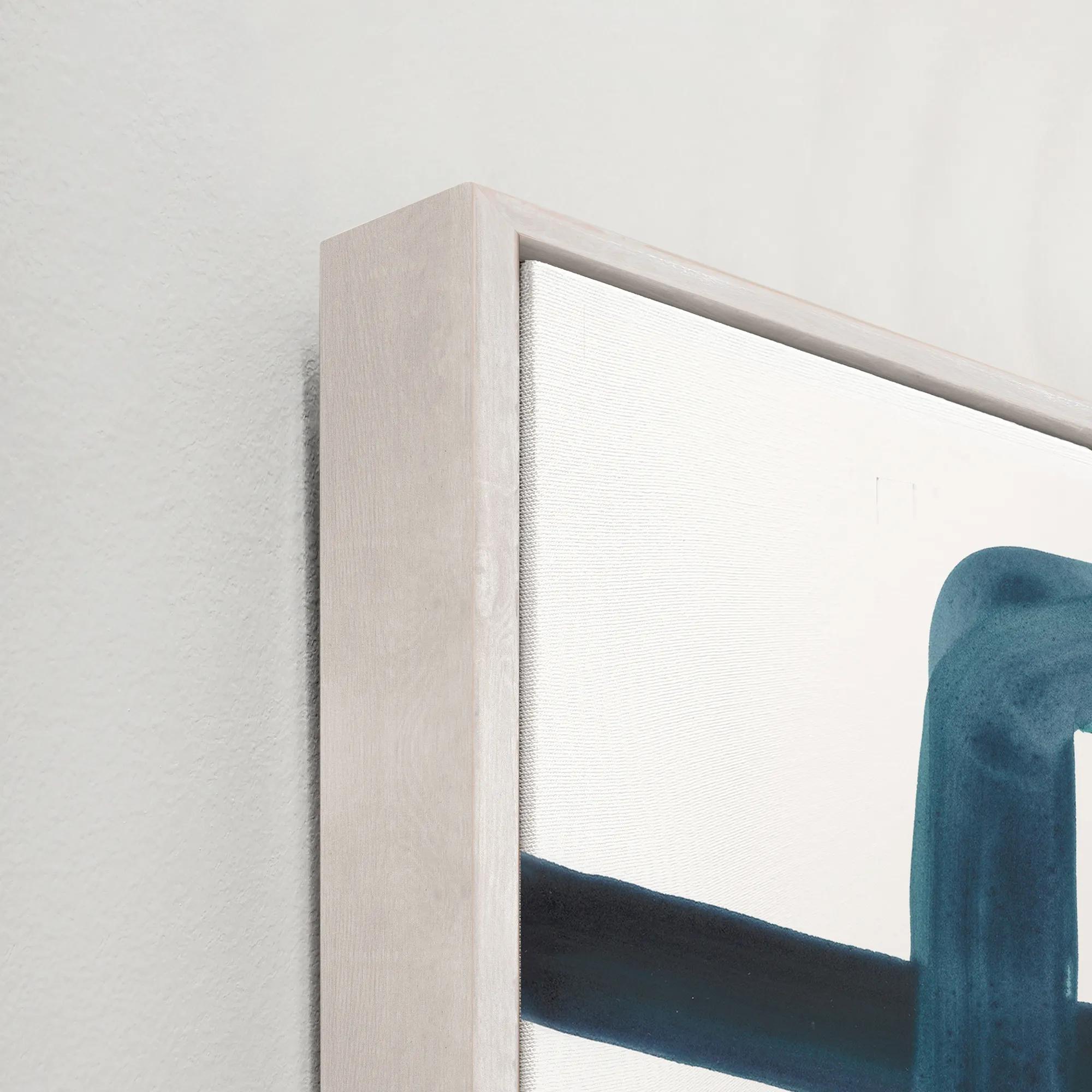 Looped In I Framed Wall Art 31.5" x 41.5"$699
A gallery-wrapped abstract canvas featuring hand-applied brush gel and a sleek white floater frame.
Add To Cart -
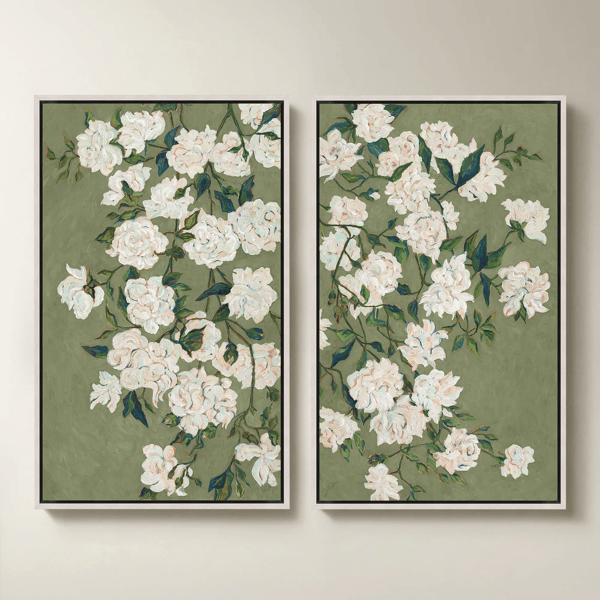
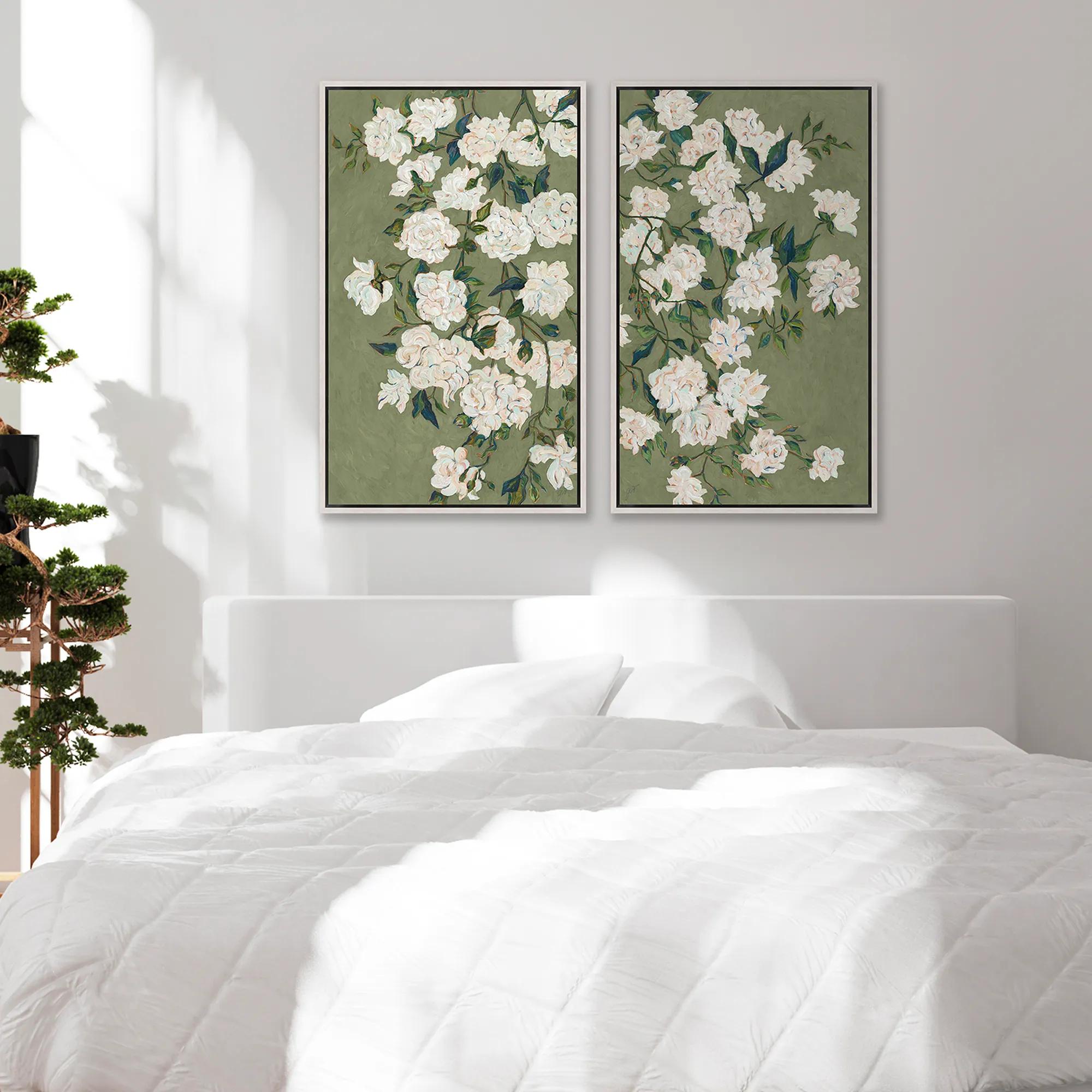 Verdi Vincent Framed Wall Art 21.5" x 41.5" Set of 2$949
A set of two gallery-wrapped fiber texture canvases in white floater frames for modern wall decor.
Add To Cart -
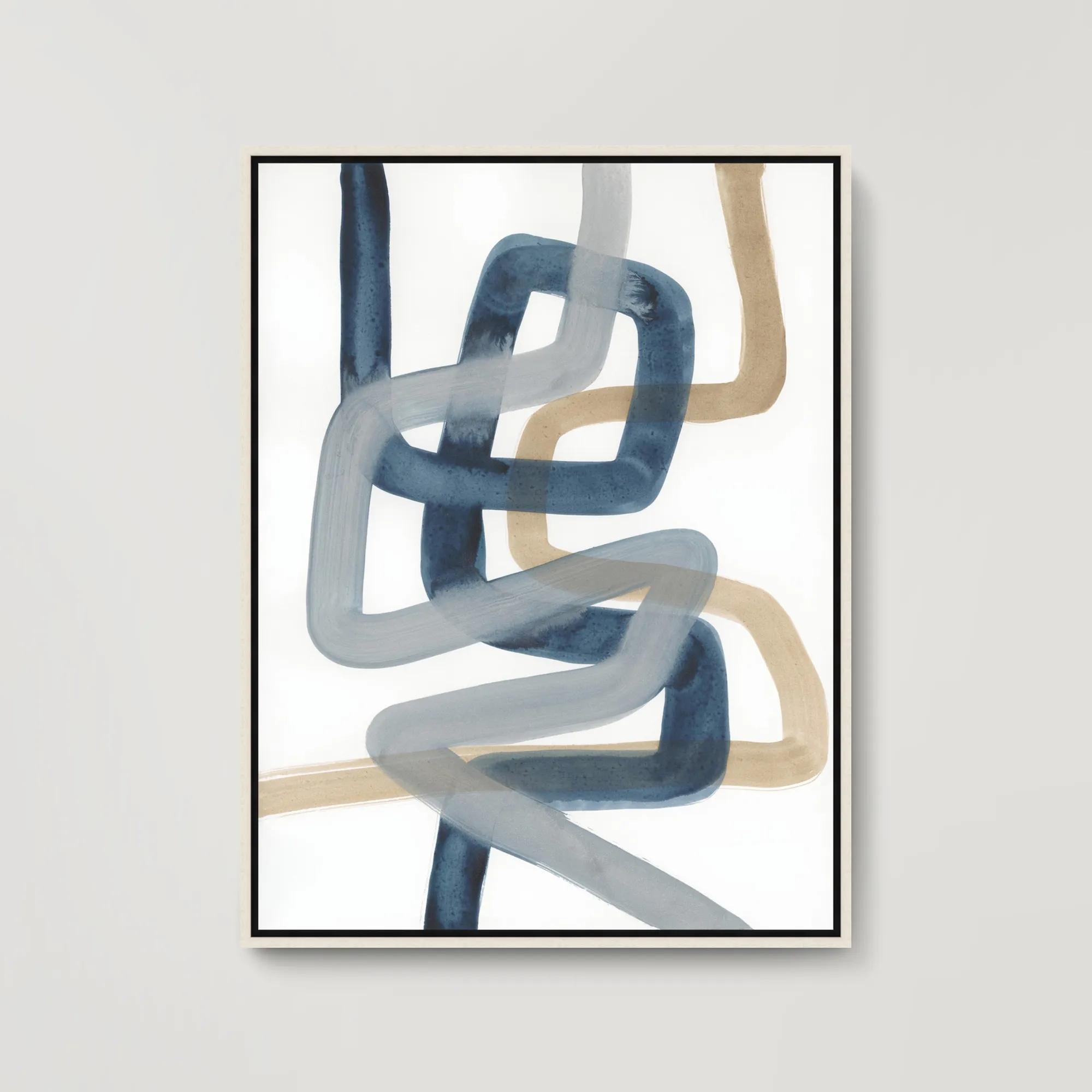 Looped In II Framed Wall Art 31.5" x 41.5"$699
A gallery-wrapped abstract canvas with hand-applied brush gel finish, set in a sleek white floater frame.
Add To Cart

Black And White Abstract Wall Art
Black and White Abstract Wall Art transforms any room into a gallery of modern intrigue, where bold contrasts and sweeping forms command attention. Each piece is a study in sophistication—monochrome palettes that evoke both drama and balance, inviting the eye to wander through striking lines and enigmatic shapes. Perfect for those who crave interiors with depth, artistry, and unapologetic flair, these works become more than décor; they are conversation starters that elevate your space from ordinary to extraordinary. Let your walls tell a story of daring expression and timeless elegance with Black and White Abstract Wall Art.
Black and white abstract wall art gives a room a distinct point of view through contrast, movement, and the expressive power of an edited palette. Sweeping brushwork can feel exuberant and spontaneous, while precise geometric forms bring a more architectural presence. Ink-like washes, fractured lines, and layered tonal fields offer different interpretations of the same two colors, from soft charcoal drifting across ivory to saturated black cutting decisively through luminous white. Without a literal subject to define the scene, the composition leaves room for personal interpretation: a gestural mark might suggest motion, a horizon, or simply the pleasure of an extraordinary shape. That openness makes abstract artwork especially compelling in spaces with their own strong personalities. Above a sumptuous velvet sofa, a broad monochrome composition introduces visual tension without competing with jewel-toned upholstery. Over a polished console, crisp lines can echo the furniture’s silhouette, while fluid forms soften the gleam of glass and metal. Even a room dressed entirely in neutrals gains dimension when pale walls meet deep, deliberate marks. The effect depends as much on the spaces between those marks as on the marks themselves. Generous white space gives sculptural furniture room to command attention; a densely worked composition adds richness to a wall that needs more presence. Black and white is not a single, uniform look, either. Warm cream backgrounds have a different relationship with brass and wood than bright whites paired with chrome or lacquer. Subtle gray passages can bridge those contrasts, creating a layered impression that feels considered rather than severe. For collectors drawn to expressive interiors, monochrome abstract art offers drama without requiring every surrounding detail to match. It can hold its own beside patterned textiles, anchor a colorful living room, or establish a restrained but commanding focal point in an entryway. The result is an atmosphere shaped by artistry, with a palette that allows texture, proportion, and individual taste to become equally visible.
The physical character of black and white abstract artwork is part of its appeal. Canvas introduces a woven surface that can lend printed or painted imagery a tactile quality, while artwork on paper often highlights the delicacy of fine lines, subtle washes, and carefully defined edges. Depending on the piece, the image may be reproduced as a print, developed with painted details, or created through layered mixed-media techniques; the material description helps distinguish visual texture from actual raised texture. That distinction matters when imagining how a work will look beyond a screen. A composition that appears dimensional in a photograph may have a smooth surface, while genuine relief can cast small shadows that change with the room’s lighting. Framing adds another expressive layer. A slender black frame gives the image a decisive boundary, a pale surround can extend its sense of openness, and a metallic finish introduces a measured flash of glamour. Matting creates breathing room around a work on paper, while a floating frame can emphasize the depth and edges of a canvas. Scale deserves the same attention as finish. A generously proportioned horizontal work above a sofa can unite the seating area, provided its overall width feels balanced against the furniture beneath it. A tall, narrow composition brings emphasis to a vertical stretch of wall, and a smaller framed work offers an intimate moment beside a reading chair or above a writing desk. Overall framed dimensions, not image dimensions alone, determine how much wall space the artwork will occupy. Coordinated black and white wall art sets offer another way to build visual rhythm, allowing related compositions to carry the eye across a wider arrangement. Consistent spacing helps those individual works read as a connected whole. In an open-plan interior, repeated tones or complementary gestures can create continuity between living and dining areas without making every wall feel identical. The most persuasive arrangements respond to the room’s proportions and sightlines, giving each composition enough space for its details to register.
Designed primarily for visual enjoyment in interior spaces, black and white abstract wall decor can bring energy to a gathering room, composure to a bedroom, or an assured creative presence to a home office. Broad, fluid gestures may suit a space intended for conversation and entertaining, while quieter tonal transitions can complement a bedroom where upholstered surfaces and layered fabrics set a softer mood. In a dining room, an expressive monochrome work provides a striking backdrop for candleholders, reflective serveware, and richly textured chairs without dictating the table’s color story. Placement also influences how the artwork is experienced and how well its materials endure. Across from a large window, glazing may reflect the view and obscure delicate details; on a wall receiving prolonged direct sunlight, paper, pigments, and other components may be more vulnerable to fading or discoloration. Protective glazing can help when specified, but it does not make every placement suitable. A dry interior location away from splashes, cooking residue, and pronounced humidity changes is generally more accommodating to fine art materials than a bathroom or a wall beside a cooktop. Secure installation depends on the artwork’s weight, its hanging hardware, and the wall construction, particularly for oversized or glazed pieces. Care should follow the maker’s directions, since a textured painted surface, an unglazed print, and a framed work behind acrylic call for different handling. Gentle dusting with an appropriate soft, dry cloth may suit the frame, while artwork surfaces should not be scrubbed or treated with household sprays. When cleaning approved glazing, applying a suitable cleaner to the cloth rather than directly to the frame helps limit moisture near the edges. These practical details preserve the pleasure of the piece without diminishing its sense of occasion. Abstract monochrome art can also make a thoughtful housewarming or wedding gift for someone whose taste favors expressive design, especially when the size and framing suit a known space. Whether chosen to mark a new home or to give a familiar room a bolder identity, its lasting appeal lies in the interplay of confident contrast, intriguing form, and the personal meaning a viewer brings to it.
FAQs
Black and white abstract wall art is a chameleon in the world of interiors, effortlessly complementing a range of styles—from modern minimalism and urban lofts to classic glamour and eclectic mixes. Its monochrome palette creates a striking focal point, whether set against rich jewel tones, layered neutrals, or metallic accents. The artwork’s versatility allows it to anchor a dramatic living room, add edge to a serene bedroom, or lend sophistication to an entryway vignette.
Start by curating a collection of black and white abstracts with varying compositions—think bold brushstrokes, geometric forms, and delicate linework. Arrange your pieces on the floor first to experiment with spacing and order, then hang them at eye level, allowing for a mix of horizontal and vertical orientations. To add dimension, incorporate mirrors, metallic frames, or sculptural objects. The result is a layered, expressive gallery wall that tells your unique story.
Absolutely. Black and white abstract art makes a memorable and meaningful gift for housewarmings, weddings, anniversaries, or milestone birthdays. Its timeless color palette and expressive forms appeal to a wide range of tastes, ensuring your gift becomes a cherished centerpiece in the recipient’s home. Each piece is a sophisticated gesture that celebrates both artistry and individuality.
Lighting is essential in showcasing the depth and detail of black and white abstract art. Natural daylight reveals subtle textures and brushwork, while ambient or accent lighting—such as picture lights or sconces—can create dramatic shadows and highlights. Consider placing your artwork where it will be bathed in soft, golden glow during the day, then accentuate its presence with focused lighting in the evening for a gallery-inspired effect.
Yes, black and white abstract art can be transformative in small spaces. A single striking piece can make a petite entryway or powder room feel curated and intentional, while a series of smaller works adds rhythm without overwhelming the area. The monochrome palette visually expands the room, creating a sense of openness and sophistication that transcends the space’s dimensions.