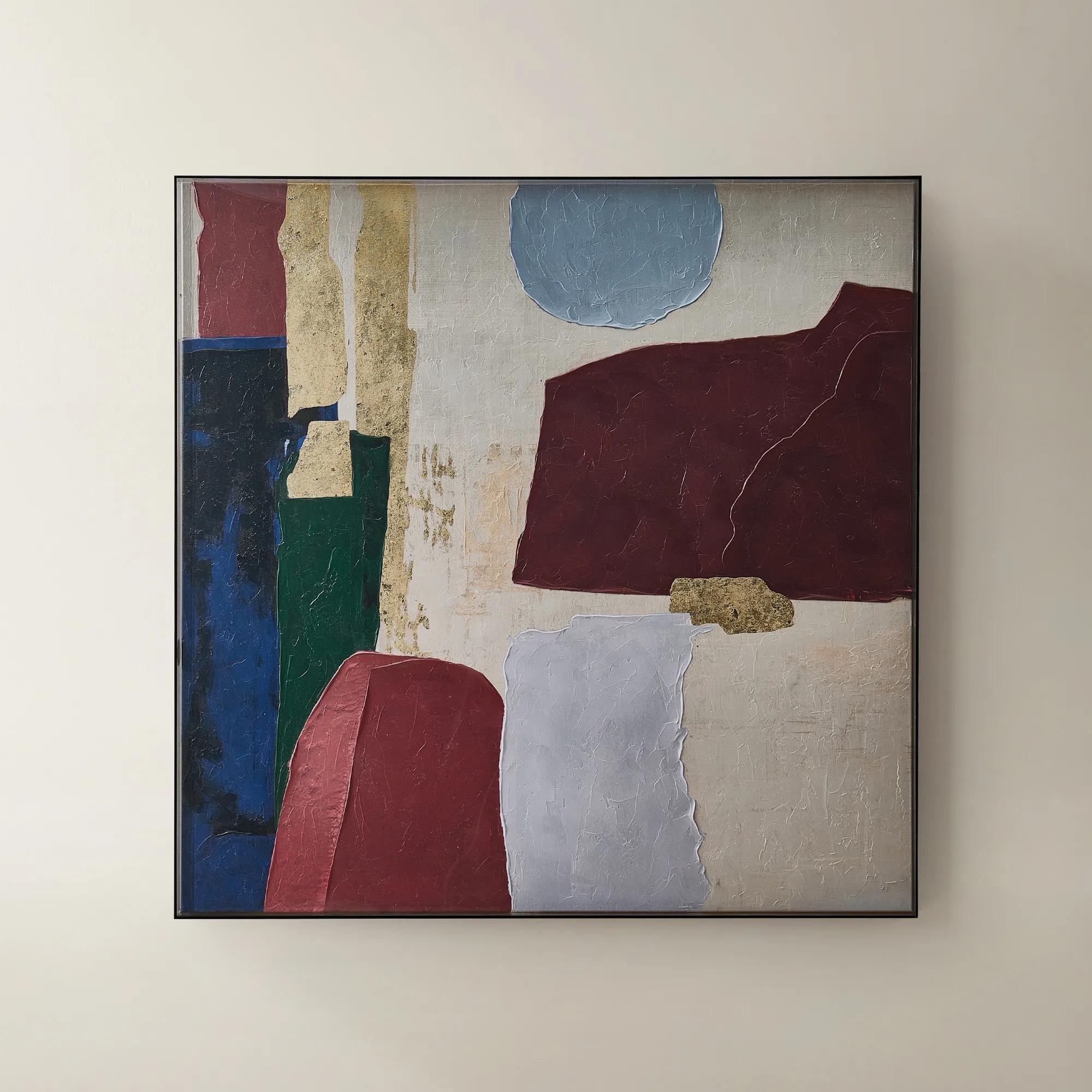
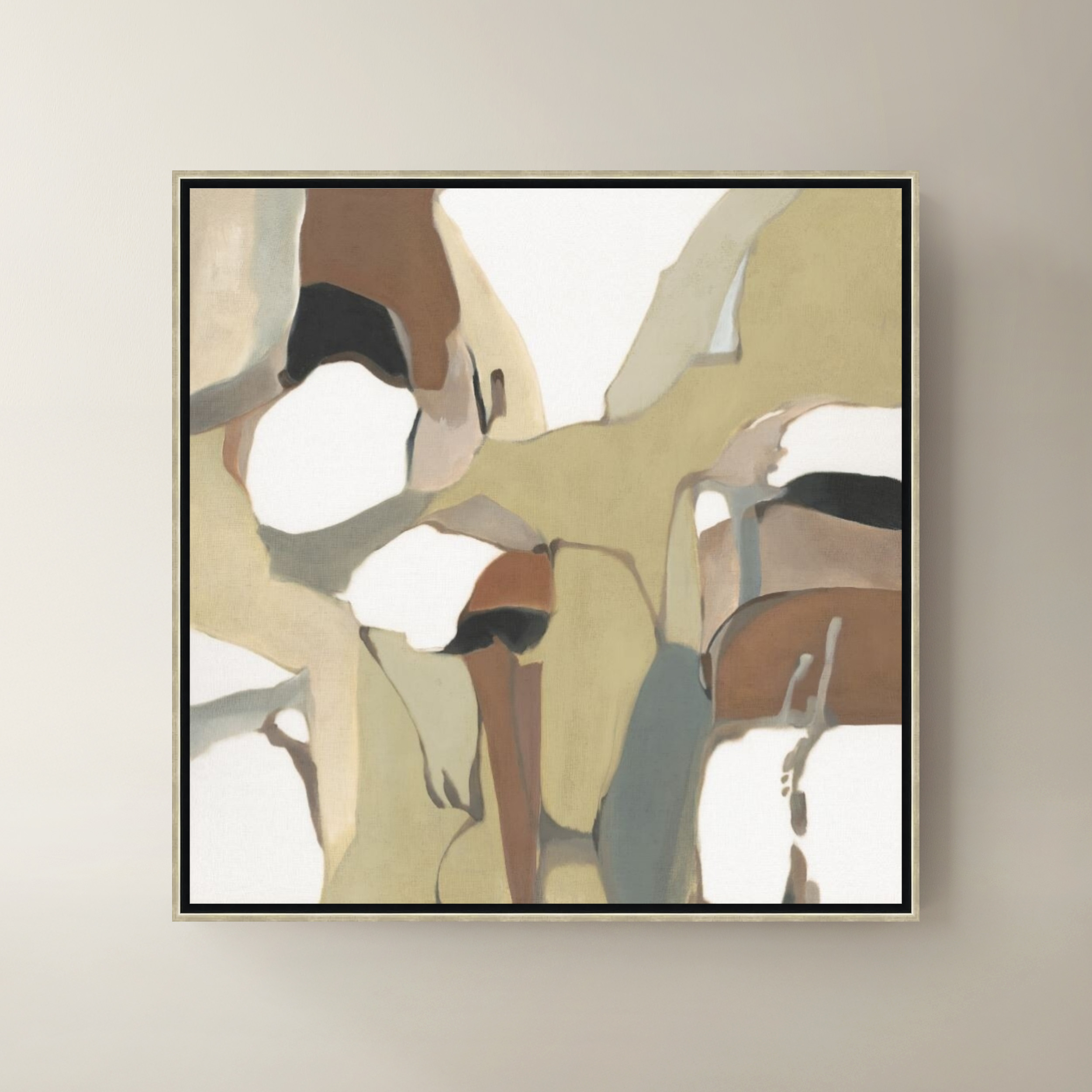
Abstract Wall Art Sets
Abstract Wall Art Sets
-
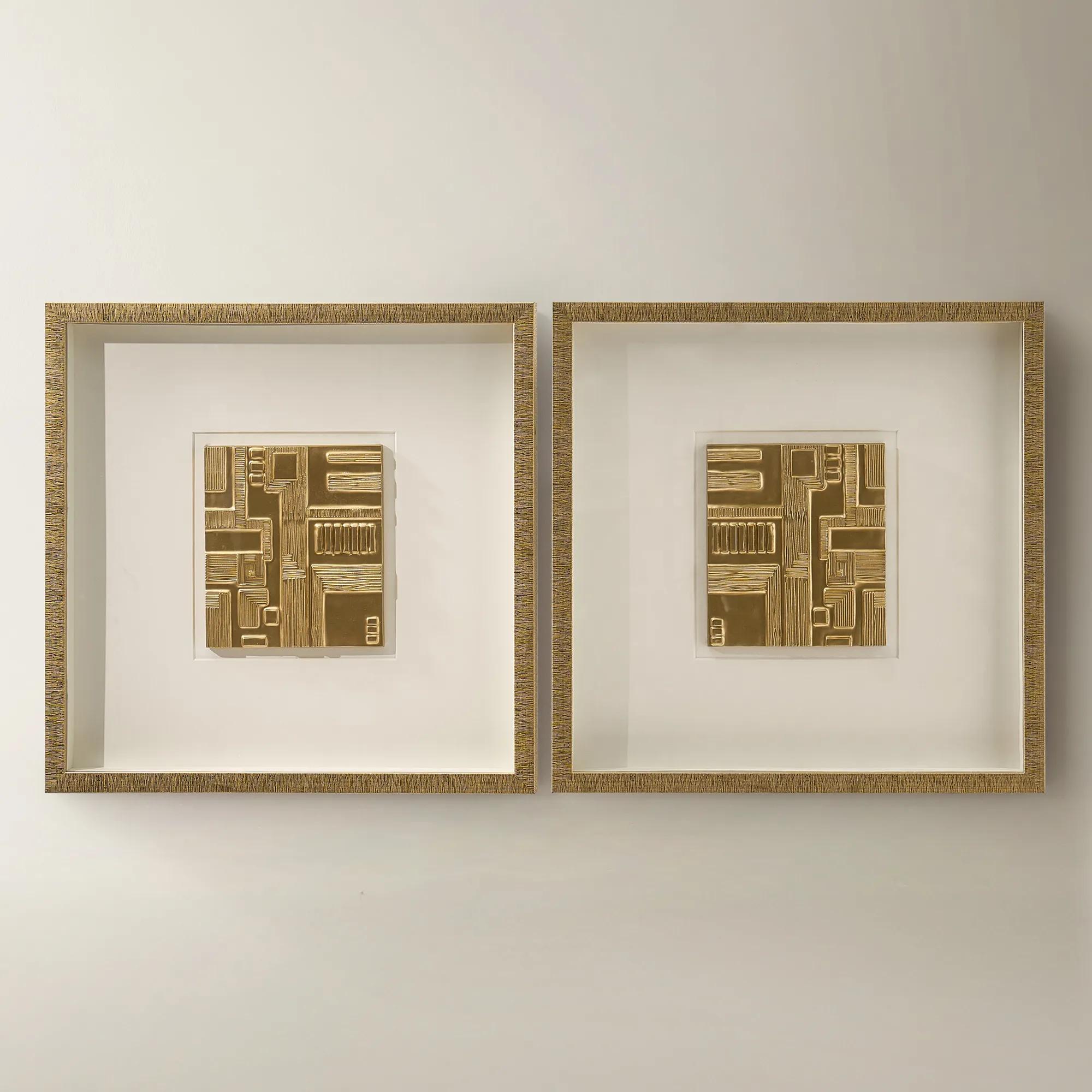
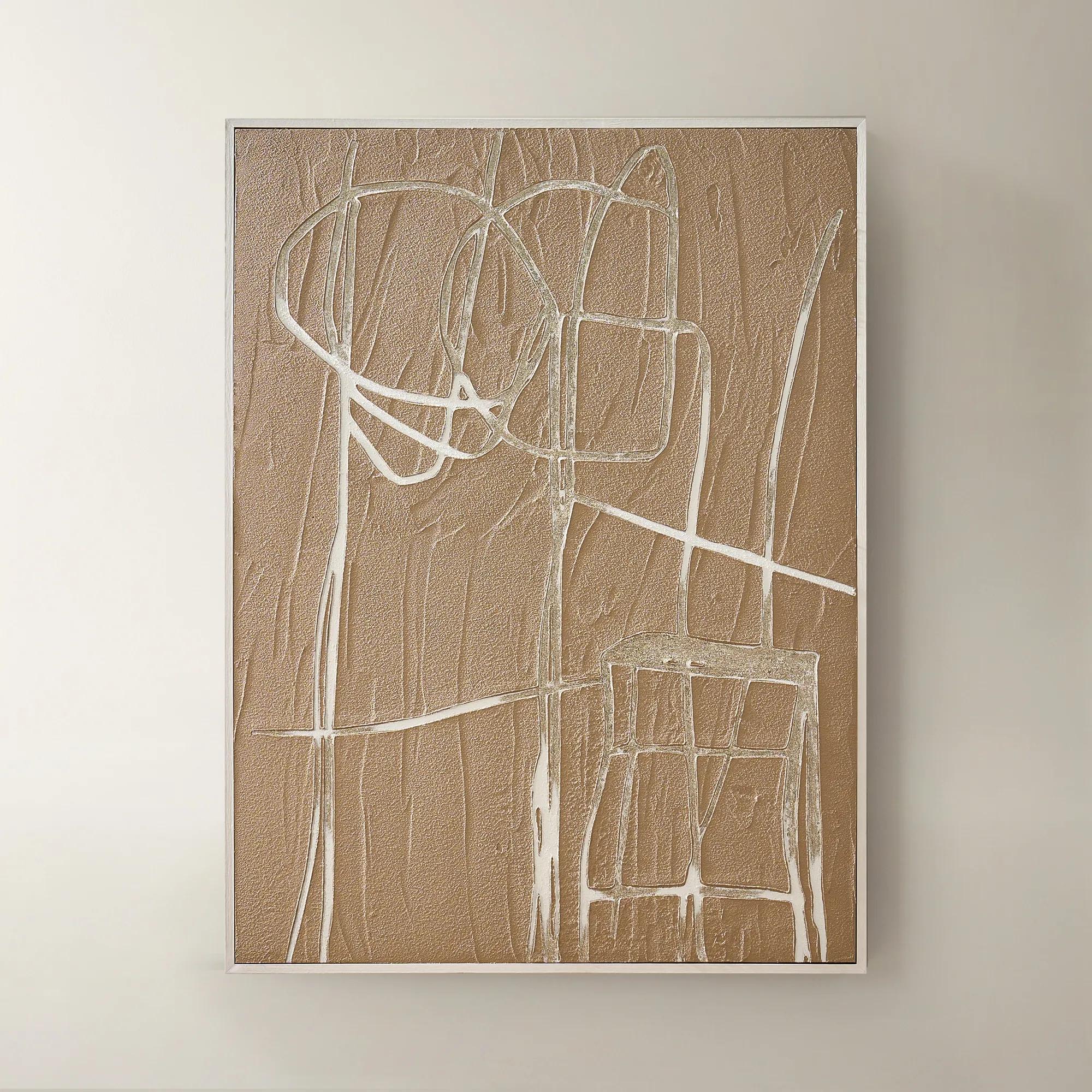
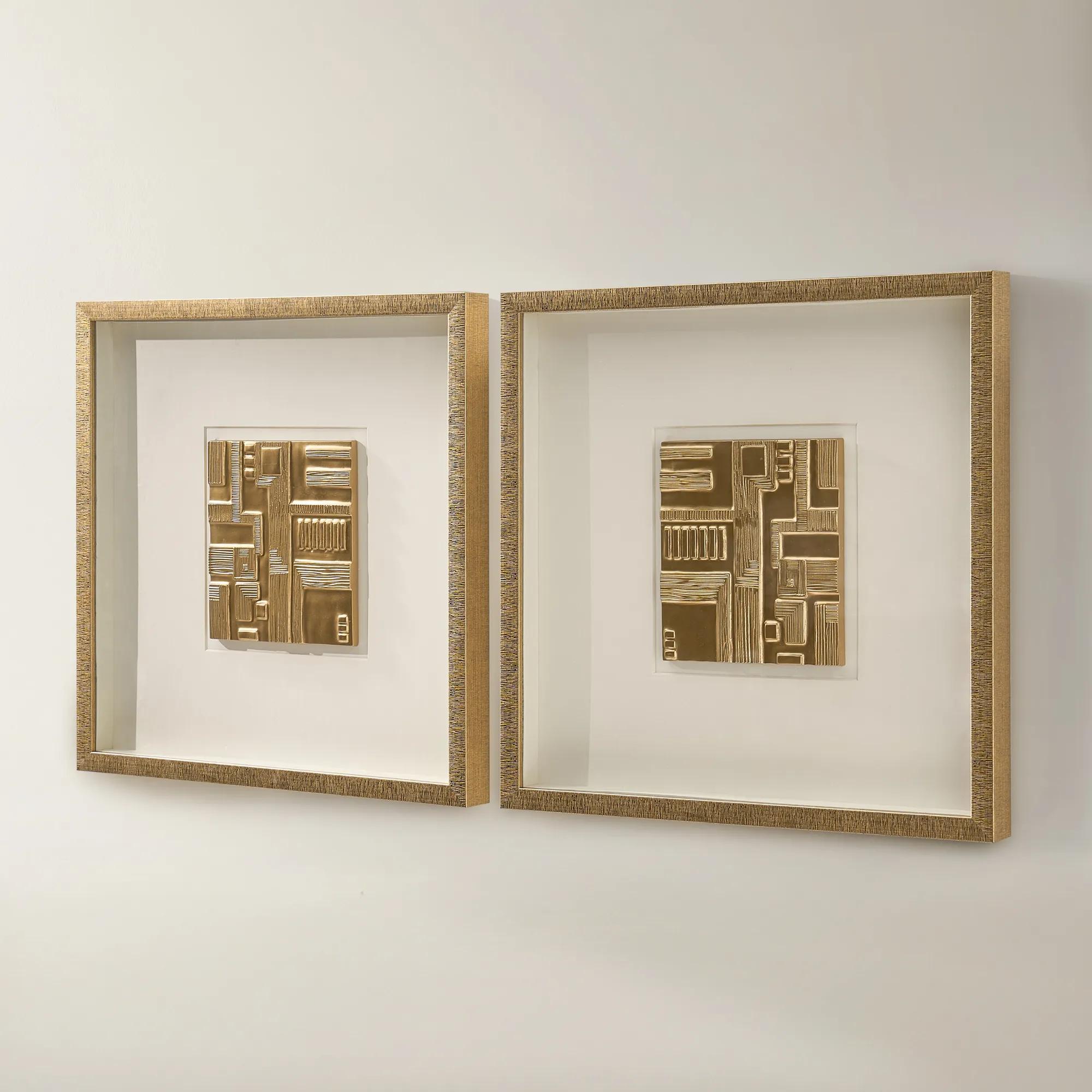 Ritual Framed Woodcarving Wall Decor Set of 2$329
A set of two gold-framed woodcarvings with ivory mats and dimensional relief for gallery-style wall decor.
Add To Cart -
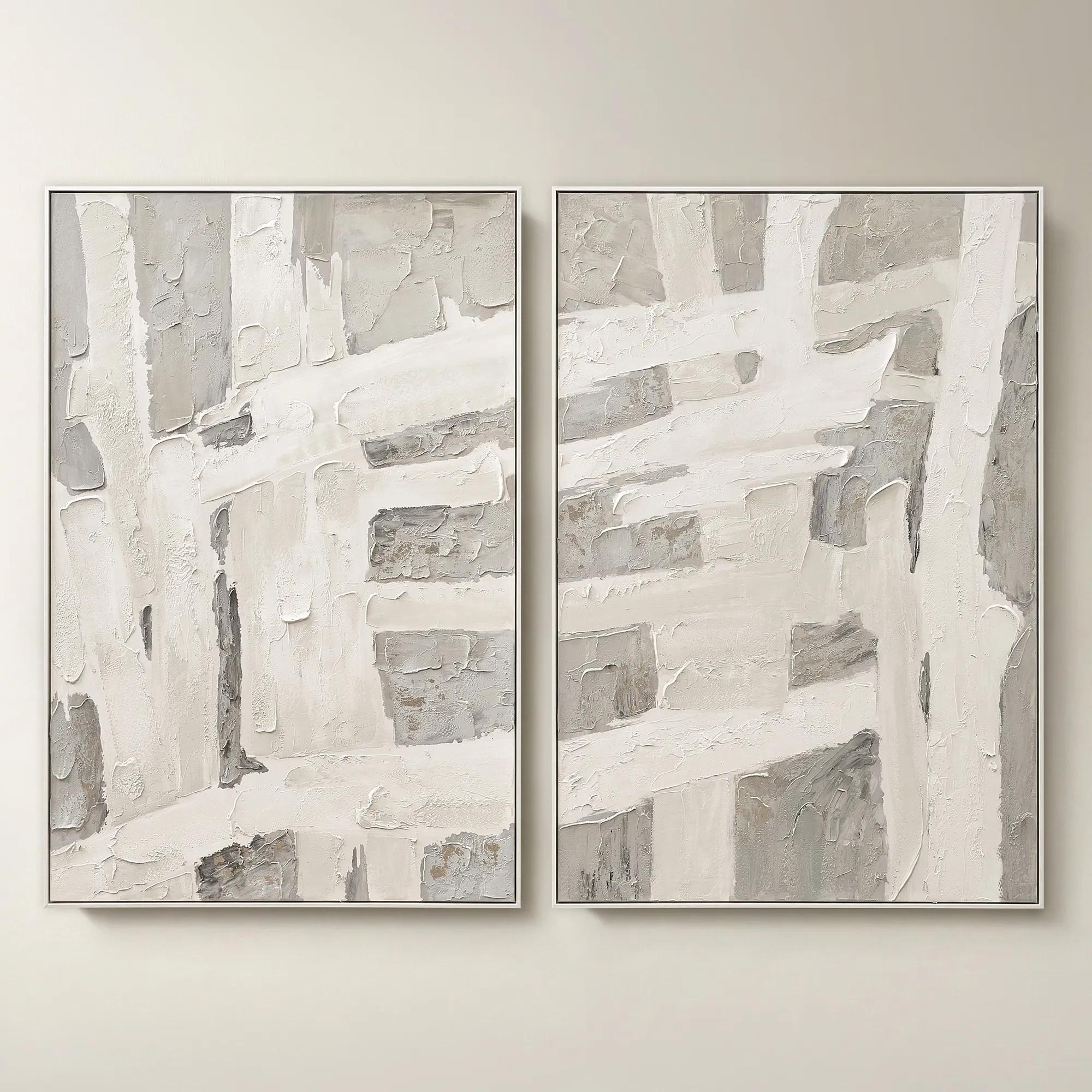 Traverse Framed Painted Wall Art 40" x 60" Set of 2$799
A hand-painted abstract diptych features champagne accents and soft grey, pearl, and alabaster tones in white frames.
Add To Cart -
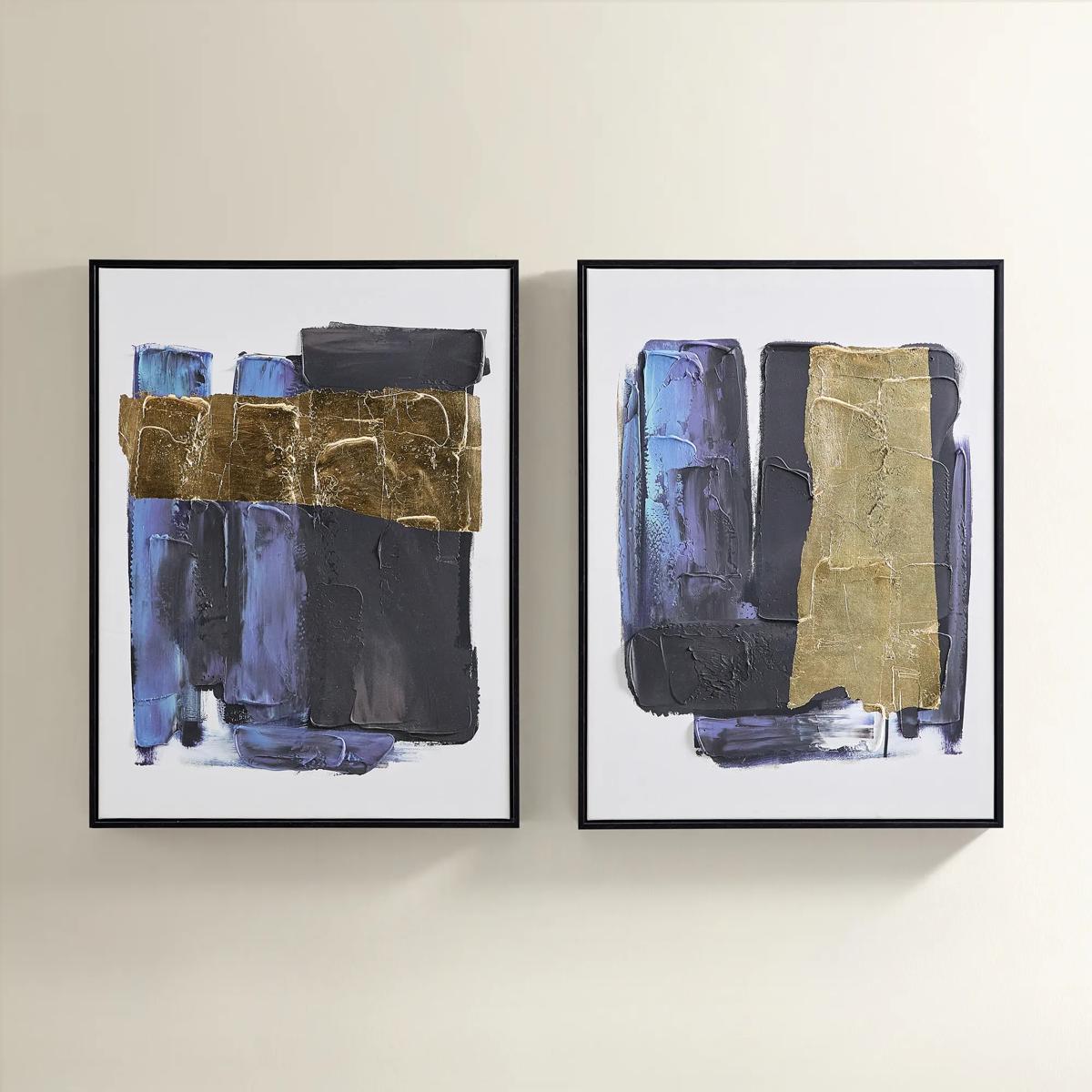
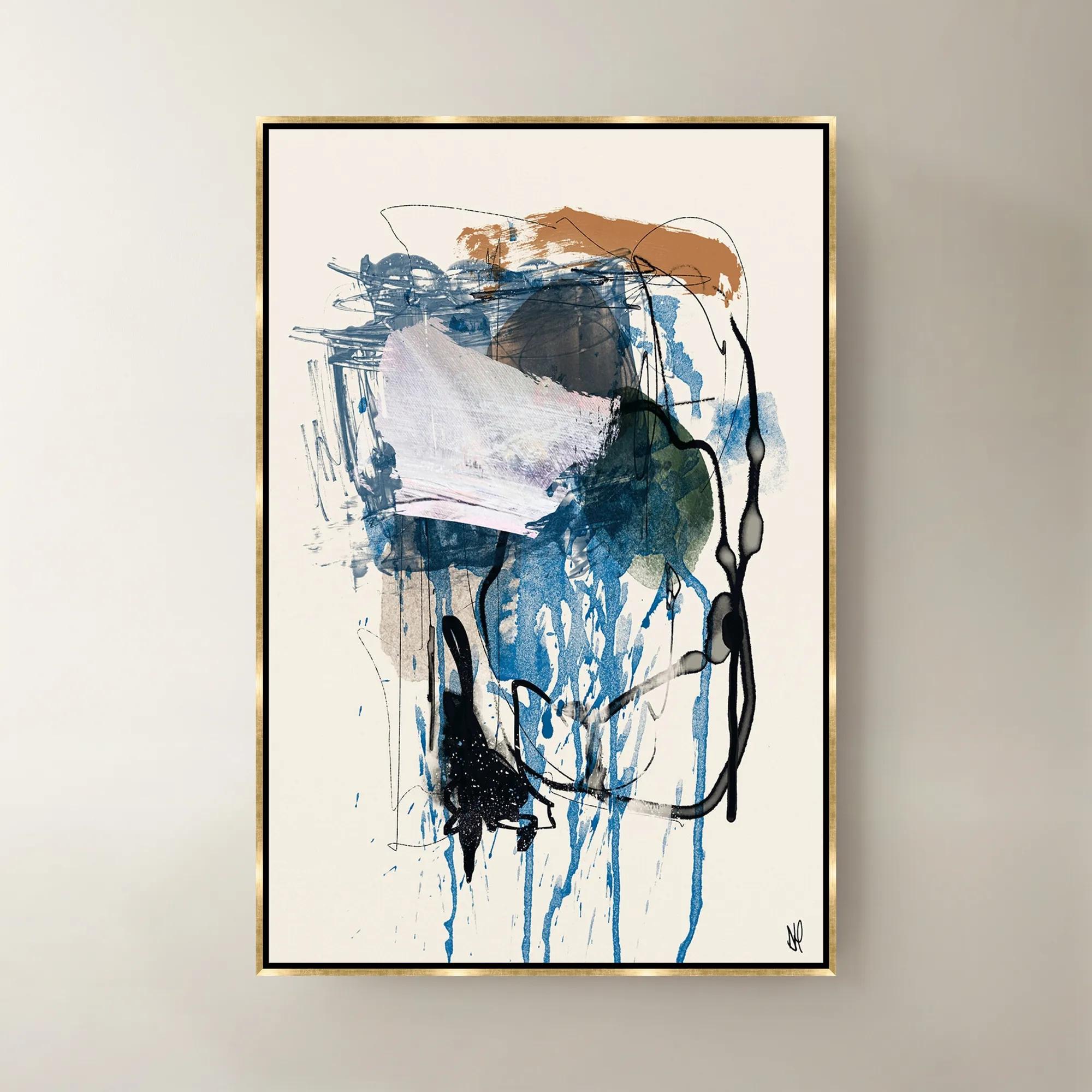
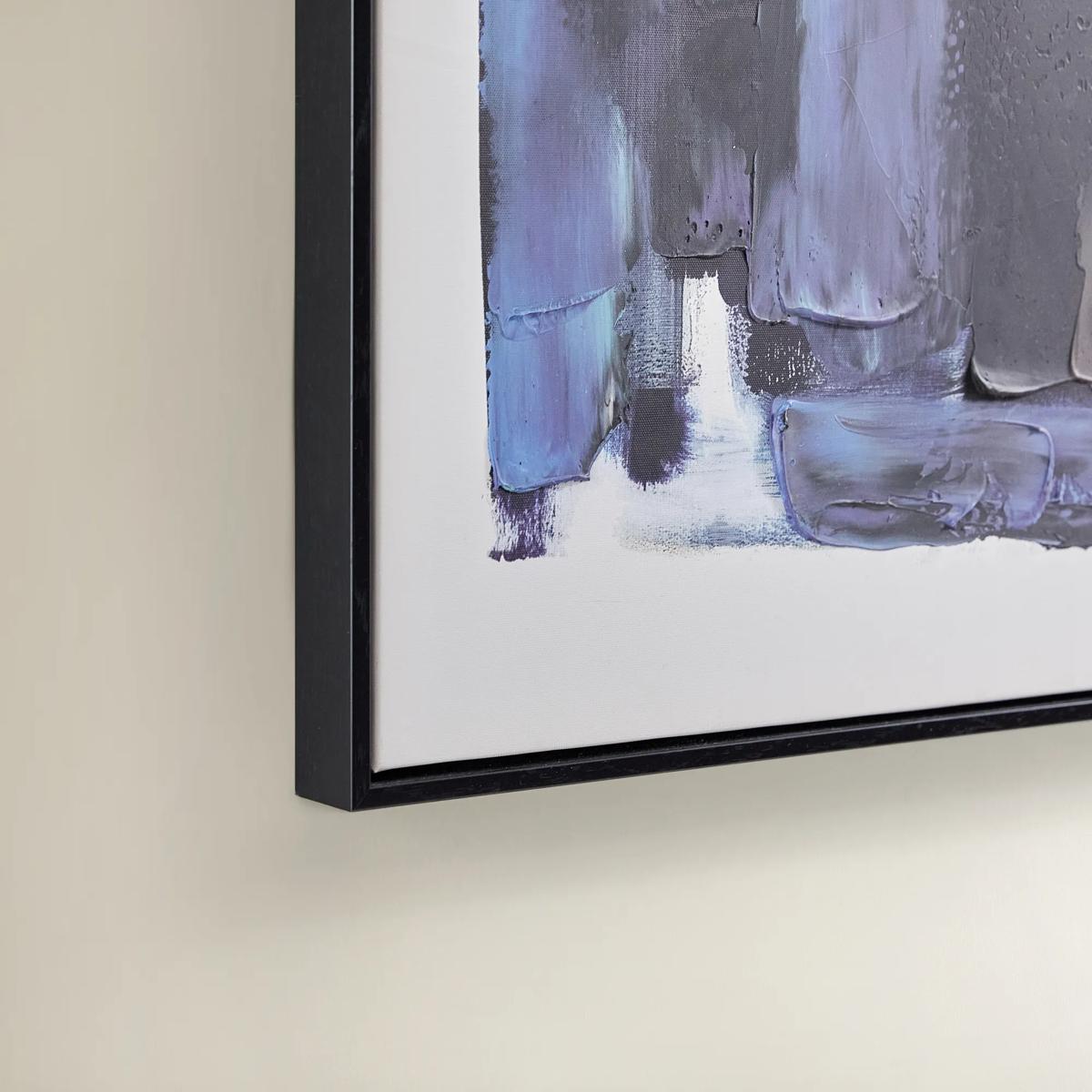 Deep Thoughts Gold Leaf Painted Wall Art Set of 2$199
A set of two hand-painted abstract canvases in blue and gold leaf, framed in sleek black.
Add To Cart -
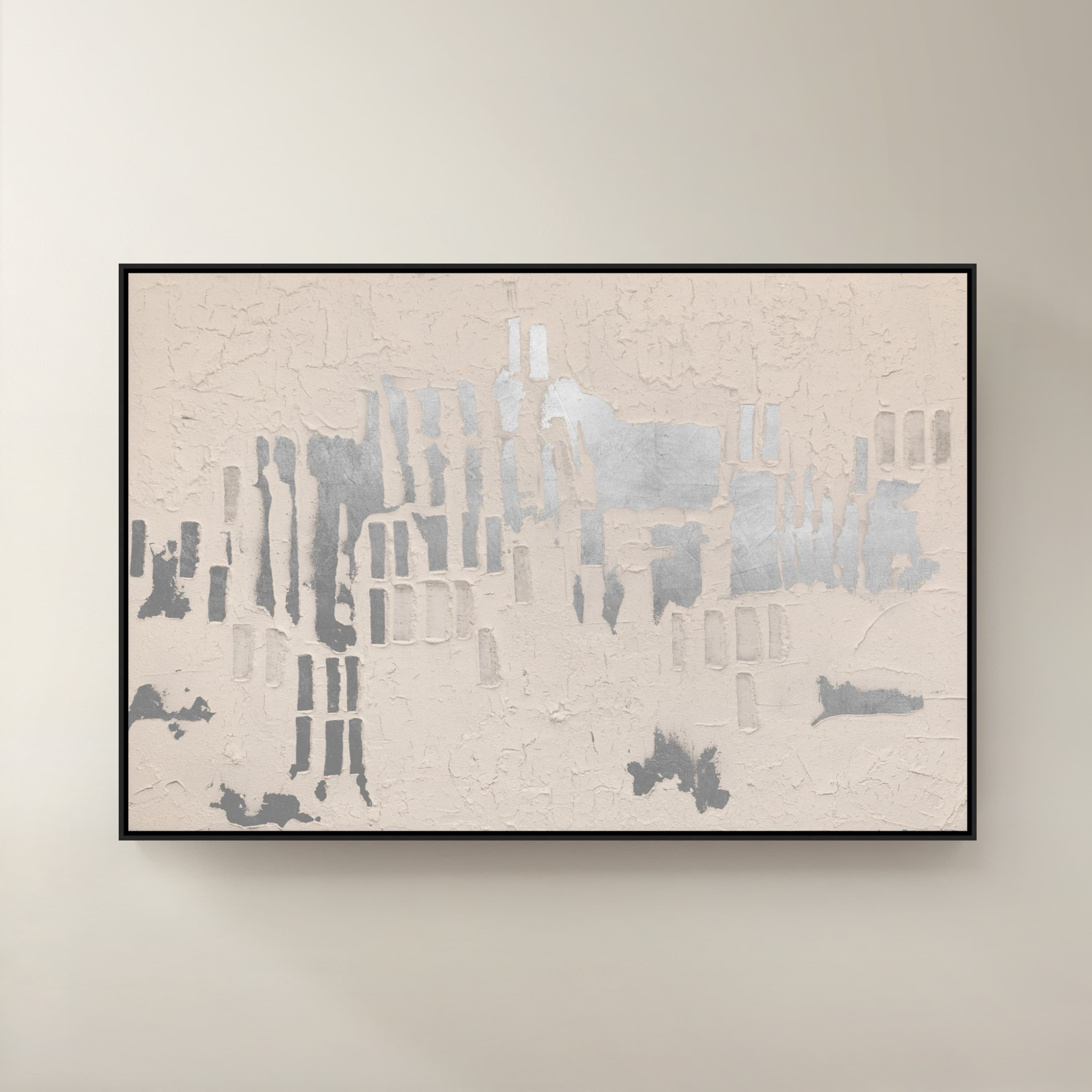
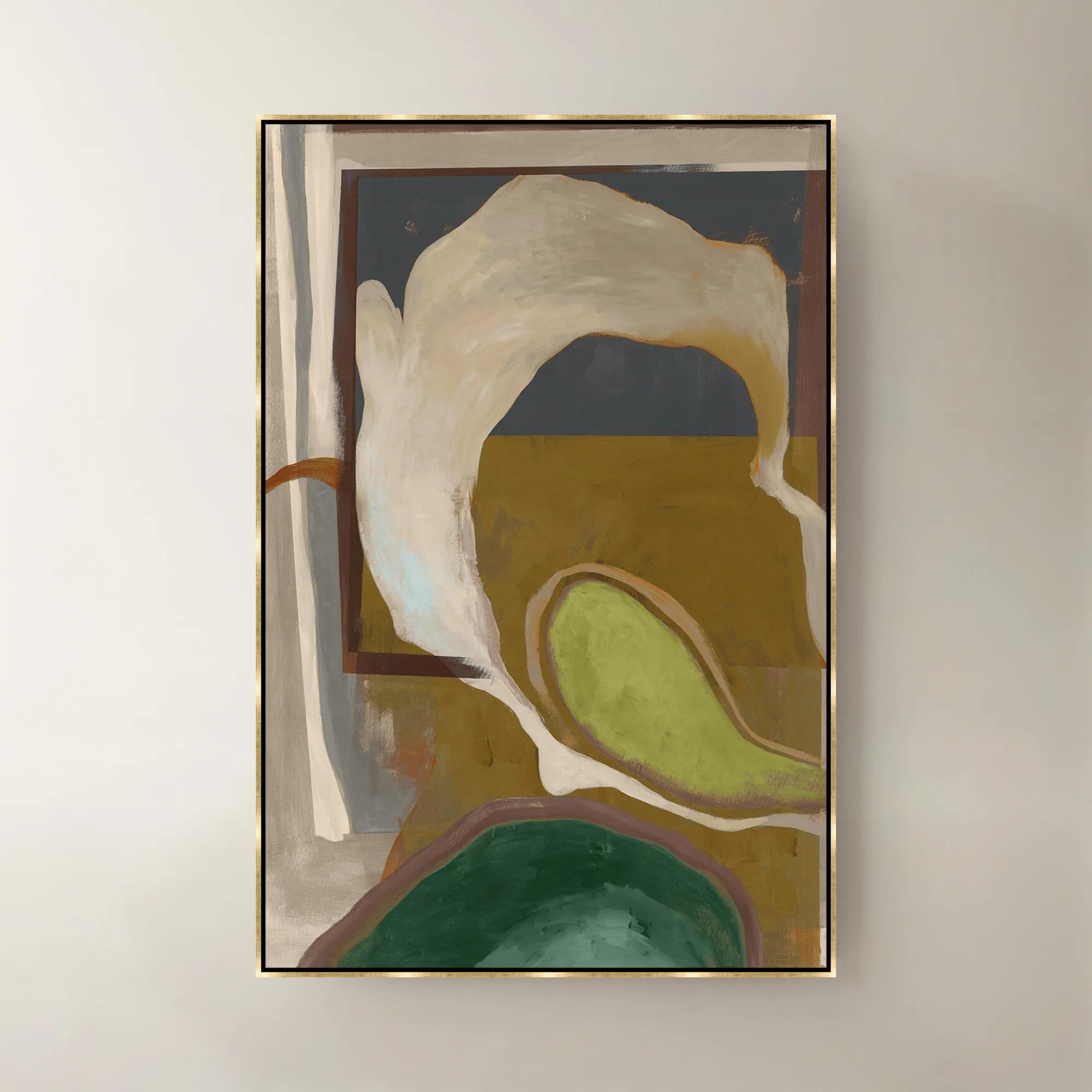
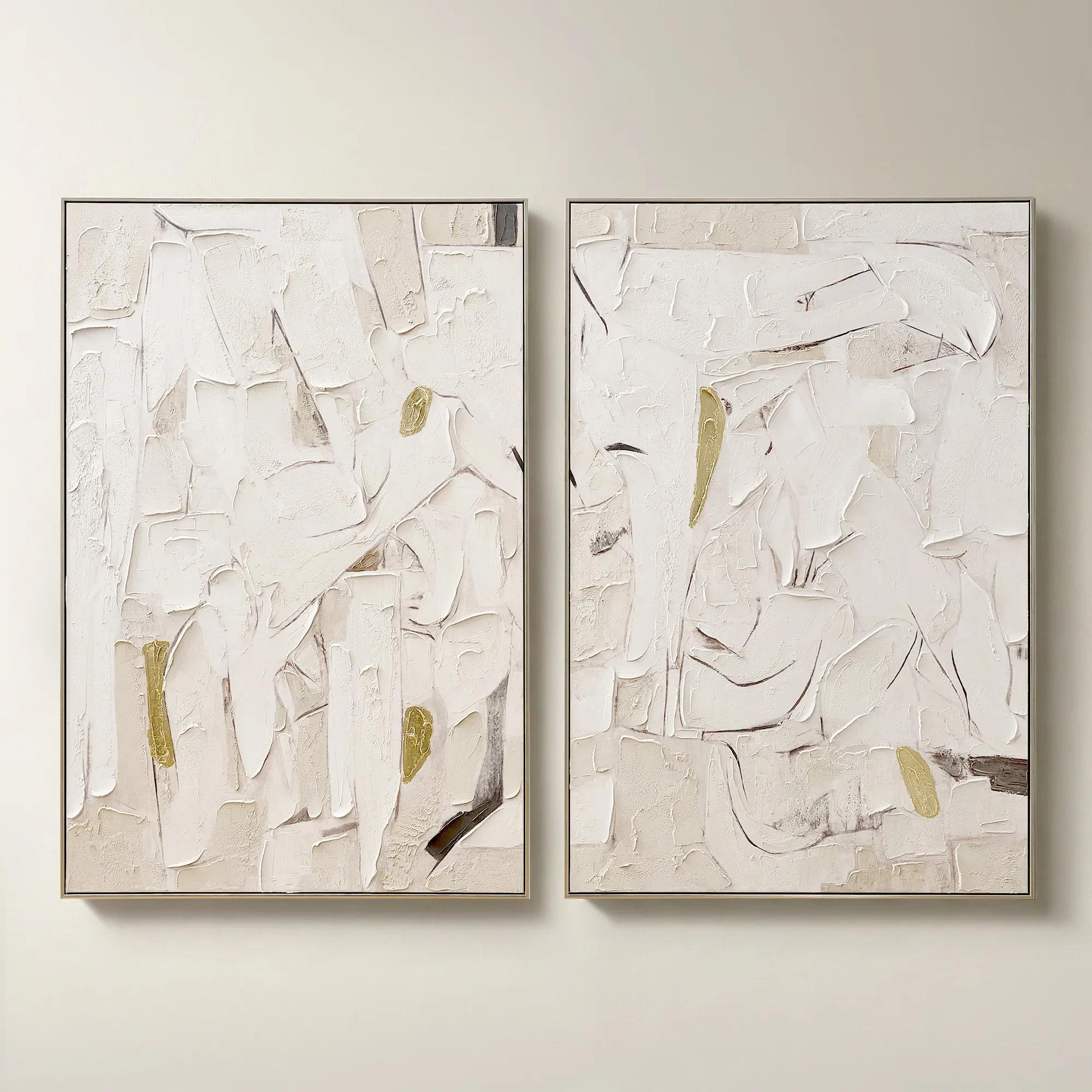 Beneath the Surface Framed Gold Leaf Painted Wall Art 40" x 60" Set of 2$799
A hand-painted abstract diptych featuring gold detailing and layered texture in alabaster and tawny hues.
Add To Cart -
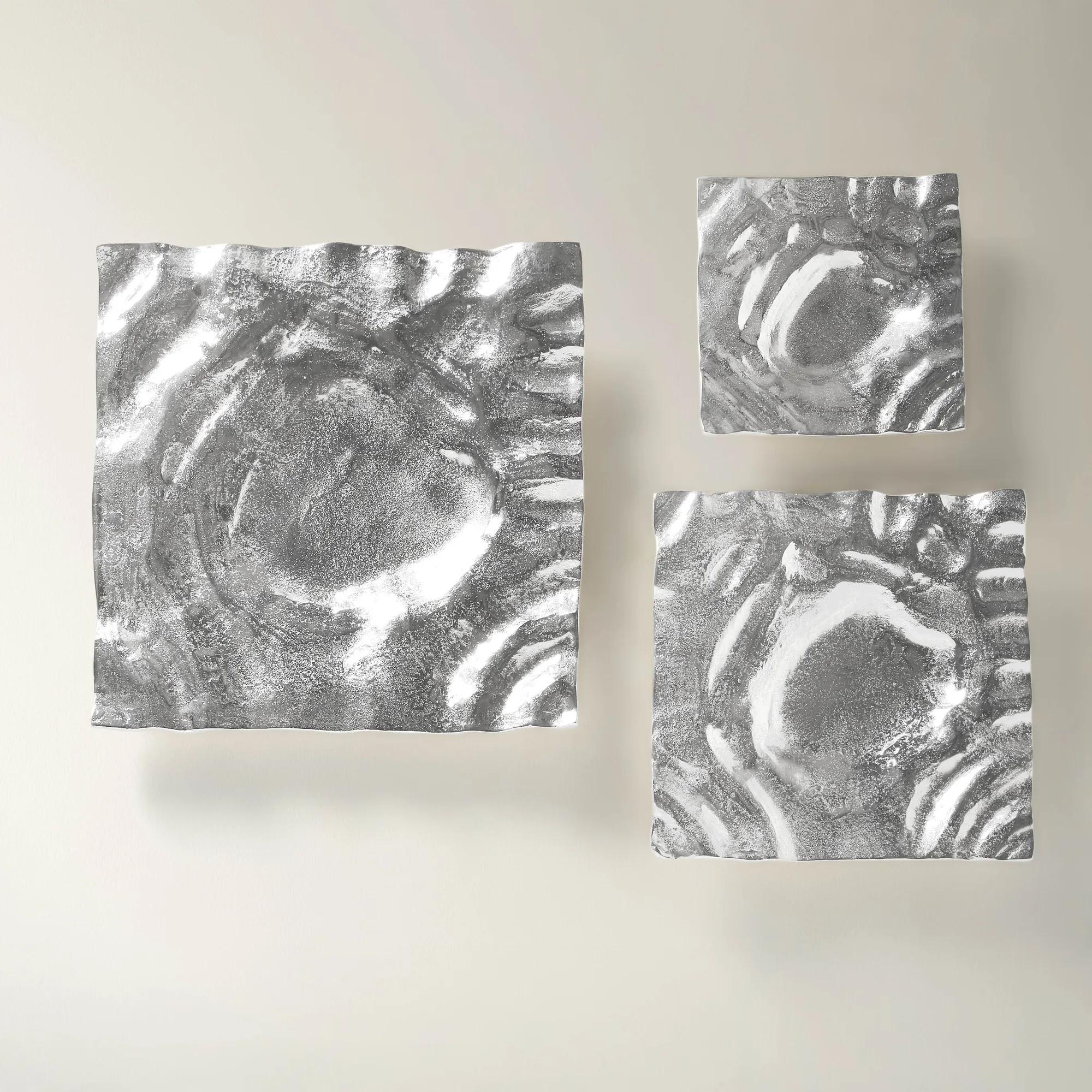
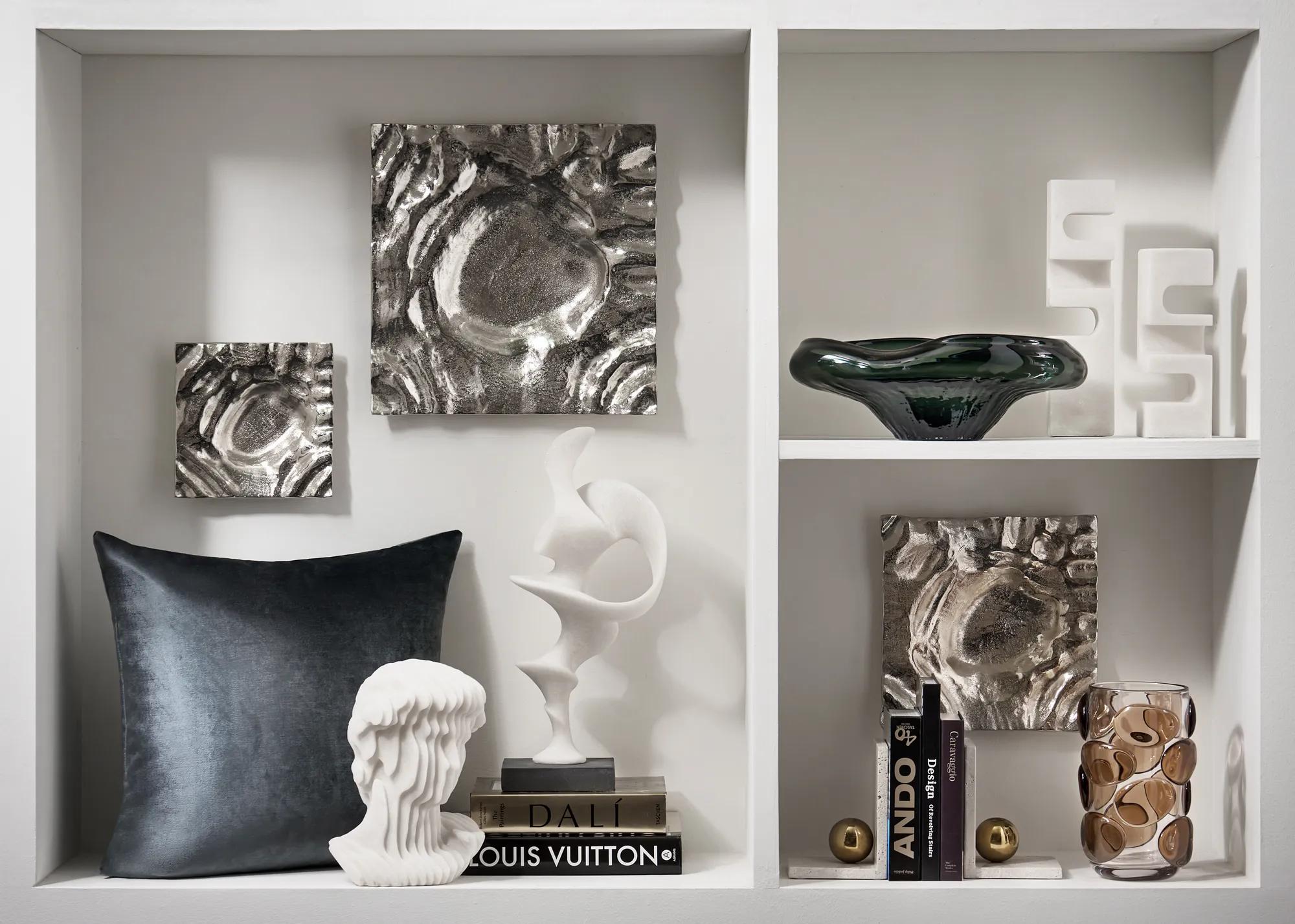 Cascade Wall Art - Set of 3$119
A set of three silver aluminum wall art pieces featuring textured surfaces that reflect and play with light.
Add To Cart -
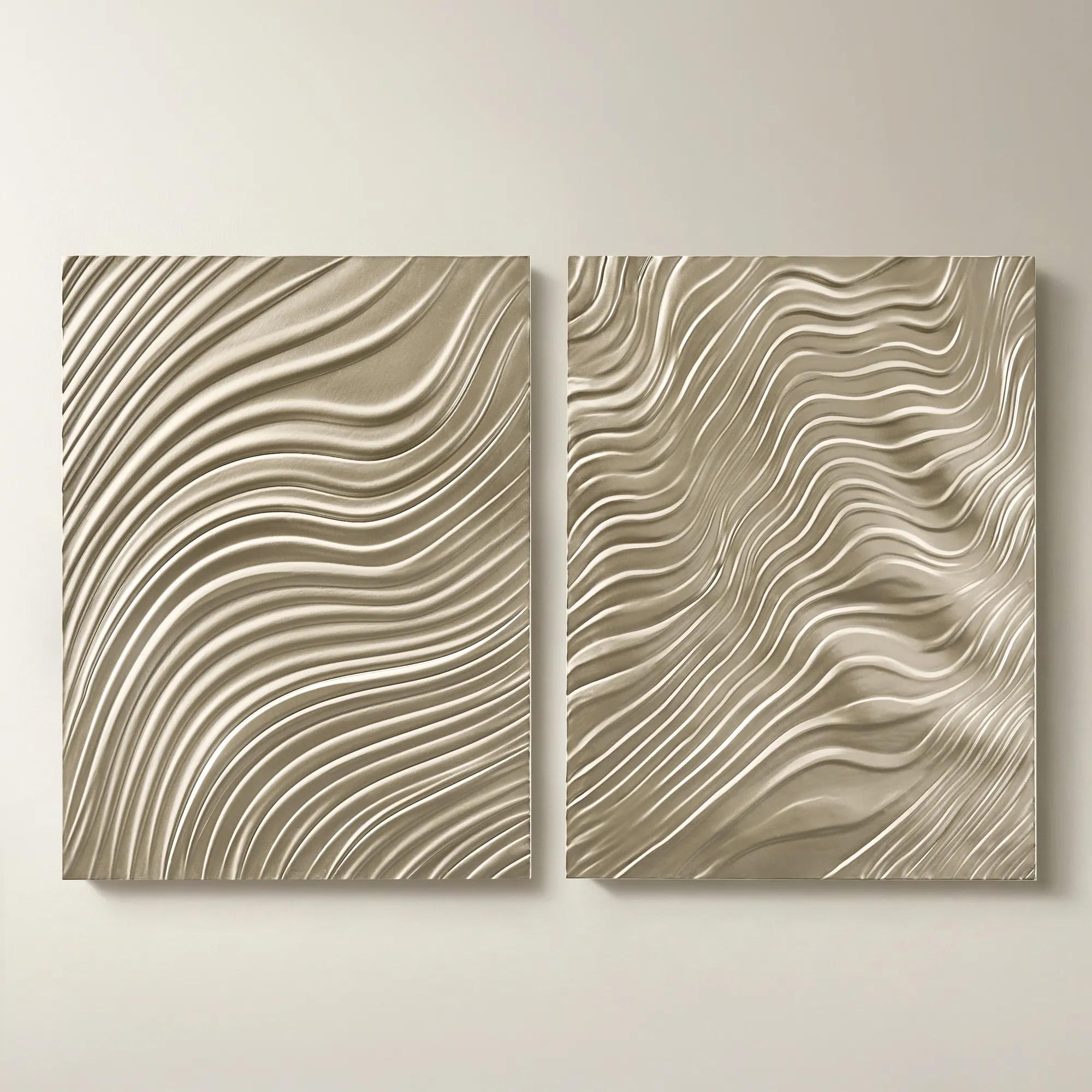
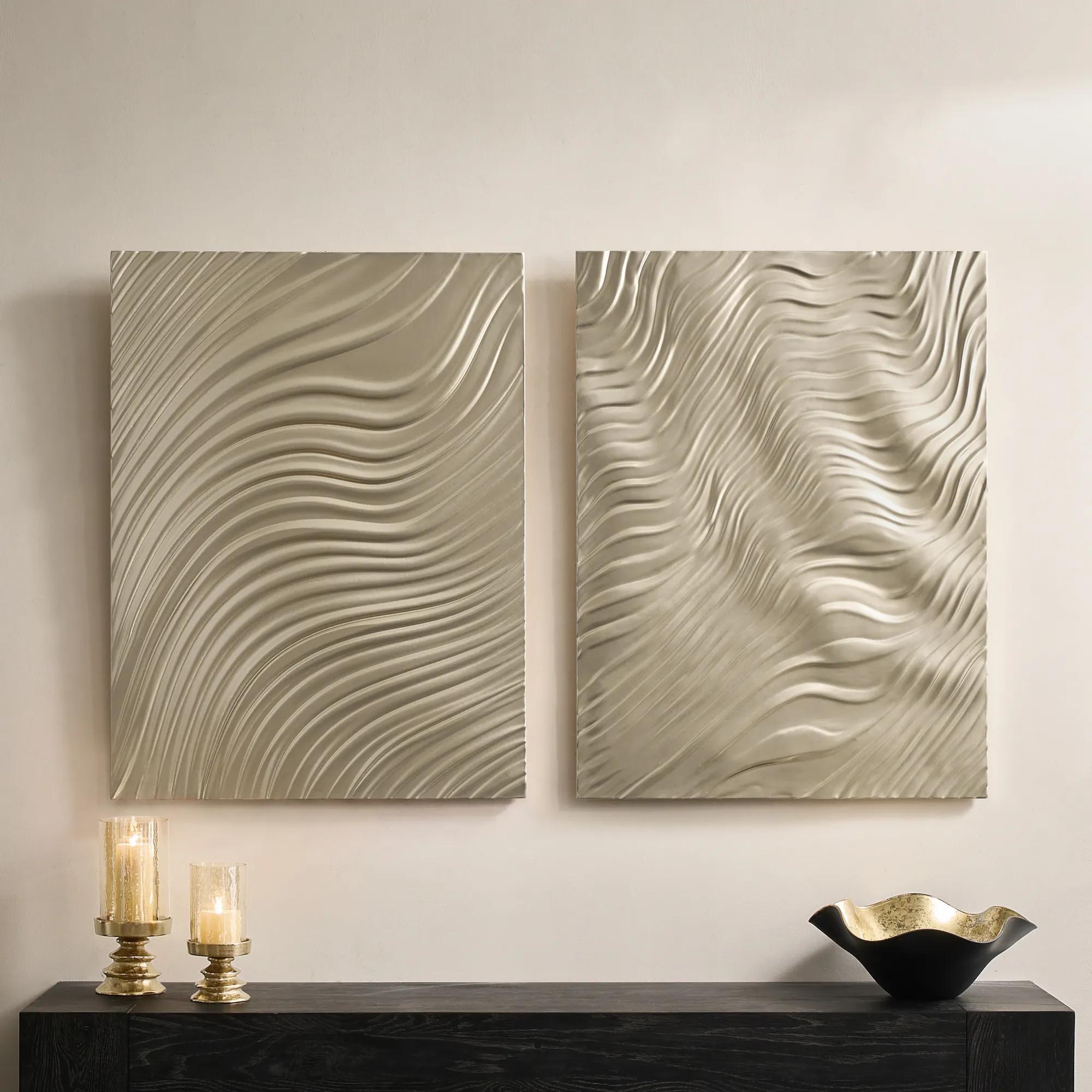 Mirage Champagne Carved Wood Wall Panels 30" x 40" Set of 2$799
A set of two intricately carved wood composite panels in a champagne finish with flowing 3D patterns.
Add To Cart -
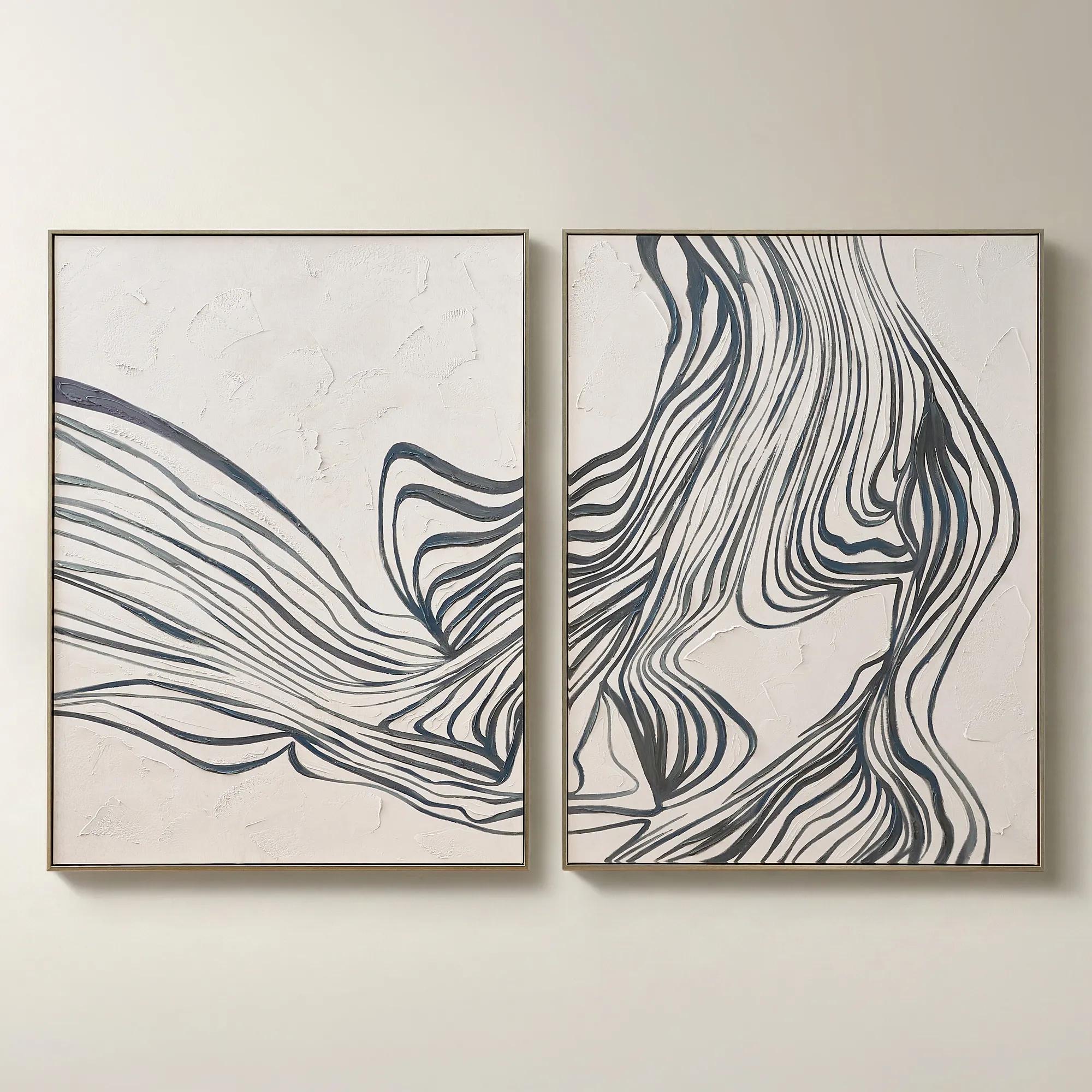
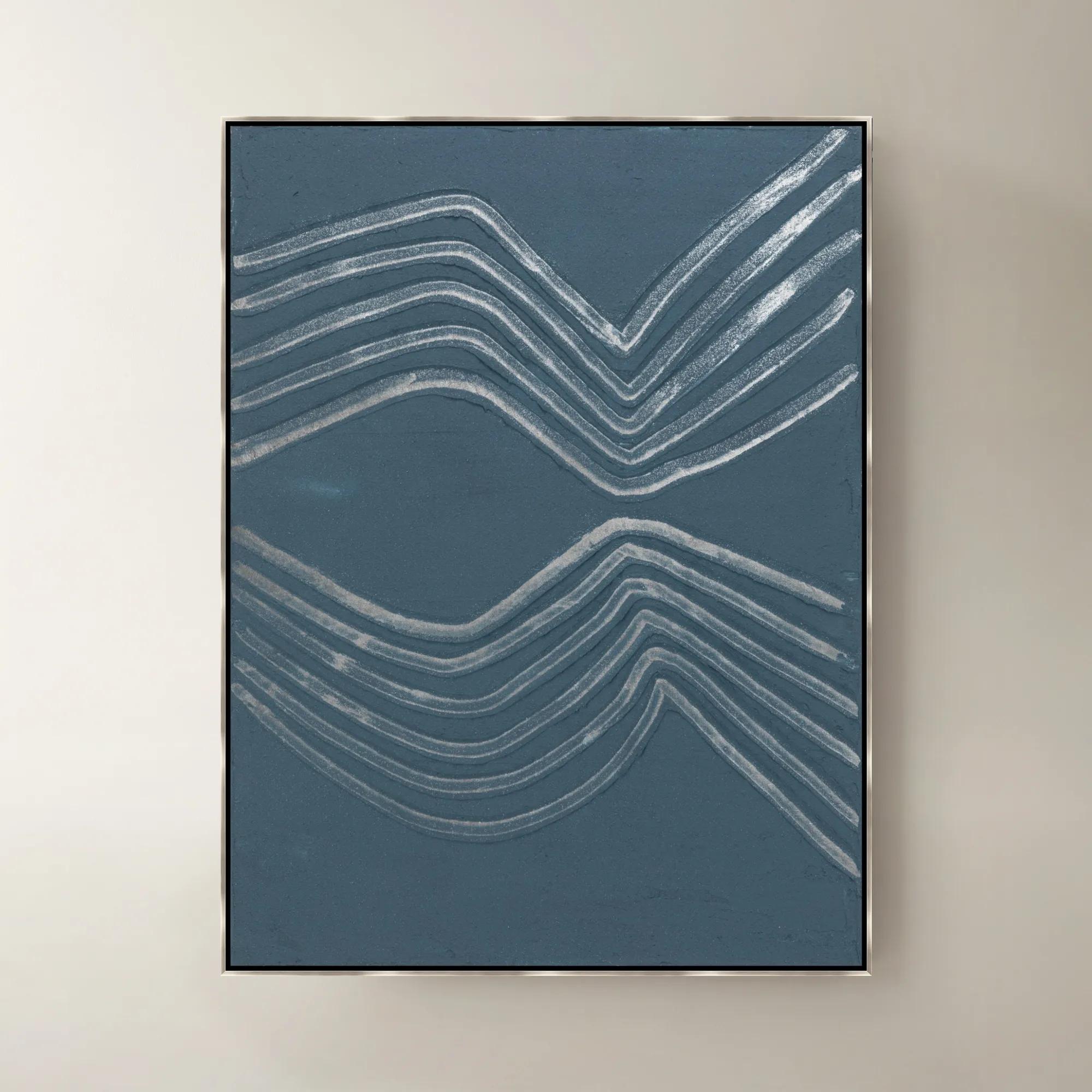
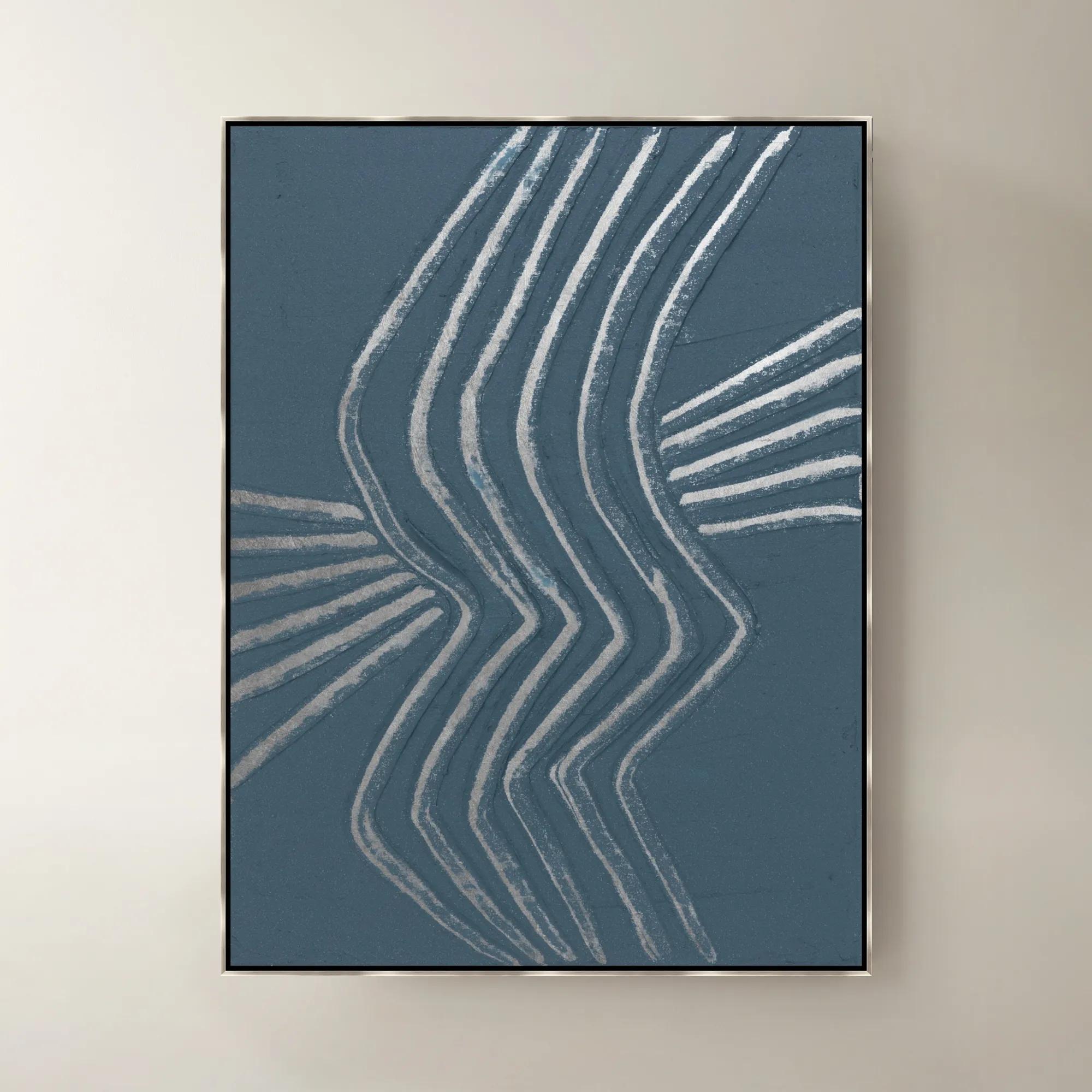
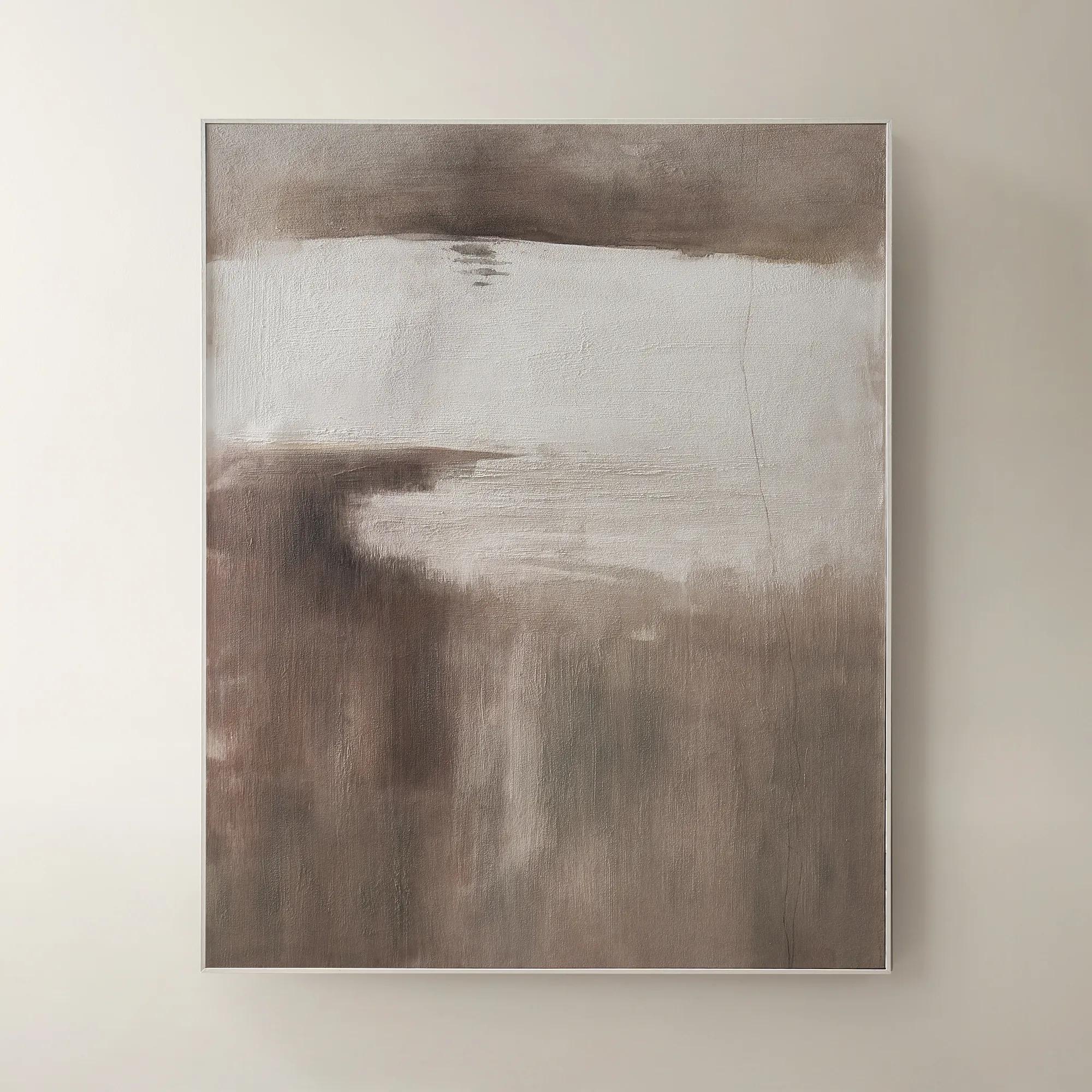
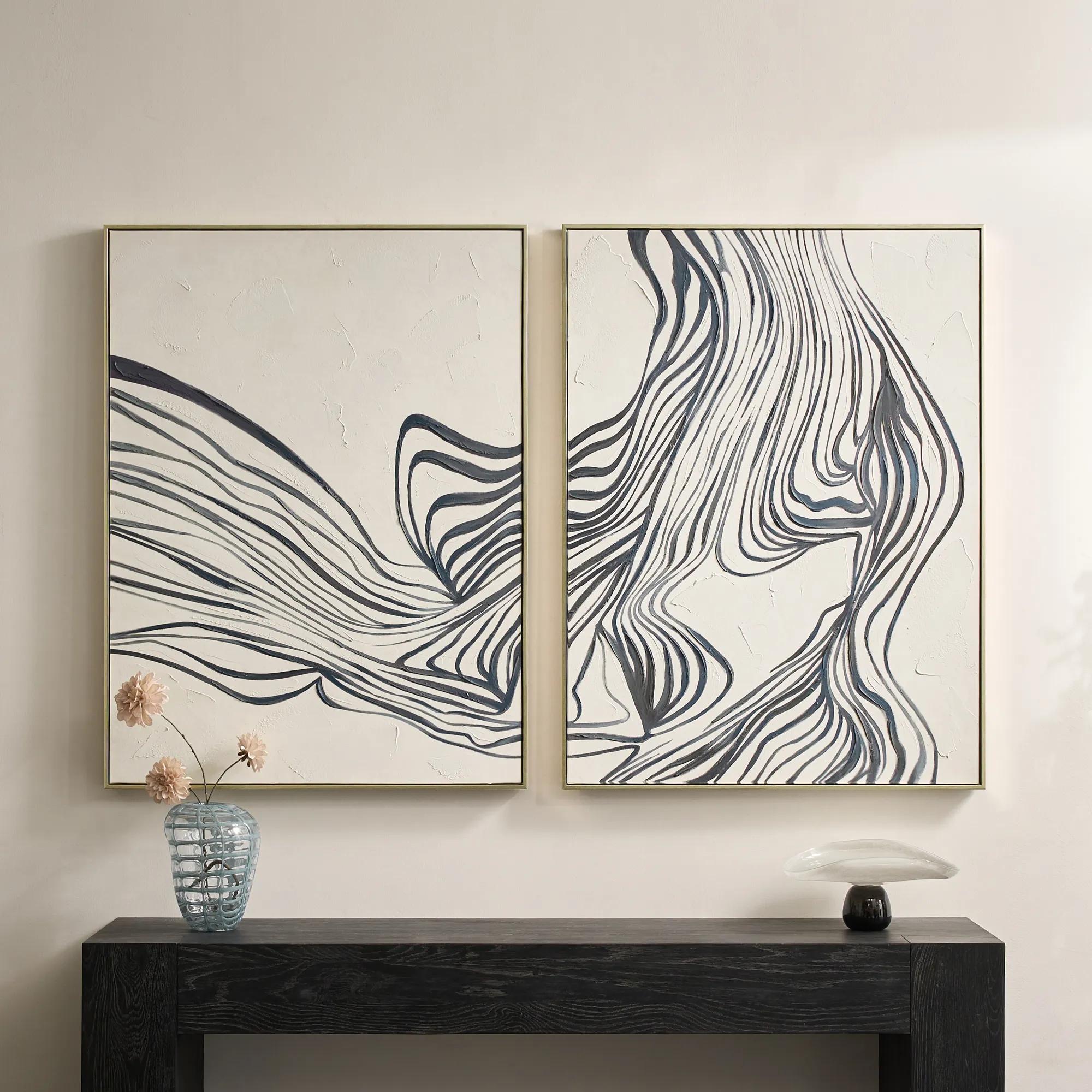 Rhythmic Framed Painted Wall Art 36" x 48" Set of 2$599
A hand-painted diptych featuring bold abstract stripes in dark slate and dusty blue with champagne frames.
Add To Cart -
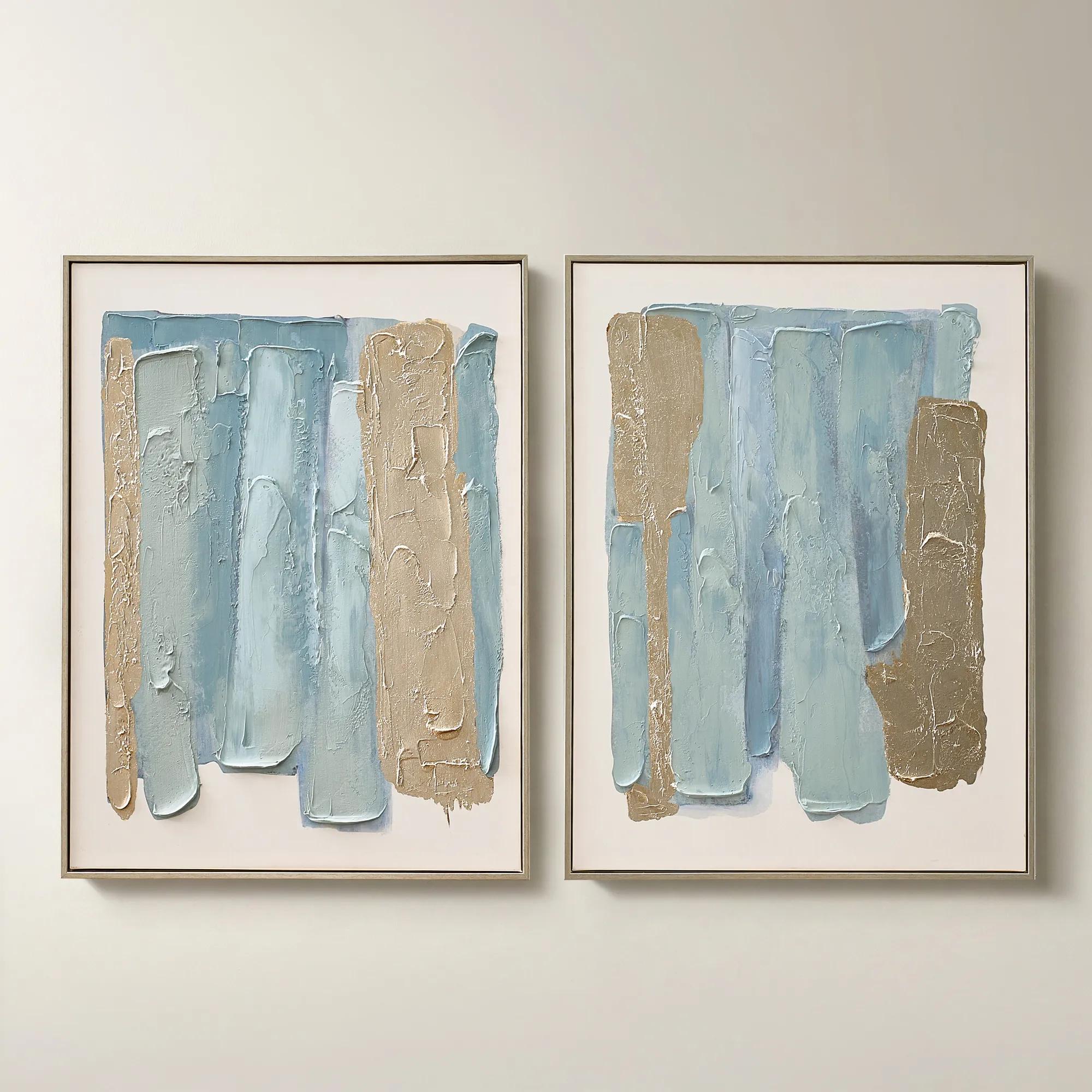
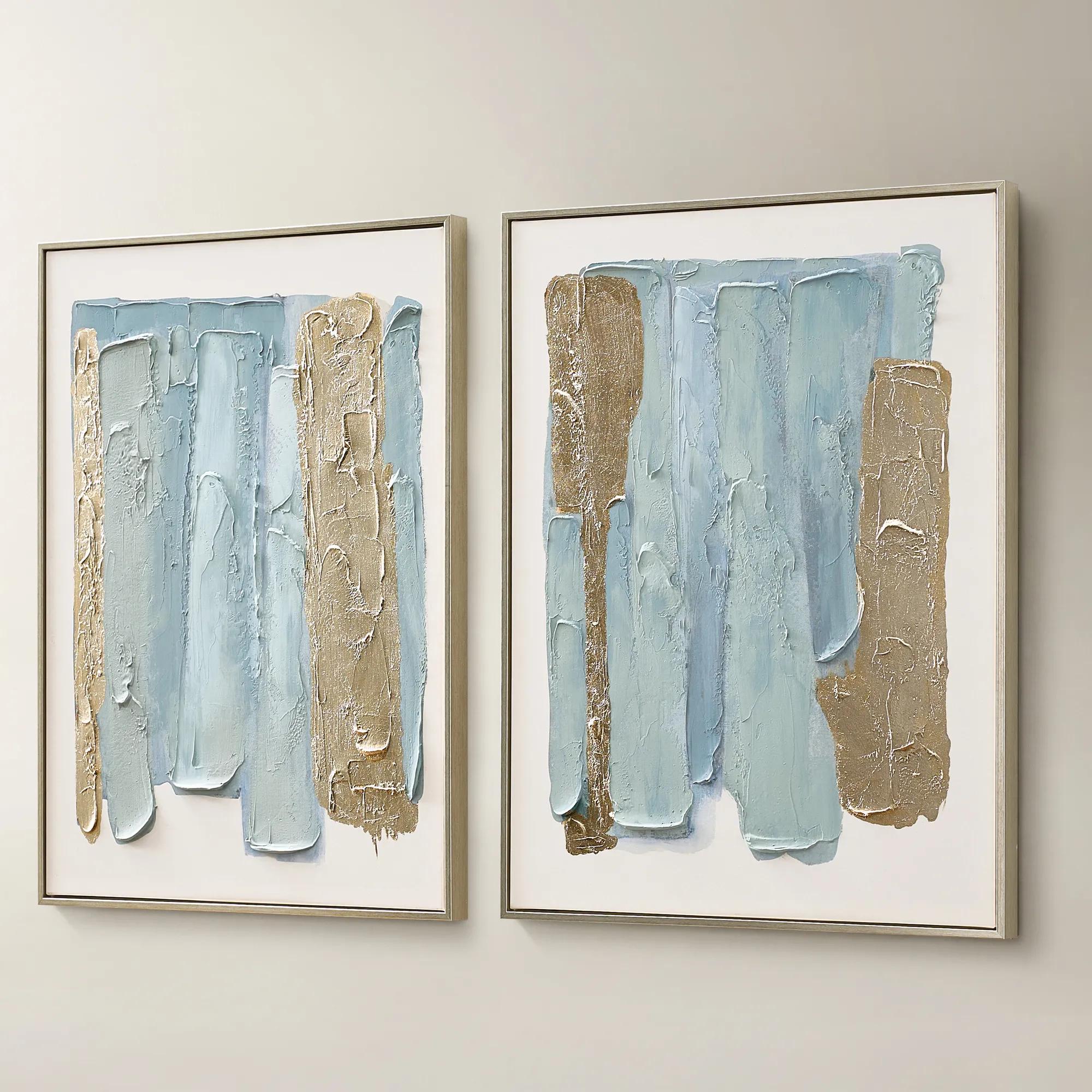 Blue Drift Framed Champagne Painted Wall Art 24" x 32" Set of 2$199
A set of two hand-painted canvases in dusty blue with champagne leafing and modern abstract movement.
Add To Cart -
.jpeg?w=1200&h=1200) Relic Framed Painted Triptych Wall Art Set of 3$399
Relic Framed Painted Triptych Wall Art Set of 3$399A hand-painted abstract triptych in deep navy and neutral tones, set in sleek black floater frames.
Add To Cart -
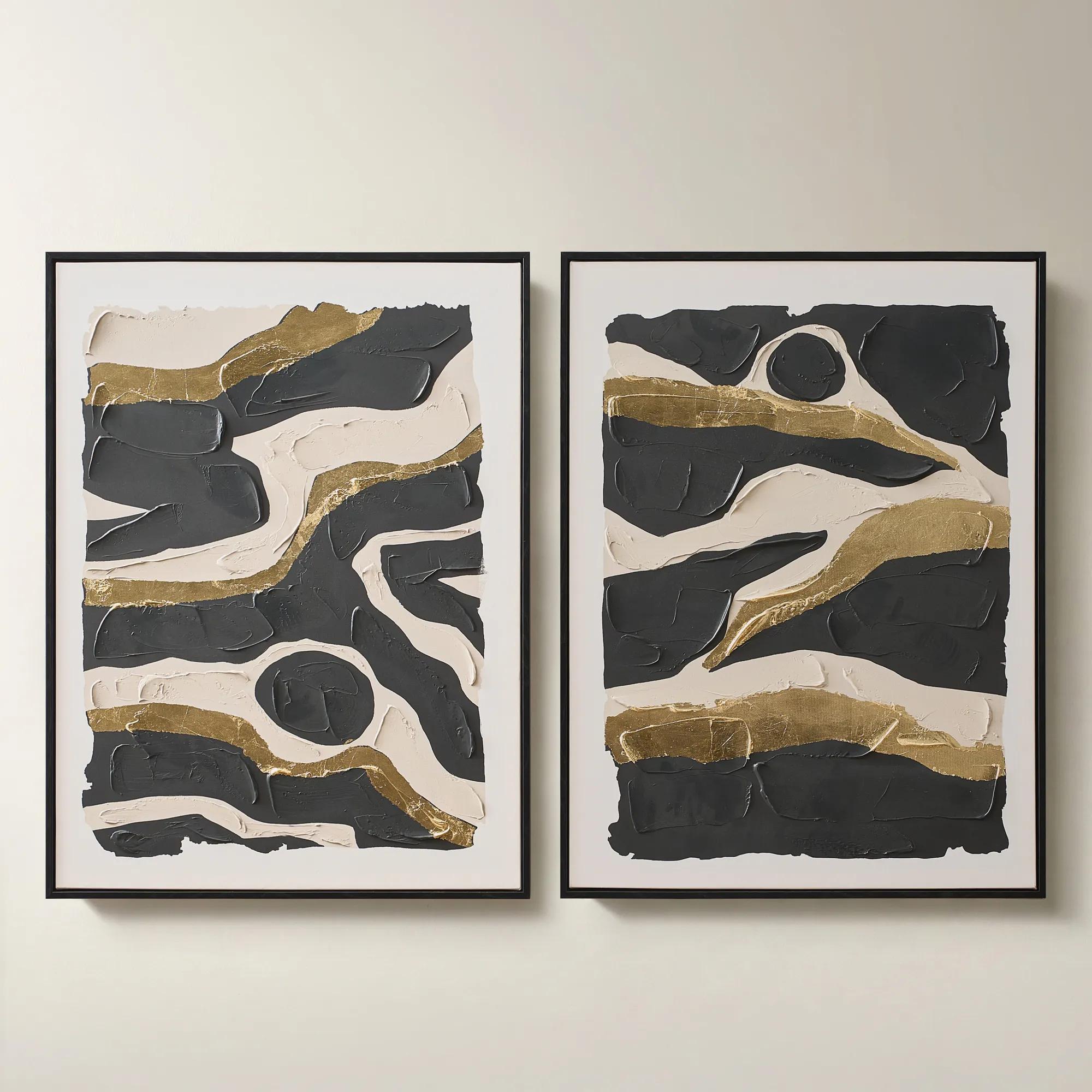
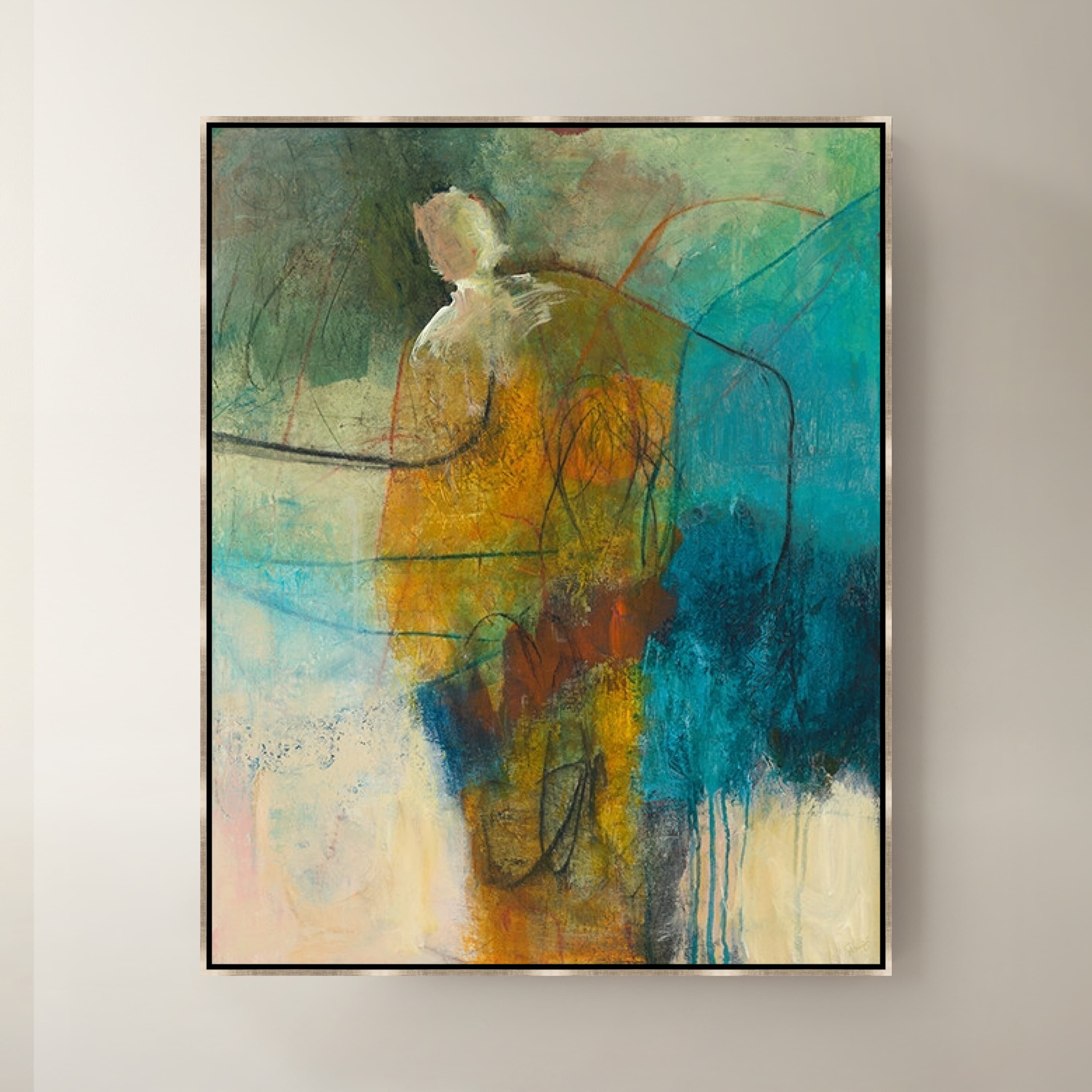
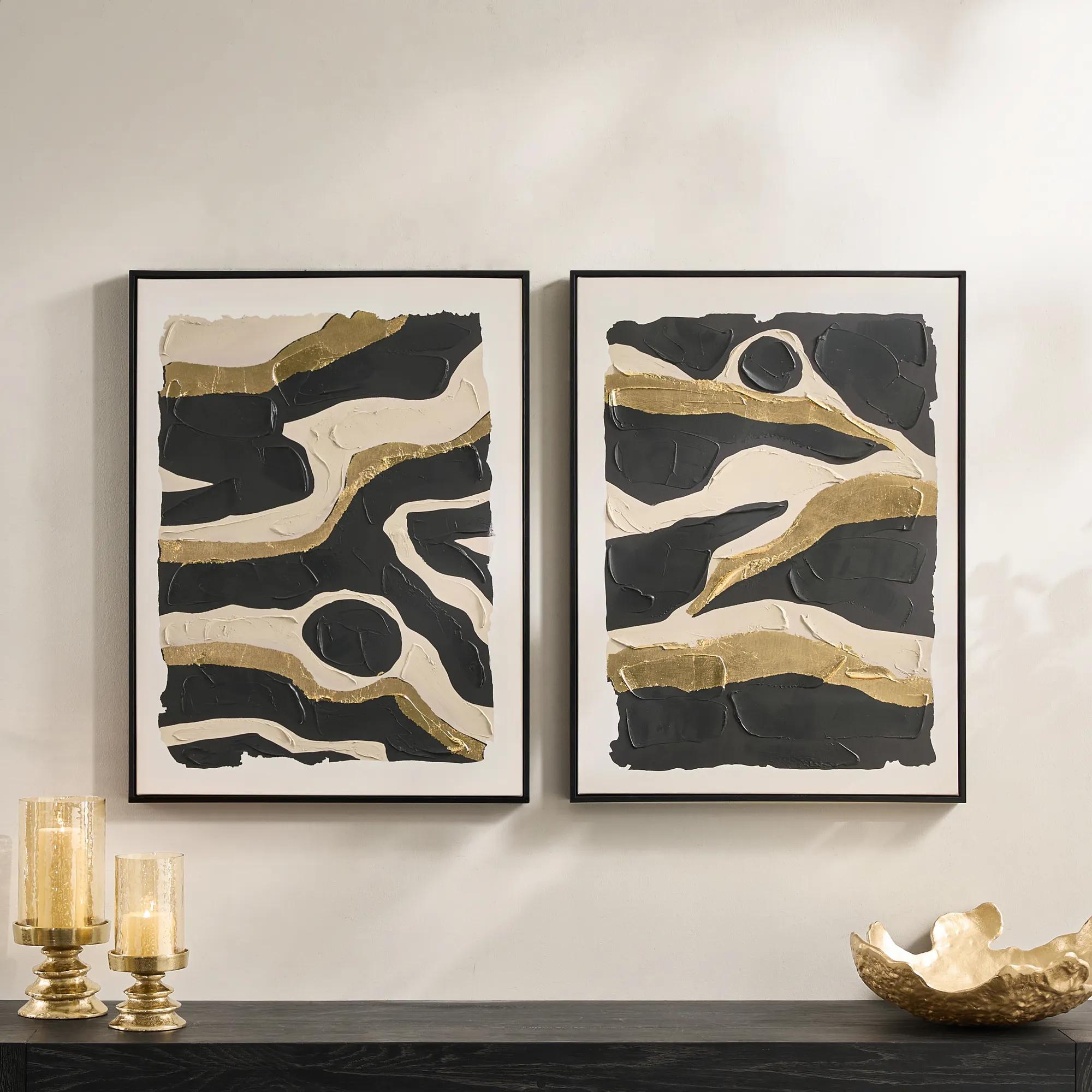 Untamed Framed Gold Leaf Painted Wall Art 24" x 32" Set of 2$199
A hand-painted diptych featuring abstract black and gold canvas art with expressive, gallery-inspired energy.
Add To Cart -
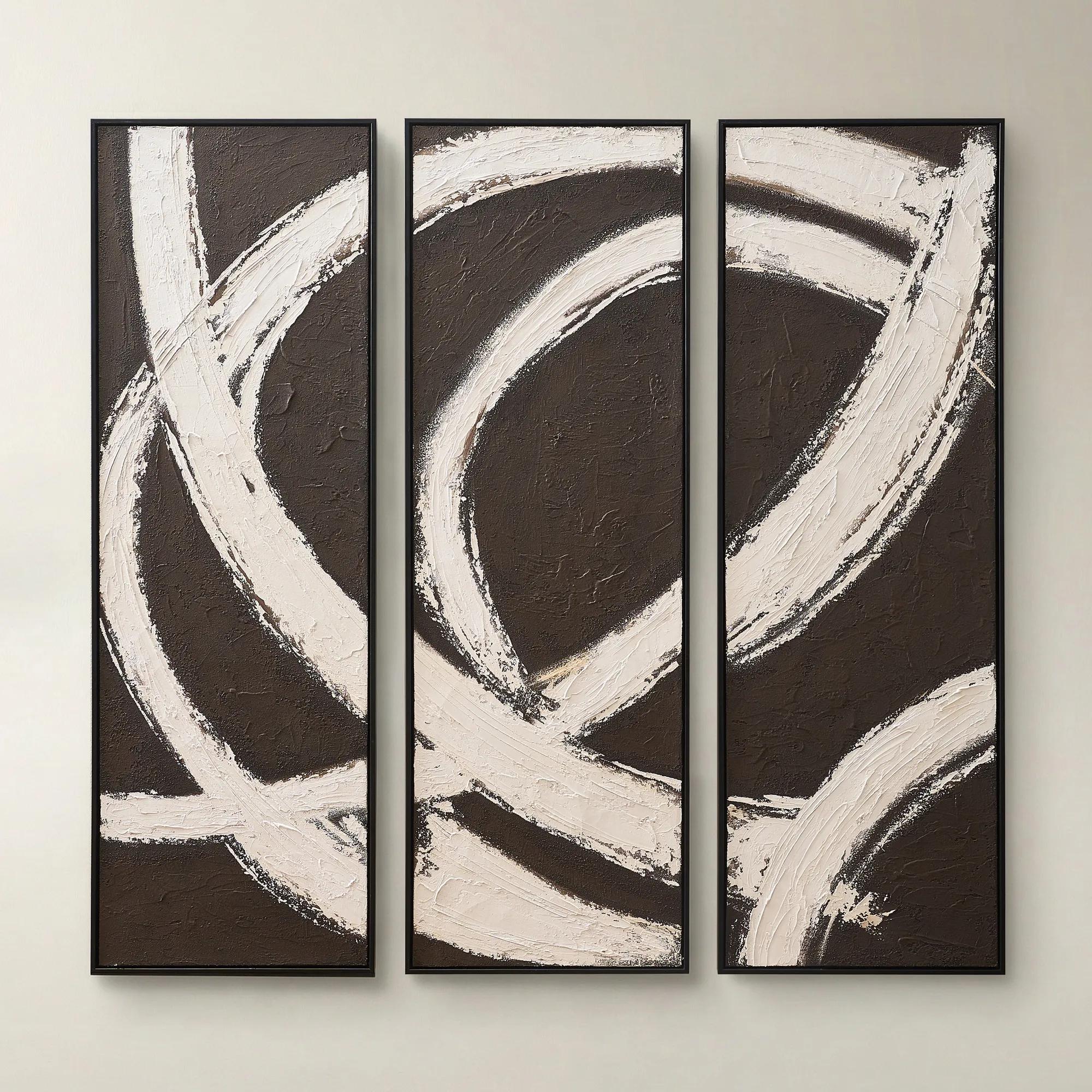
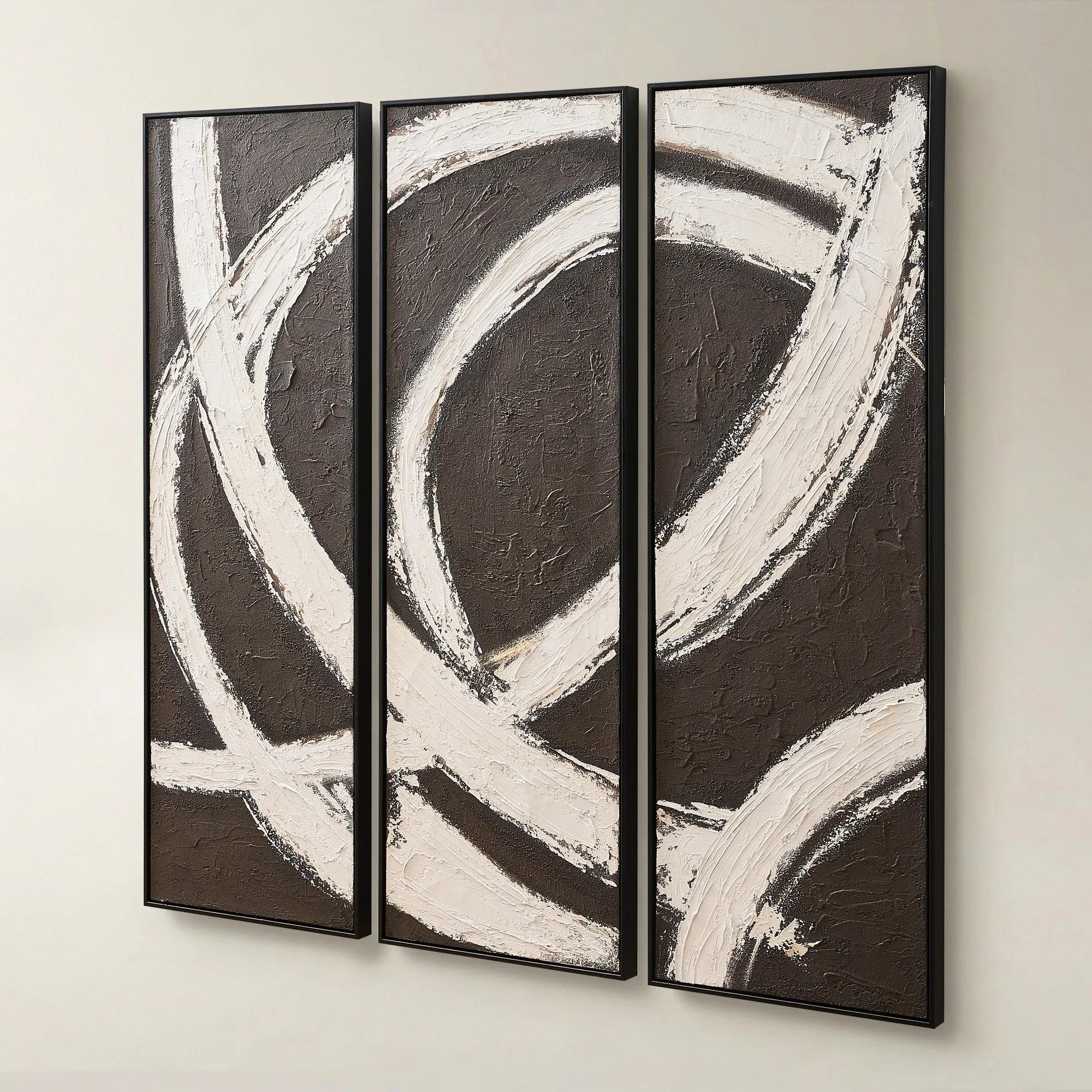 Spun in Coco Framed Painted Wall Art 20" x 60" Set of 3$499
A hand-painted triptych featuring dark chocolate and alabaster tones with rich texture and modern contrast.
Add To Cart -
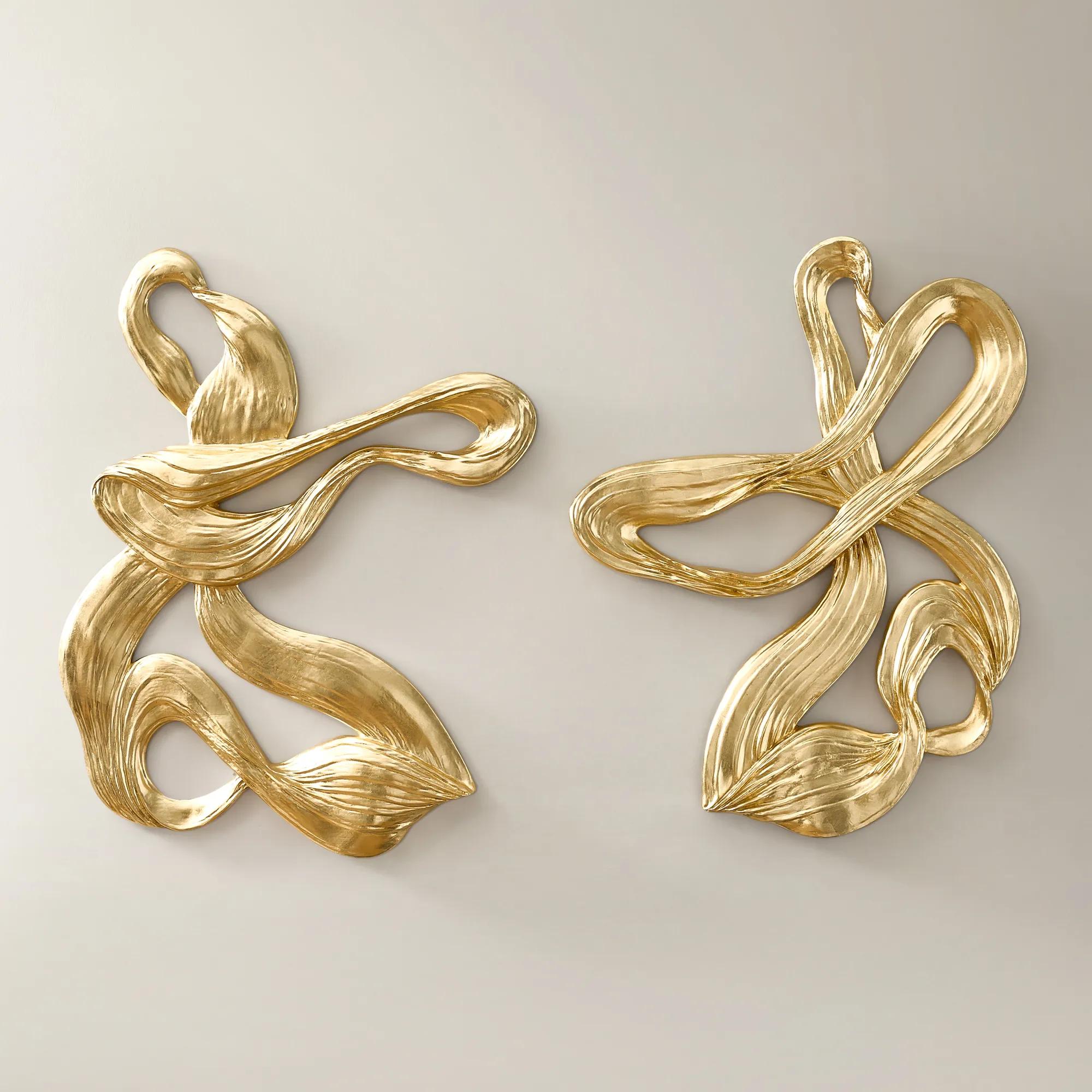
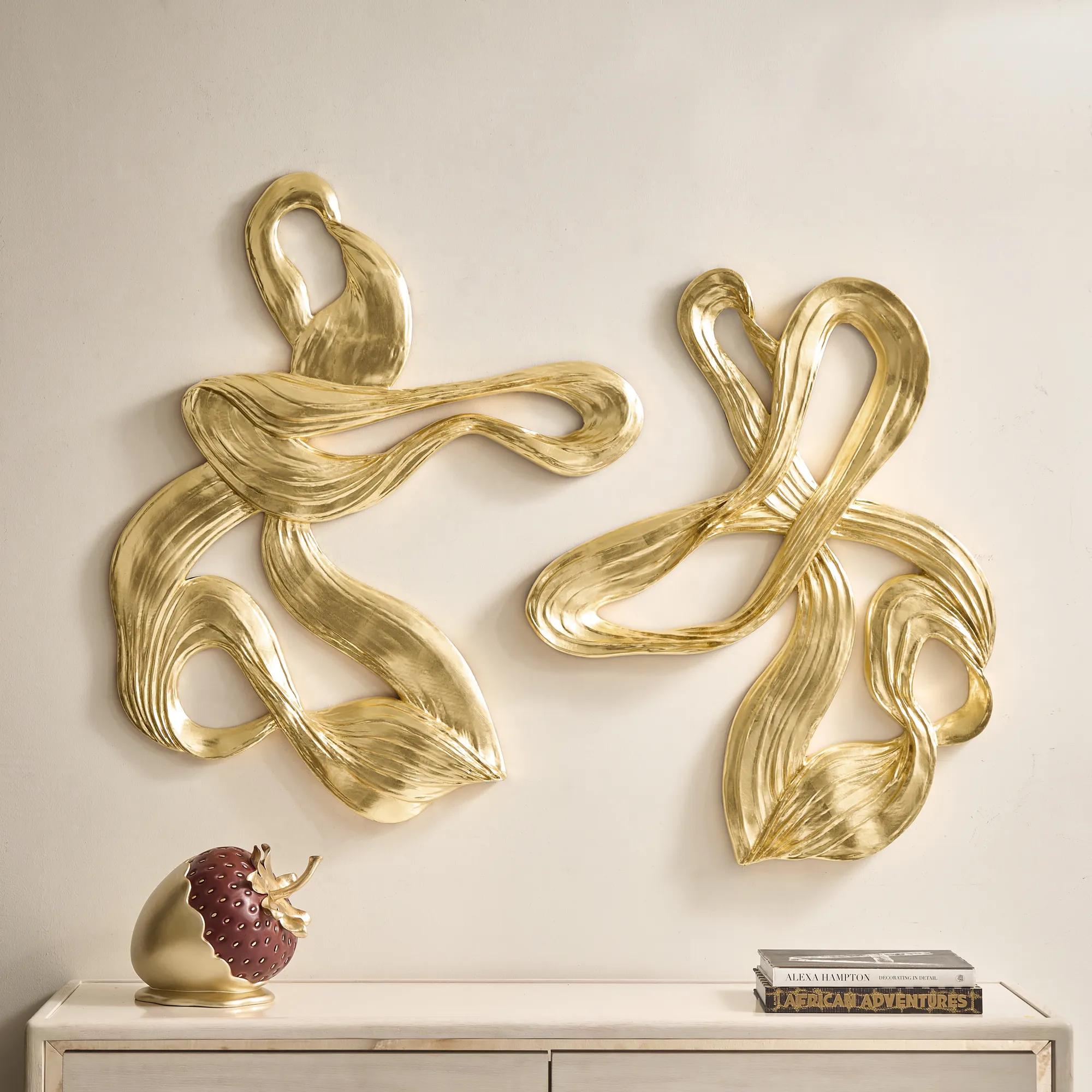 Vela Gold Leaf Sculpted Resin Wall Decor 30.5" x 39.25" Set of 2$699
A set of two resin wall sculptures featuring abstract loop designs and soft gold leafing for modern elegance.
Add To Cart -
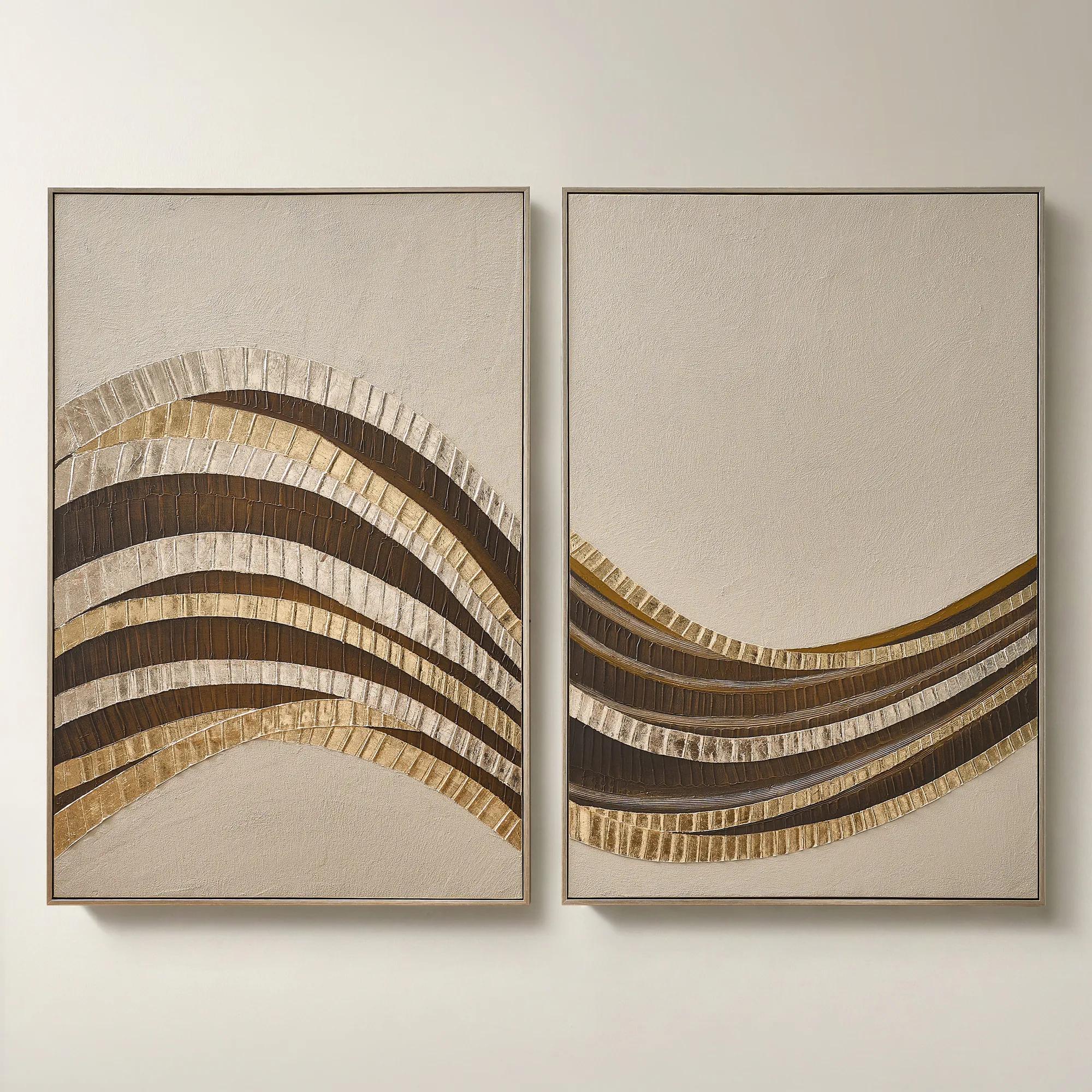 Stillness in Motion Framed Gold Leaf Painted Wall Art 40" x 60" Set of 2$899
A hand-painted abstract diptych with gold leaf accents, textured surface, and brushed champagne frames.
Add To Cart -
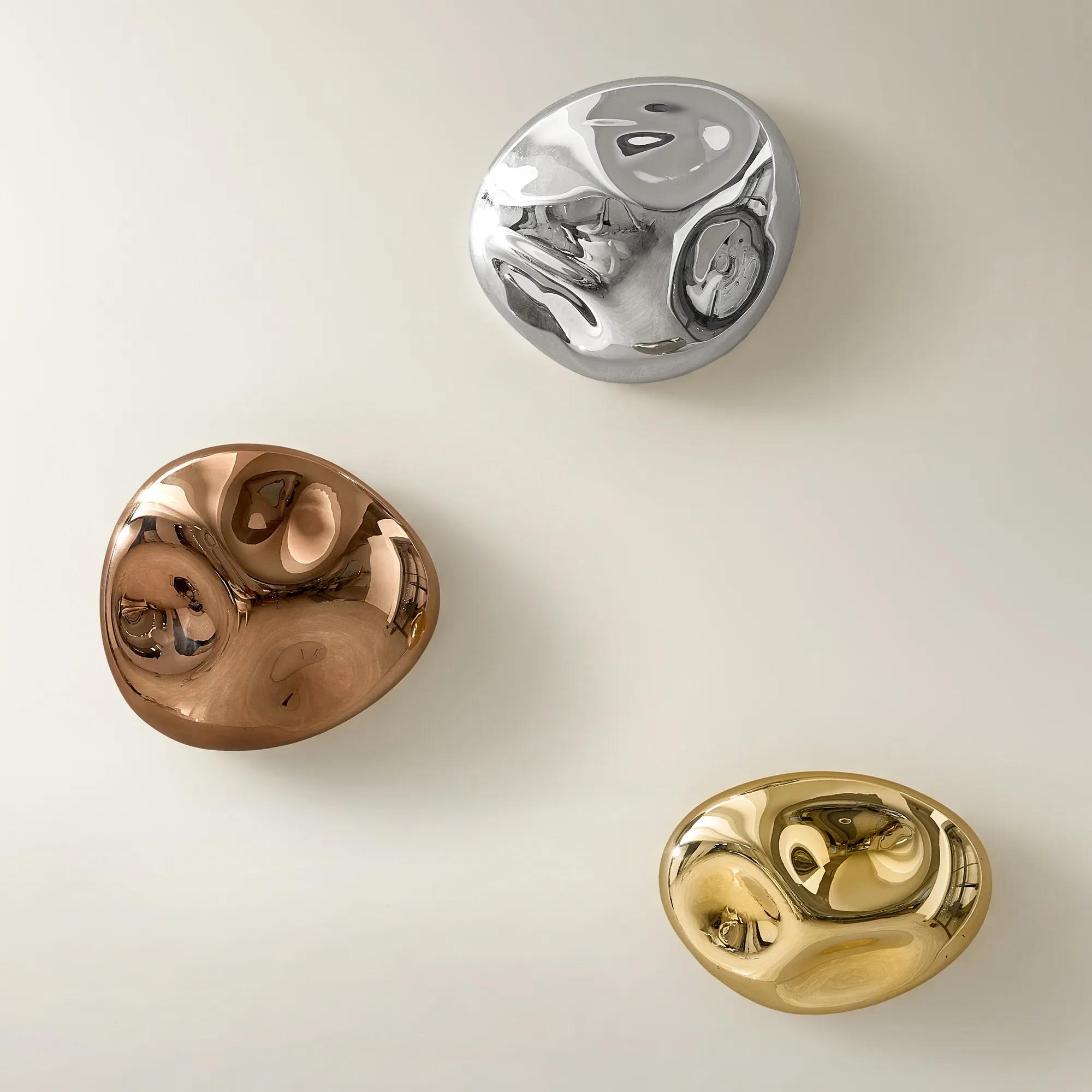
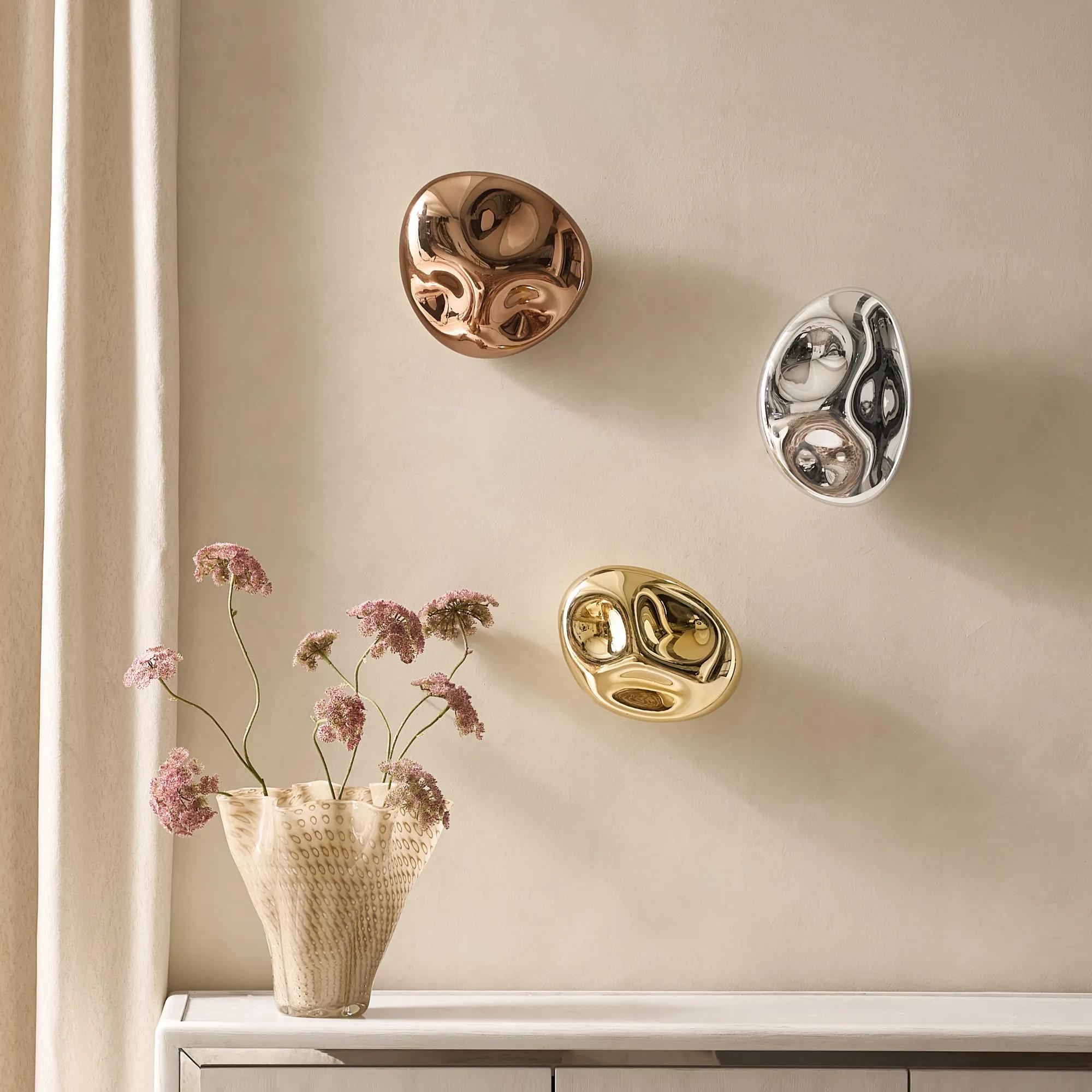 Nebula Electroplated Metallic Glass Wall Decor Set of 3$279
A set of three electroplated glass wall sculptures in polished silver, soft gold, and bronze tones.
Add To Cart -
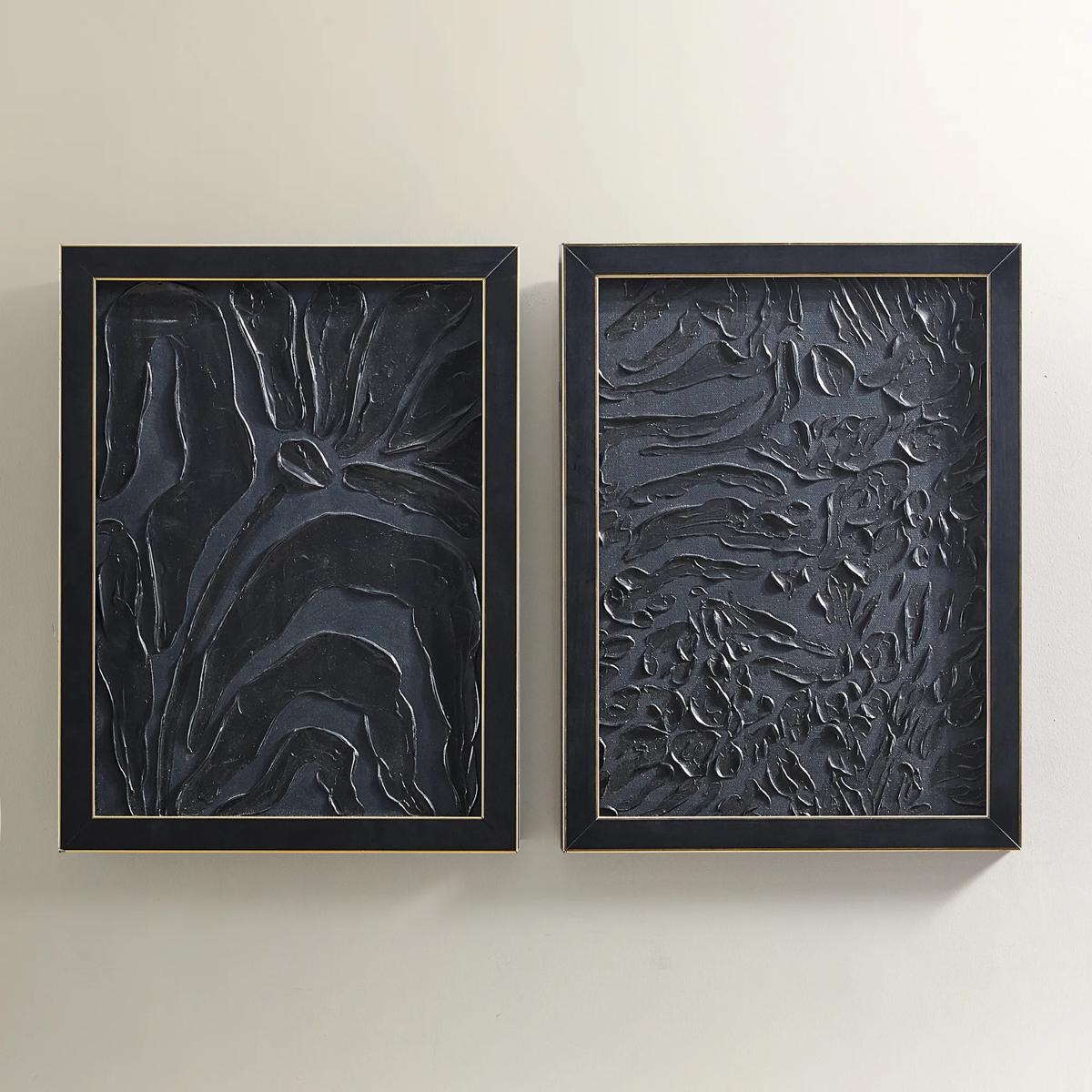
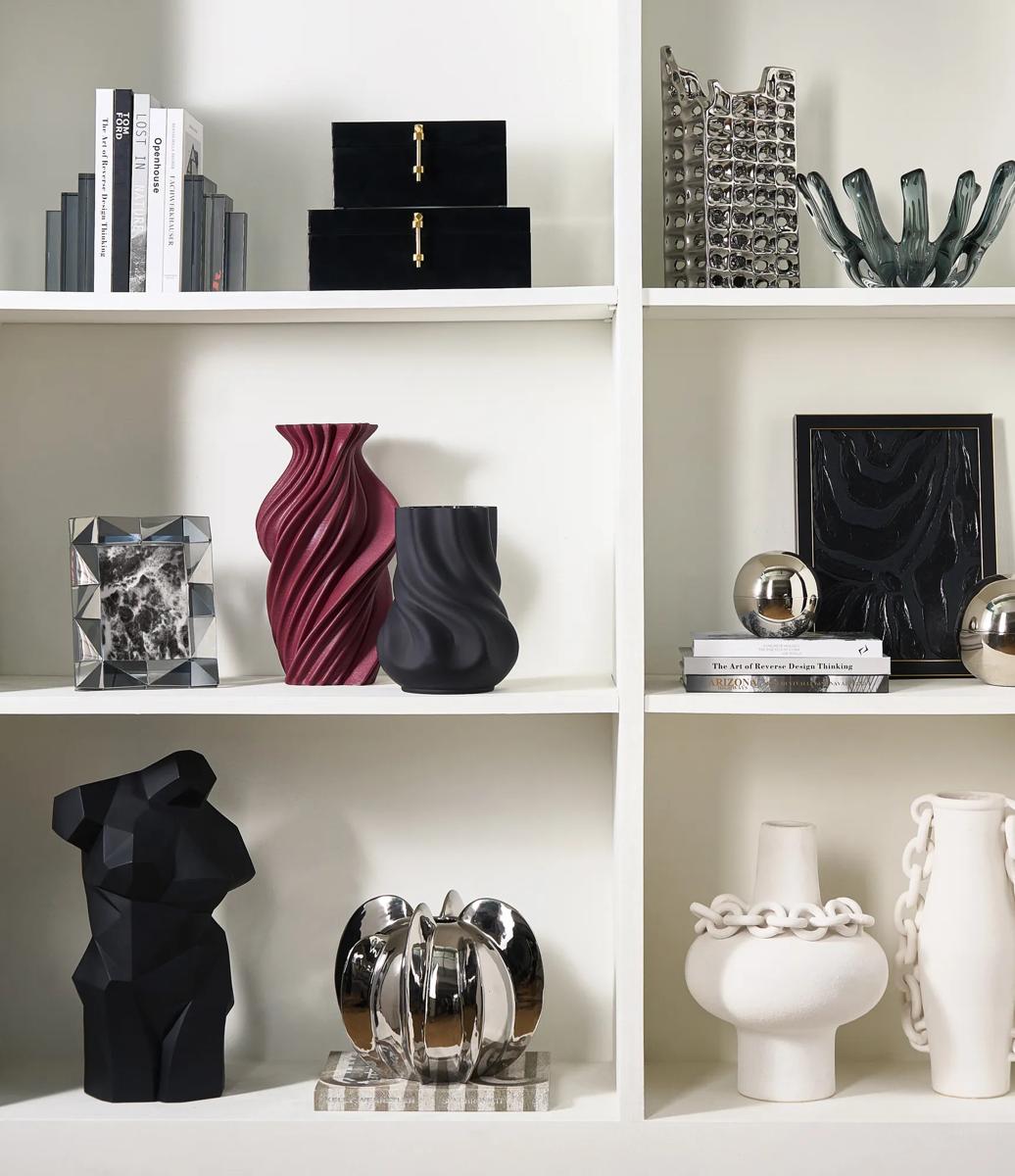 Midnight Animal Painting - Set of 2$119
A set of hand-embellished canvas artworks in black and gold frames, adding depth and warmth to interiors.
Add To Cart -
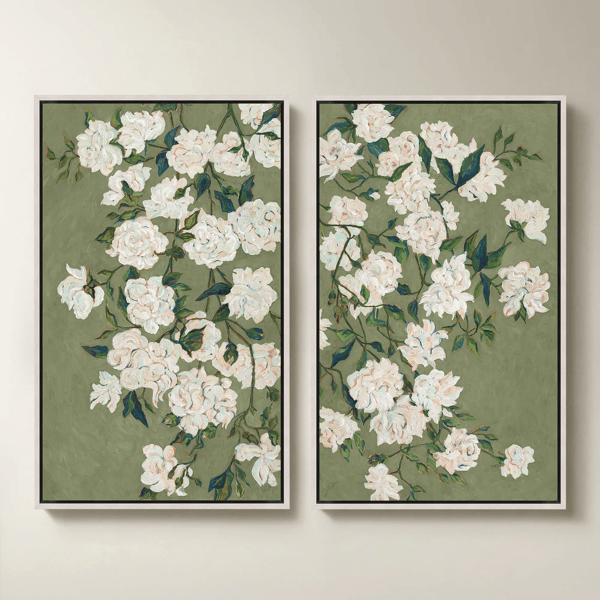
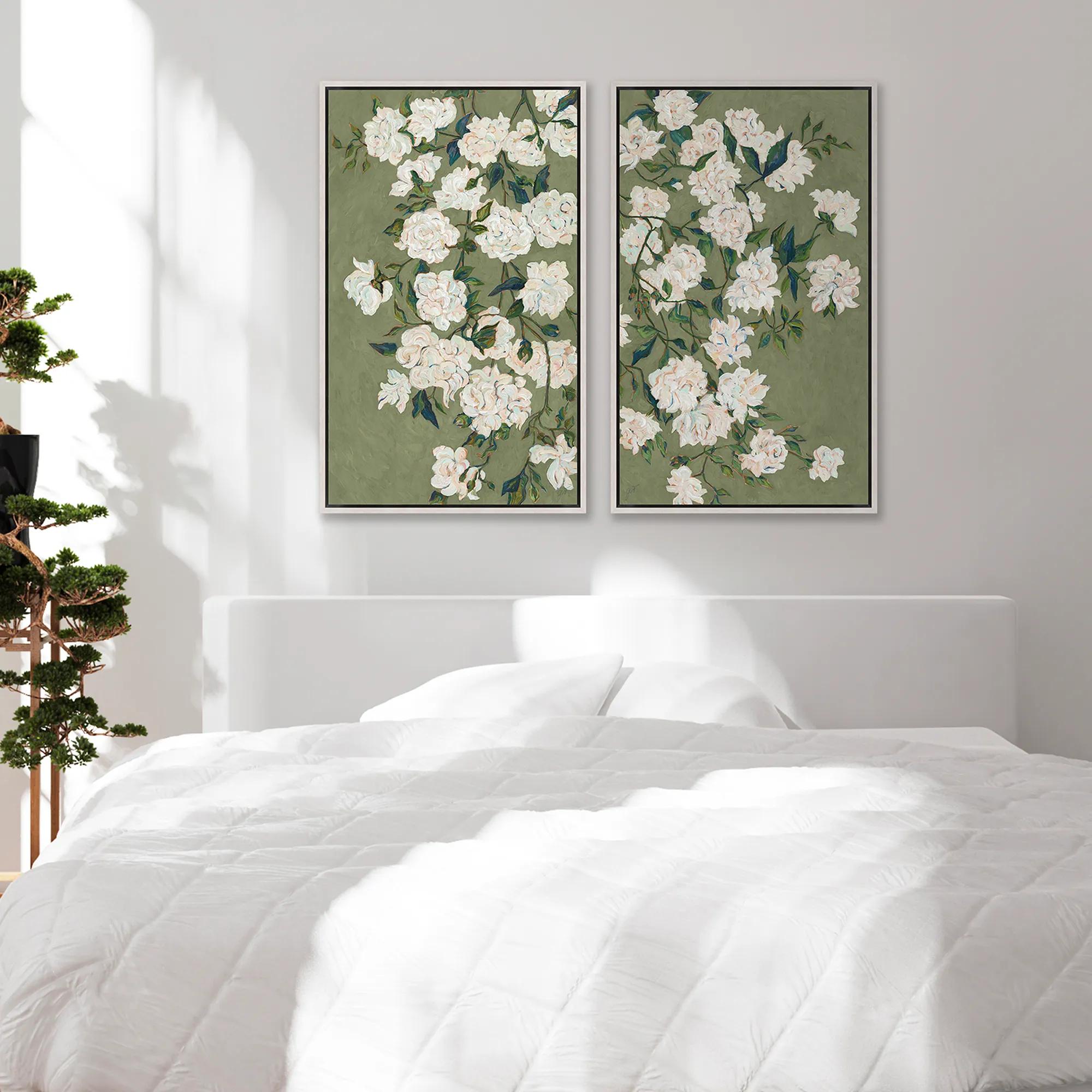 Verdi Vincent Framed Wall Art 21.5" x 41.5" Set of 2$949
A set of two gallery-wrapped fiber texture canvases in white floater frames for modern wall decor.
Add To Cart -
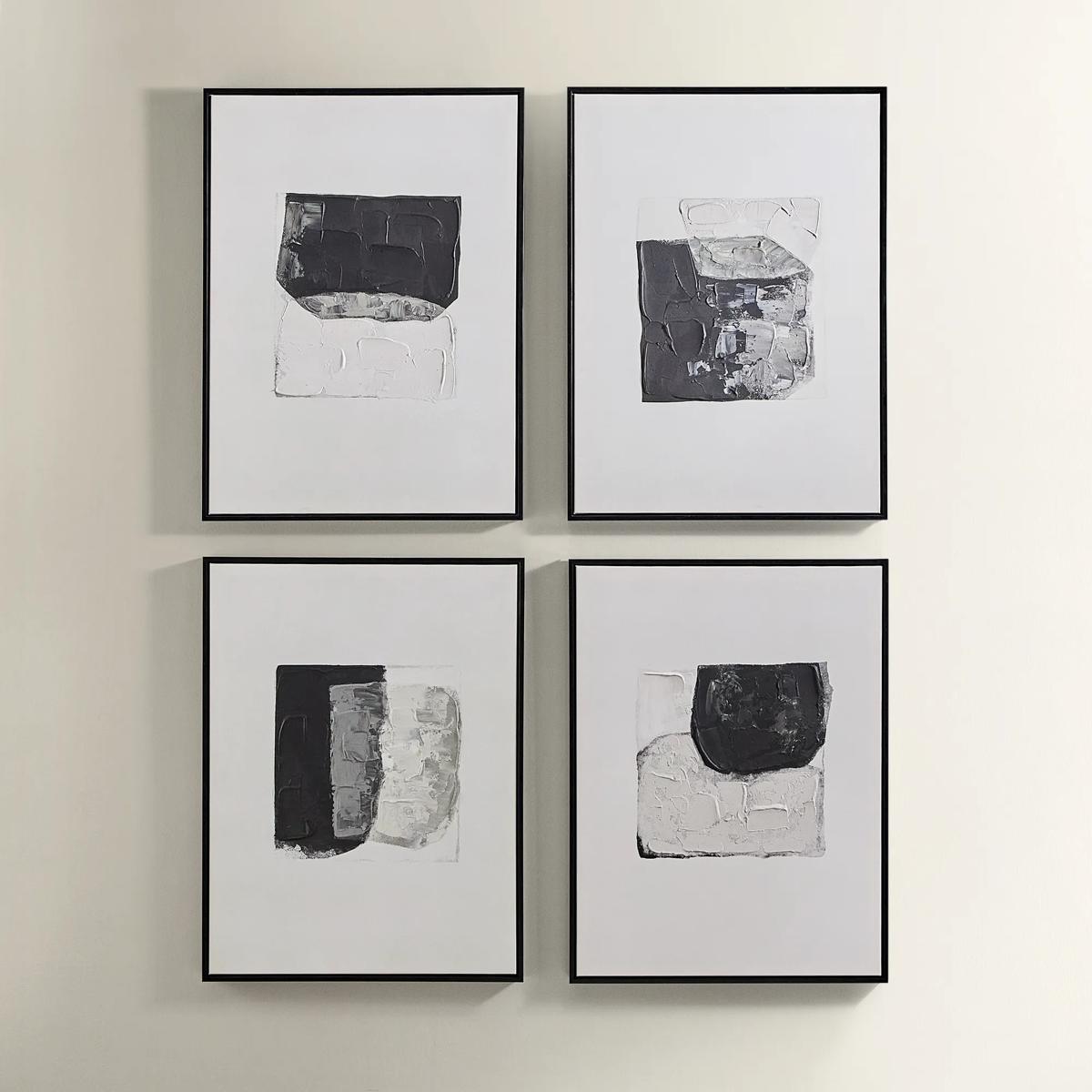
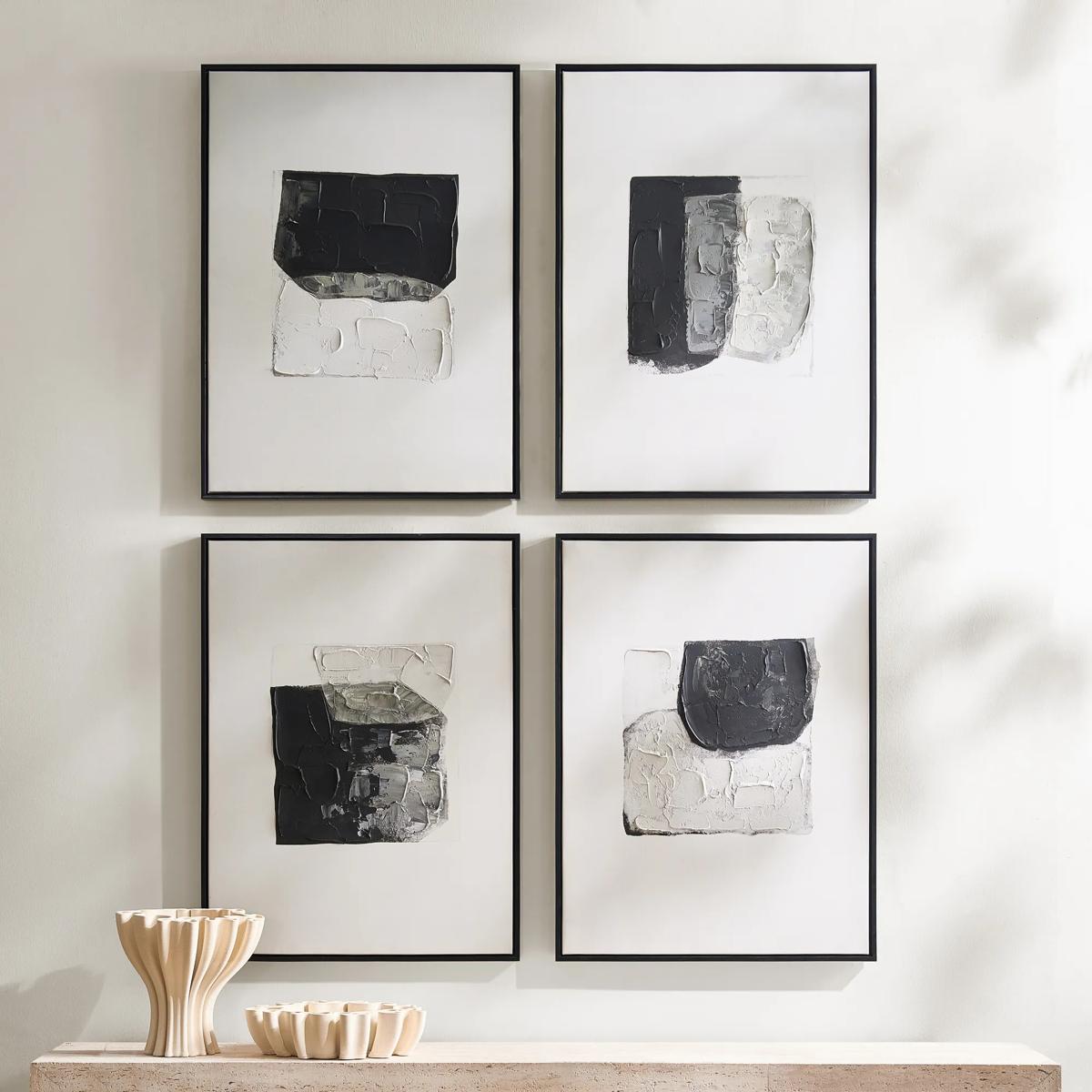 Shadows Framed Painted Wall Art Set of 4$299
A set of four hand-painted abstract canvases featuring black, white, and gold accents in black frames.
Add To Cart

Abstract Wall Art Sets
Explore abstract wall art sets to create a coordinated display with expressive, gallery-inspired impact. Discover compositions designed to work together, and consider how their palette, proportions, and arrangement will complement your room. Above a sofa, along a hallway, or behind a dining table, a thoughtfully placed set brings visual rhythm and a confident focal point to your space.
Abstract wall art sets bring a gallery-inspired rhythm to your home, transforming an open wall into a composition rich with movement, color, and expressive detail. Unlike a single statement piece, a coordinated art grouping invites the eye to travel from one work to the next, creating a visual story through recurring shapes, contrasting tones, or fluid lines. For a living room with a dramatic point of view, consider abstract artwork that echoes an accent color in your furnishings while introducing an unexpected shade for dimension. In a bedroom, softer tonal relationships and sweeping gestures can establish a serene atmosphere without sacrificing artistic presence. Two-piece wall art sets, often called diptychs, lend themselves to balanced arrangements, while three-piece wall art sets, or triptychs, can create an expansive focal point above a sofa, bed, or dining room sideboard. The most compelling choice connects with the mood of your room rather than matching every detail, giving your space the confidence of a thoughtfully curated interior. Choosing and arranging abstract wall art sets is as much about proportion as it is about personal expression. Before selecting a grouping, measure the full display area and account for the space between each piece; the combined width should feel connected to the furniture below rather than lost against the wall or crowded beyond it. Above a sofa or console, an arrangement spanning roughly two-thirds to three-quarters of the furniture’s width is a useful starting point, with adjustments for ceiling height and the surrounding decor. Keep spacing consistent to help multiple panels read as one intentional composition, particularly if lines or forms continue across the set. Large abstract wall art sets can anchor an open living area with sweeping visual drama, while smaller groupings create an intimate focal point in an entryway or reading nook. Let the artwork guide a few finishing touches—a sculptural object, a richly colored pillow, or a contrasting decorative accent—without repeating its palette everywhere. This interplay allows modern abstract wall decor to become more than a finishing layer: it gives the room an artistic identity that feels distinctly yours.
FAQs
Abstract wall art sets bring together coordinated artworks that explore color, shape, line, and texture rather than literal imagery. Connected by a shared visual language, the pieces create a layered composition with expressive energy—turning a wall into a deliberate statement of personal style.
Start with the mood you want to create. Fluid forms and tonal palettes lend a room quiet sophistication, while sharp geometry and vivid contrasts introduce drama. Echo a color from your upholstery or decorative accents for a cohesive composition, or choose an unexpected hue to give the room an artistic counterpoint.
A diptych features two related art panels, while a triptych features three. Either format may carry one continuous composition across the panels or pair distinct works through recurring colors and forms. A diptych creates a striking visual dialogue; a triptych introduces a rhythmic sequence that invites the eye to travel.
Matching frames give abstract wall art sets a polished, gallery-inspired presence and let the artwork lead. Varied frames can create a more collected expression when they share a unifying finish or profile. Choose framing that complements the art’s character, whether that means a restrained outline around bold gestures or a luminous accent around a tonal composition.
Let the artwork establish the visual conversation, then echo select elements throughout the room. Pair sweeping lines with sculptural objects, repeat an accent color in pillows, or balance energetic brushwork with a composed console vignette. Give each element a distinct role so the room feels richly layered rather than overly coordinated.