Large Wall Art Sets
Large Wall Art Sets
-
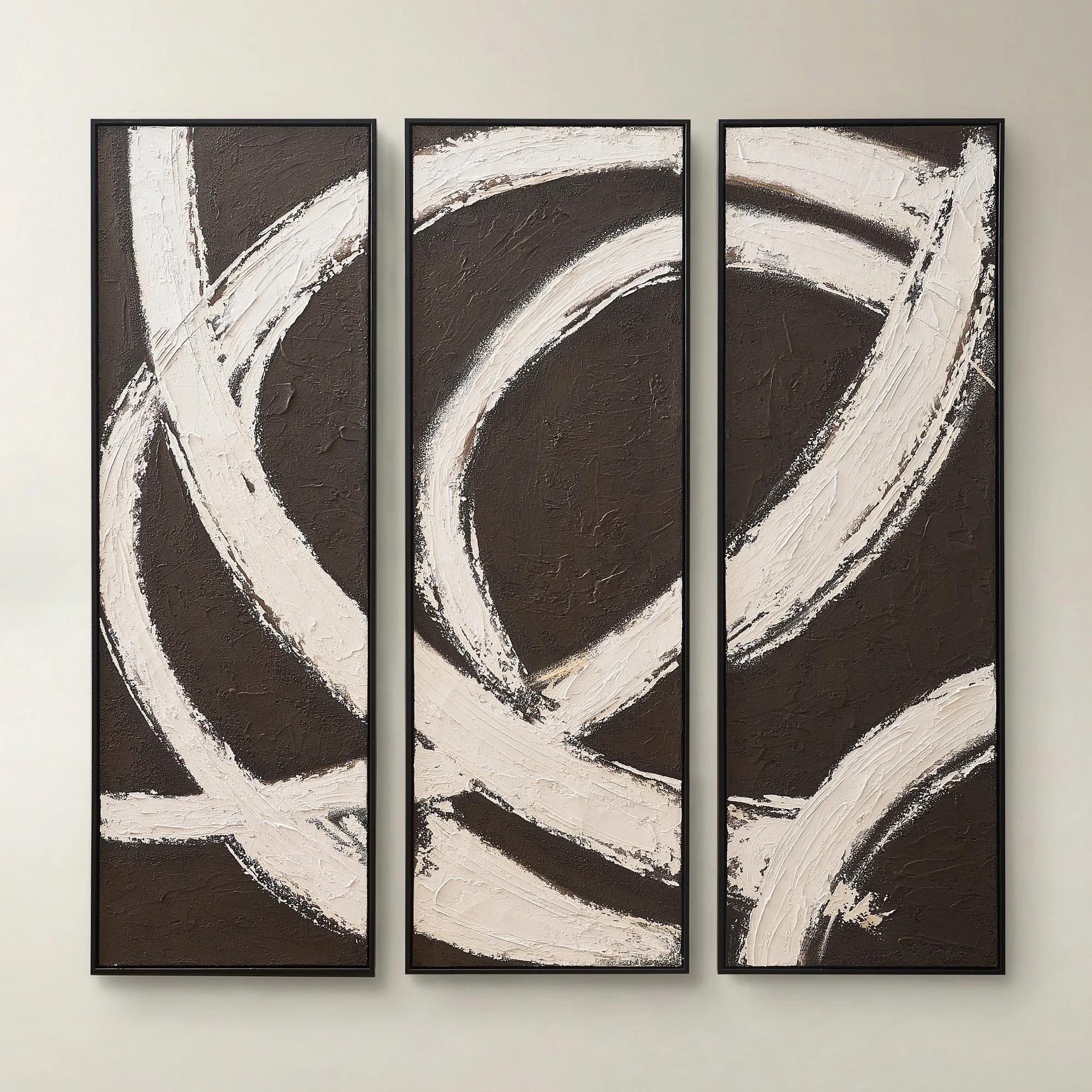
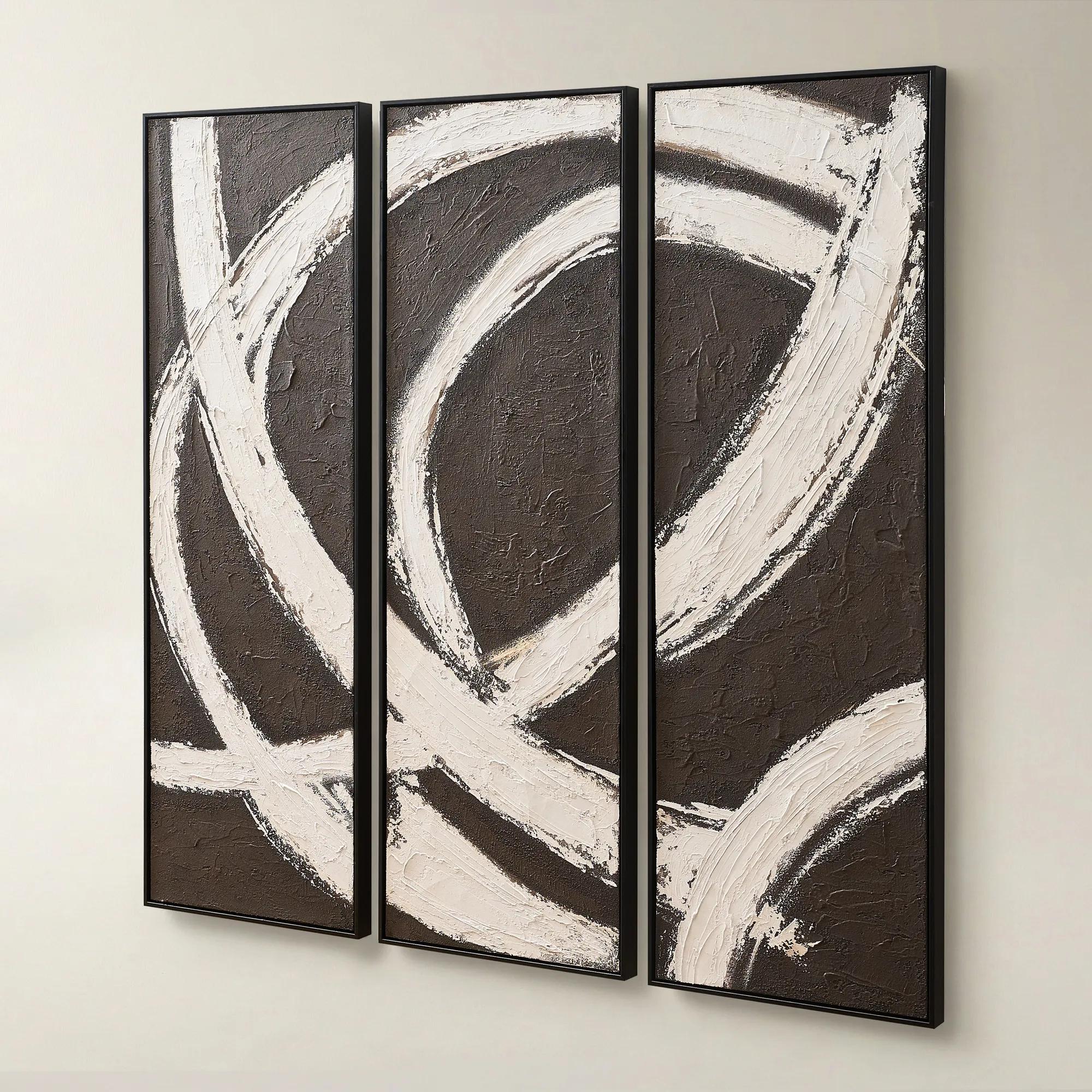 Spun in Coco Framed Painted Wall Art 20" x 60" Set of 3$499
A hand-painted triptych featuring dark chocolate and alabaster tones with rich texture and modern contrast.
Add To Cart -
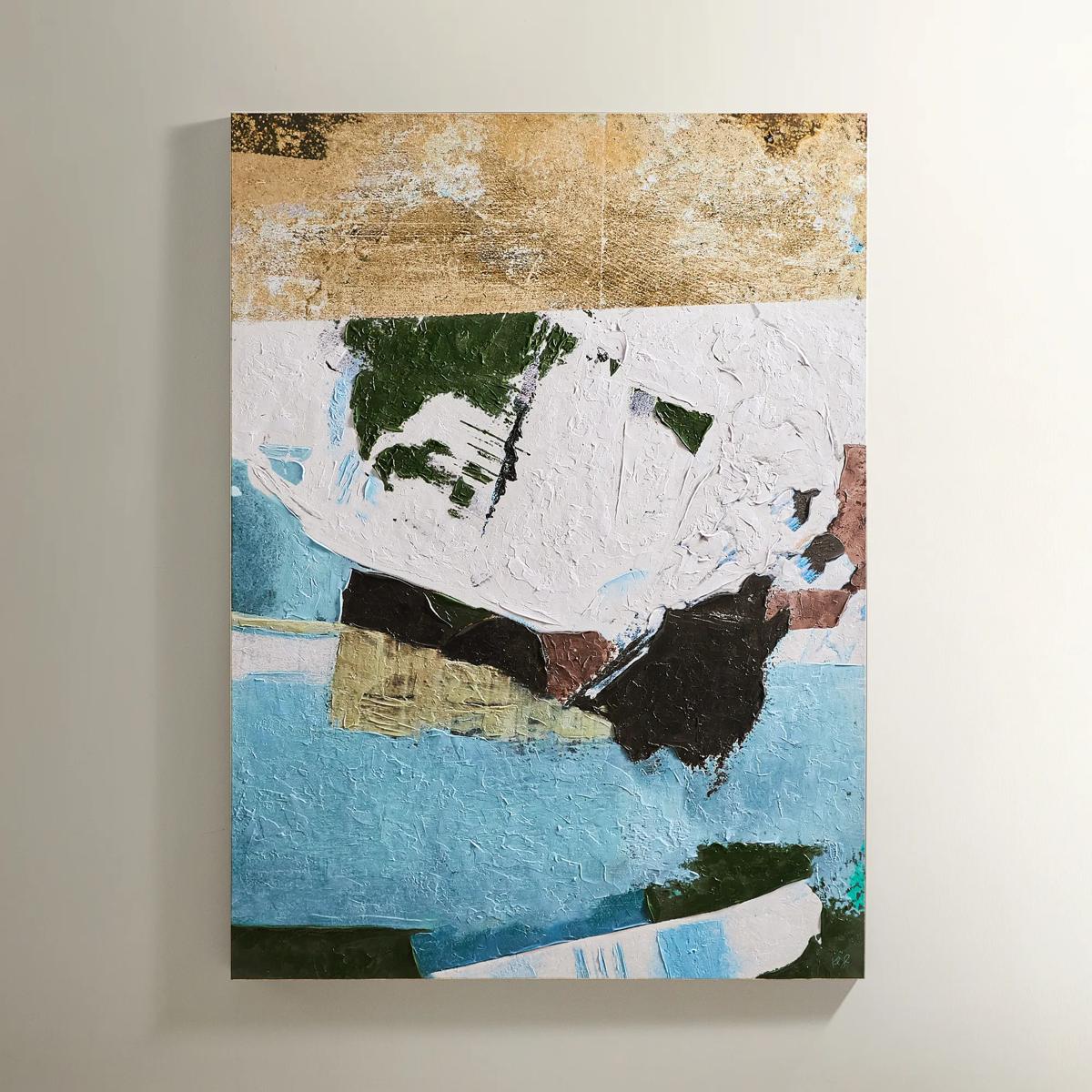
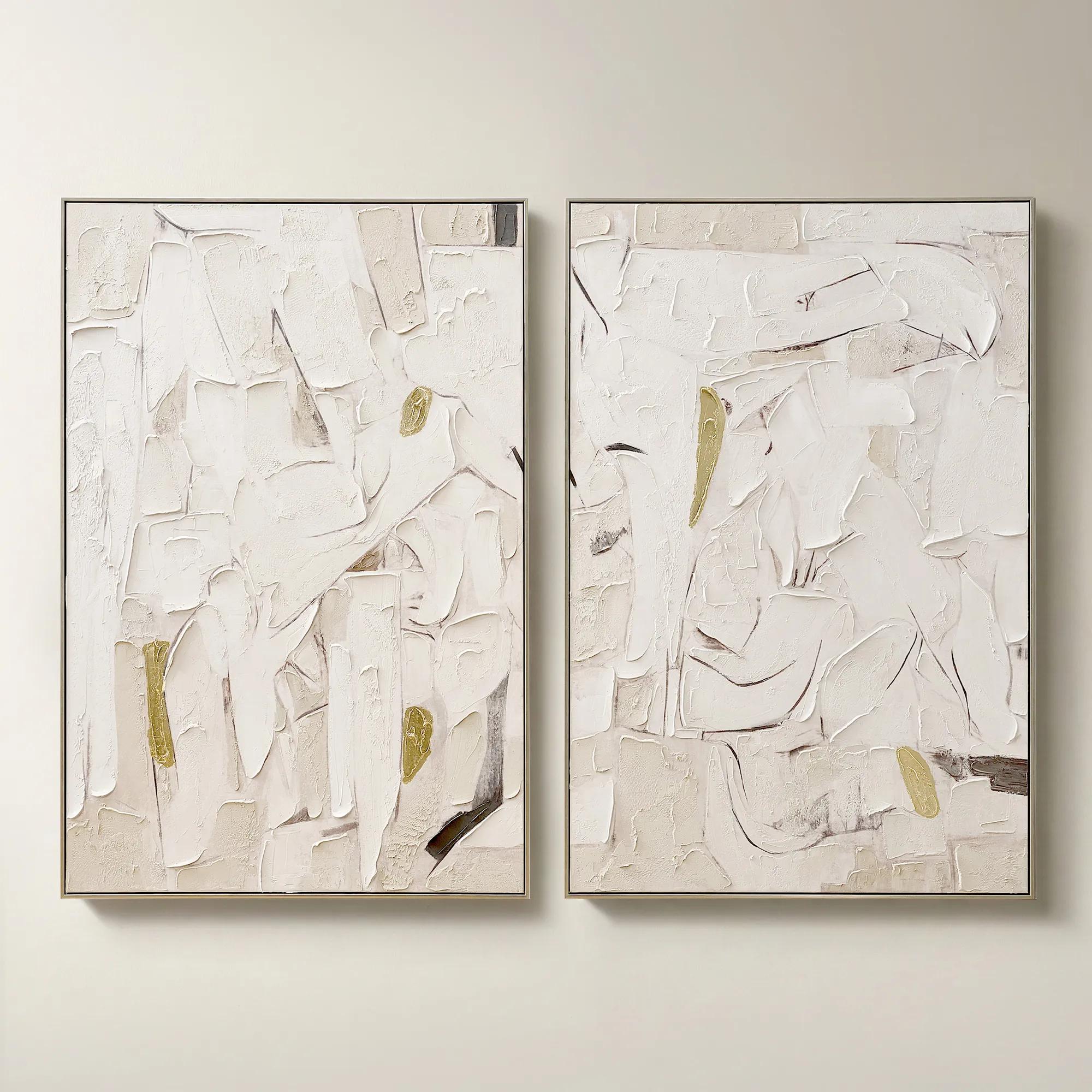 Beneath the Surface Framed Gold Leaf Painted Wall Art 40" x 60" Set of 2$799
A hand-painted abstract diptych featuring gold detailing and layered texture in alabaster and tawny hues.
Add To Cart -
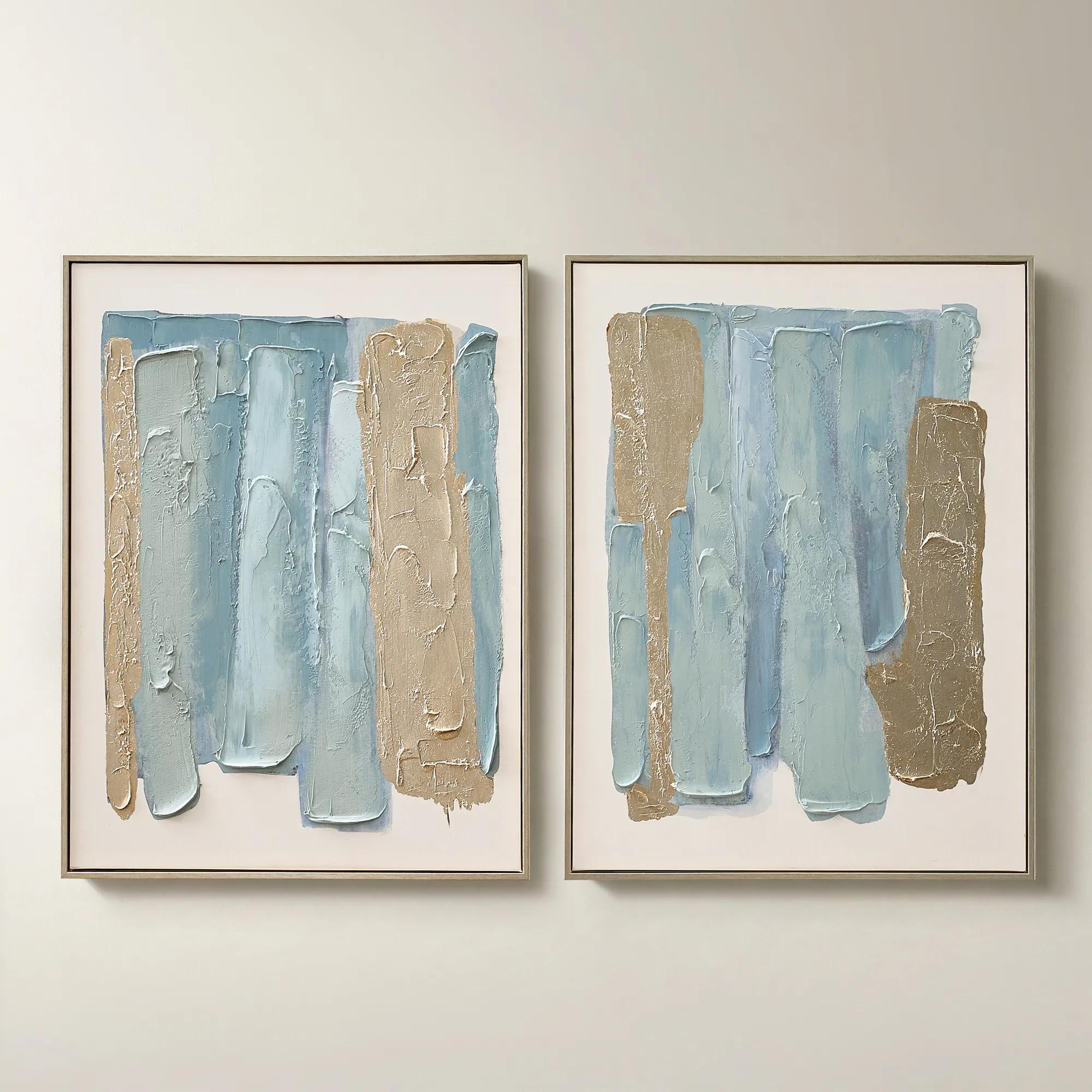
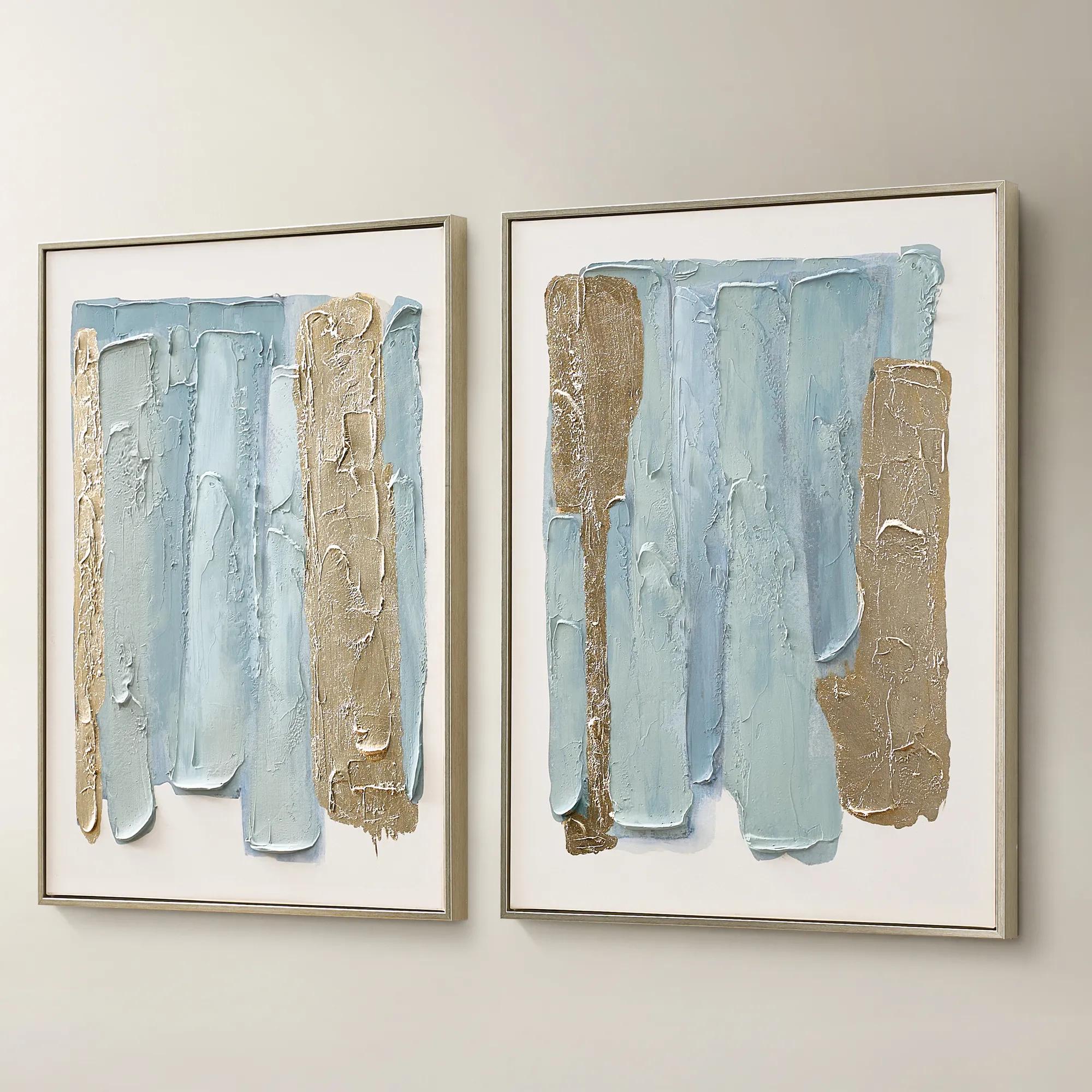 Blue Drift Framed Champagne Painted Wall Art 24" x 32" Set of 2$199
A set of two hand-painted canvases in dusty blue with champagne leafing and modern abstract movement.
Add To Cart -
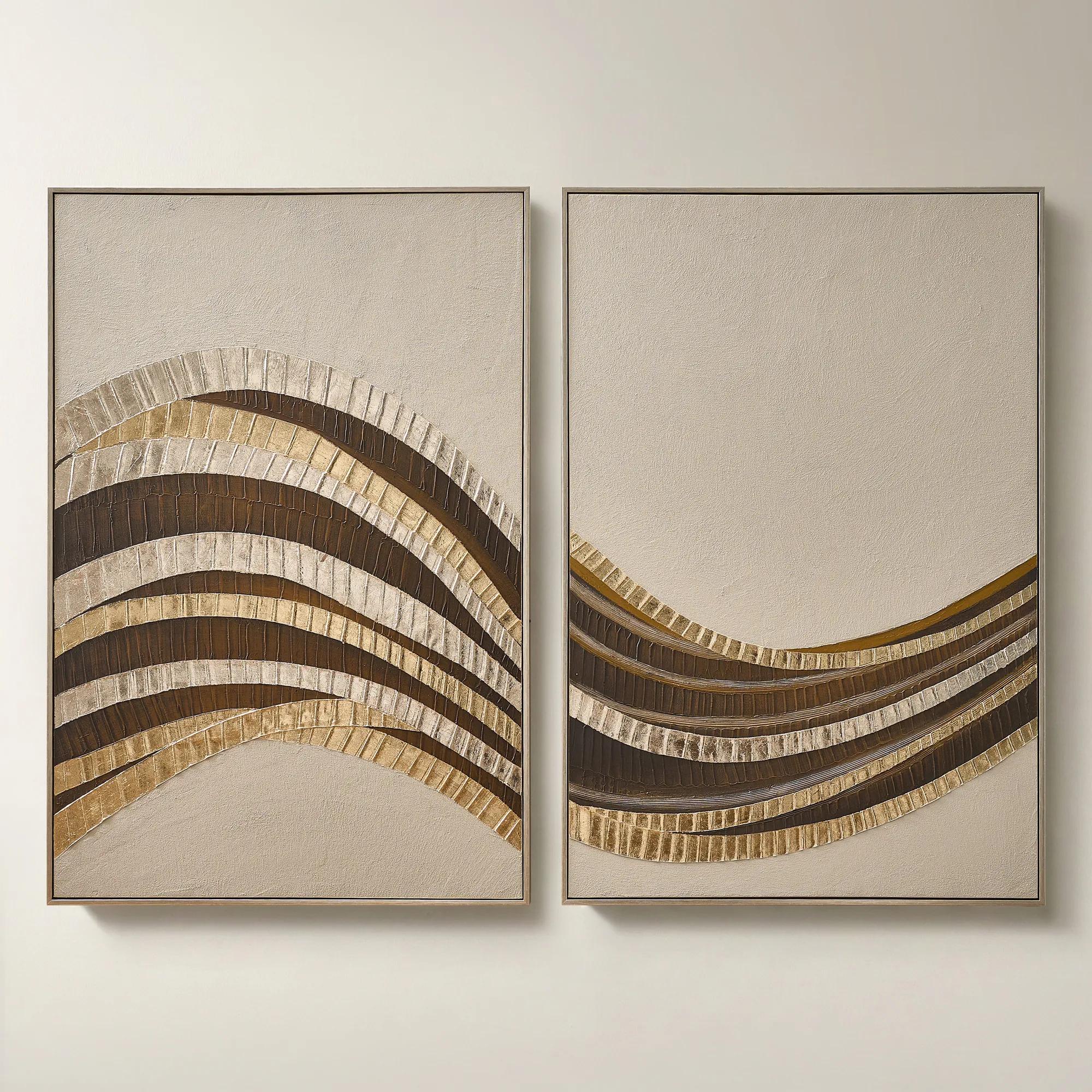 Stillness in Motion Framed Gold Leaf Painted Wall Art 40" x 60" Set of 2$899
A hand-painted abstract diptych with gold leaf accents, textured surface, and brushed champagne frames.
Add To Cart -
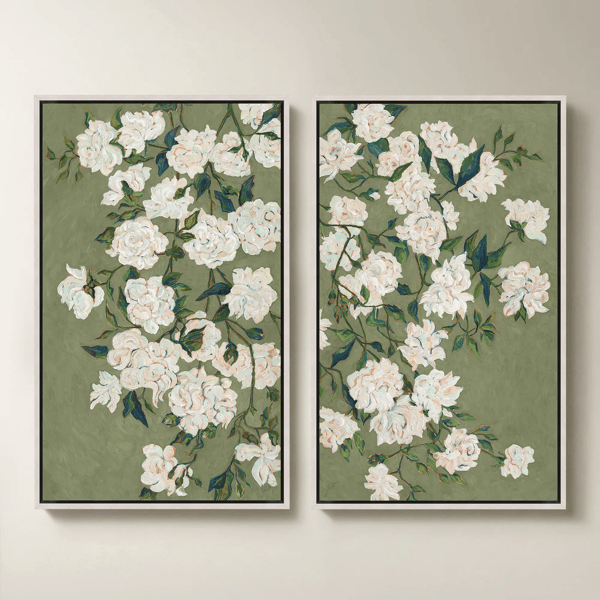
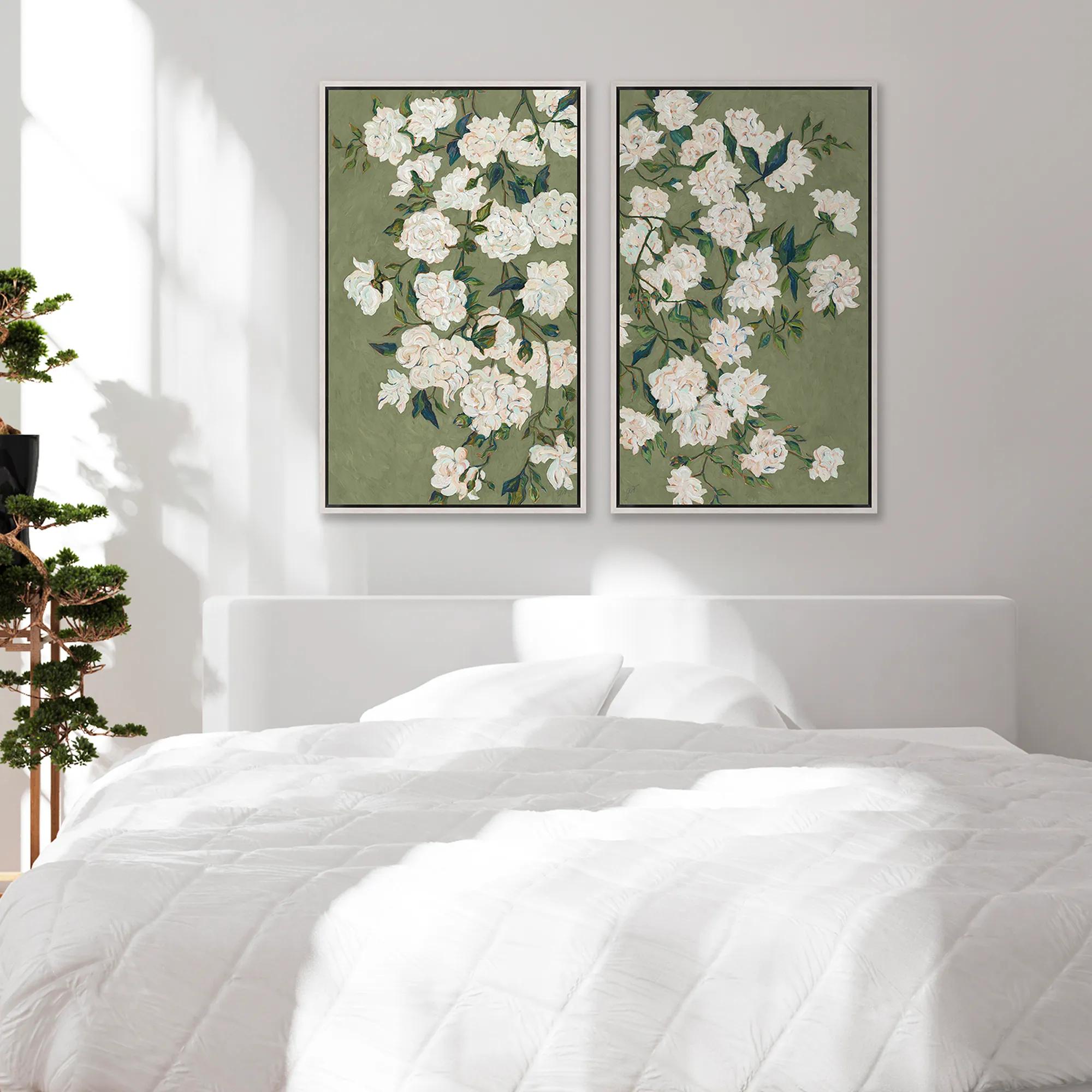 Verdi Vincent Framed Wall Art 21.5" x 41.5" Set of 2$949
A set of two gallery-wrapped fiber texture canvases in white floater frames for modern wall decor.
Add To Cart -
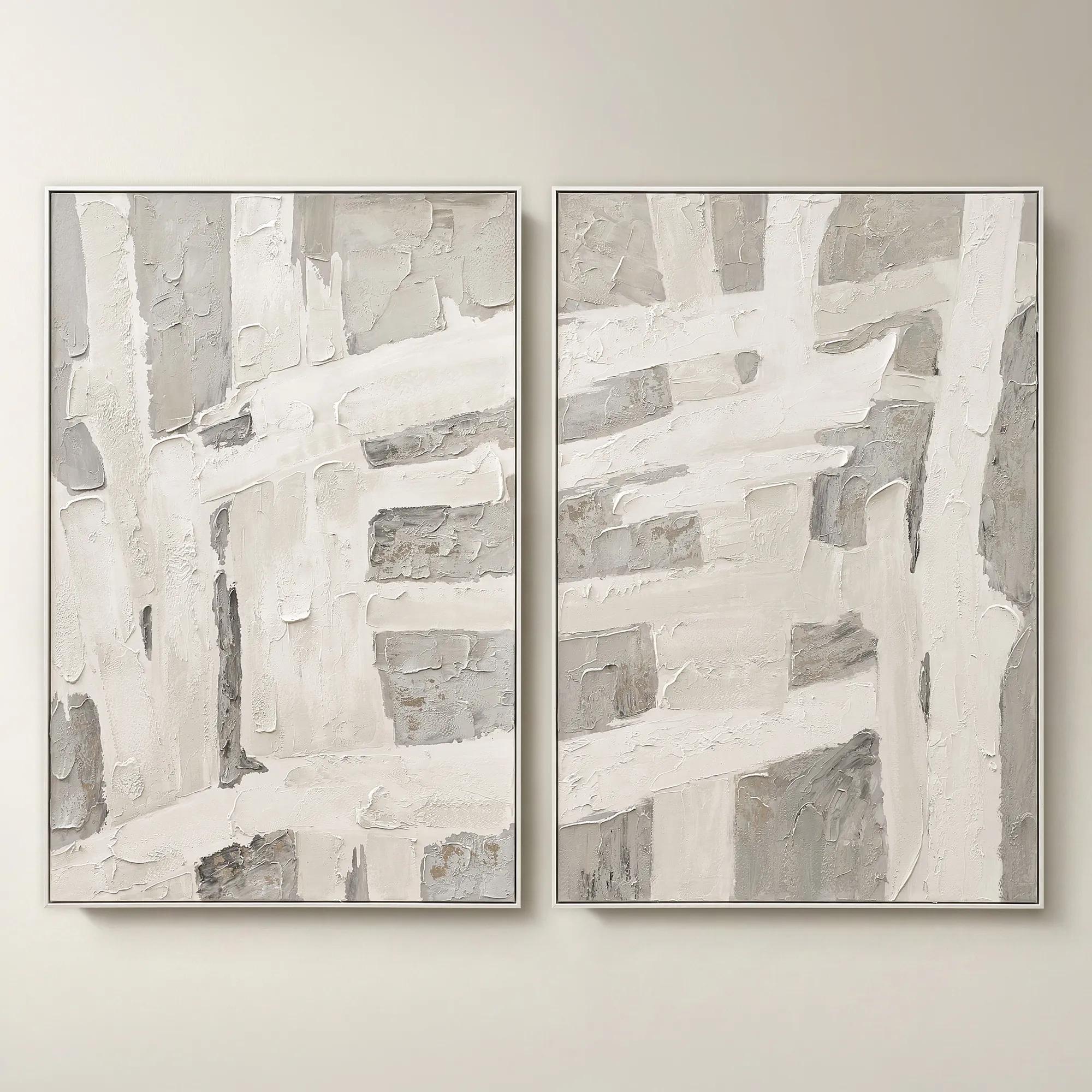 Traverse Framed Painted Wall Art 40" x 60" Set of 2$799
A hand-painted abstract diptych features champagne accents and soft grey, pearl, and alabaster tones in white frames.
Add To Cart -
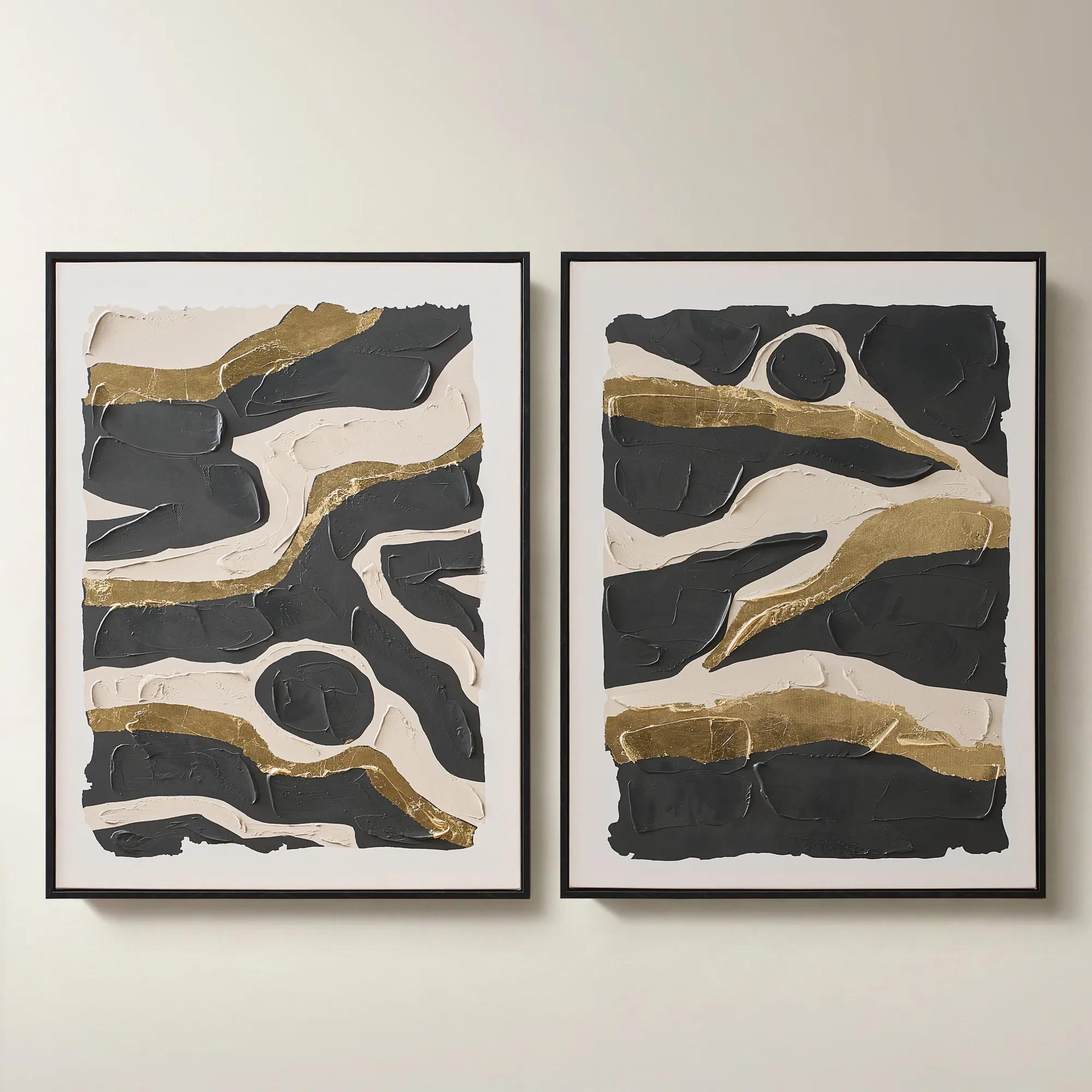
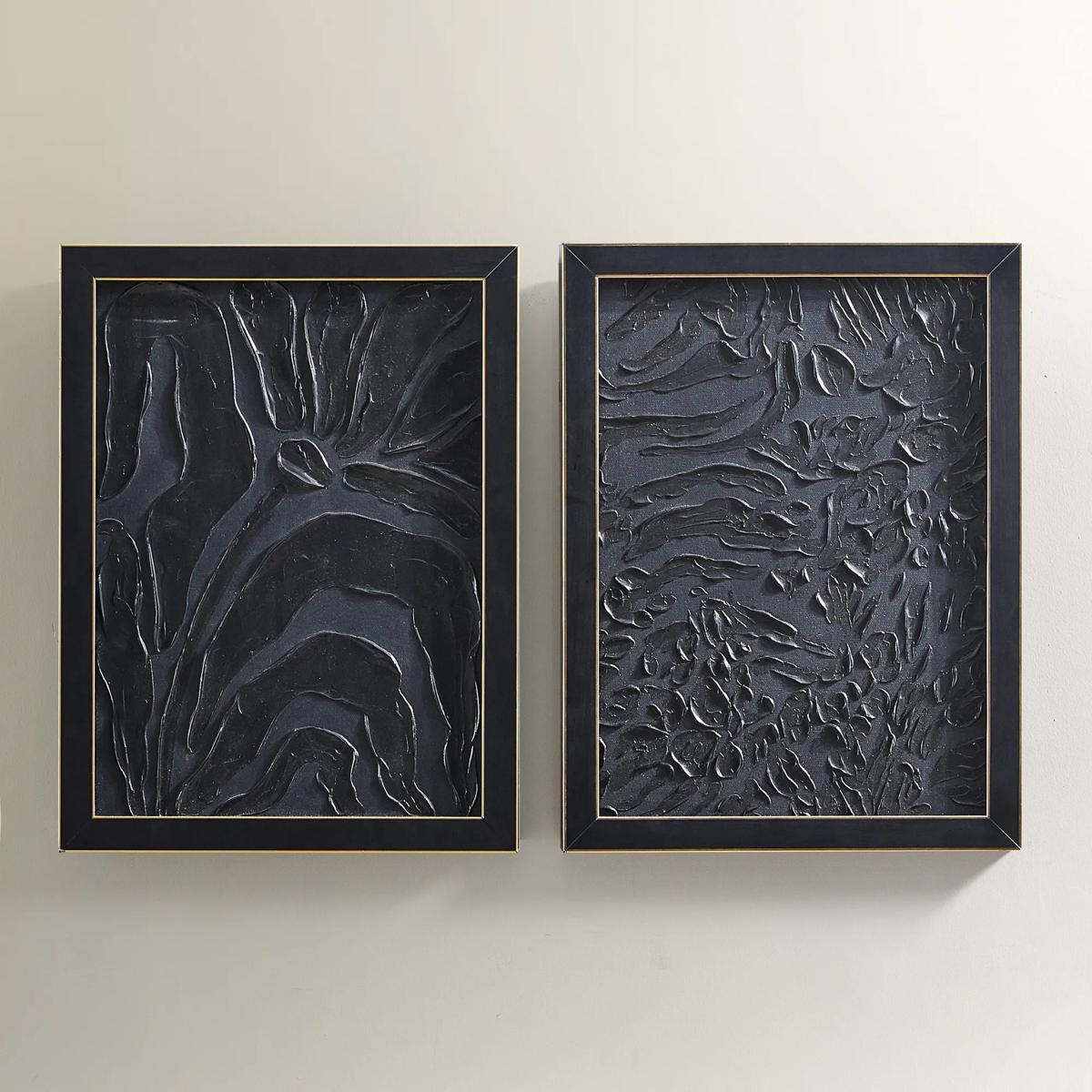
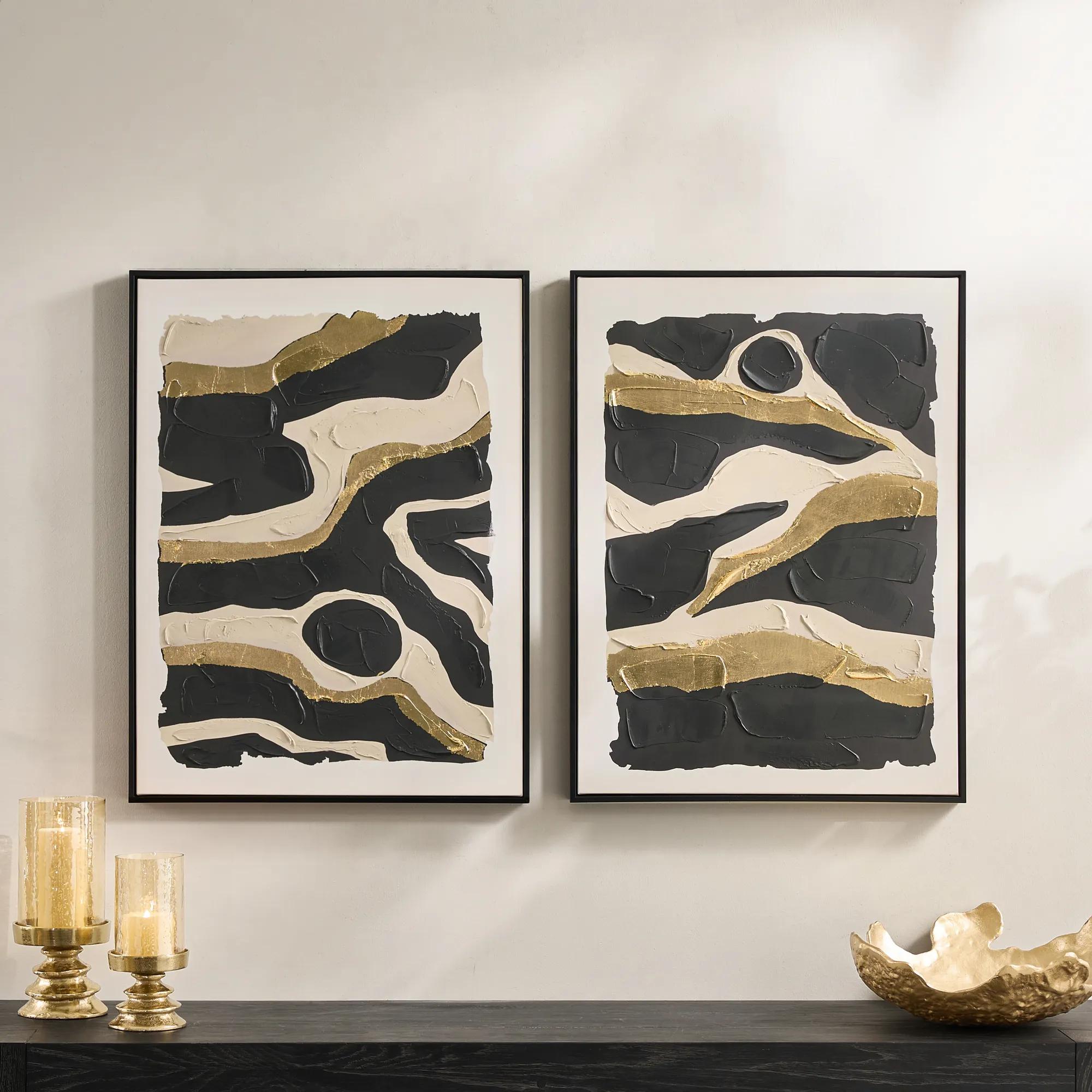 Untamed Framed Gold Leaf Painted Wall Art 24" x 32" Set of 2$199
A hand-painted diptych featuring abstract black and gold canvas art with expressive, gallery-inspired energy.
Add To Cart -
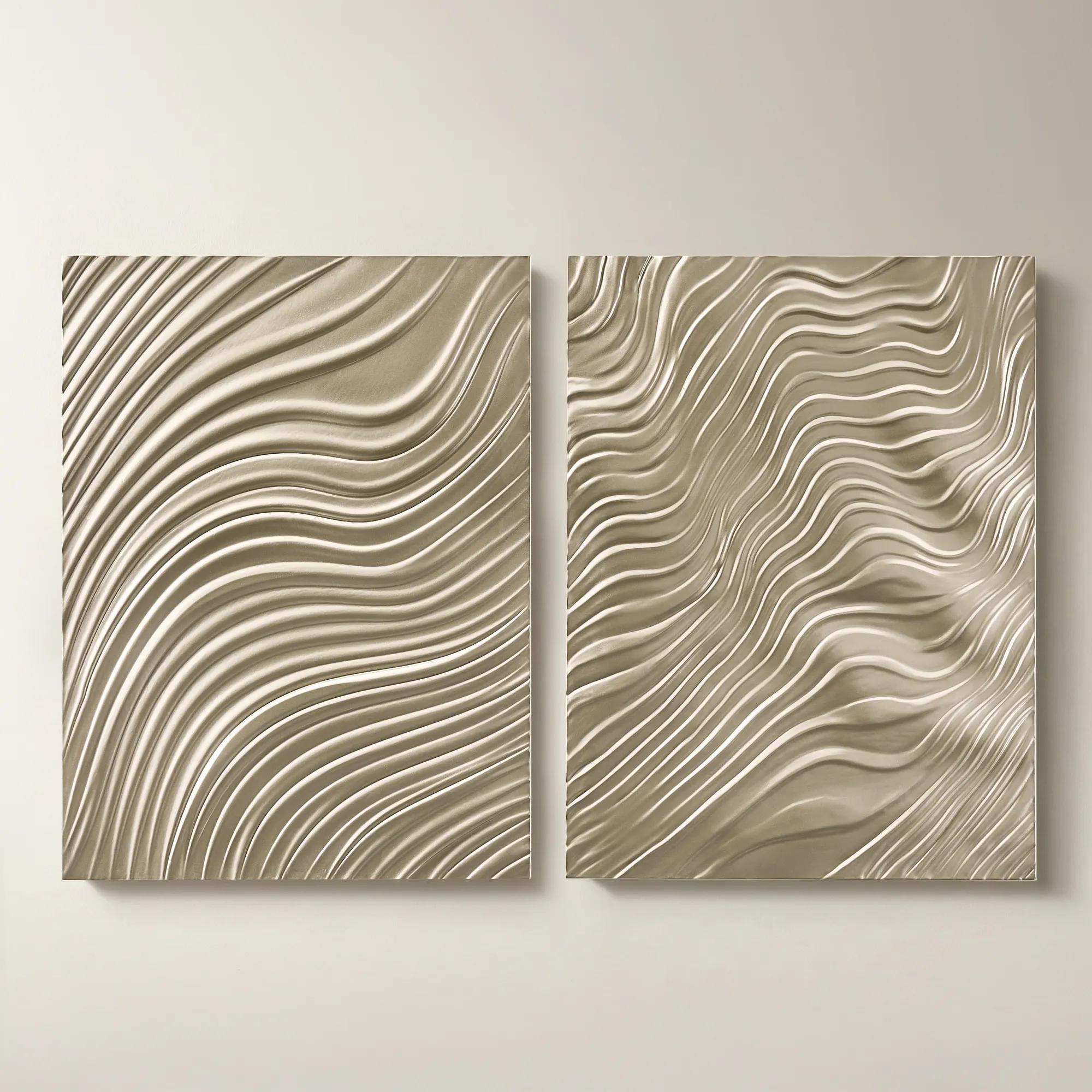
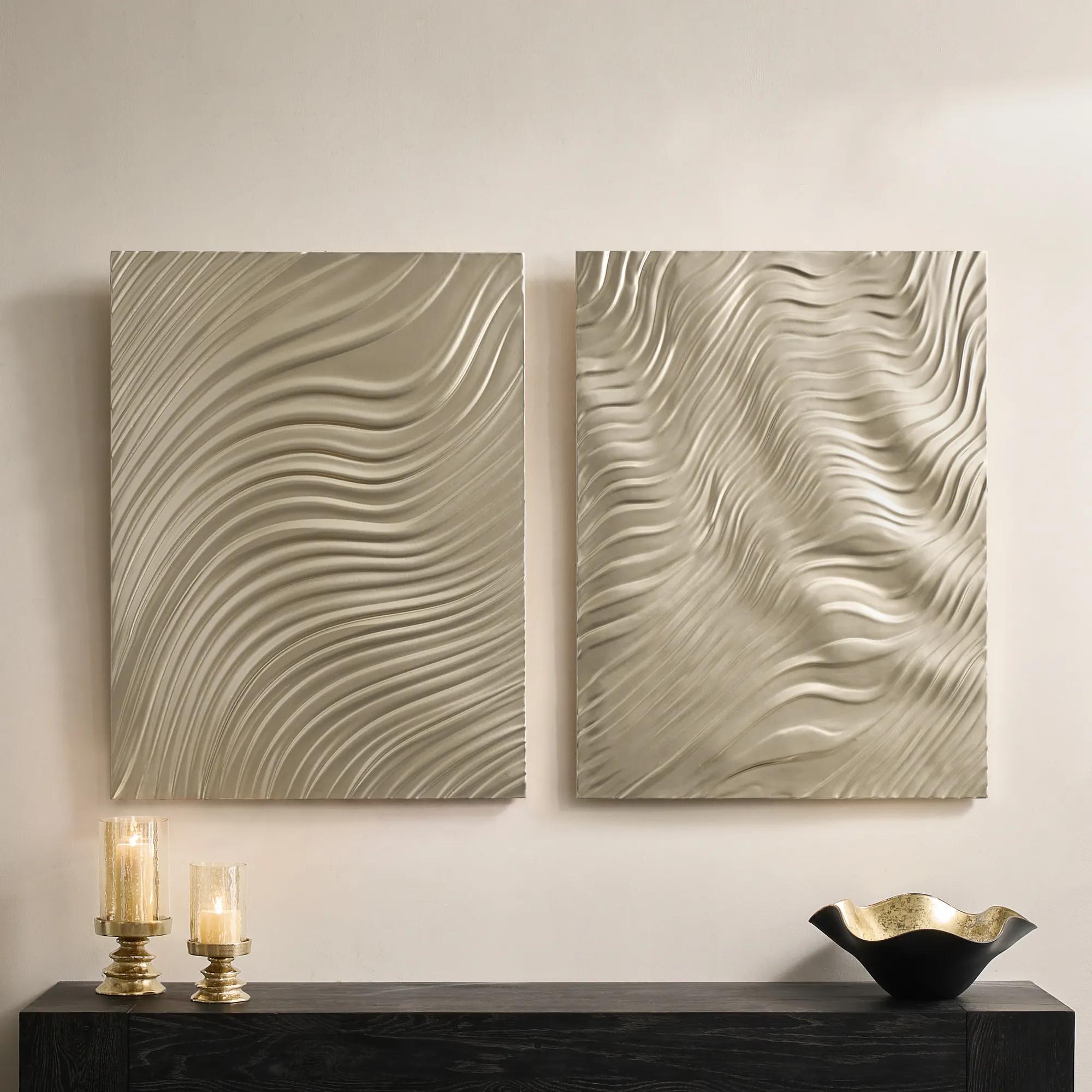 Mirage Champagne Carved Wood Wall Panels 30" x 40" Set of 2$799
A set of two intricately carved wood composite panels in a champagne finish with flowing 3D patterns.
Add To Cart -
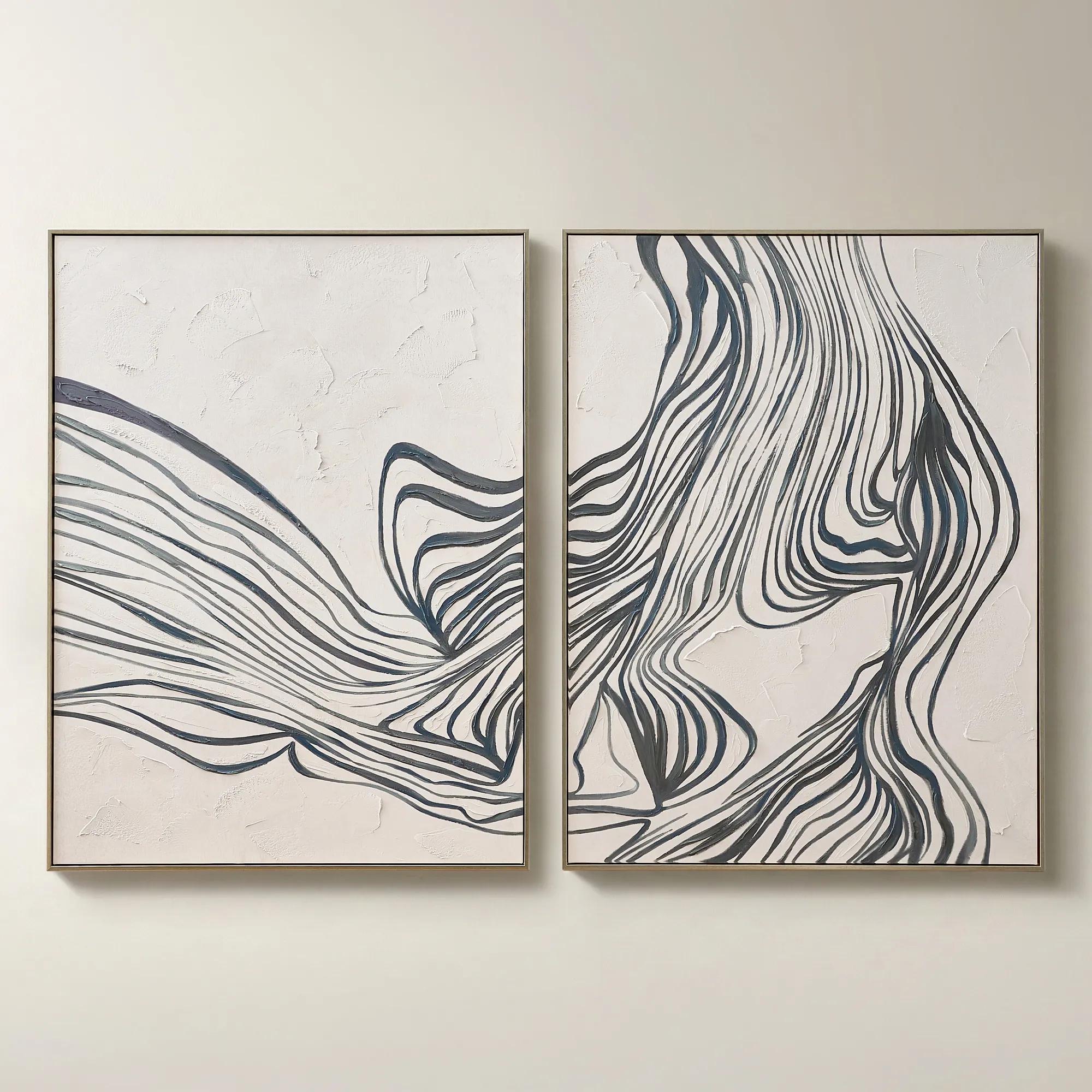
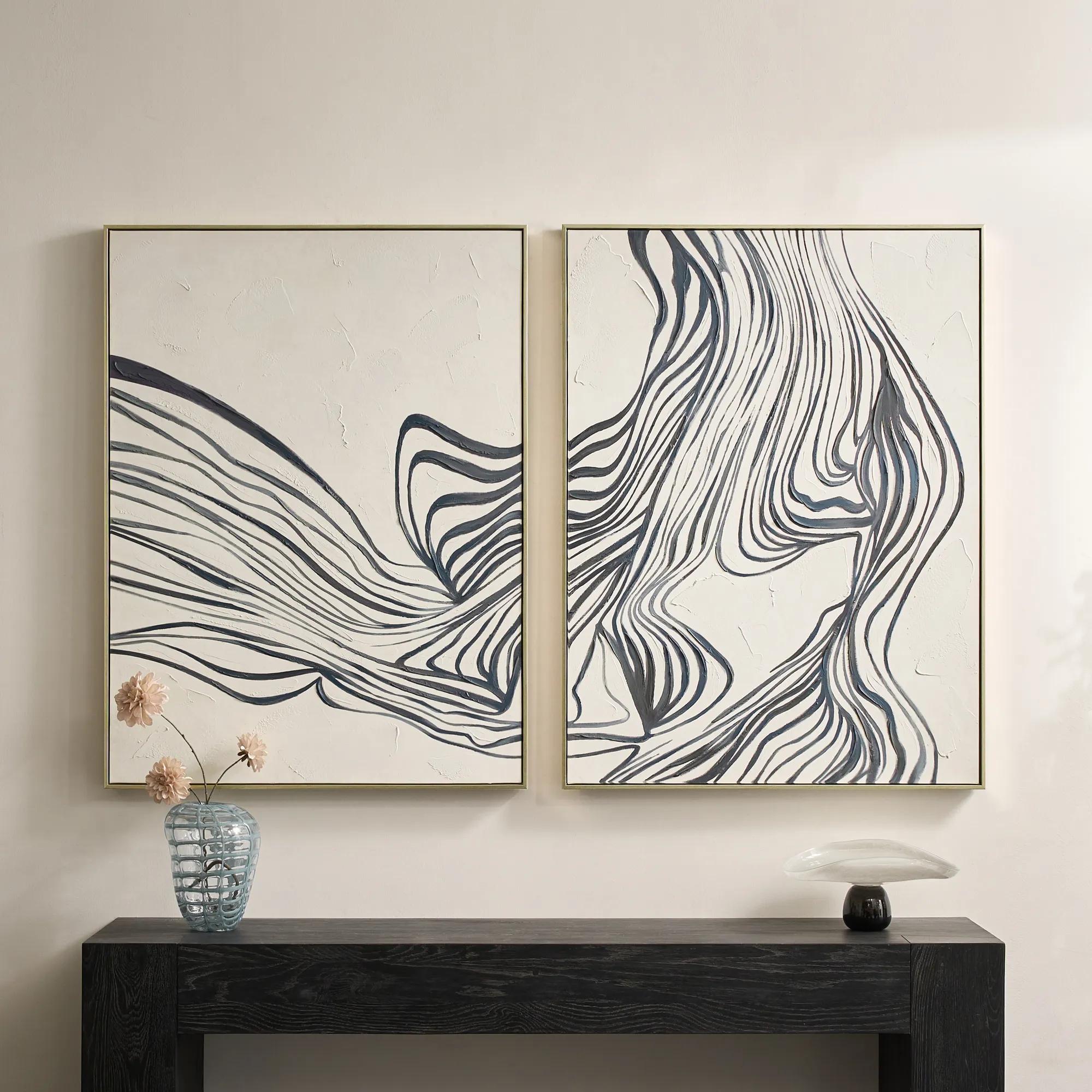 Rhythmic Framed Painted Wall Art 36" x 48" Set of 2$599
A hand-painted diptych featuring bold abstract stripes in dark slate and dusty blue with champagne frames.
Add To Cart -
 Relic Framed Painted Triptych Wall Art Set of 3$399
A hand-painted abstract triptych in deep navy and neutral tones, set in sleek black floater frames.
Add To Cart -
 Fossil Painting$299
A bold hand-painted abstract artwork featuring textured black shades in a sleek black floater frame.
Add To Cart -
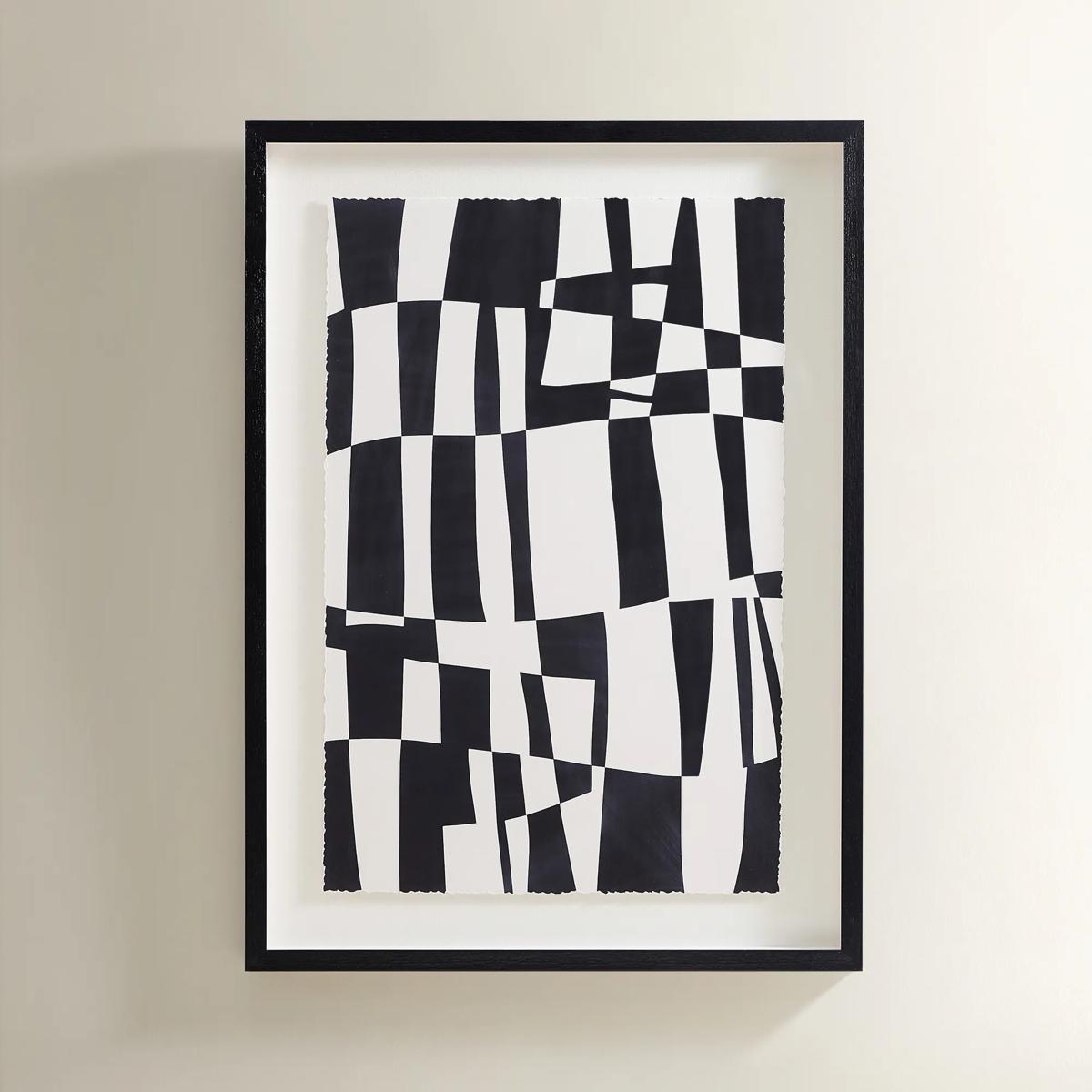 Matrix Art$369
A striking black and white abstract grid print set in a sleek black polyresin frame.
Add To Cart -
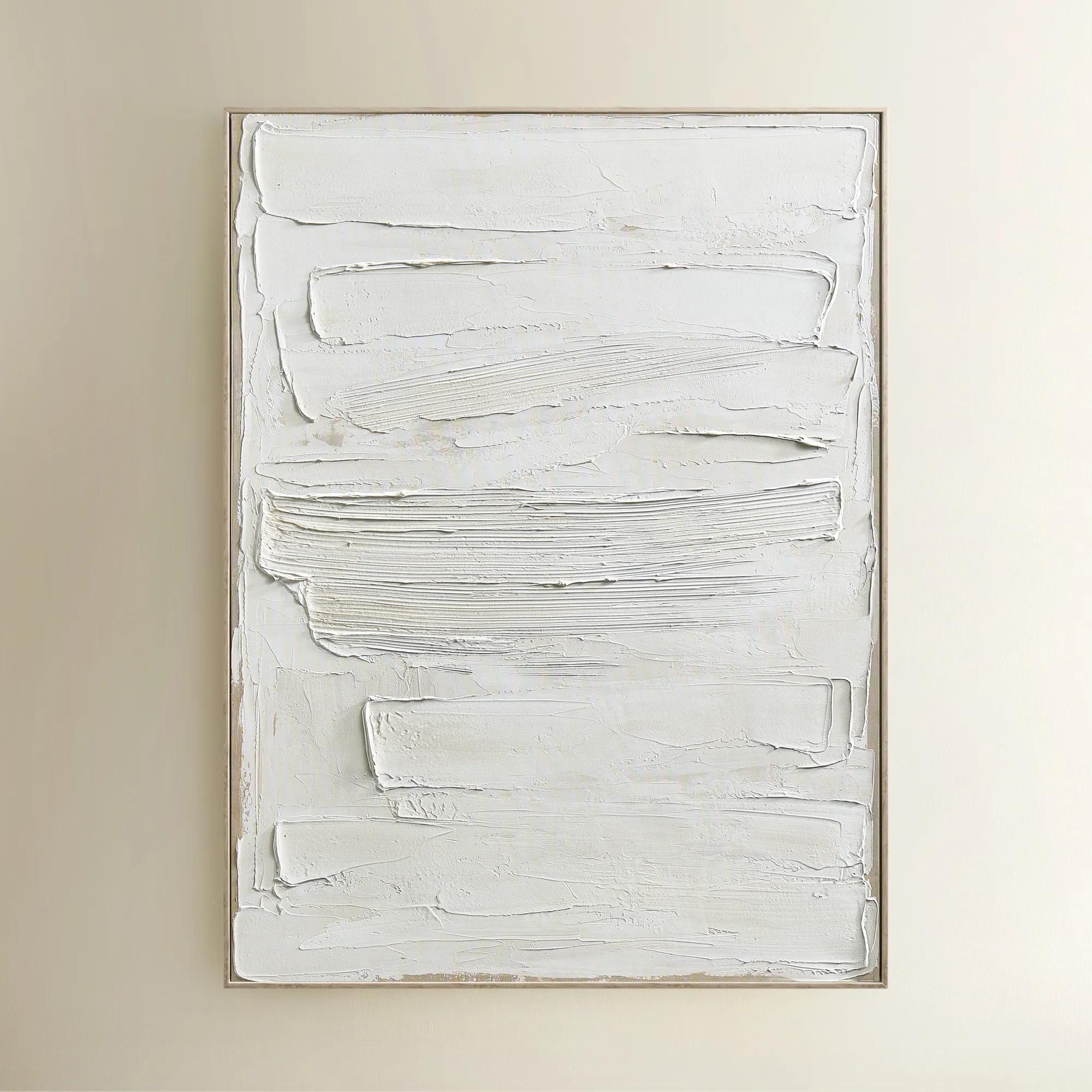
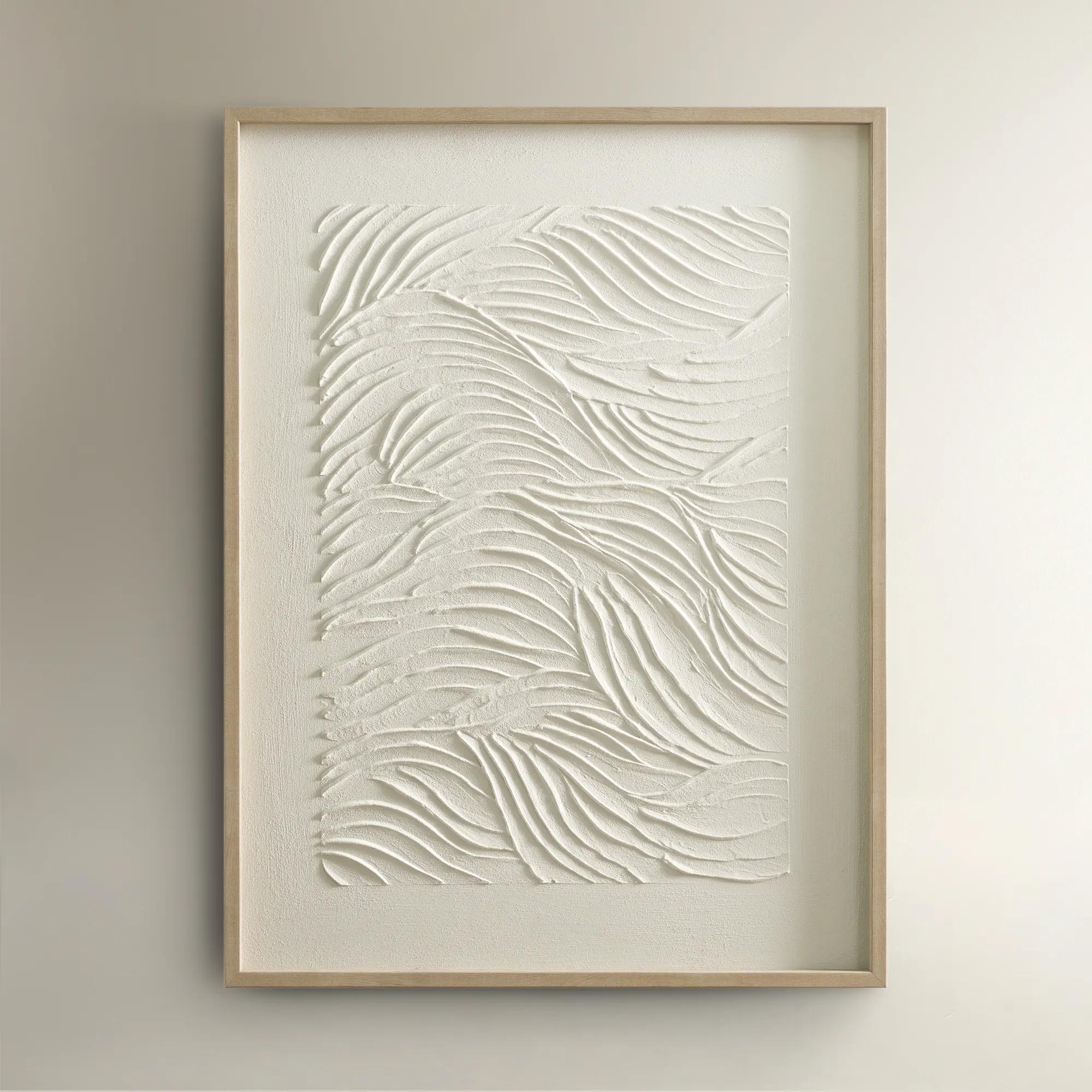
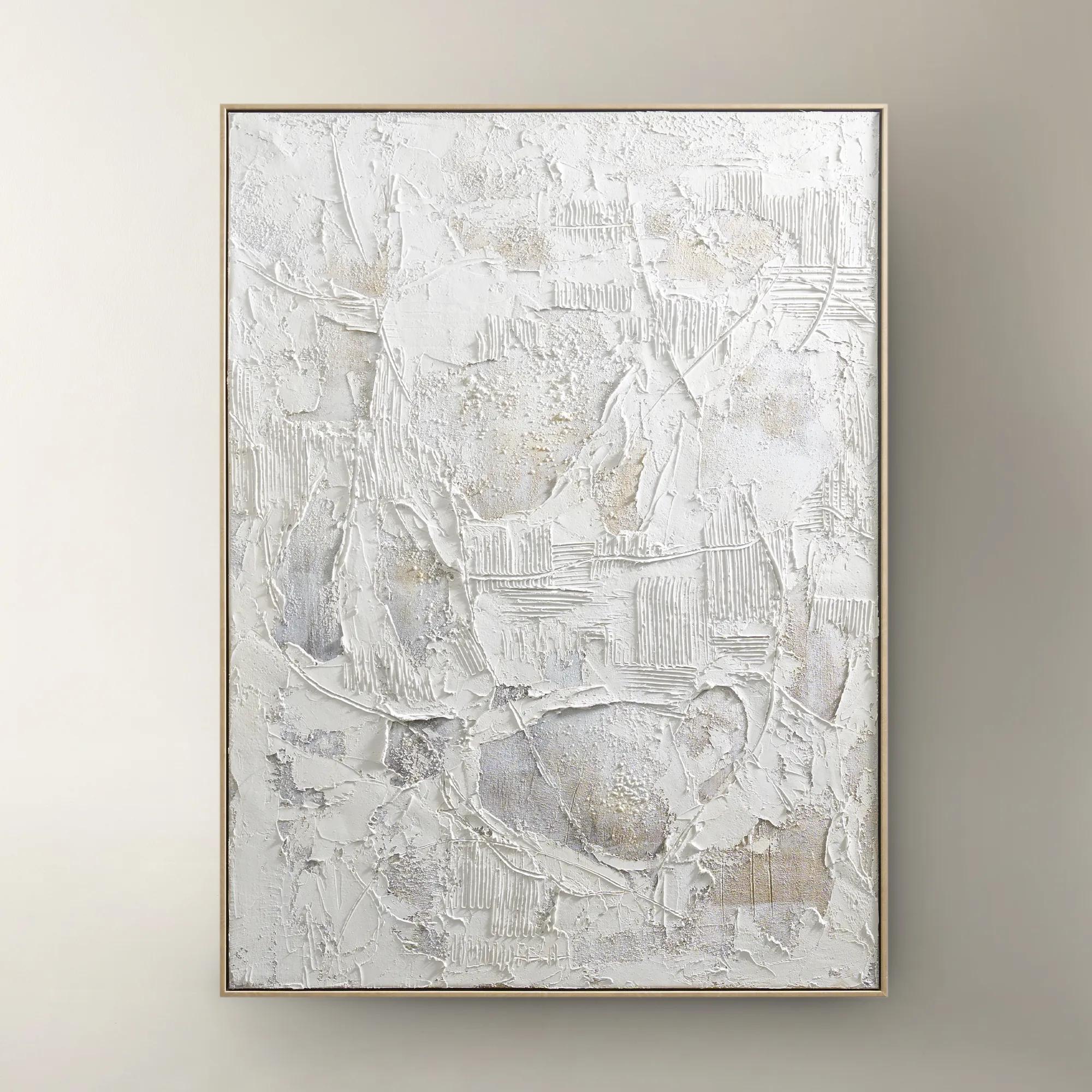 Stone Heritage Painting$399
A hand-painted canvas featuring textured white tones, elegantly framed in warm beech wood for refined appeal.
Add To Cart -
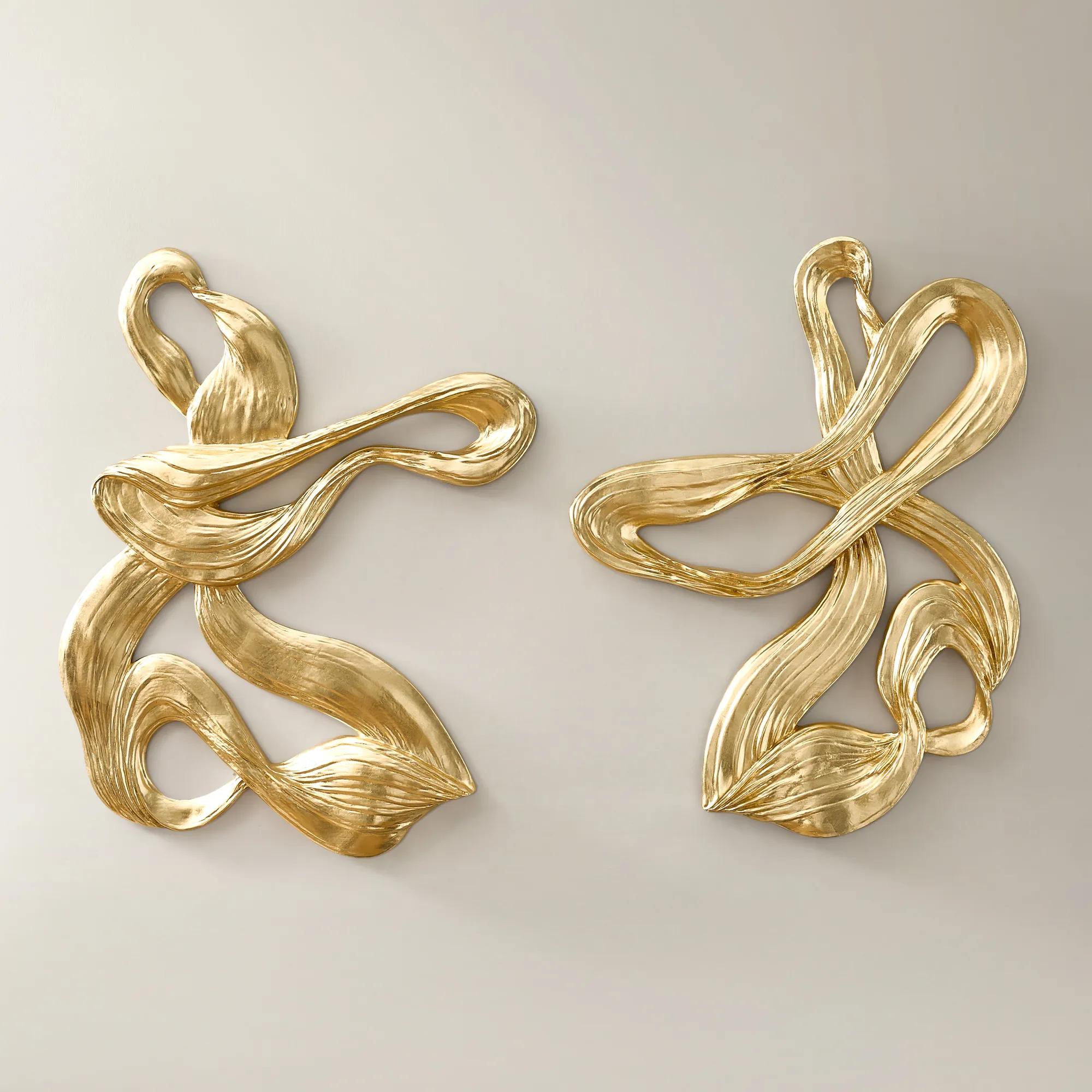
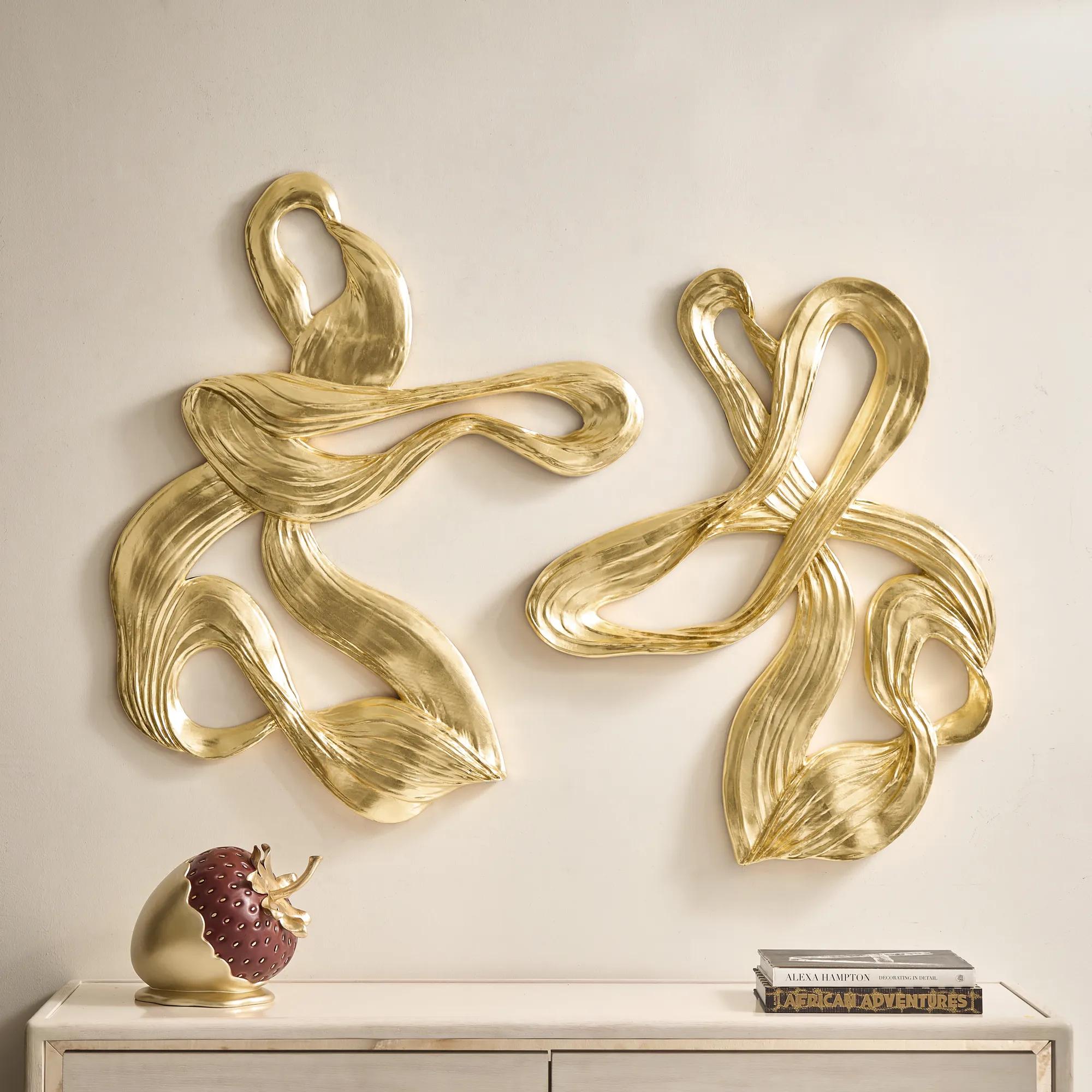 Vela Gold Leaf Sculpted Resin Wall Decor 30.5" x 39.25" Set of 2$699
A set of two resin wall sculptures featuring abstract loop designs and soft gold leafing for modern elegance.
Add To Cart -
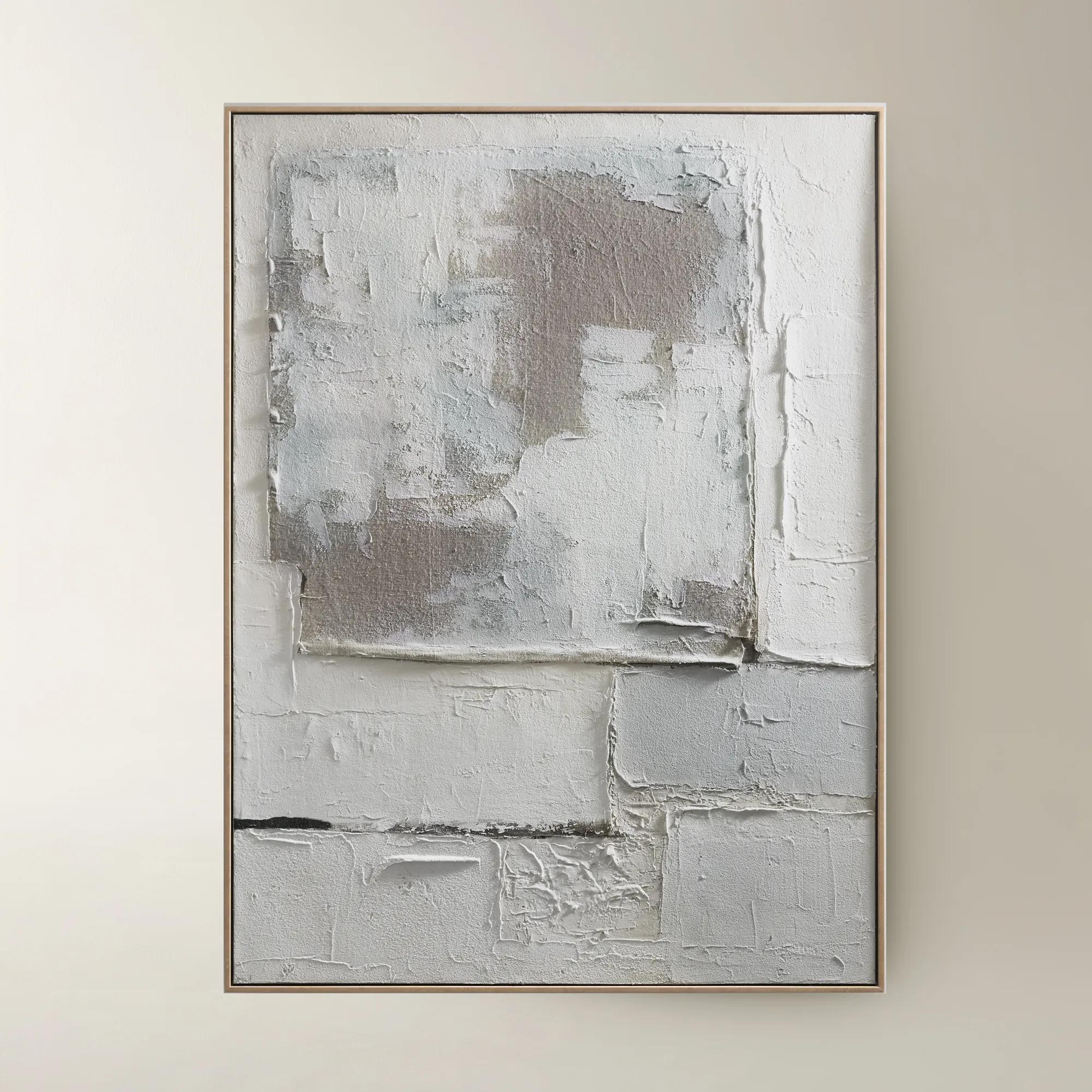
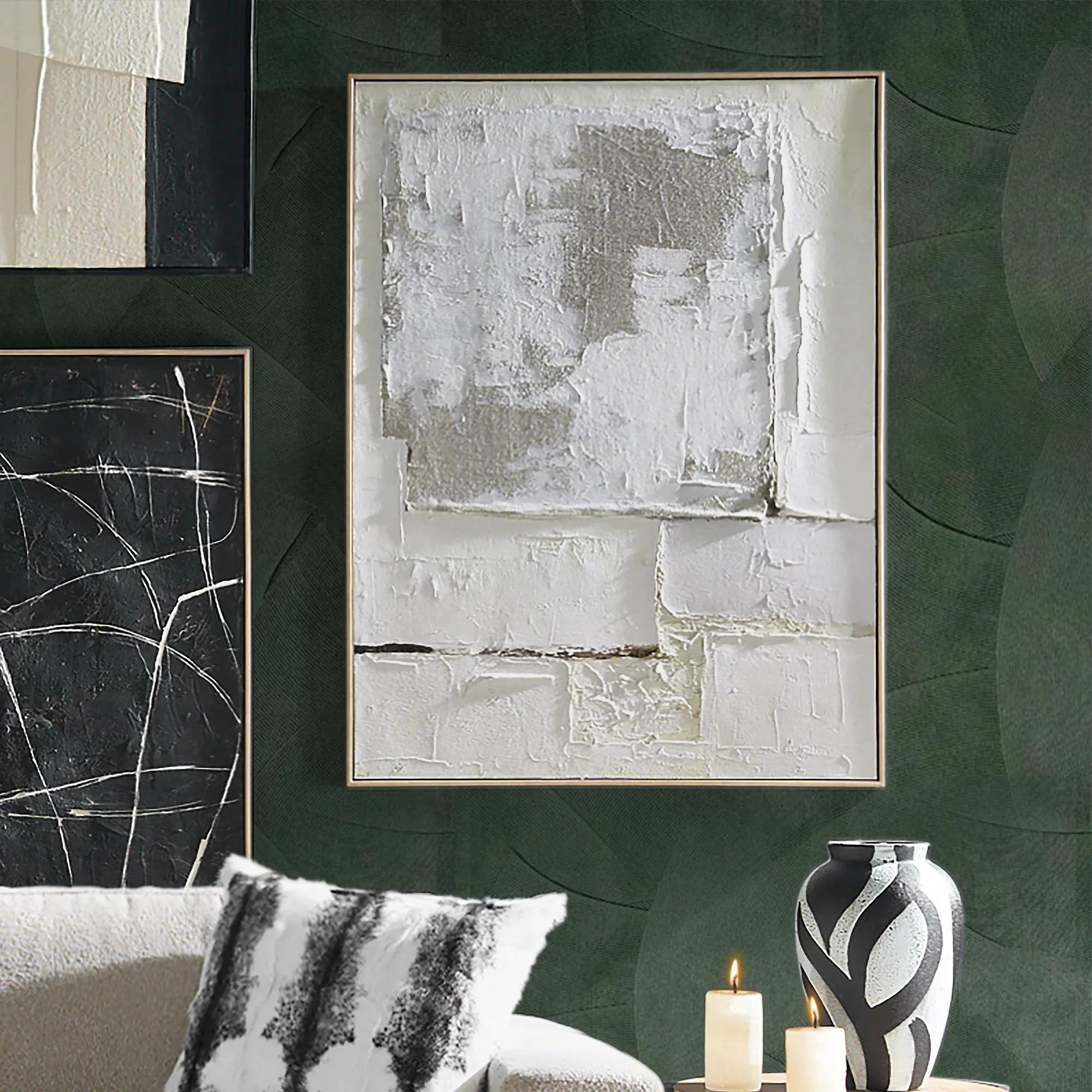 Marrow Painting$399
A hand-painted abstract canvas in subtle beige hues, elegantly framed in a warm beech wood floater.
Add To Cart -
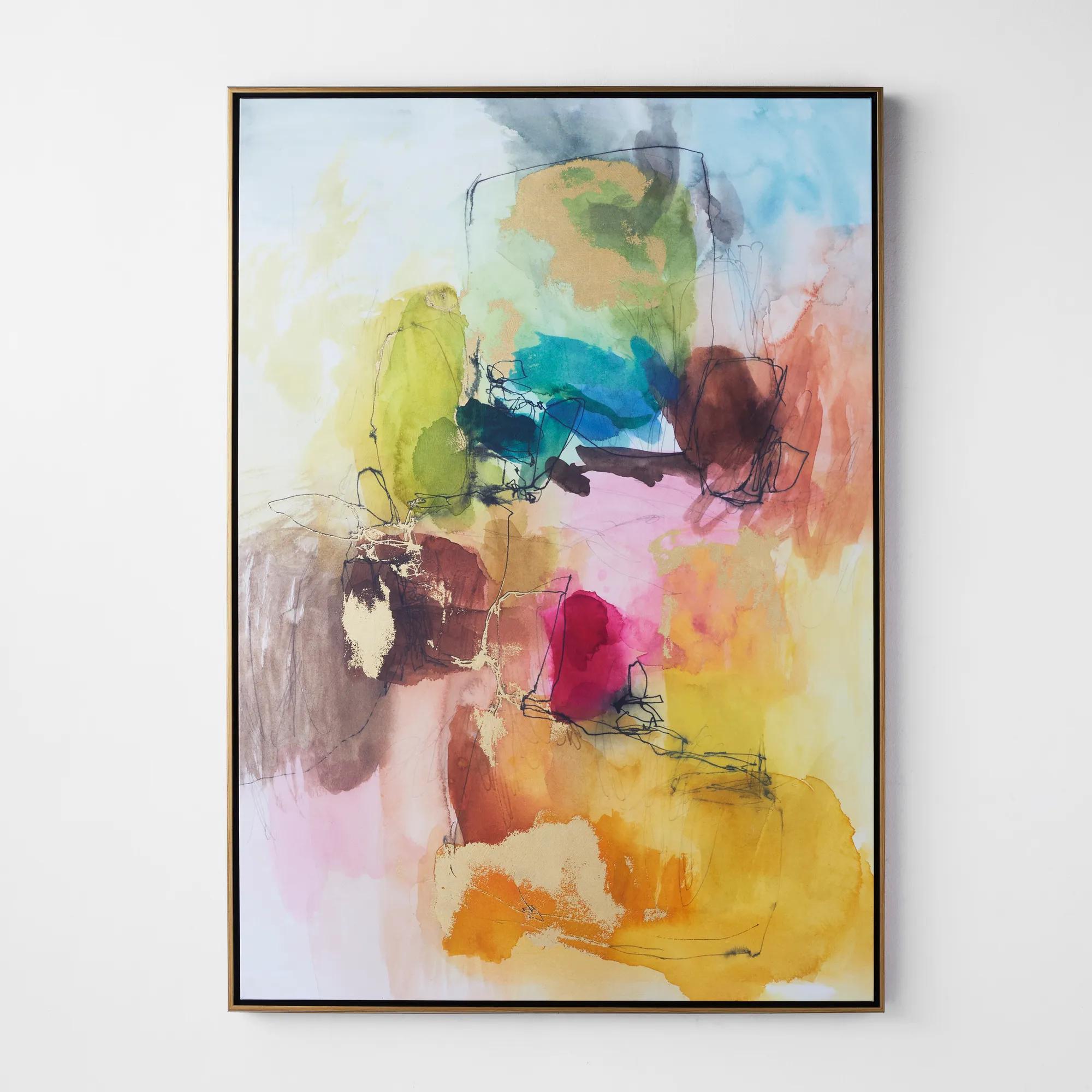 Apricity 3 Framed Wall Art 41" x 58"$899
A vibrant giclee on canvas featuring hand-applied gold gilding and a gold floater frame.
Add To Cart -
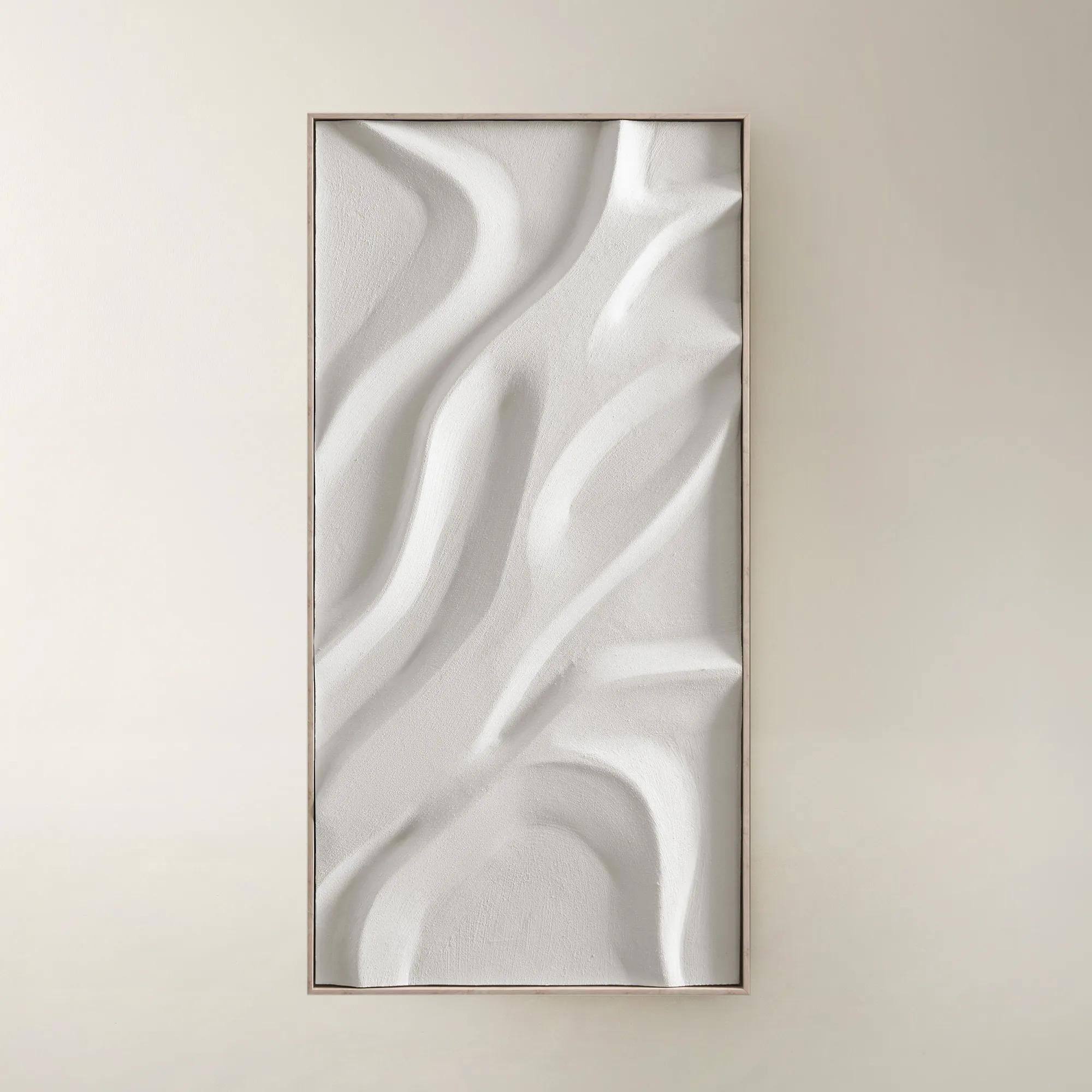
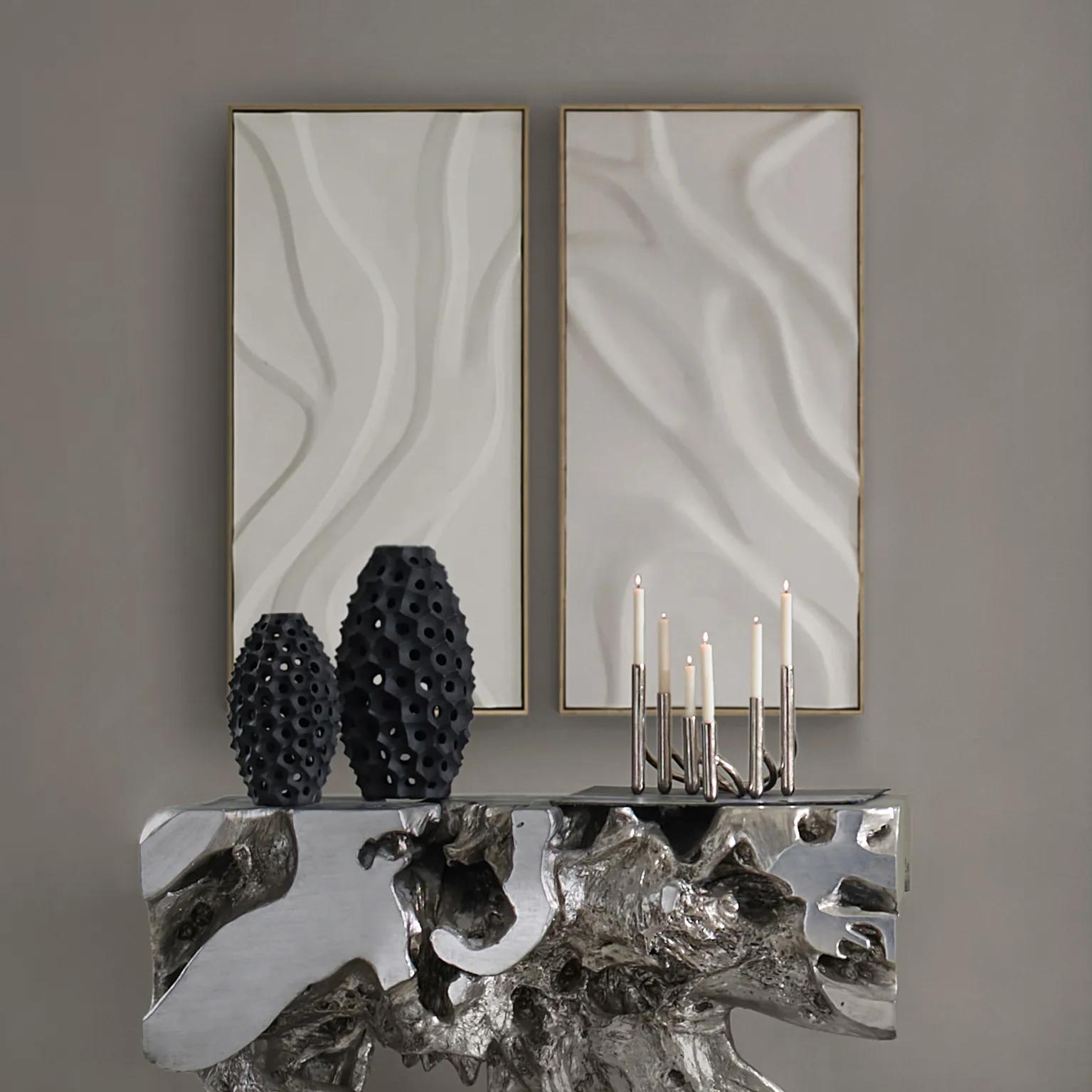 Au Lait Framed Painted Wall Art II 47.2" x 23.6"$199
A serene hand-painted canvas in beige, set in a warm whitewash floater frame for modern interiors.
Add To Cart -
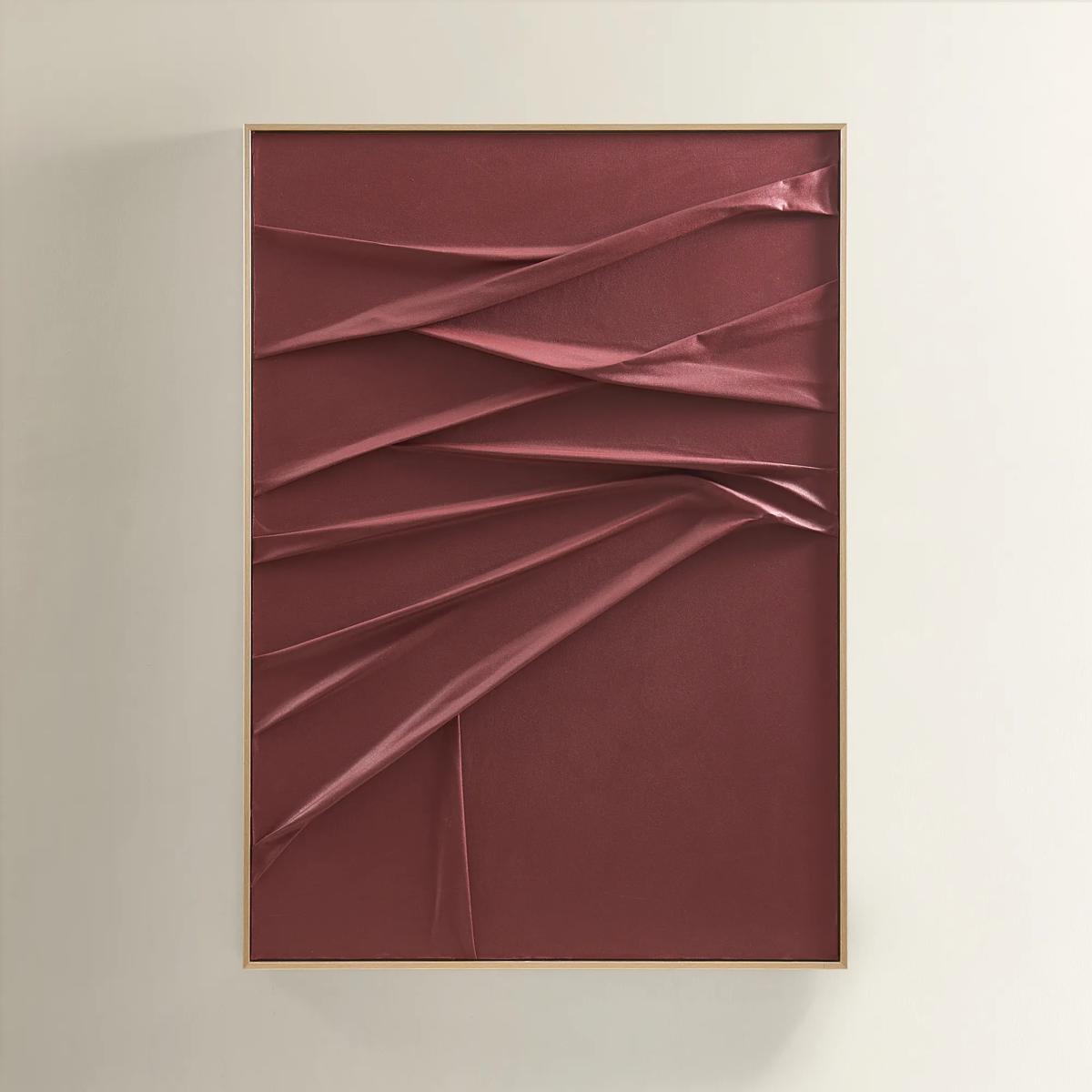
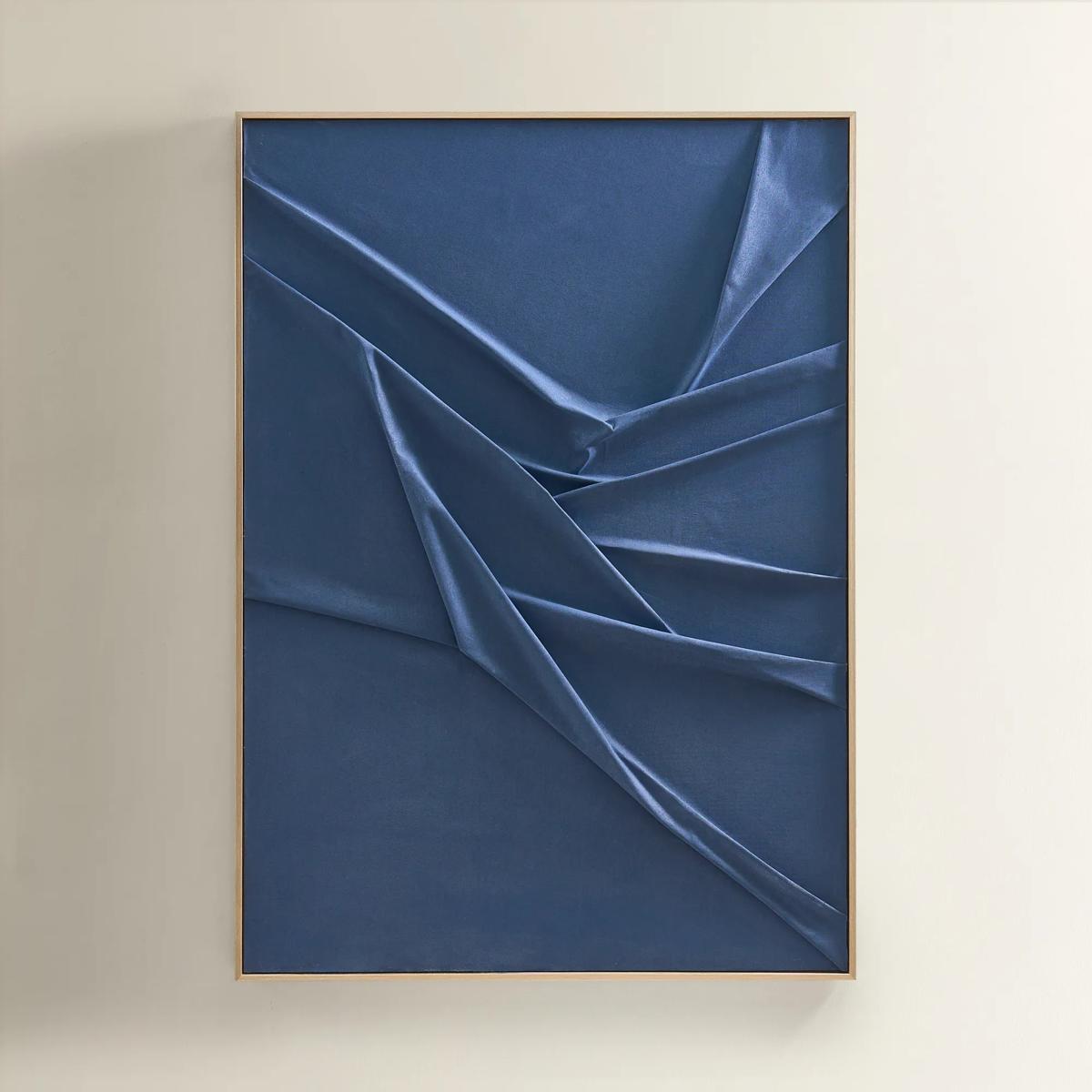
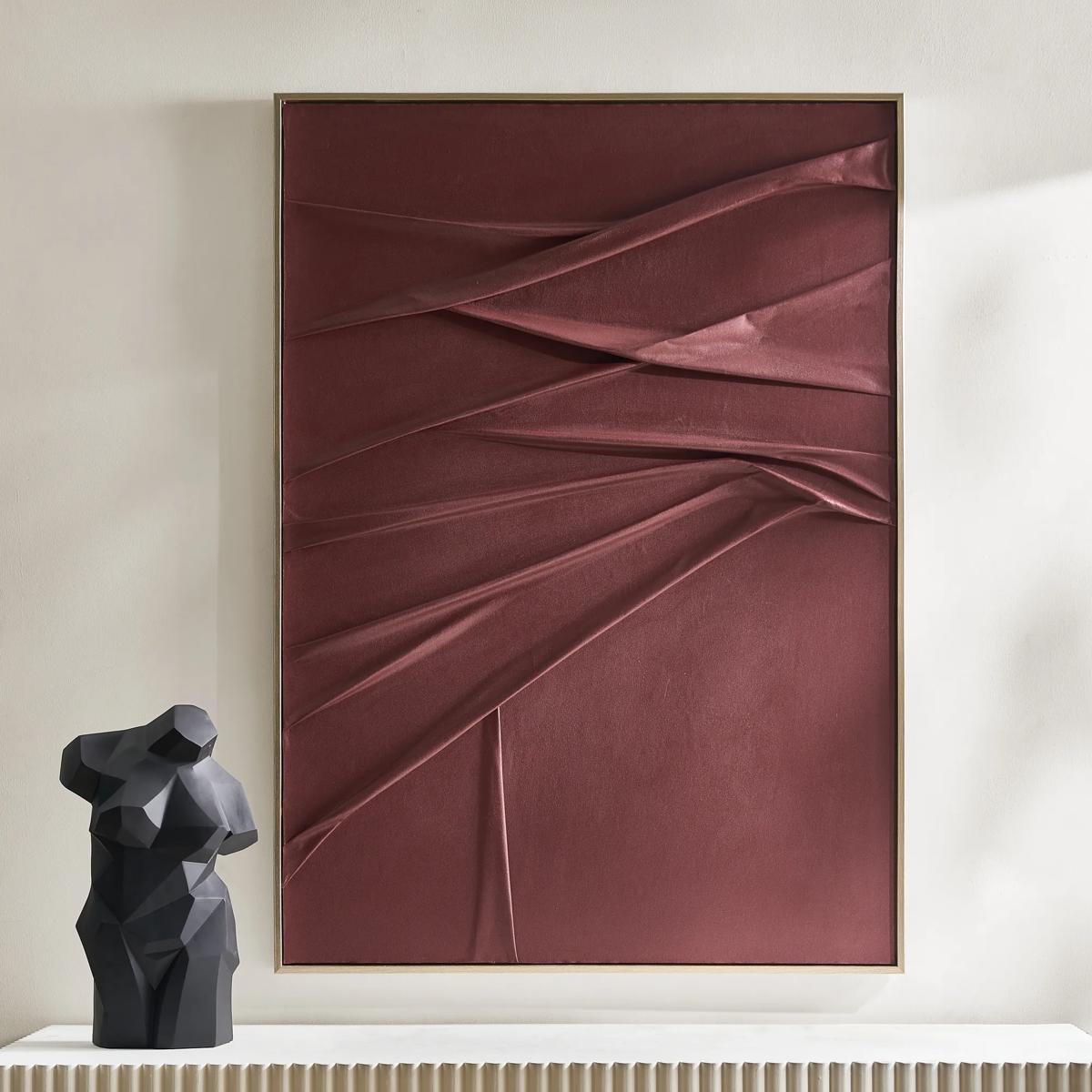 Crimson Painting$599
A handcrafted burgundy canvas artwork with sculptural folds, framed in champagne for a dramatic, textured effect.
Add To Cart -

 Shift Framed Painted Wall Art 39.4" x 59"$499
A hand-painted canvas featuring bold black and beige contrasts with textured layers in a sleek black frame.
Add To Cart -
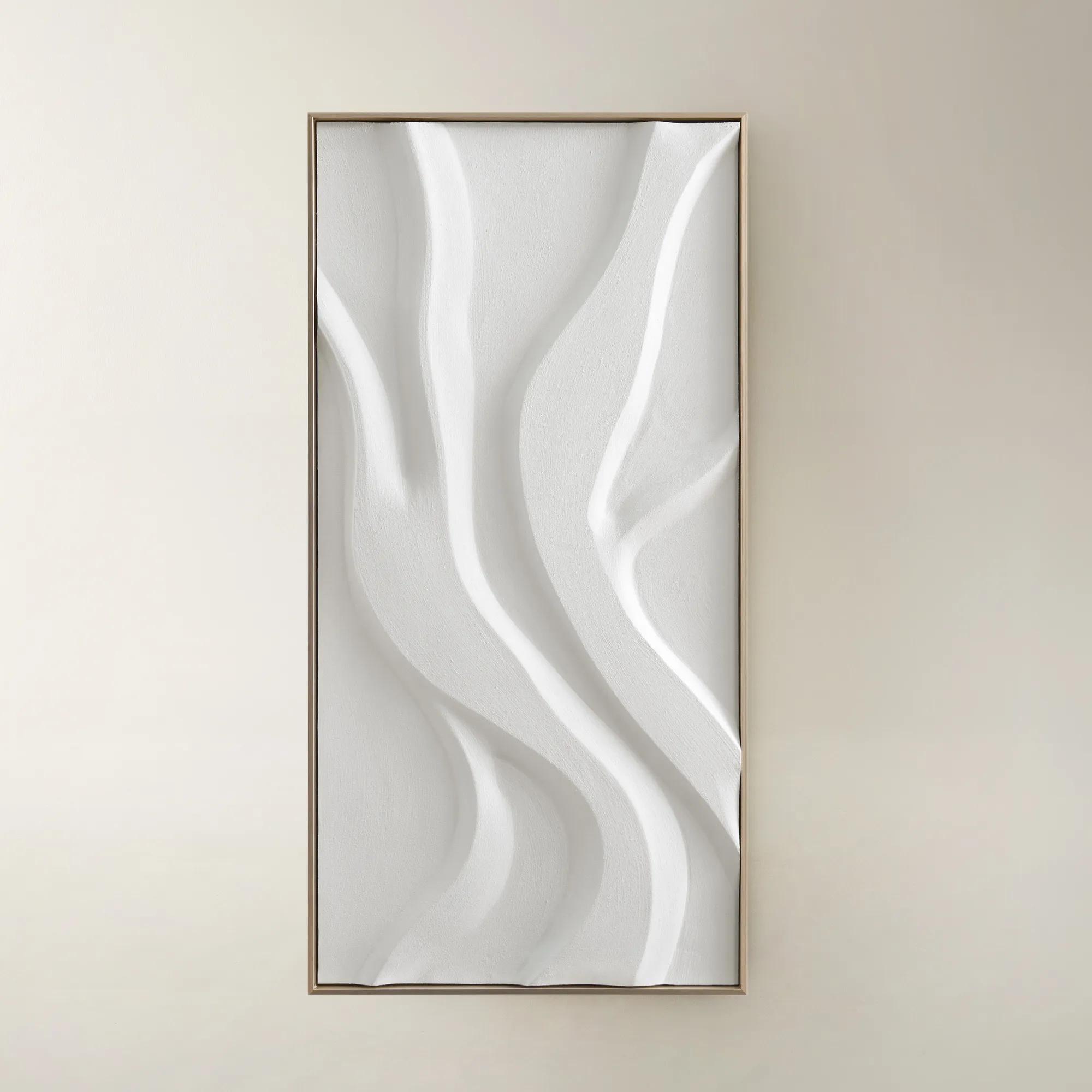
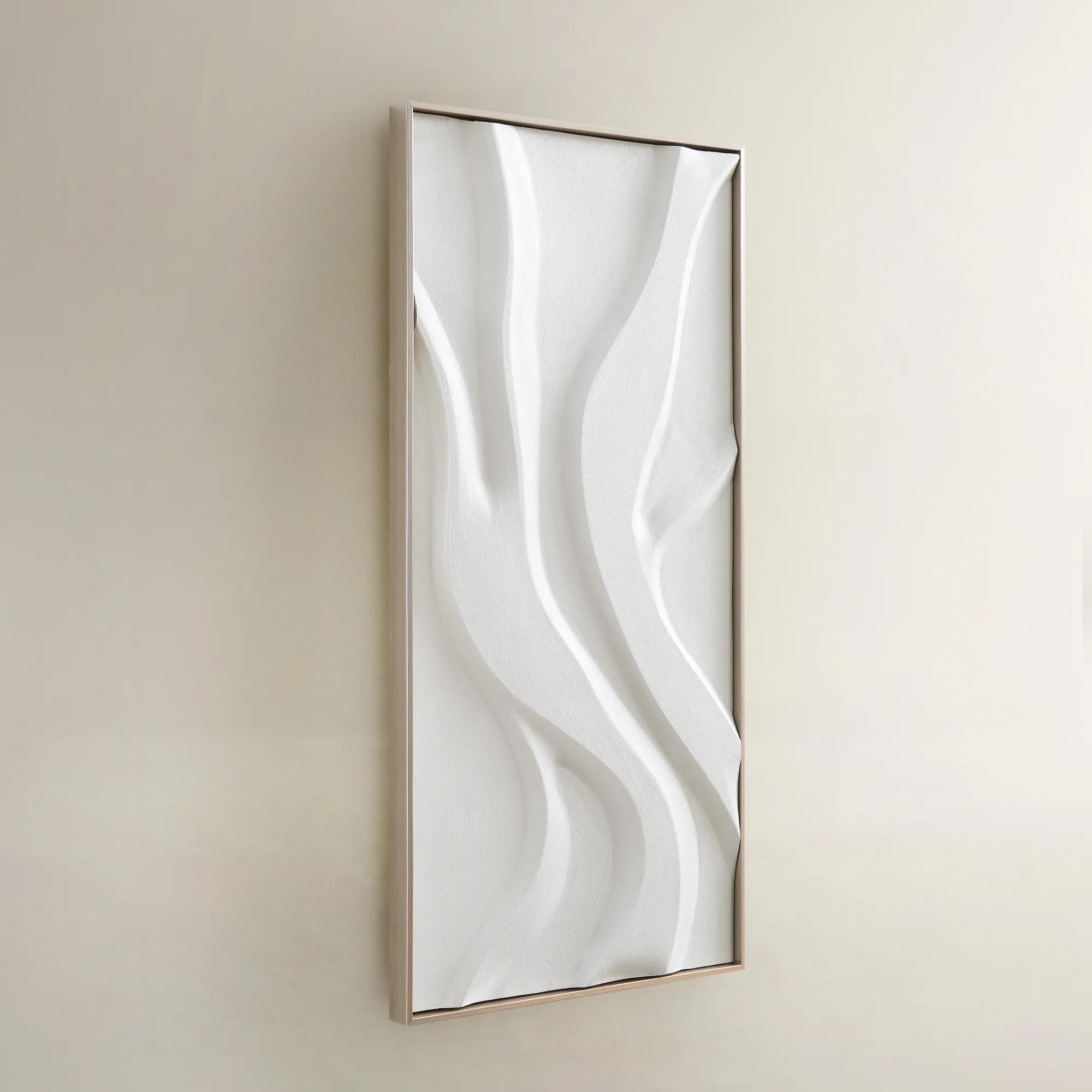 Au Lait Framed Painted Wall Art I 47.2" x 23.6"$199
An organic hand-painted canvas featuring flowing white forms in a warm champagne finish floater frame.
Add To Cart -
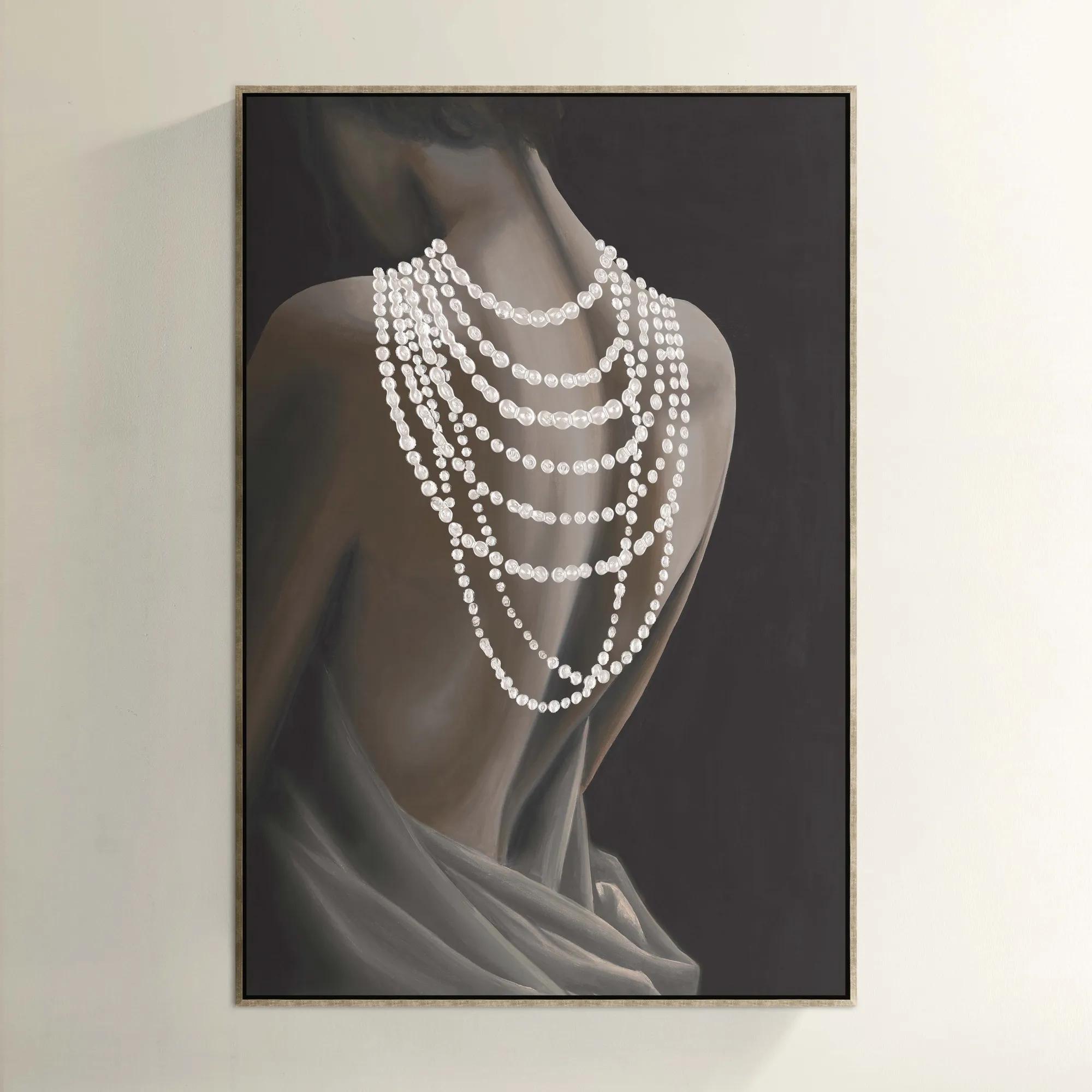 Luminescent Pearls Framed Wall Art 40" x 60"$1119
A hand-embellished canvas artwork featuring textured brush gel, set in a sleek silver floater frame.
Add To Cart -
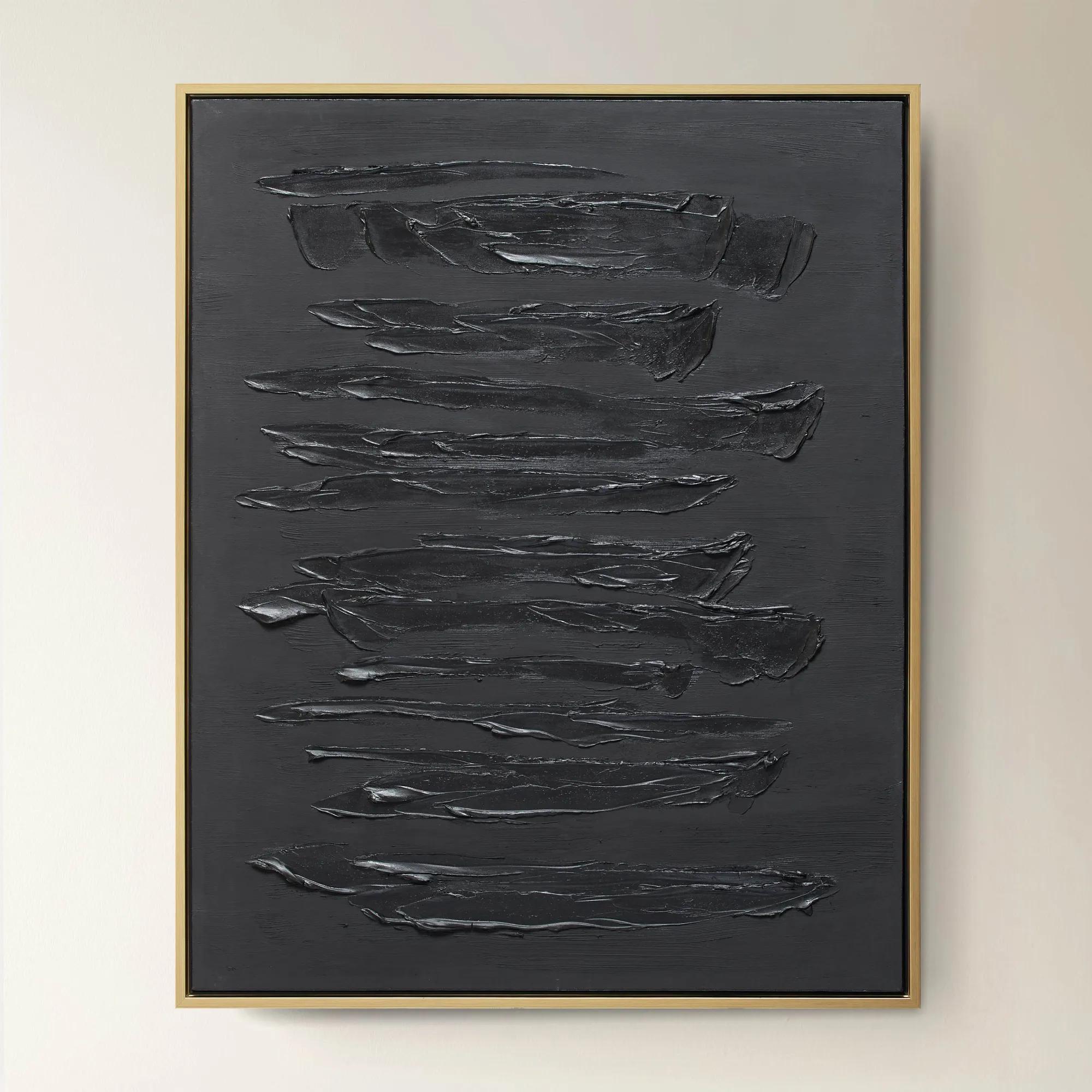
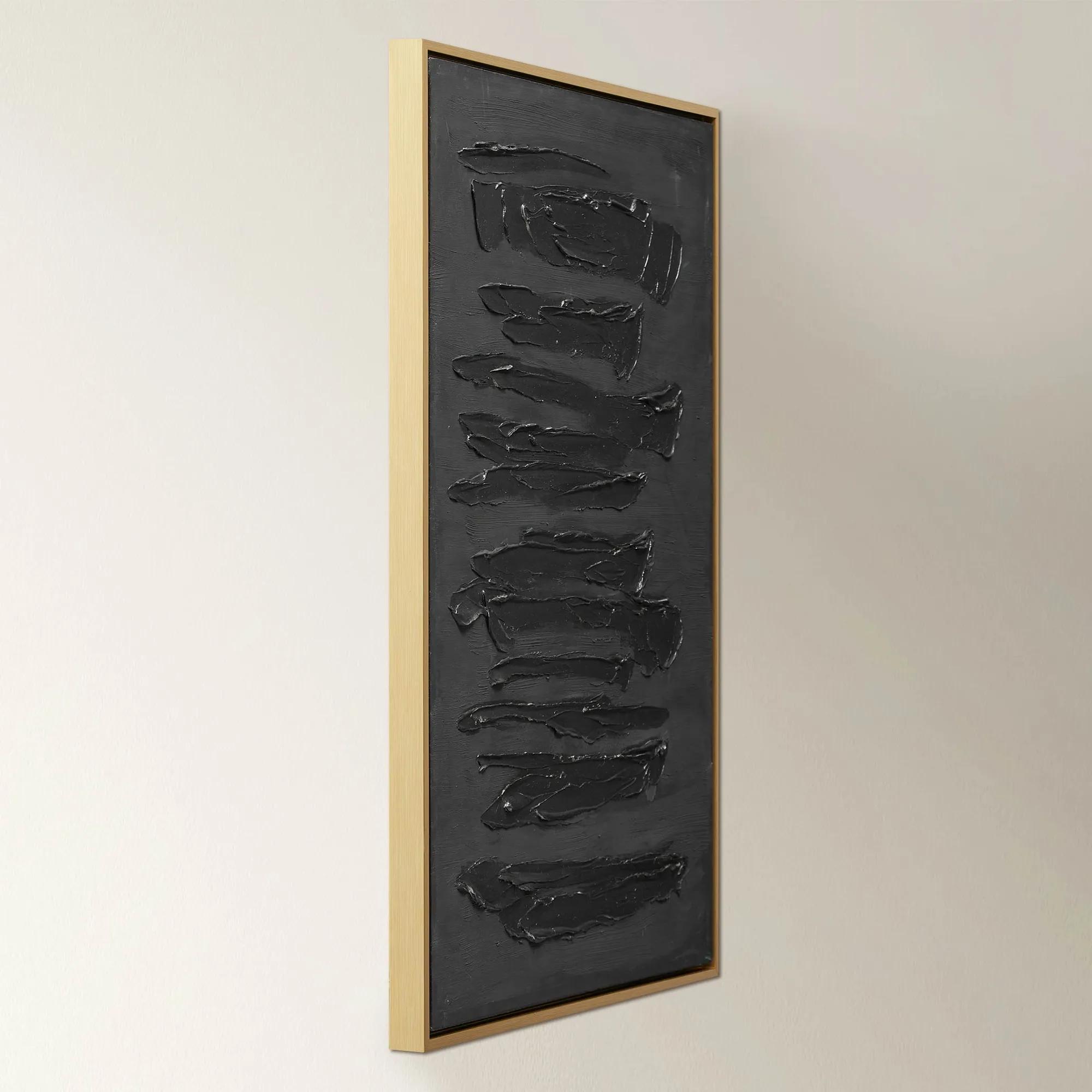 Nocturne$599.95
A dramatic abstract artwork featuring bold, dark brushstrokes on hand-painted canvas in a gold floater frame.
Add To Cart -
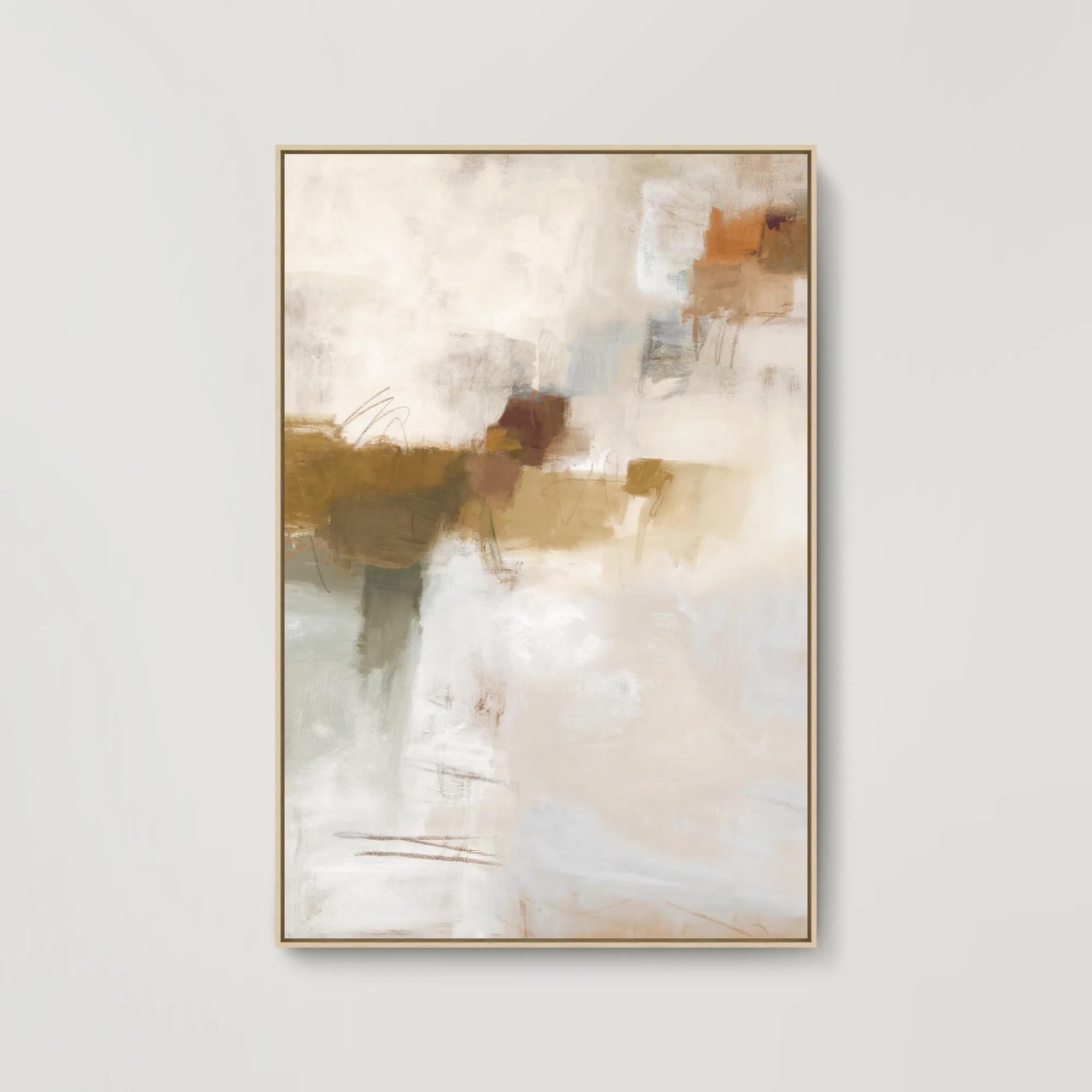
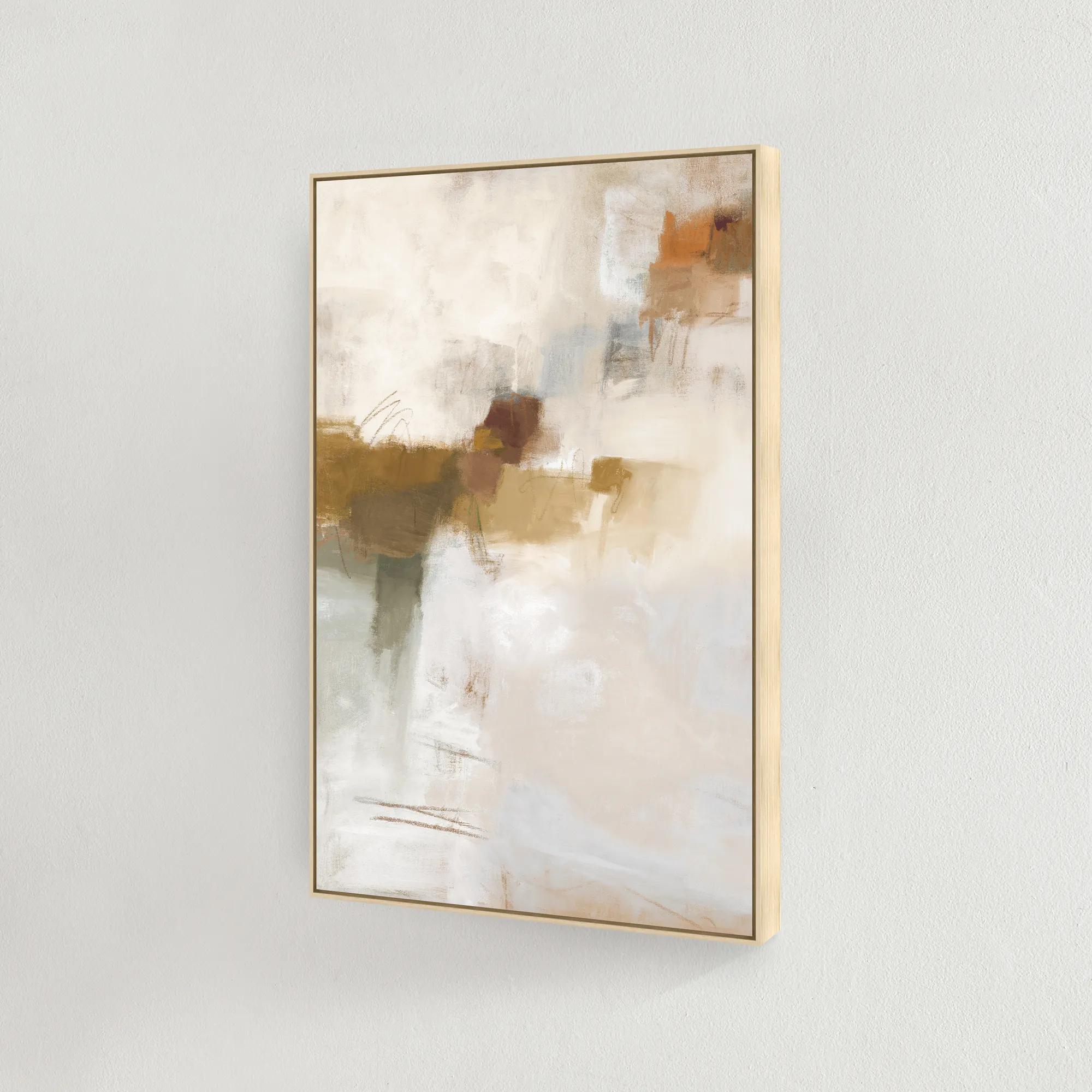 Lost I Framed Wall Art 41.5" x 61.5"$1199
A gallery-wrapped linen canvas art piece set in a natural floater frame for a modern touch.
Add To Cart -
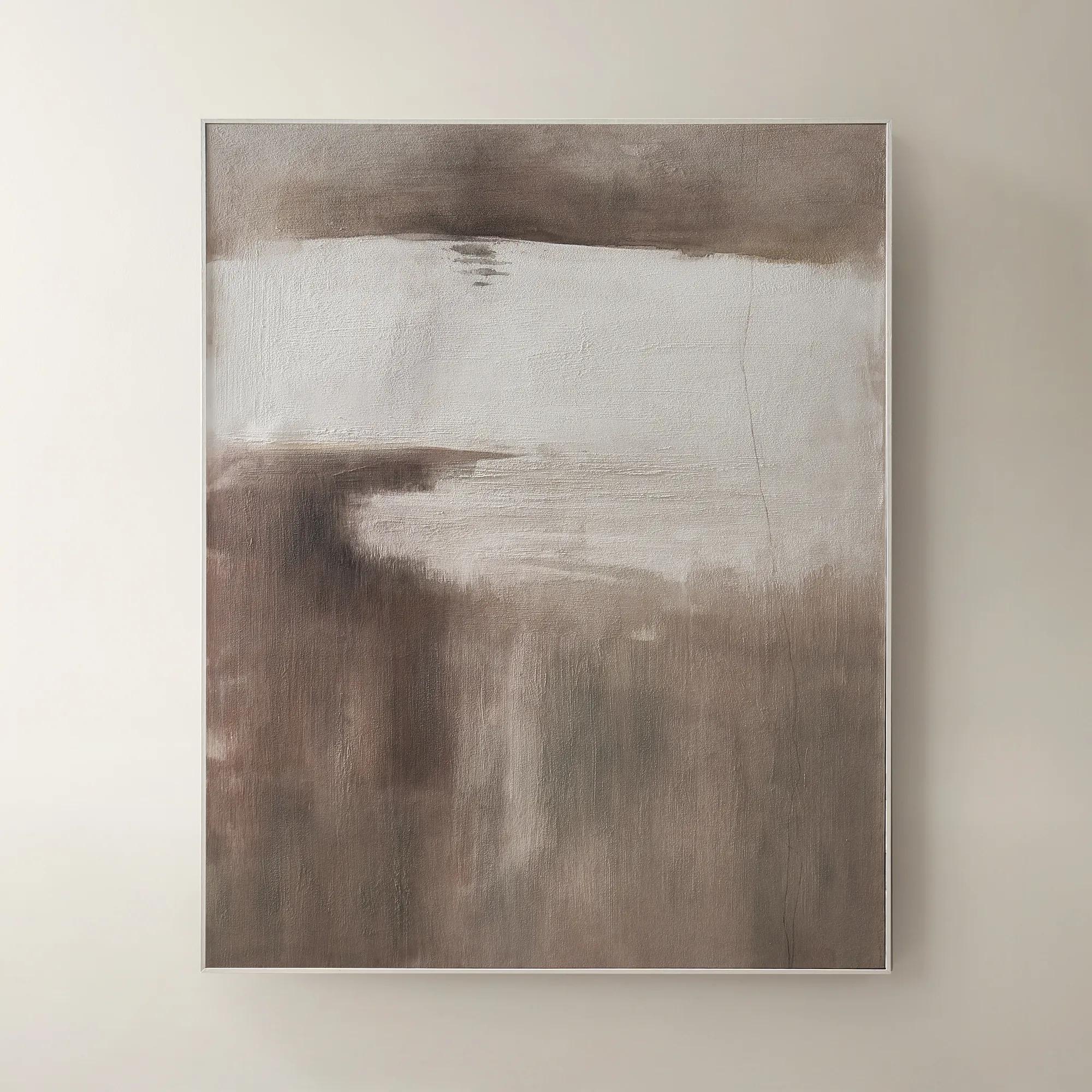
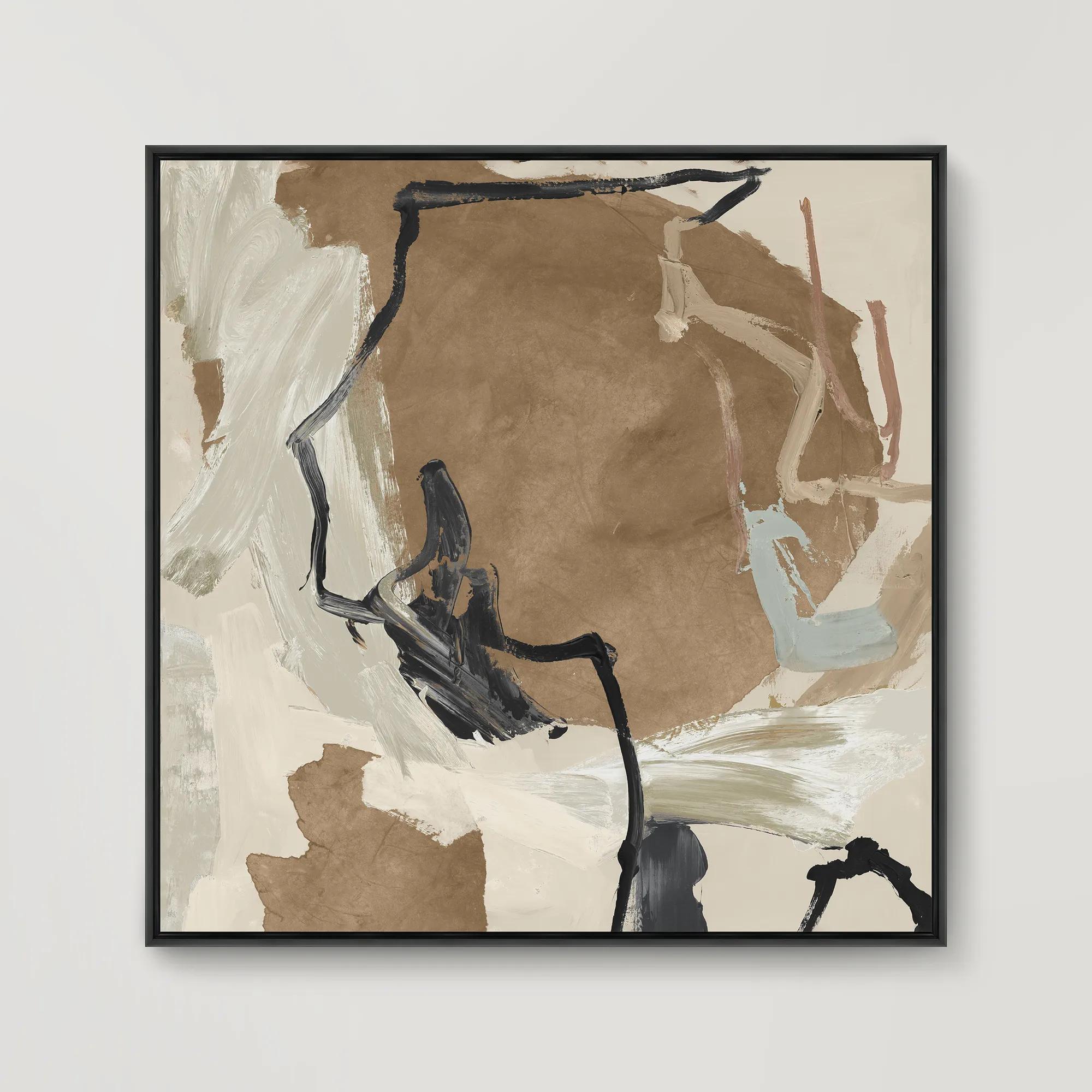
 Shadow Painting 2$179
A hand-painted abstract canvas featuring bold textures and brown hues in a warm whitewash floater frame.
Add To Cart

Large Wall Art Sets
Large Wall Art Sets transform blank walls into breathtaking masterpieces, infusing your home with gallery-worthy grandeur and expressive allure. Designed for those who crave scale, drama, and a curated sense of artistry, these commanding collections invite you to celebrate your space as a canvas for bold self-expression. Whether you’re seeking to elevate a grand foyer or create a showstopping focal point in the living room, Large Wall Art Sets envelop every room in visual intrigue and sophistication, inviting admiration from every angle. Let your walls speak volumes with arrangements that spark conversation and ignite imagination.
Large wall art sets are coordinated collections of two or more artworks designed to create one expansive display, bringing a shared palette, composition, or visual rhythm to a room. Diptychs pair two pieces, triptychs arrange three, and larger groupings build a more layered statement across an open wall. Some sets carry a single image across separate panels; others unite distinct images through complementary colors, subjects, or framing. That relationship gives a display its presence: each piece contributes something individual, yet the full arrangement feels intentional. Above a generous sofa, a sweeping abstract composition can echo the furniture’s horizontal lines while introducing movement through expressive brushwork. Behind a bed, a balanced pair of framed prints can establish a serene focal point without surrendering drama. In an entryway, an oversized grouping offers an immediate sense of personality, announcing a taste for sculptural shapes, luminous accents, or richly saturated color. Large wall art sets also bring visual structure to open-plan living spaces, helping a dining area or seating arrangement feel distinct without adding a physical divider. Abstract art lends itself especially well to this format, with gestural lines, tonal shifts, and geometric forms that invite the eye to travel between pieces. Landscapes, botanical imagery, and architectural subjects create a different mood, offering recognizable details within a composed, gallery-like presentation. A restrained black-and-white set can feel striking against richly upholstered furniture, while washes of ivory, charcoal, and gold can draw together metallic finishes and textured fabrics. The appeal is not simply size. Multiple pieces introduce intervals of wall space that become part of the design, giving even a bold arrangement a sense of rhythm and breathing room. For interiors with substantial furnishings, tall ceilings, or a broad uninterrupted wall, that balance of scale and separation makes art feel integrated rather than incidental.
Material and presentation shape the character of large wall art as much as the imagery itself. Canvas has a woven surface that can lend printed or painted compositions a softer, more tactile appearance, particularly when the artwork includes atmospheric color or broad, expressive marks. Stretched canvas wraps around an internal support, while a floating frame adds a crisp border with a narrow reveal between the canvas and frame. The effect is architectural without feeling heavy, making this presentation especially compelling for expansive abstracts and coordinated panels. Large Canvas Wall Art Sets offer a focused way to explore that dimensional canvas look across a cohesive arrangement. Art on paper has a different presence, often emphasizing fine lines, photographic detail, or subtle tonal variation. A mat can provide visual breathing room around the image, while glazing helps shield the artwork from dust and incidental contact. Glass and acrylic glazing differ in weight and handling requirements; acrylic is generally lighter but can scratch more readily, so the surface deserves appropriate care. Frame finishes further influence the room’s mood. Gleaming metallic borders can pick up the glint of a lamp or console, dark frames sharpen pale compositions, and warm wood tones soften graphic imagery. Texture deserves equal attention: raised paint, visible canvas weave, and dimensional embellishments can catch side lighting and make the artwork feel more animated throughout the day. Not every piece includes hand-applied detail, protective glazing, or the same framing construction, so material descriptions help clarify the intended effect. For a polished result, the finish of the art can relate to nearby furnishings without matching every surface. A champagne-toned frame beside brushed metal, for example, can create a richer composition than an entirely uniform treatment. Durable presentation depends on sound construction, appropriate placement, and careful handling, rather than on appearance alone.
Proportion determines whether a large wall art set feels commanding or disconnected from its surroundings. Above a sofa, bed, or sideboard, the combined width of the pieces and the spaces between them should relate to the furniture below; roughly two-thirds to three-quarters of the furniture’s width is a useful starting point, not a fixed requirement. A lower-profile sofa may welcome a taller composition, while a substantial headboard often benefits from a grouping that leaves a clear band of wall above it. The total footprint matters more than the dimensions of any single panel, especially when several generously sized frames are involved. Consistent spacing helps a diptych or triptych read as one composition, although a deliberately staggered arrangement can suit a set designed for that effect. Artwork with a continuous image typically needs closer attention to panel order and alignment so the visual movement remains intact. In a dining room, the view from a seated position deserves consideration; in a hallway, sufficient clearance keeps projecting frames away from passing shoulders. Secure installation is essential for substantial pieces, with hardware and anchors suited to both the artwork’s weight and the wall construction. Direct sunlight, persistent moisture, and concentrated heat can affect pigments, paper, canvas, and frames, making a dry interior location with controlled light a more protective setting. Routine care is generally gentle: light dusting with a clean, soft cloth, careful handling by the frame or supported edges, and cleaning methods that follow the artwork’s specific instructions. Spraying cleaner directly onto glazing can allow liquid to reach the frame or image, while textured and unglazed surfaces may require special care. Beyond everyday living spaces, coordinated art makes a thoughtful housewarming or wedding gift when the recipient’s preferred colors, available wall space, and taste are well understood. For a home office, it can establish a composed backdrop; for a formal sitting room, it can supply the decisive flourish that connects upholstery, lighting, and decorative objects. The strongest arrangements feel personal, giving a room both a focal point and a distinctive point of view.
FAQs
Large wall art sets are particularly impactful in spacious areas where their scale can truly shine, such as living rooms, dining rooms, entryways, and open-concept spaces. They can also become a dramatic focal point in bedrooms or home offices, transforming everyday environments into curated galleries of personal expression.
To create a cohesive look, consider echoing colors or motifs found in your furnishings, textiles, or accent pieces. Large wall art sets can either complement your palette with harmonious tones or introduce a bold contrast that enlivens the room. Pay attention to finishes and textures—metallic accents, for example, can tie in beautifully with hardware or lighting fixtures.
Absolutely. Large wall art sets make unforgettable gifts for milestones like weddings, housewarmings, anniversaries, or significant birthdays. Their presence in a home is both personal and lasting, offering the recipient a daily reminder of a meaningful moment and your thoughtful gesture.
Mixing and matching art sets is a sophisticated way to express your unique style. Combine pieces that share a unifying element—such as color, theme, or frame finish—to maintain visual harmony while allowing for creative diversity. This approach works especially well in gallery walls or expansive open spaces.
Large wall art sets have a profound effect on a room's atmosphere. Bold abstracts can energize and invigorate, while serene landscapes or soft color palettes instill calm and tranquility. The scale and composition of the art set help define the room’s character, inviting conversation, reflection, or simply a sense of awe.