Living Room Wall Art Sets
Living Room Wall Art Sets
-
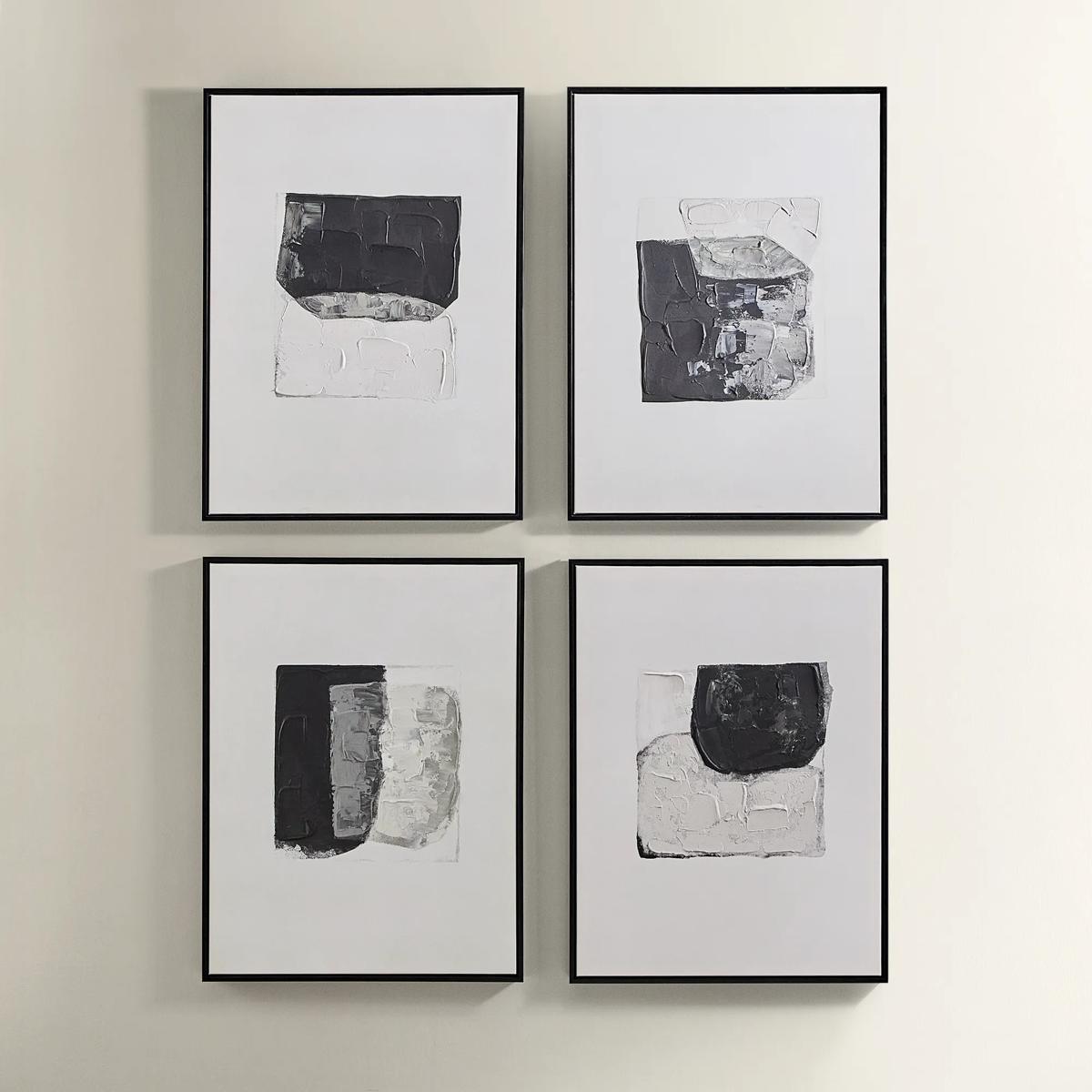
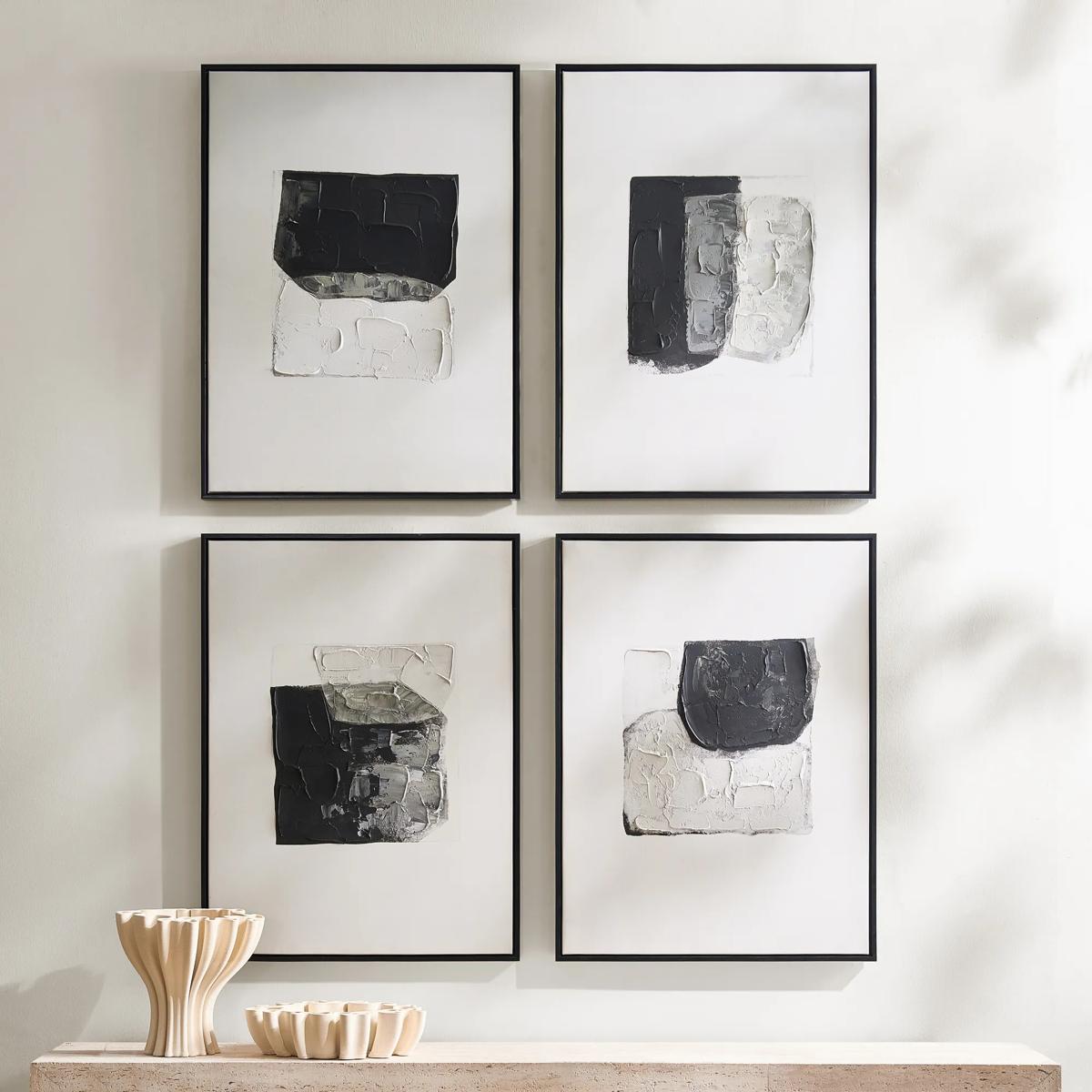 Shadows Framed Painted Wall Art Set of 4$299
A set of four hand-painted abstract canvases featuring black, white, and gold accents in black frames.
Add To Cart -
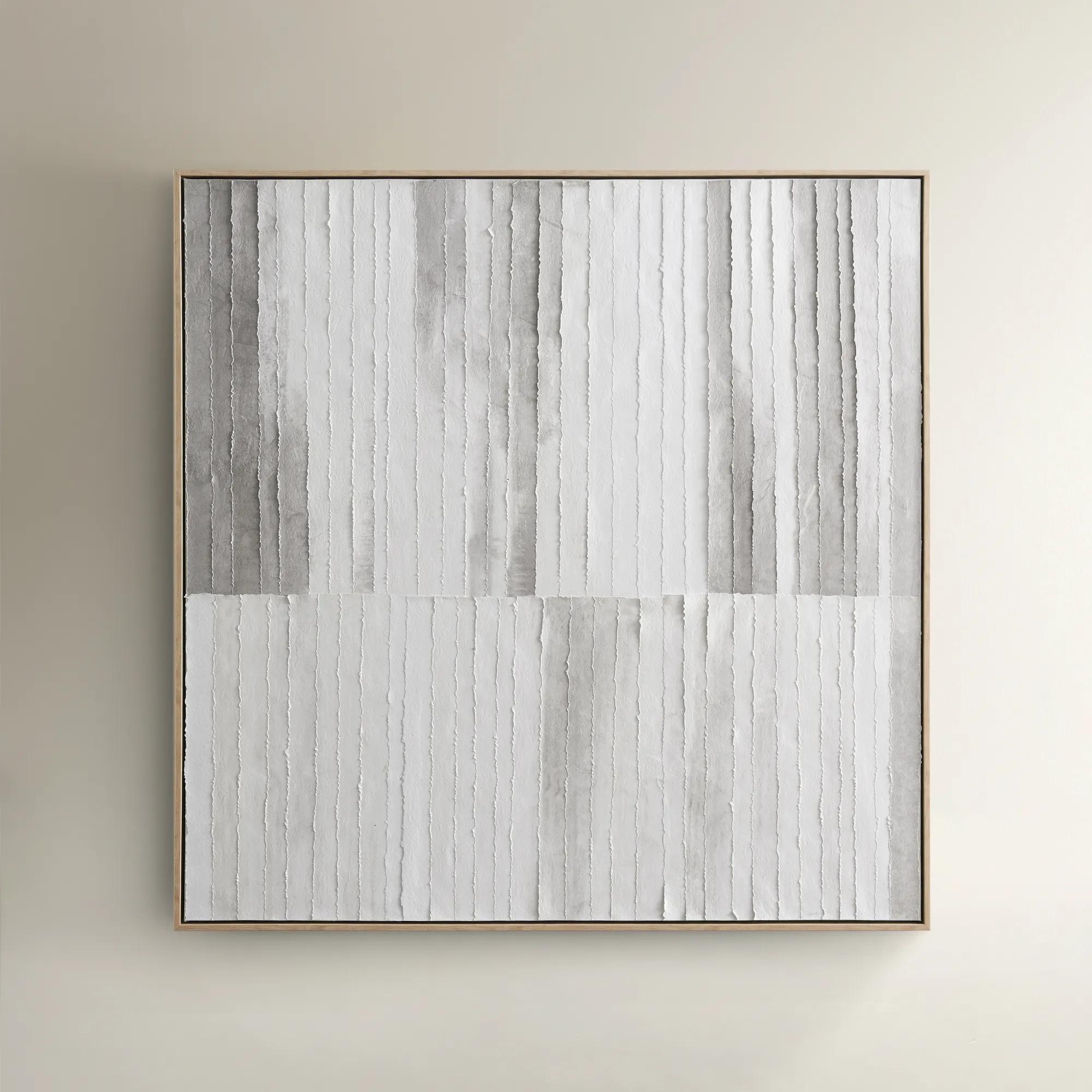
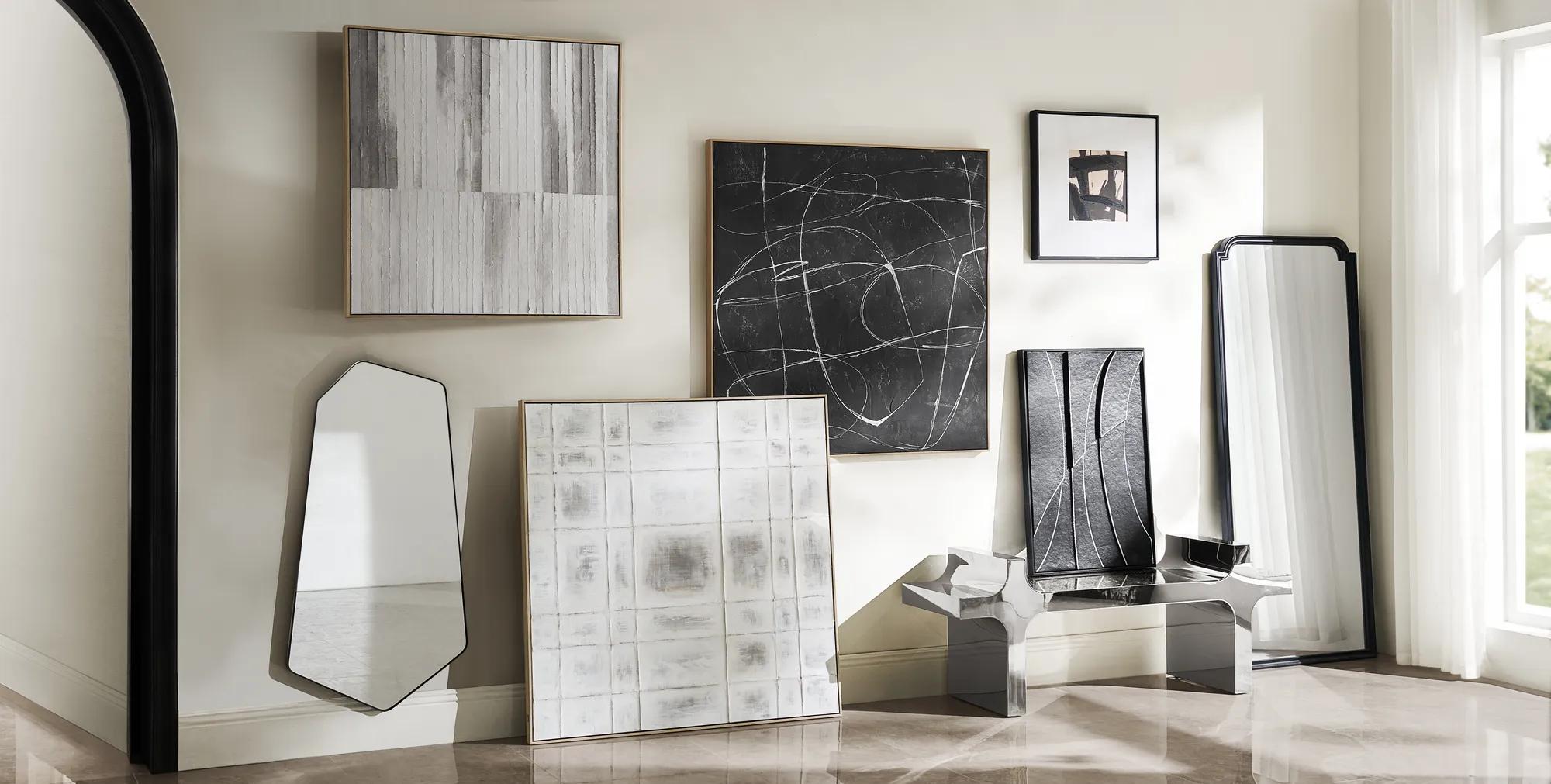 Morning Mist Paper Art$329
A hand-painted canvas featuring rhythmic grey lines in a textured, whitewashed floater frame for serene style.
Add To Cart -
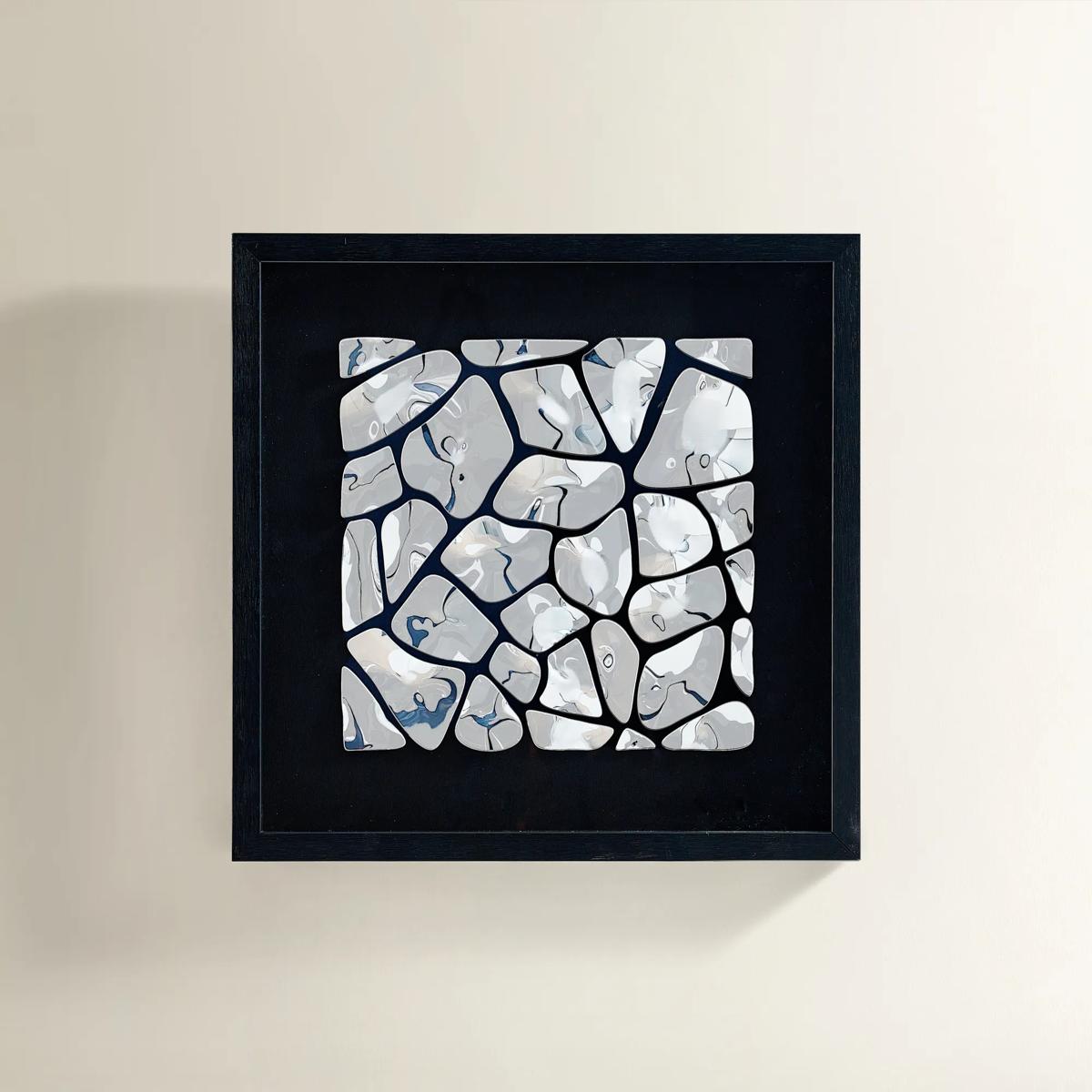 Reflect Silver And Black Shadowbox Art I$189
A dimensional metal wall art piece featuring polished silver and black forms in a sleek black frame.
Add To Cart -
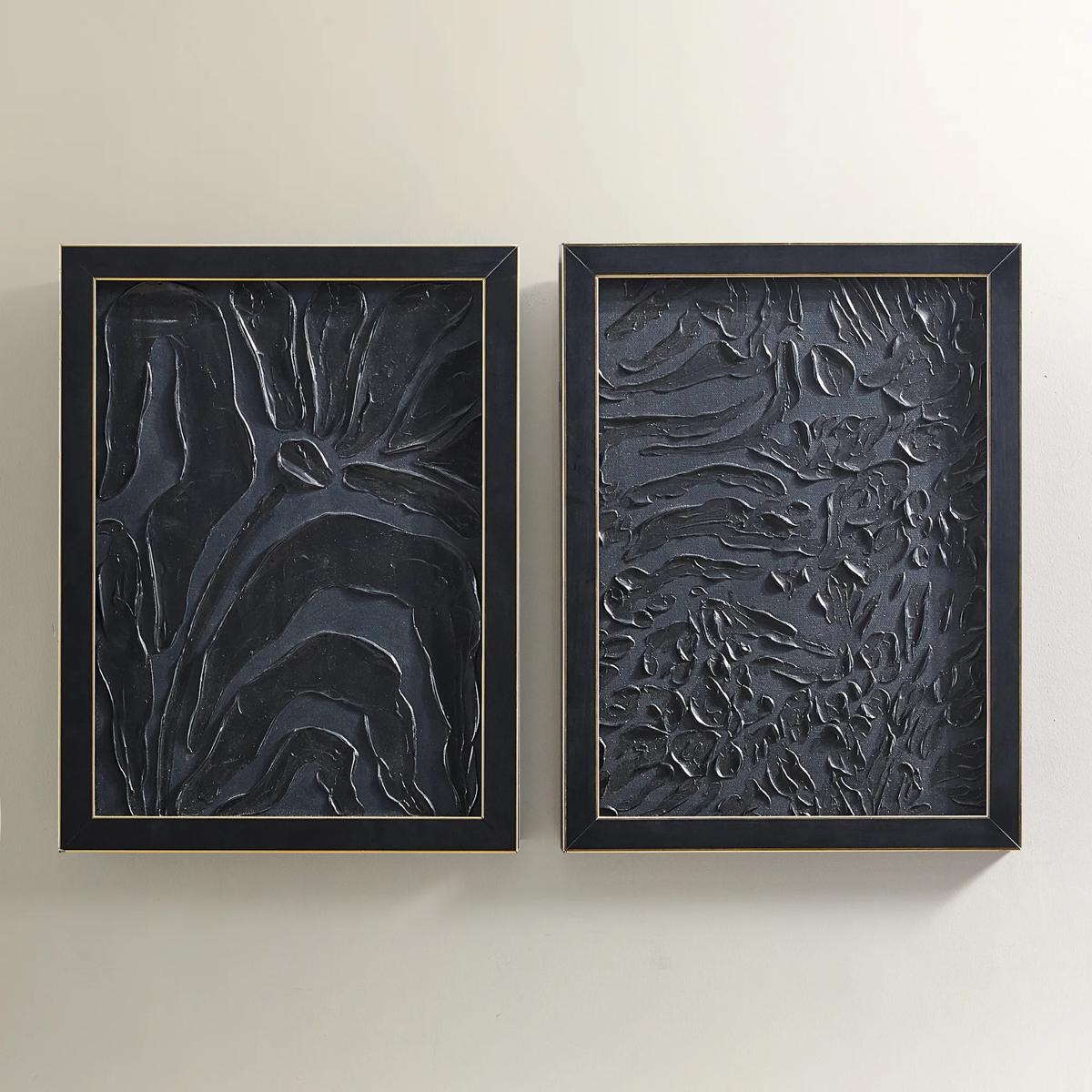
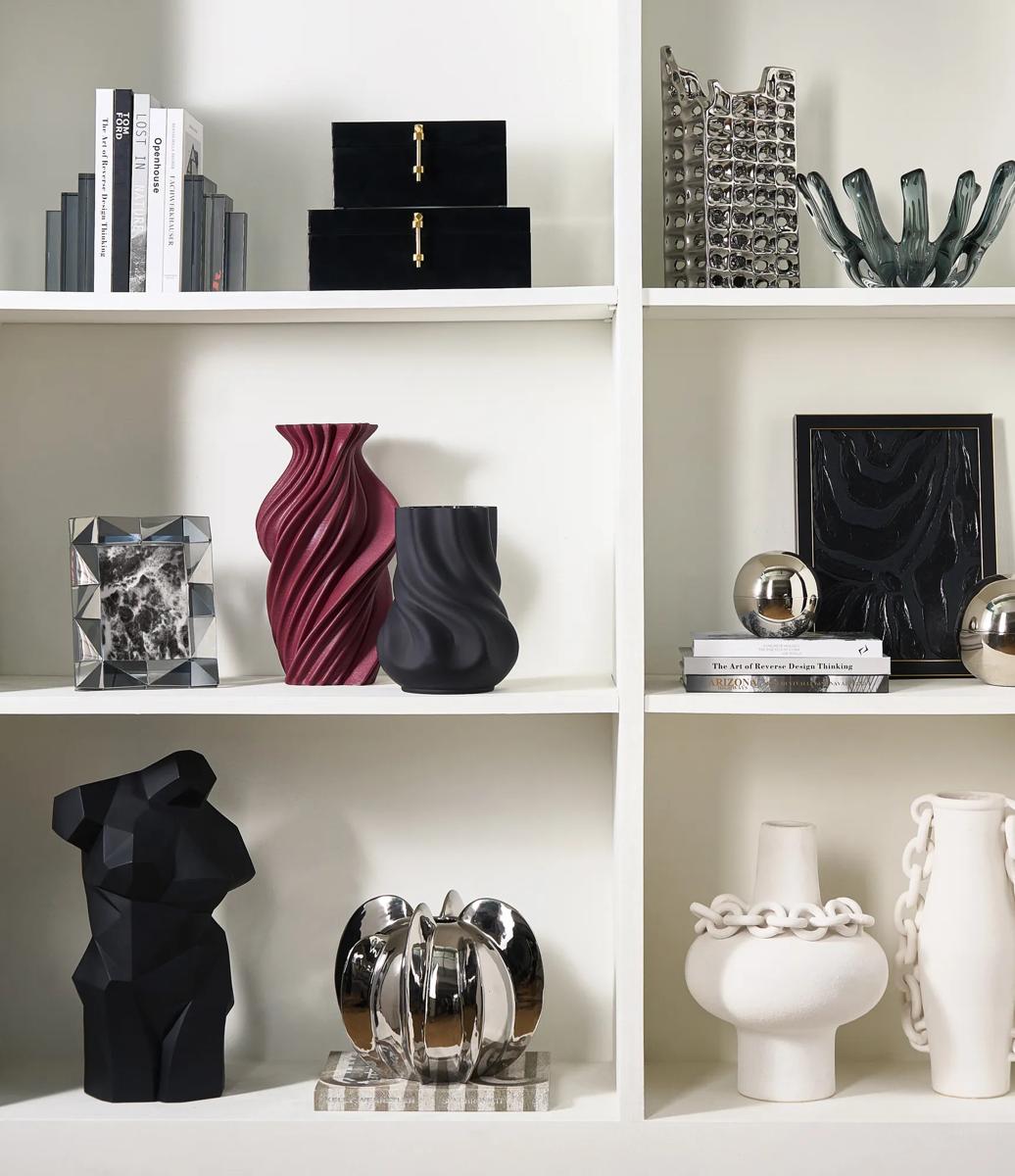 Midnight Animal Painting - Set of 2$119
A set of hand-embellished canvas artworks in black and gold frames, adding depth and warmth to interiors.
Add To Cart -
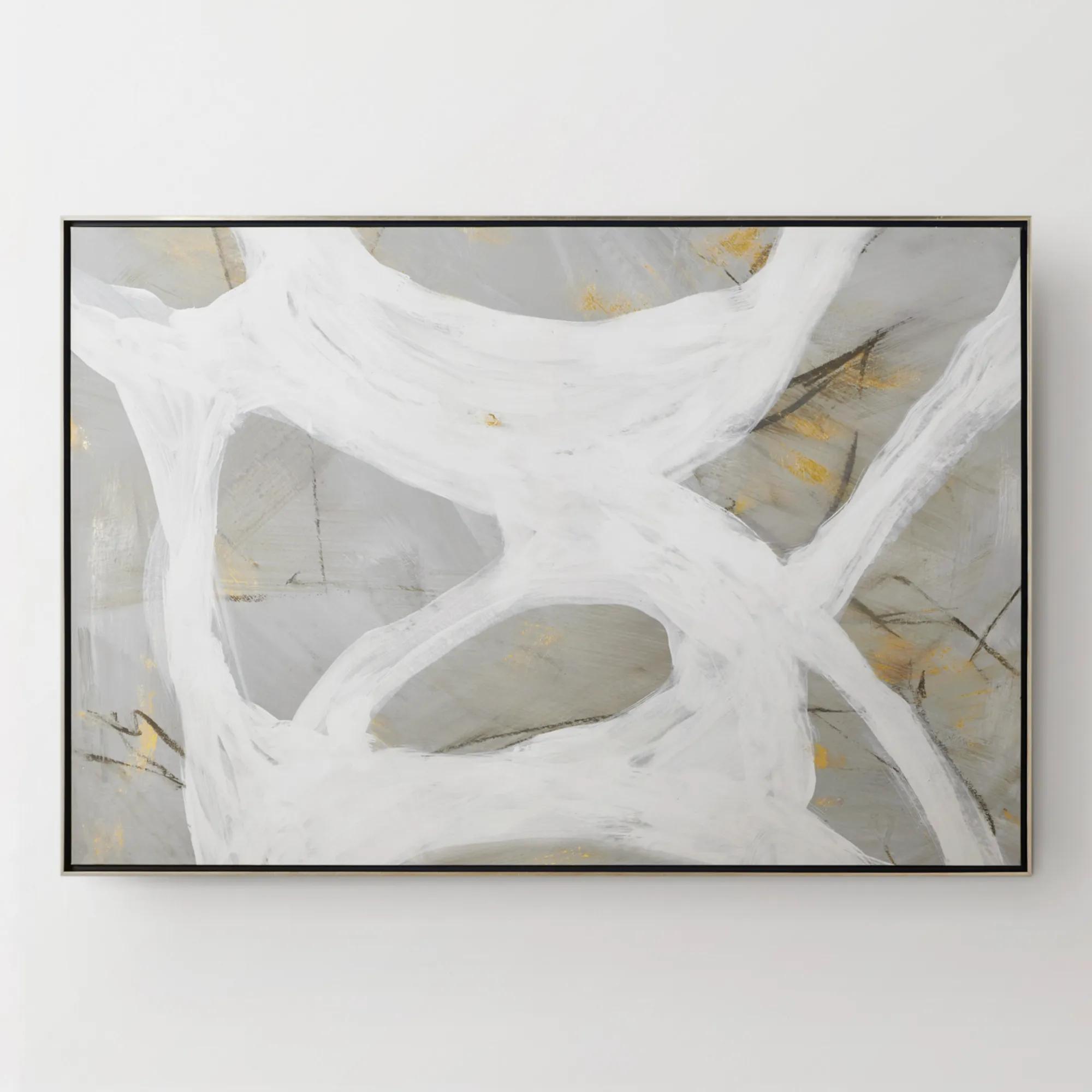
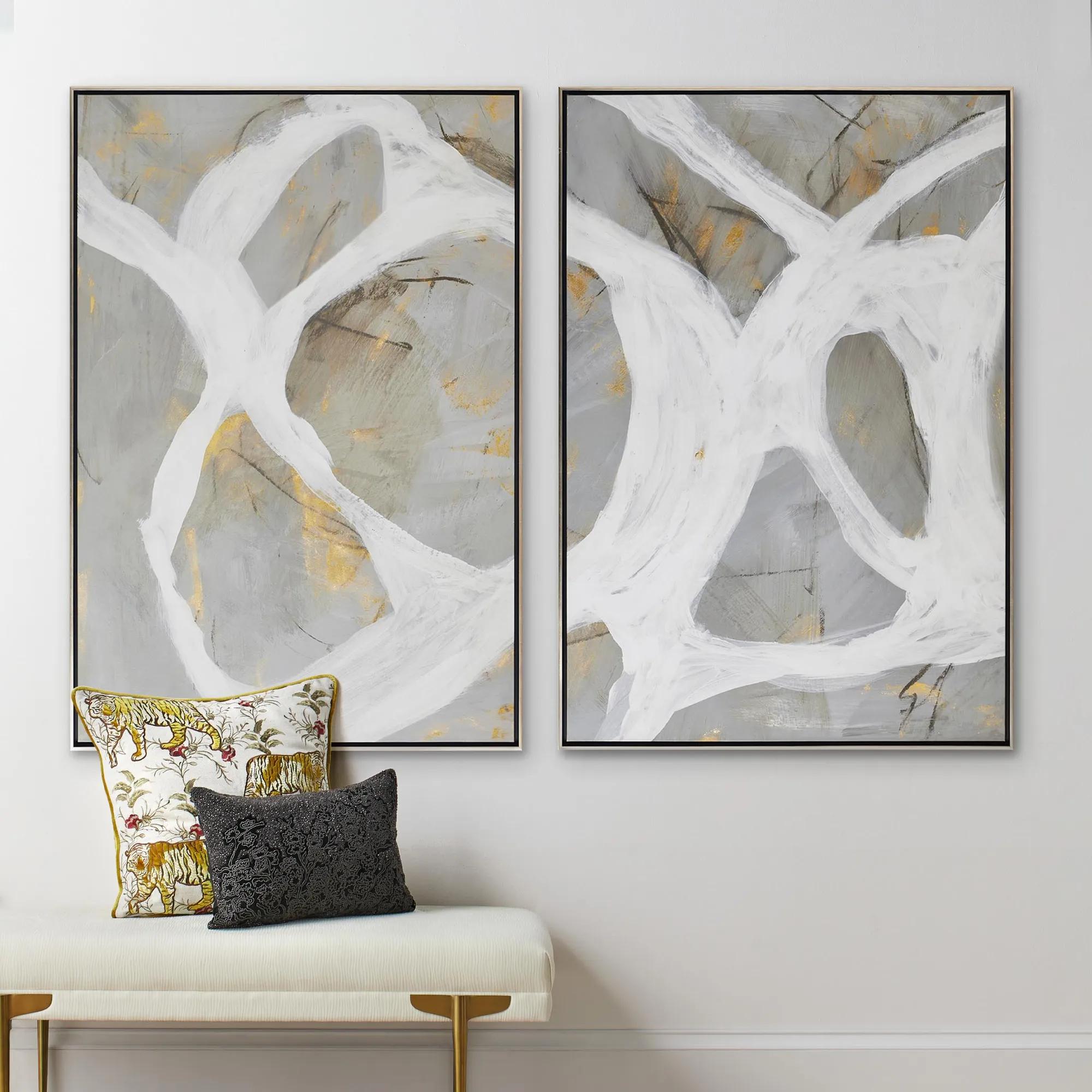 Les Series Framed Painted Wall Art II 61" x 41"$1099
An abstract canvas artwork featuring bold brushstrokes, hand-applied gold accents, and a silver floater frame.
Add To Cart -
 Gilded Wings Feather Shadowbox 30" x 40"$399
A striking display of hand-painted feathers on black linen, elegantly framed in a gold shadowbox.
Add To Cart -
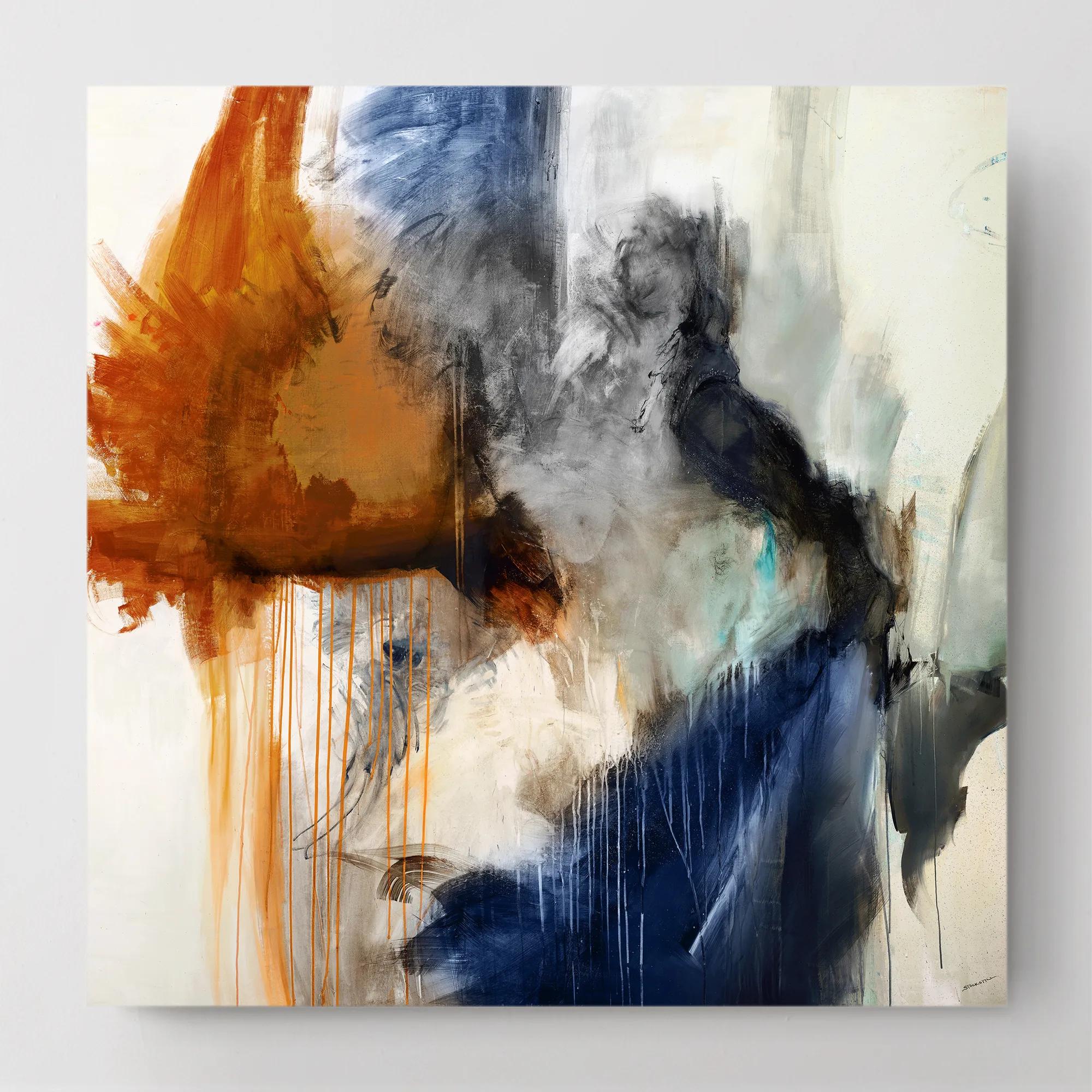
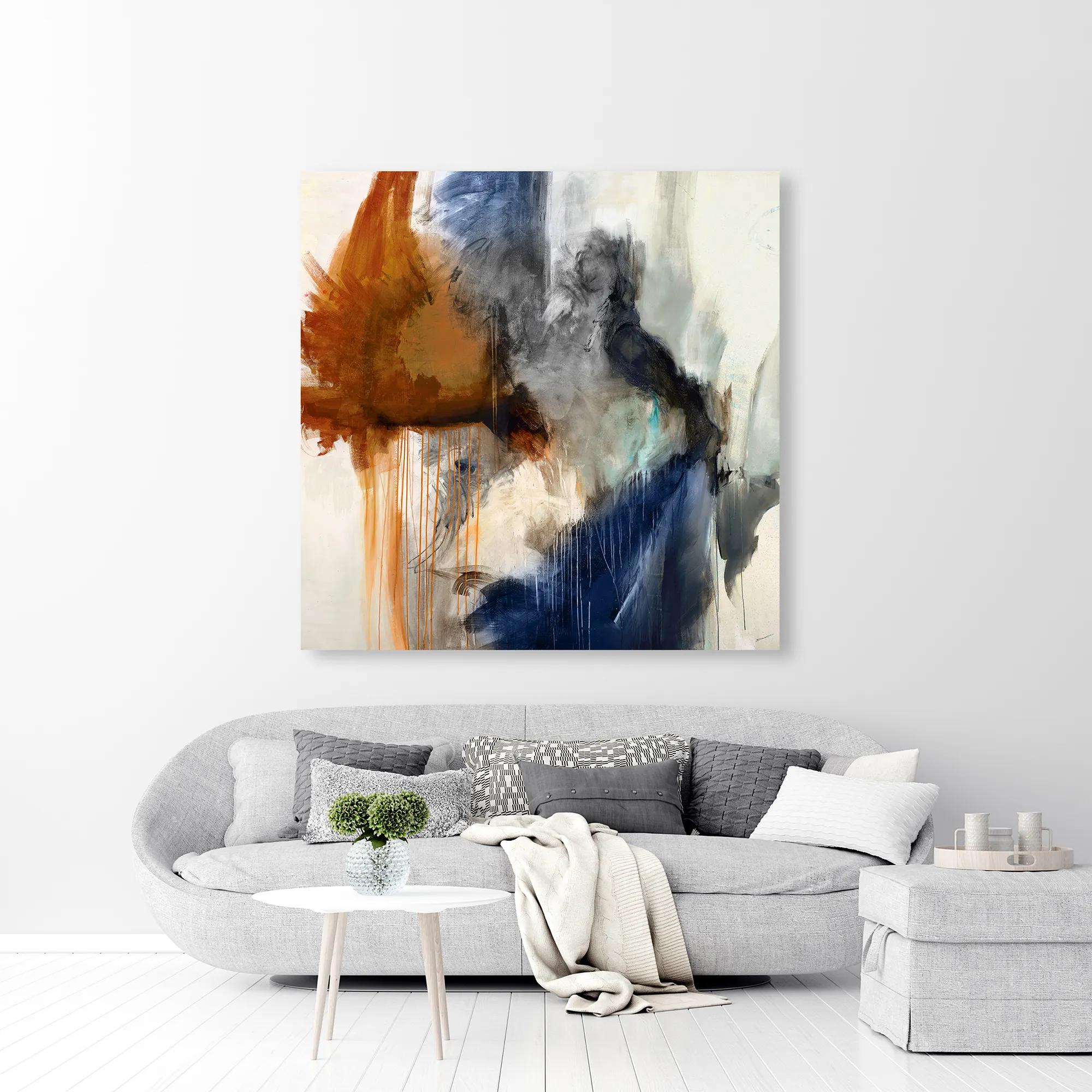 Swoon 6 Wall Art 54" x 54"$899
A gallery-wrapped canvas featuring a hand-applied image brush gel finish for a textured, artistic look.
Add To Cart -
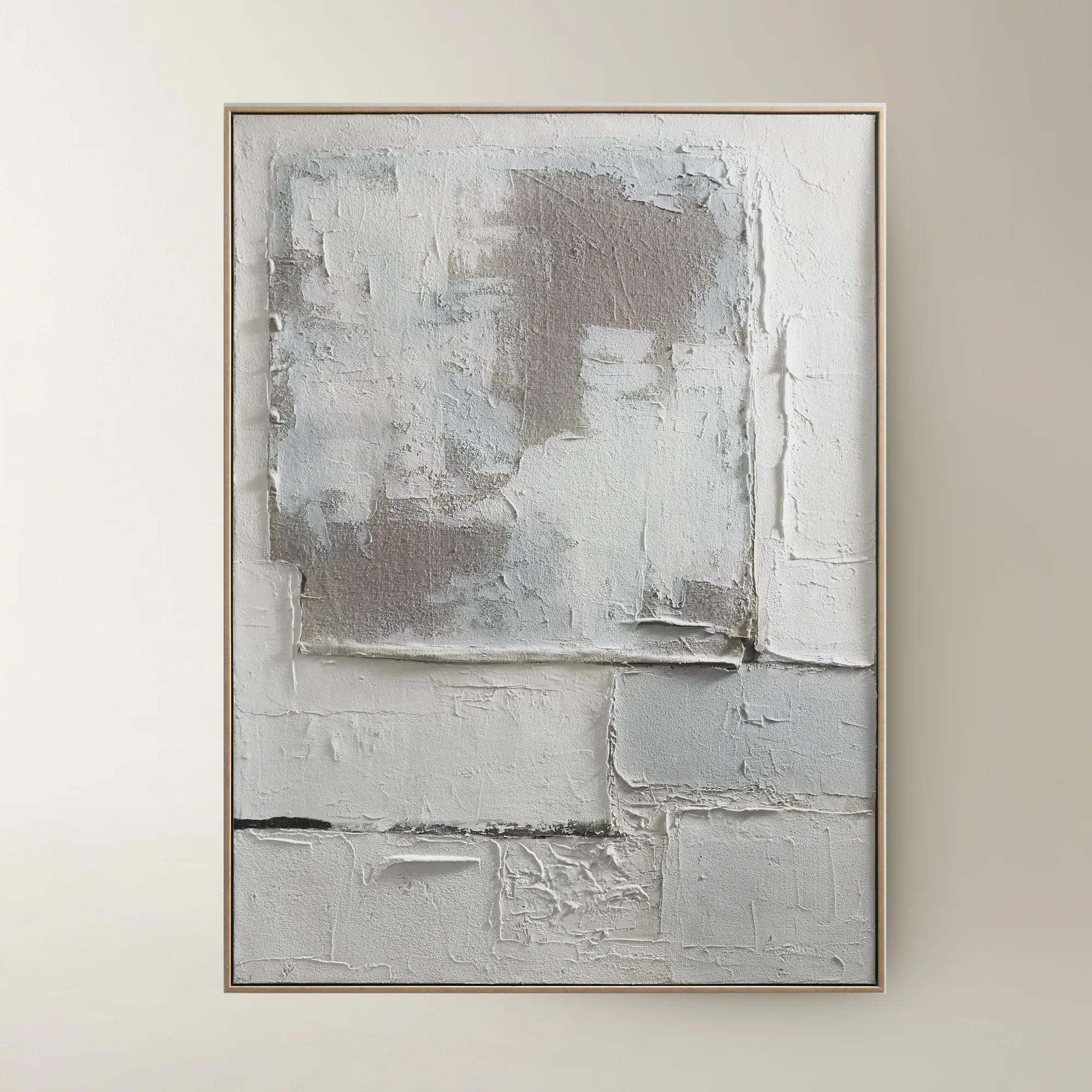
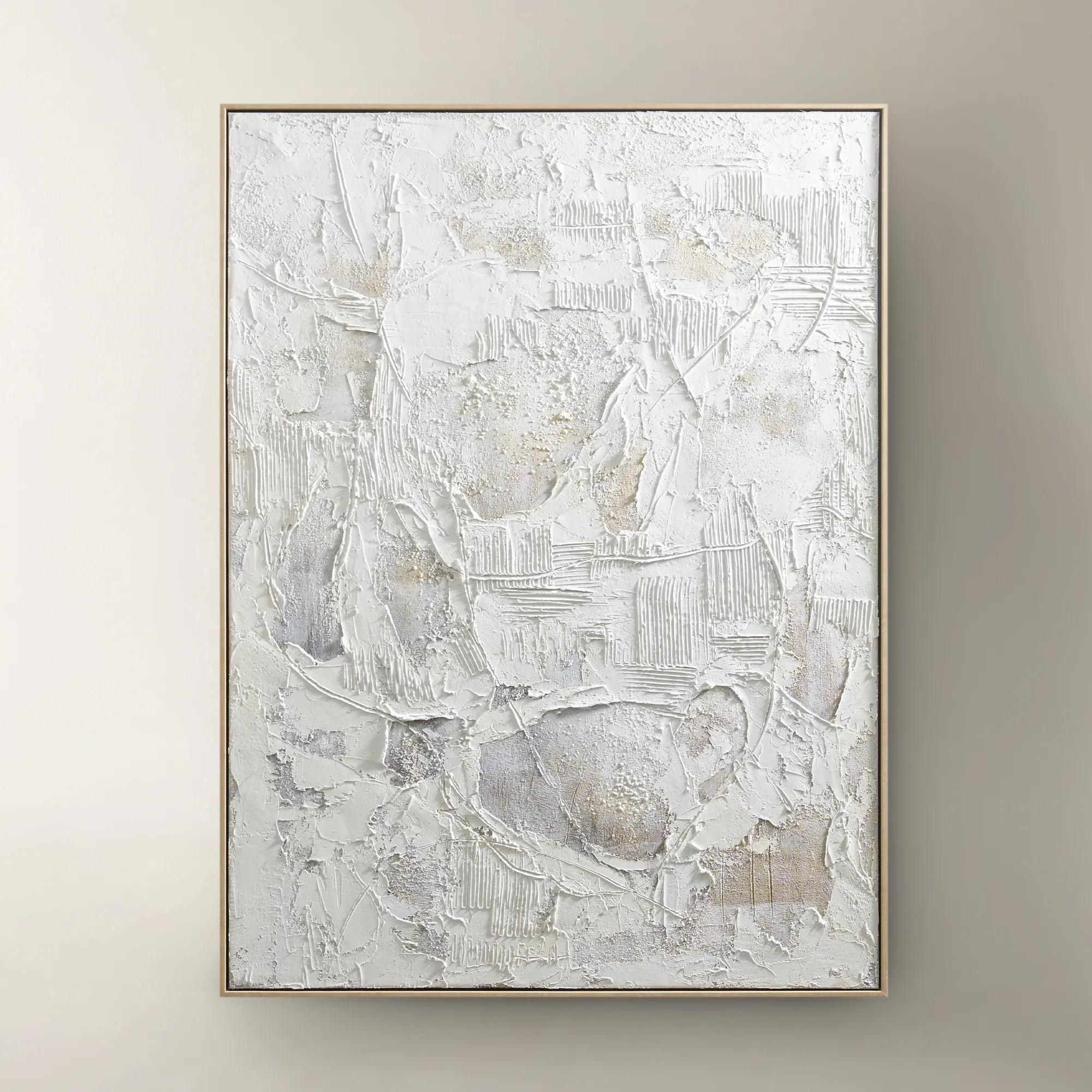
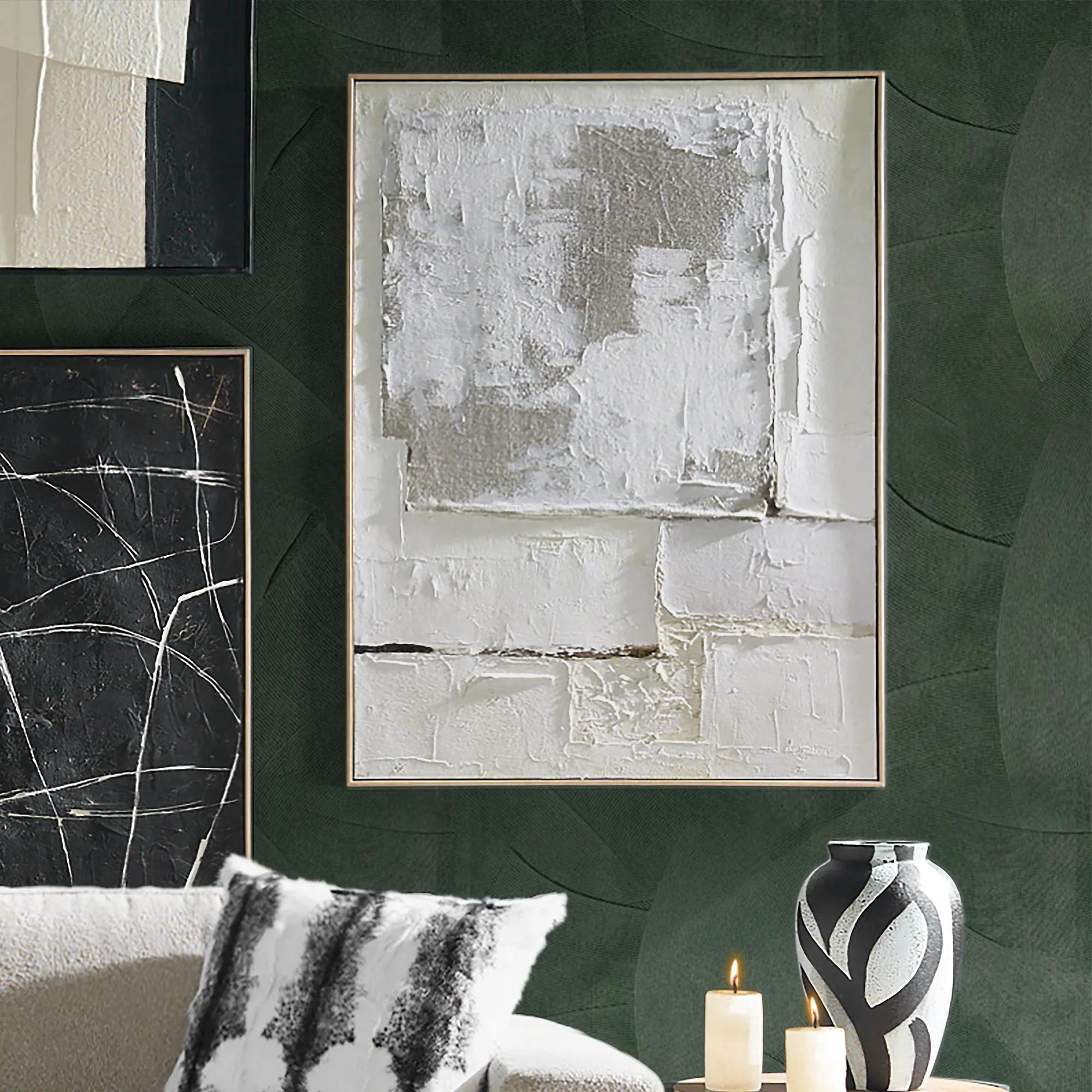 Marrow Painting$399
A hand-painted abstract canvas in subtle beige hues, elegantly framed in a warm beech wood floater.
Add To Cart -
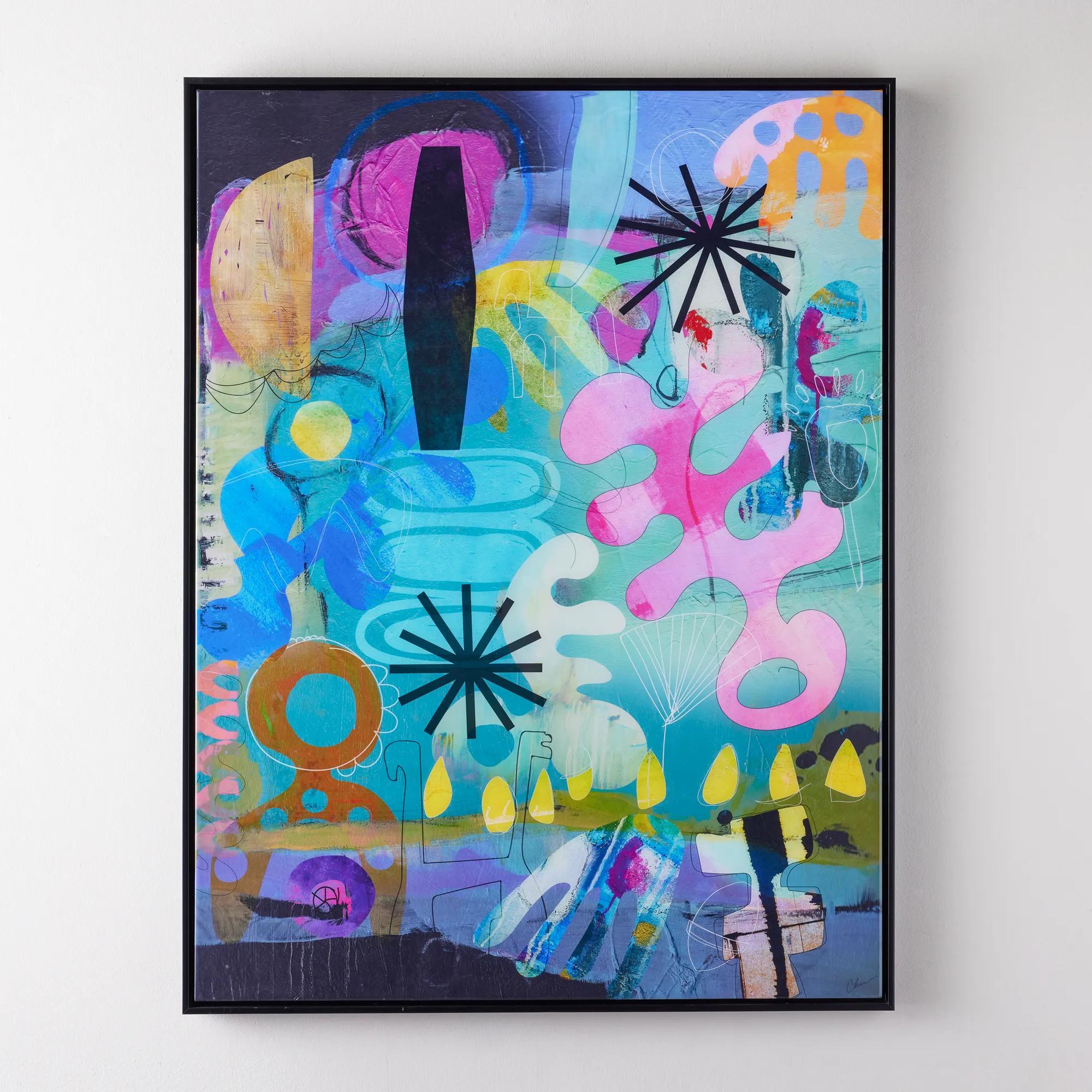
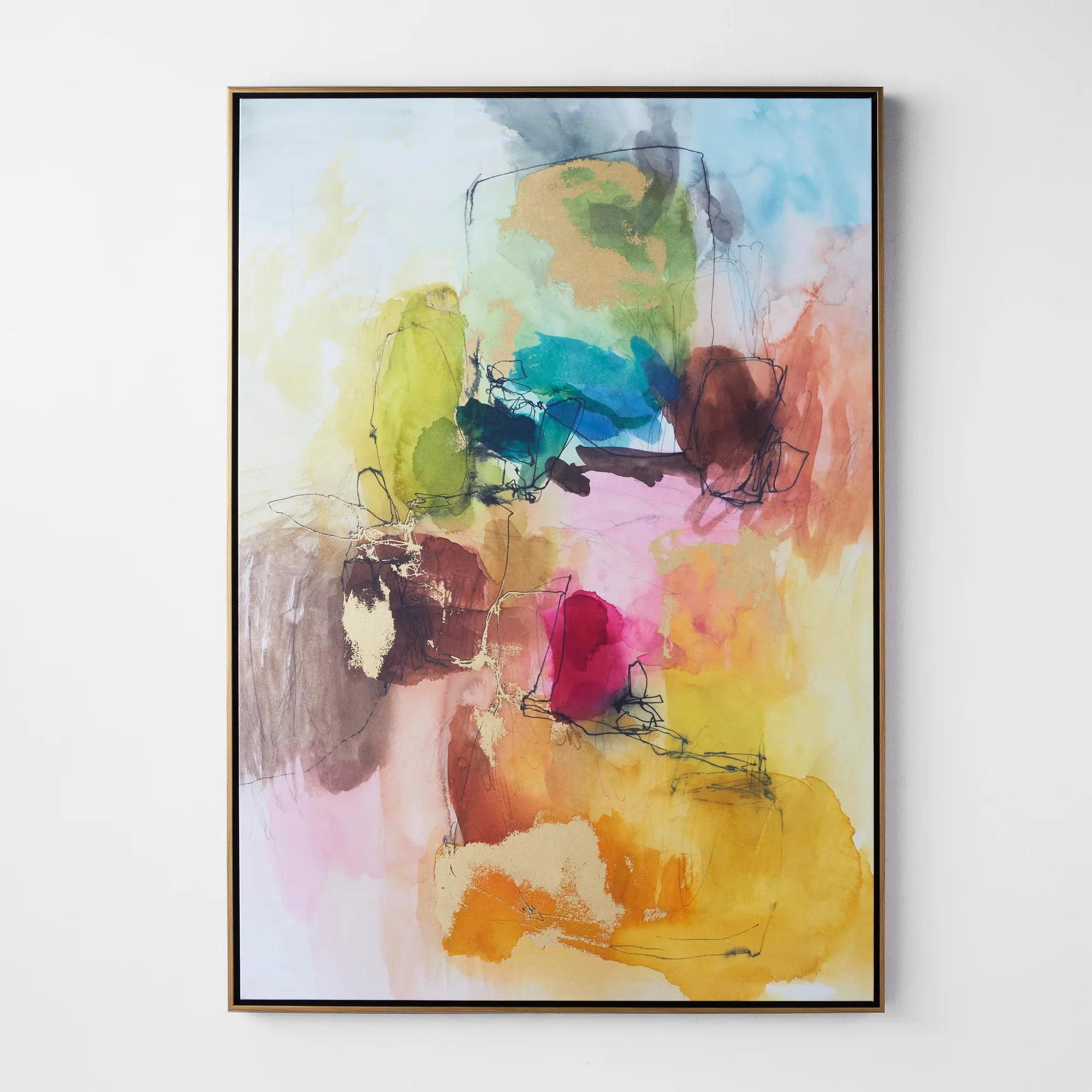
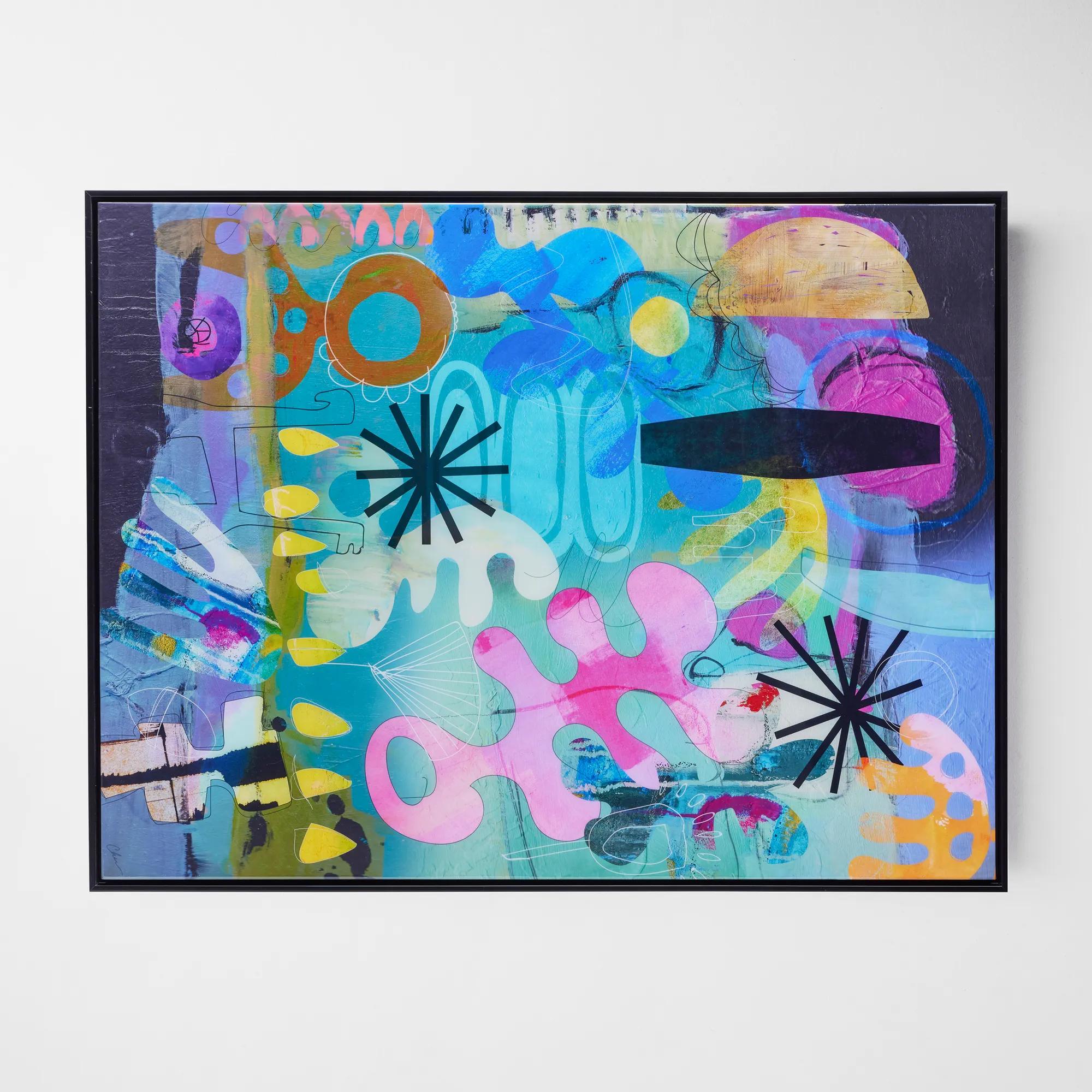 Nikki Chu Detailed Vision Framed Wall Art 54" x 41"$1099
A vibrant, high-gloss artwork with a black frame, designed to hang vertically or horizontally.
Add To Cart -
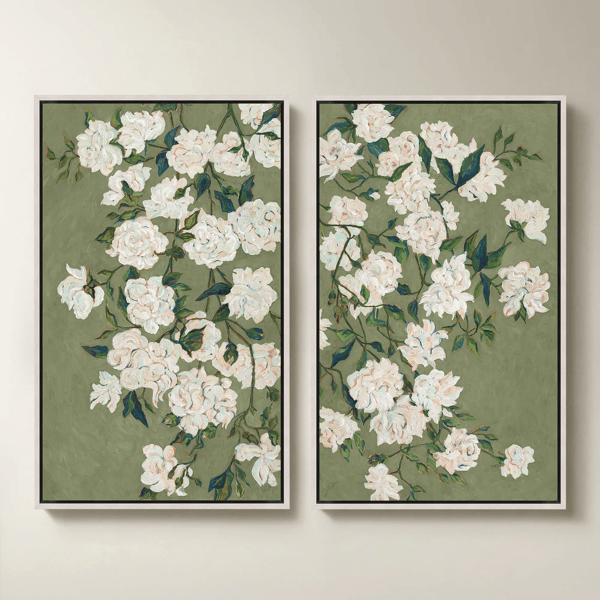
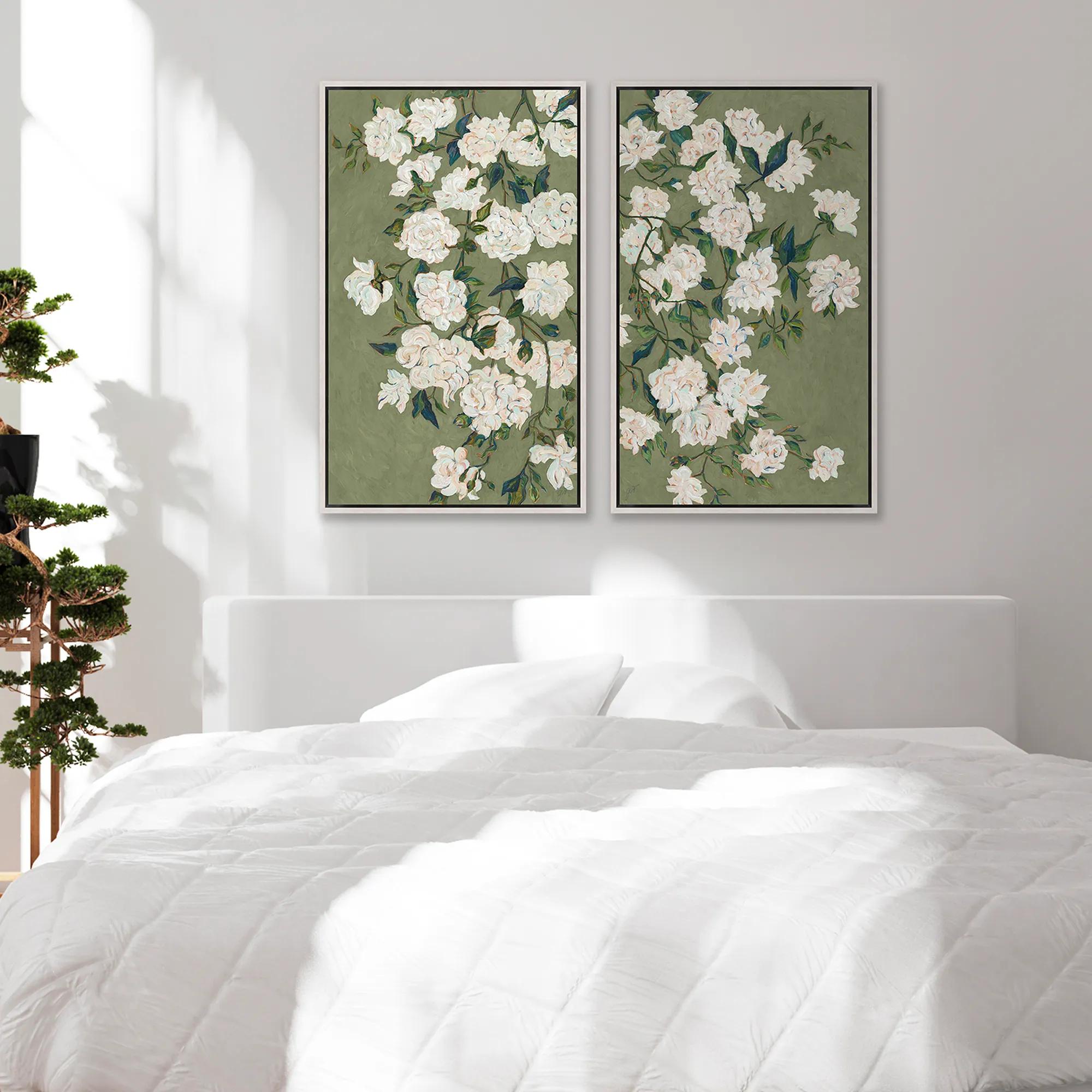 Verdi Vincent Framed Wall Art 21.5" x 41.5" Set of 2$949
A set of two gallery-wrapped fiber texture canvases in white floater frames for modern wall decor.
Add To Cart -
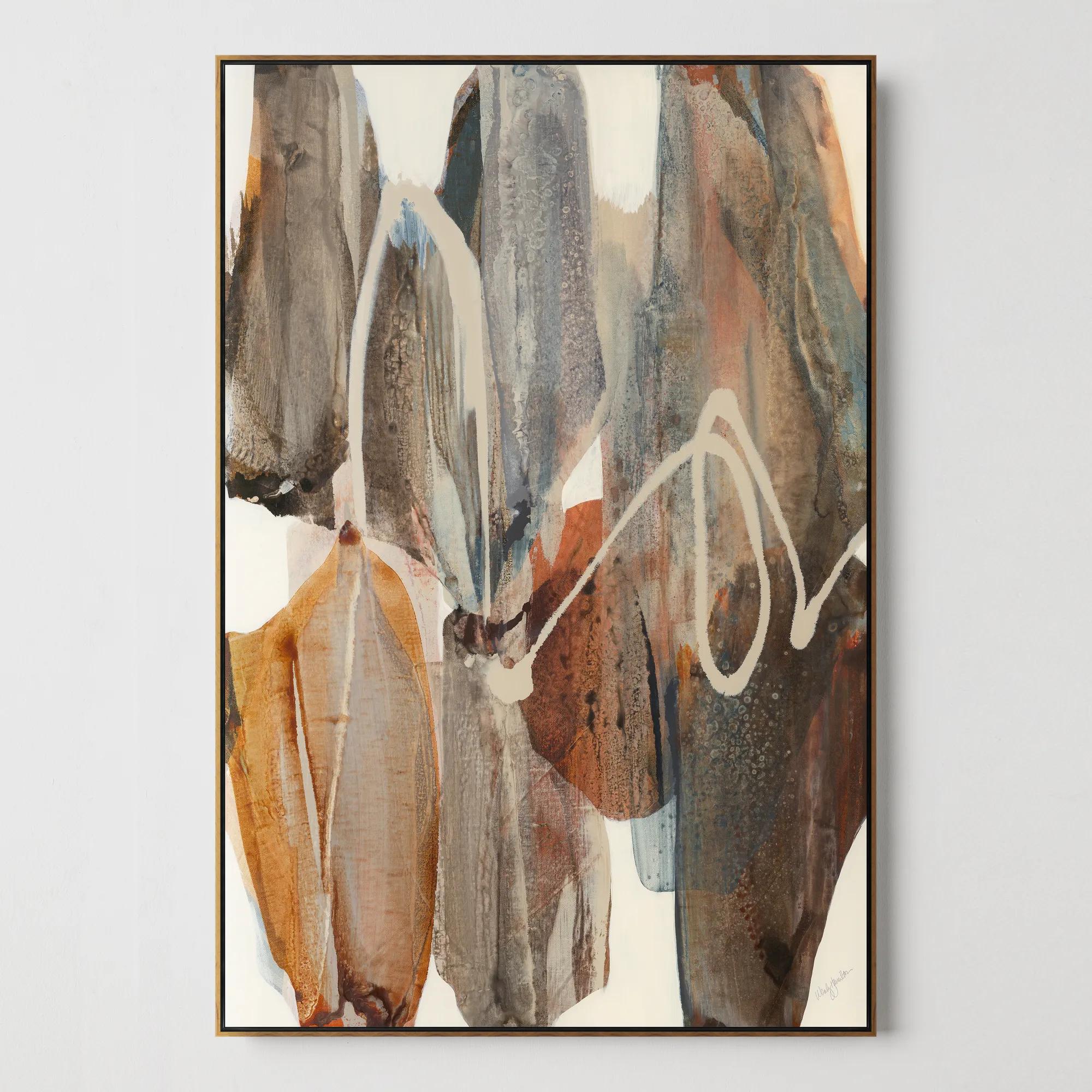
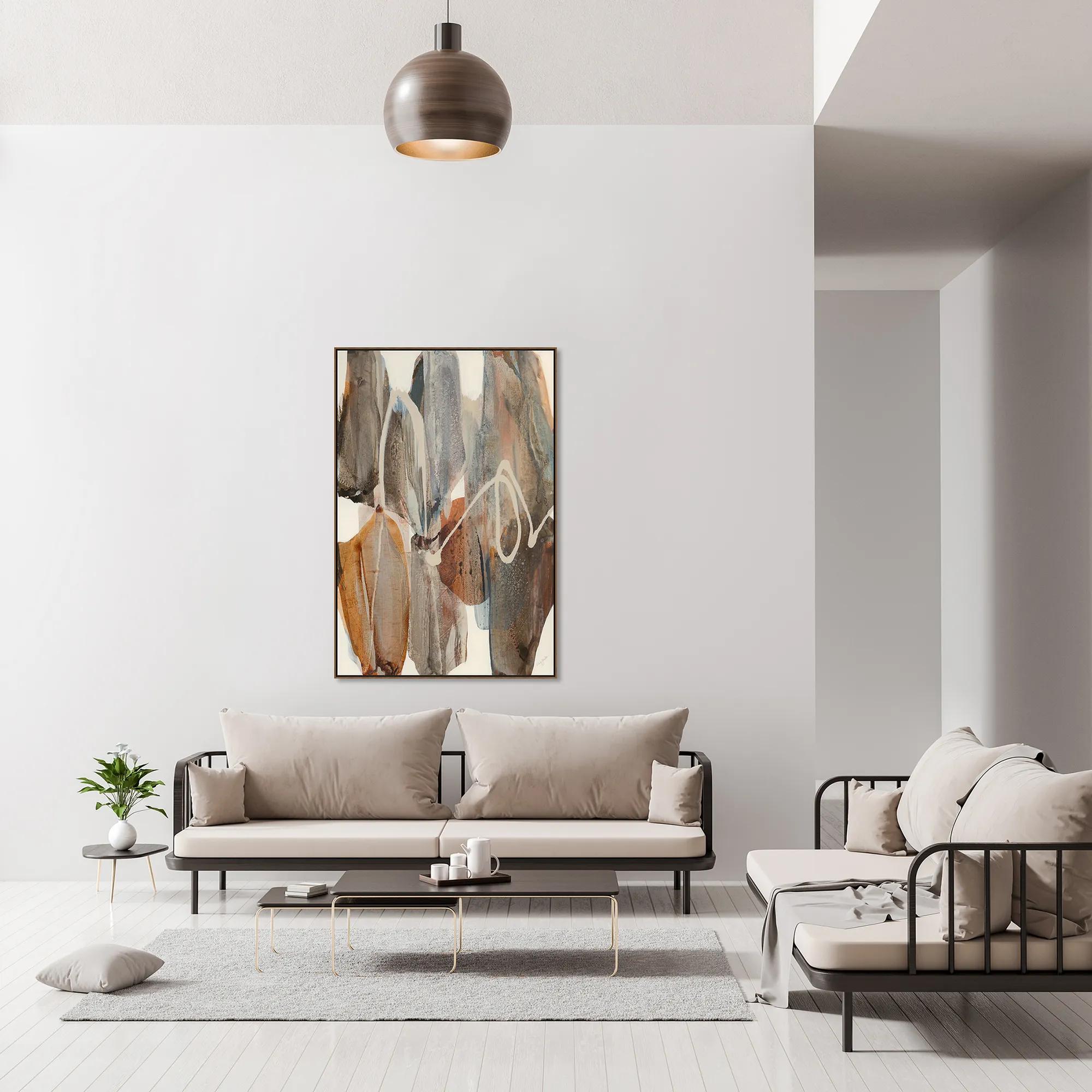 Boundless Framed Wall Art 40" x 60"$999
A gallery-wrapped canvas artwork with hand-applied brush gel finish in an oak floater frame.
Add To Cart -
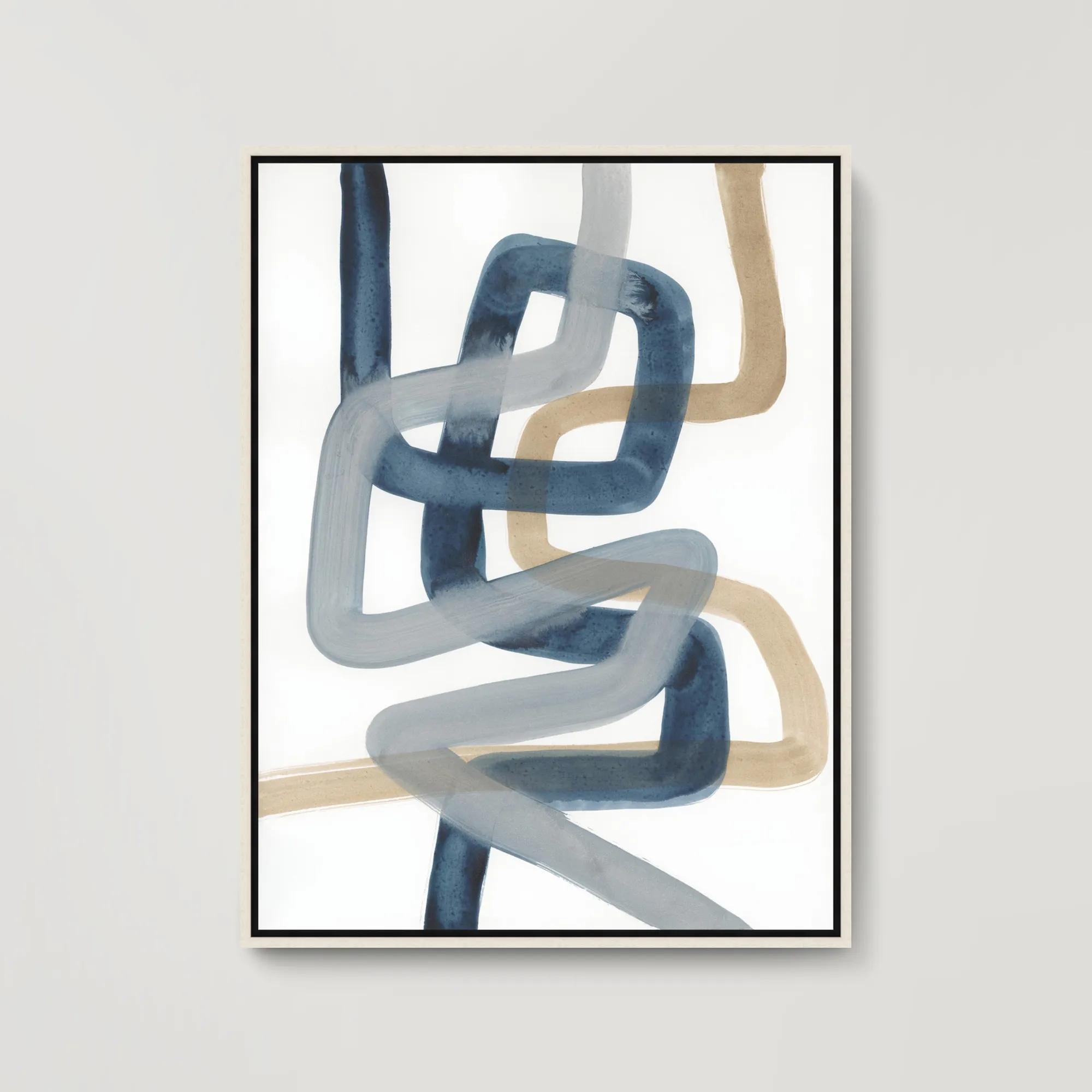 Looped In II Framed Wall Art 31.5" x 41.5"$699
A gallery-wrapped abstract canvas with hand-applied brush gel finish, set in a sleek white floater frame.
Add To Cart -
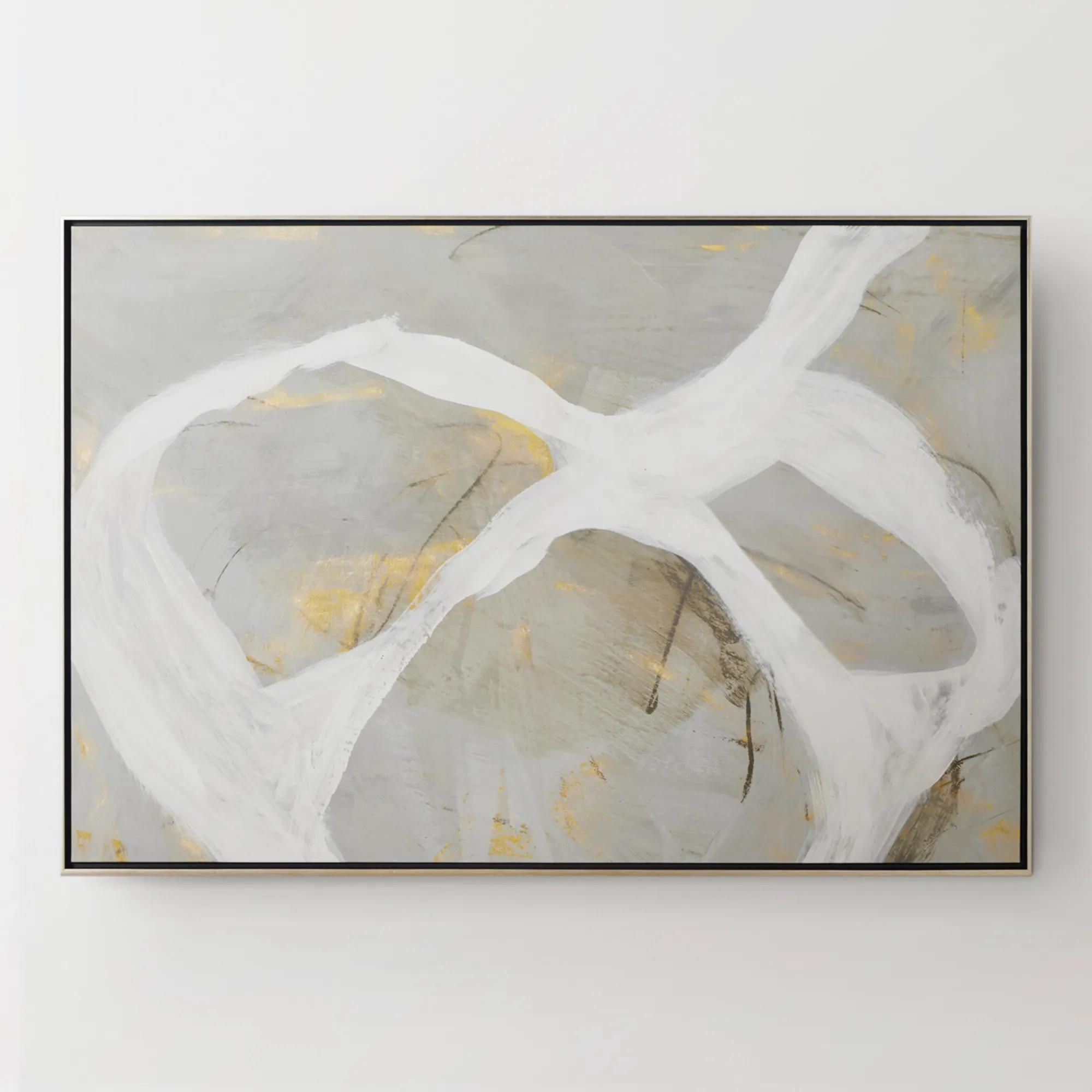
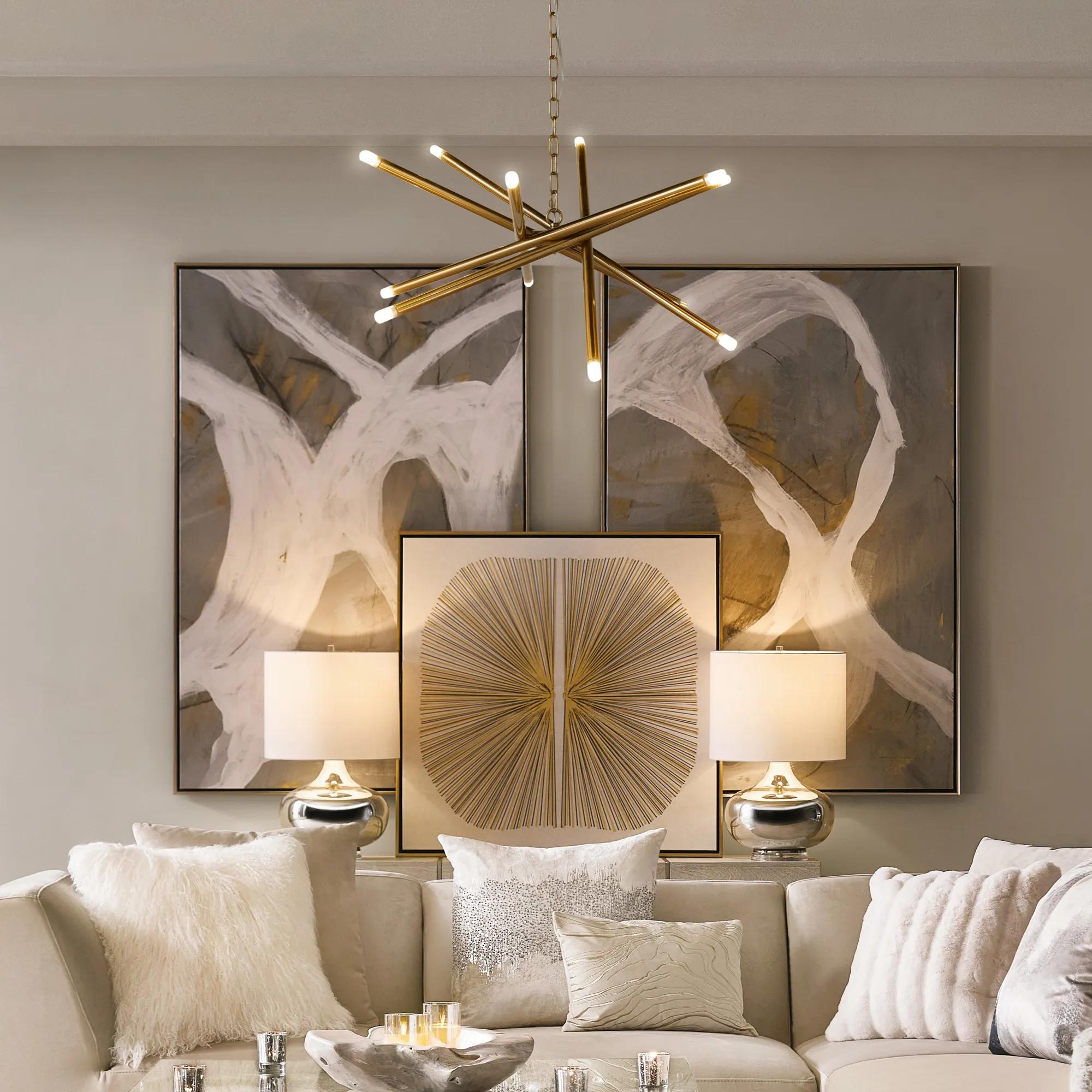 Les Series Framed Painted Wall Art I 61" x 41"$1099
An abstract canvas artwork featuring bold brushstrokes, hand-applied gold accents, and a silver floater frame.
Add To Cart -
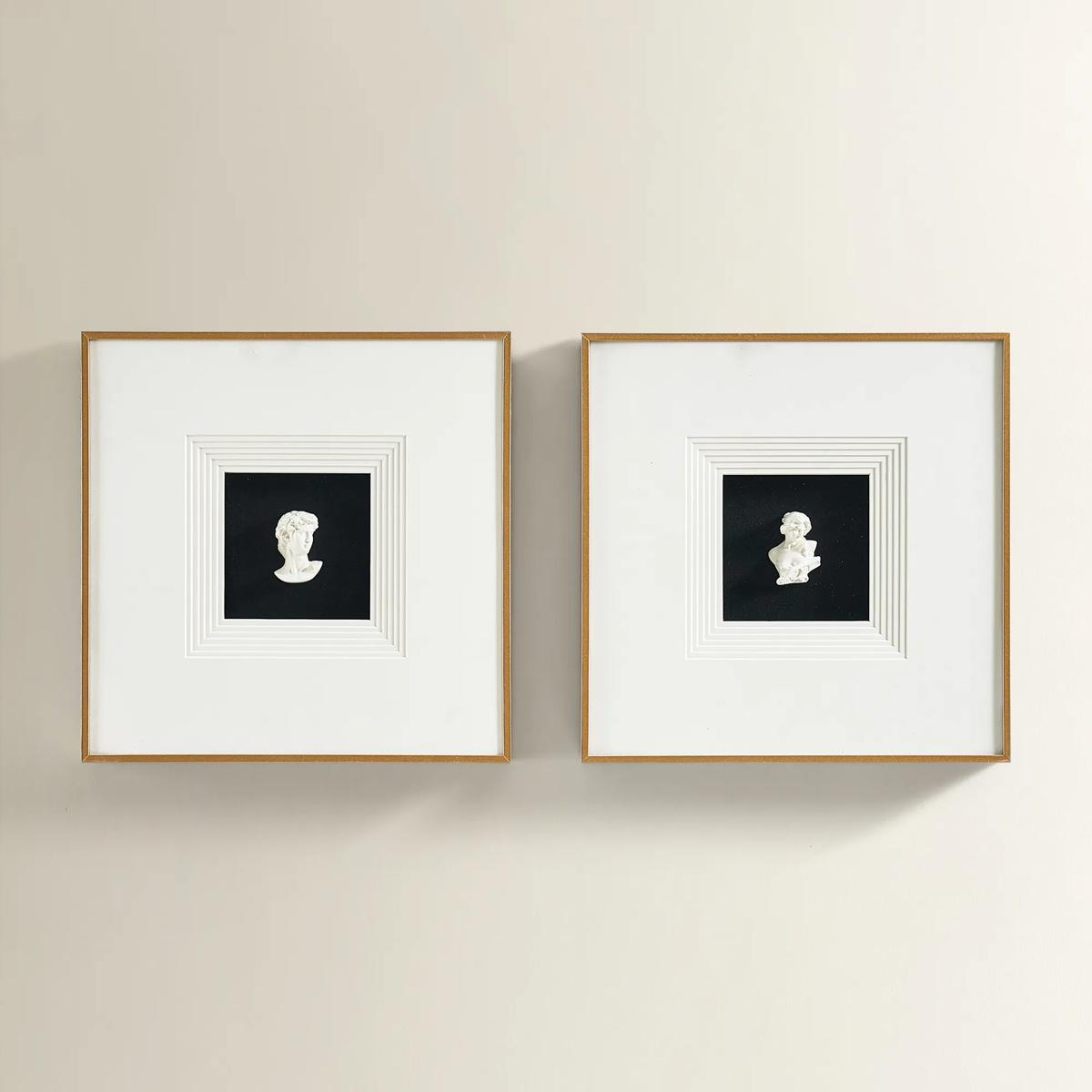
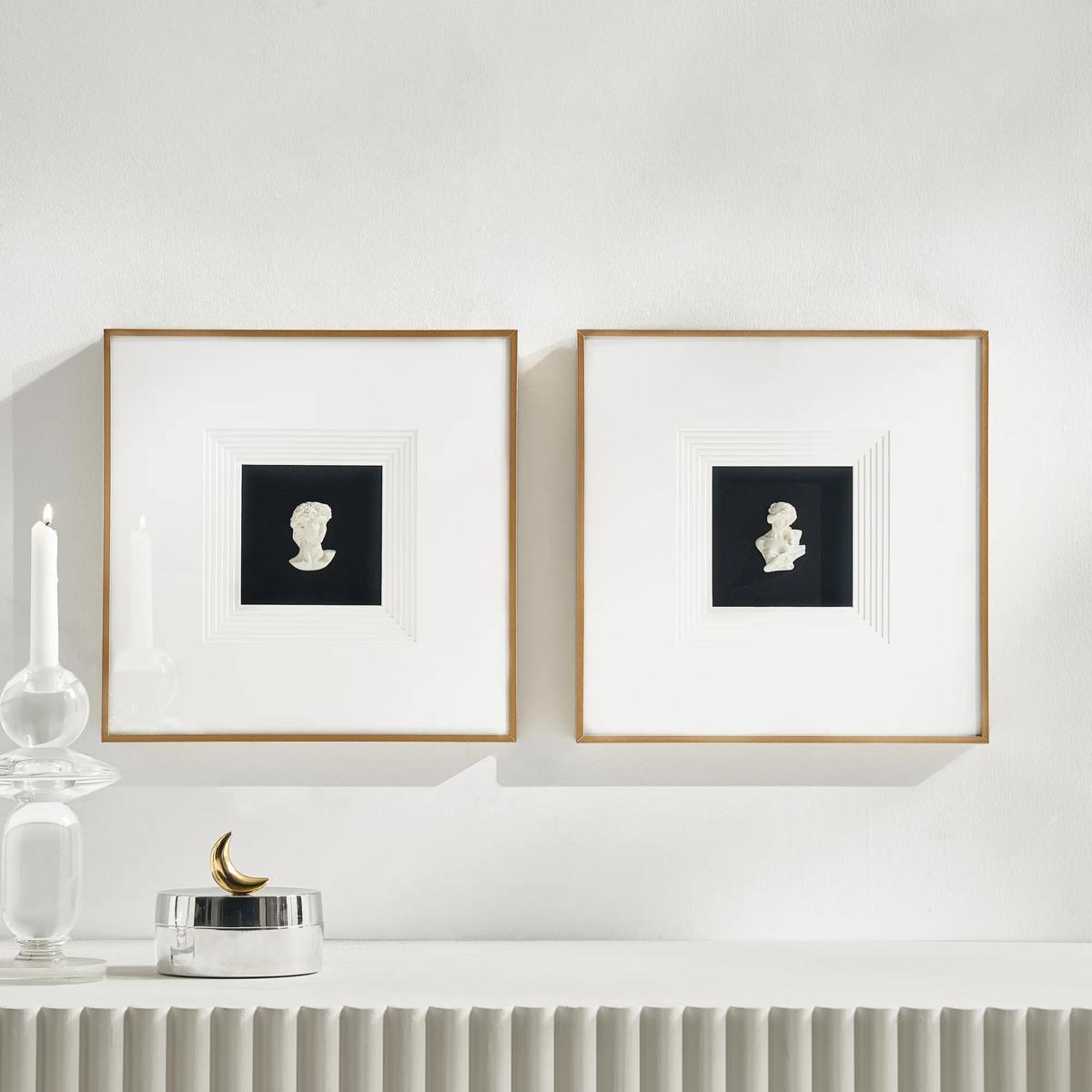 Classics Framed Plaster Wall Decor Set of 2$149
A set of two plaster portrait wall art pieces in black and ivory with sleek aluminum frames.
Add To Cart -
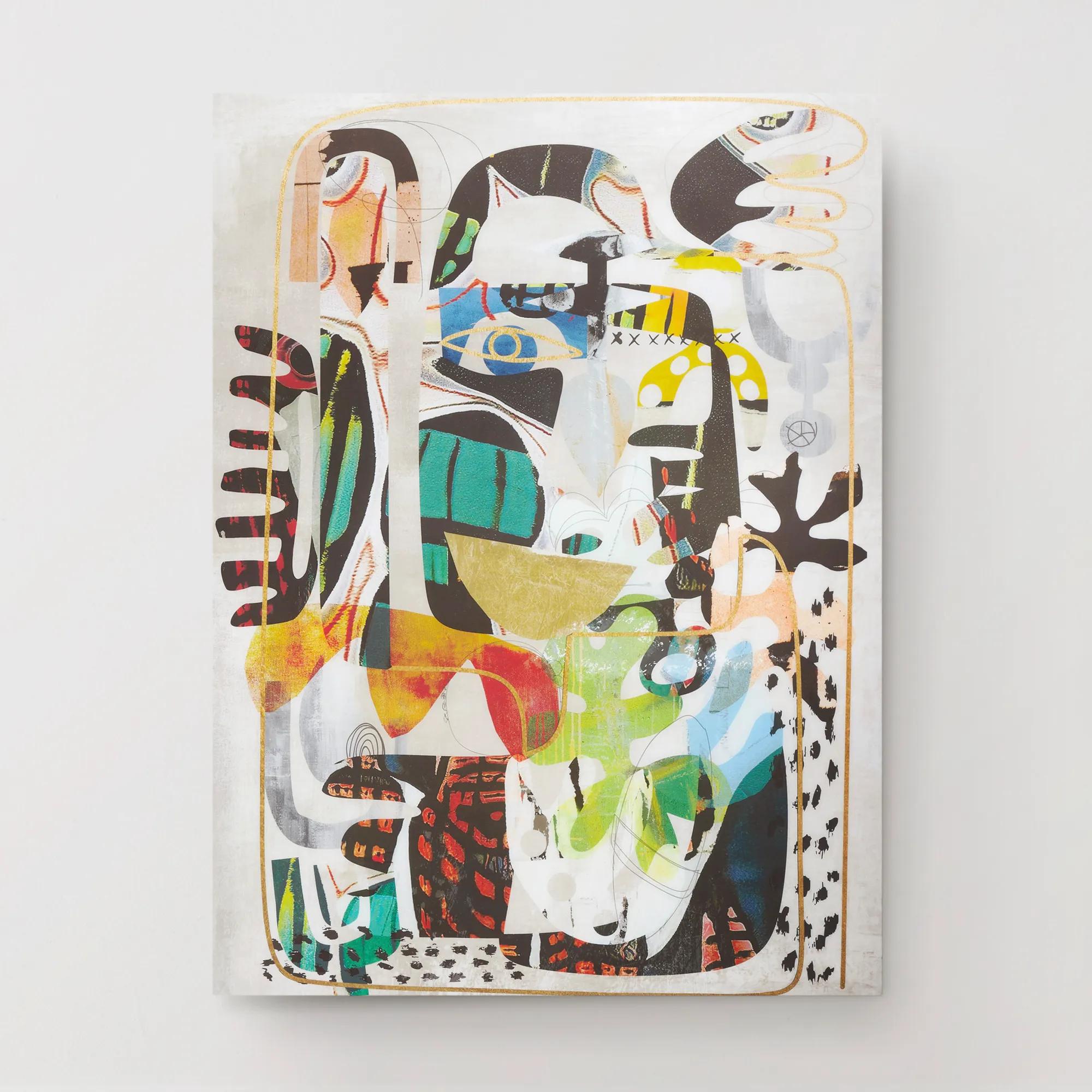
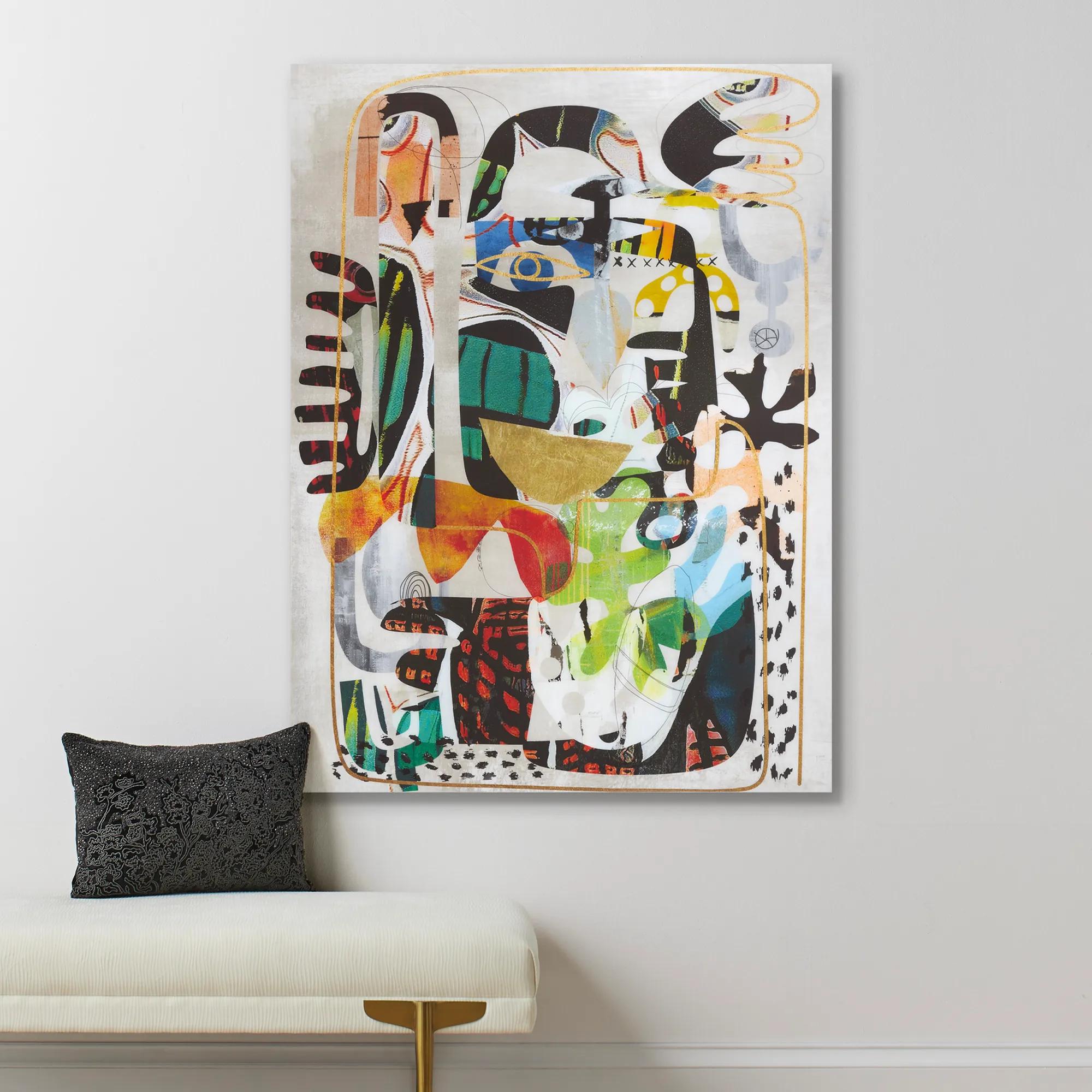 Nikki Chu Masked Wall Art 40" x 54"$899
A vibrant giclee print on canvas featuring a hand-applied glossy finish for a modern statement.
Add To Cart -
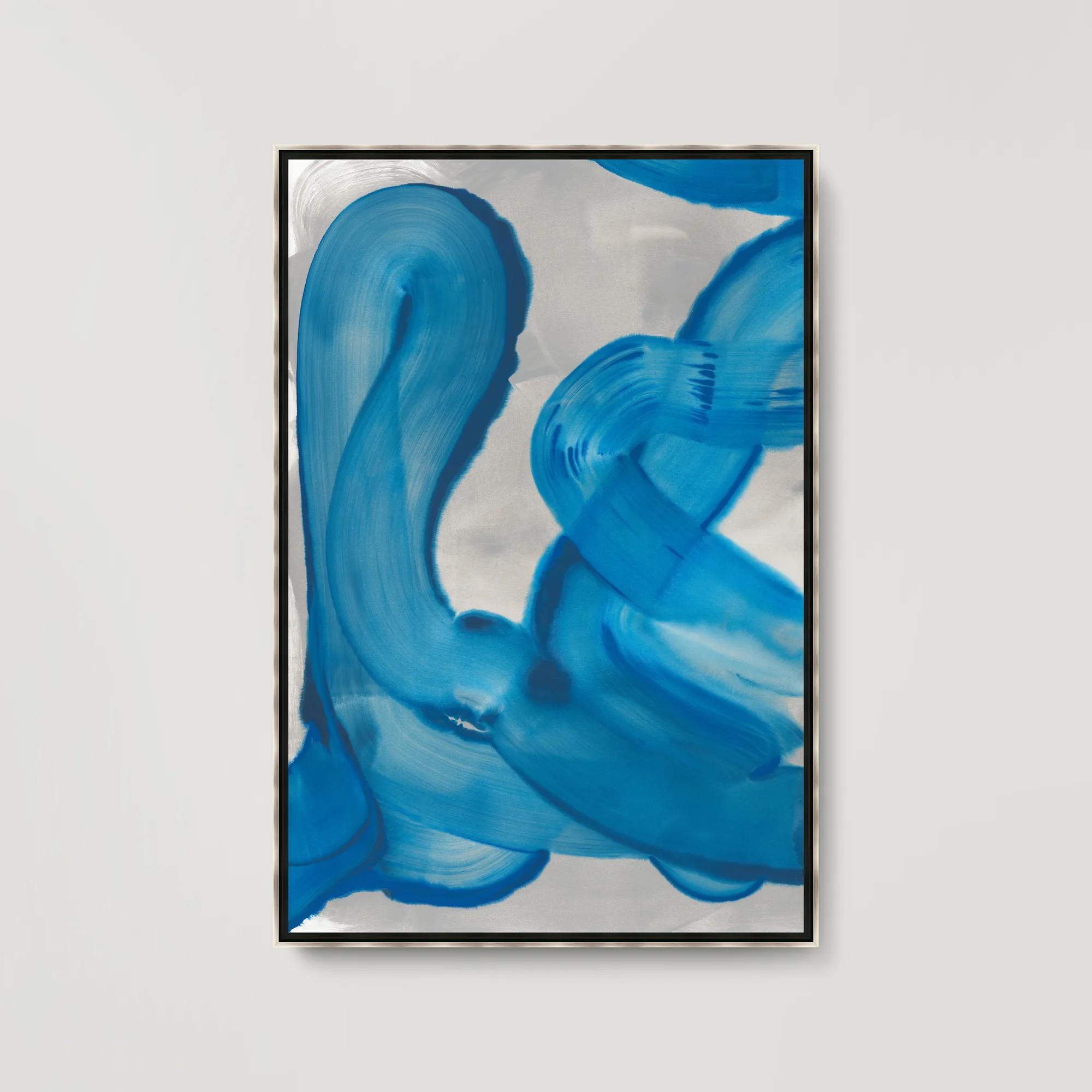 Royal Waves I Framed Wall Art 31.5" x 46.5"$699
A gallery-wrapped abstract canvas featuring hand-applied brush gel and set in a sleek silver floater frame.
Add To Cart -
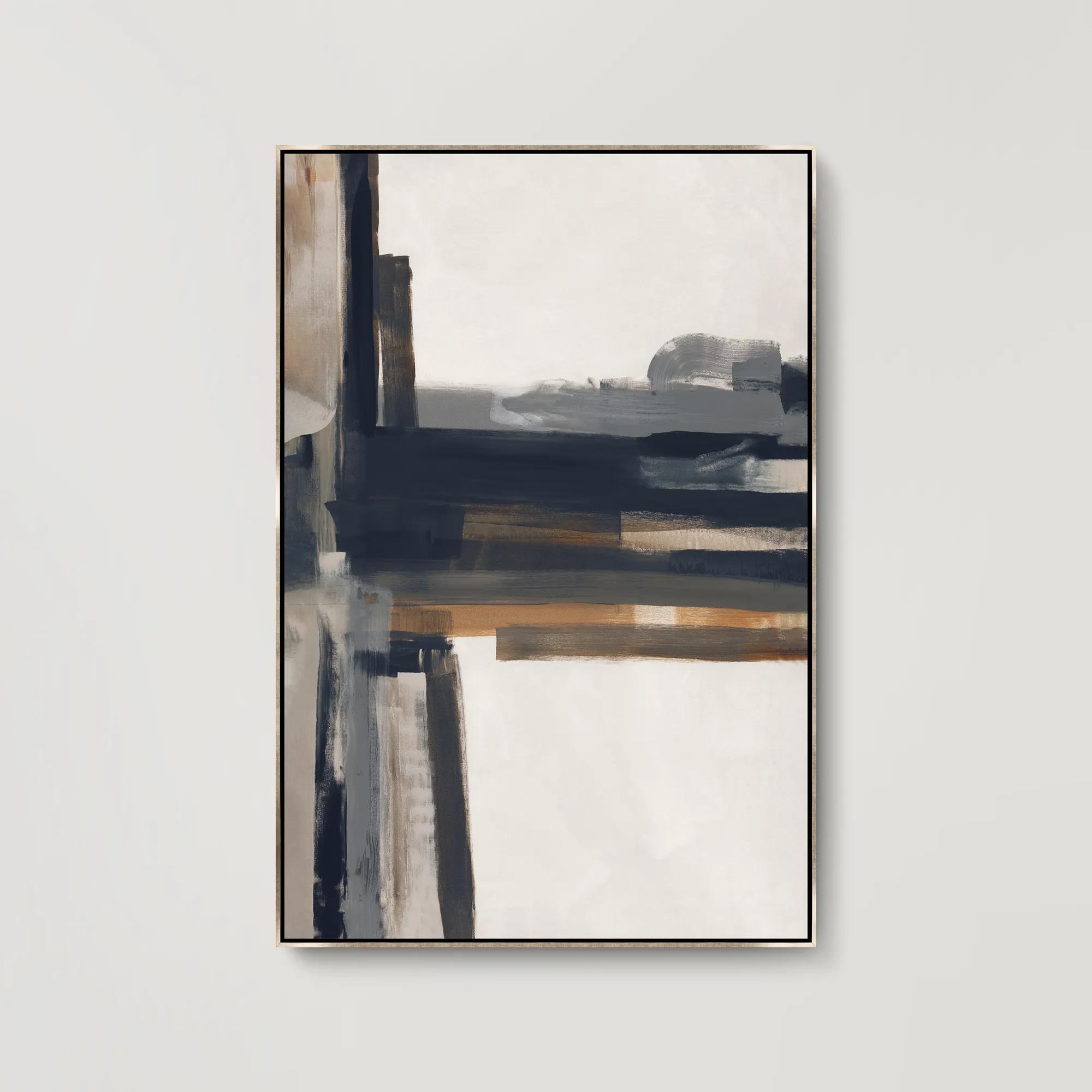
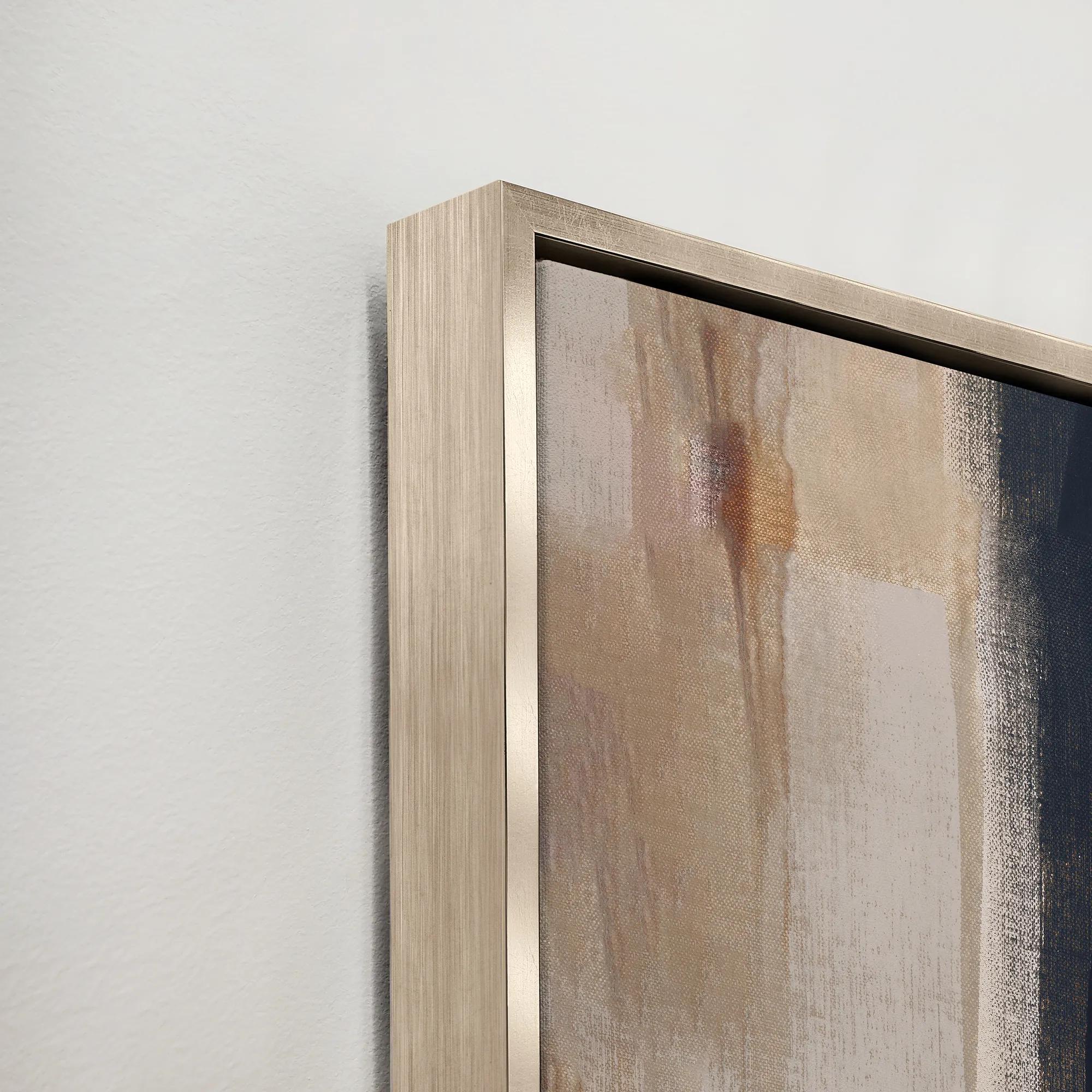 Imposing Construct I Framed Wall Art 41.5" x 61.5"$949
A gallery-wrapped abstract canvas featuring hand-applied brush gel and set in a sleek silver floater frame.
Add To Cart -
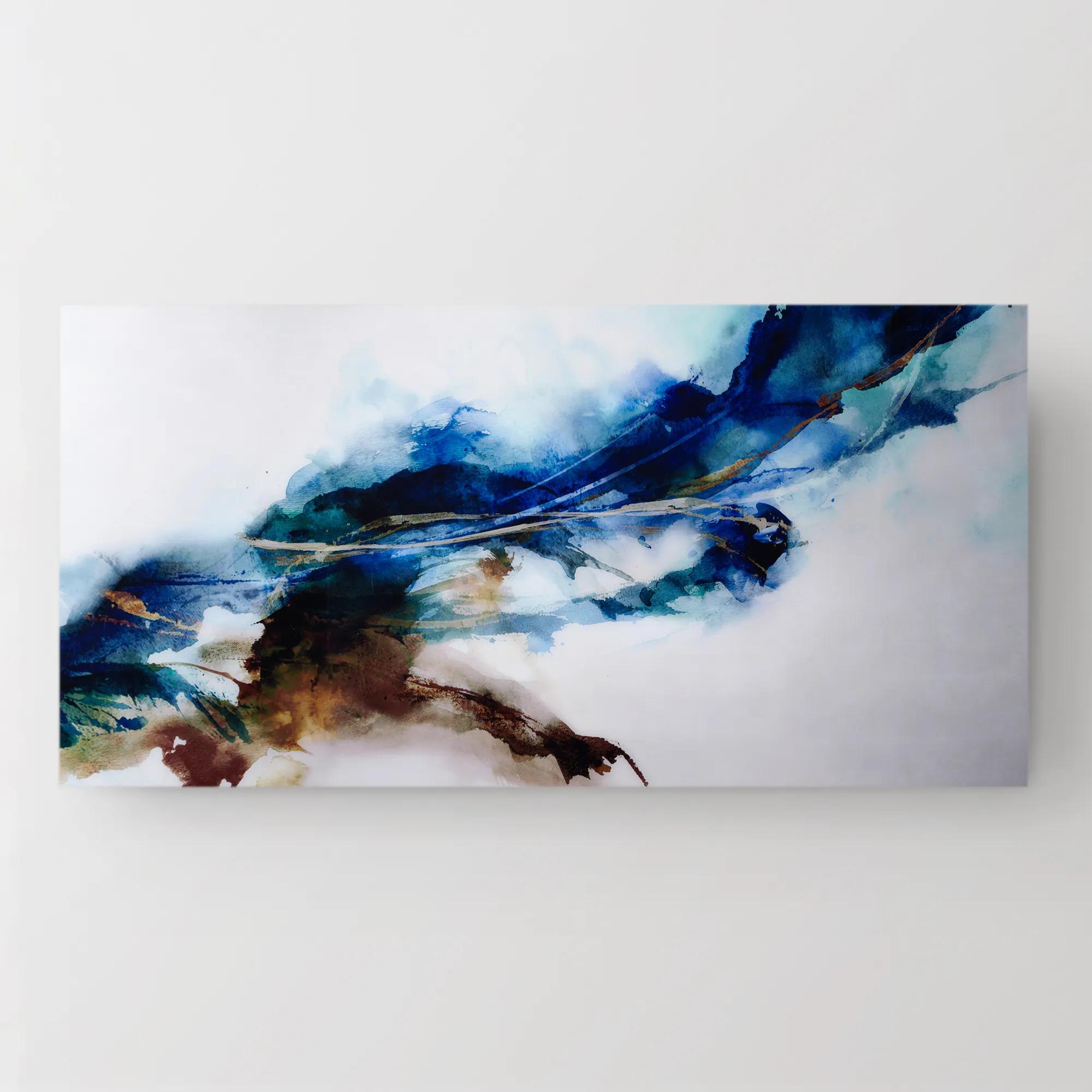 Cerulean Movement Acrylic Art 72" x 36"$1299
A vibrant abstract artwork printed on high-gloss acrylic, infusing your space with dynamic energy and movement.
Add To Cart -
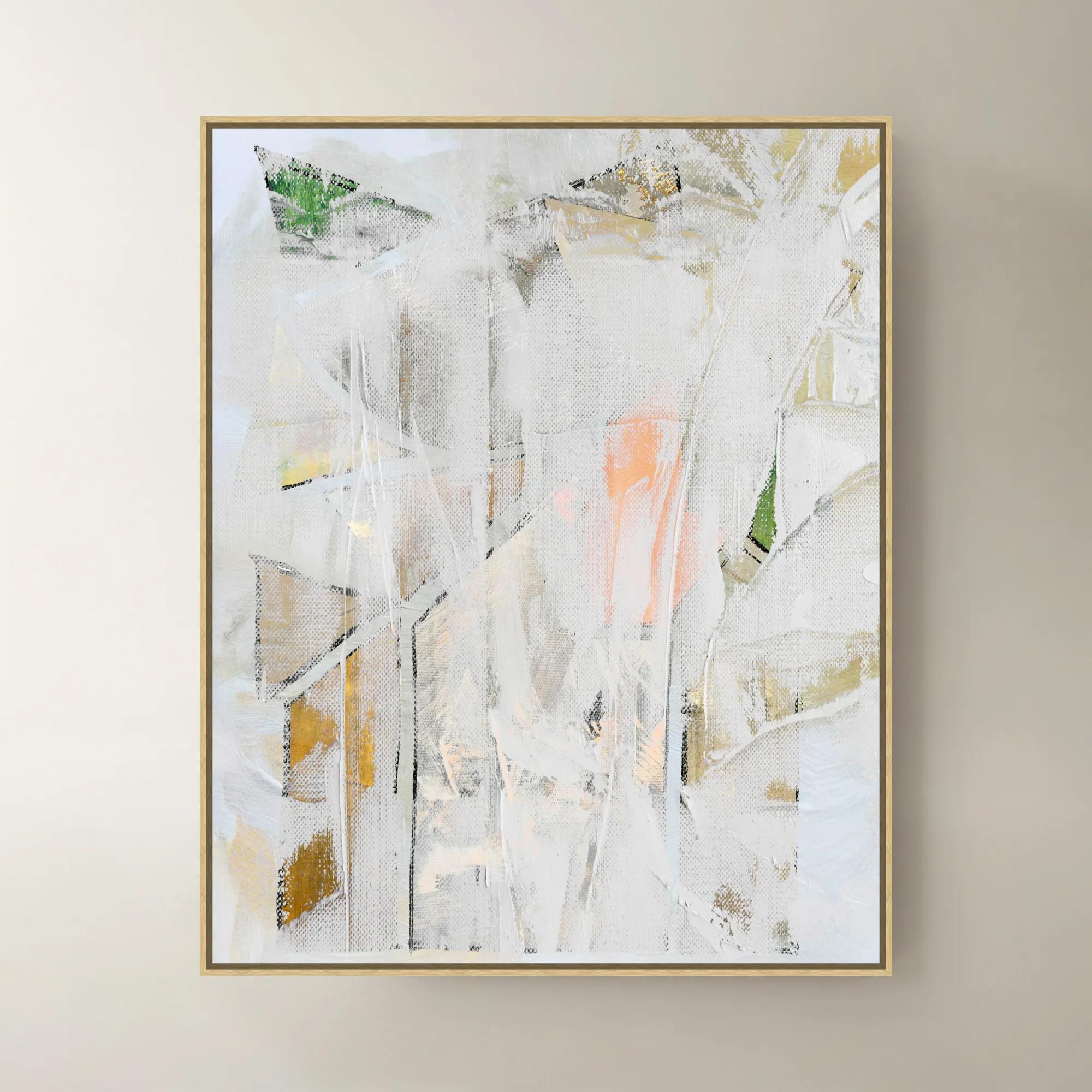
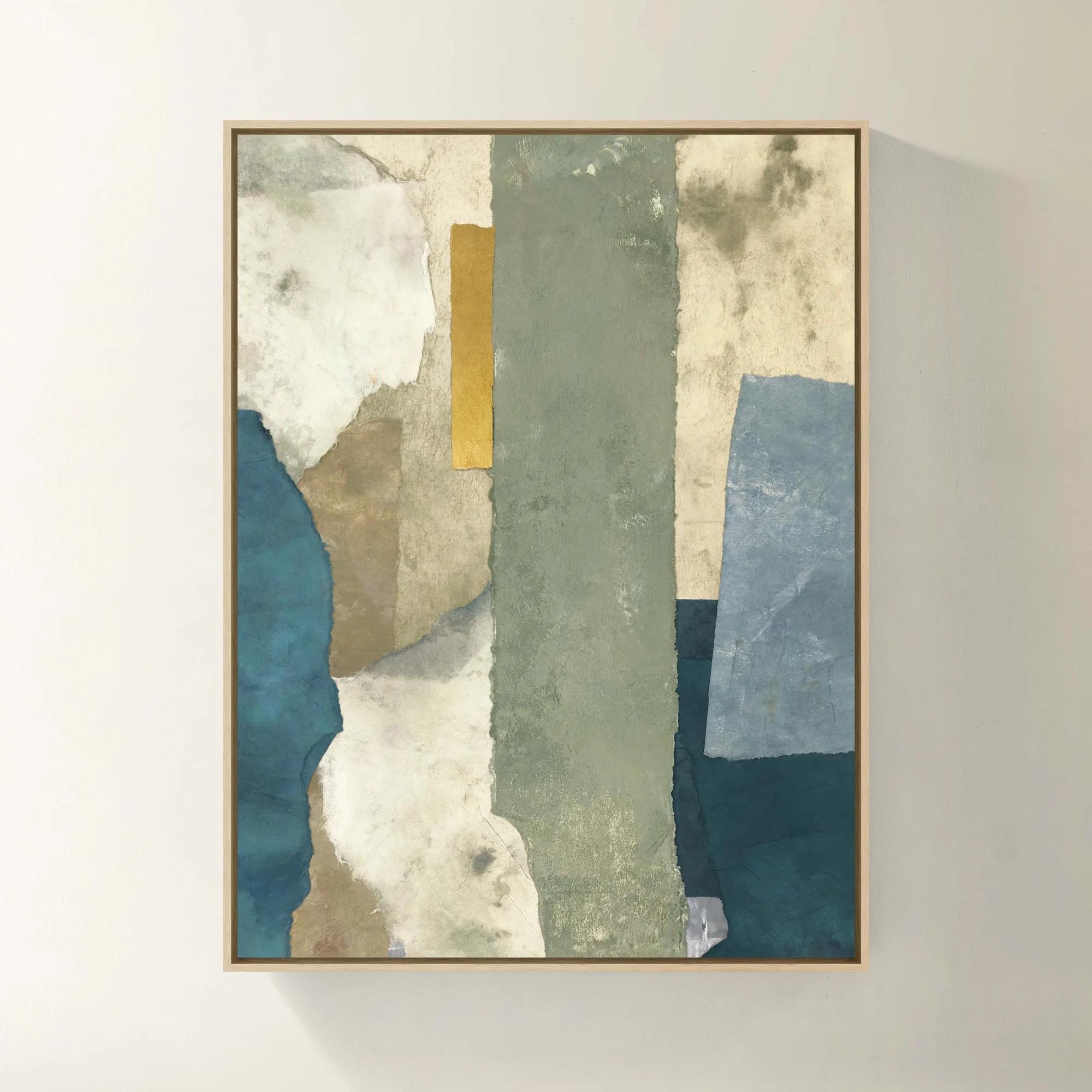 Earth Fragments II Framed Wall Art 30" x 40"$799
A gallery-wrapped canvas featuring gild accents and hand-applied gel, set in a natural floater frame.
Add To Cart -
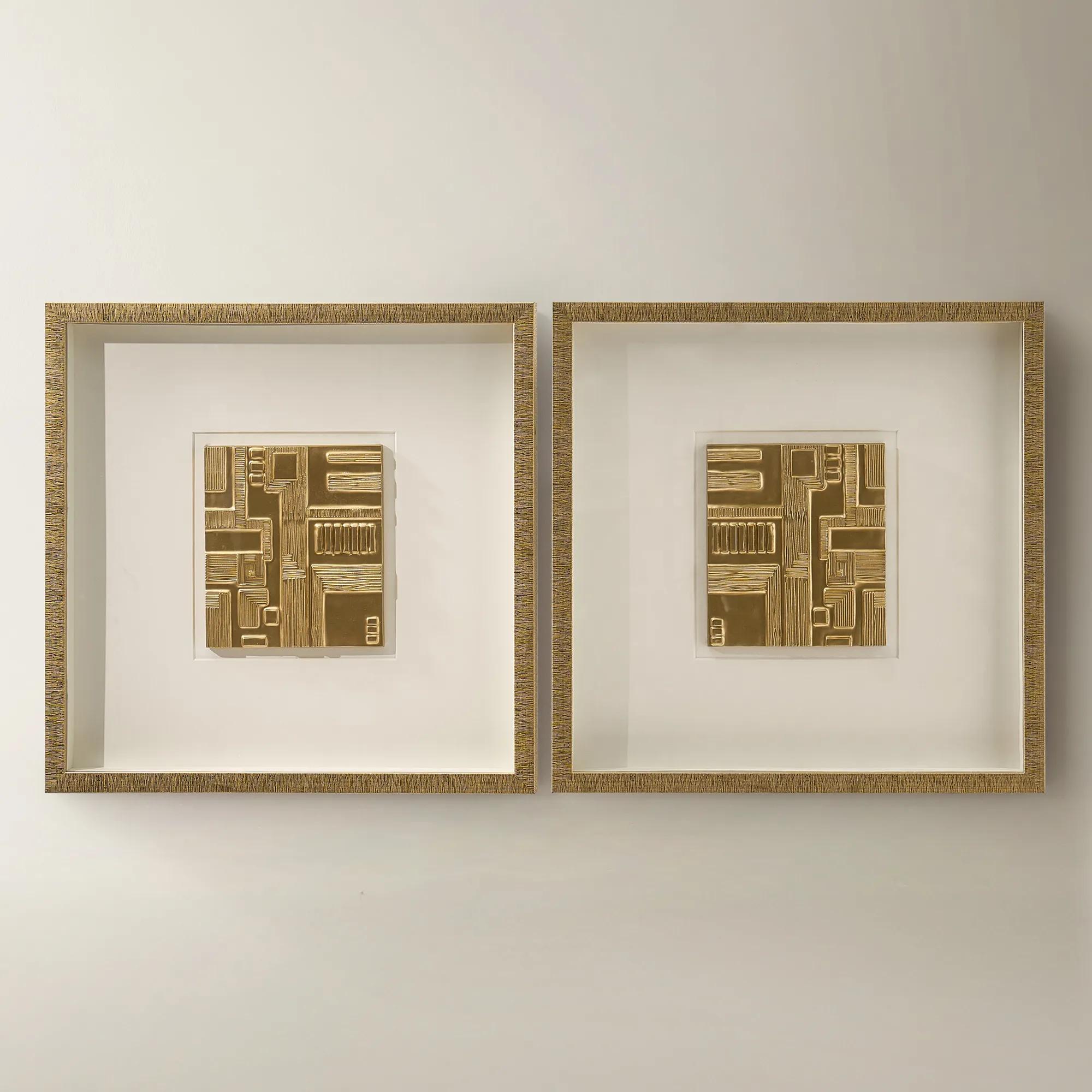
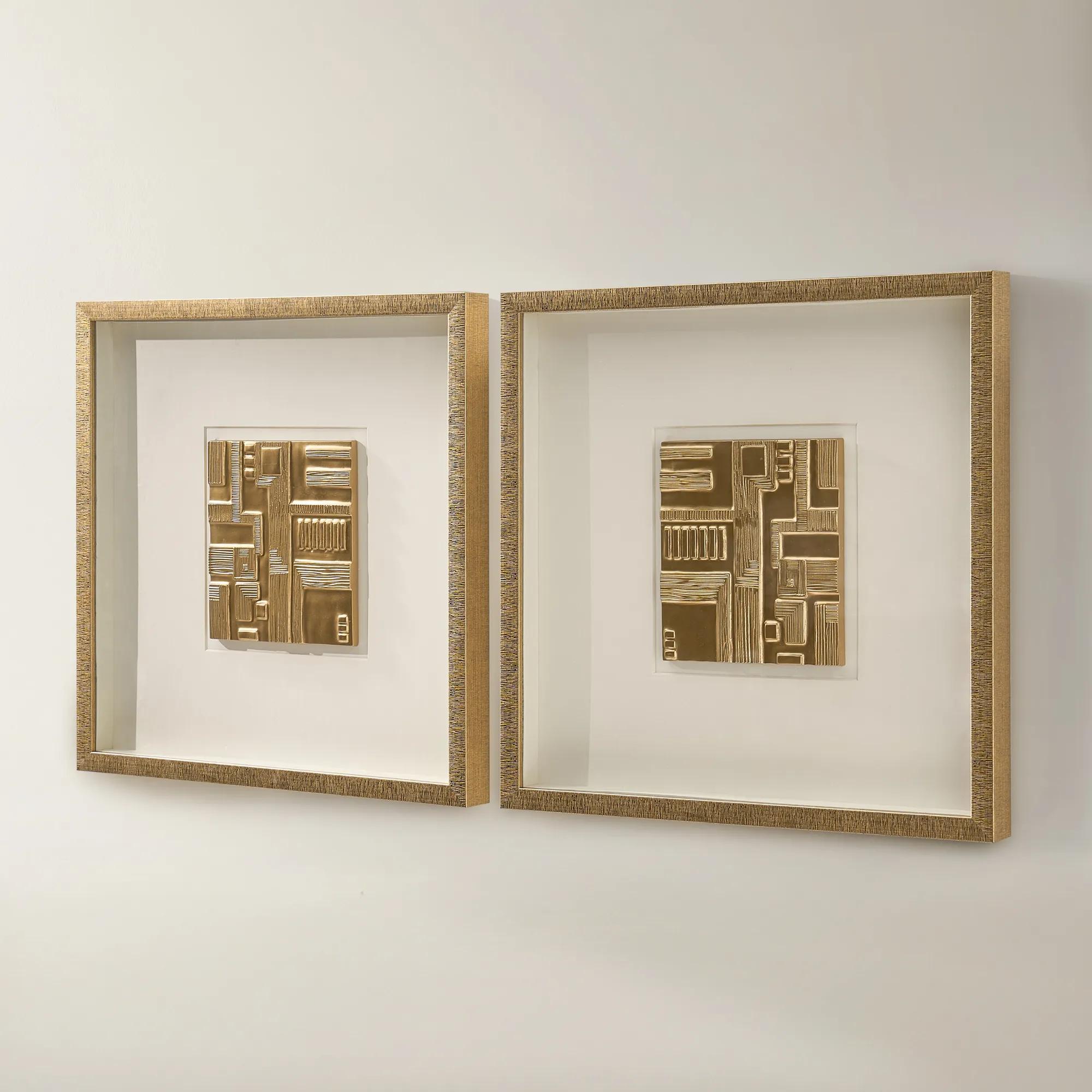 Ritual Framed Woodcarving Wall Decor Set of 2$329
A set of two gold-framed woodcarvings with ivory mats and dimensional relief for gallery-style wall decor.
Add To Cart -
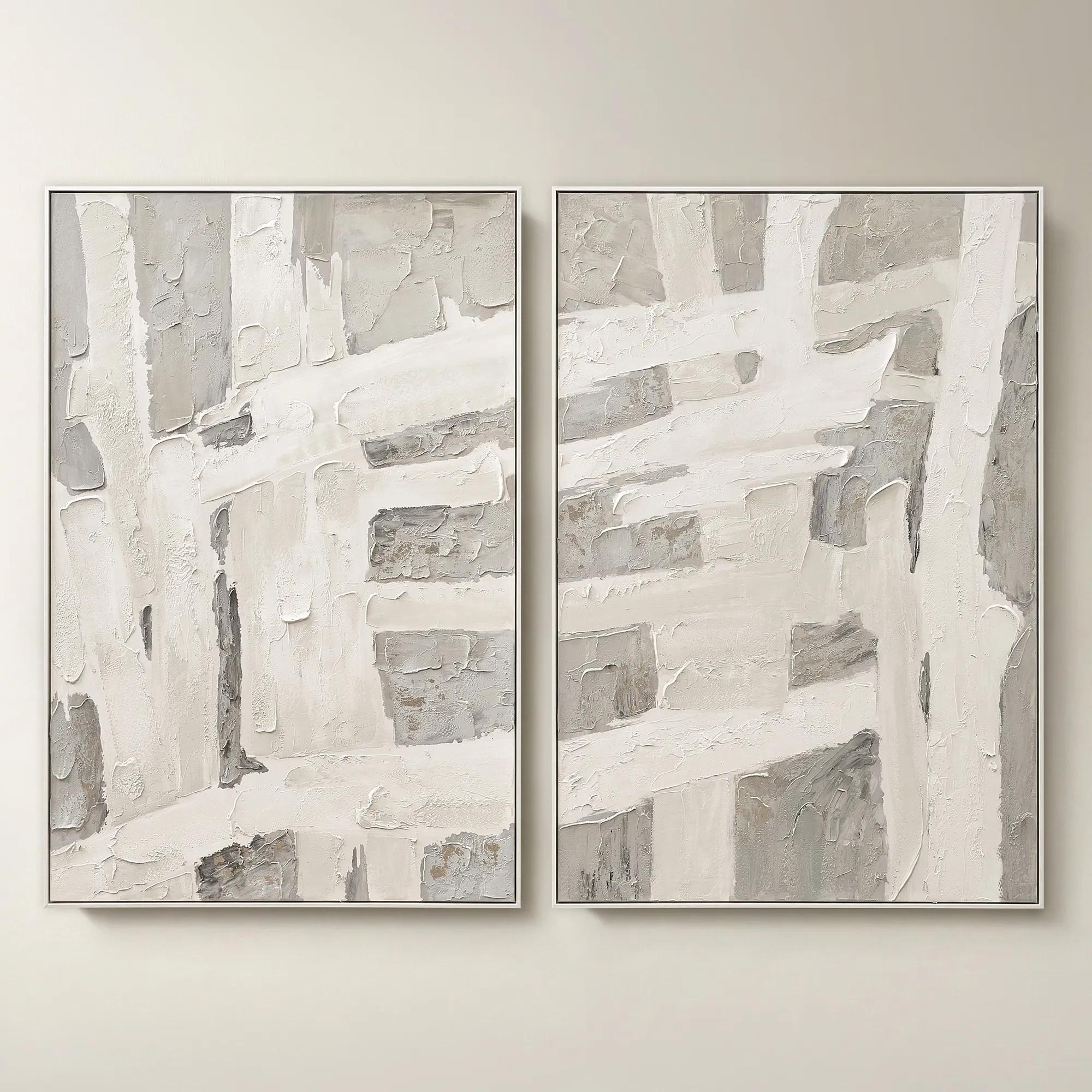 Traverse Framed Painted Wall Art 40" x 60" Set of 2$799
A hand-painted abstract diptych features champagne accents and soft grey, pearl, and alabaster tones in white frames.
Add To Cart -
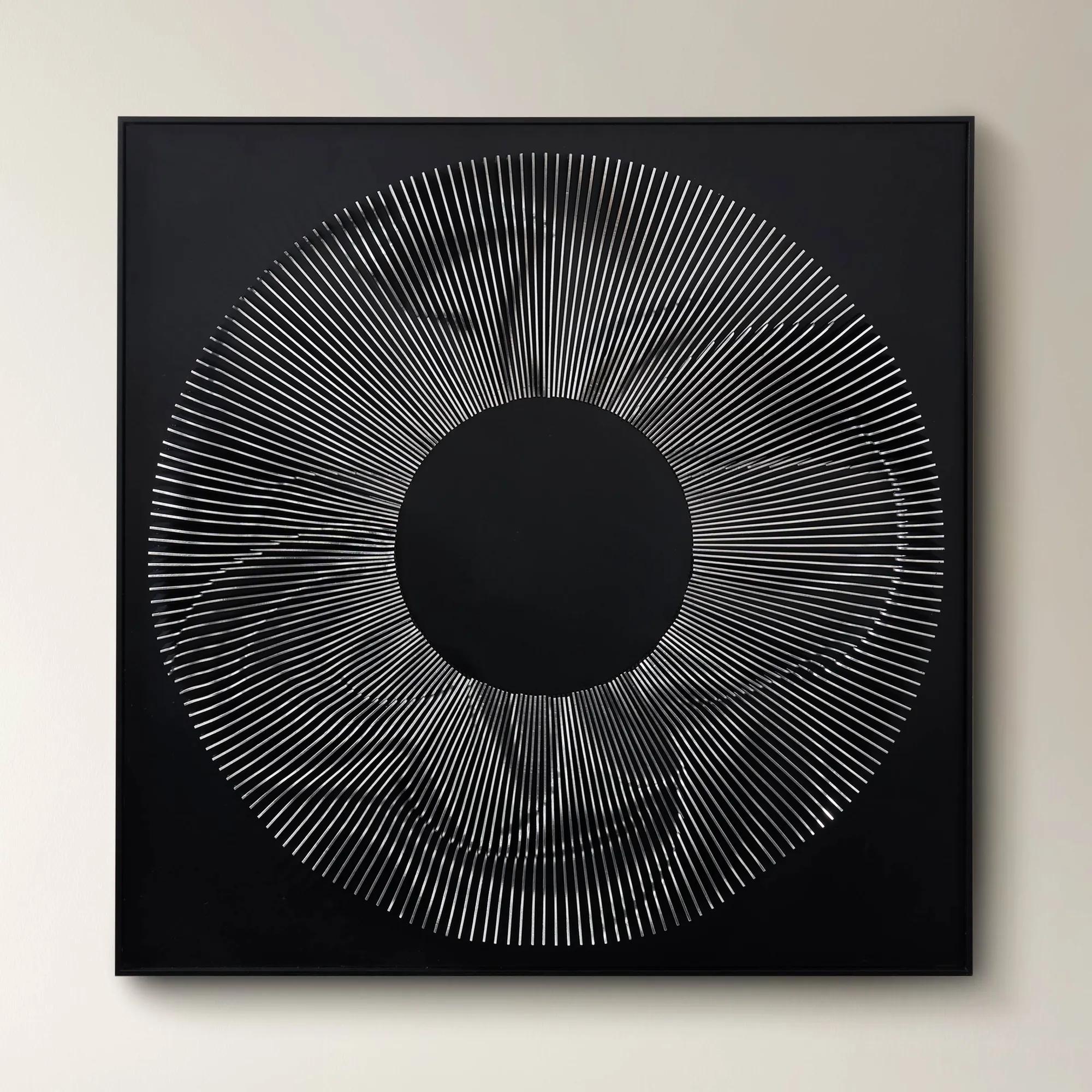 Efflorescence Wood Carving$799
A three-dimensional pine wood panel features a flowing carved motif in a striking silver finish.
Add To Cart -
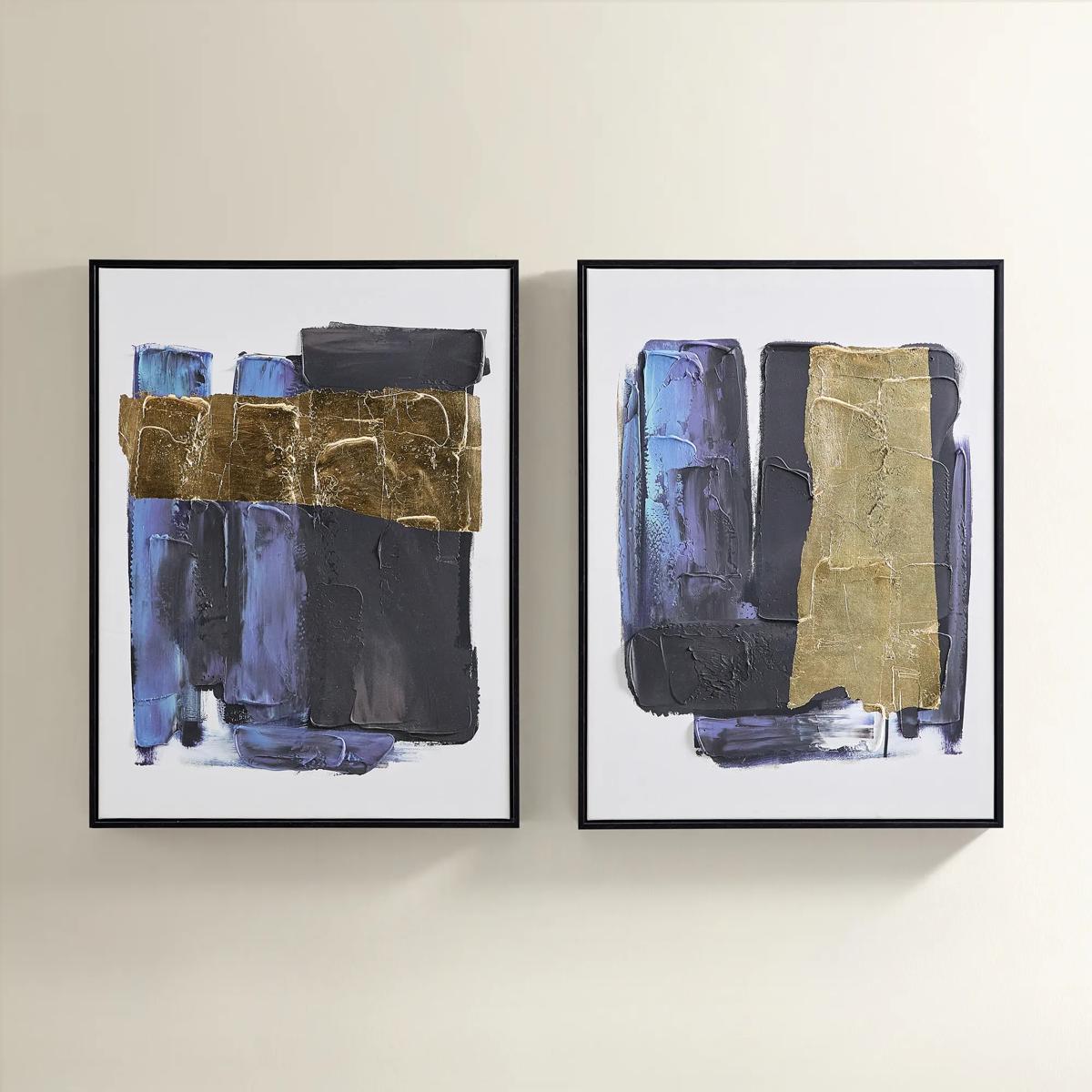
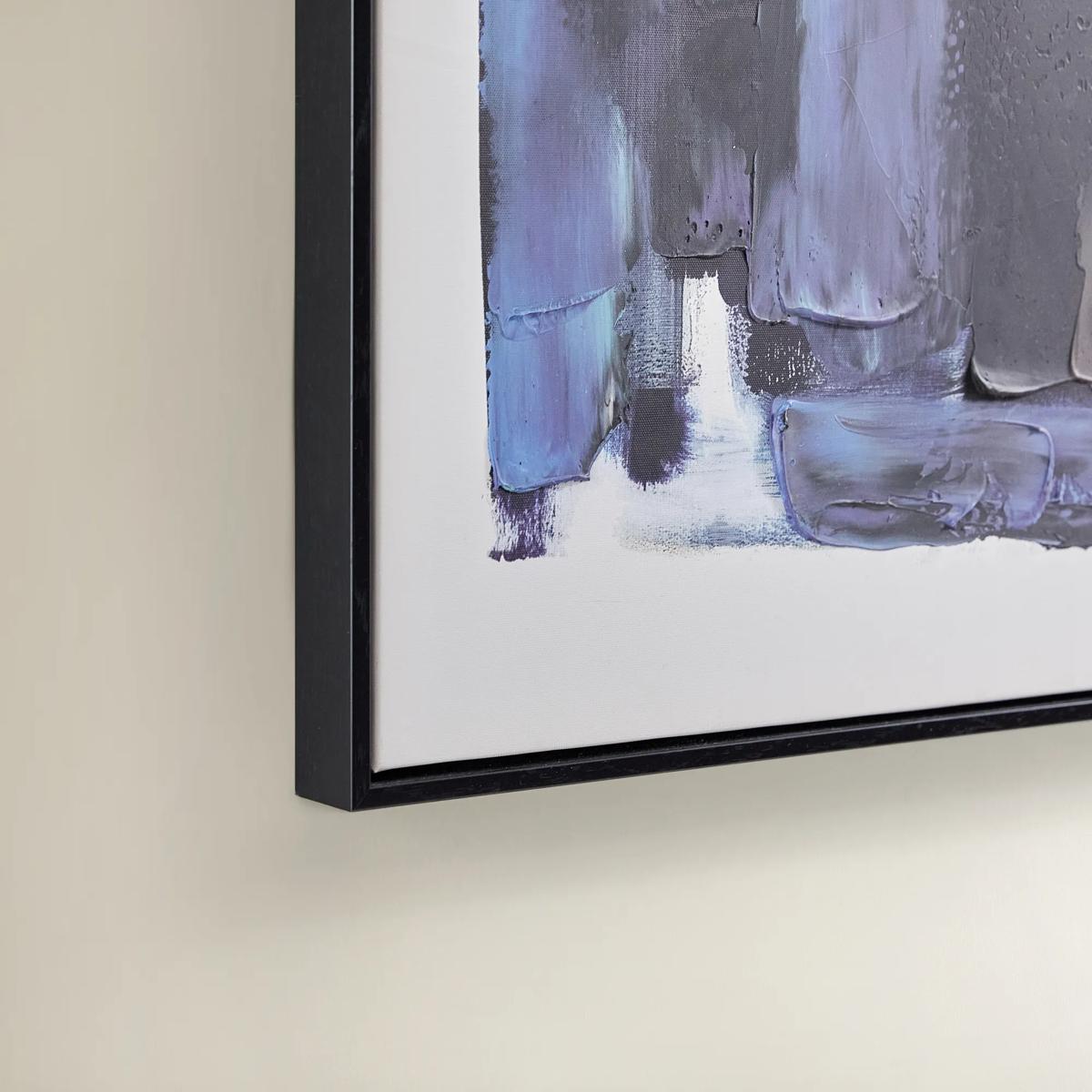 Deep Thoughts Gold Leaf Painted Wall Art Set of 2$199
A set of two hand-painted abstract canvases in blue and gold leaf, framed in sleek black.
Add To Cart -
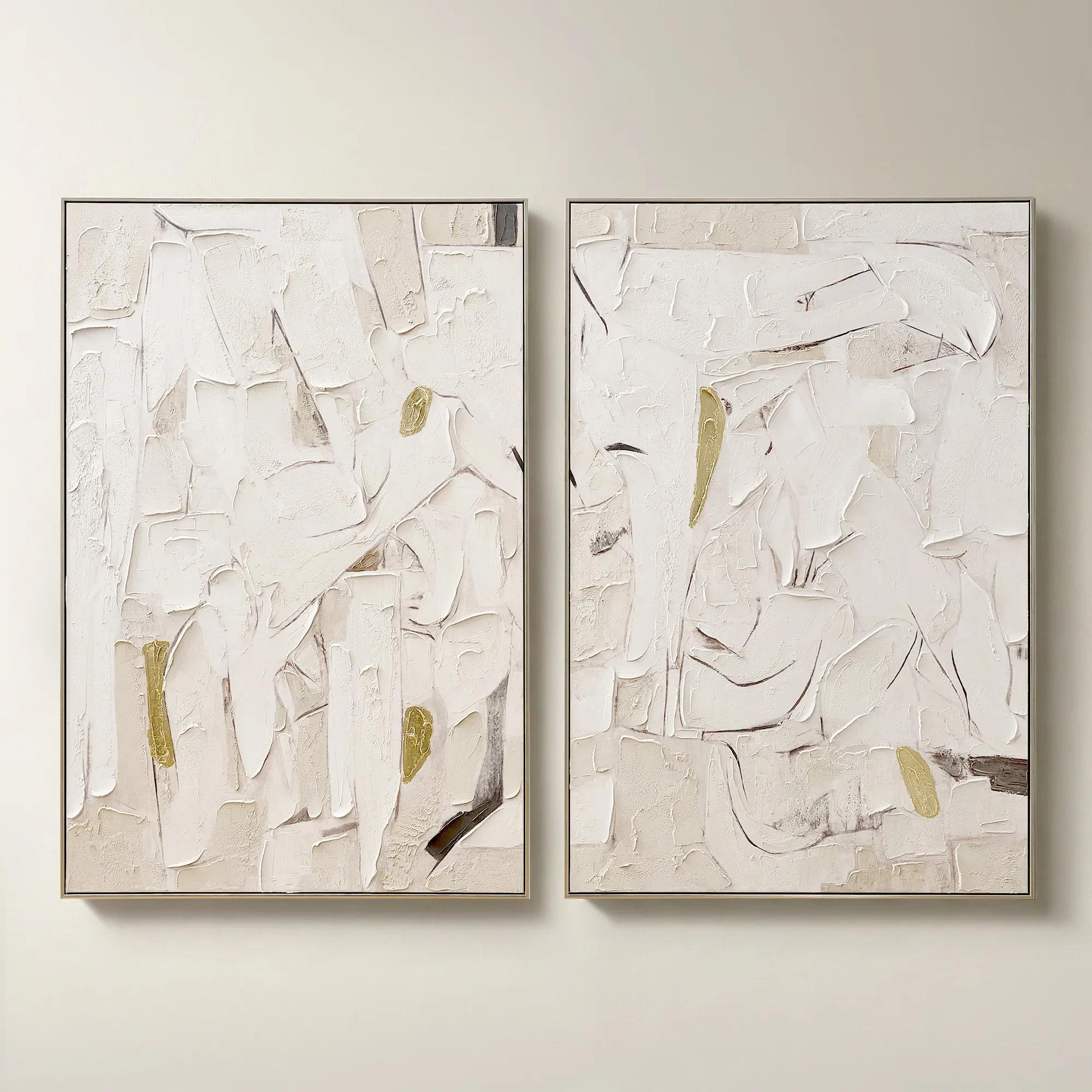 Beneath the Surface Framed Gold Leaf Painted Wall Art 40" x 60" Set of 2$799
A hand-painted abstract diptych featuring gold detailing and layered texture in alabaster and tawny hues.
Add To Cart

Living Room Wall Art Sets
Living Room Wall Art Sets transform blank walls into breathtaking galleries, turning everyday spaces into striking showcases of personal style. Each curated collection is an invitation to layer your living room with artistry, dimension, and drama—where every brushstroke and bold silhouette commands attention. Whether you crave a symphony of metallics or a tapestry of vibrant hues, these sets orchestrate visual intrigue and set the stage for unforgettable moments. Elevate your décor with Living Room Wall Art Sets that don’t just adorn your space—they define it.
Living room wall art sets bring multiple works into a single visual conversation, giving a seating area the presence and intention of a thoughtfully composed interior. A pair of framed prints can introduce symmetry above a sofa, while a three-piece composition can carry sweeping color and movement across a generous wall. Often called diptychs and triptychs, two- and three-panel arrangements may divide one image across separate surfaces or unite distinct images through a shared palette, subject, or artistic technique. That distinction shapes the mood: a continuous abstract composition feels expansive and immersive, while coordinating botanical studies offer a more measured rhythm. Abstract wall art sets with expressive brushwork, geometric forms, or metallic accents lend themselves to interiors layered with velvet, sculptural lighting, and gleaming finishes. Floral and botanical artwork can be equally dramatic, especially when oversized petals, shadowy foliage, or sharply defined silhouettes become the focal point. Black-and-white photography creates another kind of impact, allowing architectural details and tonal contrasts to hold attention without competing with richly colored upholstery. The strongest connection between artwork and furnishings is often an echo rather than an exact match: a ribbon of blue repeated in a pillow, a warm ivory that relates to the rug, or a gold-toned frame that answers a nearby lamp. Coordinated wall decor creates cohesion without requiring every surface in the room to agree. For an open-plan living area, repeated shapes or related colors can help define the lounge within a larger space. In a compact apartment, a considered pair can give one wall a confident identity without the visual scatter of numerous unrelated accents. These sets suit anyone seeking a finished, expressive room, from a first-home decorator establishing a personal palette to an experienced collector introducing a new focal point. Their appeal lies in the relationship between the pieces: each has its own character, yet together they create a larger impression.
Materials and framing influence both the artwork’s appearance and the atmosphere around it. Canvas wall art typically has a visible woven surface that lends printed imagery a softer, more tactile quality; stretched canvas can also offer dimensional presence without a broad outer frame. A floating frame leaves a narrow reveal around the canvas, creating a shadow line that makes the work appear suspended. Framed paper prints offer a different kind of definition, with mats providing breathing room around the image and crisp frame edges emphasizing the composition. Glass or acrylic glazing can protect works on paper from dust and incidental contact, although reflections vary with the glazing and the room’s lighting. Acrylic is generally lighter and more resistant to shattering than glass, but its surface can scratch more easily and requires appropriate cleaning. Wood, metal, and composite frames each contribute a distinct profile, whether the effect is warmly textured, slender and architectural, or substantial and polished. Raised surfaces and mixed-media details add another dimension, catching light differently as the viewing angle changes. In a room with smooth upholstery and a sleek coffee table, that relief can introduce welcome depth; beside heavily patterned textiles, quieter imagery may allow the textures to feel more deliberate. Scale deserves equal attention. For living room wall art above a sofa, the combined arrangement—not each individual panel—is the relevant measurement. A useful starting point is a total width of about two-thirds to three-quarters of the sofa’s width, including the spaces between pieces, adjusted for nearby windows, sconces, and other architectural features. Gaps of roughly 2 to 3 inches often keep coordinated panels visually connected, though the artwork’s composition and hanging instructions should take precedence. The bottom edge commonly sits about 6 to 8 inches above the sofa back, provided seated guests have comfortable clearance. On an unobstructed wall, a center height around 57 to 60 inches from the floor is a familiar starting point; above furniture, the relationship to that furniture matters more than a fixed number. These proportions help a multi-piece wall art set feel grounded in the room rather than disconnected from the setting below.
The most compelling arrangements also account for how a living room is experienced throughout the day: from the doorway, across the coffee table, and from a favorite chair. A panoramic sequence can emphasize the length of a low sofa, while vertically oriented companion pieces can draw attention toward higher ceilings. On a narrow wall beside a seating group, a stacked pair may establish a graceful upward rhythm without crowding the furniture. Paper templates make the overall footprint easier to assess before installation, particularly when frame sizes vary or a continuous image requires precise alignment. Secure mounting is essential for lasting enjoyment: hardware should suit the wall construction and the weight of each piece, and heavier artwork may require attachment to studs or correctly rated anchors. A frame’s finish alone does not indicate its weight or durability, so dimensions, construction details, and mounting requirements are worth reviewing together. Care is usually straightforward but should follow the instructions for the particular materials. A soft, dry cloth can remove dust from many frames, while delicate canvas surfaces, applied texture, and metallic embellishments need a gentler approach without pressure or abrasive tools. Cleaning liquid should never be sprayed directly onto artwork; where glazing permits a suitable cleaner, applying it to the cloth helps keep moisture away from frame joints and paper edges. Avoiding prolonged direct sunlight, damp conditions, and placement near heat sources can help preserve colors, surfaces, and structural integrity. Adjustable accent lighting can reveal brushwork and relief, while thoughtful positioning reduces distracting glare on glazed prints. As a housewarming or wedding gift, coordinated artwork is most personal when the recipient’s taste, wall dimensions, and preferred colors are already familiar; the gesture becomes part of the home’s daily atmosphere. For interiors that carry a related artistic sensibility beyond the main gathering space, Bedroom Wall Art Sets offer a complementary direction without requiring identical imagery from room to room. Living room wall art sets create their strongest impression when color, scale, material, and placement work together, turning the wall behind everyday conversation into a composition with unmistakable presence.
FAQs
To achieve a cohesive look, select wall art sets that share a unifying element such as color palette, artistic style, or subject matter. Arrange the pieces with balanced spacing and consider the existing décor, allowing the art to echo or accentuate the textures and tones in your space. Layering complementary frames or mixing finishes can add depth and dimension while maintaining a harmonious visual flow.
Living room wall art sets shine in a variety of themes, from abstract and geometric to botanical and modern minimalism. Choose a theme that reflects your personality—bold abstracts for a dramatic statement, serene landscapes for a calming effect, or metallic and mirrored finishes for a touch of glamour. The theme should enhance the mood you wish to create in your living room.
Wall art sets make exceptional gifts for housewarmings, weddings, anniversaries, or milestone celebrations. Their curated elegance and lasting appeal offer a personal touch that recipients can enjoy daily, transforming their living spaces into expressive sanctuaries. Choose a set that resonates with the recipient’s taste for a truly memorable gesture.
Mixing and matching wall art sets can create a layered, gallery-inspired effect. Focus on complementary colors, varying scales, and diverse textures to keep the arrangement dynamic yet unified. Anchor the look with a central theme or color, and allow each set to shine by giving them enough breathing space. This approach adds visual intrigue and showcases your unique style.
Accent lighting such as picture lights, wall washers, or strategically placed sconces can elevate the impact of your wall art sets. Opt for warm, indirect lighting to enhance colors and textures, or experiment with dimmable fixtures to set the mood. The right lighting not only illuminates the art but also creates a captivating focal point within your living room.