Modern Organic Abstract Artworks
Modern Organic Abstract Artworks
-
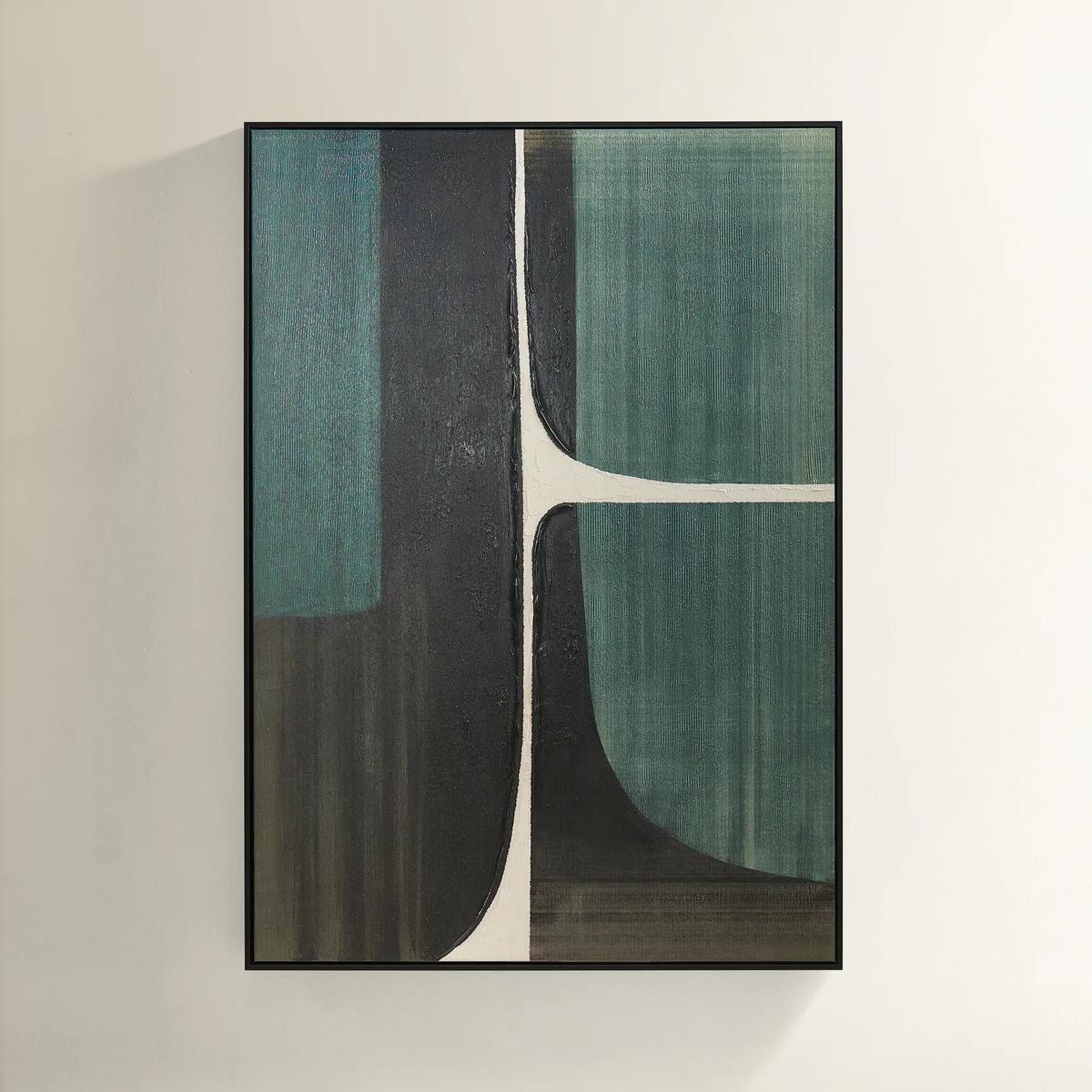 Plains Framed Painted Wall Art 39.25" x 55"$499
A hand-painted abstract canvas in forest green, ivory, and black with a sleek black floater frame.
Add To Cart -
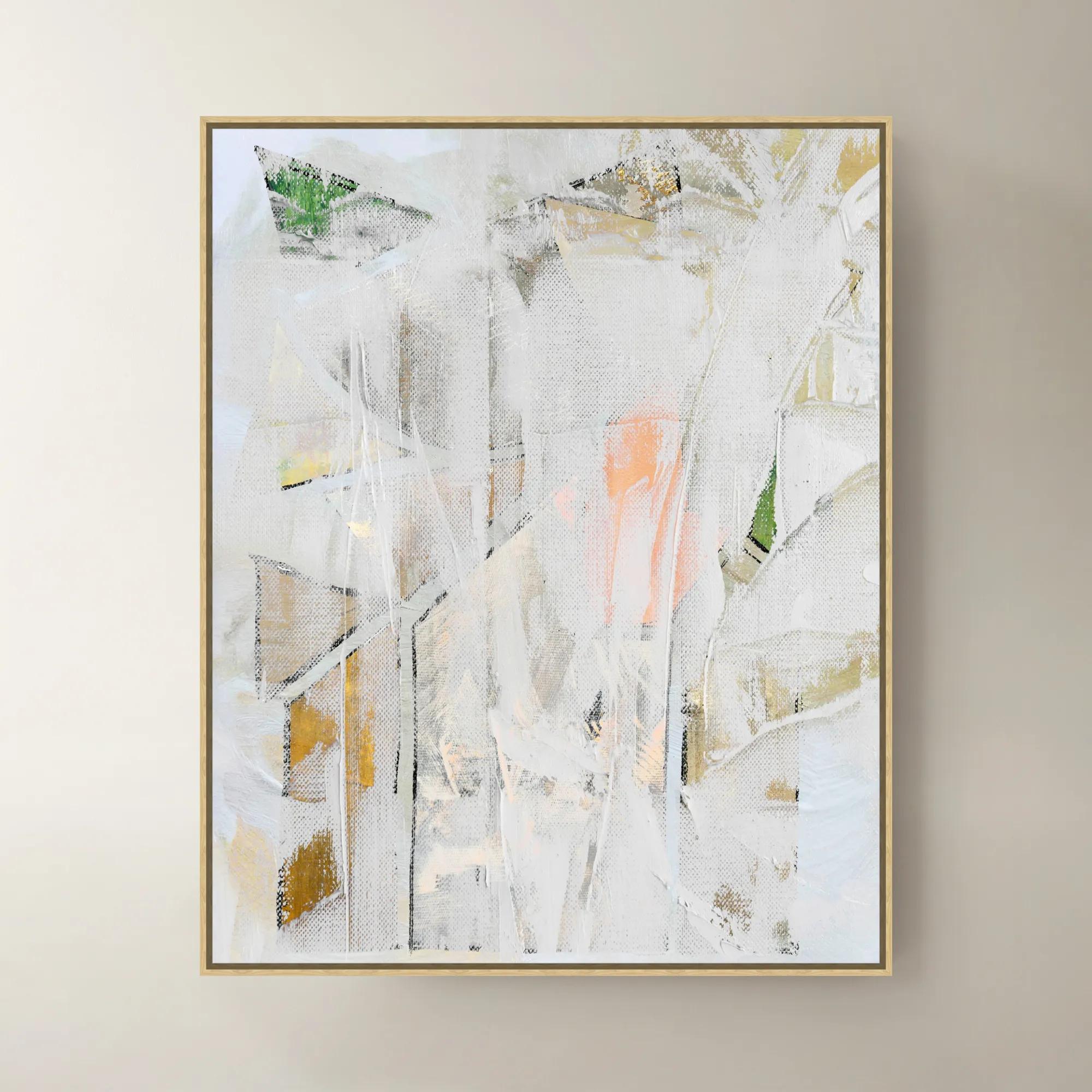
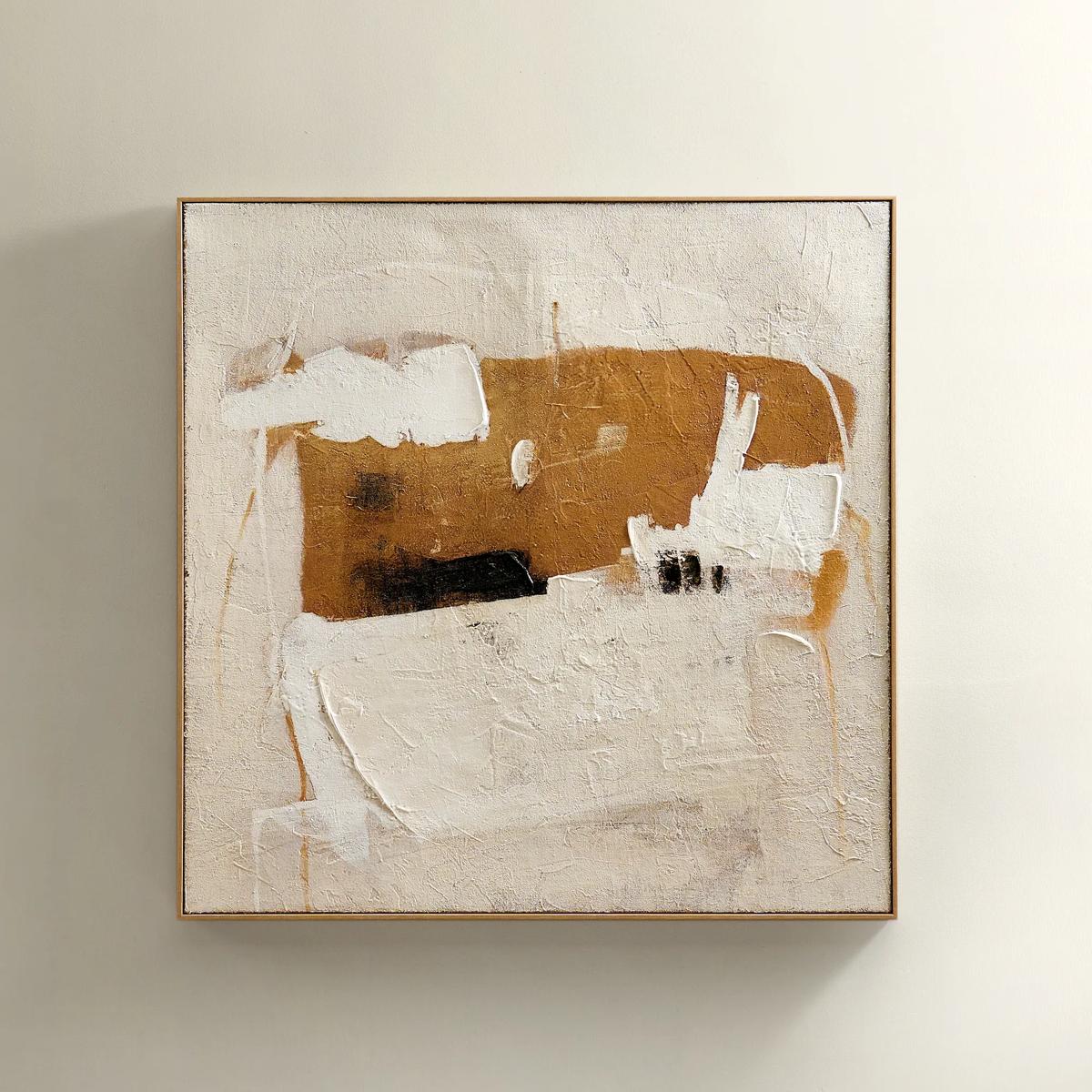 Instinct Framed Painted Wall Art 39.25" x 39.25"$349
An abstract hand-painted artwork featuring warm neutrals and black strokes on hessian with a light natural frame.
Add To Cart -
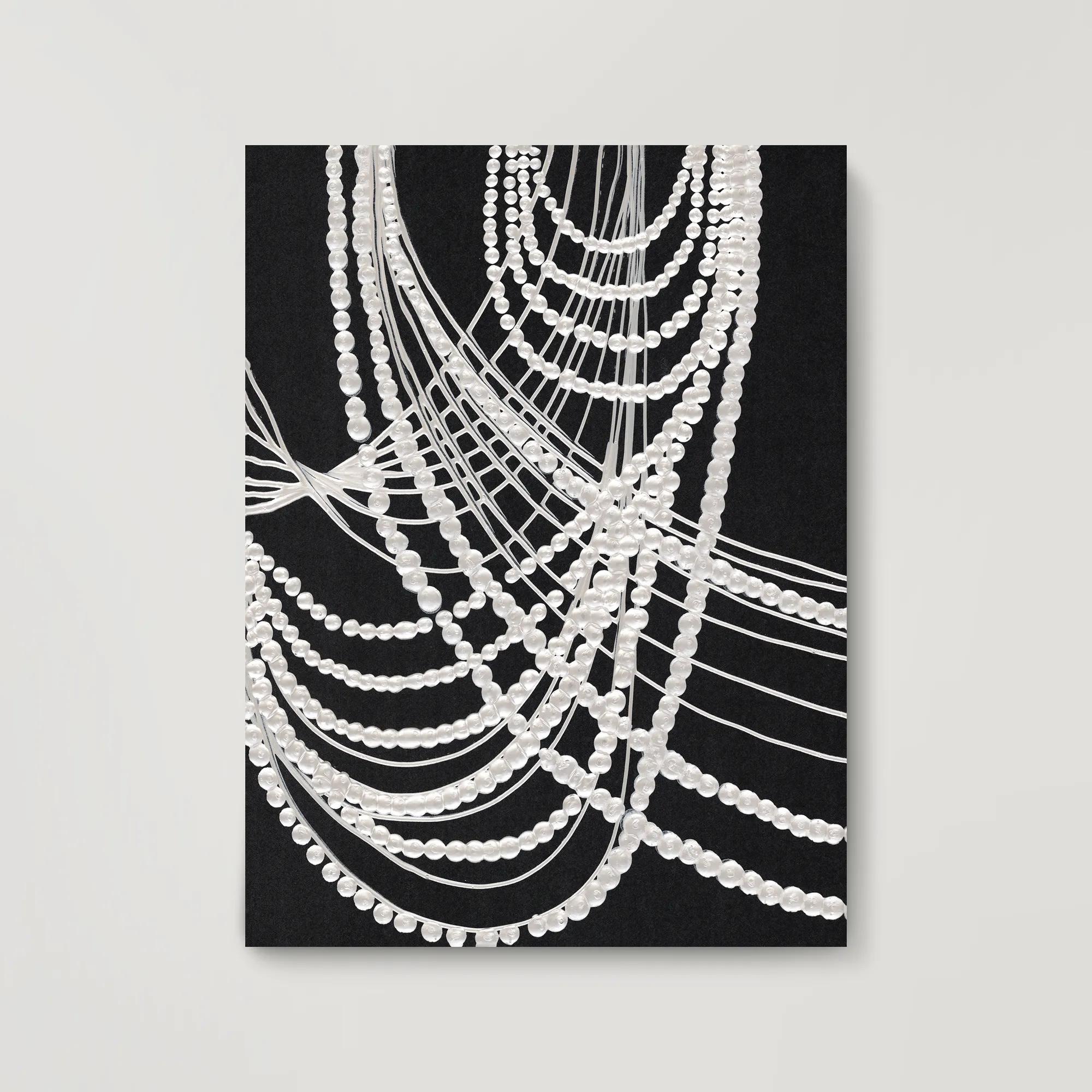 Dripping Pearls Painted Wall Art 36" x 48"$949
A striking hand-painted abstract artwork featuring layered acrylic and watercolor textures in a modern design.
Add To Cart -
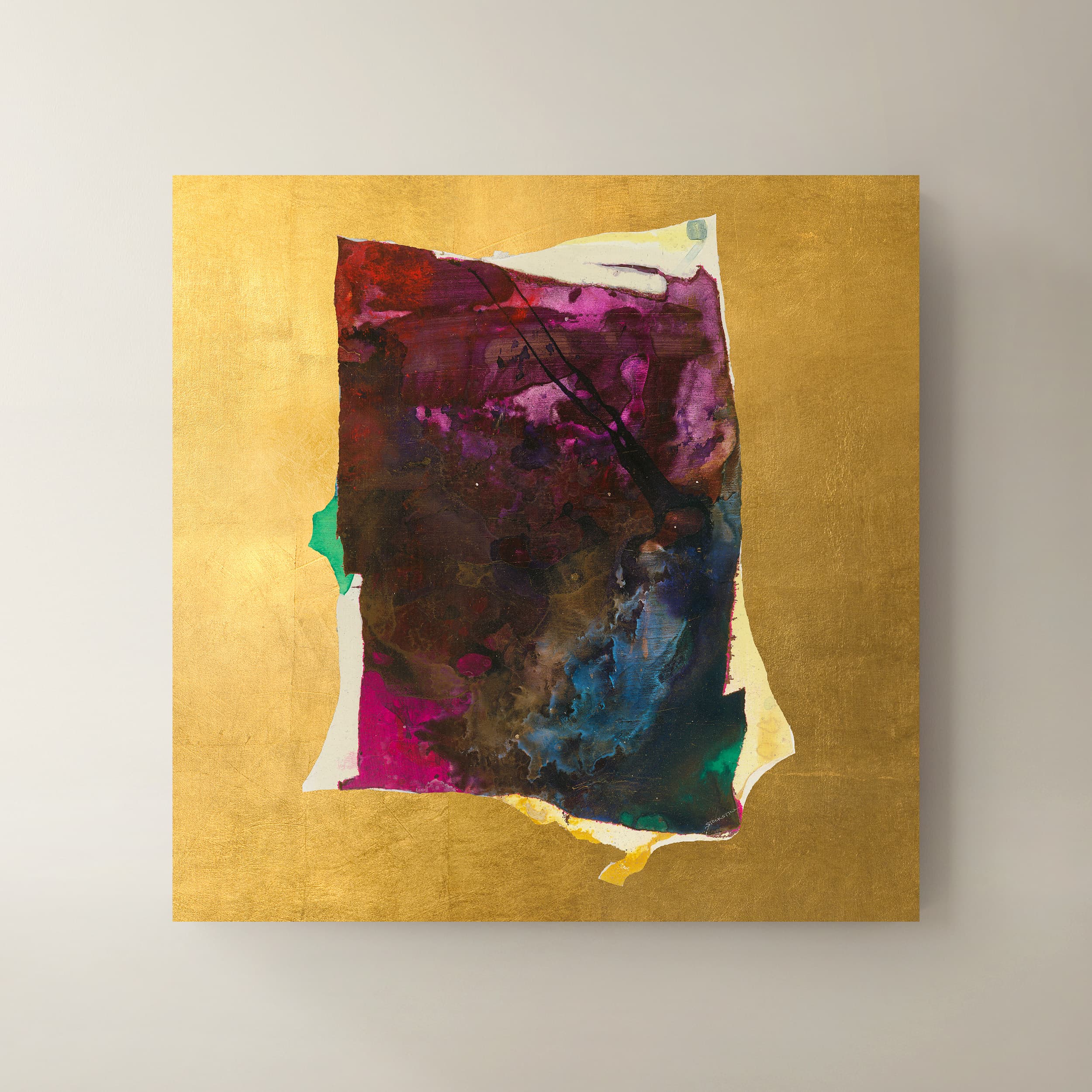 Supremo I Wall Art 40" x 40"$999
A multicolored canvas wall art piece adding contemporary visual interest to your interior.
Add To Cart -
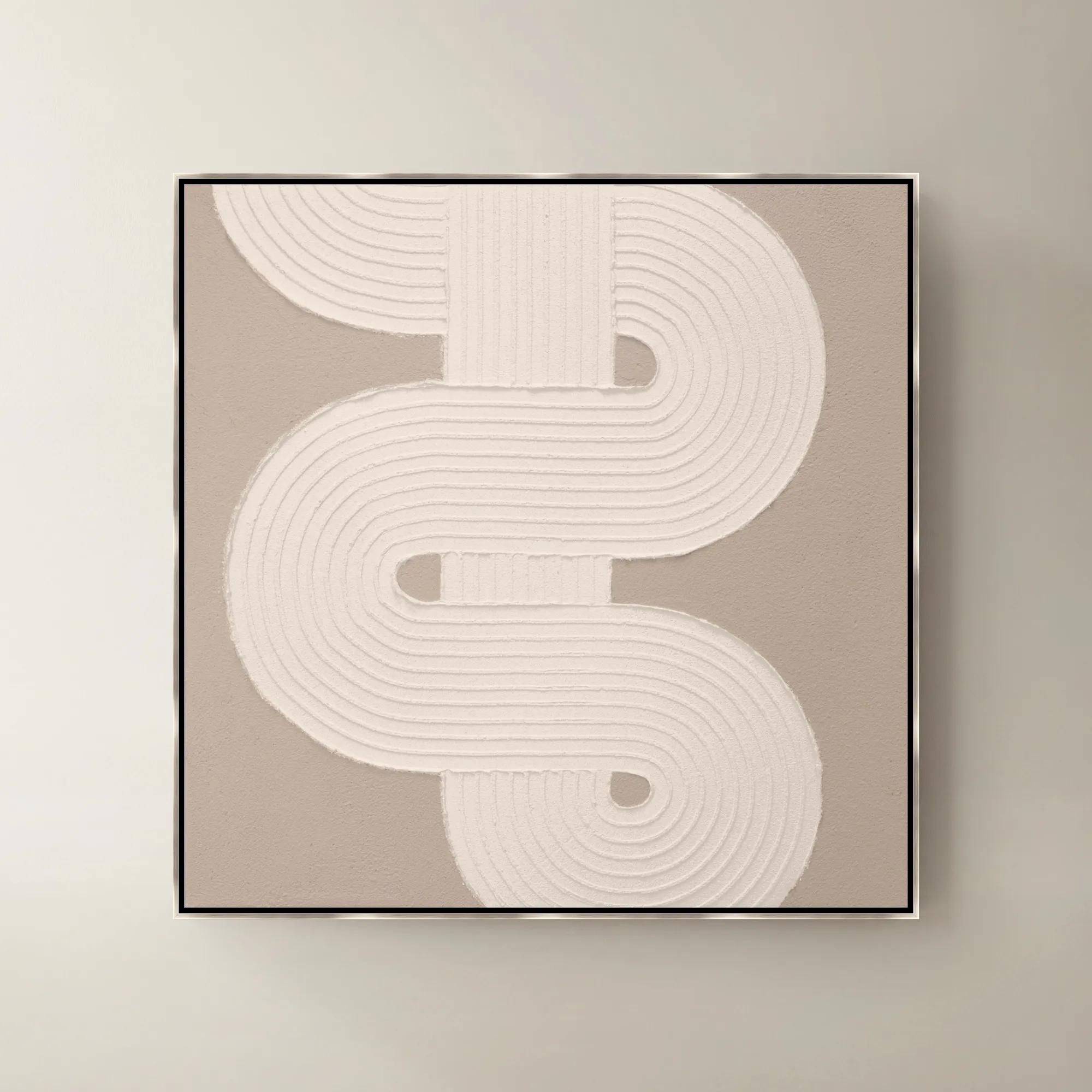
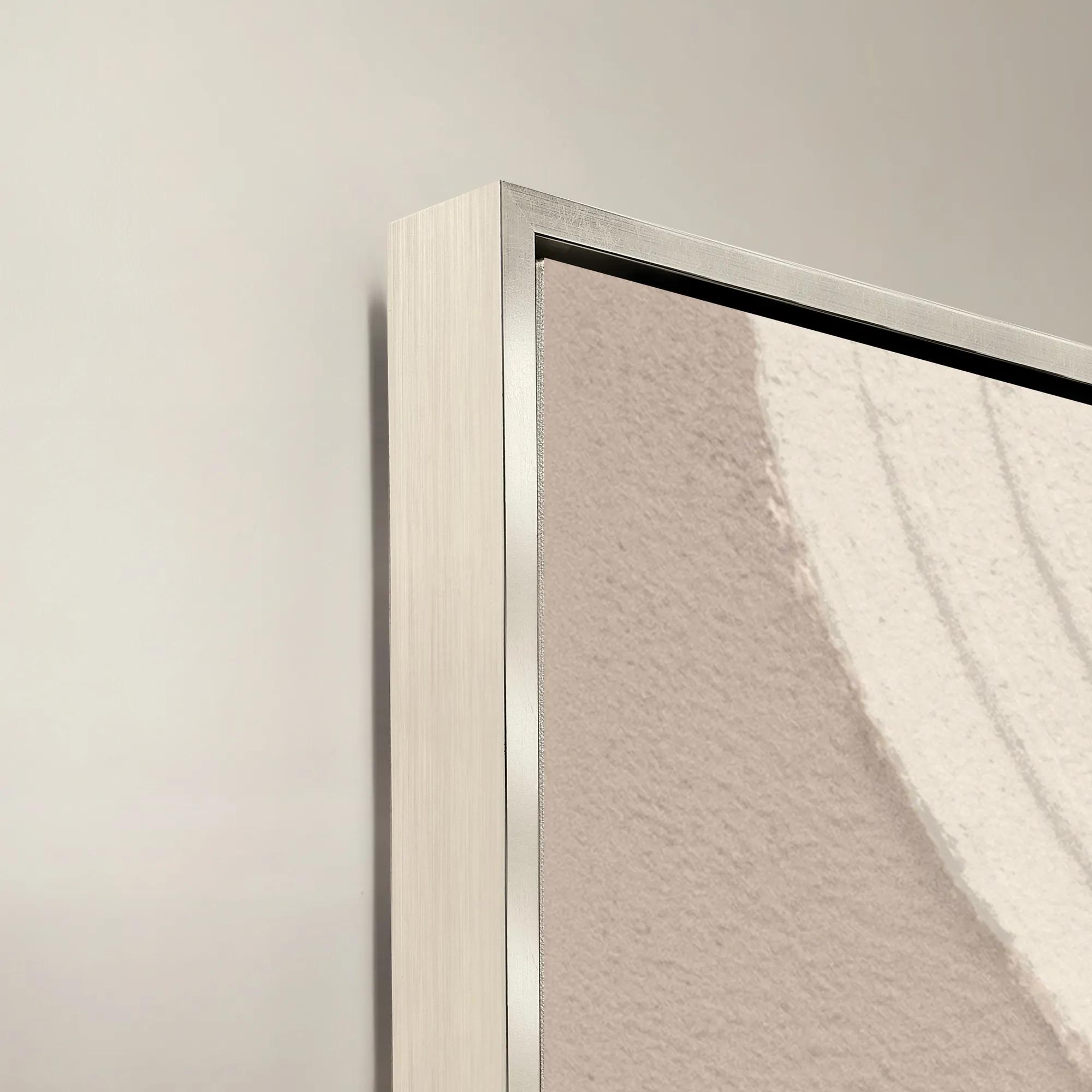 Sacred Geometry V Framed Painted Wall Art 40" x 40"$1099
A striking abstract art piece featuring bold geometric patterns for a modern, sophisticated touch.
Add To Cart -
 Etched in Silver$229
An abstract hand-carved aluminum wall art featuring shimmering silver tones in a modern black alloy frame.
Add To Cart -
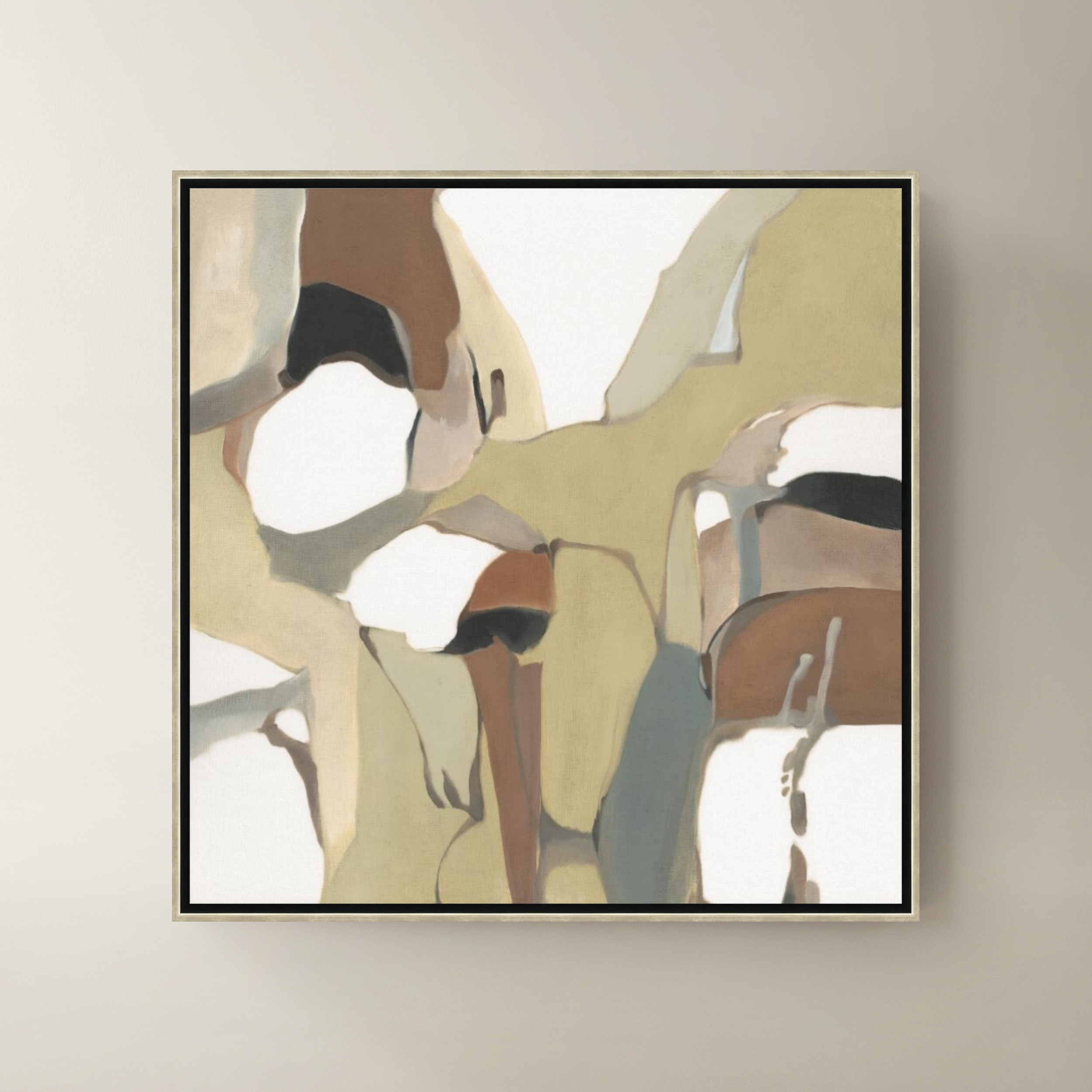
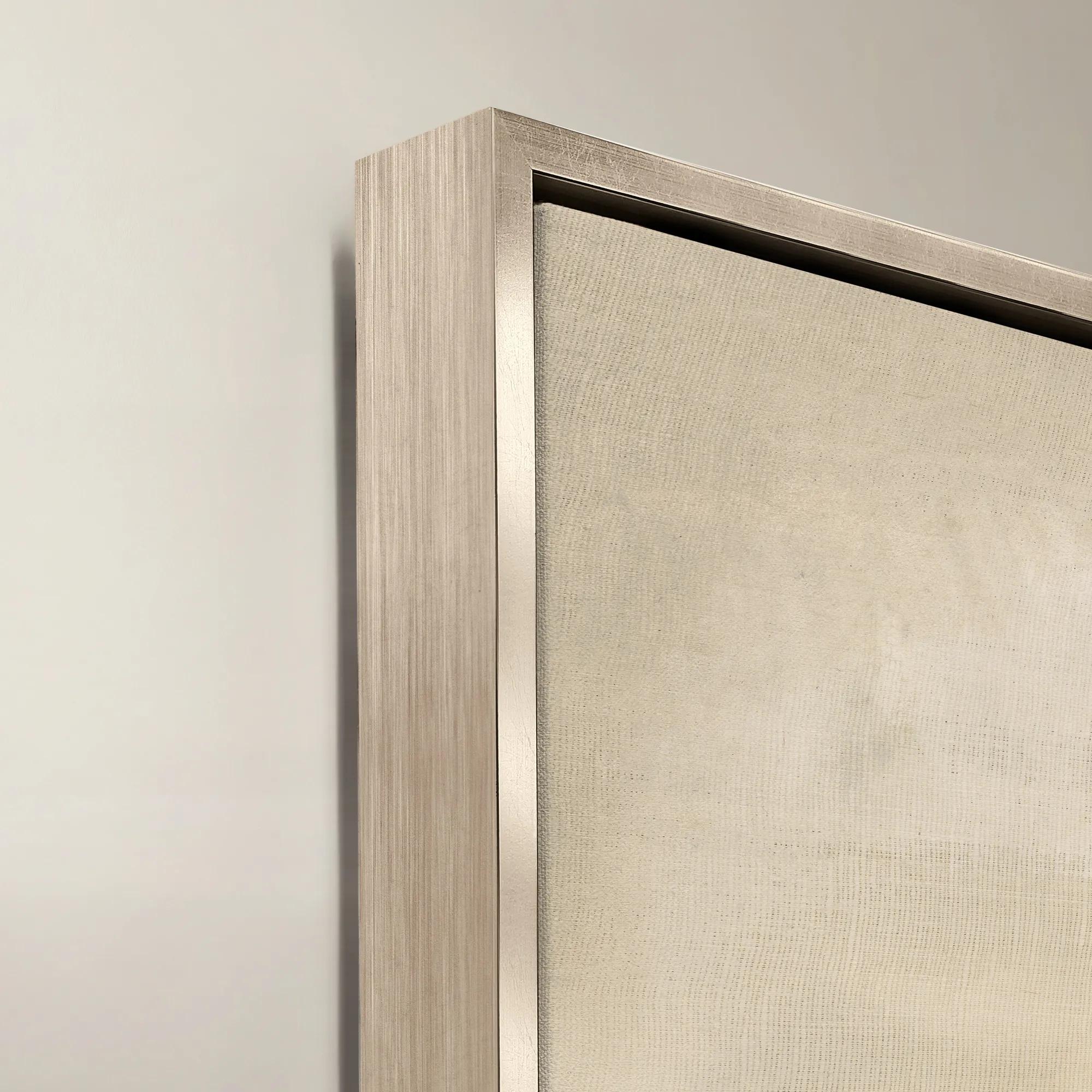 Organic Shape Framed Wall Art 47" x 47"$1099
A framed canvas artwork featuring an organic shape in rich brown tones.
Add To Cart -

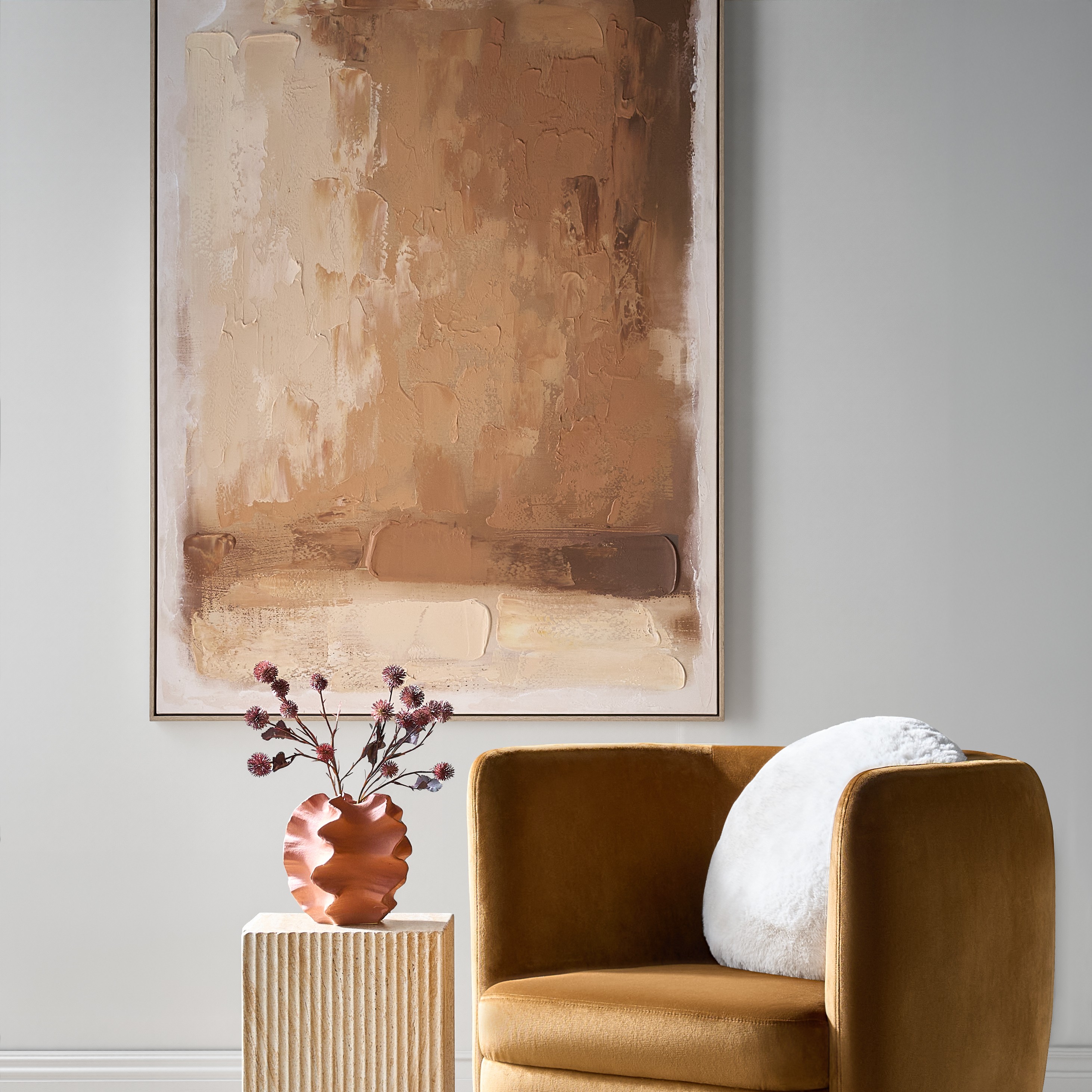 Ember Glow Framed Painted Wall Art 39.25" x 55"$499
A hand-painted abstract canvas blending ochre, terracotta, and golden clay hues in a light natural frame.
Add To Cart -
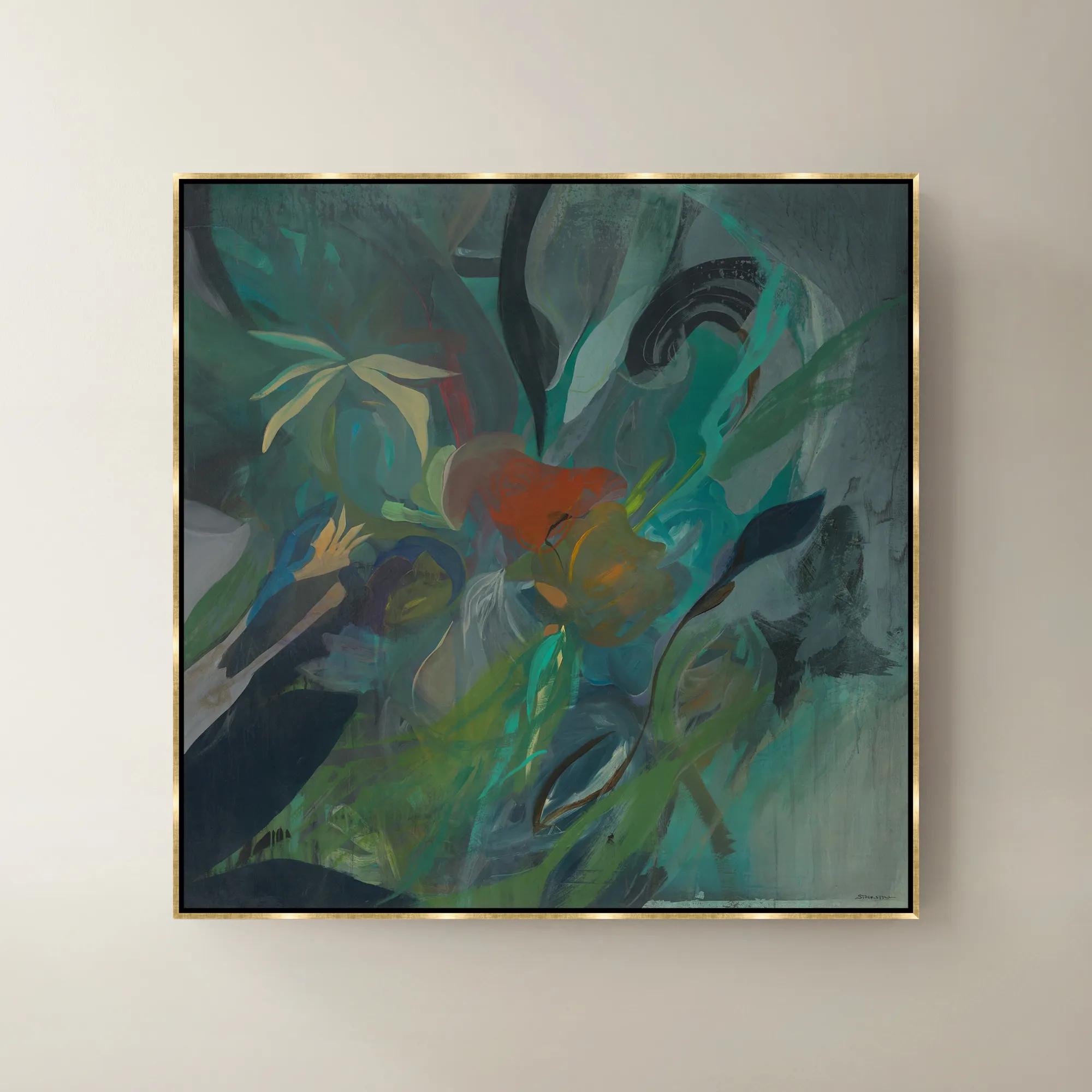
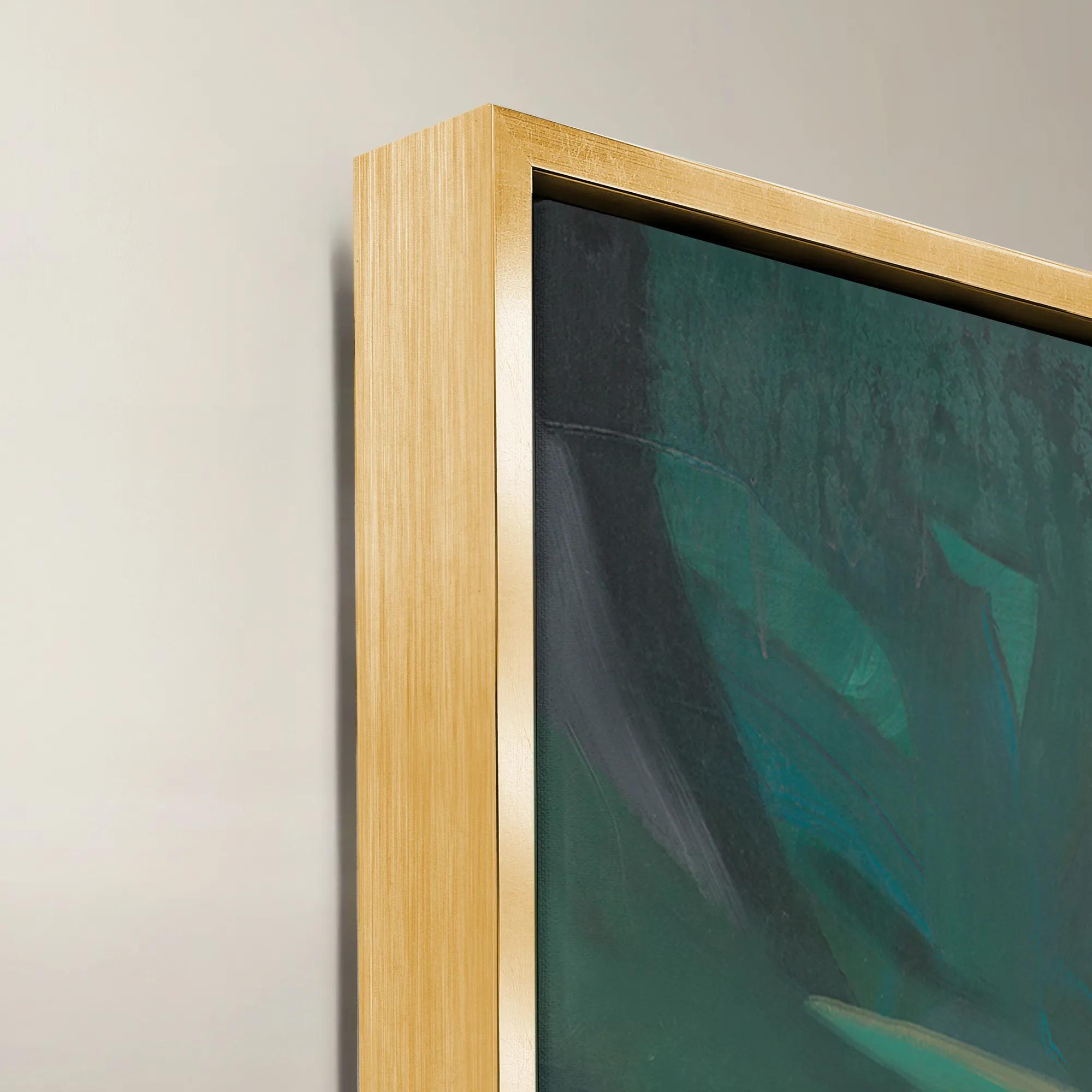 Fresh Places Framed Wall Art 47" x 47"$1199
A vibrant green canvas wall artwork with a sophisticated framed finish, bringing contemporary character to interiors.
Add To Cart -
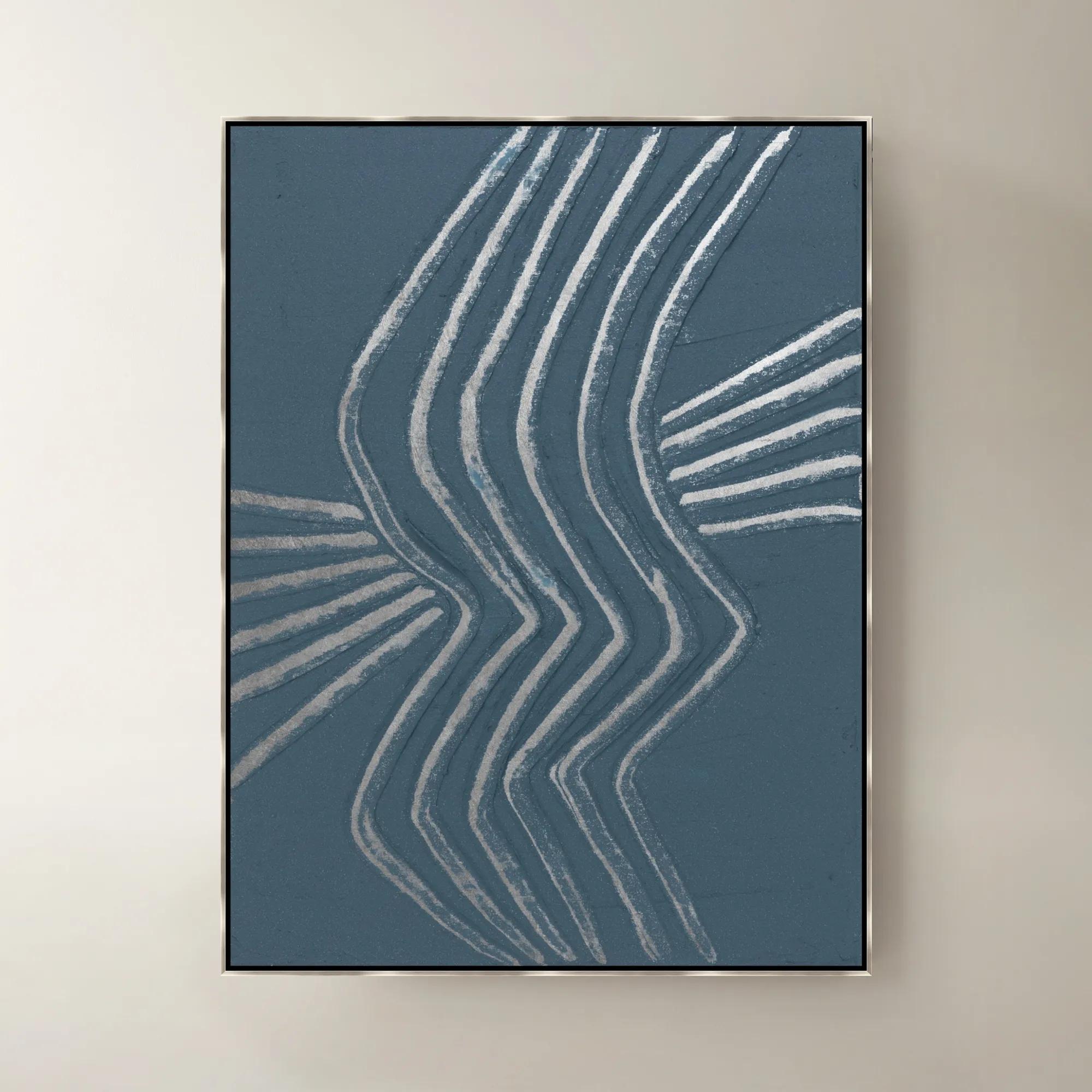
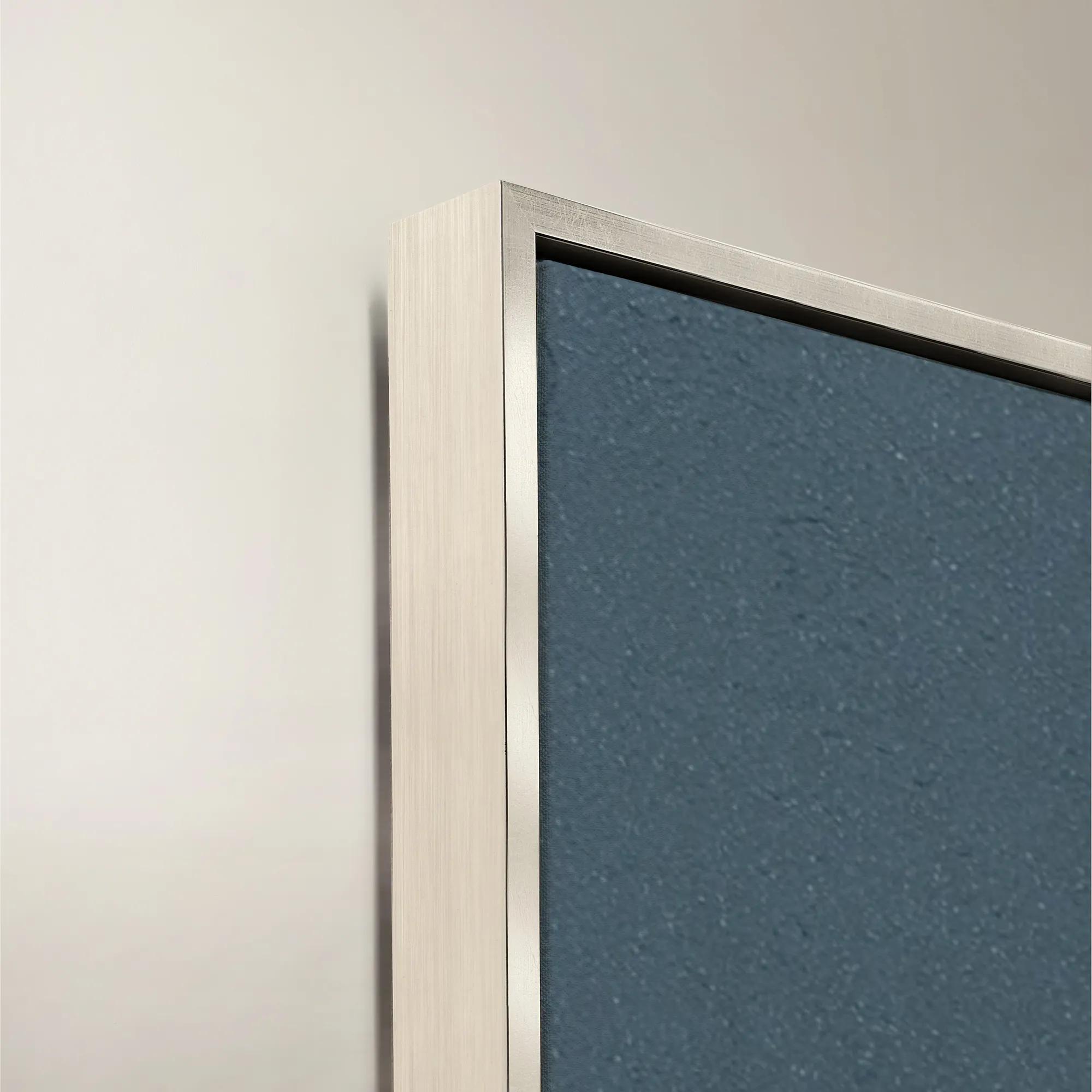 Gilded Waves IV Framed Painted Wall Art 40" x 53"$1399
A framed painted canvas artwork featuring flowing gilded waves in soothing blue and purple tones.
Add To Cart -
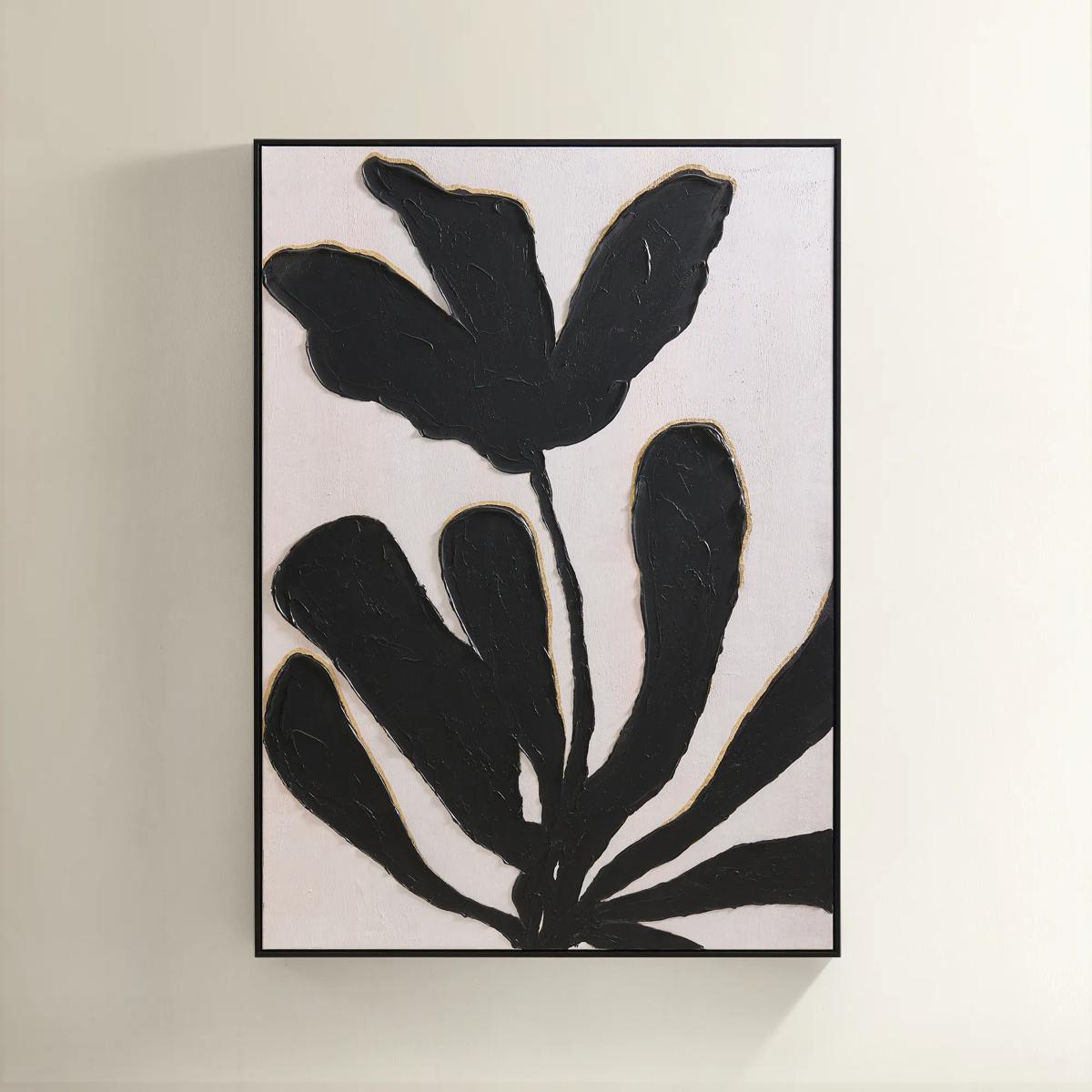
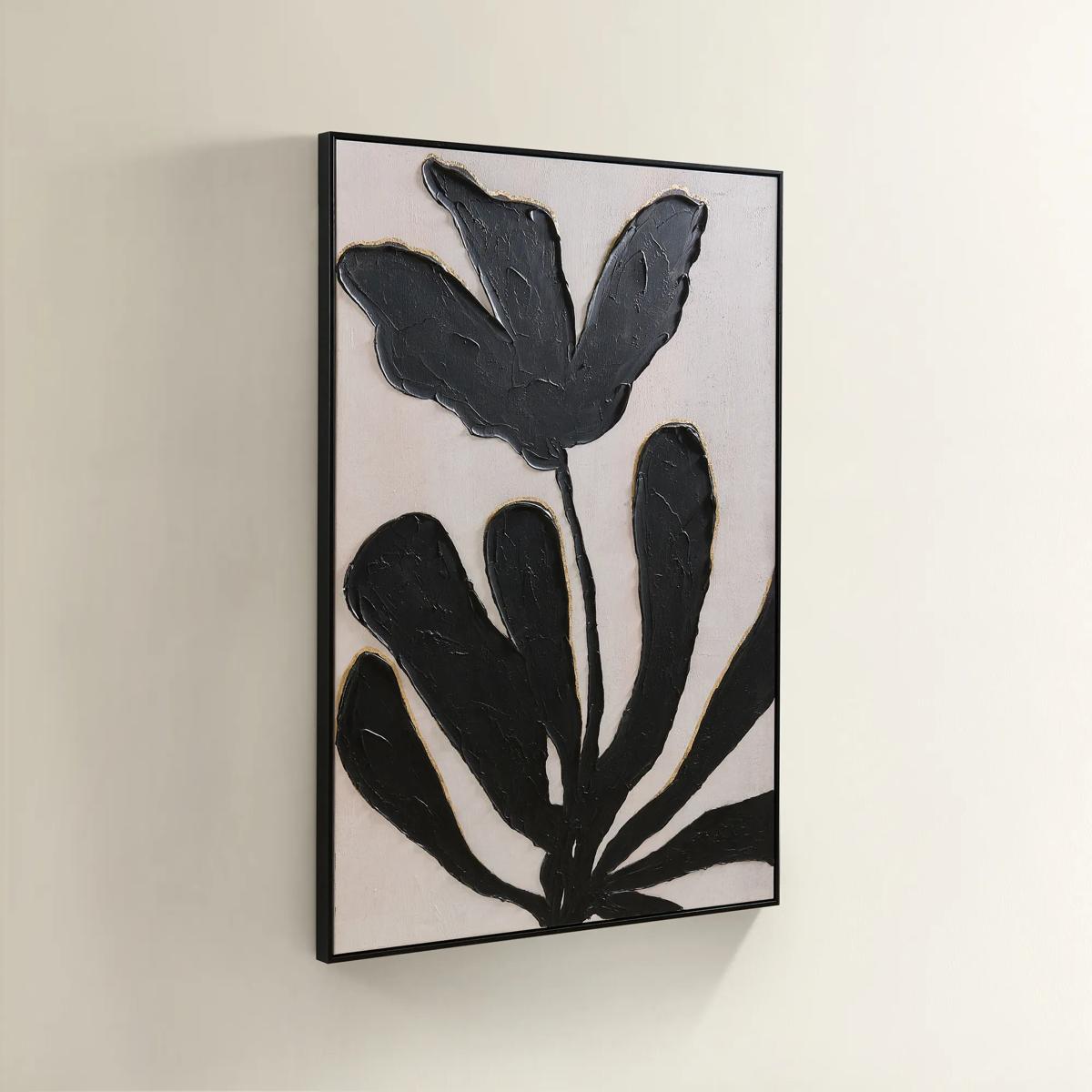 First Bloom Framed Painted Wall Art 39.25" x 55"$499
A hand-painted canvas featuring black abstract leaves and gold leafing on an ivory background in a black frame.
Add To Cart -
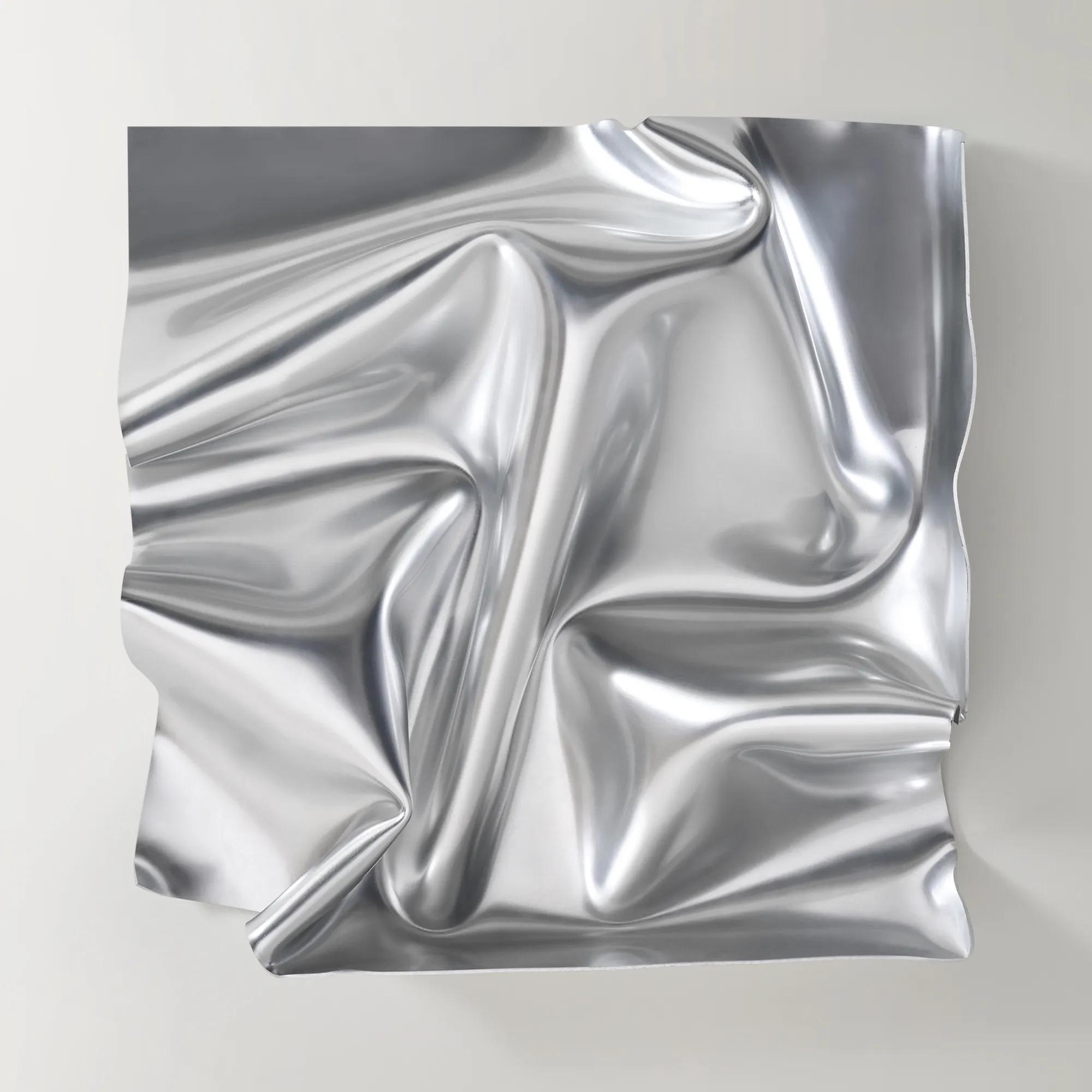
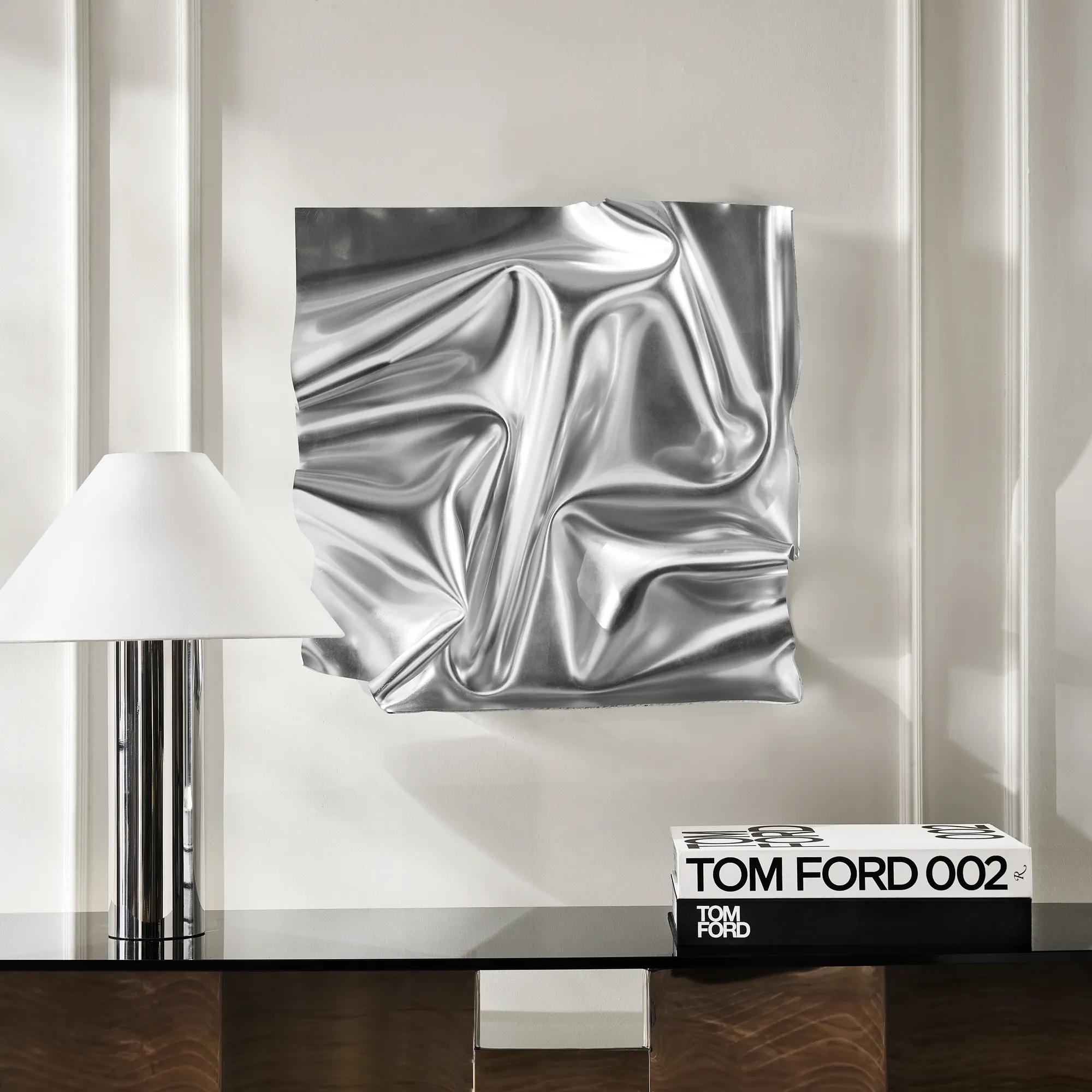 Surface Sculpted Silver Leaf Acrylic Wall Decor 23.6" x 23.6"$189
A striking acrylic wall piece featuring fluid, reflective silver shapes for dramatic, modern visual impact.
Add To Cart -
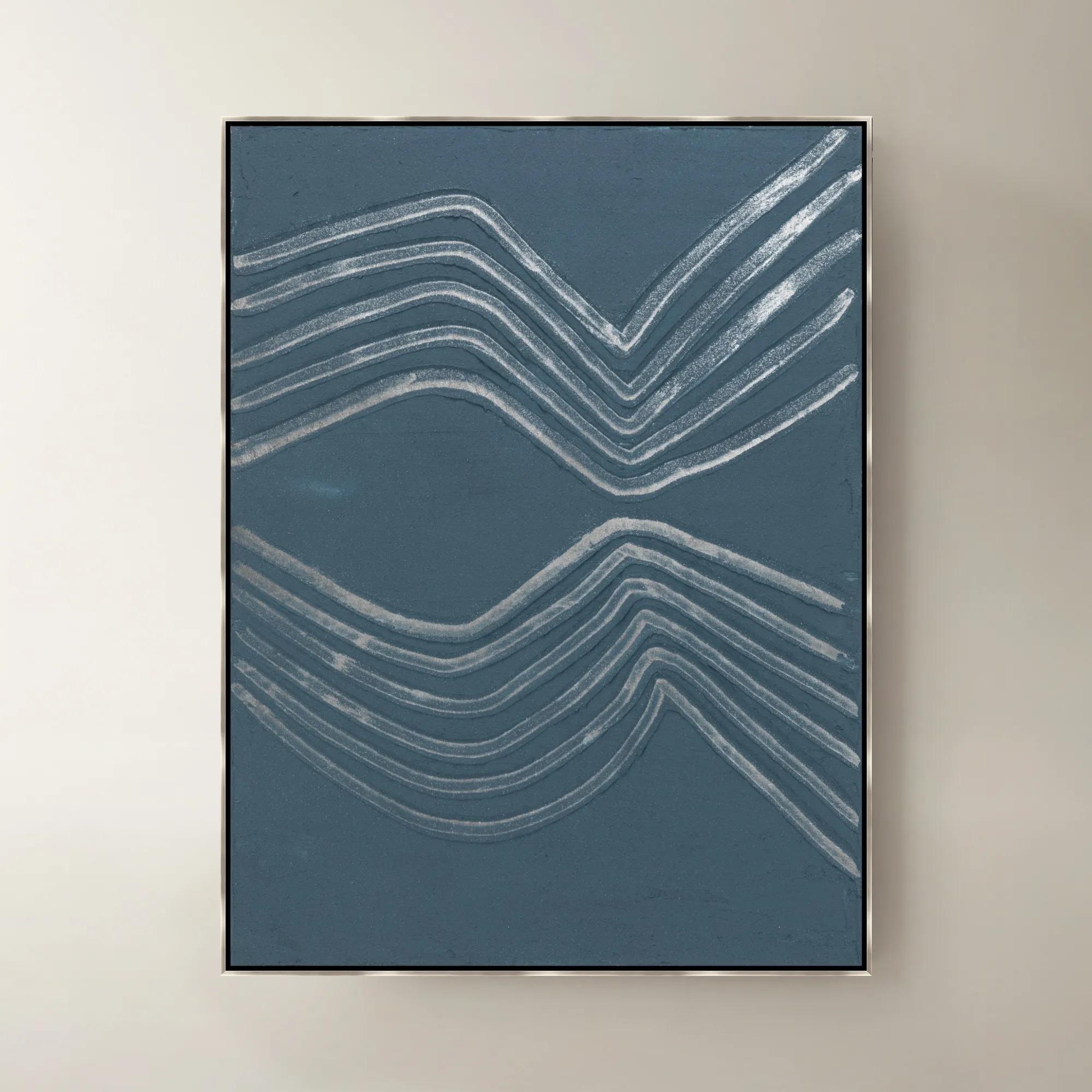
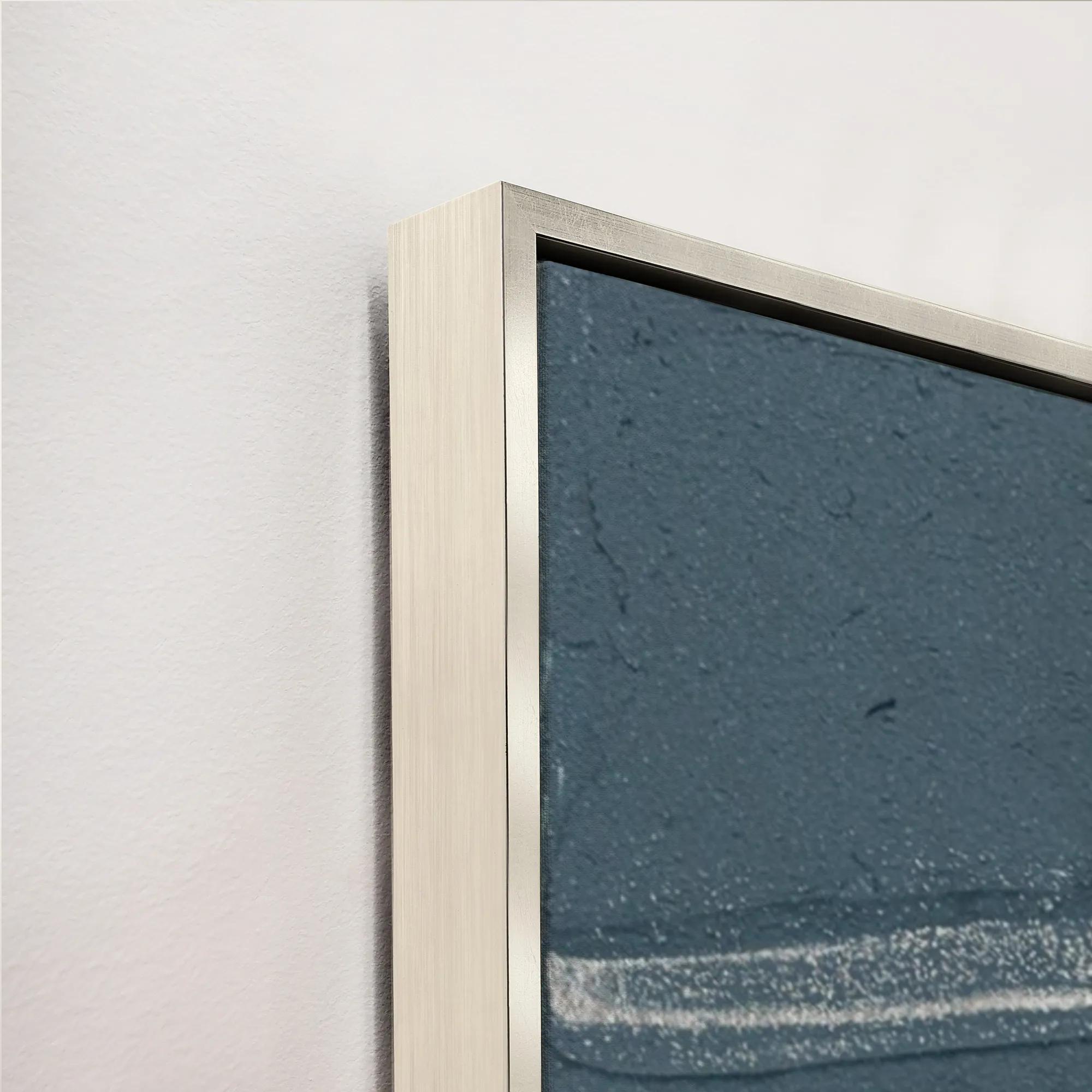 Gilded Waves VI Framed Painted Wall Art 40" x 53"$1399
A framed painted canvas artwork featuring sweeping gilded waves in rich blue and purple tones.
Add To Cart -
 Etched in Gold$229
A hand-carved gold copper artwork set in a sleek black alloy frame for modern contrast.
Add To Cart -

 Rosebud Framed Painted Wall Art 40" x 60"$1599
A framed painted canvas artwork featuring elegant gold tones for sophisticated modern interiors.
Add To Cart -
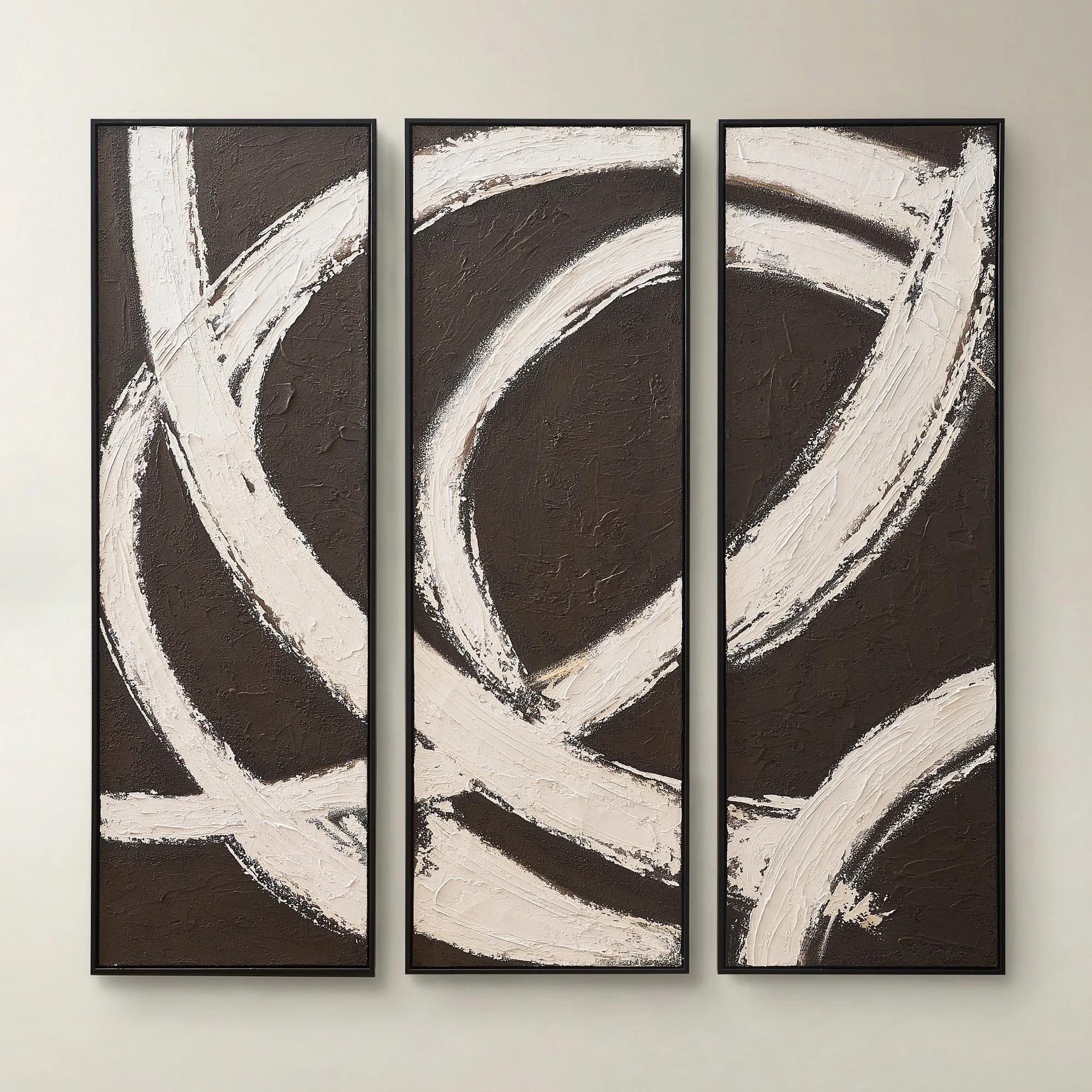
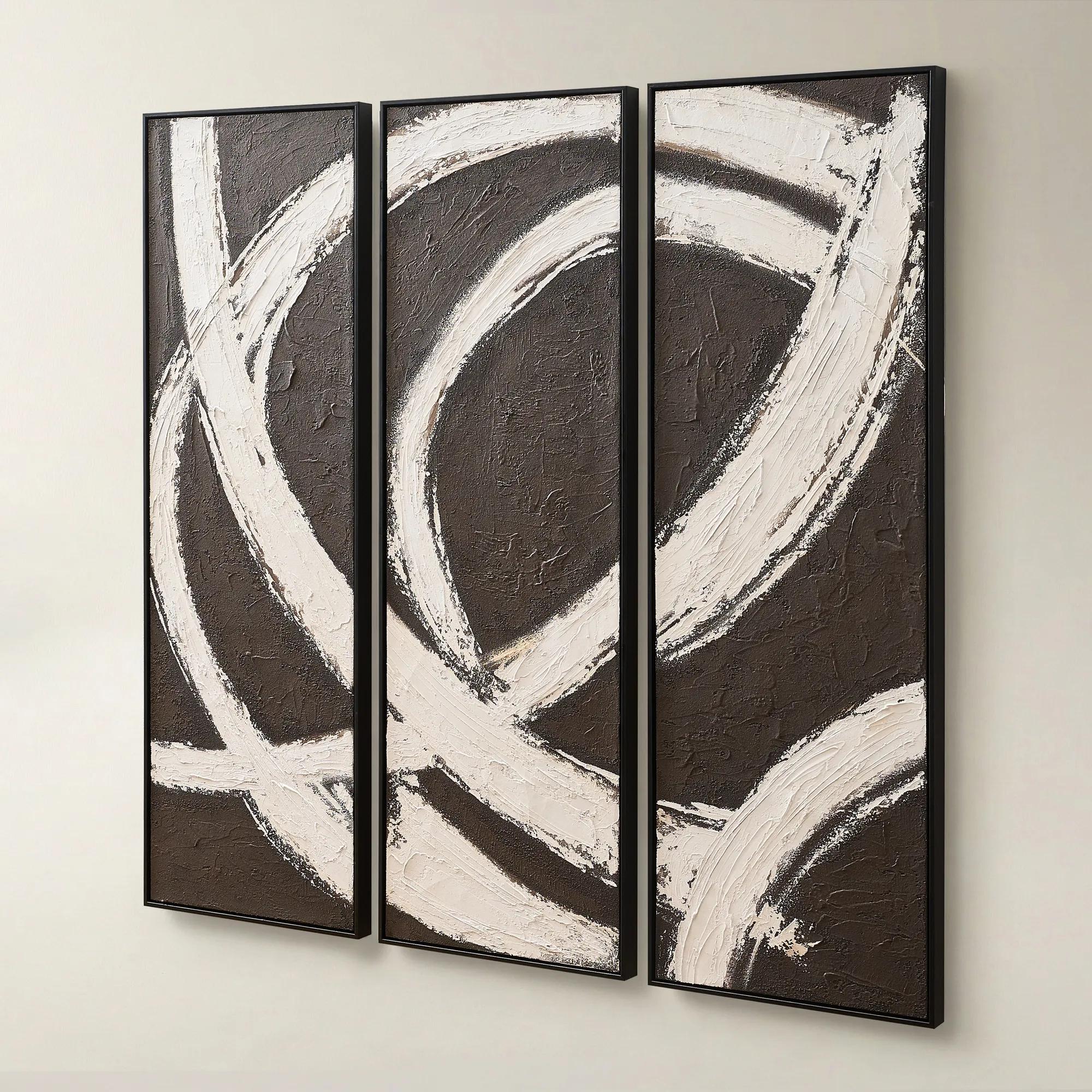 Spun in Coco Framed Painted Wall Art 20" x 60" Set of 3$499
A hand-painted triptych featuring dark chocolate and alabaster tones with rich texture and modern contrast.
Add To Cart -
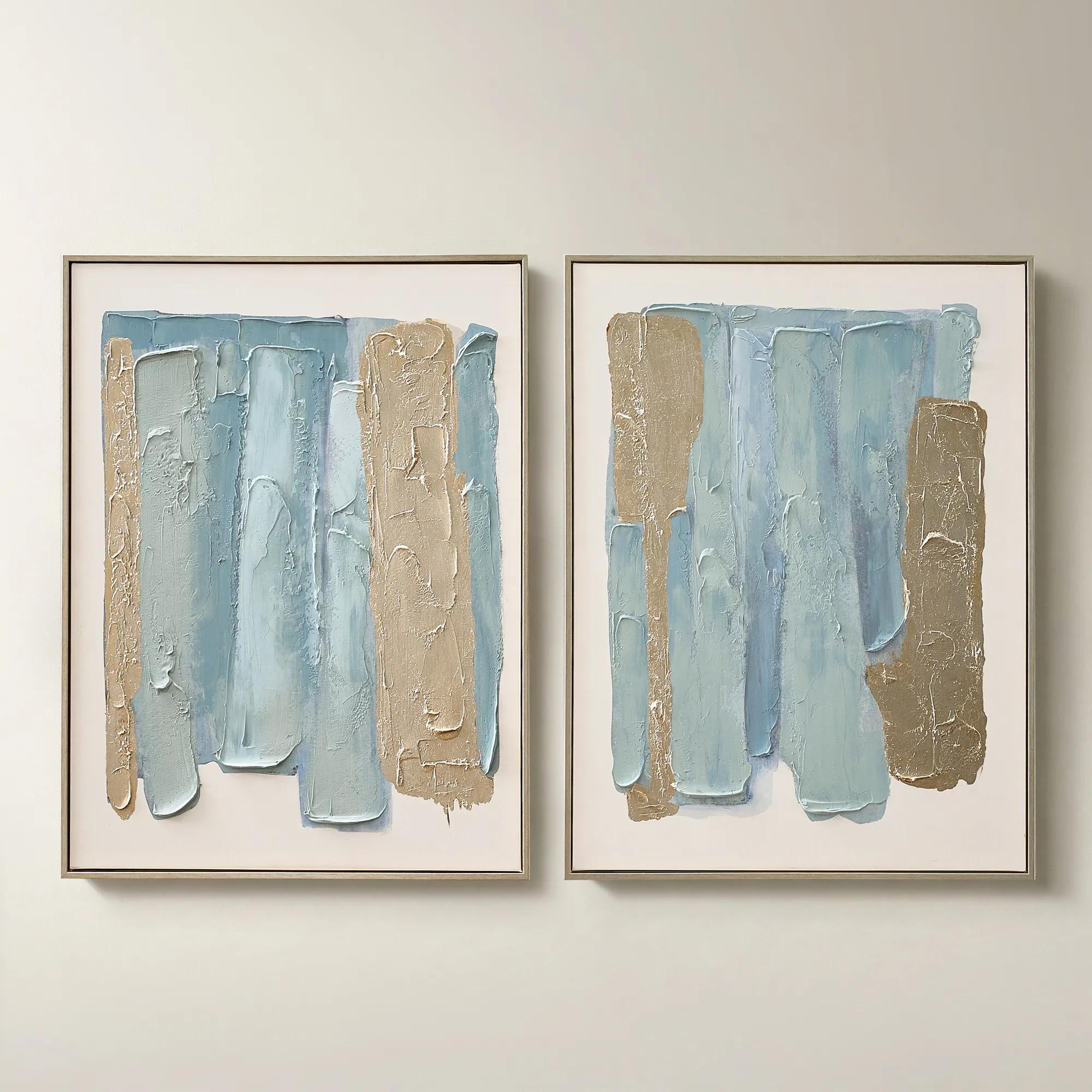
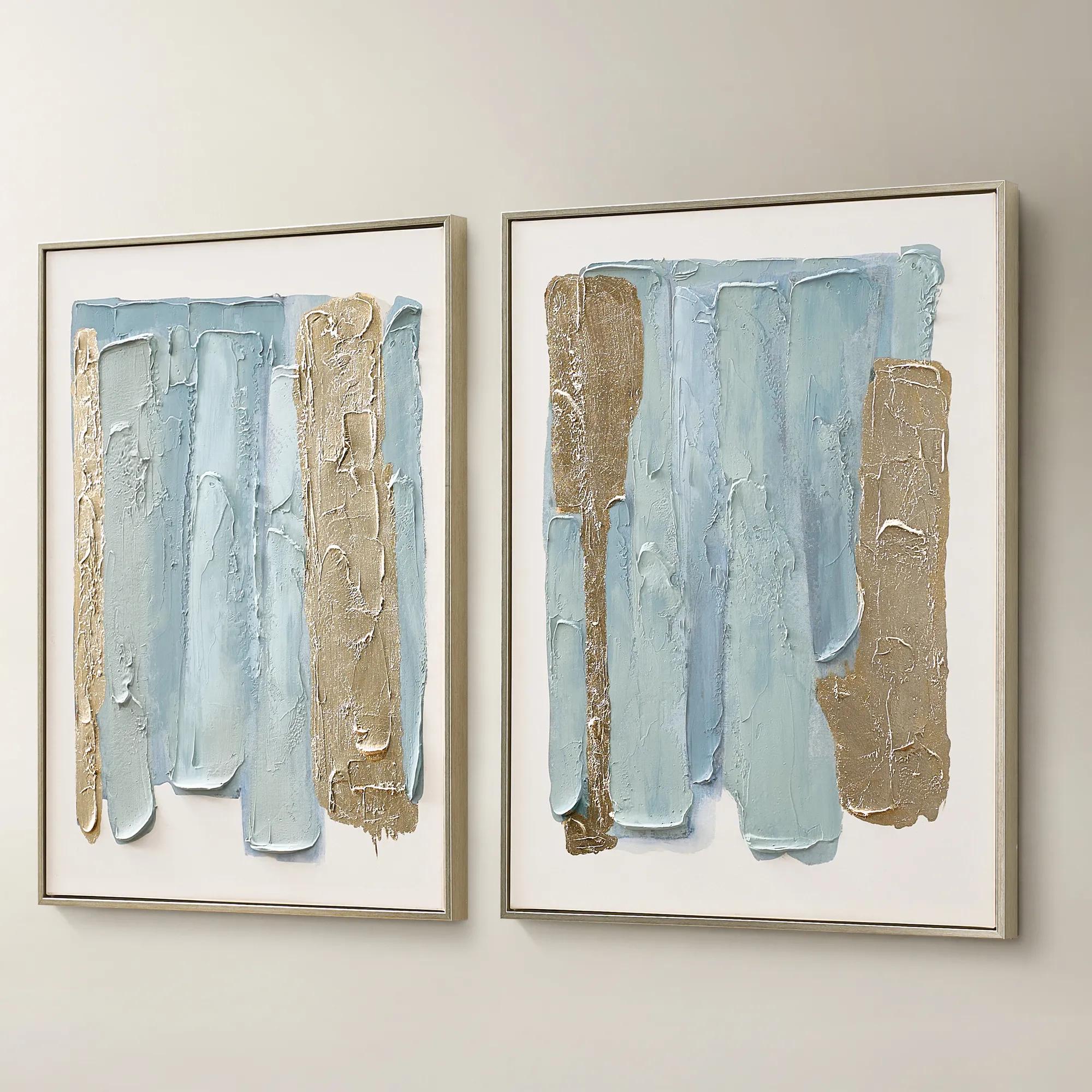 Blue Drift Framed Champagne Painted Wall Art 24" x 32" Set of 2$199
A set of two hand-painted canvases in dusty blue with champagne leafing and modern abstract movement.
Add To Cart -
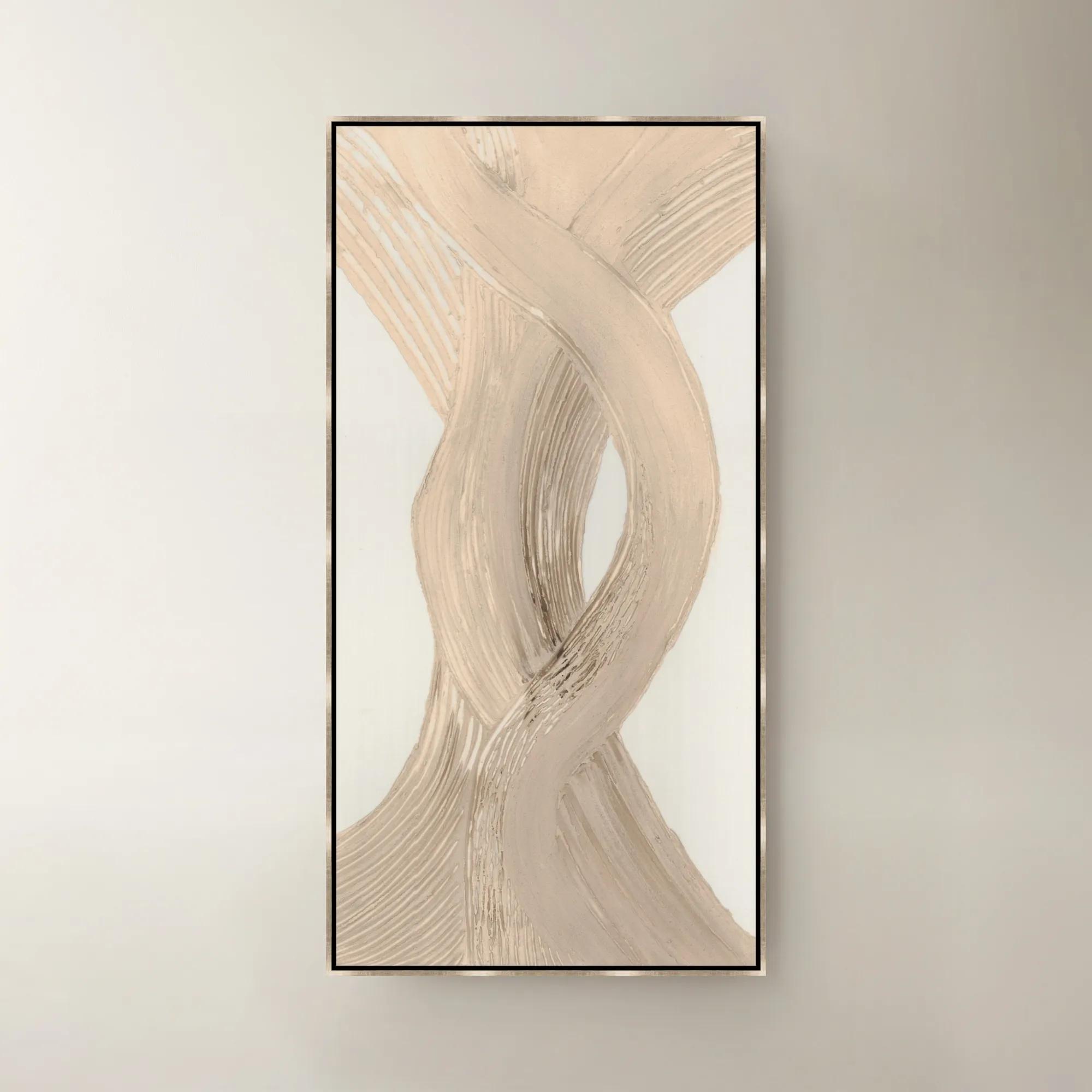
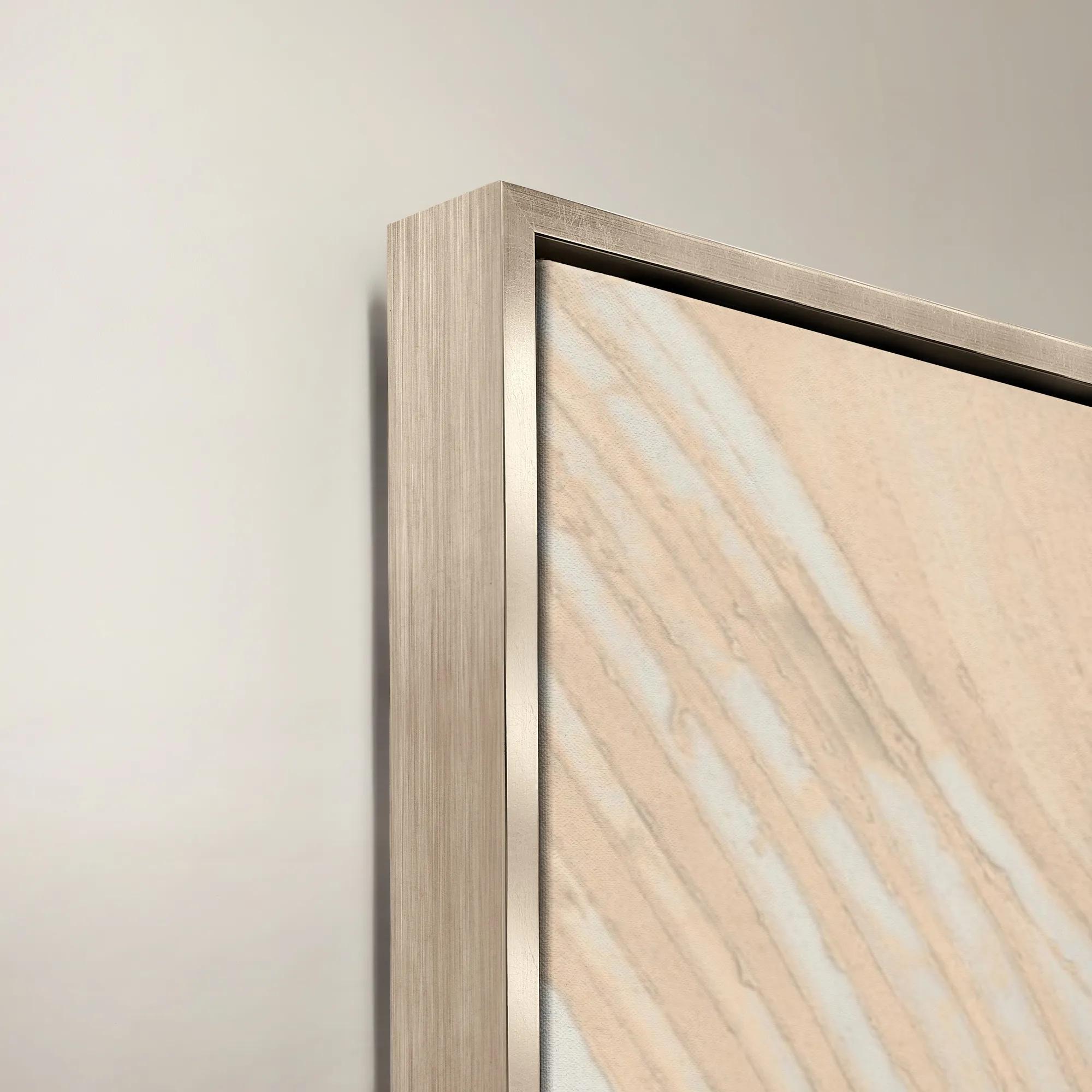 Rosy Sentiments Framed Painted Wall Art 30" x 60"$1199
A romantic painted canvas artwork in rosy hues, presented in an elegant gold frame.
Add To Cart -
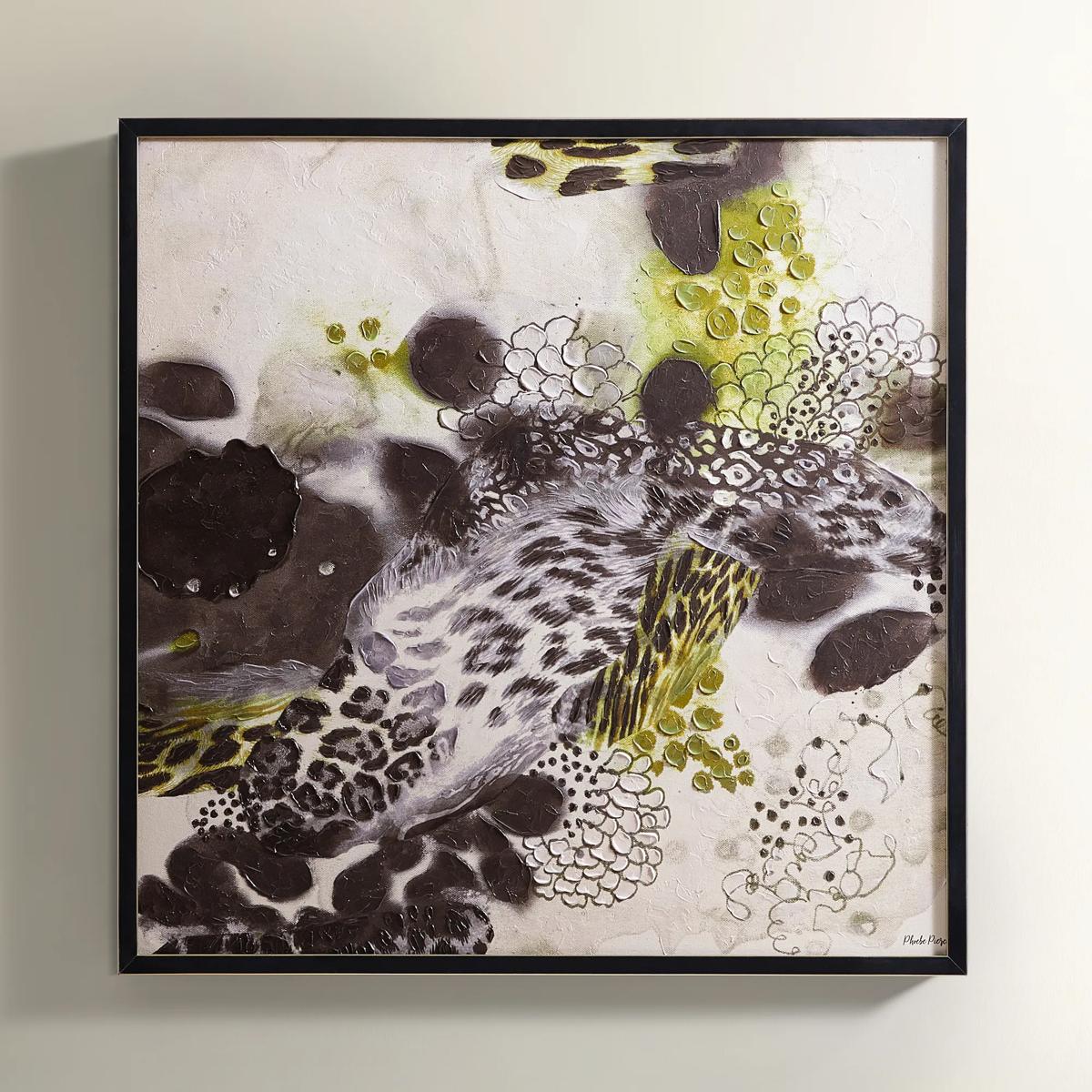
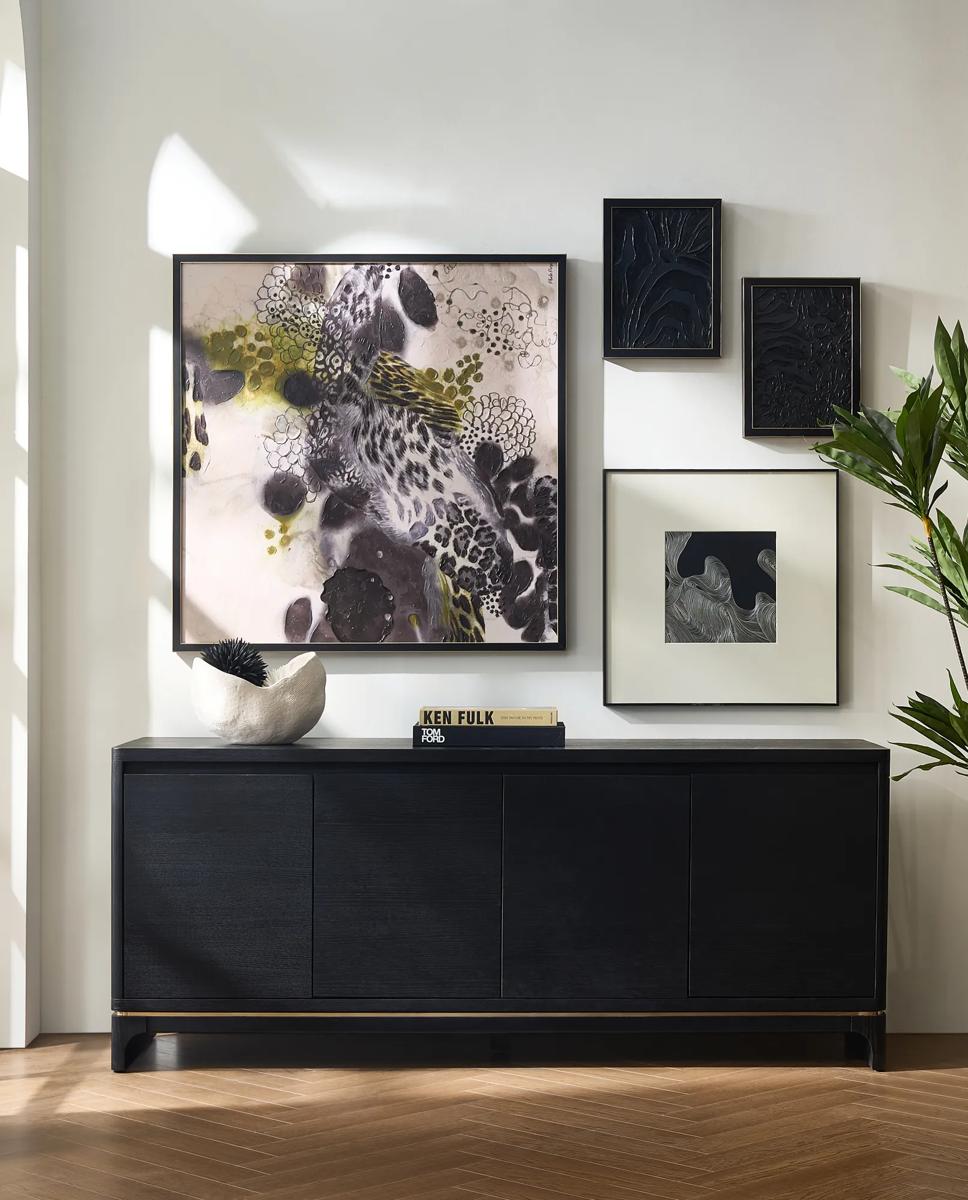 In the Wild$399
A hand-embellished canvas artwork featuring textured strokes in black, chartreuse, and sand, framed in ornate wood.
Add To Cart -
 Espresso Framed Painted Wall Art 31.5" x 31.5"$149
A bold abstract artwork featuring rich brown hues on hand-painted canvas in a light wood floater frame.
Add To Cart -
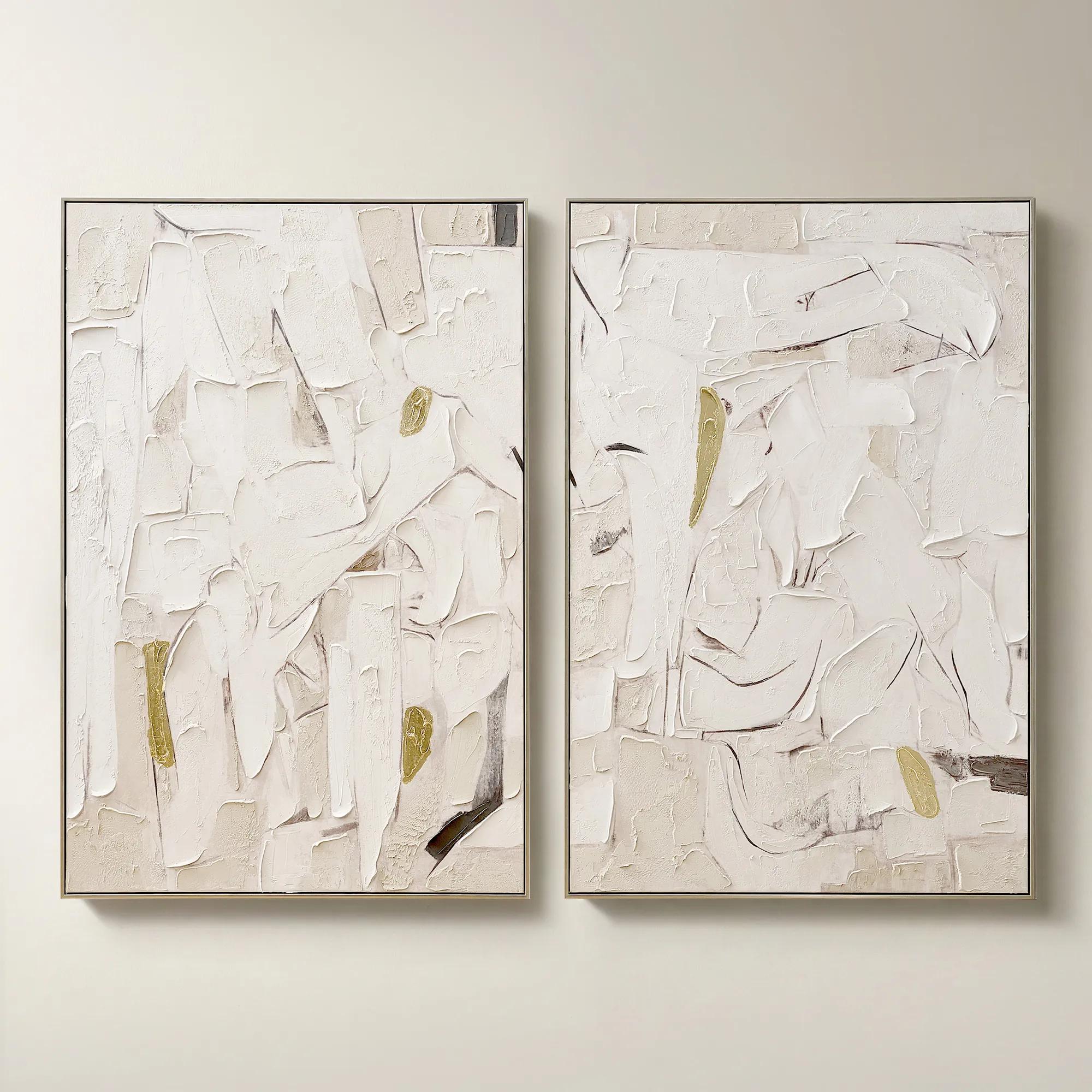 Beneath the Surface Framed Gold Leaf Painted Wall Art 40" x 60" Set of 2$799
A hand-painted abstract diptych featuring gold detailing and layered texture in alabaster and tawny hues.
Add To Cart -
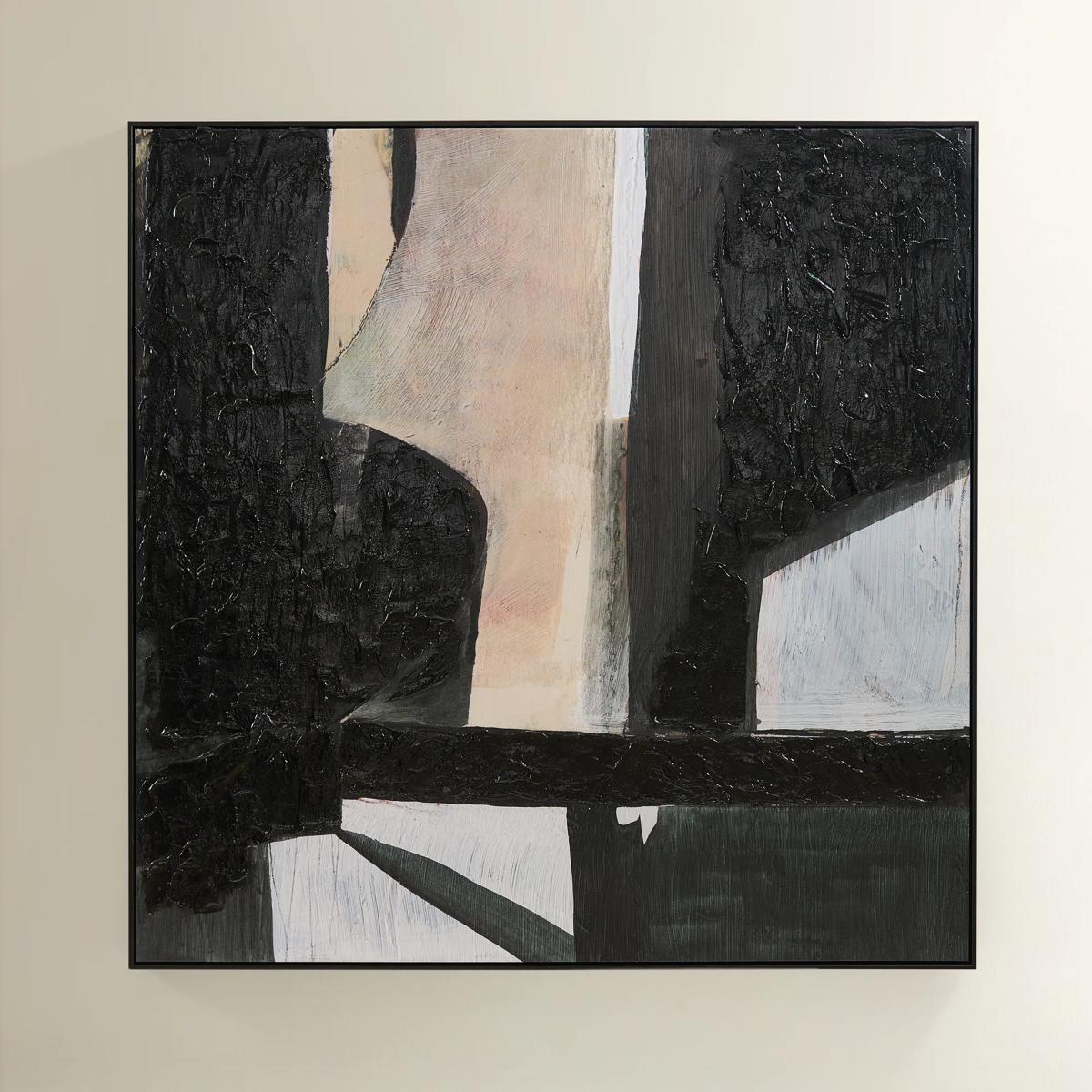 Grounded Painting$699
A hand-painted abstract canvas featuring black, cream, and earth tones in a sleek black floater frame.
Add To Cart -
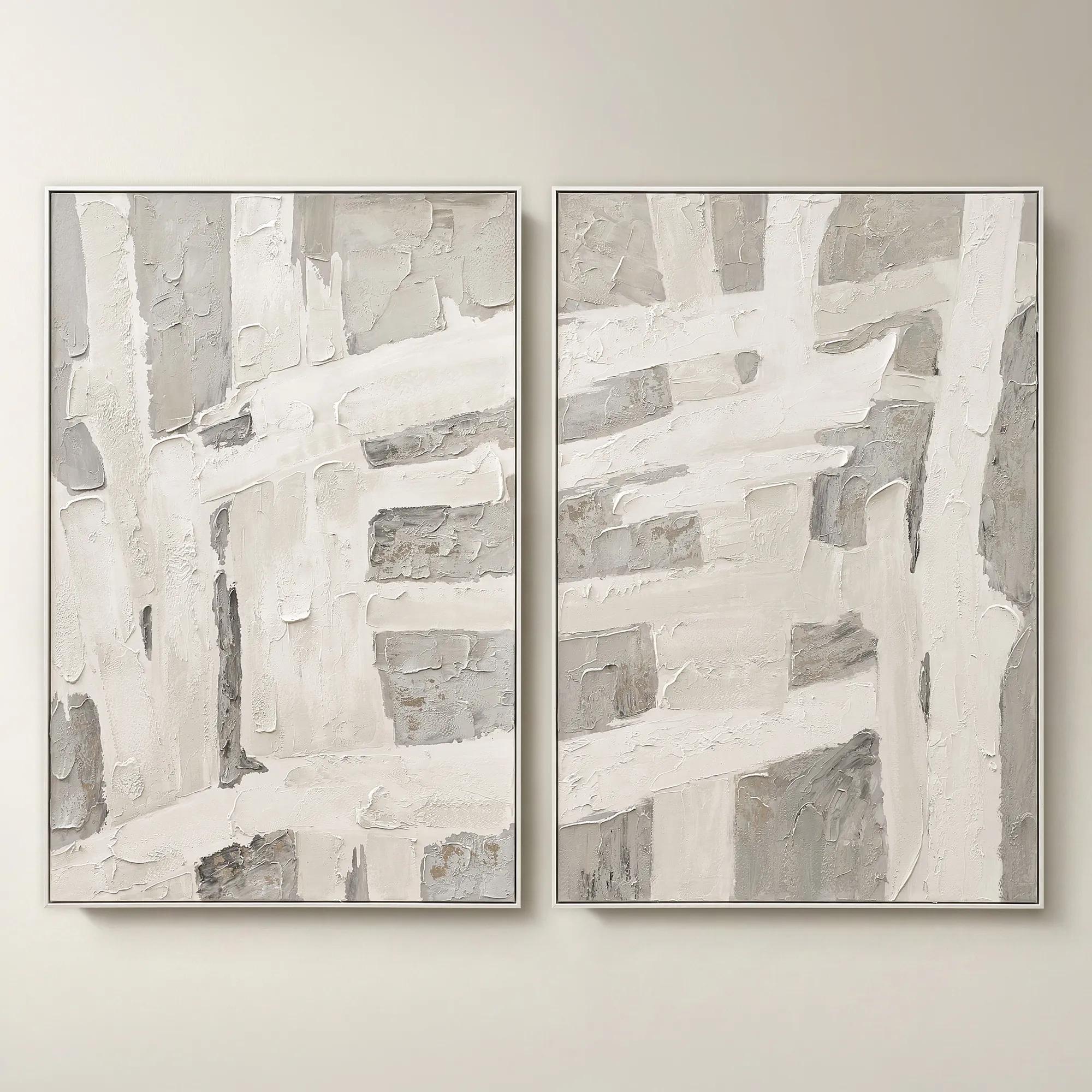 Traverse Framed Painted Wall Art 40" x 60" Set of 2$799
A hand-painted abstract diptych features champagne accents and soft grey, pearl, and alabaster tones in white frames.
Add To Cart -
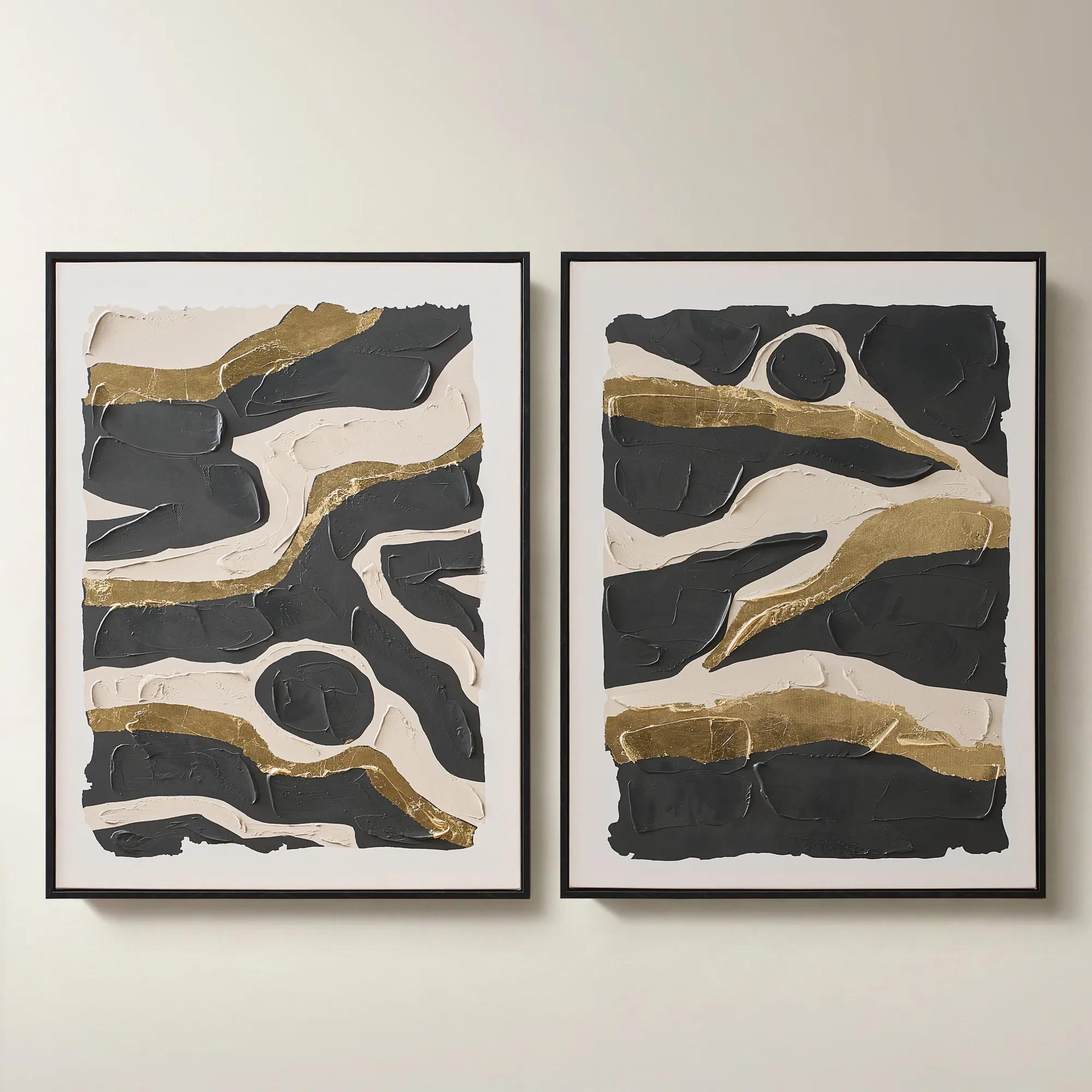
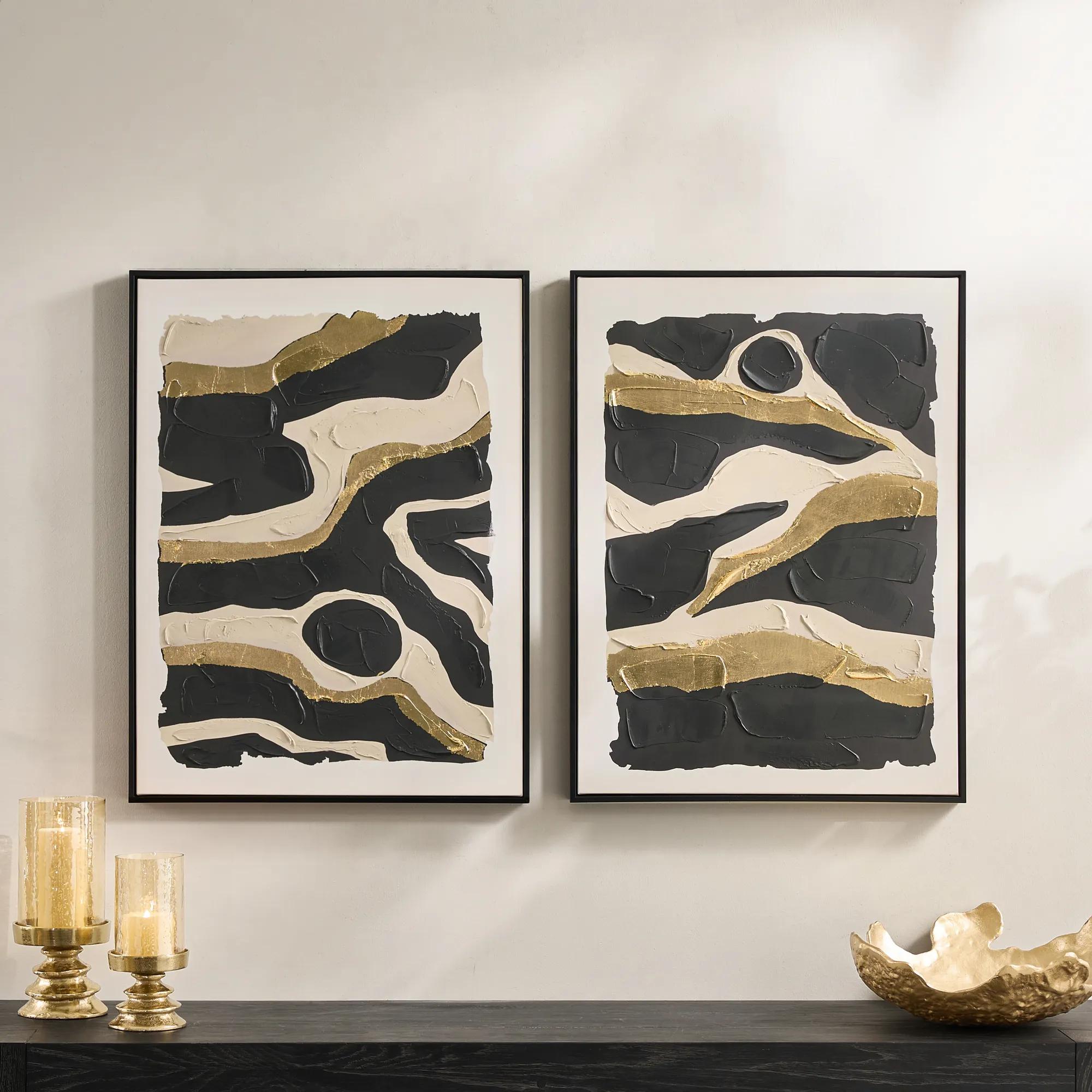 Untamed Framed Gold Leaf Painted Wall Art 24" x 32" Set of 2$199
A hand-painted diptych featuring abstract black and gold canvas art with expressive, gallery-inspired energy.
Add To Cart

Modern Organic Abstract Artworks
Modern organic abstract artworks invite you to transcend the expected and embrace the extraordinary. Each piece is a revelation—fluid shapes, earthy palettes, and expressive brushwork converge to create visual poetry for your walls. These striking compositions channel the untamed beauty of nature through a contemporary lens, infusing your space with movement, intrigue, and an undeniable sense of artistry. Let your home become a living gallery where modern organic abstract artworks spark conversation, evoke emotion, and transform every room into a masterpiece of self-expression.
Modern organic abstract artworks translate the rhythms of nature into expressive wall art, pairing fluid shapes, irregular lines, and layered color with a distinctly contemporary sensibility. Rather than depicting a recognizable landscape or botanical subject, these works suggest the sweep of a shoreline, the contours of stone, the branching movement of roots, or the quiet complexity of mineral surfaces. Their appeal lies in that freedom of interpretation: a sweeping curve can feel serene above a bed and boldly sculptural across an expansive living room wall. Cream, sand, warm gray, charcoal, and earthy brown often establish the palette, while terracotta, muted olive, deep blue, or gleaming metallic accents introduce richness and contrast. Organic describes the artwork’s visual language rather than a particular material, so the category can encompass everything from softly blended prints to dimensional surfaces with pronounced texture. Within a room, that balance of movement and restraint creates an atmosphere that feels composed without becoming rigid. A pale, softly contoured composition can soften the crisp edges of a glass console or architectural sofa, while darker gestural marks lend definition to a space dressed in ivory upholstery and brushed metal. The most compelling pairings allow the artwork to contribute something the furnishings do not already provide: flowing lines against angular furniture, matte texture beside polished stone, or generous negative space near richly patterned textiles. These pieces suit contemporary, transitional, and nature-influenced interiors, but their character need not be understated. Oversized proportions, dramatic tonal shifts, and luminous framing can give organic abstraction a commanding presence. For a room that benefits from a dialogue between flowing forms and more structured compositions, Abstract Geometric Wall Art Pieces offer a complementary direction, bringing deliberate angles and defined shapes into the same visual conversation. The result can be an art arrangement with contrast, depth, and a clear sense of personal expression.
Materials and presentation shape the experience as much as the composition itself. Canvas introduces a woven surface that can soften color transitions and give broad brushwork a tactile foundation. Stretched canvas may be presented with its edges exposed or surrounded by a frame, creating different relationships between the image and the wall. A floating frame leaves a narrow visual gap around the canvas, emphasizing its depth with a crisp, architectural outline. Paper-based artwork offers another character, especially when a mat creates breathing room between the image and its frame. Fine art printing methods, including giclée, can reproduce subtle gradations and intricate marks, although print quality and longevity depend on the paper, inks, and display conditions. Printed texture and physical texture are also distinct: an image may convincingly suggest plaster, linen, or layered paint while remaining flat, whereas applied mediums create actual relief that catches light and casts delicate shadows. Product descriptions and close-up views help establish which effect a piece delivers. Framing can heighten either mood. A slender black frame sharpens a pale composition, a warm wood tone reinforces its connection to natural forms, and a metallic finish adds a luminous accent without requiring a more elaborate image. Scale deserves equal attention because abstract forms change character with their surroundings. A broad horizontal work can give a long sofa a more complete visual setting, while a vertical composition draws the eye upward in an entryway or beside a tall cabinet. As a general proportion, artwork spanning roughly two-thirds to three-quarters of the furniture beneath it often feels balanced, with enough surrounding wall to preserve the silhouette. That measurement refers to the full framed width, or the combined arrangement when several pieces hang together. Multiple works benefit from a shared color, related movement, or consistent framing, allowing their differences to feel intentional. Placement should also account for nearby sconces, door swings, switches, and the view from adjacent rooms, so the artwork feels integrated into the architecture rather than fitted into leftover space.
Modern organic abstract wall art brings a distinctive mood to everyday settings, from a living room designed for conversation to a bedroom with a more intimate, enveloping atmosphere. In a dining room, sweeping forms can counterbalance the straight lines of a table and introduce movement without the literal imagery of a traditional still life. An entryway offers a different opportunity: one generously scaled composition establishes the home’s visual identity before the rest of the interior unfolds. In a home office, a restrained palette and spacious arrangement can create an elegant backdrop, while a more energetic composition adds personality to a room dominated by cabinetry and screens. Lighting influences each setting. Gentle, indirect illumination reveals tonal variation, and carefully positioned picture lighting can emphasize relief and brushwork; strongly angled light may also make surface irregularities more pronounced. Glass or acrylic glazing can introduce reflections, so the position of windows and lamps matters when considering sightlines. Long-term enjoyment depends on matching the artwork’s construction to its environment. Direct sunlight may fade pigments and affect some papers, while persistent humidity and abrupt environmental changes can damage canvas, backing materials, or frames. Bathrooms and locations near cooking splashes require particular care, since decorative wall art is not necessarily made for damp or grease-prone conditions. Routine care generally favors a gentle approach: light dusting with a clean, soft, dry cloth where appropriate, no abrasive scrubbing, and no cleaning solution sprayed directly onto the artwork. Glazed surfaces, exposed canvas, and dimensional finishes may require different methods, making the supplied care instructions essential. Secure installation matters as well, especially for substantial frames or textured works; hardware should suit both the artwork’s weight and the wall construction. As a housewarming or wedding gift, organic abstract art can feel deeply personal when its palette and proportions reflect the recipient’s home. A connection to a favorite landscape, a love of sculptural design, or an affinity for richly layered neutrals gives the gesture meaning beyond decoration. Thoughtfully placed and properly cared for, these artworks offer an enduring focal point whose lines and textures reveal different details with each encounter.
FAQs
Modern organic abstract art is characterized by its use of nature-inspired forms, fluid lines, and tactile textures, all interpreted through a contemporary lens. This style often features earthy or neutral palettes and emphasizes balance, movement, and the harmonious blending of organic shapes with modern design sensibilities.
Organic abstract art brings a sense of calm, warmth, and sophistication to any space. Its flowing forms and natural textures can soften architectural edges, create visual interest, and evoke a grounded, serene mood that makes rooms feel inviting and thoughtfully curated.
Expressive organic abstract art makes an inspired gift for anyone who values creativity, design, or a connection to nature. It’s particularly meaningful for new homeowners, newlyweds, or those celebrating a milestone, as it offers a timeless statement piece that can be enjoyed for years to come.
Absolutely. The versatile forms and neutral palettes of organic abstract art allow it to complement a wide range of interiors. In modern spaces, it adds warmth and softness, while in traditional rooms, it introduces a fresh, contemporary twist without overpowering classic elements.
When selecting fluid organic abstract wall art, consider the mood you wish to create, the existing color scheme, and the interplay of textures in your space. Think about how the artwork’s movement and palette will harmonize with your furnishings, and choose pieces that resonate with your personal sense of style and self-expression.