Nature Inspired Abstract Art
Nature Inspired Abstract Art
-
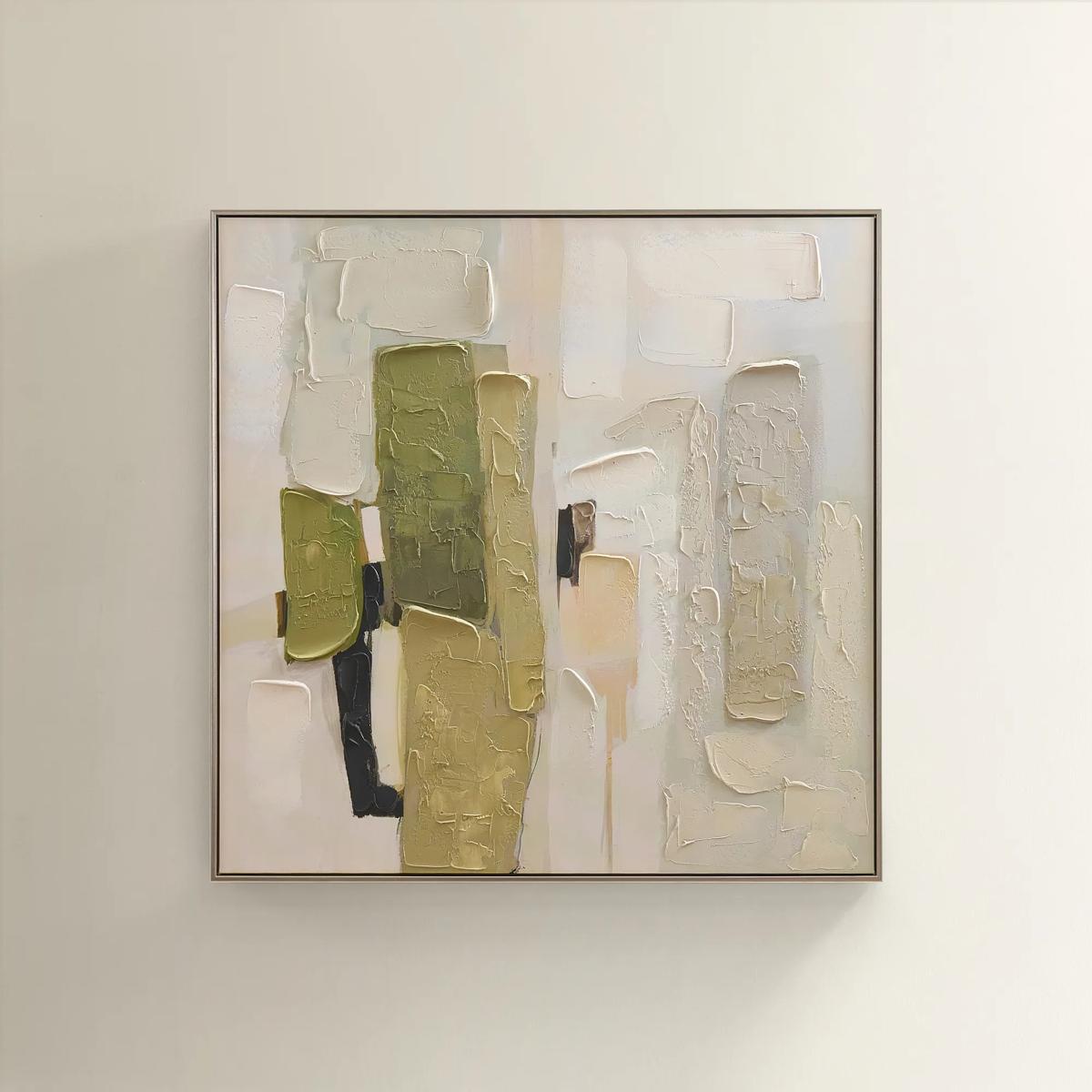 Verde Crush Framed Painted Wall Art 39.25" x 39.25"$349
A hand-painted abstract canvas featuring rich green tones, layered neutrals, and a champagne floater frame.
Add To Cart -
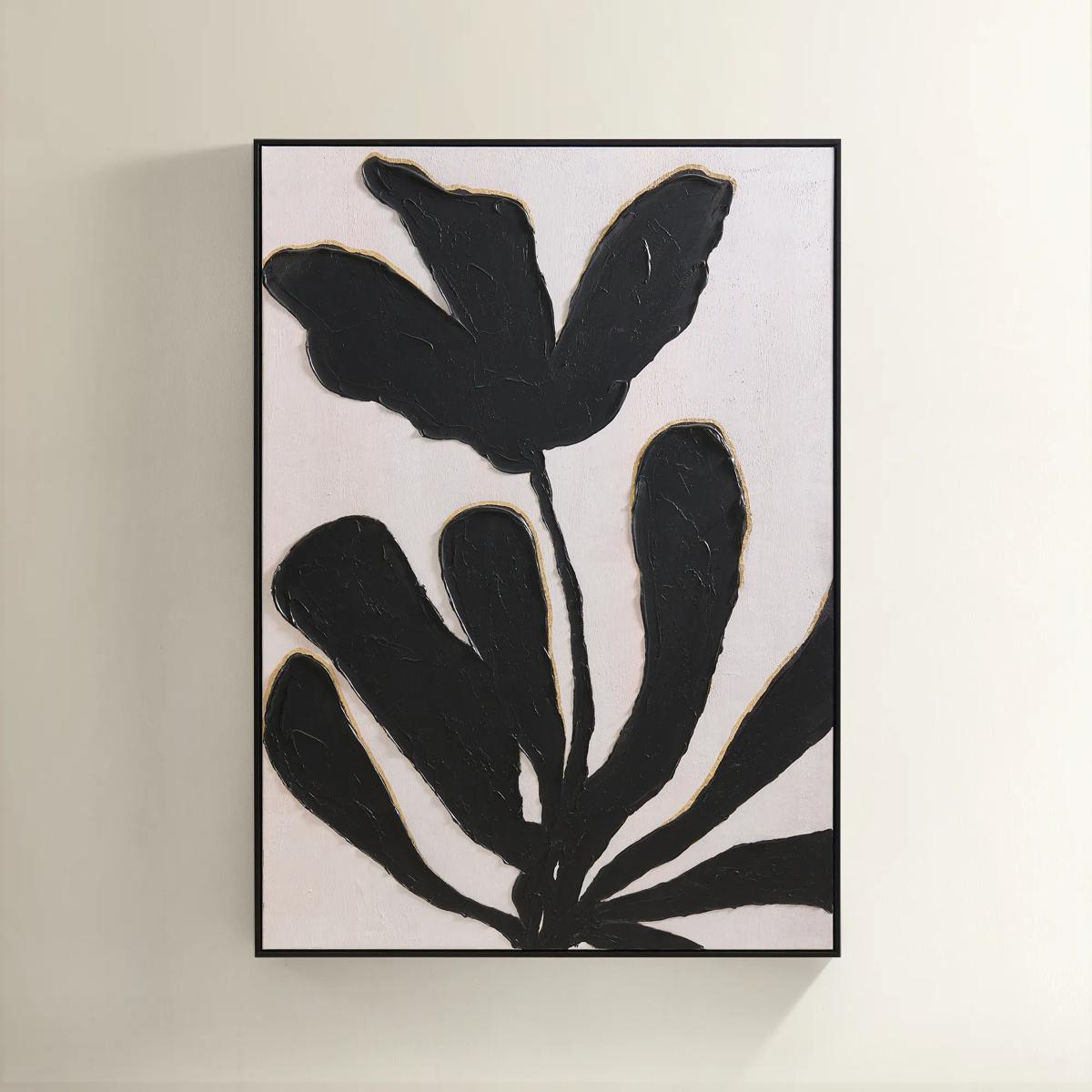
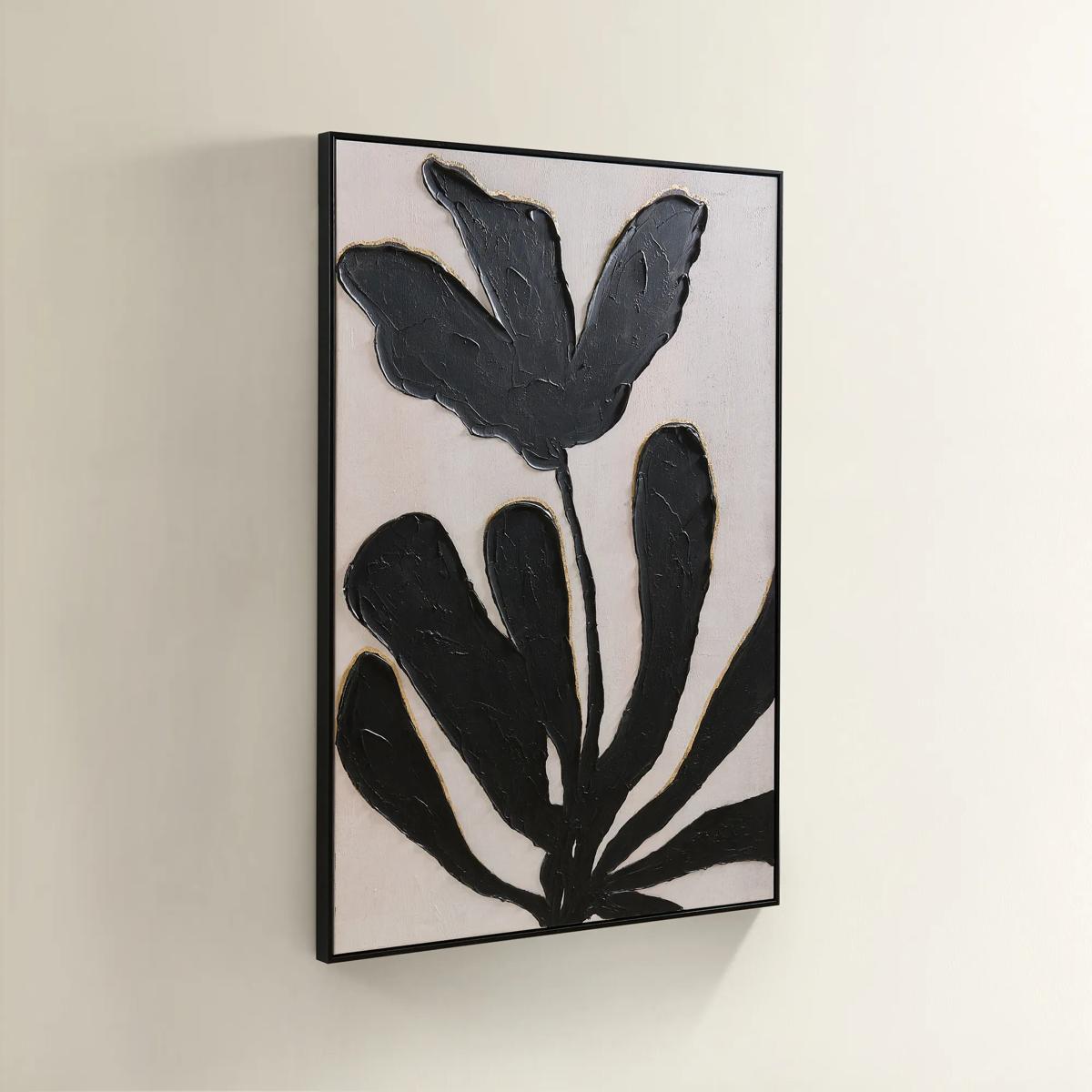 First Bloom Framed Painted Wall Art 39.25" x 55"$499
A hand-painted canvas featuring black abstract leaves and gold leafing on an ivory background in a black frame.
Add To Cart -
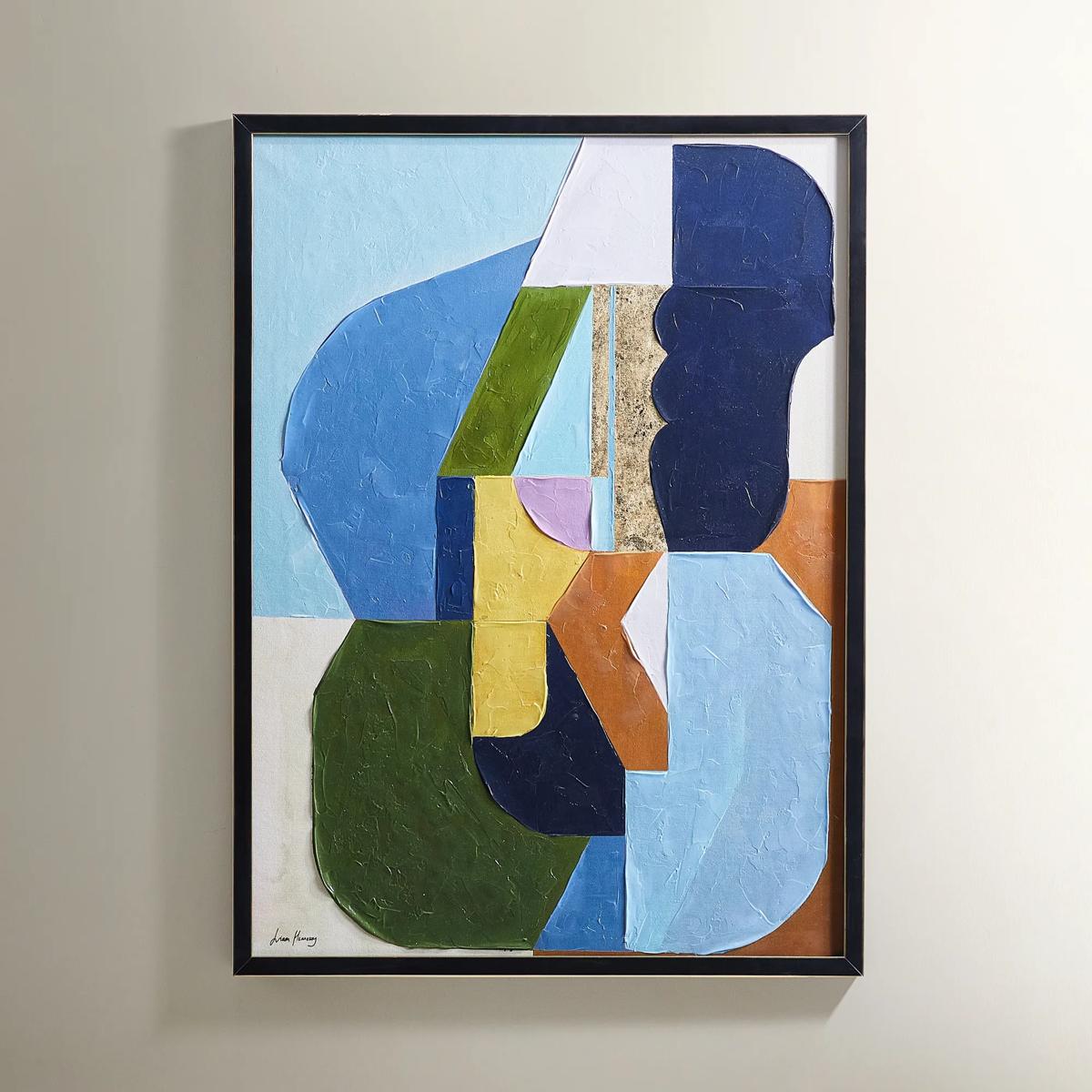
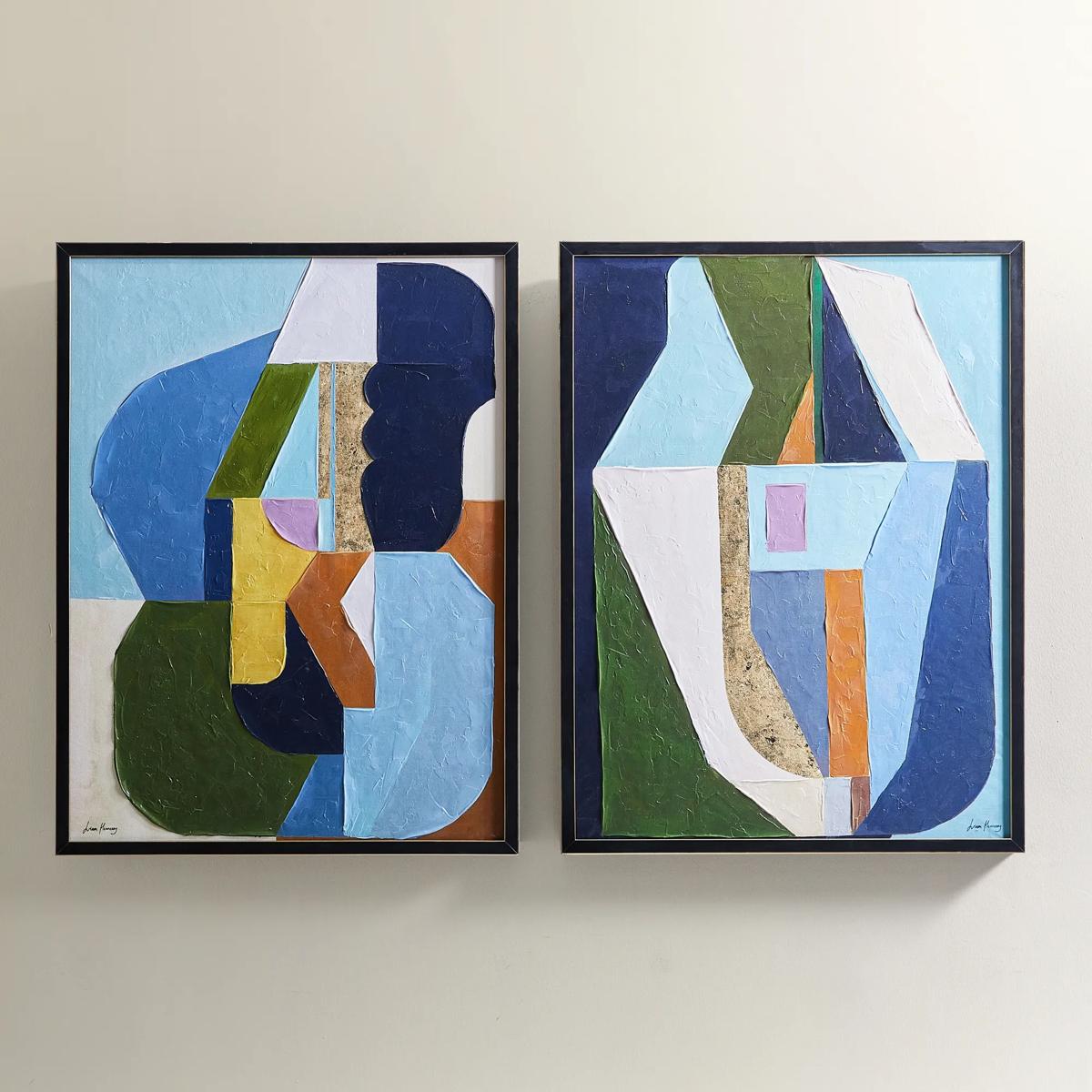 Thought Provoking Painting 1$249
A hand-embellished canvas artwork featuring textured strokes in deep blue, olive green, and gold accents.
Add To Cart -
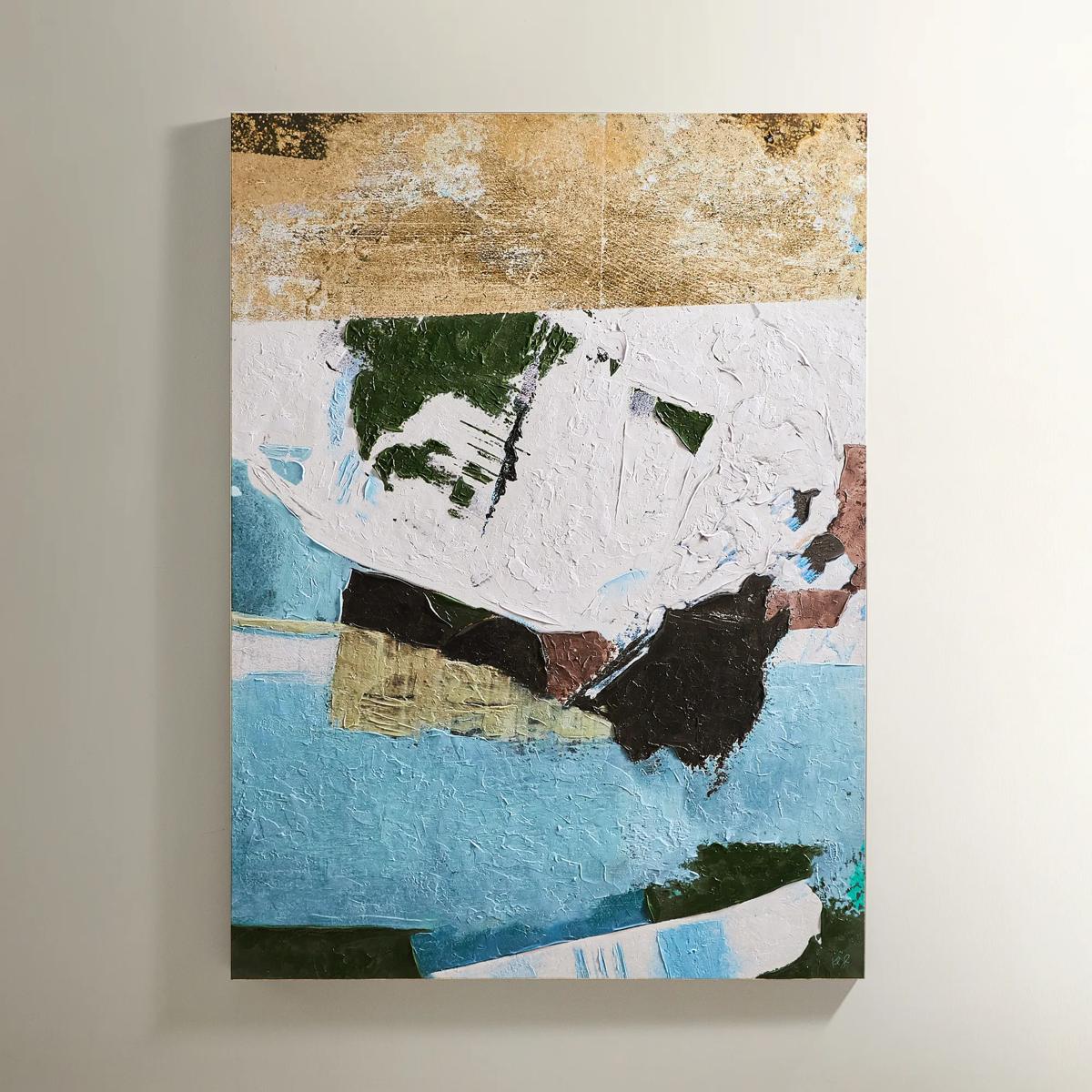 Cadence Painting$599
A hand-embellished canvas artwork featuring textured olive, gold, and ivory strokes in a black and gold frame.
Add To Cart -
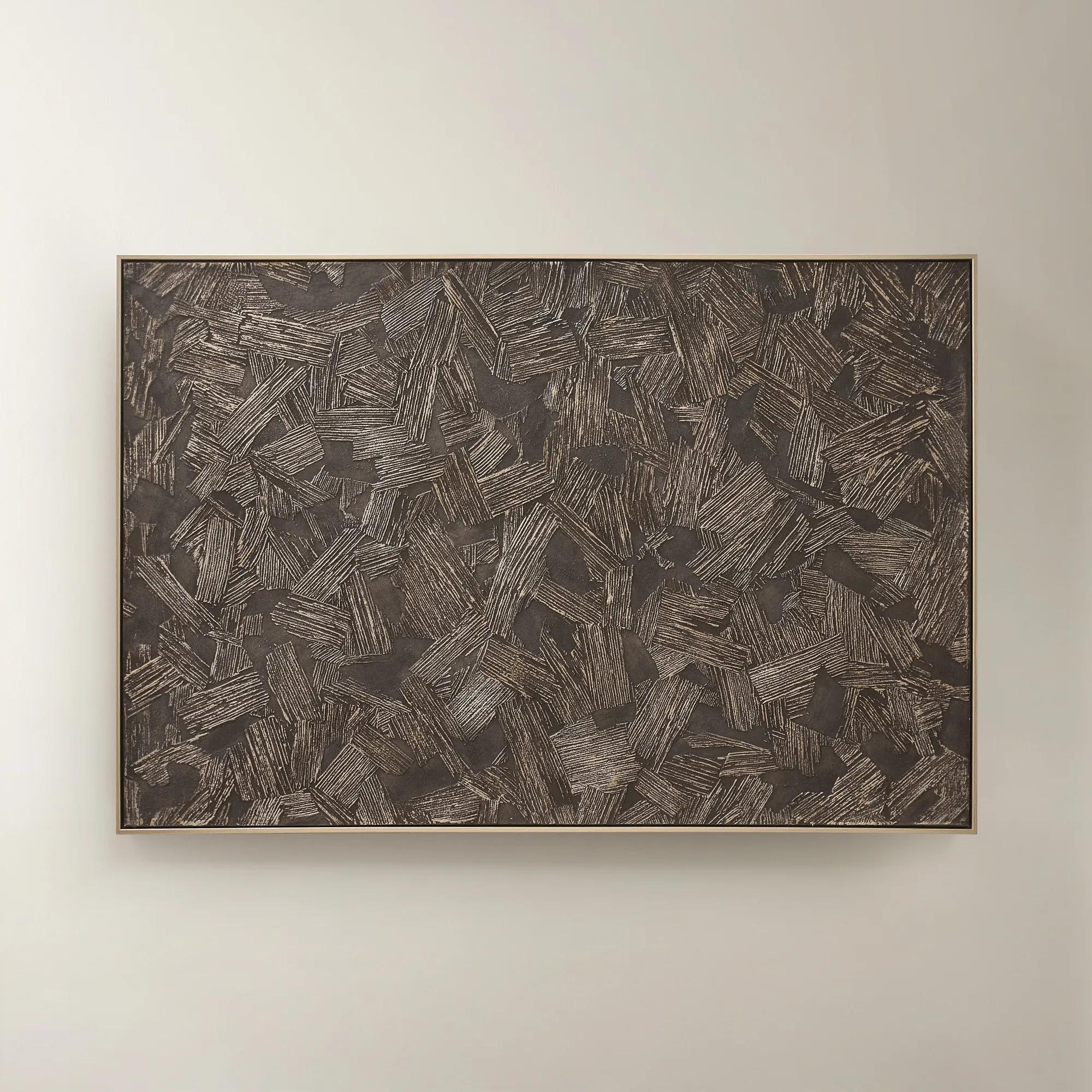
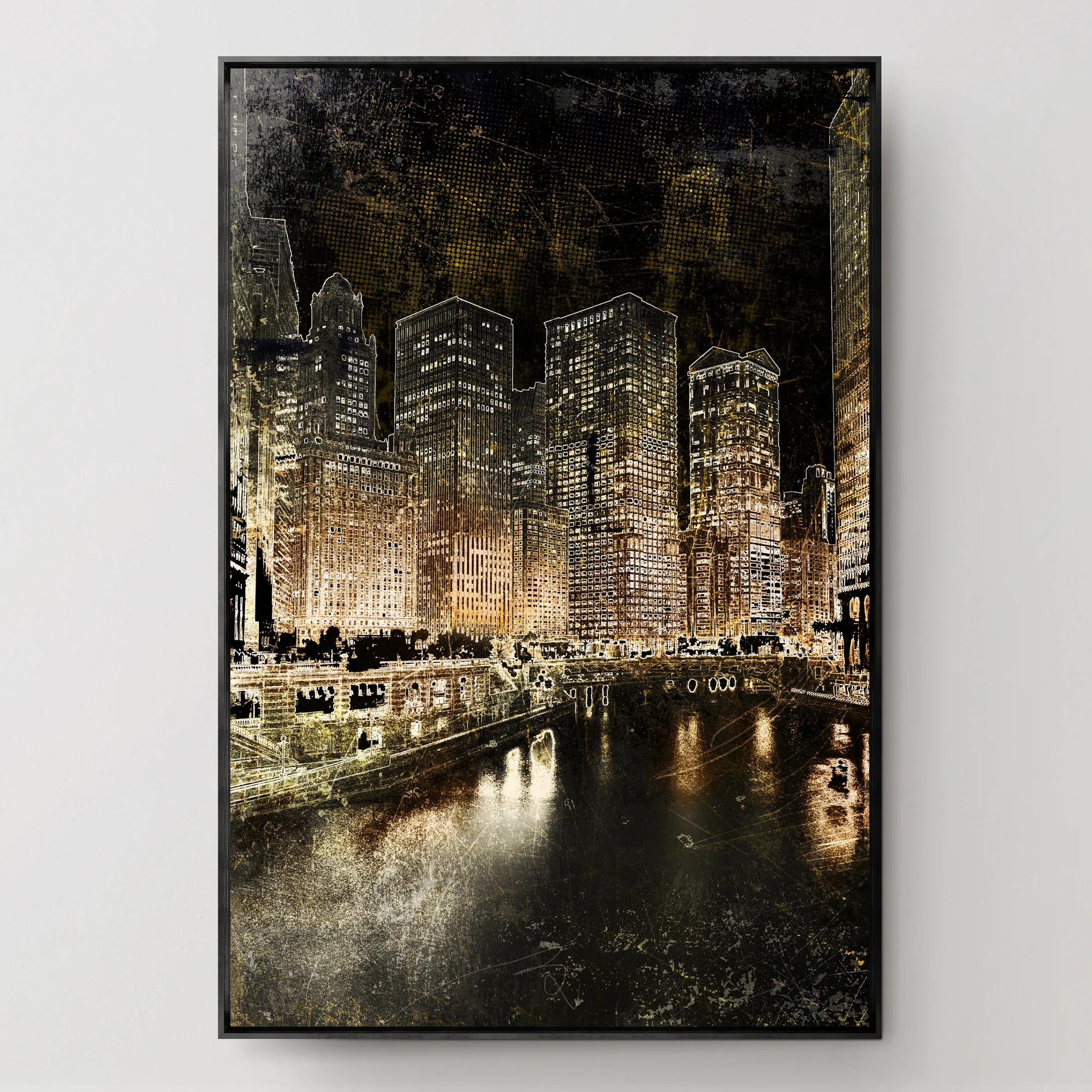
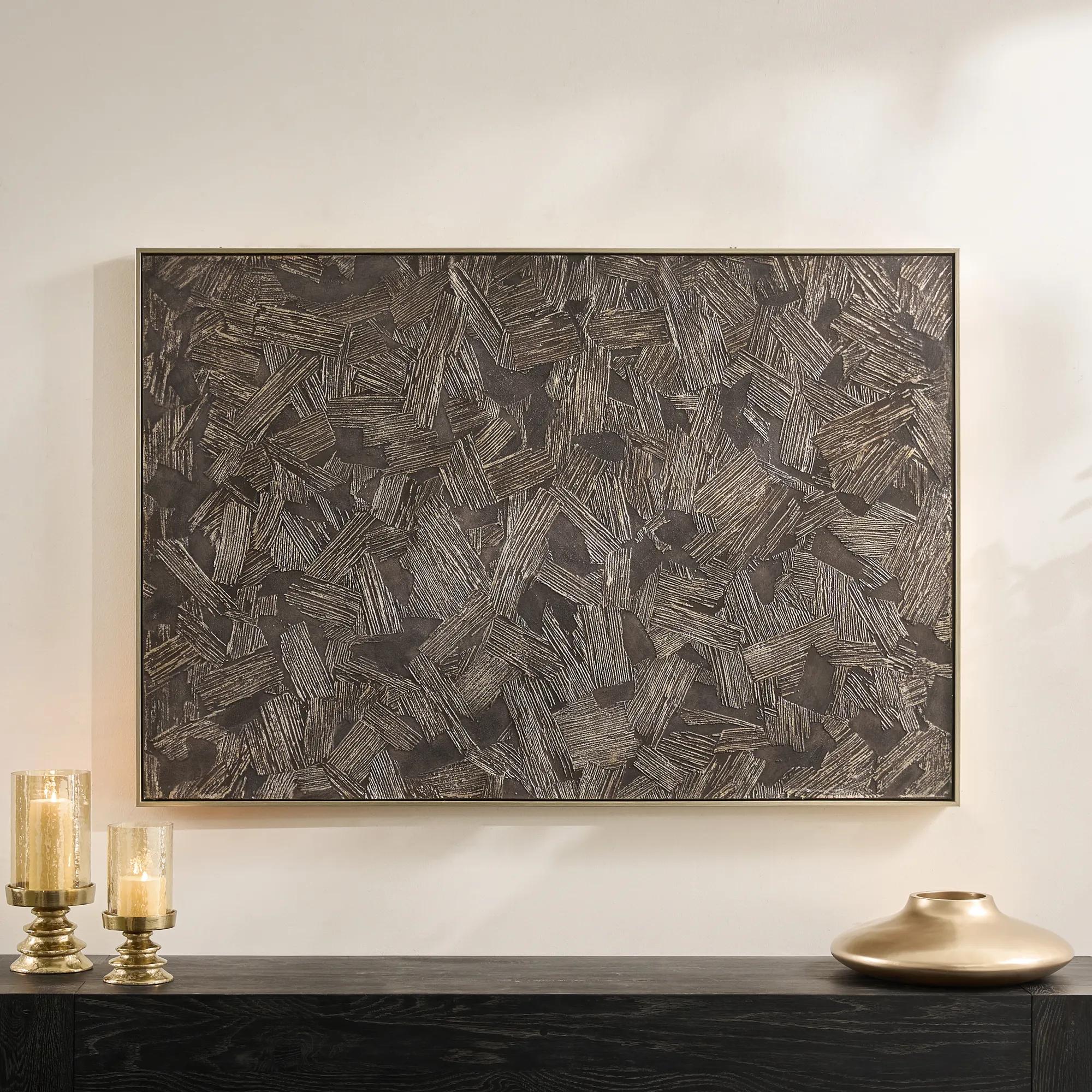 Etched in Darkness Dark Chocolate Wall Panel 53.5" x 36"$329
A hand-painted wrapped canvas features moody dark chocolate hues with champagne accents and a layered, textural finish.
Add To Cart -
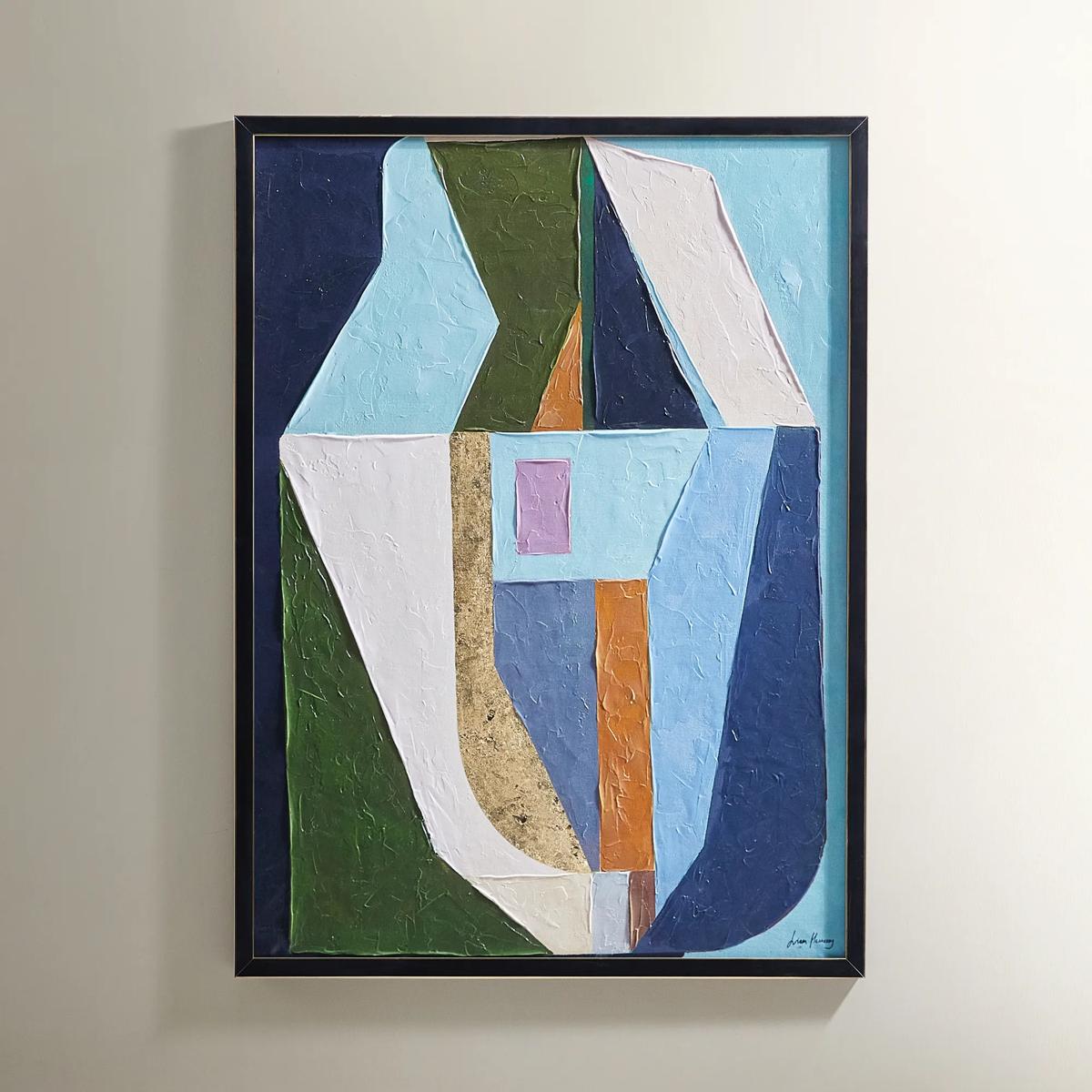 Thought Provoking Painting 2$249
A hand-embellished canvas artwork featuring textured strokes in deep blue, olive green, and gold accents.
Add To Cart -
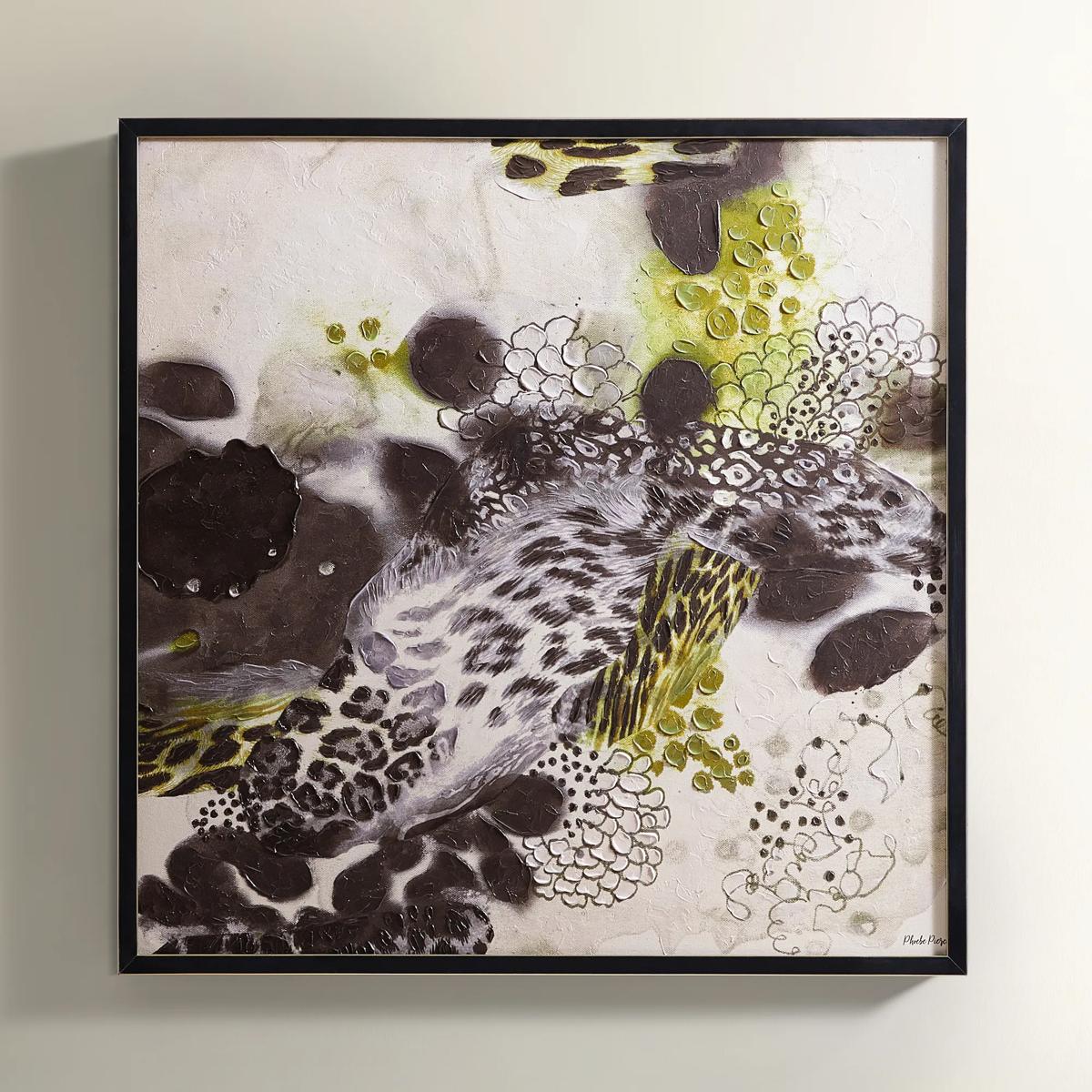
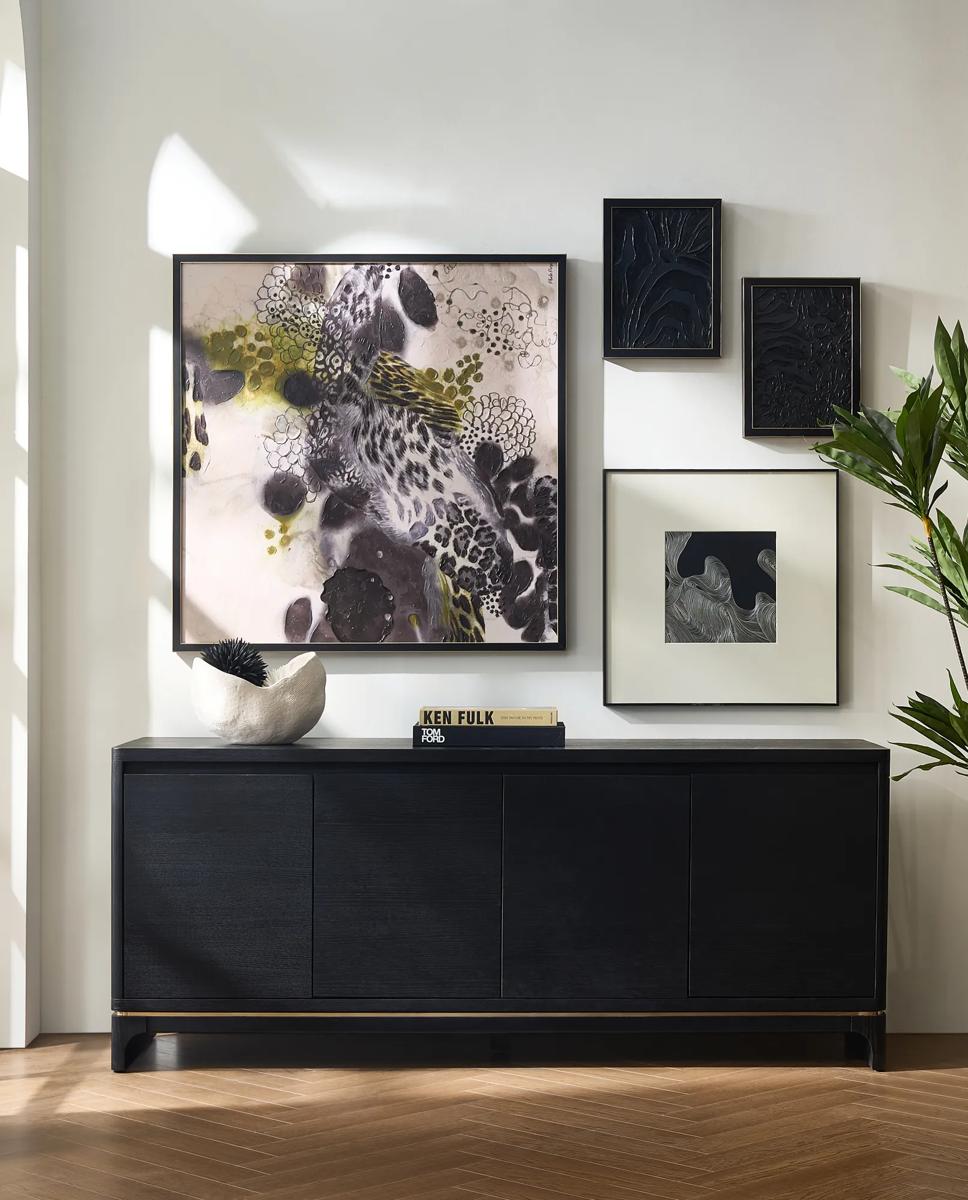 In the Wild$399
A hand-embellished canvas artwork featuring textured strokes in black, chartreuse, and sand, framed in ornate wood.
Add To Cart -
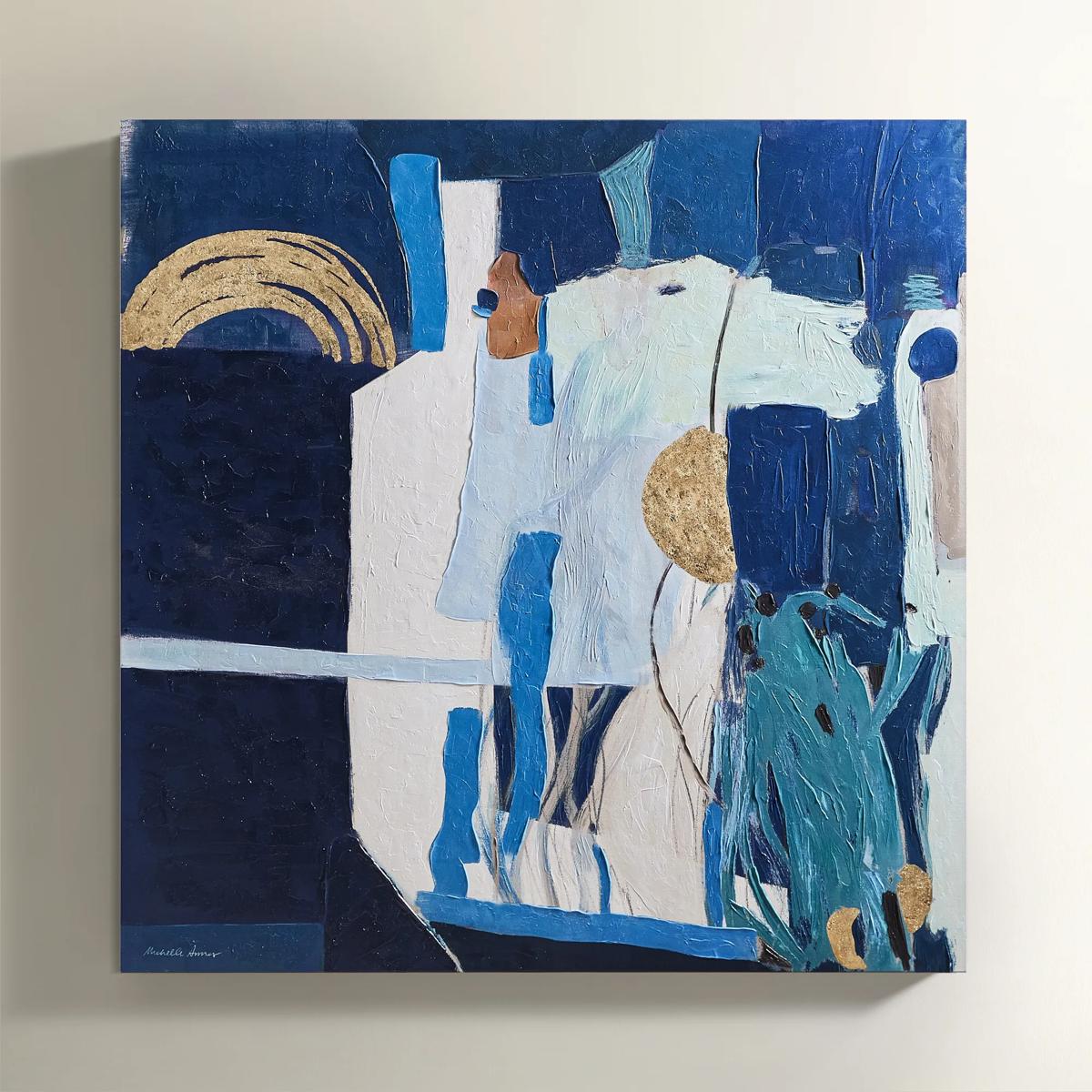
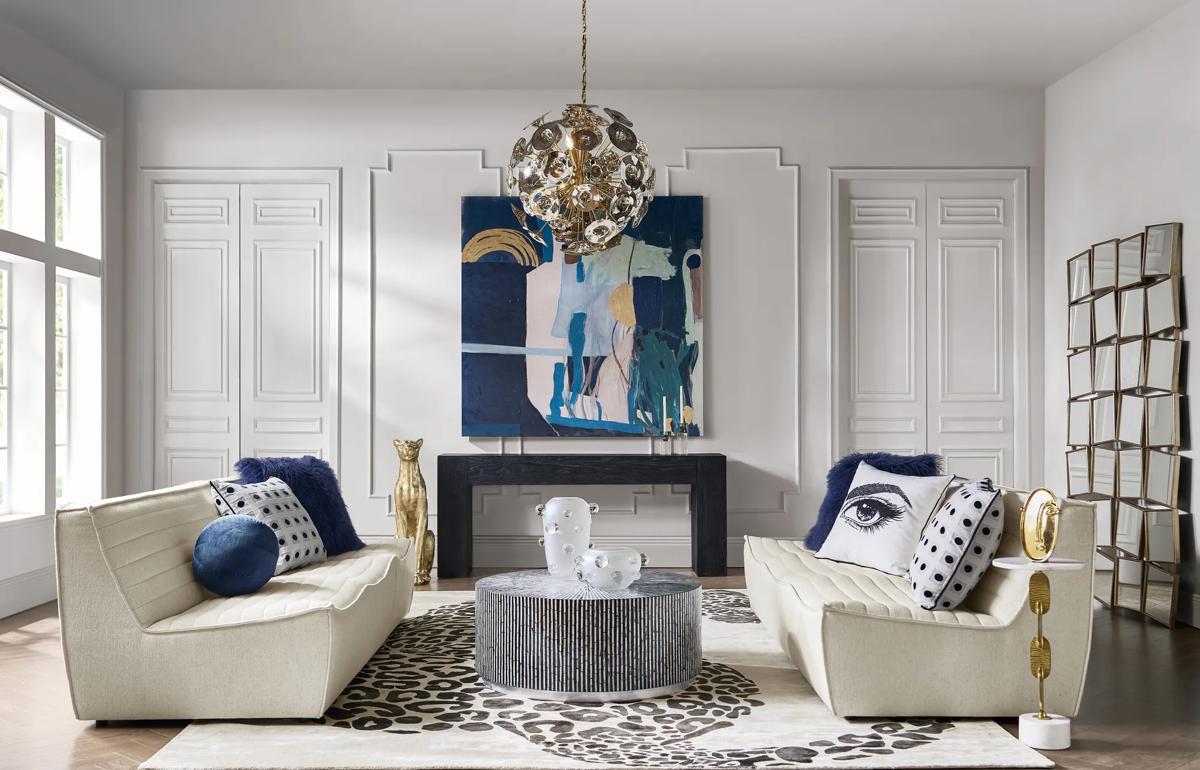 In Flux Painting$699
A hand-embellished canvas artwork featuring deep teal, green, ivory, and gold in a black Art Deco frame.
Add To Cart -
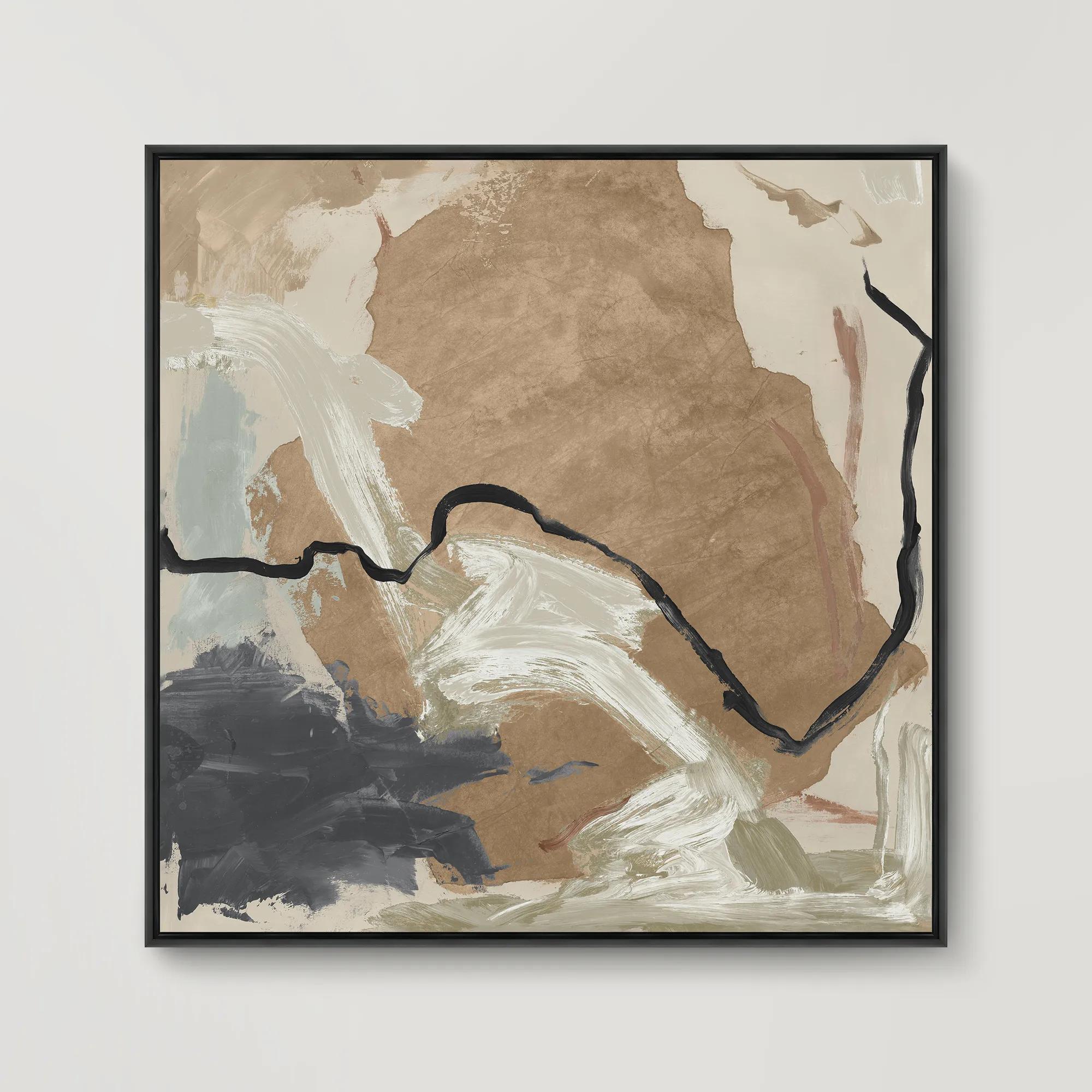
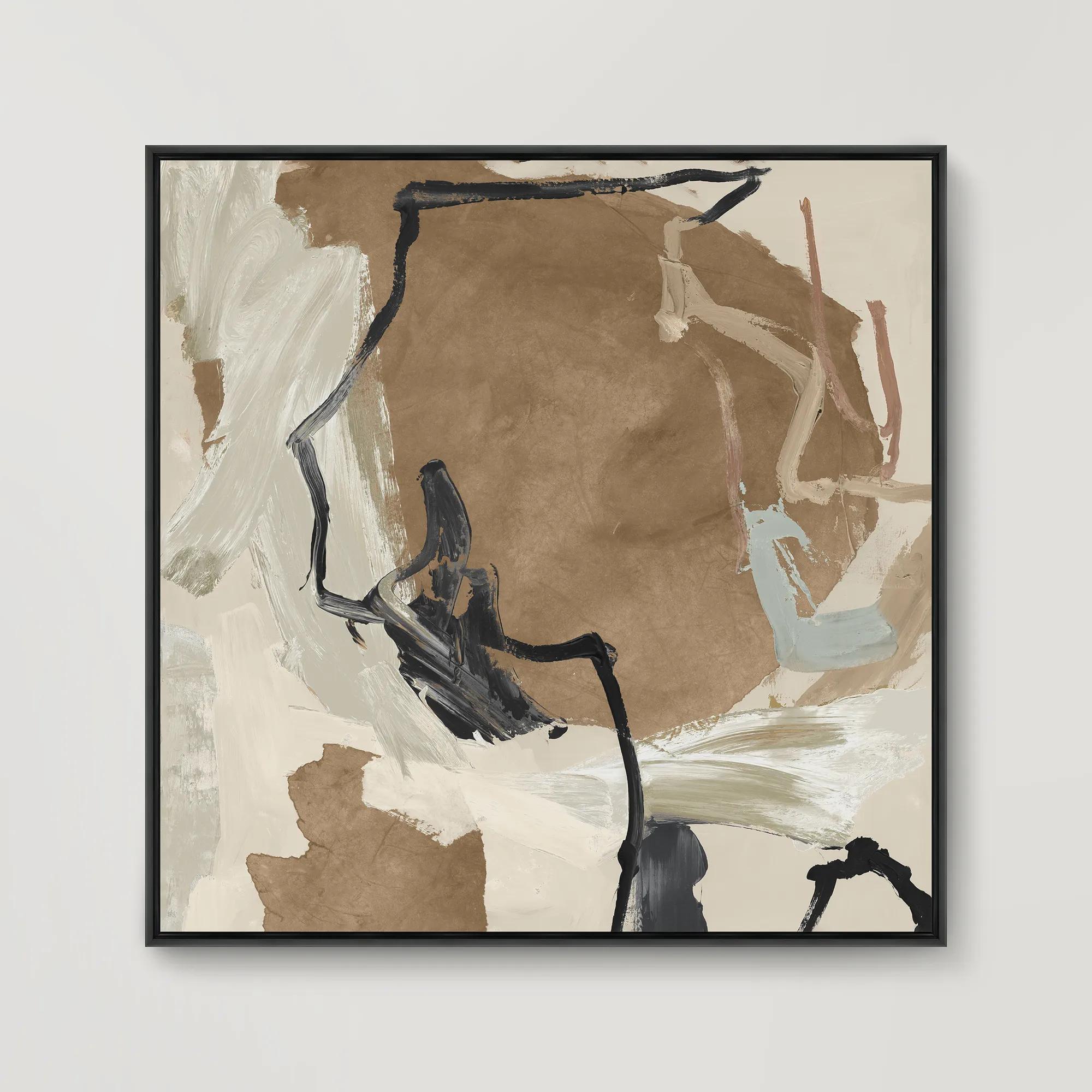
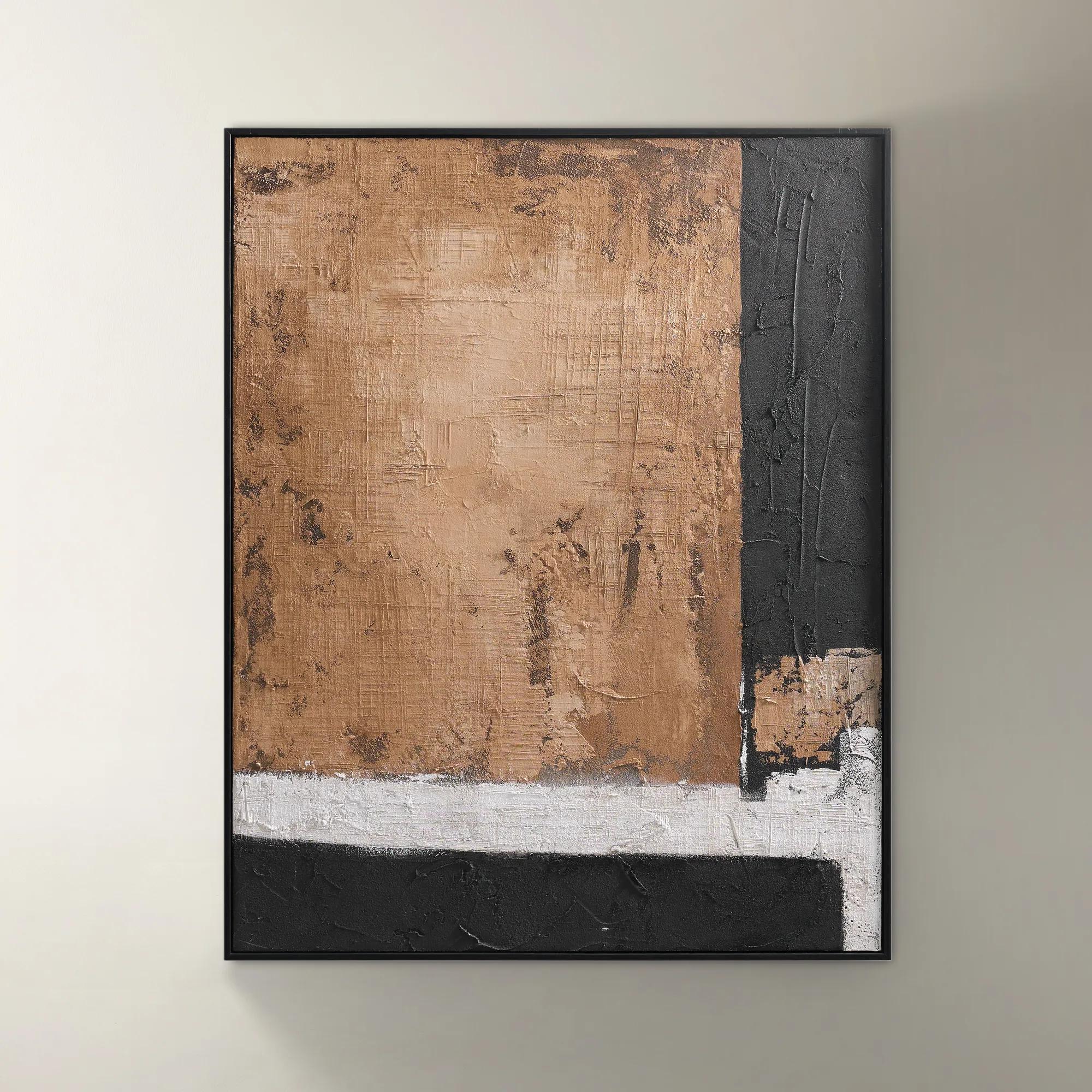 Drift Framed Painted Wall Art I 39.4" x 31.5"$299
A bold hand-painted abstract artwork featuring layered brown tones in a sleek black floater frame.
Add To Cart -
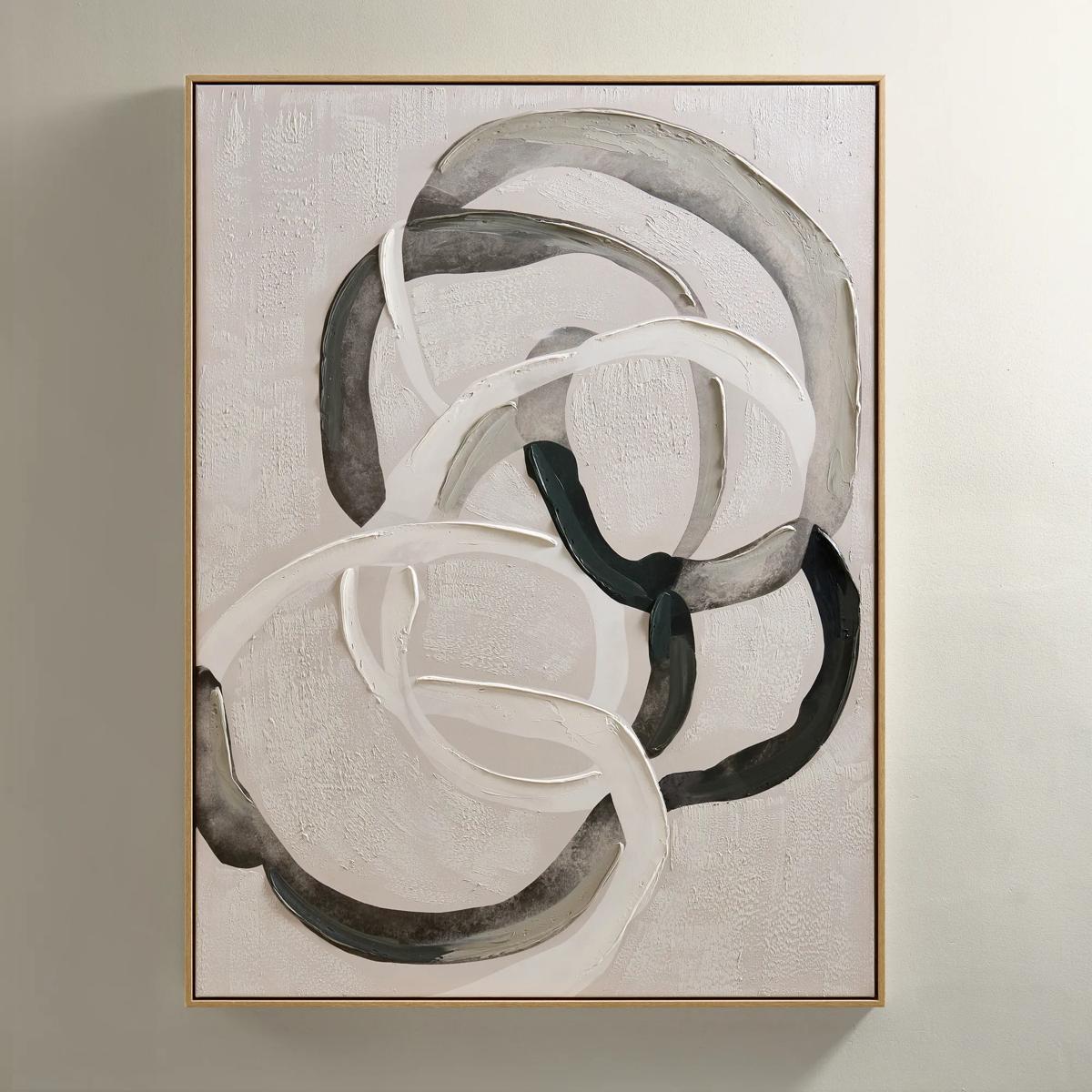
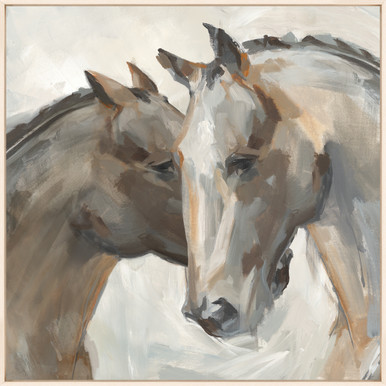
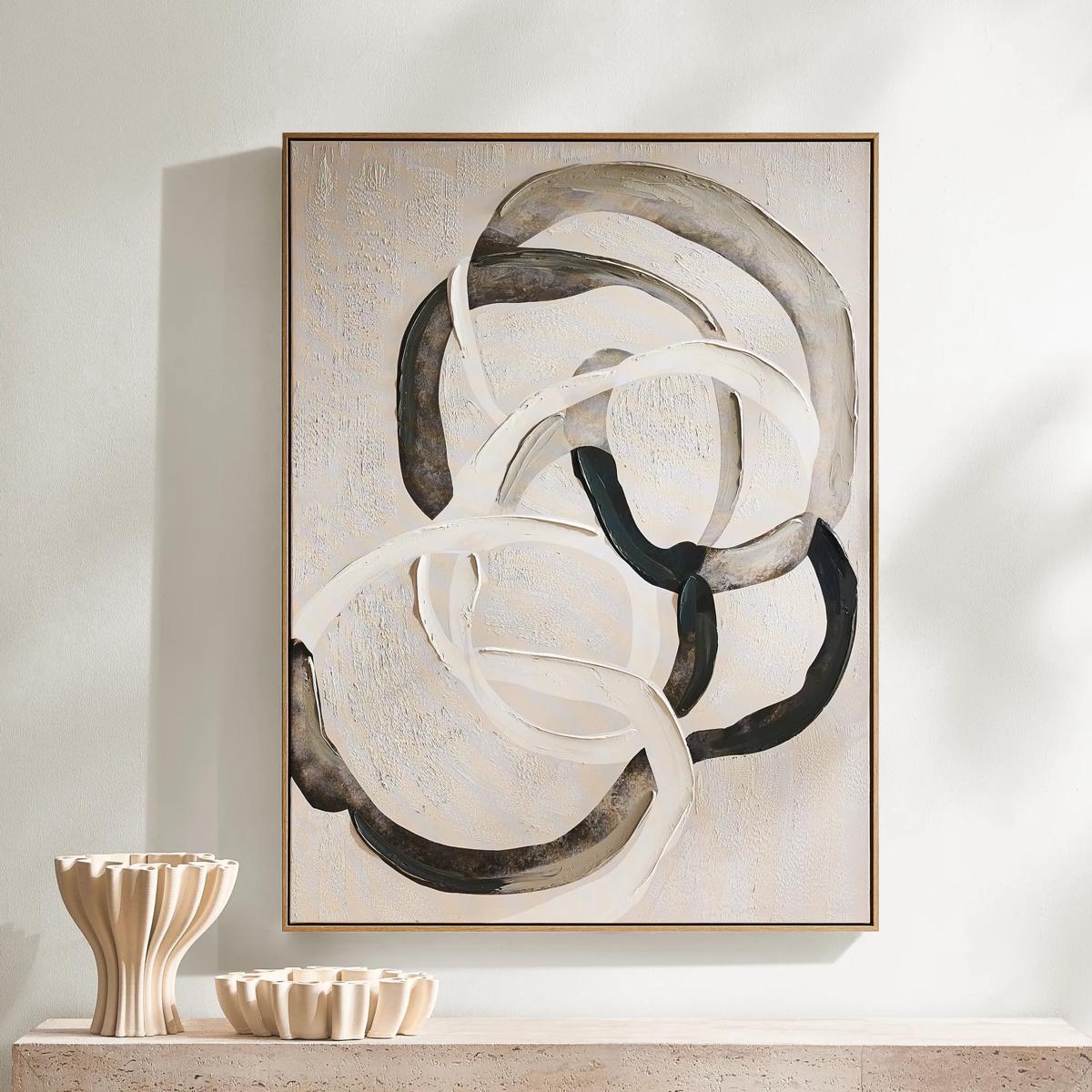 Round About Framed Painted Wall Art 35.25" x 47.25"$349
An abstract hand-painted canvas with tonal whites, charcoals, and taupes in a light wood floater frame.
Add To Cart -
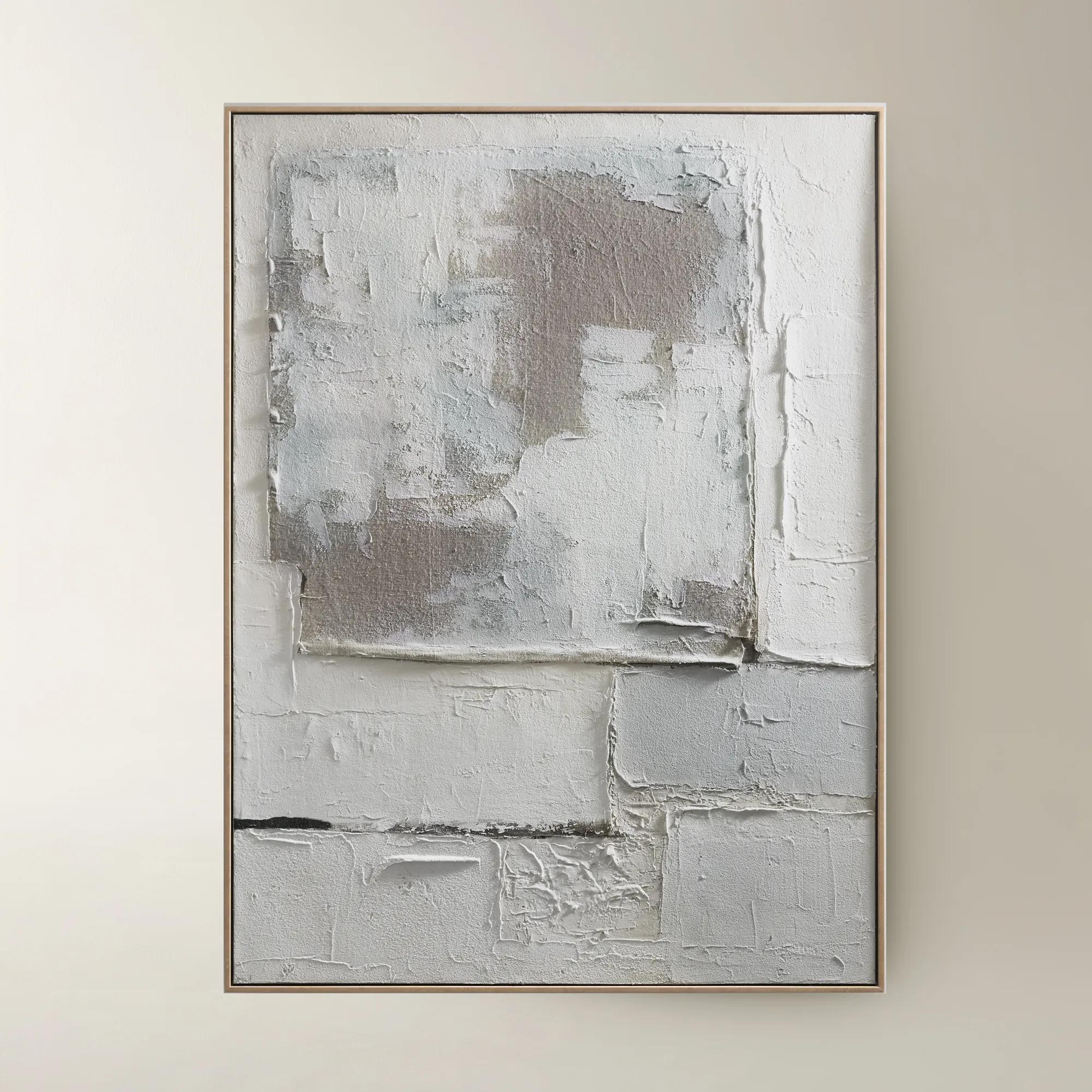
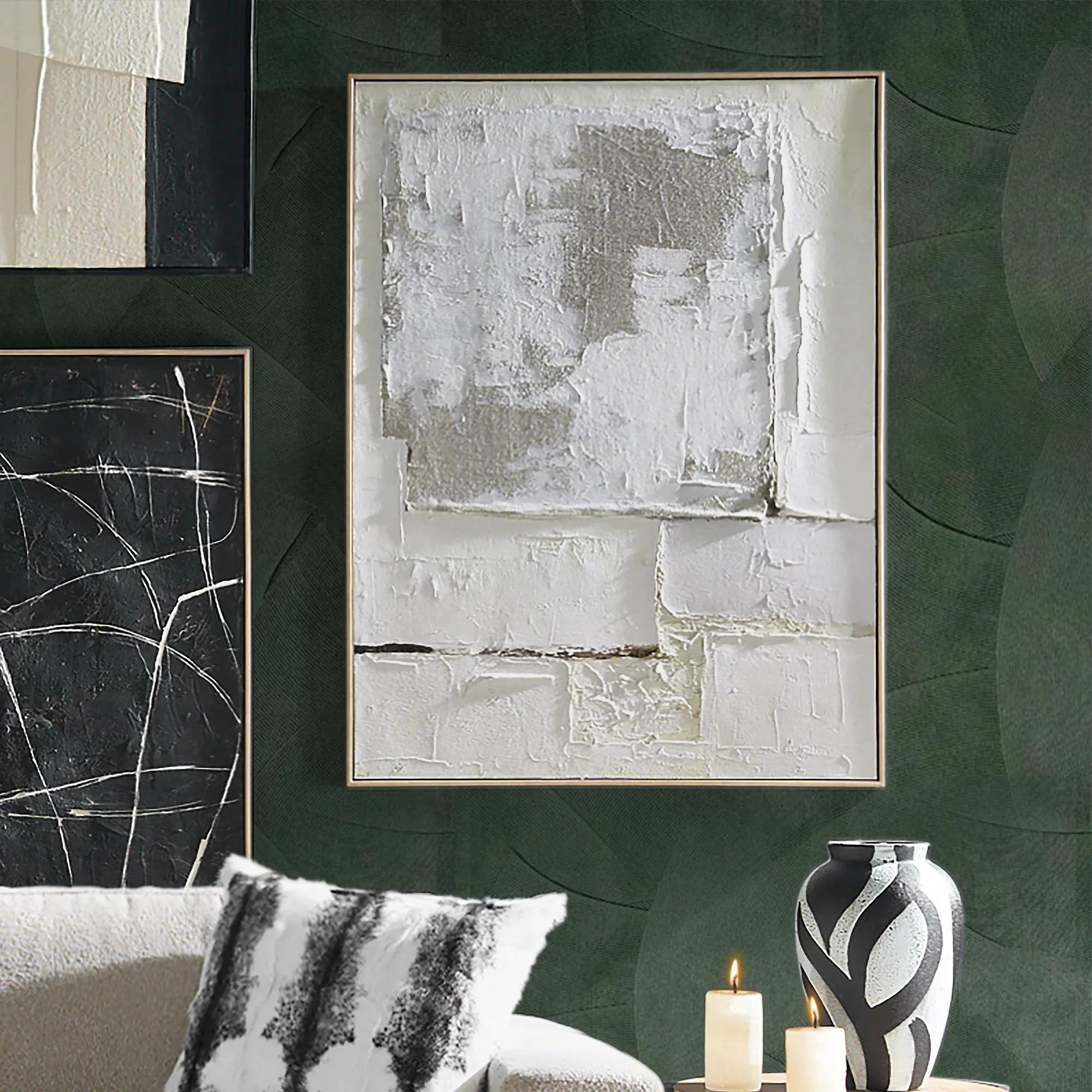 Marrow Painting$399
A hand-painted abstract canvas in subtle beige hues, elegantly framed in a warm beech wood floater.
Add To Cart -
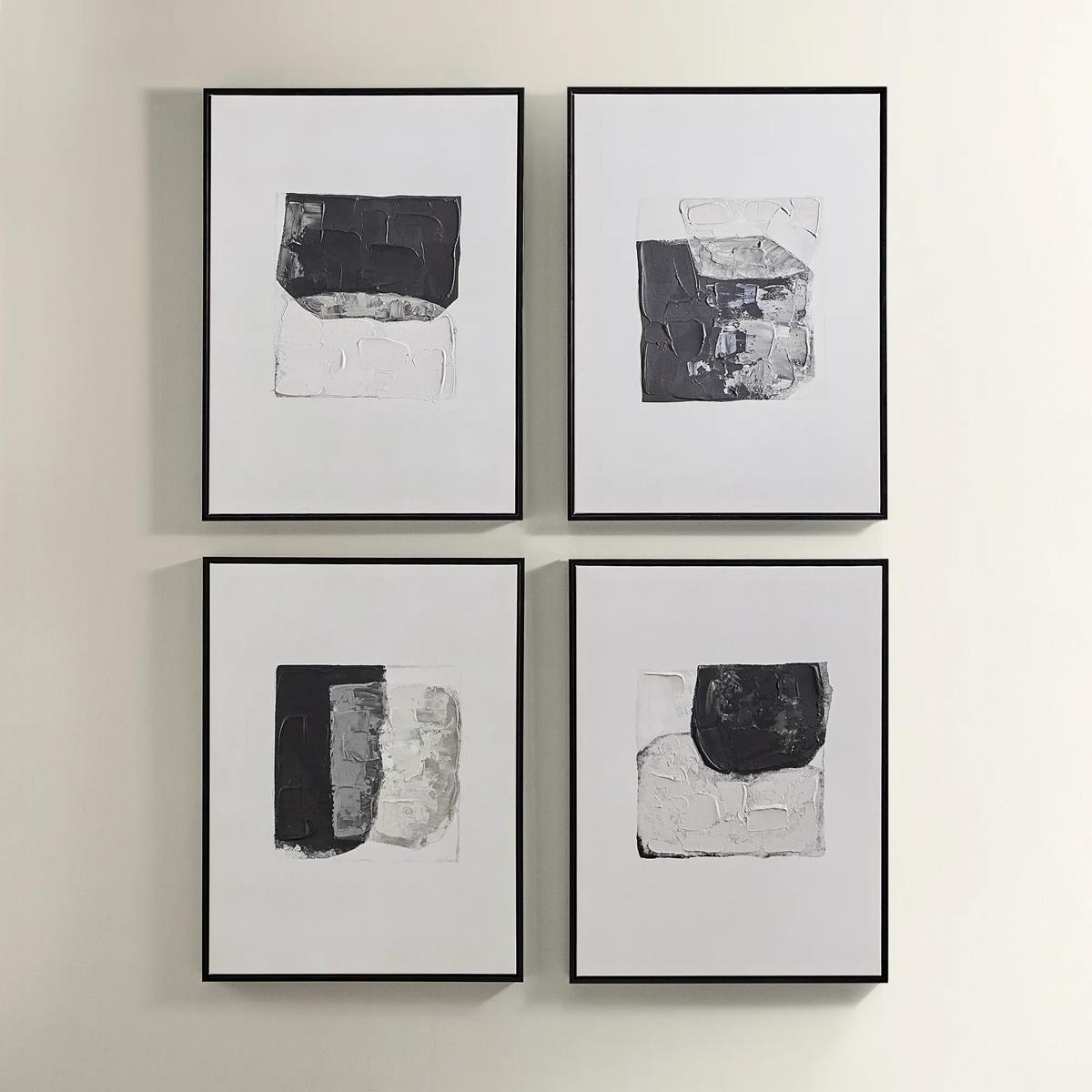
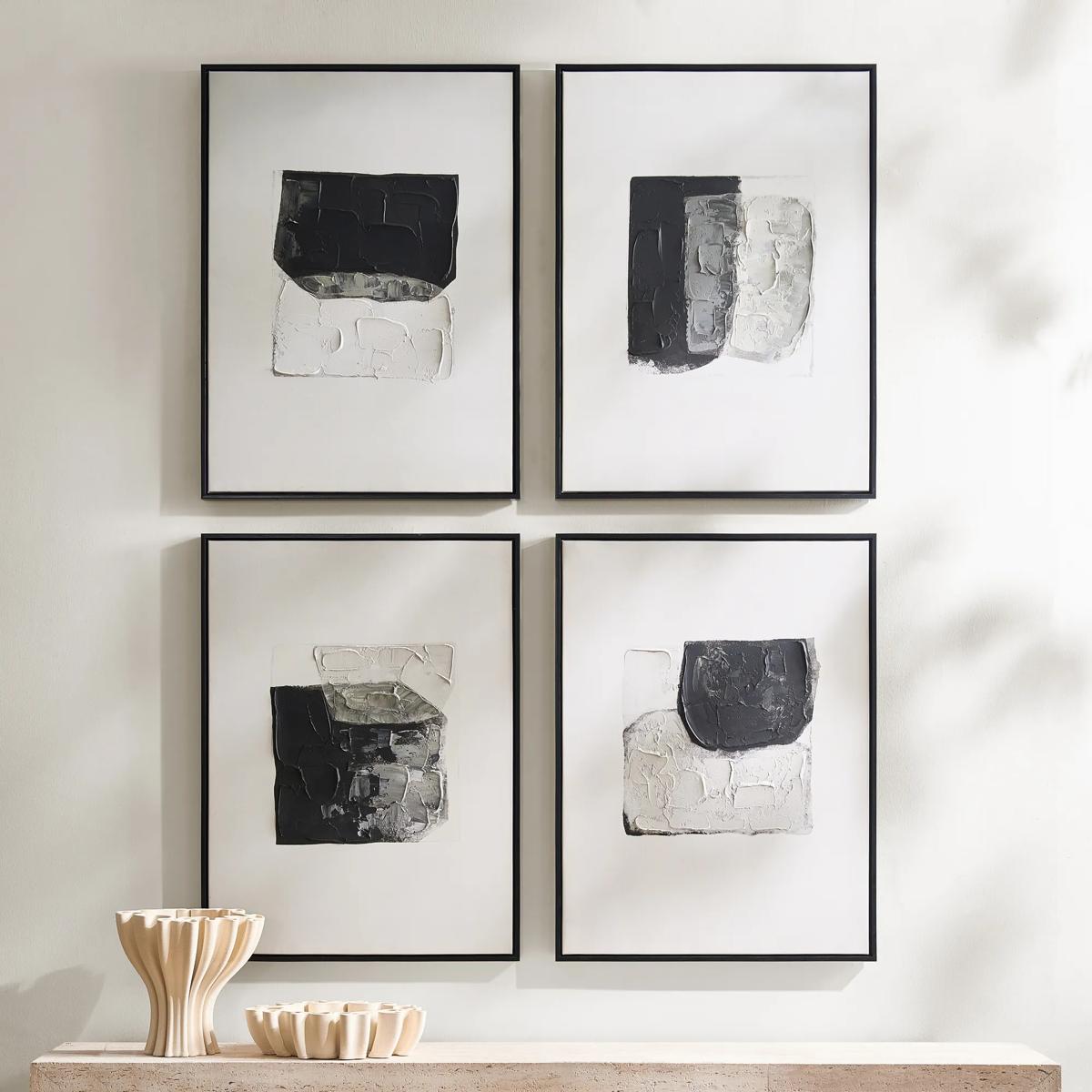 Shadows Framed Painted Wall Art Set of 4$299
A set of four hand-painted abstract canvases featuring black, white, and gold accents in black frames.
Add To Cart -
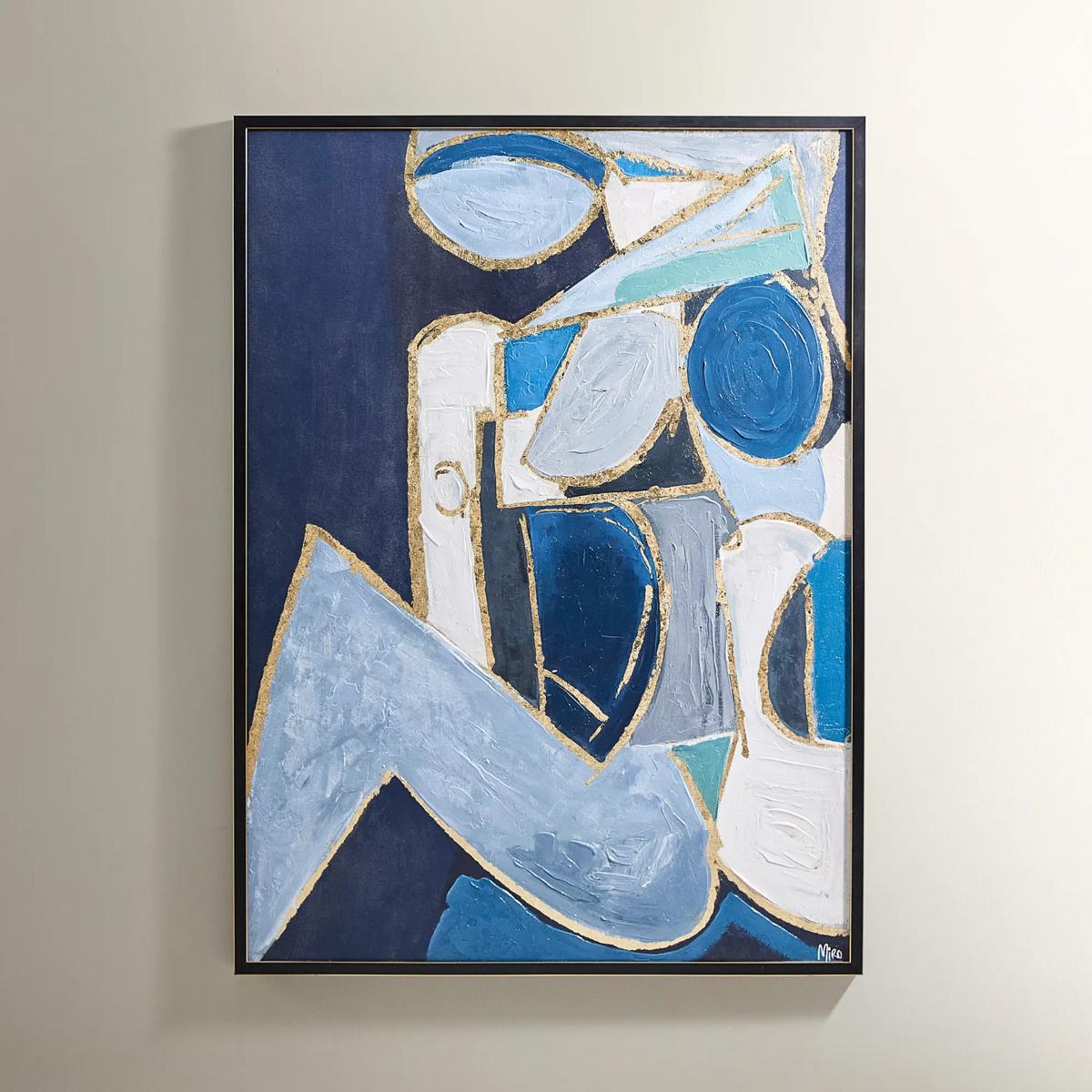
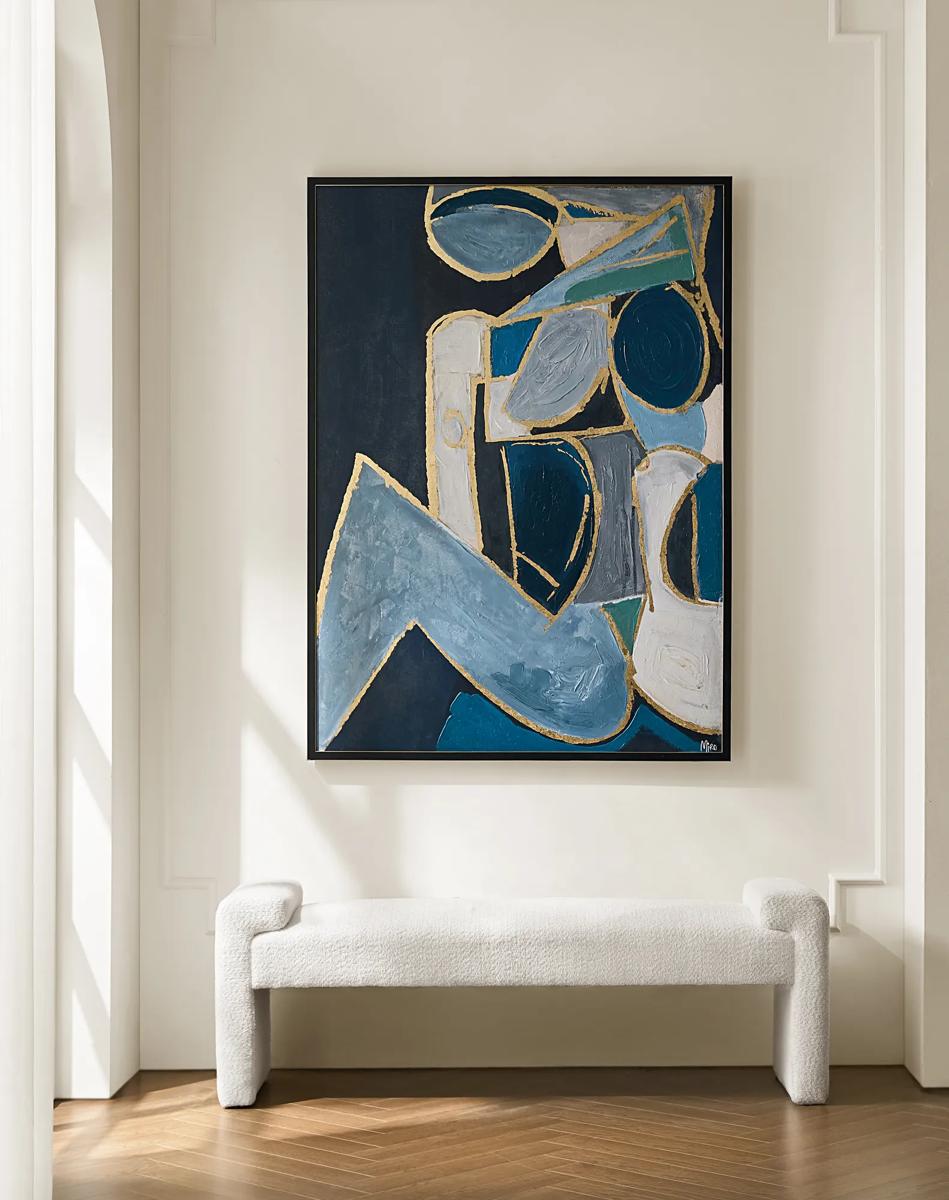 Figure in Cubism Painting$599
A hand-embellished canvas artwork featuring blue, gold, and white hues with elegant silver foil accents.
Add To Cart -

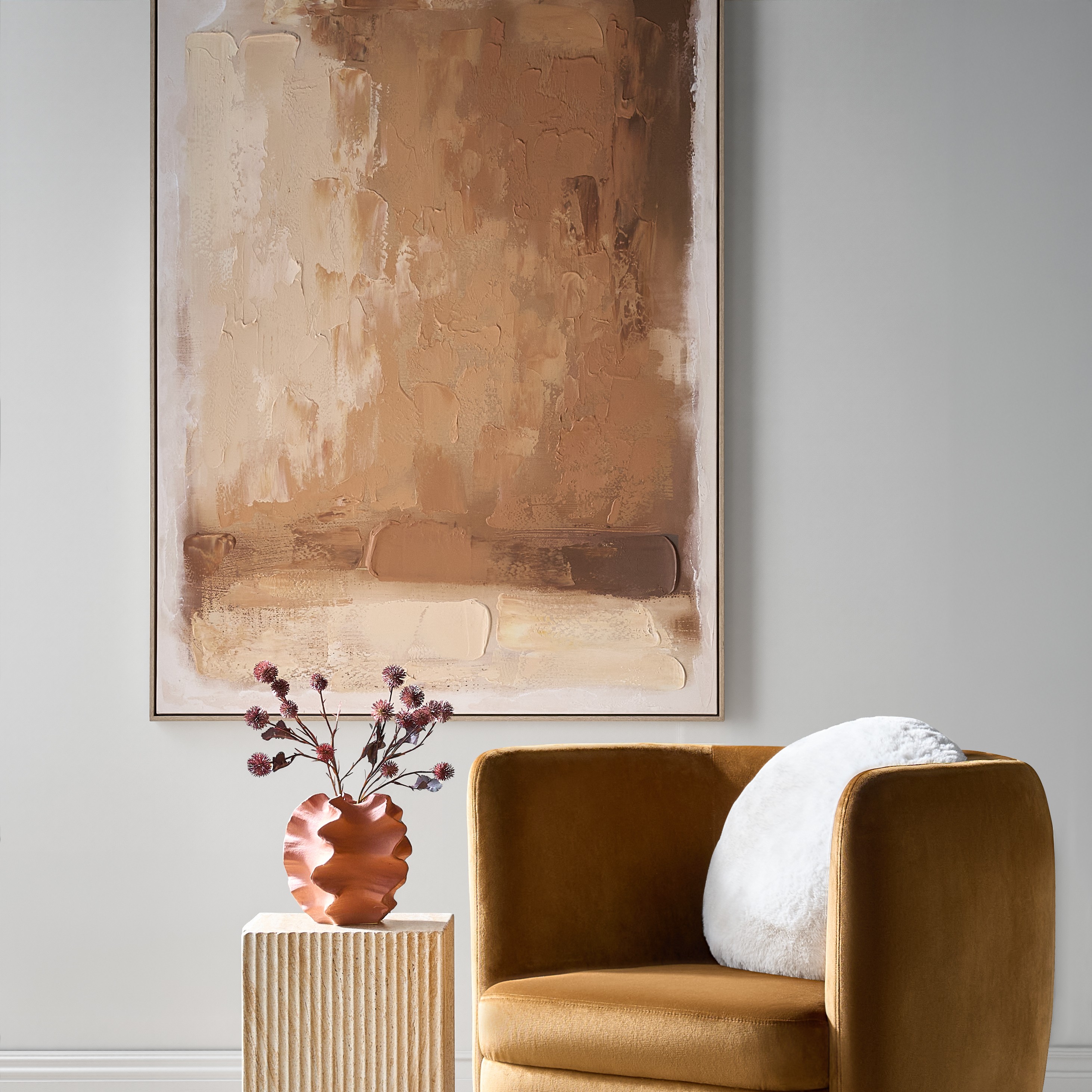 Ember Glow Framed Painted Wall Art 39.25" x 55"$499
A hand-painted abstract canvas blending ochre, terracotta, and golden clay hues in a light natural frame.
Add To Cart -
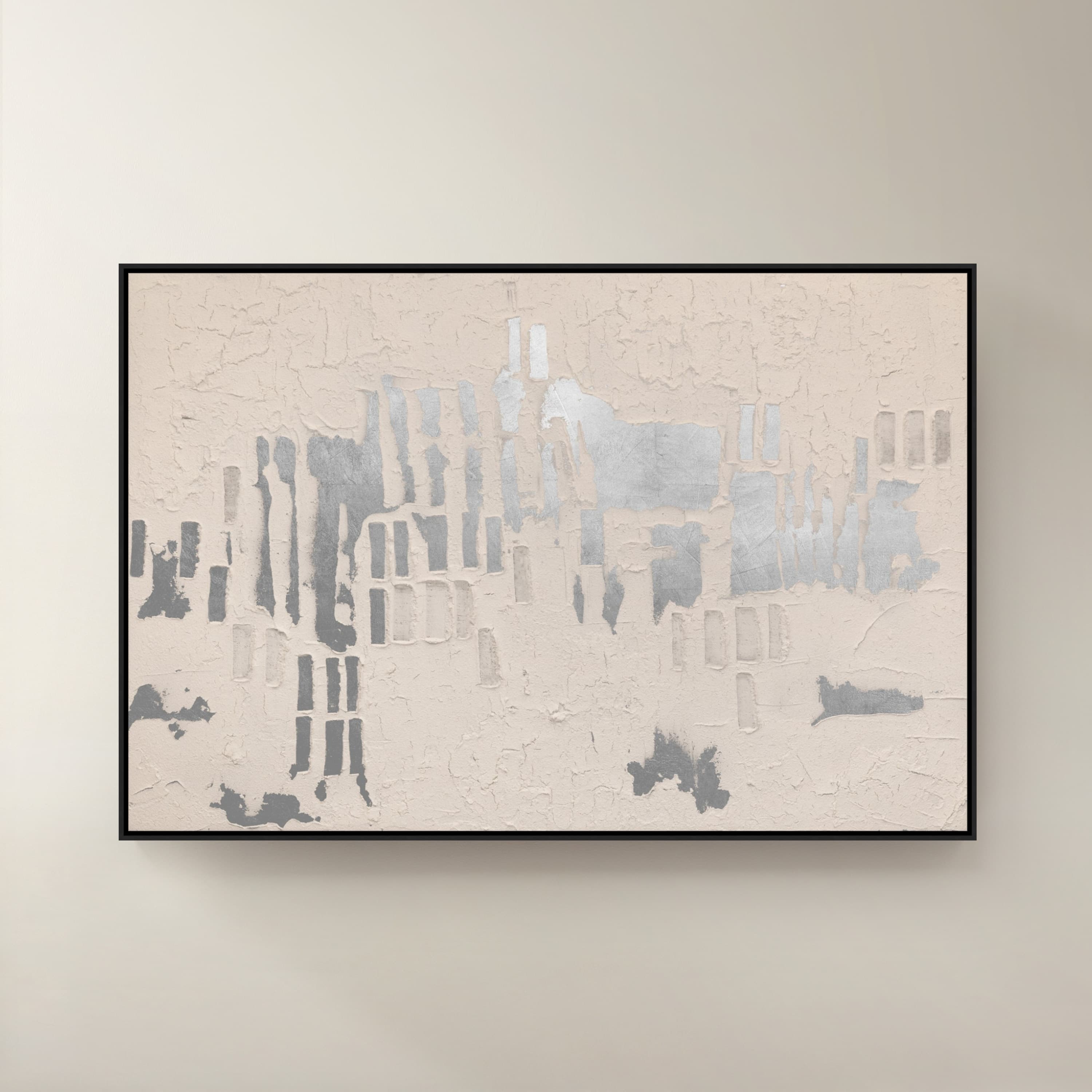
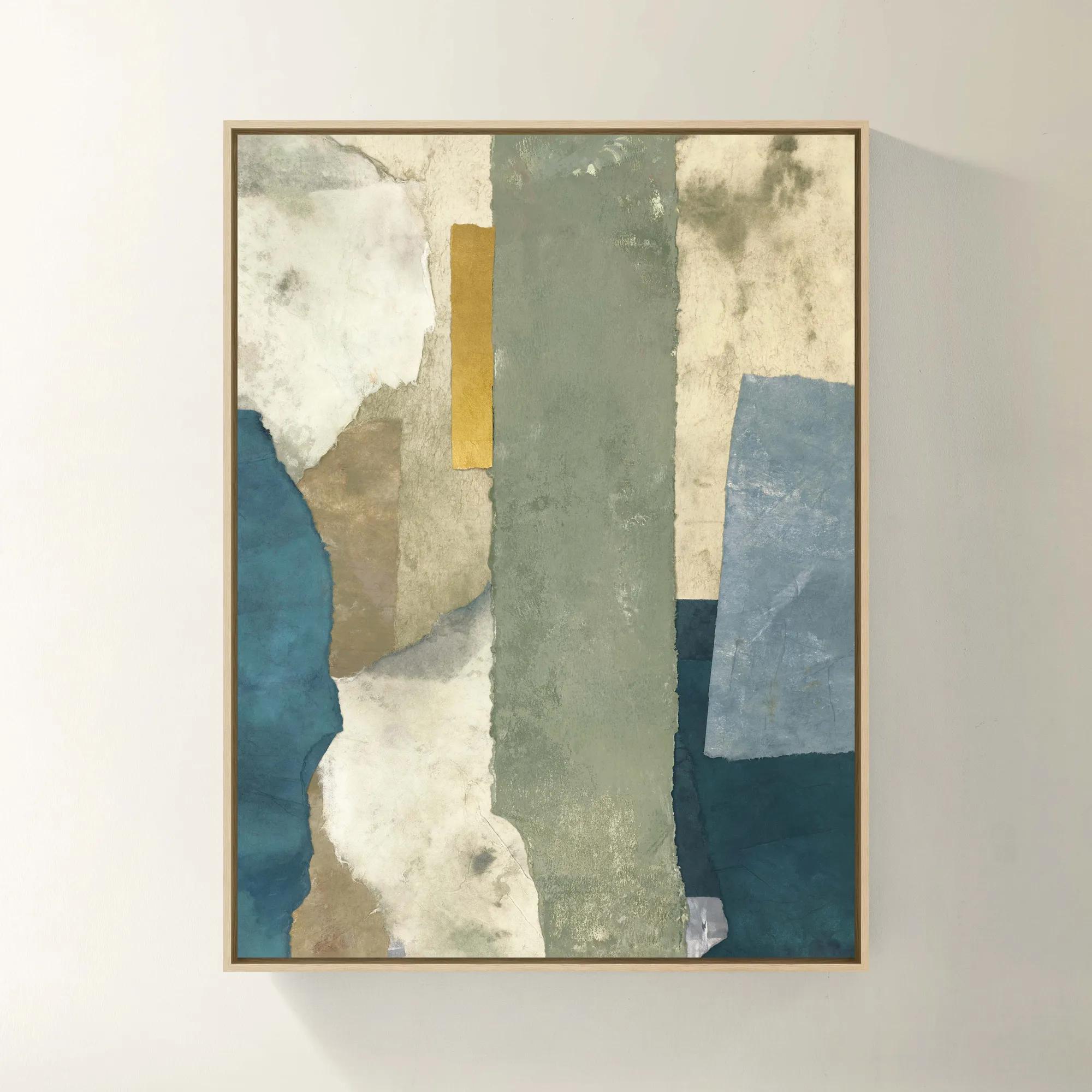 Earth Fragments II Framed Wall Art 30" x 40"$799
A gallery-wrapped canvas featuring gild accents and hand-applied gel, set in a natural floater frame.
Add To Cart -
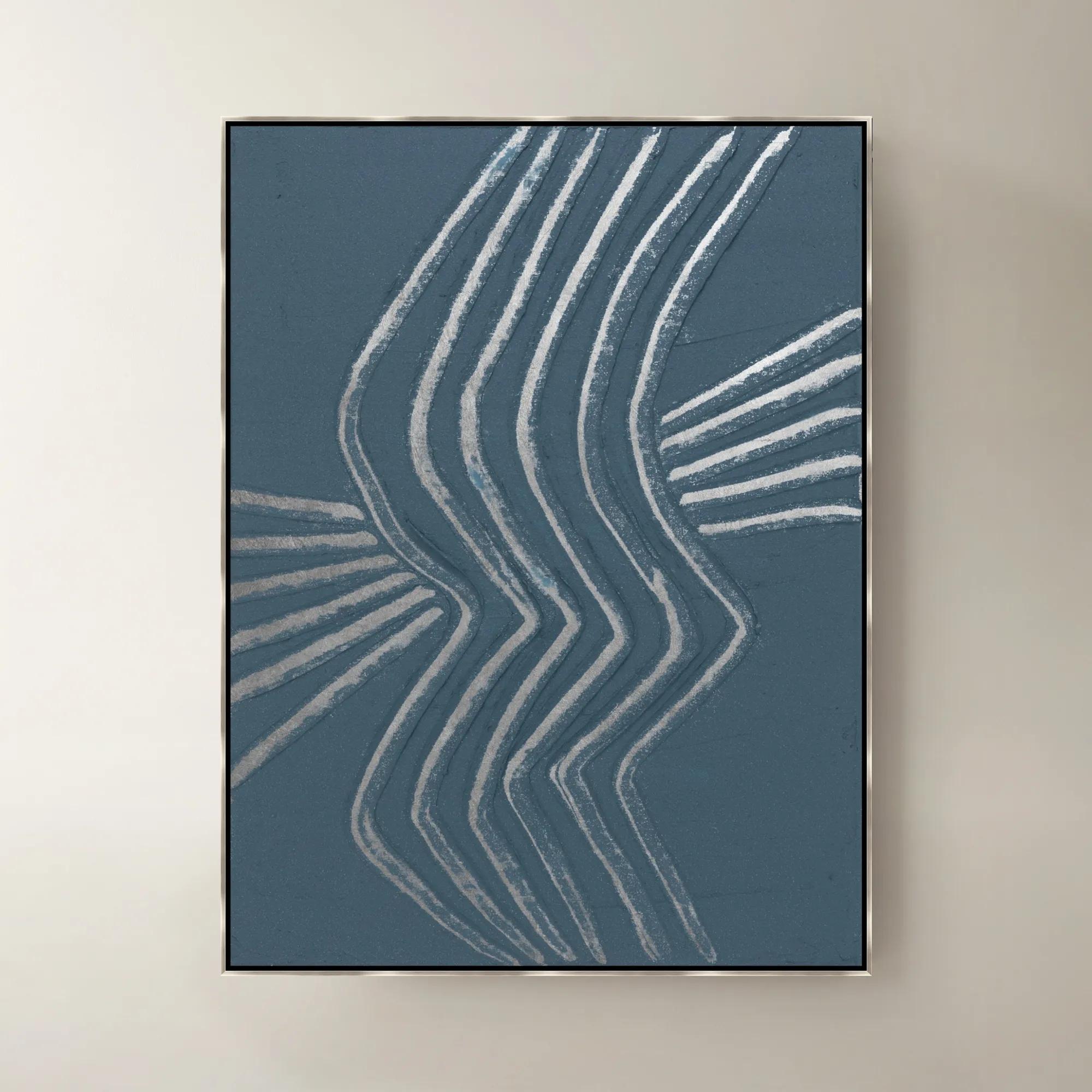
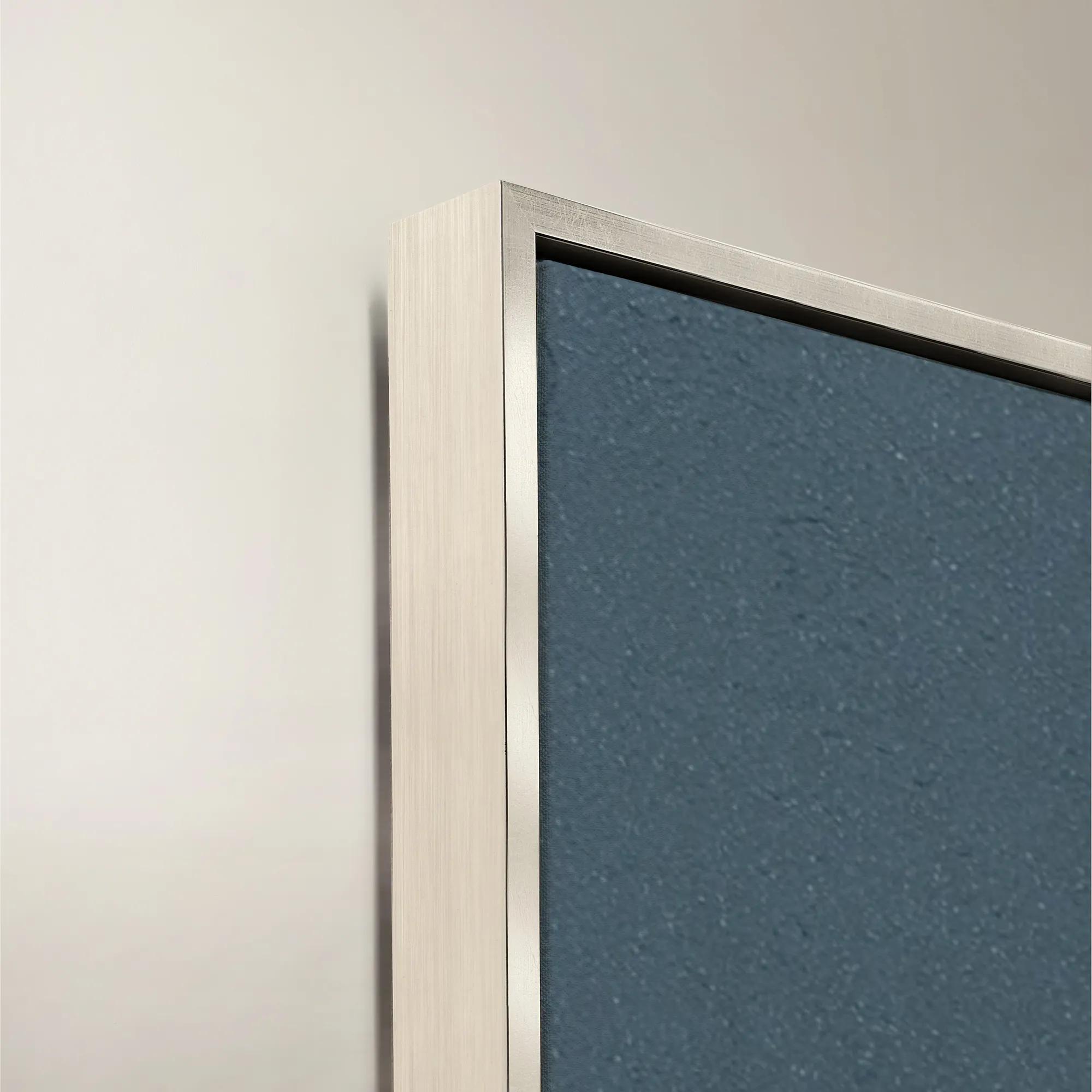 Gilded Waves IV Framed Painted Wall Art 40" x 53"$1399
A framed painted canvas artwork featuring flowing gilded waves in soothing blue and purple tones.
Add To Cart -

 Blooming in Her Own Time Framed Wall Art 40" x 50"$1029
A vibrant multicolored canvas wall artwork featuring an expressive botanical-inspired design in a framed presentation.
Add To Cart -
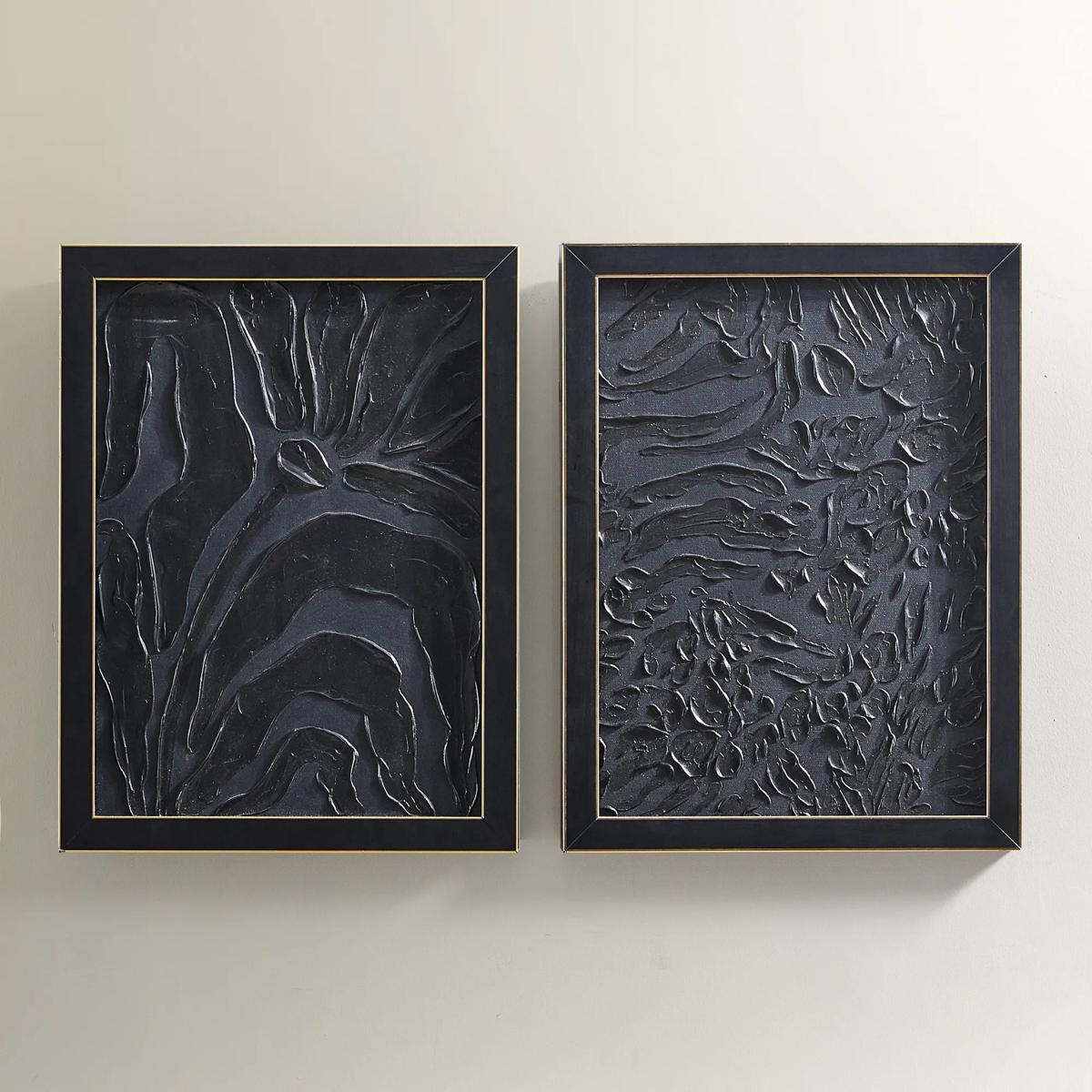
 Midnight Animal Painting - Set of 2$119
A set of hand-embellished canvas artworks in black and gold frames, adding depth and warmth to interiors.
Add To Cart -
 Fossil Painting$299
A bold hand-painted abstract artwork featuring textured black shades in a sleek black floater frame.
Add To Cart -
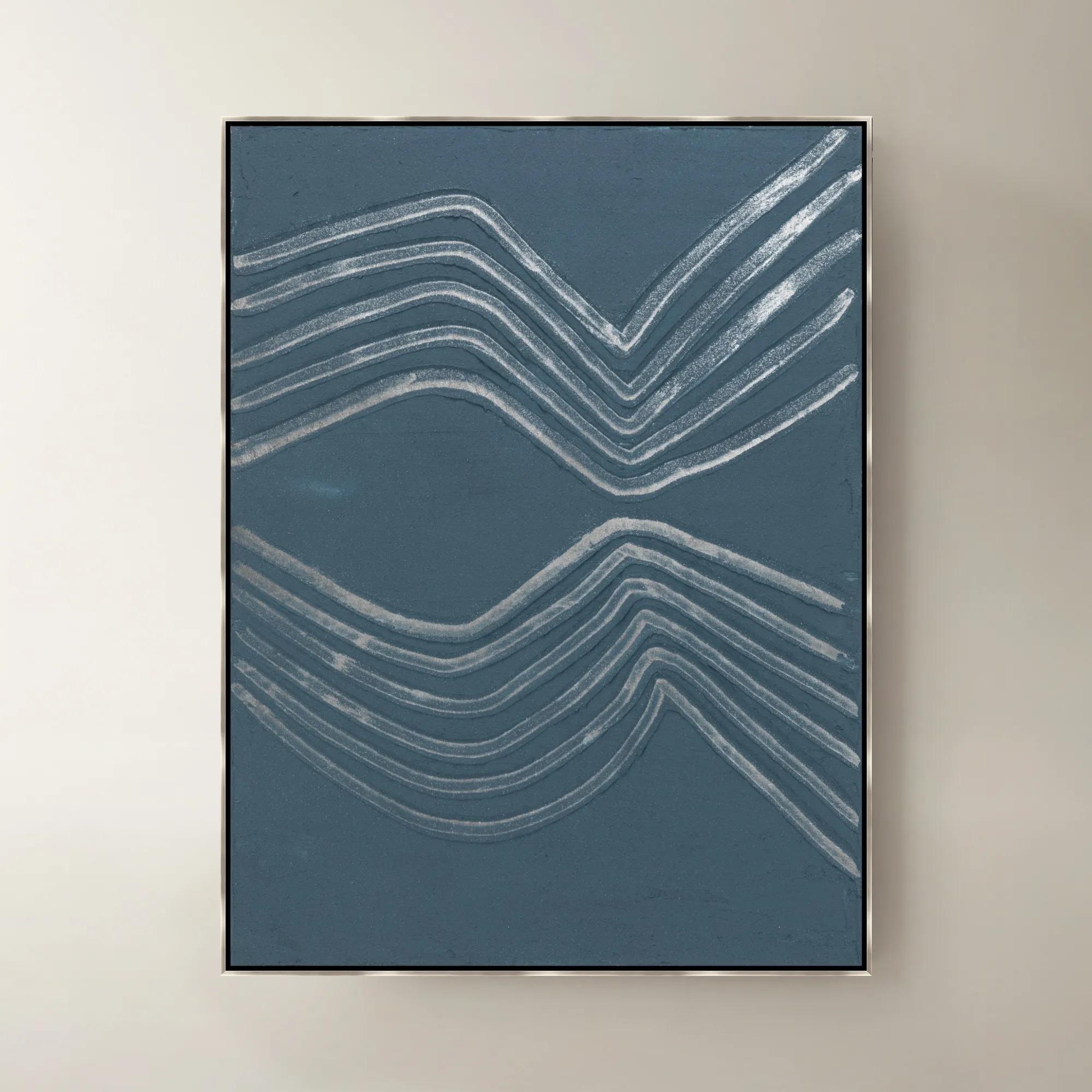
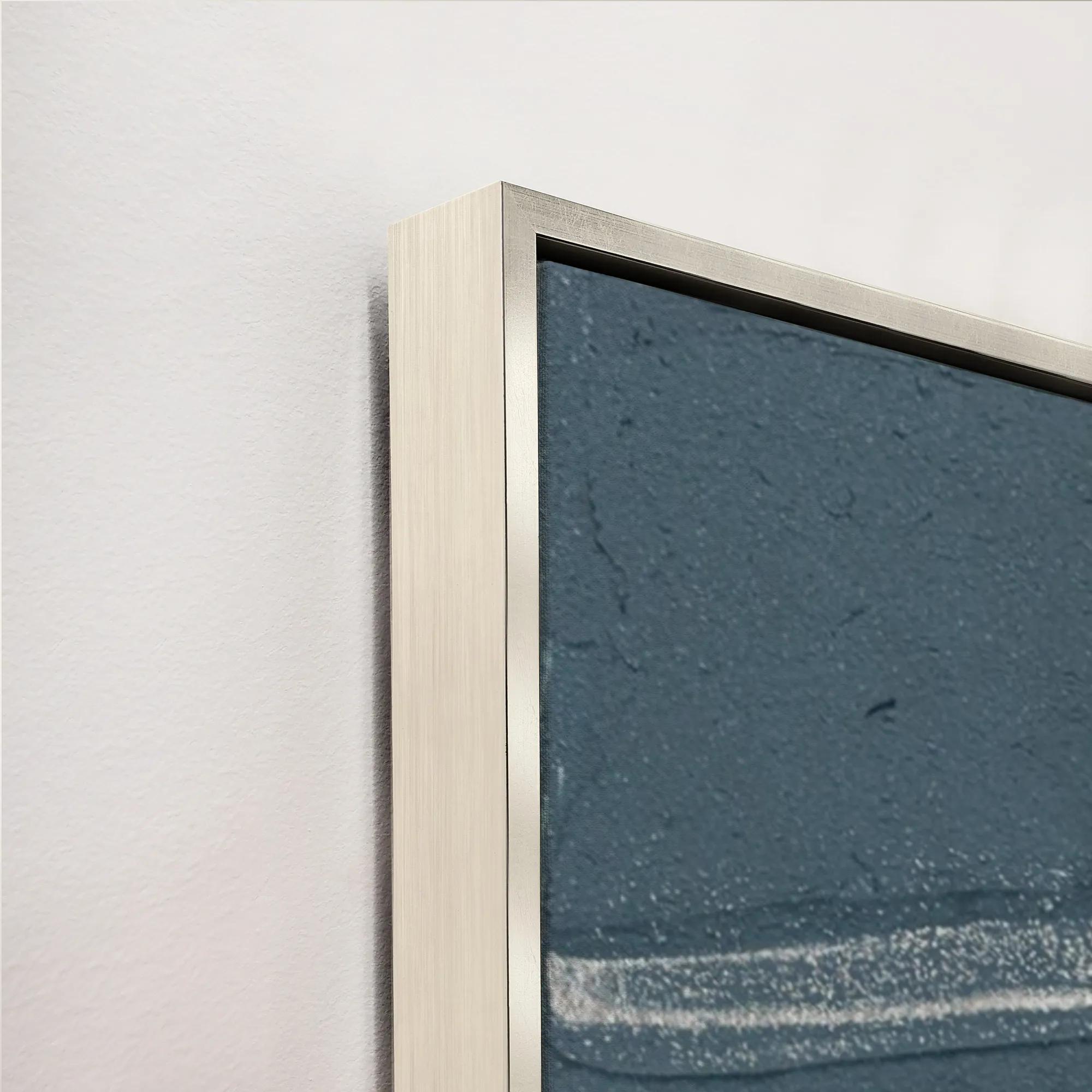 Gilded Waves VI Framed Painted Wall Art 40" x 53"$1399
A framed painted canvas artwork featuring sweeping gilded waves in rich blue and purple tones.
Add To Cart -
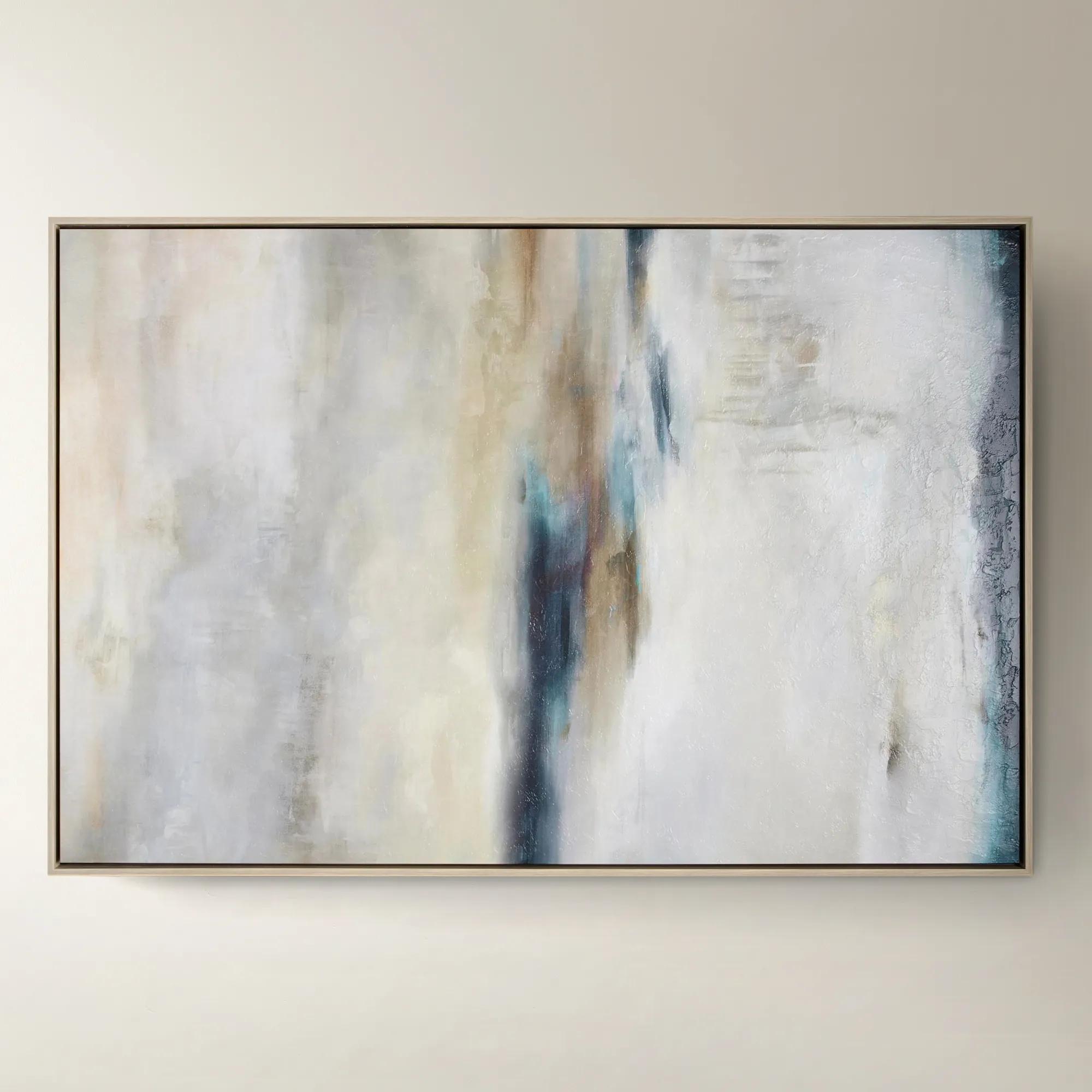
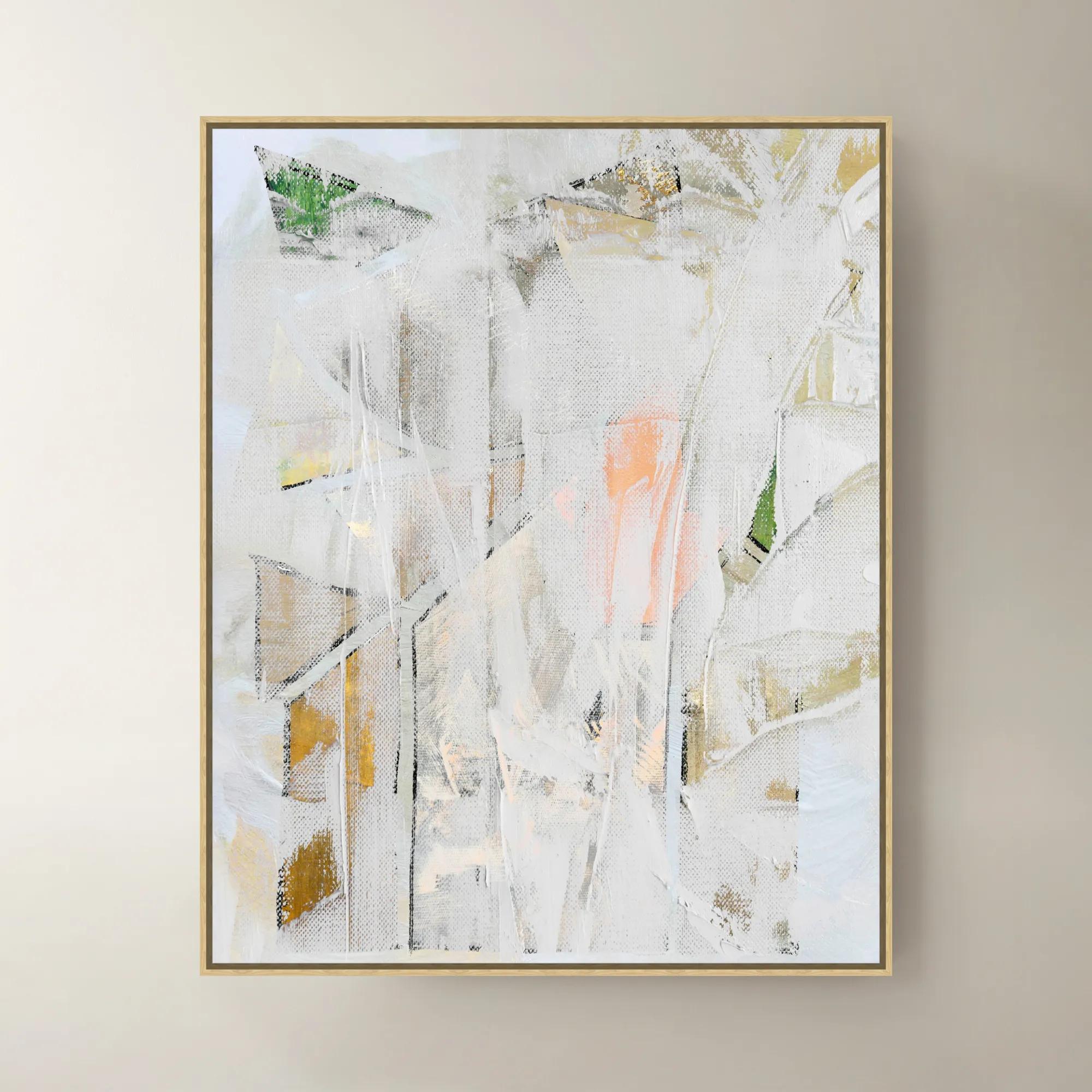
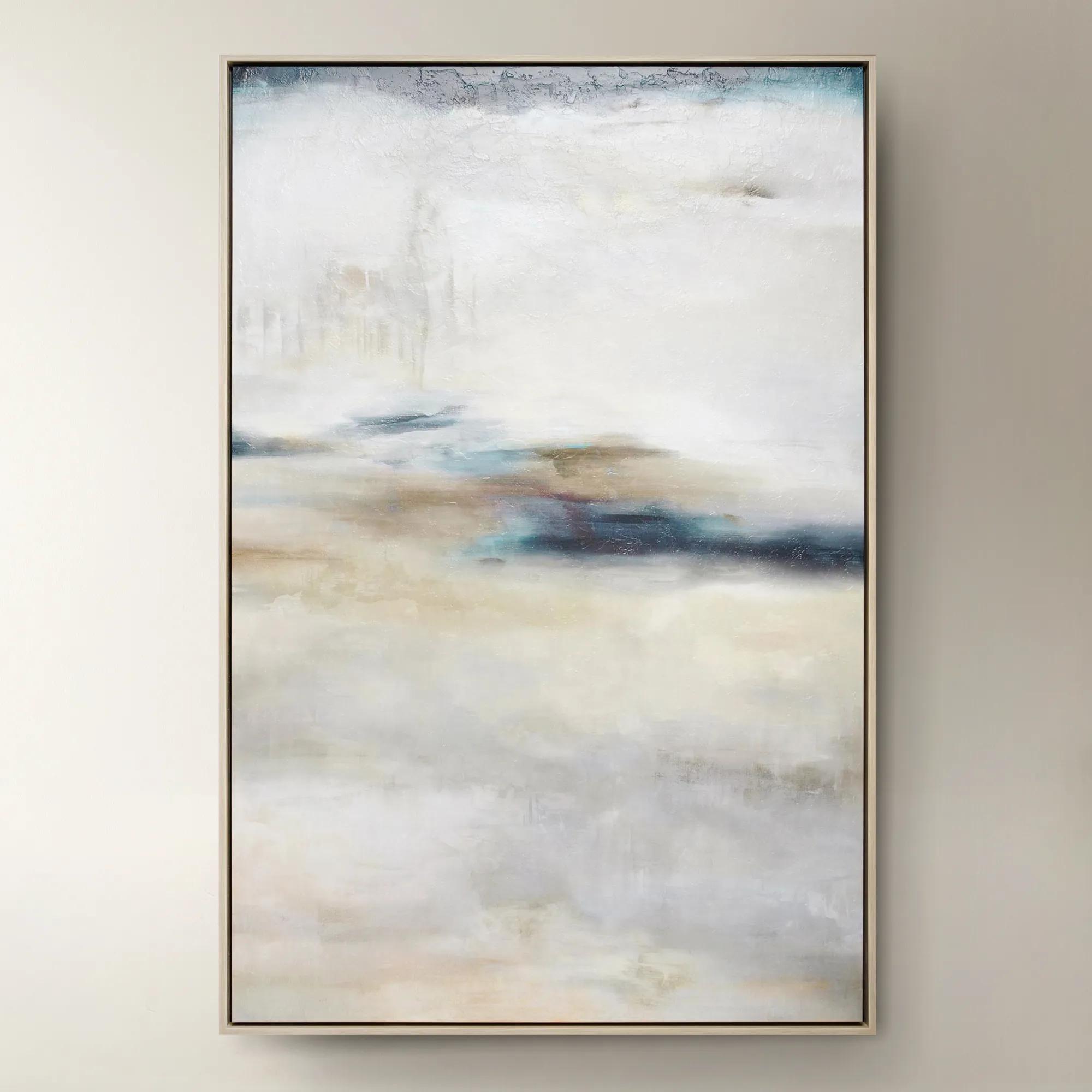 Forward Looking$1299
A softly layered abstract canvas print with a gel finish, set in a natural-hued floater frame.
Add To Cart -
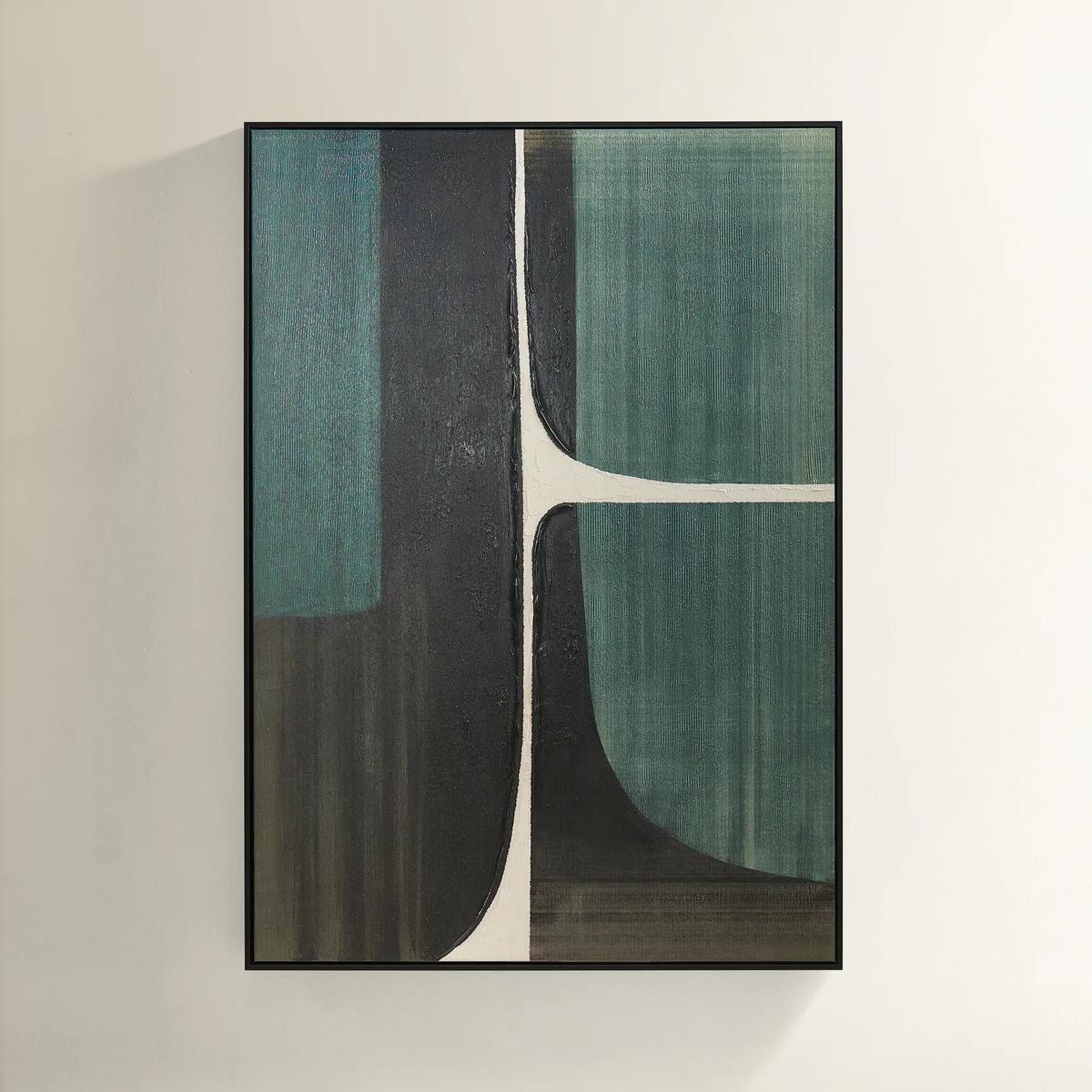 Plains Framed Painted Wall Art 39.25" x 55"$499
A hand-painted abstract canvas in forest green, ivory, and black with a sleek black floater frame.
Add To Cart -
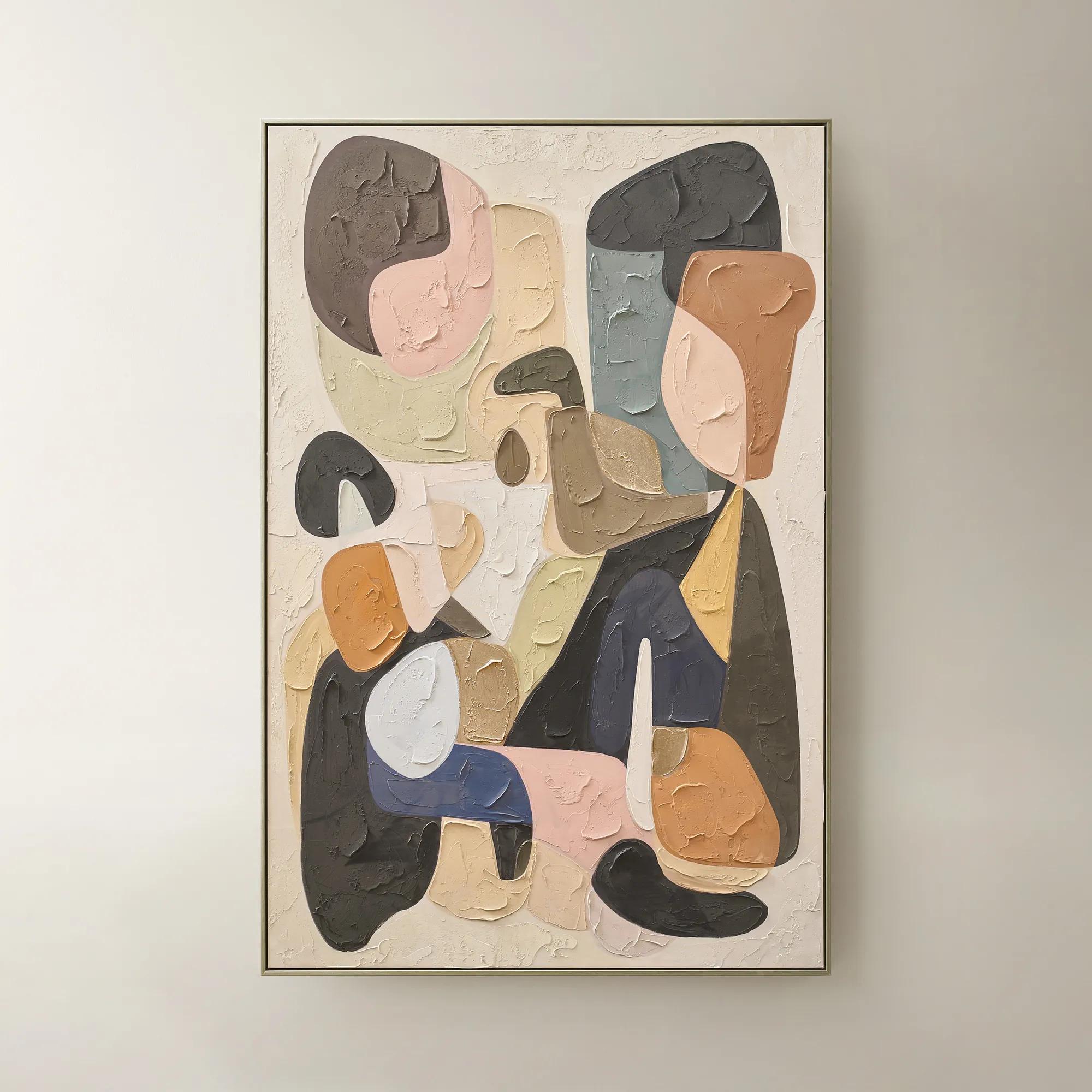 Chromatic Bloom Framed Painted Wall Art 40" x 60"$519
A hand-painted abstract canvas featuring a vibrant multi-color palette and shimmering champagne detailing.
Add To Cart -
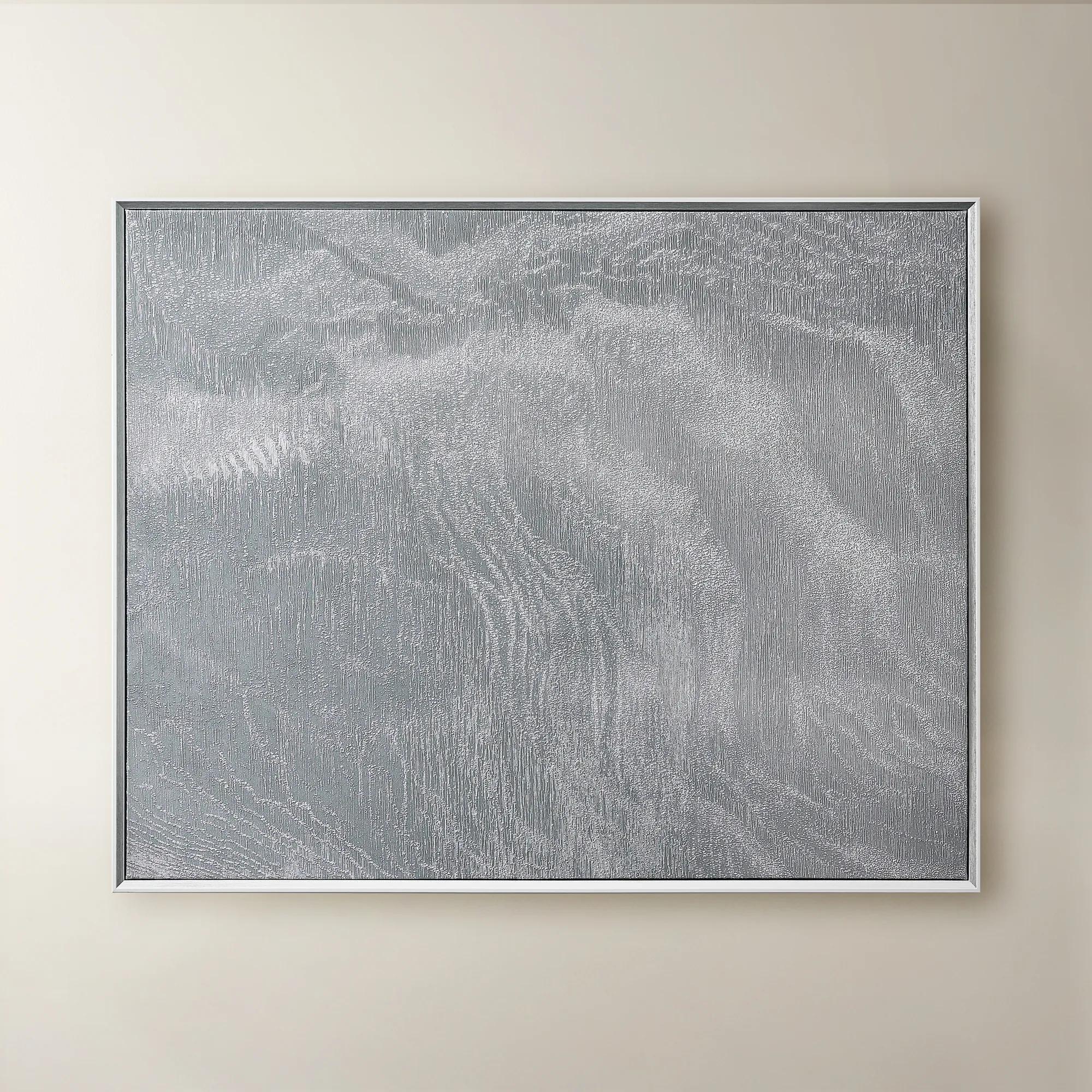 Slow Blue Morning Framed Silver Foil Wall Art 48" x 60"$599
A serene powder blue abstract canvas with silver foil accents, framed in silver and white for modern elegance.
Add To Cart

Nature Inspired Abstract Art
Explore nature-inspired abstract art that evokes the outdoors through organic shapes, expressive color, and a sense of movement rather than literal scenery. Consider how each composition’s palette and visual energy will complement your space, and choose a scale that gives it presence—whether as a living room focal point or part of a layered gallery wall.
Nature-inspired abstract art translates the colors, textures, rhythms, and organic forms of the natural world into nonliteral compositions. Rather than depicting a recognizable tree, shoreline, or mountain, it captures an impression: the sweep of water, the branching structure of a leaf, the layered bands of stone, or the sculptural curve of a petal. These references give abstract wall art a sense of familiarity without limiting its interpretation. A field of ivory and sand may suggest mineral deposits, while ribbons of blue and green evoke depth and movement. Charcoal marks can bring the graphic energy of tangled roots; metallic accents can introduce the gleam of light across a textured surface. The result is art that feels grounded in nature yet expressive enough to anchor a glamorous interior. Its appeal lies in that balance between recognizable inspiration and artistic freedom. A composition can feel serene from across the room, then reveal a dramatic interplay of edges, marks, and color when viewed up close. Soft transitions and generous open space create a quieter presence, while dense layering, bold contrast, and sweeping gestures deliver greater visual intensity. Neither approach requires a room filled with botanical motifs or natural materials. Organic abstraction can be especially compelling against tailored upholstery, polished metal, lacquered furniture, and crisp architectural lines, where its irregular shapes provide an expressive counterpoint. In a living room, a large composition can establish the palette for an entire seating arrangement. In a bedroom, restrained color and fluid forms can support a restful atmosphere without sacrificing sophistication. An entryway gains an immediate point of view from a striking abstract, while a dining room becomes more intimate when the art offers detail worth lingering over. These works invite personal interpretation, allowing the same composition to suggest flowing water to one viewer and veined stone to another. That openness gives nature-inspired abstract art lasting relevance in interiors designed around individual taste rather than a literal decorative theme.
Materials and presentation shape how abstract nature wall art reads in a room, from the tactile presence of canvas to the precise definition of a work on paper. Canvas has a woven surface that can lend softness and dimension to an image, while paper can offer a refined backdrop for delicate lines, nuanced color, and generous borders. A print may reproduce the appearance of painted layers or brushwork without having a physically raised surface; actual texture depends on the medium and any applied finishes. That distinction matters when the appeal of a composition rests on its sculptural quality. Framing adds another layer of expression. A slender dark frame can sharpen pale organic forms, a metallic finish can echo the room’s luminous accents, and a wood frame can reinforce the connection to natural textures. A mat gives a paper-based image breathing room and makes its outer dimensions larger than the artwork alone. For that reason, the full framed measurements matter as much as the image size when assessing fit. Above a sofa or console, a composition generally feels more connected when its scale relates to the furniture beneath it rather than floating as an isolated accent. On a narrow wall, a vertical format can emphasize height; across a broad seating area, a horizontal work can carry the eye through the arrangement. Several related pieces can create a rhythmic installation, with consistent spacing providing structure even when the imagery remains loose and expressive. Color offers another way to establish cohesion without matching every surface. A small note of bronze, olive, or slate in the artwork can connect with a nearby pillow, sculptural vase, or upholstered chair, while the larger composition retains its independence. The strongest combinations often share an undertone or a sense of movement rather than an identical palette. Art with sweeping curves can soften angular furniture, while a composition of mineral-like blocks can bring definition to a room layered with plush textiles. Seen this way, the artwork becomes an integral part of the room’s architecture and atmosphere, not simply an accessory added to fill an empty wall.
The intended setting also influences which materials and finishes will feel most rewarding over time. Most decorative canvas and paper artworks are intended for indoor display, and their longevity depends partly on thoughtful placement and care. Direct sunlight can fade pigments and printed color, while excess moisture and abrupt humidity changes can affect paper, canvas, backing materials, and frames. A bathroom with persistent steam or a wall close to cooking splashes may call for a different decorative treatment unless the artwork is expressly designed for those conditions. In living spaces, bedrooms, hallways, and home offices, a location away from strong glare allows subtle tonal shifts and surface details to remain visible. Glazing can protect works on paper from dust and incidental contact, although reflections and protective qualities vary by material. Where specified, UV-filtering glazing can help reduce light exposure, but it does not eliminate the need for sensible placement. Cleaning should follow the artwork’s care instructions: spraying liquid directly onto a framed piece or rubbing a painted surface can damage finishes, and delicate textures may require professional attention. Secure mounting matters just as much, particularly for oversized or glazed works; the hanging hardware and wall anchors should be appropriate for the artwork’s weight and the wall’s construction. These practical considerations preserve the visual experience that makes an expressive composition so compelling. For collectors drawn to organic subjects with a more recognizable landscape or botanical presence, Nature Inspired Paintings offers a related direction to explore. Abstract interpretations suit those who prefer suggestion over literal detail, including design enthusiasts building a personal collection or furnishing a distinctive first home. They can also make meaningful housewarming or wedding gifts when the recipient’s preferred colors, available wall space, and framing tastes are understood. A thoughtfully chosen work brings more than a nature reference into the home: it introduces movement, depth, and an individual perspective, giving a room a focal point that remains open to discovery.
FAQs
Nature-inspired abstract art reimagines the natural world through expressive color, organic shapes, and fluid movement rather than literal detail. Suggesting ocean currents, mineral formations, or sweeping landscapes, it brings the drama of the outdoors into an artistic, deeply personal interior.
Begin with the natural elements that captivate you: ocean blues, forest greens, earthy neutrals, or sunset-inspired hues. Echo an existing accent color for a layered composition, or introduce a contrasting palette that gives the artwork a commanding presence.
Organic forms offer a striking counterpoint to the polished finishes and tailored silhouettes of glamorous interiors. Pair flowing, nature-inspired compositions with gleaming accents or sumptuous upholstery to create a dialogue between untamed beauty and refined design.
Draw from the artwork’s visual language rather than matching every color. A rippling composition can inspire curved decorative accents, while earth-toned artwork pairs beautifully with richly textured textiles. Give the art a starring role, with surrounding details that echo its movement, mood, or palette.
Choose a unifying thread, such as a mineral-inspired palette, flowing lines, or botanical gestures. Combine distinct interpretations of that theme and repeat a framing finish for cohesion. The result should feel collected and expressive, with each composition contributing its own perspective on the natural world.