Nature Inspired Paintings
Nature Inspired Paintings
-
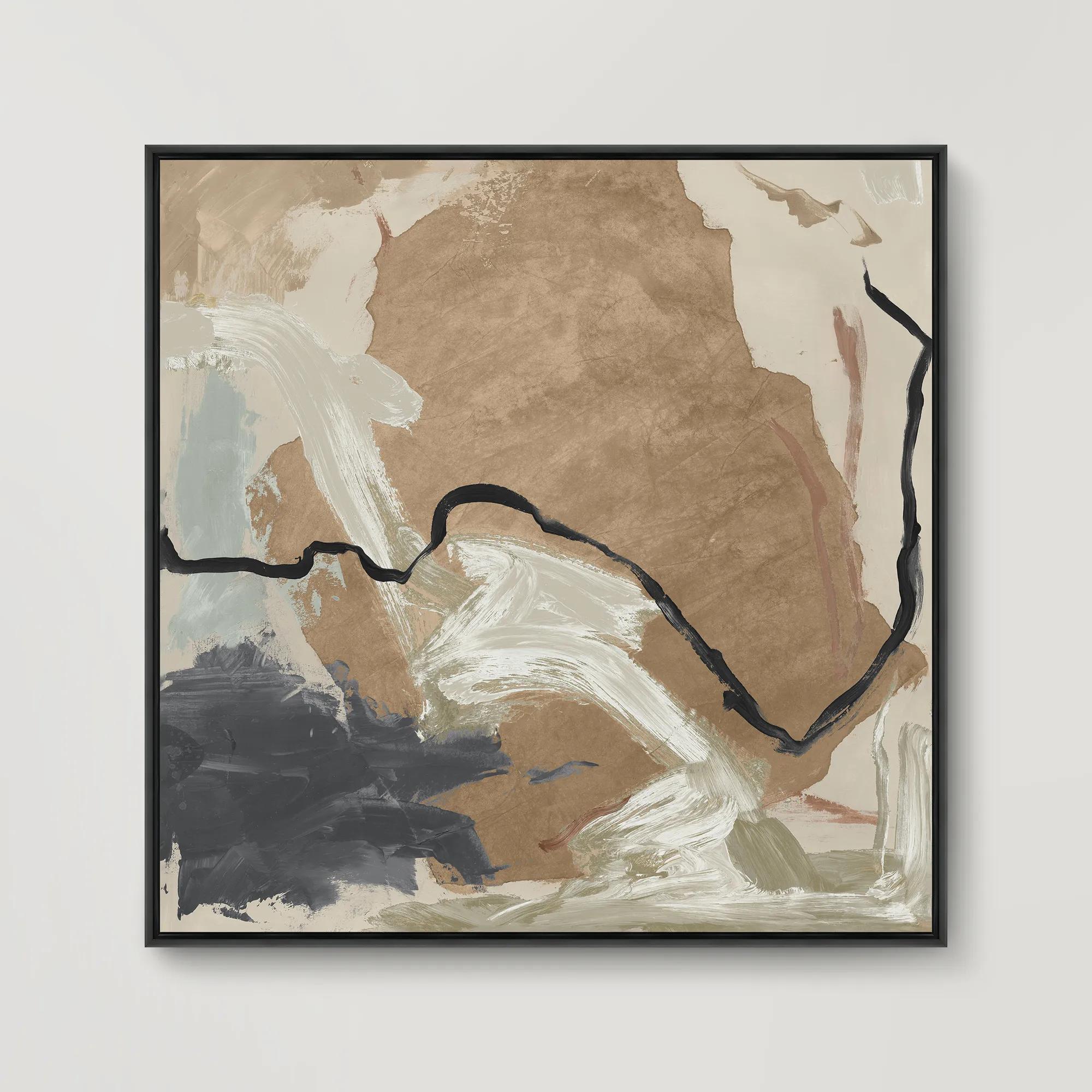
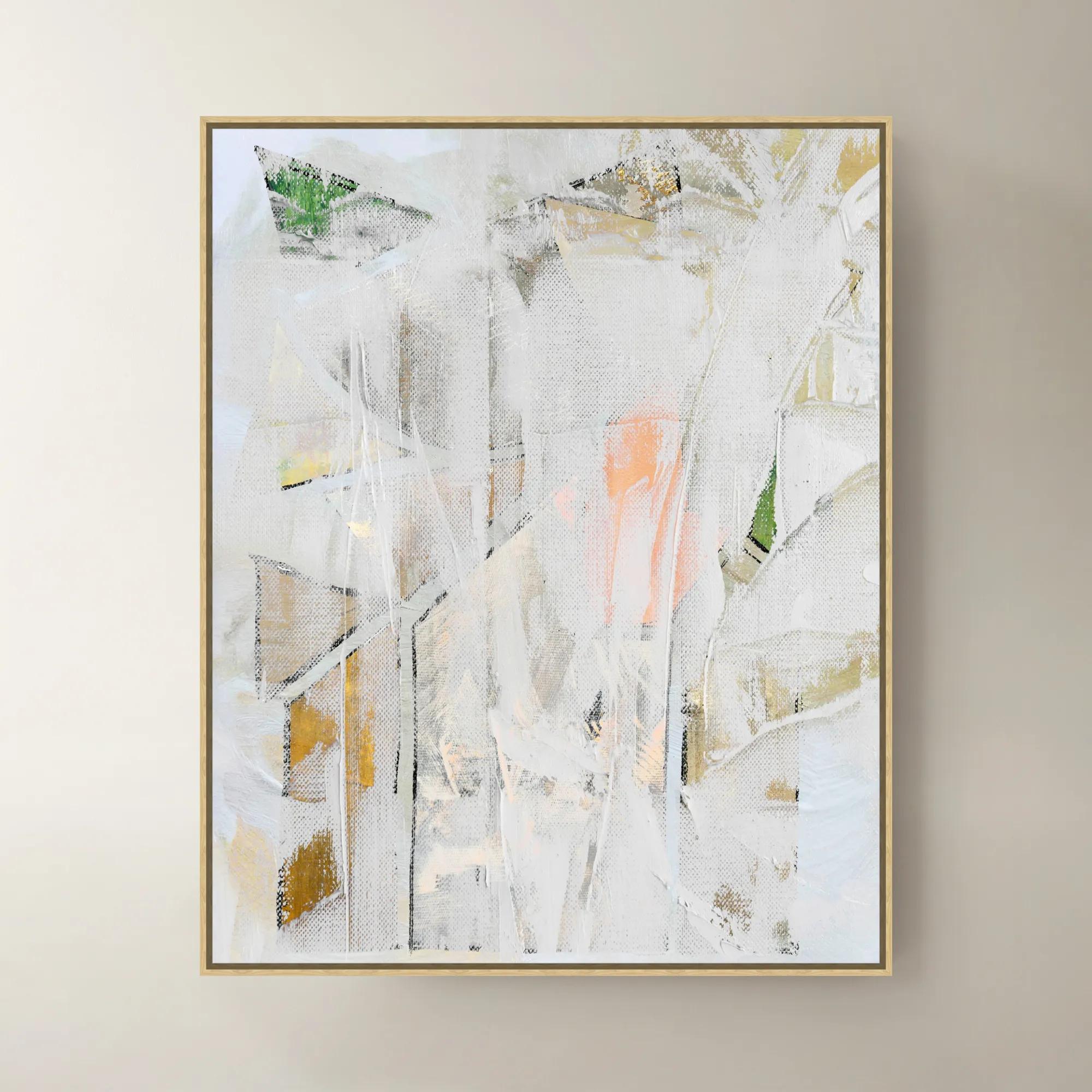
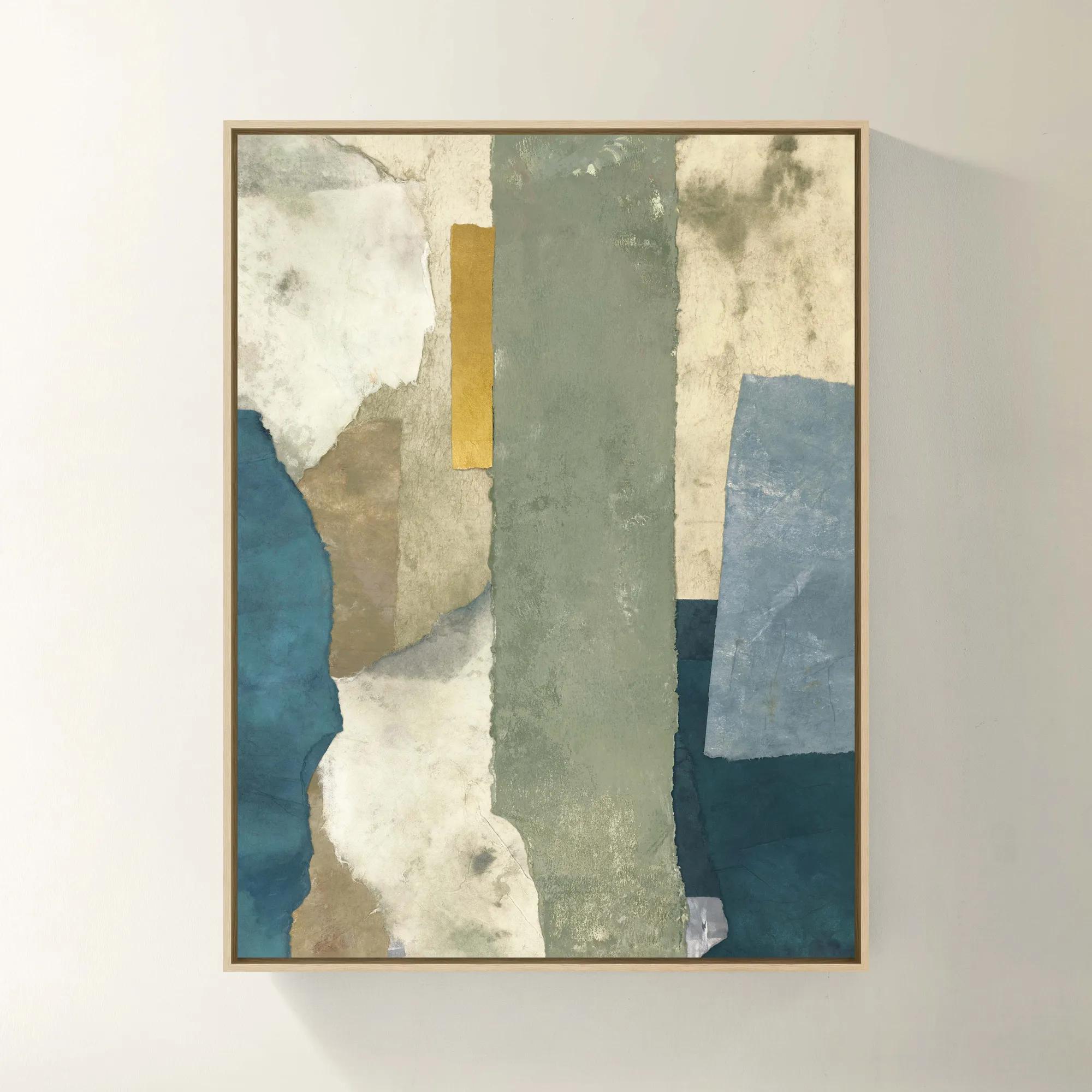 Earth Fragments II Framed Wall Art 30" x 40"$799
A gallery-wrapped canvas featuring gild accents and hand-applied gel, set in a natural floater frame.
Add To Cart -

 Blooming in Her Own Time Framed Wall Art 40" x 50"$1029
A vibrant multicolored canvas wall artwork featuring an expressive botanical-inspired design in a framed presentation.
Add To Cart -
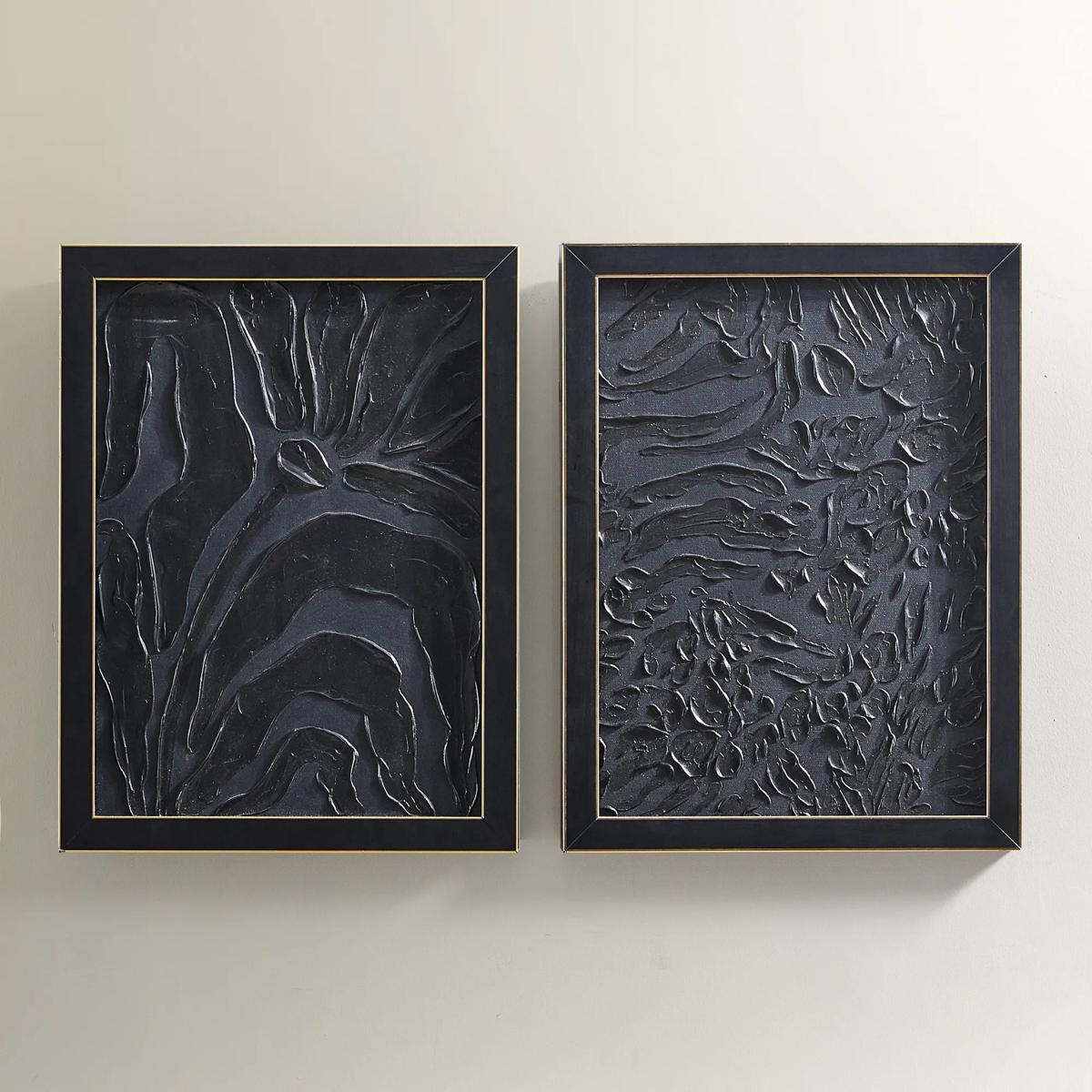
 Midnight Animal Painting - Set of 2$119
A set of hand-embellished canvas artworks in black and gold frames, adding depth and warmth to interiors.
Add To Cart -
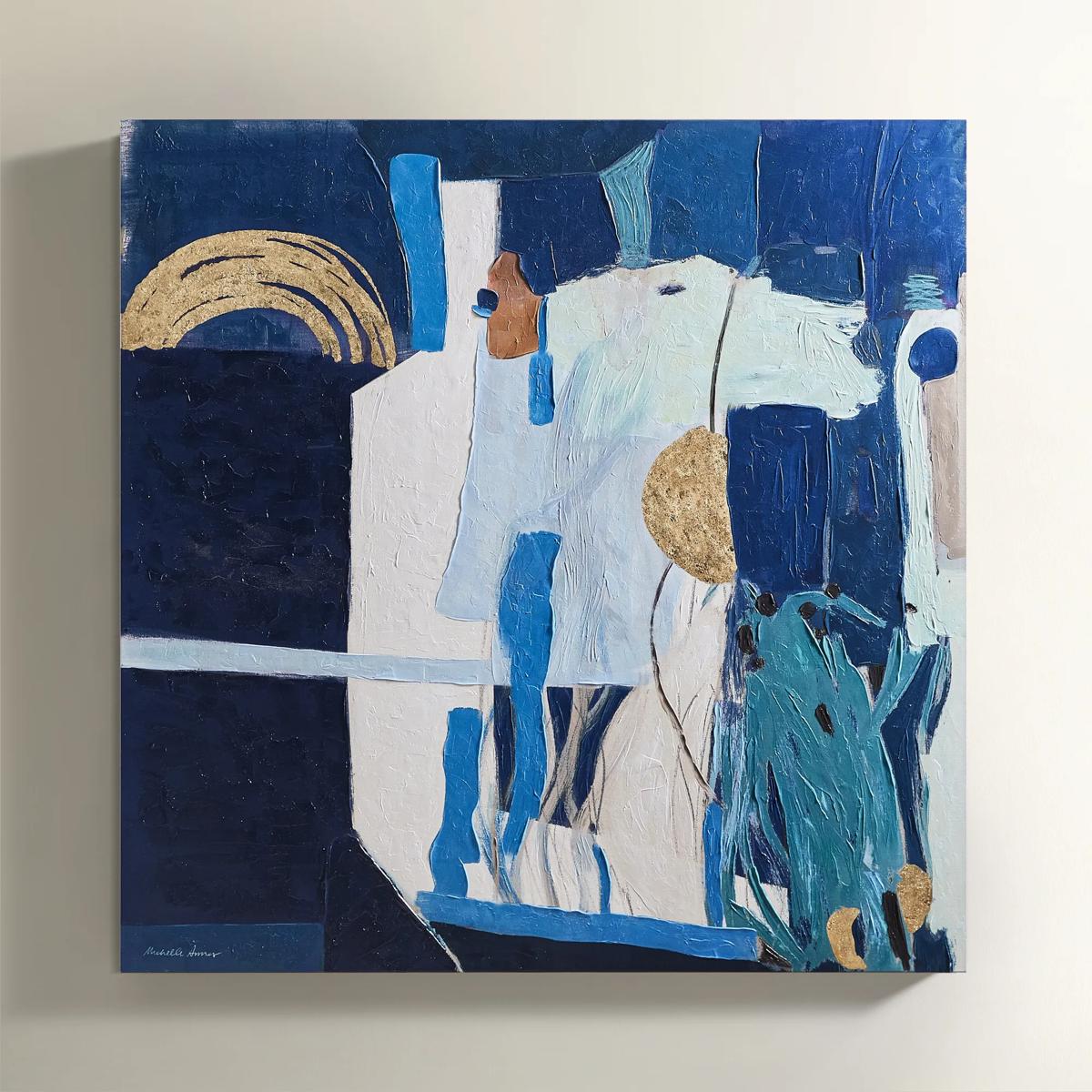
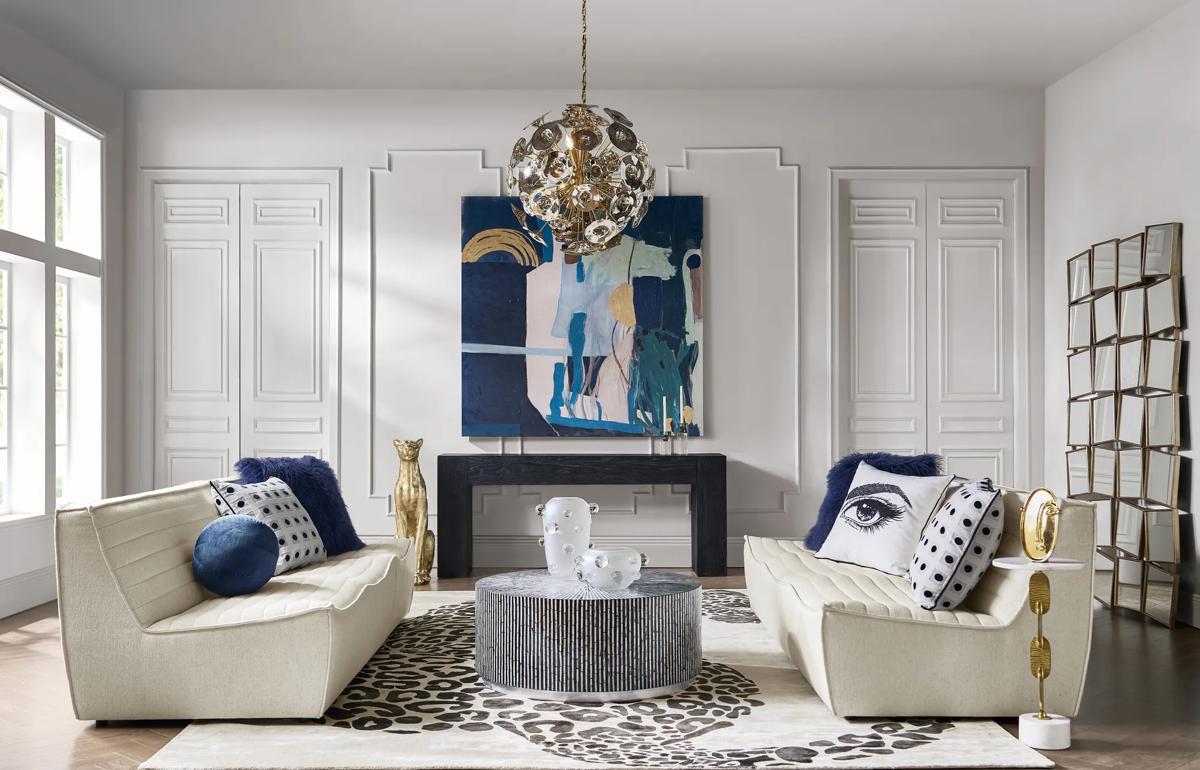 In Flux Painting$699
A hand-embellished canvas artwork featuring deep teal, green, ivory, and gold in a black Art Deco frame.
Add To Cart -
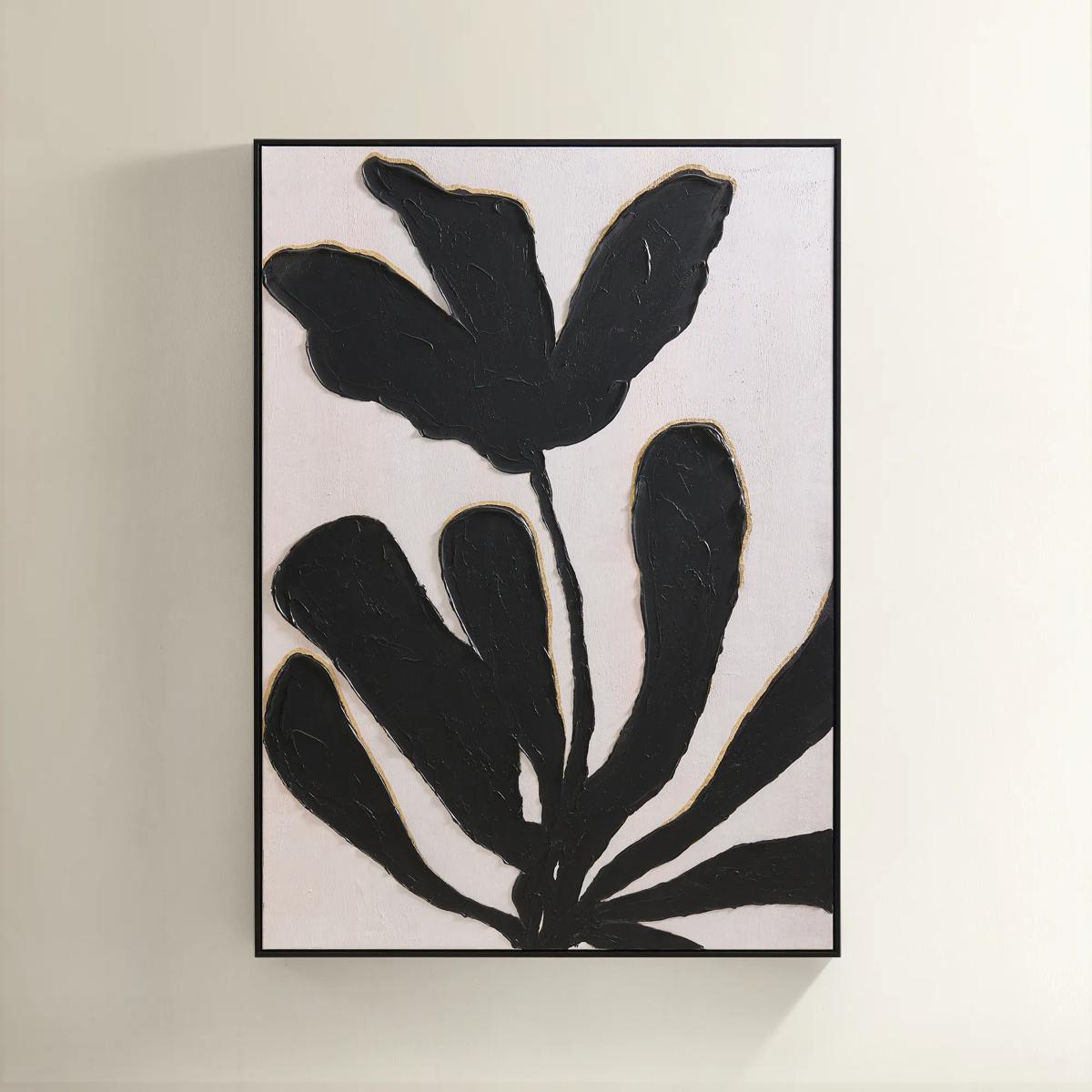
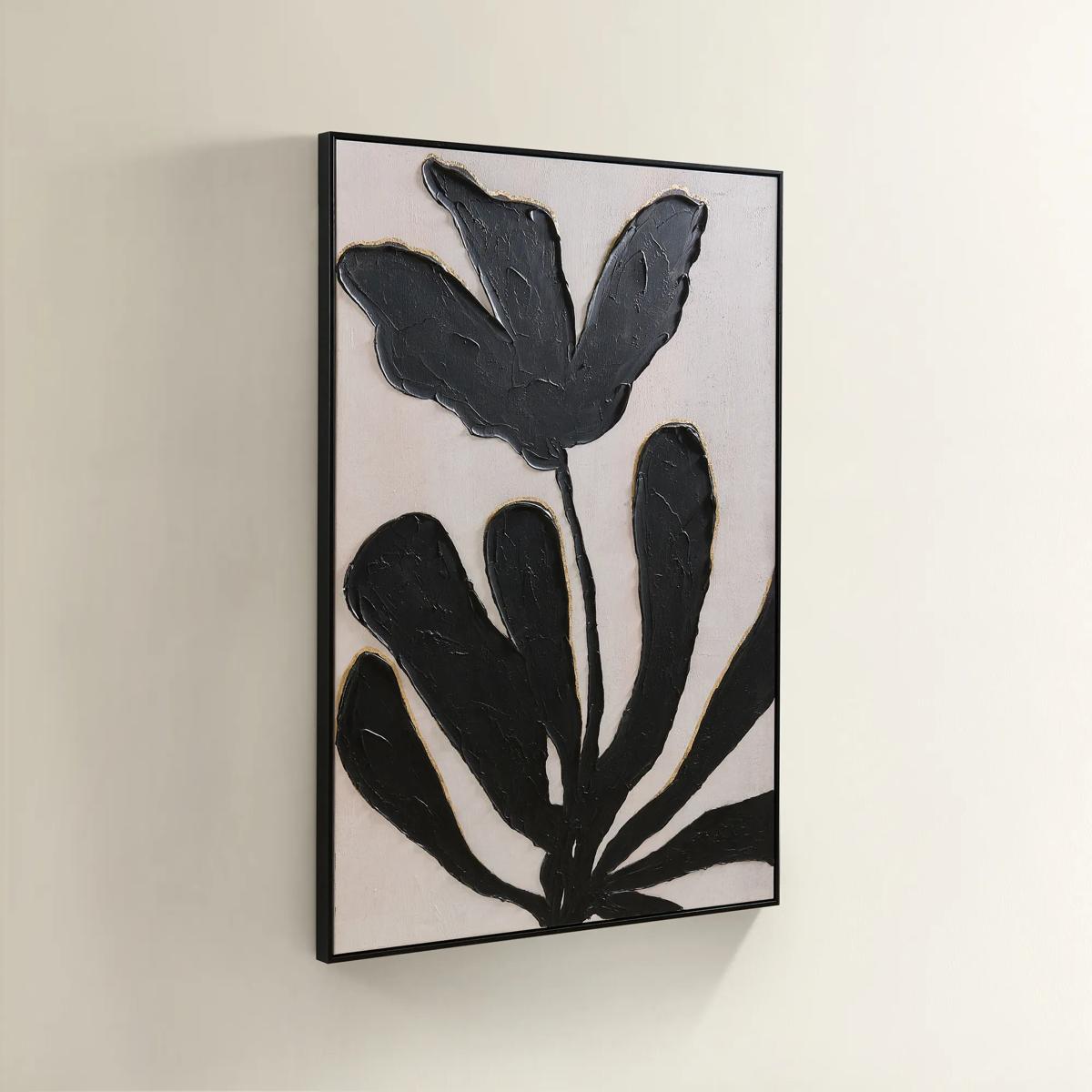 First Bloom Framed Painted Wall Art 39.25" x 55"$499
A hand-painted canvas featuring black abstract leaves and gold leafing on an ivory background in a black frame.
Add To Cart -
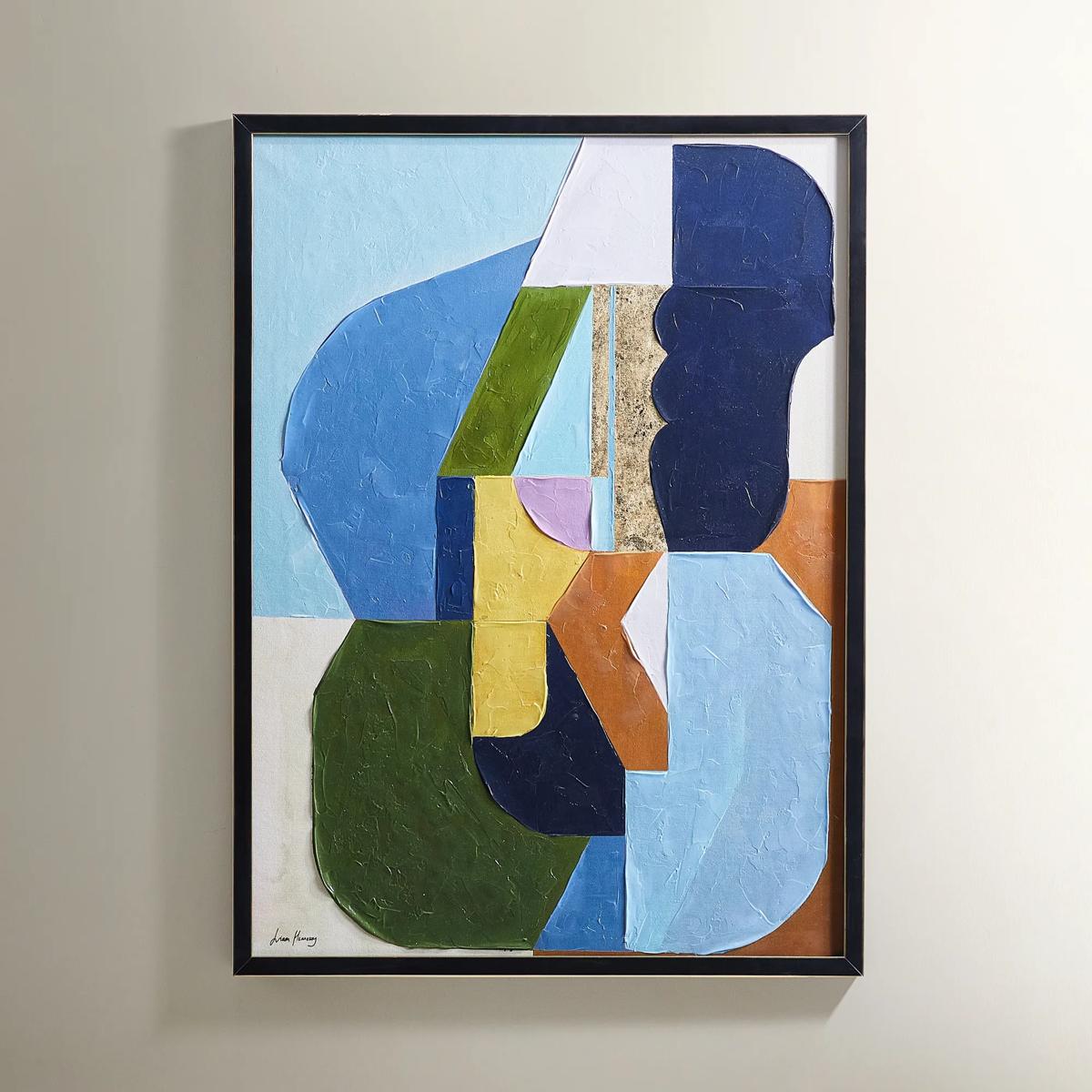
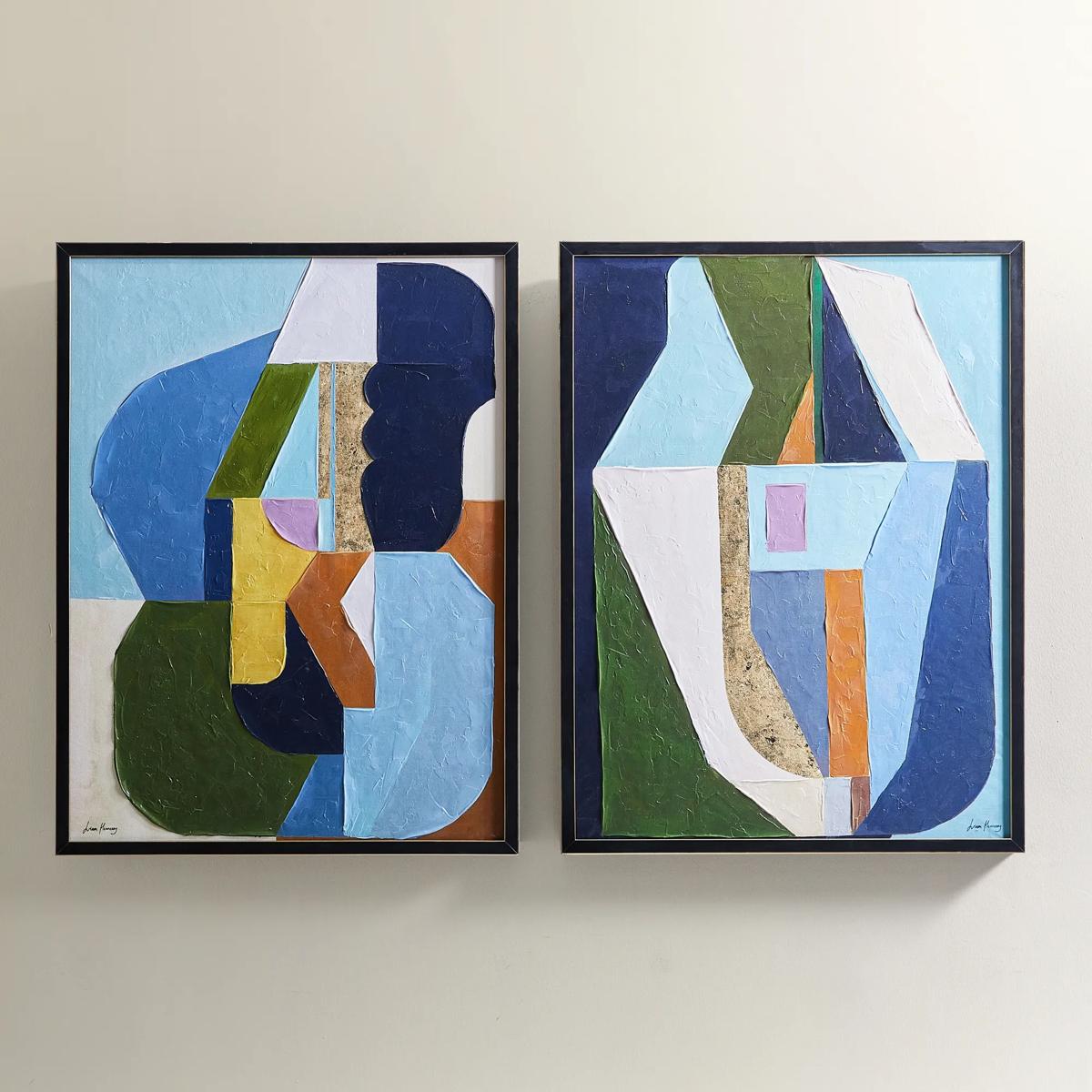 Thought Provoking Painting 1$249
A hand-embellished canvas artwork featuring textured strokes in deep blue, olive green, and gold accents.
Add To Cart -
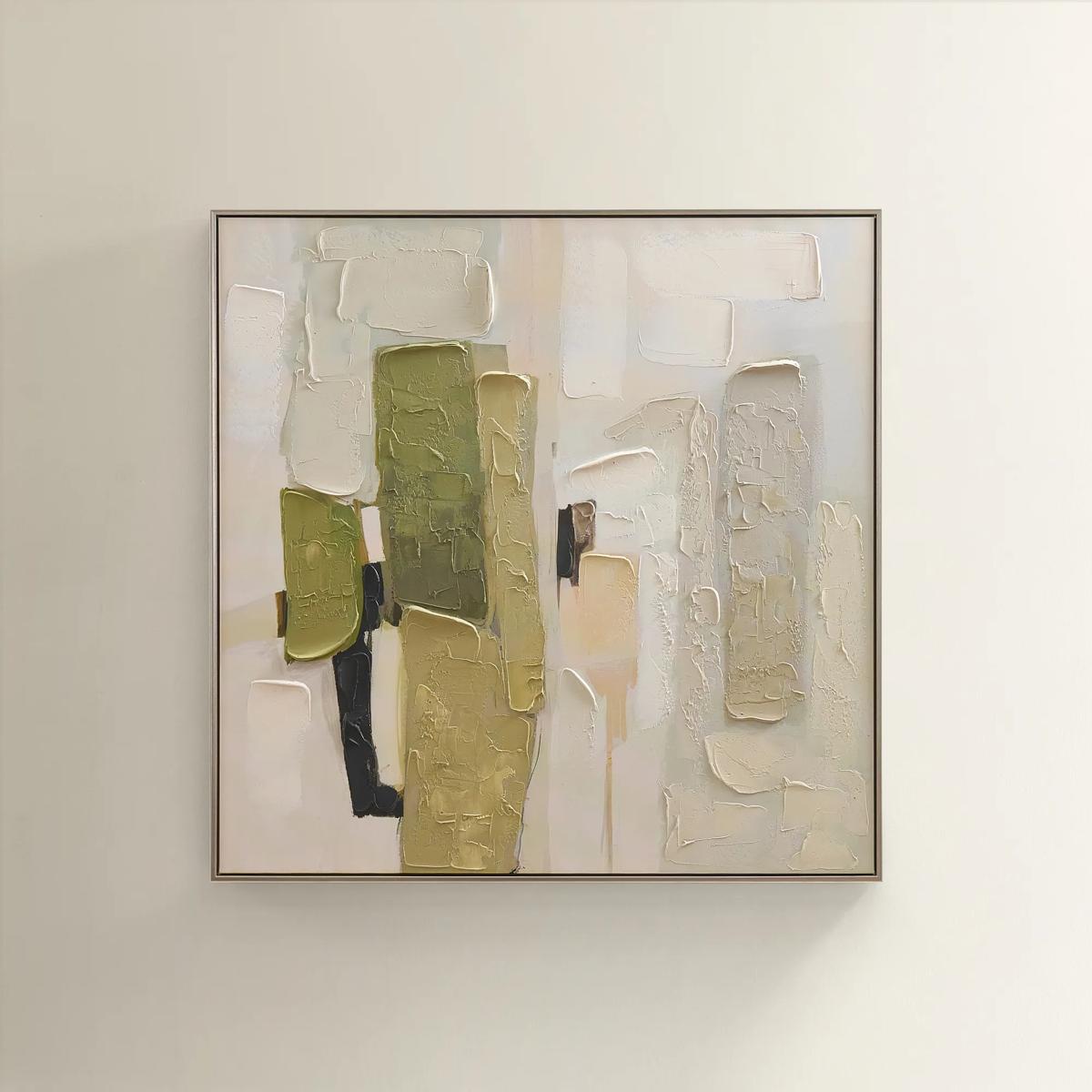 Verde Crush Framed Painted Wall Art 39.25" x 39.25"$349
A hand-painted abstract canvas featuring rich green tones, layered neutrals, and a champagne floater frame.
Add To Cart -

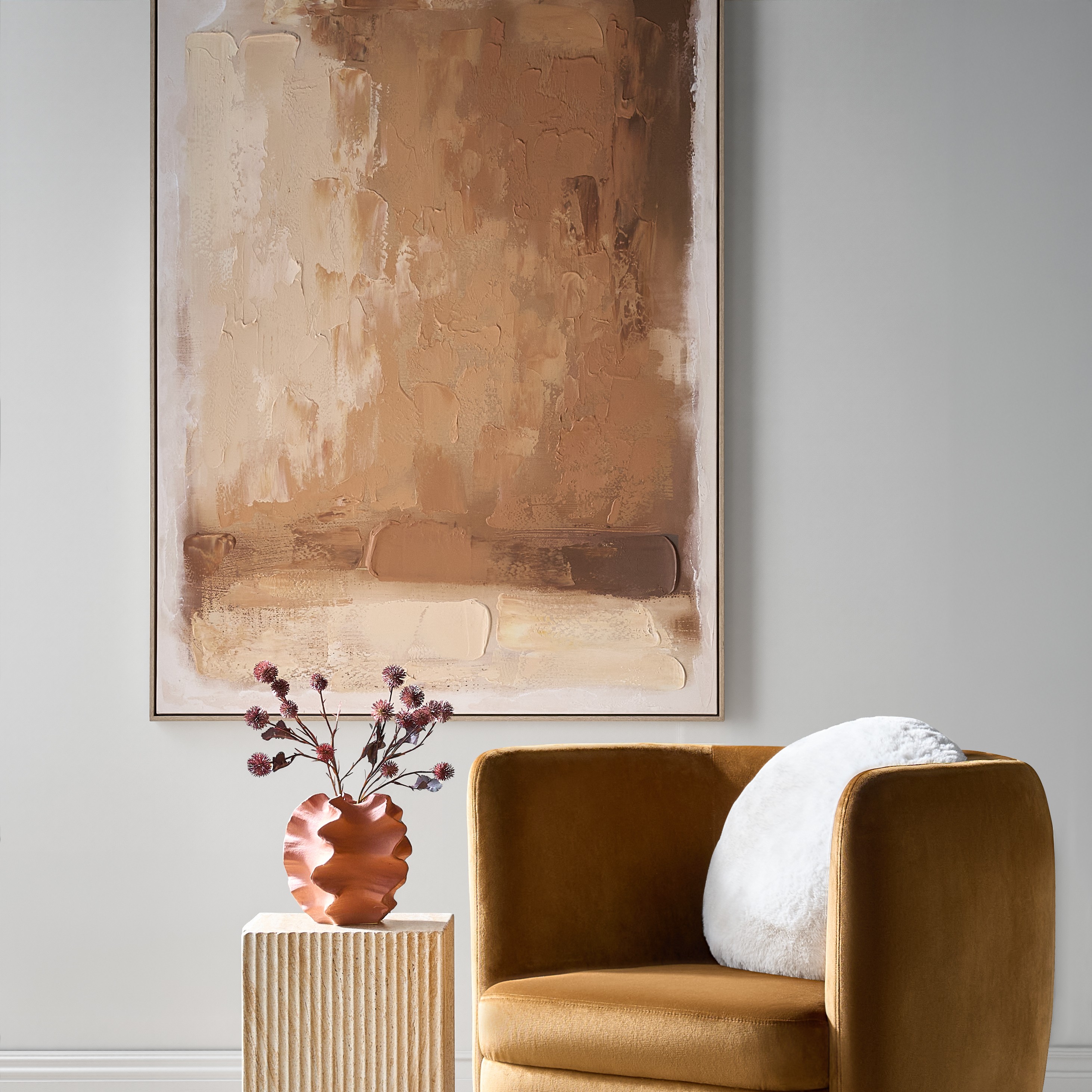 Ember Glow Framed Painted Wall Art 39.25" x 55"$499
A hand-painted abstract canvas blending ochre, terracotta, and golden clay hues in a light natural frame.
Add To Cart -
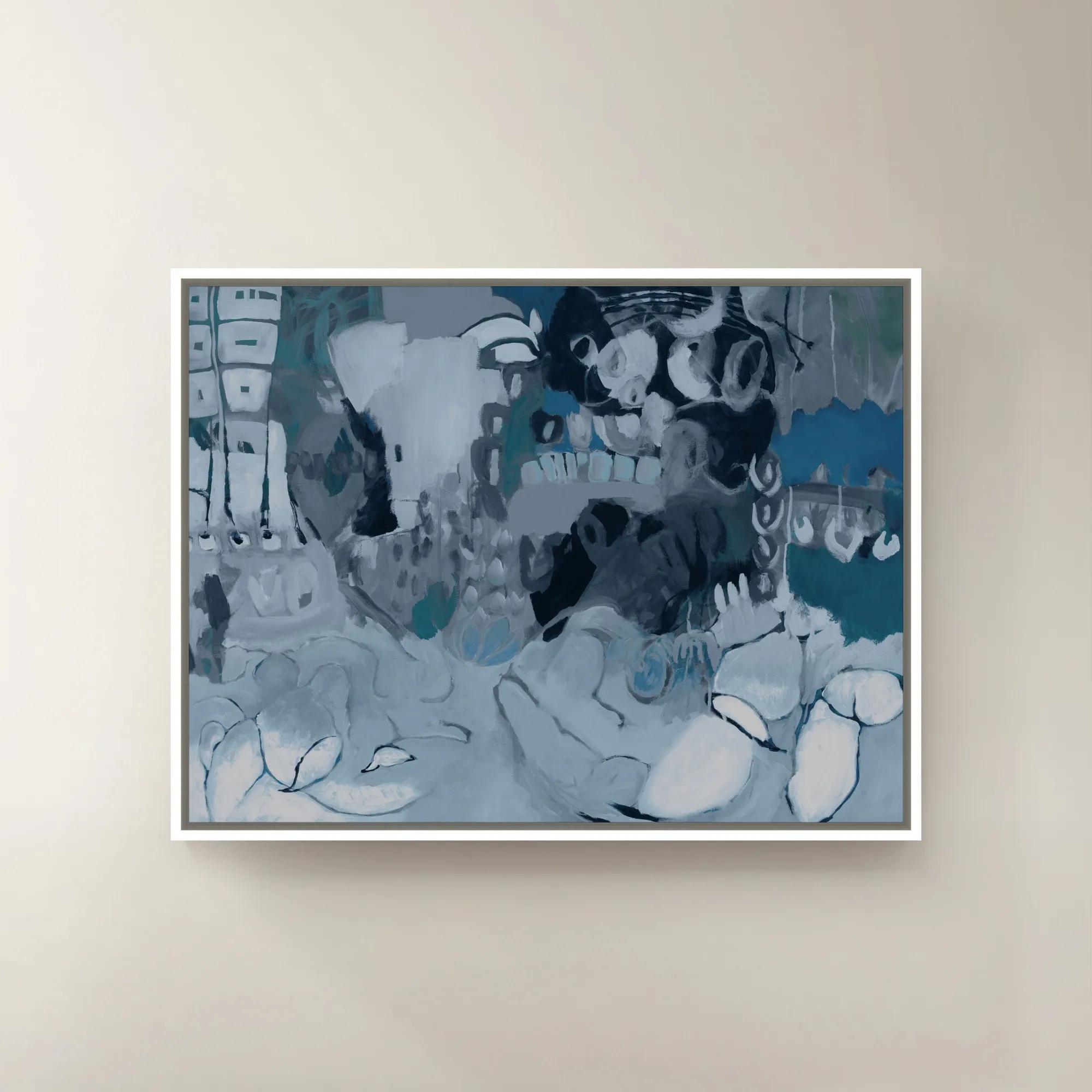
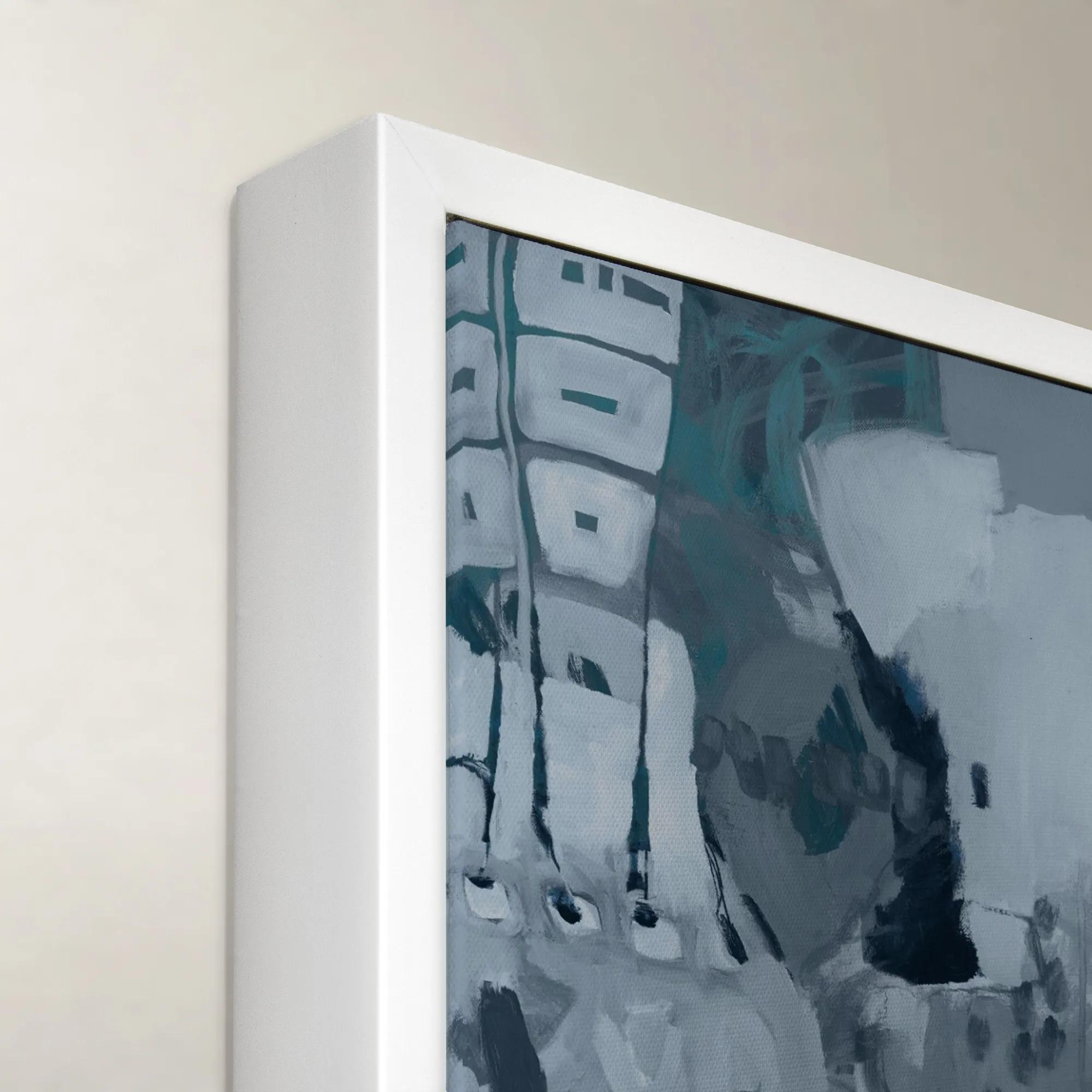 Wrap me in Forever II Framed Wall Art 40" x 30"$699
A striking blue and purple canvas wall art piece presented in a refined frame.
Add To Cart -
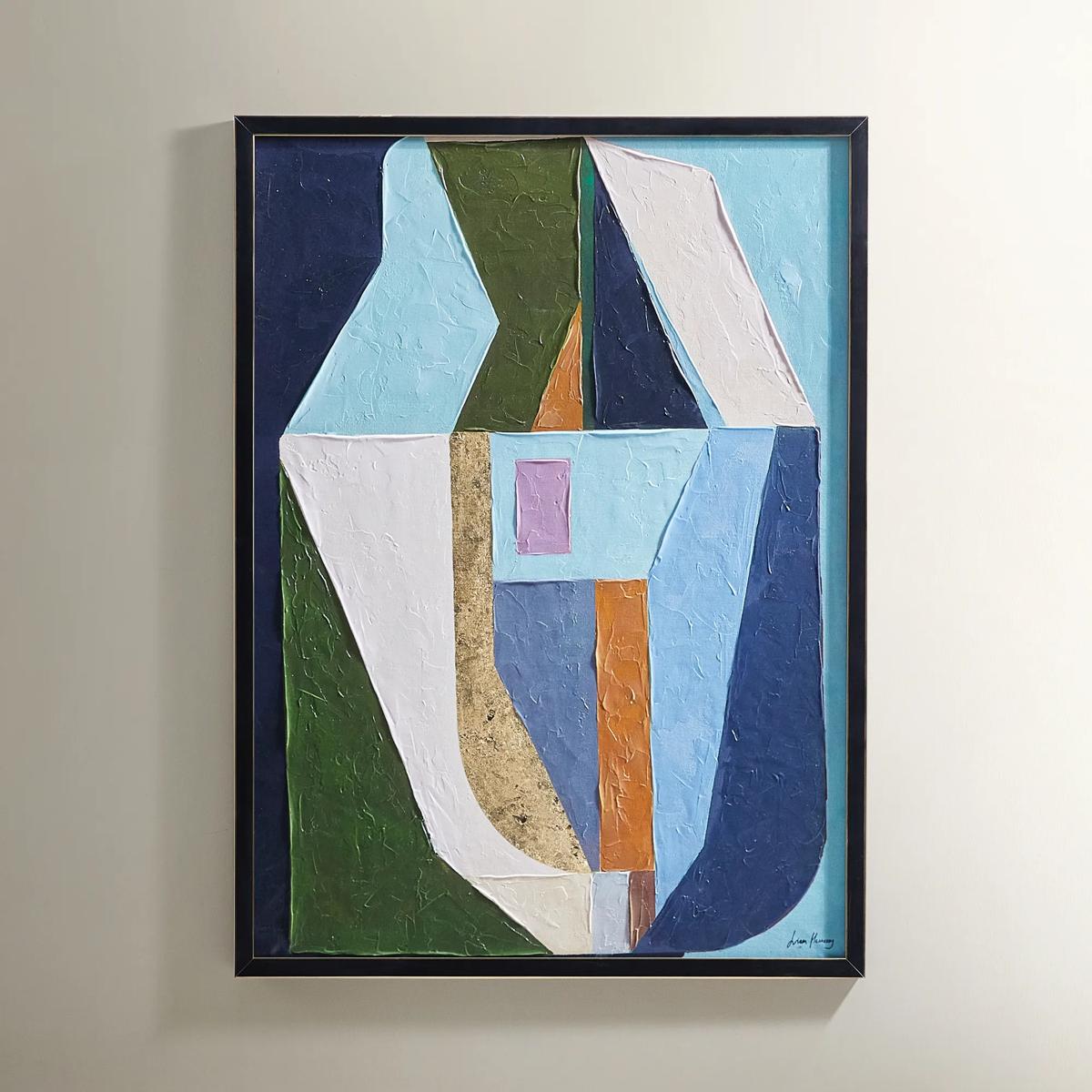 Thought Provoking Painting 2$249
A hand-embellished canvas artwork featuring textured strokes in deep blue, olive green, and gold accents.
Add To Cart -
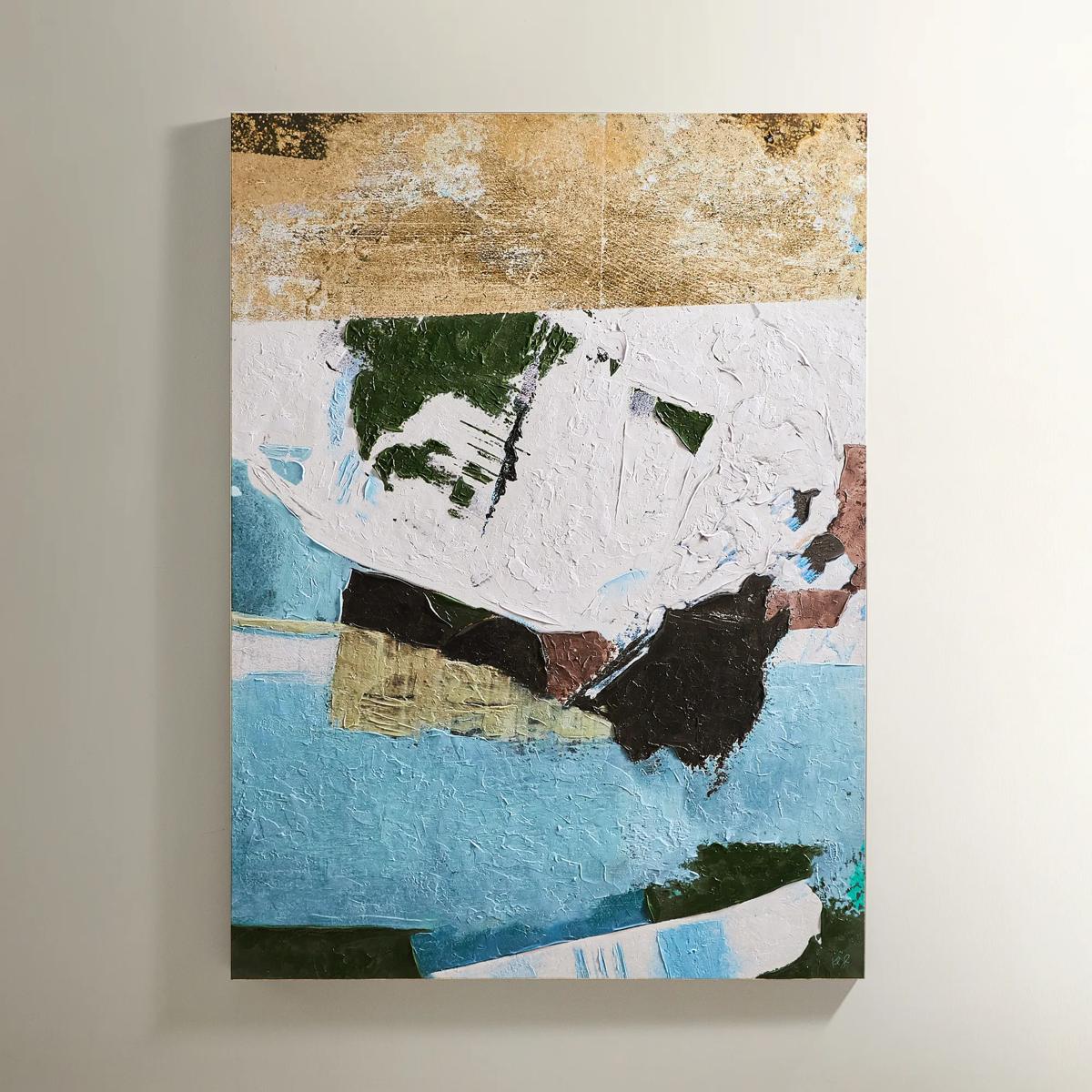 Cadence Painting$599
A hand-embellished canvas artwork featuring textured olive, gold, and ivory strokes in a black and gold frame.
Add To Cart -

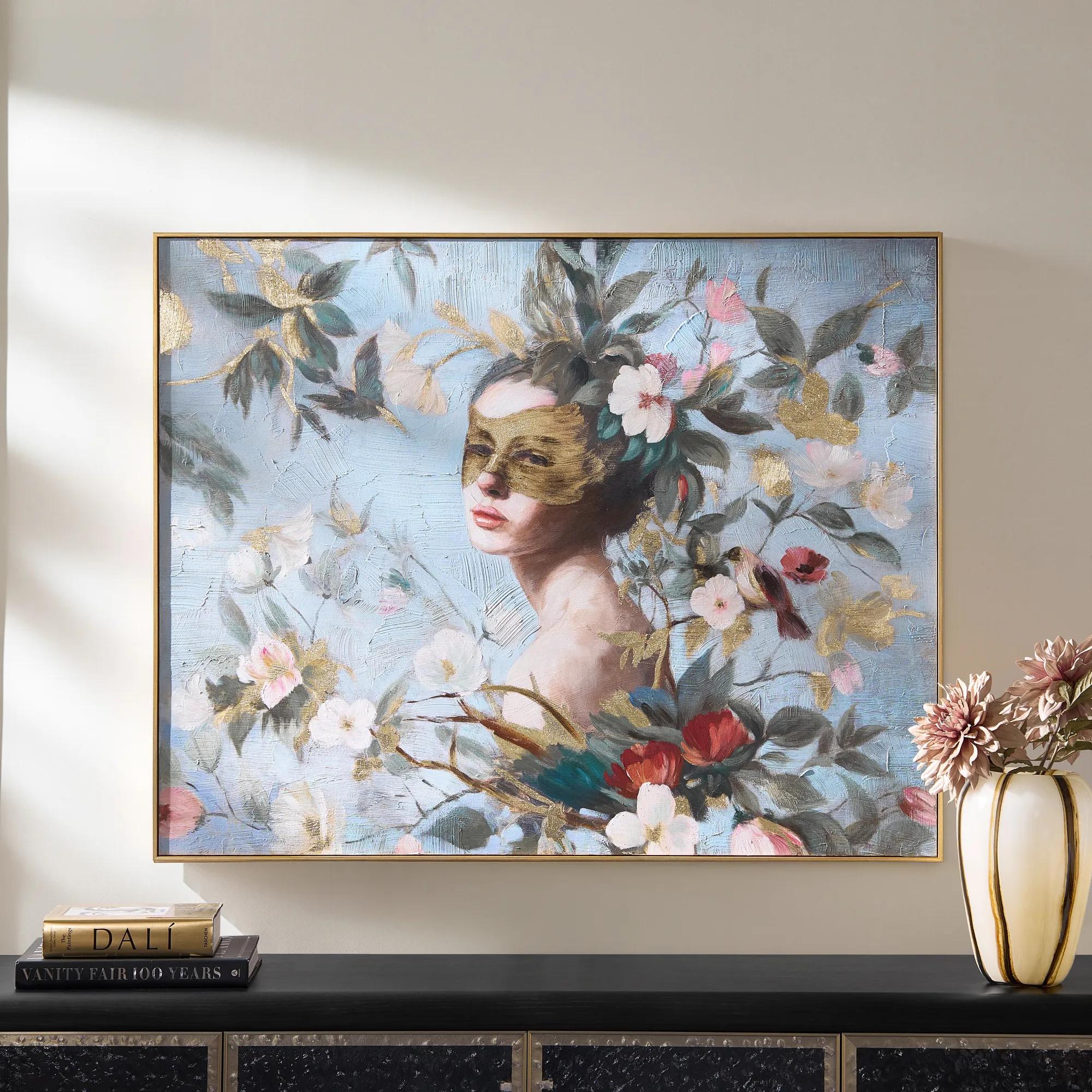 Garden Party Framed Gold Leaf Painted Wall Art 50" x 40"$399
A gold leaf painted canvas artwork in a framed presentation, bringing artistic sophistication to modern interiors.
Add To Cart -

 Floral Jungle II Framed Wall Art 30" x 40"$799
A striking gold-framed canvas artwork depicting lush tropical foliage in an expressive botanical composition.
Add To Cart -
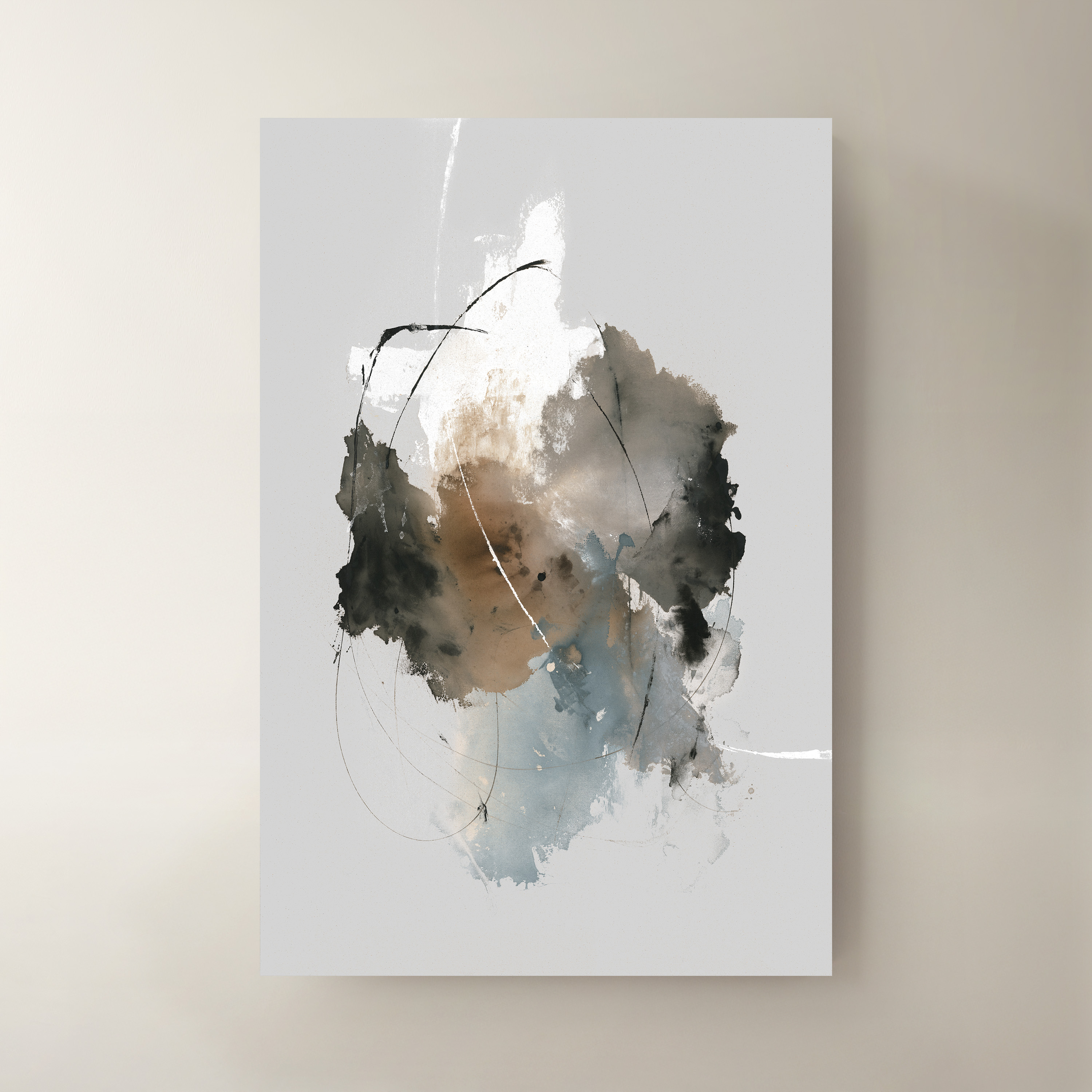
 Time IV Wall Art 40" x 60"$999
A striking multicolored canvas artwork bringing contemporary visual interest to modern interiors.
Add To Cart -
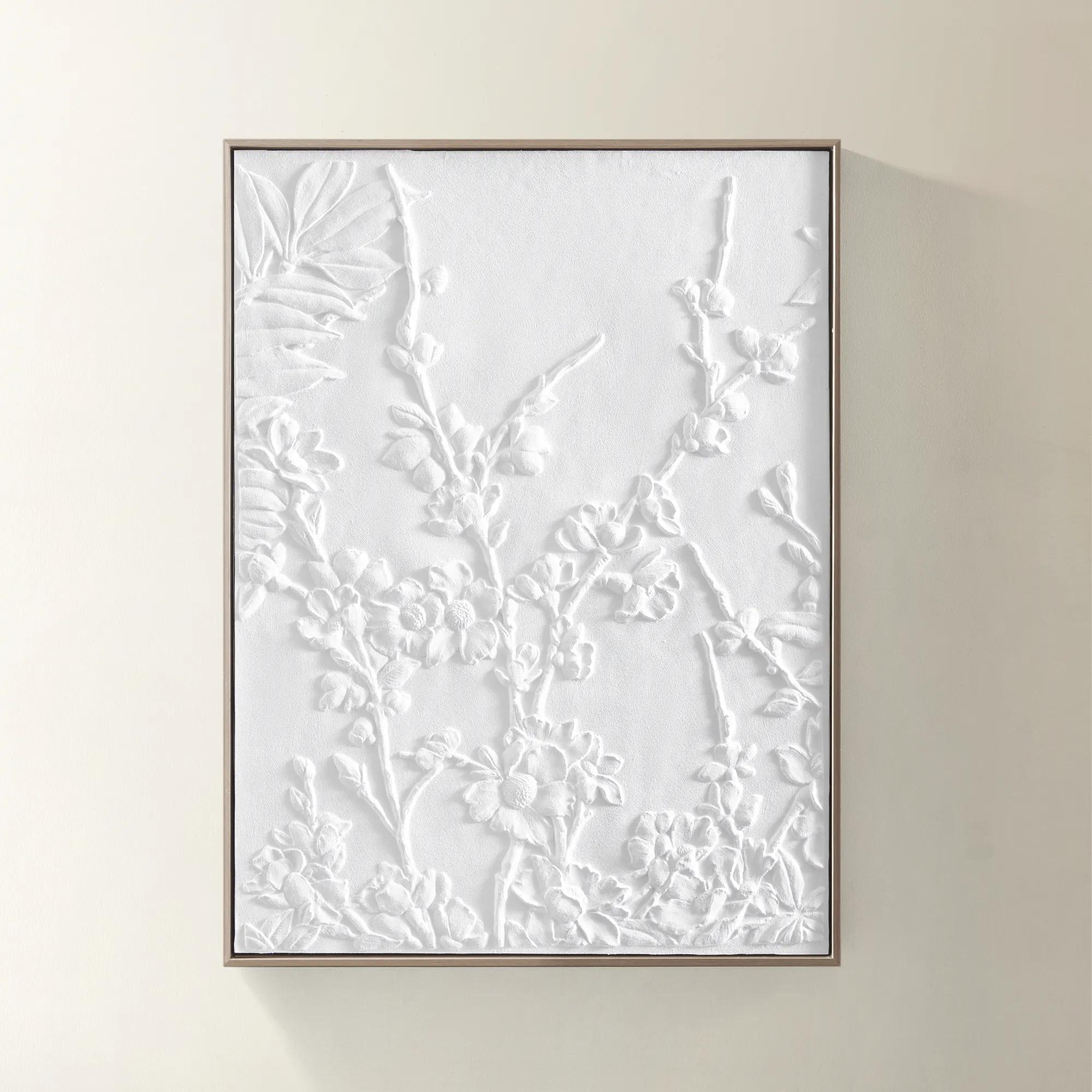
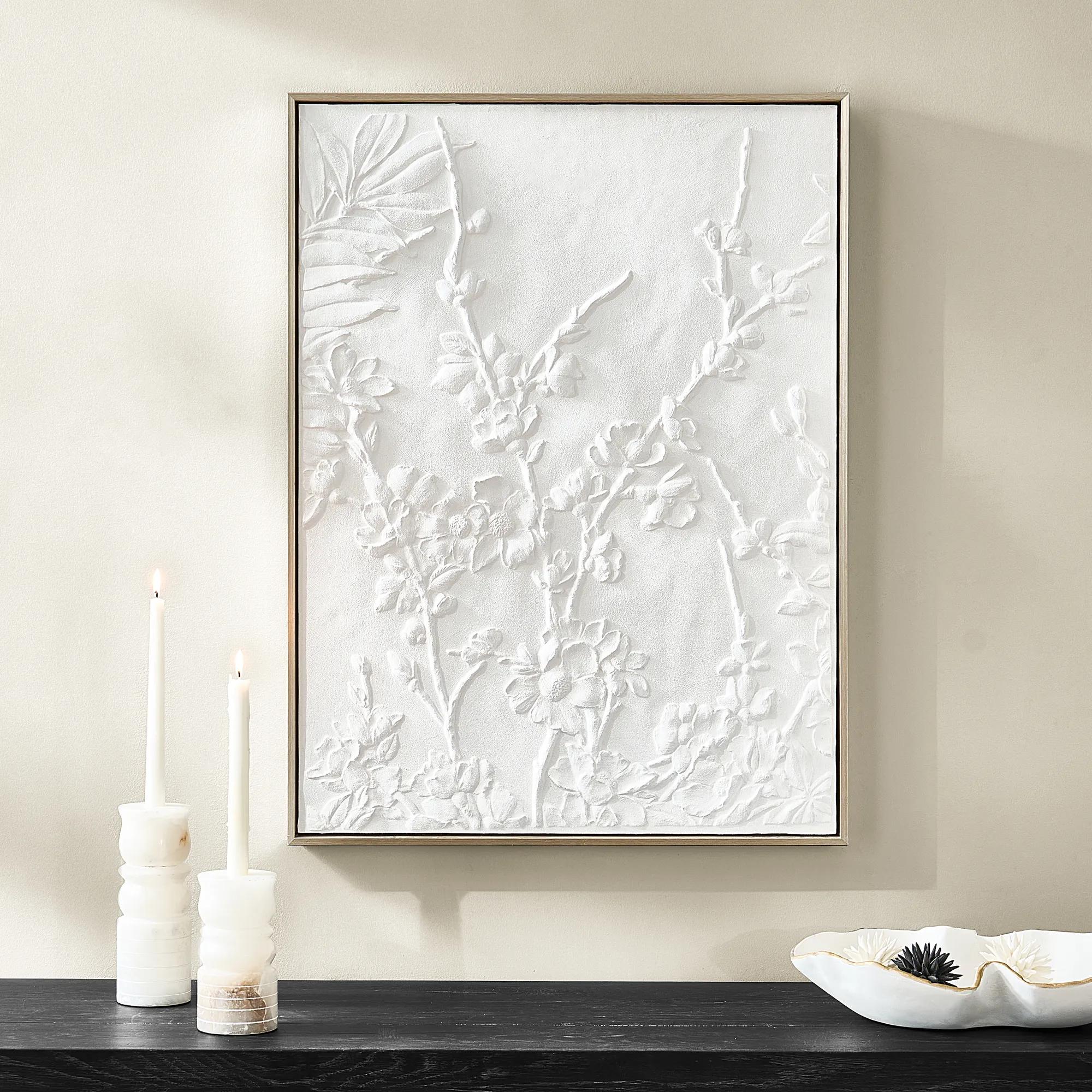 Allegro Framed Painted Wall Art 31.5" x 23.6"$109
A hand-painted canvas featuring textured floral motifs, framed in a warm champagne finish for subtle sophistication.
Add To Cart -
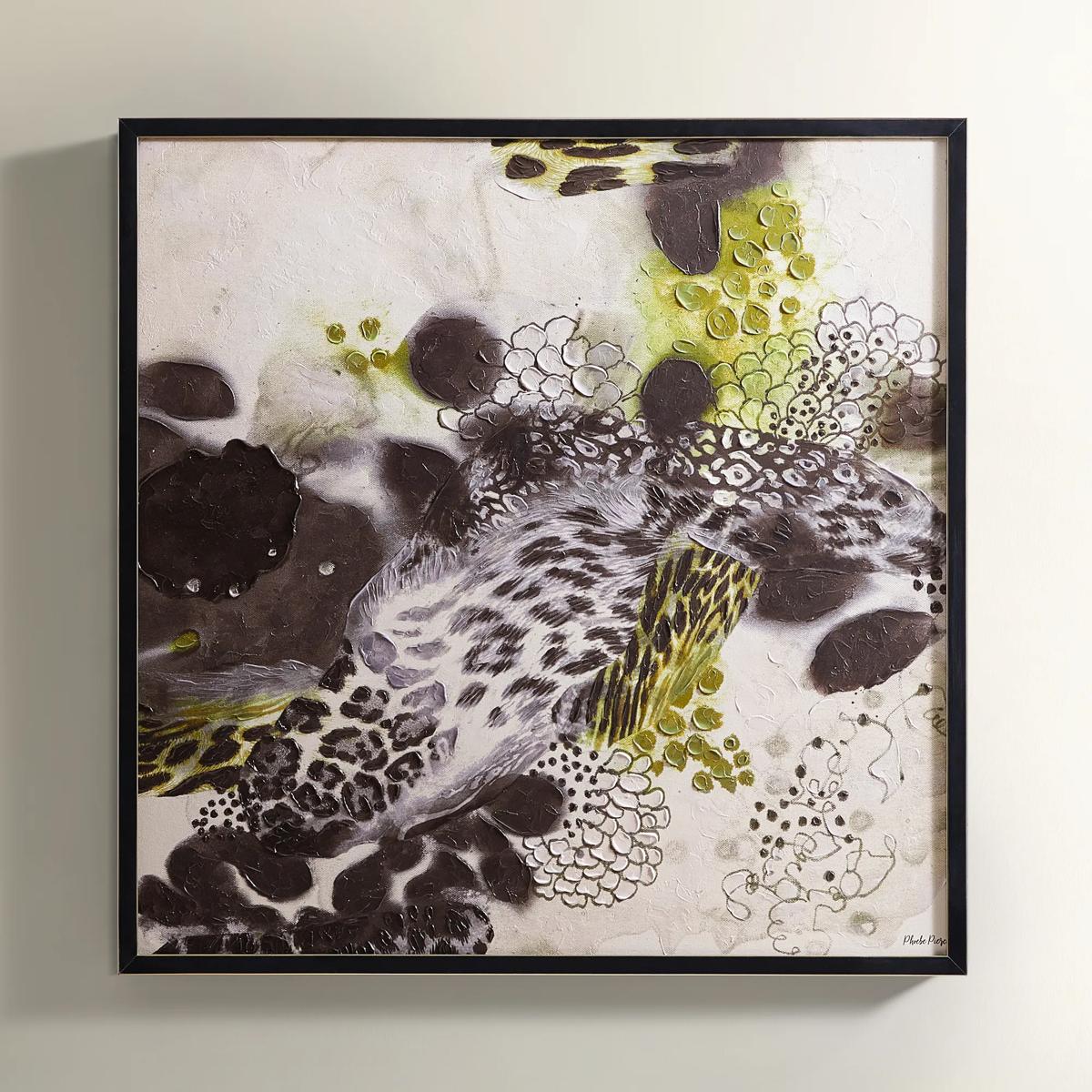
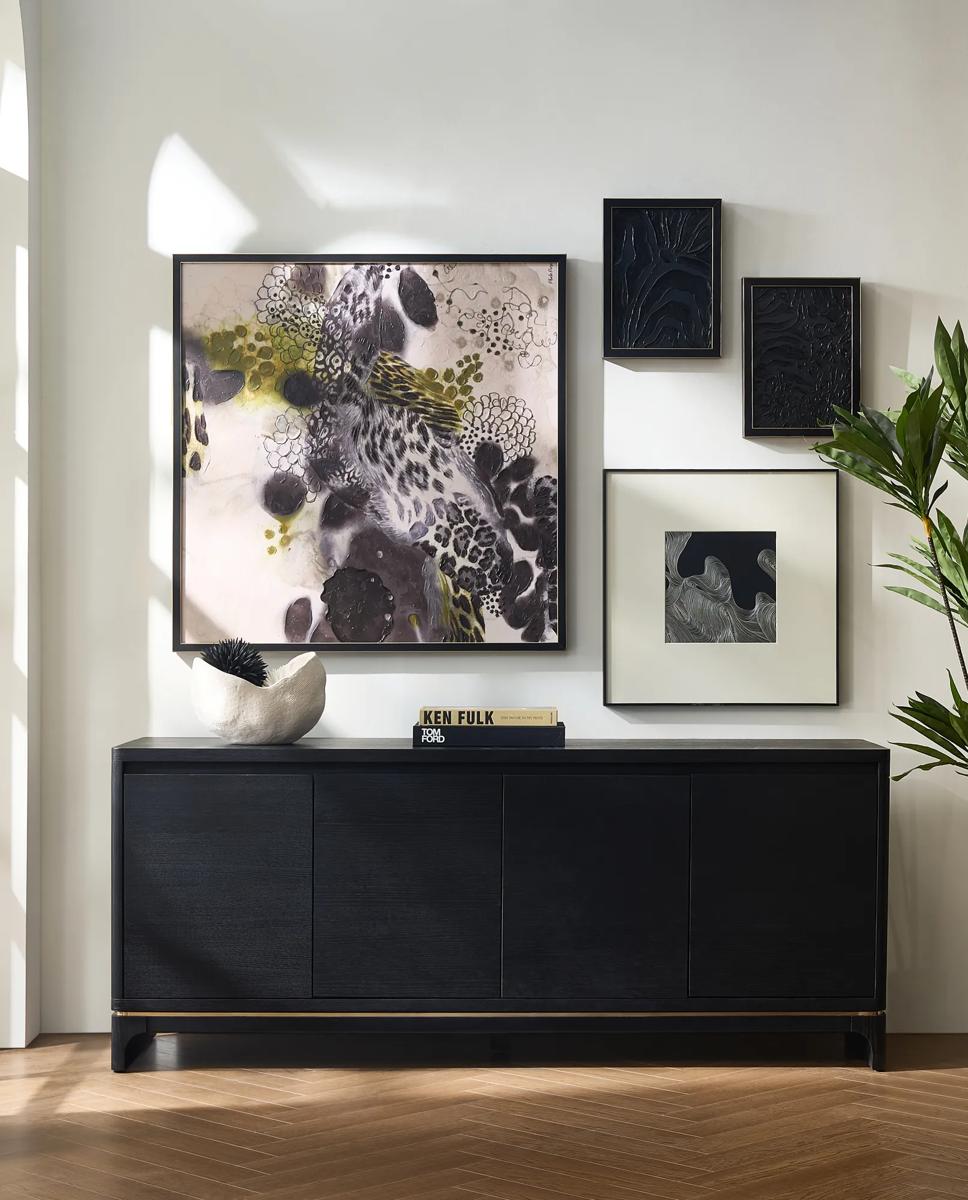 In the Wild$399
A hand-embellished canvas artwork featuring textured strokes in black, chartreuse, and sand, framed in ornate wood.
Add To Cart -
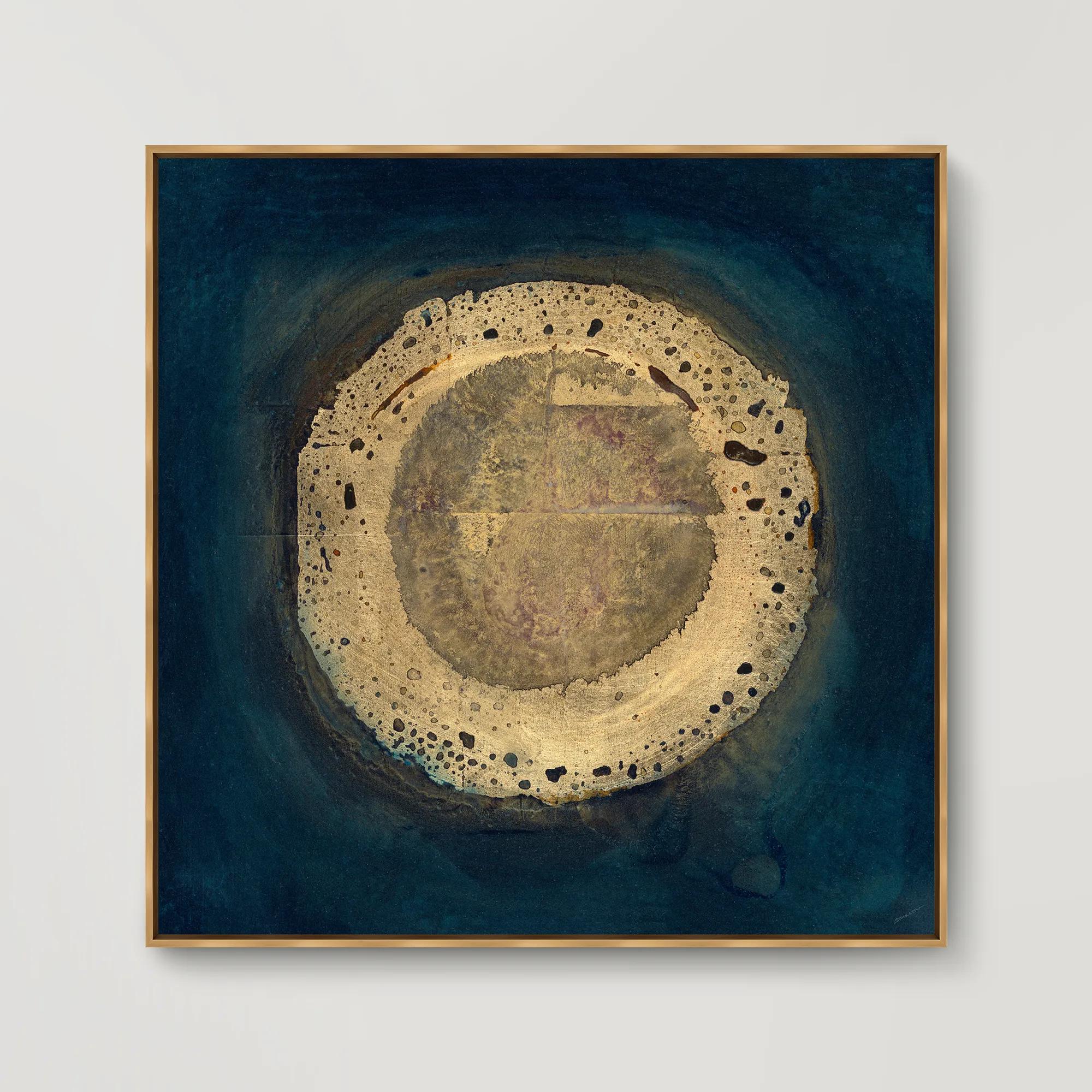
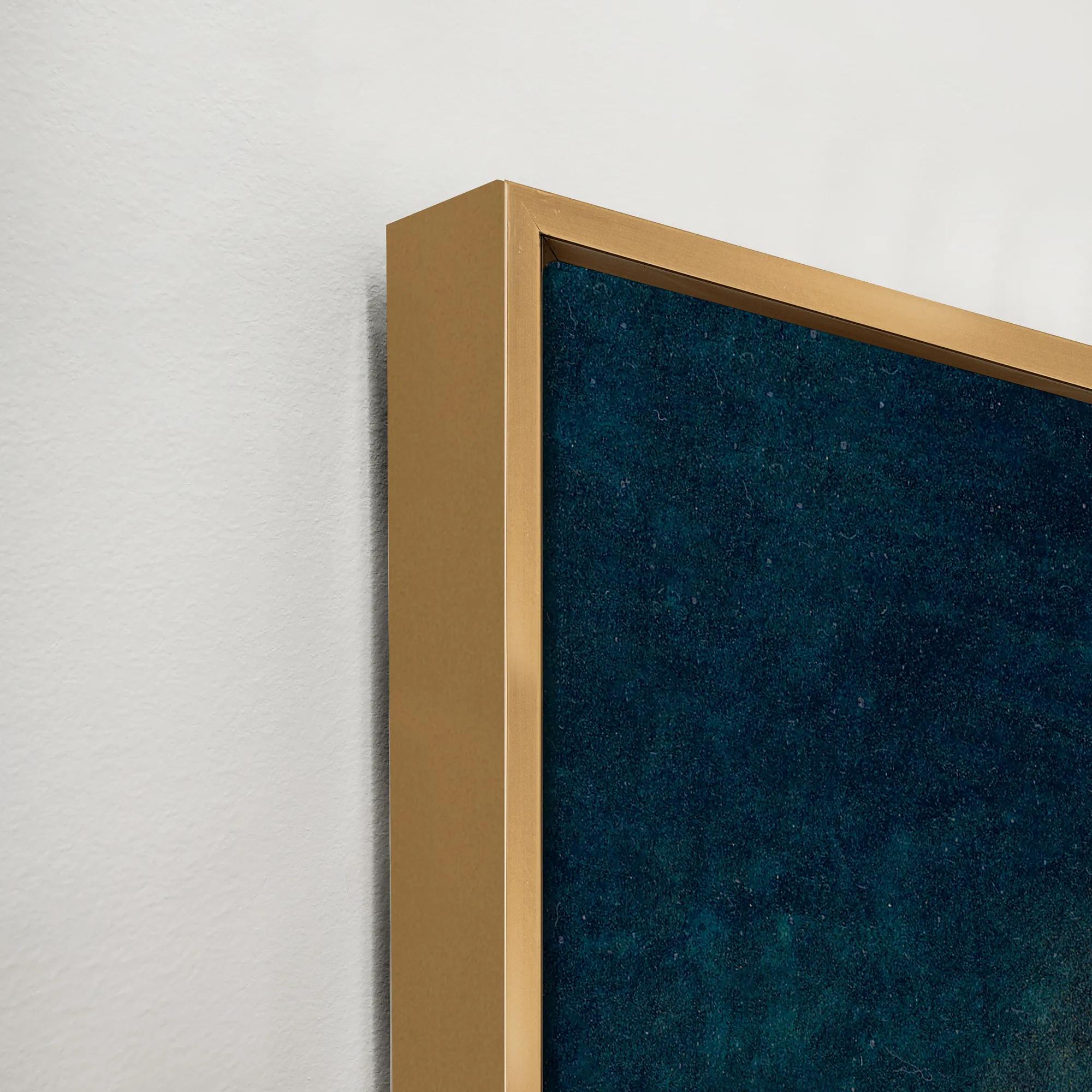 Bramble I Framed Wall Art 41.5" x 41.5"$749
A gallery-wrapped abstract canvas with hand-applied gel finish, set in an elegant gold floater frame.
Add To Cart -
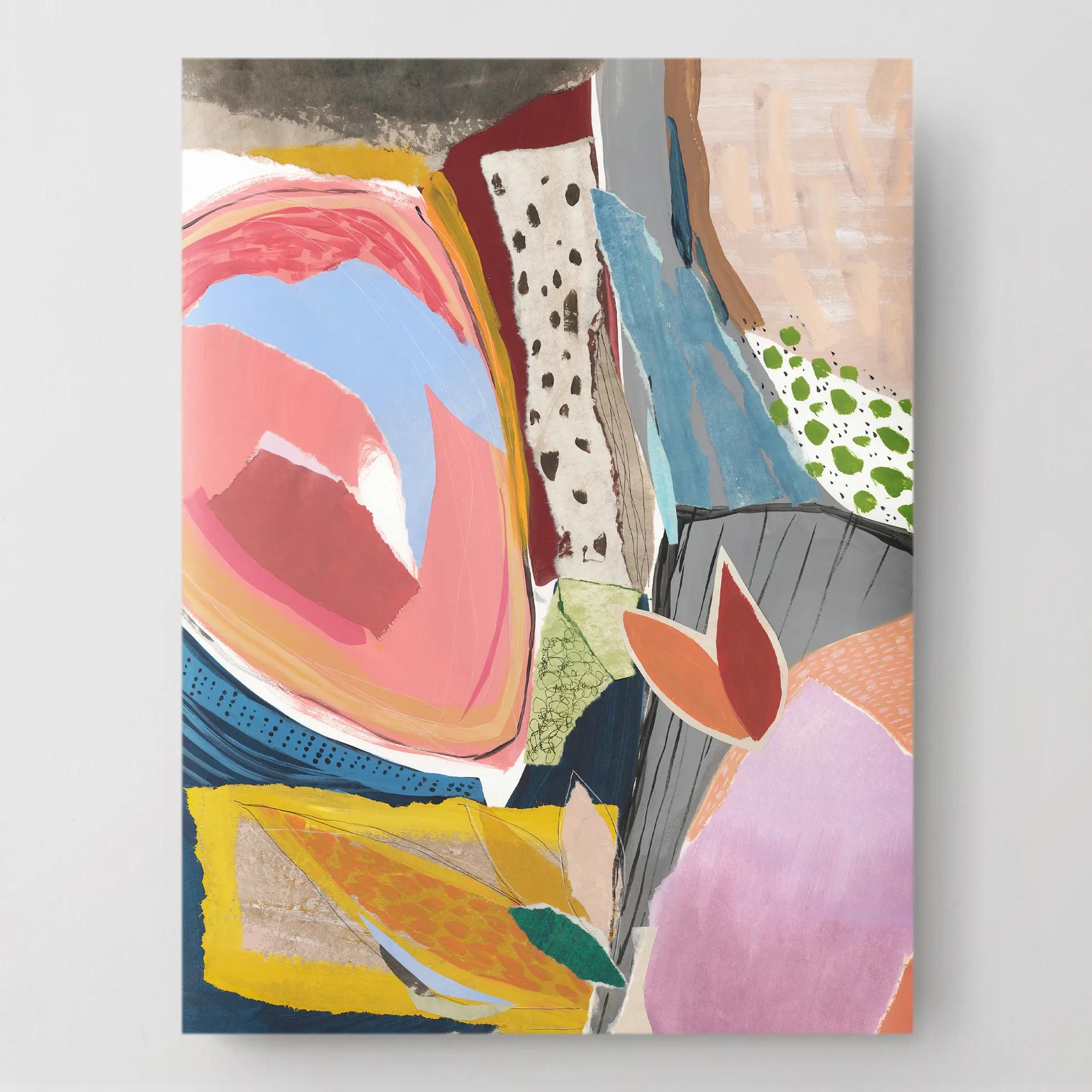
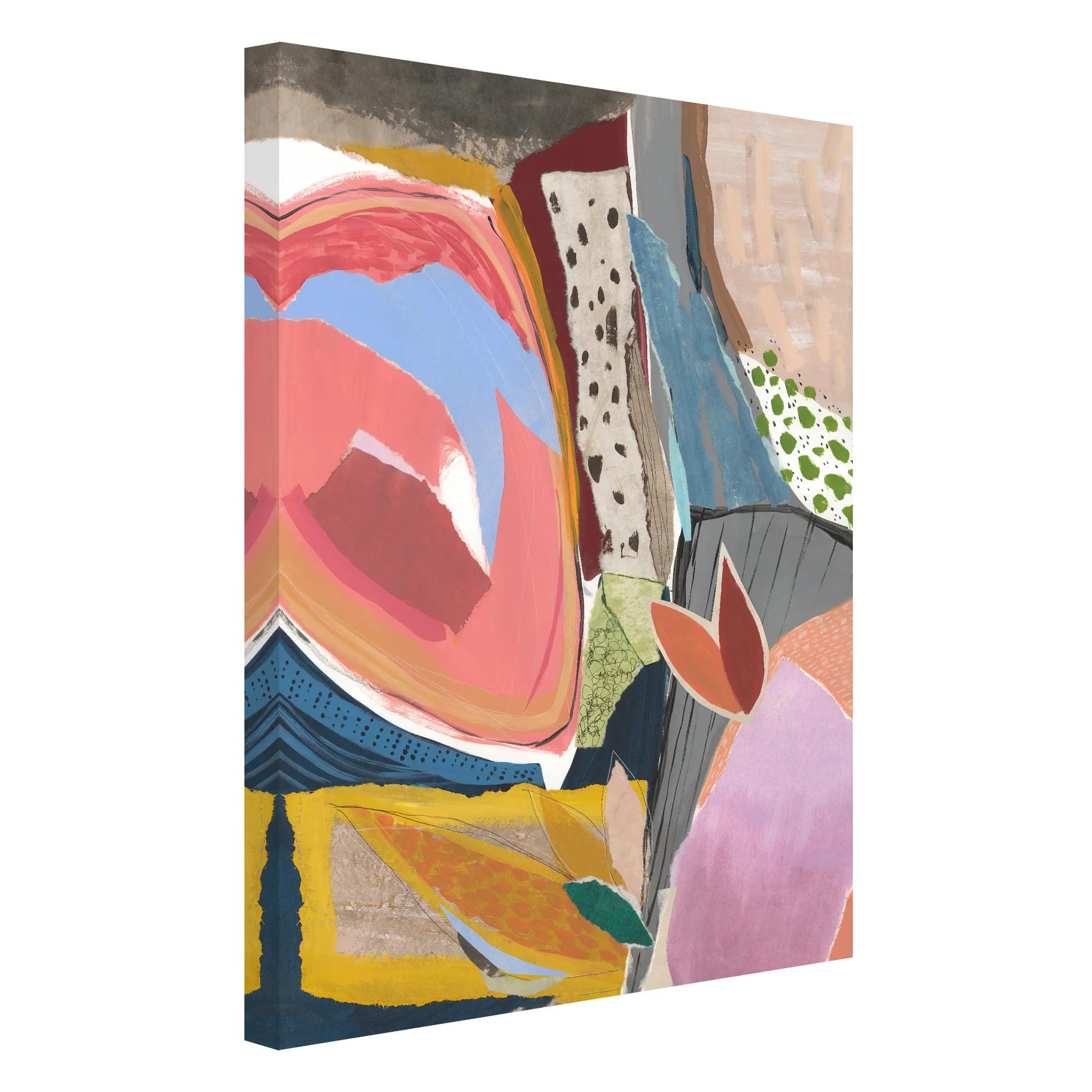 Sunday Vibes 1 Wall Art 30" x 40"$449
A gallery-wrapped canvas artwork featuring a hand-applied image brush gel finish for a textured look.
Add To Cart -
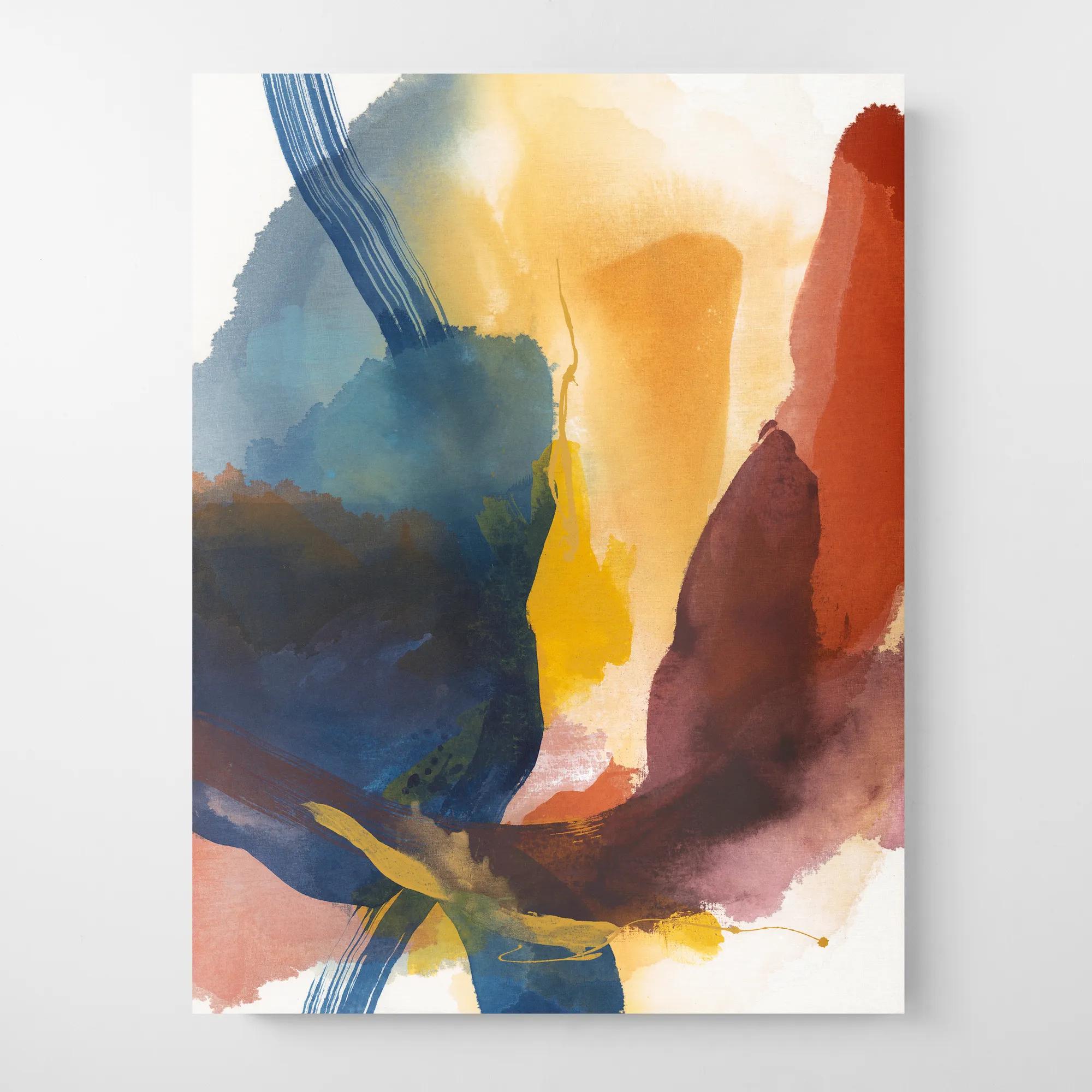
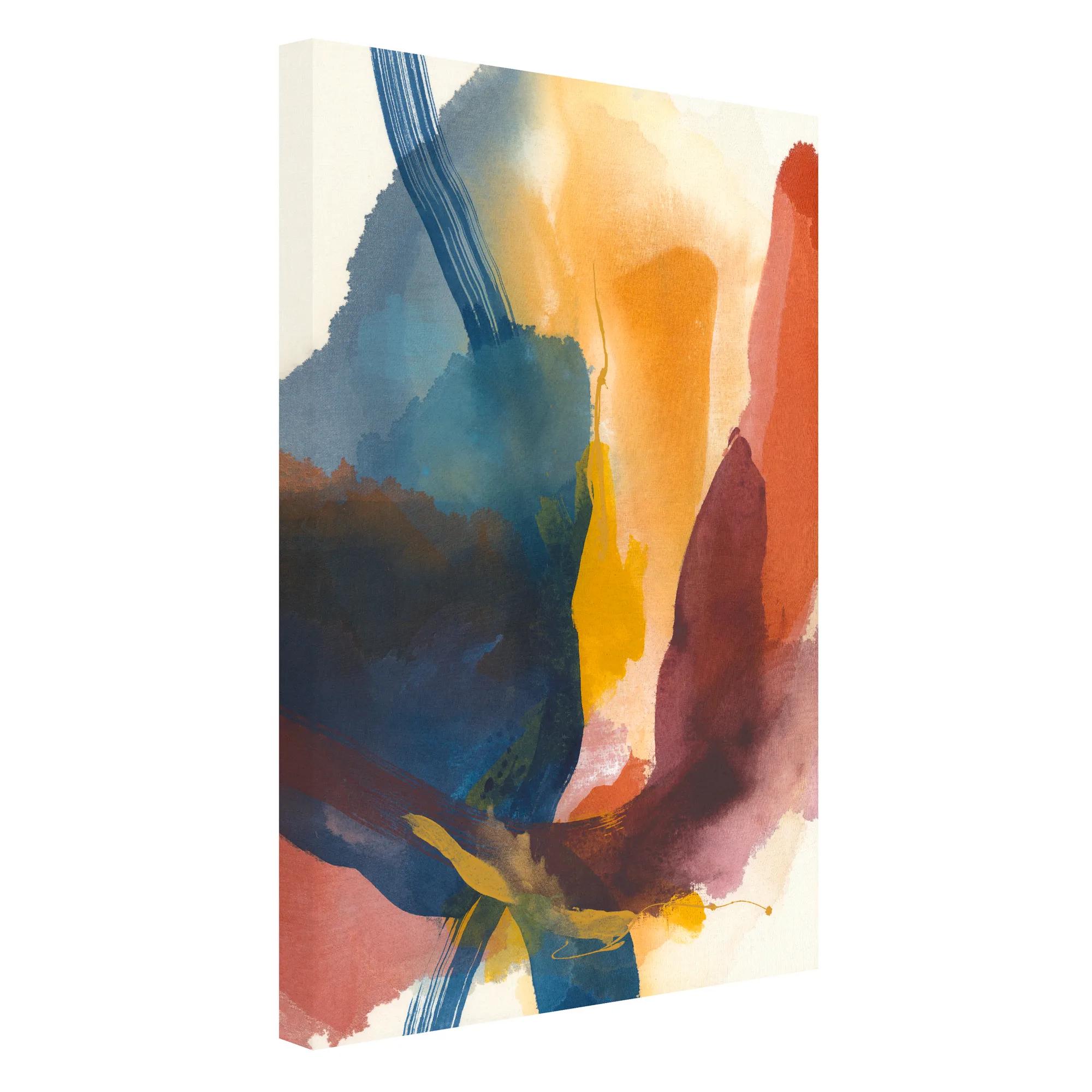 Moon Shower 1 Wall Art 30" x 40"$449
A gallery-wrapped canvas artwork featuring a hand-applied image brush gel finish for versatile display.
Add To Cart -
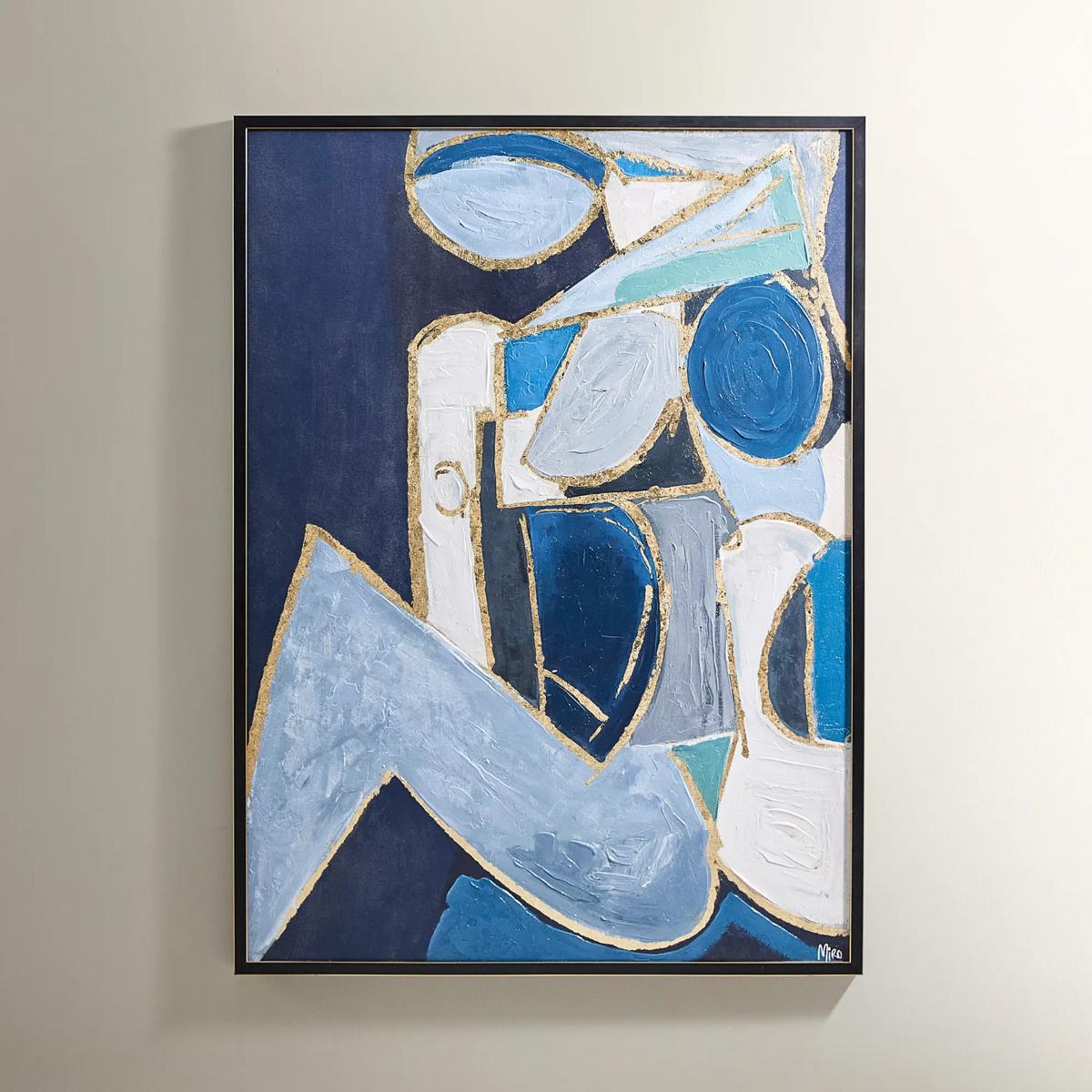
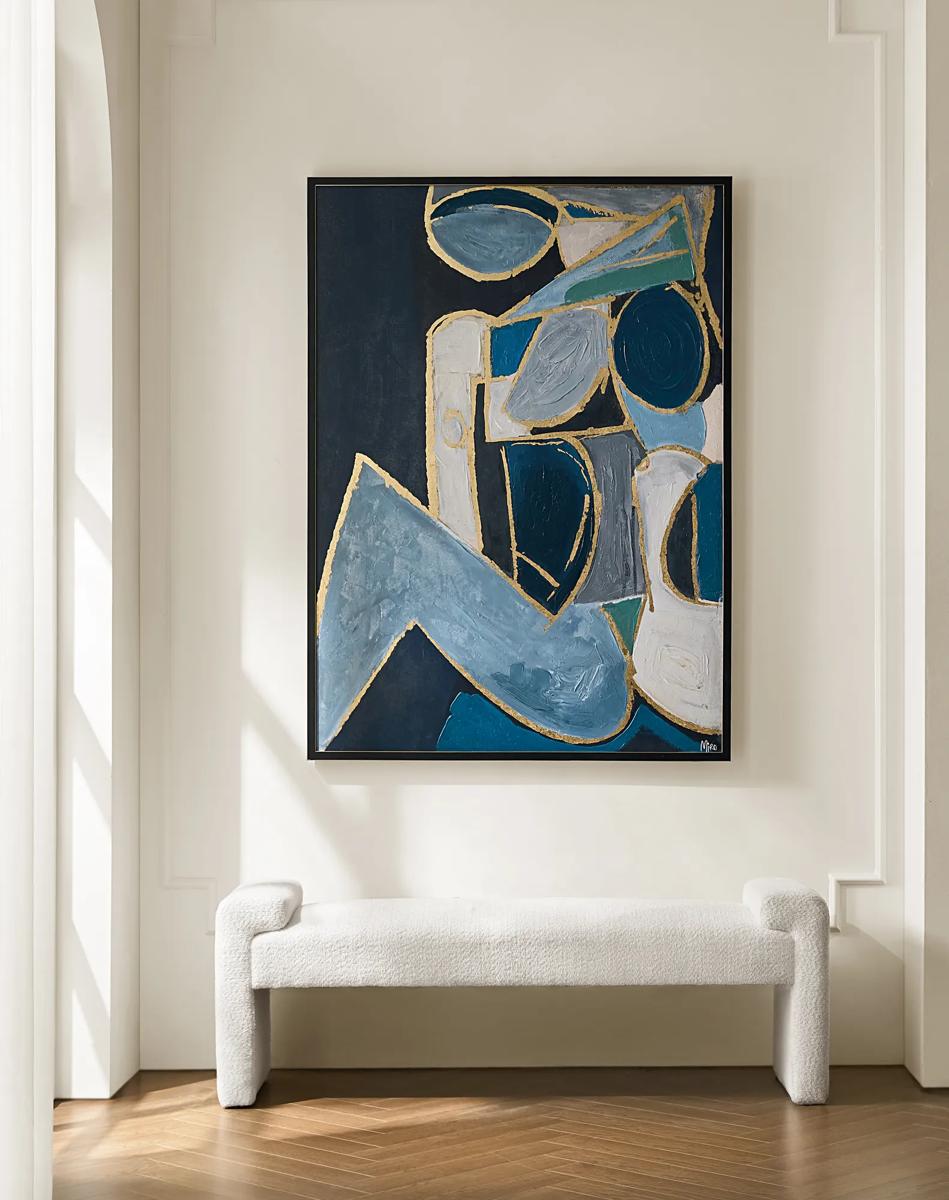 Figure in Cubism Painting$599
A hand-embellished canvas artwork featuring blue, gold, and white hues with elegant silver foil accents.
Add To Cart -
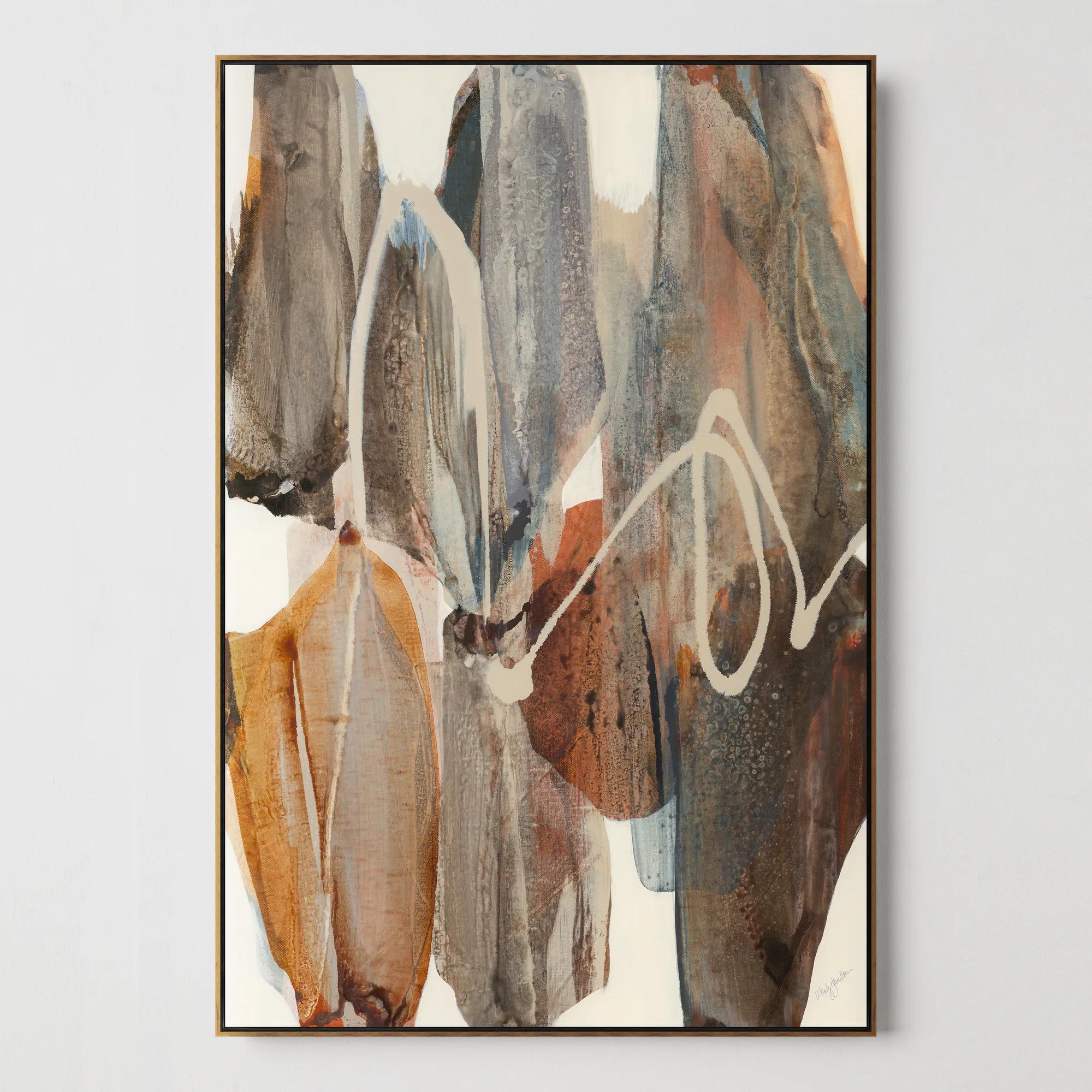
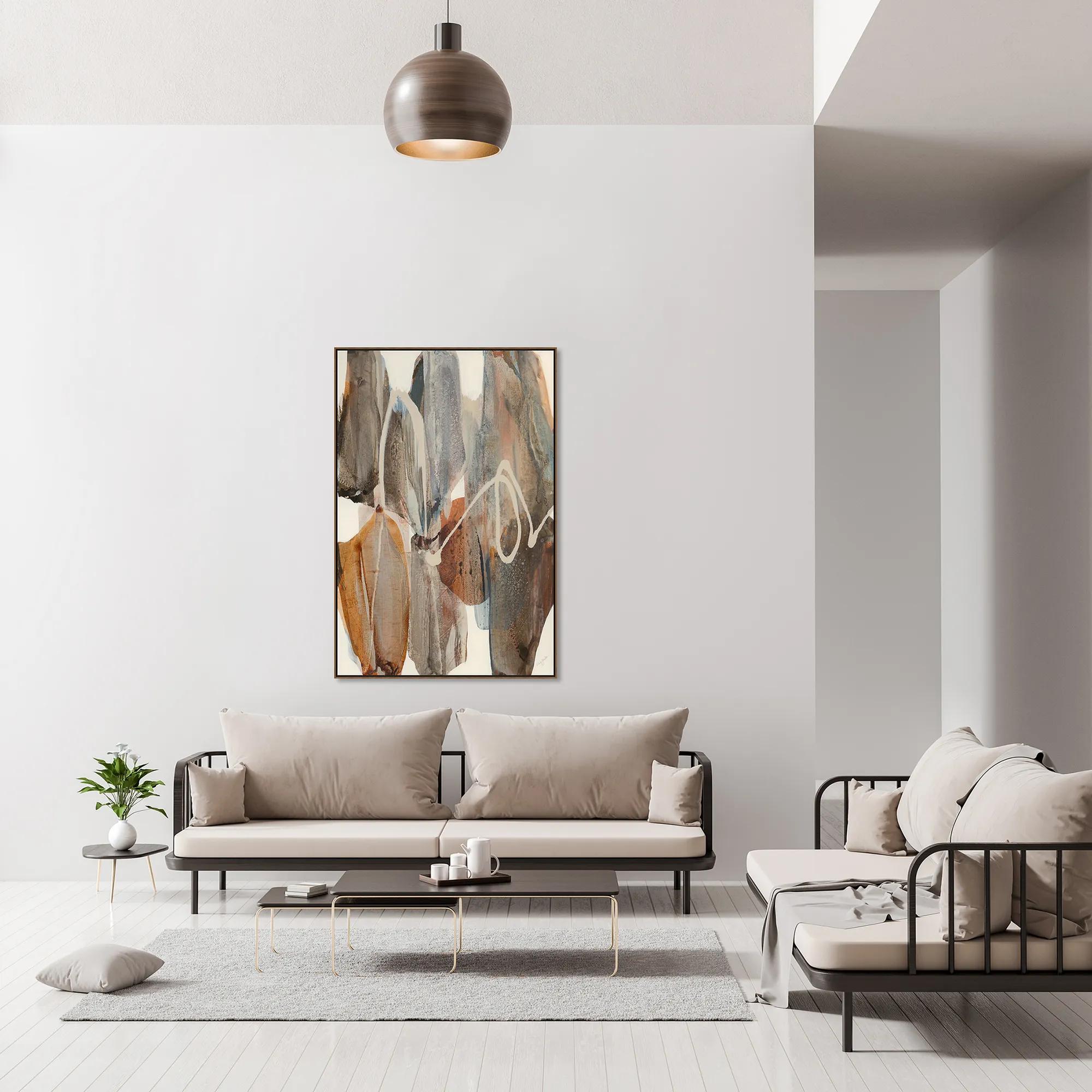 Boundless Framed Wall Art 40" x 60"$999
A gallery-wrapped canvas artwork with hand-applied brush gel finish in an oak floater frame.
Add To Cart -
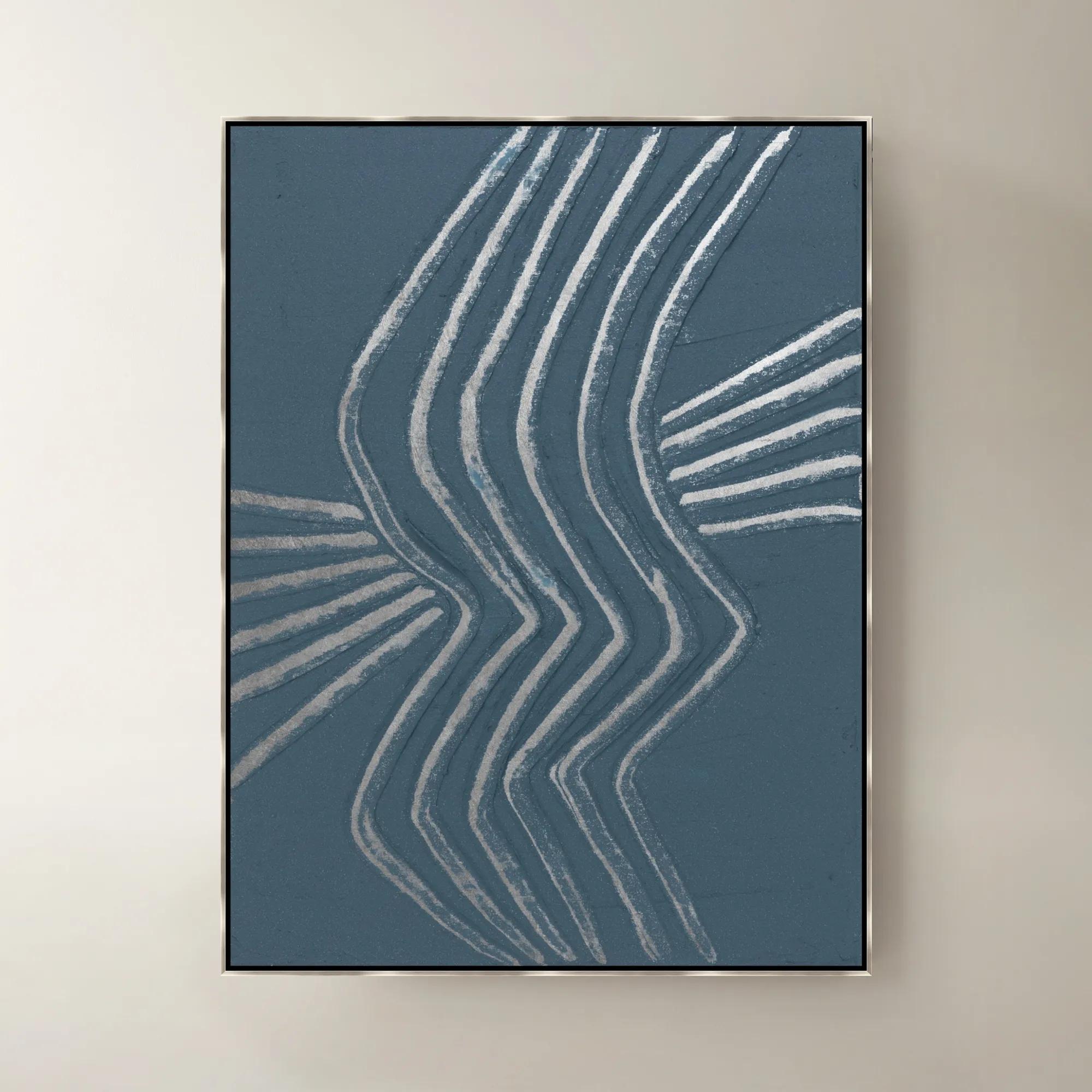
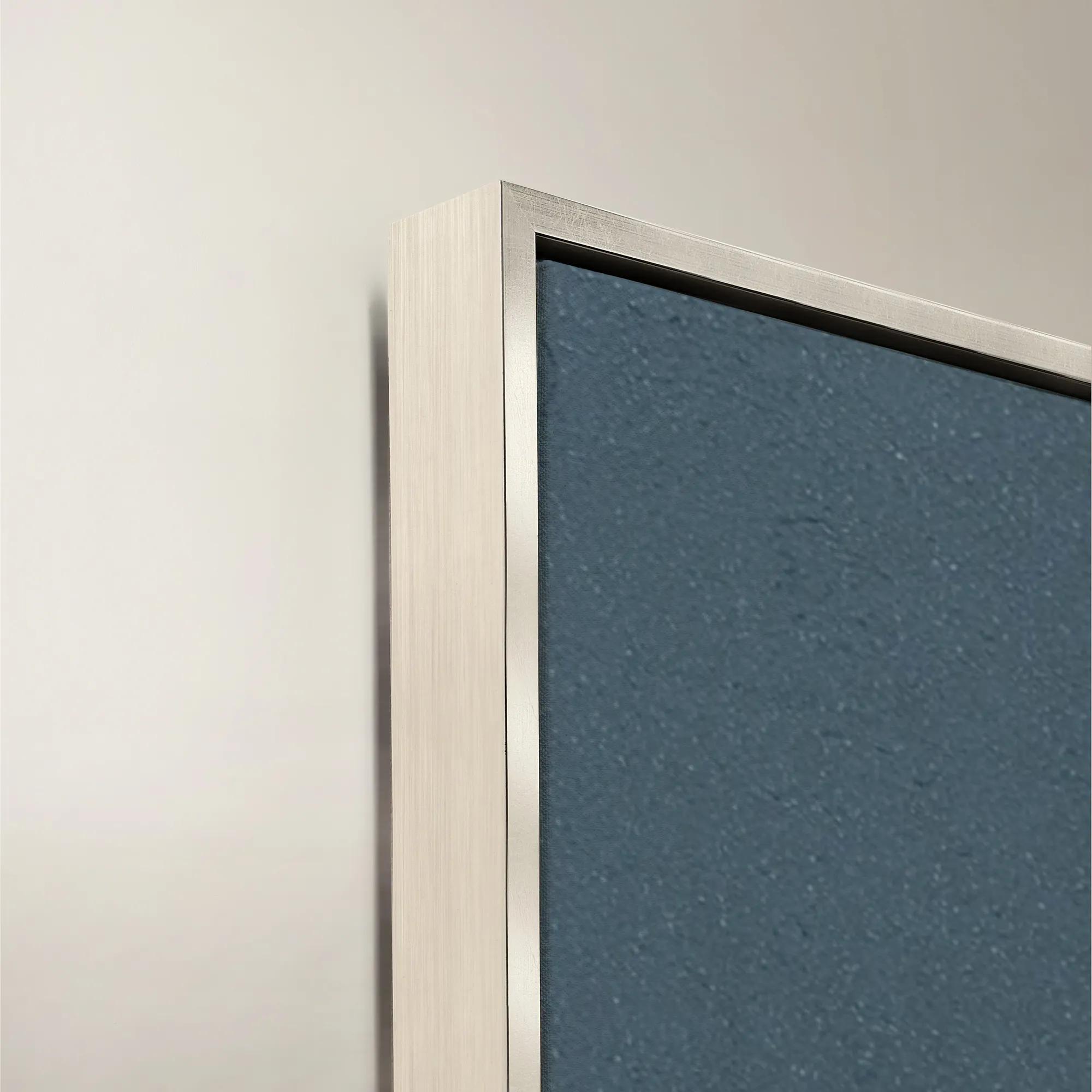 Gilded Waves IV Framed Painted Wall Art 40" x 53"$1399
A framed painted canvas artwork featuring flowing gilded waves in soothing blue and purple tones.
Add To Cart -
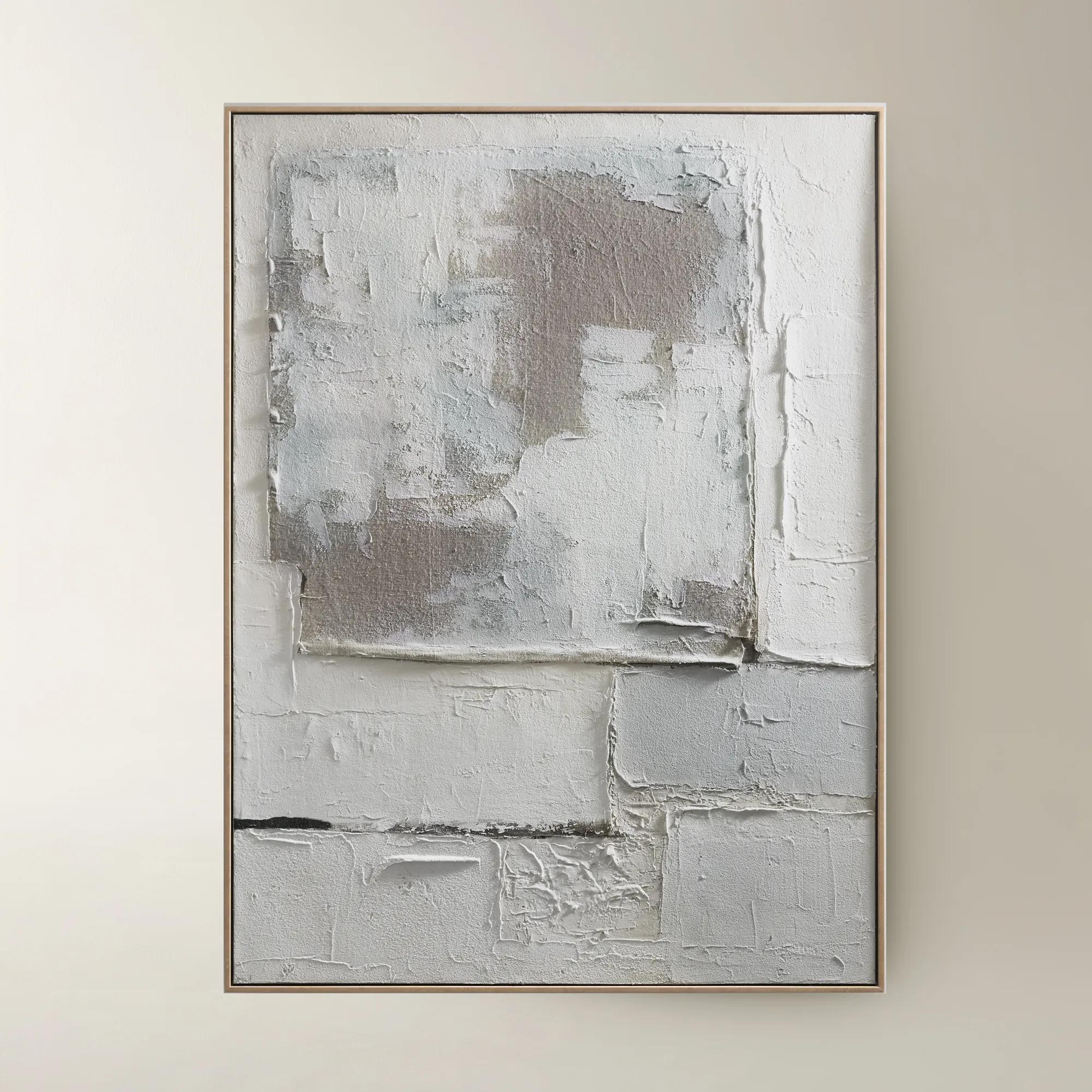
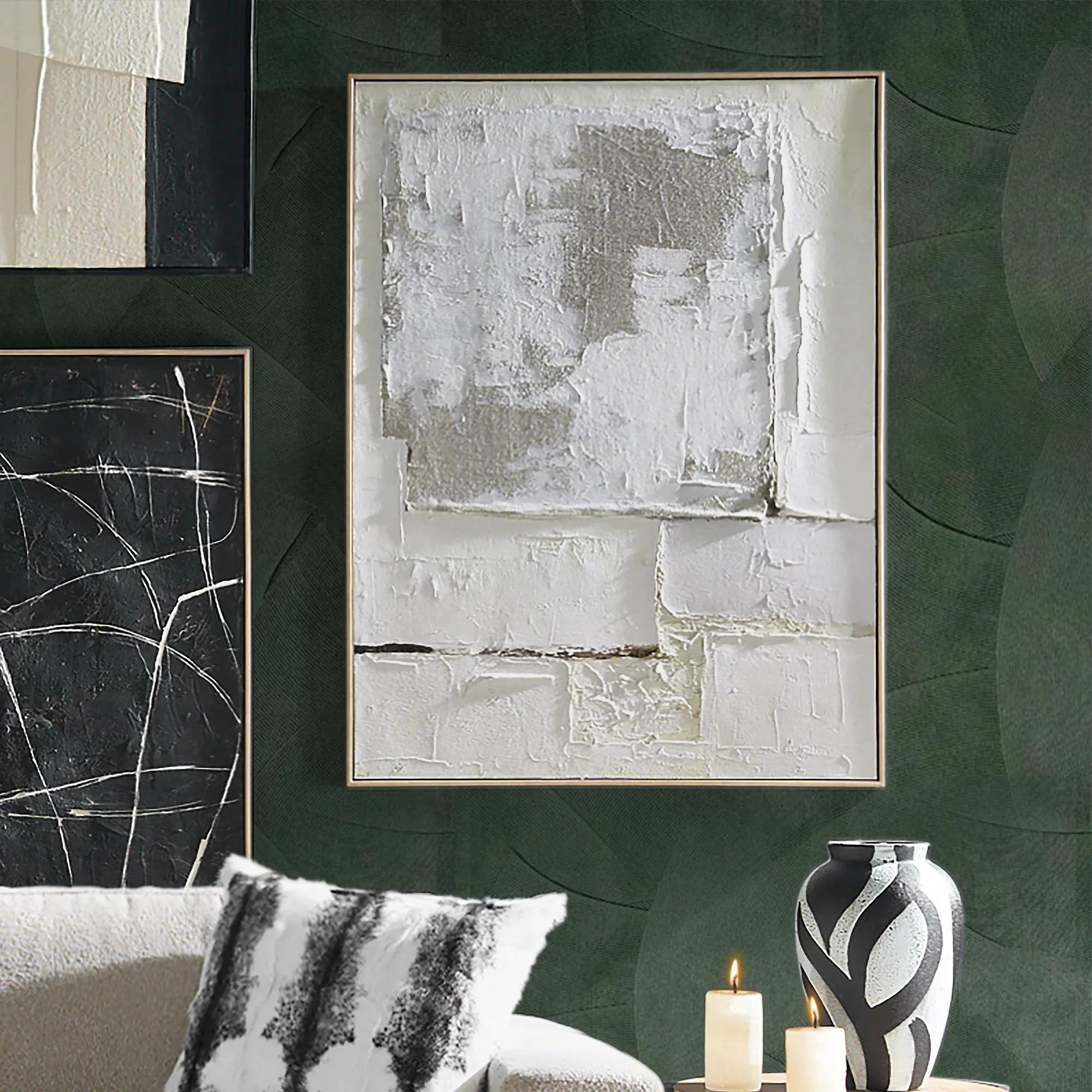 Marrow Painting$399
A hand-painted abstract canvas in subtle beige hues, elegantly framed in a warm beech wood floater.
Add To Cart -
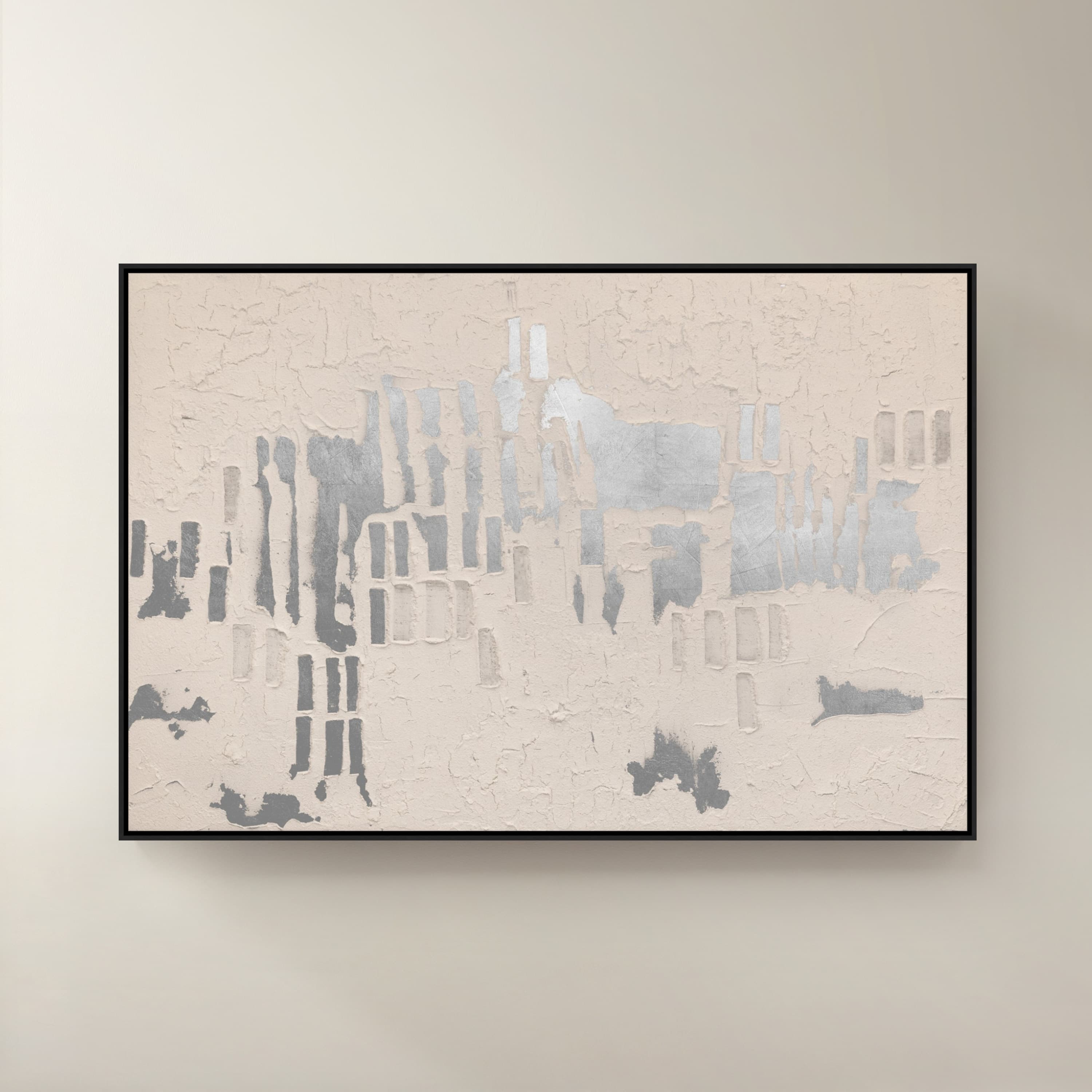
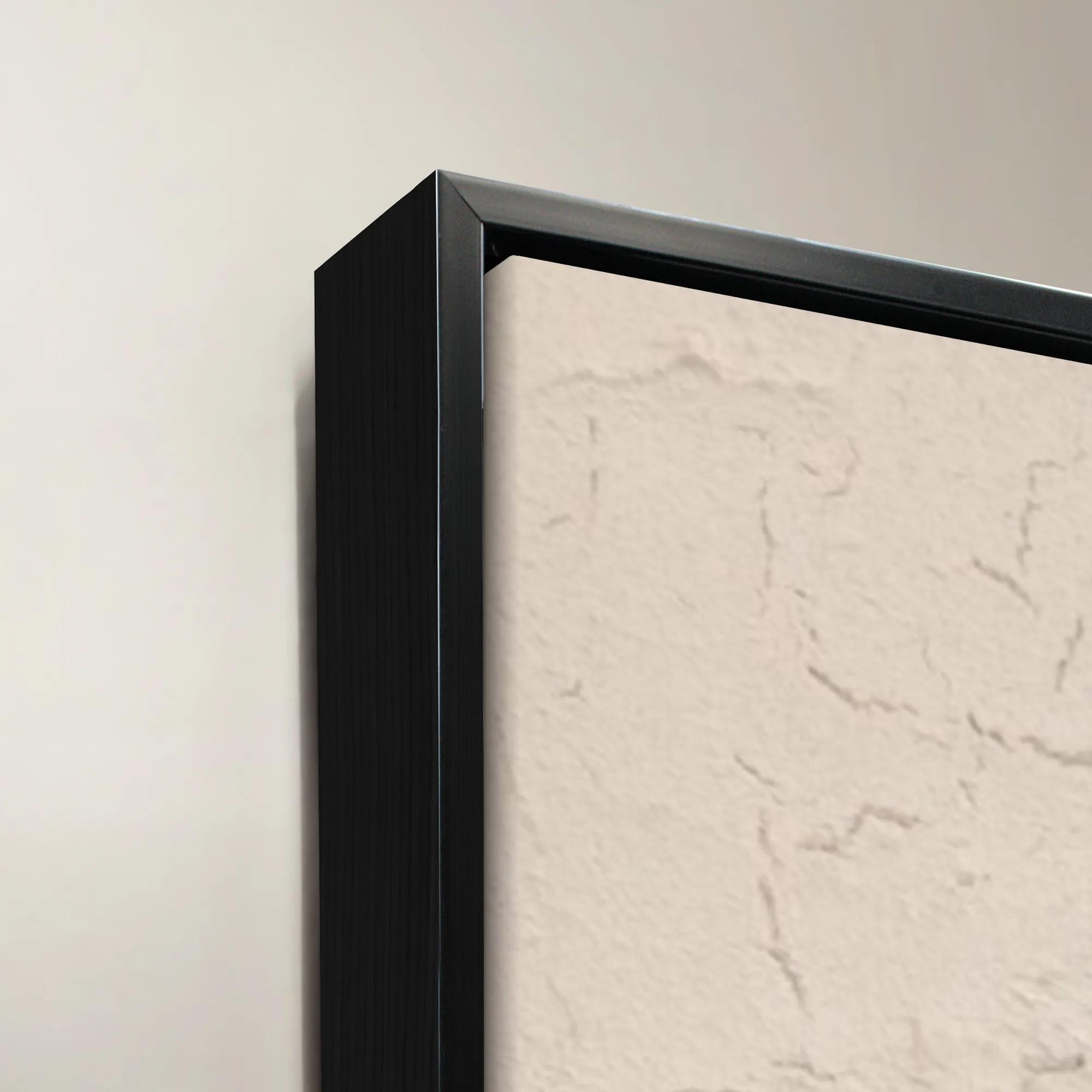 Silver Reverie Framed Painted Wall Art 60" x 40"$1699
A silver-toned painted canvas artwork framed for a sophisticated, contemporary wall display.
Add To Cart

Nature Inspired Paintings
Explore nature-inspired paintings that capture the expressive beauty of the outdoors through color, shape, and composition. Whether you’re creating a serene bedroom retreat or a dramatic living room focal point, consider how the artwork’s palette and scale will complement your furnishings and give your walls a distinct point of view.
Nature inspired paintings bring the expressive beauty of the natural world into rooms with a point of view. A sweeping landscape can lend a living room a sense of distance and possibility, while a closely observed botanical composition draws attention to the extraordinary architecture of a single leaf. Forest silhouettes, flowering branches, sculptural stones, and fluid horizons offer more than recognizable subjects; they introduce rhythm, movement, and a connection to forms that feel both familiar and endlessly intriguing. The effect depends as much on the artist’s interpretation as on the scenery itself. Loose brushwork can turn a field of foliage into a richly layered composition, while precise detail gives petals, stems, and textured bark an almost sculptural presence. A restrained arrangement of ivory, taupe, and charcoal feels especially sophisticated beside polished metal and sumptuous upholstery. Saturated greens, mineral blues, and earthy ochres make a more assertive statement, adding depth to pale walls or creating a rich relationship with darker furnishings. These paintings suit interiors that celebrate glamour without sacrificing a sense of ease: a dramatic entry, an intimate bedroom, a dining room designed for lingering conversation. Their appeal extends from nature enthusiasts and gardeners to collectors drawn to expressive color or distinctive compositions. A floral painting need not feel delicate, and a landscape need not feel traditional. Oversized blooms can command attention with the confidence of a portrait, while a spare arrangement of branches can introduce striking graphic contrast. For a home office, a distant horizon offers a visual counterpoint to the close focus of a desk. In a sitting area, richly painted foliage can echo the curves of an accent chair or soften the geometry of a streamlined sofa. Nature wall art gives those relationships a focal point, allowing a room to feel composed, personal, and alive with detail.
Scale and placement determine how that artistry lives within a space. A broad horizontal painting above a sofa can establish the room’s central composition, while a tall botanical image brings emphasis to a narrow wall beside a console. Artwork generally feels more connected to the furnishings beneath it when its width sits comfortably within their span rather than extending beyond them. Generous dimensions can reveal the sweep of a painted shoreline or the intricate branching of a tree, making the subject feel immersive rather than incidental. Smaller paintings invite a closer look and work beautifully in intimate arrangements, especially when repeated tones or compatible frames give the grouping a deliberate rhythm. Two related landscapes might create balance above a sideboard; a more varied arrangement of botanical and organic imagery can lend a reading corner the character of a collected interior. There is no need for every color in a painting to appear elsewhere in the room. Repeating one subtle note—a smoky blue in a pillow, a mossy green in upholstery, a warm neutral in a rug—often creates a more nuanced connection than an exact match. For an interpretation shaped more by gesture, texture, and suggestion, explore Nature Inspired Abstract Wall Arts, where the relationship between natural forms and expressive composition takes a less literal direction. Abstract and representational approaches can also share a room when their palettes or proportions complement one another. Frame profiles further influence the effect: a slender dark border sharpens delicate imagery, a warm wood tone reinforces an earthy palette, and a metallic finish introduces a polished counterpoint to organic subjects. Wall color matters, too. Pale backgrounds allow deeper pigments to stand forward, while richly colored walls can make lighter passages appear especially luminous. The most compelling arrangement gives the painting enough surrounding space to be seen clearly without leaving it visually disconnected from the rest of the room.
Materials and construction shape both the appearance of nature inspired paintings and the way they should be displayed. An original painting, a hand-embellished reproduction, and a printed interpretation can each offer a distinctive visual experience, so the medium and finish deserve attention alongside the image. Canvas has a visible weave that can complement expressive landscapes and layered botanical subjects; paper can lend clarity to fine lines and subtle tonal transitions. Raised paint or applied texture catches light differently from a smooth printed surface, creating changing points of emphasis as the viewing angle shifts. A stretched canvas may present a clean, dimensional edge, while a framed work can add structure and a more finished architectural presence. The dimensions listed for an artwork may refer to the image, the canvas, or the complete framed piece, making overall measurements particularly important above a mantel or between built-in shelves. Weight and mounting requirements also matter, especially for large compositions; hardware should suit both the artwork and the wall material. Thoughtful placement helps preserve color and surface quality over time. Prolonged direct sunlight, excessive moisture, and close exposure to heat can affect artwork, so a dry interior wall away from these conditions is generally preferable. Protective glazing can be useful for works on paper, although its specific properties vary, and any UV protection should not be mistaken for immunity to fading. Routine care is best kept gentle and consistent with the artwork’s instructions. Frames can often be dusted with a soft, dry cloth, while painted or embellished surfaces should not be scrubbed or treated with household cleaners. Cleaning liquid should never be sprayed directly onto framed art, where moisture may reach the edges. With appropriate handling, nature-themed artwork can remain a lasting part of an interior rather than a fleeting decorative accent. It also makes a meaningful housewarming, wedding, or milestone gift when the subject reflects the recipient’s interests: botanical imagery for an avid gardener, a coastal composition for someone with a cherished connection to the sea, or an expansive landscape for a traveler. Chosen with attention to the room and the person who inhabits it, a painting becomes a distinctive expression of what makes a home feel deeply personal.
FAQs
Nature-inspired paintings translate the beauty of the outdoors into expressive works of art. From atmospheric landscapes to abstract interpretations of water, foliage, and stone, they bring organic movement and a sense of wonder to an interior.
Botanical forms, ocean horizons, forest scenes, and dramatic mountain ranges are enduring subjects. For a more unexpected expression, look for paintings that reinterpret natural details—such as rippling water or branching silhouettes—through bold color and gestural lines.
Nature-inspired artwork introduces fluid lines and expressive detail that contrast beautifully with streamlined furniture. A moody landscape can lend depth to a polished living room, while an abstract botanical composition adds an artistic flourish without disrupting a contemporary aesthetic.
Decide whether you want your artwork to echo the room or create a striking contrast. Misty blues and soft greens establish a serene mood, while saturated jewel tones and deep charcoal bring drama. Repeat an accent color in decorative accessories to give the composition a deliberate connection to the room.
Yes—nature-inspired paintings and abstract art can create a richly layered display. Connect the works through a shared palette, recurring curves, or a similar sense of movement. The contrast between recognizable scenery and freer expression gives your walls a personal, collected perspective.