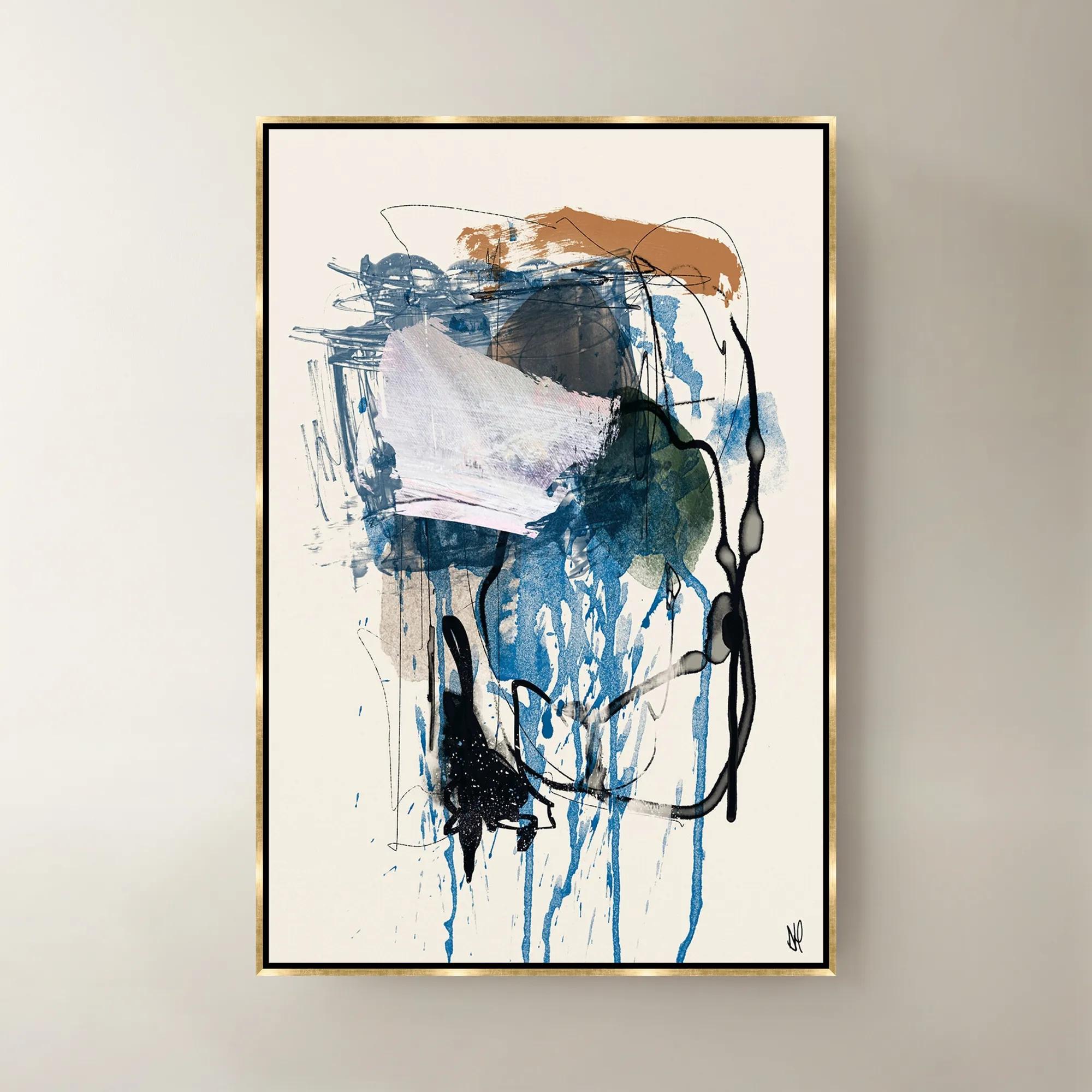
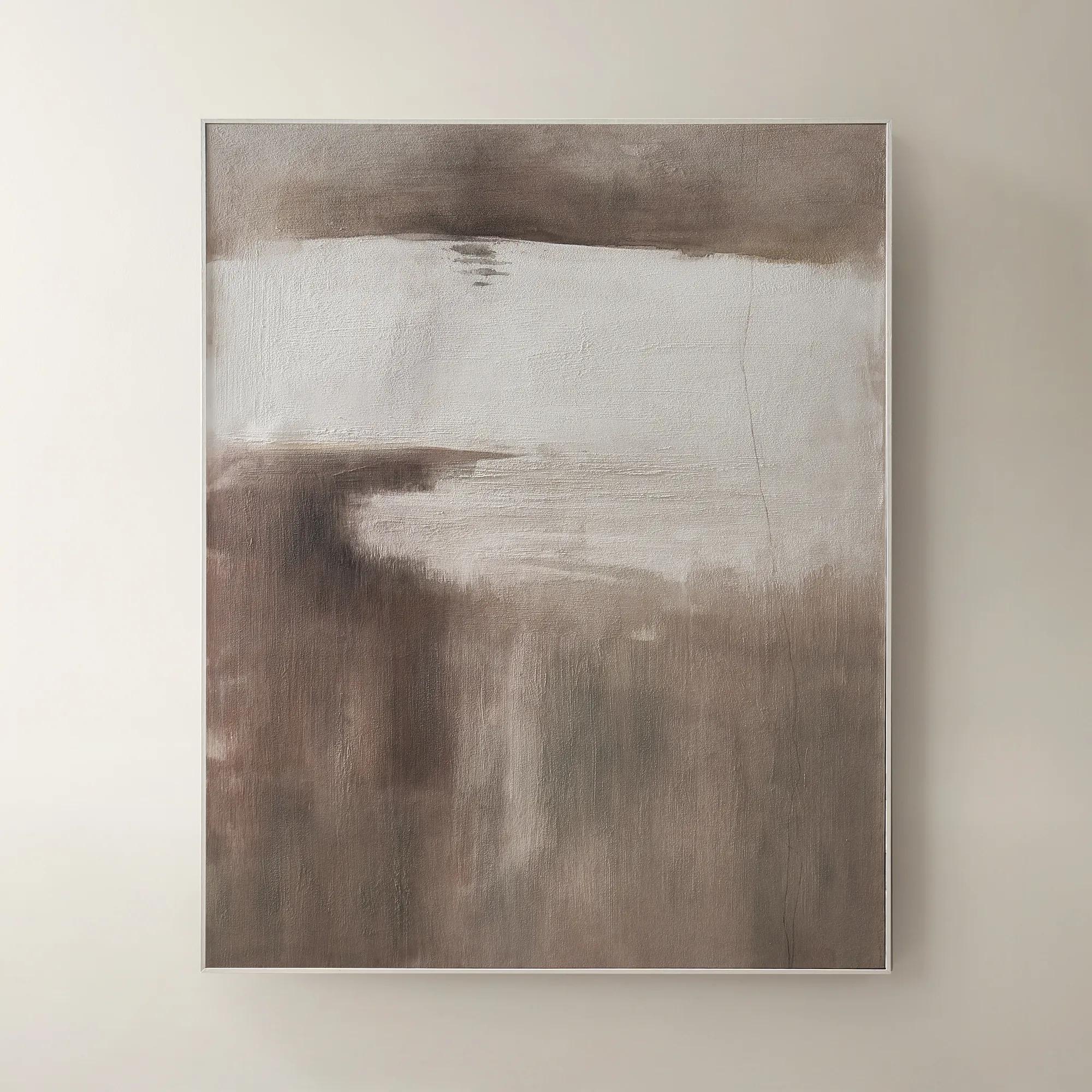
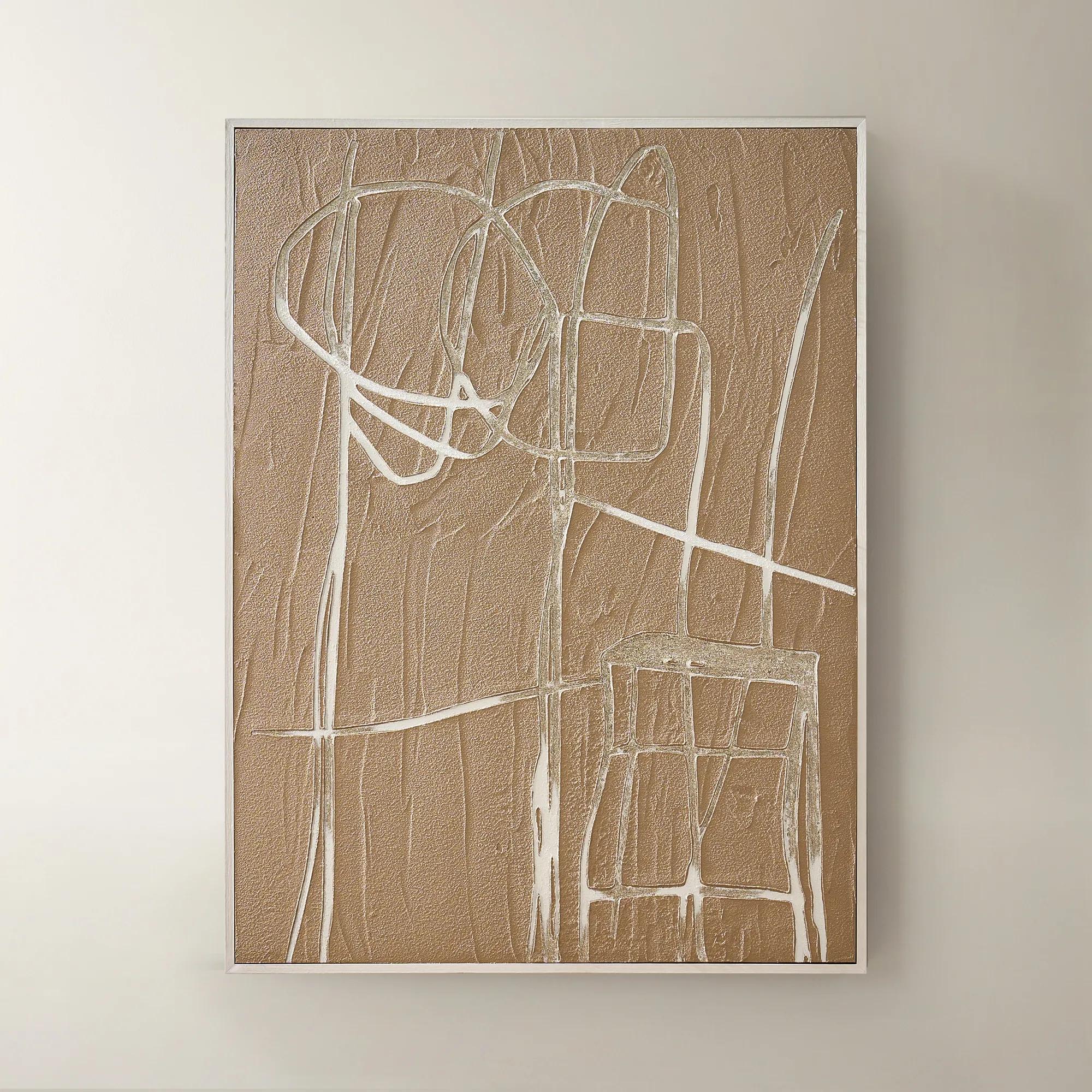
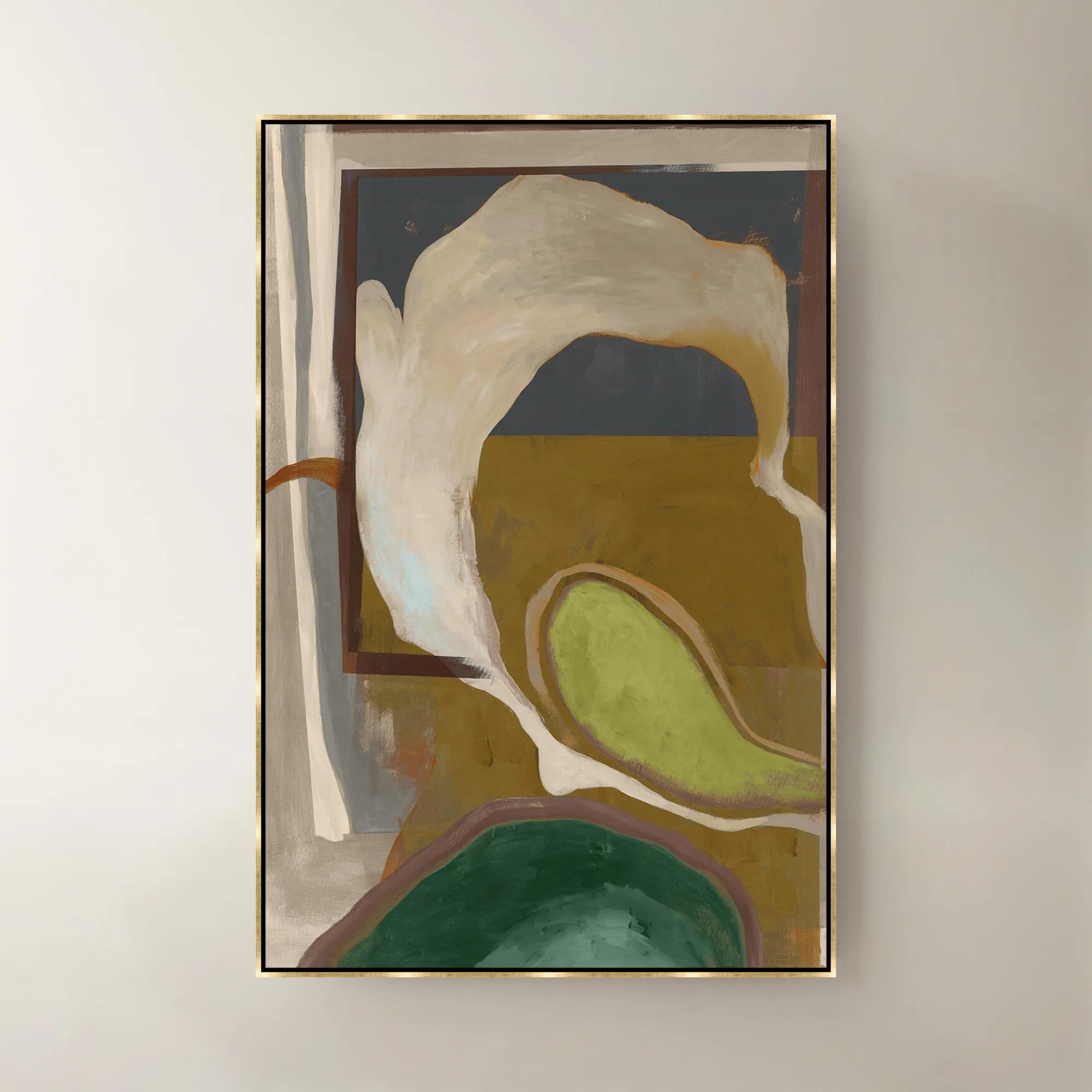
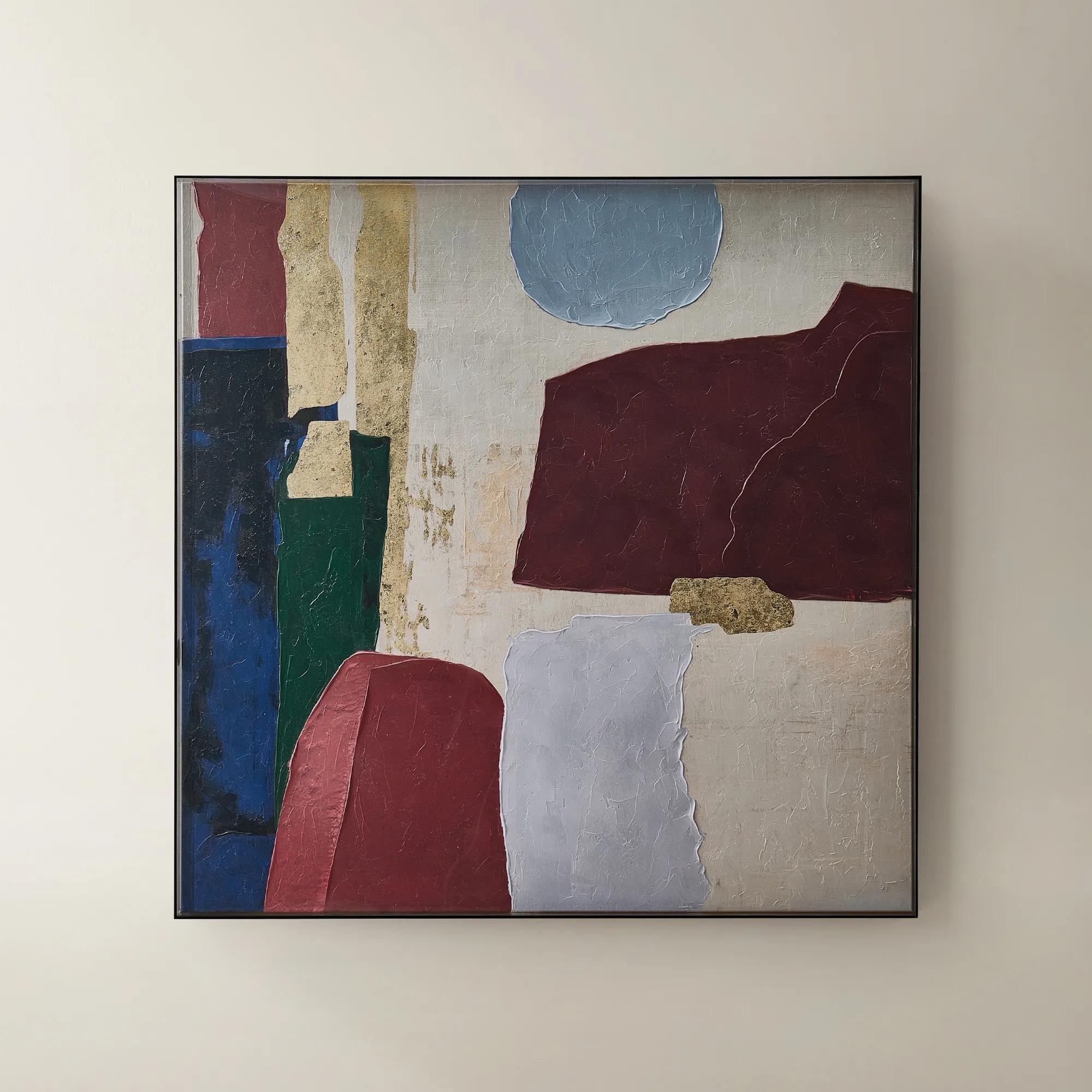
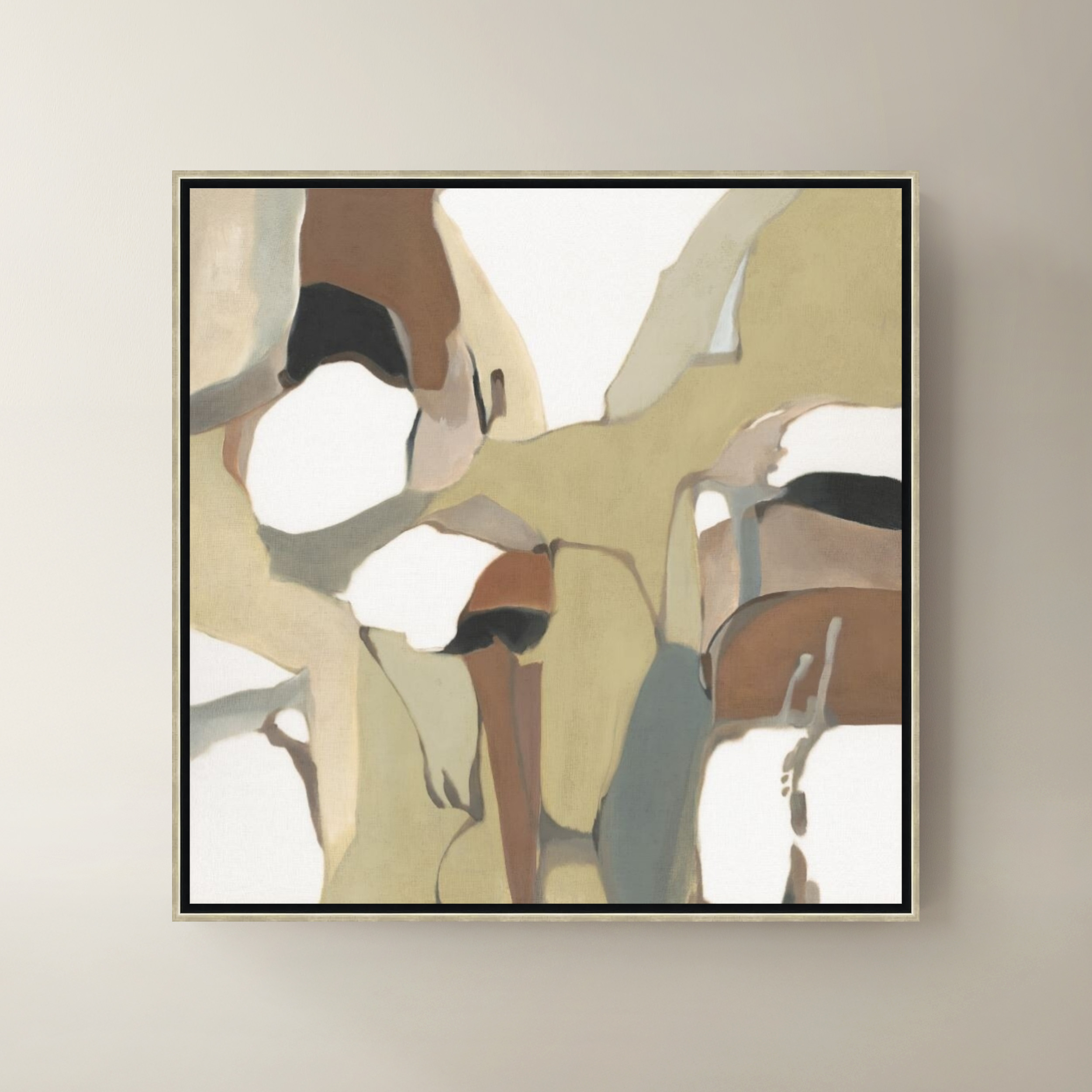
Minimalist Geometric Wall Art
Minimalist Geometric Wall Art
-
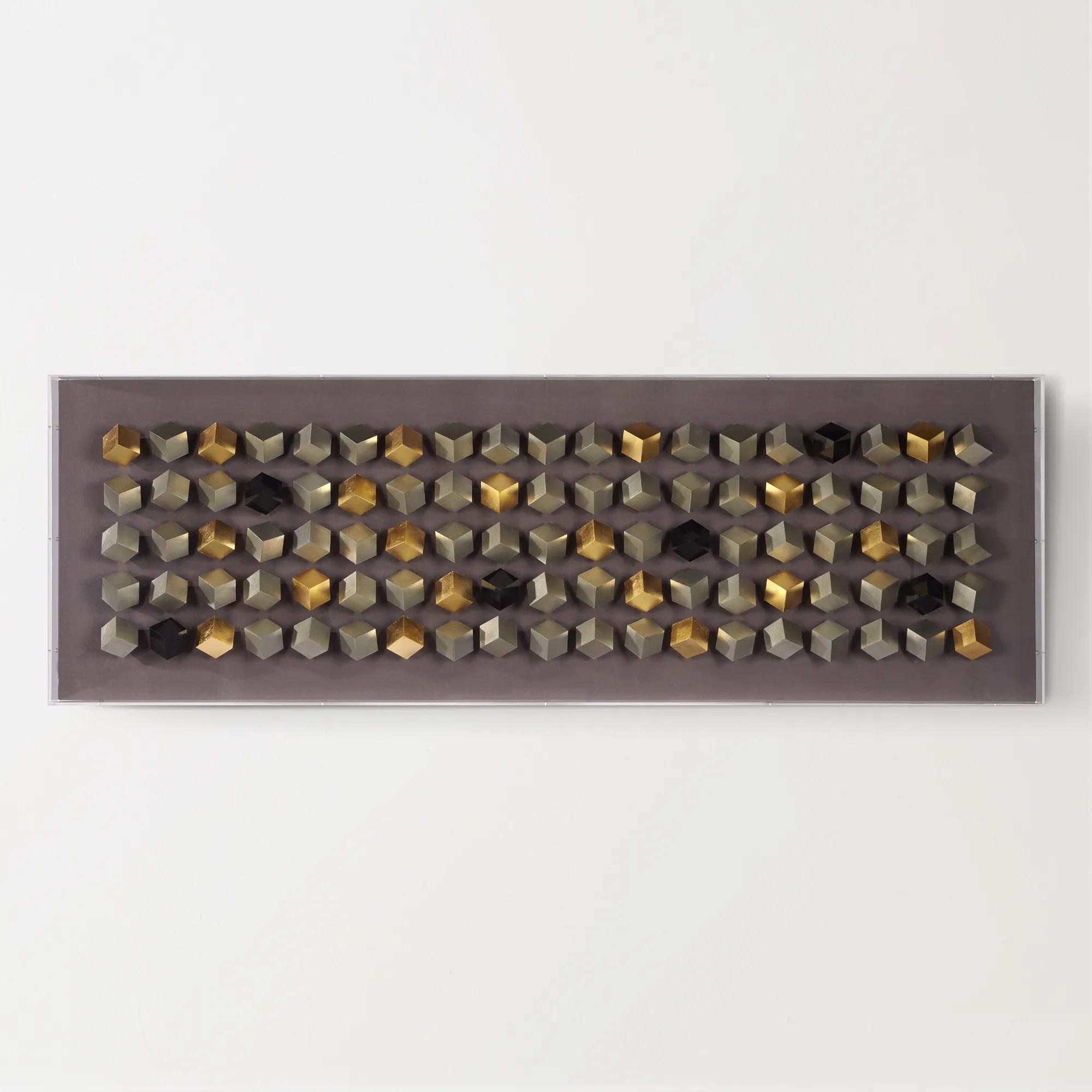
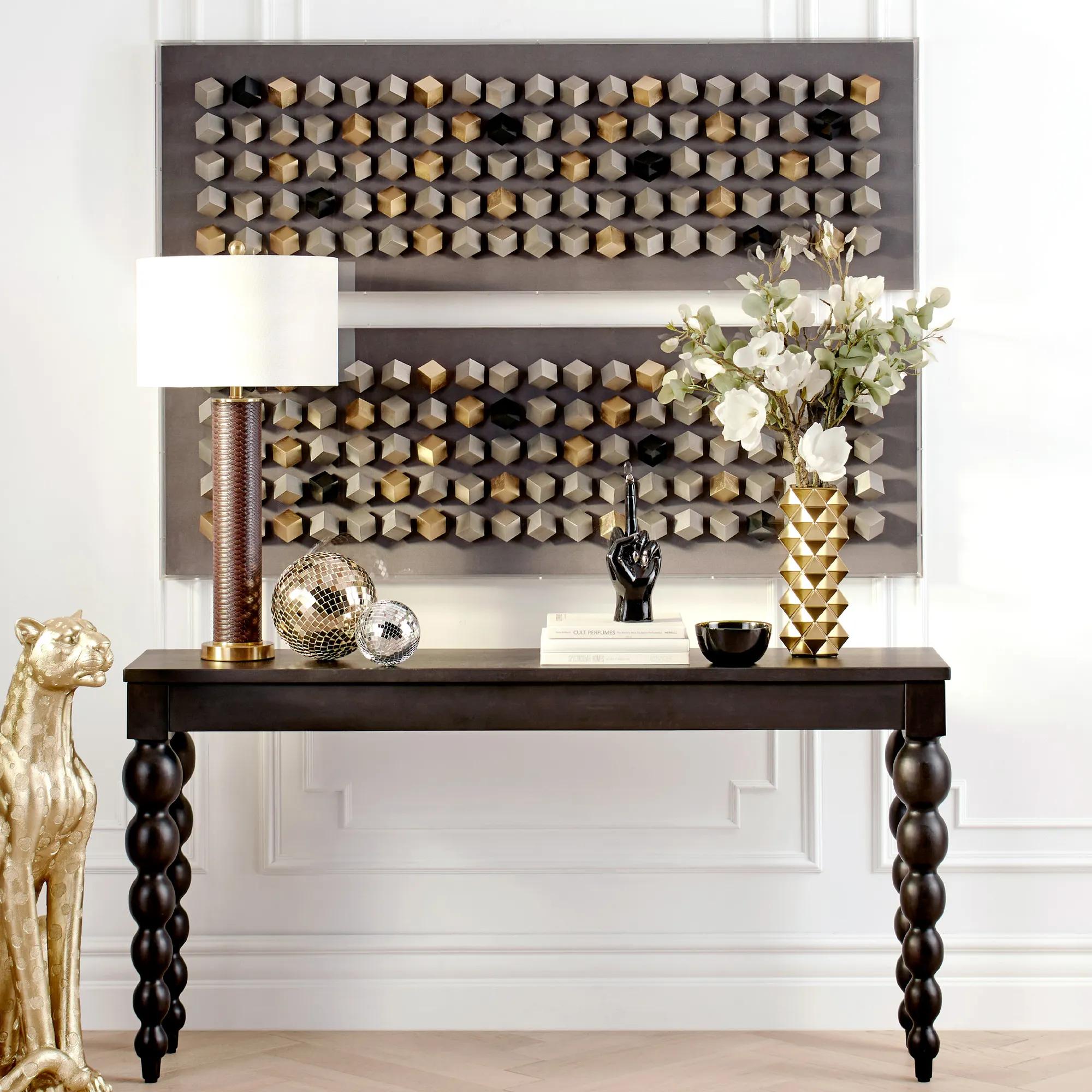 Cubic Array Dimensional Wall Decor in Acrylic 59" x 19.75"$599
A striking shadowbox wall art featuring a cubic, dimensional design with a tri-tone metallic finish.
Add To Cart -
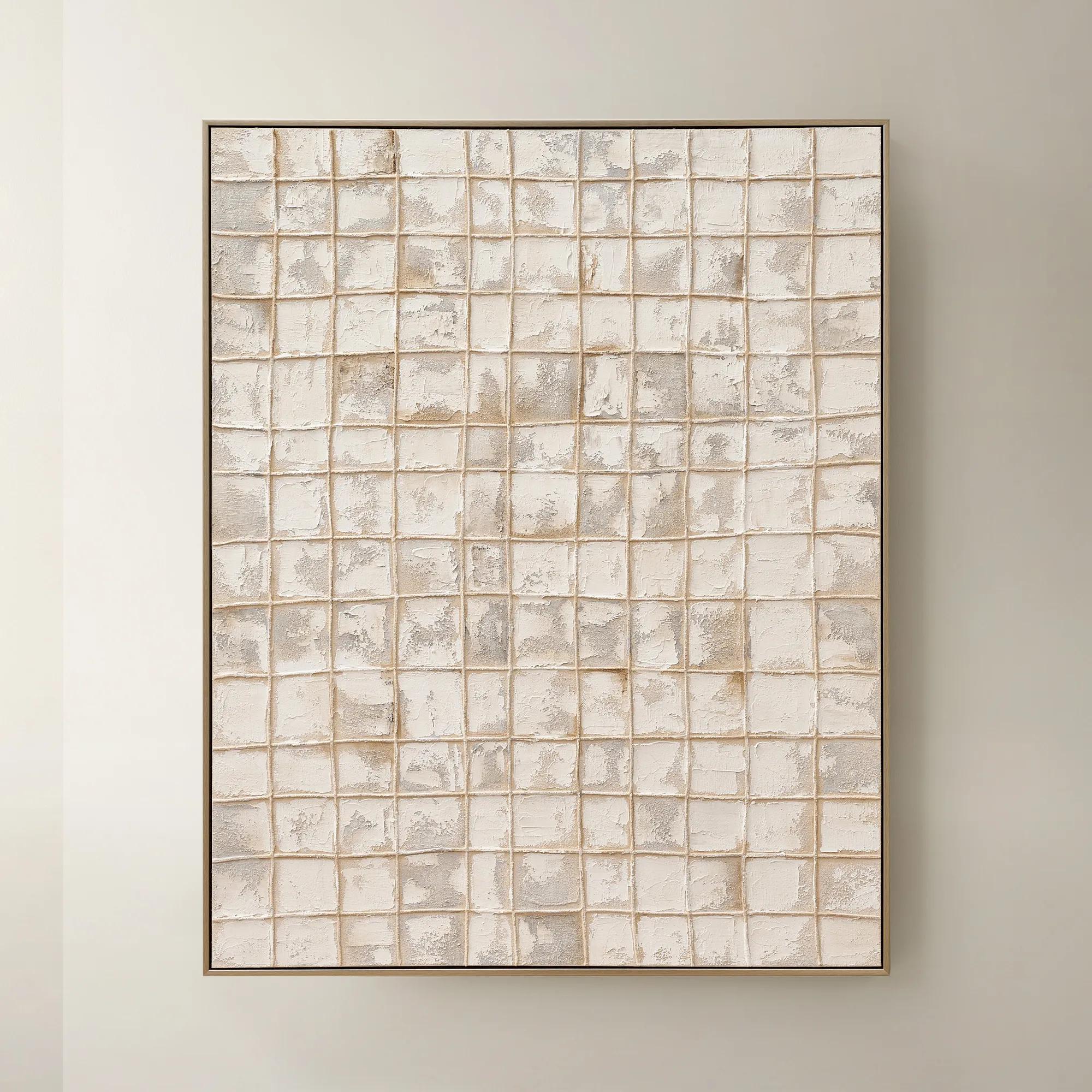
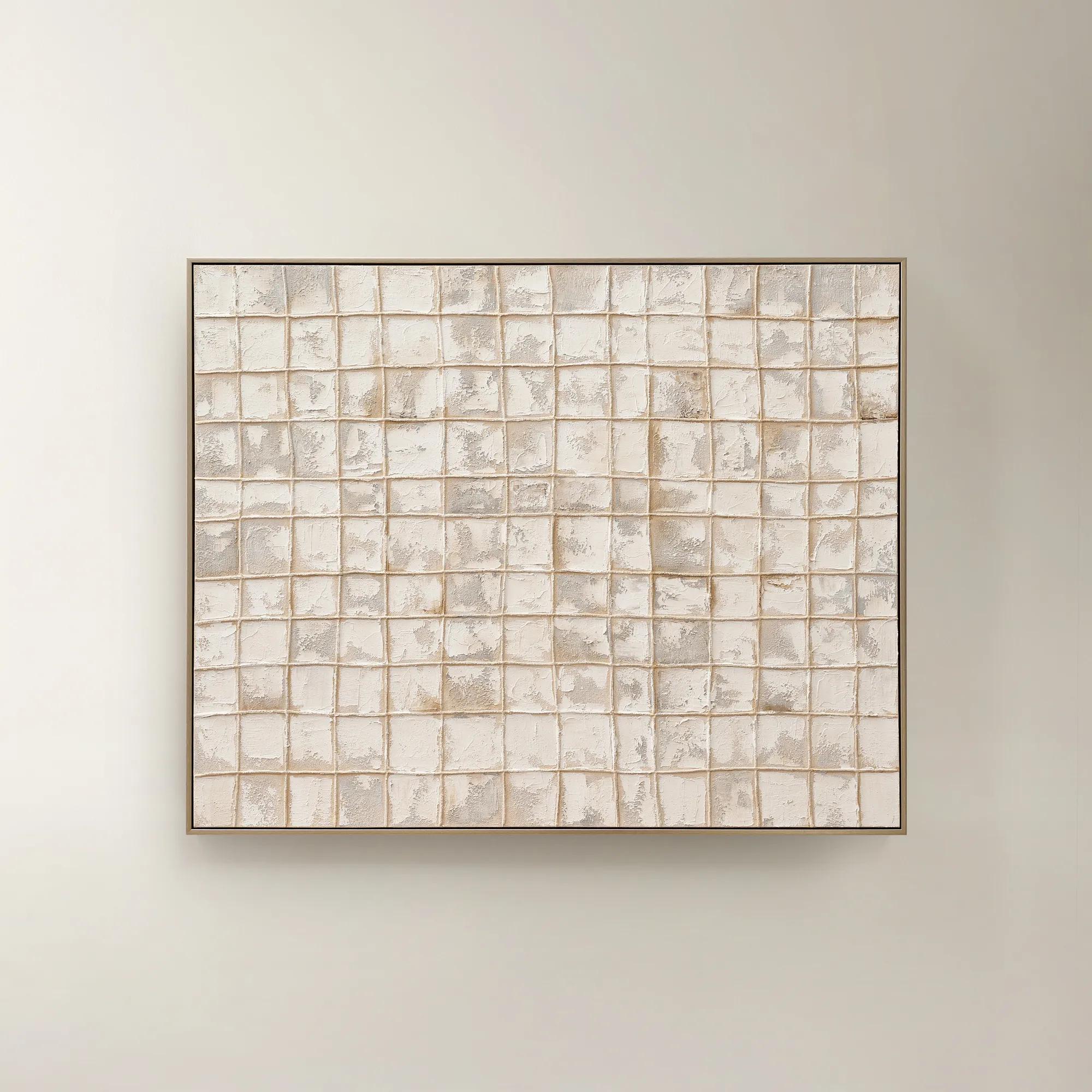 Painted Echos Framed Gold Leaf Wall Art 60" x 48"$699
A hand-painted abstract canvas with gold leaf accents and a champagne frame for modern, versatile display.
Add To Cart -
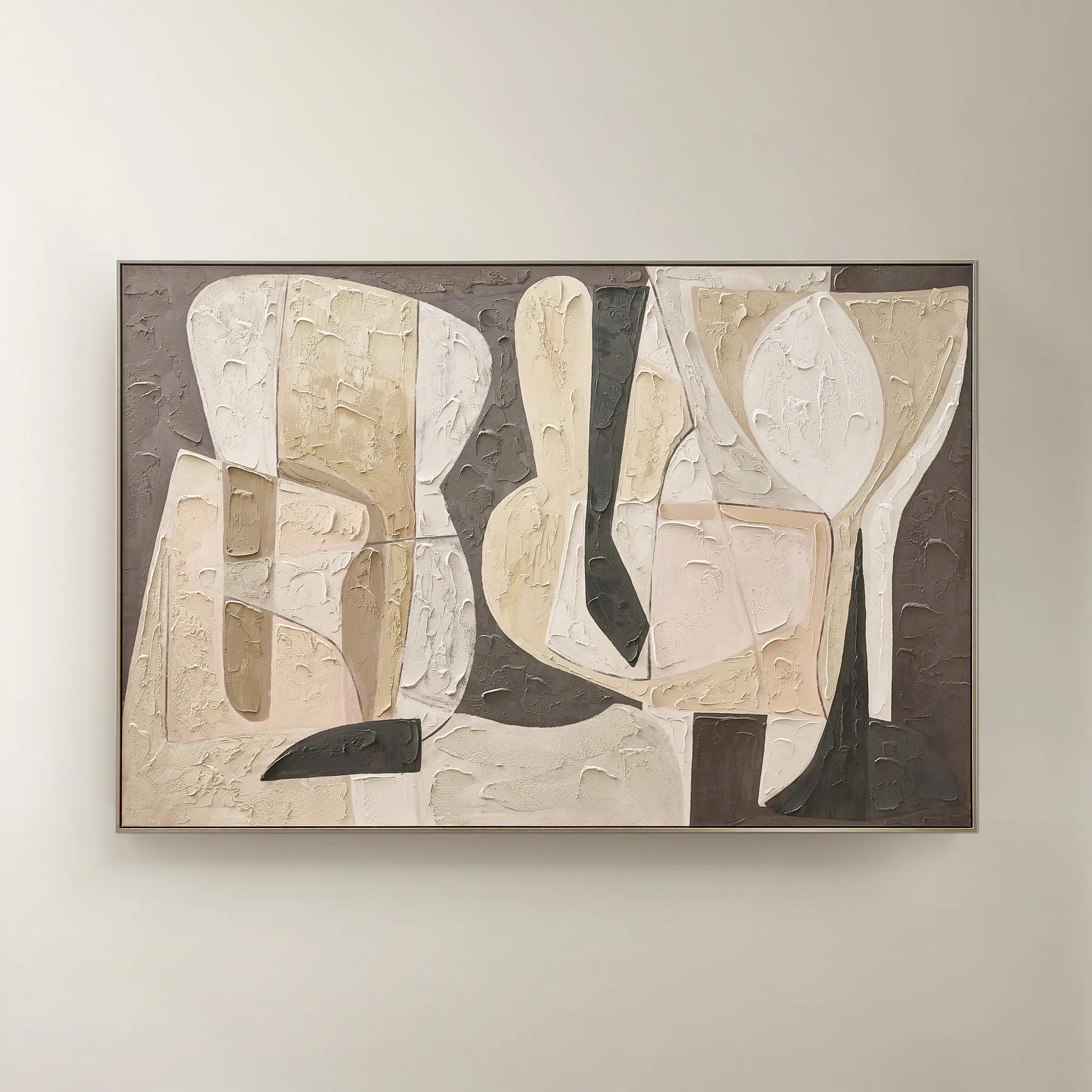 Wishful Thinking Framed Painted Wall Art 72" x 48"$599
A hand-painted abstract canvas featuring bold geometric forms and warm smoked plum, apricot, and tawny hues.
Add To Cart -
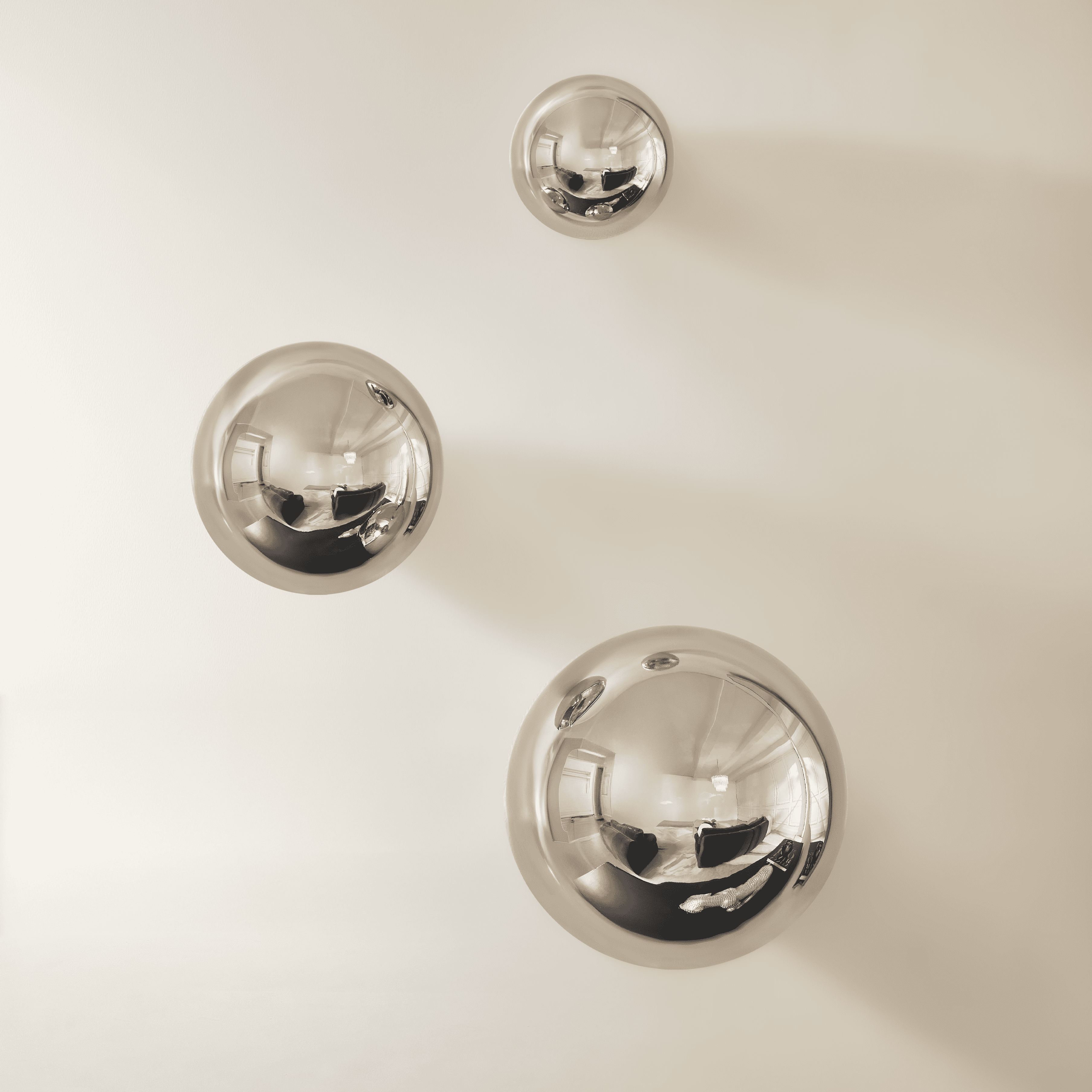
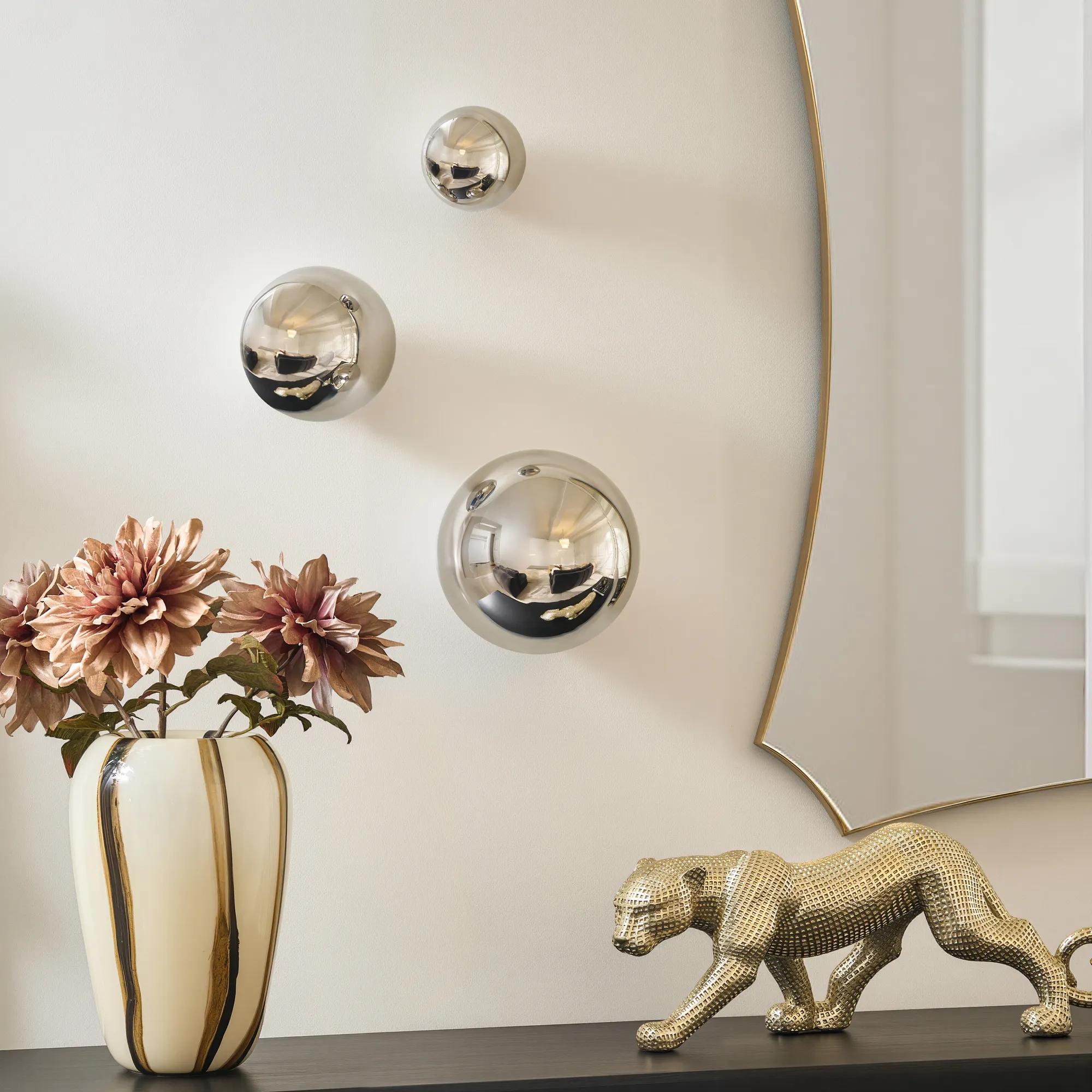 Chrome Spheres Stainless Steel Wall Decor Set of 3$129
A set of three polished chrome stainless steel spheres adds modern sculptural shine to any wall display.
Add To Cart -
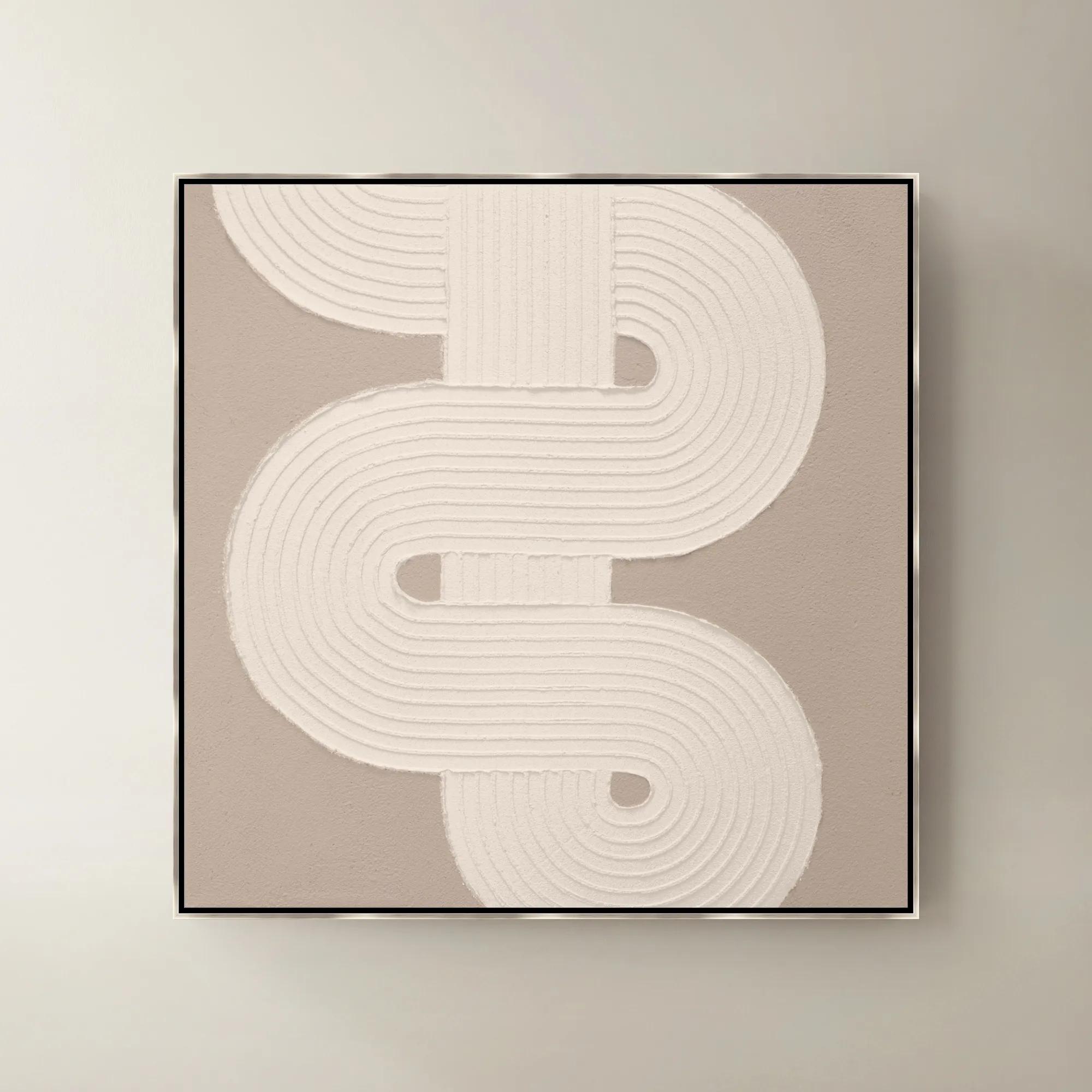
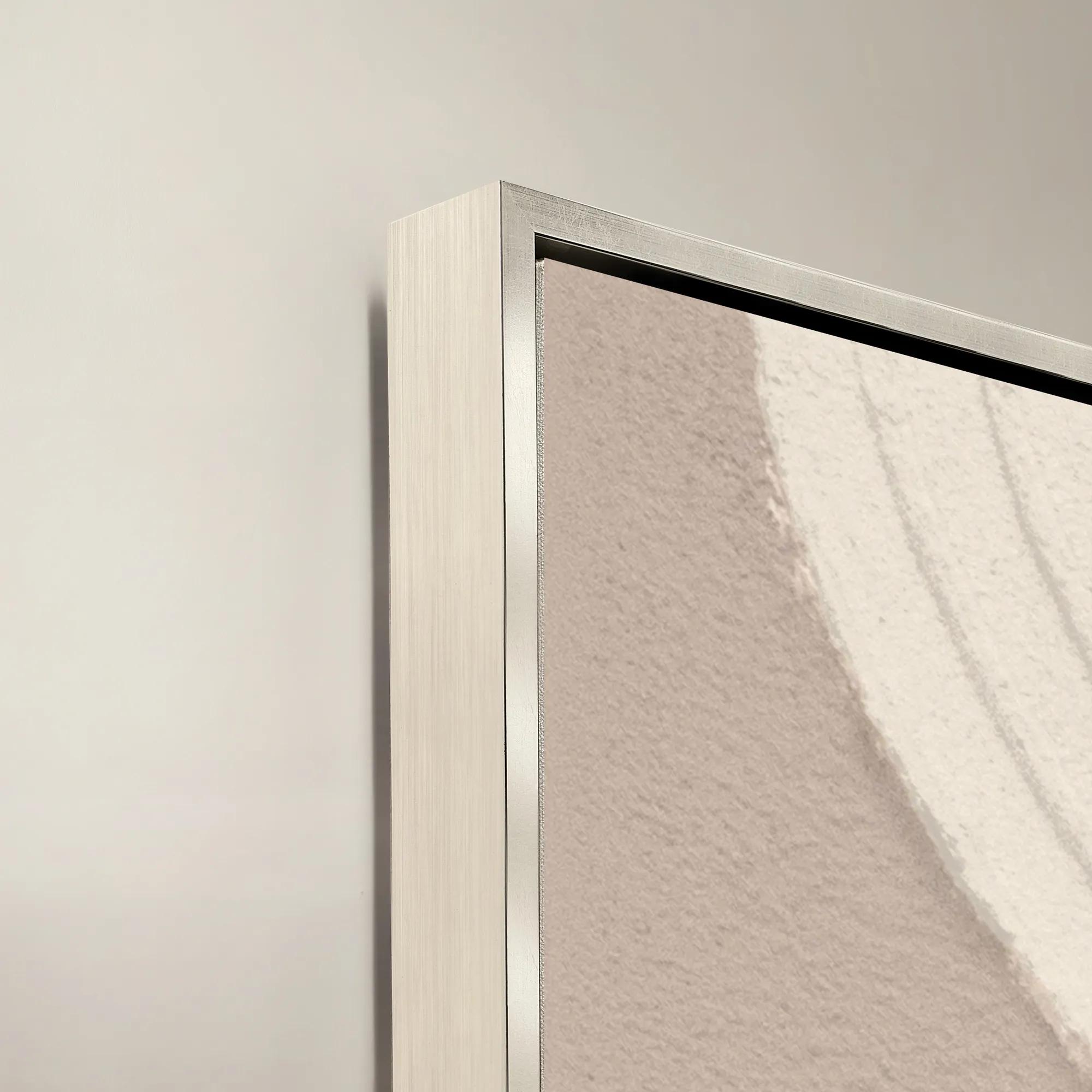 Sacred Geometry V Framed Painted Wall Art 40" x 40"$1099
A striking abstract art piece featuring bold geometric patterns for a modern, sophisticated touch.
Add To Cart -
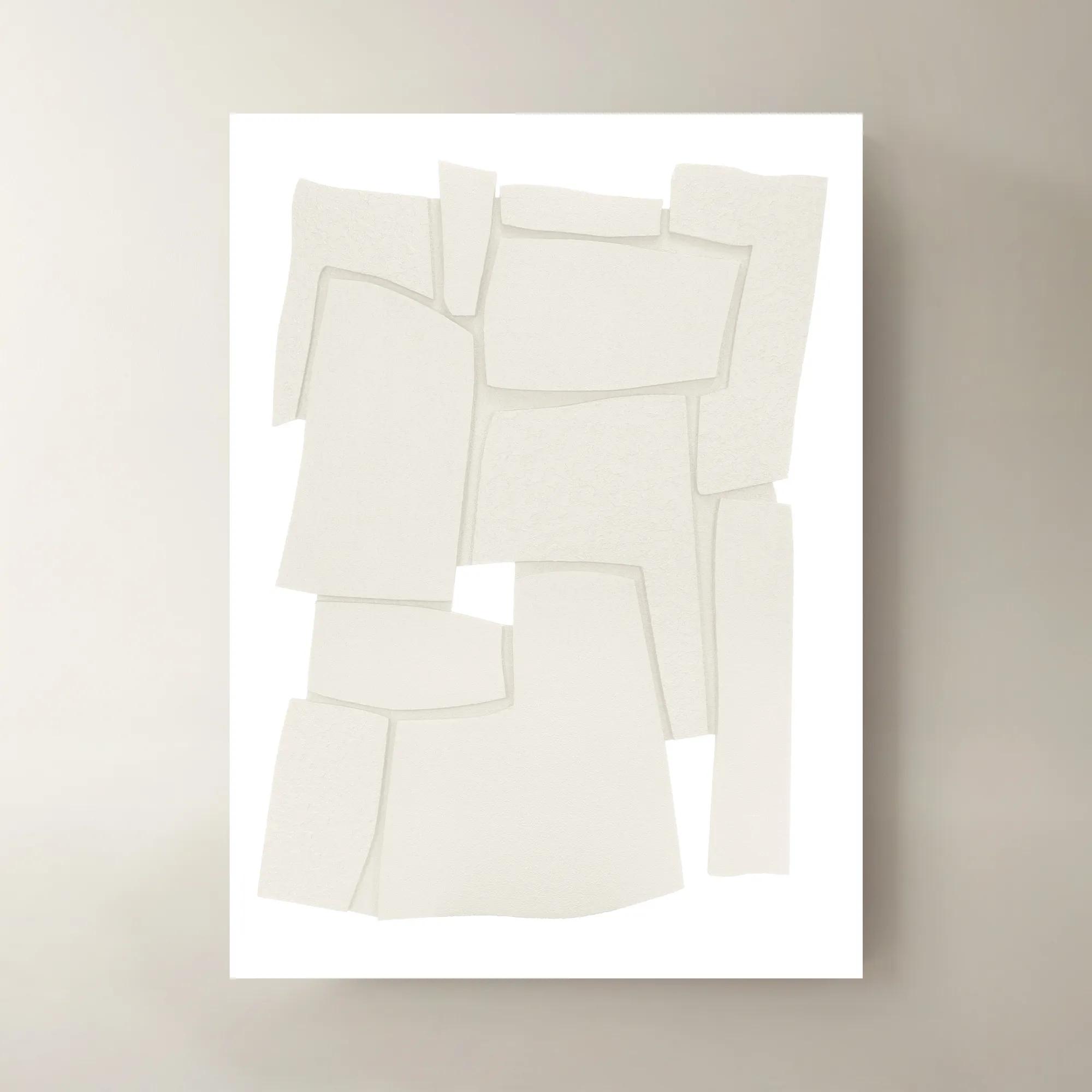
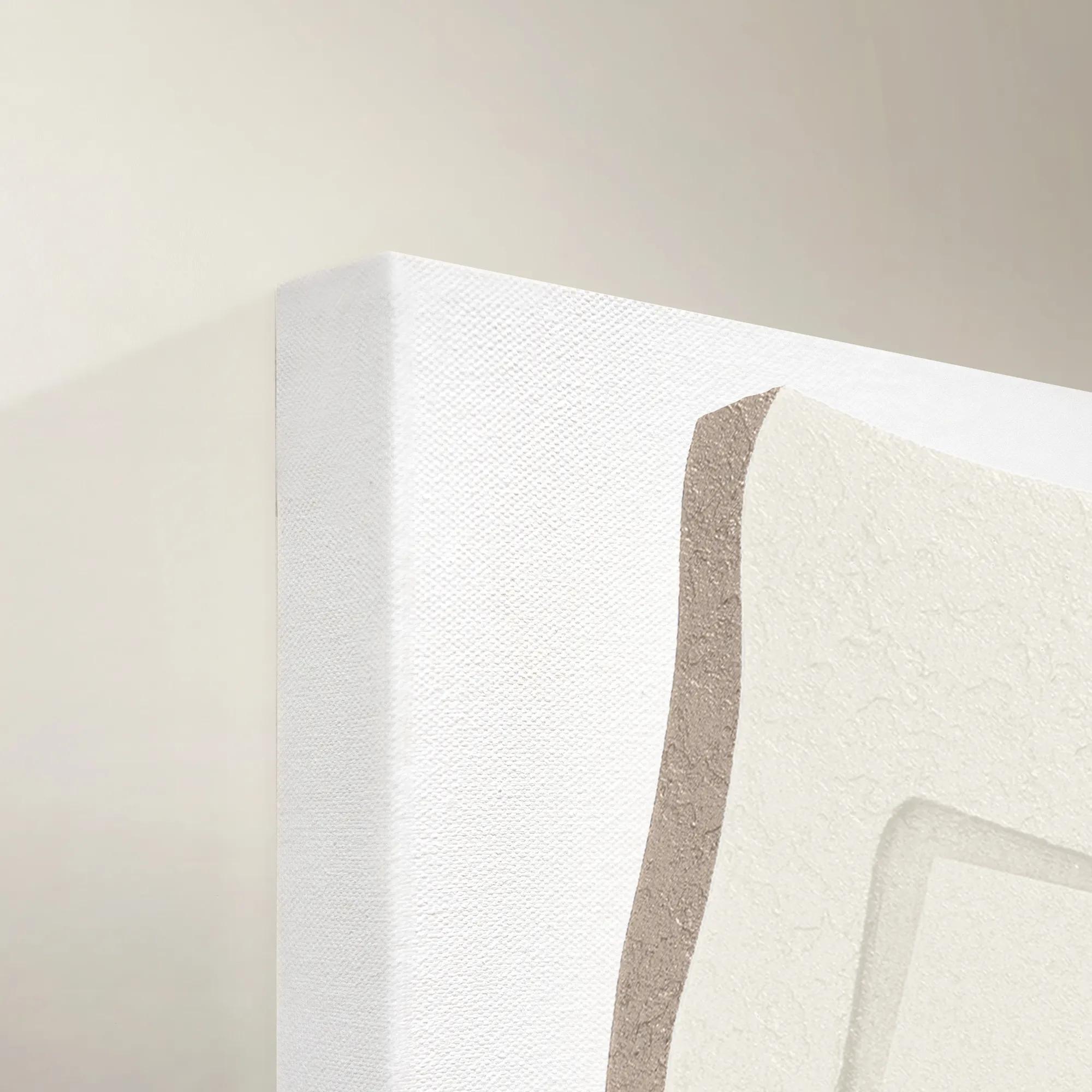 Wonder Maze III Wall Art 40" x 55"$1699
A contemporary canvas wall art piece featuring an intriguing abstract maze-inspired design.
Add To Cart -
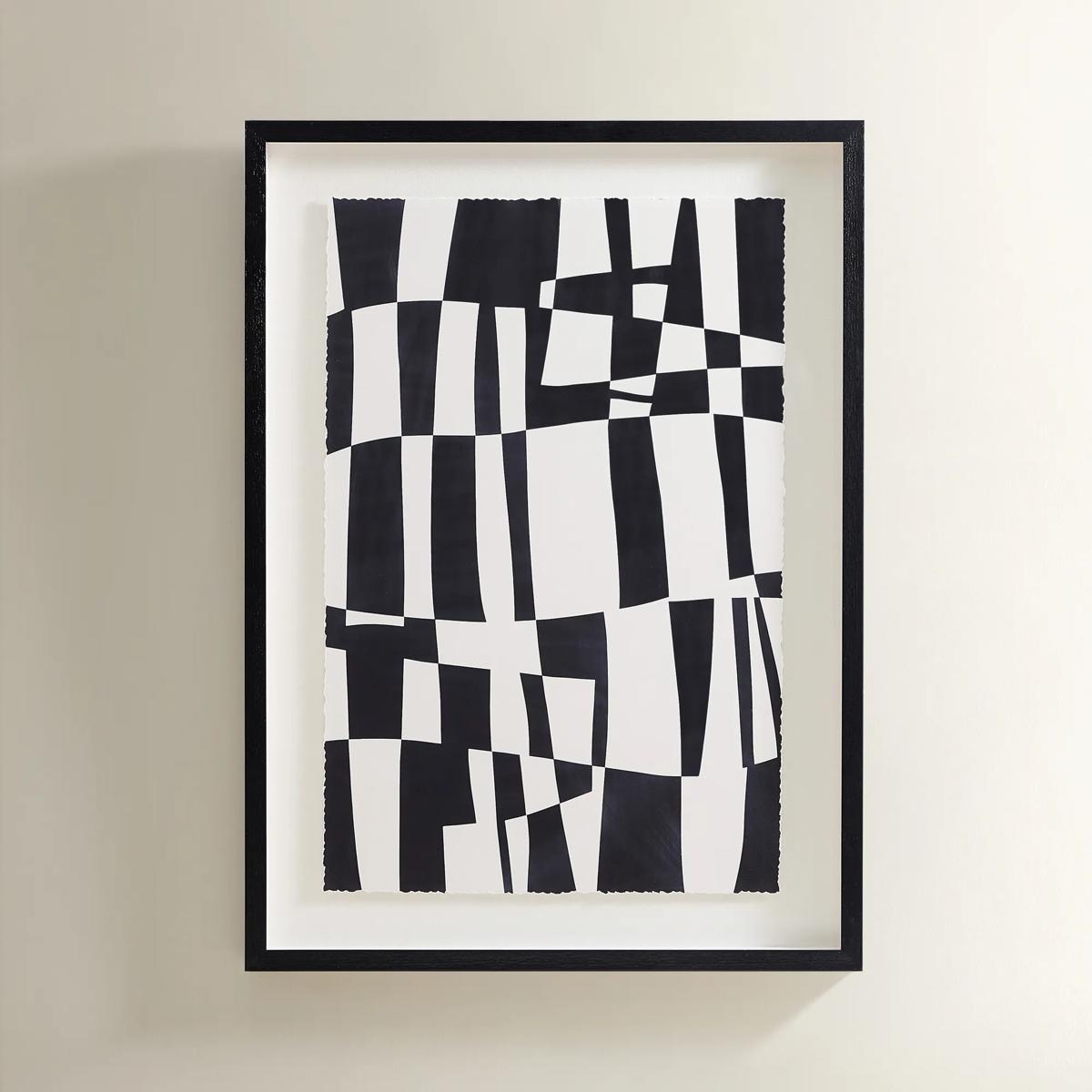 Matrix Art$369
A striking black and white abstract grid print set in a sleek black polyresin frame.
Add To Cart -
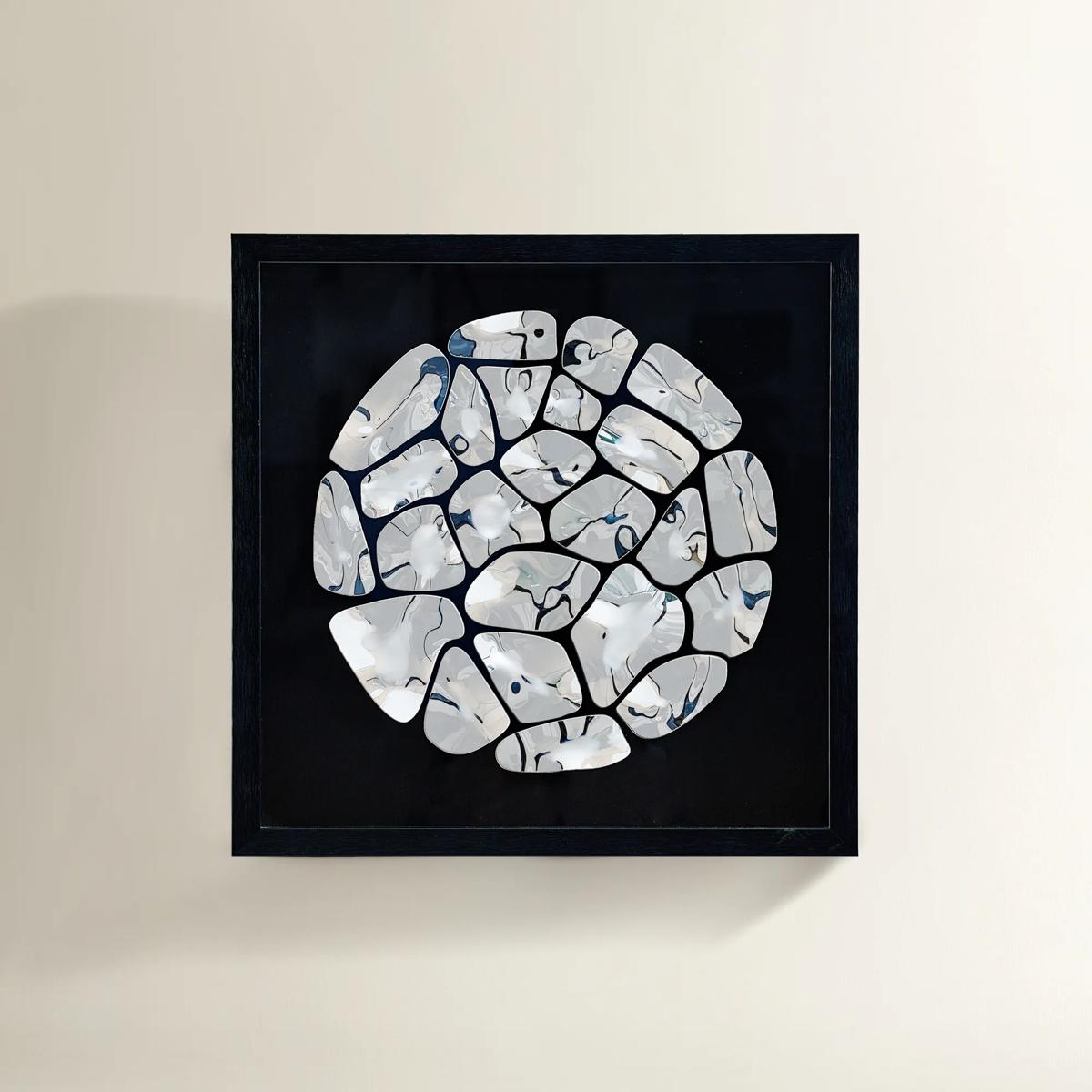
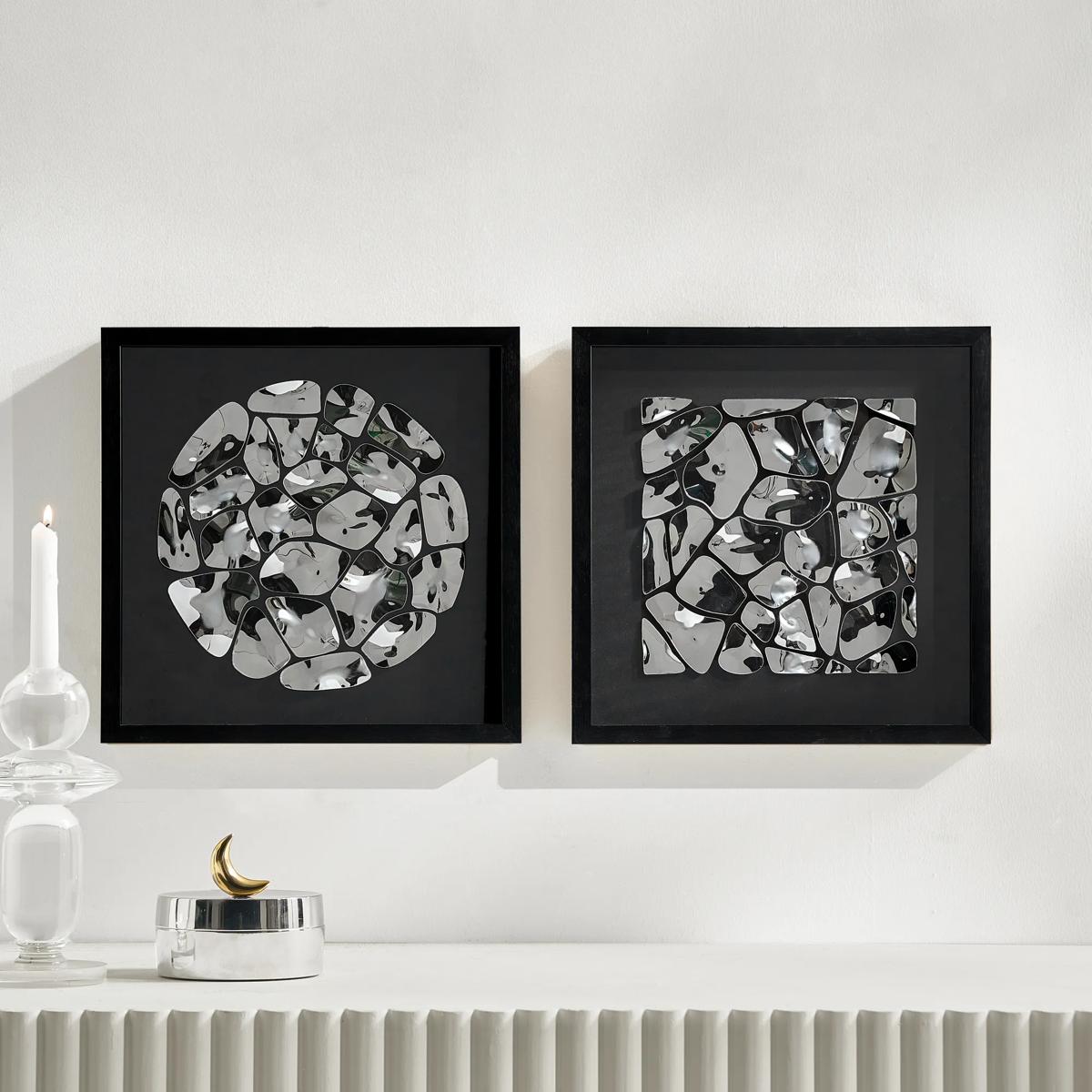 Reflect Silver And Black Shadowbox Art II$189
A dimensional metal wall art piece featuring polished silver and black forms in a sleek black frame.
Add To Cart -
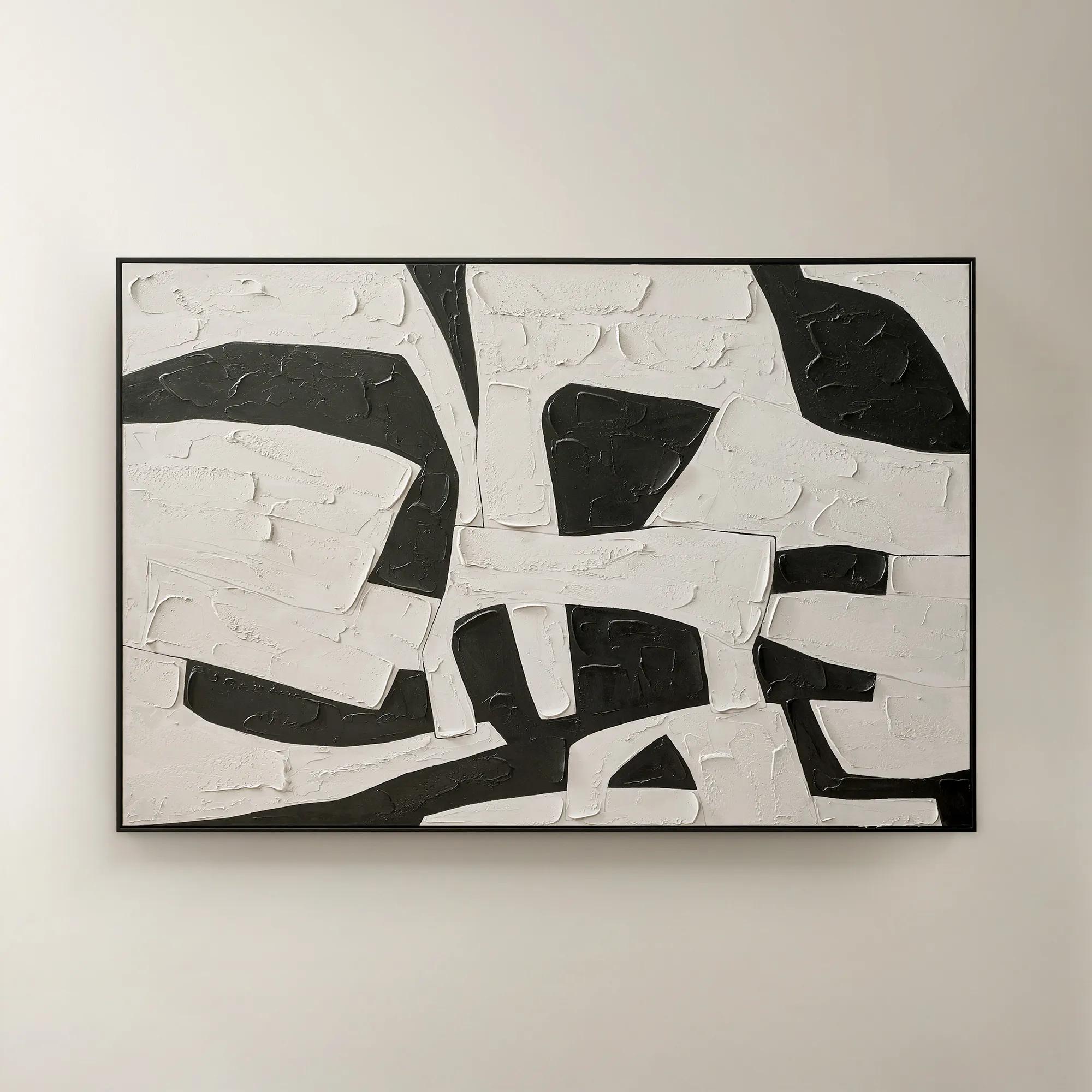 Space Between Shadows Framed Painted Wall Art 72" x 48"$799
A hand-painted abstract canvas featuring bold alabaster and black geometric forms in a sleek black frame.
Add To Cart -
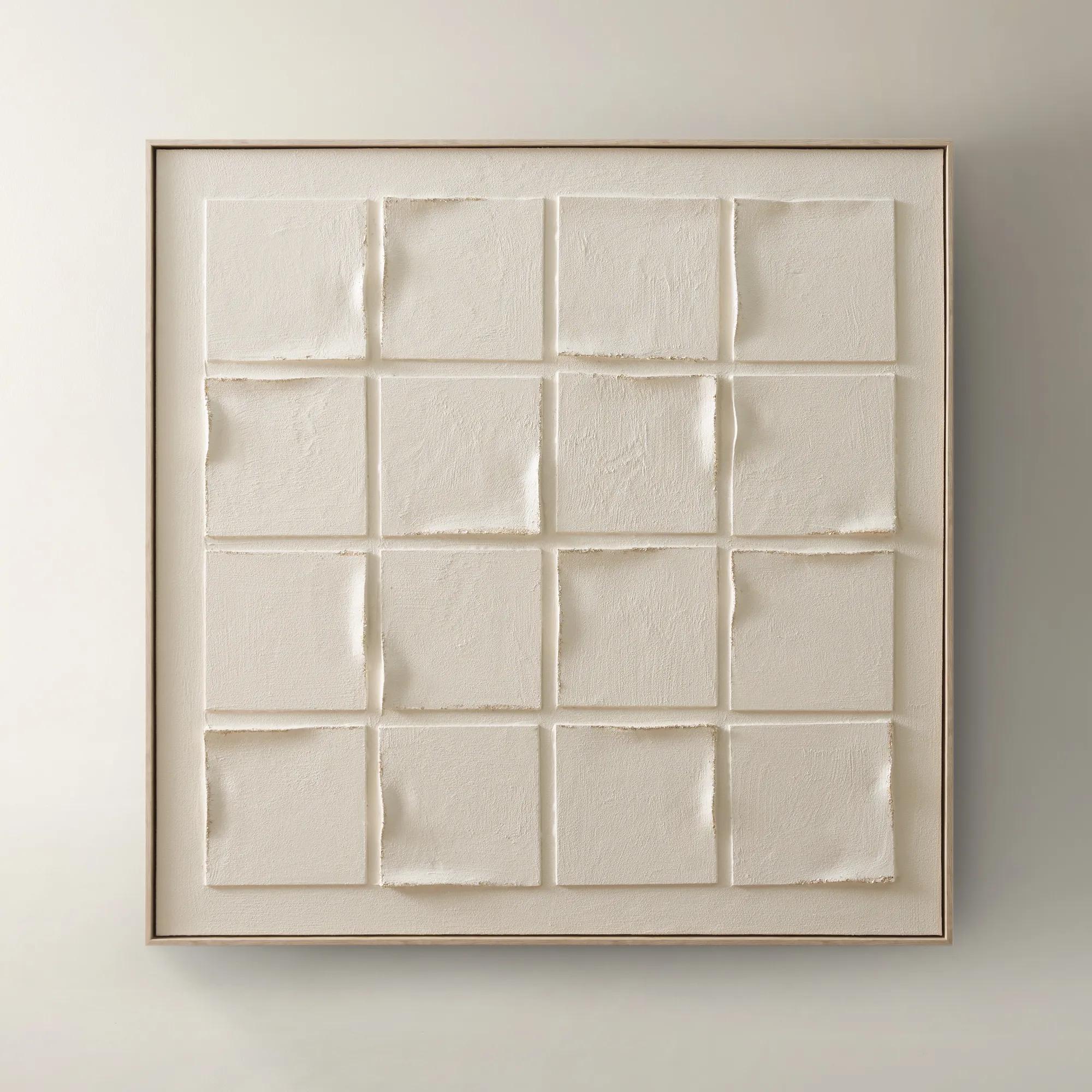 Gaze Framed Painted Wall Art 39.4" x 40"$329
A hand-painted canvas featuring subtle beige tones and textured depth in a warm whitewash floater frame.
Add To Cart -
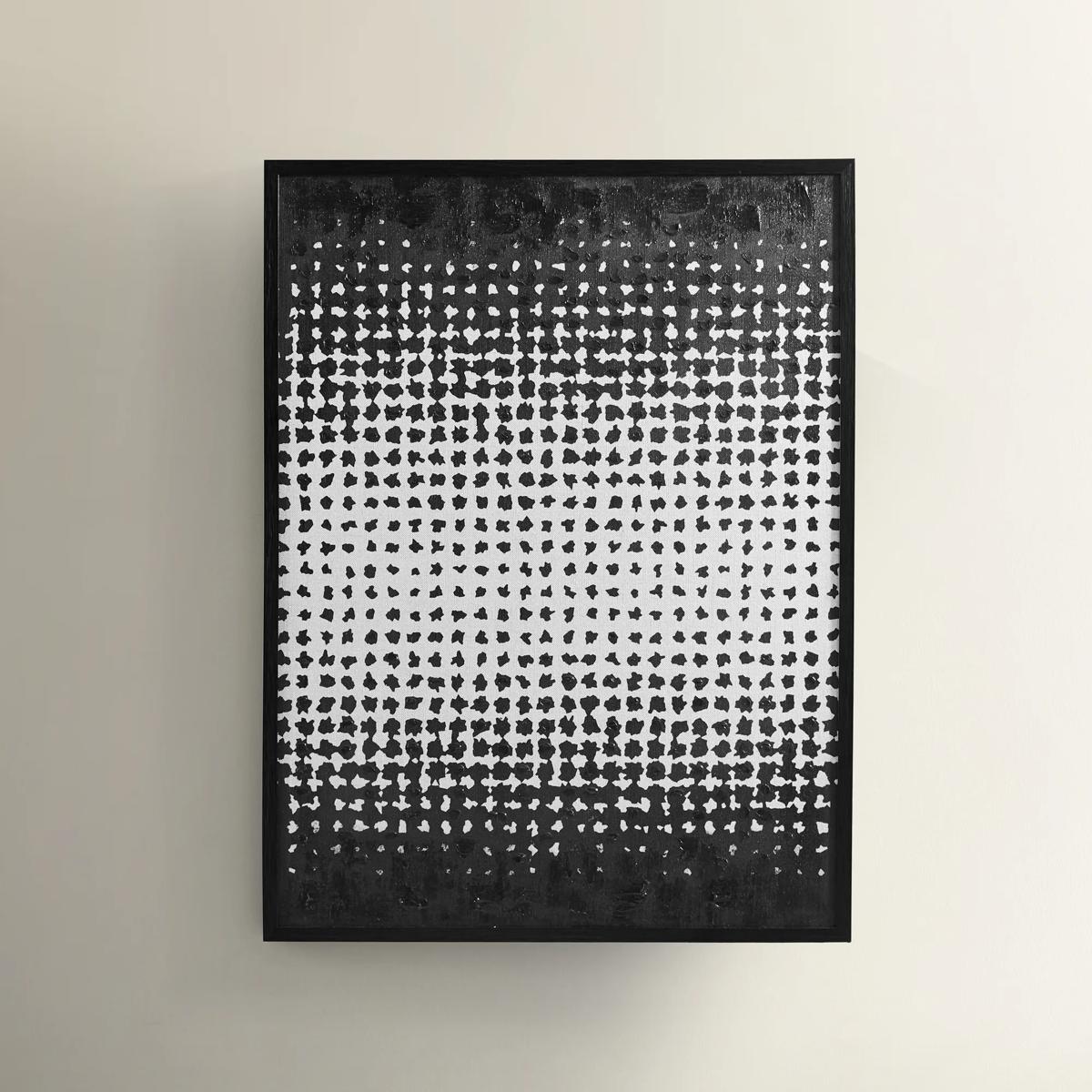
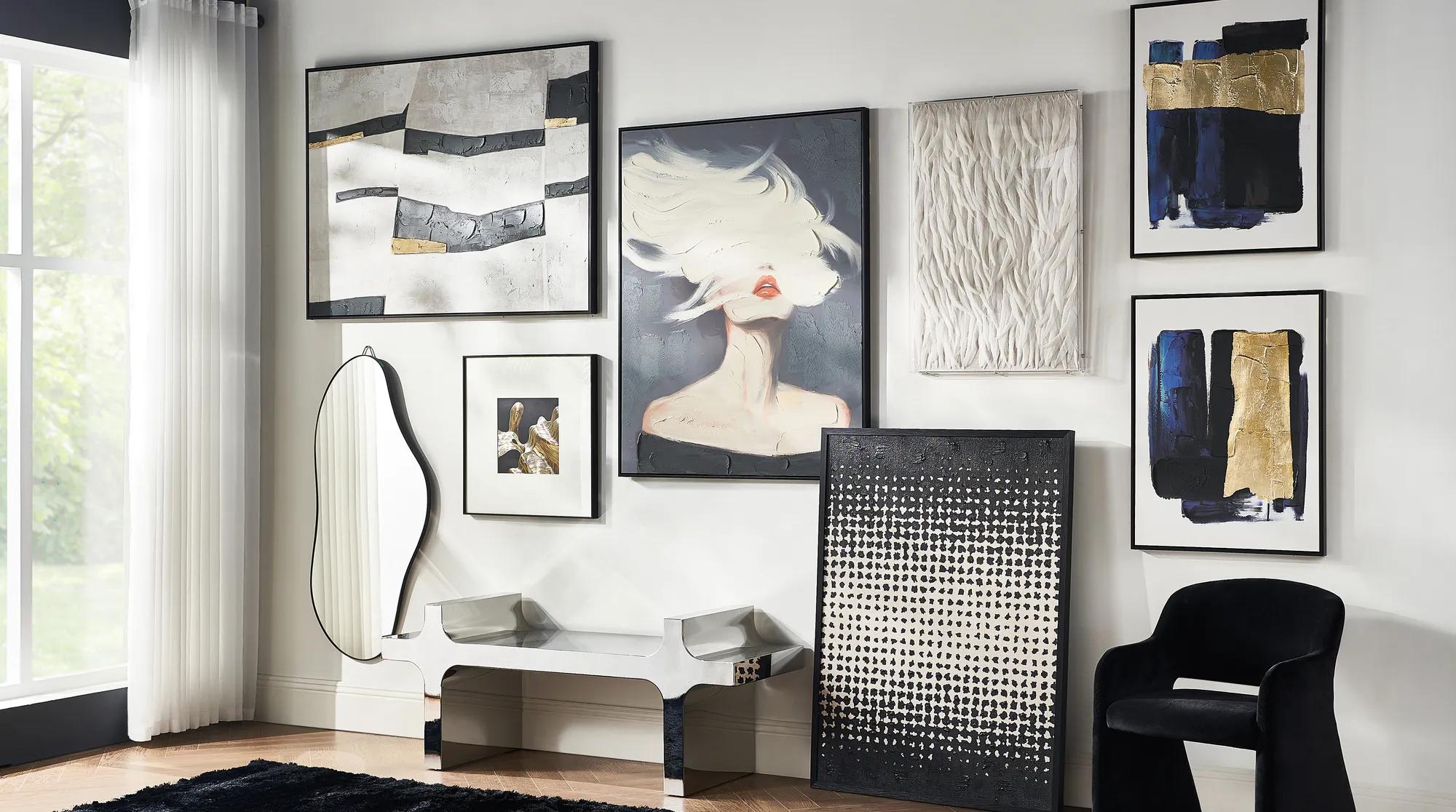 In Time Painting$399
A hand-painted linen canvas featuring cream and black dots in a modern, minimalist geometric pattern.
Add To Cart -
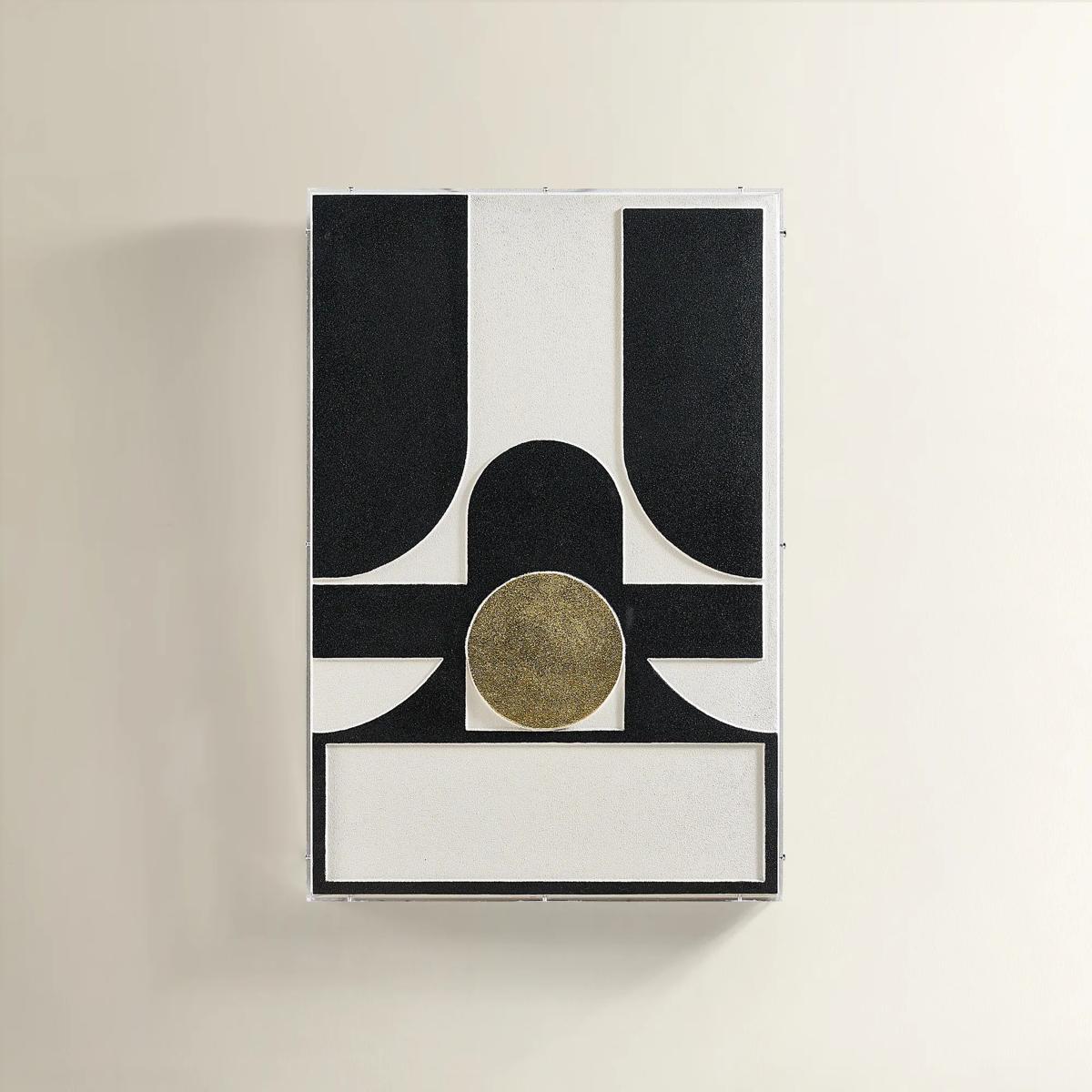
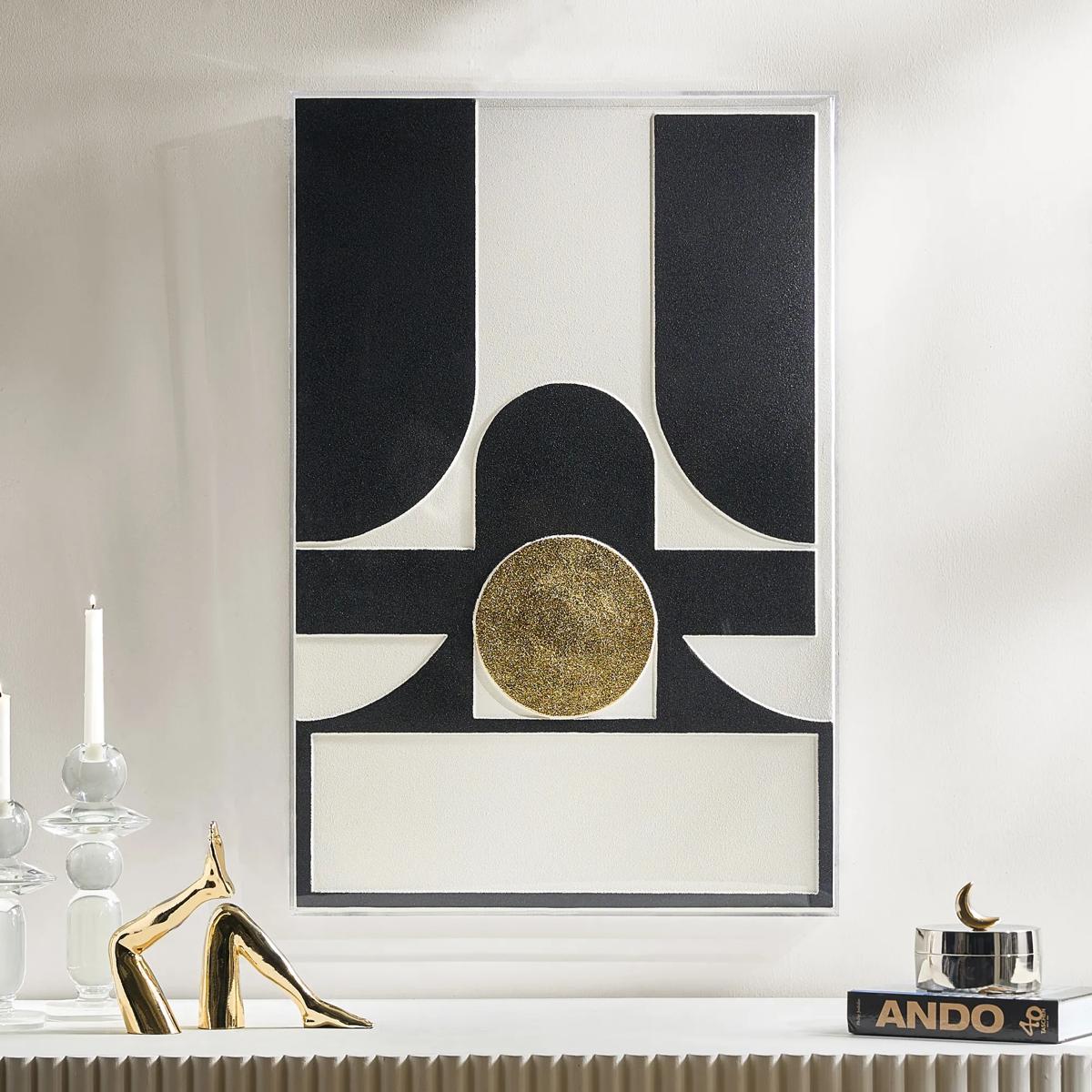 Siren Black And Gold Wall Decor in Acrylic 23.5" x 35.5"$299
A layered composition of black, ivory, and gold geometric forms set in a sleek acrylic shadow box.
Add To Cart -
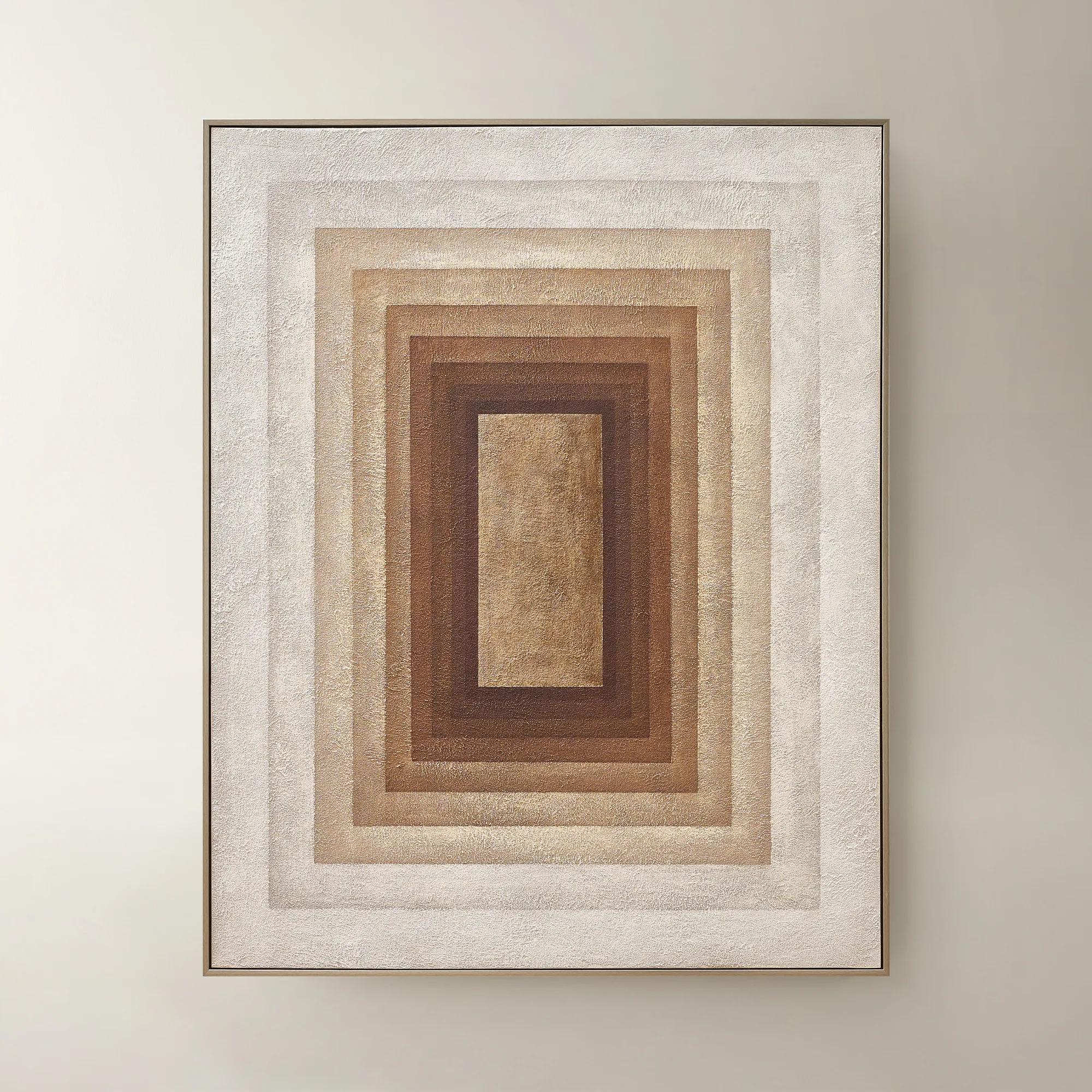 Monochrome Drift Framed Painted Wall Art 60" x 48"$699
A hand-painted abstract canvas with champagne leafing, featuring cocoa and gold tones in modern geometric design.
Add To Cart -
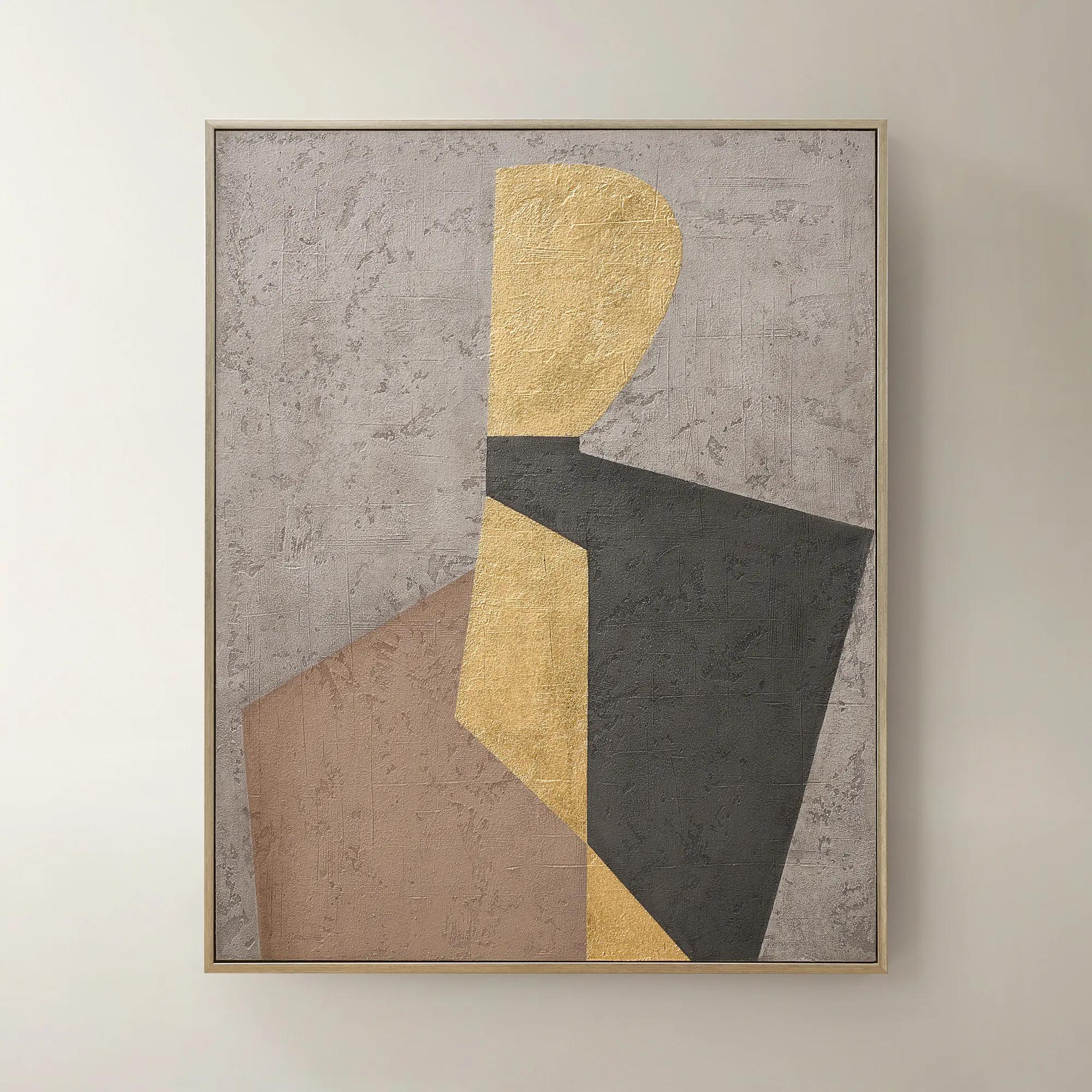 Aura of Gold Framed Painted Wall Art 40" x 50"$399
A hand-painted canvas with champagne leafing and a brushed champagne frame in mocha, grey, black, and gold.
Add To Cart -
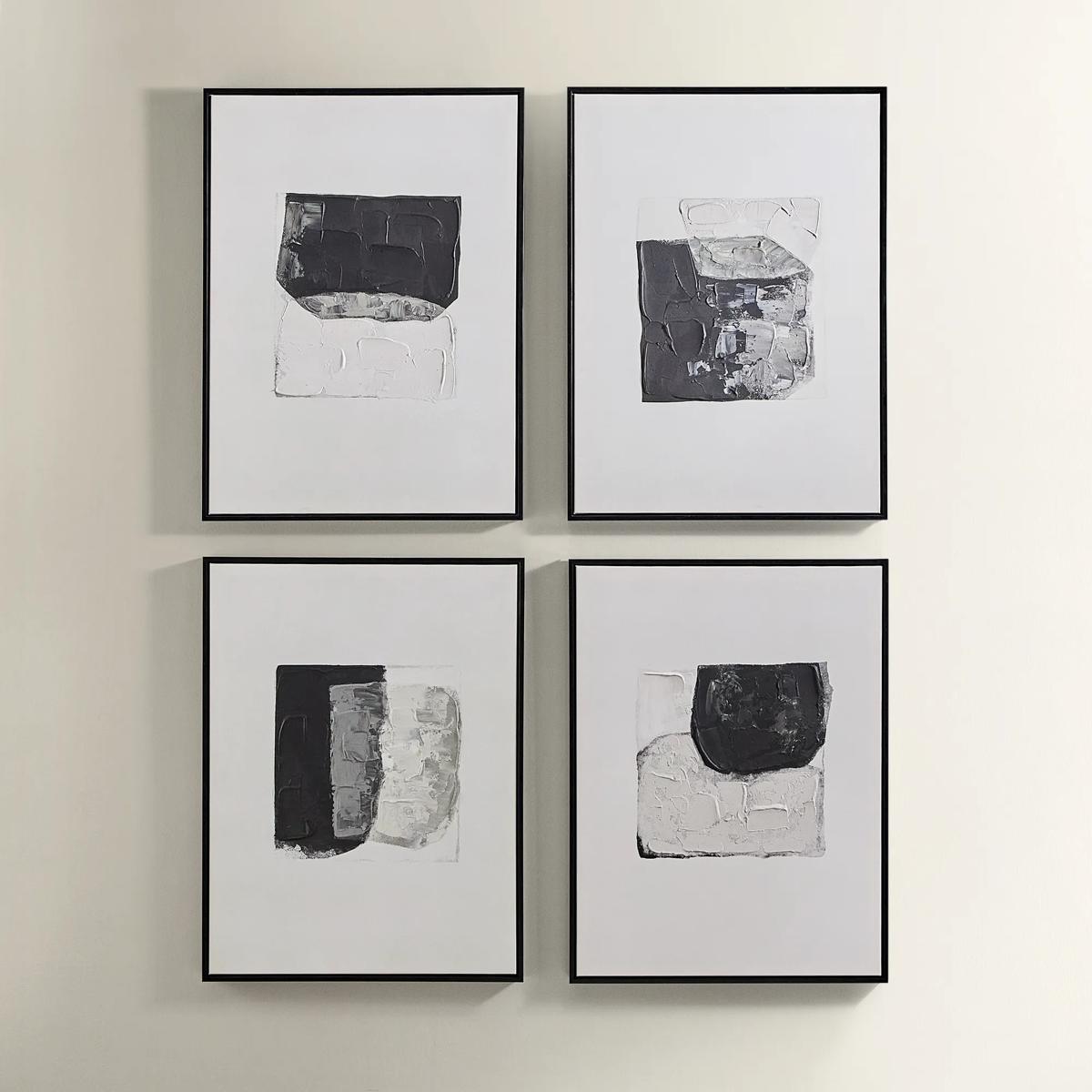
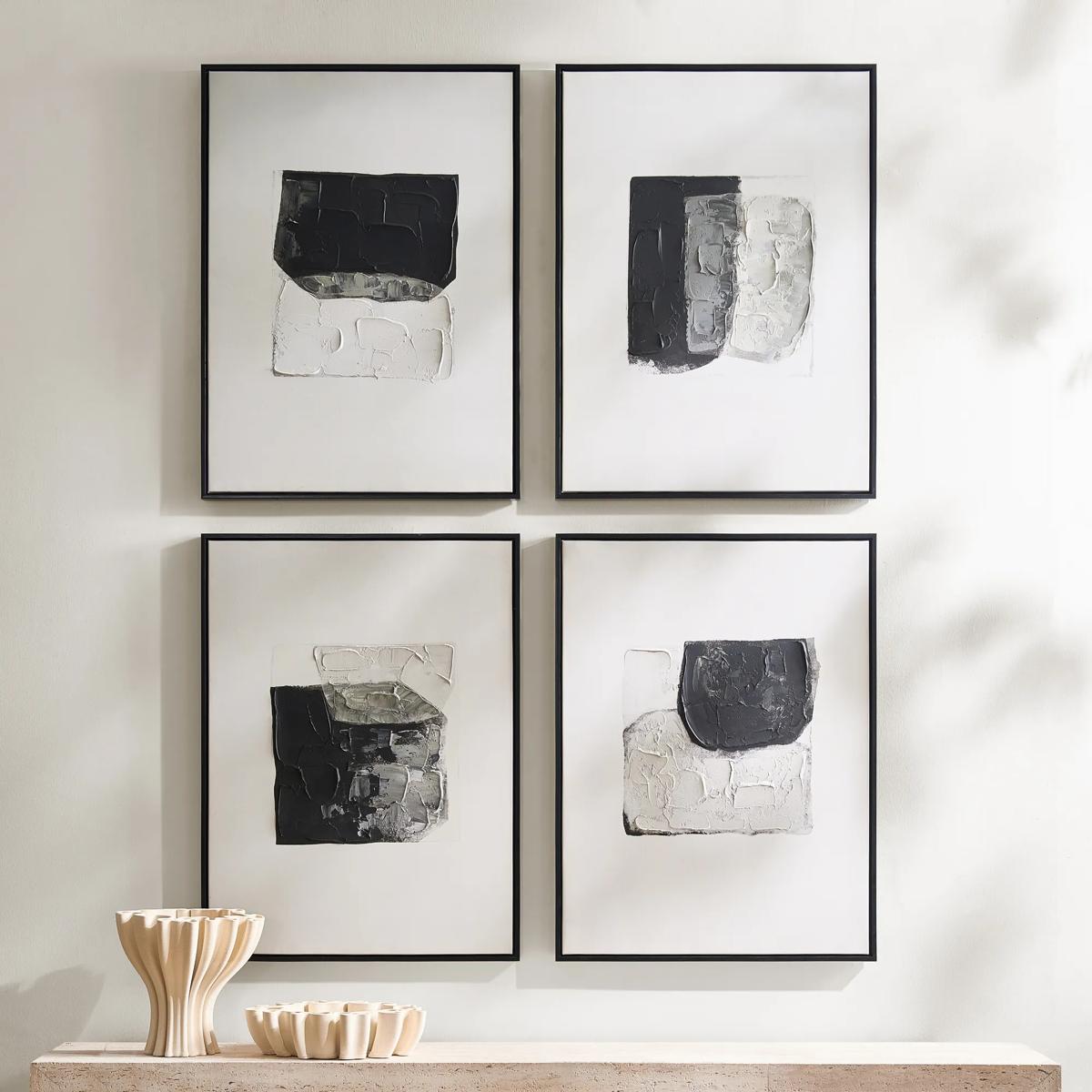 Shadows Framed Painted Wall Art Set of 4$299
A set of four hand-painted abstract canvases featuring black, white, and gold accents in black frames.
Add To Cart -
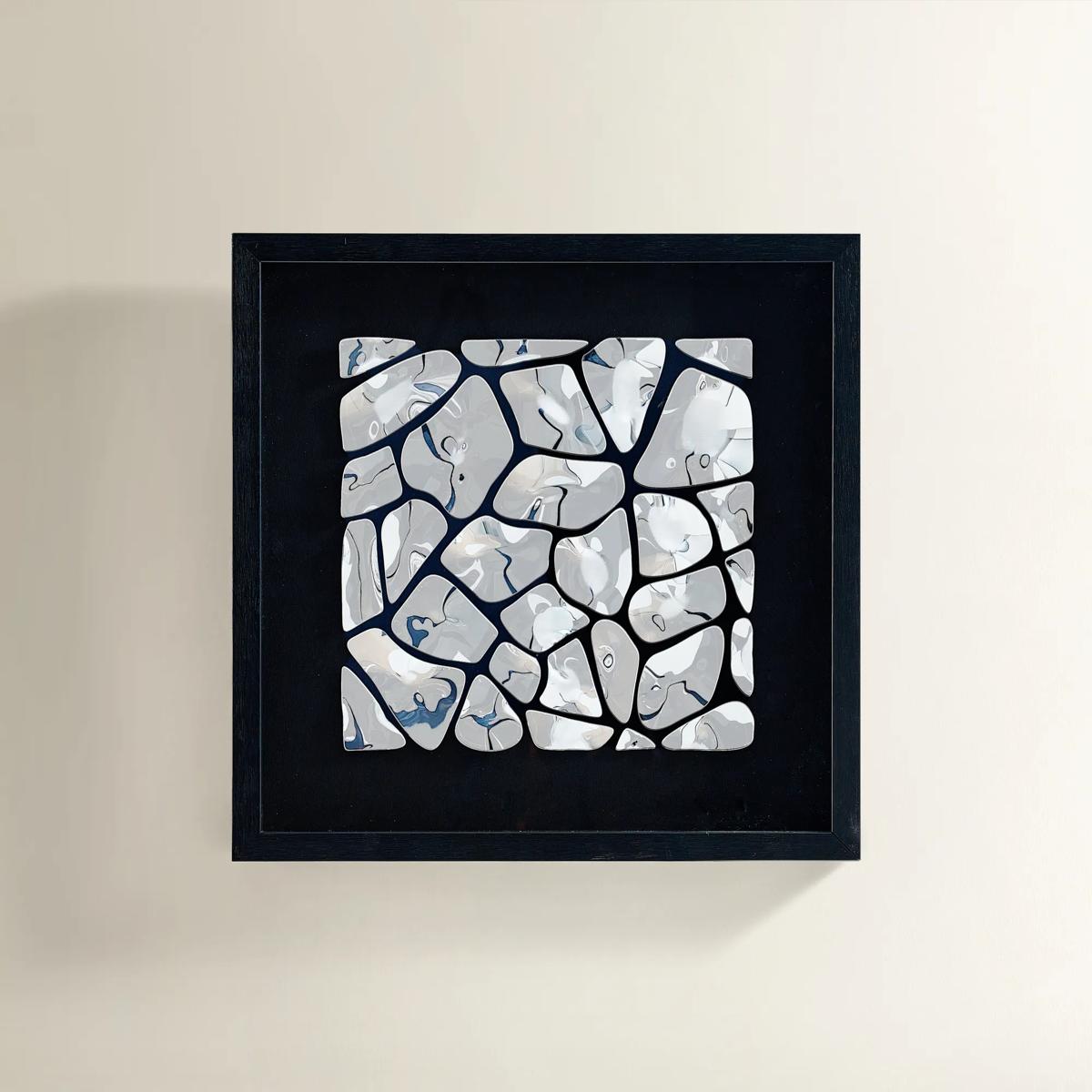 Reflect Silver And Black Shadowbox Art I$189
A dimensional metal wall art piece featuring polished silver and black forms in a sleek black frame.
Add To Cart -
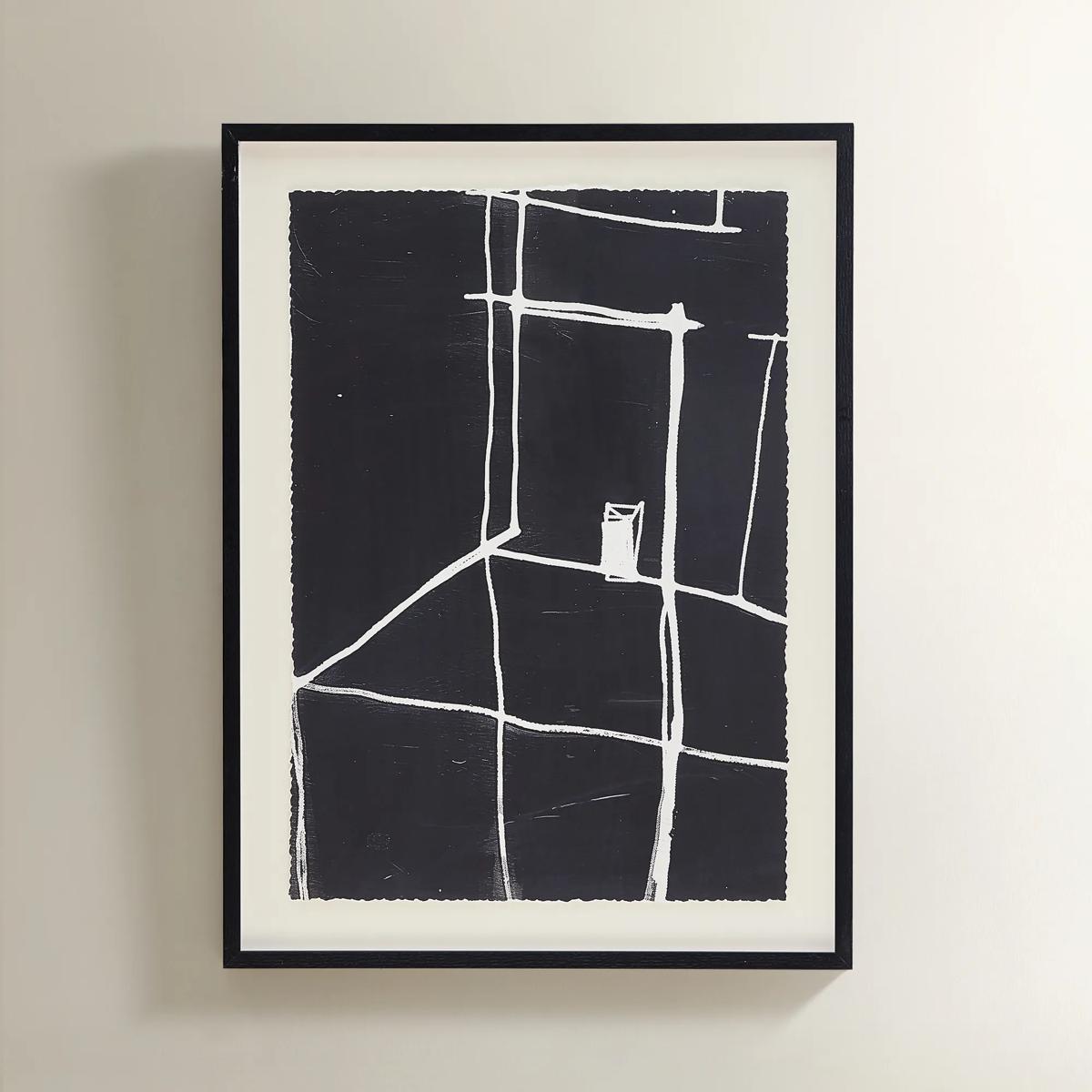 Solitude Art$269
A minimalist black-and-white abstract print featuring bold white lines in a sleek black polyresin frame.
Add To Cart -
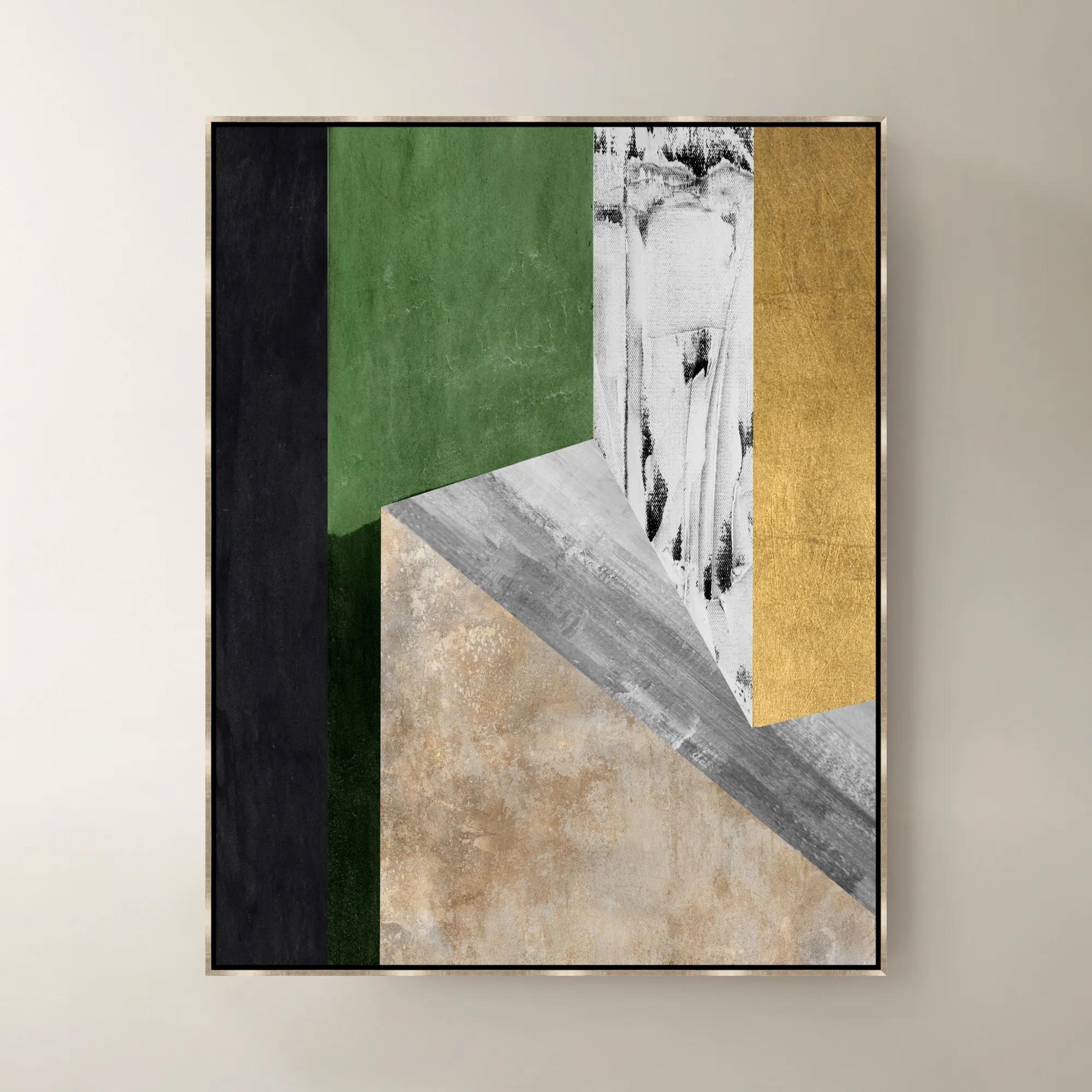
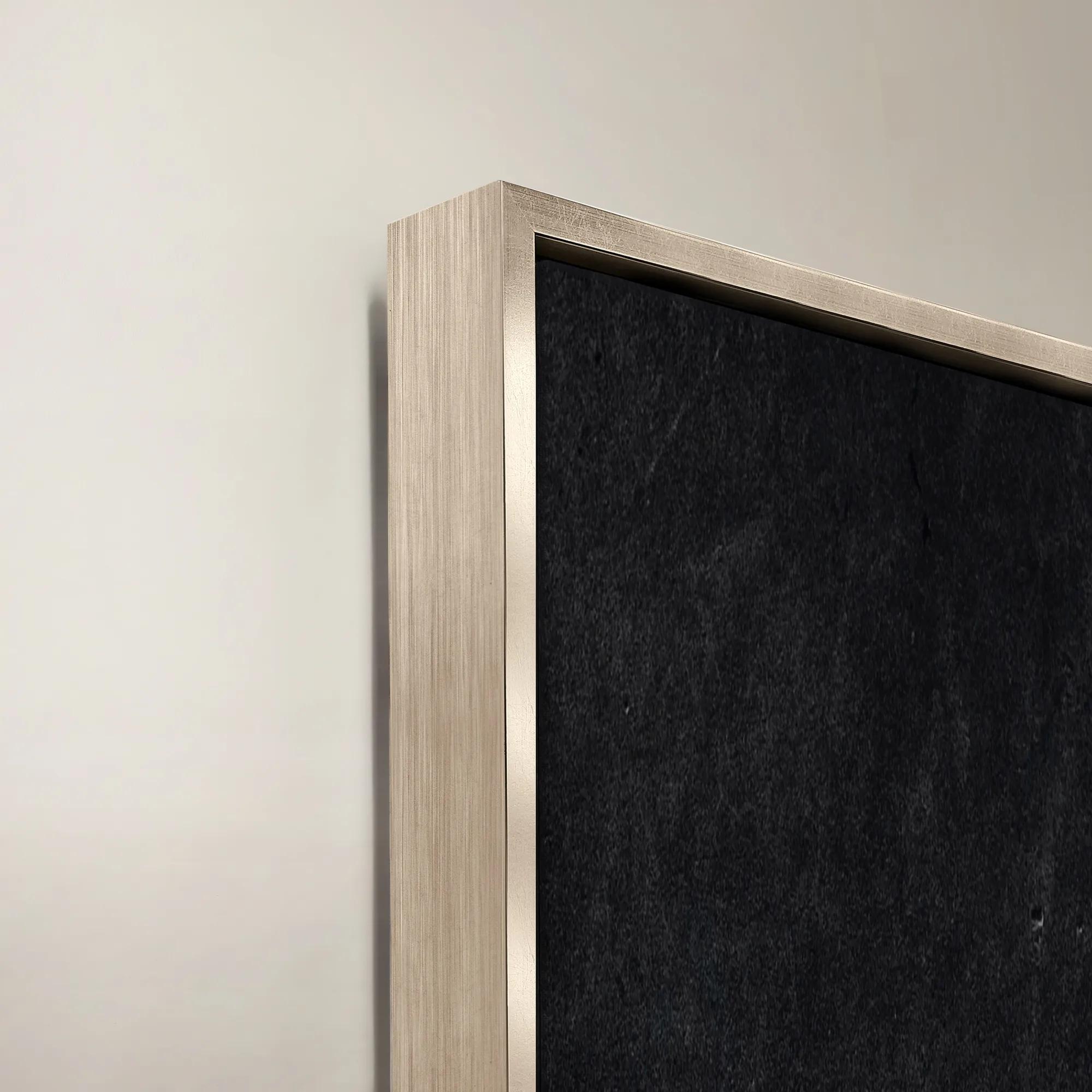 Blocked III Framed Wall Art 42" x 50"$1199
A striking abstract art piece featuring bold geometric shapes and modern design by Nikki Chu.
Add To Cart -
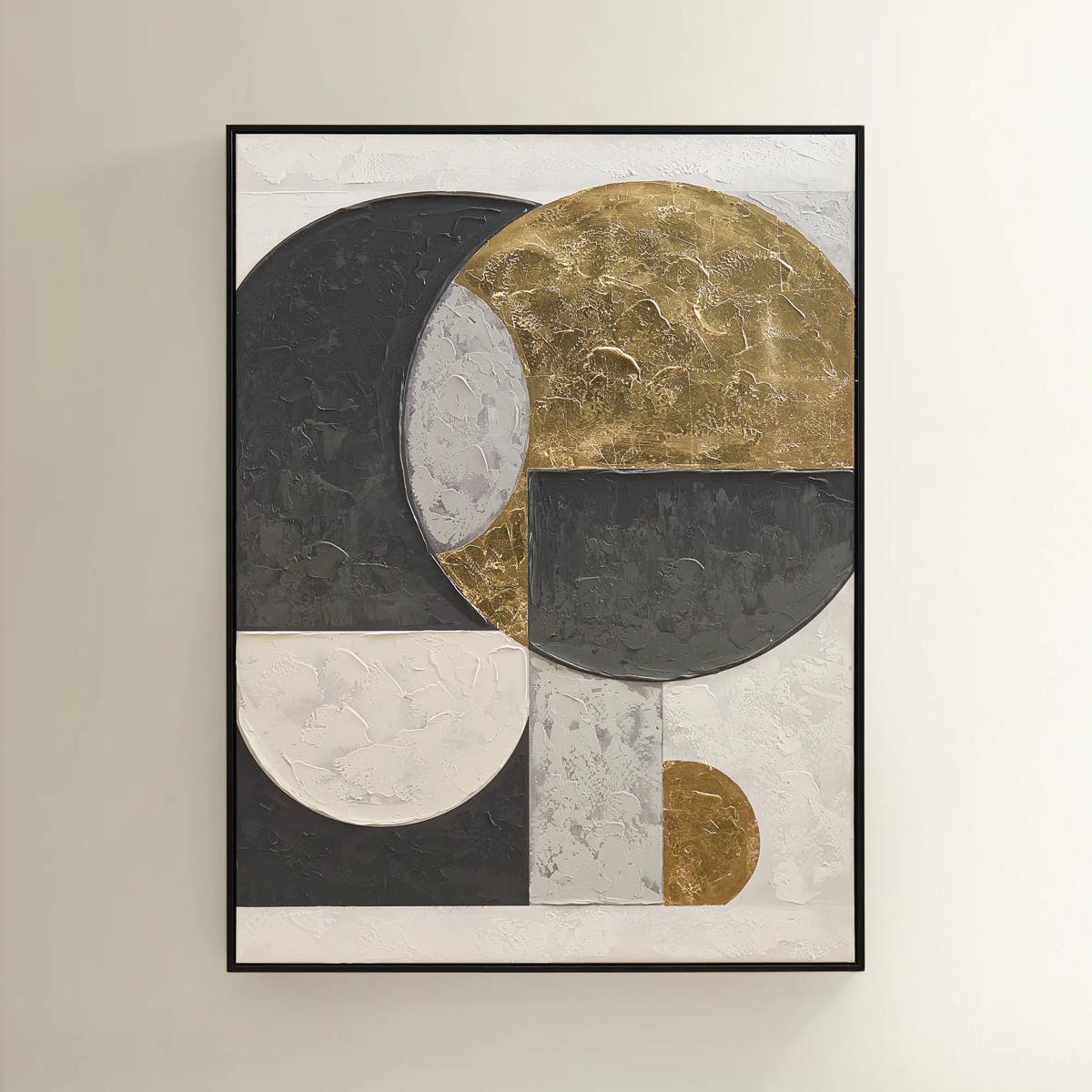
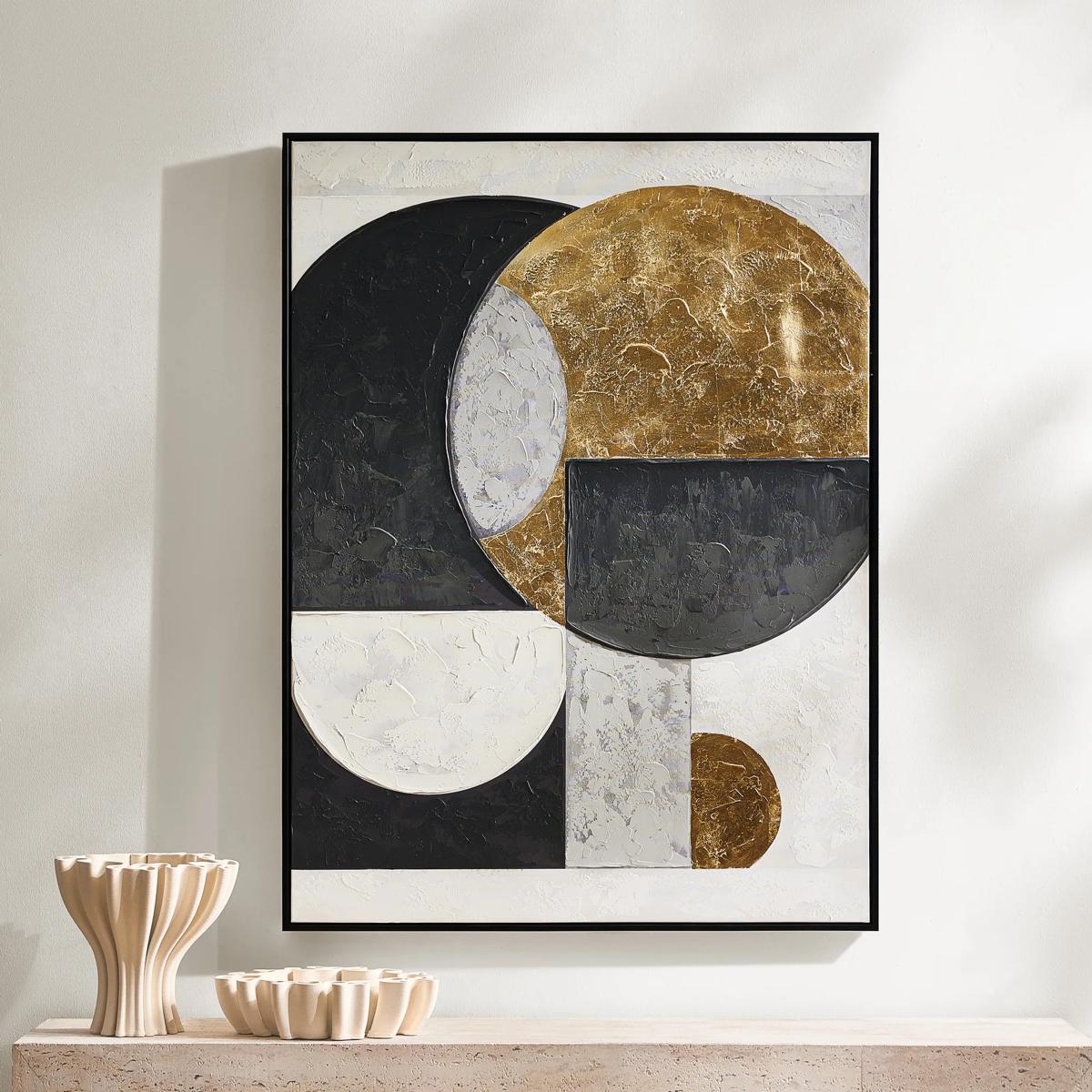 Eclipse Framed Gold Leaf Painted Wall Art 35.25" x 47.25"$449
A hand-painted canvas featuring bold black, grey, and gold geometric shapes with shimmering gold leaf accents.
Add To Cart -
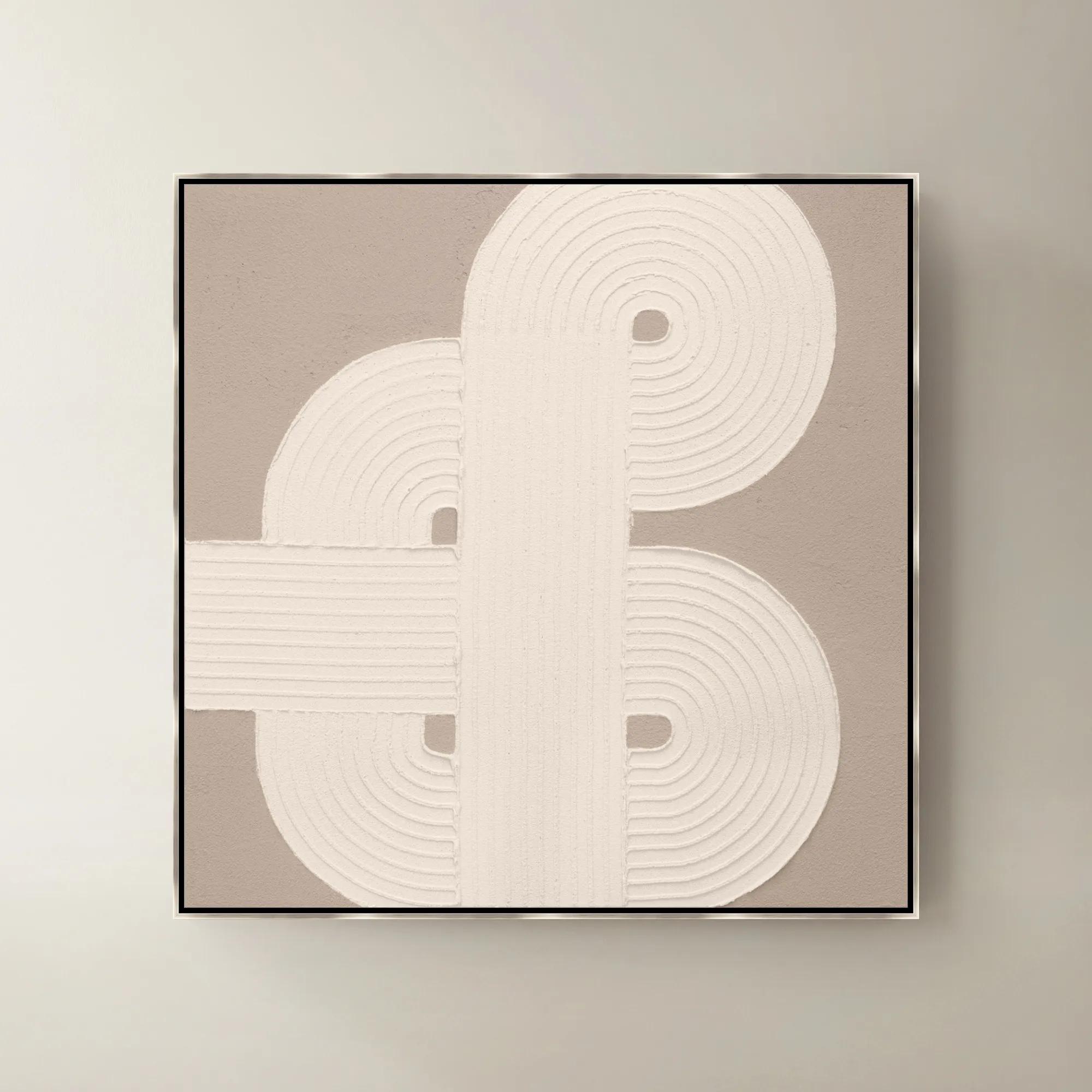
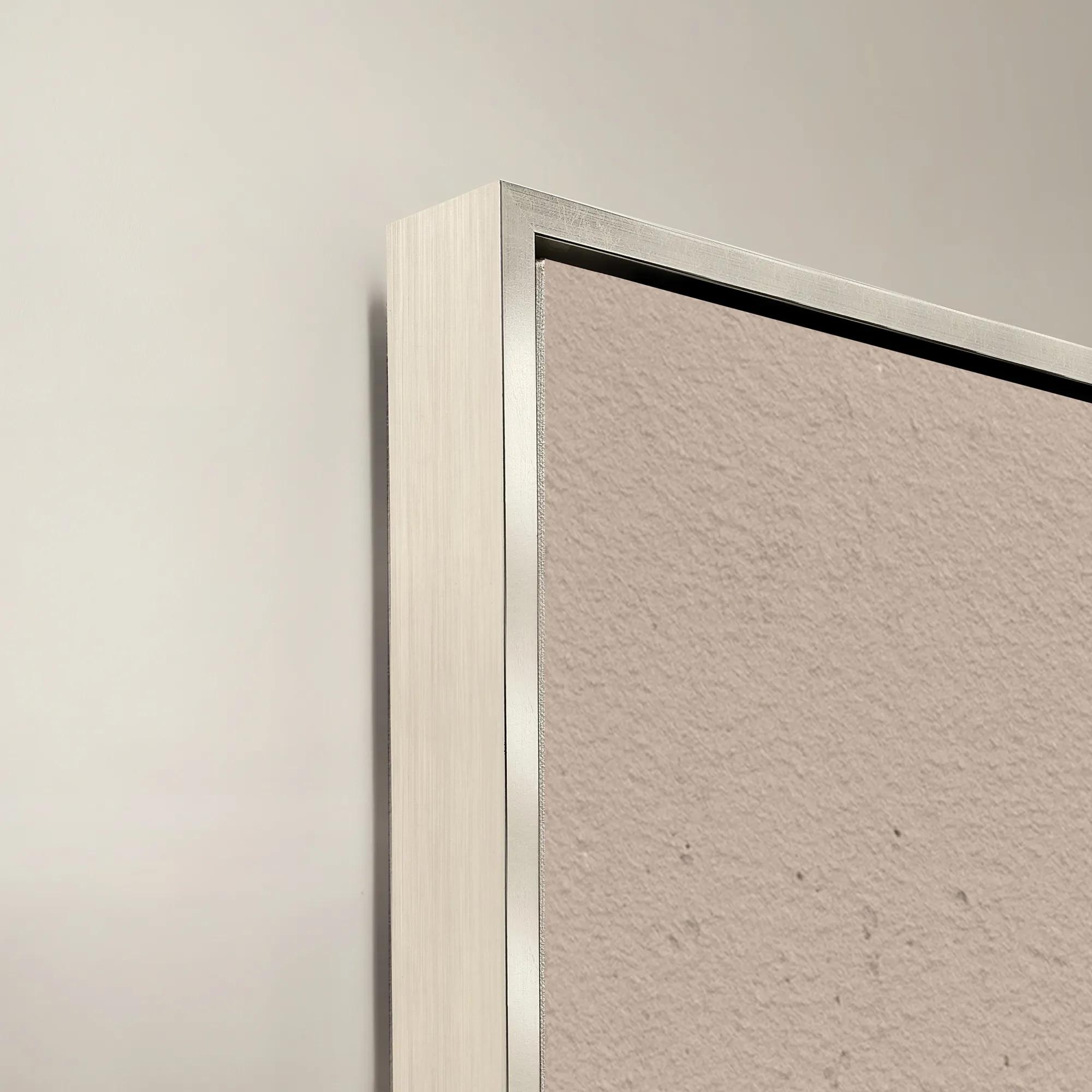 Sacred Geometry IV Framed Painted Wall Art 40" x 40"$1099
A striking abstract art piece featuring bold geometric patterns for a modern, sophisticated touch.
Add To Cart -
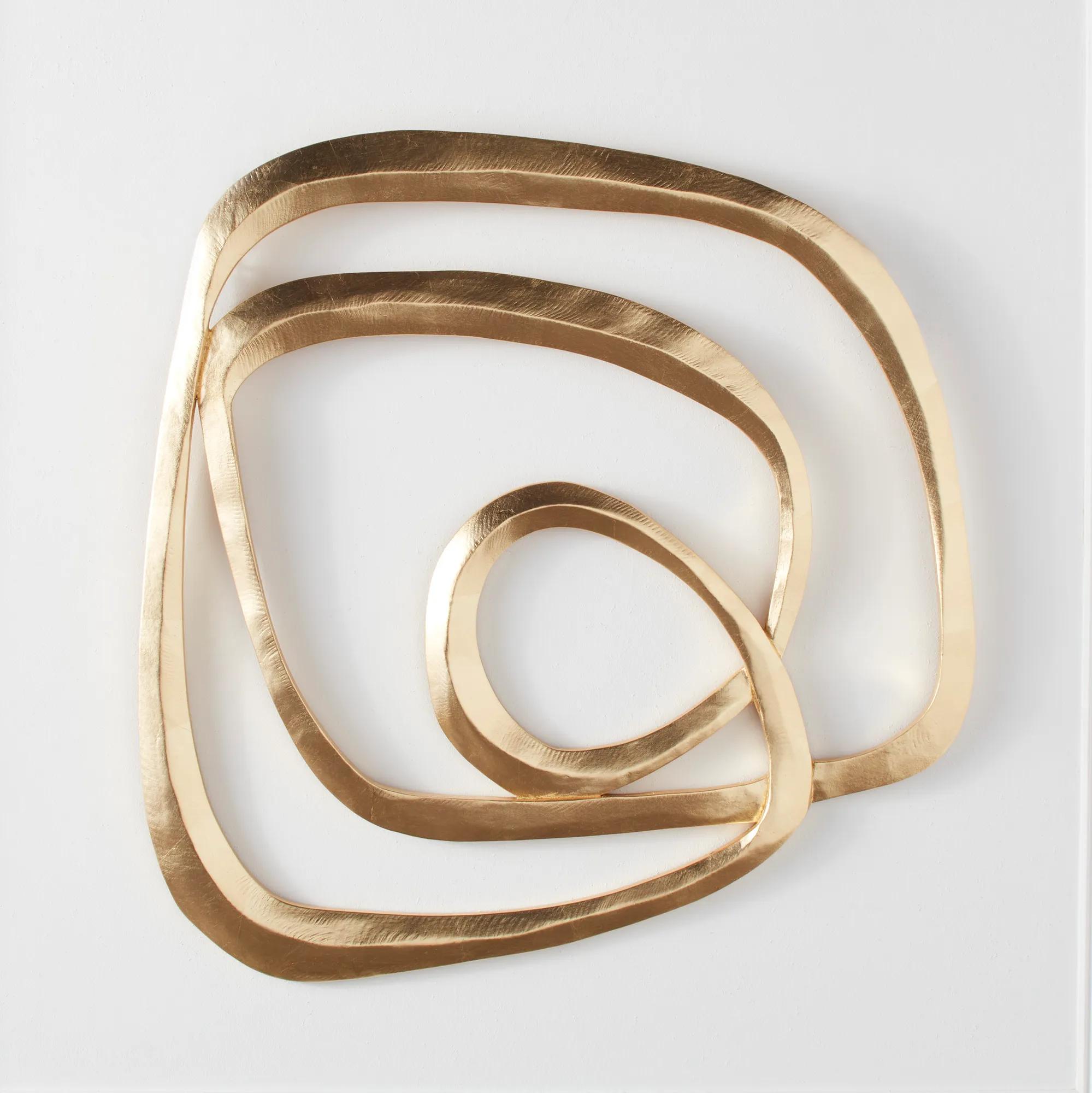 Infinity Gold Leaf Wood Wall Decor I 31.5" x 31.5"$299
A swirling wooden wall sculpture featuring a striking metallic gold finish for a bold decorative statement.
Add To Cart -
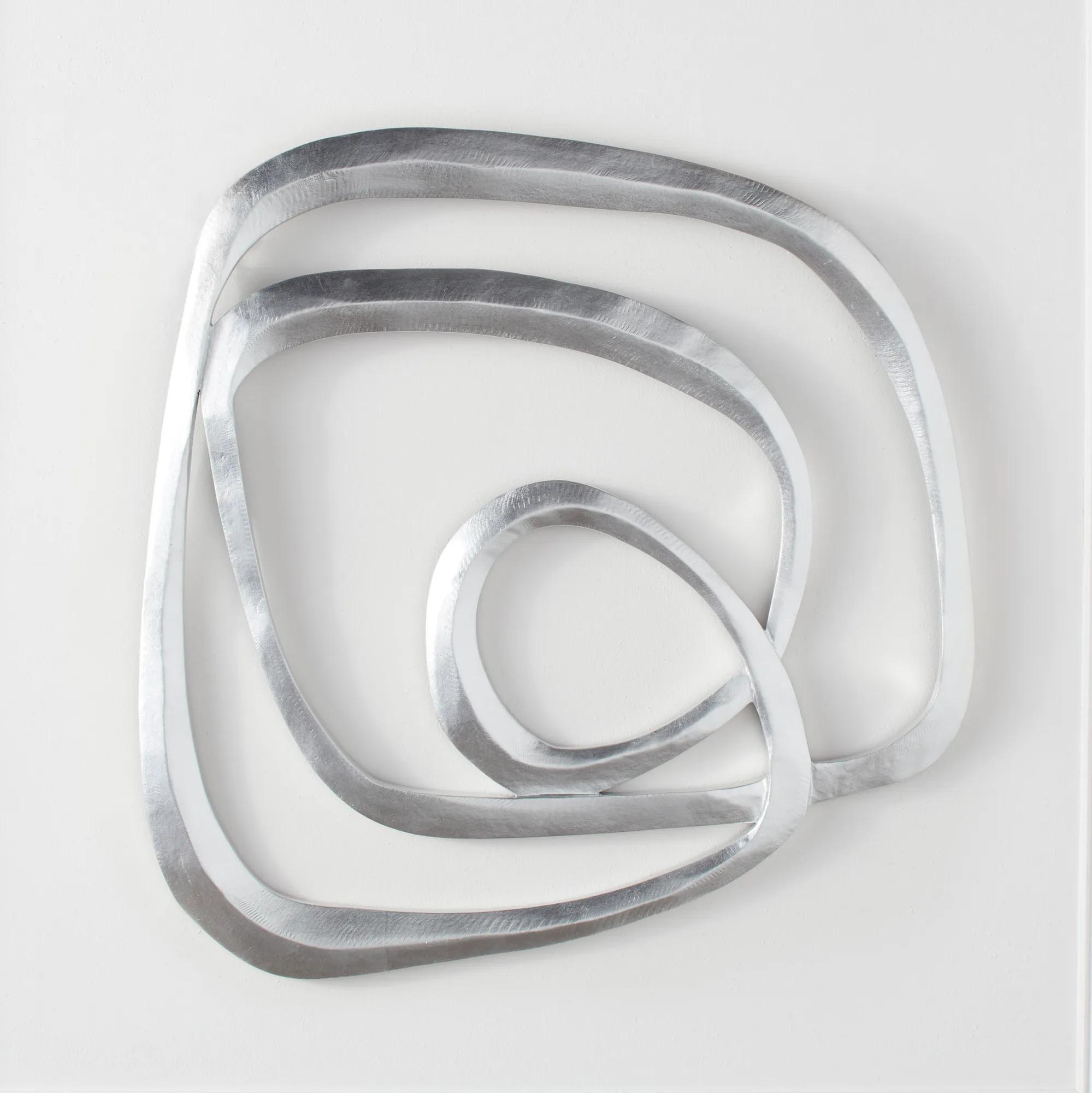 Infinity Silver Leaf Wood Wall Decor I 31.5" x 31.5"$299
A swirling wooden wall sculpture featuring a striking metallic silver finish for modern visual impact.
Add To Cart -
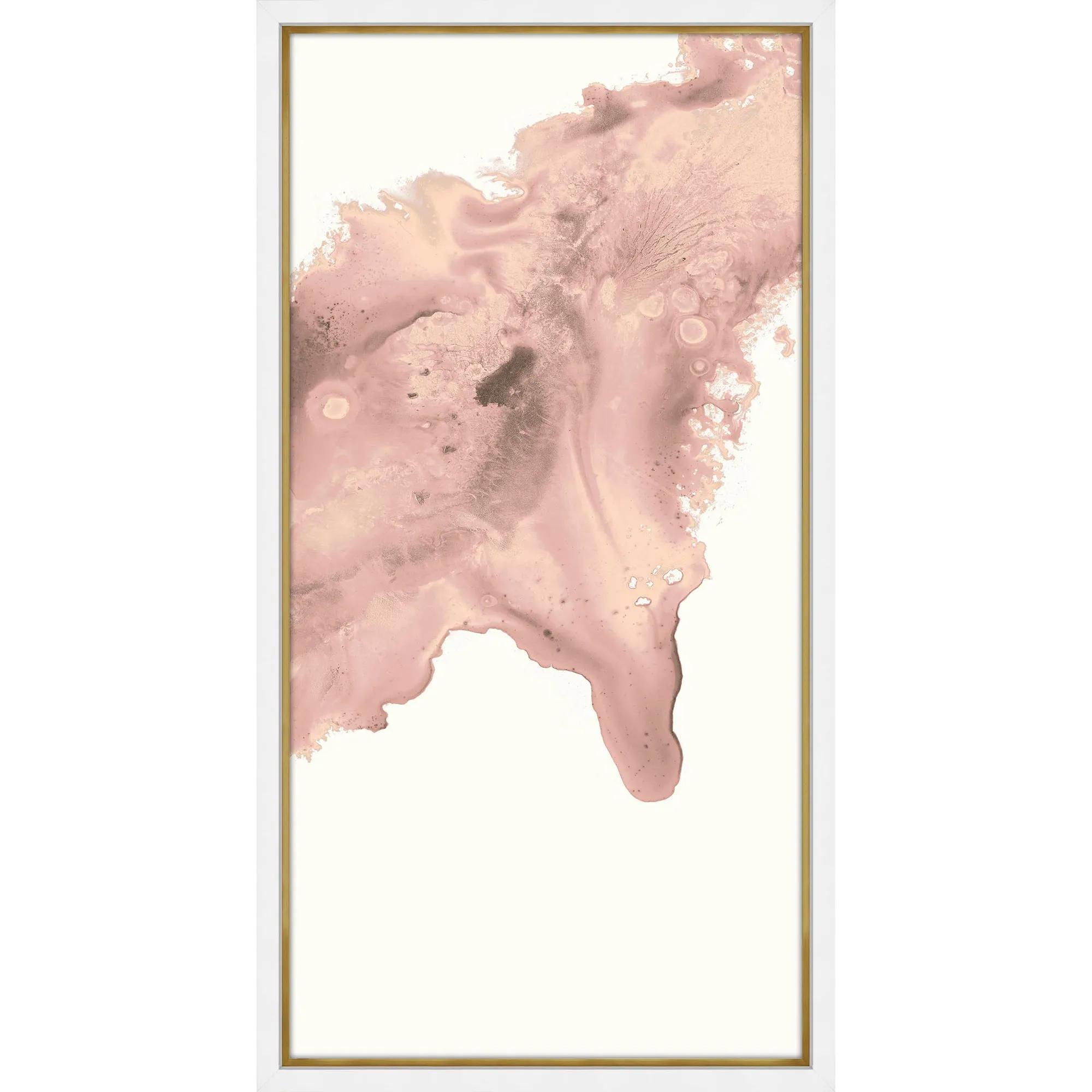
 Blush Conduit 2 Framed Wall Art 24" x 48"$849
A striking abstract print on pearl paper, elegantly framed in gold and matte white for modern appeal.
Add To Cart -
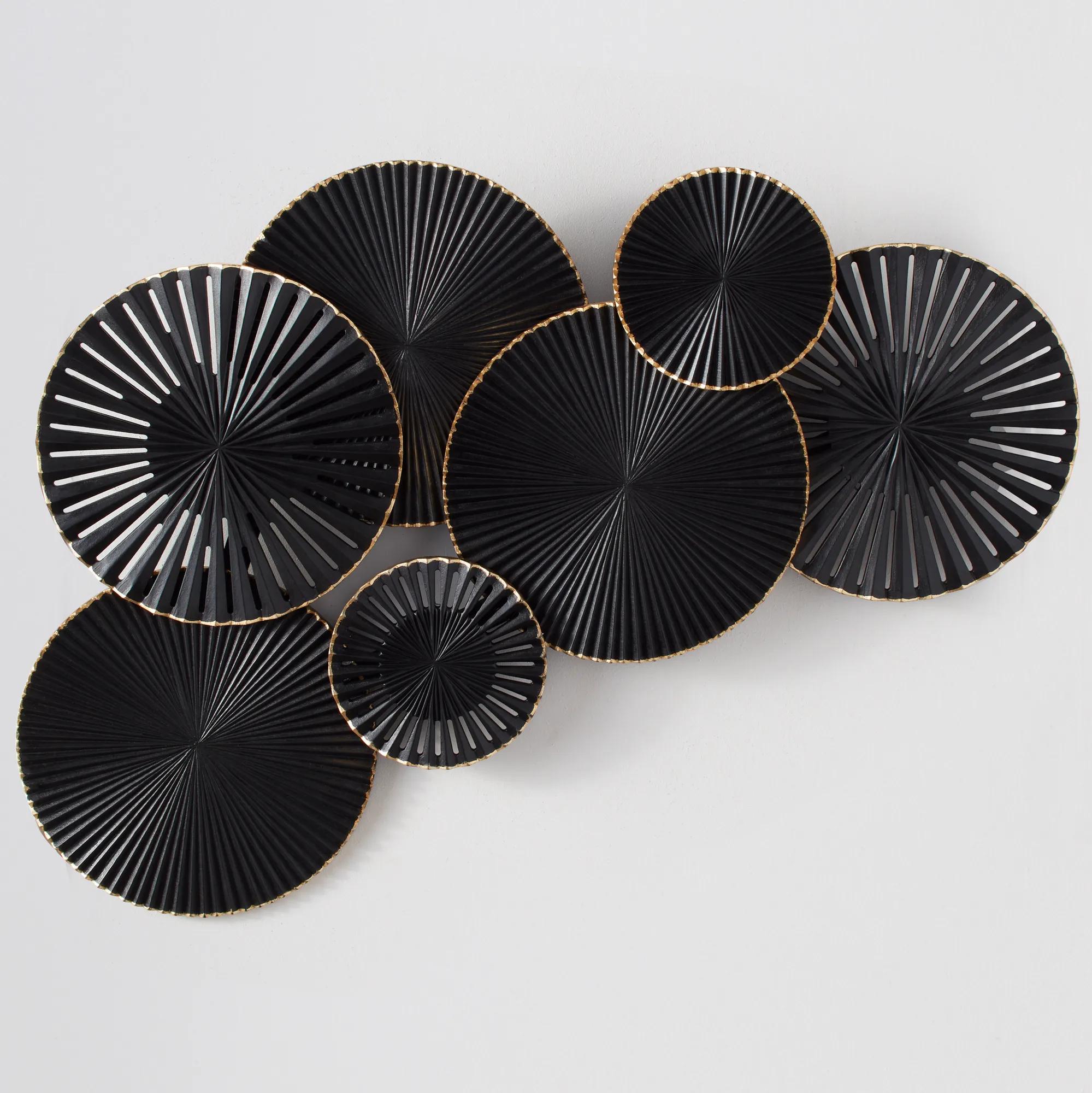
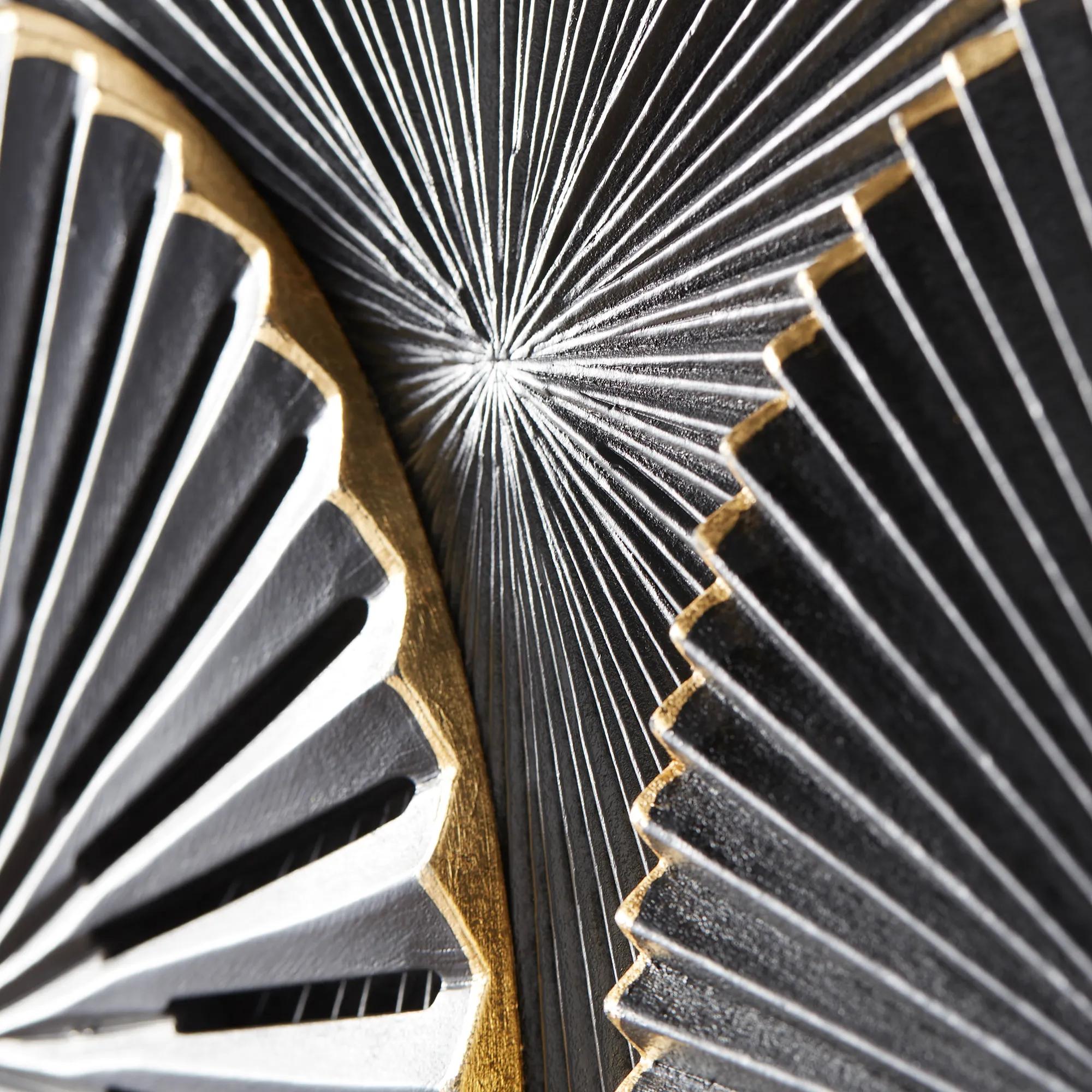 Circa Black Carved Wood Dimensional Wall Panel 47.25" x 27.5"$499
A carved wood wall art panel in black and gold that adds abstract intrigue to any room.
Add To Cart

Minimalist Geometric Wall Art
Minimalist Geometric Wall Art transforms blank walls into striking statements, infusing your space with effortless sophistication and modern intrigue. Each piece is a study in balance—clean lines and bold shapes converge to create art that feels both serene and daring. Let sculptural forms and crisp symmetry anchor your room in visual poetry, inviting quiet contemplation while making a powerful impression. With Minimalist Geometric Wall Art, every wall becomes an evocative canvas, elevating your home into a gallery of contemporary elegance.
Minimalist geometric wall art gives shape to a room’s personality through the deliberate interplay of line, proportion, and open space. A sweeping arc can soften the precision of a tailored sofa; a series of angular forms can bring architectural presence to a wall that otherwise feels unresolved. Rooted in the visual language of abstraction, geometric compositions draw their character from circles, squares, planes, and intersecting lines rather than recognizable subjects. Their expressive range is surprisingly broad. Pale shapes against an ivory ground can feel hushed and atmospheric, while a bold black silhouette introduces the confidence of an ink drawing at monumental scale. The drama comes from the relationship between elements: a narrow line beside a generous curve, a dense field of color suspended within an expansive border, or an off-center shape that makes the entire composition feel alive. This balance makes geometric artwork especially compelling in interiors where luxurious materials already command attention. Above a sumptuous upholstered headboard, a composition with ample negative space gives the eye somewhere to rest without diminishing the room’s richness. Near a gleaming console, crisp linear artwork can echo the furniture’s profile while adding another dimension to the arrangement. Neutral palettes offer versatility, but minimalism need not mean an entirely colorless room. Warm clay, smoky blue, muted gold, and deep charcoal can bring depth to a restrained composition, particularly when a hue repeats subtly in a rug or accent pillow. For those drawn to expressive interiors without a crowded visual field, minimalist geometric art offers a distinctive middle ground: fewer elements, each with greater presence. It suits a first apartment taking on a more considered identity, an established living room ready for a new focal point, or a home office where a strong composition can lend polish to the setting. Its appeal lies in precision rather than excess, with enough visual intrigue to hold attention long after the first impression.
Materials and presentation give minimalist geometric wall decor much of its character, especially when the composition leaves little to distract from the surface itself. Artwork on paper often emphasizes crisp edges and fine linework, while canvas can introduce a subtle woven texture that softens the geometry. Dimensional approaches, such as raised forms or layered materials, add shadows that shift with the light and make even a quiet palette feel sculptural. Each treatment creates a different relationship with its surroundings. A smooth, carefully framed print can bring definition to a room filled with tactile fabrics; a visibly textured surface can temper the coolness of glass, polished stone, or metal furniture. For a complementary expression of this balance, Minimalist Textured Wall Art introduces surface-led compositions that can sit beautifully alongside clean geometric lines. Framing deserves equal attention. A slim dark frame draws a precise boundary around pale artwork, a warm wood tone lends depth, and a metallic finish can catch the light without competing with the image. A generous mat gives a smaller composition breathing room, though its added width also changes the overall dimensions. When considering fit, use the full framed measurements rather than the image size alone. Over a sofa or sideboard, artwork spanning roughly two-thirds to three-quarters of the furniture’s width often feels balanced, with adjustments for nearby windows, sconces, and the visual weight of the composition. A single oversized work can anchor a broad wall, while a coordinated pair creates rhythm across a longer stretch. In a narrow entry, vertically oriented geometry can emphasize height without crowding the passage. Hanging the center near eye level is a useful starting point, but furniture and sightlines matter more than a rigid formula. A work above a low console should feel connected to the vignette beneath it, not stranded near the ceiling. Painter’s tape or paper templates can help establish the scale before hanging, particularly when arranging several pieces with consistent spacing.
Minimalist geometric artwork is intended to be lived with, so the most satisfying choice considers daily light, room conditions, and how the space is used as carefully as color and form. A composition viewed from across an open living area benefits from shapes substantial enough to register at a distance; fine, delicate lines invite closer viewing in a reading corner or beside a desk. In dining spaces, curved forms can create a graceful counterpoint to a rectangular table, while a structured grid can lend order to a room with rounded seating and flowing drapery. Light changes these relationships throughout the day. Glazing may reflect a bright window or pendant, and dimensional surfaces can cast pronounced shadows under directional lighting. Viewing the intended wall from both seated and standing positions helps reveal potential glare before placement. For lasting enjoyment, keep artwork away from persistent direct sunlight, damp conditions, and concentrated heat, since paper, pigments, canvas, and framing materials can respond differently to exposure. A bathroom or kitchen location warrants particular care; suitability depends on the materials, protective finish, and maker’s recommendations rather than appearance alone. Dust frames gently with a clean, soft cloth, and follow the specified care instructions for the artwork’s surface. Avoid spraying cleaning liquid directly onto glazing, where moisture could seep toward the edges, and do not assume an unglazed or raised surface can be wiped clean. Secure installation also supports longevity: hanging hardware and wall anchors should match both the artwork’s weight and the wall construction, with heavier pieces requiring appropriate support. These practical details protect the composed effect that makes geometric art so distinctive. As a gift, an abstract composition can be a thoughtful choice for a housewarming, wedding, or someone establishing a dedicated creative space, particularly when the recipient’s preferred palette and available wall dimensions are known. A smaller framed work may suit a personal nook, while a large statement deserves a clear understanding of the room. Whether chosen for a generous entertaining space or an intimate bedroom, the right geometry brings intention to the wall, allowing line, light, and proportion to become part of the home’s individual expression.
FAQs
Minimalist geometric wall art harmonizes beautifully with a range of interiors, from contemporary lofts and mid-century modern spaces to Scandinavian-inspired rooms and even eclectic settings. Its clean lines and bold shapes create a striking focal point in streamlined environments, while offering a sophisticated counterpoint to more ornate or layered decor.
To achieve a cohesive display, consider unifying elements such as color palette, frame finish, or geometric motif. Arrange pieces with varied scales and orientations to create visual rhythm, and allow for generous spacing so each artwork can breathe. This approach transforms your wall into a curated gallery that feels intentional and artful.
Absolutely—minimalist geometric wall art makes an inspired holiday gift for design enthusiasts and anyone seeking to refresh their space. Its timeless aesthetic and universal appeal ensure it will be cherished year-round, while its understated elegance makes it easy to integrate into a variety of decor styles.
Accent lighting, such as picture lights or adjustable wall sconces, can dramatically enhance the impact of geometric wall art. A soft wash of light will emphasize the crisp lines and subtle textures, creating depth and drawing the eye to your chosen focal point, especially during the cozy winter months.
Yes, minimalist geometric wall art brings a refined sense of style to less-expected areas such as bathrooms, entryways, or even stairwells. Its clean aesthetic adds visual interest without overwhelming smaller or transitional spaces, making every corner of your home feel thoughtfully curated.