Modern Living Room Canvas Art
Modern Living Room Canvas Art
-
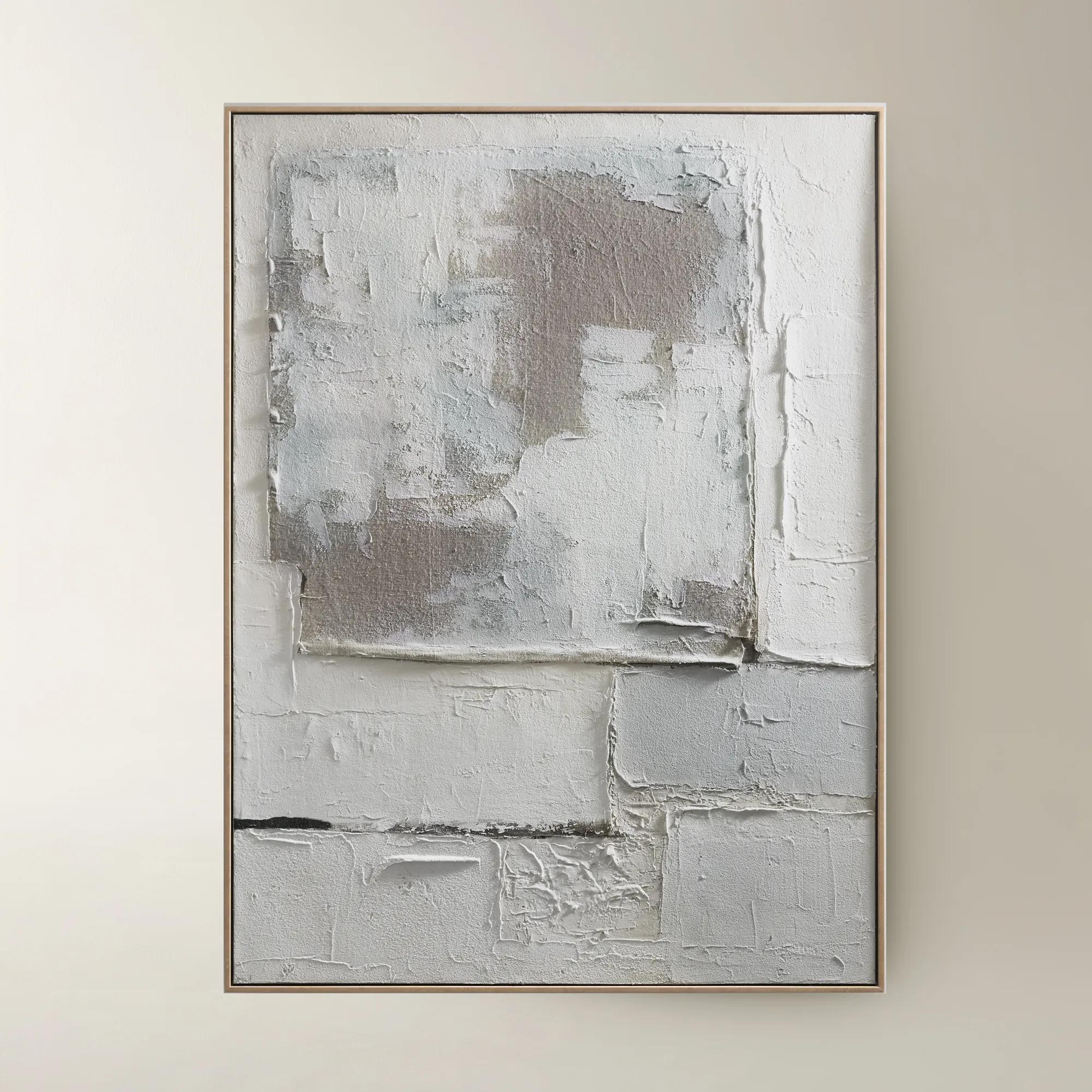
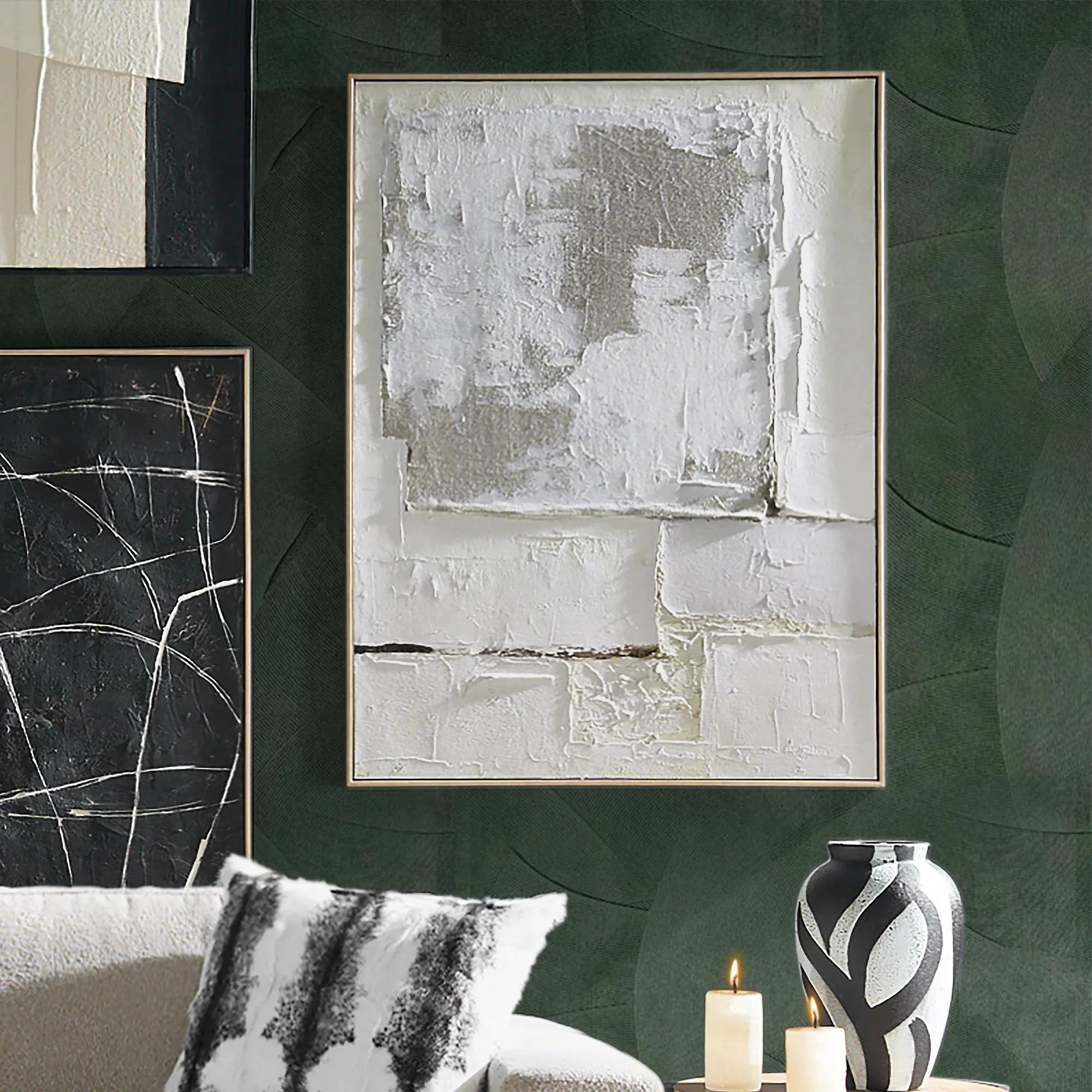 Marrow Painting$399
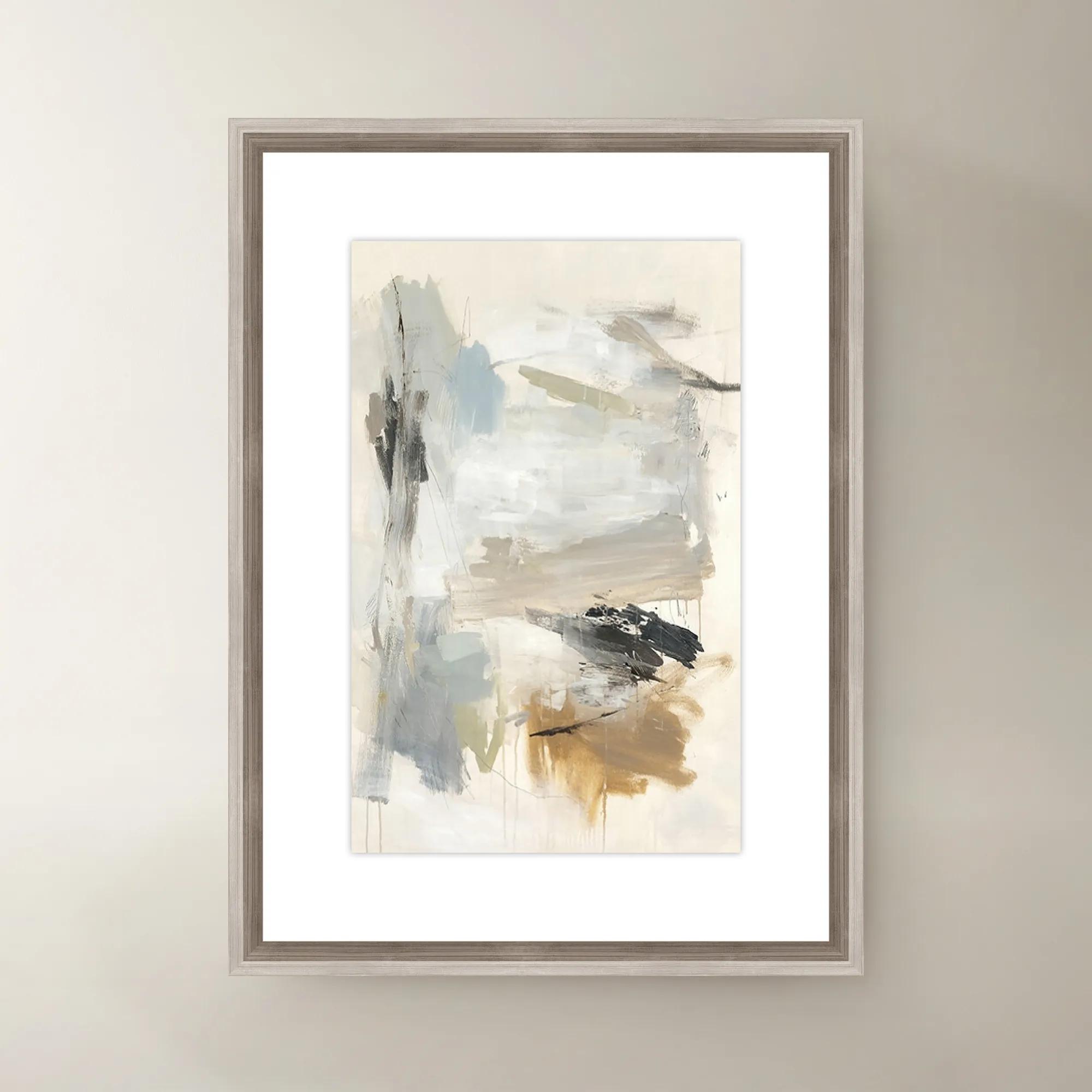
A hand-painted abstract canvas in subtle beige hues, elegantly framed in a warm beech wood floater.
Add To Cart -
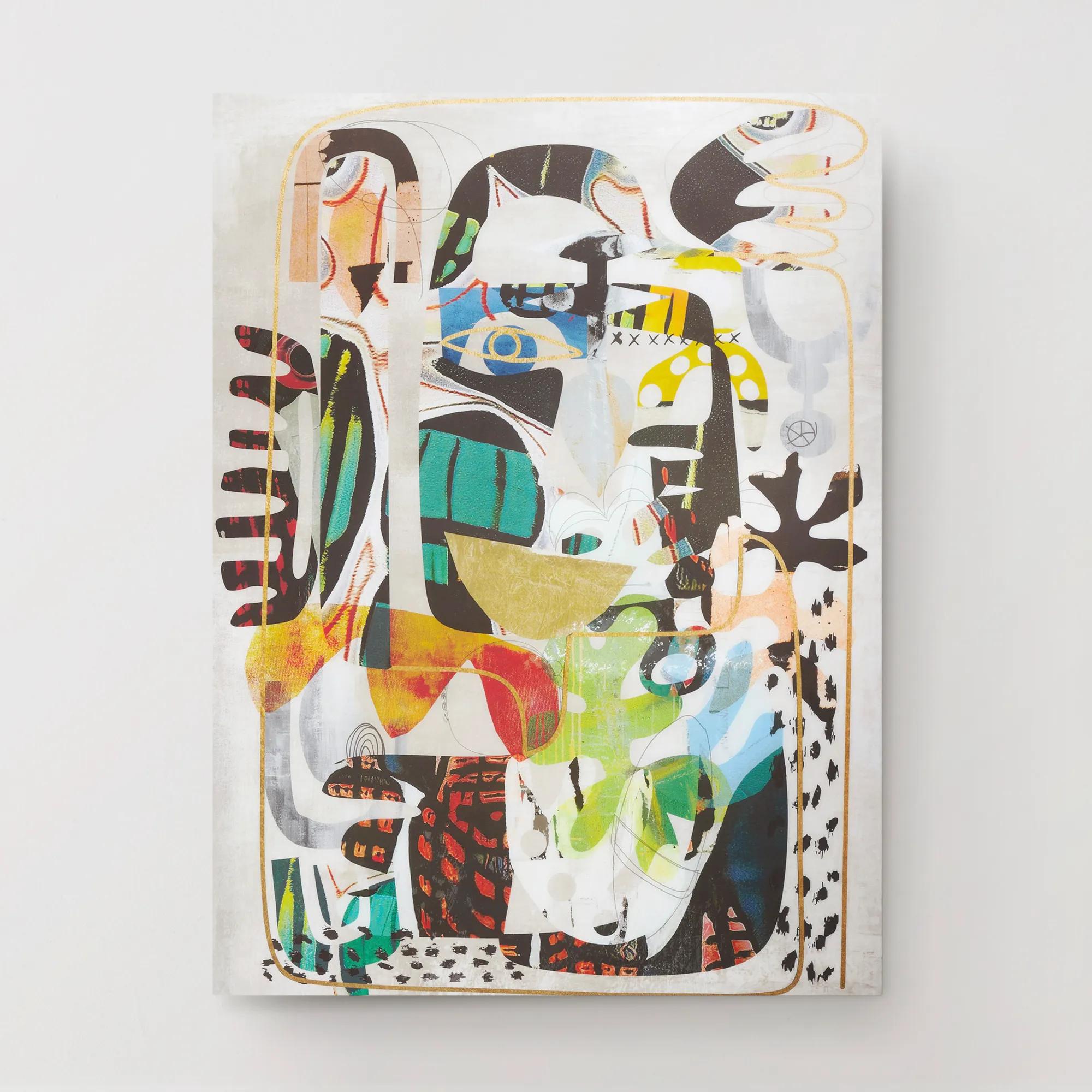
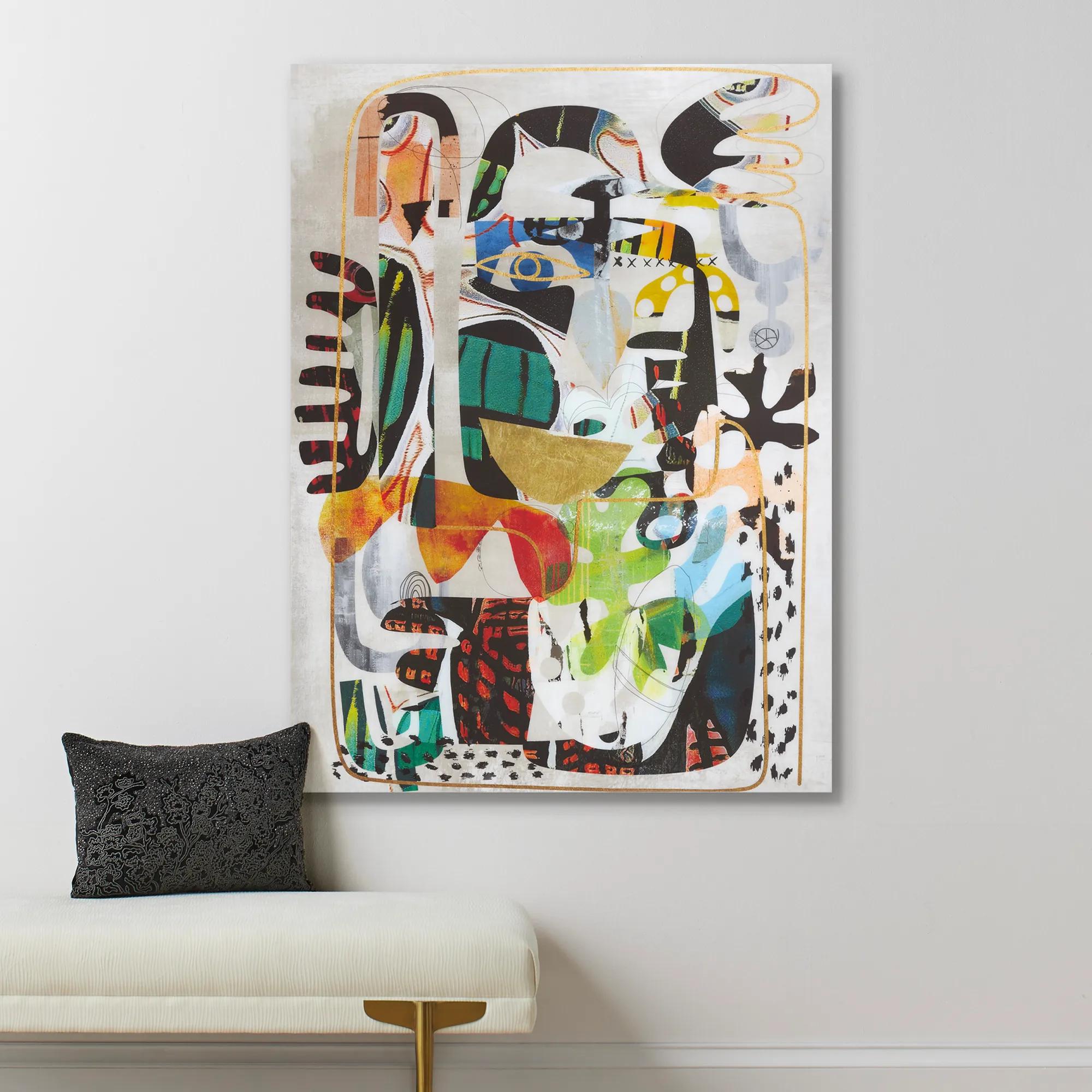 Nikki Chu Masked Wall Art 40" x 54"$899
A vibrant giclee print on canvas featuring a hand-applied glossy finish for a modern statement.
Add To Cart -
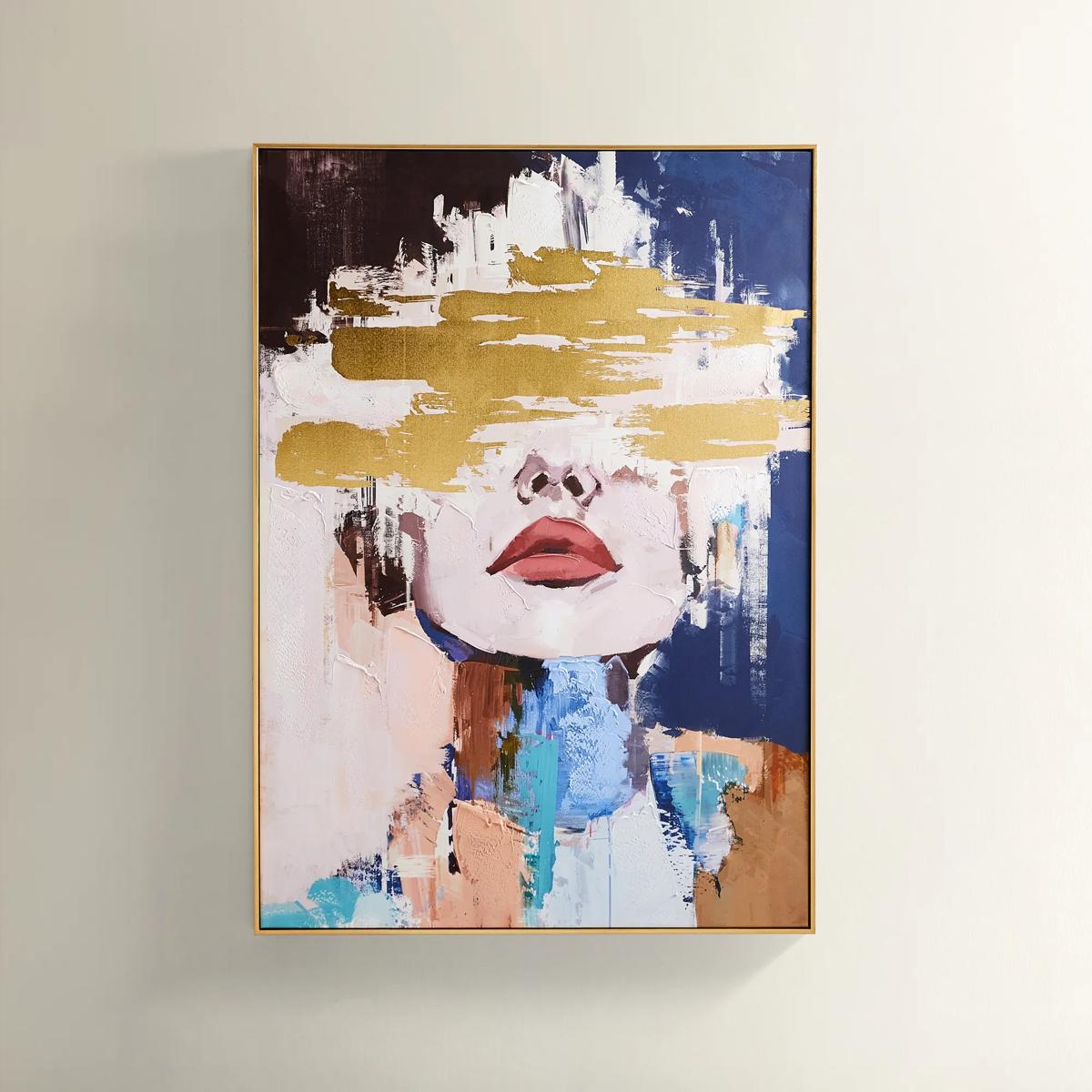
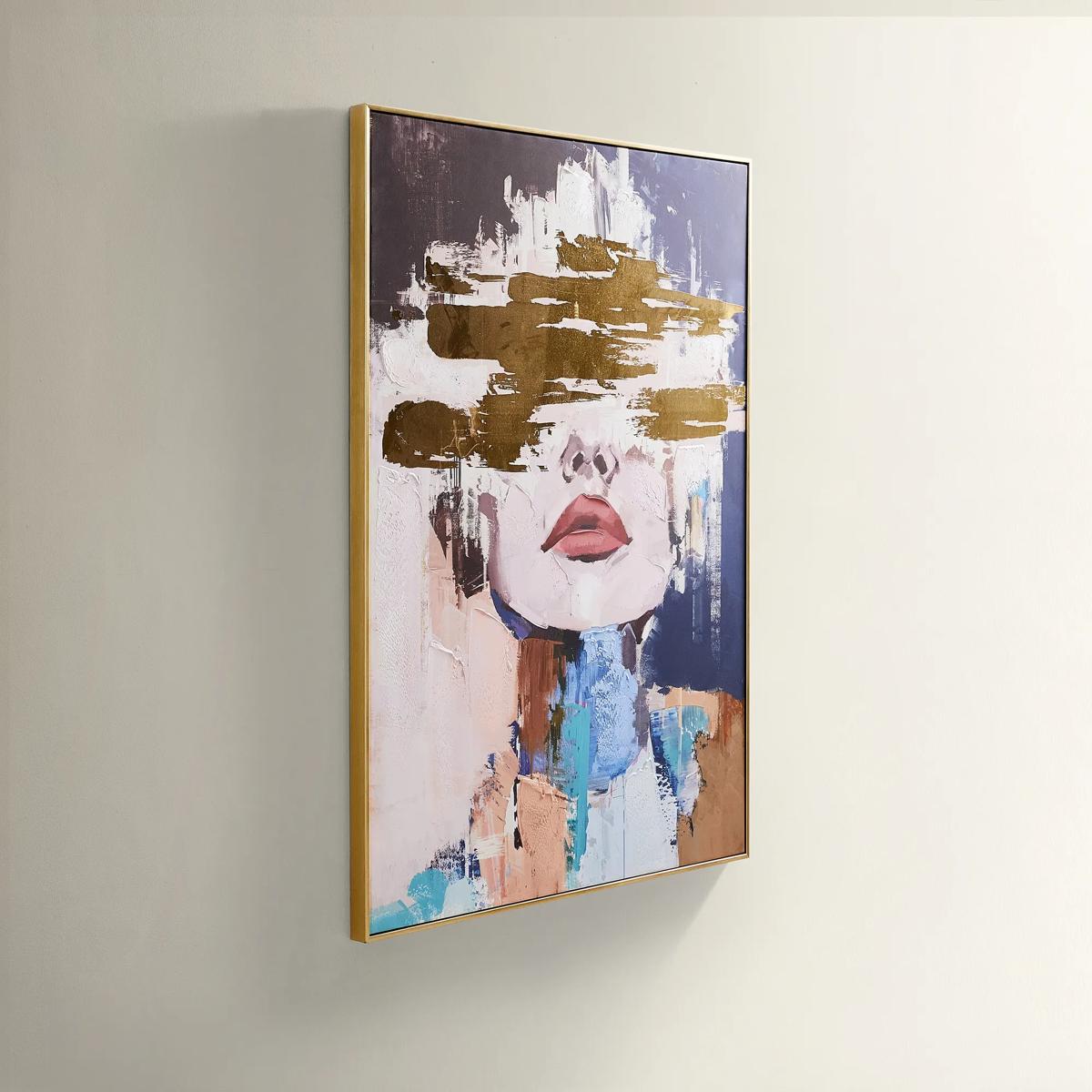 Waiting in Color Gold Foil Painted Wall Art 39.25" x 55"$499
A hand-painted abstract portrait in vivid blue, blush, and gold foil, framed in luxe gold.
Add To Cart -
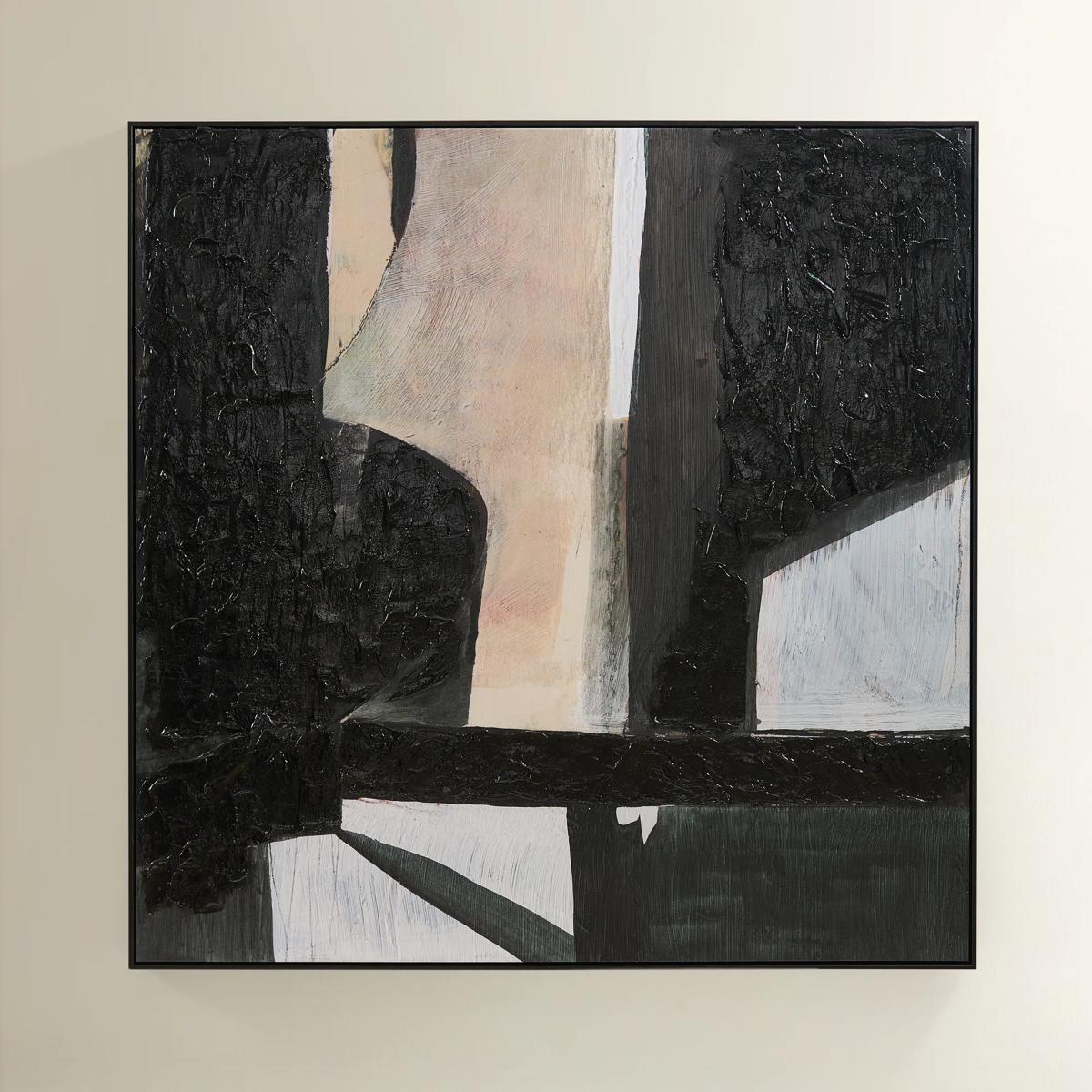 Grounded Painting$699
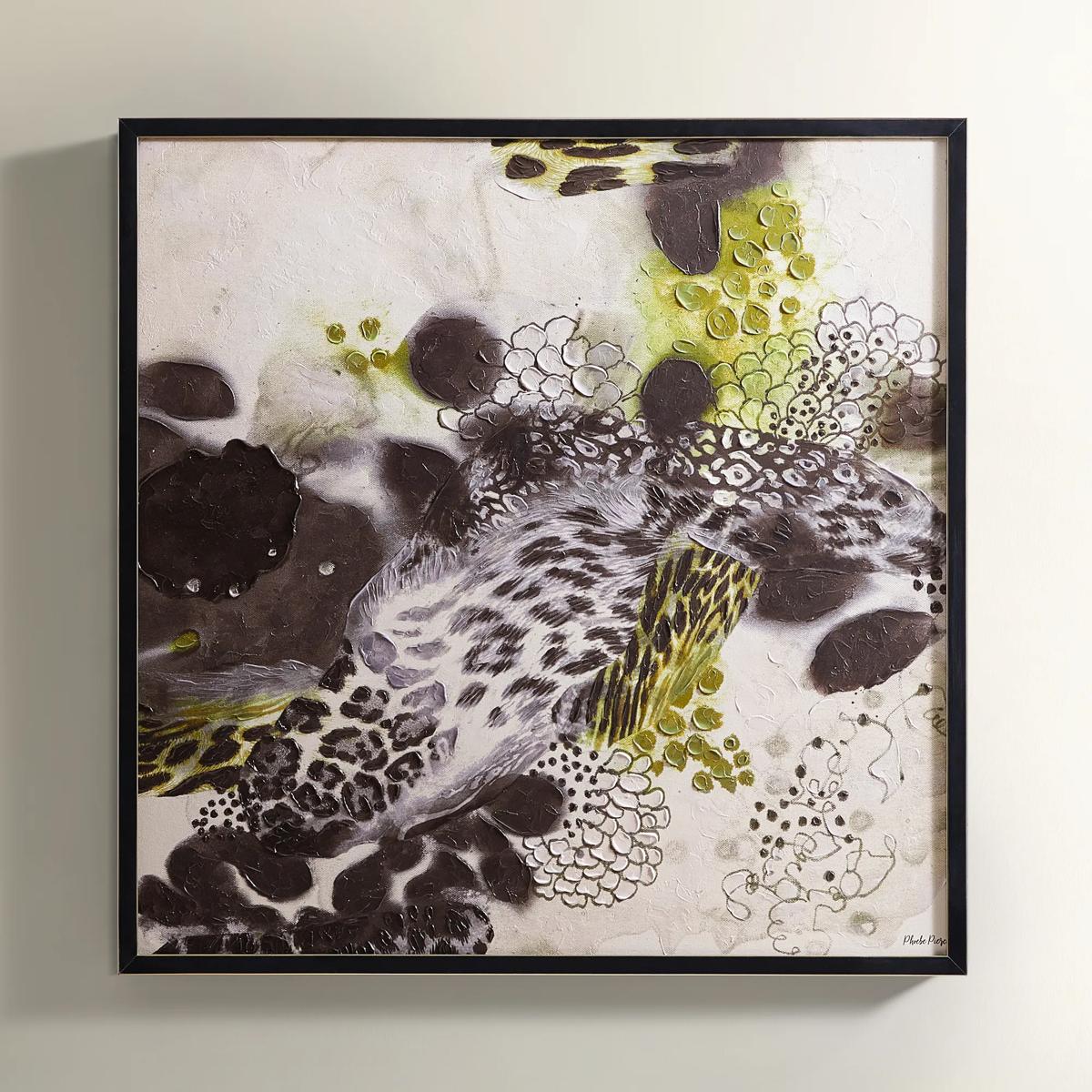
A hand-painted abstract canvas featuring black, cream, and earth tones in a sleek black floater frame.
Add To Cart -

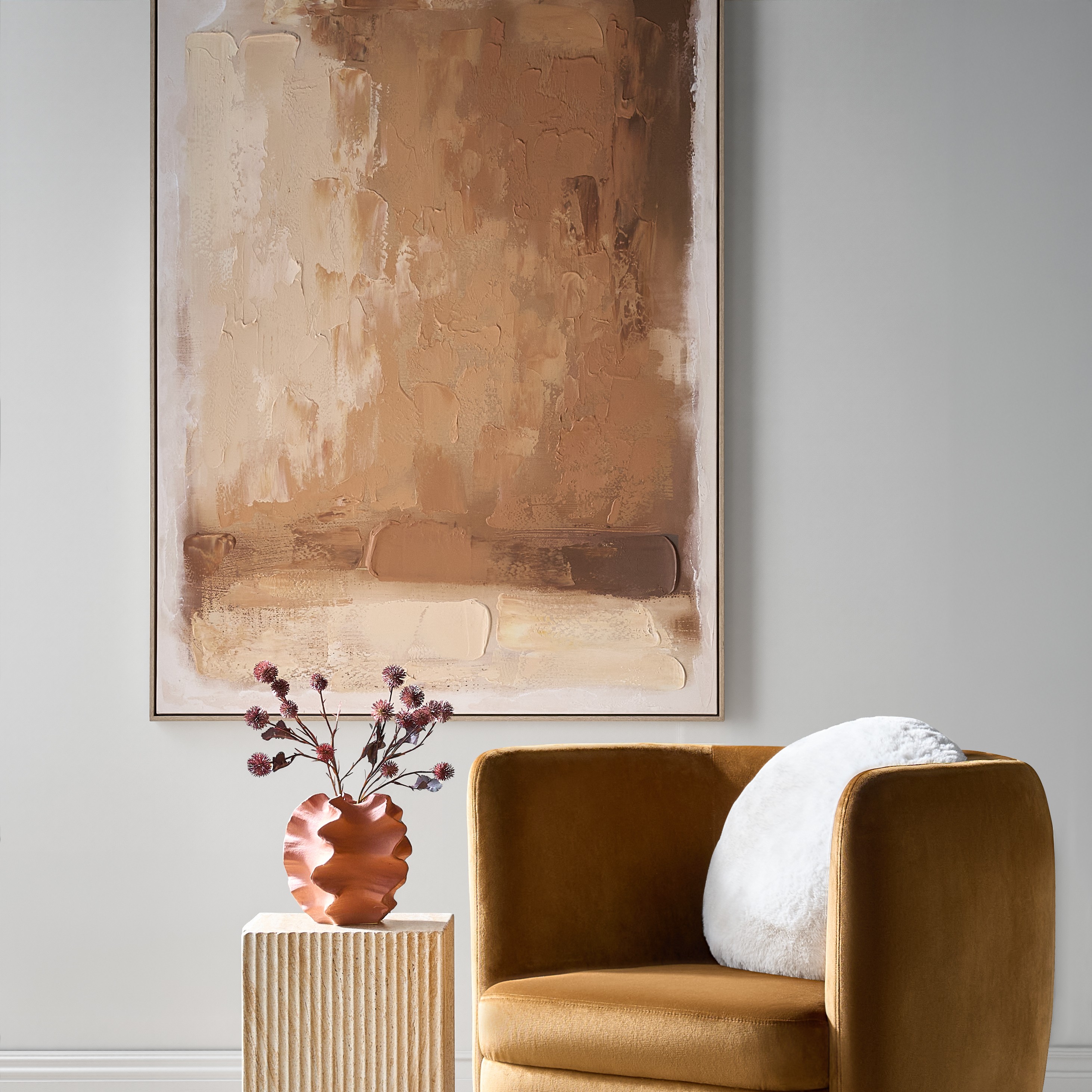 Ember Glow Framed Painted Wall Art 39.25" x 55"$499
A hand-painted abstract canvas blending ochre, terracotta, and golden clay hues in a light natural frame.
Add To Cart -
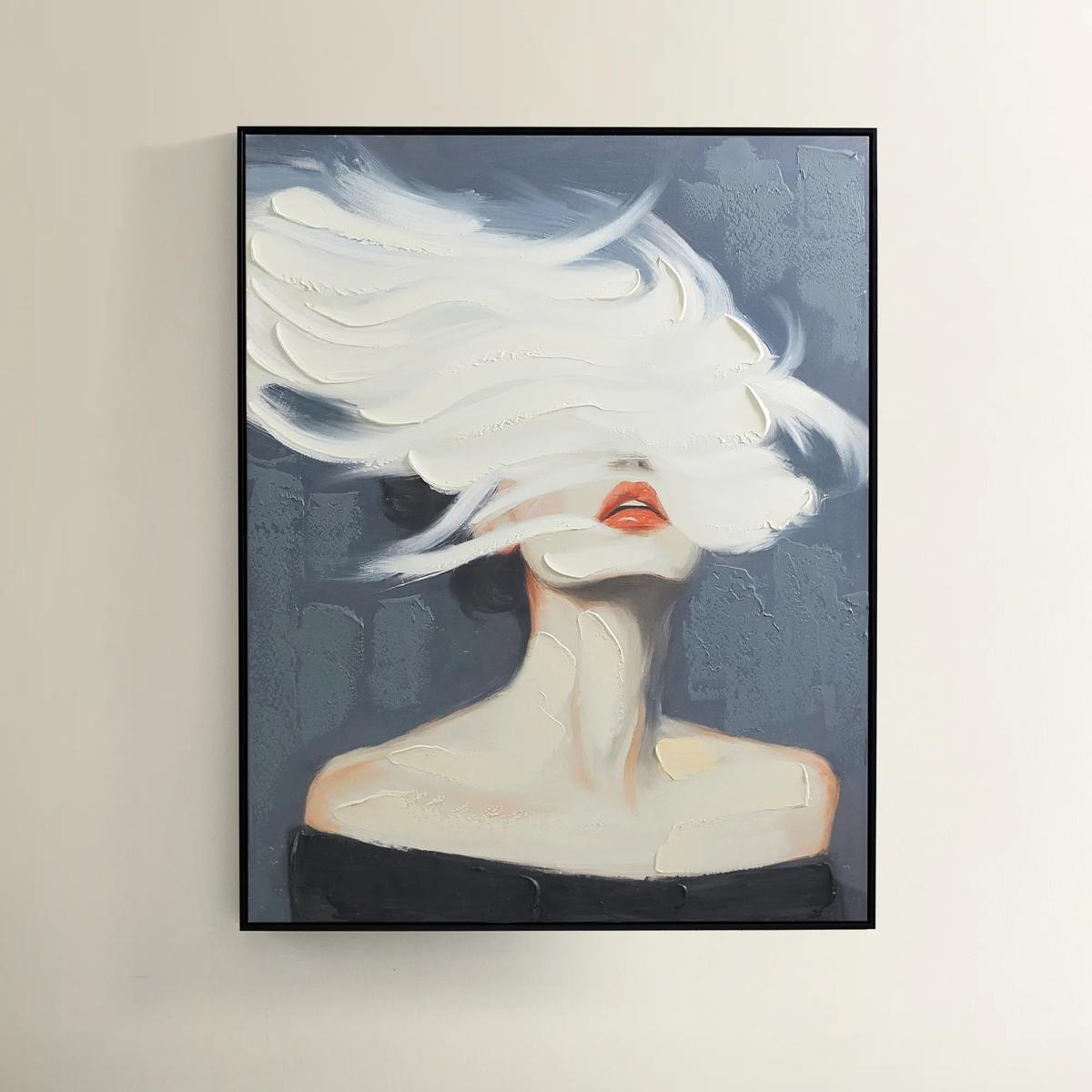
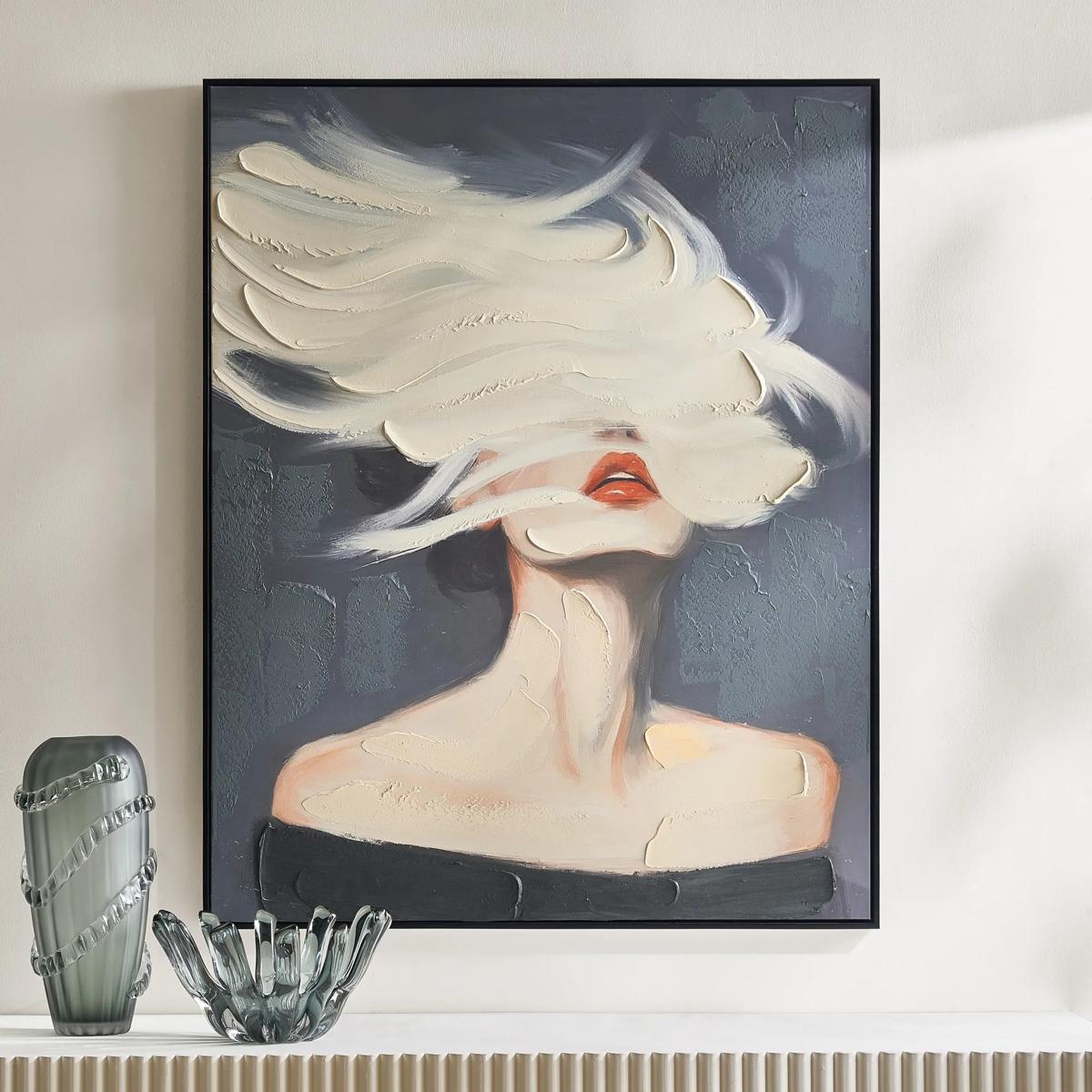 Daydreamer Painting$599
A hand-painted canvas portrait with sculptural white brushstrokes, bold red lips, and a sleek black frame.
Add To Cart -
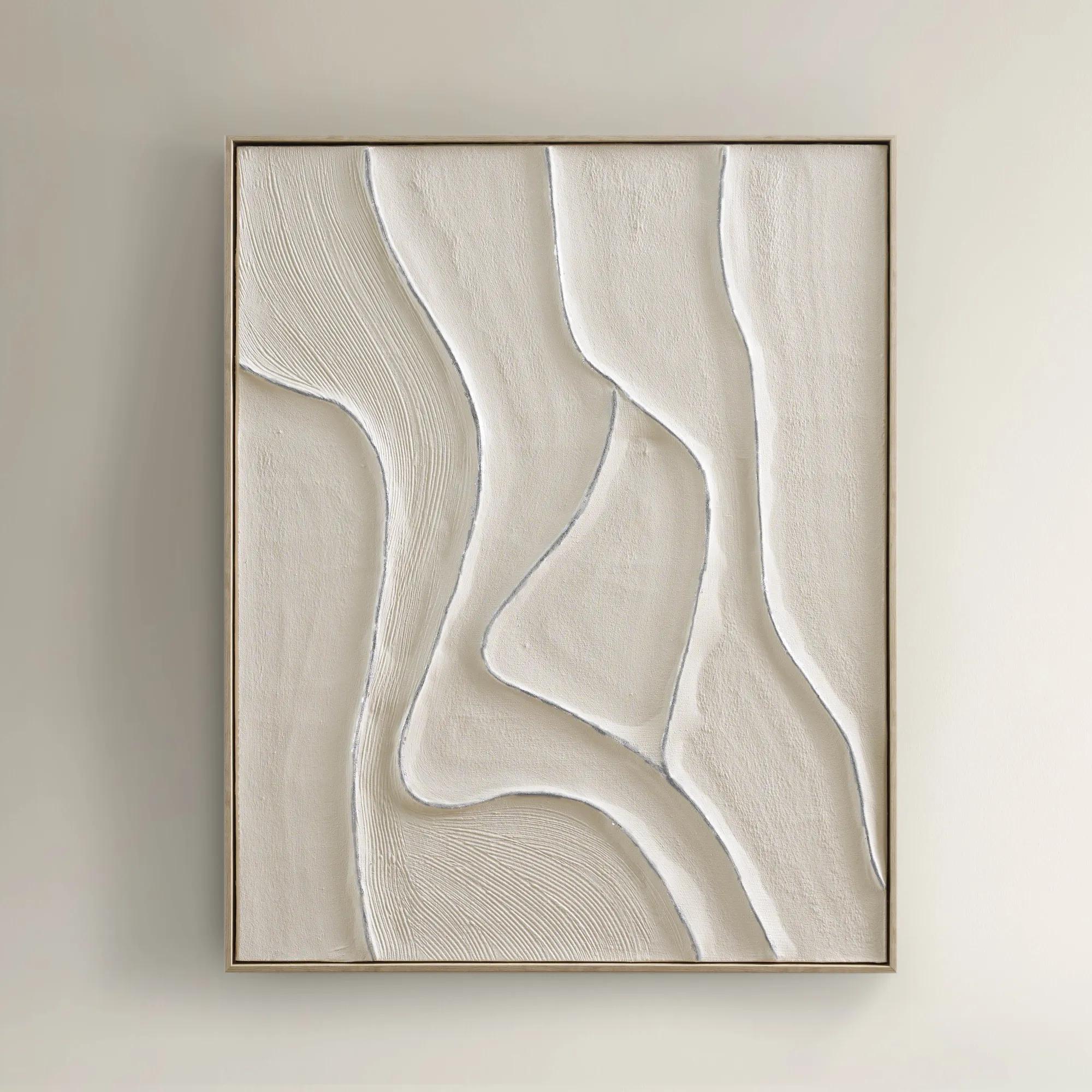
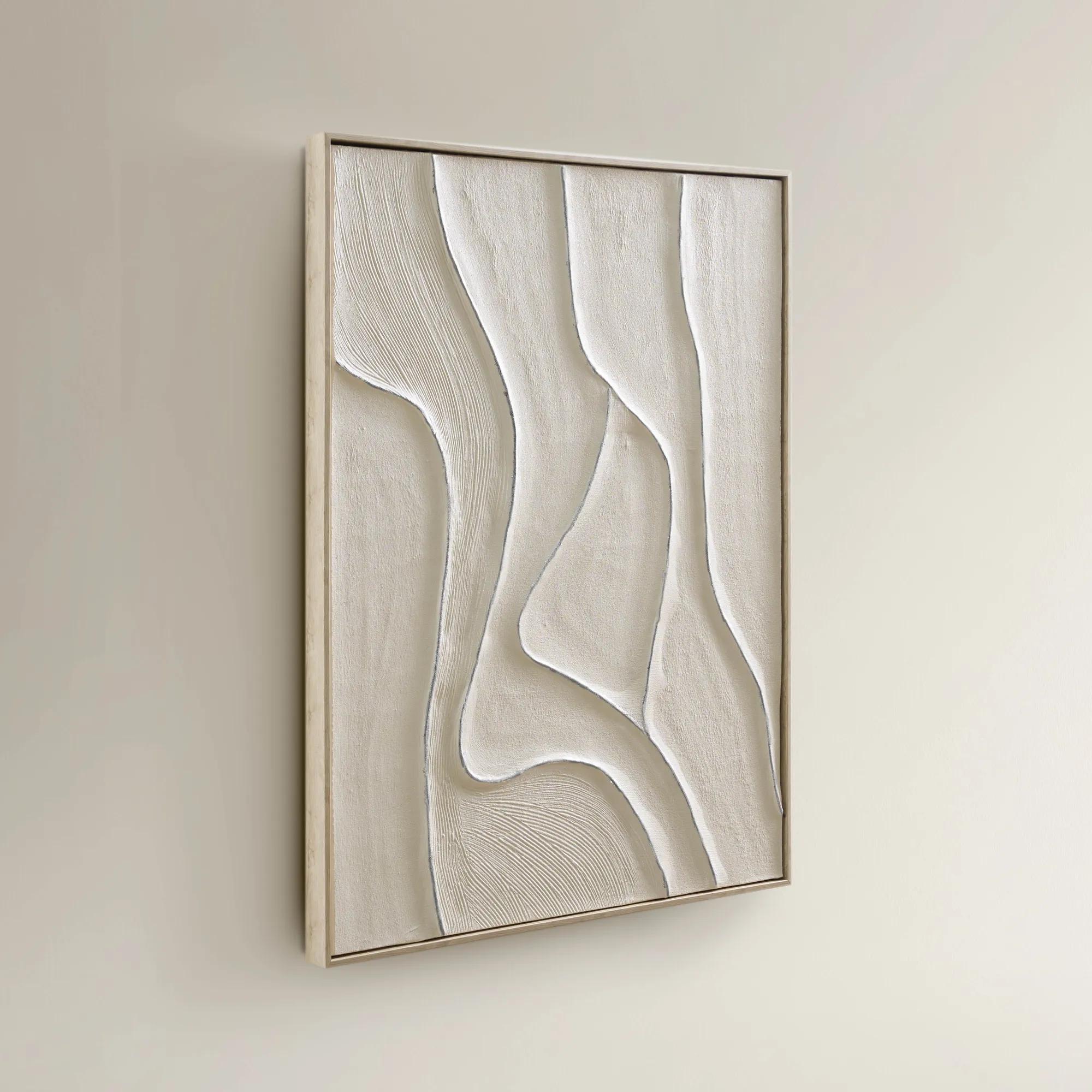 Vivre Framed Painted Wall Art 39.25" x 31.5"$199
A hand-painted canvas featuring tranquil beige hues and flowing lines in a warm whitewash floater frame.
Add To Cart -
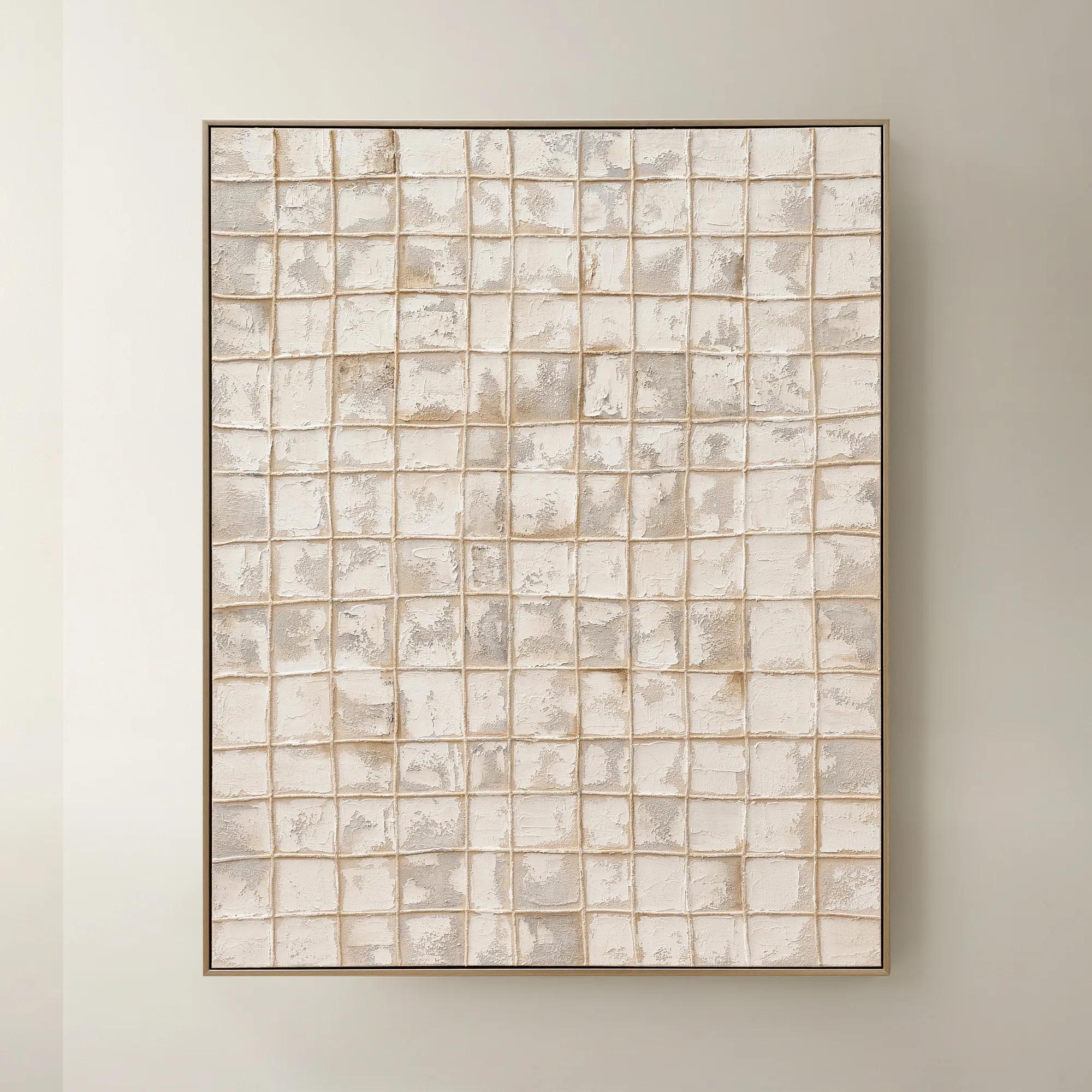
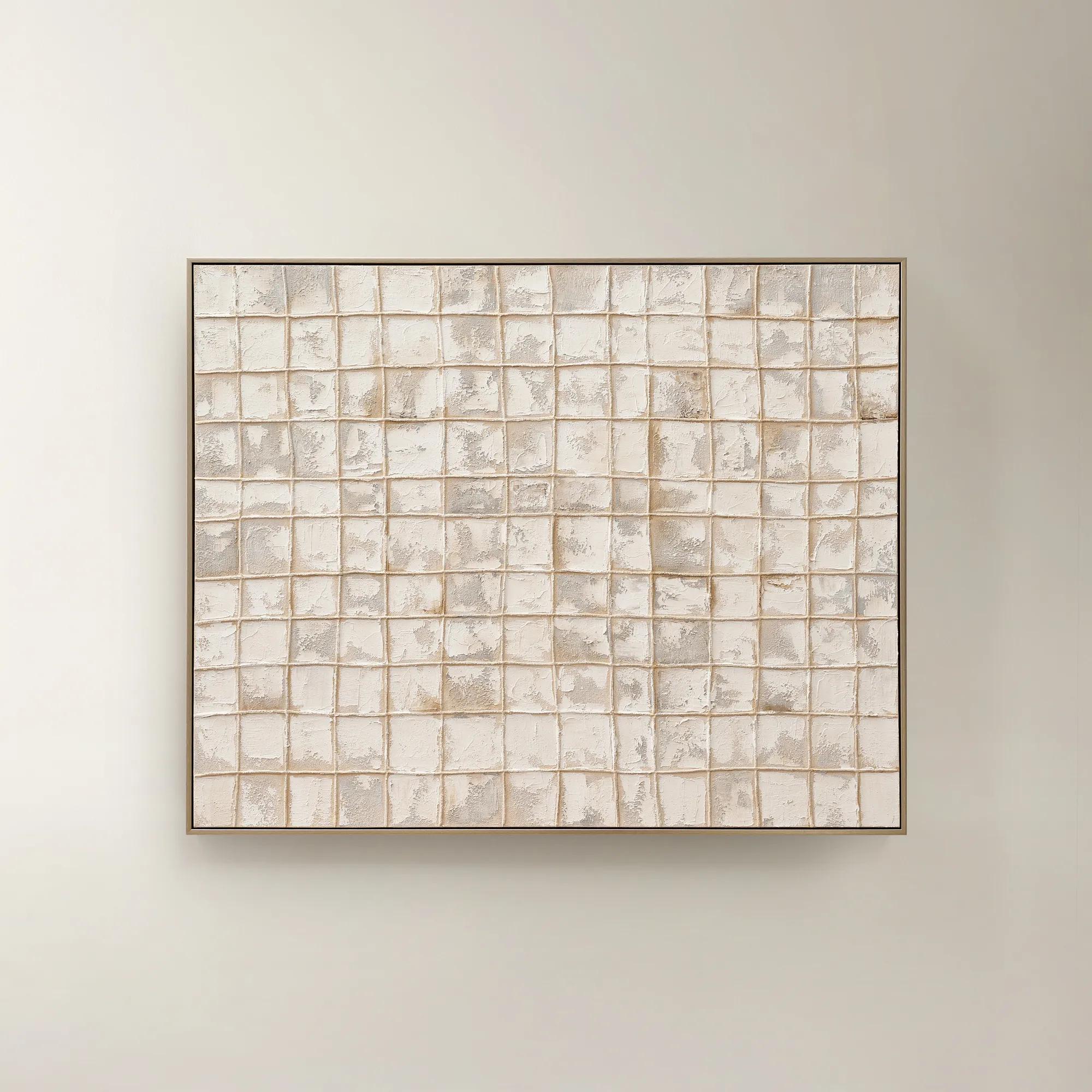 Painted Echos Framed Gold Leaf Wall Art 60" x 48"$699
A hand-painted abstract canvas with gold leaf accents and a champagne frame for modern, versatile display.
Add To Cart -
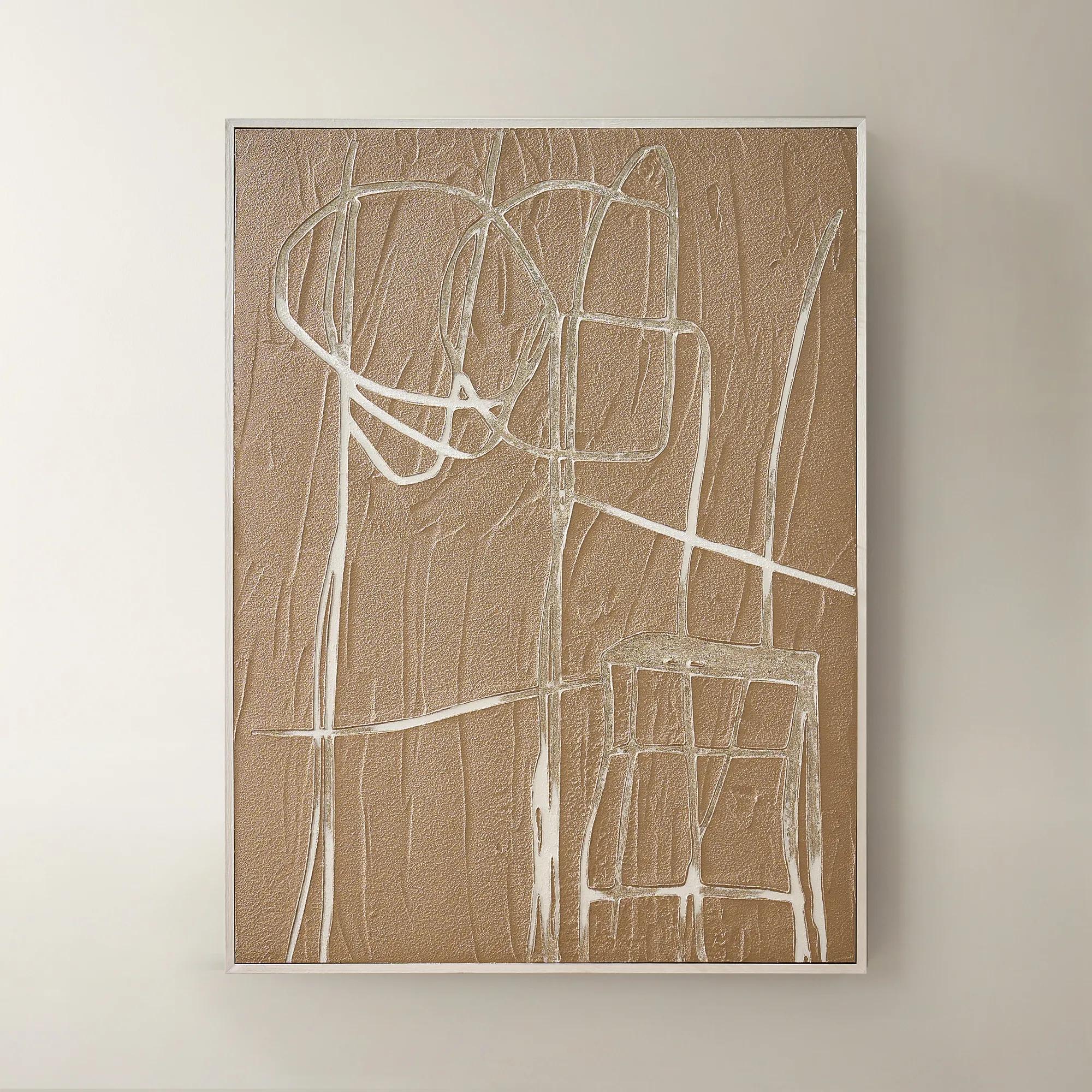
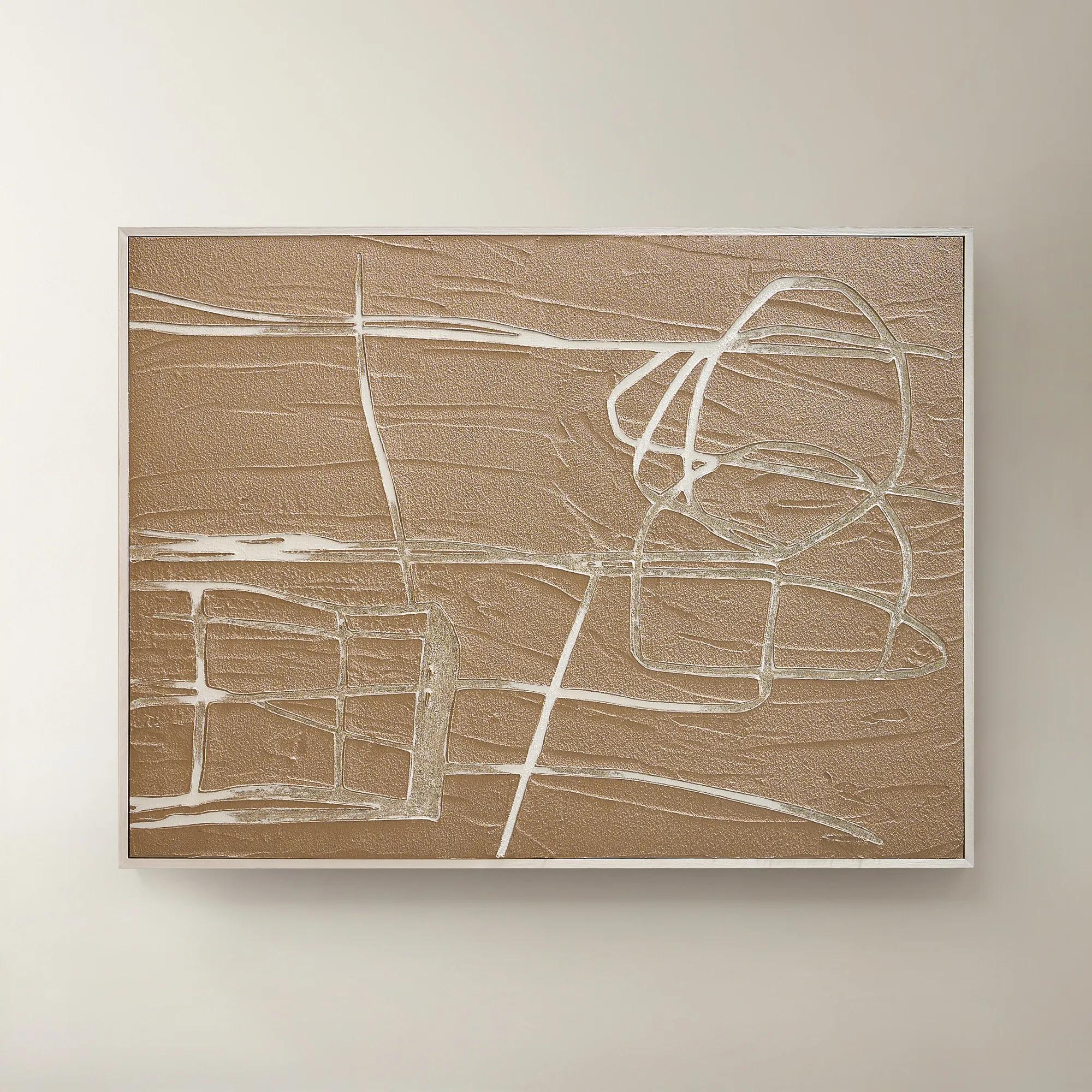 Linear Sand Framed Painted Wall Art 35" x 47"$369
A contemporary sand-toned painted canvas artwork framed for sophisticated modern interiors.
Add To Cart -
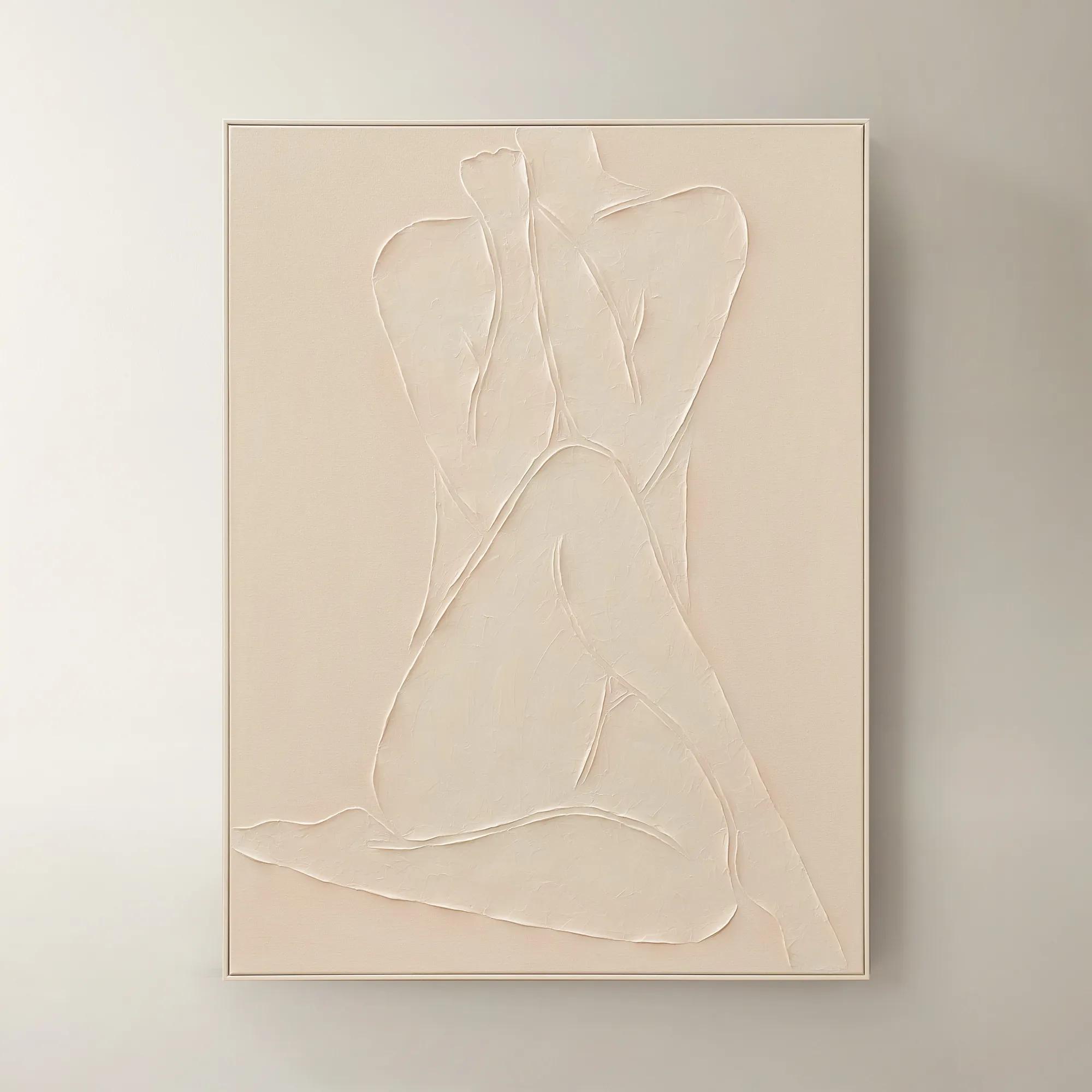
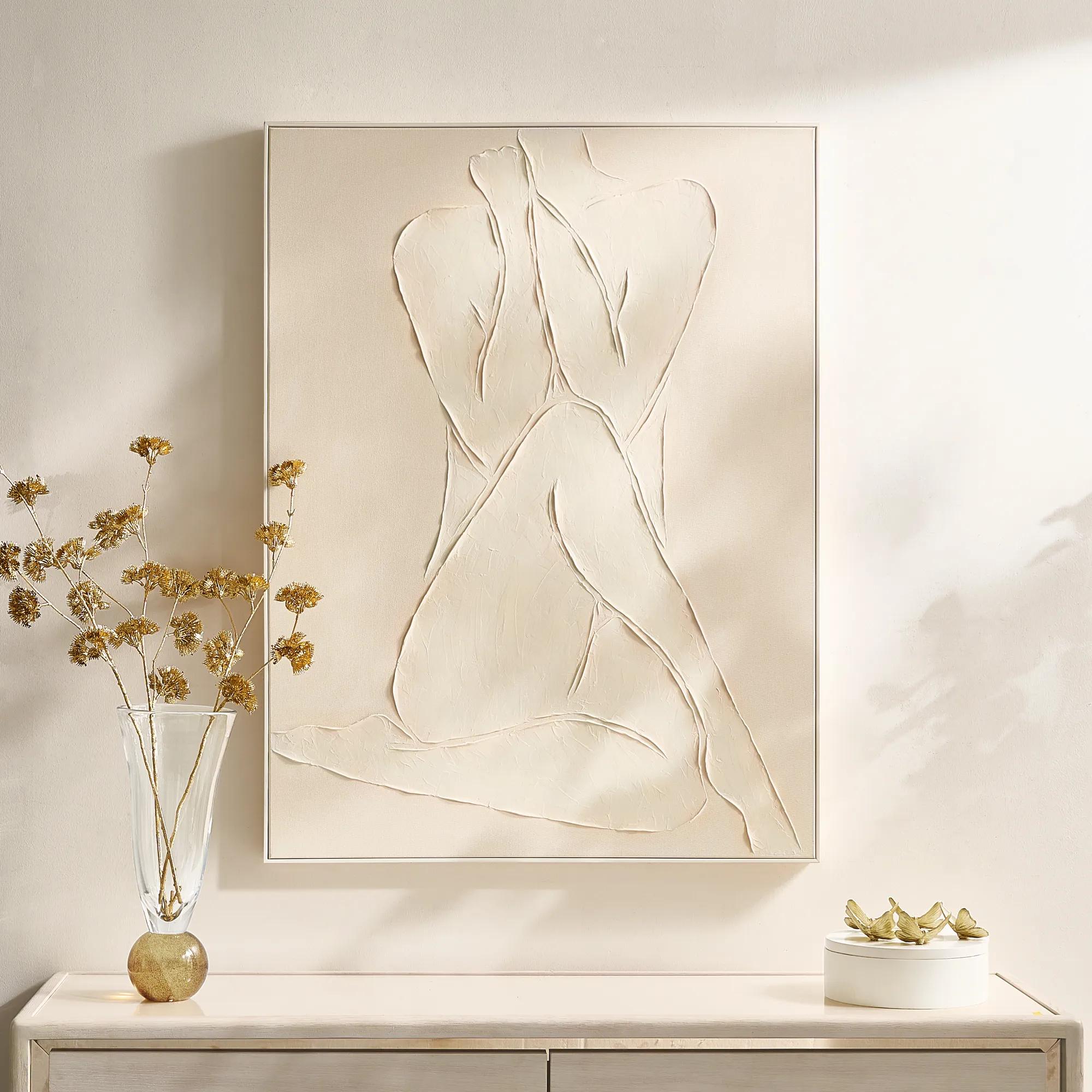 Modern Elegance Nude Ivory Framed Painted Wall Art 35.5" x 47.25"$599
A hand-painted ivory canvas in a white frame brings serene, modern artistry to any space.
Add To Cart -
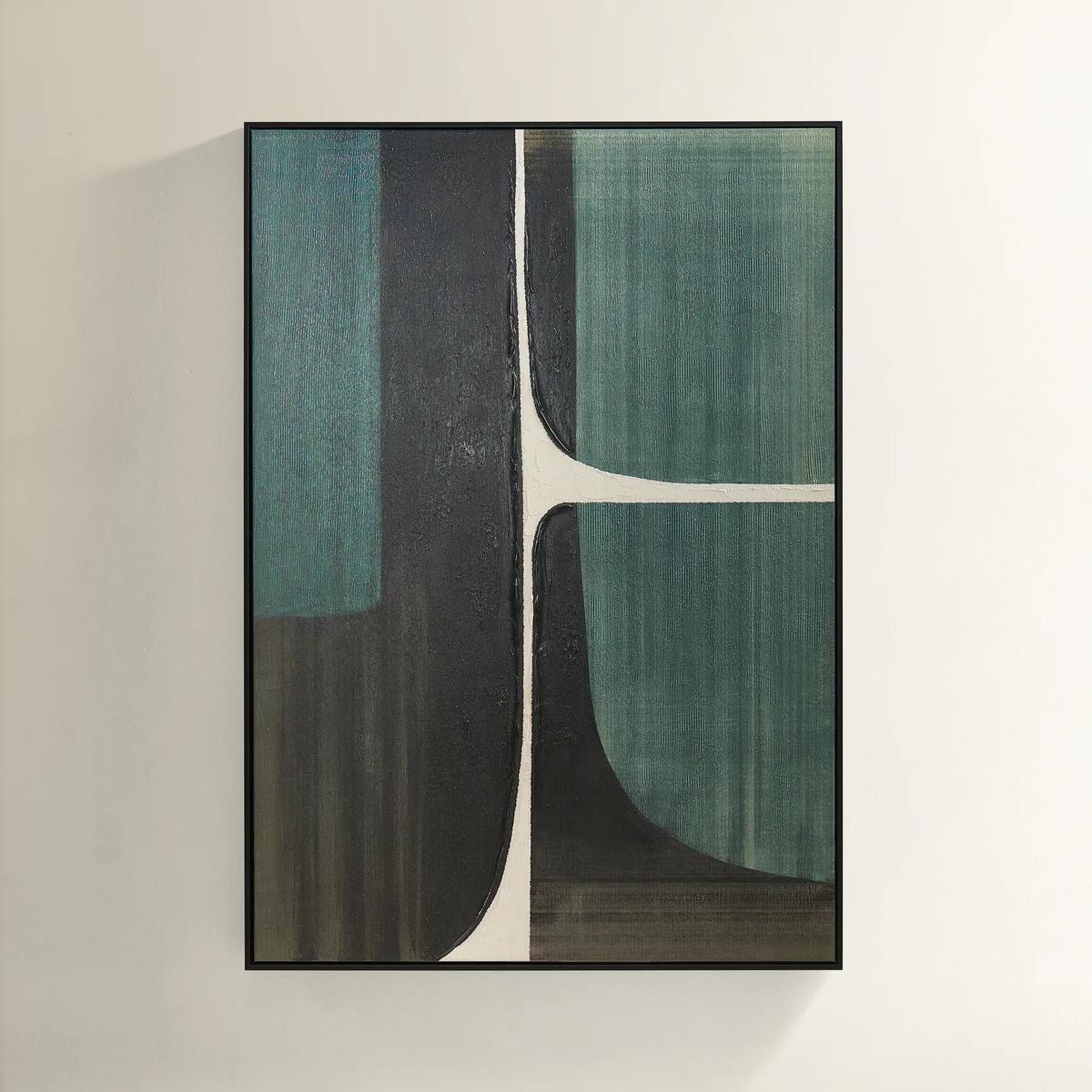 Plains Framed Painted Wall Art 39.25" x 55"$499
A hand-painted abstract canvas in forest green, ivory, and black with a sleek black floater frame.
Add To Cart -
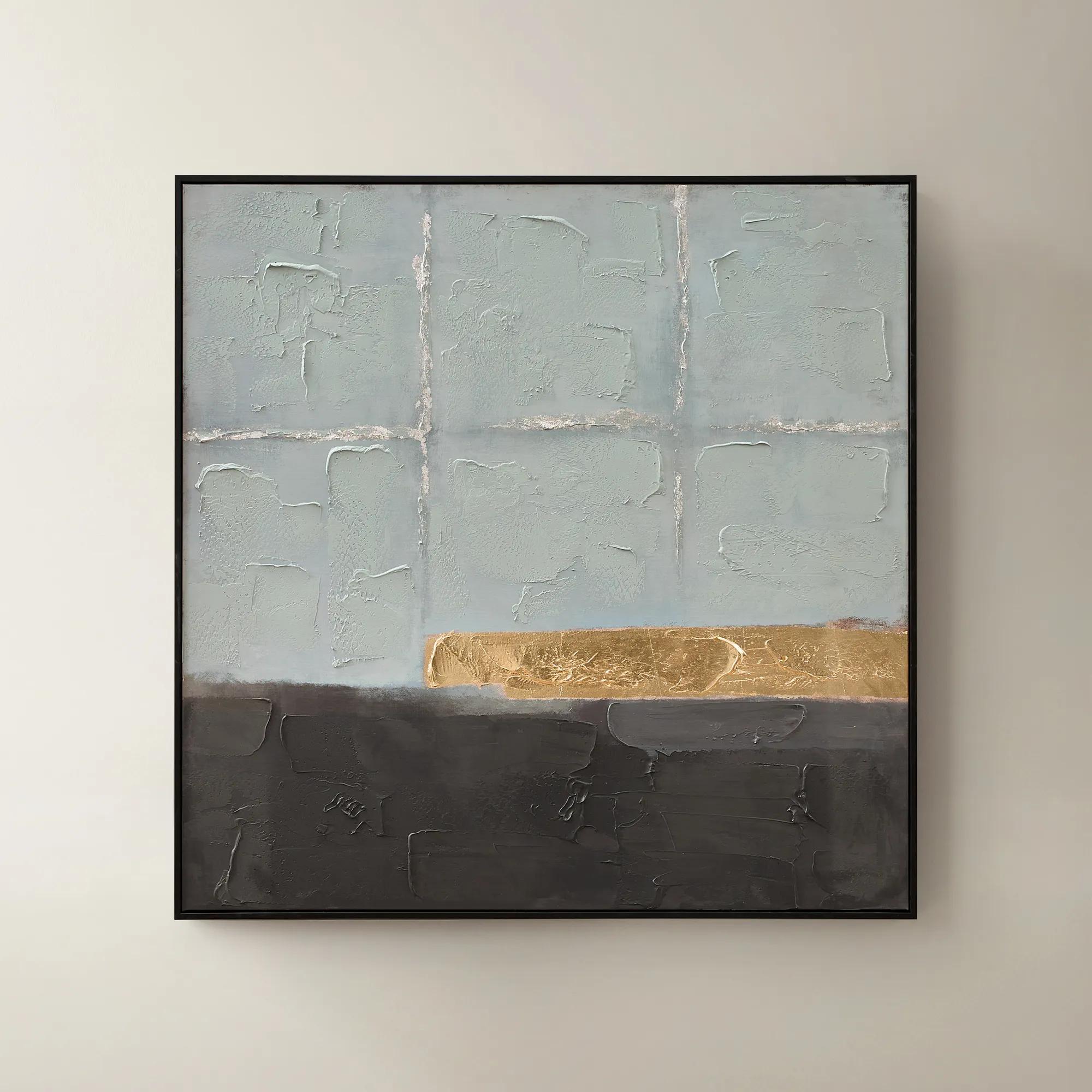
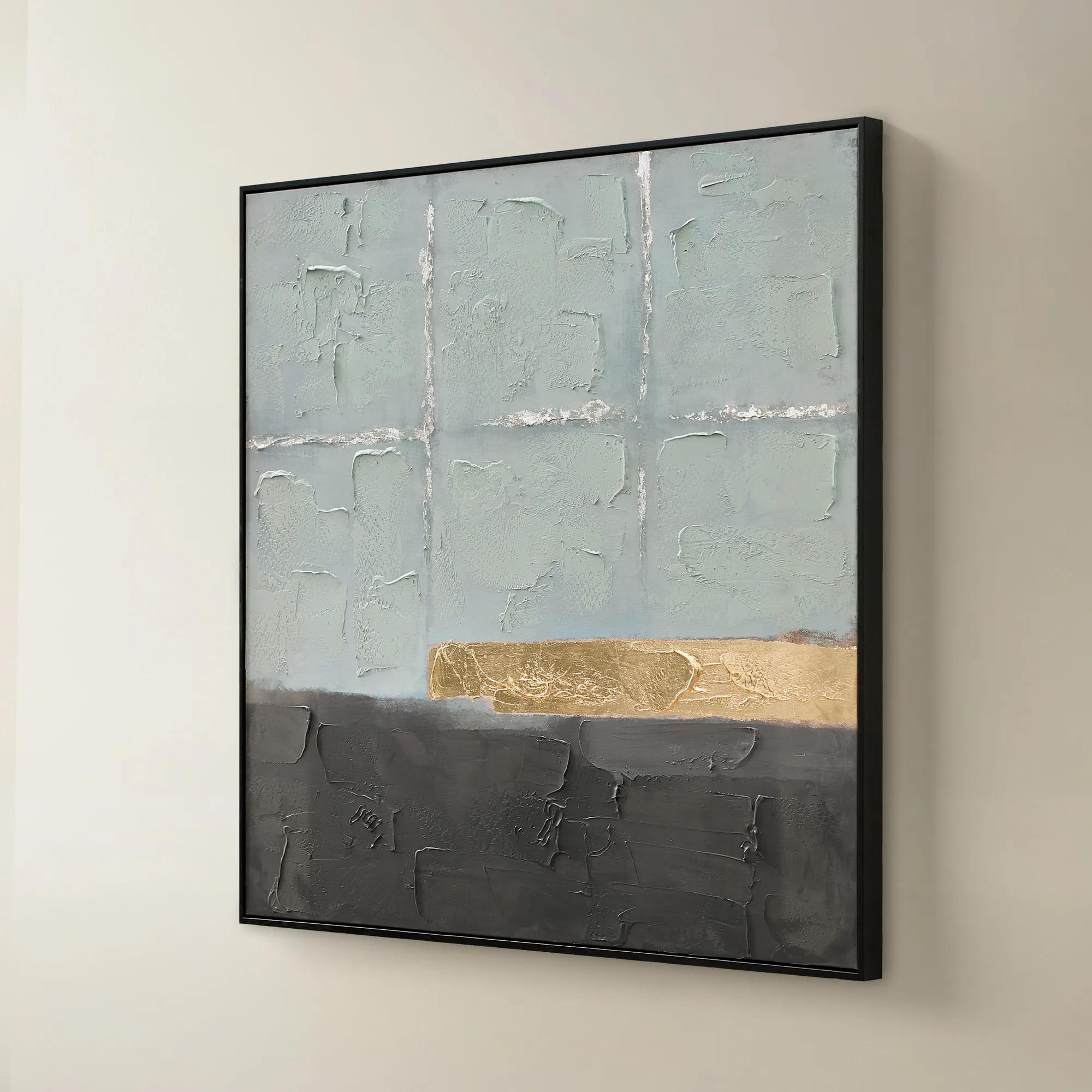 Jules Framed Gold Leaf Painted Wall Art 40" x 40"$299
A hand-painted canvas in mineral blue with gold leaf accents and a sleek black frame for modern appeal.
Add To Cart -
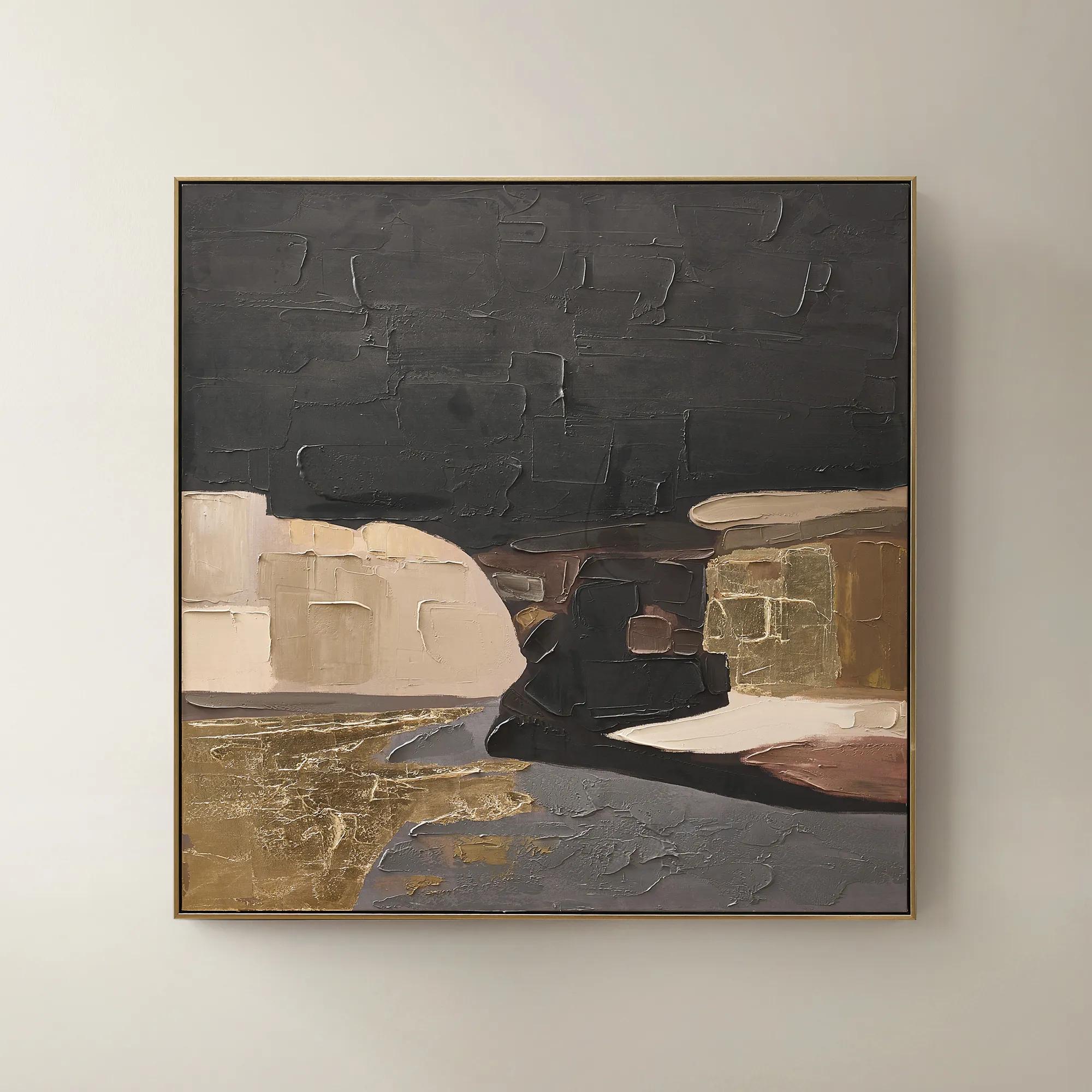 Obscured Light Framed Gold Leaf Painted Wall Art 48" x 48"$499
A hand-painted canvas with gold leaf accents and a black-gold frame in dramatic neutral tones.
Add To Cart -
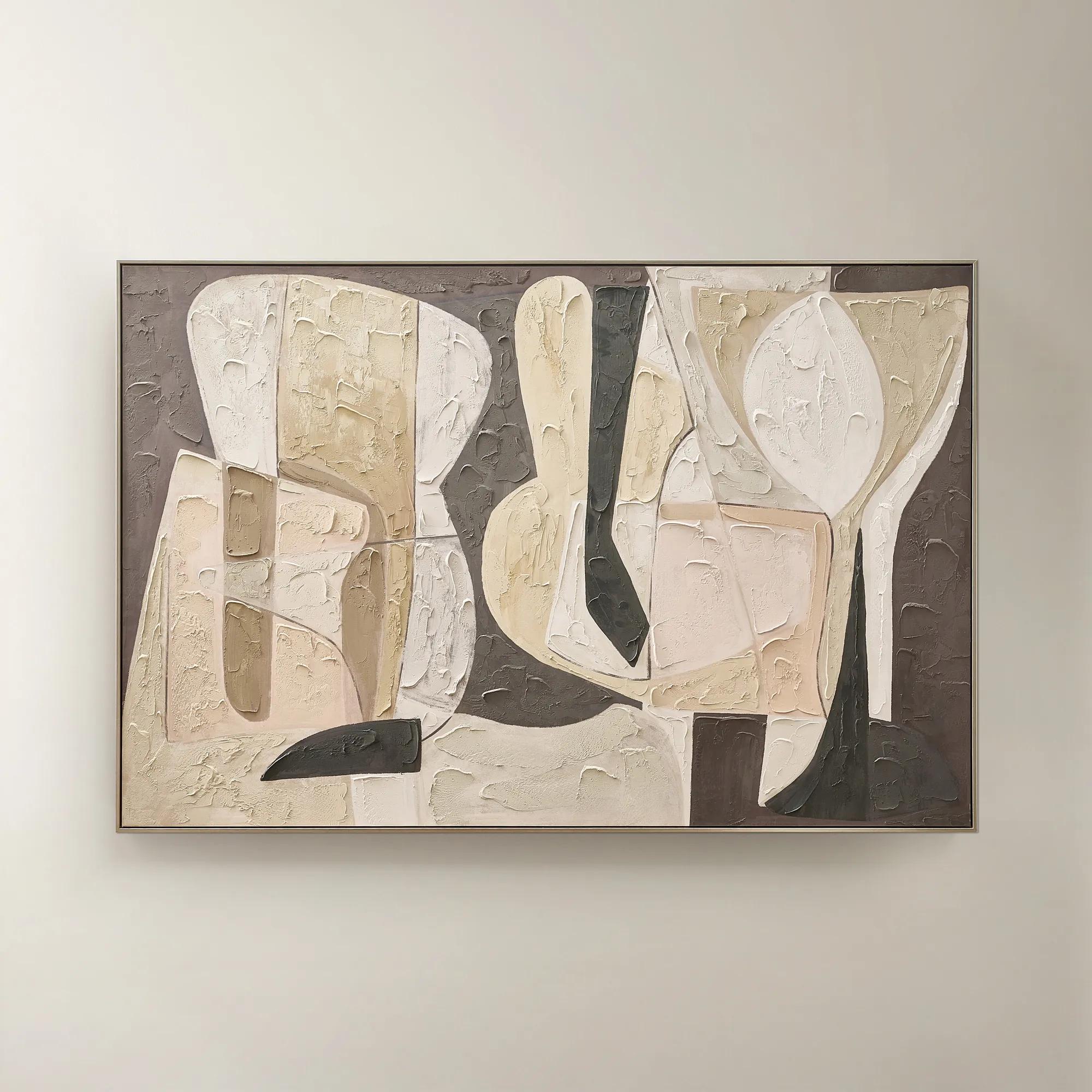 Wishful Thinking Framed Painted Wall Art 72" x 48"$599
A hand-painted abstract canvas featuring bold geometric forms and warm smoked plum, apricot, and tawny hues.
Add To Cart -
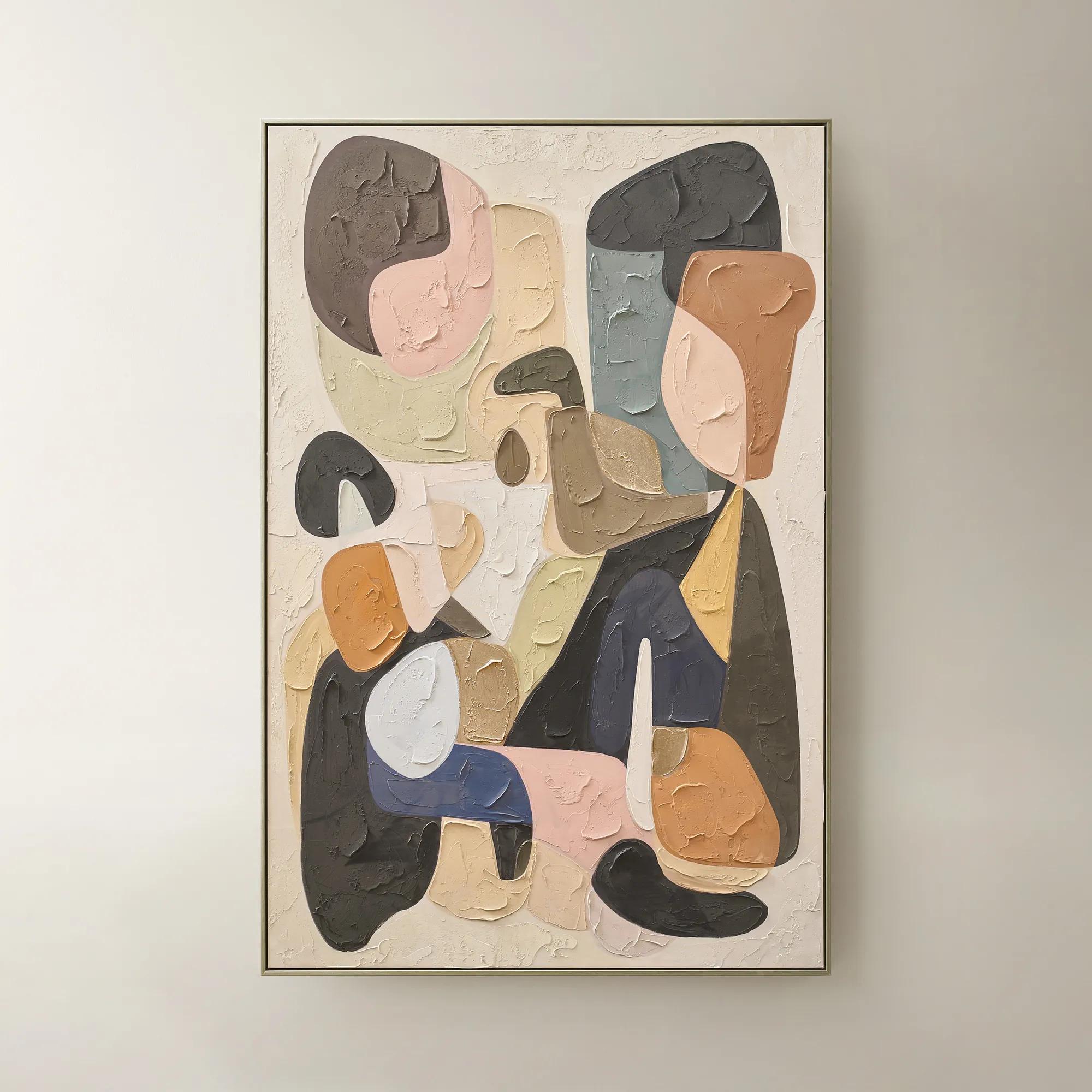 Chromatic Bloom Framed Painted Wall Art 40" x 60"$519
A hand-painted abstract canvas featuring a vibrant multi-color palette and shimmering champagne detailing.
Add To Cart -
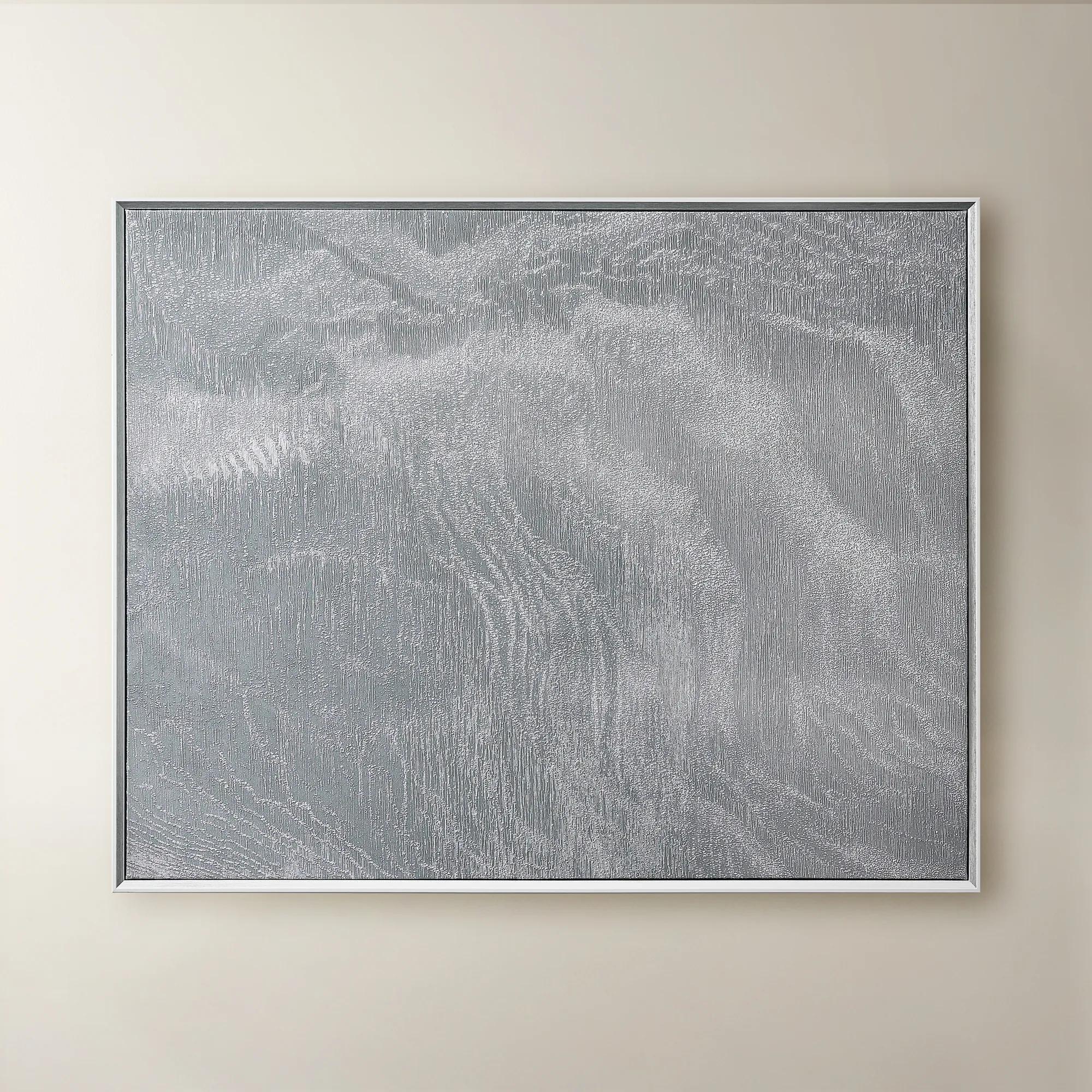 Slow Blue Morning Framed Silver Foil Wall Art 48" x 60"$599
A serene powder blue abstract canvas with silver foil accents, framed in silver and white for modern elegance.
Add To Cart -
 Lunar Art$119
A contemporary green canvas artwork bringing modern artistic character to your space.
Add To Cart -
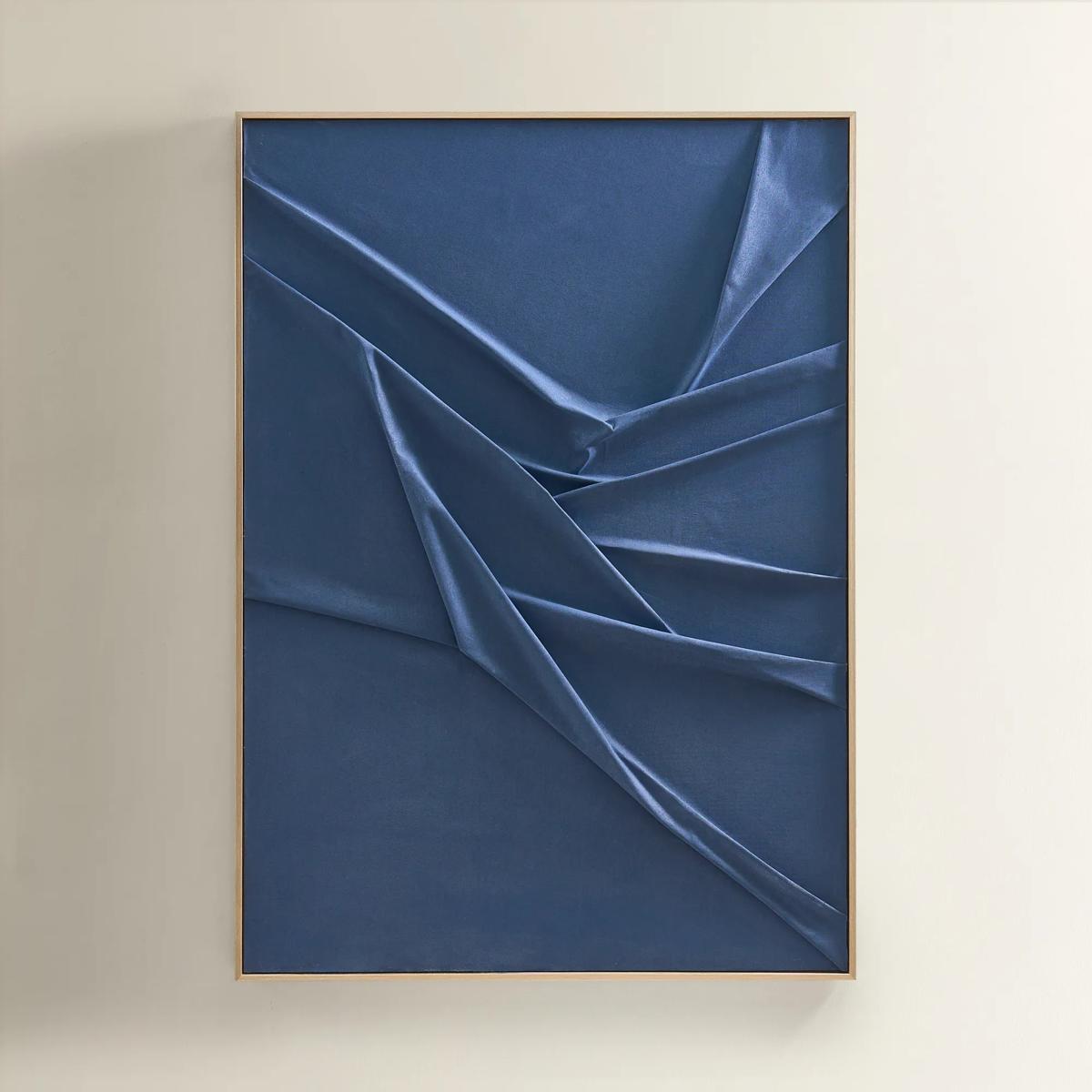 Deep Sea Painting$599
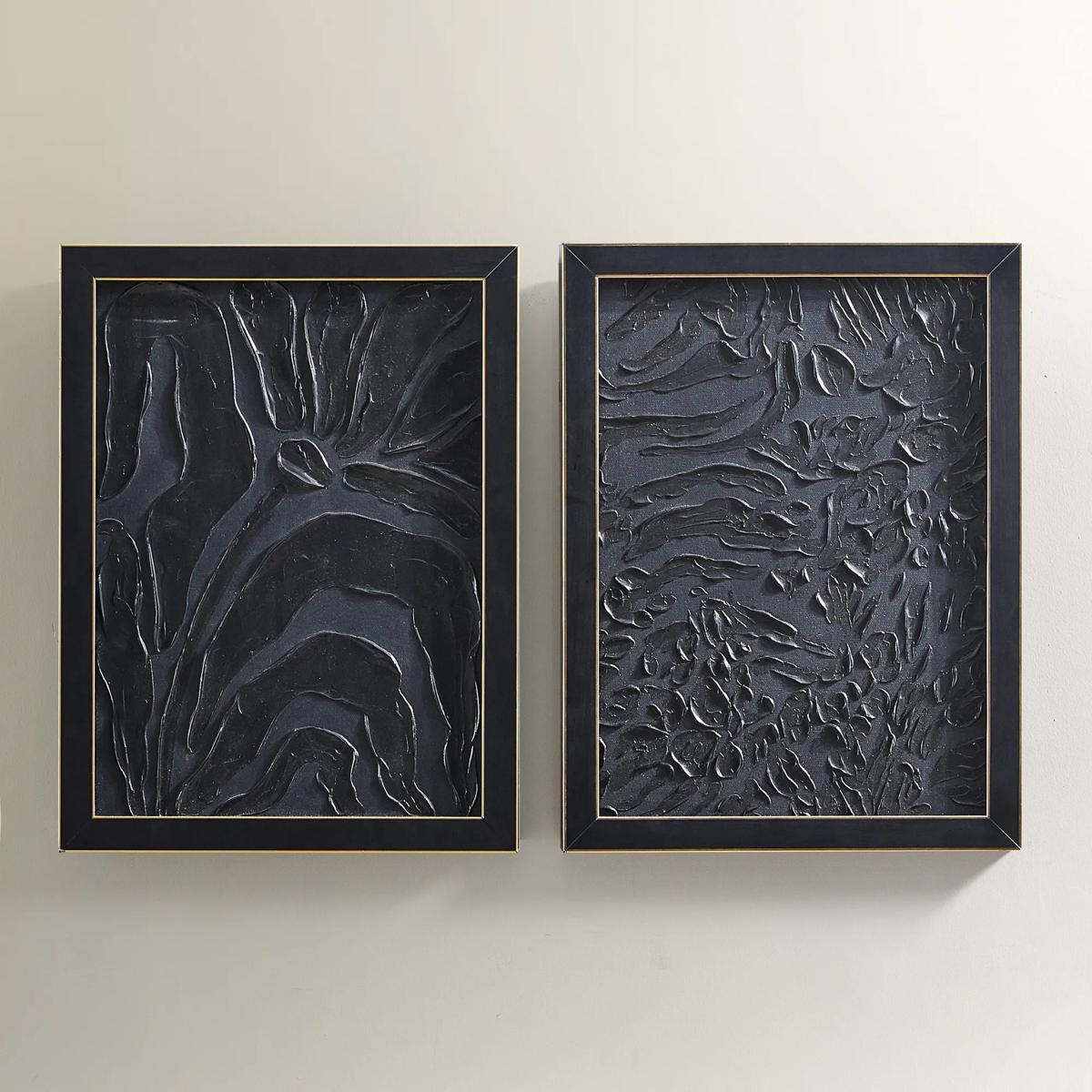
A hand-sculpted navy canvas with dimensional folds, framed in soft champagne for modern, serene elegance.
Add To Cart -
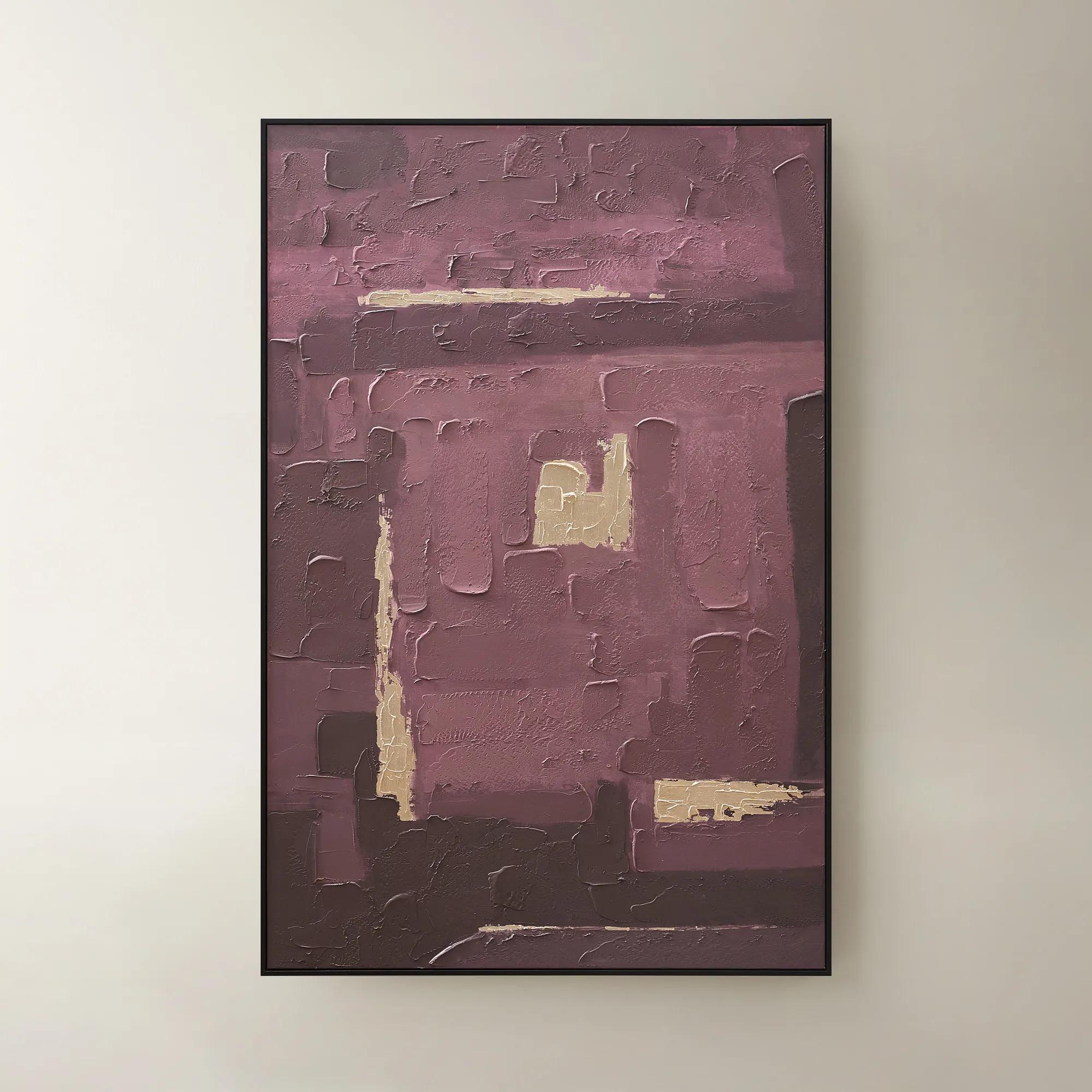
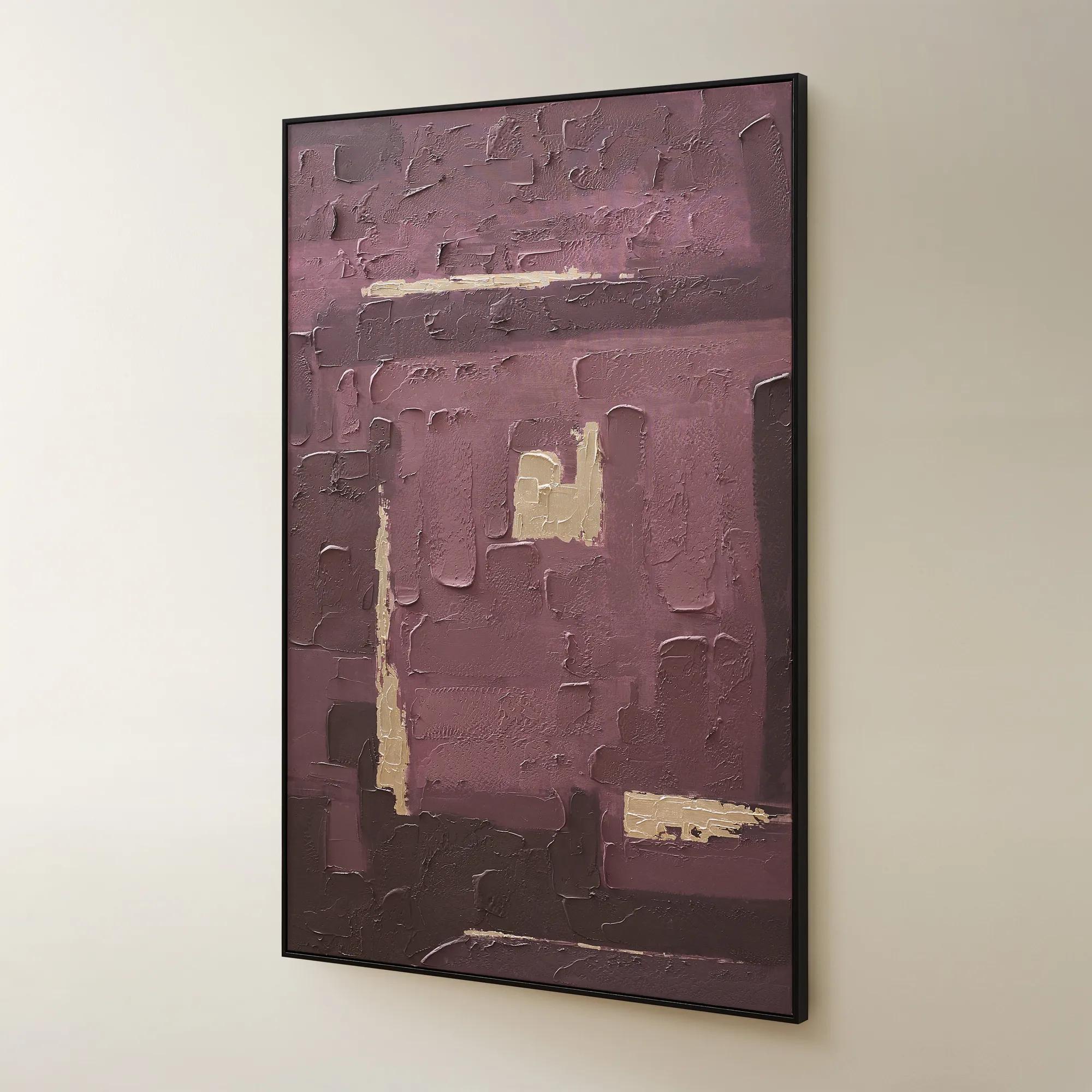 Fallback Framed Painted Wall Art 60" x 40"$499
A hand-painted abstract canvas in rich fig hues with champagne accents, set in a sleek black frame.
Add To Cart -
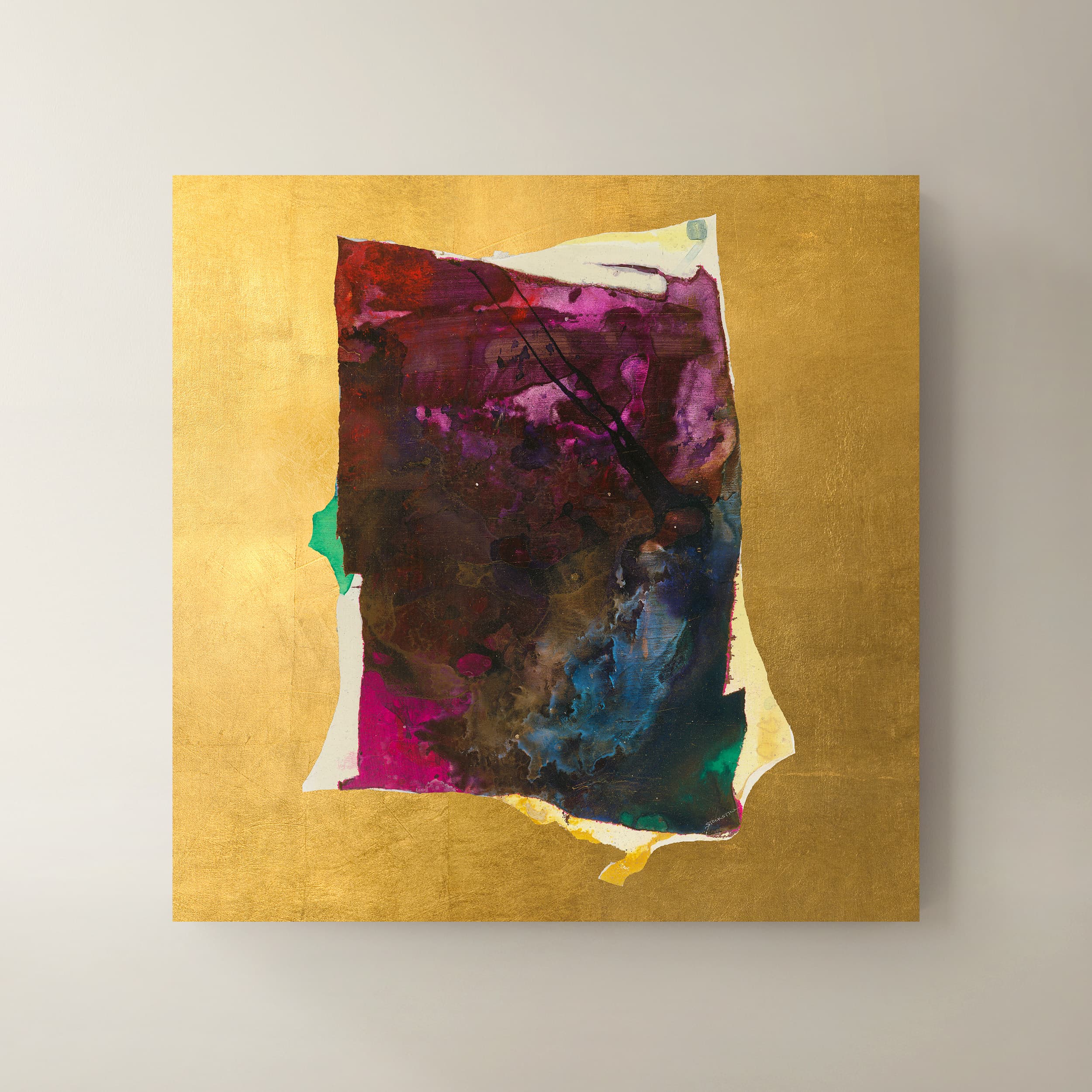 Supremo I Wall Art 40" x 40"$999
A multicolored canvas wall art piece adding contemporary visual interest to your interior.
Add To Cart -
 Remix Art$699
A vibrant multicolored canvas artwork adding contemporary visual interest to modern interiors.
Add To Cart -
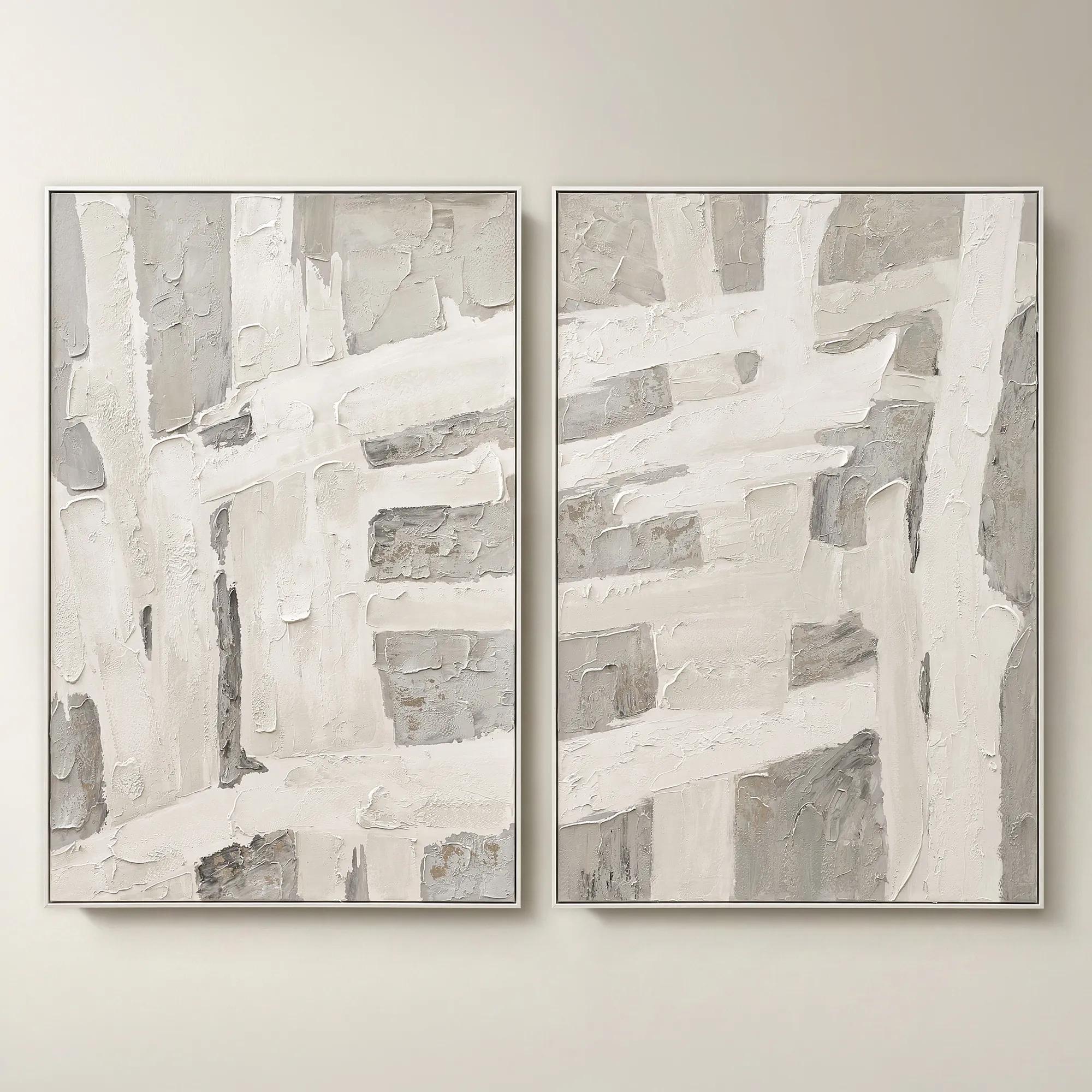 Traverse Framed Painted Wall Art 40" x 60" Set of 2$799
A hand-painted abstract diptych features champagne accents and soft grey, pearl, and alabaster tones in white frames.
Add To Cart -
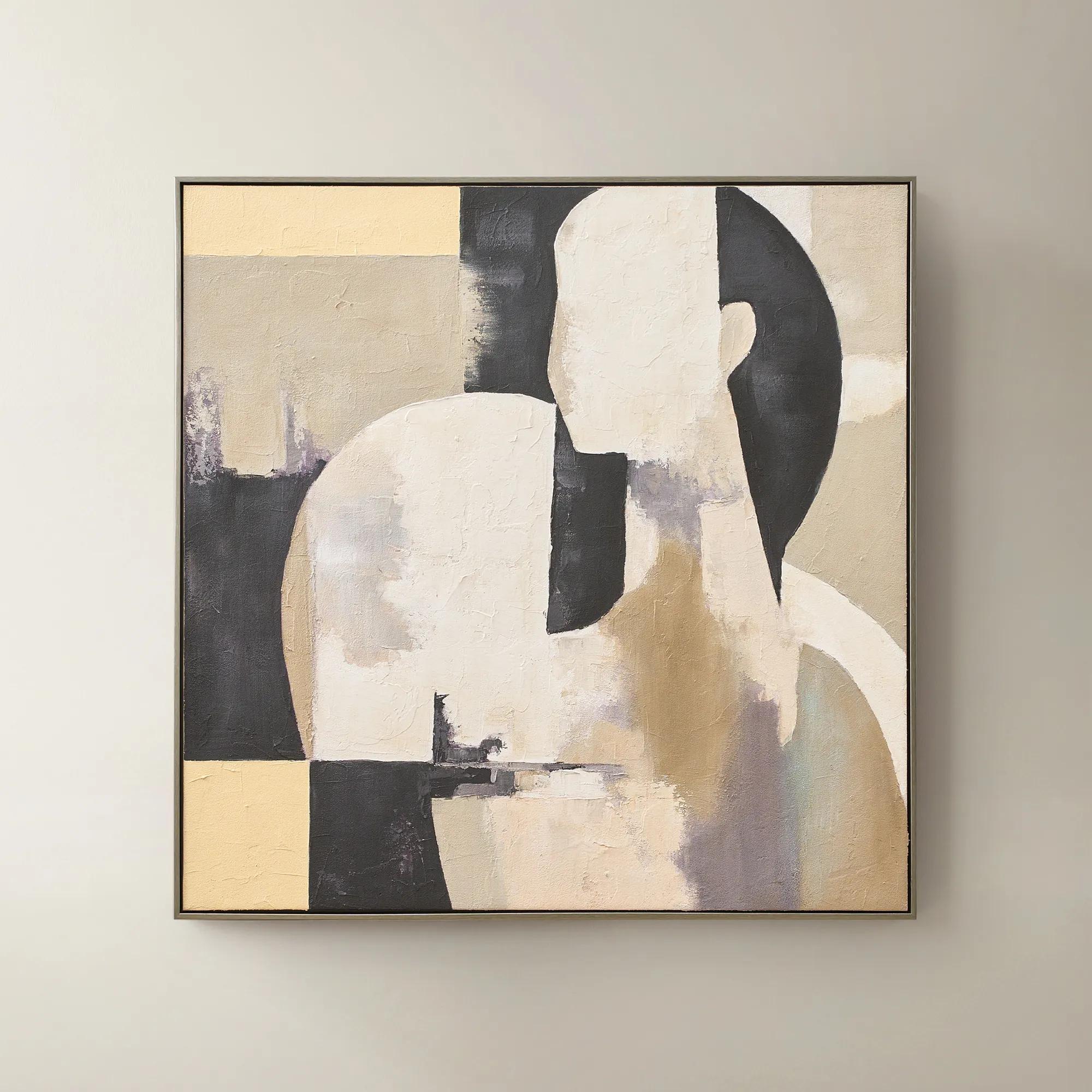 Afternoon Rest Framed Painted Wall Art 40" x 40"$399
A hand-painted abstract figure in buttercream, turtledove, and black hues framed in dark grey.
Add To Cart -

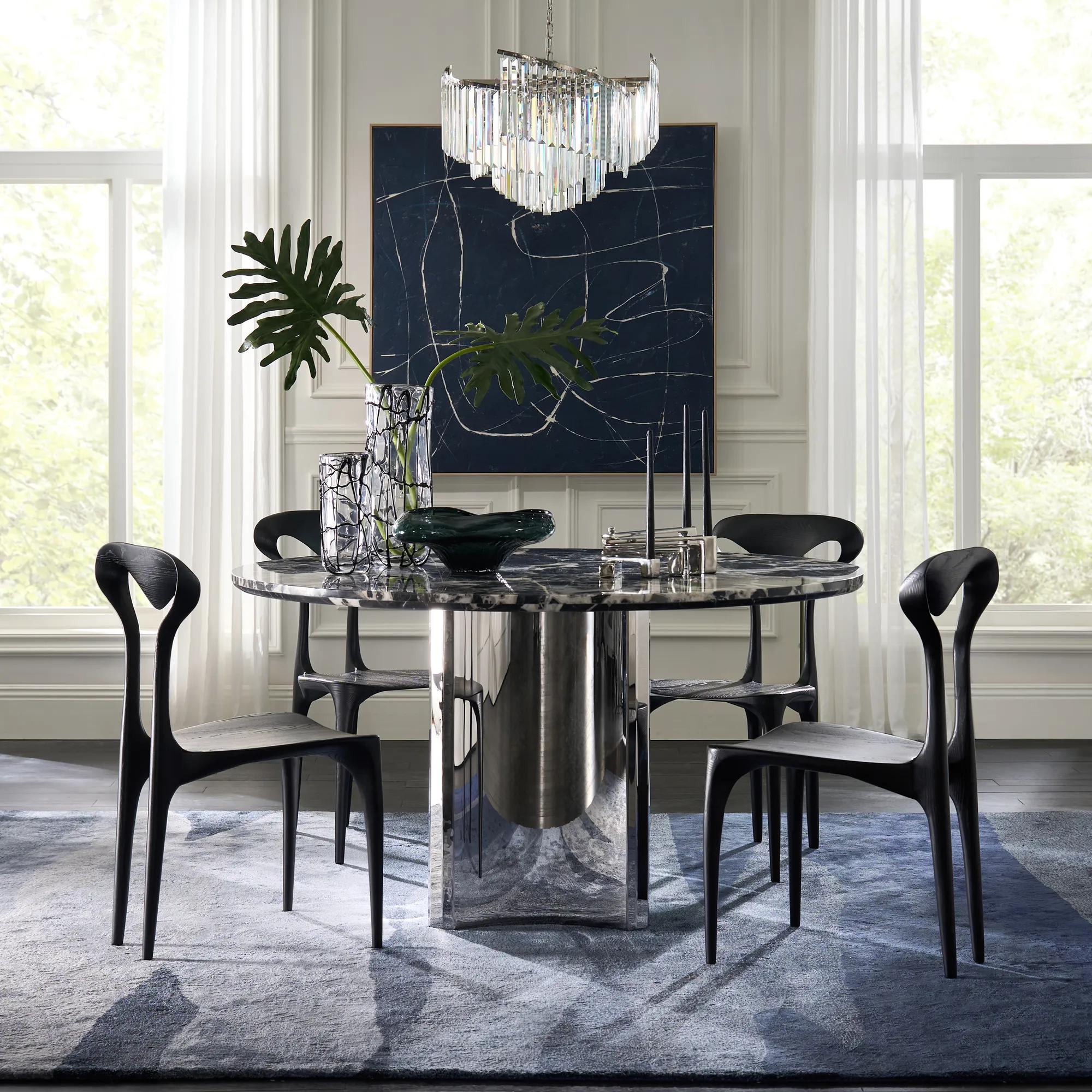 Almost Midnight Painting - Blue$439
A hand-painted canvas featuring bold blue and black tones with delicate white lines in a light wood frame.
Add To Cart

Modern Living Room Canvas Art
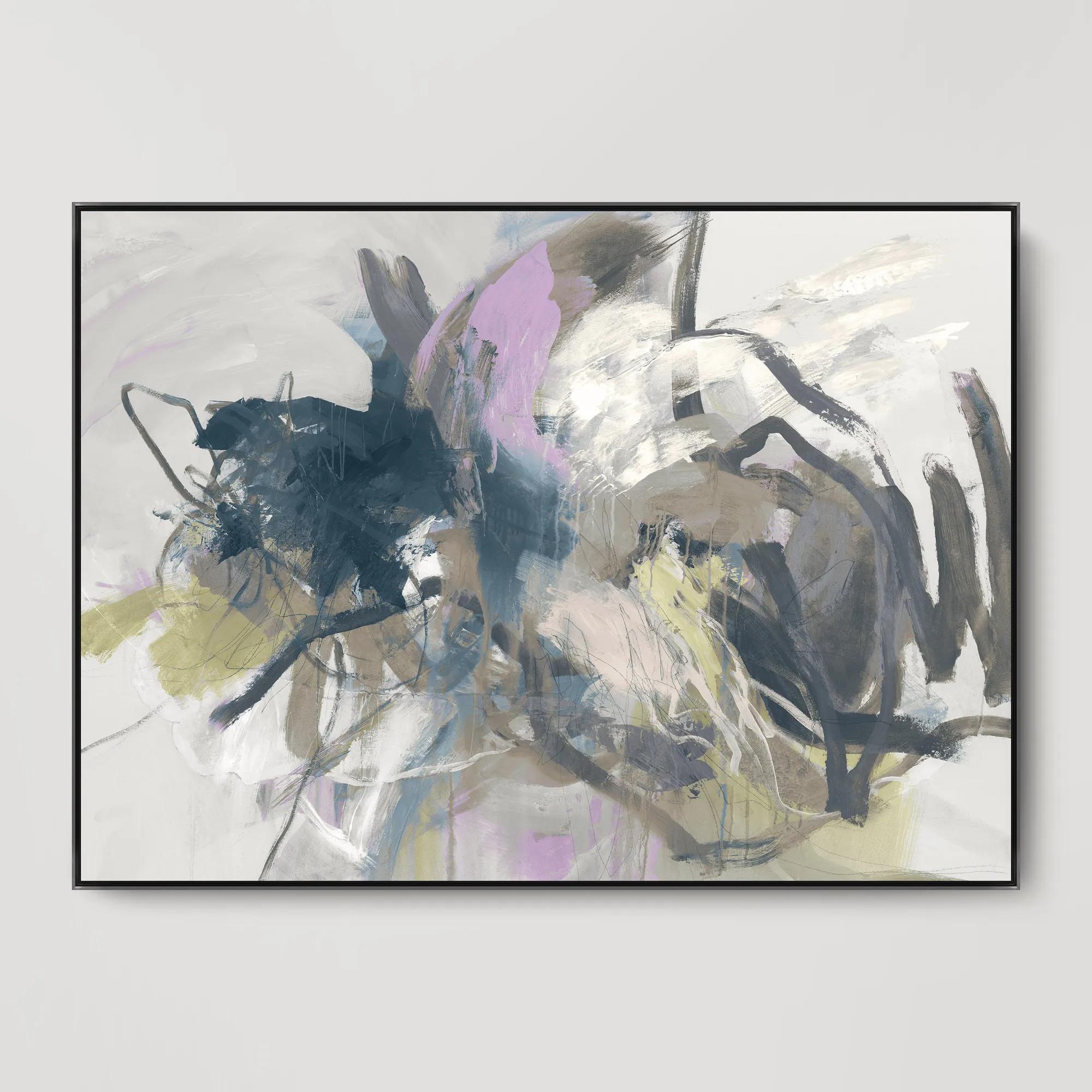
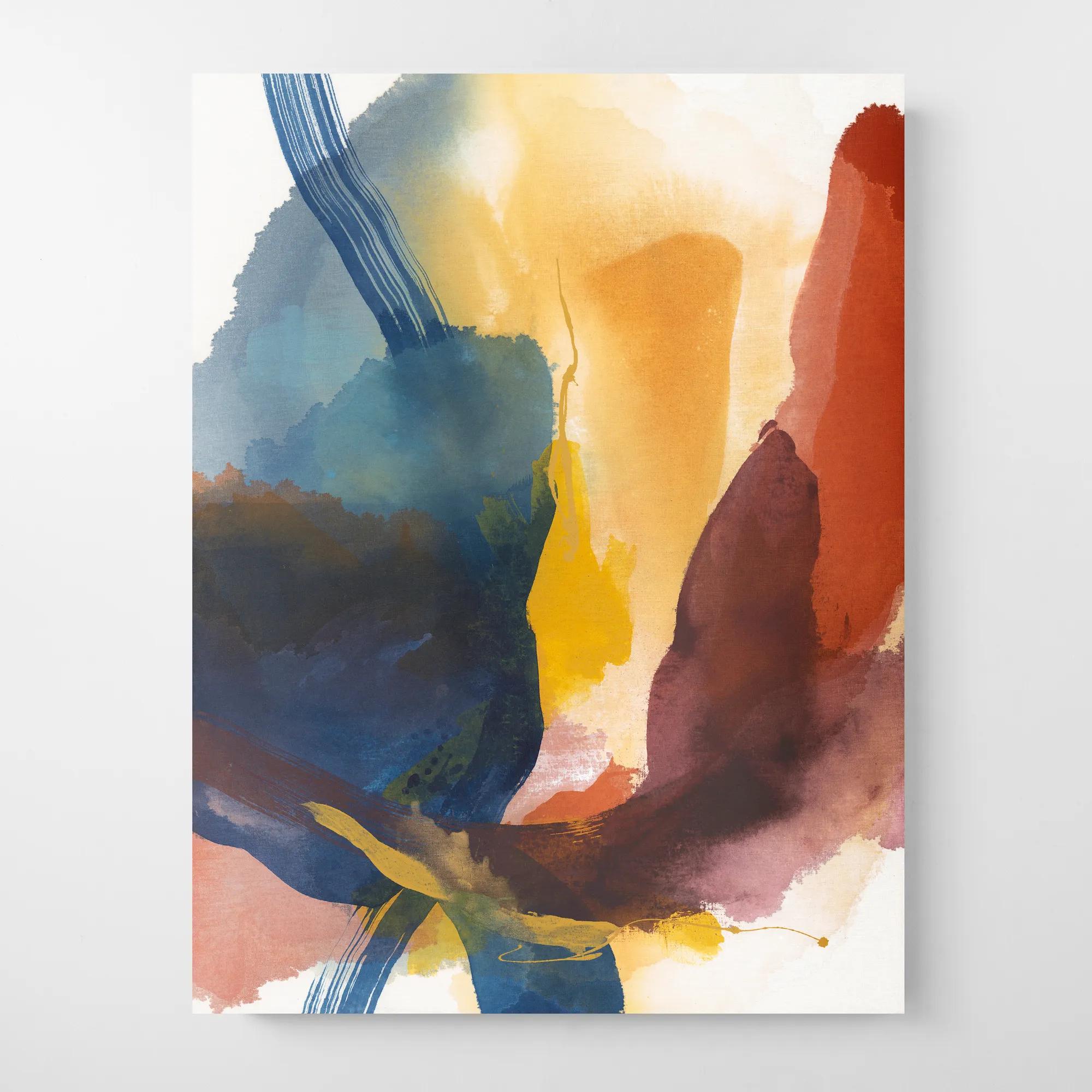
Explore modern living room canvas art to create an expressive focal point above a sofa or bring visual depth to a seating area. Discover wall art with a contemporary sensibility, and consider how each piece’s palette, composition, and scale will complement your furniture and shape the room’s mood—from quietly refined to boldly dramatic.
Modern living room canvas art brings a distinct point of view to the space where conversation unfolds, guests gather, and personal style takes its most visible form. A sweeping abstract composition can lend movement to a tailored seating arrangement, while a restrained black-and-white image can sharpen the silhouettes of sculptural furniture. The appeal lies in that interplay: art introduces emotion, and the room gives it context. Unlike artwork displayed behind glass, canvas typically leaves its surface exposed, allowing the weave, printed detail, or painted texture to become part of the visual experience. Depending on the piece, that surface may feel softly tactile or richly dimensional, giving a flat wall a more expressive presence. Modern compositions often emphasize shape, color, contrast, and negative space rather than elaborate ornament, but simplicity of form does not mean a quiet personality. An expansive field of midnight blue, a dramatic gesture in charcoal, or a luminous passage of warm ivory can command attention without crowding the room. Abstract canvas art is especially versatile because it invites interpretation rather than prescribing a single story. Geometric imagery introduces structure, expressive brushwork suggests motion, and stylized landscapes offer a connection to familiar scenery through a more contemporary lens. Color creates another layer of connection. A small note of rust in a painting can converse with an accent pillow; pale gray passages can echo the veining of a stone table; deep green can enrich a room anchored by neutral upholstery. These relationships feel most compelling when they are suggestive rather than perfectly matched. Repeating every color can make a space feel overly coordinated, while allowing one unexpected hue gives the composition its own identity. For those drawn to glamorous interiors, canvas art can provide a beautiful counterpoint to gleaming metal, mirrored surfaces, and sumptuous velvet. Its softer surface balances reflective finishes, creating a room with richness, contrast, and an unmistakably personal perspective.
Scale determines how that perspective reads across the room. A generous canvas above a sofa can establish the focal point of an entire seating area, while a smaller work beside an accent chair creates a more intimate moment. The relationship to nearby furniture matters as much as the dimensions of the wall: artwork that feels substantial over a compact loveseat may appear lost above a deep sectional. As a general starting point, a composition spanning roughly two-thirds to three-quarters of the furniture beneath it often feels balanced, although ceiling height, surrounding architecture, and the artwork’s visual weight can change that relationship. A dark, densely layered image may carry more presence than a pale composition of the same size. For spaces that call for a sweeping focal point, the Living Room Large Canvas Arts collection offers a scale-focused perspective on making the wall part of the room’s design. Horizontal formats naturally relate to long sofas and low consoles, while vertical canvases can accentuate height or give a narrow wall an intentional role. A coordinated pair or multipanel composition introduces rhythm, with the space between panels becoming part of the overall arrangement. Measuring that complete span, rather than each canvas alone, helps preserve the intended proportions. In an open-plan home, artwork also contributes to the view from adjoining spaces; a composition visible from the entry or dining area can connect the living room to the broader interior without repeating every decorative detail. Placement feels most comfortable when the art remains visually connected to the furniture rather than floating near the ceiling. Above a sofa, enough clearance protects the canvas from contact while keeping the arrangement cohesive. Wall-mounted lighting can reveal texture and lend the art a gallery-like presence, provided the fixture suits the surface and does not expose it to excessive heat. Across from a window, reflected light may alter the appearance of color throughout the day, so the piece’s placement and the room’s lighting deserve consideration together.
Materials and construction shape both the appearance of canvas wall art and the way it settles into everyday living. Canvas may be made from cotton, linen, polyester, or a blend, with differences in weave and surface preparation influencing how paint or printed imagery appears. Printed canvas reproduces an image on a textured substrate, while painted or hand-applied details can introduce variations in relief and finish; the individual description should clarify which treatments are present. A canvas stretched over a support frame has a dimensional profile that stands away from the wall, and finished edges can give an unframed presentation a clean, architectural quality. A surrounding frame creates another effect, defining the image with a crisp border or adding a shadow line that separates the artwork from its setting. Frame finish, canvas depth, overall weight, and included hanging hardware all influence fit, especially above substantial furniture or on a wall with limited clearance. Secure installation depends on the artwork’s weight and the wall material, with appropriately rated hardware helping protect both the piece and the space beneath it. Durability also depends on placement and care. Living rooms are generally well suited to canvas display when artwork is kept away from direct sunlight, persistent humidity, fireplaces, and other sources of heat that may affect pigments, coatings, or the stretched surface. Gentle dusting with a clean, dry, soft cloth or brush may be suitable for some pieces, but textured, embellished, or specially coated surfaces can require different handling. Following the stated care instructions and avoiding household cleaners, abrasive materials, and moisture helps preserve the finish. These practical details support the pleasure of living with art, whether the room is a polished setting for entertaining or a richly layered retreat for daily use. Canvas artwork can also make a thoughtful housewarming, wedding, or milestone gift when the recipient’s taste and wall space are familiar. An expressive composition chosen with their furnishings, favorite colors, and preferred mood in mind feels personal rather than merely decorative—a lasting gesture that gives their living room another dimension of character.
FAQs
Abstract compositions, expressive linework, and graphic black-and-white imagery bring an artful edge to a modern living room. Choose sweeping gestures for a sense of movement or architectural forms for a more composed mood. The most compelling canvas art gives clean-lined furnishings a bold counterpoint while reflecting your personal aesthetic.
Begin with a color you love in your upholstery, rug, or decorative accents, then explore artwork that echoes or reinterprets it. Tonal compositions create a layered, harmonious atmosphere, while saturated hues introduce vivid contrast. For a more expressive room, let the canvas introduce an unexpected accent color and repeat it selectively throughout your decor.
Aim for a visual conversation rather than an exact match. Fluid abstract art can soften the presence of angular furniture, while crisp geometric imagery can bring definition to a room with plush upholstery. Connect the artwork to your decor through a shared color, shape, or mood, leaving room for contrast and individuality.
Pair canvas art with mirrors, framed photography, or sculptural wall accents to create a richly layered composition. Give the arrangement a unifying thread, such as a restrained palette or recurring curves, and allow open wall space between pieces so each has a distinct presence. The contrast between painterly imagery and reflective or dimensional accents adds depth and drama.
Framed canvas art creates a defined border around the composition, lending the presentation a polished, gallery-inspired character. Unframed canvas art leaves the canvas edges visible for a more uninterrupted visual effect. Either approach can feel distinctly modern; choose the presentation that best complements the room’s lines, finishes, and artistic mood.