Large Modern Canvas Wall Art
Large Modern Canvas Wall Art
-
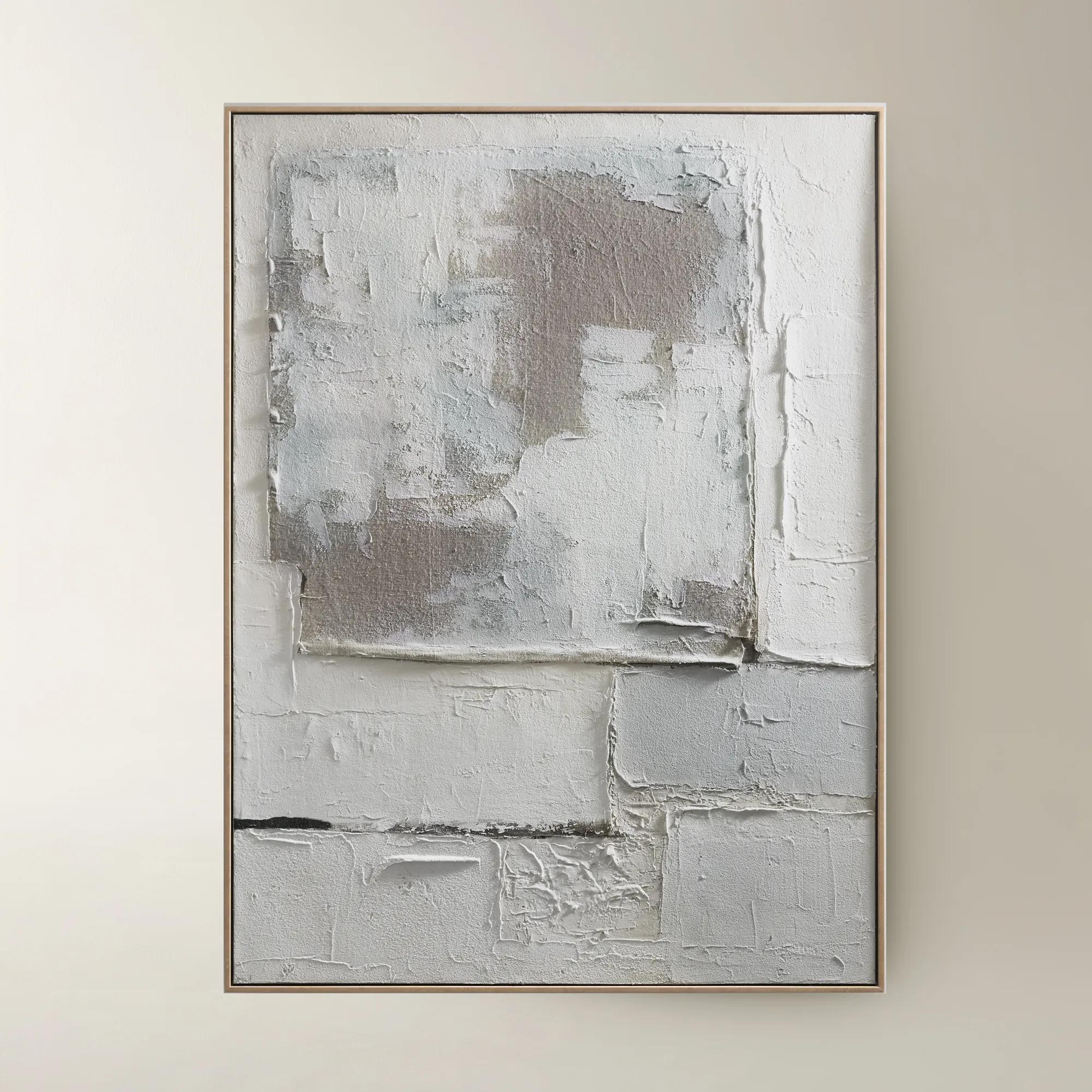
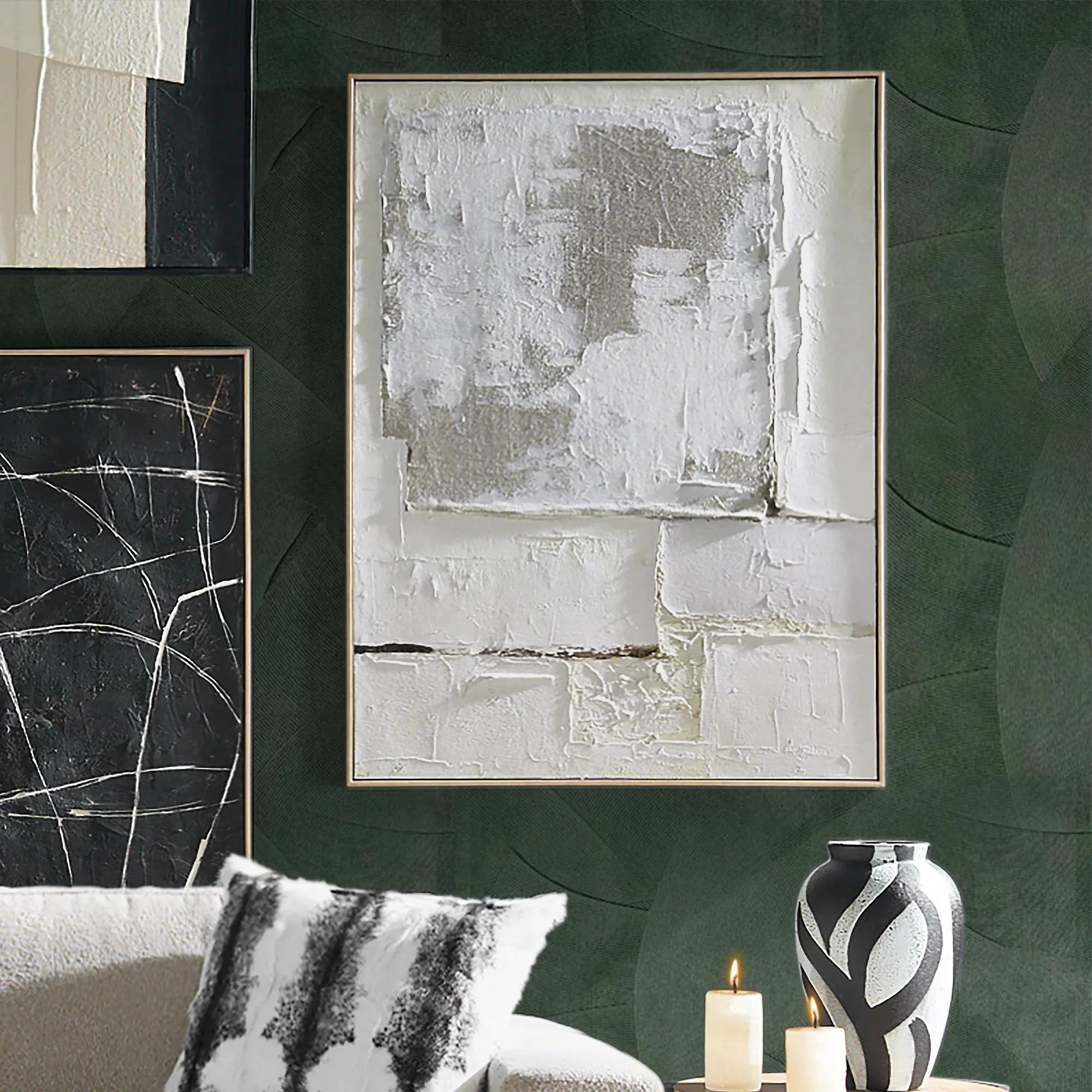 Marrow Painting$399
A hand-painted abstract canvas in subtle beige hues, elegantly framed in a warm beech wood floater.
Add To Cart -
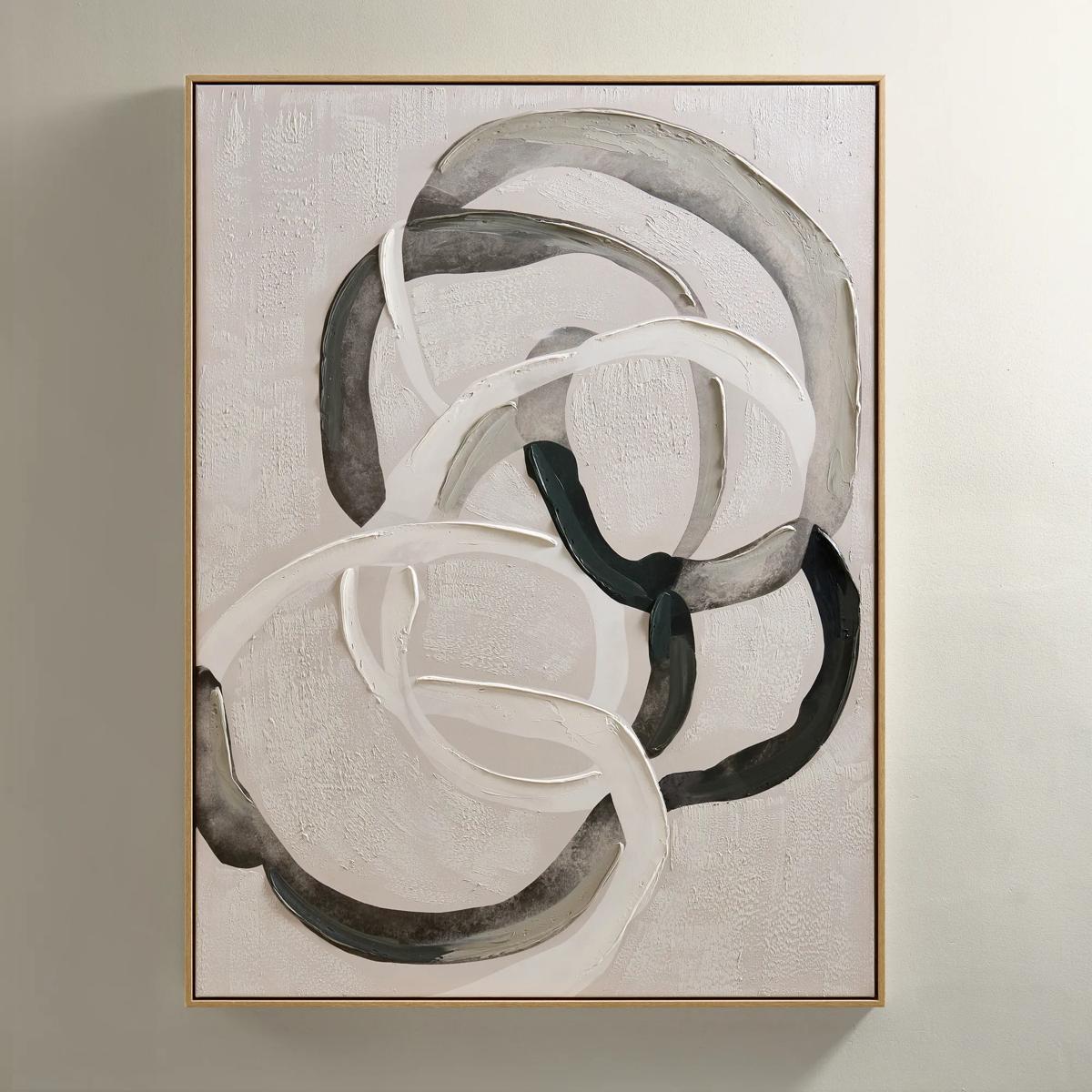
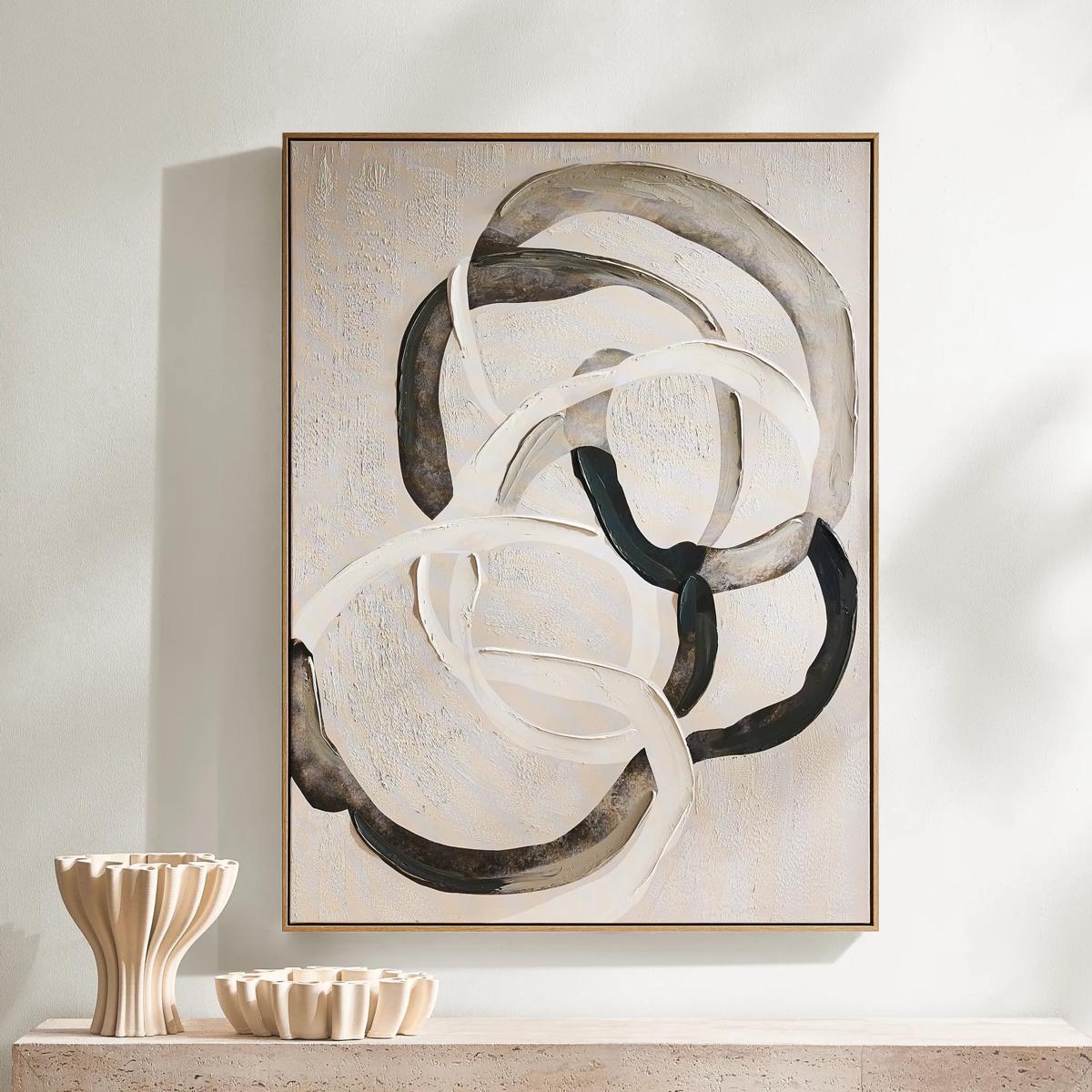 Round About Framed Painted Wall Art 35.25" x 47.25"$349
An abstract hand-painted canvas with tonal whites, charcoals, and taupes in a light wood floater frame.
Add To Cart -
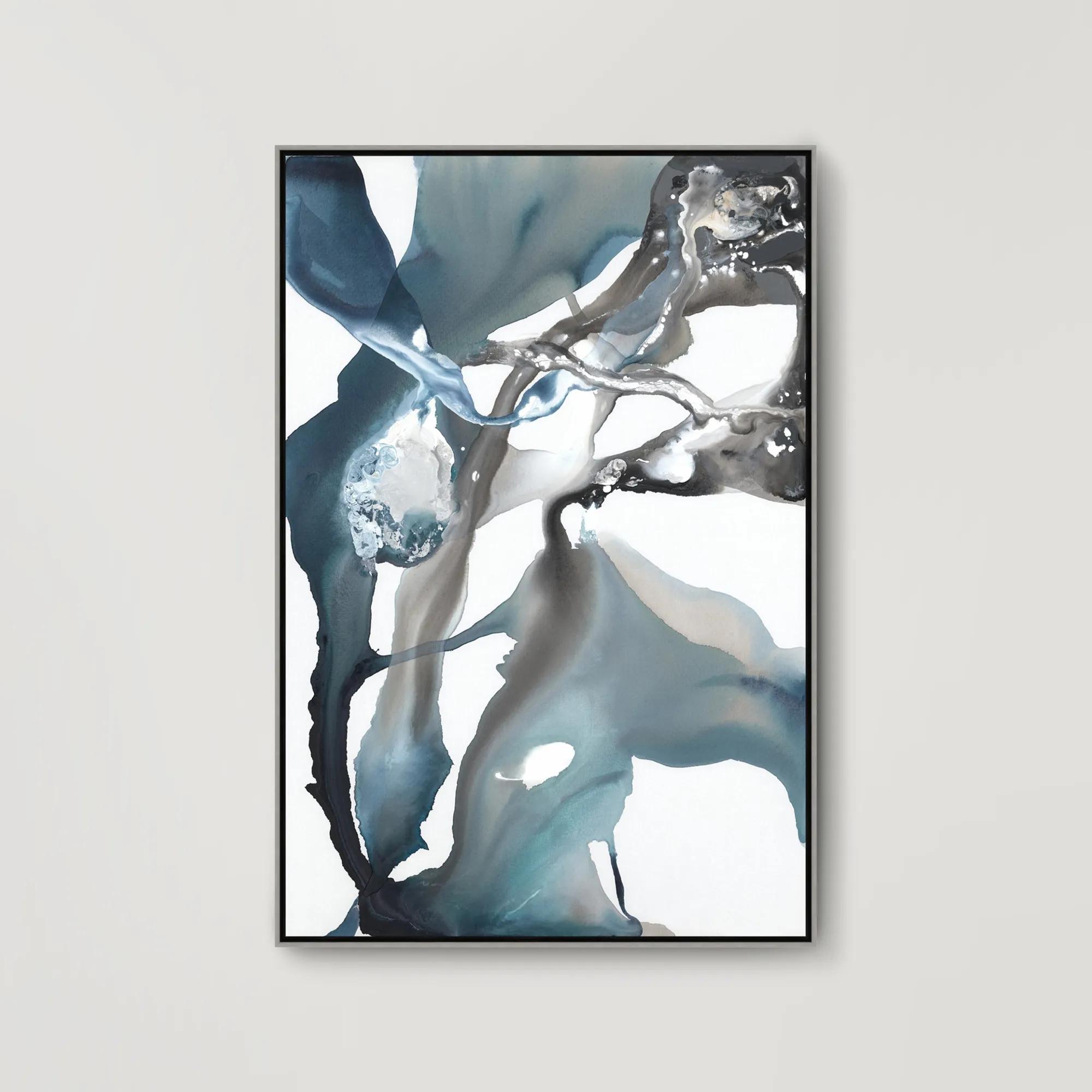
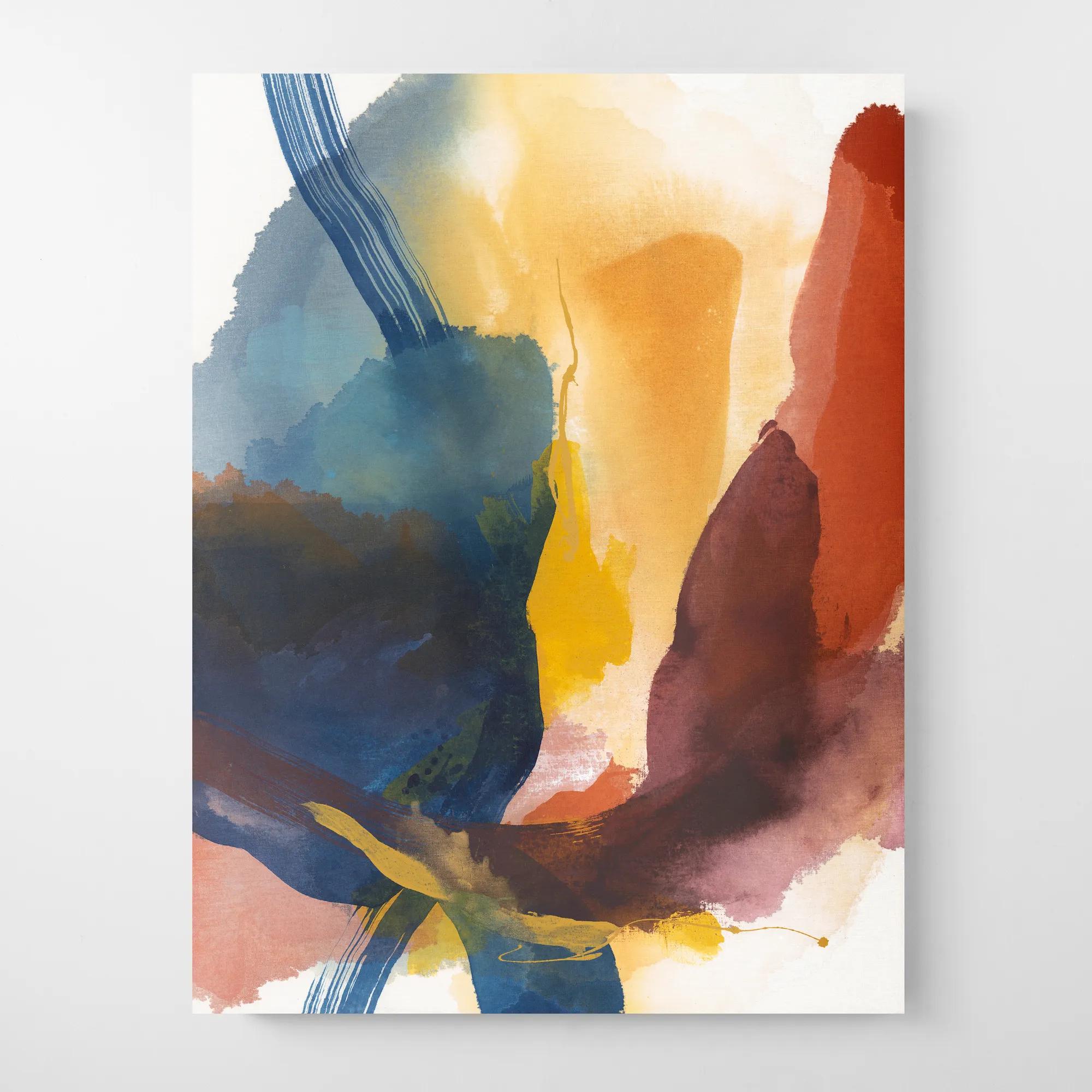
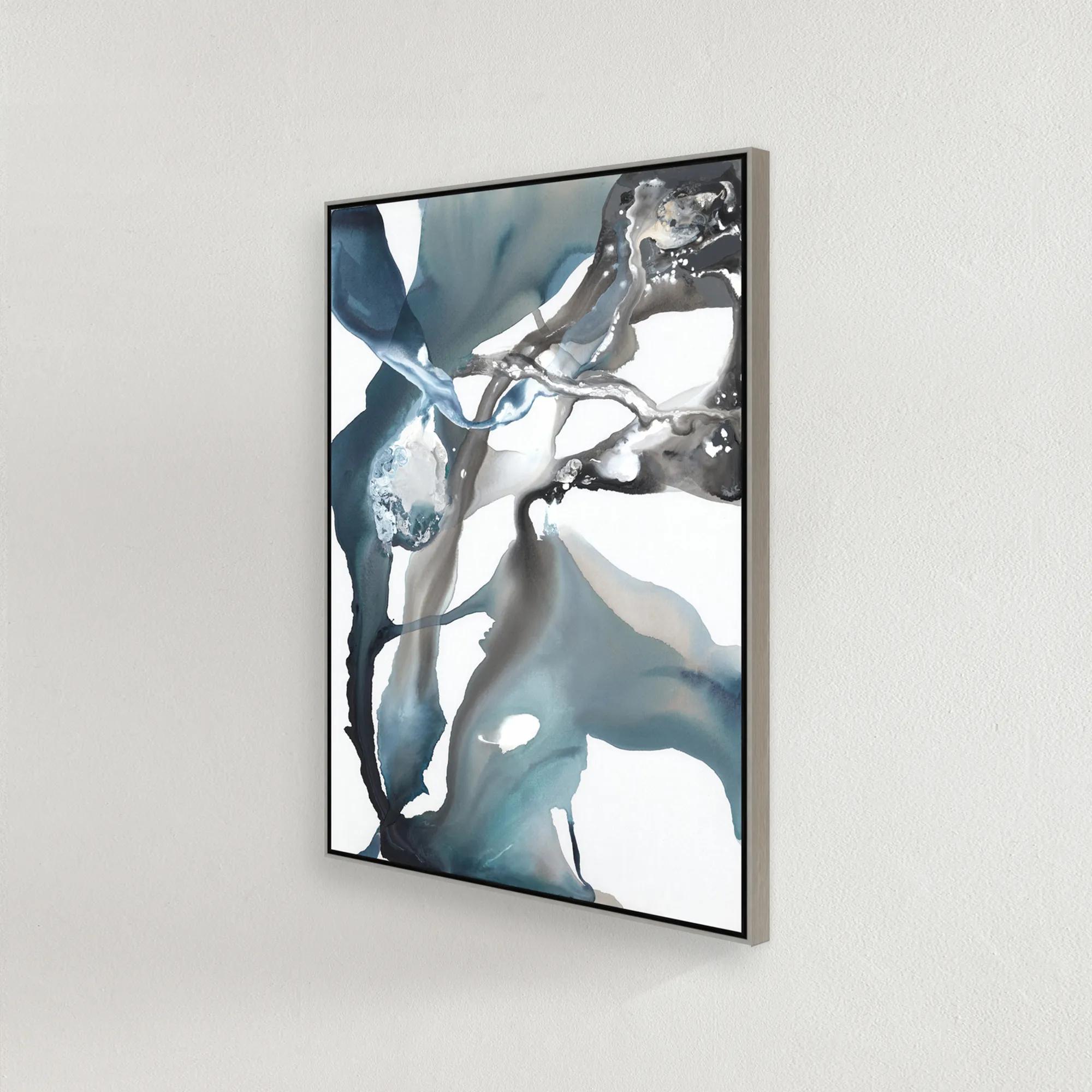 Cool Cascade Framed Wall Art 37.5" x 55.5"$849
A gallery-wrapped canvas artwork featuring expressive colors, hand-applied brush gel, and a gunmetal floater frame.
Add To Cart -
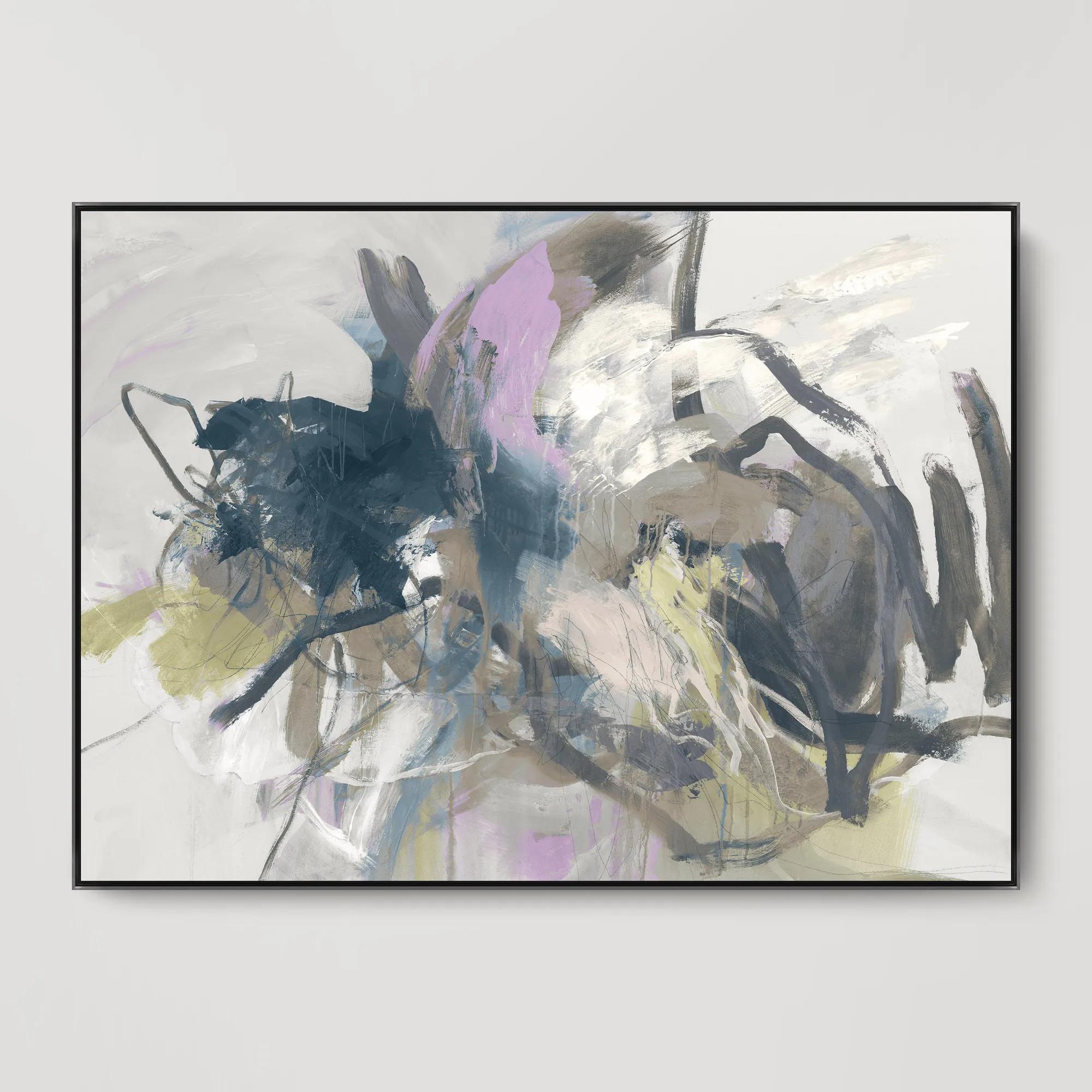
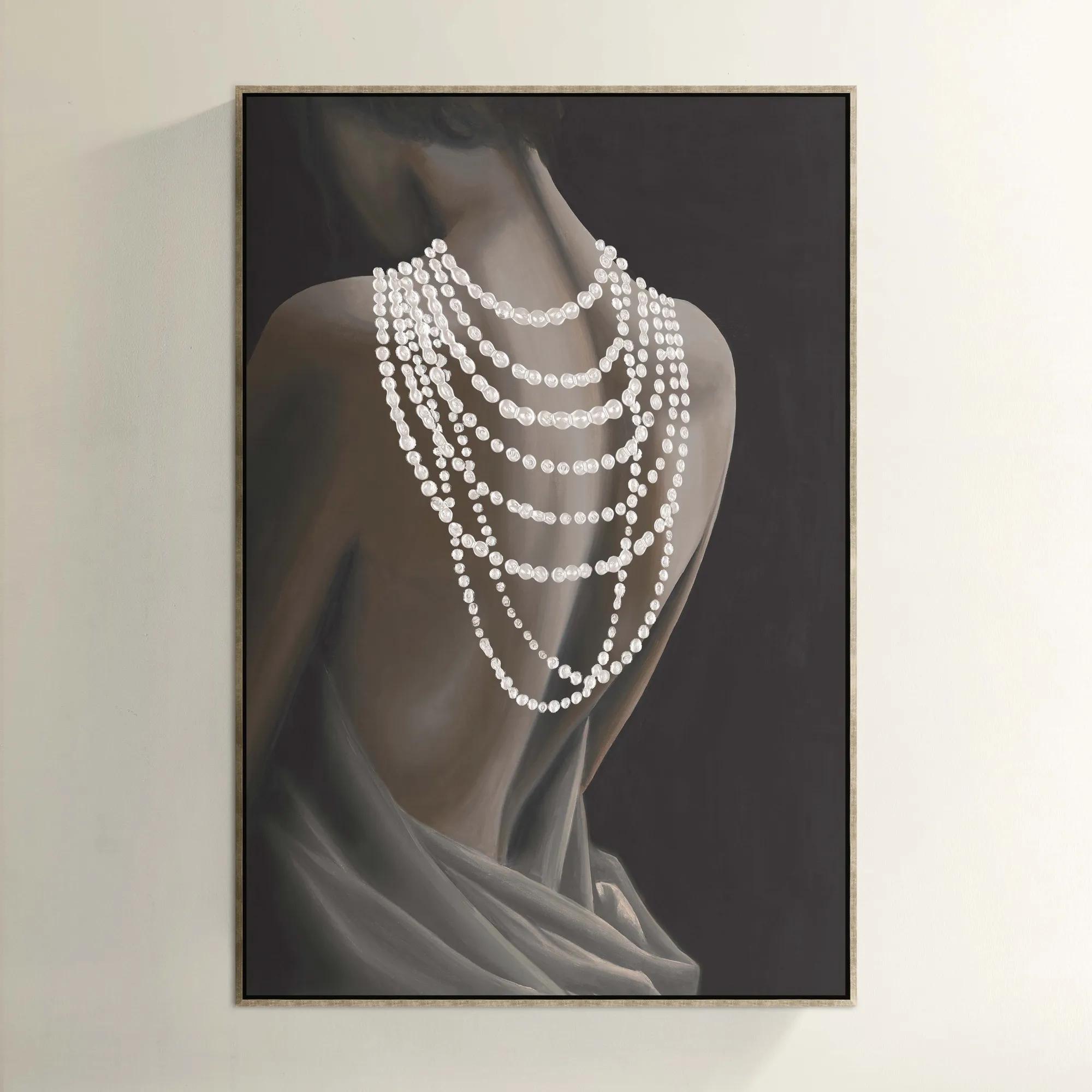 Luminescent Pearls Framed Wall Art 40" x 60"$1119
A hand-embellished canvas artwork featuring textured brush gel, set in a sleek silver floater frame.
Add To Cart -
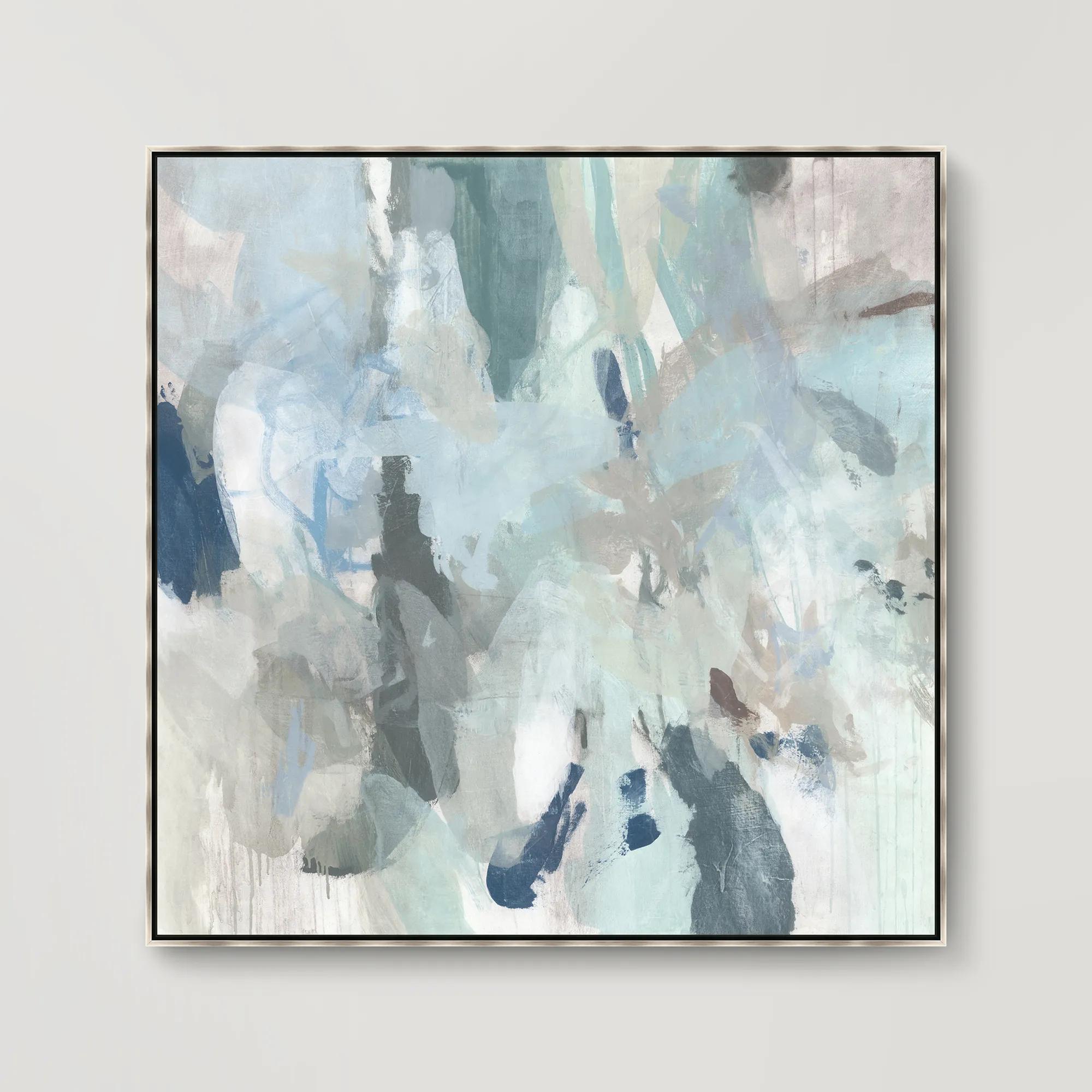
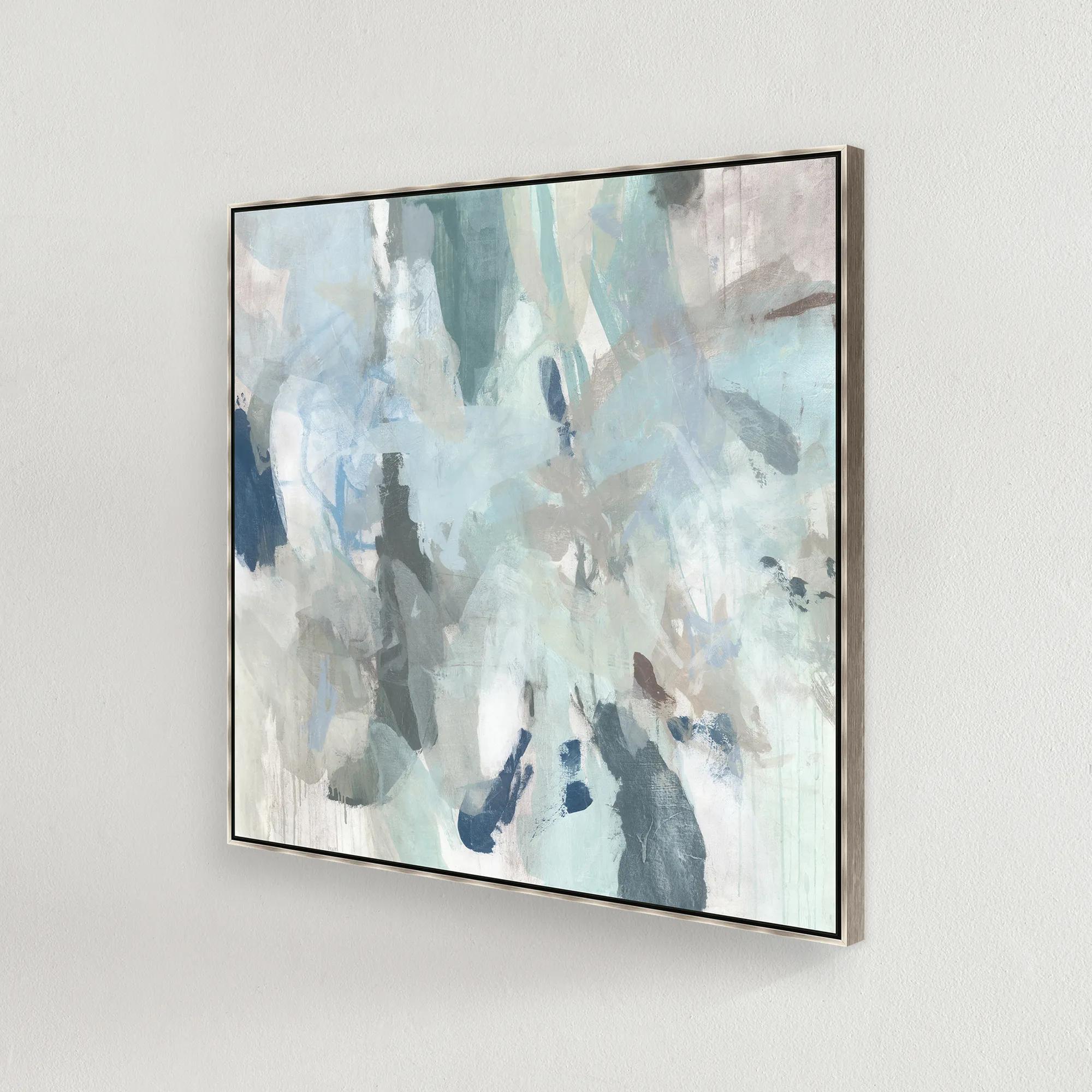 Sage Honey Dew I Framed Wall Art 41.5" x 41.5"$749
A gallery-wrapped abstract canvas featuring hand-applied gel finish in a silver floater frame.
Add To Cart -
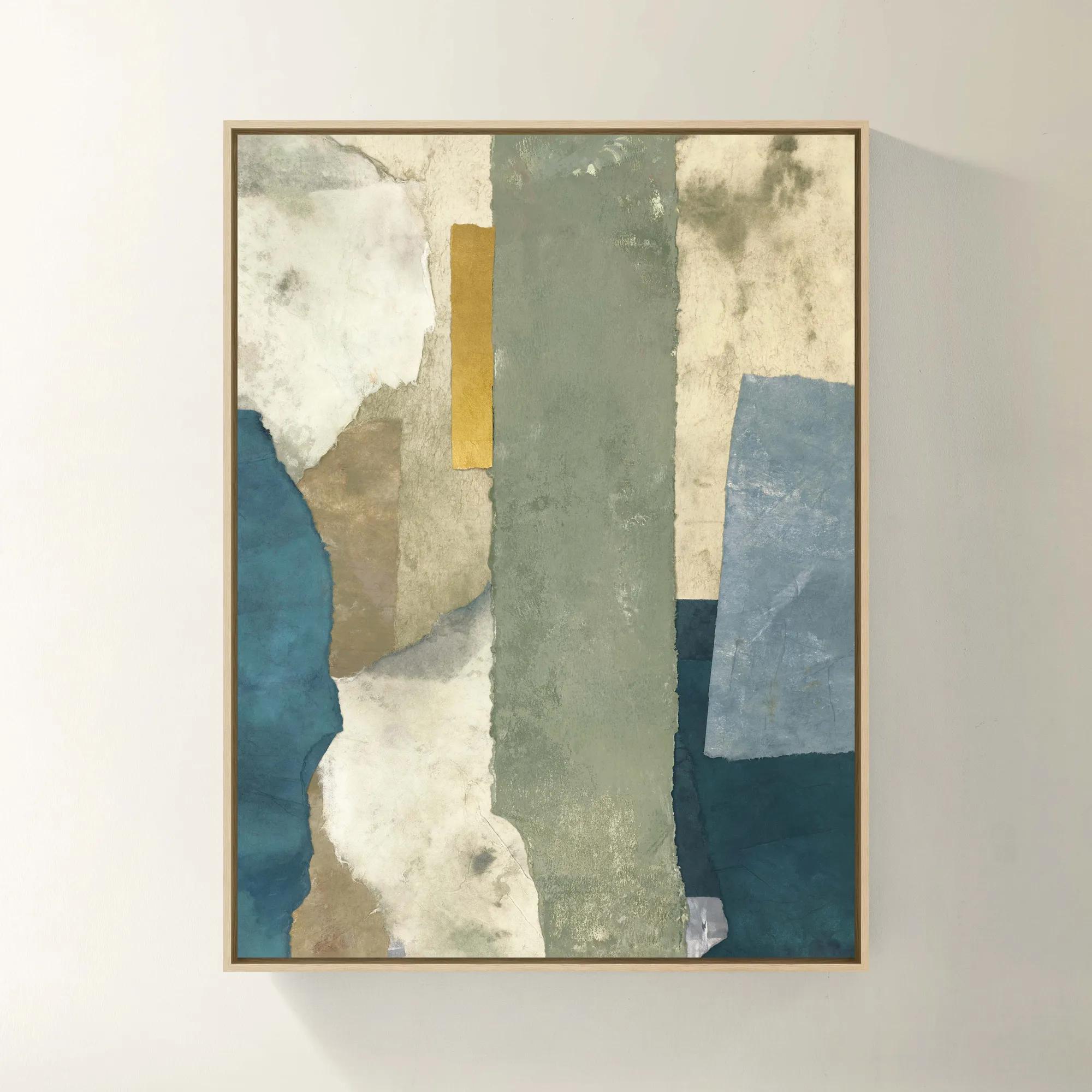 Earth Fragments II Framed Wall Art 30" x 40"$799
A gallery-wrapped canvas featuring gild accents and hand-applied gel, set in a natural floater frame.
Add To Cart -
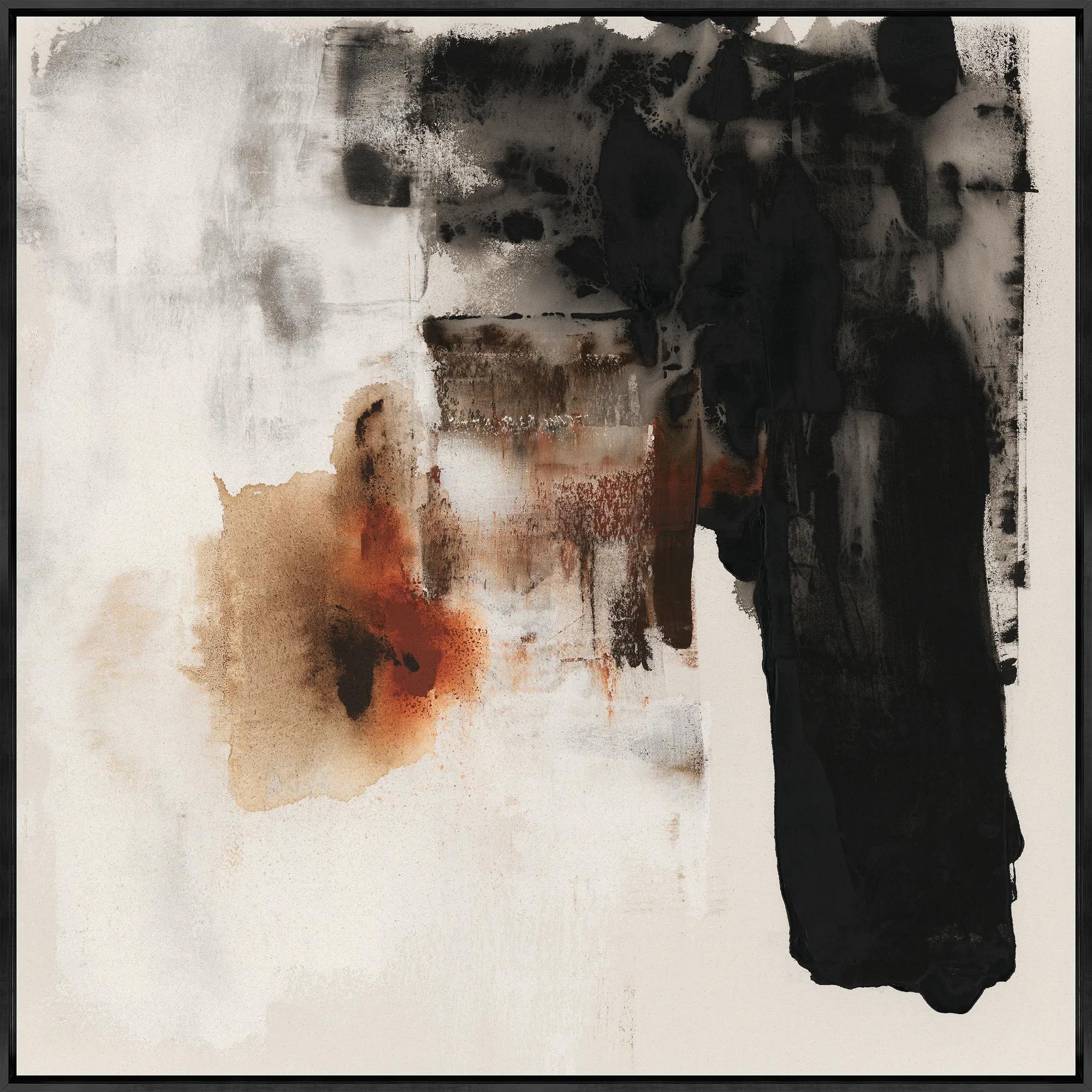
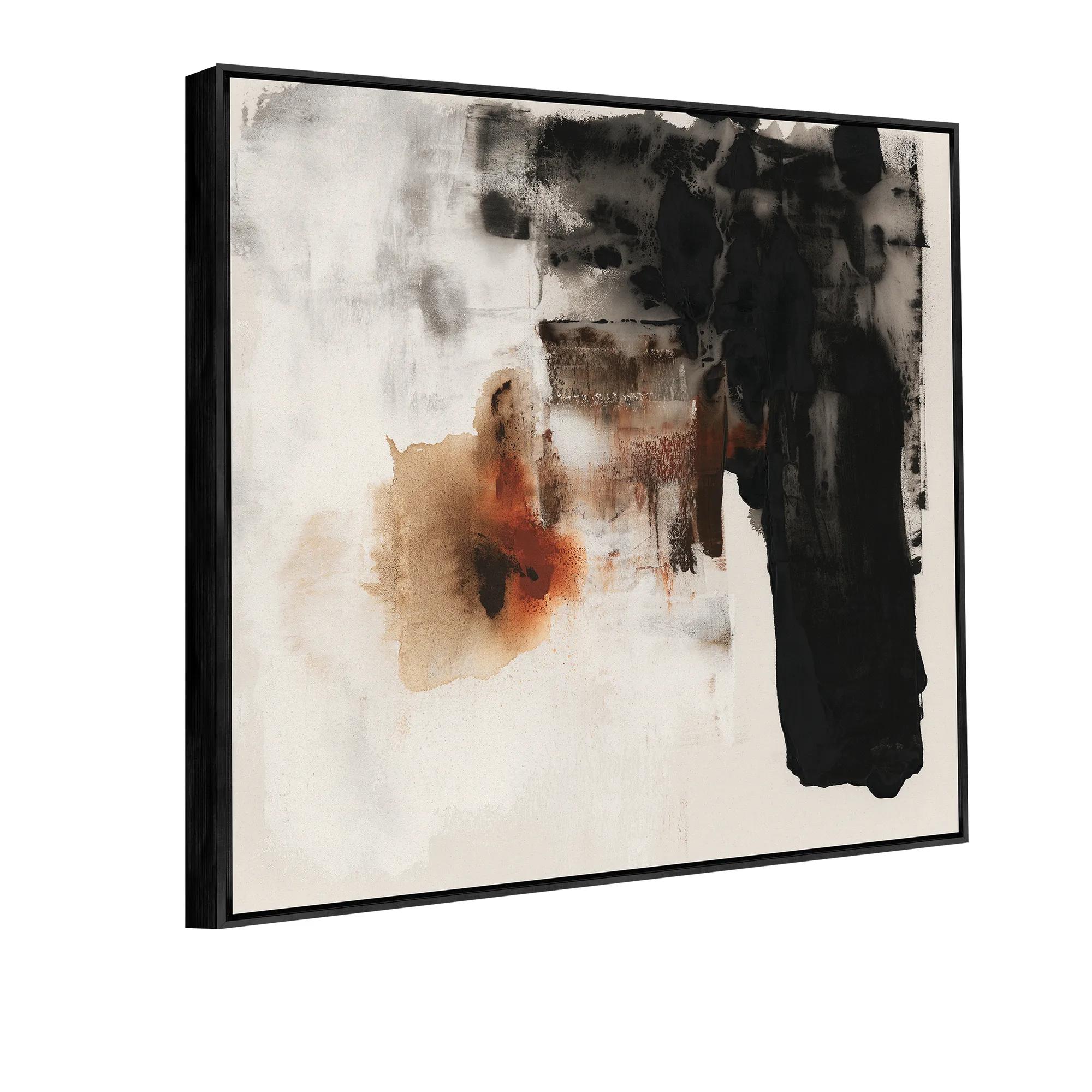 Burning for You II Framed Wall Art 40" x 40"$799
A gallery-wrapped canvas artwork with hand-applied brush gel, set in a sleek black floater frame.
Add To Cart -
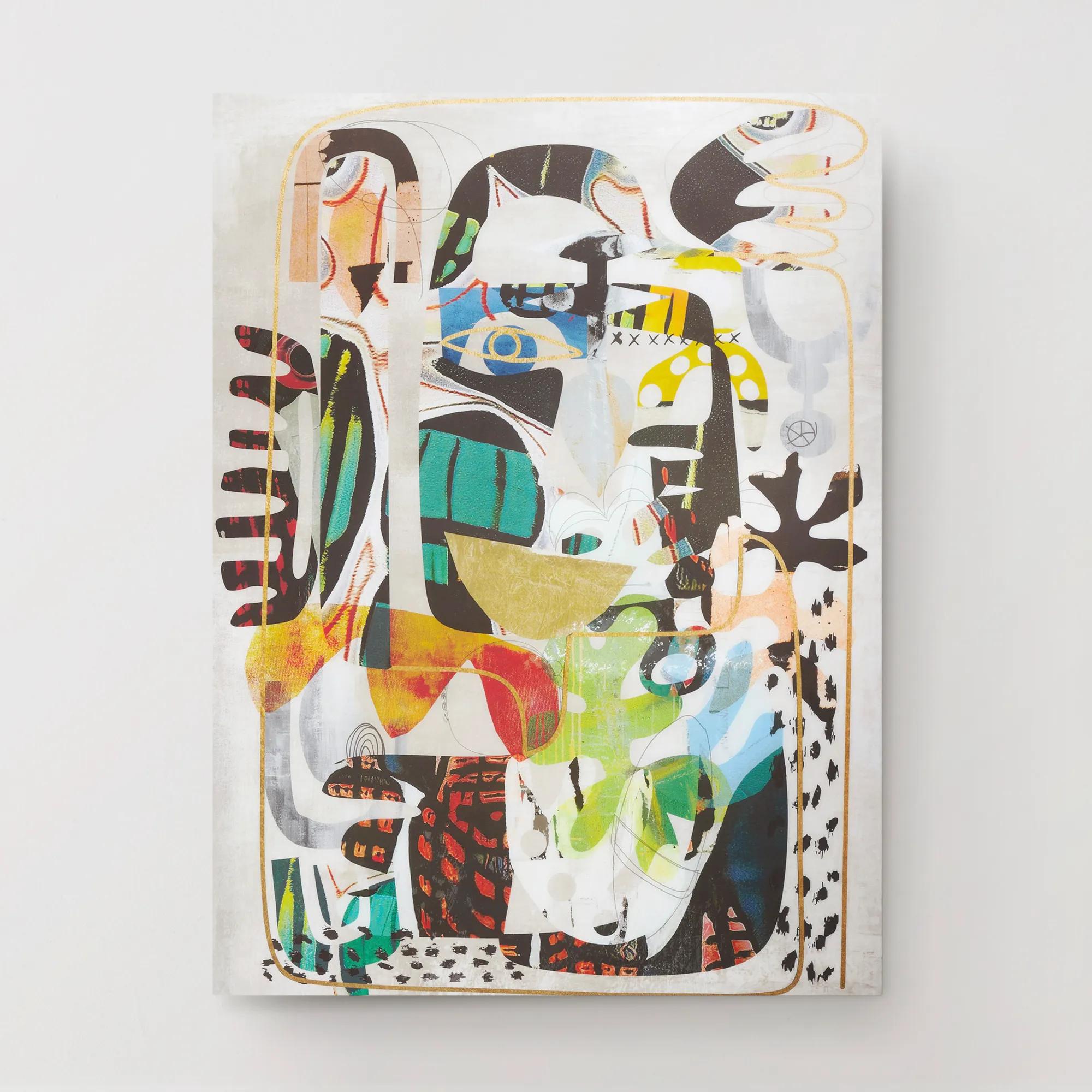
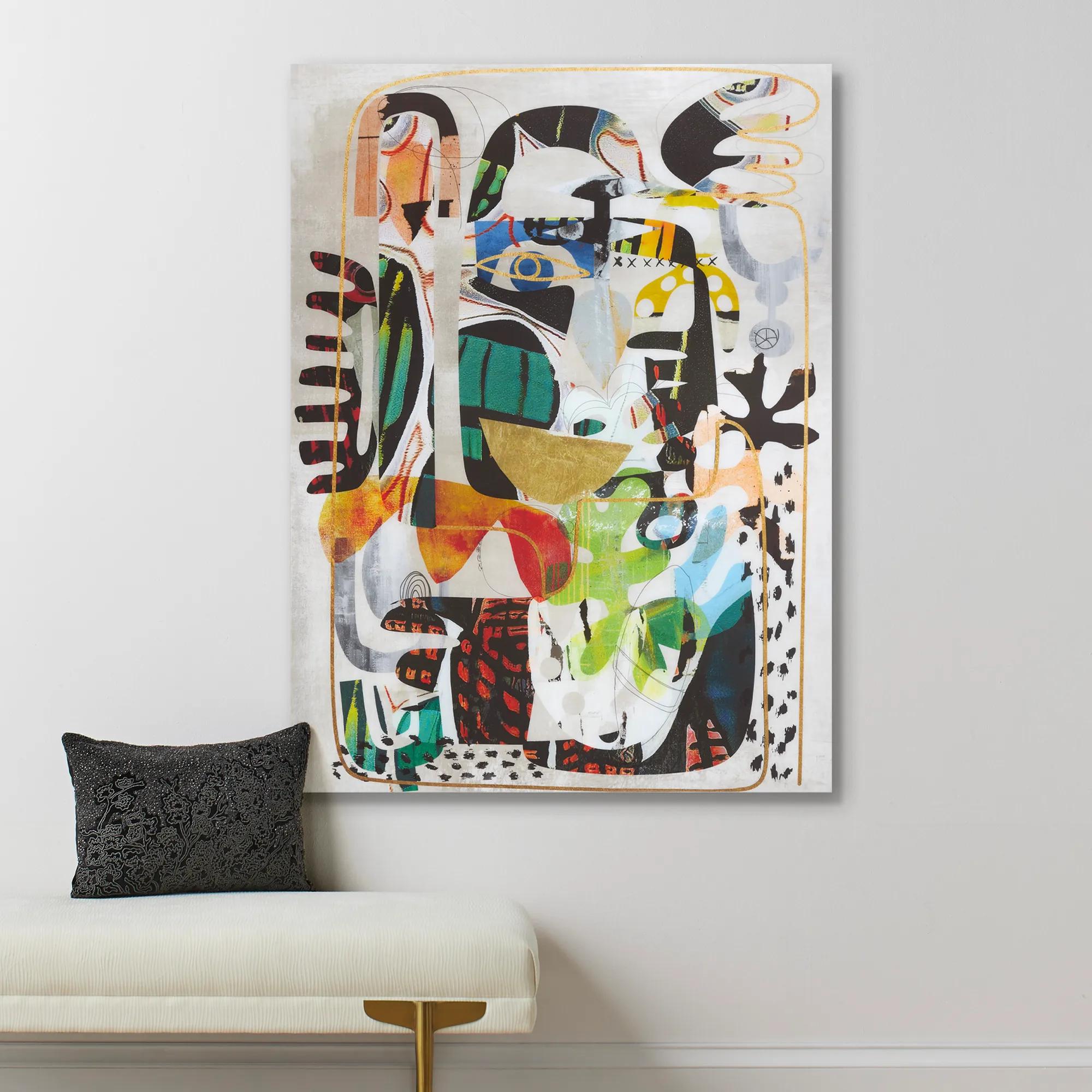 Nikki Chu Masked Wall Art 40" x 54"$899
A vibrant giclee print on canvas featuring a hand-applied glossy finish for a modern statement.
Add To Cart -
 World At Night Framed Wall Art 40" x 50"$899
A gallery-wrapped canvas artwork featuring a hand-applied gel finish and set in a sleek black frame.
Add To Cart -
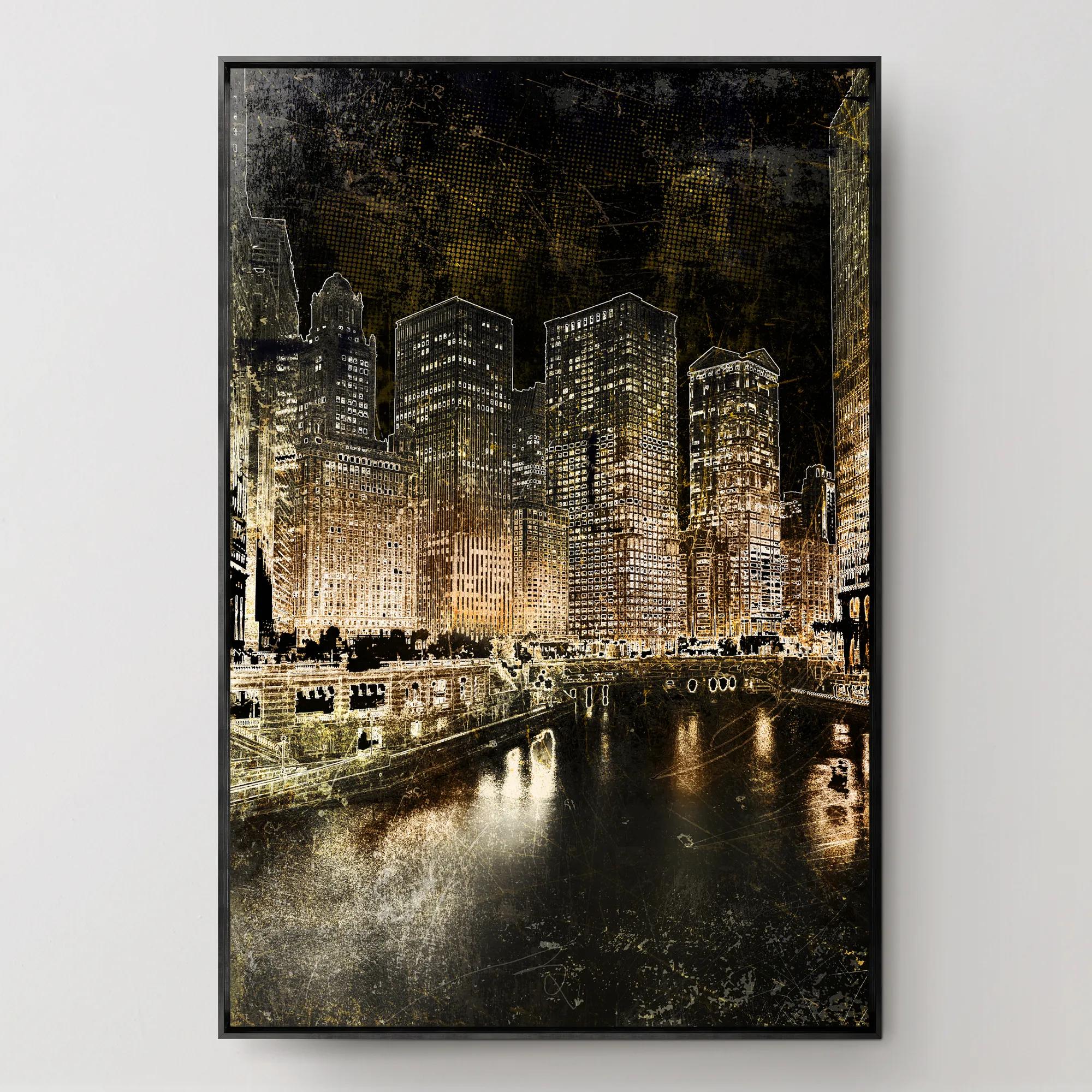
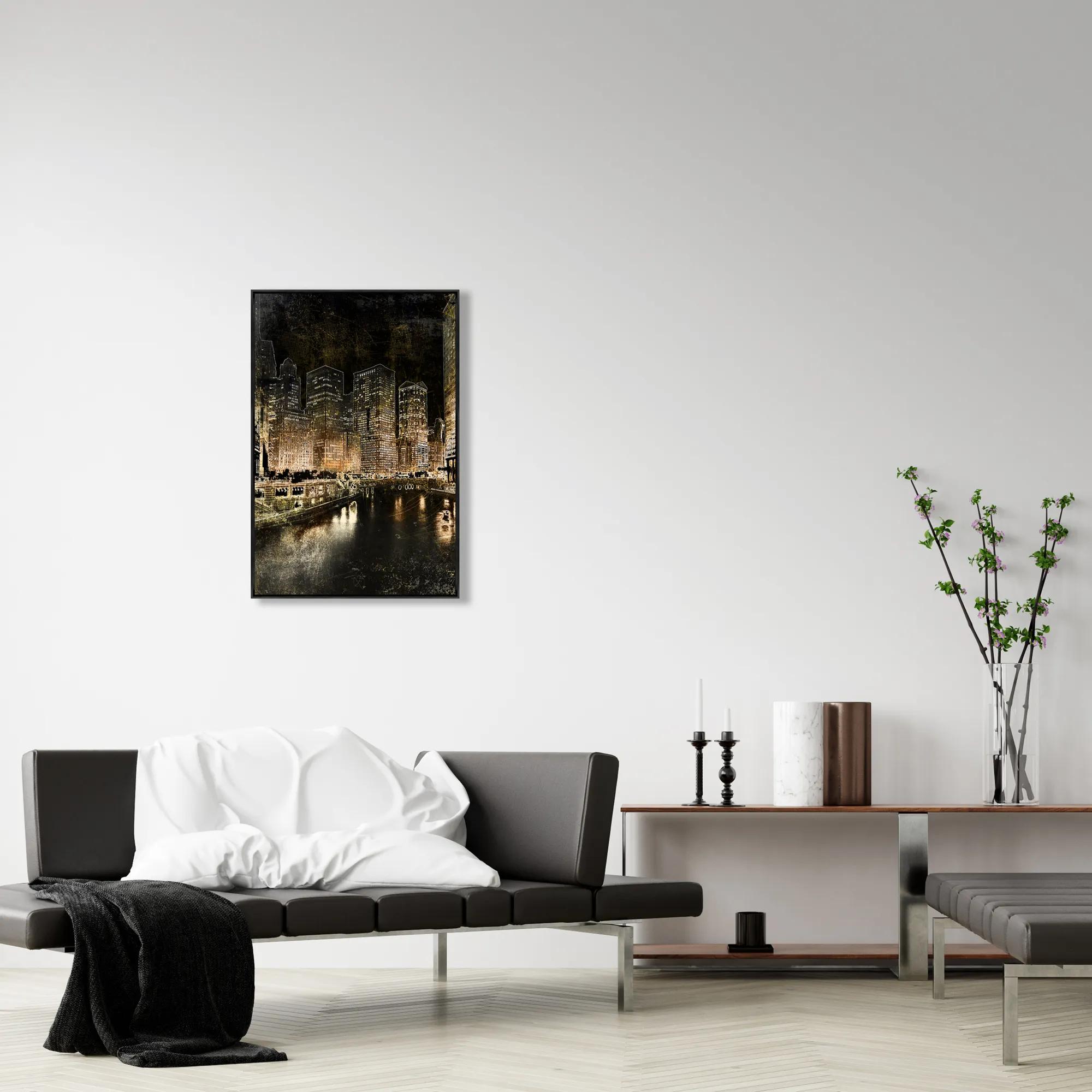 Chicago Lights Framed Wall Art 30" x 45"$649
A gallery-wrapped canvas artwork featuring a hand-applied gel finish in a sleek black floater frame.
Add To Cart -
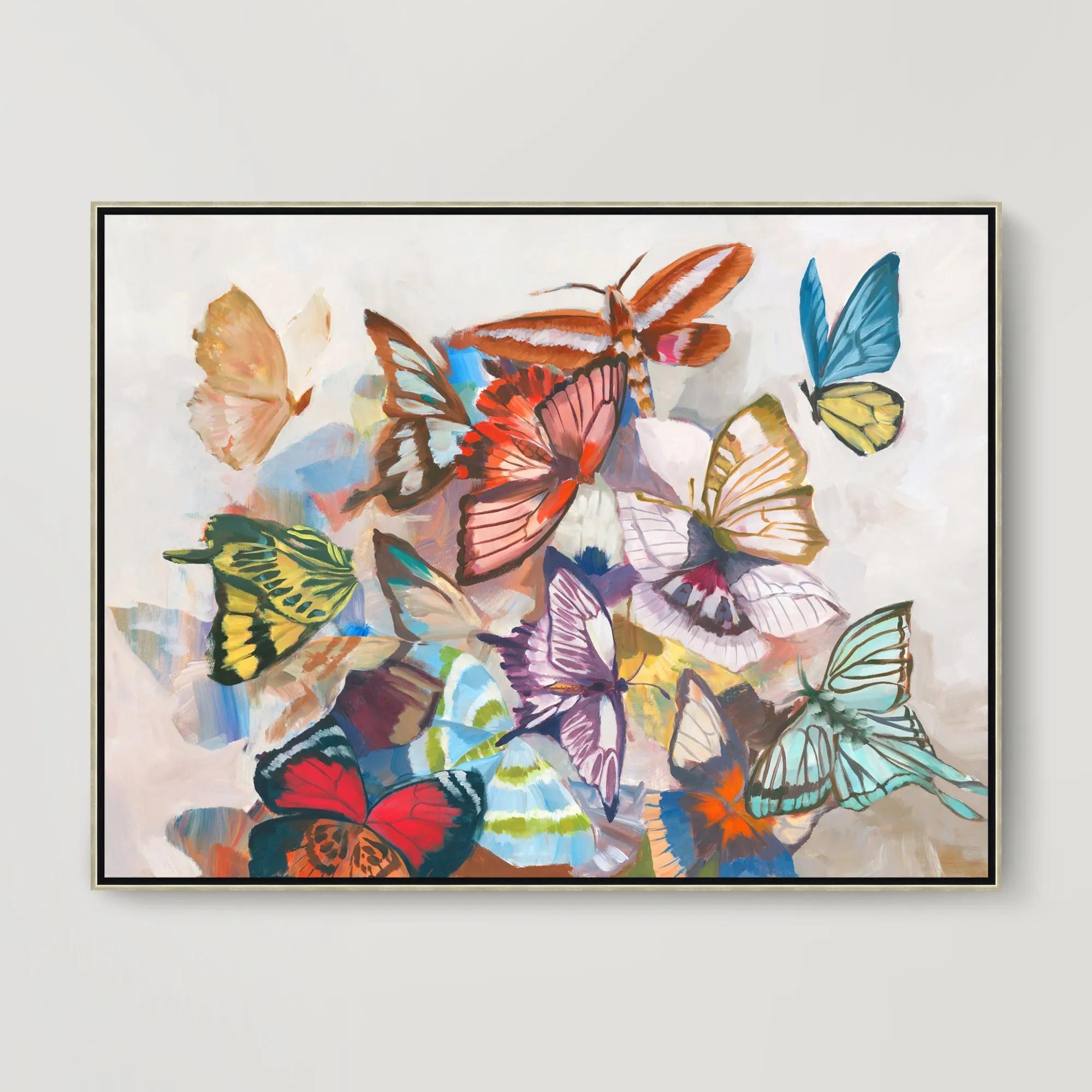 Sugar Wings Framed Wall Art 49.5" x 37.5"$799
A vibrant gallery-wrapped canvas artwork with hand-applied brush gel finish in a sleek silver floater frame.
Add To Cart -
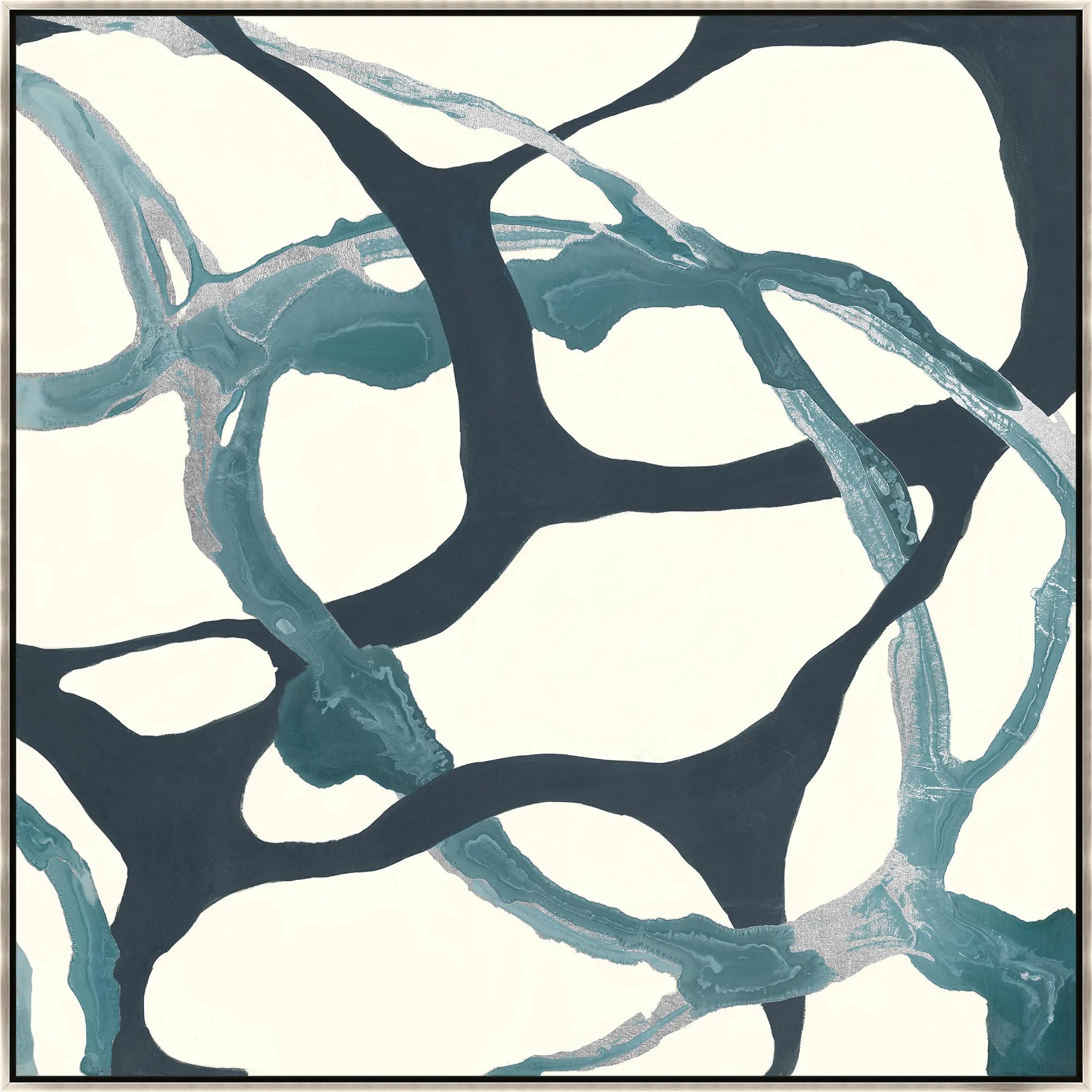
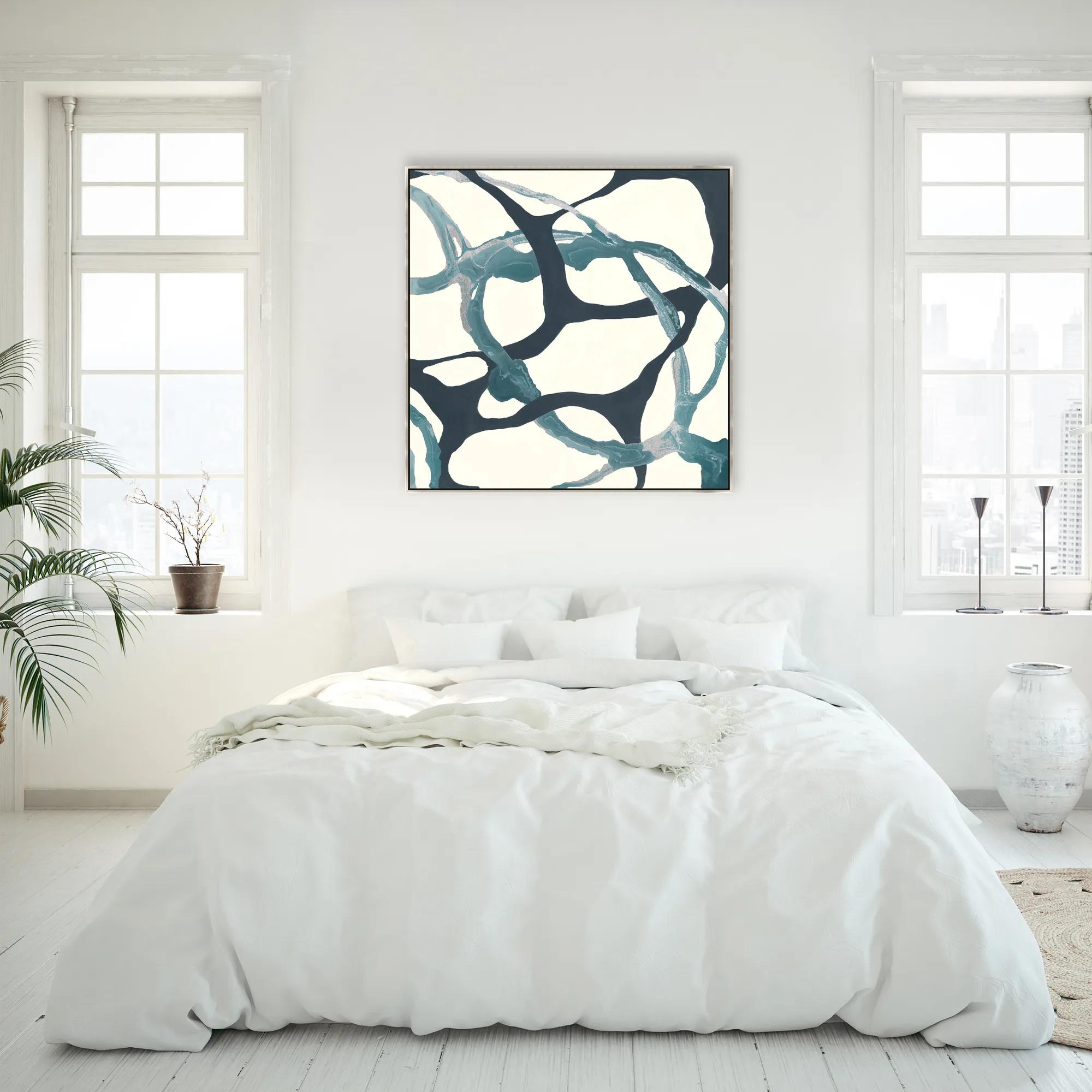 Alignments II Framed Wall Art 40" x 40"$899
A gallery-wrapped canvas featuring gilded silver accents and hand-applied brush gel in a silver floater frame.
Add To Cart -
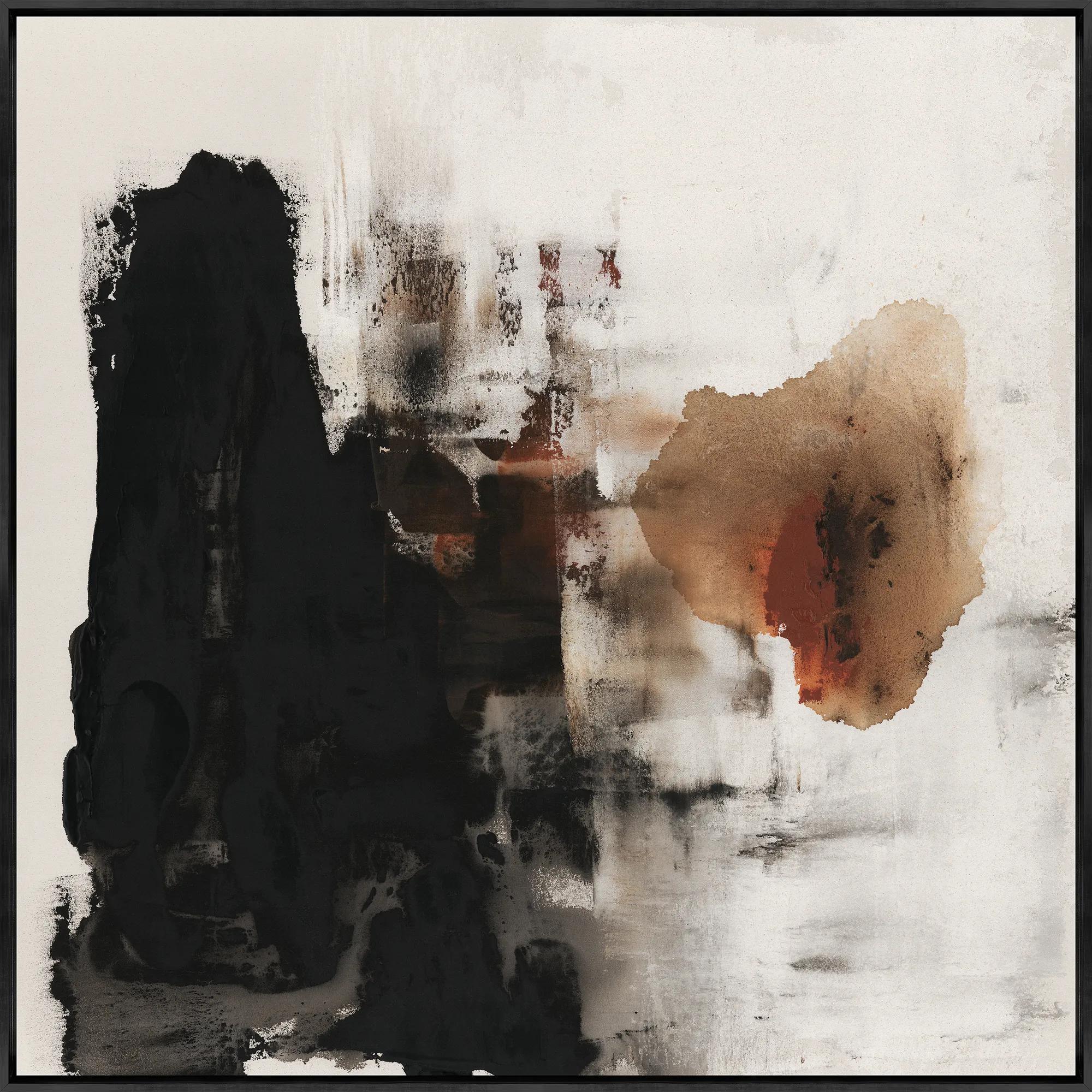 Burning for You I Framed Wall Art 40" x 40"$799
A gallery-wrapped canvas artwork with hand-applied brush gel, set in a sleek black floater frame.
Add To Cart -

 Heart Dancing Framed Wall Art 51.5" x 37.5"$799
A gallery-wrapped canvas artwork with a hand-applied brush gel finish in a sleek gunmetal floater frame.
Add To Cart -
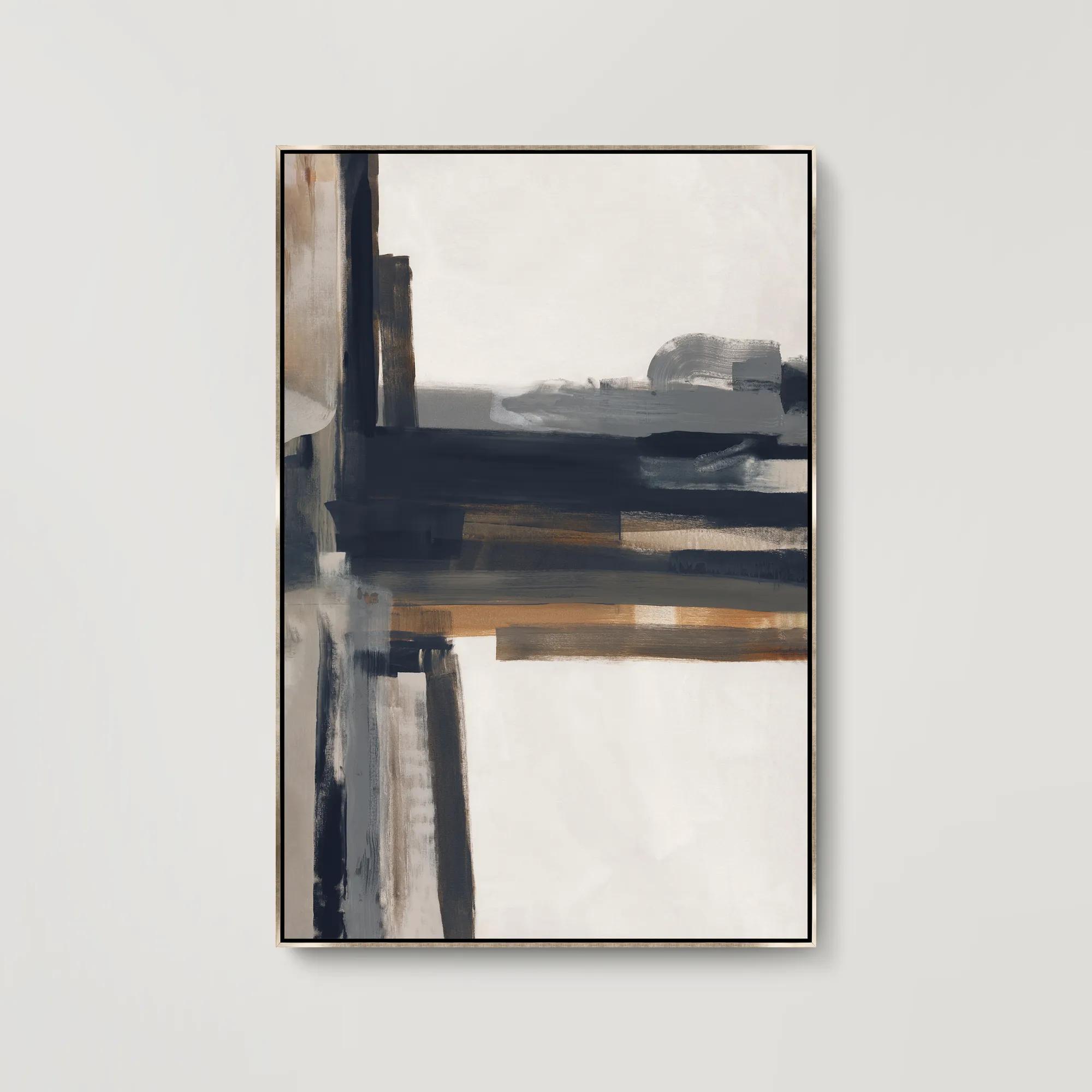
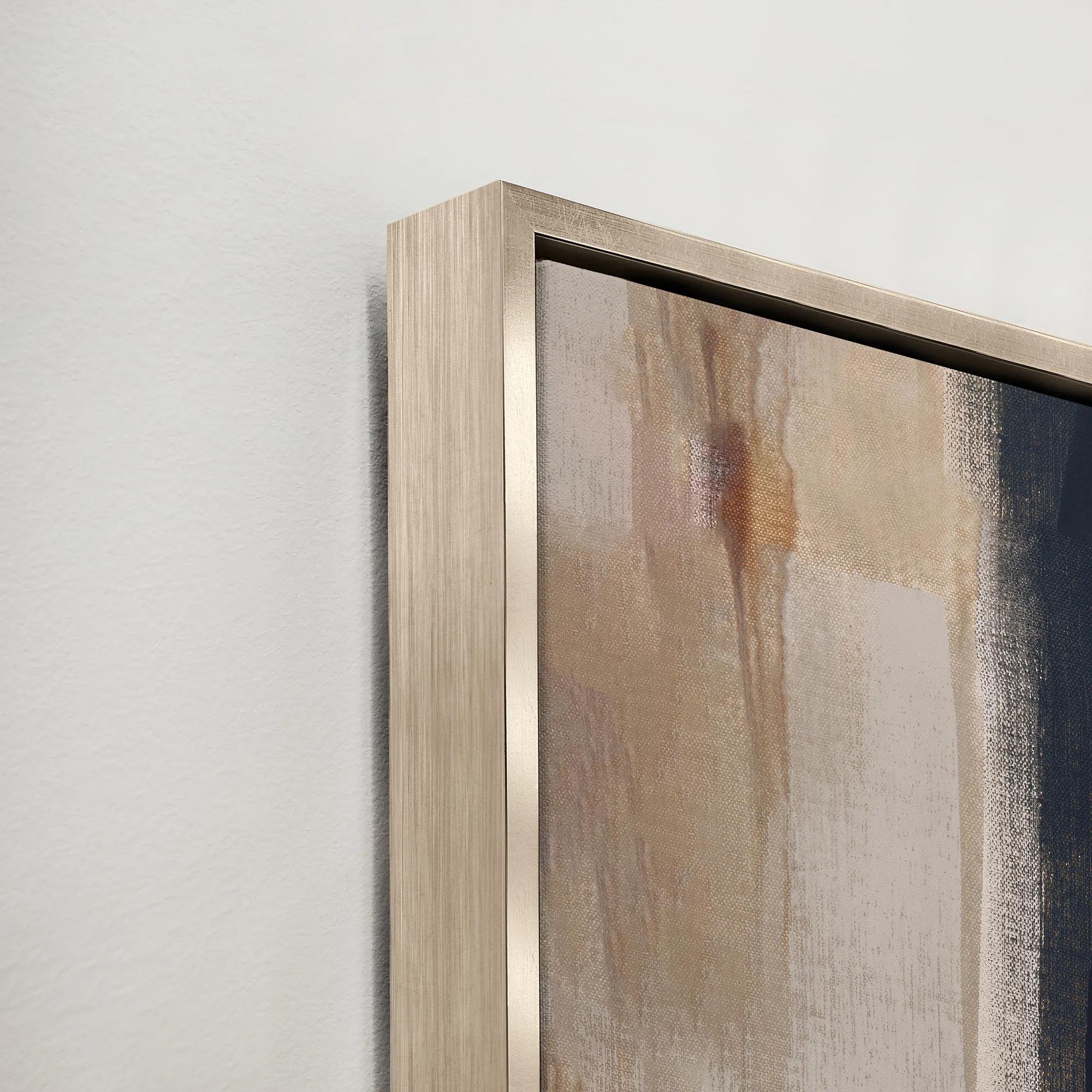 Imposing Construct I Framed Wall Art 41.5" x 61.5"$949
A gallery-wrapped abstract canvas featuring hand-applied brush gel and set in a sleek silver floater frame.
Add To Cart -
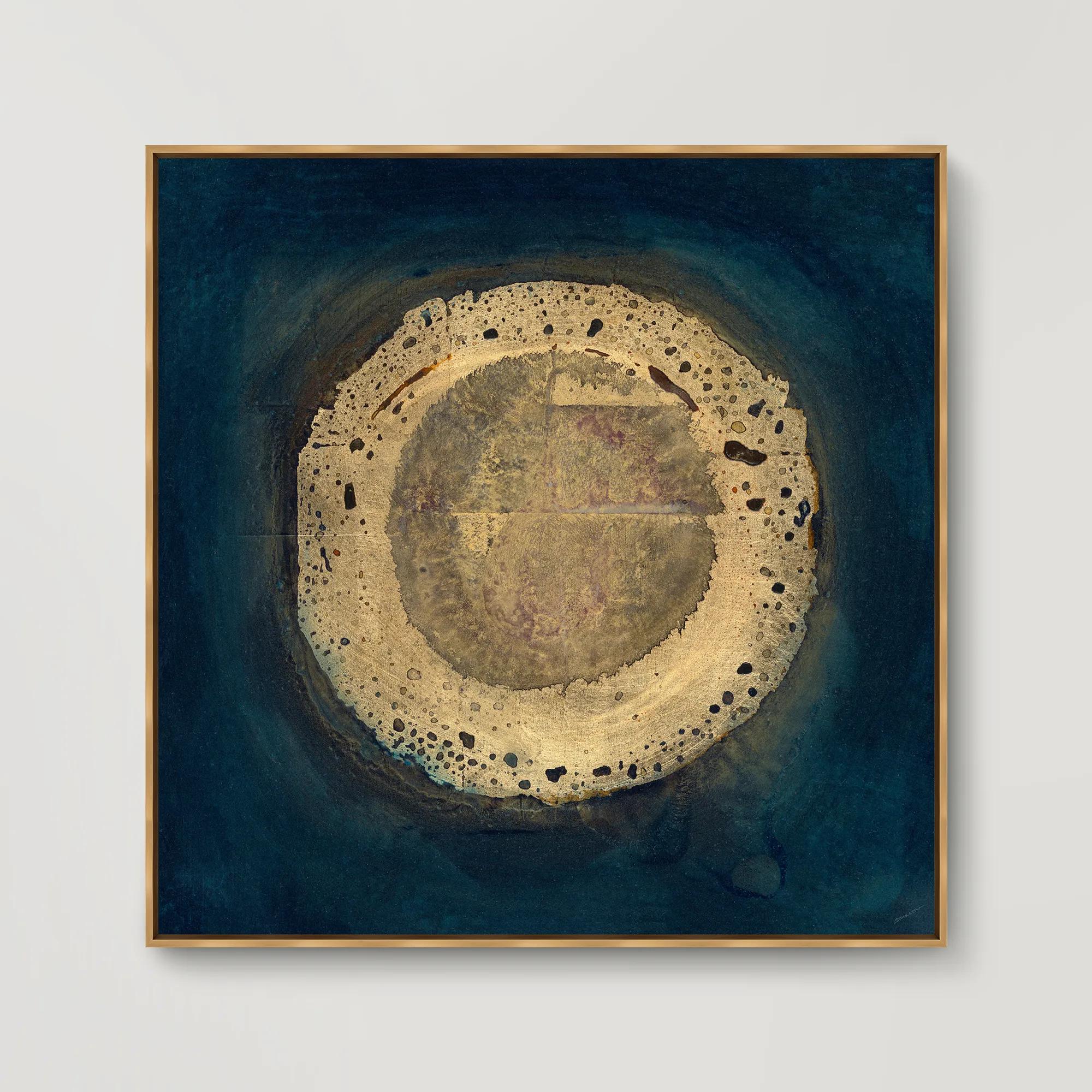
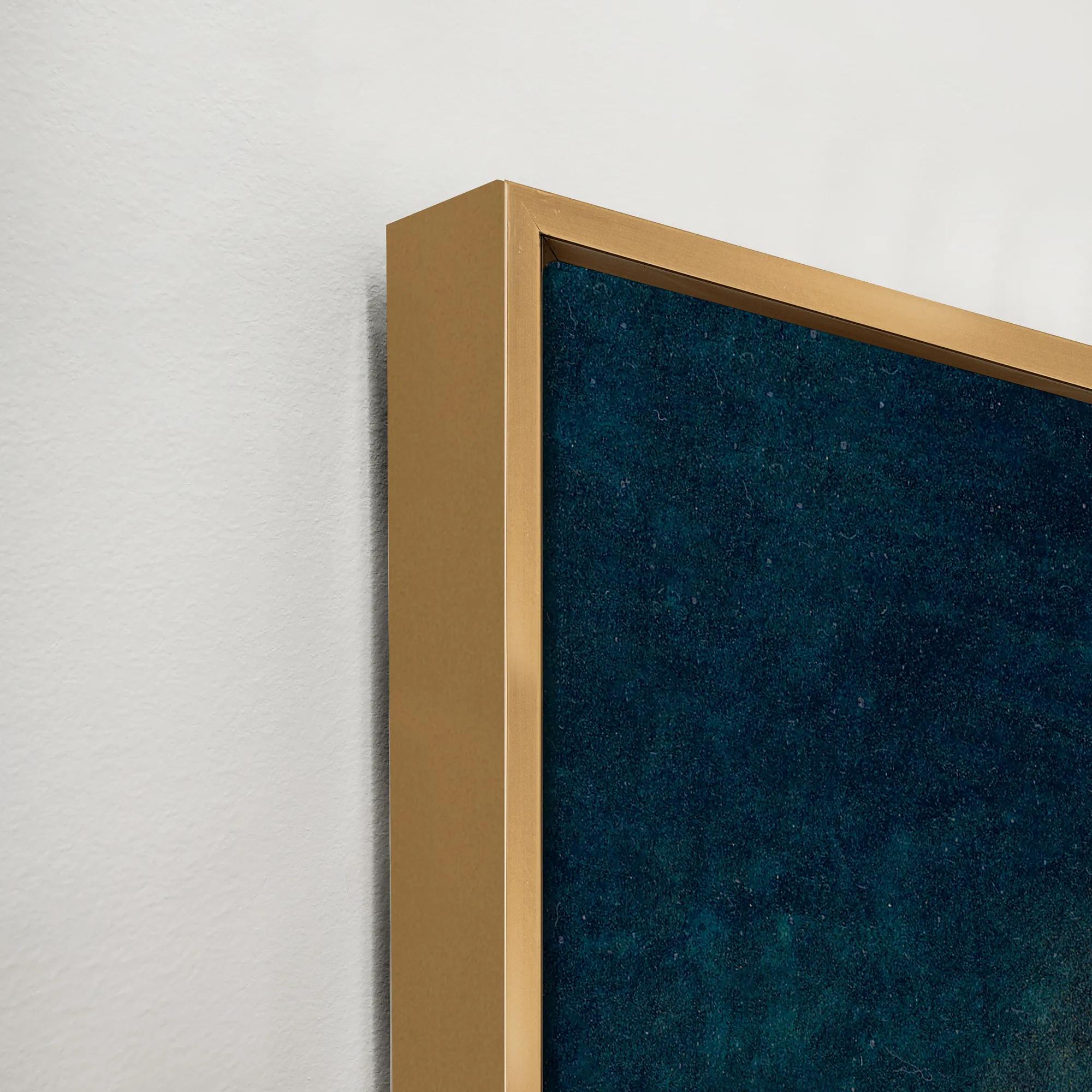 Bramble I Framed Wall Art 41.5" x 41.5"$749
A gallery-wrapped abstract canvas with hand-applied gel finish, set in an elegant gold floater frame.
Add To Cart -
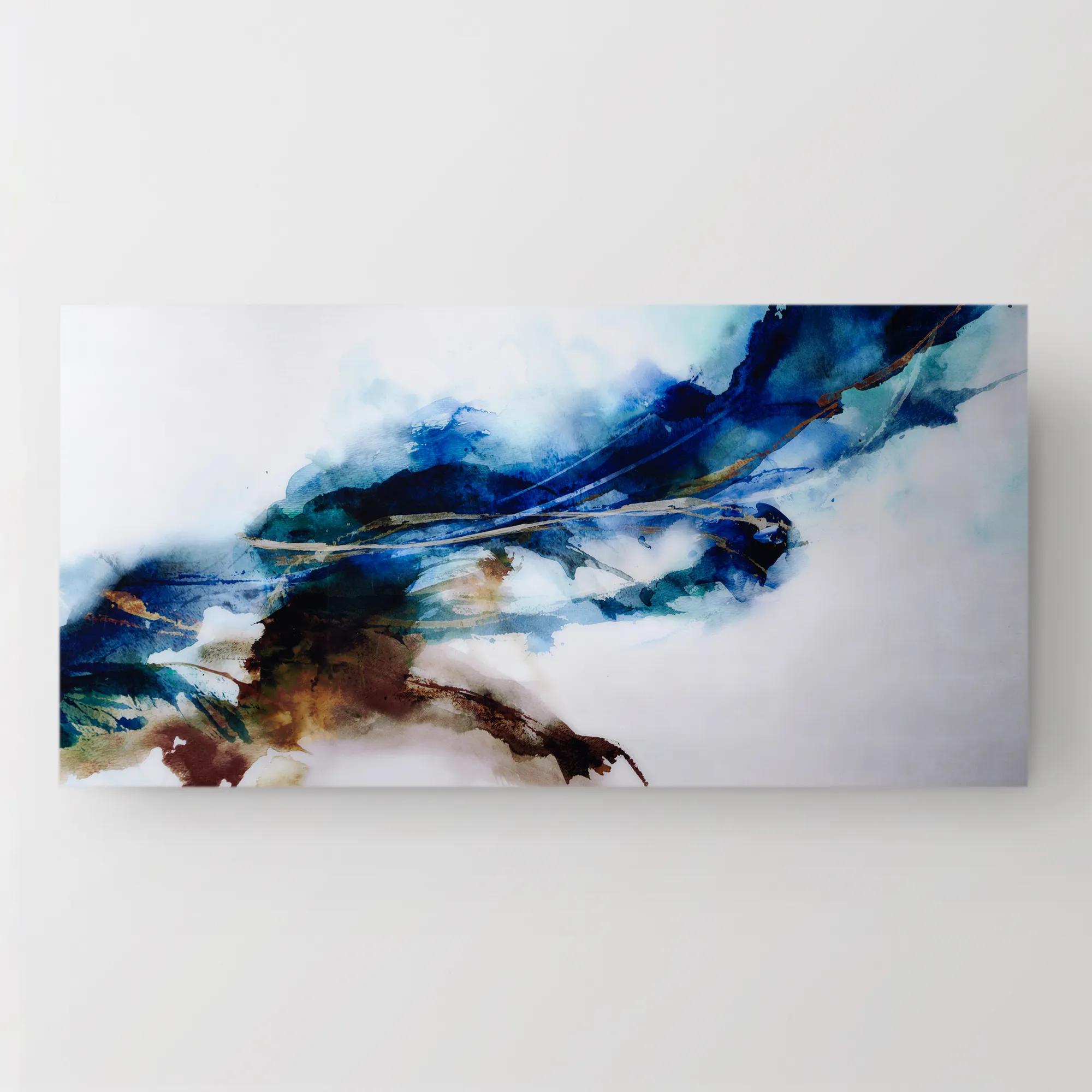 Cerulean Movement Acrylic Art 72" x 36"$1299
A vibrant abstract artwork printed on high-gloss acrylic, infusing your space with dynamic energy and movement.
Add To Cart -
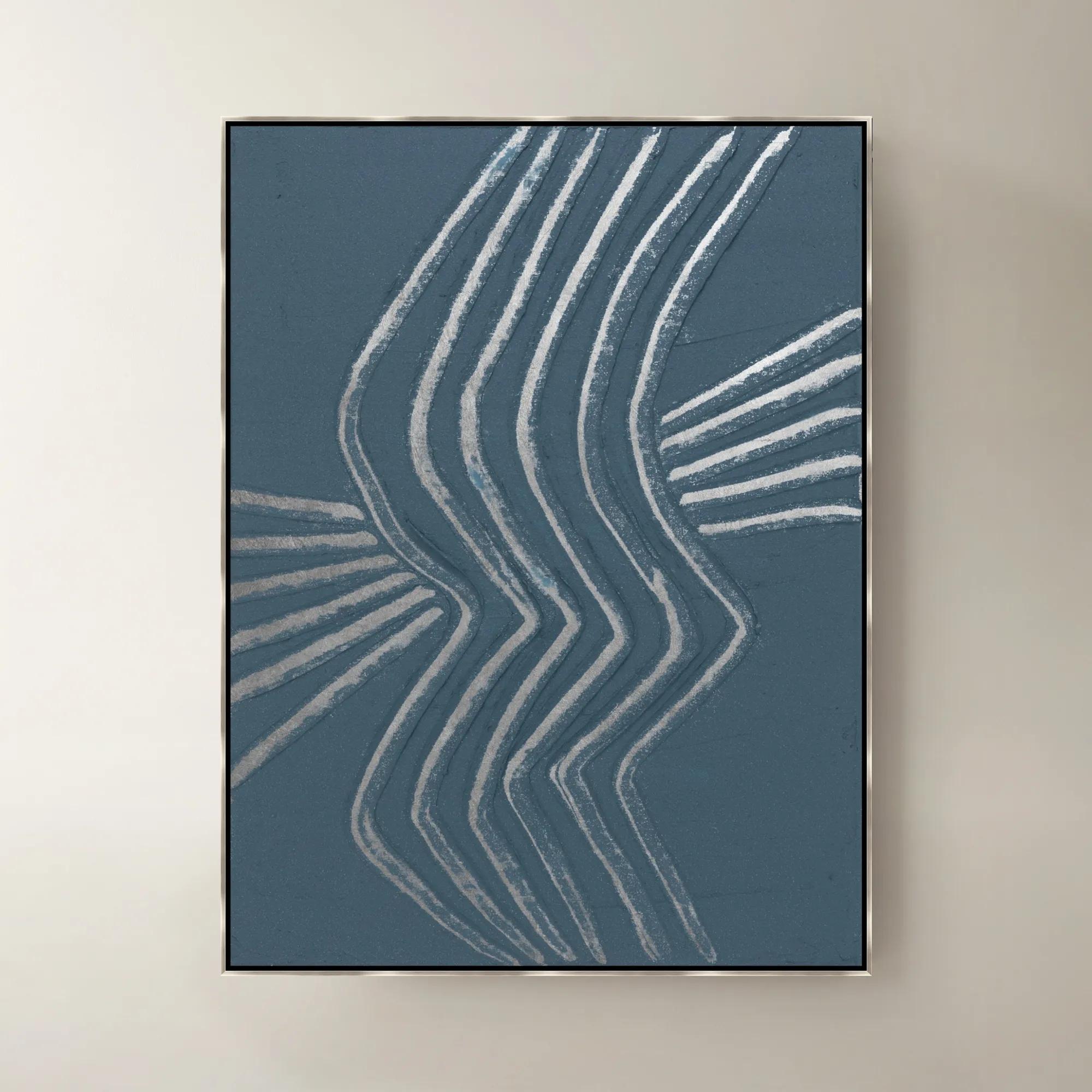
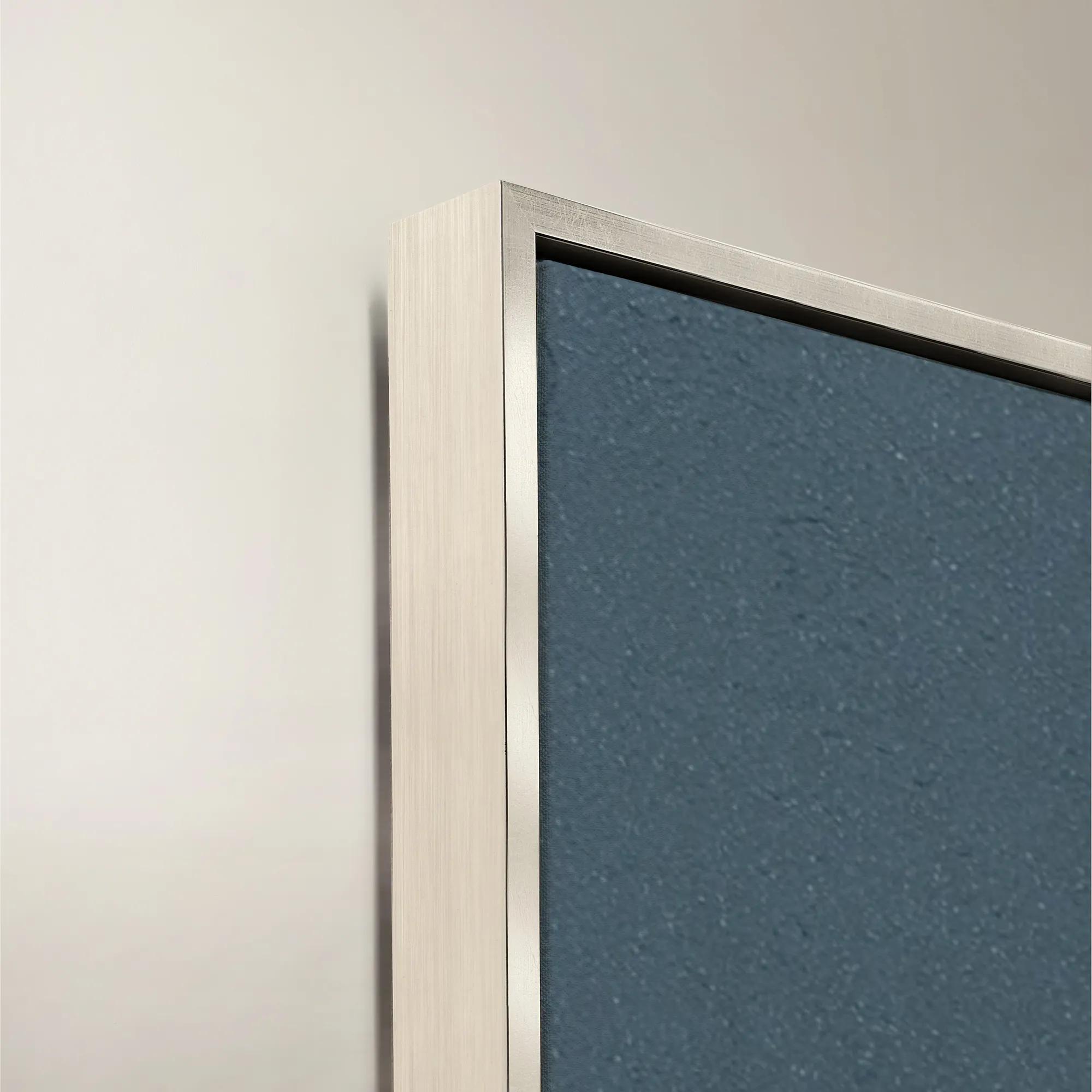 Gilded Waves IV Framed Painted Wall Art 40" x 53"$1399
A framed painted canvas artwork featuring flowing gilded waves in soothing blue and purple tones.
Add To Cart -
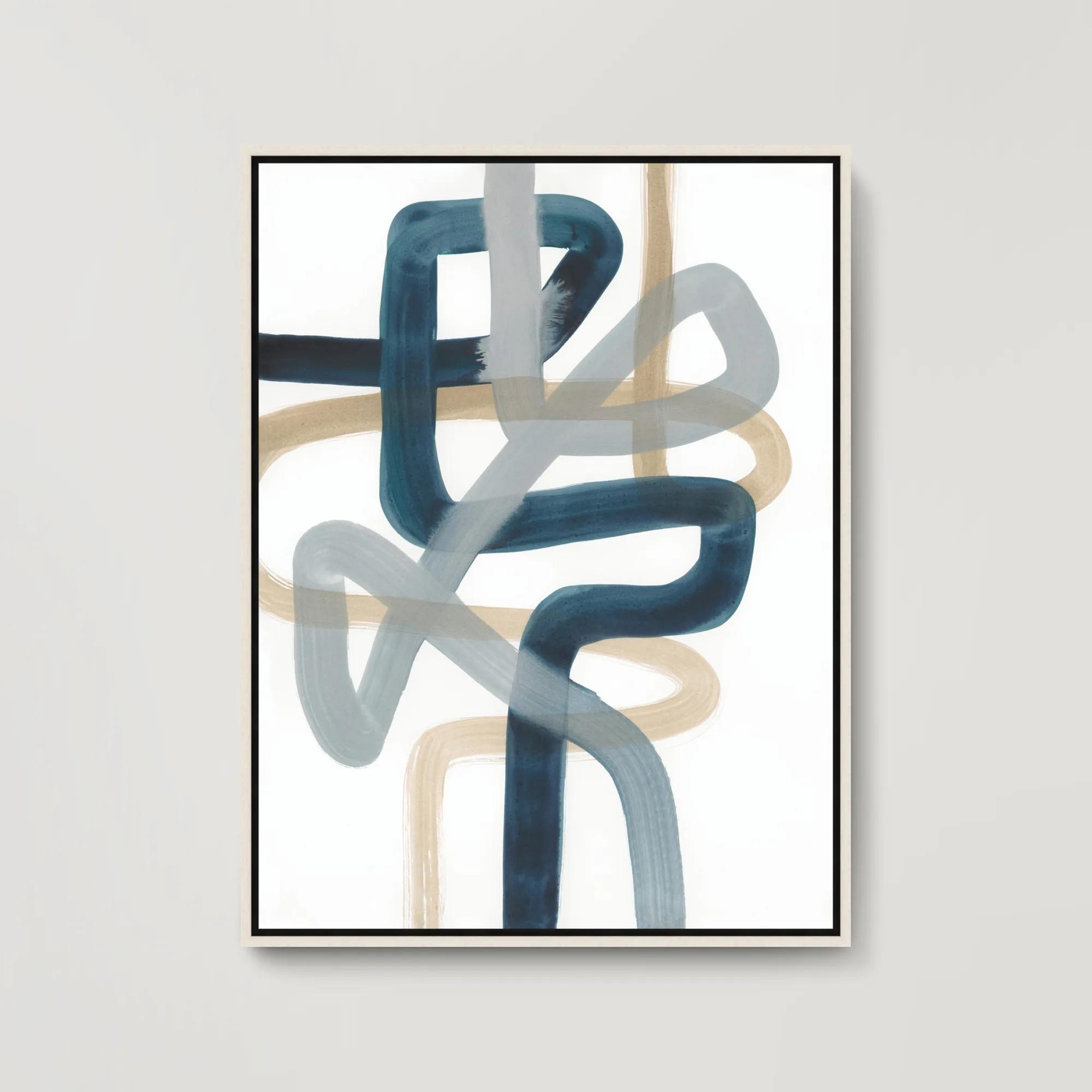
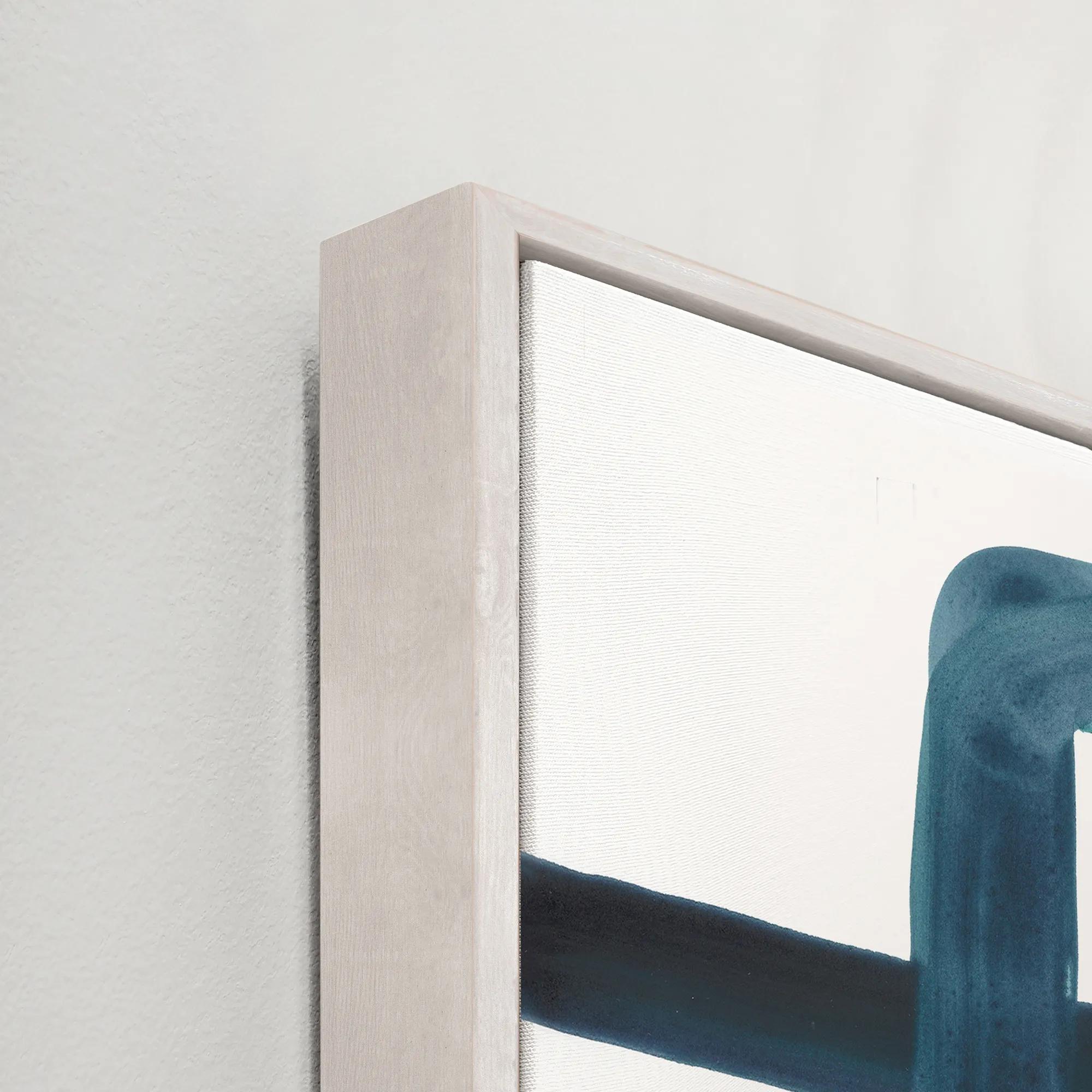 Looped In I Framed Wall Art 31.5" x 41.5"$699
A gallery-wrapped abstract canvas featuring hand-applied brush gel and a sleek white floater frame.
Add To Cart -
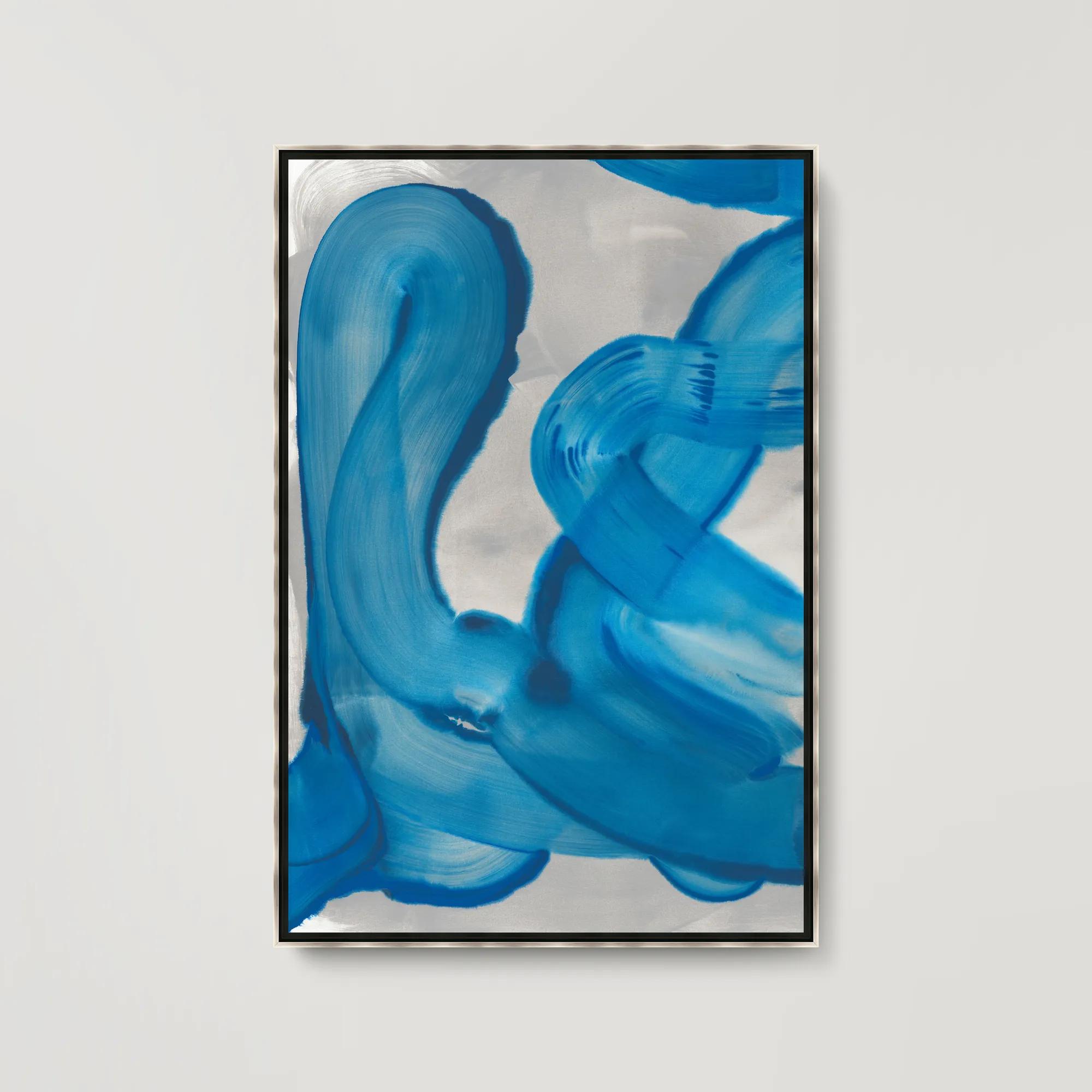 Royal Waves I Framed Wall Art 31.5" x 46.5"$699
A gallery-wrapped abstract canvas featuring hand-applied brush gel and set in a sleek silver floater frame.
Add To Cart -
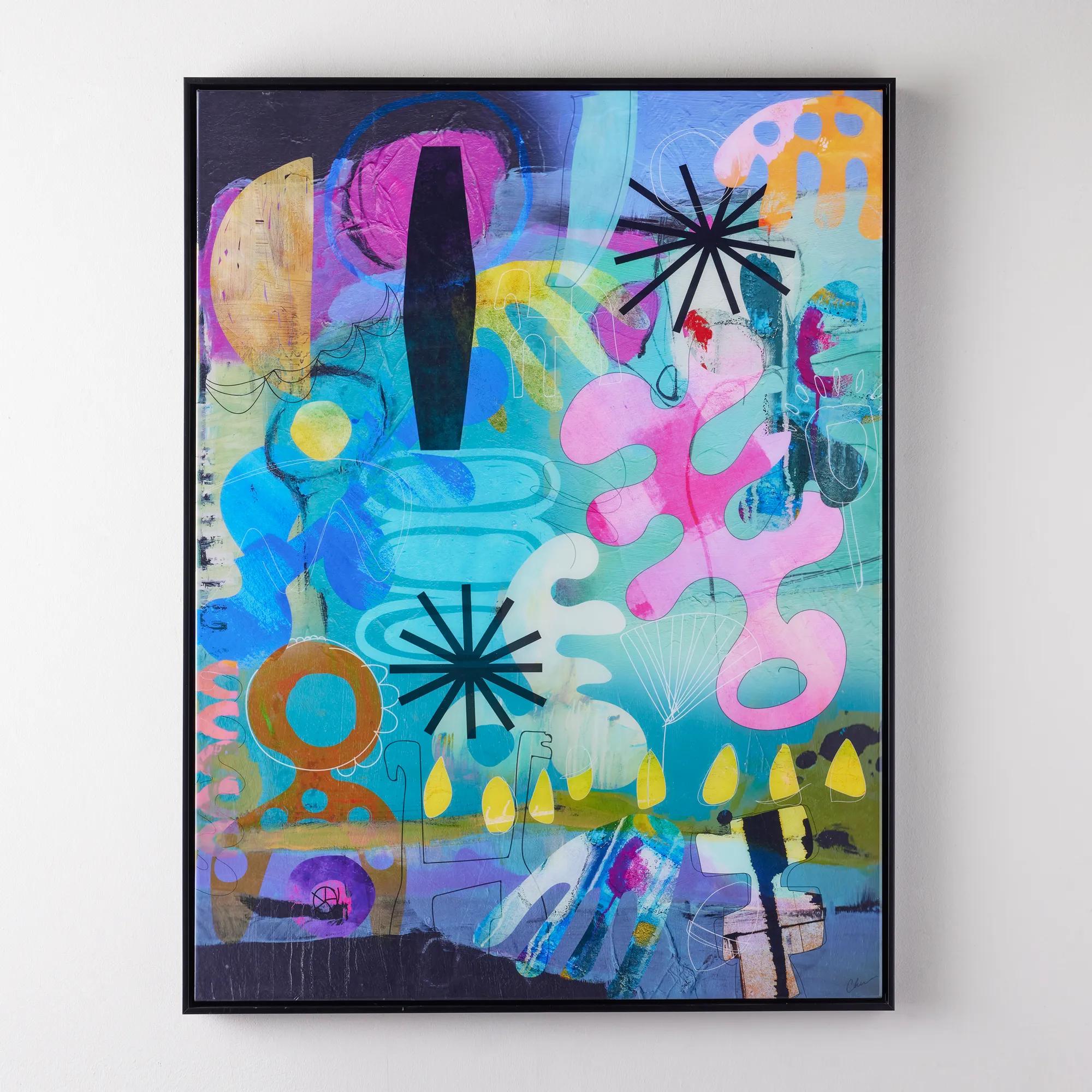
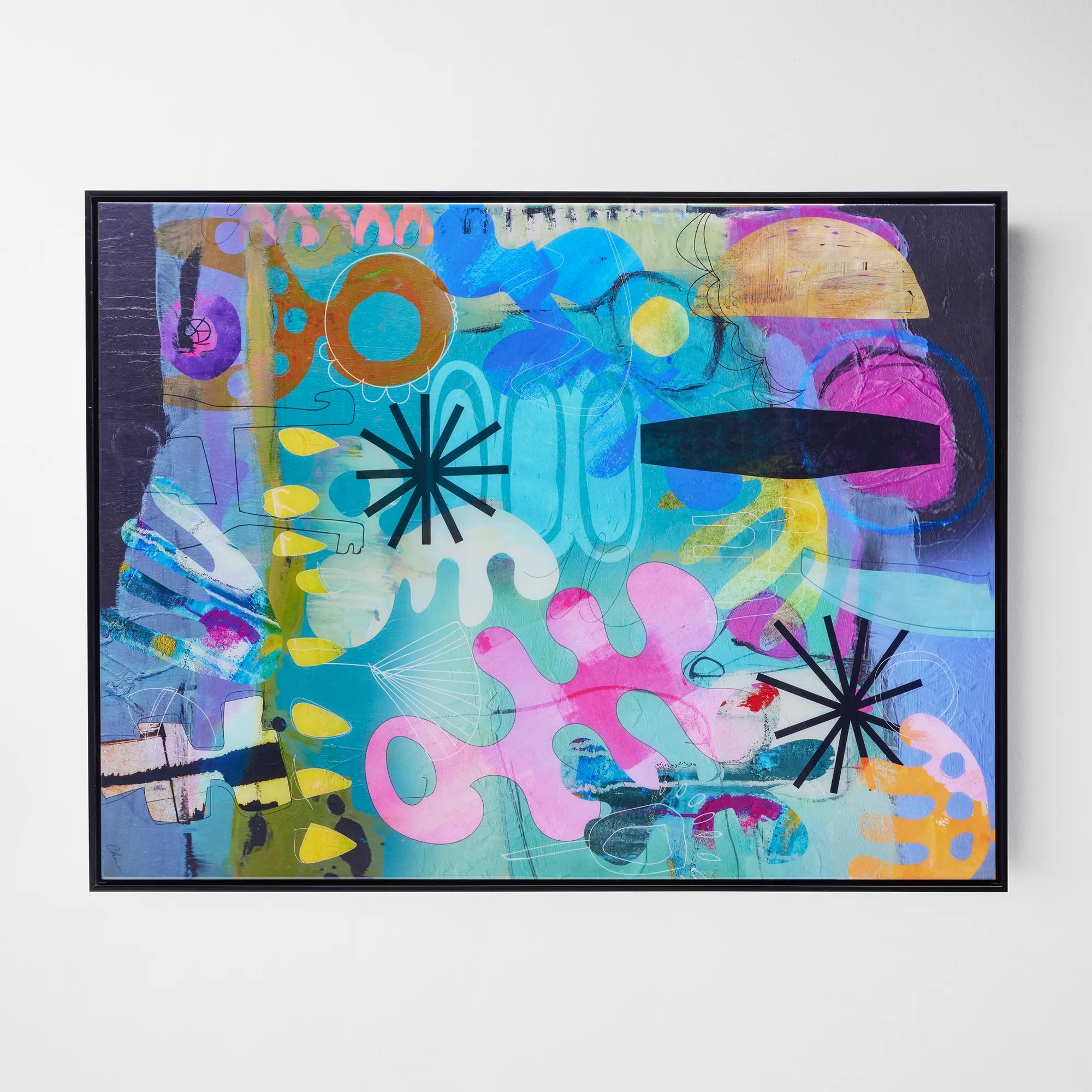 Nikki Chu Detailed Vision Framed Wall Art 54" x 41"$1099
A vibrant, high-gloss artwork with a black frame, designed to hang vertically or horizontally.
Add To Cart -

 Blooming in Her Own Time Framed Wall Art 40" x 50"$1029
A vibrant multicolored canvas wall artwork featuring an expressive botanical-inspired design in a framed presentation.
Add To Cart -
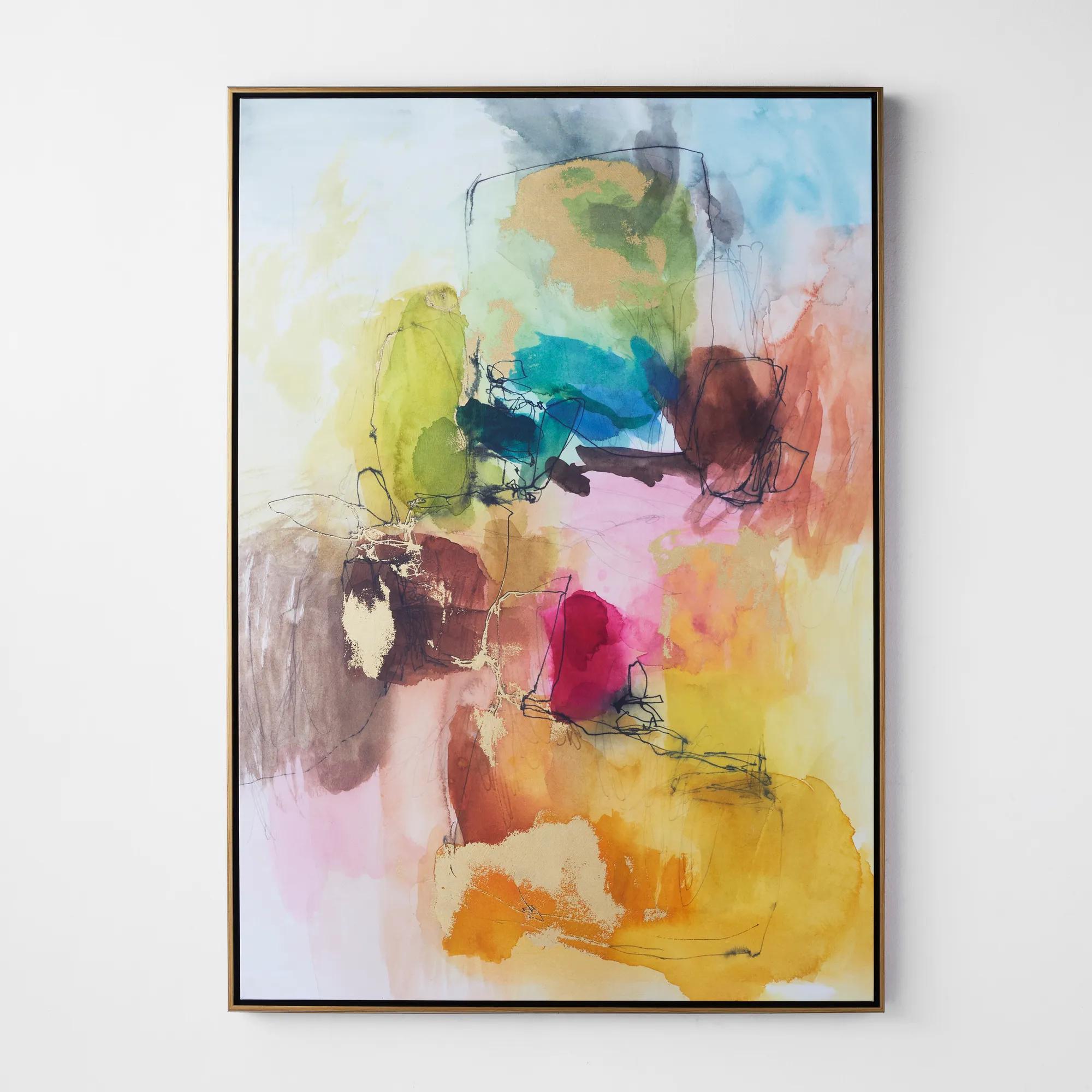 Apricity 3 Framed Wall Art 41" x 58"$899
A vibrant giclee on canvas featuring hand-applied gold gilding and a gold floater frame.
Add To Cart -
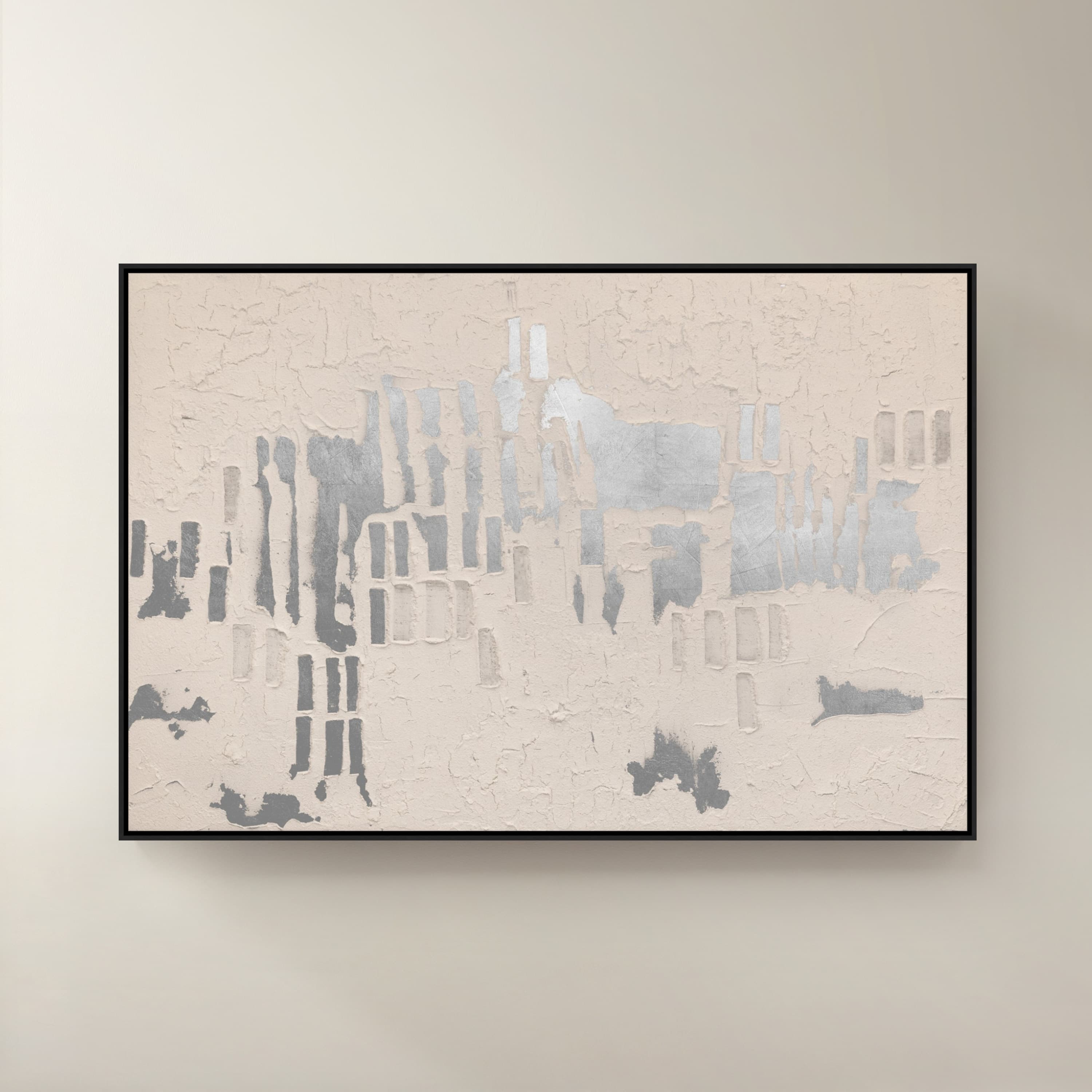
 Silver Reverie Framed Painted Wall Art 60" x 40"$1699
A silver-toned painted canvas artwork framed for a sophisticated, contemporary wall display.
Add To Cart

Large Modern Canvas Wall Art
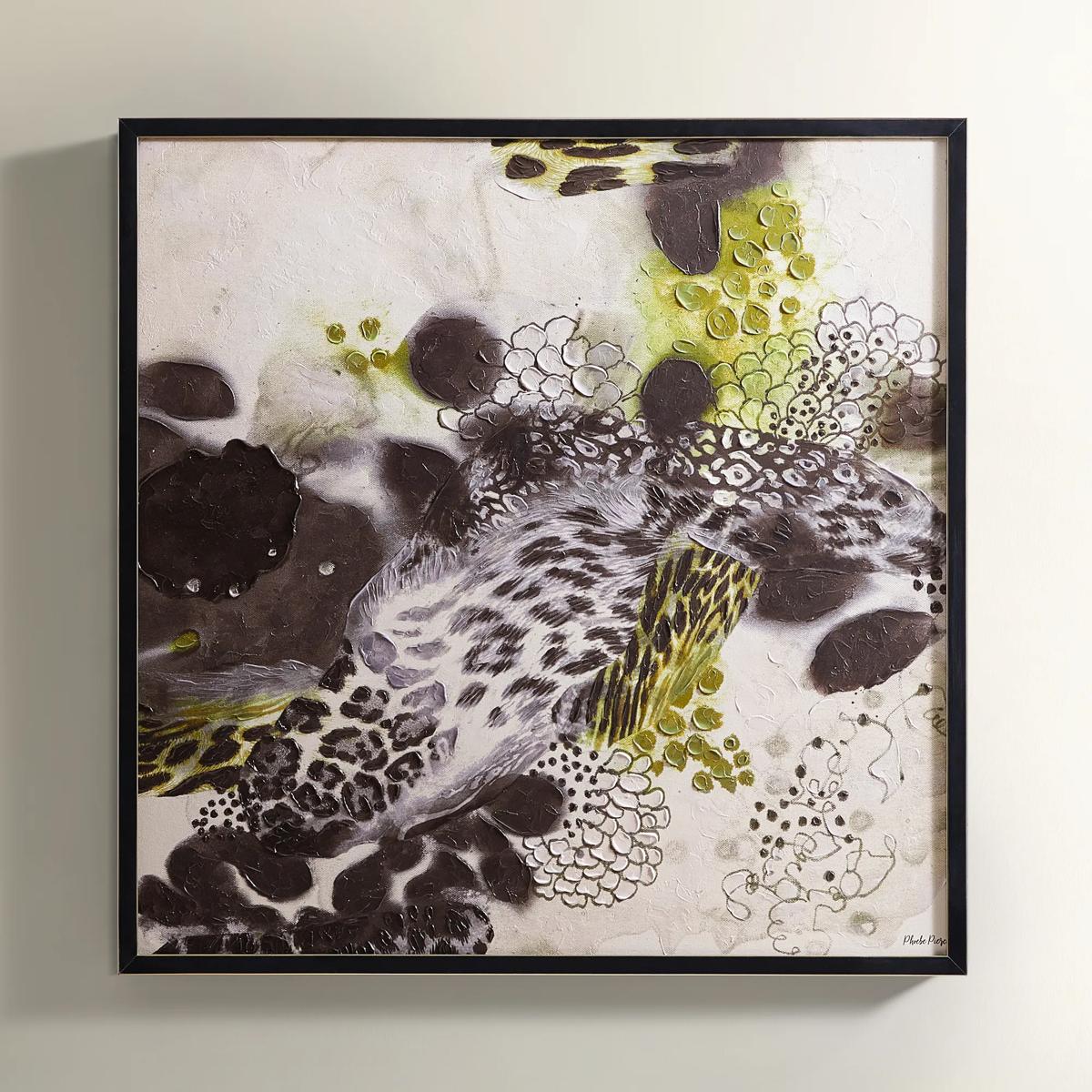
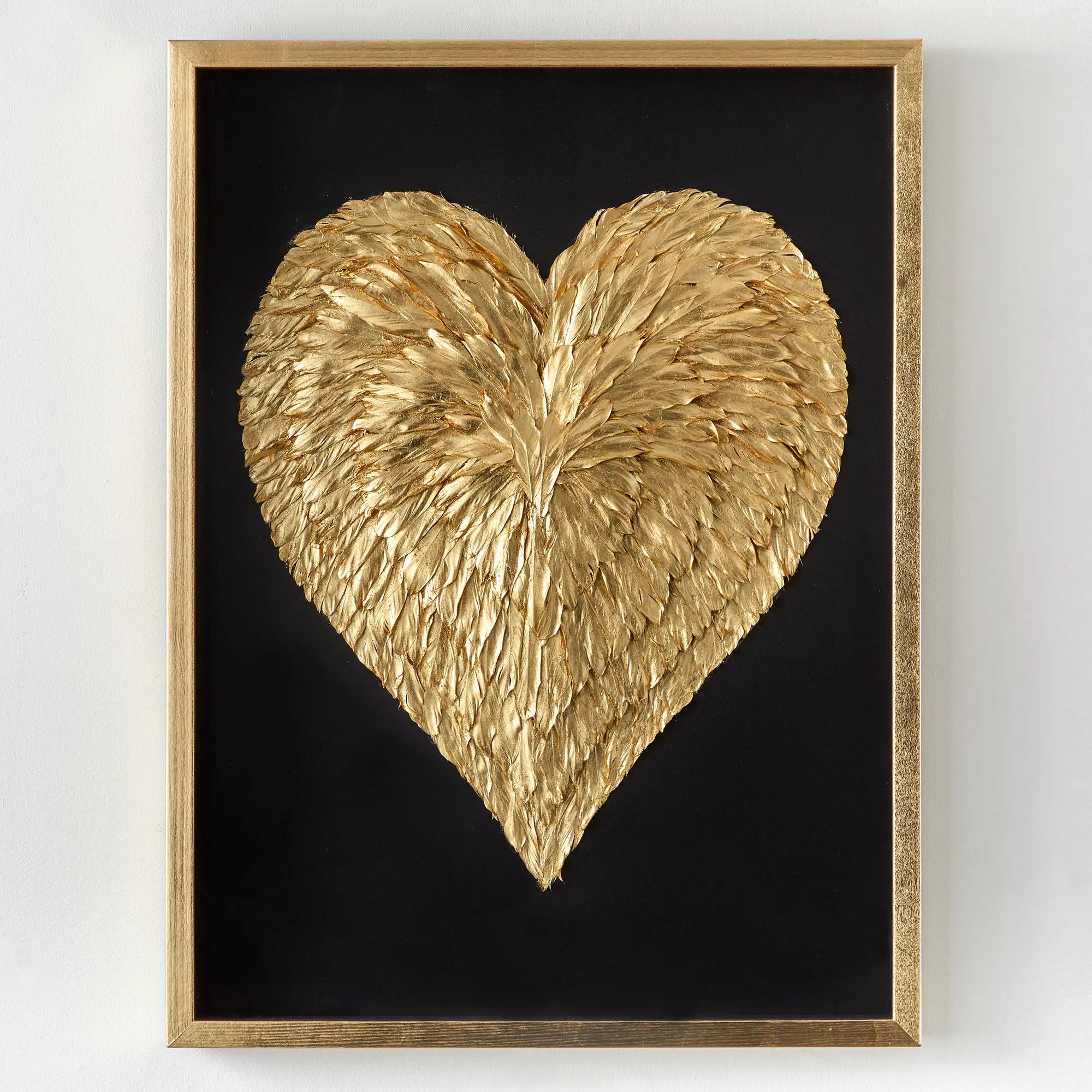
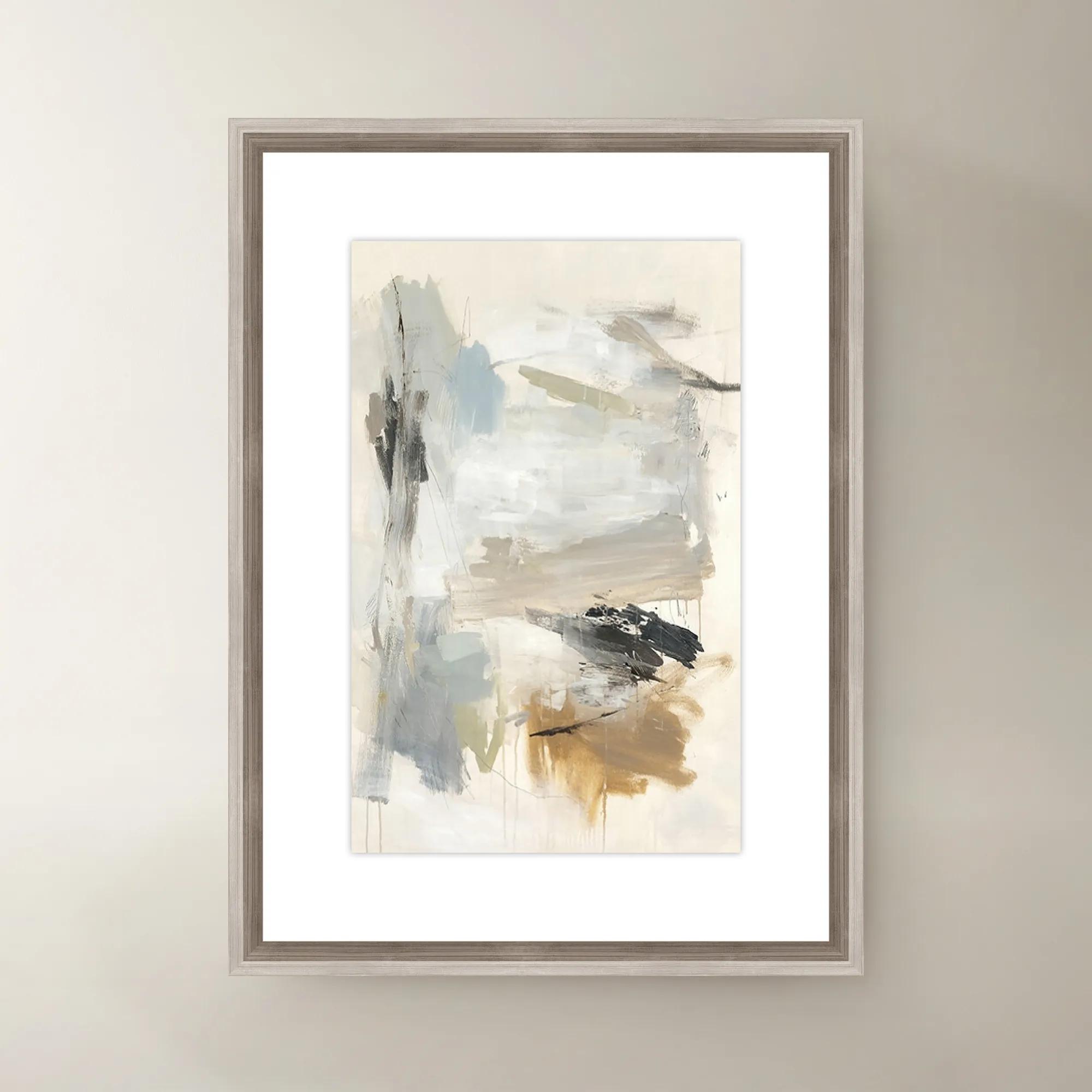
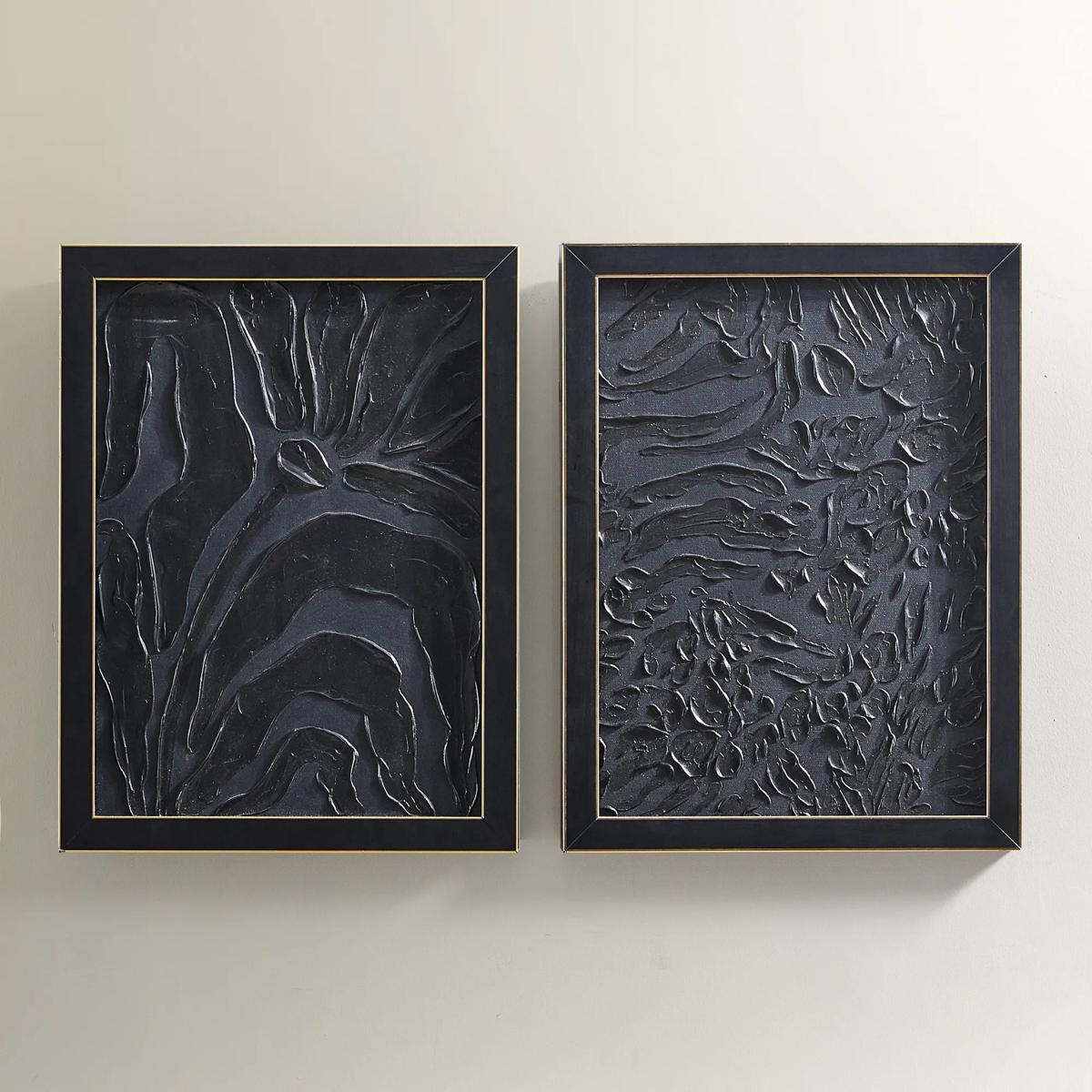
Explore large modern canvas wall art that brings expressive style and a commanding focal point to your space. This selection of oversized contemporary artwork offers a starting point for defining a living room, dining room, or bedroom with scale and visual drama. Consider your wall dimensions, surrounding furniture, and color palette to choose a piece that feels intentional, not overpowering.
Large modern canvas wall art gives a room a point of view, transforming an open wall into a composition that feels deliberate, expressive, and beautifully scaled. A sweeping abstract can introduce the energy of a brushstroke into a polished living room; an architectural composition can echo the clean lines of a dining table; a luminous tonal piece can lend a bedroom depth without disturbing its sense of repose. The appeal lies in the relationship between generous dimensions and visual restraint. Modern artwork may feature bold gestures, spare geometry, atmospheric color, or layered texture, allowing the canvas to command attention in distinctly different ways. Black-and-white compositions bring graphic definition to rooms rich in velvet, glass, and gleaming metal, while ivory, taupe, and charcoal create a more nuanced dialogue with upholstered furniture and natural stone. Saturated blues, emerald tones, or unexpected accents of gold can establish a color story that carries through pillows, decorative objects, and rugs without requiring every detail to match. Scale is equally expressive. Above a sofa or headboard, a horizontal canvas can connect the furniture beneath it to the architecture around it, making the arrangement feel complete. A tall composition brings emphasis to a narrow wall, an entryway, or a space beside a sculptural console. Artwork spanning roughly two-thirds to three-quarters of the furniture below often creates a balanced relationship, although the room’s proportions and the composition itself deserve the final say. An airy painting with generous negative space reads differently from a densely layered canvas of the same dimensions. In an expansive room, a single oversized work can establish an unmistakable focal point; in a more intimate setting, it can replace the visual chatter of several smaller accents. The appeal of Large Canvas Art for Walls is not simply its size, but its ability to give color, gesture, and texture enough room to make an impression.
The character of canvas contributes as much to the experience as the imagery it carries. Often made from cotton, polyester, or a blend, canvas has a woven surface that can soften crisp forms and lend printed or painted artwork a tactile presence. Fabric weight, weave, preparation, and finish all influence the final effect, from a smooth surface with fine detail to a more pronounced texture that becomes part of the composition. Stretched canvas is typically drawn over a supporting frame, creating depth between the artwork and the wall. Gallery-wrapped edges allow the image or a coordinating finish to continue around the sides, offering a sculptural silhouette without a separate decorative frame. Framed canvas introduces another layer of definition: a slim dark border can sharpen a pale abstract, while a metallic finish can connect the artwork to lighting, hardware, or a mirror elsewhere in the room. A float-style frame leaves a narrow space around the canvas, emphasizing its dimensional construction. Surface treatments also shape the mood. Printed artwork can capture intricate imagery and subtle color transitions, while hand-applied paint or textured embellishments, where present, may introduce raised marks and variations that become especially noticeable in angled light. Metallic details can catch illumination beautifully, though their appearance will change with the light source and viewing position. These distinctions make dimensions, construction details, and finish descriptions important when considering how a piece will live in a particular space. Overall measurements should account for any outer frame, and deeper profiles may project farther into an entryway or behind nearby furnishings. Well-supported construction and appropriate hanging hardware help a large canvas maintain a secure, composed presence. Installation should suit both the artwork’s weight and the wall material, with anchors or mounting points selected accordingly. For especially substantial pieces, professional installation can protect the artwork and surrounding finishes while achieving precise placement. The result is an arrangement in which craftsmanship, proportion, and image work together, rather than a beautiful canvas competing with an awkward fit.
In daily life, the most compelling large canvas art feels connected to the room without disappearing into it. A broad abstract above a low-profile sofa can balance the visual weight of generous seating, especially when the surrounding accessories remain thoughtfully edited. In a dining room, a richly layered composition can hold its own against a dramatic chandelier while giving the eye a place to settle beyond the table. Behind a desk, modern canvas art creates an expressive backdrop for a home office, bringing individuality to a space that might otherwise feel strictly functional. Placement benefits from considering both seated and standing views: artwork that looks balanced from across the room may feel too high when seen from a favorite chair. A little breathing room above furniture helps preserve the distinction between the canvas and the objects beneath it, while nearby lamps and decorative branches should enhance rather than obscure the image. Lighting reveals another dimension of the work. Soft, indirect illumination can bring out texture and tonal variation without the harsh glare that flattens detail; direct sunlight, by contrast, can contribute to fading over time. Canvas is generally best suited to dry interior spaces away from persistent humidity, splashes, and concentrated heat. Routine care should follow the instructions for the particular surface and finish, with gentle dusting rather than moisture or household cleaning sprays. Raised embellishments and painted areas may need especially careful handling, and moving a large piece is easier and safer when its frame is supported without pressure against the canvas face. For a housewarming or a meaningful personal milestone, modern wall art can be a memorable gift when the recipient’s taste, wall dimensions, and preferred palette are well understood. Whether selected for an art-filled home or a first significant decorating gesture, a large canvas brings something deeply personal to an interior: the pleasure of living with a composition that holds attention, rewards a closer look, and makes the surrounding space feel unmistakably individual.
FAQs
Large modern canvas wall art often explores expressive abstraction, sculptural shapes, gestural lines, and striking contrasts. Some compositions create drama through saturated color, while others draw the eye with tonal depth and deliberate restraint. Choose a visual language that reflects your personality, whether boldly theatrical or quietly sophisticated.
Look to your room’s most compelling hues, from sumptuous upholstery to jewel-toned accents. Art that echoes one of those shades creates a polished connection, while an unexpected color introduces a more daring point of view. Black-and-white compositions offer graphic contrast without adding another hue to the story.
Modern canvas art brings an expressive counterpoint to traditional silhouettes. Abstract compositions can contrast beautifully with ornate detailing, while fluid lines soften the formality of a classic room. Repeat a color from the artwork in nearby accents to make the pairing feel intentional rather than competing.
Let the artwork establish the room’s creative direction. Echo its curves through sculptural accents, draw out a secondary color with pillows, or contrast its graphic lines with richly textured upholstery. Give surrounding decor a supporting role so the composition remains the visual centerpiece.
A shared visual thread creates flow without requiring every piece to match. Connect adjoining rooms through a recurring accent color, similar linework, or a consistent mood, then vary the compositions to give each space its own identity. The result feels thoughtfully collected, with room for individual expression.