Large Vertical Abstract Wall Art
Large Vertical Abstract Wall Art
-
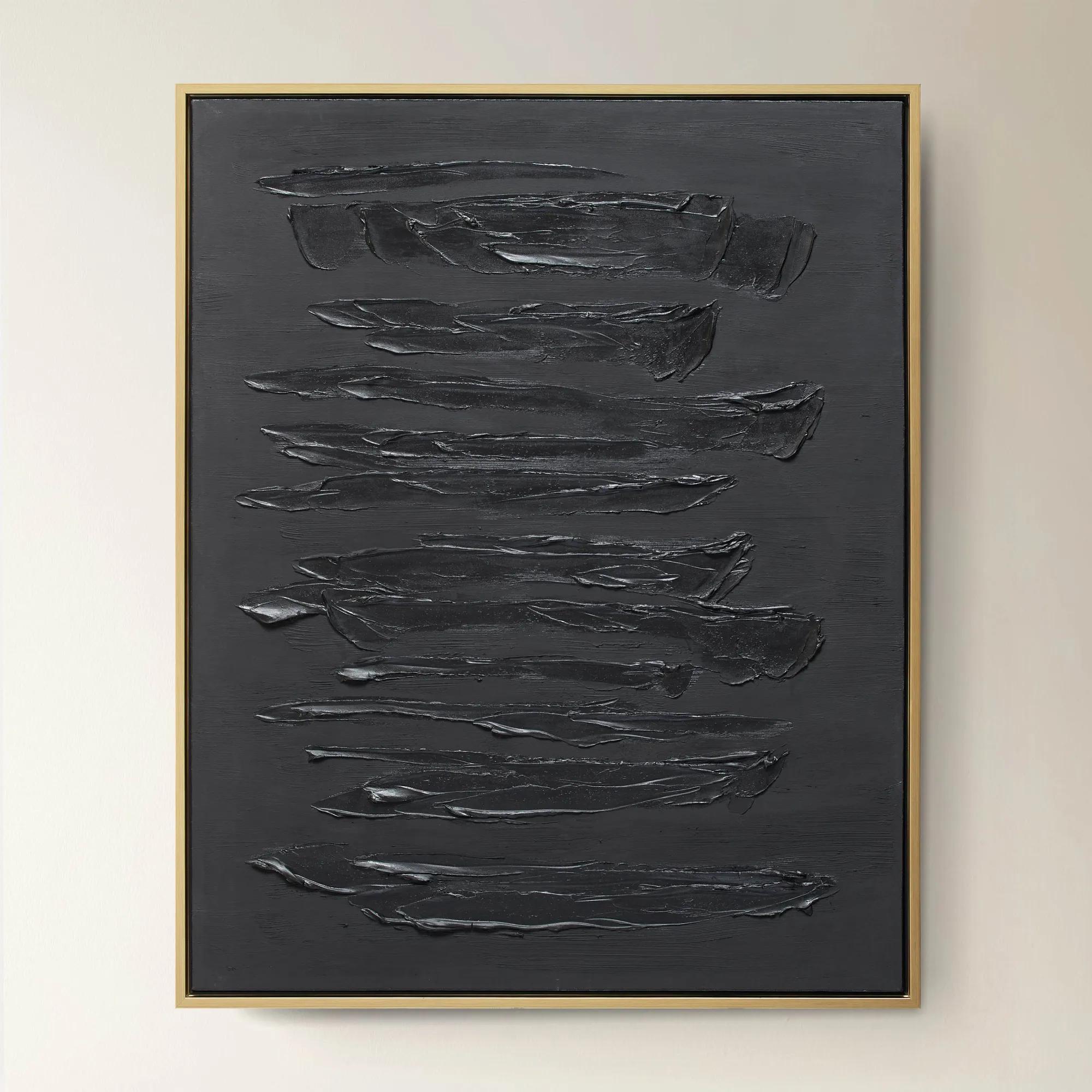
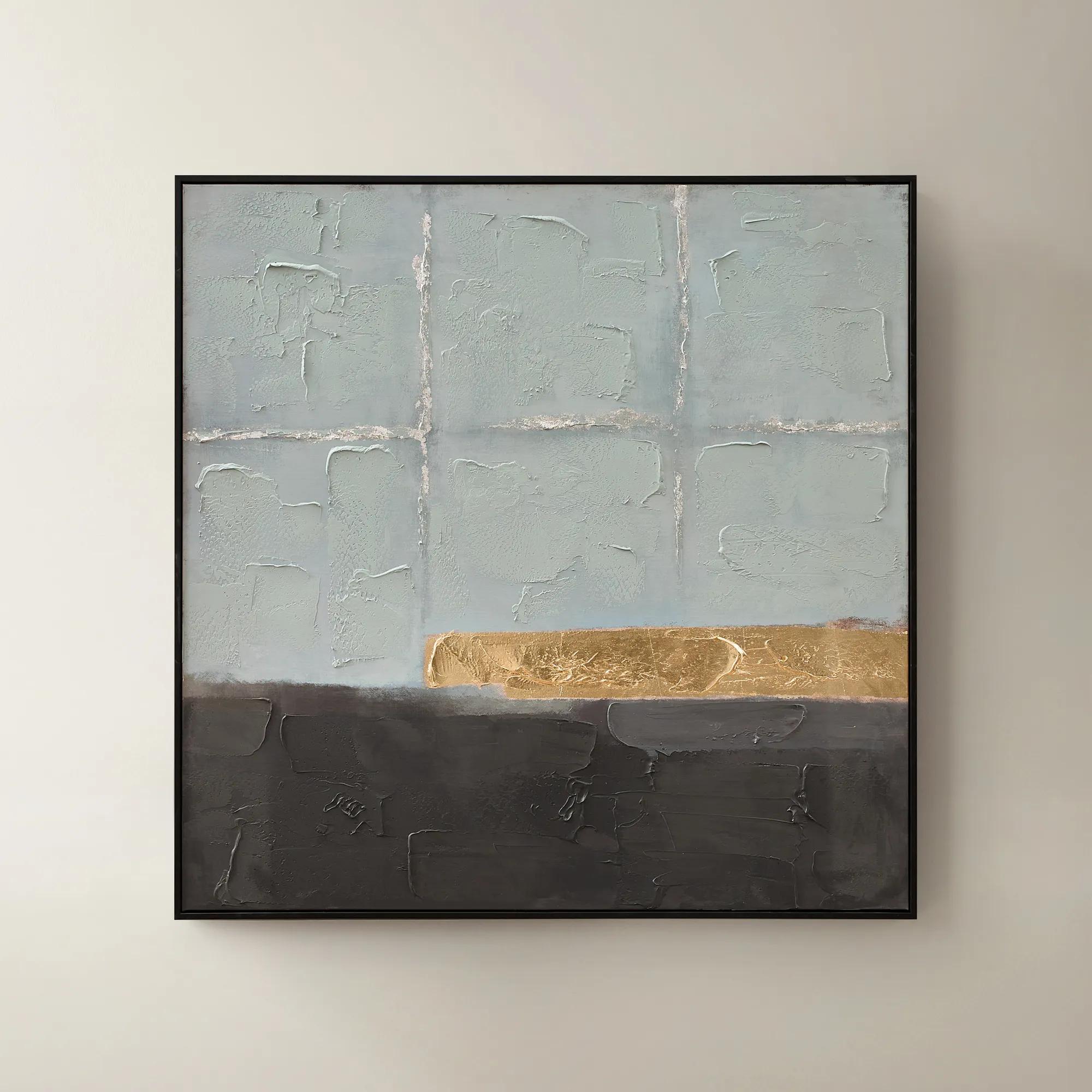
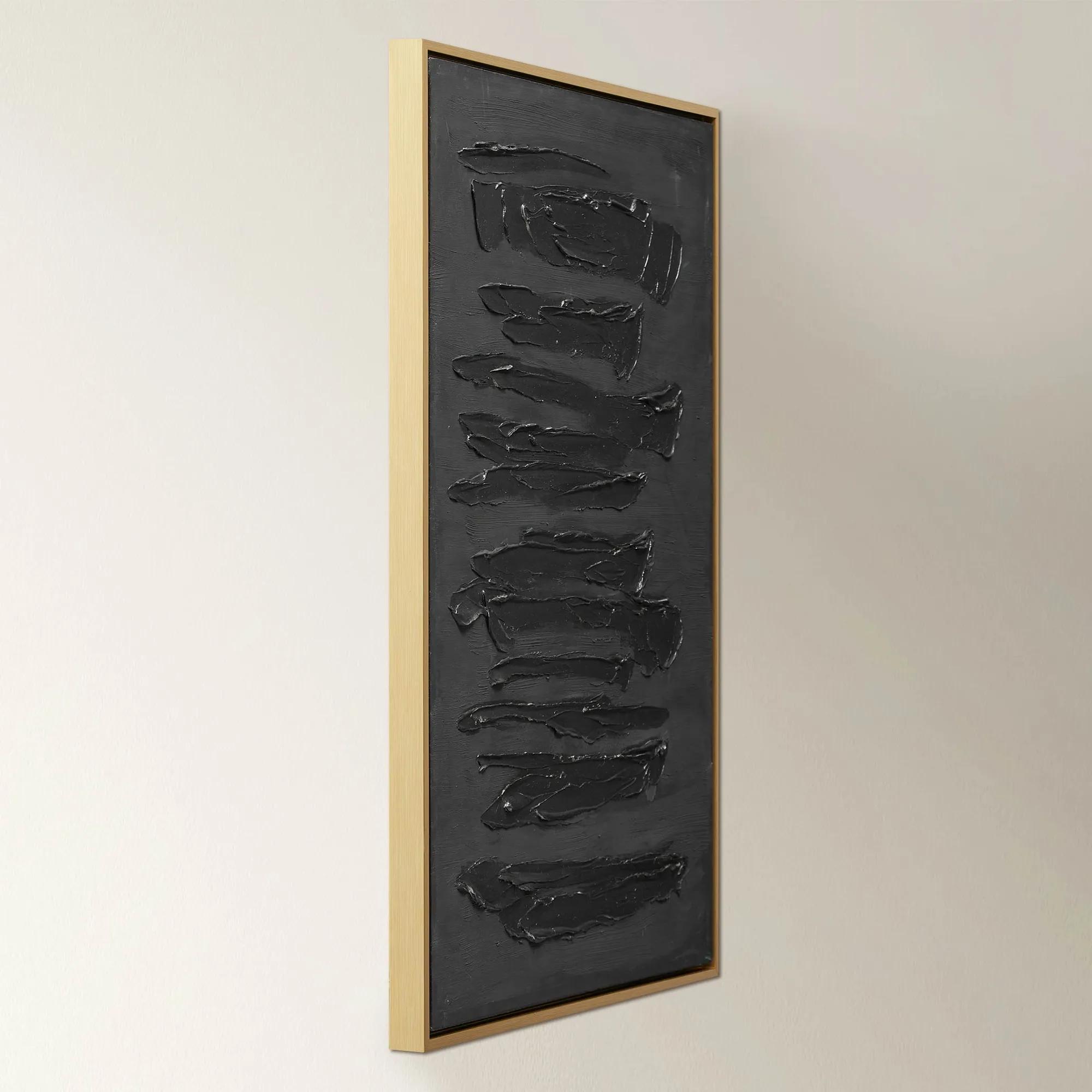 Nocturne$599.95
A dramatic abstract artwork featuring bold, dark brushstrokes on hand-painted canvas in a gold floater frame.
Add To Cart -
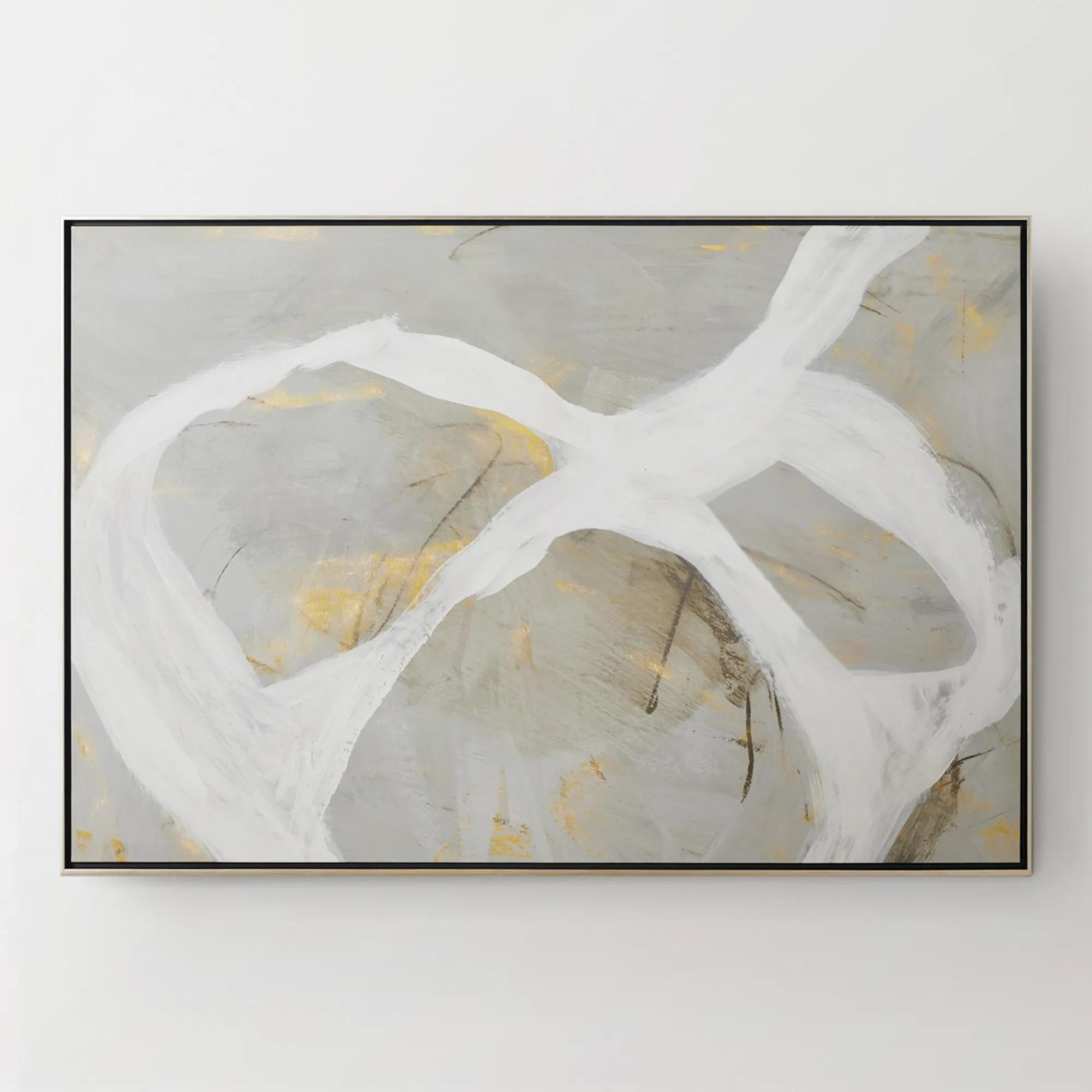
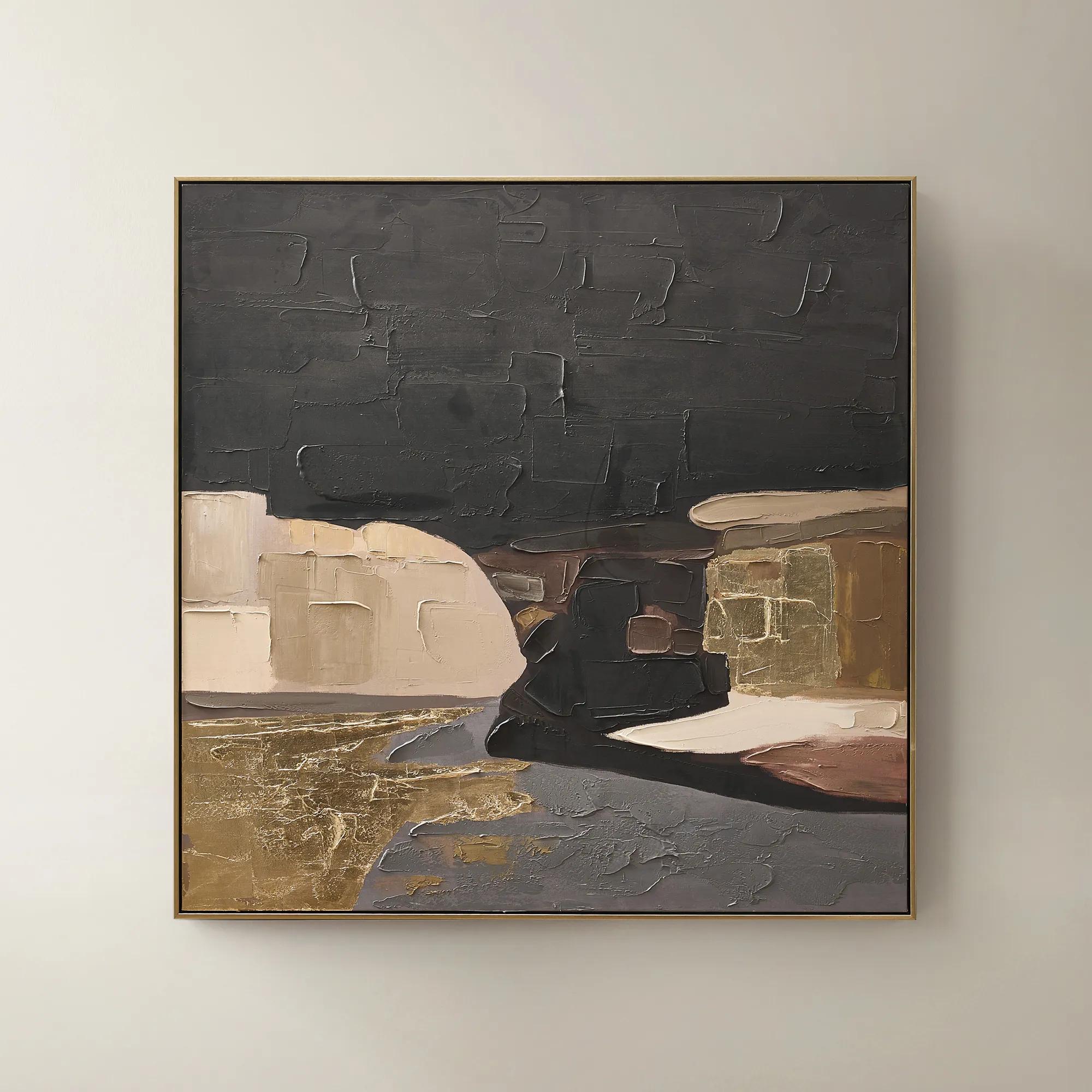
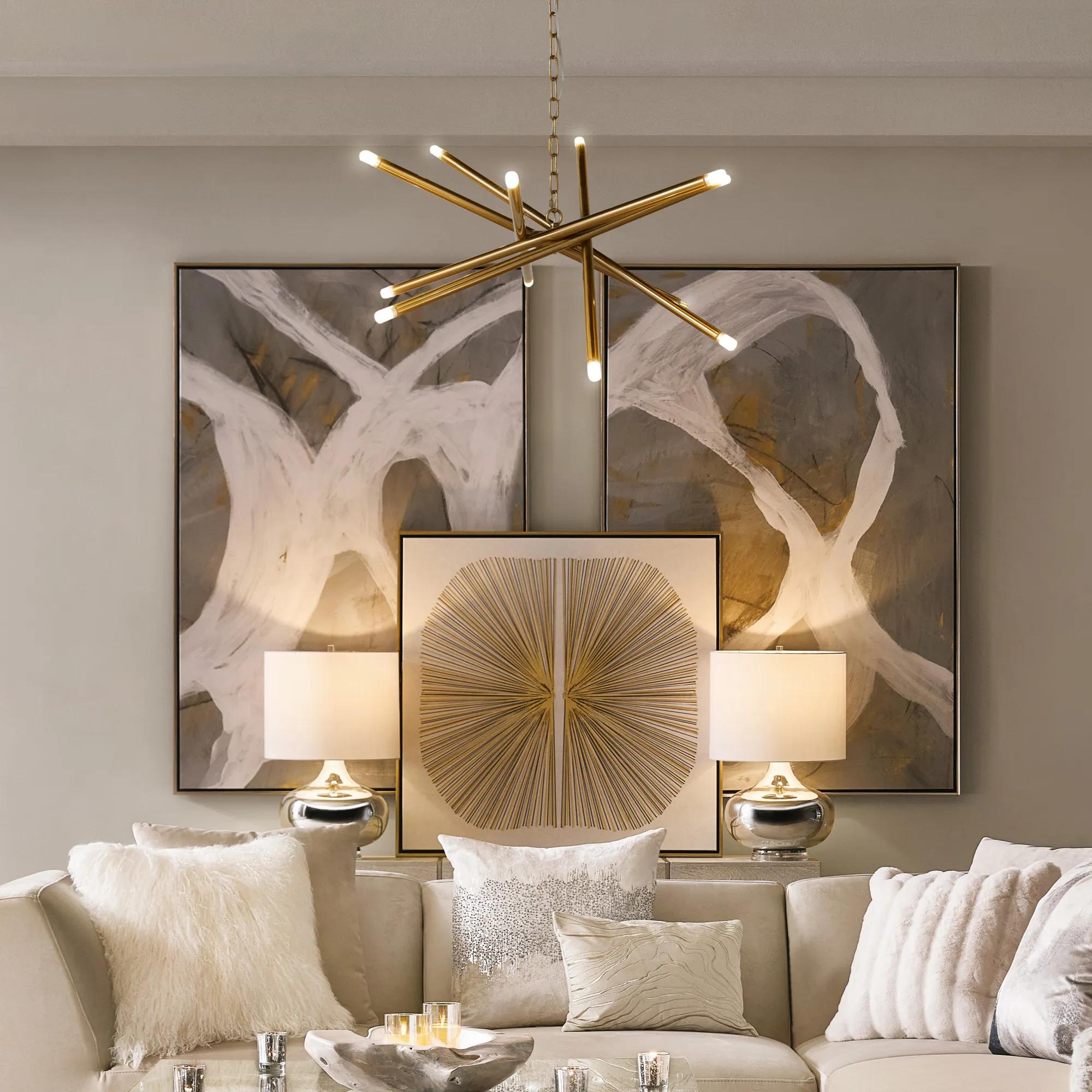 Les Series Framed Painted Wall Art I 61" x 41"$1099
An abstract canvas artwork featuring bold brushstrokes, hand-applied gold accents, and a silver floater frame.
Add To Cart -
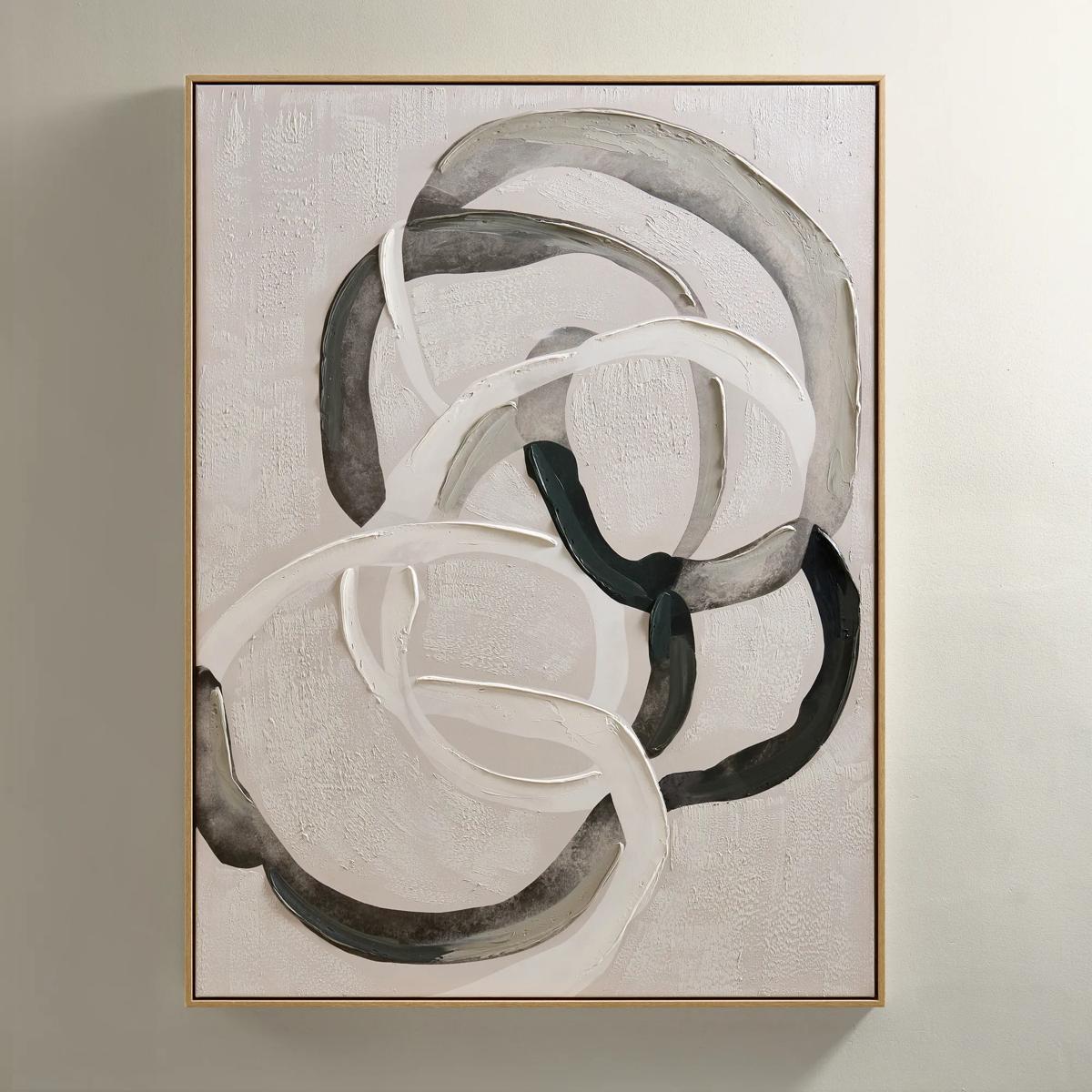
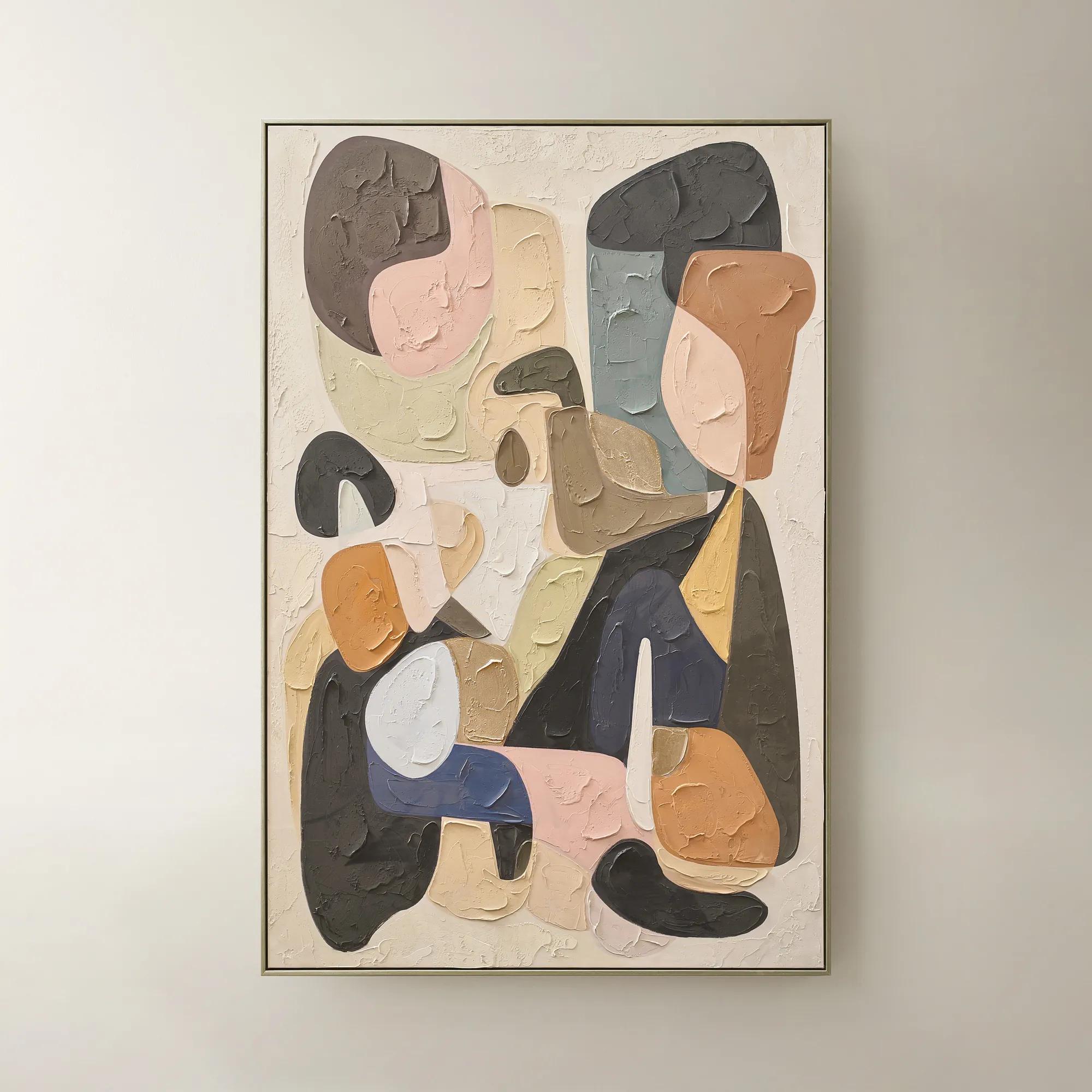
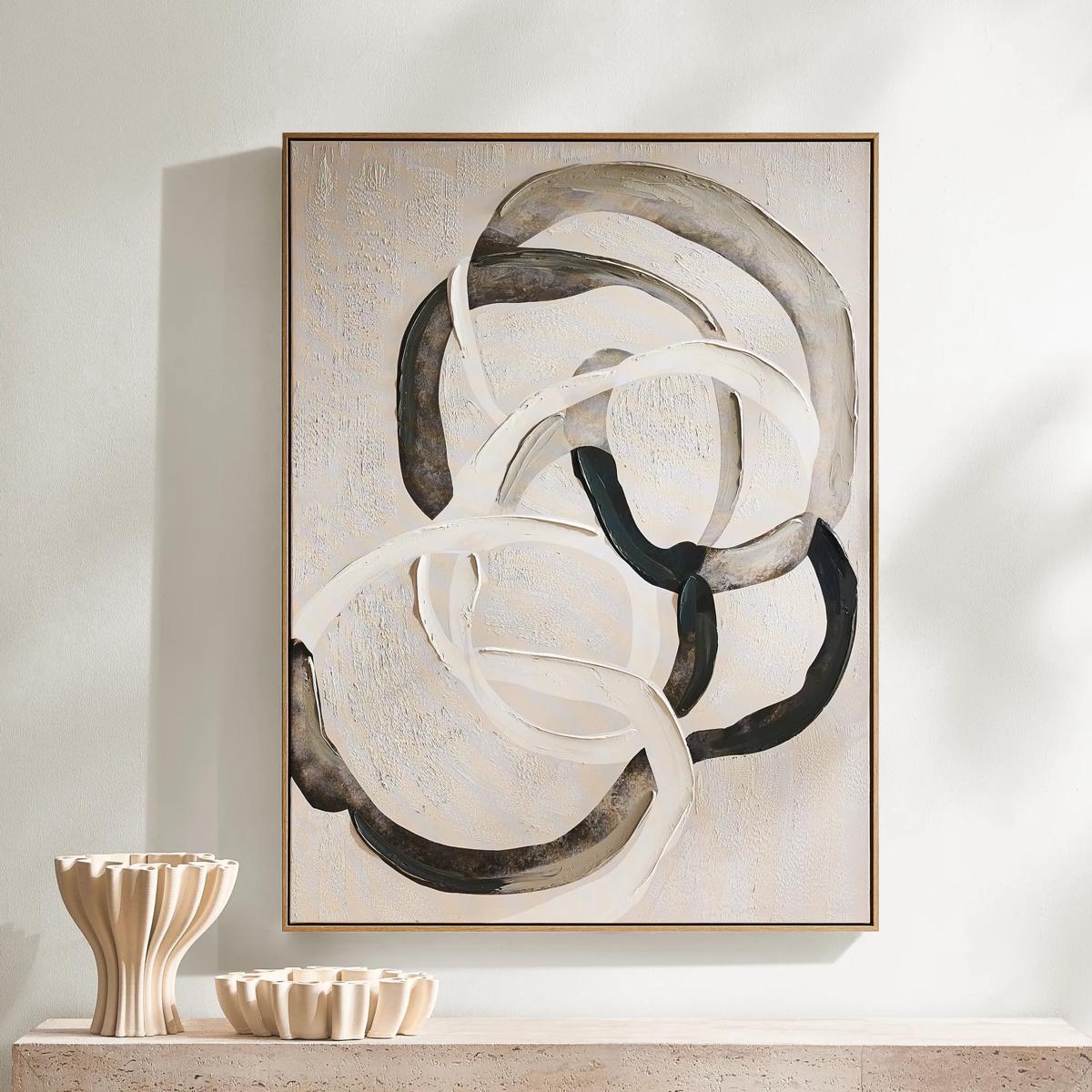 Round About Framed Painted Wall Art 35.25" x 47.25"$349
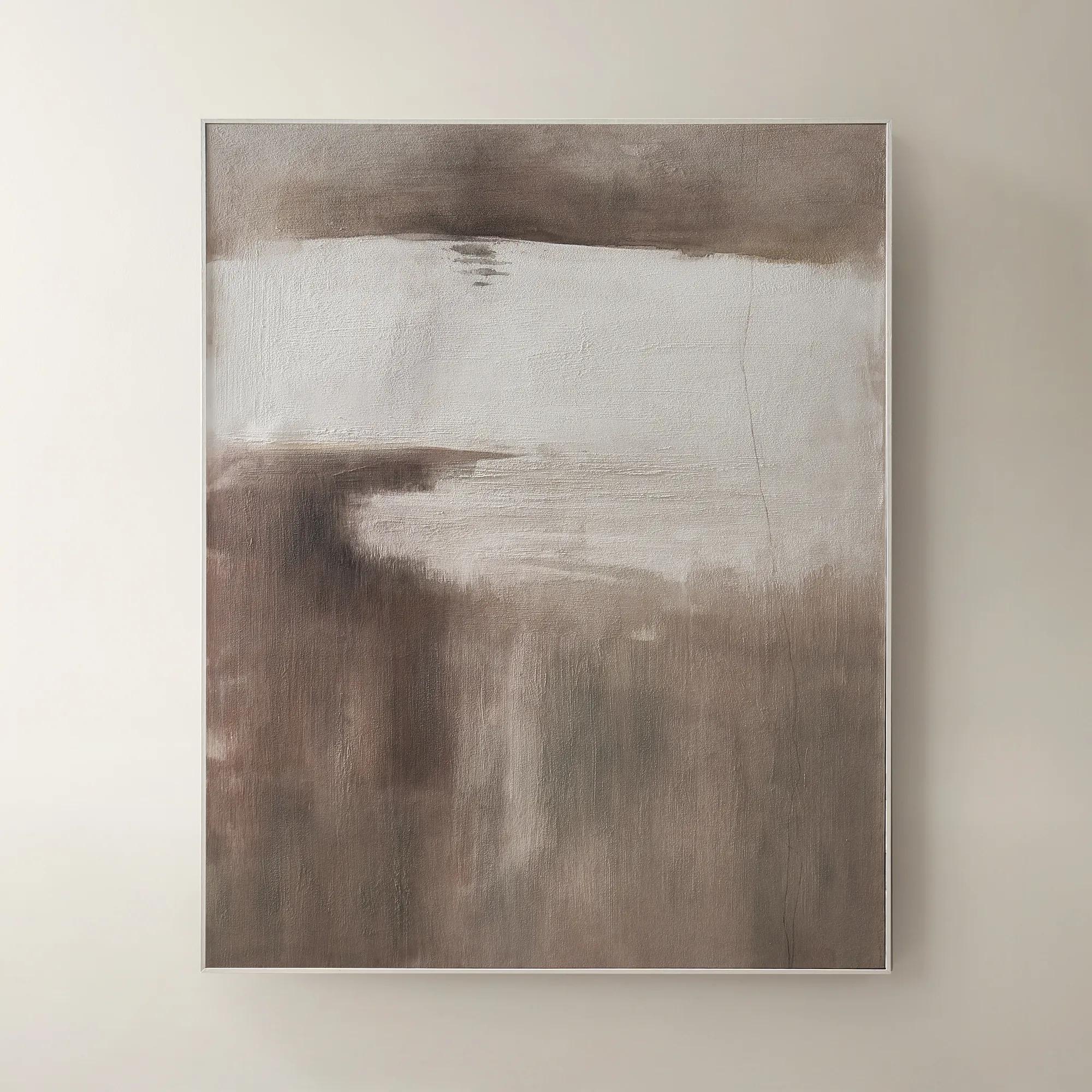
An abstract hand-painted canvas with tonal whites, charcoals, and taupes in a light wood floater frame.
Add To Cart -
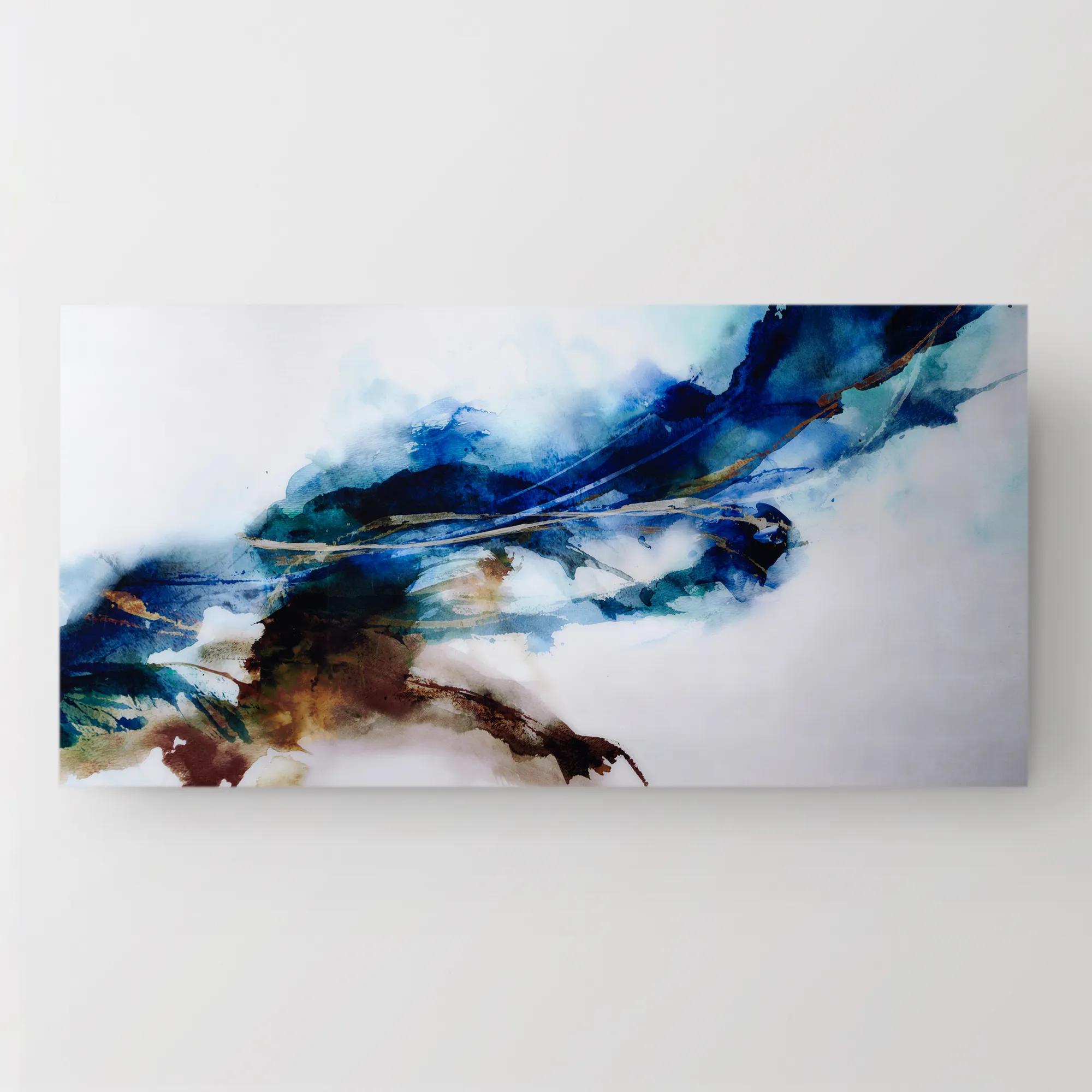 Cerulean Movement Acrylic Art 72" x 36"$1299
A vibrant abstract artwork printed on high-gloss acrylic, infusing your space with dynamic energy and movement.
Add To Cart -
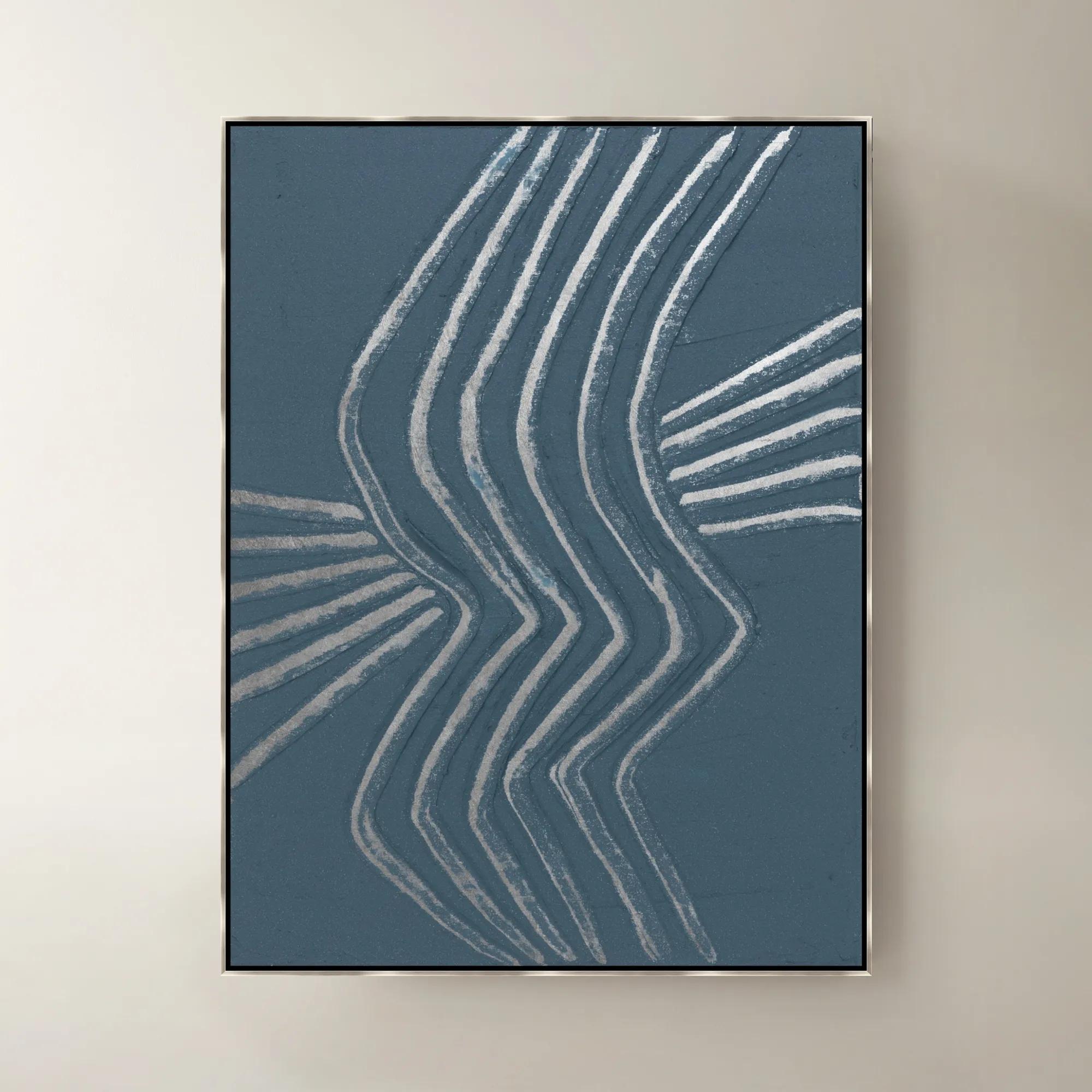
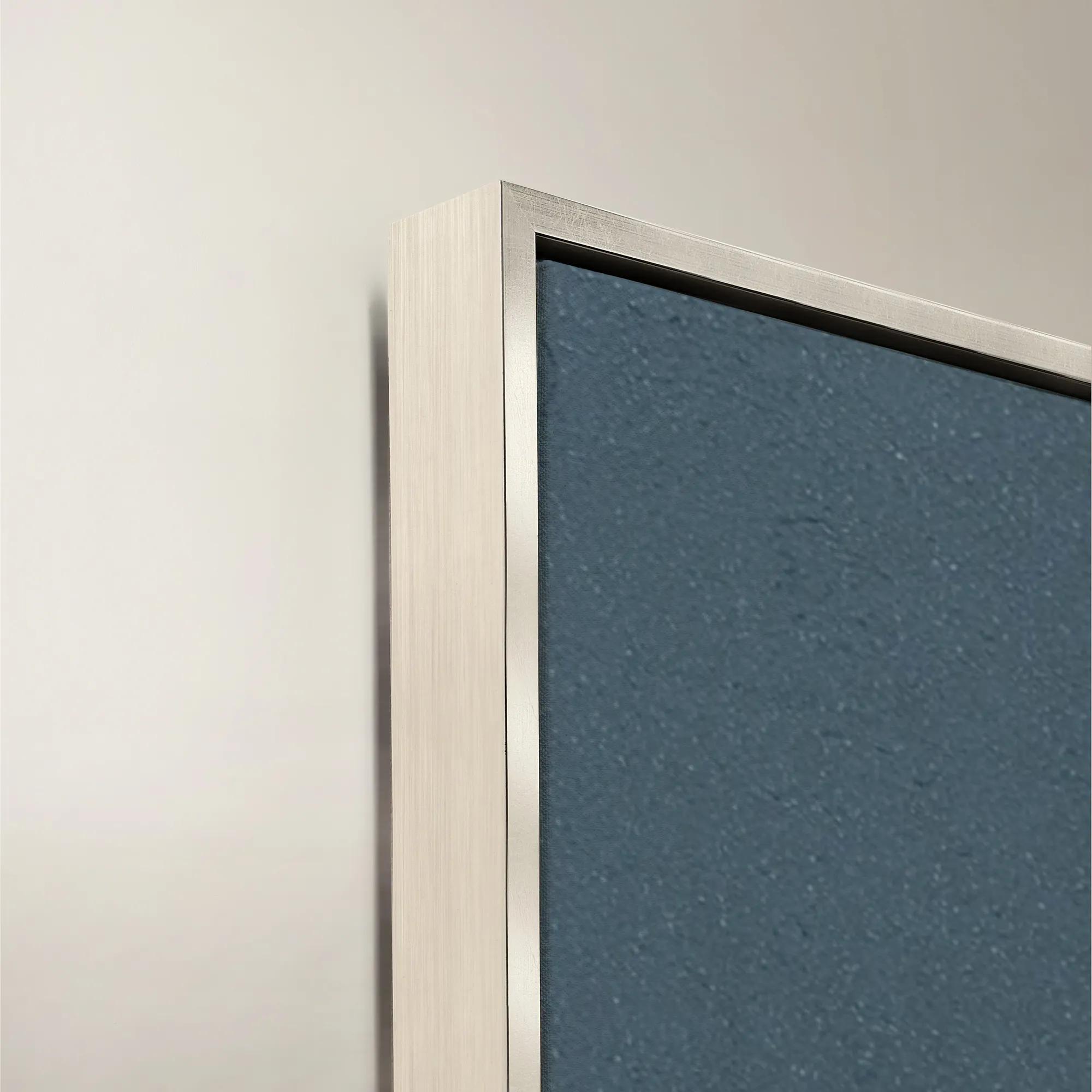 Gilded Waves IV Framed Painted Wall Art 40" x 53"$1399
A framed painted canvas artwork featuring flowing gilded waves in soothing blue and purple tones.
Add To Cart -
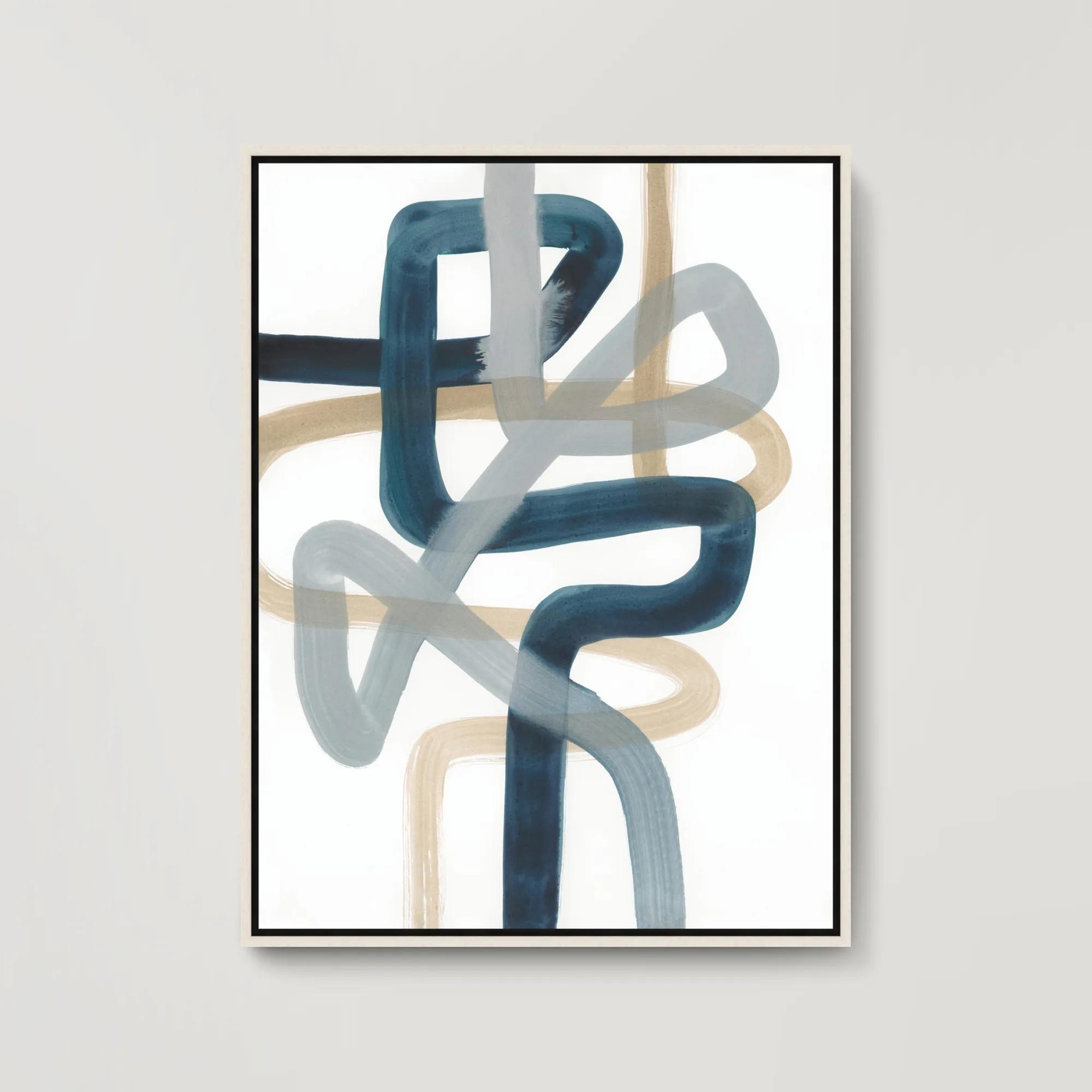
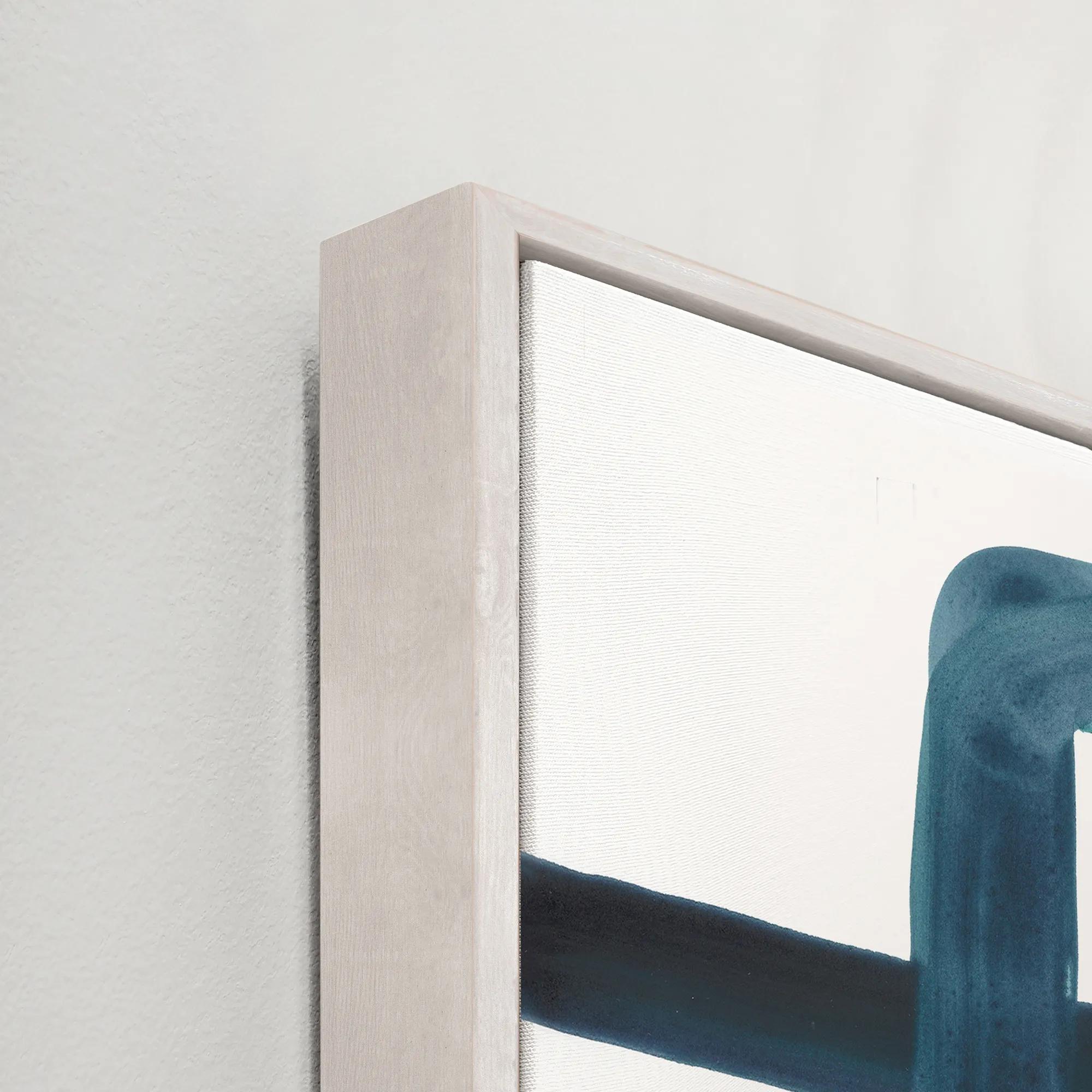 Looped In I Framed Wall Art 31.5" x 41.5"$699
A gallery-wrapped abstract canvas featuring hand-applied brush gel and a sleek white floater frame.
Add To Cart -
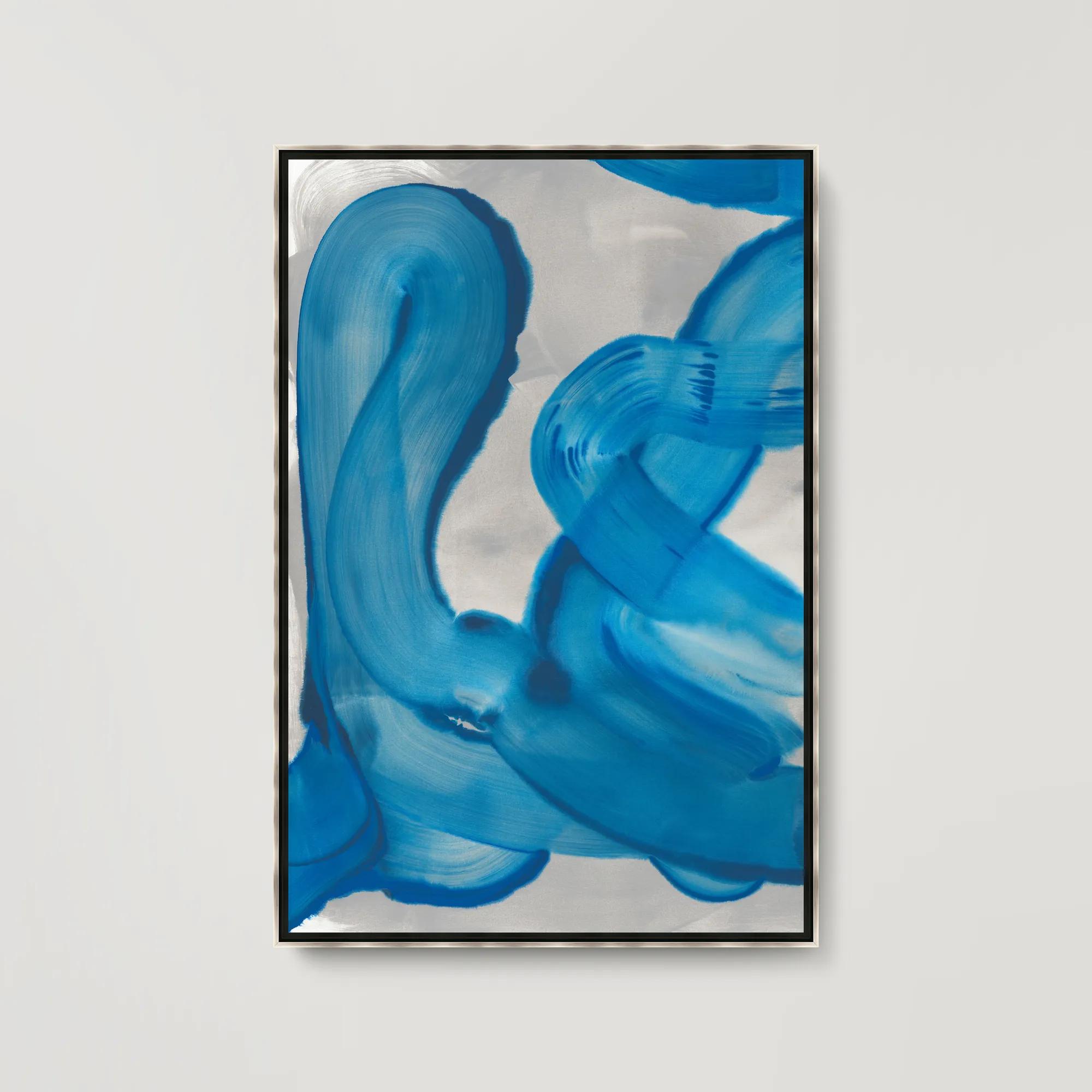 Royal Waves I Framed Wall Art 31.5" x 46.5"$699
A gallery-wrapped abstract canvas featuring hand-applied brush gel and set in a sleek silver floater frame.
Add To Cart -

 Blooming in Her Own Time Framed Wall Art 40" x 50"$1029
A vibrant multicolored canvas wall artwork featuring an expressive botanical-inspired design in a framed presentation.
Add To Cart -
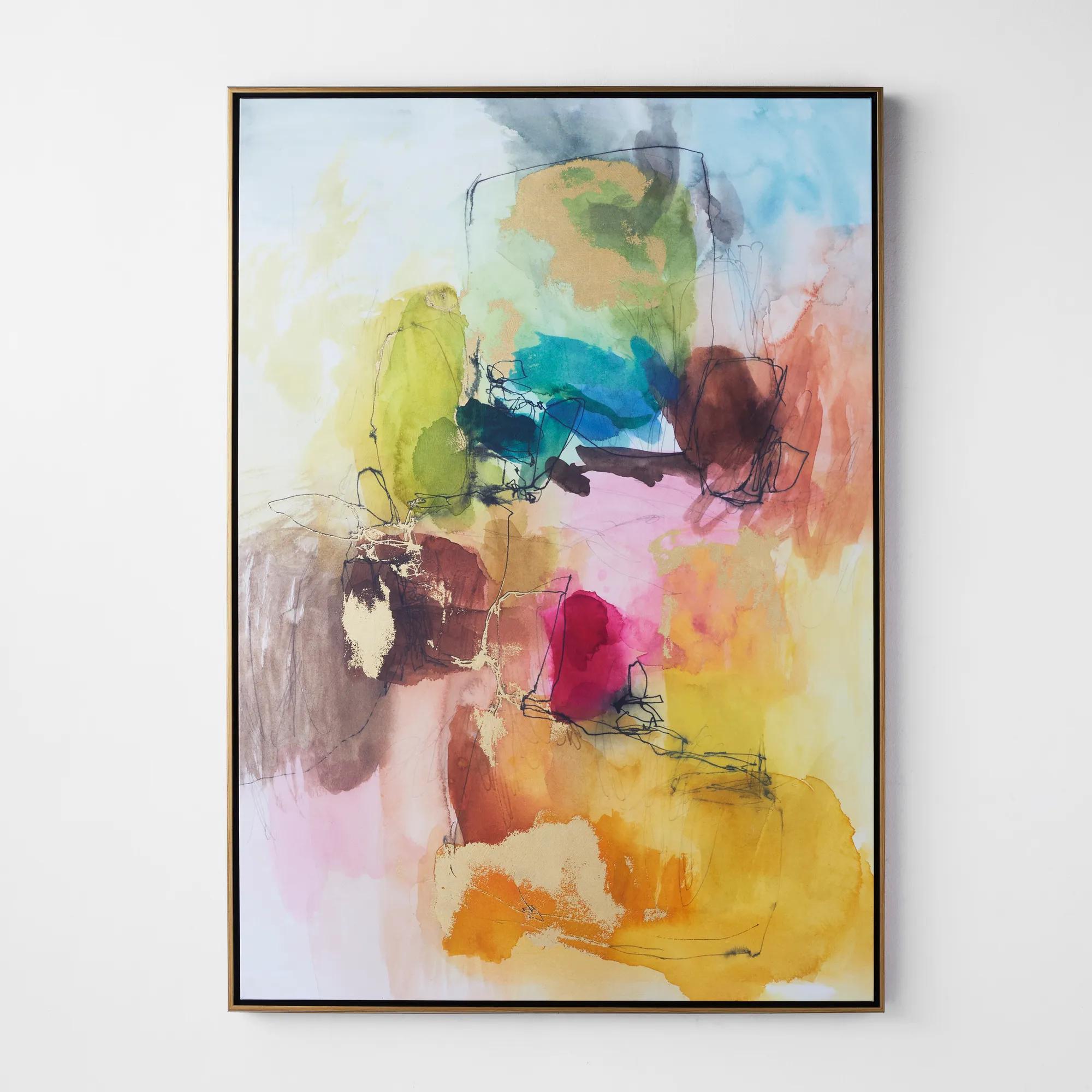 Apricity 3 Framed Wall Art 41" x 58"$899
A vibrant giclee on canvas featuring hand-applied gold gilding and a gold floater frame.
Add To Cart -
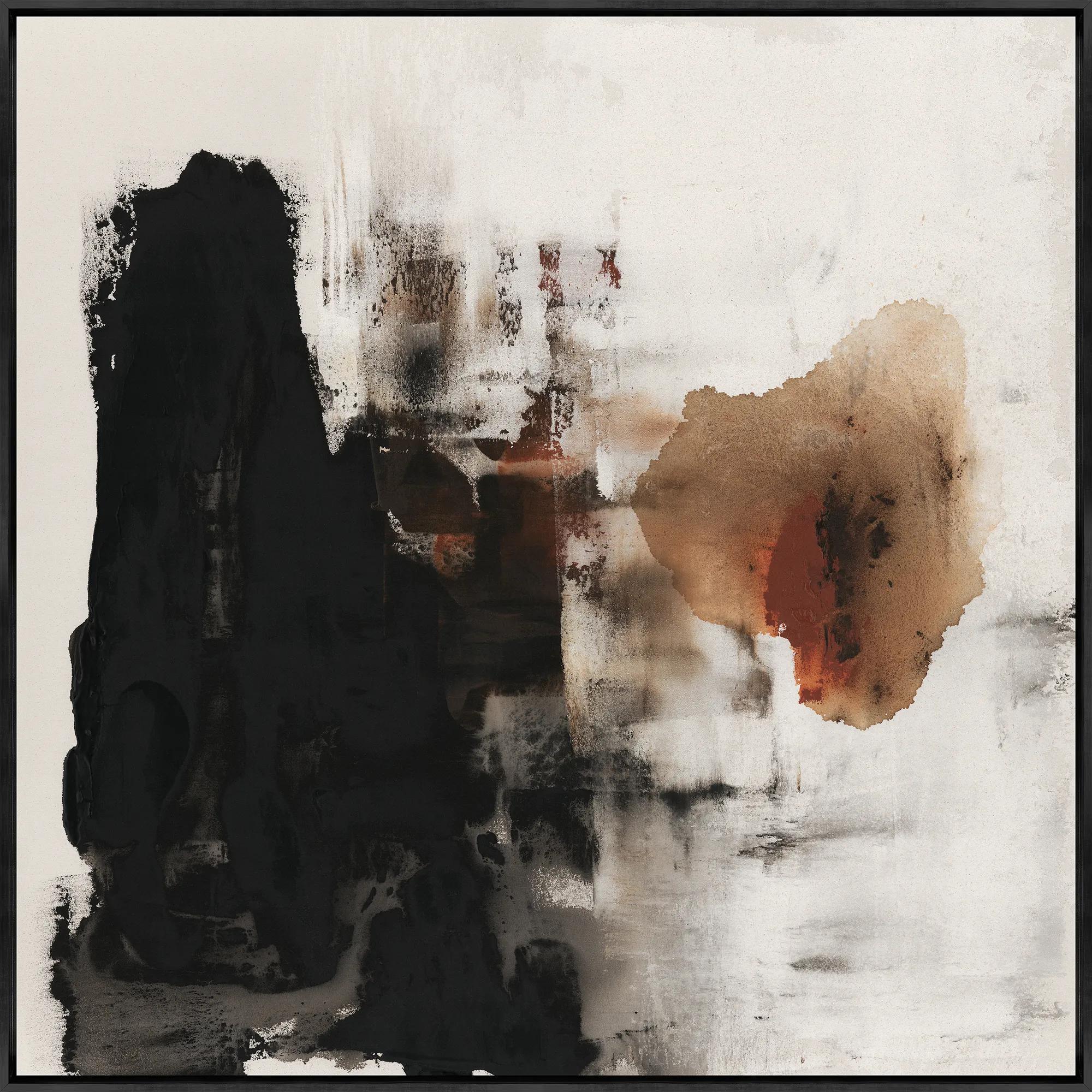 Burning for You I Framed Wall Art 40" x 40"$799
A gallery-wrapped canvas artwork with hand-applied brush gel, set in a sleek black floater frame.
Add To Cart -
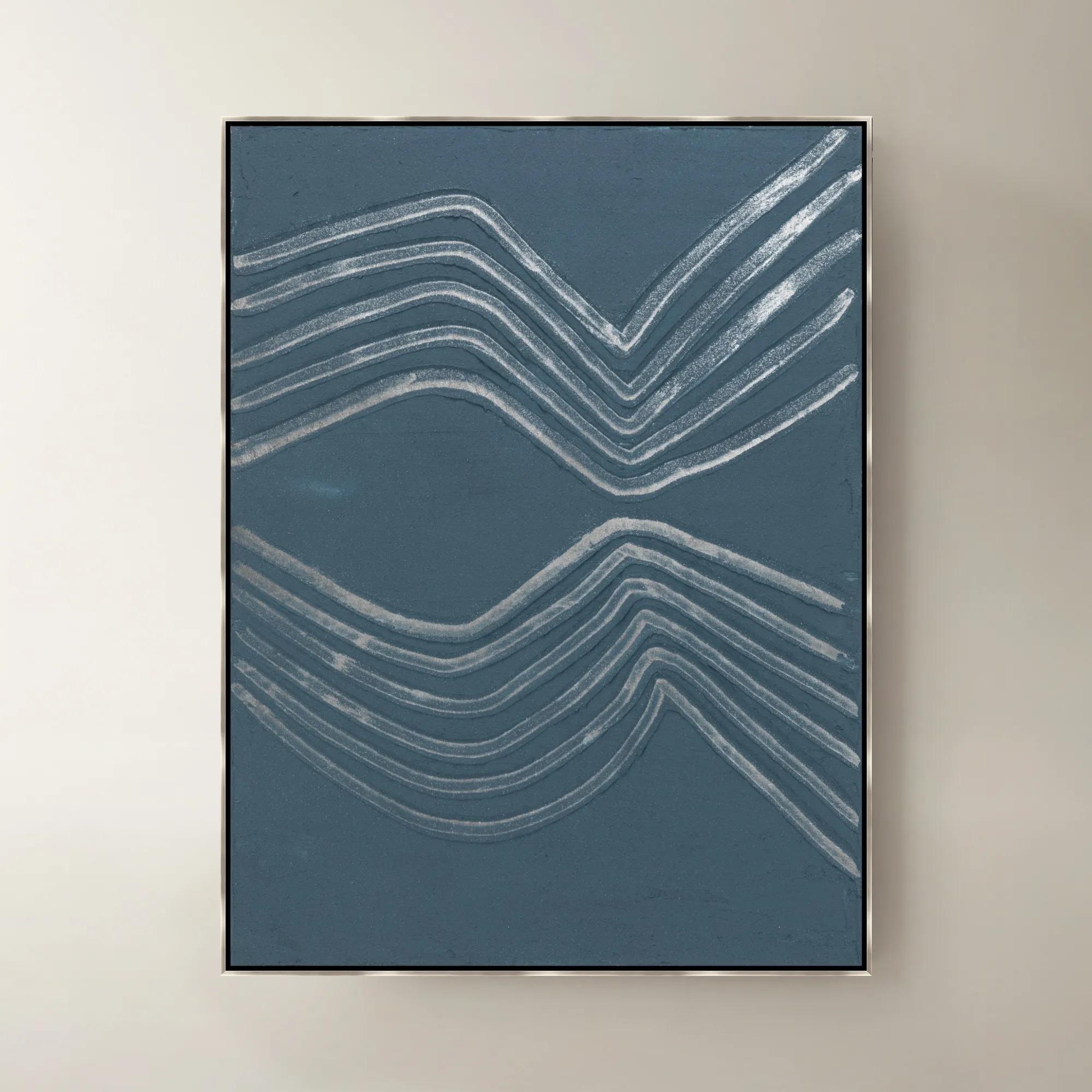
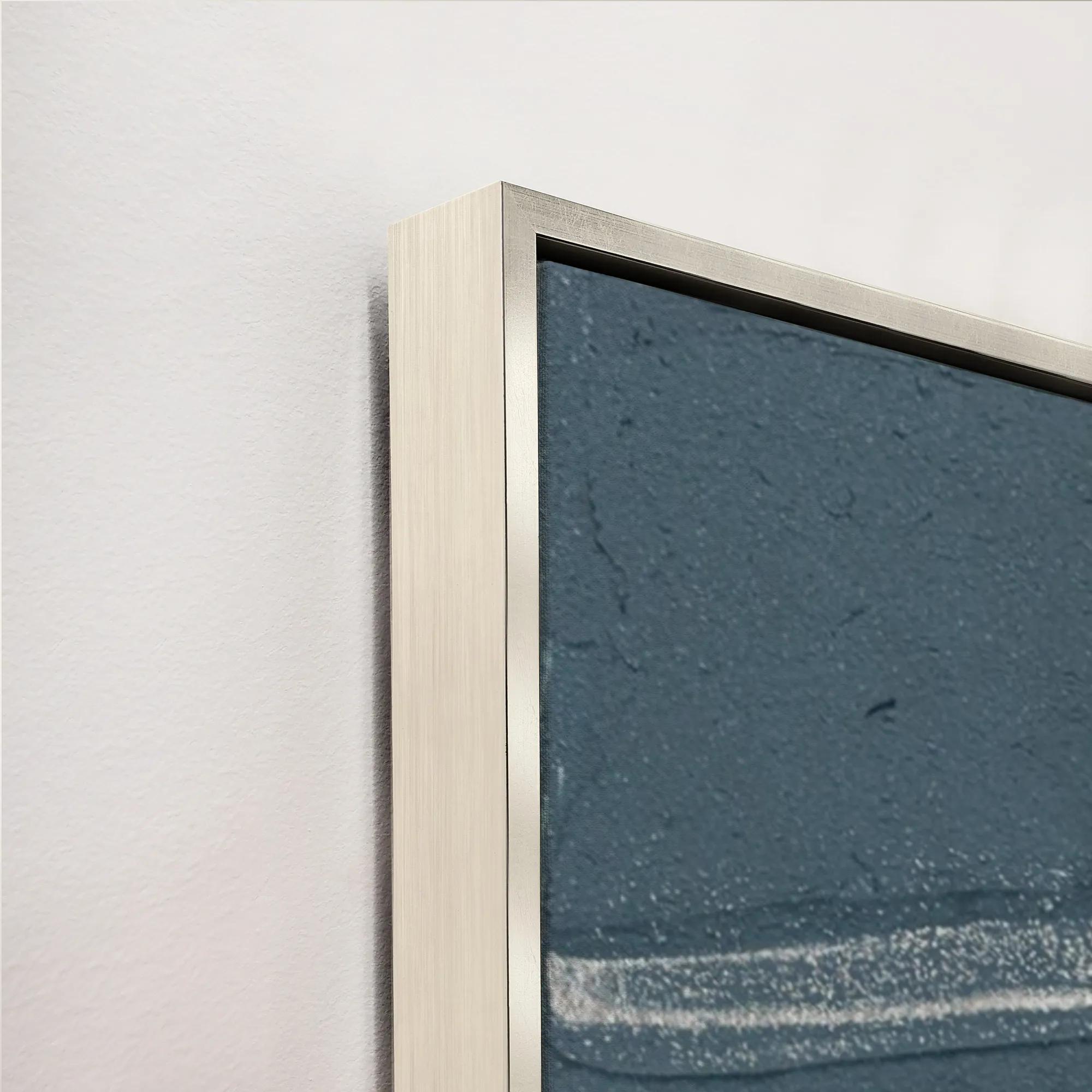 Gilded Waves VI Framed Painted Wall Art 40" x 53"$1399
A framed painted canvas artwork featuring sweeping gilded waves in rich blue and purple tones.
Add To Cart -
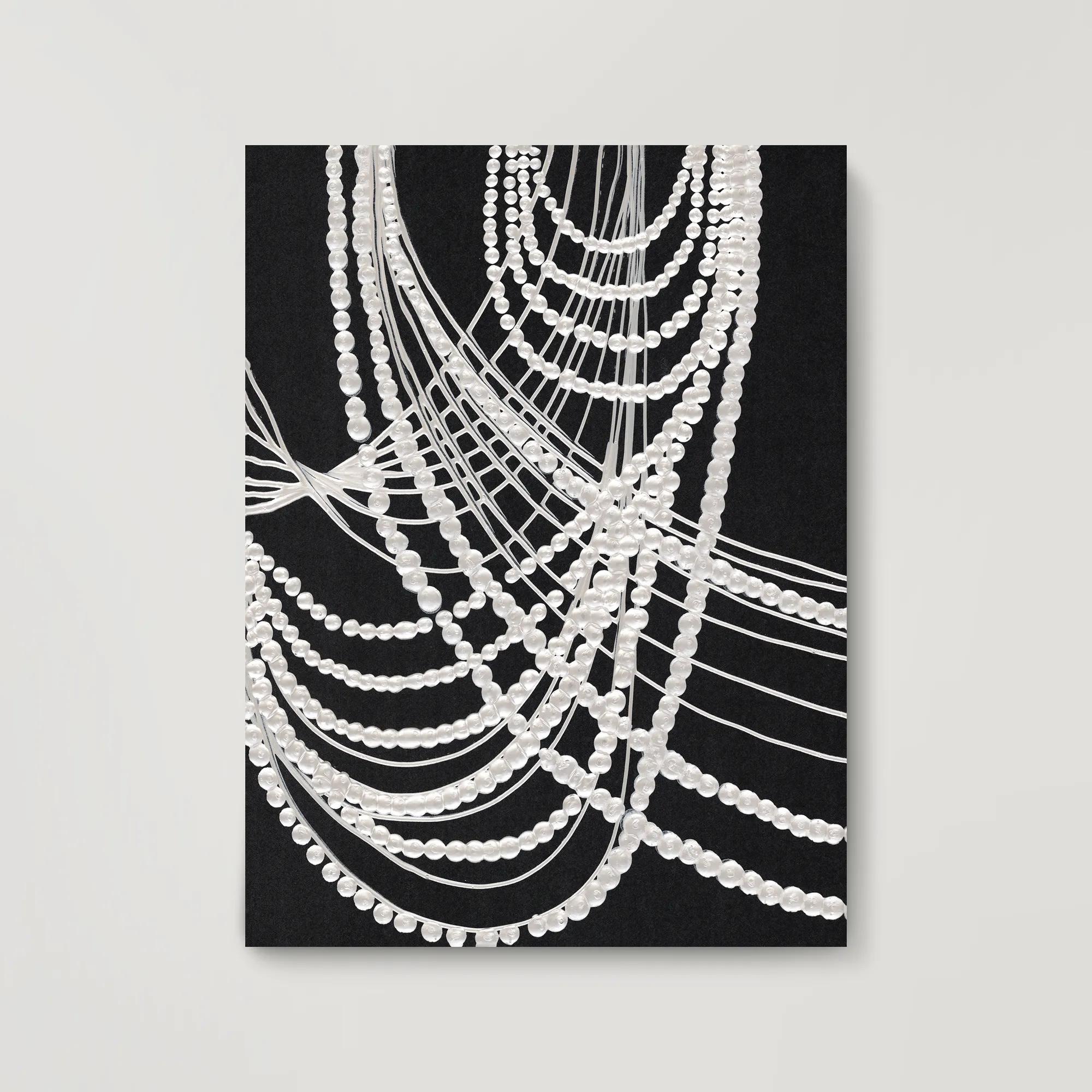 Dripping Pearls Painted Wall Art 36" x 48"$949
A striking hand-painted abstract artwork featuring layered acrylic and watercolor textures in a modern design.
Add To Cart -
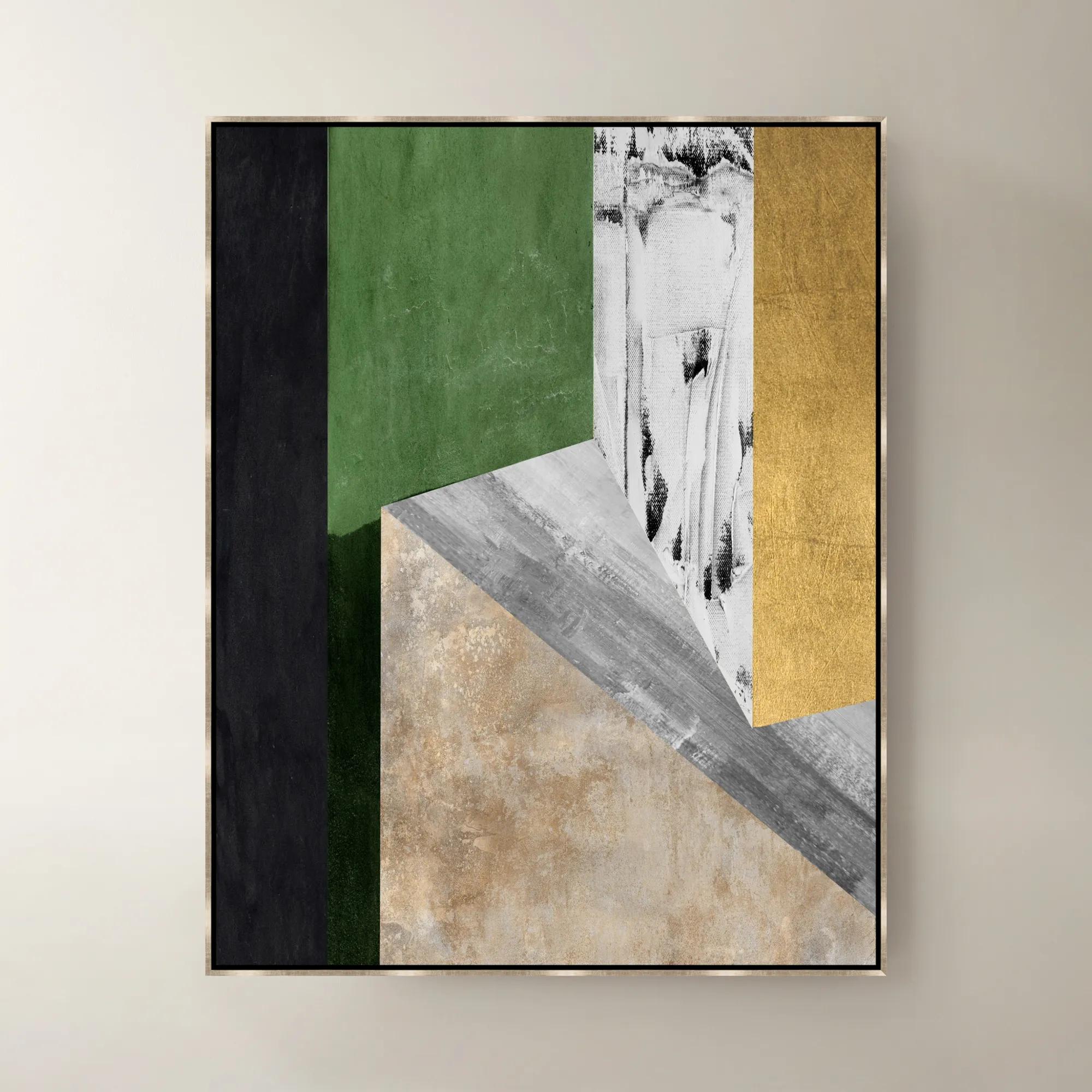
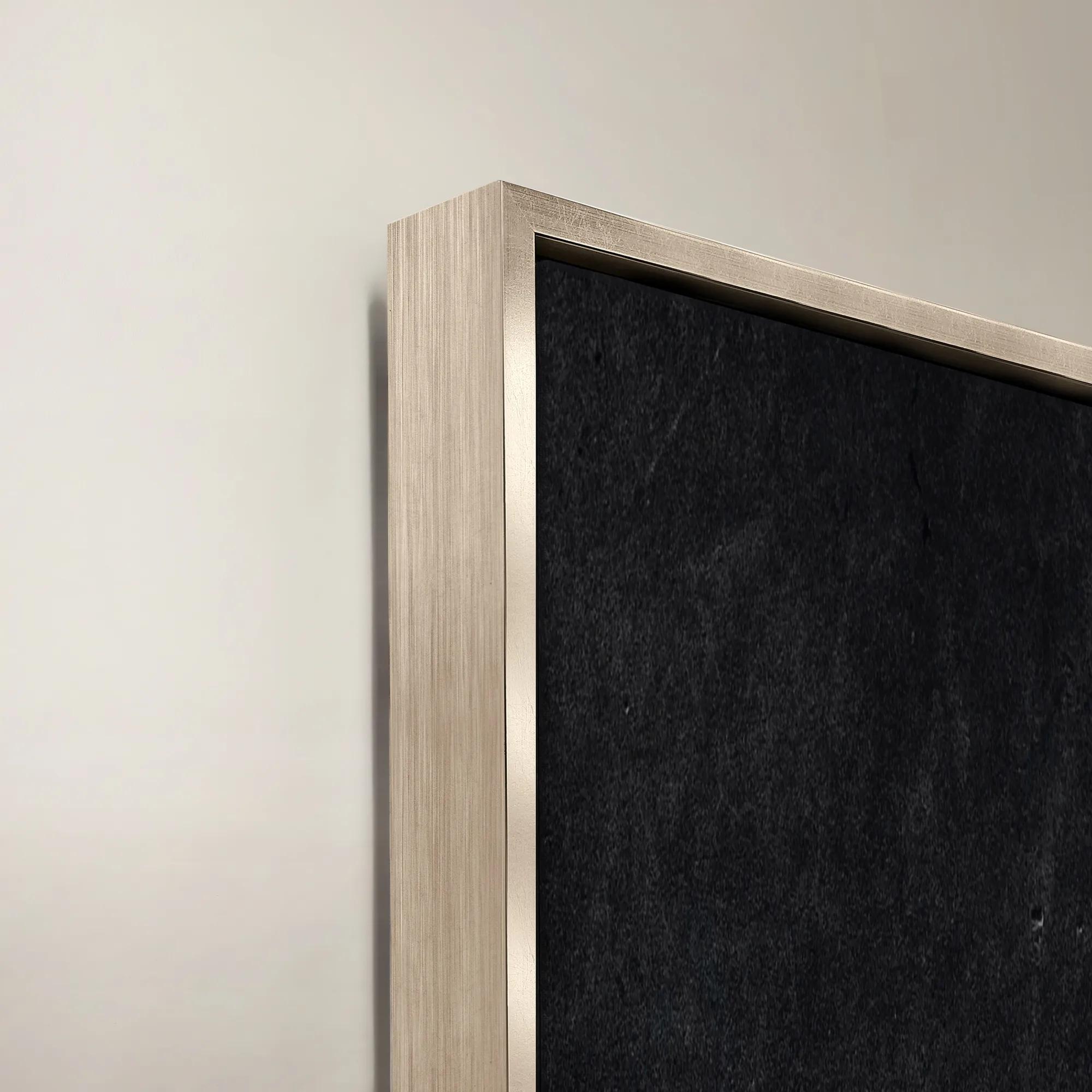 Blocked III Framed Wall Art 42" x 50"$1199
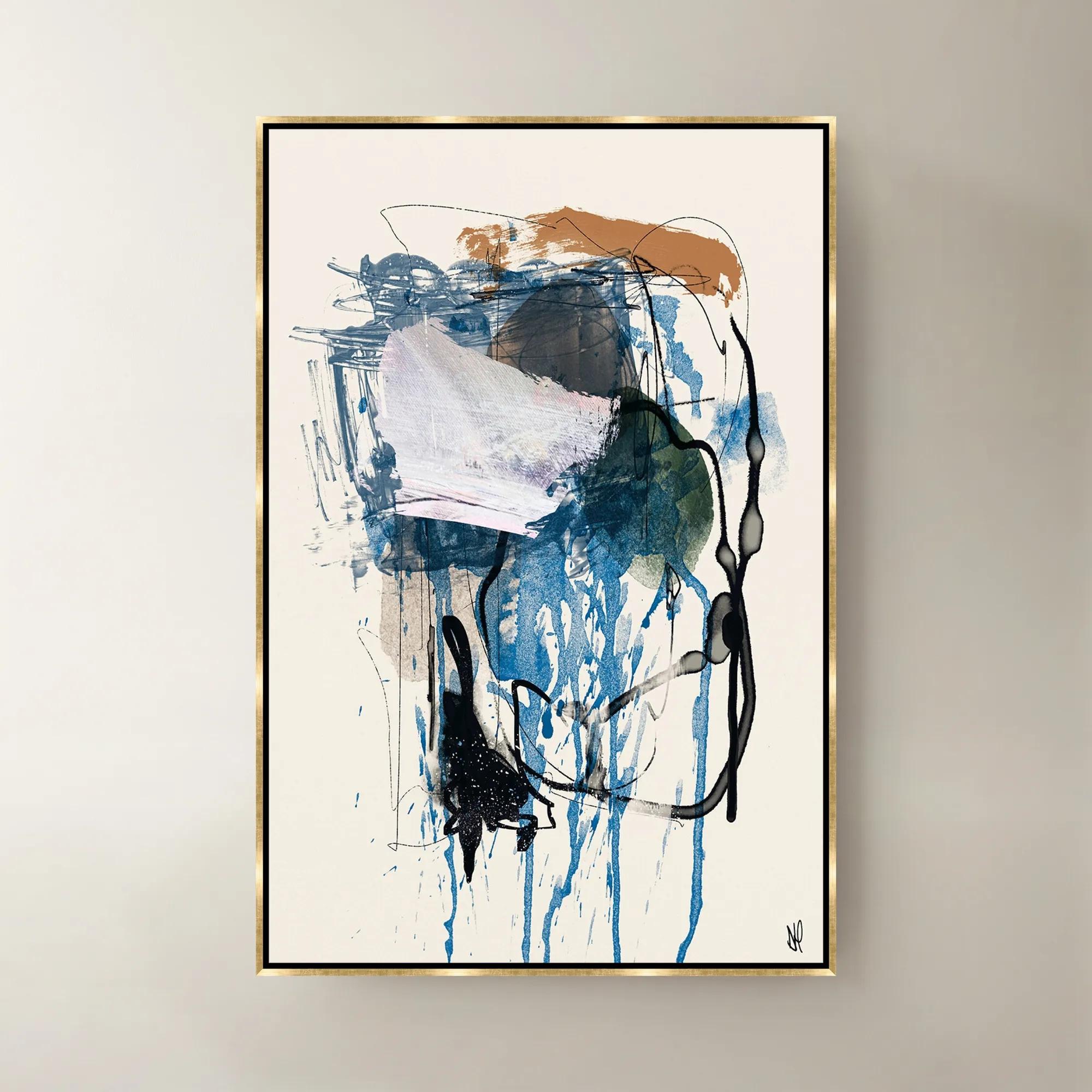
A striking abstract art piece featuring bold geometric shapes and modern design by Nikki Chu.
Add To Cart -
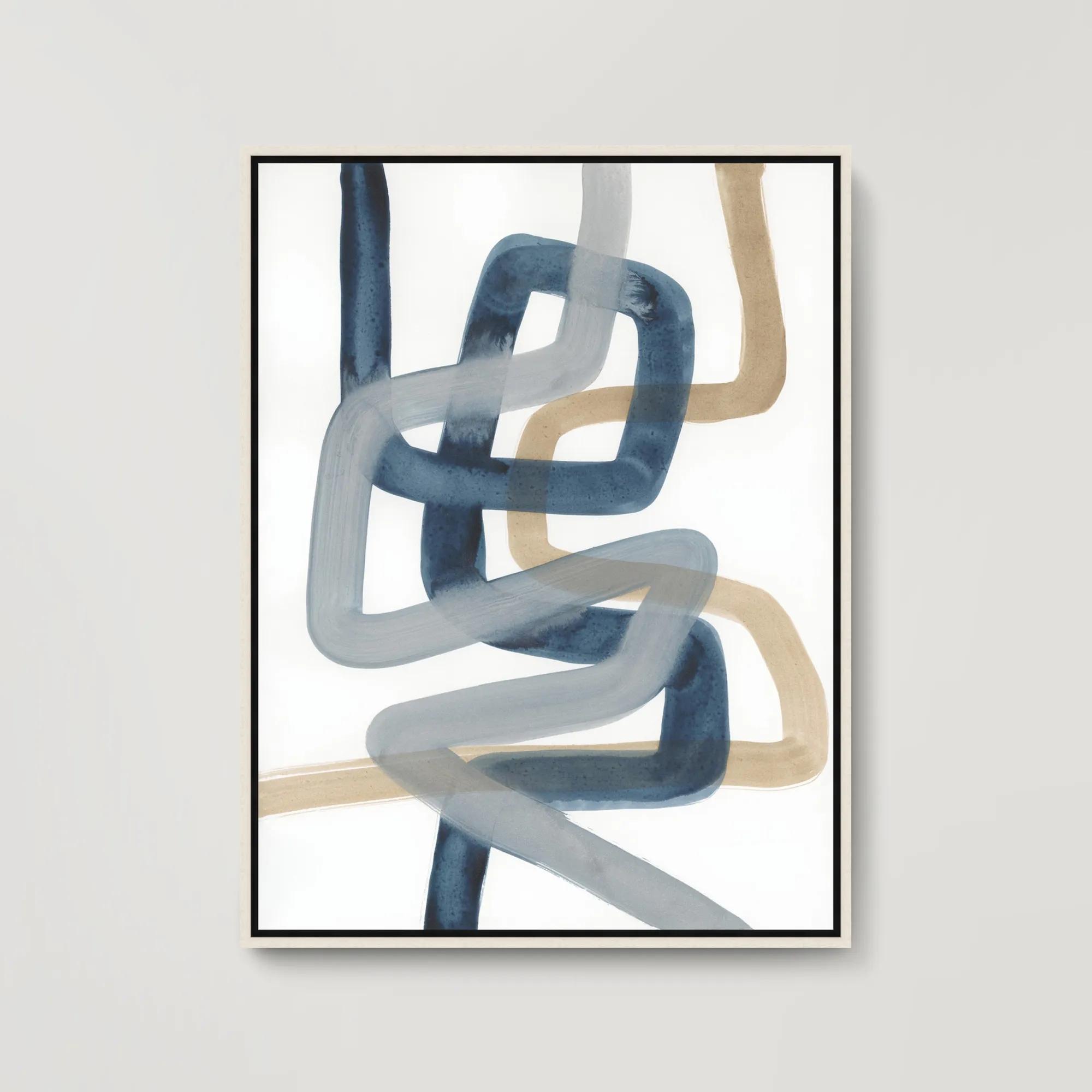 Looped In II Framed Wall Art 31.5" x 41.5"$699
A gallery-wrapped abstract canvas with hand-applied brush gel finish, set in a sleek white floater frame.
Add To Cart -
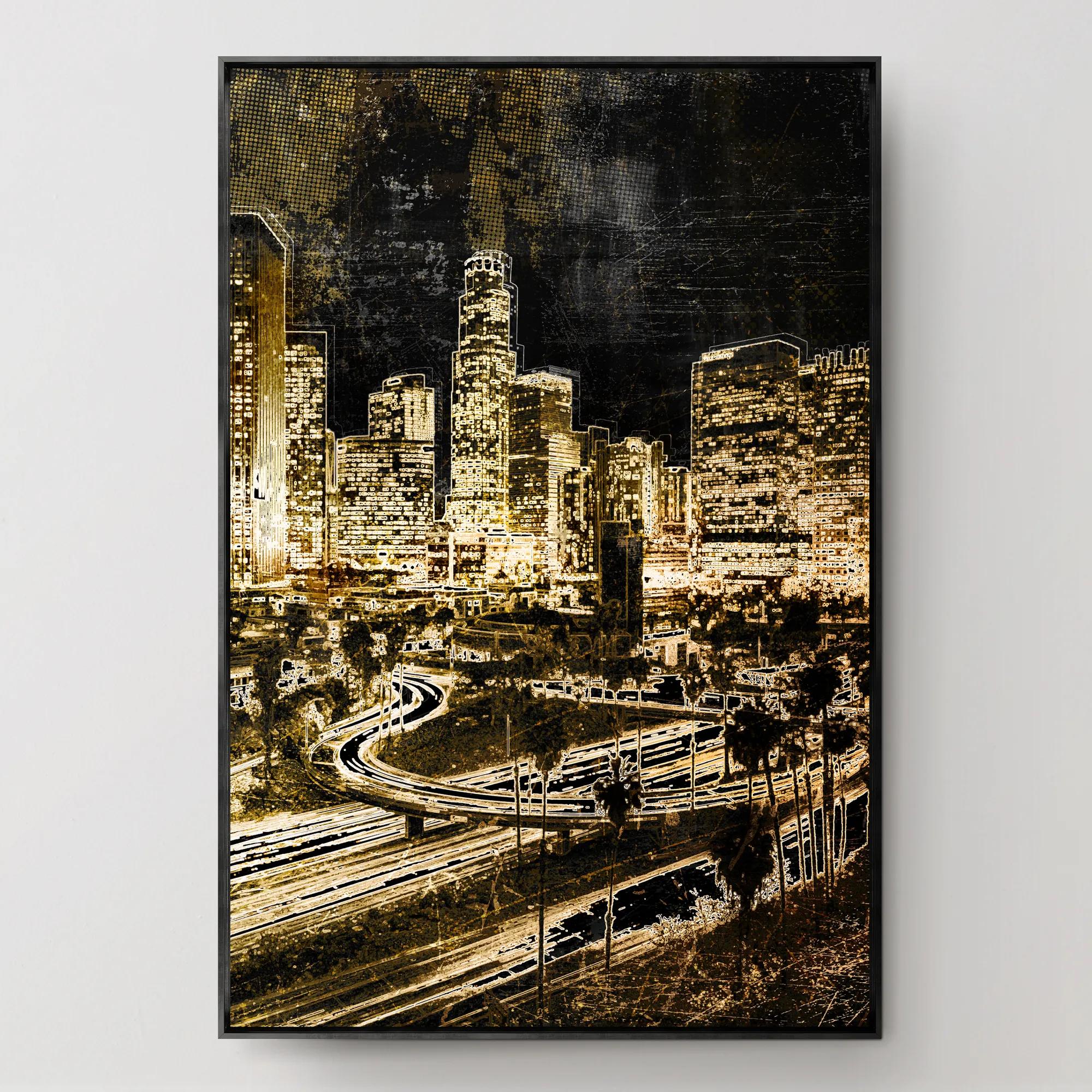 LA Lights Framed Wall Art 30" x 45"$649
A gallery-wrapped canvas artwork featuring a hand-applied brush gel finish in a sleek black floater frame.
Add To Cart -
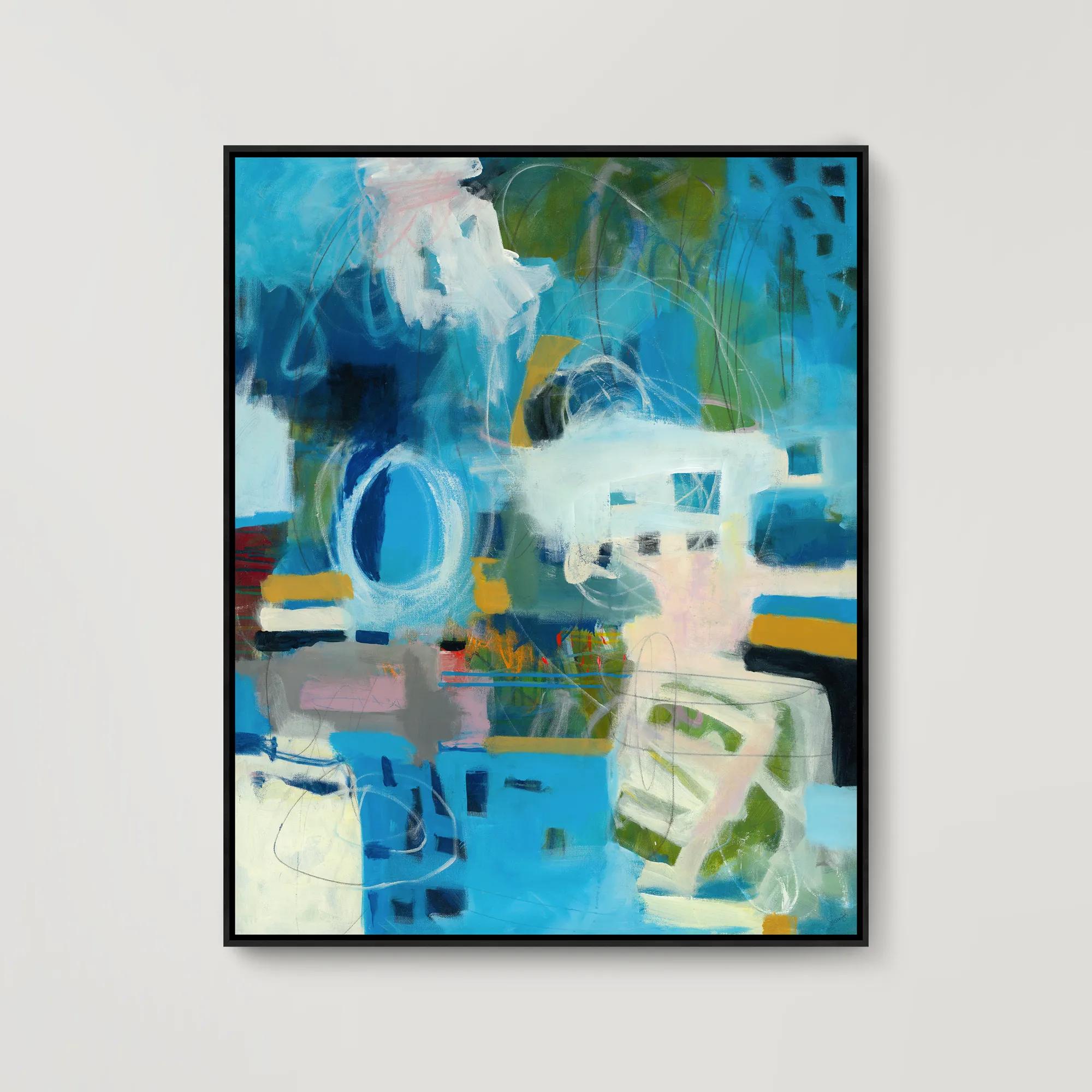
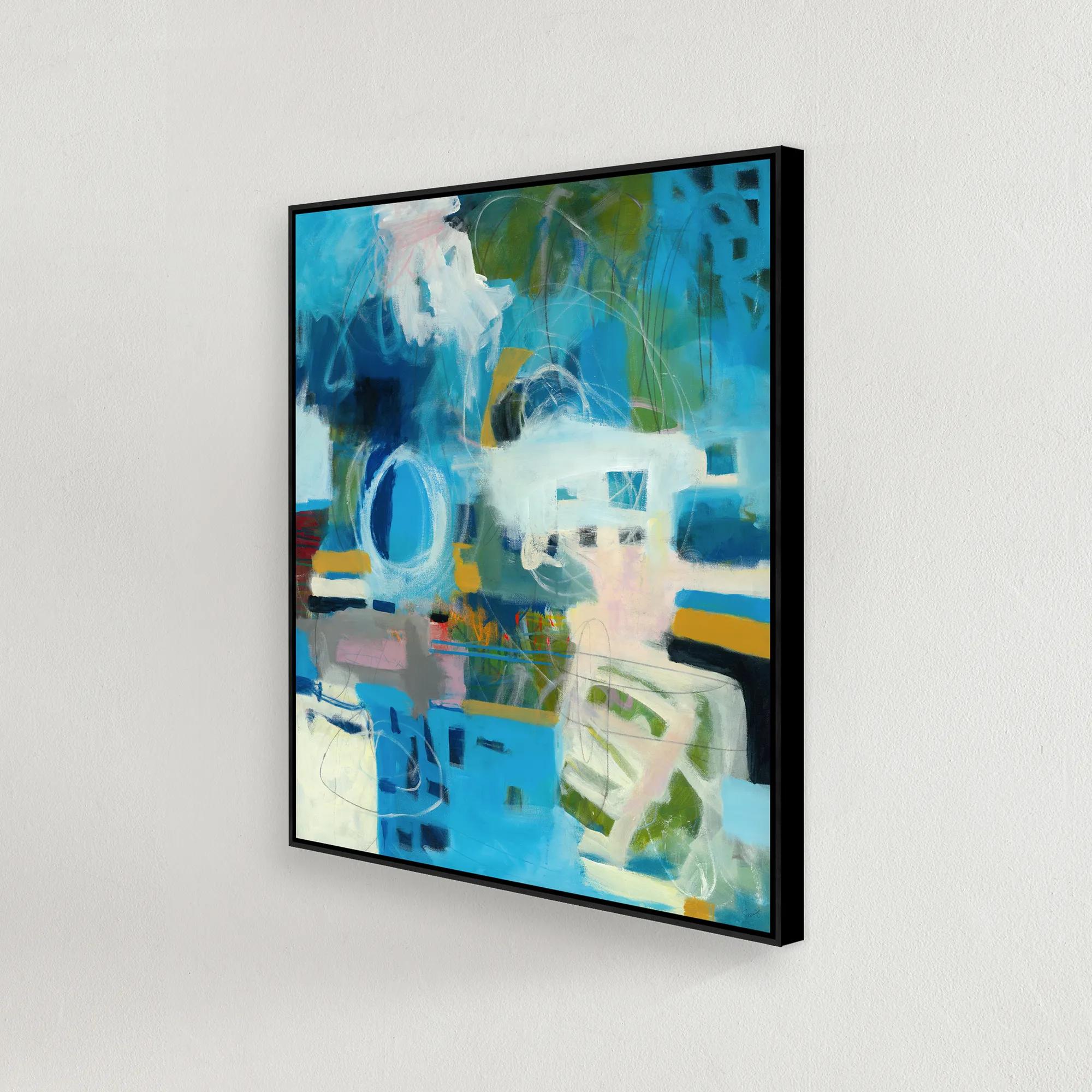 Just Across the Boarder Framed Wall Art 37.5" x 46.5"$749
A gallery-wrapped canvas artwork with hand-applied gel finish, set in a sleek black floater frame.
Add To Cart -
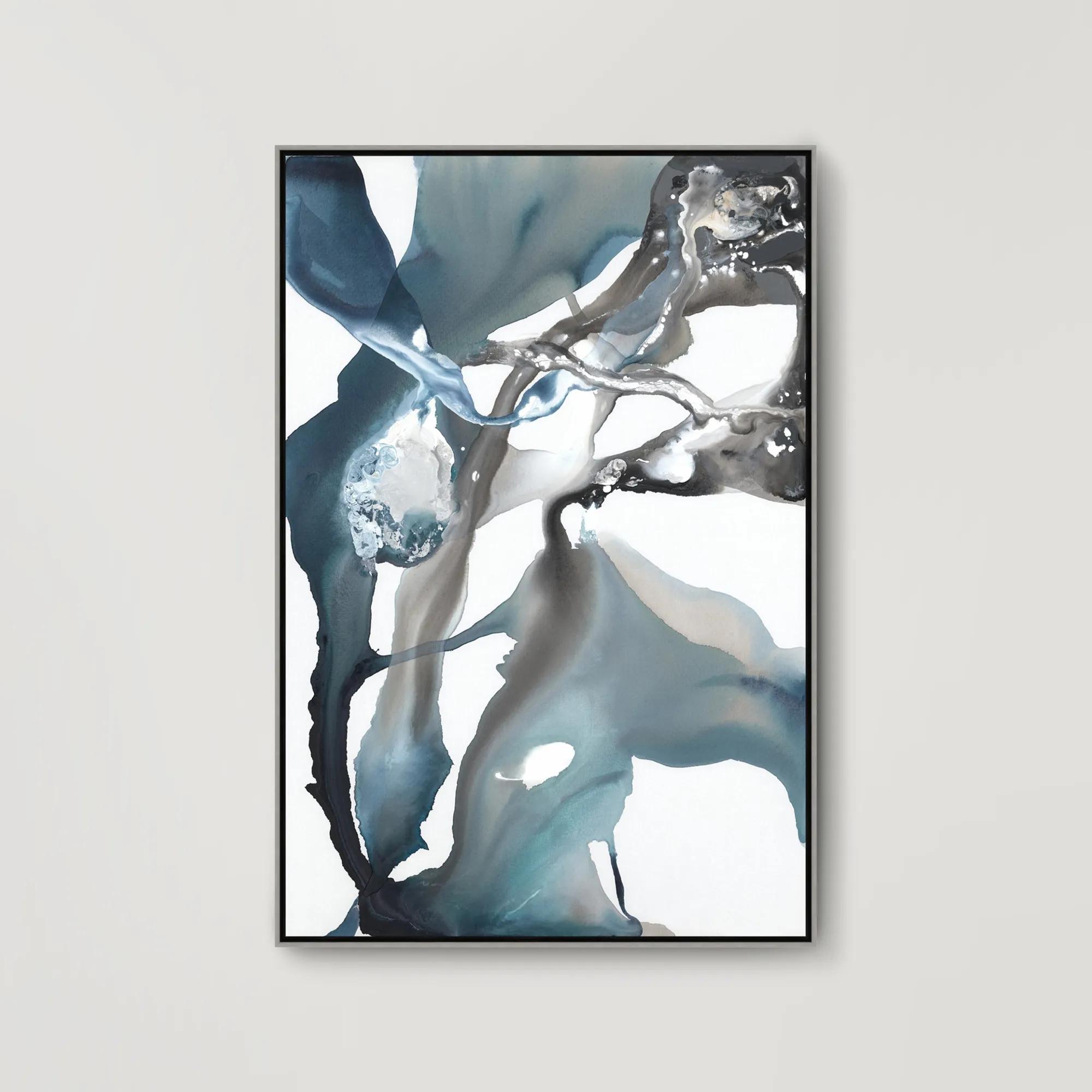
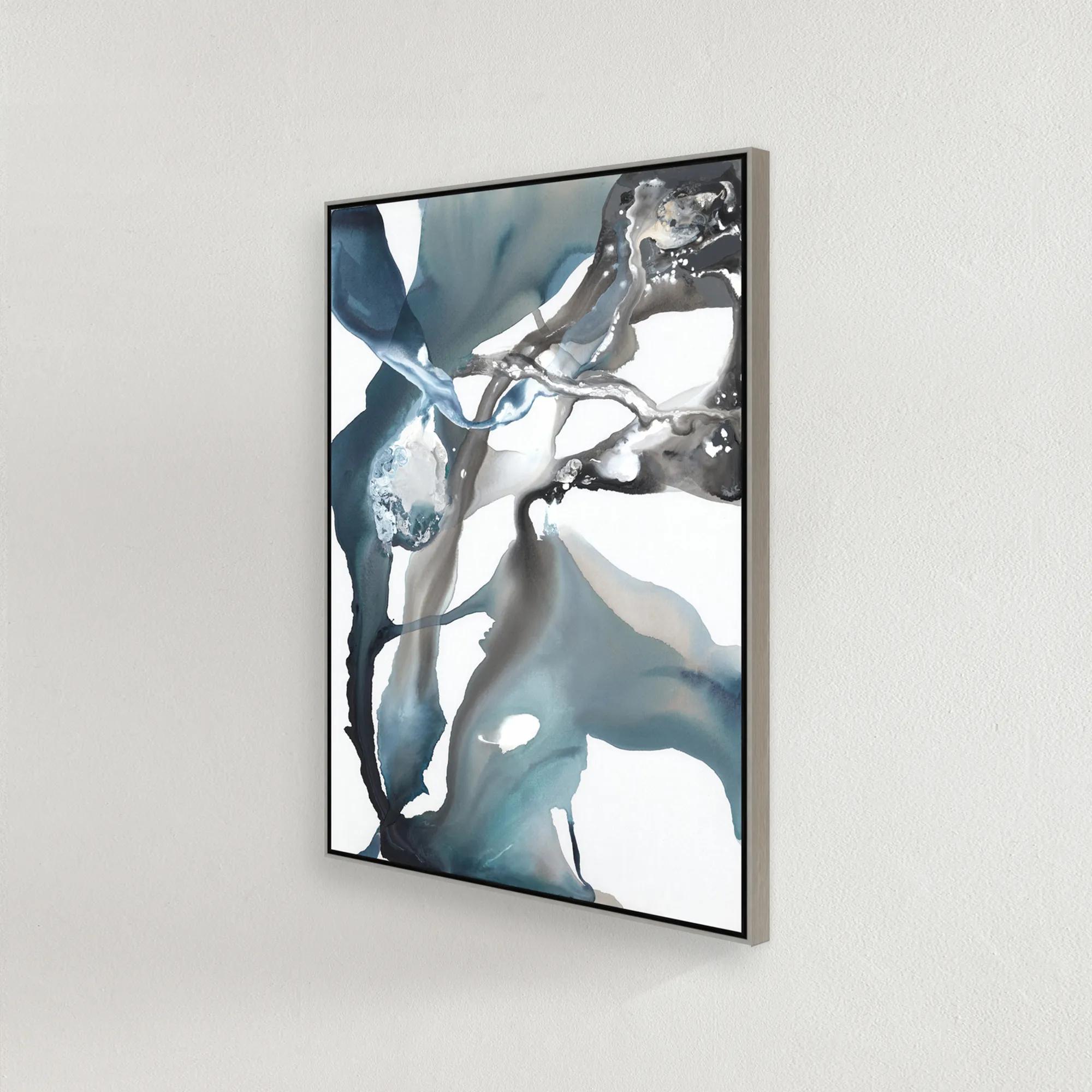 Cool Cascade Framed Wall Art 37.5" x 55.5"$849
A gallery-wrapped canvas artwork featuring expressive colors, hand-applied brush gel, and a gunmetal floater frame.
Add To Cart -
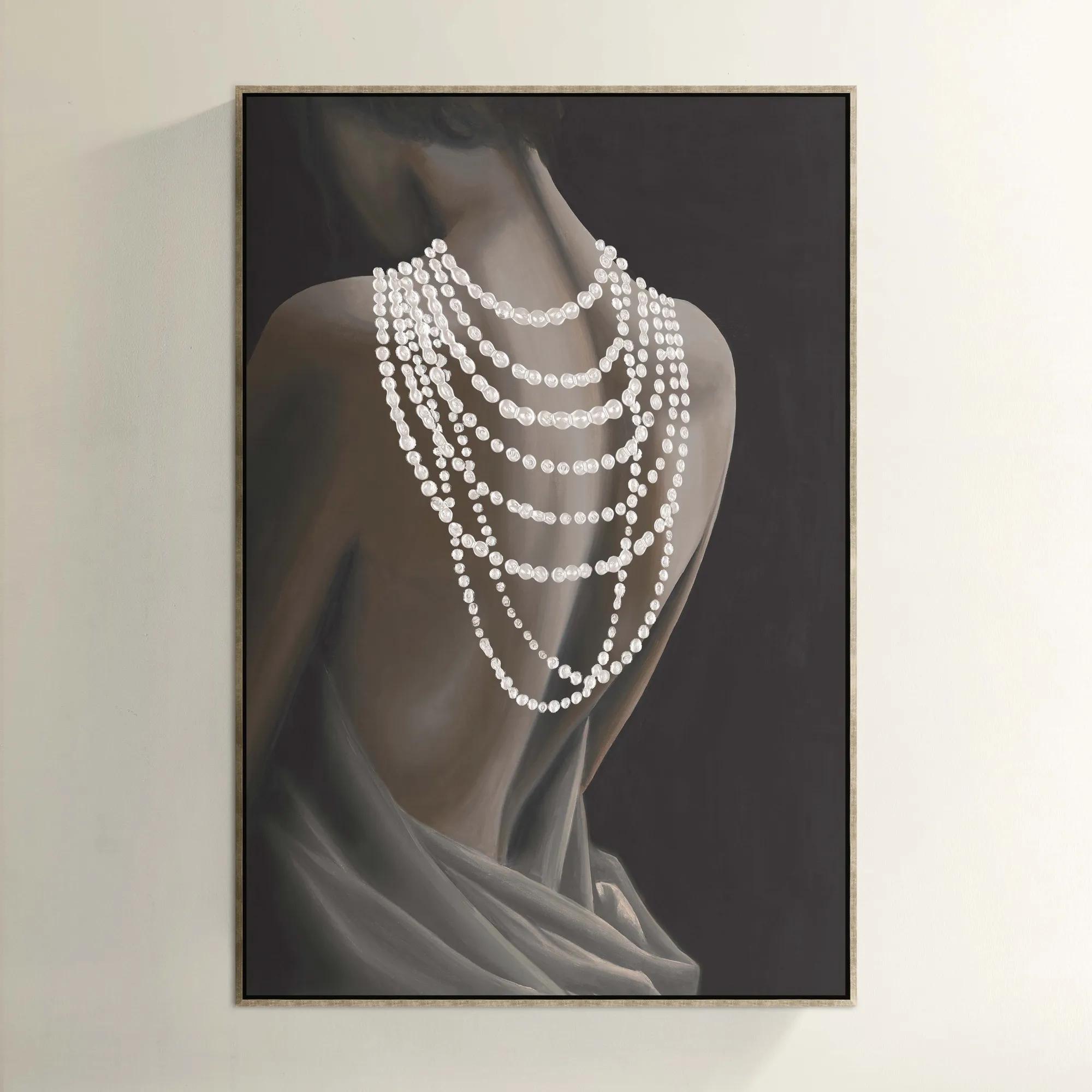 Luminescent Pearls Framed Wall Art 40" x 60"$1119
A hand-embellished canvas artwork featuring textured brush gel, set in a sleek silver floater frame.
Add To Cart -
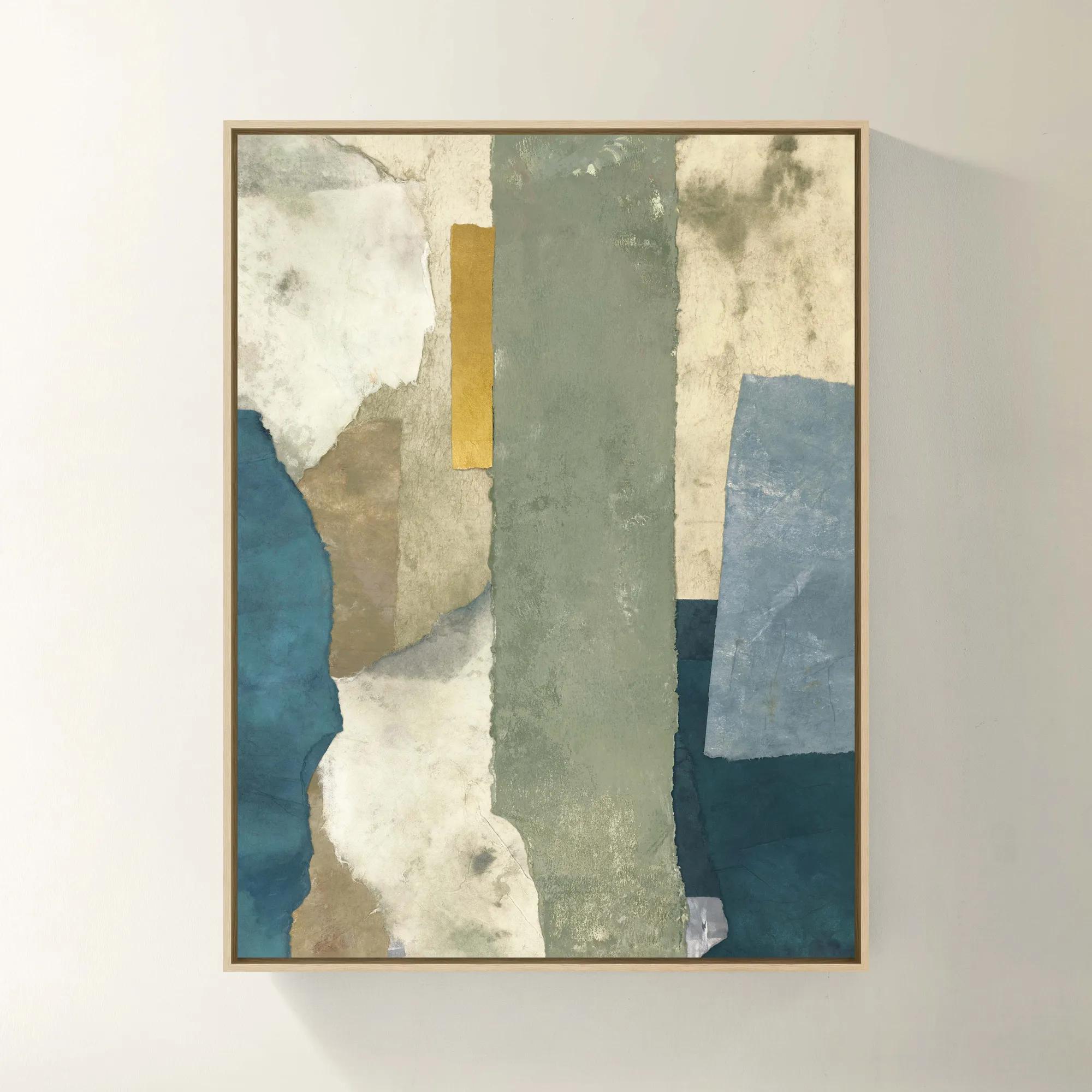 Earth Fragments II Framed Wall Art 30" x 40"$799
A gallery-wrapped canvas featuring gild accents and hand-applied gel, set in a natural floater frame.
Add To Cart -
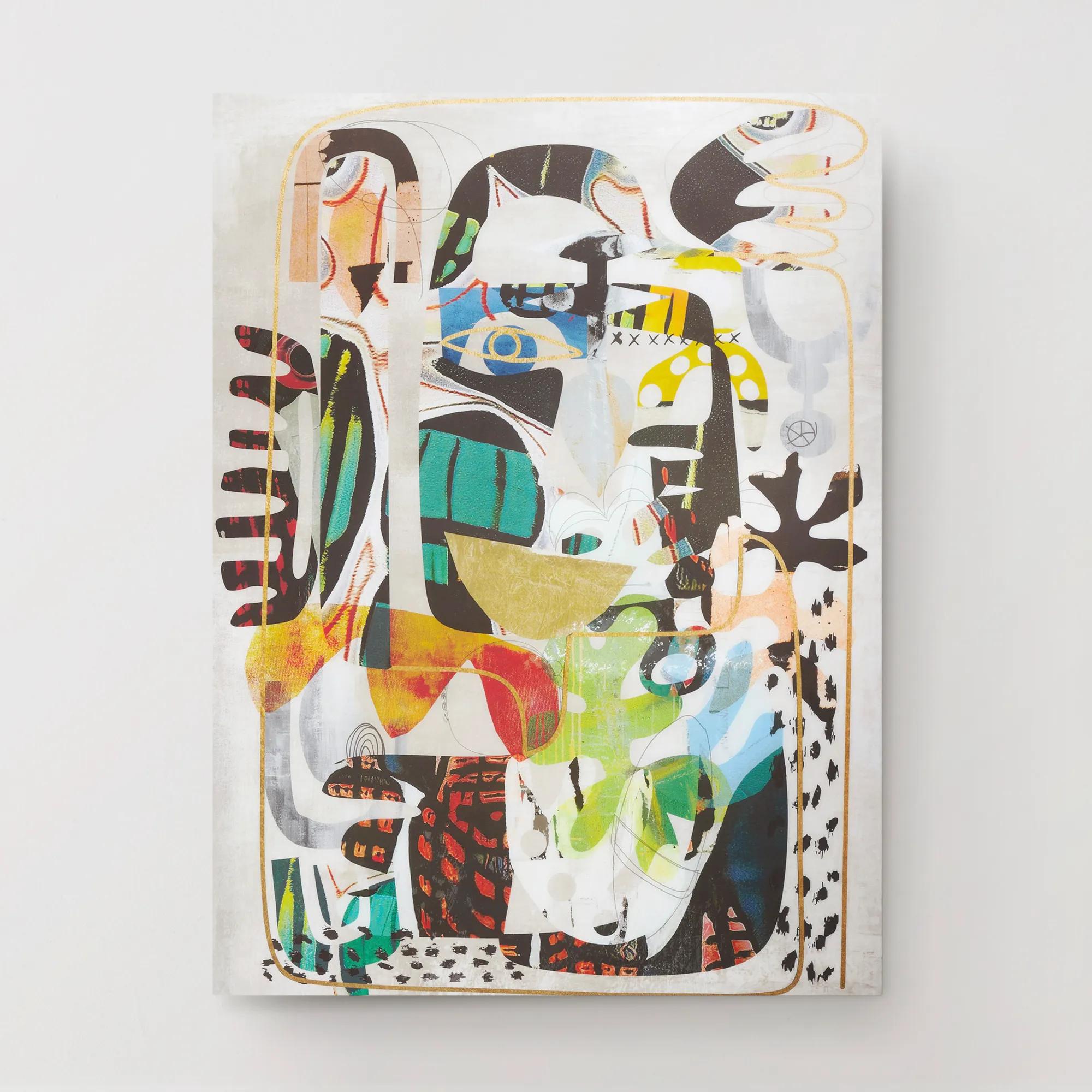
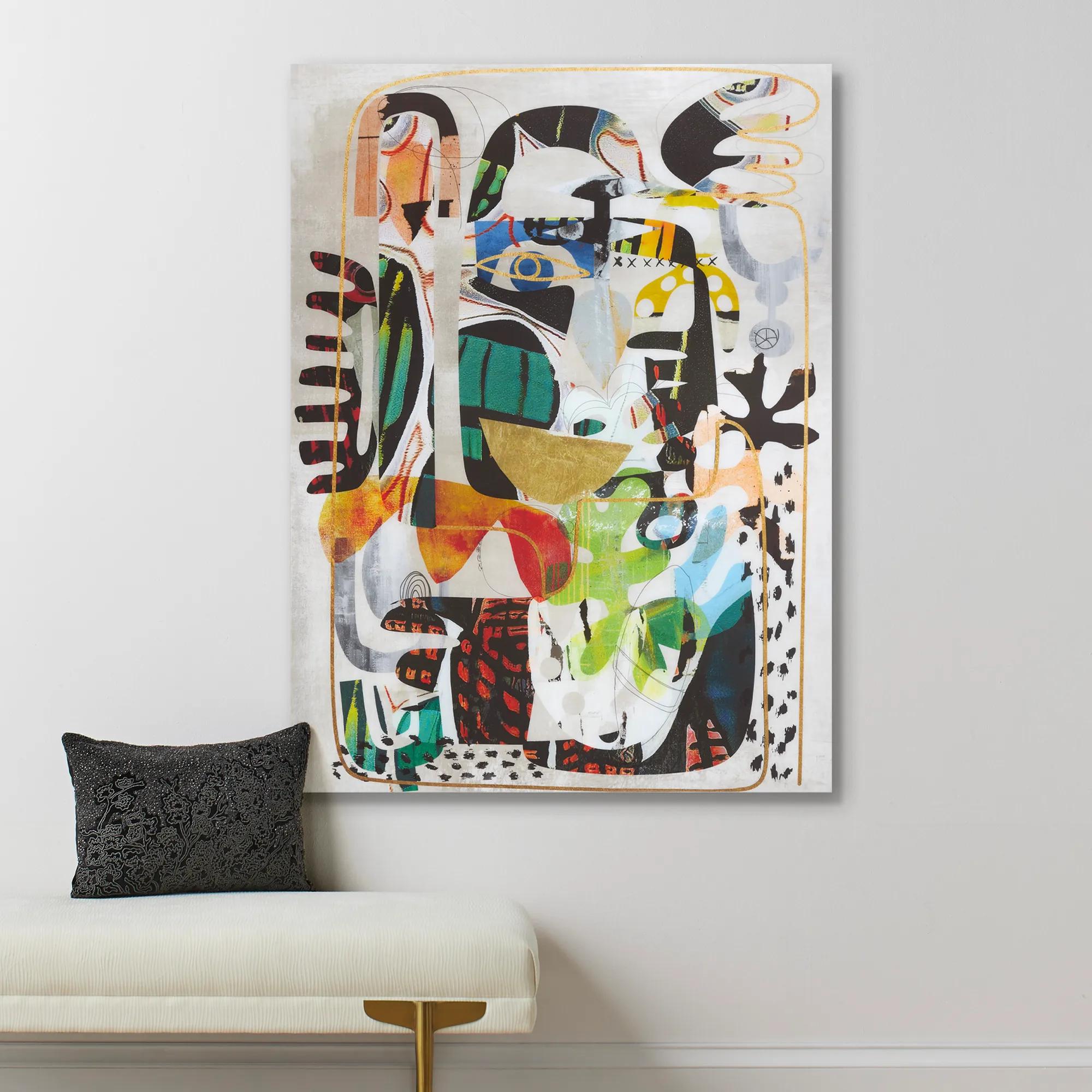 Nikki Chu Masked Wall Art 40" x 54"$899
A vibrant giclee print on canvas featuring a hand-applied glossy finish for a modern statement.
Add To Cart -
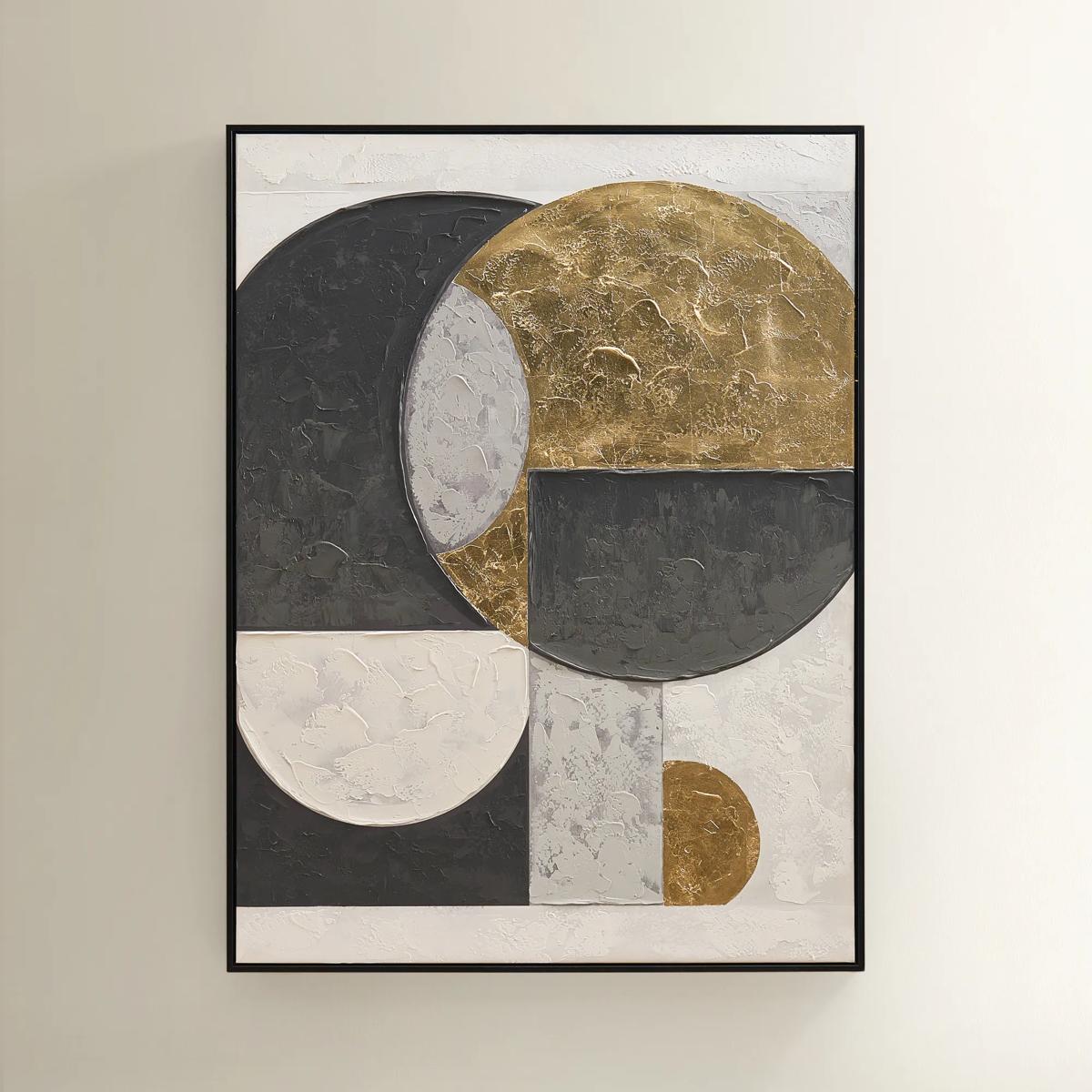
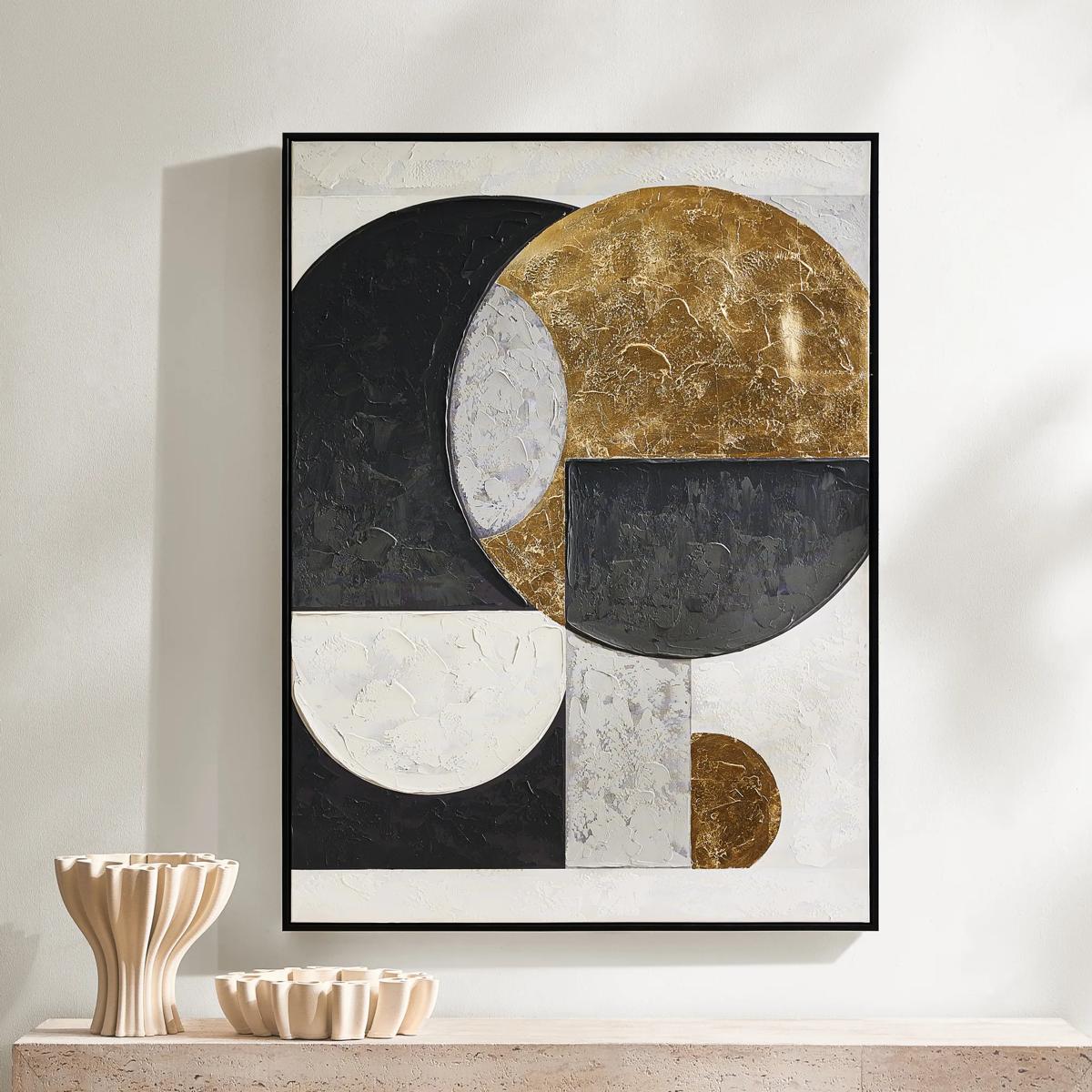 Eclipse Framed Gold Leaf Painted Wall Art 35.25" x 47.25"$449
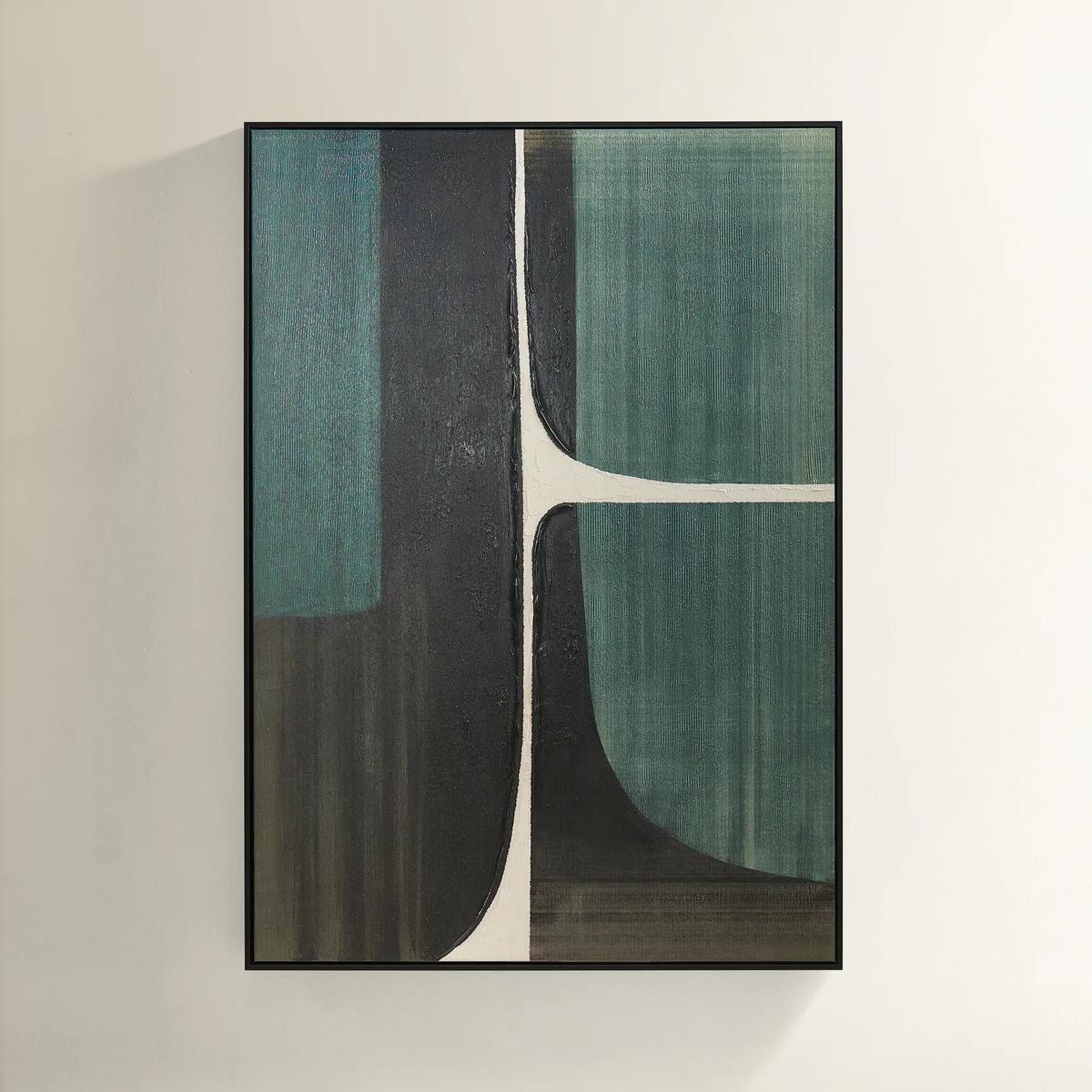
A hand-painted canvas featuring bold black, grey, and gold geometric shapes with shimmering gold leaf accents.
Add To Cart -
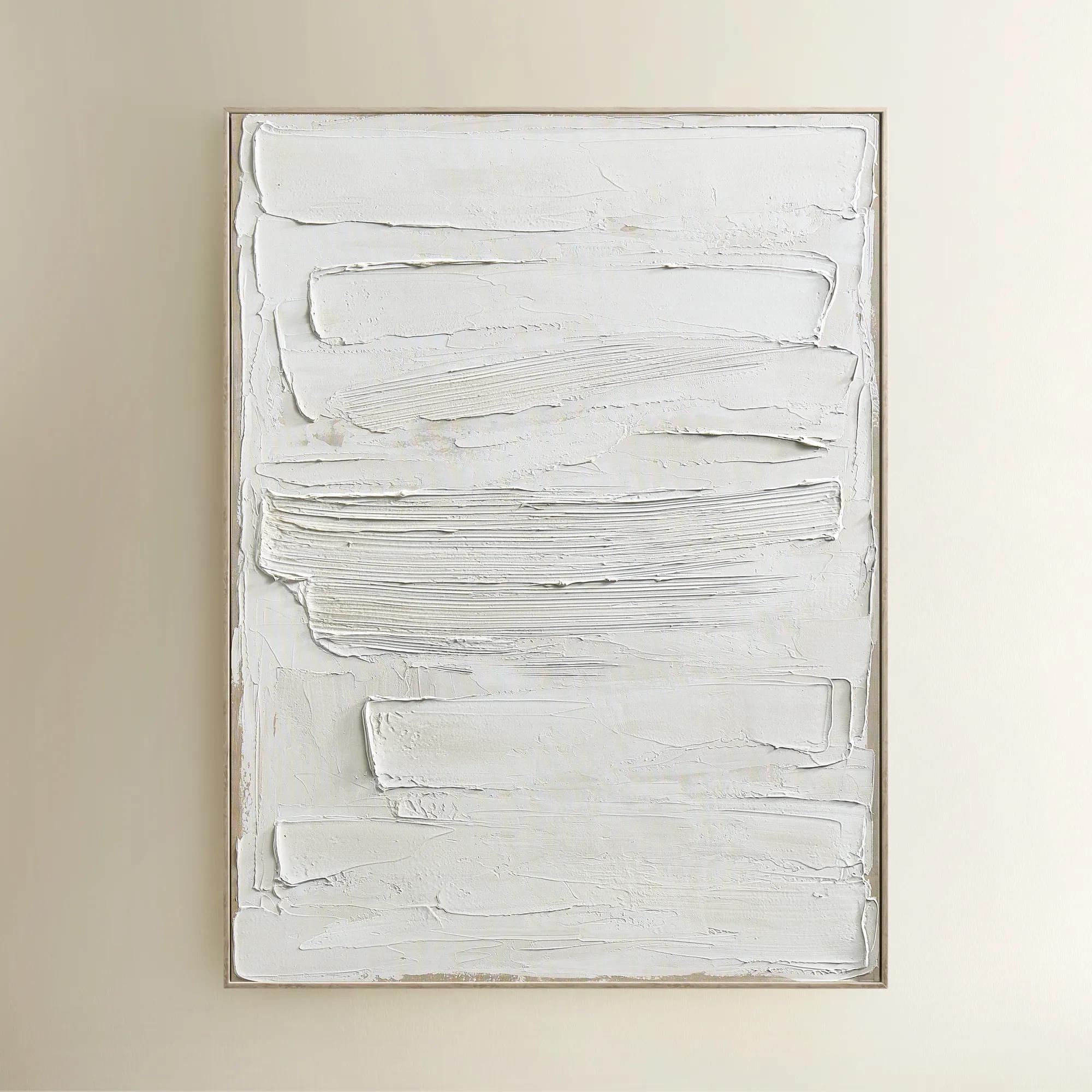
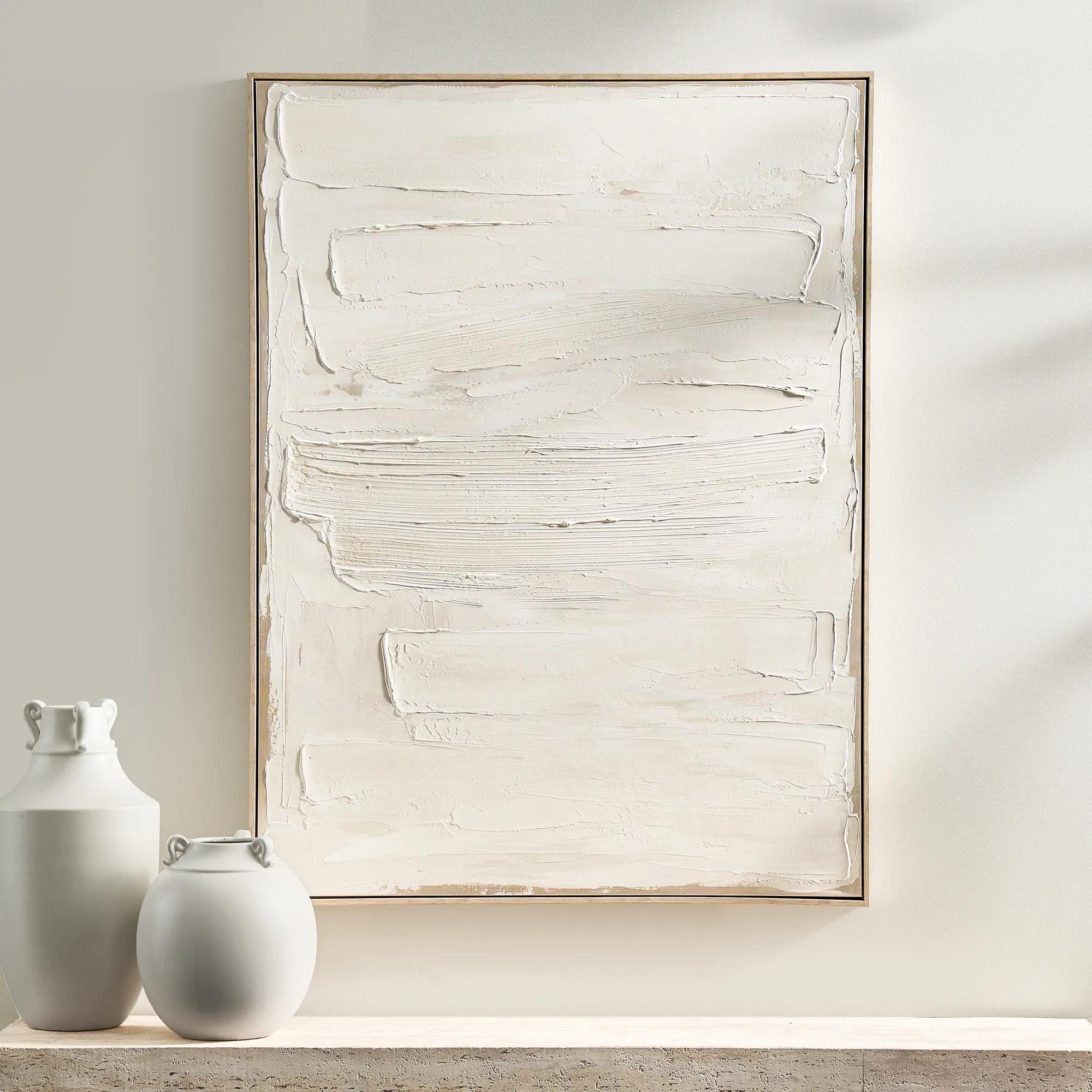 Monotype Canvas 1$399
A hand-painted abstract canvas featuring layered white tones and textured paint in a whitewashed wood frame.
Add To Cart -
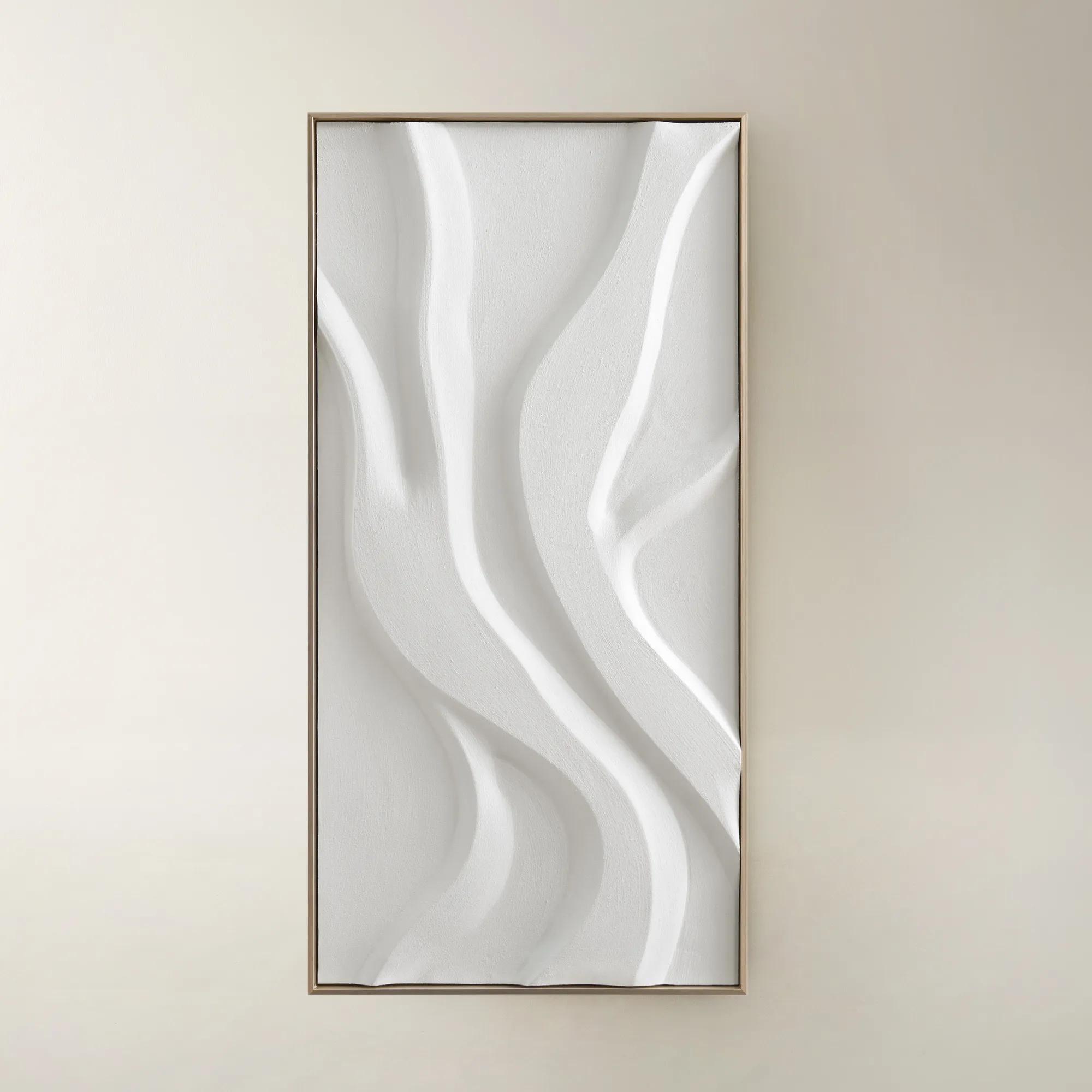
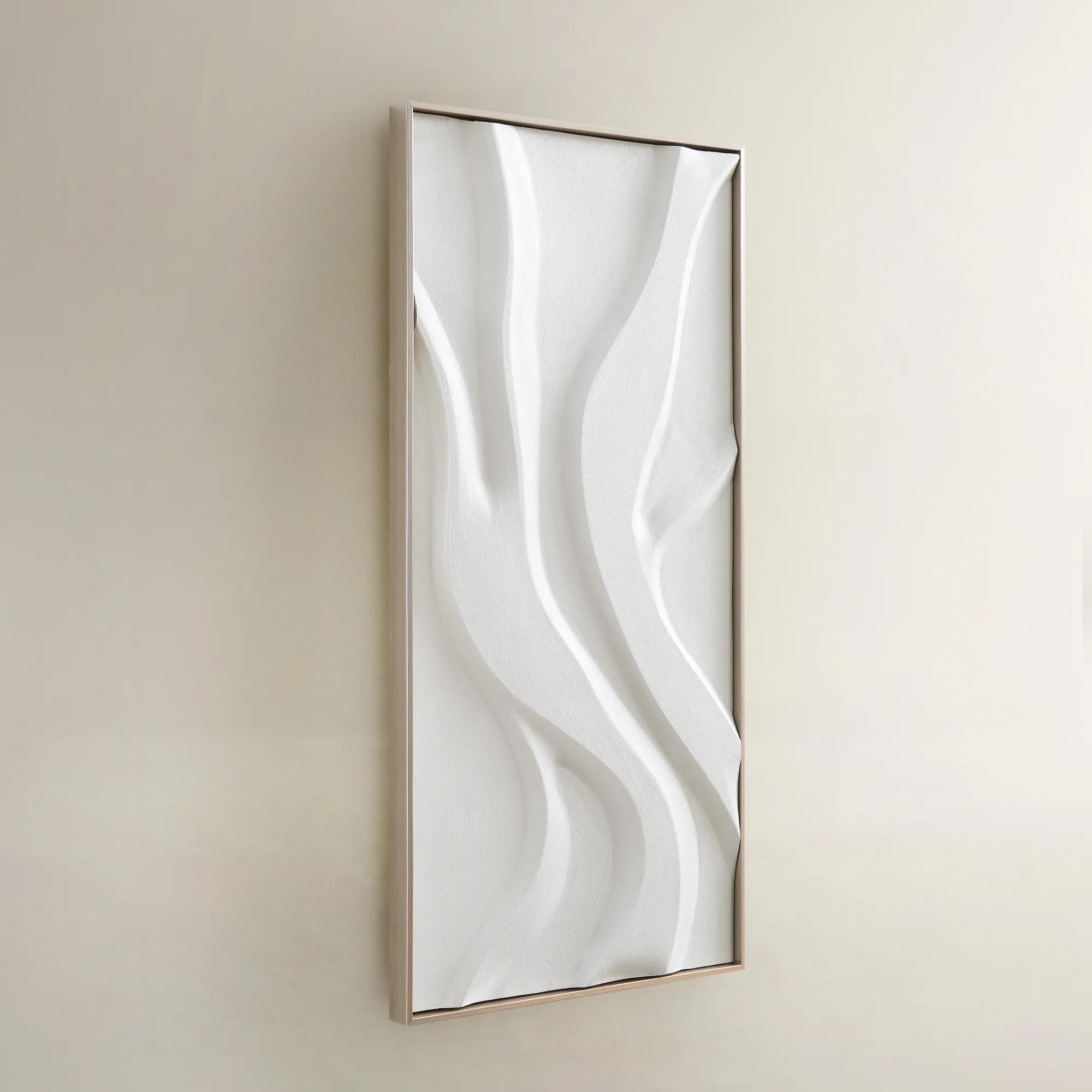 Au Lait Framed Painted Wall Art I 47.2" x 23.6"$199
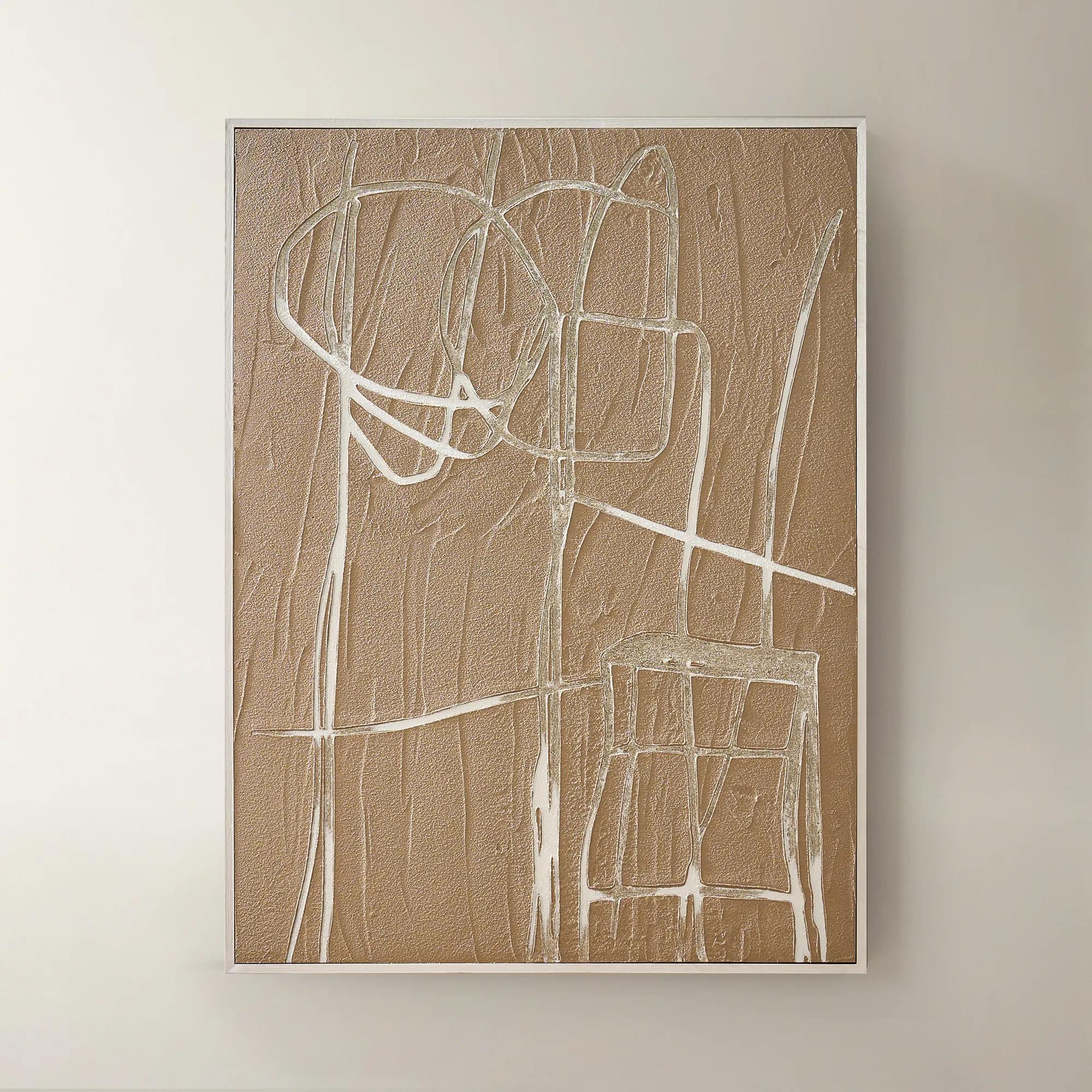
An organic hand-painted canvas featuring flowing white forms in a warm champagne finish floater frame.
Add To Cart -
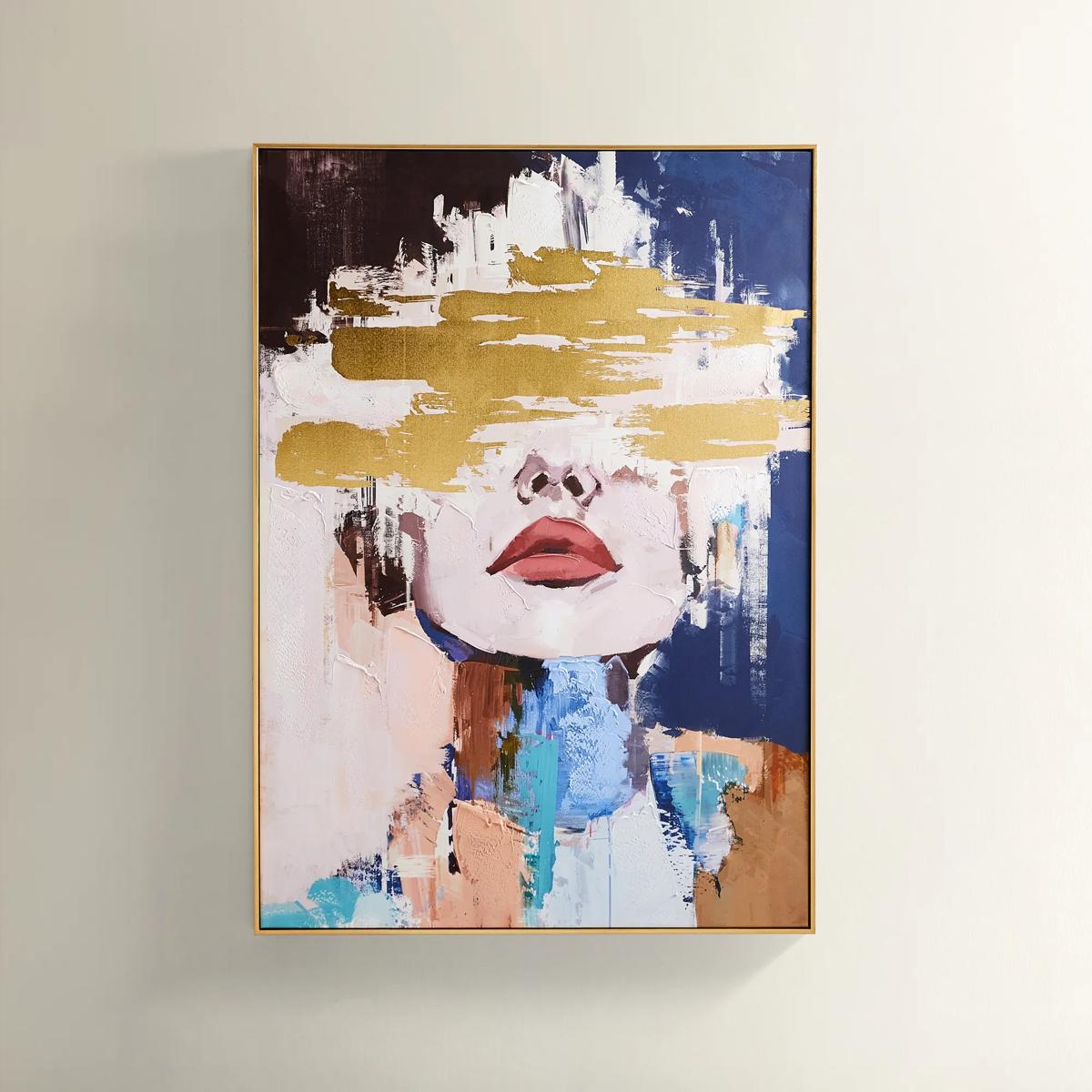
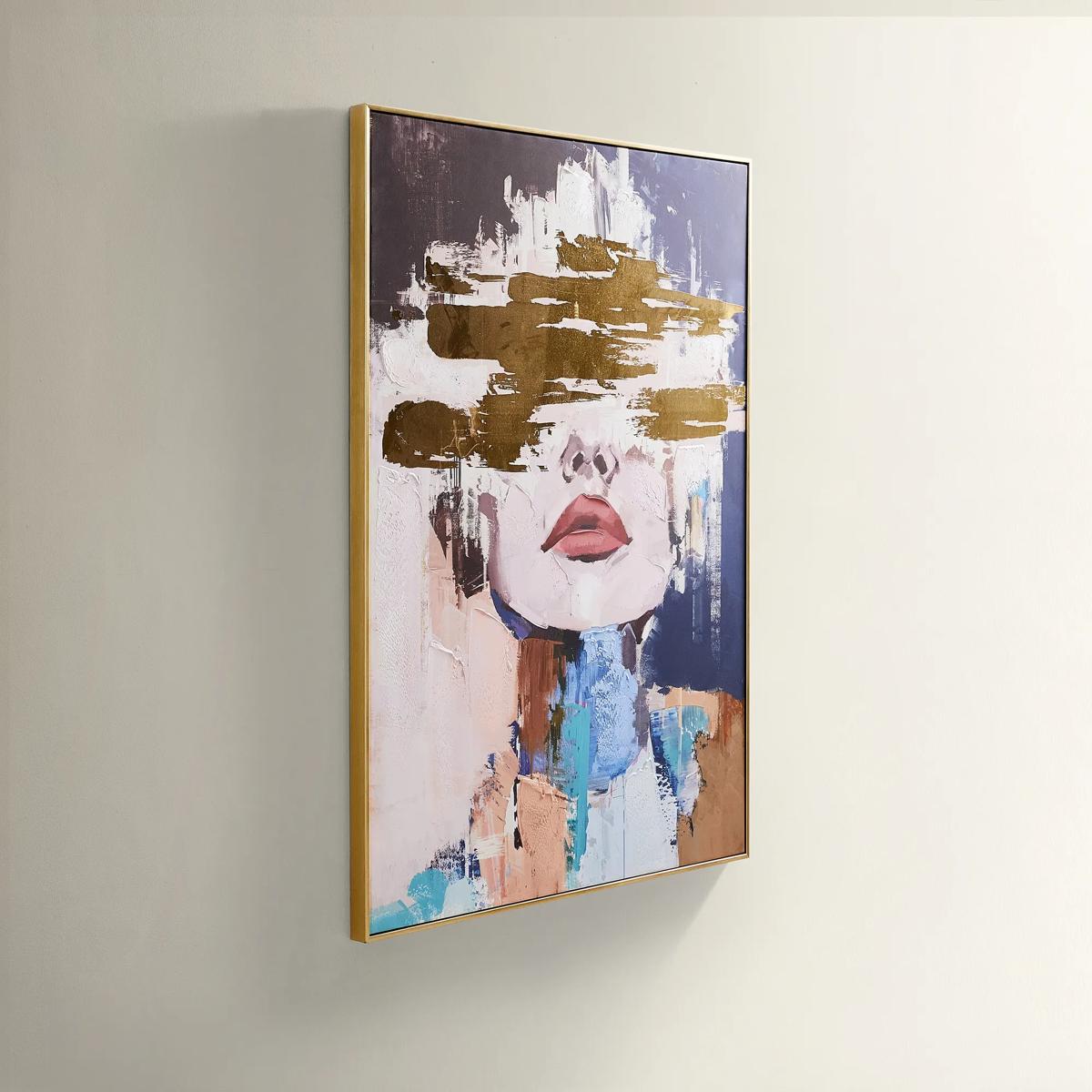 Waiting in Color Gold Foil Painted Wall Art 39.25" x 55"$499
A hand-painted abstract portrait in vivid blue, blush, and gold foil, framed in luxe gold.
Add To Cart

Large Vertical Abstract Wall Art
Explore large vertical abstract wall art that brings expressive design to tall, narrow wall spaces. These portrait-oriented pieces create a dramatic focal point while drawing the eye upward. Consider the artwork’s proportions, palette, and composition to find a statement that complements your furnishings and gives your room a distinctly personal point of view.
Large vertical abstract wall art gives a room an unmistakable point of view, turning a stretch of wall into a composition of color, movement, and scale. The elongated format draws the eye upward, emphasizing architectural height while introducing a presence that feels distinctly different from a wide landscape or a row of smaller pictures. Abstract imagery leaves room for personal interpretation: a sweeping gesture might suggest water, a fractured shape might recall stone, and a luminous field of color might feel almost atmospheric without depicting anything literal. That openness makes these pieces especially expressive in interiors where furniture, lighting, and objects already tell a layered story. In an entryway, a tall composition creates a striking first impression beside a sculptural console. In a living room, it can bring definition to the space between windows or lend visual weight to a reading area with a generous chair and a gleaming side table. A bedroom calls for a different energy, perhaps softened edges, subtle tonal shifts, or broad passages of negative space that give the eye somewhere to rest. Color changes the experience just as decisively as subject matter. Inky black against ivory delivers graphic tension; smoky gray and warm taupe create depth without overwhelming upholstery; saturated blue or a flash of gold can introduce a more theatrical note. Pale compositions can still feel commanding when their scale is generous and their marks are deliberate. Large abstract wall art does not need to repeat every finish in the room. Often, the most compelling connection is a single undertone echoed in a rug, a curve that relates to an accent chair, or a metallic detail that catches the same light as nearby hardware. The result feels considered rather than matched, with the artwork contributing its own character instead of disappearing into the decor. For anyone drawn to expressive interiors, the vertical silhouette offers a way to make a bold statement while preserving an elegant sense of space.
Proportion determines whether a large vertical artwork feels beautifully integrated or visually stranded. Its height, width, and relationship to nearby furniture matter as much as the dimensions of the wall itself. A narrow wall beside a doorway may welcome a tall, slender composition, while a broad wall above a substantial sofa often needs greater width, a companion piece, or an arrangement that carries the scale of the seating below. Above a console, allowing the furniture to extend beyond the artwork on either side gives the composition a grounded relationship to the room. Leaving a comfortable interval between the bottom of the frame and the tabletop also keeps decorative objects from crowding the image. A low vessel or a sculptural bowl can sit beneath the artwork without concealing its most expressive details; a tall lamp may work better to one side, where it creates an asymmetrical conversation rather than competing for the center. High ceilings offer room for impressive dimensions, but the artwork still benefits from a connection to everyday sightlines. A piece hung solely to fill the highest expanse of wall can feel removed from the people and furnishings below. Viewing distance deserves equal consideration. Broad gestures and strong contrasts tend to remain legible across an open living area, while intricate marks, layered surfaces, and nuanced color transitions reward closer viewing in a hallway or beside a lounge chair. Nearby mirrors, patterned textiles, and statement lighting influence how much visual activity the artwork needs to carry. A richly furnished space may benefit from an abstract composition with generous breathing room; a restrained arrangement can accommodate denser movement and more saturated color. Pairing tall compositions with complementary selections from Large Abstract Wall Decor can carry a shared palette across different walls without repeating the same silhouette. The connection might be a recurring charcoal line or a warm neutral ground, allowing each composition to retain its individuality. This approach suits dining rooms, living spaces, and connecting hallways where artwork can establish continuity without making every wall feel identical.
Materials and presentation shape the character of large vertical abstract wall art just as much as the composition itself. Canvas brings a woven surface that can soften an image and lend printed or painted marks a more tactile presence. A stretched canvas may offer a clean profile, while a floating frame introduces a slim border of shadow that gives the work added definition. Art presented on paper can emphasize crisp linework and delicate tonal variation, with matting creating a deliberate pause between the image and its frame. Glazing helps protect paper-based artwork, though nearby windows and lamps can produce reflections that affect how the image reads. Acrylic glazing is generally lighter than glass, an important consideration at a larger scale, but it requires gentle handling because its surface can scratch. Painted texture, printed texture, and metallic effects offer different experiences, so surface descriptions are worth considering alongside photographs. Raised marks catch light differently from an image that depicts layered brushwork, and reflective accents can shift in prominence as the viewing angle changes. Frame finishes contribute another layer: a dark border sharpens contrast, a pale finish keeps the edge understated, and a metallic frame can echo the room’s more luminous details. Durability depends on the complete construction, including the substrate, frame, glazing, and hanging system, rather than appearance alone. Large pieces need mounting hardware appropriate to their weight and the wall material, with professional installation worth considering for especially heavy artwork or difficult placements. Direct sunlight can contribute to fading, and persistent moisture can affect paper, canvas, and some frames, making a dry interior location away from splashes a more suitable setting than an exposed outdoor wall or a steamy bathroom. Routine care should follow the material-specific instructions; gentle dusting of the frame with a soft, dry cloth is often sufficient, while cleaners should never be sprayed directly onto the artwork. Textured and unglazed surfaces deserve particular care to avoid disturbing their finish. As a gift, a substantial abstract piece can mark a new home, an anniversary, or a meaningful design milestone, especially when the recipient’s preferred palette and available wall space are known. Its lasting appeal lies in that personal fit: an expressive work that belongs to the room while continuing to invite a second look.
FAQs
Large vertical abstract wall art draws the eye upward, giving a room a sense of movement and architectural drama. Expressive forms, layered color, and unexpected compositions create an artistic focal point that feels personal rather than predictable.
Begin with the atmosphere you want to create. Inky hues and jewel tones lend depth and intrigue, while soft neutrals invite a more restrained elegance. Echo a color from your upholstery or decorative accents for a composed look, or introduce a contrasting hue to give the room a daring new direction.
An entryway, dining room, living area, or bedroom can become a striking setting for vertical abstract art. Choose a wall that lets the composition command attention without competing with surrounding details. Near an accent chair or beside a console, the artwork can anchor a vignette with a distinct point of view.
Vertical abstract wall art brings expressive energy to a range of interiors. Gestural compositions introduce fluidity to tailored modern rooms, while crisp geometric forms offer a compelling counterpoint to sumptuous upholstery. In more traditional settings, abstraction creates an artful tension between classic details and contemporary expression.
Let the artwork set the visual rhythm. Repeat one of its colors in a pillow or decorative object, then introduce sculptural accents that echo—or deliberately contrast with—its forms. Give surrounding surfaces a considered edit so the composition remains the center of attention, with every supporting detail enriching the story.