Large Abstract Framed Wall Art
Large Abstract Framed Wall Art
-
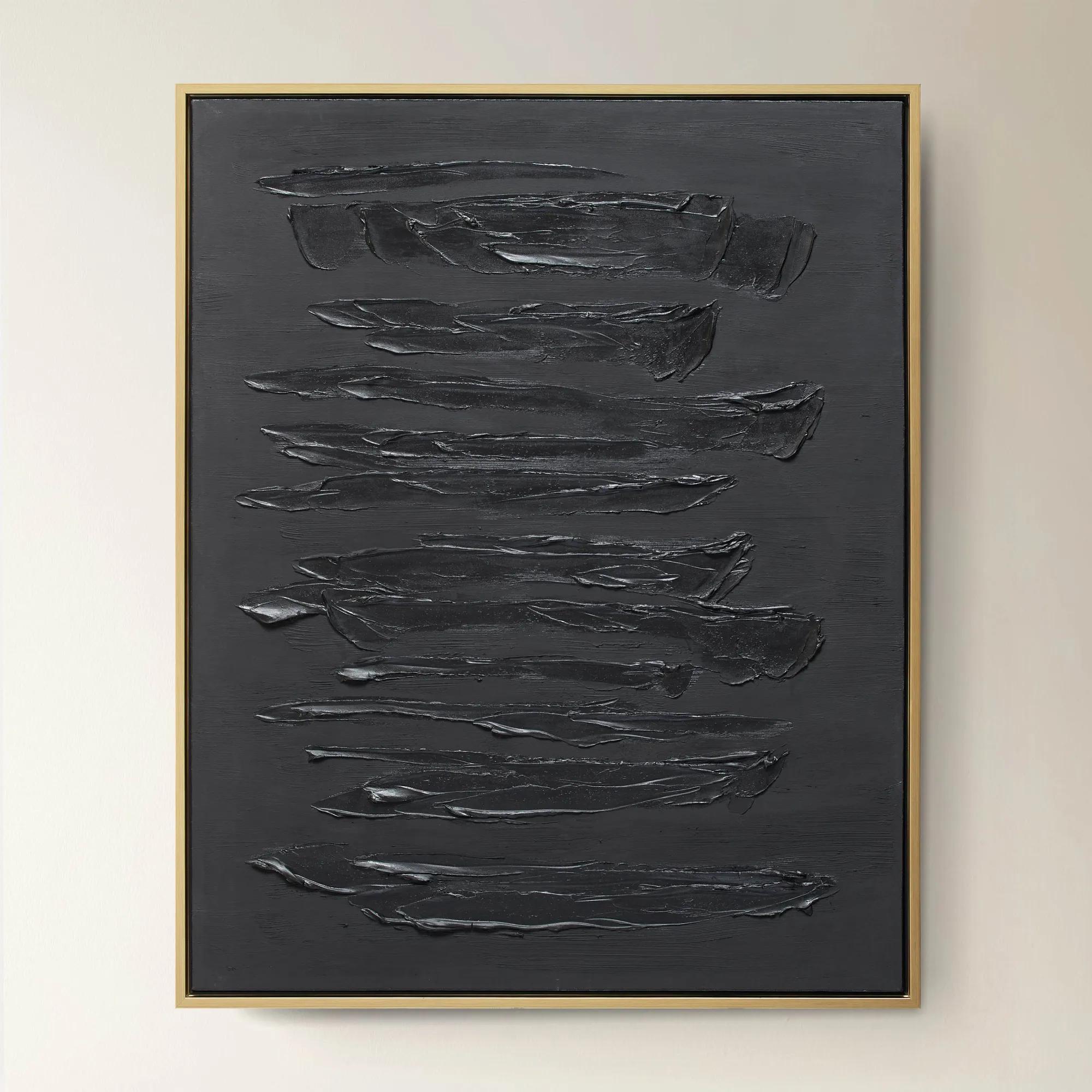
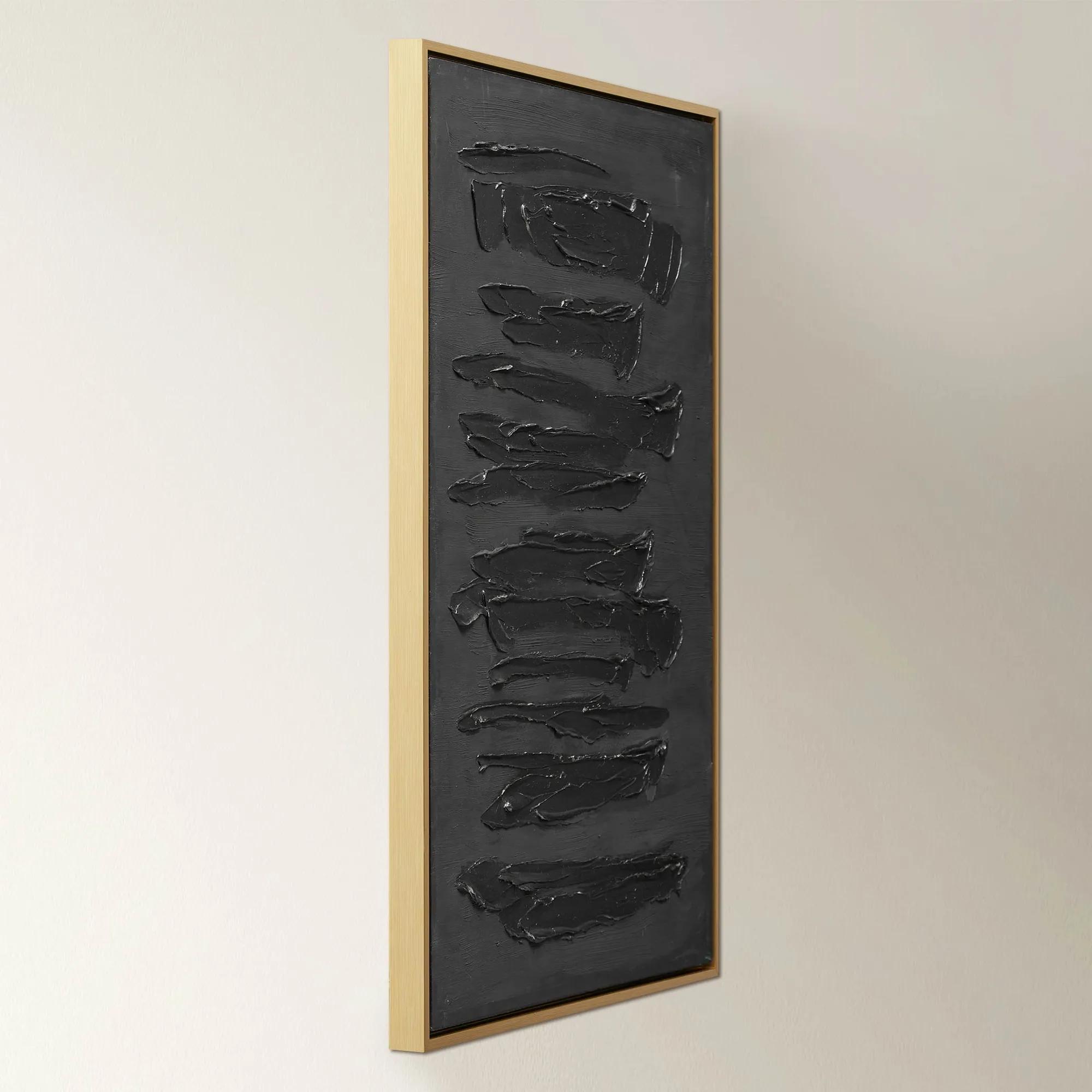 Nocturne$599.95
A dramatic abstract artwork featuring bold, dark brushstrokes on hand-painted canvas in a gold floater frame.
Add To Cart -
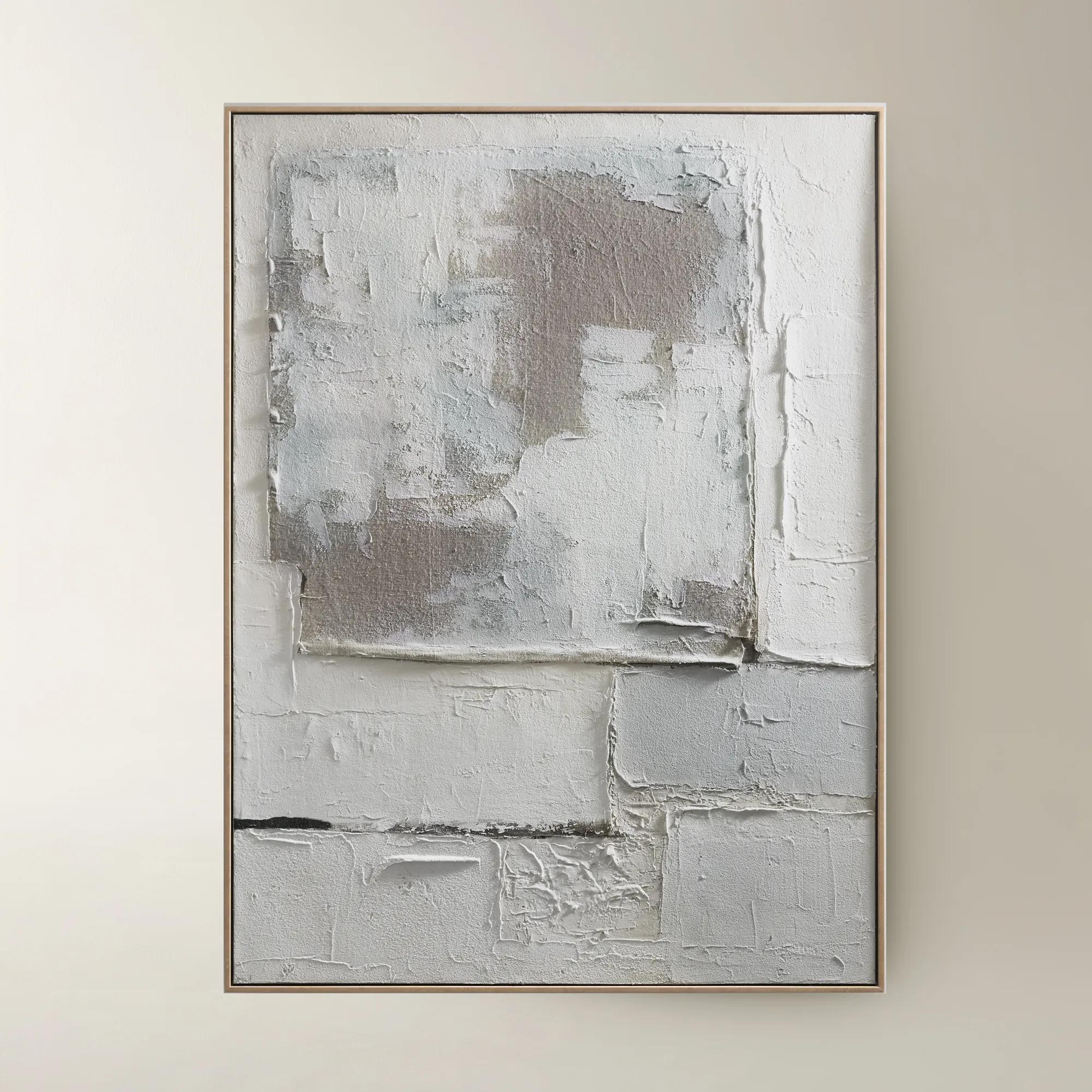
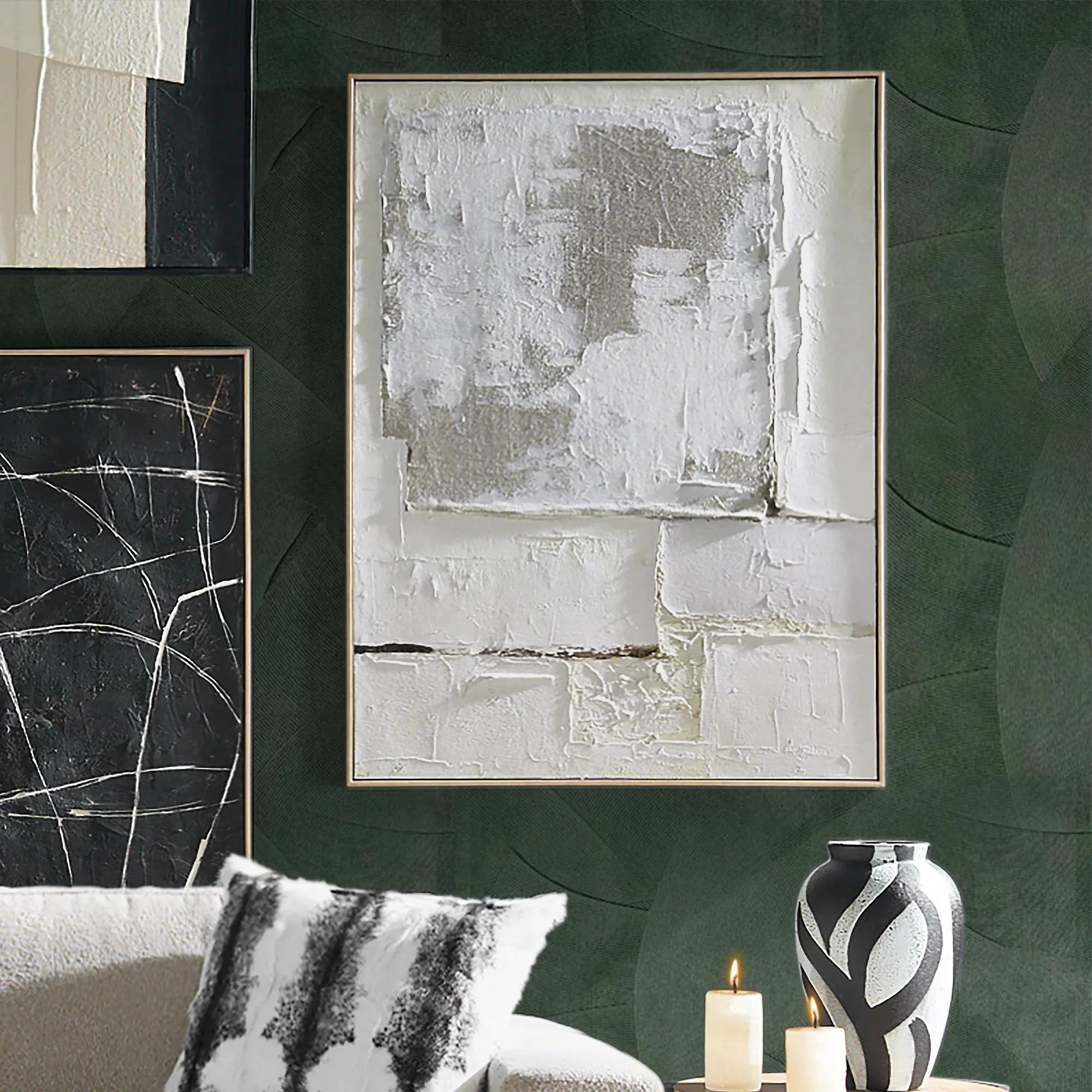 Marrow Painting$399
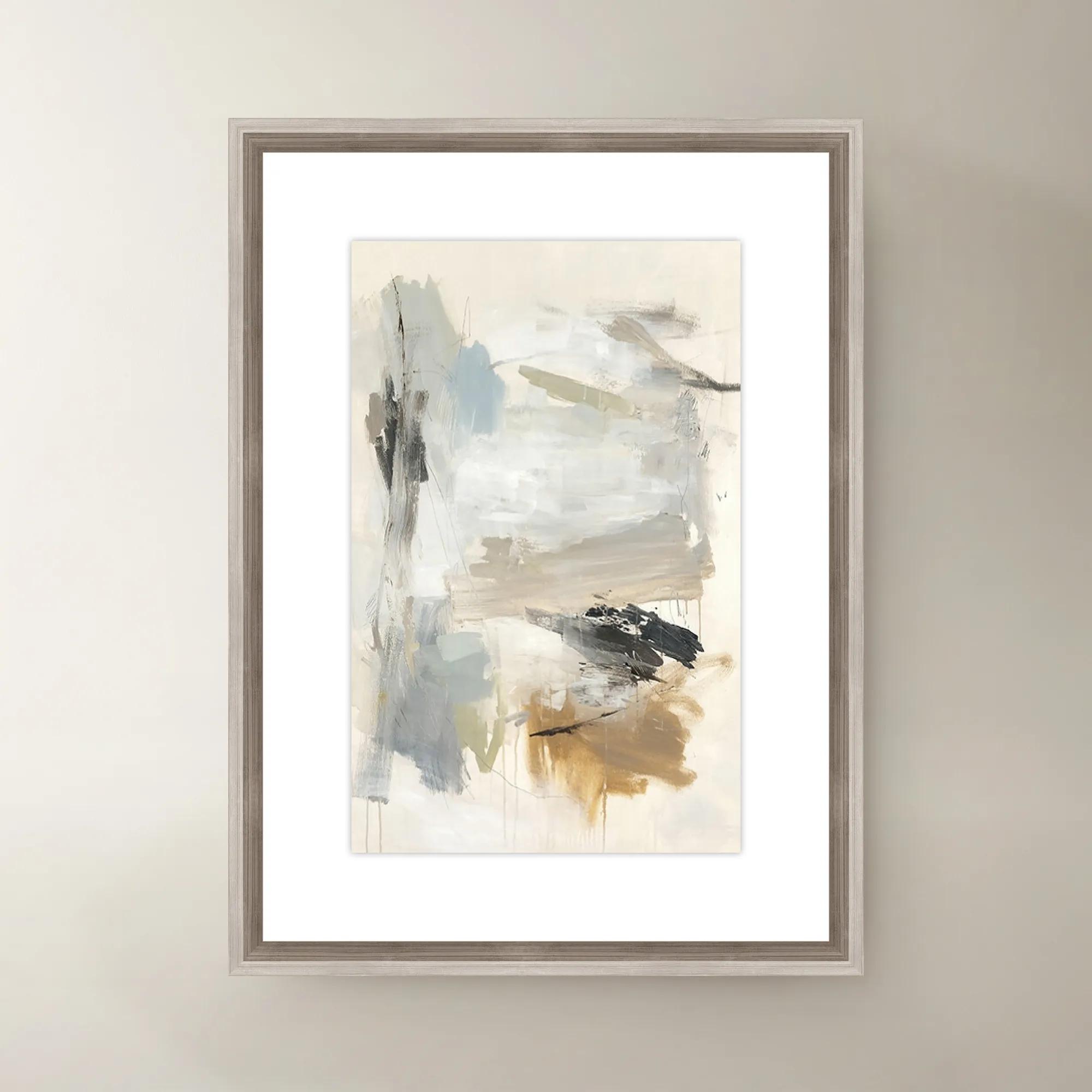
A hand-painted abstract canvas in subtle beige hues, elegantly framed in a warm beech wood floater.
Add To Cart -
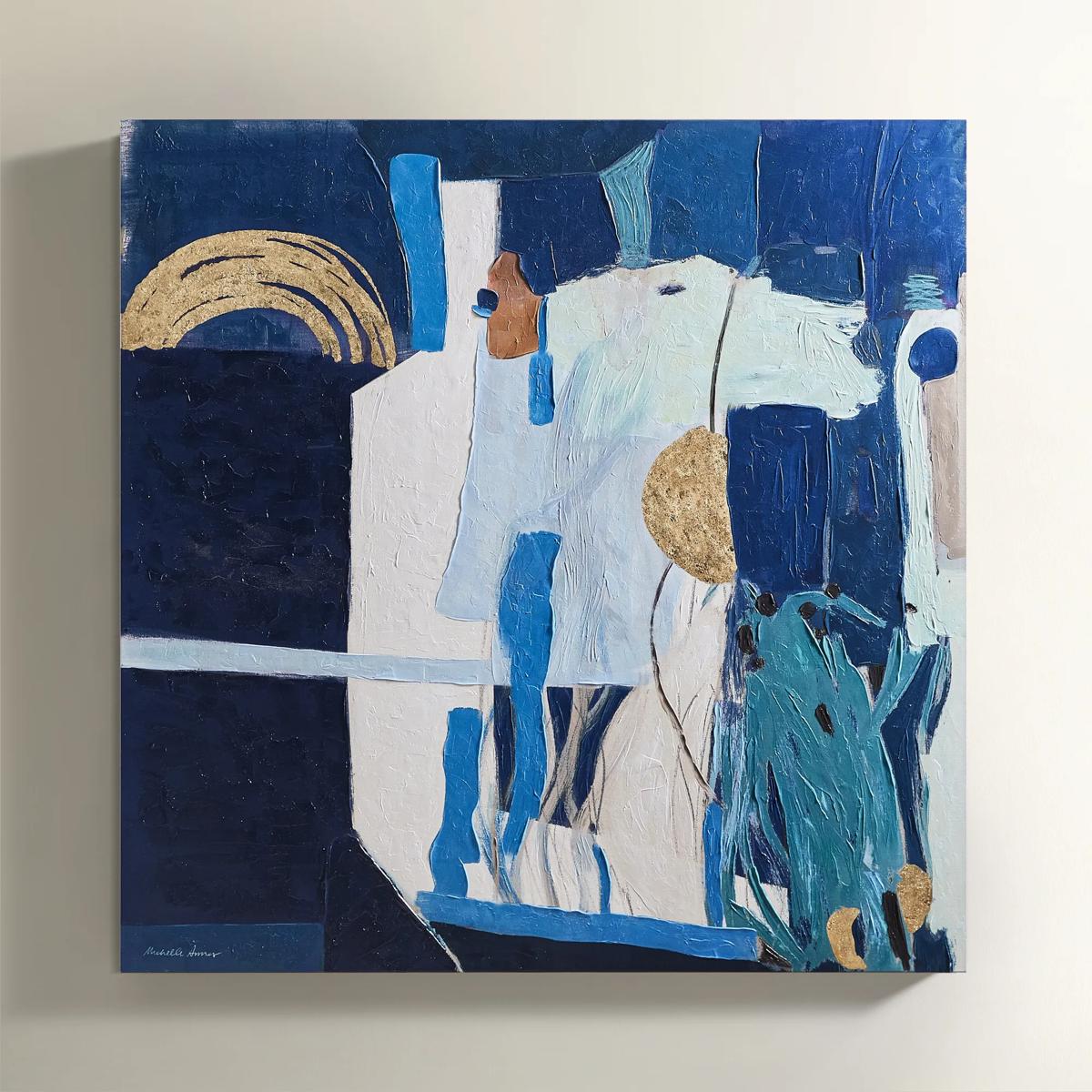
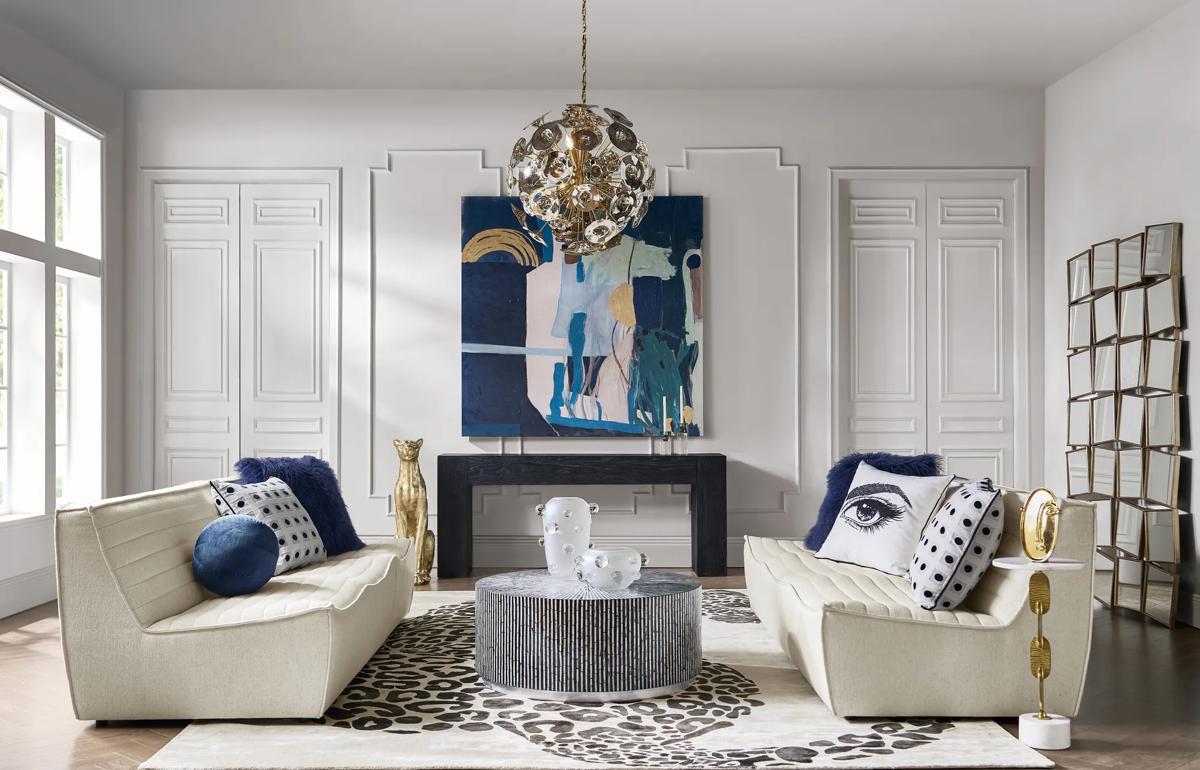 In Flux Painting$699
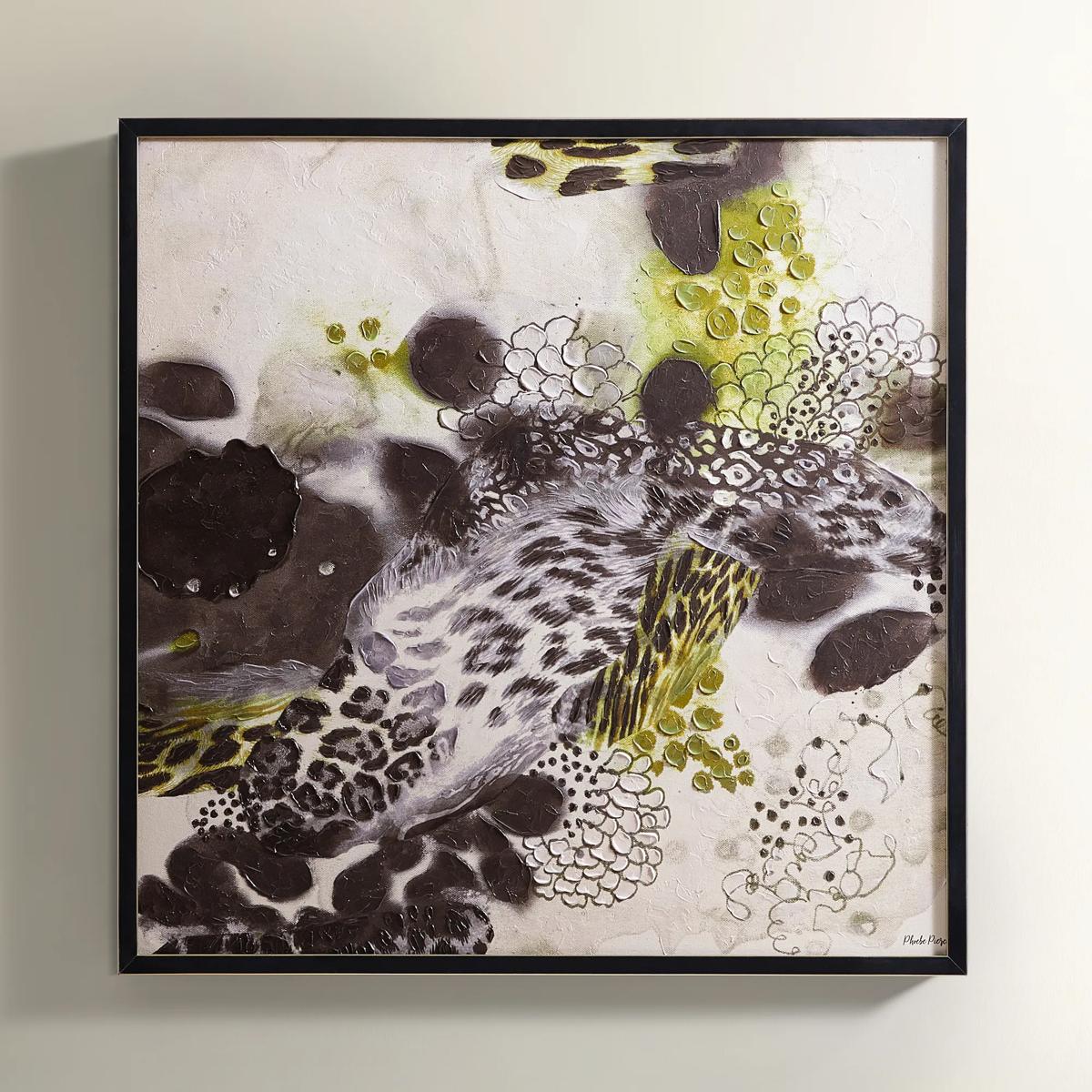
A hand-embellished canvas artwork featuring deep teal, green, ivory, and gold in a black Art Deco frame.
Add To Cart -
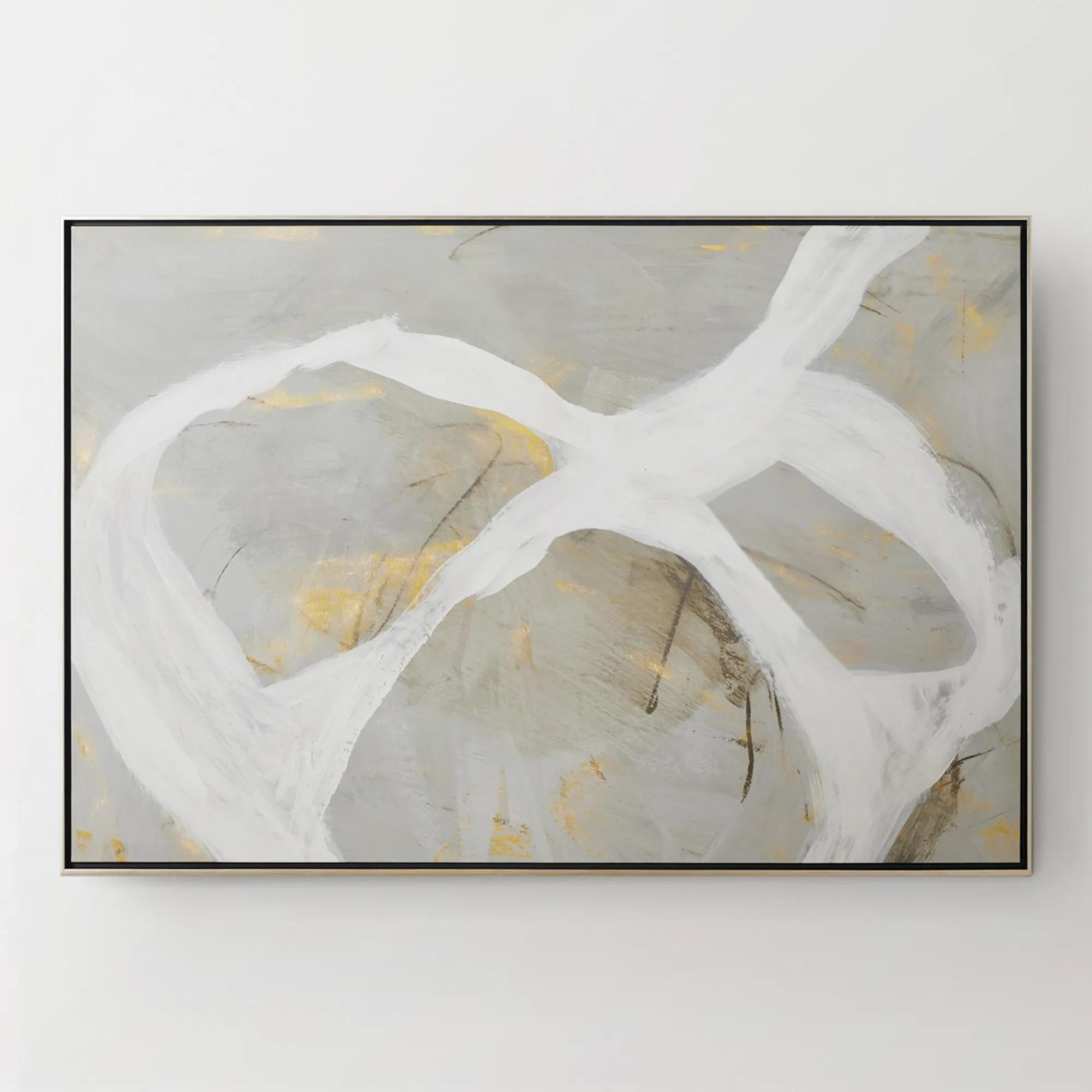
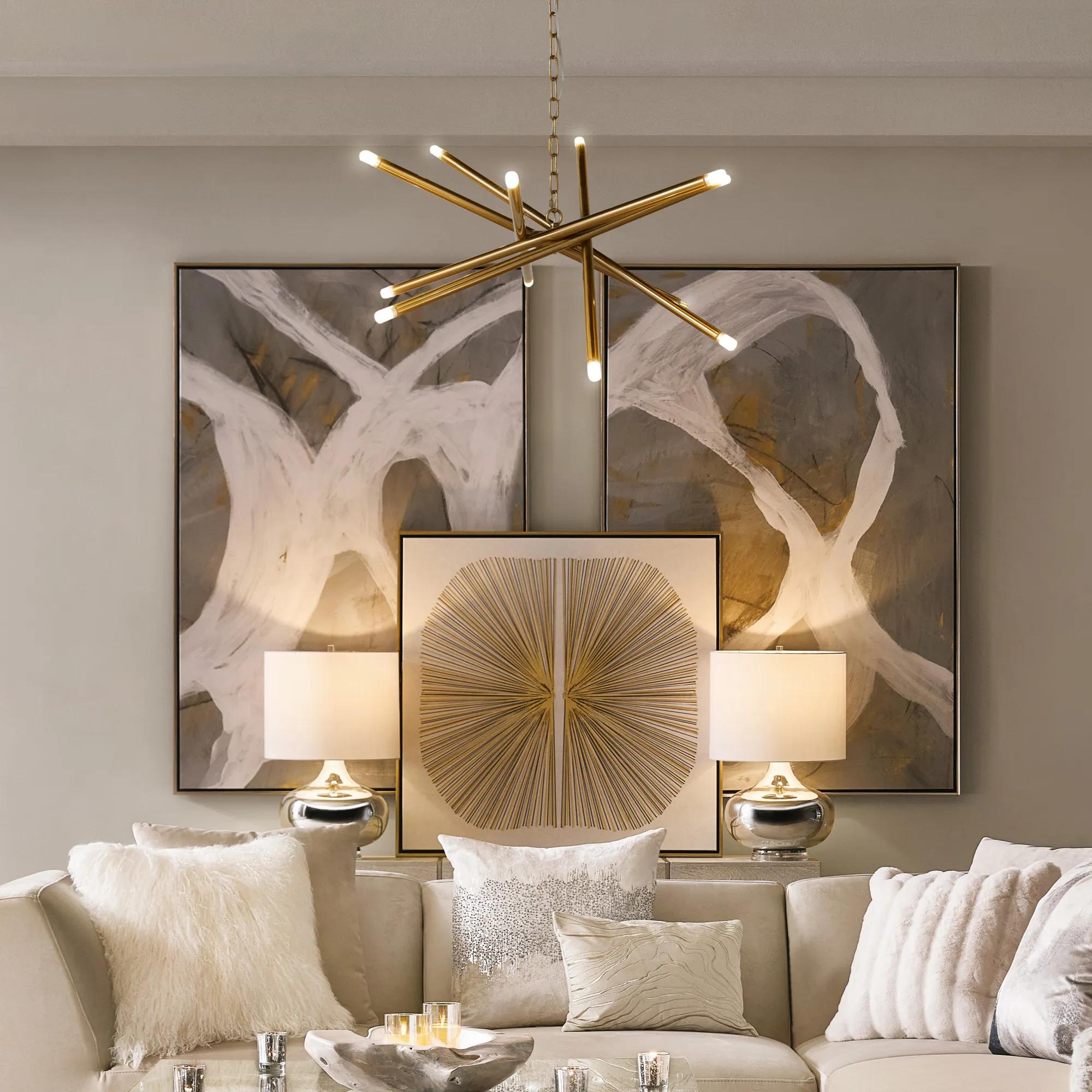 Les Series Framed Painted Wall Art I 61" x 41"$1099
An abstract canvas artwork featuring bold brushstrokes, hand-applied gold accents, and a silver floater frame.
Add To Cart -
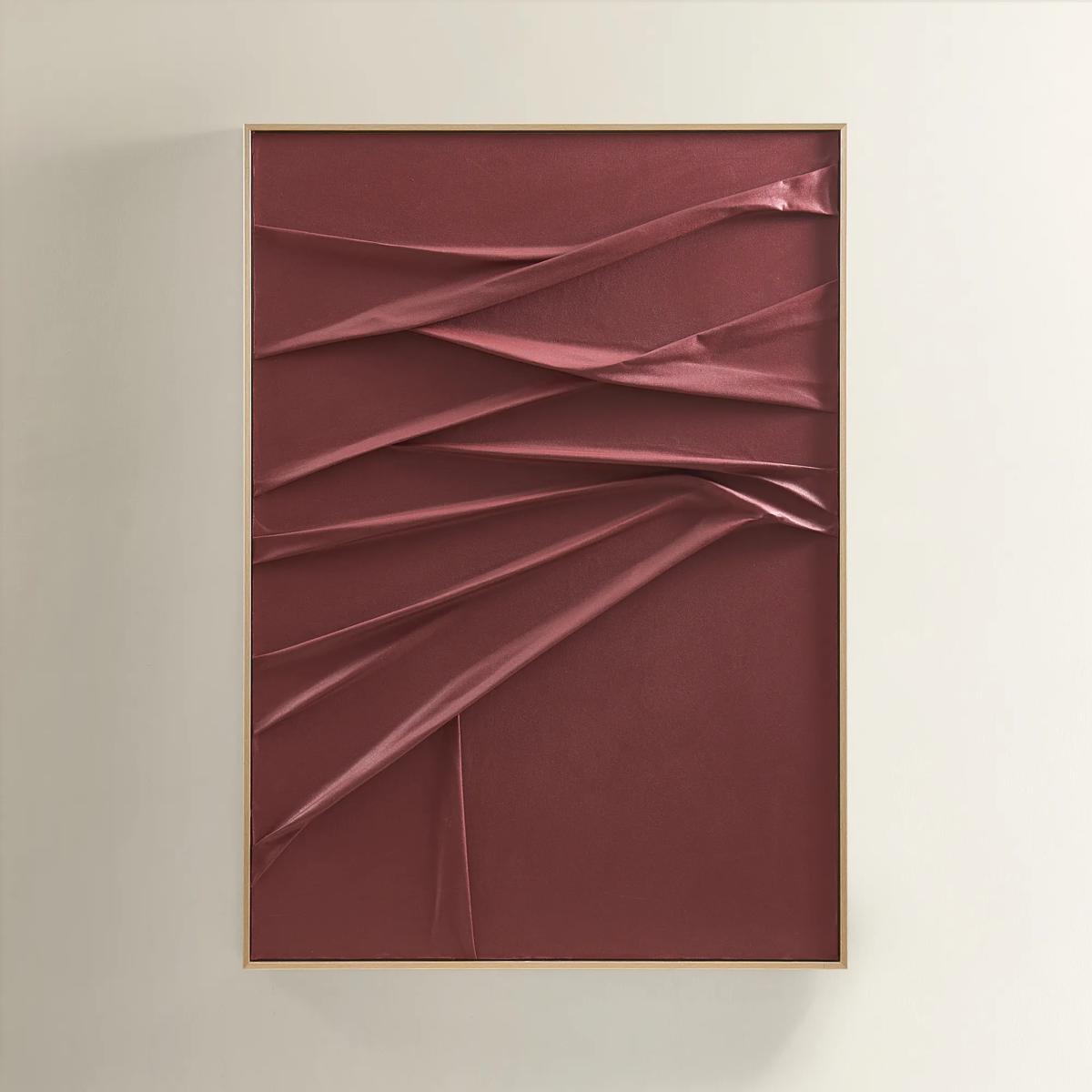
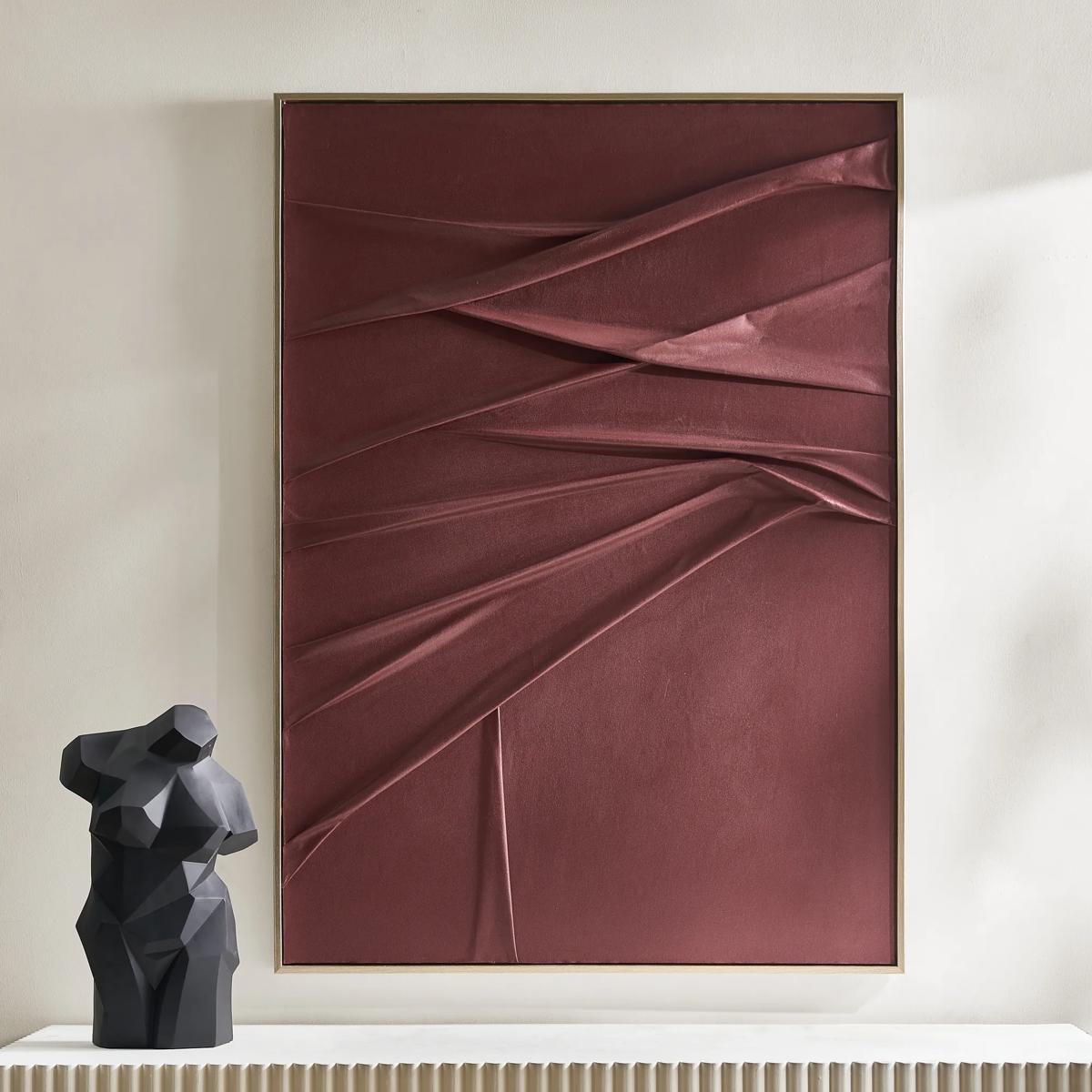 Crimson Painting$599
A handcrafted burgundy canvas artwork with sculptural folds, framed in champagne for a dramatic, textured effect.
Add To Cart -
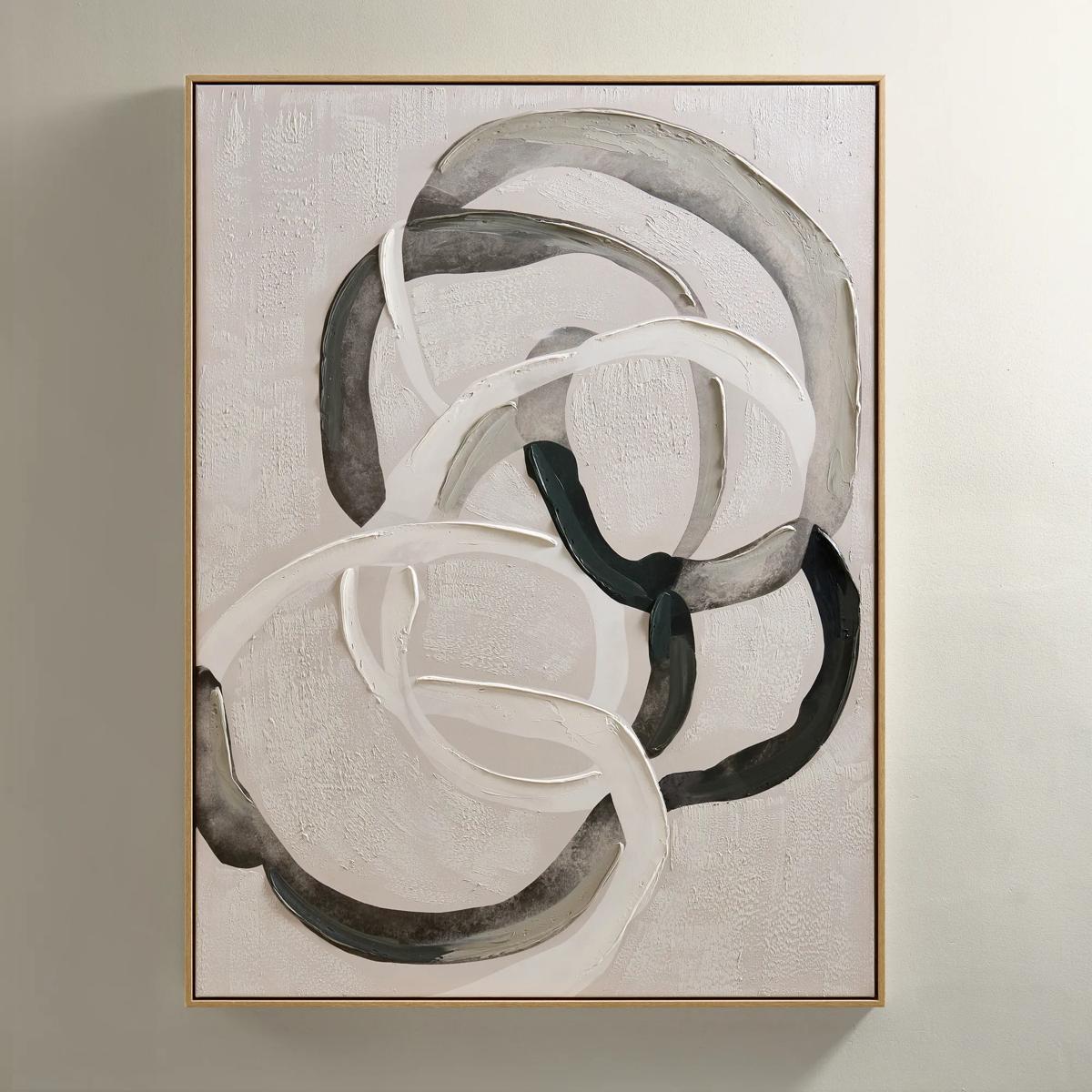
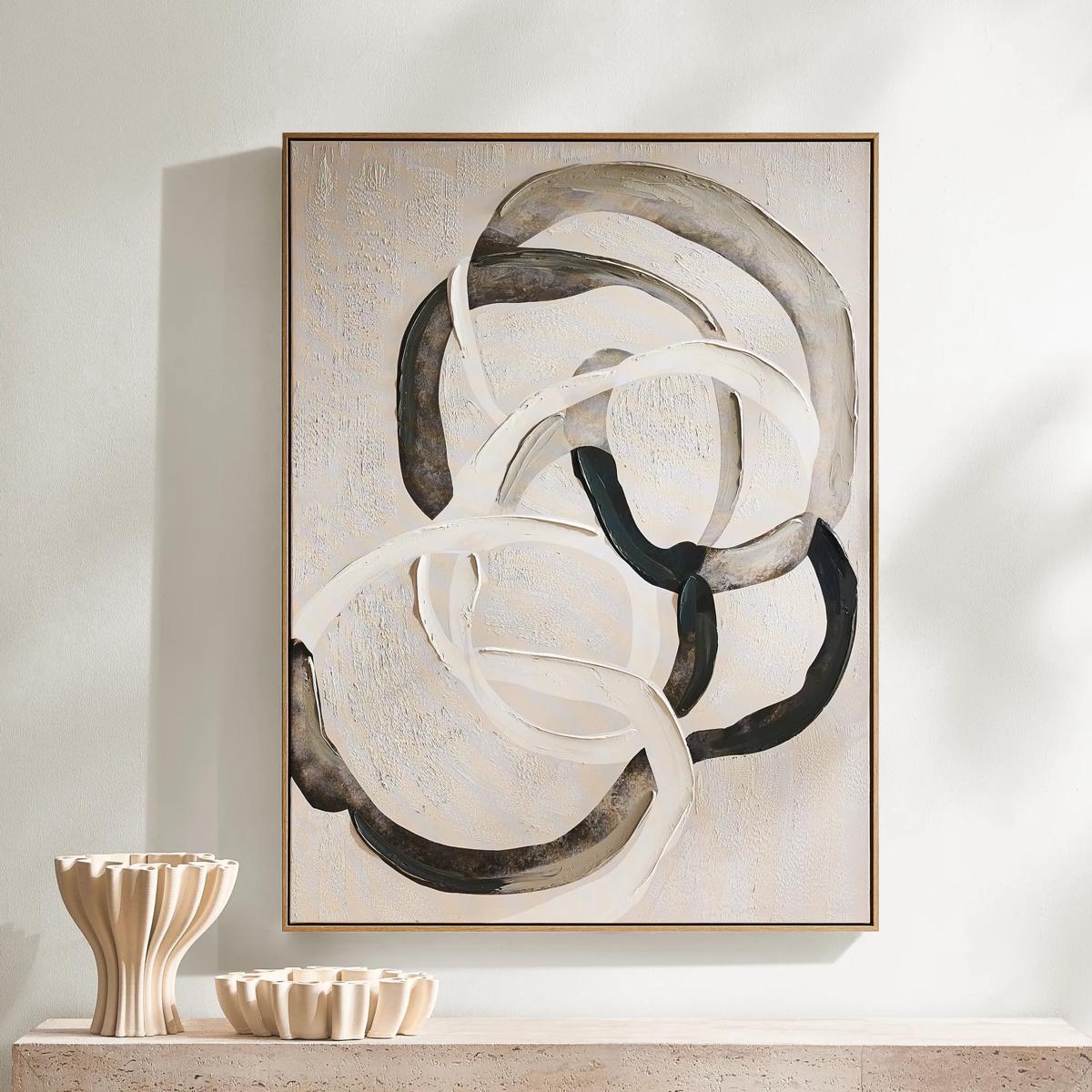 Round About Framed Painted Wall Art 35.25" x 47.25"$349
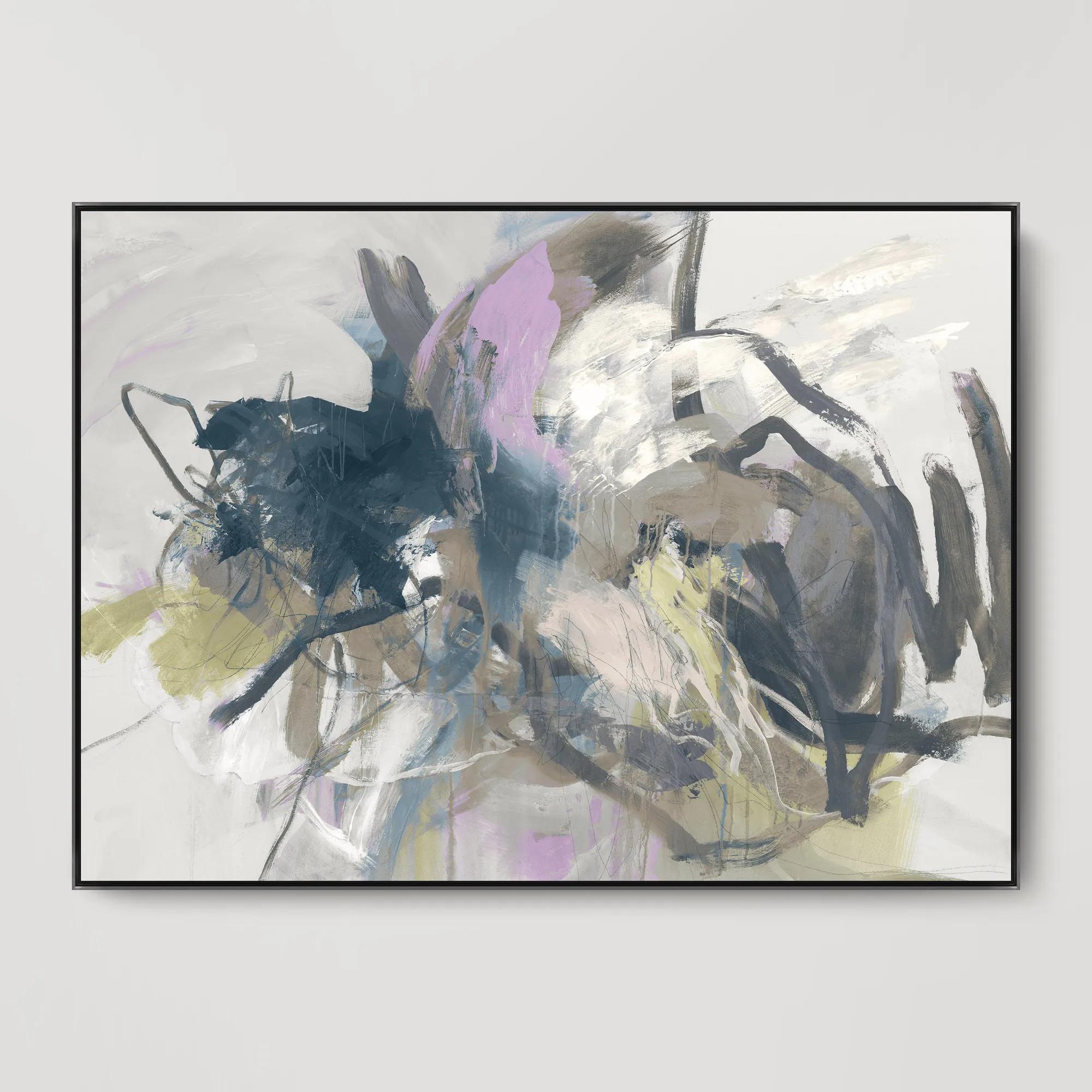
An abstract hand-painted canvas with tonal whites, charcoals, and taupes in a light wood floater frame.
Add To Cart -
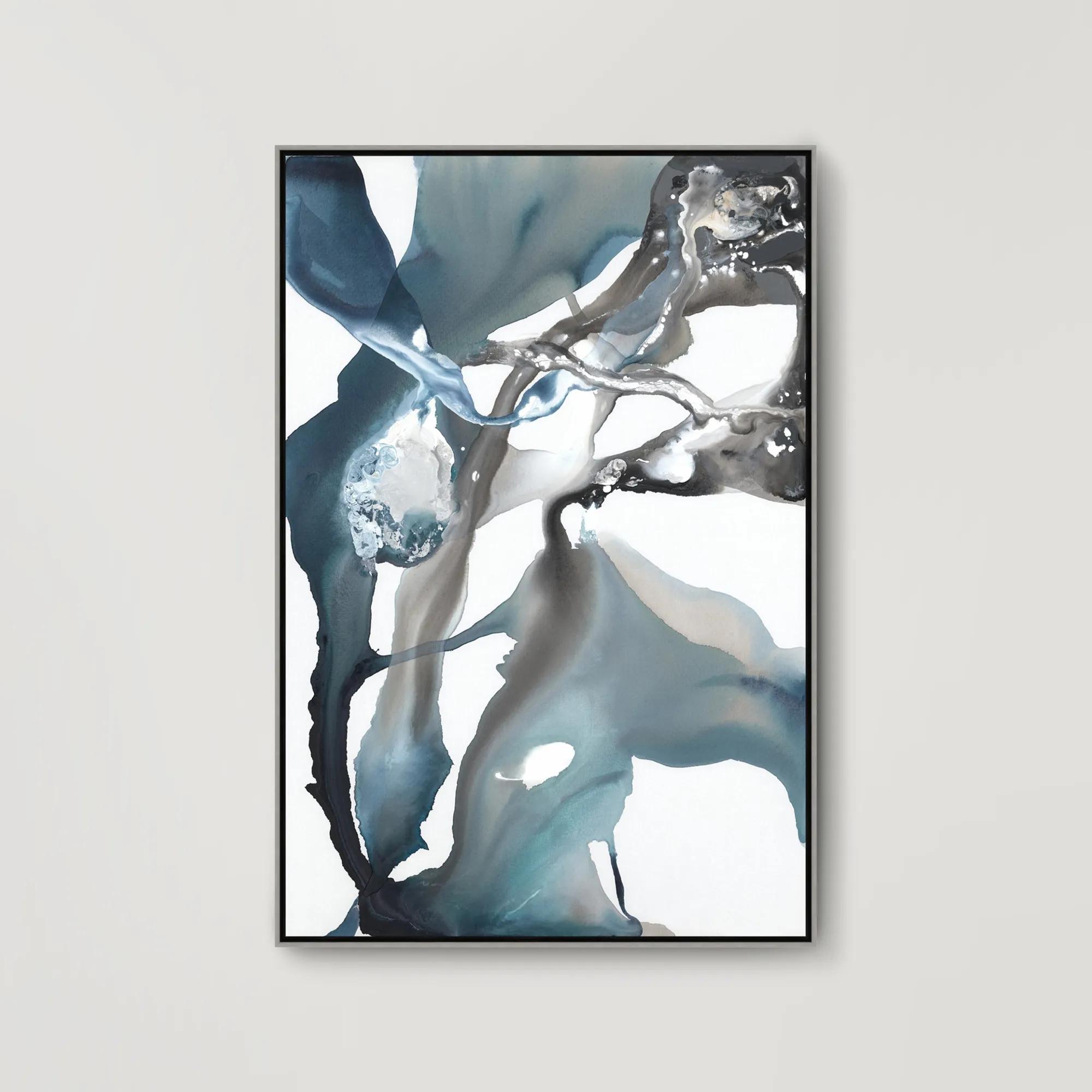
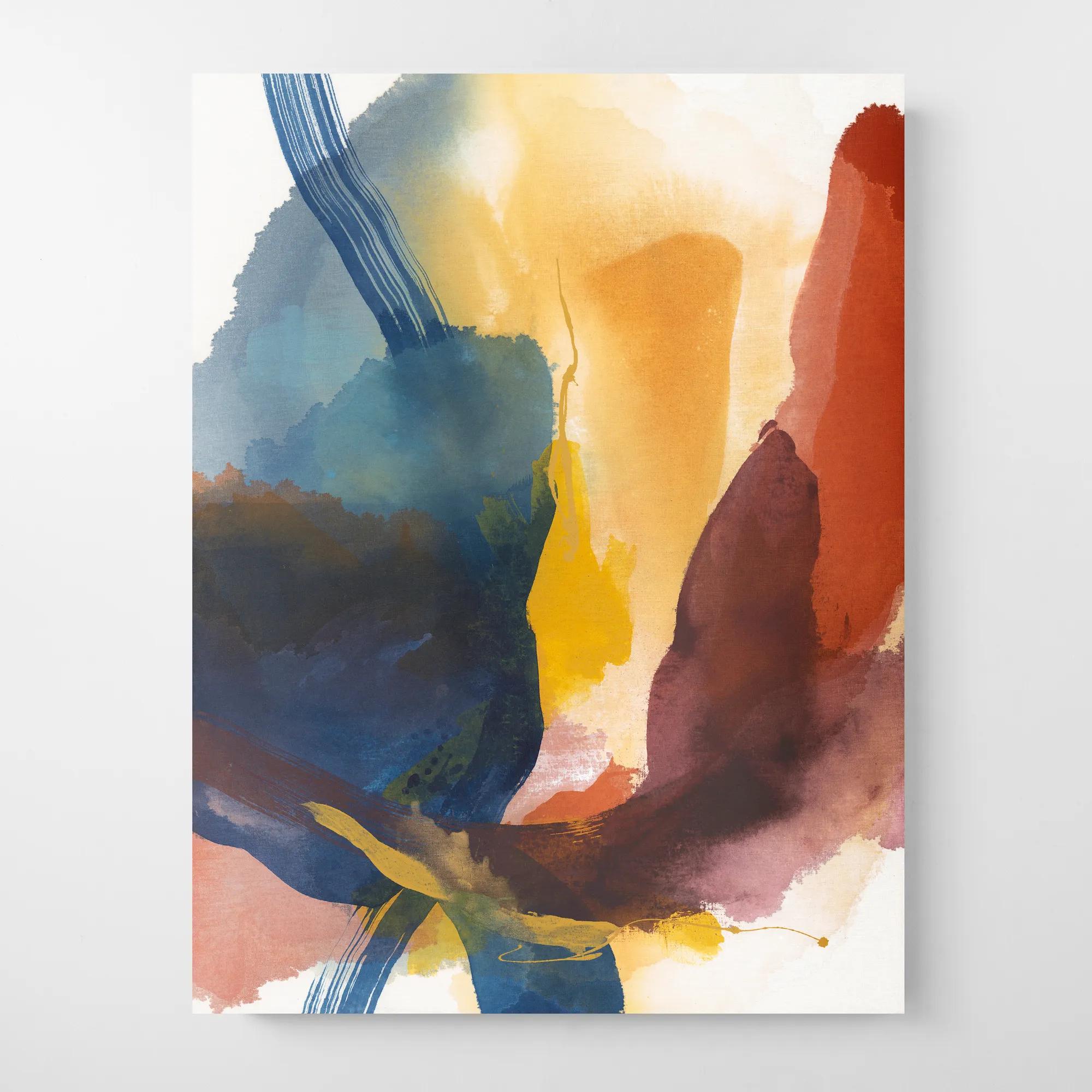
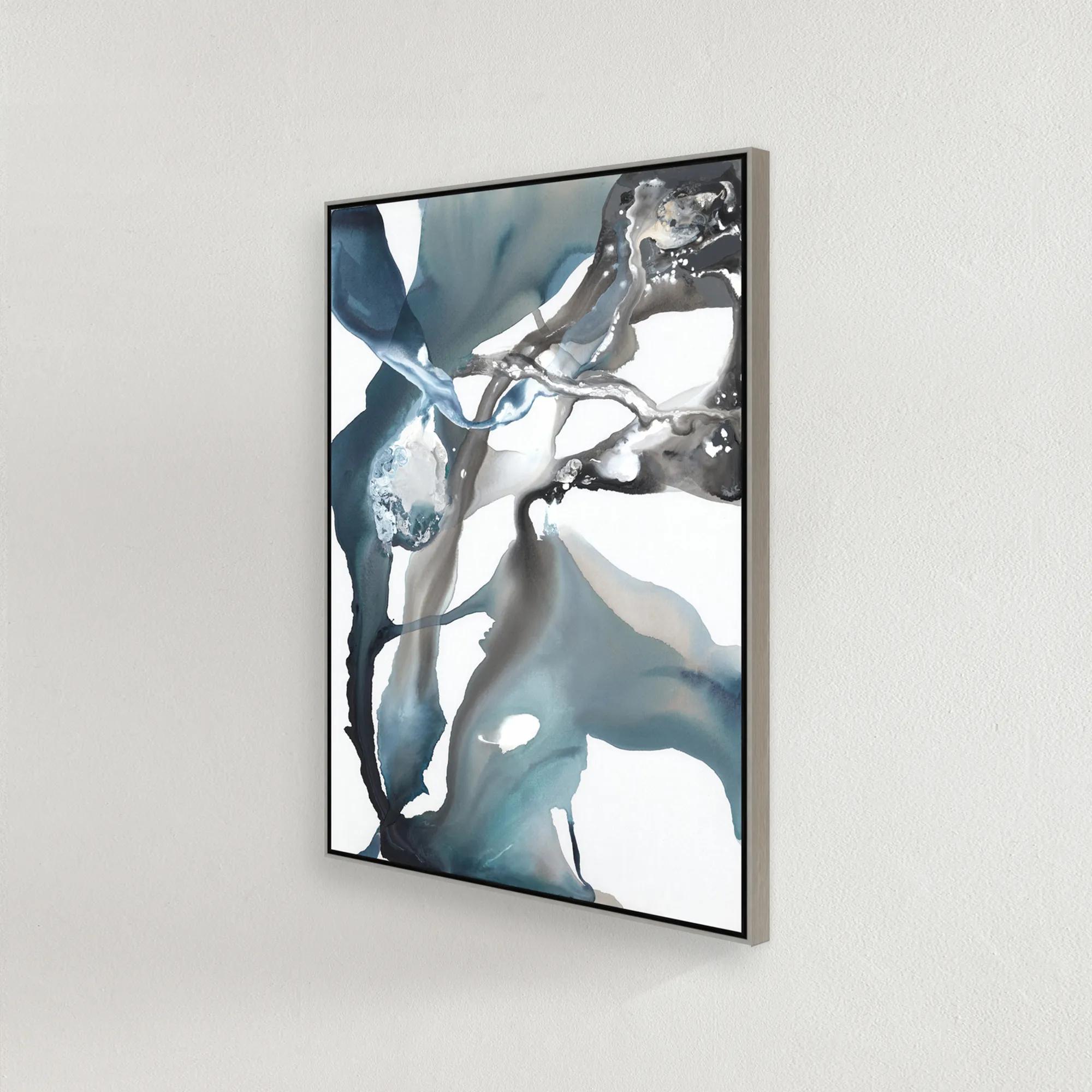 Cool Cascade Framed Wall Art 37.5" x 55.5"$849
A gallery-wrapped canvas artwork featuring expressive colors, hand-applied brush gel, and a gunmetal floater frame.
Add To Cart -
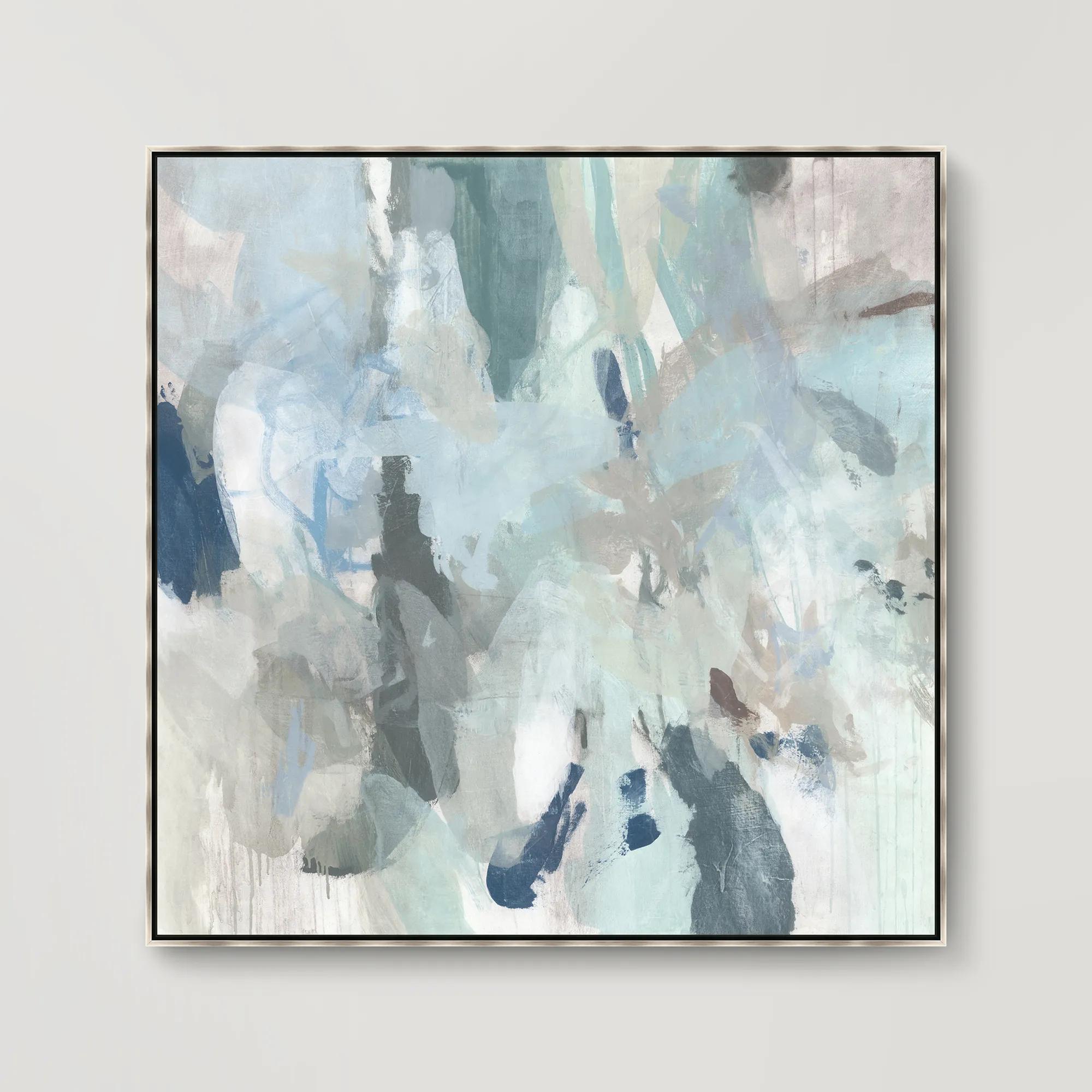
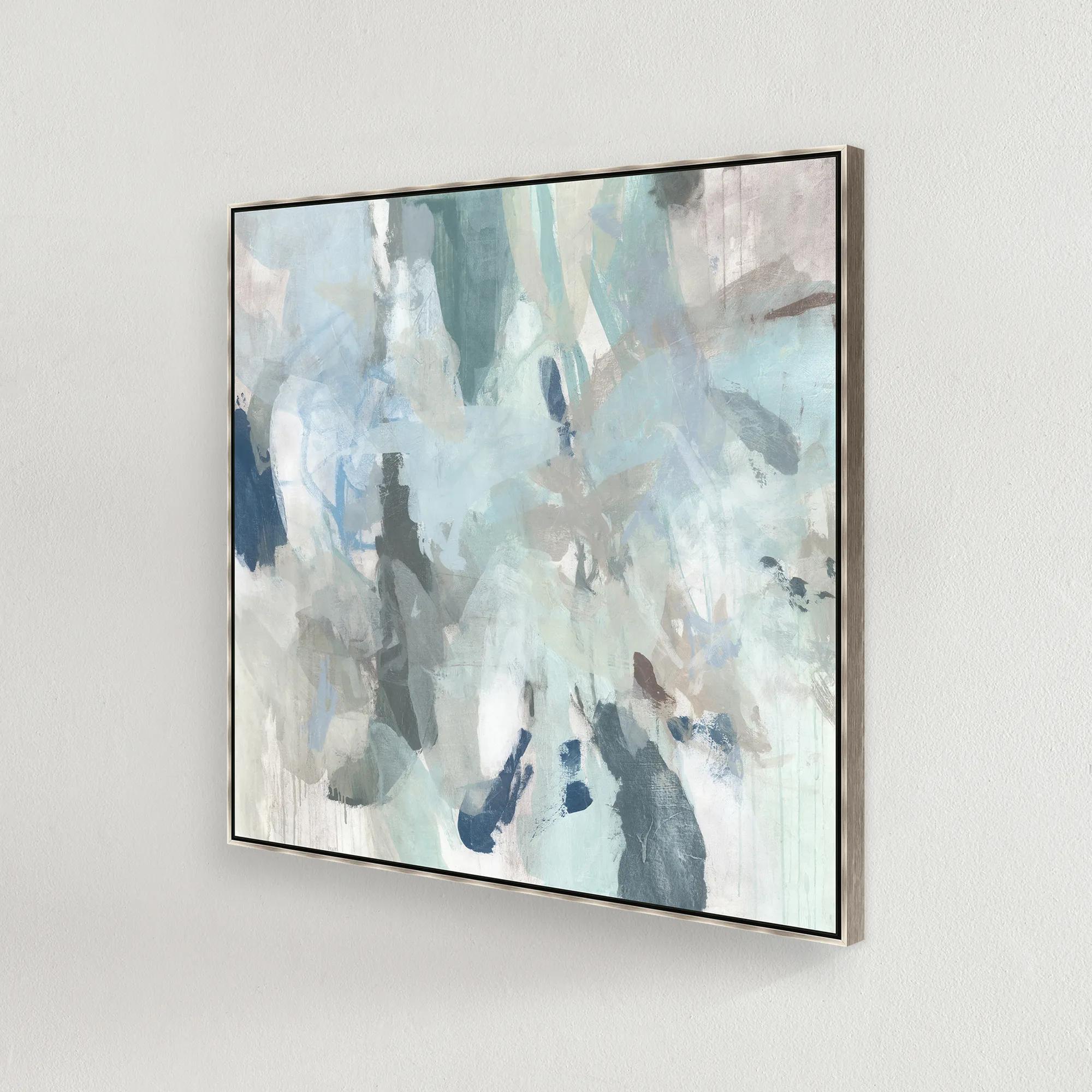 Sage Honey Dew I Framed Wall Art 41.5" x 41.5"$749
A gallery-wrapped abstract canvas featuring hand-applied gel finish in a silver floater frame.
Add To Cart -
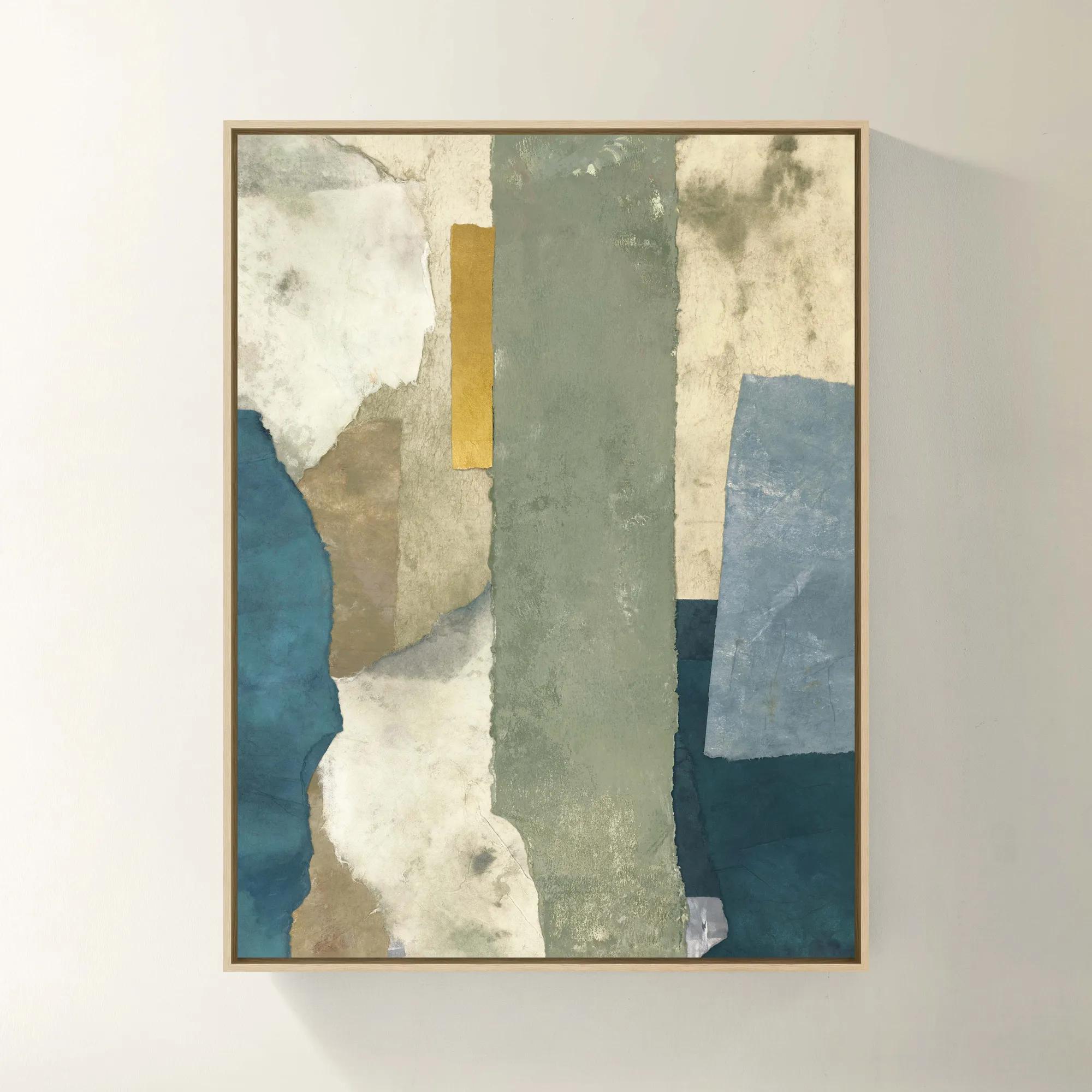 Earth Fragments II Framed Wall Art 30" x 40"$799
A gallery-wrapped canvas featuring gild accents and hand-applied gel, set in a natural floater frame.
Add To Cart -
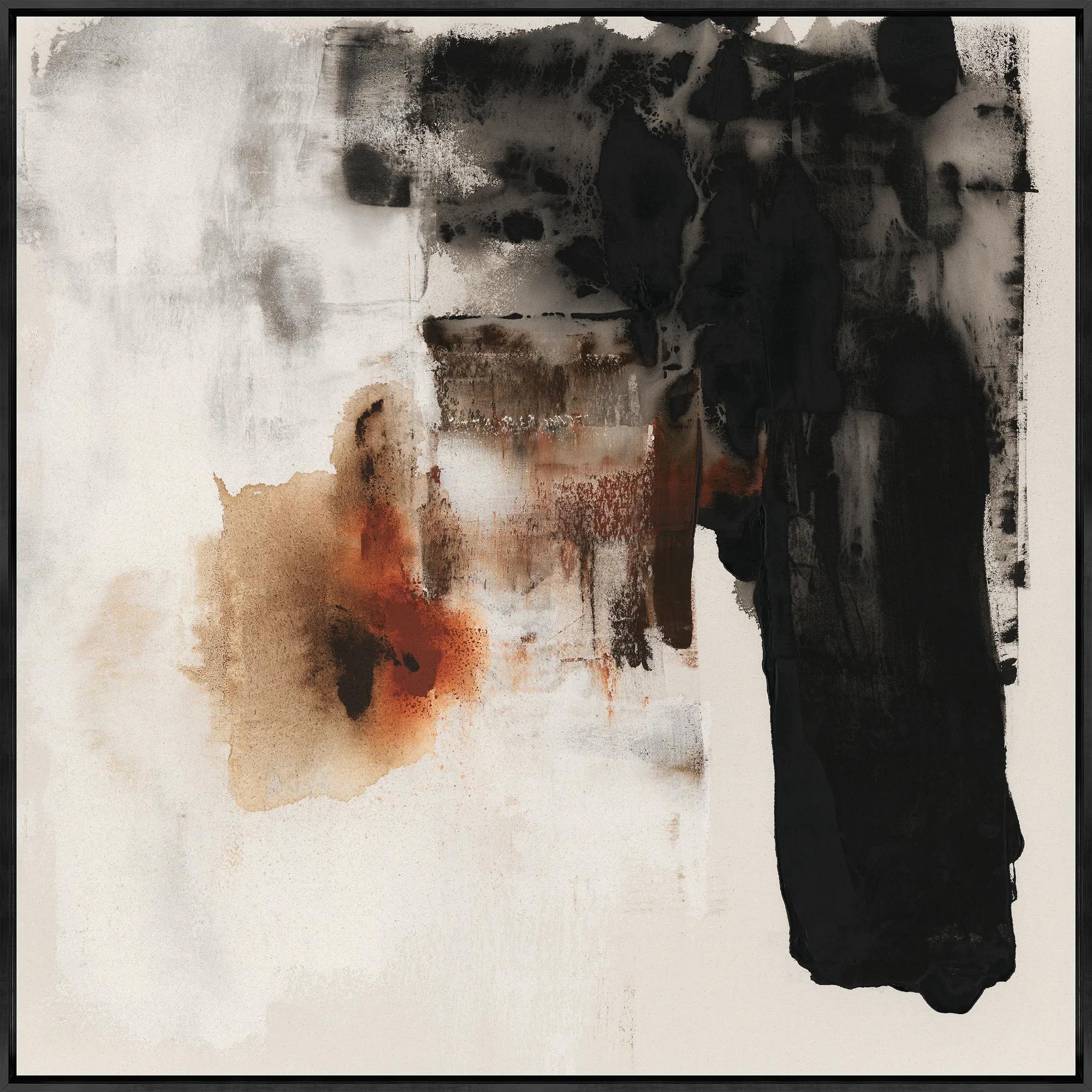
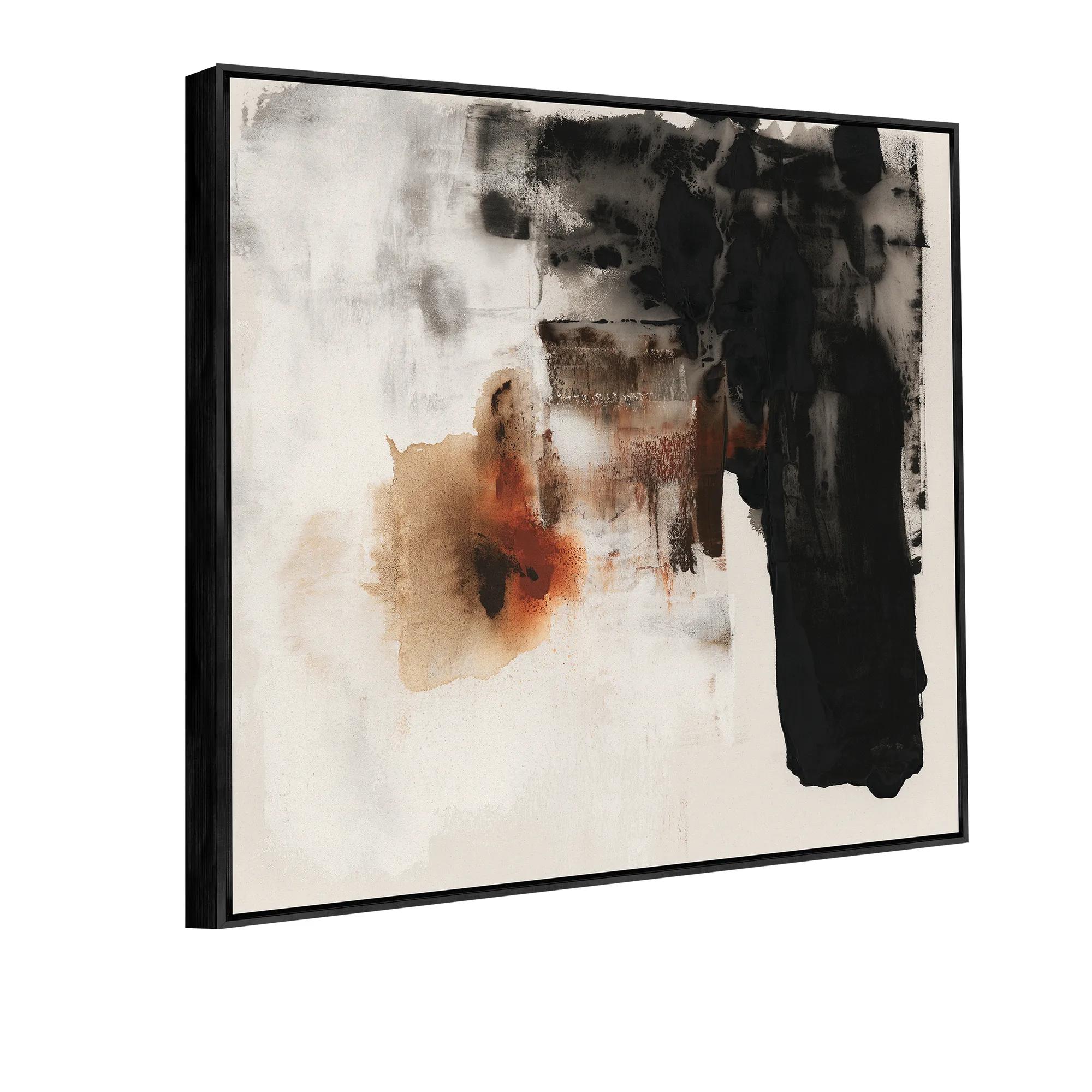 Burning for You II Framed Wall Art 40" x 40"$799
A gallery-wrapped canvas artwork with hand-applied brush gel, set in a sleek black floater frame.
Add To Cart -
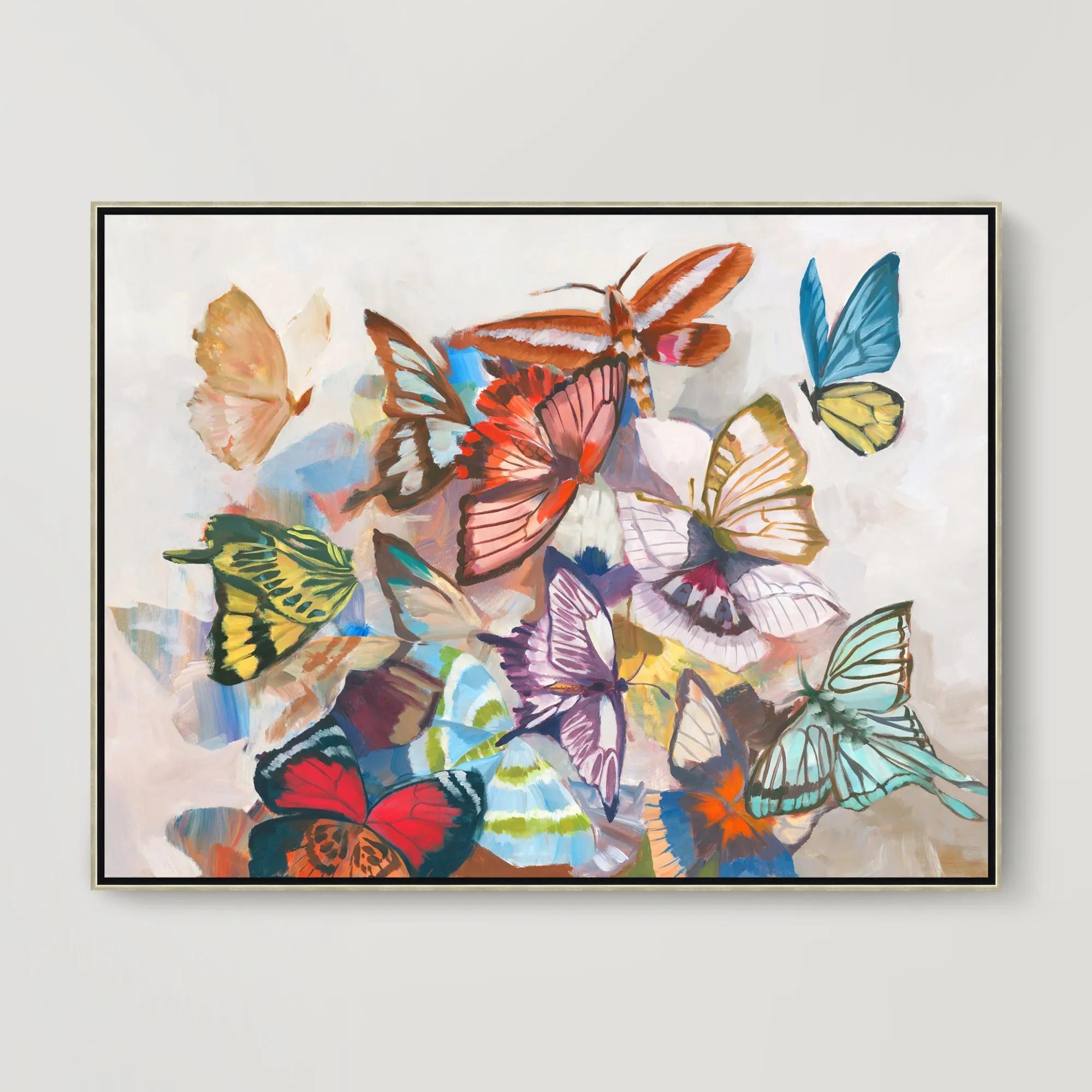 Sugar Wings Framed Wall Art 49.5" x 37.5"$799
A vibrant gallery-wrapped canvas artwork with hand-applied brush gel finish in a sleek silver floater frame.
Add To Cart -
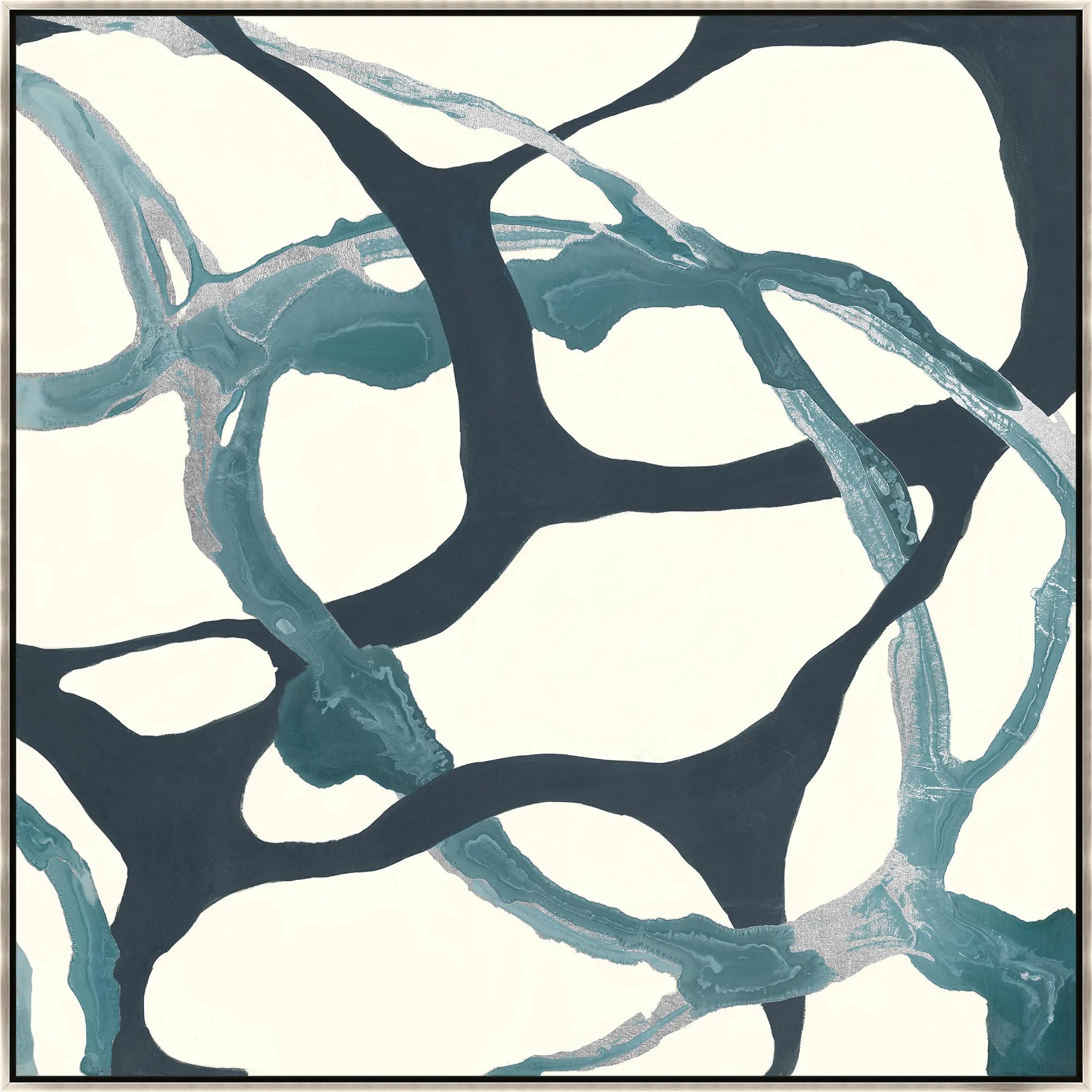
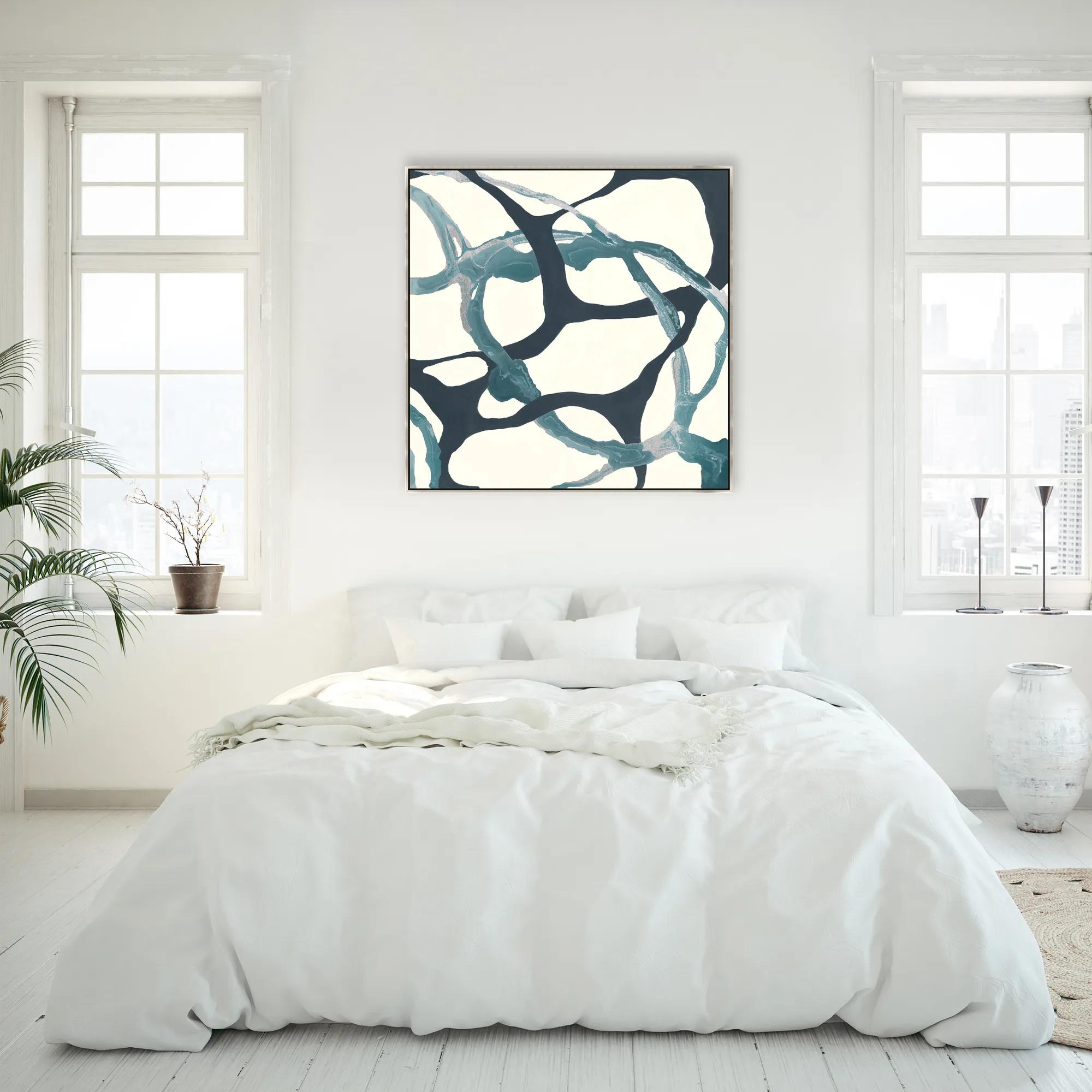 Alignments II Framed Wall Art 40" x 40"$899
A gallery-wrapped canvas featuring gilded silver accents and hand-applied brush gel in a silver floater frame.
Add To Cart -
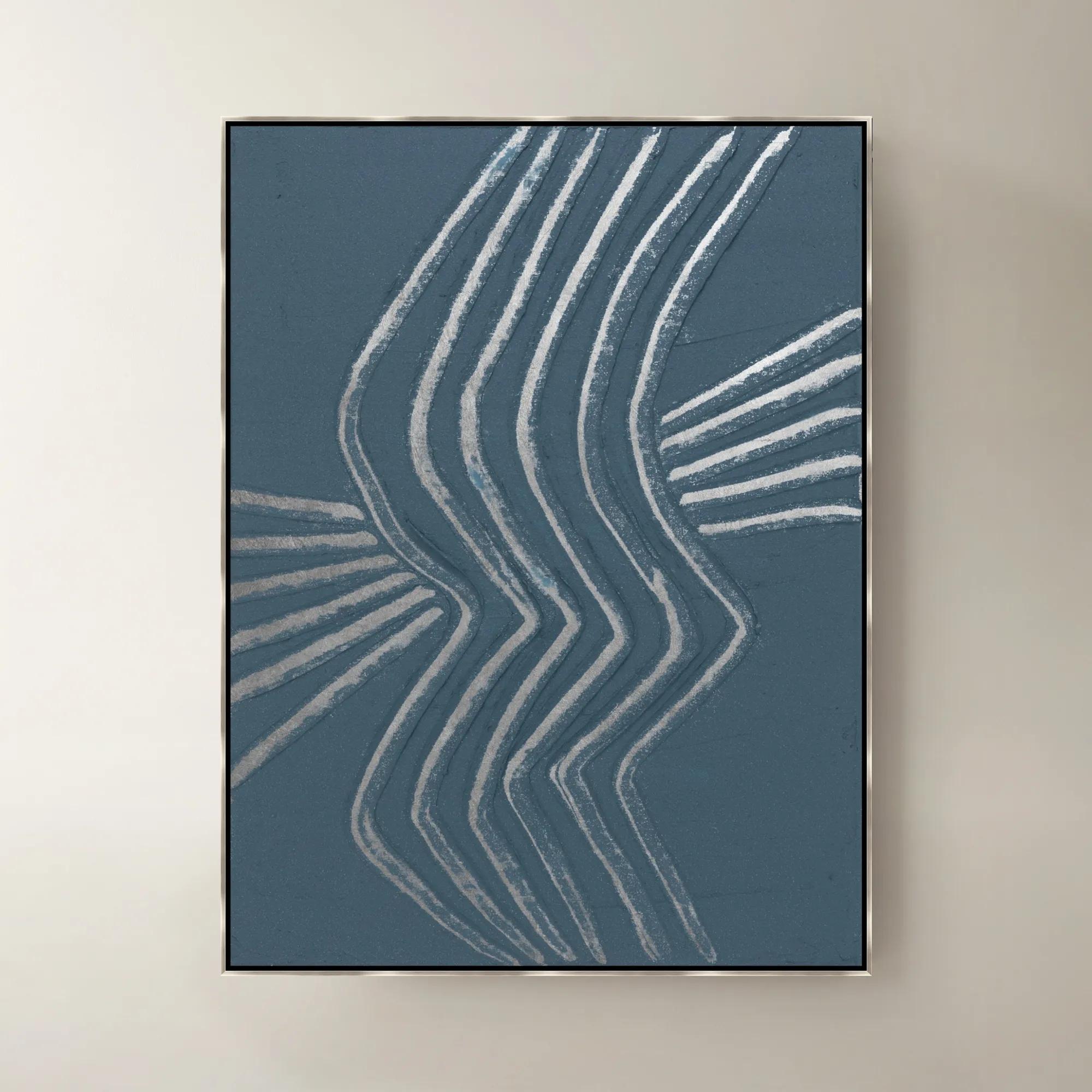
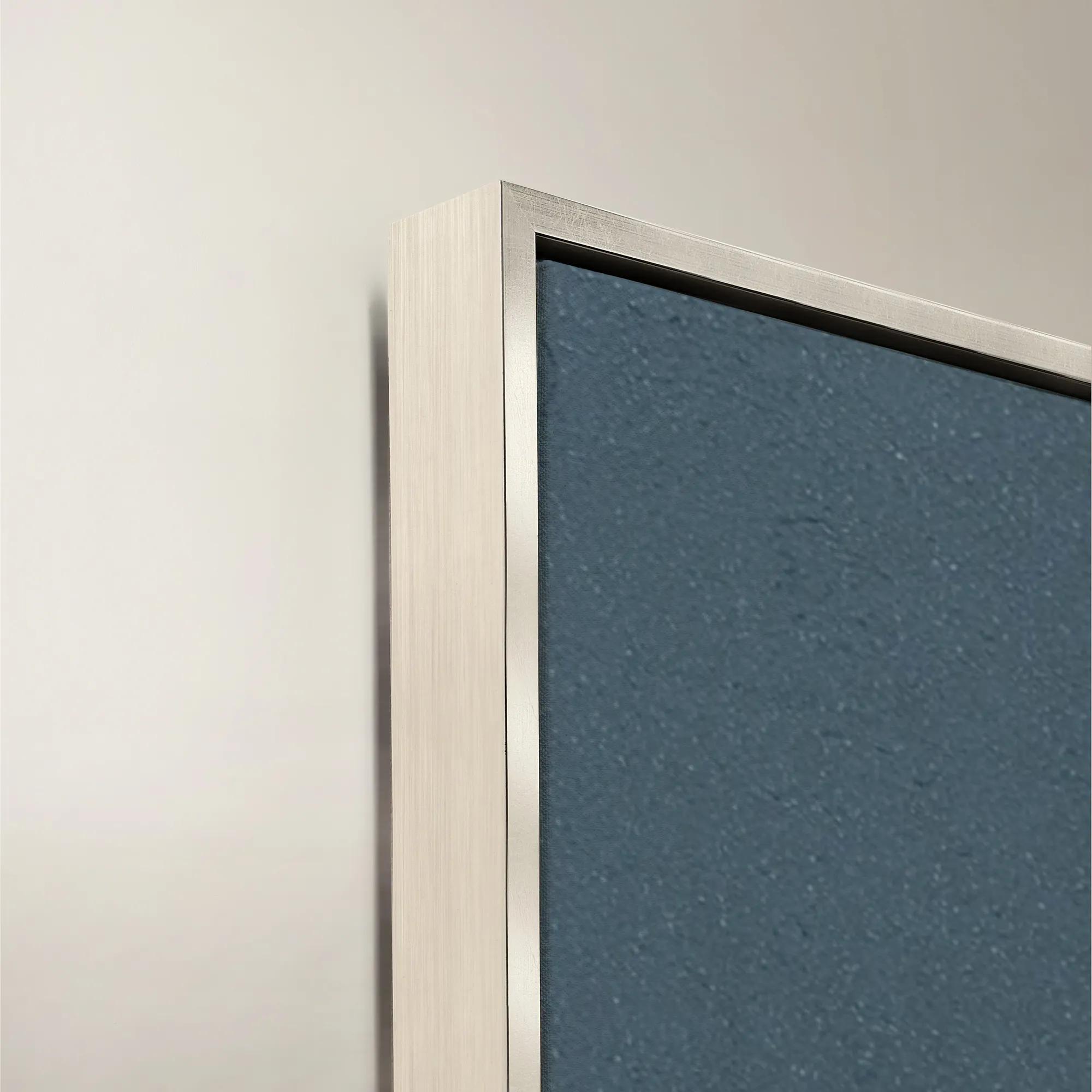 Gilded Waves IV Framed Painted Wall Art 40" x 53"$1399
A framed painted canvas artwork featuring flowing gilded waves in soothing blue and purple tones.
Add To Cart -
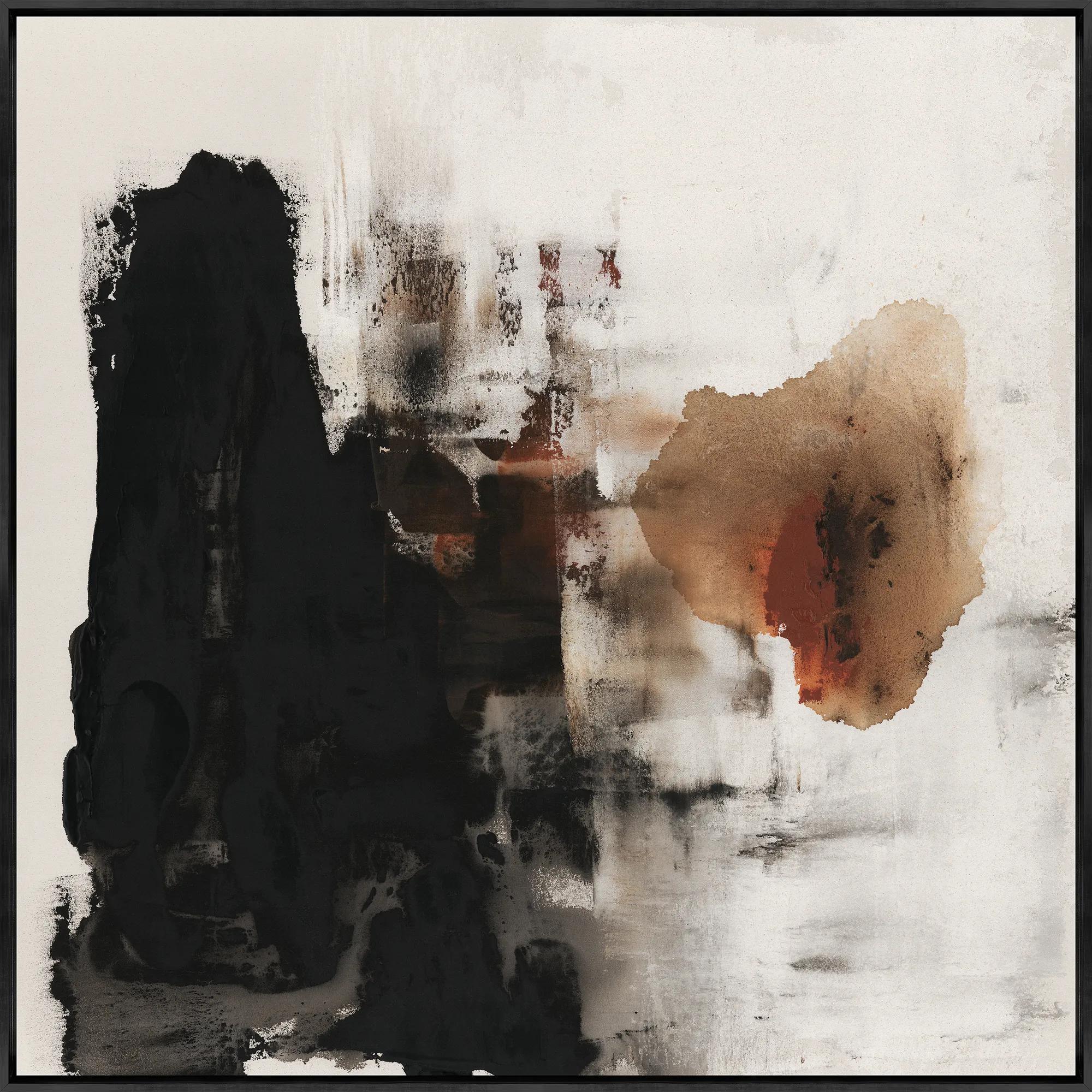 Burning for You I Framed Wall Art 40" x 40"$799
A gallery-wrapped canvas artwork with hand-applied brush gel, set in a sleek black floater frame.
Add To Cart -
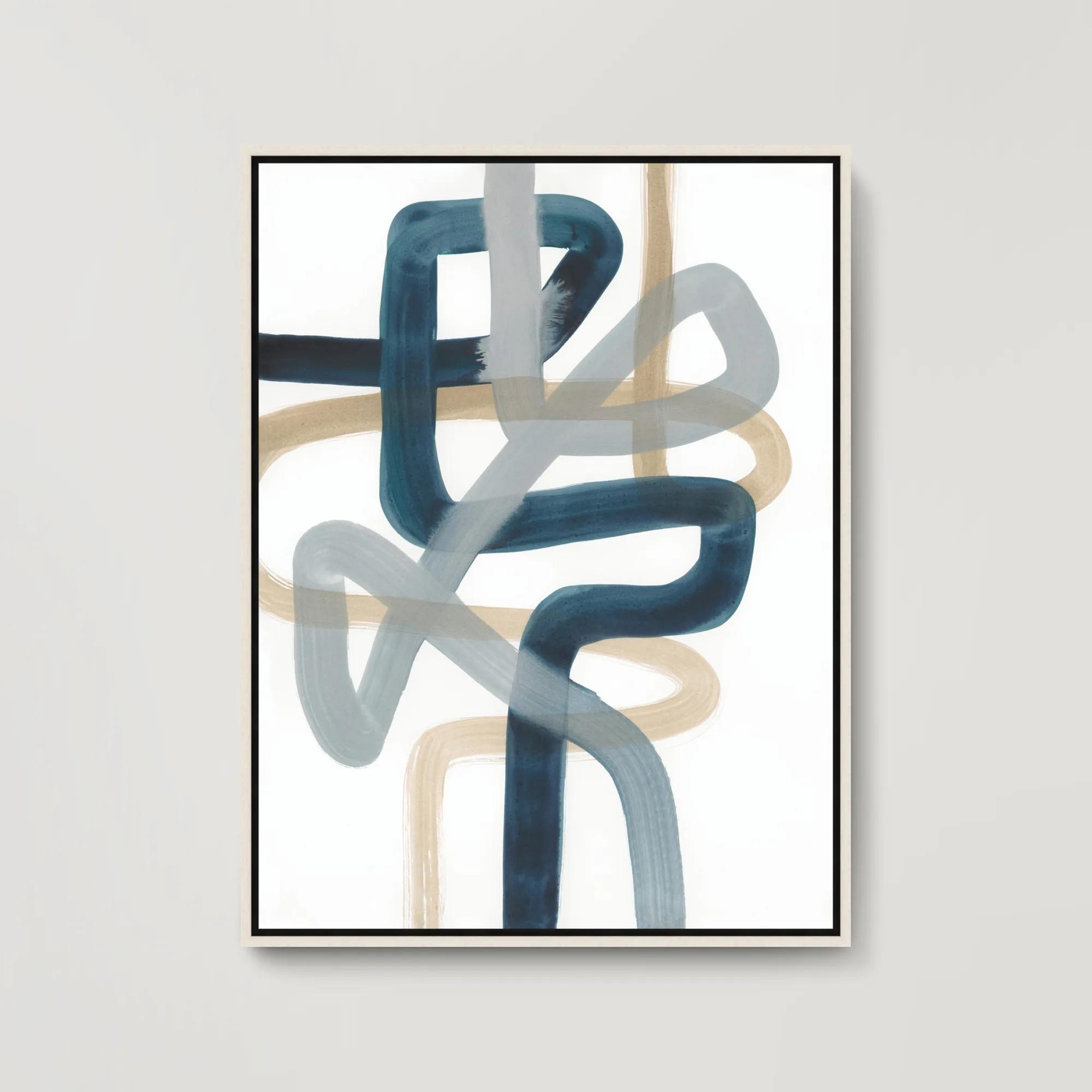
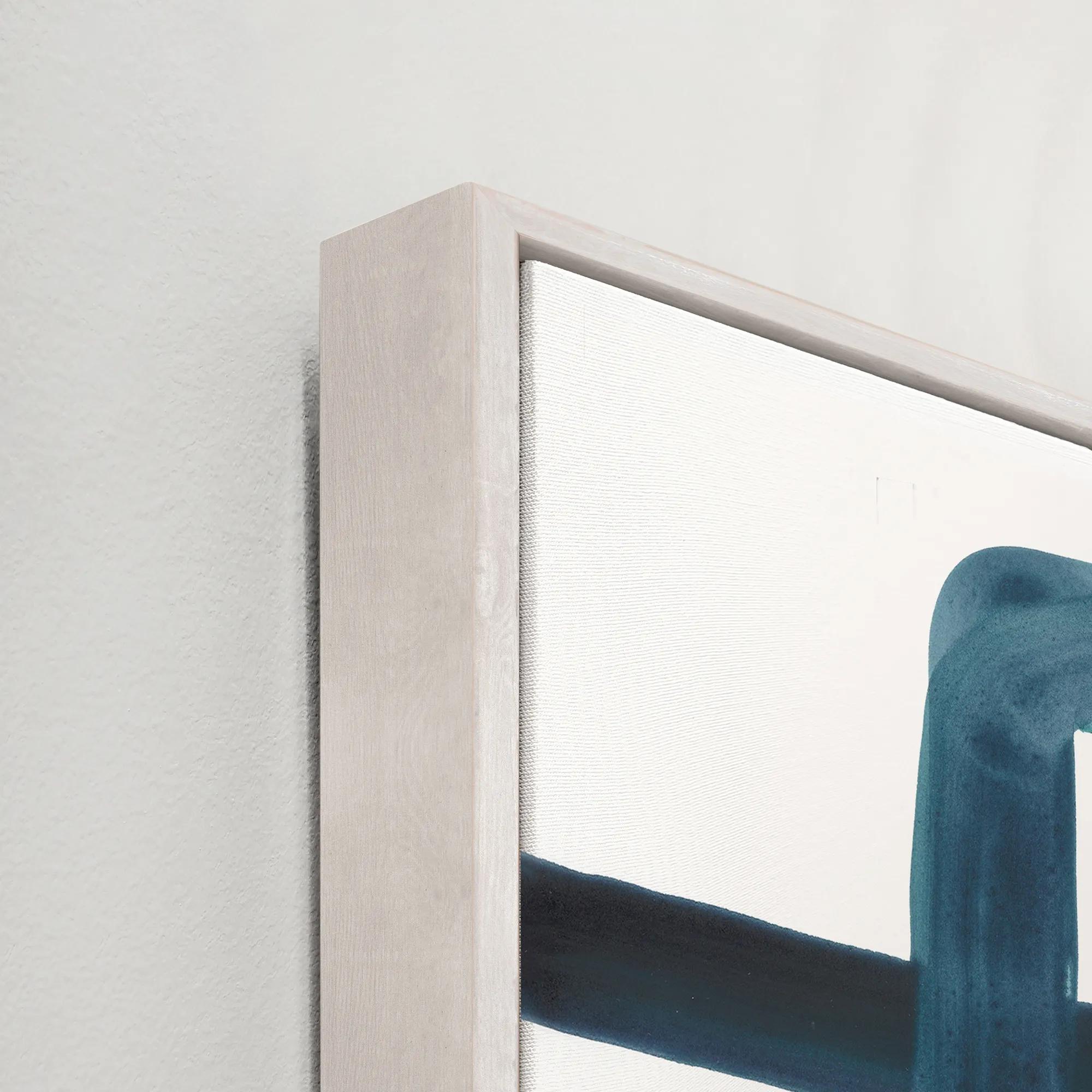 Looped In I Framed Wall Art 31.5" x 41.5"$699
A gallery-wrapped abstract canvas featuring hand-applied brush gel and a sleek white floater frame.
Add To Cart -
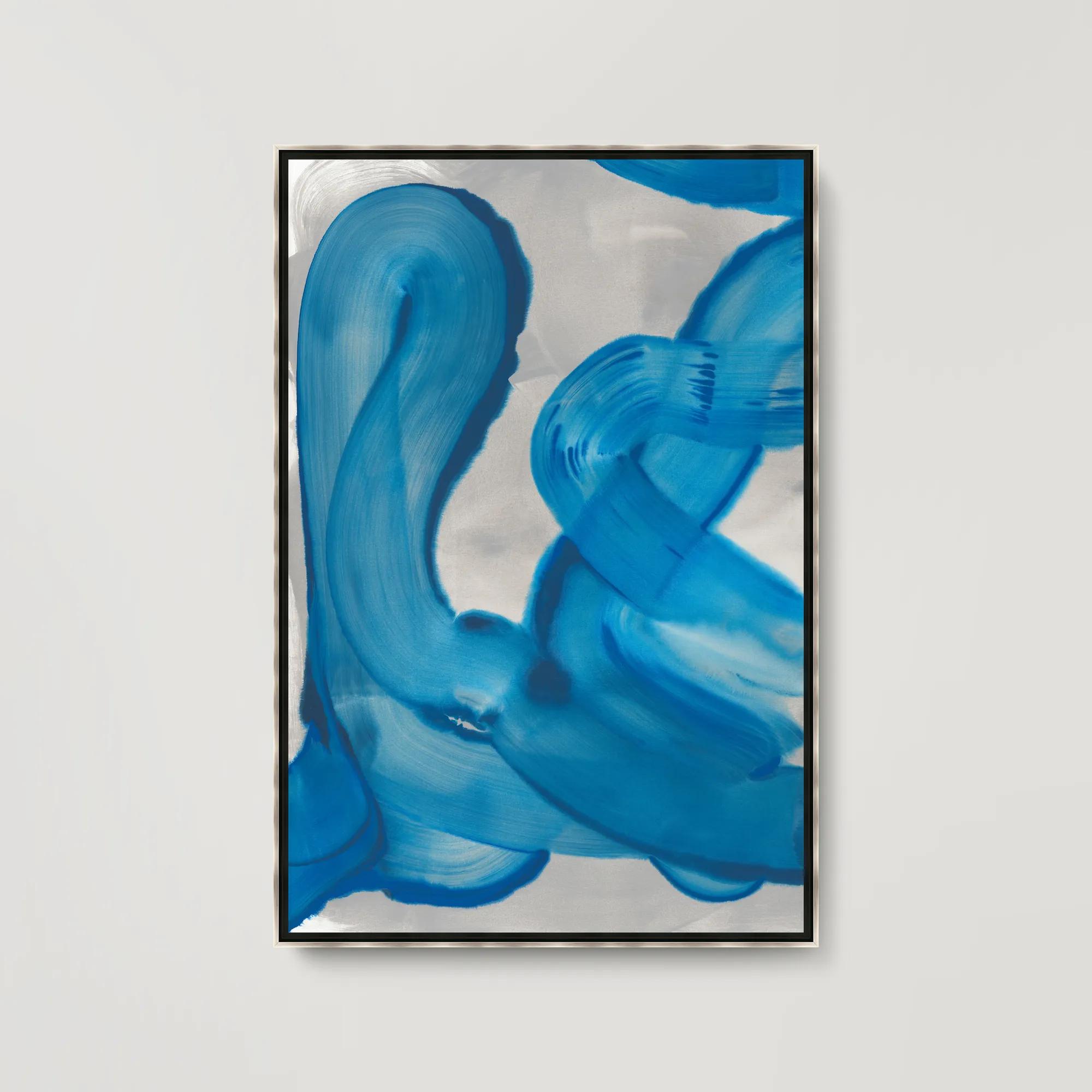 Royal Waves I Framed Wall Art 31.5" x 46.5"$699
A gallery-wrapped abstract canvas featuring hand-applied brush gel and set in a sleek silver floater frame.
Add To Cart -

 Blooming in Her Own Time Framed Wall Art 40" x 50"$1029
A vibrant multicolored canvas wall artwork featuring an expressive botanical-inspired design in a framed presentation.
Add To Cart -
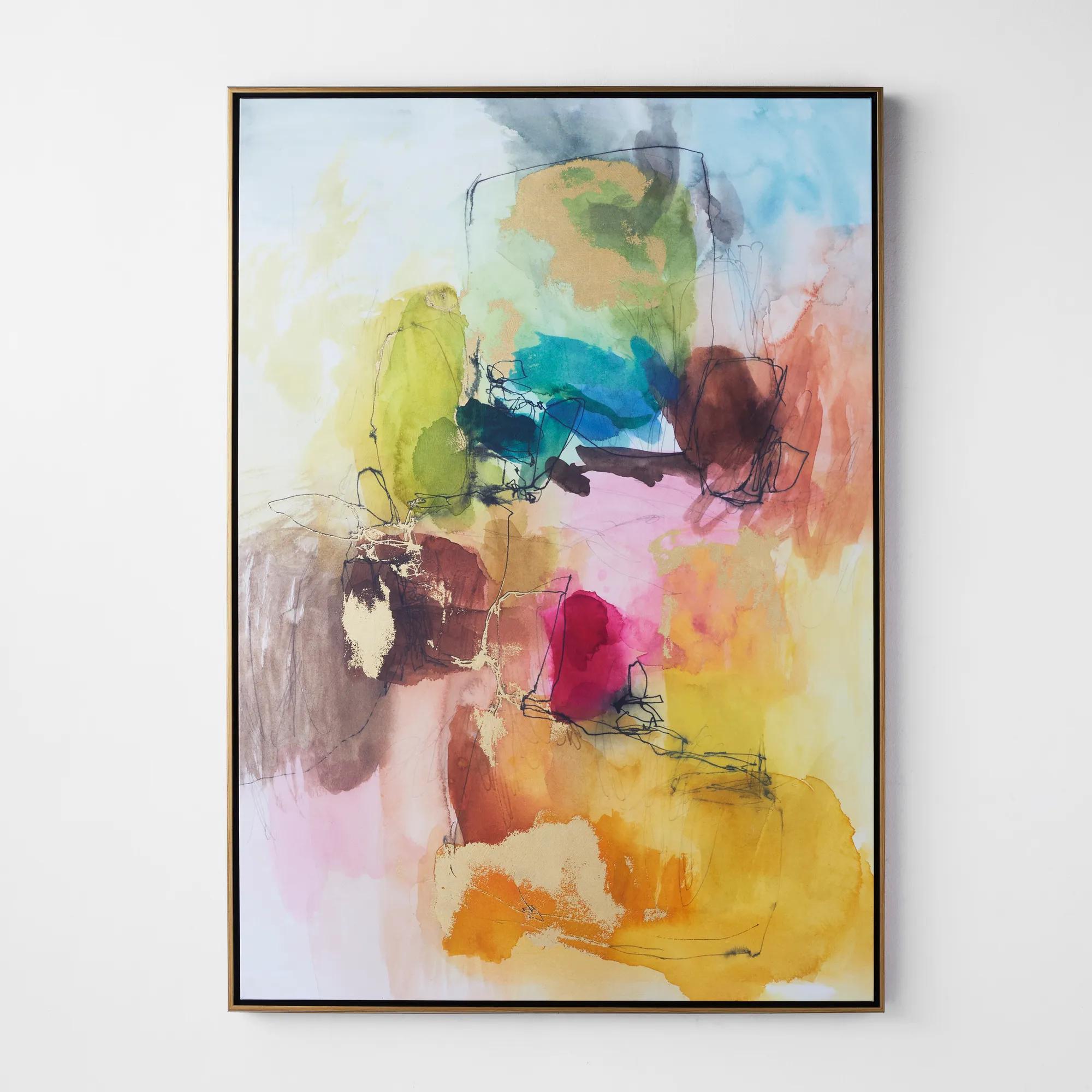 Apricity 3 Framed Wall Art 41" x 58"$899
A vibrant giclee on canvas featuring hand-applied gold gilding and a gold floater frame.
Add To Cart -
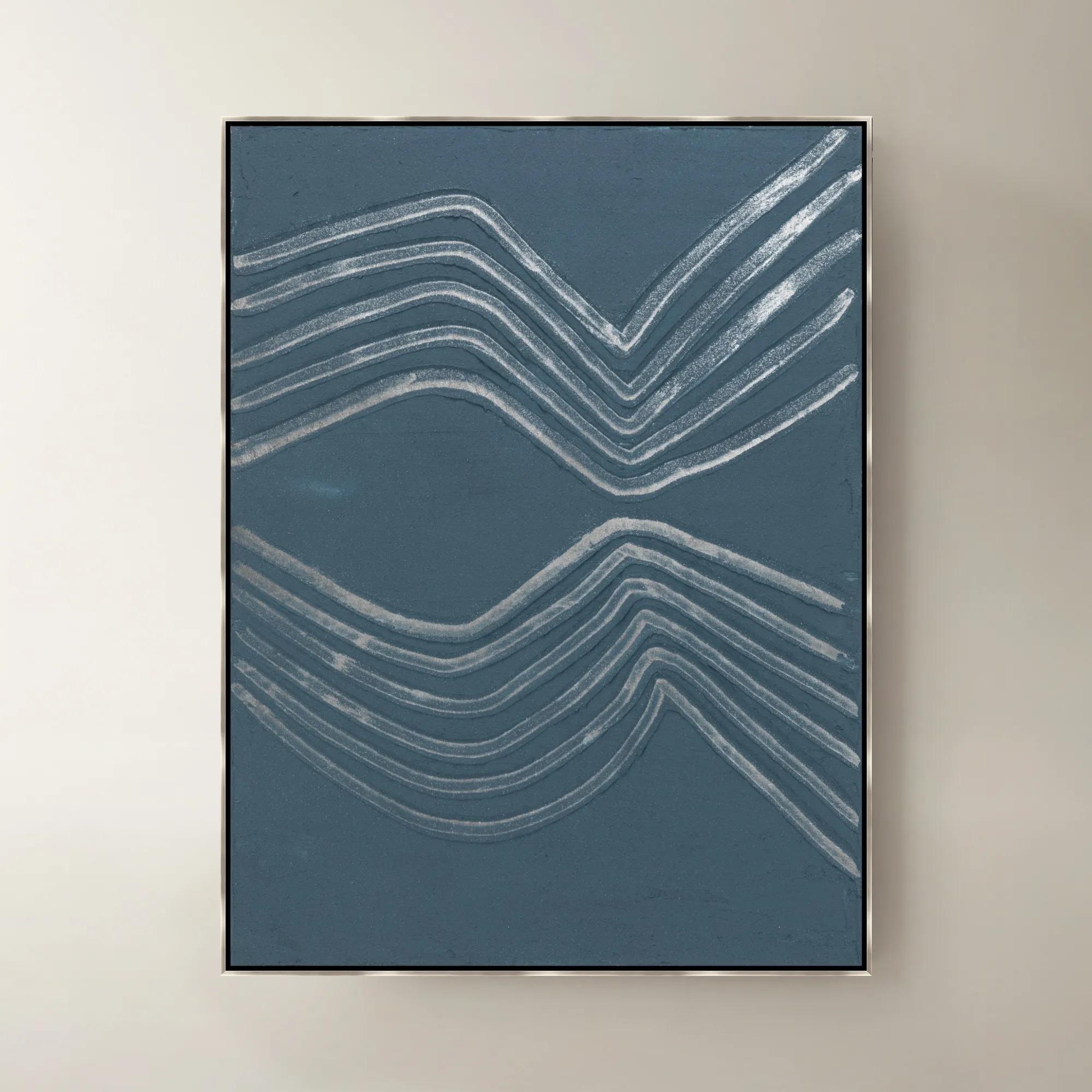
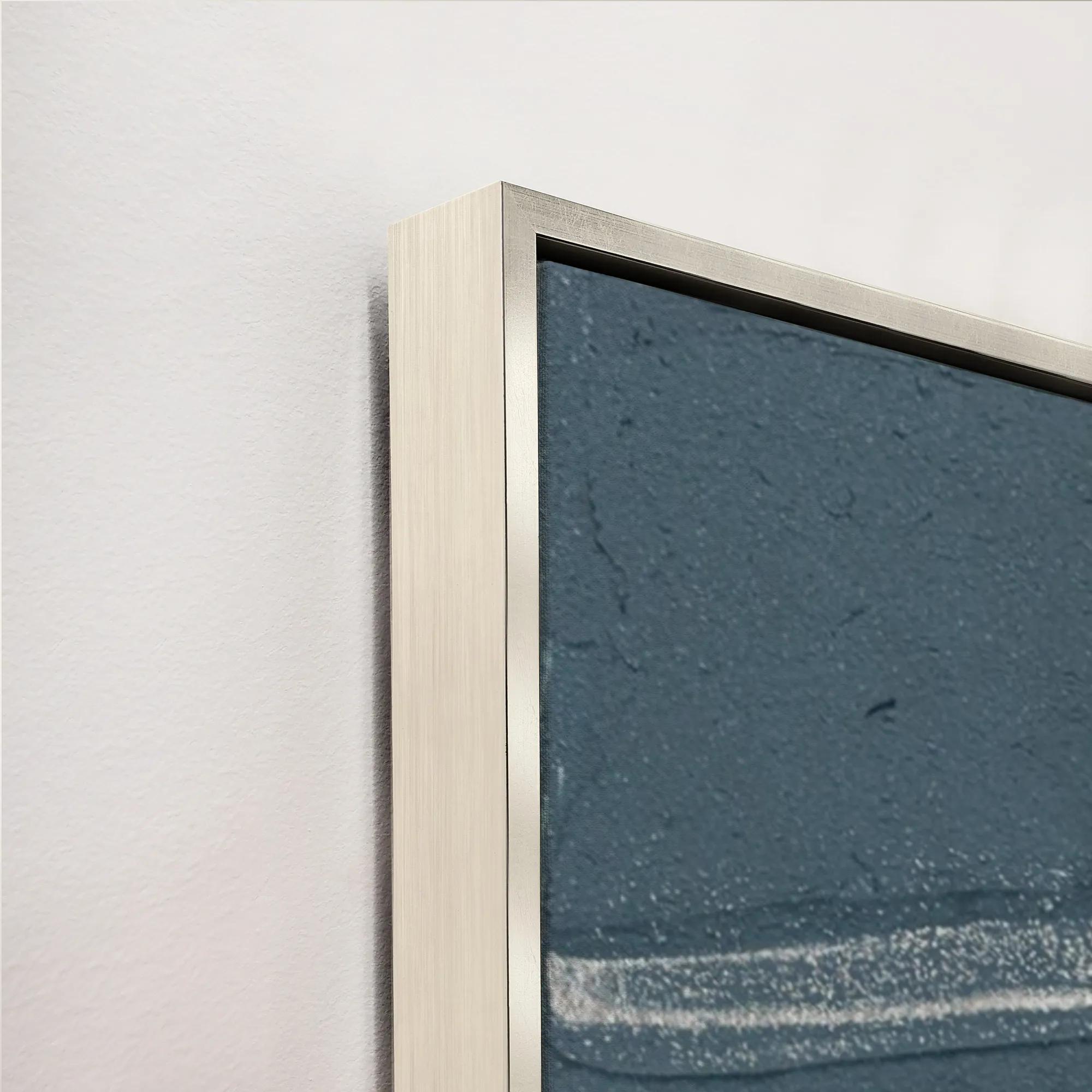 Gilded Waves VI Framed Painted Wall Art 40" x 53"$1399
A framed painted canvas artwork featuring sweeping gilded waves in rich blue and purple tones.
Add To Cart -
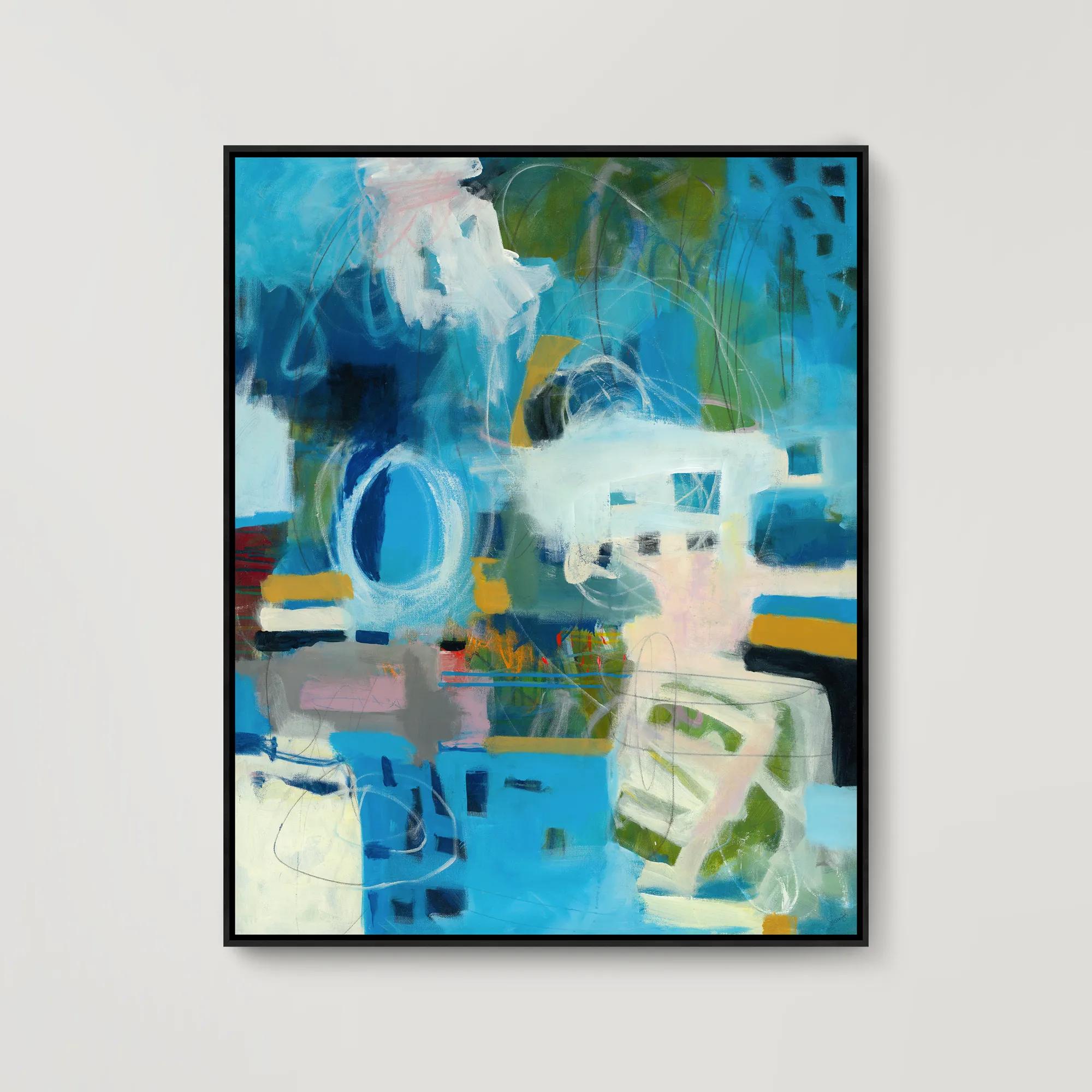
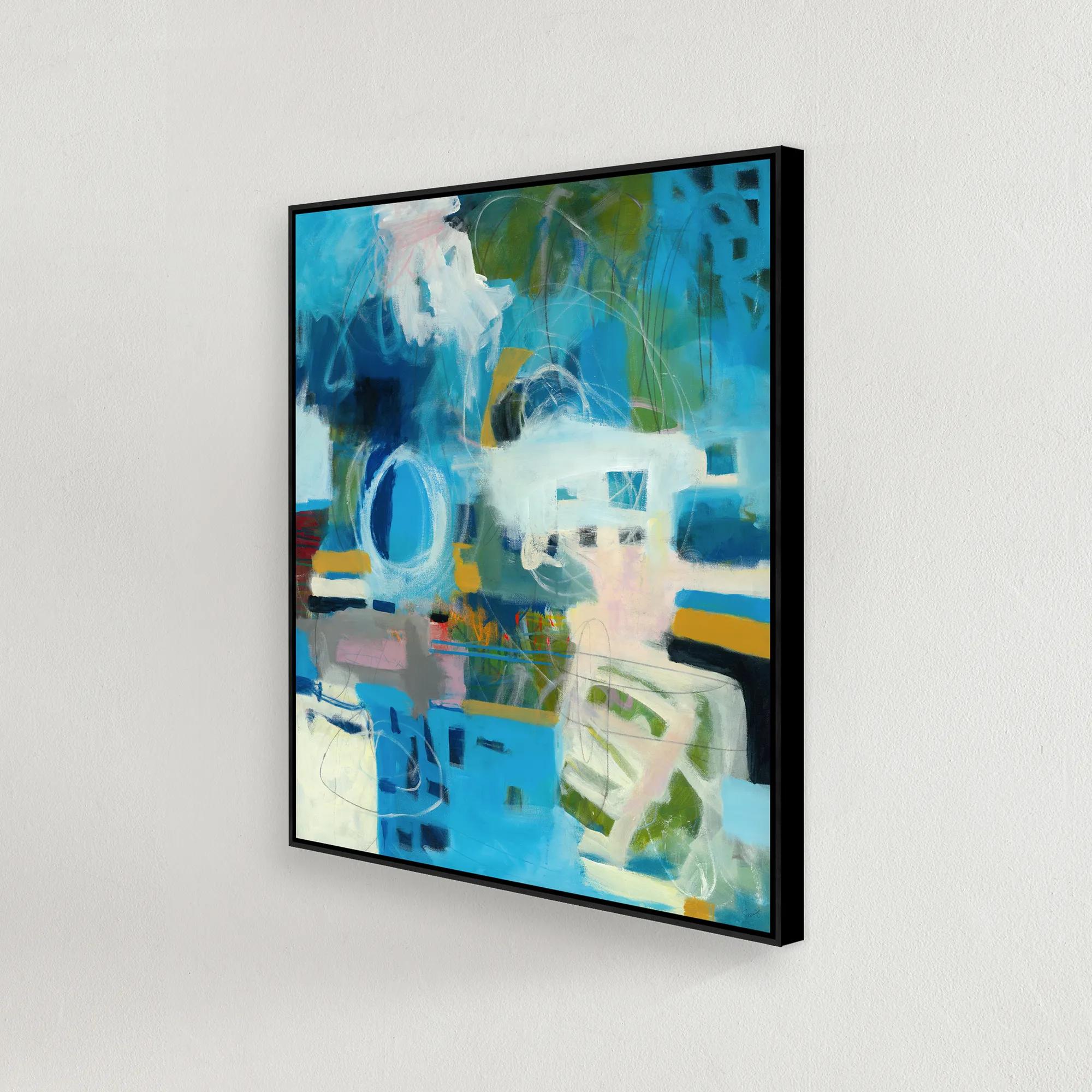 Just Across the Boarder Framed Wall Art 37.5" x 46.5"$749
A gallery-wrapped canvas artwork with hand-applied gel finish, set in a sleek black floater frame.
Add To Cart -
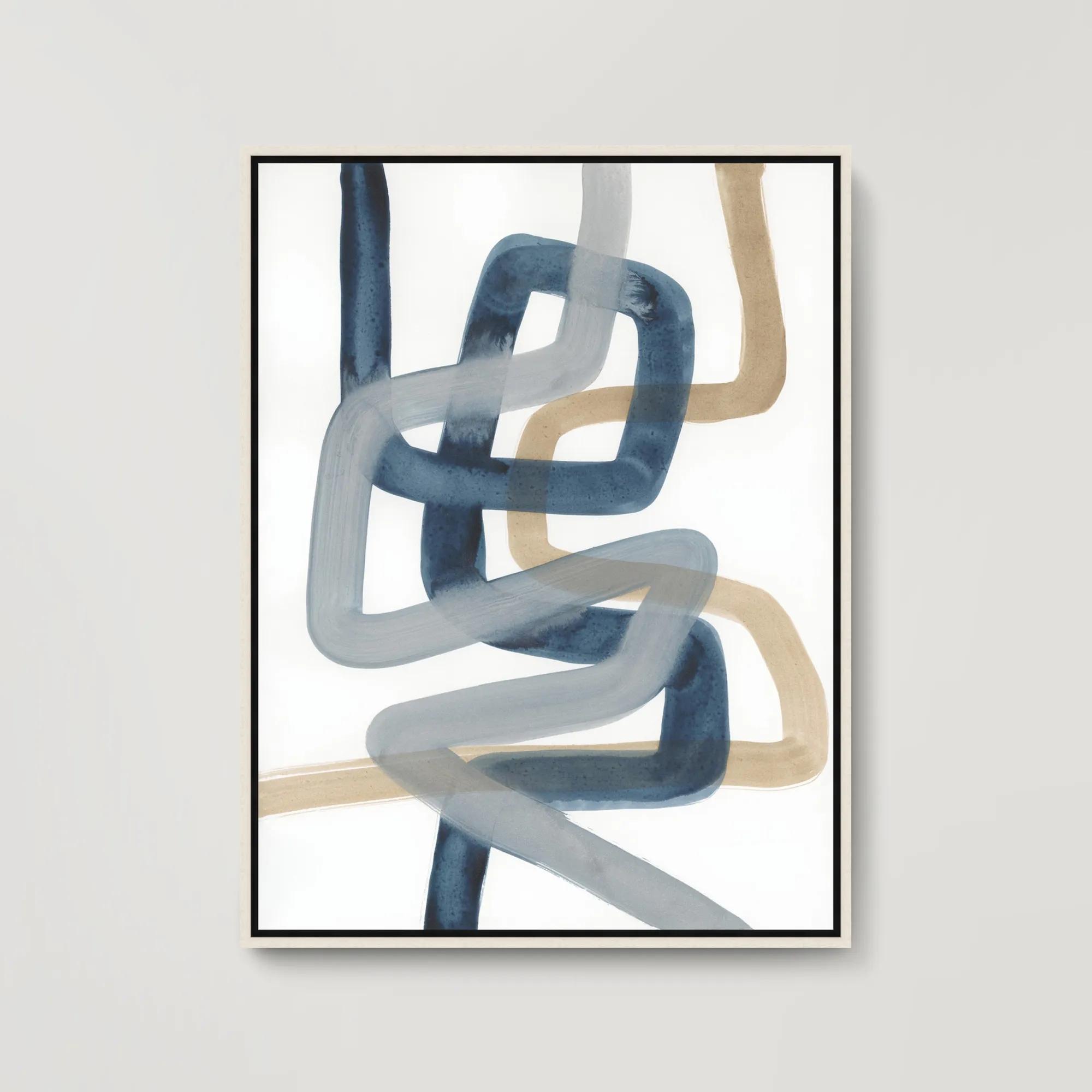 Looped In II Framed Wall Art 31.5" x 41.5"$699
A gallery-wrapped abstract canvas with hand-applied brush gel finish, set in a sleek white floater frame.
Add To Cart -
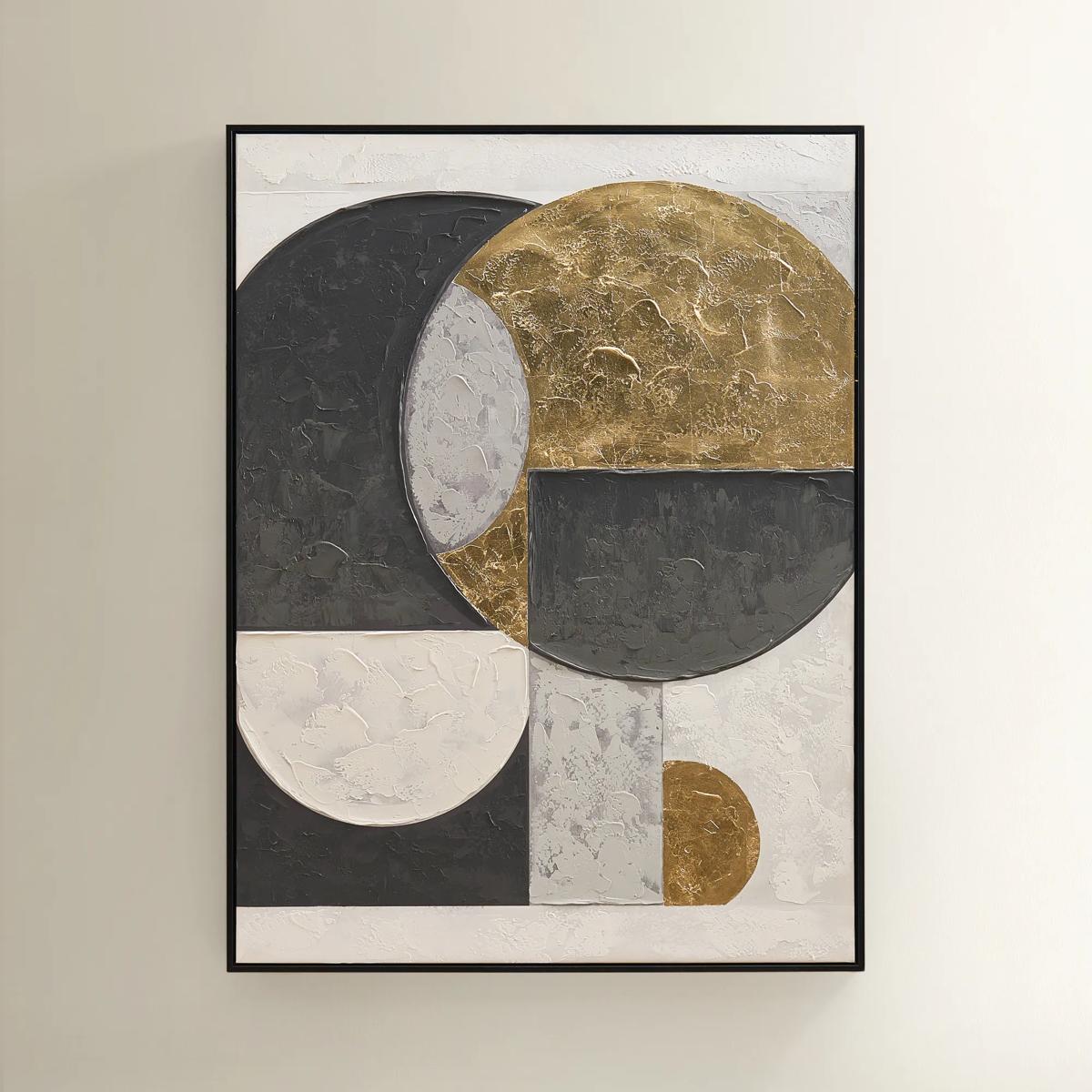
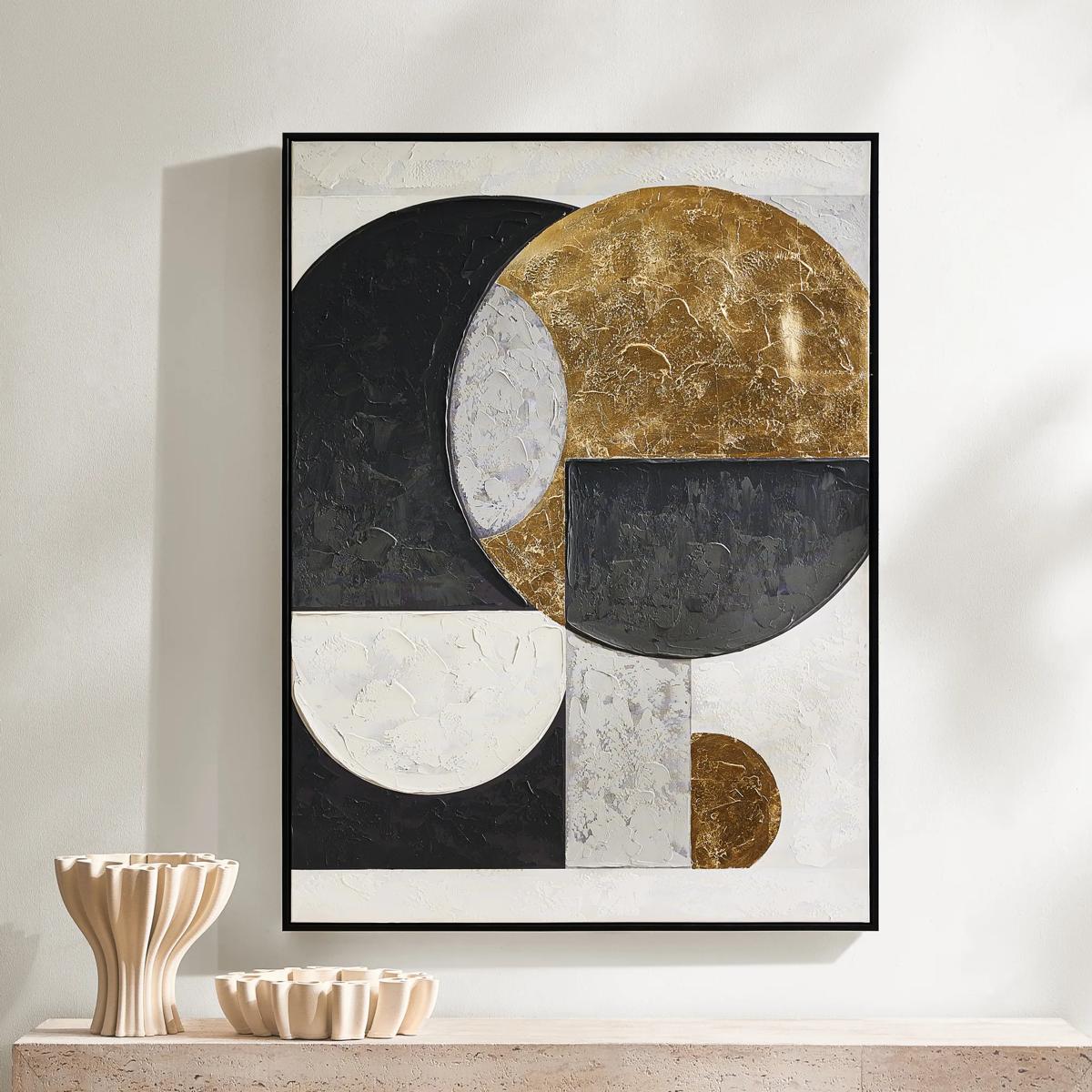 Eclipse Framed Gold Leaf Painted Wall Art 35.25" x 47.25"$449
A hand-painted canvas featuring bold black, grey, and gold geometric shapes with shimmering gold leaf accents.
Add To Cart -

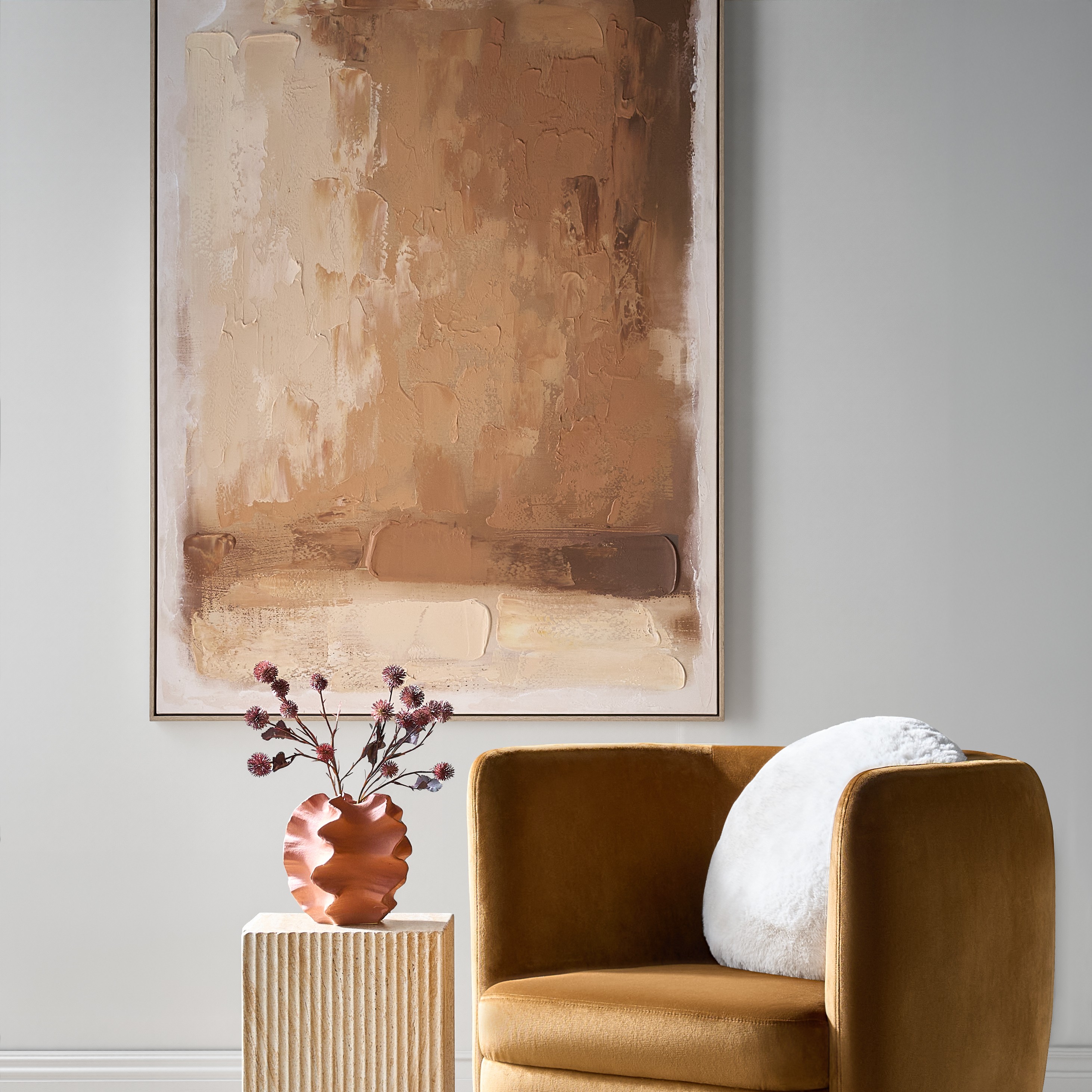 Ember Glow Framed Painted Wall Art 39.25" x 55"$499
A hand-painted abstract canvas blending ochre, terracotta, and golden clay hues in a light natural frame.
Add To Cart -
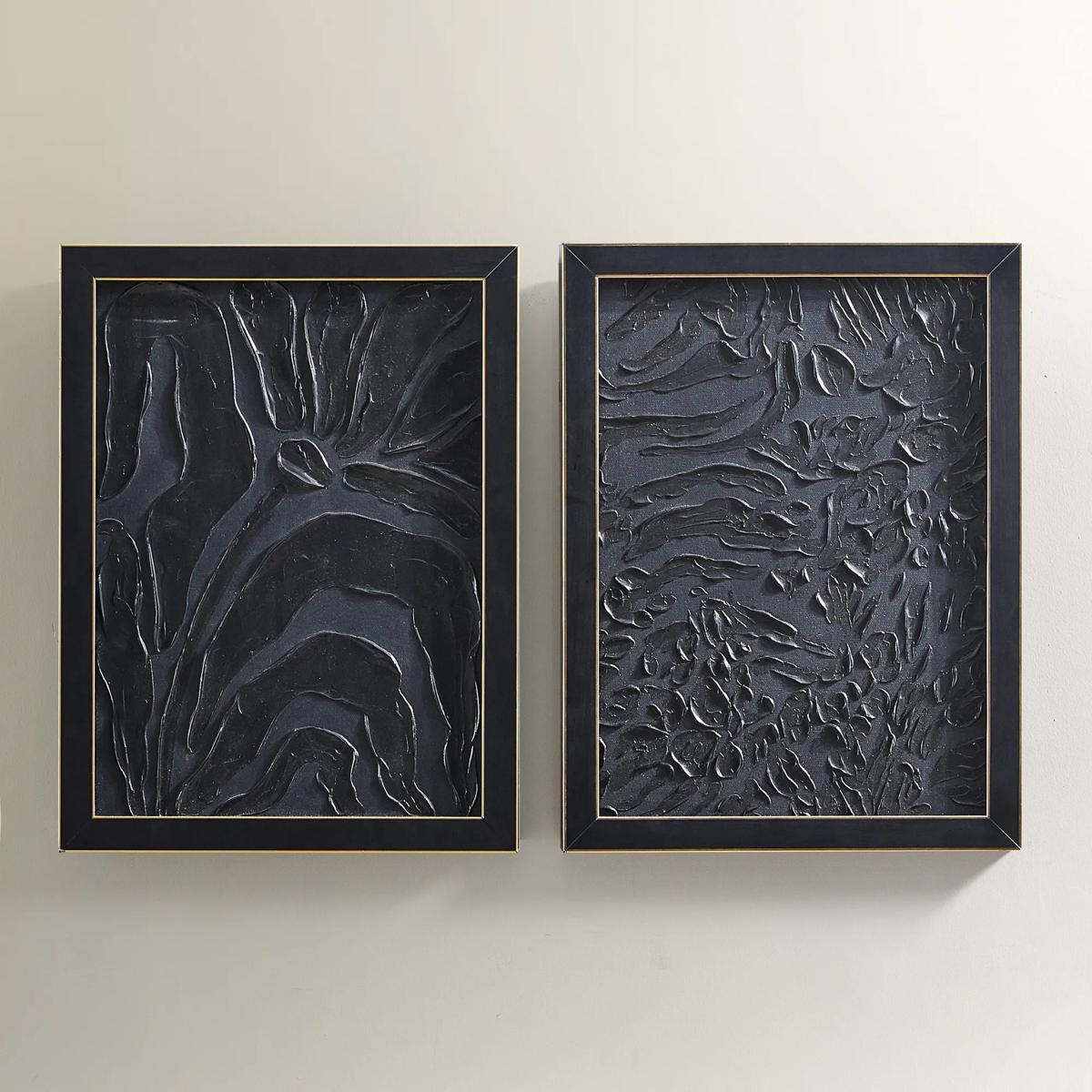
 Fossil Painting$299
A bold hand-painted abstract artwork featuring textured black shades in a sleek black floater frame.
Add To Cart

Large Abstract Framed Wall Art
Explore large abstract framed wall art to give an expansive wall a bold focal point. Oversized abstract compositions bring artistic expression to living rooms, dining rooms, and bedrooms, with framing that gives each piece a defined presence. Consider the artwork’s dimensions, palette, and orientation to find a piece that complements your furniture and sets the mood for the room.
Large abstract framed wall art gives a room a powerful visual center, turning an open expanse of wall into a composition of color, movement, and mood. Sweeping gestures can bring energy to a tailored living room, while softly layered shapes create a sense of depth behind a sculptural console or upholstered bed. Abstract art leaves space for personal interpretation: a wash of blue might suggest open water, a charcoal mark might feel architectural, and a luminous field of ivory can soften the presence of dark wood and polished metal. That freedom makes these pieces especially expressive in interiors where furnishings already have a distinct personality. A velvet sofa, a gleaming cocktail table, and an oversized framed composition can share a palette without repeating the same visual language. The result feels collected rather than coordinated. Scale is central to that effect. Above a substantial sofa, artwork with enough width gives the seating area a clear focal point; a small composition on the same wall can appear disconnected from the furniture below. A broad horizontal format often complements long consoles and dining room sideboards, while a tall vertical piece brings presence to a narrow entry wall or the space beside a staircase. Generous dimensions do not require an expansive home, either. In an apartment with restrained furnishings, one large work can introduce drama without the visual busyness of numerous smaller accents. The frame contributes another layer of definition, creating a deliberate boundary between the artwork and its surroundings. A slim dark edge sharpens pale, atmospheric imagery, while a metallic finish adds a glint that can echo nearby lighting or decorative objects. For a room with richly patterned upholstery, a quieter abstract composition offers balance; against solid fabrics and clean silhouettes, expressive brushwork or saturated color has room to command attention. The most compelling relationship is not always an exact color match. A single accent borrowed from the artwork and repeated in a cushion, vase, or throw can create continuity while allowing the composition to retain its independence.
Materials and presentation shape the experience of large abstract art as much as its palette. Canvas introduces a woven surface that can lend printed or painted imagery a tactile character, while works on paper may emphasize crisp lines, delicate tonal shifts, or the breathing room of a generous mat. A reproduction can capture the visual rhythm of brushwork without having the raised surface of an original painting, so details about the medium and finish matter when texture is part of the appeal. For compositions that pair a canvas surface with a defined outer edge, Framed Abstract Canvas Wall Art offers a closely related expression of this dimensional look. A float-style frame can leave a narrow reveal around the canvas, giving the artwork a subtle sense of separation from its border. Traditional framing can feel more architectural, particularly when its profile is broad enough to hold its own against dramatic furnishings. Wood, metal, and composite frame materials each have their own character, weight, and maintenance considerations; the finish and construction deserve attention alongside the image itself. Where glazing is included, glass or acrylic adds a protective barrier, though weight, reflection, and susceptibility to surface marks differ. An artwork facing a bank of windows may catch distracting reflections, while the same composition on an adjacent wall can reveal its colors more clearly. Lighting also changes how the piece reads. Soft, thoughtfully positioned illumination draws out tonal variation without overwhelming the image with glare, and any metallic details may appear more pronounced as the viewing angle changes. In a dining room, warm light can enrich ocher, bronze, and cream tones; in a workspace, balanced illumination keeps pale layers and fine marks visible. Overall framed dimensions, depth, and weight are especially important at this scale. The outer measurement determines how the piece fits between architectural features, and a deeper frame casts a stronger shadow, adding presence even when the composition itself is understated. These details give large-format art its finished, intentional quality.
The intended setting should influence both the artwork’s visual character and its practical fit. In a living room used for conversation and entertaining, an expansive abstract composition can establish the room’s mood from across the space, then reward a closer look with layered marks and subtle transitions. Over a dining sideboard, it creates a backdrop for sculptural serving pieces without competing with the gathering itself. A bedroom may call for fluid forms and a restrained palette that feels serene but never blank, while a home office can carry stronger contrasts and more assertive geometry. In each setting, enough open wall around the frame allows the composition to register clearly rather than crowding nearby sconces, shelves, or doorways. Hanging height is best considered in relation to the furniture and the way the room is experienced: art above a sofa should feel connected to the seating arrangement, not suspended far beyond it. Large pieces also require secure installation appropriate to their weight, supplied hardware, and wall construction; professional installation may be worthwhile for particularly heavy frames or challenging locations. Lasting beauty depends on the environment as well as the construction. Direct sunlight can affect pigments and finishes over time, and persistent humidity or abrupt environmental changes can be unsuitable for certain canvases, papers, and frames. Kitchens and bathrooms therefore merit particular care when evaluating placement and material requirements. Gentle maintenance preserves the presentation without compromising the surface. A soft, dry cloth is generally suitable for dusting many frames, while artwork surfaces and glazing should be treated according to their specific care instructions. Cleaning liquid sprayed directly onto a framed piece can seep toward edges or reach sensitive materials. For a housewarming or wedding gift, large abstract art is an expressive choice when the recipient’s taste, wall space, and preferred palette are well understood. Someone furnishing a first apartment may welcome a single commanding focal point; an established art enthusiast may appreciate an unexpected composition that introduces a new visual conversation. With proportion, material, and personal taste in harmony, the artwork becomes a defining part of the room’s identity.
FAQs
Begin with the mood you want to create. Sweeping gestures and vivid contrasts bring expressive energy, while fluid forms and tonal compositions lend a room quiet sophistication. Choose artwork that echoes a color or shape in your furnishings, or introduce a daring contrast that gives the space a new point of view.
Large abstract framed wall art brings an artistic perspective to modern, glamorous, transitional, and eclectic interiors. In a glamorous setting, expressive artwork complements sculptural furnishings and gleaming accents. In a traditional room, an abstract composition creates a compelling dialogue with classic silhouettes and decorative details.
Look for a connection rather than an exact match. A color drawn from your rug, drapery, or accent pillows can carry through the artwork for a layered, intentional look. For more drama, let a contrasting hue in the composition become the room’s signature accent, then repeat it selectively in your decor.
The frame gives an abstract composition a distinct visual boundary and helps establish its relationship with the room. A streamlined profile keeps attention on expressive marks and color, while a more decorative profile adds another layer of drama. Consider how the frame’s tone and detailing relate to nearby furnishings without making every finish identical.
Let the artwork lead, then build a vignette with a few considered accents. A sculptural vase, an expressive lamp, or objects that echo the composition’s curves can extend its visual story. Leave some wall space unadorned so the art’s movement and color remain the focal point, rather than competing with surrounding details.