Framed Modern Abstract Wall Art
Framed Modern Abstract Wall Art
-
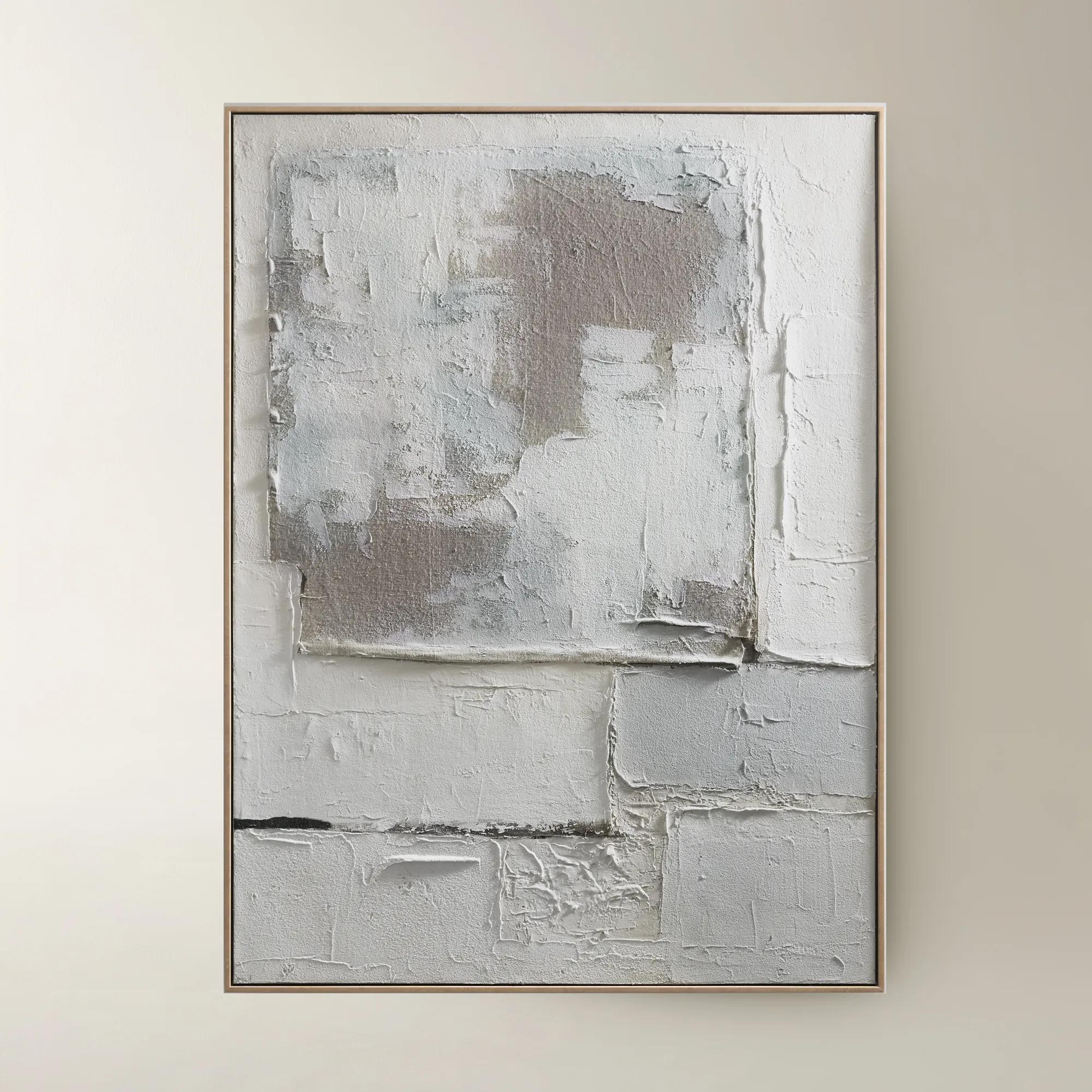
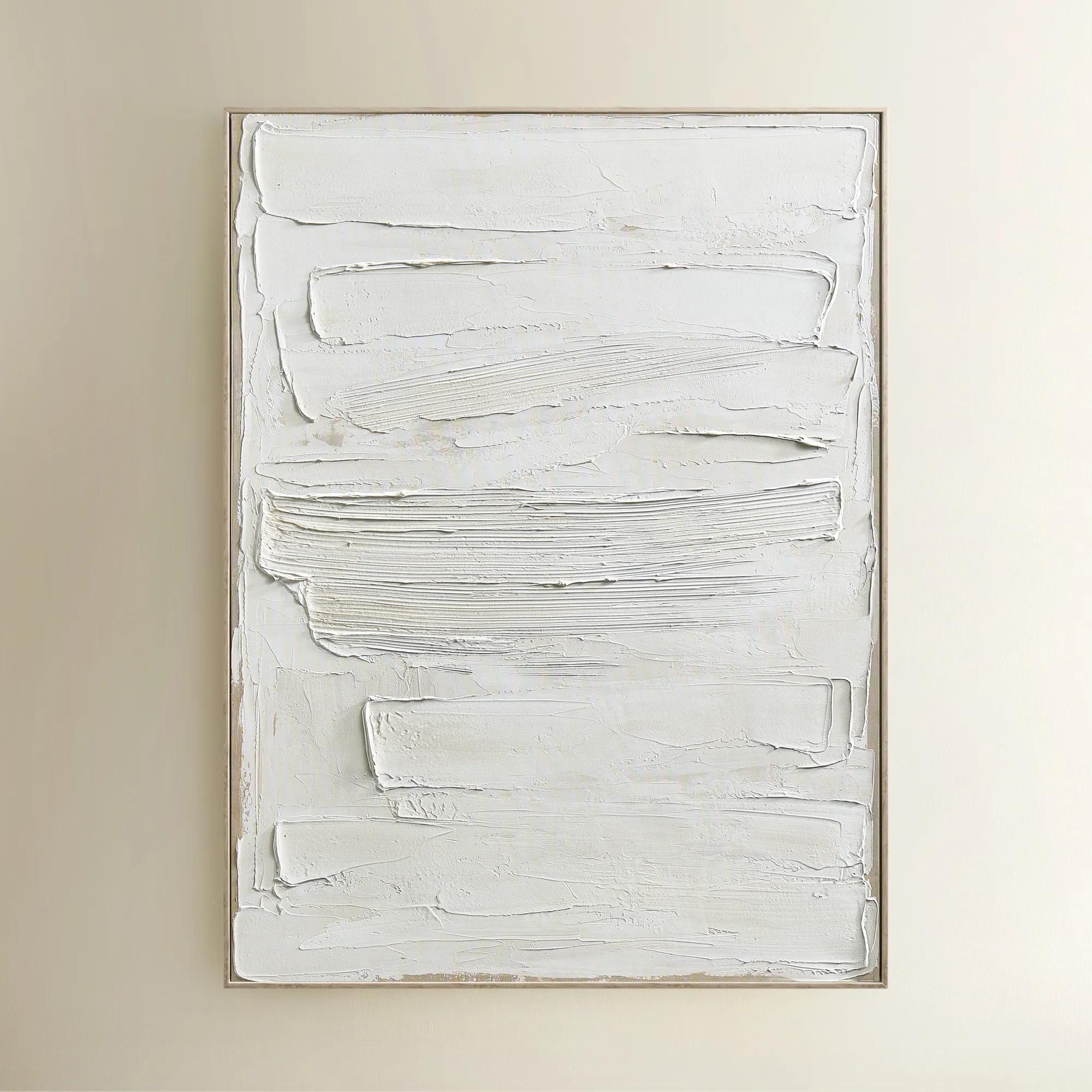
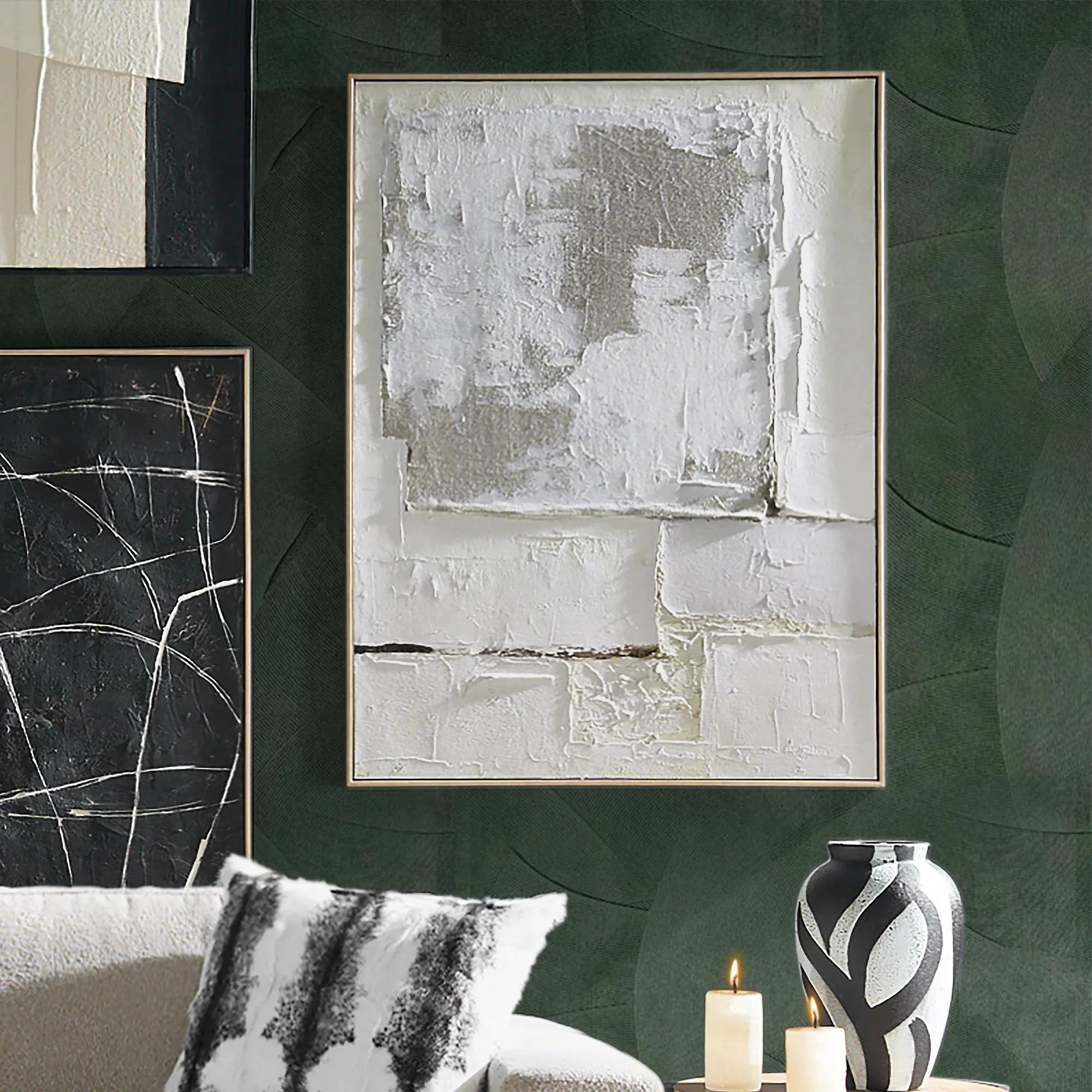 Marrow Painting$399
A hand-painted abstract canvas in subtle beige hues, elegantly framed in a warm beech wood floater.
Add To Cart -
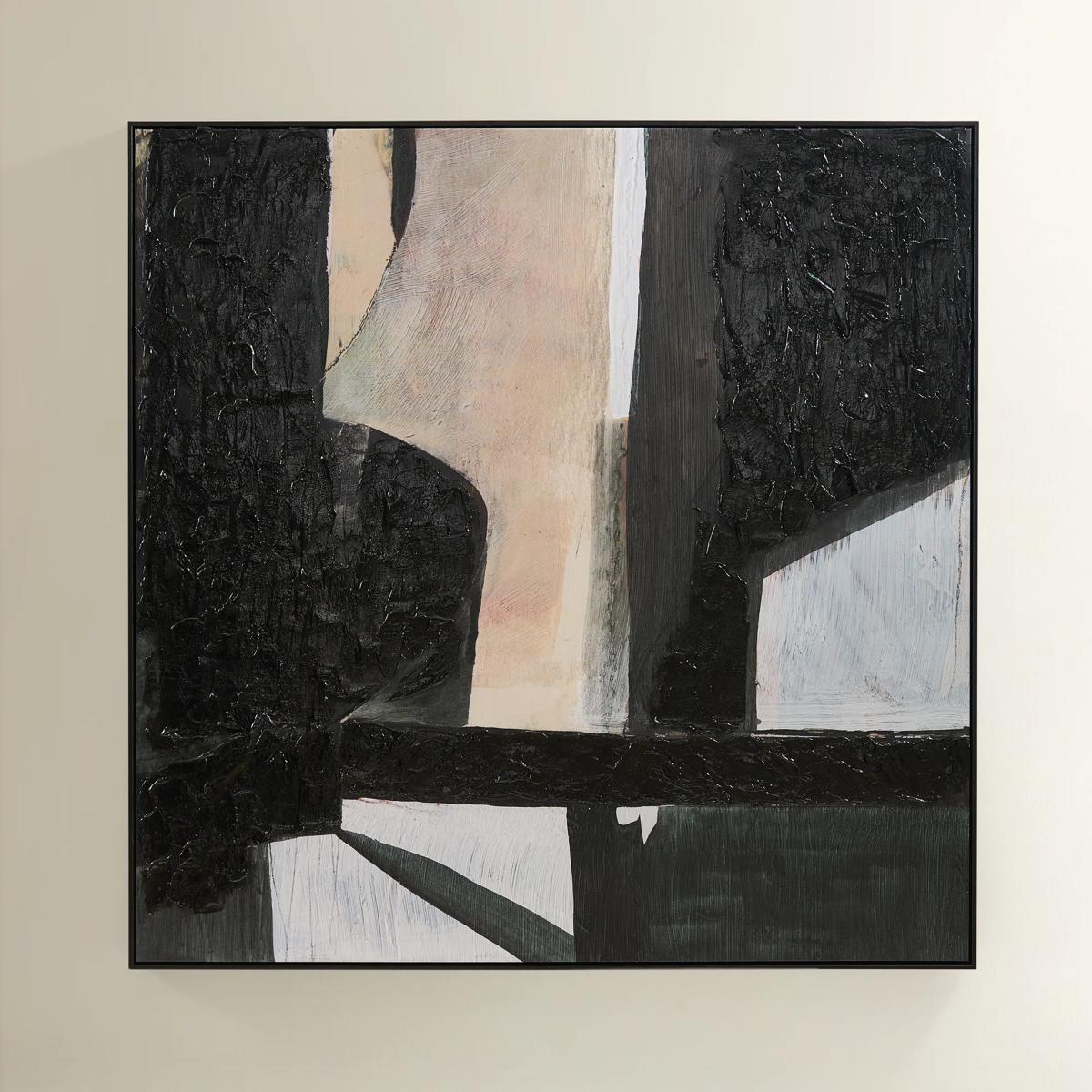 Grounded Painting$699
A hand-painted abstract canvas featuring black, cream, and earth tones in a sleek black floater frame.
Add To Cart -
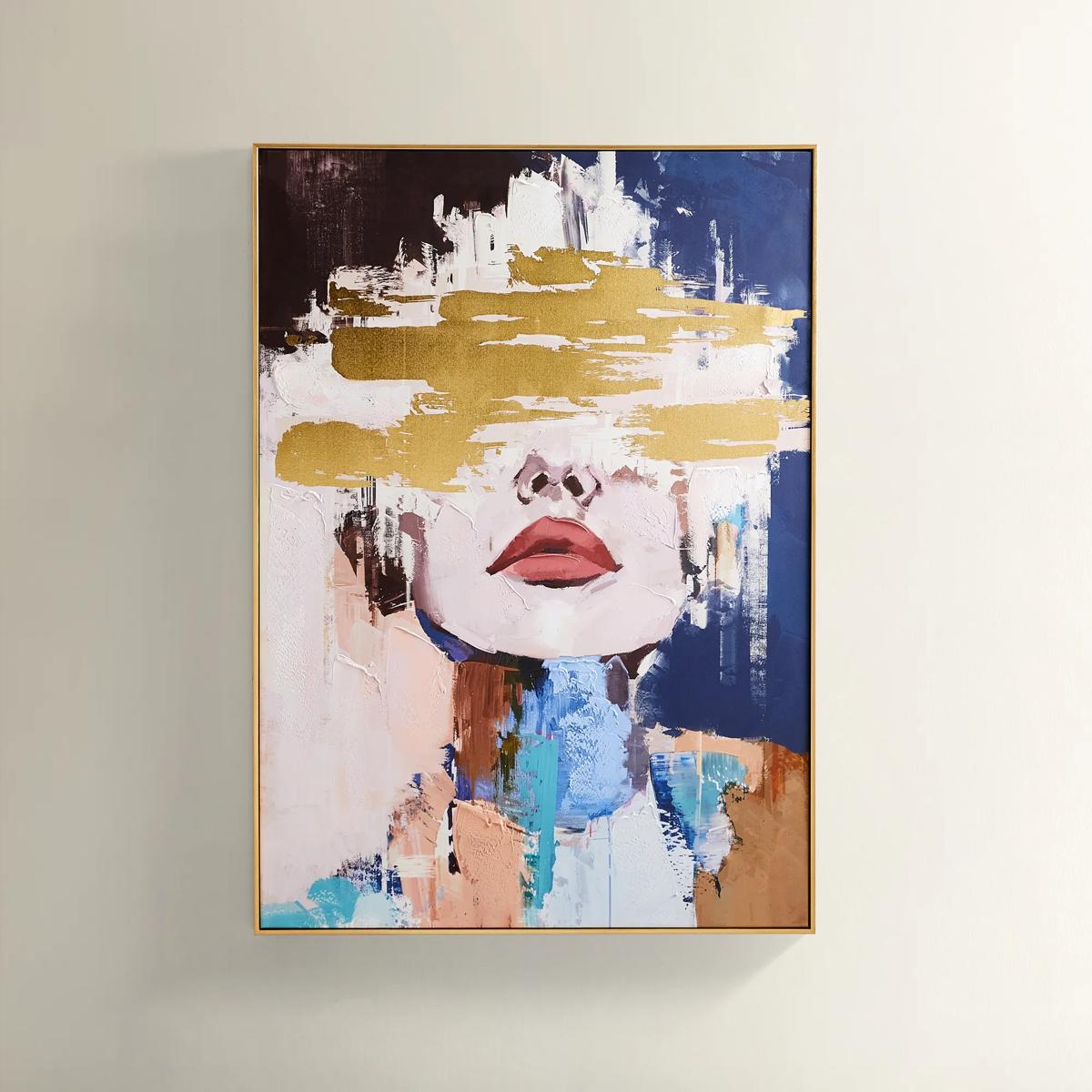
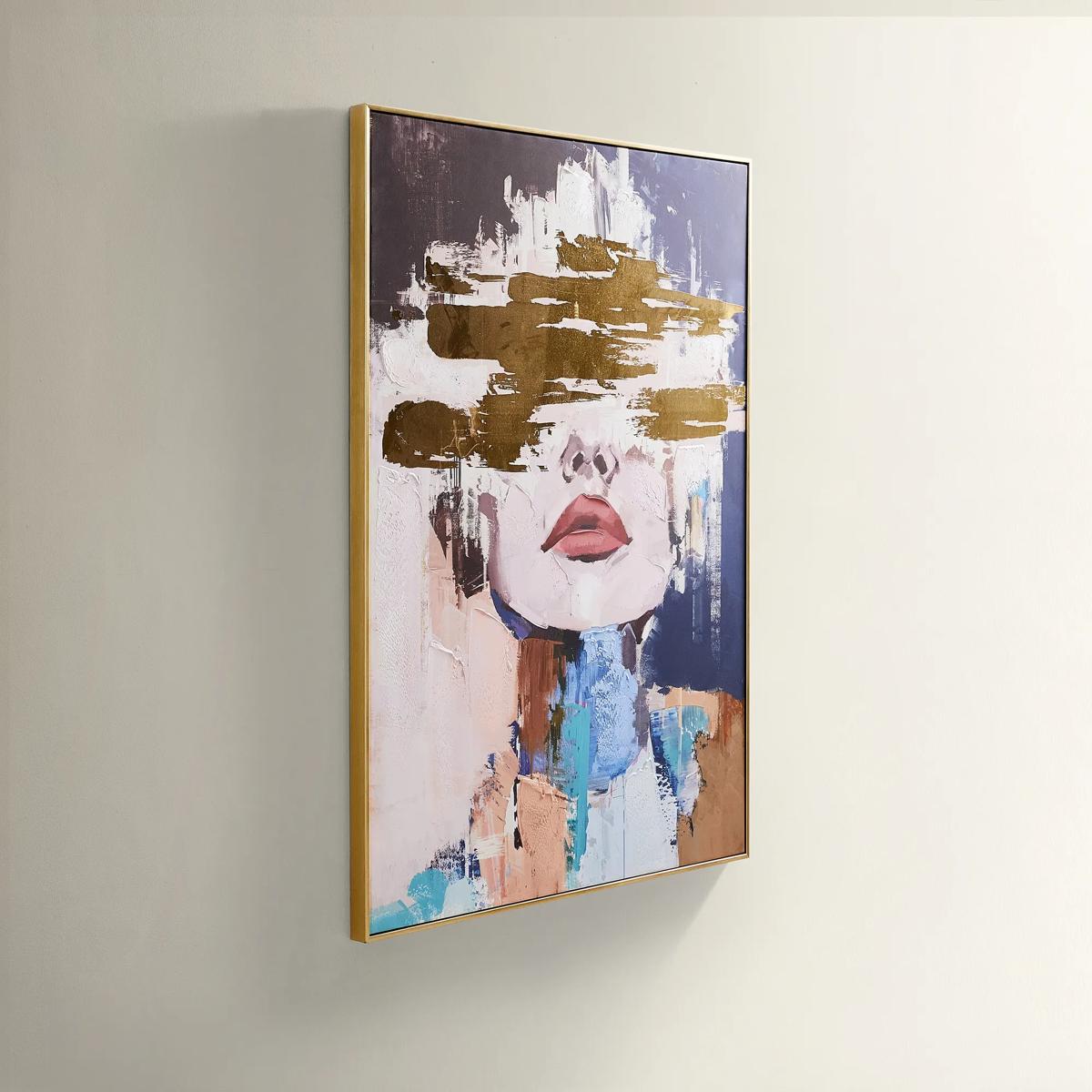 Waiting in Color Gold Foil Painted Wall Art 39.25" x 55"$499
A hand-painted abstract portrait in vivid blue, blush, and gold foil, framed in luxe gold.
Add To Cart -

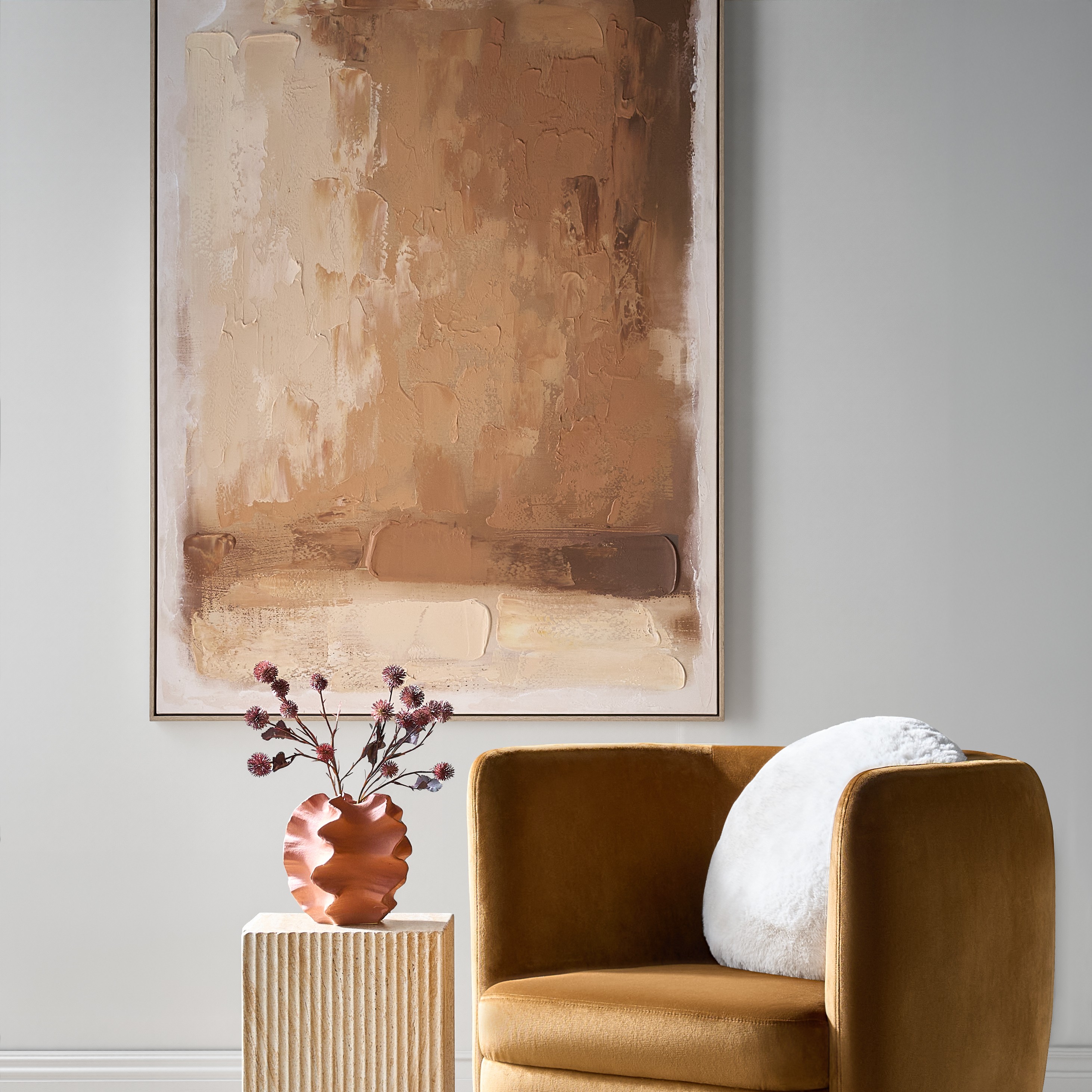 Ember Glow Framed Painted Wall Art 39.25" x 55"$499
A hand-painted abstract canvas blending ochre, terracotta, and golden clay hues in a light natural frame.
Add To Cart -
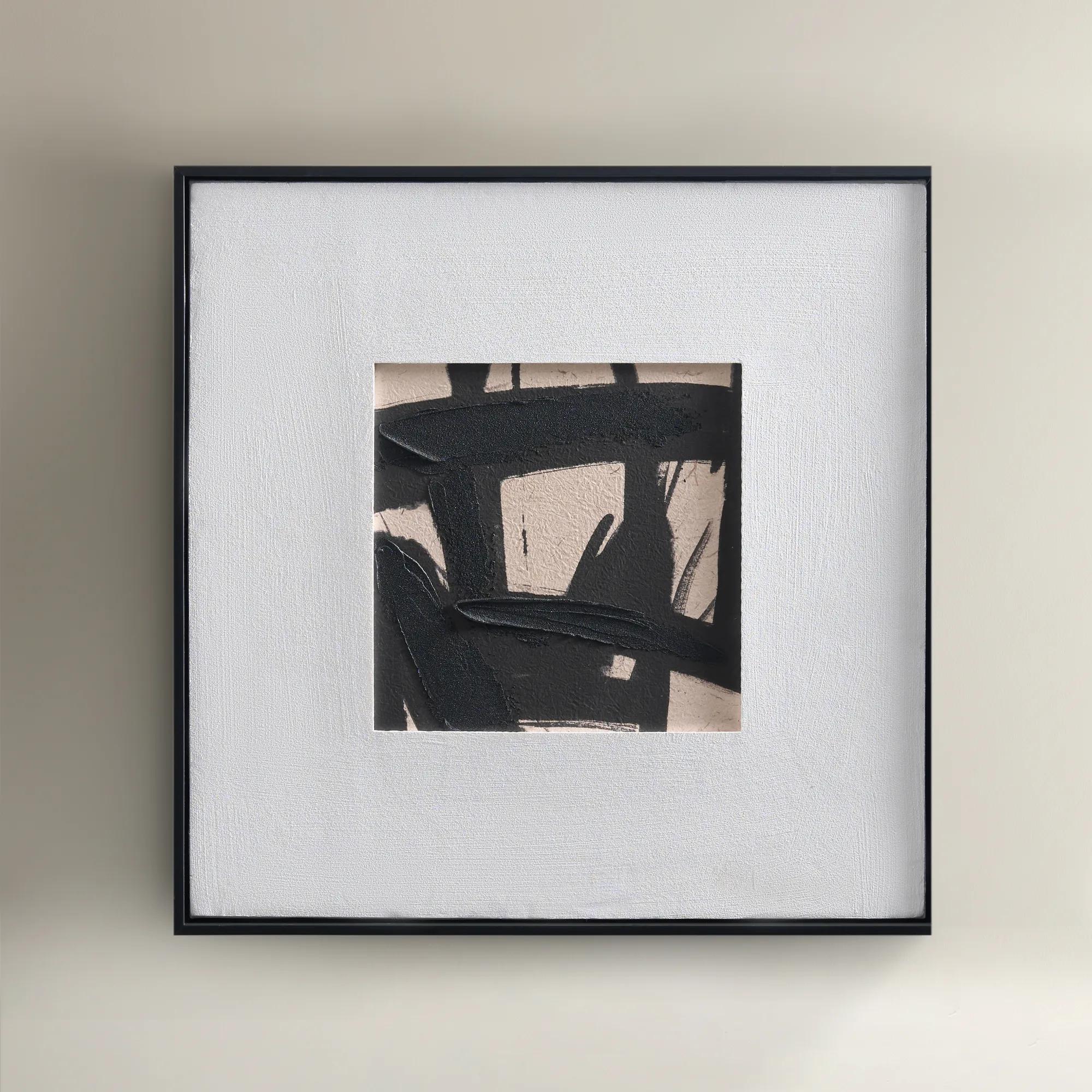
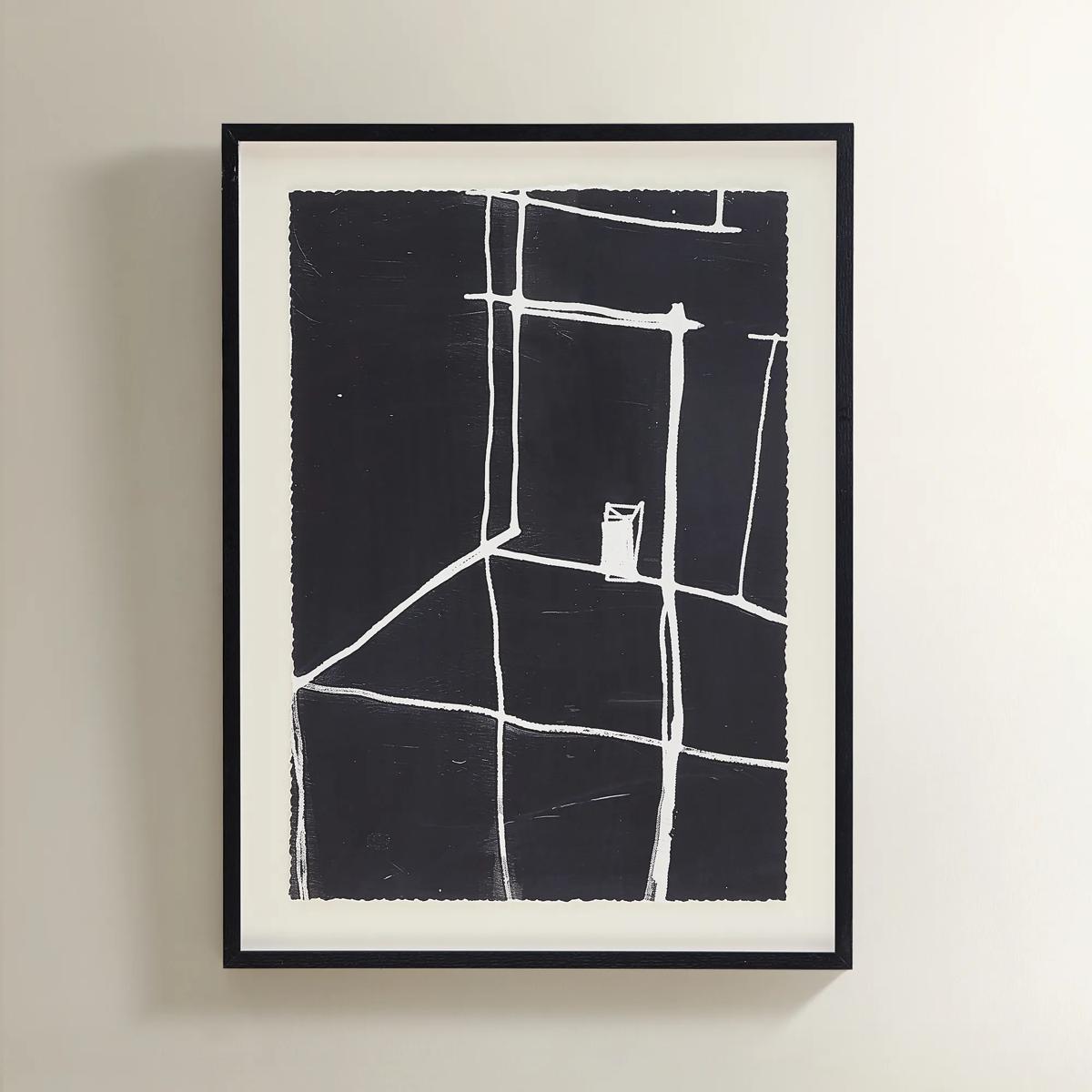 Solitude Art$269
A minimalist black-and-white abstract print featuring bold white lines in a sleek black polyresin frame.
Add To Cart -
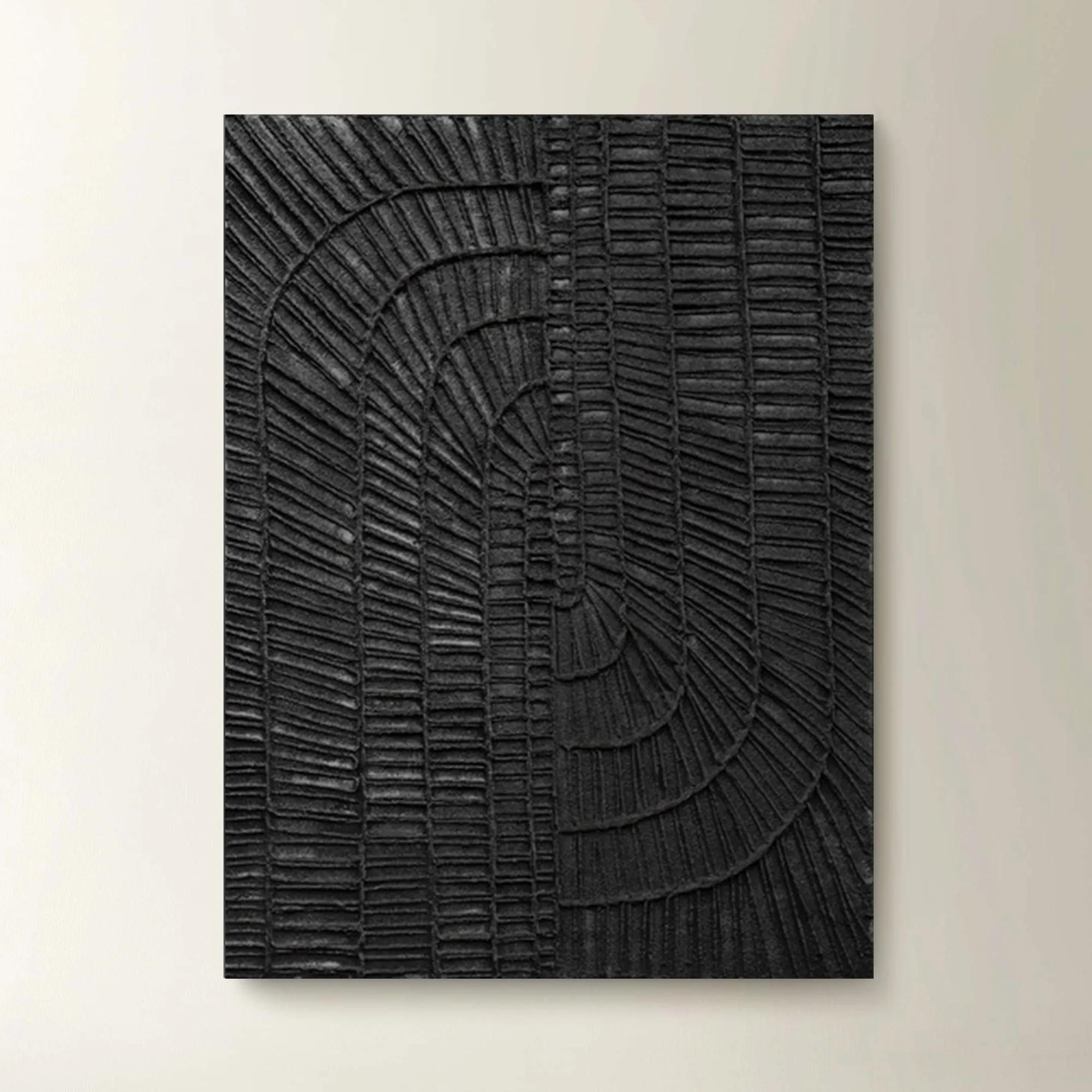
 Fossil Painting$299
A bold hand-painted abstract artwork featuring textured black shades in a sleek black floater frame.
Add To Cart -
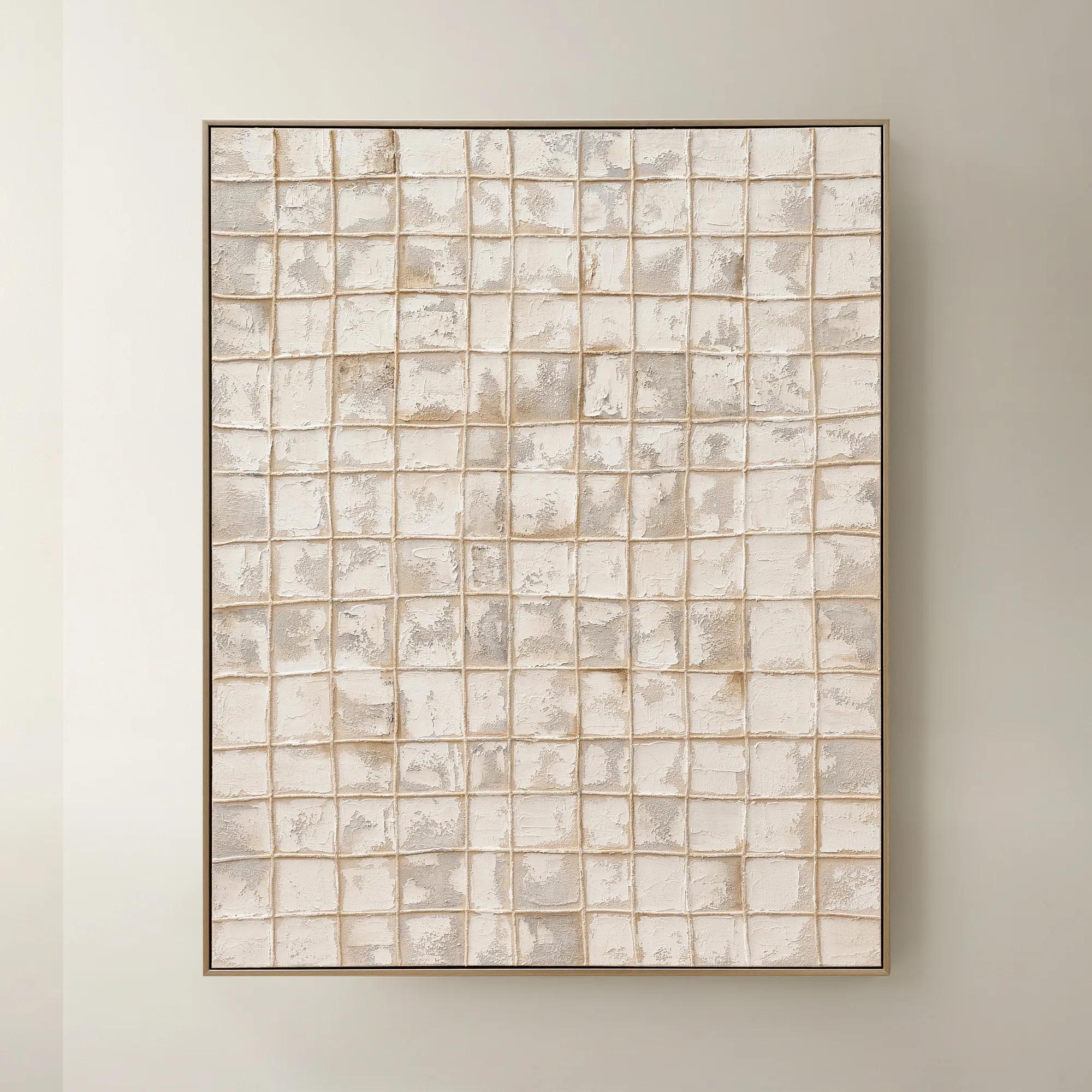
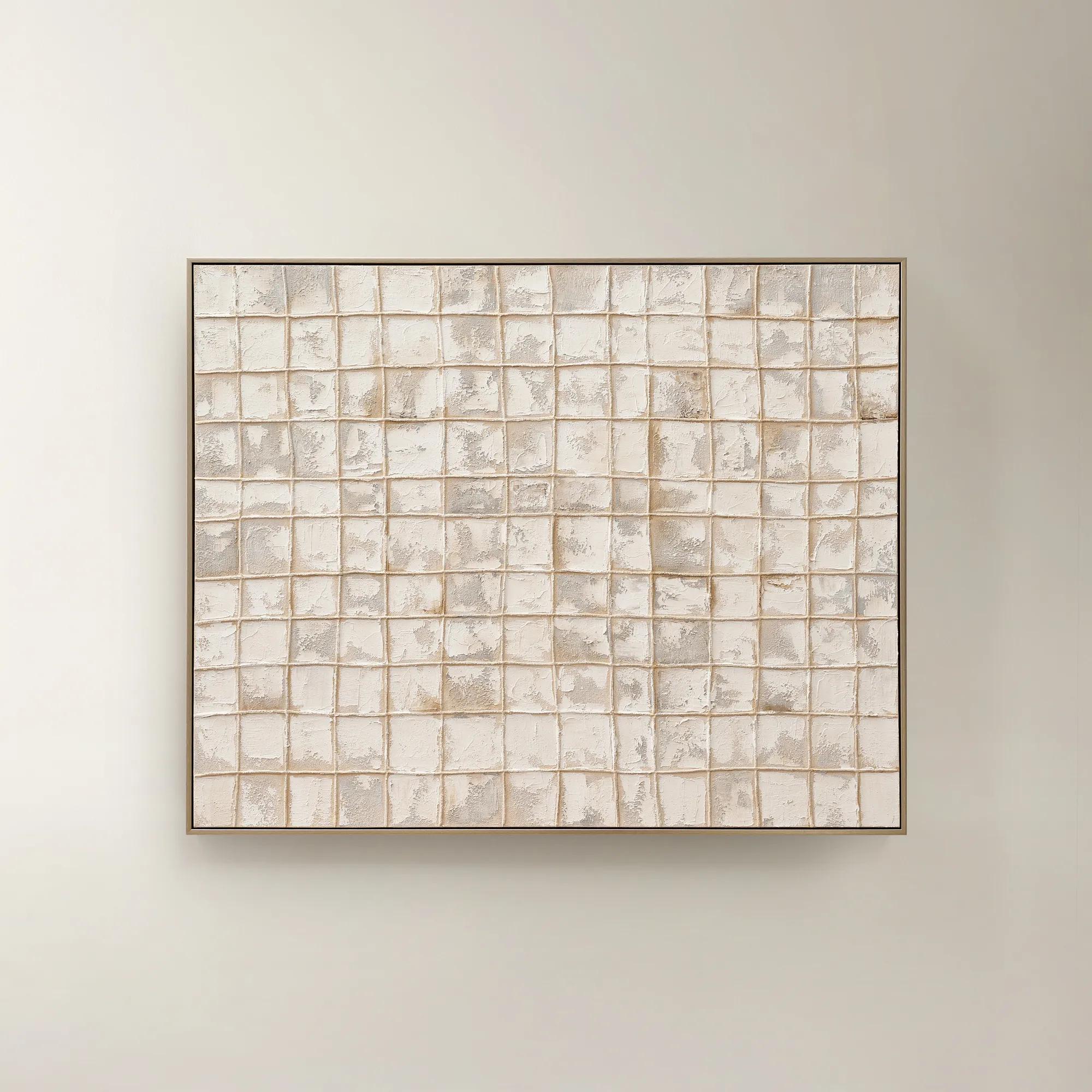 Painted Echos Framed Gold Leaf Wall Art 60" x 48"$699
A hand-painted abstract canvas with gold leaf accents and a champagne frame for modern, versatile display.
Add To Cart -

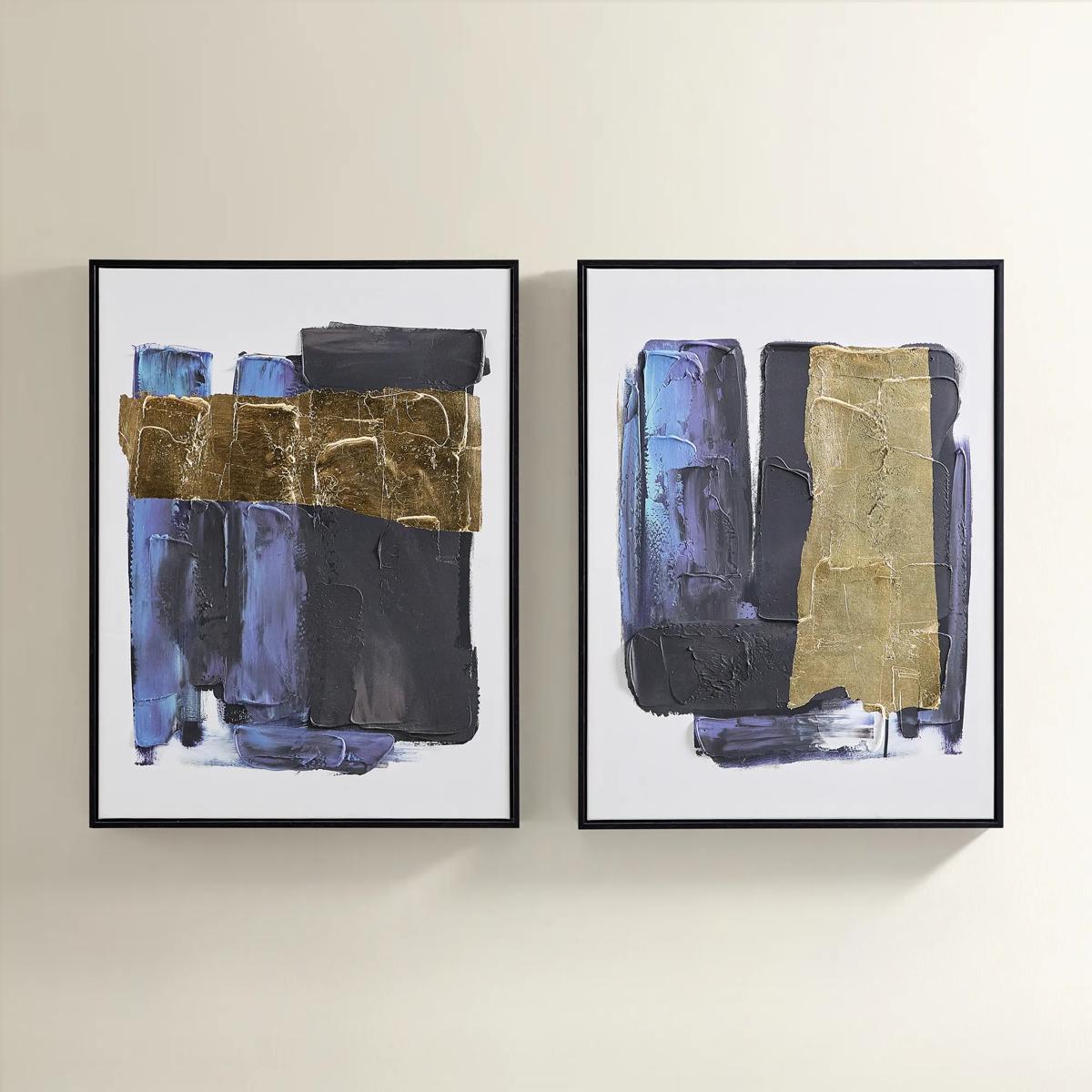
 Twin Abstract 1 Framed Wall Art 30" x 45"$699
A captivating abstract canvas artwork featuring layered blue and purple tones in a sophisticated framed presentation.
Add To Cart -
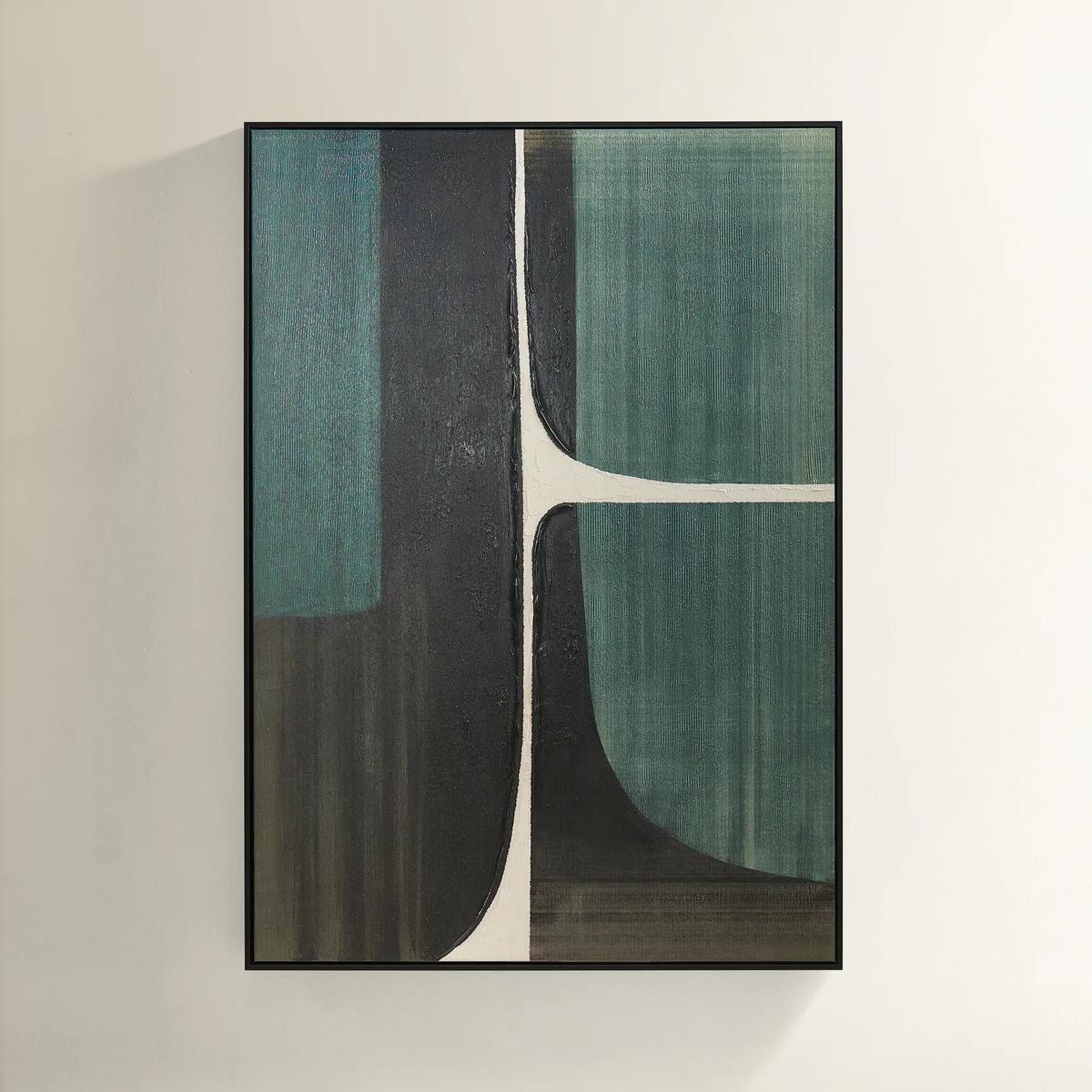 Plains Framed Painted Wall Art 39.25" x 55"$499
A hand-painted abstract canvas in forest green, ivory, and black with a sleek black floater frame.
Add To Cart -
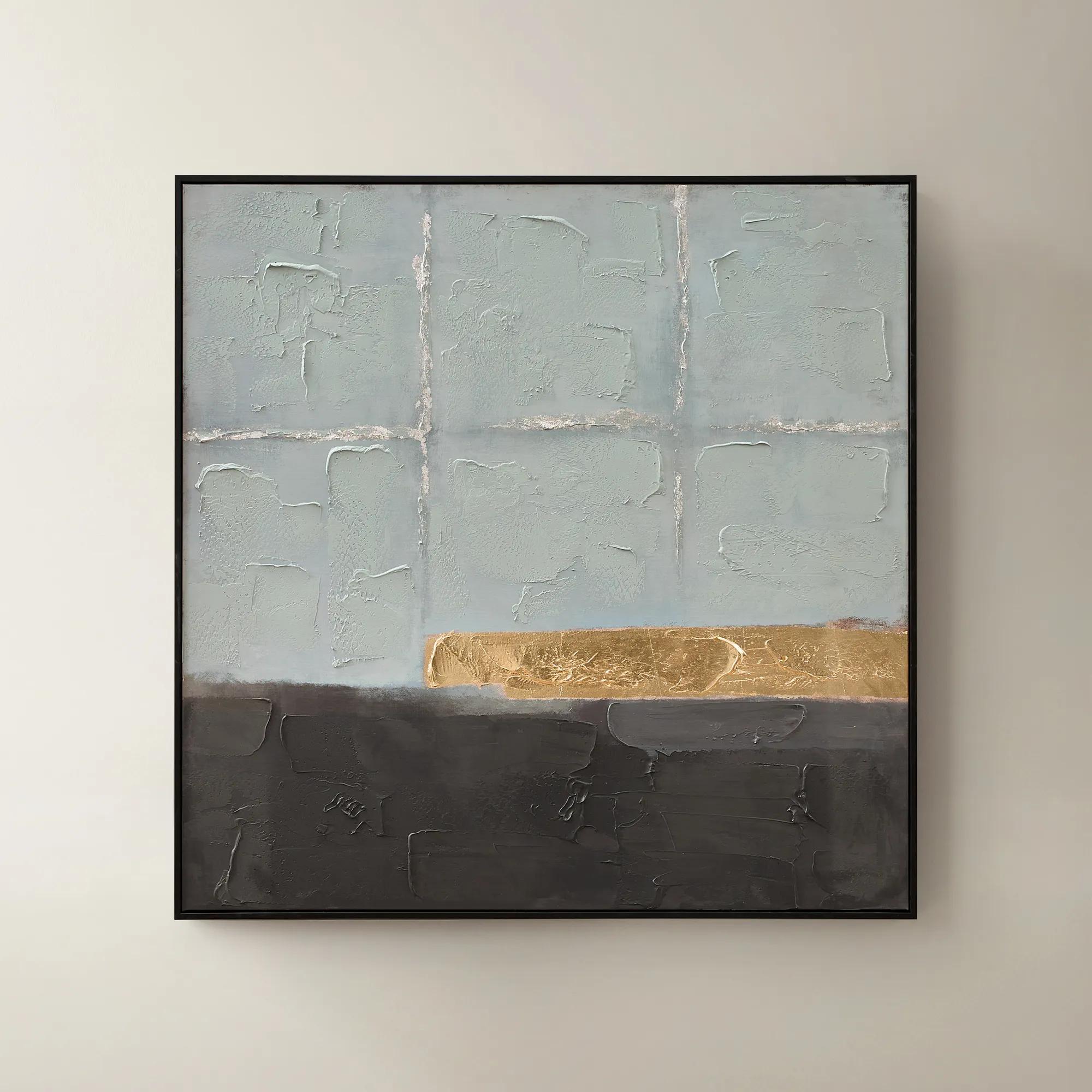
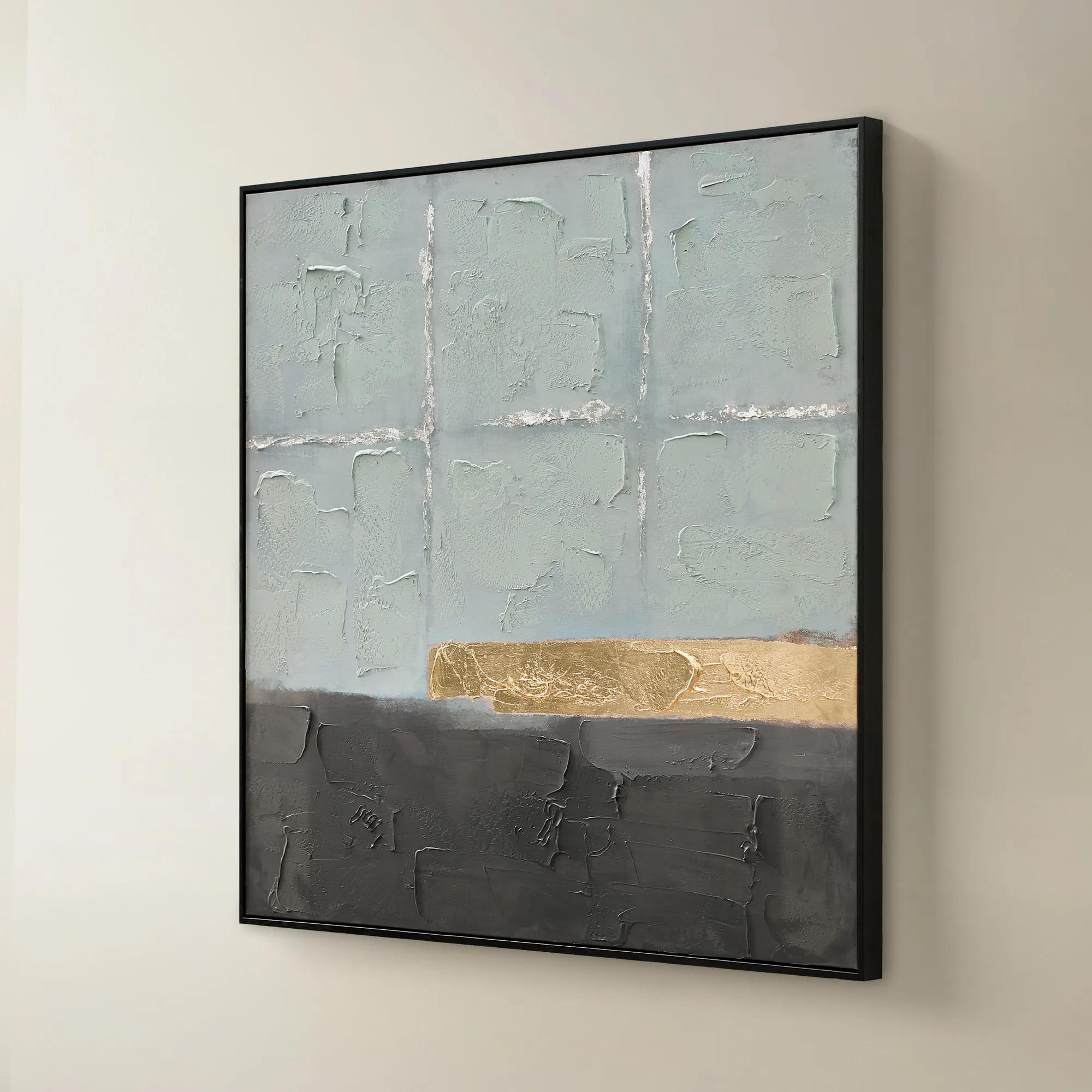 Jules Framed Gold Leaf Painted Wall Art 40" x 40"$299
A hand-painted canvas in mineral blue with gold leaf accents and a sleek black frame for modern appeal.
Add To Cart -
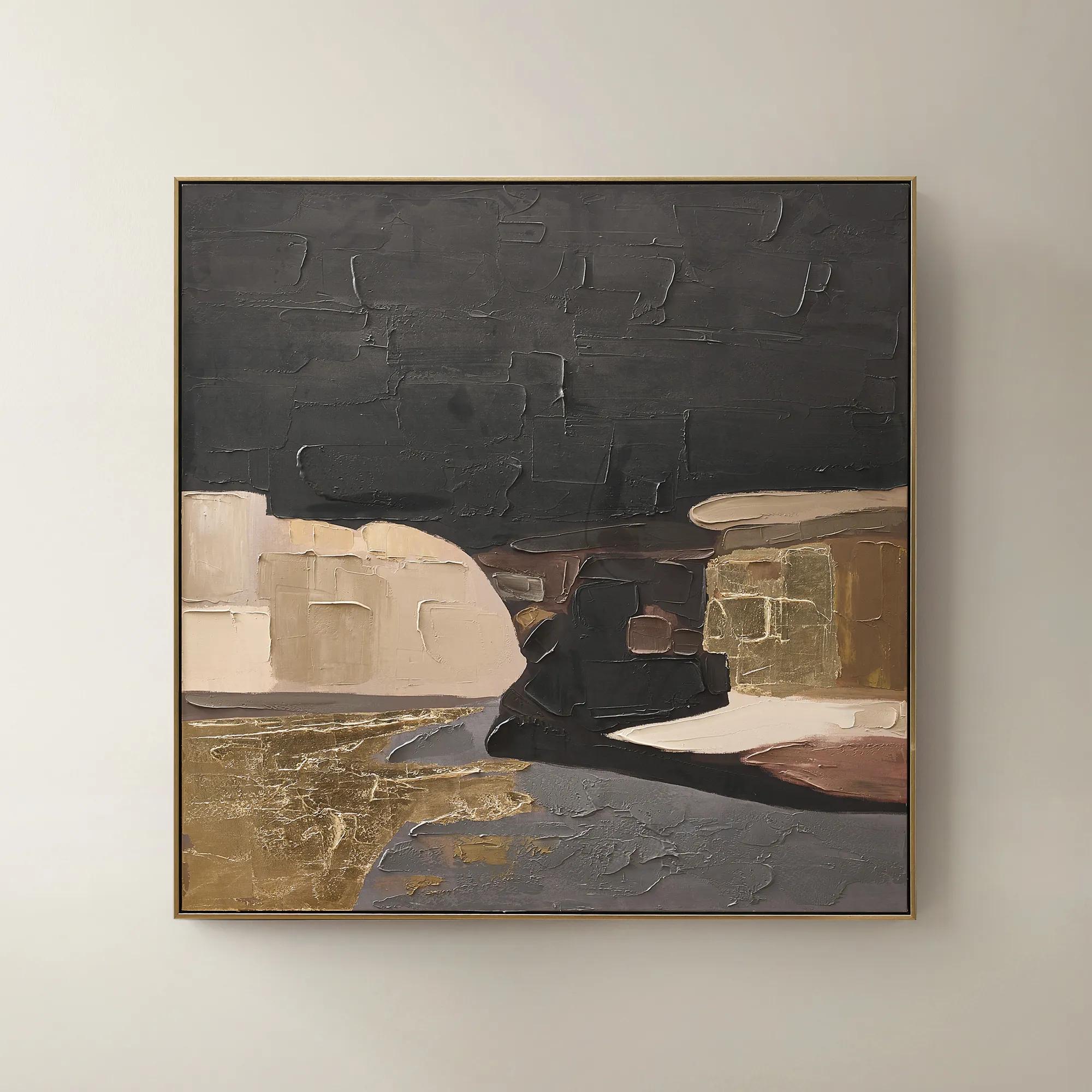 Obscured Light Framed Gold Leaf Painted Wall Art 48" x 48"$499
A hand-painted canvas with gold leaf accents and a black-gold frame in dramatic neutral tones.
Add To Cart -
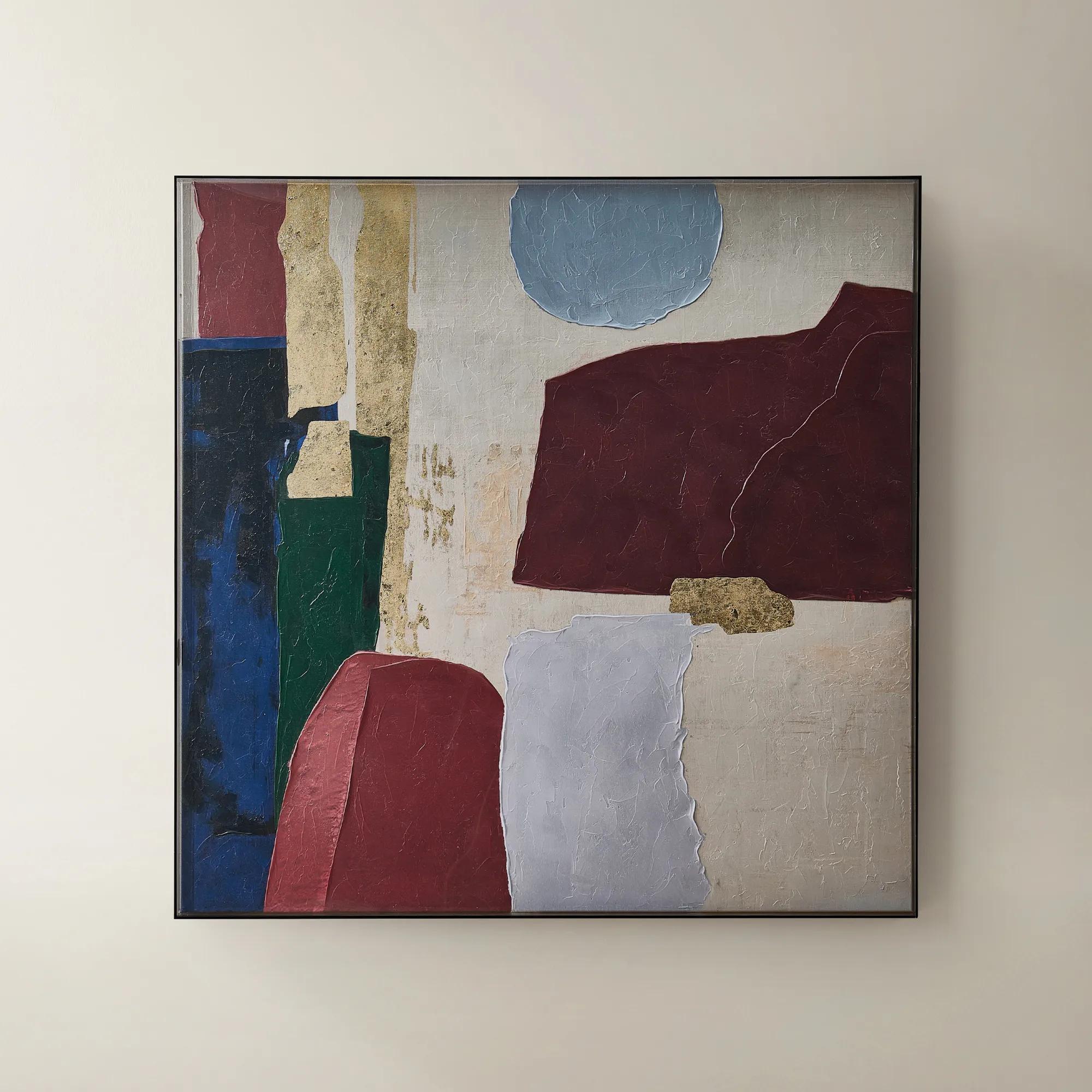
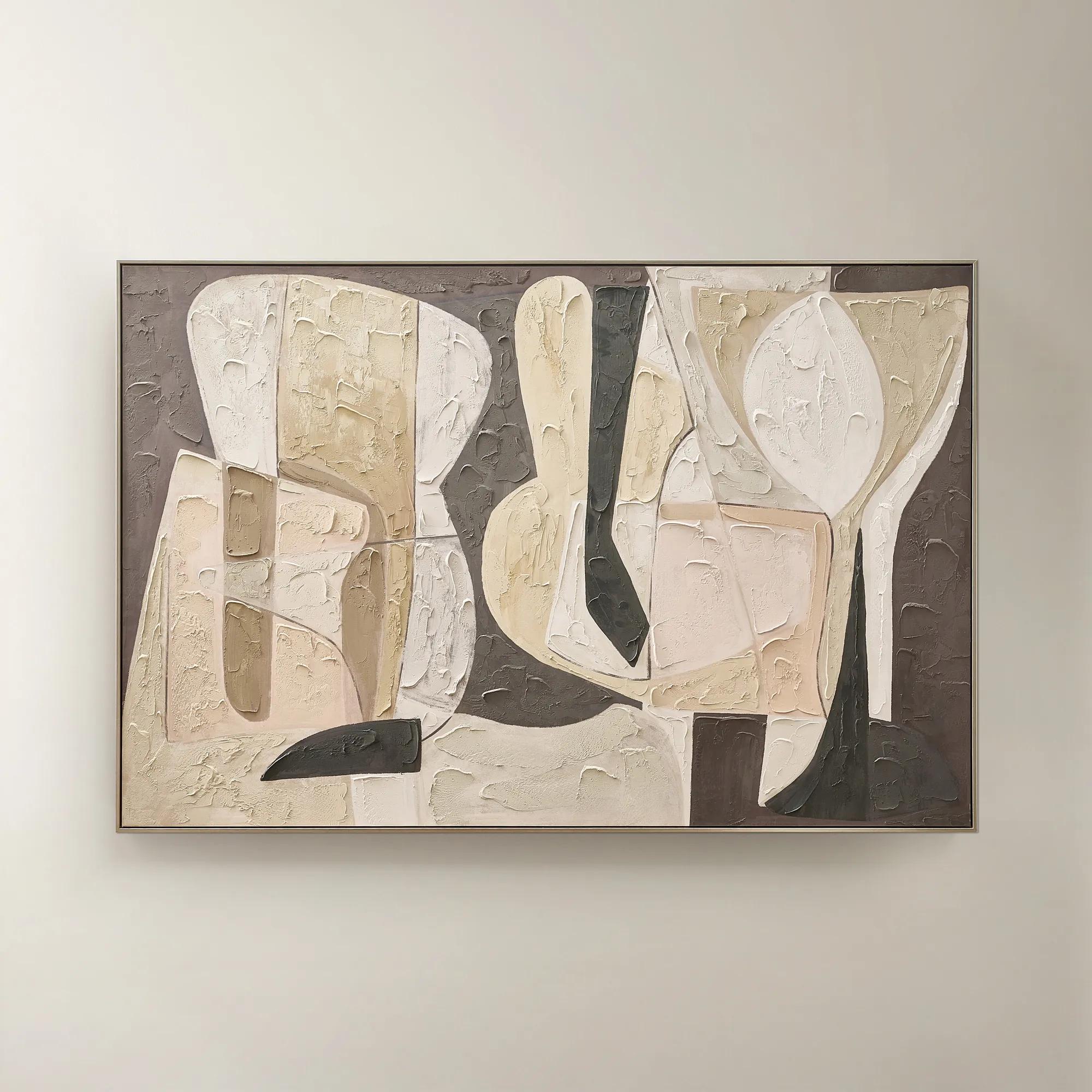 Wishful Thinking Framed Painted Wall Art 72" x 48"$599
A hand-painted abstract canvas featuring bold geometric forms and warm smoked plum, apricot, and tawny hues.
Add To Cart -
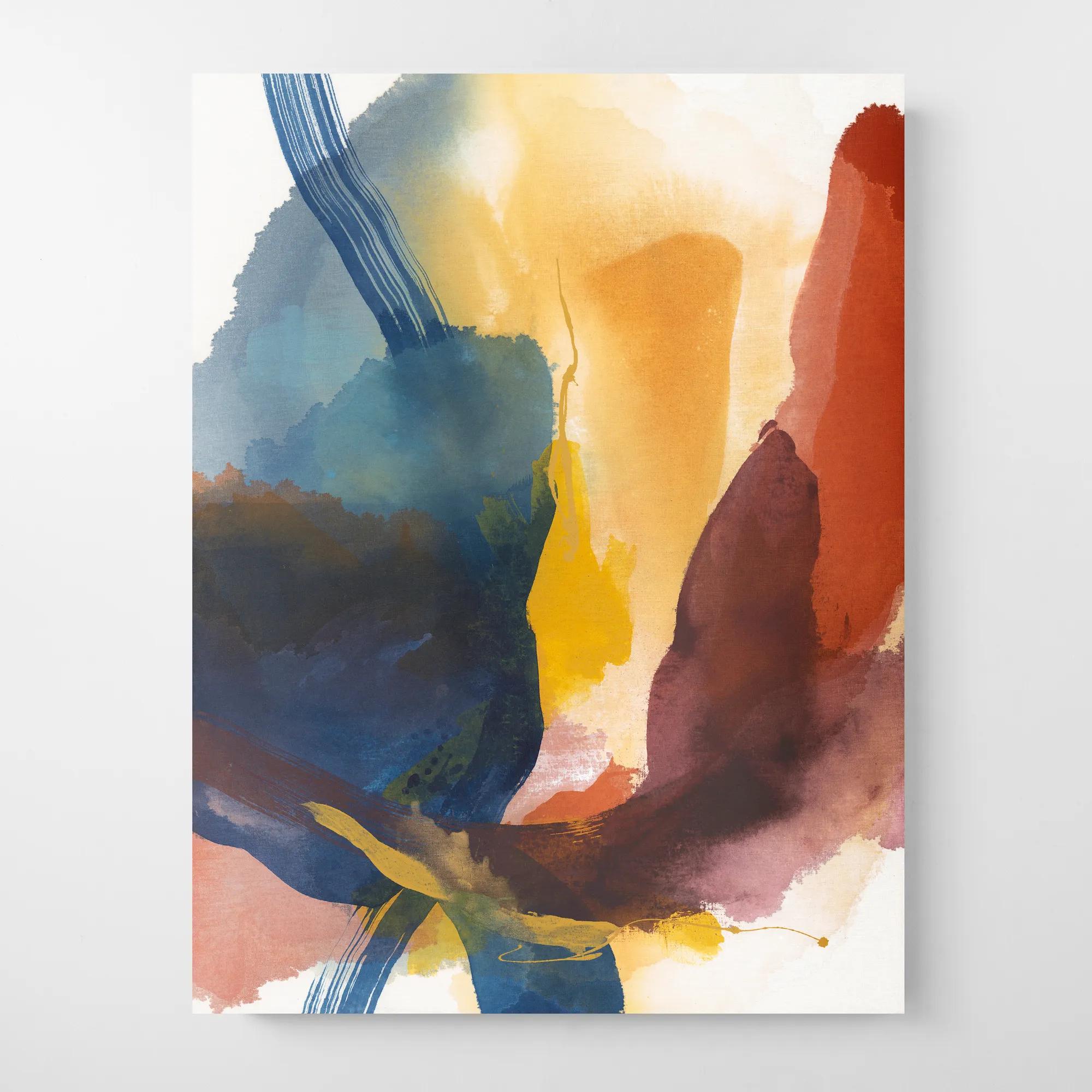
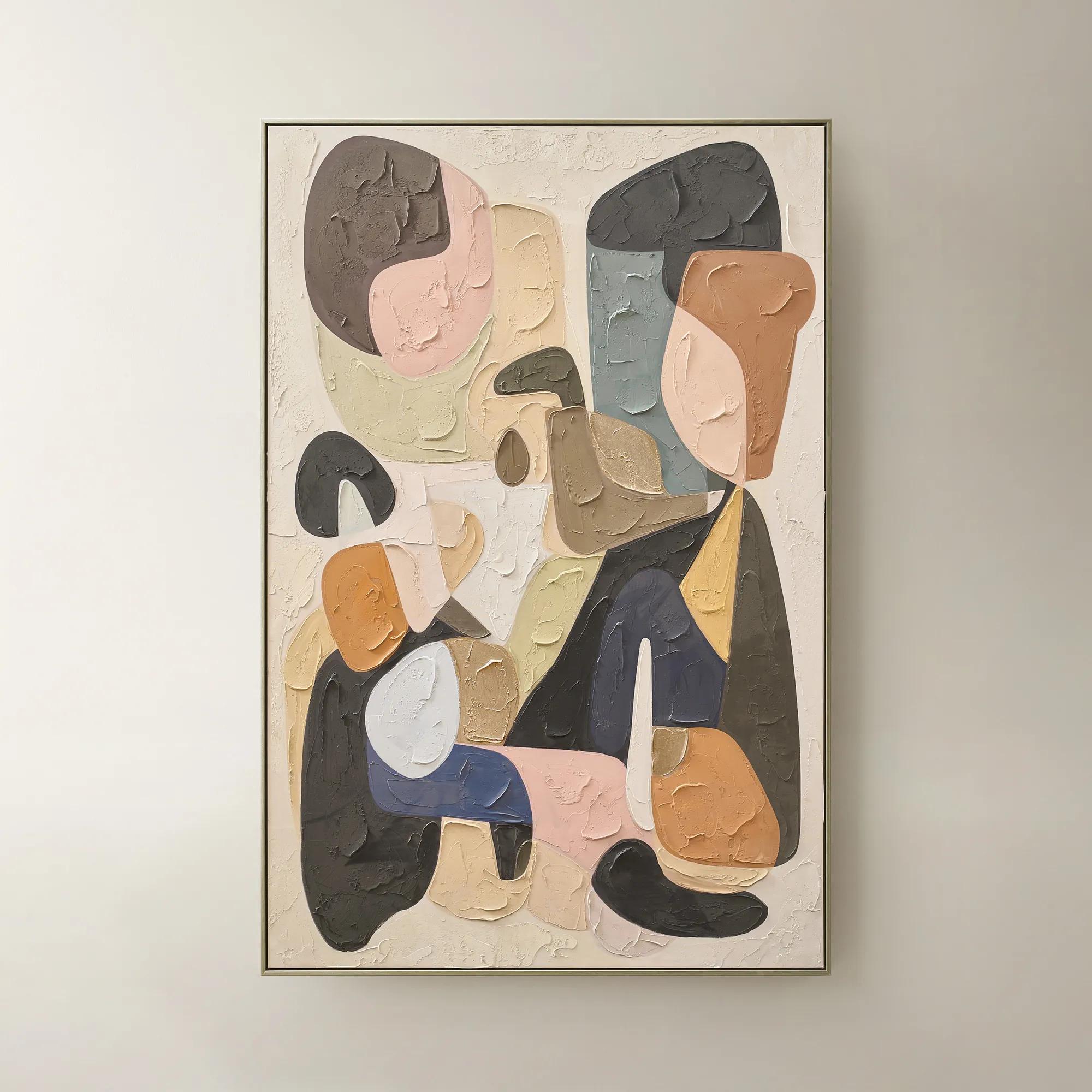 Chromatic Bloom Framed Painted Wall Art 40" x 60"$519
A hand-painted abstract canvas featuring a vibrant multi-color palette and shimmering champagne detailing.
Add To Cart -
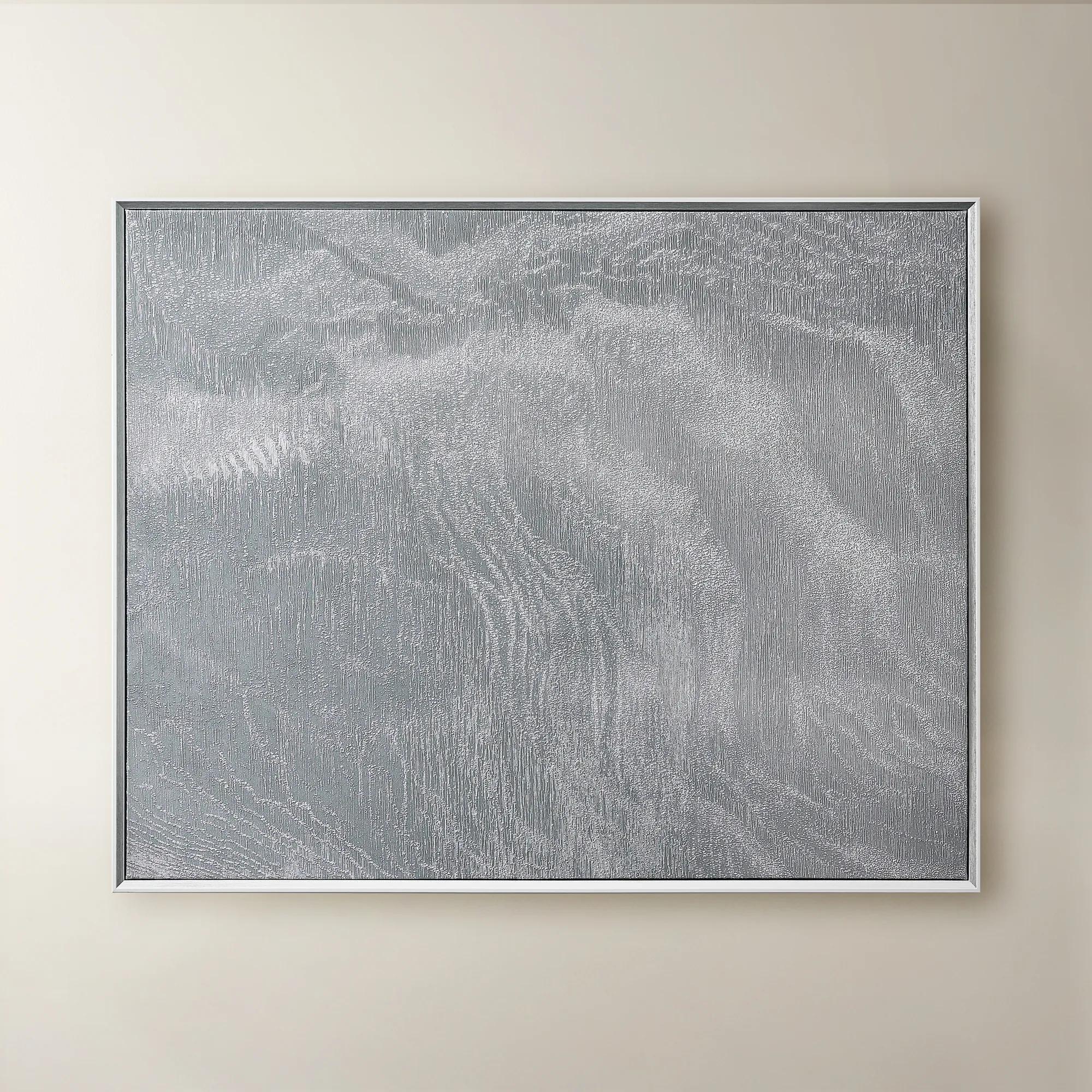 Slow Blue Morning Framed Silver Foil Wall Art 48" x 60"$599
A serene powder blue abstract canvas with silver foil accents, framed in silver and white for modern elegance.
Add To Cart -
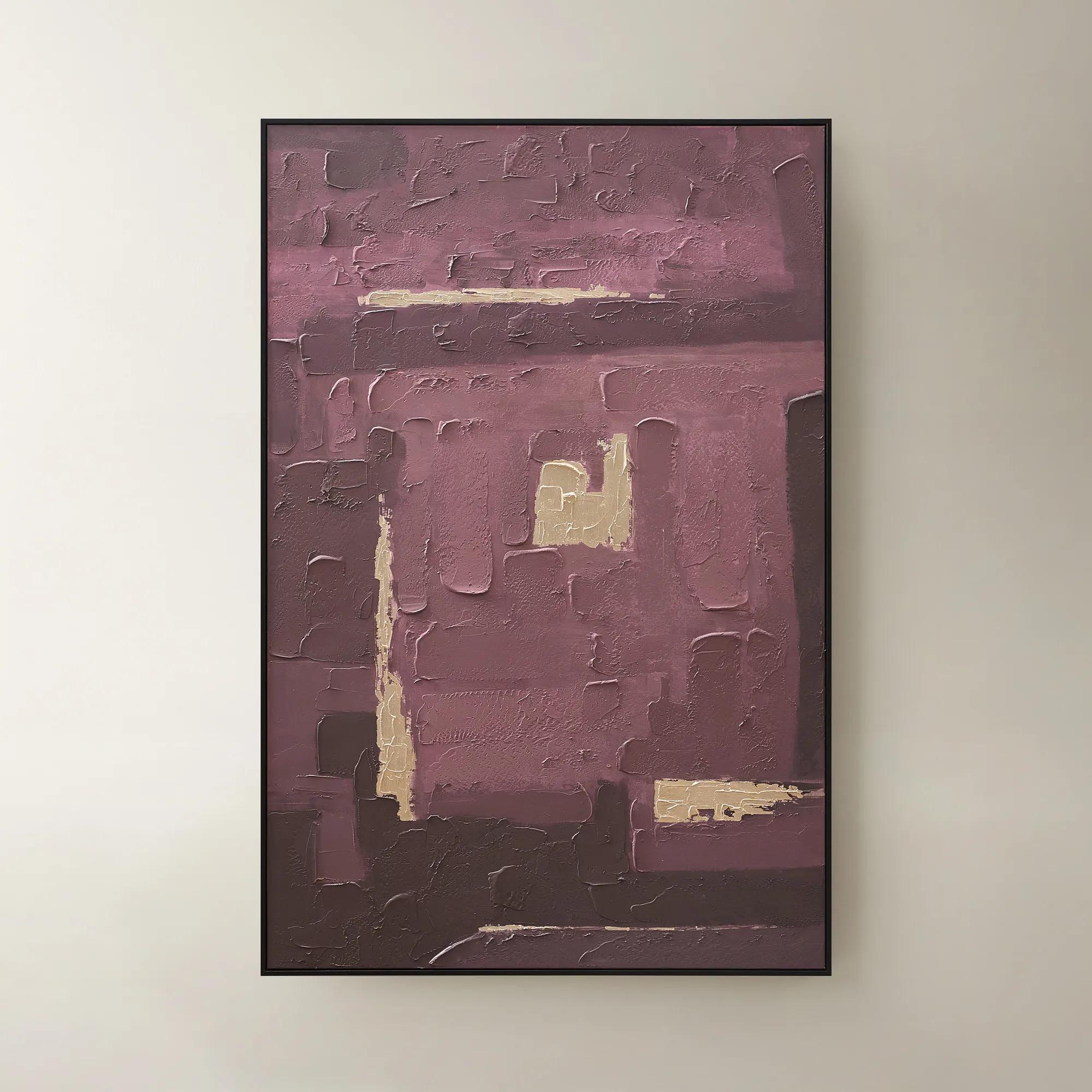
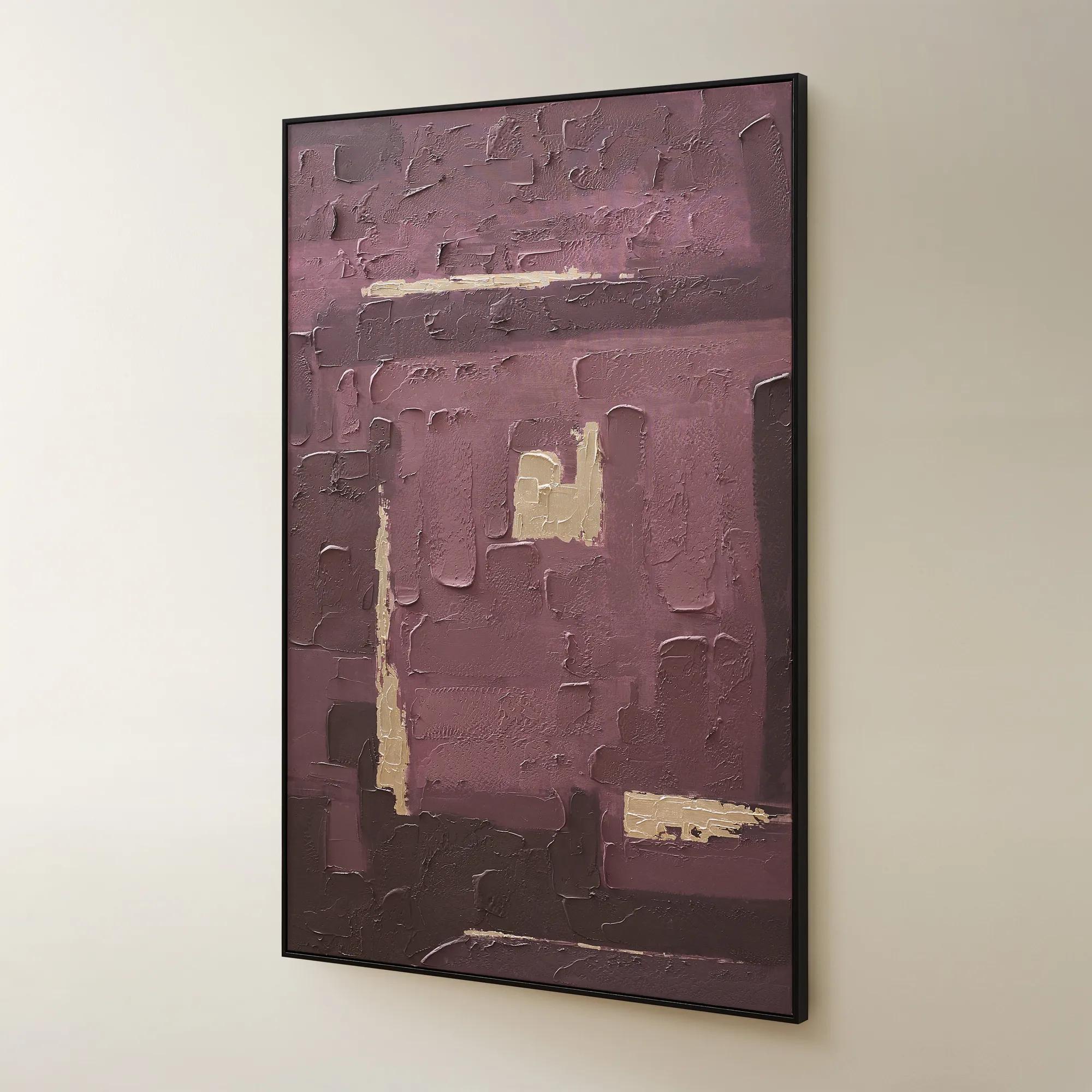 Fallback Framed Painted Wall Art 60" x 40"$499
A hand-painted abstract canvas in rich fig hues with champagne accents, set in a sleek black frame.
Add To Cart -
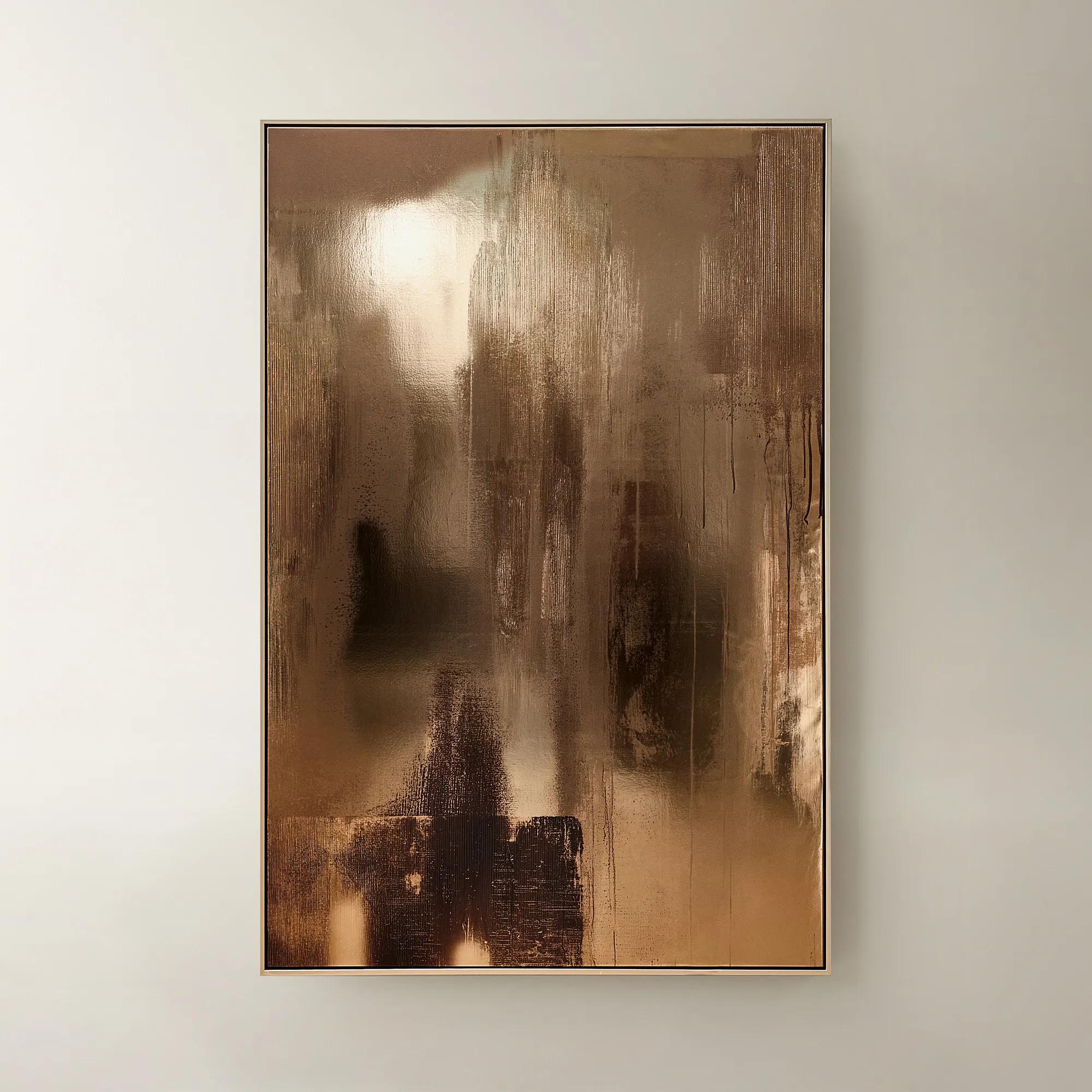
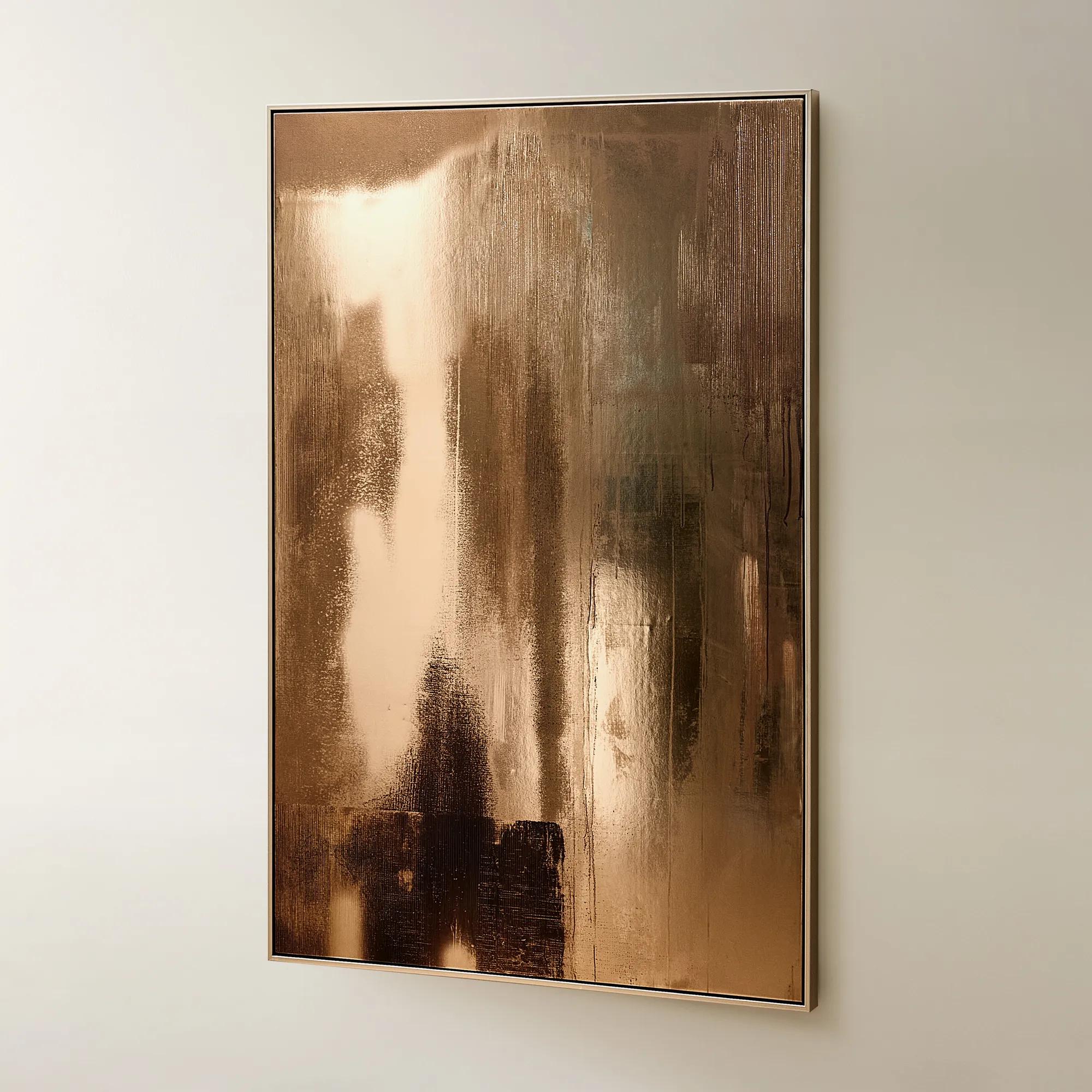 Bronze Reflective Framed Leather Painted Wall Art 40" x 60"$799
A hand-painted abstract wall art featuring reflective bronze faux leather and a warm champagne metallic frame.
Add To Cart -
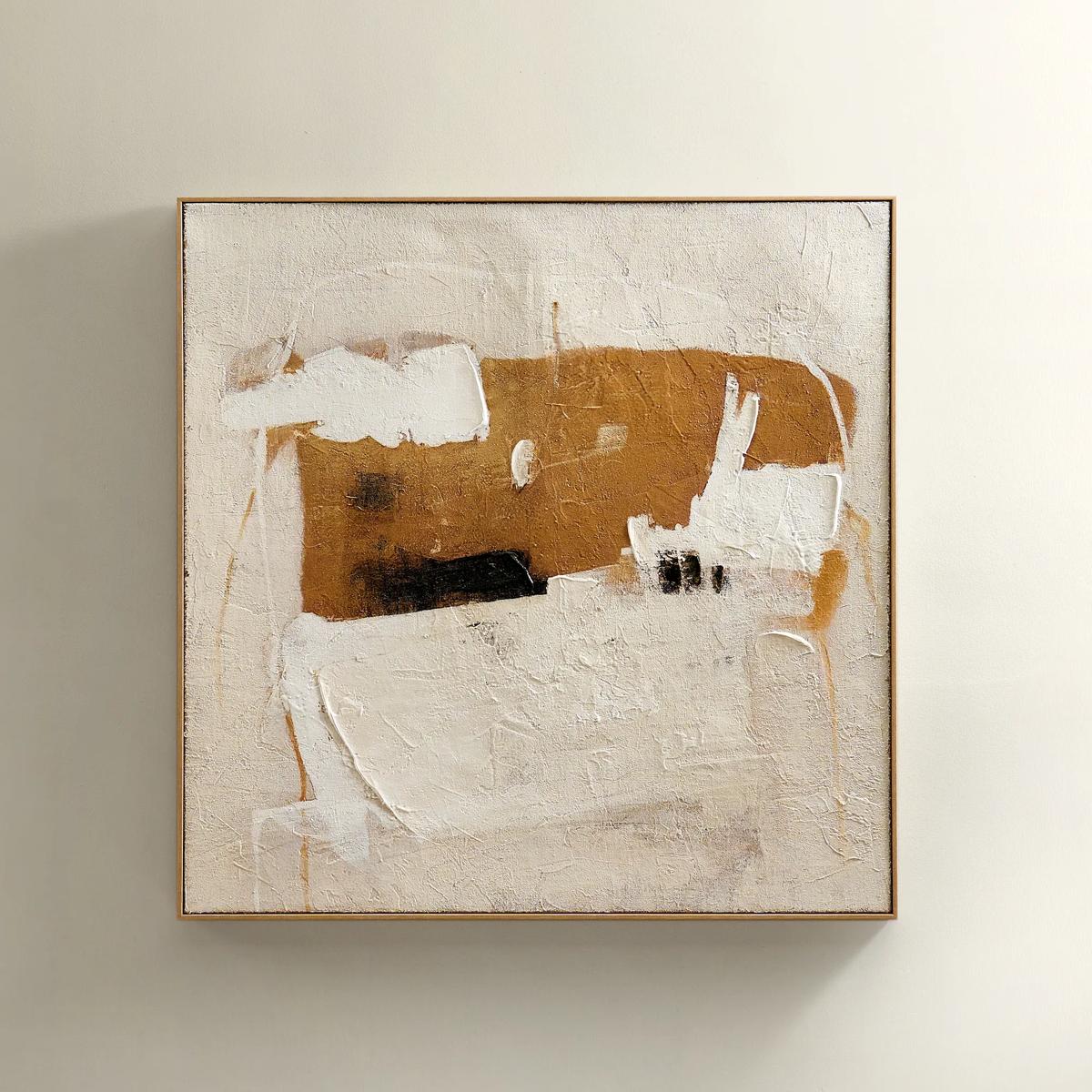 Instinct Framed Painted Wall Art 39.25" x 39.25"$349
An abstract hand-painted artwork featuring warm neutrals and black strokes on hessian with a light natural frame.
Add To Cart -
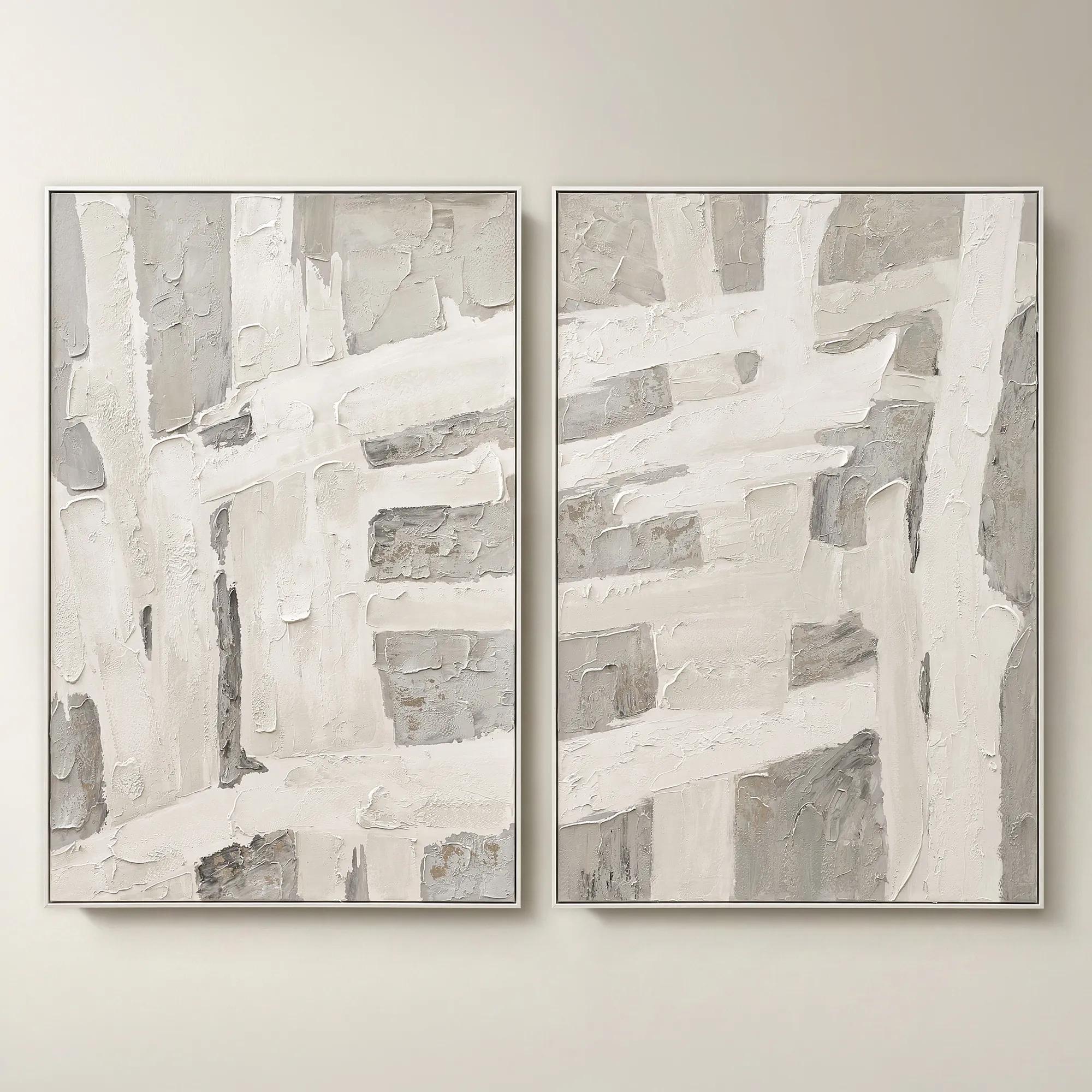 Traverse Framed Painted Wall Art 40" x 60" Set of 2$799
A hand-painted abstract diptych features champagne accents and soft grey, pearl, and alabaster tones in white frames.
Add To Cart -
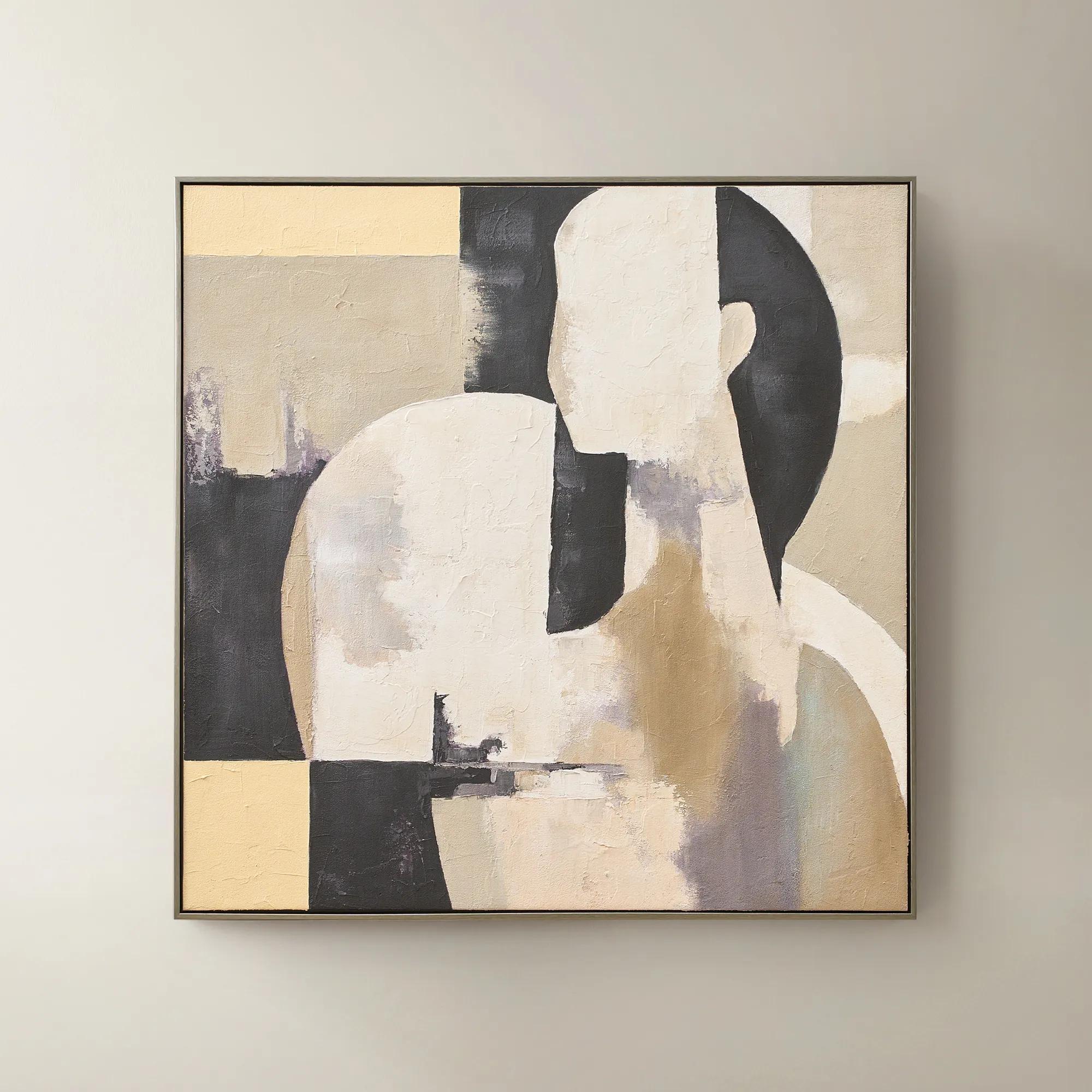 Afternoon Rest Framed Painted Wall Art 40" x 40"$399
A hand-painted abstract figure in buttercream, turtledove, and black hues framed in dark grey.
Add To Cart -
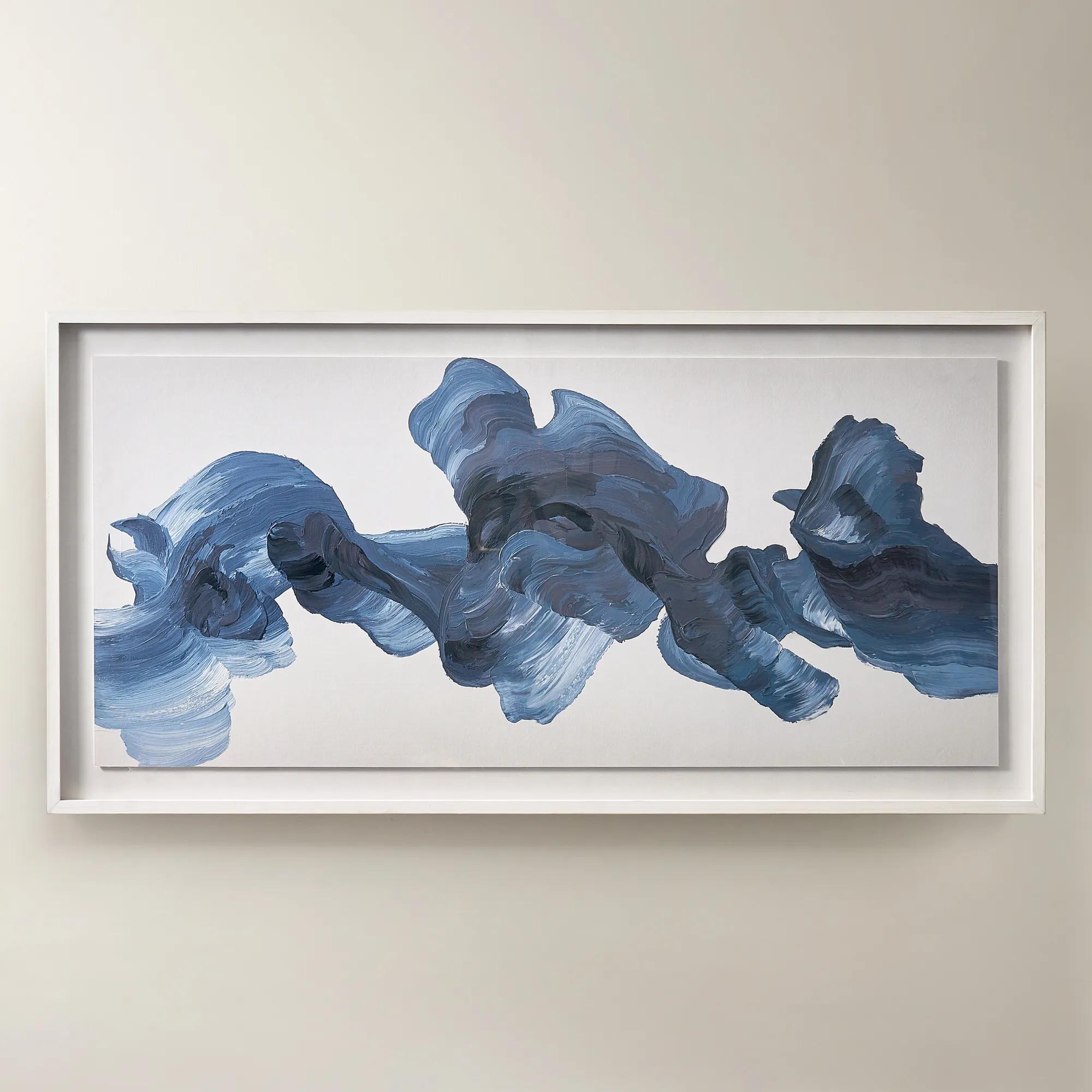
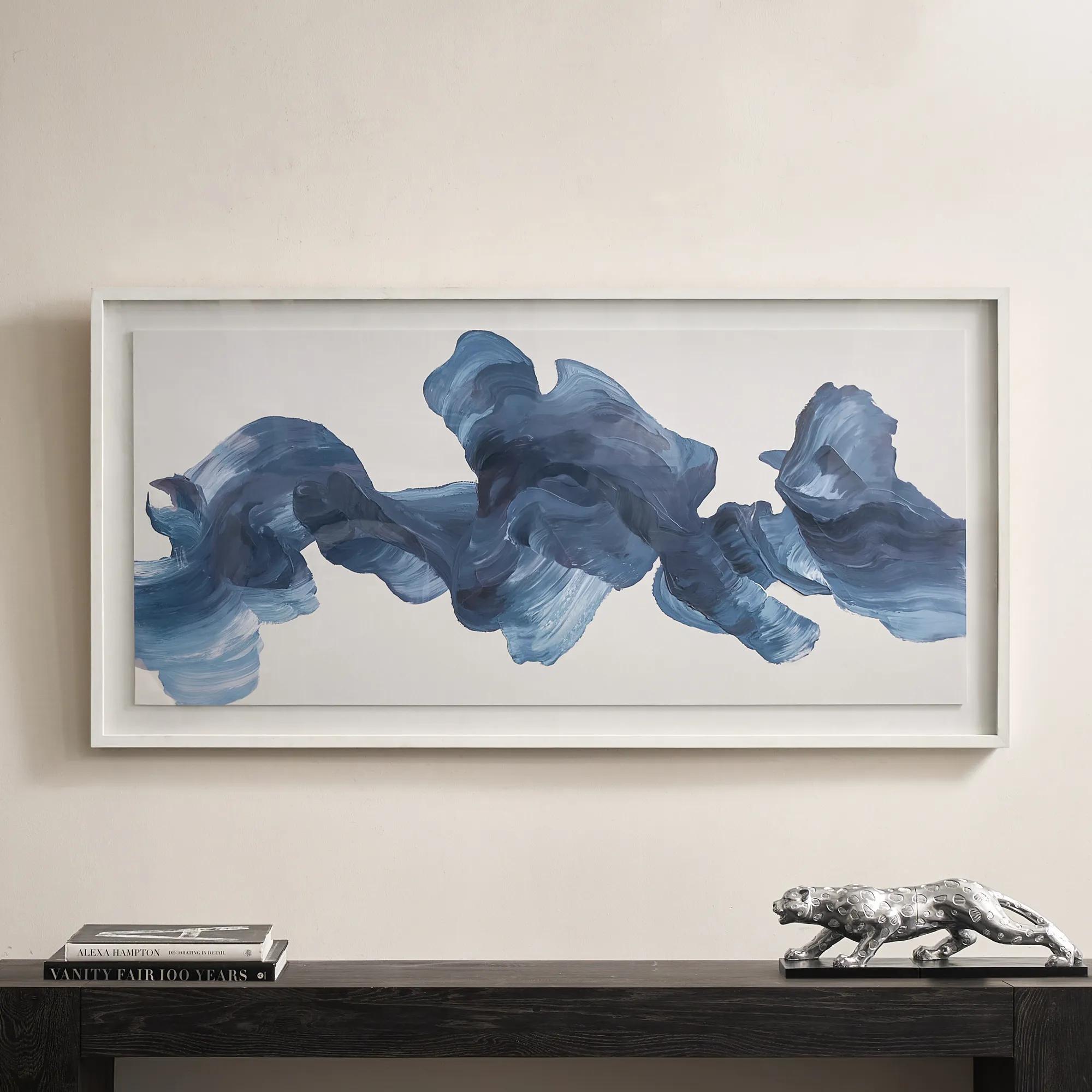 Blue Theory Framed Painted Wall Art in Acrylic 60" x 30"$499
A hand-painted canvas in deep ink blue, framed under acrylic with a whitewashed wood frame.
Add To Cart -
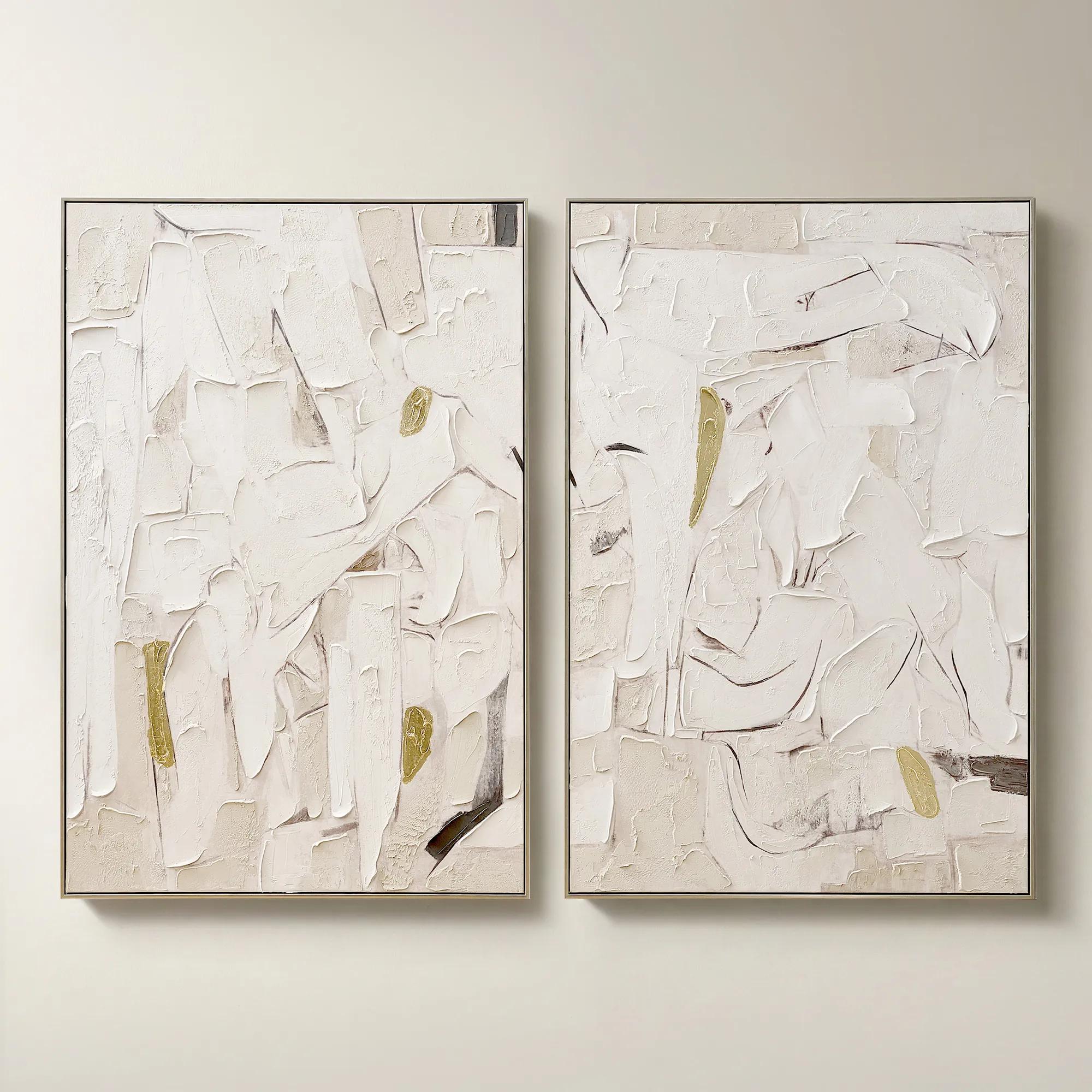 Beneath the Surface Framed Gold Leaf Painted Wall Art 40" x 60" Set of 2$799
A hand-painted abstract diptych featuring gold detailing and layered texture in alabaster and tawny hues.
Add To Cart -
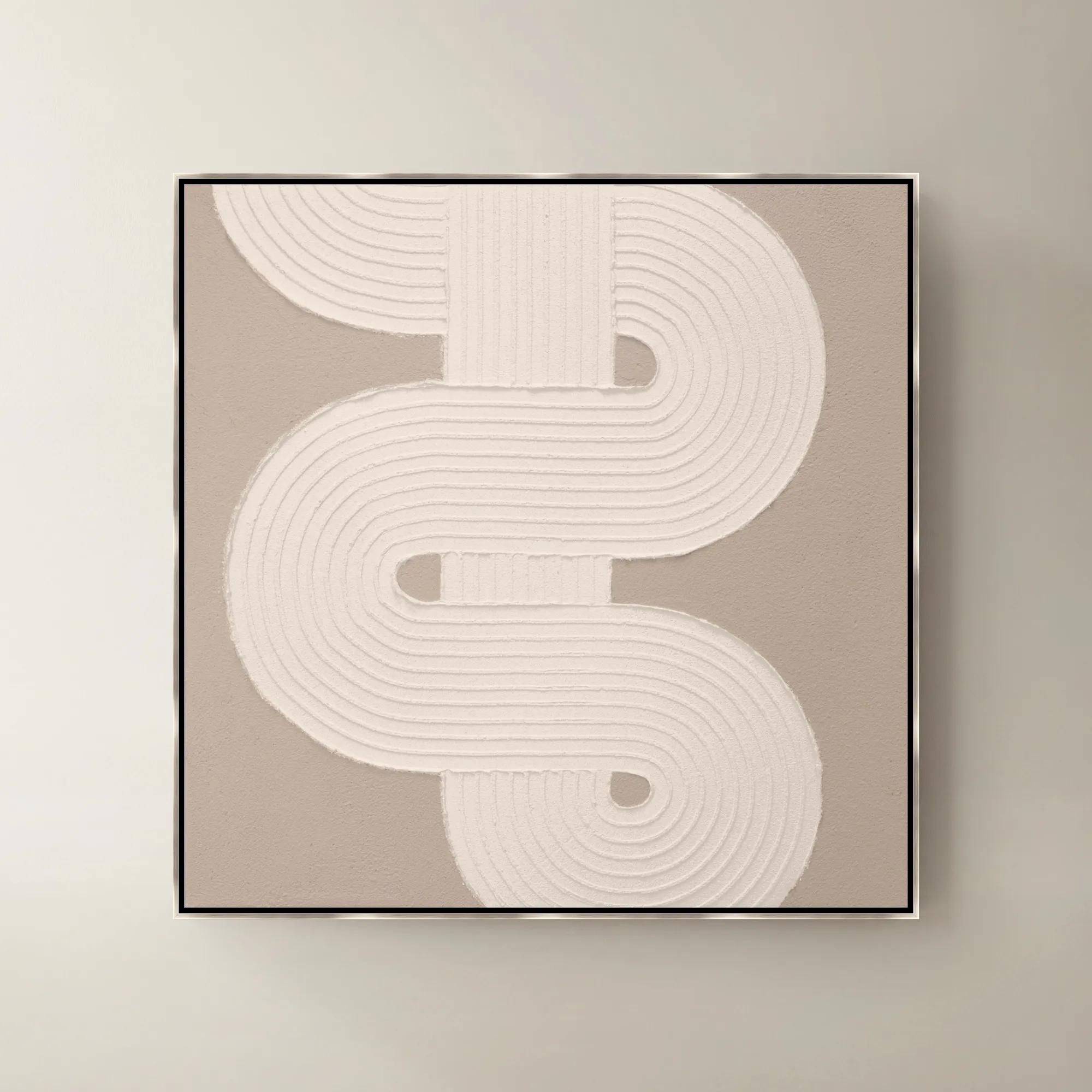
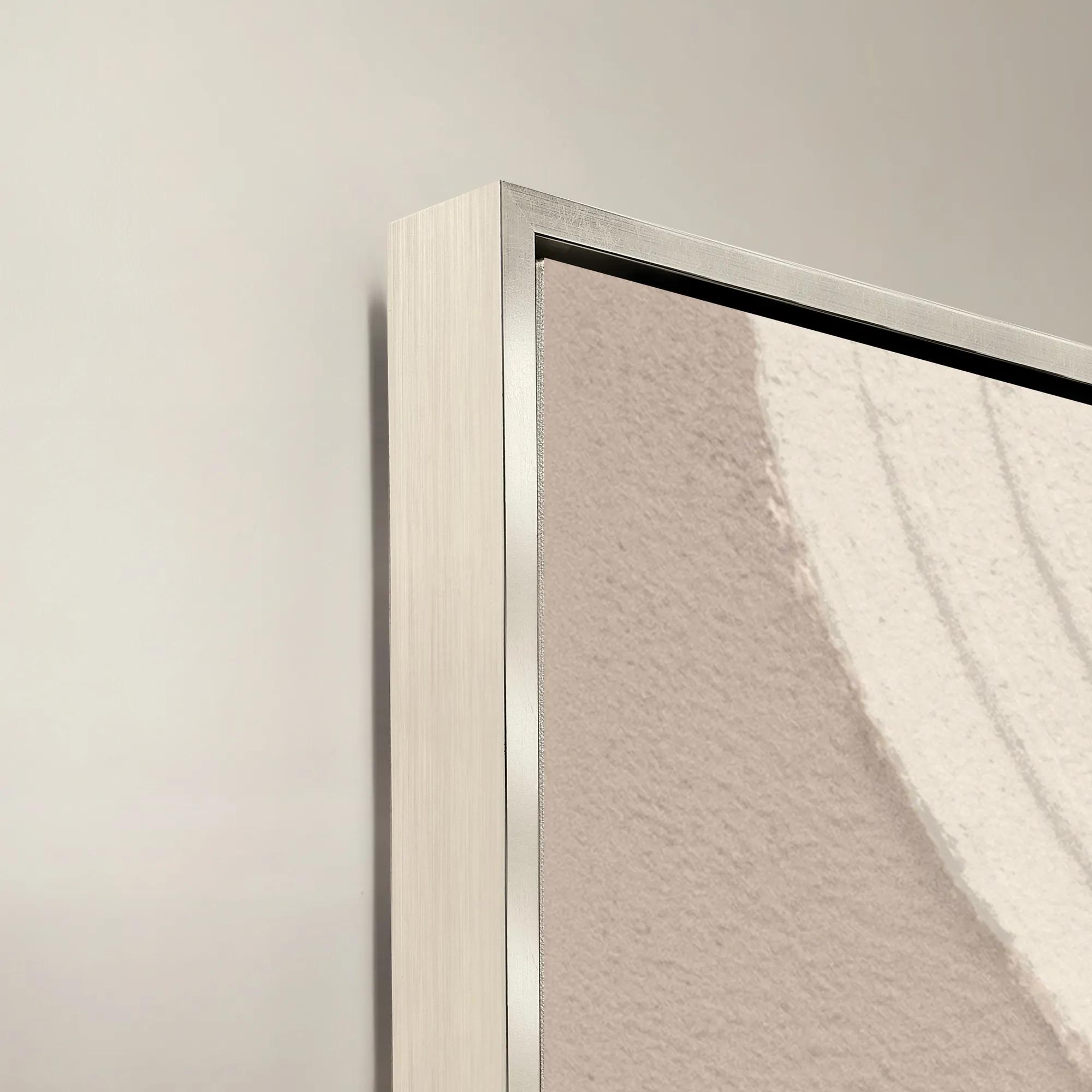 Sacred Geometry V Framed Painted Wall Art 40" x 40"$1099
A striking abstract art piece featuring bold geometric patterns for a modern, sophisticated touch.
Add To Cart -
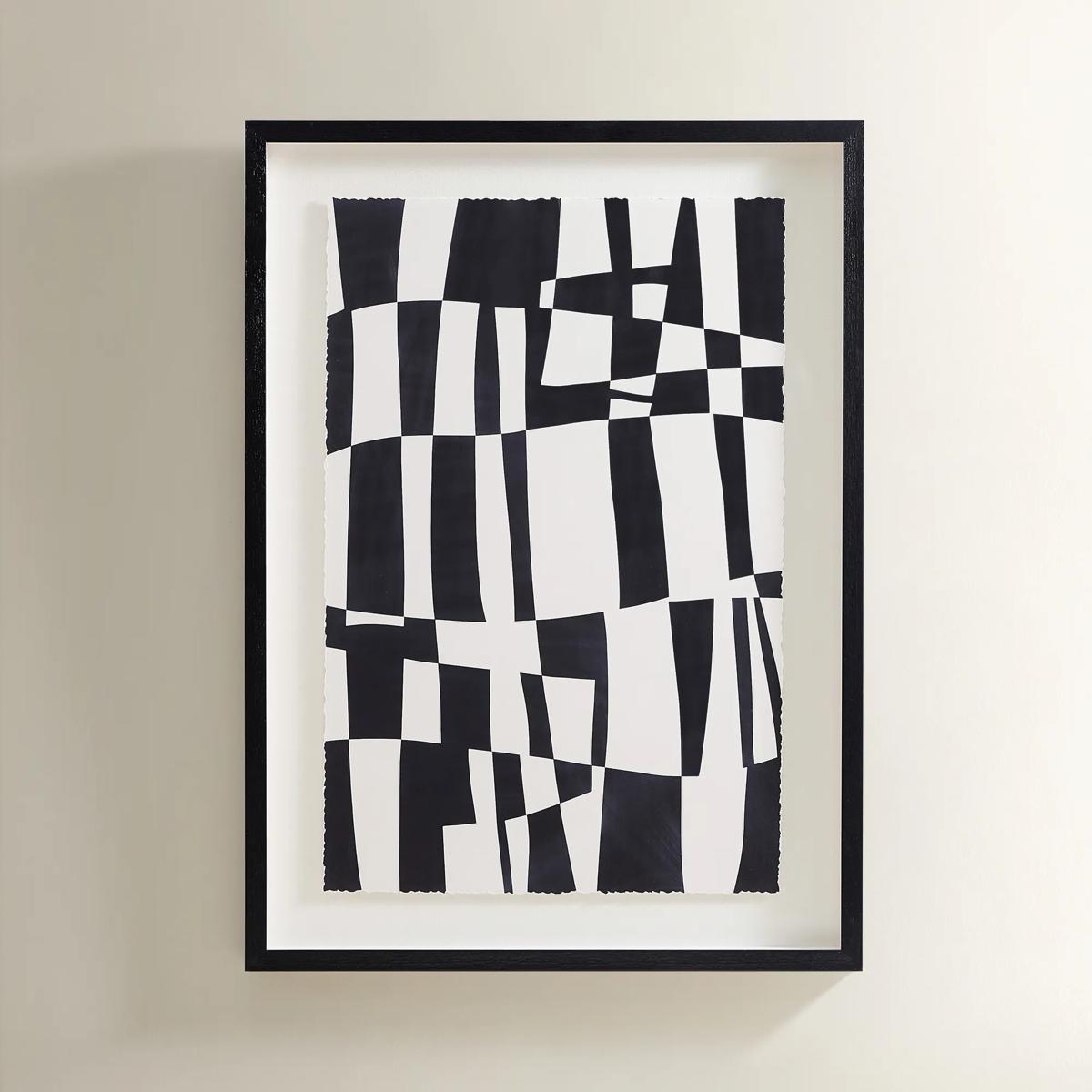 Matrix Art$369
A striking black and white abstract grid print set in a sleek black polyresin frame.
Add To Cart -
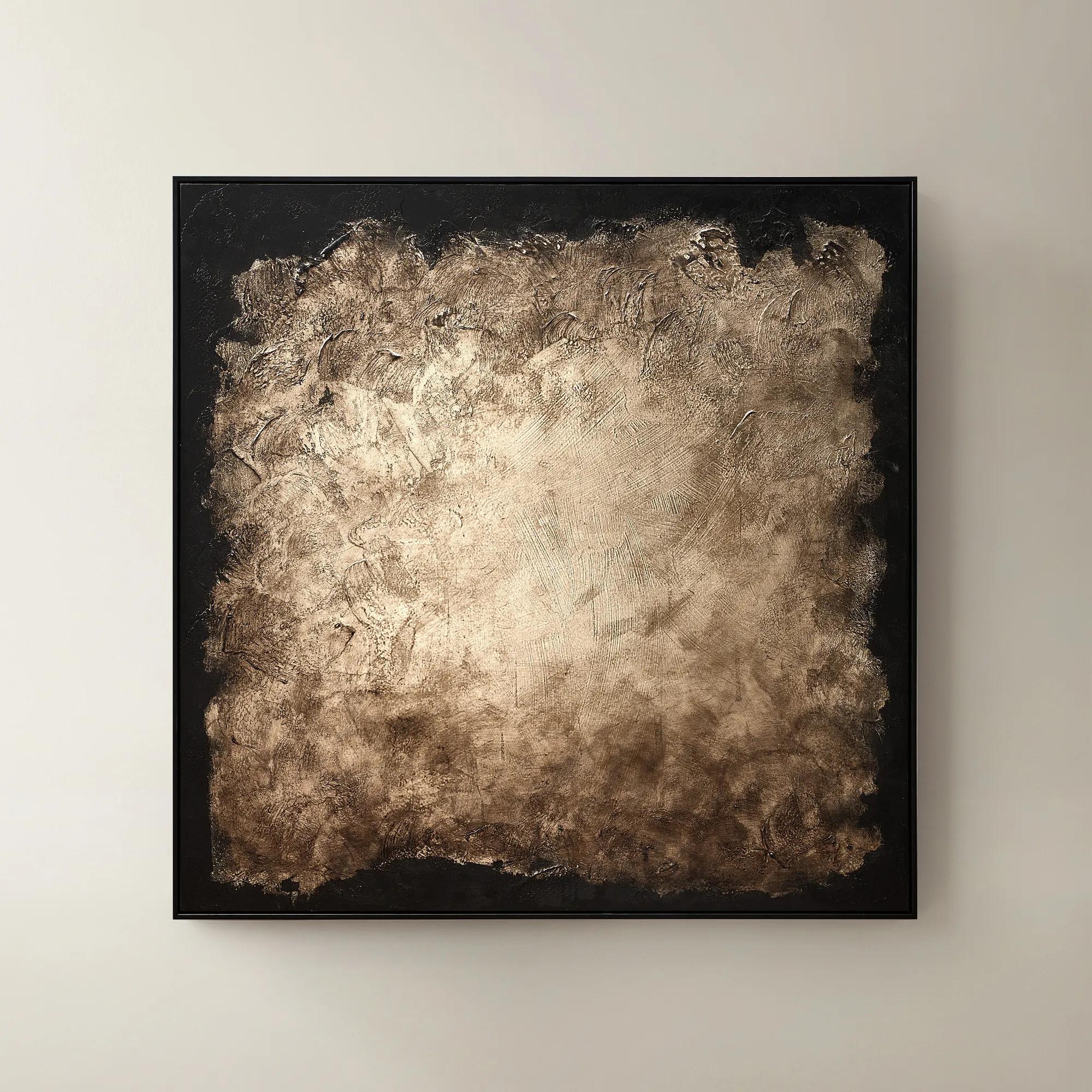 Edge of Knowing Framed Gold Leaf Painted Wall Art 50" x 50"$599
A hand-painted abstract canvas featuring gold leaf accents and a smoked champagne and black palette in a black frame.
Add To Cart

Framed Modern Abstract Wall Art
Explore framed modern abstract wall art to create an expressive focal point or bring a contemporary gallery wall into focus. This selection pairs abstract compositions with the definition of a frame, giving your space an artful finishing touch. Consider color, composition, and scale to choose a piece that complements your room’s palette or introduces a daring contrast.
Framed modern abstract wall art gives a room a distinct point of view, turning color, line, and texture into a statement that feels personal rather than prescribed. Without a literal subject to define the scene, an abstract composition leaves room for interpretation: a sweep of charcoal can feel architectural, a wash of ivory can suggest quiet movement, and a flash of metallic color can lend an otherwise restrained space a note of extravagance. This expressive freedom makes abstract artwork particularly compelling in interiors where furnishings already have strong silhouettes. Above a sumptuous upholstered sofa, fluid brushwork introduces movement; beside a sculptural accent chair, crisp geometric forms create a deliberate visual exchange. The frame completes that relationship, giving the artwork a defined edge and helping it hold its presence against the wall. A slender black profile can sharpen a pale composition, while a warm metallic finish can draw out golden undertones and echo the gleam of nearby lighting. Wood tones offer another kind of richness, bringing warmth to graphic marks or softly layered neutrals. The most convincing pairings do not require every color to match. A single recurring hue, perhaps the smoky blue of a pillow or the rust tone in a patterned rug, can connect the artwork to the room without making the arrangement feel overly coordinated. Modern abstraction encompasses gestural painting, geometric studies, atmospheric fields of color, and compositions built around the beauty of negative space. Each creates a different rhythm. Broad, energetic marks suit spaces with a confident, social character, while subtle tonal shifts can bring depth to a bedroom or reading area without overwhelming it. For those drawn to expressive interiors, framed abstract art offers an opportunity to introduce drama with intention. Even a largely neutral room can acquire remarkable dimension through layered pigment, unexpected contrast, and a frame that treats the composition as something worth lingering over. Rather than filling an empty wall indiscriminately, the right piece establishes a focal point around which the rest of the room can unfold.
Scale changes how that focal point is experienced. A generous horizontal composition above a dining room sideboard can create a sweeping visual line, while a vertical piece can emphasize height in an entryway or bring definition to a narrow section of wall. Rooms with expansive walls often benefit from the commanding proportions of Large Abstract Framed Wall Art, particularly when a single composition needs to balance substantial furniture. Above a sofa or console, an artwork or grouping that spans roughly two-thirds to three-quarters of the furniture’s width often feels comfortably connected to the setting; the full framed dimensions, not just the image size, determine that relationship. Leaving a modest gap between the furniture and the lower edge of the frame helps the arrangement read as one vignette rather than two unrelated elements. Viewing distance matters, too. Delicate lines and intricate layering reward a closer look in a hallway or intimate seating area, whereas bold shapes and pronounced contrast remain expressive across a larger room. A pair of related compositions can establish symmetry, while several pieces with shared colors or consistent frame finishes can create a collected arrangement without visual disorder. Beyond proportion, materials influence both the artwork’s character and its practical fit. Works on paper may feature a mat that introduces breathing room between the image and frame, lending even vigorous marks a composed presentation. Framed canvas can emphasize surface texture and a more dimensional presence, depending on the printing or painting technique. Glass and acrylic glazing each affect weight, reflection, and handling; acrylic is generally lighter, while glass offers a firm, clear surface but requires careful handling because it can break. Any protective or ultraviolet-filtering qualities should be confirmed in the individual artwork’s details rather than assumed. Frame construction, secure corners, backing, and appropriate hanging hardware also contribute to a presentation that feels considered from every angle. These details are especially important for substantial pieces, where the elegance of the finished arrangement depends as much on sound installation as on the composition itself.
The setting around framed abstract art should let its details remain visible and help preserve them over time. Soft, indirect illumination can reveal shifts in tone without casting a harsh reflection across the image; in a dining room, placing the work outside the direct reflection of a chandelier keeps both the art and the lighting visually distinct. Strong sunlight can fade many pigments and printed images, so a wall away from prolonged direct exposure is often a better choice than the brightest spot beside a window. Excess moisture and abrupt changes in humidity can affect paper, canvas, and frame materials, making dry indoor living spaces a more dependable setting than an unventilated bathroom. Care should follow the instructions supplied with the artwork, since a glazed print, painted canvas, and textured mixed-media surface may require different treatment. For many frames, a soft, dry microfiber cloth is sufficient for routine dusting. When glazing can be cleaned, apply an appropriate cleaner to the cloth rather than spraying the framed piece directly, and avoid allowing moisture to collect along the edges. Unprotected artwork surfaces deserve particular caution: rubbing, household sprays, or abrasive tools can disturb finishes and delicate textures. Secure installation is equally important. Match the hanging hardware and wall anchors to the artwork’s weight and the wall material, especially above seating, beds, or frequently used pathways. With those practical details addressed, framed modern abstract wall art becomes an enduring expression of taste, suited to a polished home office, an intimate bedroom, or a living room designed for memorable gatherings. It can also make a thoughtful housewarming, wedding, or milestone gift when the recipient’s preferences are well understood. Consider the colors they live with, the proportions of their space, and whether they favor expressive gestures or precise geometry. A carefully chosen composition feels personal without needing a literal portrait or familiar landscape. Its pleasure lies in the way it reveals something different with another glance: an unexpected edge, a quieter layer of color, or a movement that gives the room its unmistakable character.
FAQs
Framed modern abstract wall art uses color, line, shape, and gesture rather than literal imagery to create a visual statement. From fluid compositions to bold geometric arrangements, abstract artwork invites personal interpretation. The frame gives the composition a deliberate finish, turning expressive imagery into a polished focal point.
Begin with the atmosphere you want to create. Sweeping gestures and saturated colors bring theatrical energy, while tonal compositions and open space introduce a quieter sophistication. Echo a hue from your furnishings for a cohesive look, or choose a contrasting palette to give the room an unexpected artistic edge.
A slender, understated frame lets expressive color and movement command attention. A dark frame adds definition, a light-toned frame lends an airy finish, and a metallic finish introduces a glamorous accent. Choose a frame that complements the artwork’s character while connecting with details elsewhere in the room.
Modern abstract art creates a compelling counterpoint to traditional furnishings. Free-flowing shapes can soften the formality of tailored upholstery, while graphic compositions bring fresh energy to ornate details. A shared color or complementary frame finish helps unite the contrast, creating an interior that feels collected and distinctly personal.
Give your gallery wall a visual thread, such as a recurring color, related frame finishes, or a shared artistic mood. Mix gestural compositions with more structured imagery to create rhythm without making every piece compete for attention. Let one expressive work lead, then build around it with quieter artwork for a layered, gallery-inspired narrative.