Framed Landscape Wall Art
Framed Landscape Wall Art
-

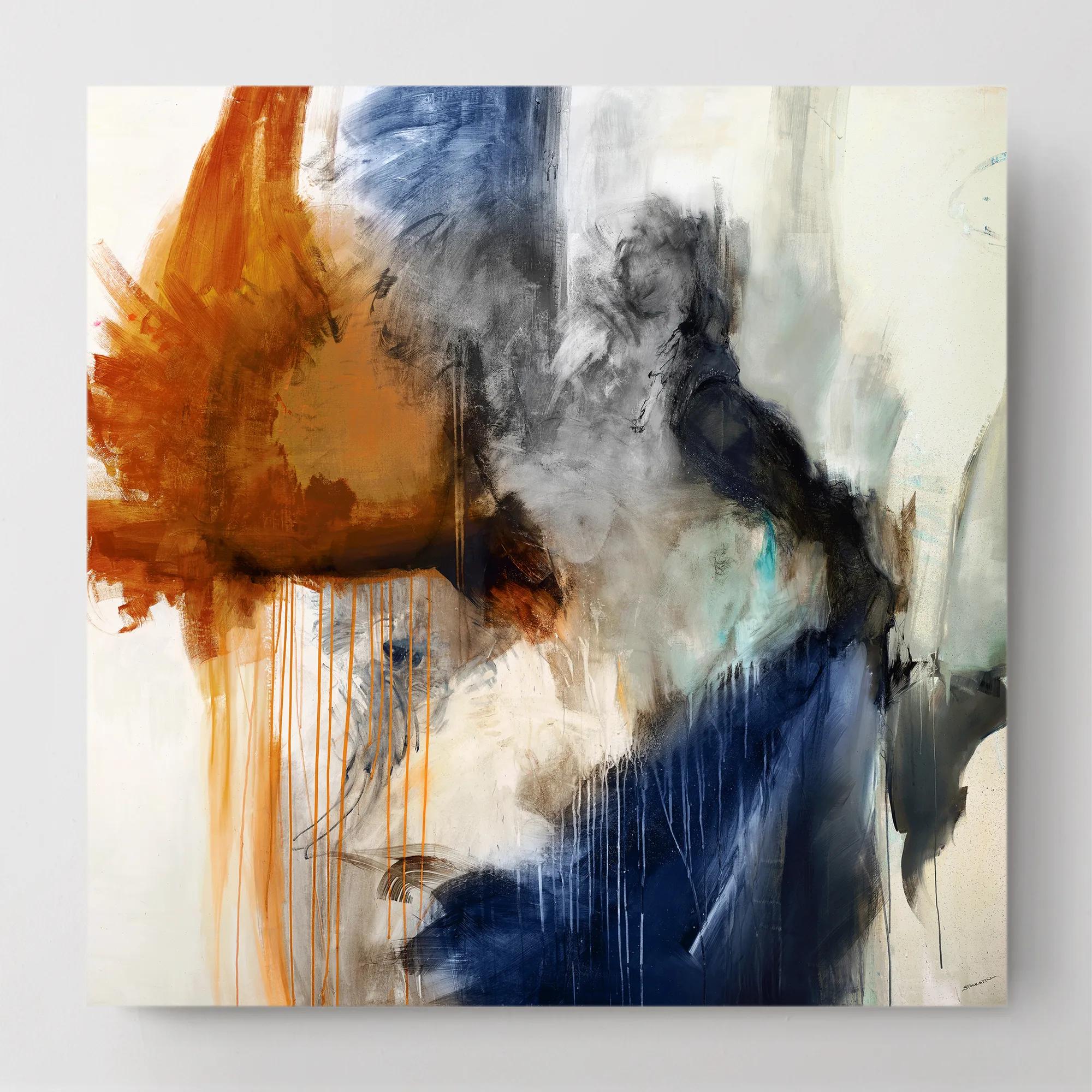
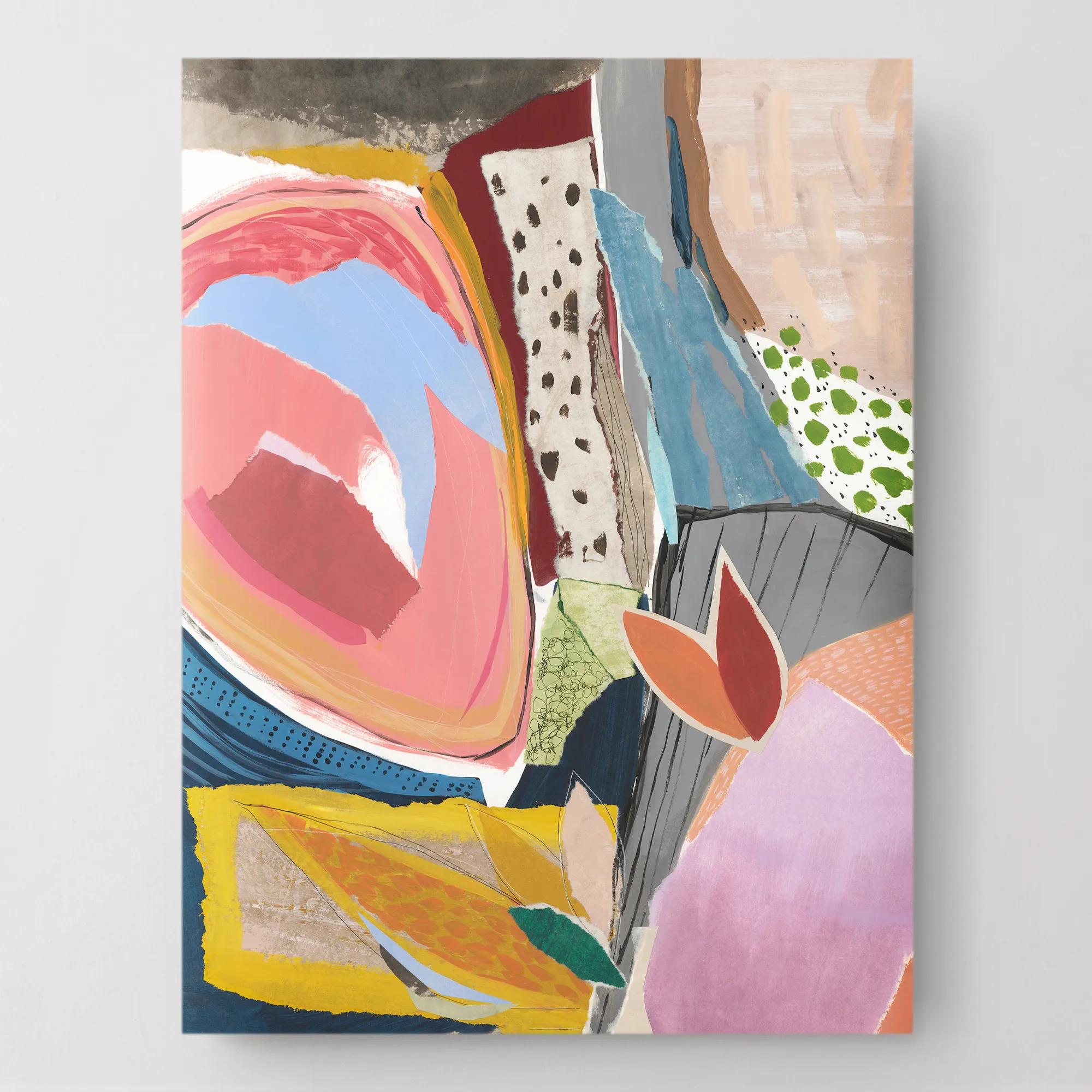
 Patina Horizon III Framed Painted Wall Art 40" x 40"$1199
A framed, multicolored painted canvas artwork featuring a captivating horizon-inspired composition.
Add To Cart -
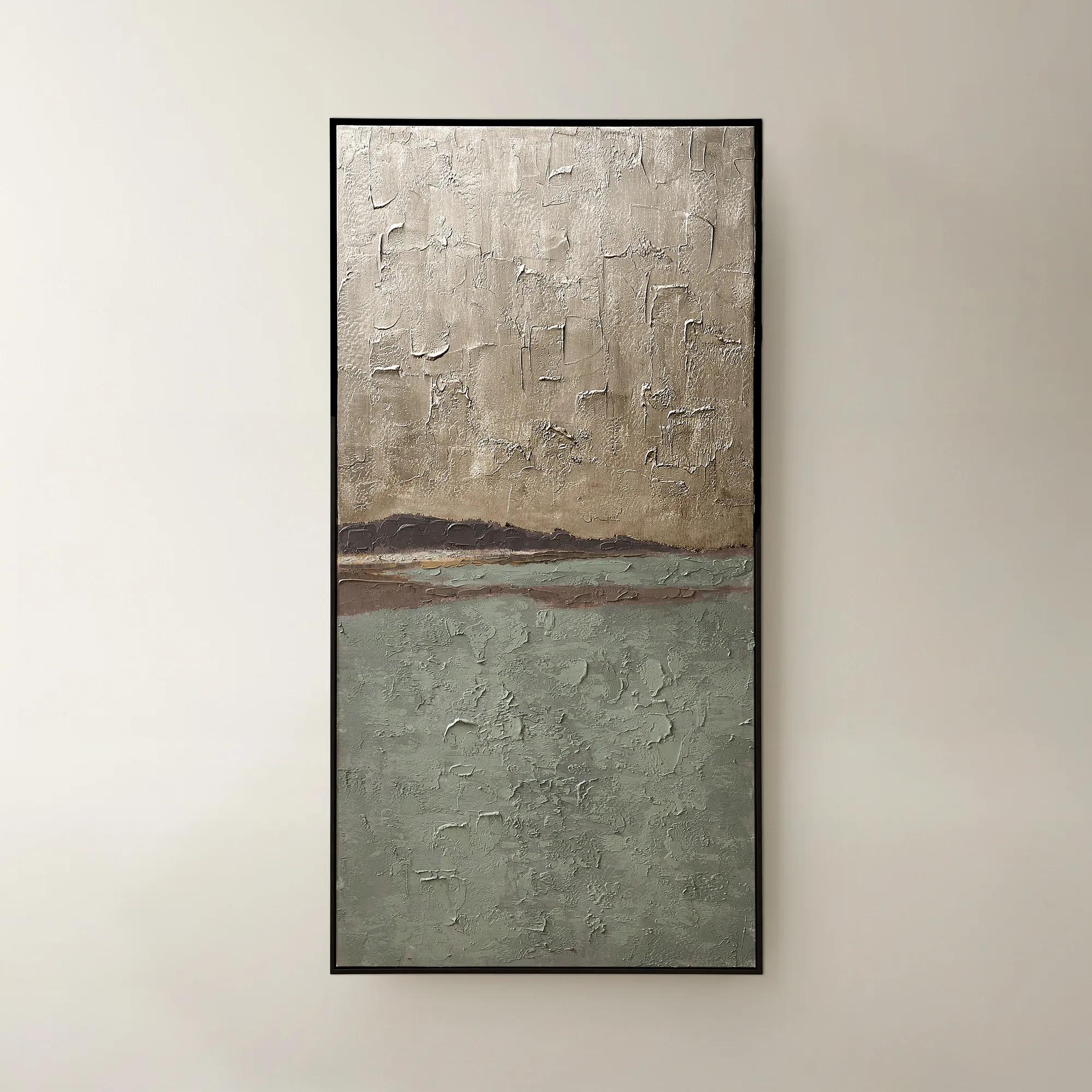
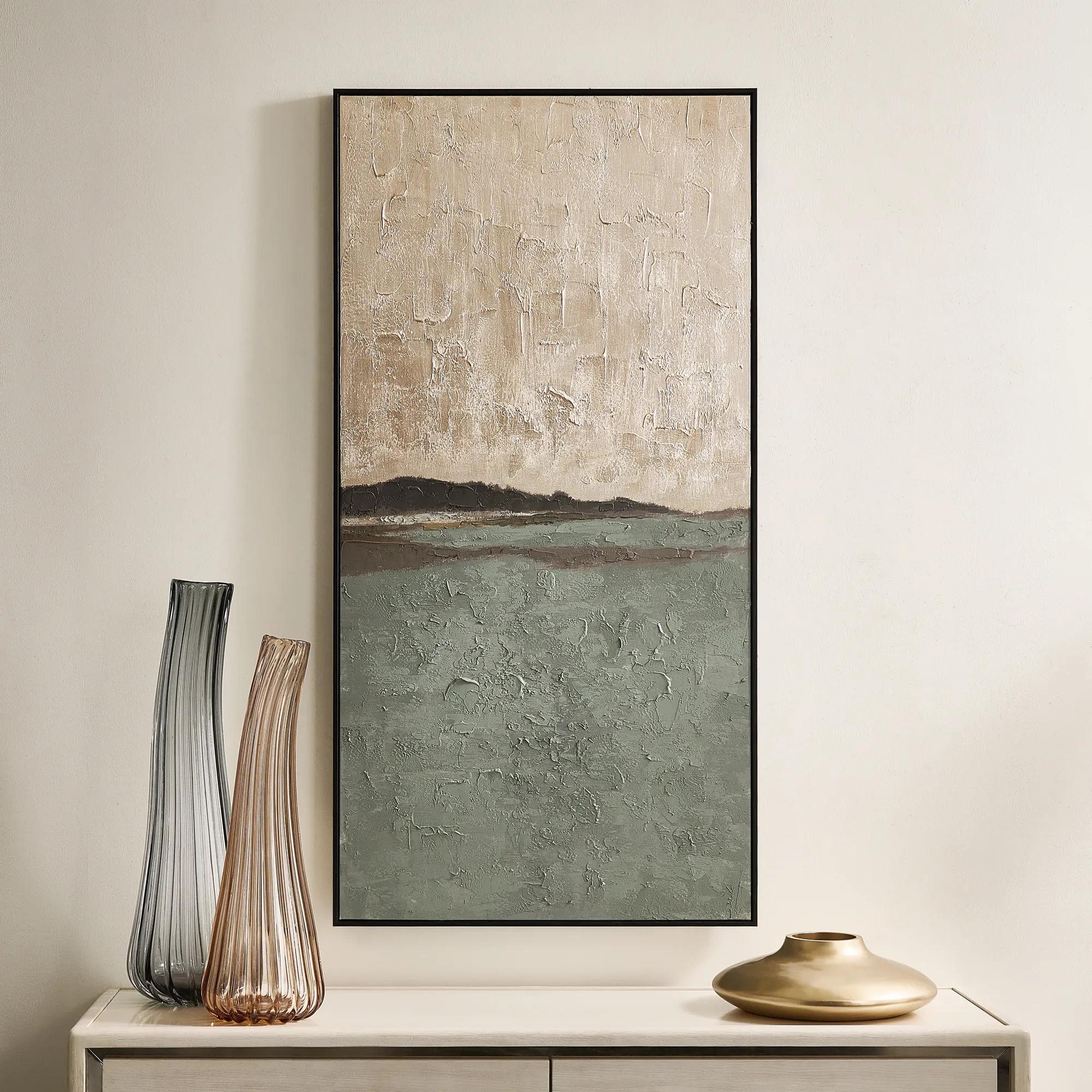 Fields of Gold Framed Painted Wall Art 60" x 30"$399
A hand-painted sage and champagne abstract canvas with a black frame, offering versatile vertical or horizontal display.
Add To Cart -
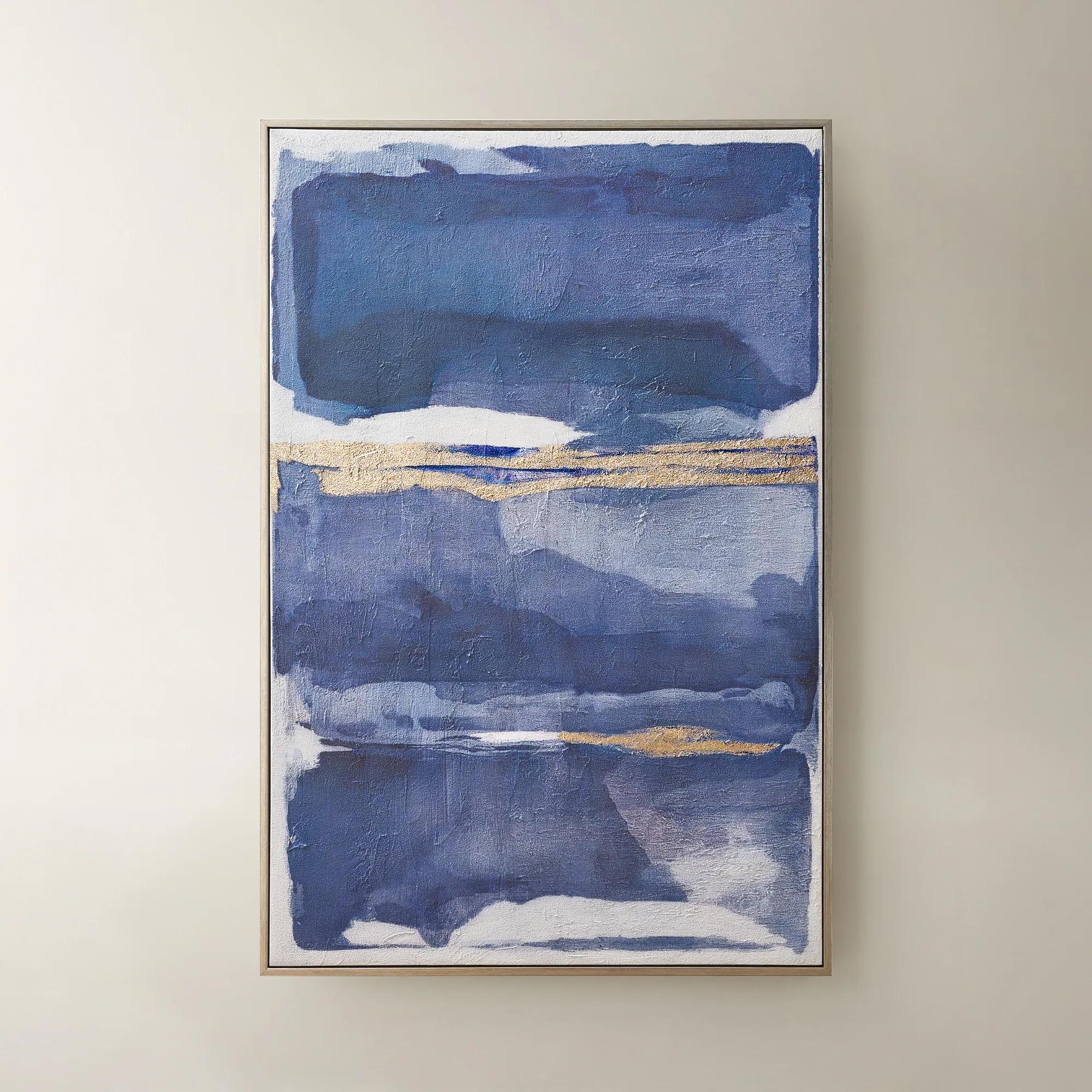
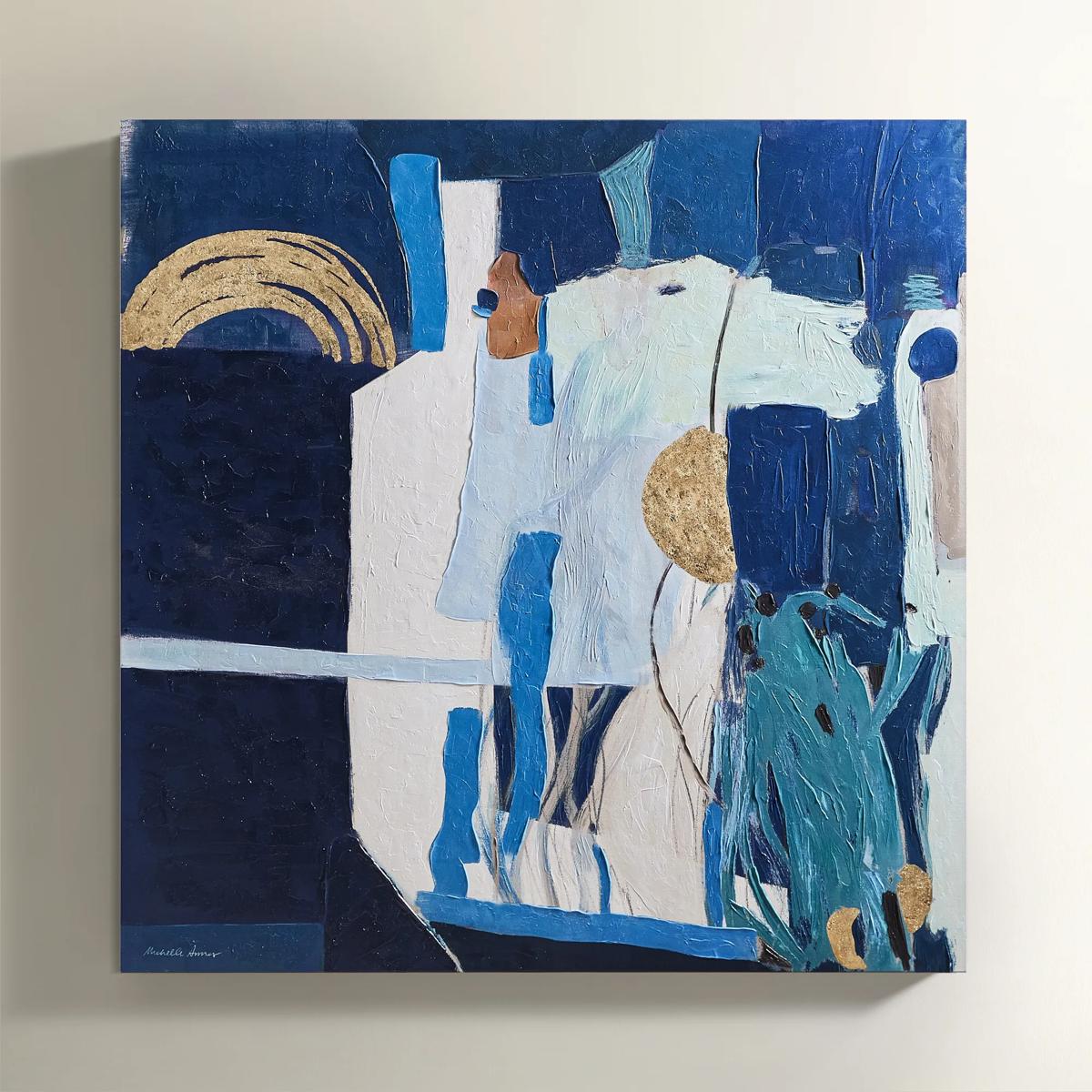
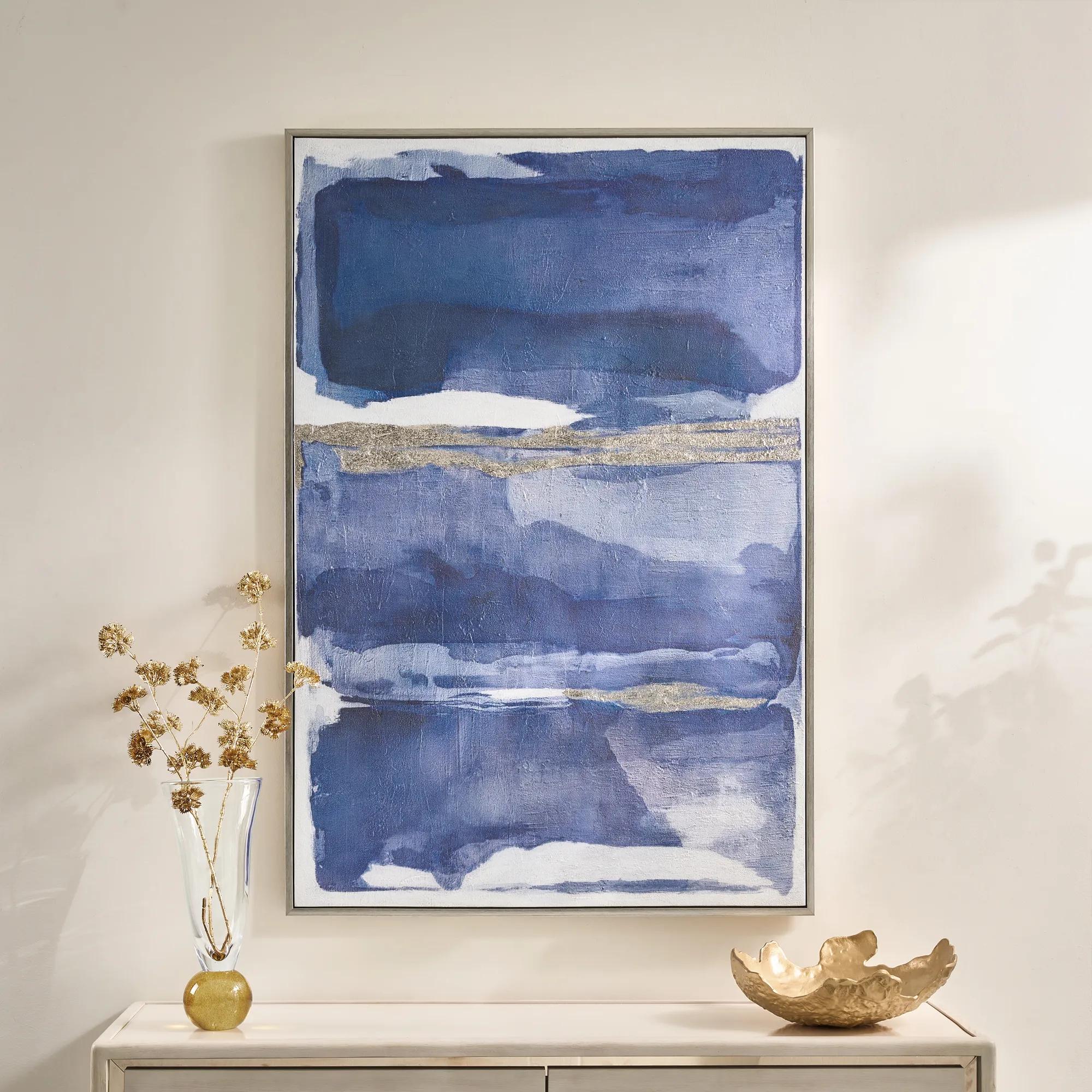 Memories in Blue Framed Painted Wall Art 40" x 60"$499
A hand-painted canvas in deep ink blue with champagne leafing for a sophisticated, gallery-inspired look.
Add To Cart -
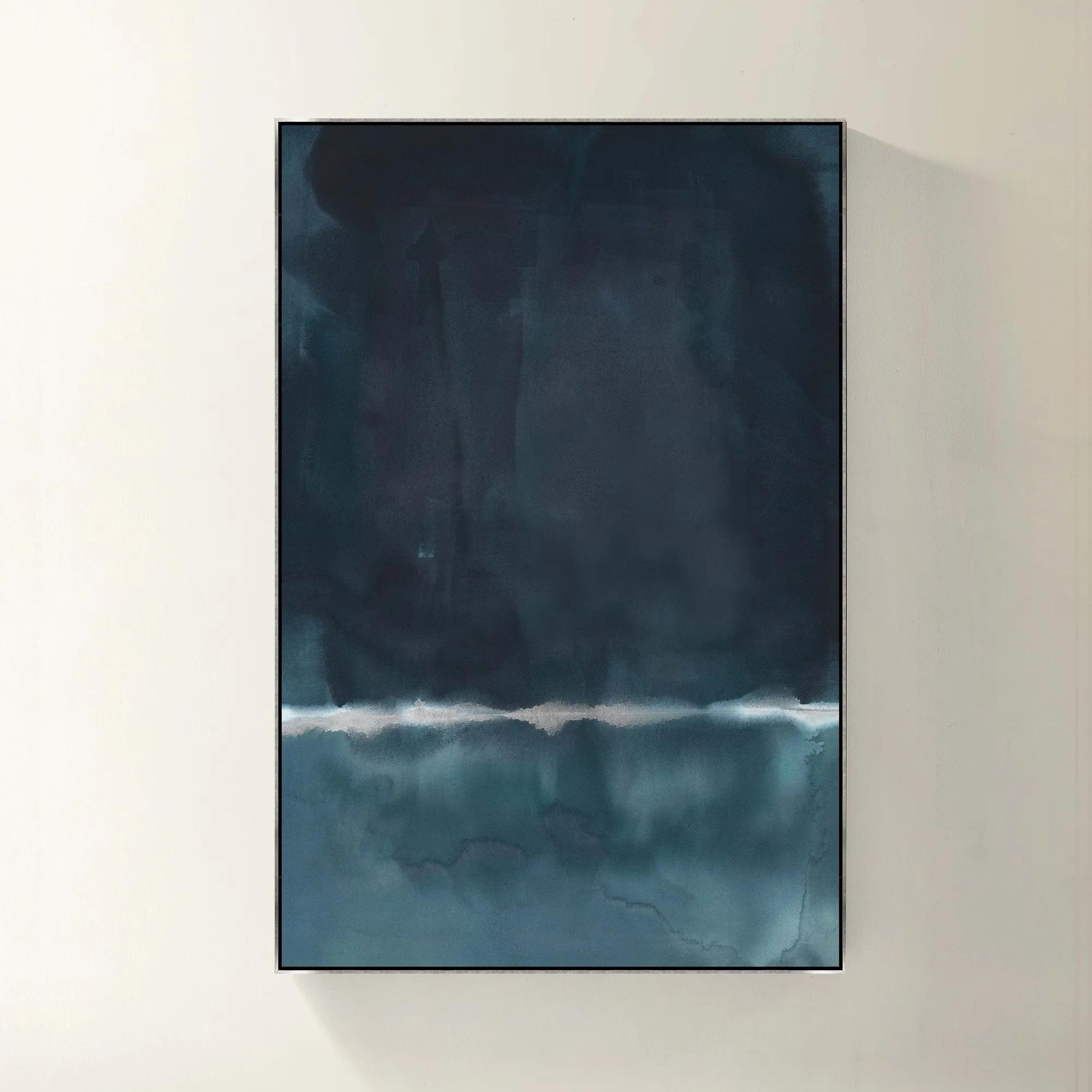 Blue Monday Framed Wall Art 40" x 60"$1119
A gallery-wrapped blue canvas with hand-embellished silver accents in a sleek silver floater frame.
Add To Cart -
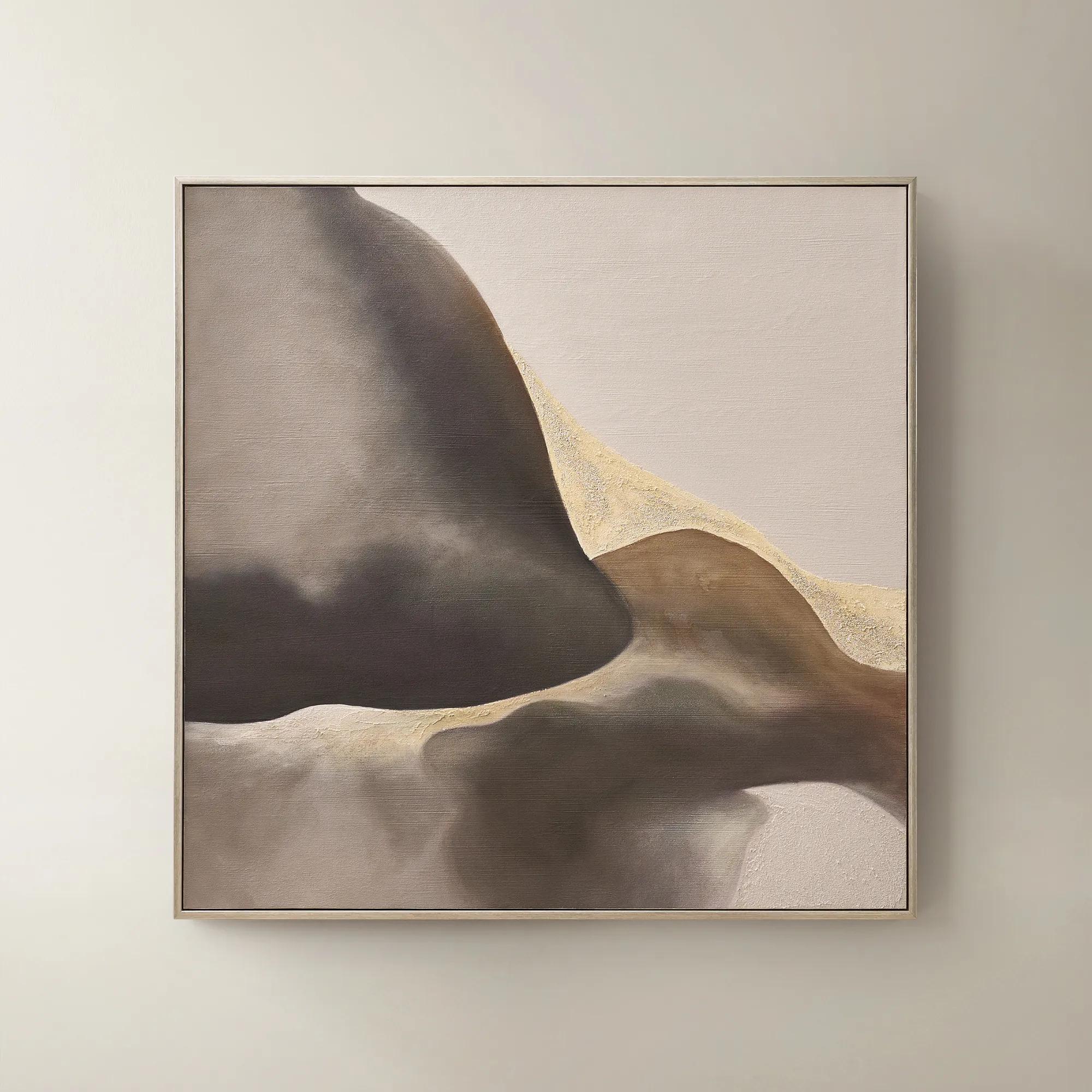 Windswept Framed Gold Leaf Painted Wall Art 50" x 50"$549
A hand-painted abstract canvas in plum truffle with gold leaf accents and a brushed champagne frame.
Add To Cart -
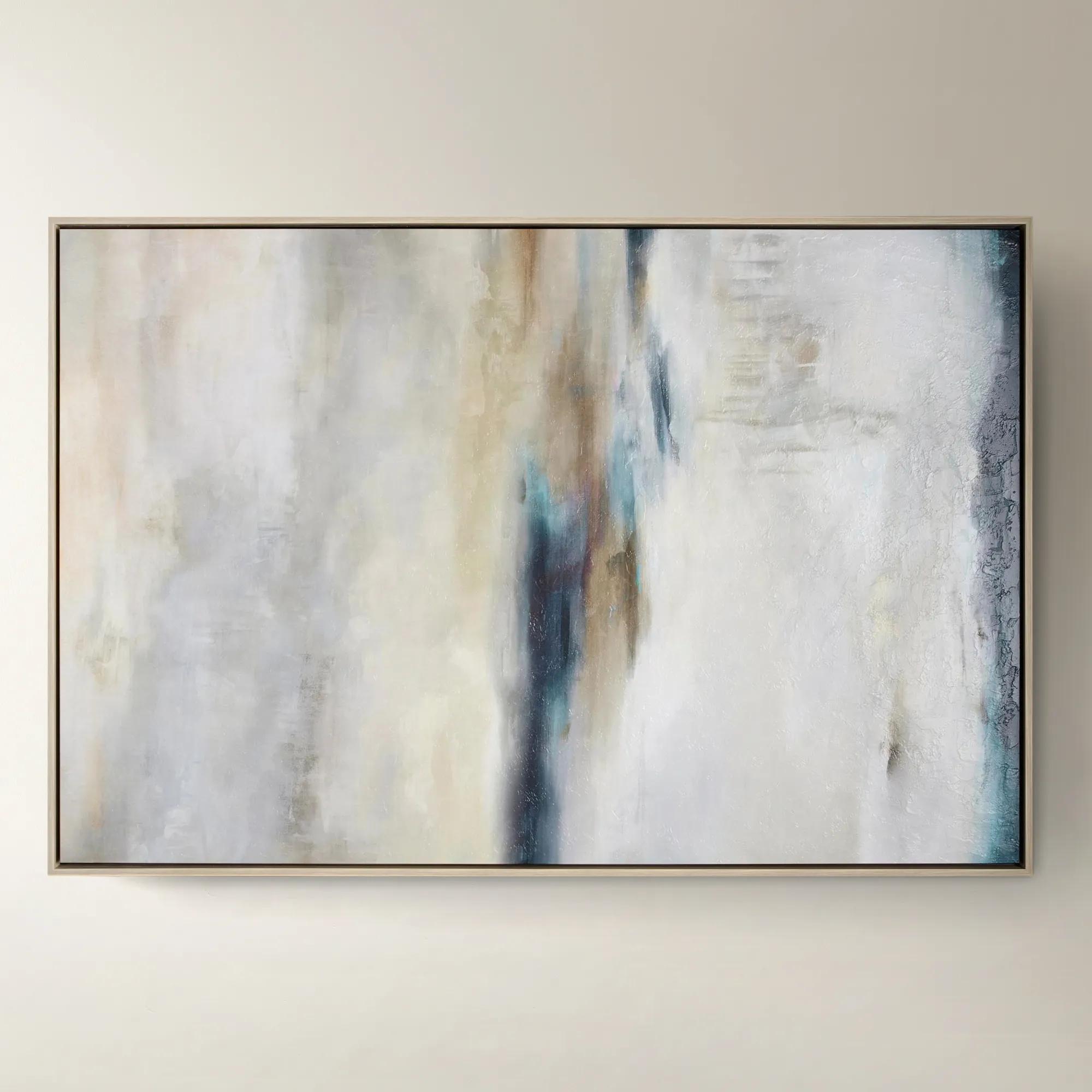
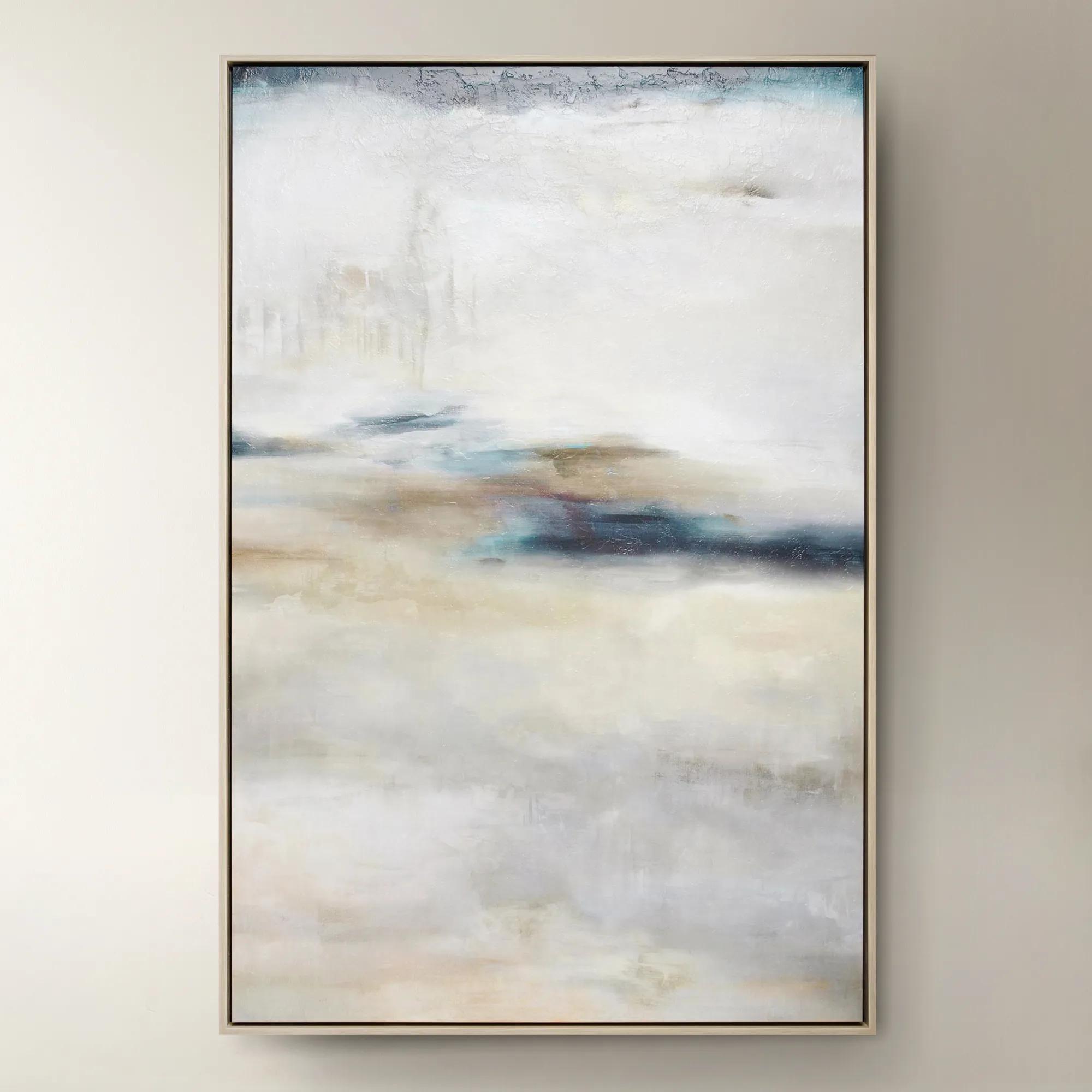 Forward Looking$1299
A softly layered abstract canvas print with a gel finish, set in a natural-hued floater frame.
Add To Cart -
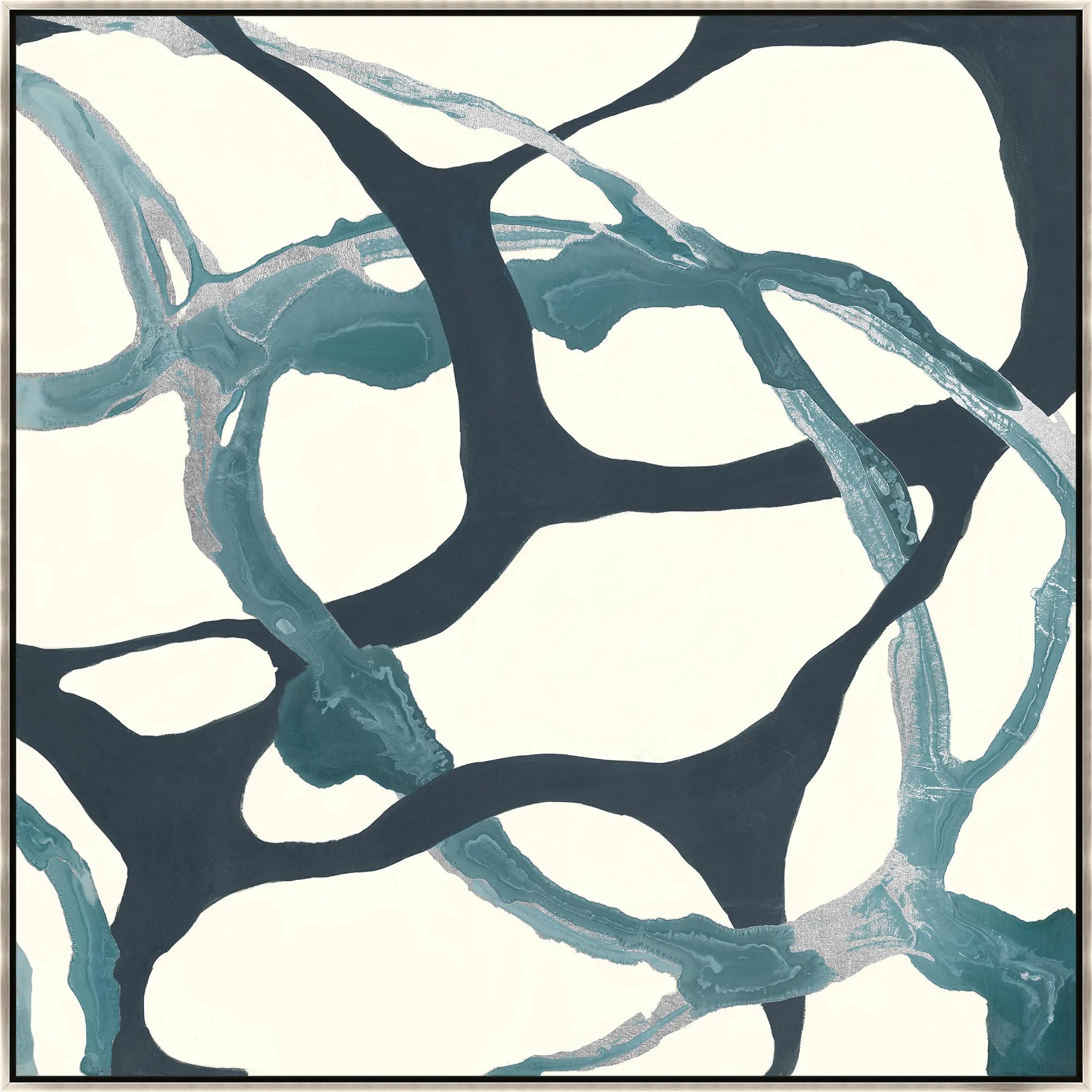
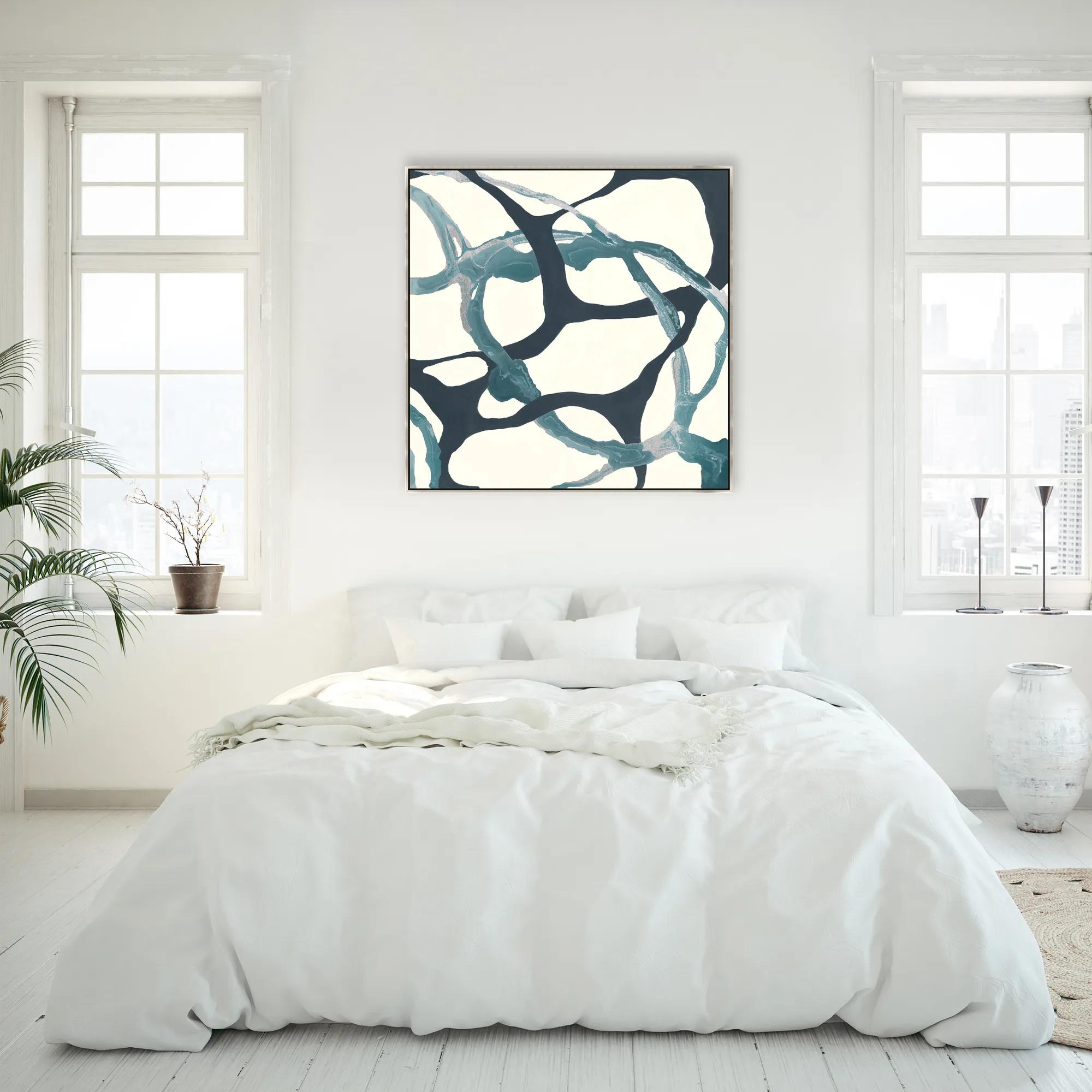 Alignments II Framed Wall Art 40" x 40"$899
A gallery-wrapped canvas featuring gilded silver accents and hand-applied brush gel in a silver floater frame.
Add To Cart -
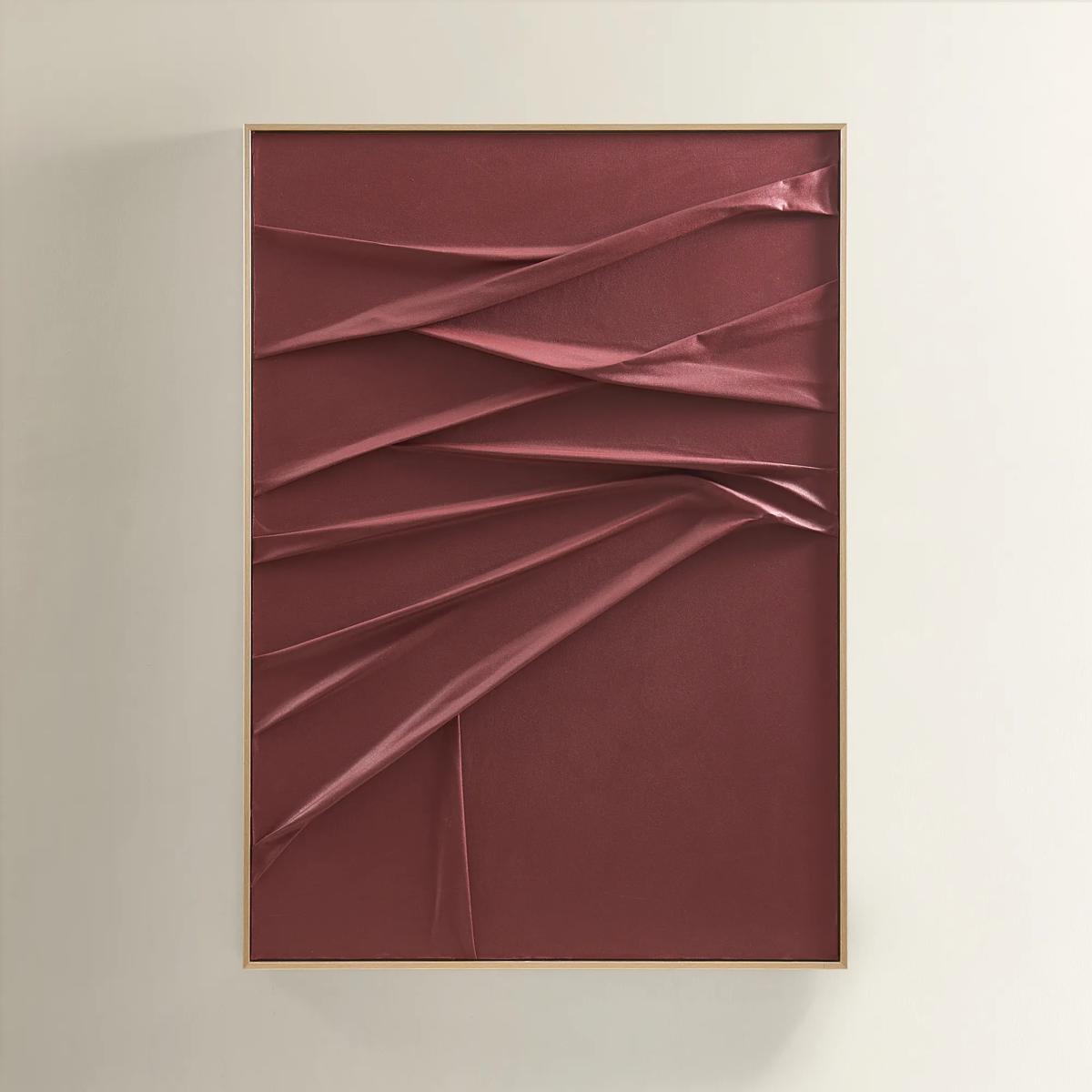
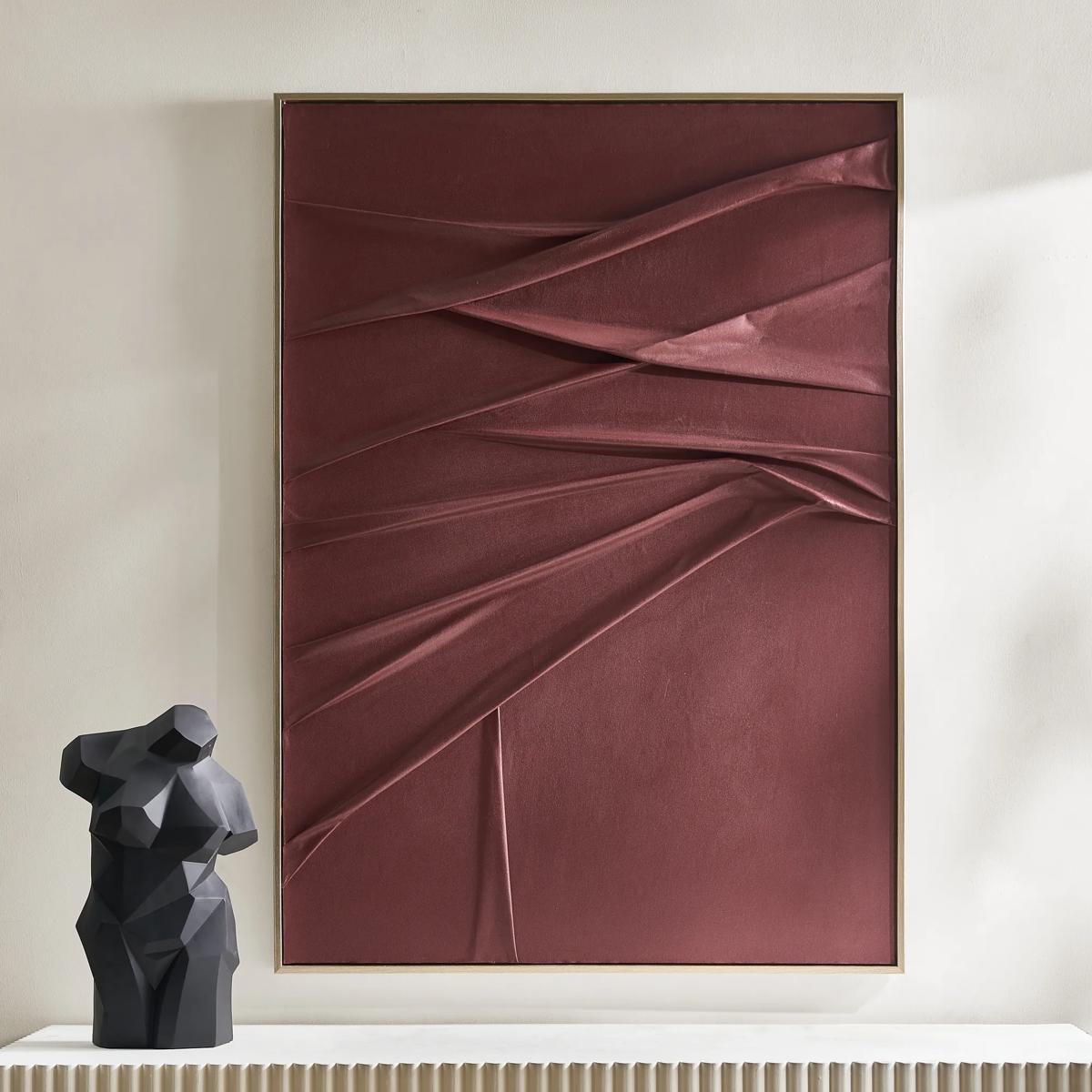 Crimson Painting$599
A handcrafted burgundy canvas artwork with sculptural folds, framed in champagne for a dramatic, textured effect.
Add To Cart -
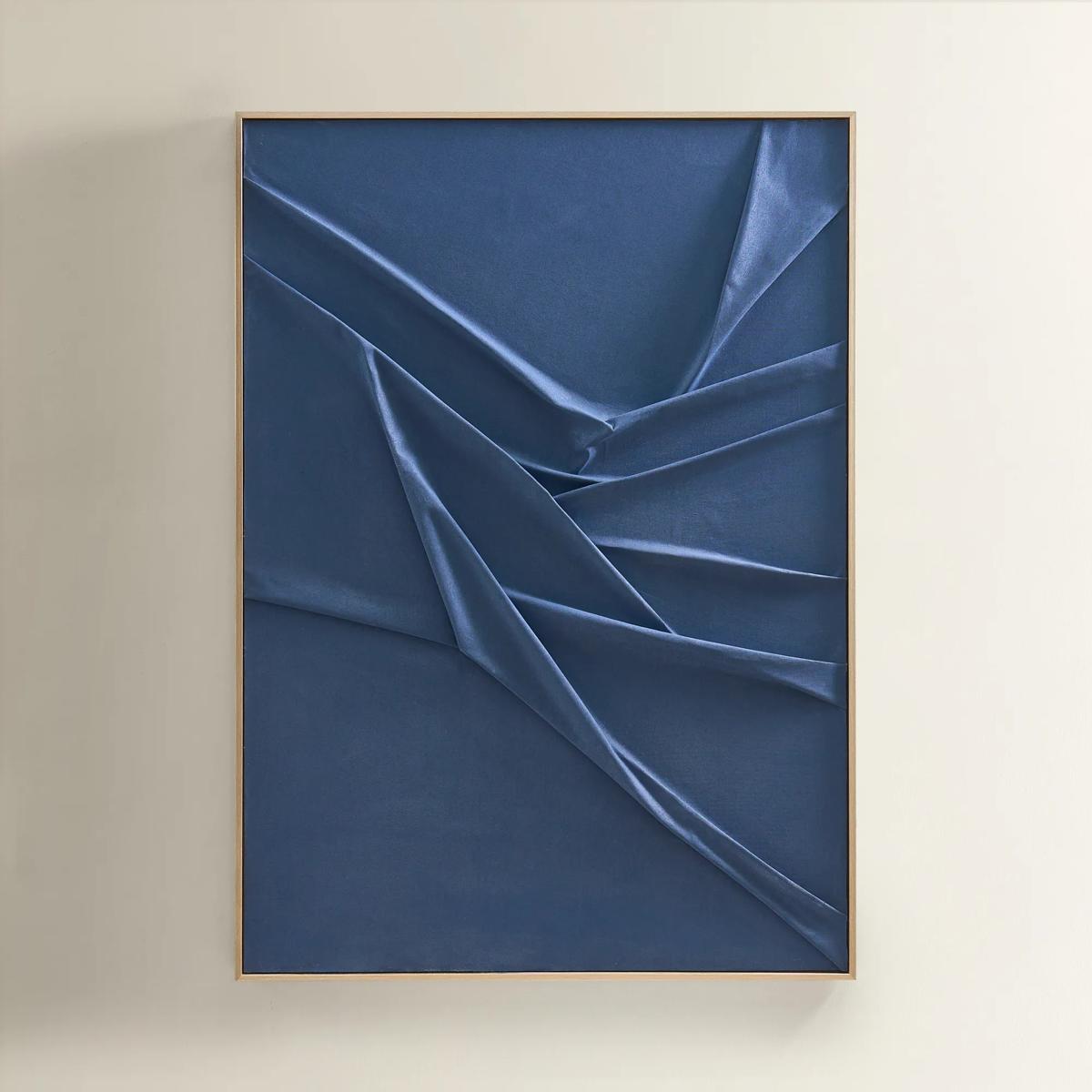 Deep Sea Painting$599
A hand-sculpted navy canvas with dimensional folds, framed in soft champagne for modern, serene elegance.
Add To Cart -
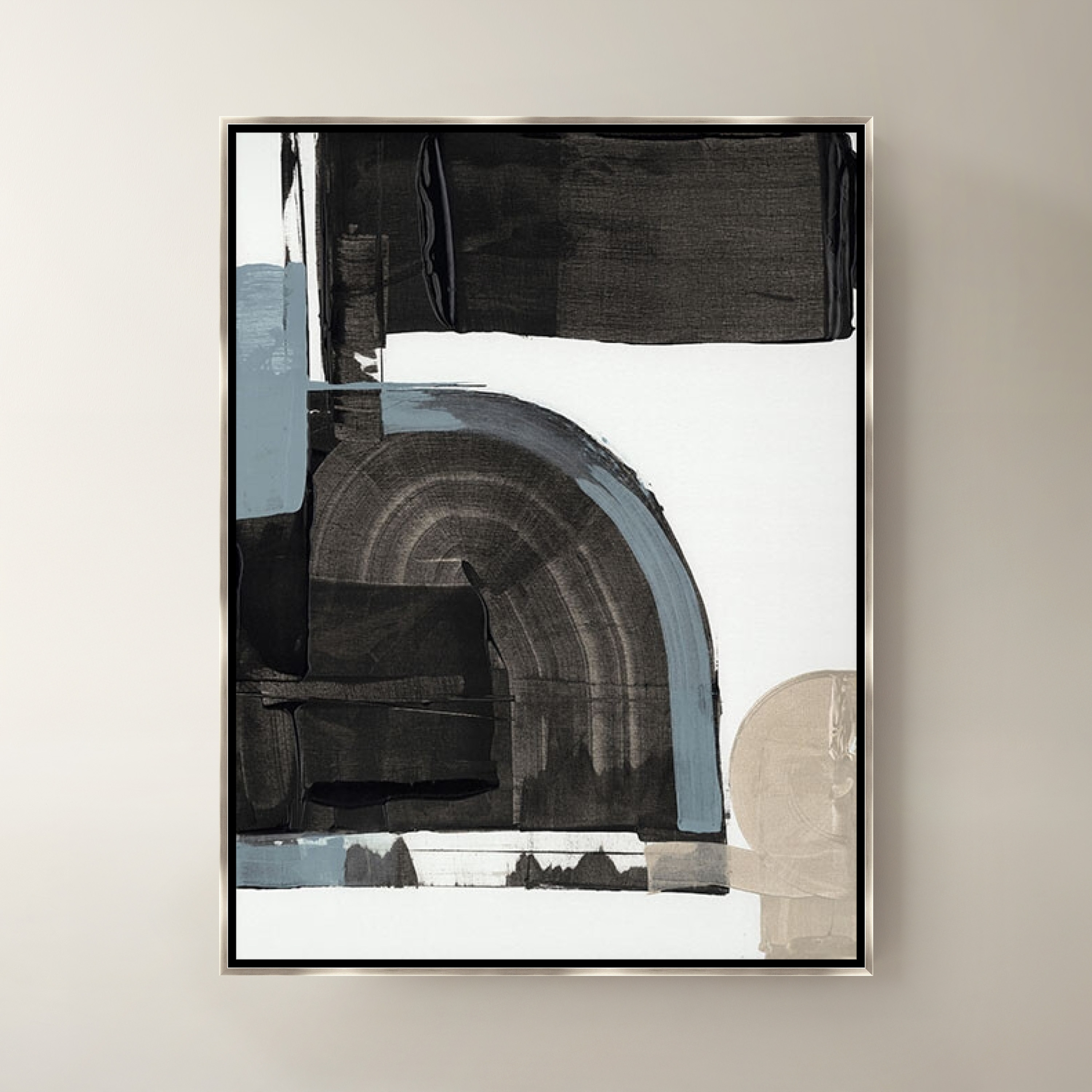
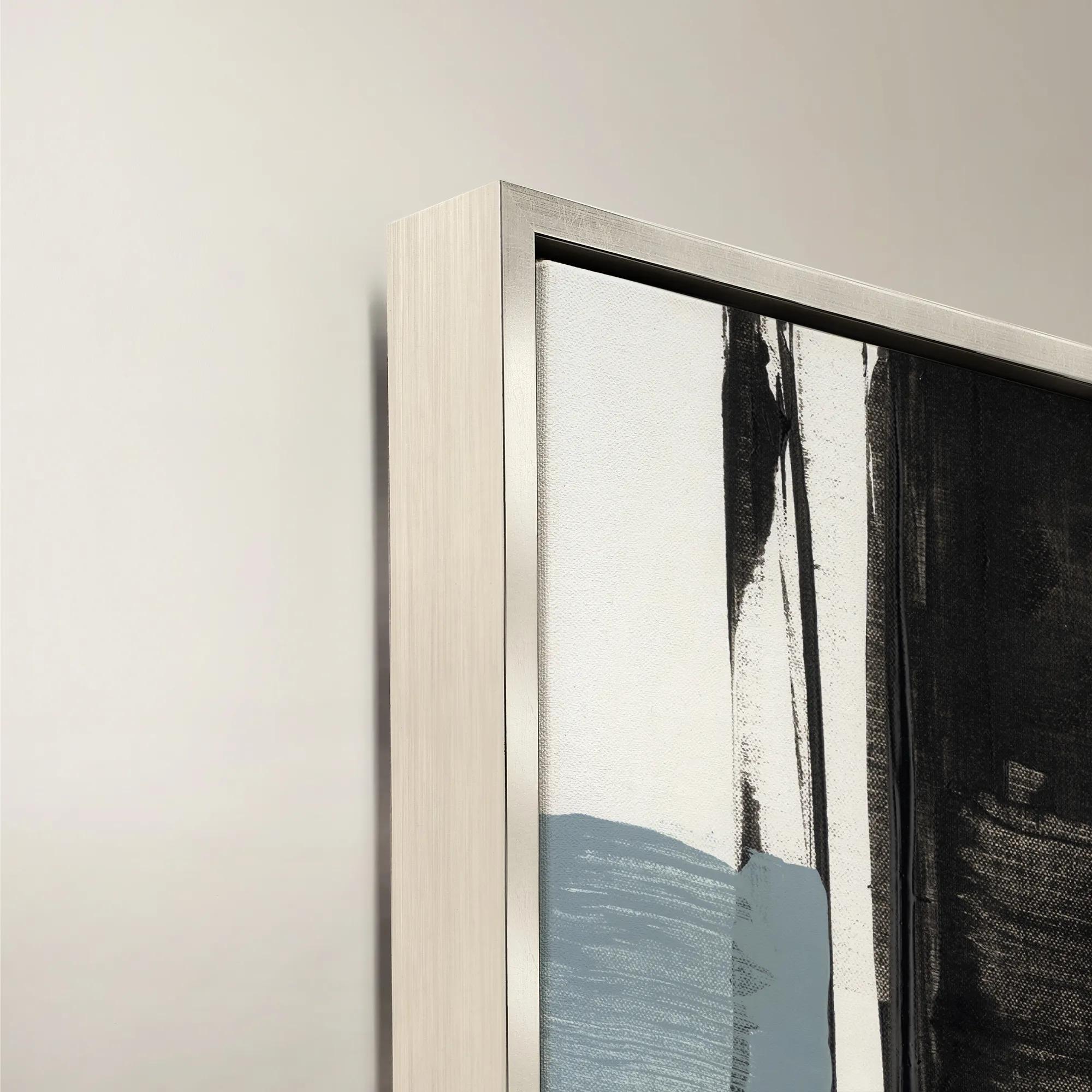 Blanc de Blancs III Framed Wall Art 24" x 30"$519
A sophisticated black canvas artwork presented in a refined frame for modern wall styling.
Add To Cart -
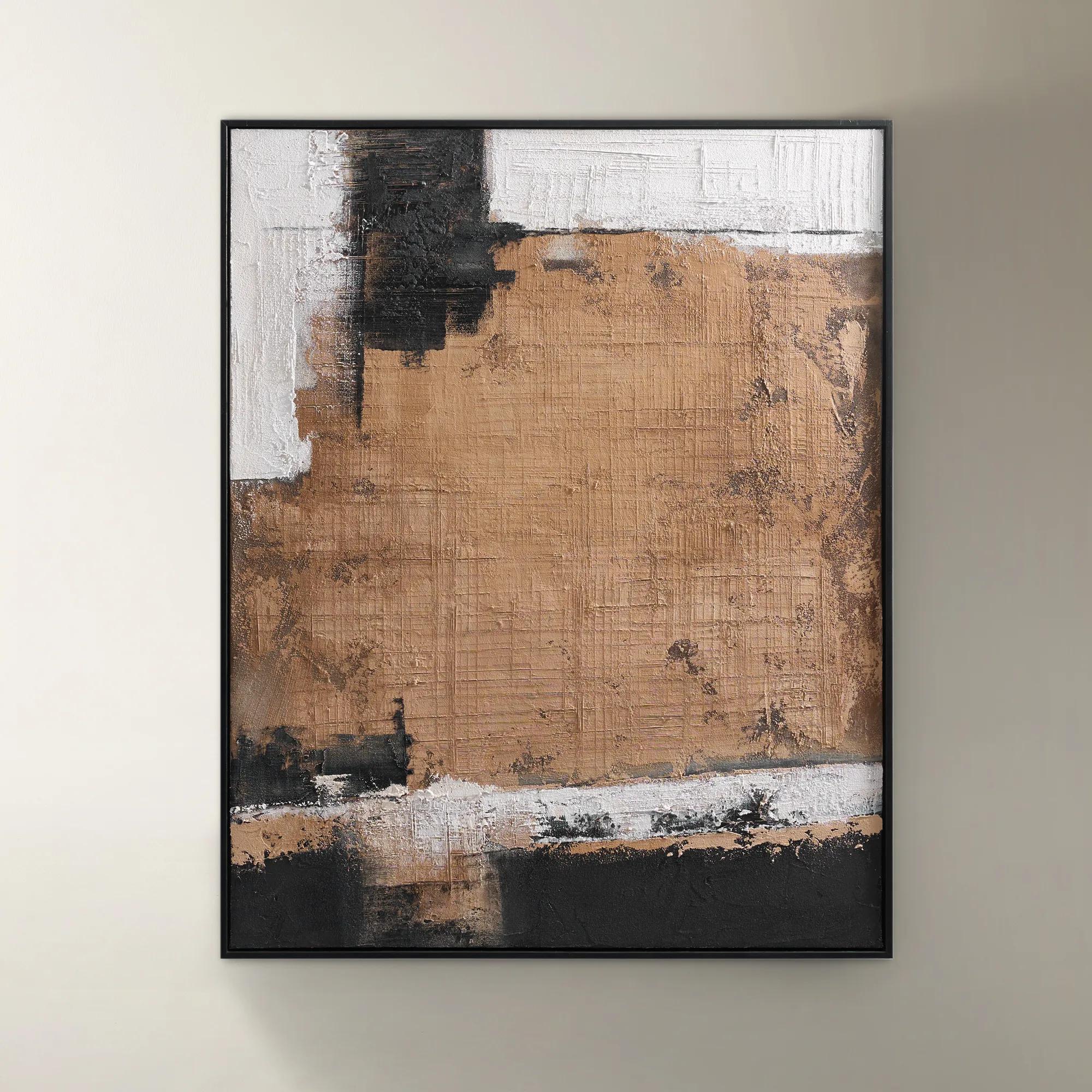
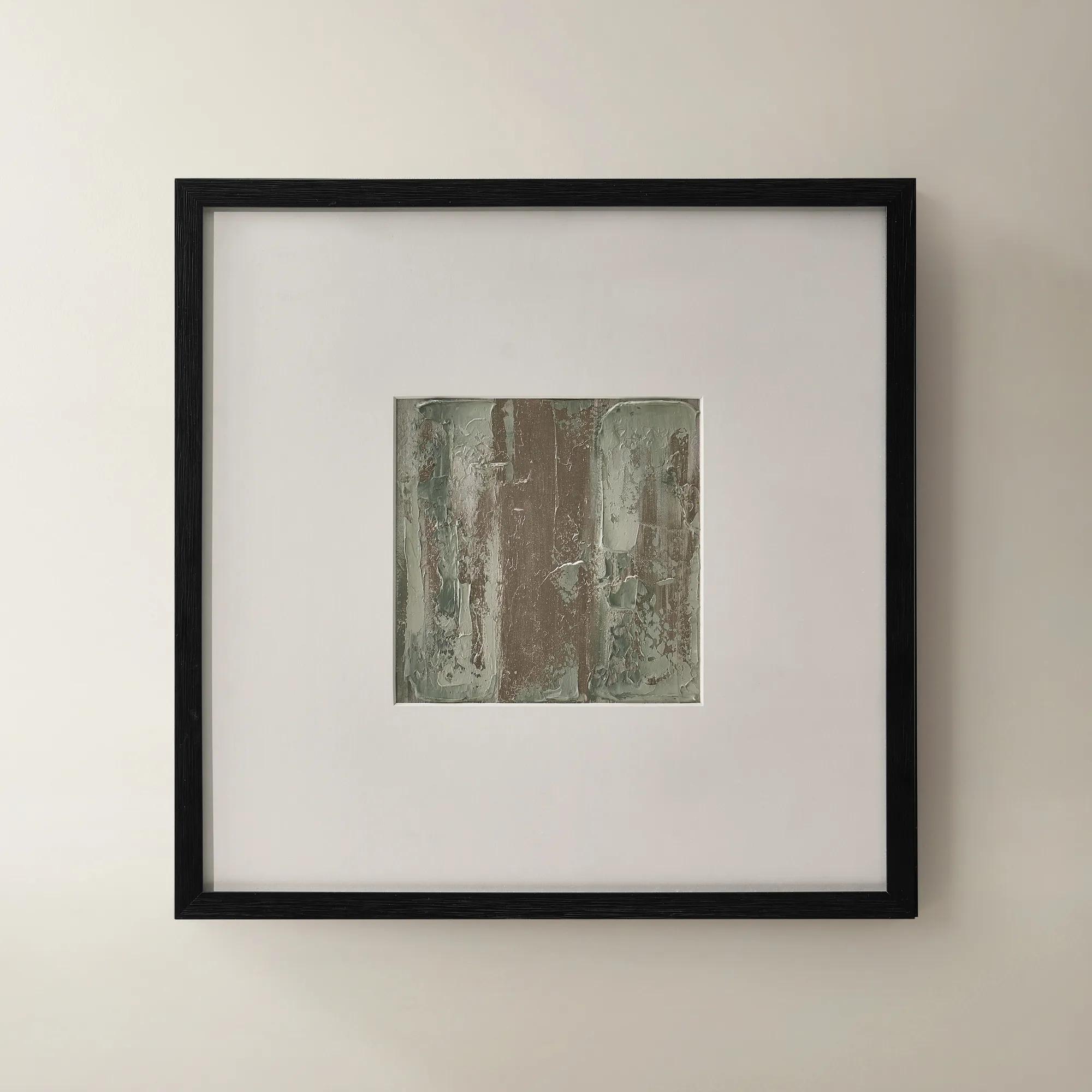
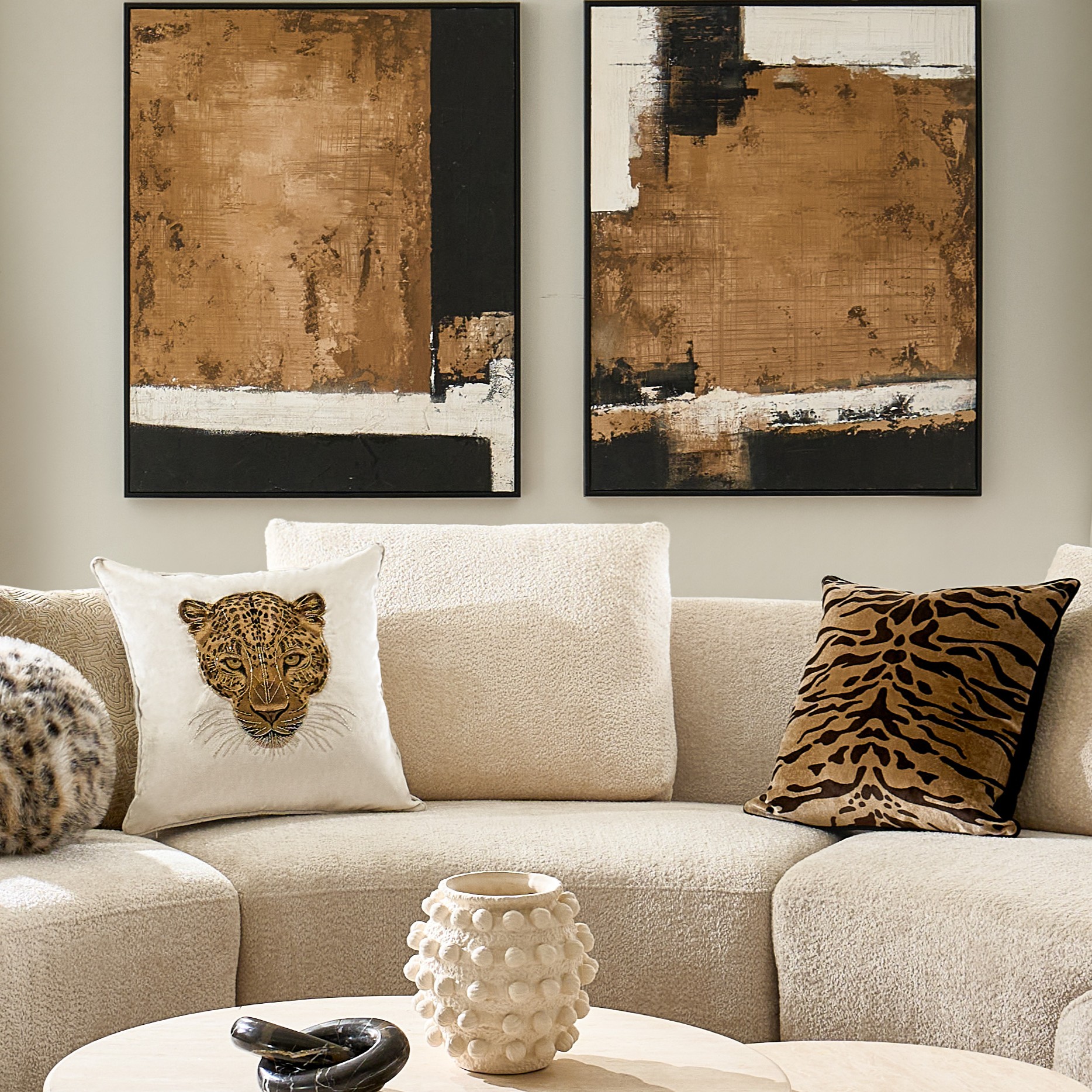 Drift Framed Painted Wall Art II 39.4" x 31.5"$299
A hand-painted canvas in brown, featuring bold texture and color interplay within a sleek black floater frame.
Add To Cart -
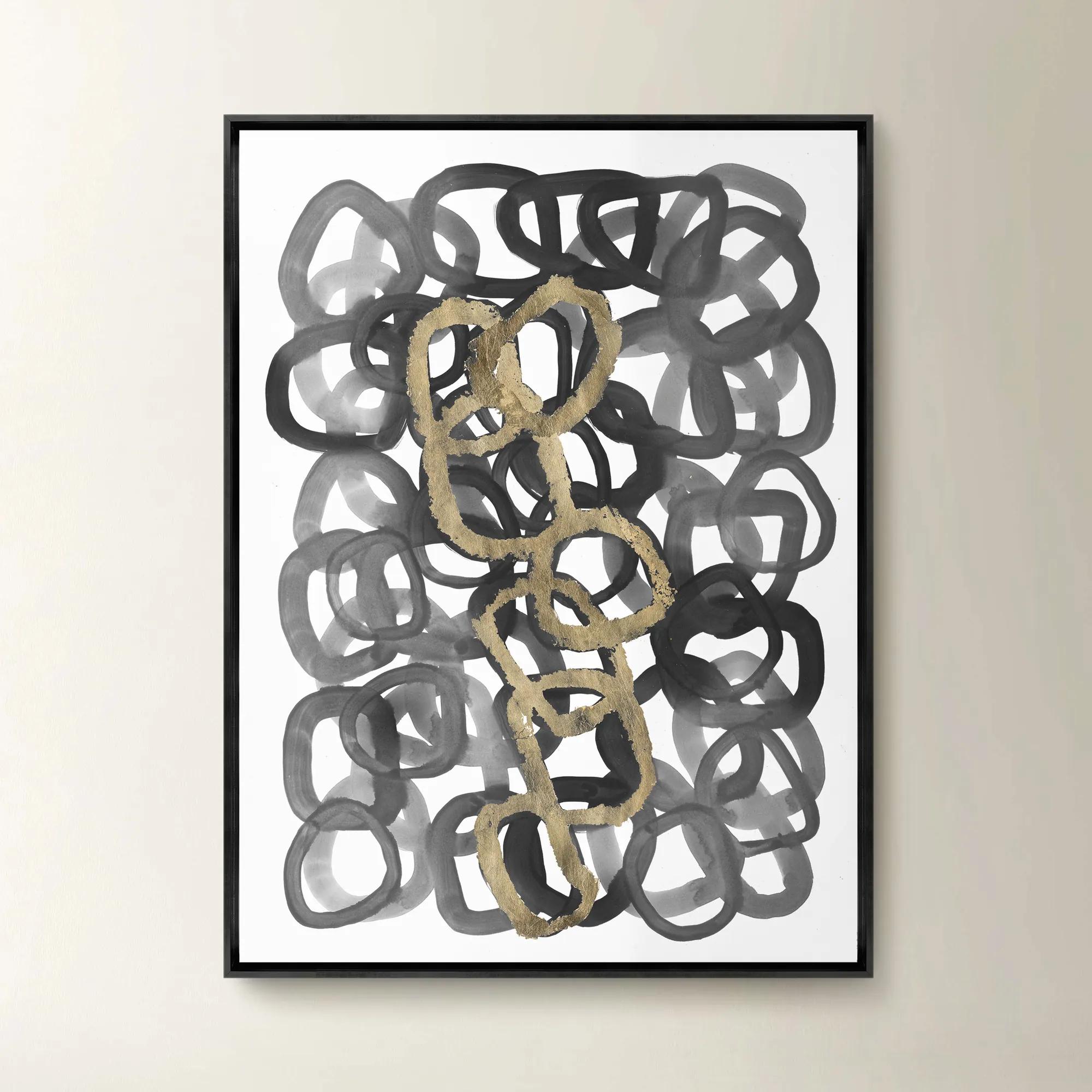
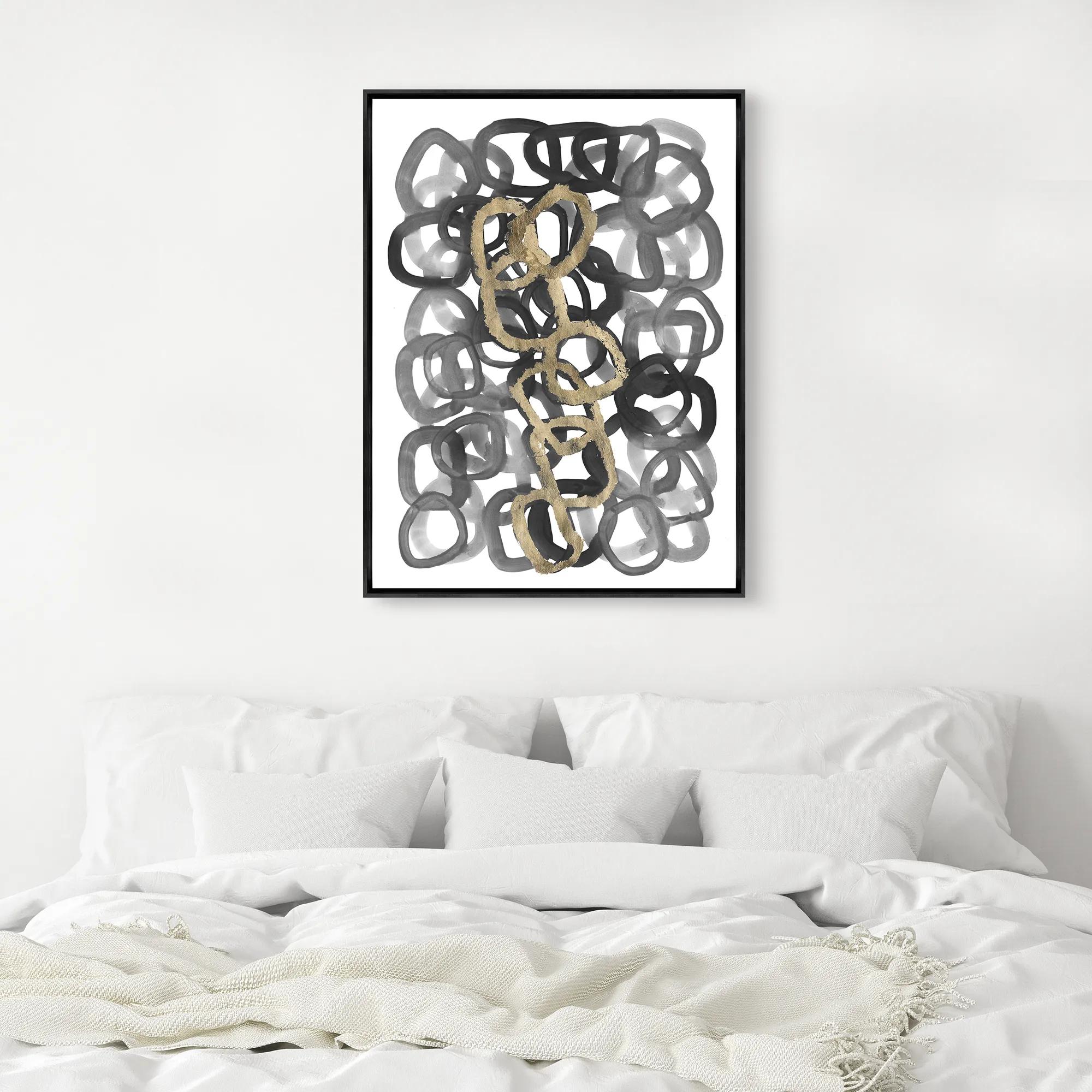 Unbroken Framed Wall Art 26" x 35"$499
A gallery-wrapped canvas artwork with a hand-applied gel finish, set in a sleek black floater frame.
Add To Cart -
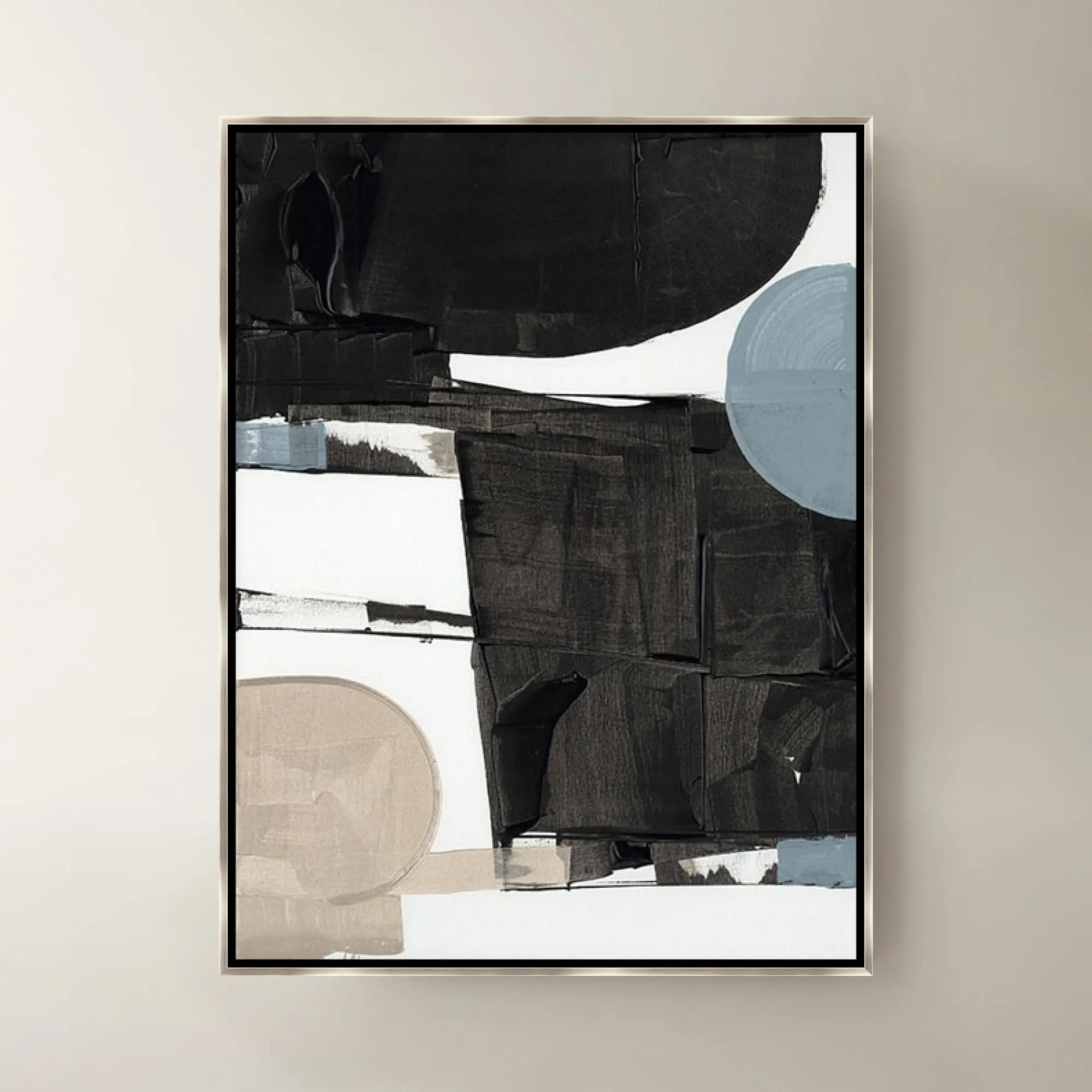
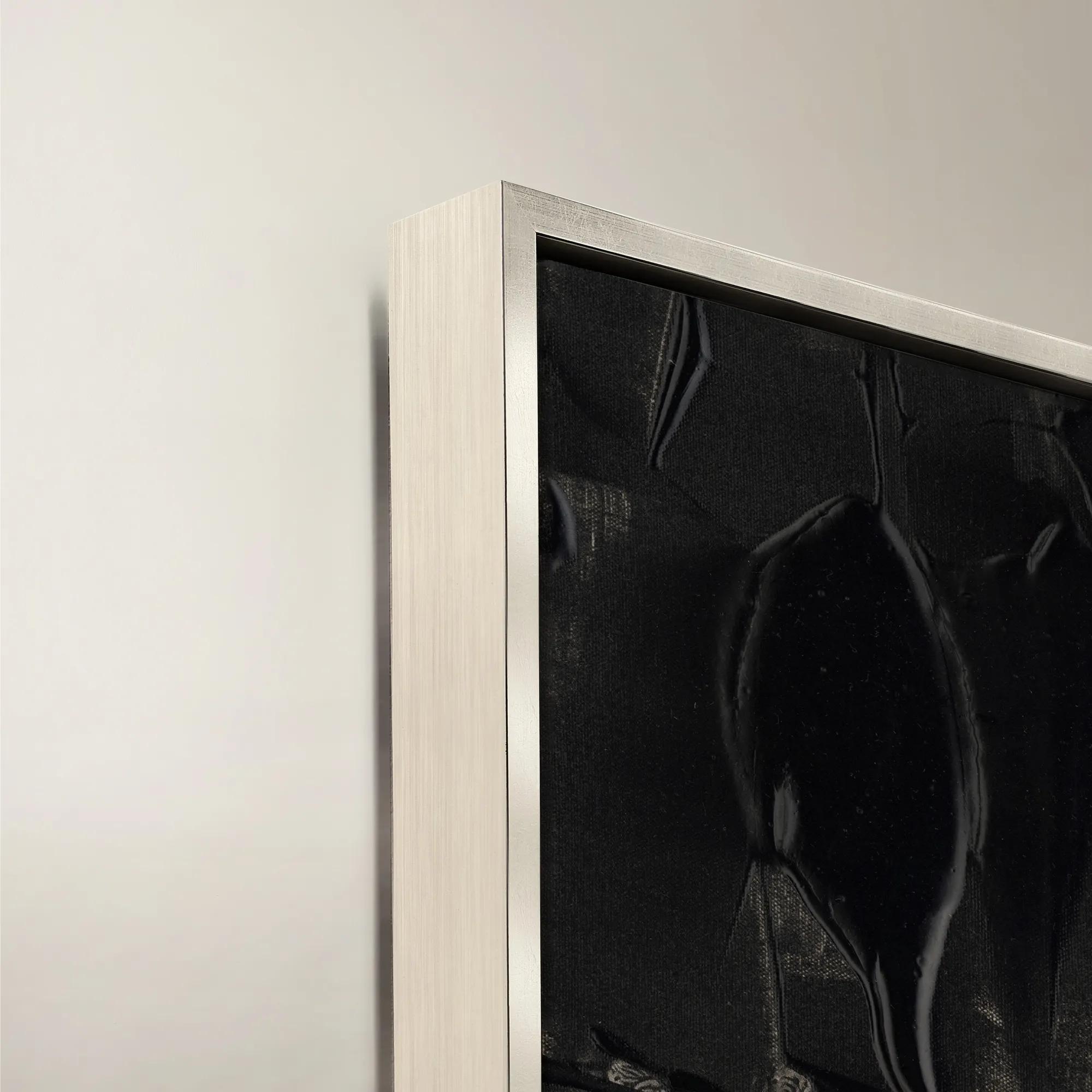 Blanc de Blancs II Framed Wall Art 24" x 30"$519
A sophisticated black canvas artwork presented in a refined frame, bringing modern elegance to your walls.
Add To Cart -
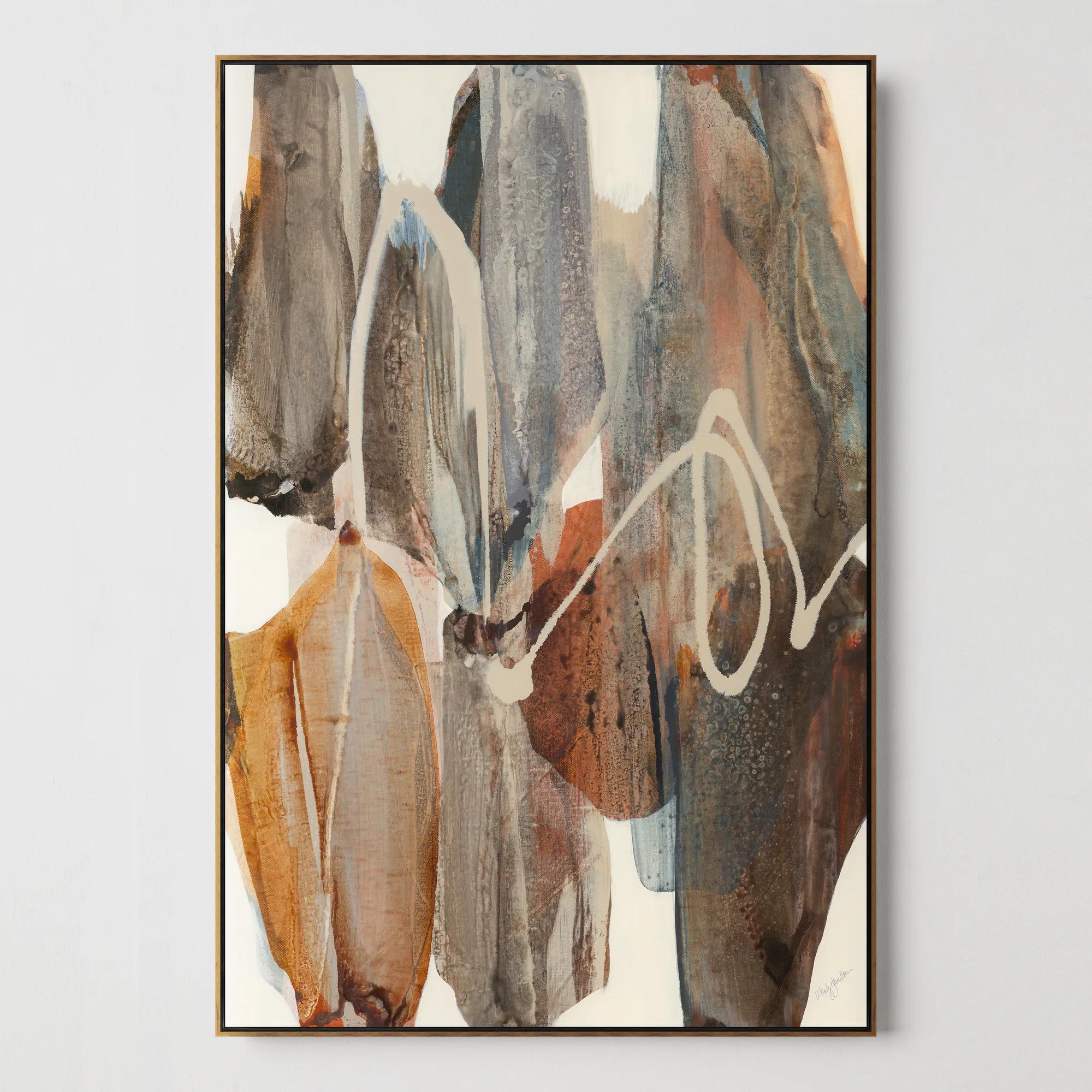
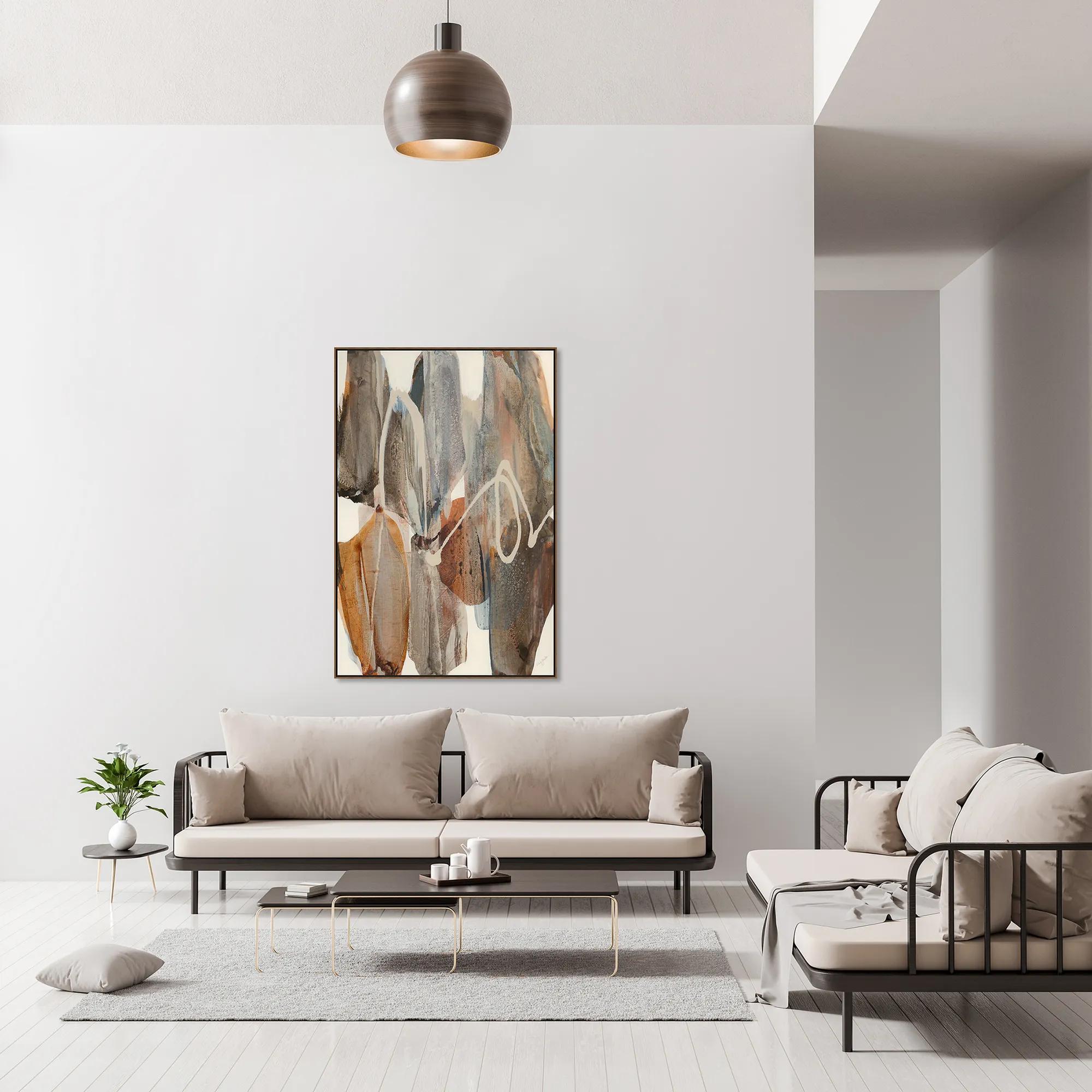 Boundless Framed Wall Art 40" x 60"$999
A gallery-wrapped canvas artwork with hand-applied brush gel finish in an oak floater frame.
Add To Cart -
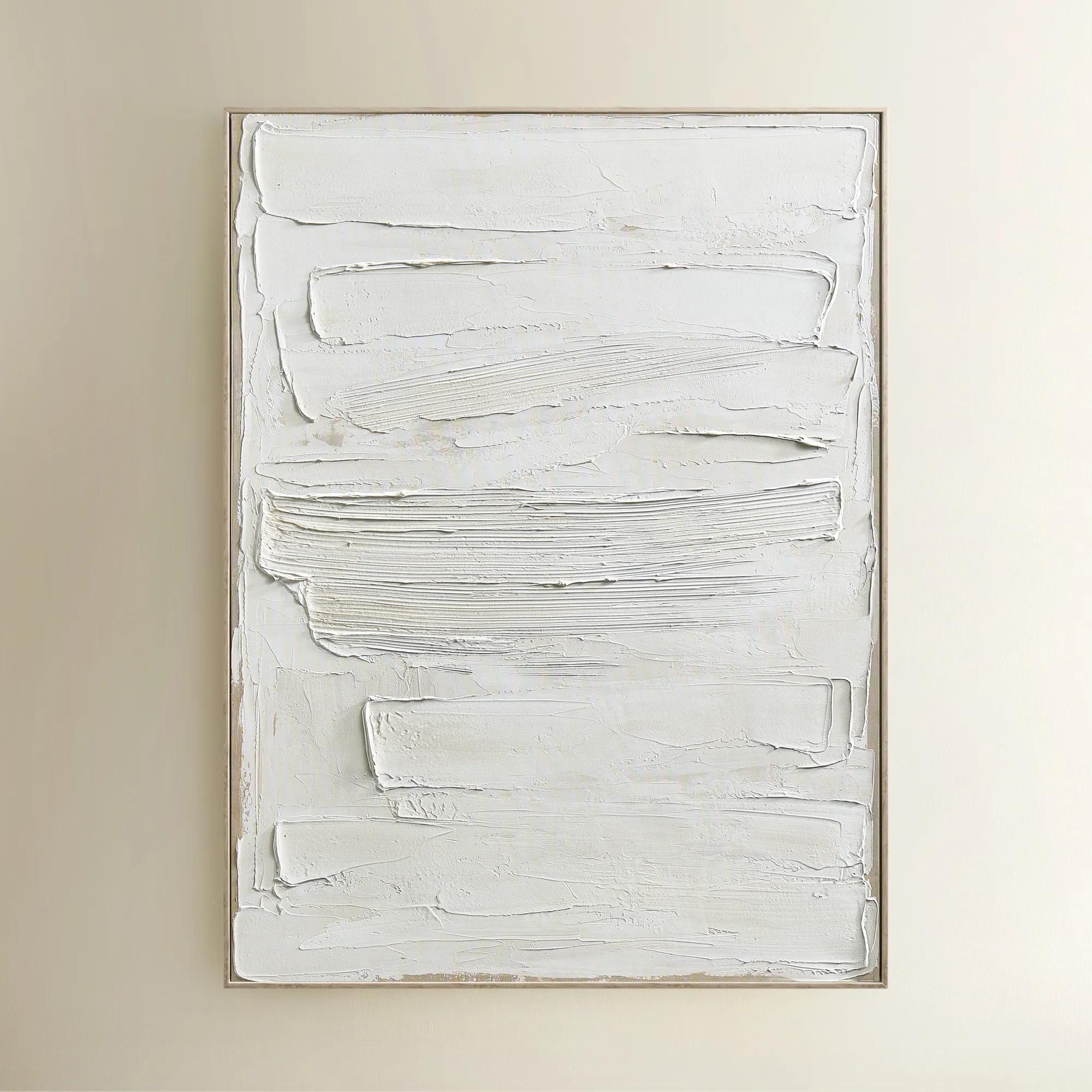
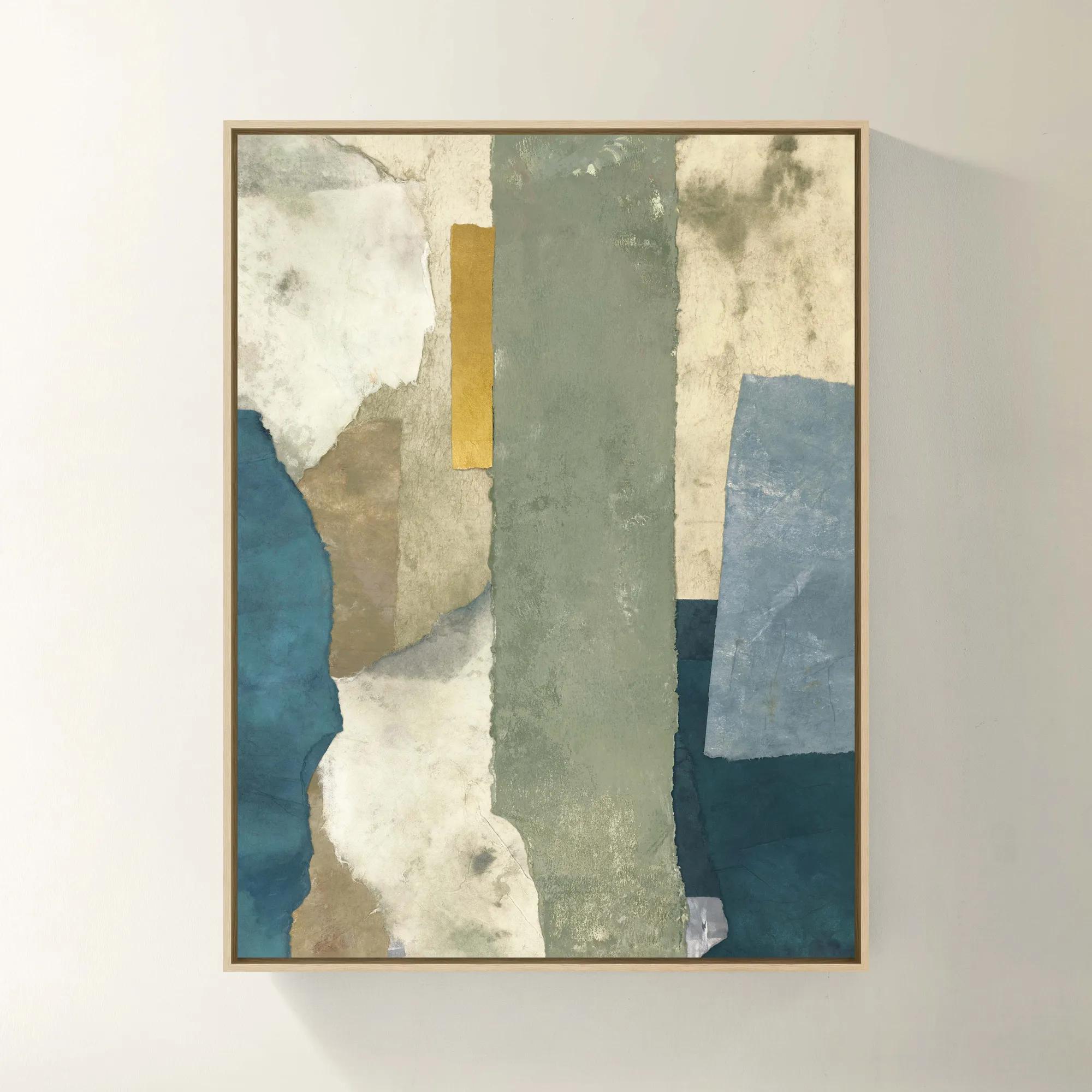 Earth Fragments II Framed Wall Art 30" x 40"$799
A gallery-wrapped canvas featuring gild accents and hand-applied gel, set in a natural floater frame.
Add To Cart -
 Etched in Gold$229
A hand-carved gold copper artwork set in a sleek black alloy frame for modern contrast.
Add To Cart -
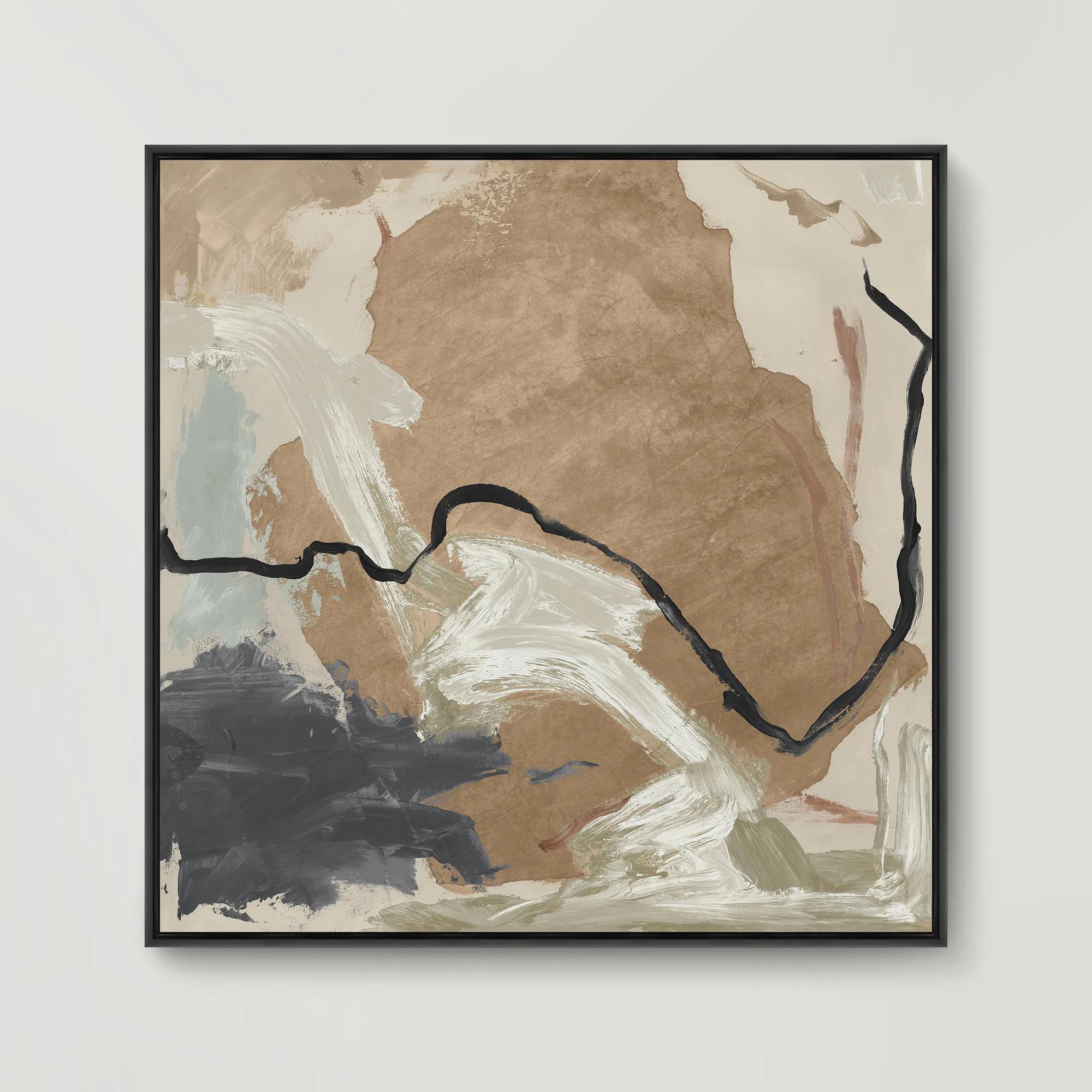 Borderlands III Framed Wall Art 31.5" x 31.5"$499
A gallery-wrapped canvas artwork with hand-applied brush gel finish, set in a sleek gray floater frame.
Add To Cart -
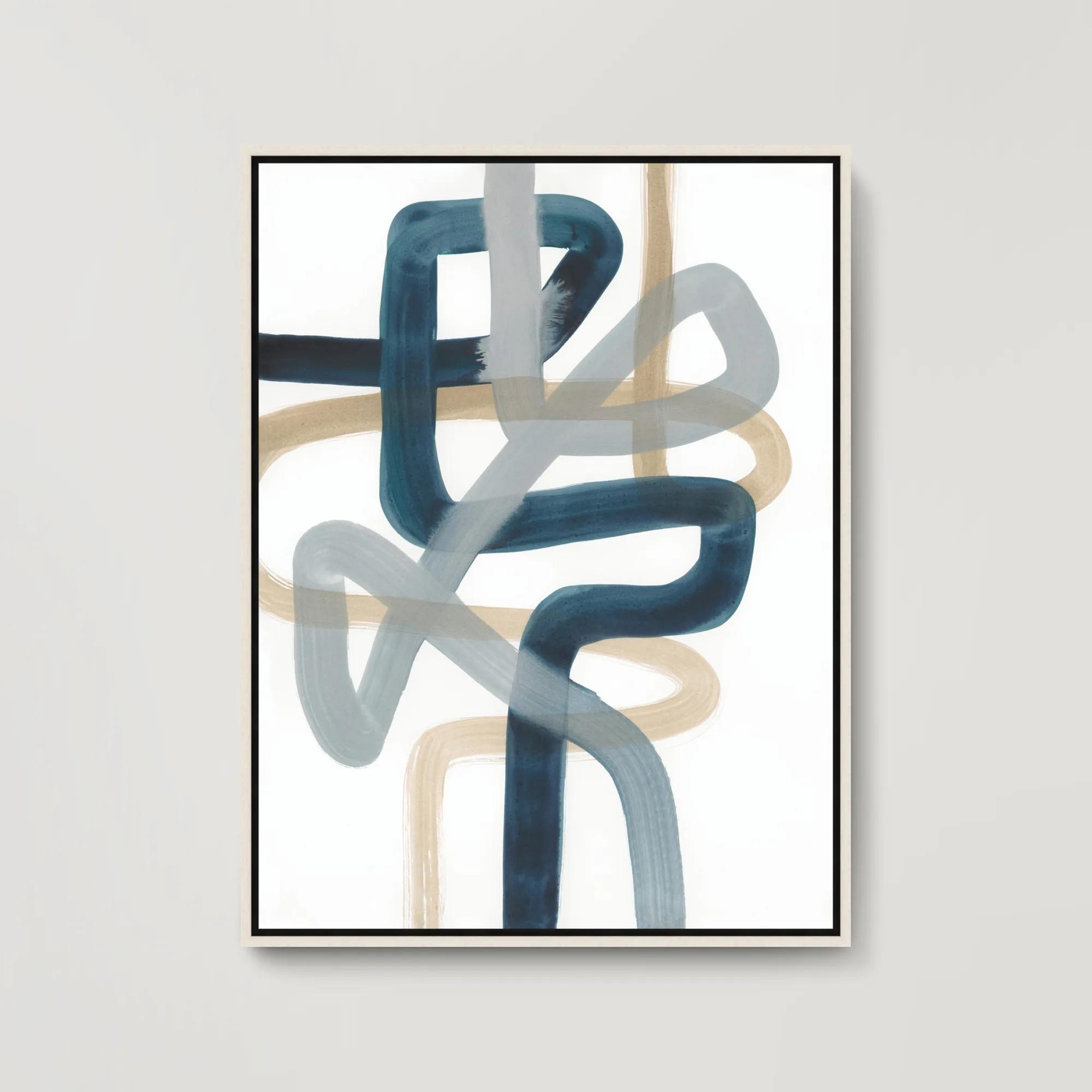
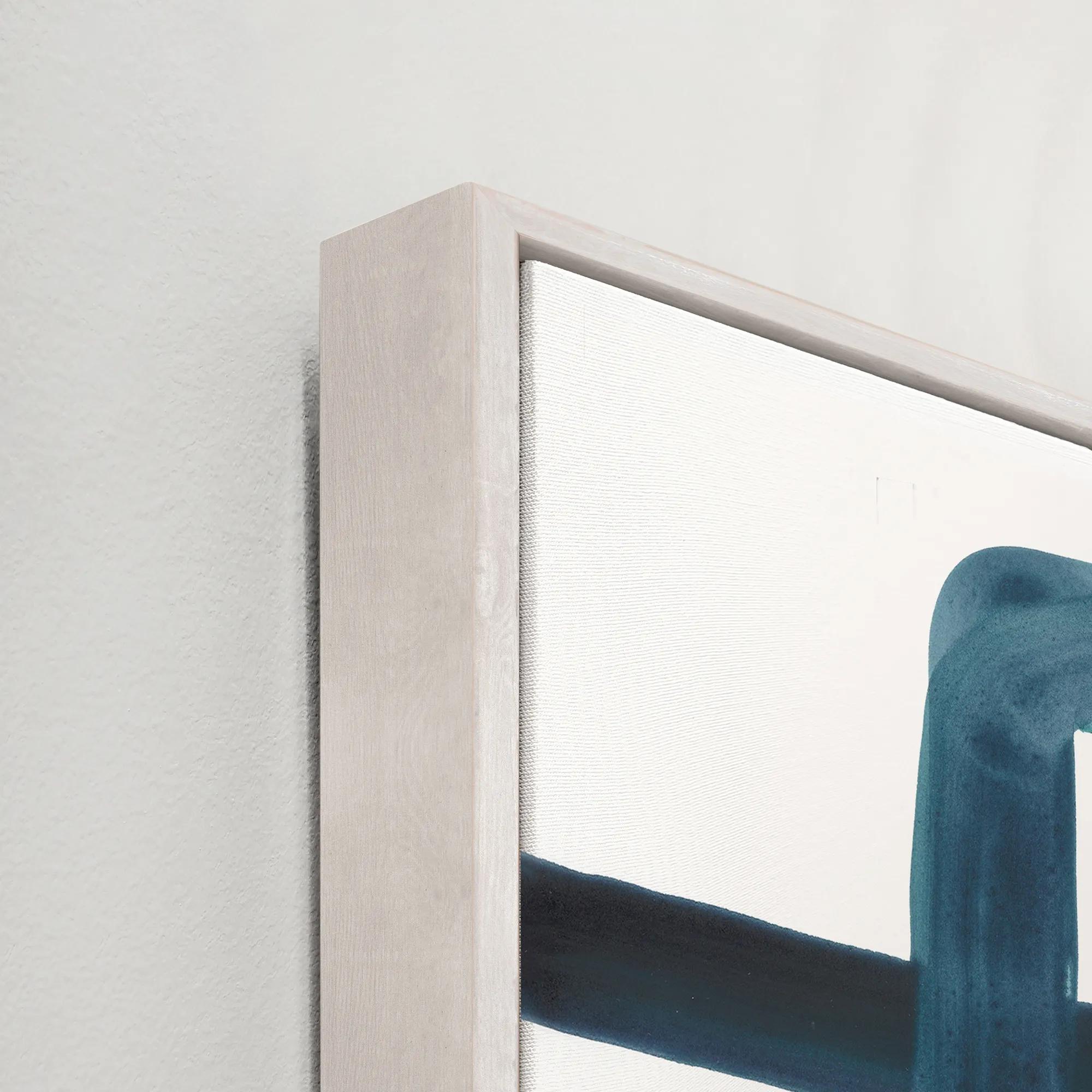 Looped In I Framed Wall Art 31.5" x 41.5"$699
A gallery-wrapped abstract canvas featuring hand-applied brush gel and a sleek white floater frame.
Add To Cart -
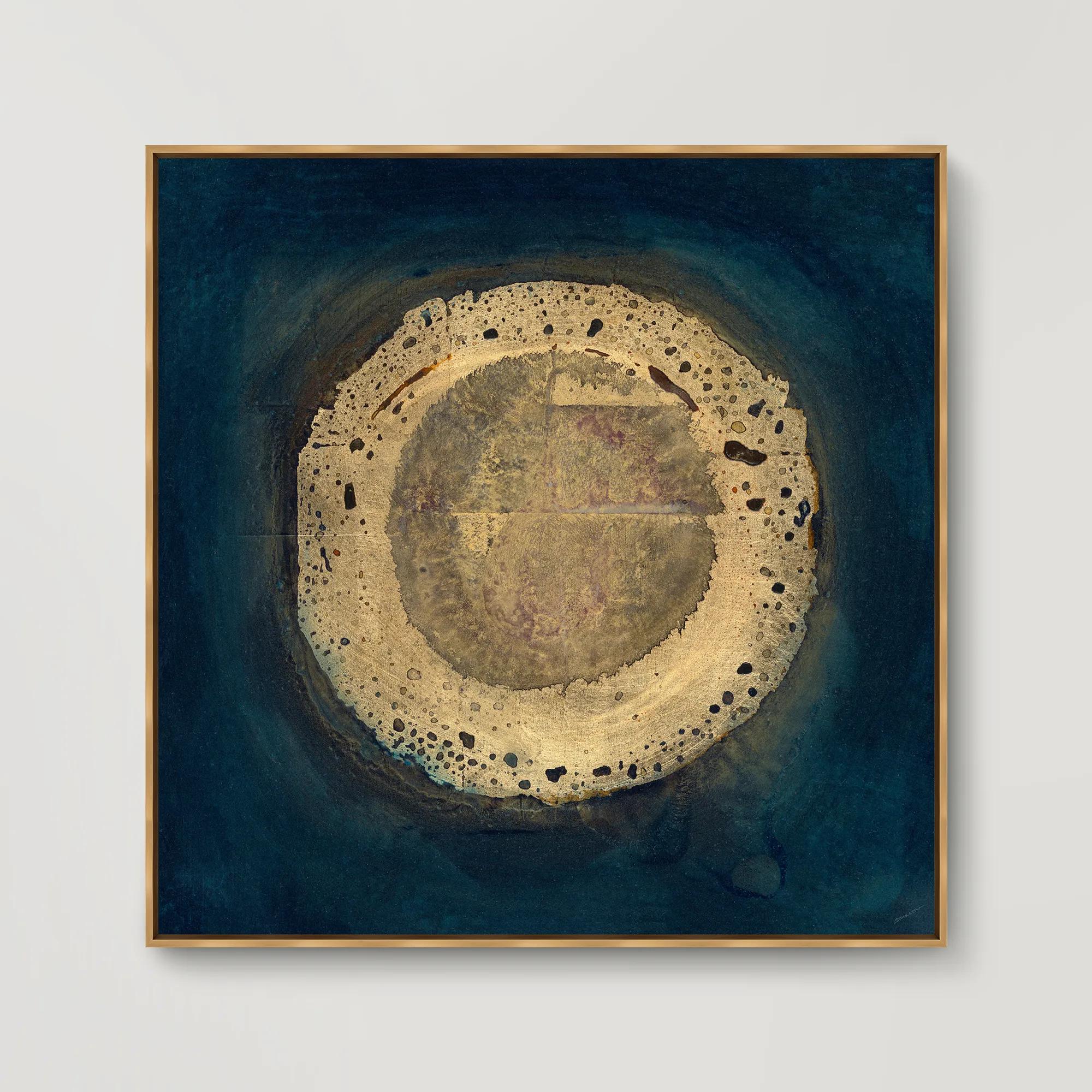
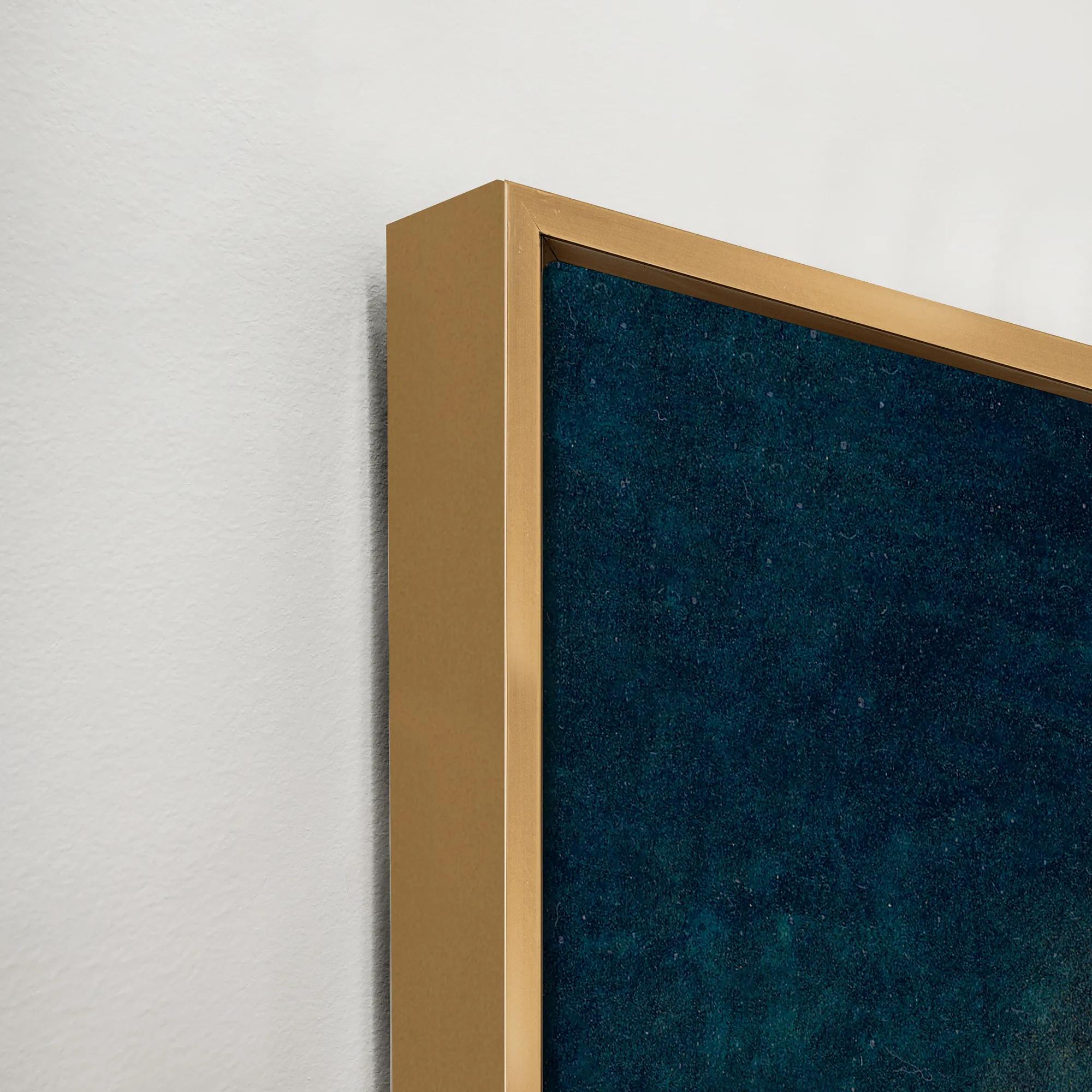 Bramble I Framed Wall Art 41.5" x 41.5"$749
A gallery-wrapped abstract canvas with hand-applied gel finish, set in an elegant gold floater frame.
Add To Cart -
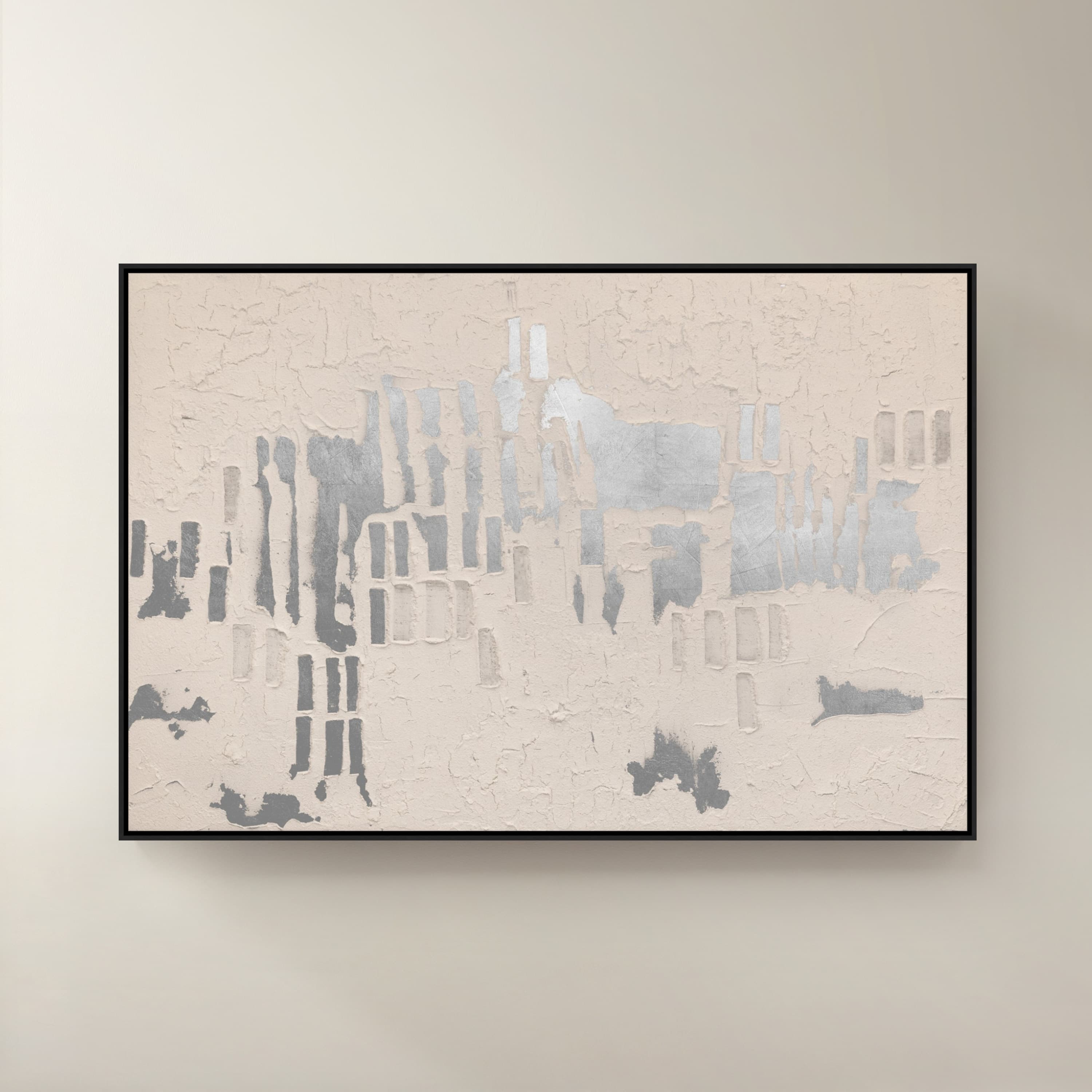
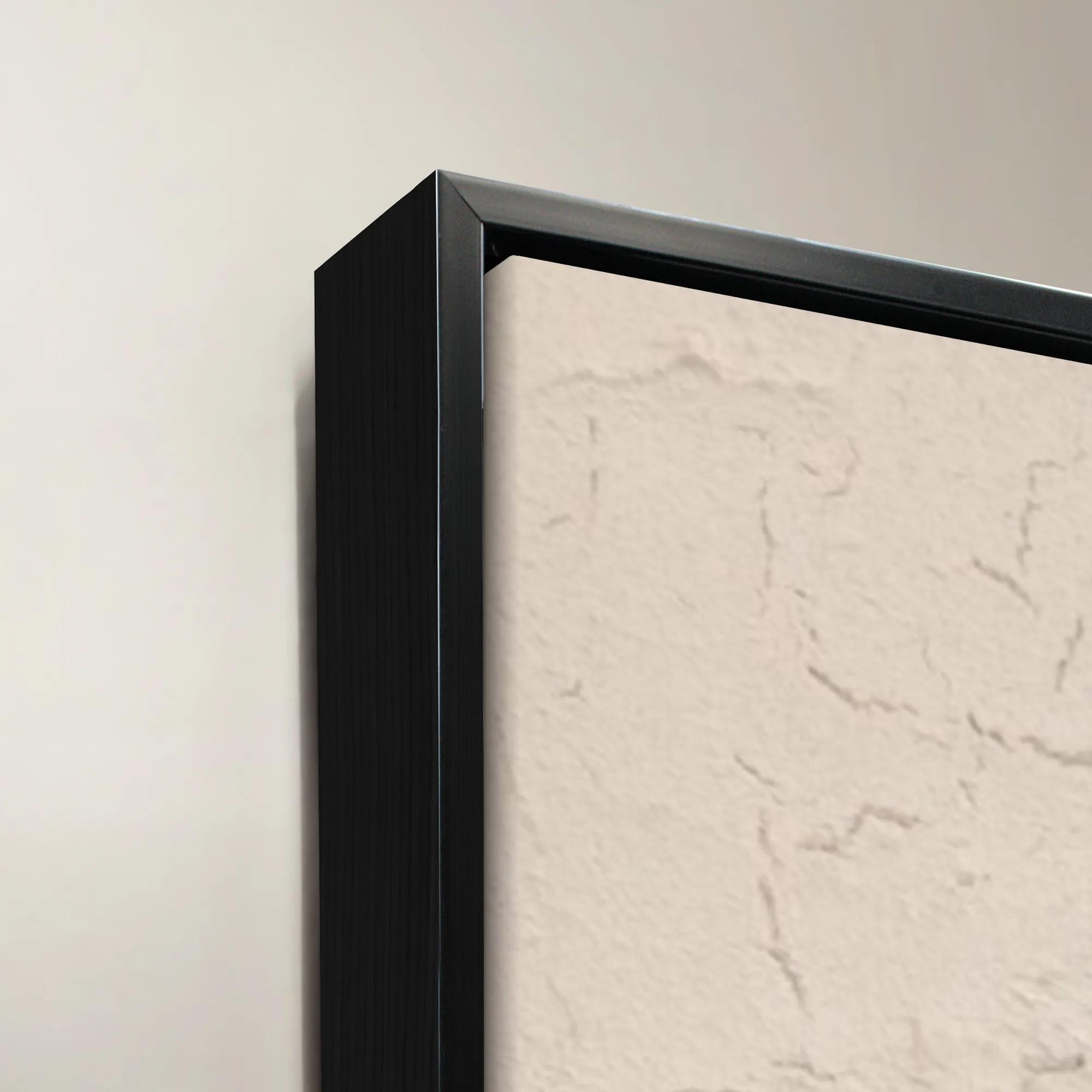 Silver Reverie Framed Painted Wall Art 60" x 40"$1699
A silver-toned painted canvas artwork framed for a sophisticated, contemporary wall display.
Add To Cart -

 Blooming in Her Own Time Framed Wall Art 40" x 50"$1029
A vibrant multicolored canvas wall artwork featuring an expressive botanical-inspired design in a framed presentation.
Add To Cart -
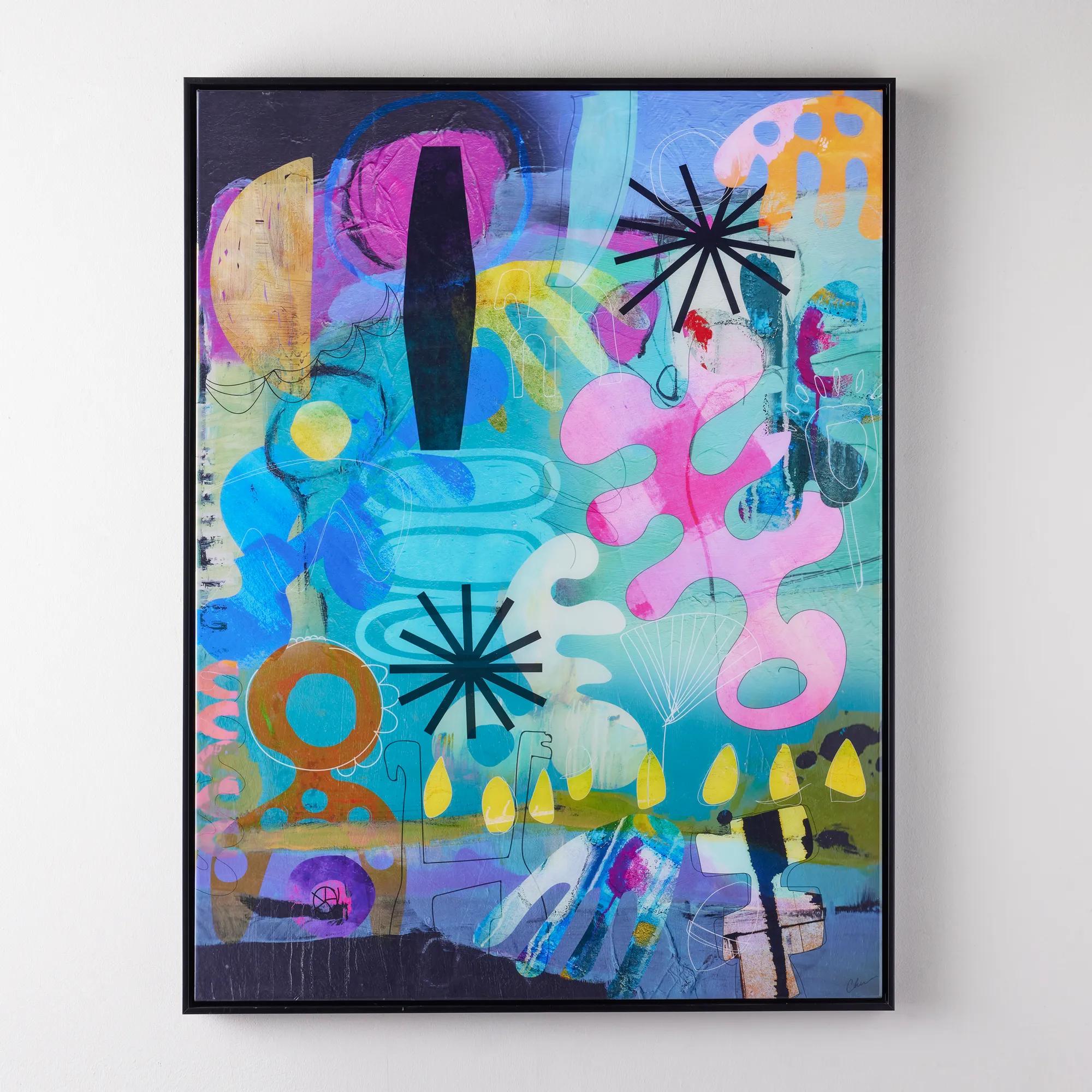
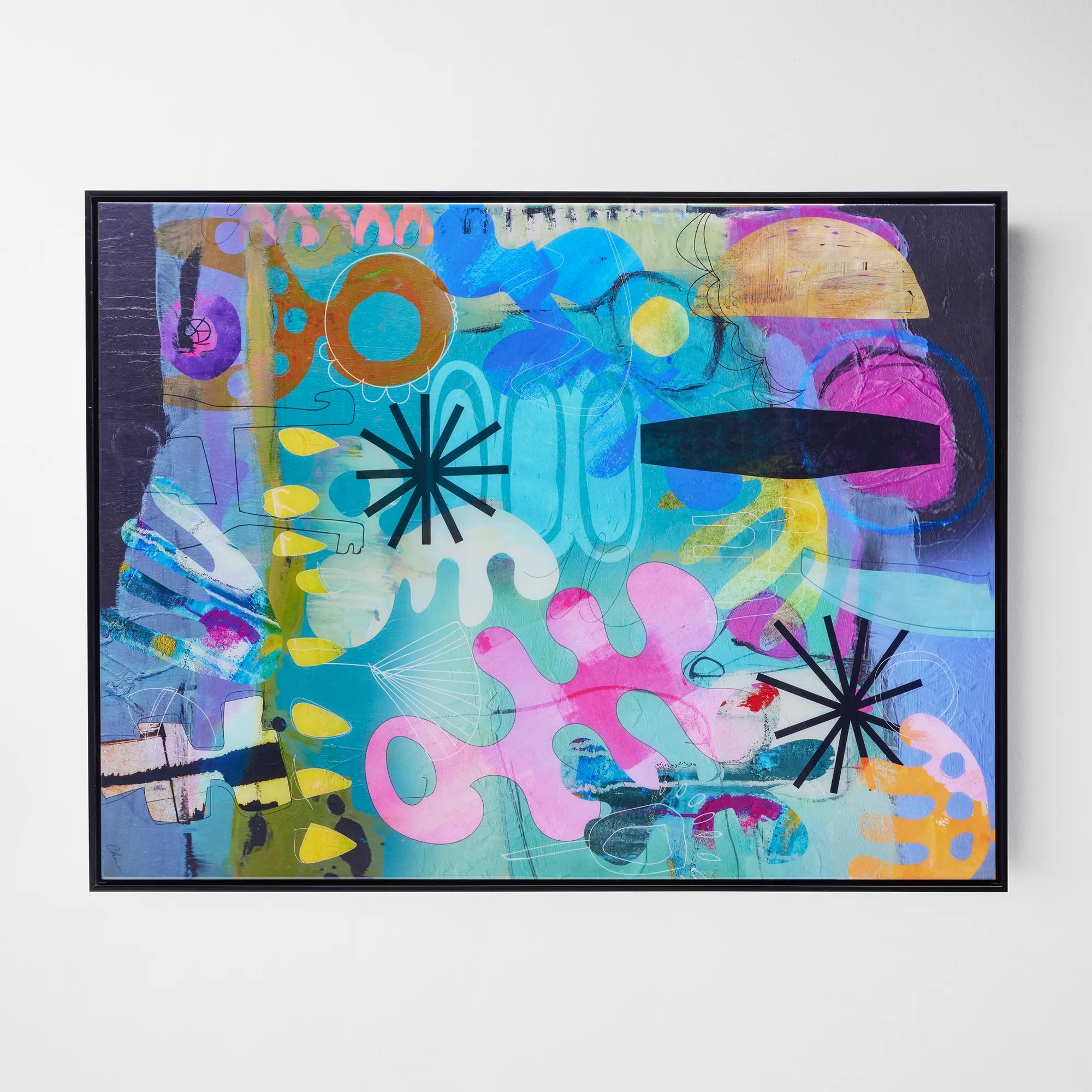 Nikki Chu Detailed Vision Framed Wall Art 54" x 41"$1099
A vibrant, high-gloss artwork with a black frame, designed to hang vertically or horizontally.
Add To Cart -
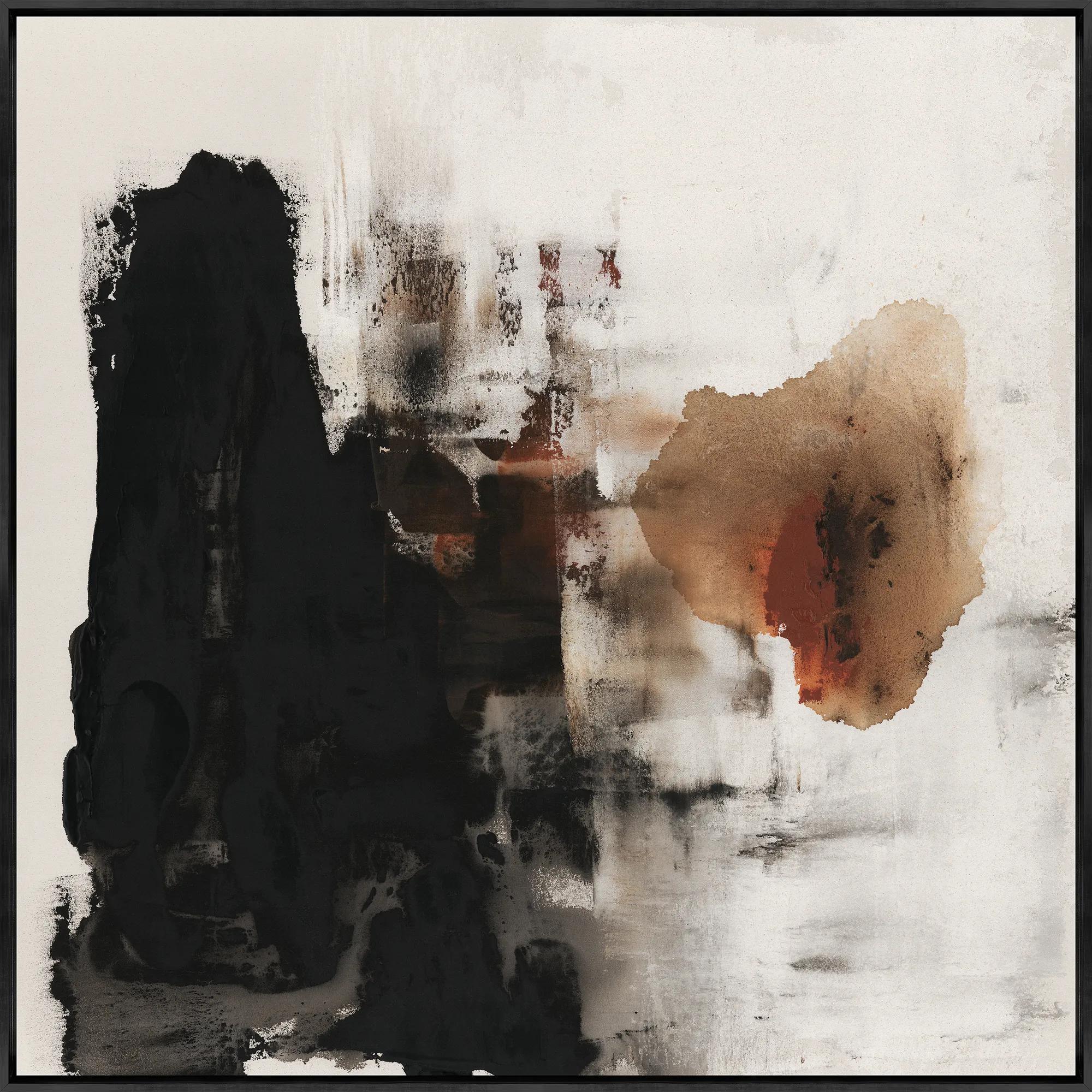 Burning for You I Framed Wall Art 40" x 40"$799
A gallery-wrapped canvas artwork with hand-applied brush gel, set in a sleek black floater frame.
Add To Cart -
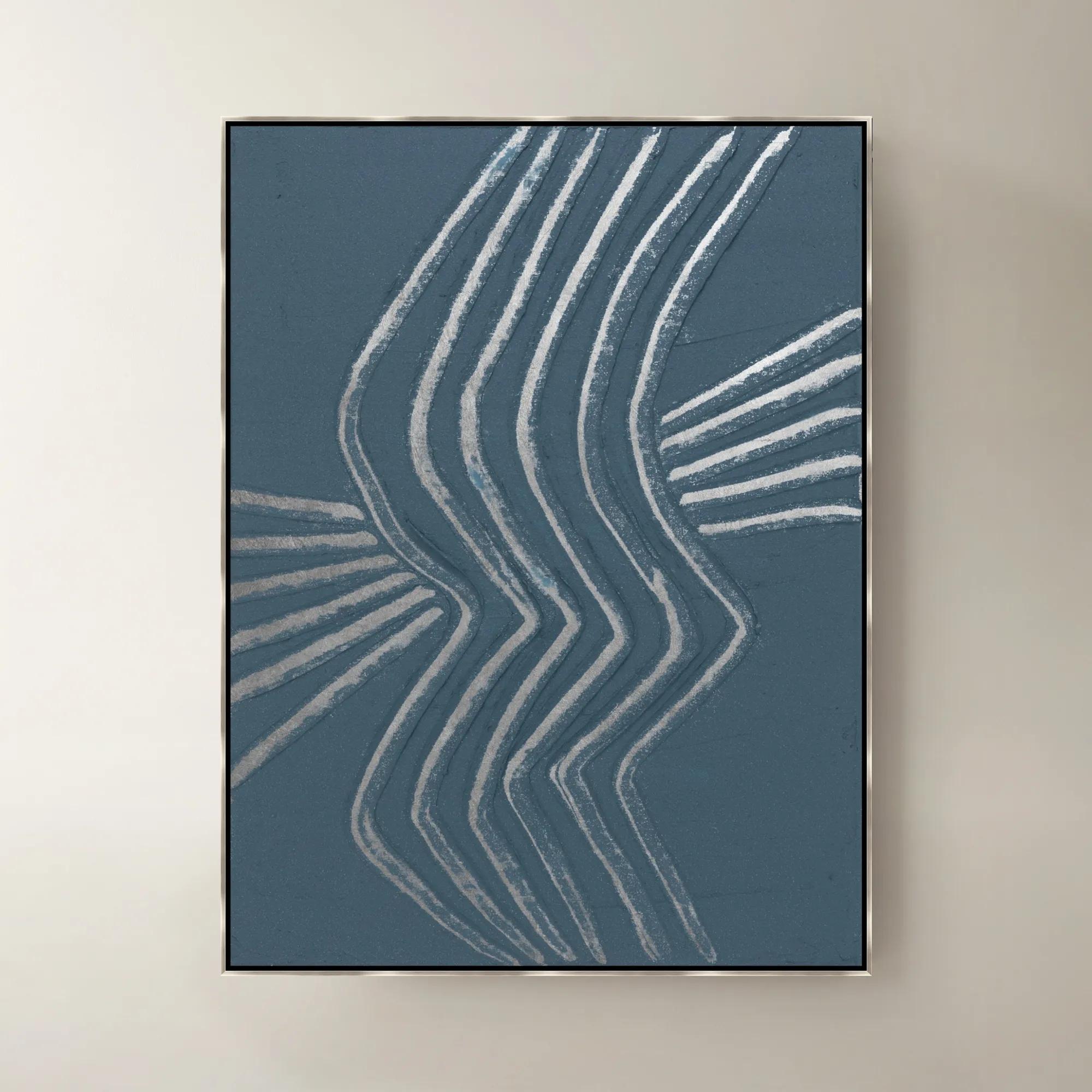
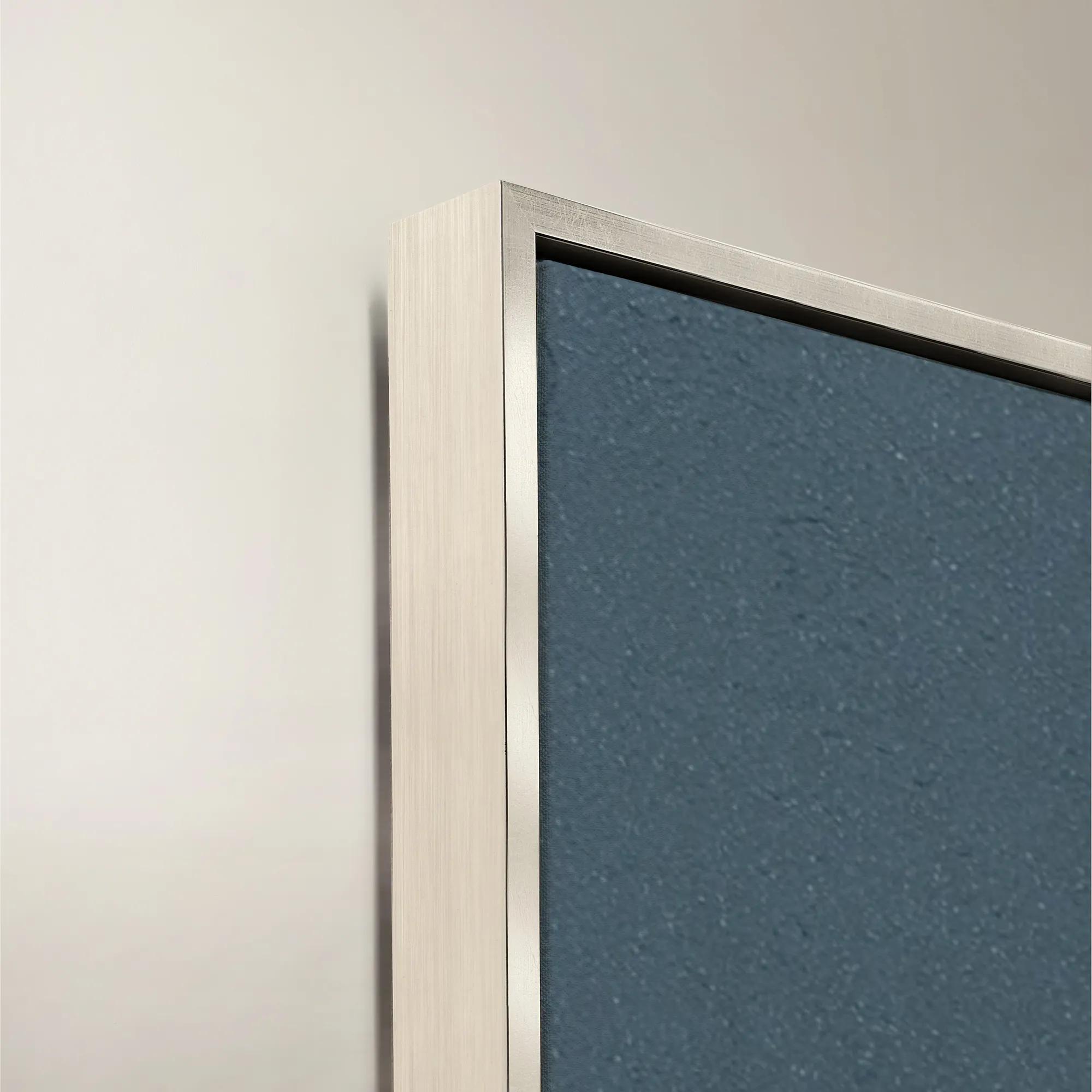 Gilded Waves IV Framed Painted Wall Art 40" x 53"$1399
A framed painted canvas artwork featuring flowing gilded waves in soothing blue and purple tones.
Add To Cart

Framed Landscape Wall Art
Explore framed landscape wall art for scenic compositions that bring depth and atmosphere to your room. Consider the scene, color palette, and frame together to find artwork that complements your decor, then choose a size that creates a dramatic focal point above a sofa, console, or bed.
Framed landscape wall art depicts natural scenery, including coastlines, mountains, forests, and open fields, within a finished frame that gives the image a defined presence on the wall. Its appeal lies in the relationship between an expansive view and an intimate interior: a distant horizon can lend breathing room to a living area, while a richly layered woodland scene brings depth to a bedroom. Landscape artwork encompasses photography, reproductions of paintings, fine art prints, and abstract interpretations, allowing the same subject to feel serene, architectural, or boldly expressive. A sharply detailed mountain photograph creates a different impression from a painterly composition of sweeping ridgelines, even when their palettes are similar. For interiors with sculptural furniture and lustrous accents, an abstract landscape can introduce fluid movement without competing with the room’s strongest silhouettes. In a more restrained setting, a dramatic panoramic composition becomes the defining gesture, drawing attention through scale rather than a collection of smaller details. Color shapes that experience as much as subject matter. Ivory, taupe, and charcoal landscapes offer tonal richness that settles beautifully beside textured upholstery, while saturated blue, emerald, or ochre passages can echo a rug, accent chair, or decorative object. A frame establishes the boundary between that color story and the surrounding room, making even an open, loosely painted scene feel intentional. These pieces belong wherever a space benefits from perspective: above a sofa, across from a dining table, behind a writing desk, or along an entryway that deserves a memorable first impression. The most compelling connection is often personal rather than literal. A coastal image need not belong in a beach house, and a mountain scene need not accompany rustic furnishings. The subject can recall a meaningful destination, express an affinity for the outdoors, or simply introduce the sense of possibility that comes from looking beyond the room.
Materials and construction influence both the appearance and everyday care of framed landscape art. Works on paper often emphasize fine detail, delicate tonal shifts, and crisp edges, while canvas introduces a woven surface that can complement expressive brushwork and layered color. Printed reproductions translate an original image onto these surfaces; their character depends on the source image, printing method, inks, and substrate. Where longevity matters, documented archival materials and lightfast inks are useful distinctions, although no artwork should be assumed immune to fading. A paper print may sit behind glass or acrylic glazing, with a mat adding visual space between the image and its frame. That border can make a detailed scene feel more expansive and give smaller artwork greater presence without enlarging the image itself. Proper matting also helps separate paper from glazing, while acid-free mounting materials can reduce the risk of discoloration over time. Canvas may be presented without glazing, including within a floating frame that leaves a narrow reveal around its edges. Frame materials and finishes contribute another layer of expression. Wood can introduce visible grain and tactile depth; metal can create a precise, slender outline; and gold-tone, silver-tone, black, or painted finishes can connect the artwork to lighting, hardware, and furniture. A gleaming frame feels particularly striking around a restrained composition, while a dark profile can sharpen the boundaries of a richly colored landscape. Glass and acrylic each have practical considerations: glass is generally more resistant to scratching, while acrylic is lighter and less prone to shattering, though it requires gentle handling. Protective glazing does not automatically mean UV protection, so any such performance should be confirmed in the artwork’s specifications. For lasting beauty, framed artwork generally benefits from placement away from direct sunlight, persistent dampness, and cooking residue. Routine care is usually minimal: light dusting with a clean, soft cloth and cleaning methods suited to the frame and glazing. Spraying cleaner directly onto the piece can allow moisture to reach vulnerable edges, mats, or artwork, making the stated care instructions especially important.
Scale gives framed landscape wall art its relationship to the room. A broad horizontal scene can echo the length of a sofa, console, or headboard, while a vertical composition introduces height beside a doorway or within a narrow wall section. Overall framed dimensions matter more than image dimensions alone, especially when a generous mat or substantial molding adds to the footprint. Above furniture, artwork often feels balanced when its width occupies roughly two-thirds to three-quarters of the piece beneath it, though surrounding architecture and nearby objects can call for a different proportion. A large landscape rewards a clear view from across the room; a smaller, intricately rendered scene invites a closer encounter in a reading corner or hallway. Coordinated pairs and grouped landscapes can create continuity through a shared horizon, palette, or frame finish without requiring every image to match. Consistent spacing gives that arrangement structure, while variation in scenery keeps it expressive. Framed landscapes can also share a wall with the organic imagery explored in Unique Framed Nature Wall Arts, allowing a room’s connection to the natural world to extend beyond a single sweeping view. Placement involves practical details as well as visual balance: the artwork’s weight, its hanging hardware, and the wall’s construction determine the appropriate support. Secure installation is especially important above seating or beds, and clearance from lamps, doors, and frequently handled objects helps protect both the frame and its surface. As a gift, a framed landscape offers a thoughtful way to recognize a housewarming, wedding, or meaningful move, particularly when the scenery recalls a place the recipient loves. Their available wall space, preferred colors, and decorating style make more useful reference points than subject alone. Whether chosen for a grand living room or a compact retreat, landscape art can bring a distinctive emotional register to an interior: contemplative, expansive, richly composed, and unmistakably personal.
FAQs
Framed landscape wall art depicts natural scenery, from rolling hills and wooded vistas to coastlines and expansive skies. The frame gives the composition a defined finish, turning a view of the outdoors into an expressive interior accent. Choose atmospheric imagery for quiet elegance or vivid, dramatic scenery for a bolder point of view.
Create a compelling contrast between organic scenery and sculptural furnishings. A sweeping horizon can soften the crisp lines of a modern sofa, while a dramatic mountain scene adds visual depth to a polished setting. Echo a color from the artwork in a pillow or decorative accent to connect the composition to the room.
Look to your room’s existing palette, then decide whether the artwork should harmonize or introduce contrast. Misty grays and muted blues create a tonal composition, while rich greens or golden hues bring a more expressive note. Repeating one accent color elsewhere gives even a daring landscape a considered place in the room.
The frame shapes how a landscape feels within your decor. A dark finish lends definition and graphic contrast, while a metallic finish introduces a luminous accent. A lighter finish can keep the focus on subtle scenery. Consider how the frame relates to nearby lighting, furniture finishes, and decorative objects without matching every detail.
Yes—landscapes and abstract artwork can create a richly layered collection. Connect them through a shared palette, related frame finishes, or a similar sense of movement. A softly rendered landscape beside an expressive abstract creates an artful dialogue between recognizable scenery and imaginative form.