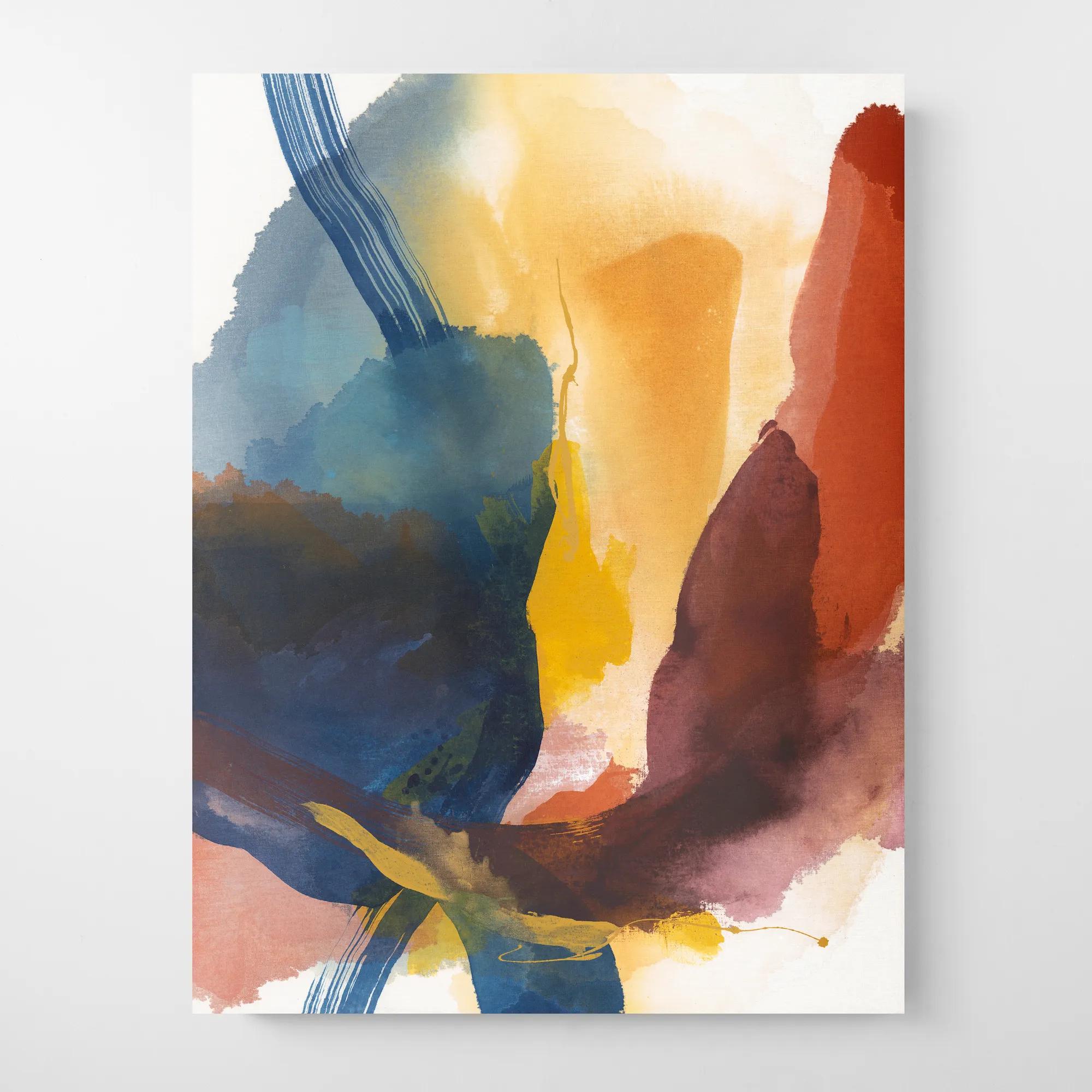
Large Wall Art Frames
Large Wall Art Frames
-
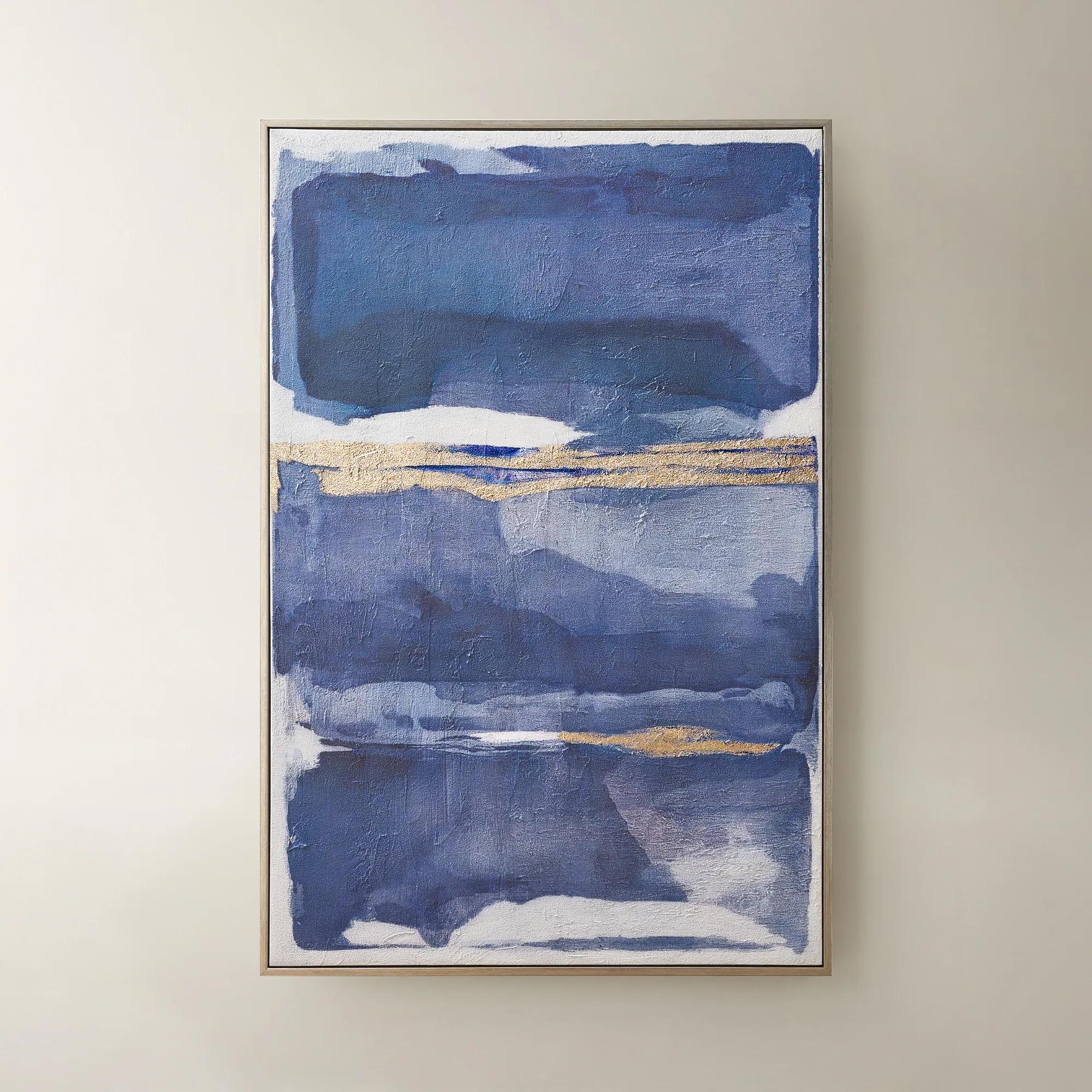
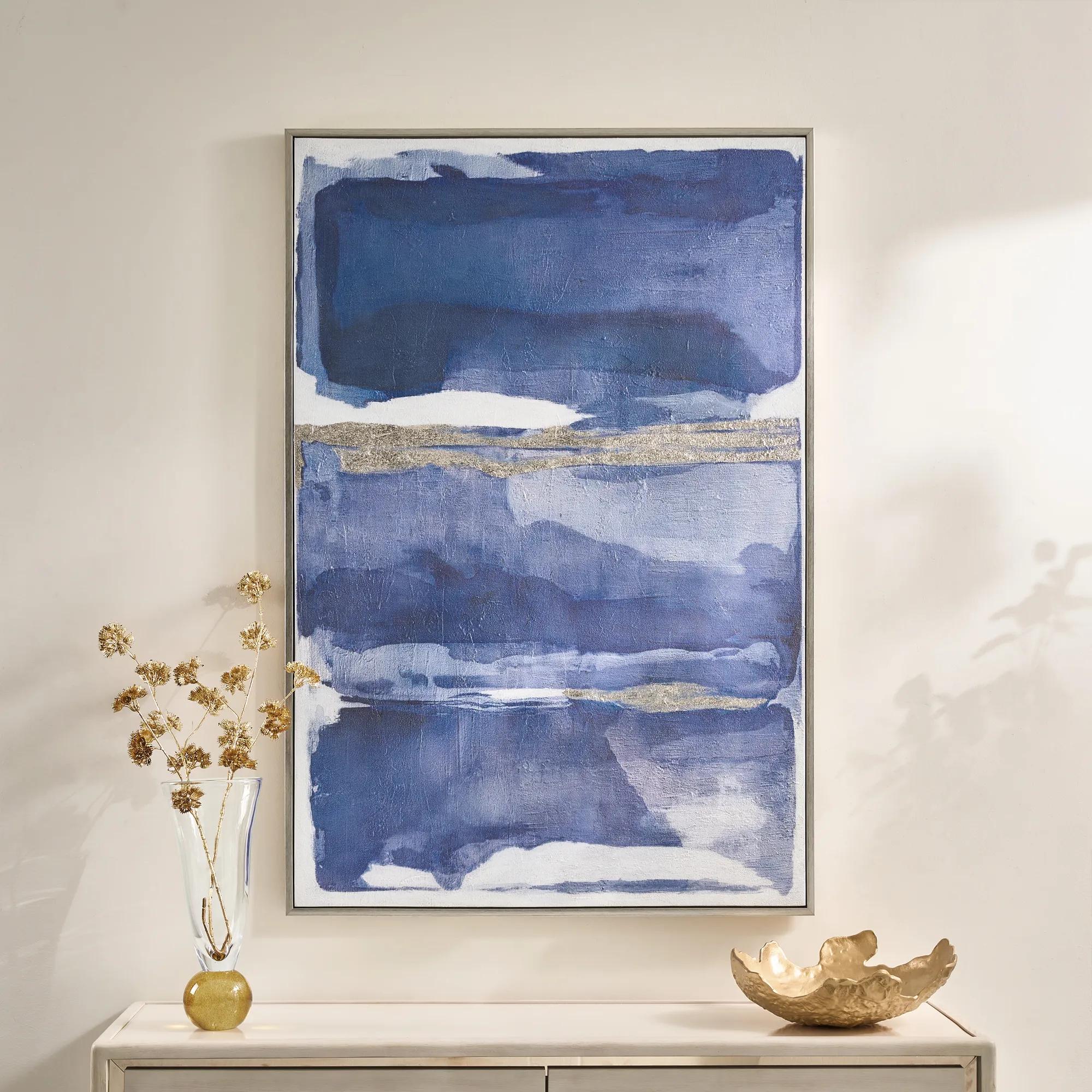 Memories in Blue Framed Painted Wall Art 40" x 60"$499
A hand-painted canvas in deep ink blue with champagne leafing for a sophisticated, gallery-inspired look.
Add To Cart -
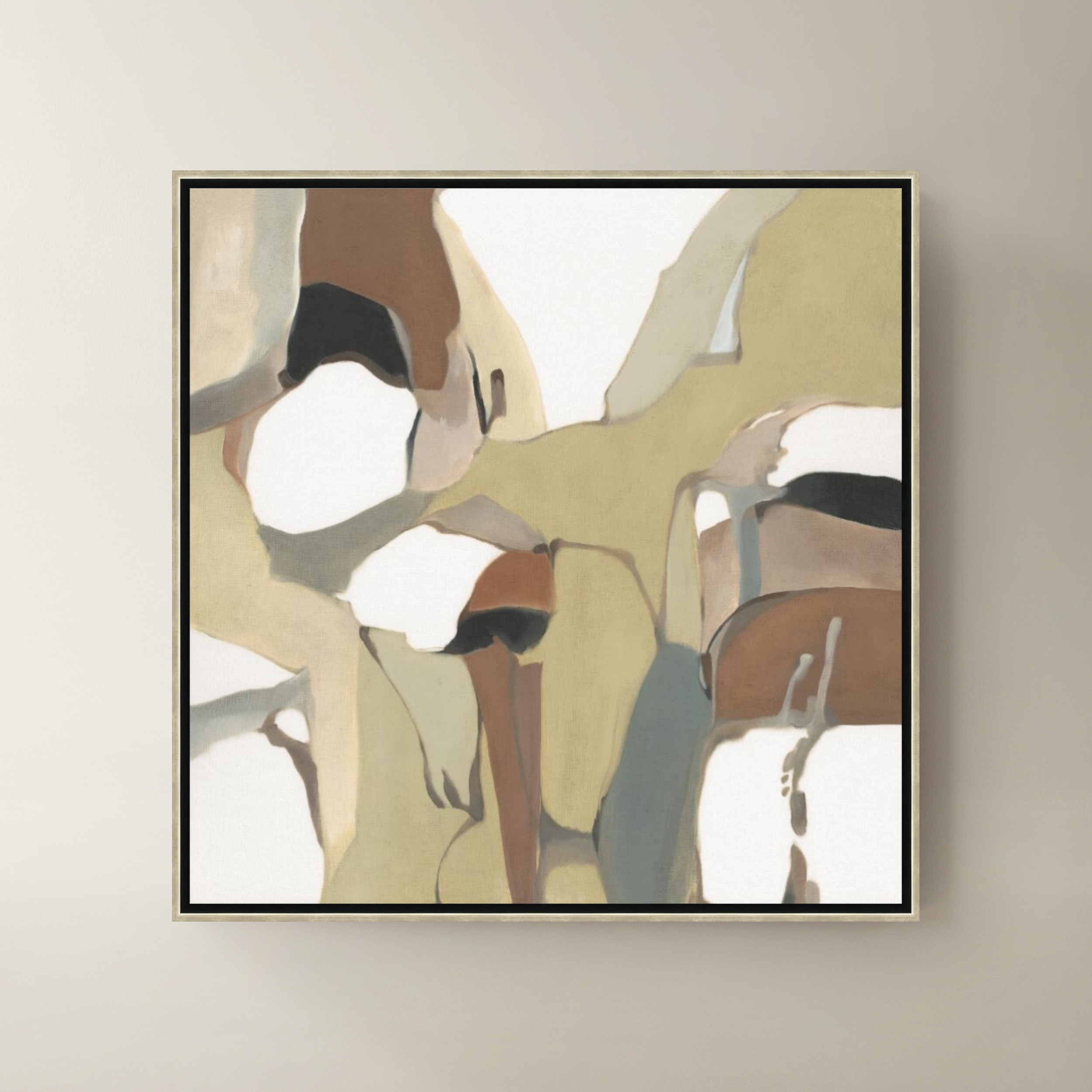
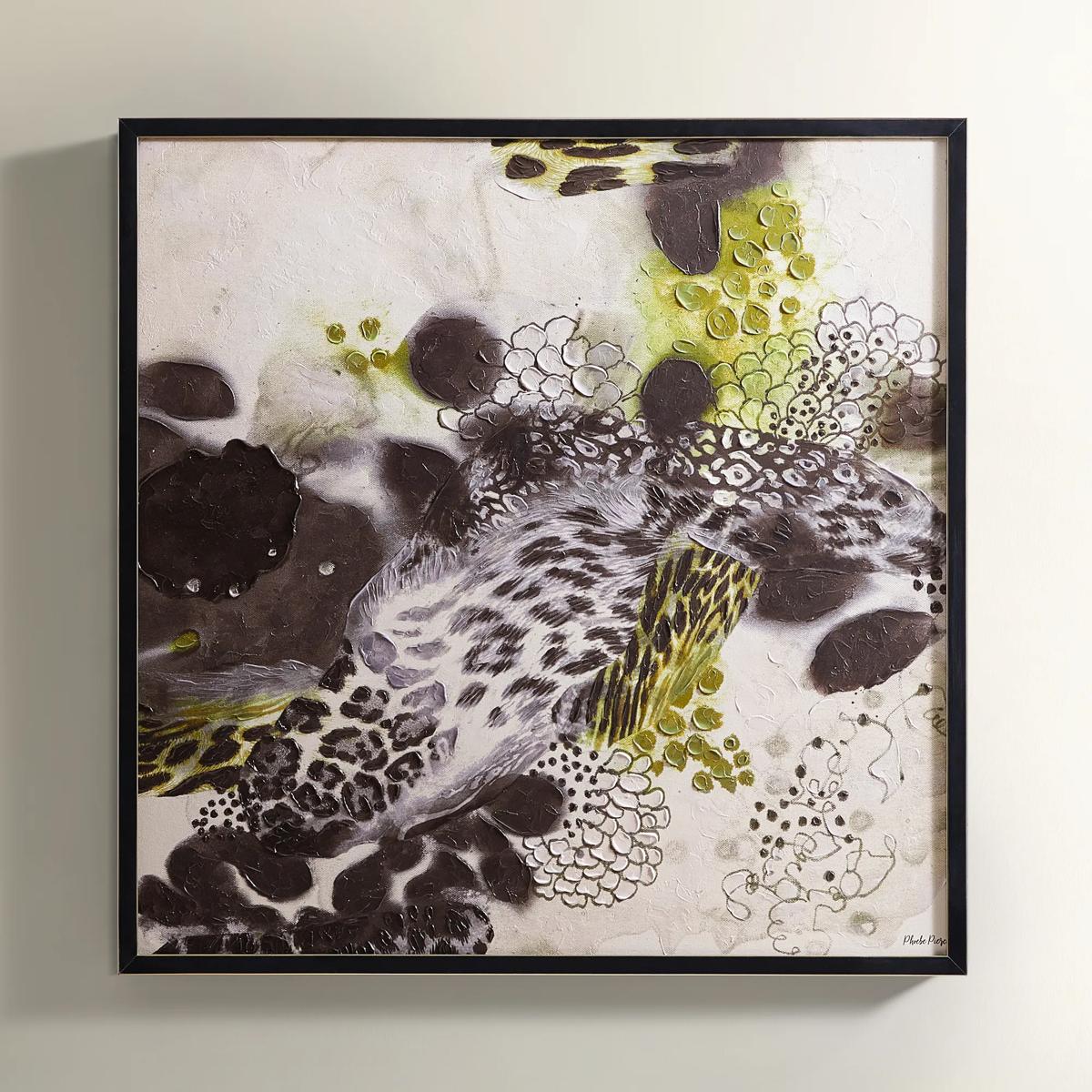
 Organic Shape Framed Wall Art 47" x 47"$1099
A framed canvas artwork featuring an organic shape in rich brown tones.
Add To Cart -
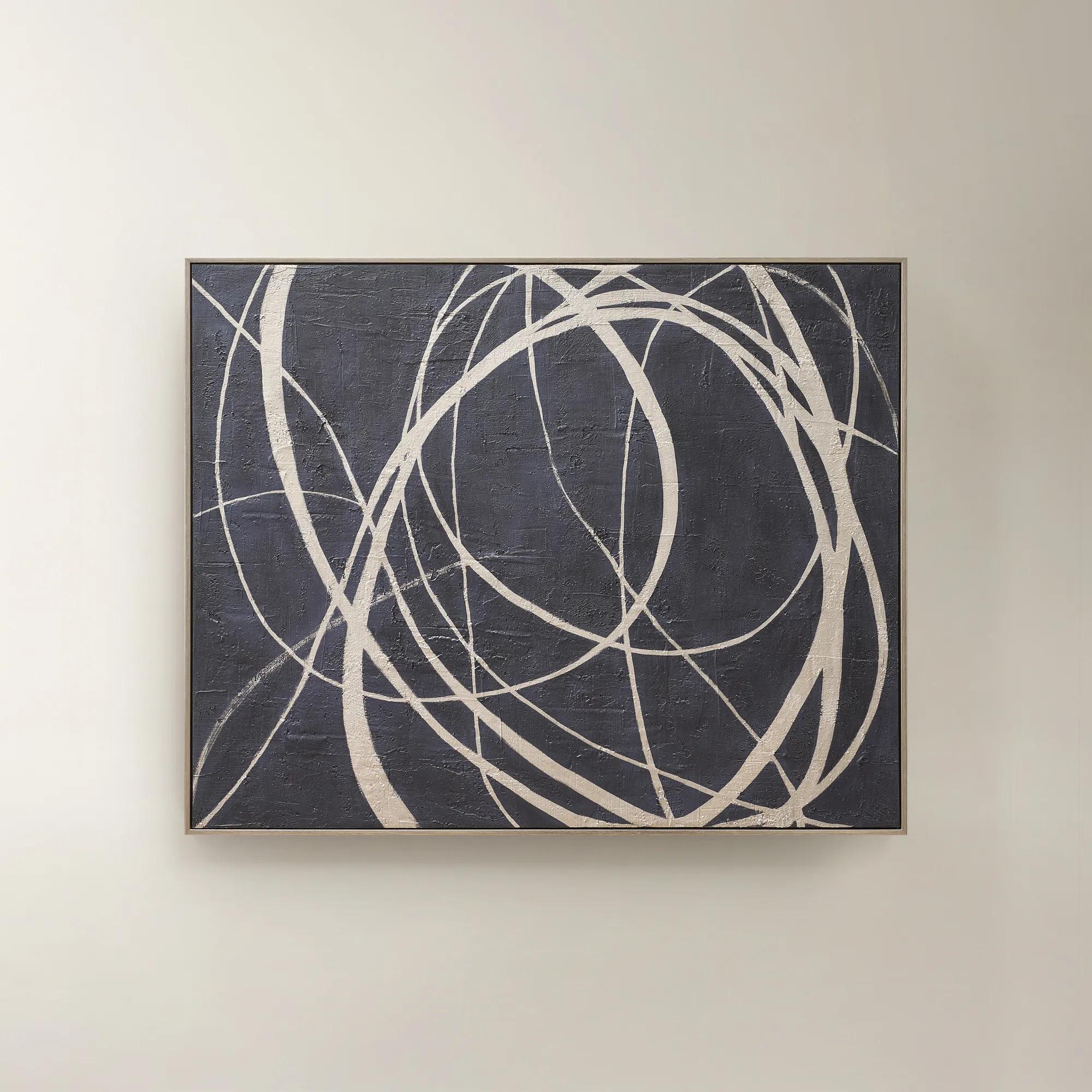 Wandering Framed Painted Wall Art 48" x 60"$699
An expressive hand-painted canvas in deep ink blue with champagne accents for a bold, sophisticated statement.
Add To Cart -
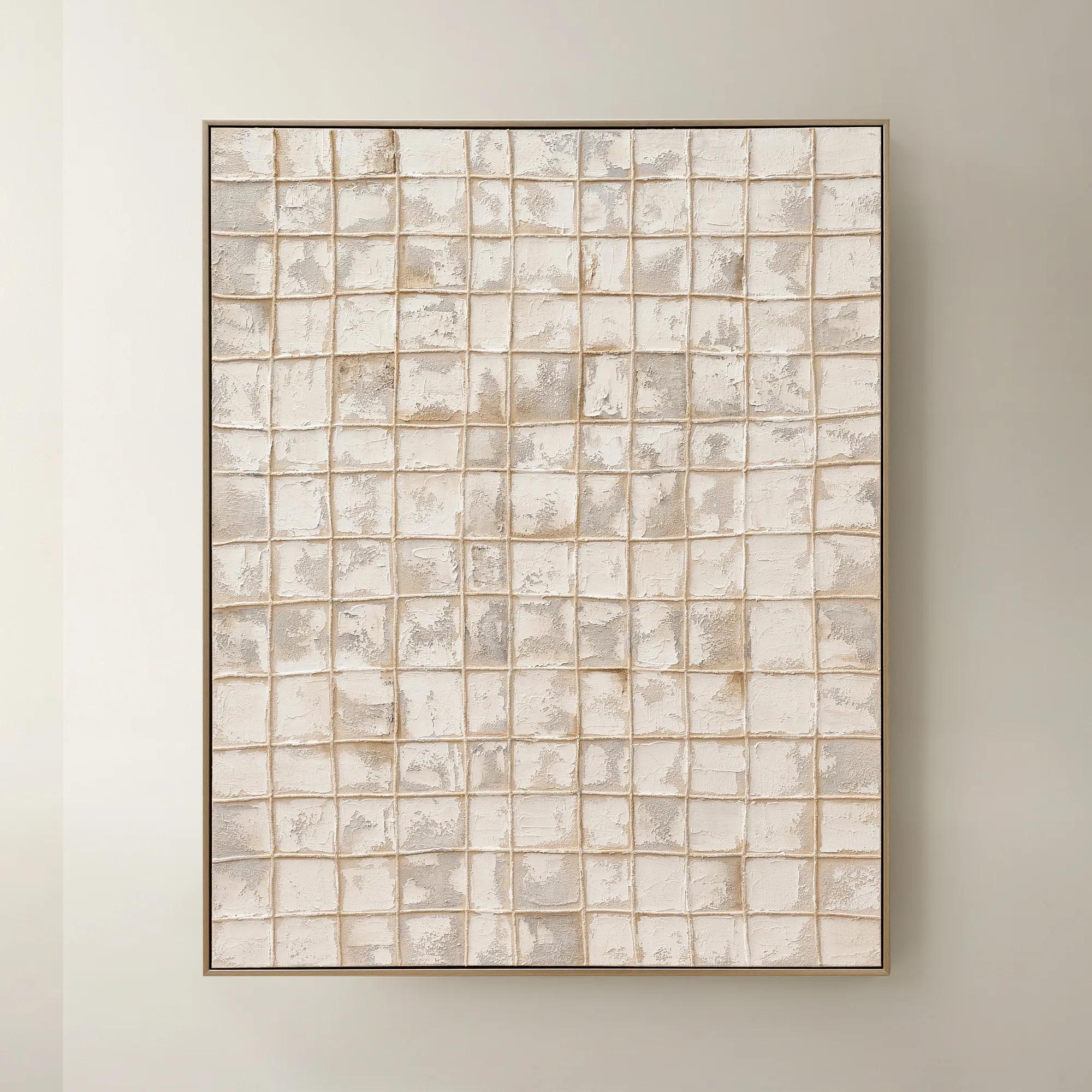
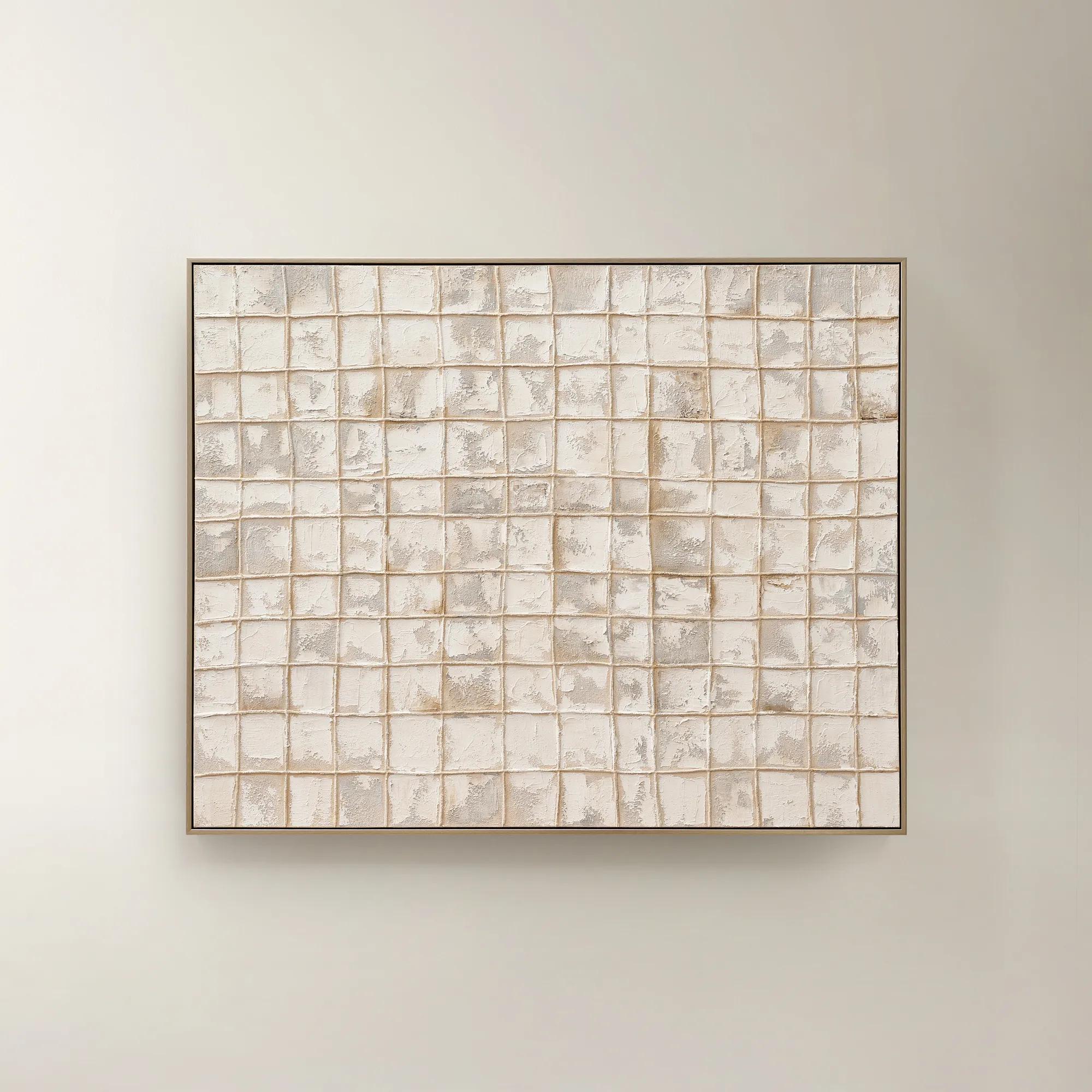 Painted Echos Framed Gold Leaf Wall Art 60" x 48"$699
A hand-painted abstract canvas with gold leaf accents and a champagne frame for modern, versatile display.
Add To Cart -

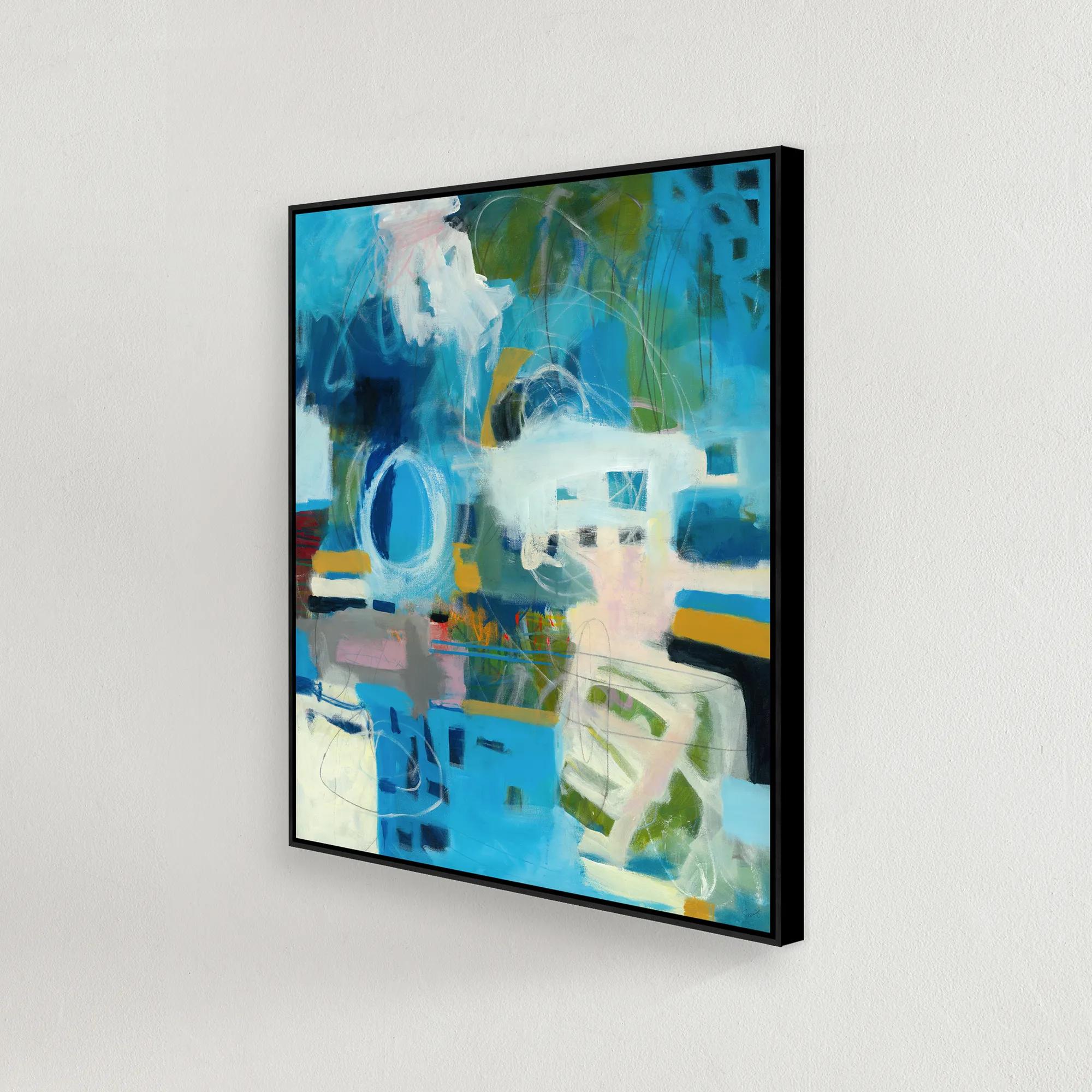 Just Across the Boarder Framed Wall Art 37.5" x 46.5"$749
A gallery-wrapped canvas artwork with hand-applied gel finish, set in a sleek black floater frame.
Add To Cart -
 Chromatic Bloom Framed Painted Wall Art 40" x 60"$519
A hand-painted abstract canvas featuring a vibrant multi-color palette and shimmering champagne detailing.
Add To Cart -
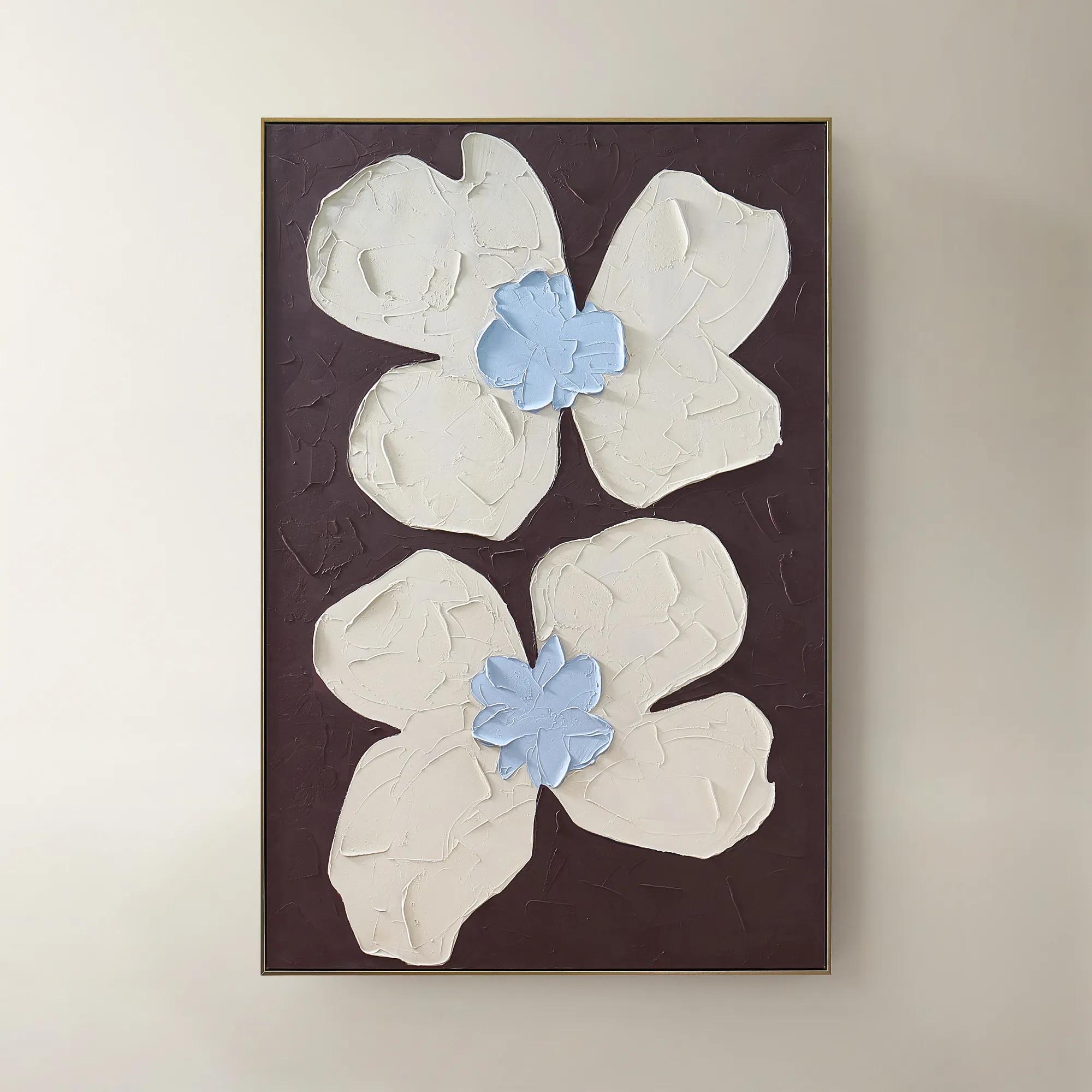
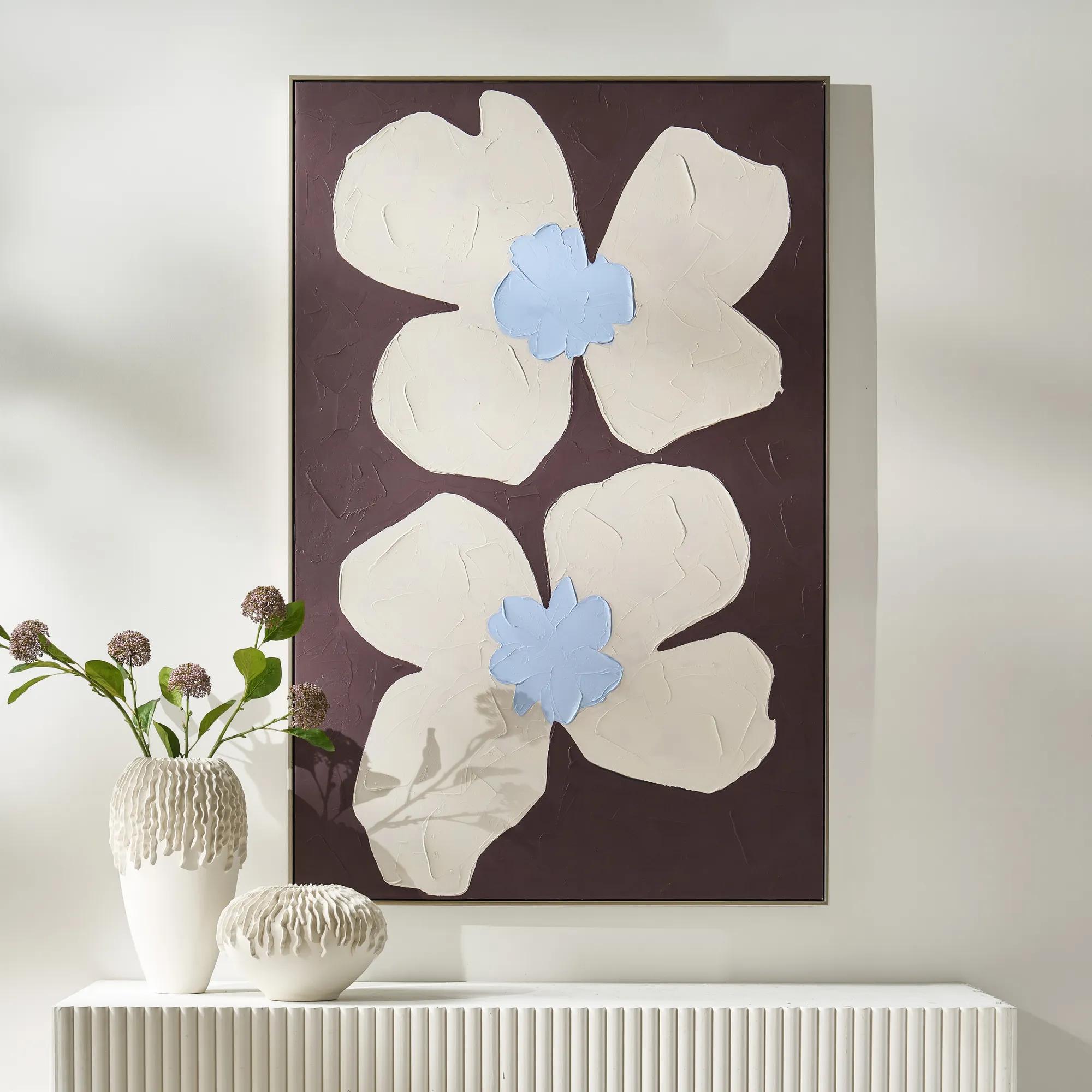 Cosmic Blooms Framed Painted Wall Art 40" x 60"$399
A framed painted canvas artwork featuring a cosmic floral composition in rich blue and purple hues.
Add To Cart -
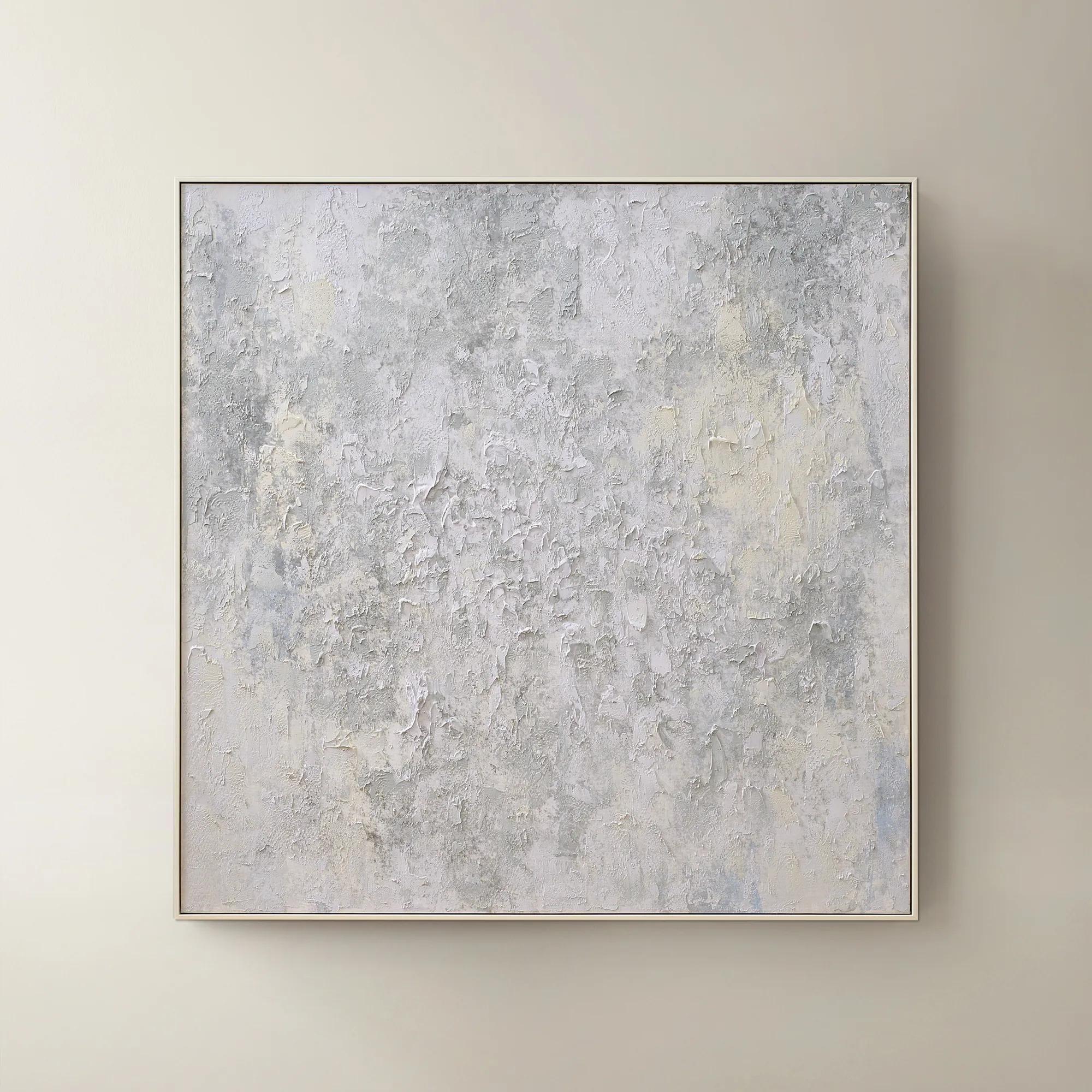 Breathe of Fresh Air Framed Painted Wall Art 50" x 50"$499
A hand-painted abstract canvas in dusty blue hues, elegantly framed in white for a serene, modern accent.
Add To Cart -
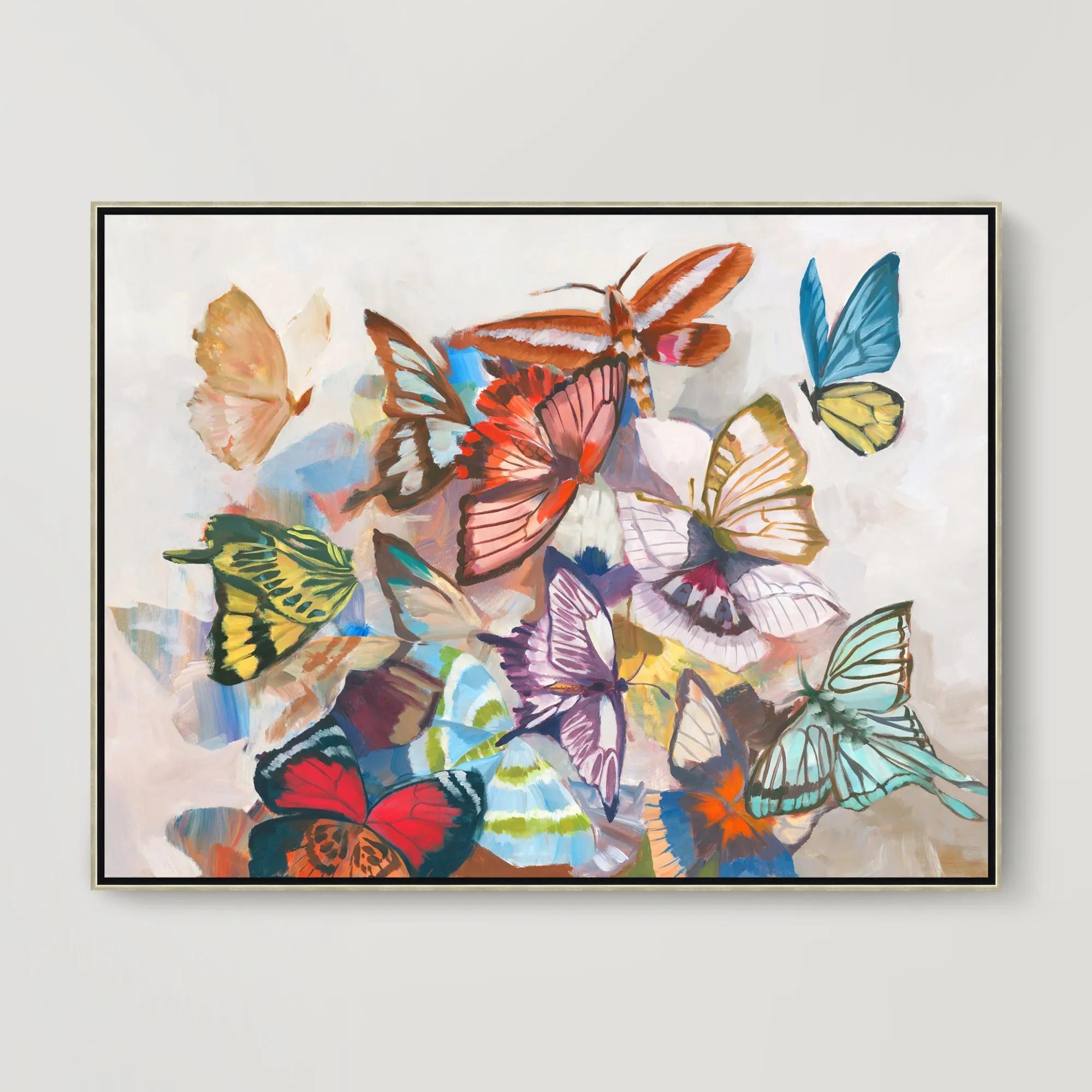 Sugar Wings Framed Wall Art 49.5" x 37.5"$799
A vibrant gallery-wrapped canvas artwork with hand-applied brush gel finish in a sleek silver floater frame.
Add To Cart -

 Flip the Paint Buckets Framed Wall Art 40" x 60"$1899
A vibrant multicolored canvas wall artwork featuring playful paint buckets in a framed presentation.
Add To Cart -
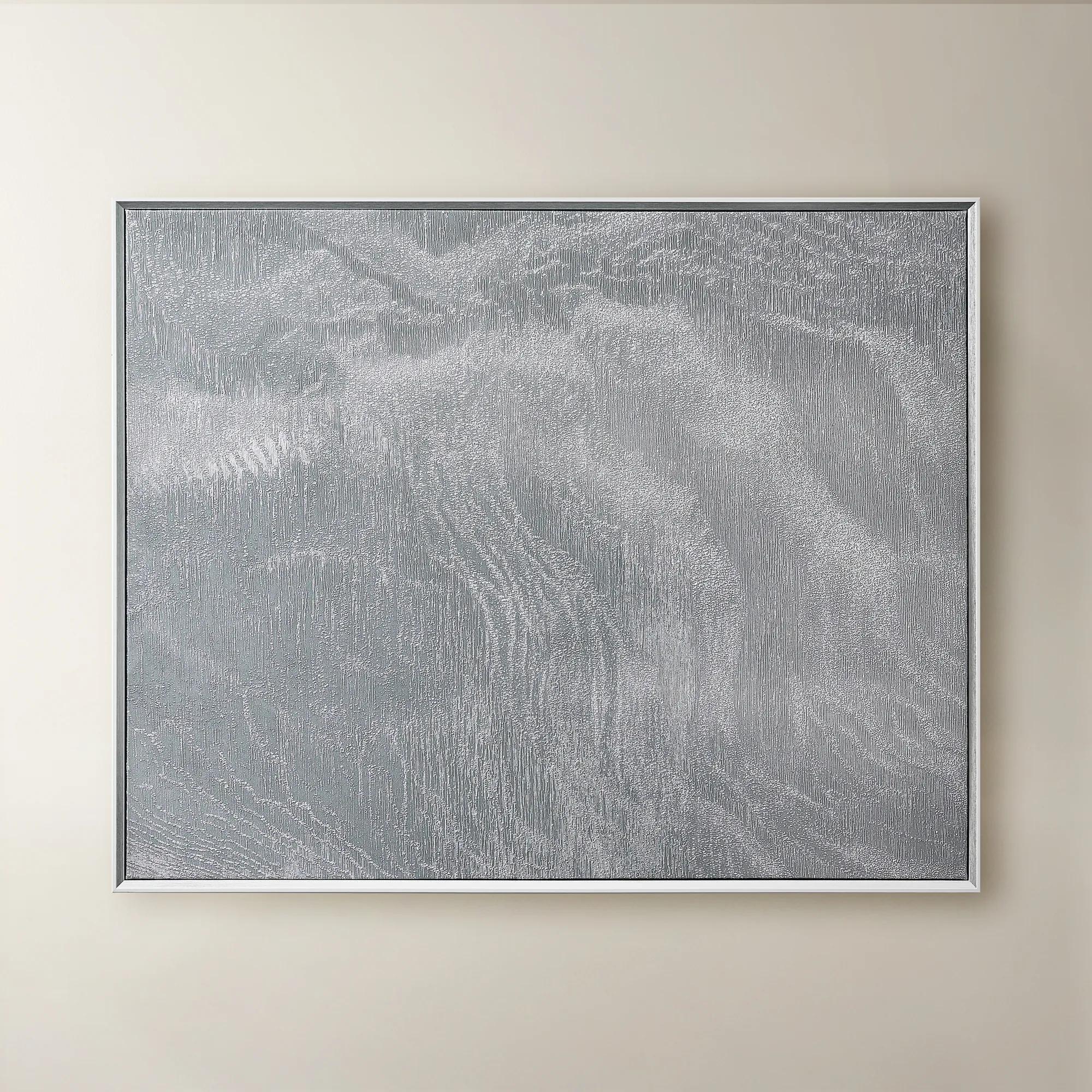 Slow Blue Morning Framed Silver Foil Wall Art 48" x 60"$599
A serene powder blue abstract canvas with silver foil accents, framed in silver and white for modern elegance.
Add To Cart -
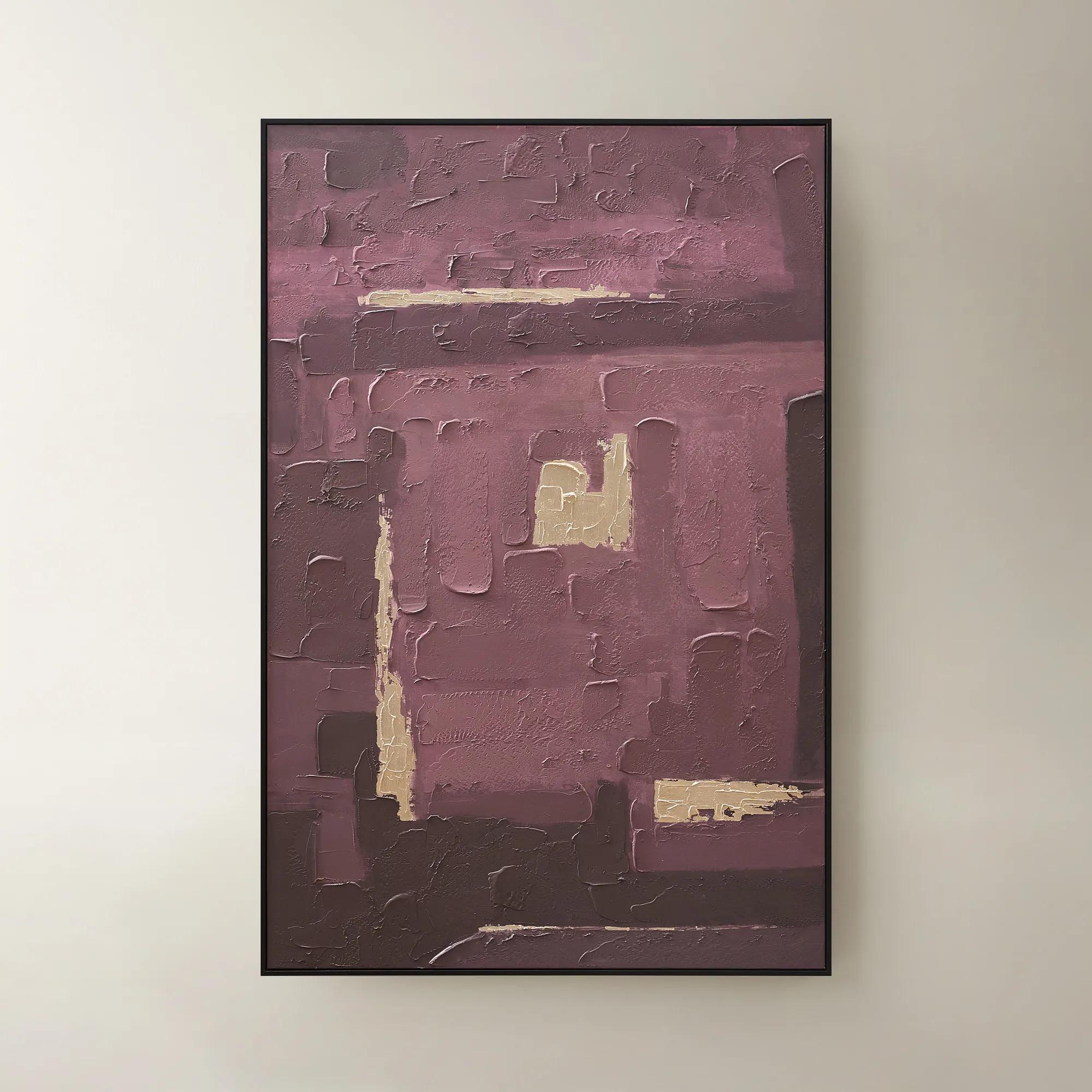
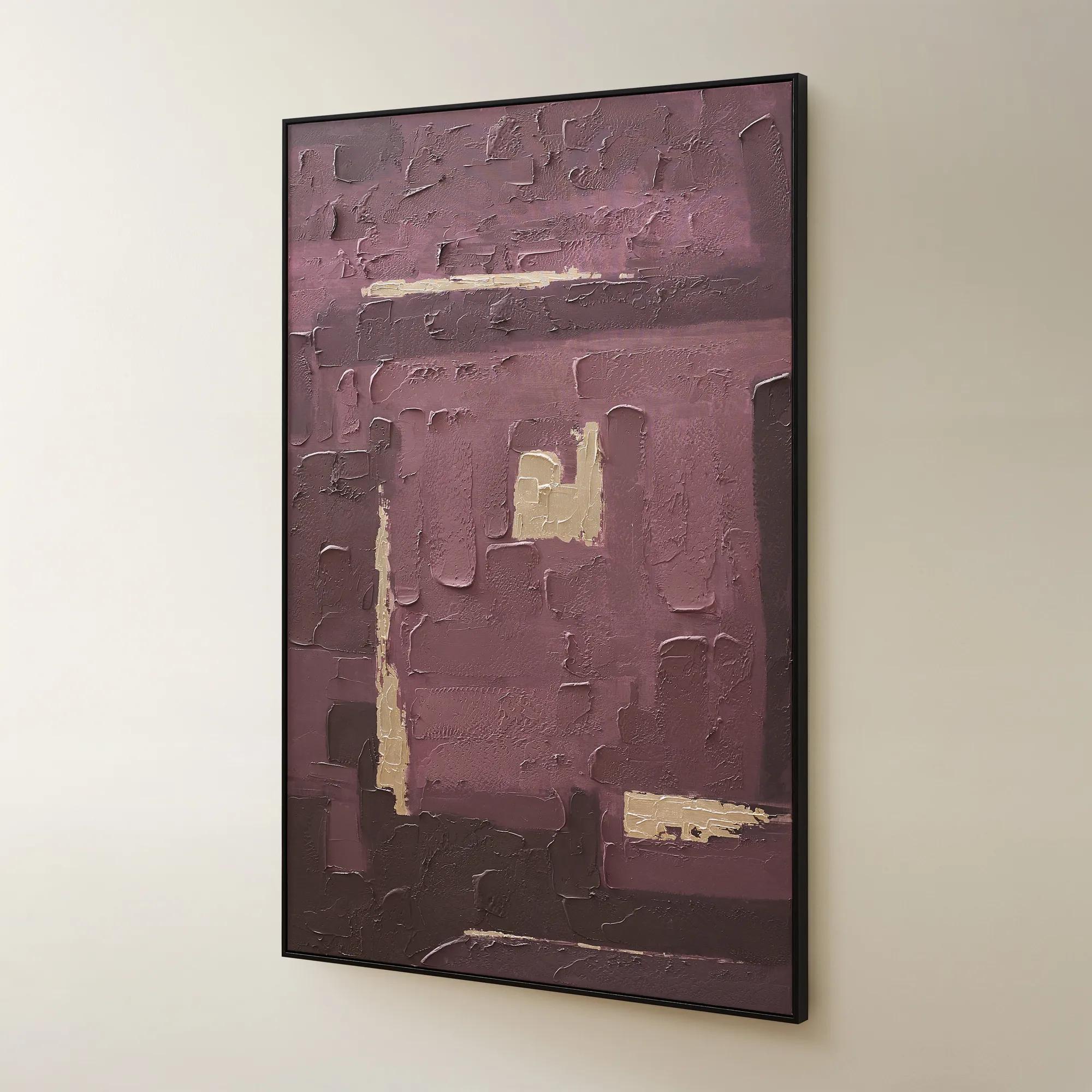 Fallback Framed Painted Wall Art 60" x 40"$499
A hand-painted abstract canvas in rich fig hues with champagne accents, set in a sleek black frame.
Add To Cart -
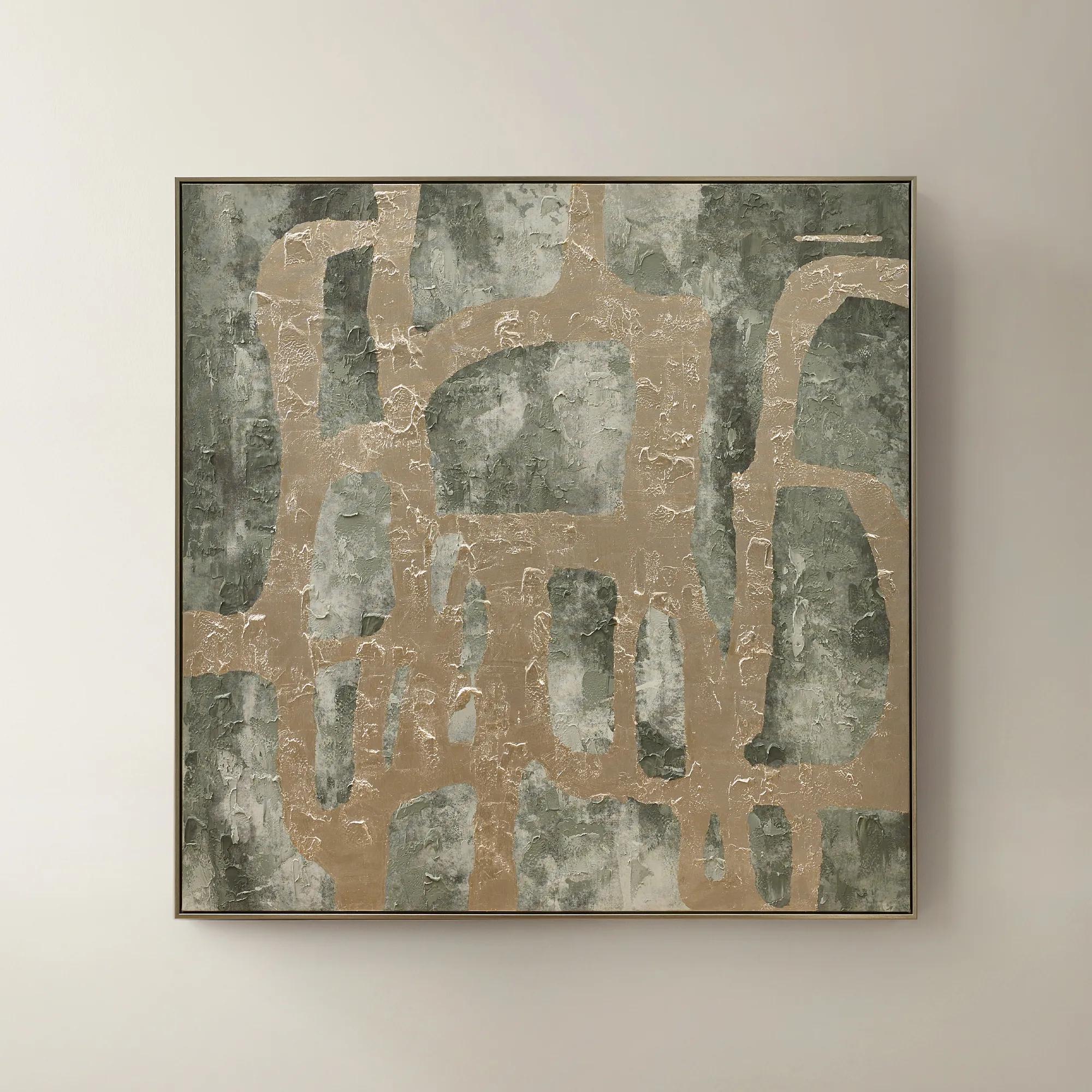 Illusions Framed Painted Wall Art 50" x 50"$599
A hand-painted canvas in sage and champagne tones with textural embellishments for modern, artful depth.
Add To Cart -
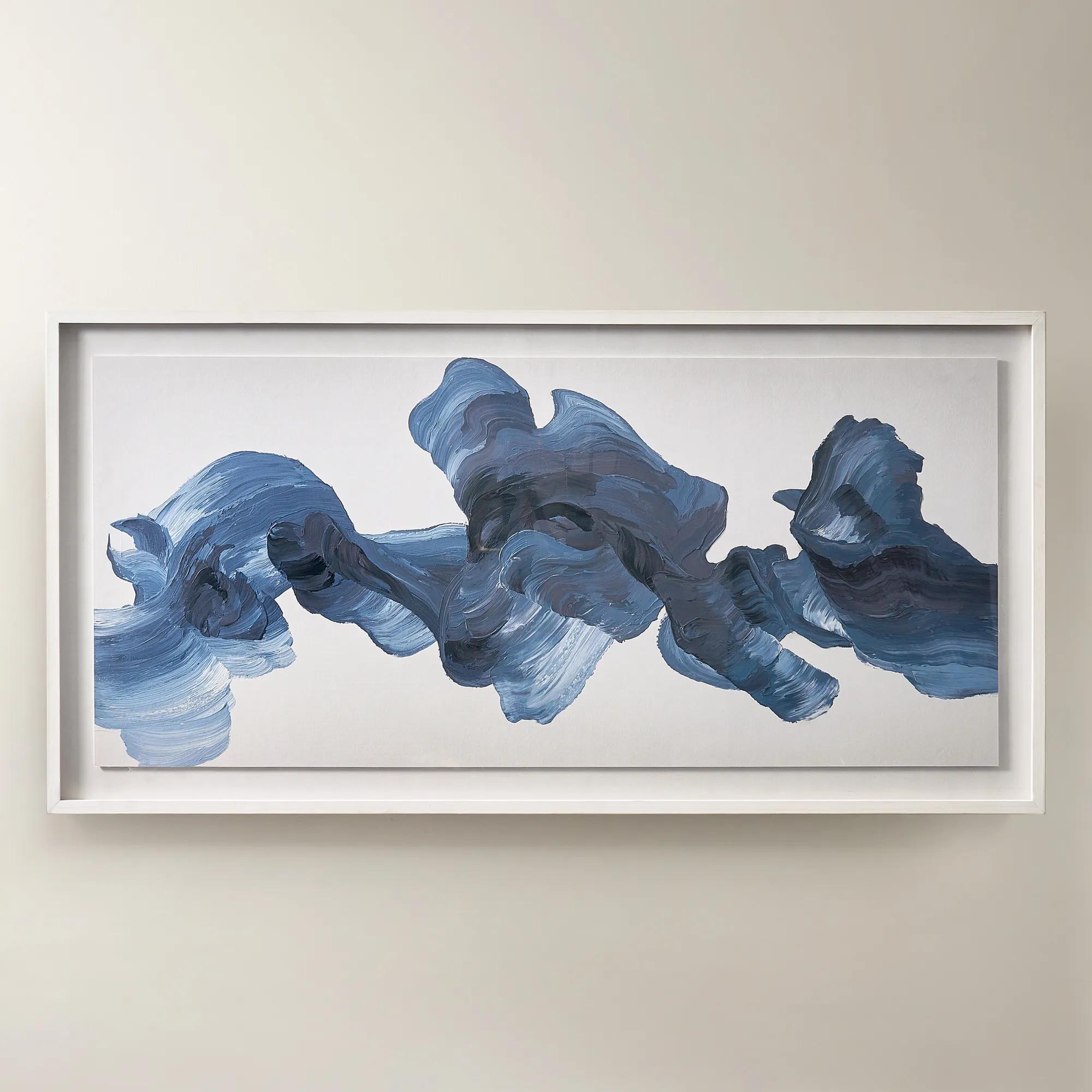
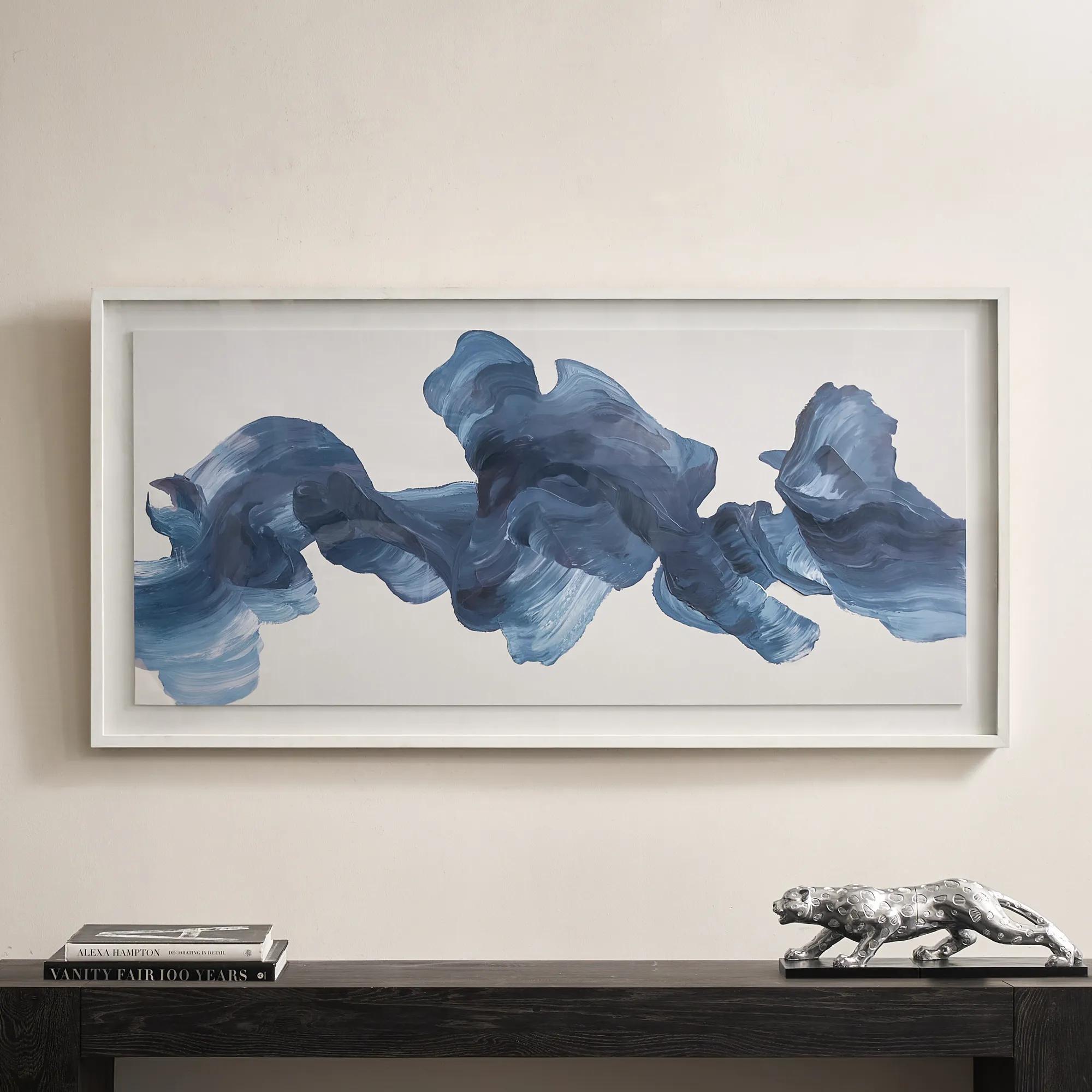 Blue Theory Framed Painted Wall Art in Acrylic 60" x 30"$499
A hand-painted canvas in deep ink blue, framed under acrylic with a whitewashed wood frame.
Add To Cart -
 Burning for You I Framed Wall Art 40" x 40"$799
A gallery-wrapped canvas artwork with hand-applied brush gel, set in a sleek black floater frame.
Add To Cart -
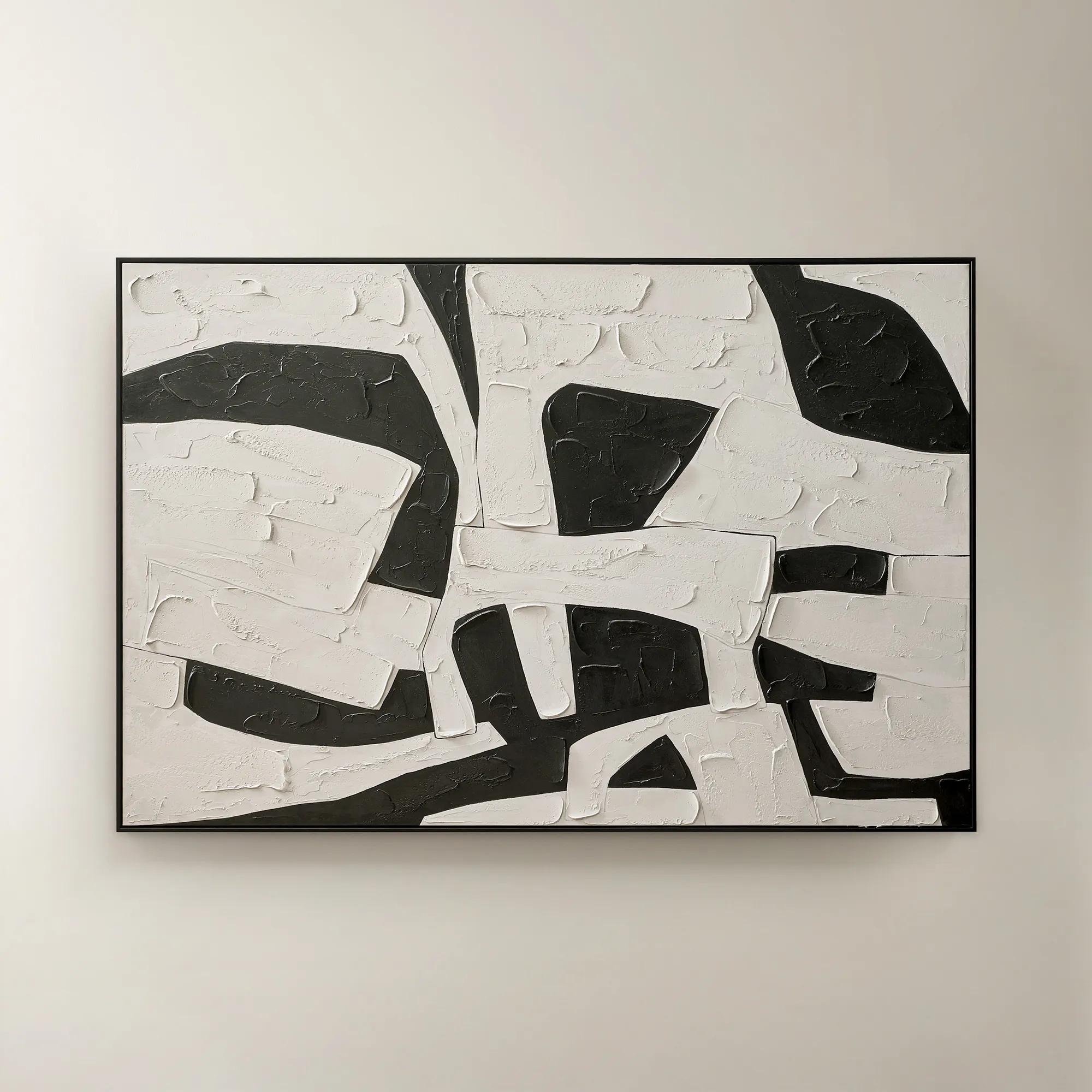 Space Between Shadows Framed Painted Wall Art 72" x 48"$799
A hand-painted abstract canvas featuring bold alabaster and black geometric forms in a sleek black frame.
Add To Cart -

 Hint of Spring Framed Painted Wall Art 48" x 48"$599
A framed, multicolored painted canvas artwork that brings a vibrant, artistic touch to contemporary interiors.
Add To Cart -
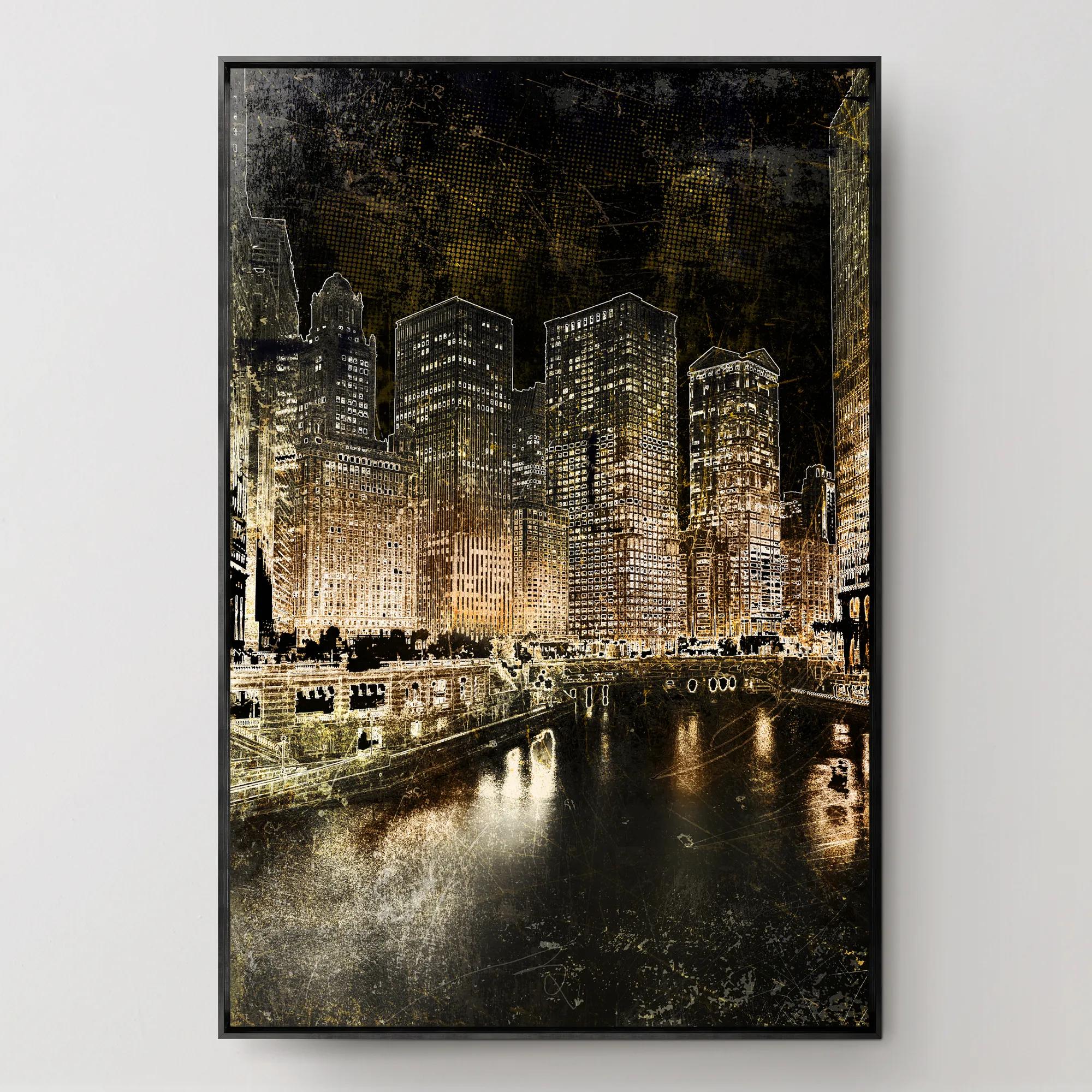
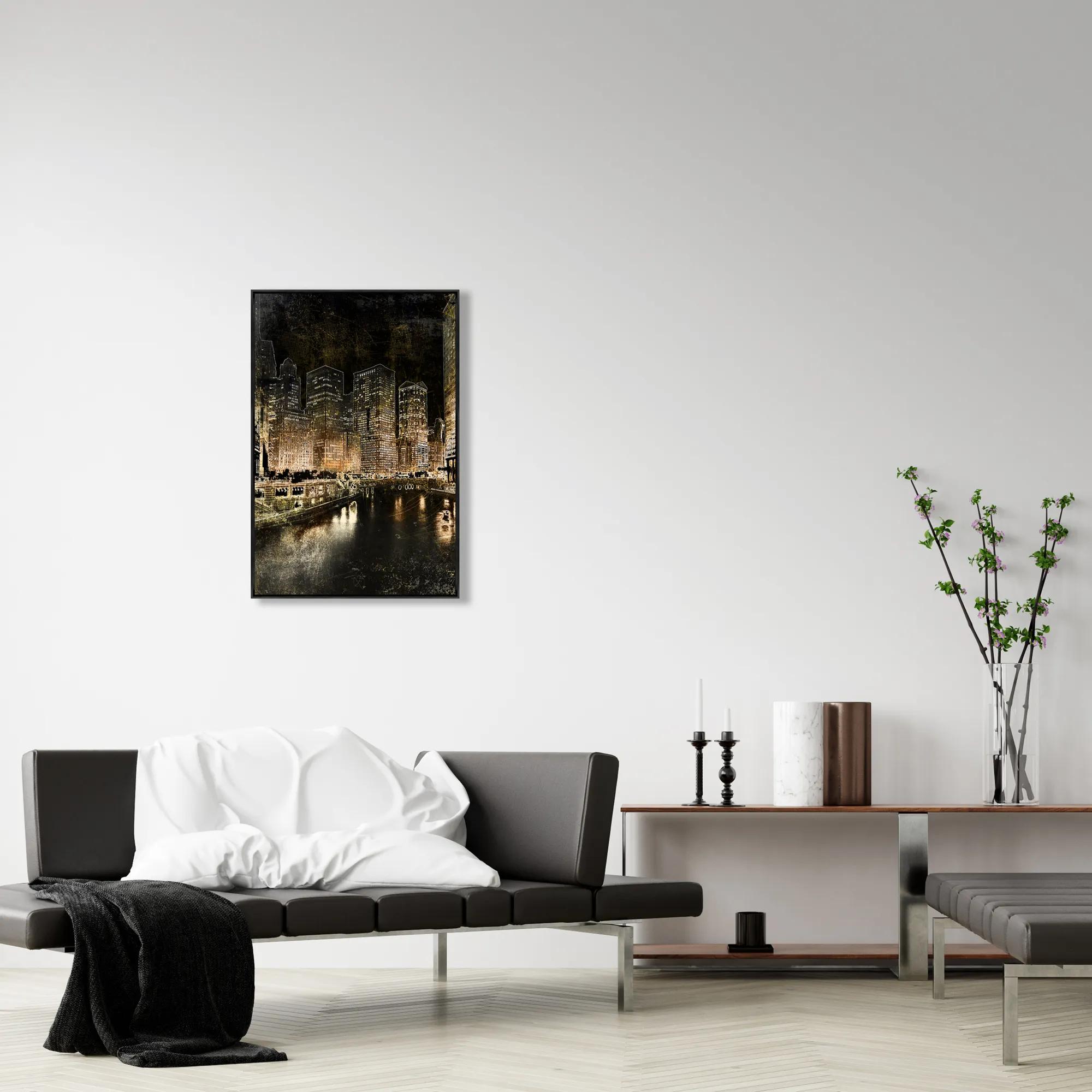 Chicago Lights Framed Wall Art 30" x 45"$649
A gallery-wrapped canvas artwork featuring a hand-applied gel finish in a sleek black floater frame.
Add To Cart -

 Transformation Framed Wall Art 47" x 47"$1099
A sophisticated brown canvas wall artwork in a striking framed design for modern interiors.
Add To Cart -
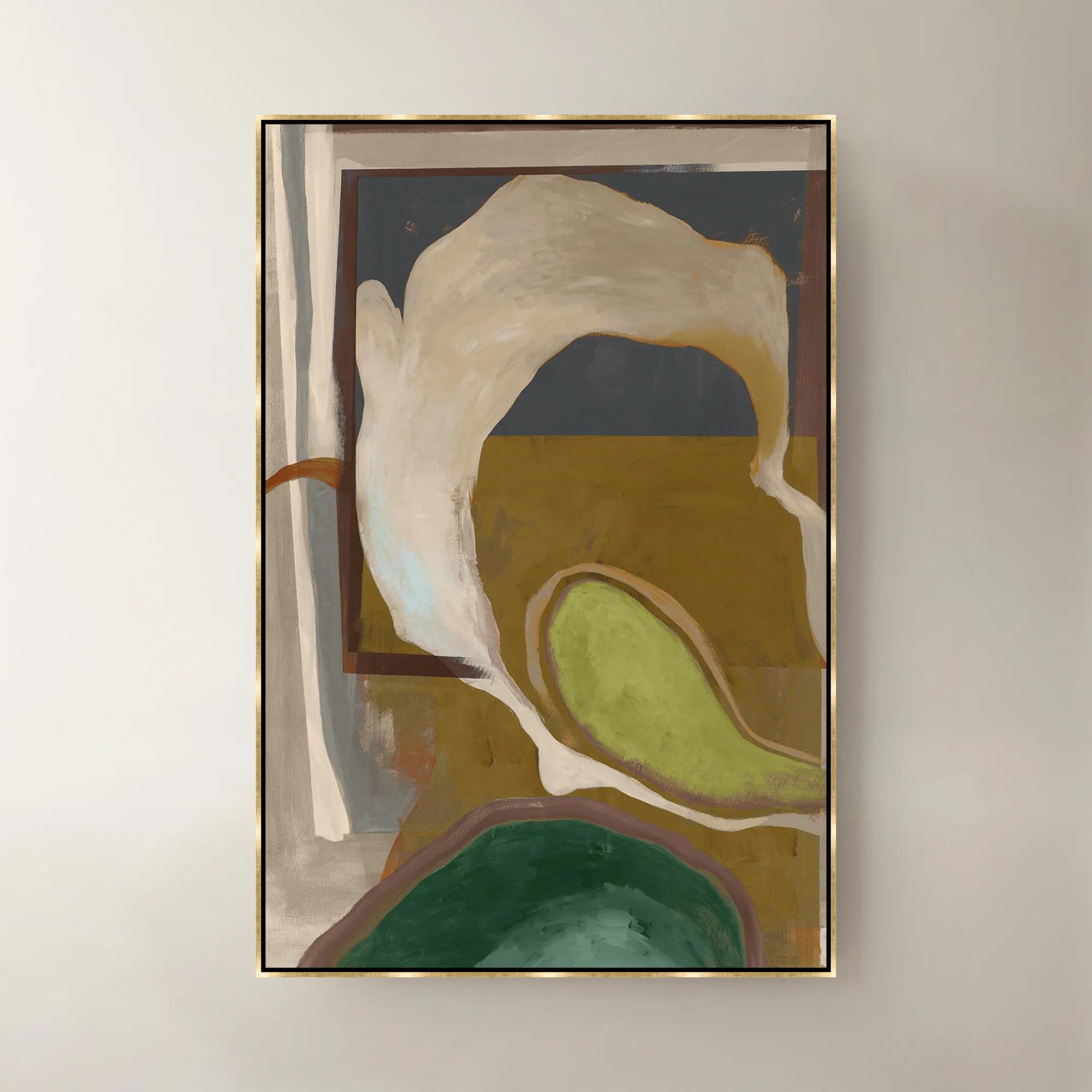 Olive Pearl Framed Wall Art 40"W x 60"$1099
A sophisticated green framed canvas artwork bringing layered color and modern elegance to your walls.
Add To Cart -
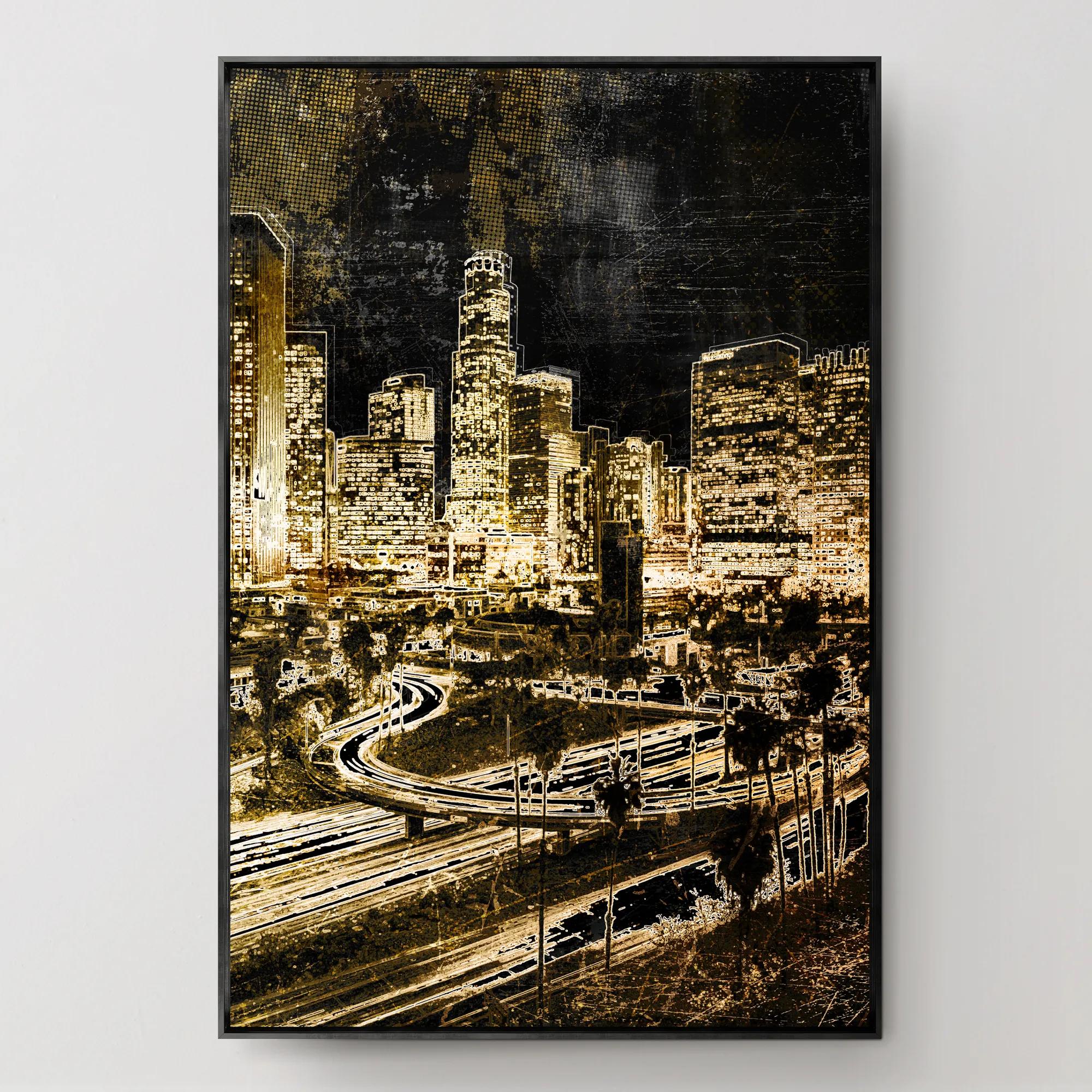 LA Lights Framed Wall Art 30" x 45"$649
A gallery-wrapped canvas artwork featuring a hand-applied brush gel finish in a sleek black floater frame.
Add To Cart -
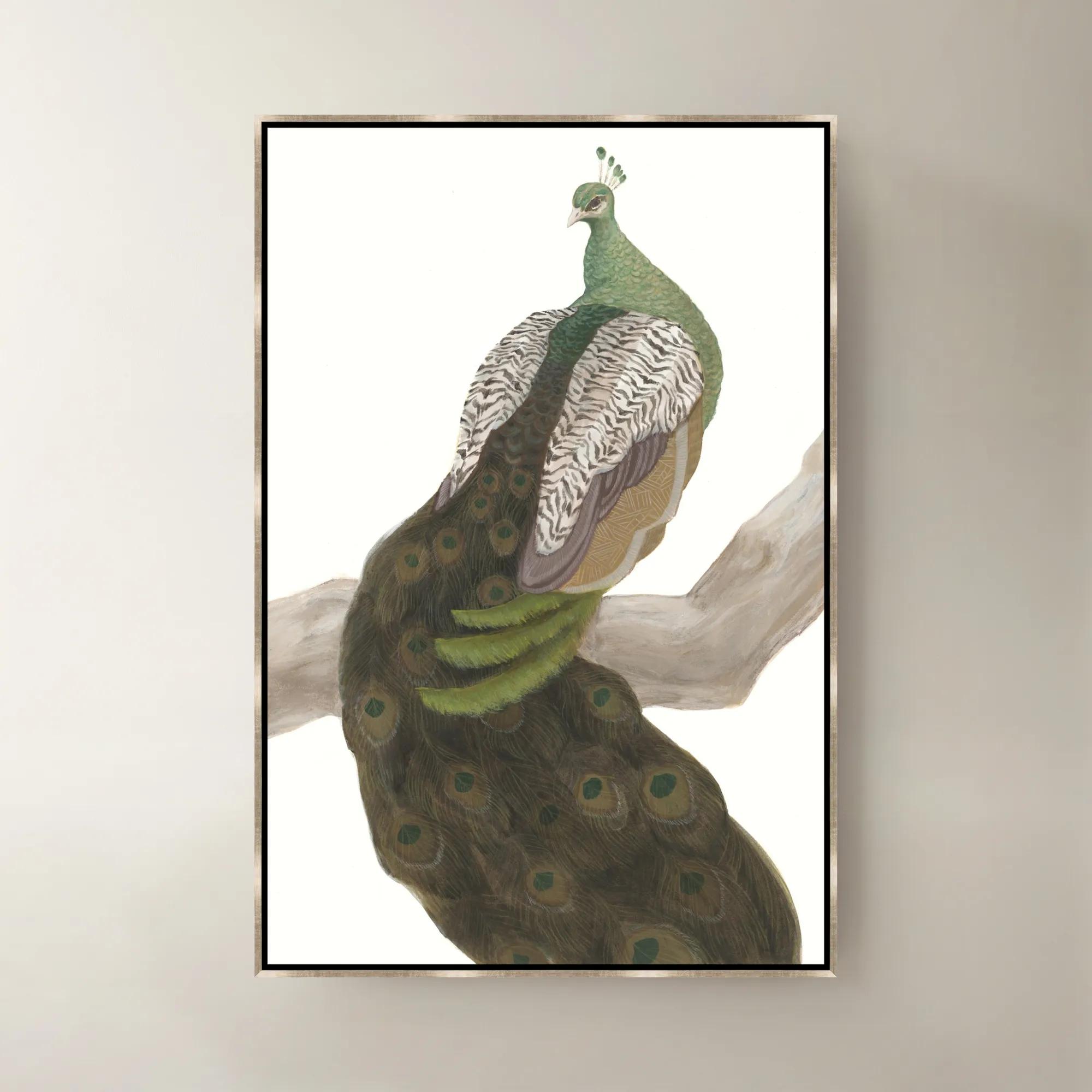 Royal Mirage Framed Wall Art 30" x 45"$799
A multicolored framed canvas artwork bringing sophisticated visual interest to contemporary interiors.
Add To Cart -
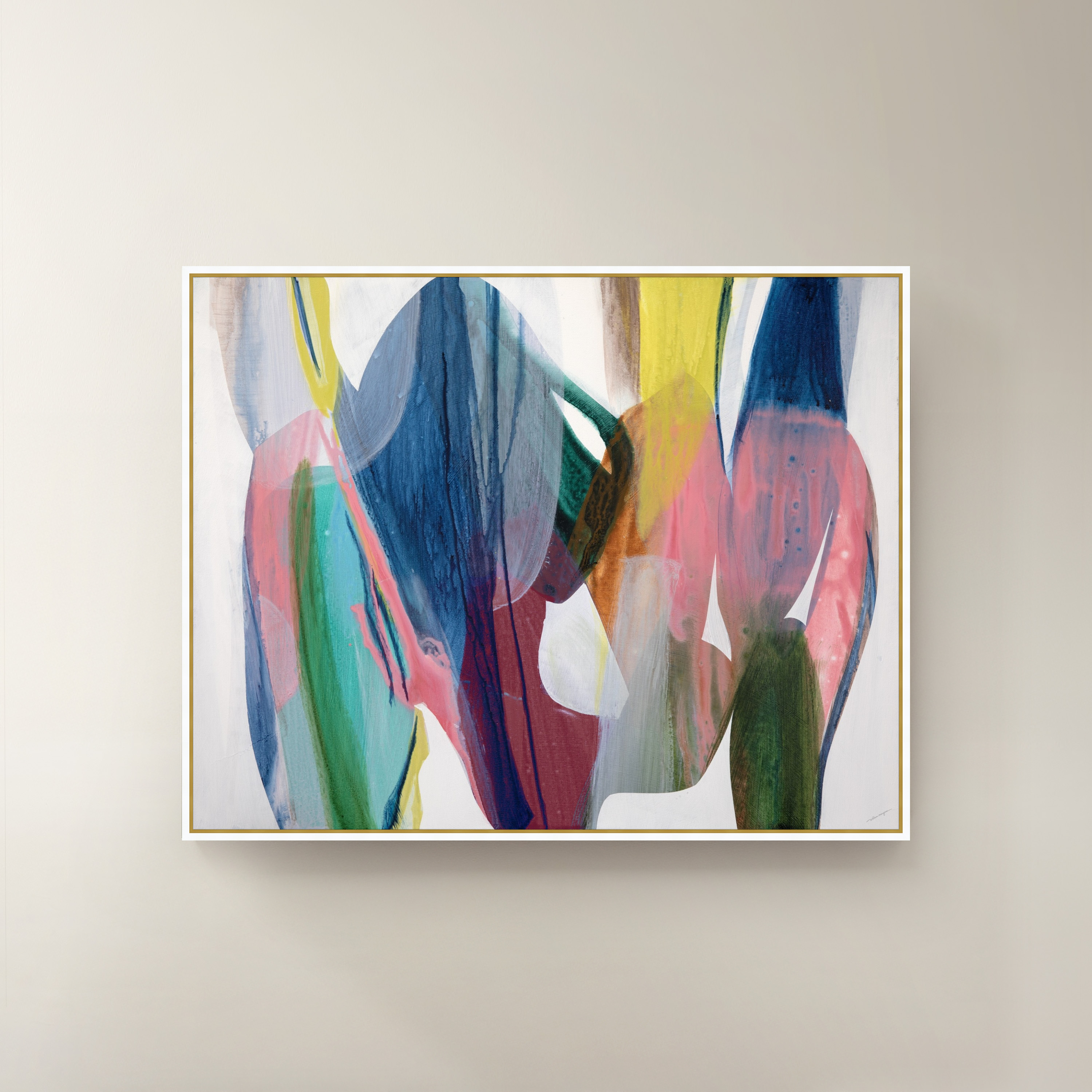
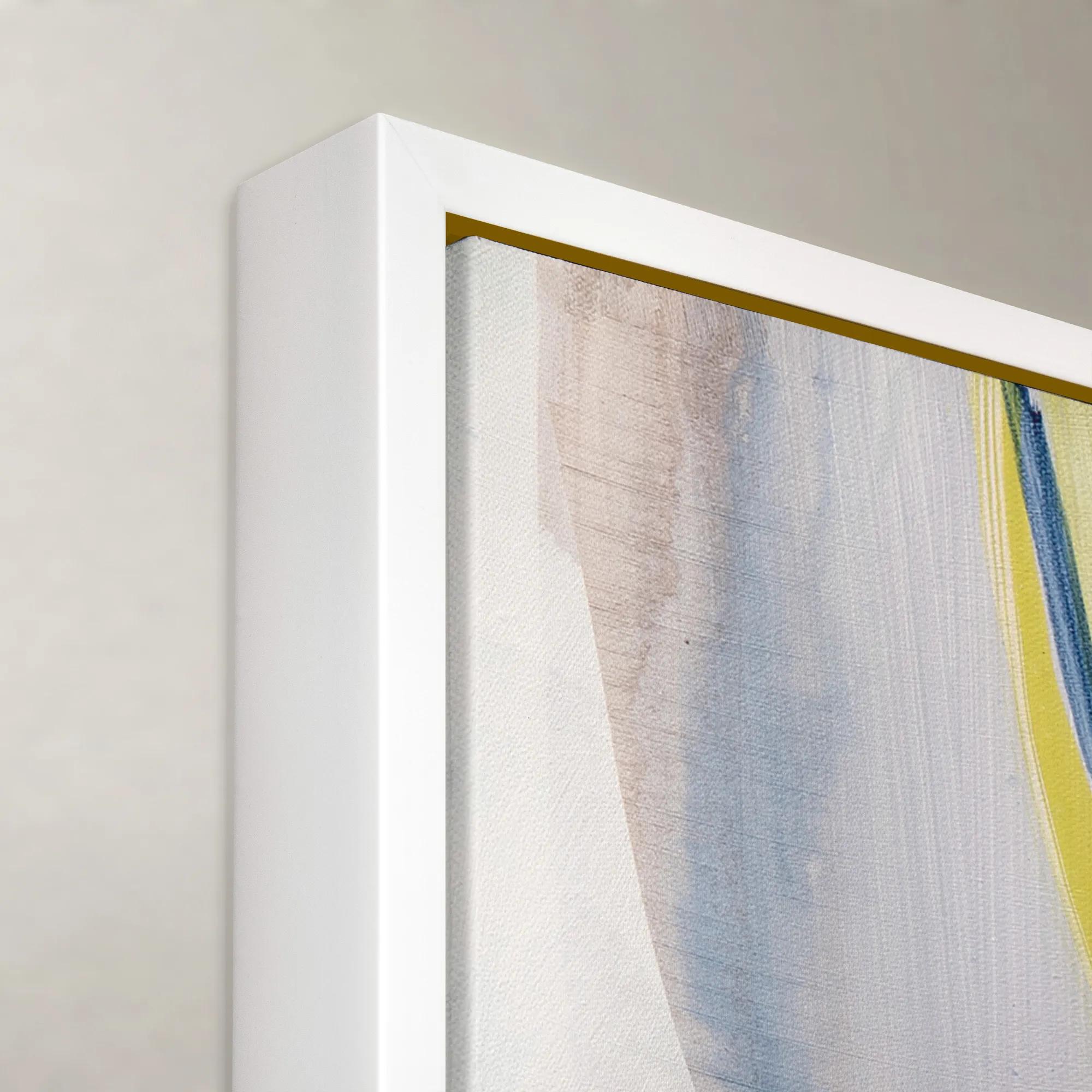 Dreams Take Flight Framed Wall Art 60" x 47"$1299
A vibrant multicolored framed canvas artwork adding expressive, contemporary style to any wall.
Add To Cart -

 Blooming in Her Own Time Framed Wall Art 40" x 50"$1029
A vibrant multicolored canvas wall artwork featuring an expressive botanical-inspired design in a framed presentation.
Add To Cart

Large Wall Art Frames
Large Wall Art Frames transform blank walls into breathtaking galleries, inviting artistry and grandeur into every corner of your home. With striking scale and impeccable craftsmanship, these frames command attention, amplifying the impact of your favorite pieces while creating a sense of drama that lingers long after you leave the room. Whether you’re curating a single bold masterpiece or orchestrating a symphony of expressive prints, Large Wall Art Frames elevate your space with sculptural presence and refined allure. Let your walls become the ultimate canvas for self-expression, where every detail is a celebration of style and sophistication.
Large wall art frames give artwork an architectural presence, defining its edges and drawing the eye toward color, movement, and detail. Common large frame sizes include 24 by 36 inches, 30 by 40 inches, and 36 by 48 inches, while panoramic formats extend the composition across a wider stretch of wall. These measurements often describe the artwork size a frame accepts rather than its overall exterior dimensions; a substantial molding or generous mat can make the finished piece considerably larger. That distinction matters when imagining a sweeping abstract above a sofa, a dramatic photograph behind a dining table, or a richly textured canvas at the end of an entryway. A frame does more than surround the image. It establishes the relationship between the art and the room, lending crisp definition to fluid brushwork or adding warmth to a graphic composition. Slender profiles allow the artwork to dominate, while broad, sculptural moldings make the border part of the visual statement. For art displayed above furniture, an overall framed width of roughly two-thirds to three-quarters of the furniture’s width often creates a balanced composition, although the room’s proportions and surrounding objects should shape the final choice. A single oversized piece can give a living room a confident focal point; two complementary framed works can bring measured rhythm to a long wall. In a dining room, large framed wall art adds depth without occupying floor space, leaving the table and seating to carry their own silhouettes. Bedrooms welcome expansive compositions that feel expressive without overwhelming the bed, while home offices benefit from artwork with enough scale to hold its own against shelving or substantial desks. The most compelling arrangement leaves space around the frame so its outline remains distinct. Against a richly colored wall, that border becomes especially important, separating the artwork from its backdrop and giving even subtle tonal passages a deliberate, gallery-like presence.
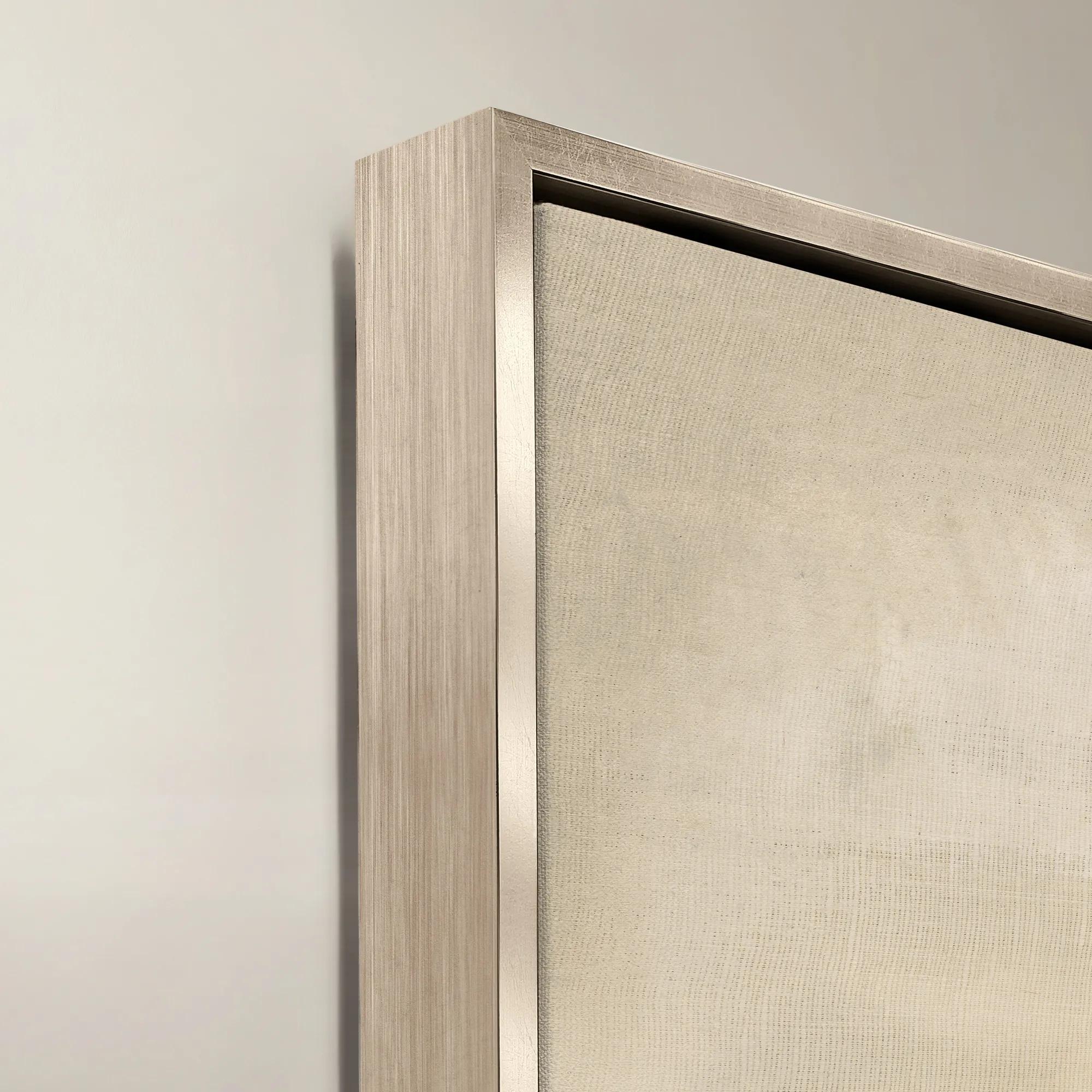
Material and finish determine how that presence feels. Solid wood frames introduce natural grain, depth, and warmth, with durability influenced by construction, finish, and the conditions of the room. Engineered wood can offer a smooth, consistent surface beneath painted or decorative finishes, while aluminum brings a slender, precise line that complements photography, geometric compositions, and contemporary interiors. Metal is not automatically lighter than every wood alternative; the complete weight depends on frame dimensions, molding depth, glazing, and backing. A matte black border lends definition without competing with vivid artwork, and a pale finish can create an airy separation between an image and a saturated wall. Gold-toned finishes offer a different kind of drama, catching light along the edges and connecting the artwork to metallic accents elsewhere in the space. For a composition with a luminous perimeter, large gold frame wall art pieces bring the frame into the decorative conversation, particularly alongside sculptural lighting, polished accessories, or furniture with gleaming details. The frame’s construction should also suit what it holds. Canvas floater frames surround a stretched canvas with a narrow visible gap, creating the illusion that the painting rests within the border without covering its edges. Their depth needs to accommodate the canvas stretcher, not simply its height and width. Paper prints, photographs, and works on paper generally benefit from protective glazing and suitable backing; a mat or spacer can keep the image from touching the glazing. Glass offers clarity but adds weight and can break, while acrylic is typically lighter and more impact-resistant, making it a practical consideration for oversized displays. Acrylic can scratch more easily, so its care requirements deserve attention. Where preservation matters, acid-free matting, appropriate archival backing, and glazing with documented UV-filtering properties can help reduce certain risks, though no frame makes artwork immune to fading or environmental damage. These details give a beautiful presentation substance, protecting the composition while preserving the visual effect that made it compelling.
Fit is equally important whether the frame will hold a treasured photograph, a collected print, or a canvas chosen for its commanding scale. The artwork’s dimensions, thickness, and mounting requirements determine compatibility, and the frame’s outer measurements determine how comfortably it occupies the wall. A generous mat can transform a smaller image into a substantial framed composition, surrounding delicate linework or photography with a quiet expanse that feels intentional rather than empty. For artwork with expressive texture or painted edges, a floater profile may preserve details that a conventional overlapping frame would conceal. Finished framed art offers a coordinated presentation, while a separate frame gives an existing piece a new visual identity; either approach benefits from careful attention to weight and hanging hardware. Oversized frames should be secured with hardware rated for the complete assembly and appropriate to the wall material. Heavy pieces may require attachment to studs or professional installation, especially above seating, beds, or other frequently occupied areas. An arrangement that looks effortless depends on that unseen support. In an open area, positioning the artwork’s center near eye level often feels comfortable, while placement above furniture should relate to the furniture rather than follow a fixed height. A modest gap between the top of a console and the bottom of the frame helps the two read as one composition. Everyday care is straightforward but material-specific: follow the manufacturer’s instructions, remove dust gently, and avoid abrasive cleaners or spraying liquid directly onto the frame or glazing. Acrylic requires products and cloths intended for its surface. Direct sunlight, persistent humidity, and proximity to heat sources can affect both artwork and framing materials, making dry interior spaces with controlled light a more suitable setting. Large frames also make thoughtful housewarming or wedding gifts when the recipient’s wall space and aesthetic are familiar, particularly when paired with a meaningful photograph or print. Whether selected for a personal collection or a shared home, the right frame gives the artwork room to speak—and gives the room a distinctly expressive point of view.
FAQs
Large wall art frames act as powerful anchors in a room, allowing you to establish a visual focal point that unifies your decor. Choose frames that echo the finishes or textures found elsewhere in your space—such as metallic accents, rich woods, or high-gloss finishes—to create harmony. Pairing oversized frames with complementary accessories, like sculptural vases or statement lighting, ensures a curated, gallery-inspired atmosphere throughout your home.
Absolutely. Large wall art frames, especially those with reflective or metallic finishes, can help bounce available light around the room, brightening even the most shadowed corners. Opt for frames in lighter tones or with gilded edges to enhance luminosity and make the artwork stand out, transforming dim areas into luminous, inviting spaces.
Oversized frames are versatile and can elevate everything from bold abstracts to serene landscapes or striking black-and-white photography. For maximum impact, choose artwork with strong visual elements—vivid colors, dynamic shapes, or captivating textures—that can hold their own within the grand scale of the frame. The interplay between the art and its frame creates a moment of drama and sophistication.
Large wall art frames make exceptional gifts for milestones such as anniversaries, housewarmings, or significant birthdays. They offer a thoughtful way to celebrate someone’s unique style and encourage self-expression in their home. Presenting a loved one with a beautifully crafted frame is a gesture that inspires creativity and becomes a cherished part of their living space.
Incorporating oversized wall frames into a gallery wall adds visual intrigue and anchors your arrangement. Use a large frame as the centerpiece, then build around it with smaller frames in varying finishes and shapes. This layered approach creates depth and drama, allowing your wall to tell a compelling story while maintaining a sense of balance and artistry.