Luxury Framed Wall Art
Luxury Framed Wall Art
-
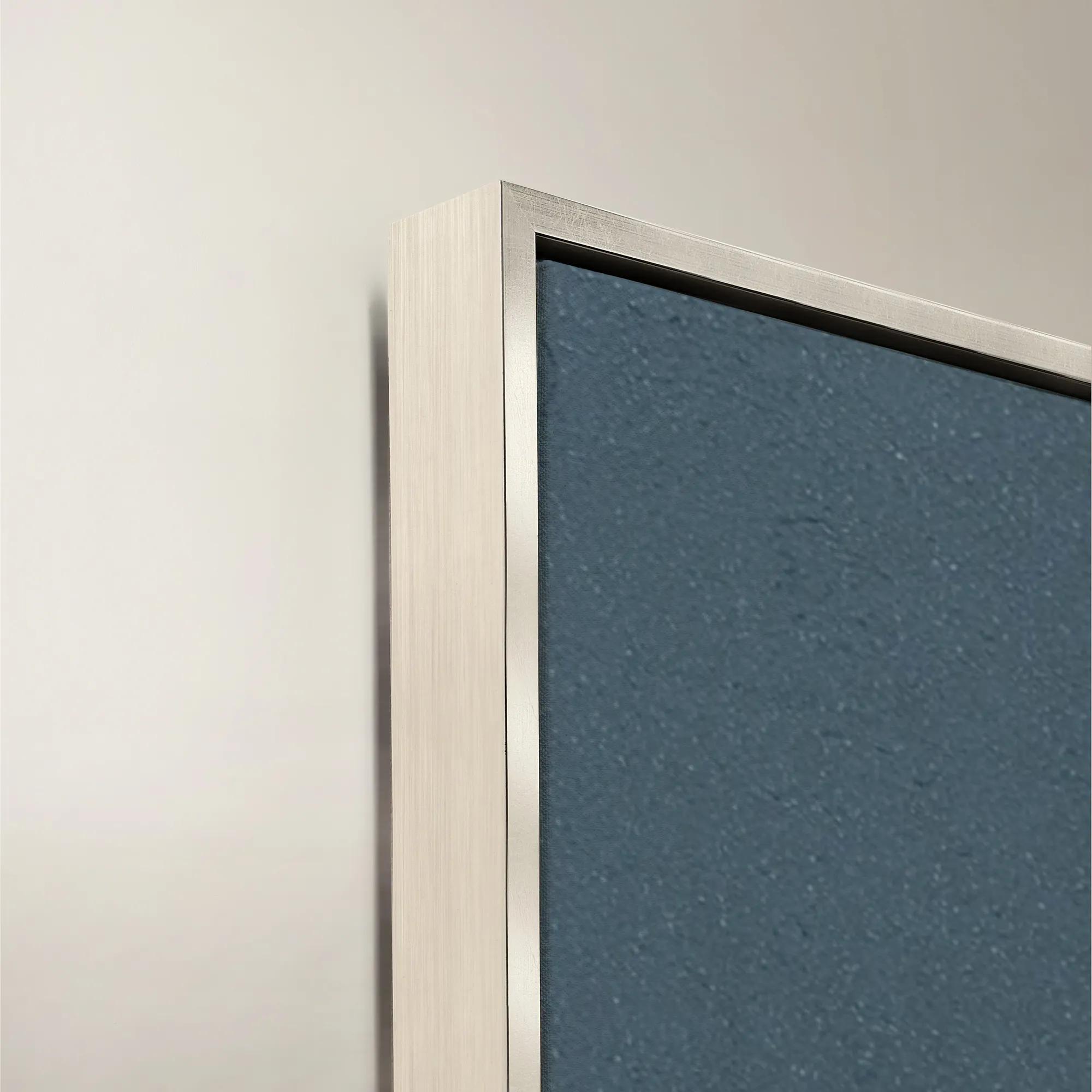 Gilded Waves IV Framed Painted Wall Art 40" x 53"$1399
A framed painted canvas artwork featuring flowing gilded waves in soothing blue and purple tones.
Add To Cart -
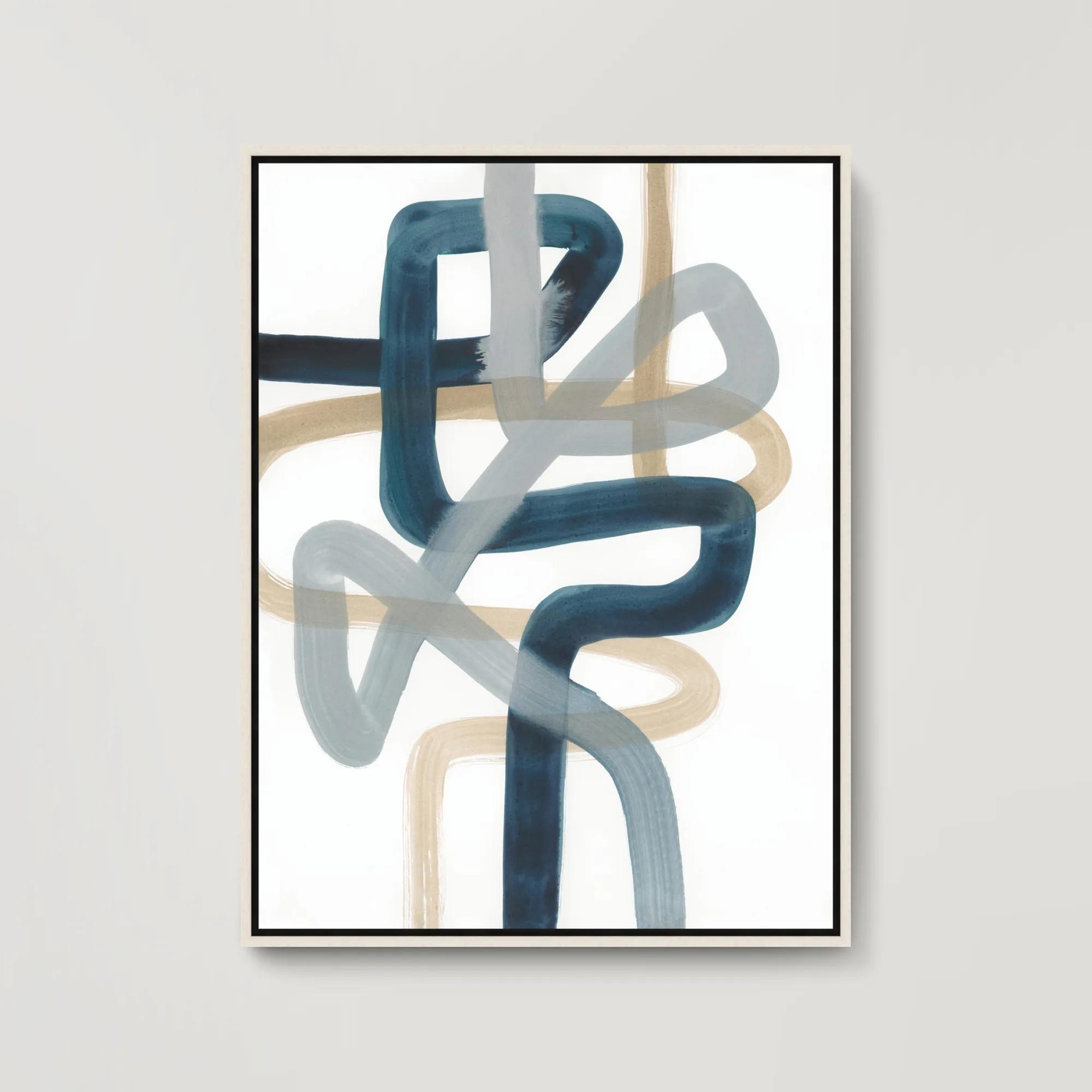
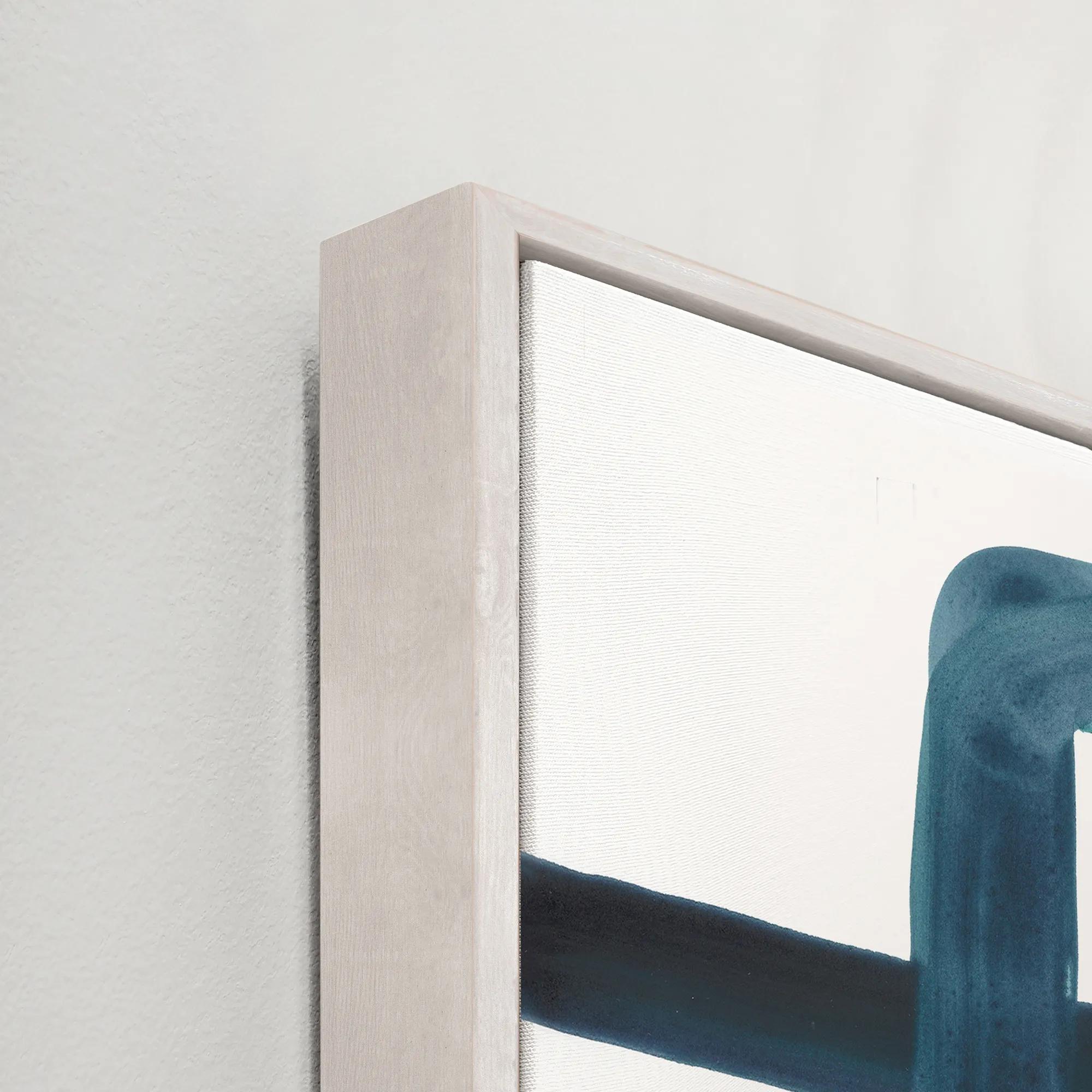 Looped In I Framed Wall Art 31.5" x 41.5"$699
A gallery-wrapped abstract canvas featuring hand-applied brush gel and a sleek white floater frame.
Add To Cart -
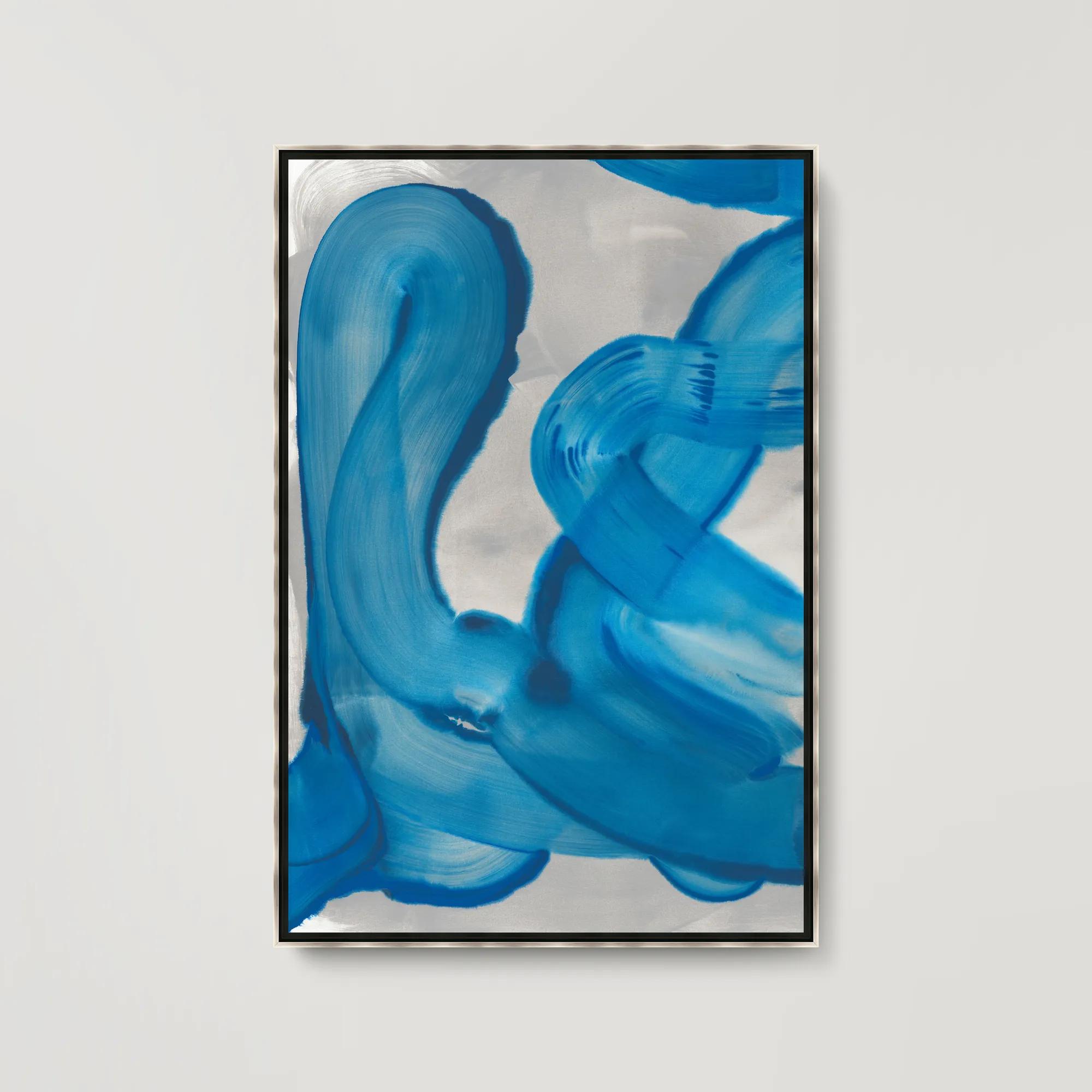 Royal Waves I Framed Wall Art 31.5" x 46.5"$699
A gallery-wrapped abstract canvas featuring hand-applied brush gel and set in a sleek silver floater frame.
Add To Cart -
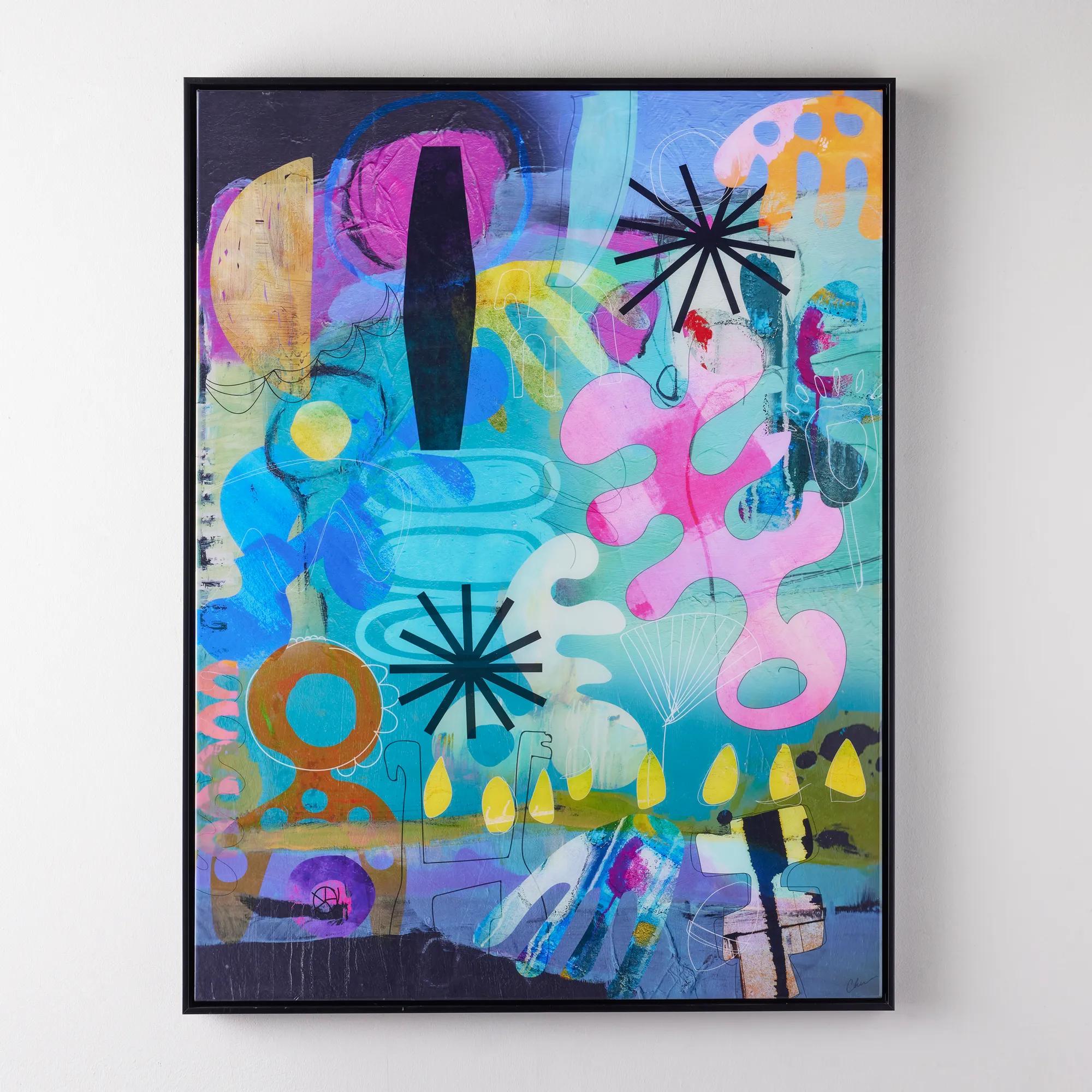
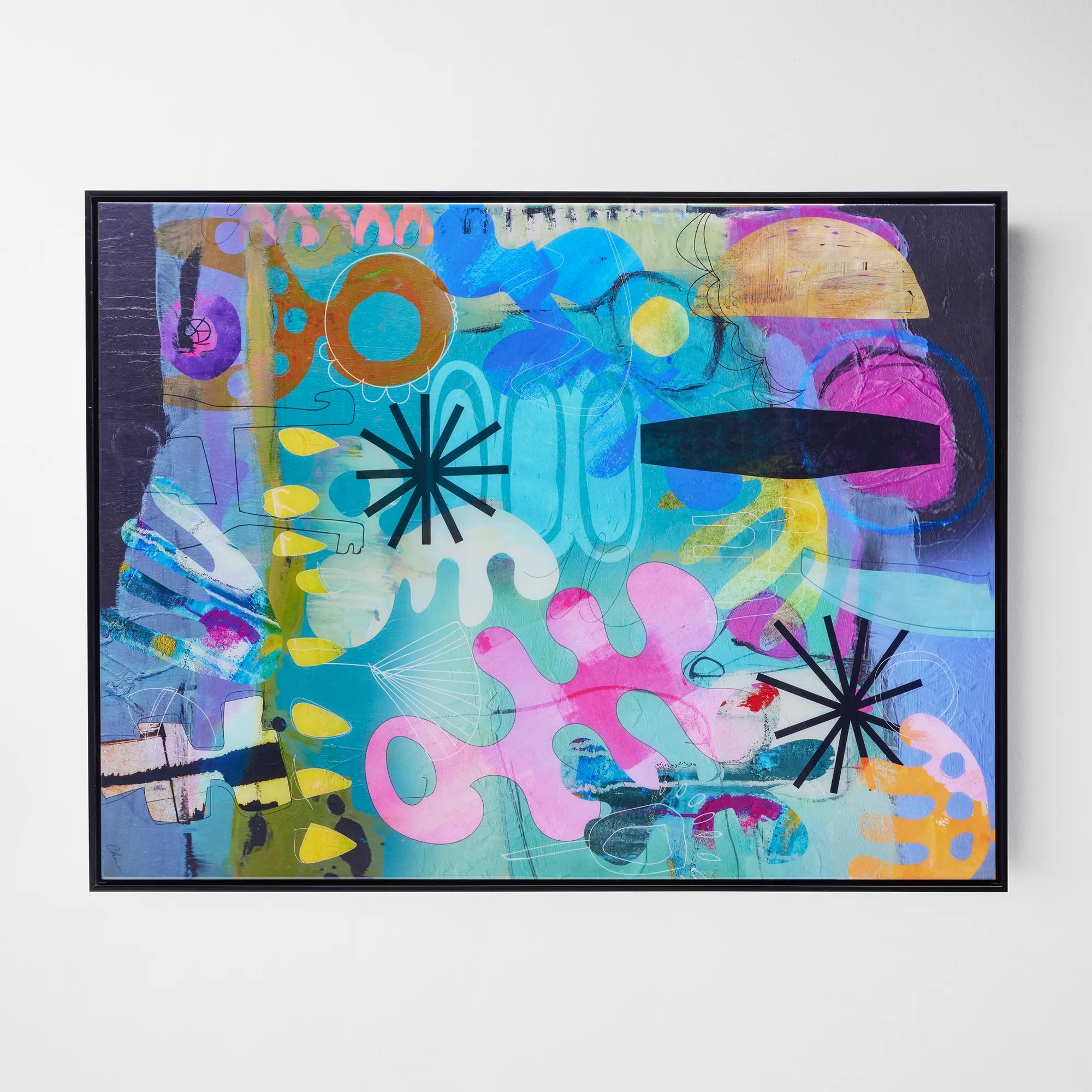 Nikki Chu Detailed Vision Framed Wall Art 54" x 41"$1099
A vibrant, high-gloss artwork with a black frame, designed to hang vertically or horizontally.
Add To Cart -

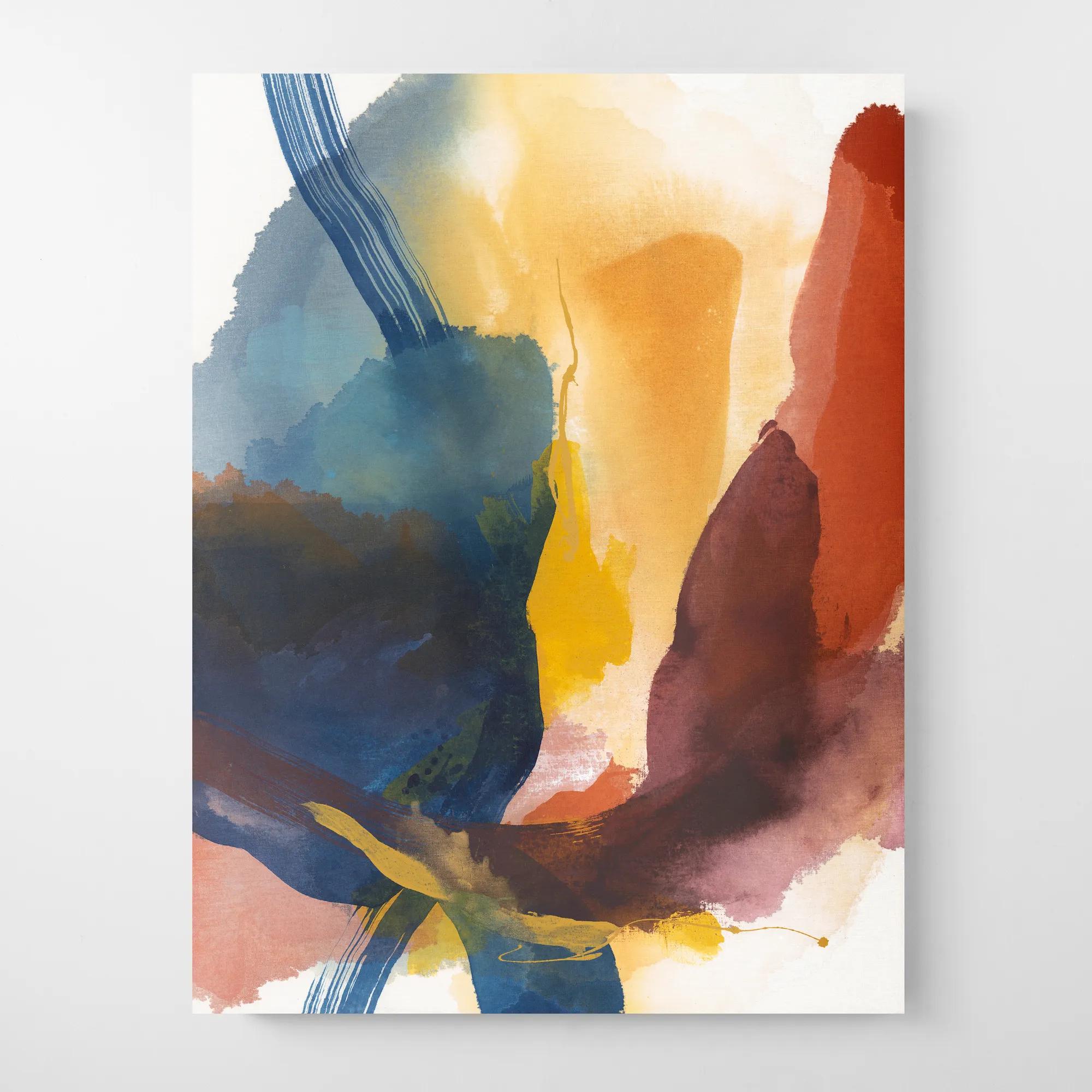
 Blooming in Her Own Time Framed Wall Art 40" x 50"$1029
A vibrant multicolored canvas wall artwork featuring an expressive botanical-inspired design in a framed presentation.
Add To Cart -
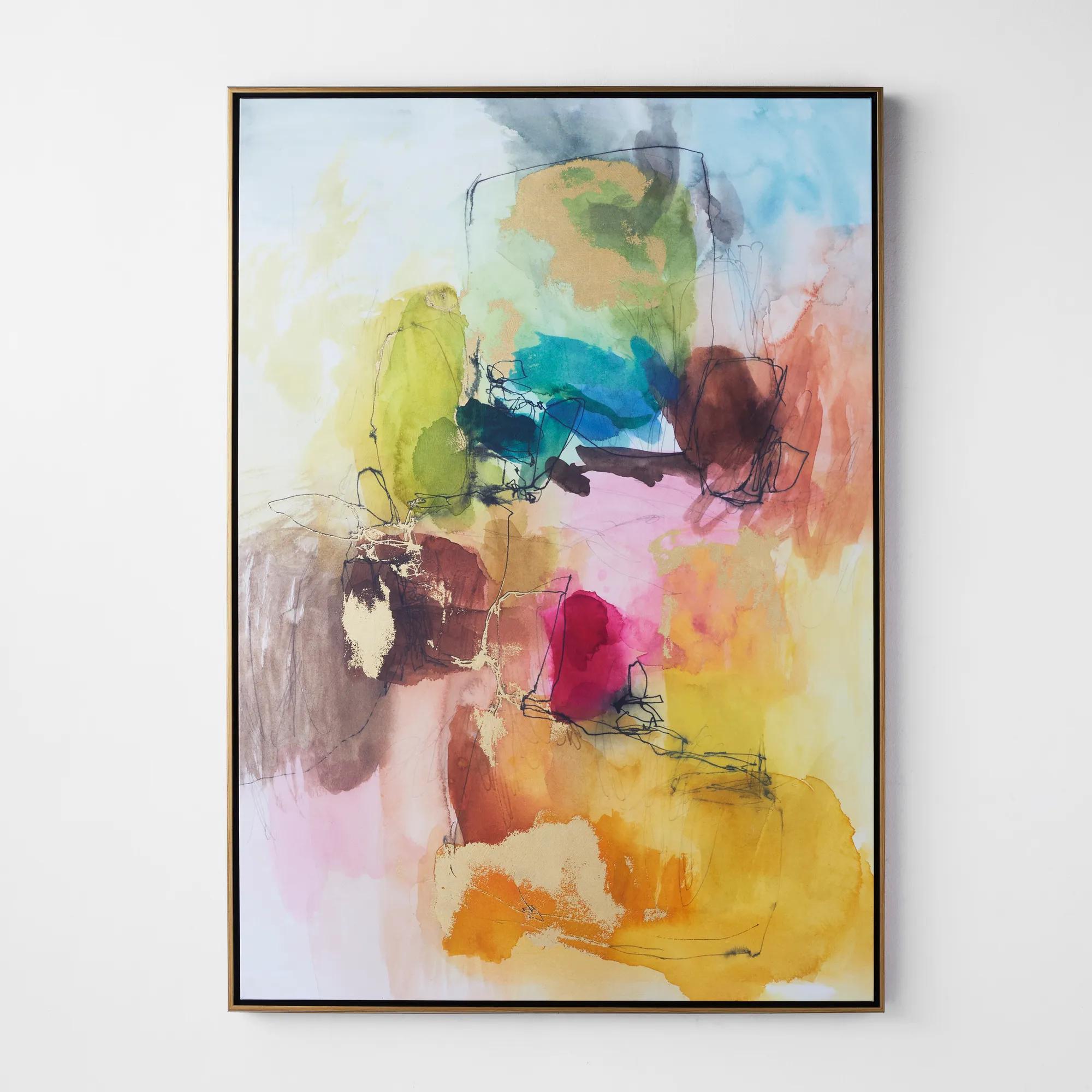 Apricity 3 Framed Wall Art 41" x 58"$899
A vibrant giclee on canvas featuring hand-applied gold gilding and a gold floater frame.
Add To Cart -
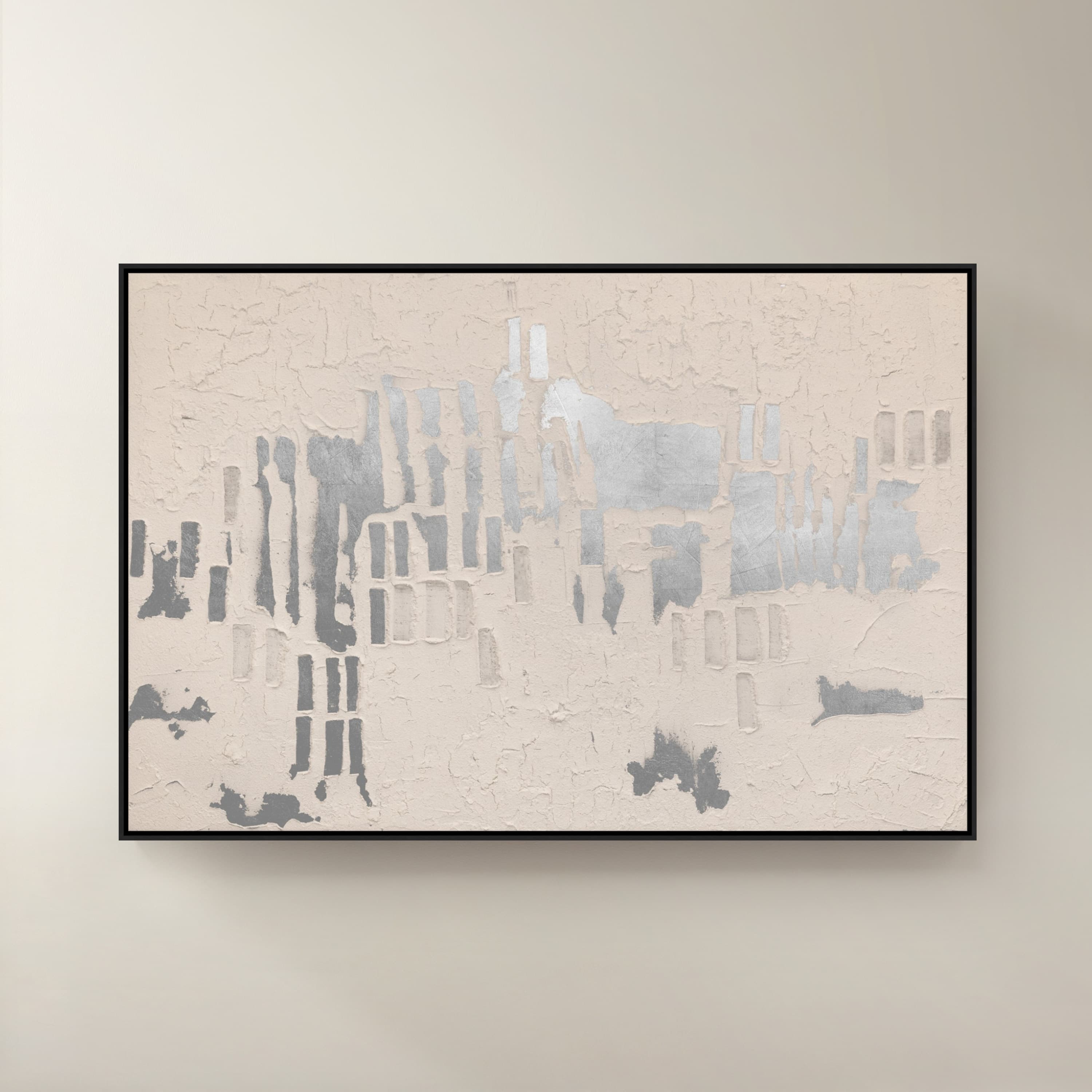
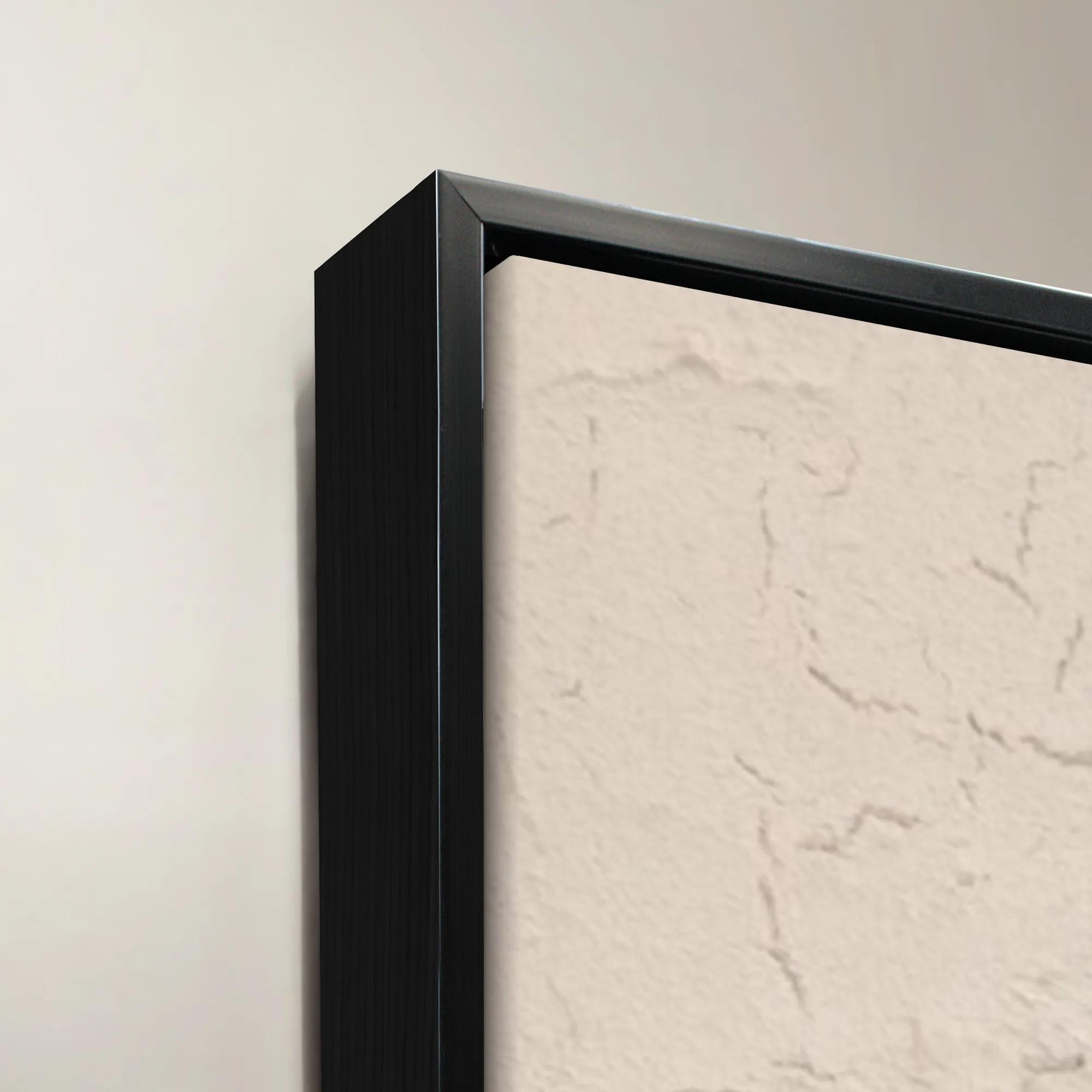 Silver Reverie Framed Painted Wall Art 60" x 40"$1699
A silver-toned painted canvas artwork framed for a sophisticated, contemporary wall display.
Add To Cart -
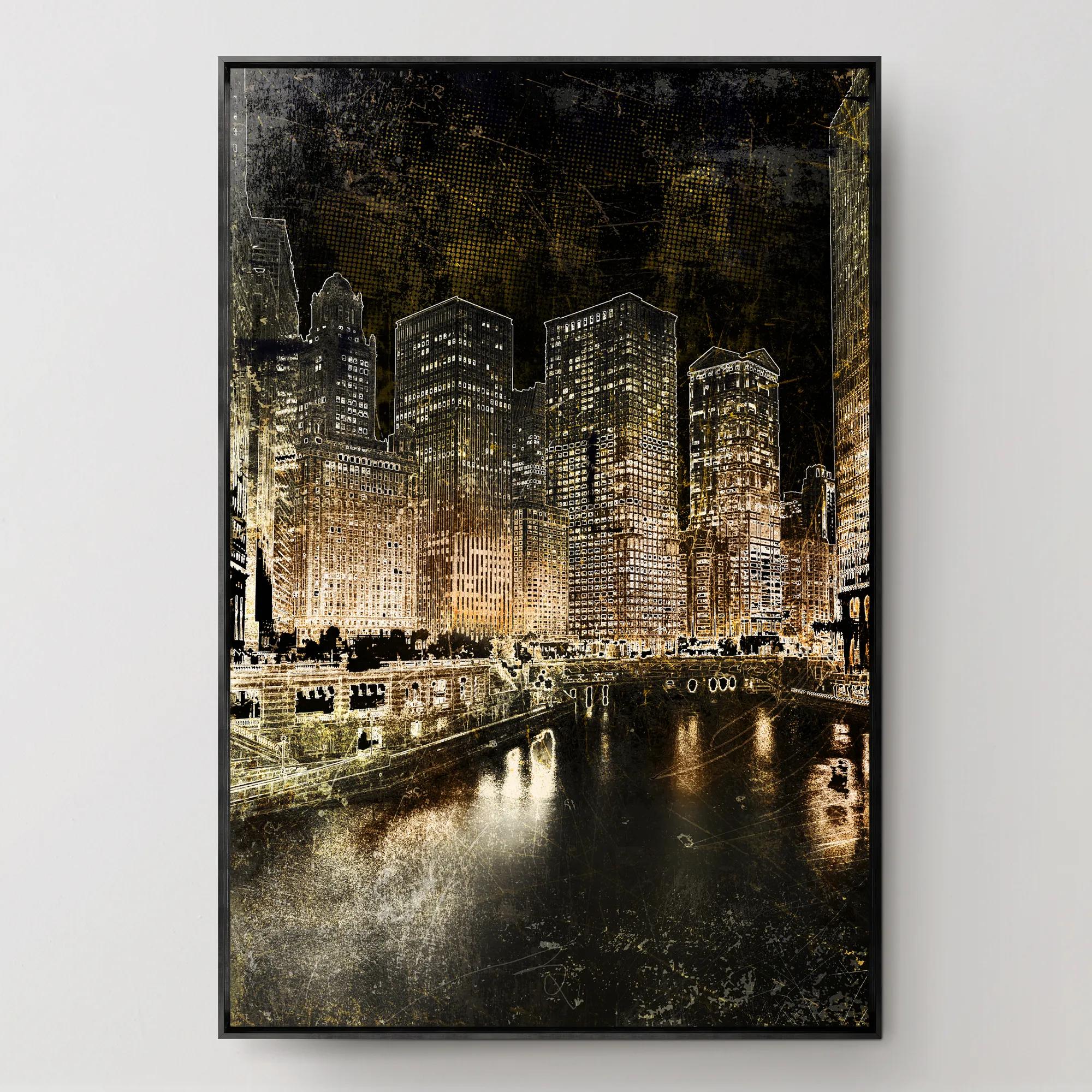
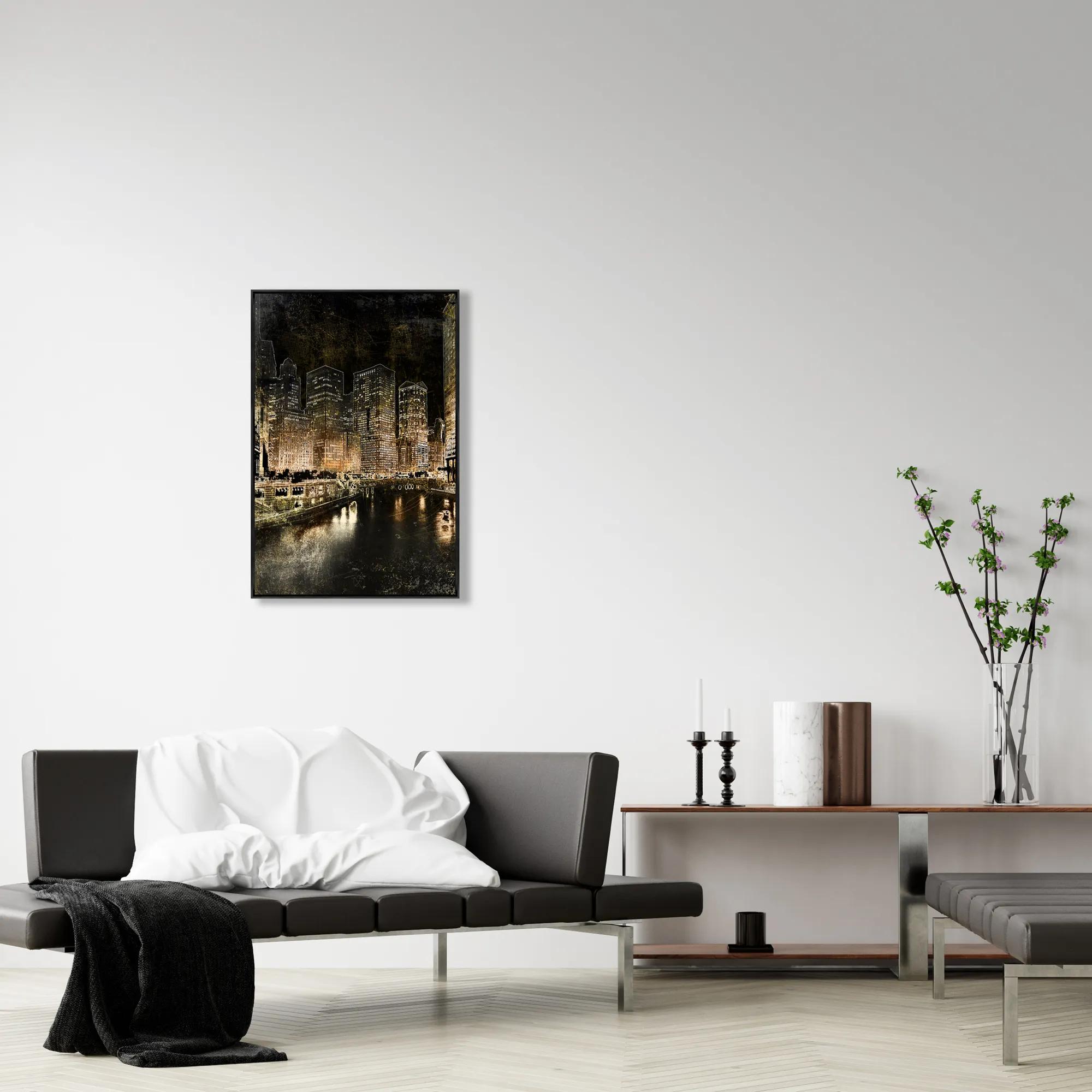 Chicago Lights Framed Wall Art 30" x 45"$649
A gallery-wrapped canvas artwork featuring a hand-applied gel finish in a sleek black floater frame.
Add To Cart -
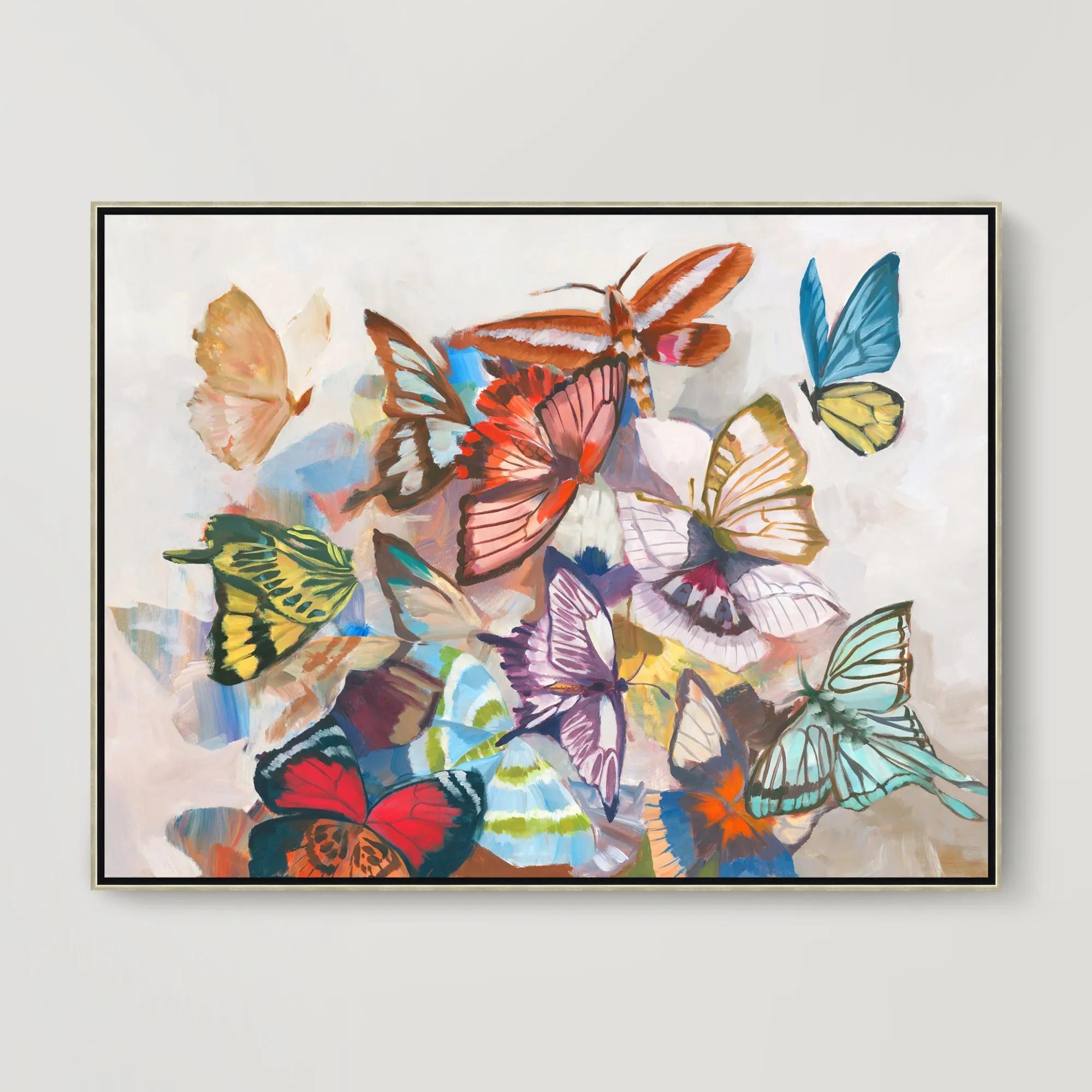 Sugar Wings Framed Wall Art 49.5" x 37.5"$799
A vibrant gallery-wrapped canvas artwork with hand-applied brush gel finish in a sleek silver floater frame.
Add To Cart -

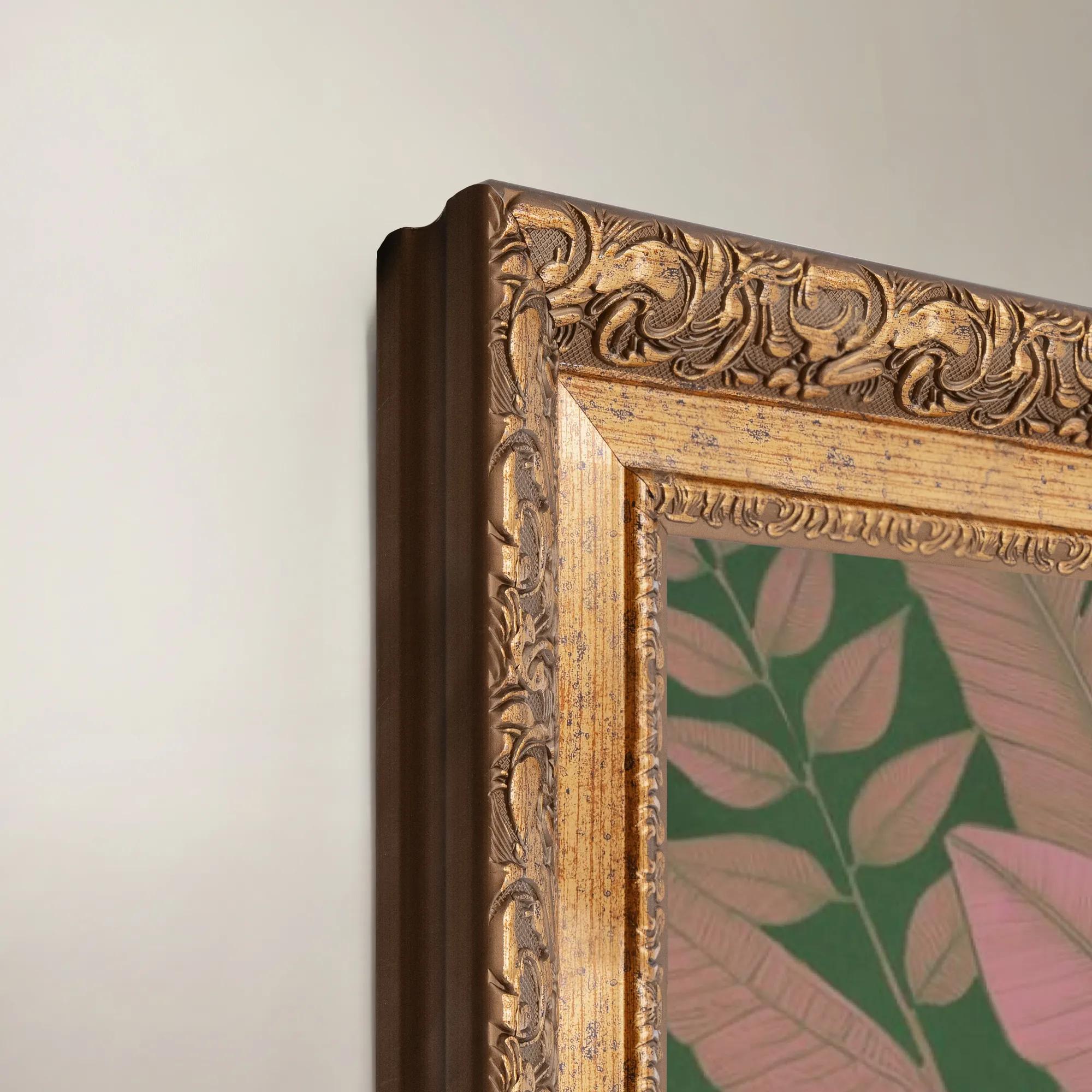 Floral Jungle I Framed Wall Art 30" x 40"$799
A gold-framed linen canvas artwork featuring vibrant pink and gold tones for a striking modern accent.
Add To Cart -
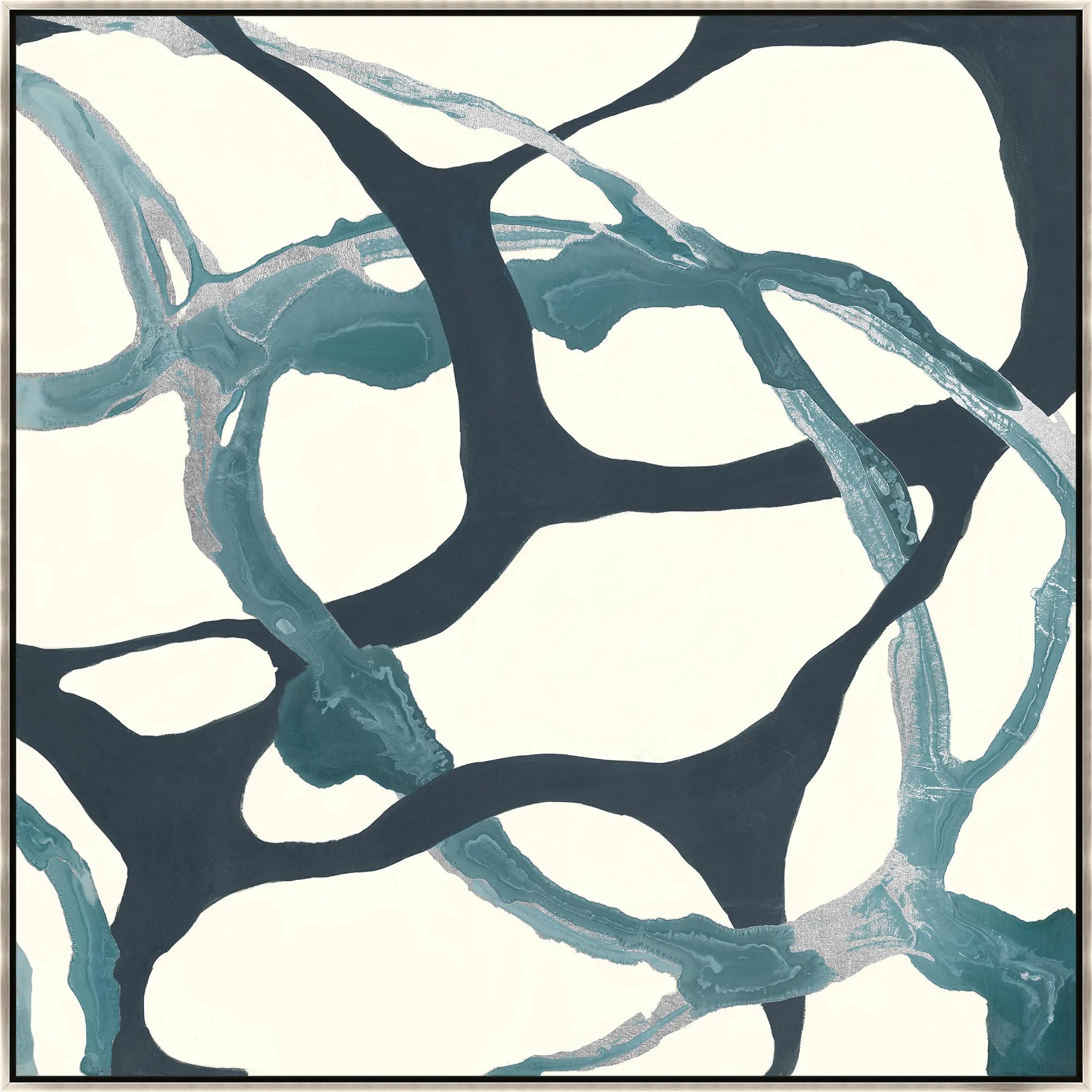
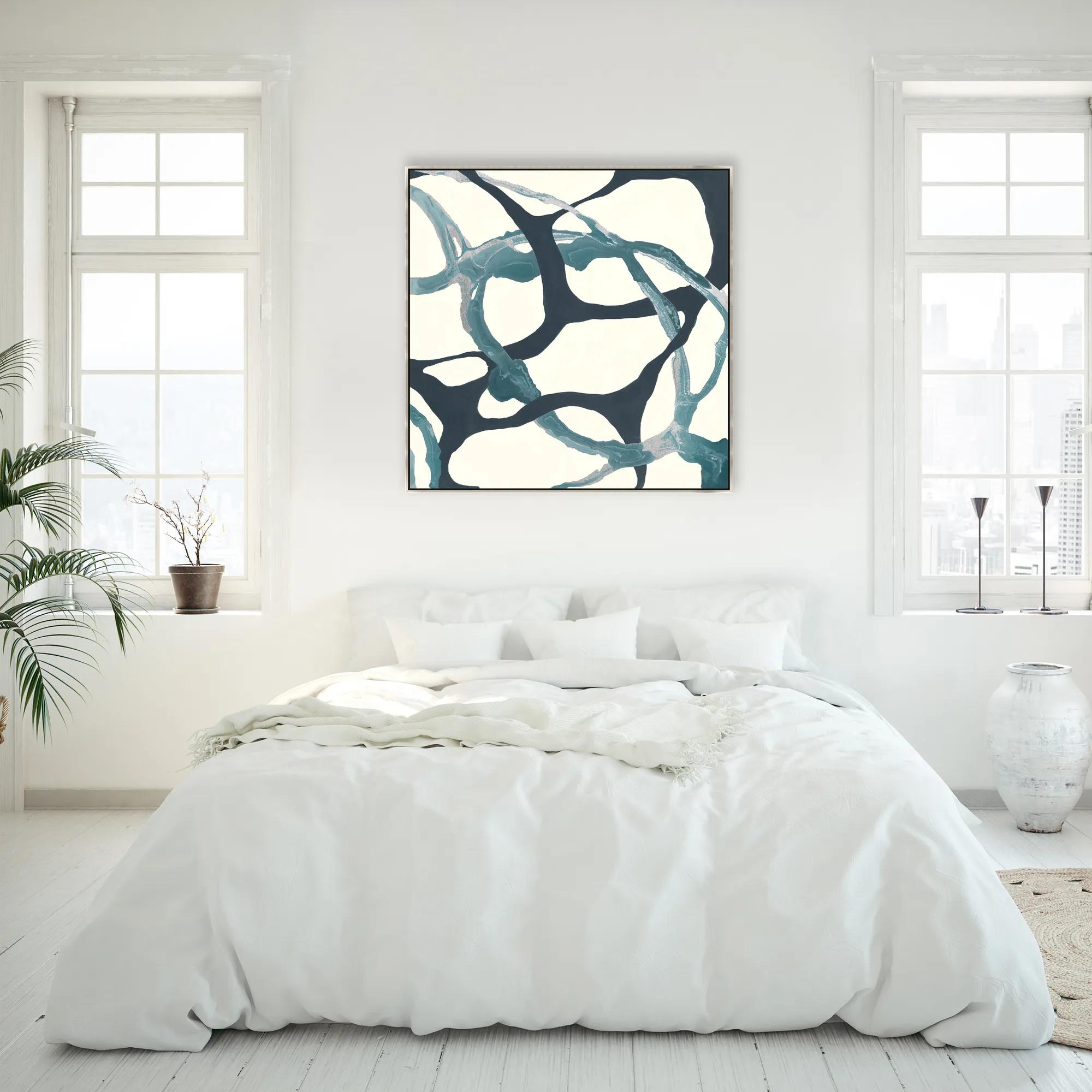 Alignments II Framed Wall Art 40" x 40"$899
A gallery-wrapped canvas featuring gilded silver accents and hand-applied brush gel in a silver floater frame.
Add To Cart -
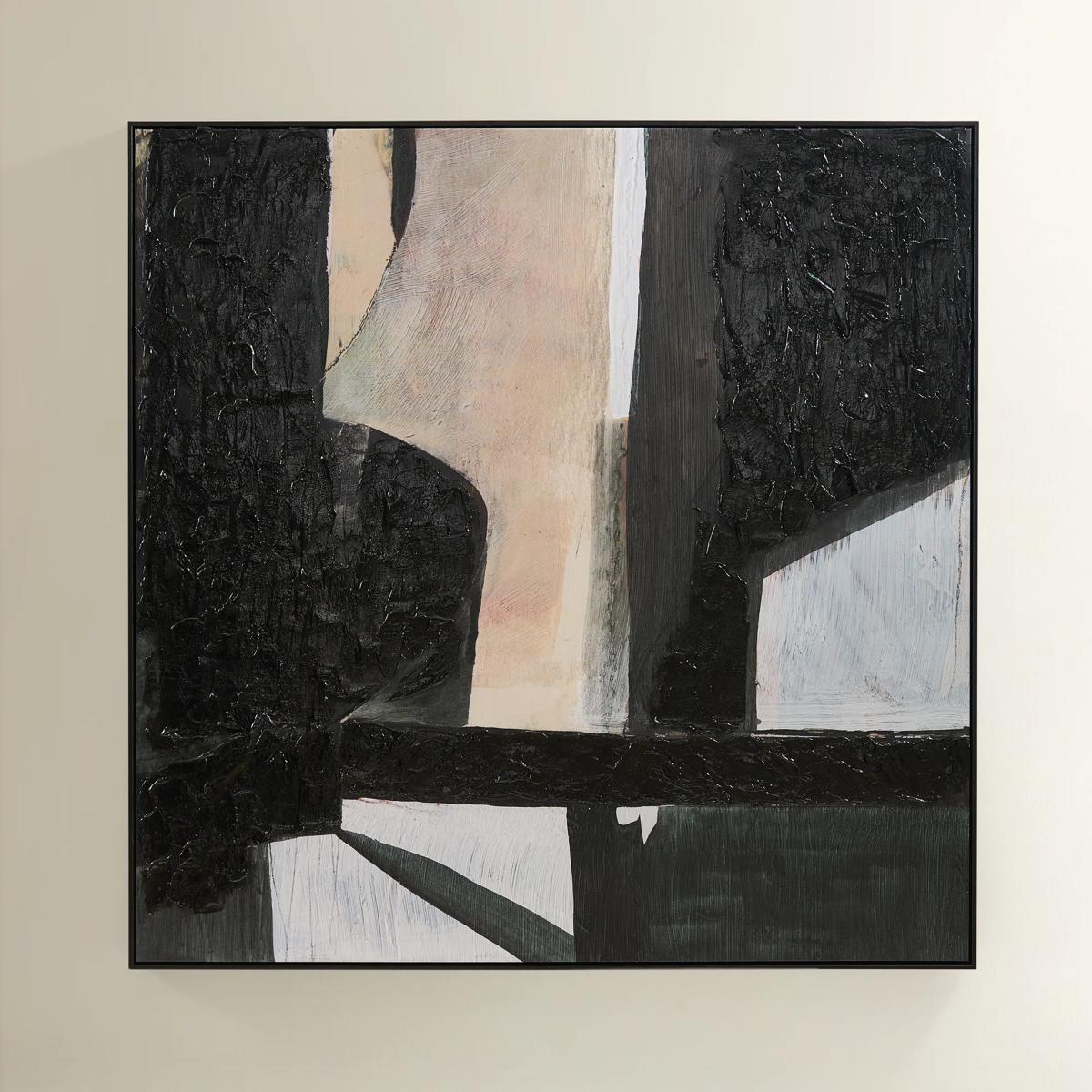
 Burning for You I Framed Wall Art 40" x 40"$799
A gallery-wrapped canvas artwork with hand-applied brush gel, set in a sleek black floater frame.
Add To Cart -

 Equine Duo Framed Wall Art 40" x 40"$699
A gallery-wrapped canvas featuring hand-applied brush gel and set in a natural floater frame.
Add To Cart -
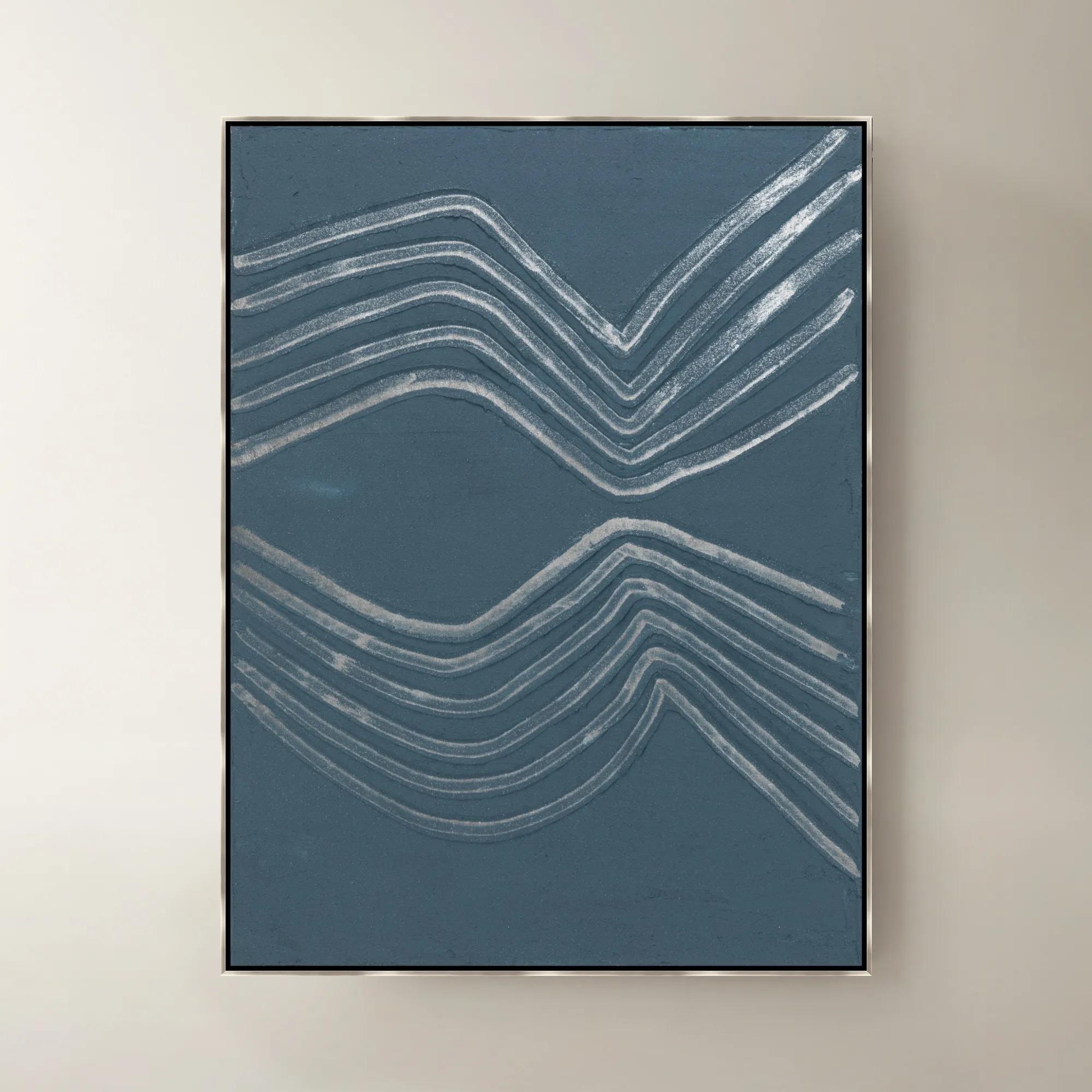
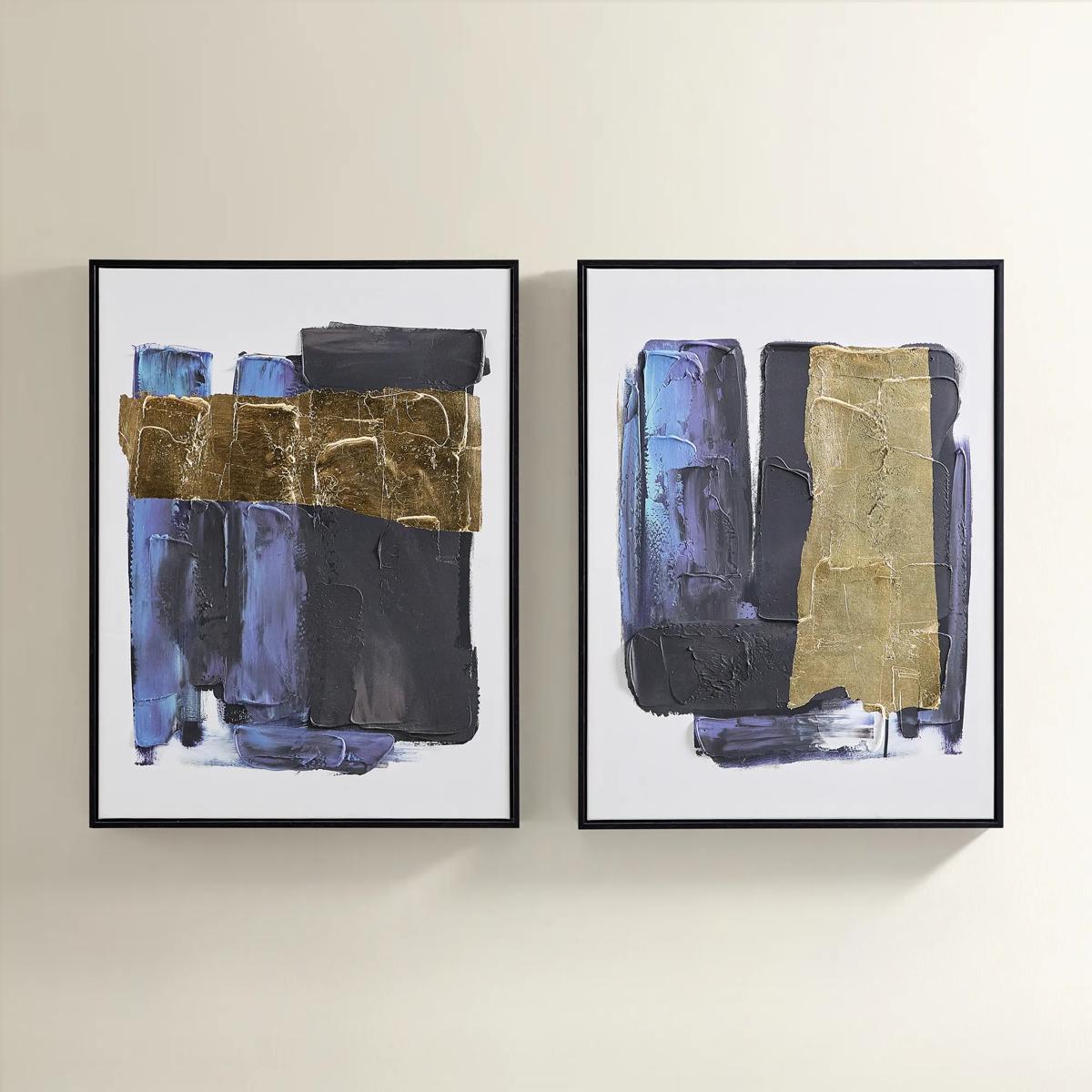
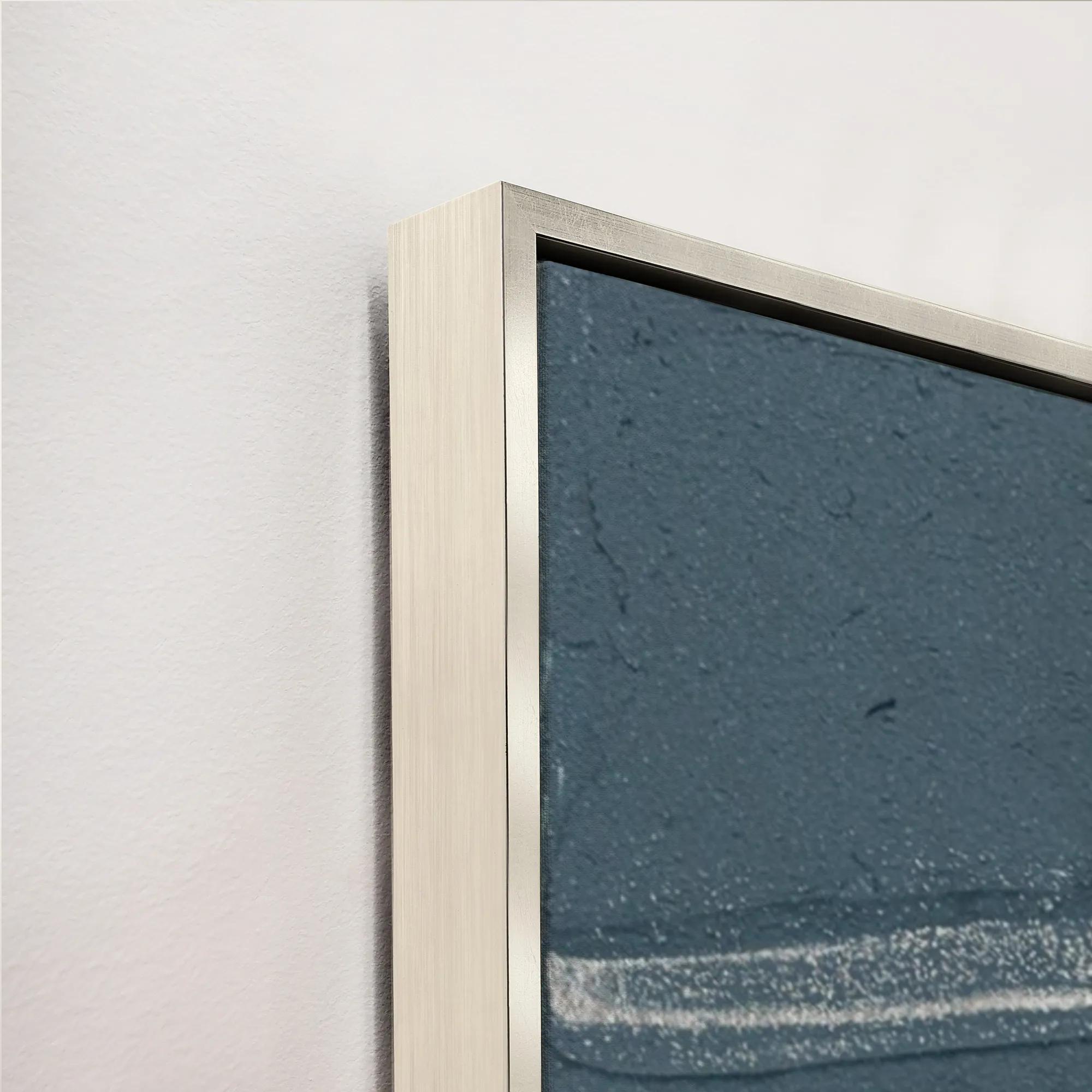 Gilded Waves VI Framed Painted Wall Art 40" x 53"$1399
A framed painted canvas artwork featuring sweeping gilded waves in rich blue and purple tones.
Add To Cart -
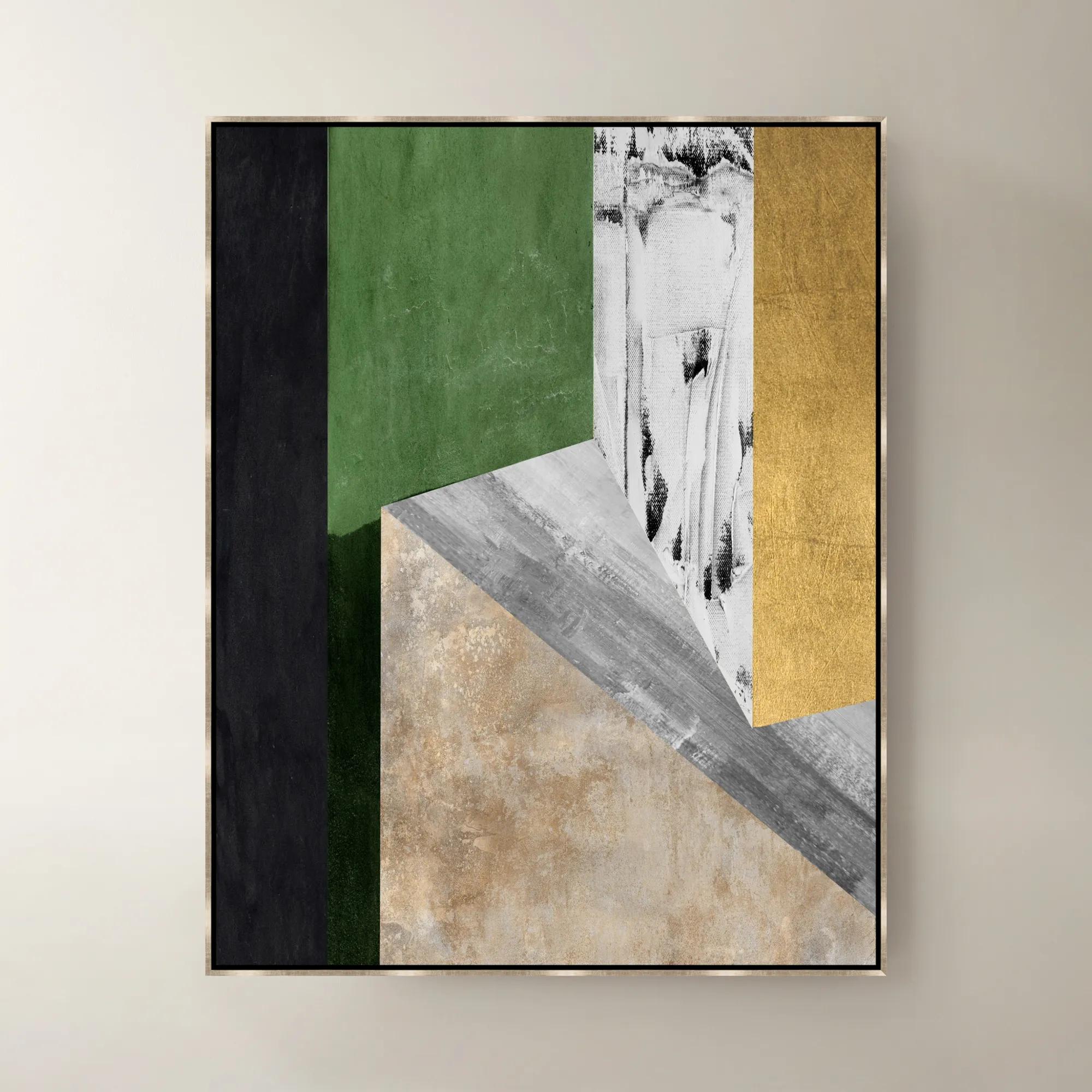
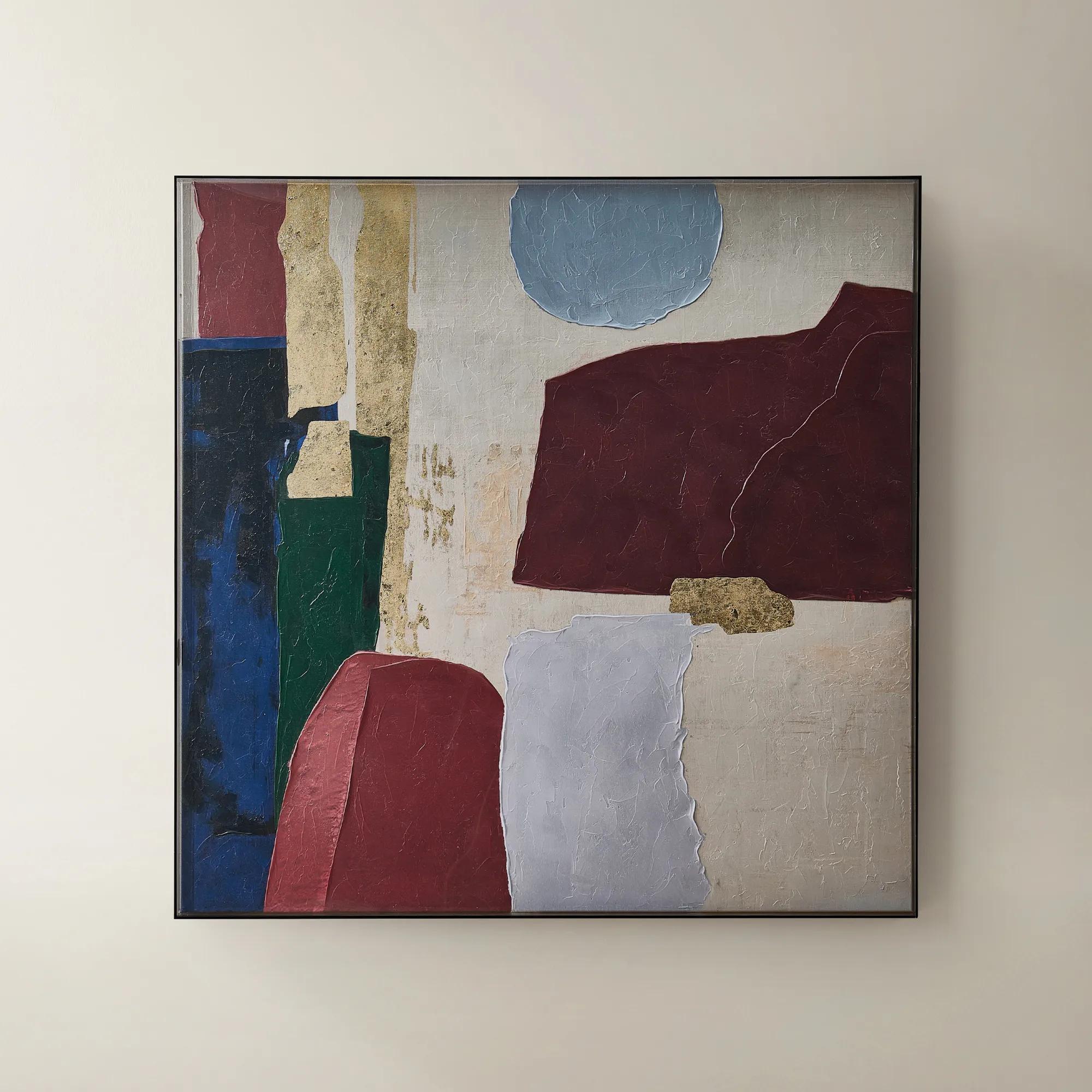
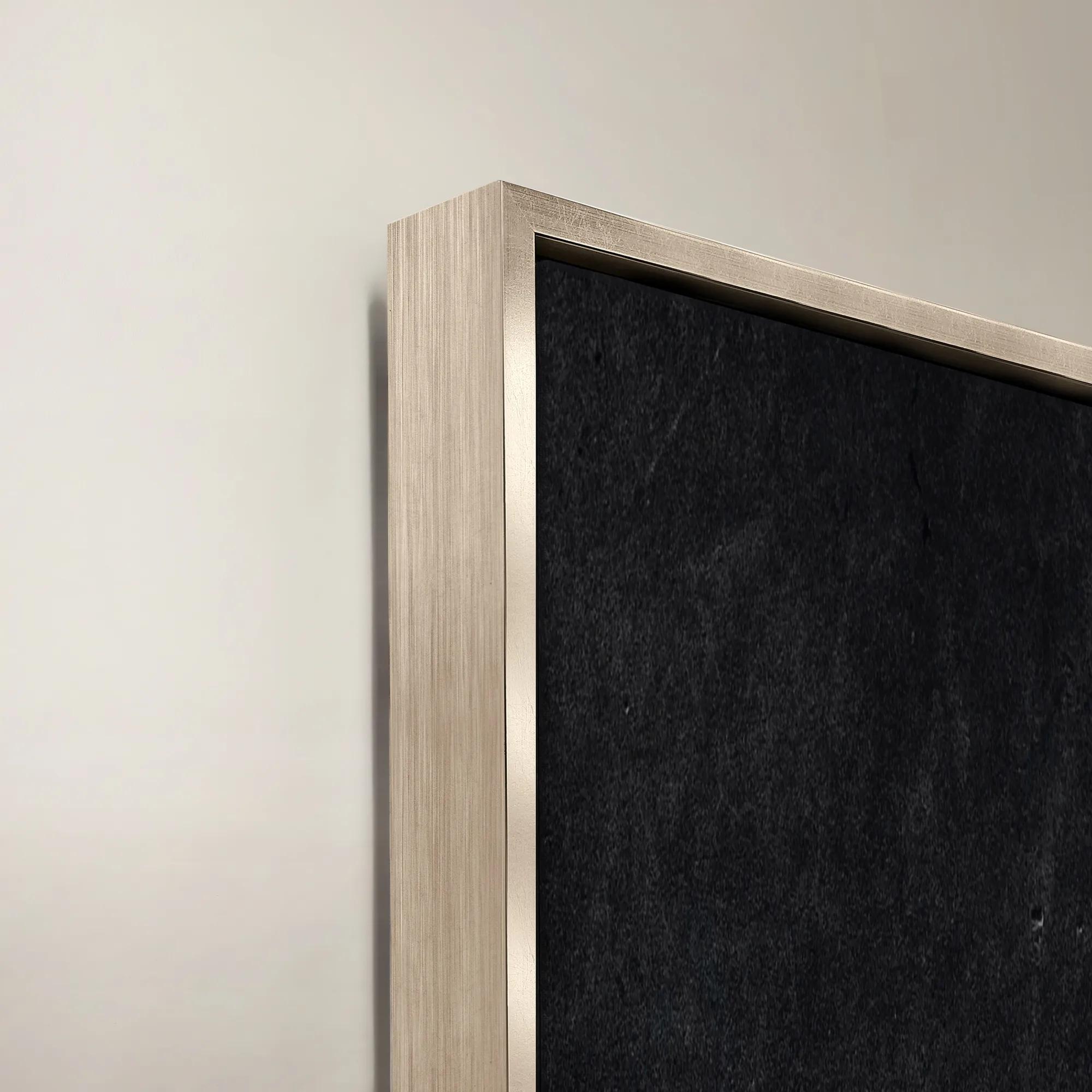 Blocked III Framed Wall Art 42" x 50"$1199
A striking abstract art piece featuring bold geometric shapes and modern design by Nikki Chu.
Add To Cart -
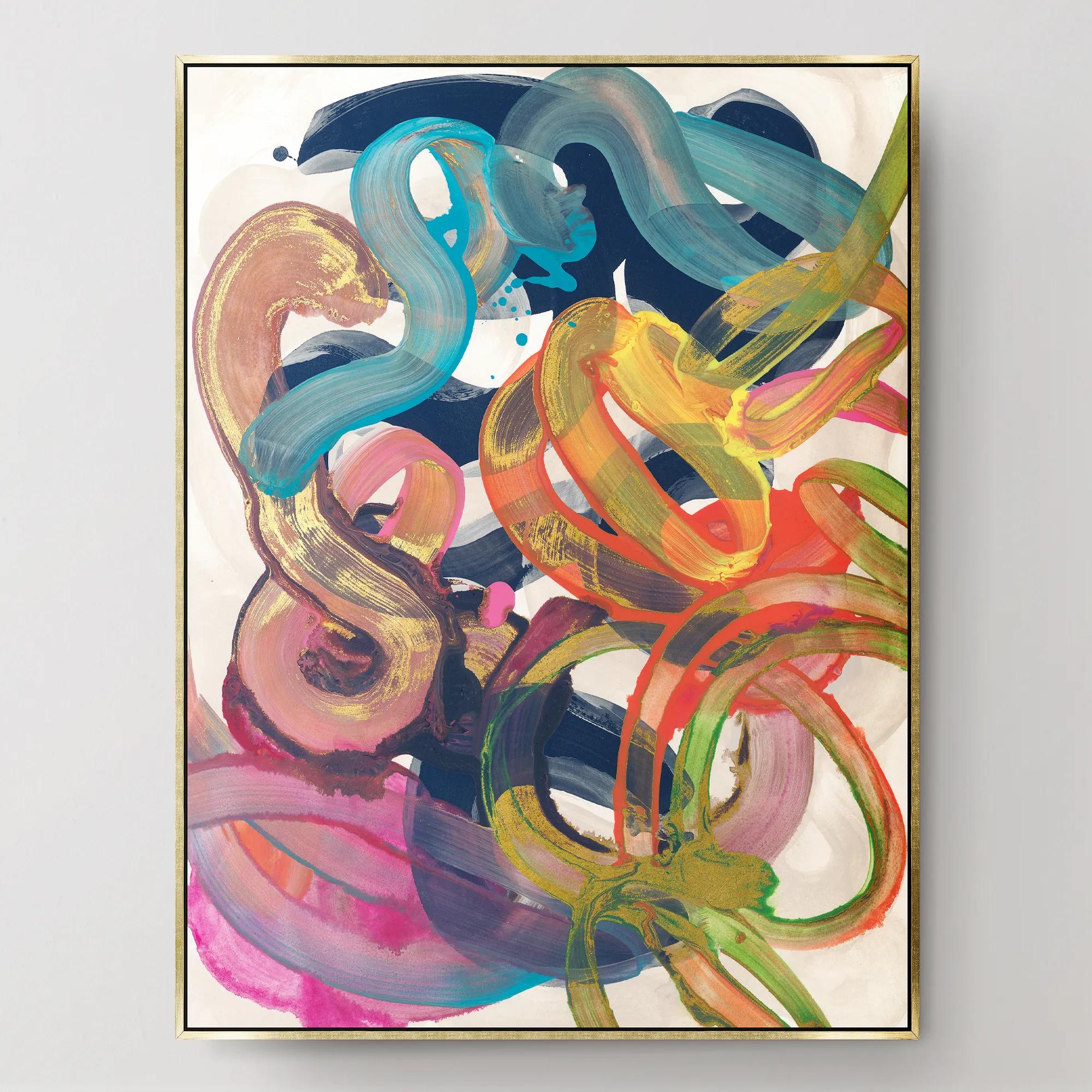
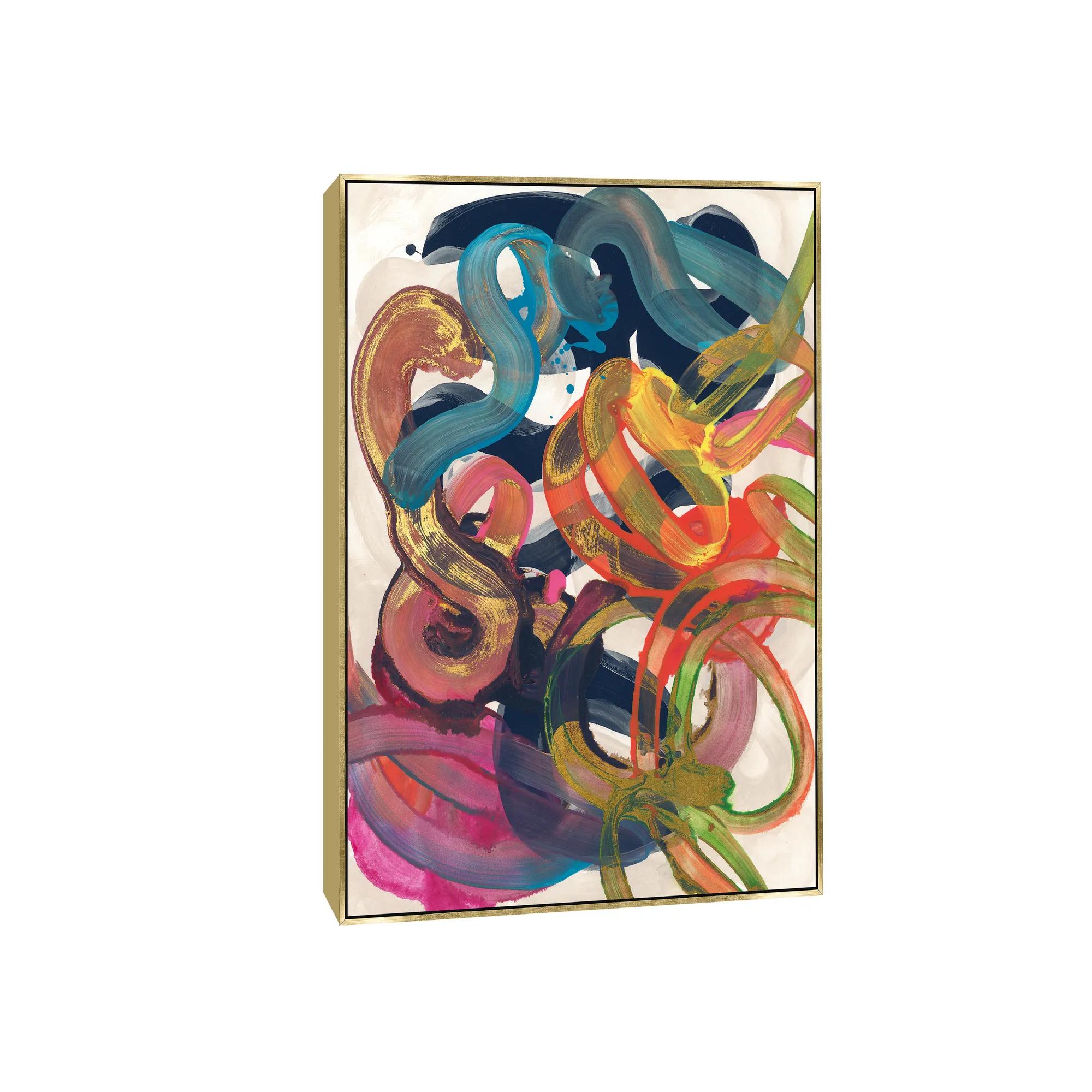 Illogical Conclusions Framed Wall Art 26" x 35"$499
A gallery-wrapped canvas artwork with a hand-applied gel finish, set in a gold float frame.
Add To Cart -
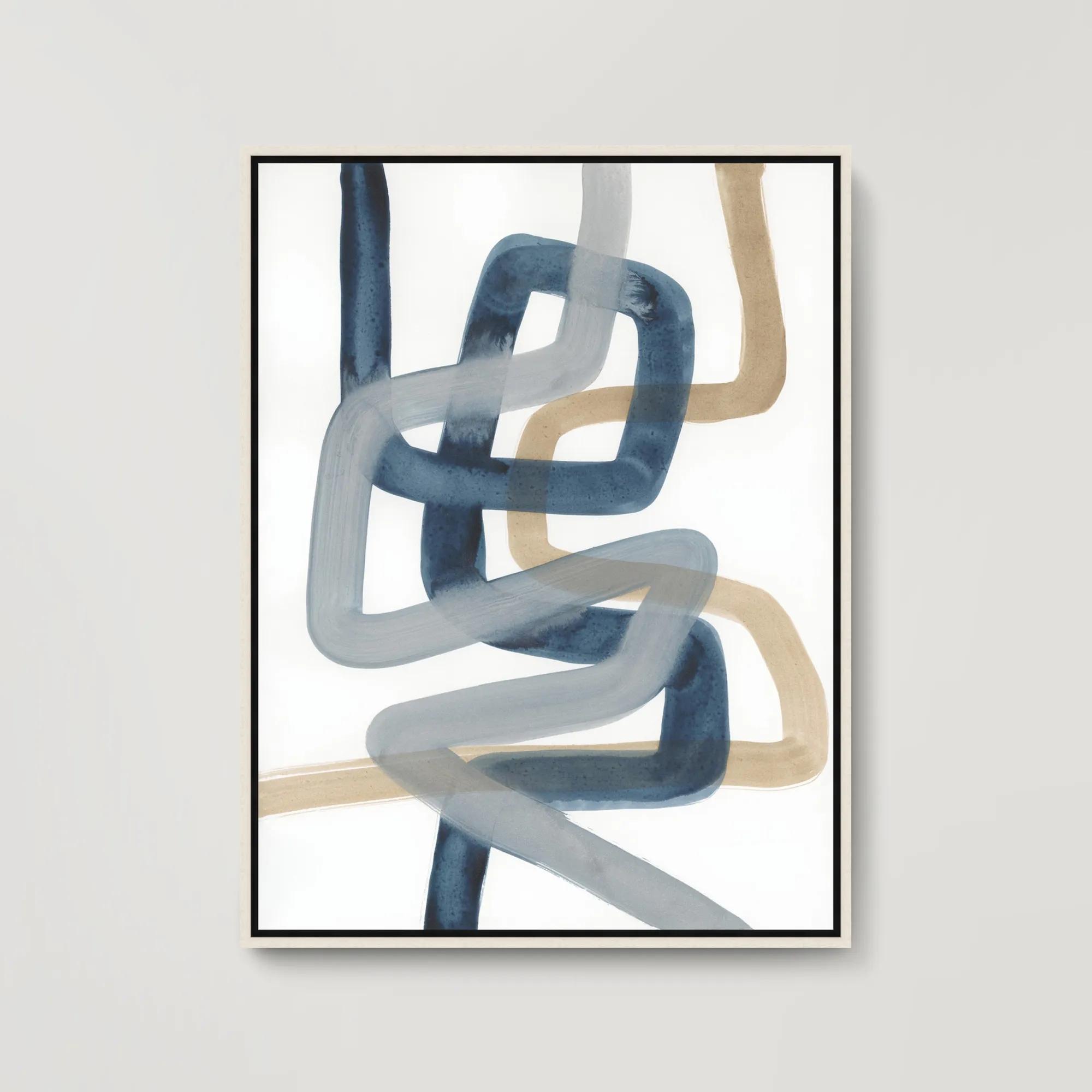 Looped In II Framed Wall Art 31.5" x 41.5"$699
A gallery-wrapped abstract canvas with hand-applied brush gel finish, set in a sleek white floater frame.
Add To Cart -
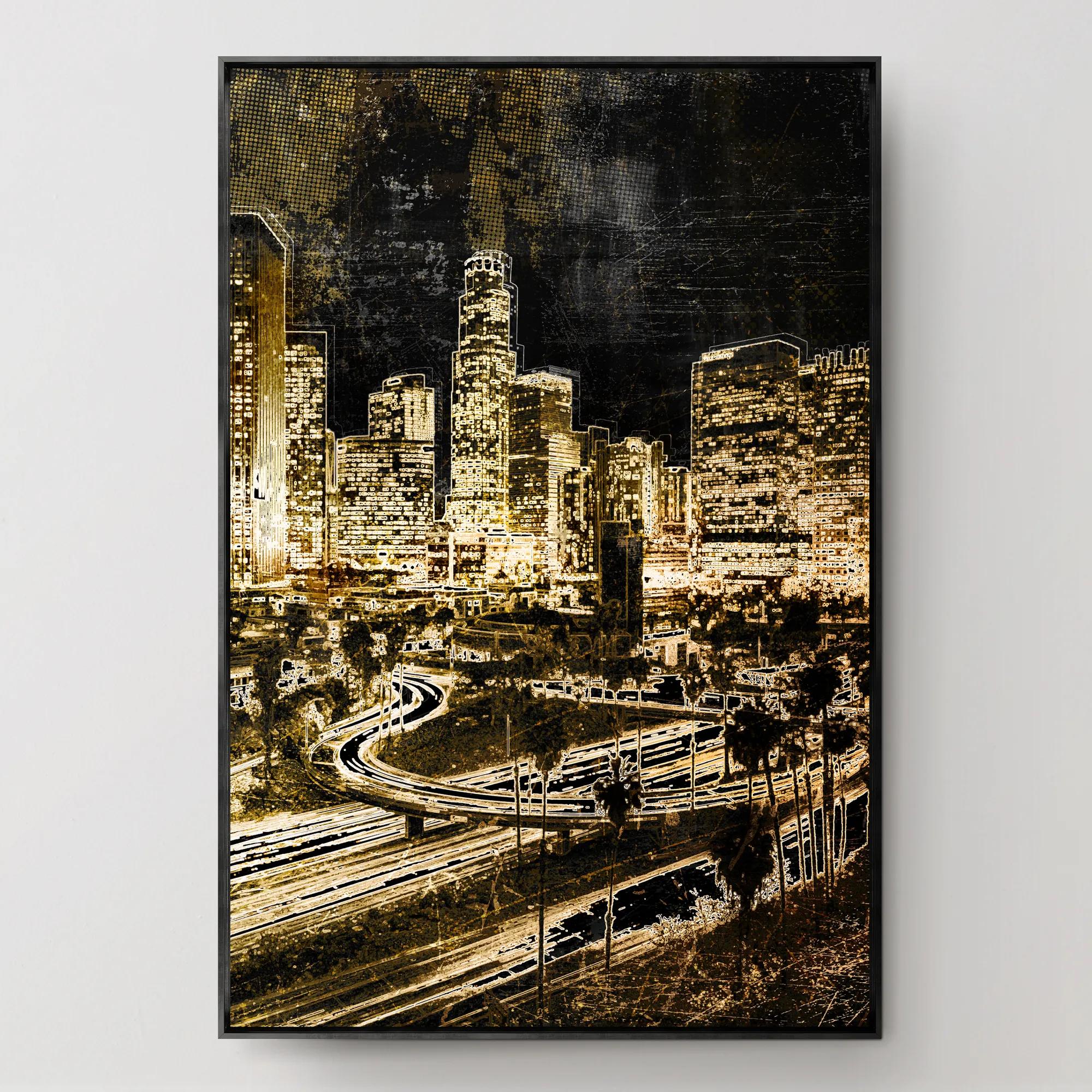 LA Lights Framed Wall Art 30" x 45"$649
A gallery-wrapped canvas artwork featuring a hand-applied brush gel finish in a sleek black floater frame.
Add To Cart -
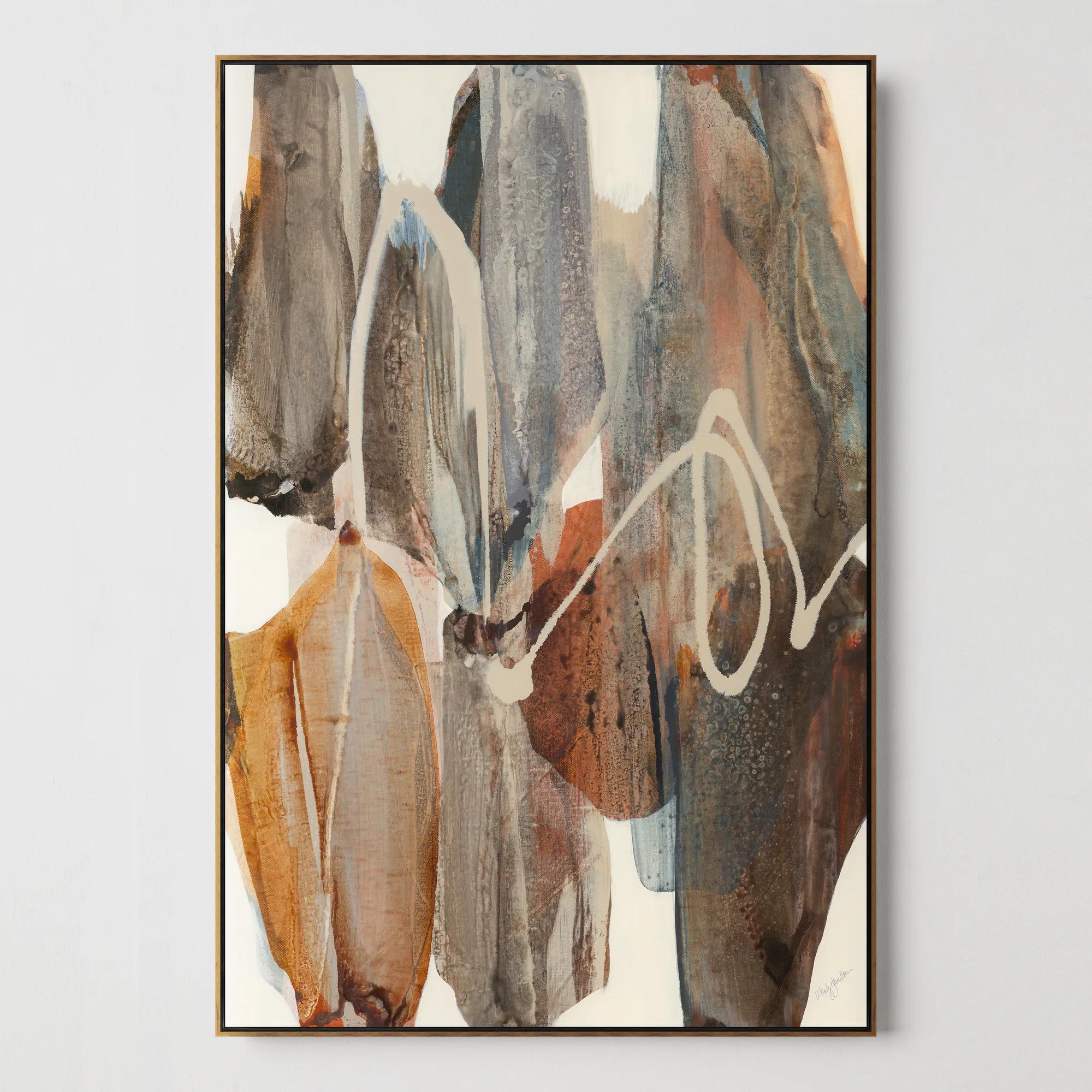
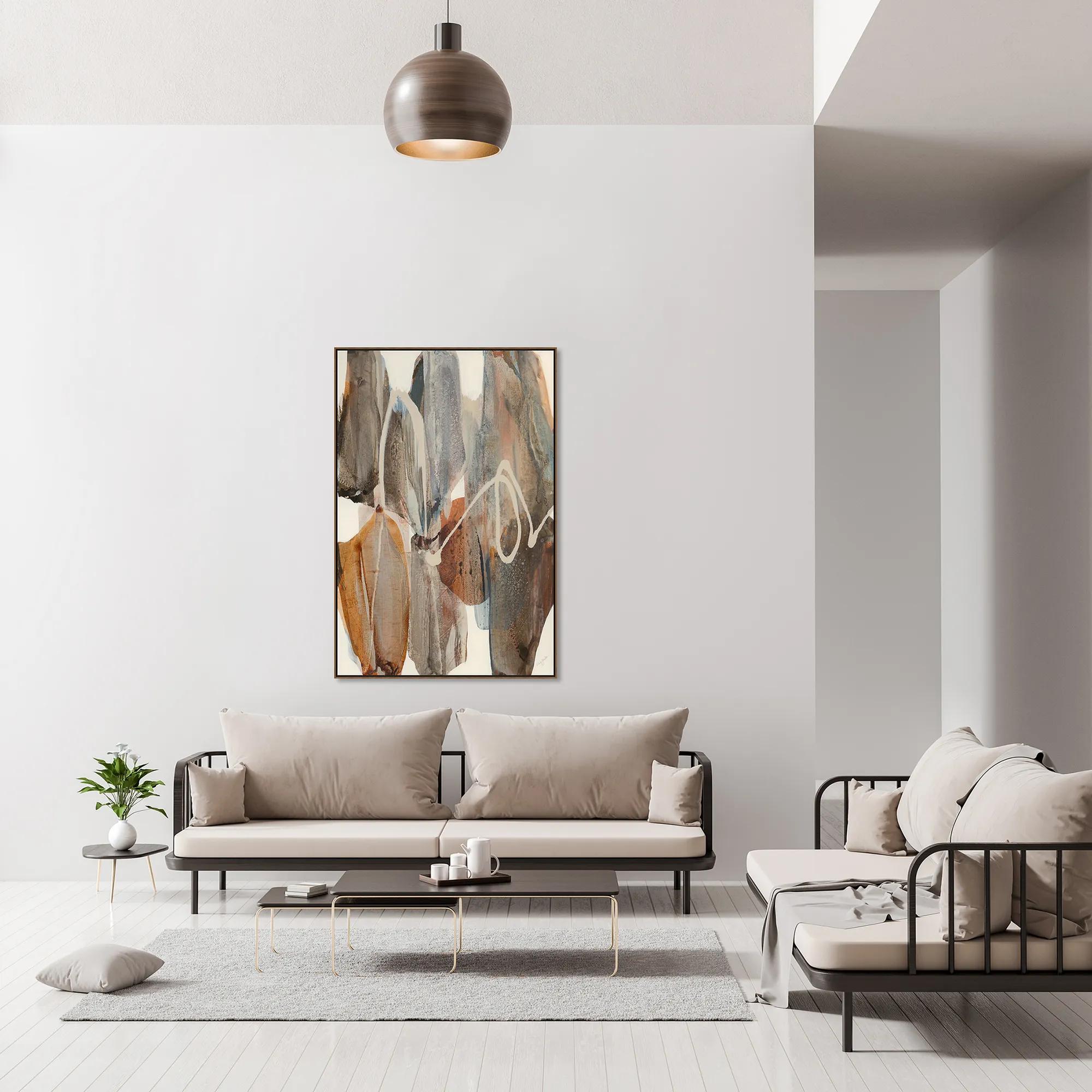 Boundless Framed Wall Art 40" x 60"$999
A gallery-wrapped canvas artwork with hand-applied brush gel finish in an oak floater frame.
Add To Cart -
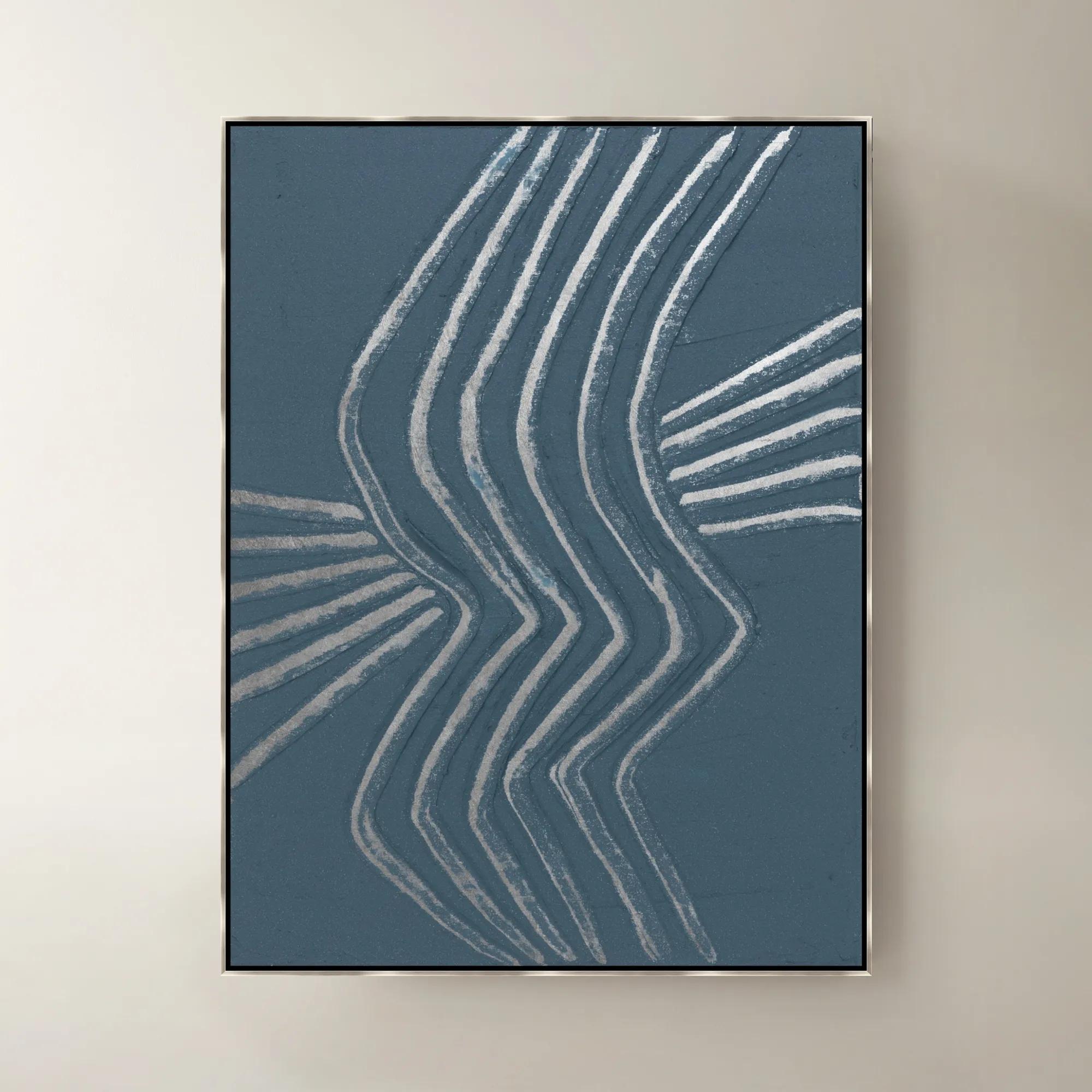
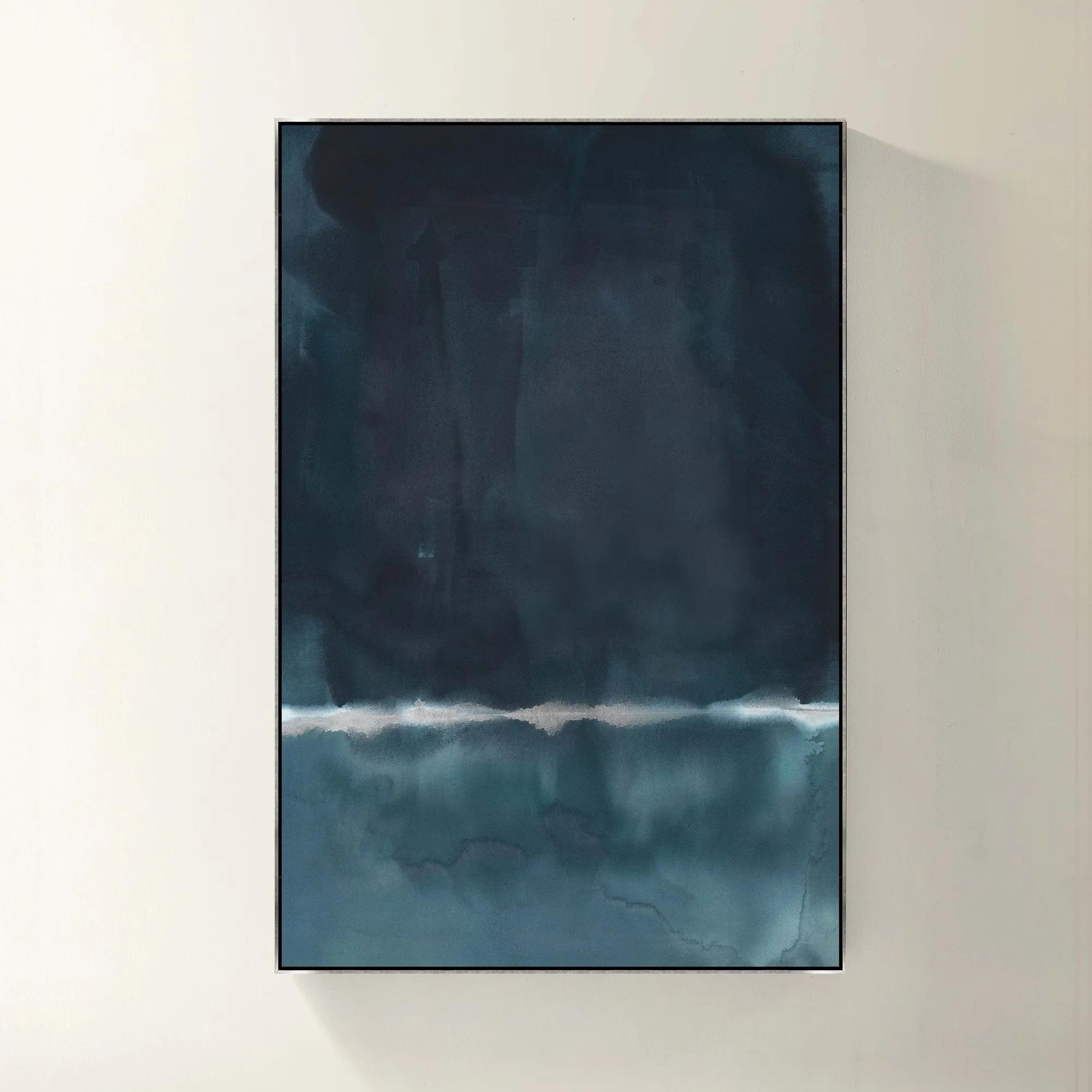 Blue Monday Framed Wall Art 40" x 60"$1119
A gallery-wrapped blue canvas with hand-embellished silver accents in a sleek silver floater frame.
Add To Cart -
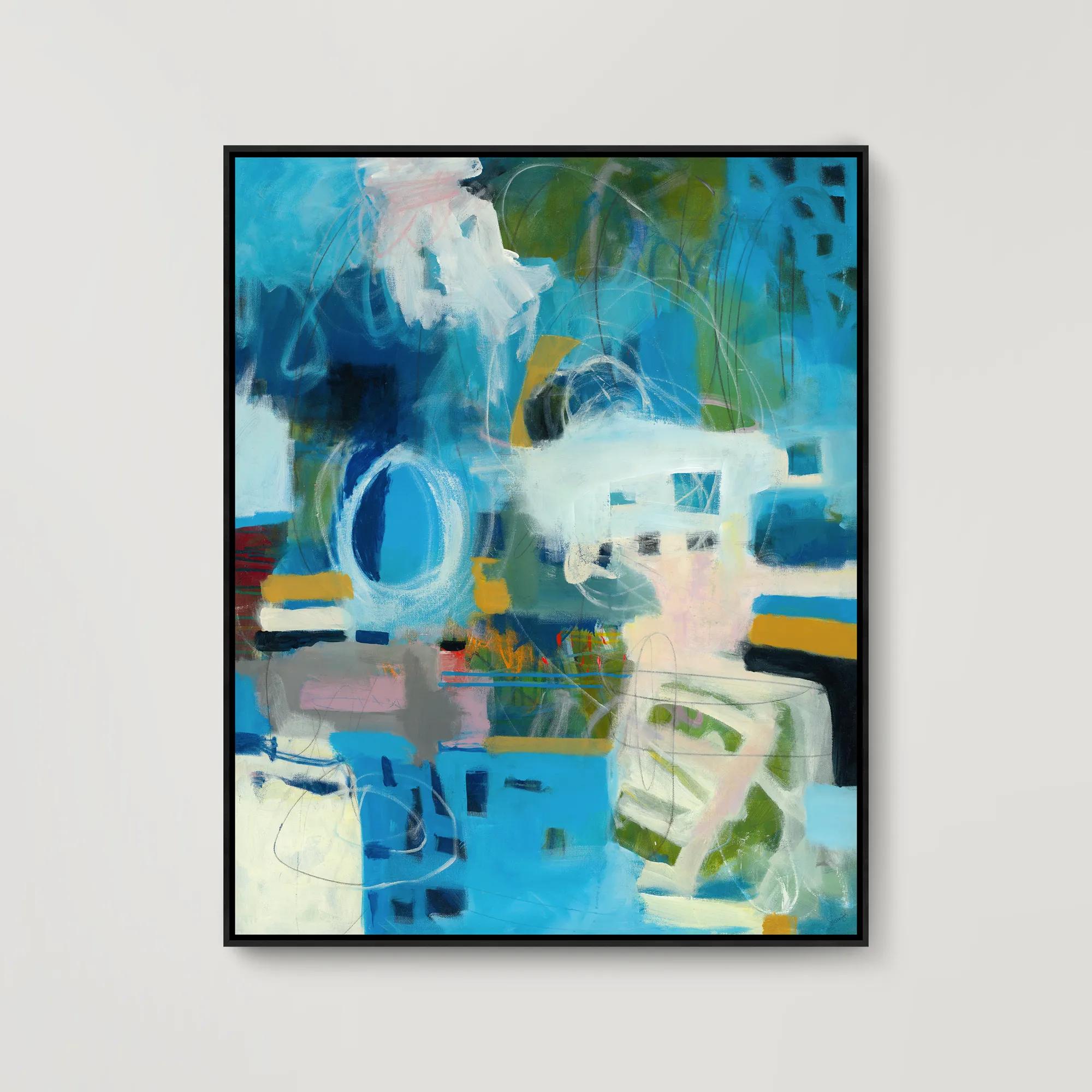
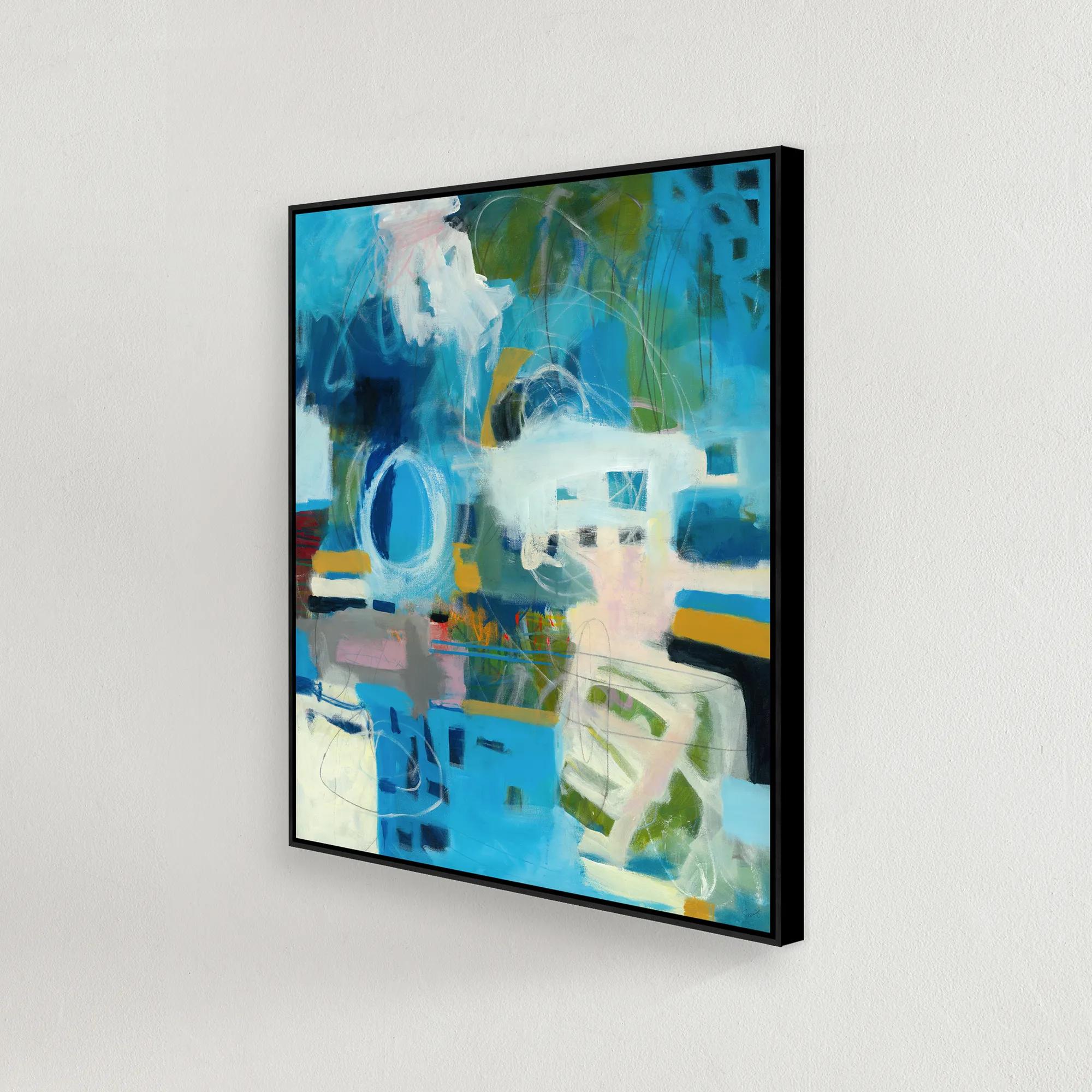 Just Across the Boarder Framed Wall Art 37.5" x 46.5"$749
A gallery-wrapped canvas artwork with hand-applied gel finish, set in a sleek black floater frame.
Add To Cart -
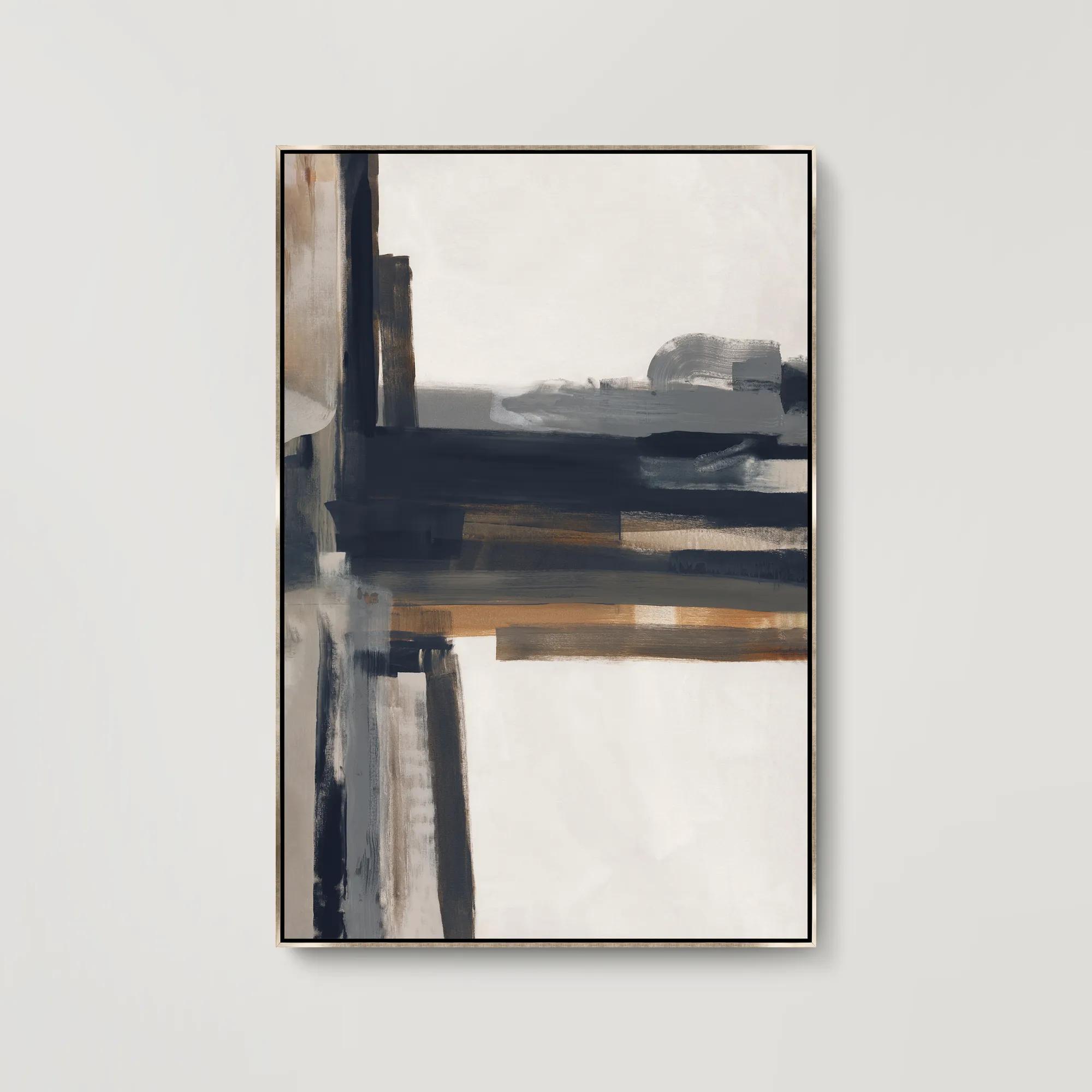
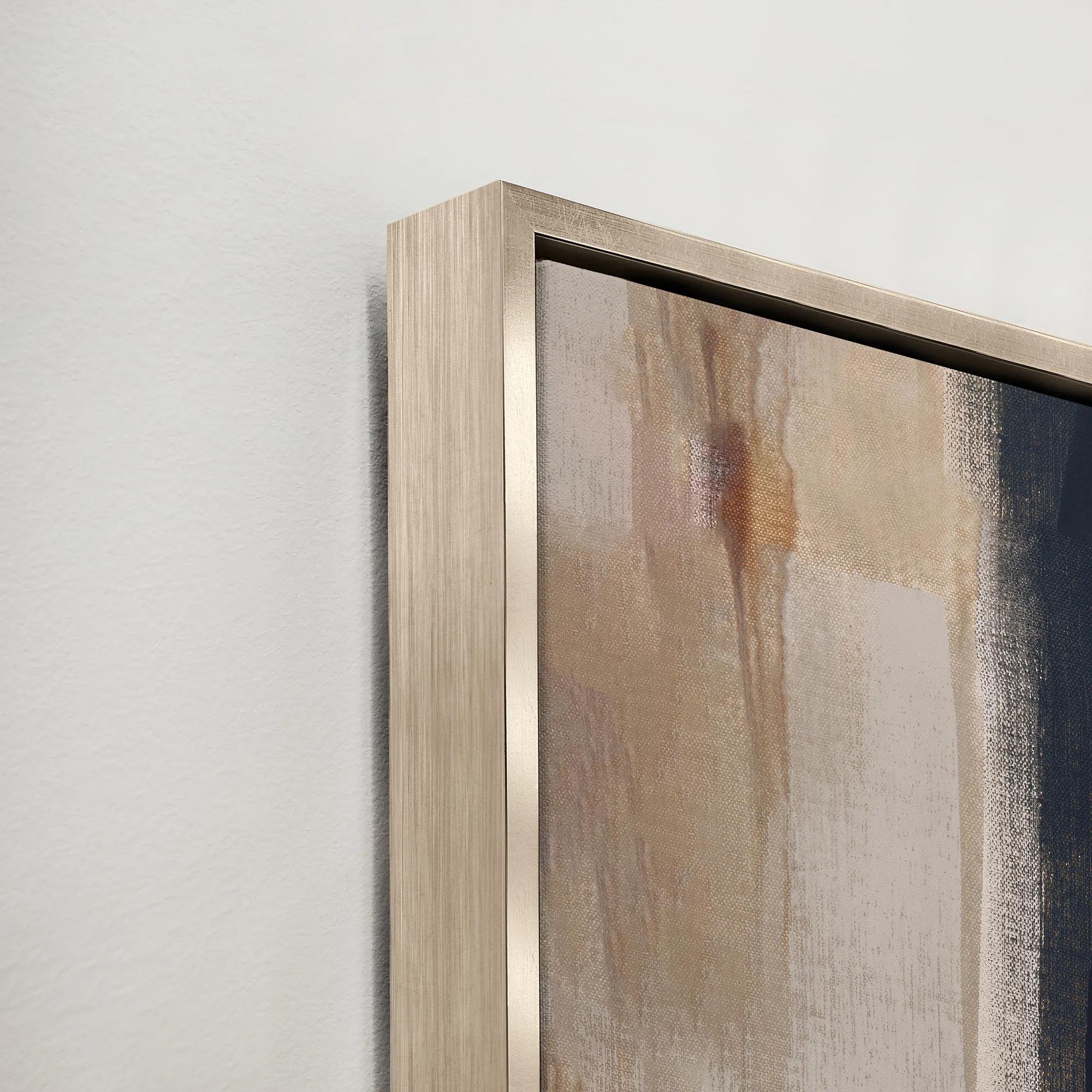 Imposing Construct I Framed Wall Art 41.5" x 61.5"$949
A gallery-wrapped abstract canvas featuring hand-applied brush gel and set in a sleek silver floater frame.
Add To Cart -
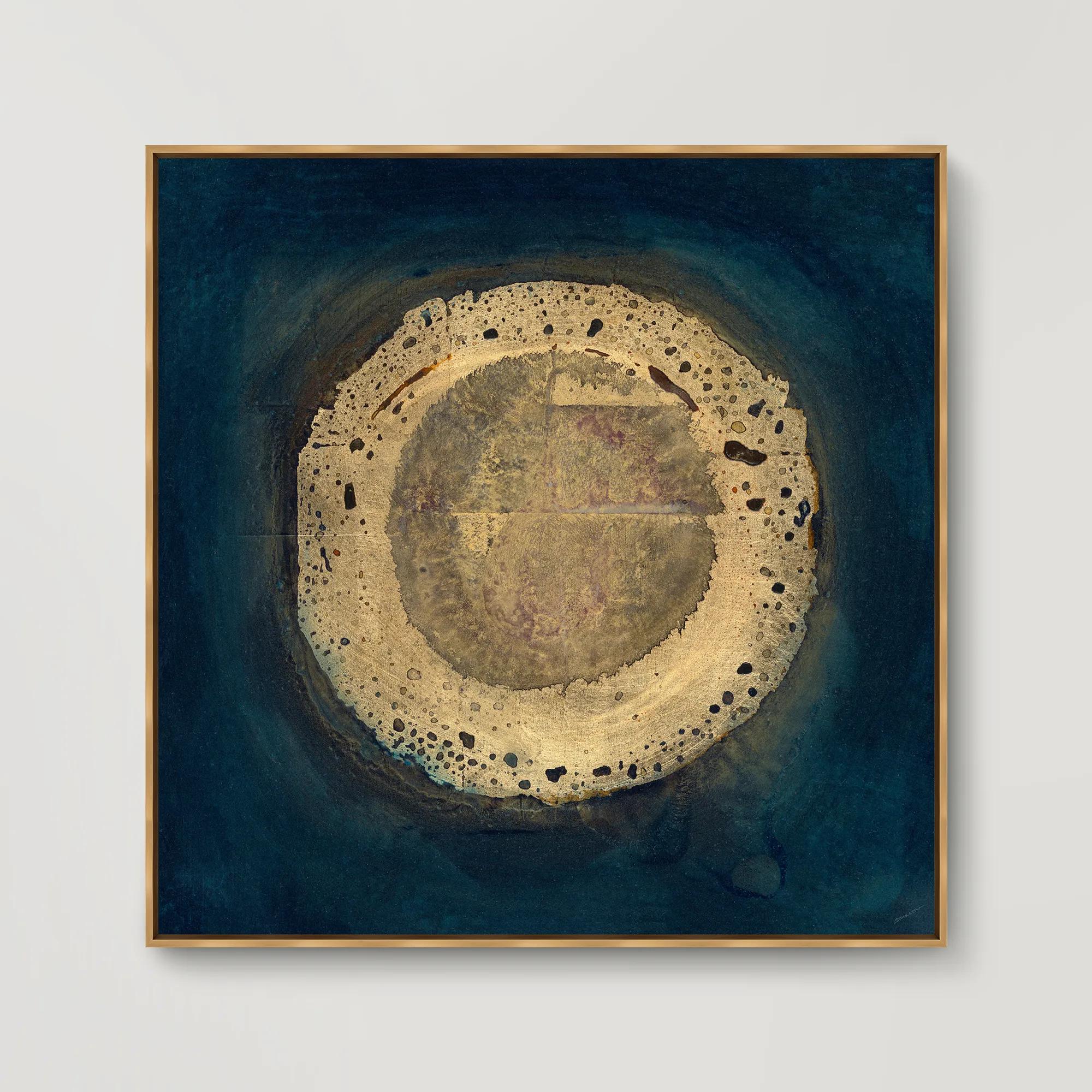
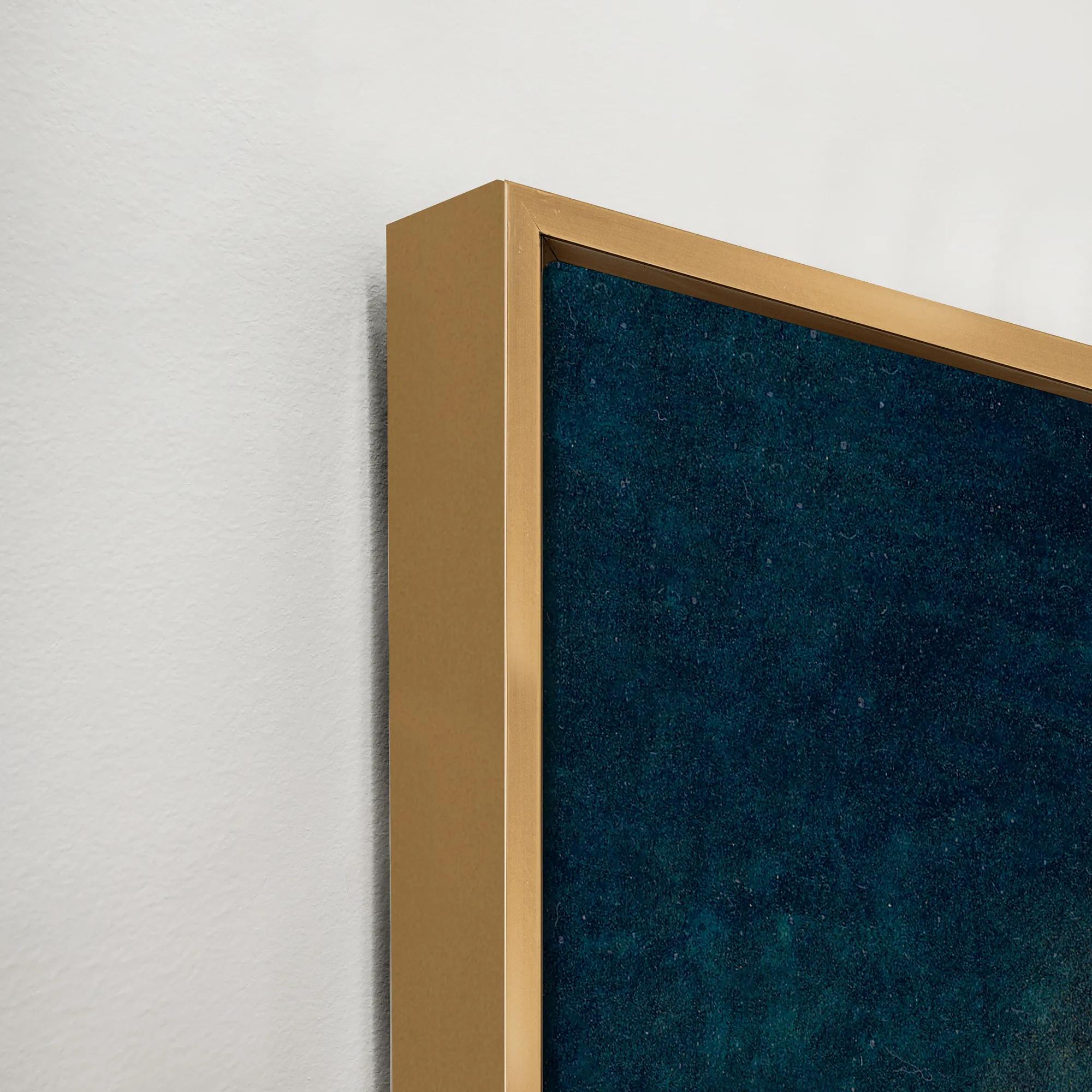 Bramble I Framed Wall Art 41.5" x 41.5"$749
A gallery-wrapped abstract canvas with hand-applied gel finish, set in an elegant gold floater frame.
Add To Cart -
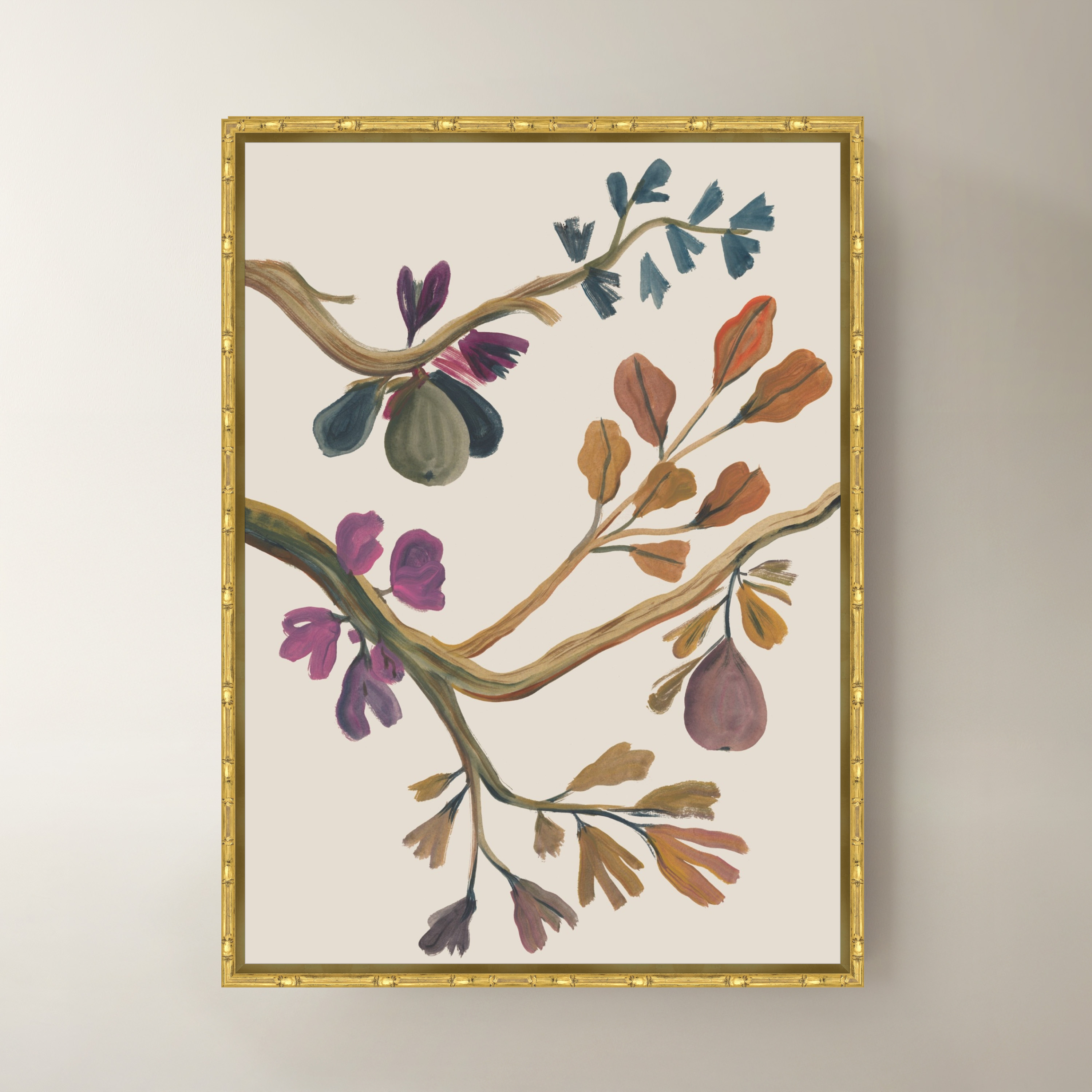
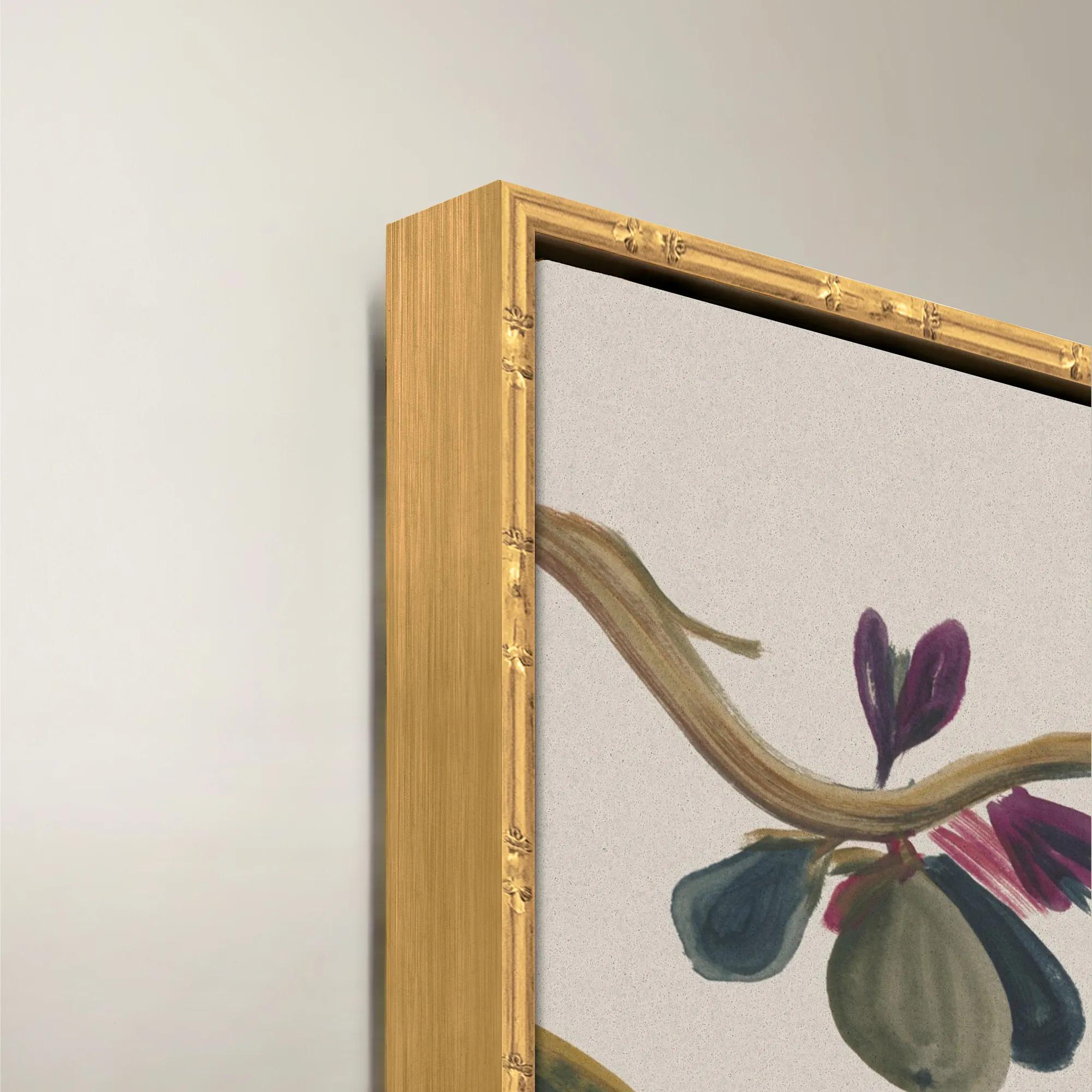 Whispering Orchard II Framed Wall Art 24" x 33"$749
A multicolored canvas wall art piece presented in an elegant frame for contemporary interiors.
Add To Cart

Luxury Framed Wall Art
Explore luxury framed wall art to create a striking focal point or bring a gallery wall into focus. Discover framed artwork for expressive interiors, and consider how each piece’s composition, palette, and frame will complement your furniture and surrounding decor. Let scale guide your choice, whether you’re anchoring a room or adding a dramatic finishing touch.
Luxury framed wall art gives a room its point of view, turning an expanse of wall into a composition of color, texture, and light. A sweeping abstract can bring movement to a tailored living room, while a monochromatic photograph lends depth and quiet intensity to a richly layered bedroom. The frame is part of that expression: a slender profile keeps attention on the image, a substantial border gives it architectural presence, and a gleaming metallic finish introduces a note of jewelry-like brilliance. Together, artwork and frame establish a mood that furniture alone cannot create. In interiors defined by velvet upholstery, sculptural lighting, or polished stone, framed art connects those distinct elements through a shared palette or an unexpected contrast. Soft ivory and charcoal can temper a room filled with saturated color; luminous gold and expressive brushwork can animate a more restrained setting. For a warm metallic accent, luxury gold framed wall art brings a radiant edge to everything from airy compositions to dramatic, dark-ground imagery. Materials contribute as much to the effect as the subject itself. Wood frames offer dimension and a sense of substance, while metal profiles can create a crisp outline around intricate imagery. Printed paper, canvas, and textured art surfaces each interact differently with light, making the medium an important part of the finished impression. A mat adds breathing room around an image and, when properly fitted, can help separate paper artwork from glazing. Glass or acrylic glazing provides a protective barrier, although reflections, weight, and care requirements differ by material. These details deserve attention because luxury is not simply a bold image in an elaborate frame; it is the relationship between the artwork, its presentation, and the space it inhabits. Whether the desired mood is serene, theatrical, or richly expressive, framed wall art offers a lasting visual anchor with room for individual interpretation.
Scale determines how confidently that anchor sits within a room. Over a generous sofa, a broad composition or a coordinated grouping can hold its own against the furniture’s width without crowding adjacent lighting or architectural details. An arrangement spanning roughly two-thirds of the sofa is often a useful starting point, with the final proportions shaped by ceiling height, surrounding objects, and the artwork’s visual weight. Above a console, a vertically oriented piece can draw attention upward, while a horizontal format echoes the long lines of the furniture below. Smaller framed works have their own presence: tucked into a reading alcove, placed above a bedside table, or arranged along a hallway, they create intimate moments that reward a closer look. A gallery-style grouping feels polished when spacing stays consistent and the pieces share a deliberate connection, such as a repeated frame finish, a limited palette, or a related subject. Uniformity is not essential; a measured mix of sizes can feel collected and personal rather than overly coordinated. Placement also affects the experience of the image. In a living room, art should feel connected to the seating area instead of floating near the ceiling, while a dining room arrangement may deserve consideration from a seated viewpoint. Sightlines from doorways matter, too: a striking composition at the end of a corridor can give the entire passage a sense of purpose. Accurate overall dimensions, including the frame, help clarify whether a piece will fit between windows, above a mantel, or within a narrow wall section. Frame depth and glazing weight also influence placement and installation, particularly near doors or in busy passageways. Hardware must suit both the artwork’s weight and the wall construction, with heavier pieces sometimes calling for professional installation. For design enthusiasts, new homeowners, or someone furnishing a personal office, framed art can also make a meaningful gift. A familiar color palette, an appreciated artistic style, and a known display space offer stronger direction than guessing at another person’s taste; the most thoughtful choice feels connected to the recipient’s world.
Lasting beauty depends on thoughtful construction and a setting that respects the materials. Corners that meet cleanly, secure backing, and properly fitted glazing contribute to a composed finish, while the mounting method matters for keeping the image stable within its frame. For paper-based artwork, acid-free mats and appropriate backing can help reduce discoloration associated with unsuitable framing materials; such features should be confirmed in the artwork’s details rather than assumed from appearance. Glazing described as UV-filtering may offer additional protection, but it does not make artwork immune to fading. Direct sunlight remains a concern for many inks, papers, and pigments, so a wall with softer, indirect light is often better suited to preserving color. Picture lighting can reveal subtle textures and bring a framed composition into focus after dark, especially when positioned to minimize glare and excessive heat. Intended primarily for interior display, framed wall art generally benefits from stable conditions away from persistent moisture, cooking residue, and splashes. A steamy bathroom or a spot directly above a working fireplace may be less suitable than a living room, bedroom, or protected hallway, depending on the materials and the maker’s recommendations. Routine care should be equally considered. A soft, dry cloth can remove dust from many frame surfaces, while delicate finishes may require a lighter touch and specific care instructions. When cleaning glazing, apply an appropriate cleaner to the cloth rather than spraying the artwork directly, keeping moisture away from frame joints and the edges of the image. Acrylic needs products suitable for its surface to avoid scratching or clouding, and exposed canvas or textured artwork should never be treated like glass. With the right placement and care, framed art remains an enduring part of the room’s identity. Its impact extends beyond decoration: a luminous border catches a passing glance, an expressive composition draws guests closer, and a carefully chosen image makes an everyday space feel unmistakably personal.
FAQs
Luxury framed wall art brings together compelling imagery, a thoughtfully chosen frame, and a refined presentation. Look for visual depth, expressive composition, and framing that feels integral to the artwork. The result is more than decoration—it gives a room a distinct artistic point of view.
Begin with the mood you want to create. Fluid abstract compositions lend movement and intrigue, while architectural imagery introduces structure and sophistication. Draw a color from your furnishings for a cohesive connection, or choose a contrasting palette to give the room a daring focal point.
Let the artwork guide the frame. A slender, understated profile can sharpen a bold composition, while an ornate frame adds theatrical detail to quieter imagery. Metallic tones introduce gleam, dark finishes create definition, and pale finishes offer an airy counterpoint. Choose a frame that enriches the image rather than competes with it.
Mixing art styles can create a gallery wall with a collected, expressive character. Pair abstract imagery with photography or figurative work, then establish a visual thread through recurring colors, related frame finishes, or consistent mat treatments. That shared detail lets each piece hold its own while the arrangement tells a cohesive story.
Matting creates a visual pause between the image and its frame, drawing attention to the composition. A light mat offers crisp separation, while a darker mat can deepen contrast and heighten drama. An unmatted presentation creates a more direct relationship between art and frame—a compelling choice when you want the imagery to command attention.