Large Dimensional Wall Art
Large Dimensional Wall Art
-
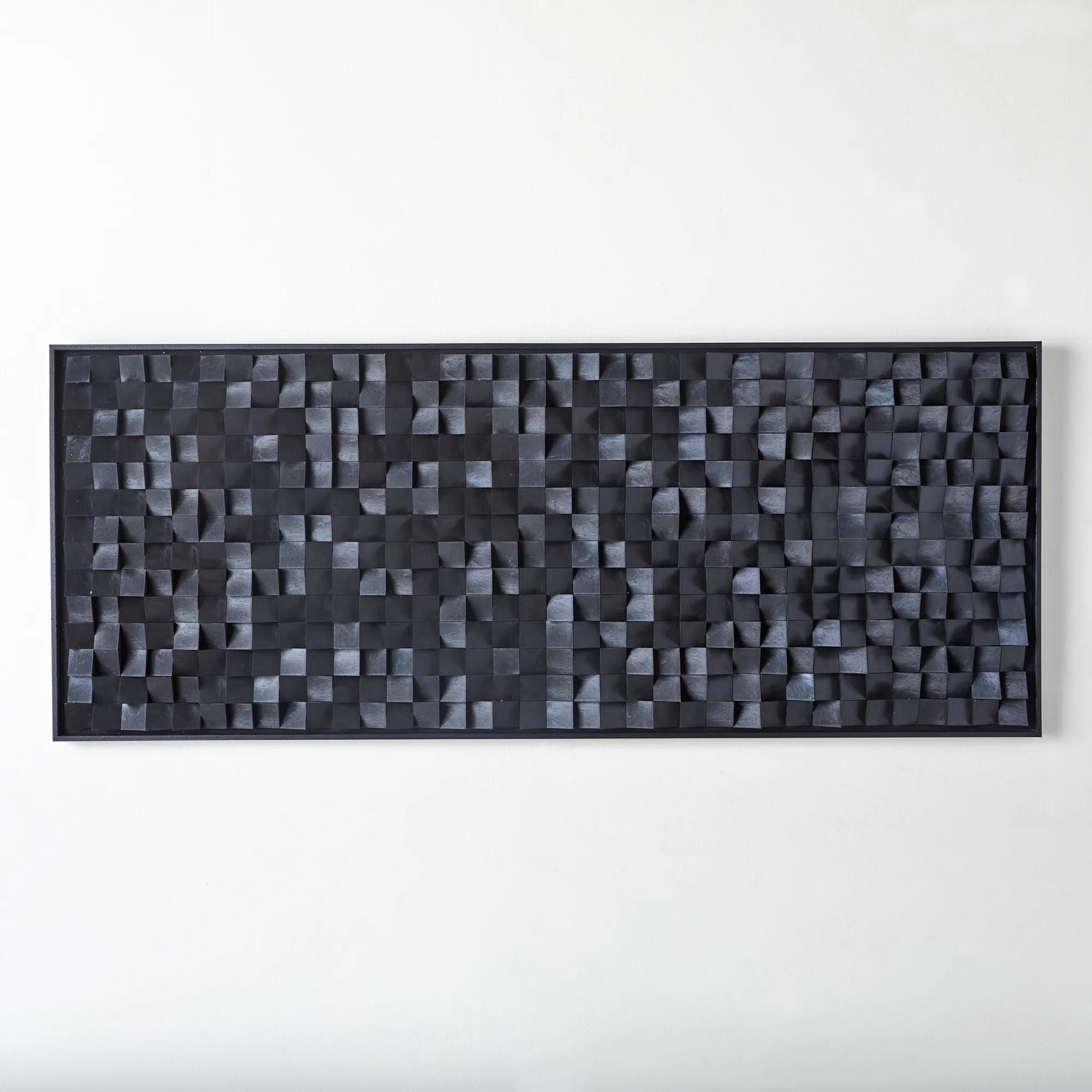 Nightfall Black Wood Dimenisonal Wall Panel 59" x 23.5"$599
An abstract wall art piece featuring cut black blocks in a sleek, low-profile black frame.
Add To Cart -
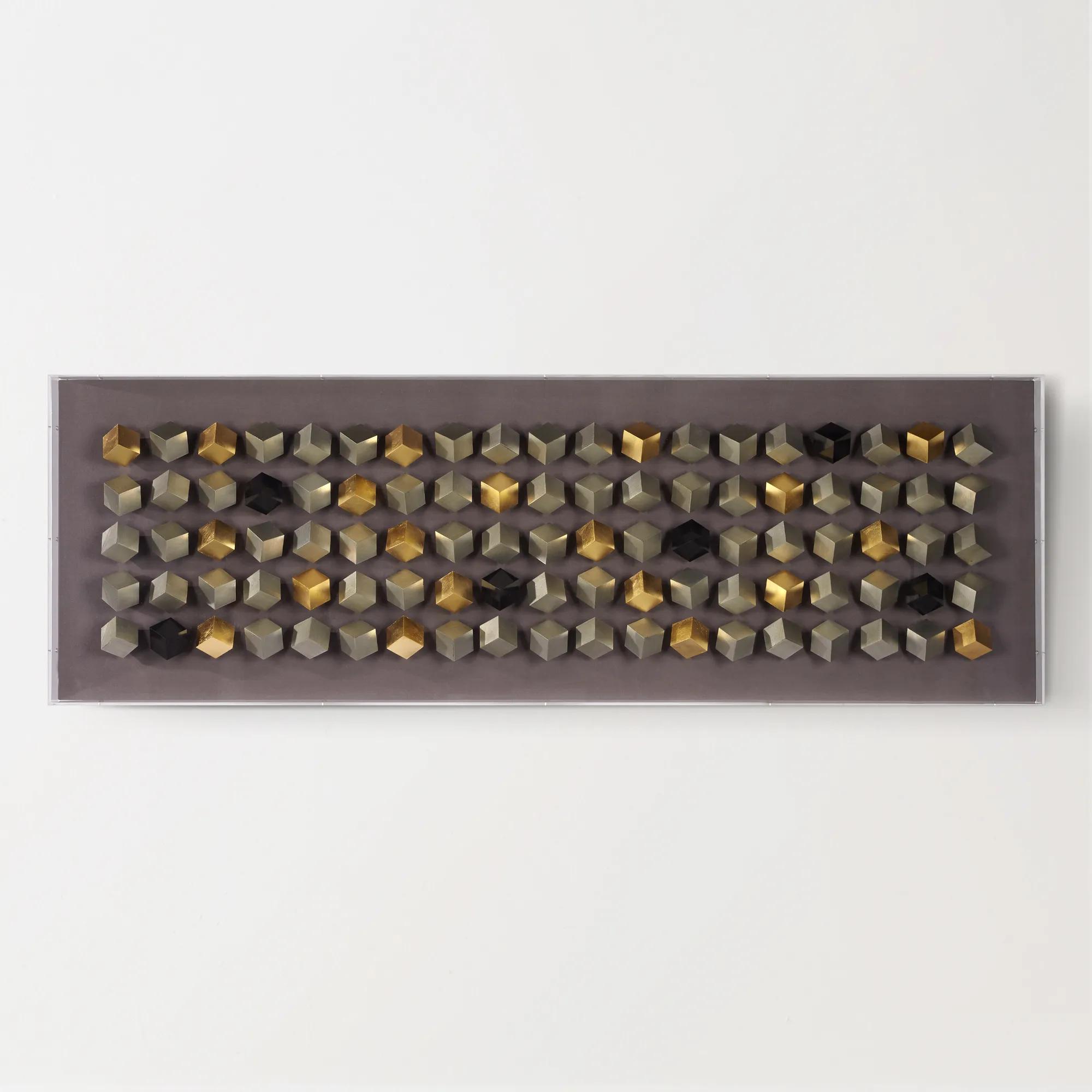
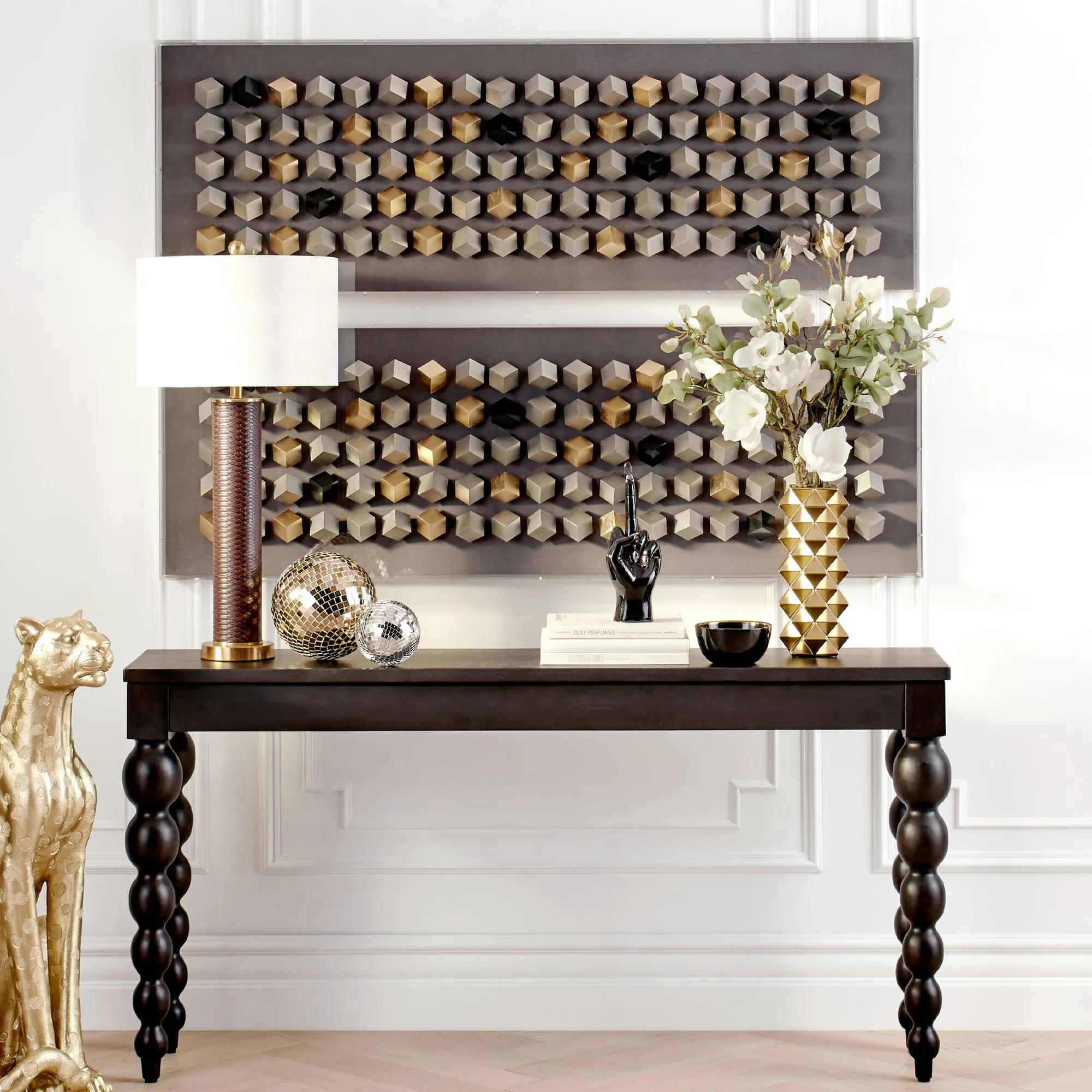 Cubic Array Dimensional Wall Decor in Acrylic 59" x 19.75"$599
A striking shadowbox wall art featuring a cubic, dimensional design with a tri-tone metallic finish.
Add To Cart -
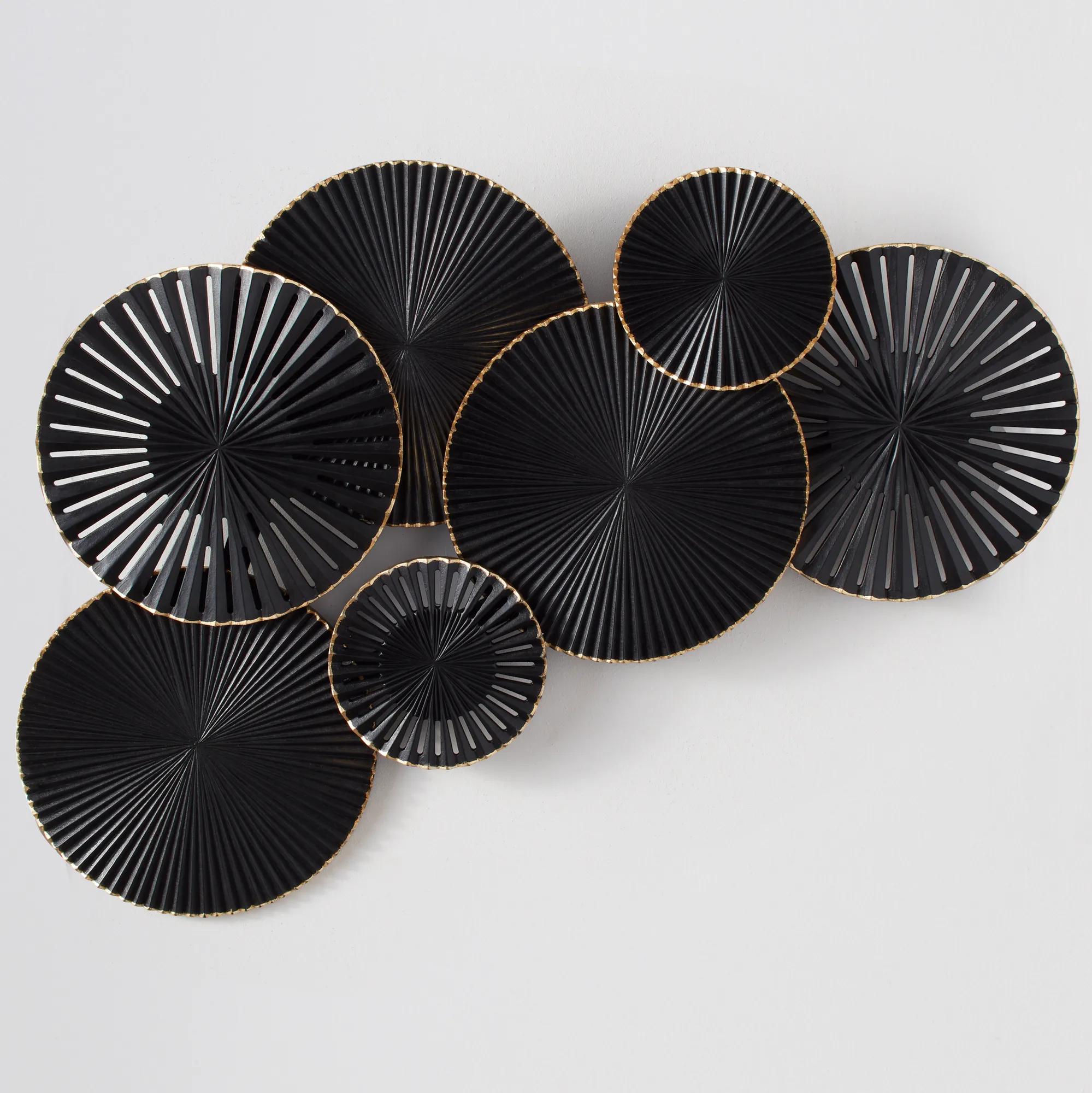
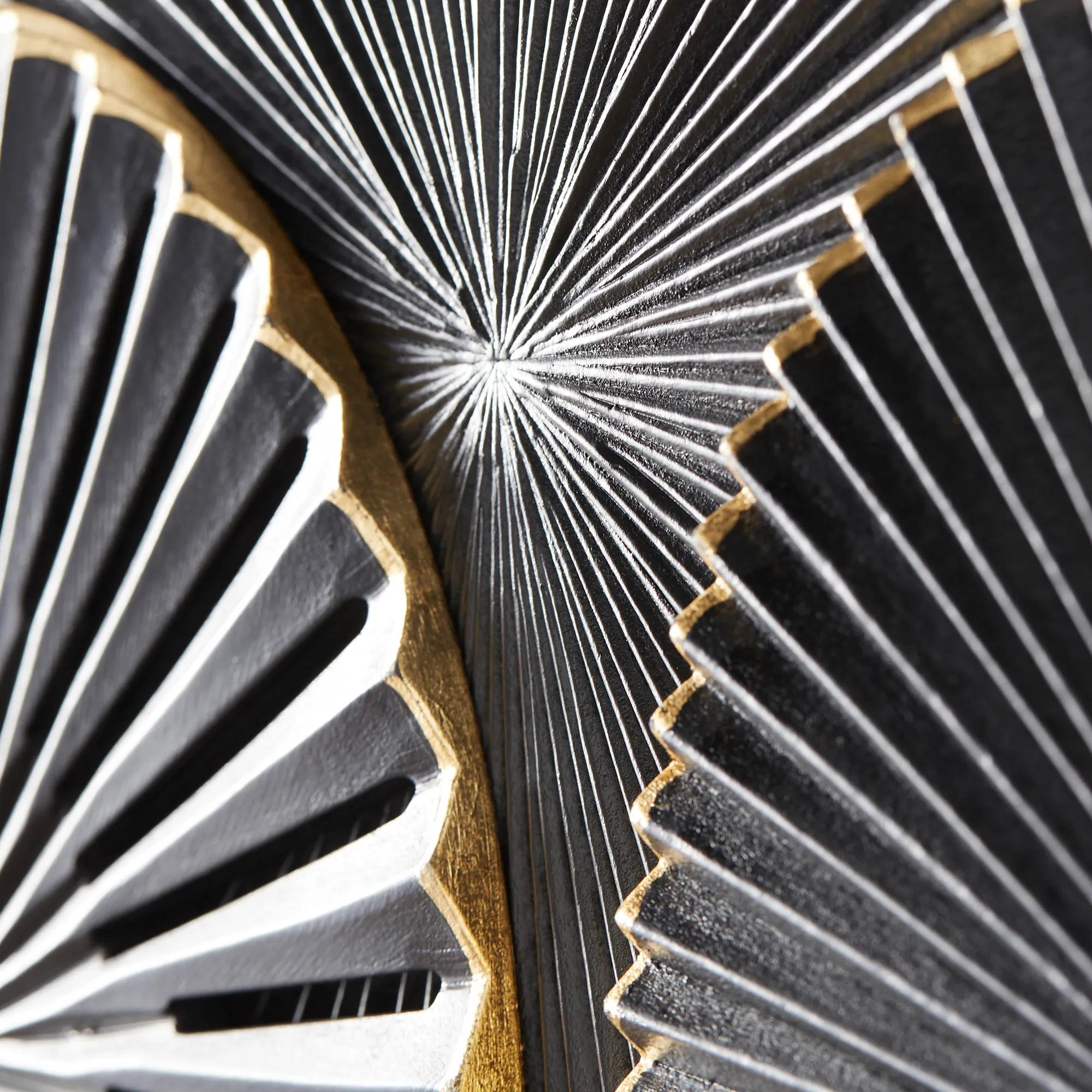 Circa Black Carved Wood Dimensional Wall Panel 47.25" x 27.5"$499
A carved wood wall art panel in black and gold that adds abstract intrigue to any room.
Add To Cart -
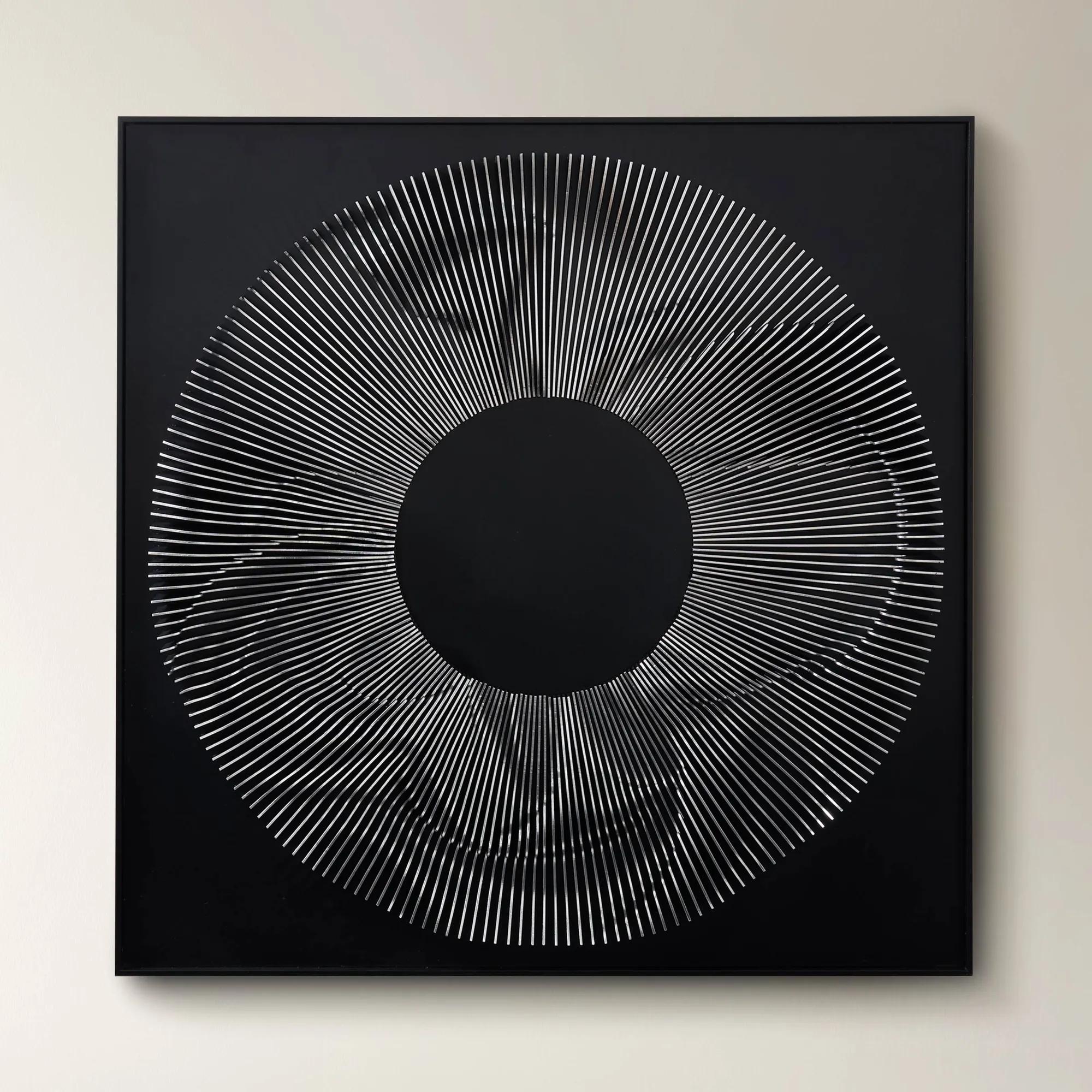 Efflorescence Wood Carving$799
A three-dimensional pine wood panel features a flowing carved motif in a striking silver finish.
Add To Cart -
 Gilt Collage Gold Hand Crafted Wood Dimensional Wall Panel 30" x 60"$799
A glamorous gilt-finished collage wall panel bringing sculptural dimension and contemporary elegance to your decor.
Add To Cart -
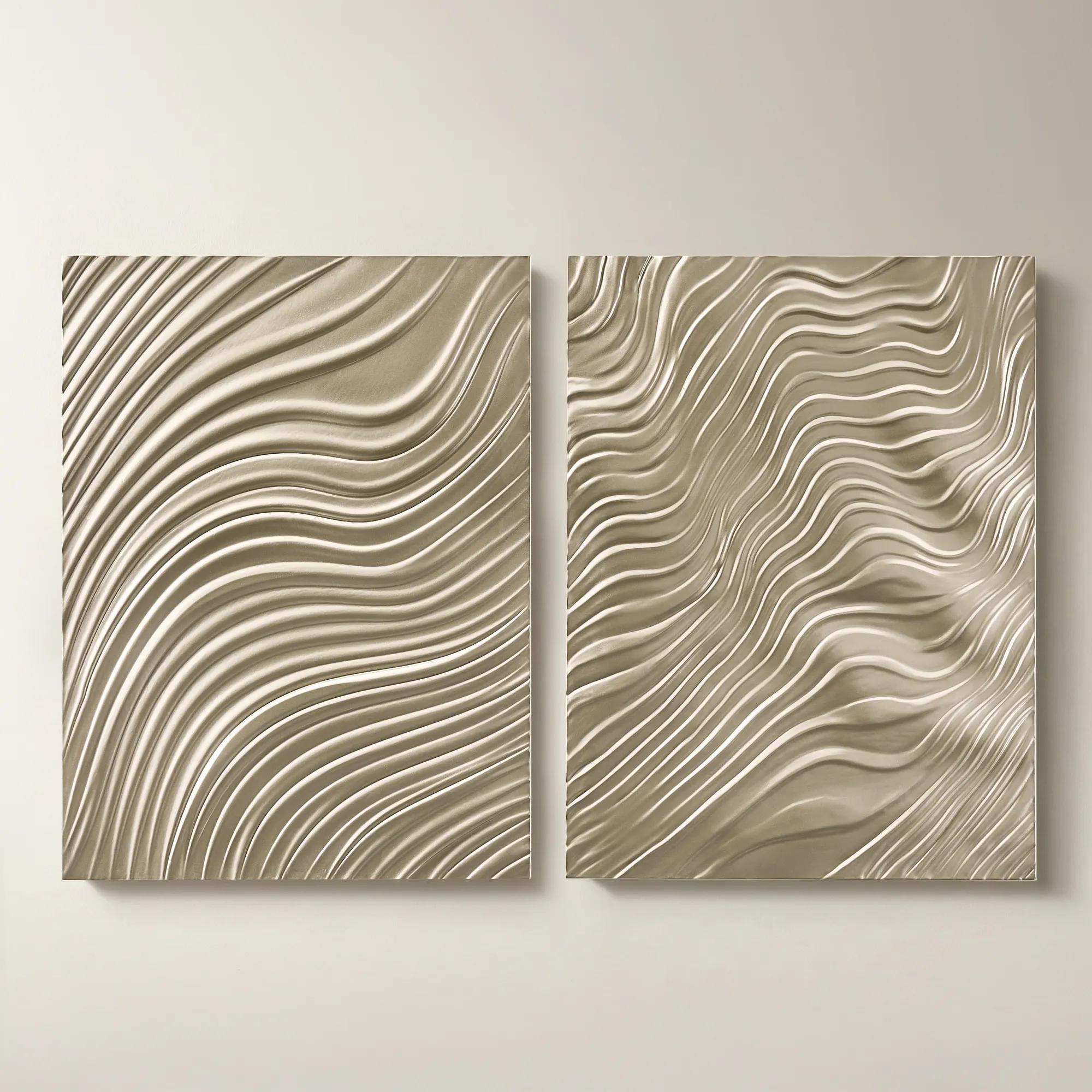
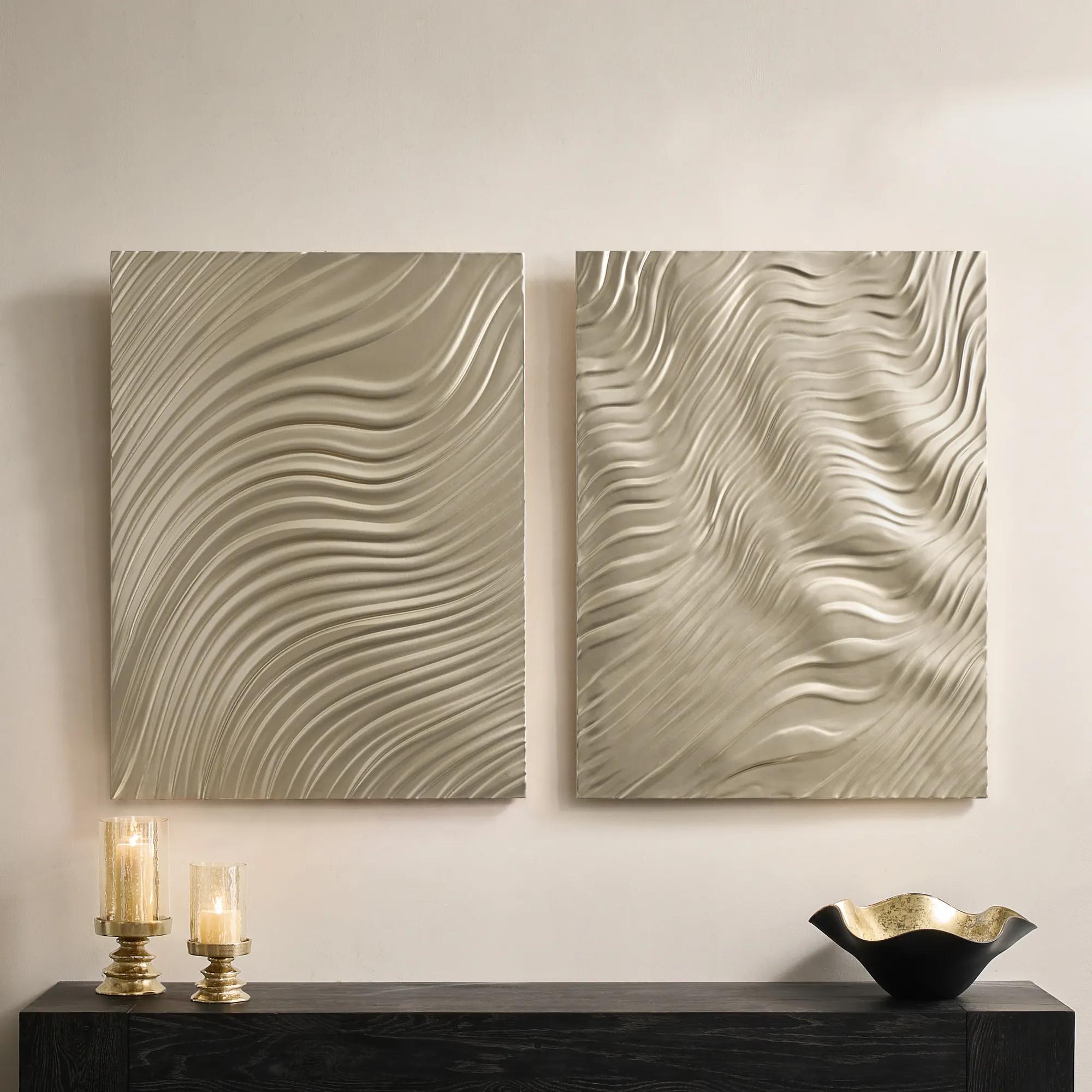 Mirage Champagne Carved Wood Wall Panels 30" x 40" Set of 2$799
A set of two intricately carved wood composite panels in a champagne finish with flowing 3D patterns.
Add To Cart -
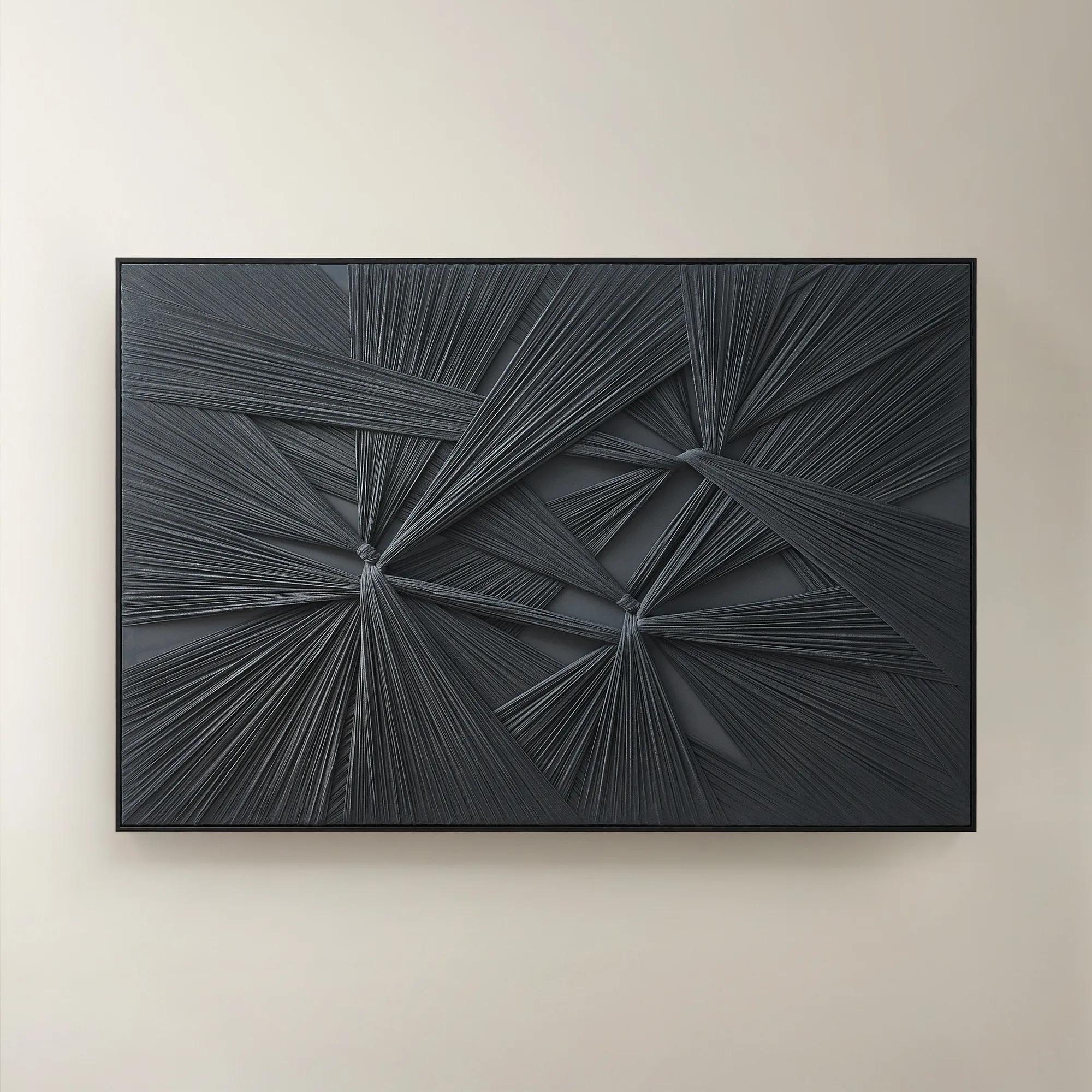 Grace in Dark Slate Hand-crafted Fabric Wall Art 70.75" x 47"$799
A hand-crafted textile wall art piece in dark slate, featuring sculptural texture and versatile display options.
Add To Cart -
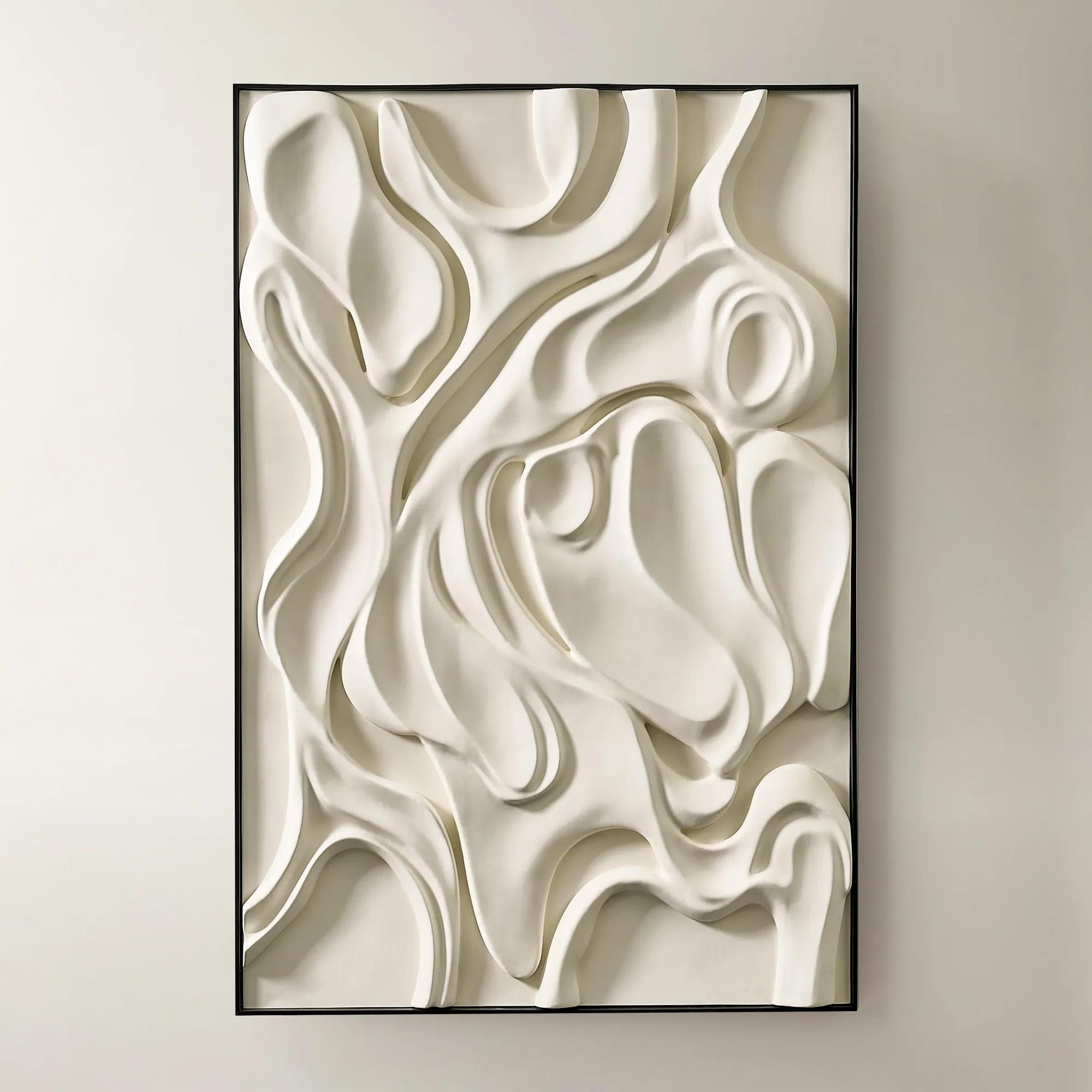 Overflow Alabaster Sculpted Resin Wall Panel 40" x 60"$699
An alabaster fiberglass resin wall panel with sculptural texture and a versatile black frame for modern spaces.
Add To Cart -
 Bella Champagne Draped Leather Wall Panel 50" x 40"$699
A sculptural wall panel featuring cascading black, champagne, and ivory leather over a fabric-wrapped MDF foundation.
Add To Cart -
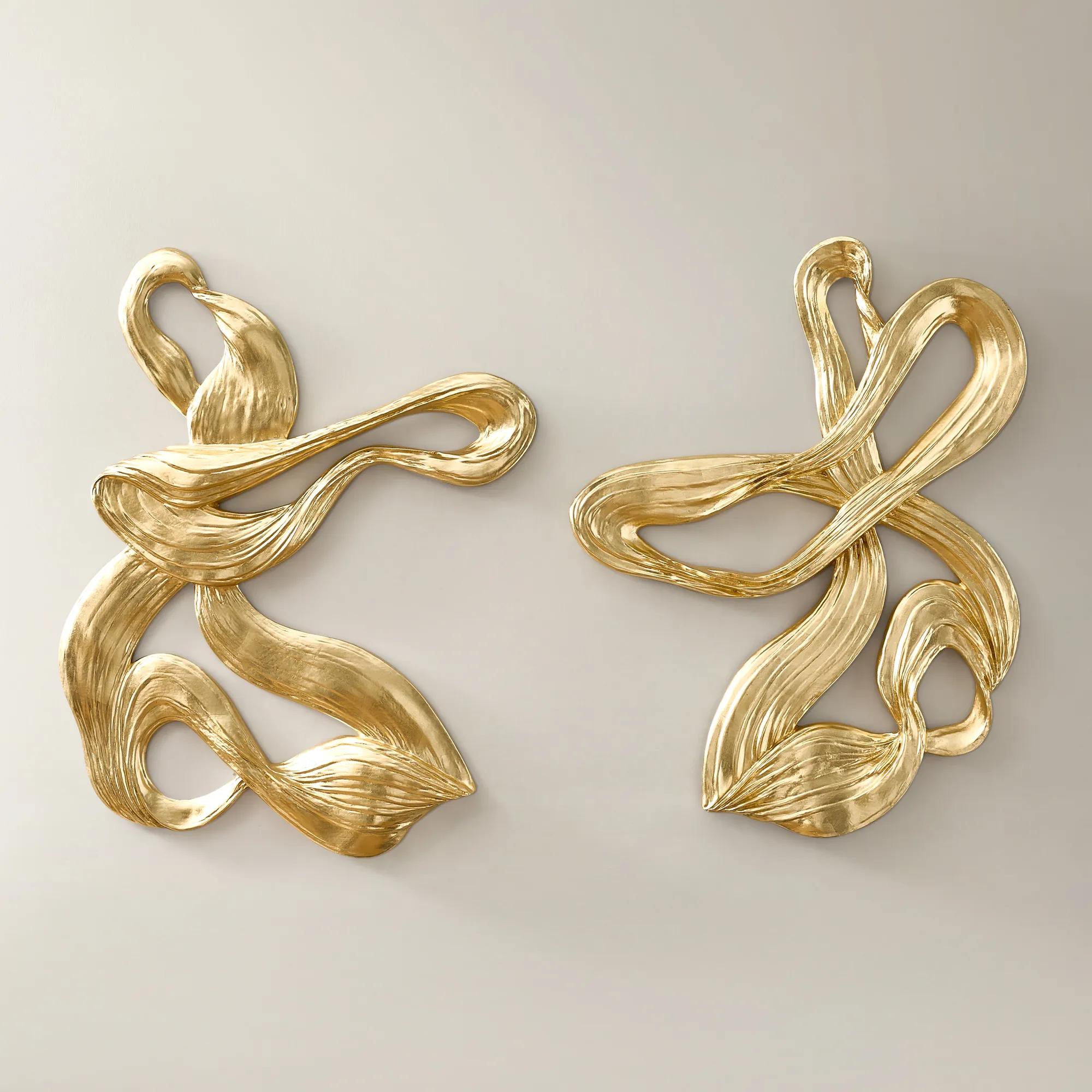
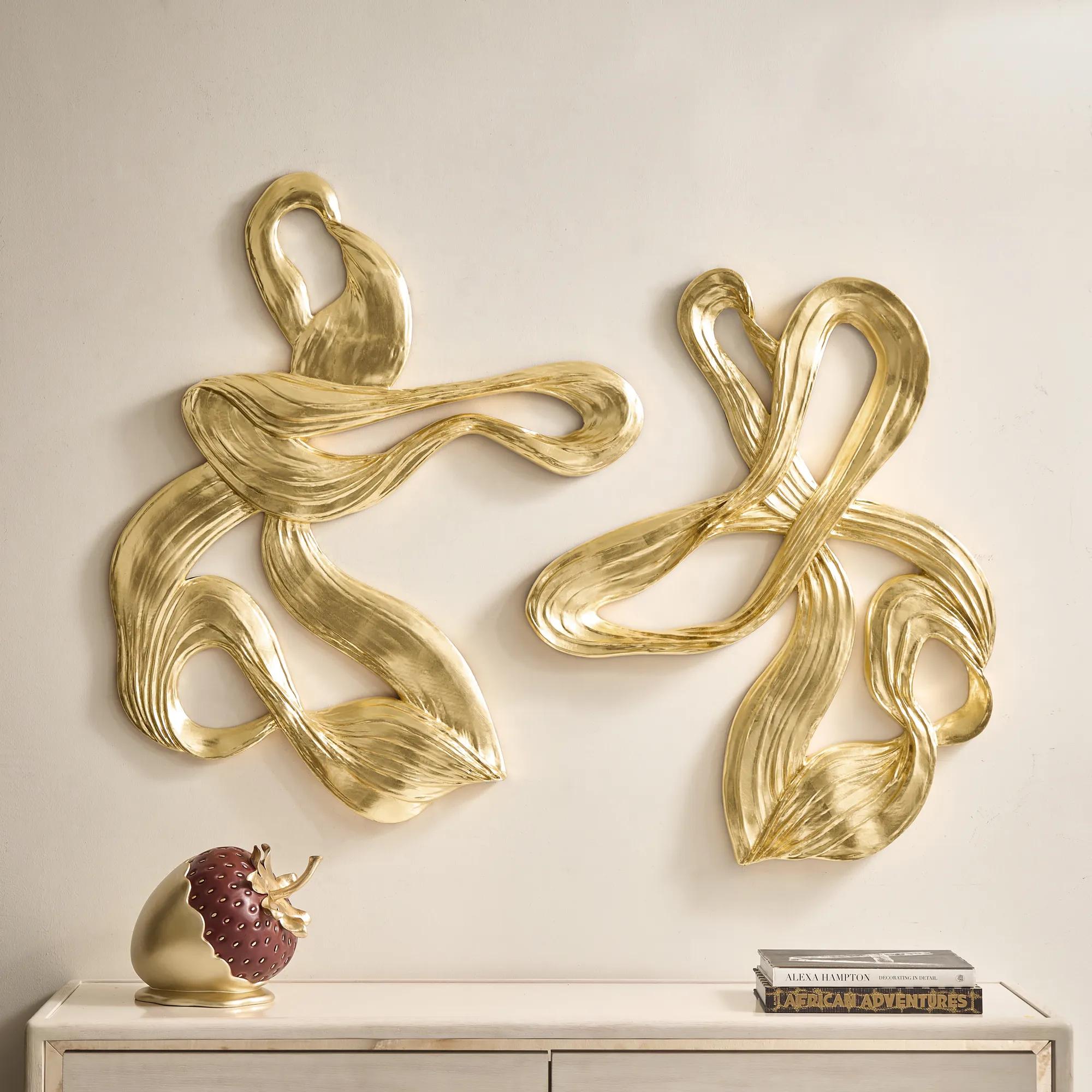 Vela Gold Leaf Sculpted Resin Wall Decor 30.5" x 39.25" Set of 2$699
A set of two resin wall sculptures featuring abstract loop designs and soft gold leafing for modern elegance.
Add To Cart -
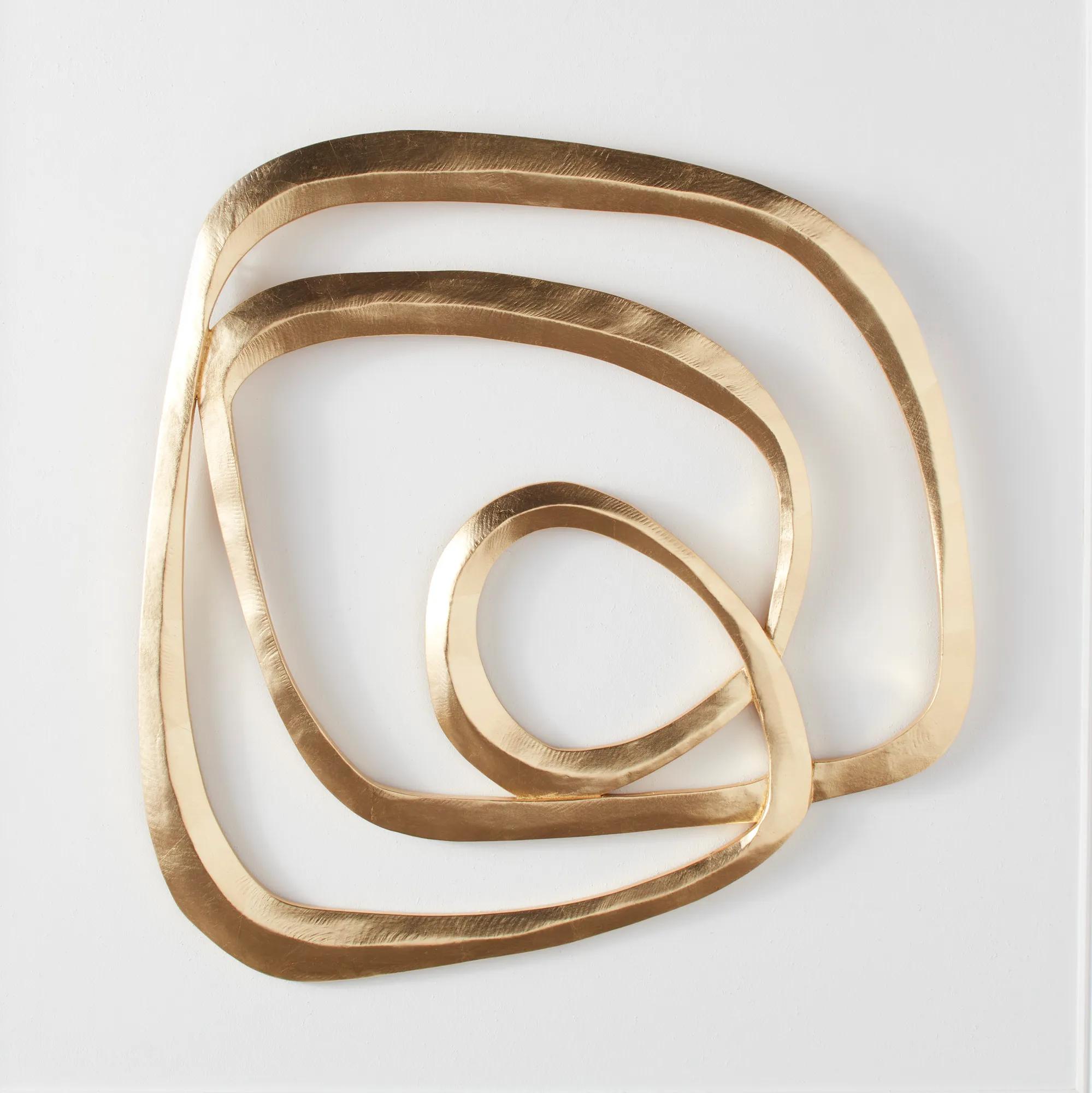 Infinity Gold Leaf Wood Wall Decor I 31.5" x 31.5"$299
A swirling wooden wall sculpture featuring a striking metallic gold finish for a bold decorative statement.
Add To Cart -
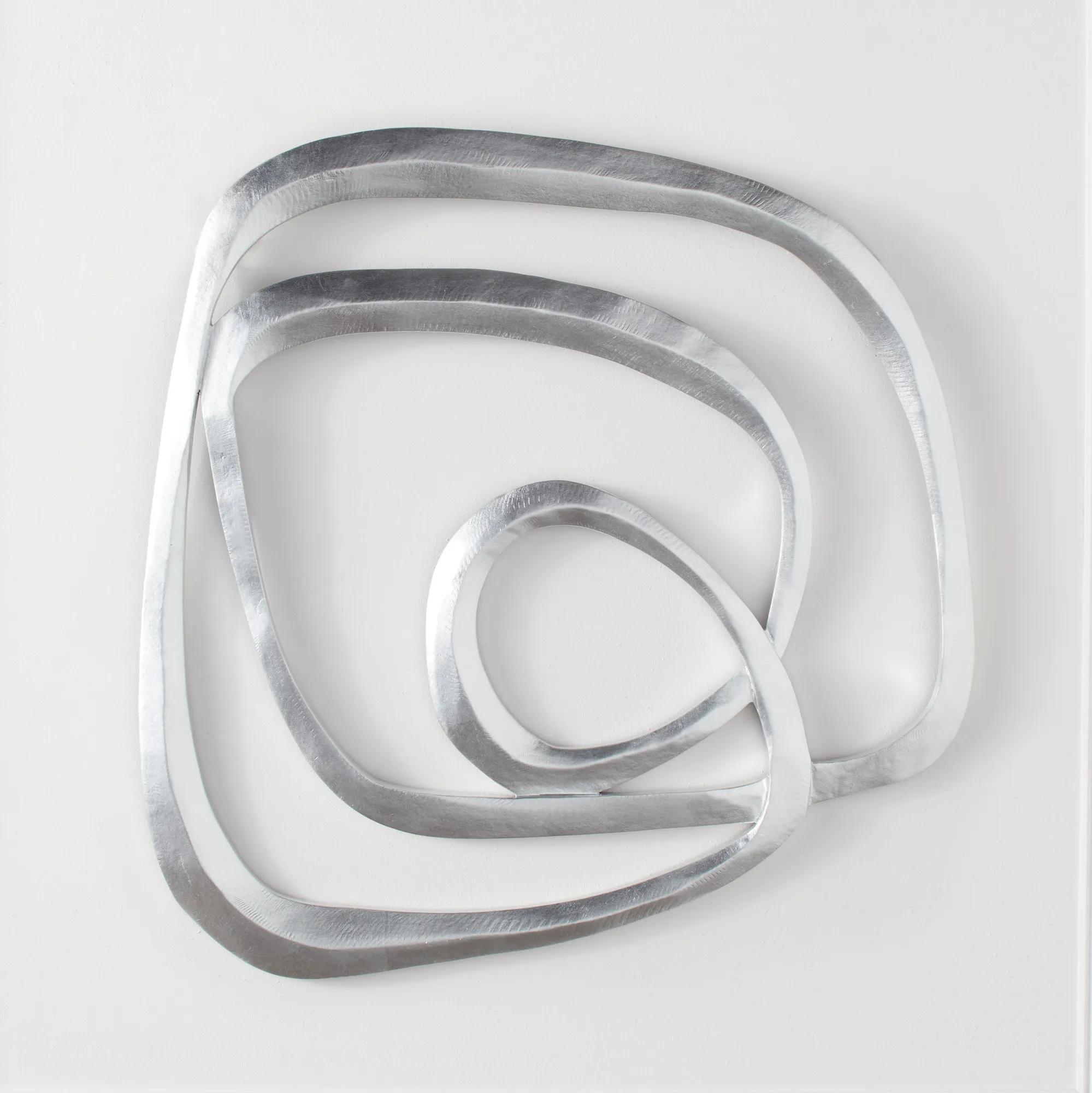 Infinity Silver Leaf Wood Wall Decor I 31.5" x 31.5"$299
A swirling wooden wall sculpture featuring a striking metallic silver finish for modern visual impact.
Add To Cart -
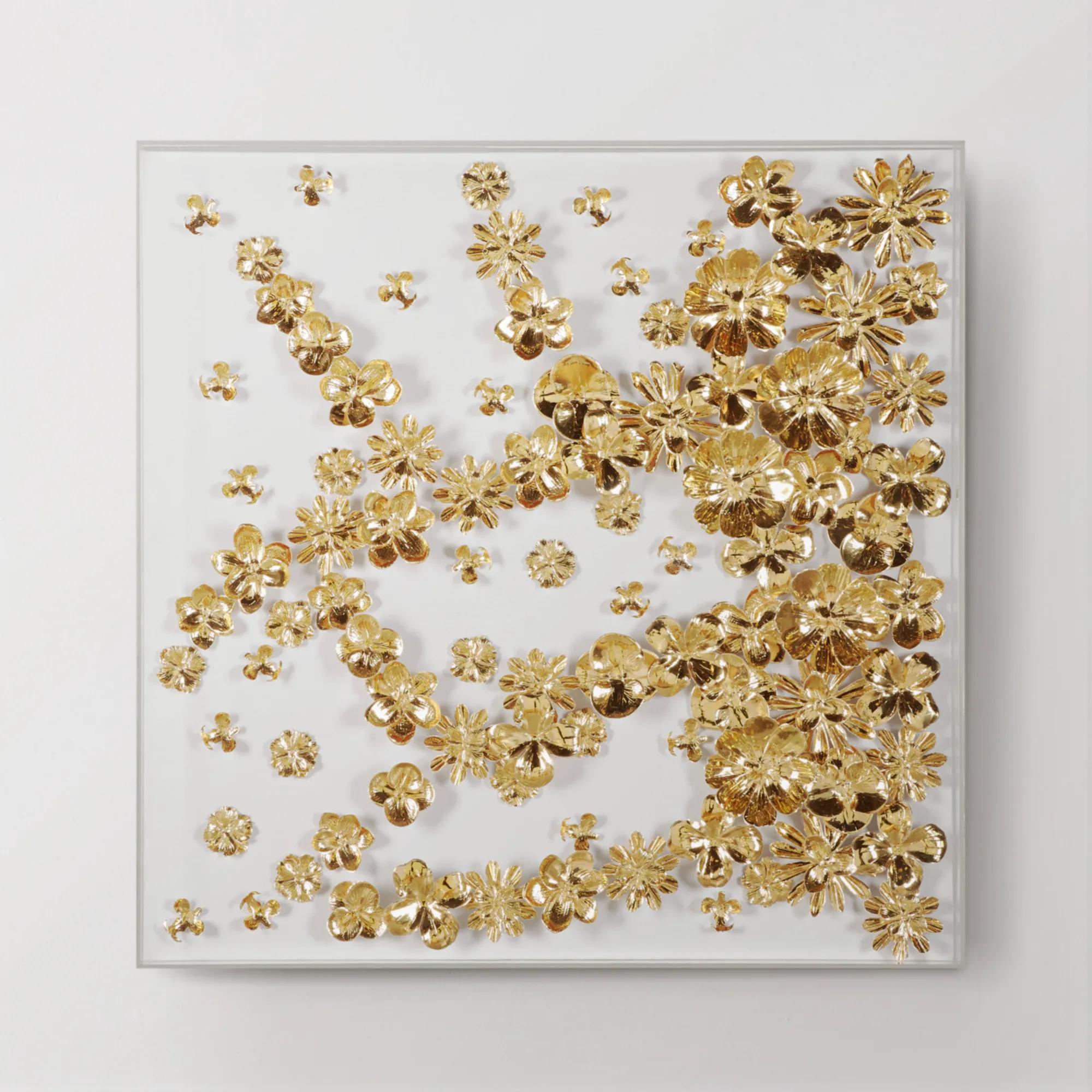
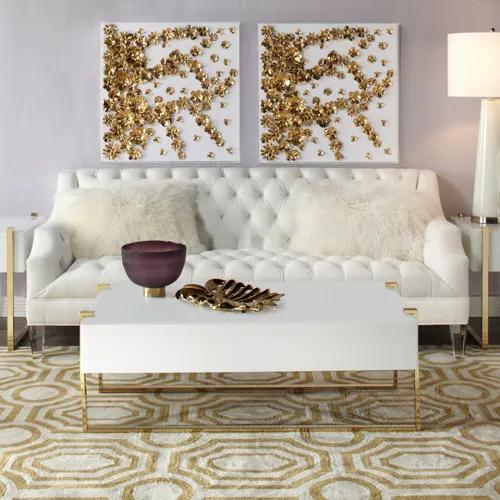 Gold Flora Handmade Foil Wall Decor in Acrylic 31" x 31"$499
A glam botanical wall art featuring handmade gold foil paper flowers on a white linen background.
Add To Cart -
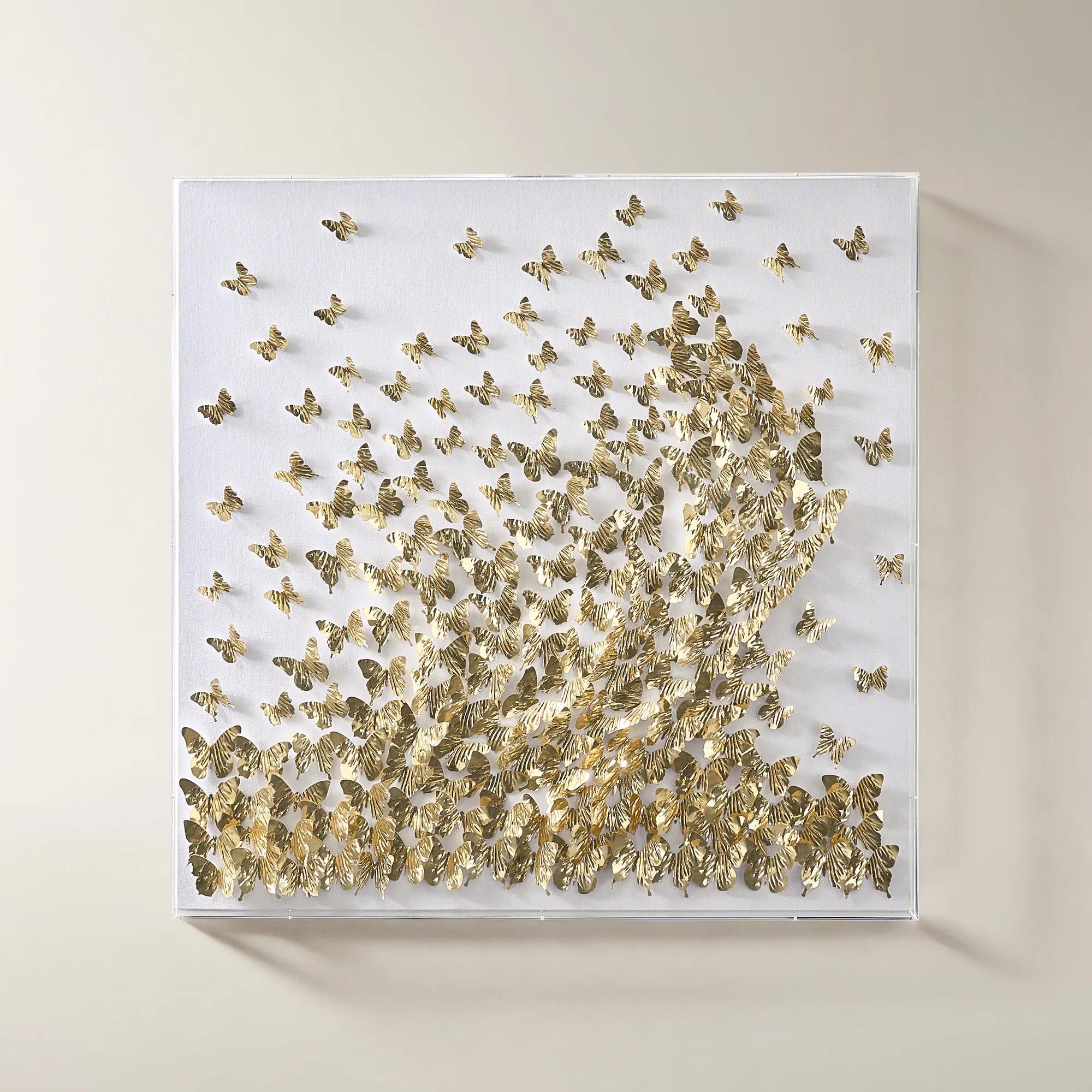
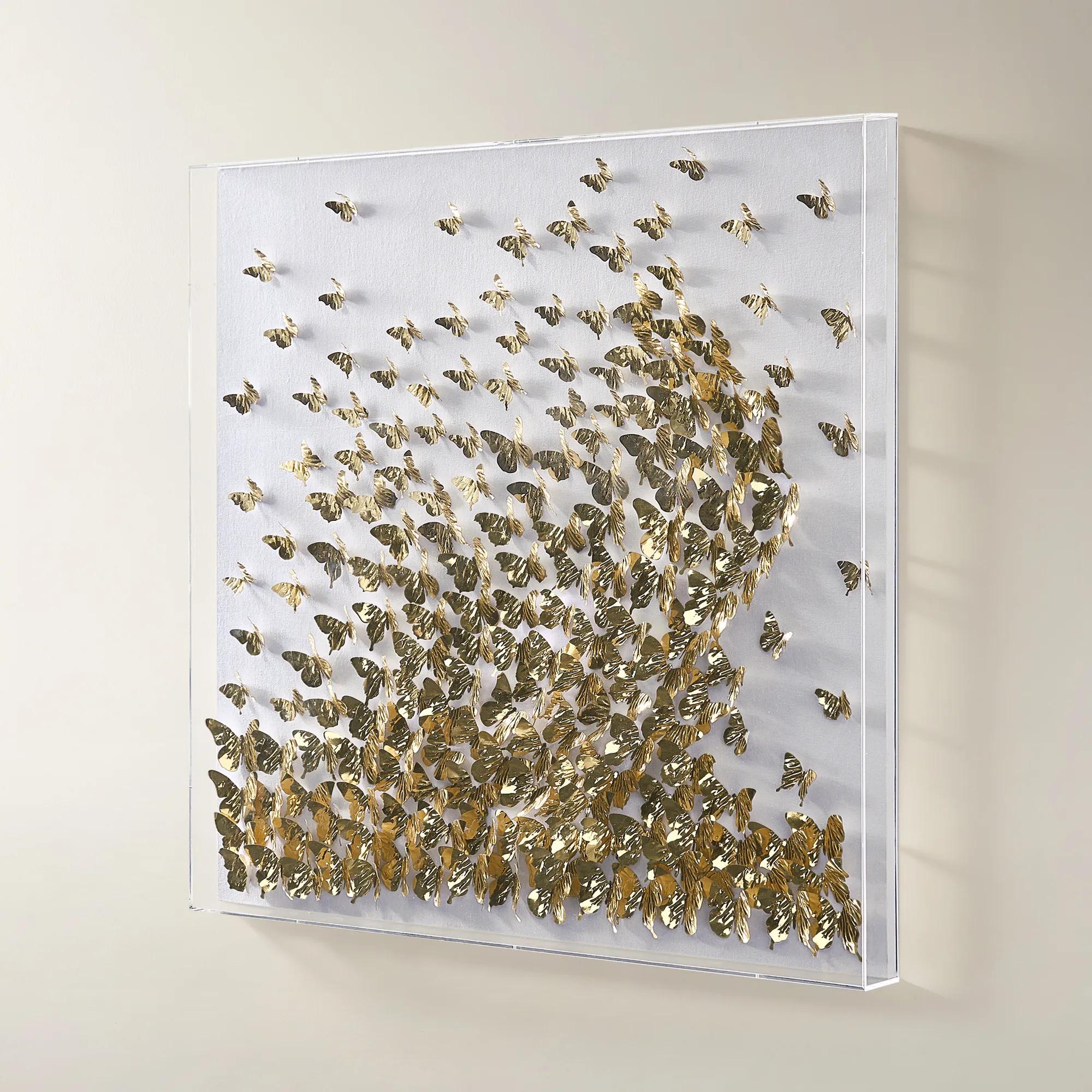 Butterfly Mist Handmade Gold Foil Wall Decor in Acrylic 39.25" x 39.25"$799
A sculptural wall art piece featuring handmade gold foil paper butterflies on linen, encased in a clear acrylic box.
Add To Cart -
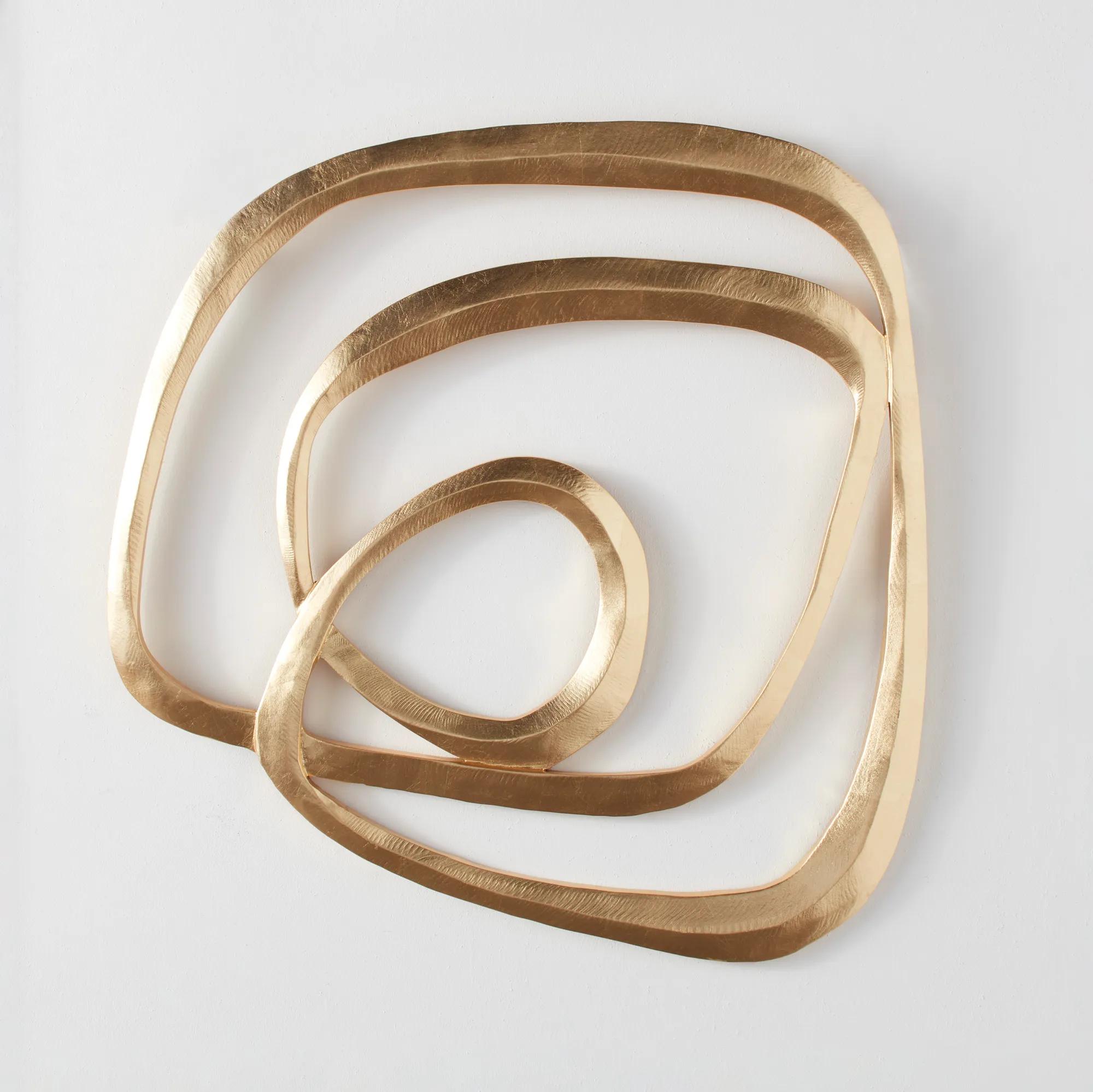 Infinity Gold Leaf Wood Wall Decor II 31.5" x 31.5"$299
A swirling wooden wall sculpture featuring a striking metallic gold finish for a modern statement.
Add To Cart -
 Grand Lips Gold Poly Resin Wall Decor 27.5" x 12.5"$99
A playful resin sculpture in radiant gold, perfect for adding bold artistic flair to any space.
Add To Cart -

 Baubles Turtledove Stainless Steel Wall Decor 39"$299
A sculptural stainless steel wall décor piece featuring an elegant turtledove finish.
Add To Cart -
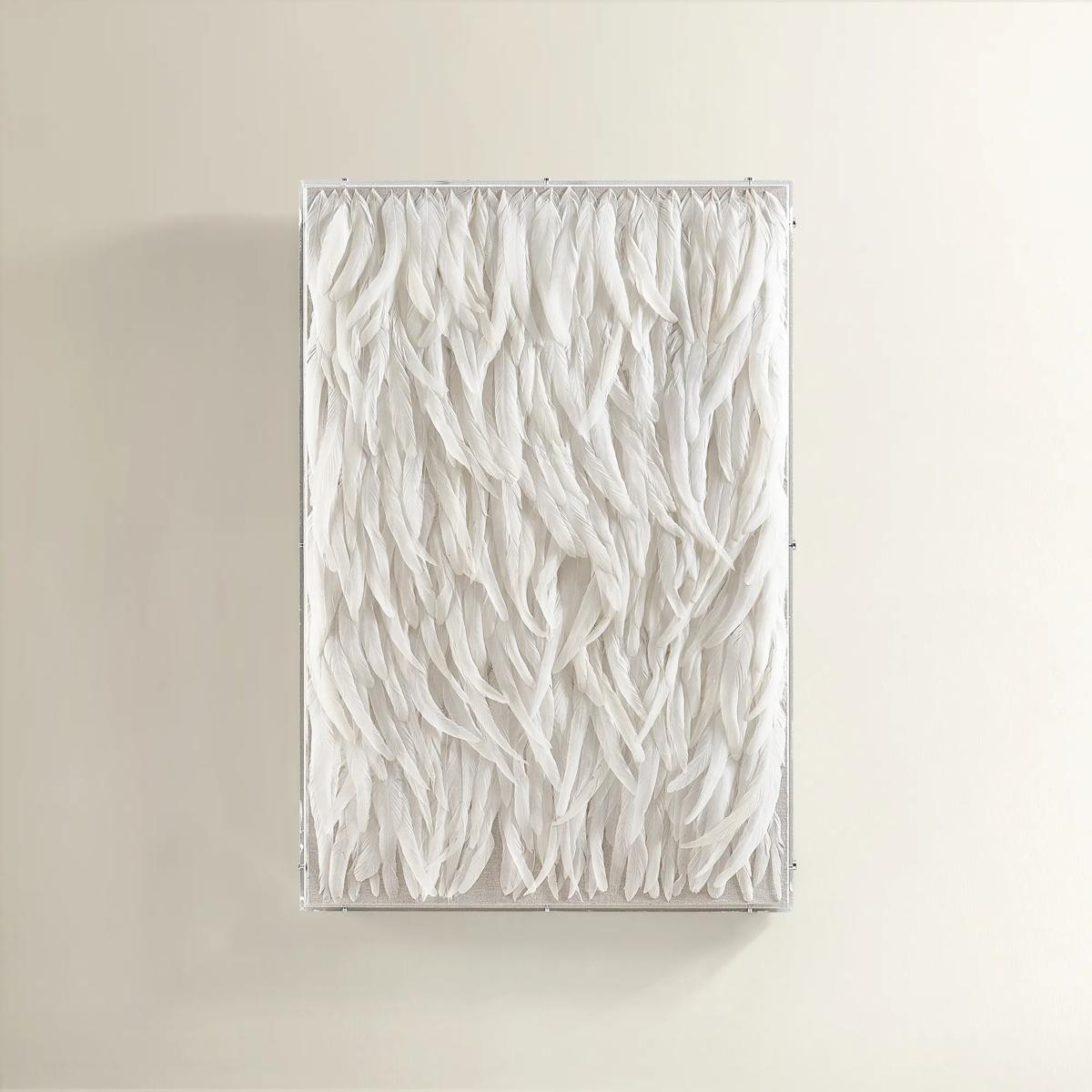 Swoon White Feather Wall Decor in Acrylic 23.5" x 35.5"$399
An ethereal wall art piece featuring layered white feathers encased in a crystal-clear acrylic shadow box.
Add To Cart -
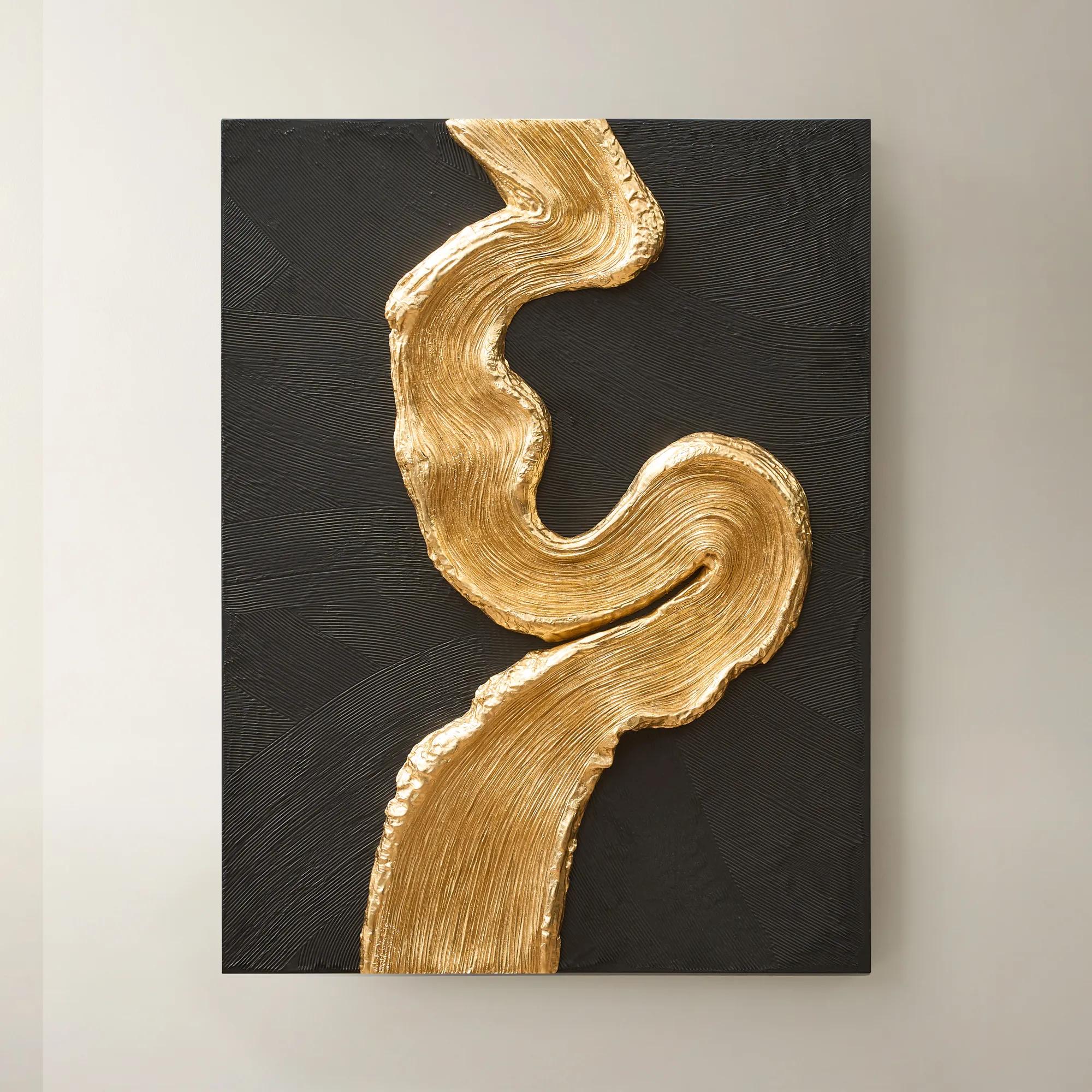
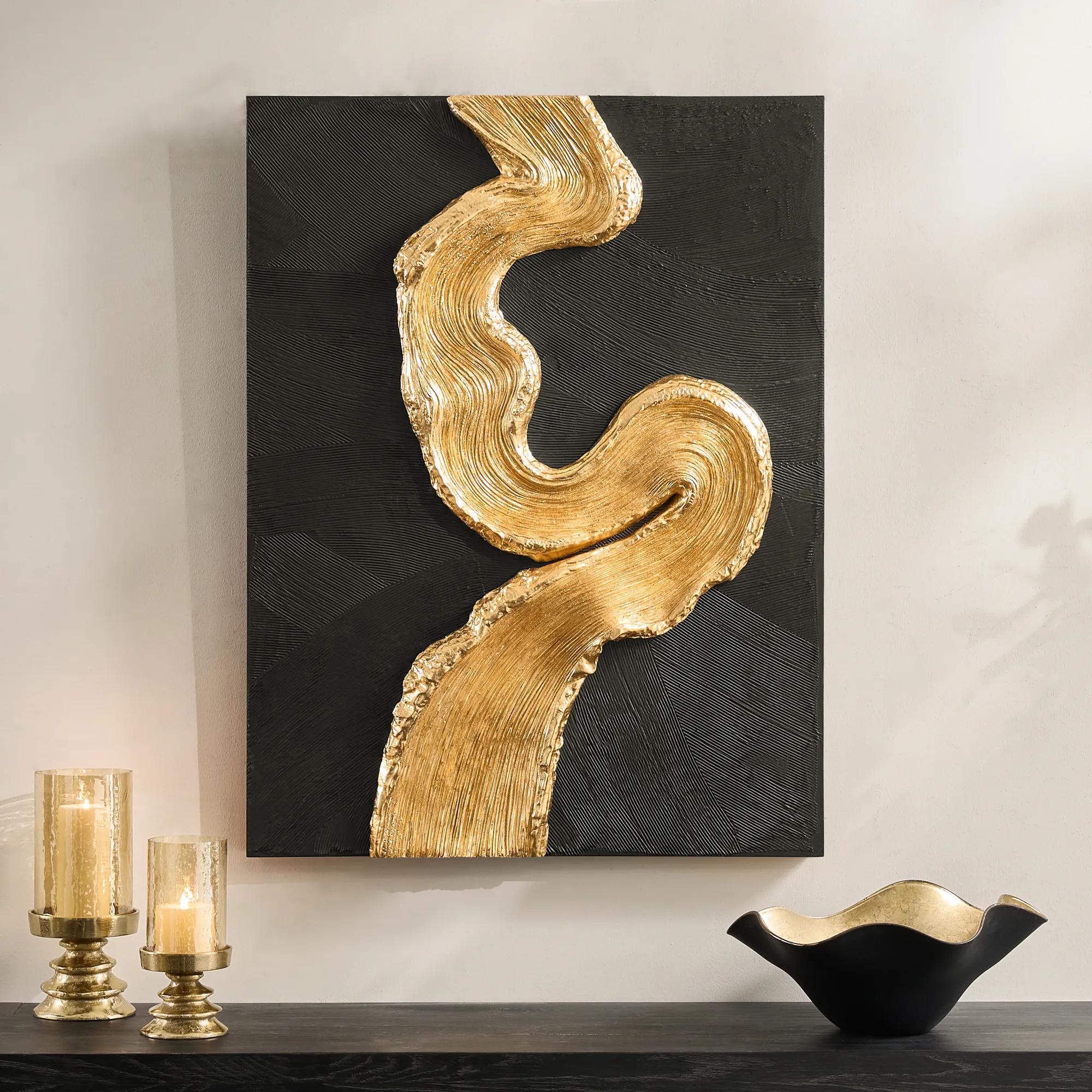 Gold Impasto Sculpted Resin Wall Panel 30" x 40"$499
A sculpted fiberglass resin wall panel featuring gold leaf detail and bold impasto texture on a black backdrop.
Add To Cart -

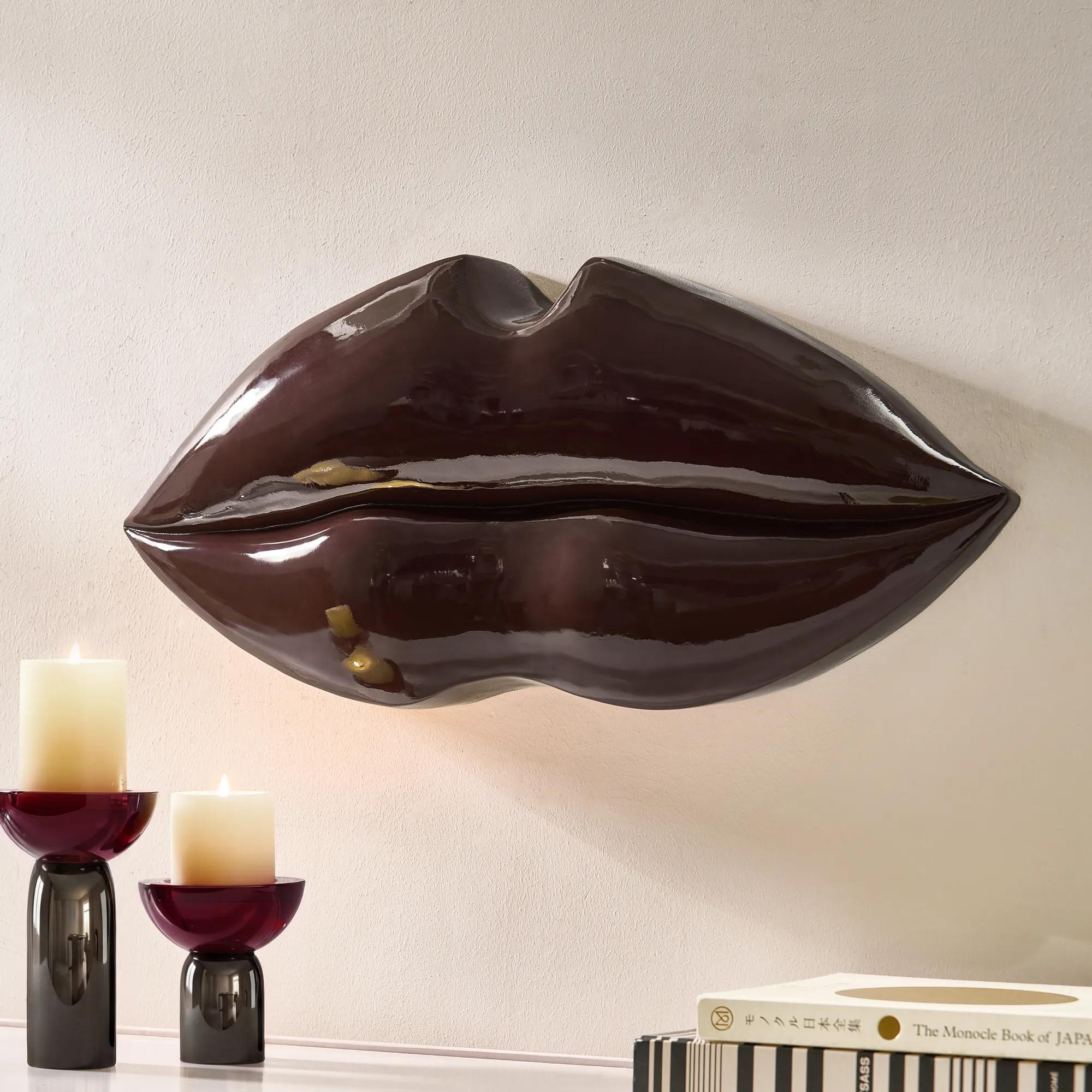 Grand Lips Fig Poly Resin High Gloss Wall Decor 27.5" x 12.5"$99
A bold polyresin wall sculpture in a rich fig hue, featuring an oversized, sculptural lips design.
Add To Cart -
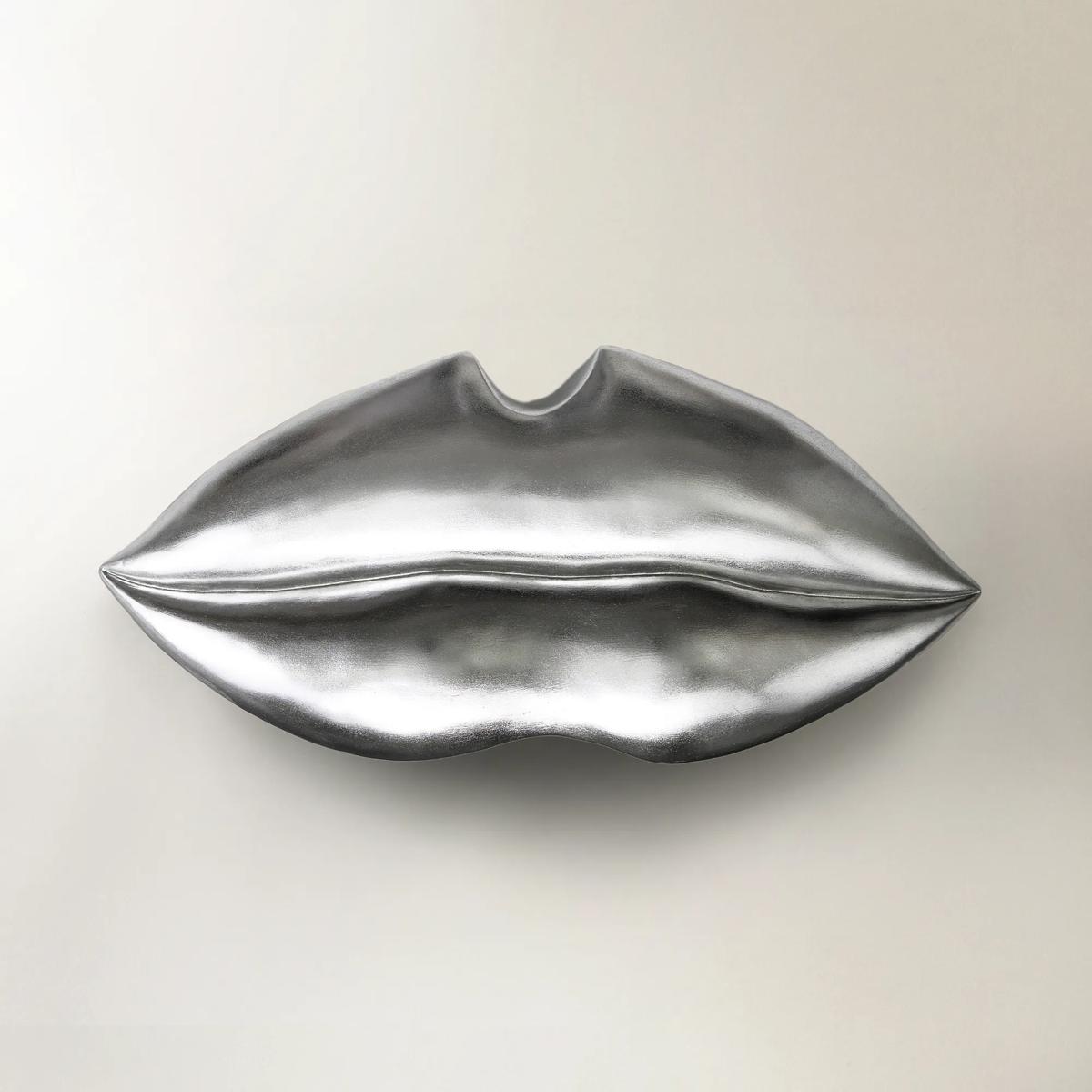 Grand Lips Silver Poly Resin Wall Decor 27.5" x 12.5"$99
A playful resin sculpture in sleek silver, perfect for adding modern flair to any space.
Add To Cart -
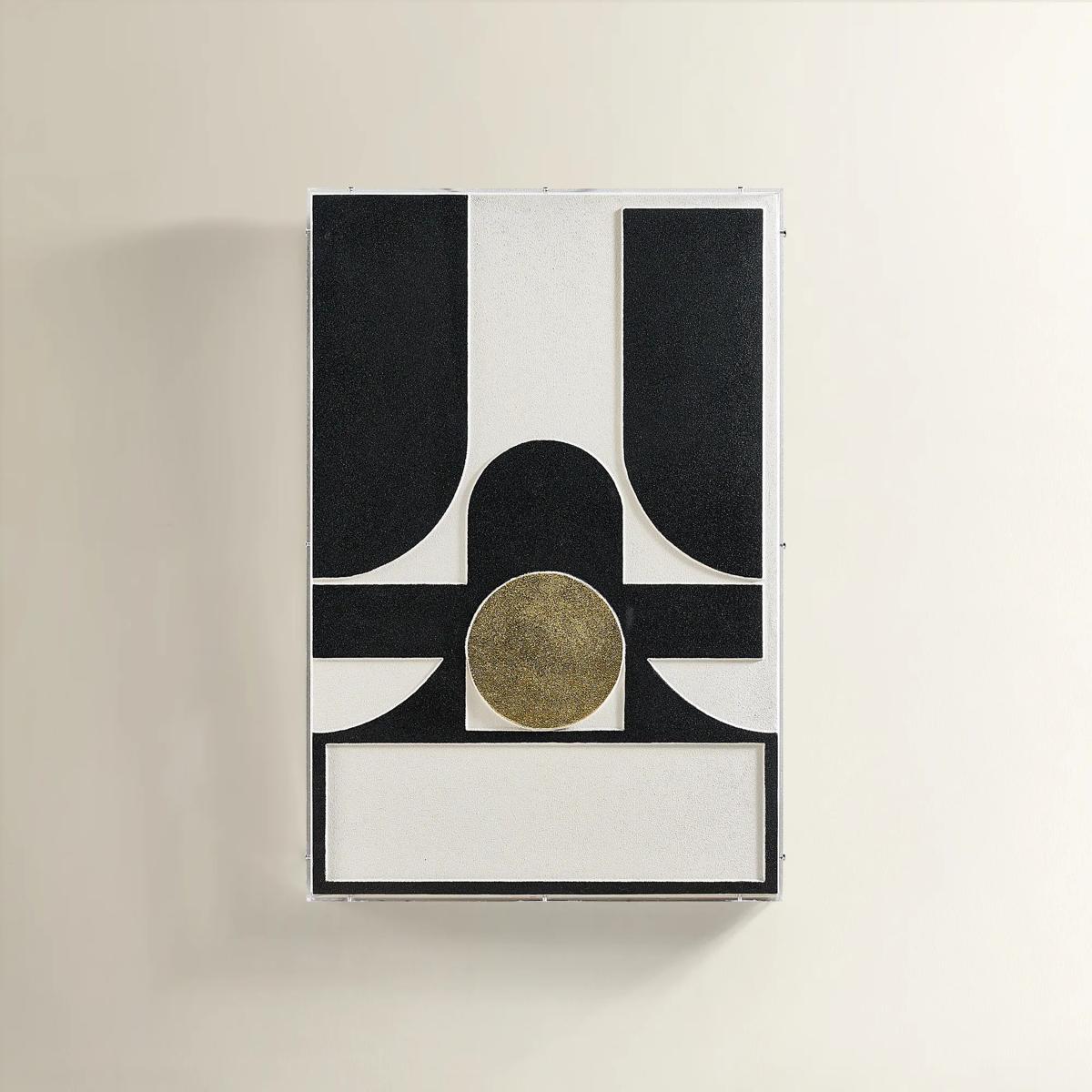
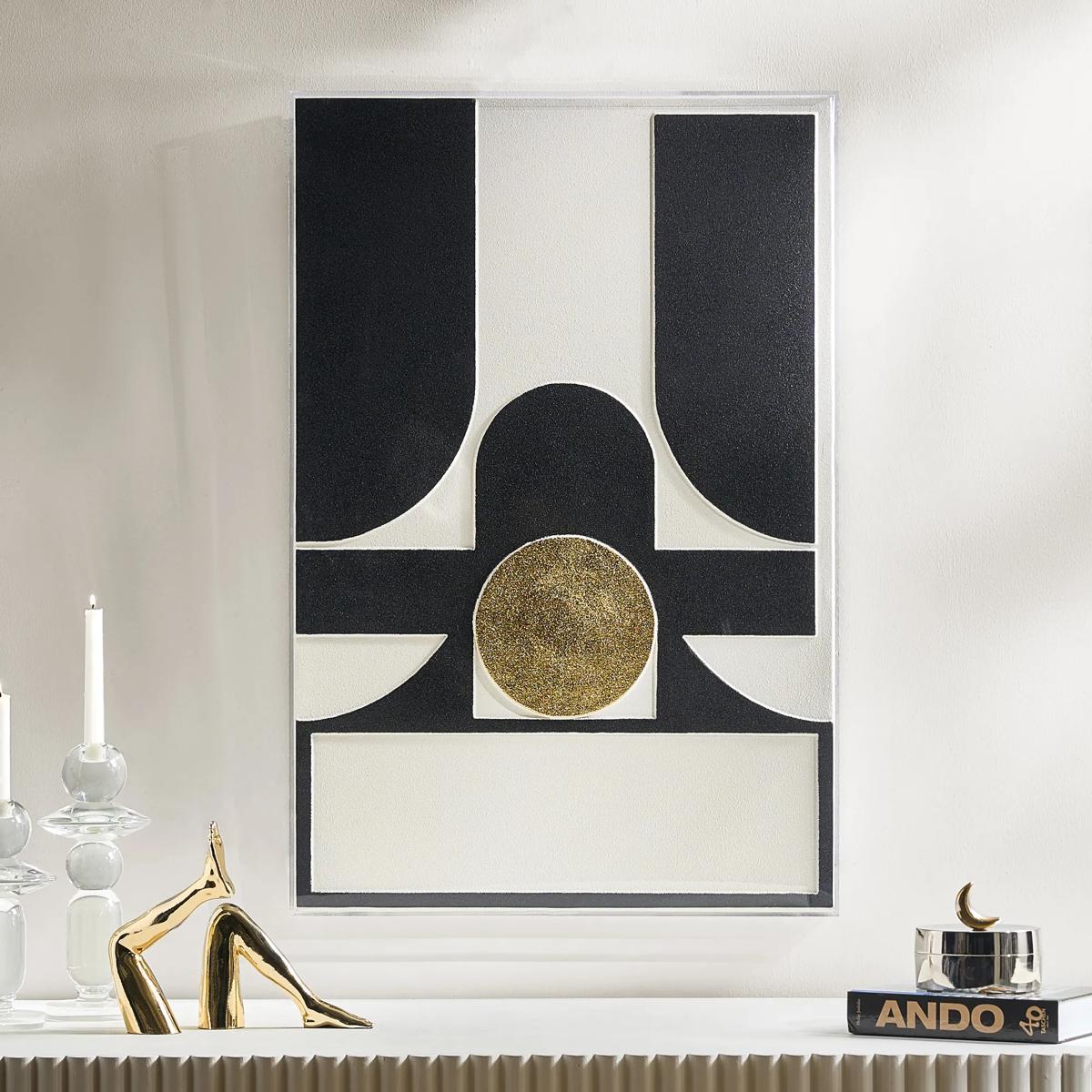 Siren Black And Gold Wall Decor in Acrylic 23.5" x 35.5"$299
A layered composition of black, ivory, and gold geometric forms set in a sleek acrylic shadow box.
Add To Cart -

 Sand Storm Framed Gold Foil Wall Art 32" x 47"$329
A refined abstract artwork with gold foil accents, sand and charcoal tones, framed in solid wood.
Add To Cart -
 Jagged Black Leather Wall Decor in Acrylic 23.5" x 35.5"$329
A sculptural wall art piece featuring folded black leather strips encased in a clear acrylic shadow box.
Add To Cart

Large Dimensional Wall Art
Explore large dimensional wall art that brings sculptural depth and a dramatic focal point to expansive walls. Discover wall decor that moves beyond a flat surface, adding texture and visual interest above a sofa, along a hallway, or in an entryway. Consider overall dimensions and how far each piece projects from the wall to find the right balance of scale and presence for your space.
Large dimensional wall art brings sculptural presence to a room, turning an open expanse of wall into a composition with depth, movement, and unmistakable character. Unlike a flat image, dimensional artwork extends beyond its background, allowing raised forms, layered elements, and open spaces to become part of the visual experience. A sweep of metal can cast a slender shadow; a carved surface can reveal a different rhythm from across the room than it does up close. These shifting details give the artwork a presence that changes with the viewing angle and the light, making it especially compelling in spaces designed for conversation and gathering. Above a living room sofa, a generous sculptural composition can establish the mood for the entire seating area. In an entryway, it offers an expressive introduction to the home, while a dining room wall gains the kind of visual richness that holds its own beside an elegant table and luminous chandelier. Materials contribute as much to that atmosphere as the design itself. Metal lends itself to sweeping lines, folded planes, and gleaming accents, with polished finishes reflecting light and brushed surfaces offering a quieter sheen. Wood introduces grain, warmth, and carved detail, whether its character is left visible or transformed with a painted finish. Resin can support intricate relief and fluid shapes, while glass and mirrored elements introduce reflection and a jewel-like quality. Mixed-media compositions bring contrasting surfaces together, creating tension between smooth and rough, opaque and reflective, substantial and delicate. The appeal lies not simply in size, but in how those materials occupy space. A broad, airy arrangement can feel expansive without appearing dense, while a compact field of deeply layered forms may carry considerable visual weight. For interiors with confident color, sumptuous upholstery, or expressive furnishings, large dimensional wall decor adds another artistic layer. In a more restrained setting, it can supply the single decisive gesture that gives the room its identity.
Scale is central to the relationship between dimensional artwork and its surroundings. A substantial wall sculpture needs enough room for its silhouette to register, including the shadows and negative space that make its construction distinctive. Over a console or sofa, a composition that remains comfortably within the width of the furniture beneath it often feels connected to the setting rather than detached from it. On a tall, uninterrupted wall, a vertical arrangement can emphasize architectural height; across a broad dining room wall, a horizontal design can echo the length of the table and bring balance to the room. Measurements should account for depth as well as height and width. Raised elements deserve clearance from passing traffic, nearby doors, and furniture that may shift with everyday use, particularly in hallways or compact entry spaces. Visual weight matters, too: a dark, densely layered piece can feel more commanding than a larger design made of slender lines or open forms. Surrounding finishes influence the result. Pale walls give dark metal a crisp outline, richly colored walls can intensify the glow of metallic details, and subtle wallpaper may provide a sophisticated backdrop when its pattern does not compete with the artwork. Lighting adds another dimension. Light arriving from the side can reveal the contour of a relief, while softer ambient illumination allows reflective accents to shimmer without dominating the room. Highly polished surfaces benefit from placement that avoids distracting glare at seated eye level. For a related expression of depth, Large Textured Wall Art offers a complementary direction, with surface detail playing a defining visual role. Dimensional and textured artwork can share an affinity for raised surfaces, yet projecting shapes and layered construction bring particular emphasis to silhouette and shadow. A thoughtful setting leaves those qualities visible. Rather than surrounding a substantial piece with numerous smaller accents, a little breathing room can let each curve, edge, and opening contribute to the composition, creating a focal point that feels deliberate and fully integrated into the architecture.
The lasting appeal of large dimensional wall art depends on both its construction and the environment in which it is displayed. Material, weight, finish, and attachment points all deserve attention, especially when a piece includes projecting sections or multiple connected components. A metal composition may offer a strong structural presence, but its finish can still be vulnerable to scratches or moisture. Wood can respond to changes in humidity, and glass or mirrored details require protection from impact. Resin allows expressive shaping, though delicate extensions should not be treated as handles when moving the artwork. Secure installation is essential for substantial pieces: mounting hardware must suit the artwork’s weight and the wall construction, with studs or appropriately rated anchors used as directed by the manufacturer. Professional installation can be worthwhile for oversized, heavy, or multipart arrangements, particularly above furniture where people sit or gather. Unless artwork is expressly intended for another environment, an interior location away from splashes, excessive humidity, and prolonged direct sunlight is generally the more considered choice. Care should follow the material-specific instructions, with gentle dust removal often preferable to vigorous wiping across intricate relief. A soft, dry cloth or soft brush may be appropriate for some surfaces, while abrasive cleaners and unapproved sprays can compromise decorative finishes. Supporting the piece securely during care helps protect both its sculptural details and the wall behind it. These practical considerations preserve the artistic effect that makes dimensional decor so compelling in the first place. For someone furnishing a new home, refining a formal living room, or giving a dining space a more distinctive identity, a substantial wall composition offers expression without occupying valuable floor space. It can also be a meaningful housewarming or milestone gift for a design enthusiast, provided the recipient’s taste, wall dimensions, and installation needs are understood. Paired with a plush chair, a polished console, or an otherwise uncluttered wall, large dimensional artwork creates a setting with depth and intention—a room in which art is not merely displayed, but felt.
FAQs
Large dimensional wall art extends beyond a flat surface, using raised forms, layered compositions, or sculptural details to create depth. Its interplay of light and shadow gives a wall expressive presence, turning an architectural backdrop into an artful focal point.
Dimensional wall art introduces sculptural contrast to a room rich in sumptuous upholstery and gleaming accents. Choose fluid forms to soften tailored furnishings or angular compositions to bring definition to a layered space. The result feels expressive and intentionally composed.
Consider a living room feature wall, a dining room backdrop, or an entryway where sculptural art can establish the mood. Give the surrounding wall a quieter treatment so the composition’s contours and shadows draw the eye. Let nearby furnishings echo one shape or color for a polished connection.
Let dimensional wall art lead the composition, then introduce framed artwork or mirrors with a shared palette or complementary lines. Balance intricate relief with simpler neighboring pieces so each detail has room to register. A thoughtful mix of flat and sculptural surfaces creates a collected, gallery-inspired atmosphere.
Lighting becomes part of the composition, revealing contours and casting shadows across raised details. Directional light emphasizes sculptural definition, while diffused light creates a softer expression. Consider how daylight shifts through the room to enjoy the artwork’s changing character from morning to evening.