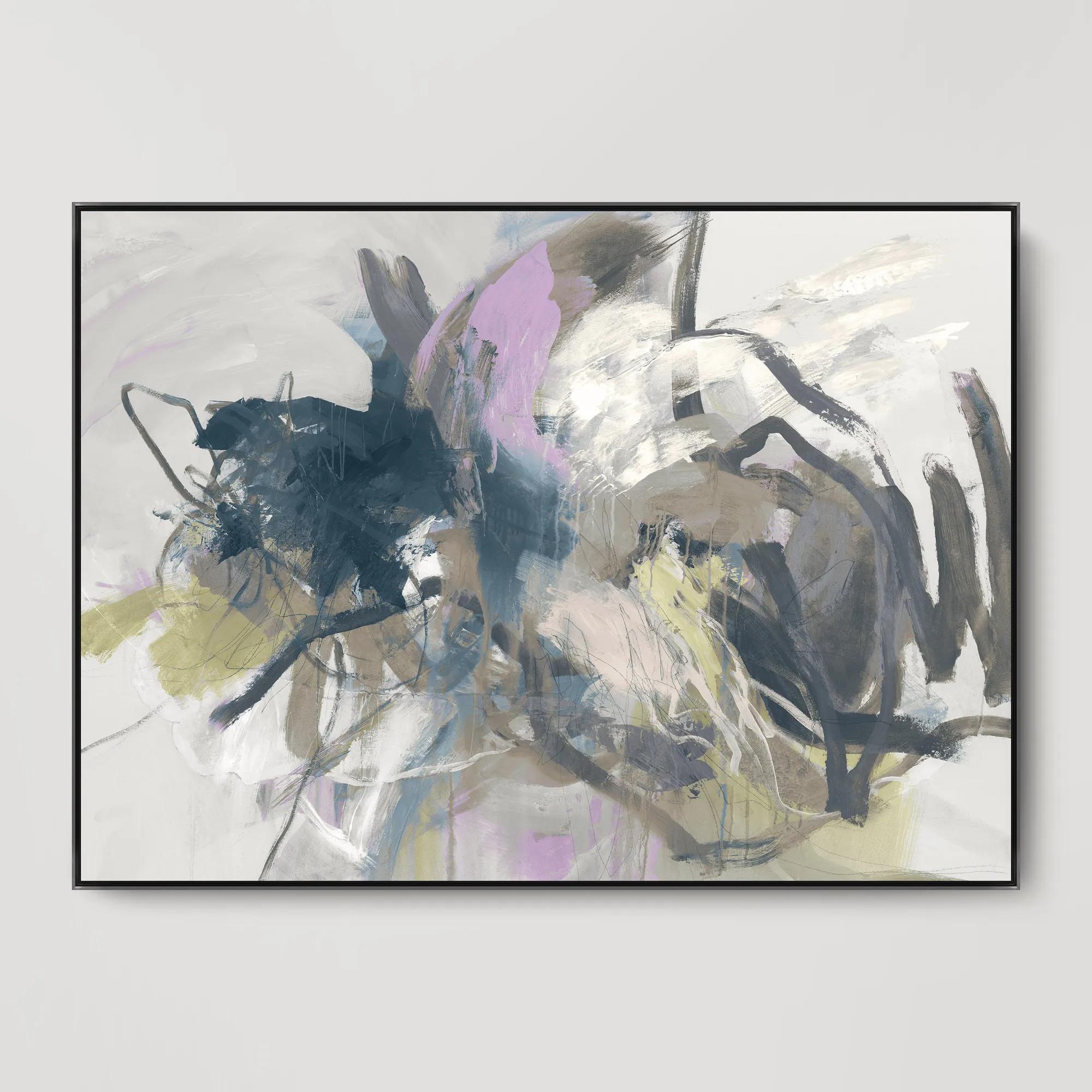
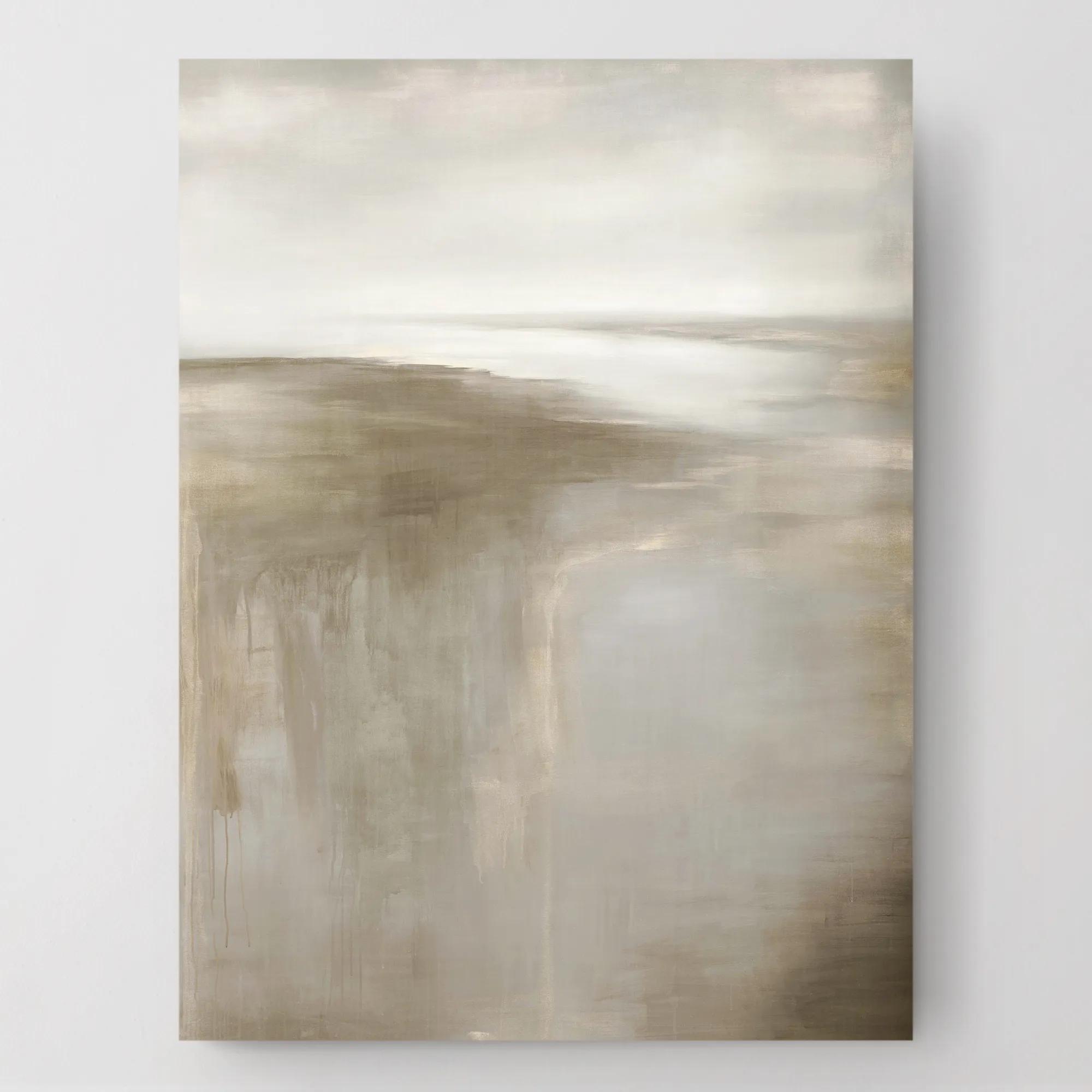
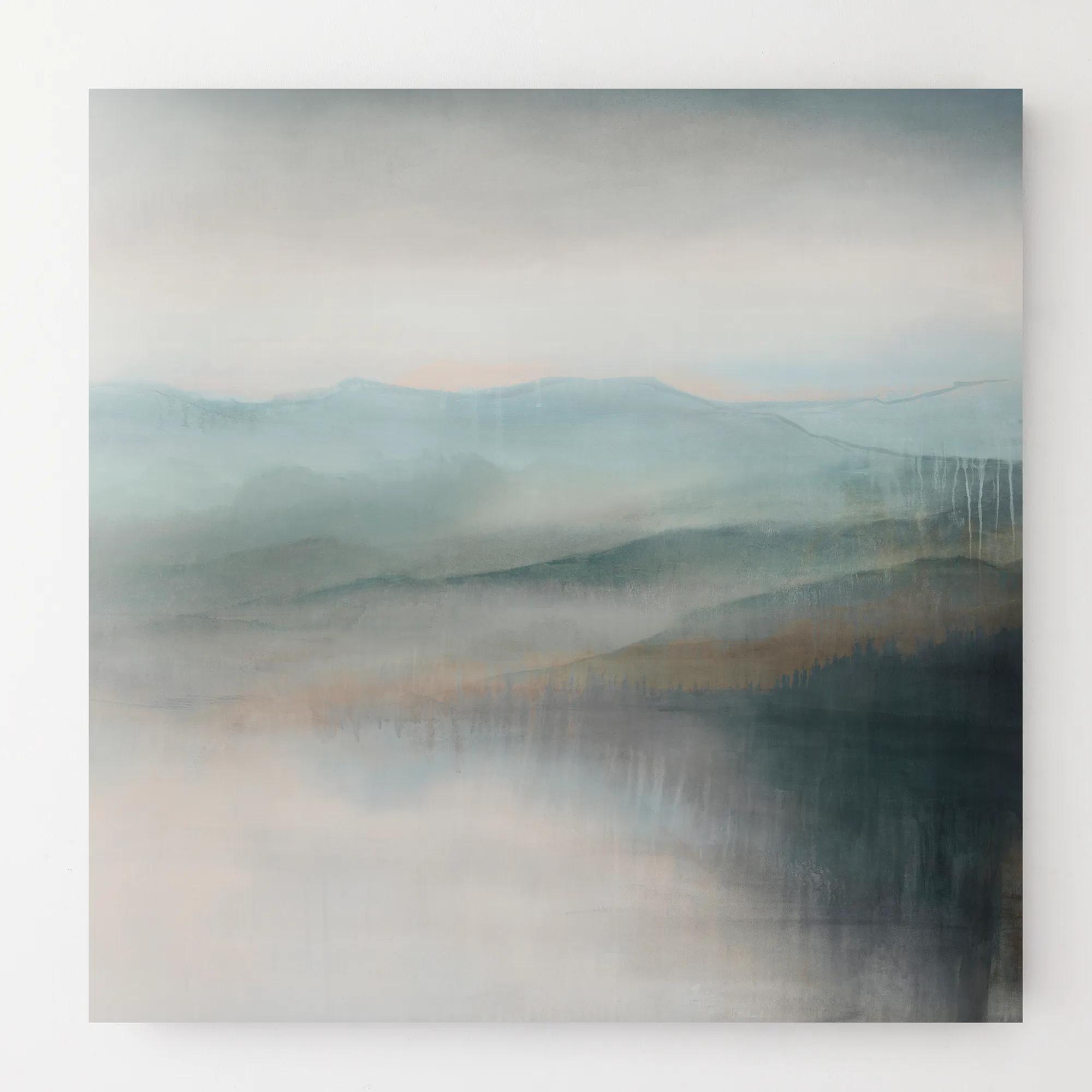
Abstract Wall Arts For Large Spaces
Abstract Wall Arts For Large Spaces
-
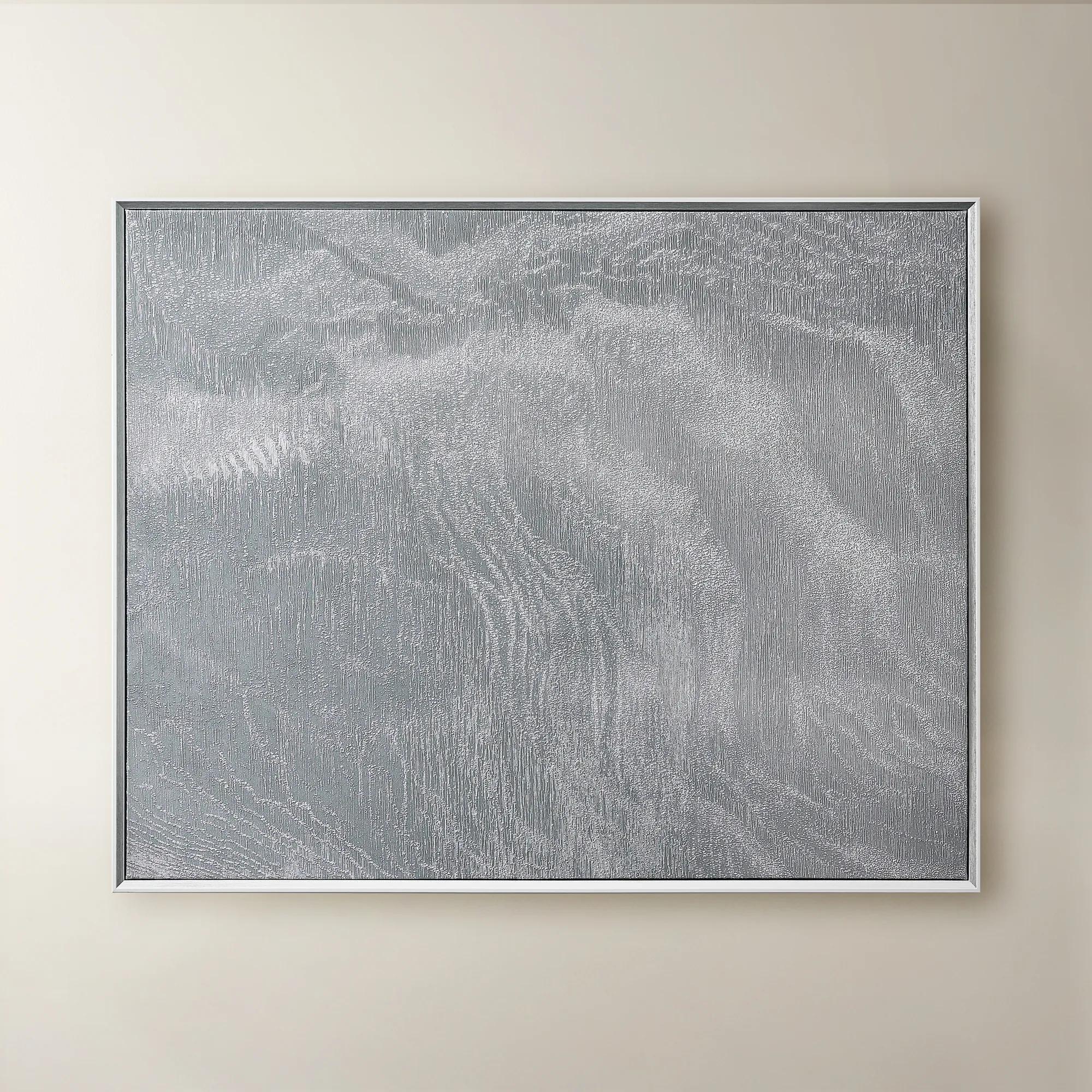 Slow Blue Morning Framed Silver Foil Wall Art 48" x 60"$599
A serene powder blue abstract canvas with silver foil accents, framed in silver and white for modern elegance.
Add To Cart -
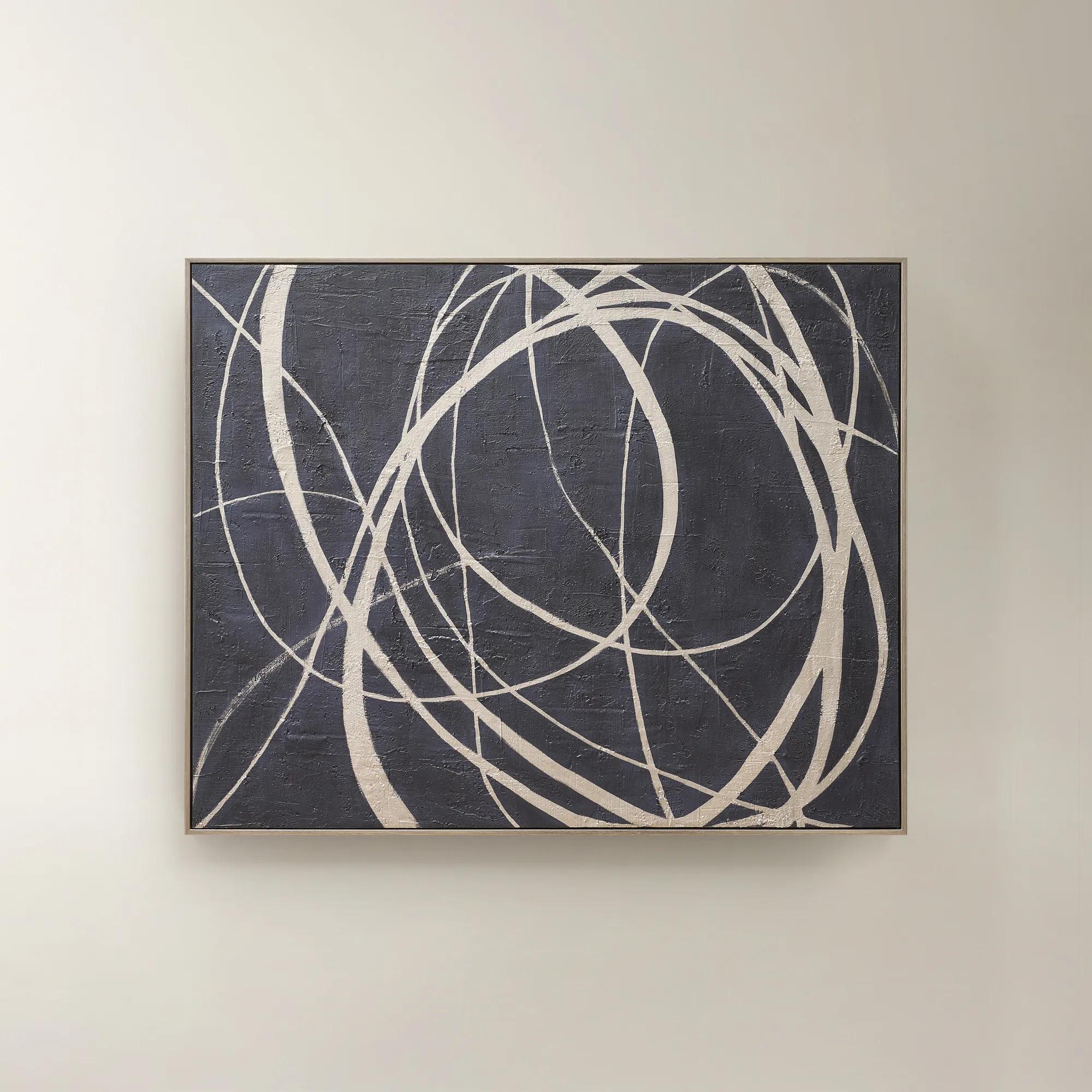 Wandering Framed Painted Wall Art 48" x 60"$699
An expressive hand-painted canvas in deep ink blue with champagne accents for a bold, sophisticated statement.
Add To Cart -
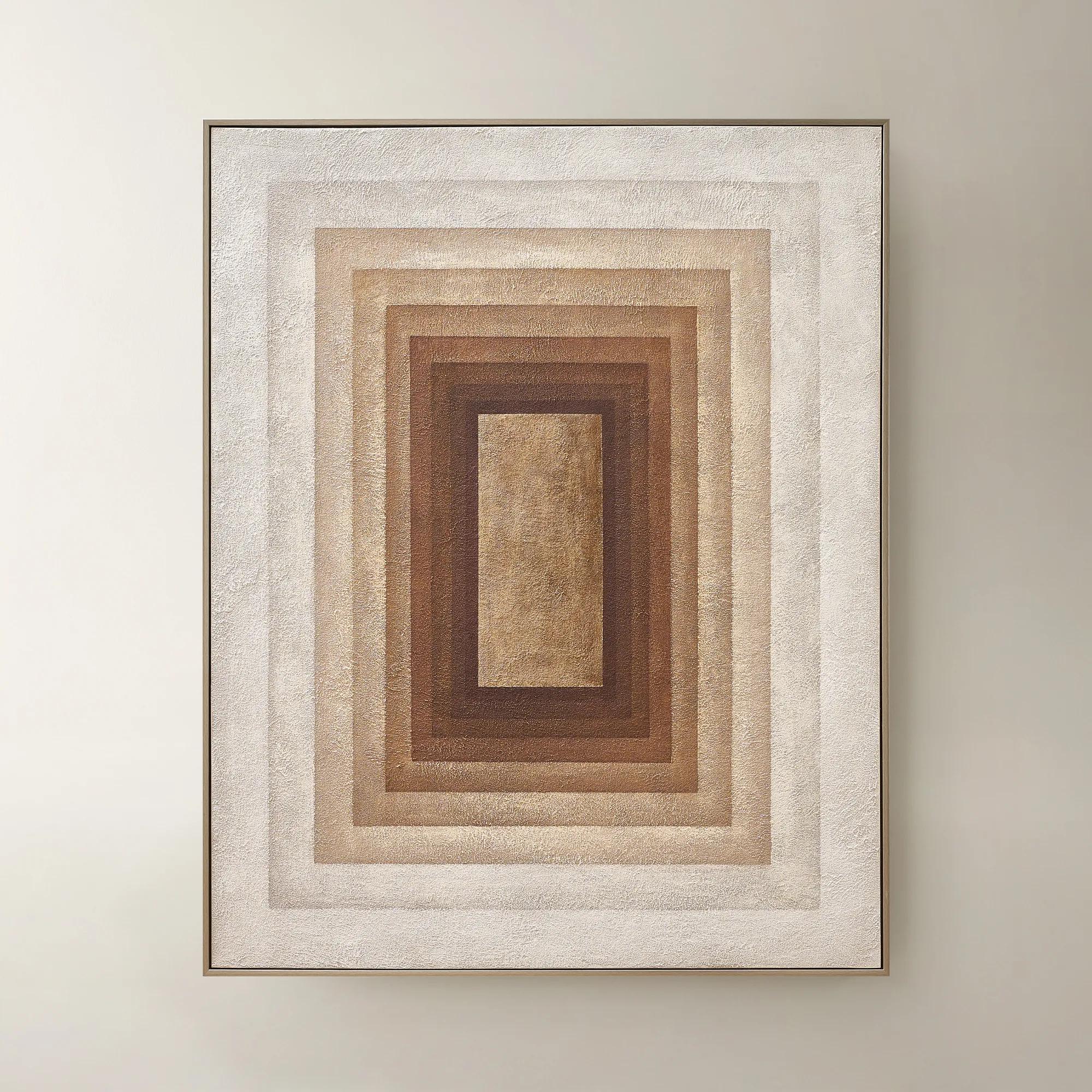 Monochrome Drift Framed Painted Wall Art 60" x 48"$699
A hand-painted abstract canvas with champagne leafing, featuring cocoa and gold tones in modern geometric design.
Add To Cart -
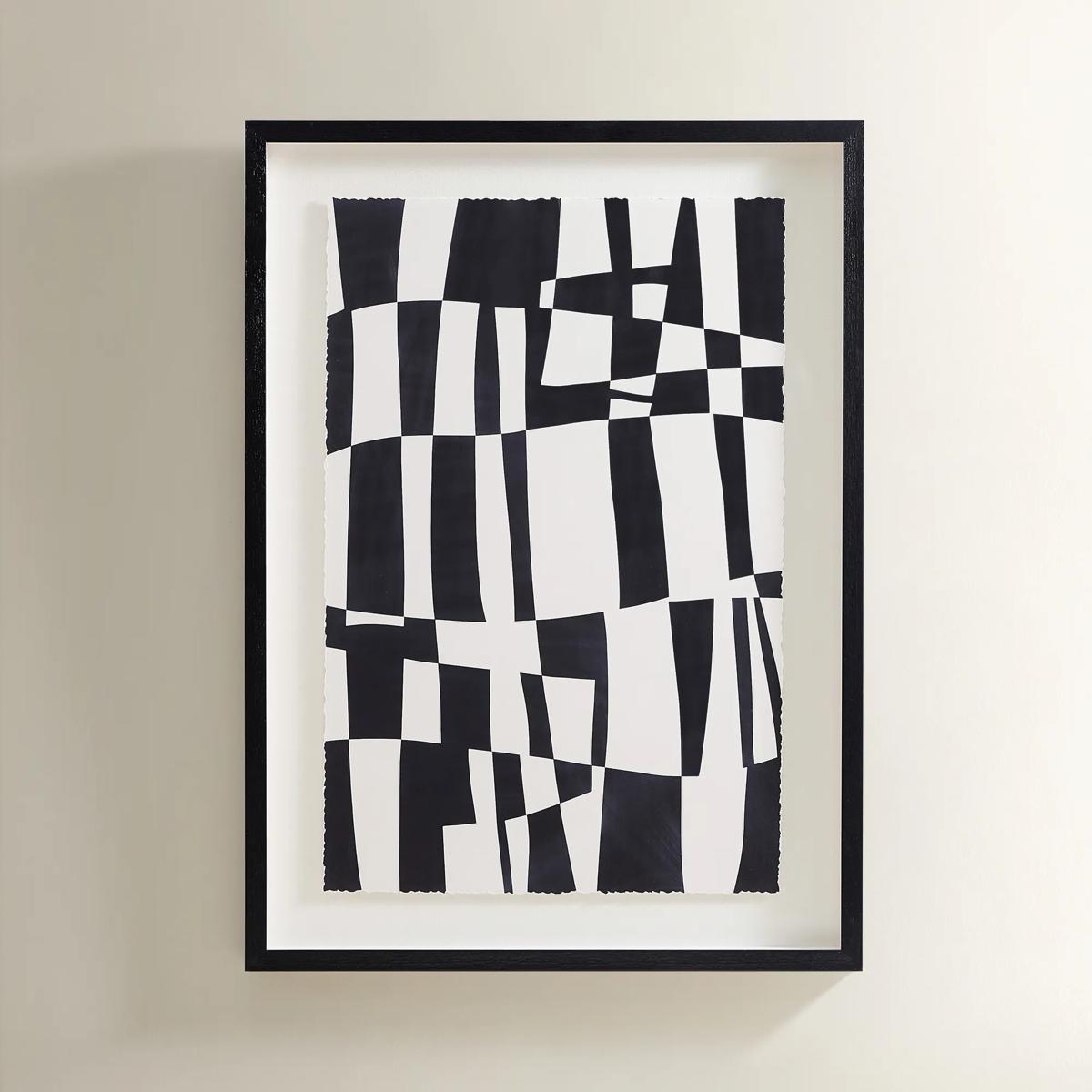 Matrix Art$369
A striking black and white abstract grid print set in a sleek black polyresin frame.
Add To Cart -
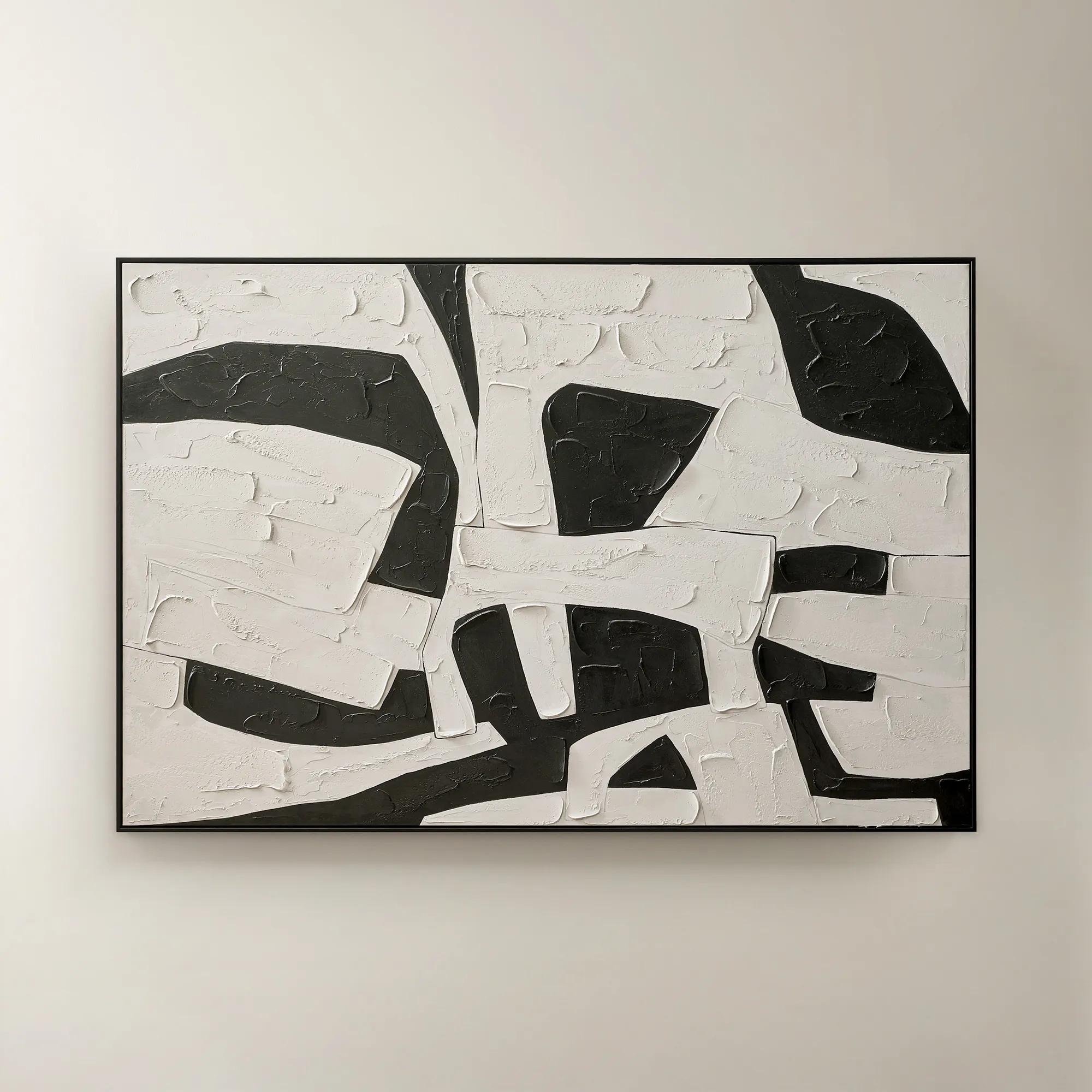 Space Between Shadows Framed Painted Wall Art 72" x 48"$799
A hand-painted abstract canvas featuring bold alabaster and black geometric forms in a sleek black frame.
Add To Cart -
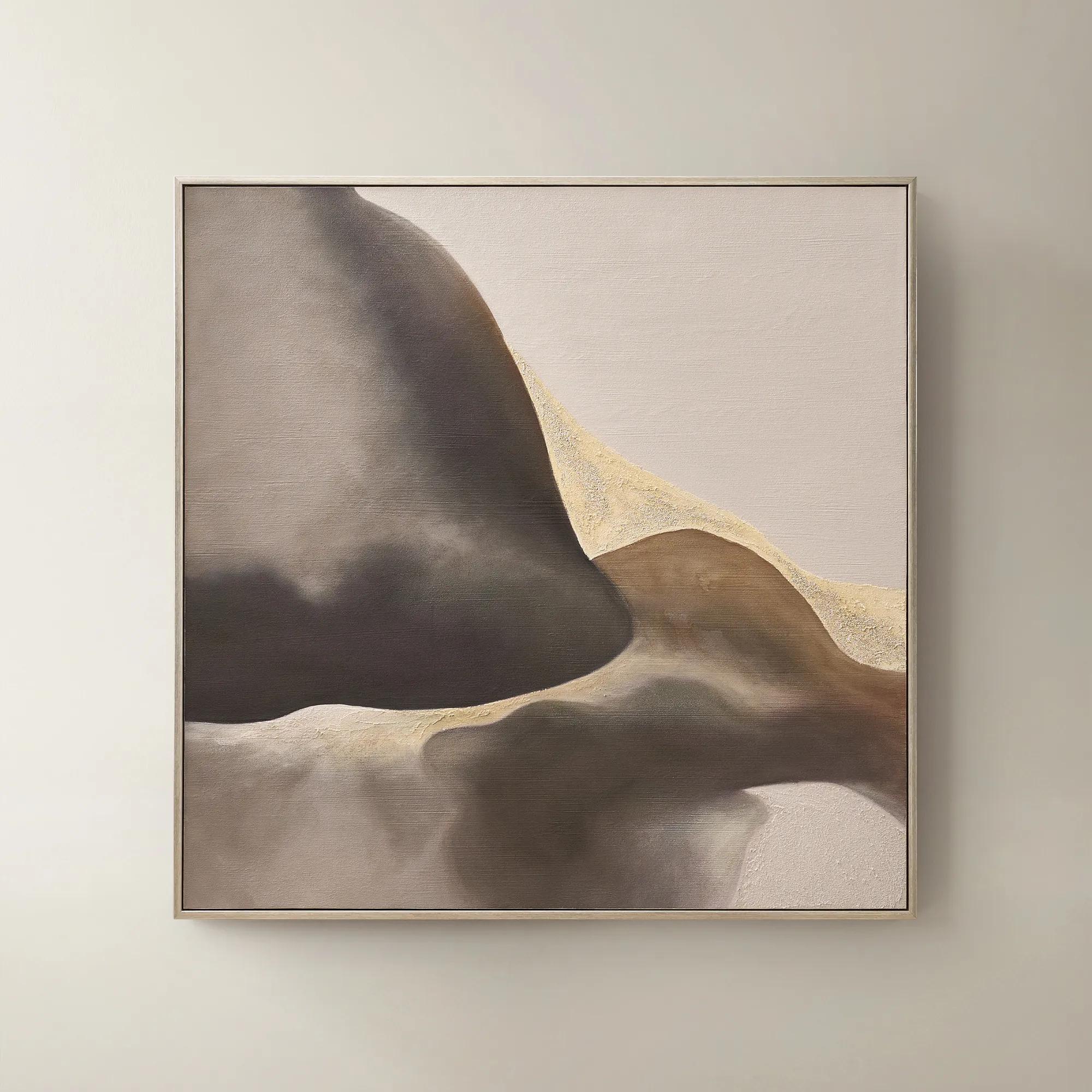 Windswept Framed Gold Leaf Painted Wall Art 50" x 50"$549
A hand-painted abstract canvas in plum truffle with gold leaf accents and a brushed champagne frame.
Add To Cart -
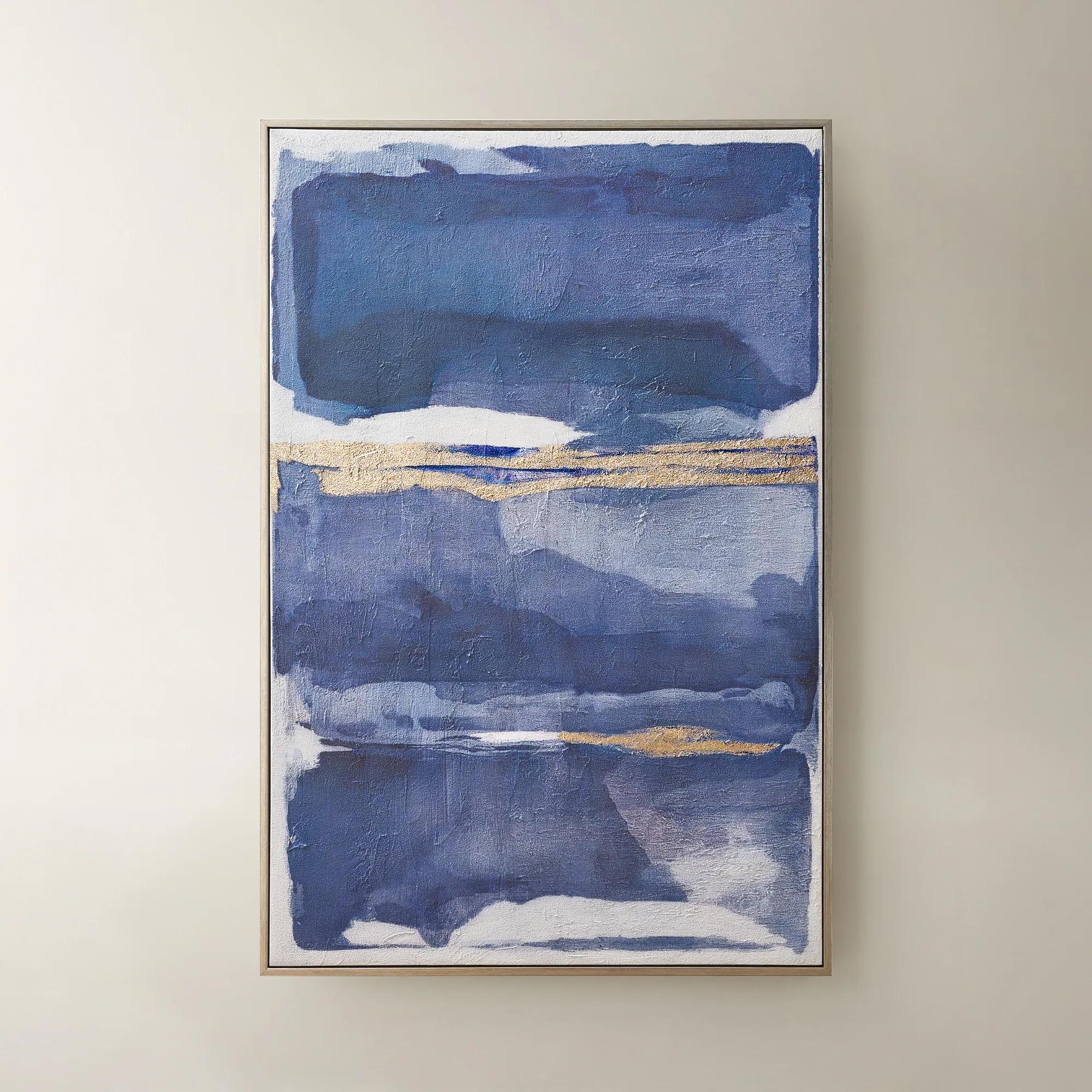
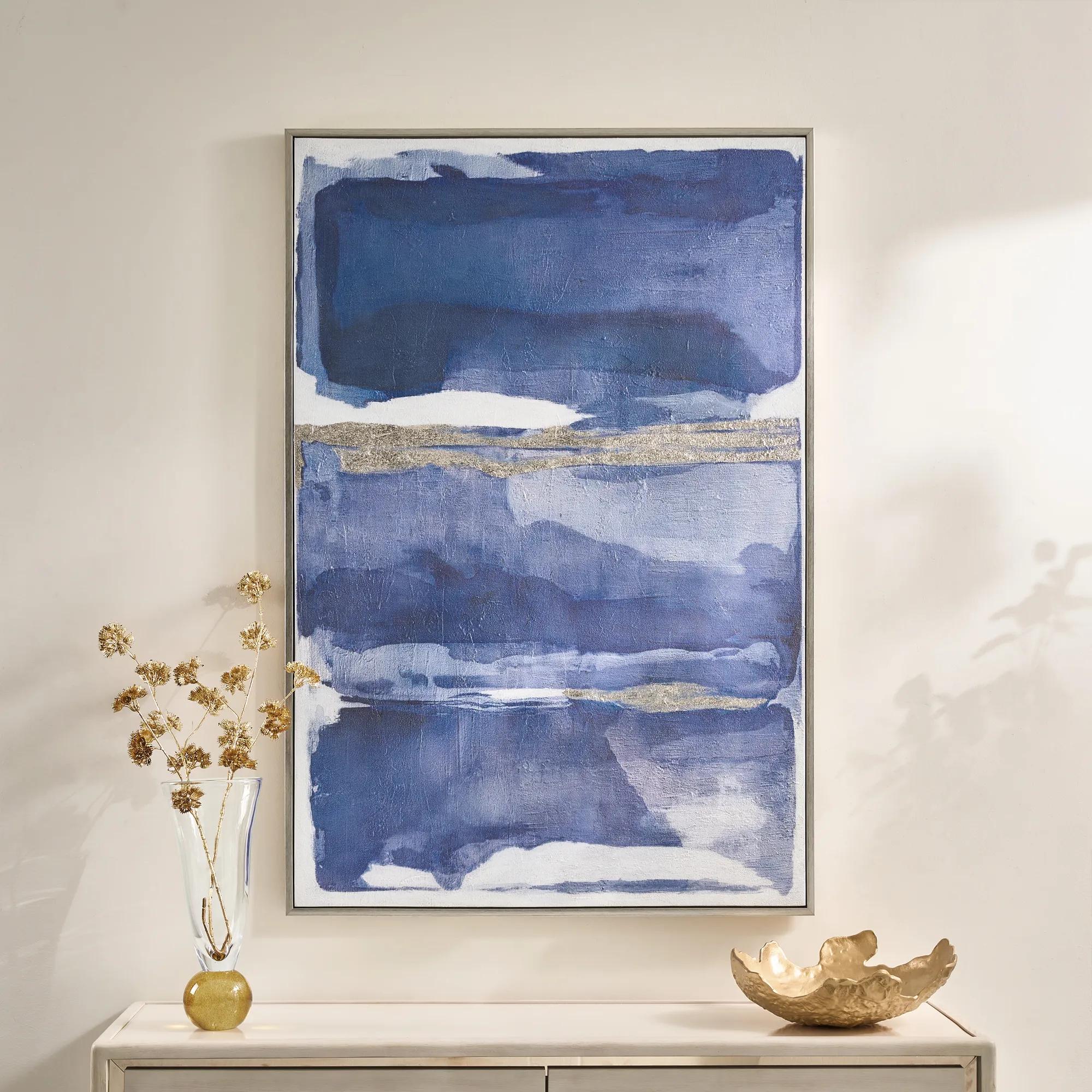 Memories in Blue Framed Painted Wall Art 40" x 60"$499
A hand-painted canvas in deep ink blue with champagne leafing for a sophisticated, gallery-inspired look.
Add To Cart -

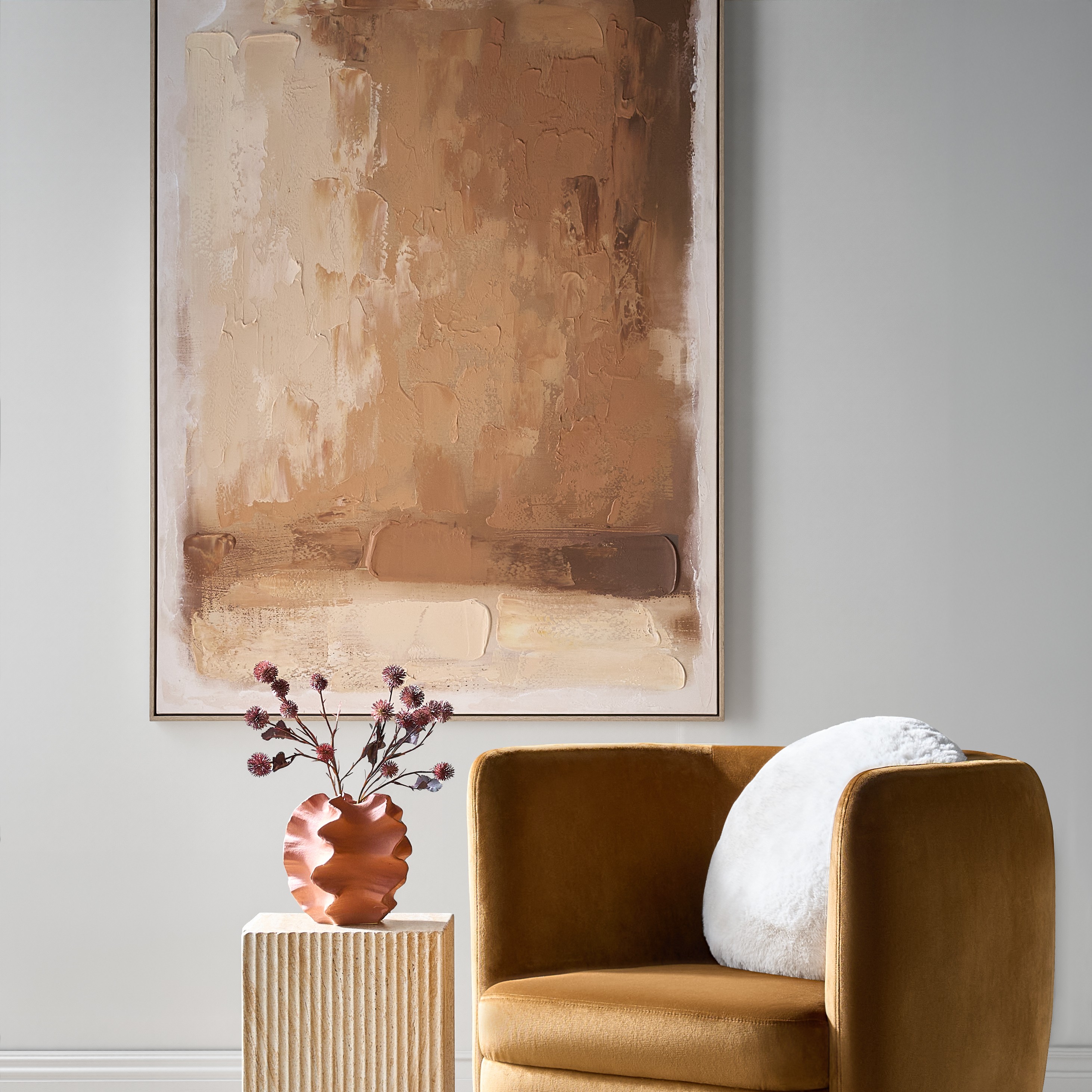 Ember Glow Framed Painted Wall Art 39.25" x 55"$499
A hand-painted abstract canvas blending ochre, terracotta, and golden clay hues in a light natural frame.
Add To Cart -
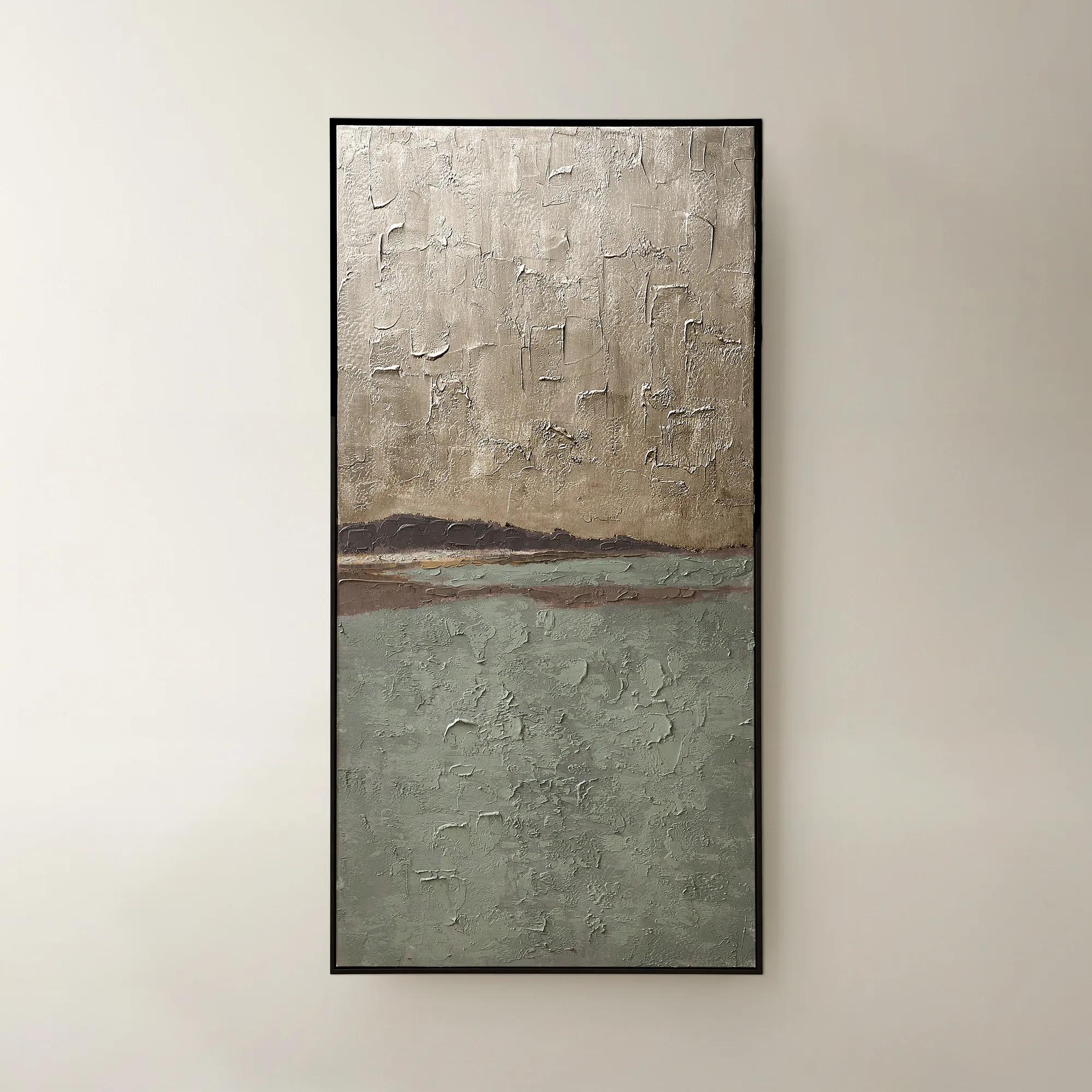
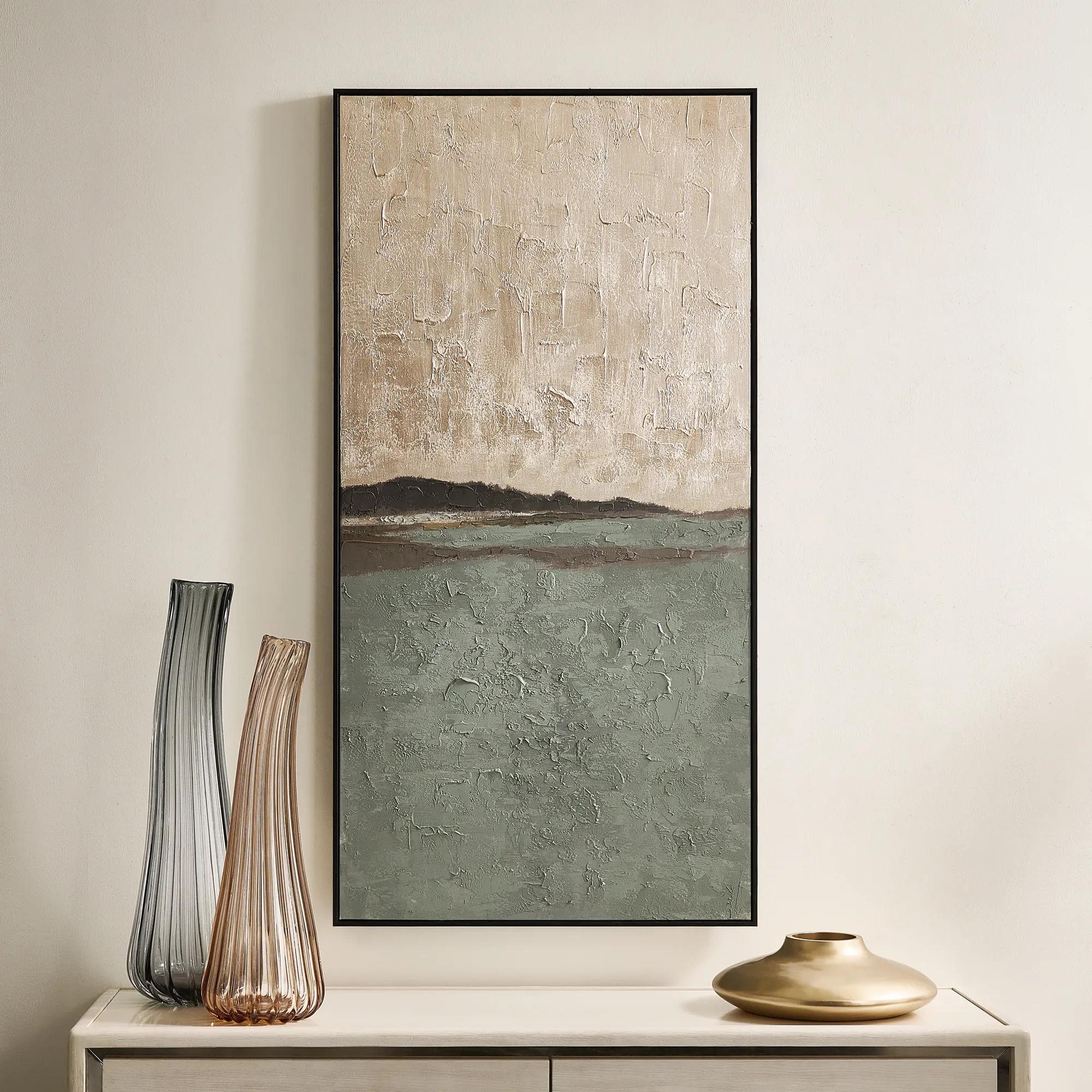 Fields of Gold Framed Painted Wall Art 60" x 30"$399
A hand-painted sage and champagne abstract canvas with a black frame, offering versatile vertical or horizontal display.
Add To Cart -
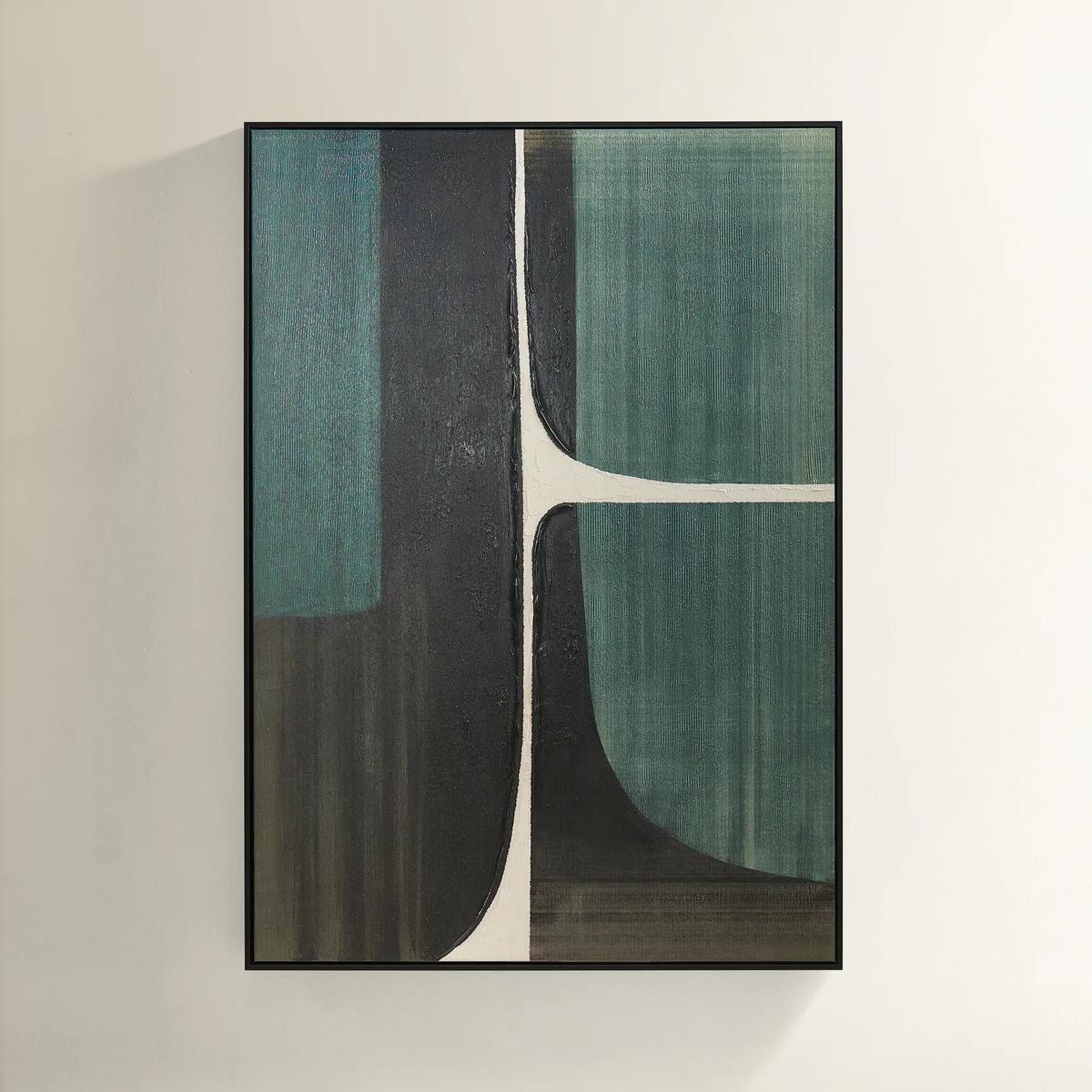 Plains Framed Painted Wall Art 39.25" x 55"$499
A hand-painted abstract canvas in forest green, ivory, and black with a sleek black floater frame.
Add To Cart -
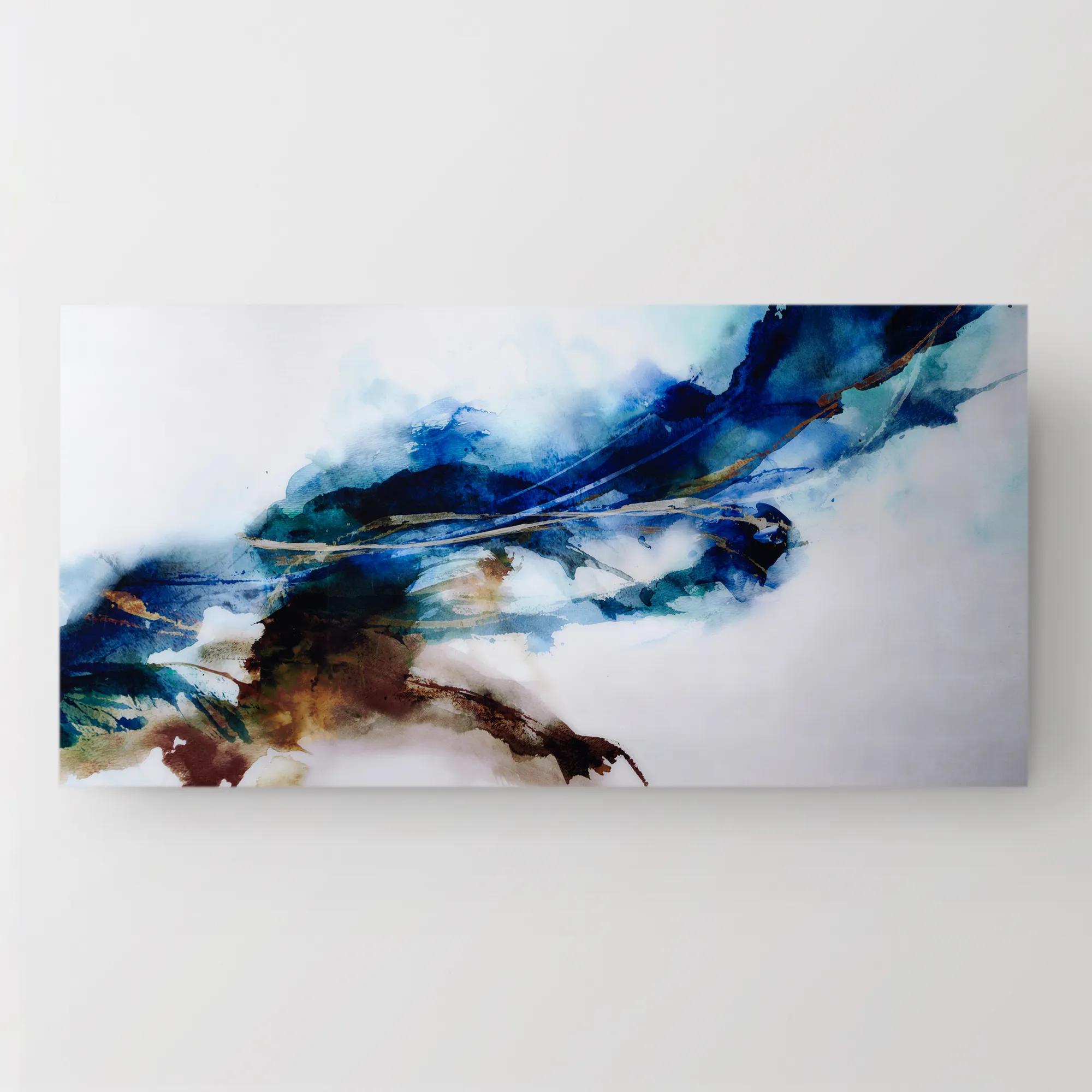 Cerulean Movement Acrylic Art 72" x 36"$1299
A vibrant abstract artwork printed on high-gloss acrylic, infusing your space with dynamic energy and movement.
Add To Cart -
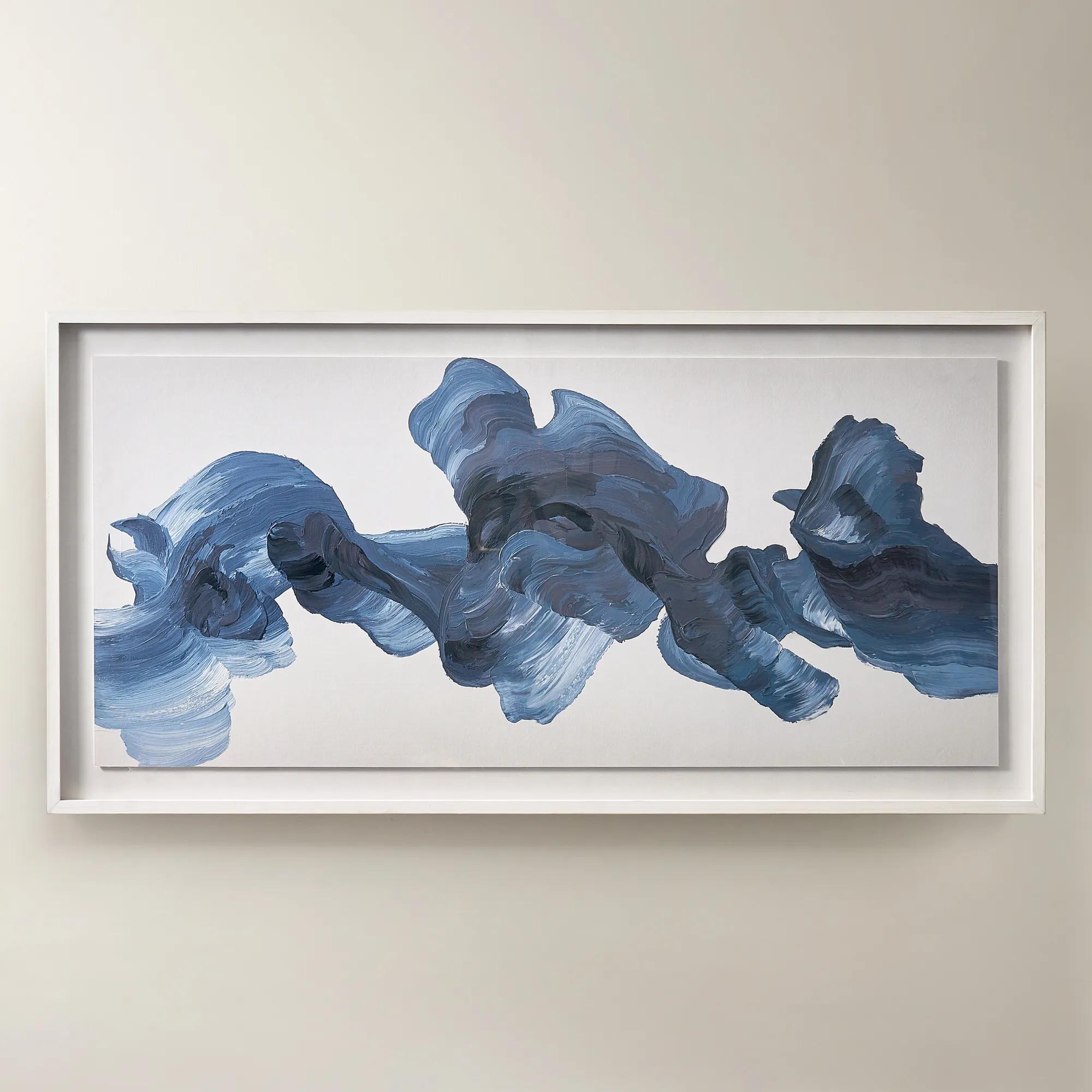
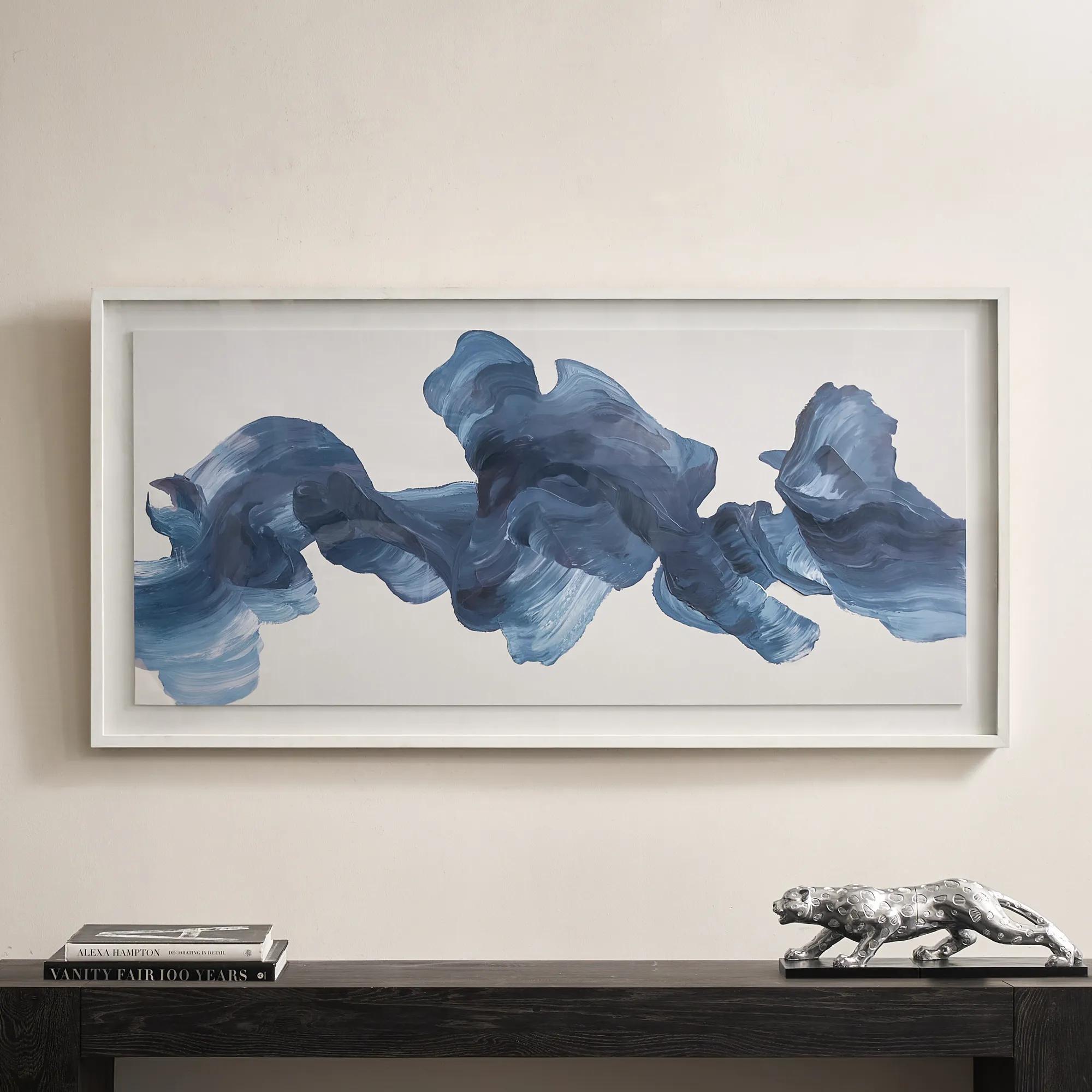 Blue Theory Framed Painted Wall Art in Acrylic 60" x 30"$499
A hand-painted canvas in deep ink blue, framed under acrylic with a whitewashed wood frame.
Add To Cart -
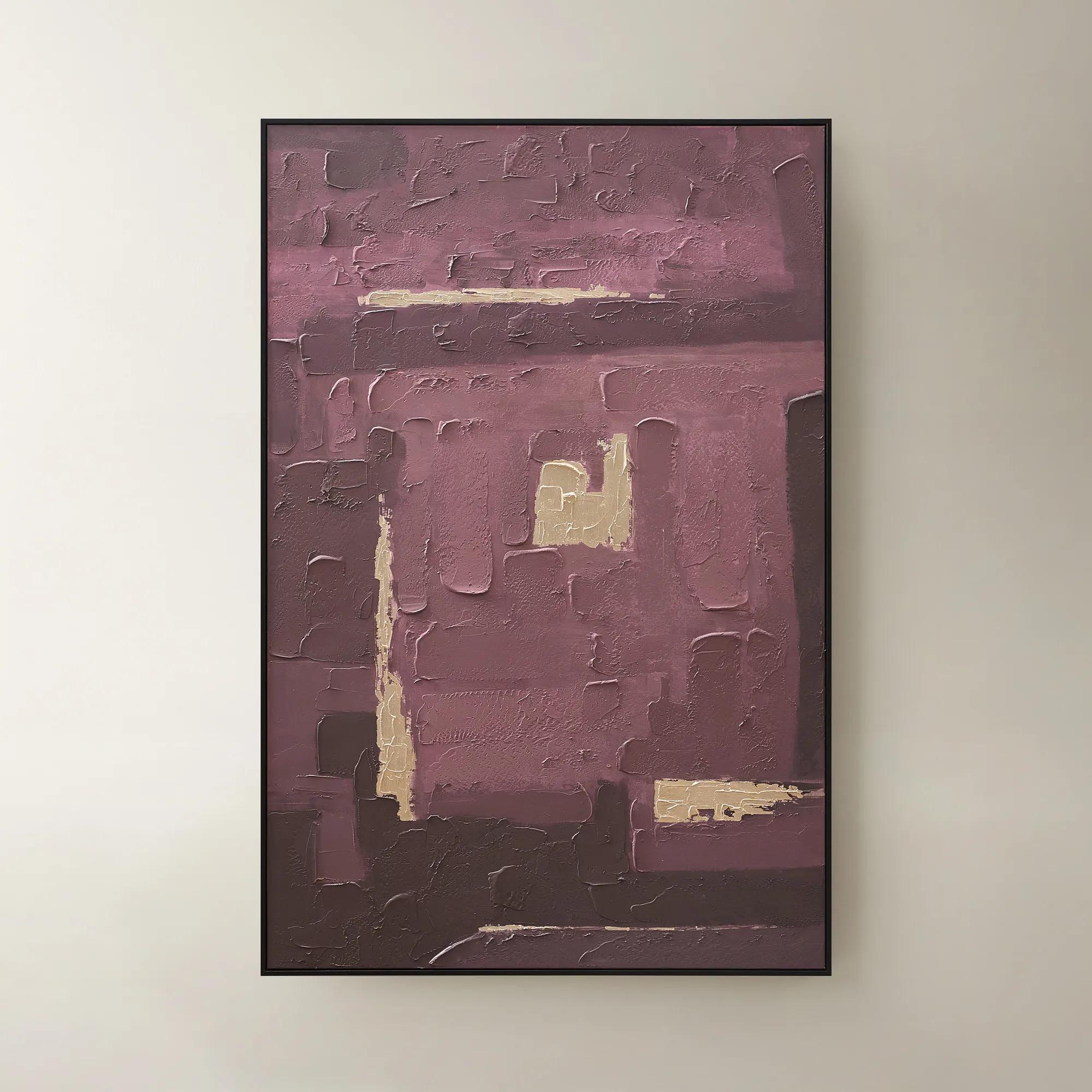
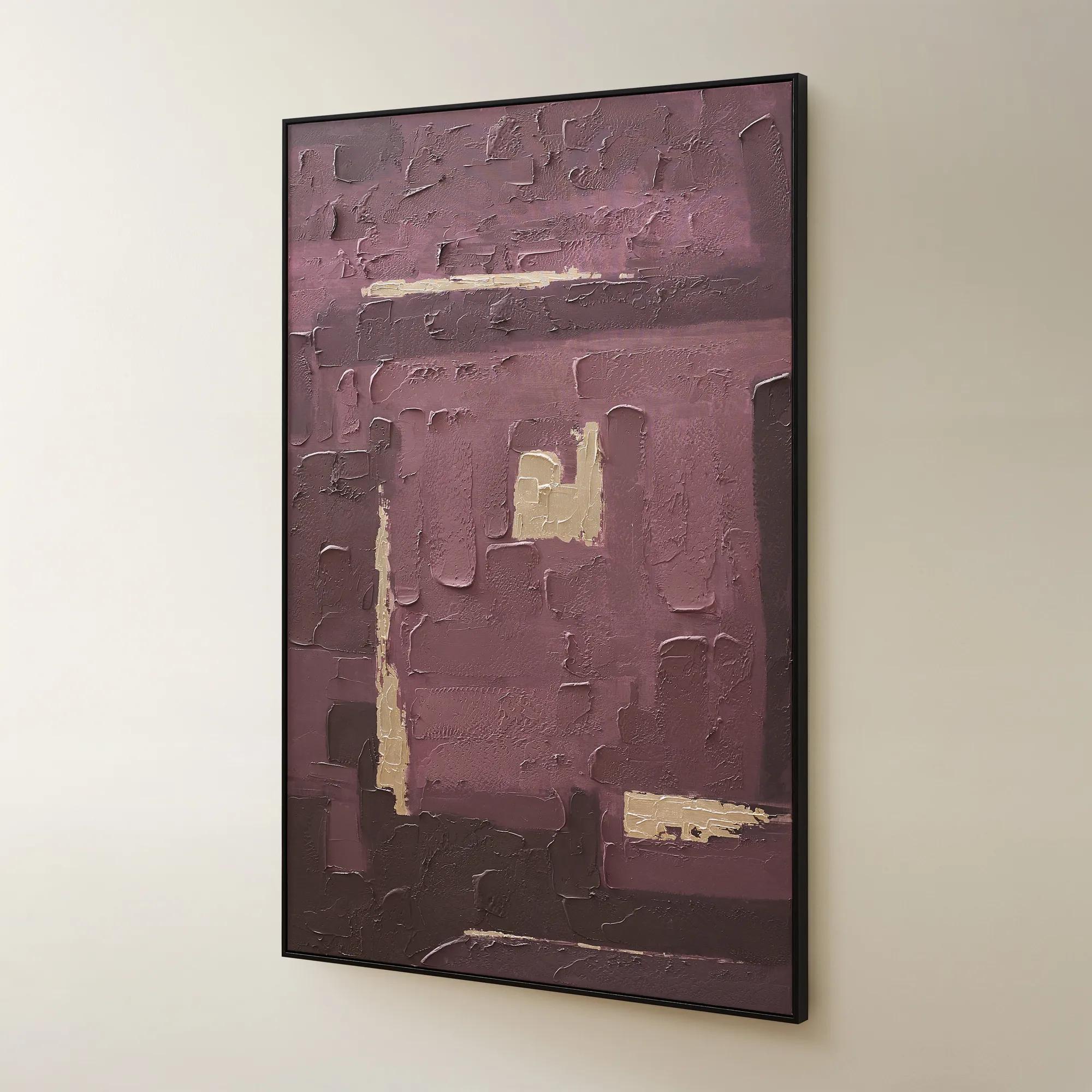 Fallback Framed Painted Wall Art 60" x 40"$499
A hand-painted abstract canvas in rich fig hues with champagne accents, set in a sleek black frame.
Add To Cart -
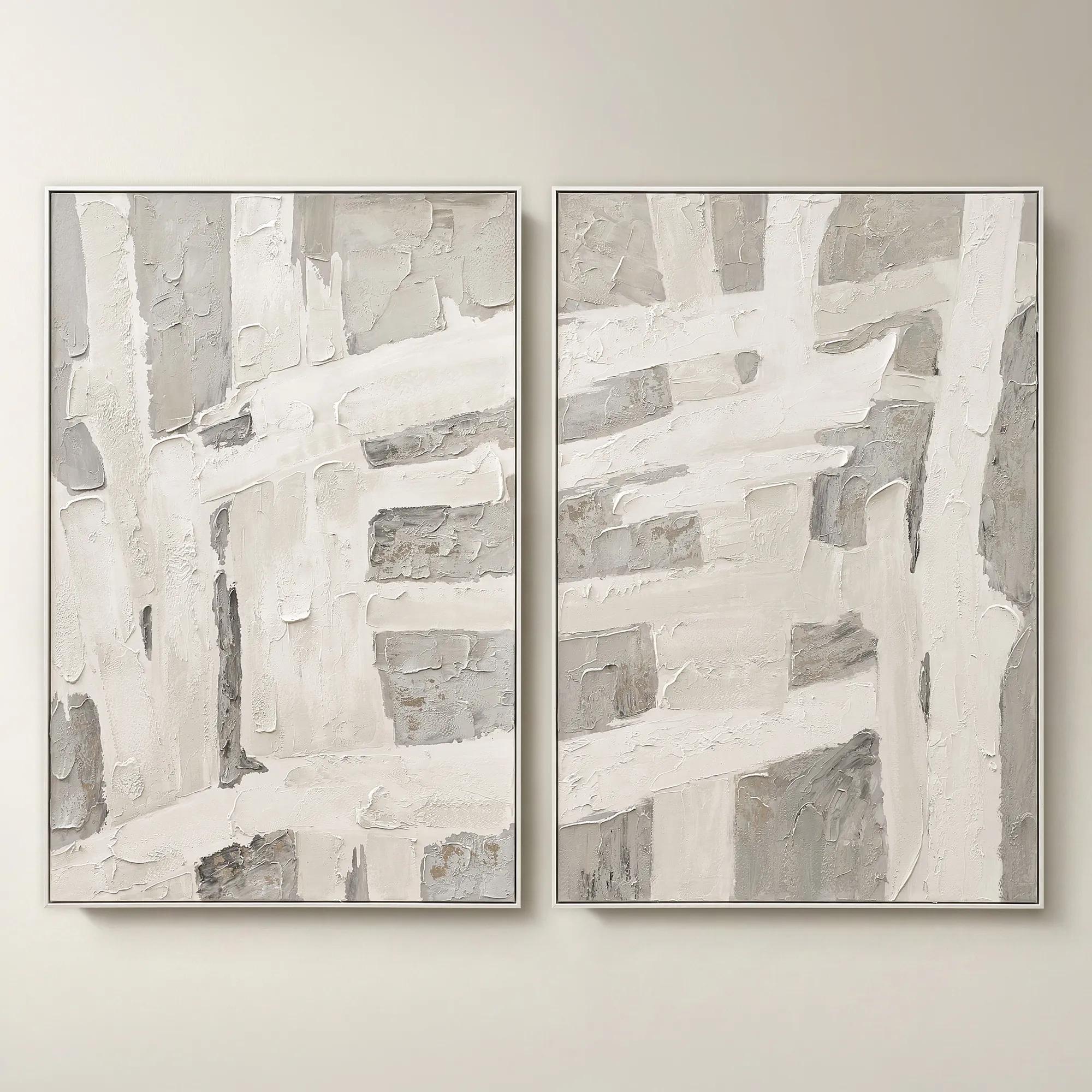 Traverse Framed Painted Wall Art 40" x 60" Set of 2$799
A hand-painted abstract diptych features champagne accents and soft grey, pearl, and alabaster tones in white frames.
Add To Cart -
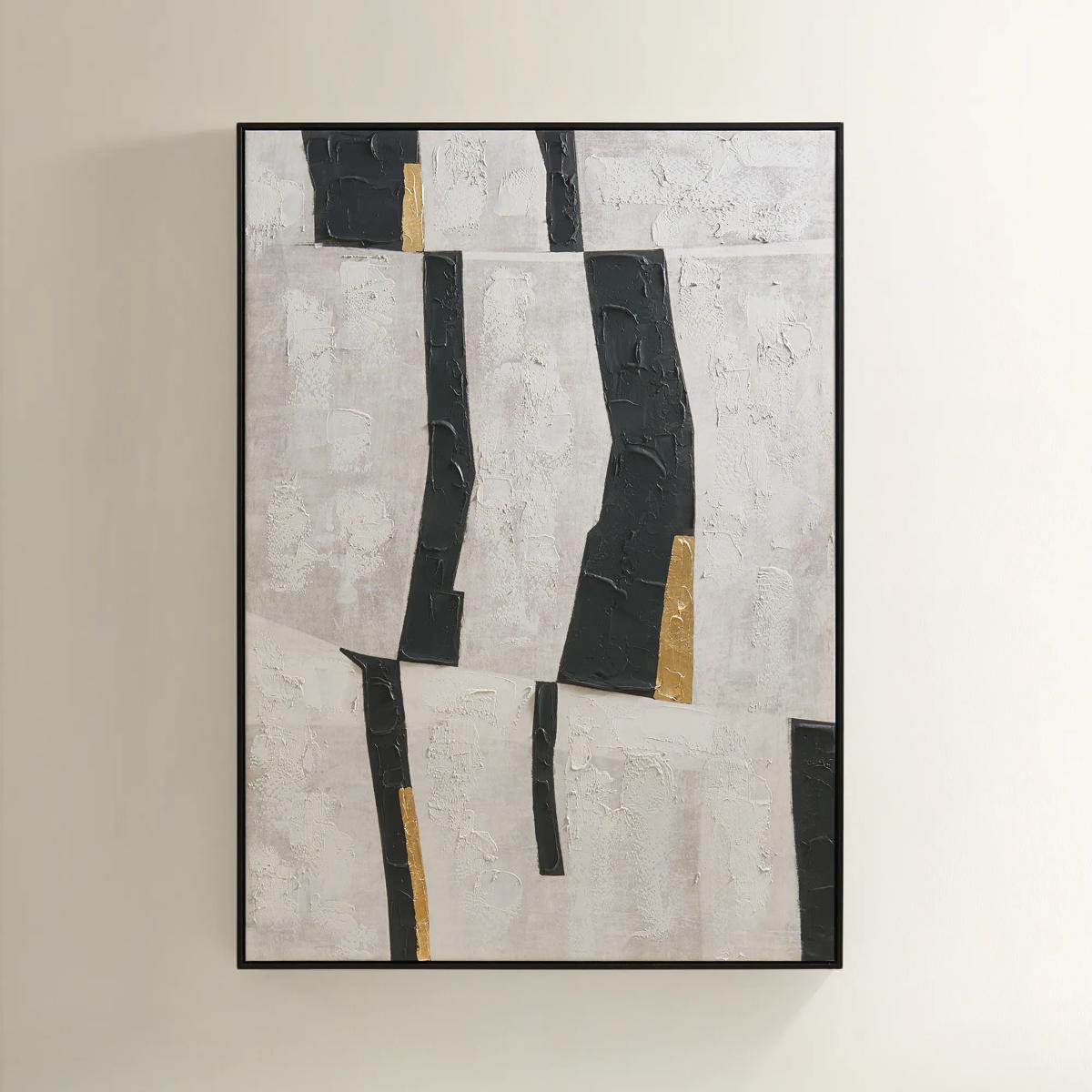
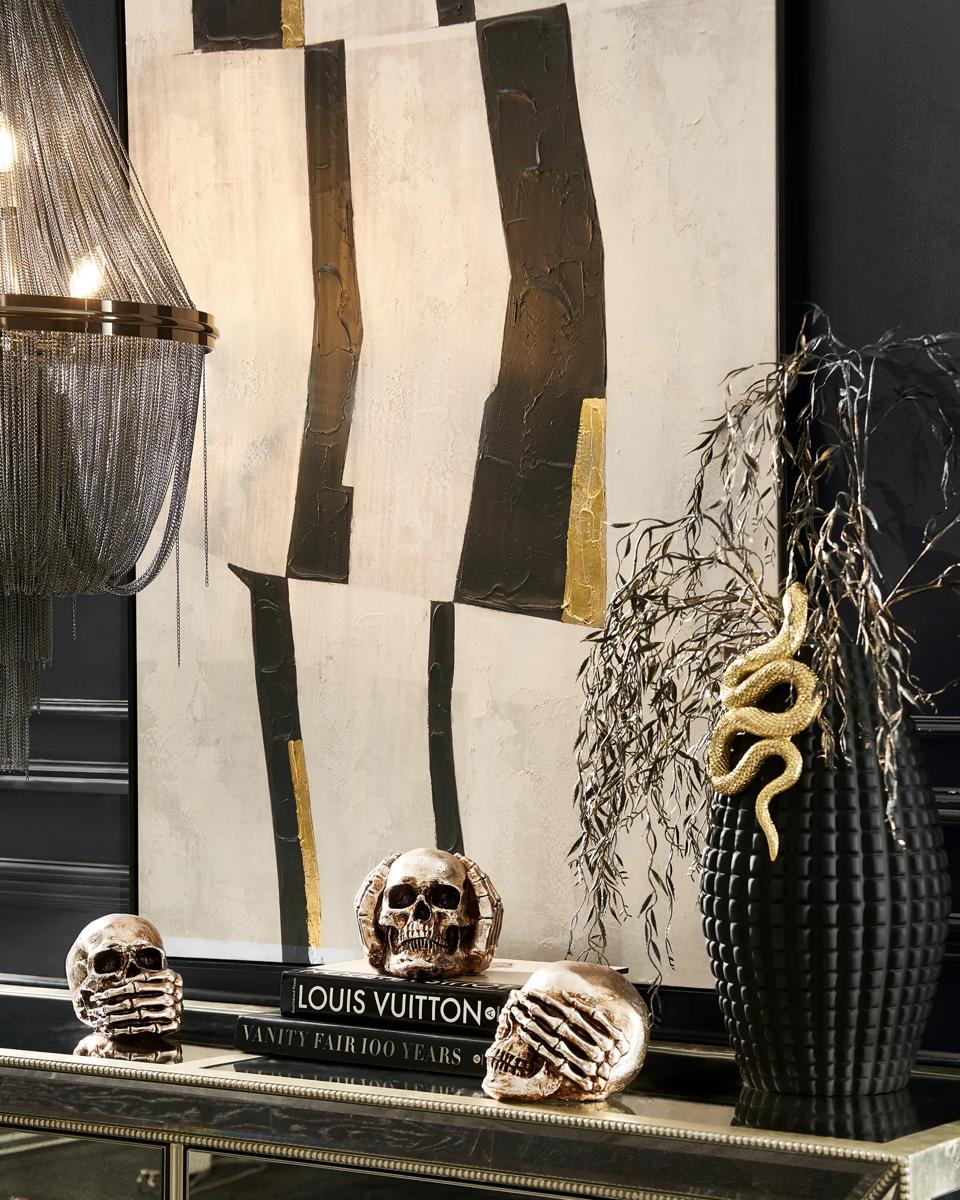 Into the Groove Painting$449
A modern abstract canvas featuring black, gray, and gold leaf accents in a sleek black floater frame.
Add To Cart -
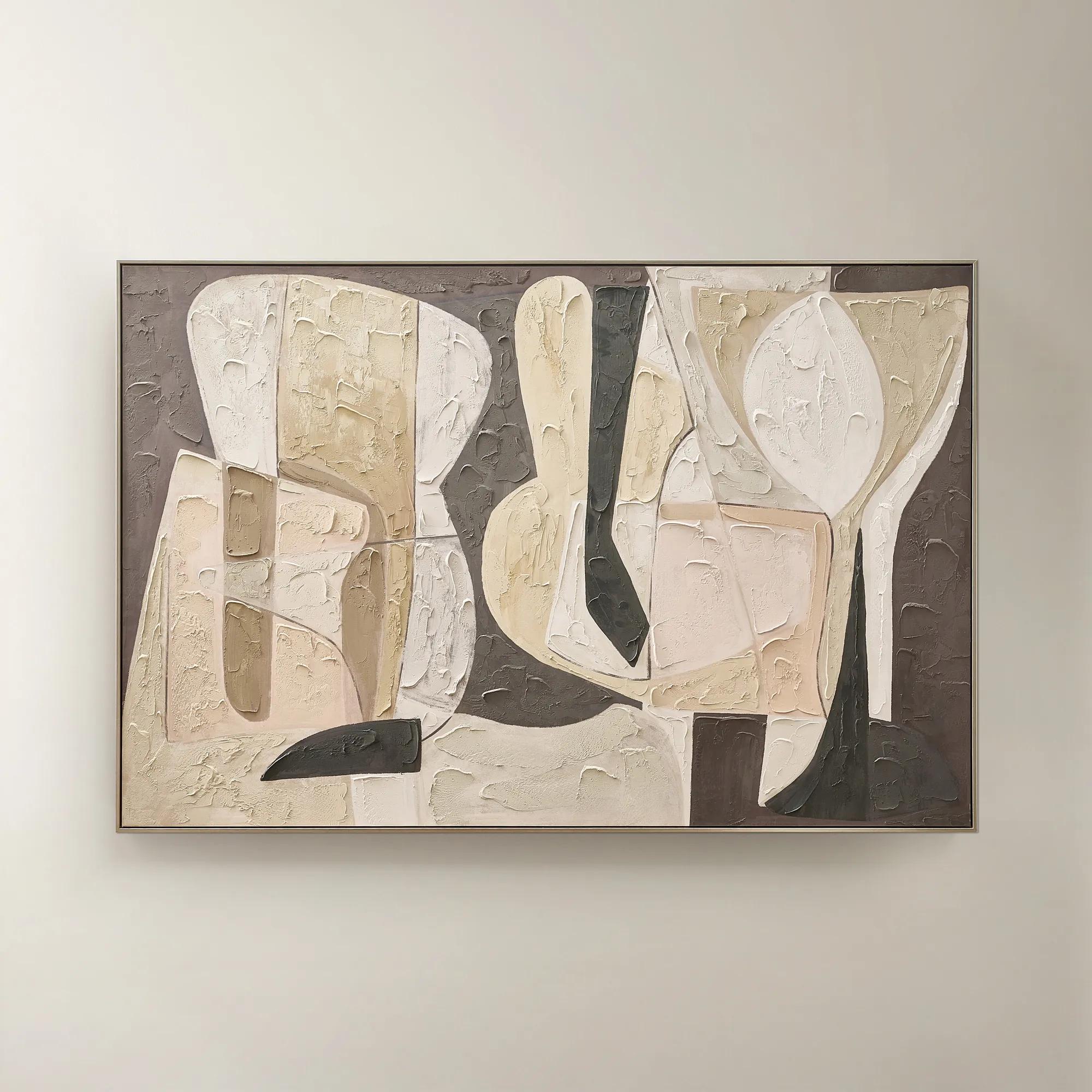 Wishful Thinking Framed Painted Wall Art 72" x 48"$599
A hand-painted abstract canvas featuring bold geometric forms and warm smoked plum, apricot, and tawny hues.
Add To Cart -
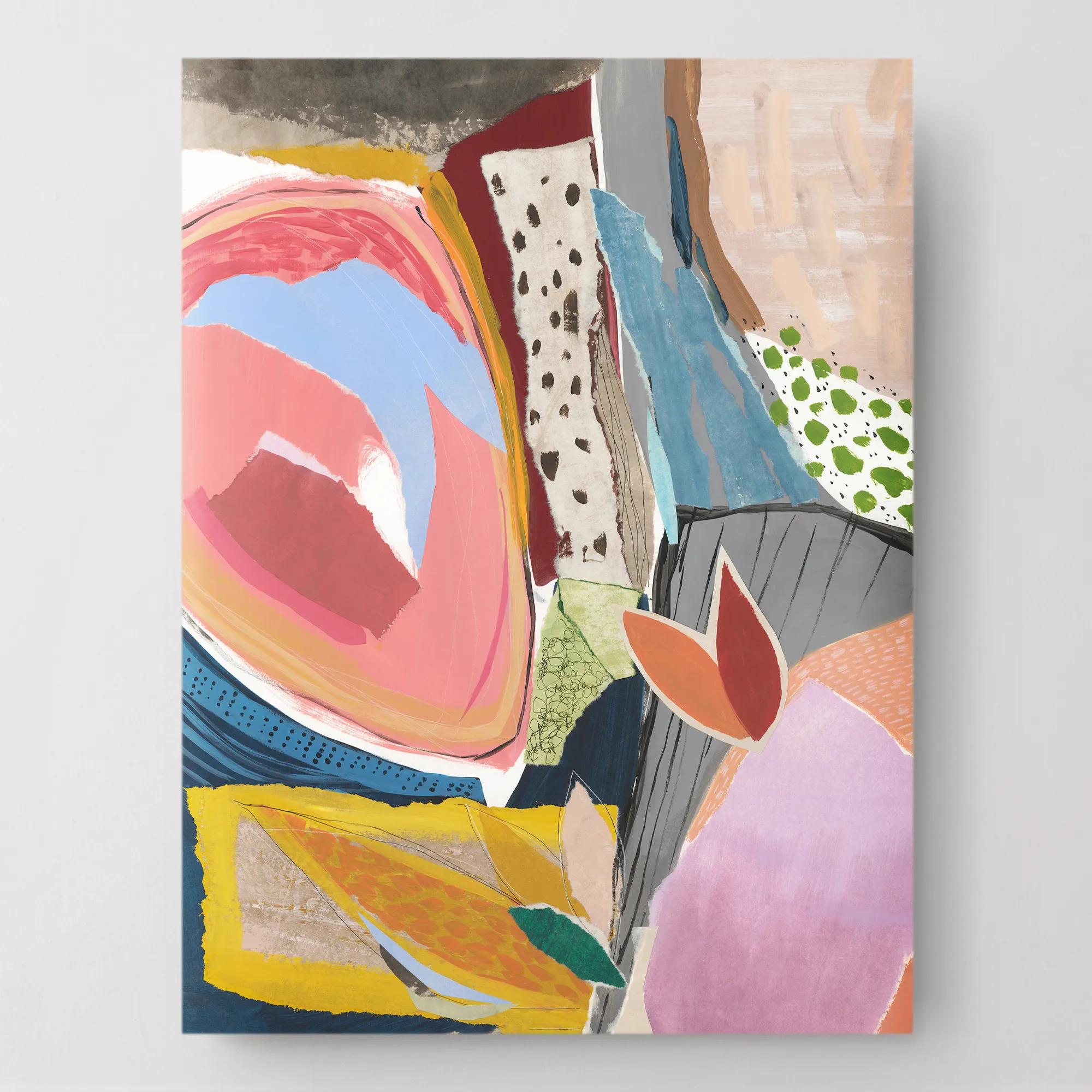
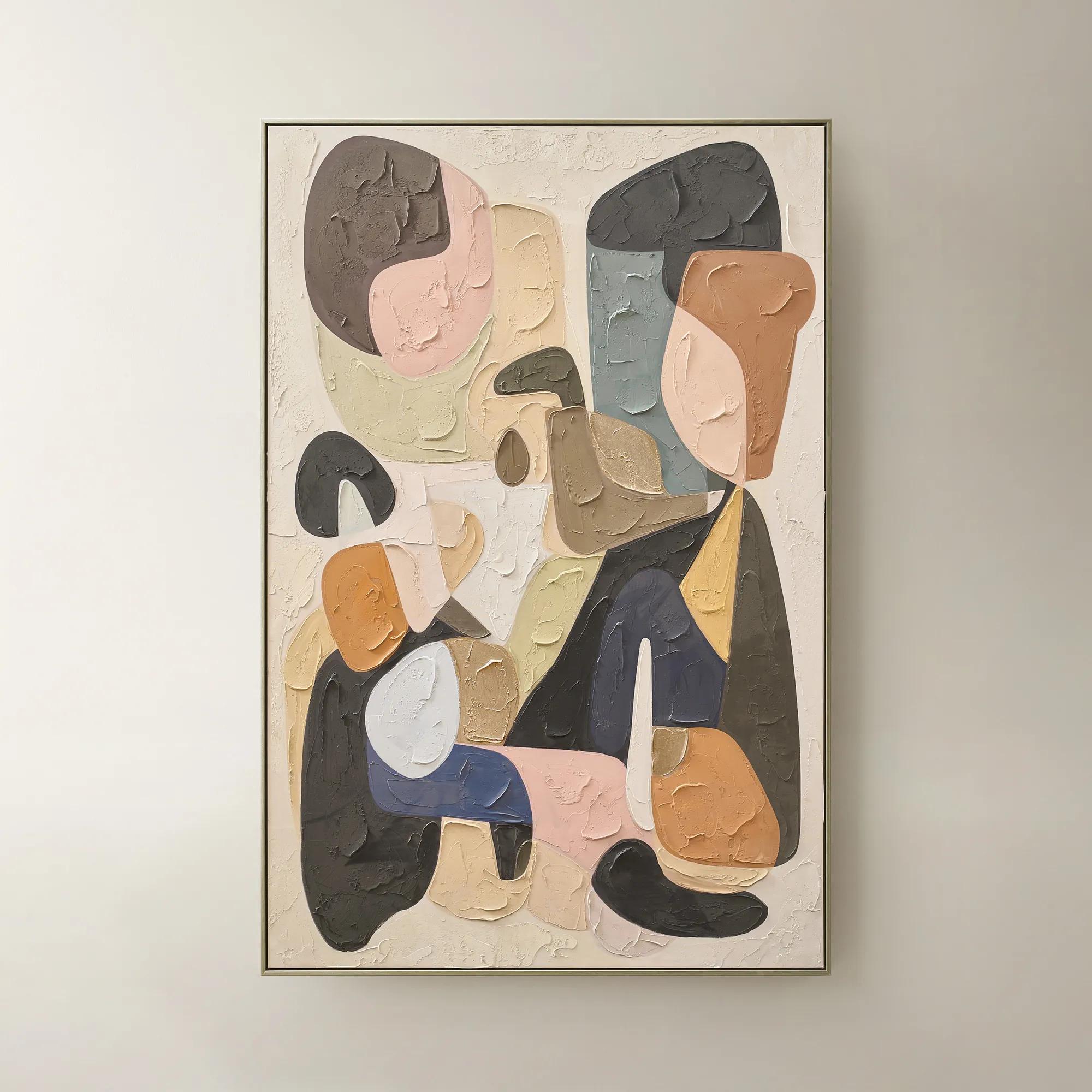 Chromatic Bloom Framed Painted Wall Art 40" x 60"$519
A hand-painted abstract canvas featuring a vibrant multi-color palette and shimmering champagne detailing.
Add To Cart -
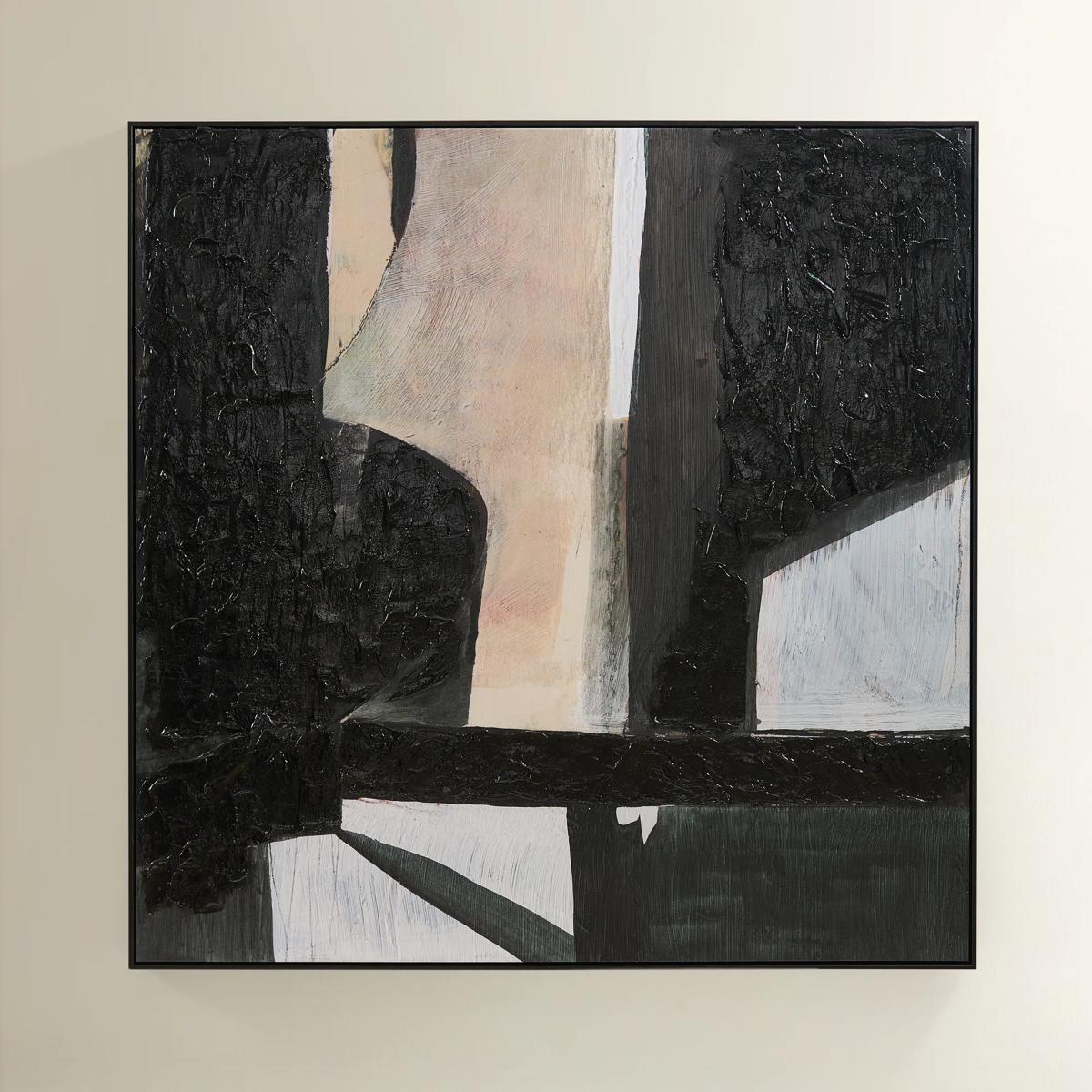 Grounded Painting$699
A hand-painted abstract canvas featuring black, cream, and earth tones in a sleek black floater frame.
Add To Cart -
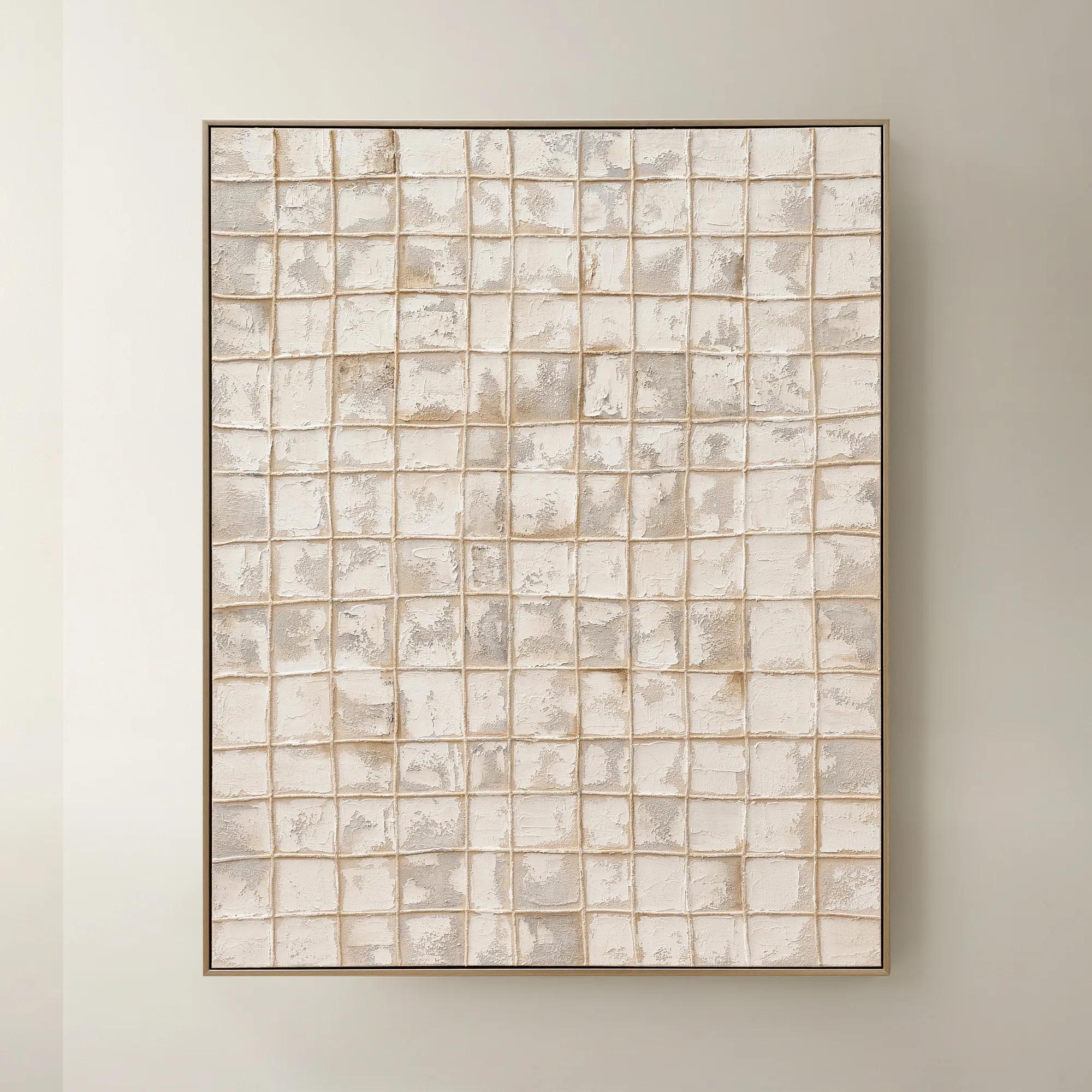
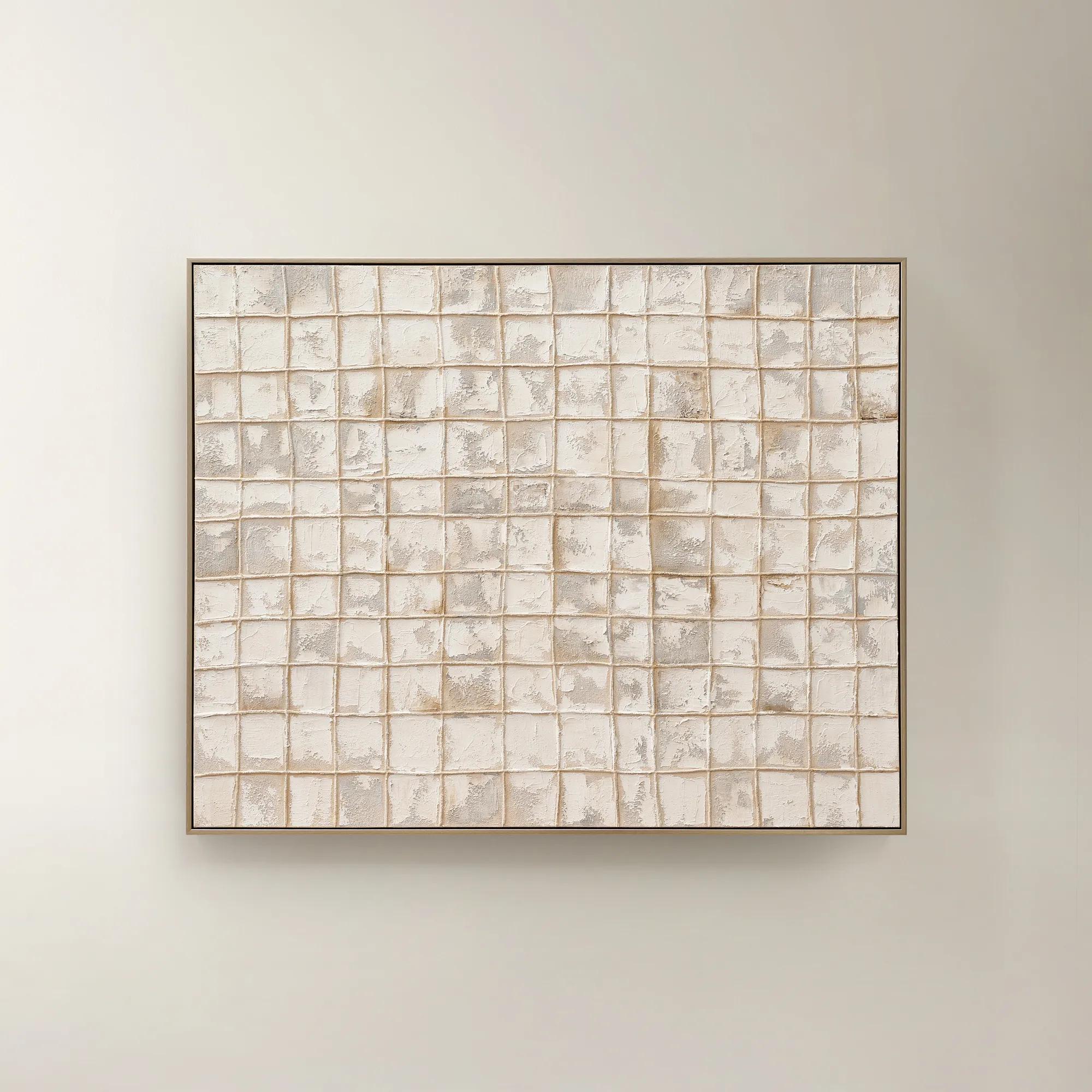 Painted Echos Framed Gold Leaf Wall Art 60" x 48"$699
A hand-painted abstract canvas with gold leaf accents and a champagne frame for modern, versatile display.
Add To Cart -
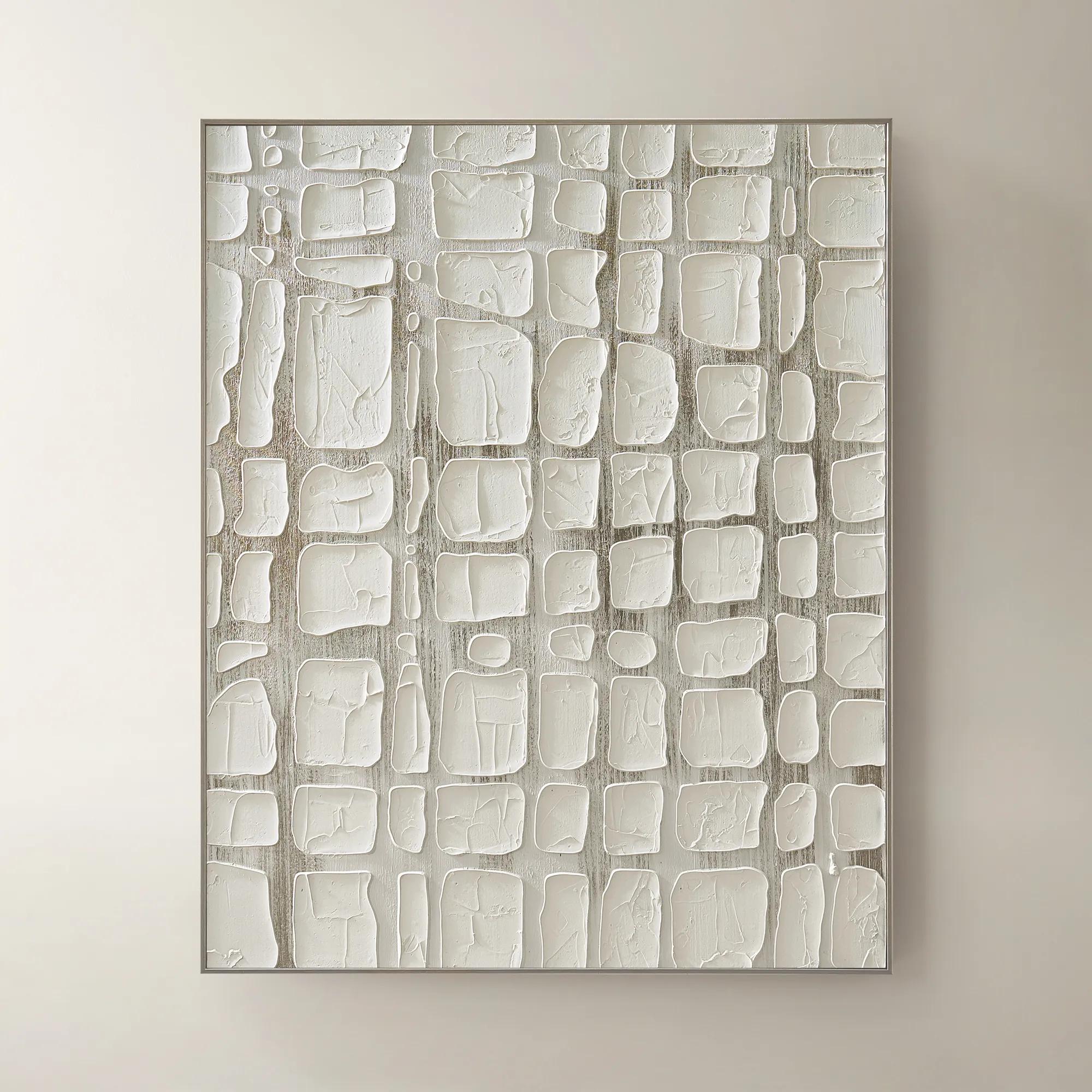
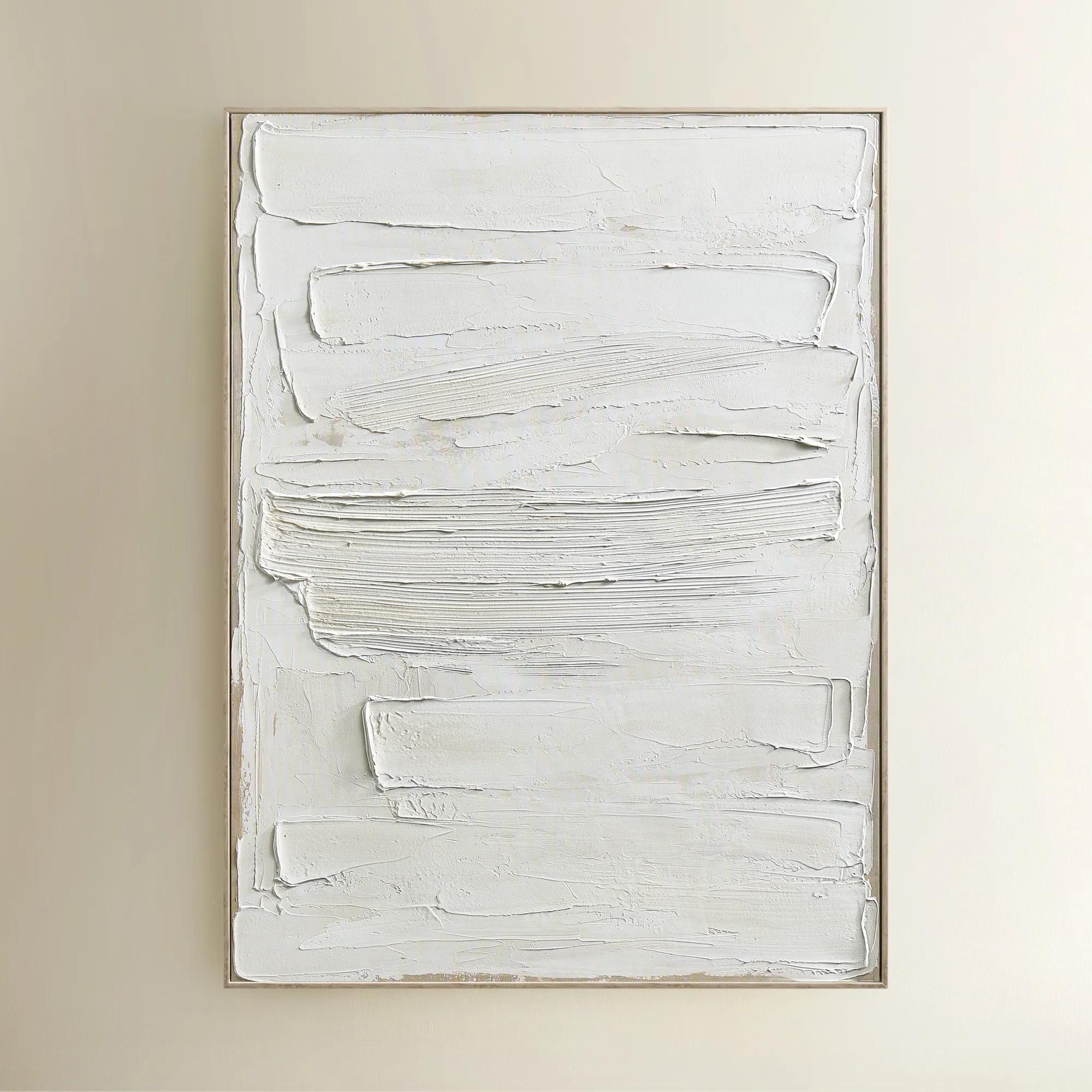
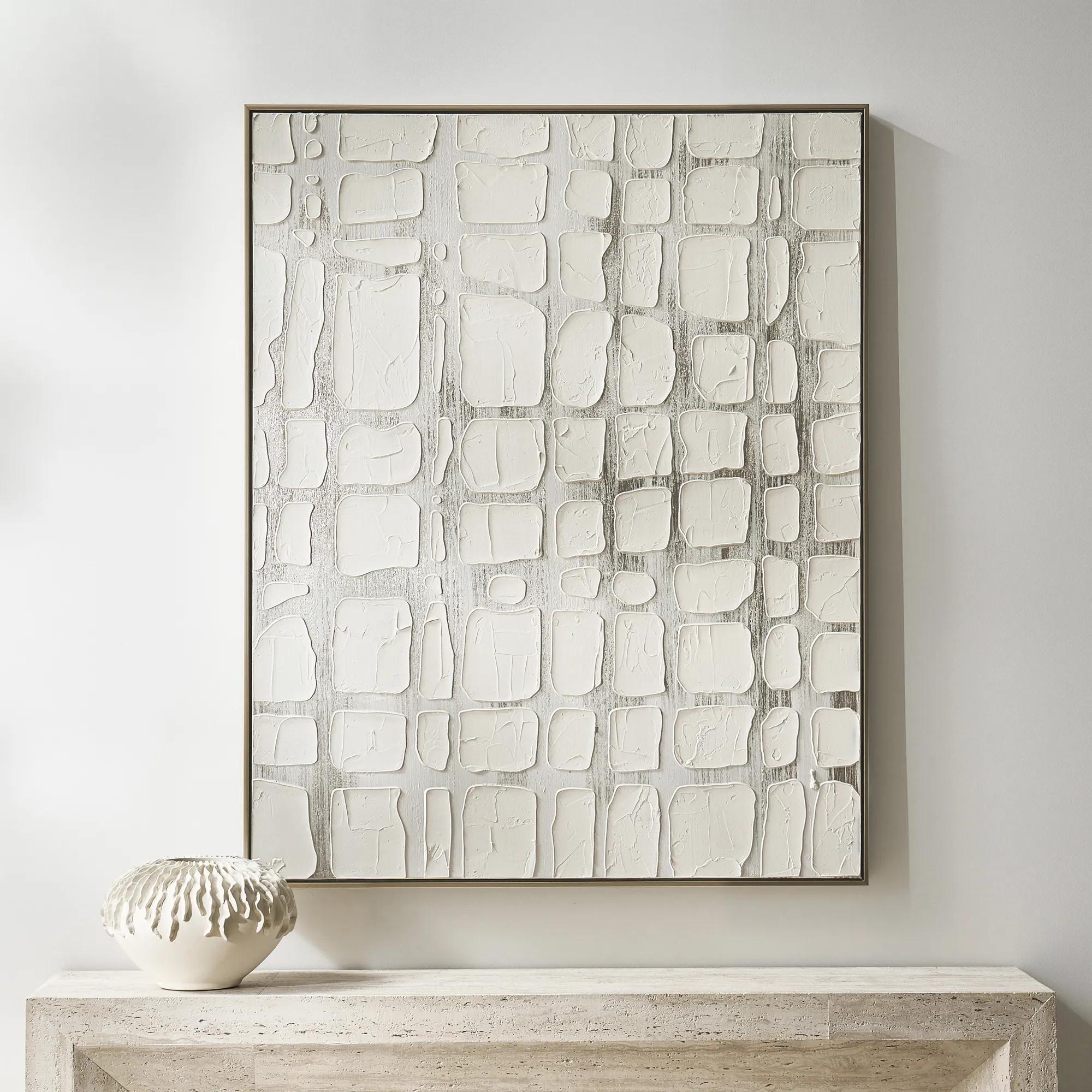 Vanish Framed Painted Wall Art 40" x 50"$499
A hand-painted canvas with raised white forms over champagne metallic ground in a refined floater frame.
Add To Cart -
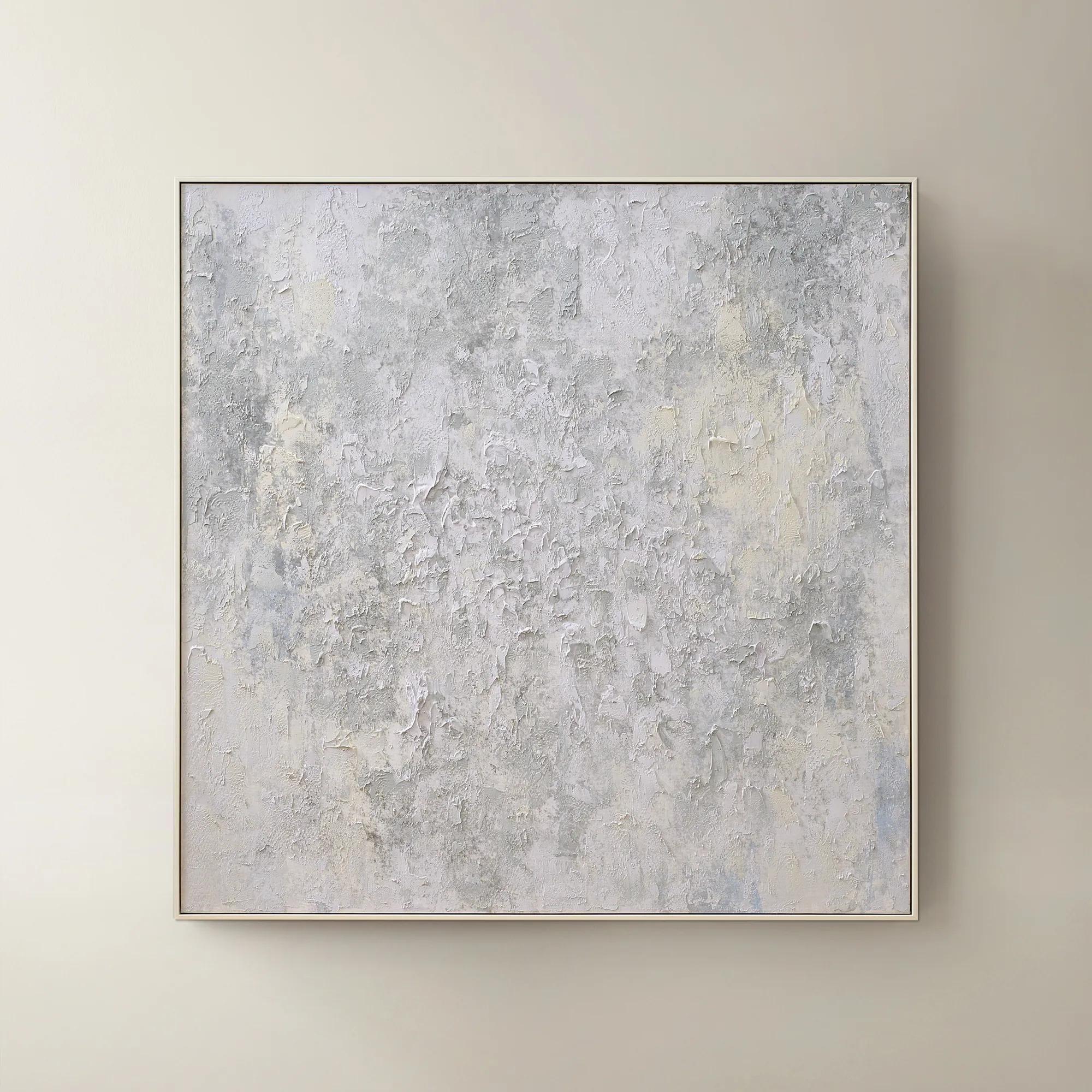 Breathe of Fresh Air Framed Painted Wall Art 50" x 50"$499
A hand-painted abstract canvas in dusty blue hues, elegantly framed in white for a serene, modern accent.
Add To Cart -
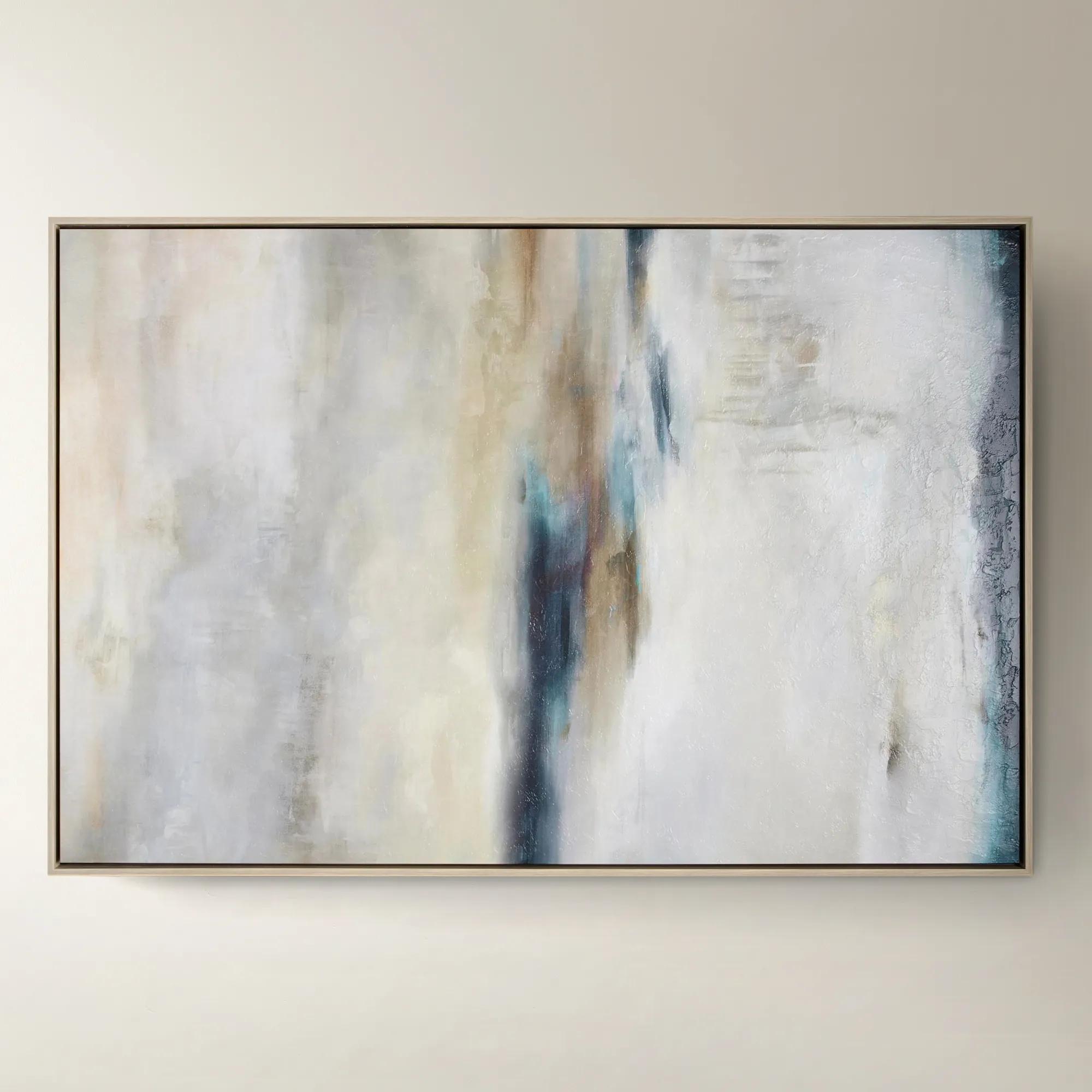
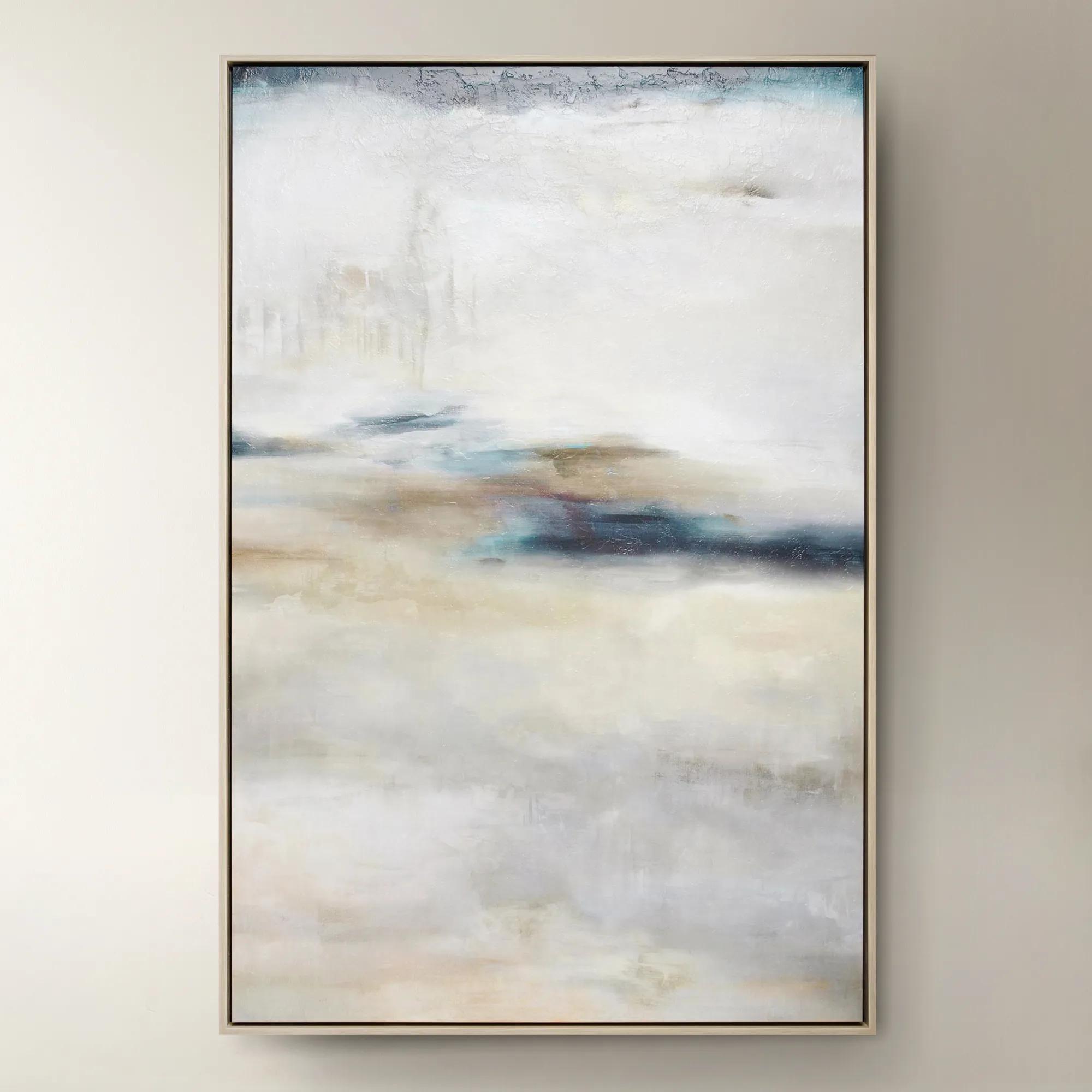 Forward Looking$1299
A softly layered abstract canvas print with a gel finish, set in a natural-hued floater frame.
Add To Cart -
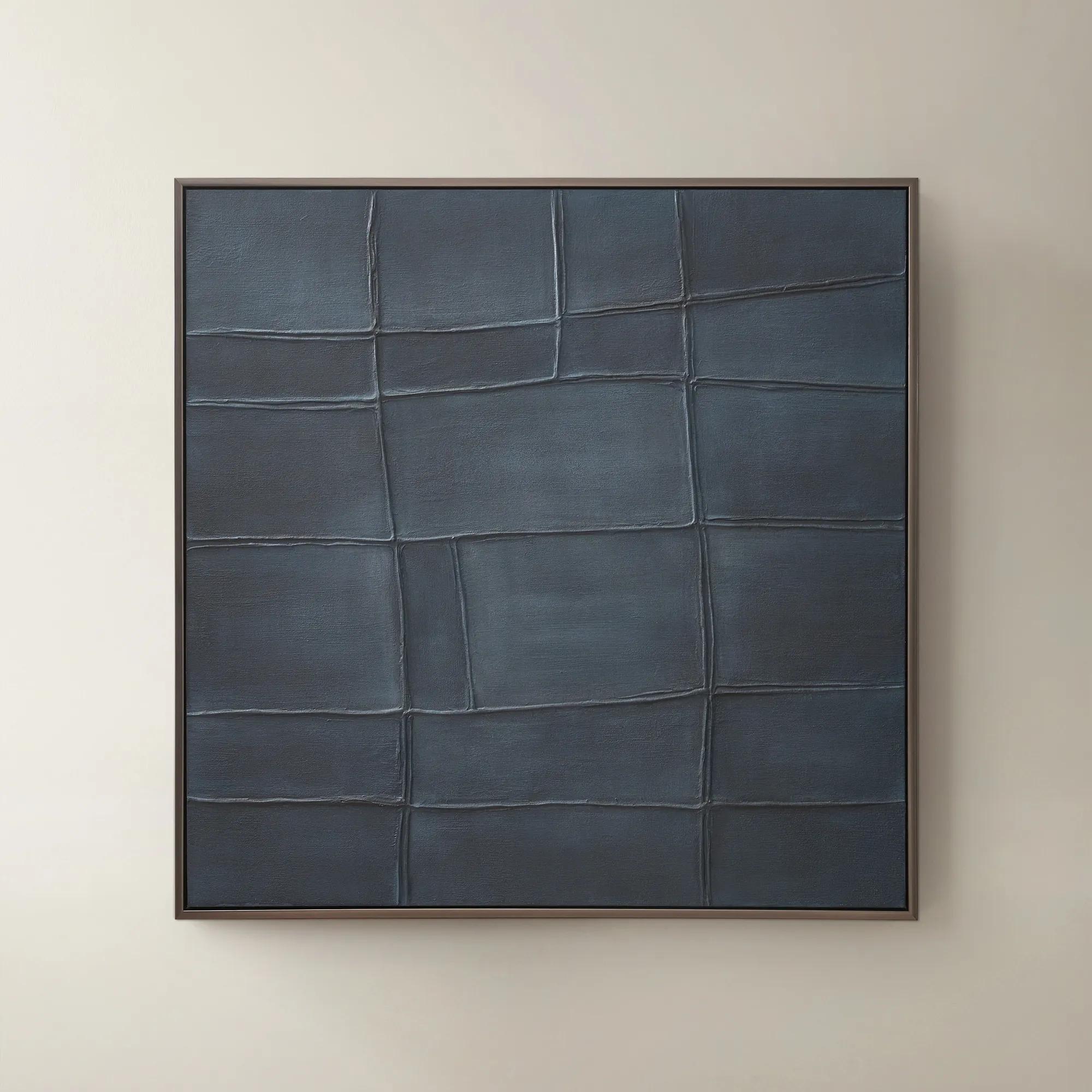
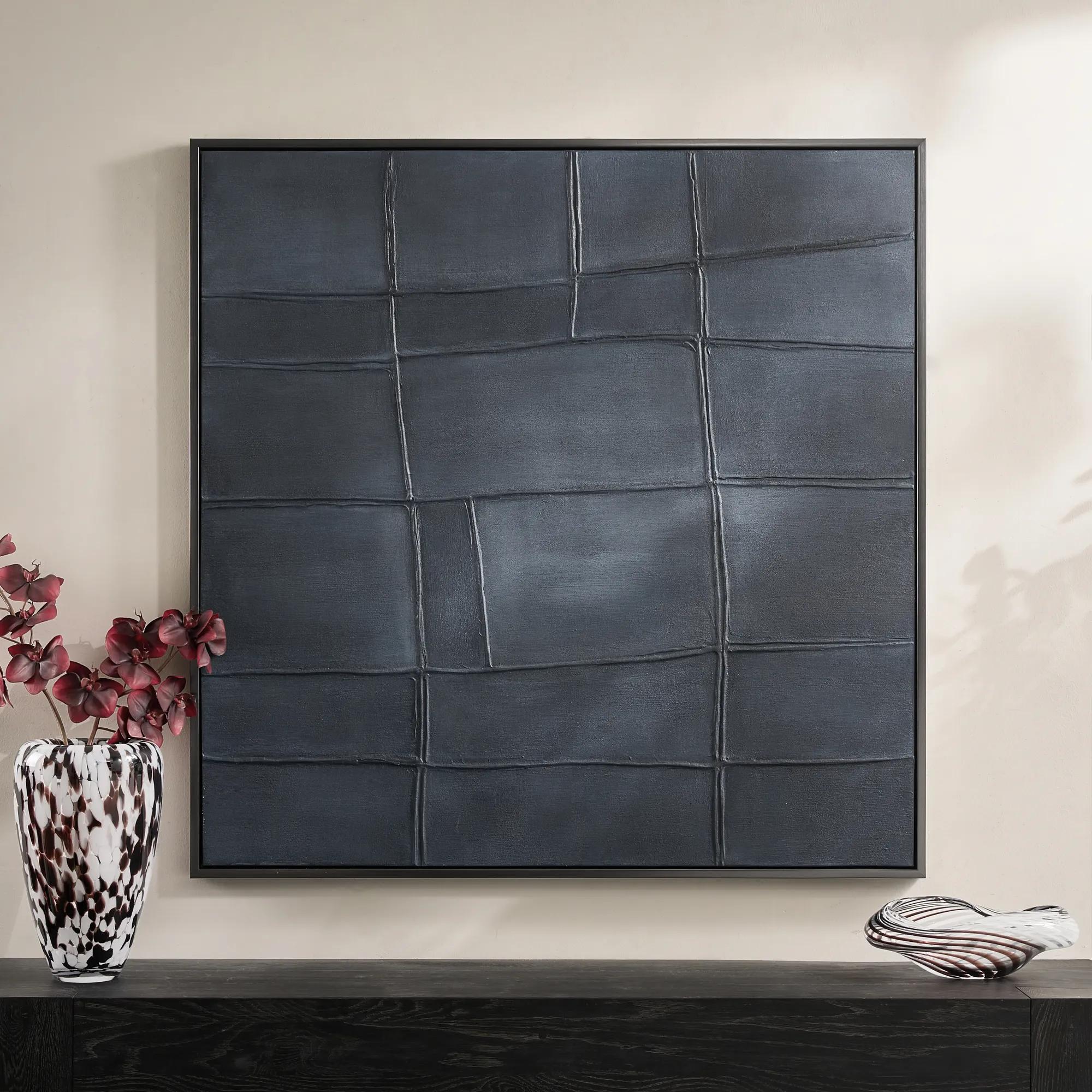 Ink Blue Interval Framed Painted Wall Art 48" x 48"$599
A hand-painted abstract canvas in deep ink blue, finished with a sleek gunmetal frame for modern appeal.
Add To Cart -
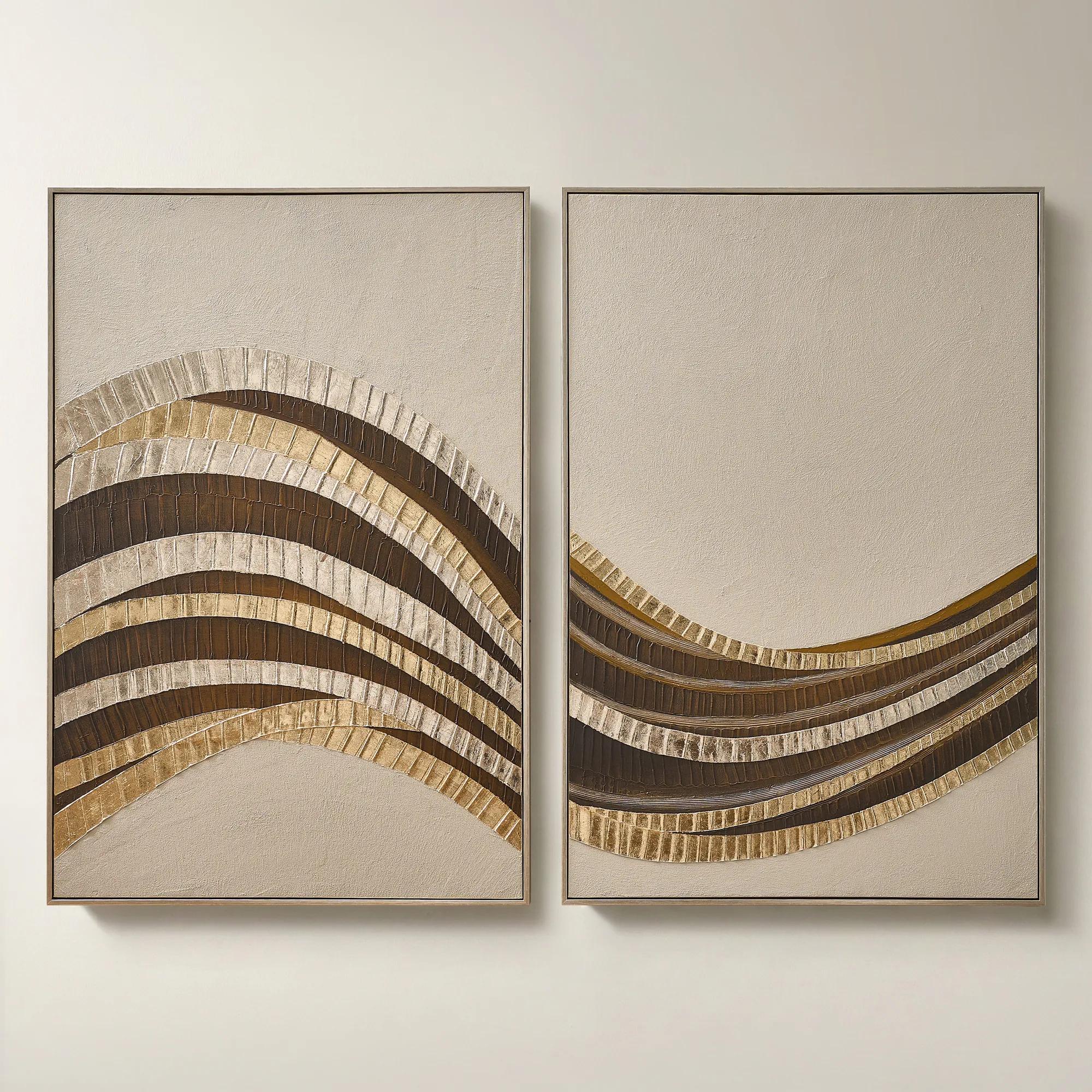 Stillness in Motion Framed Gold Leaf Painted Wall Art 40" x 60" Set of 2$899
A hand-painted abstract diptych with gold leaf accents, textured surface, and brushed champagne frames.
Add To Cart

Abstract Wall Arts For Large Spaces
Unleash the extraordinary with abstract wall arts for large spaces—a curated celebration of color, movement, and scale designed to command attention. Each piece is a bold gesture, transforming blank expanses into captivating galleries that reflect your unique vision. Whether cascading with vibrant hues or whispering in monochrome sophistication, these works invite you to break boundaries and embrace artistry on a grand scale. Elevate your interiors with statement-making abstractions that turn every wall into a canvas of imagination and intrigue.
Large abstract wall art transforms spacious rooms by creating a bold focal point, introducing texture, and bringing visual balance to expansive walls. In an open living room, a sweeping composition can give a generous sectional a sense of proportion; above a dining sideboard, it can lend the entire setting the presence of a private gallery. Abstract art is especially compelling at this scale because its impact comes from movement, color, and form rather than a literal subject. Broad brushstrokes, layered fields of pigment, gestural lines, and sculptural-looking shapes invite different impressions from across the room and up close. A composition in ivory, charcoal, and gold can feel both restrained and sumptuous, while saturated blue or richly layered jewel tones bring depth to interiors with quieter upholstery. For rooms already rich in pattern, tonal abstract artwork offers an expressive focal point without introducing another competing motif. In more understated surroundings, a high-contrast piece can supply the visual drama that furniture alone does not deliver. The relationship between the artwork and the room matters more than an exact color match. A subtle thread of bronze might echo a table base, while an inky accent can connect with dark window frames or a lacquered cabinet. Large-scale abstraction also gives architectural features a stronger visual partner. Tall ceilings, wide fireplaces, and long walls can make smaller works appear disconnected, while a substantial composition establishes a deliberate point of focus. From a sofa, its larger forms create a clear visual rhythm; from a nearby chair, finer marks and surface variations reward a closer look. For collectors drawn to expressive interiors, oversized abstract wall art offers room for personality without requiring a space to follow a single decorative style. It can soften crisp contemporary lines, sharpen the mood of a plush sitting room, or bring a daring counterpoint to traditional furnishings. The result is an interior that feels composed around an artistic point of view, rather than simply furnished.
Proportion gives abstract wall art for large spaces its architectural presence. A horizontal composition naturally relates to the width of a sofa, bed, or console, creating a broad visual anchor above the furniture. Artwork measuring approximately two-thirds to three-quarters of the furniture’s width often establishes a balanced relationship, although surrounding architecture, ceiling height, and the frame’s outer dimensions can change the effect. A piece does not need to fill every inch of a wall to feel substantial; a generous margin around it allows the composition to register clearly. Where the available wall is narrow but tall, Large Vertical Abstract Wall Art brings an elongated silhouette that complements stair landings, high-ceilinged entryways, and spaces beside substantial cabinetry. Vertical brushwork can emphasize height, while stacked shapes draw the eye through the composition. Diptychs and triptychs offer a different kind of presence, spreading a connected image or complementary forms across several panels. Their spacing becomes part of the design, so the overall footprint includes the gaps as well as the artwork itself. In an open-plan interior, this broader arrangement can define a dining area or seating zone without adding a physical divider. Viewing distance is equally influential. Larger gestures and strong contrasts remain legible across a great room, while nuanced tonal shifts and intricate markings create a more intimate experience near a reading chair or along a frequently traveled hallway. Placement also benefits from a clear relationship to furniture: art positioned too far above a sofa can seem detached, even when its dimensions are generous. At close range, the frame contributes another layer of definition. A slim dark border sharpens pale forms; a metallic finish can introduce a luminous edge; and a floating frame gives canvas a distinct outline without visually crowding its surface. These details help oversized artwork feel integrated with the room, whether the desired effect is serene and enveloping or graphic and commanding.
Materials and finishes shape both the character and the everyday care of large abstract artwork. Canvas has a woven surface that can lend printed imagery a tactile quality, while painted canvas may feature visible brushwork or raised applications that catch light differently throughout the room. Works on paper can reveal delicate lines, washes, and tonal transitions, with matting and glazing adding separation and protection when included in the framing. Acrylic or metal substrates can create a sleeker presentation, although their sheen and reflective qualities vary by finish. Metallic details bring particular richness to abstraction: a glimmer within a neutral field can connect with polished accents elsewhere without requiring the entire composition to shine. Texture deserves consideration alongside color, especially in rooms illuminated by sconces or directional lighting, where raised surfaces may cast subtle shadows. Glazing and glossy finishes can also reflect windows or fixtures, so the wall’s lighting conditions affect how clearly the artwork is seen. Durability depends on the substrate, surface treatment, framing, and environment rather than size alone. Direct sunlight, excess humidity, and abrupt environmental changes can affect many art materials; placement away from splashes and strong heat sources helps protect their appearance. Care should follow the maker’s instructions, since painted surfaces, canvas, glazing, and metallic finishes may require different handling. Light dusting with an appropriate soft, dry cloth may suit some surfaces, while textured or delicate artwork may need a gentler method; cleaning liquid should not be sprayed directly onto art. Substantial pieces also require hanging hardware suited to their weight and the wall’s construction, with professional installation worth considering for oversized or difficult-to-reach placements. For a living room designed for entertaining, a welcoming entry, or a bedroom with generous proportions, large abstract art offers a lasting expression of individual taste. It can also make a meaningful housewarming or milestone gift when the recipient’s preferred palette, available wall space, and installation needs are understood. Its appeal lies in that personal connection: a compelling arrangement of line, color, and texture that gives a room unmistakable character.
FAQs
Abstract wall art introduces visual drama and expressive energy to expansive rooms, transforming blank walls into captivating focal points. The interplay of color, texture, and form can set the mood—whether you desire a vibrant, lively ambiance or a serene, contemplative retreat. Large-scale abstracts invite the eye to wander, creating a sense of movement and personality that elevates the entire space.
Large abstract wall art thrives in spaces that offer ample wall real estate and a desire for bold artistic expression. Grand living rooms, open-concept dining areas, lofty entryways, and even modern offices are ideal backdrops. These pieces also work beautifully in bedrooms or creative studios, where they can inspire, soothe, or energize depending on their palette and composition.
Large abstract wall art makes an unforgettable gift for those who cherish self-expression and creativity in their living spaces. It’s especially meaningful for new homeowners, newlyweds, or anyone celebrating a milestone. Art lovers, design enthusiasts, and individuals with a flair for the dramatic will appreciate the transformative impact such a statement piece brings to their home.
Abstract wall art is remarkably versatile and can complement a variety of decor styles, from modern and minimalist to eclectic and glam. Choose artwork that echoes your room’s color palette for harmony, or select a piece with contrasting hues to create a striking accent. Layering abstract art with mirrors, sculptural lighting, or textured rugs can further enhance the sense of depth and artistry in your space.
For large spaces, popular materials include hand-painted canvases, mixed-media works, and giclée prints with bold color saturation. Finishes range from glossy, mirror-like surfaces that catch the light to matte or textured treatments that add tactile dimension. Framed pieces offer a polished, gallery-inspired look, while unframed canvases lend a contemporary, edge-to-edge appeal.