Abstract Wall Art For Living Spaces
Abstract Wall Art For Living Spaces
-
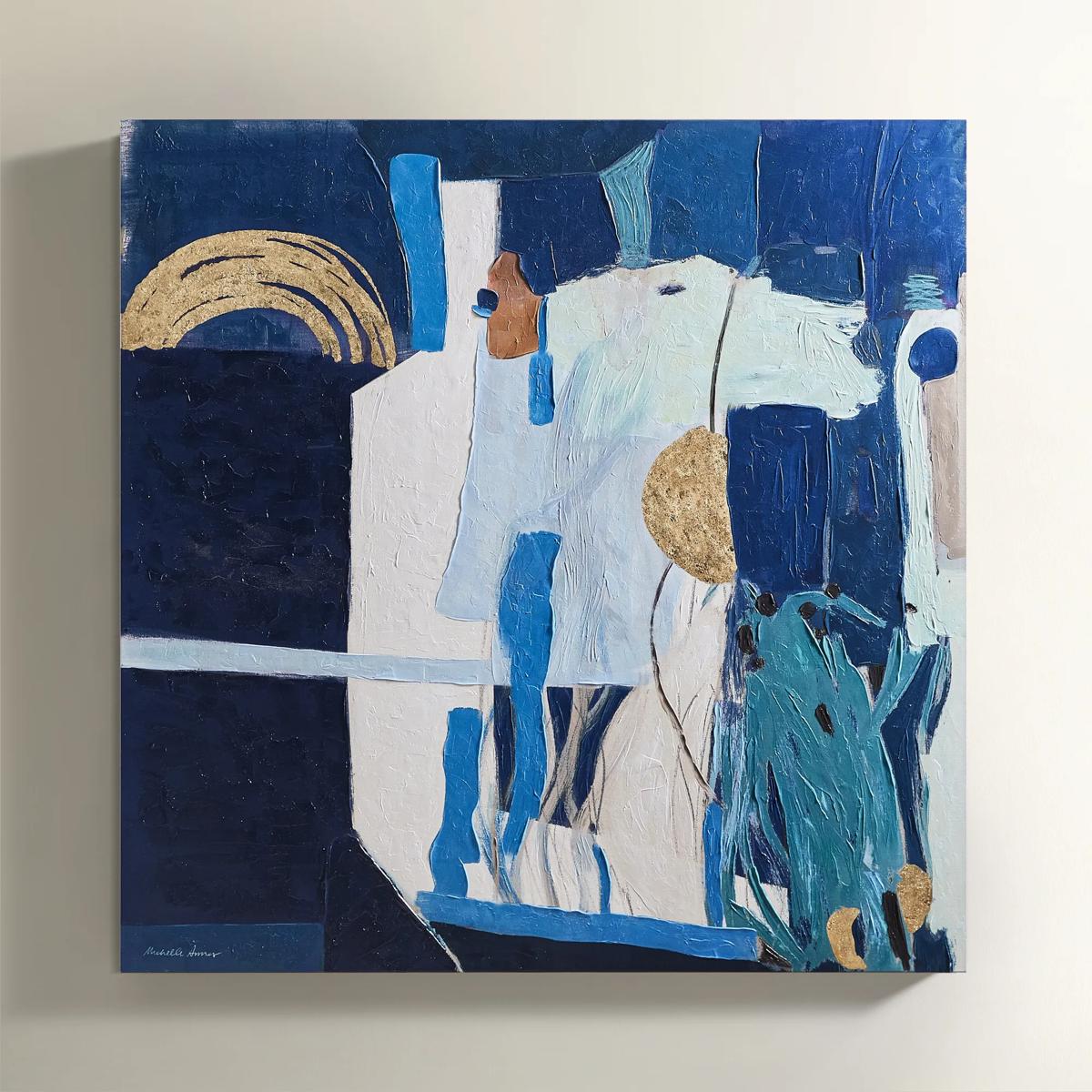
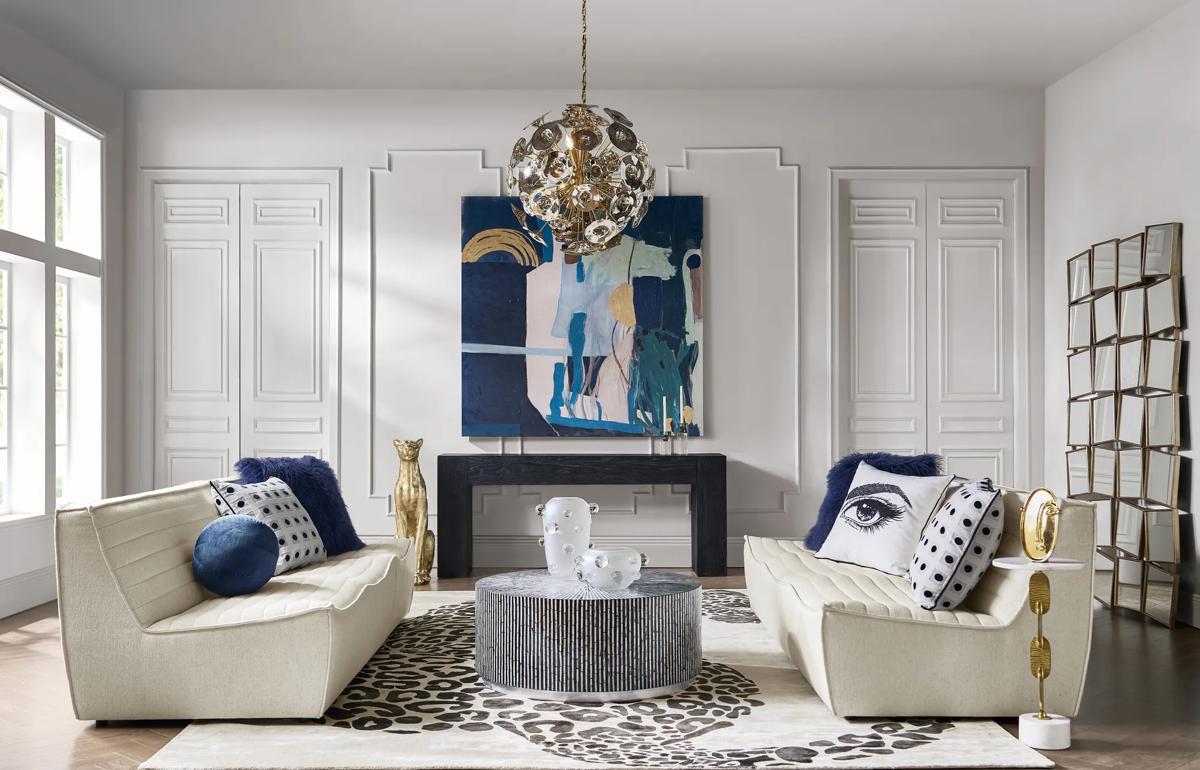 In Flux Painting$699
A hand-embellished canvas artwork featuring deep teal, green, ivory, and gold in a black Art Deco frame.
Add To Cart -
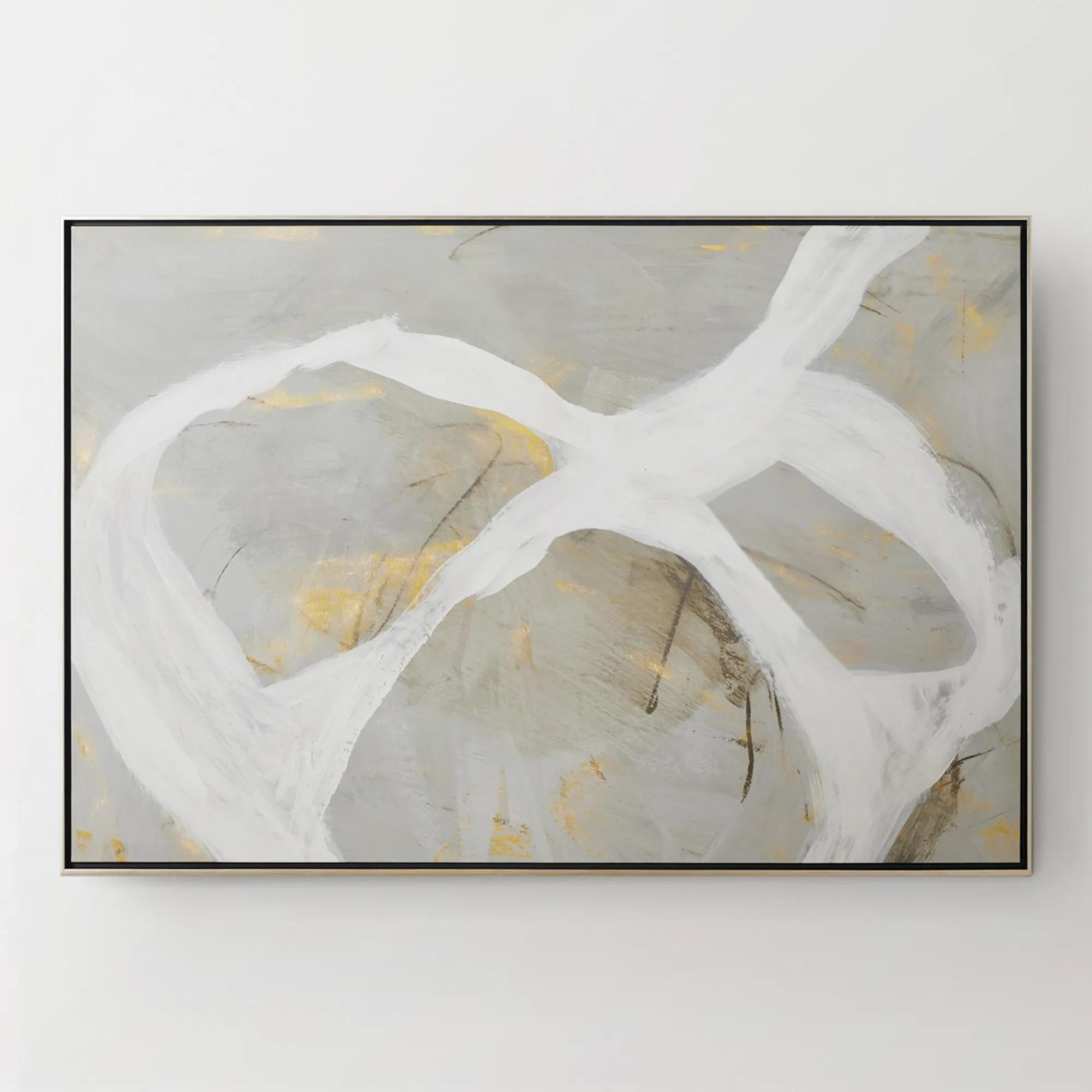
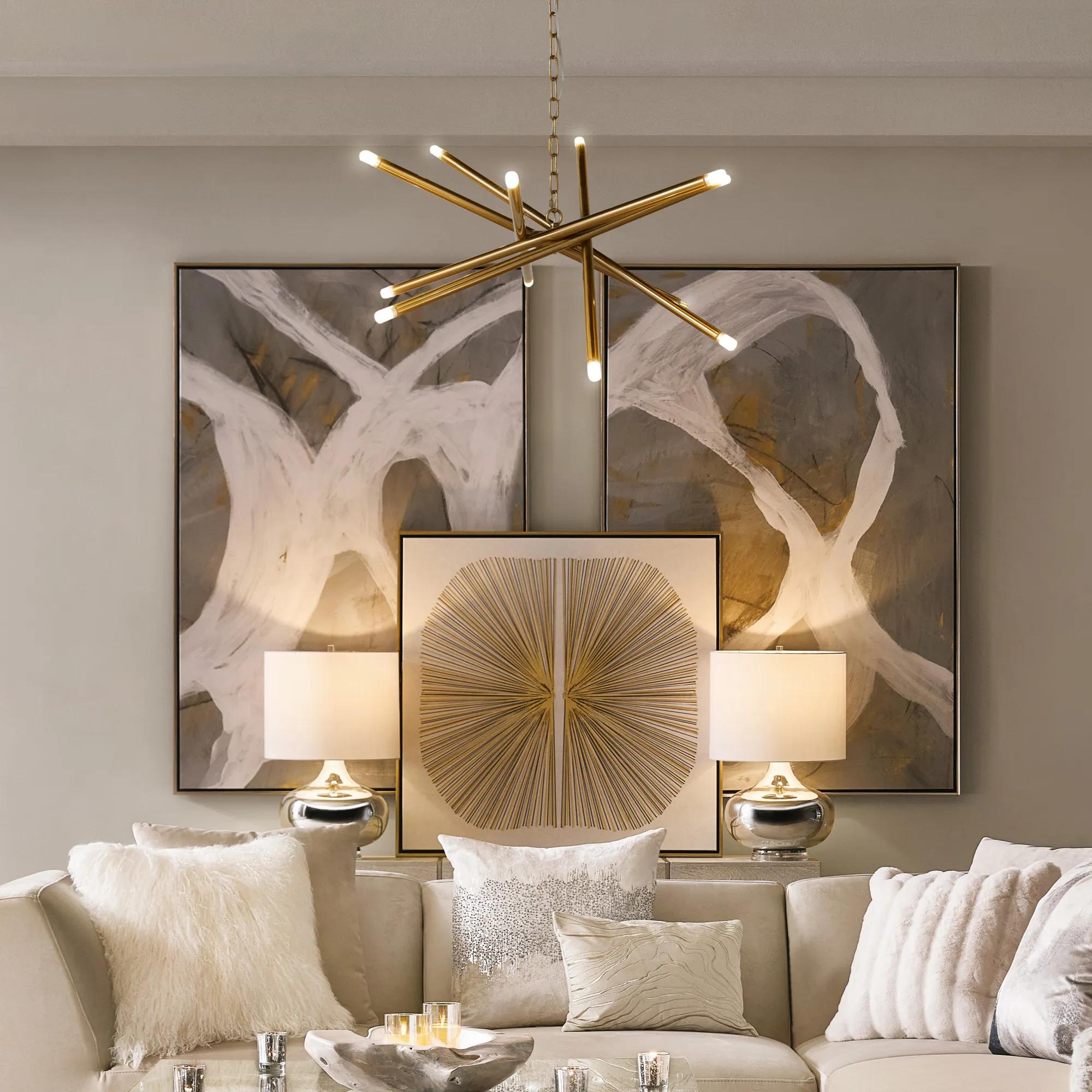 Les Series Framed Painted Wall Art I 61" x 41"$1099
An abstract canvas artwork featuring bold brushstrokes, hand-applied gold accents, and a silver floater frame.
Add To Cart -
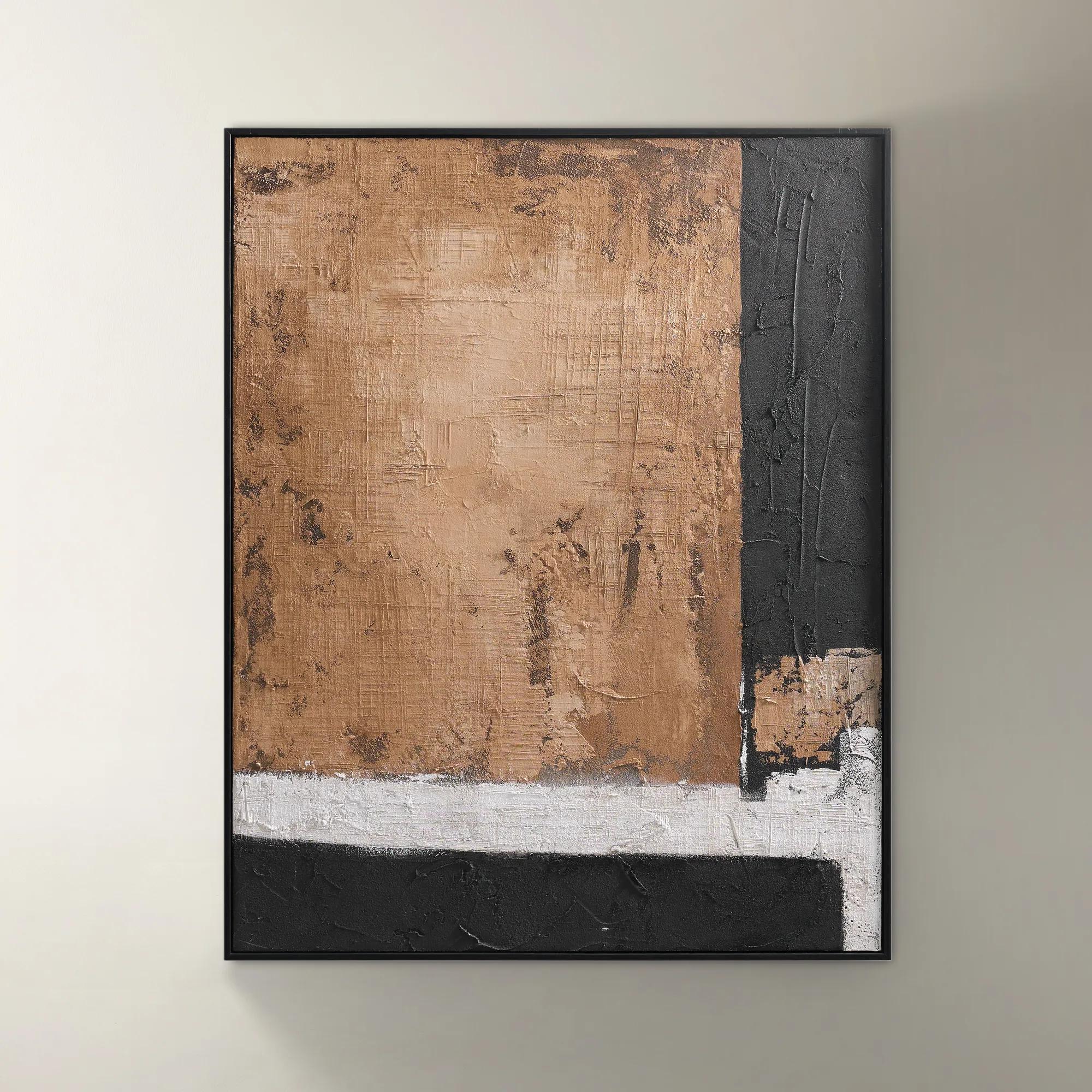 Drift Framed Painted Wall Art I 39.4" x 31.5"$299
A bold hand-painted abstract artwork featuring layered brown tones in a sleek black floater frame.
Add To Cart -
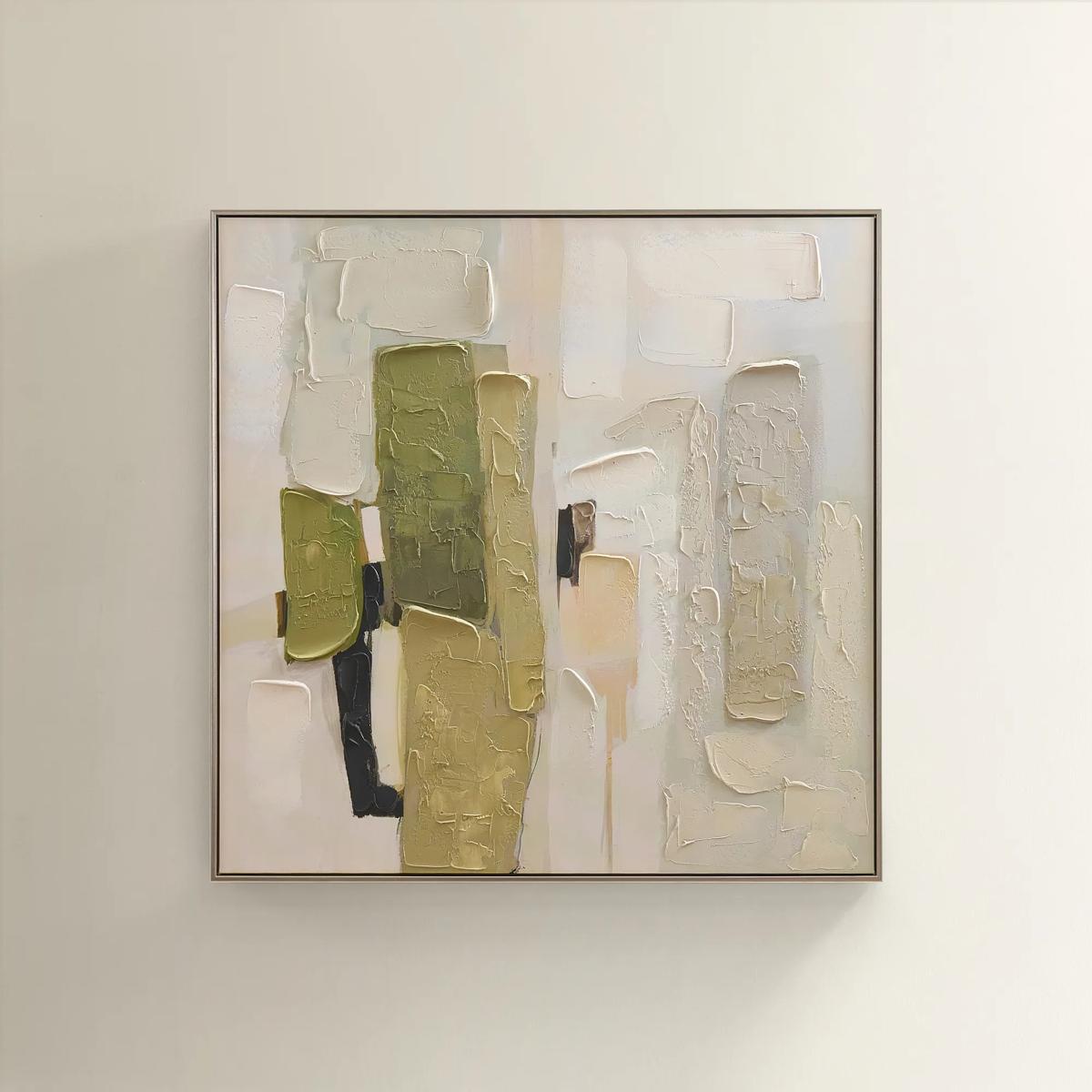 Verde Crush Framed Painted Wall Art 39.25" x 39.25"$349
A hand-painted abstract canvas featuring rich green tones, layered neutrals, and a champagne floater frame.
Add To Cart -
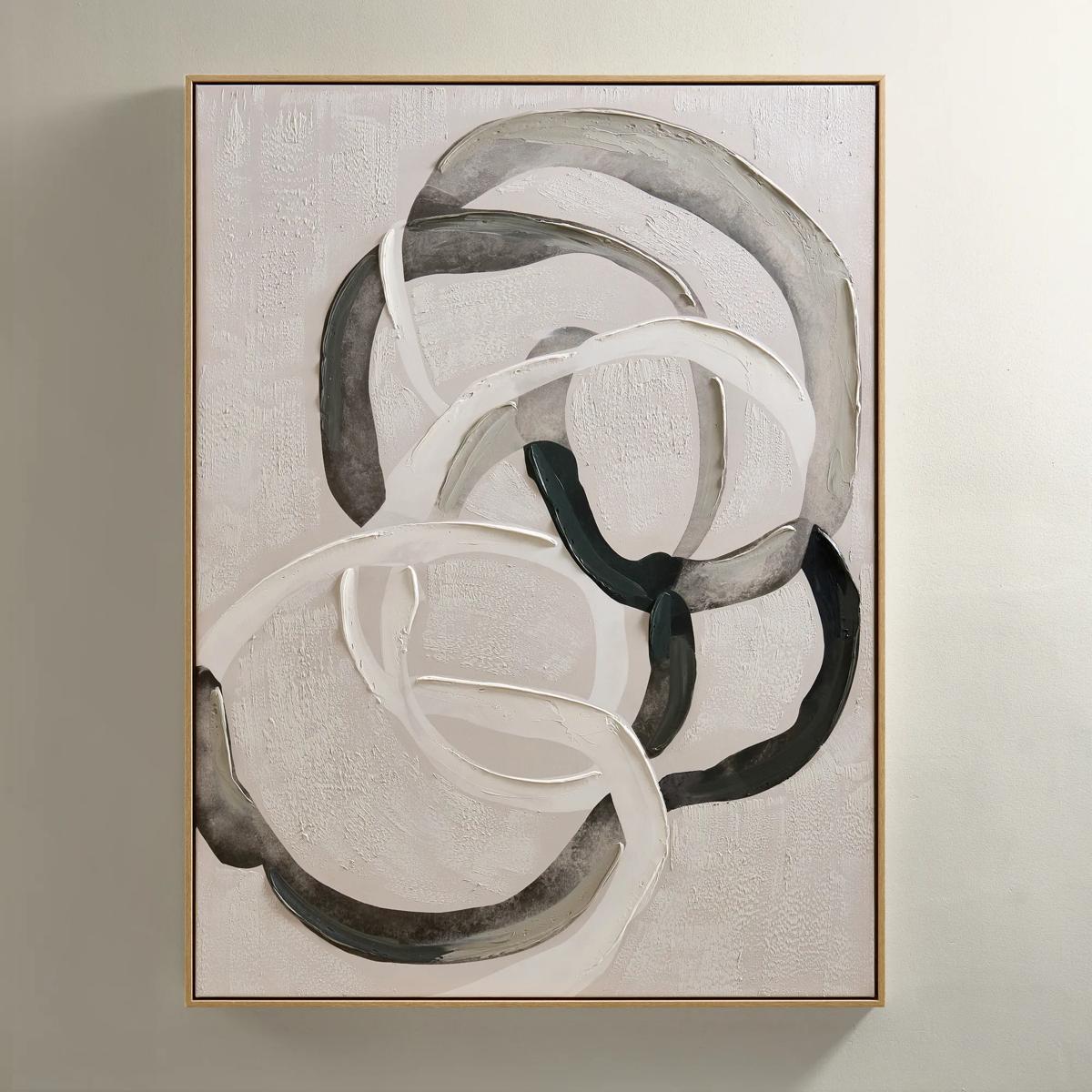
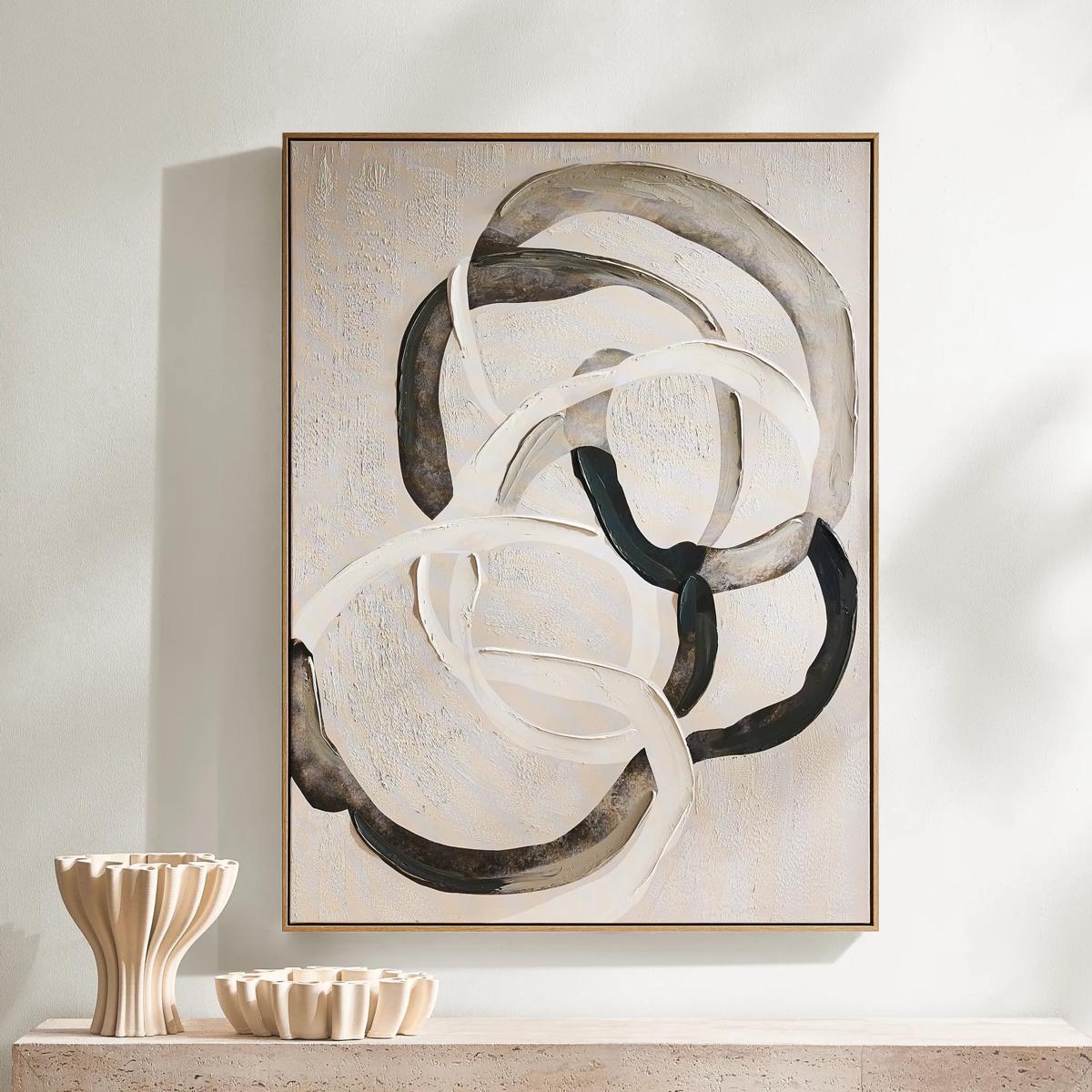 Round About Framed Painted Wall Art 35.25" x 47.25"$349
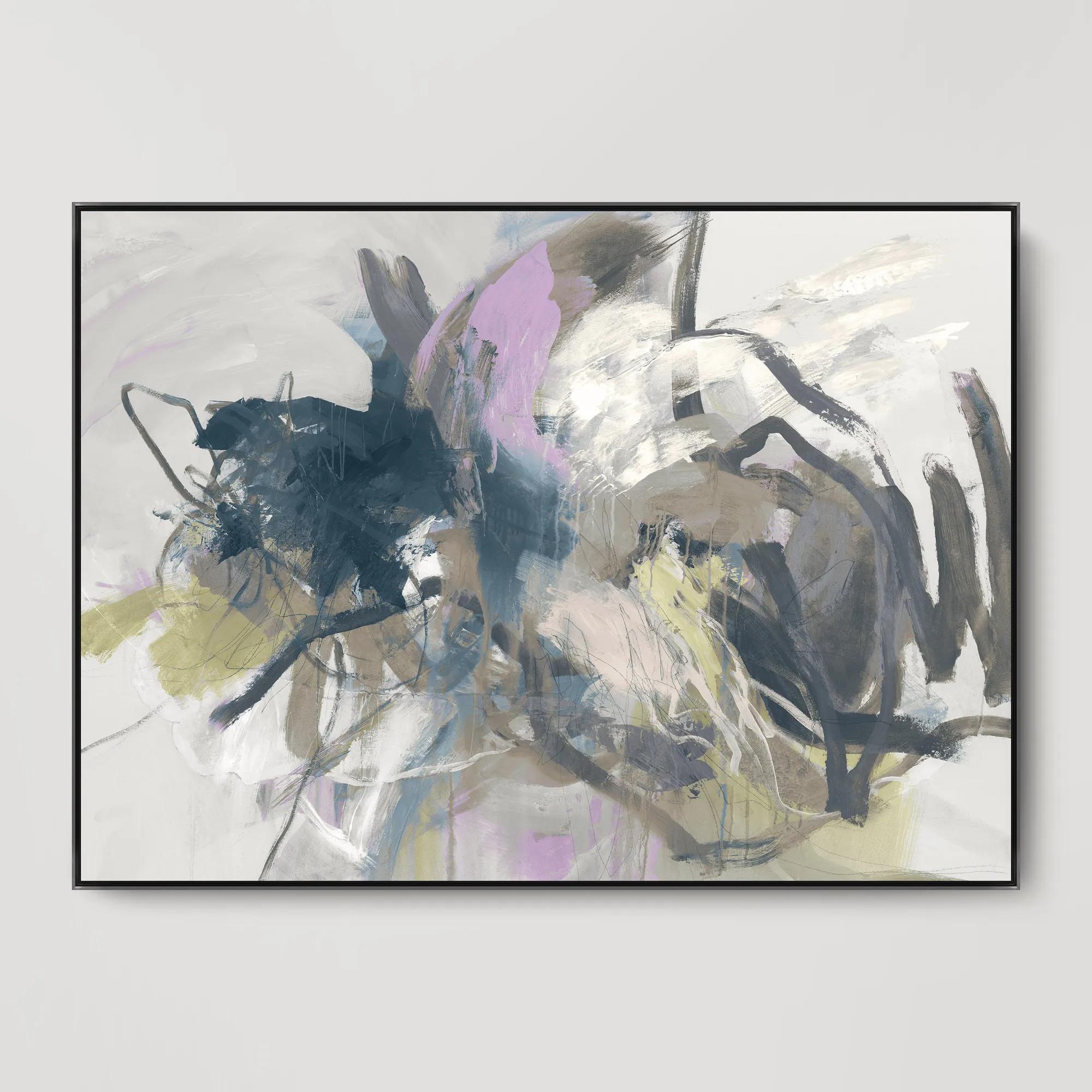
An abstract hand-painted canvas with tonal whites, charcoals, and taupes in a light wood floater frame.
Add To Cart -
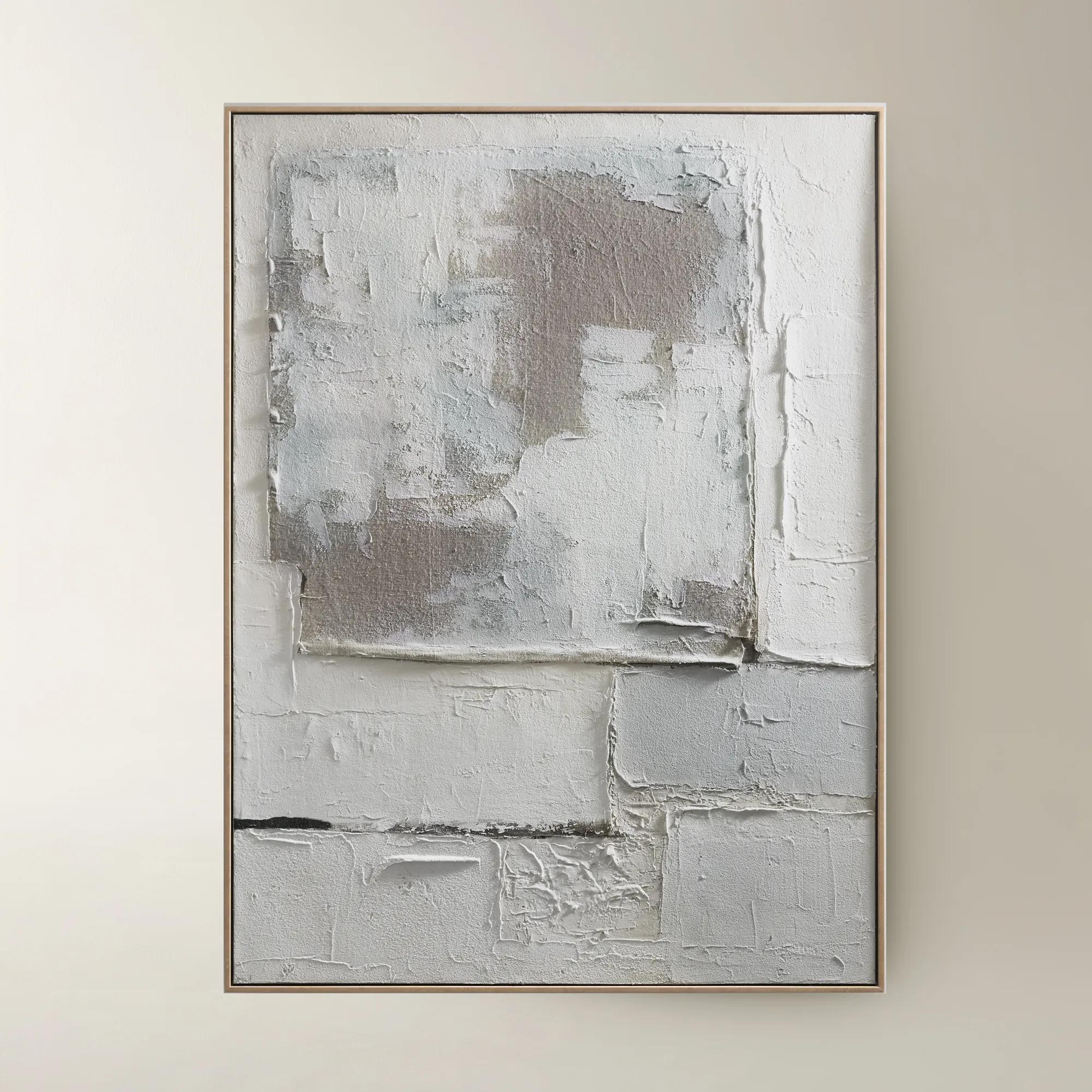
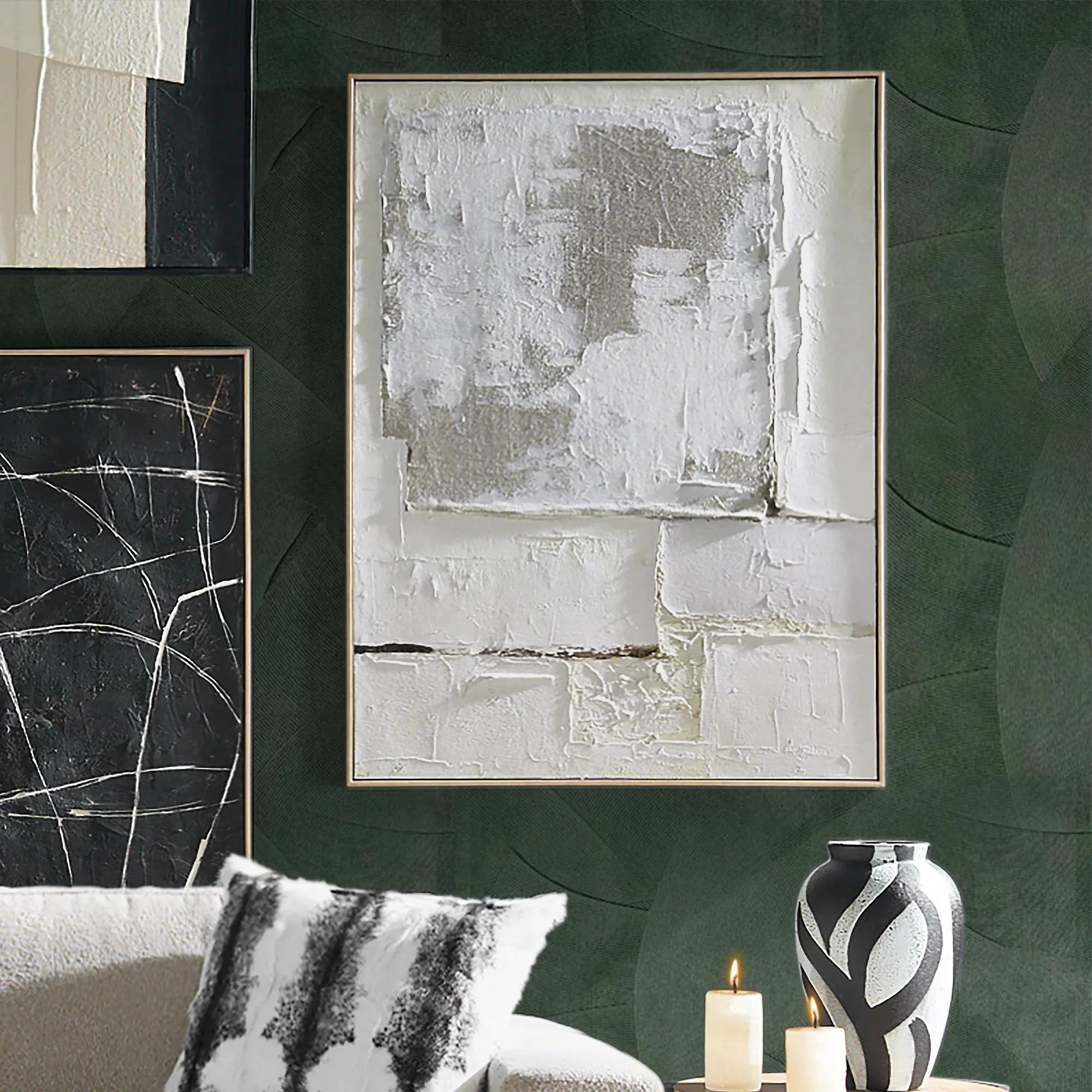 Marrow Painting$399
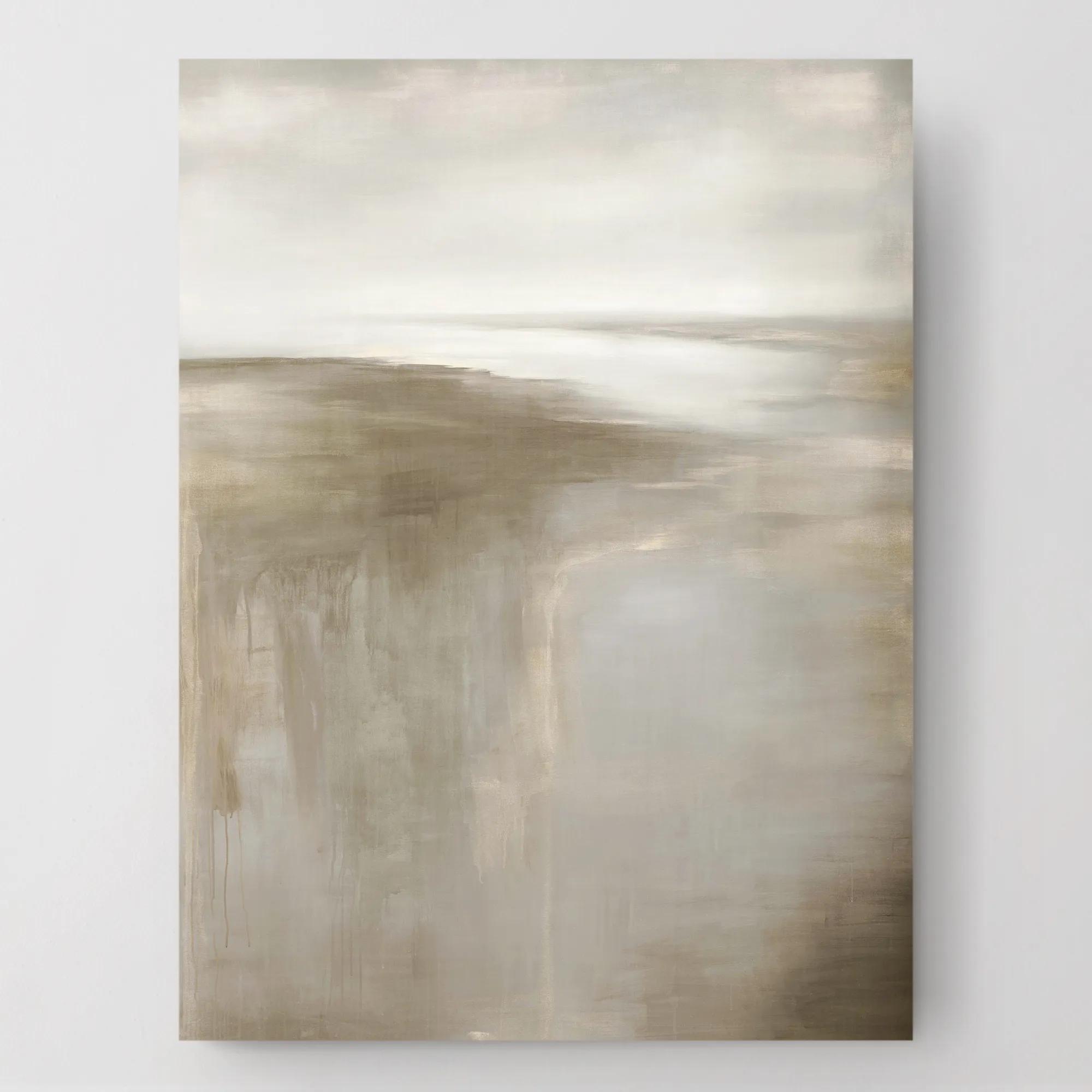
A hand-painted abstract canvas in subtle beige hues, elegantly framed in a warm beech wood floater.
Add To Cart -
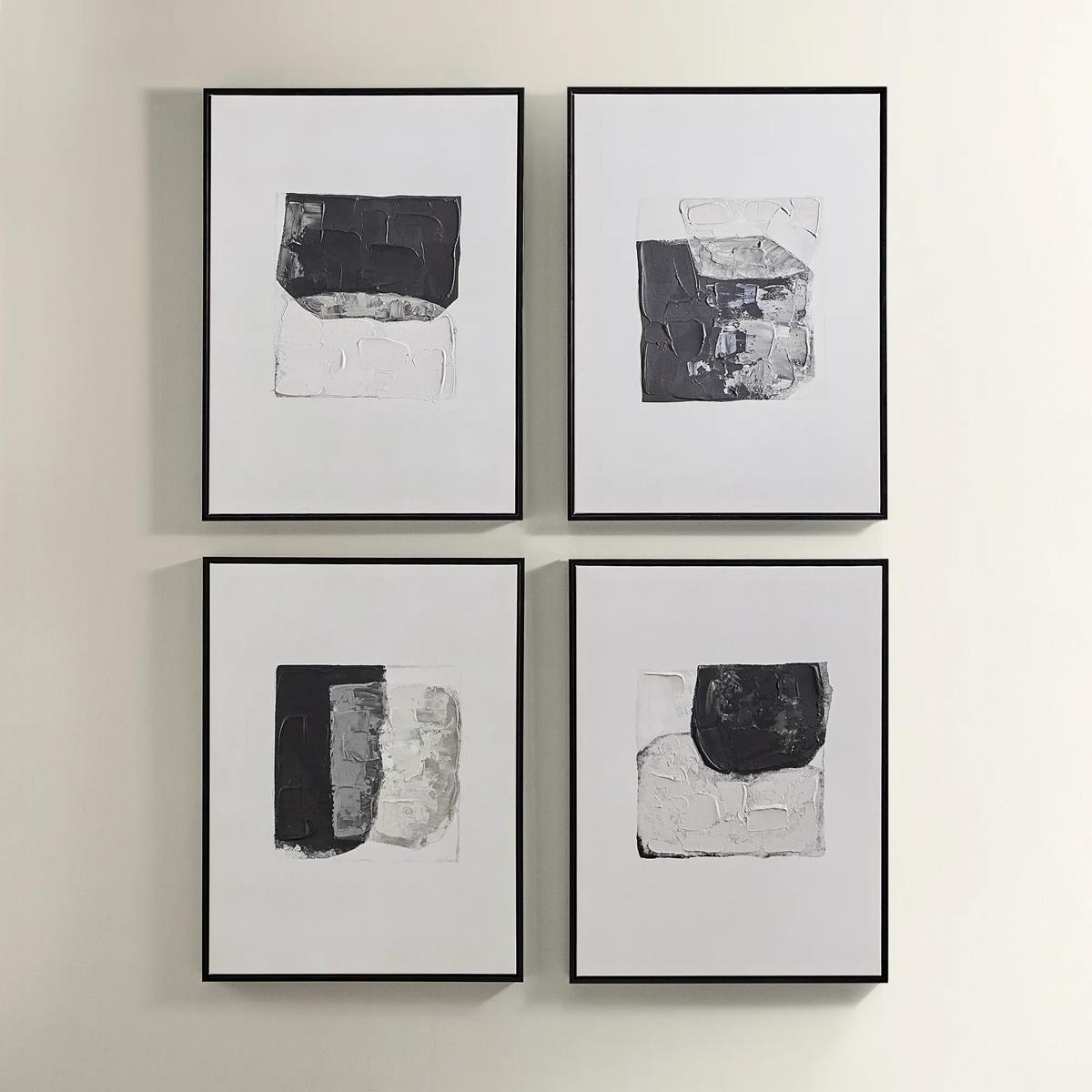
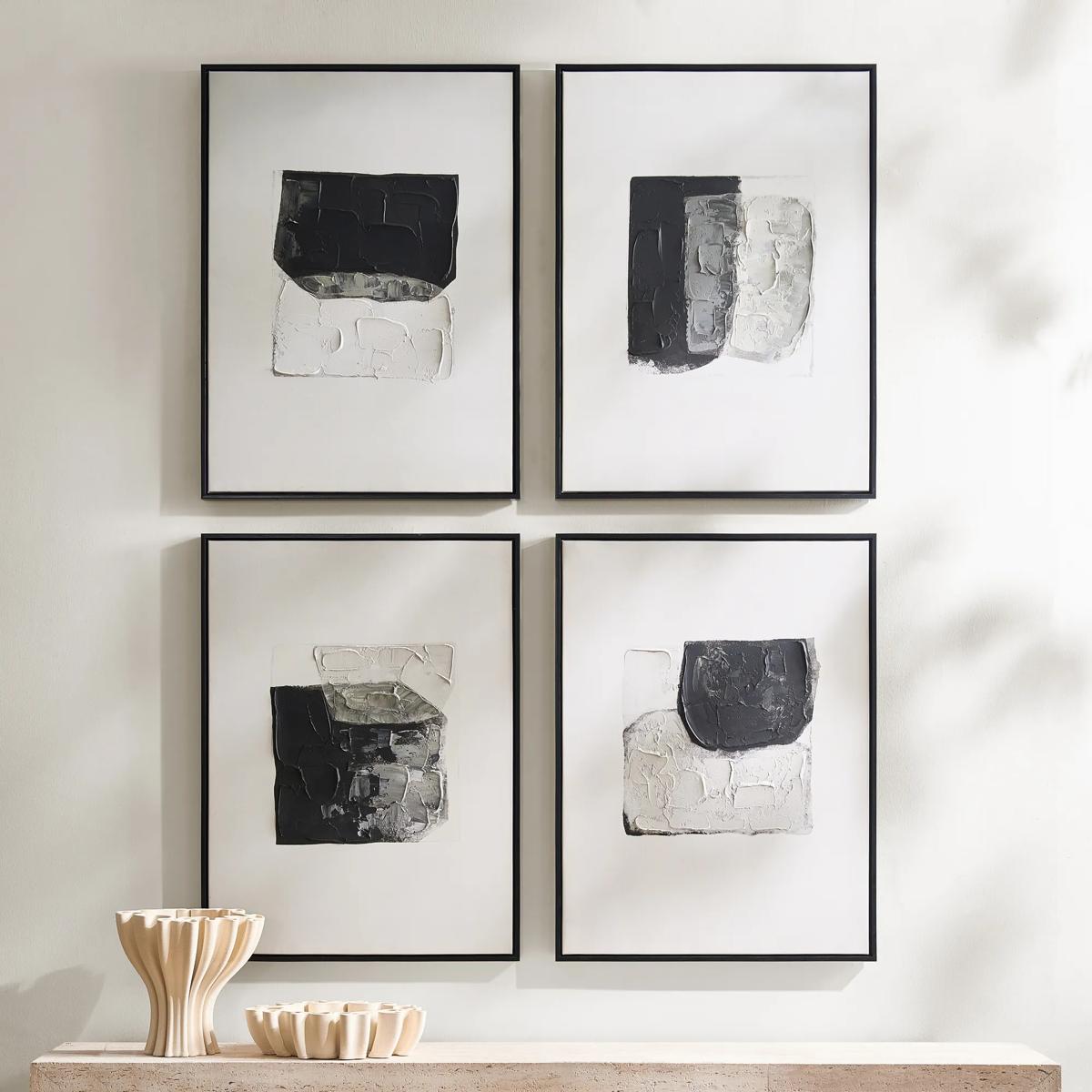 Shadows Framed Painted Wall Art Set of 4$299
A set of four hand-painted abstract canvases featuring black, white, and gold accents in black frames.
Add To Cart -
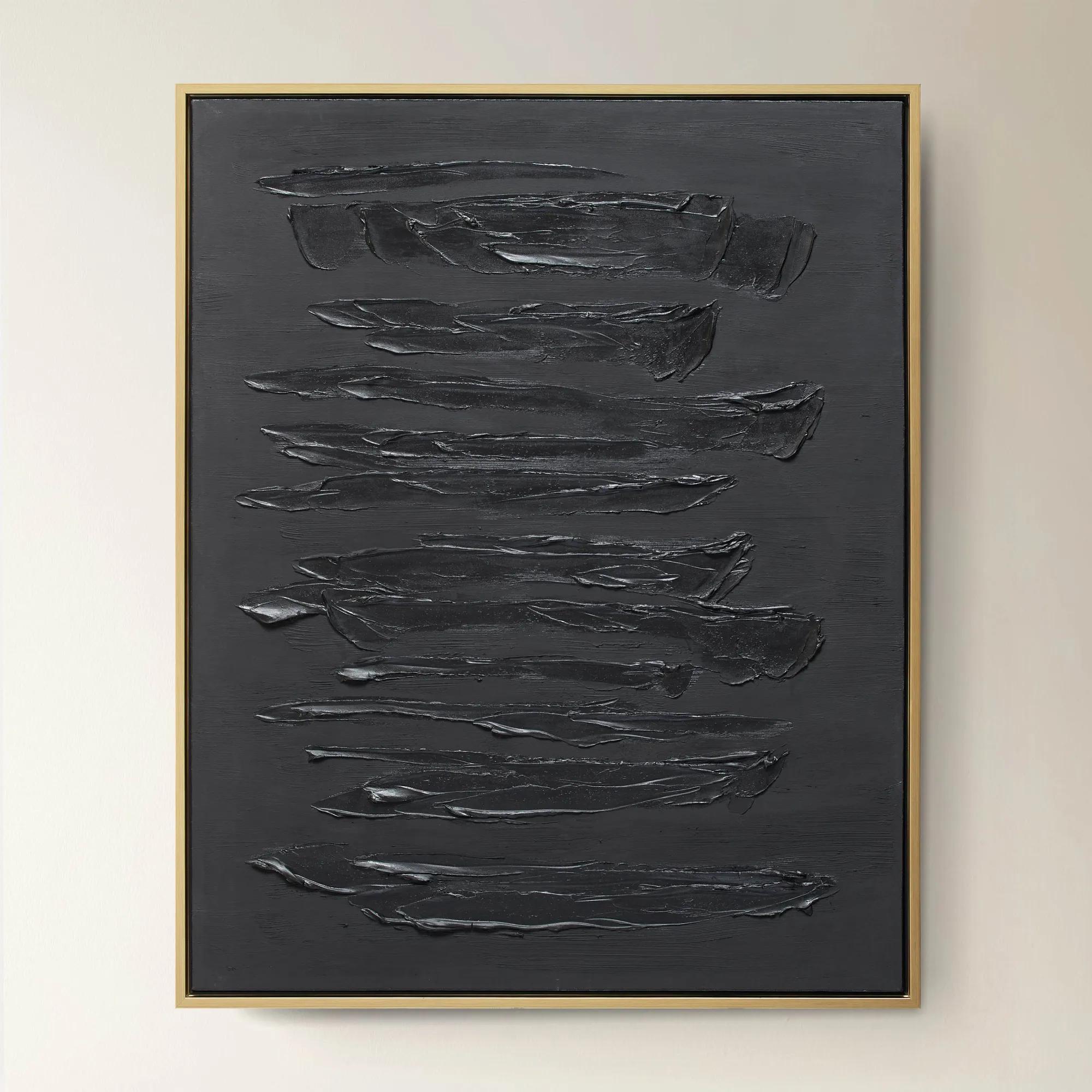
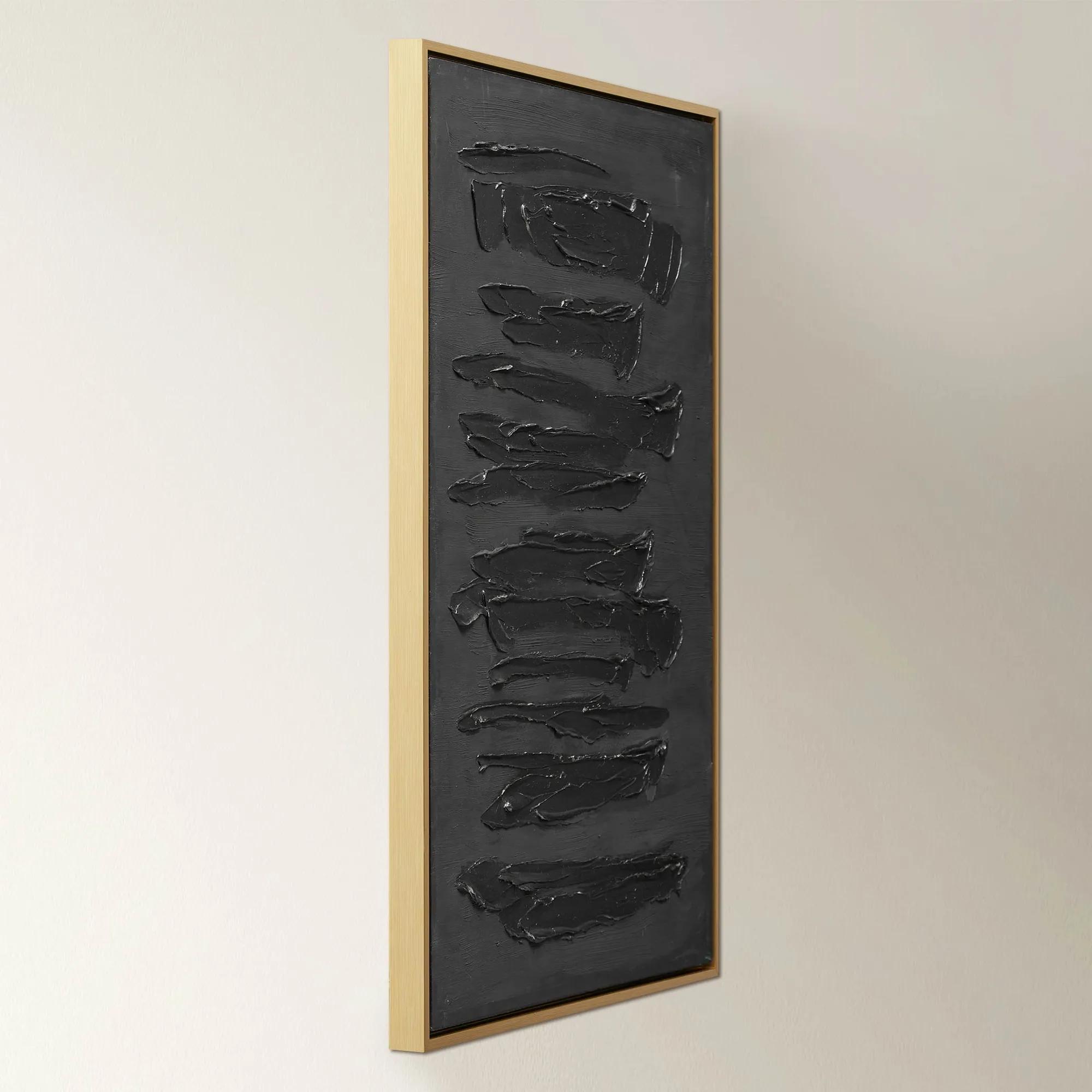 Nocturne$599.95
A dramatic abstract artwork featuring bold, dark brushstrokes on hand-painted canvas in a gold floater frame.
Add To Cart -

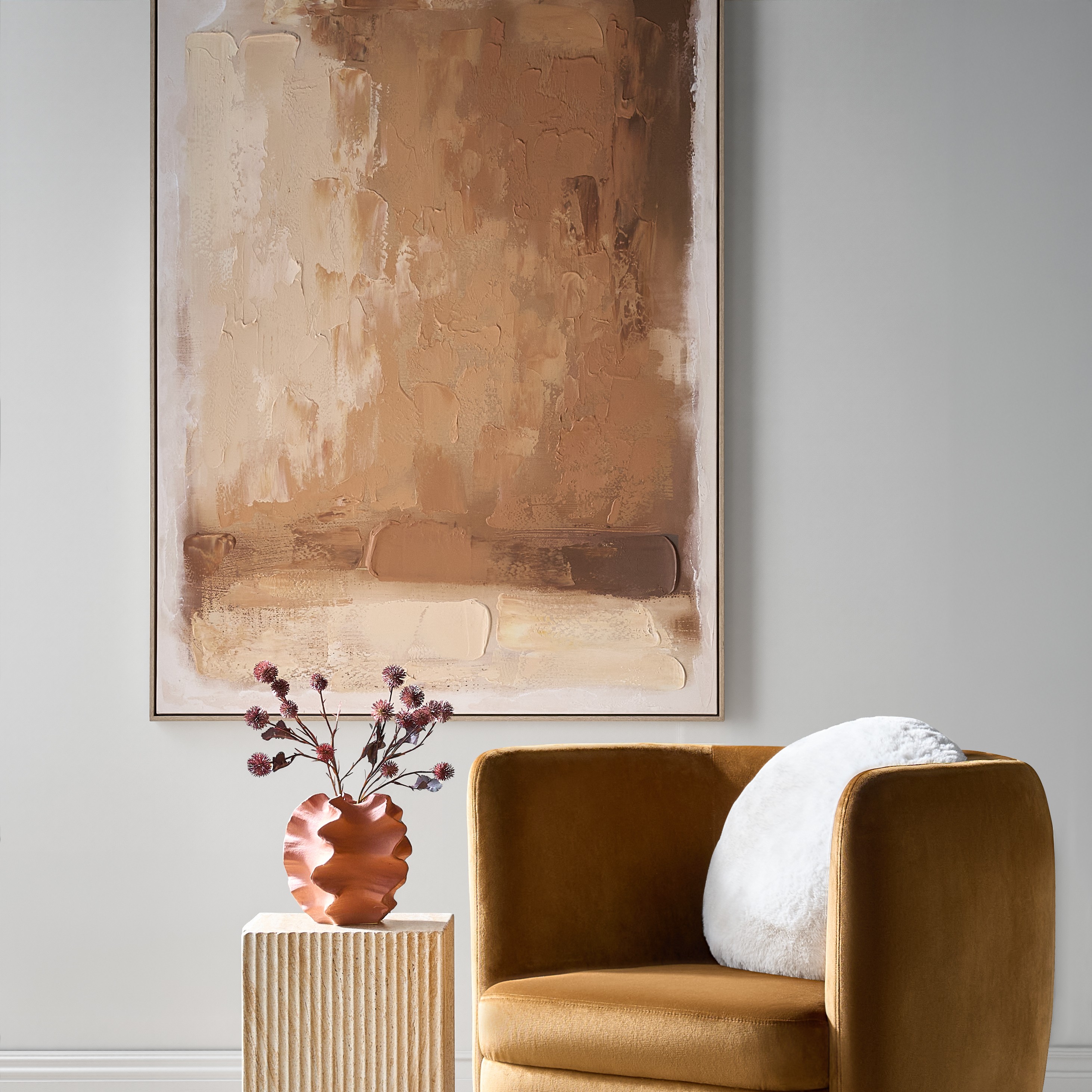 Ember Glow Framed Painted Wall Art 39.25" x 55"$499
A hand-painted abstract canvas blending ochre, terracotta, and golden clay hues in a light natural frame.
Add To Cart -
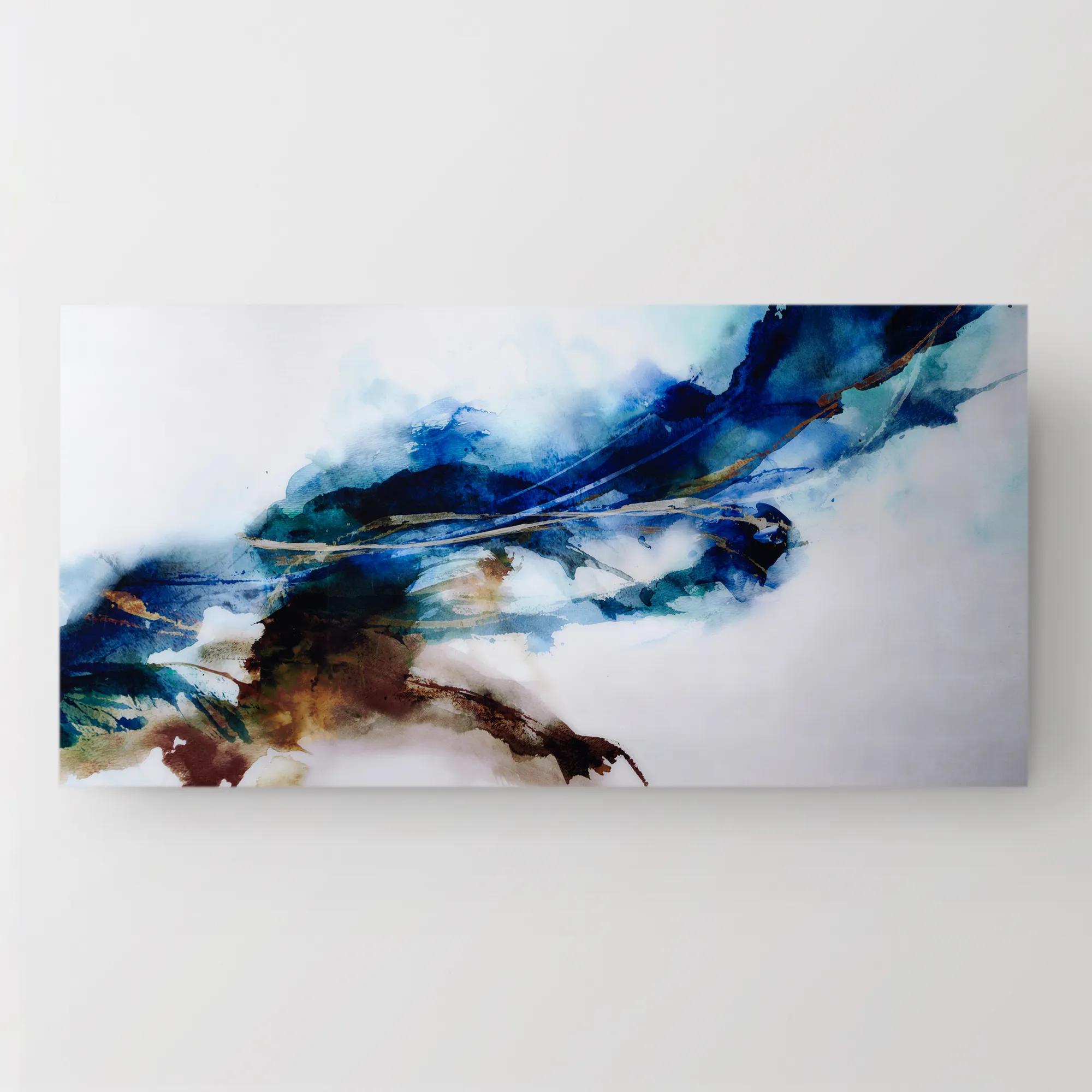 Cerulean Movement Acrylic Art 72" x 36"$1299
A vibrant abstract artwork printed on high-gloss acrylic, infusing your space with dynamic energy and movement.
Add To Cart -
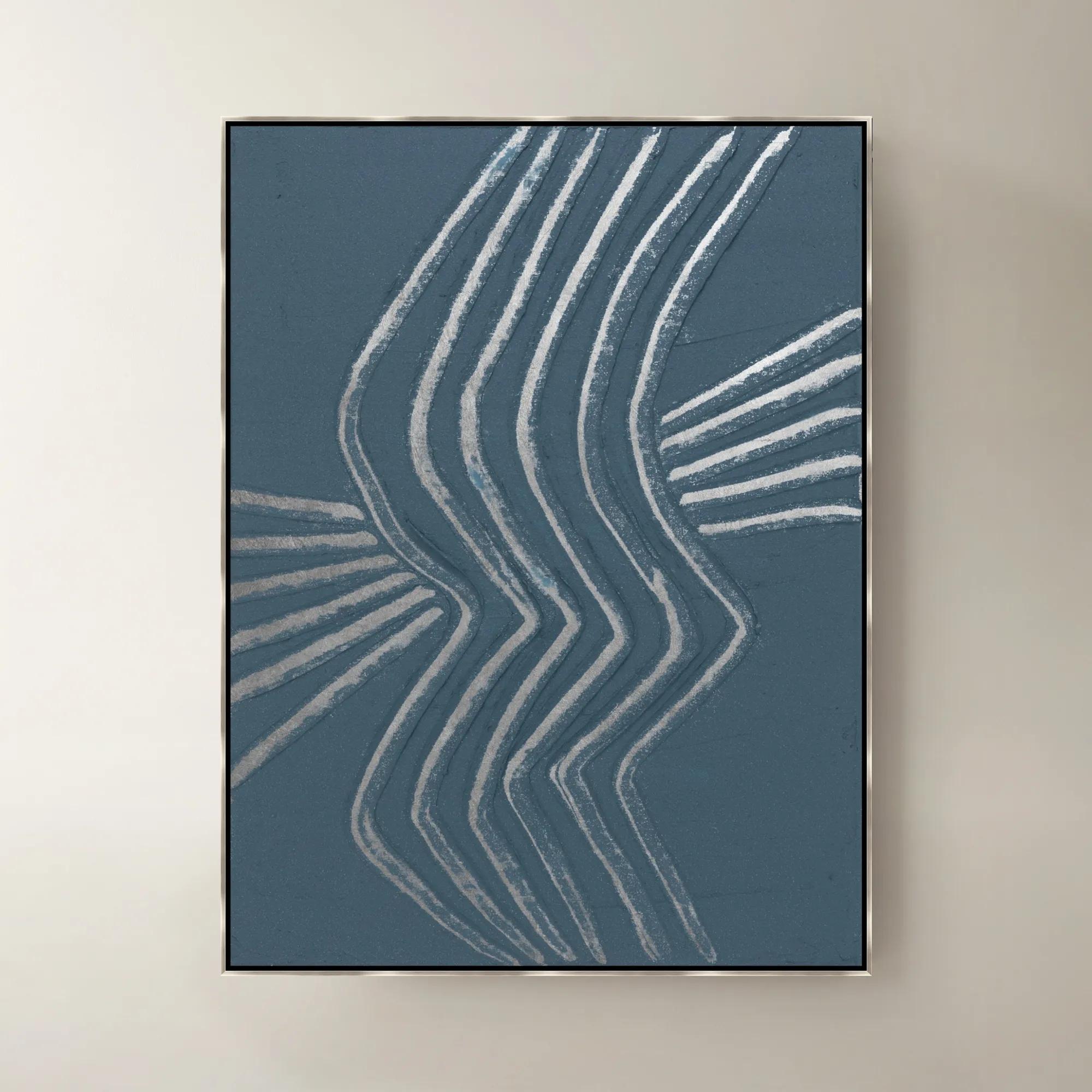
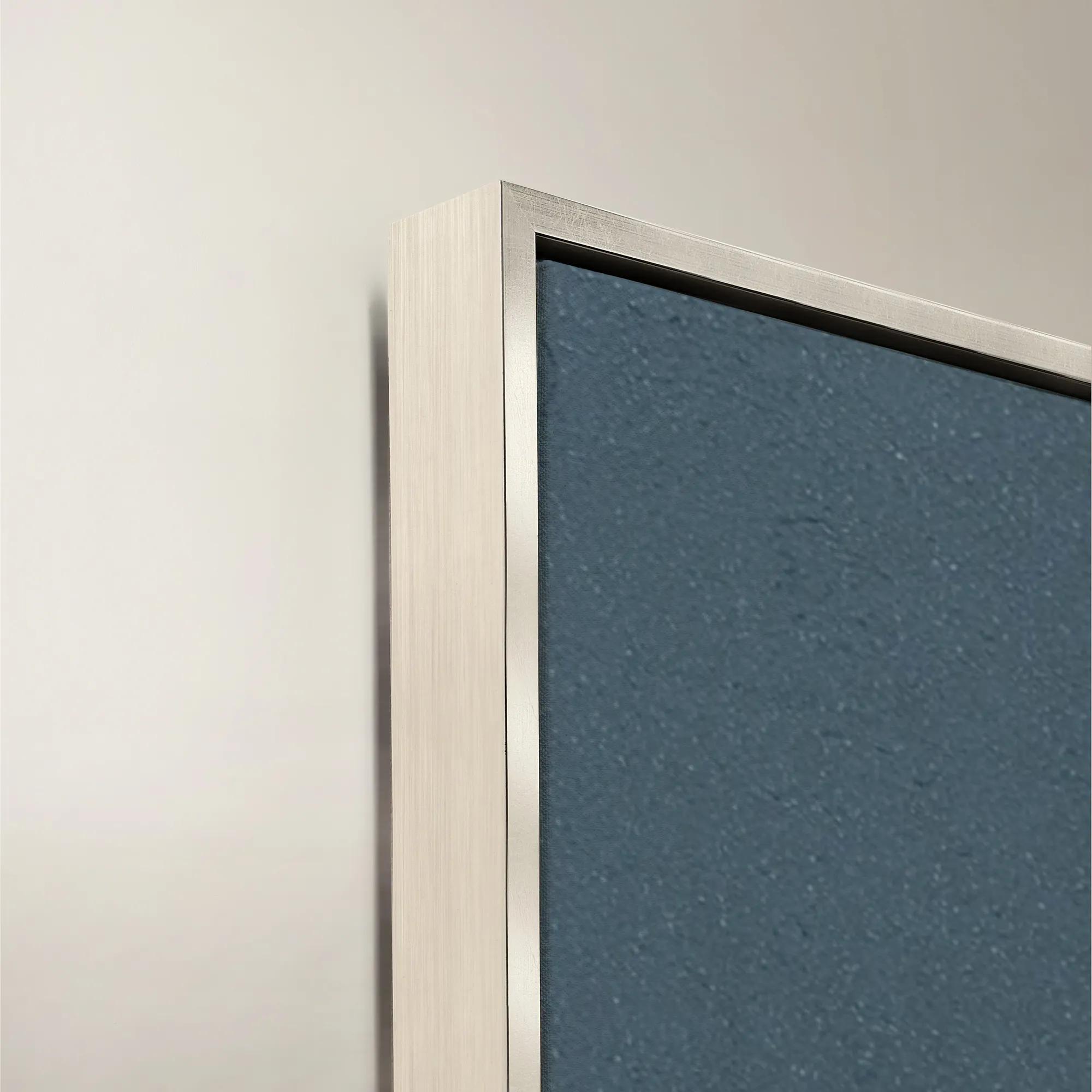 Gilded Waves IV Framed Painted Wall Art 40" x 53"$1399
A framed painted canvas artwork featuring flowing gilded waves in soothing blue and purple tones.
Add To Cart -
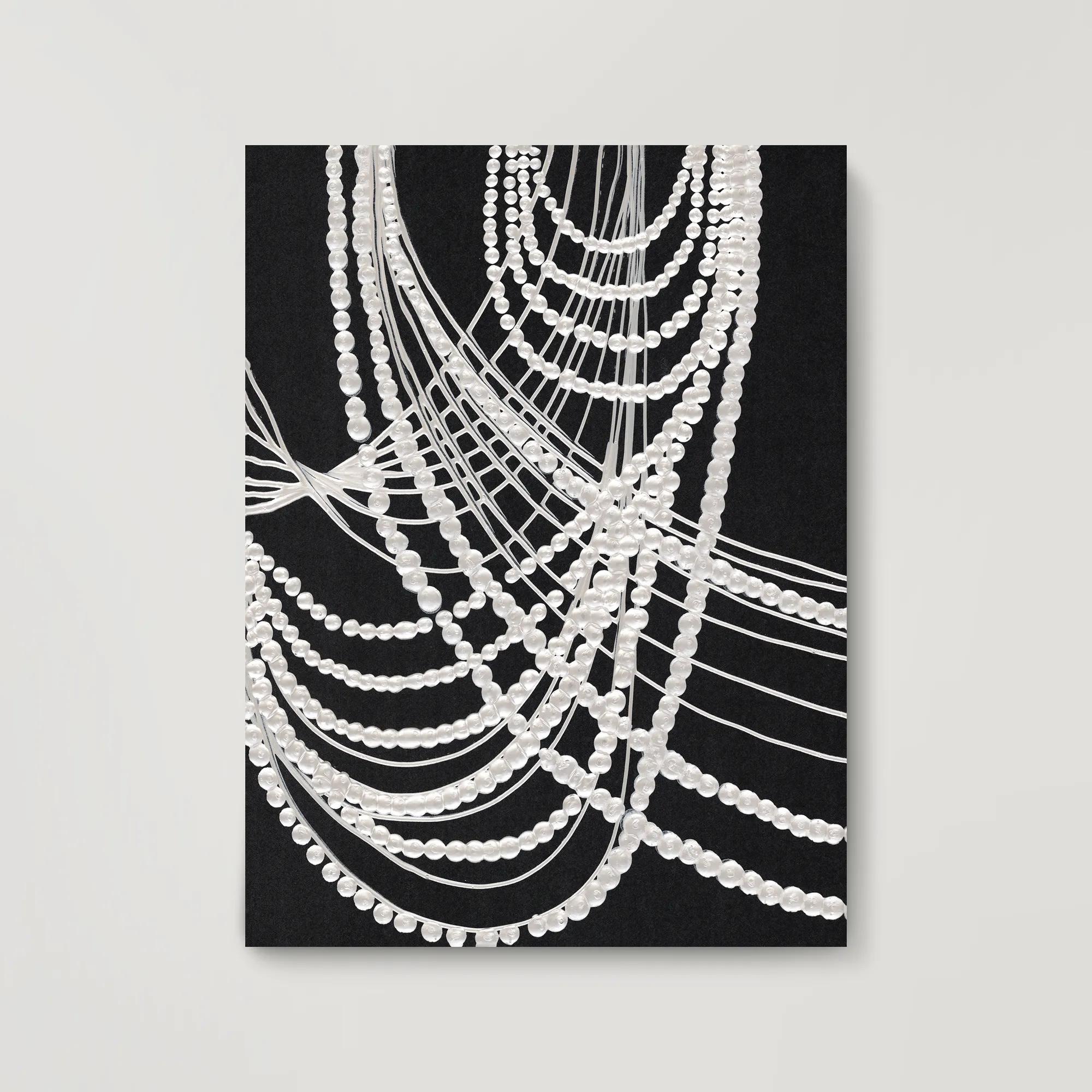 Dripping Pearls Painted Wall Art 36" x 48"$949
A striking hand-painted abstract artwork featuring layered acrylic and watercolor textures in a modern design.
Add To Cart -
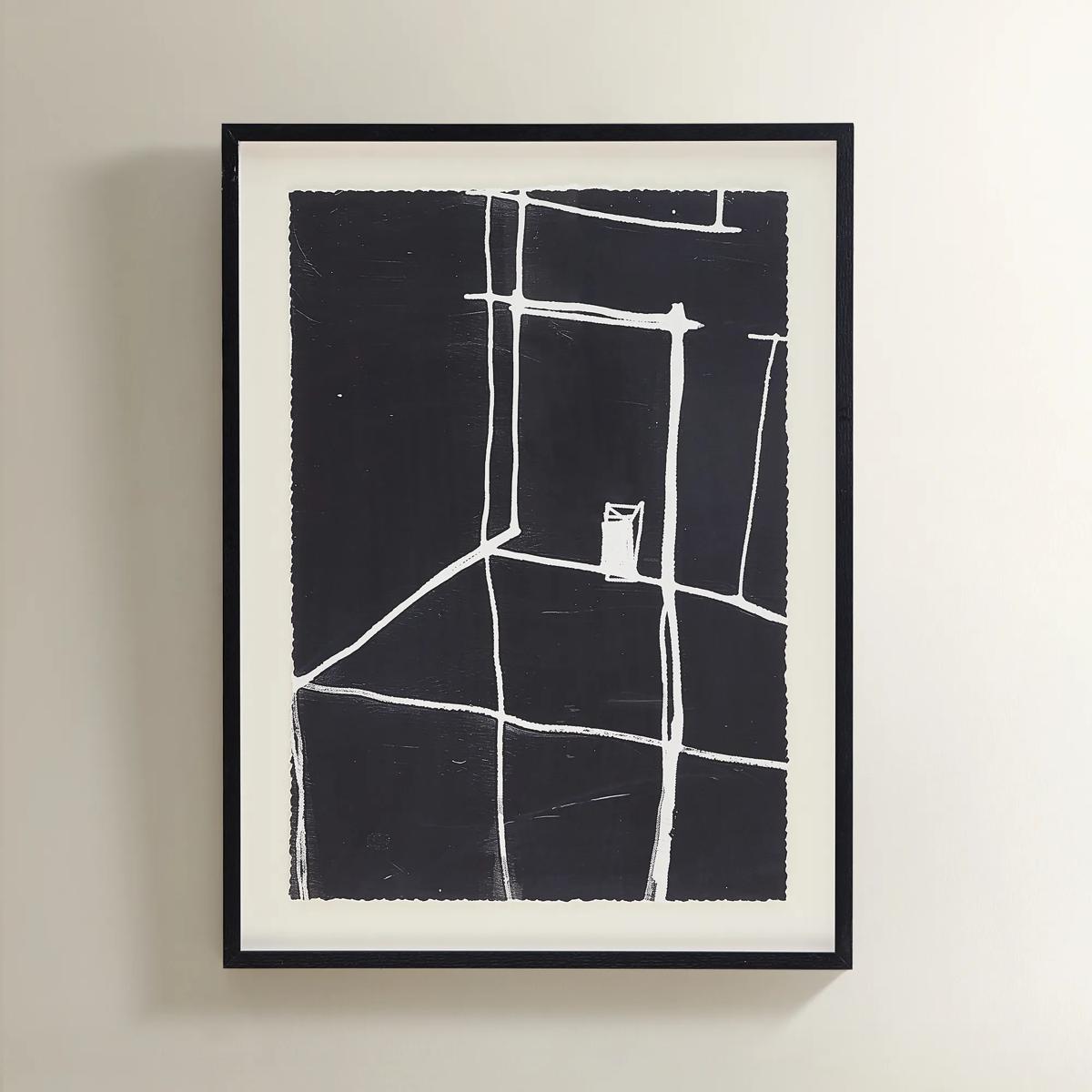 Solitude Art$269
A minimalist black-and-white abstract print featuring bold white lines in a sleek black polyresin frame.
Add To Cart -
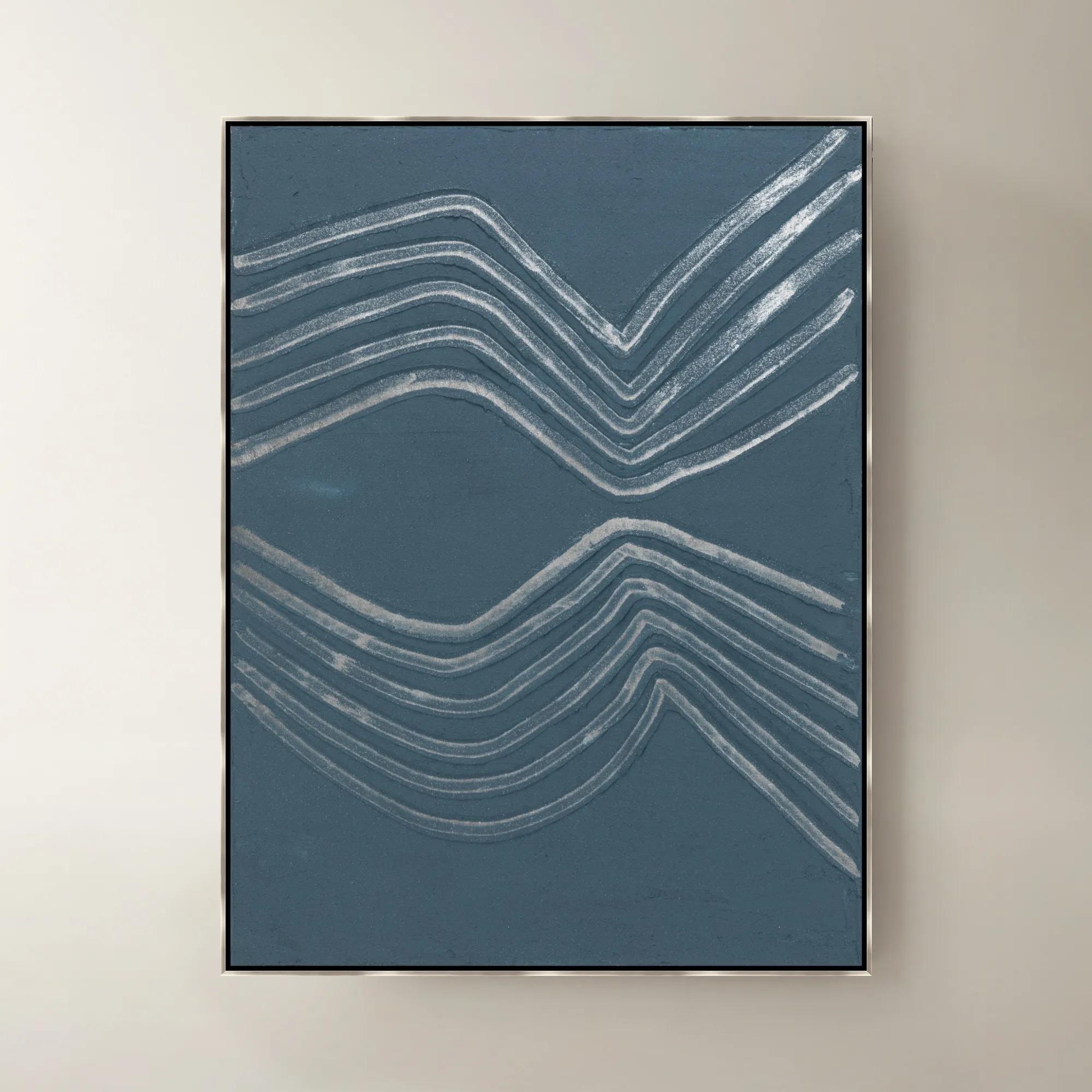
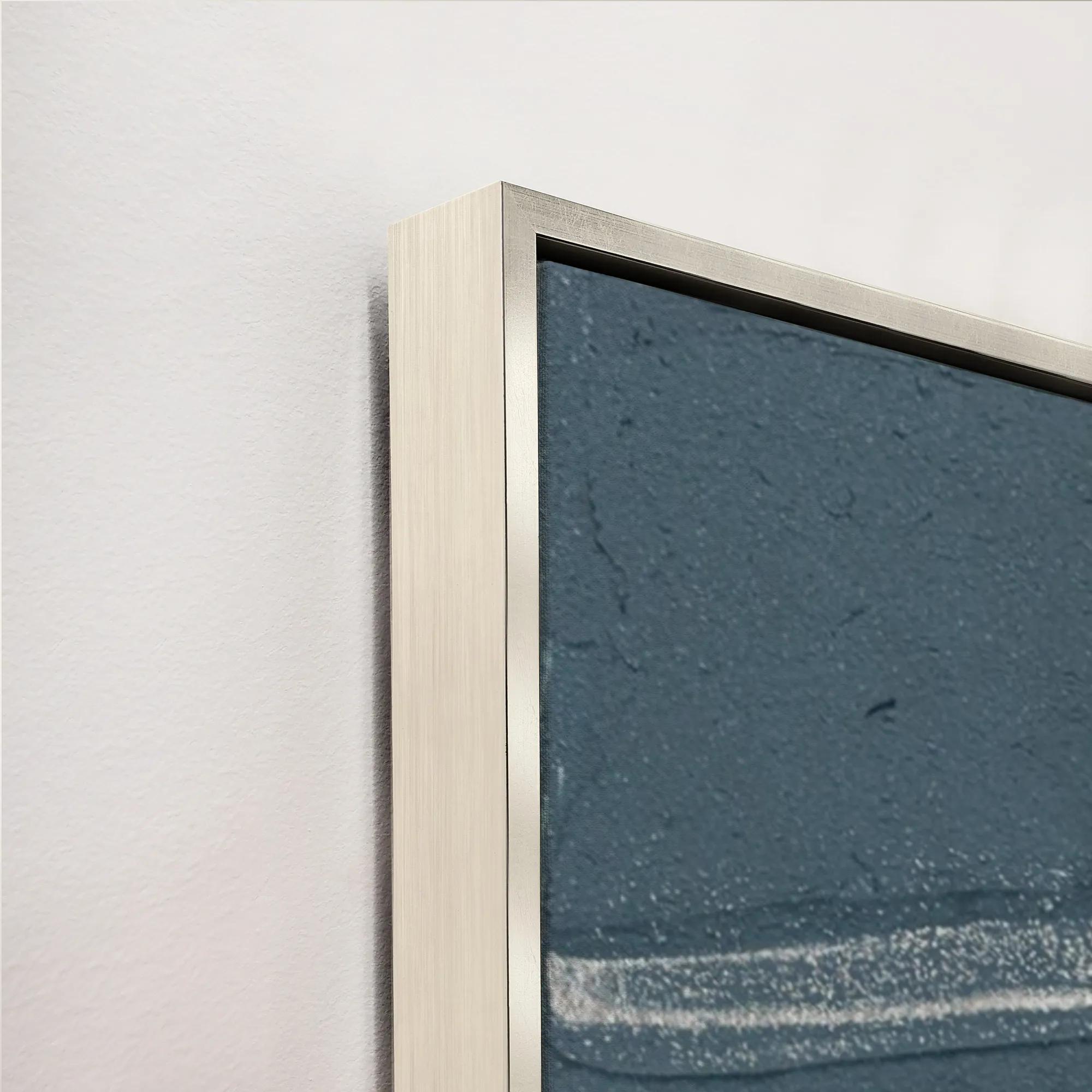 Gilded Waves VI Framed Painted Wall Art 40" x 53"$1399
A framed painted canvas artwork featuring sweeping gilded waves in rich blue and purple tones.
Add To Cart -
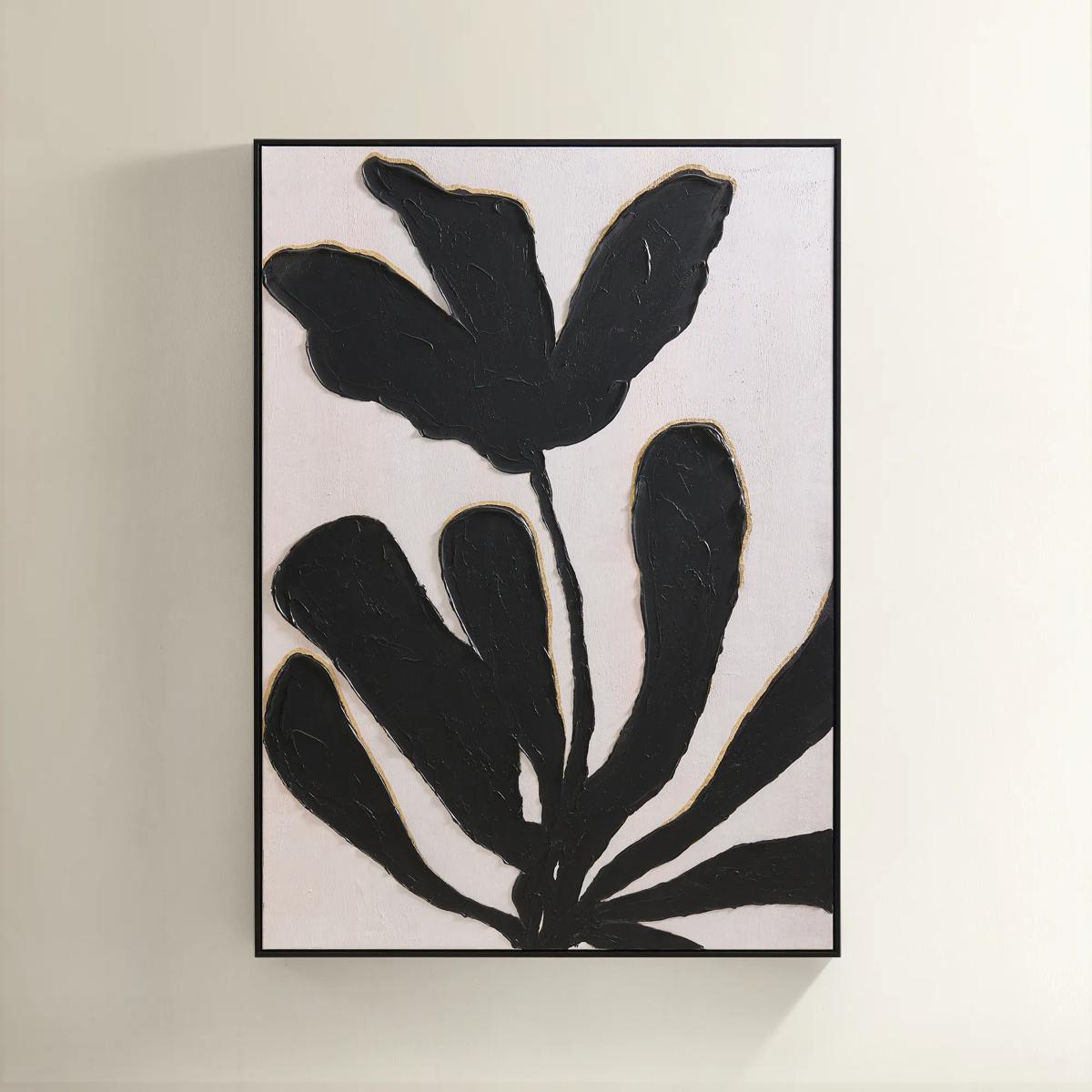
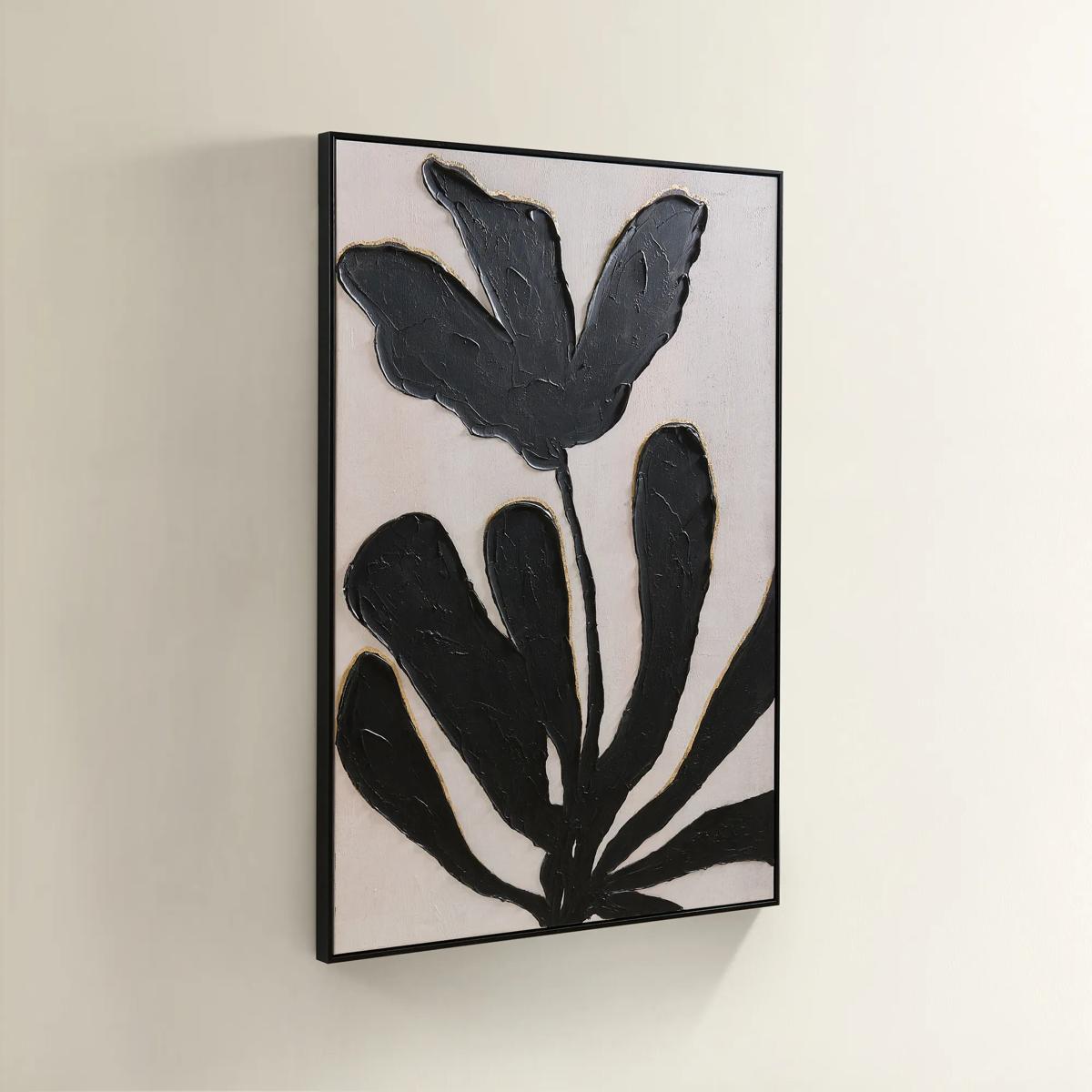 First Bloom Framed Painted Wall Art 39.25" x 55"$499
A hand-painted canvas featuring black abstract leaves and gold leafing on an ivory background in a black frame.
Add To Cart -
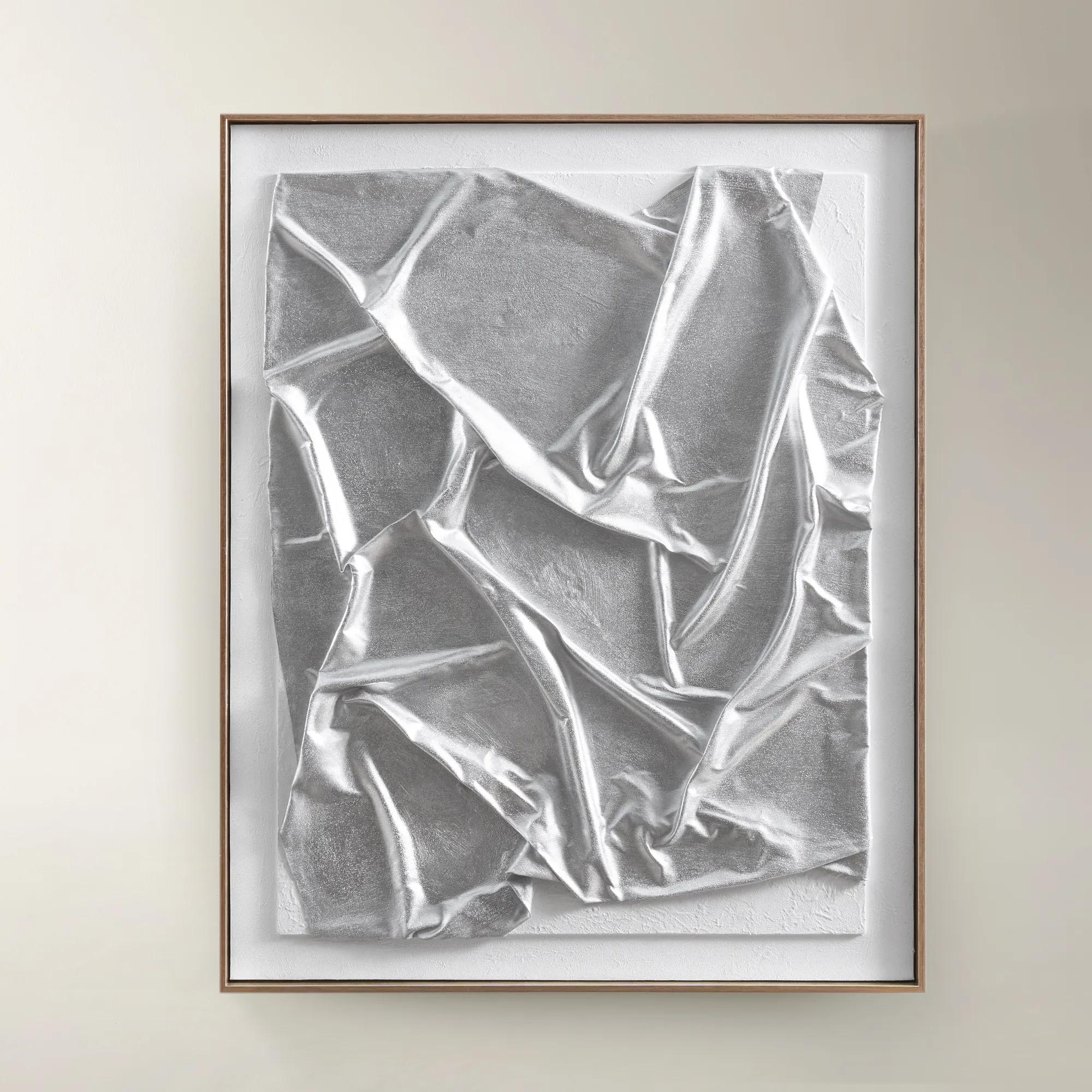
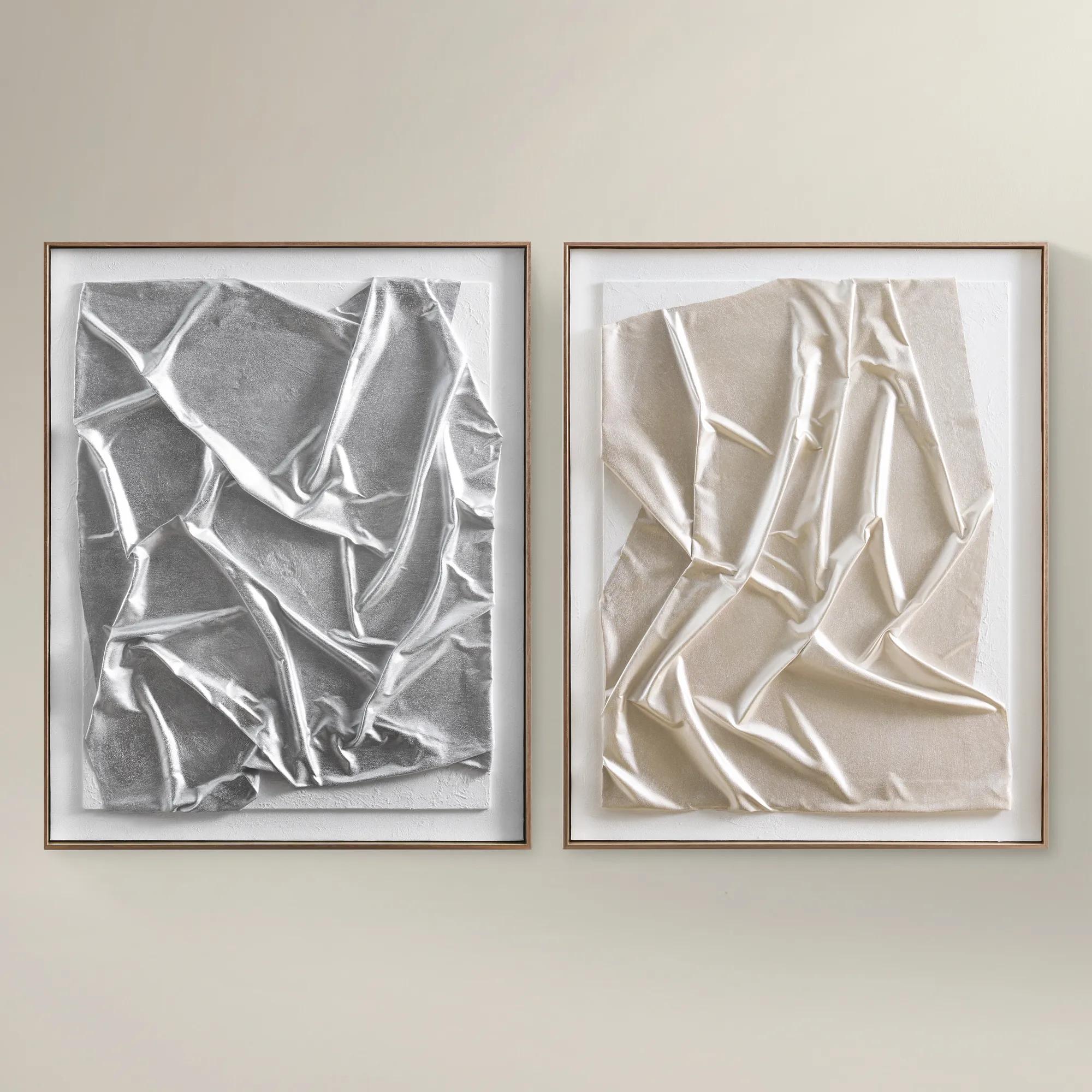 In the Mood Framed Painted Wall Art 31.5" x 39.5"$199
A hand-painted abstract canvas in shimmering silver tones, set in a warm champagne floater frame.
Add To Cart -
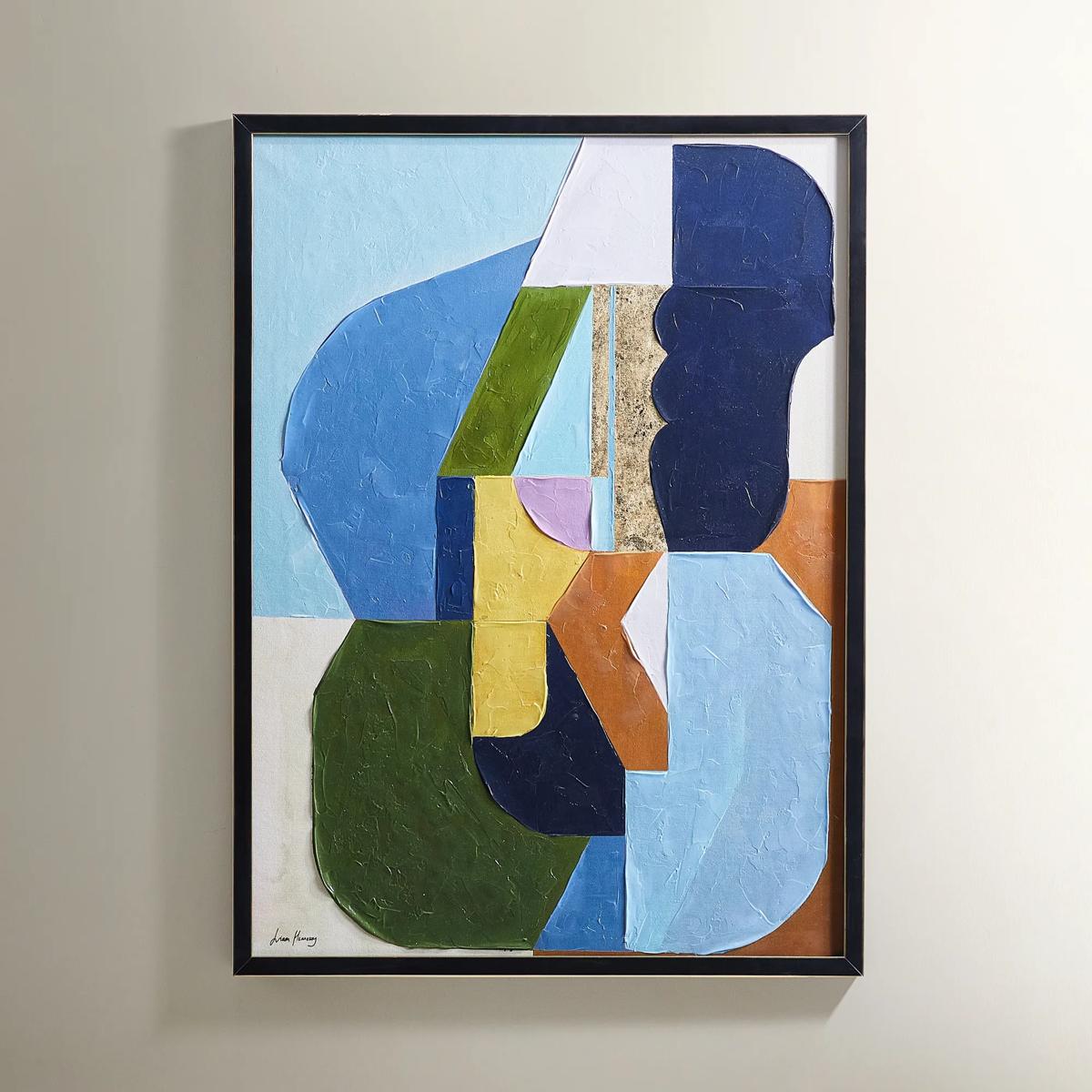
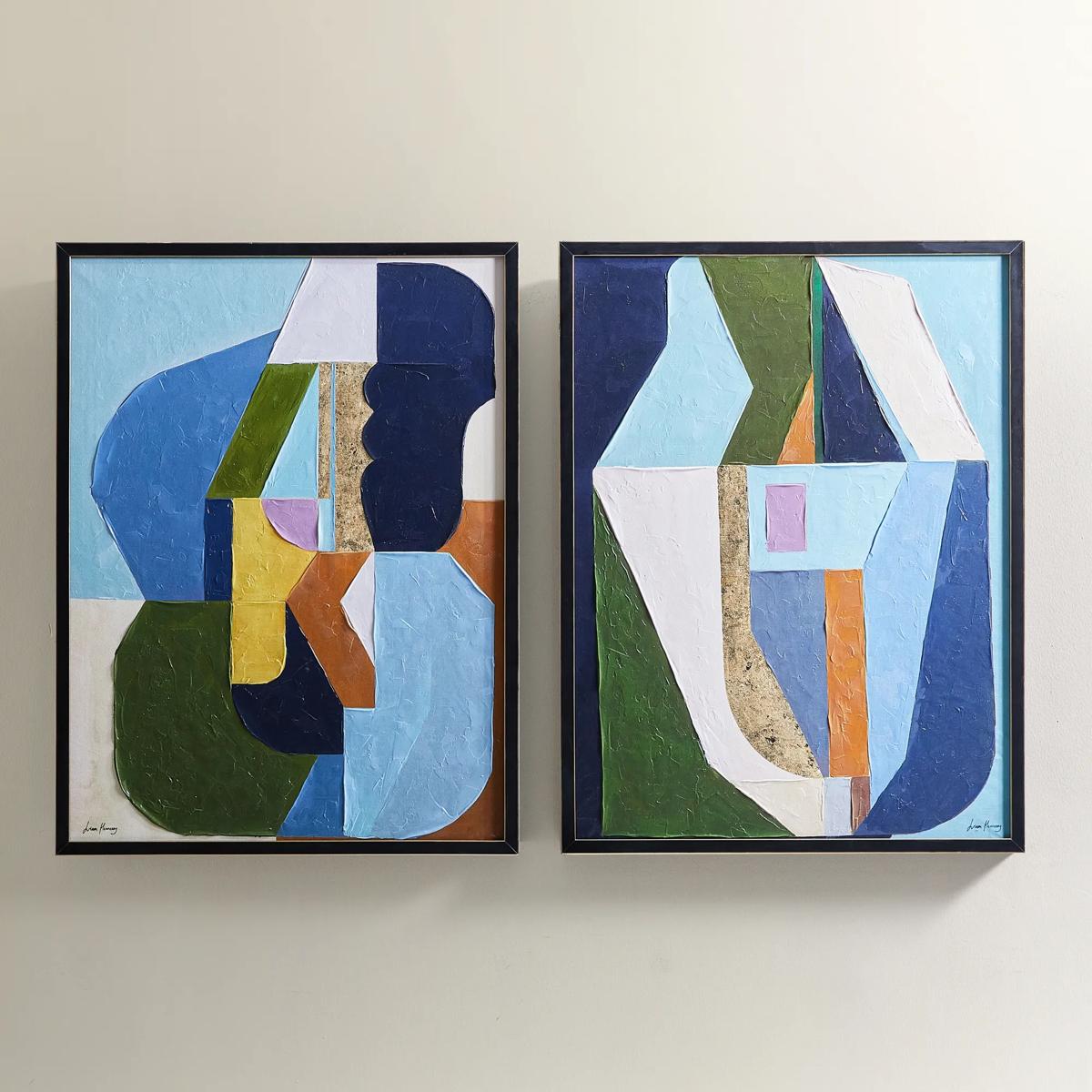 Thought Provoking Painting 1$249
A hand-embellished canvas artwork featuring textured strokes in deep blue, olive green, and gold accents.
Add To Cart -
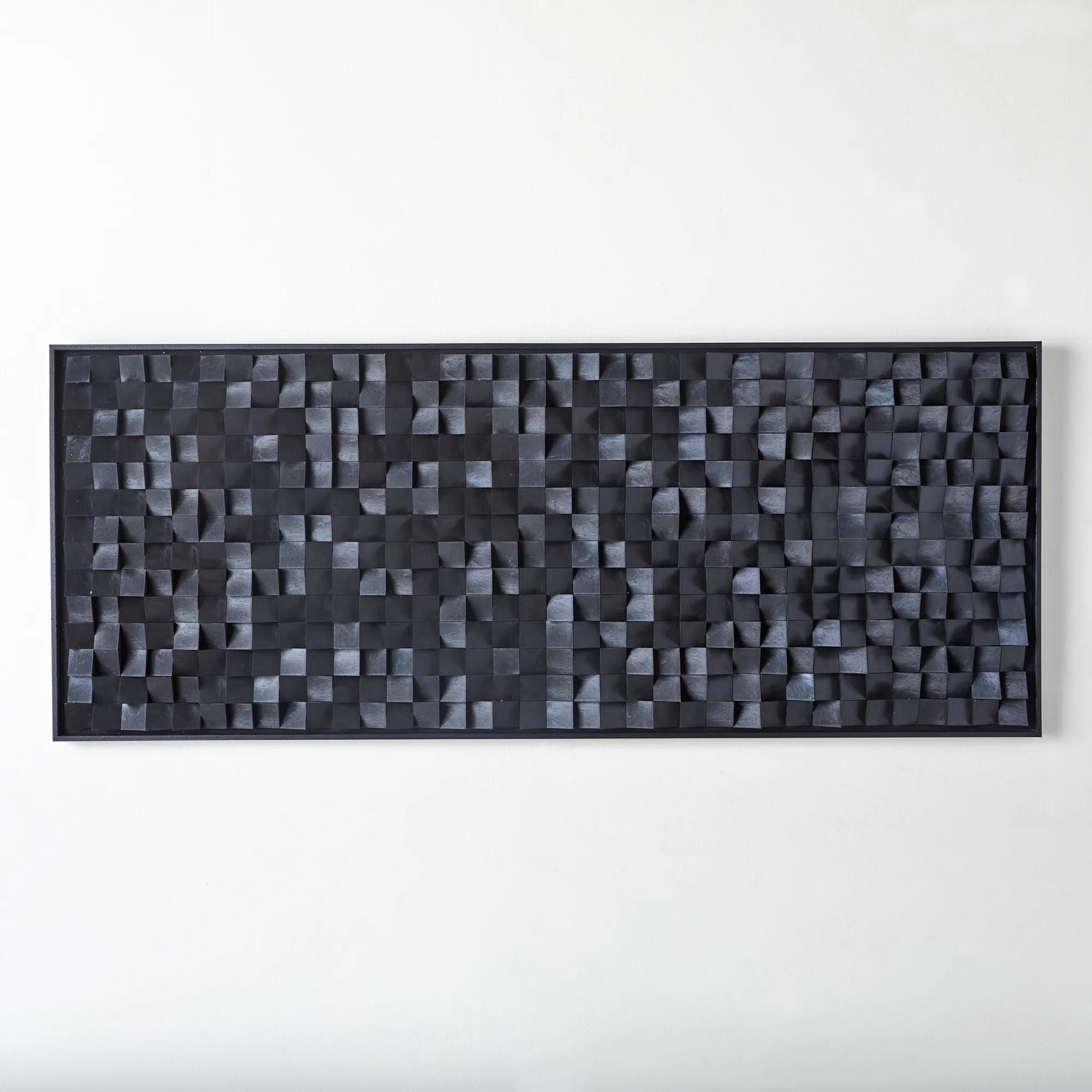 Nightfall Black Wood Dimenisonal Wall Panel 59" x 23.5"$599
An abstract wall art piece featuring cut black blocks in a sleek, low-profile black frame.
Add To Cart -
 Fossil Painting$299
A bold hand-painted abstract artwork featuring textured black shades in a sleek black floater frame.
Add To Cart -
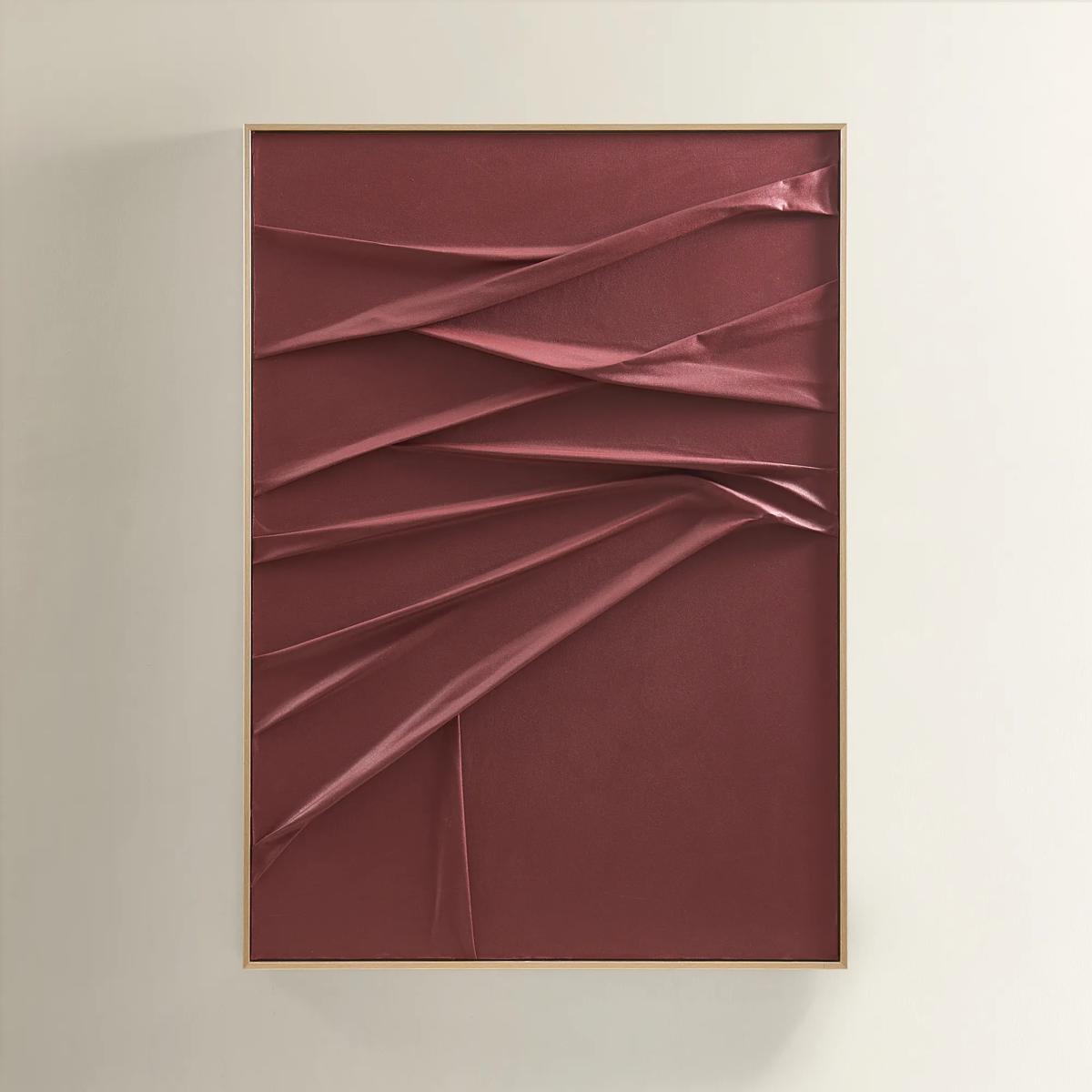
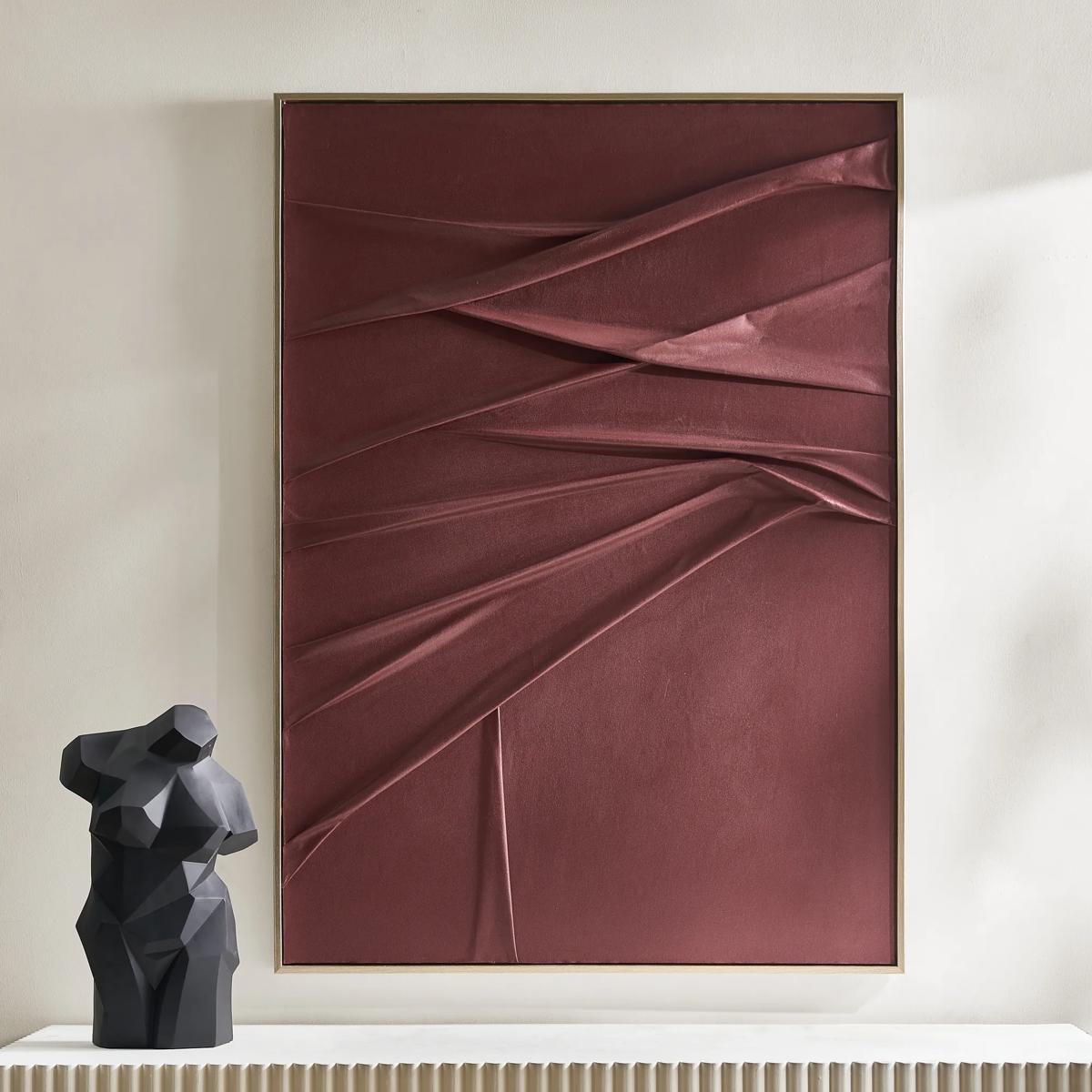 Crimson Painting$599
A handcrafted burgundy canvas artwork with sculptural folds, framed in champagne for a dramatic, textured effect.
Add To Cart -
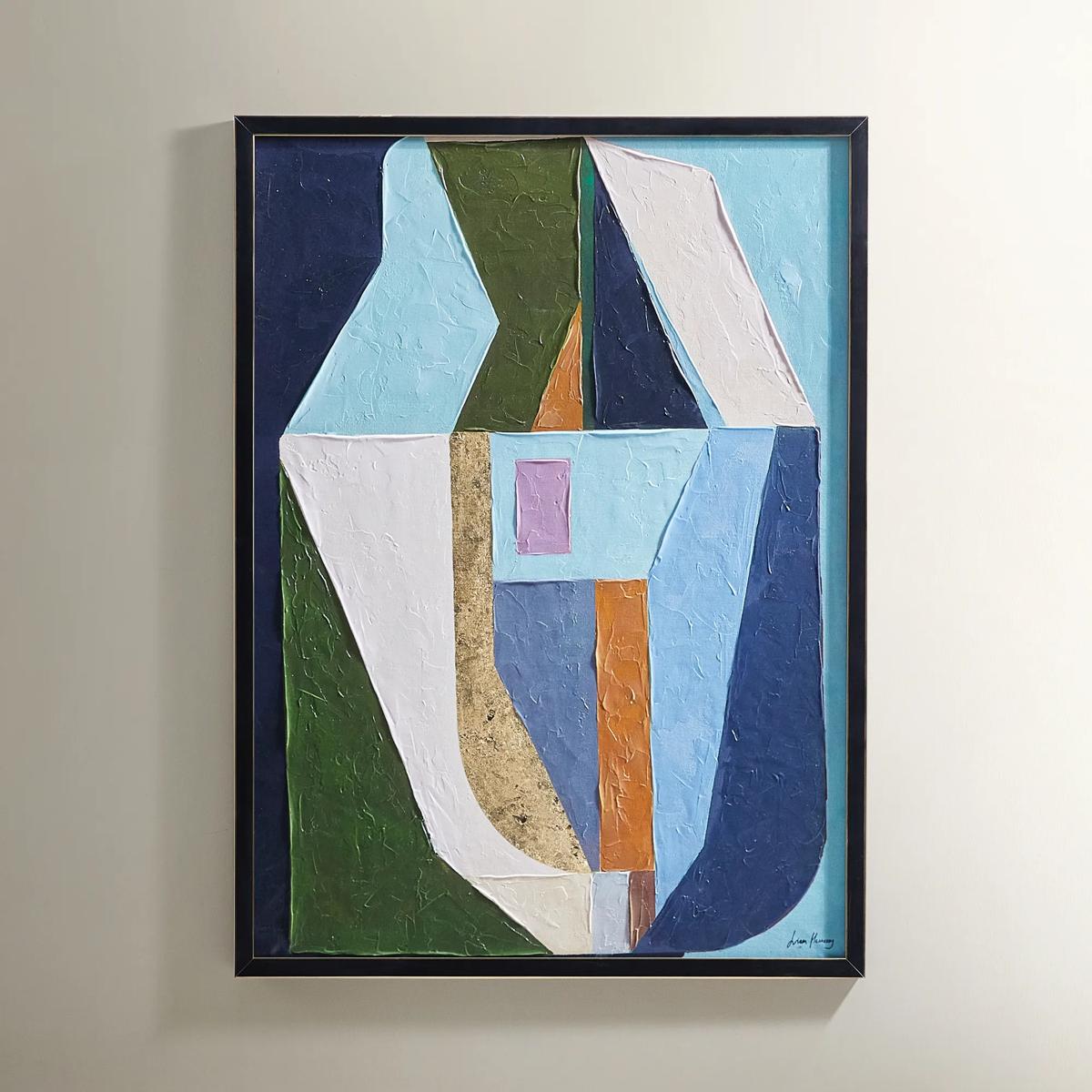 Thought Provoking Painting 2$249
A hand-embellished canvas artwork featuring textured strokes in deep blue, olive green, and gold accents.
Add To Cart -
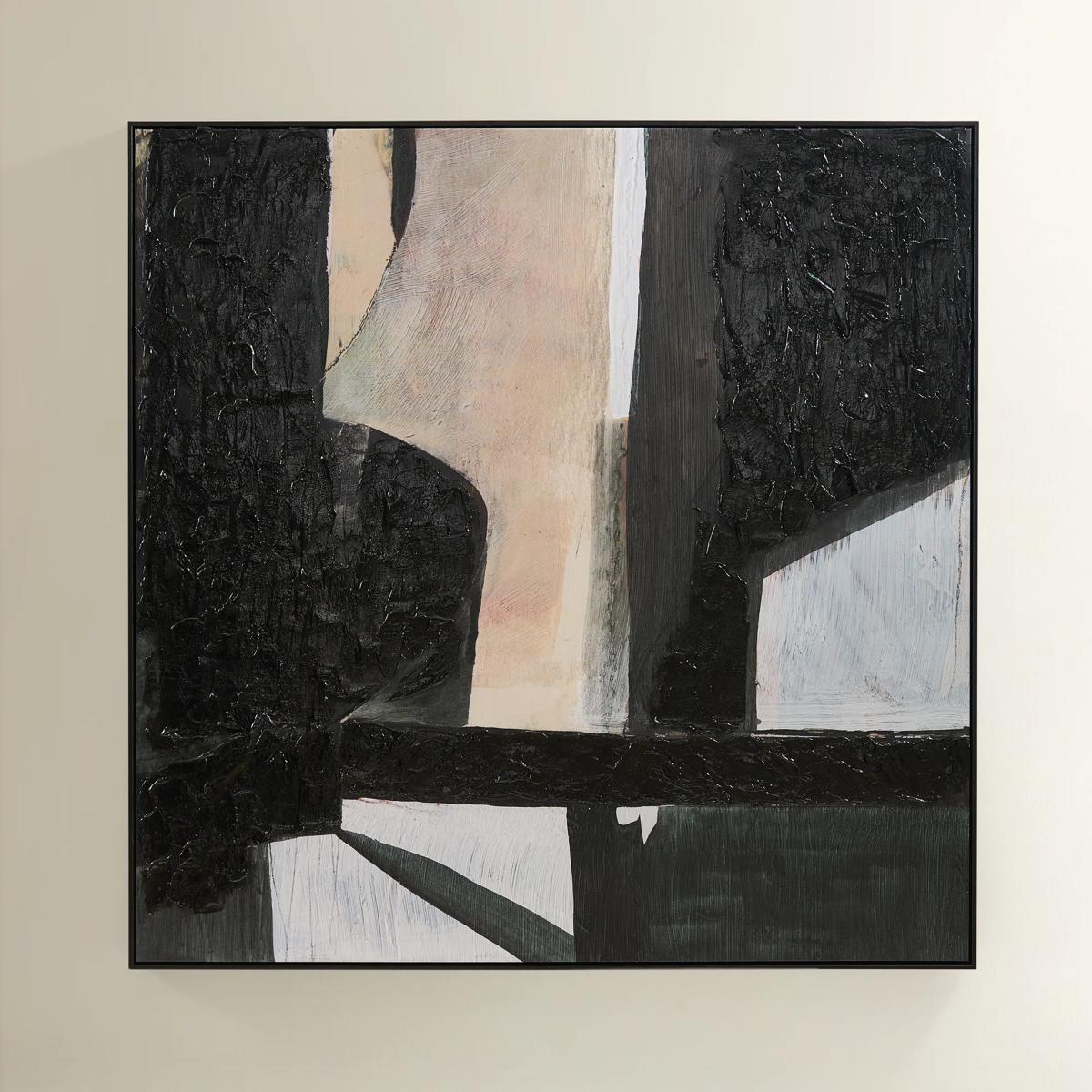 Grounded Painting$699
A hand-painted abstract canvas featuring black, cream, and earth tones in a sleek black floater frame.
Add To Cart -
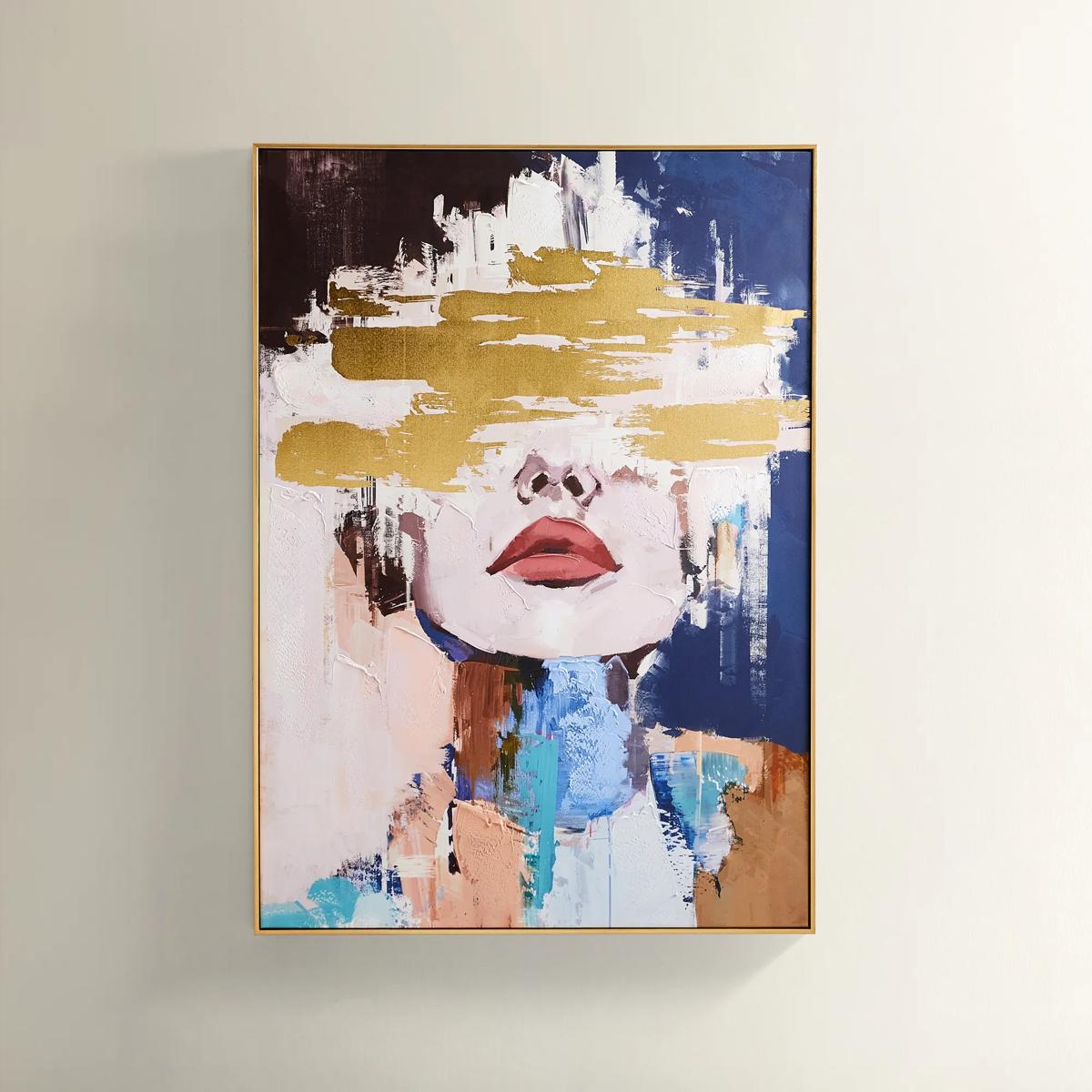
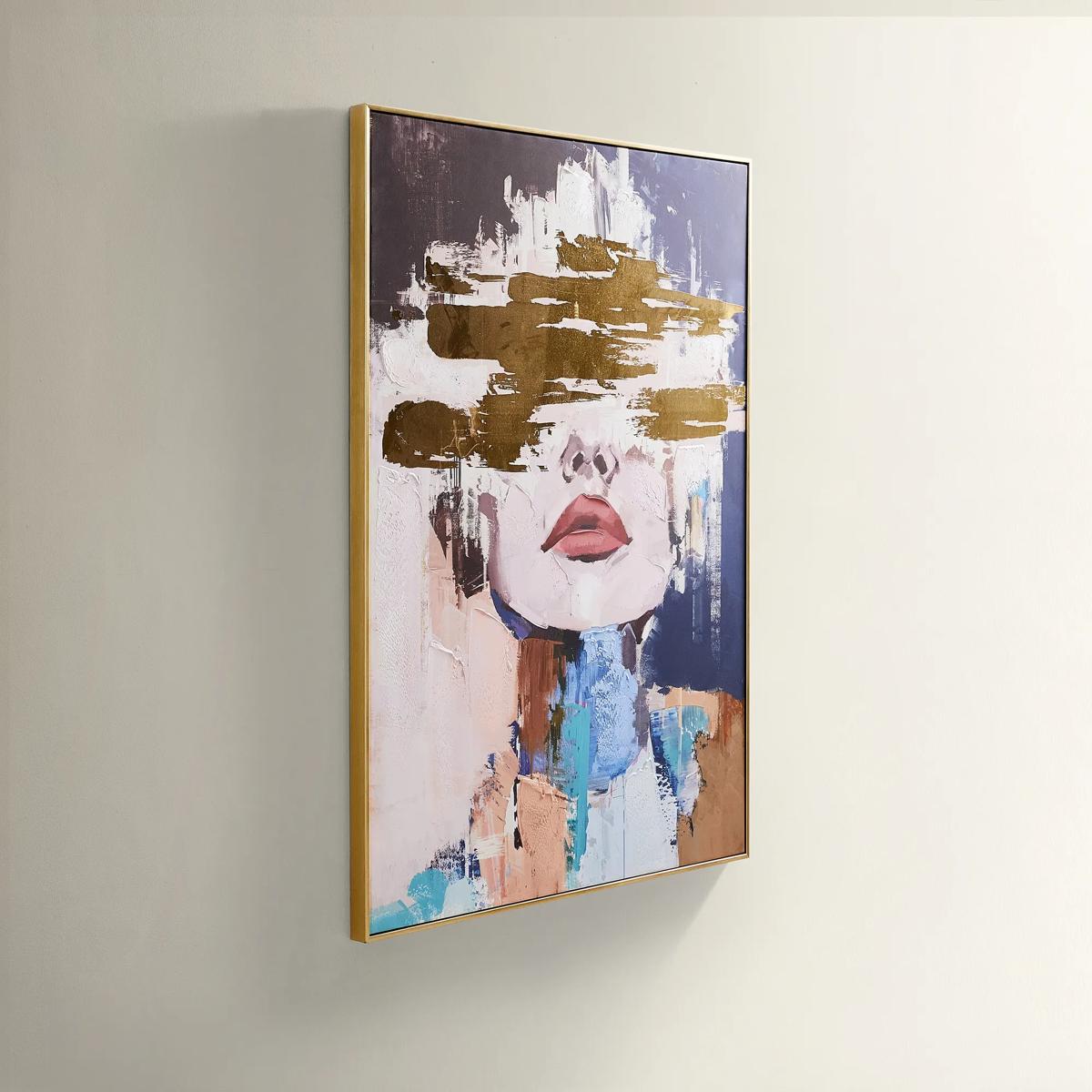 Waiting in Color Gold Foil Painted Wall Art 39.25" x 55"$499
A hand-painted abstract portrait in vivid blue, blush, and gold foil, framed in luxe gold.
Add To Cart -
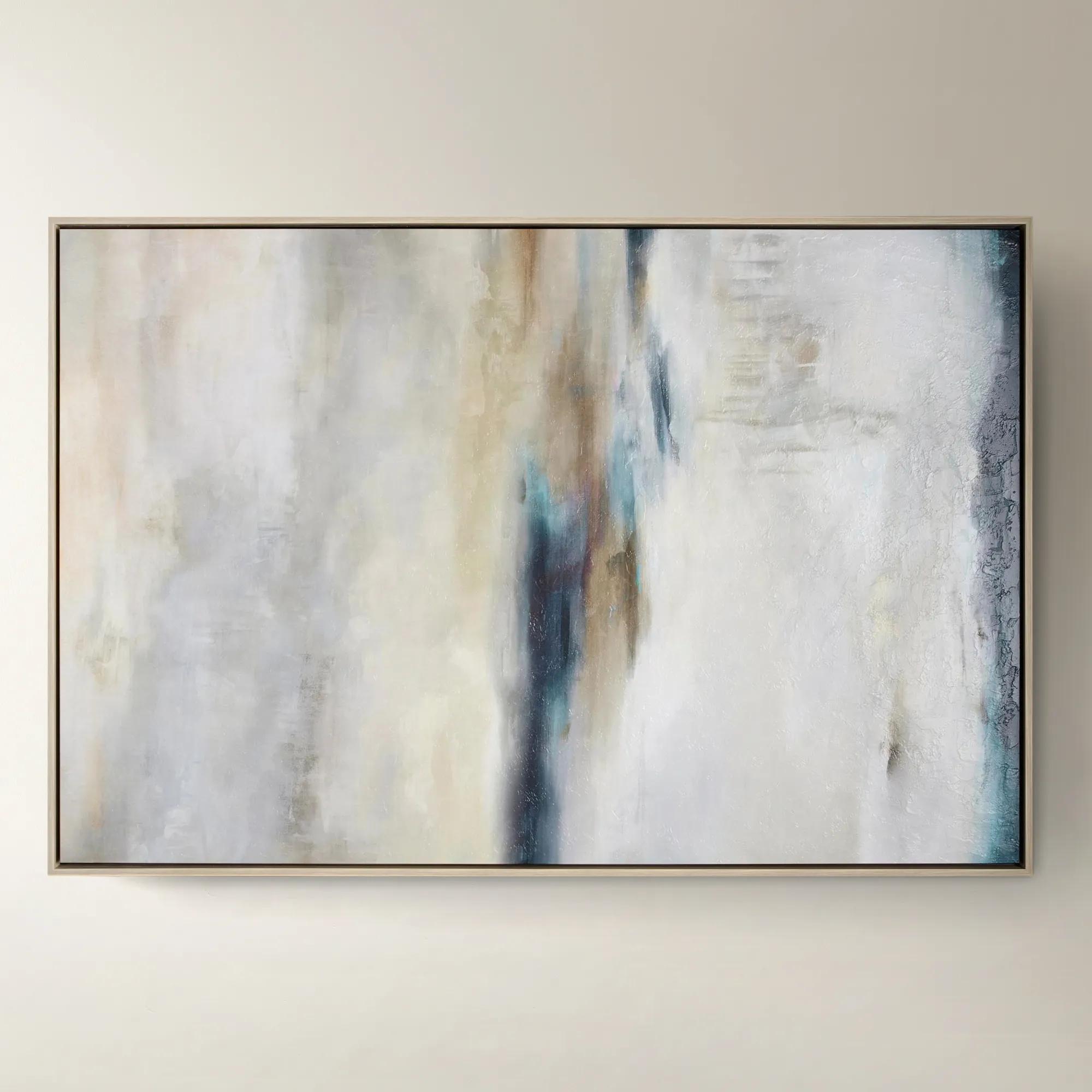
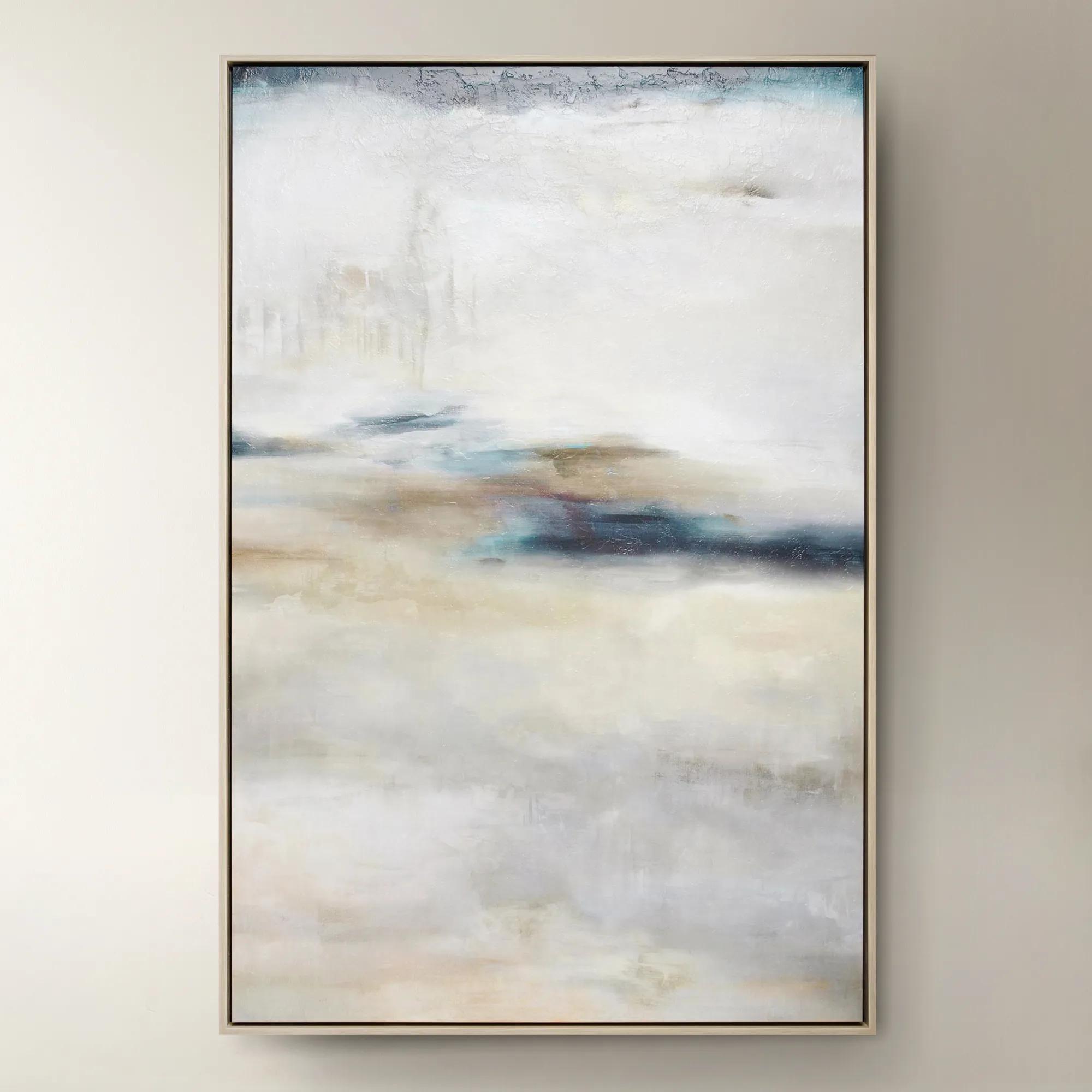 Forward Looking$1299
A softly layered abstract canvas print with a gel finish, set in a natural-hued floater frame.
Add To Cart

Abstract Wall Art For Living Spaces
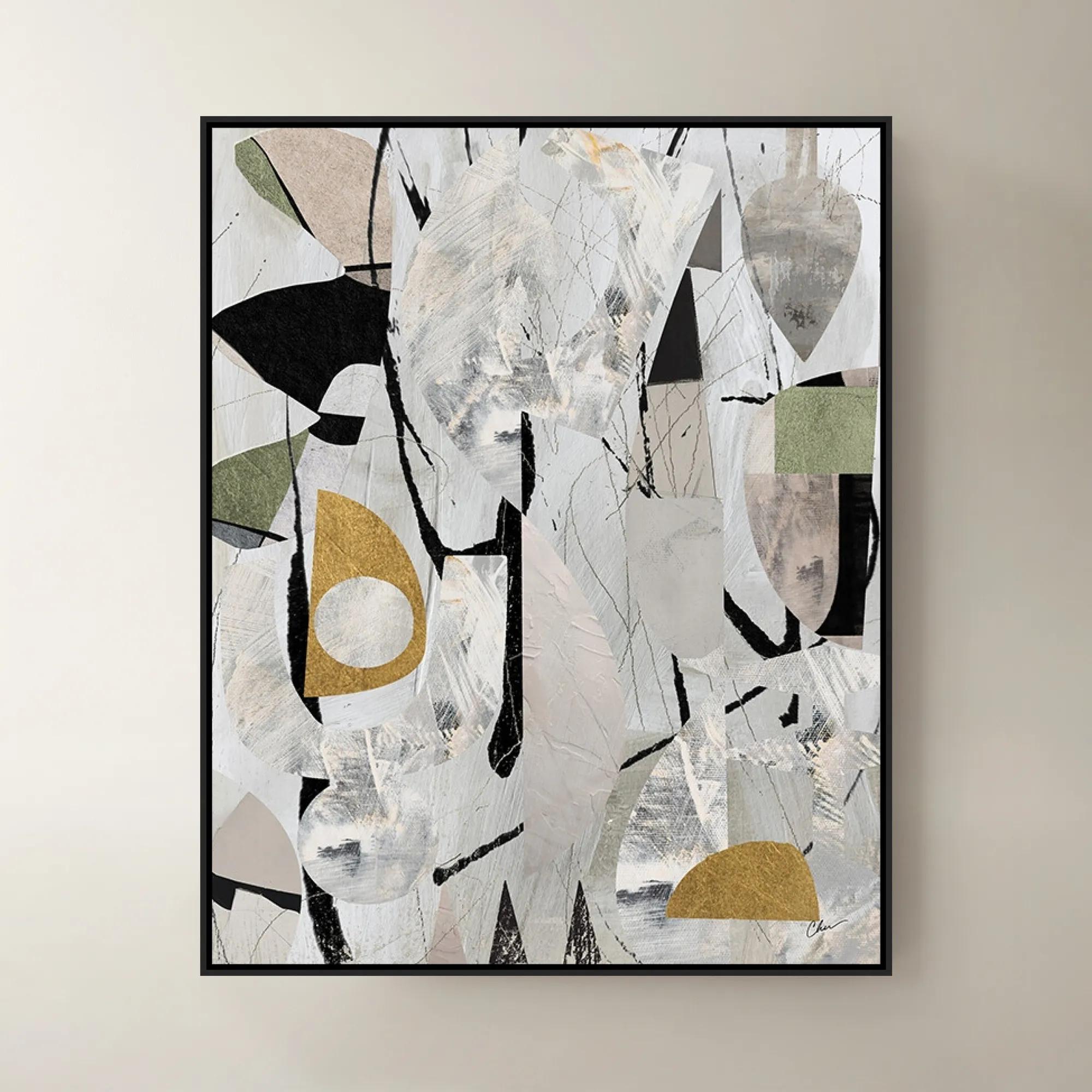
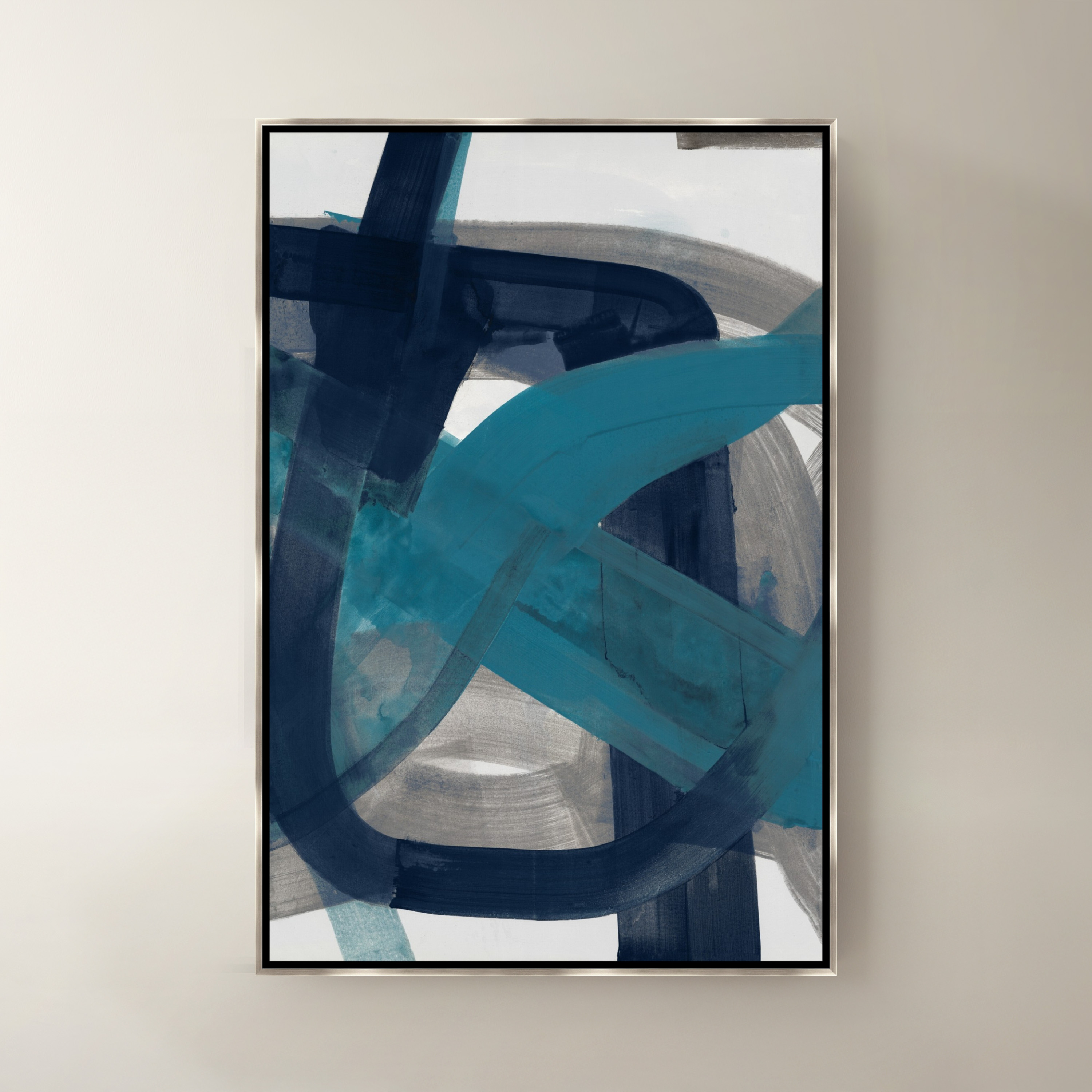
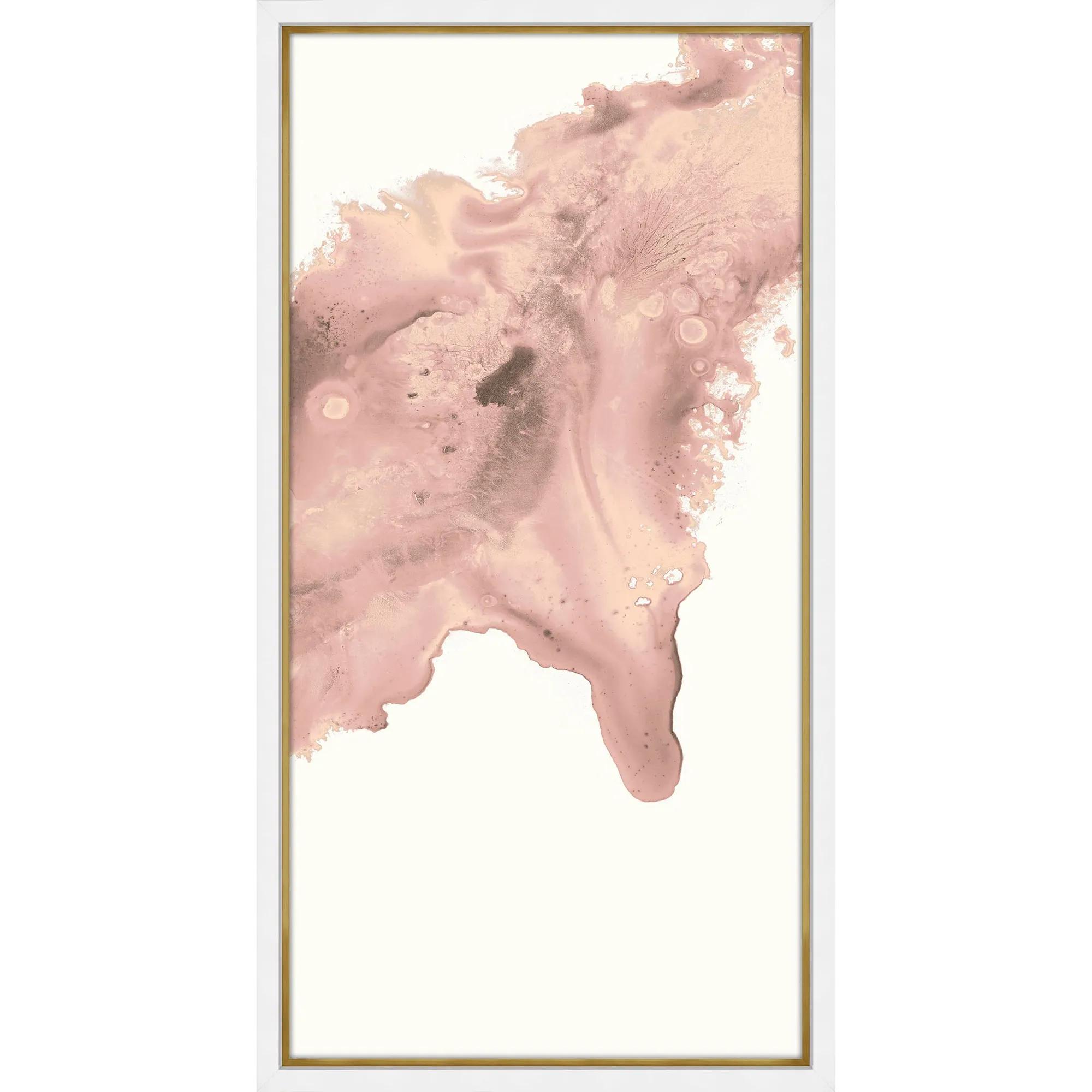
Find abstract wall art for living spaces that deserve an expressive focal point. Explore compositions defined by color, shape, and movement, with an eye toward artwork that complements your room’s palette or introduces a striking contrast. Consider the scale of your wall and surrounding furniture to select a piece that brings balance and drama above a sofa or within a seating area.
Abstract wall art for living spaces brings color, movement, and visual depth to the rooms where life unfolds. Rather than depicting a recognizable scene, abstract artwork uses shape, line, texture, and gesture to create a mood, leaving room for personal interpretation. A sweeping composition can give a living room a sense of expansive movement; a quieter arrangement of layered neutrals can lend balance to expressive furniture and sculptural accents. The appeal lies in that freedom: the same painting might suggest rippling water to one person and a luminous cityscape to another, without needing to illustrate either. Warm neutrals, including ivory, sand, taupe, and soft brown, create an inviting foundation with enough variation to keep a wall from feeling flat. Black-and-white abstract art offers a sharper contrast, particularly beside pale upholstery, dark wood, or gleaming metal finishes. Saturated blue, emerald, and plum introduce a more theatrical presence, while touches of gold or silver can echo the reflective details of a coffee table or decorative object. Color alone does not determine the atmosphere. Broad, fluid marks feel different from tightly arranged geometric shapes, and generous areas of open space can make even a bold composition feel composed. Above a sofa, oversized abstract wall art establishes a focal point that draws the seating area together. Beside a reading chair, a smaller framed piece creates a more intimate moment, inviting a closer look at subtle shifts in tone and line. In an open-plan living space, related colors across separate artworks can connect the lounge and dining areas without making them identical. The strongest compositions often pick up one or two existing room colors rather than repeating the entire palette. A trace of rust in a painting might relate to a velvet pillow, while a charcoal brushstroke connects with the outline of a nearby console. These measured connections give a room cohesion while preserving the artwork’s independent character.
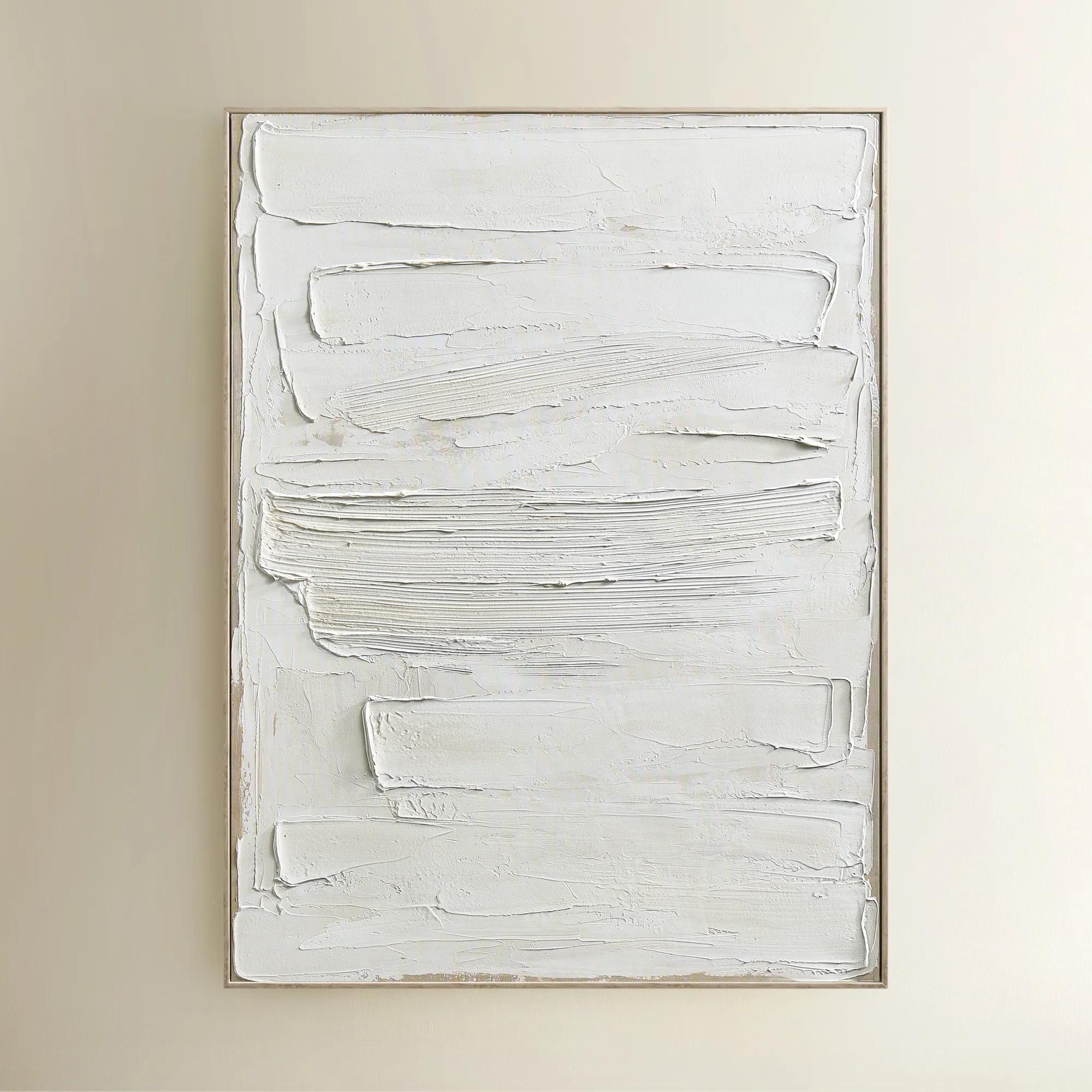
Materials and presentation shape the experience of abstract wall decor as much as the image itself. Canvas has a woven surface that gives printed or painted compositions a softer visual presence, and a stretched format can offer dimension without the added reflection of glazing. Textured canvas art introduces another layer of interest: raised marks and surface variation catch light differently throughout the day, giving a neutral composition depth that color alone cannot provide. An image that depicts texture, however, is not necessarily physically textured, so medium and finish descriptions matter when that tactile quality is part of the appeal. Paper-based prints offer a different character, often gaining definition from a mat and frame that create breathing room around the image. Glazing helps shield paper from dust and incidental contact, although reflective surfaces can compete with nearby windows or prominent lamps. A slim black frame sharpens a graphic composition, a metallic finish adds a luminous border, and a wood frame can introduce warmth alongside polished furnishings. Scale deserves equal attention. Artwork above a sofa generally feels more connected when it occupies a substantial portion of the furniture’s width without extending beyond it; roughly two-thirds is a useful starting point rather than a rigid rule. A tall, narrow wall may suit a vertical composition, while a broad wall can accommodate a horizontal piece, a coordinated pair, or a gallery arrangement with a clear visual rhythm. Allow enough space around the artwork for its edges and frame to register, especially near curtains, shelves, or architectural molding. Painter’s tape marking the proposed dimensions can make proportion easier to judge before hanging. Centering artwork in relation to the furniture below it often feels more intentional than centering it on the entire wall. Secure installation also protects the presentation: hanging hardware and wall anchors should suit the artwork’s weight and the wall material, with heavier pieces supported according to their installation instructions. In a room used every day, stability is as important as the visual effect.
Abstract art can bring personality to many living spaces, from a polished entertaining room to a relaxed family lounge or an apartment where one commanding piece sets the design direction. A large, energetic composition gives restrained furnishings a confident counterpoint; softer tonal artwork can settle a room already rich in pattern, decorative objects, and plush textiles. Gallery arrangements offer another kind of expression, combining different scales and formats while maintaining a shared color, frame finish, or compositional quality. The result feels collected rather than repetitive when each piece has a distinct role. A dense geometric image can sit beside an airy, gestural work, with the contrast making both more compelling. For an even more individual mix, abstract wall art for eclectic interiors offers a natural direction for spaces that bring together contrasting silhouettes, layered patterns, and unexpected accents. Throughout these settings, placement affects both enjoyment and longevity. Direct sunlight can alter pigments and paper over time, and protective glazing does not eliminate every risk of fading. Walls away from persistent moisture, cooking residue, and accidental splashes are generally better suited to artwork intended for indoor living areas. Care should follow the guidance for the particular medium: avoid applying household cleaners to painted or printed surfaces, and spray any appropriate glass cleaner onto a cloth rather than directly onto glazing, keeping moisture away from frame edges. Delicate, embellished, or heavily textured surfaces may require specialized care rather than routine wiping. Durable framing, secure mounting, and thoughtful placement help preserve the presentation, especially in busy households. As a housewarming, wedding, or milestone gift, abstract artwork feels most personal when its palette and proportions reflect the recipient’s home and taste. A modestly scaled piece can be easier to place than a statement canvas, while a larger work suits someone with a known wall and a clear appetite for drama. Whether chosen as a gift or as the finishing gesture in a room, abstract wall art gives living spaces something beyond decoration: a distinctive point of view, expressed through color, texture, and scale.
FAQs
Begin with the atmosphere you want to create. Sweeping gestures and vivid contrasts bring expressive energy, while fluid shapes and tonal compositions offer a more serene kind of drama. Choose abstract wall art that speaks to your personal style and gives your living room a distinctive point of view.
Take inspiration from your upholstery, rug, or decorative accents, then decide whether to echo those hues or introduce a striking contrast. Black-and-white abstract art creates graphic definition, while richly colored compositions can bring a new dimension to a neutral living space. A shared undertone helps the palette feel intentional.
Abstract wall art can create a compelling dialogue with either style. In a modern living room, gestural brushwork softens crisp architectural lines. Alongside traditional furnishings, geometric forms or unexpected color contrasts introduce an artful tension. Look for a connecting detail, such as a repeated hue, to bring the room together.
Give your gallery wall a visual thread, such as a recurring color, related shapes, or a consistent framing approach. Then vary the compositions to create rhythm and discovery. Abstract artwork can sit beautifully alongside photography or figurative pieces, bringing expressive movement to a collected, personal arrangement.
Consider the wall above a sofa, the backdrop to a console, or a reading nook that deserves its own artistic moment. Let the composition enhance what surrounds it: fluid forms can enliven structured furniture, while bold geometry lends definition to a softly layered setting.