Abstract Wall Art For Living Spaces
Abstract Wall Art For Living Spaces
-
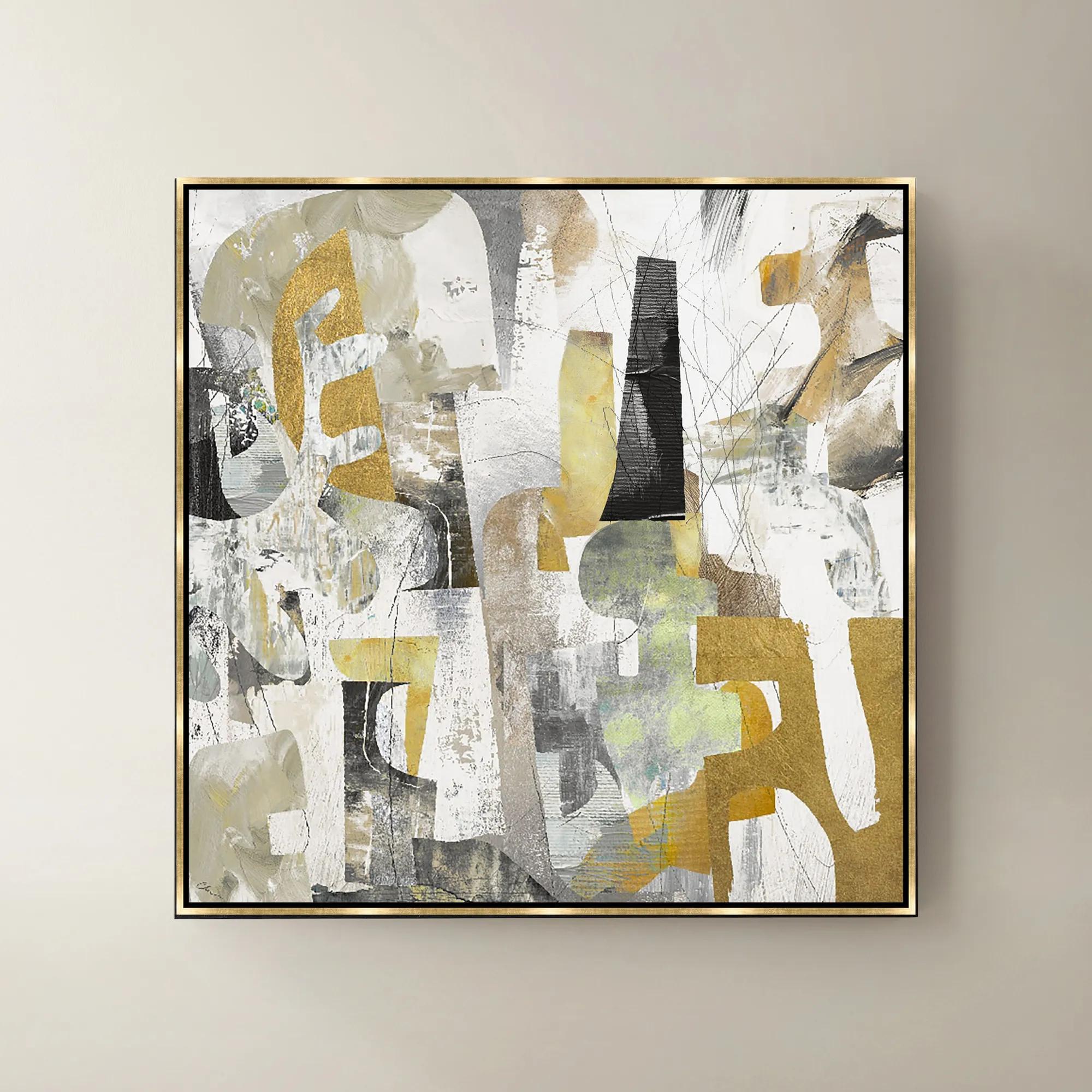
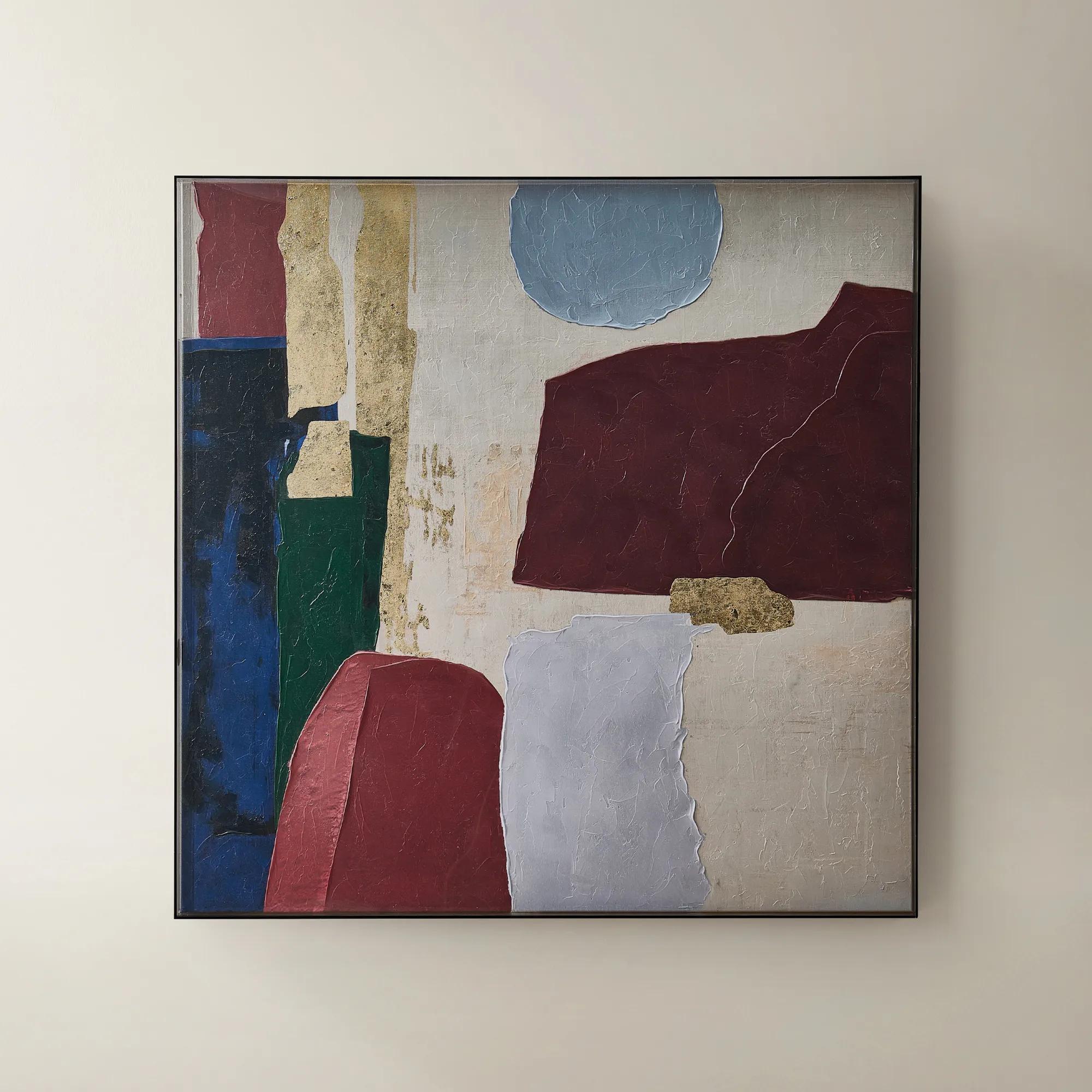
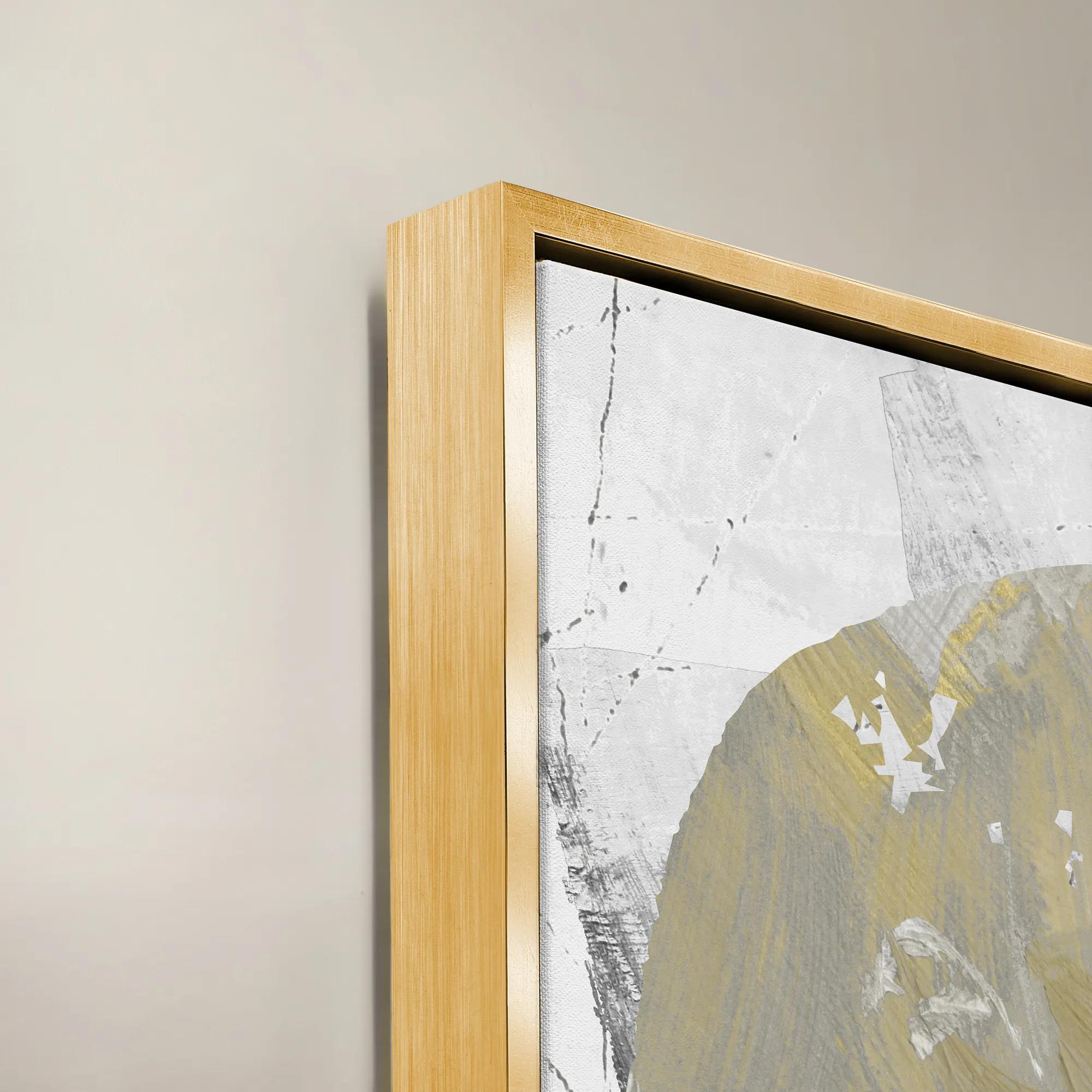 Abby II Framed Wall Art 40" x 40"$849
An abstract art piece inspired by Nikki Chu’s modern design aesthetic and creative expertise.
Add To Cart -
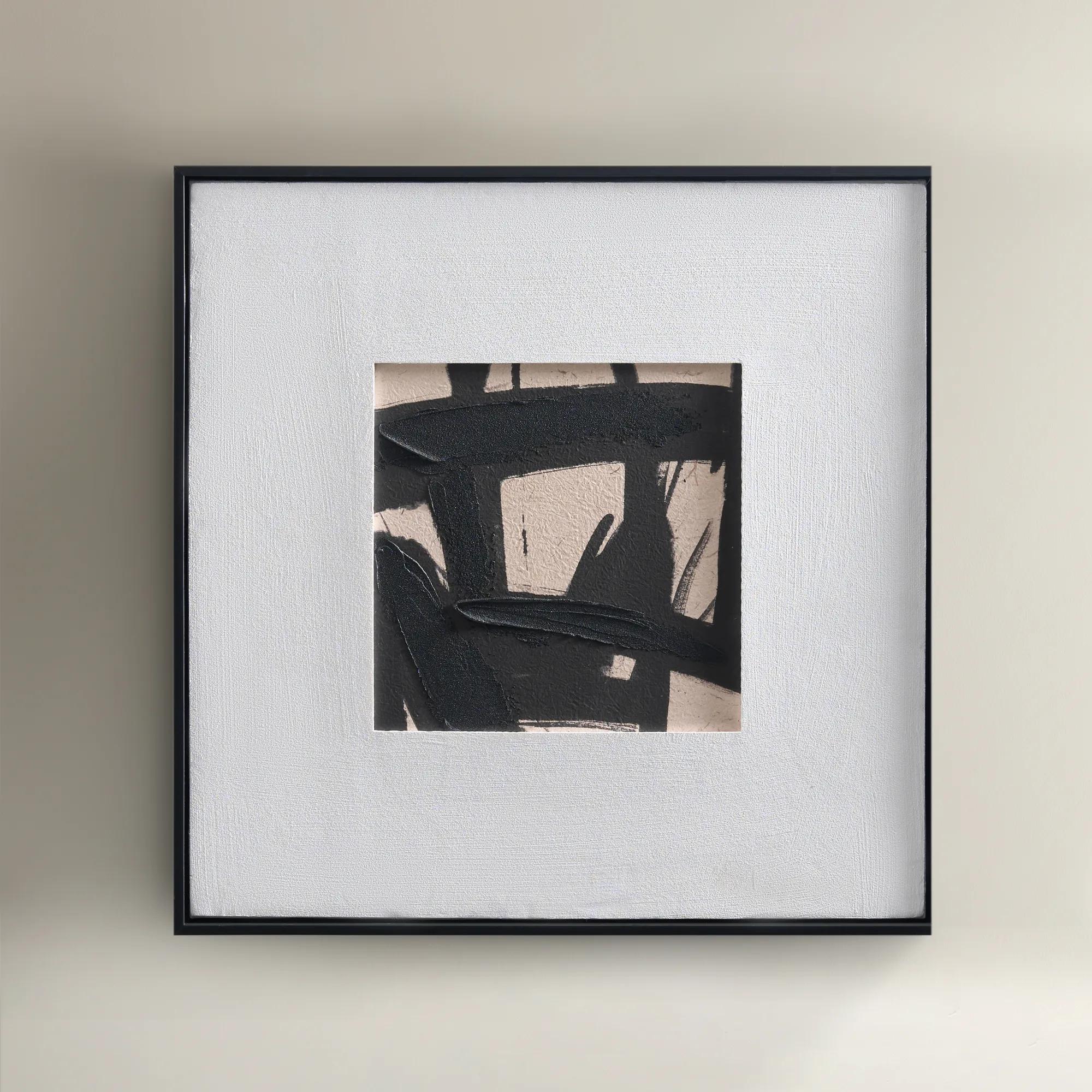
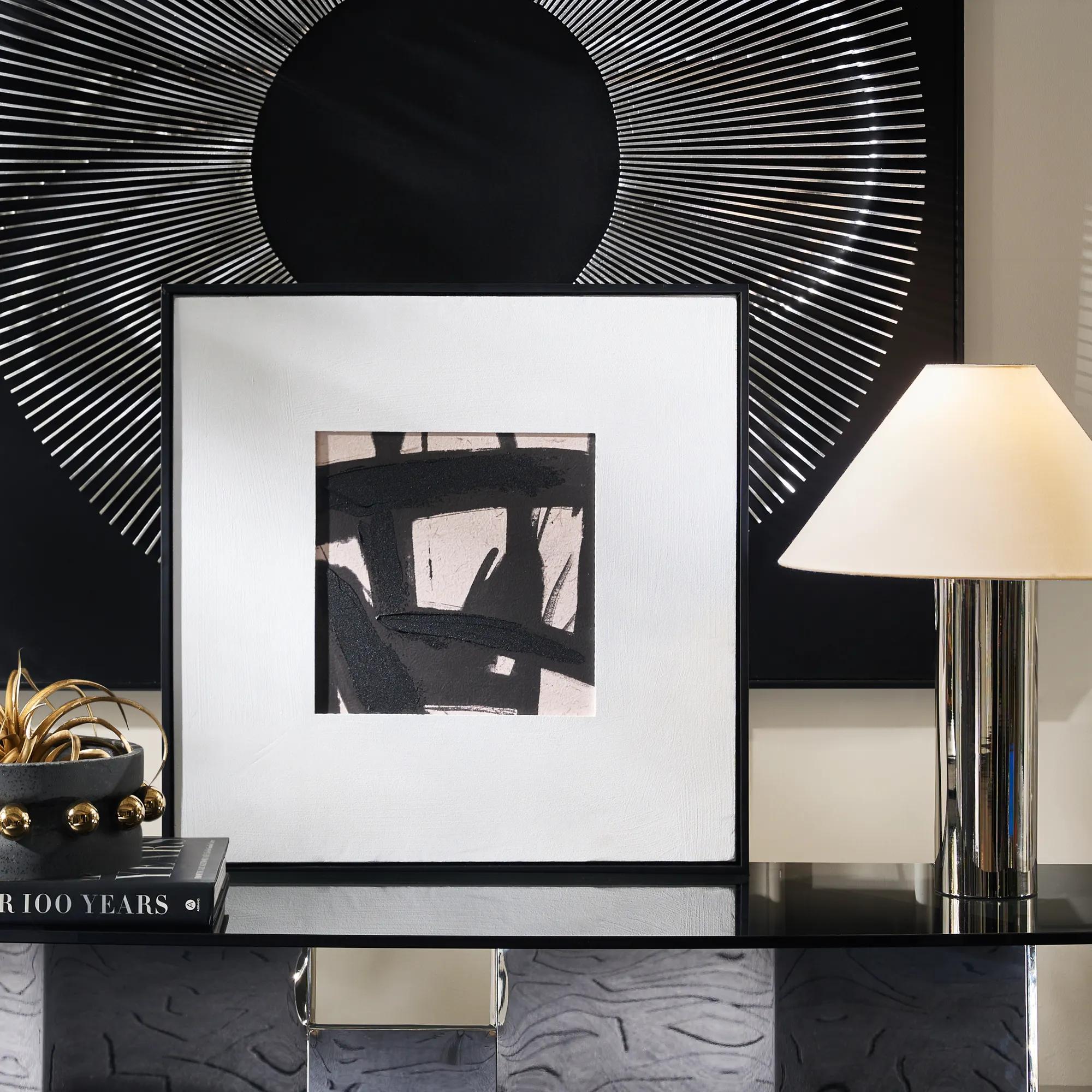 Ink Maze Painting$89
A hand-painted canvas featuring bold black and beige contrasts, set in a sleek black floater frame.
Add To Cart -
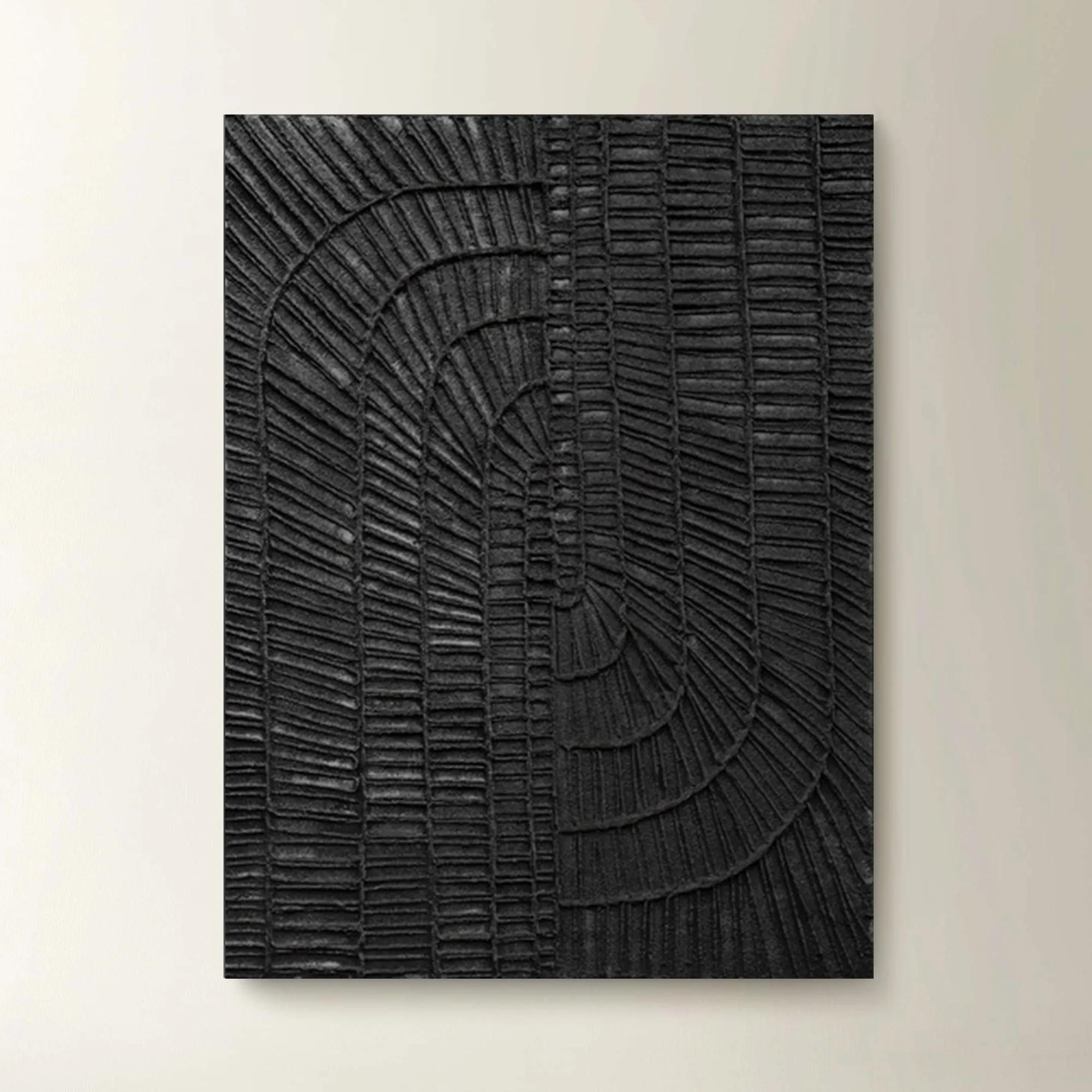
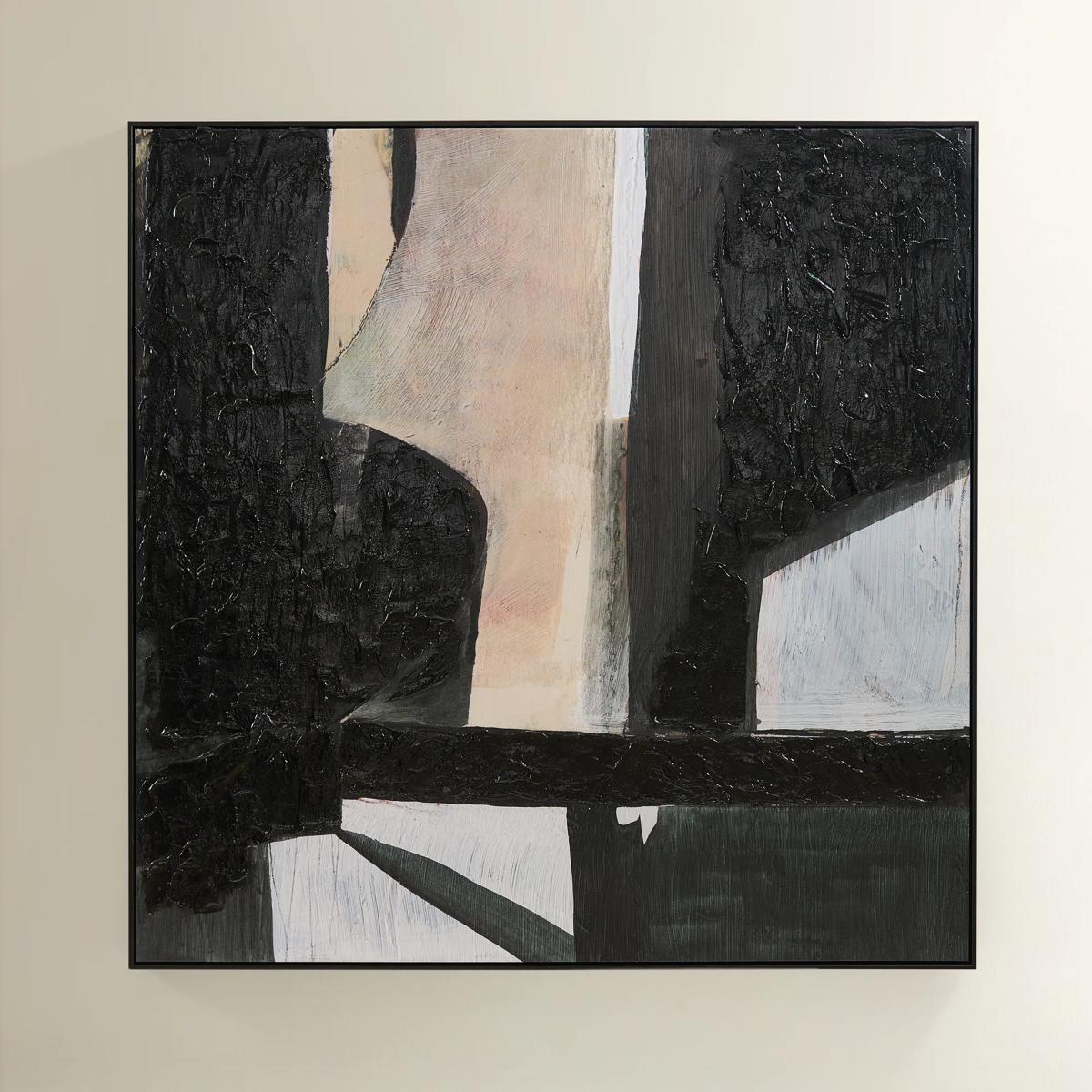
 Fossil Painting$299
A bold hand-painted abstract artwork featuring textured black shades in a sleek black floater frame.
Add To Cart -
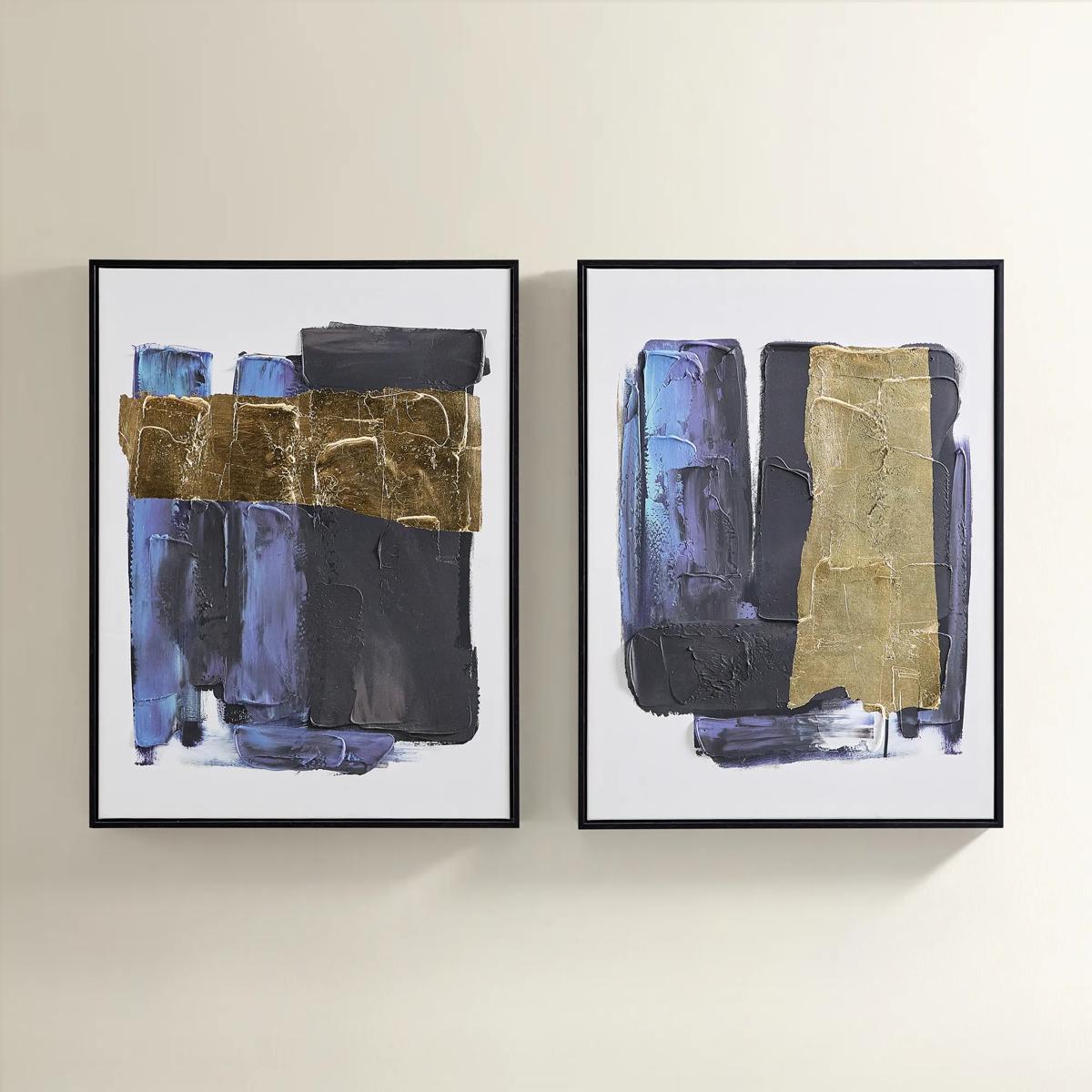
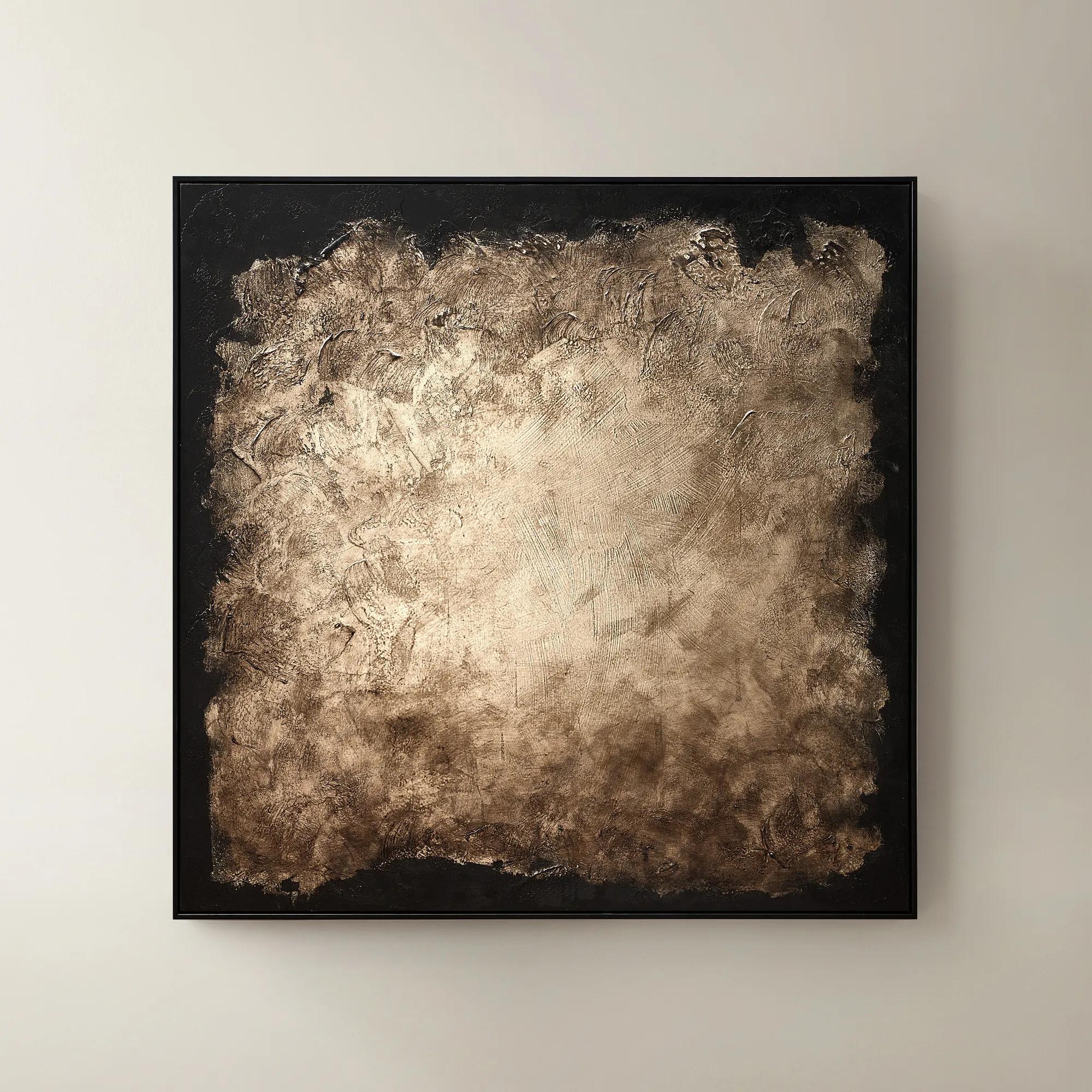 Edge of Knowing Framed Gold Leaf Painted Wall Art 50" x 50"$599
A hand-painted abstract canvas featuring gold leaf accents and a smoked champagne and black palette in a black frame.
Add To Cart -
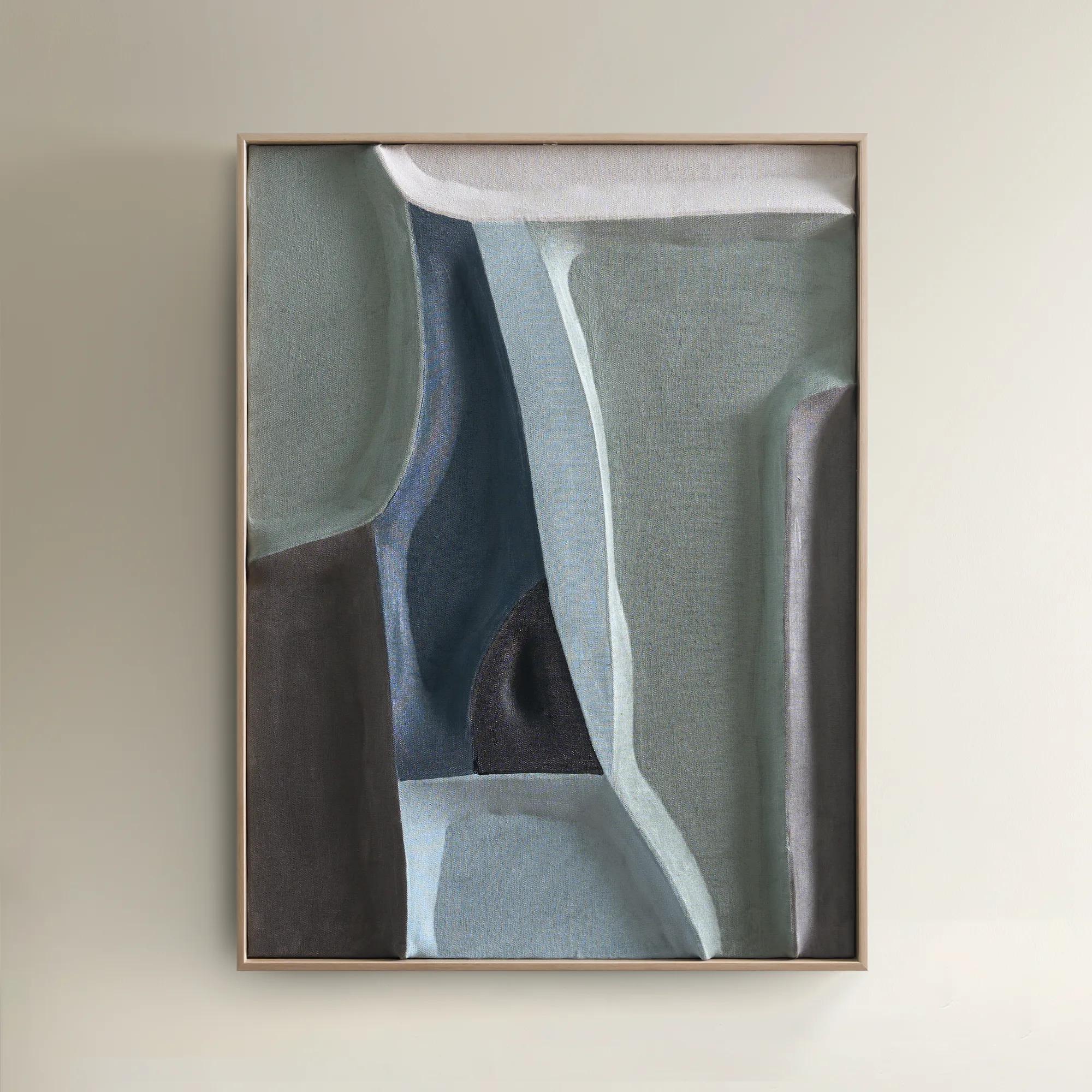
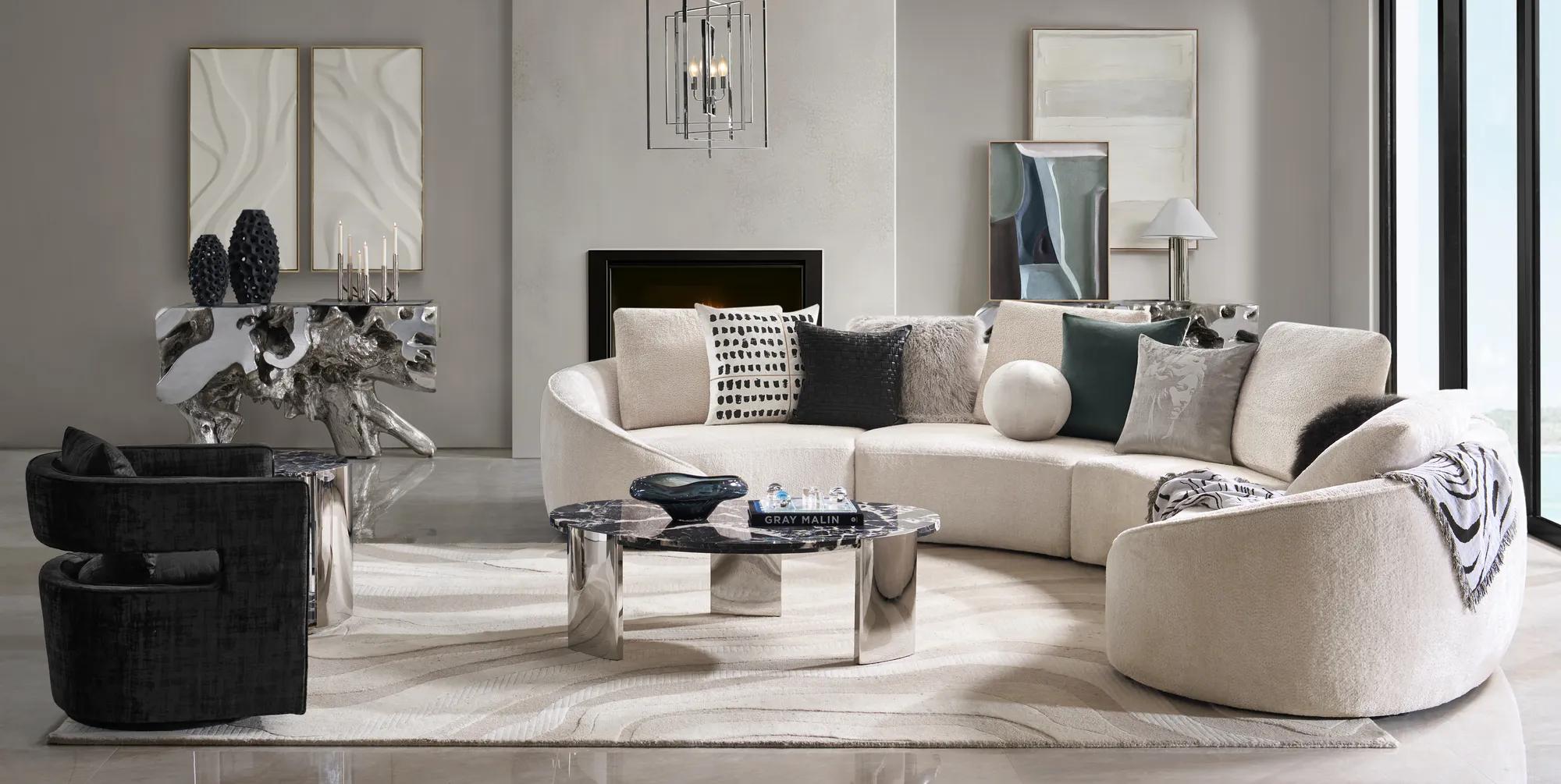 Patina Painting$119
An abstract hand-painted canvas in rich greens and blues, framed in a warm white oak floater.
Add To Cart -
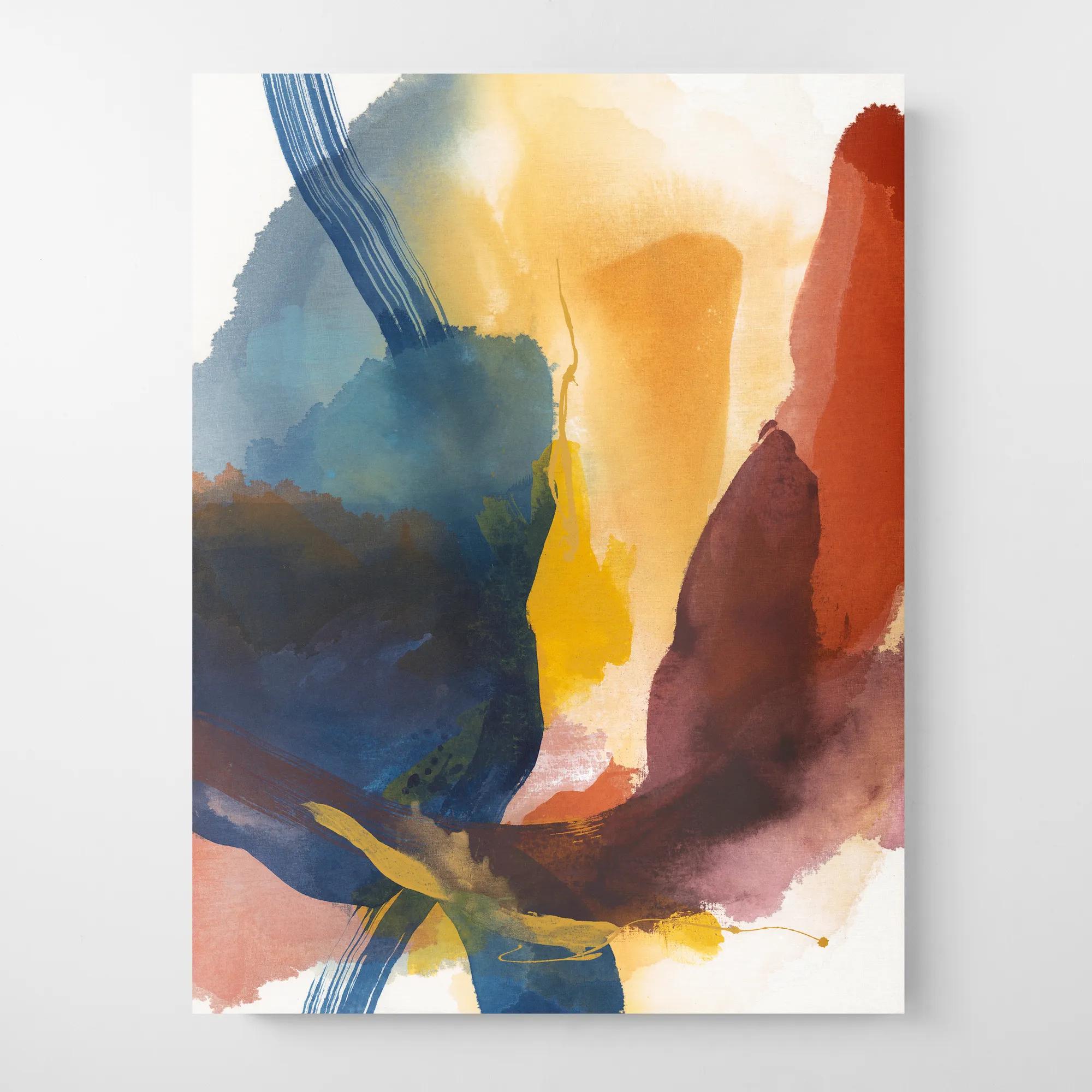
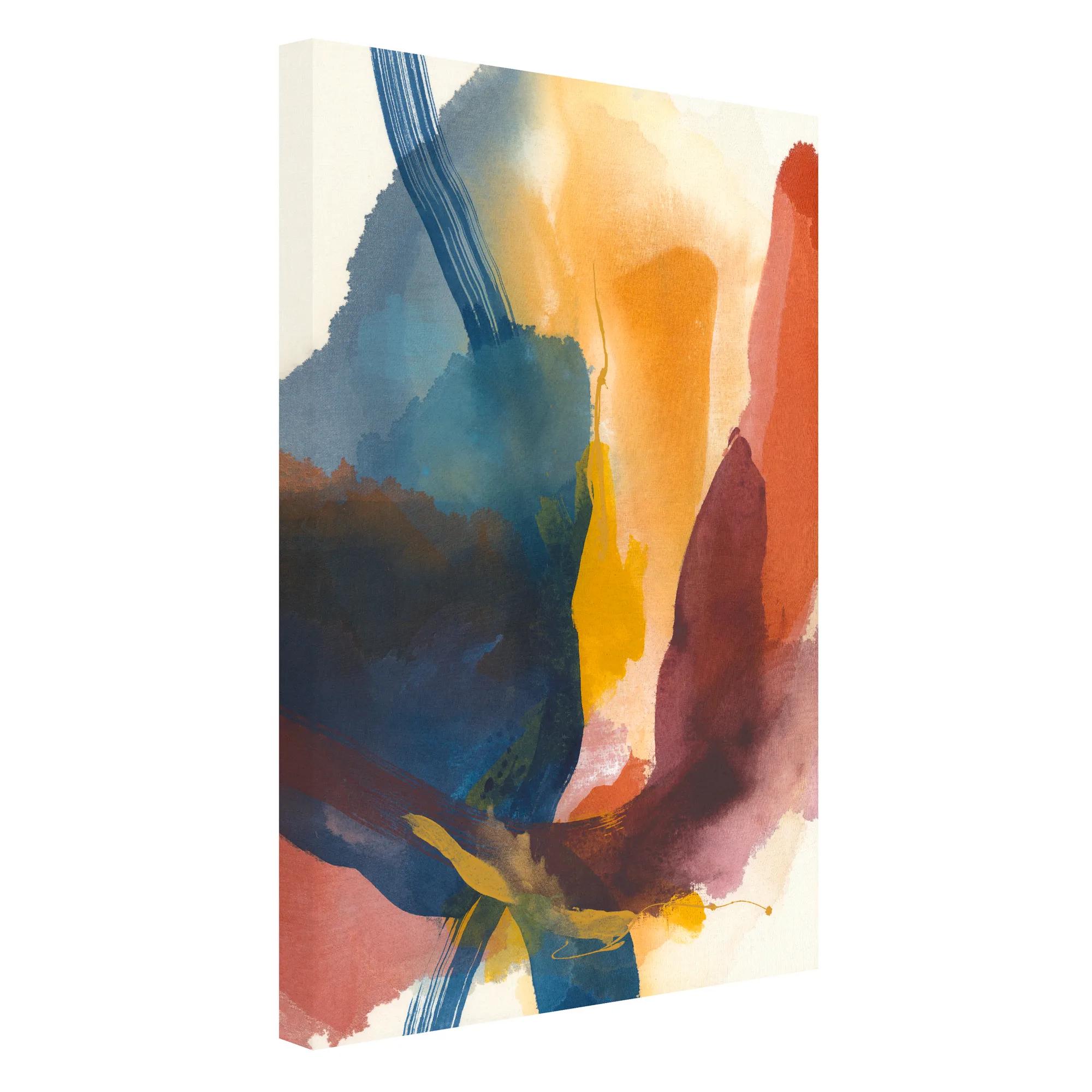 Moon Shower 1 Wall Art 30" x 40"$449
A gallery-wrapped canvas artwork featuring a hand-applied image brush gel finish for versatile display.
Add To Cart -
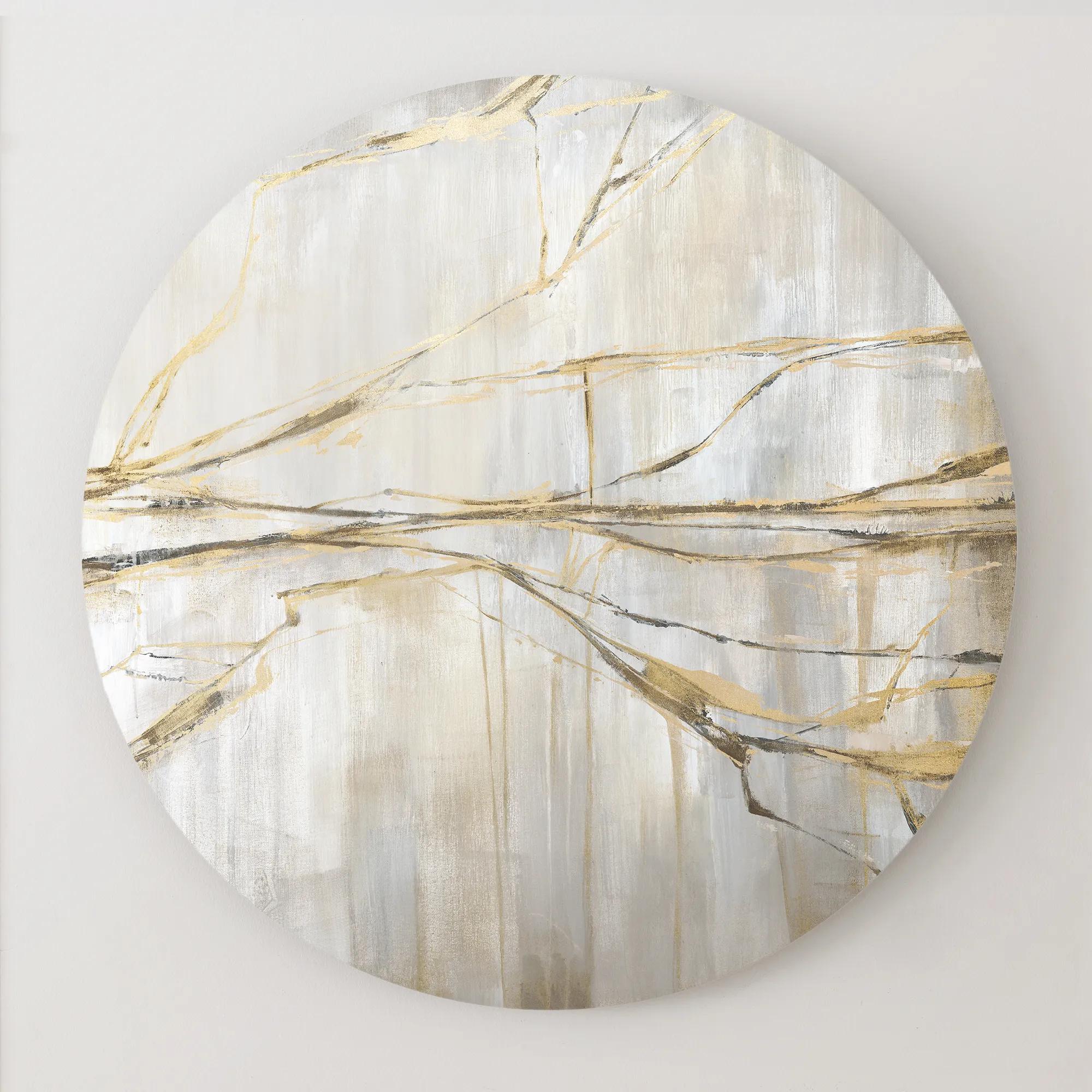
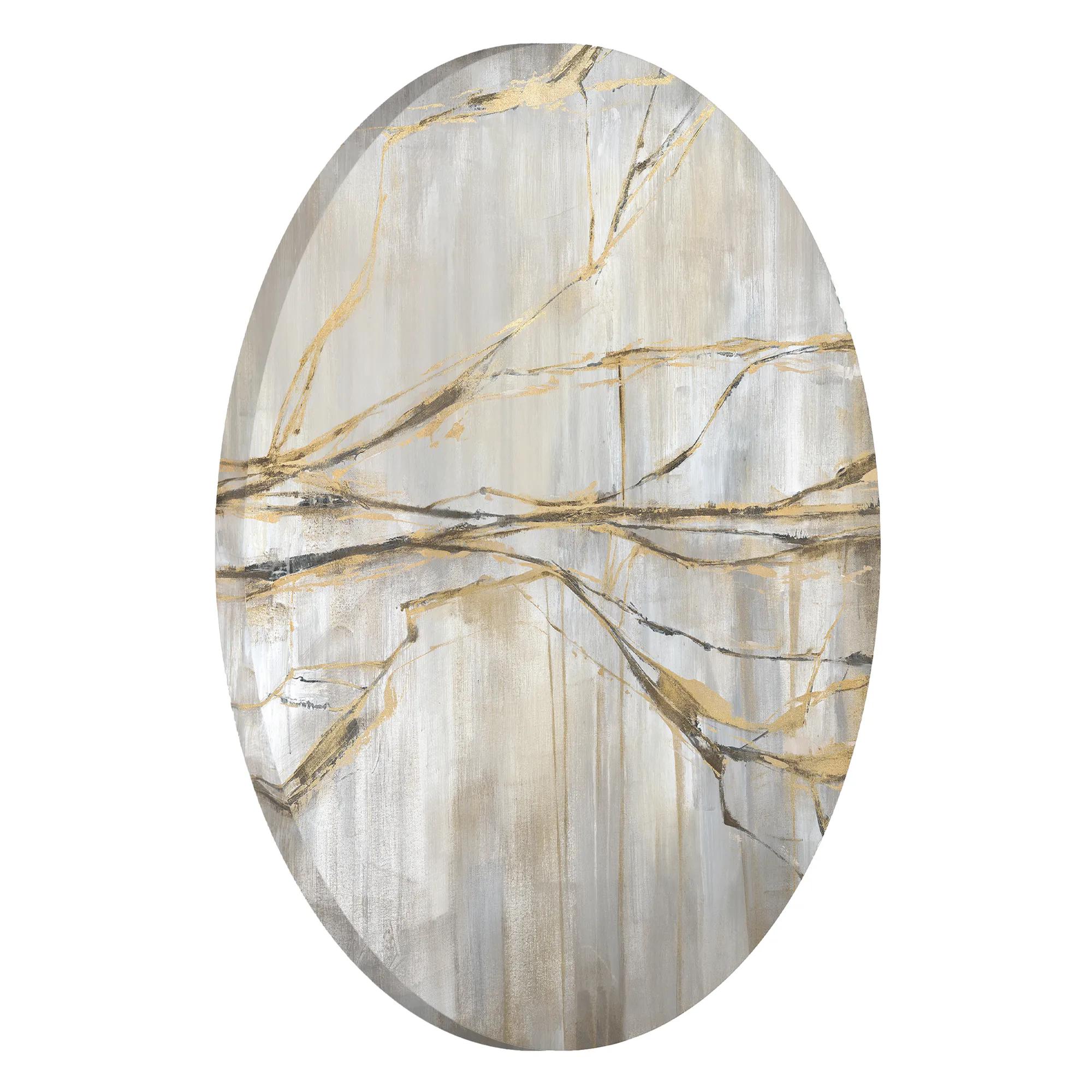 Lightening Crashes Round Wall Art 30"$899
A hand-textured circular linen canvas featuring a gallery-wrapped design for versatile wall display.
Add To Cart -
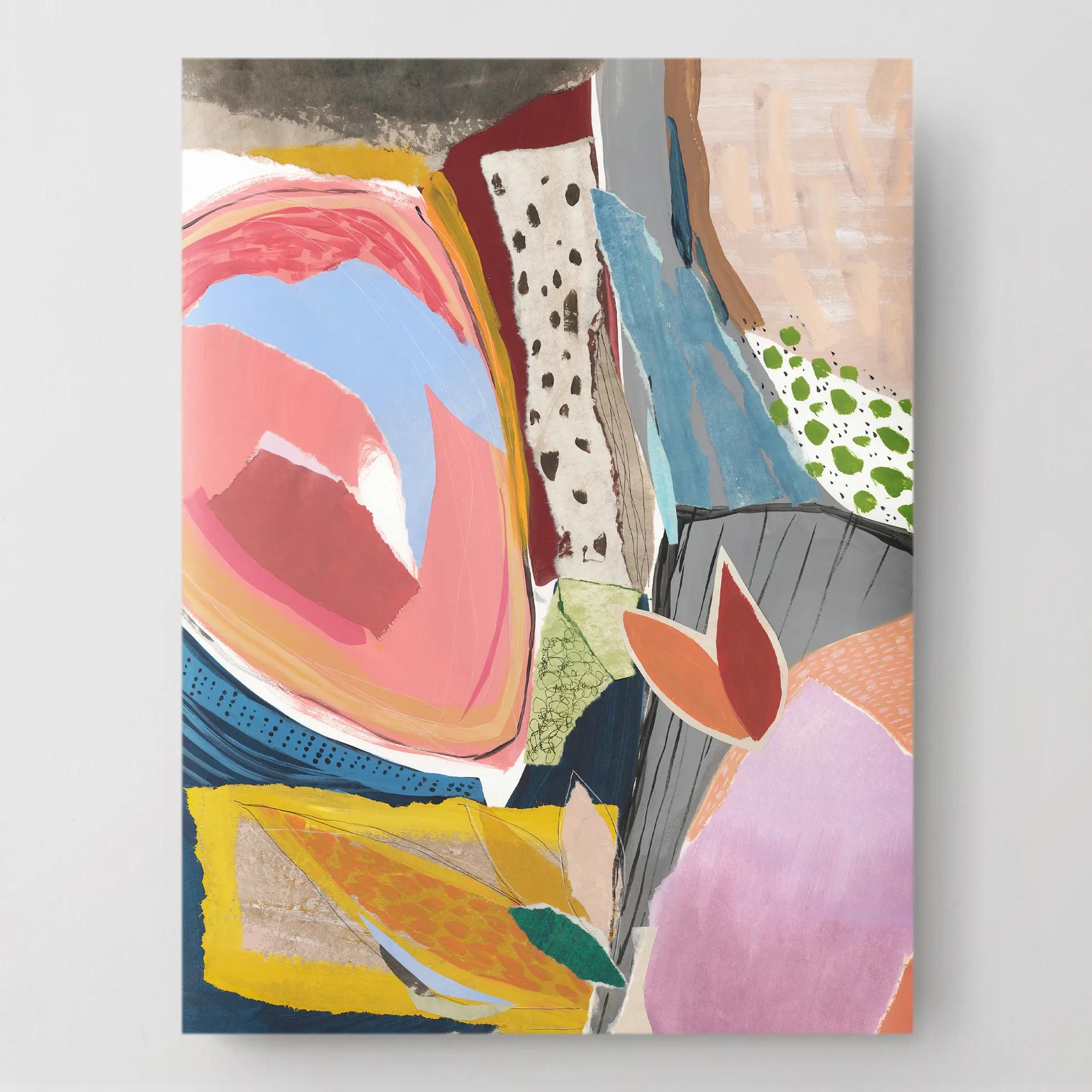
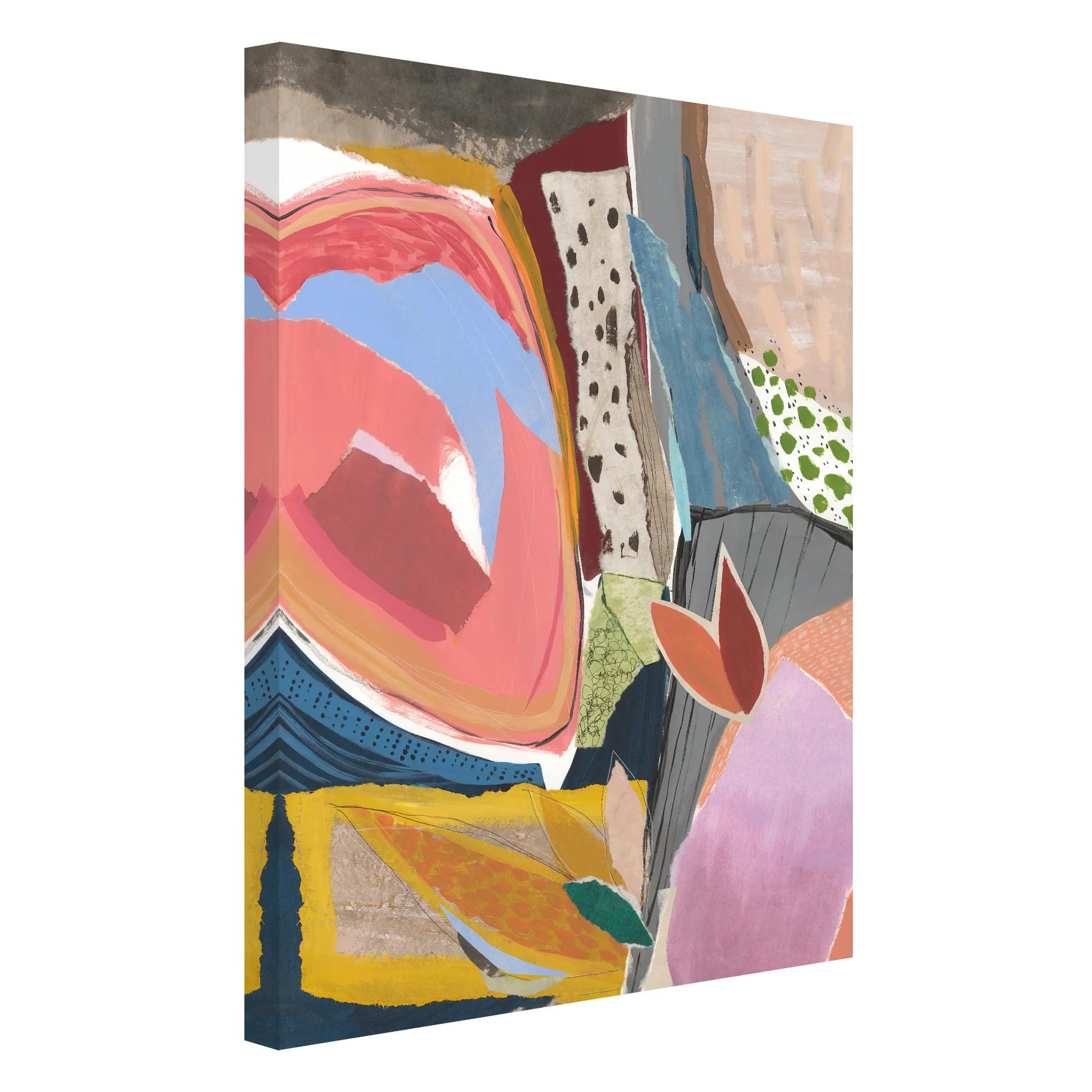 Sunday Vibes 1 Wall Art 30" x 40"$449
A gallery-wrapped canvas artwork featuring a hand-applied image brush gel finish for a textured look.
Add To Cart -
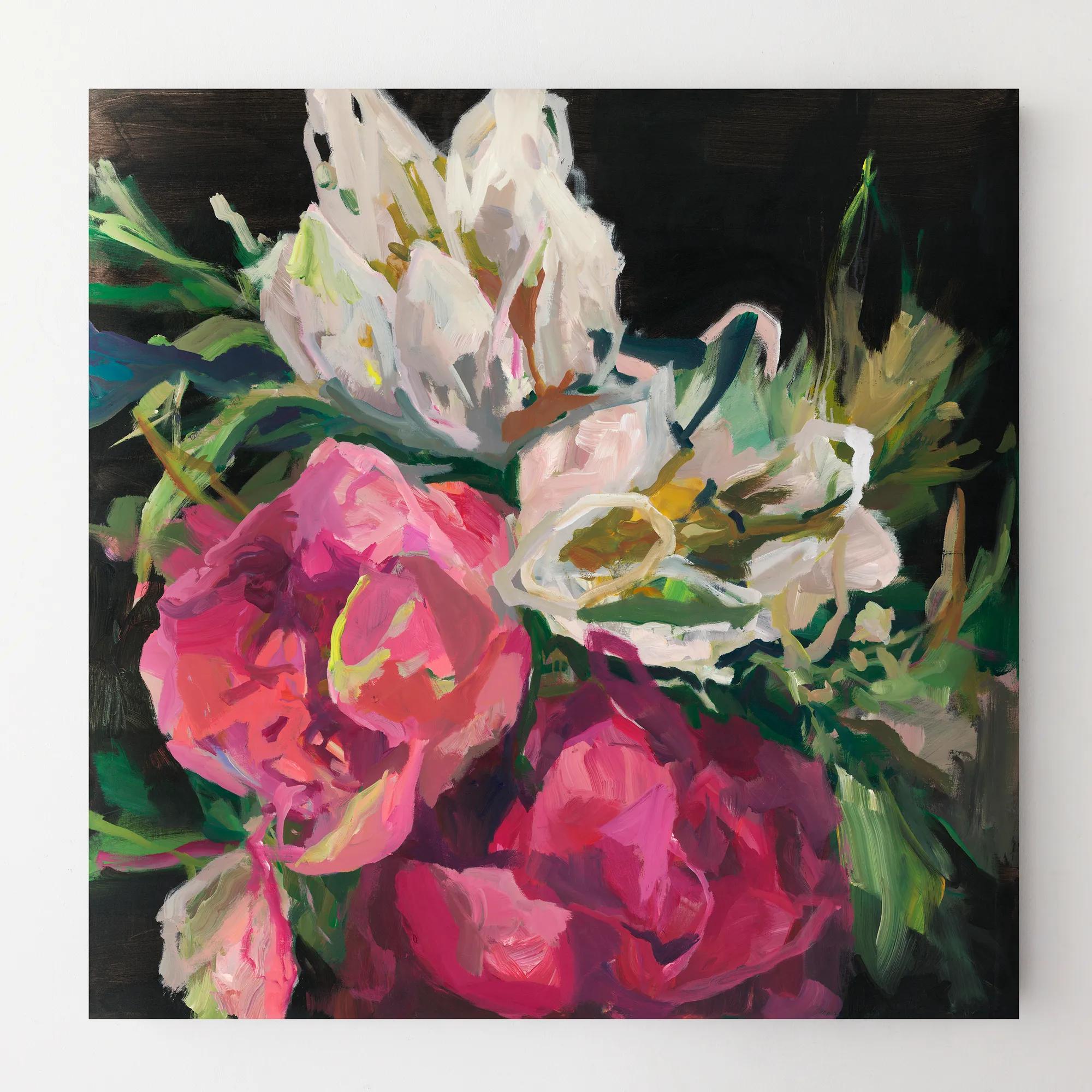
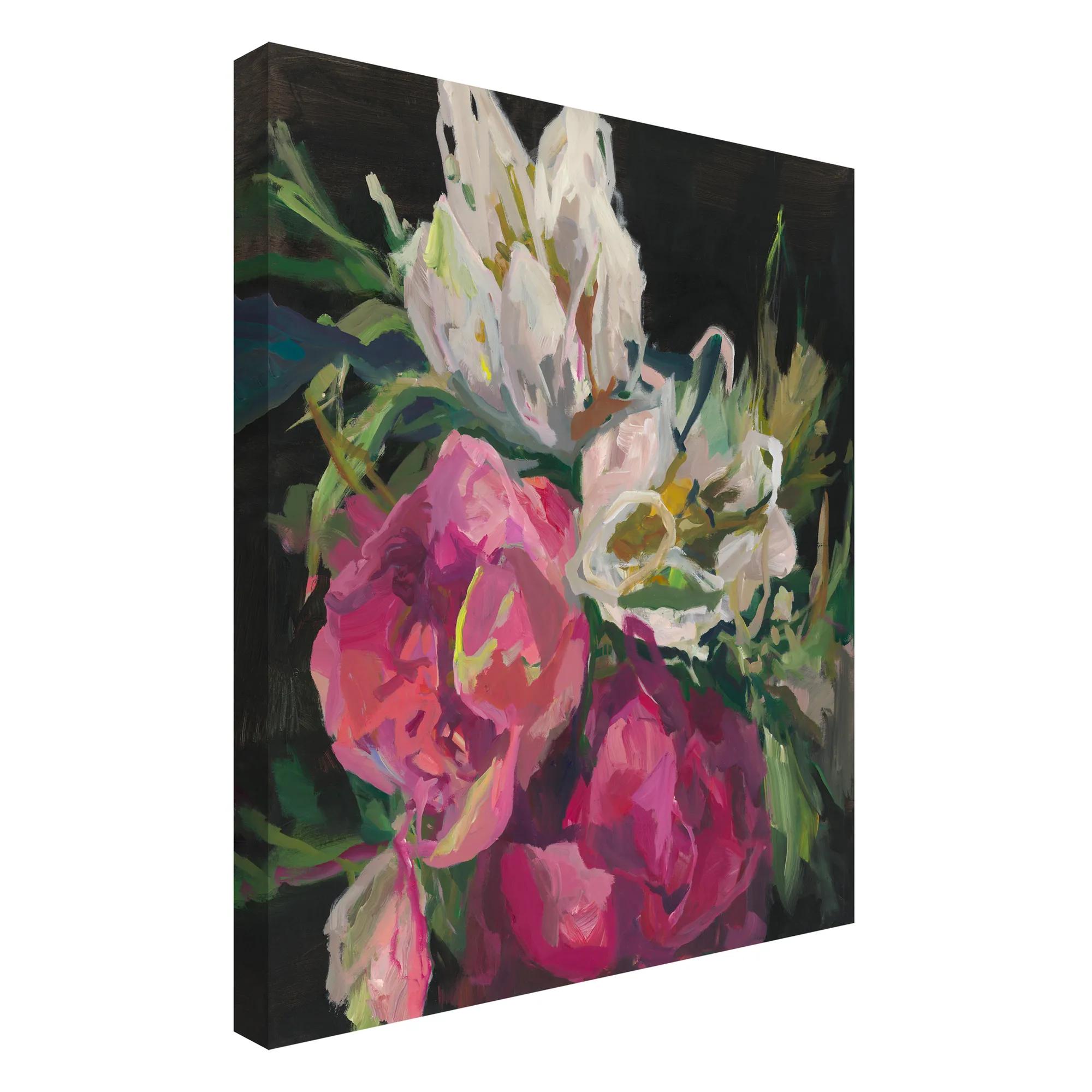 Wild At Heart Wall Art 30" x 30"$399
A gallery-wrapped canvas artwork featuring a hand-applied image brush gel finish for striking visual texture.
Add To Cart -
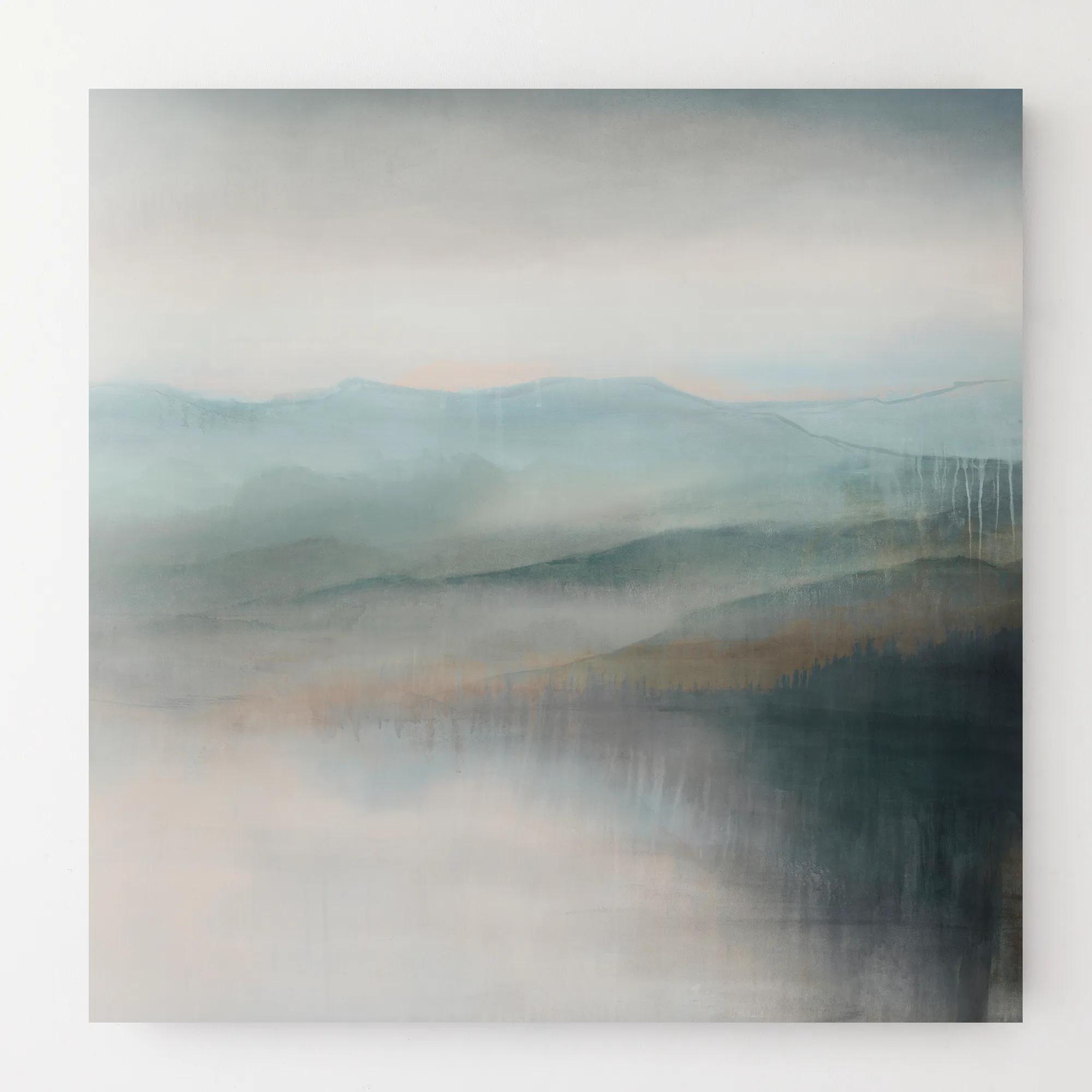
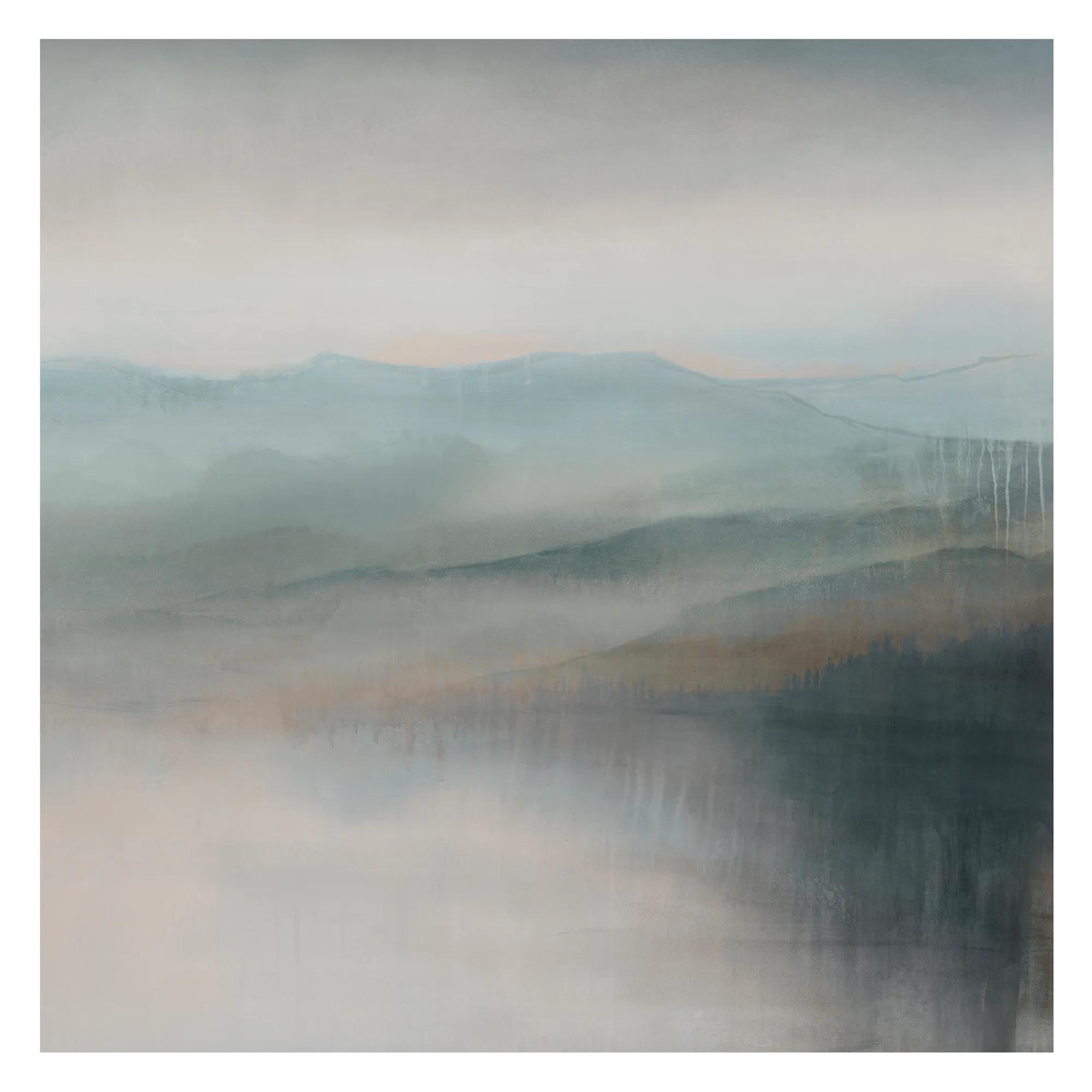 Morning Lift Wall Art 30" x 30"$399
A gallery-wrapped canvas artwork featuring a hand-applied image brush gel finish for added texture and depth.
Add To Cart -
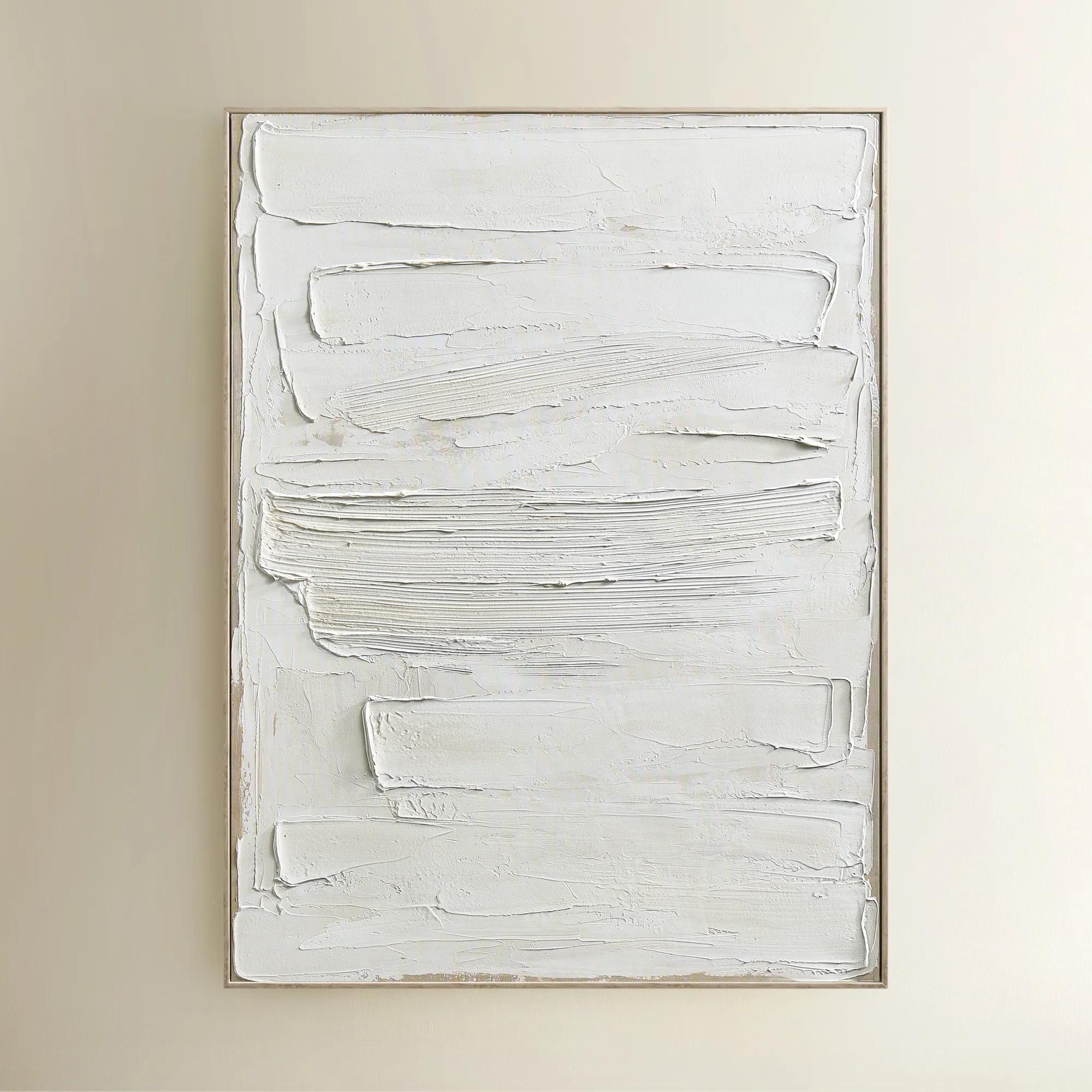
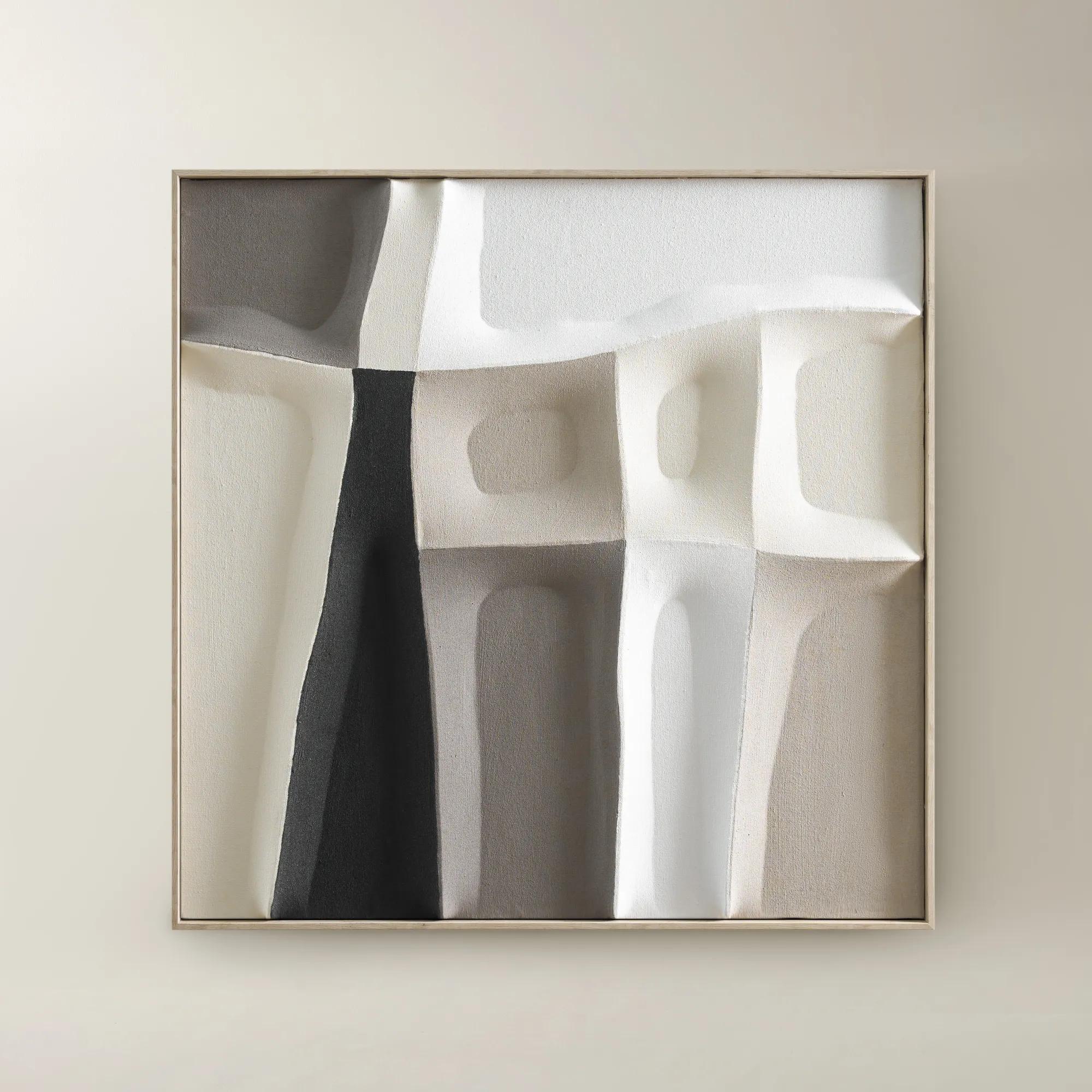 Shadow Painting 1$179
A hand-painted canvas featuring bold colors and sculptural textures in a warm whitewash floater frame.
Add To Cart -
 Shadow Painting 2$179
A hand-painted abstract canvas featuring bold textures and brown hues in a warm whitewash floater frame.
Add To Cart -
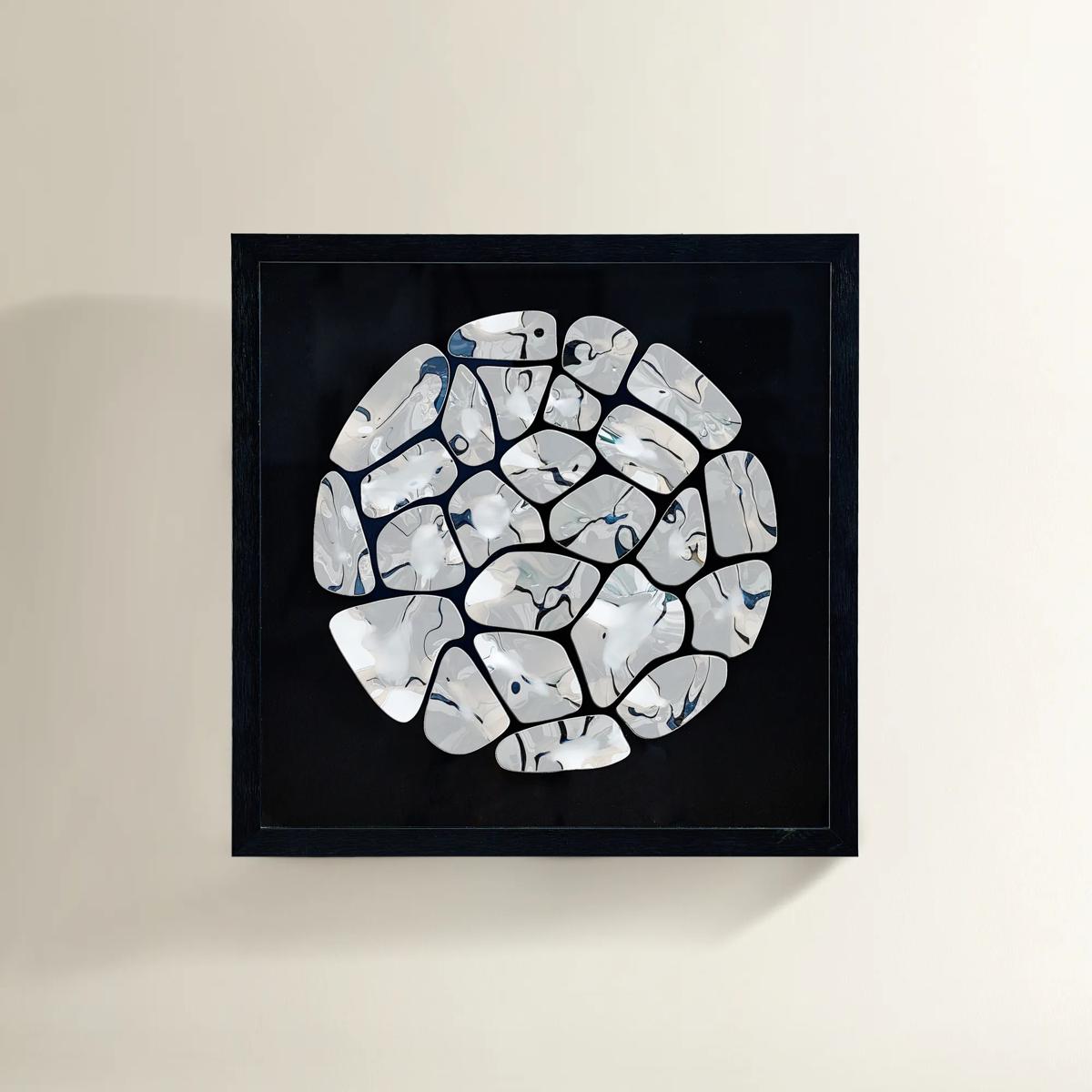
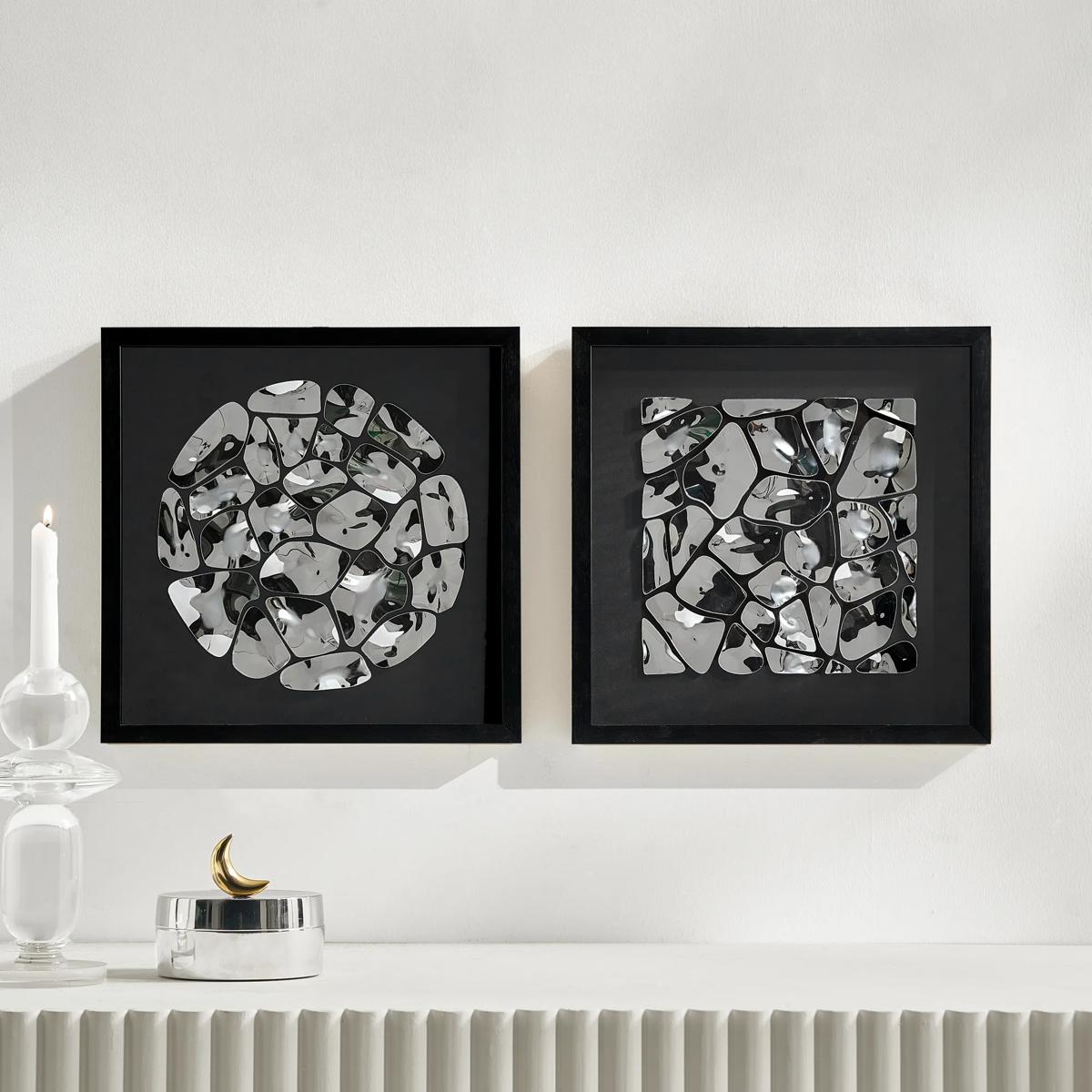 Reflect Silver And Black Shadowbox Art II$189
A dimensional metal wall art piece featuring polished silver and black forms in a sleek black frame.
Add To Cart -
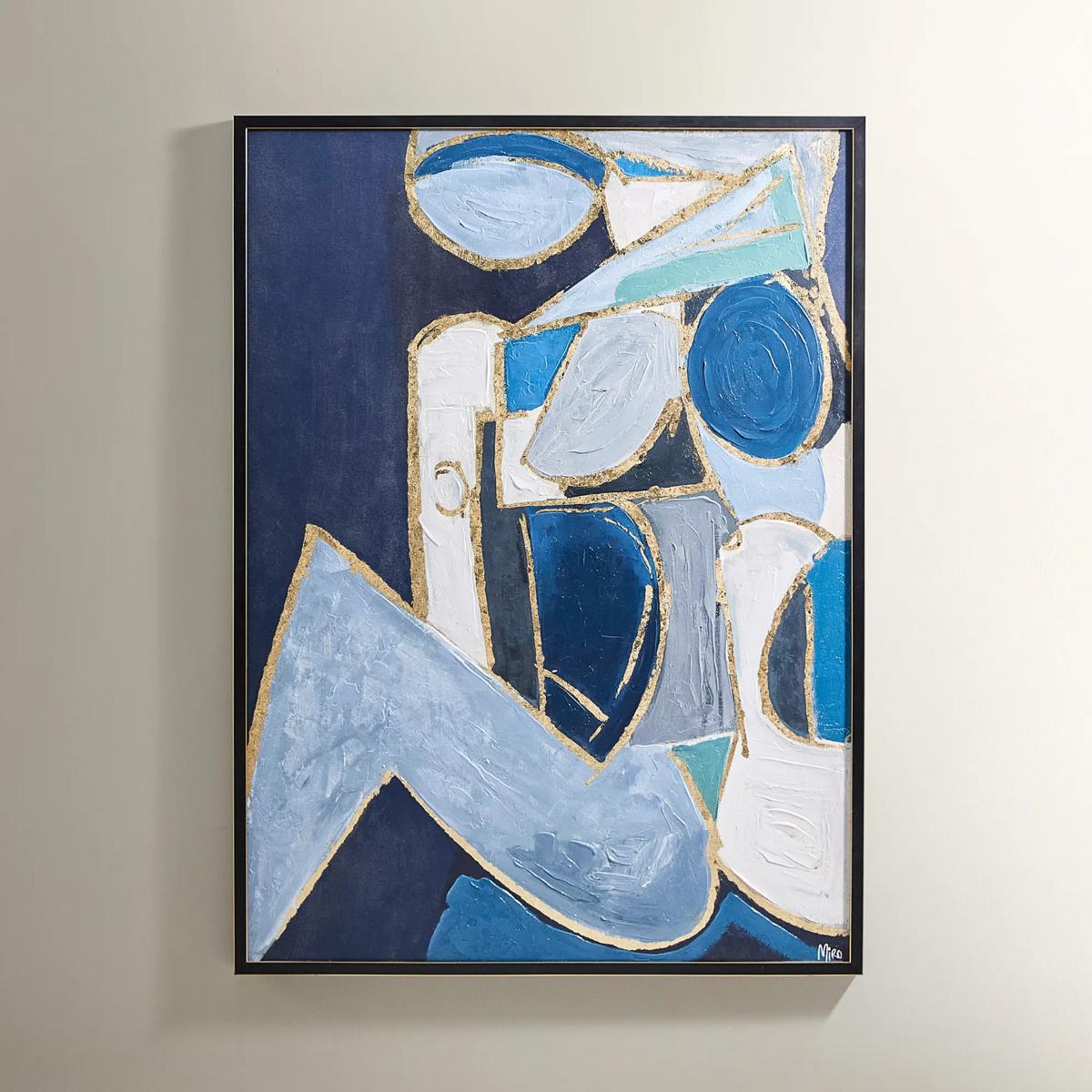
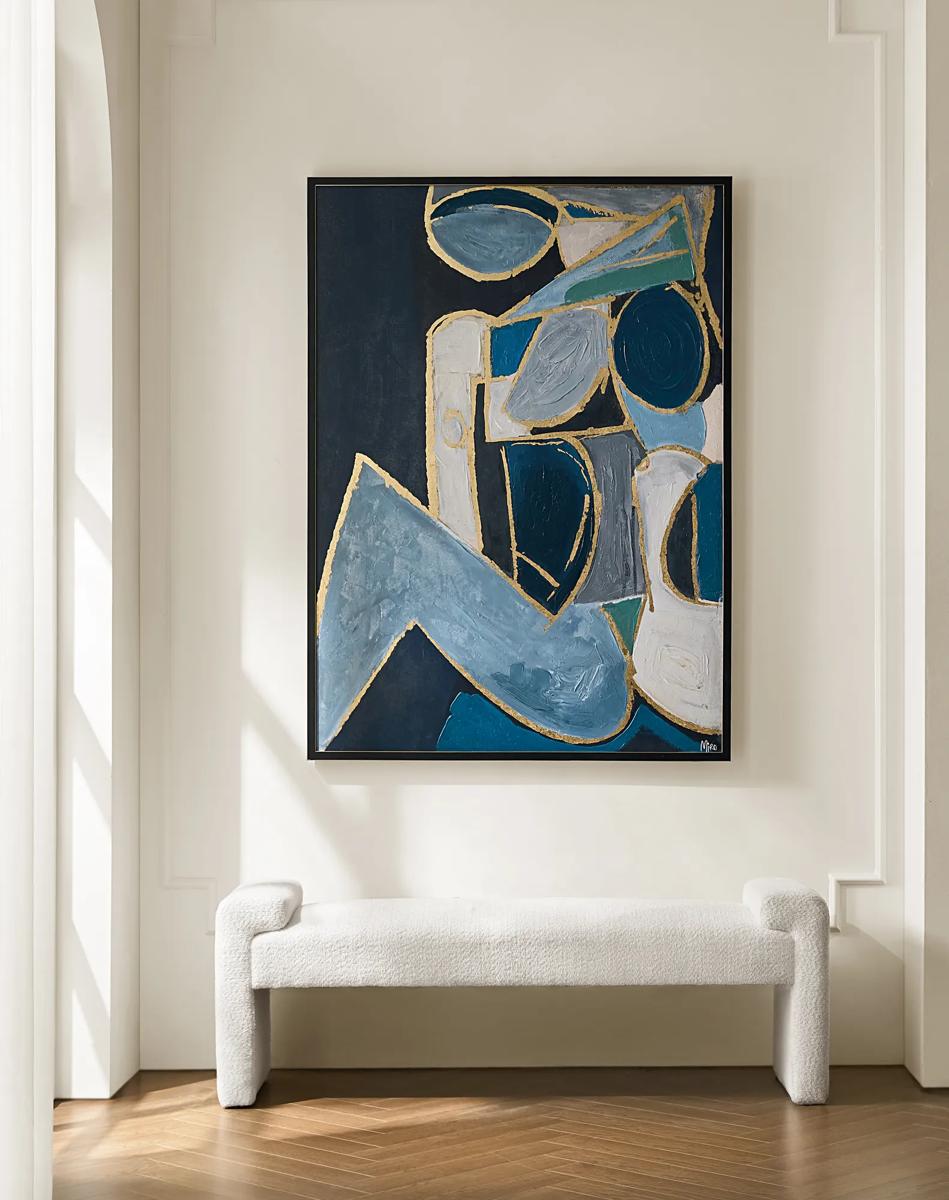 Figure in Cubism Painting$599
A hand-embellished canvas artwork featuring blue, gold, and white hues with elegant silver foil accents.
Add To Cart -
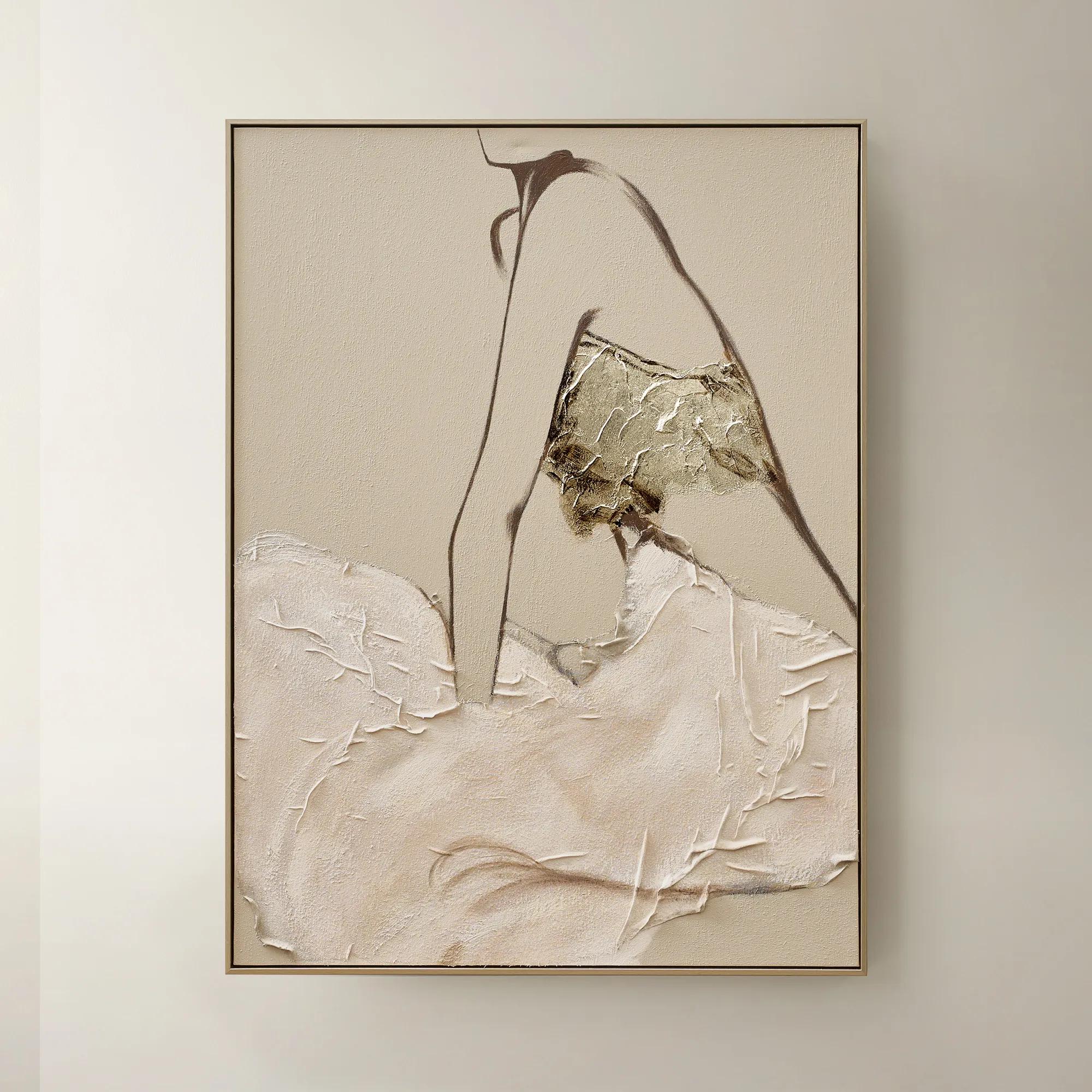 Quiet Pose Framed Painted Wall Art 36" x 48"$499
A hand-painted canvas in taupe and champagne tones features textural details and shimmering champagne leafing.
Add To Cart -
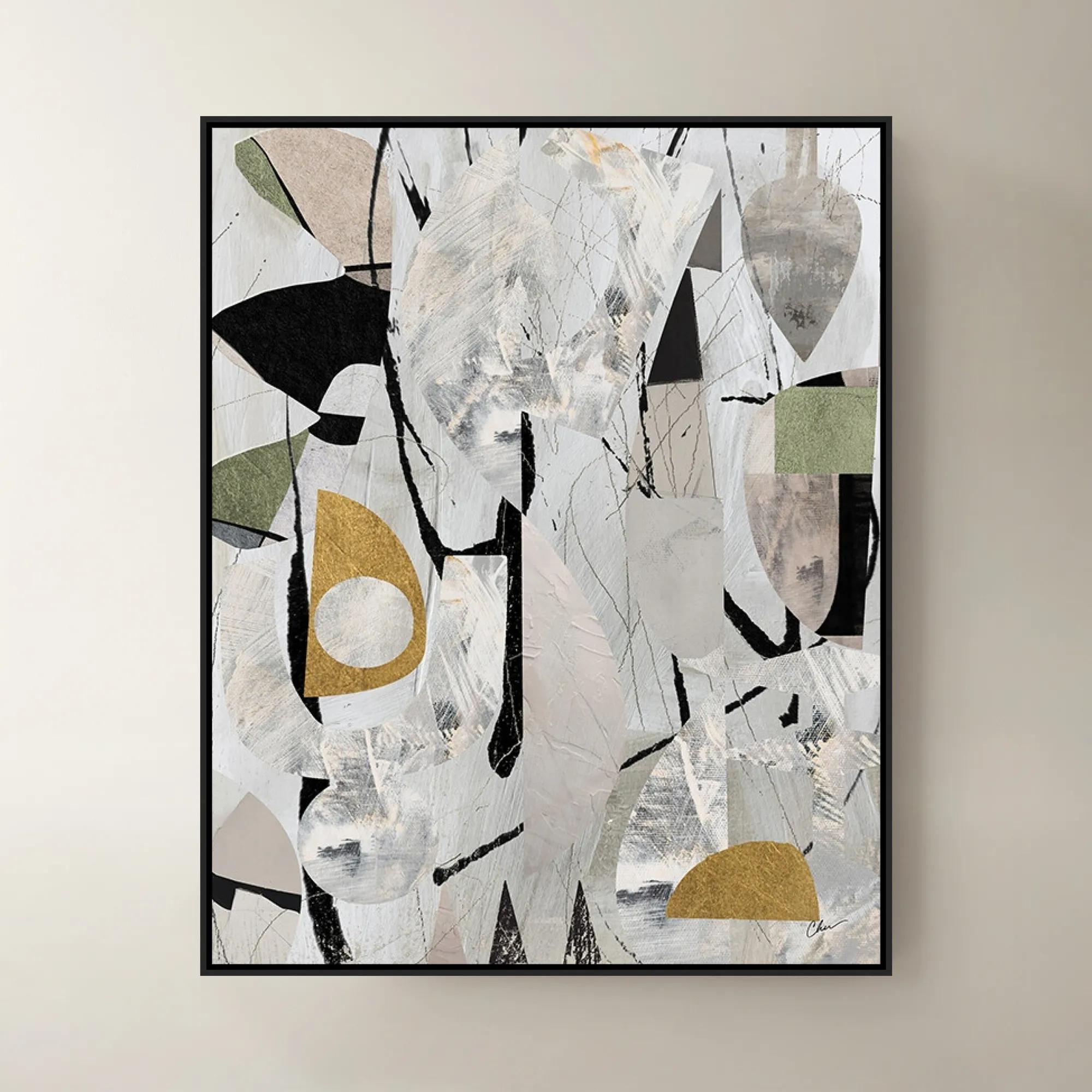
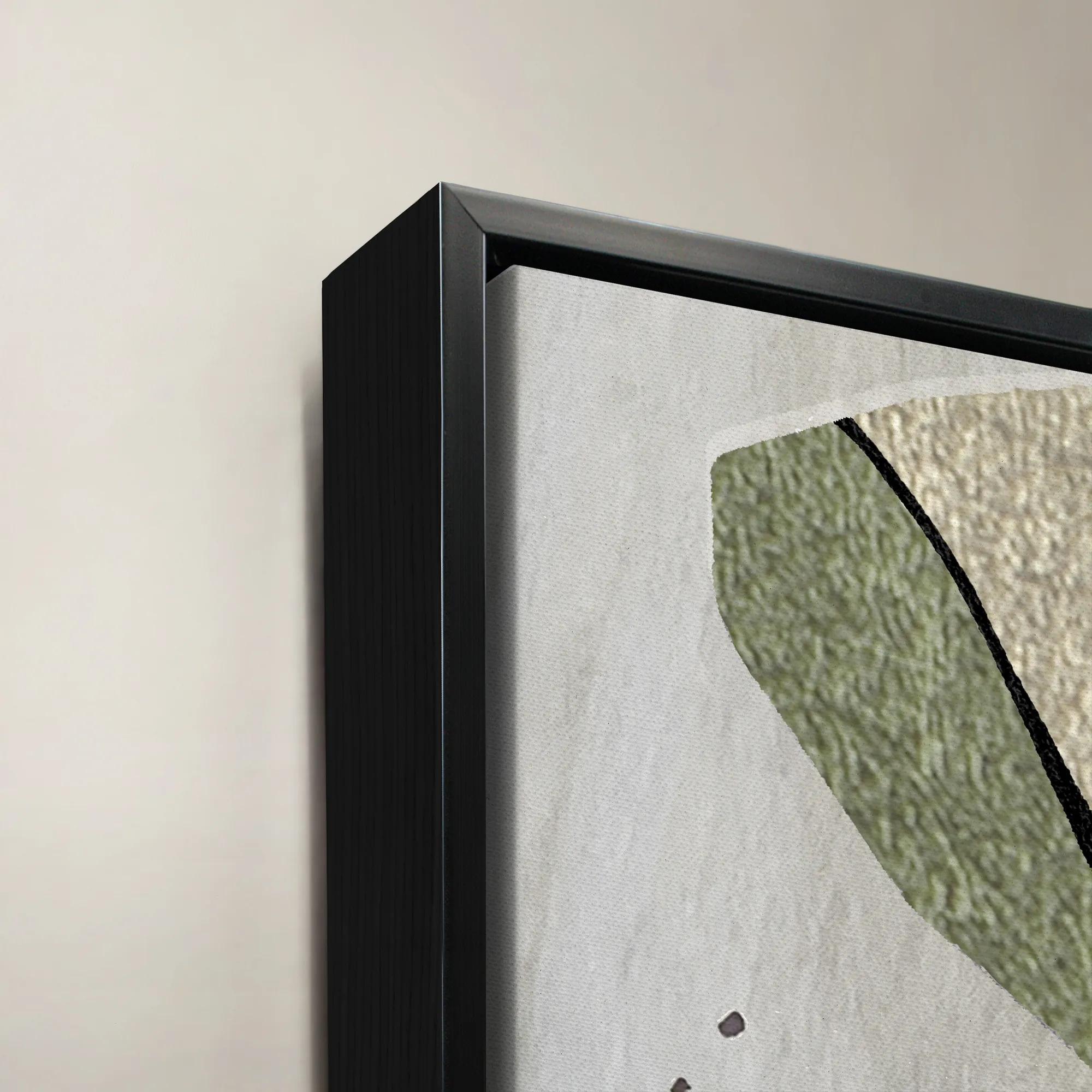 Rogue IV Framed Wall Art 40" x 50"$1199
An abstract art piece designed by Nikki Chu, blending modern style with artistic sophistication.
Add To Cart -
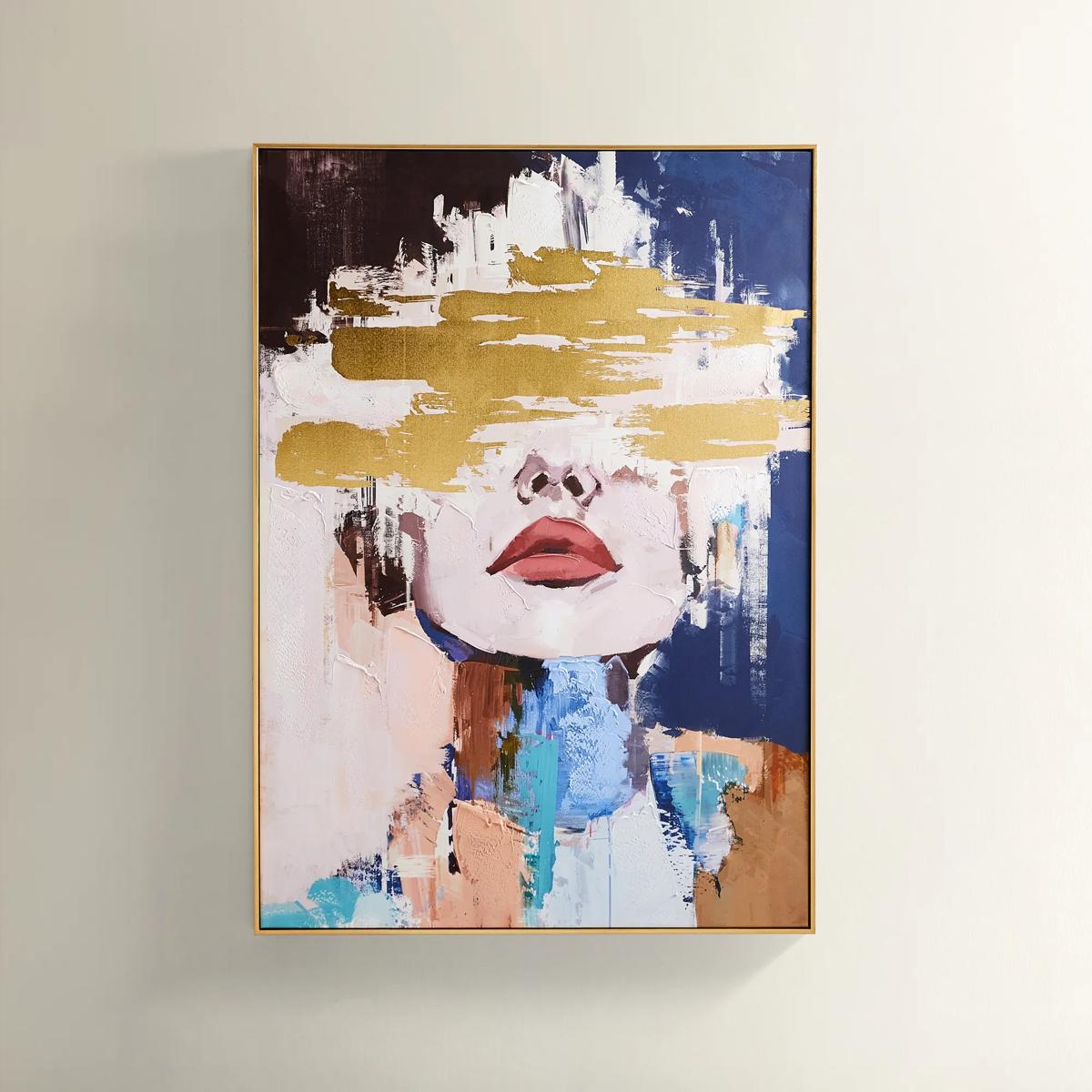
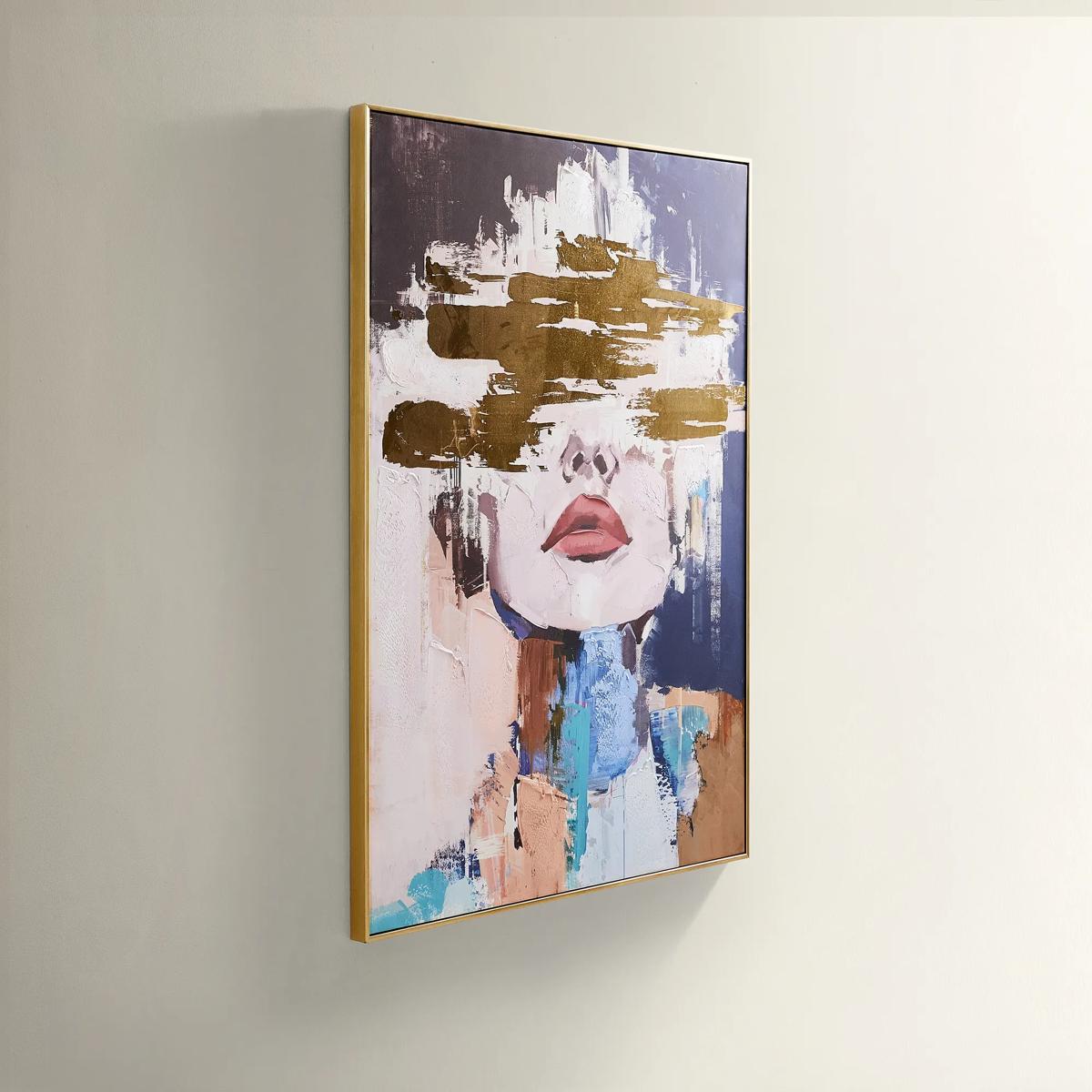 Waiting in Color Gold Foil Painted Wall Art 39.25" x 55"$499
A hand-painted abstract portrait in vivid blue, blush, and gold foil, framed in luxe gold.
Add To Cart -
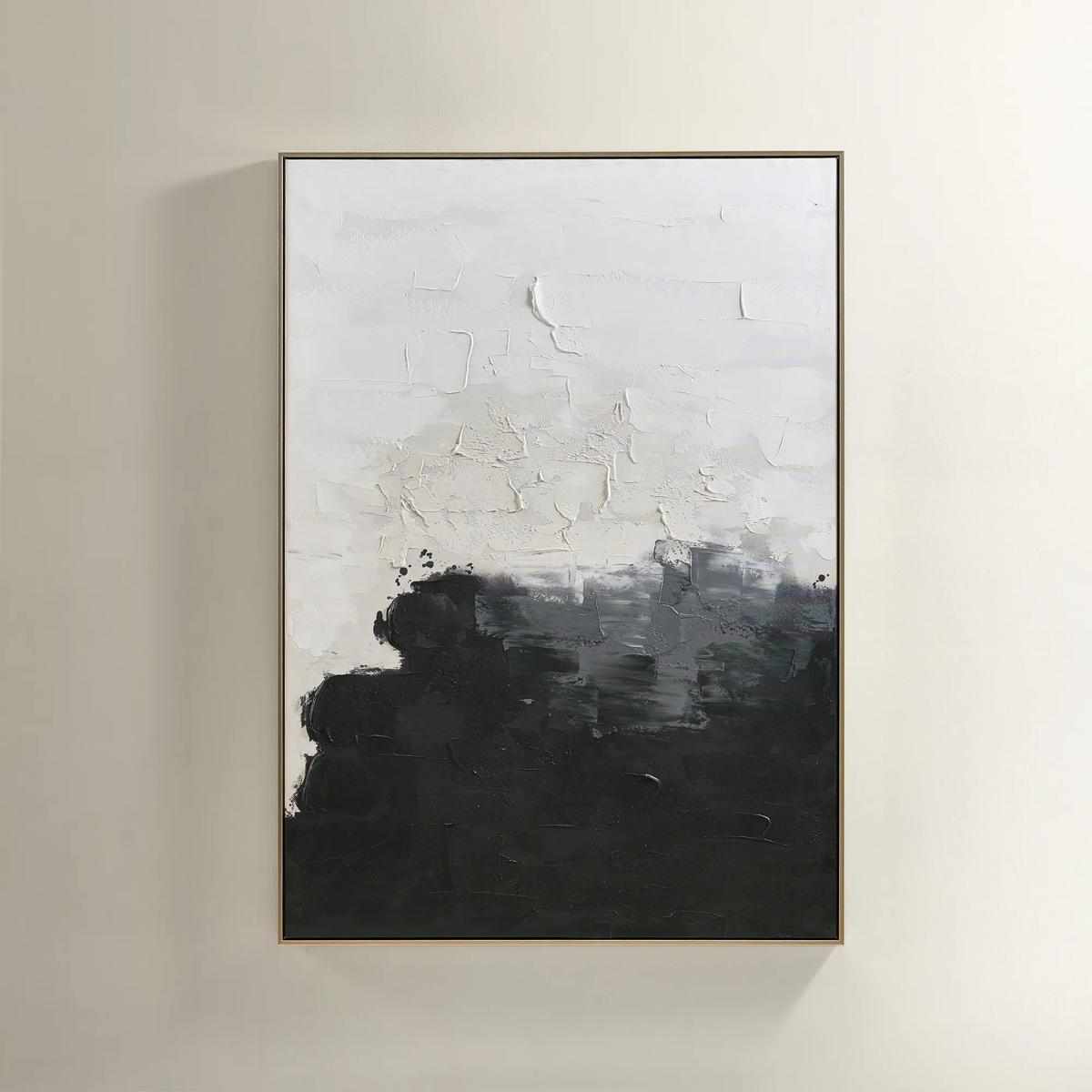
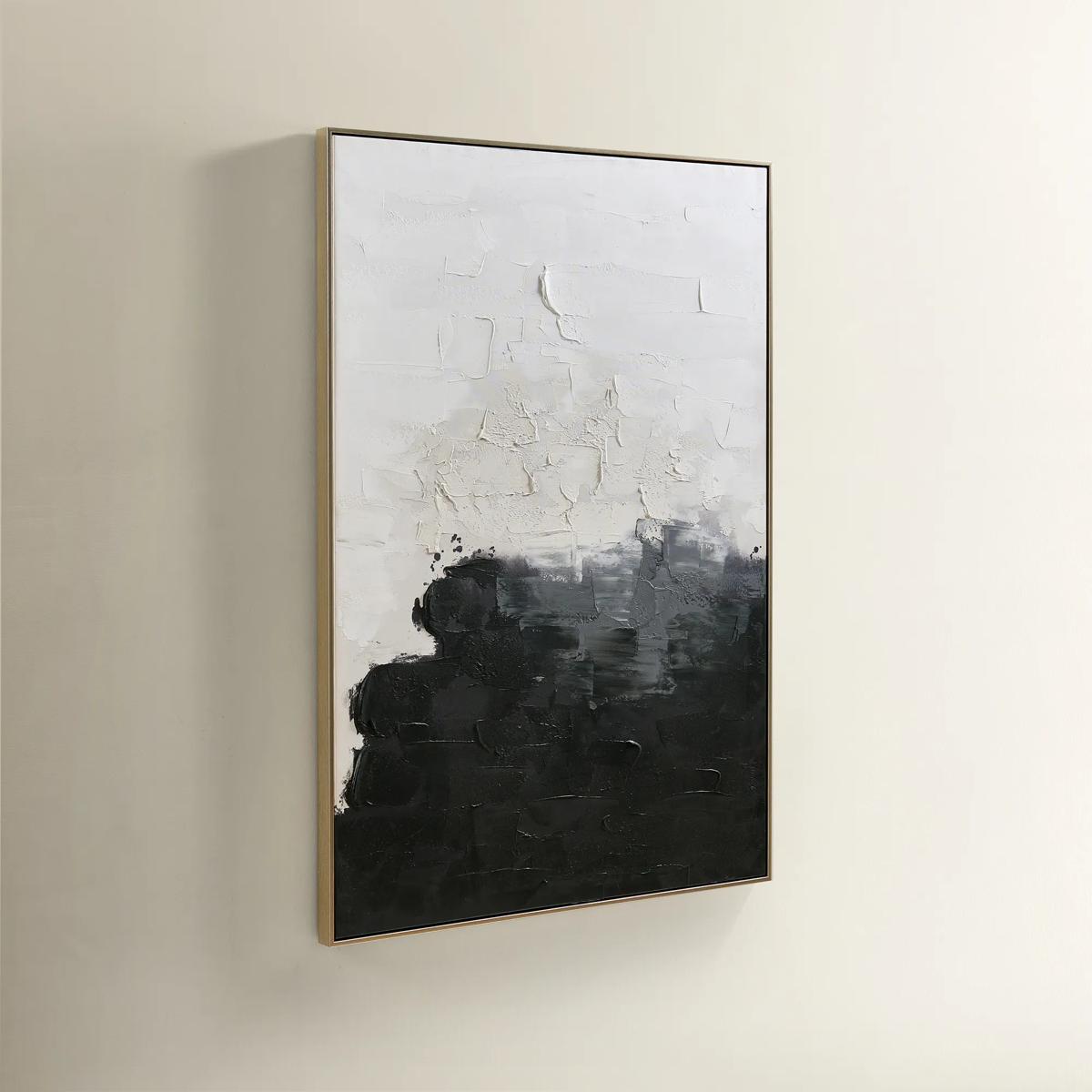 No Rush Painted Wall Art 39.25" x 55"$499
A hand-painted canvas featuring textured strokes of white, ivory, and charcoal in a natural wood frame.
Add To Cart -
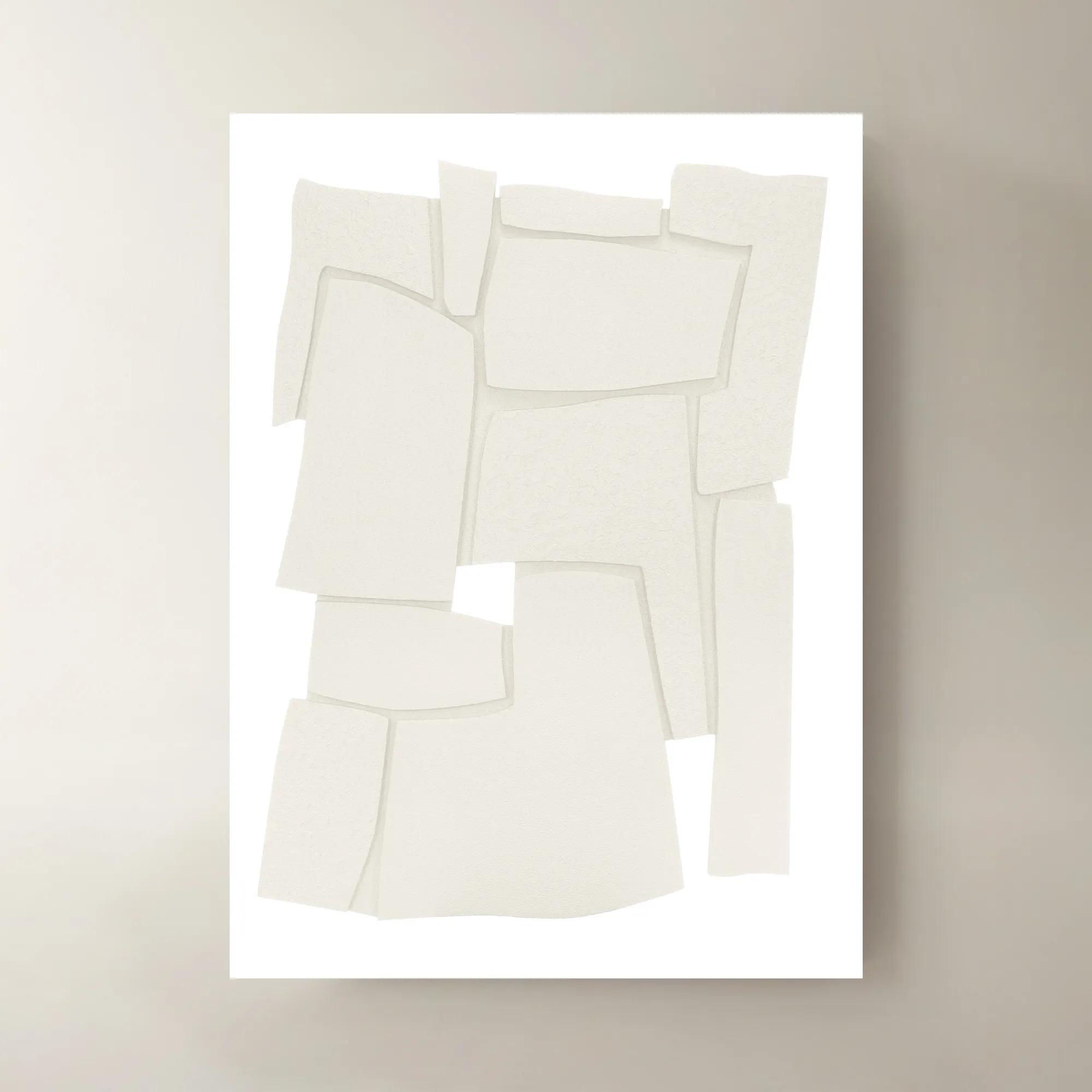
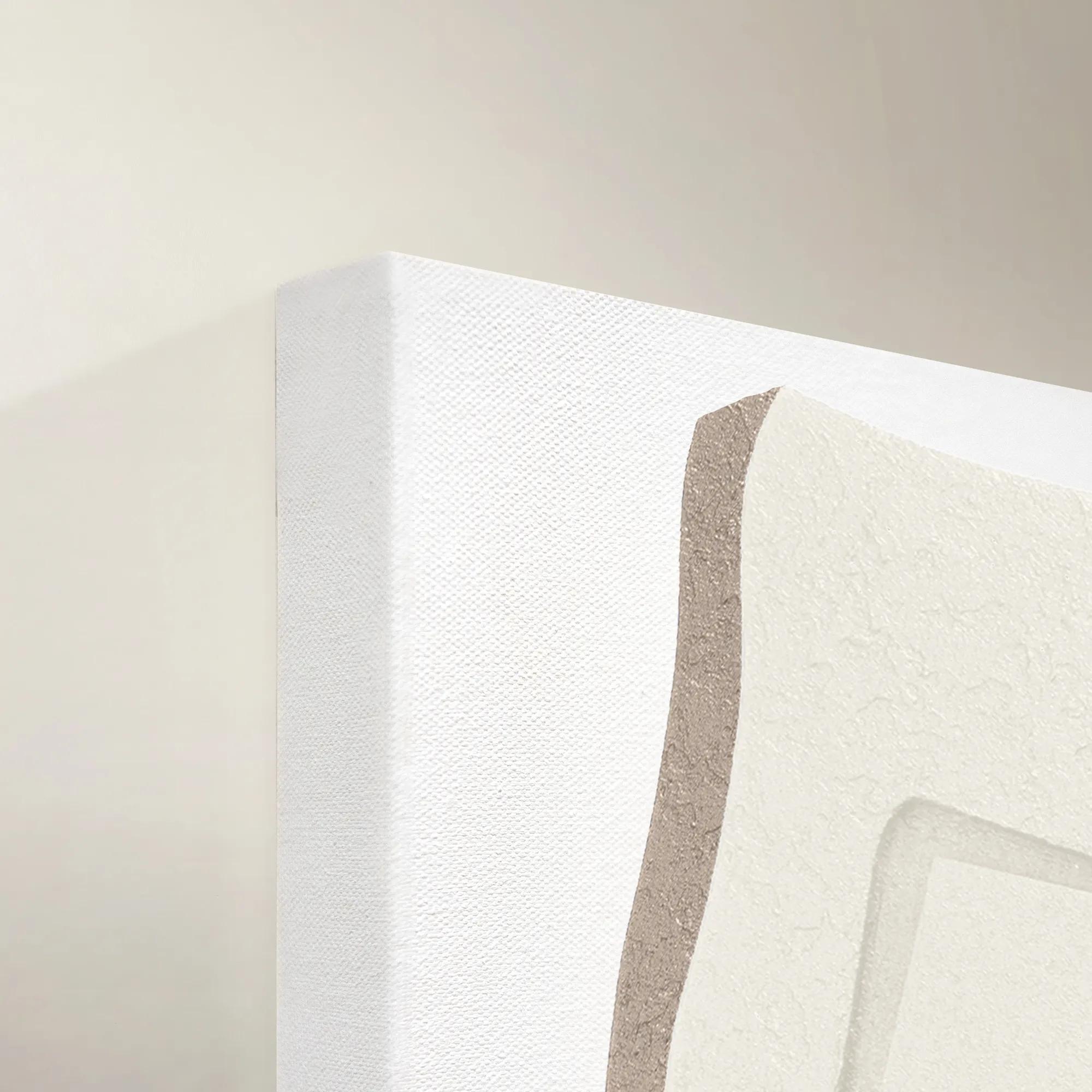 Wonder Maze III Wall Art 40" x 55"$1699
A contemporary canvas wall art piece featuring an intriguing abstract maze-inspired design.
Add To Cart -
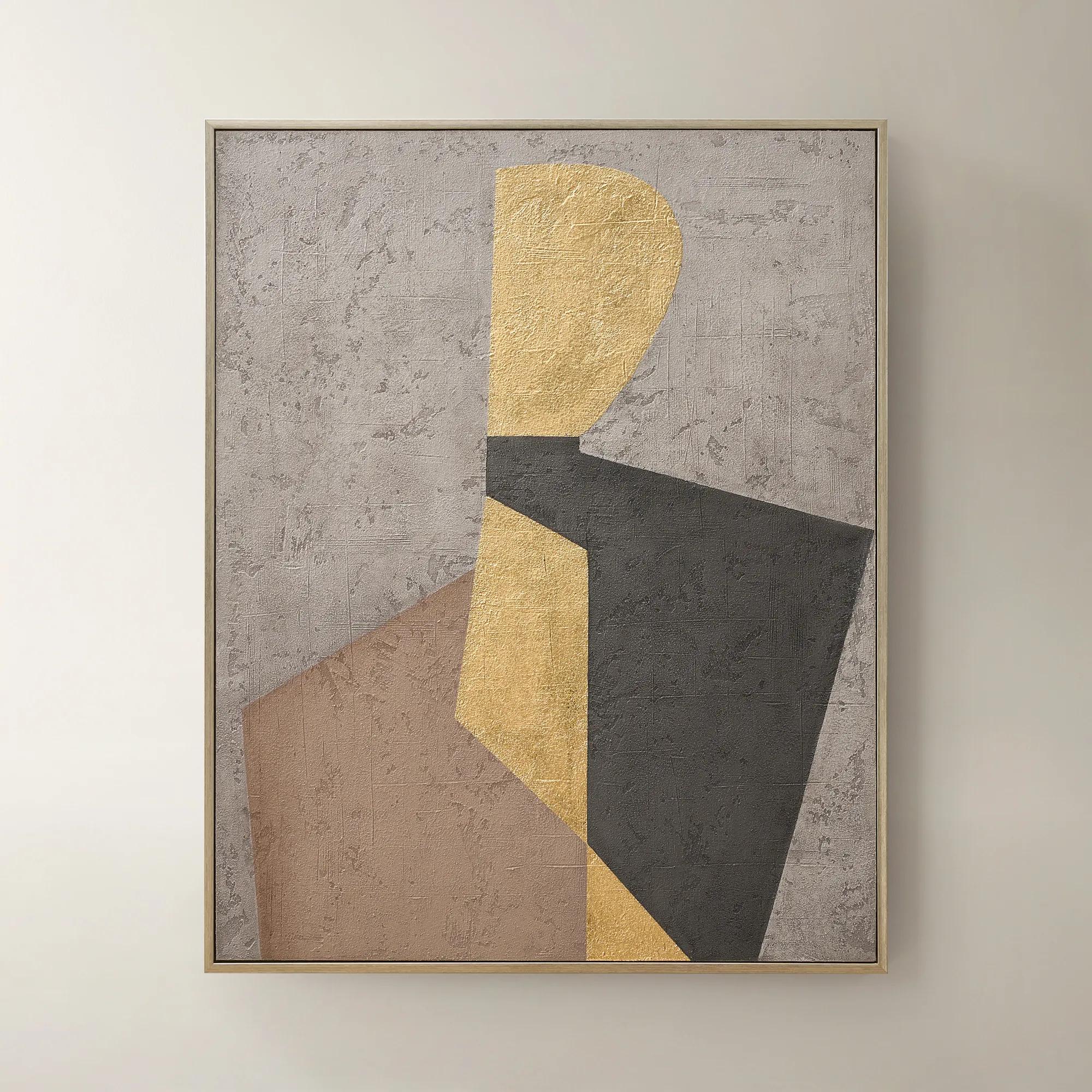 Aura of Gold Framed Painted Wall Art 40" x 50"$399
A hand-painted canvas with champagne leafing and a brushed champagne frame in mocha, grey, black, and gold.
Add To Cart -
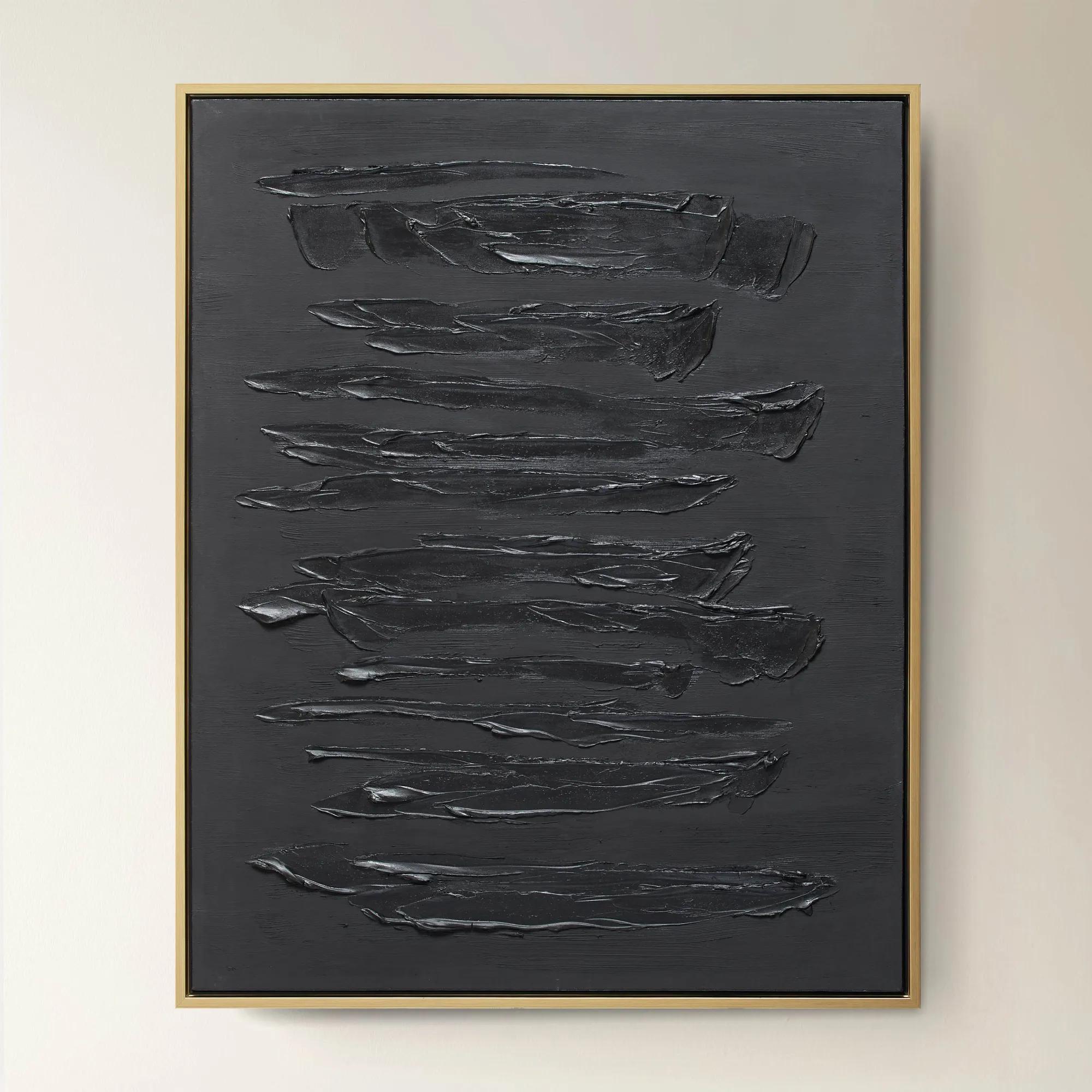
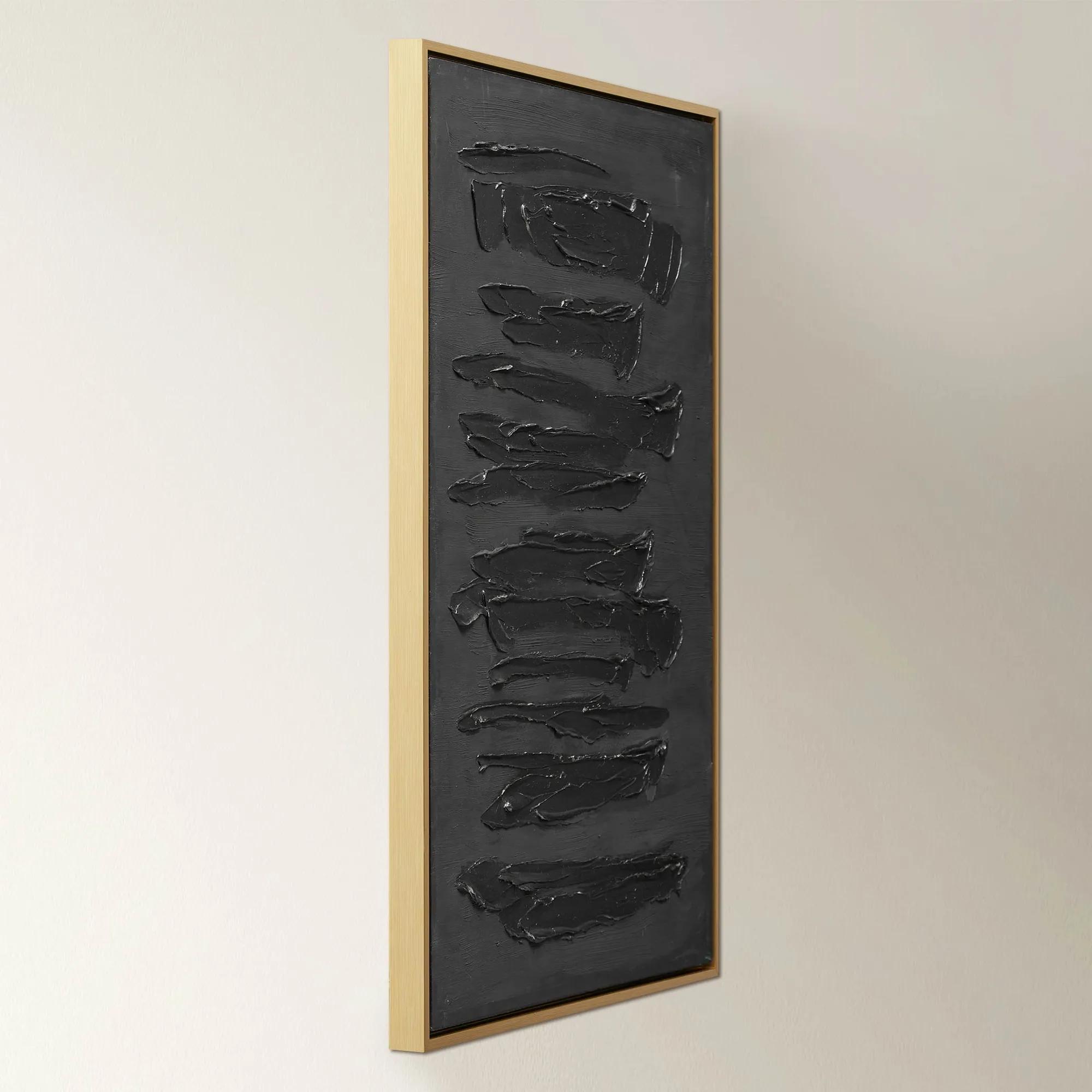 Nocturne$599.95
A dramatic abstract artwork featuring bold, dark brushstrokes on hand-painted canvas in a gold floater frame.
Add To Cart -
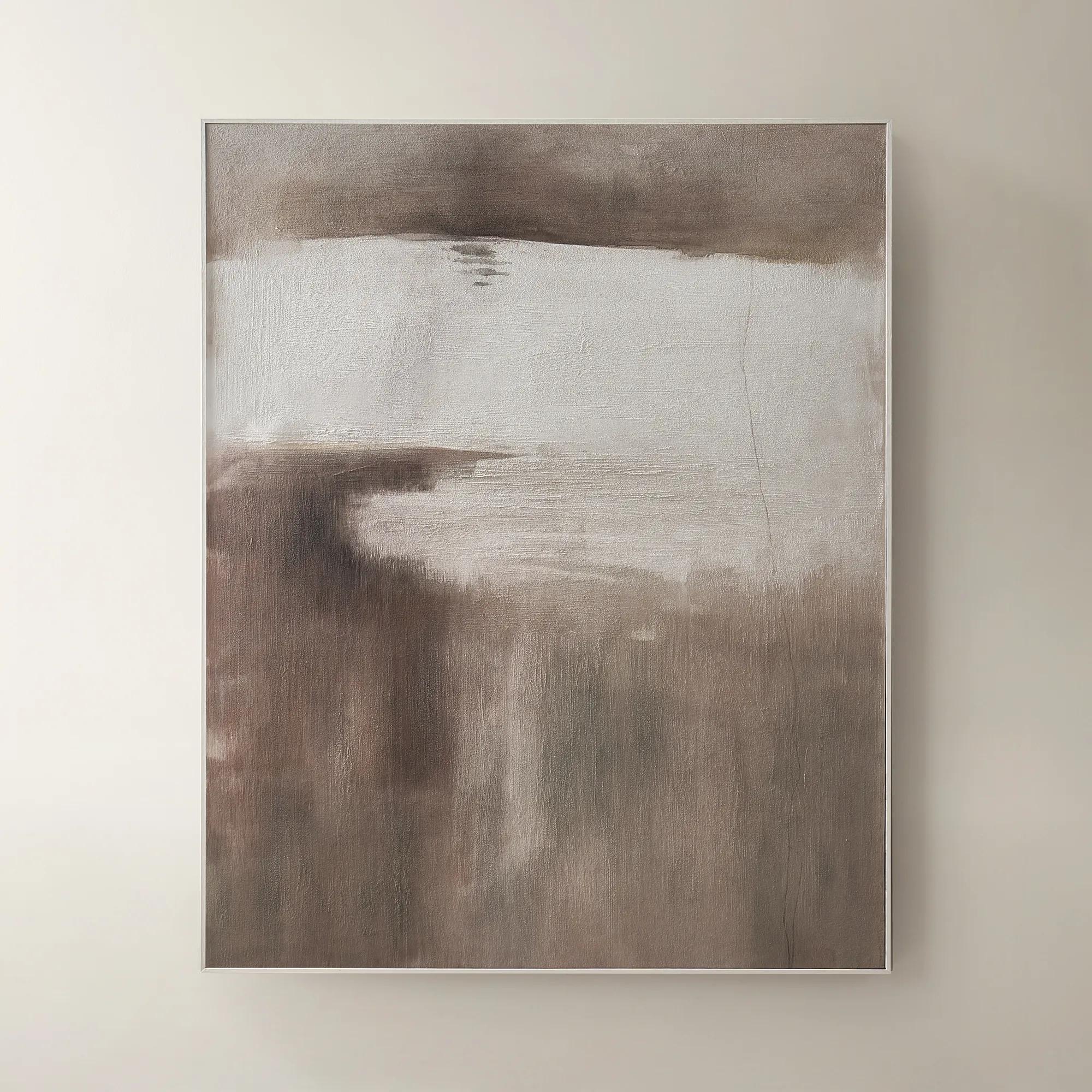 Desert Wind Art$599
A richly hued brown canvas artwork bringing warm, desert-inspired movement to modern interiors.
Add To Cart -
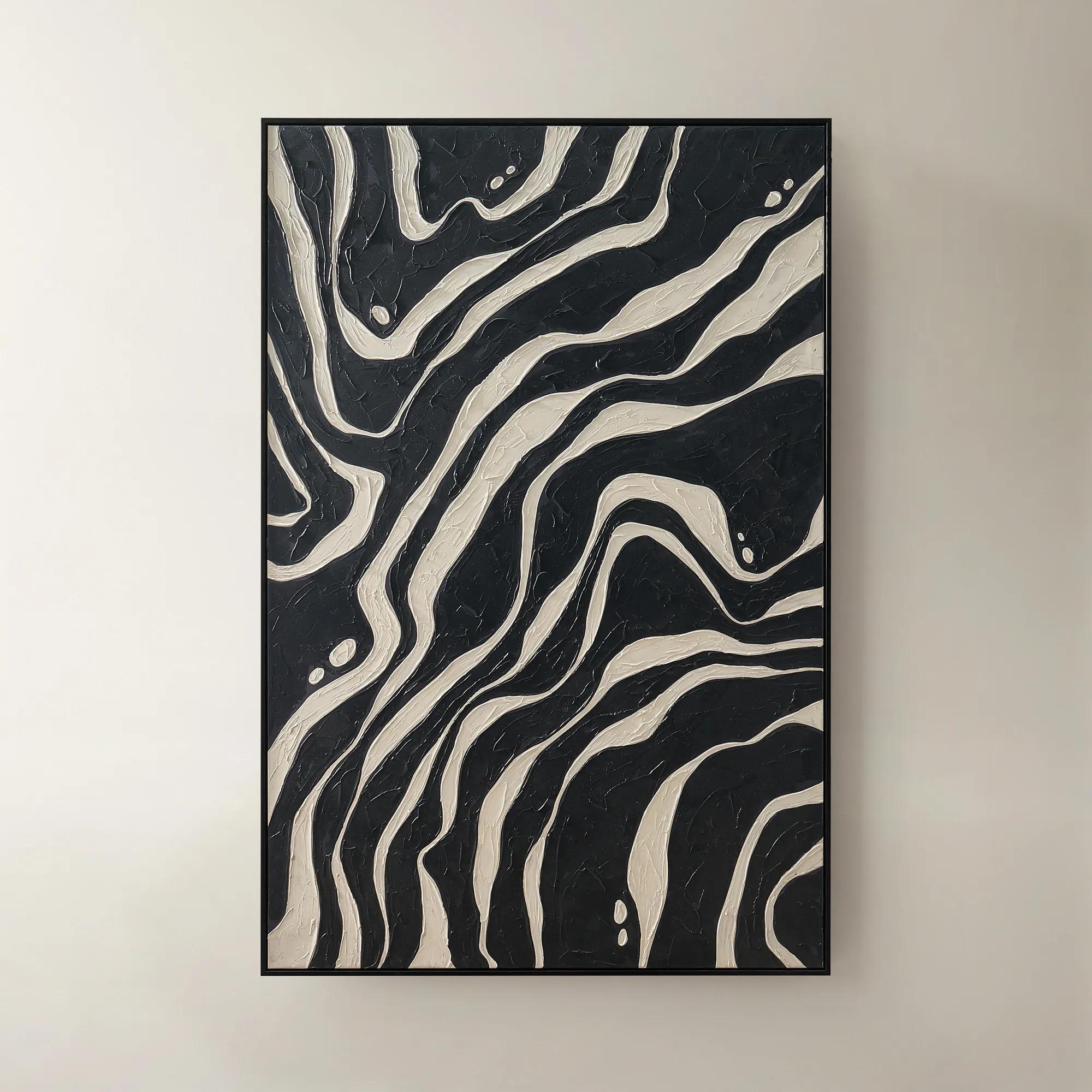
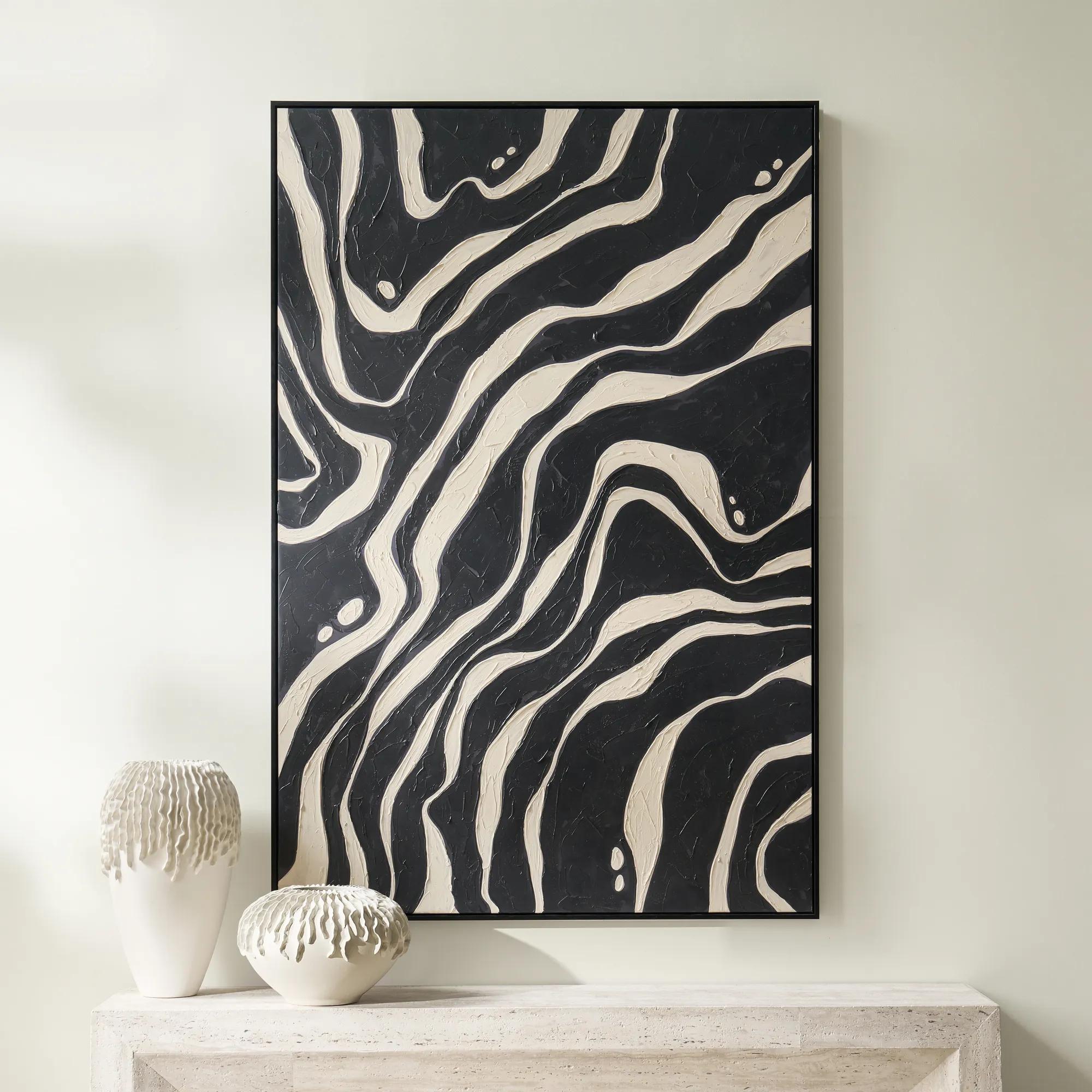 Juxtapose Art$699
A striking black canvas artwork featuring a contemporary, sophisticated design.
Add To Cart -

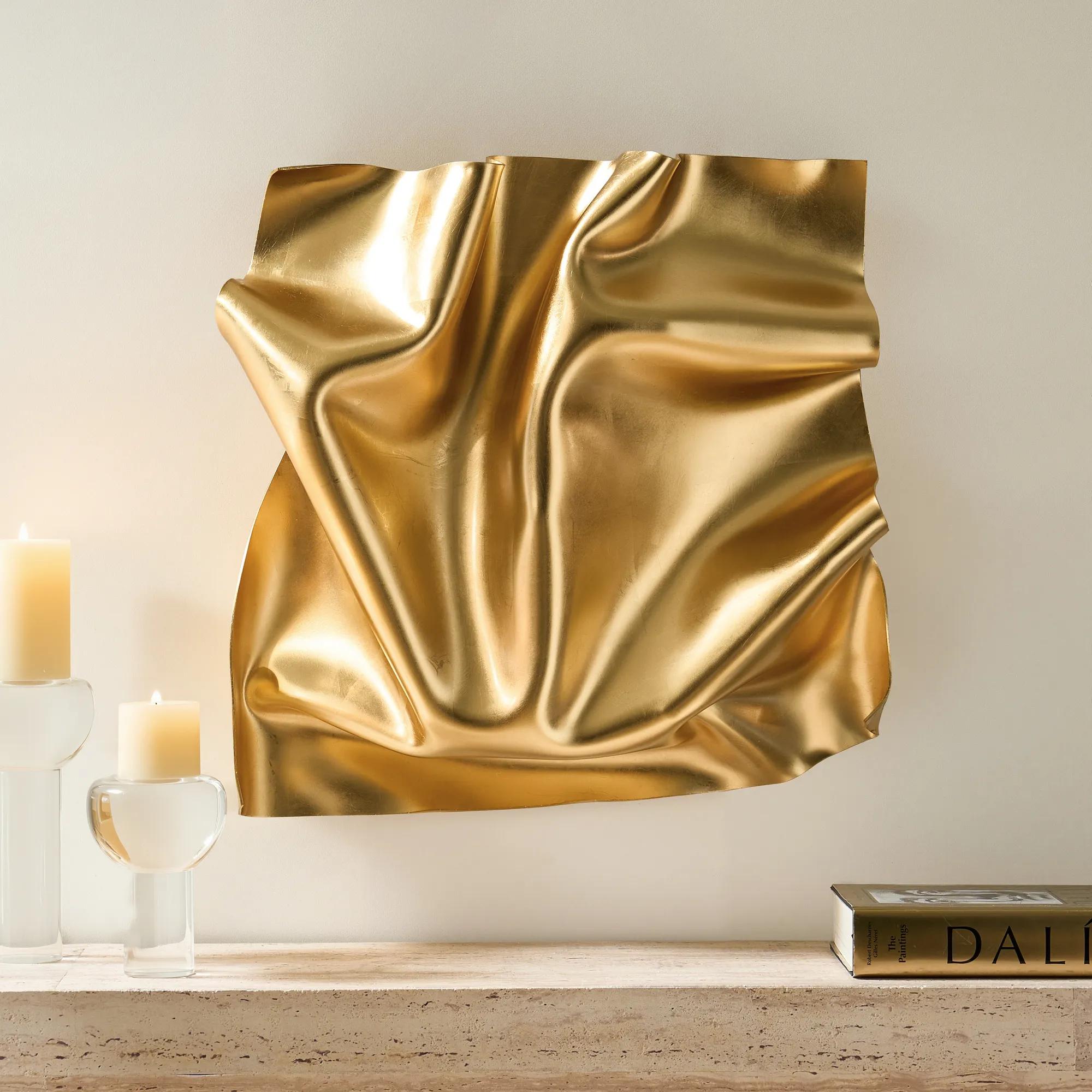 Surface Sculpted Gold Leaf Acrylic Wall Decor 23.6" x 23.6"$199
A dimensional acrylic wall panel features hand-applied gold leafing for a luminous, sculptural gallery effect.
Add To Cart

Abstract Wall Art For Living Spaces
Find abstract wall art for living spaces that deserve an expressive focal point. Explore compositions defined by color, shape, and movement, with an eye toward artwork that complements your room’s palette or introduces a striking contrast. Consider the scale of your wall and surrounding furniture to select a piece that brings balance and drama above a sofa or within a seating area.
Abstract wall art brings movement, emotion, and artistic expression to living spaces, turning an open wall into a defining feature of the room. From sweeping gestures to disciplined geometric compositions, abstract artwork creates a focal point without prescribing a single story, leaving room for your own interpretation. For a living room with a richly layered palette, consider a composition that echoes one or two accent colors while introducing an unexpected shade for contrast. In a quieter interior, black-and-white abstract art can add graphic tension, while soft tonal compositions create depth without overwhelming the space. Large abstract wall art above a sofa can establish a commanding presence, drawing furniture, lighting, and decorative accents into a cohesive arrangement. Let the mood guide your choice: fluid forms suggest movement and ease, angular shapes introduce structure, and expressive color makes the room feel daring and personal. The most compelling piece does more than coordinate with your decor; it gives your living space a distinct point of view. Scale and placement help abstract wall decor feel intentional, whether you are styling a formal sitting room, an open-plan lounge, or an intimate conversation area. As a starting point, choose artwork or a grouped arrangement approximately two-thirds to three-quarters the width of the furniture beneath it, then adjust for ceiling height and the surrounding architecture. Oversized abstract art can anchor a generous wall, while a thoughtfully spaced pair or gallery arrangement creates rhythm across a broader surface. Leave enough breathing room around each composition for its shapes and colors to register, and position the center near eye level where the layout allows. To connect modern abstract wall art with the rest of the room, repeat a subtle hue or curved line in pillows, decorative objects, or an accent chair rather than matching every element. Thoughtfully directed lighting can emphasize the composition and extend its presence into the evening. Together, proportion, color, and placement transform abstract art for living spaces into a confident expression of how you want your home to feel.
FAQs
Begin with the atmosphere you want to create. Sweeping gestures and vivid contrasts bring expressive energy, while fluid shapes and tonal compositions offer a more serene kind of drama. Choose abstract wall art that speaks to your personal style and gives your living room a distinctive point of view.
Take inspiration from your upholstery, rug, or decorative accents, then decide whether to echo those hues or introduce a striking contrast. Black-and-white abstract art creates graphic definition, while richly colored compositions can bring a new dimension to a neutral living space. A shared undertone helps the palette feel intentional.
Abstract wall art can create a compelling dialogue with either style. In a modern living room, gestural brushwork softens crisp architectural lines. Alongside traditional furnishings, geometric forms or unexpected color contrasts introduce an artful tension. Look for a connecting detail, such as a repeated hue, to bring the room together.
Give your gallery wall a visual thread, such as a recurring color, related shapes, or a consistent framing approach. Then vary the compositions to create rhythm and discovery. Abstract artwork can sit beautifully alongside photography or figurative pieces, bringing expressive movement to a collected, personal arrangement.
Consider the wall above a sofa, the backdrop to a console, or a reading nook that deserves its own artistic moment. Let the composition enhance what surrounds it: fluid forms can enliven structured furniture, while bold geometry lends definition to a softly layered setting.