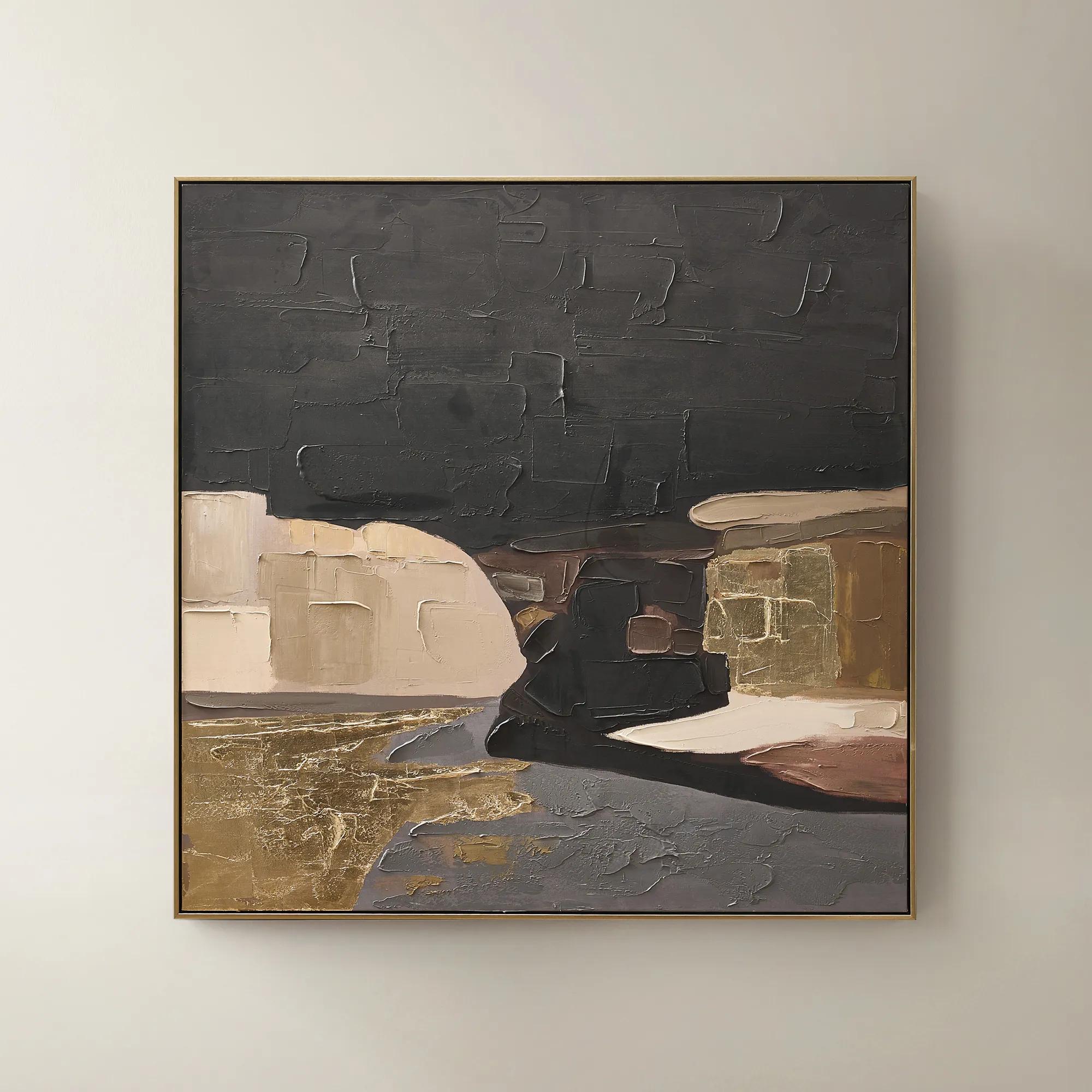
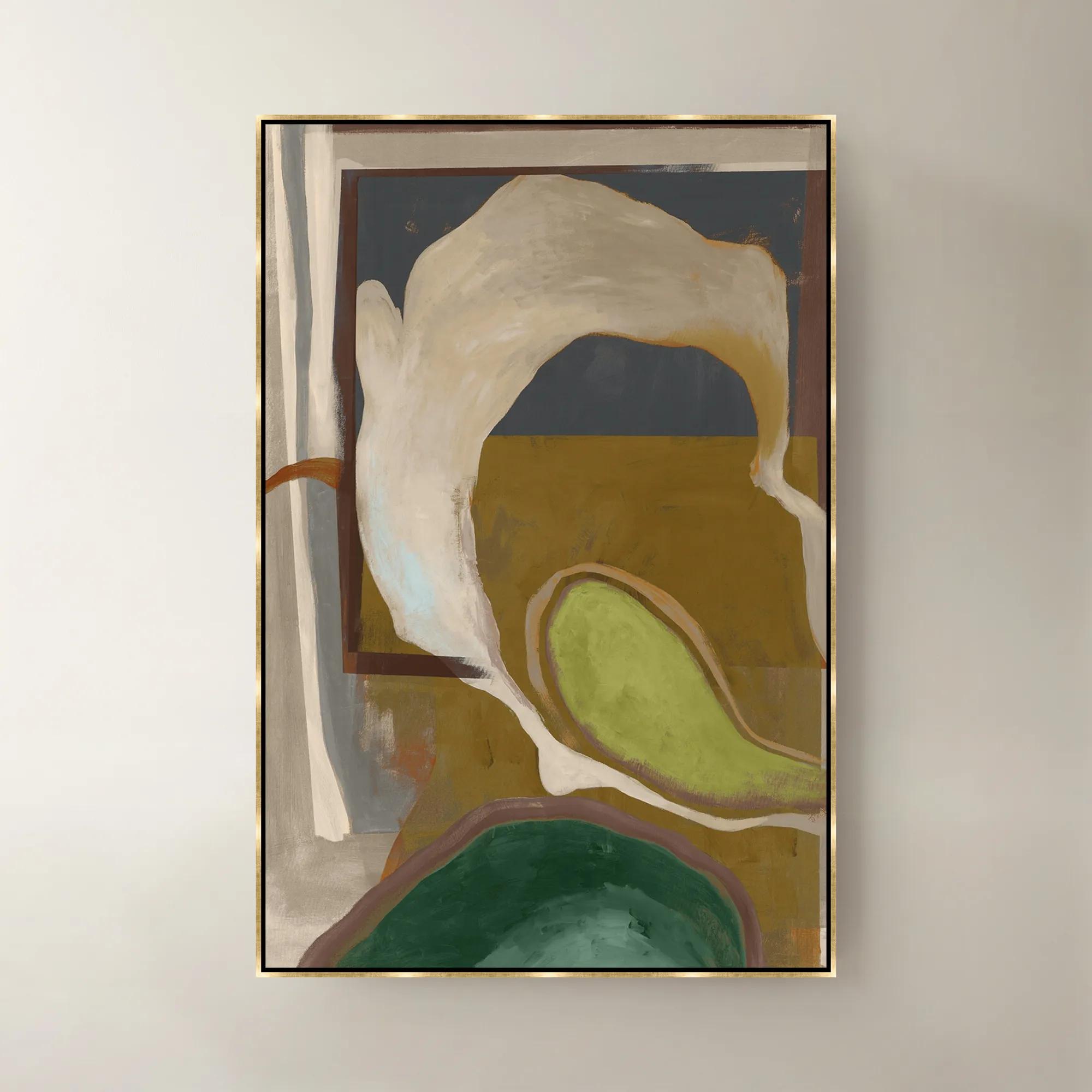
Large Abstract Wall Art Paintings
Large Abstract Wall Art Paintings
-
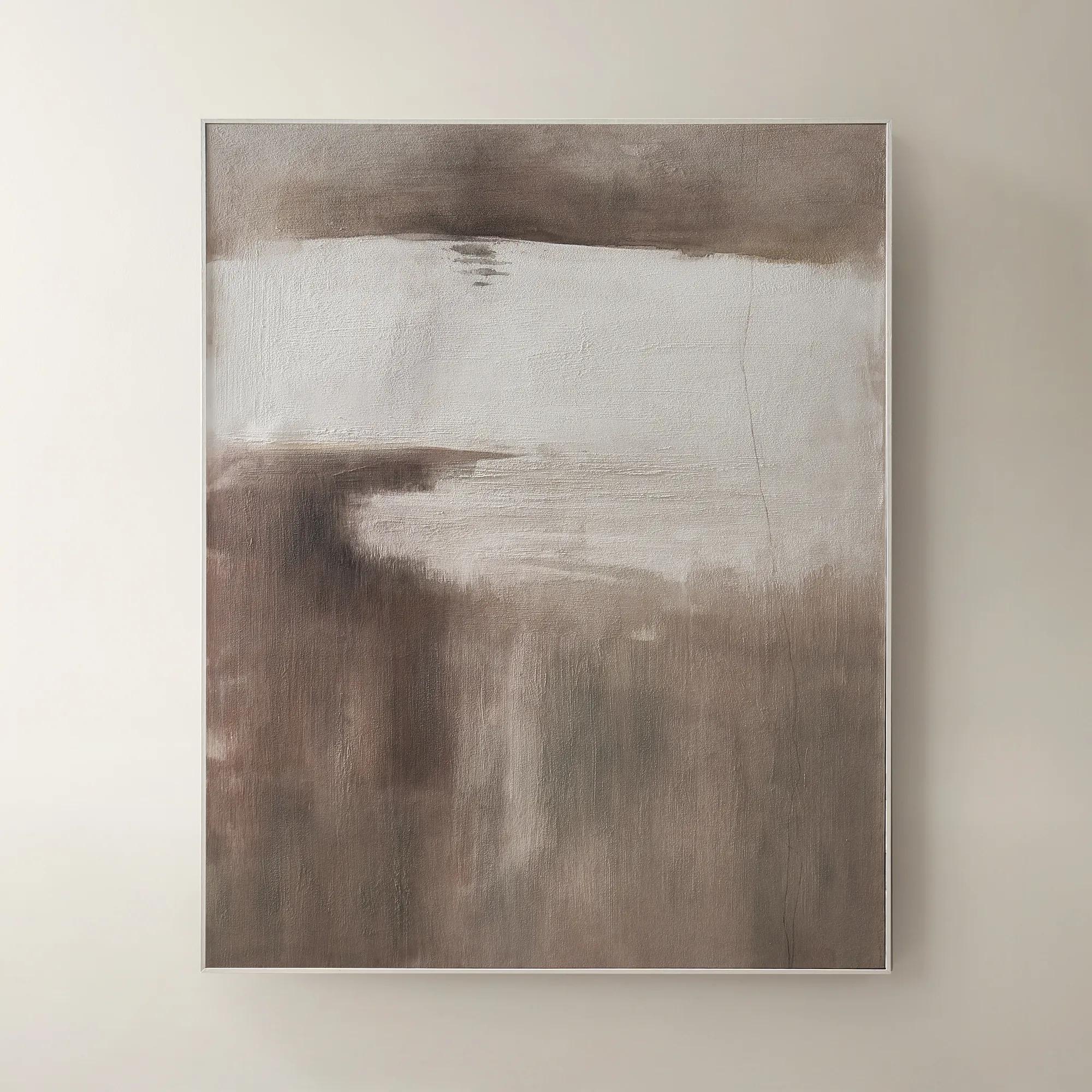
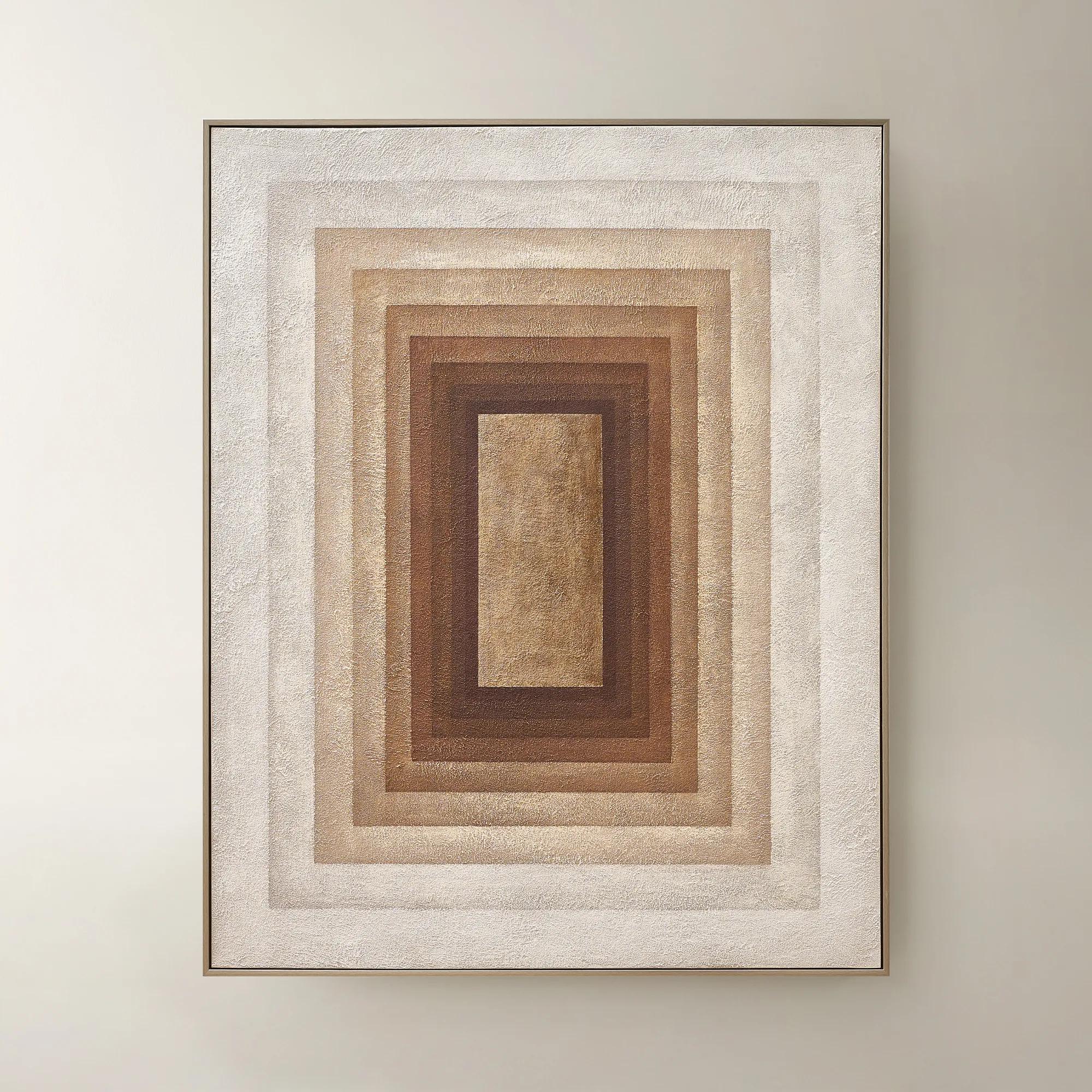 Monochrome Drift Framed Painted Wall Art 60" x 48"$699
A hand-painted abstract canvas with champagne leafing, featuring cocoa and gold tones in modern geometric design.
Add To Cart -
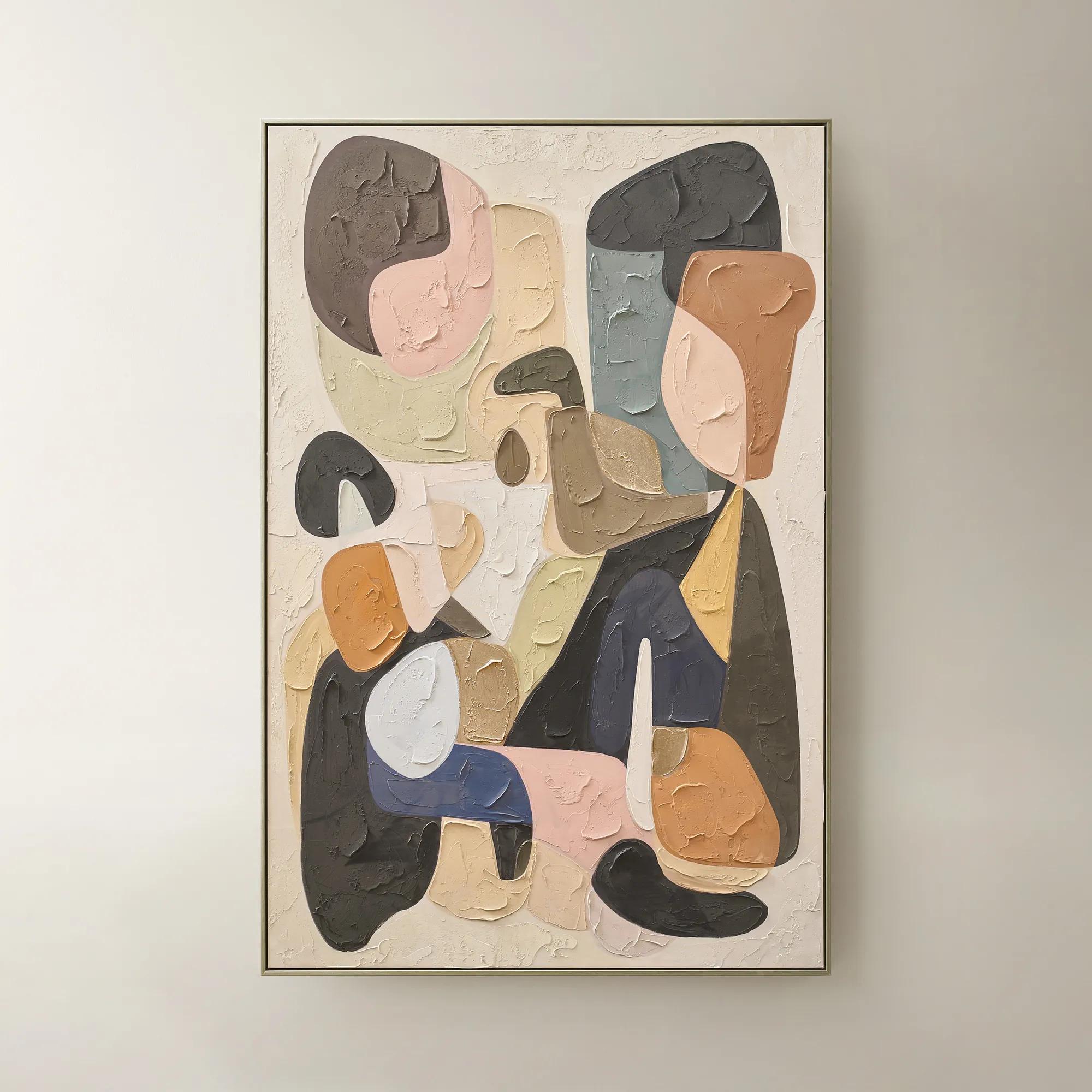 Chromatic Bloom Framed Painted Wall Art 40" x 60"$519
A hand-painted abstract canvas featuring a vibrant multi-color palette and shimmering champagne detailing.
Add To Cart -
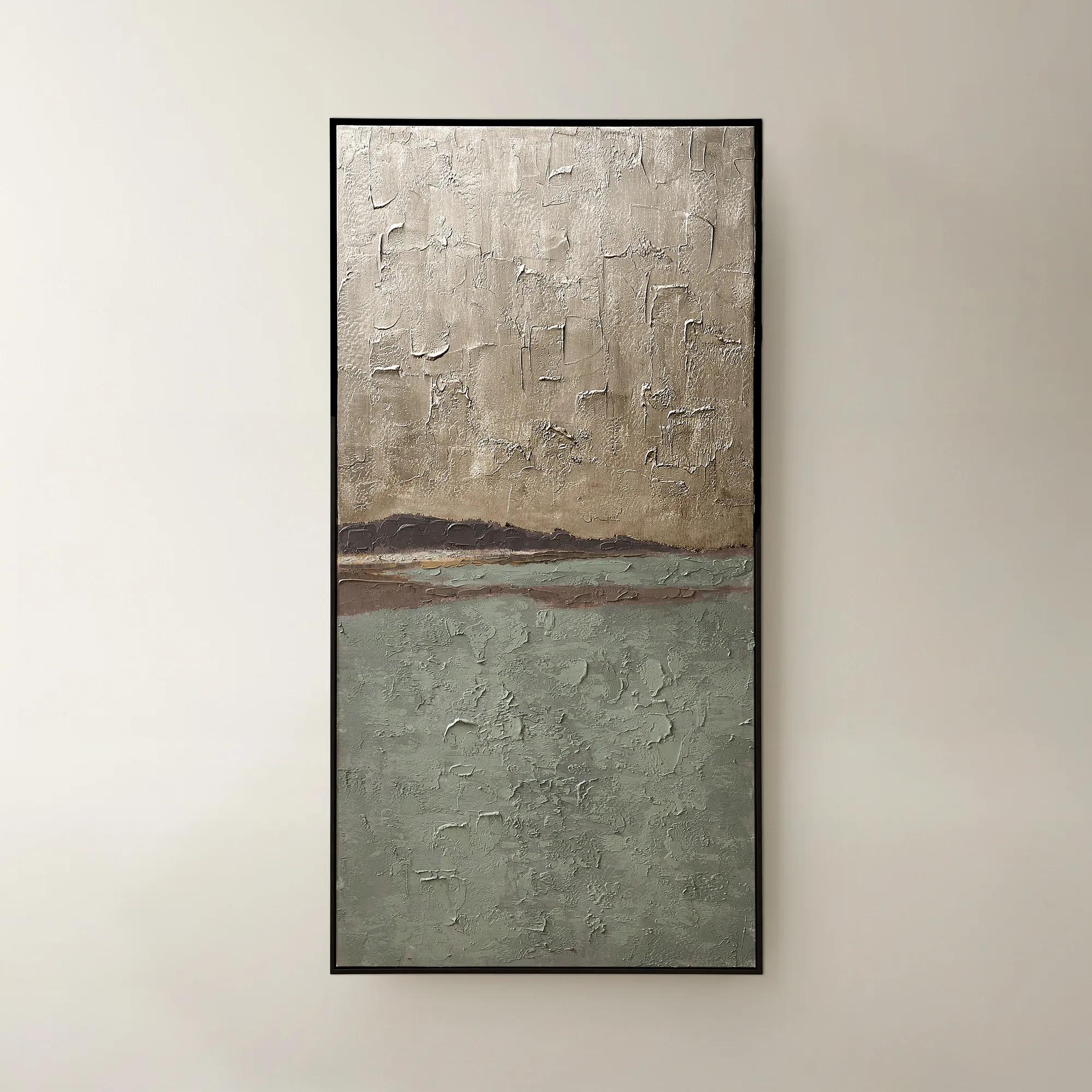
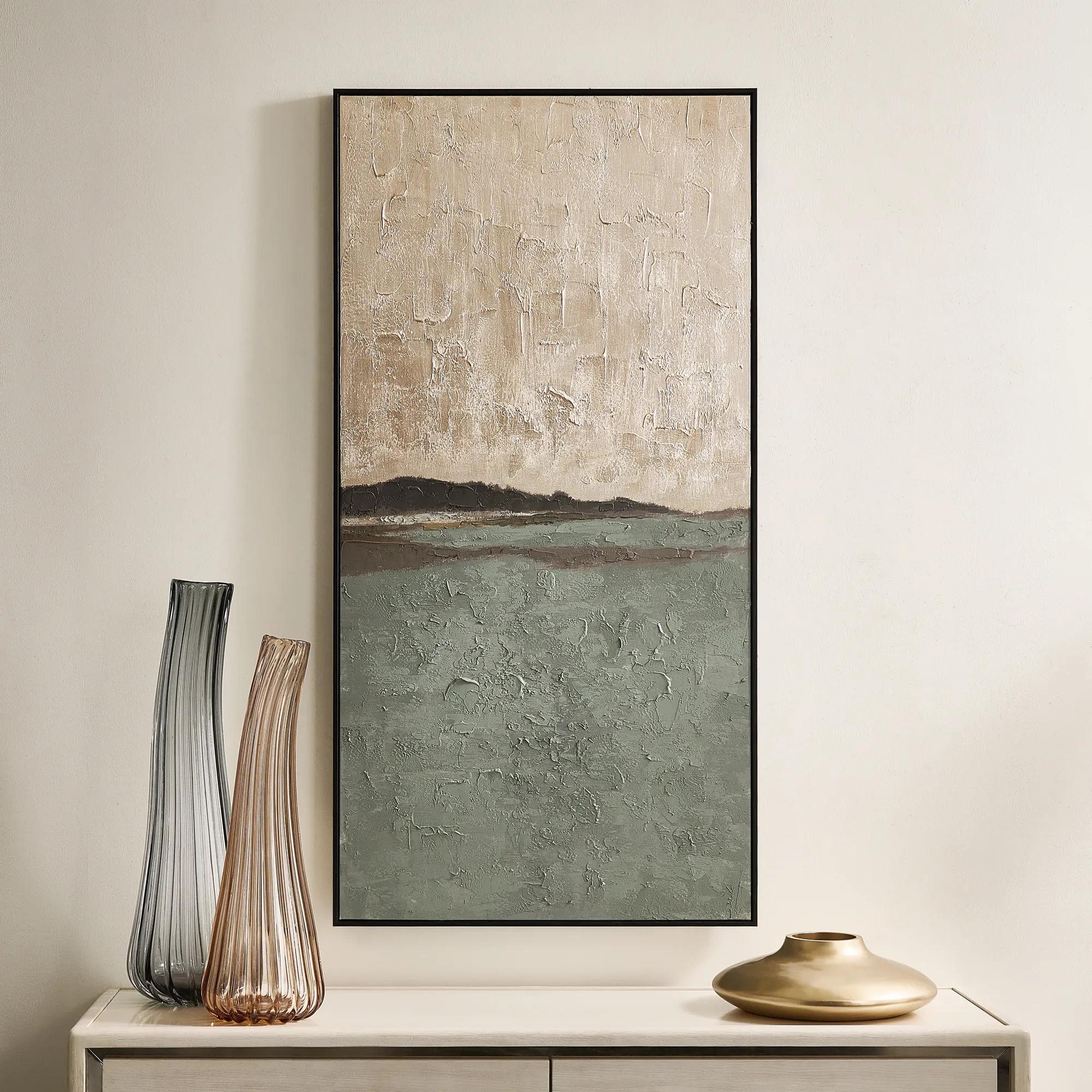 Fields of Gold Framed Painted Wall Art 60" x 30"$399
A hand-painted sage and champagne abstract canvas with a black frame, offering versatile vertical or horizontal display.
Add To Cart -
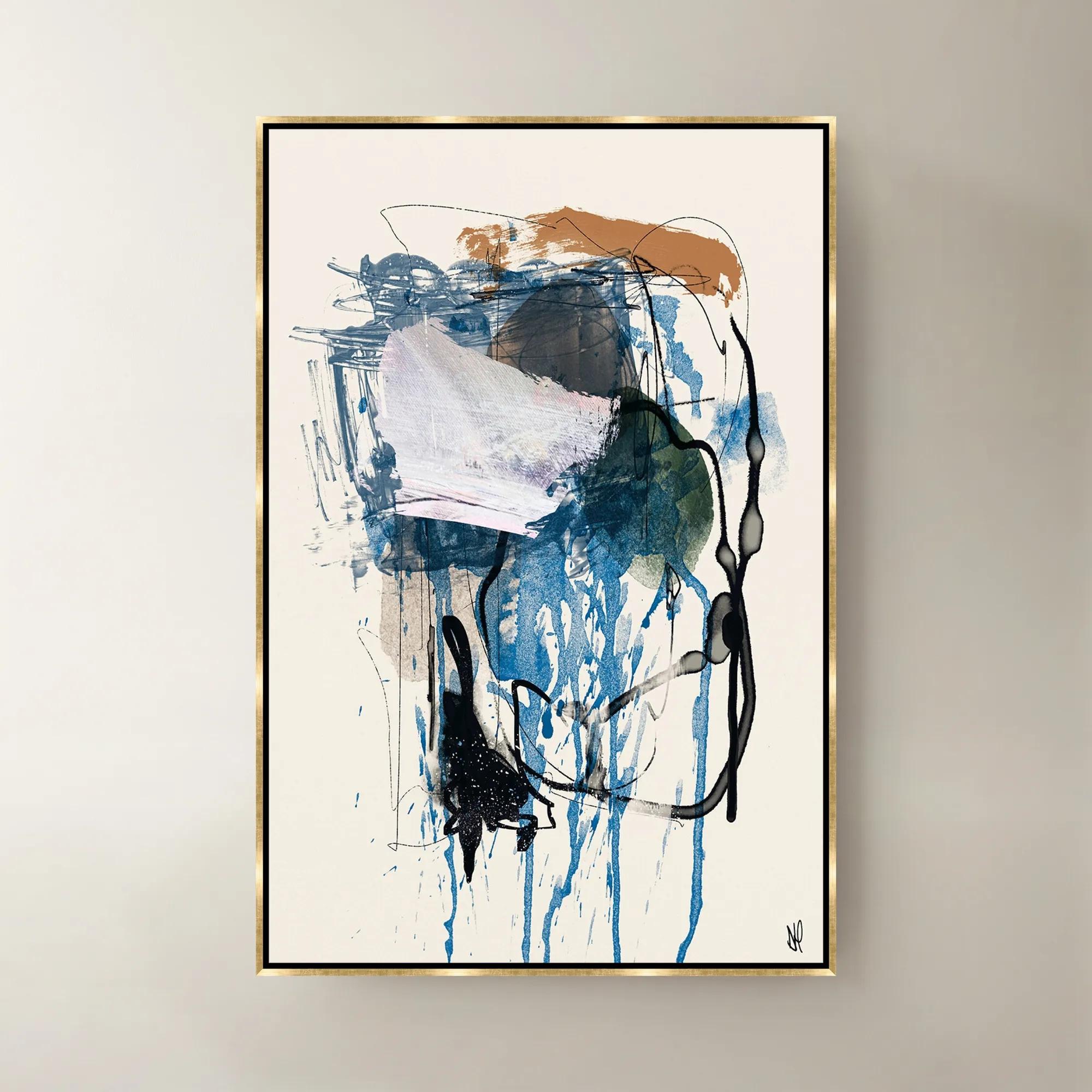
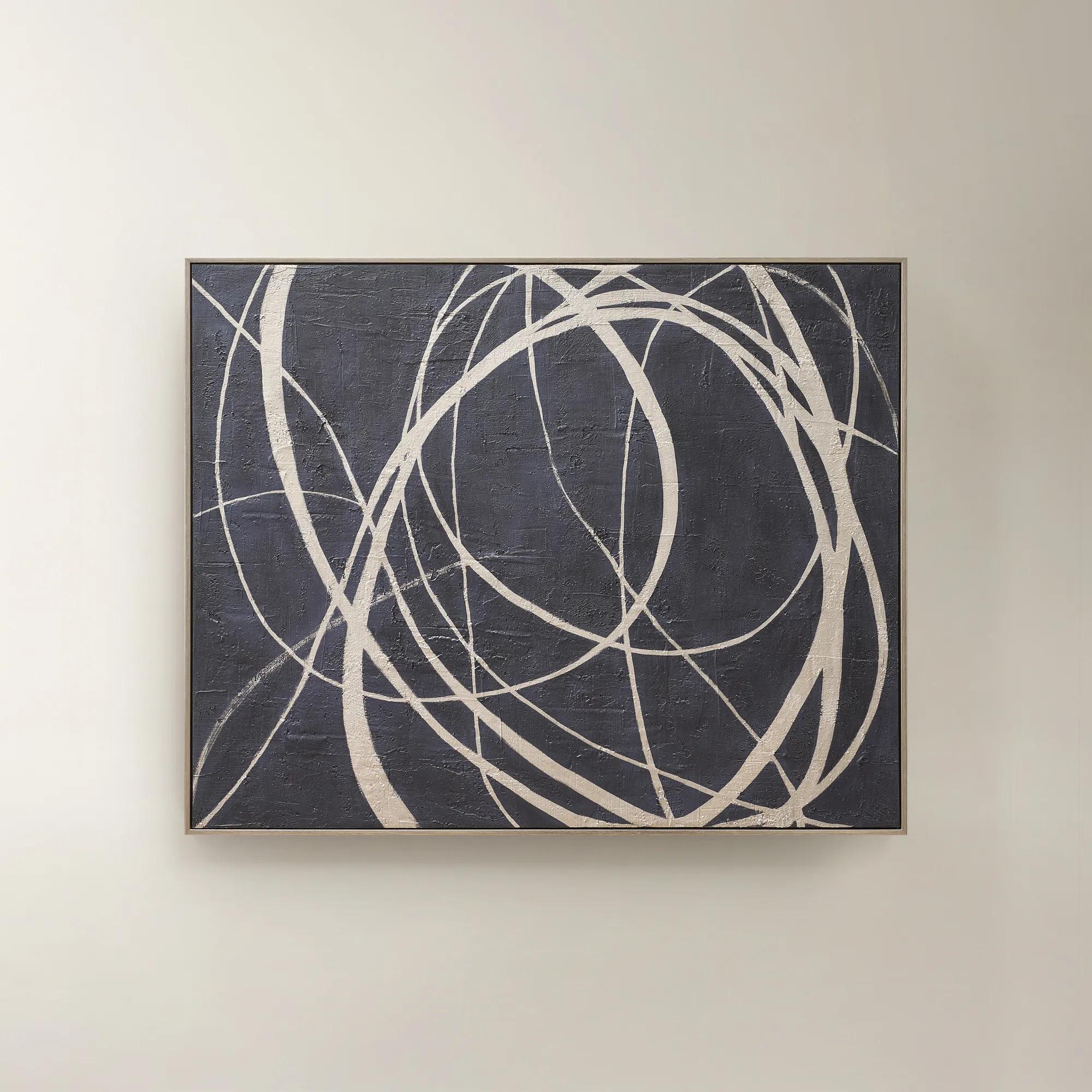 Wandering Framed Painted Wall Art 48" x 60"$699
An expressive hand-painted canvas in deep ink blue with champagne accents for a bold, sophisticated statement.
Add To Cart -
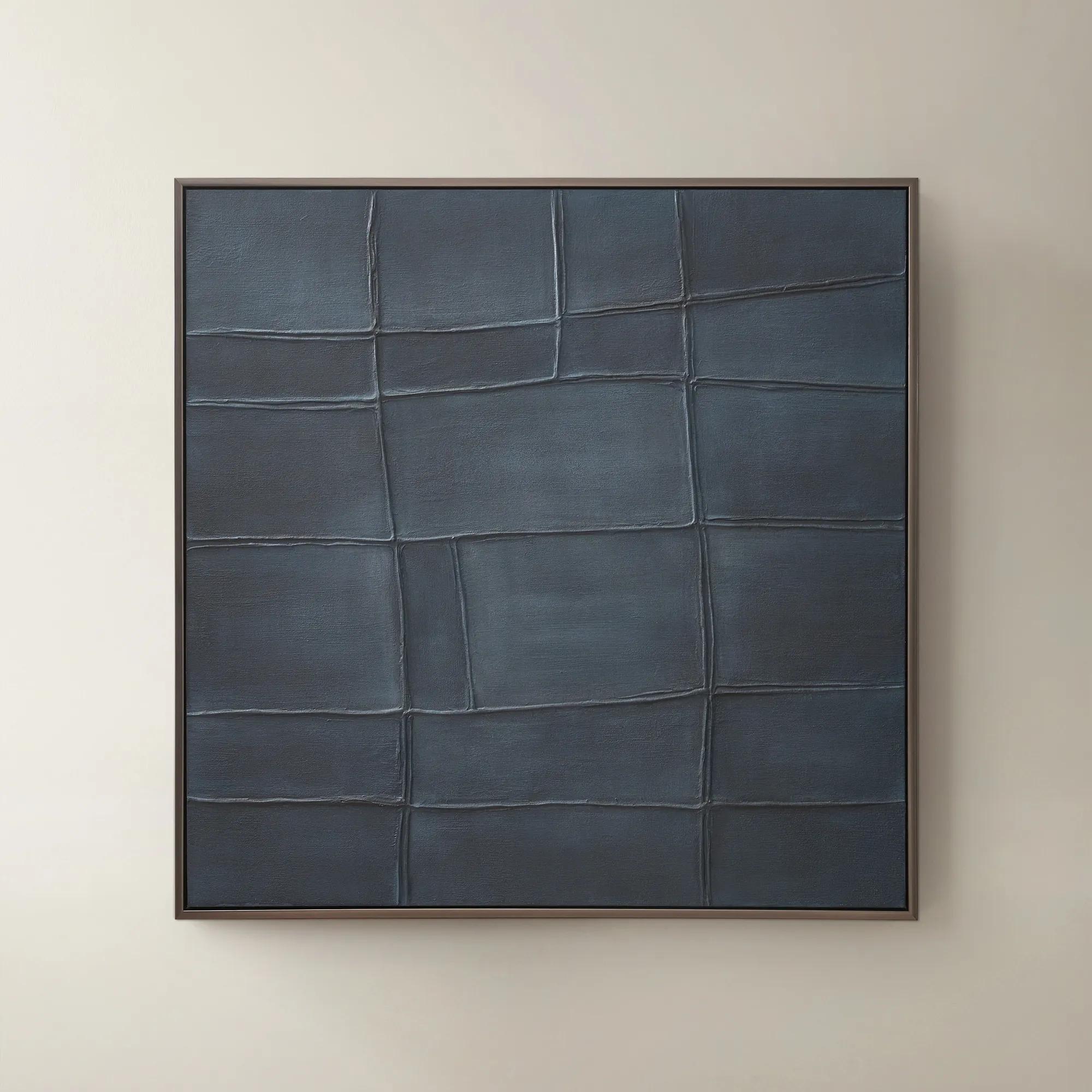
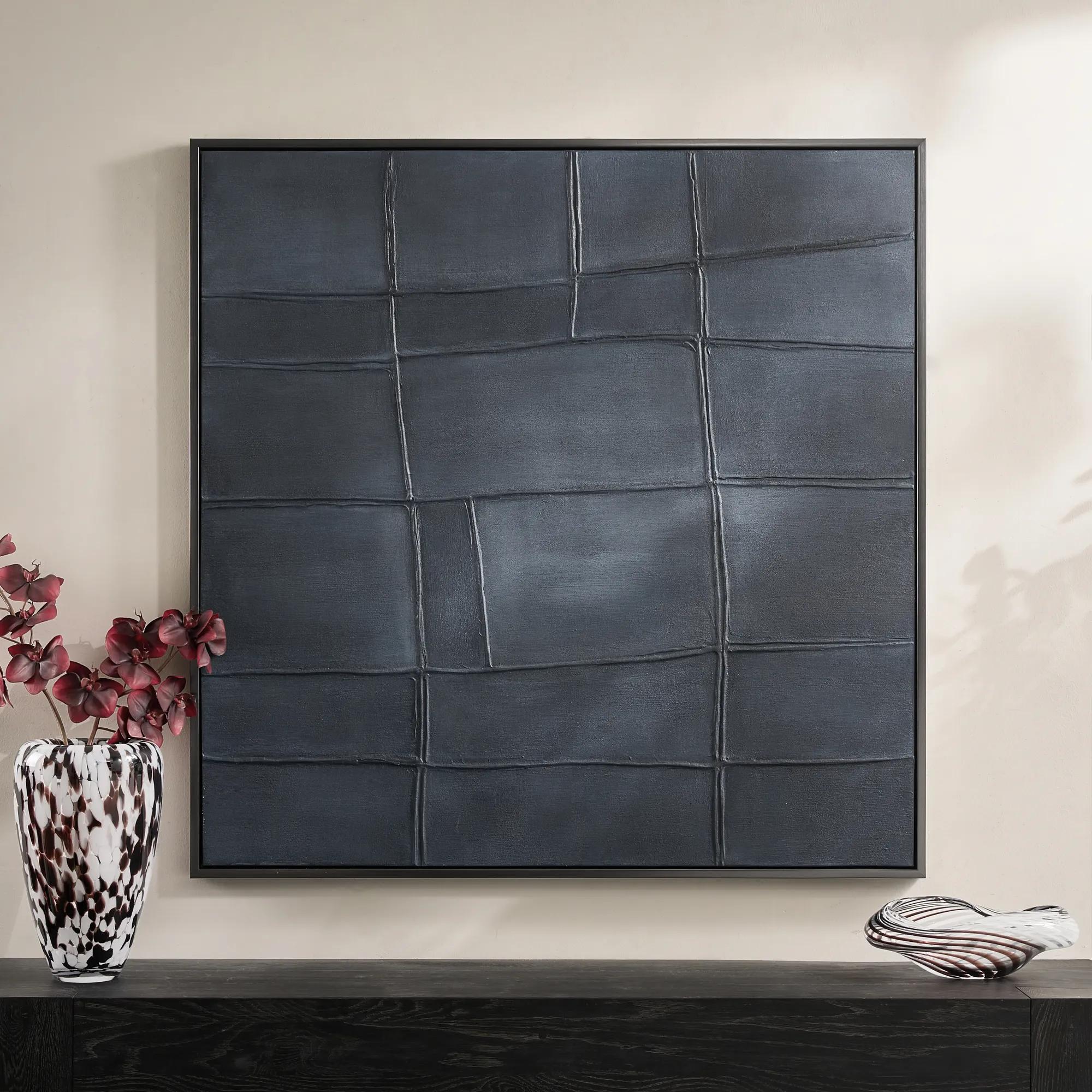 Ink Blue Interval Framed Painted Wall Art 48" x 48"$599
A hand-painted abstract canvas in deep ink blue, finished with a sleek gunmetal frame for modern appeal.
Add To Cart -
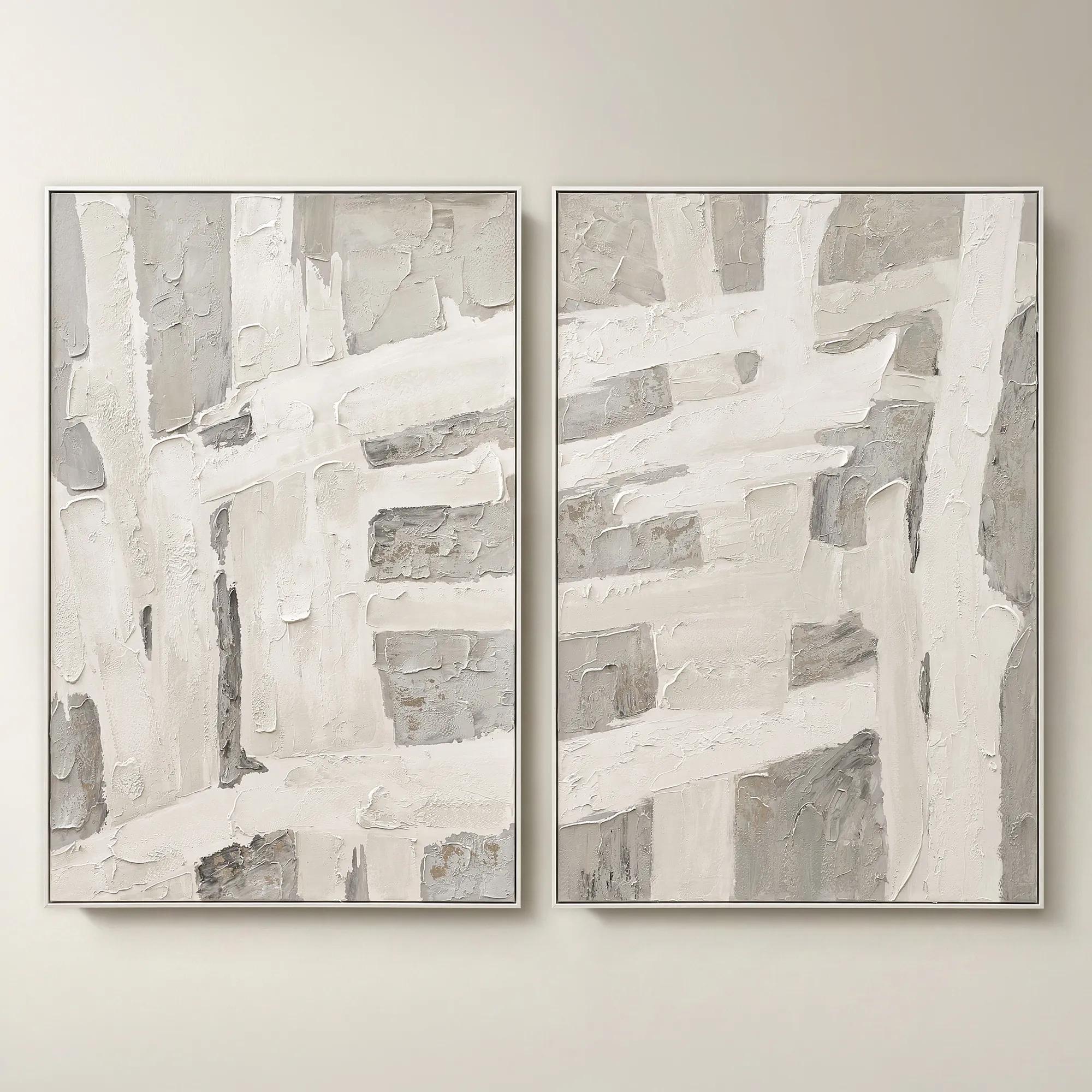 Traverse Framed Painted Wall Art 40" x 60" Set of 2$799
A hand-painted abstract diptych features champagne accents and soft grey, pearl, and alabaster tones in white frames.
Add To Cart -
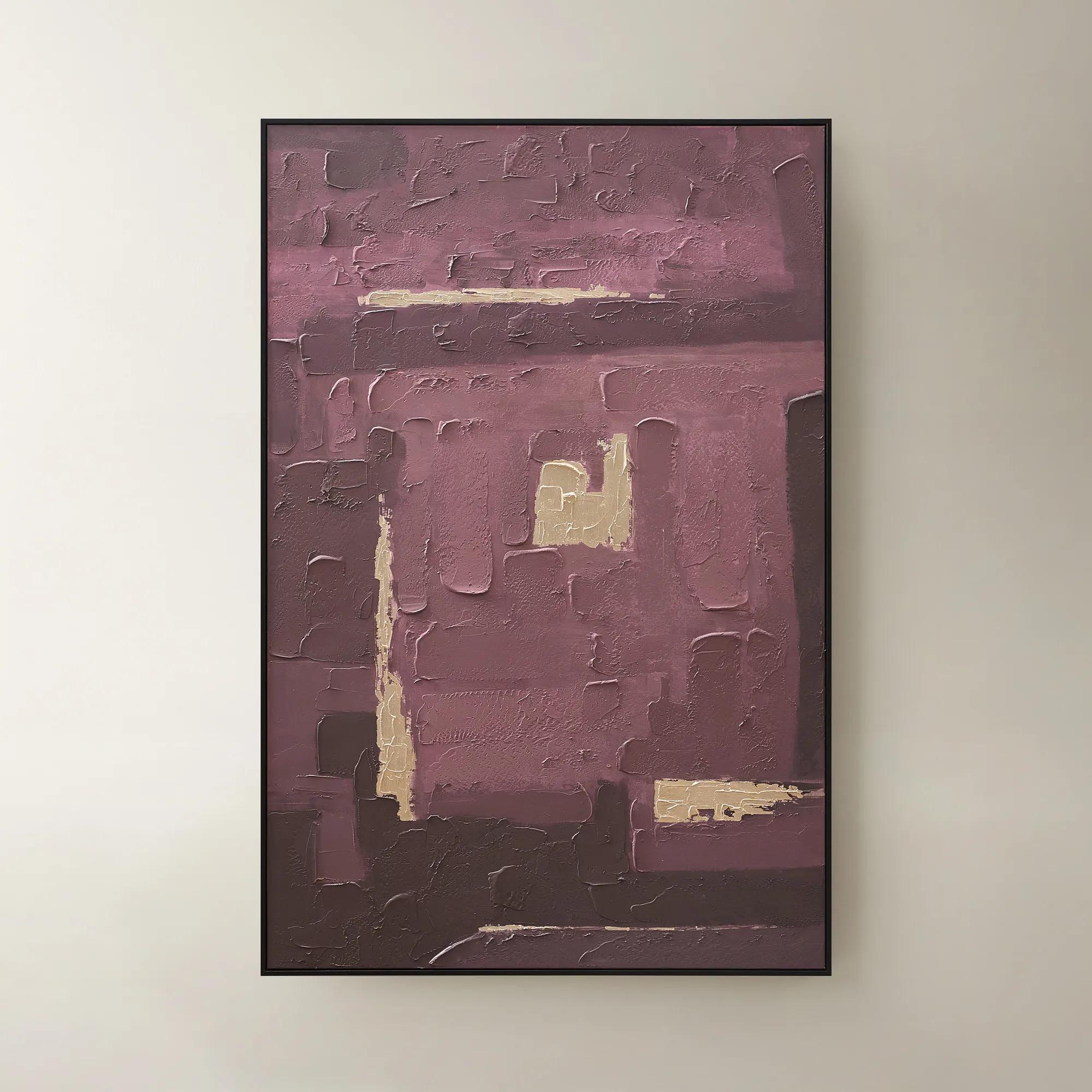
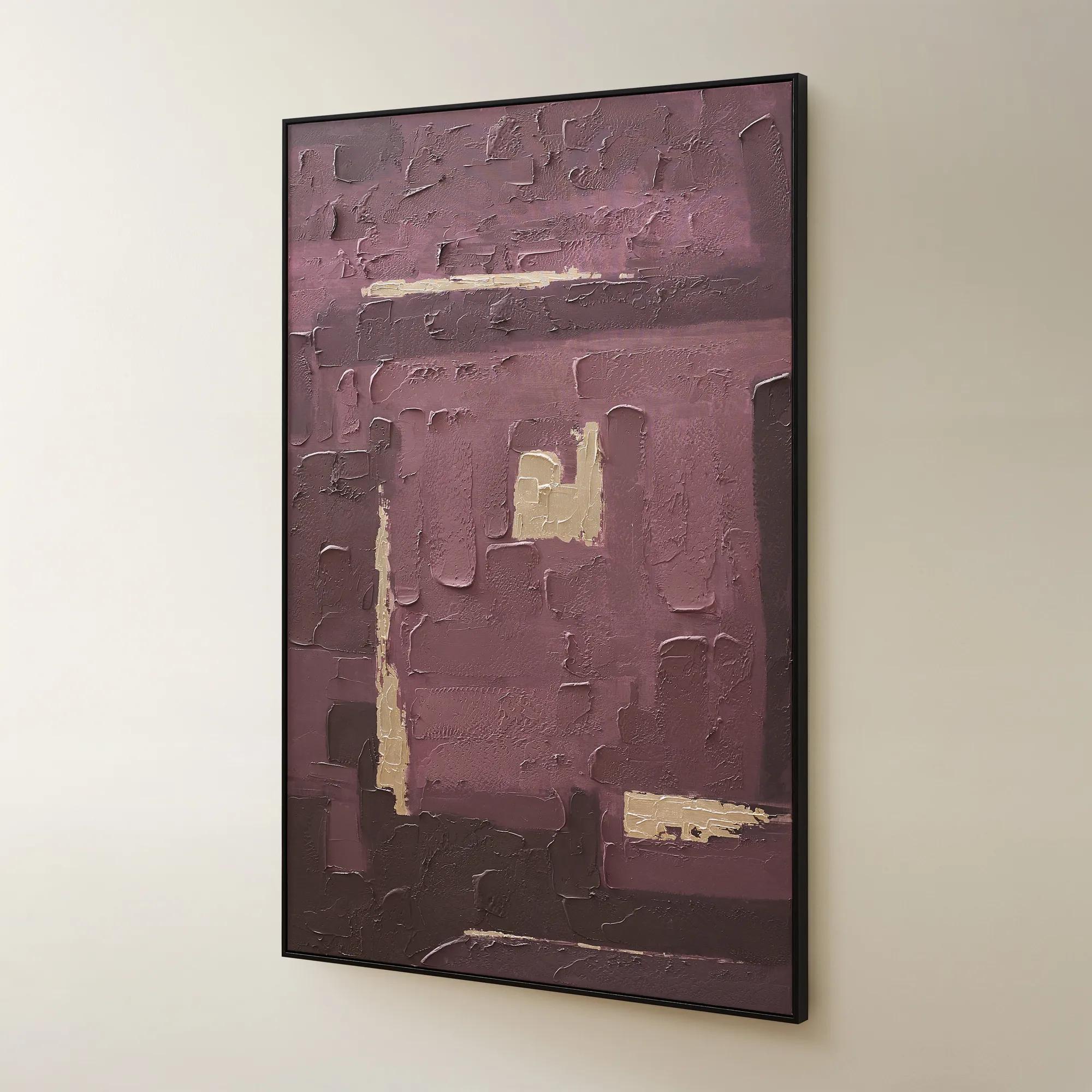 Fallback Framed Painted Wall Art 60" x 40"$499
A hand-painted abstract canvas in rich fig hues with champagne accents, set in a sleek black frame.
Add To Cart -
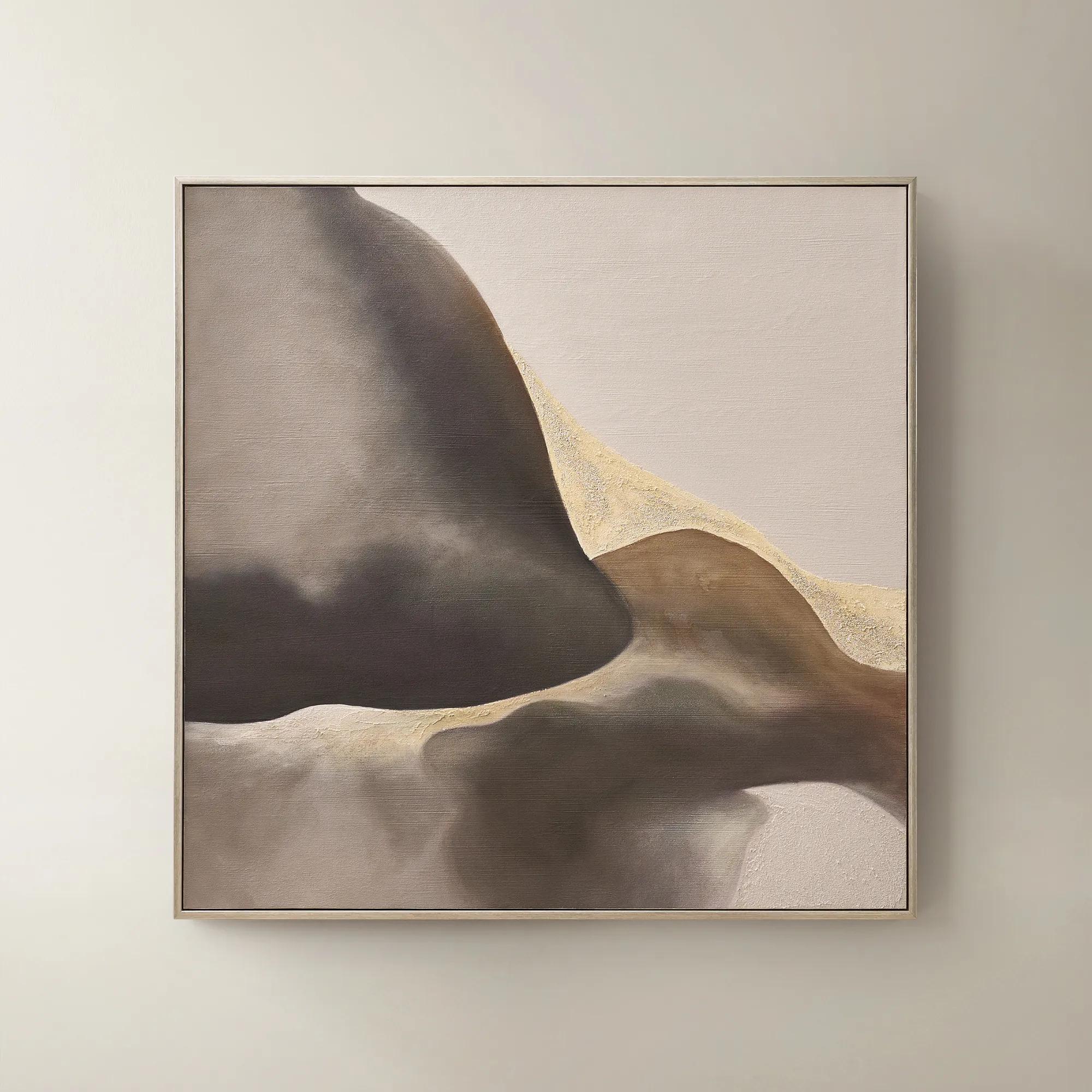 Windswept Framed Gold Leaf Painted Wall Art 50" x 50"$549
A hand-painted abstract canvas in plum truffle with gold leaf accents and a brushed champagne frame.
Add To Cart -
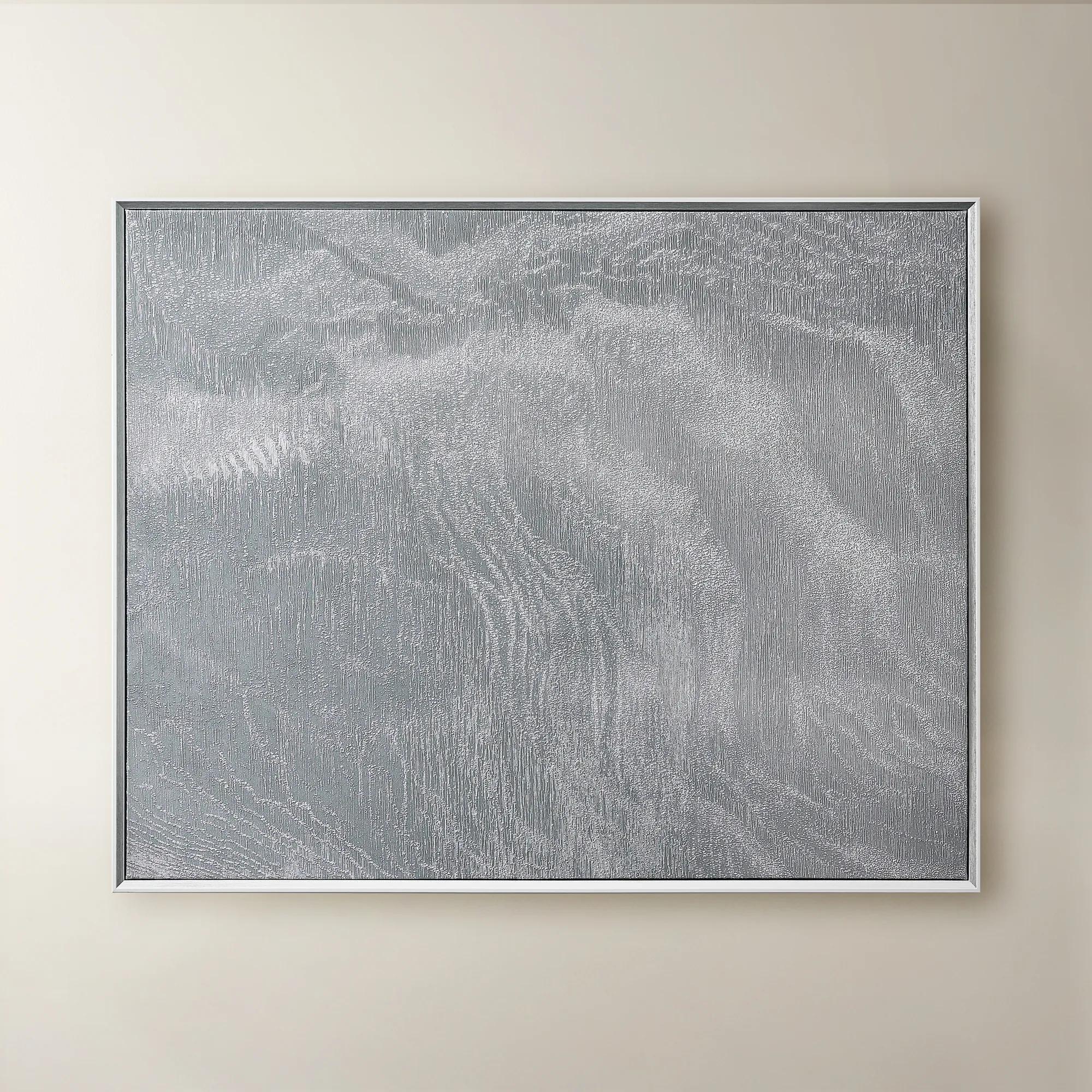 Slow Blue Morning Framed Silver Foil Wall Art 48" x 60"$599
A serene powder blue abstract canvas with silver foil accents, framed in silver and white for modern elegance.
Add To Cart -
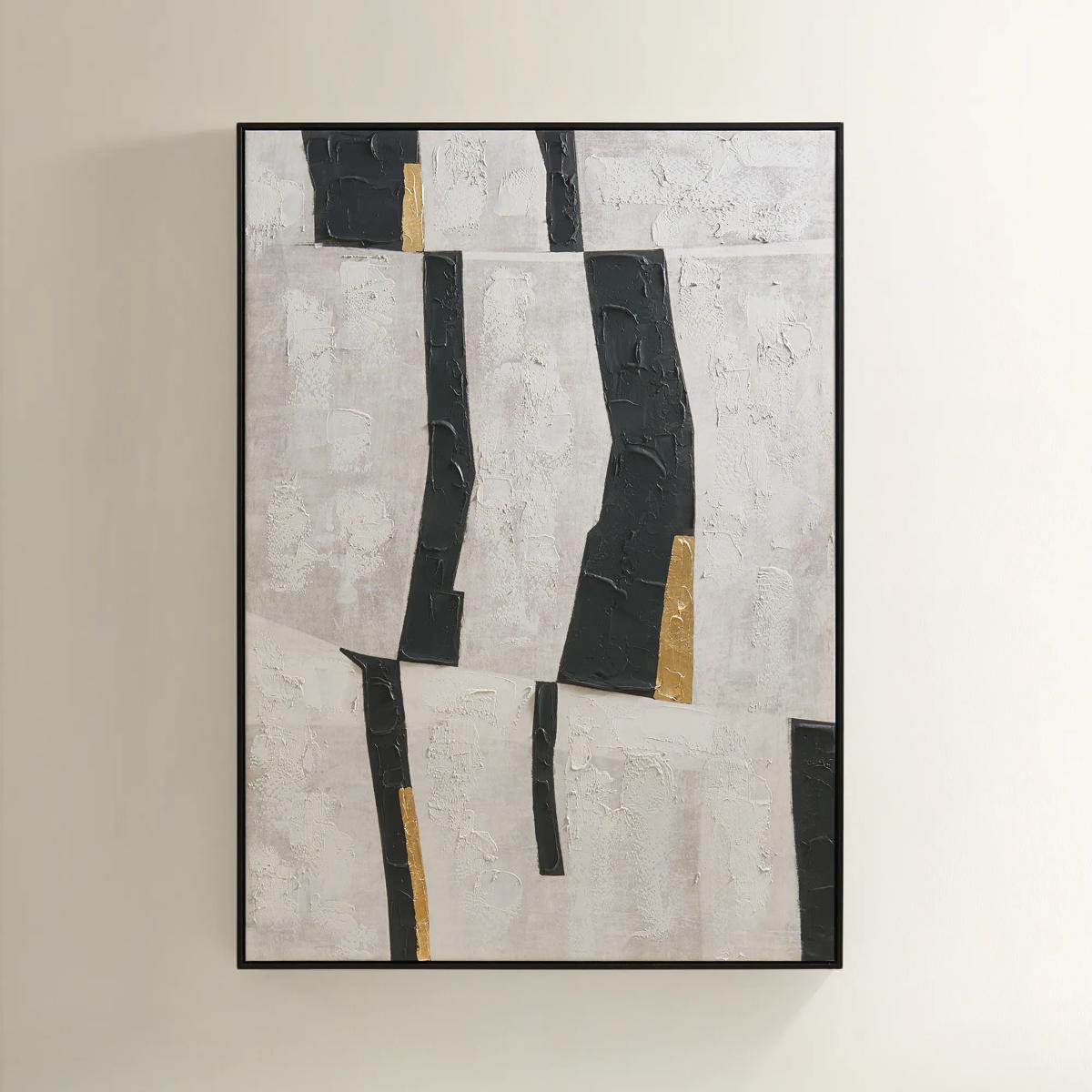
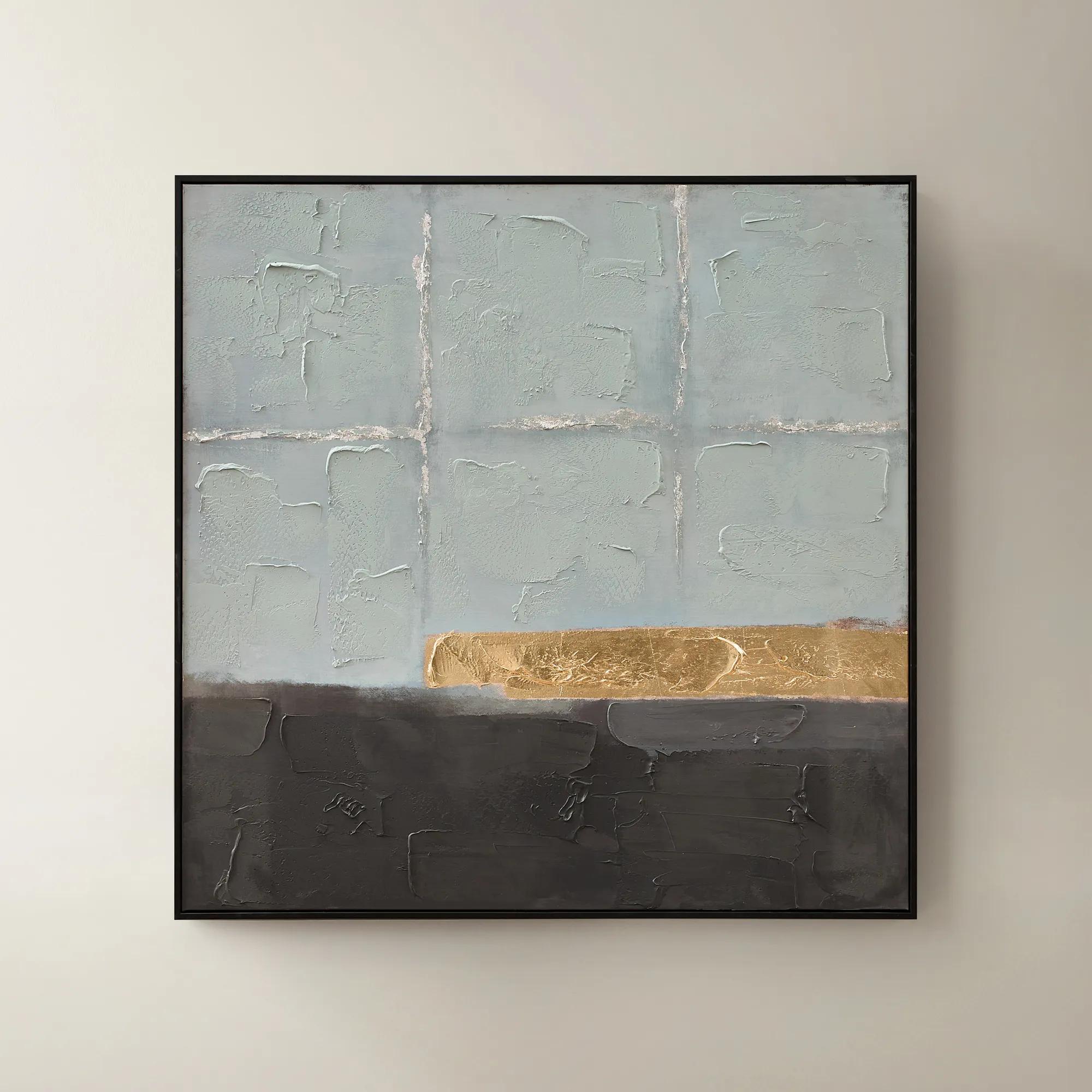
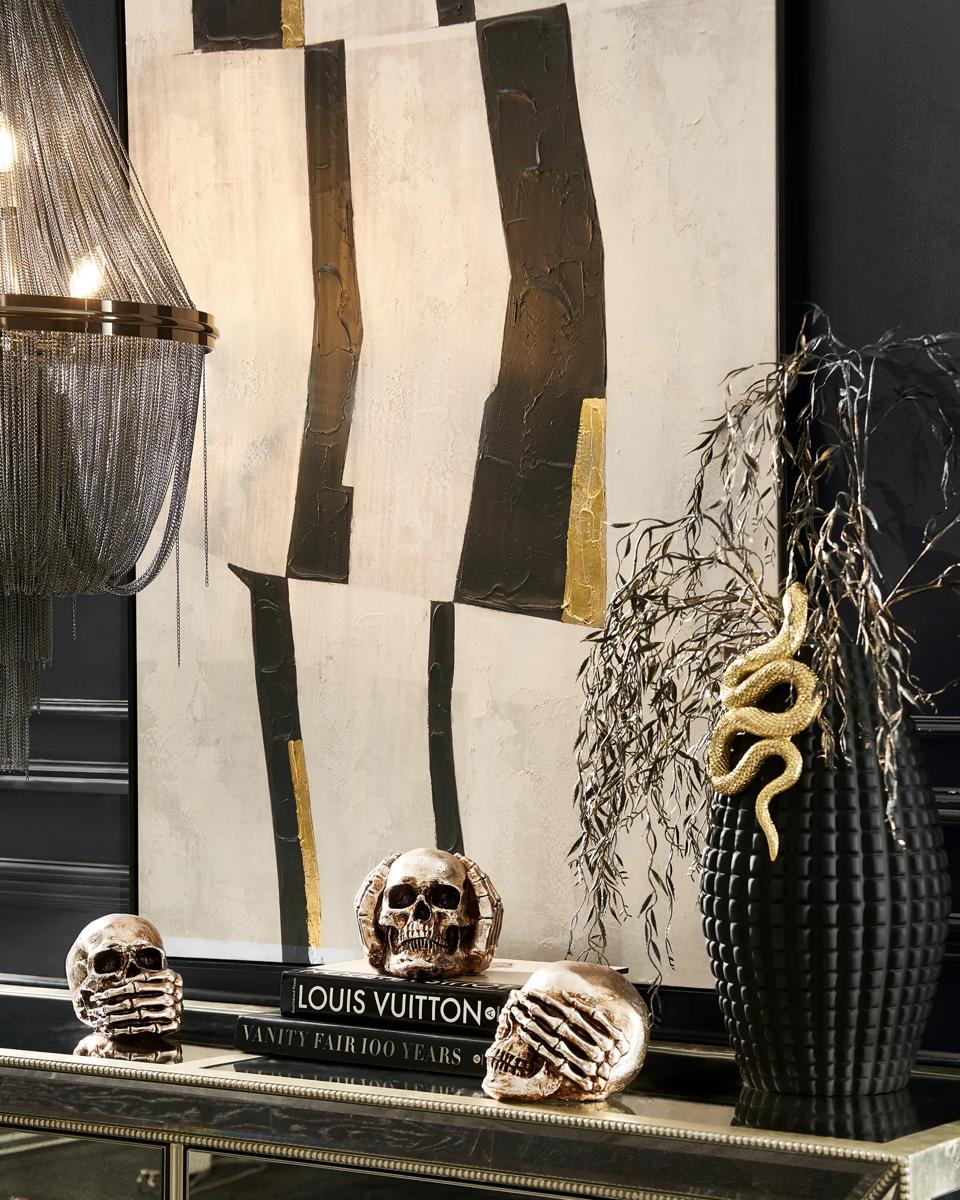 Into the Groove Painting$449
A modern abstract canvas featuring black, gray, and gold leaf accents in a sleek black floater frame.
Add To Cart -
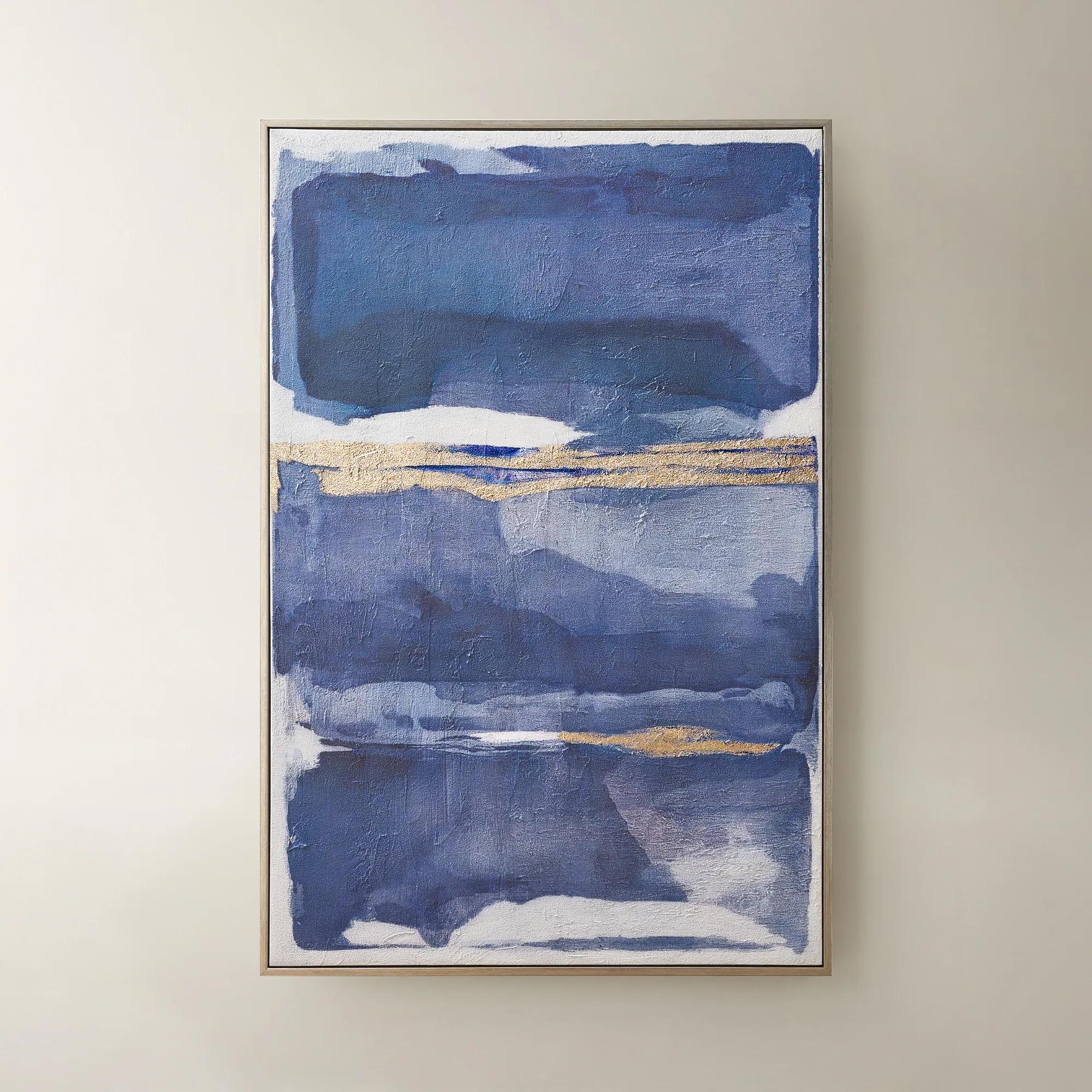
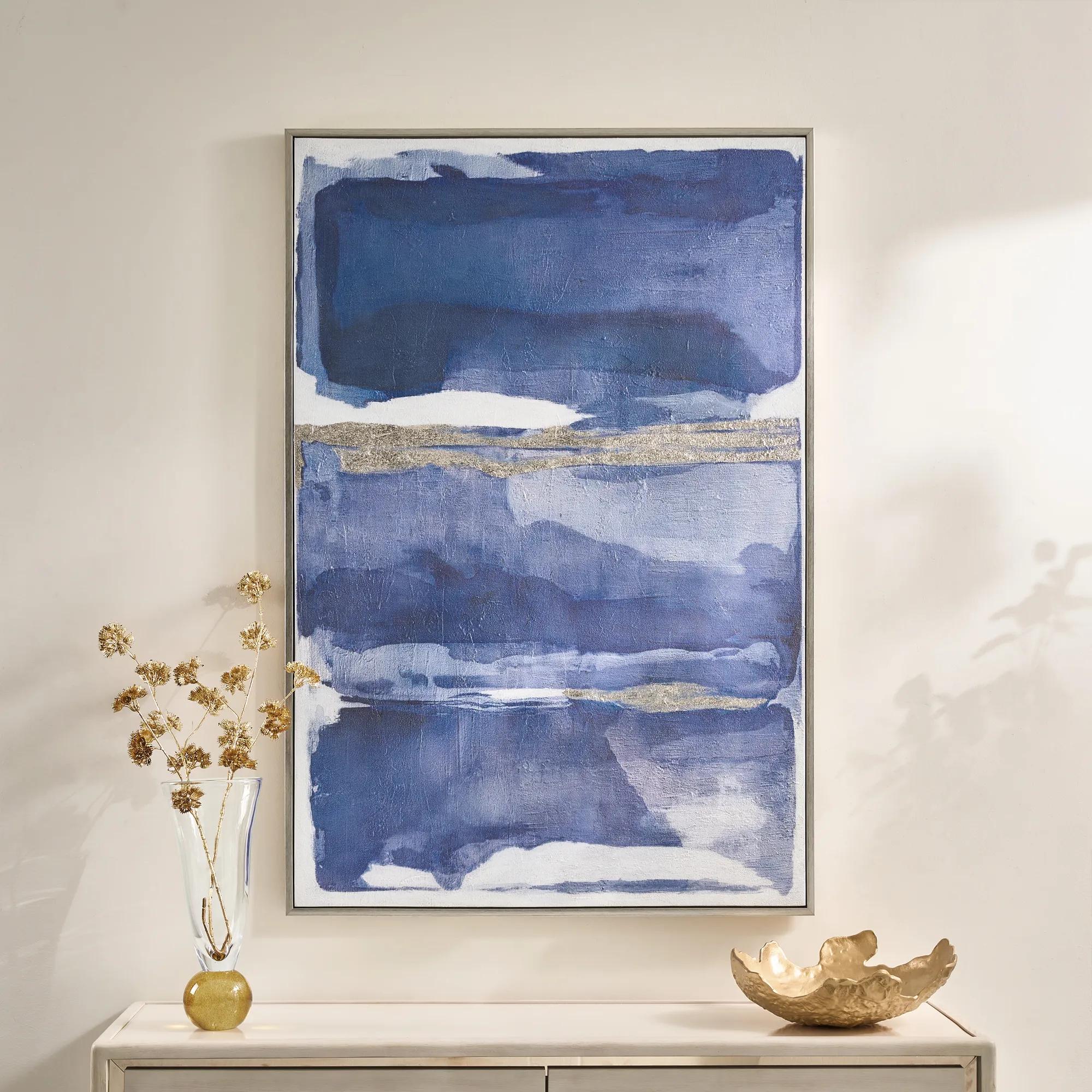 Memories in Blue Framed Painted Wall Art 40" x 60"$499
A hand-painted canvas in deep ink blue with champagne leafing for a sophisticated, gallery-inspired look.
Add To Cart -
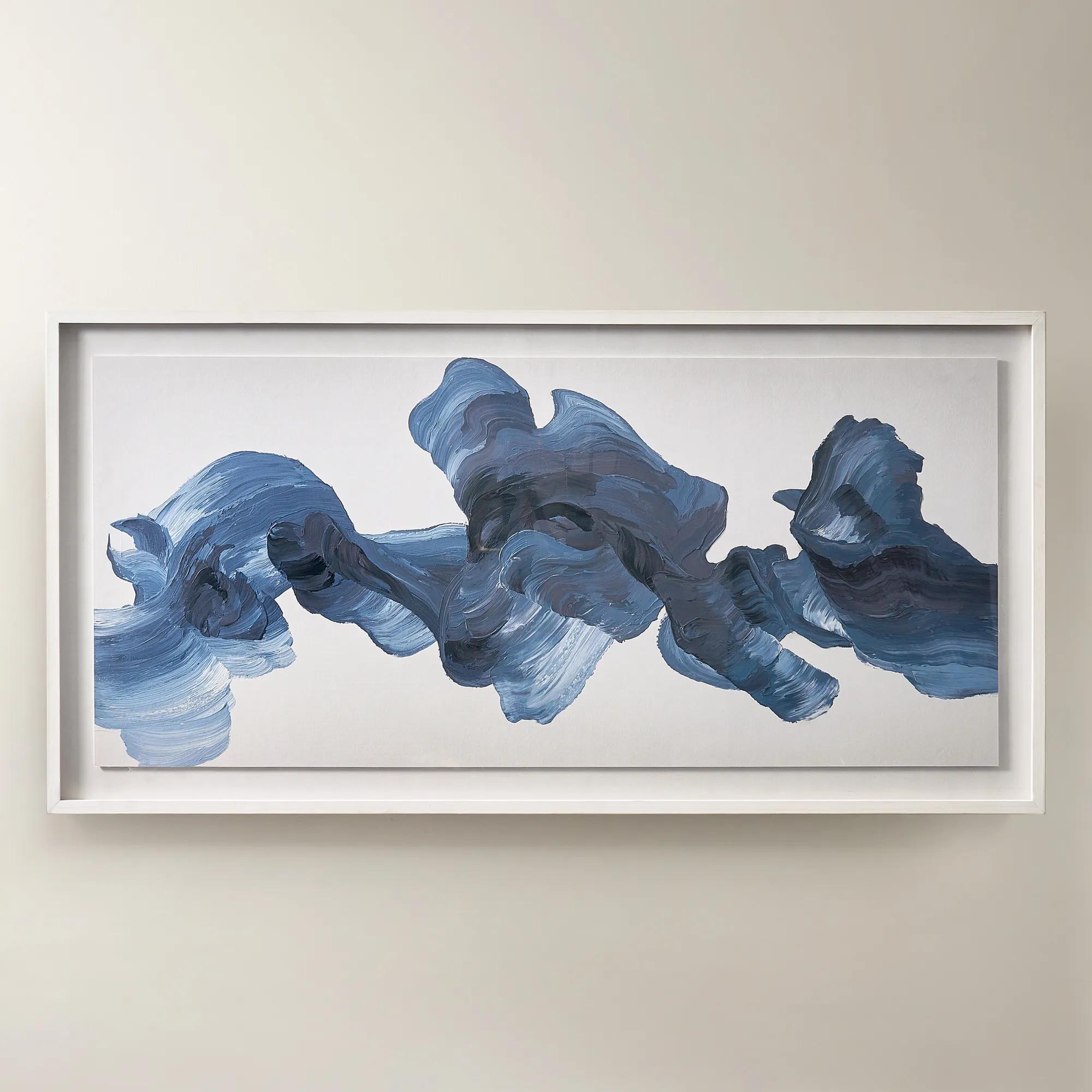
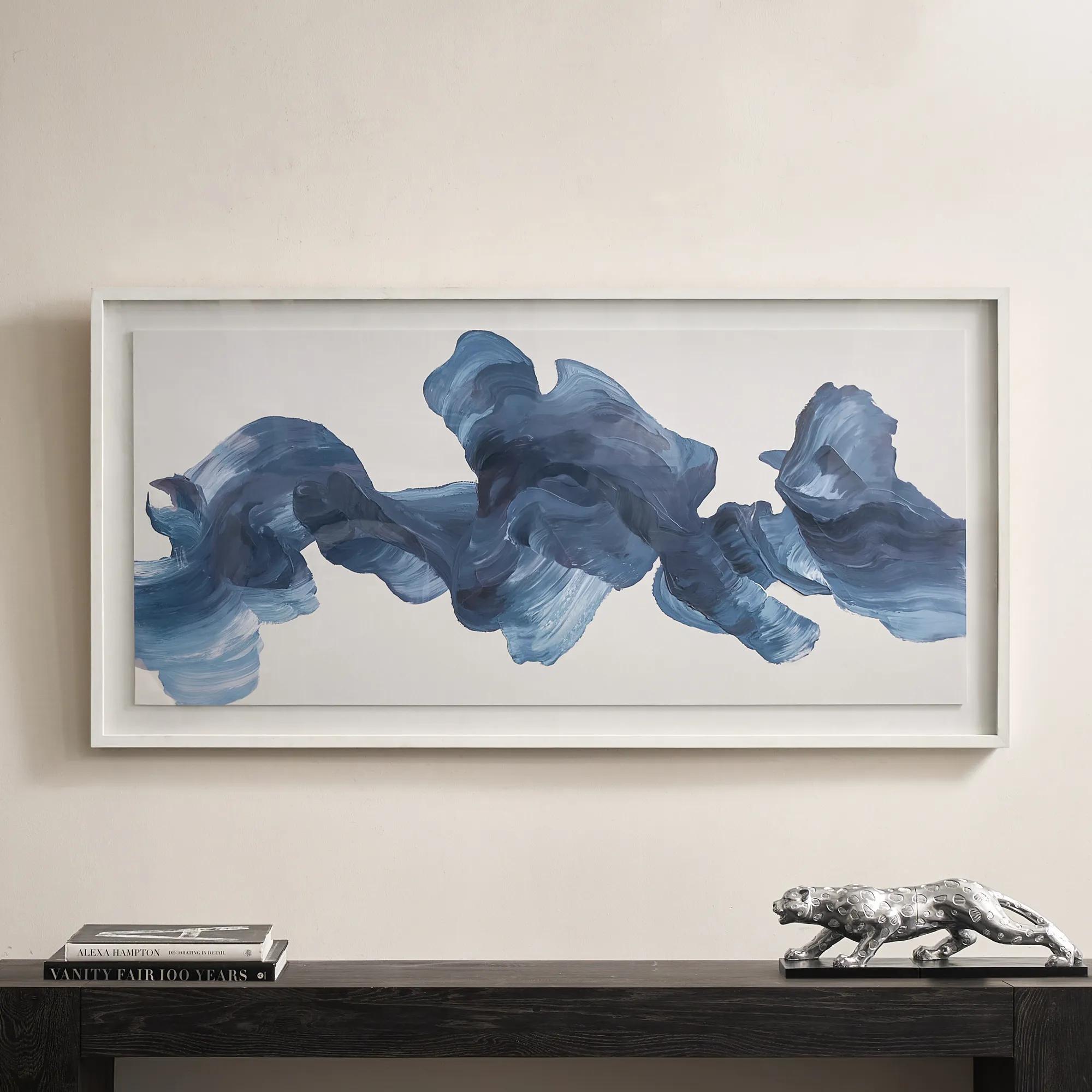 Blue Theory Framed Painted Wall Art in Acrylic 60" x 30"$499
A hand-painted canvas in deep ink blue, framed under acrylic with a whitewashed wood frame.
Add To Cart -
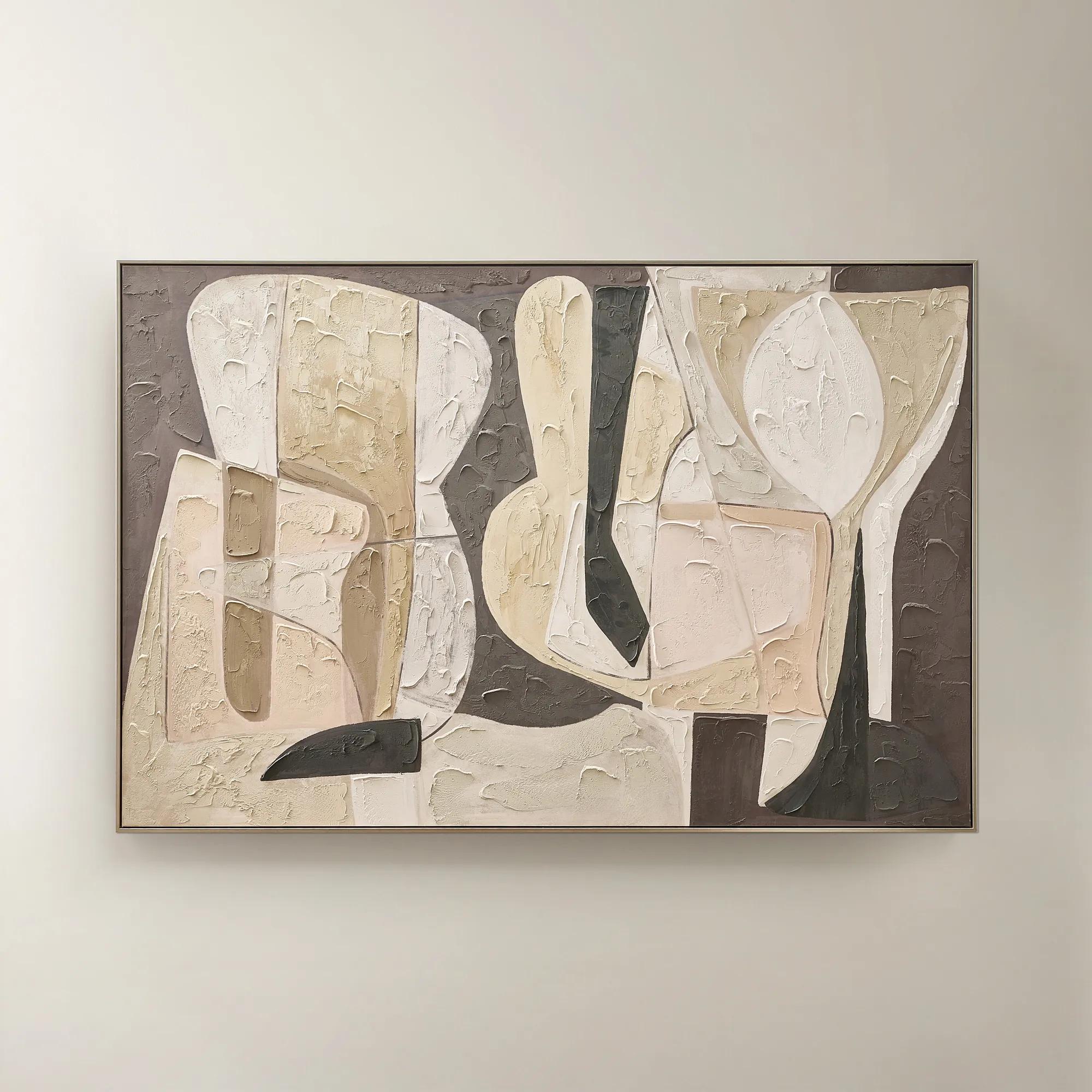 Wishful Thinking Framed Painted Wall Art 72" x 48"$599
A hand-painted abstract canvas featuring bold geometric forms and warm smoked plum, apricot, and tawny hues.
Add To Cart -
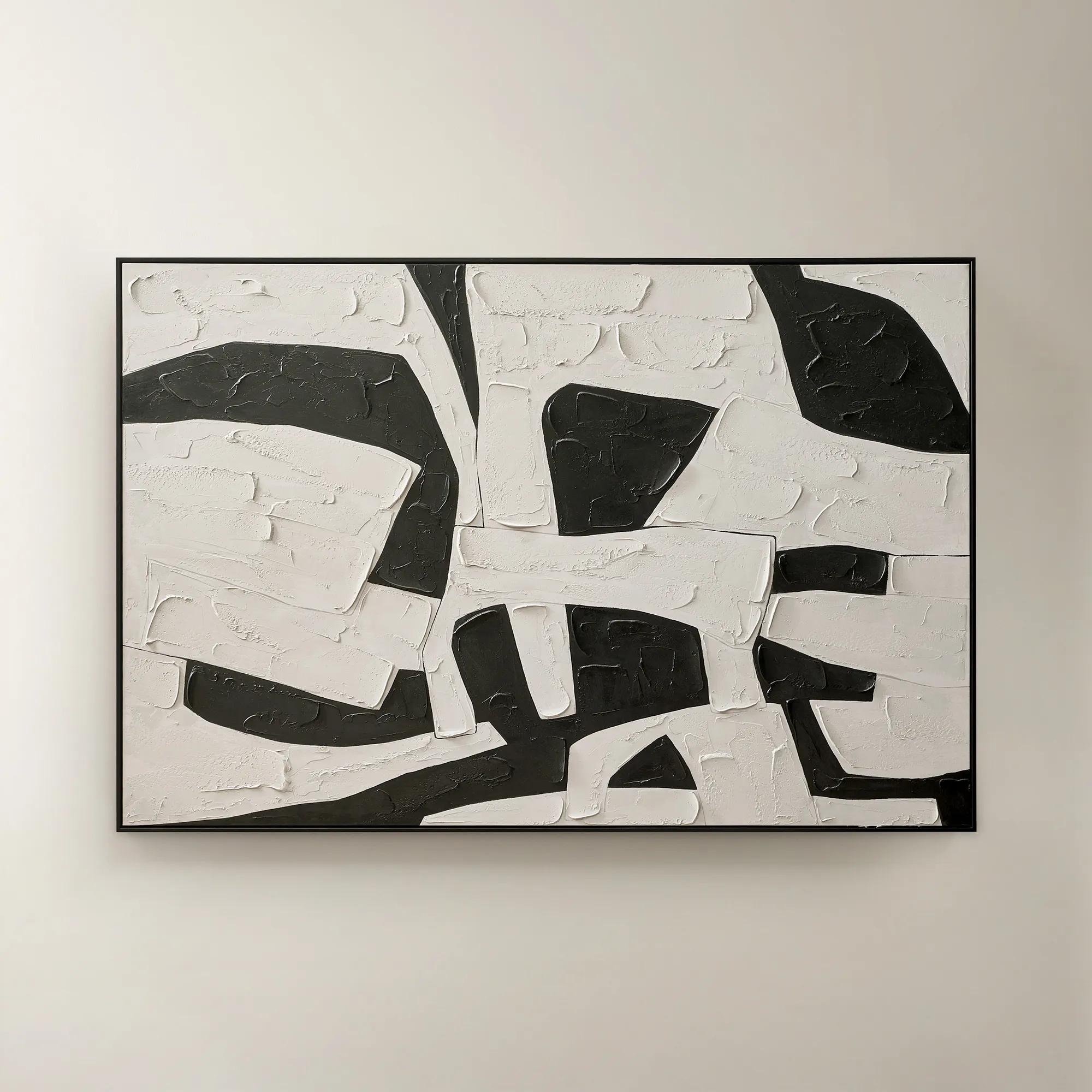 Space Between Shadows Framed Painted Wall Art 72" x 48"$799
A hand-painted abstract canvas featuring bold alabaster and black geometric forms in a sleek black frame.
Add To Cart -
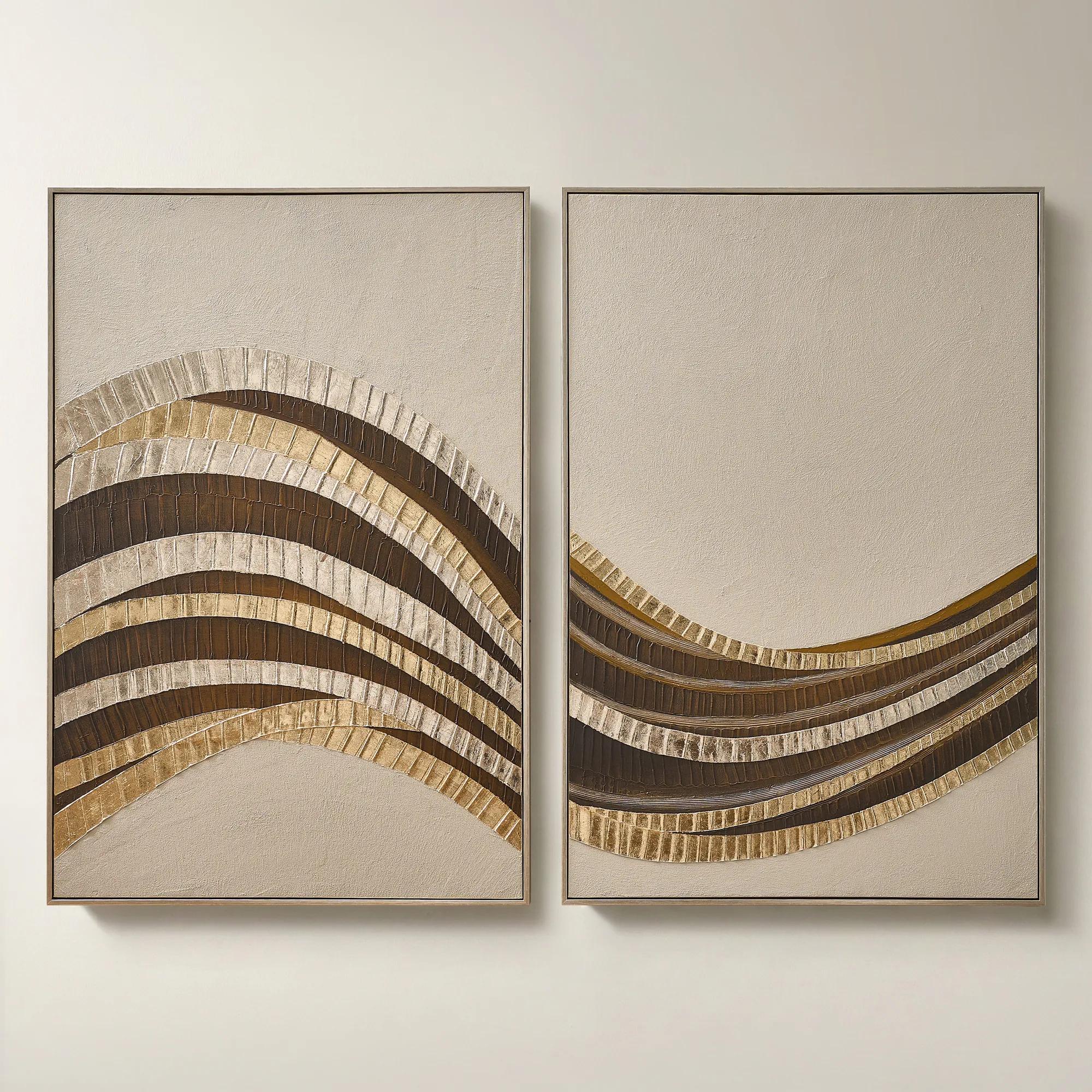 Stillness in Motion Framed Gold Leaf Painted Wall Art 40" x 60" Set of 2$899
A hand-painted abstract diptych with gold leaf accents, textured surface, and brushed champagne frames.
Add To Cart -
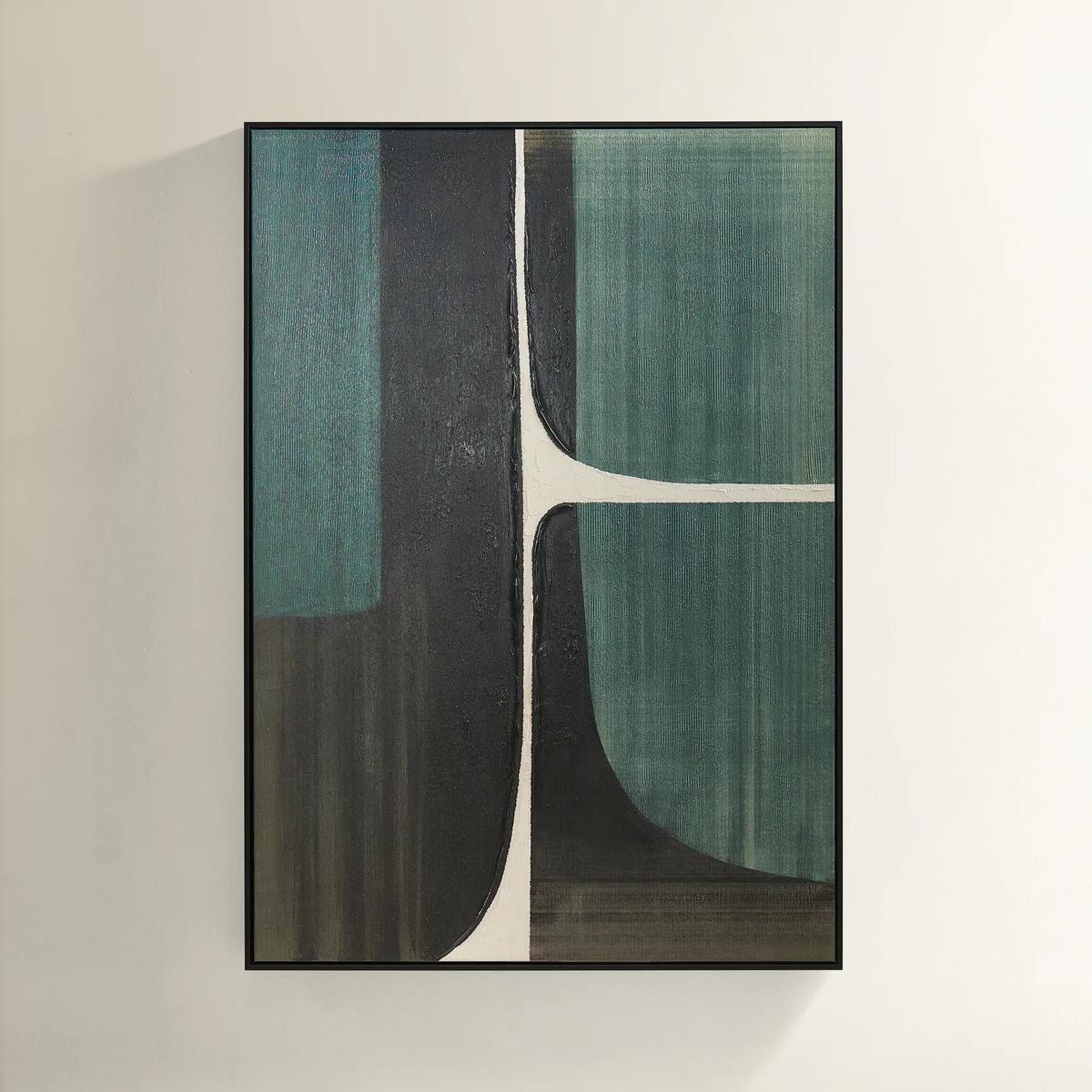 Plains Framed Painted Wall Art 39.25" x 55"$499
A hand-painted abstract canvas in forest green, ivory, and black with a sleek black floater frame.
Add To Cart -
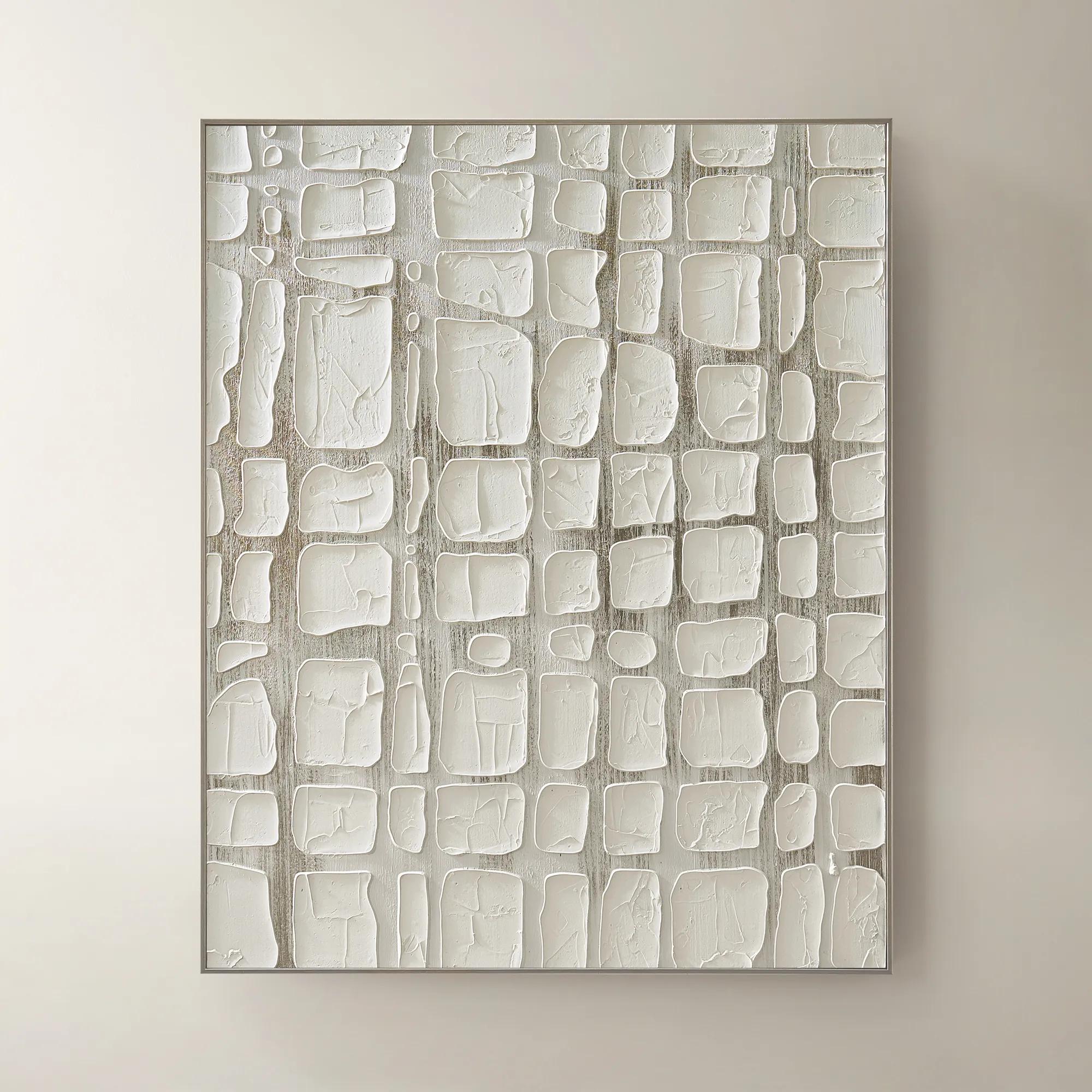
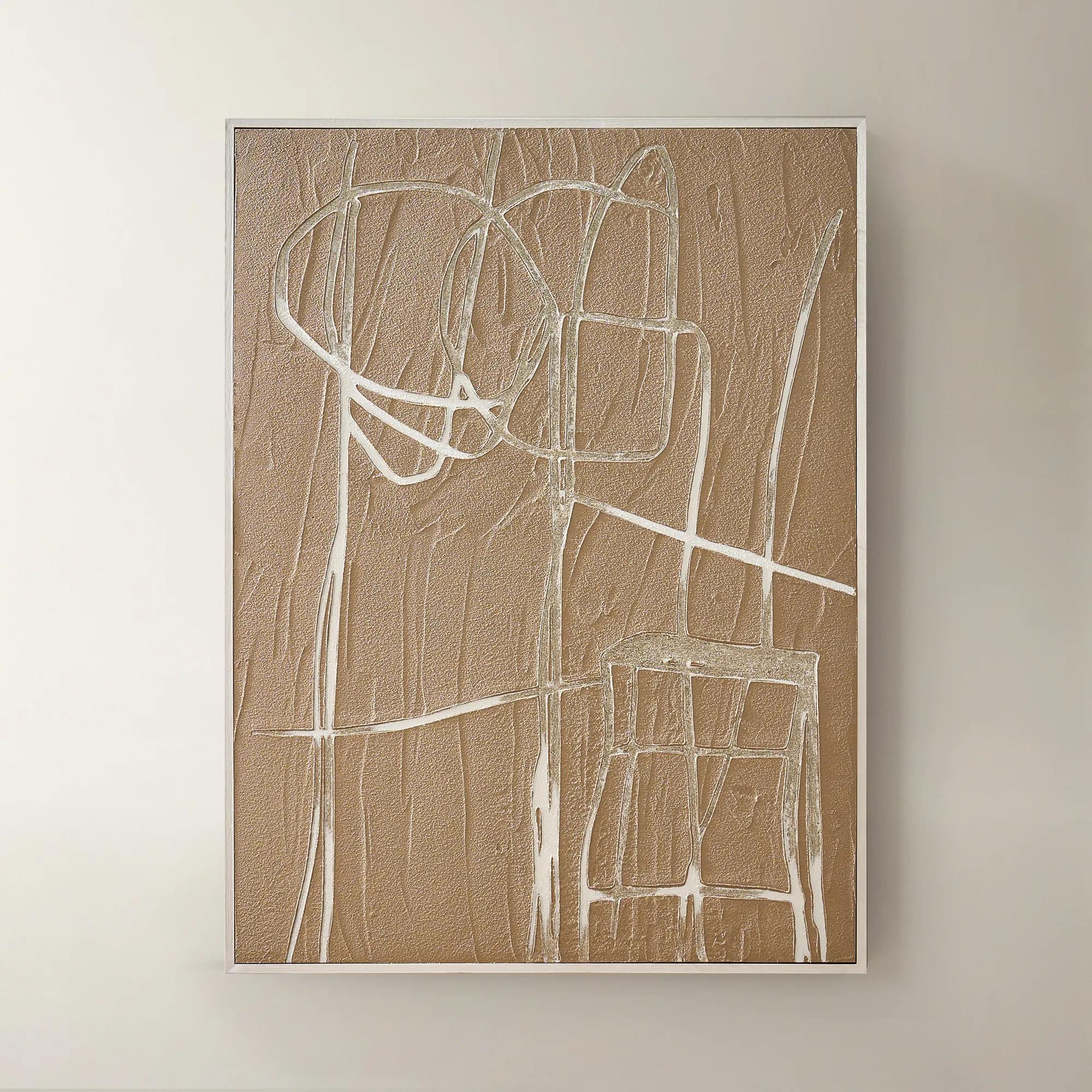
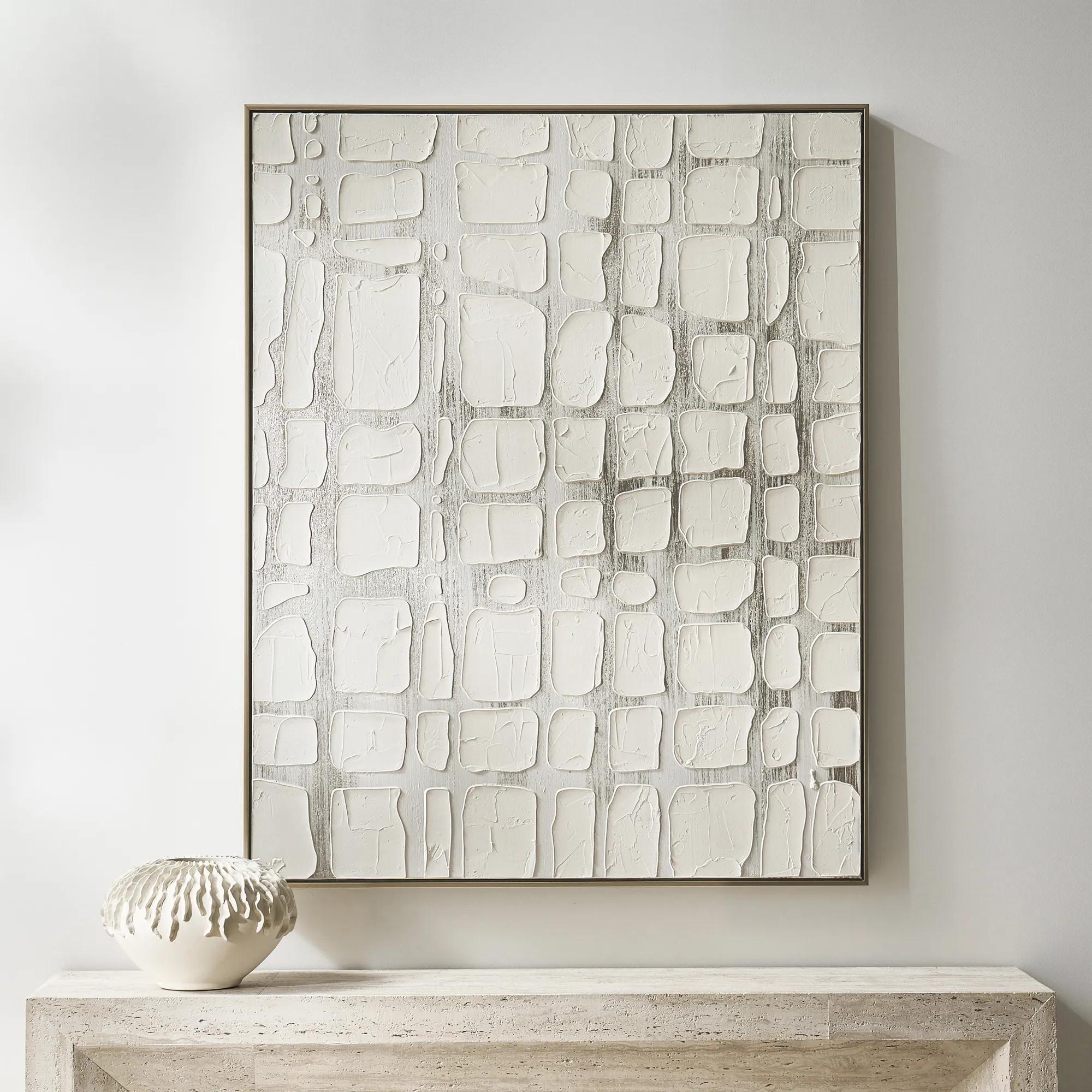 Vanish Framed Painted Wall Art 40" x 50"$499
A hand-painted canvas with raised white forms over champagne metallic ground in a refined floater frame.
Add To Cart -
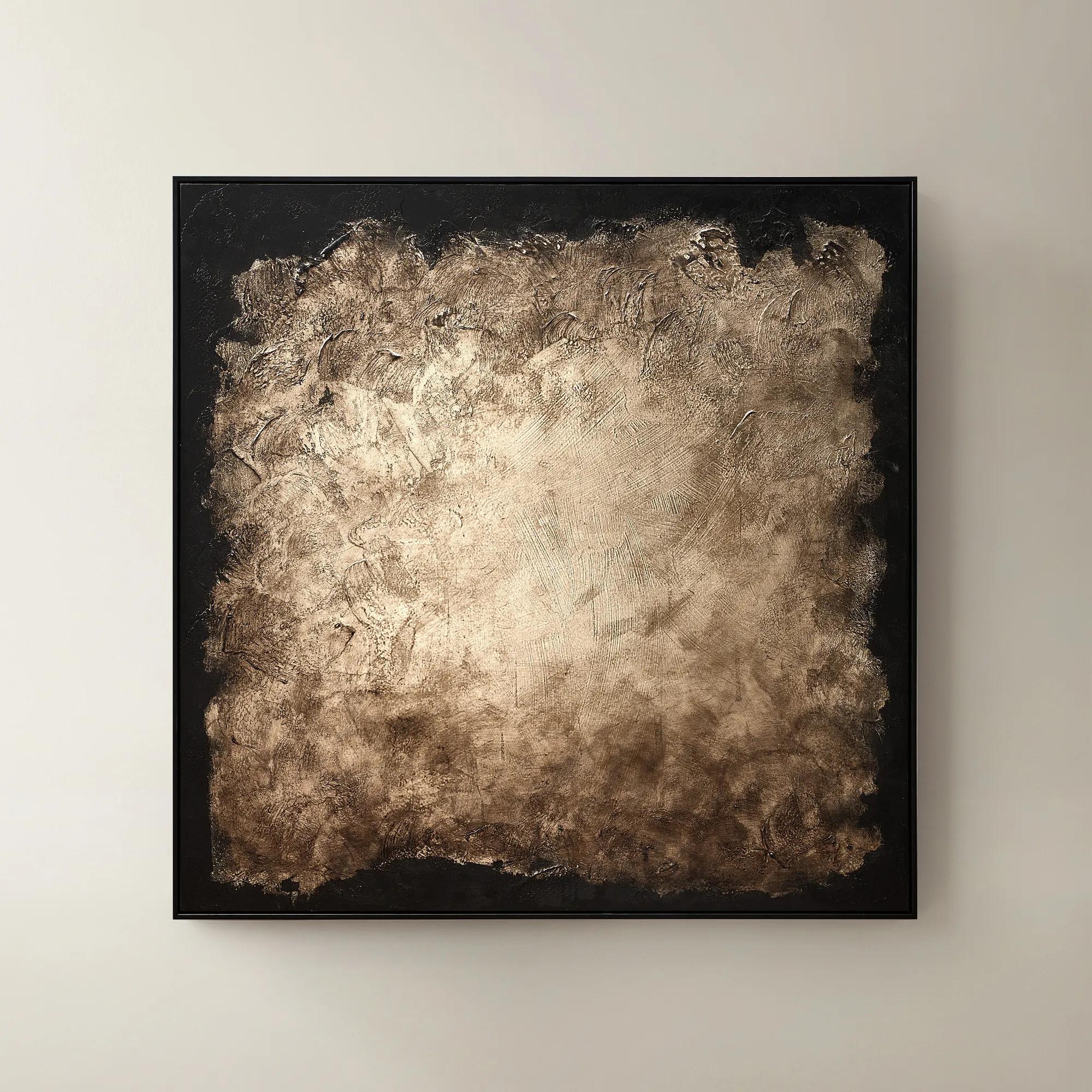 Edge of Knowing Framed Gold Leaf Painted Wall Art 50" x 50"$599
A hand-painted abstract canvas featuring gold leaf accents and a smoked champagne and black palette in a black frame.
Add To Cart -
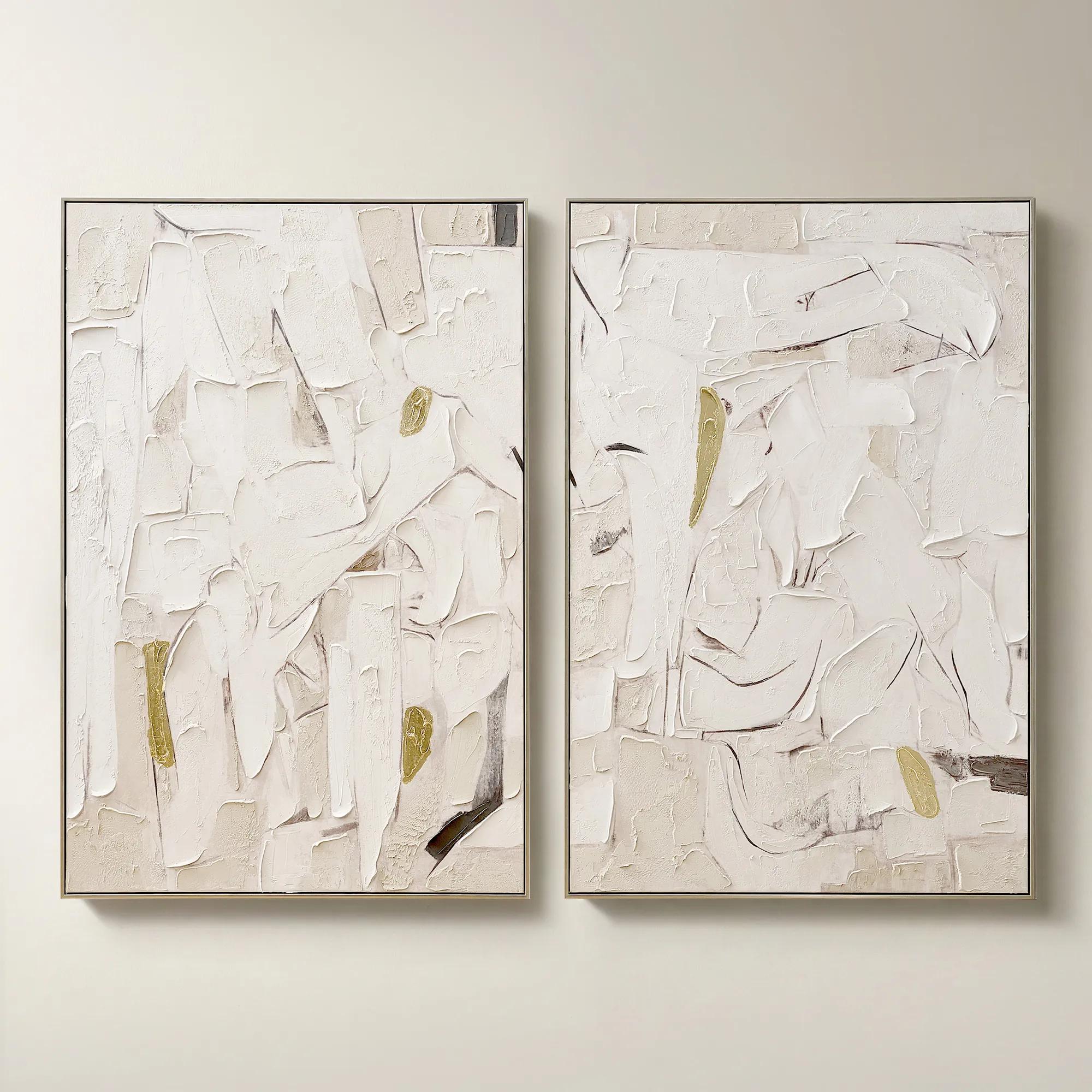 Beneath the Surface Framed Gold Leaf Painted Wall Art 40" x 60" Set of 2$799
A hand-painted abstract diptych featuring gold detailing and layered texture in alabaster and tawny hues.
Add To Cart -
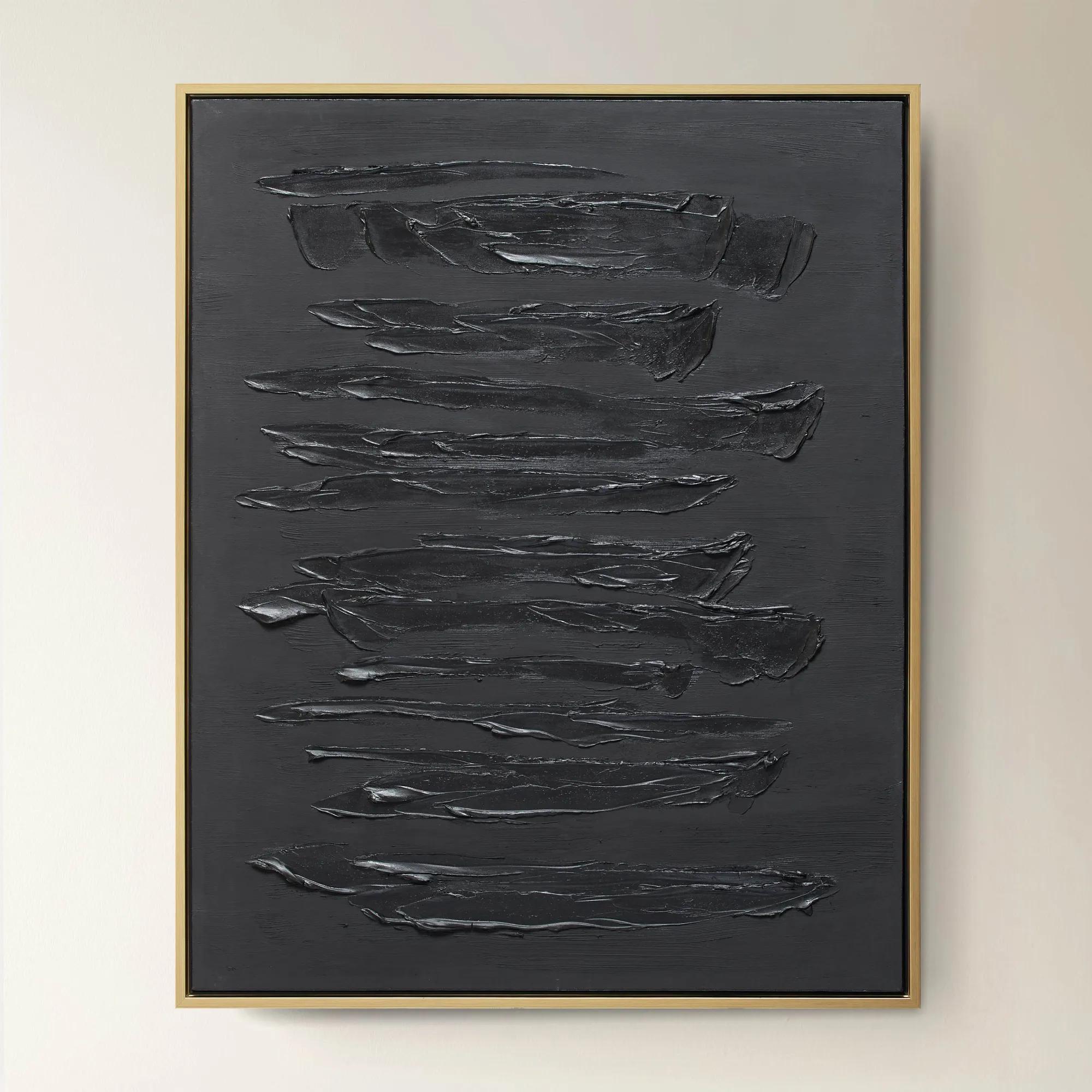
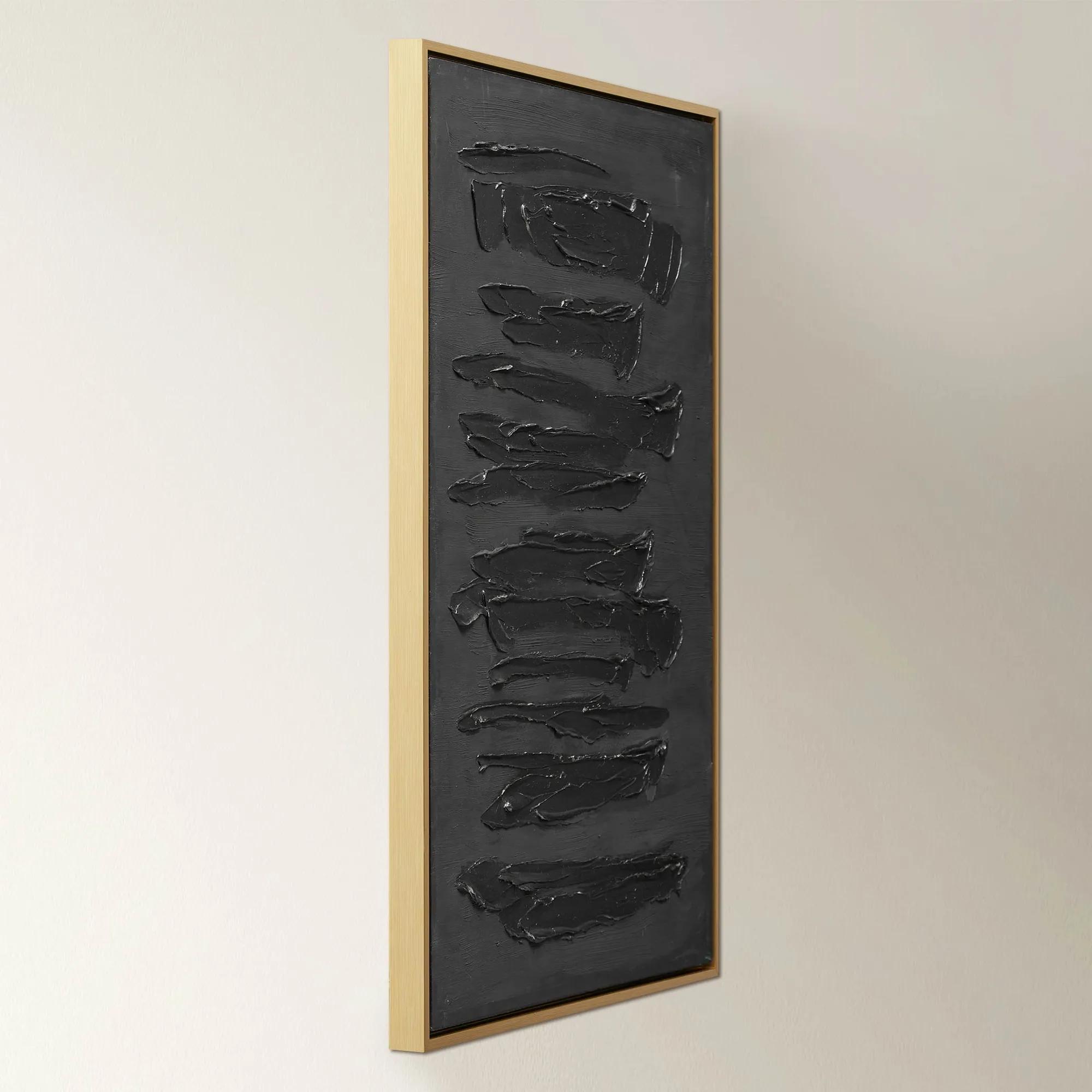 Nocturne$599.95
A dramatic abstract artwork featuring bold, dark brushstrokes on hand-painted canvas in a gold floater frame.
Add To Cart -
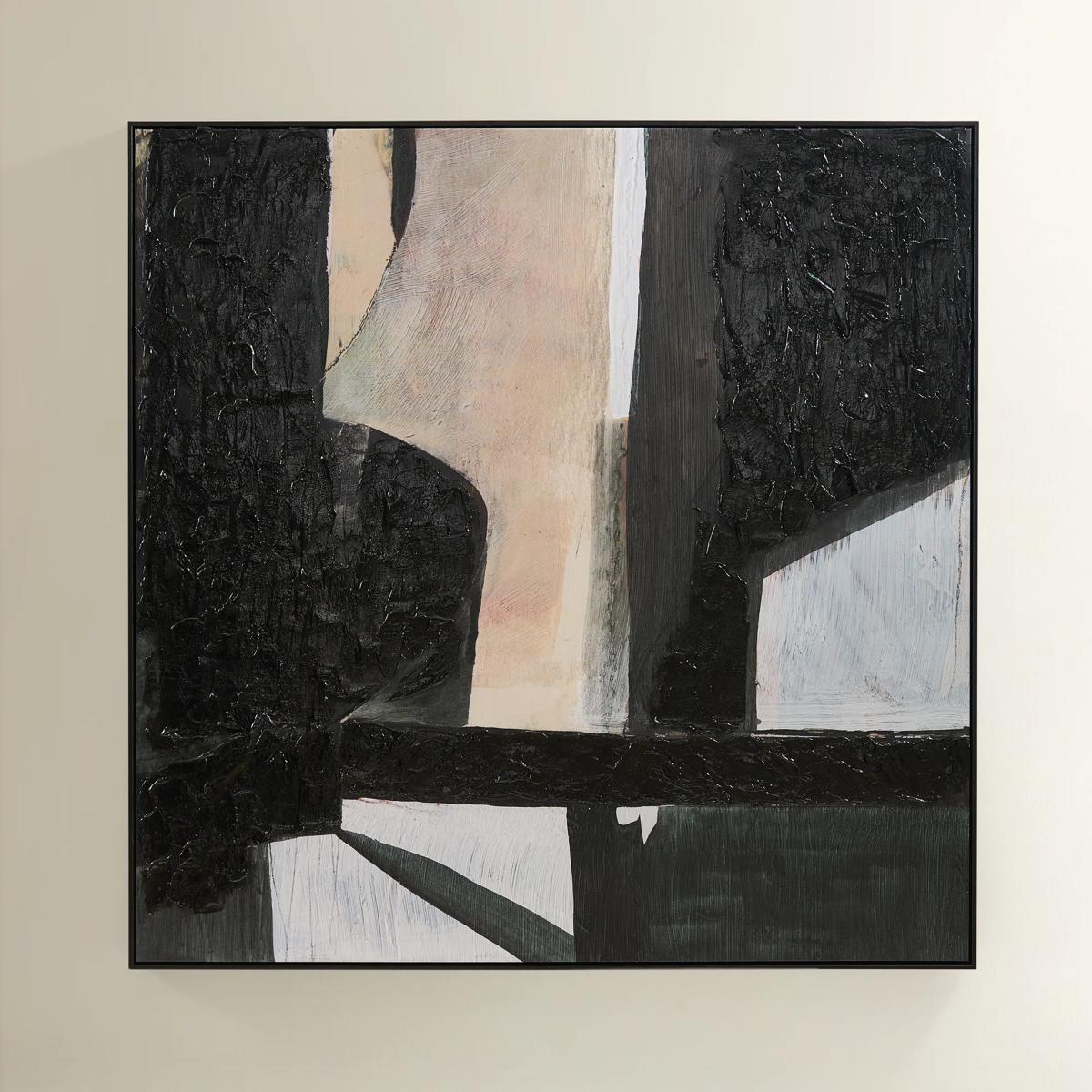 Grounded Painting$699
A hand-painted abstract canvas featuring black, cream, and earth tones in a sleek black floater frame.
Add To Cart -
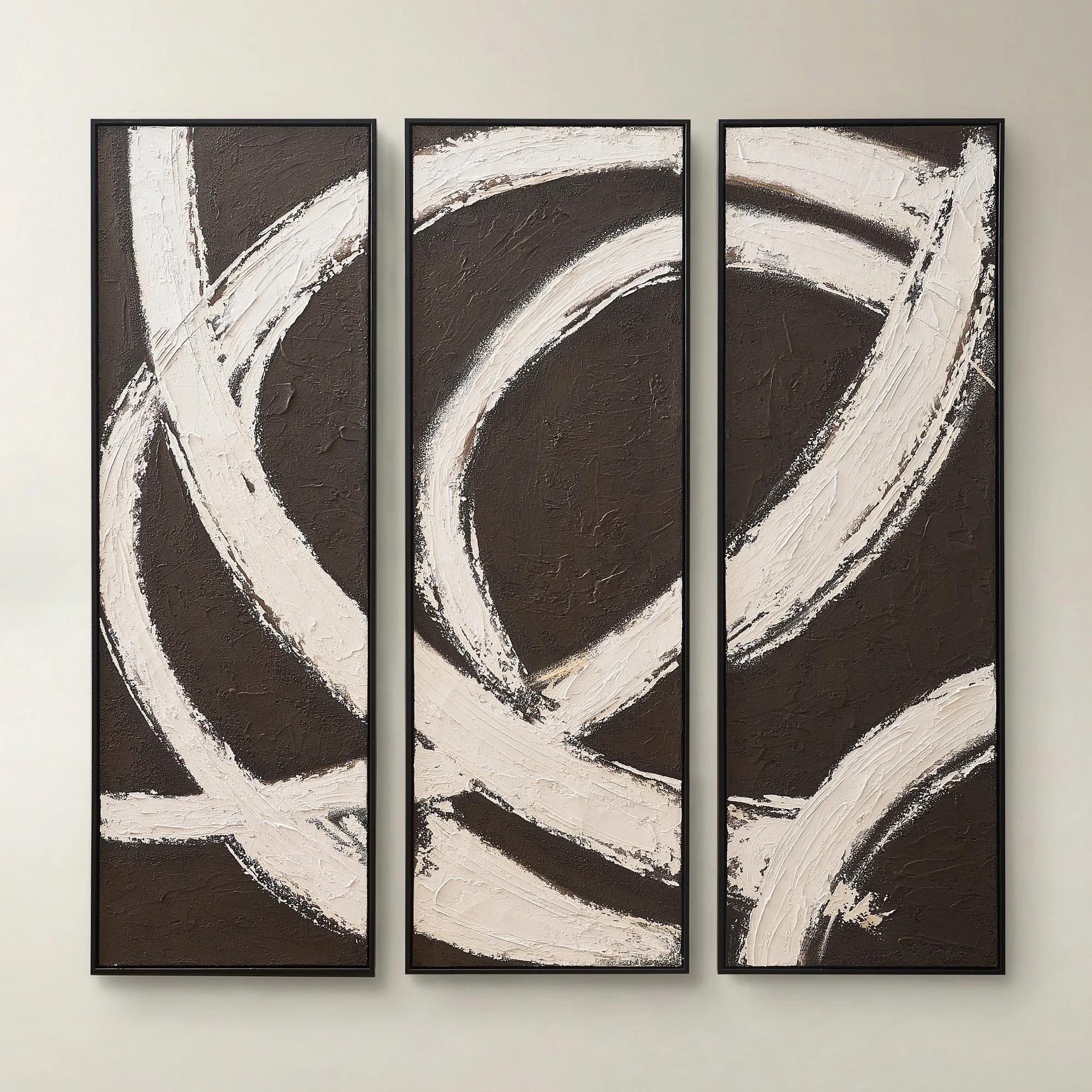
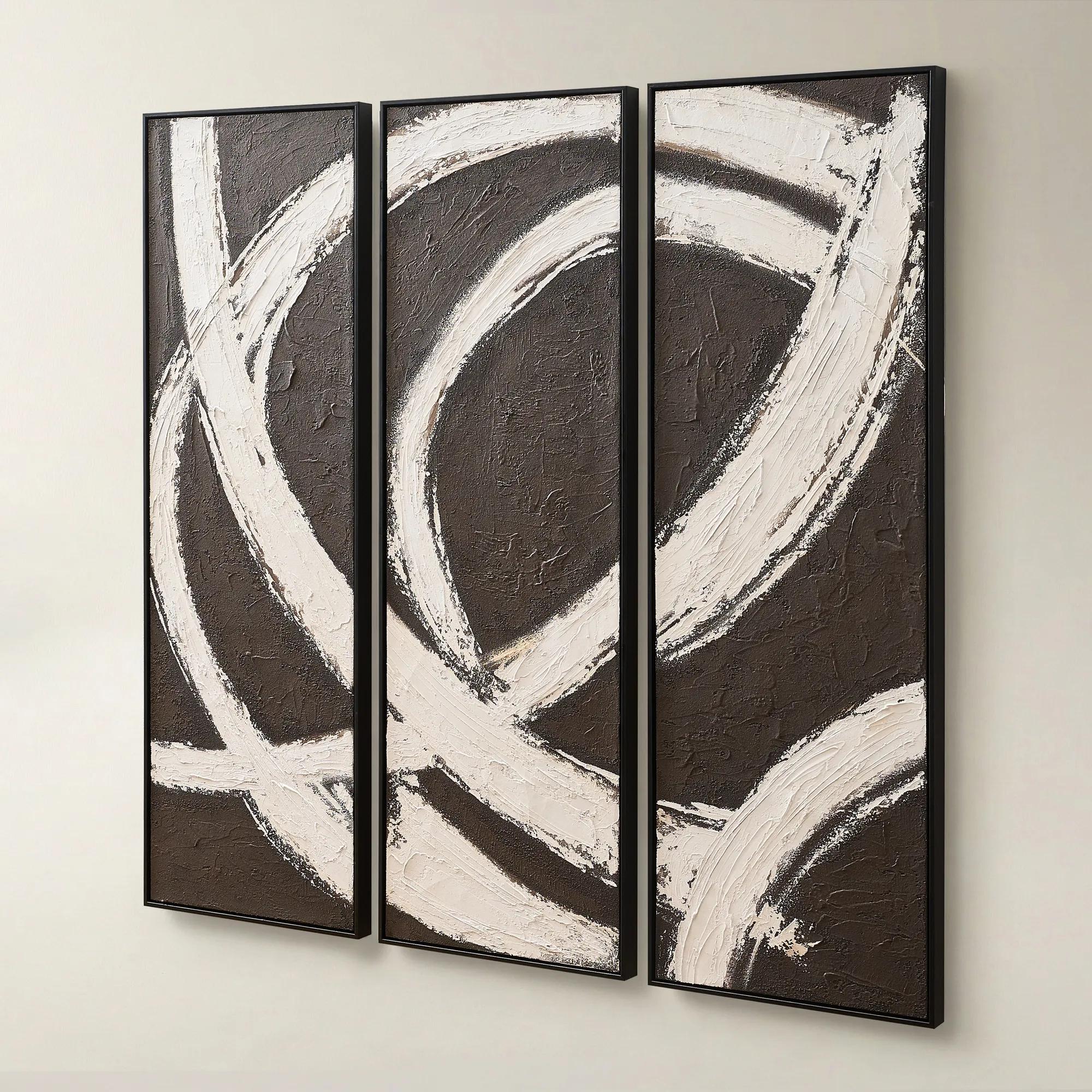 Spun in Coco Framed Painted Wall Art 20" x 60" Set of 3$499
A hand-painted triptych featuring dark chocolate and alabaster tones with rich texture and modern contrast.
Add To Cart -

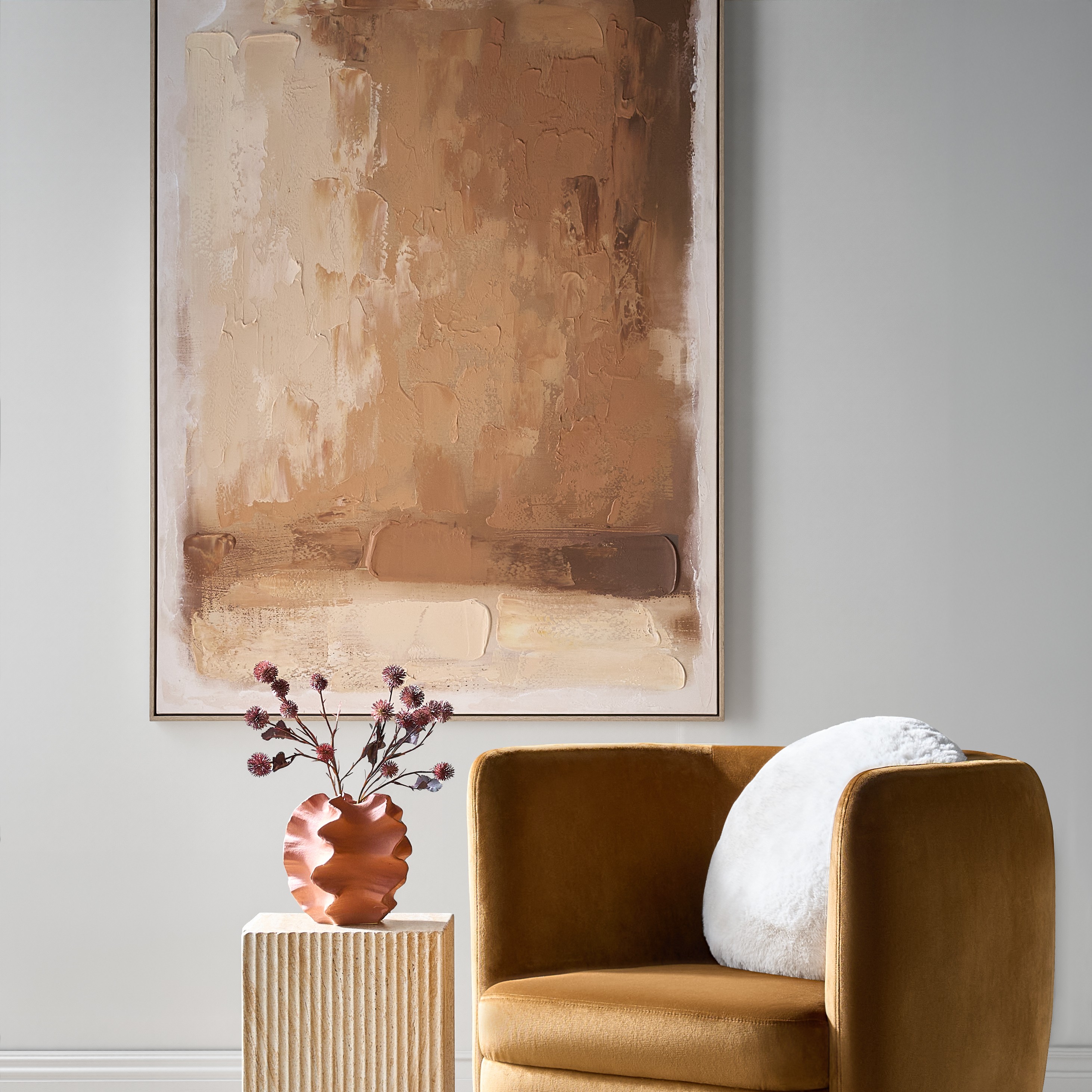 Ember Glow Framed Painted Wall Art 39.25" x 55"$499
A hand-painted abstract canvas blending ochre, terracotta, and golden clay hues in a light natural frame.
Add To Cart -
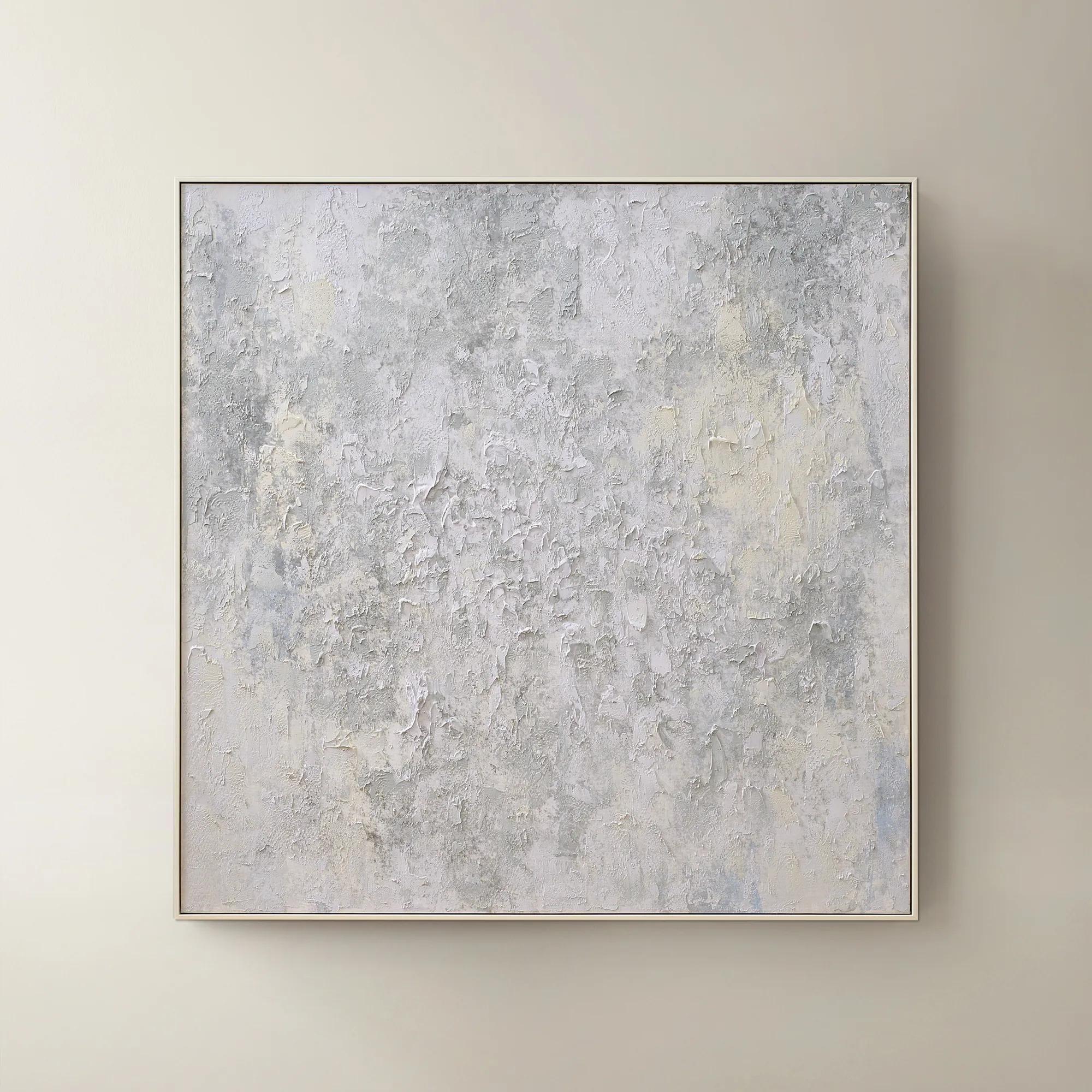 Breathe of Fresh Air Framed Painted Wall Art 50" x 50"$499
A hand-painted abstract canvas in dusty blue hues, elegantly framed in white for a serene, modern accent.
Add To Cart

Large Abstract Wall Art Paintings
Large abstract wall art paintings command attention, transforming walls into sweeping canvases of imagination and intrigue. Each piece is a bold gesture—an invitation to embrace daring color, fluid form, and expressive movement that radiates energy throughout your space. Whether you crave a dramatic focal point or an artful backdrop, these grand-scale masterpieces infuse your home with modern allure and creative spirit. Let your walls speak volumes with statement-making works that blur the line between gallery and living room, turning everyday moments into extraordinary visual experiences.
Large abstract wall art paintings give a room a defining gesture: a sweep of saturated color, a luminous field of ivory, or a dramatic meeting of fluid lines and sculptural texture. These oversized artworks emphasize color, shape, movement, and composition rather than a literal depiction of a subject, leaving space for personal interpretation. Their scale makes them especially compelling above a sofa, behind a dining table, or along an expansive entryway wall, where a smaller piece might feel disconnected from the architecture. A broad canvas with charcoal marks and pale washes can bring graphic tension to a living room furnished in cream and brushed metal. An atmospheric composition in blue, silver, and soft gray can lend depth to a bedroom without competing with sumptuous bedding. Abstract art does not need to repeat every color in a room; often, a single shared undertone or an unexpected accent creates a more expressive connection. Warm ivory can echo a travertine tabletop, while a stroke of amber draws out the richness of cognac upholstery. The composition matters as much as the palette. Sweeping gestures suggest energy, layered geometric forms introduce structure, and generous areas of open color allow ornate furnishings to retain their presence. In a room with a crystal chandelier, a patterned rug, or richly veined stone, a quieter painting can provide a deliberate visual pause. Against tailored furniture and restrained finishes, a densely layered abstraction becomes the room’s most expressive feature. Large-scale art is particularly appealing to anyone who wants a strong focal point without assembling a gallery wall or coordinating multiple smaller pieces. A single painting can establish the mood of an entire seating area, while a pair of related canvases brings rhythm to a longer wall. The effect is personal rather than prescribed: the same abstract composition may feel serene in one setting and strikingly theatrical in another, depending on the surrounding materials, lighting, and proportions.
Materials and surface treatments shape how abstract wall art looks both across the room and at close range. Original acrylic and oil paintings carry the physical character of their medium, from translucent washes to raised passages of pigment. Acrylic paint generally dries more quickly than oil, while oil painting allows extended blending; either medium can produce smooth expanses, visible brushwork, or pronounced texture, depending on the artist’s technique. Canvas introduces a woven foundation that can remain subtly visible beneath the image, giving even spare compositions a tactile quality. Printed canvas reproductions offer a different expression, translating an artwork’s colors and marks onto a fabric surface; some reproductions also receive hand-applied accents for added dimension. Those embellishments can create highlights and texture, but they do not make a reproduction an original painting. Details about medium, substrate, and finish help distinguish these formats and clarify what the surface will look like in person. Art printed on paper typically presents a flatter surface and may be protected behind glass or acrylic glazing, while stretched canvas is often displayed without glazing. Neither approach is inherently more dramatic: a crisp, framed paper composition can feel exquisitely tailored, and an unglazed canvas can bring remarkable depth to a generous wall. For a more architectural presentation, Large Abstract Framed Wall Art creates a defined perimeter between the image and the surrounding space. A slender black frame sharpens pale artwork, a warm metallic finish introduces a note of radiance, and a floating frame leaves a narrow reveal around the canvas for a layered effect. Frame depth also changes the profile, an important detail on a wall viewed from an adjoining hallway. Materials influence longevity as well as appearance. Well-constructed supports, secure frame joinery, and clear care information deserve attention, especially for a substantial artwork intended to remain a lasting focal point. Any claims about archival inks, protective coatings, or UV-filtering glazing should be confirmed in the artwork’s specifications rather than assumed from its appearance.
Proportion gives large abstract paintings their confidence. Above a sofa or console, artwork spanning roughly two-thirds to three-quarters of the furniture’s width often creates a balanced relationship, although surrounding sconces, architectural details, and the composition itself can call for adjustment. For multiple panels, that proportion includes the spaces between them. A horizontal painting reinforces the length of a low sofa or broad headboard, while a vertical composition can emphasize height on a narrow wall or beside a staircase. Dimensions such as 36 by 48 inches or 48 by 60 inches illustrate common large formats, but the outer framed measurements—not just the image size—determine the actual fit. Painter’s tape marking the proposed outline makes scale easier to judge from the doorway and from a seated position. Above a sofa, a bottom edge approximately 6 to 10 inches above the back often keeps the artwork visually connected to the furniture; on an open wall, a center near eye level, around 57 to 60 inches from the floor, provides a useful starting point. Substantial pieces require hardware rated for their weight and appropriate for the wall construction, with professional installation worth considering for oversized or difficult placements. Intended use matters, too. Living rooms, bedrooms, dining rooms, and home offices generally offer more suitable conditions than locations exposed to cooking residue, splashes, or sustained humidity. Direct sunlight can fade pigments and printed images, and nearby heating or cooling vents can contribute to damaging environmental fluctuations. Gentle dusting with a clean, soft, dry brush or cloth may be appropriate for some surfaces, but raised paint, delicate finishes, and glazing require their own care instructions. Household sprays and abrasive cleaners should stay off painted surfaces. For a housewarming, wedding, or milestone gift, large abstract art feels especially considered when the recipient’s taste, wall dimensions, and preferred palette are known. Its generous scale brings lasting presence to a home, turning an expansive wall into a place for color, movement, and individual expression.
FAQs
Large abstract wall art paintings offer an expressive, one-of-a-kind focal point that transforms any room into a curated gallery. Their bold shapes, dynamic color palettes, and imaginative brushwork evoke emotion and intrigue, allowing your space to reflect your personal style and artistic sensibility. These pieces are conversation starters and statement-makers, perfect for those who appreciate interiors that are as distinctive as they are dramatic.
Abstract art is remarkably versatile, effortlessly bridging diverse design aesthetics. You can echo accent colors found in your furniture or accessories, or introduce a contrasting palette for a daring visual twist. Consider the mood you want to set—soft, cool tones for a serene retreat or vivid, energetic hues for a lively gathering space. The interplay between the artwork and your decor creates a layered, sophisticated atmosphere.
Absolutely. Gifting a large abstract painting is a thoughtful gesture, ideal for housewarmings, weddings, or milestone celebrations. It’s a gift that endures, bringing a sense of artistry and inspiration to the recipient’s home. Choose a piece that resonates with their personality or complements their living space for a present that feels both luxurious and deeply personal.
The frame is the finishing touch that elevates and defines your artwork. A sleek floating frame adds a modern edge, while a traditional frame can introduce a sense of formality and structure. Some prefer the raw drama of an unframed canvas for a gallery-inspired look. The right frame not only protects the piece but also enhances its presence, ensuring it harmonizes with your room’s aesthetic.
Texture brings depth and dimension to abstract art, transforming a flat surface into a tactile experience. Thick, layered brushstrokes or mixed media details catch the light and invite closer inspection, making the artwork feel alive and ever-changing. This richness of texture can ground a space, add visual intrigue, and create a sense of movement, making your wall art a dynamic element within your home.