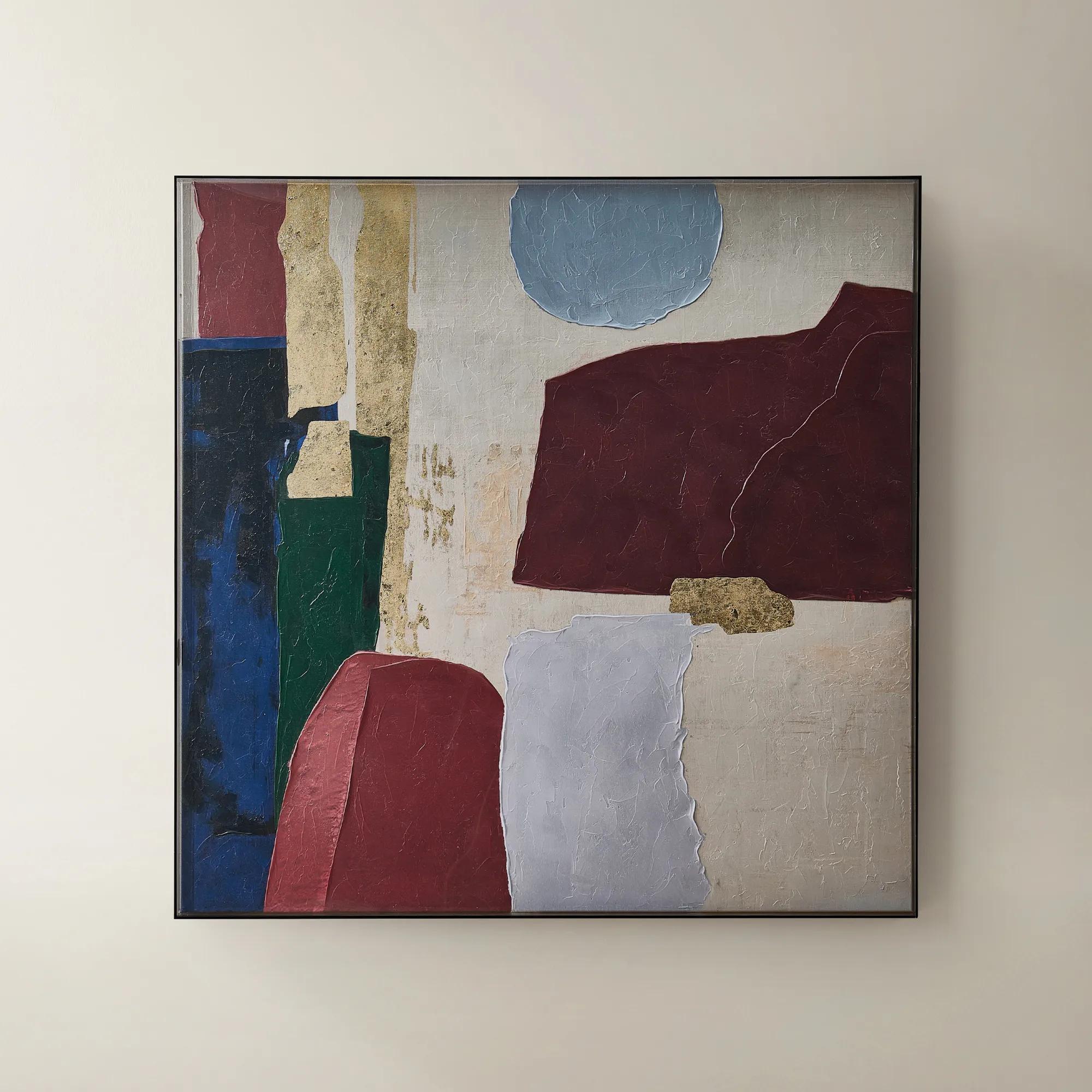
Oversized Abstract Canvas Art
Oversized Abstract Canvas Art
-
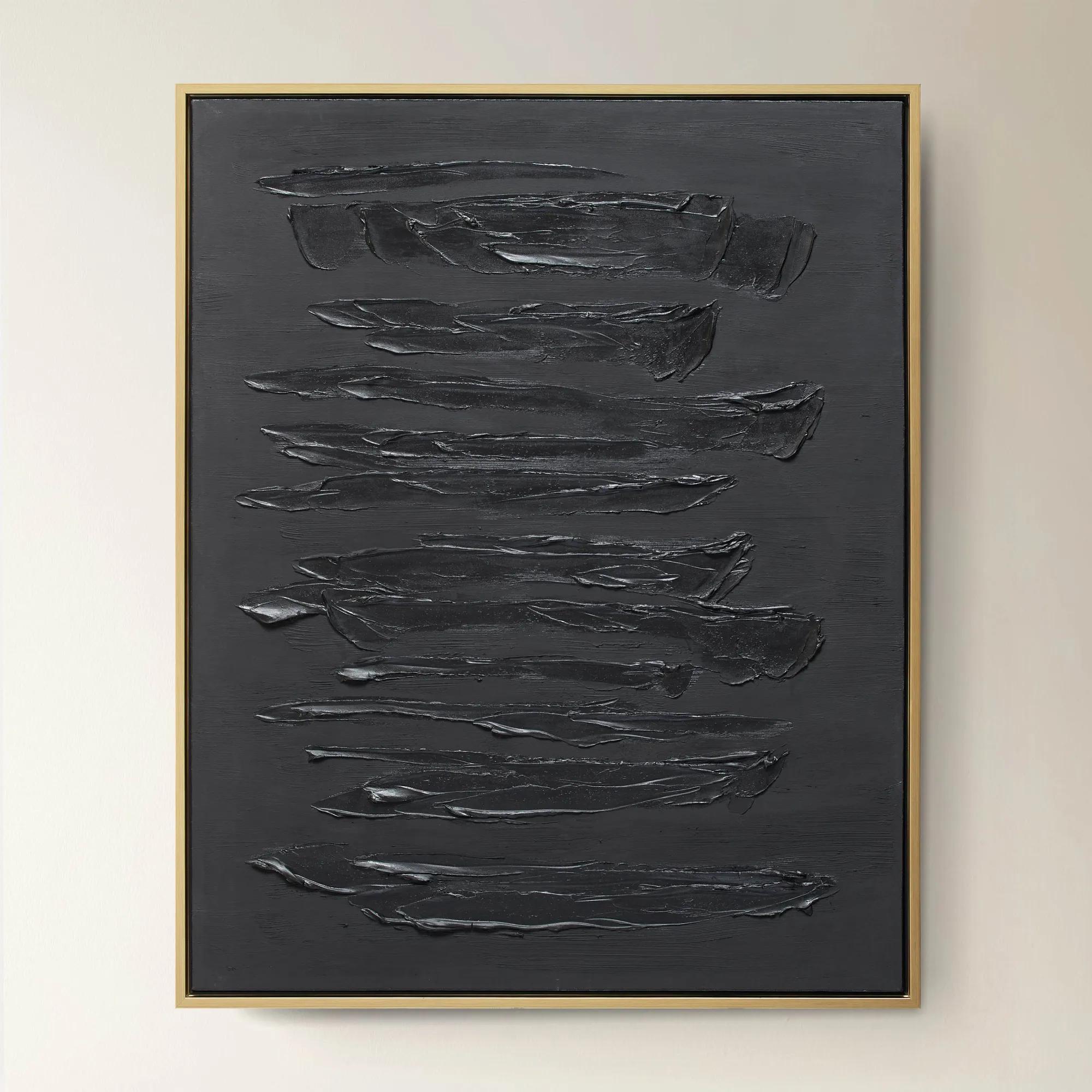
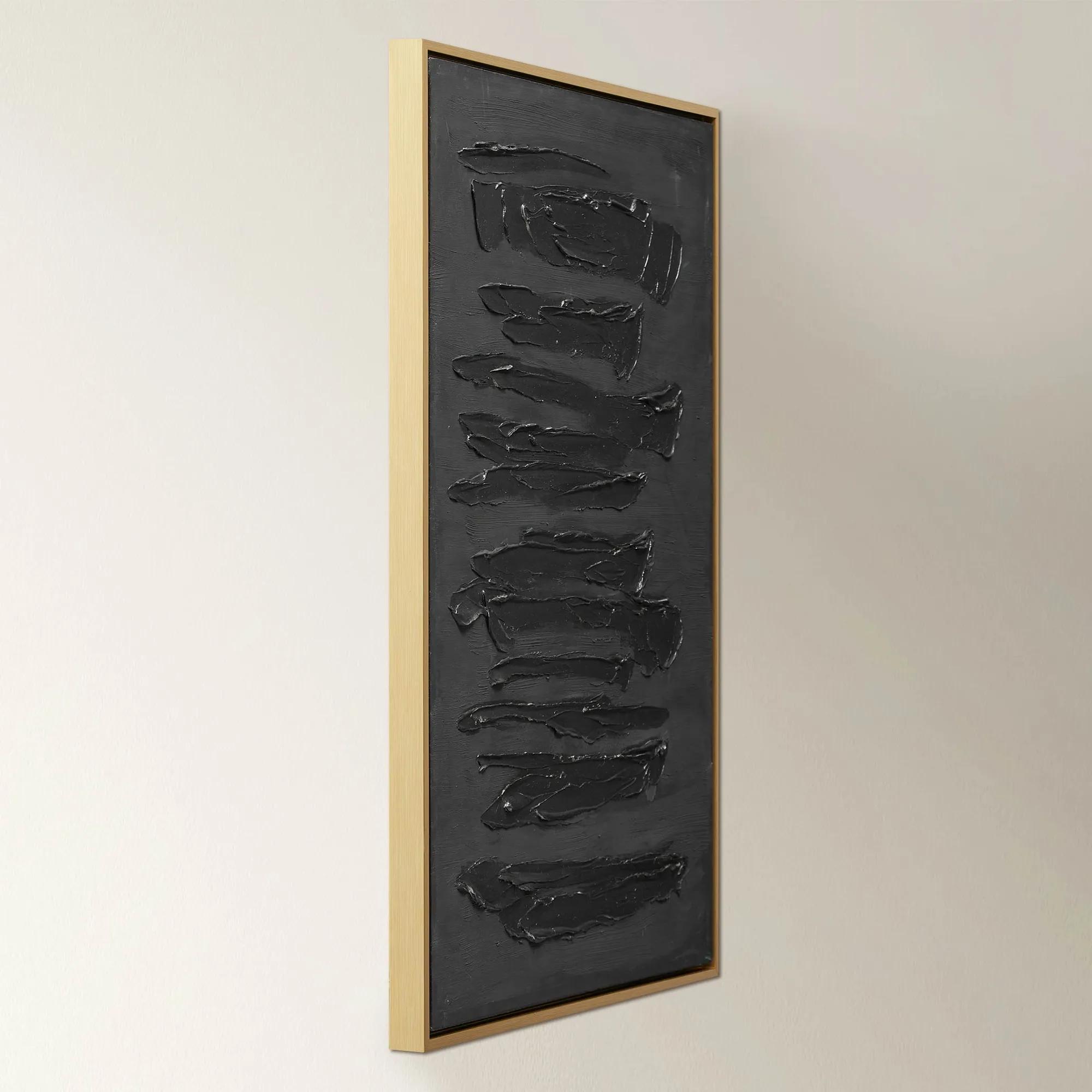 Nocturne$599.95
A dramatic abstract artwork featuring bold, dark brushstrokes on hand-painted canvas in a gold floater frame.
Add To Cart -
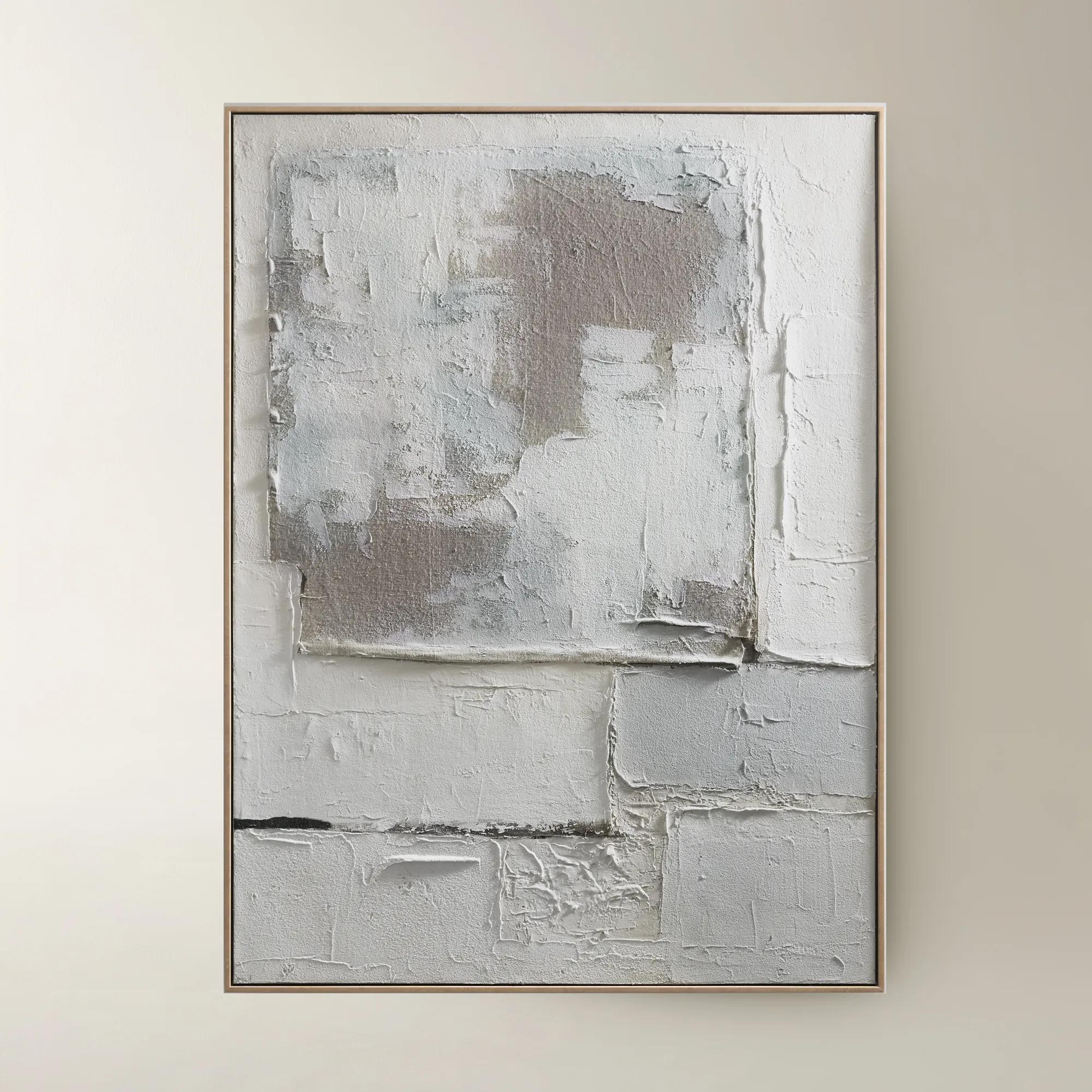
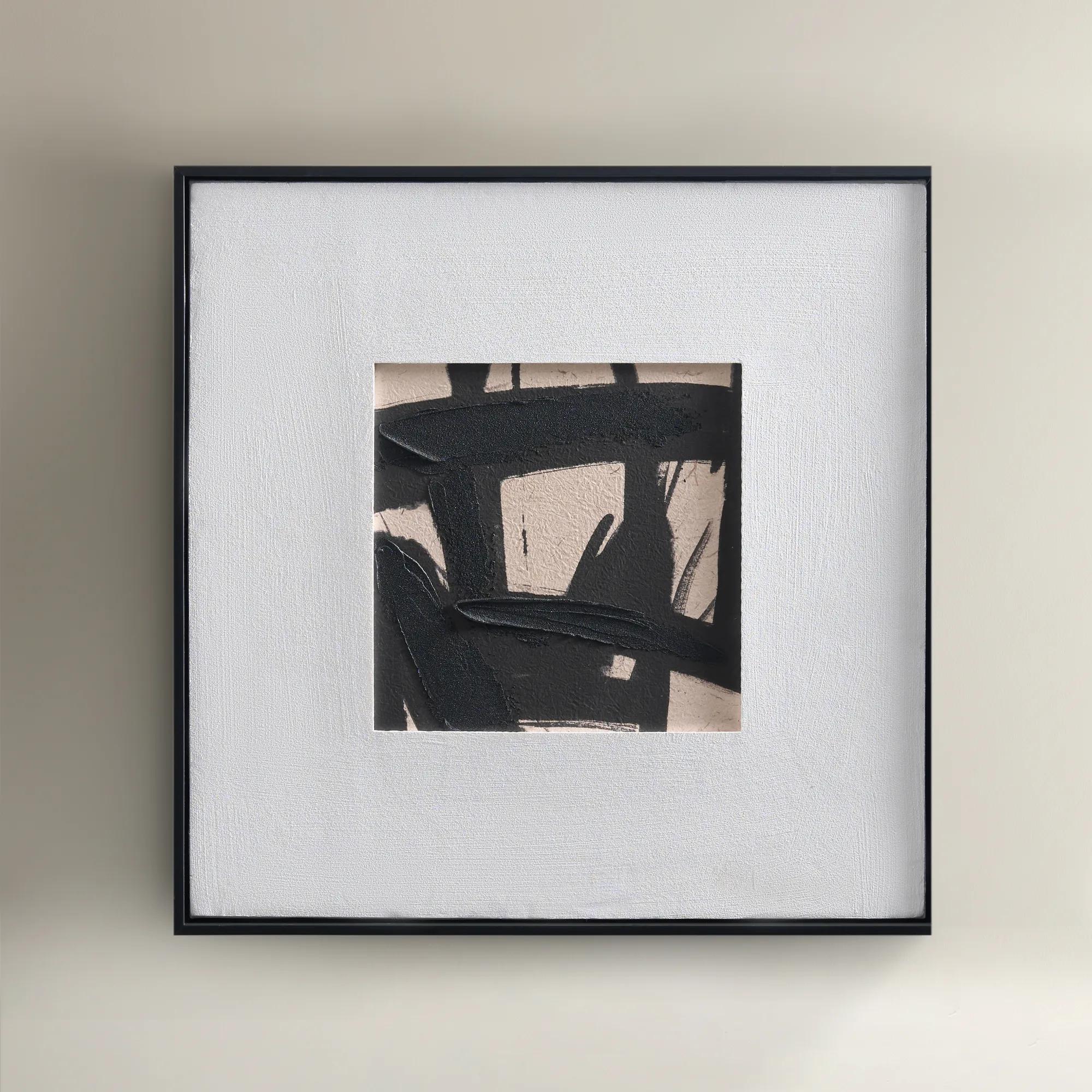
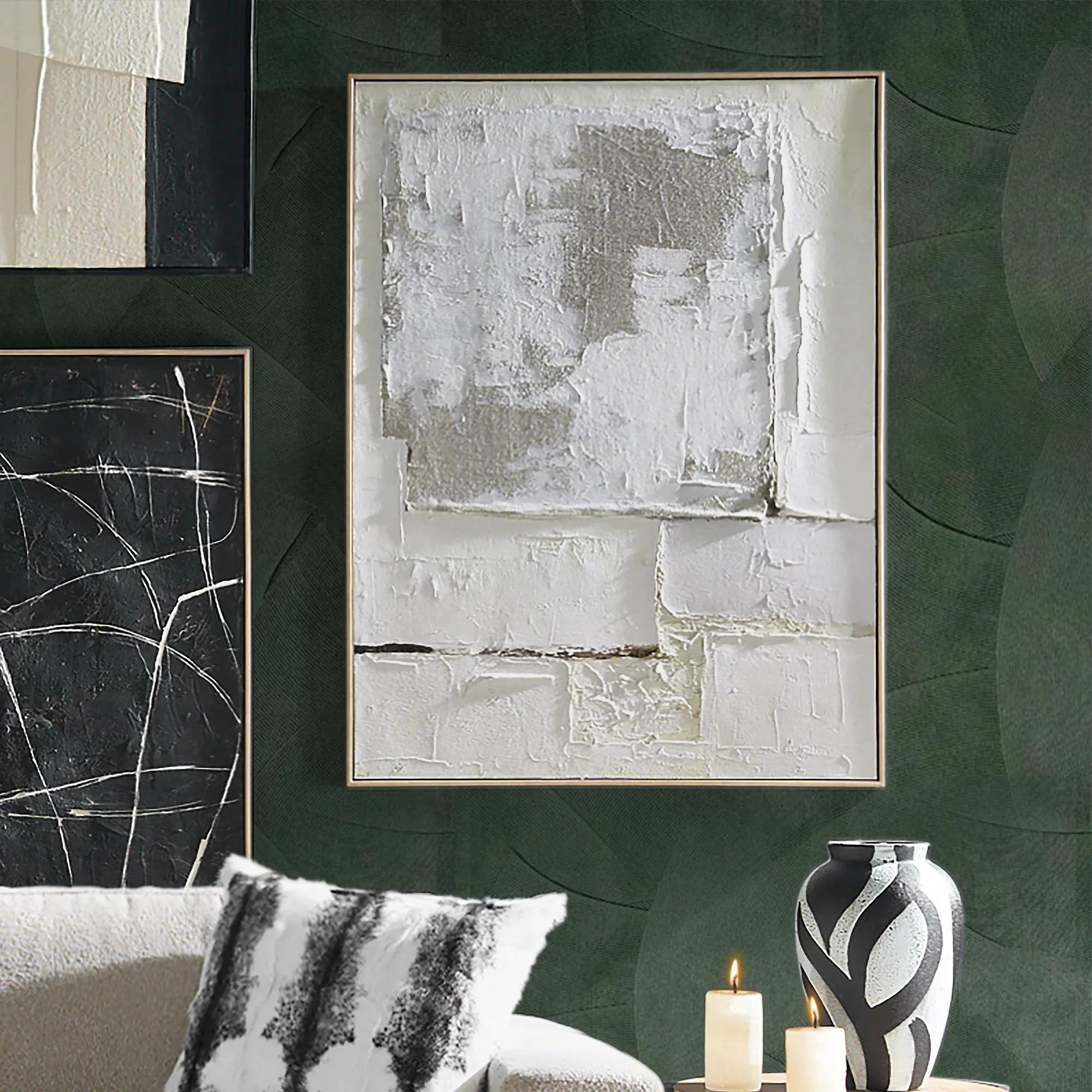 Marrow Painting$399
A hand-painted abstract canvas in subtle beige hues, elegantly framed in a warm beech wood floater.
Add To Cart -
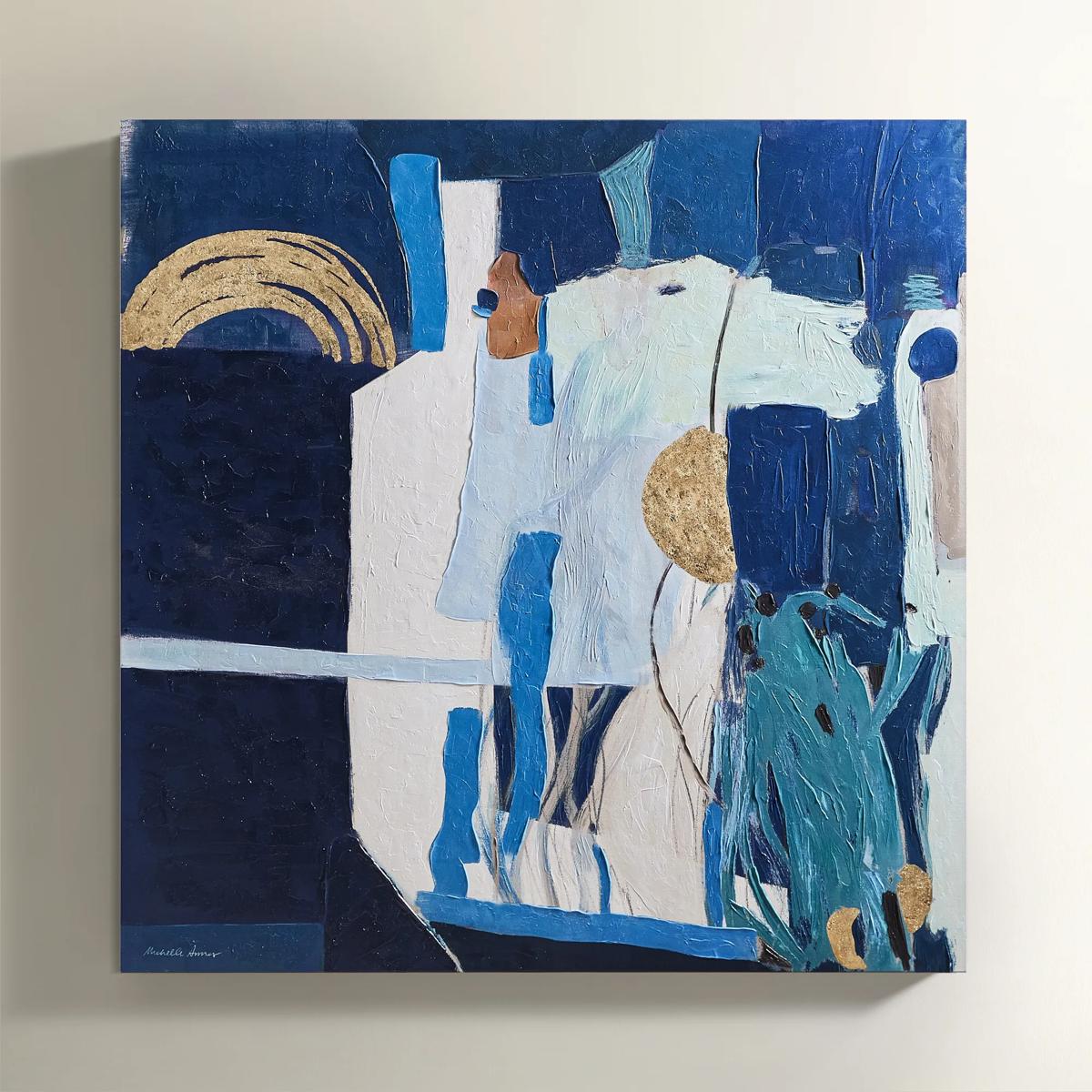
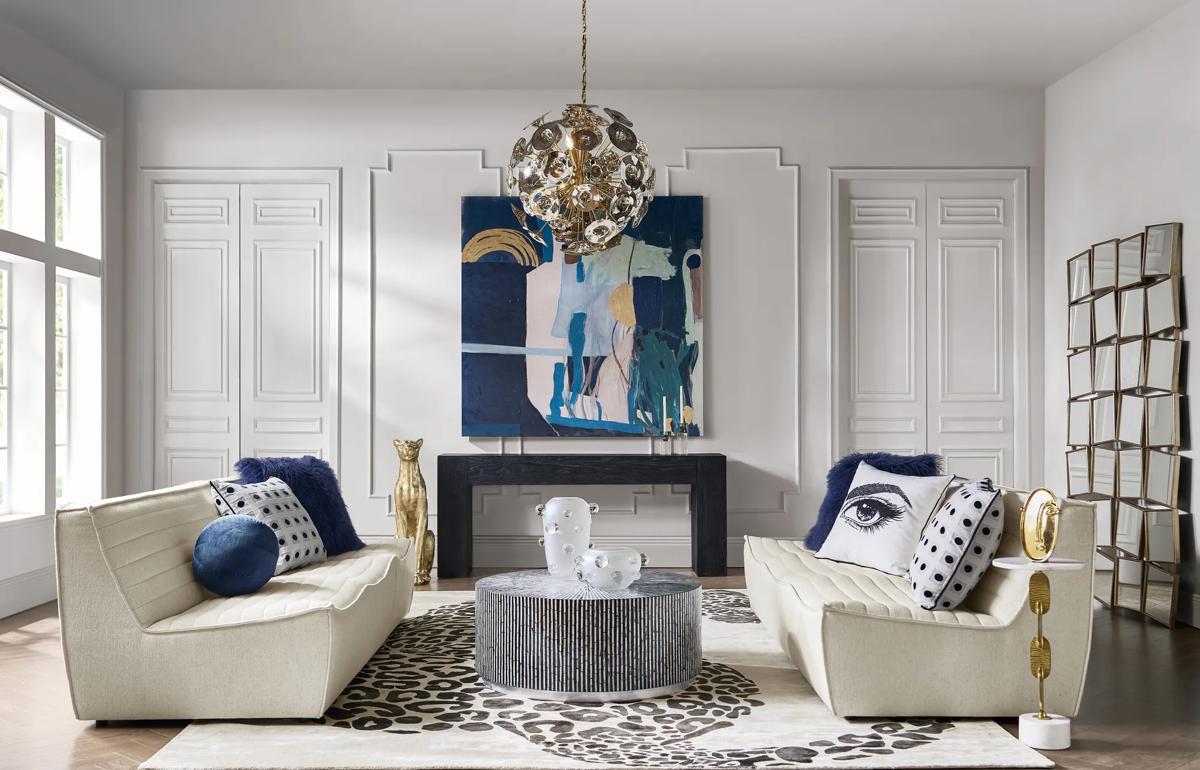 In Flux Painting$699
A hand-embellished canvas artwork featuring deep teal, green, ivory, and gold in a black Art Deco frame.
Add To Cart -
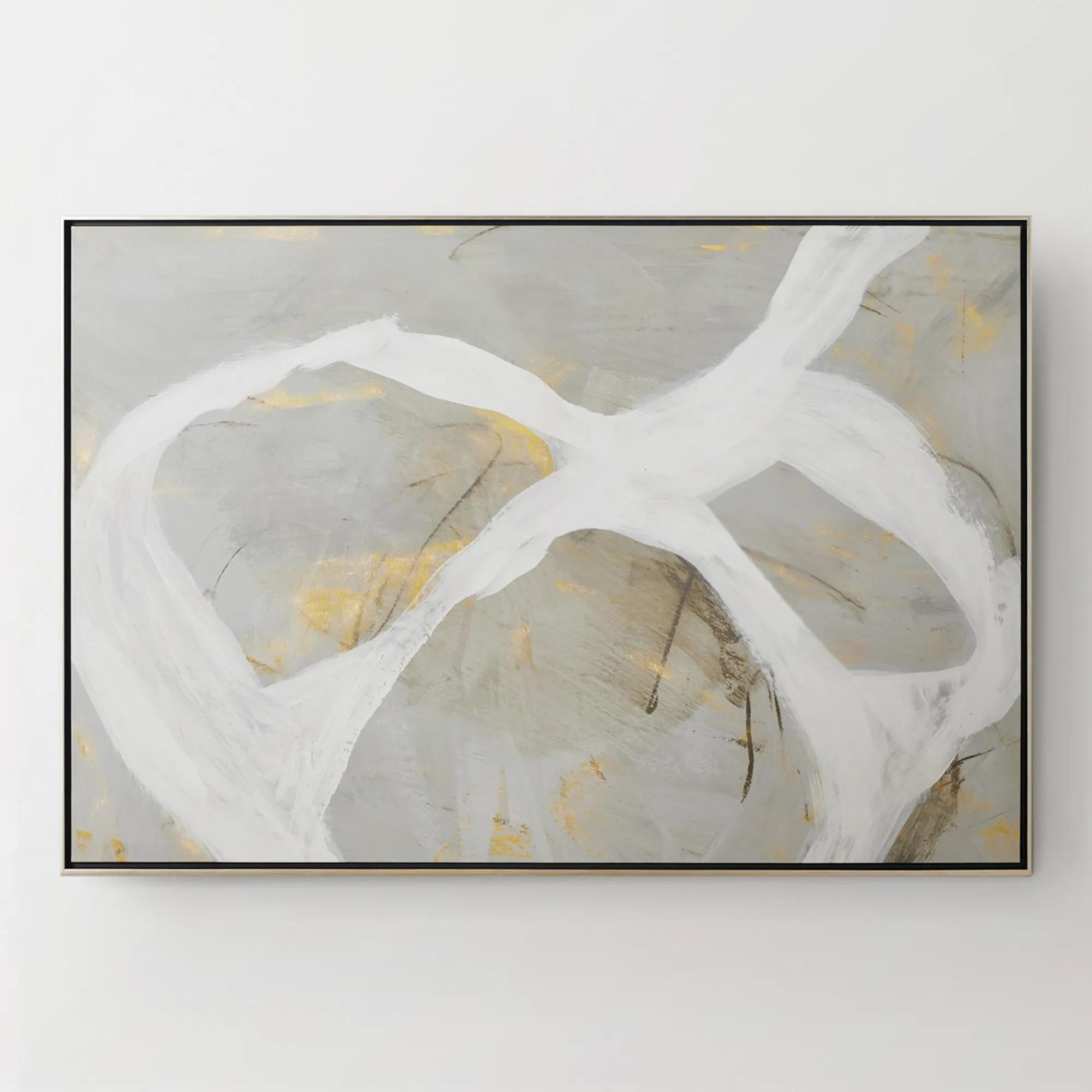
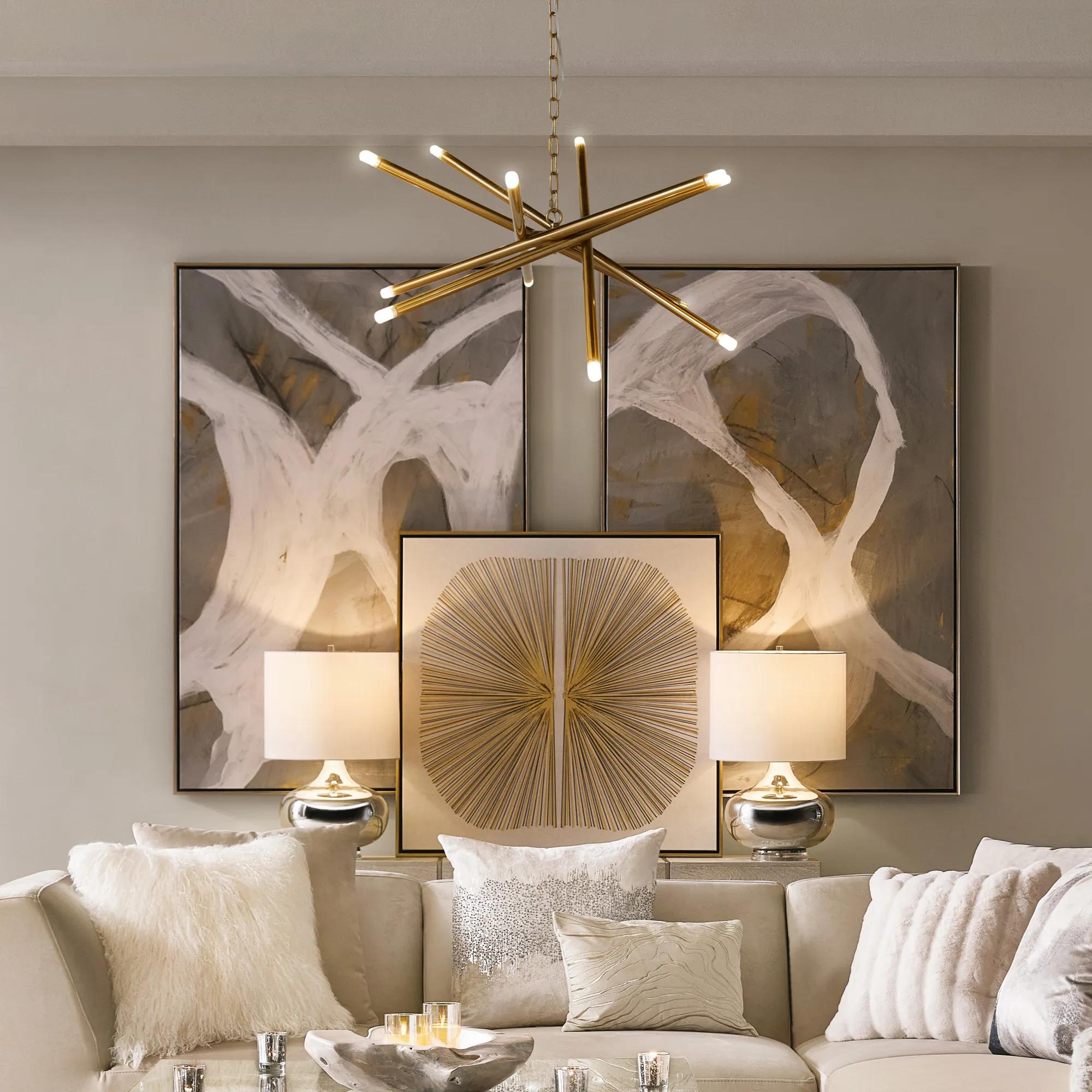 Les Series Framed Painted Wall Art I 61" x 41"$1099
An abstract canvas artwork featuring bold brushstrokes, hand-applied gold accents, and a silver floater frame.
Add To Cart -
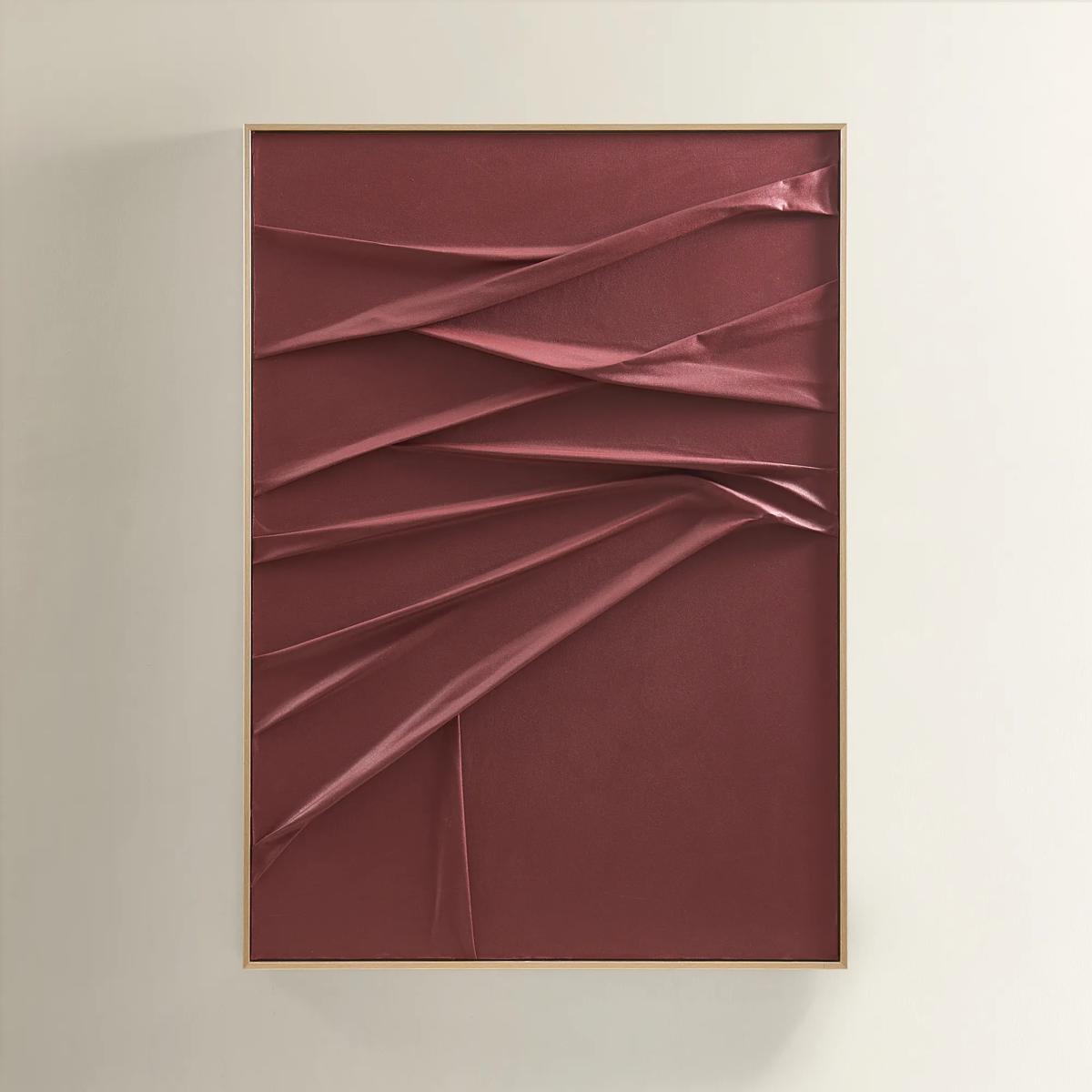
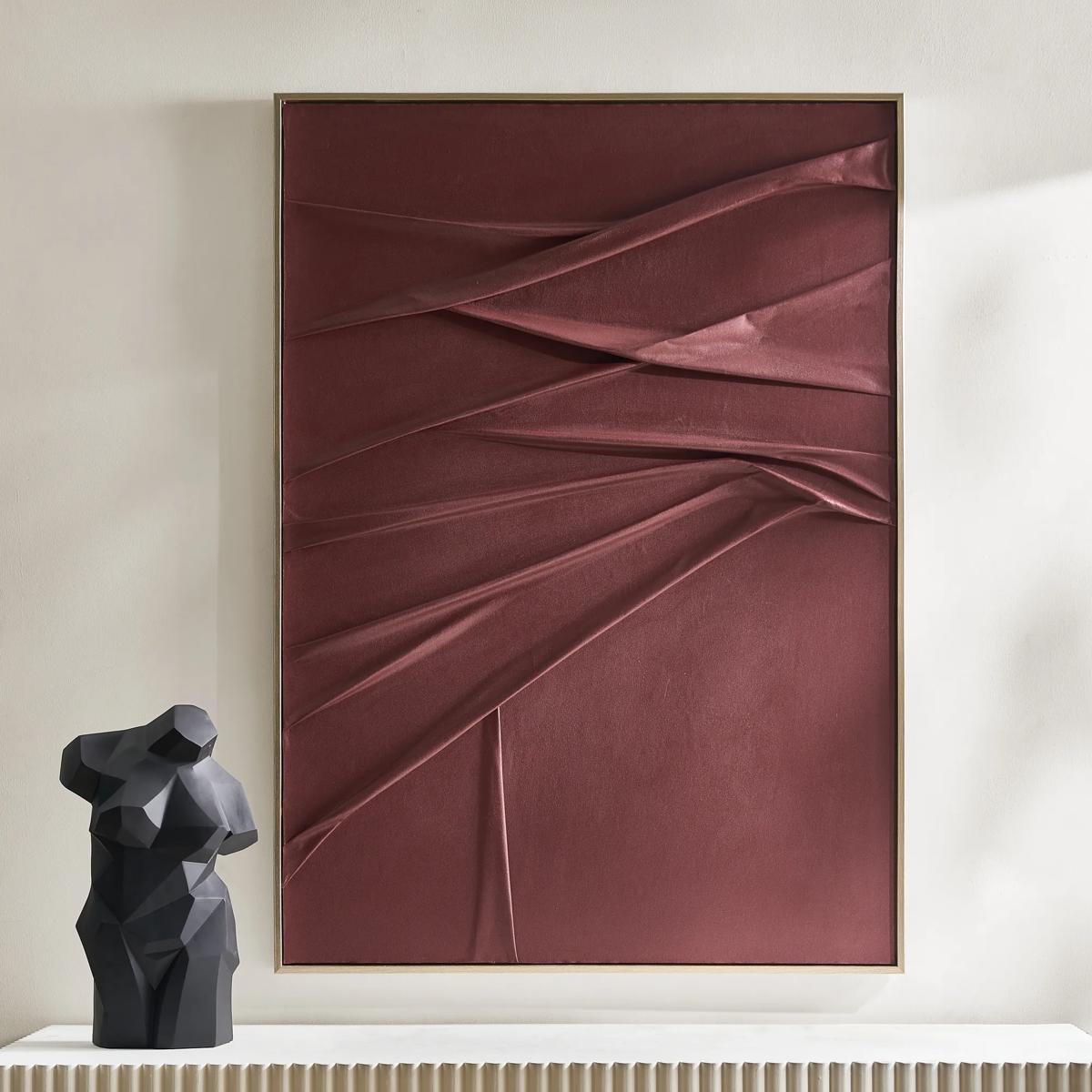 Crimson Painting$599
A handcrafted burgundy canvas artwork with sculptural folds, framed in champagne for a dramatic, textured effect.
Add To Cart -
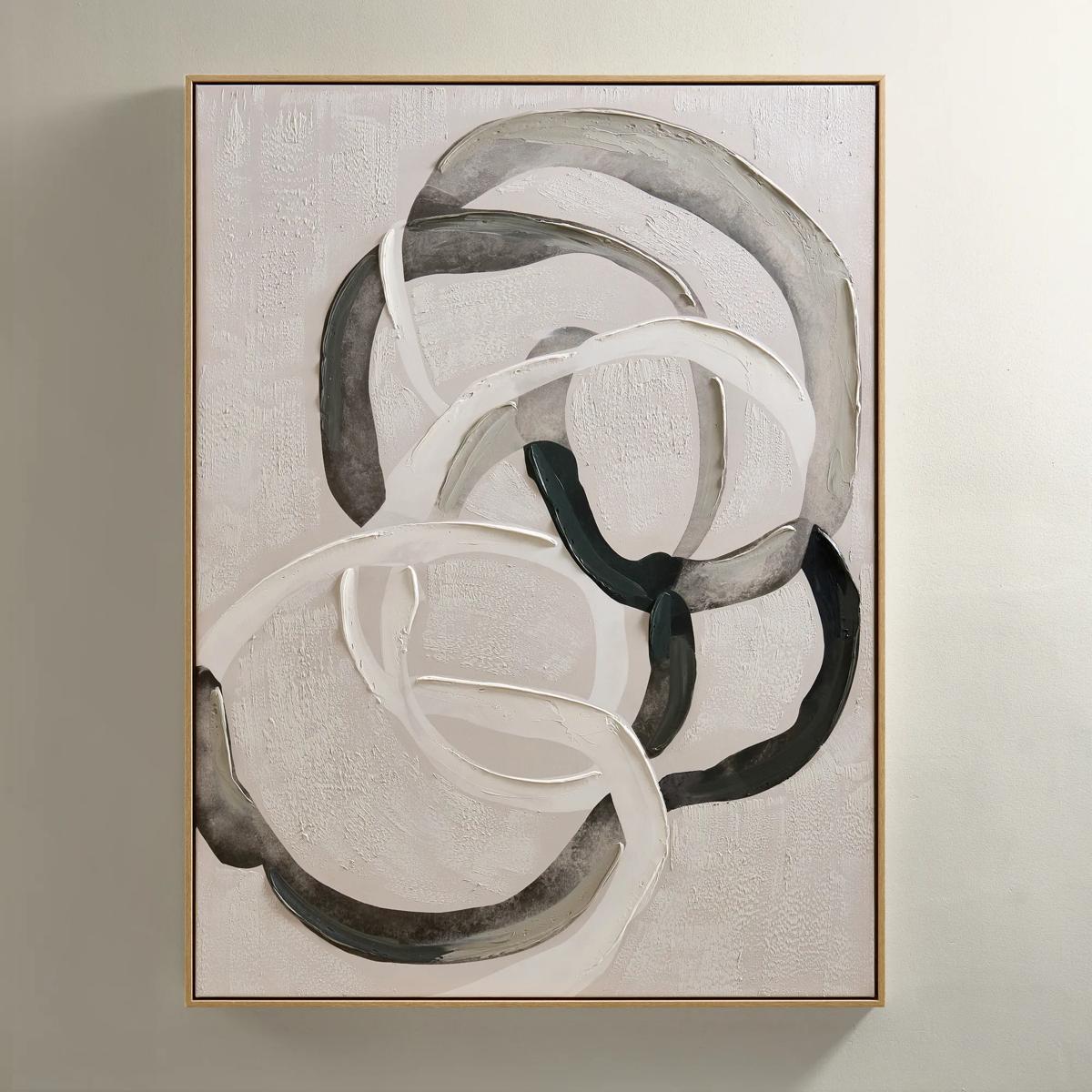
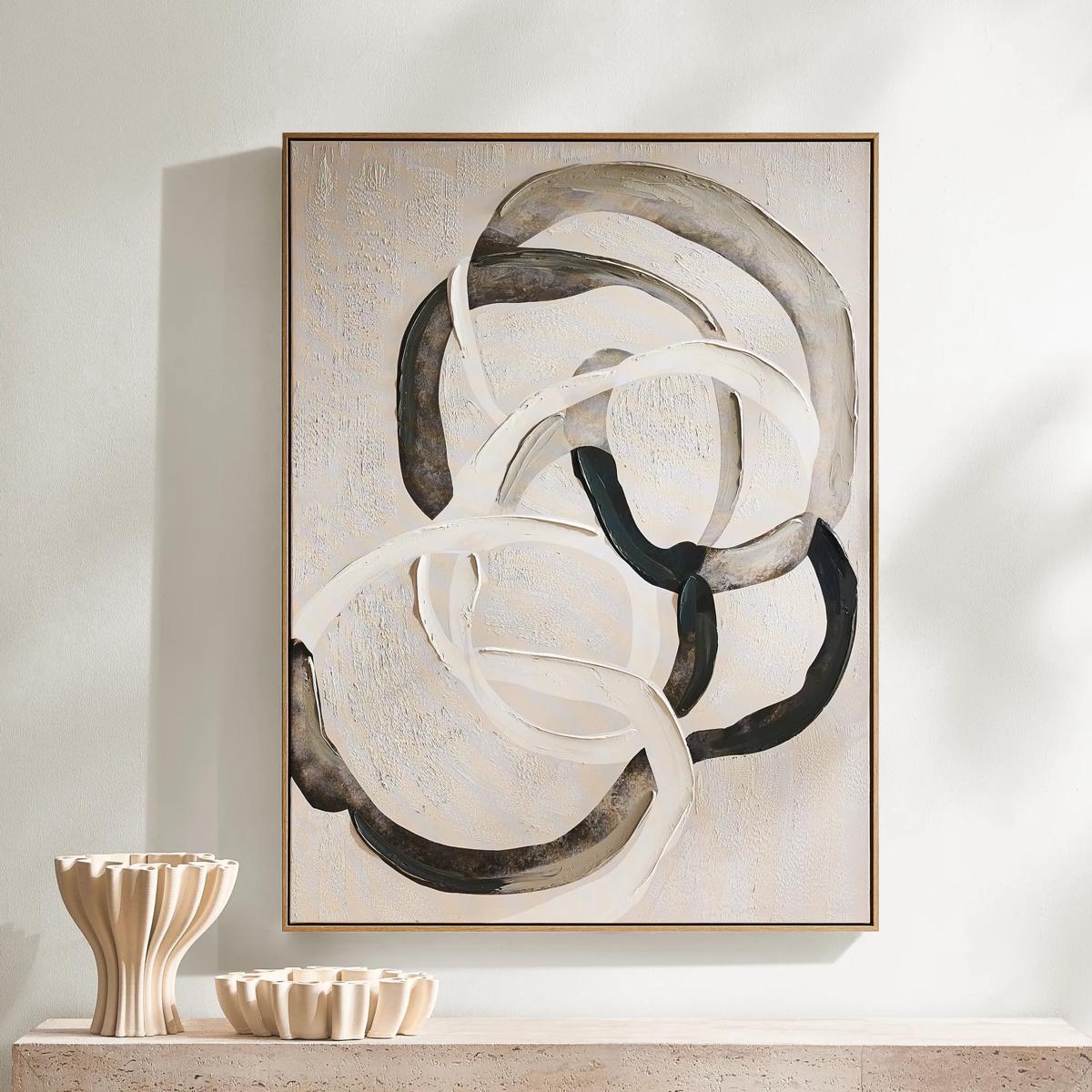 Round About Framed Painted Wall Art 35.25" x 47.25"$349
An abstract hand-painted canvas with tonal whites, charcoals, and taupes in a light wood floater frame.
Add To Cart -
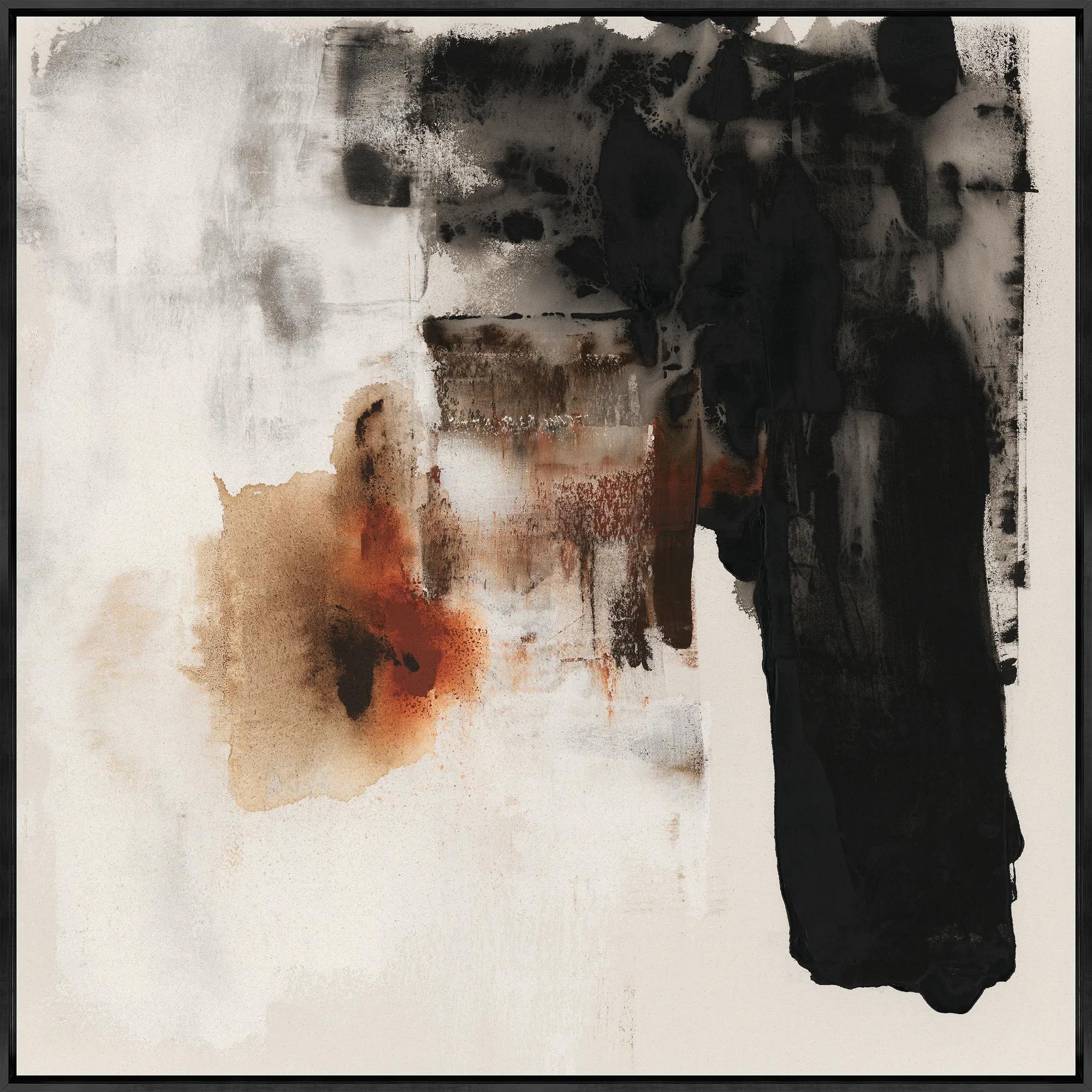
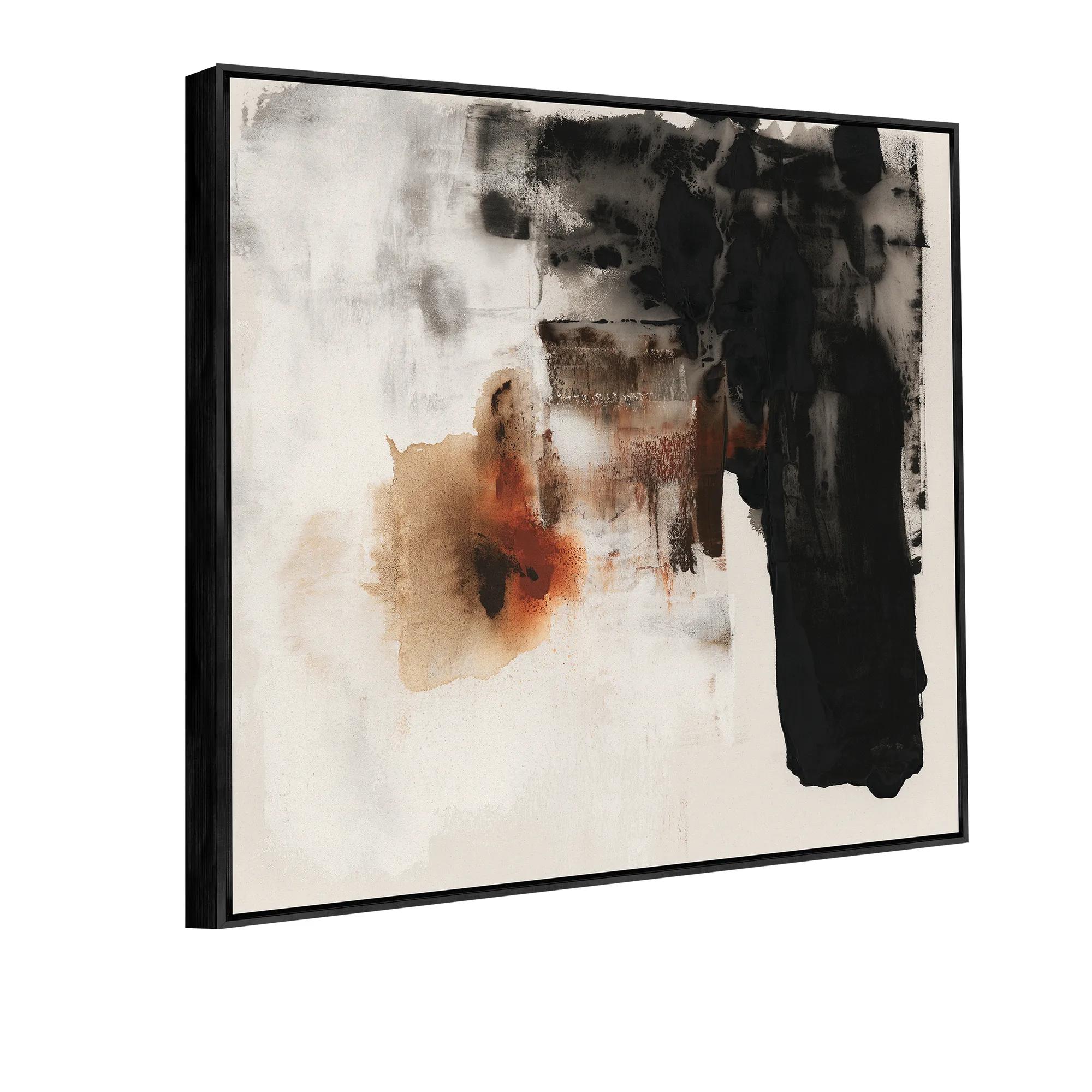 Burning for You II Framed Wall Art 40" x 40"$799
A gallery-wrapped canvas artwork with hand-applied brush gel, set in a sleek black floater frame.
Add To Cart -
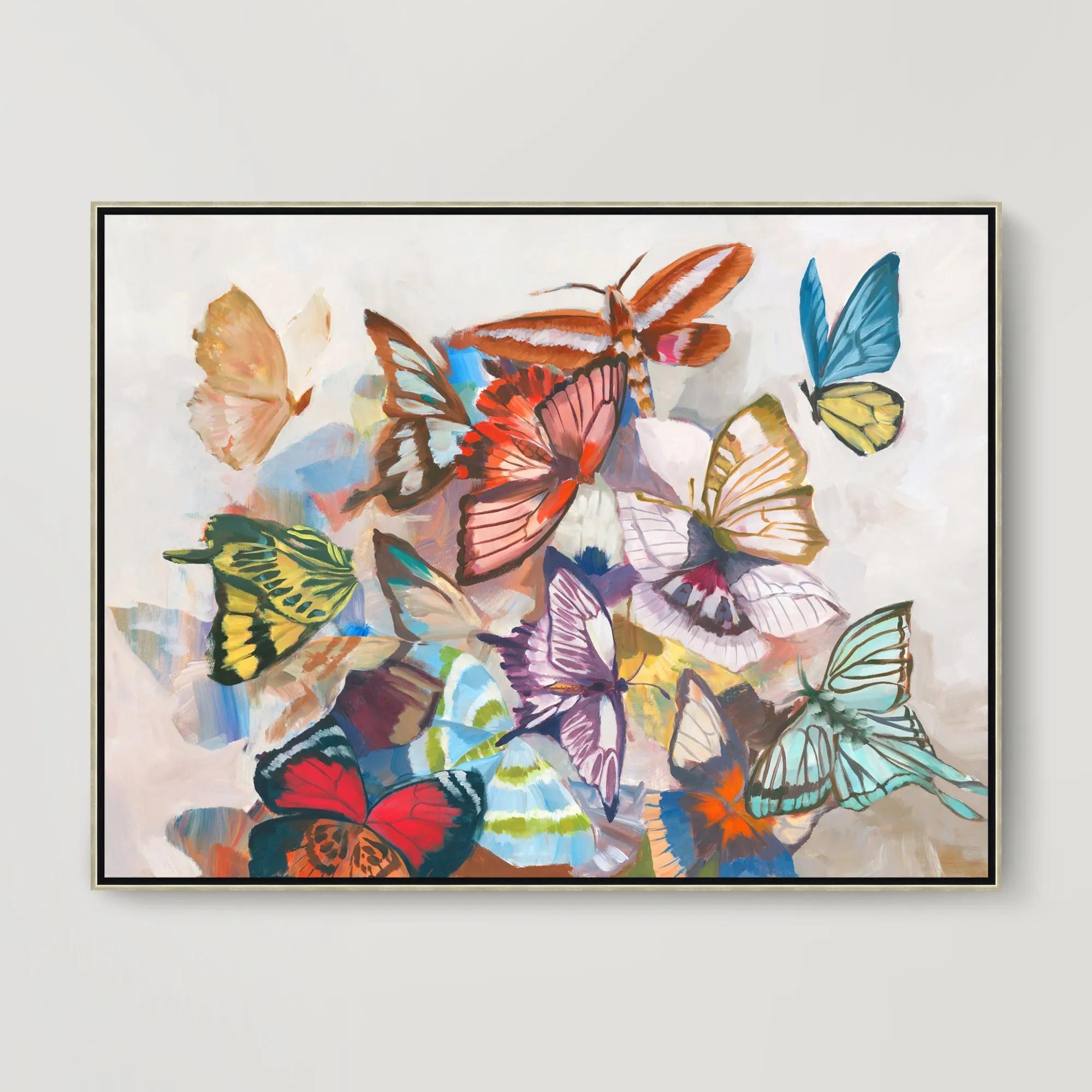 Sugar Wings Framed Wall Art 49.5" x 37.5"$799
A vibrant gallery-wrapped canvas artwork with hand-applied brush gel finish in a sleek silver floater frame.
Add To Cart -
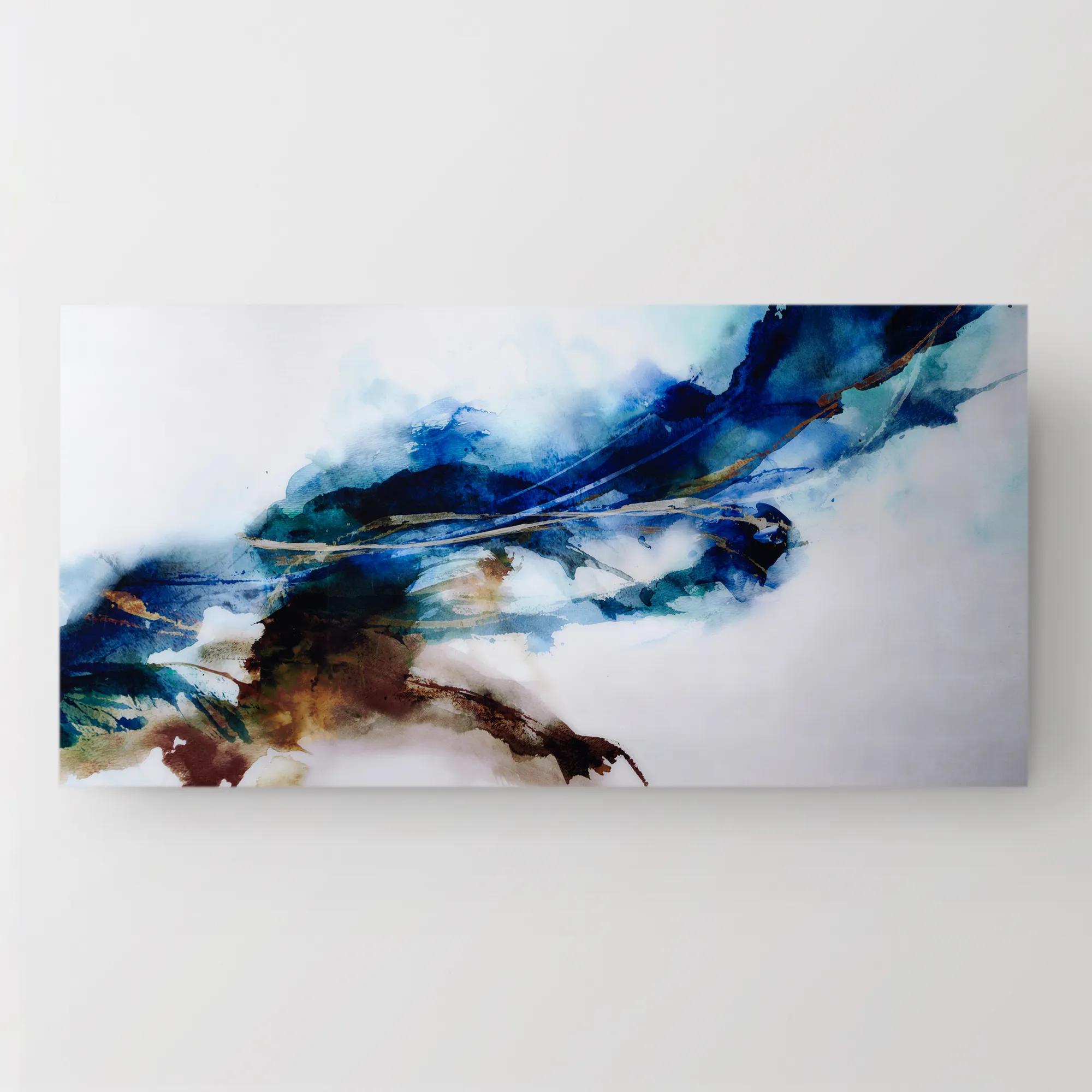 Cerulean Movement Acrylic Art 72" x 36"$1299
A vibrant abstract artwork printed on high-gloss acrylic, infusing your space with dynamic energy and movement.
Add To Cart -
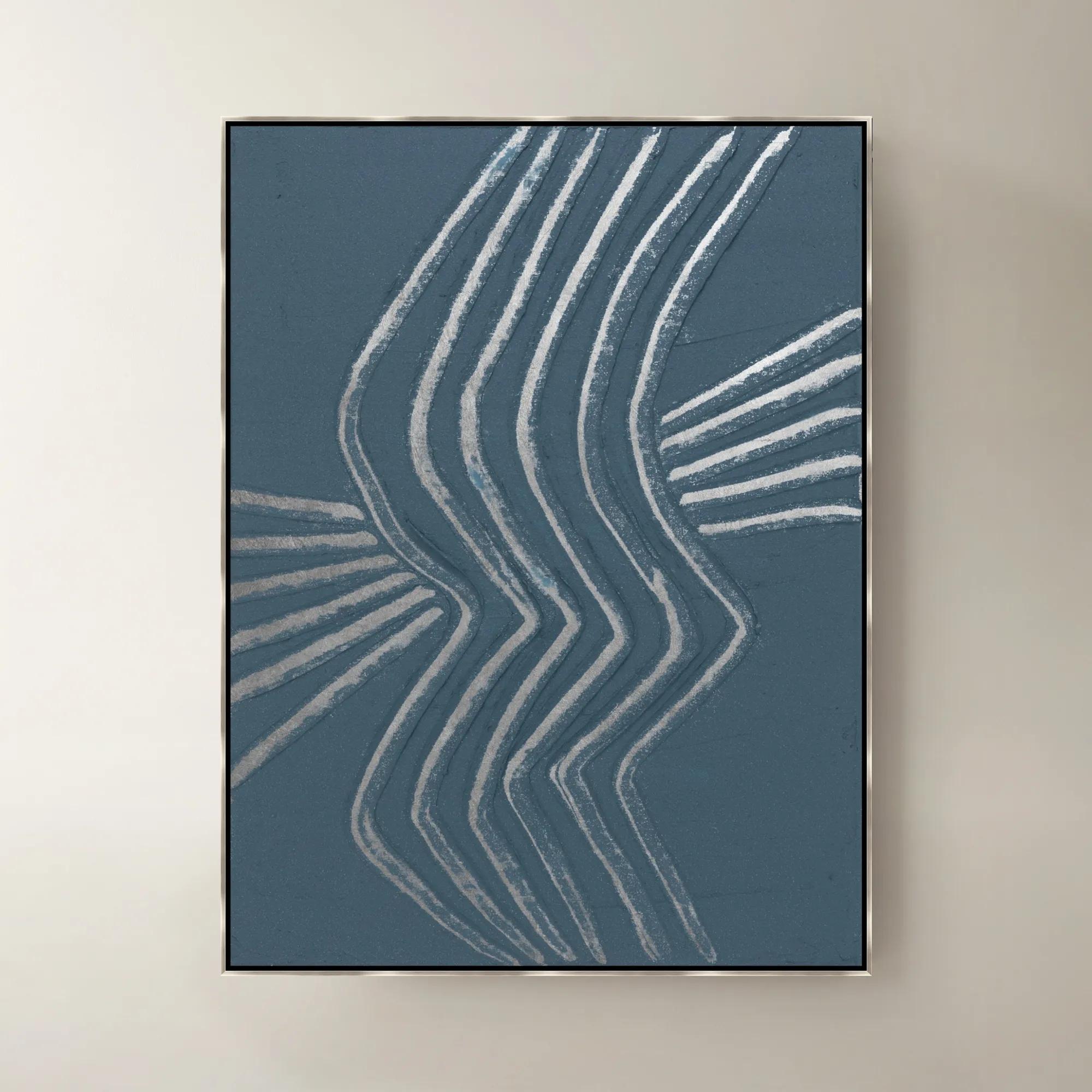
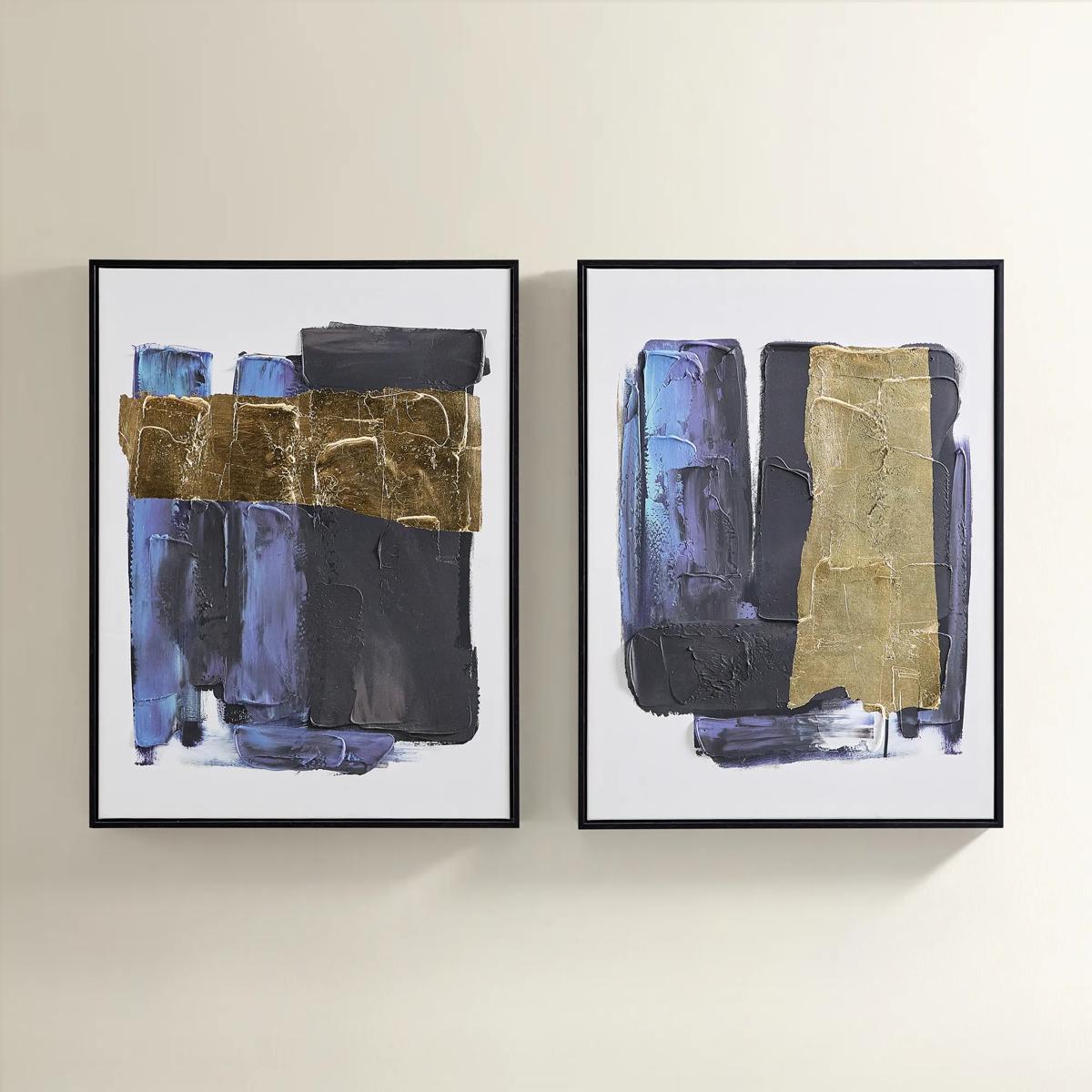
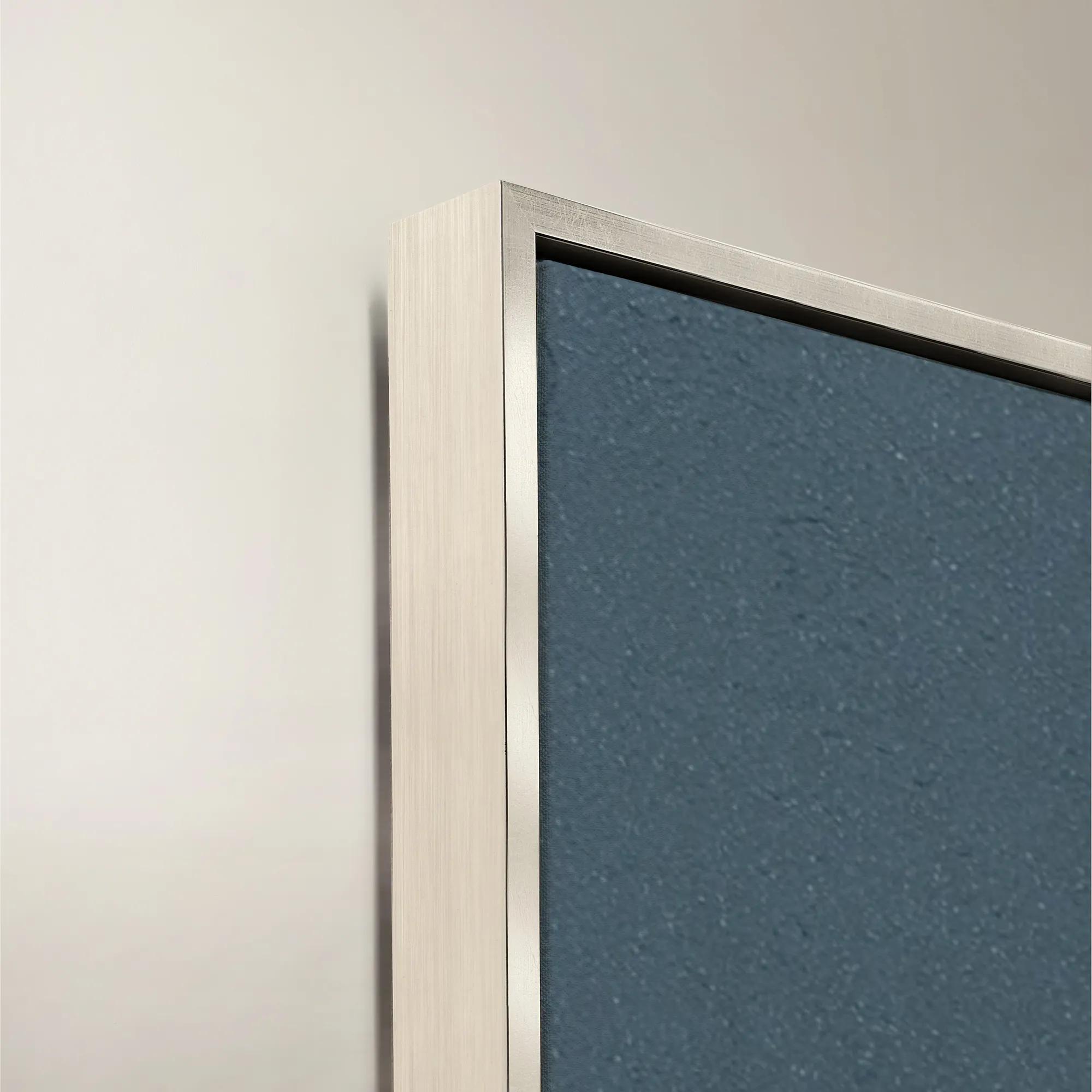 Gilded Waves IV Framed Painted Wall Art 40" x 53"$1399
A framed painted canvas artwork featuring flowing gilded waves in soothing blue and purple tones.
Add To Cart -
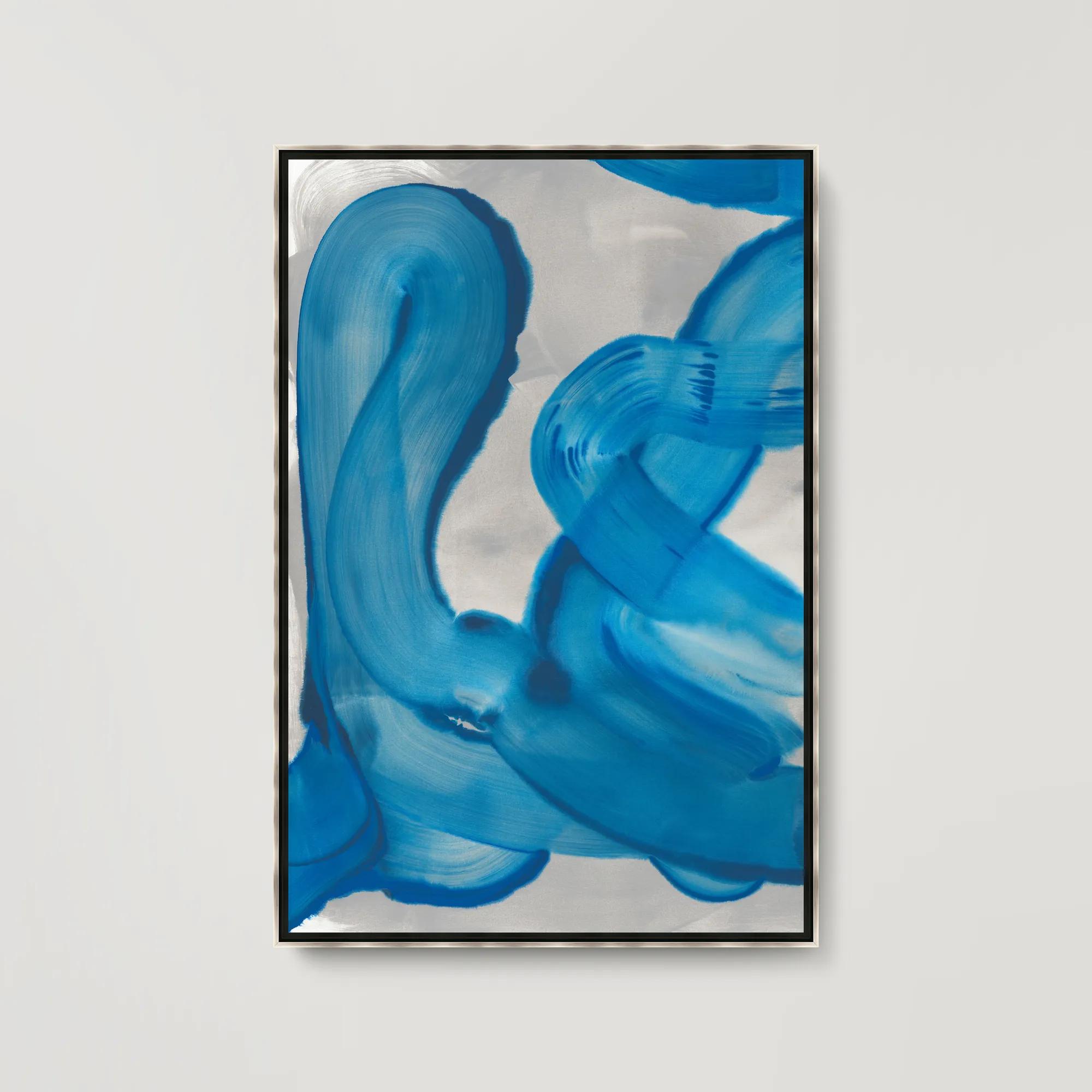 Royal Waves I Framed Wall Art 31.5" x 46.5"$699
A gallery-wrapped abstract canvas featuring hand-applied brush gel and set in a sleek silver floater frame.
Add To Cart -

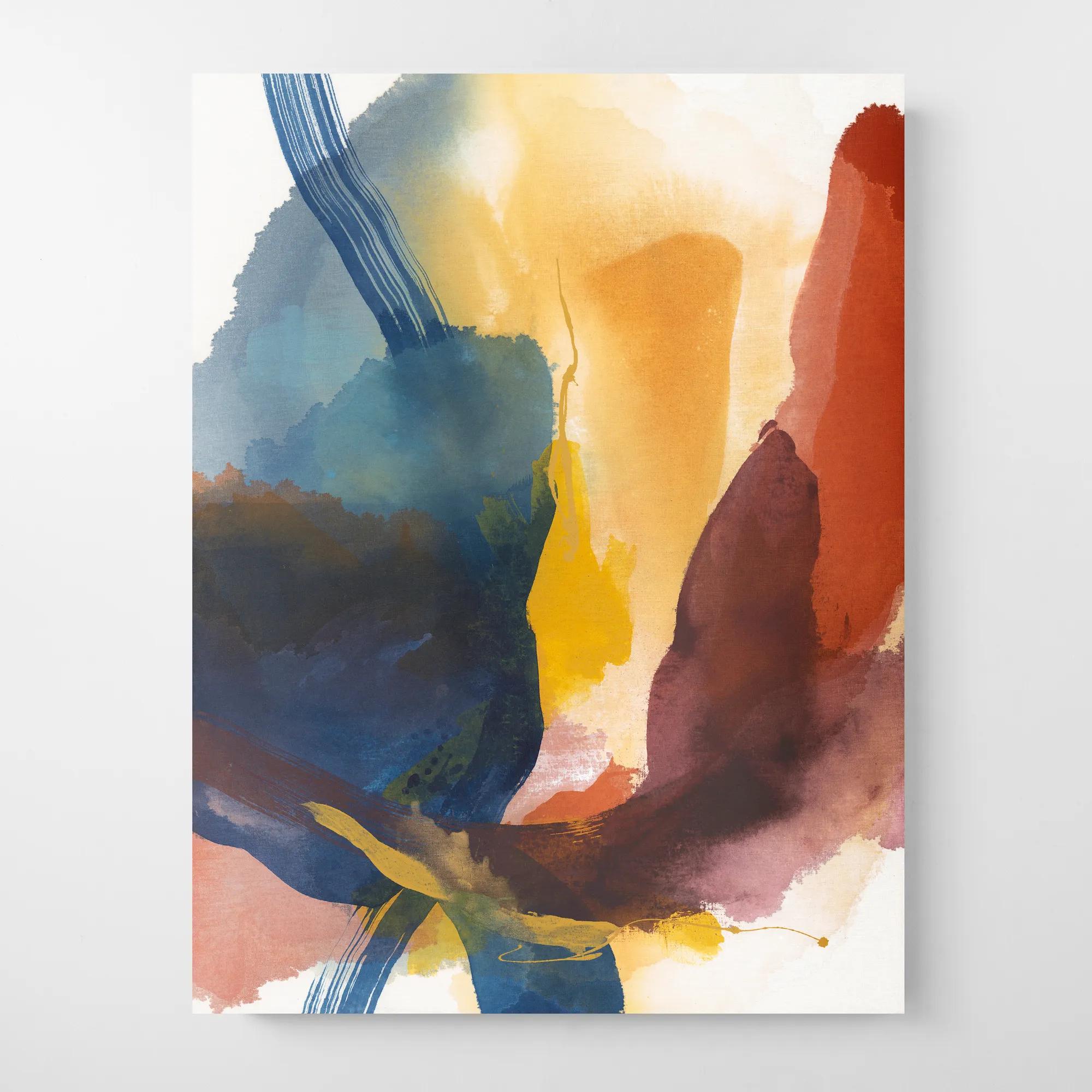
 Blooming in Her Own Time Framed Wall Art 40" x 50"$1029
A vibrant multicolored canvas wall artwork featuring an expressive botanical-inspired design in a framed presentation.
Add To Cart -
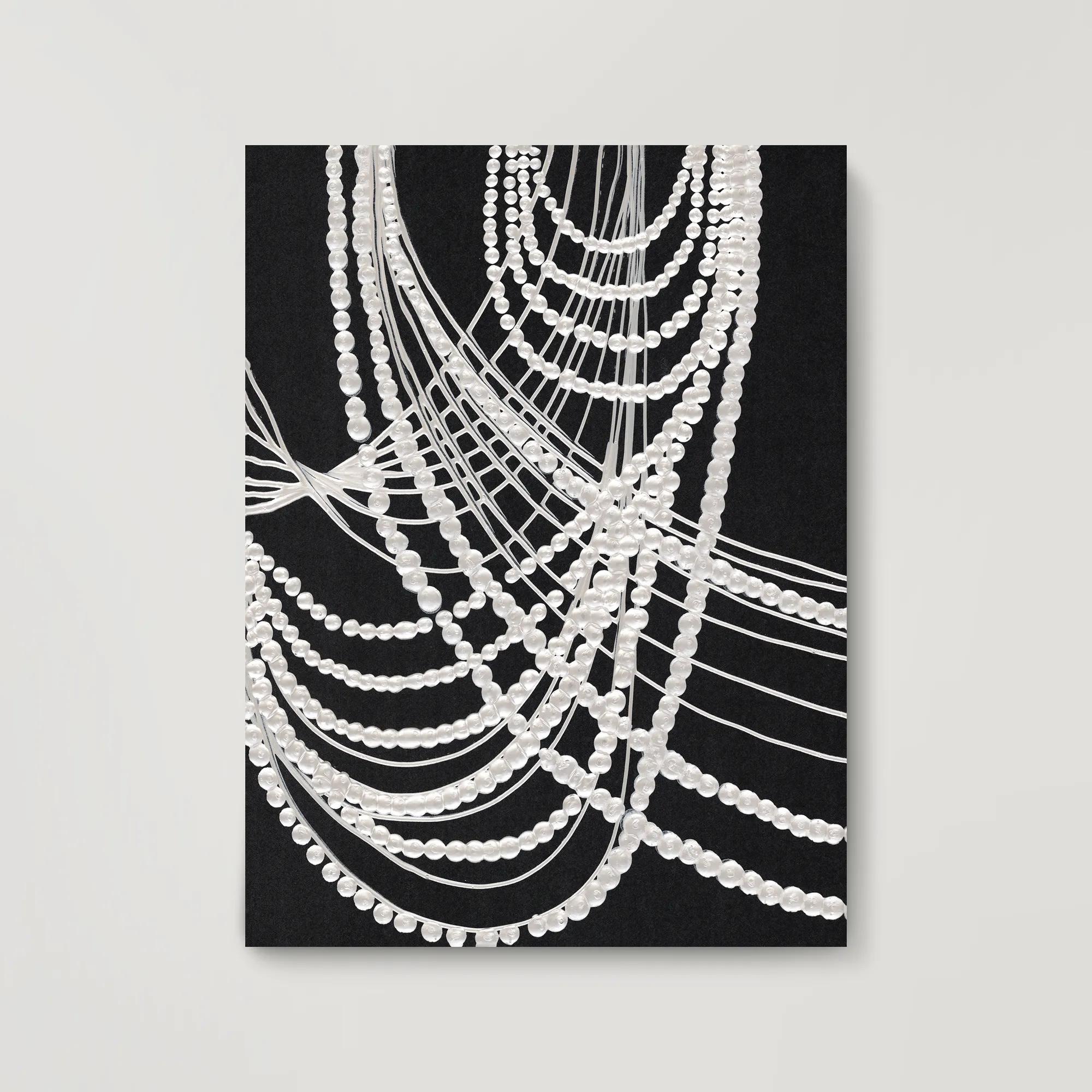 Dripping Pearls Painted Wall Art 36" x 48"$949
A striking hand-painted abstract artwork featuring layered acrylic and watercolor textures in a modern design.
Add To Cart -
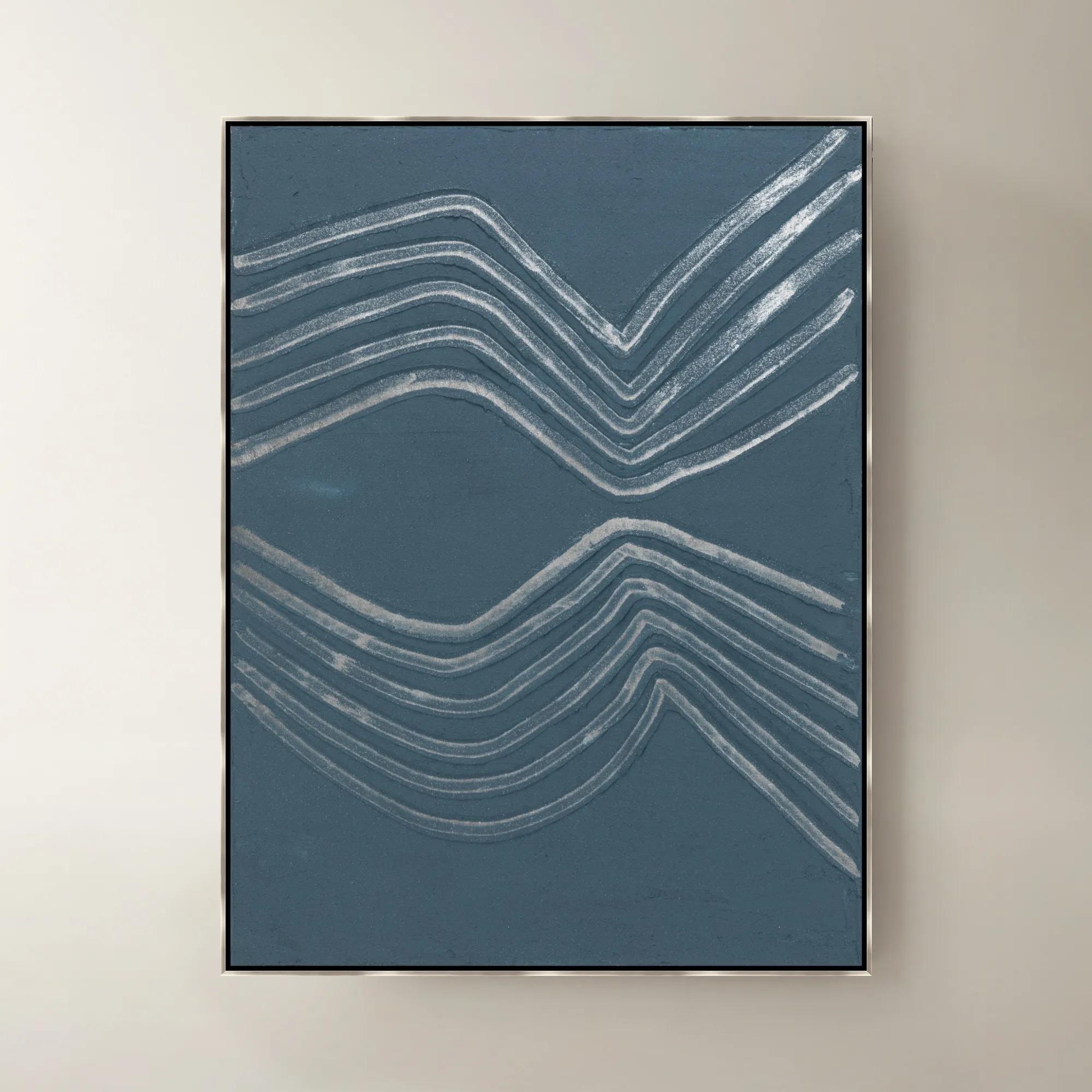
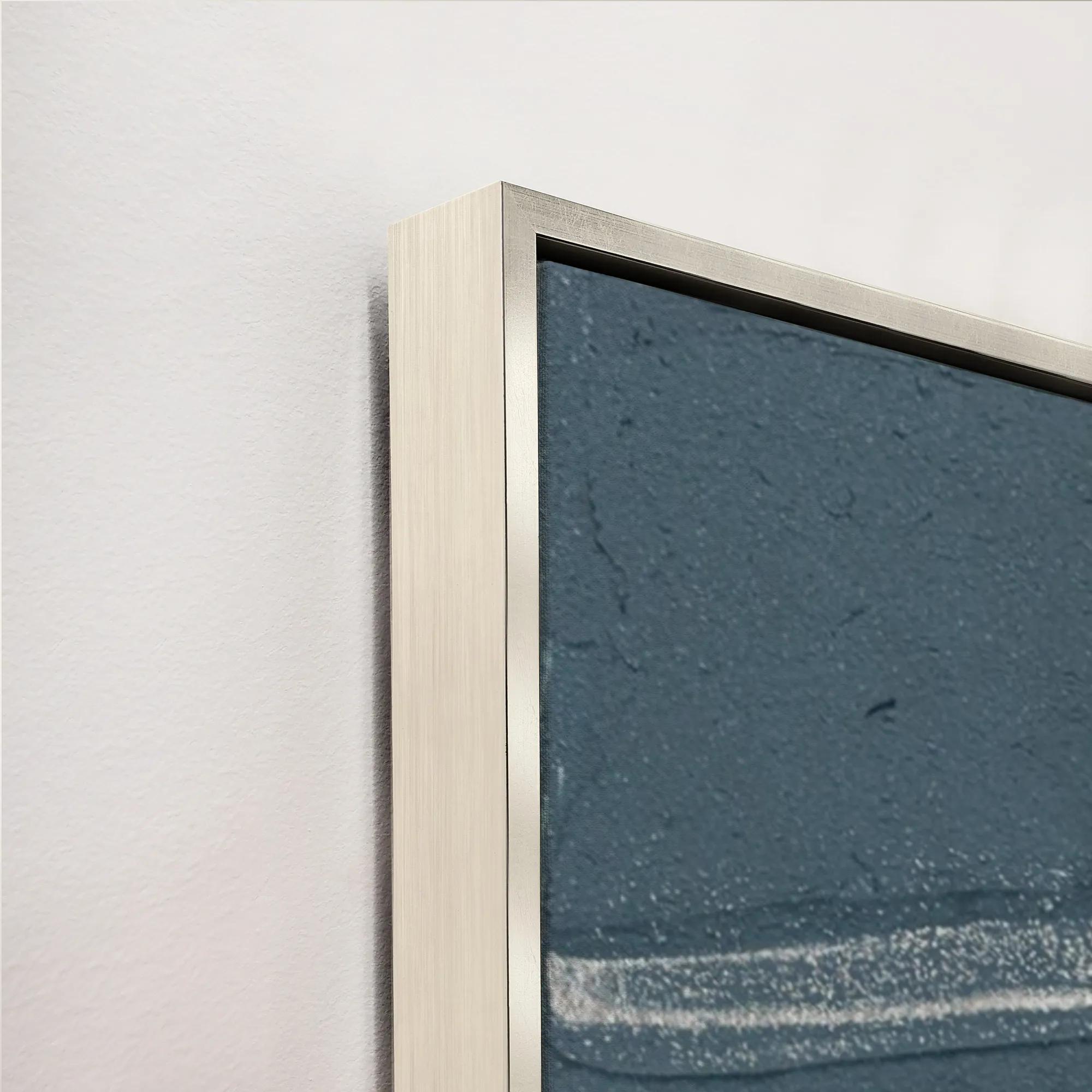 Gilded Waves VI Framed Painted Wall Art 40" x 53"$1399
A framed painted canvas artwork featuring sweeping gilded waves in rich blue and purple tones.
Add To Cart -
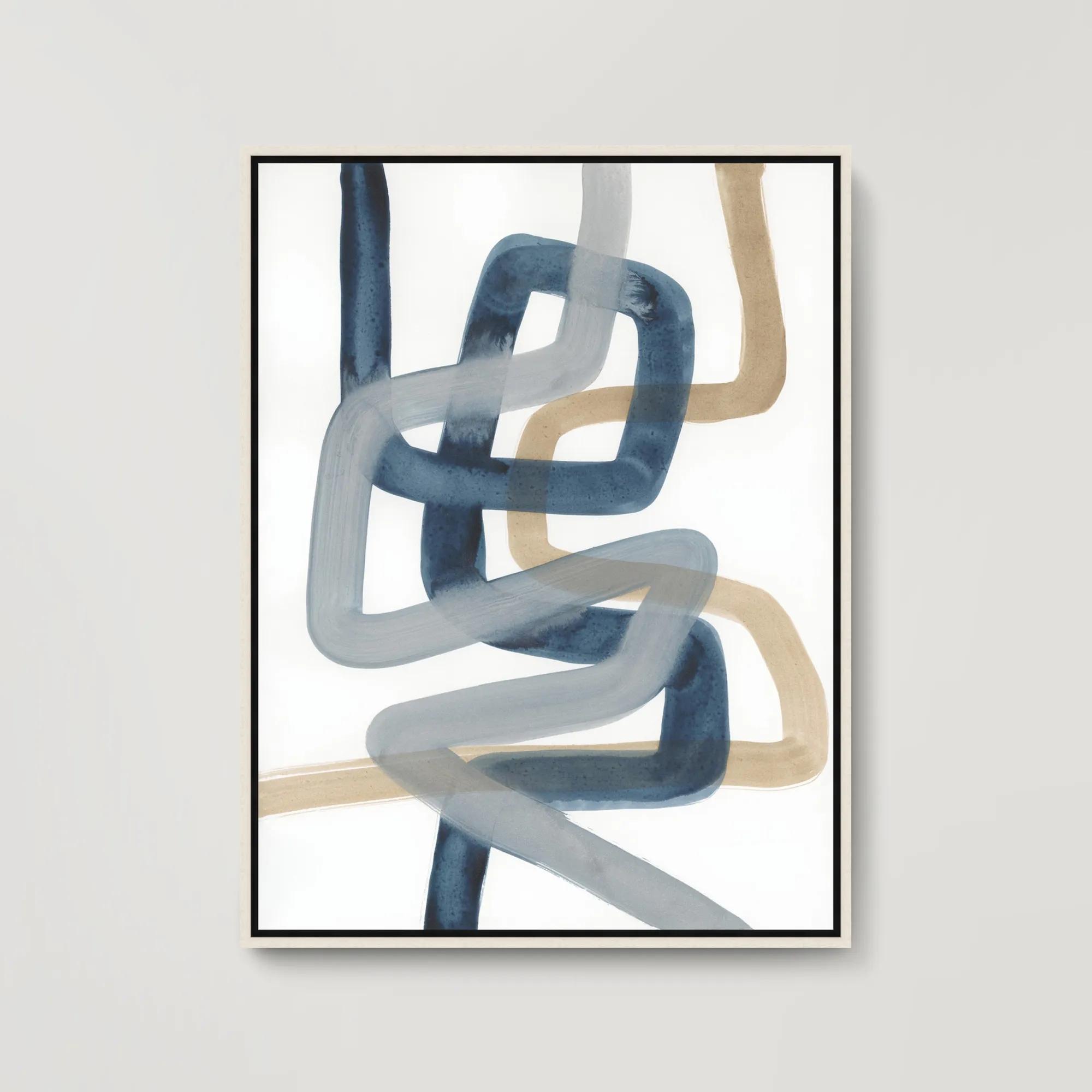 Looped In II Framed Wall Art 31.5" x 41.5"$699
A gallery-wrapped abstract canvas with hand-applied brush gel finish, set in a sleek white floater frame.
Add To Cart -
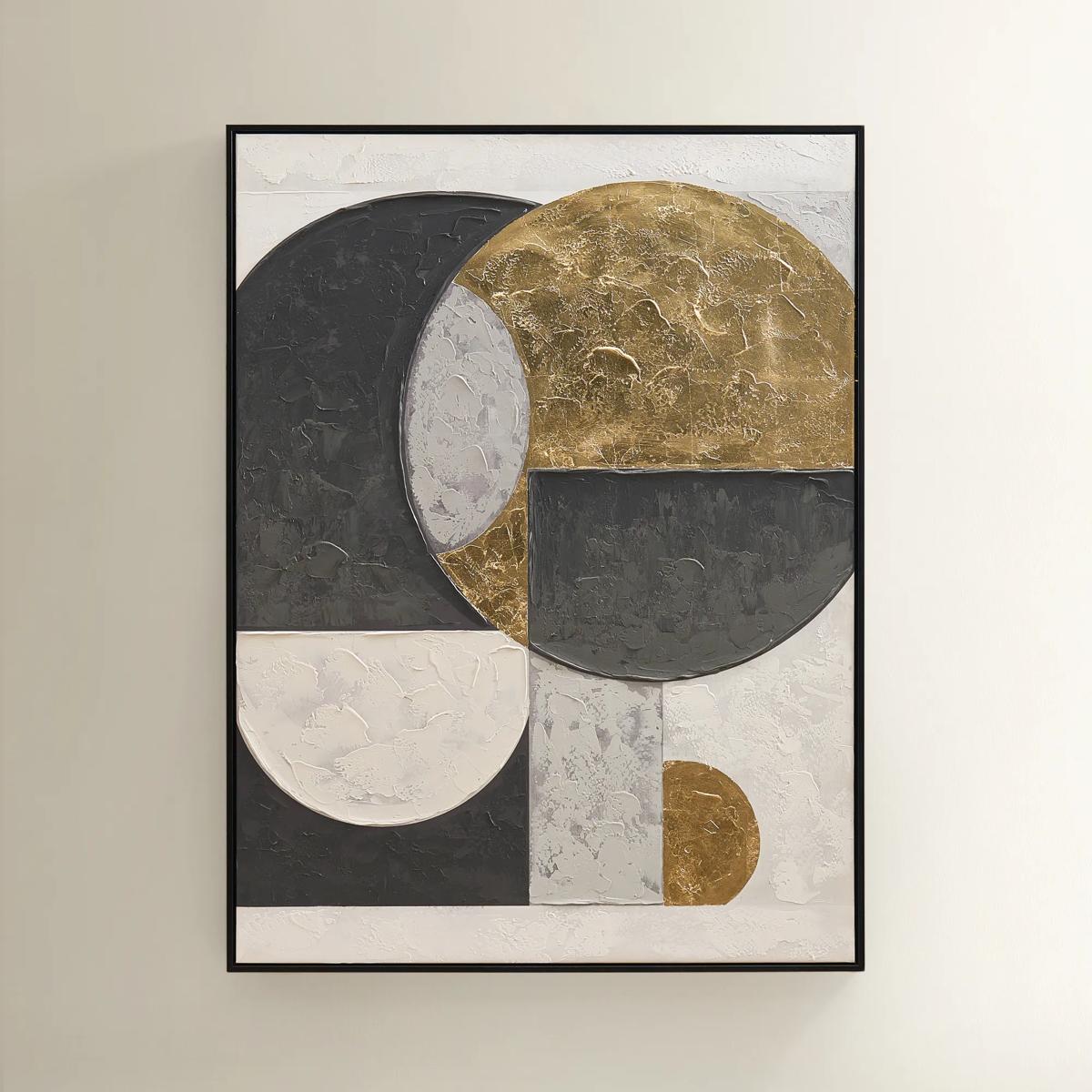
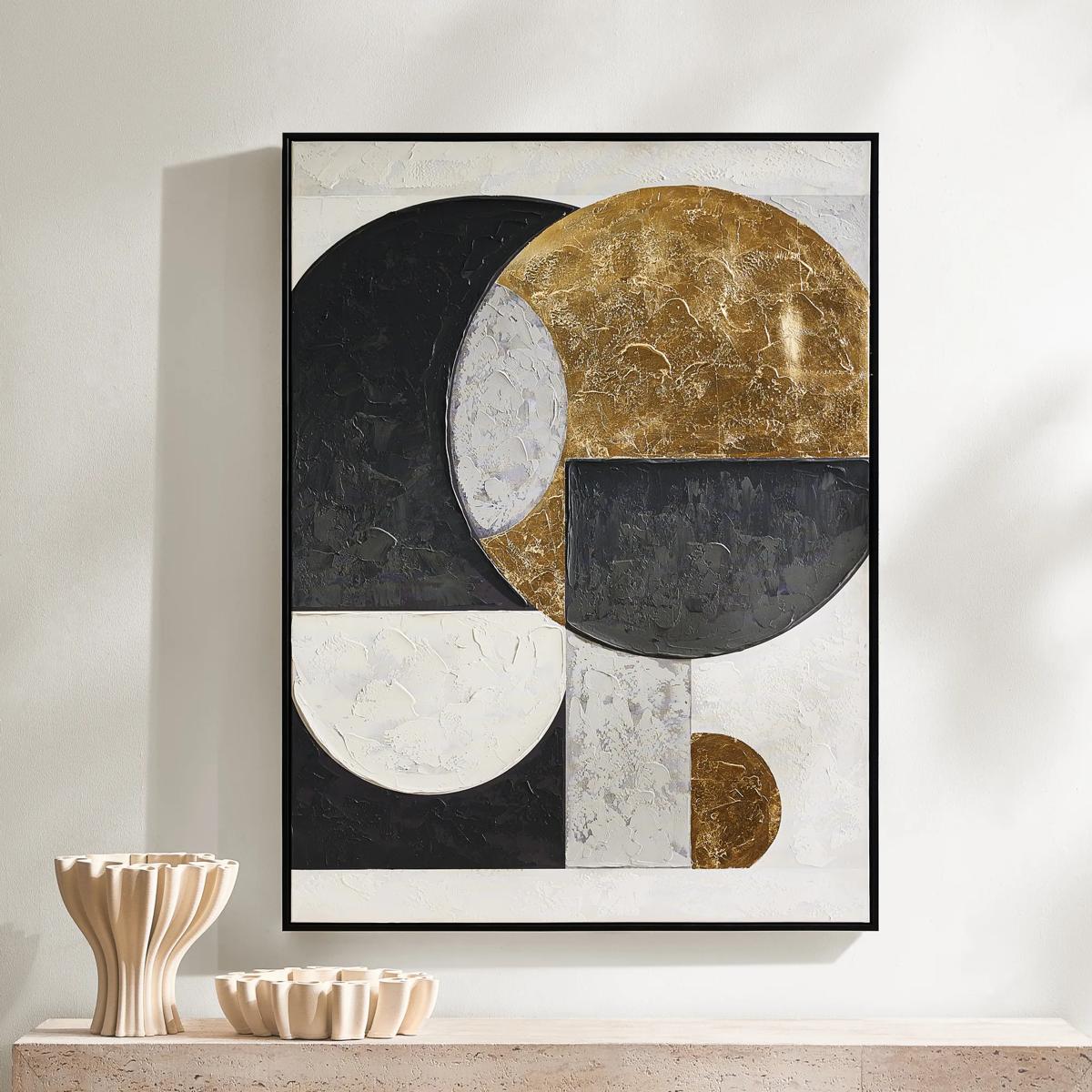 Eclipse Framed Gold Leaf Painted Wall Art 35.25" x 47.25"$449
A hand-painted canvas featuring bold black, grey, and gold geometric shapes with shimmering gold leaf accents.
Add To Cart -
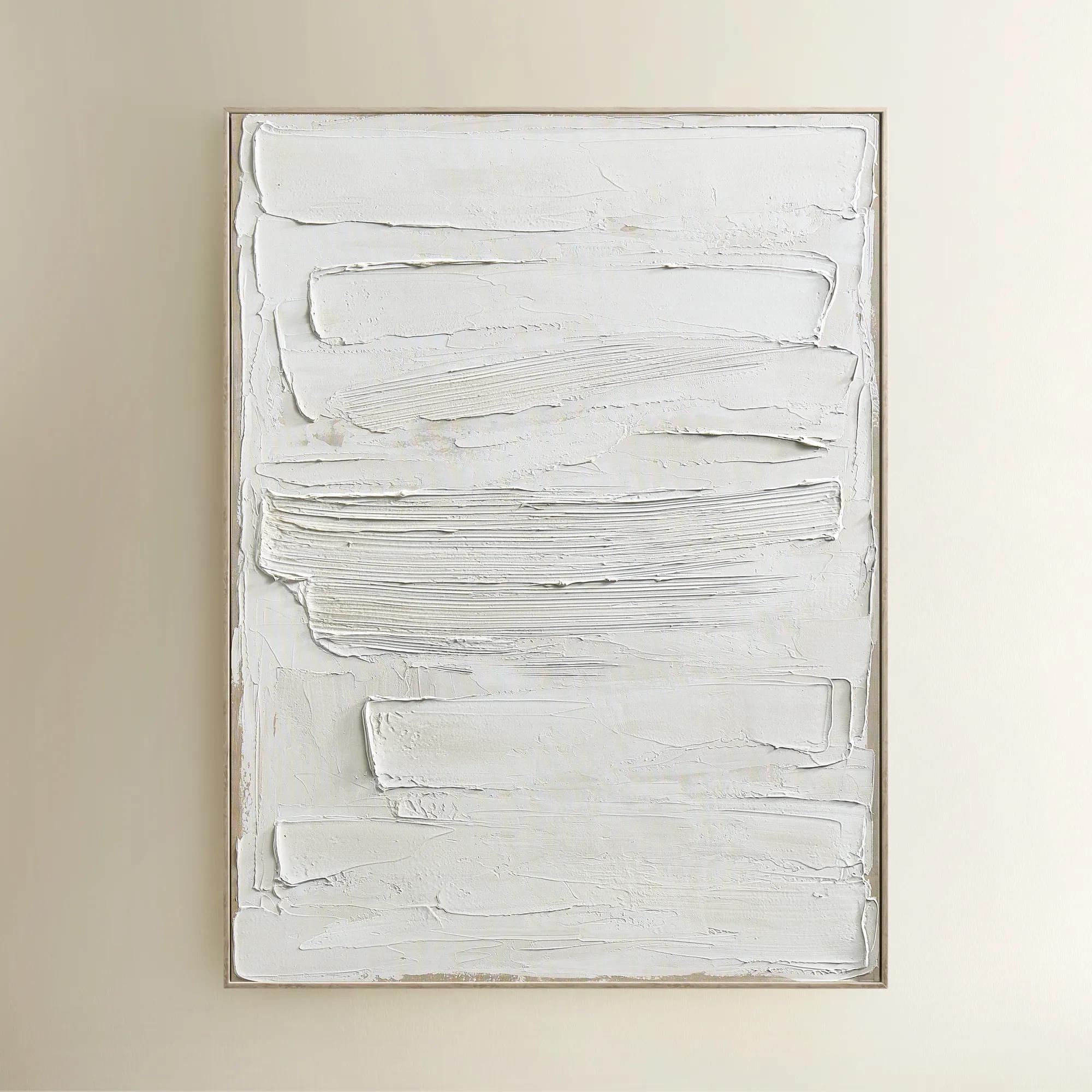
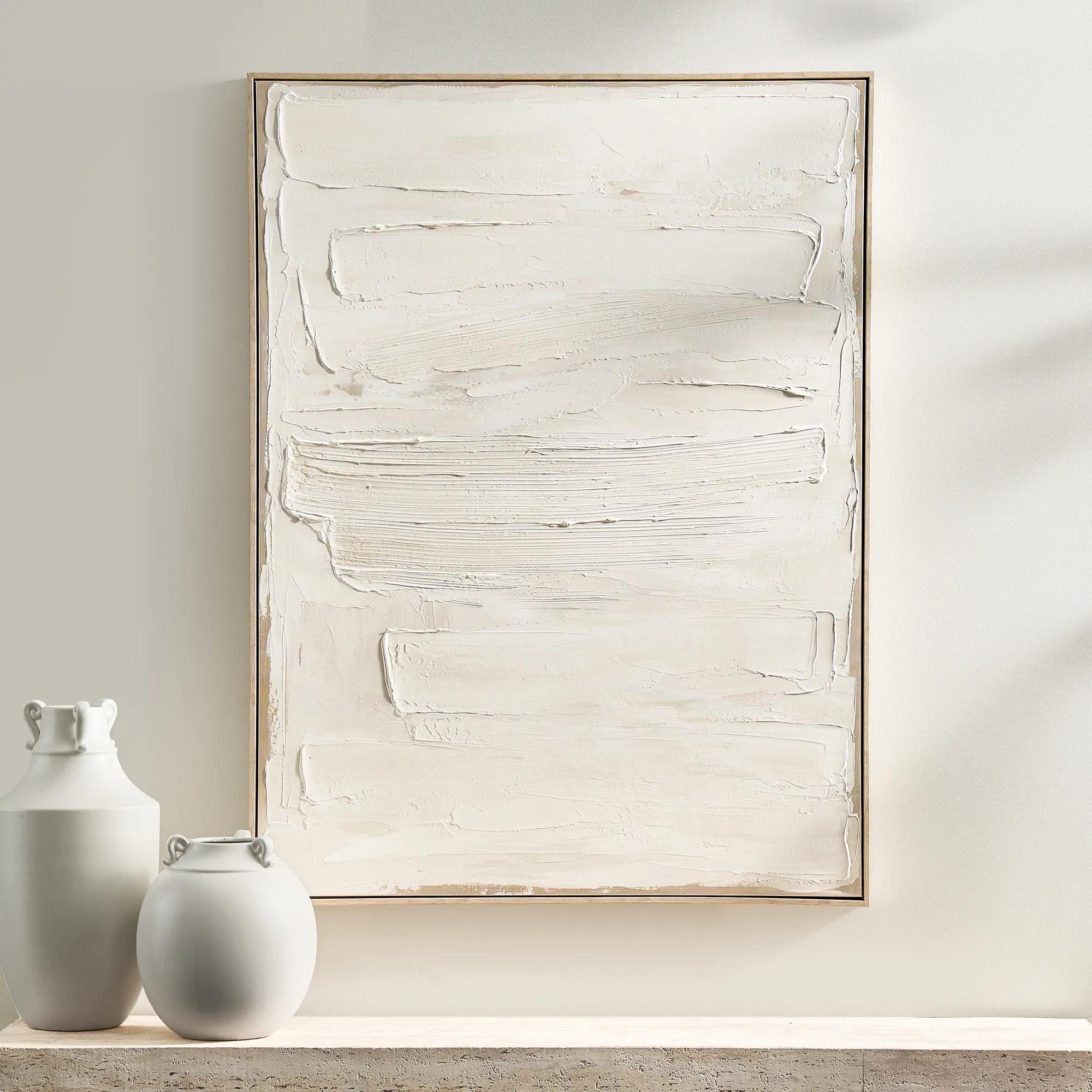 Monotype Canvas 1$399
A hand-painted abstract canvas featuring layered white tones and textured paint in a whitewashed wood frame.
Add To Cart -
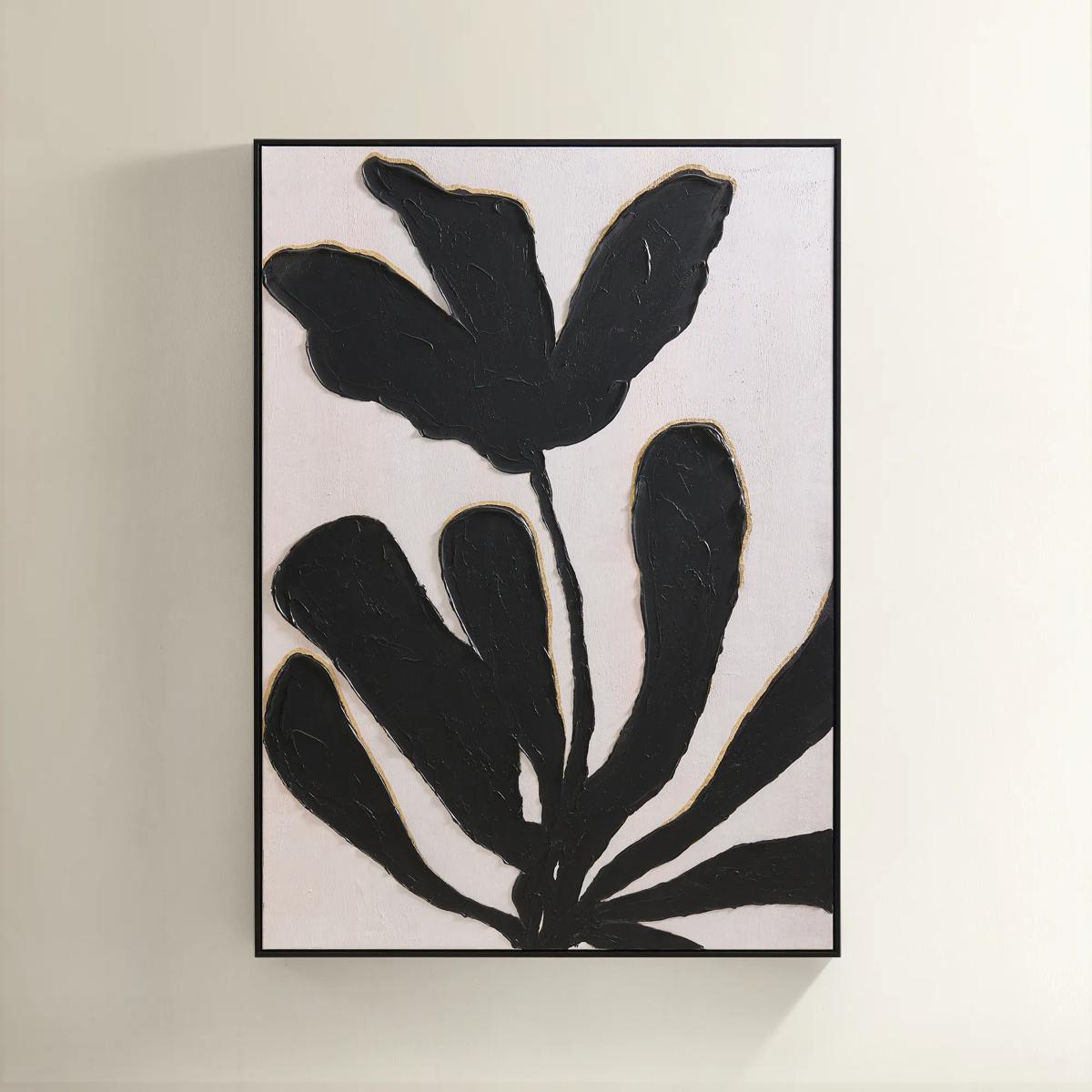
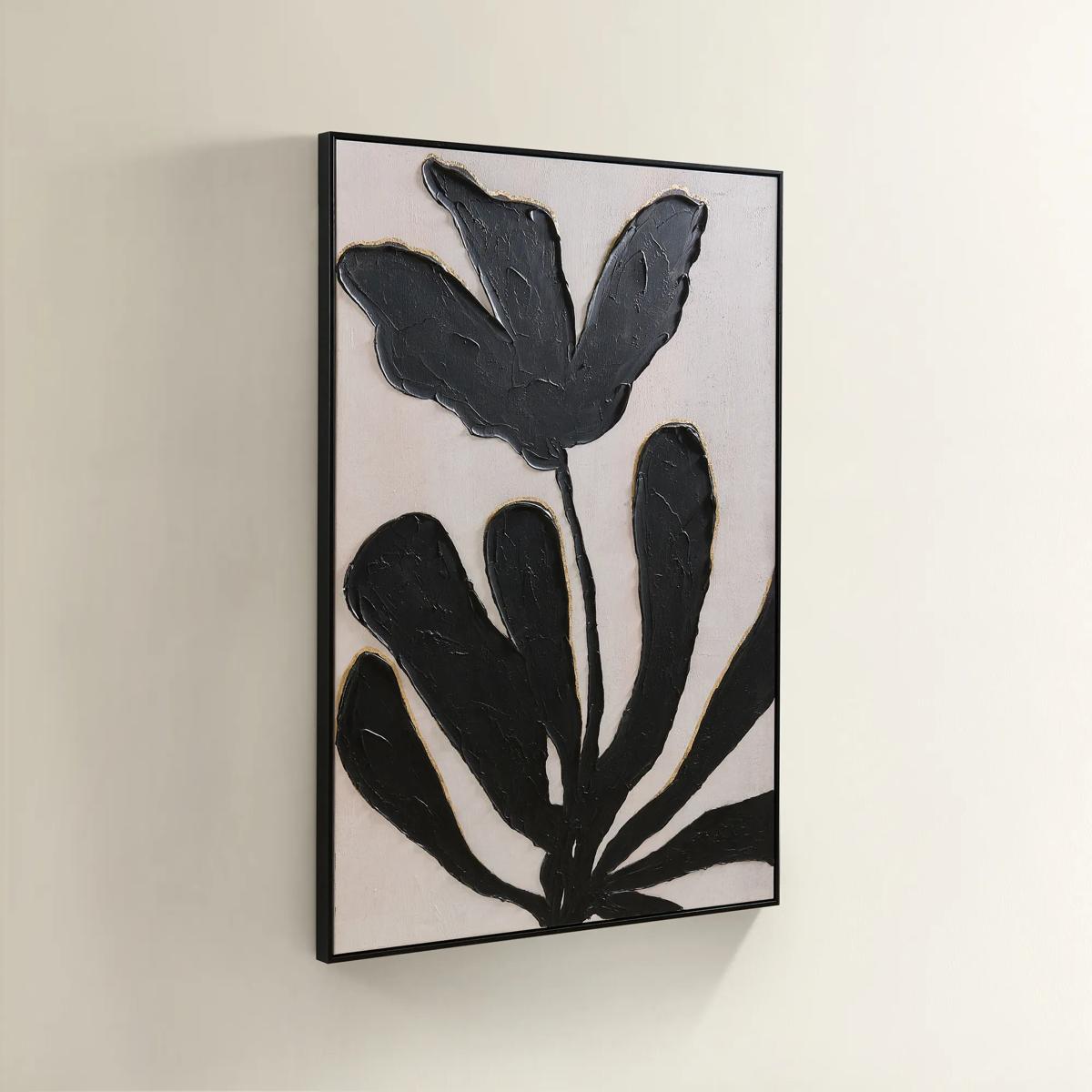 First Bloom Framed Painted Wall Art 39.25" x 55"$499
A hand-painted canvas featuring black abstract leaves and gold leafing on an ivory background in a black frame.
Add To Cart -
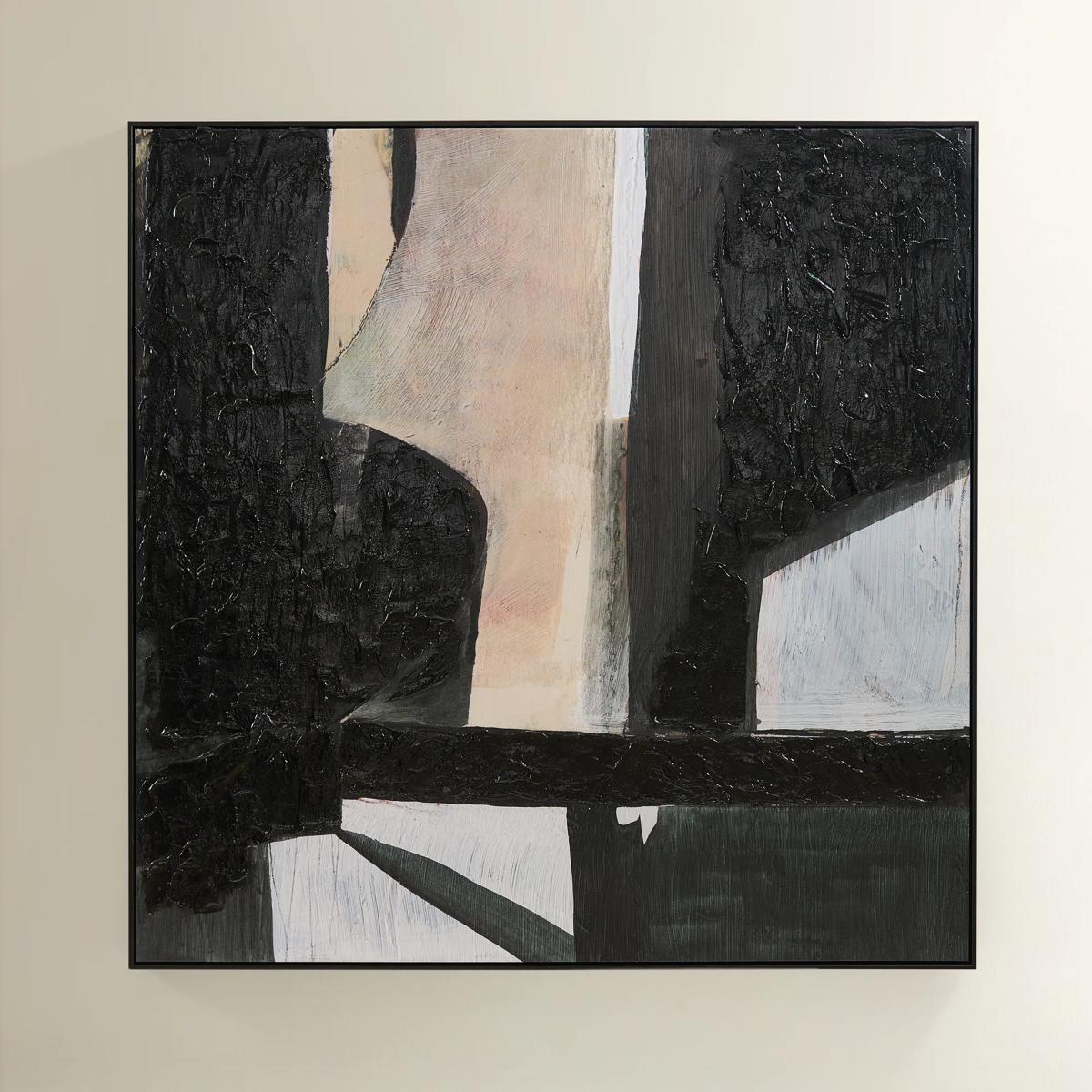 Grounded Painting$699
A hand-painted abstract canvas featuring black, cream, and earth tones in a sleek black floater frame.
Add To Cart -
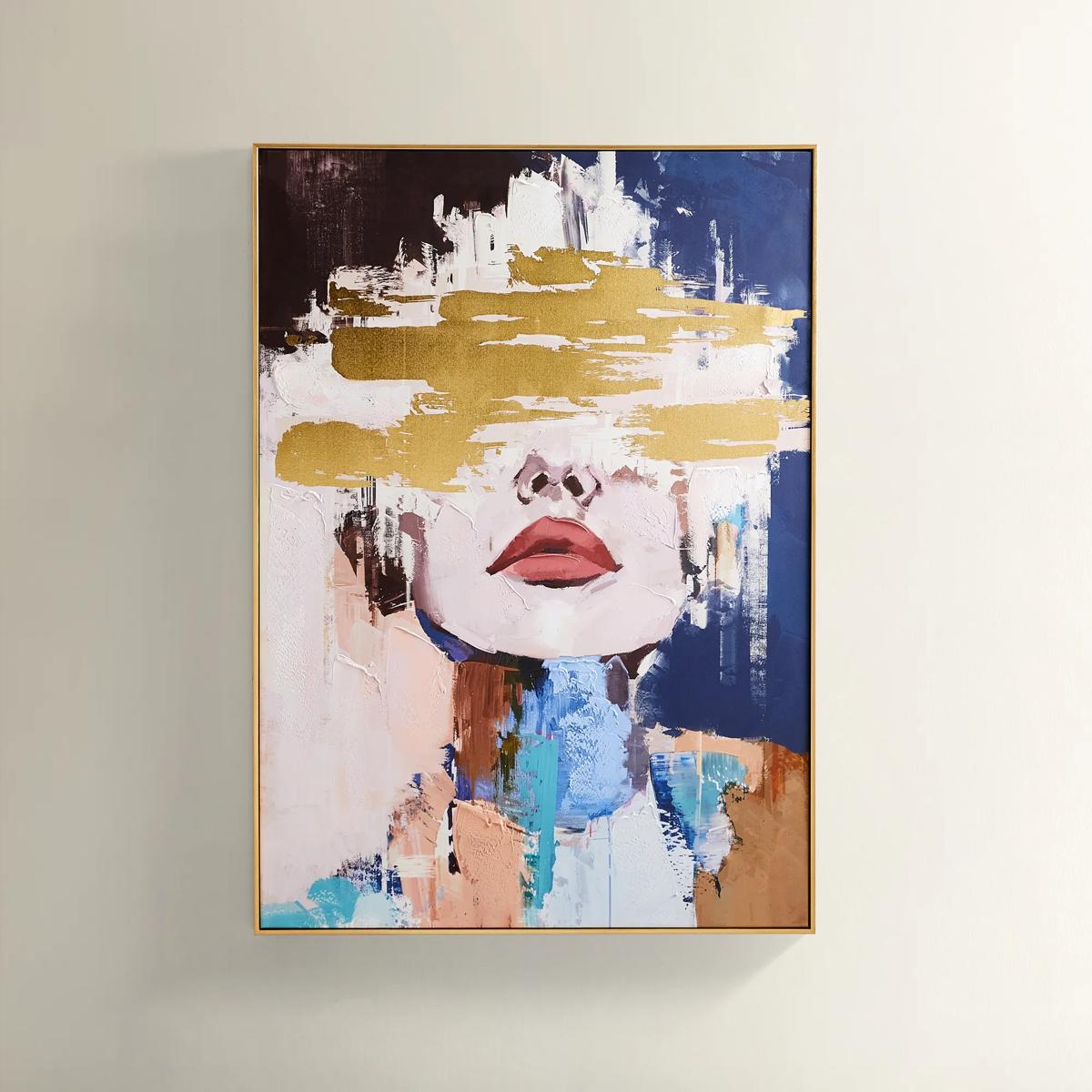
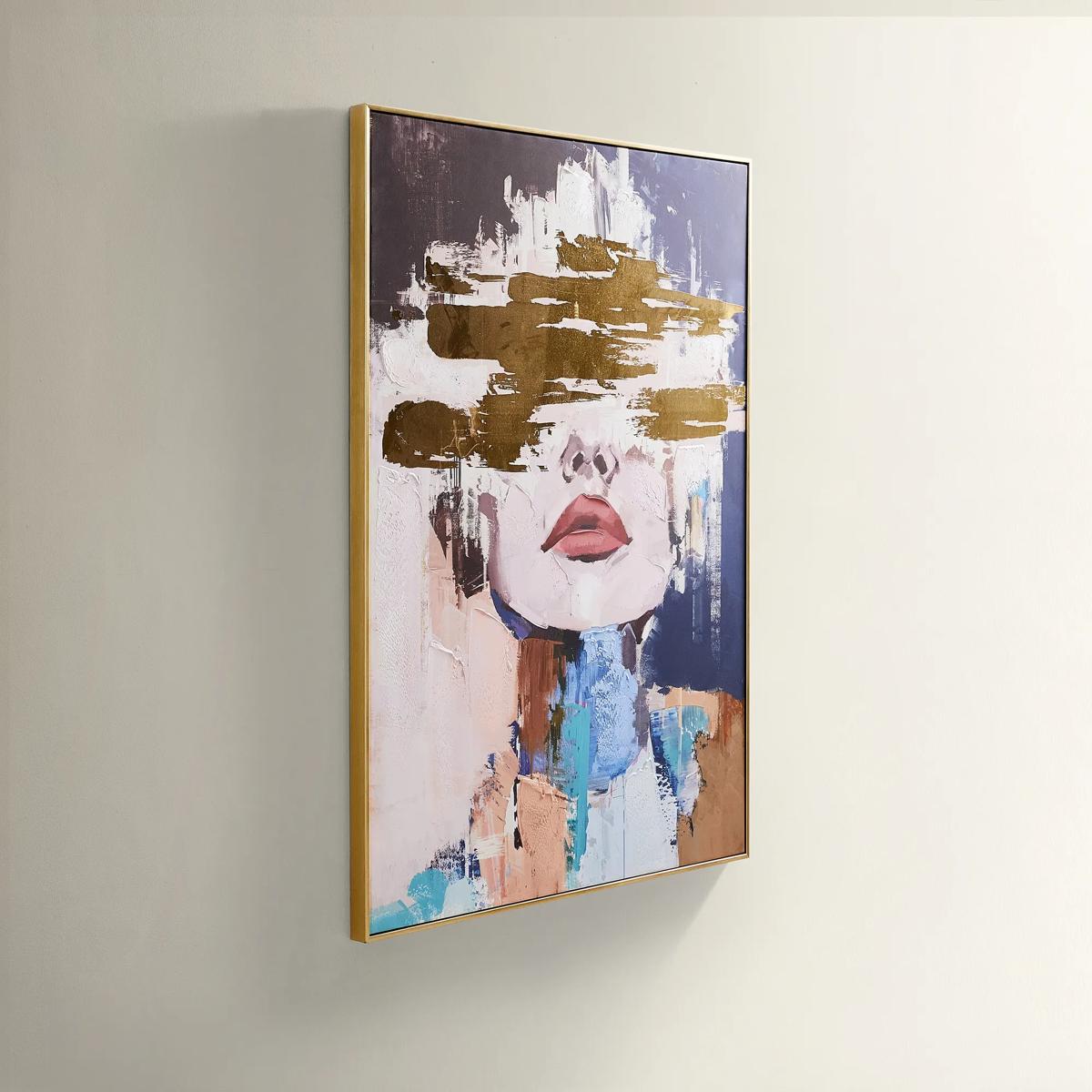 Waiting in Color Gold Foil Painted Wall Art 39.25" x 55"$499
A hand-painted abstract portrait in vivid blue, blush, and gold foil, framed in luxe gold.
Add To Cart -

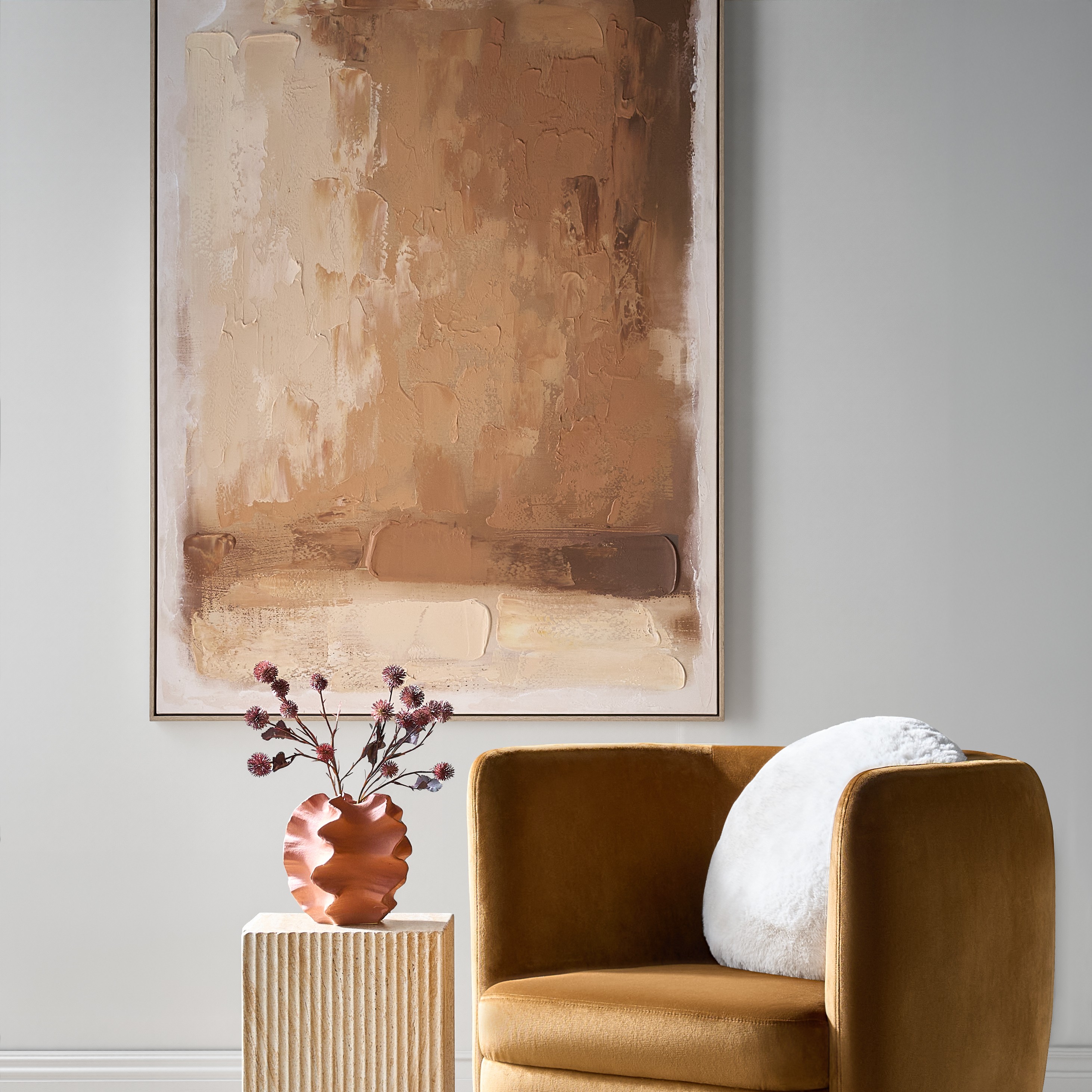 Ember Glow Framed Painted Wall Art 39.25" x 55"$499
A hand-painted abstract canvas blending ochre, terracotta, and golden clay hues in a light natural frame.
Add To Cart -
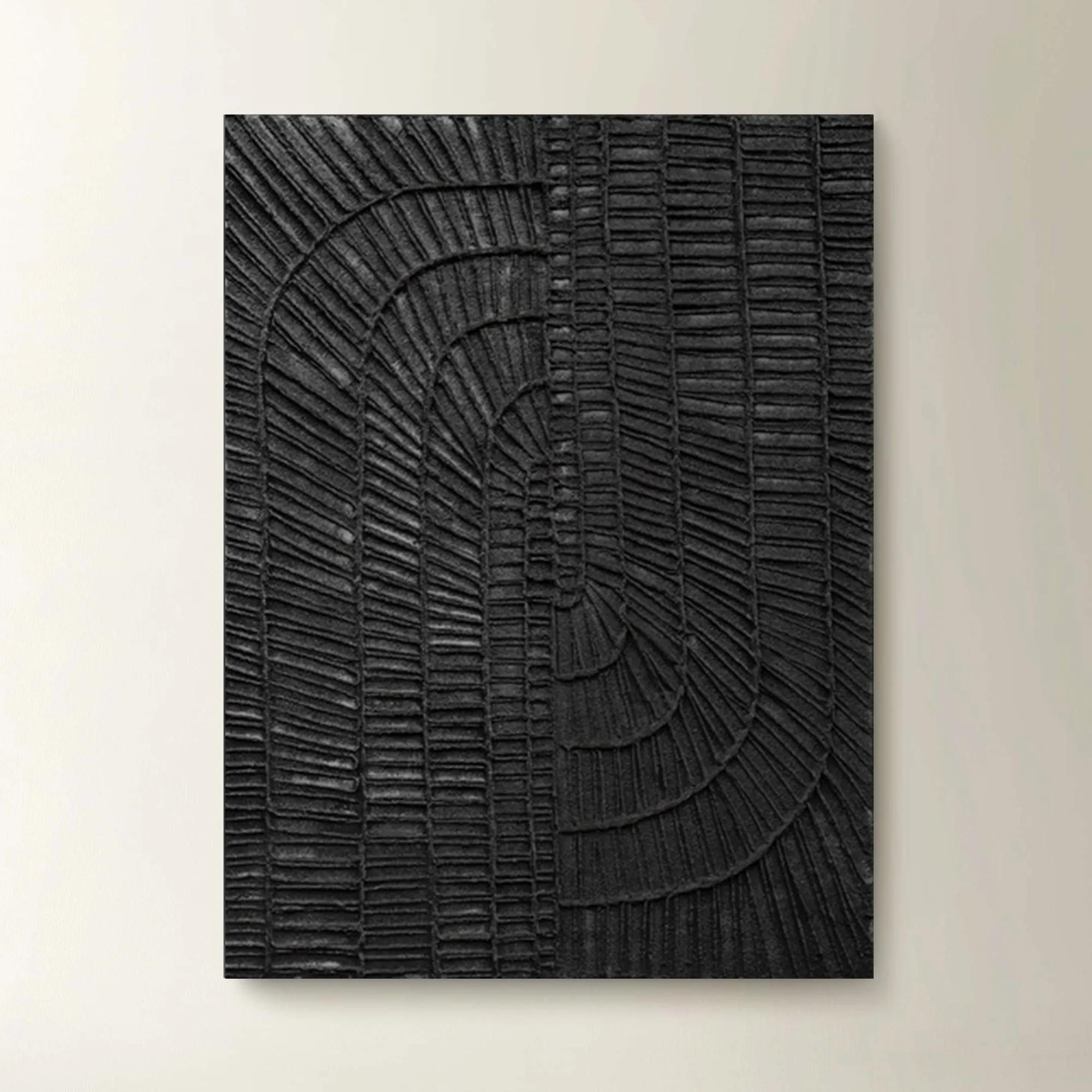
 Fossil Painting$299
A bold hand-painted abstract artwork featuring textured black shades in a sleek black floater frame.
Add To Cart -
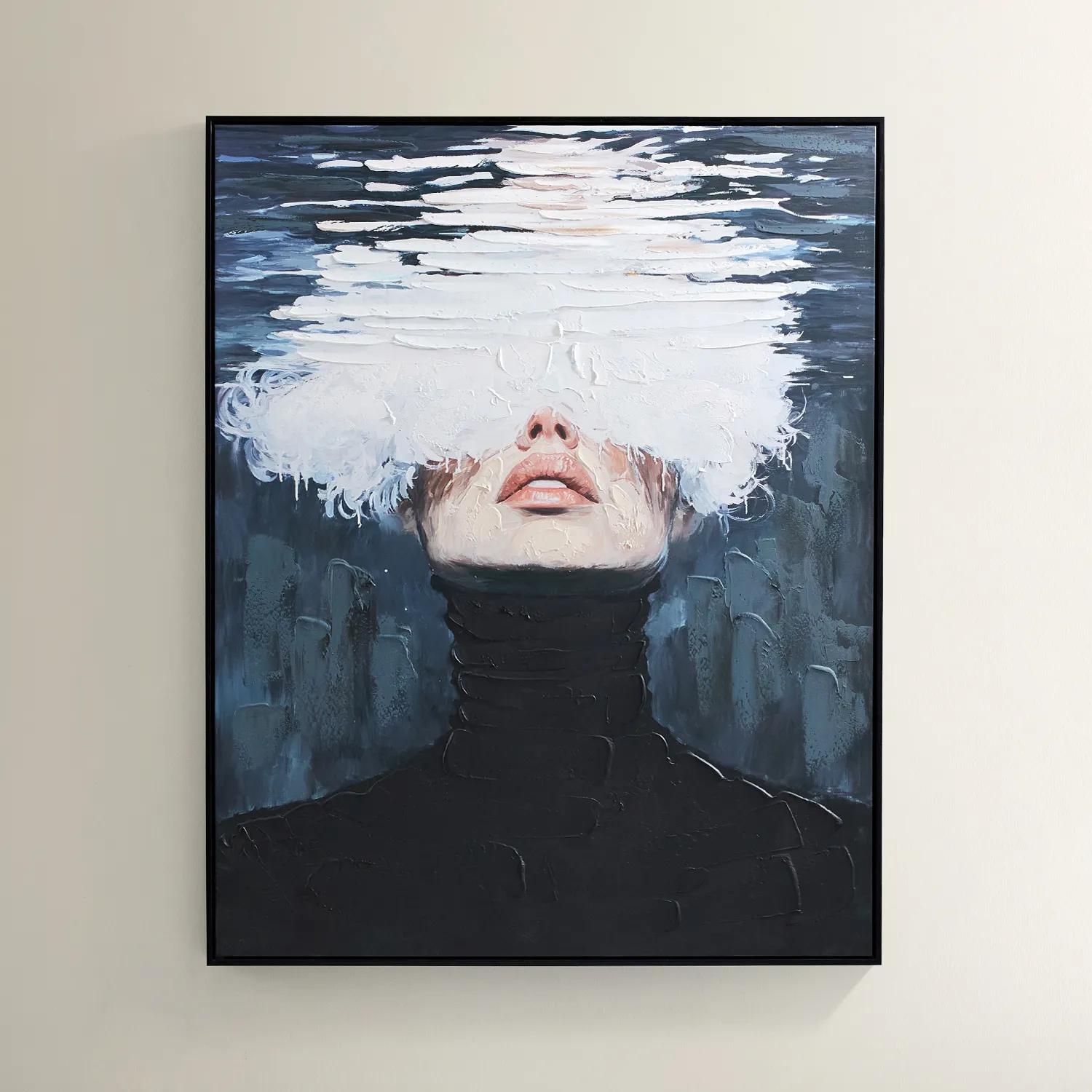
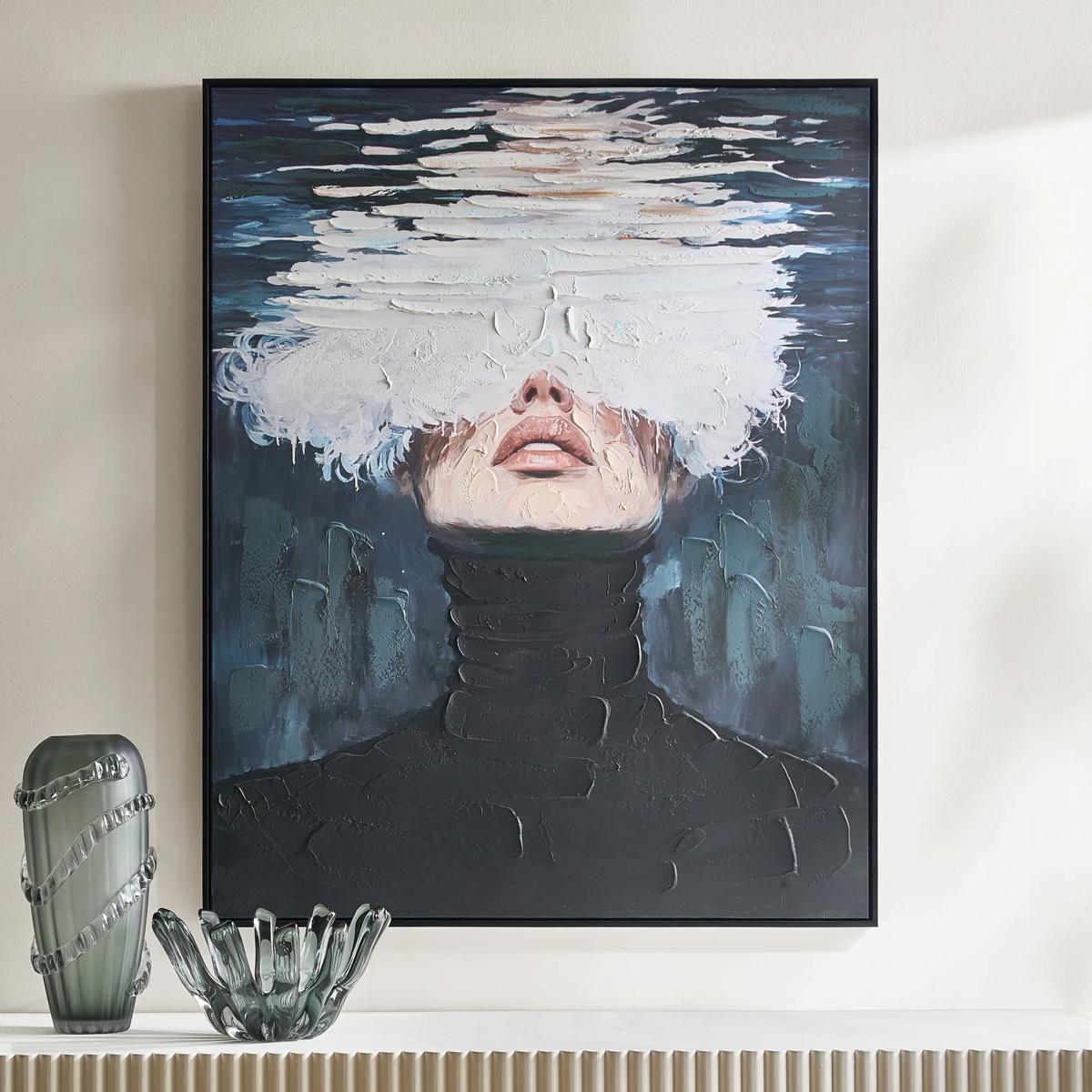 Submerged Framed Painted Wall Art 40" x 50"$599
A hand-painted canvas featuring a surreal portrait in black, blue, and white with a black floater frame.
Add To Cart -
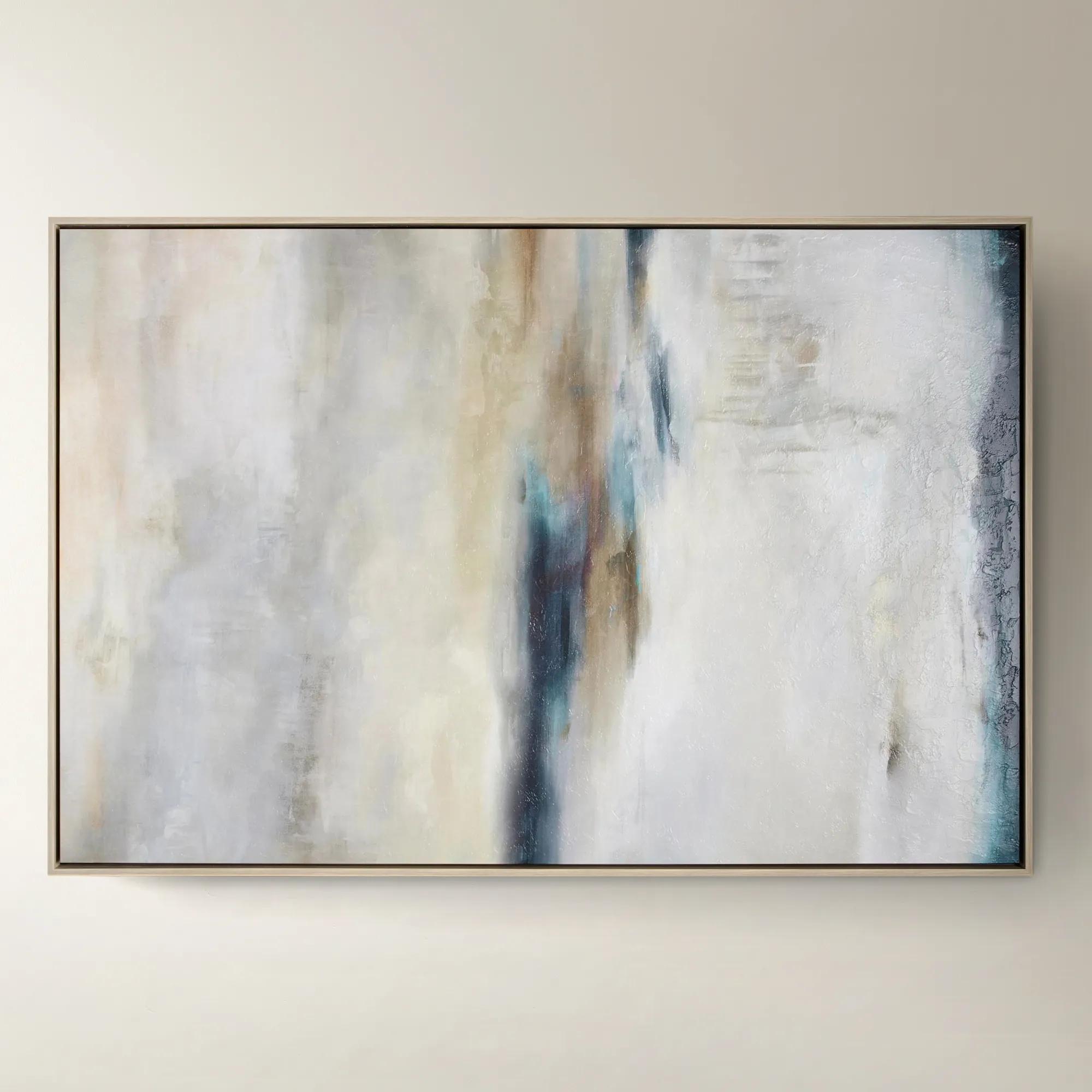
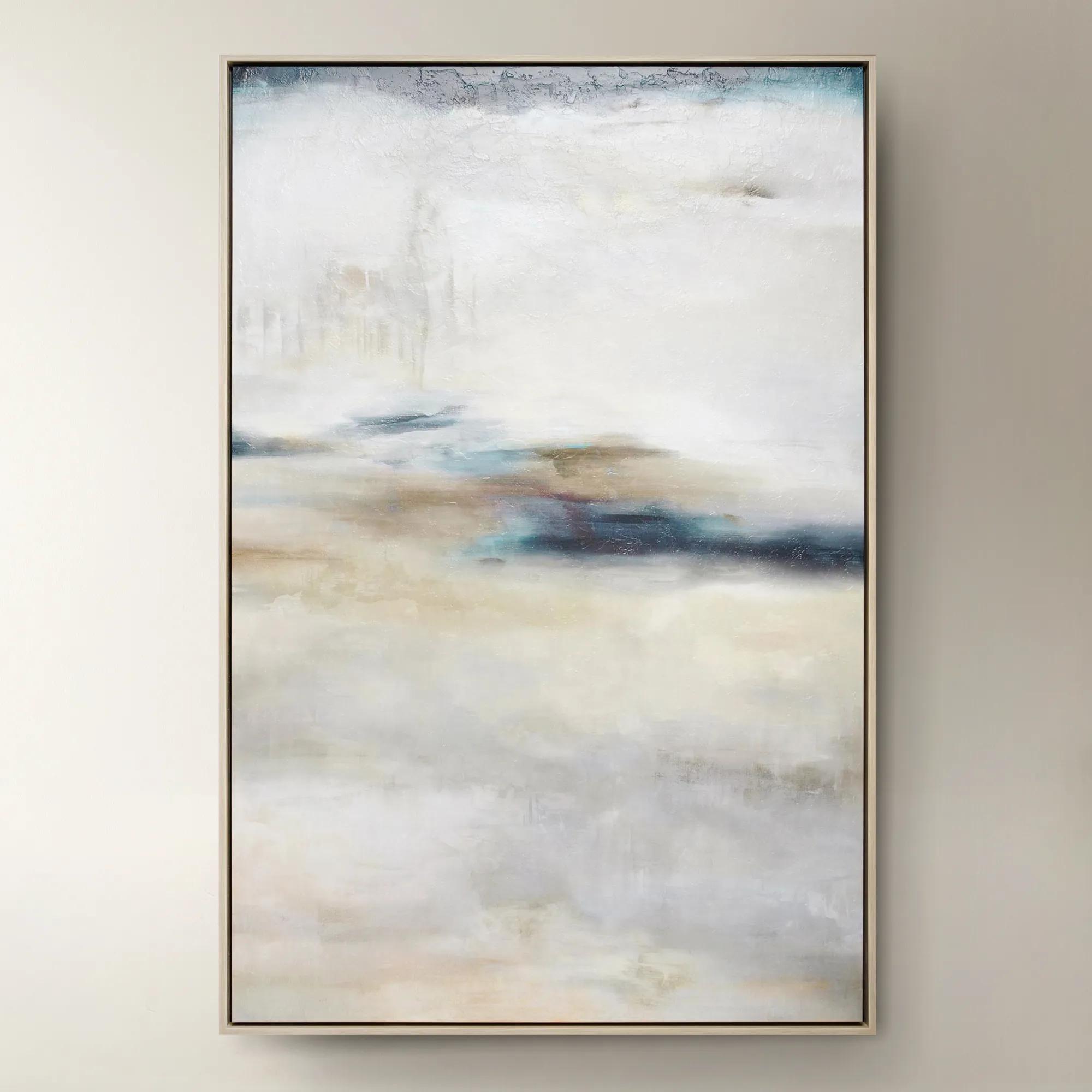 Forward Looking$1299
A softly layered abstract canvas print with a gel finish, set in a natural-hued floater frame.
Add To Cart

Oversized Abstract Canvas Art
Explore oversized abstract canvas art for a dramatic focal point above a sofa, behind a dining table, or along an expansive wall. This large-scale wall art brings expressive composition into focus, giving a room a distinctly artistic presence. Consider the proportions of your space and the surrounding furnishings to choose a piece that commands attention without overwhelming the room.
Oversized abstract canvas art gives a room something more compelling than decoration: a point of view. Broad sweeps of color, layered marks, and unexpected expanses of negative space can turn an uninterrupted wall into the most expressive surface in an interior. Unlike imagery tied to a recognizable landscape or subject, abstraction leaves room for interpretation. A charcoal gesture might feel architectural against pale upholstery, while a wash of ivory and champagne can soften the sharp geometry of a glass coffee table. The effect comes from the relationship between the composition and everything around it. In a living room with a generous sectional, a large canvas can bring visual balance to the furniture’s substantial footprint. Above a dining room sideboard, it creates an elegant backdrop for sculptural vessels and the glint of polished metal. In a bedroom, fluid forms and a restrained palette can establish a quieter kind of drama without making the space feel visually crowded. Scale is central to this appeal. At larger dimensions, individual brushstrokes, subtle tonal shifts, and the texture of the canvas become part of the experience, rewarding a closer look while maintaining presence from across the room. Some compositions feel expansive and atmospheric; others command attention through crisp contrasts or energetic movement. A predominantly neutral work need not recede into the background, especially when its surface carries depth, rhythm, or a bold interruption of black. Likewise, richly colored abstract art can feel intentional rather than overwhelming when one or two tones echo details already present in a rug, an accent chair, or decorative pillows. For interiors built around confident silhouettes and sumptuous materials, oversized artwork supplies an artistic counterpoint. Velvet, lacquer, marble, and gleaming finishes each have a distinct visual character; an abstract canvas can connect them without matching every element. The result is a room with cohesion and individuality, where the artwork holds its own rather than simply repeating the surrounding palette.
The character of a large canvas begins with its surface and construction. Canvas has a woven texture that gives printed or painted imagery a different presence from art presented behind glass. Depending on the piece, that texture may remain subtly visible through the image or become a more pronounced part of the composition. Printed canvas can capture fine gradations and intricate marks, while painted or hand-applied details may introduce surface variation; product descriptions help distinguish the processes rather than leaving appearance to assumption. A canvas stretched over an internal support has depth even without an exterior frame, and the treatment of its edges affects how finished it looks from the side. A surrounding frame adds another layer of definition. Slim dark framing can sharpen a pale composition, while a metallic finish can draw a discreet connection to lighting or decorative accents. Frame material, canvas composition, surface treatments, overall dimensions, and hanging hardware all deserve attention because they influence both the visual result and the practical fit. An oversized piece should feel related to the wall and the furniture beneath it, not squeezed between architectural features. Above a sofa or console, a canvas that is narrower than the furniture often creates a composed arrangement, with enough open wall around it for the image to breathe. On a tall stair landing or in an entry with generous ceiling height, a vertical composition can emphasize the architecture; across a broad living room wall, a horizontal format may provide a more balanced rhythm. Depth matters, too, particularly in a passageway where a projecting frame could intrude on movement. Measuring the full framed dimensions helps prevent surprises, and considering the view from adjacent rooms reveals how the artwork will participate in the larger interior. Weight and wall construction determine the appropriate mounting method, so secure installation with suitable hardware is essential. For especially large or heavy artwork, professional installation can help establish a stable placement and precise alignment. These practical details support the luxurious impression: a beautifully proportioned canvas looks most assured when its positioning feels deliberate.
Oversized abstract canvas art is particularly suited to spaces where one substantial gesture can establish the mood without an accumulation of smaller accessories. A home office with tailored cabinetry might gain energy from dynamic brushwork, while a sitting room with curved seating could take on greater depth through layered neutrals and softly intersecting forms. In an open-plan interior, a large canvas can give the lounge or dining area a distinct identity while remaining visible beyond its immediate setting. Its impact also depends on light. Soft, indirect illumination allows tonal variation to emerge without the glare that can accompany some surface finishes. Picture lighting can emphasize the work, but placement should account for the fixture’s heat output and the artwork’s care requirements. Direct sunlight, persistent dampness, and abrupt changes in humidity can affect canvas, pigments, and supporting materials over time, making a dry interior wall away from splash zones and harsh exposure a more considered setting. Durability depends on construction, finish, environment, and handling rather than size alone. Gentle dusting with a clean, dry, soft cloth may be appropriate for some surfaces, but textured or embellished artwork can require a different approach; the manufacturer’s care instructions should take precedence. Household cleaners, abrasive tools, and moisture can damage delicate finishes, and lifting a large canvas by its supporting structure rather than pressing against the image helps protect its surface. With thoughtful placement and care, the artwork can remain a defining part of the room as furnishings and accessories evolve around it. For someone furnishing a new home or celebrating a meaningful move, large-scale art can also be a memorable gift, especially when the recipient’s preferred palette and available wall space are already understood. The most successful choice reflects their taste rather than imposing a new one. Interiors that balance expressive mark-making with streamlined furniture can also draw inspiration from Oversized Modern Canvas Arts. Whether the composition is hushed and tonal or charged with contrast, its purpose is unmistakable: to bring artistic presence to the room and make the surrounding design feel more personal, more dimensional, and fully realized.
FAQs
Oversized abstract canvas art gives a room a compelling visual signature through expressive color, sweeping gestures, or sculptural forms. A fluid composition can lend a serene, gallery-inspired mood, while sharp contrasts introduce drama. Choose artwork that reflects how you want the room to feel, then let its palette and movement guide the surrounding decor.
Look for a palette that echoes a few elements in your room without matching every detail. Abstract art with tonal neutrals can create a sophisticated dialogue with richly textured furnishings, while saturated color brings a daring counterpoint to a restrained interior. Repeat one accent hue in pillows or decorative objects for a considered, expressive finish.
Abstract canvas art creates a striking contrast with traditional furniture, pairing expressive compositions with ornate silhouettes and tailored upholstery. Carry a shared color through the artwork and furnishings to connect the two styles. The interplay feels collected and personal, with classic detail setting the stage for an unexpected artistic statement.
Both approaches offer a distinct aesthetic. A frame creates a defined border that can echo the finishes elsewhere in the room, while an unframed presentation keeps attention on the composition and gives it a more open, contemporary feel. Consider how each treatment complements the artwork’s edges, colors, and overall mood.
Give the artwork a clear visual lead, then build a supporting arrangement with intentional contrasts. Curved decorative objects can echo fluid brushwork, while angular accents can sharpen the effect of softer compositions. Balance expressive art with quieter surfaces and a selective mix of textures so each detail contributes to the room’s story.