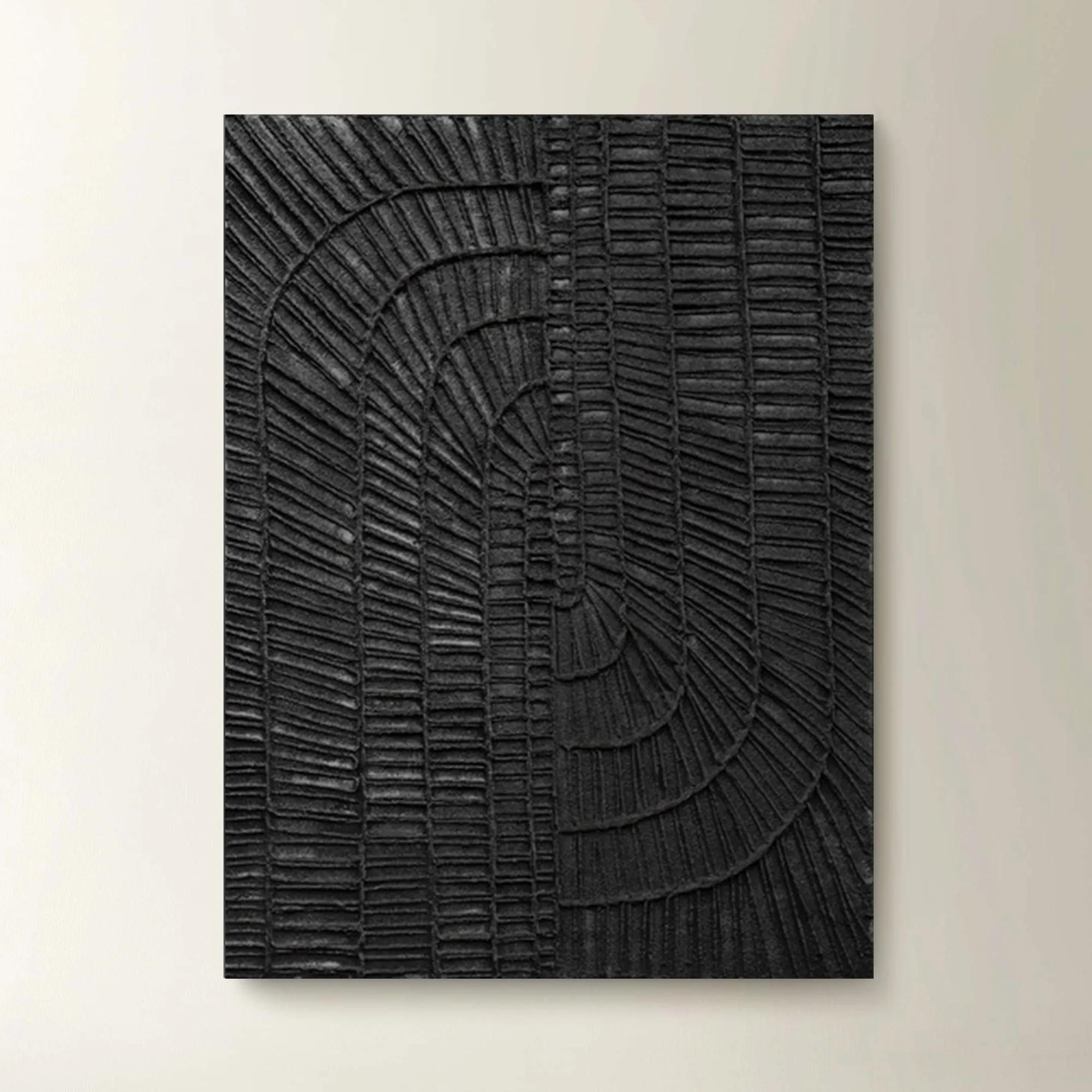
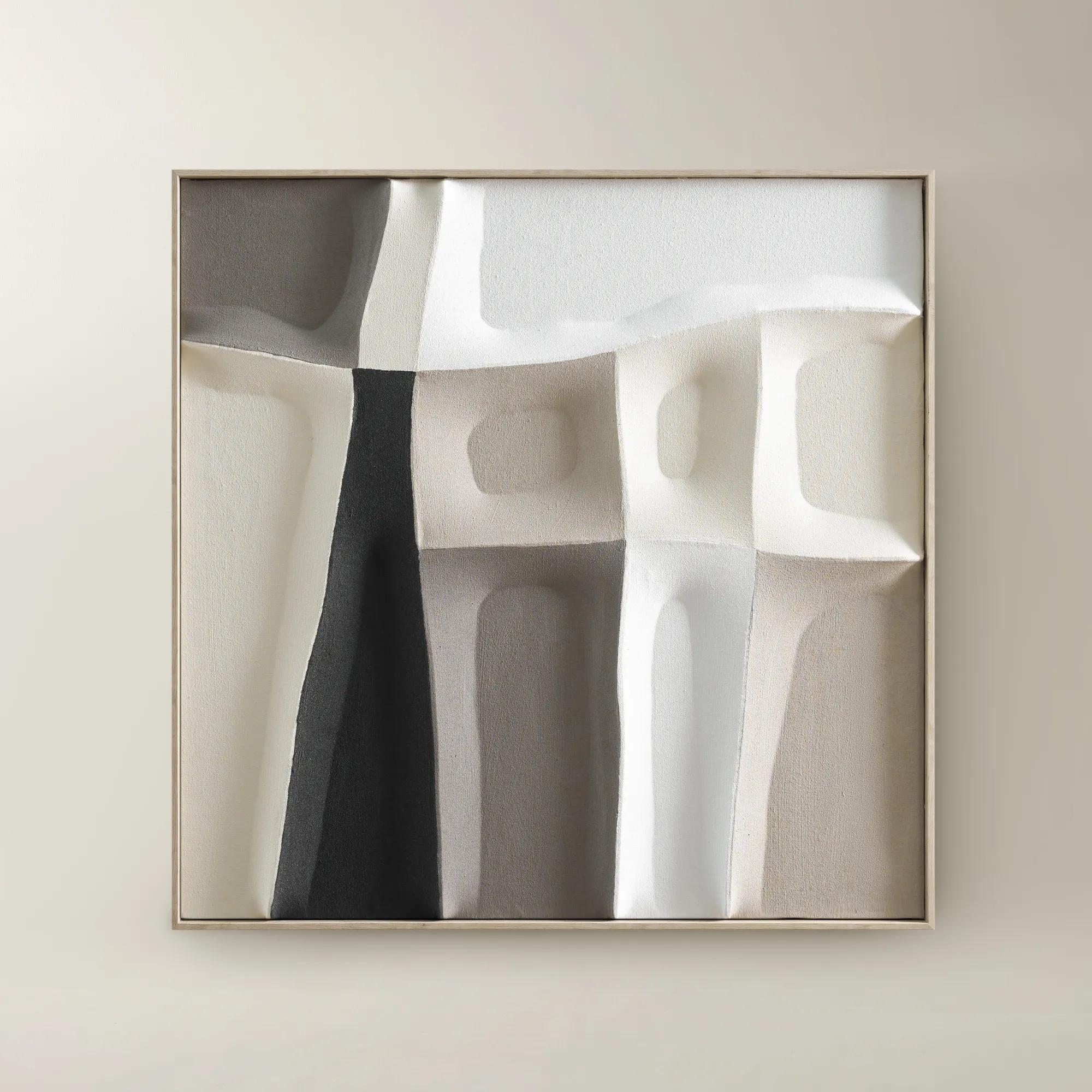
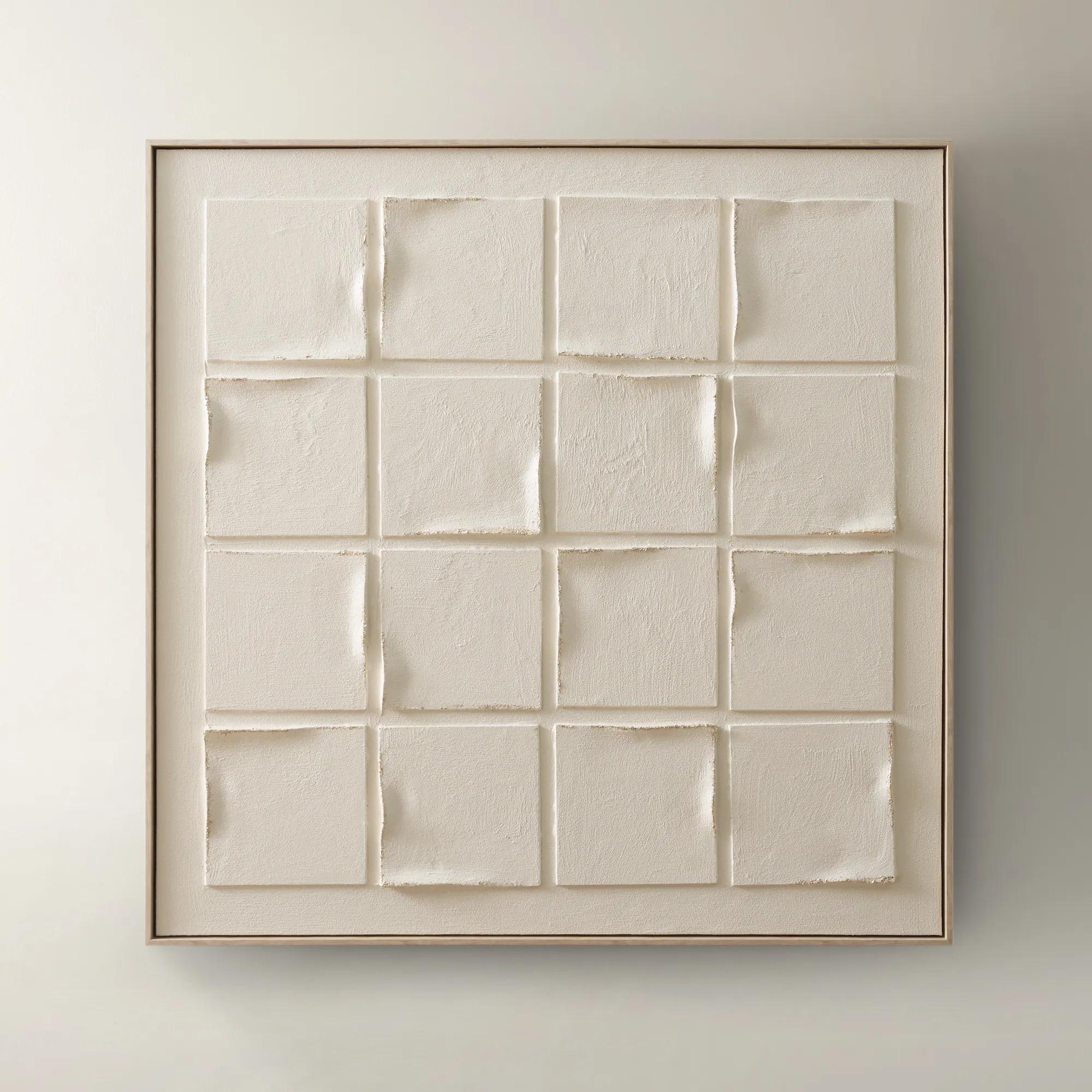
Oversized Canvas Art Prints
Oversized Canvas Art Prints
-
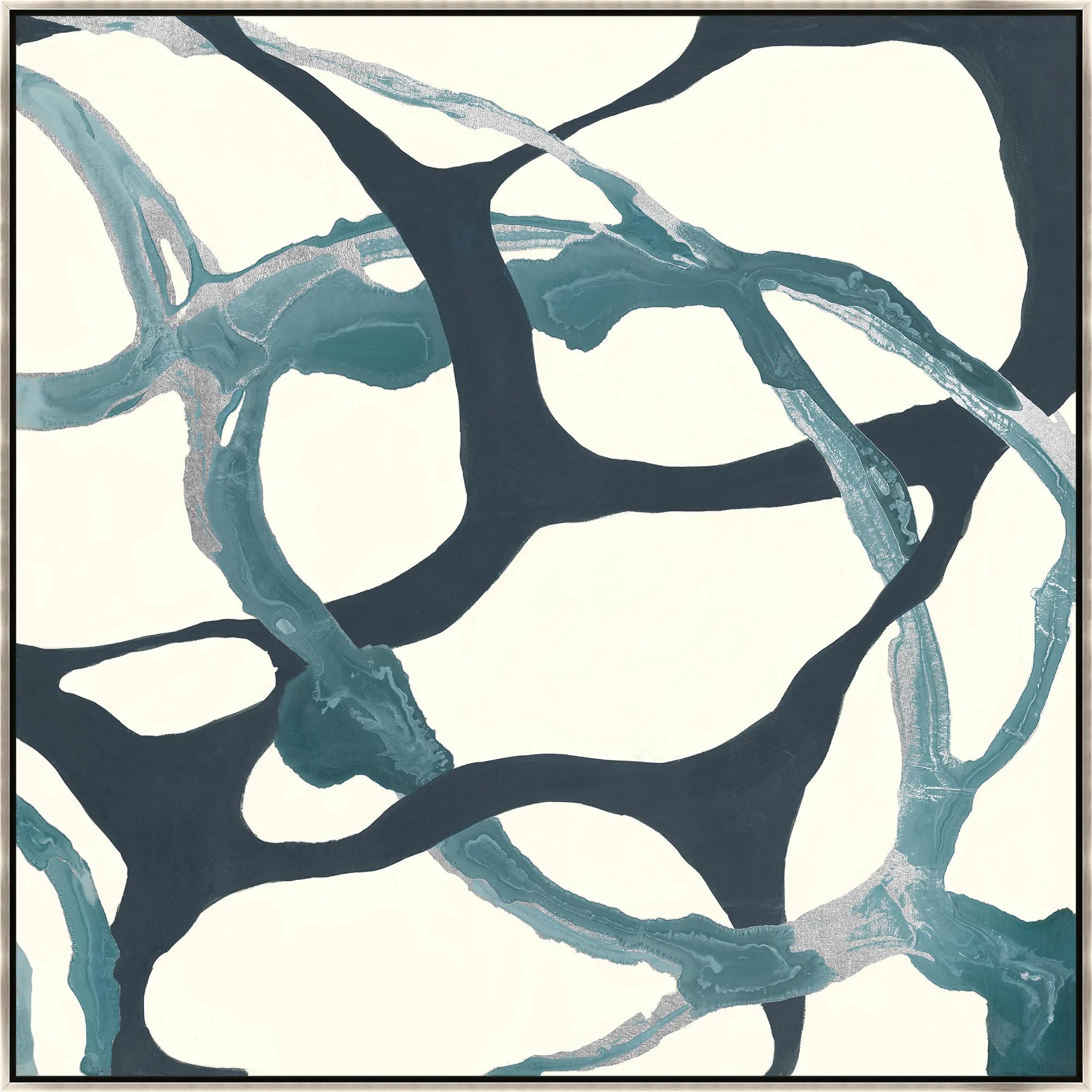
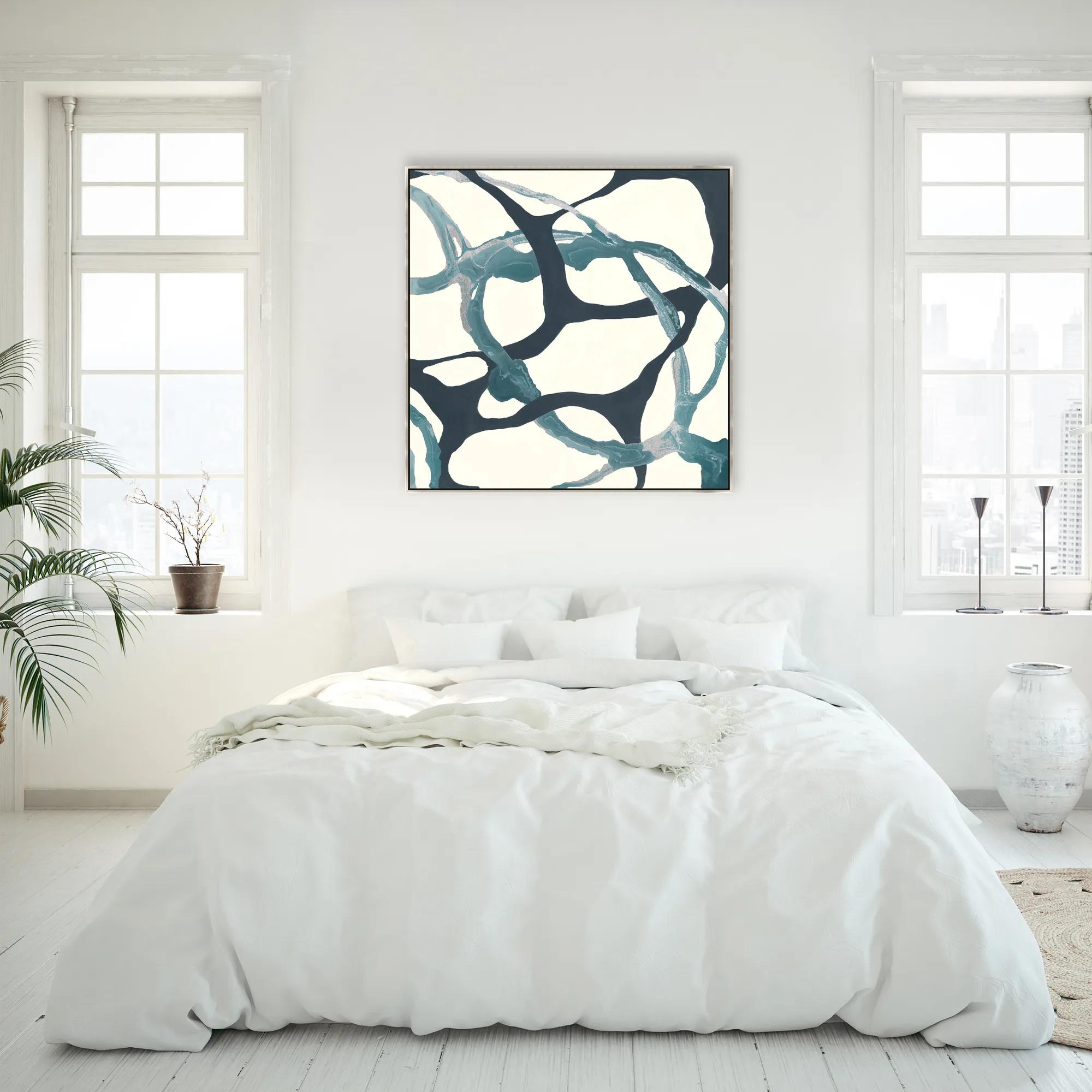 Alignments II Framed Wall Art 40" x 40"$899
A gallery-wrapped canvas featuring gilded silver accents and hand-applied brush gel in a silver floater frame.
Add To Cart -
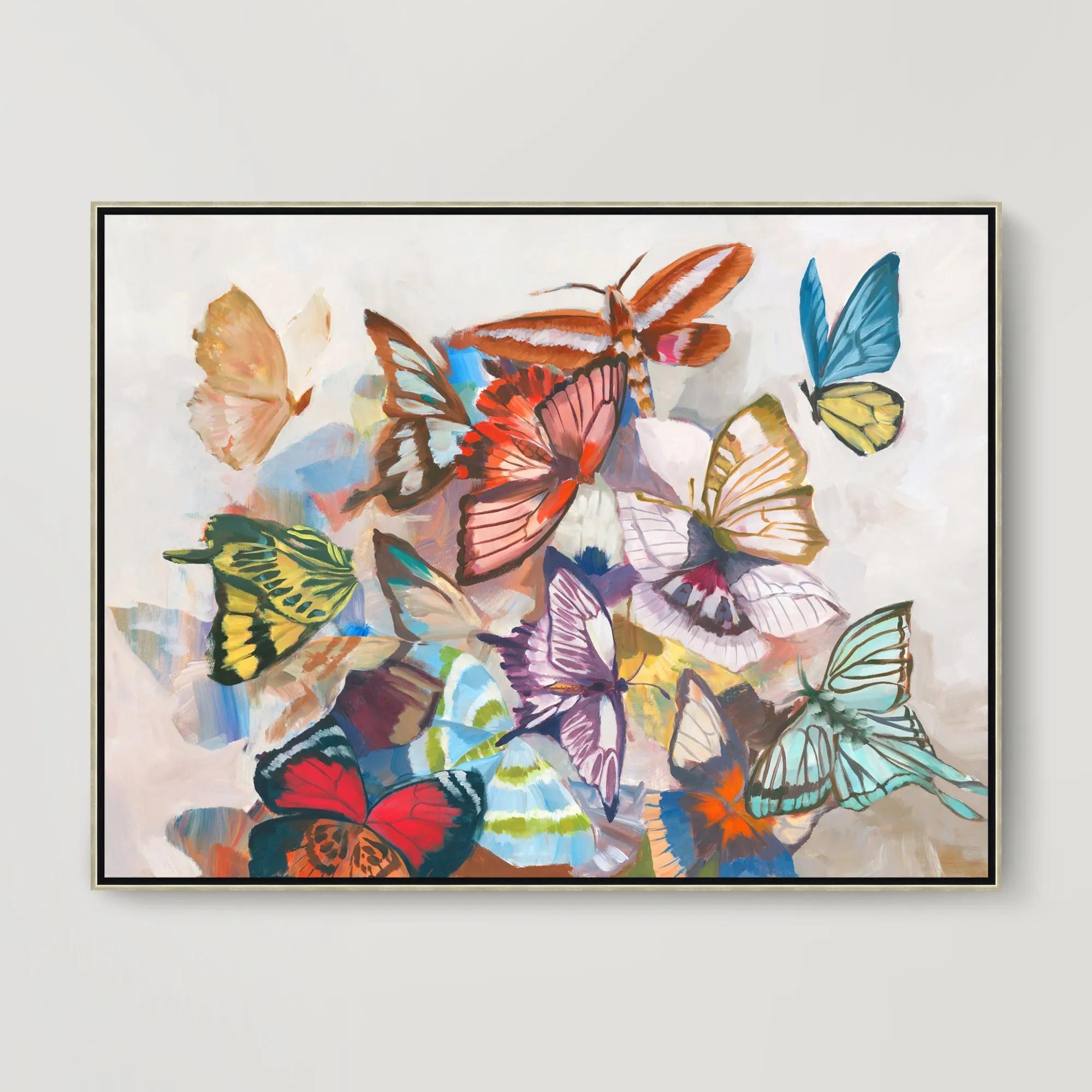 Sugar Wings Framed Wall Art 49.5" x 37.5"$799
A vibrant gallery-wrapped canvas artwork with hand-applied brush gel finish in a sleek silver floater frame.
Add To Cart -
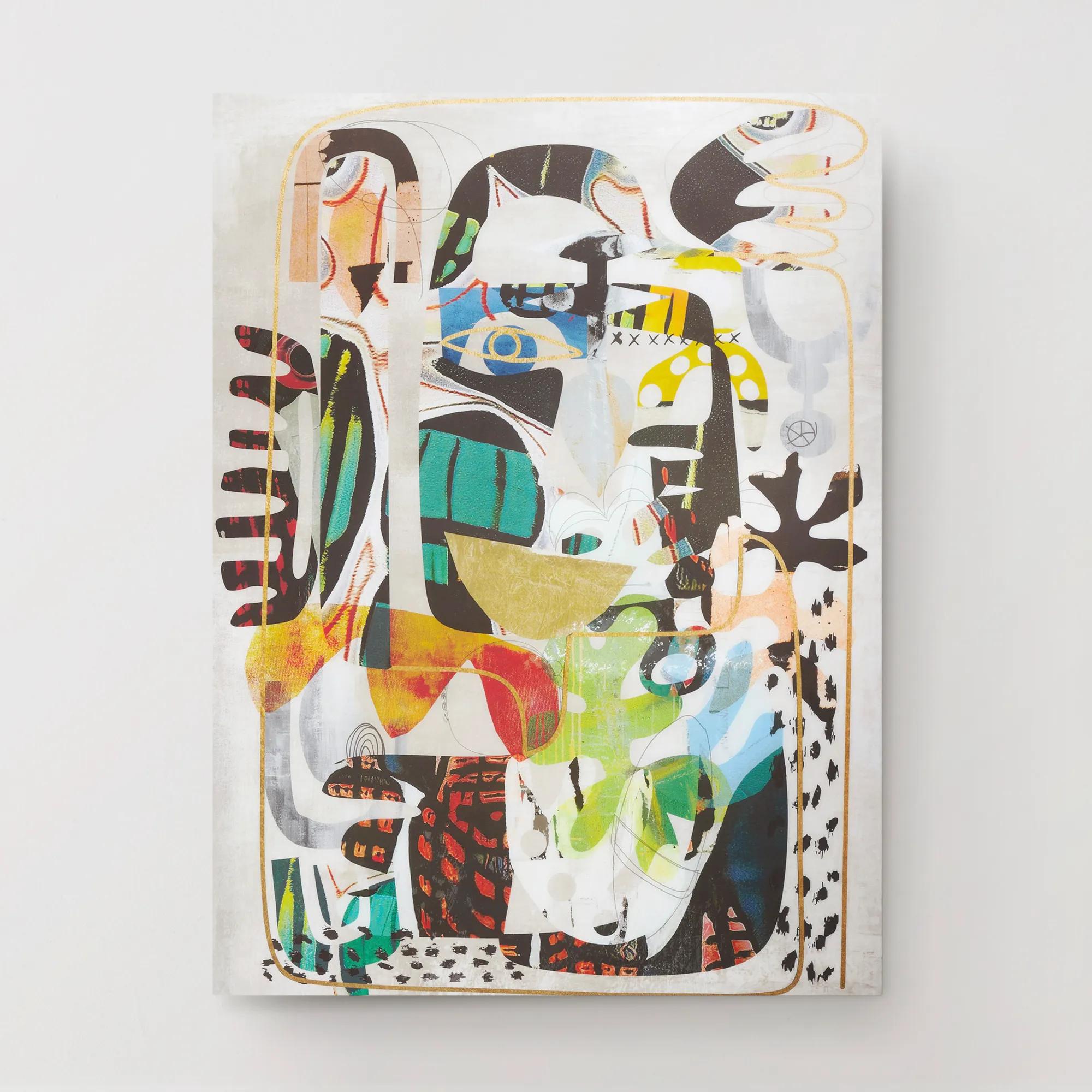
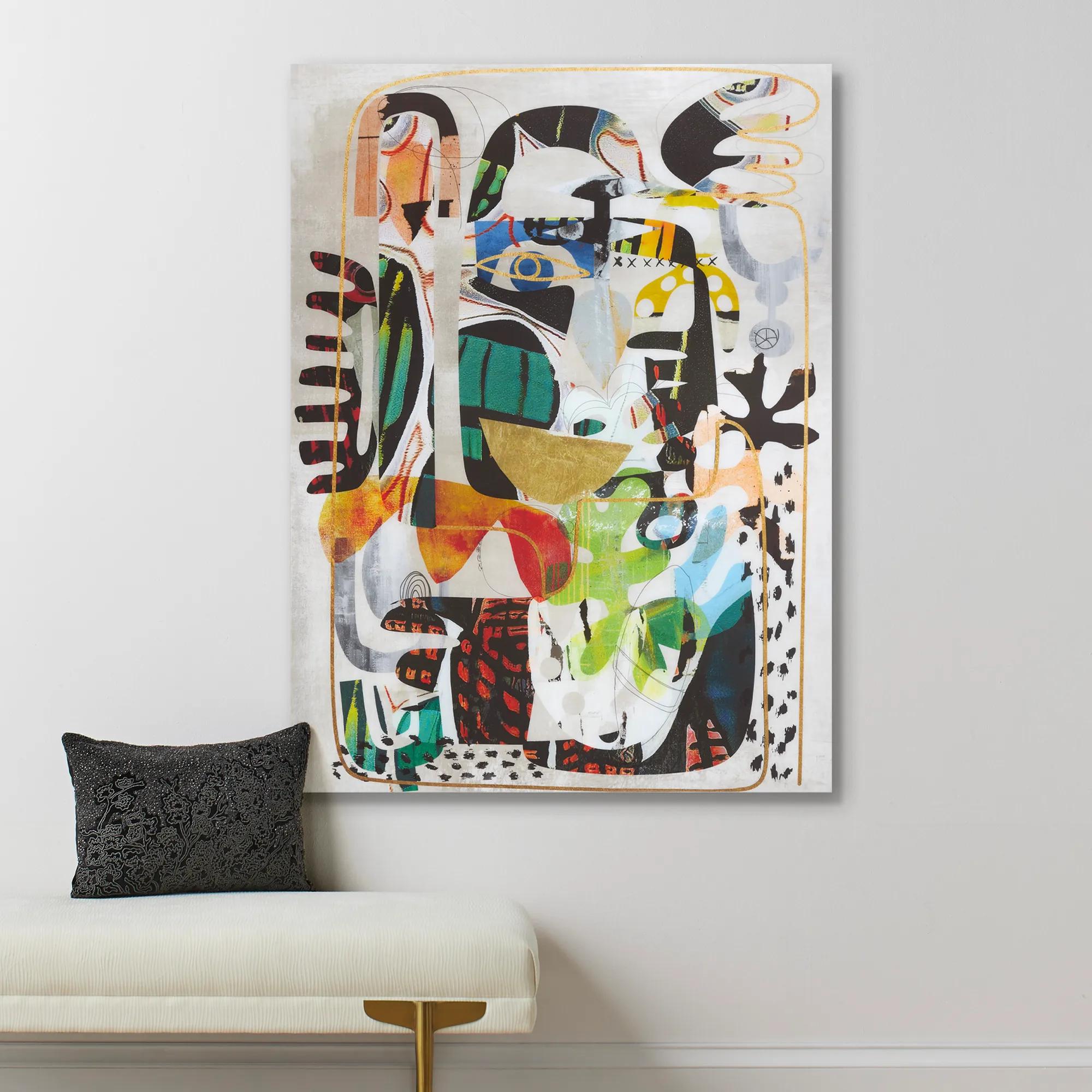 Nikki Chu Masked Wall Art 40" x 54"$899
A vibrant giclee print on canvas featuring a hand-applied glossy finish for a modern statement.
Add To Cart -
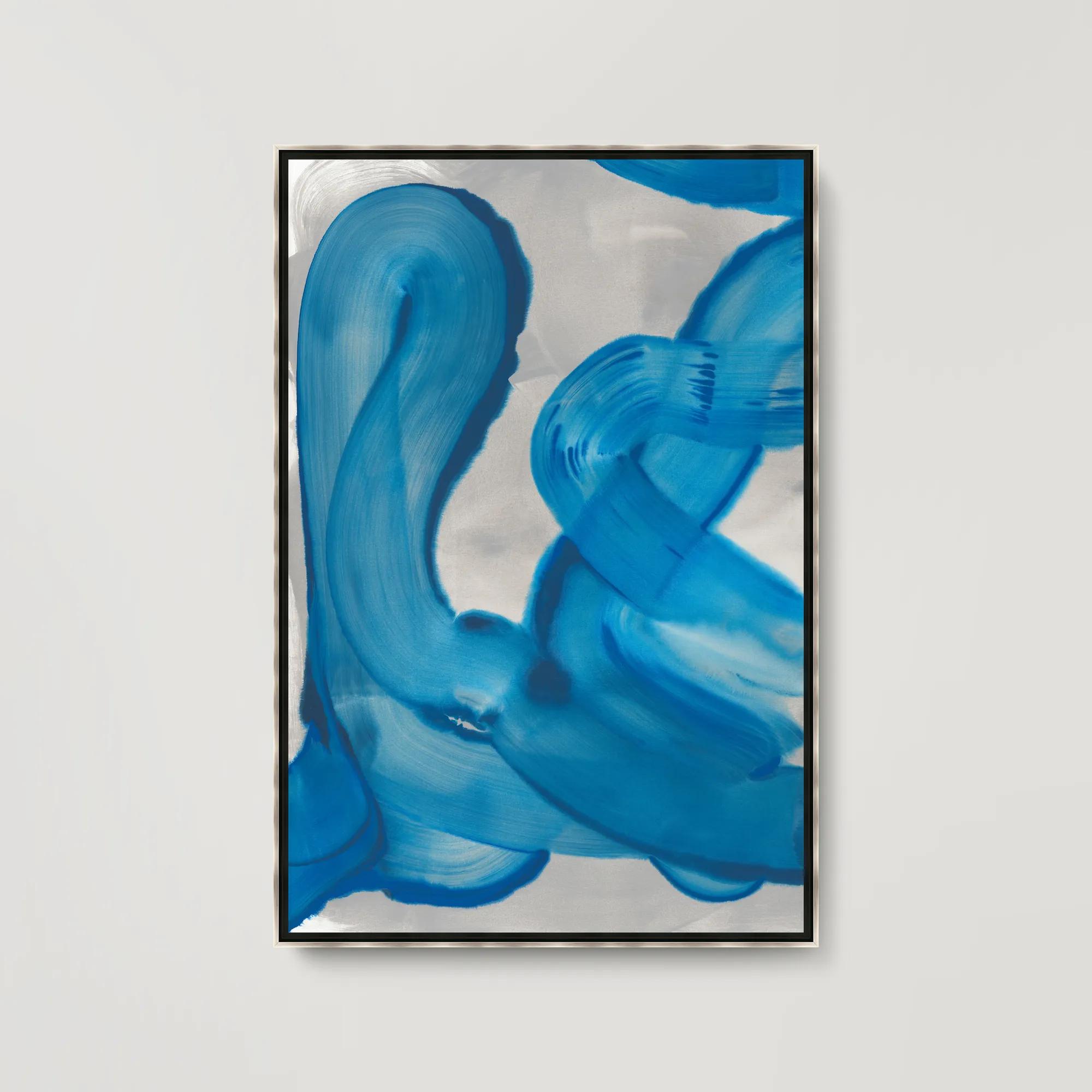 Royal Waves I Framed Wall Art 31.5" x 46.5"$699
A gallery-wrapped abstract canvas featuring hand-applied brush gel and set in a sleek silver floater frame.
Add To Cart -

 Blooming in Her Own Time Framed Wall Art 40" x 50"$1029
A vibrant multicolored canvas wall artwork featuring an expressive botanical-inspired design in a framed presentation.
Add To Cart -
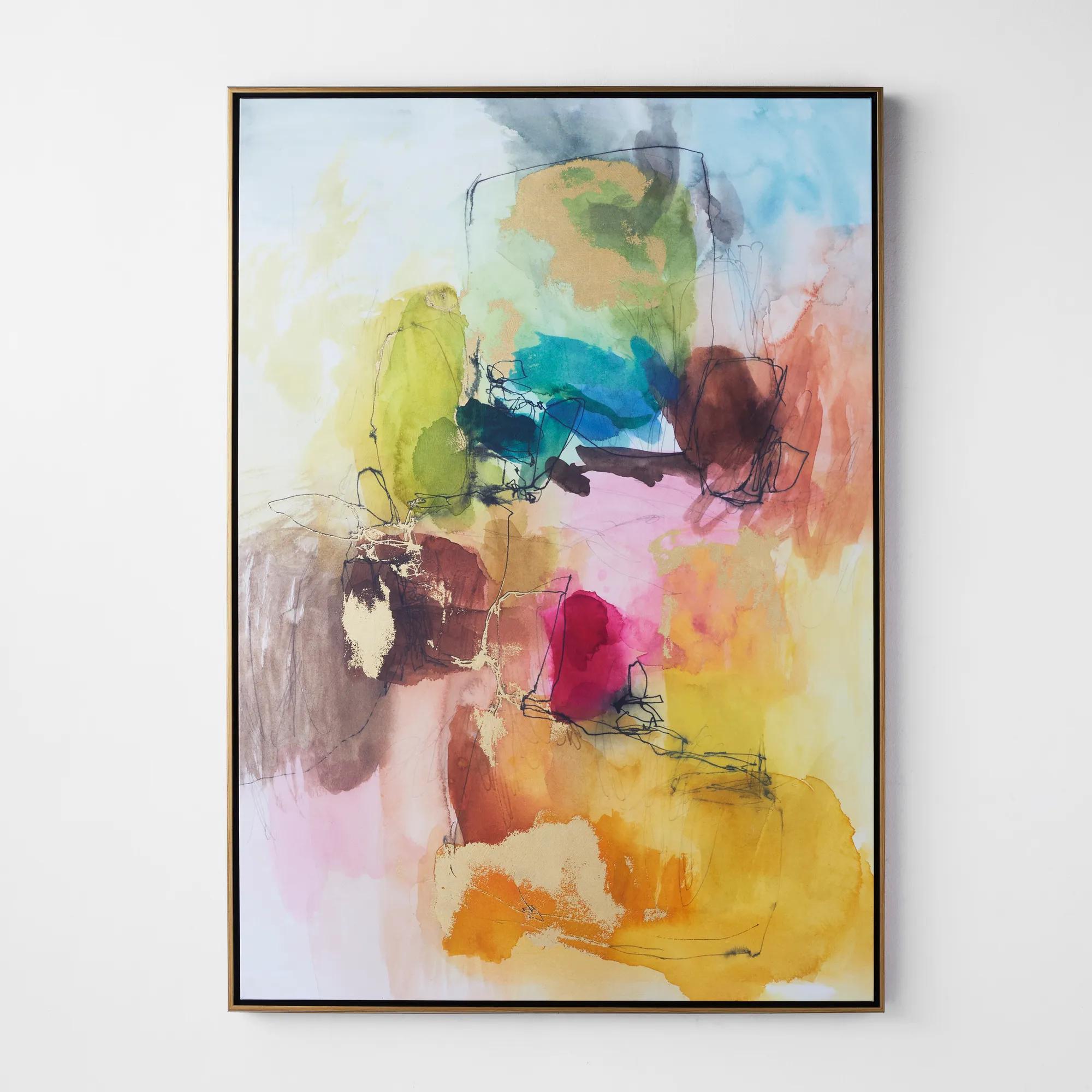 Apricity 3 Framed Wall Art 41" x 58"$899
A vibrant giclee on canvas featuring hand-applied gold gilding and a gold floater frame.
Add To Cart -
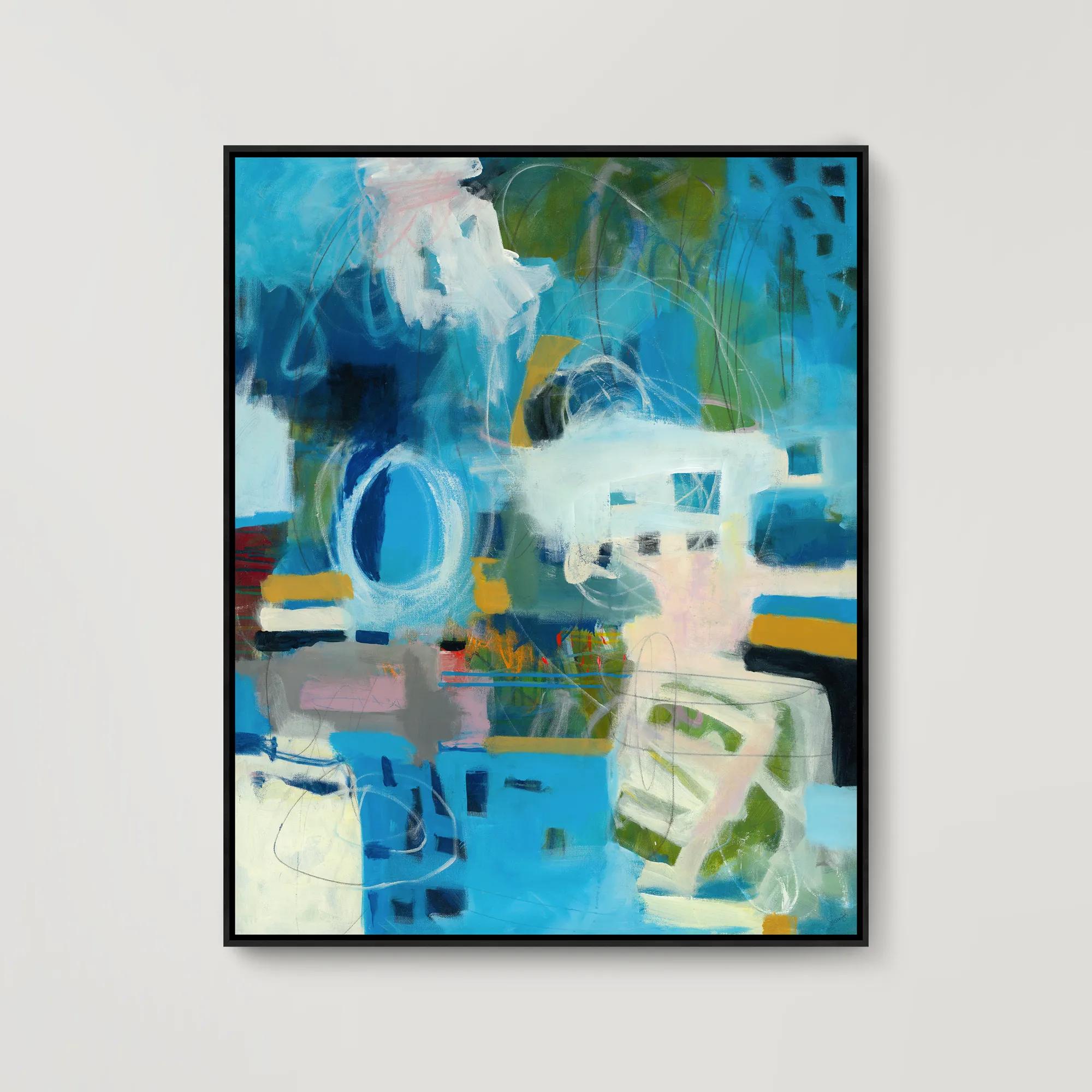
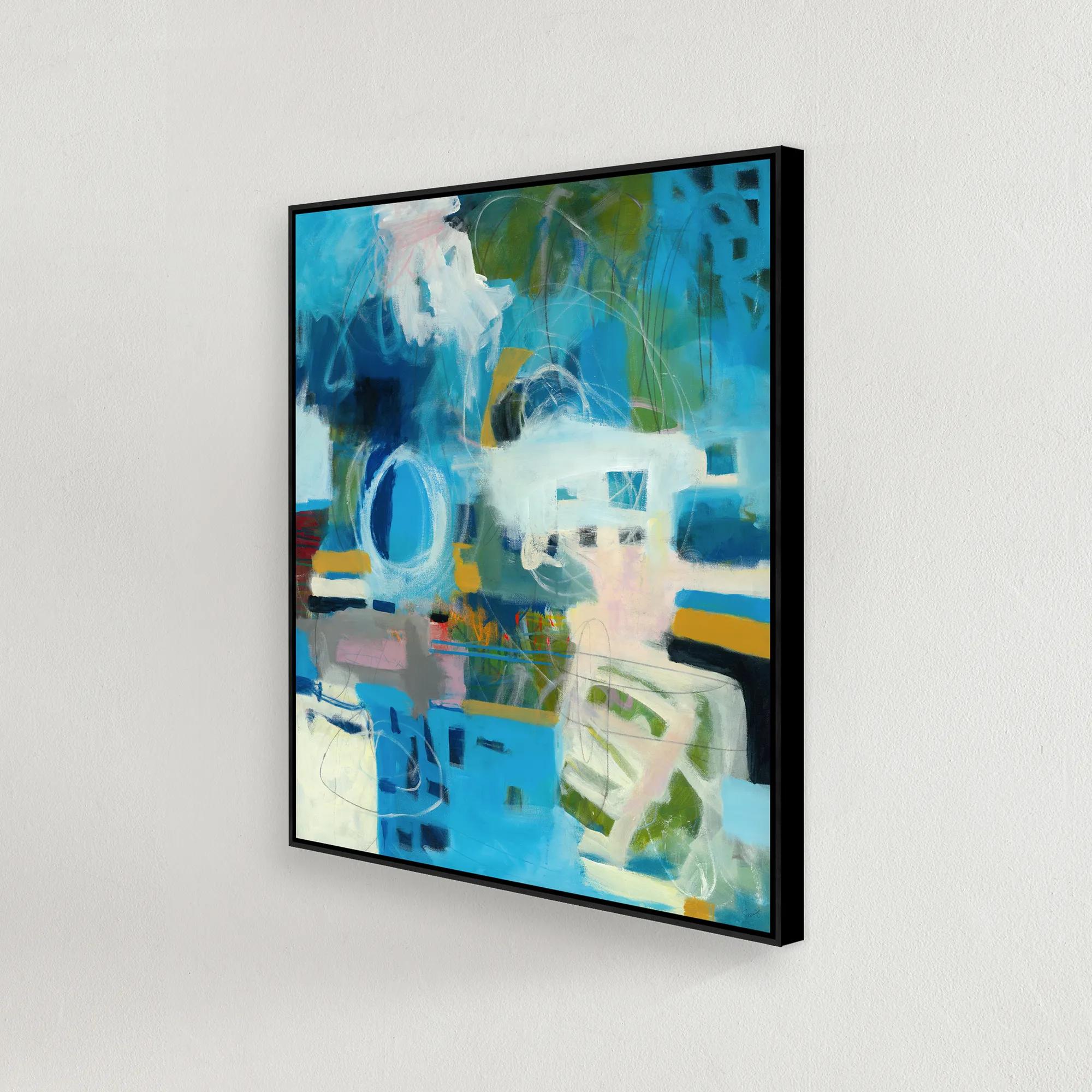 Just Across the Boarder Framed Wall Art 37.5" x 46.5"$749
A gallery-wrapped canvas artwork with hand-applied gel finish, set in a sleek black floater frame.
Add To Cart -
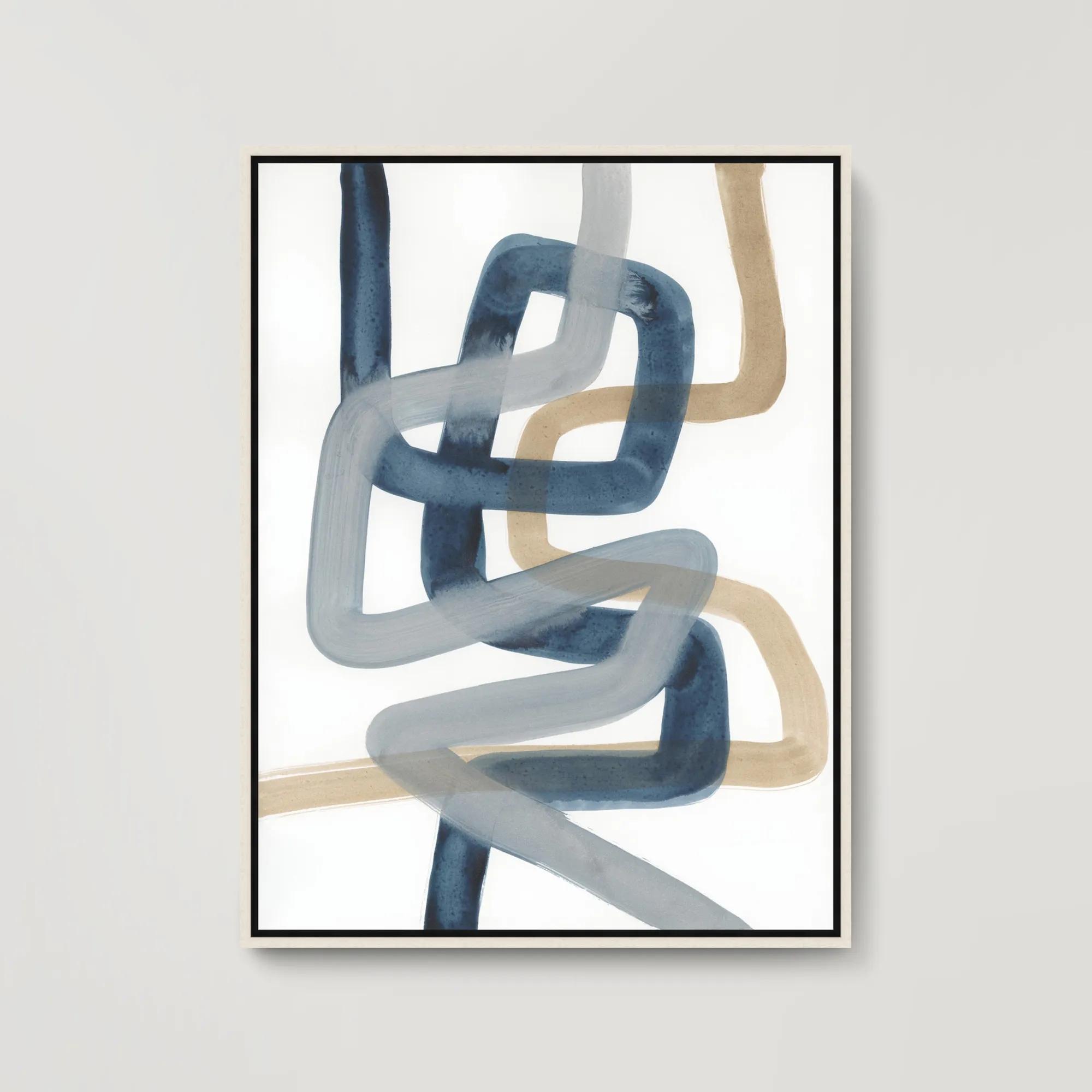 Looped In II Framed Wall Art 31.5" x 41.5"$699
A gallery-wrapped abstract canvas with hand-applied brush gel finish, set in a sleek white floater frame.
Add To Cart -
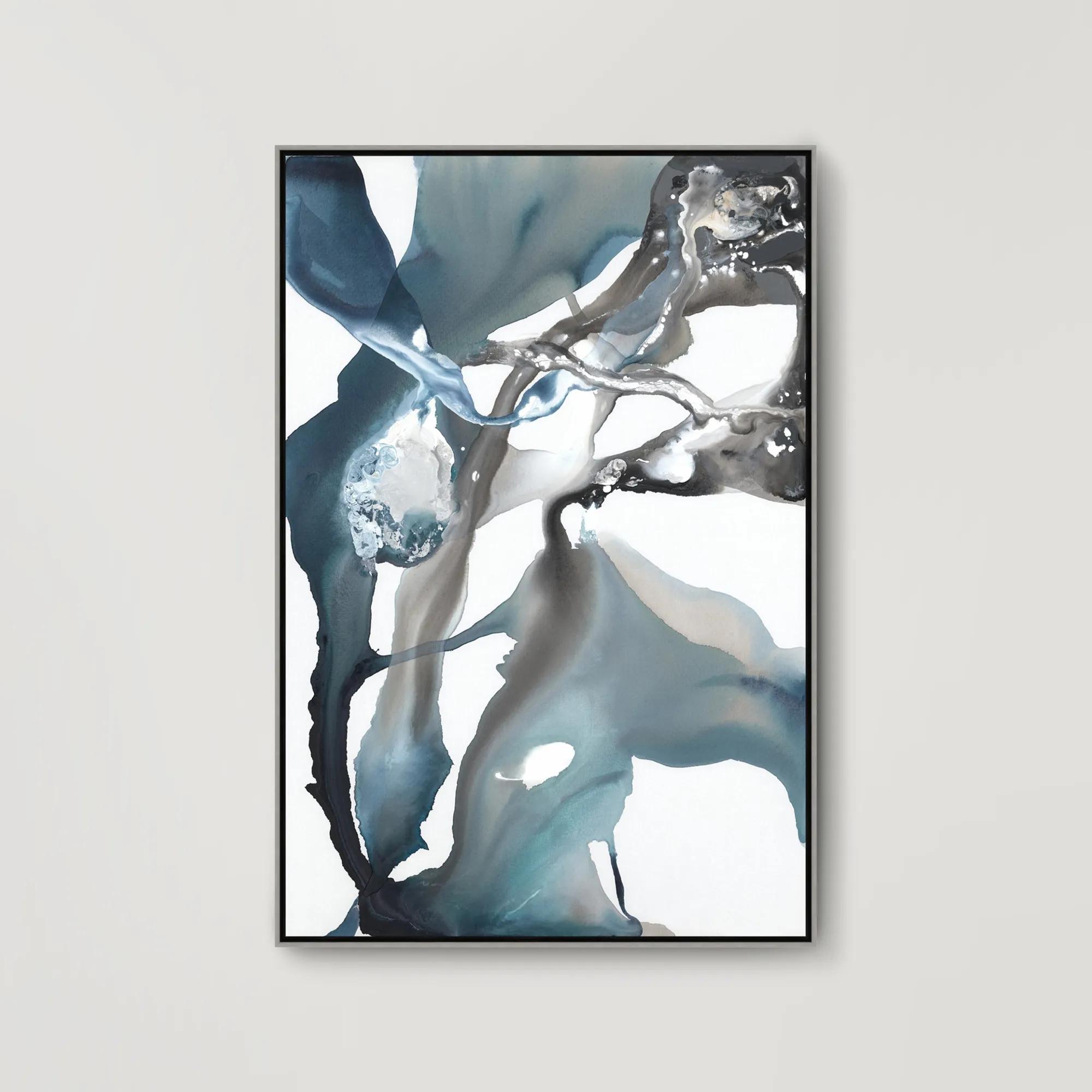
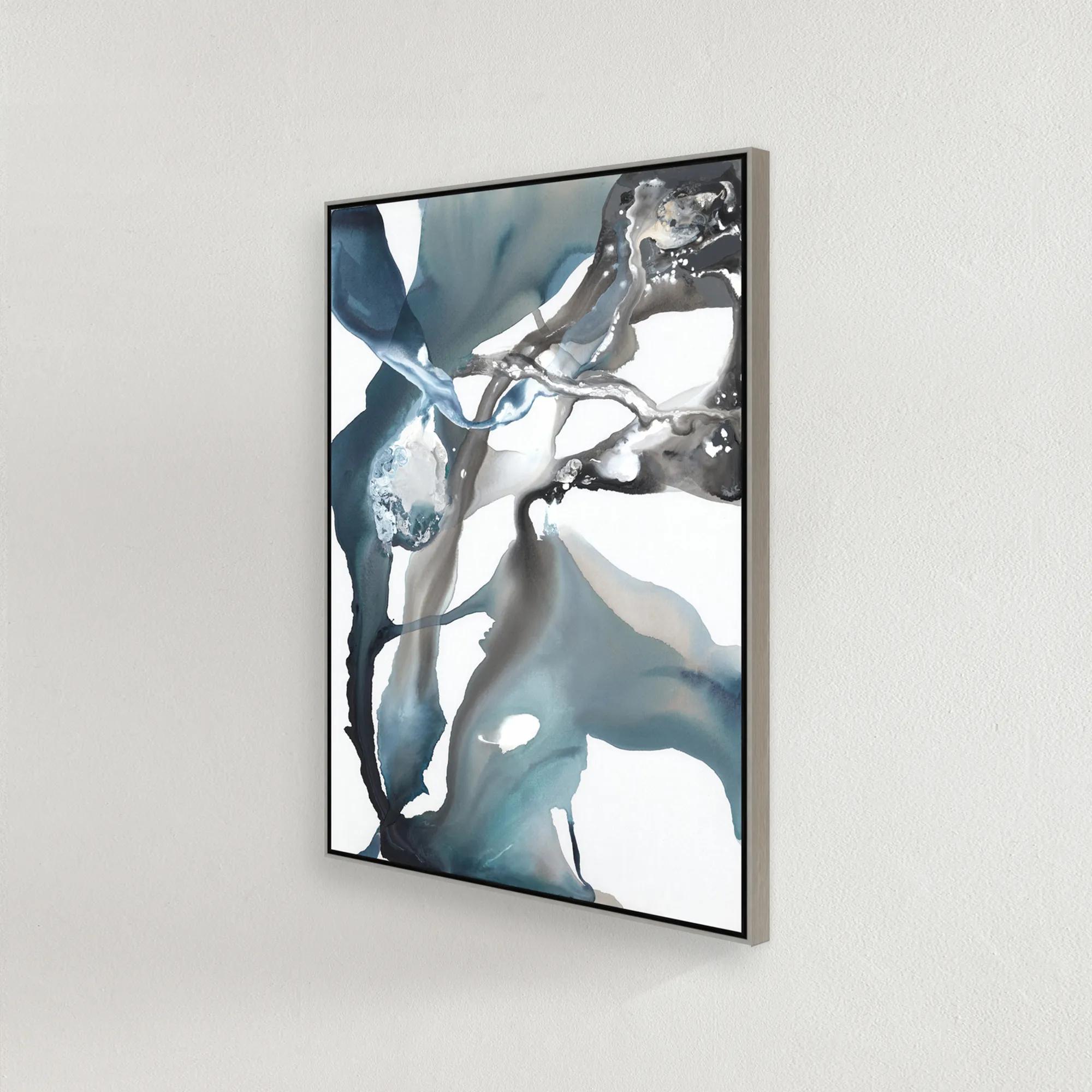 Cool Cascade Framed Wall Art 37.5" x 55.5"$849
A gallery-wrapped canvas artwork featuring expressive colors, hand-applied brush gel, and a gunmetal floater frame.
Add To Cart -
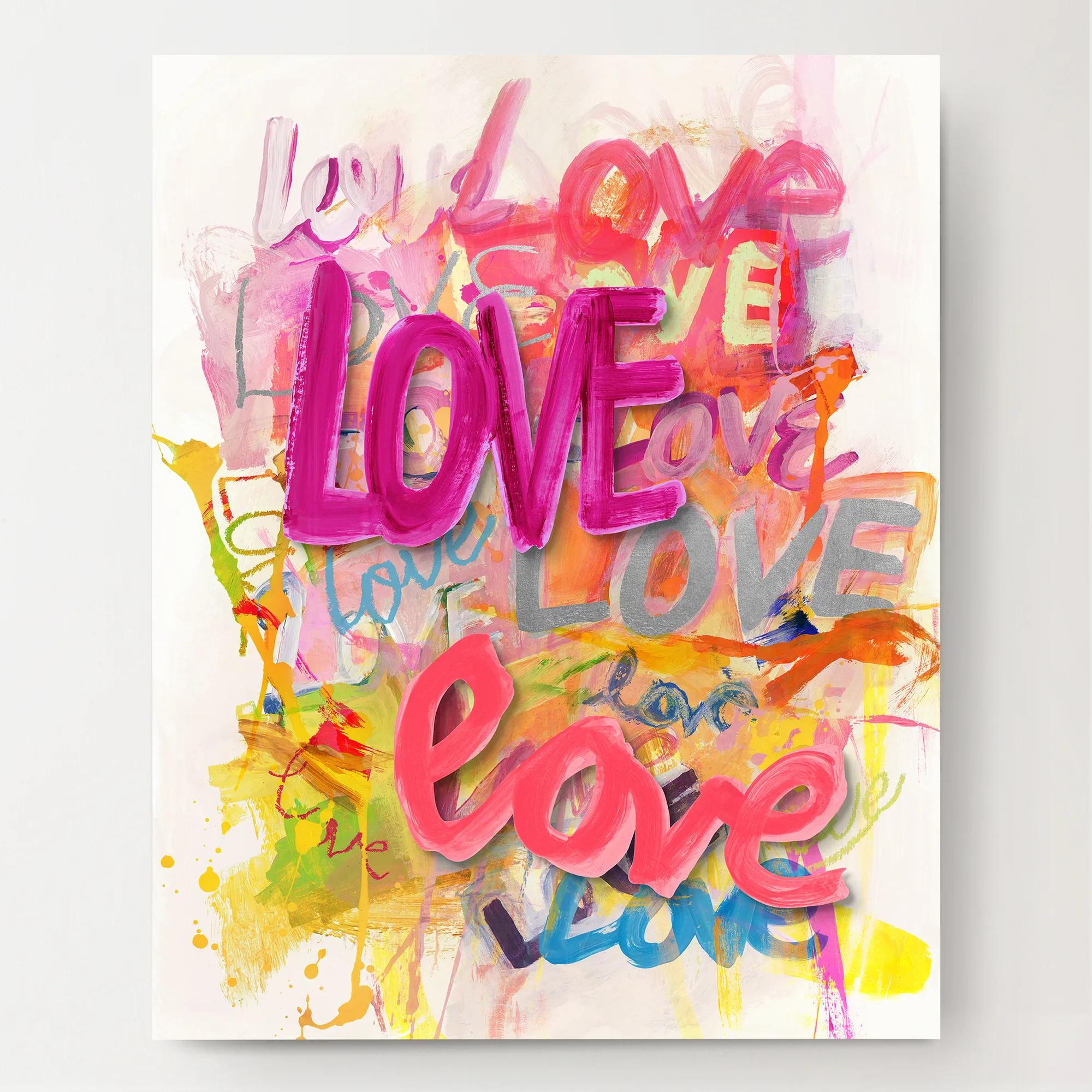
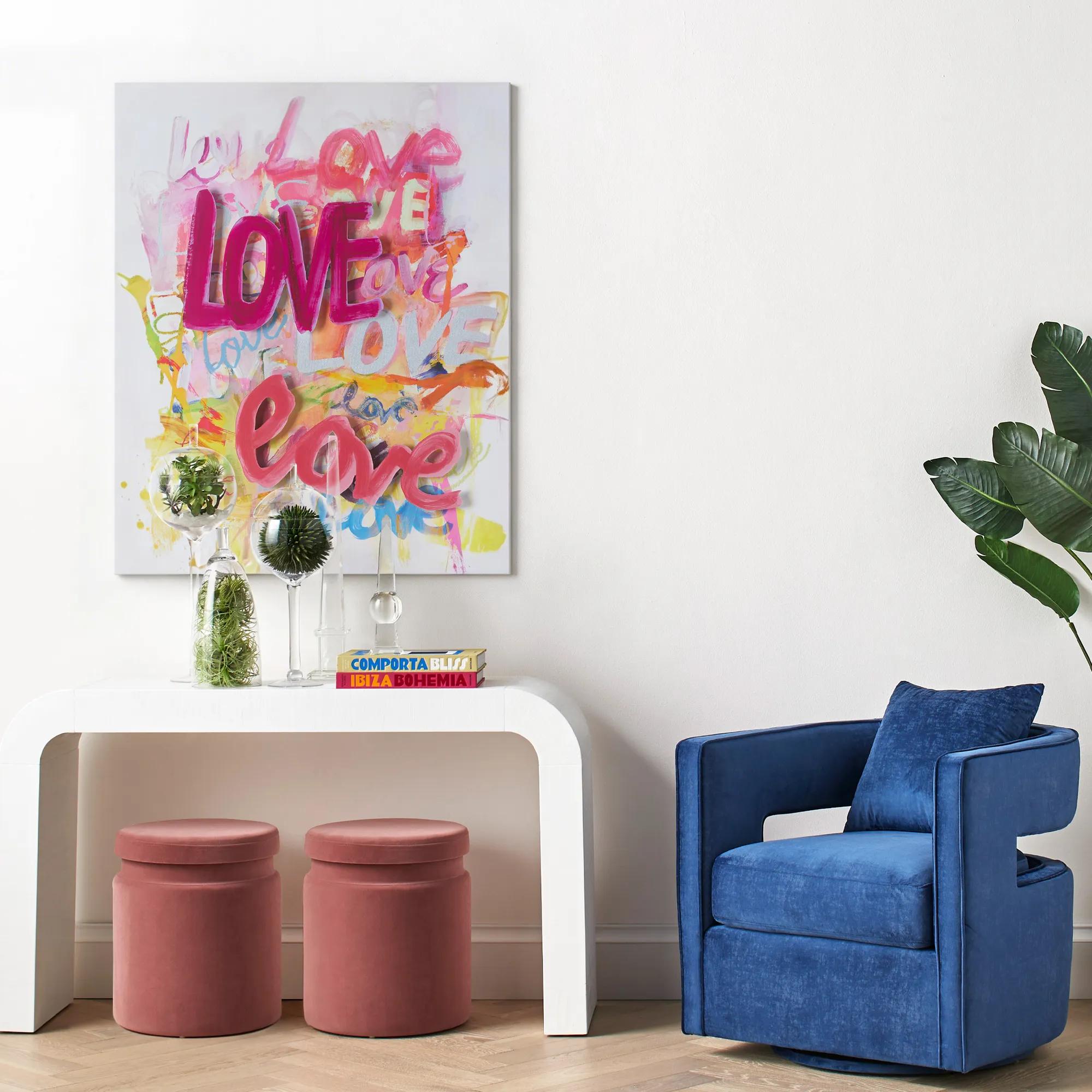 Love Is In The Air Wall Art 40" x 50"$1399
A vibrant giclee canvas print featuring hand-applied silver gilding and dimensional acrylic "Love" lettering.
Add To Cart -
 World At Night Framed Wall Art 40" x 50"$899
A gallery-wrapped canvas artwork featuring a hand-applied gel finish and set in a sleek black frame.
Add To Cart -
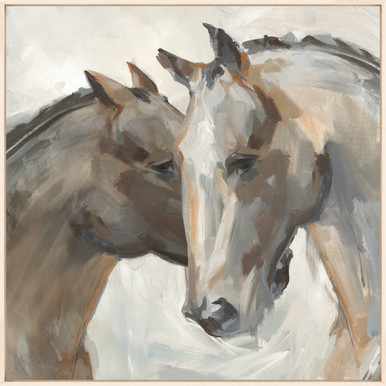
 Equine Duo Framed Wall Art 40" x 40"$699
A gallery-wrapped canvas featuring hand-applied brush gel and set in a natural floater frame.
Add To Cart -
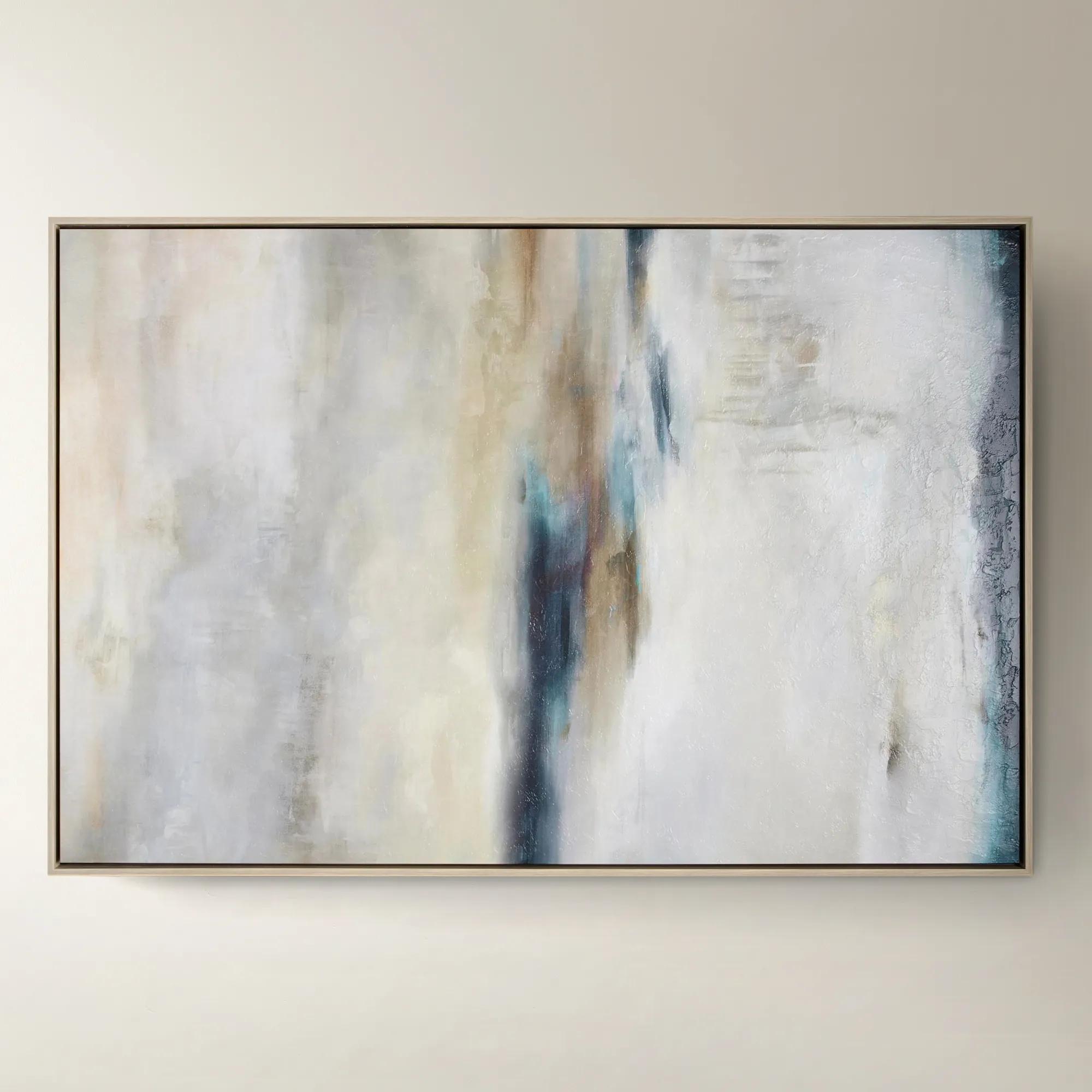
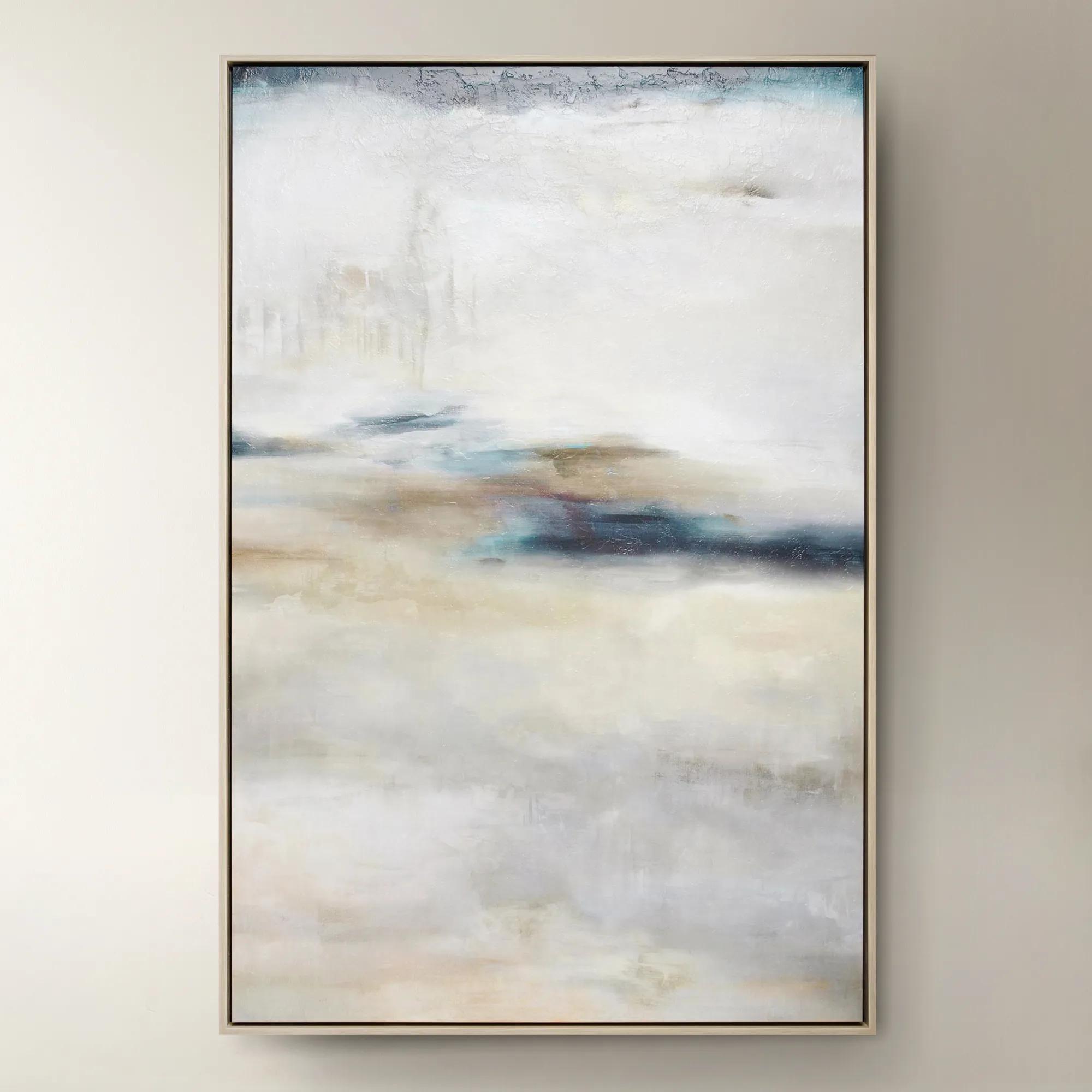 Forward Looking$1299
A softly layered abstract canvas print with a gel finish, set in a natural-hued floater frame.
Add To Cart -
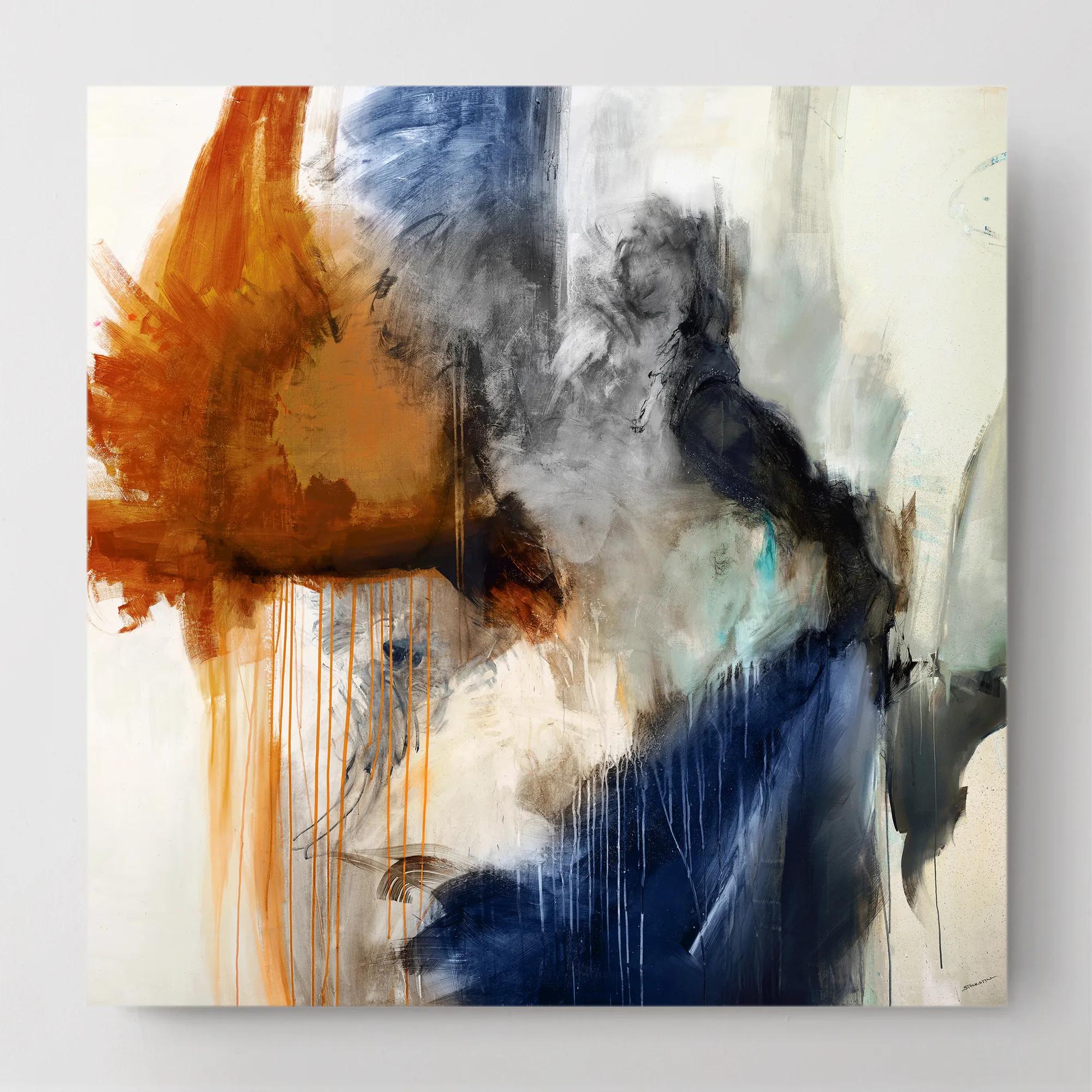
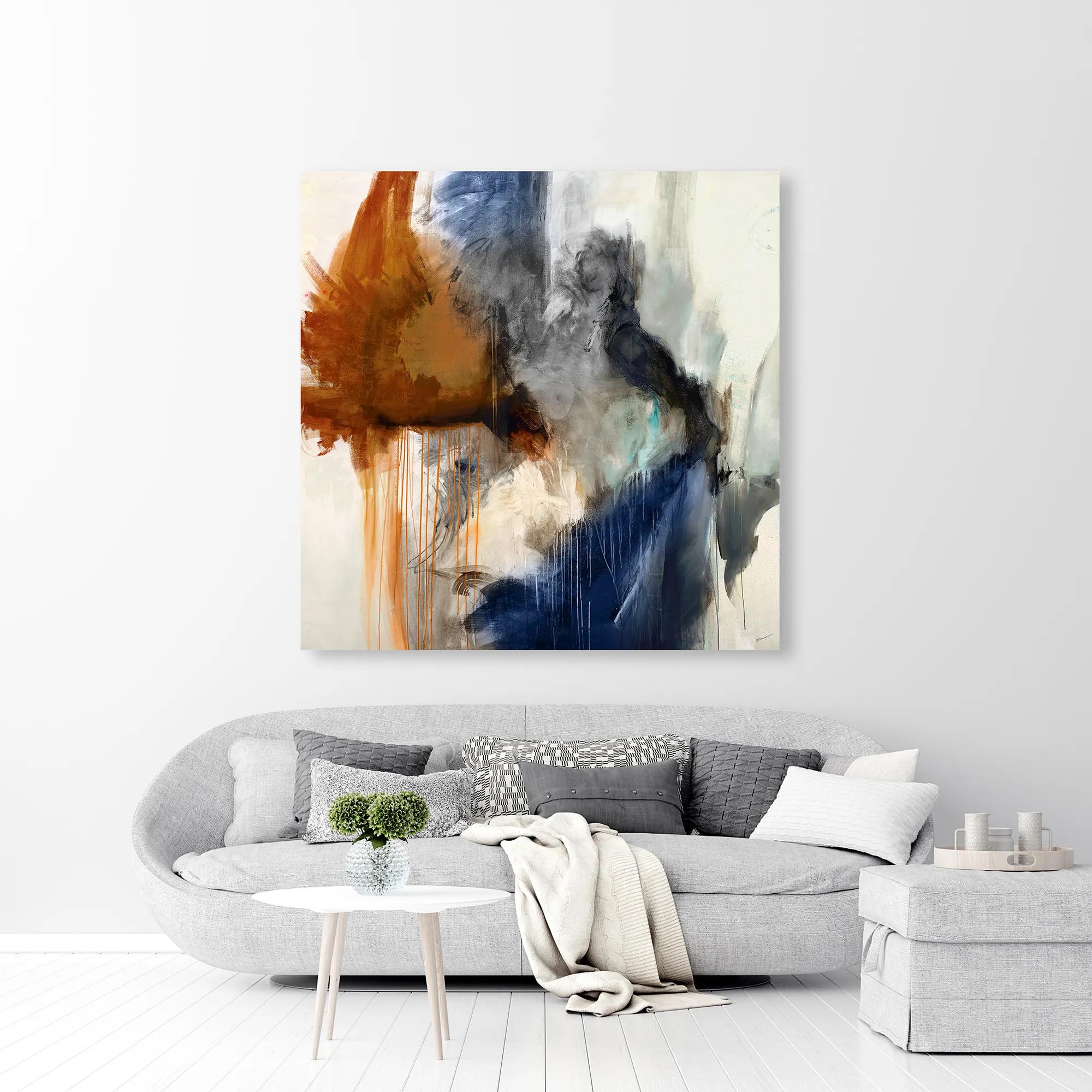 Swoon 6 Wall Art 54" x 54"$899
A gallery-wrapped canvas featuring a hand-applied image brush gel finish for a textured, artistic look.
Add To Cart -

 Twin Abstract 1 Framed Wall Art 30" x 45"$699
A captivating abstract canvas artwork featuring layered blue and purple tones in a sophisticated framed presentation.
Add To Cart -

 Hint of Spring Framed Painted Wall Art 48" x 48"$599
A framed, multicolored painted canvas artwork that brings a vibrant, artistic touch to contemporary interiors.
Add To Cart -

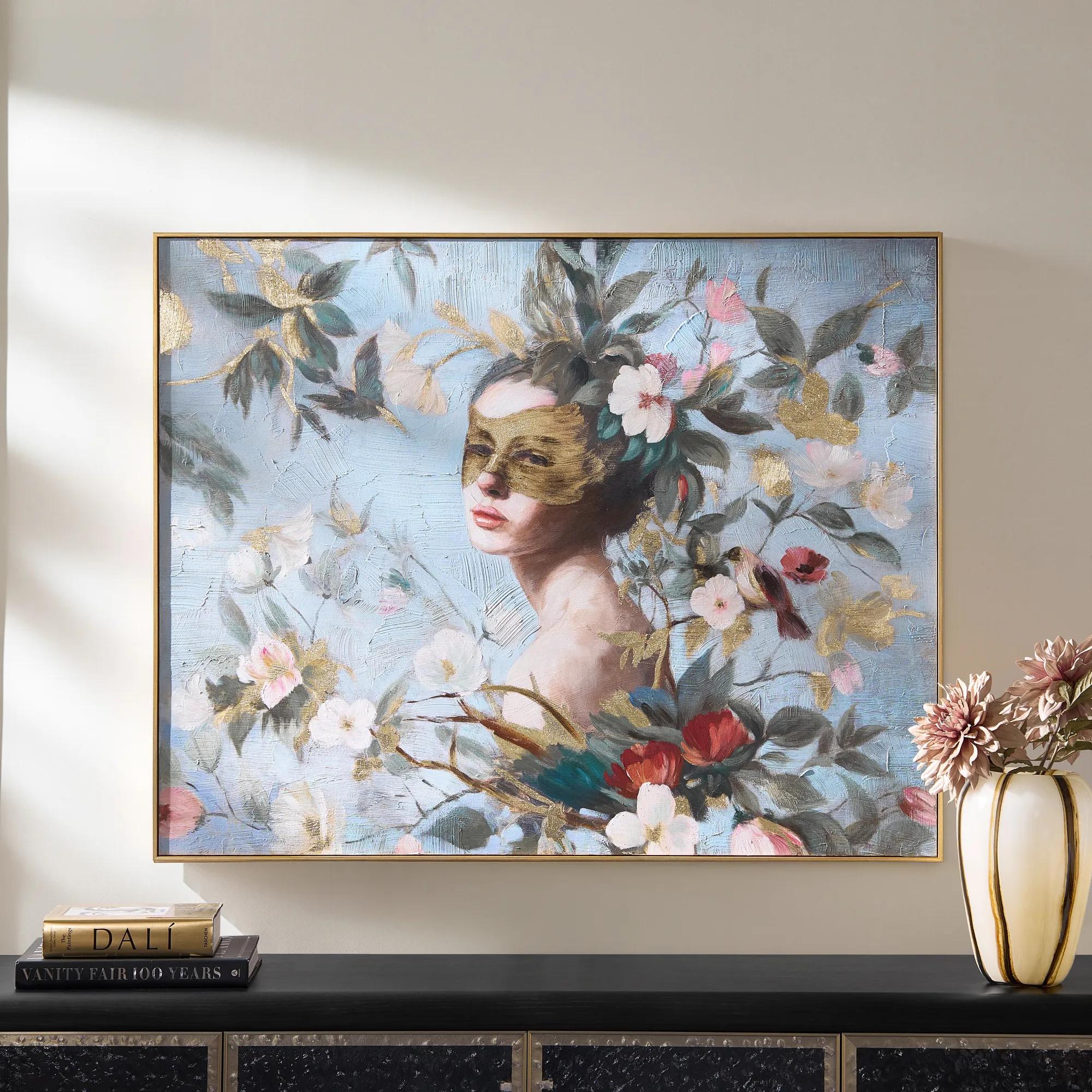 Garden Party Framed Gold Leaf Painted Wall Art 50" x 40"$399
A gold leaf painted canvas artwork in a framed presentation, bringing artistic sophistication to modern interiors.
Add To Cart -
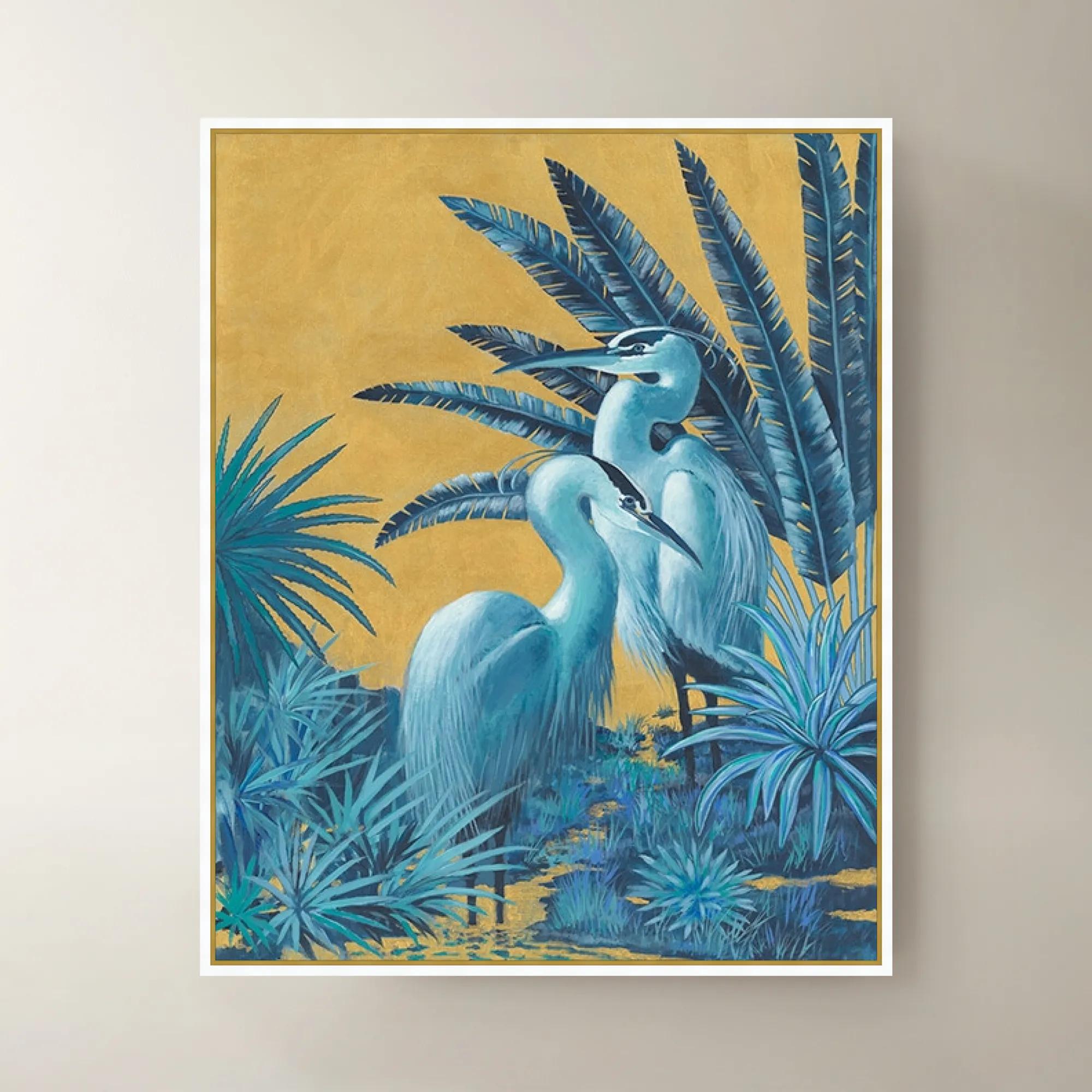
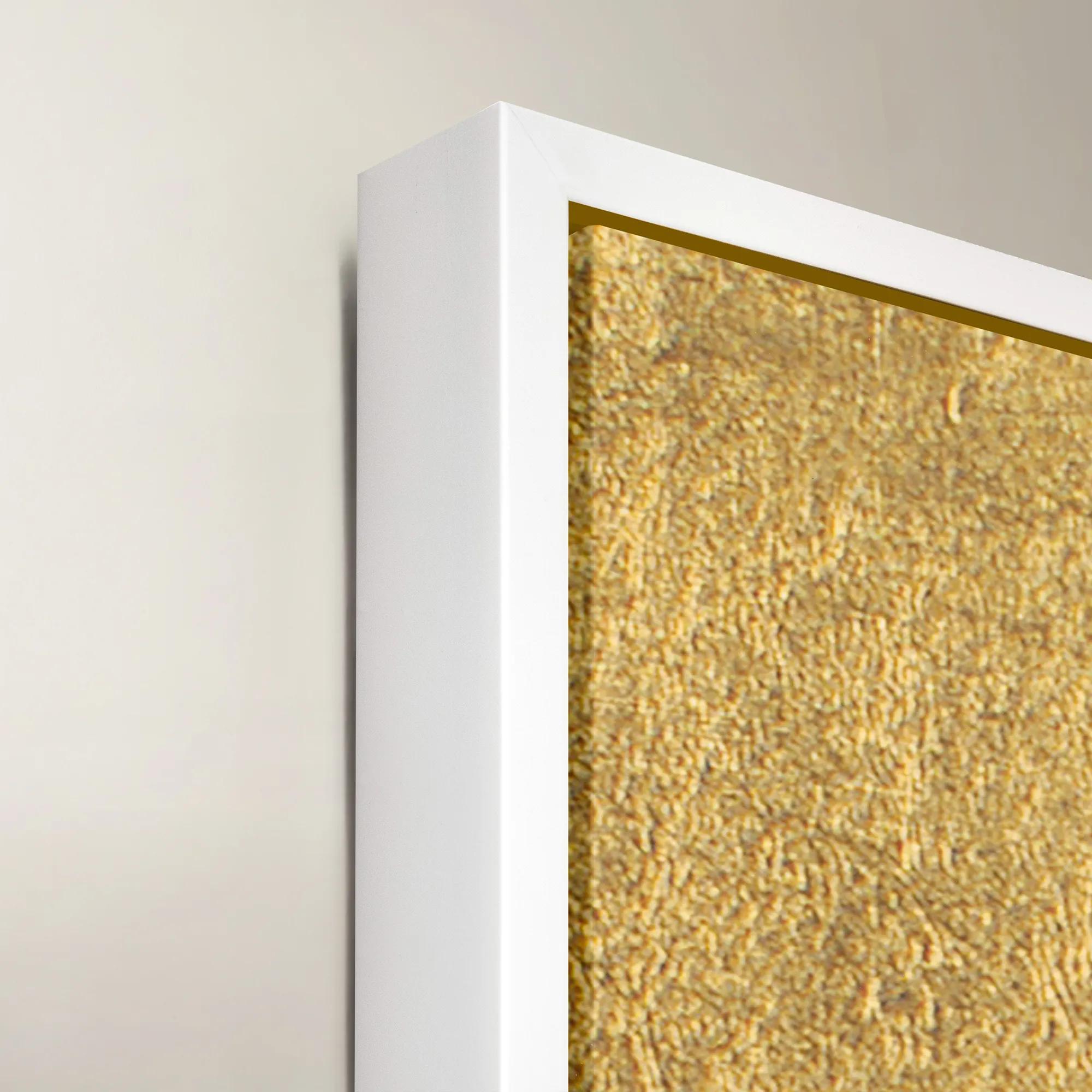 Blue Gold Herons Framed Wall Art 40" x 50"$1199
A striking blue and gold framed canvas artwork featuring elegant herons for sophisticated wall display.
Add To Cart -
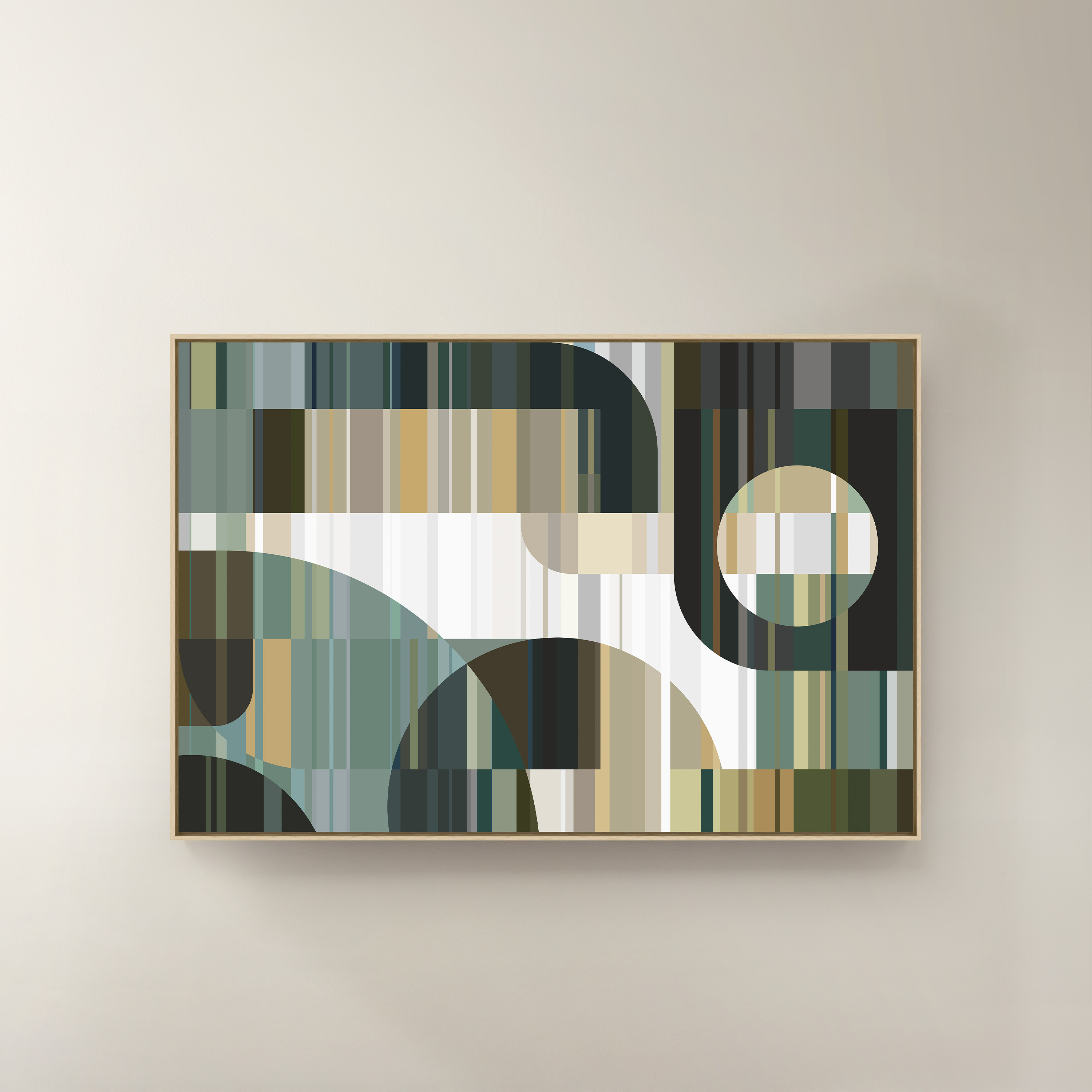
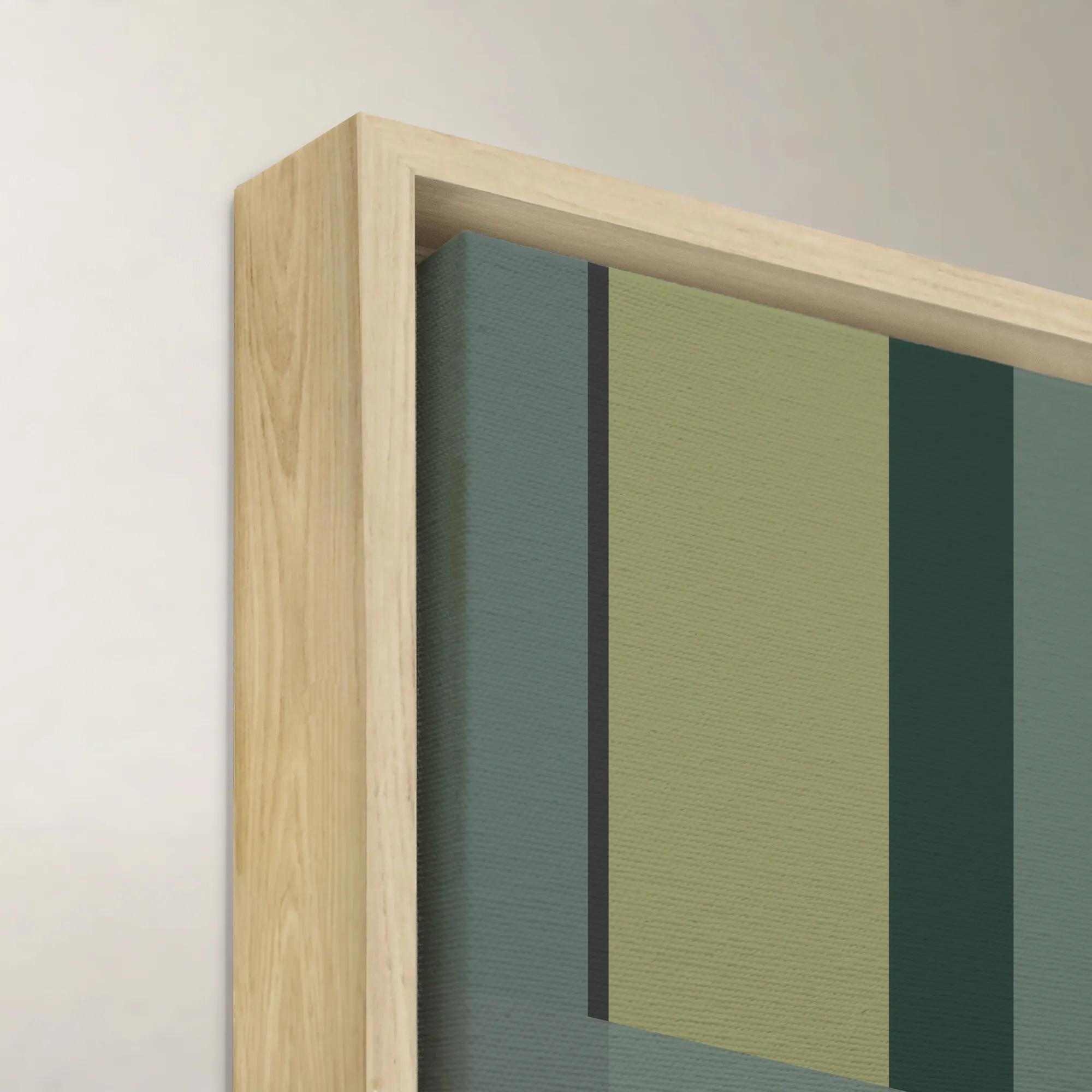 Cool Intersecting Forms II Framed Wall Art 60" x 40"$1099
A framed canvas wall artwork featuring cool-toned intersecting forms in a multicolored abstract composition.
Add To Cart -
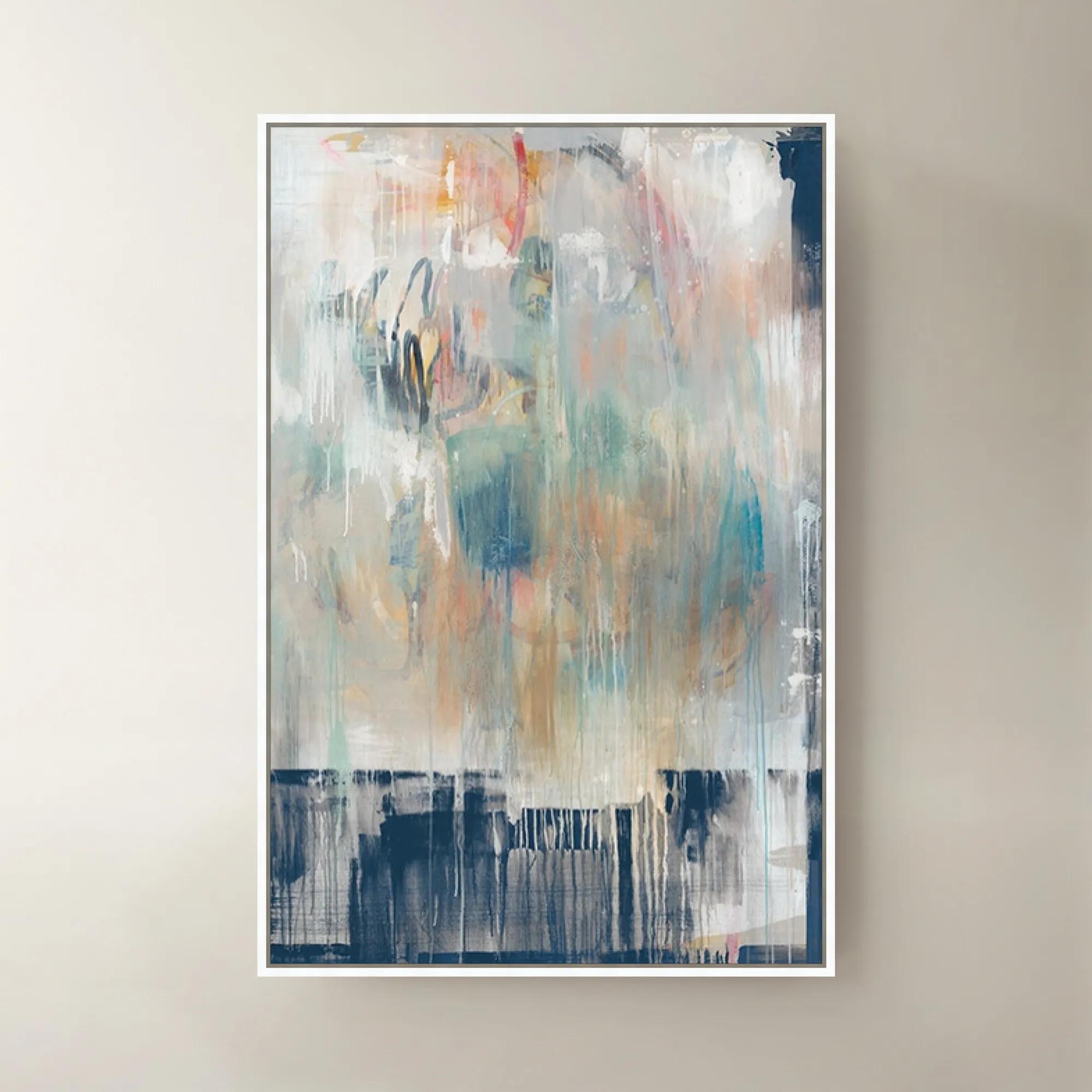
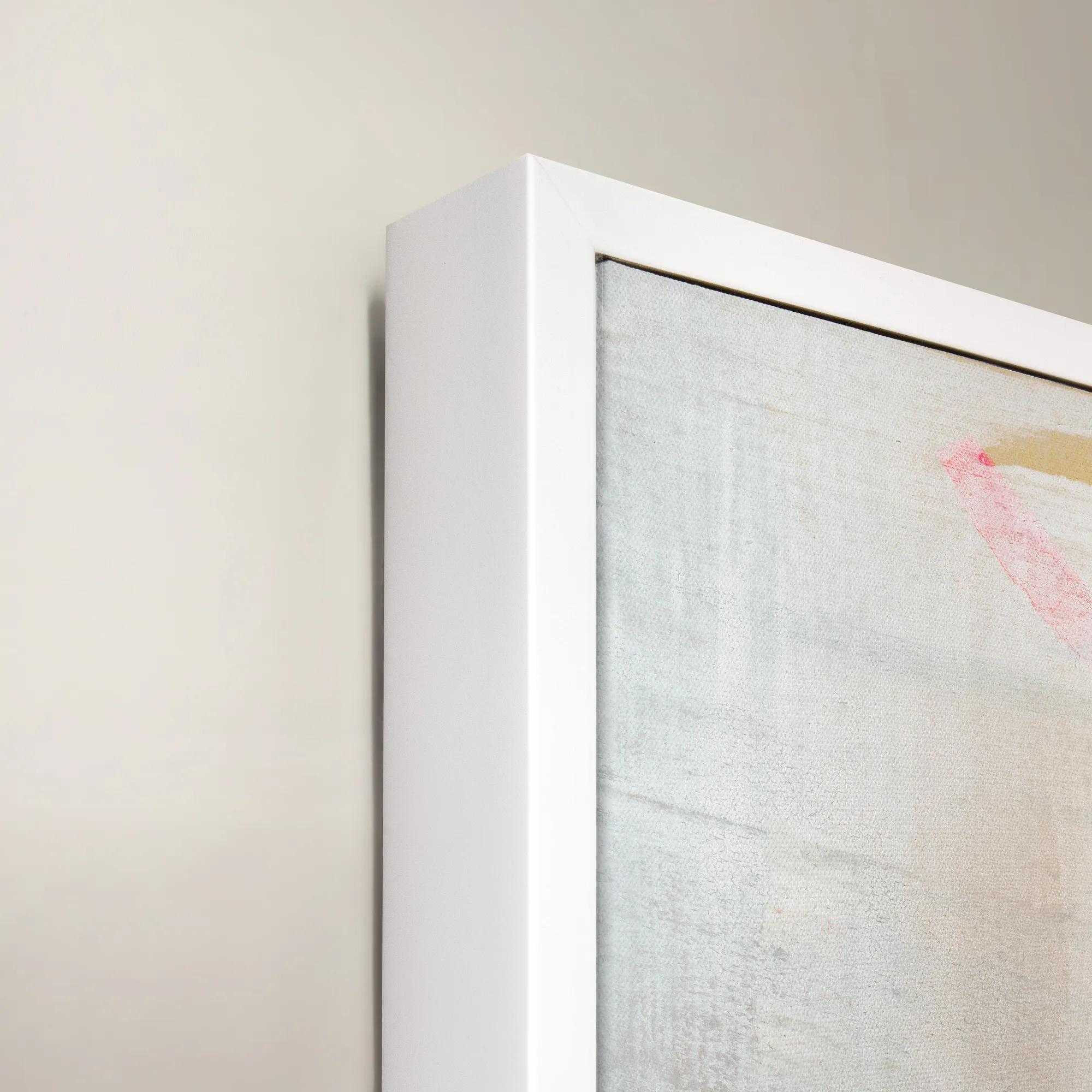 Disrepair III Framed Wall Art 40" x 60"$1099
A multicolored canvas wall artwork in a framed presentation, bringing expressive contemporary character to interiors.
Add To Cart -
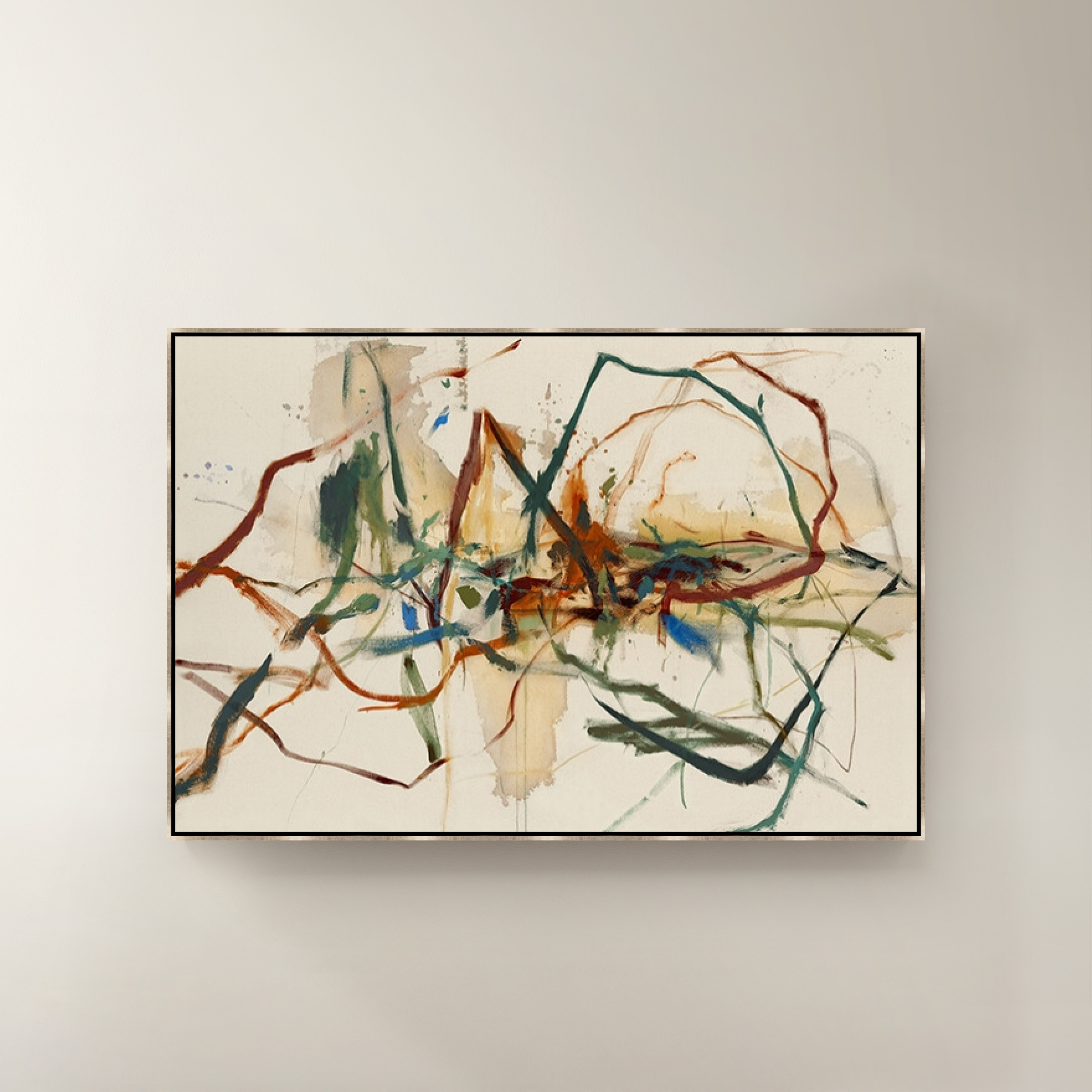
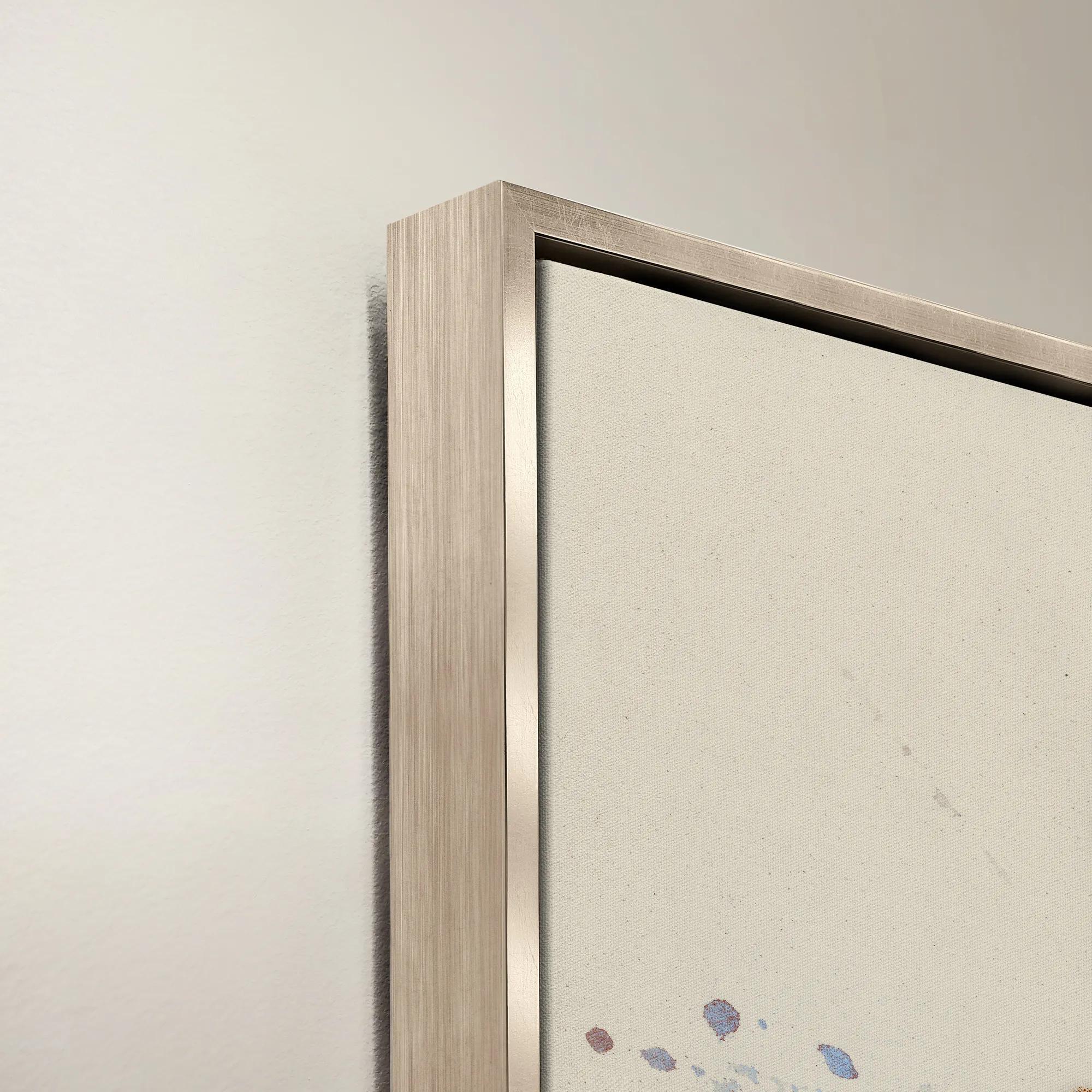 Chrono Crisis Framed Wall Art 60" x 40"$1099
A vibrant multicolored canvas wall artwork presented in a striking frame for contemporary interiors.
Add To Cart -
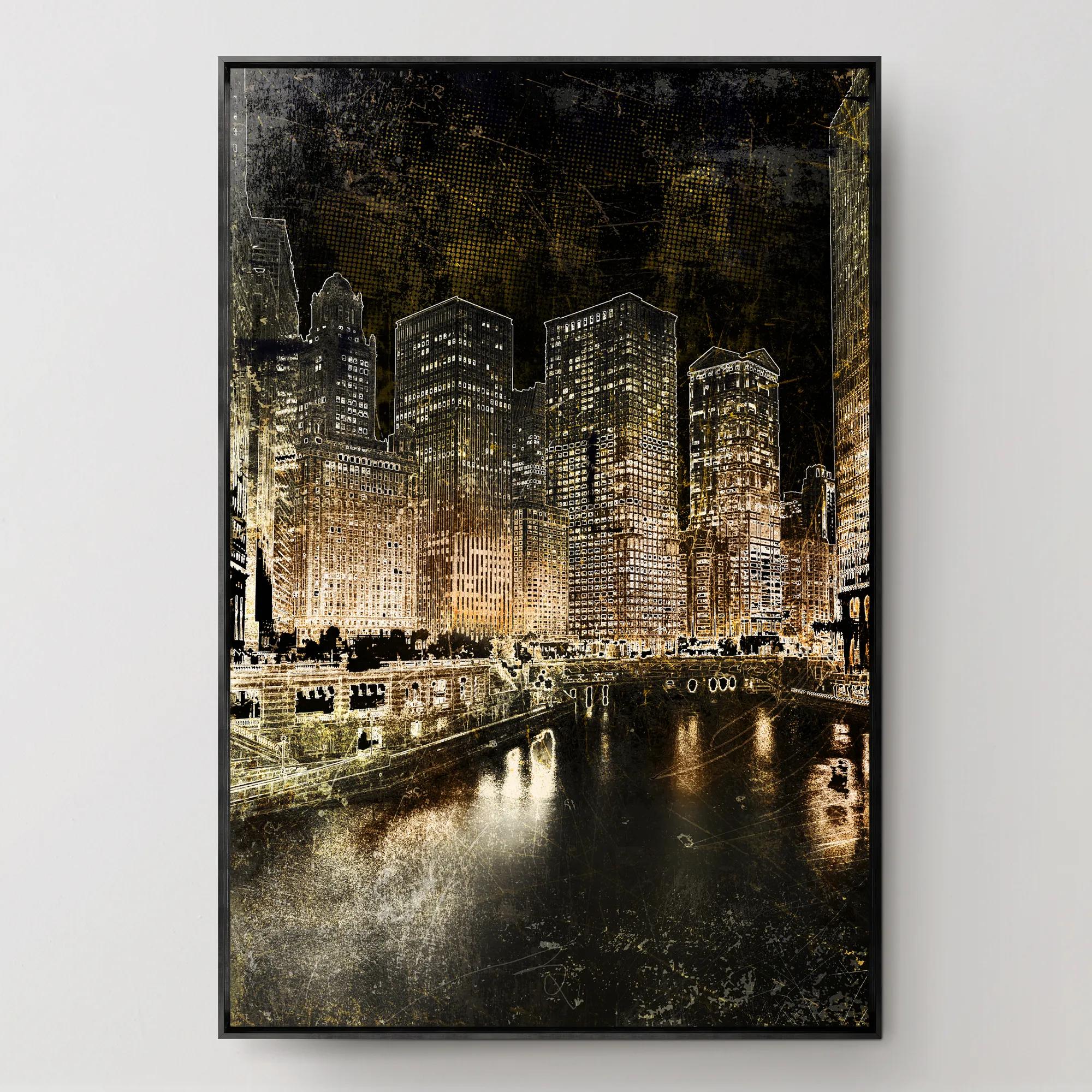
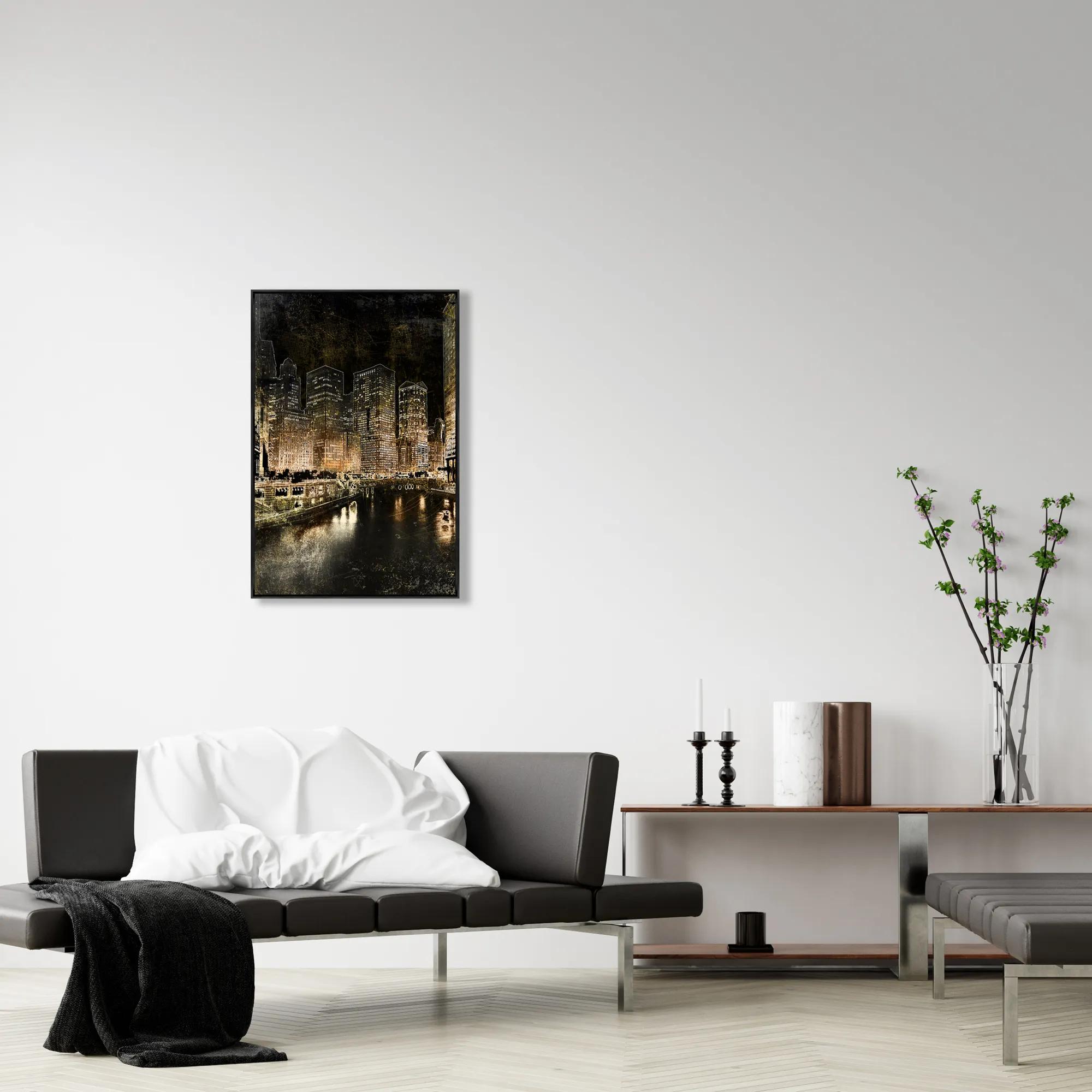 Chicago Lights Framed Wall Art 30" x 45"$649
A gallery-wrapped canvas artwork featuring a hand-applied gel finish in a sleek black floater frame.
Add To Cart -
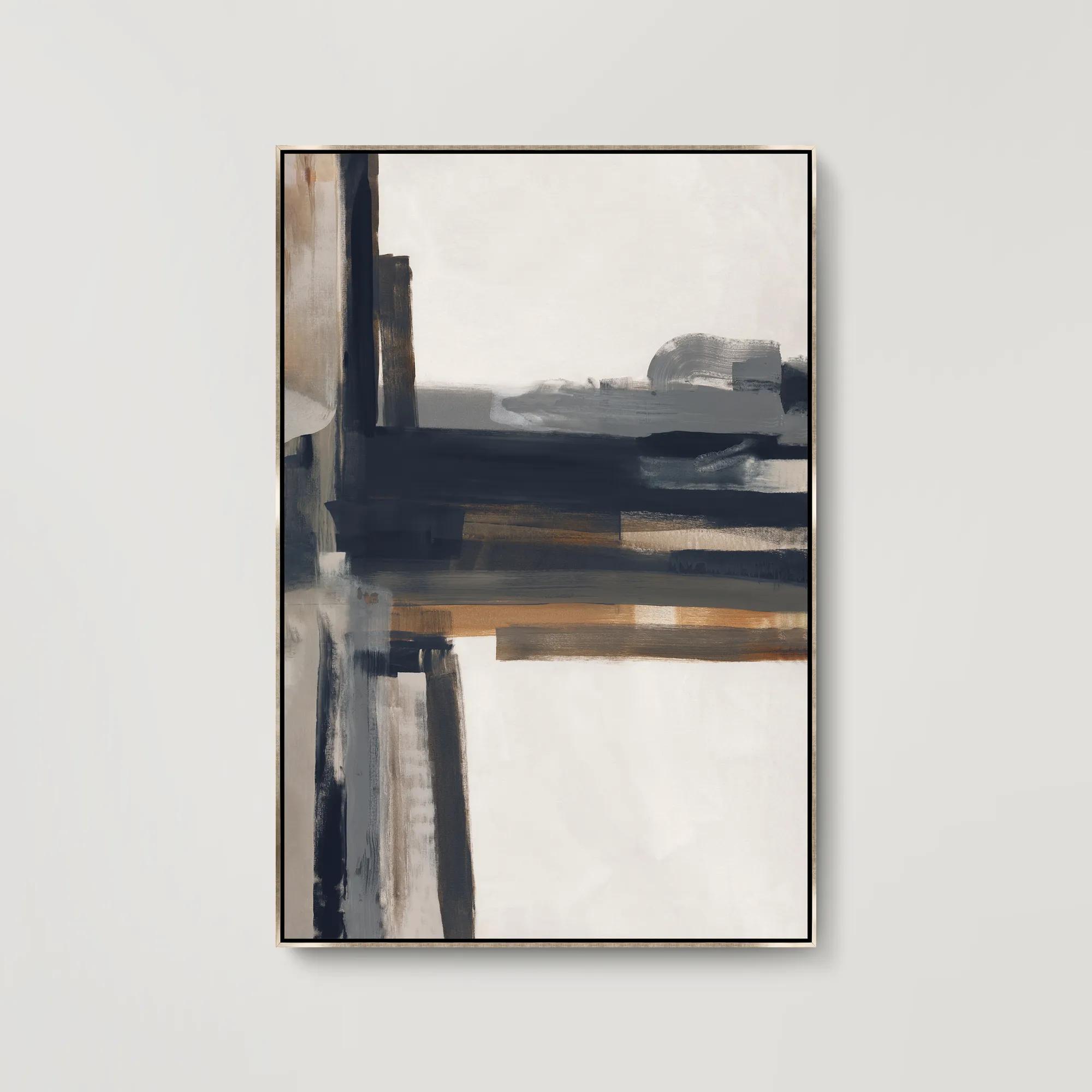
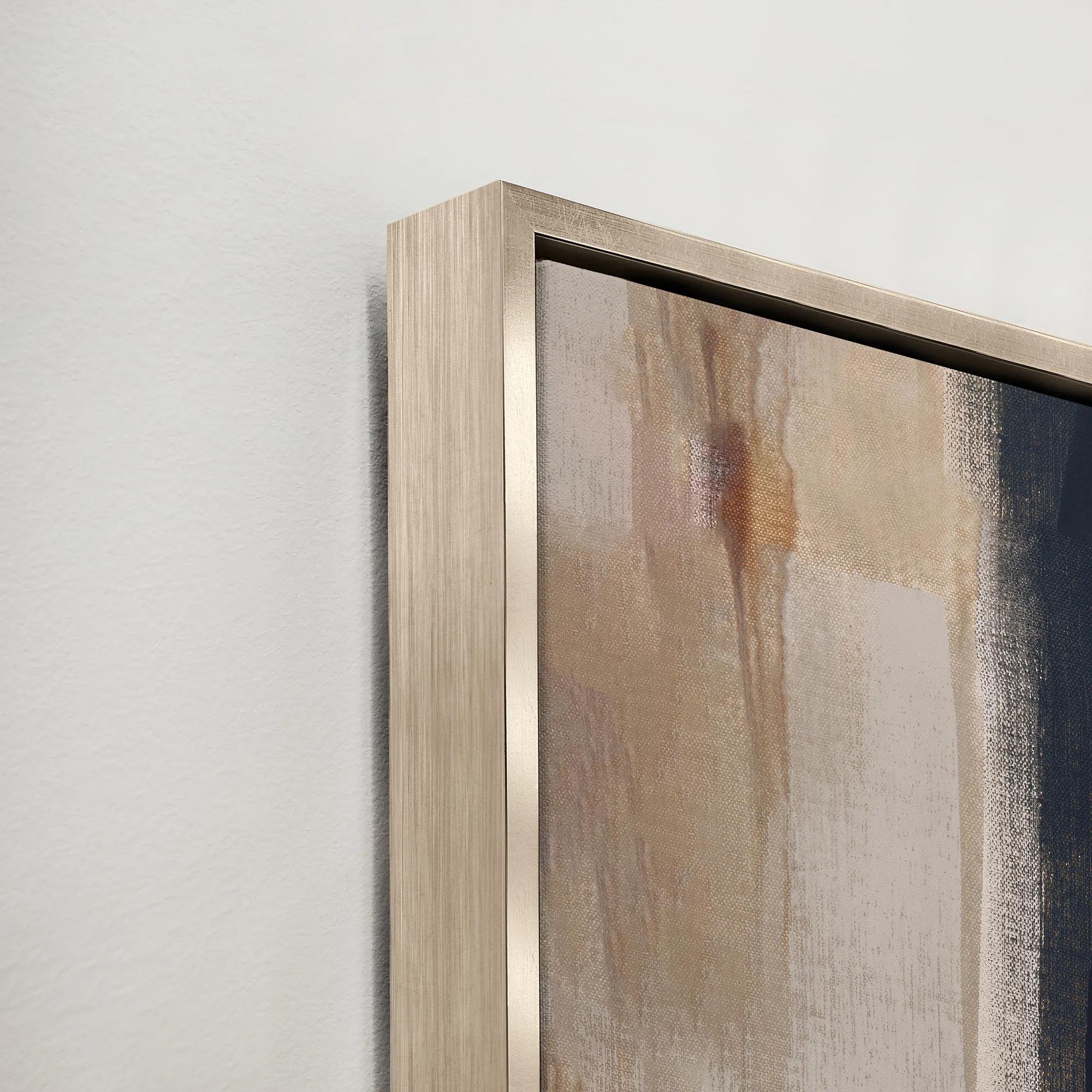 Imposing Construct I Framed Wall Art 41.5" x 61.5"$949
A gallery-wrapped abstract canvas featuring hand-applied brush gel and set in a sleek silver floater frame.
Add To Cart -
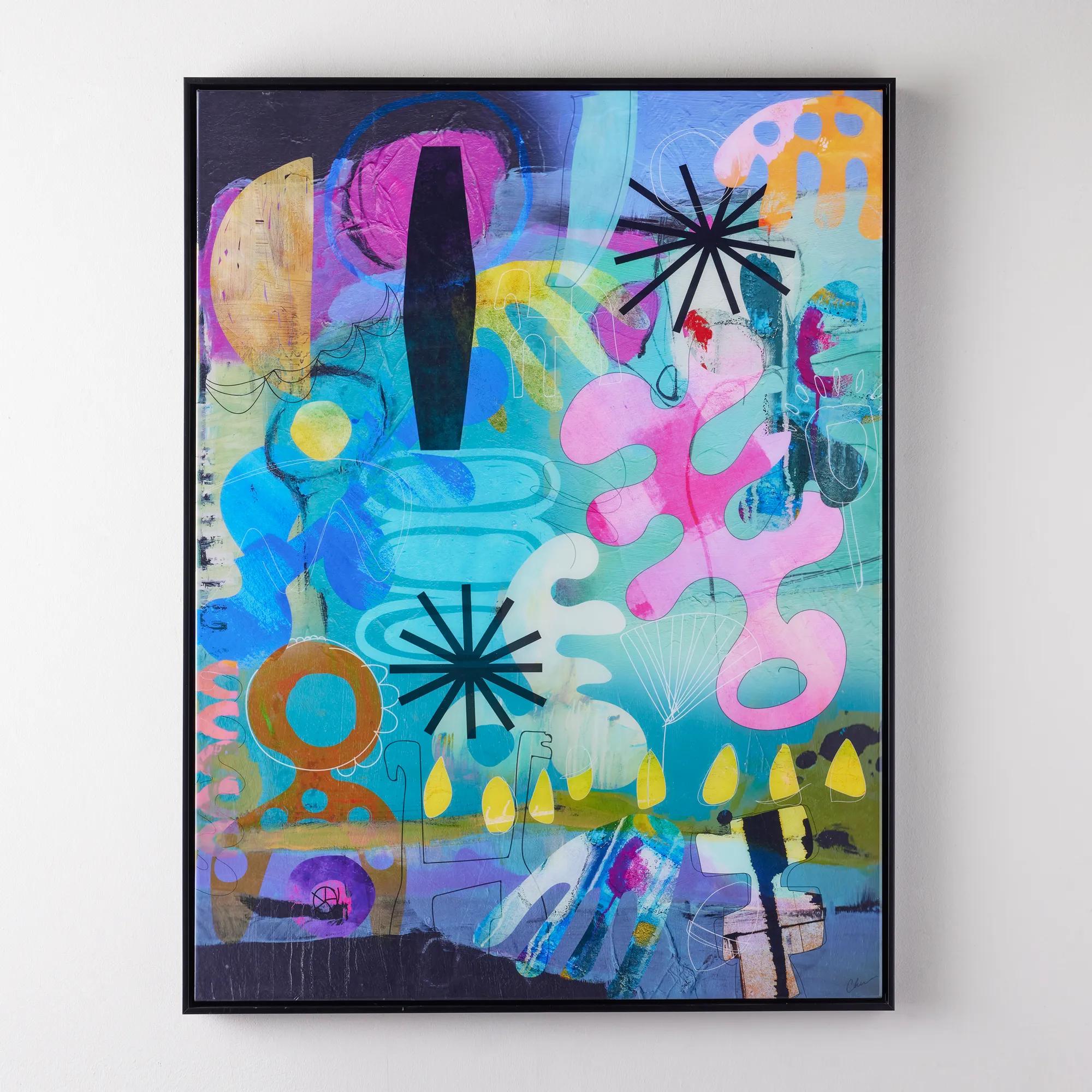
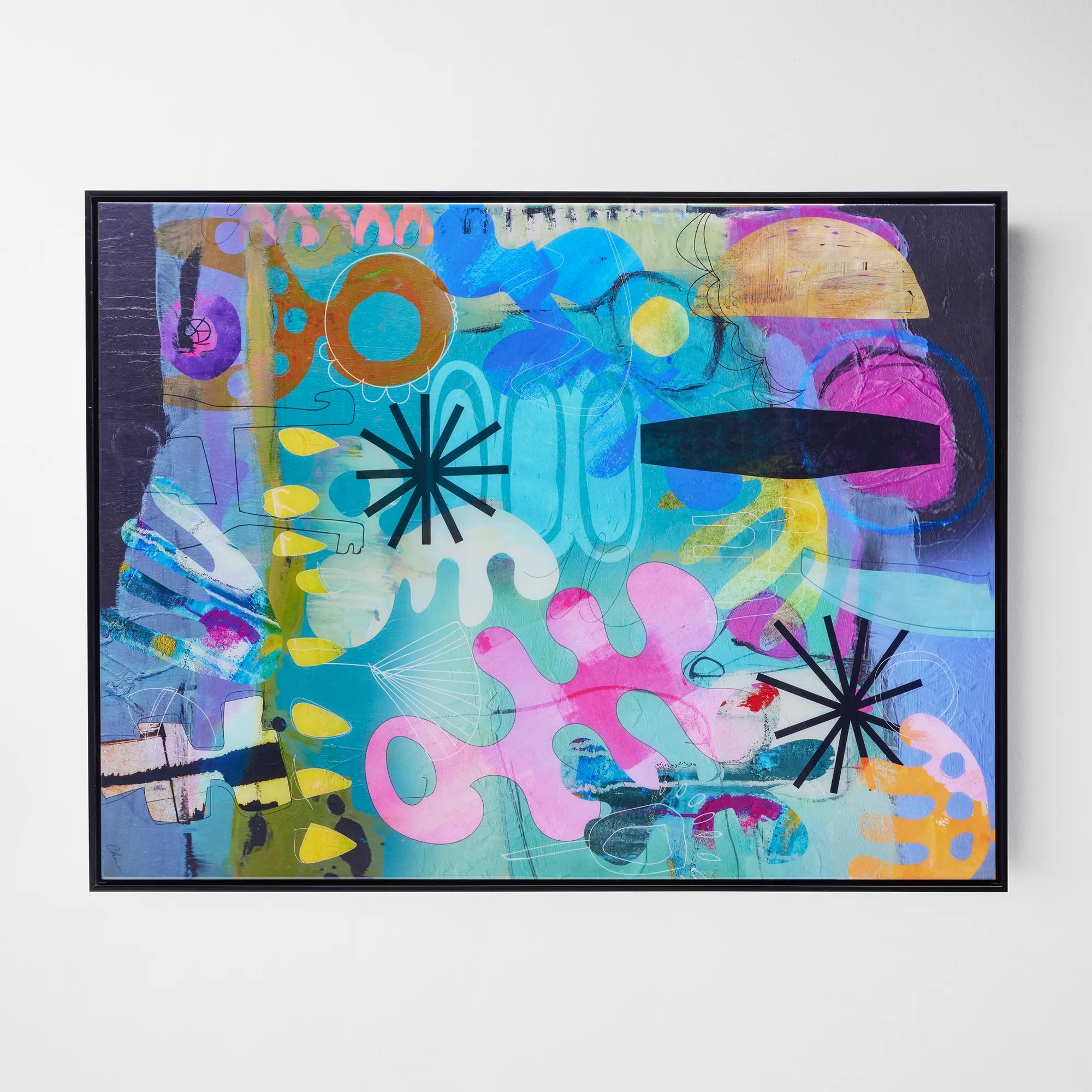 Nikki Chu Detailed Vision Framed Wall Art 54" x 41"$1099
A vibrant, high-gloss artwork with a black frame, designed to hang vertically or horizontally.
Add To Cart

Oversized Canvas Art Prints
Find oversized canvas art prints that turn an expansive wall into a striking focal point. Explore large-scale canvas wall art with proportion, palette, and placement in mind, whether you’re anchoring a seating area or creating drama above a bed. Compare artwork dimensions with your wall and surrounding furniture to choose a piece with a commanding, balanced presence.
Oversized canvas art prints are large-format artworks that reproduce an image on canvas, giving a room a generous focal point with the subtle texture of a woven surface. Their appeal lies in presence: a sweeping abstract above a low-profile sofa, an atmospheric landscape across a dining room wall, or a dramatic monochrome composition that gives an entryway its signature. Unlike a cluster of smaller pictures, one expansive canvas allows color, movement, and negative space to unfold without interruption. The effect can be serene or exuberant, depending on the image. Soft tonal transitions create depth without competing with sculptural furniture, while saturated brushstroke imagery introduces energy against upholstery in ivory, charcoal, or taupe. Black-and-white canvas prints offer a particularly striking contrast beside reflective finishes and richly grained wood. For a distinctly contemporary point of view, Oversized Modern Canvas Arts provides a related direction for expressive walls and bold interior compositions. Large-scale art need not match every accent in the room; a single shared undertone can connect the image to a rug, a velvet chair, or a ceramic vessel while leaving room for surprise. A trace of ocher in an abstract composition, for example, can draw out the warmth of brass without repeating its metallic sheen. Equally compelling is deliberate contrast: fluid, organic imagery can soften the geometry of a tailored room, while architectural lines bring definition to an interior layered with plush textiles. These pieces are especially effective in spaces where the furnishings already have visual weight and a small picture would feel disconnected. In an open living area, an oversized print can establish the seating arrangement as a distinct destination. In a bedroom, a restrained composition above the headboard creates a luxurious focal point without introducing the visual activity of multiple frames. The result feels personal rather than prescribed, with the artwork setting a mood that the surrounding details carry forward.
Materials and construction shape how oversized wall art looks both up close and across a room. Canvas may be woven from cotton, polyester, or a blend, and the weave influences the visible character of the printed surface. A finer texture can suit crisp photographic detail, while a more noticeable weave lends another layer of interest to painterly imagery. Printed brushstrokes can suggest depth and movement, but they are not the same as physically raised paint; descriptions that distinguish a printed image from hand-applied embellishment help clarify the intended finish. Stretched canvas is typically secured over a supporting frame, creating dimension without requiring a traditional glazed picture frame. Gallery-wrapped edges can carry the image around the sides or present a coordinating edge treatment, making the artwork’s profile part of the composition. A floating frame introduces a narrow shadow gap around the canvas, adding definition without visually crowding the image. Dark frames sharpen high-contrast artwork, lighter finishes maintain an airy perimeter, and metallic tones can create a polished connection with decorative lighting or accent furniture. At an oversized scale, the structure behind the image matters: a well-supported stretcher helps the canvas maintain its shape, while secure corners and appropriate bracing contribute to stability. Print quality also becomes more noticeable as dimensions increase. Fine transitions, intentional detail, and clear reproduction allow a large image to feel considered rather than simply enlarged. A matte or low-sheen surface can reduce distracting reflections, although the appearance will still change with the direction and intensity of light. These distinctions are especially relevant in a room with broad windows or statement lighting, where the artwork may be viewed from several angles throughout the day. A single-panel canvas offers continuity, while a coordinated arrangement of panels introduces measured rhythm; the spaces between panels become part of the overall design, not merely gaps between pictures.
Proportion gives oversized canvas prints their confidence. The most compelling fit relates to the furniture and architecture around the artwork, rather than filling every available inch of wall. Above a sofa or console, a composition narrower than the furniture generally feels anchored, with breathing room at either side. A tall, vertical canvas can emphasize an entryway or balance a narrow section of wall, while a broad horizontal image follows the lines of a dining table or expansive headboard. Dimensions should account for any outer frame and, with multiple panels, the full arrangement including spacing. Mapping the outline with removable painter’s tape can make scale easier to judge before committing to a placement, particularly when doorways, sconces, or nearby shelving interrupt the wall. Delivery access matters, too: an impressive canvas still needs a clear route through doors, stairways, and turns. Secure installation should reflect the artwork’s weight, the supplied hanging system, and the wall material, with professional installation worth considering for especially large pieces or elevated placements. Once displayed, canvas art benefits from gentle care. A soft, dry cloth or clean, soft brush can lift surface dust without scrubbing the print; water, household cleaners, and abrasive materials may damage the surface or its finish. Product-specific care directions should always take precedence. Keeping artwork away from persistent direct sunlight, excess moisture, and concentrated heat helps protect its appearance, making a dry living room, bedroom, dining space, or home office a more suitable setting than an exposed outdoor area. For a gift, large canvas wall art feels particularly meaningful when the recipient’s taste and wall dimensions are already familiar. A housewarming or wedding gift can become part of a home’s visual identity, especially when the chosen palette reflects colors the recipient already loves. Whether selected for a first statement room or an established interior ready for a different perspective, oversized canvas art gives personal expression room to expand, with color and composition taking their place alongside the home’s most distinctive furnishings.
FAQs
Oversized canvas art prints bring expressive energy to modern, glamorous, eclectic, and transitional interiors. Abstract compositions can sharpen a contemporary room, while painterly landscapes introduce a softer, atmospheric note. Choose artwork that echoes your room’s mood—or creates a deliberate contrast for a more daring statement.
Start with the atmosphere you want to create. Rich jewel tones lend drama, muted neutrals invite quiet sophistication, and high-contrast compositions add graphic intensity. For a cohesive look, draw one or two hues from your upholstery, rug, or decorative accents without matching every element.
Living rooms, dining rooms, bedrooms, and entryways offer compelling settings for oversized canvas art. Consider the experience you want to shape: an expressive composition can create an unforgettable entrance, while a serene landscape can establish a more contemplative bedroom mood. Favor a wall where the artwork feels intentional rather than visually interrupted.
Abstract canvas art uses color, gesture, and form to invite personal interpretation, making it a compelling choice for an expressive interior. Representational artwork features recognizable subjects, such as landscapes, botanicals, or figures, and can establish a distinct narrative. Let your emotional response guide the choice; the most captivating art feels personal.
Let the artwork lead, then give surrounding details supporting roles. Echo a curve from the composition in a sculptural vase, or carry an accent color into pillows and decorative objects. Balance expressive artwork with quieter elements so the room feels richly layered without competing for attention.