Large Canvas Art For Walls
Large Canvas Art For Walls
-
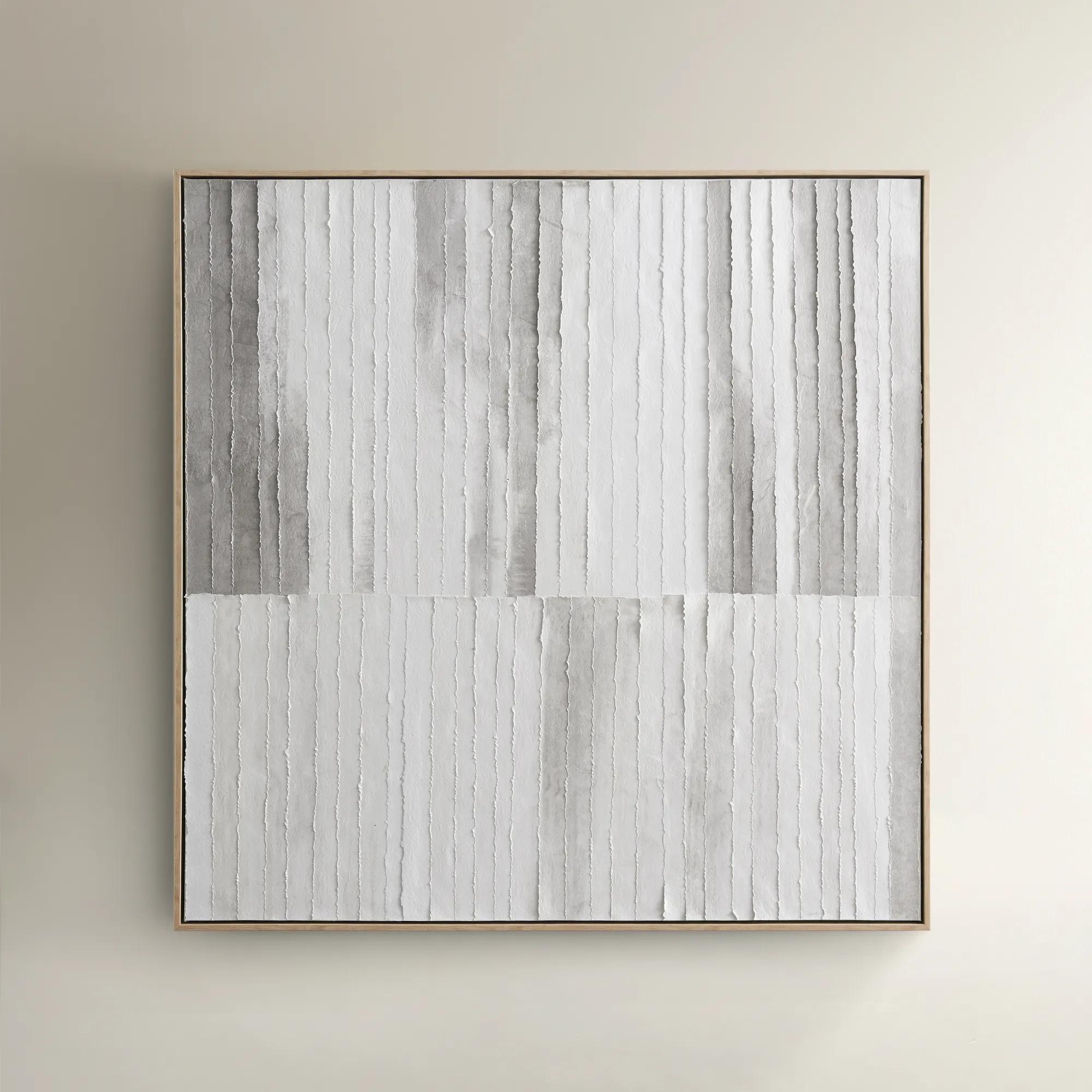
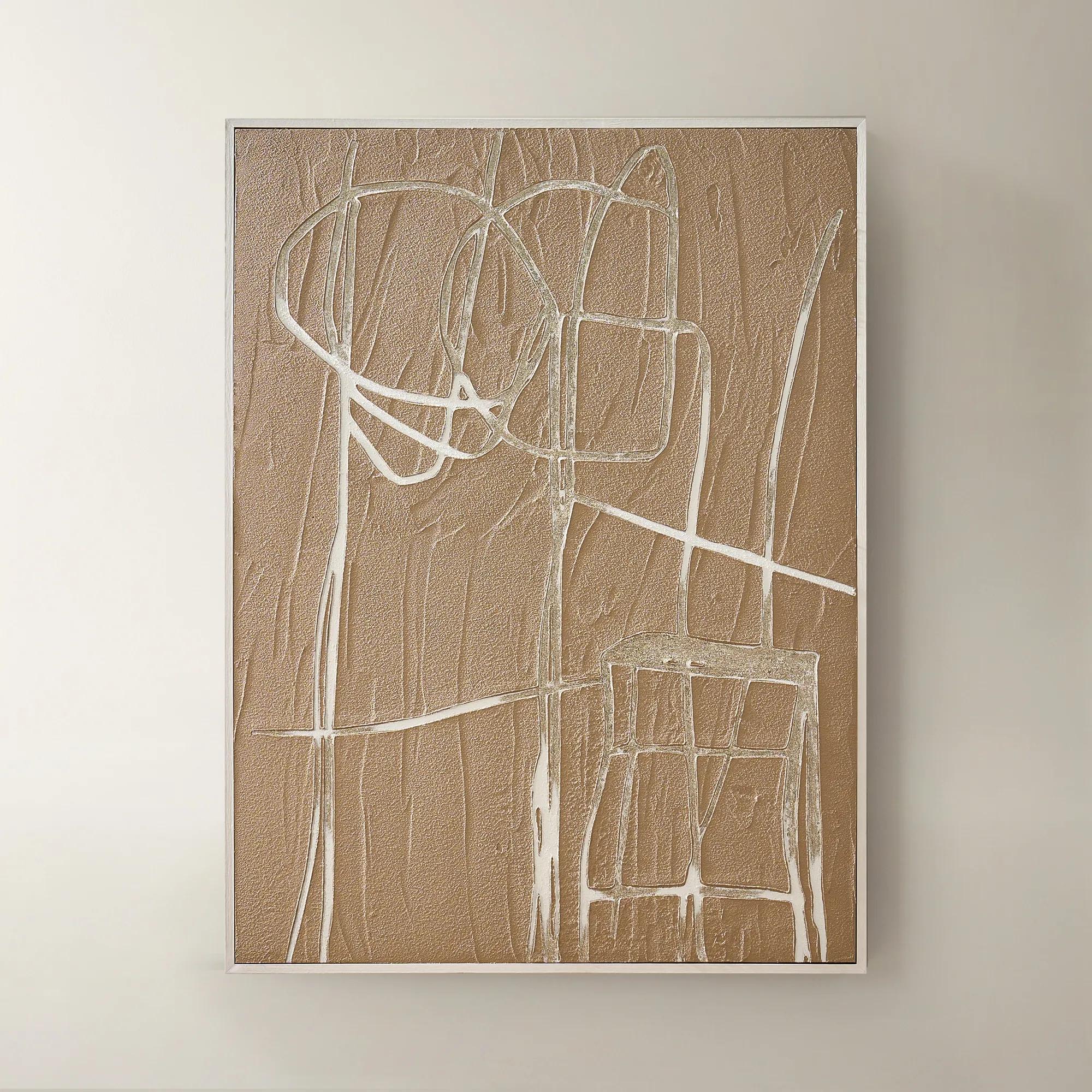
 Morning Mist Paper Art$329
A hand-painted canvas featuring rhythmic grey lines in a textured, whitewashed floater frame for serene style.
Add To Cart -
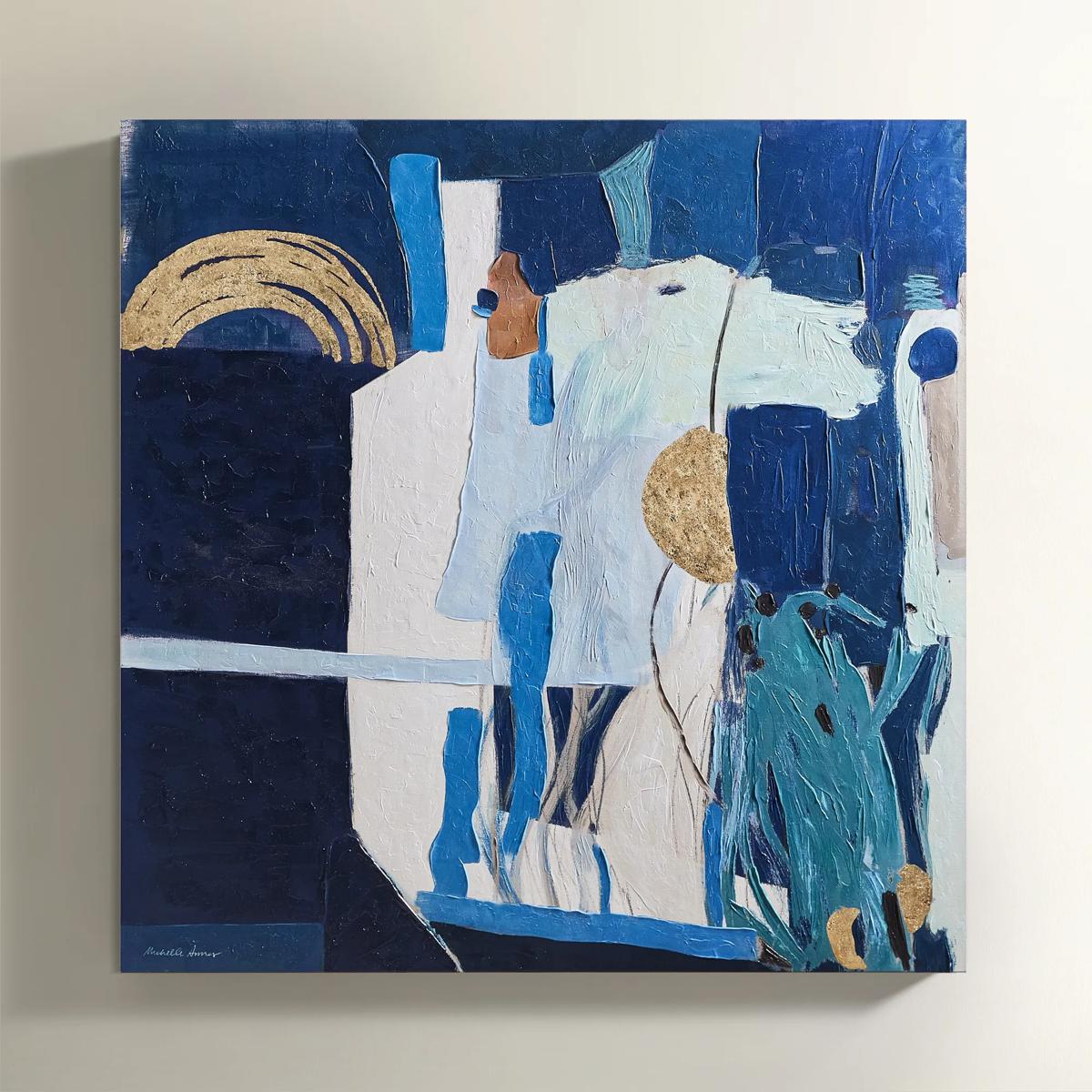
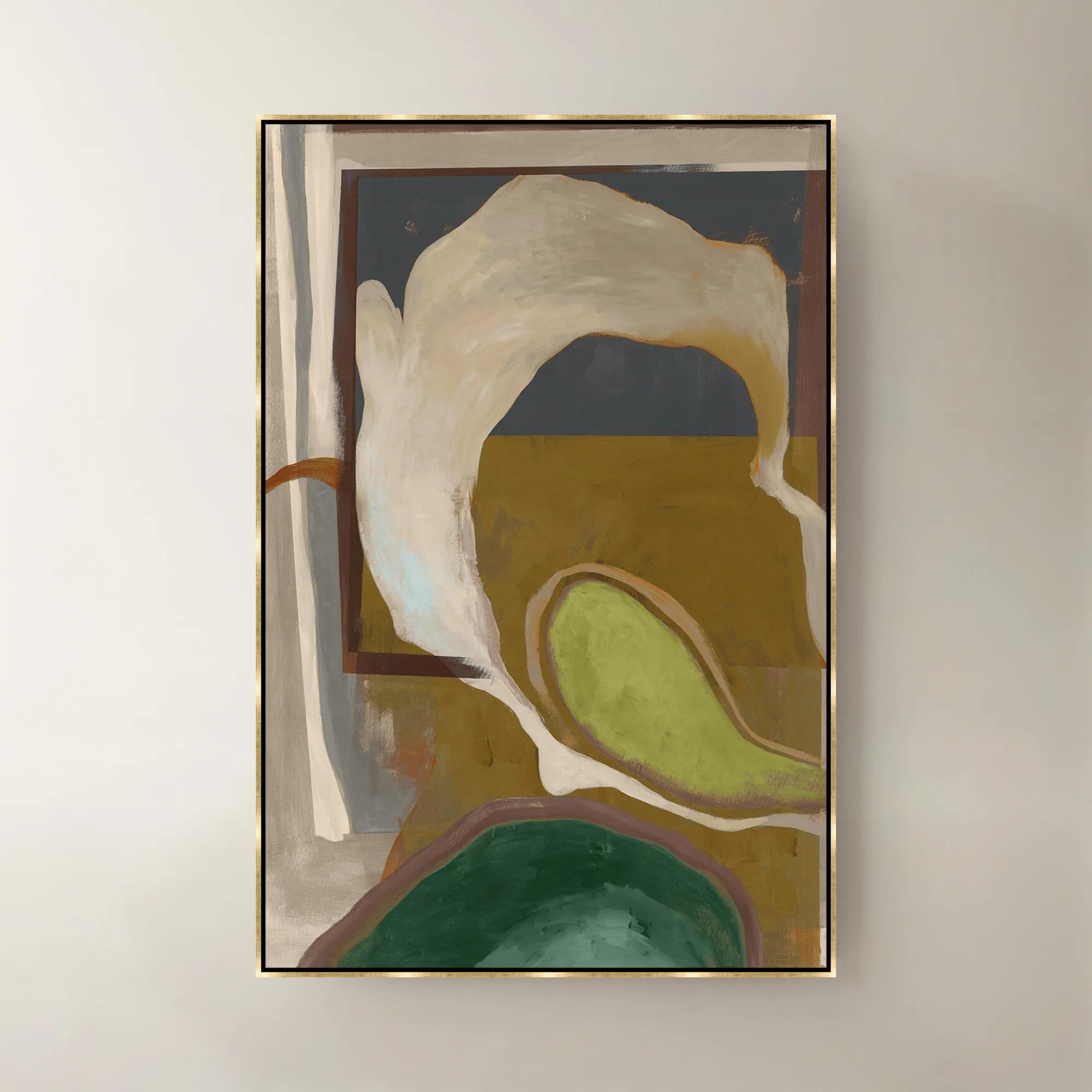
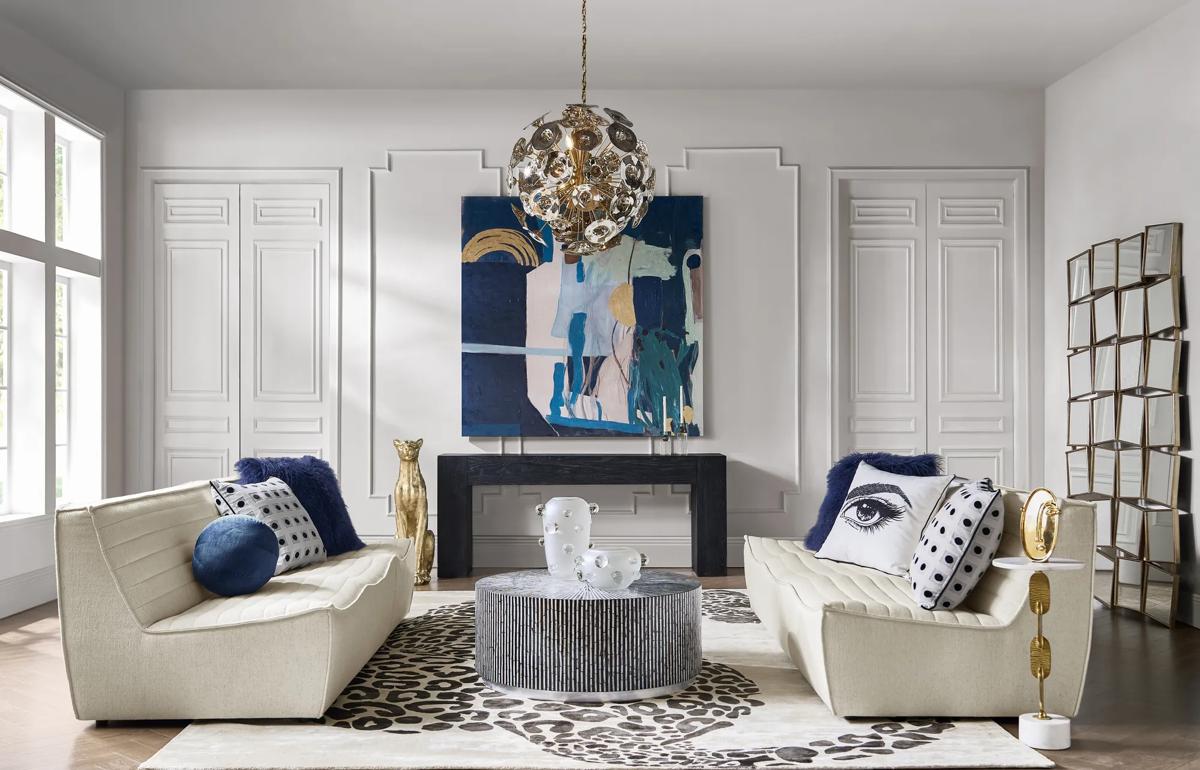 In Flux Painting$699
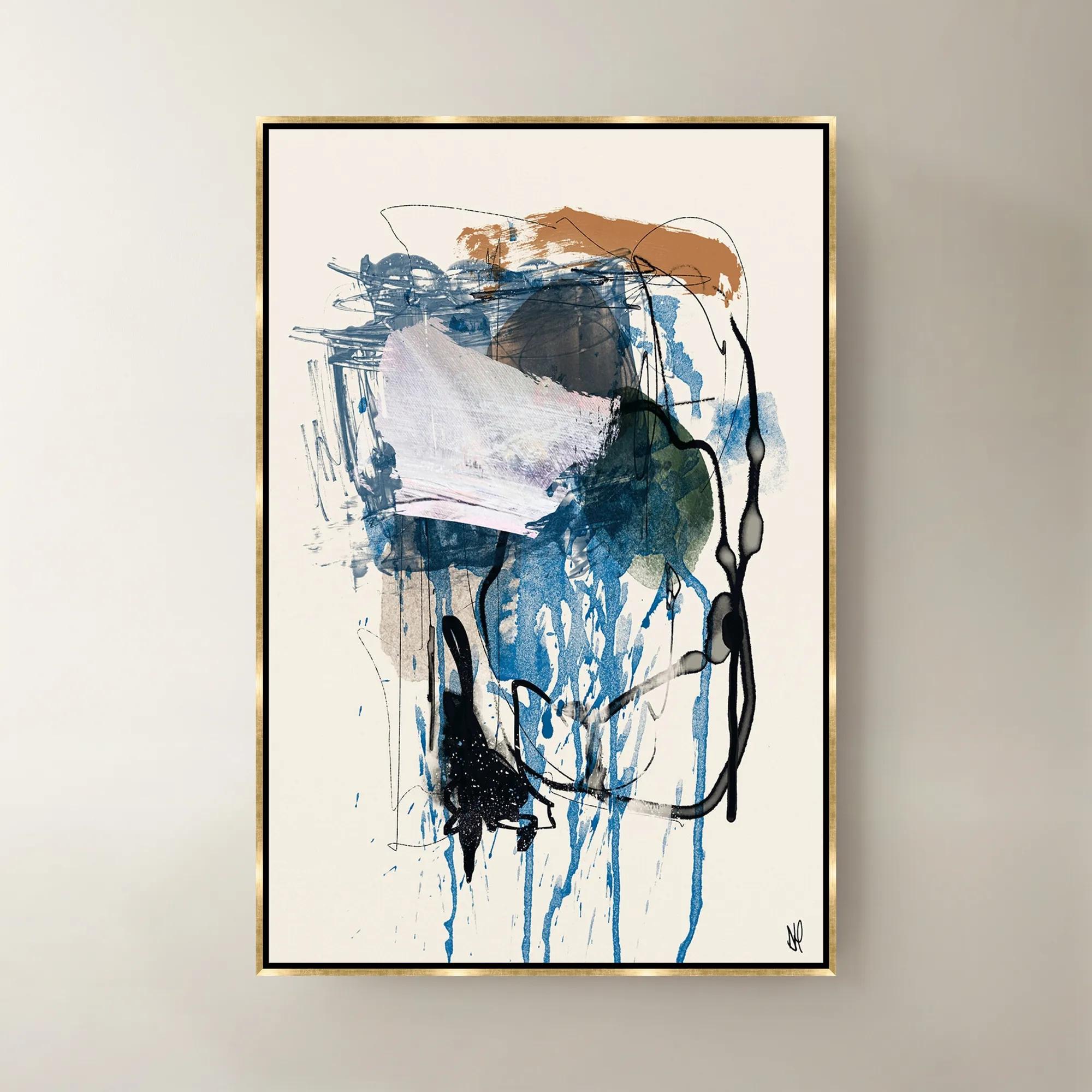
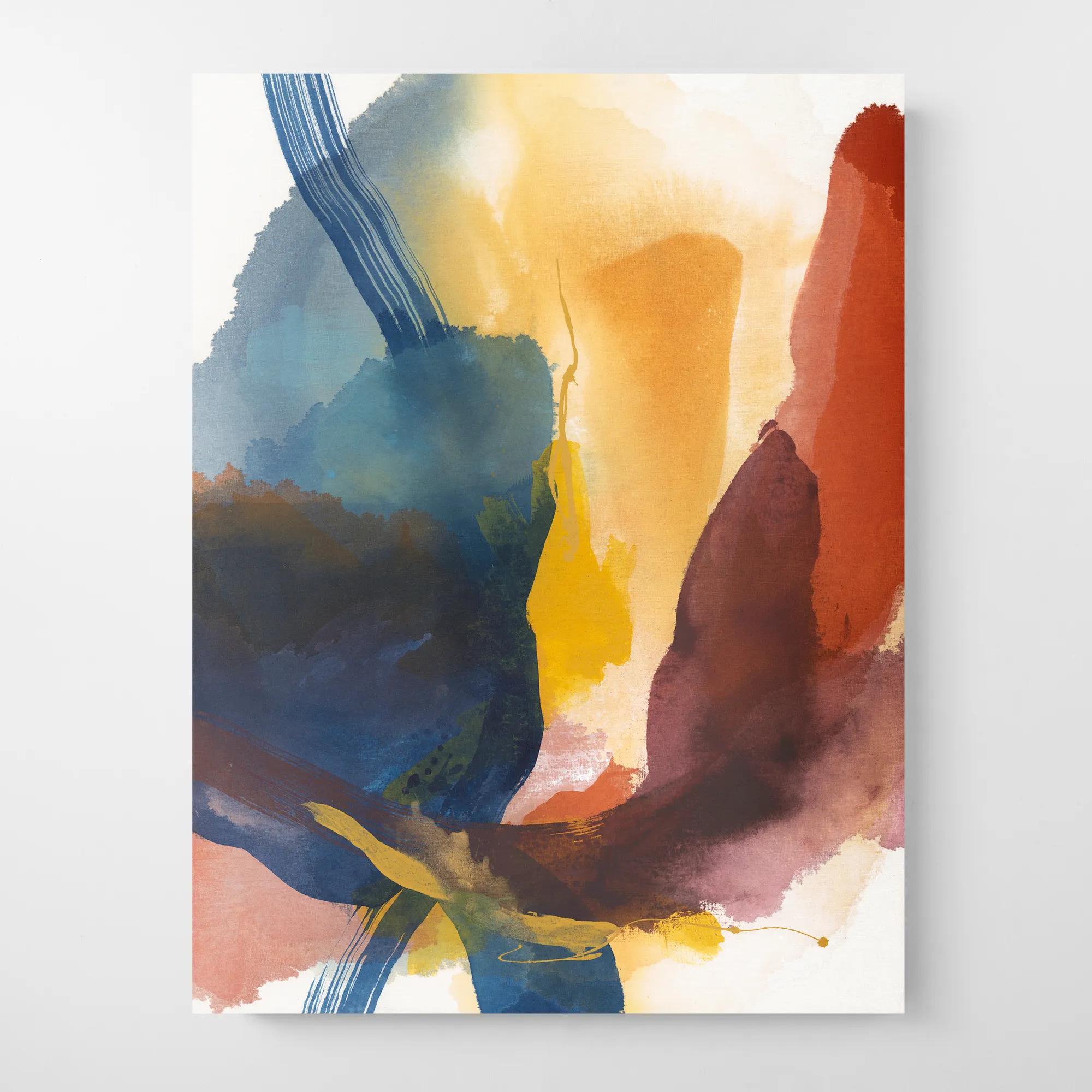
A hand-embellished canvas artwork featuring deep teal, green, ivory, and gold in a black Art Deco frame.
Add To Cart -
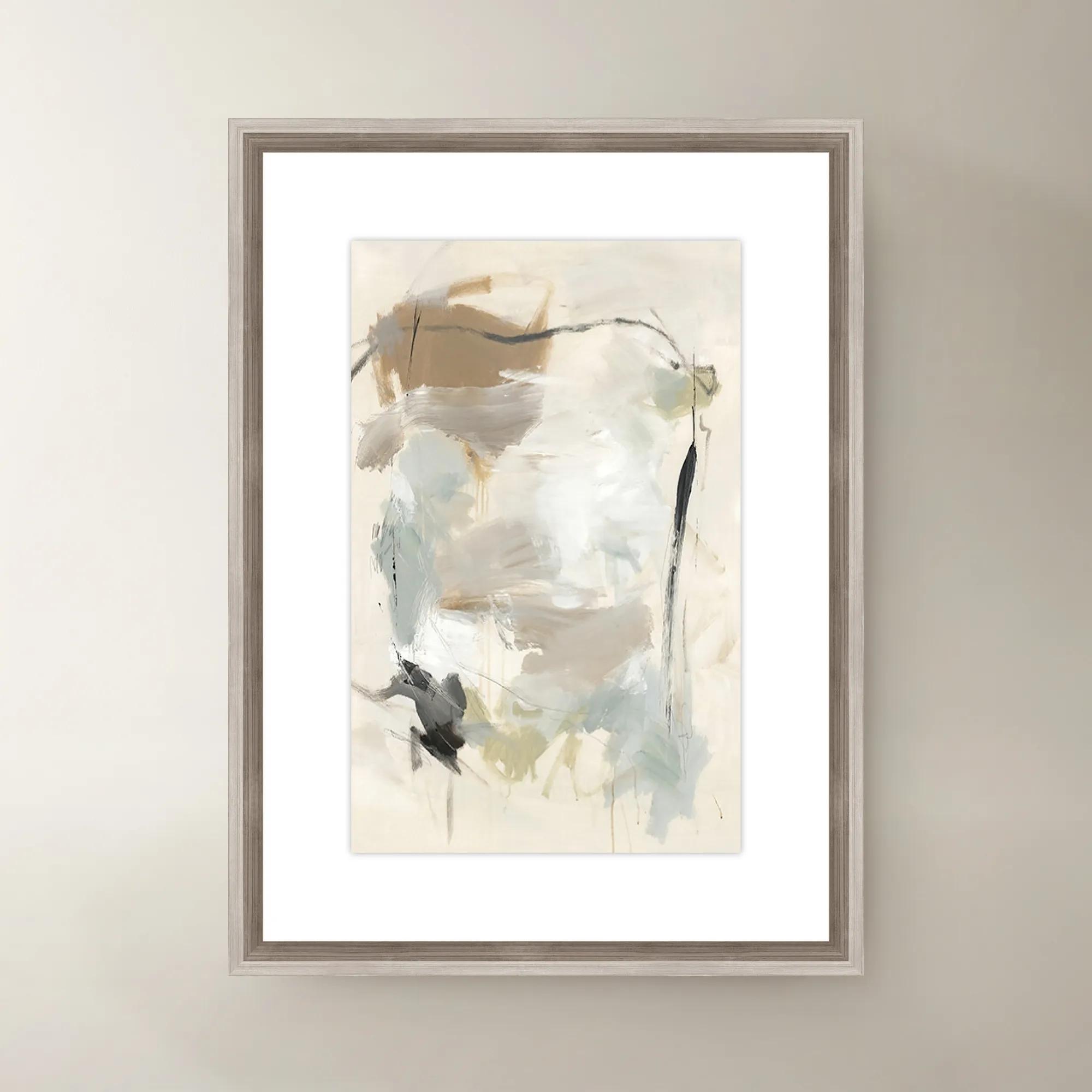
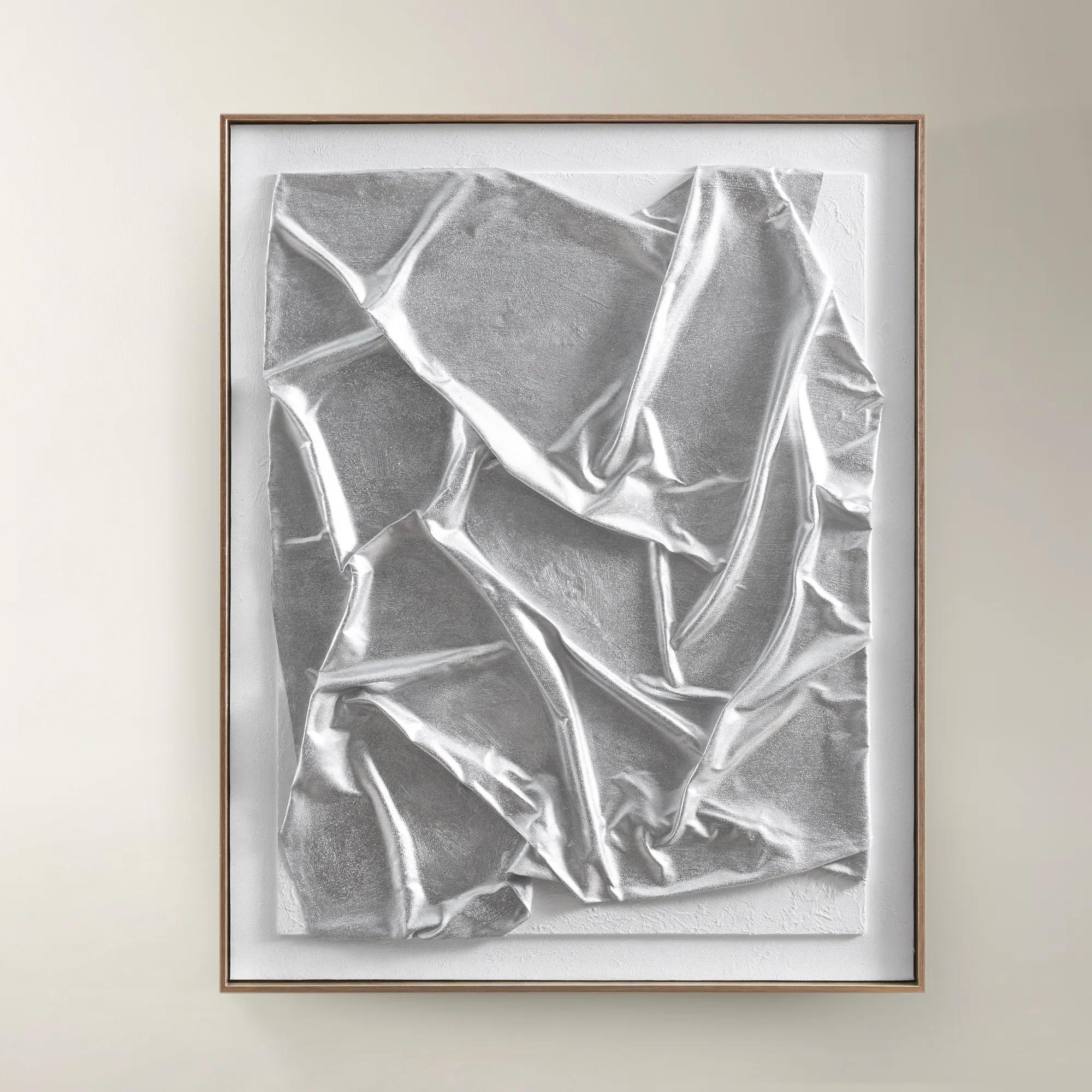 In the Mood Framed Painted Wall Art 31.5" x 39.5"$199
A hand-painted abstract canvas in shimmering silver tones, set in a warm champagne floater frame.
Add To Cart -
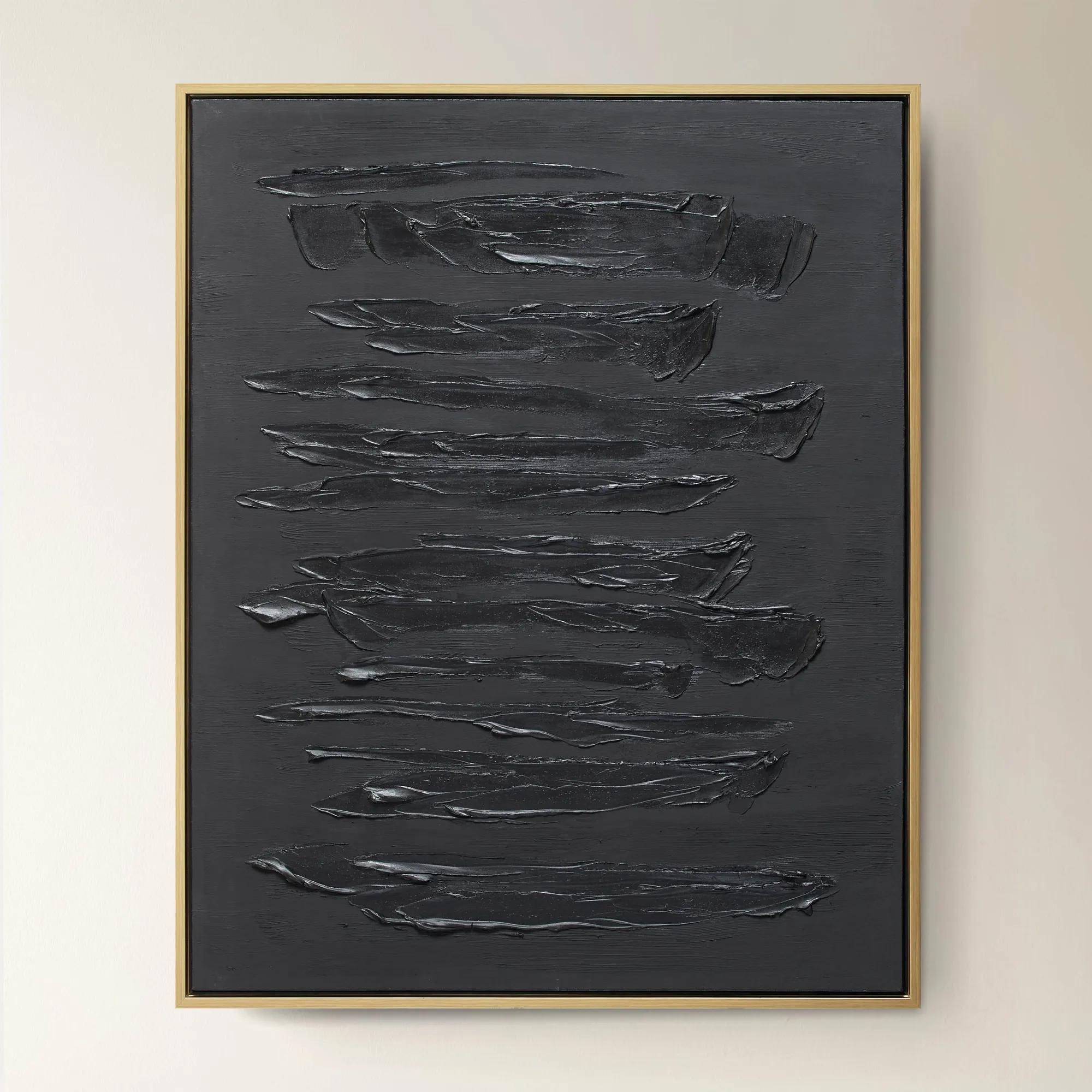
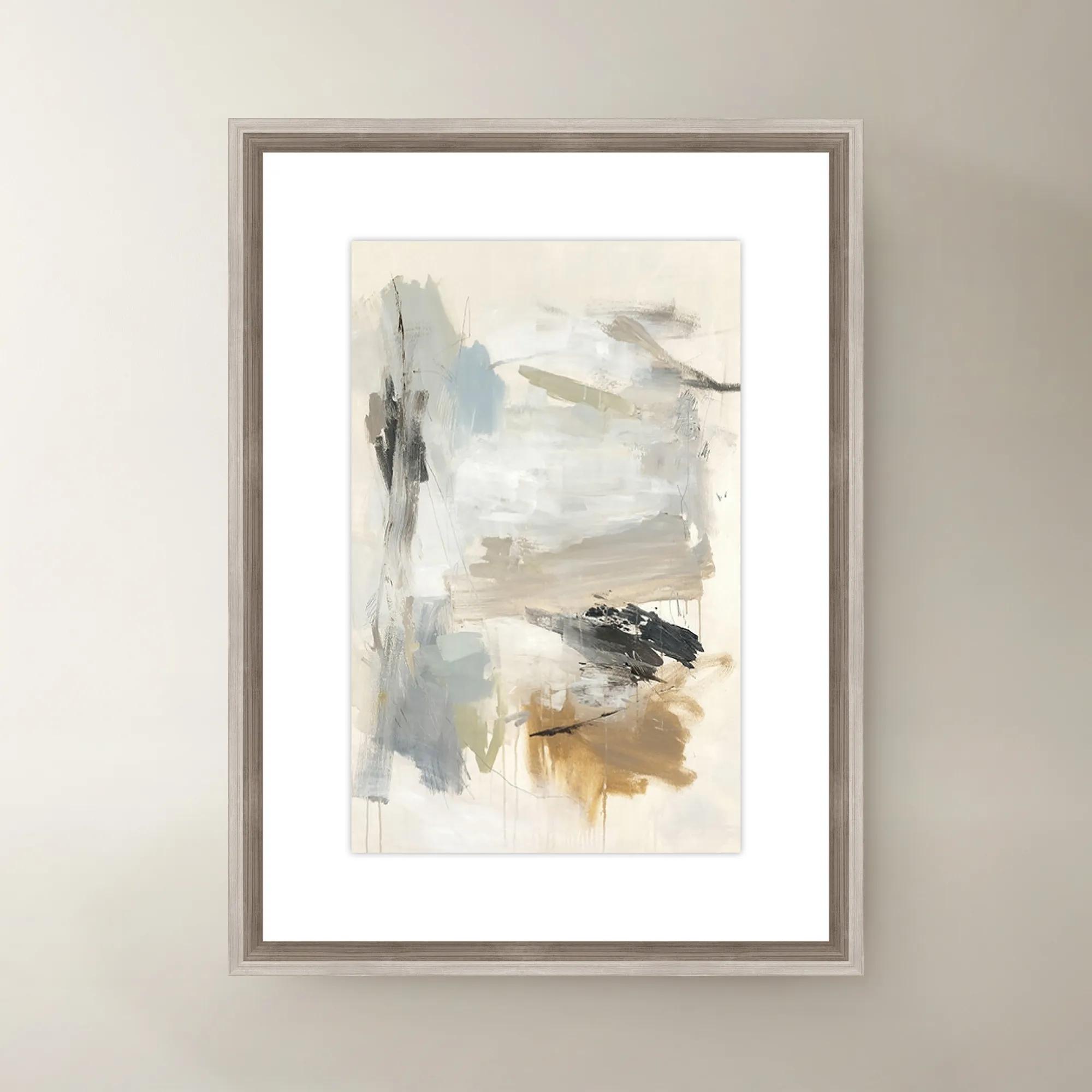
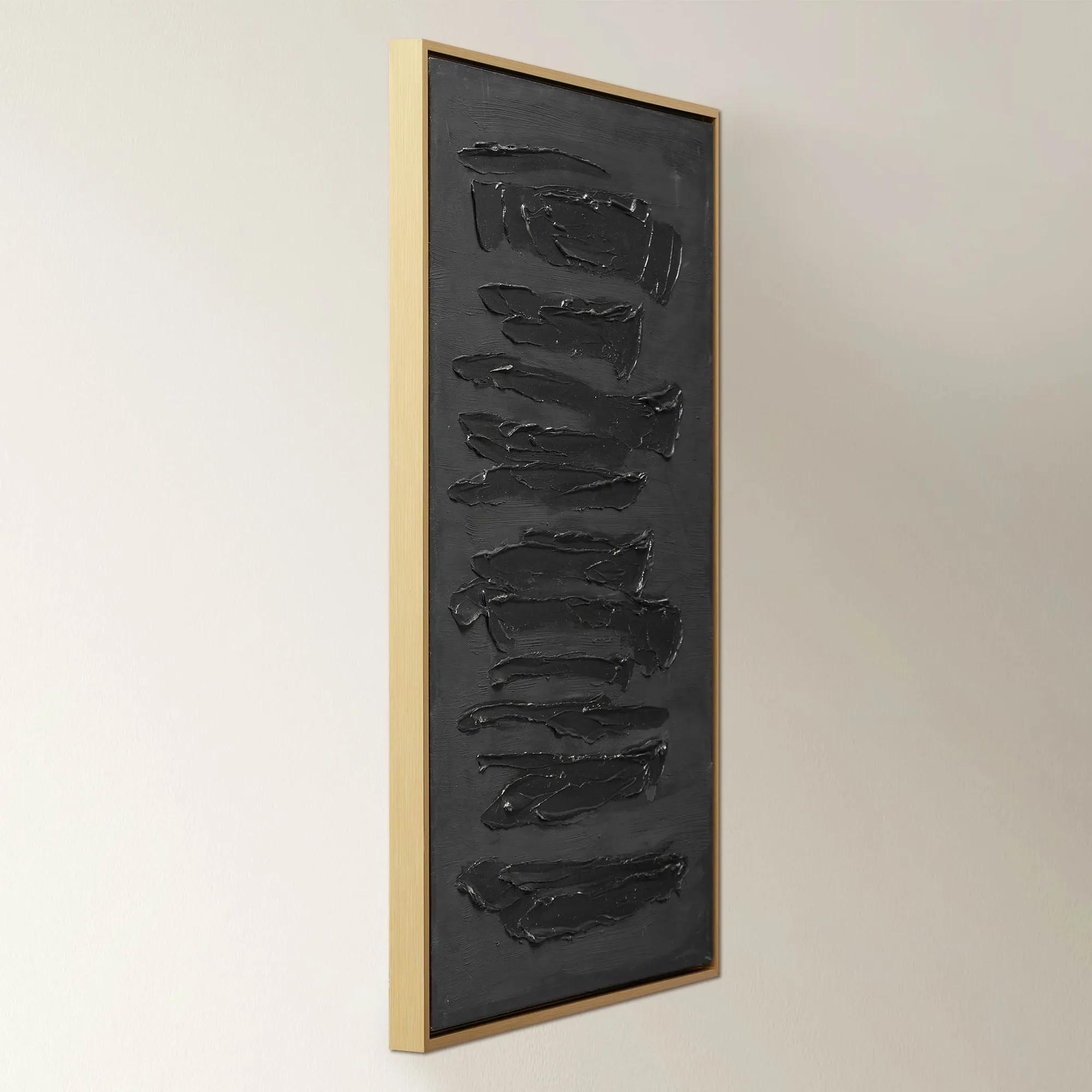 Nocturne$599.95
A dramatic abstract artwork featuring bold, dark brushstrokes on hand-painted canvas in a gold floater frame.
Add To Cart -
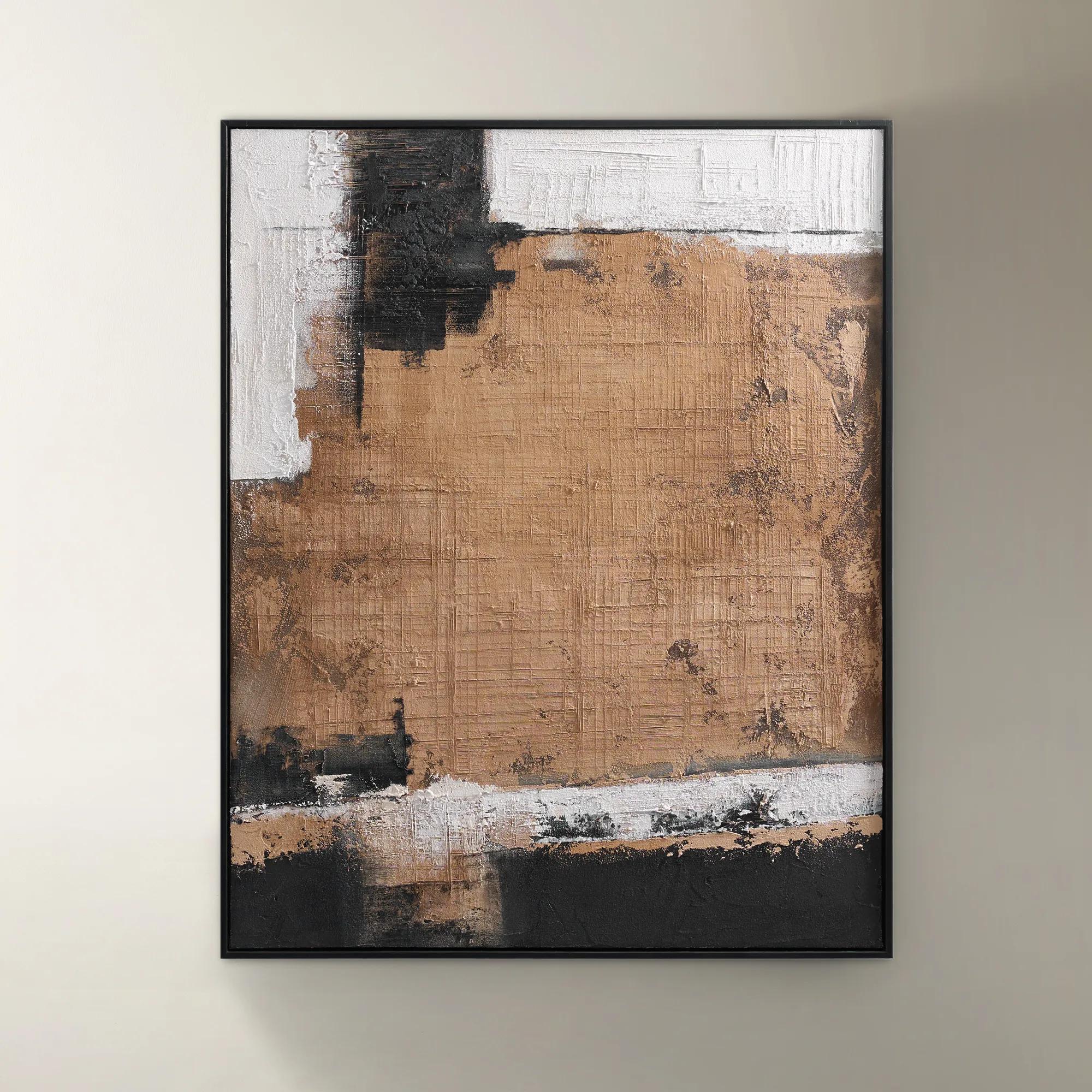
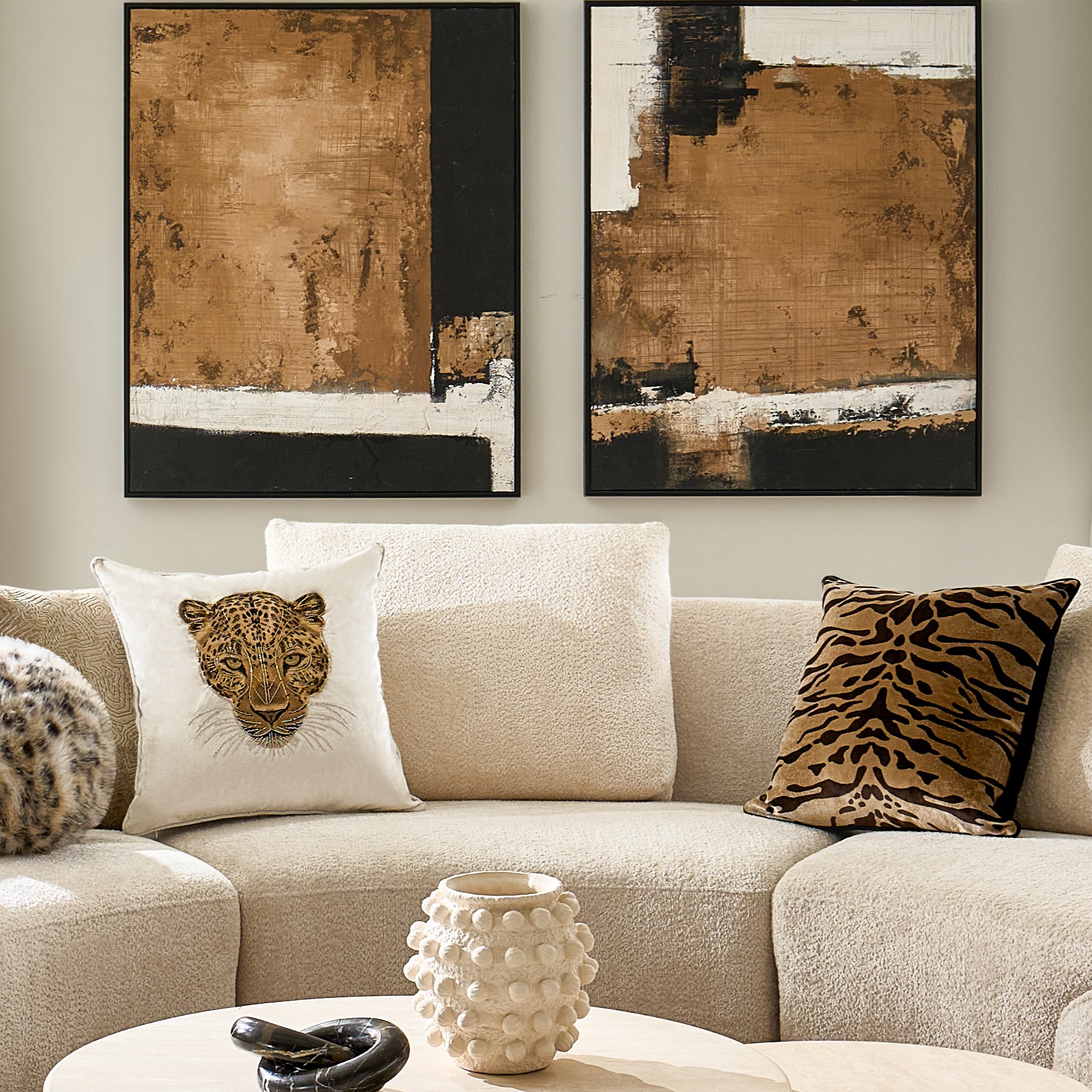 Drift Framed Painted Wall Art II 39.4" x 31.5"$299
A hand-painted canvas in brown, featuring bold texture and color interplay within a sleek black floater frame.
Add To Cart -
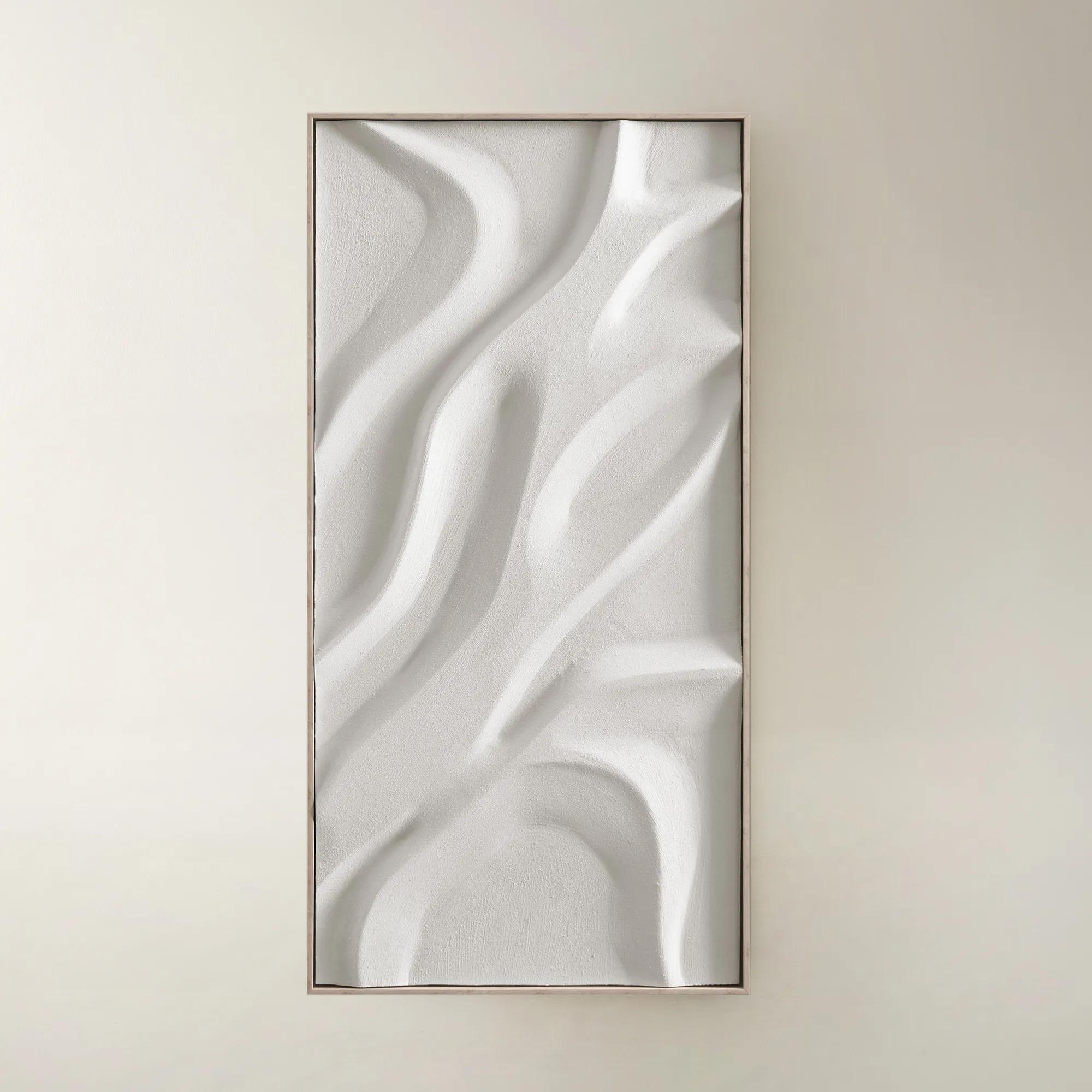
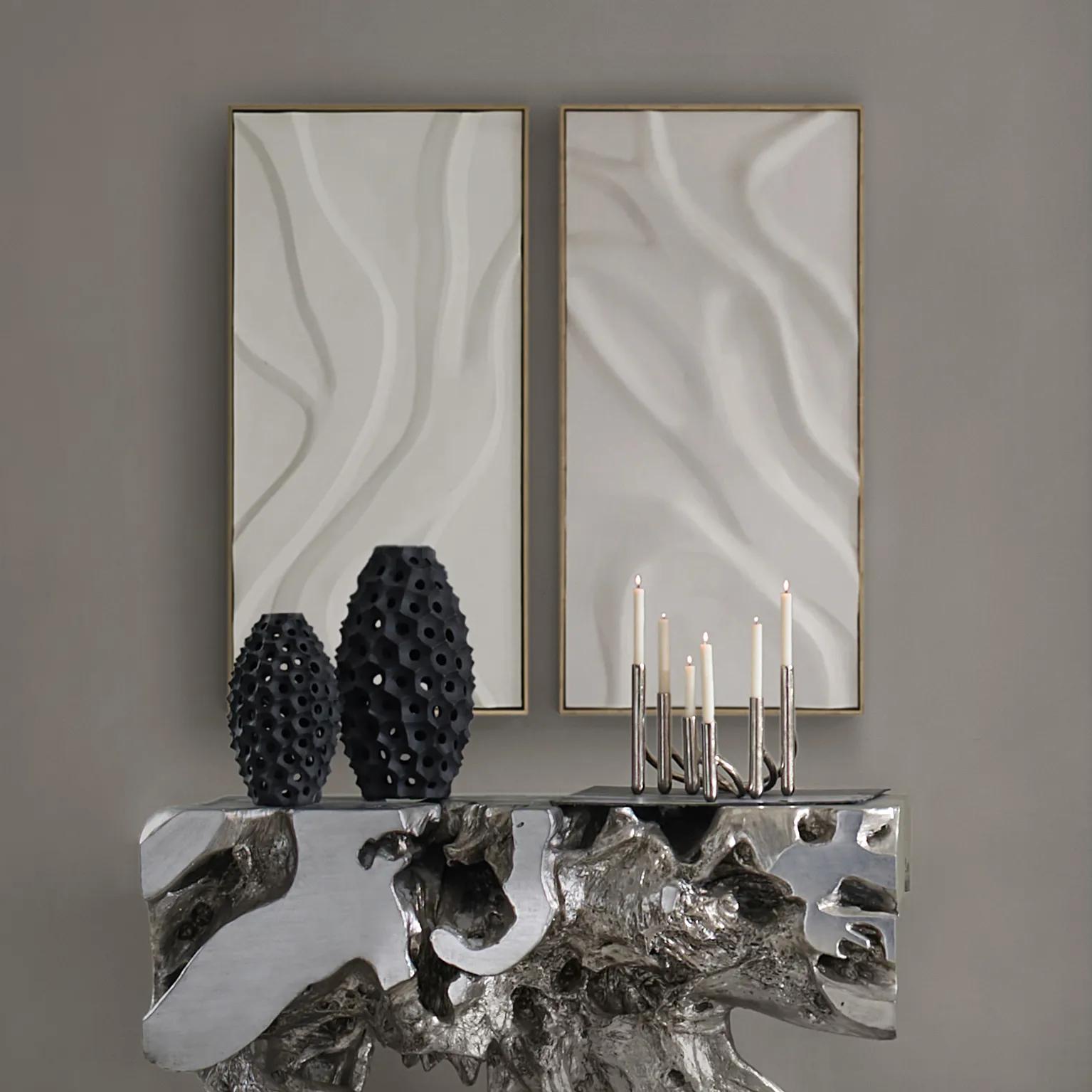 Au Lait Framed Painted Wall Art II 47.2" x 23.6"$199
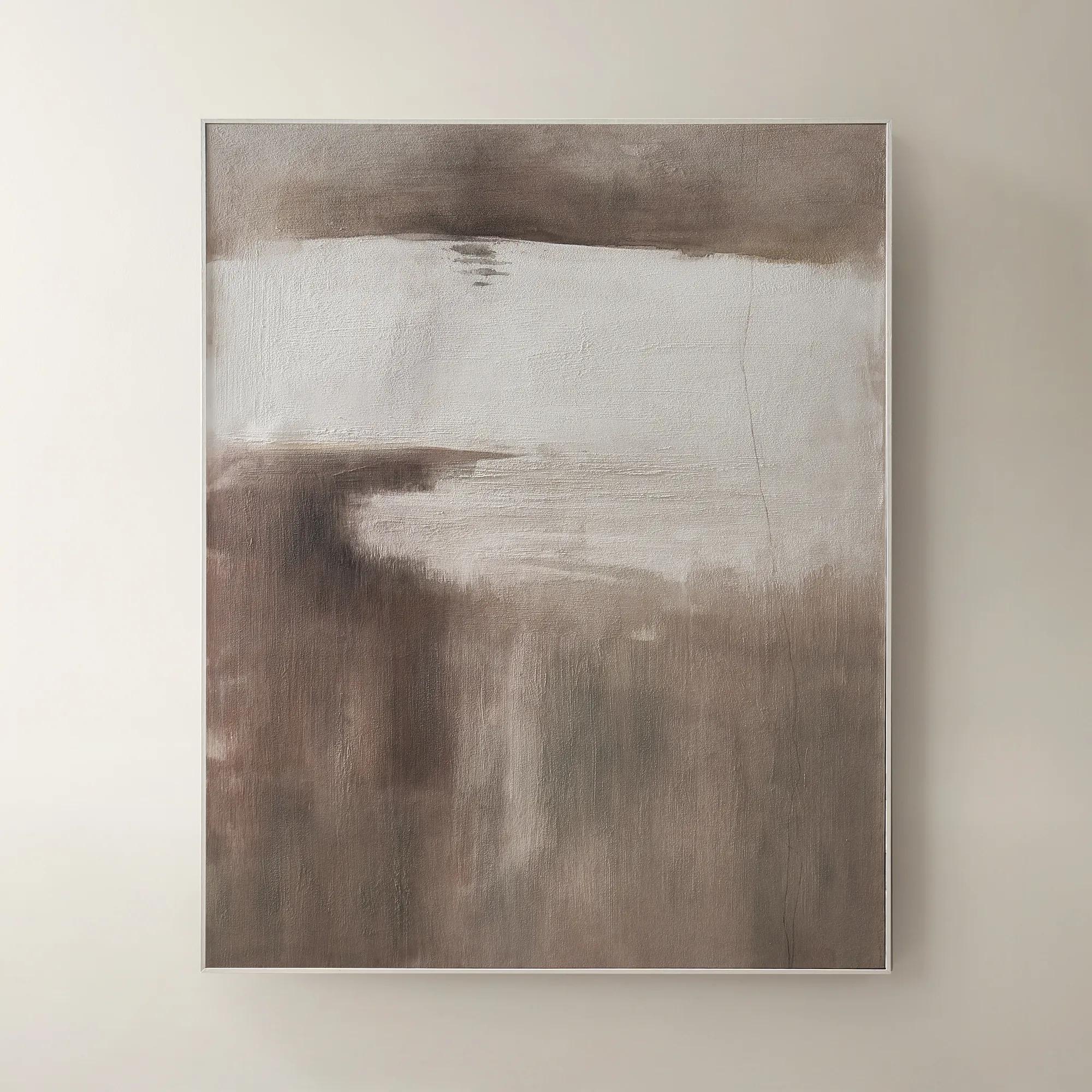
A serene hand-painted canvas in beige, set in a warm whitewash floater frame for modern interiors.
Add To Cart -
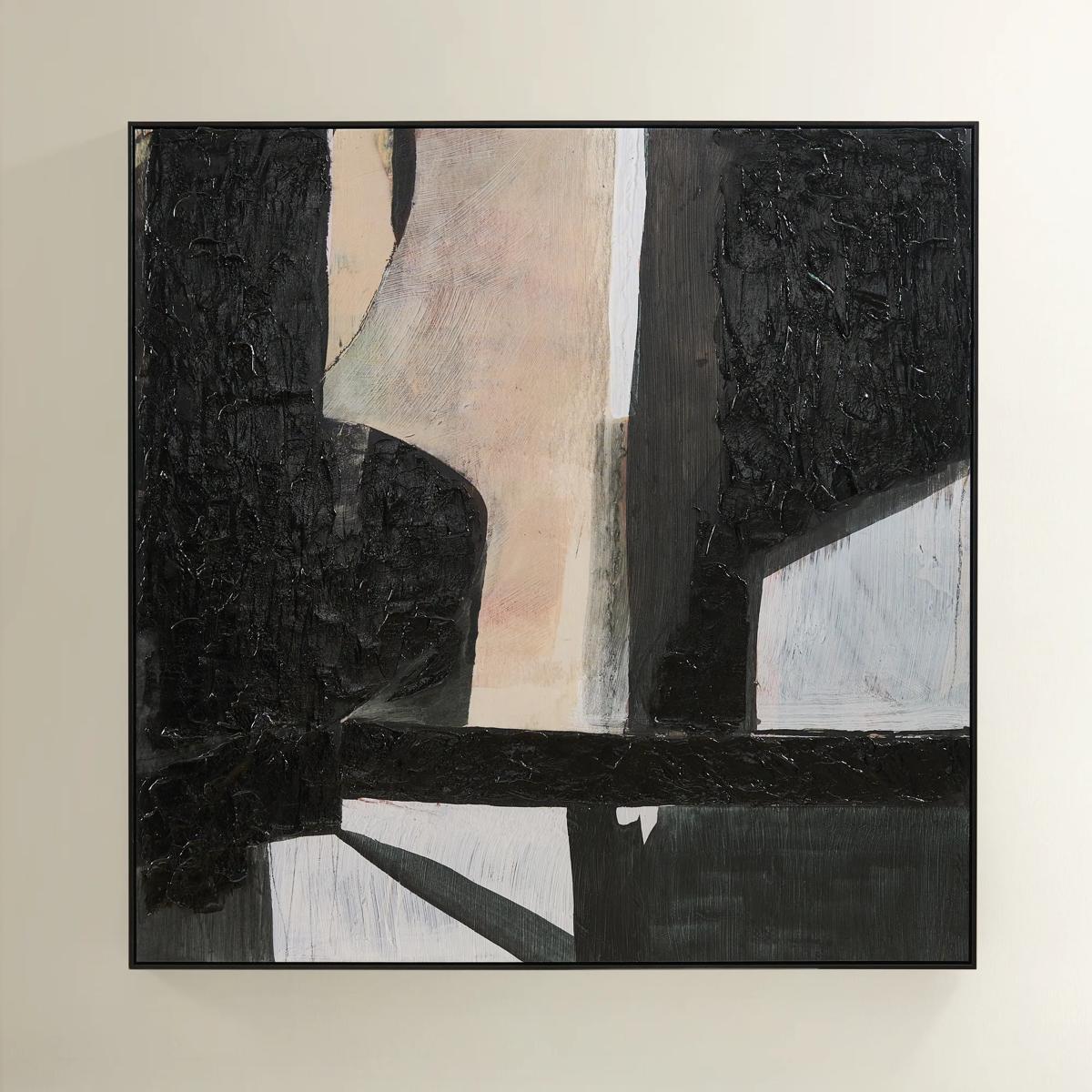 Grounded Painting$699
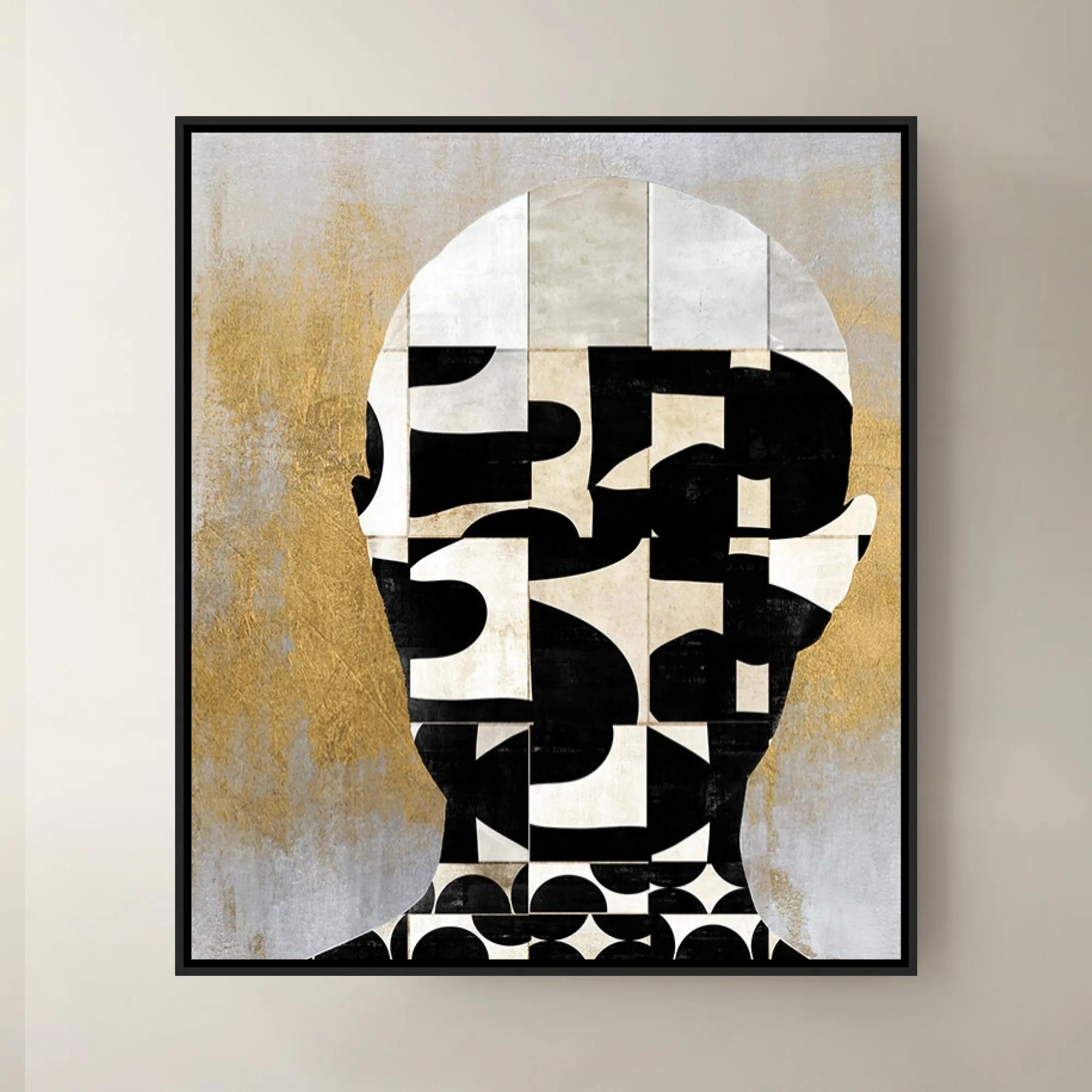
A hand-painted abstract canvas featuring black, cream, and earth tones in a sleek black floater frame.
Add To Cart -
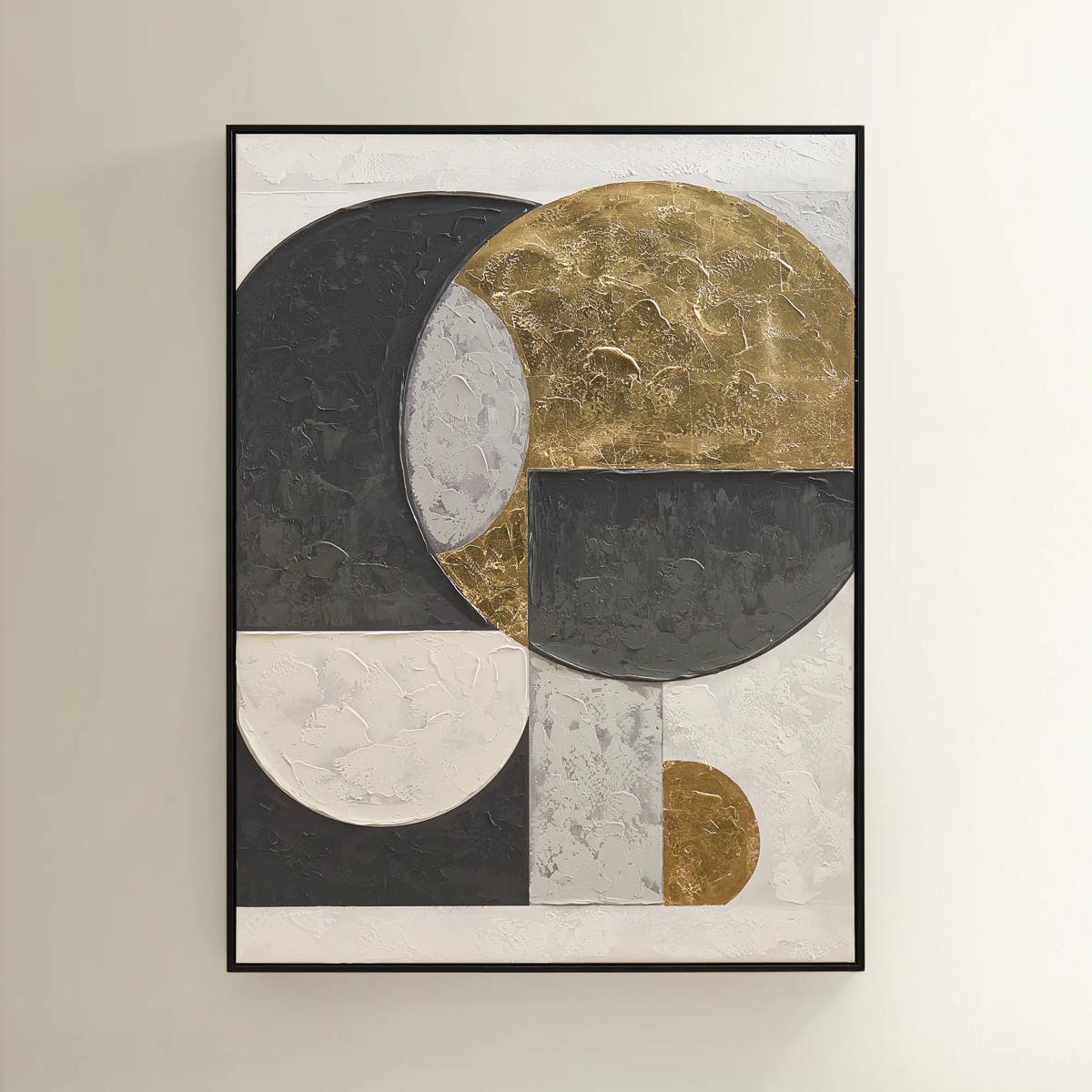
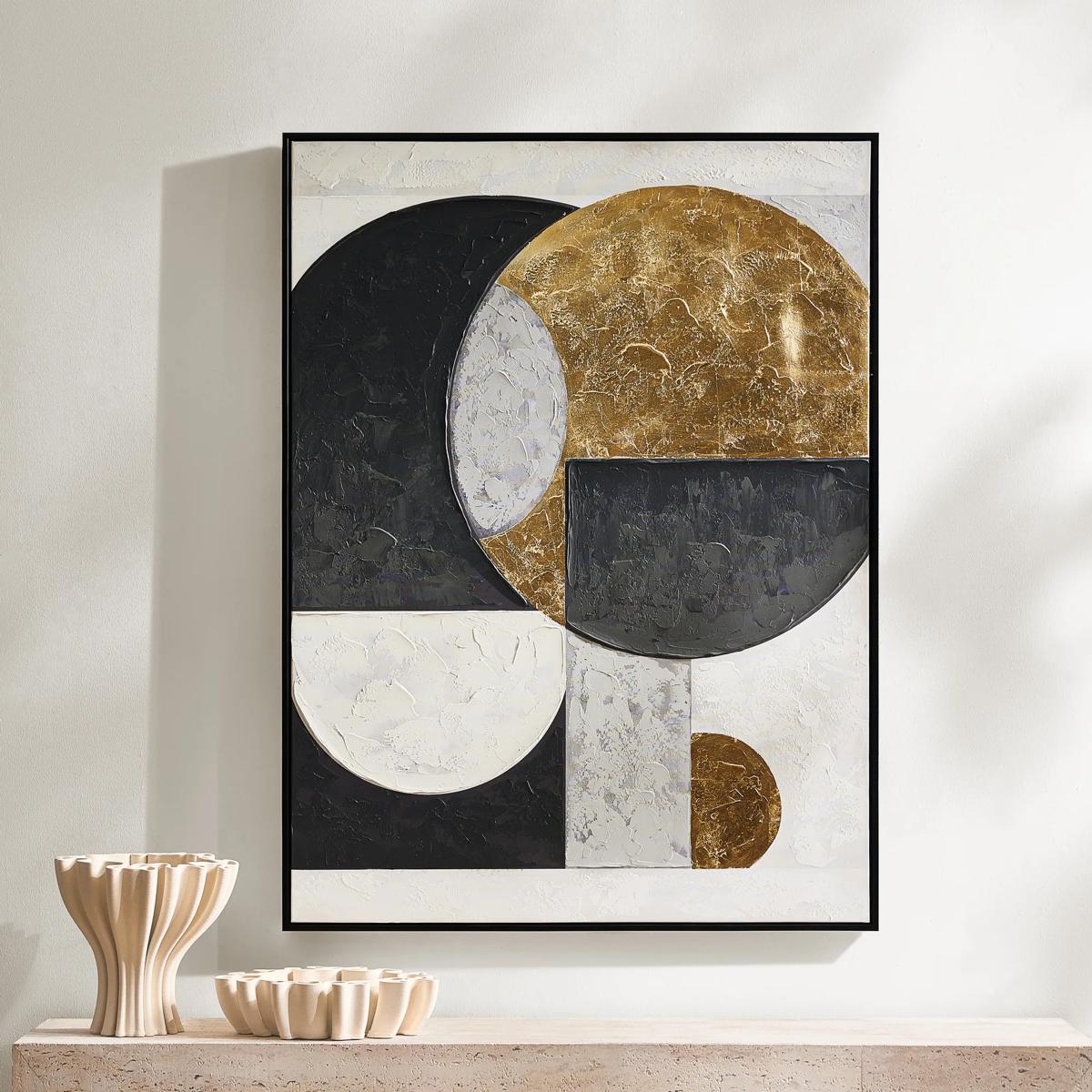 Eclipse Framed Gold Leaf Painted Wall Art 35.25" x 47.25"$449
A hand-painted canvas featuring bold black, grey, and gold geometric shapes with shimmering gold leaf accents.
Add To Cart -
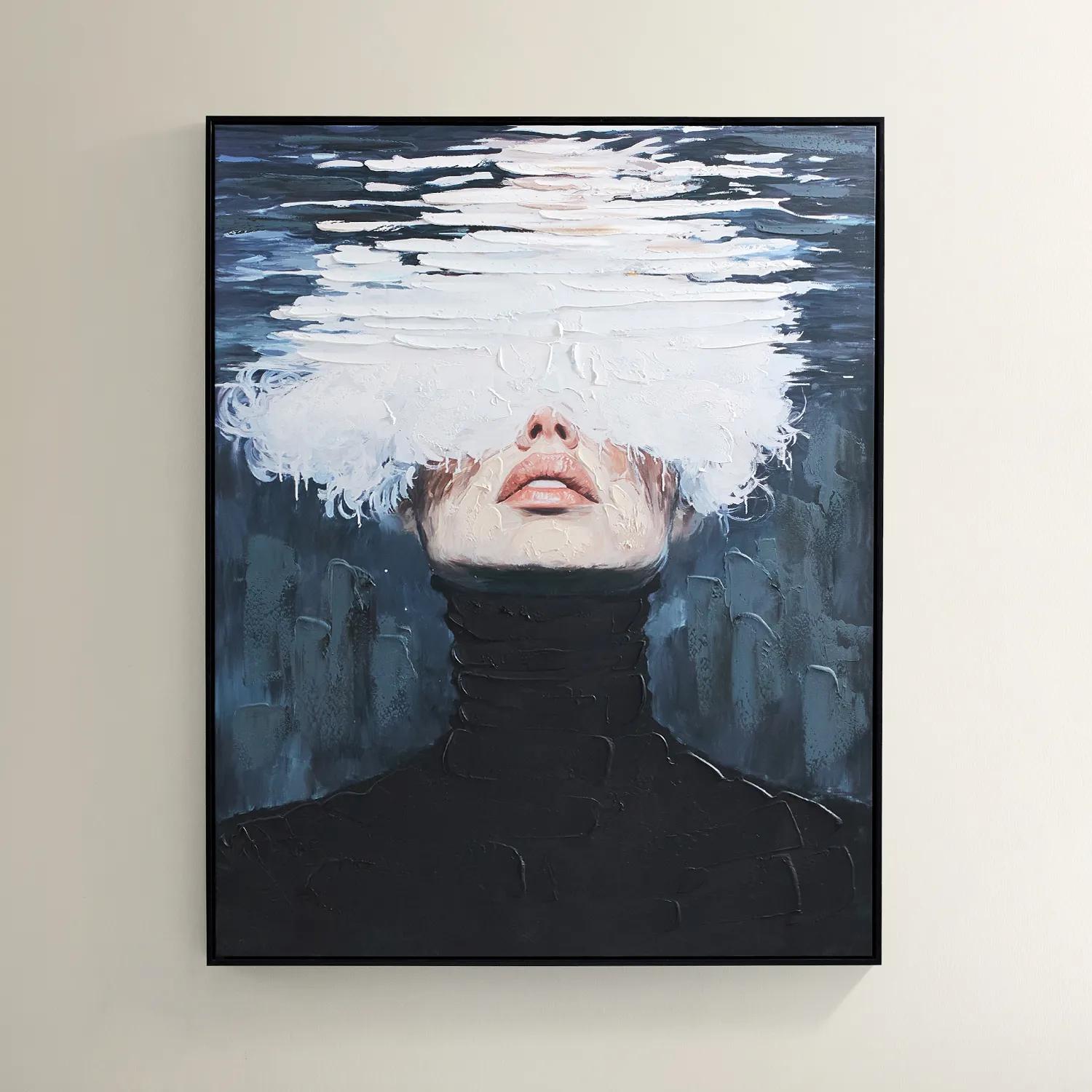
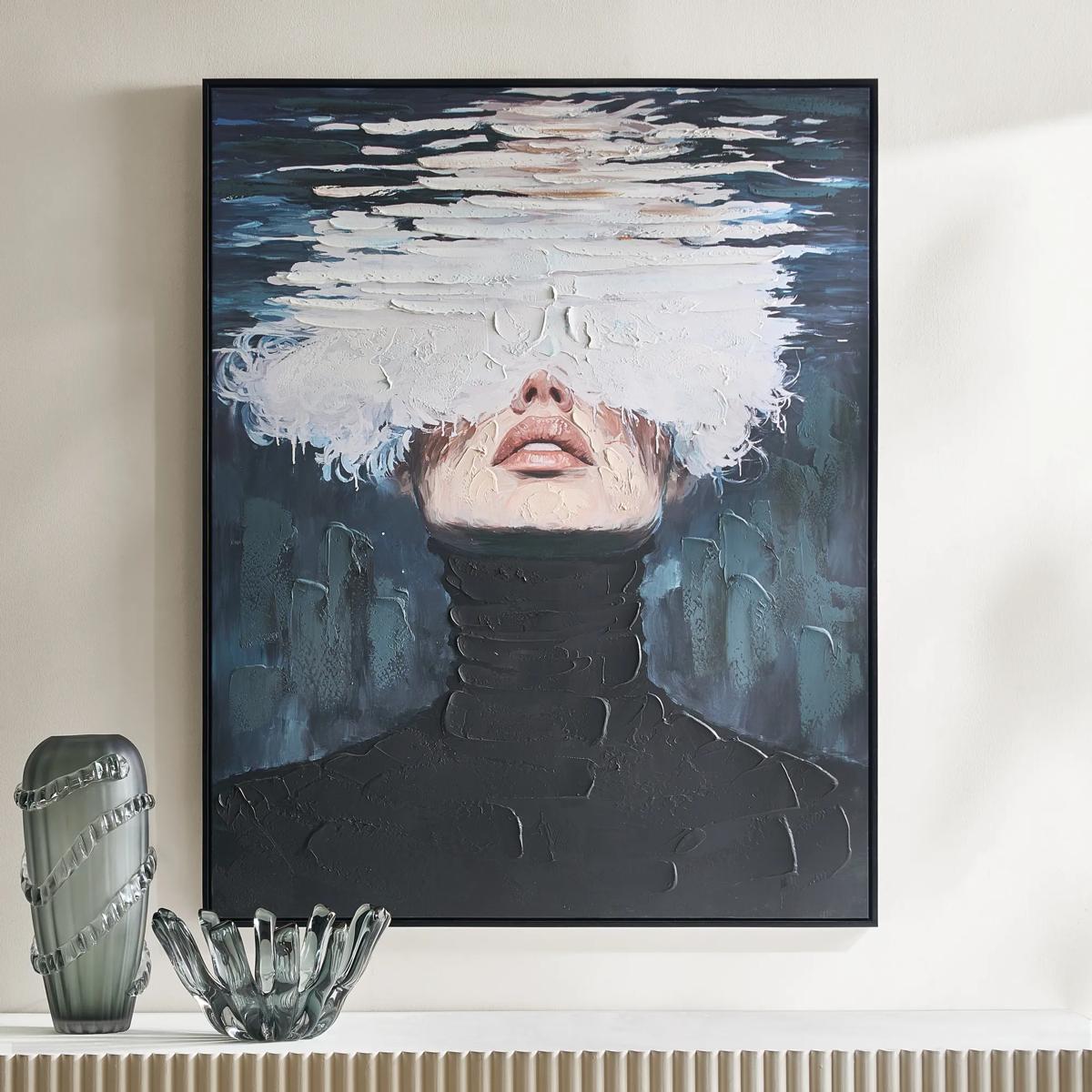 Submerged Framed Painted Wall Art 40" x 50"$599
A hand-painted canvas featuring a surreal portrait in black, blue, and white with a black floater frame.
Add To Cart -
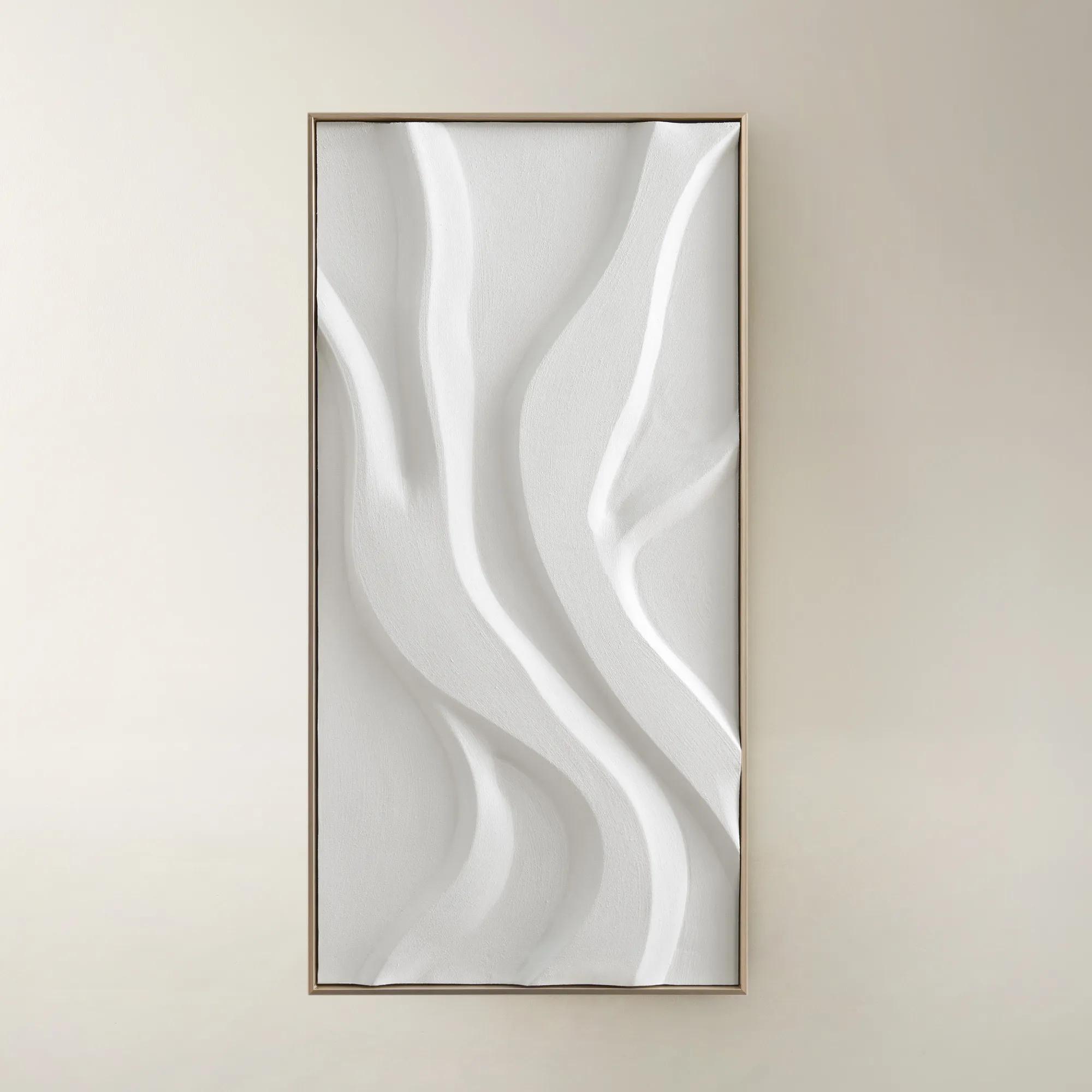
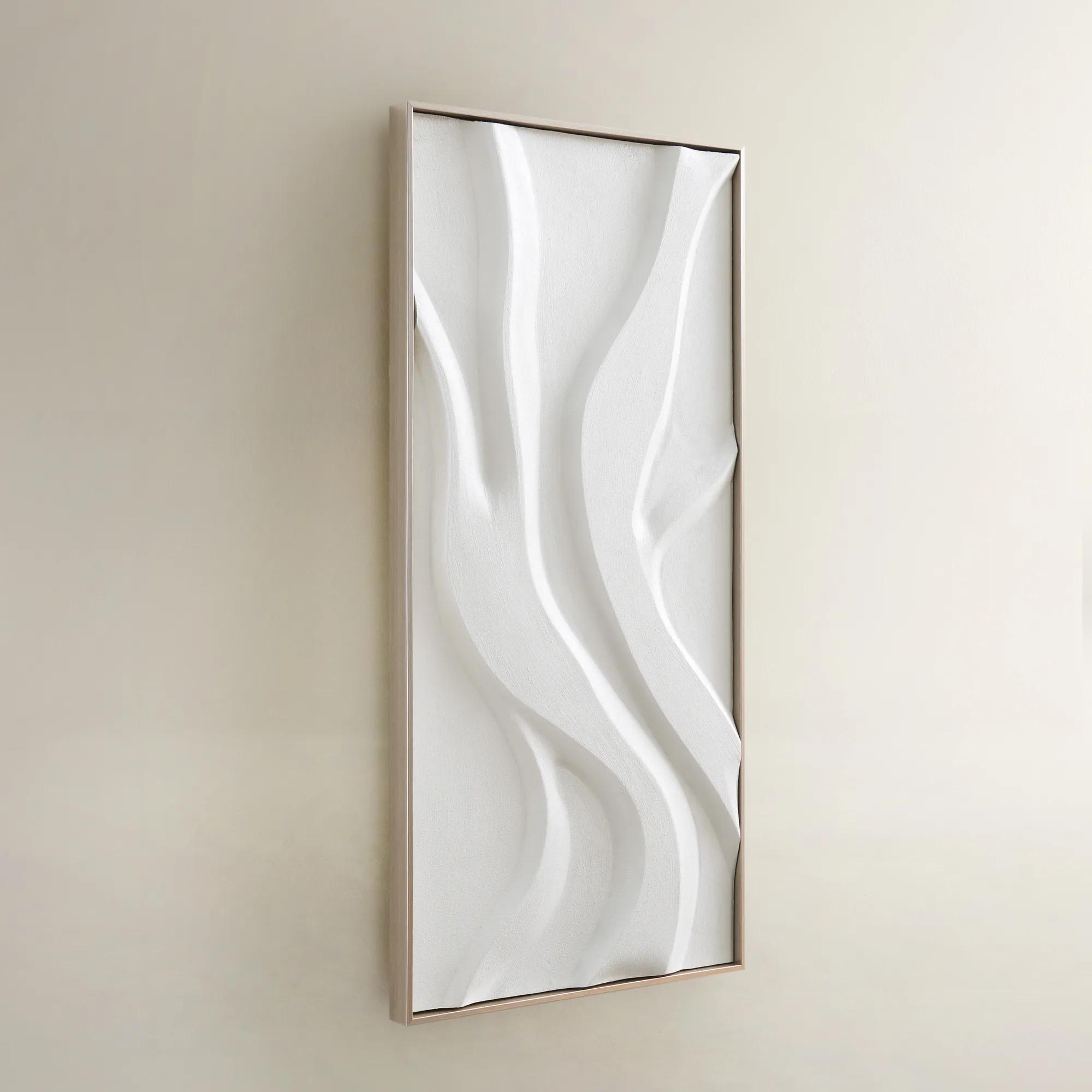 Au Lait Framed Painted Wall Art I 47.2" x 23.6"$199
An organic hand-painted canvas featuring flowing white forms in a warm champagne finish floater frame.
Add To Cart -
-0.jpeg?w=1200&h=1200)
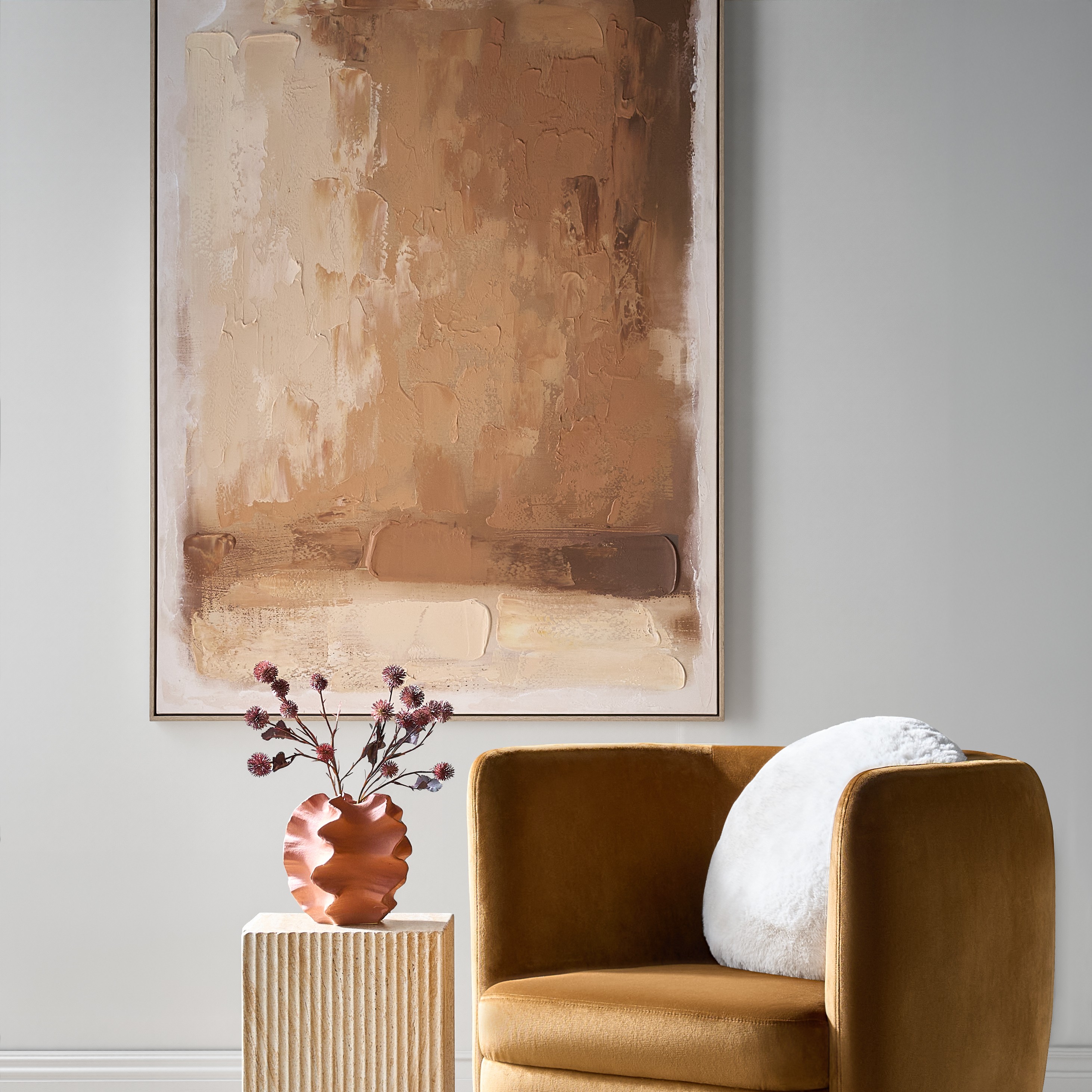 Ember Glow Framed Painted Wall Art 39.25" x 55"$499
A hand-painted abstract canvas blending ochre, terracotta, and golden clay hues in a light natural frame.
Add To Cart -
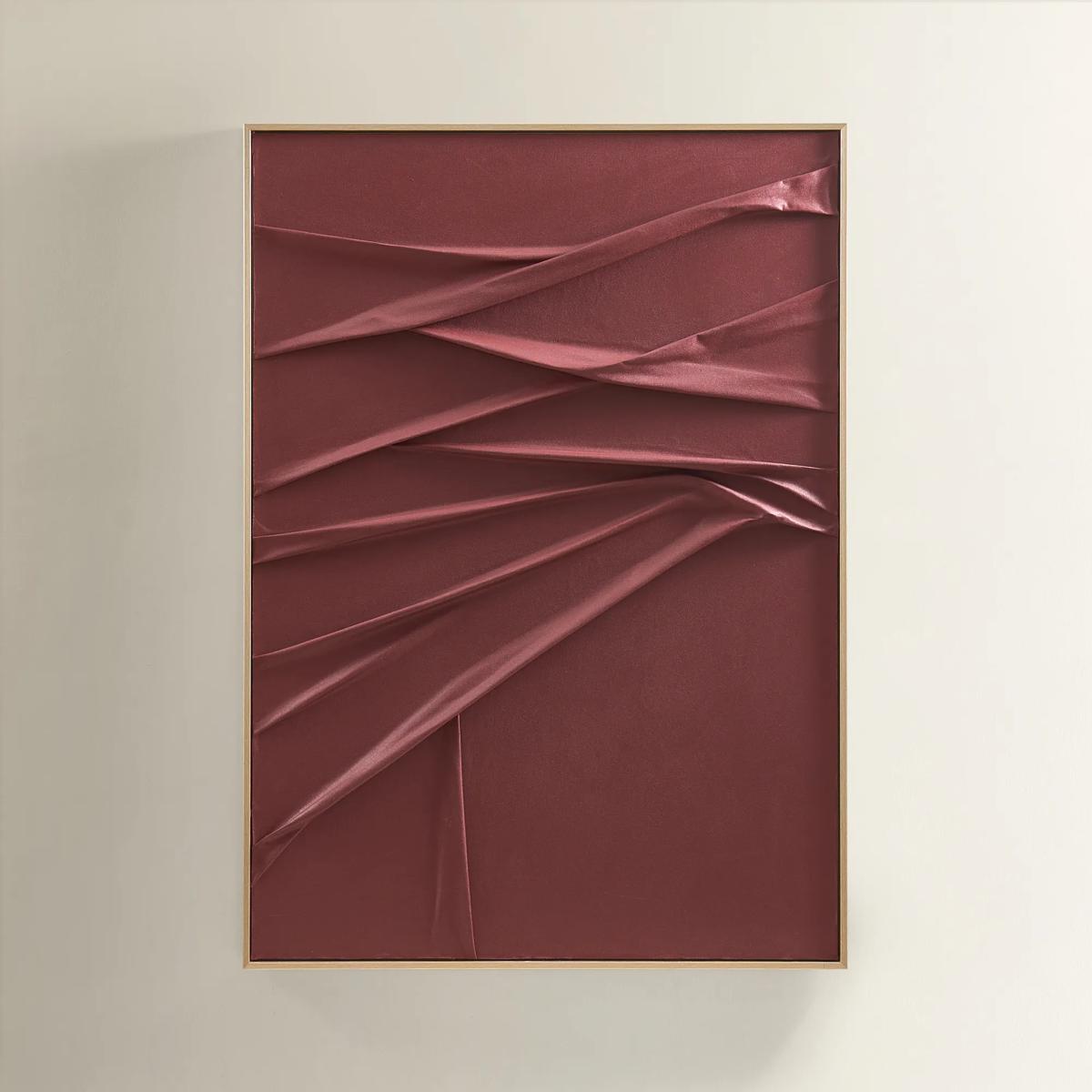
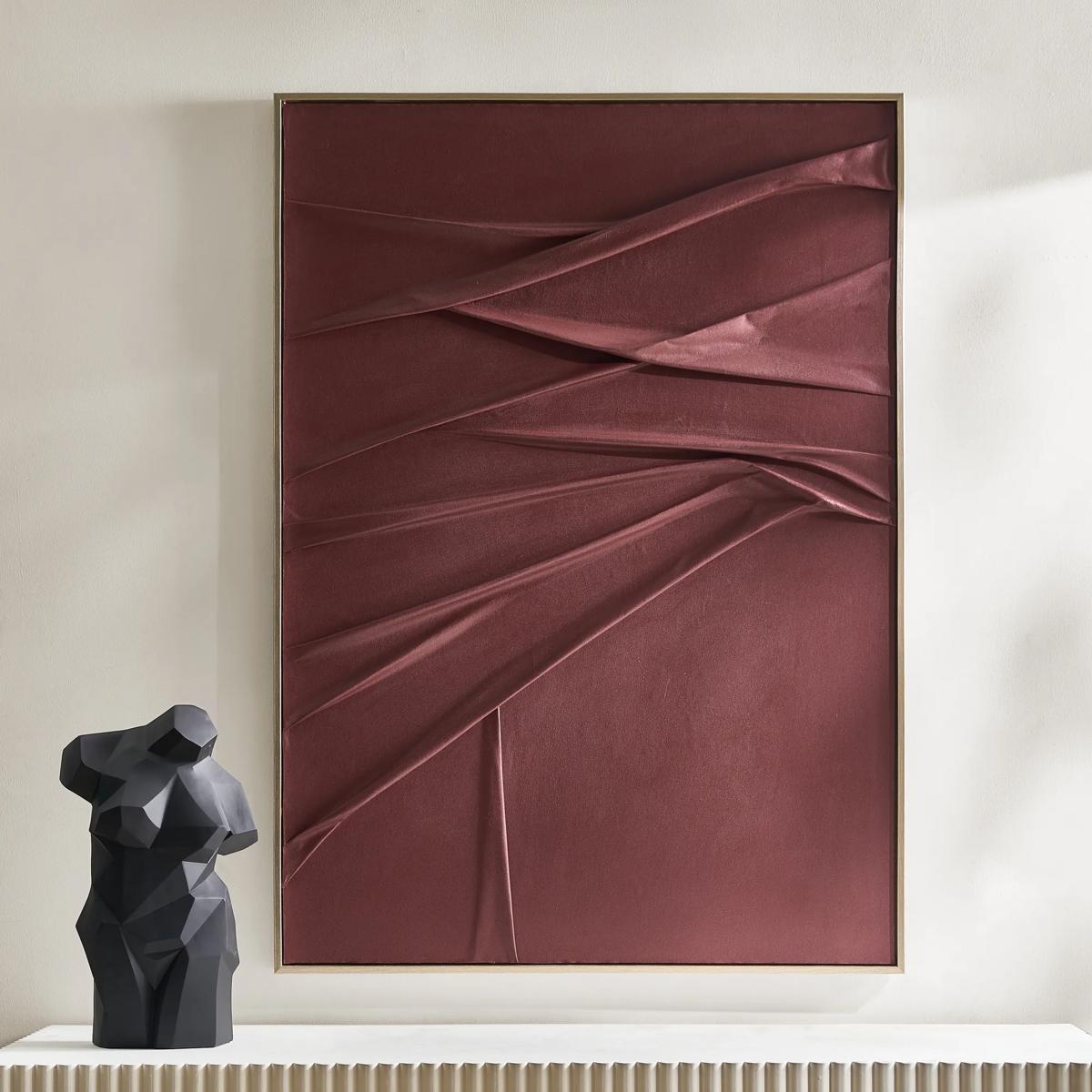 Crimson Painting$599
A handcrafted burgundy canvas artwork with sculptural folds, framed in champagne for a dramatic, textured effect.
Add To Cart -
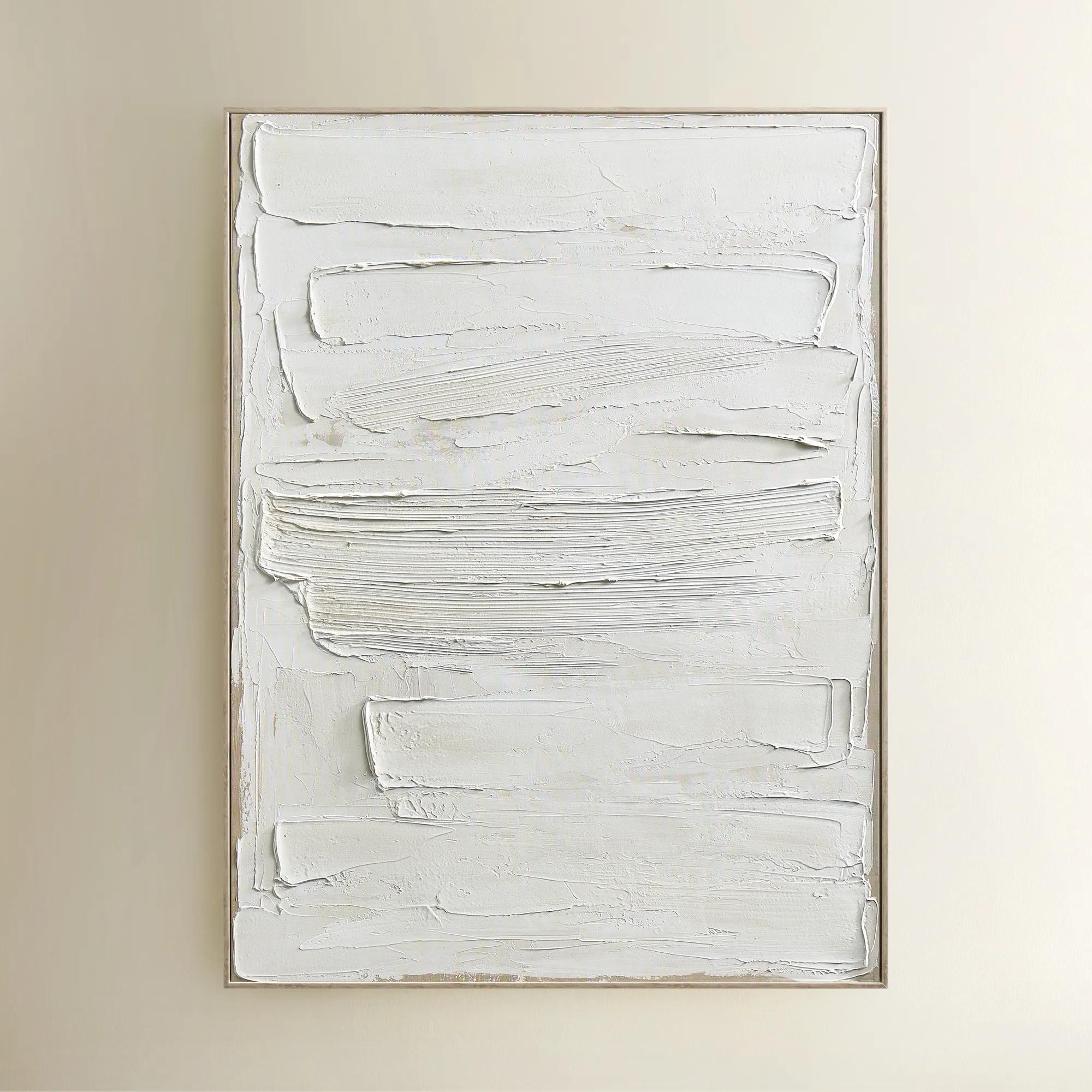
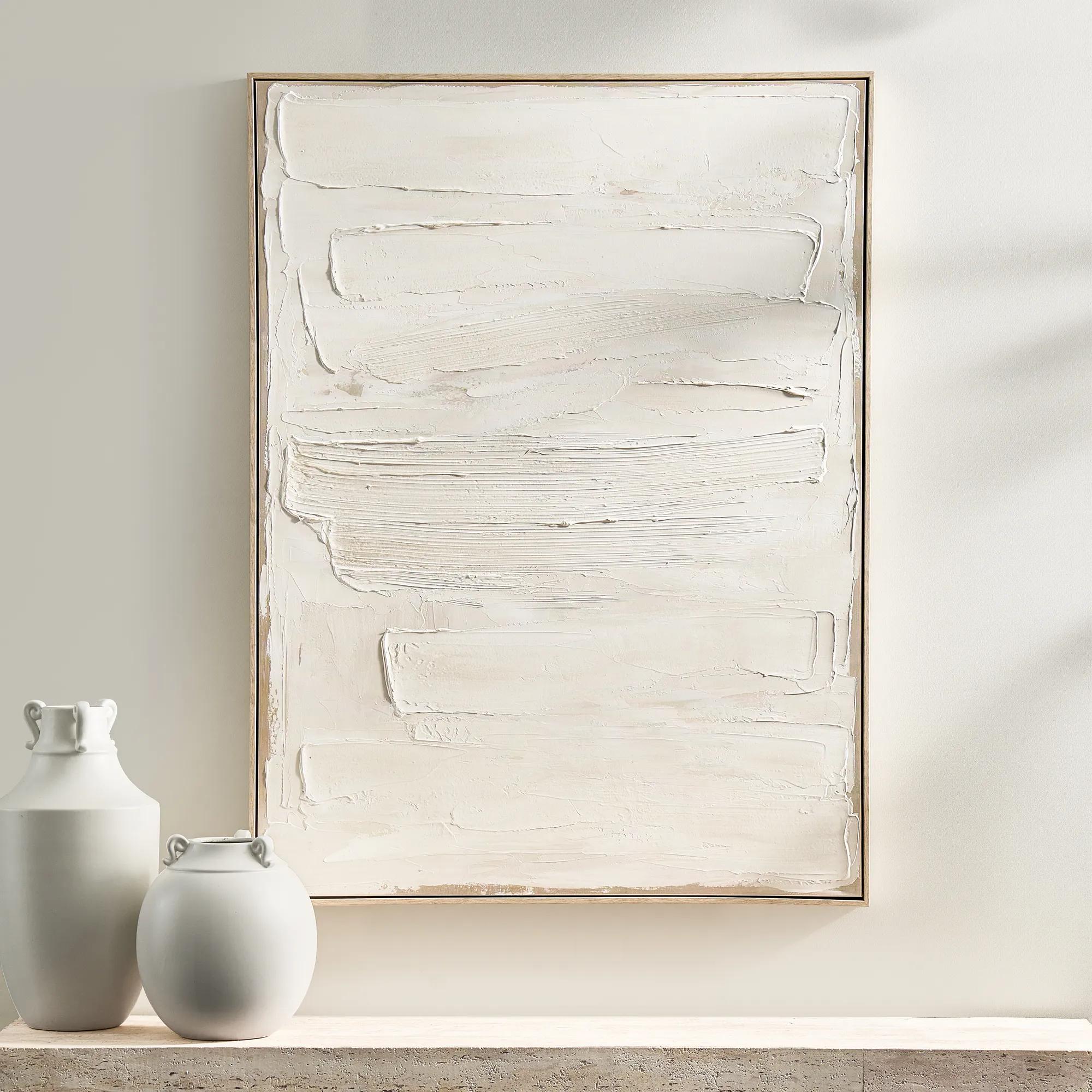 Monotype Canvas 1$399
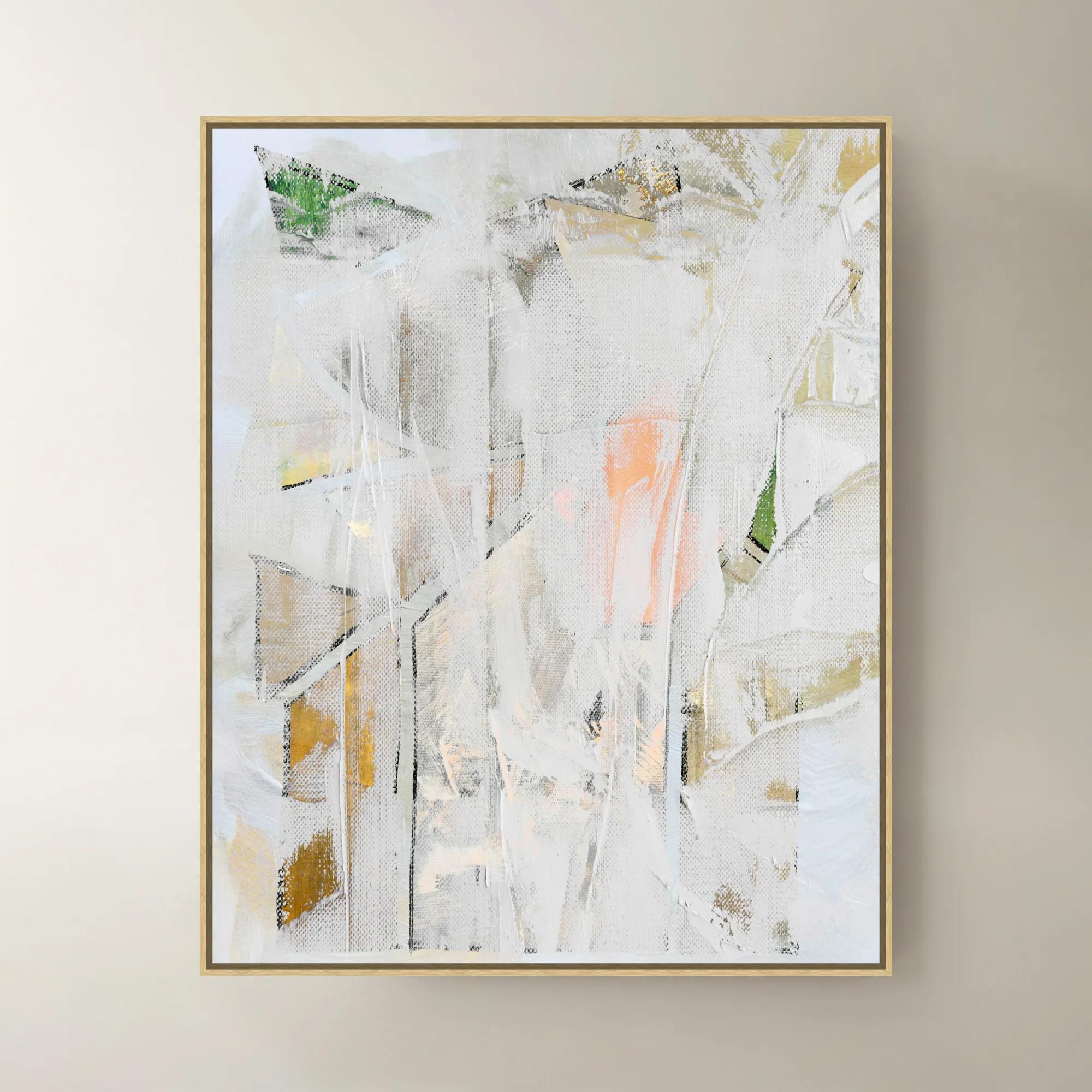
A hand-painted abstract canvas featuring layered white tones and textured paint in a whitewashed wood frame.
Add To Cart -
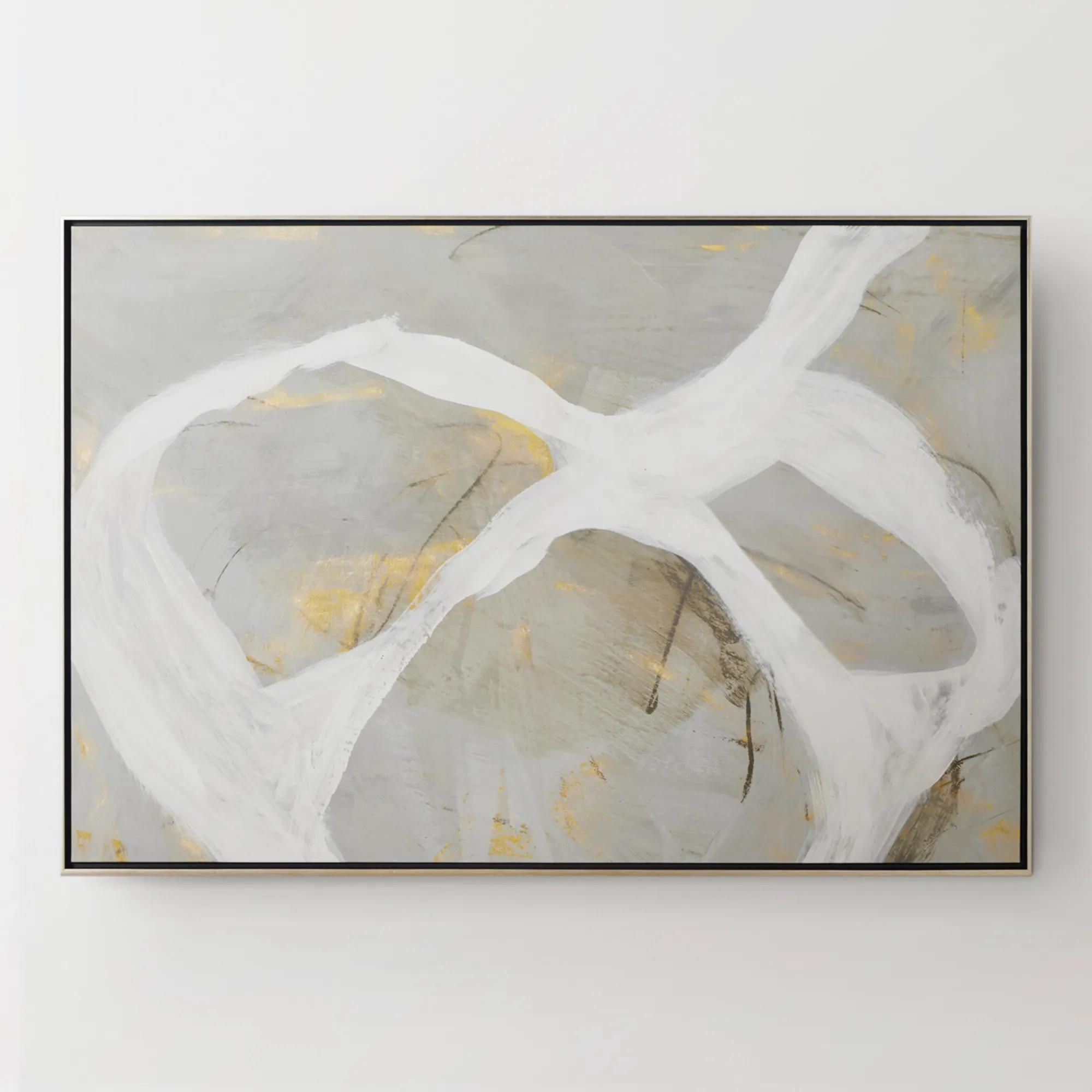
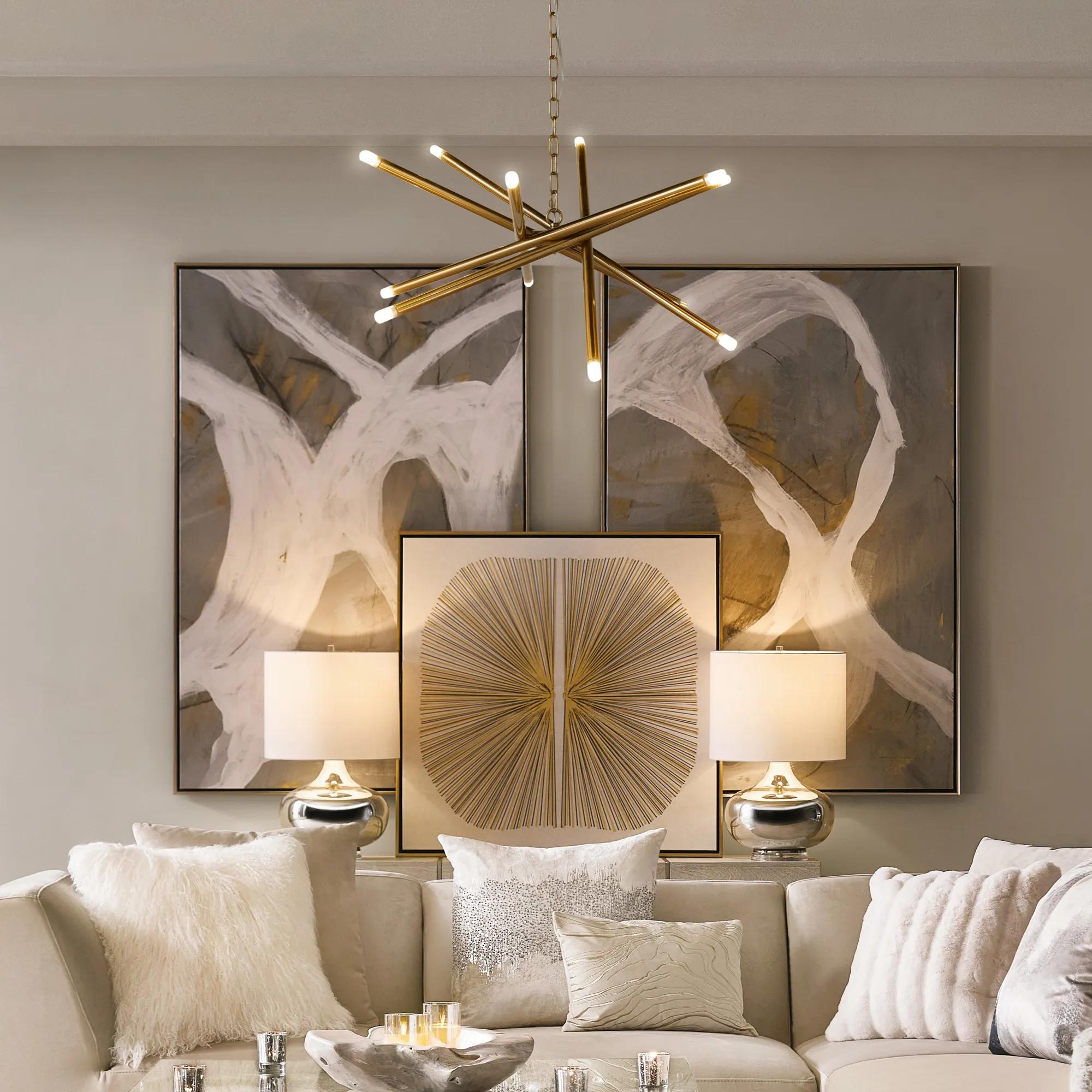 Les Series Framed Painted Wall Art I 61" x 41"$1099
An abstract canvas artwork featuring bold brushstrokes, hand-applied gold accents, and a silver floater frame.
Add To Cart -
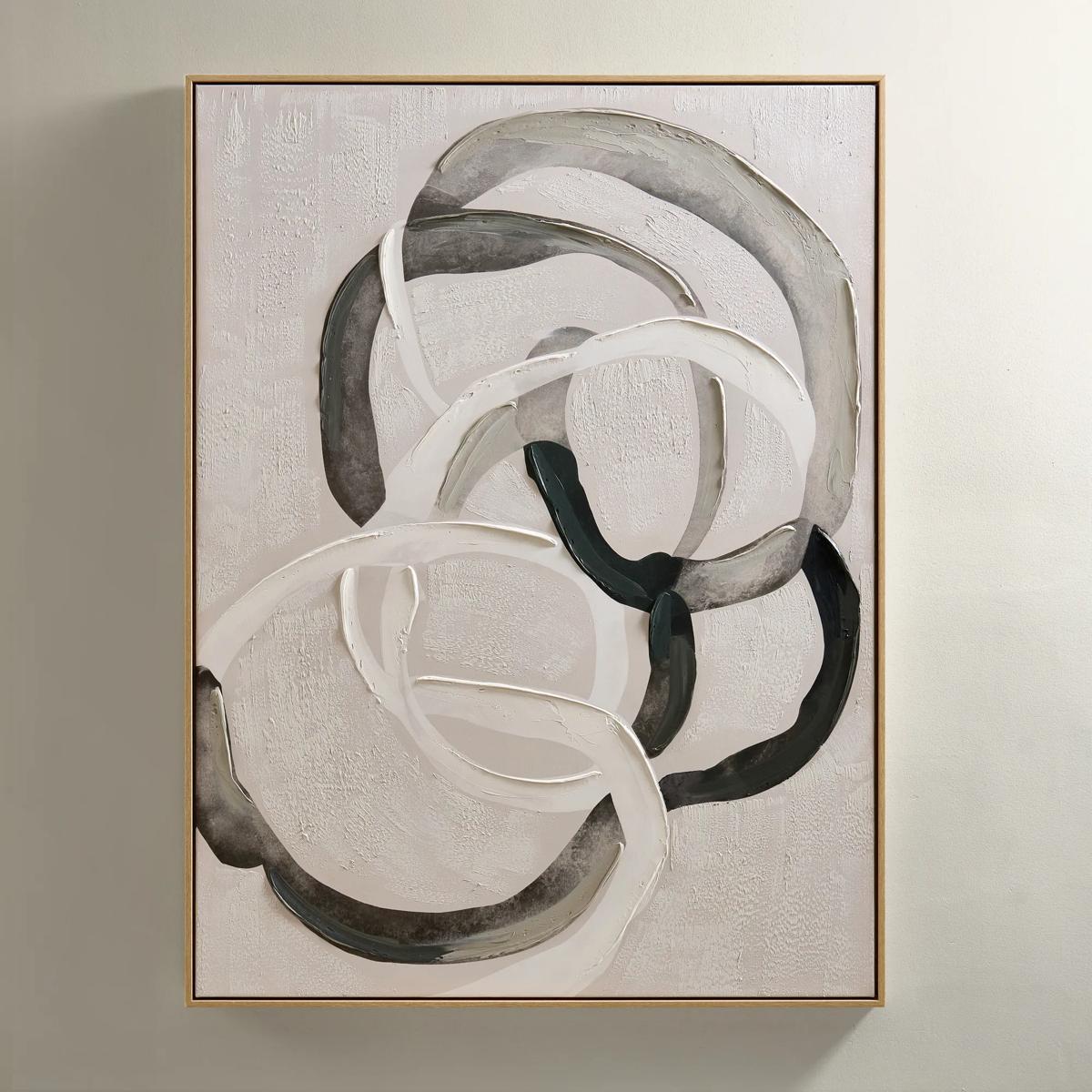
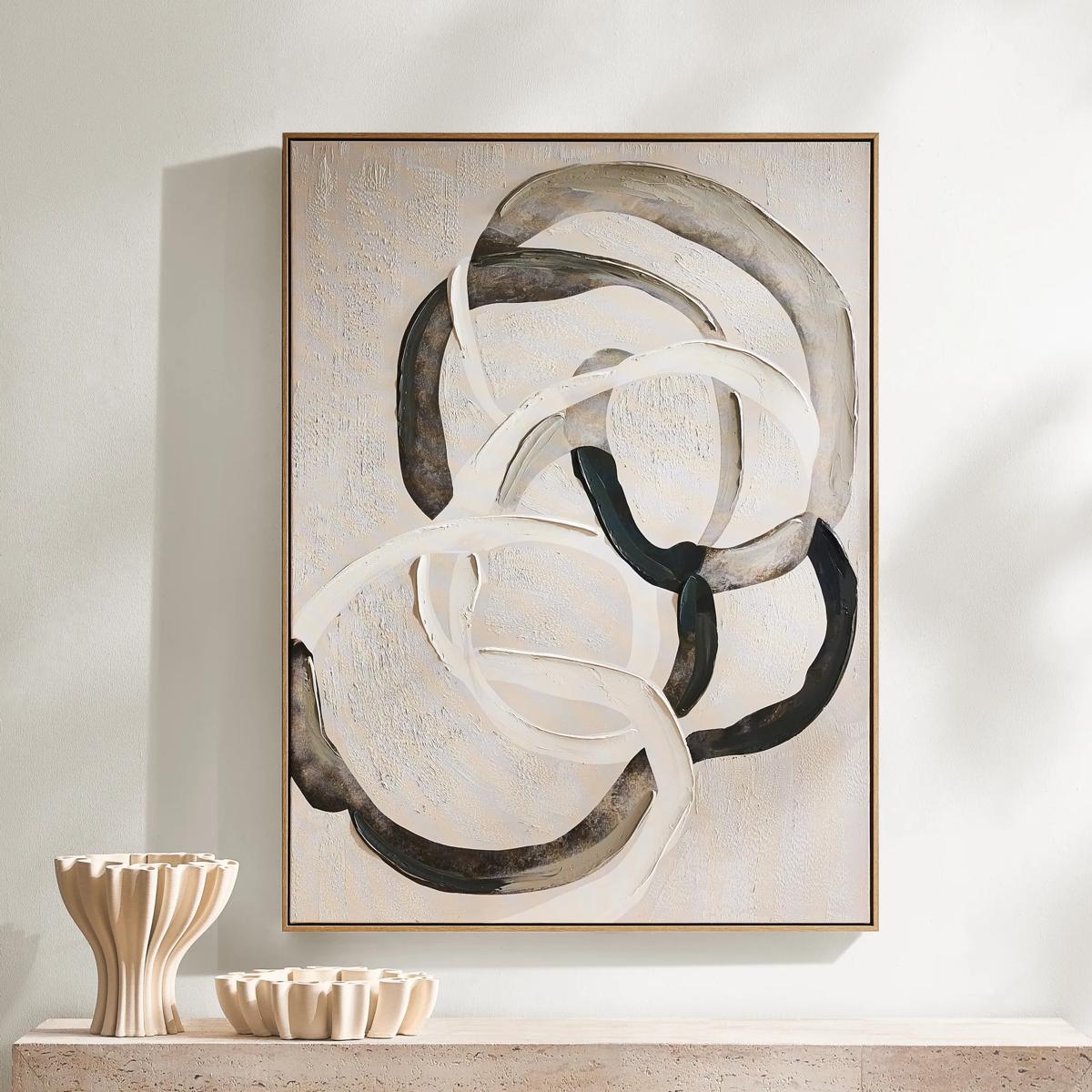 Round About Framed Painted Wall Art 35.25" x 47.25"$349
An abstract hand-painted canvas with tonal whites, charcoals, and taupes in a light wood floater frame.
Add To Cart -
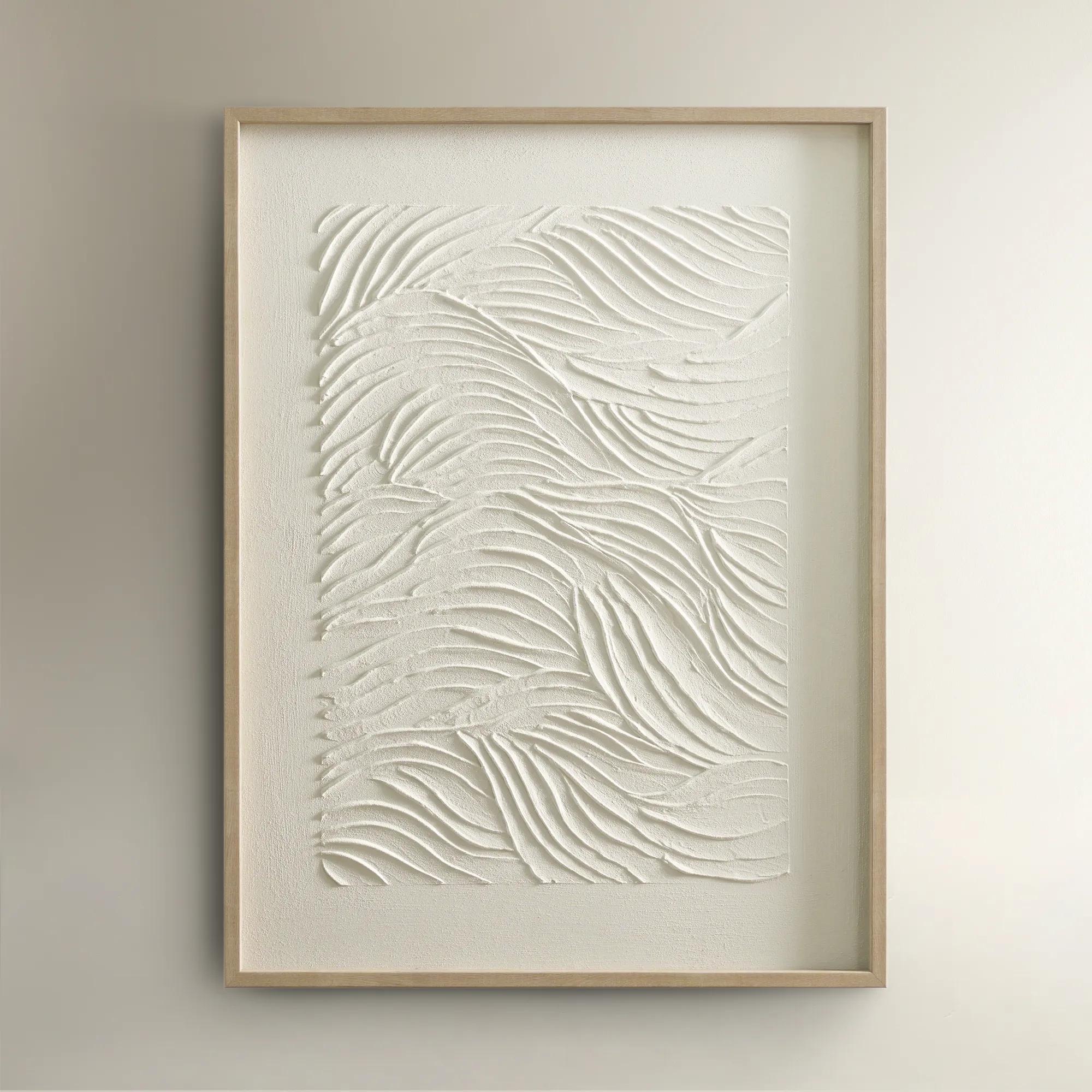
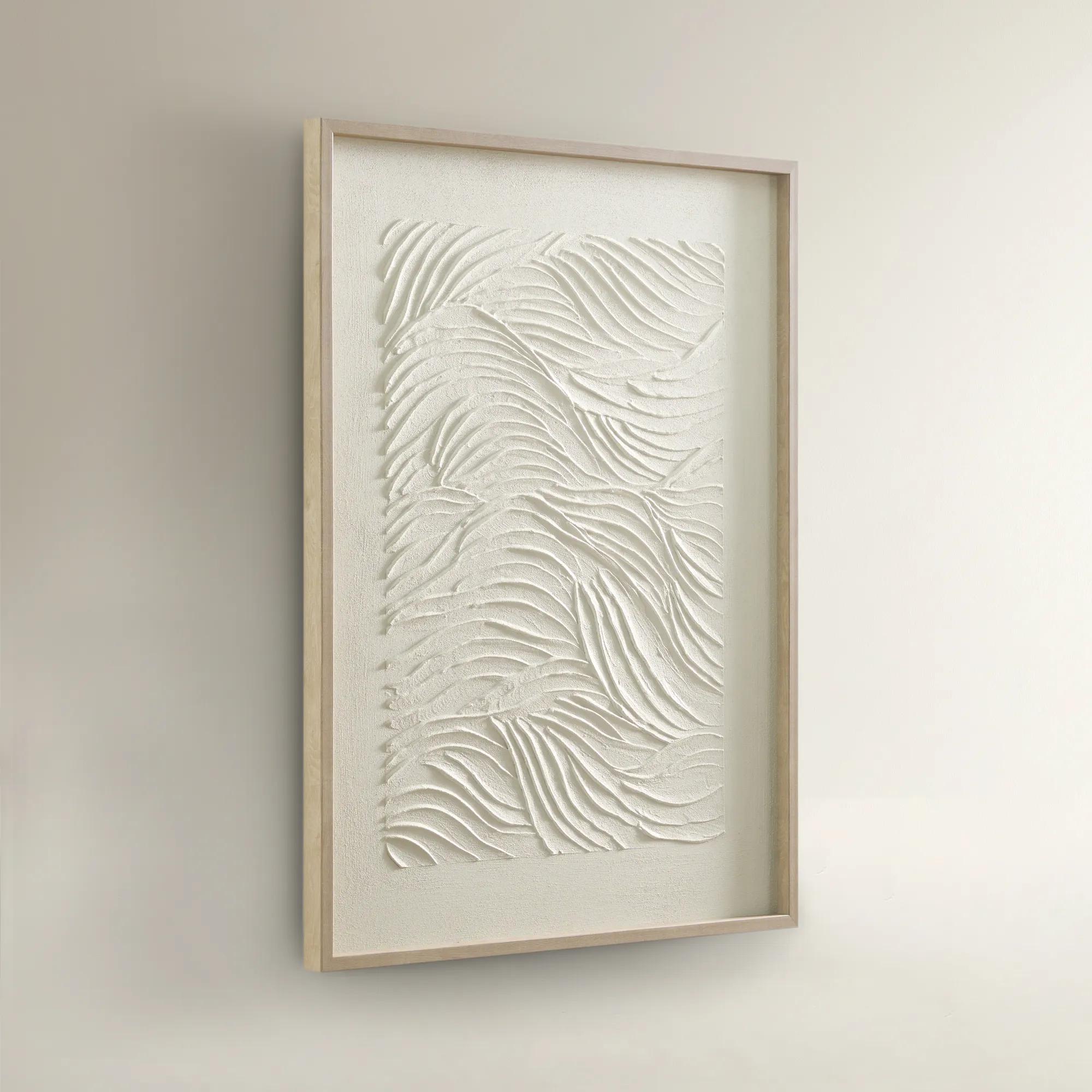 Sonnet Framed Painted Wall Art 23.5" x 31.5"$99
A hand-painted canvas featuring textured white shades and a warm blonde wood frame for elegant depth.
Add To Cart -
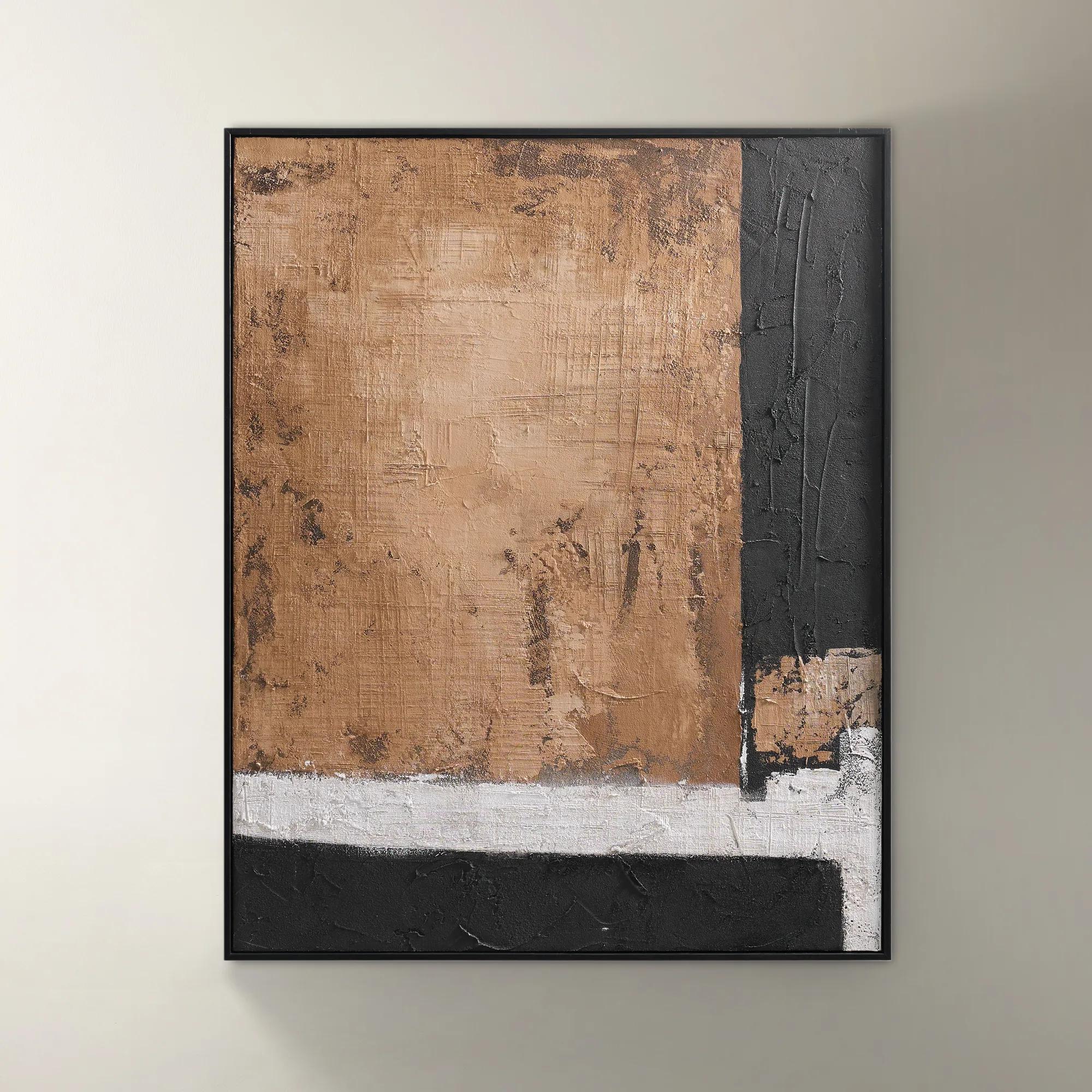 Drift Framed Painted Wall Art I 39.4" x 31.5"$299
A bold hand-painted abstract artwork featuring layered brown tones in a sleek black floater frame.
Add To Cart -
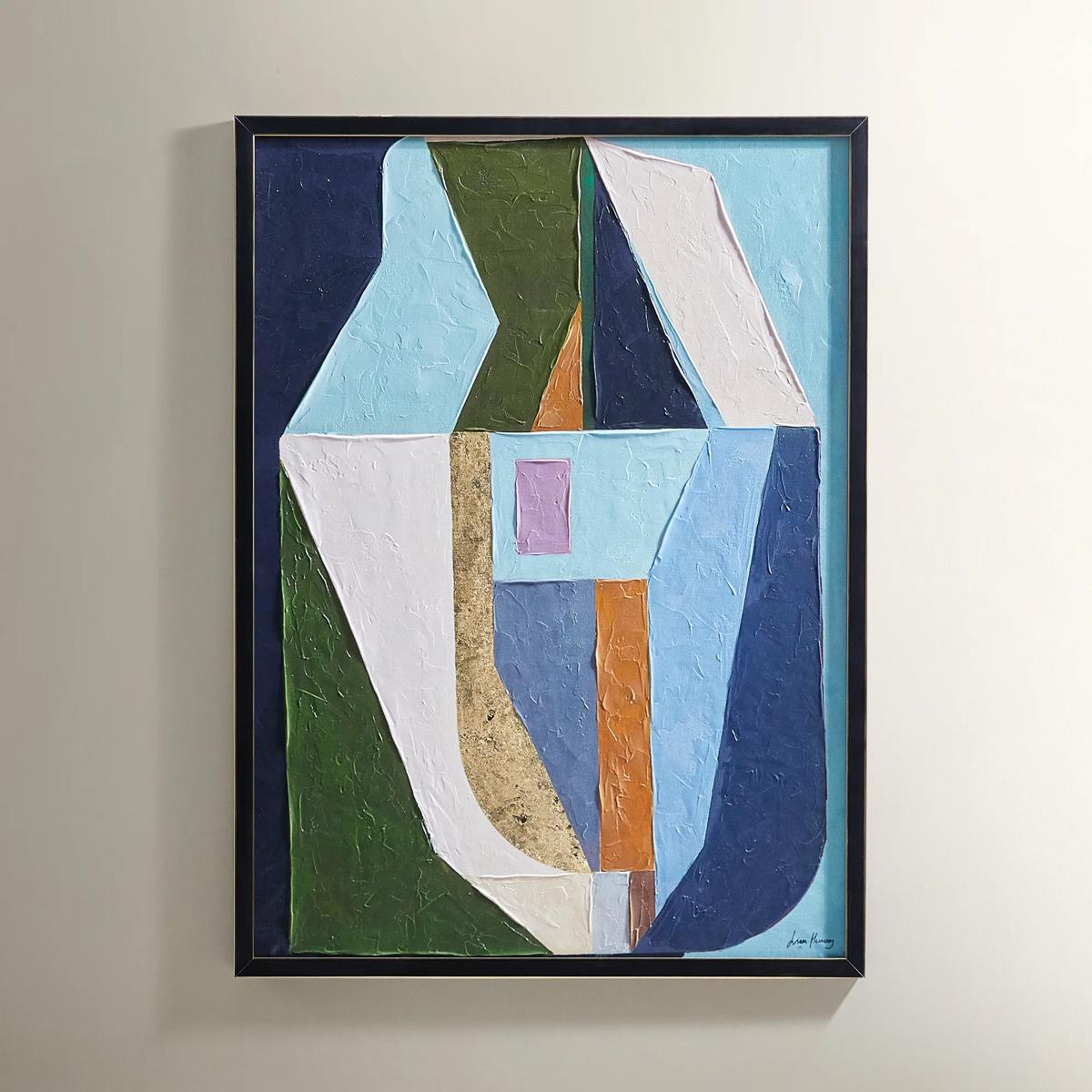 Thought Provoking Painting 2$249
A hand-embellished canvas artwork featuring textured strokes in deep blue, olive green, and gold accents.
Add To Cart -
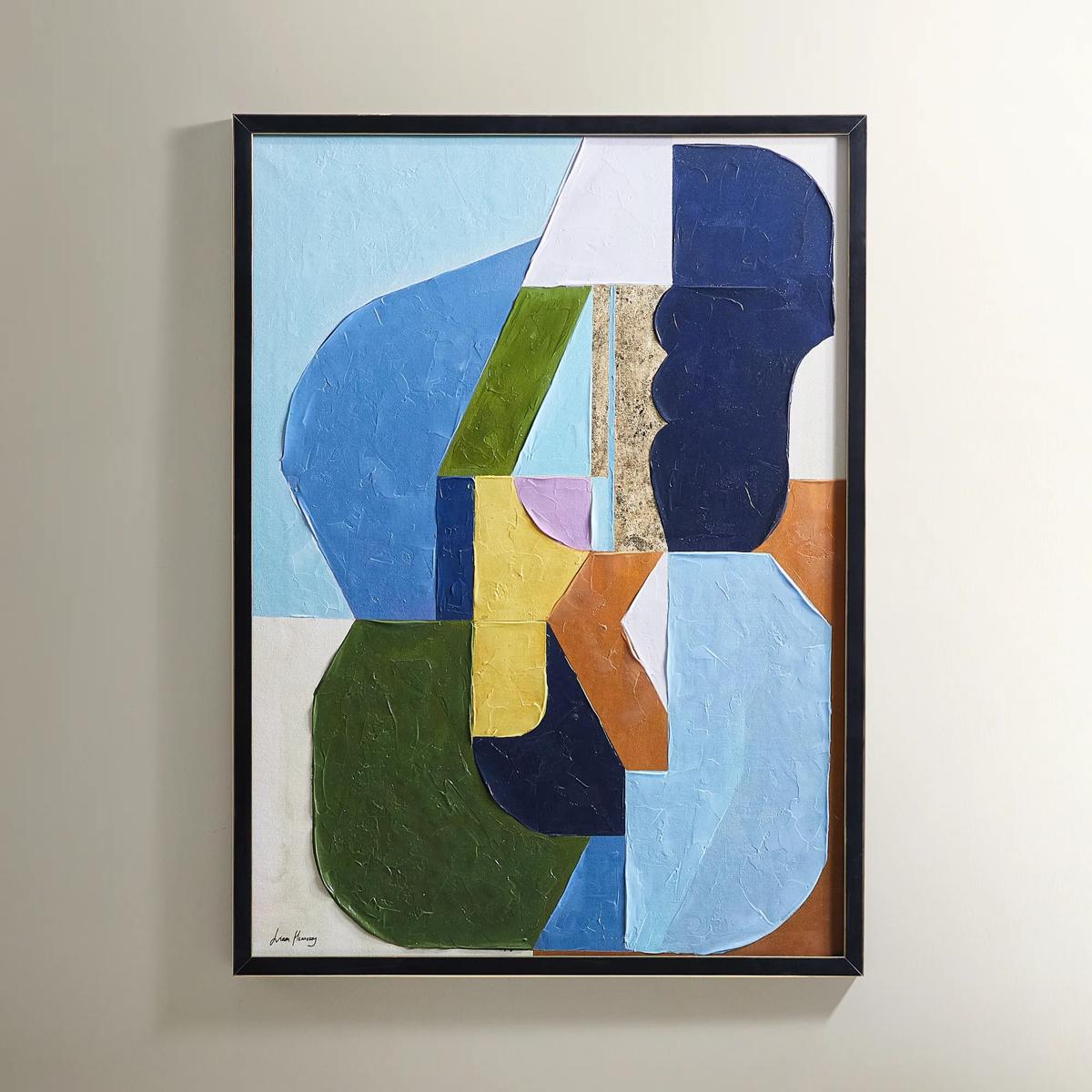
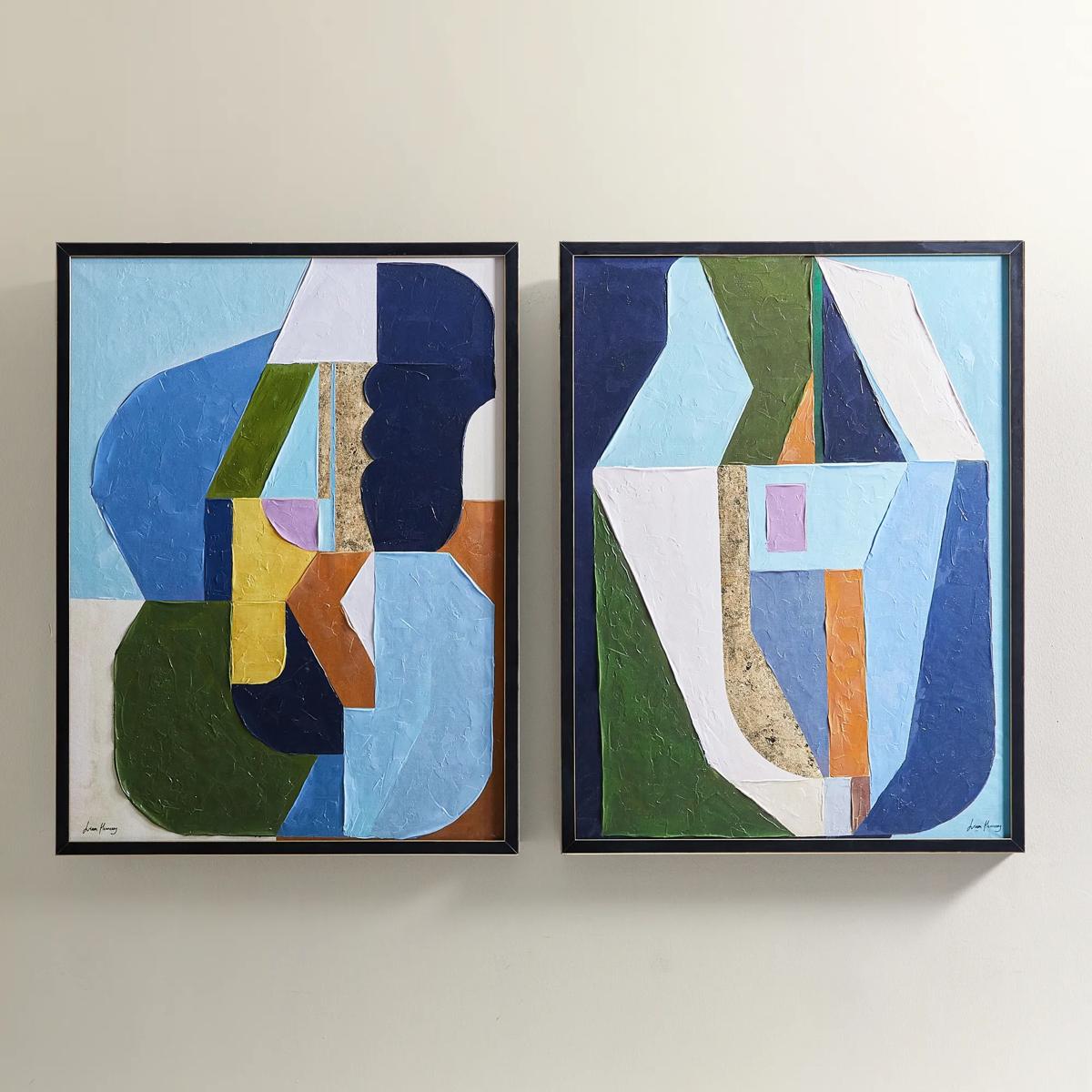 Thought Provoking Painting 1$249
A hand-embellished canvas artwork featuring textured strokes in deep blue, olive green, and gold accents.
Add To Cart -
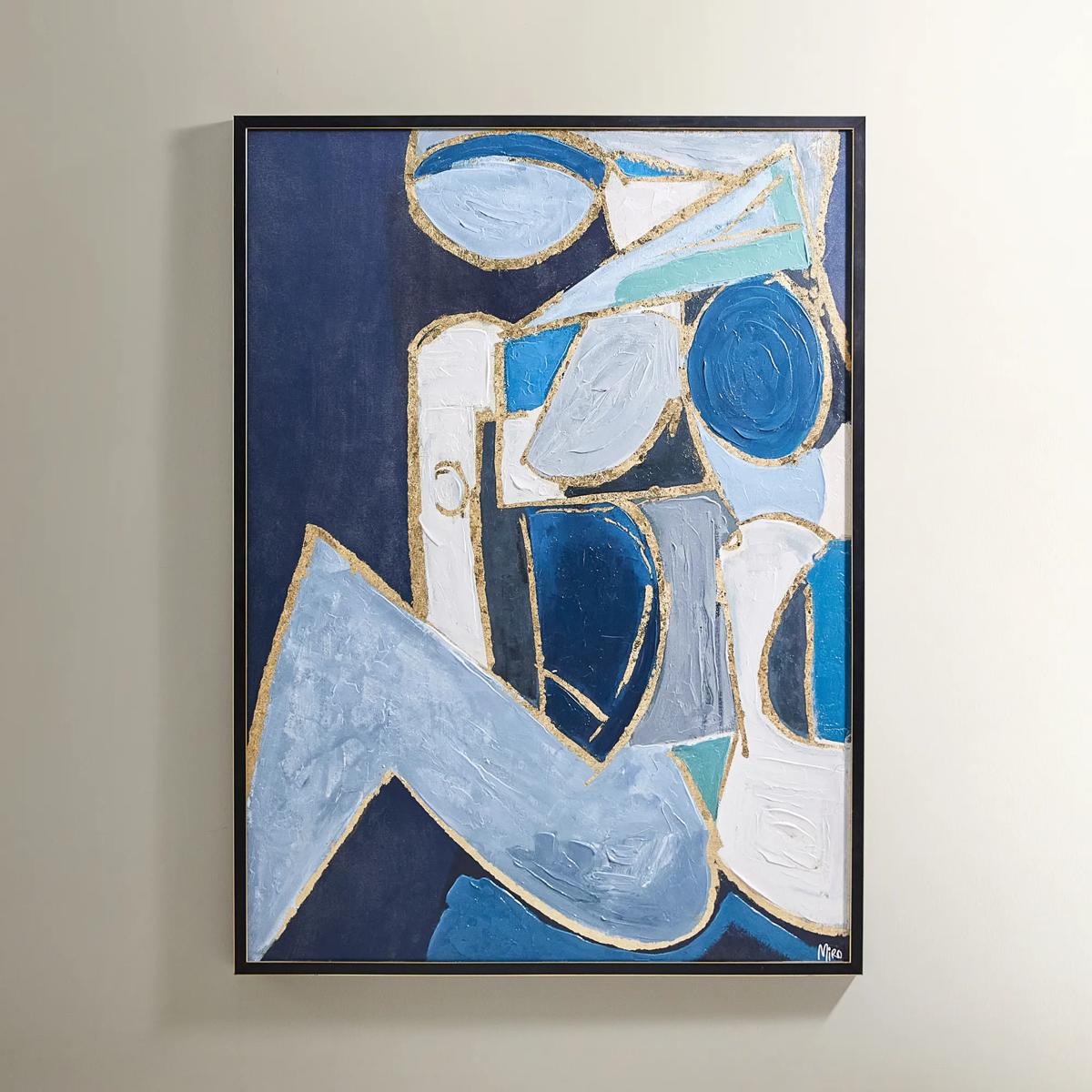
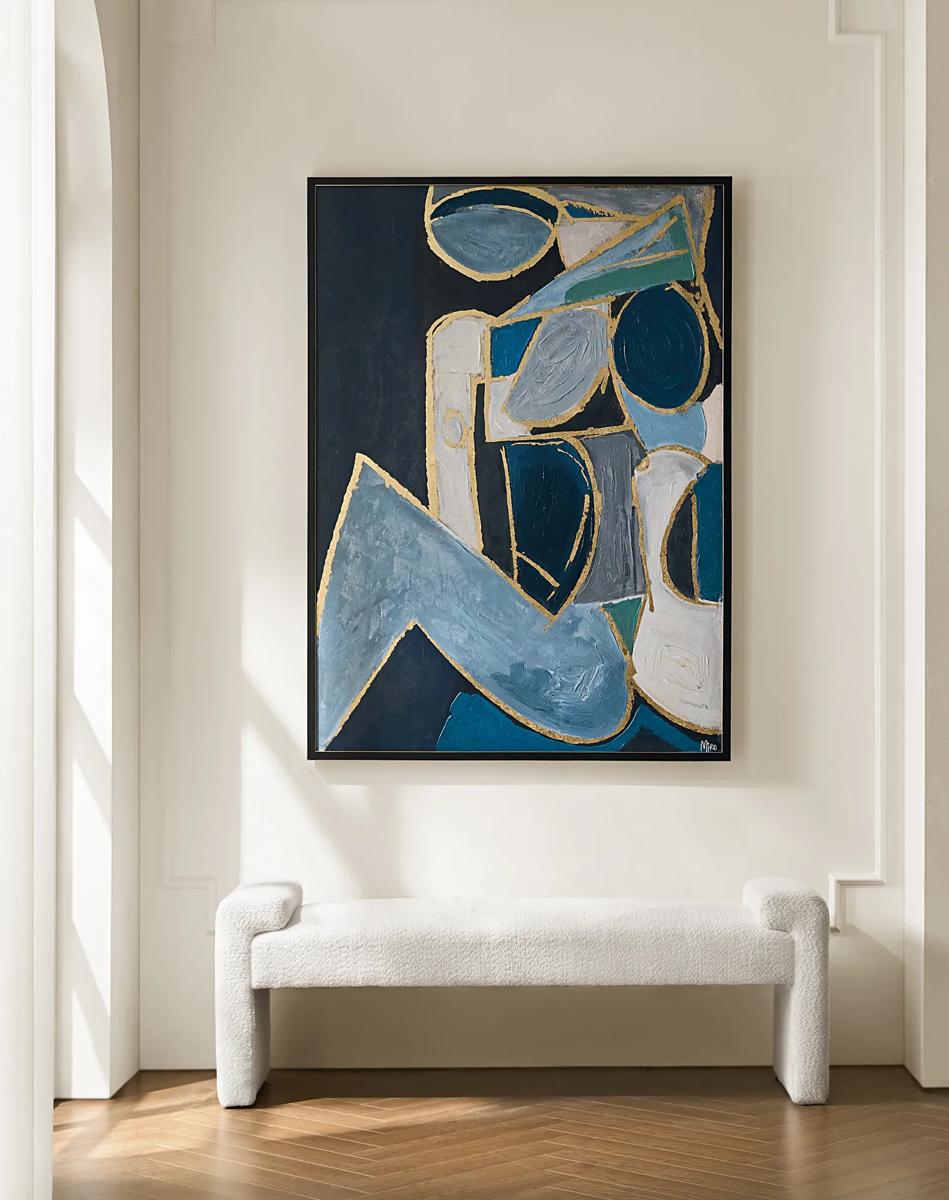 Figure in Cubism Painting$599
A hand-embellished canvas artwork featuring blue, gold, and white hues with elegant silver foil accents.
Add To Cart -
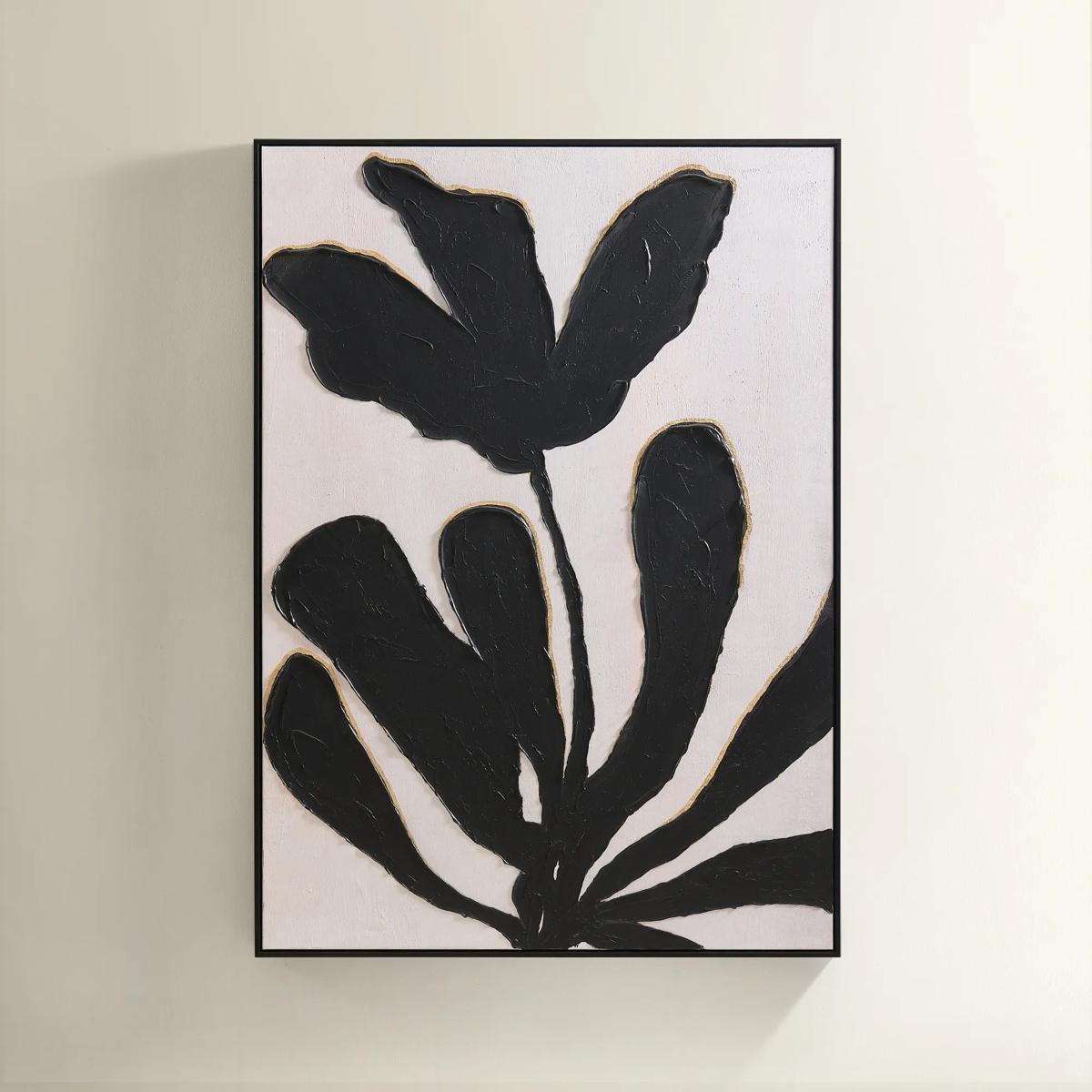
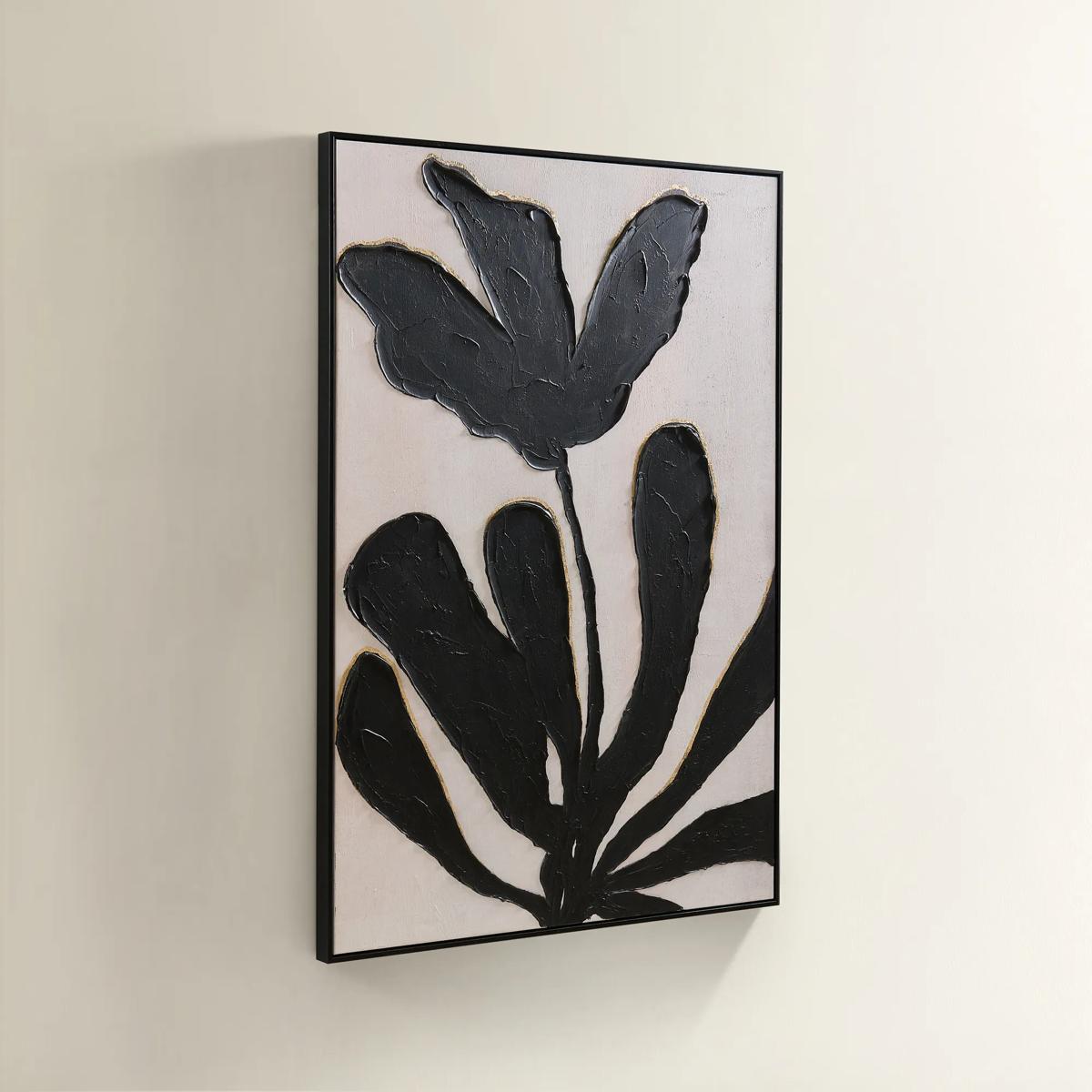 First Bloom Framed Painted Wall Art 39.25" x 55"$499
A hand-painted canvas featuring black abstract leaves and gold leafing on an ivory background in a black frame.
Add To Cart -
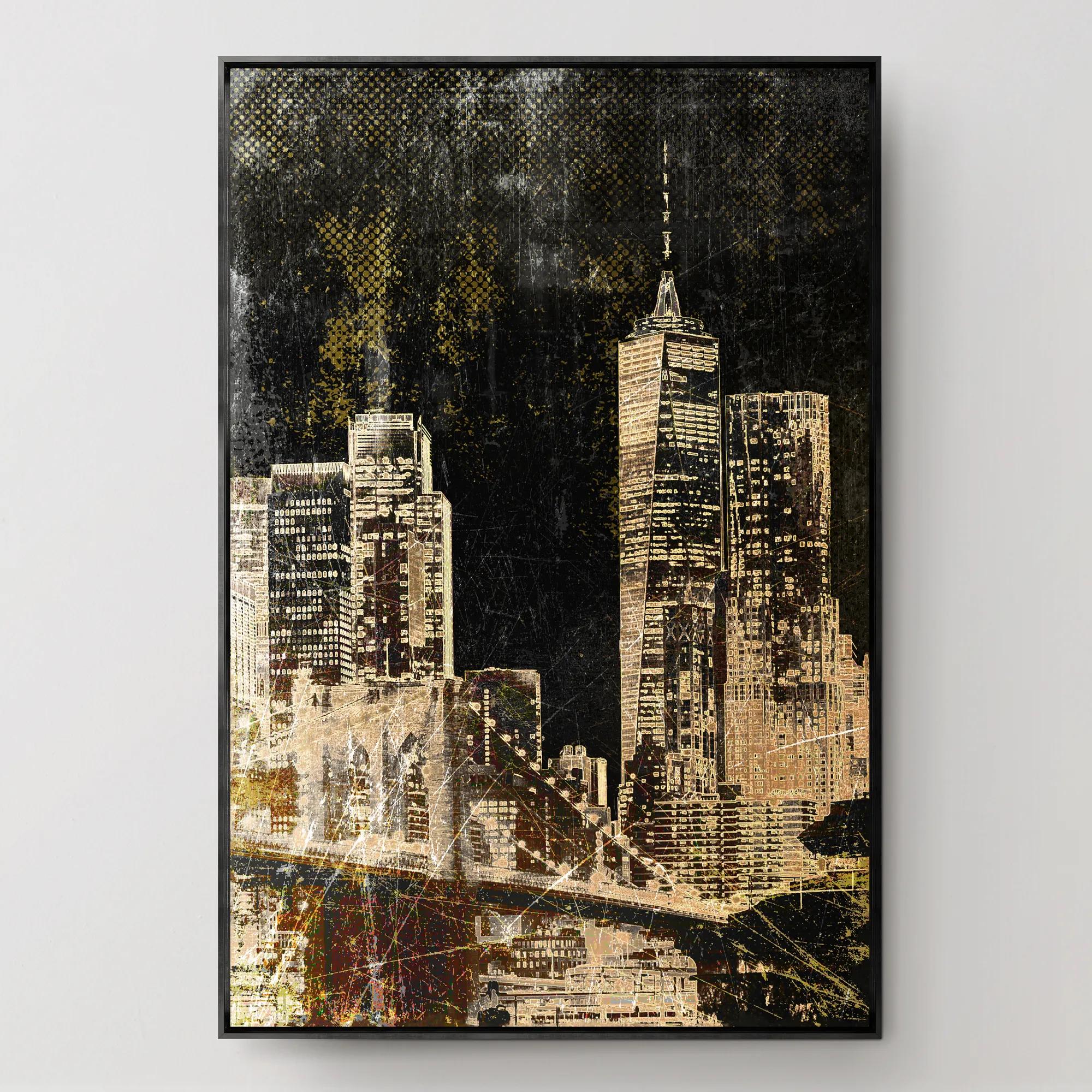
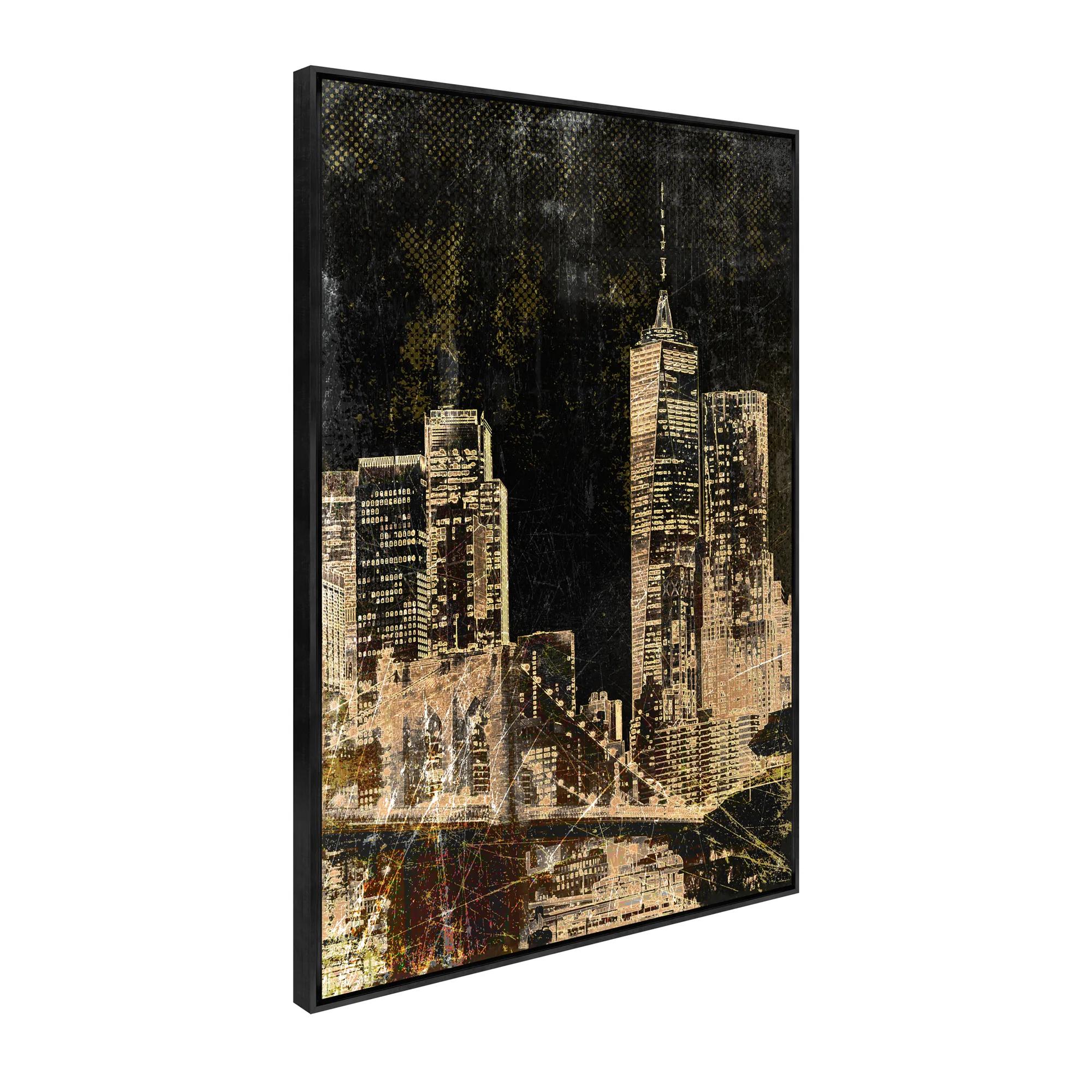 New York Lights Framed Wall Art 30" x 45"$649
A gallery-wrapped canvas artwork featuring a hand-applied gel finish and sleek black floater frame.
Add To Cart -
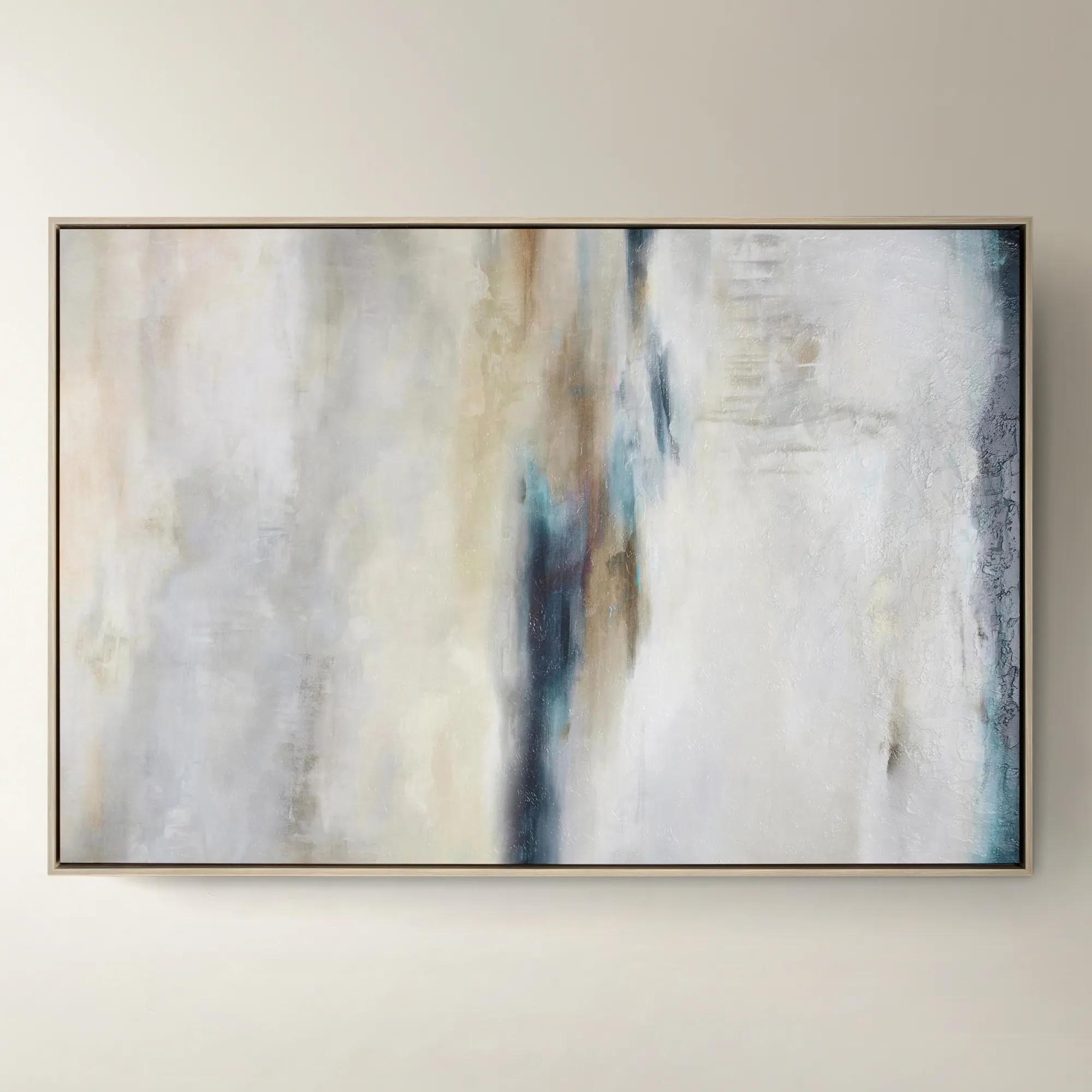
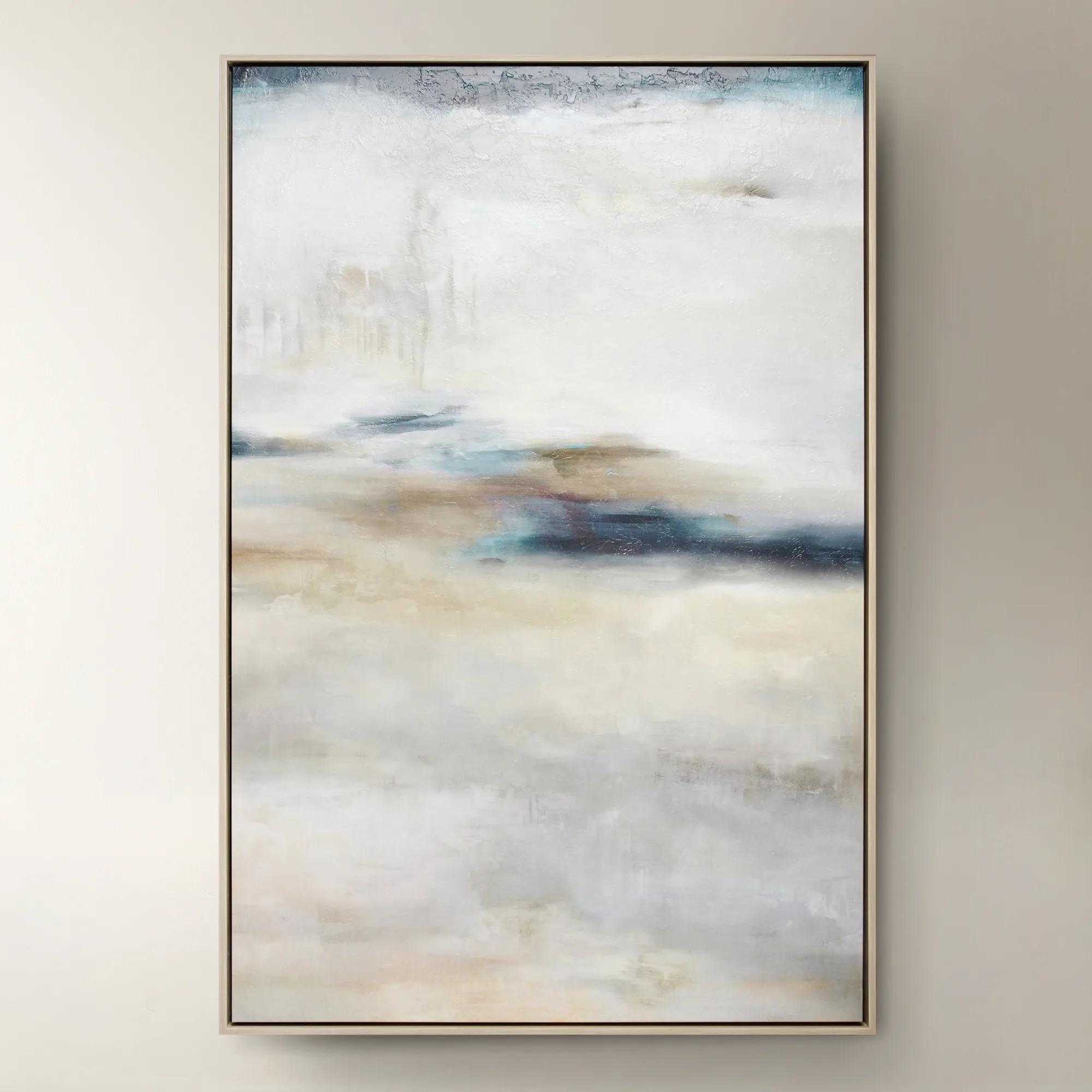 Forward Looking$1299
A softly layered abstract canvas print with a gel finish, set in a natural-hued floater frame.
Add To Cart -
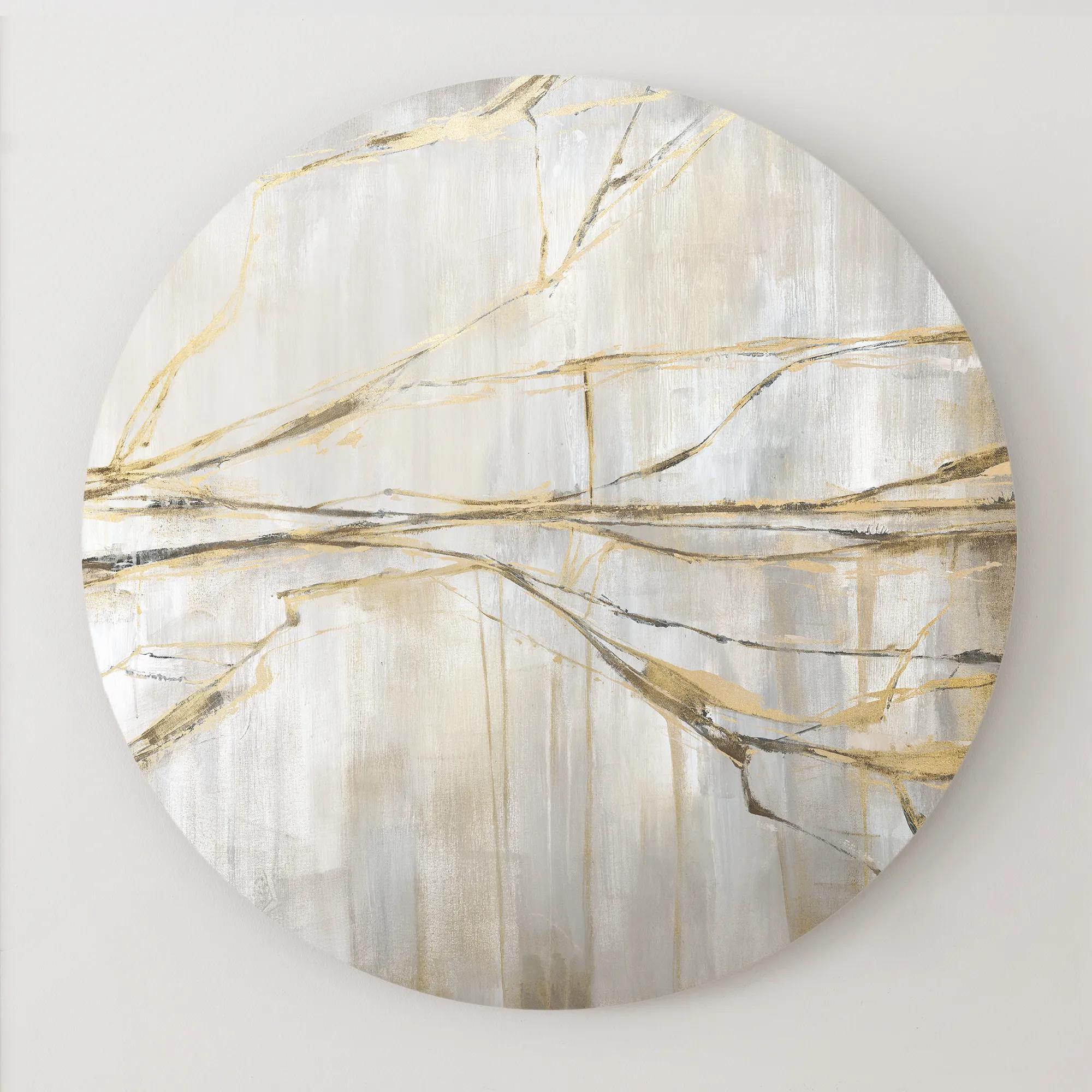
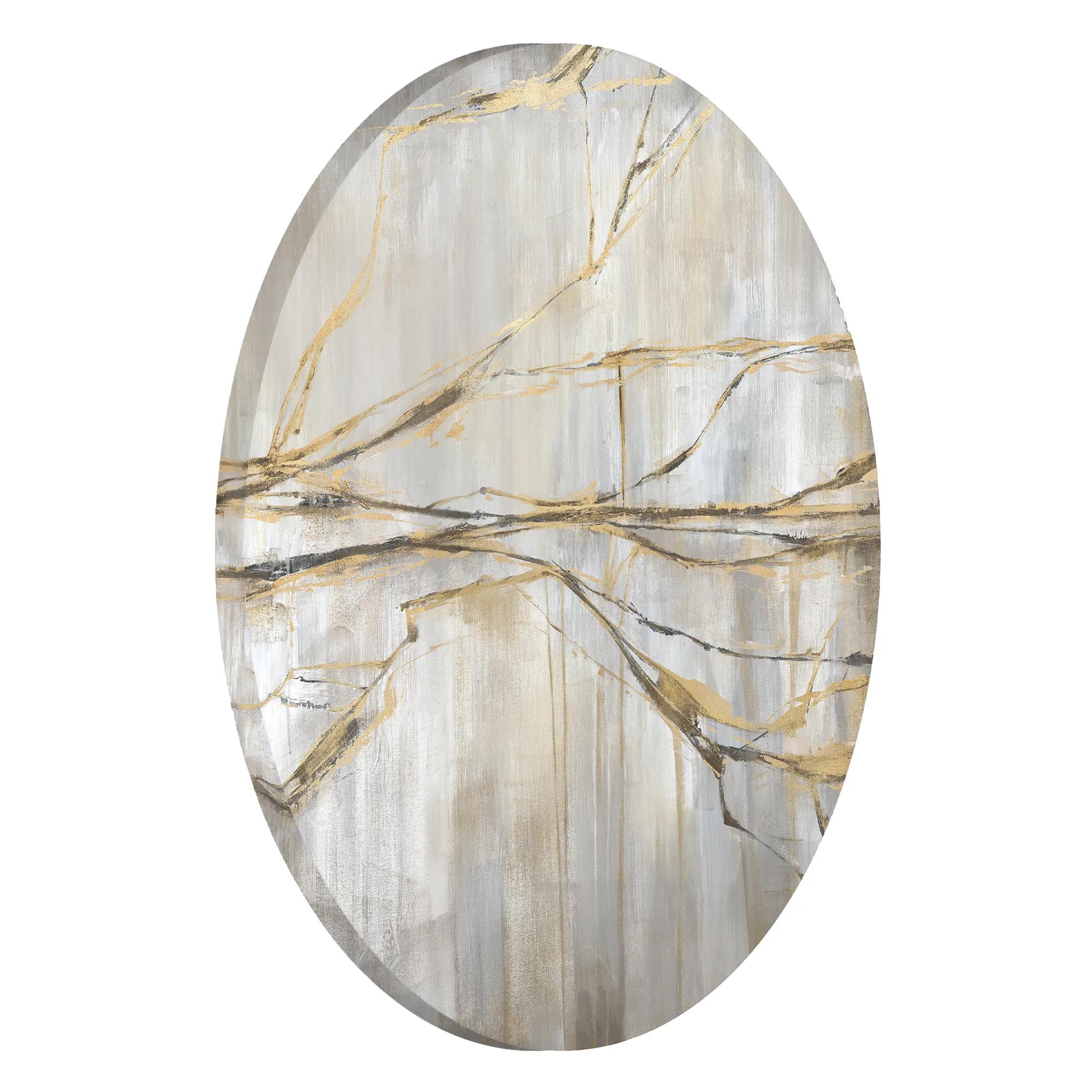 Lightening Crashes Round Wall Art 30"$899
A hand-textured circular linen canvas featuring a gallery-wrapped design for versatile wall display.
Add To Cart

Large Canvas Art For Walls
Explore large canvas art for walls to create a dramatic focal point above a sofa, over a bed, or along an expansive entryway wall. Discover statement-making wall art with the scale to anchor your room, and consider how each piece’s dimensions, palette, and composition will complement your furniture and bring your personal style into focus.
Large canvas art for walls brings a room into focus, giving color, proportion, and personality a place to command attention. An expansive canvas can turn the wall behind a sofa into a striking composition or lend a dining room the presence of a private gallery. Its appeal lies in the relationship between the artwork and everything around it: a sweep of charcoal can sharpen pale upholstery, a wash of ivory can soften dark wood, and a vivid accent can draw out a color that appears only briefly in a rug or decorative pillow. Abstract compositions offer movement and ambiguity, allowing a space to feel expressive without prescribing a single story. Landscape imagery introduces depth and a sense of distance, while architectural subjects and graphic forms create a more deliberate rhythm. For interiors layered with velvet, polished metal, and sculptural furniture, oversized canvas wall art adds another dimension without requiring another piece on the floor. In a quieter room, one commanding work can supply the drama that the furnishings leave open. The generous surface gives subtle details room to register, from softly blended tones to the suggestion of brushwork or a bold meeting of contrasting shapes. Some compositions feel luminous and airy; others establish a richer, more enveloping mood. The right choice does not need to repeat every color in the room. A single connection to the surrounding palette can be enough, especially when the artwork introduces a distinctive shade or unexpected visual tension. Across living rooms, bedrooms, dining spaces, and home offices, large canvas wall art creates an intentional focal point that feels personal rather than purely decorative. It suits the collector drawn to expressive imagery, the homeowner shaping a newly furnished space, and anyone ready to give a familiar room a stronger point of view. Its scale invites the eye to linger, making art part of the daily experience of the home rather than a detail noticed only in passing.
Scale is central to that presence, but a large canvas feels most compelling when it has a clear relationship to the wall and the furniture beneath it. Above a substantial sofa or sideboard, a broad horizontal composition can anchor the arrangement while leaving visible space at either side. A canvas that occupies roughly two-thirds to three-quarters of the furniture’s width often creates a balanced starting point, though the room’s architecture and the artwork’s visual weight matter as much as the measurement. Dense, dark imagery may feel more commanding than a similarly sized composition with an open, pale background. In a bedroom, art above the headboard can echo its width and bring definition to the entire sleeping area; on a dining room wall, a generous canvas can hold its own alongside a long table and an expressive chandelier. Narrower stretches of wall call for a different silhouette. Large Vertical Wall Canvases bring an elongated composition to stair landings, spaces between windows, and walls beside tall cabinets, where height offers more opportunity than width. A portrait-oriented canvas can emphasize architectural lift without crowding adjacent trim. Multiple canvases introduce another kind of presence, with the spacing between panels becoming part of the composition rather than an afterthought. In every arrangement, breathing room allows the artwork to remain distinct from sconces, shelving, and neighboring decorative objects. Viewing distance also shapes the effect: broad gestures and strong contrasts read beautifully across an open living area, while finer details reward attention along a hallway or beside a reading chair. Placement near seated eye level can make a living room feel more intimate, while an entryway may call for a position suited to standing viewers. Before a large-scale piece becomes part of the room, its outer dimensions, including any frame, should be considered alongside door swings, ceiling height, and nearby fixtures. The result is not simply a filled wall, but a composition that gives both the artwork and the surrounding furnishings room to express themselves.
The physical character of canvas contributes to its appeal as much as the image itself. Woven cotton, linen, and blended canvas materials offer different surface textures, while the tension of the fabric and the structure of the stretcher support the artwork’s shape. A well-constructed stretched canvas should feel taut rather than slack, with a frame that holds its form. Gallery-wrapped edges extend the presentation around the sides for a dimensional, unframed appearance; a surrounding frame adds a defined border and can connect the artwork to other finishes in the room. Painted canvases may reveal raised marks and variations in the surface, while printed canvases can reproduce intricate imagery with a woven texture beneath it. Embellishment and protective finishes vary, making the individual material and care details important to the way a piece is displayed and maintained. Canvas is generally best suited to indoor spaces where humidity remains reasonably consistent and the surface is protected from direct sunlight, splashes, and frequent contact. A place above a living room console or bedroom dresser usually offers a gentler environment than a wall immediately beside a shower or cooking area. Thoughtful lighting reveals color and texture without subjecting the artwork to excess heat; strong glare can flatten details that look rich under softer, indirect illumination. Routine care is typically light and careful, with dust removed using a soft, dry cloth or brush when permitted by the artwork’s care instructions. Water, cleaning sprays, and abrasive materials can damage an image or finish, and the canvas should never be pressed or scrubbed. Appropriate hanging hardware and secure support are especially important at larger dimensions, with the wall material and artwork’s weight determining the installation requirements. For a housewarming, wedding, or milestone gift, large canvas art can feel deeply considered when the recipient’s preferred palette, subject matter, and available wall space are known. Whether chosen to enliven a gathering space or bring a more contemplative mood to a private retreat, an expansive canvas gives personal taste a lasting, visible expression.
FAQs
Large canvas art gives a room a striking visual anchor, drawing the eye through expressive color, sweeping brushwork, or sculptural forms. Place it above a sofa, over a mantel, or on a prominent wall, then echo a color or shape from the artwork in nearby accents. The result is a composed interior with a distinctly personal point of view.
Abstract compositions, graphic geometrics, atmospheric landscapes, and expressive figurative works all bring character to modern interiors. For a glamorous mood, explore rich jewel tones or artwork with metallic detailing. For quieter drama, choose a tonal composition whose layered textures and fluid movement invite a closer look.
Begin with the atmosphere you want to create. Deep blues and emerald greens lend a room a sumptuous presence, while ivory, charcoal, and warm neutrals create an elegant backdrop for statement furnishings. Choose artwork that draws out an accent color already in your decor, or introduce a deliberate contrast to give the room fresh artistic energy.
Framed canvas art creates a defined border that can reinforce the room’s aesthetic: a metallic frame adds a gleaming accent, while black offers crisp contrast. Unframed, gallery-wrapped canvas places the emphasis on the composition and its finished edges. Let the artwork’s character and your surrounding finishes guide the choice.
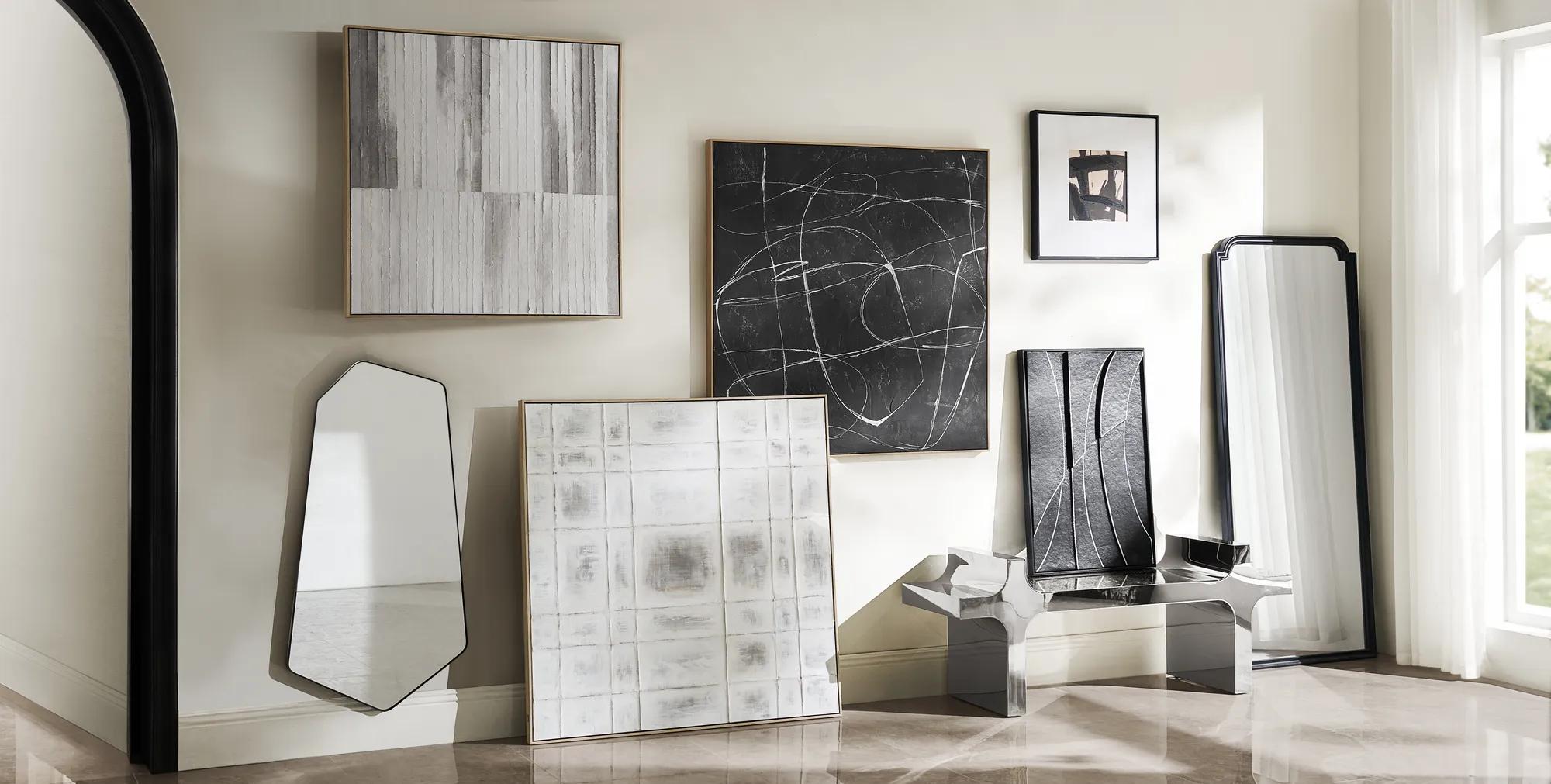
Give large canvas art the leading role, then introduce supporting pieces with intention. A pair of decorative sconces can create a polished, symmetrical arrangement, while a sculptural wall accent brings an unexpected counterpoint. Connect the pieces through a shared finish, color, or motif, and leave visual breathing room so each detail retains its presence.