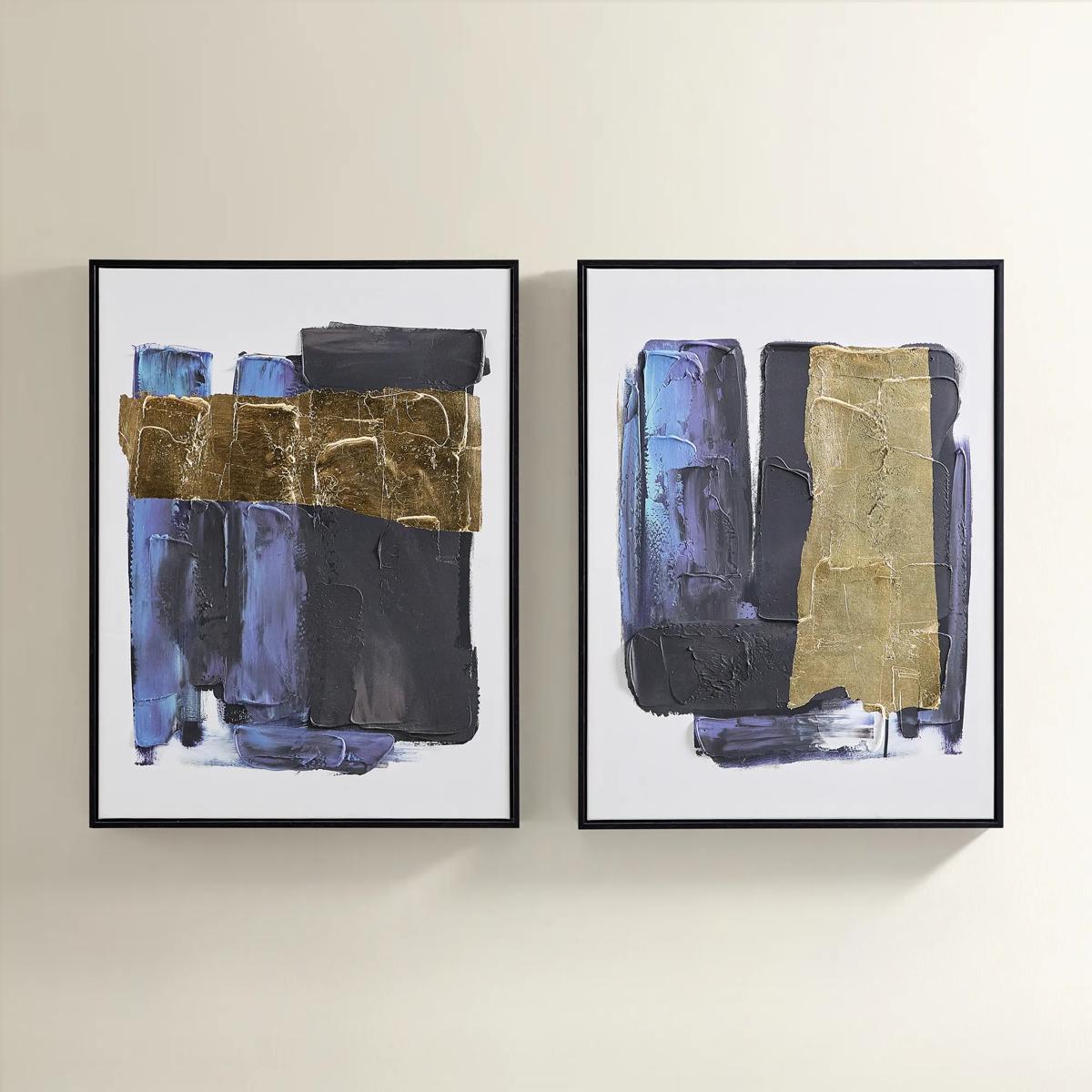
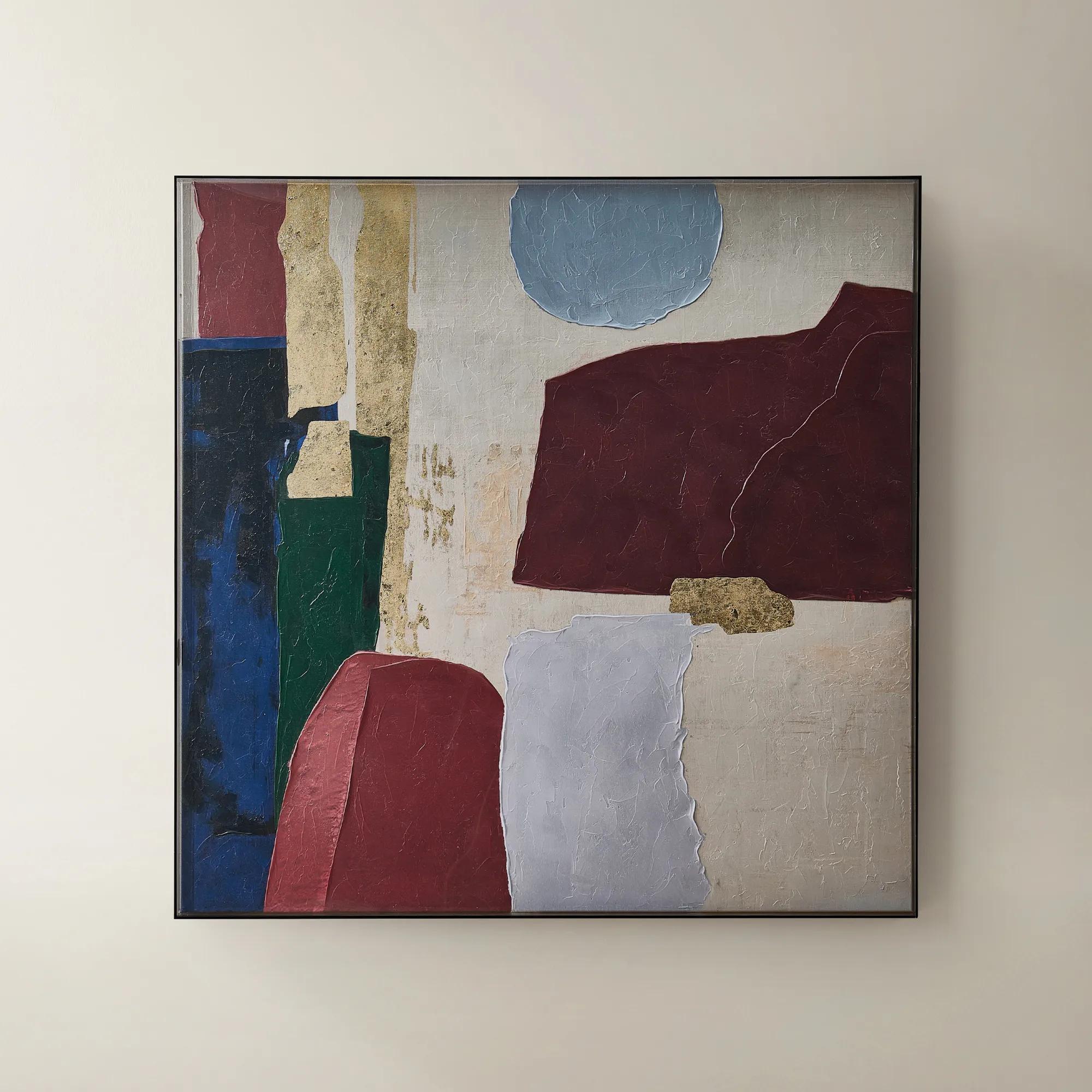
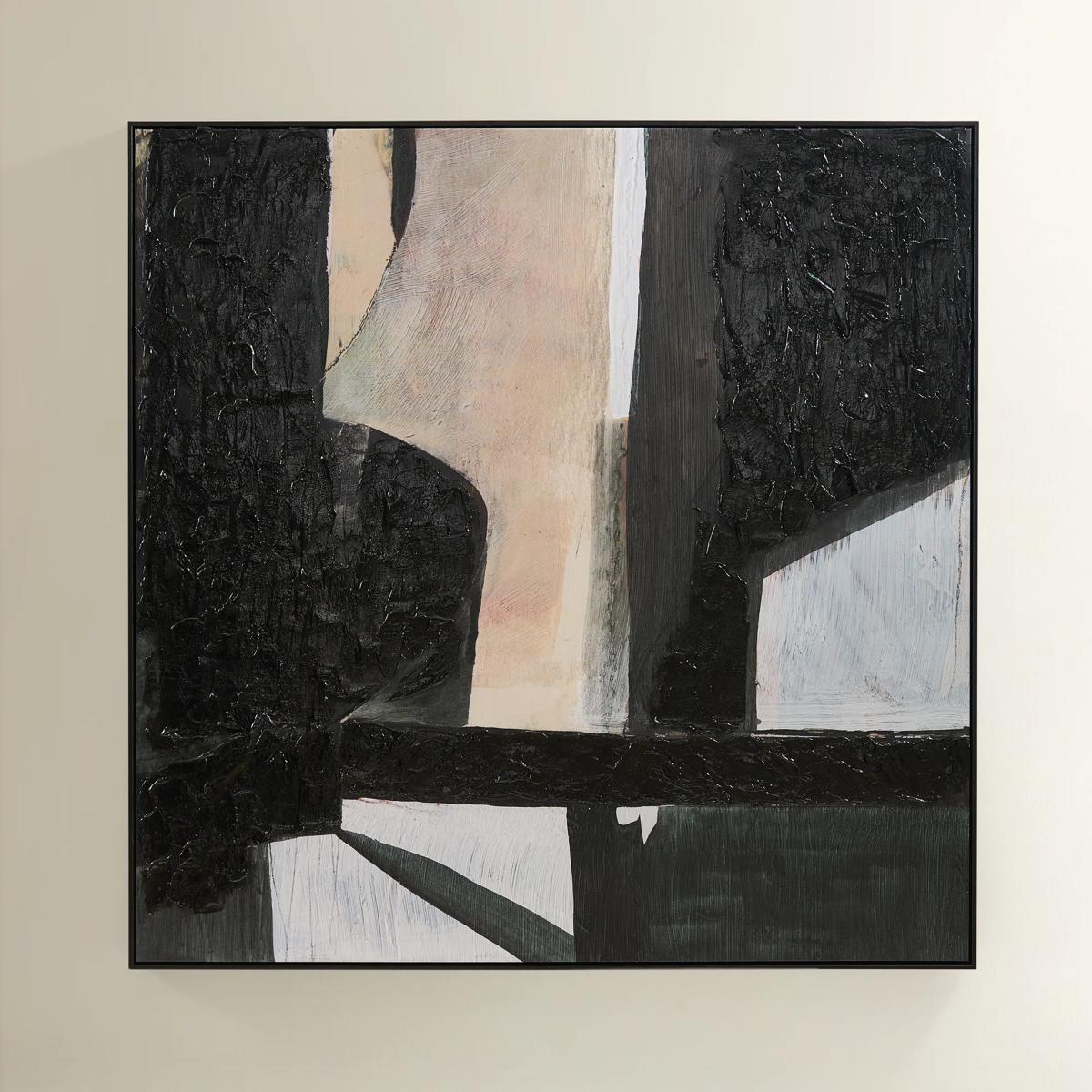
Framed Abstract Canvas Wall Art
Framed Abstract Canvas Wall Art
-
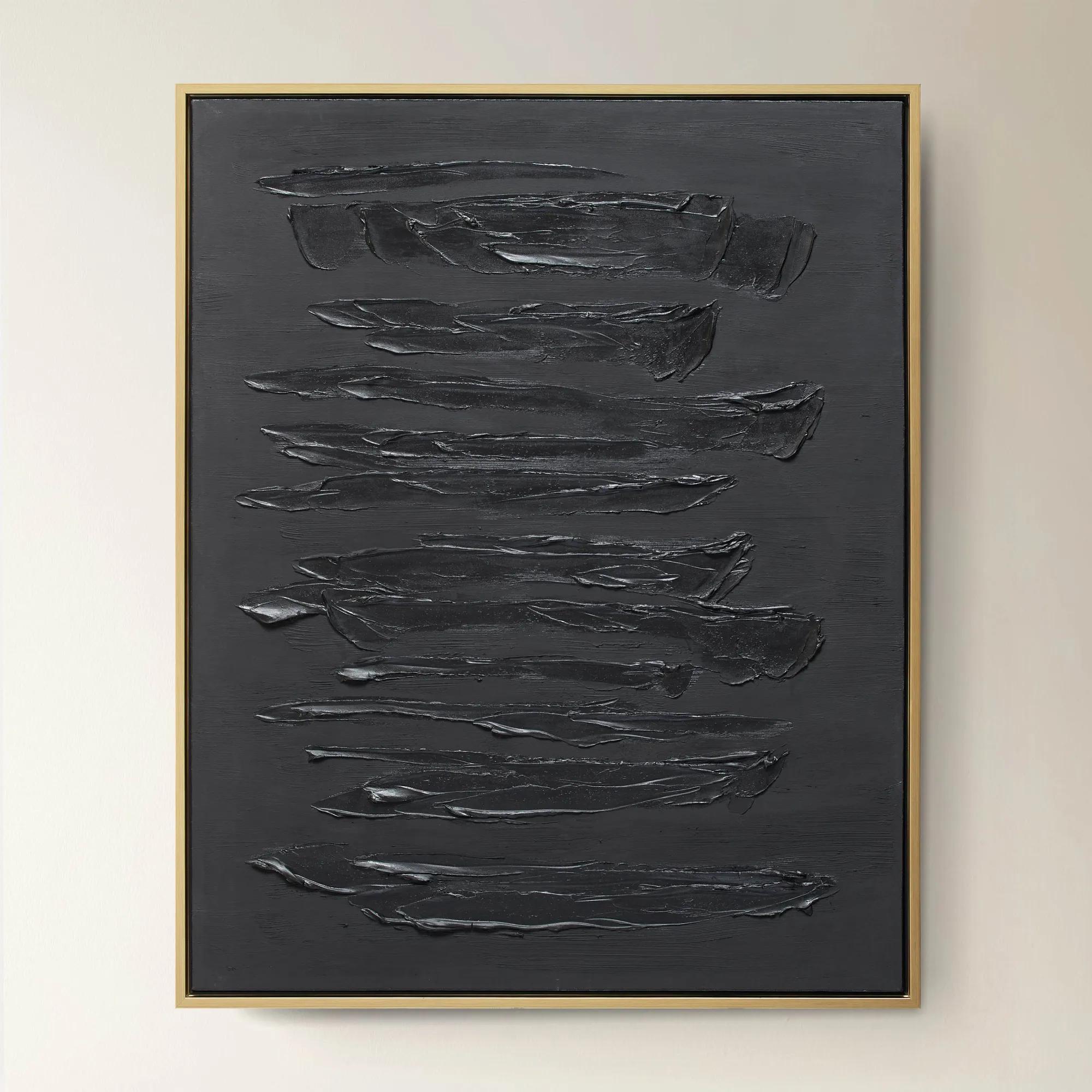
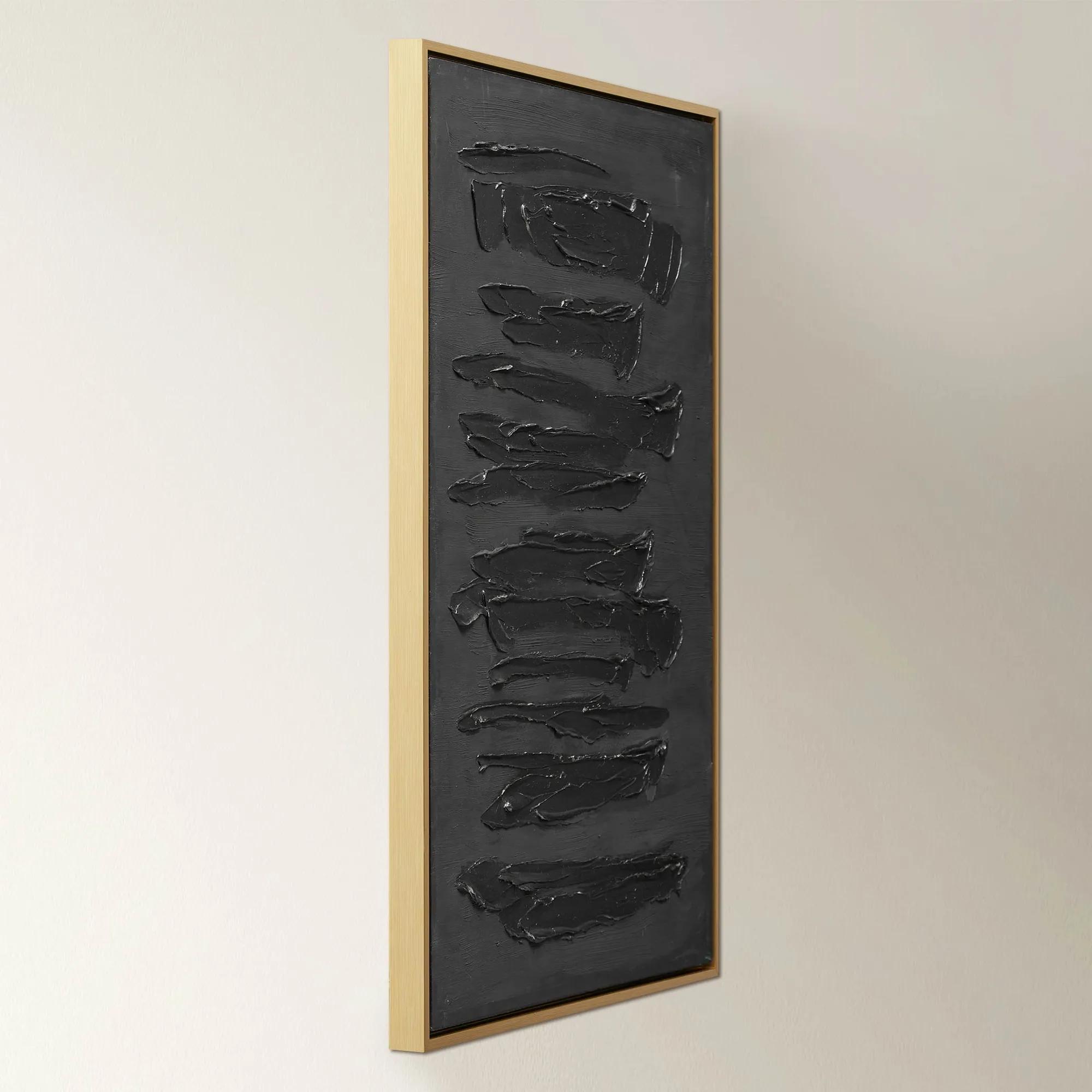 Nocturne$599.95
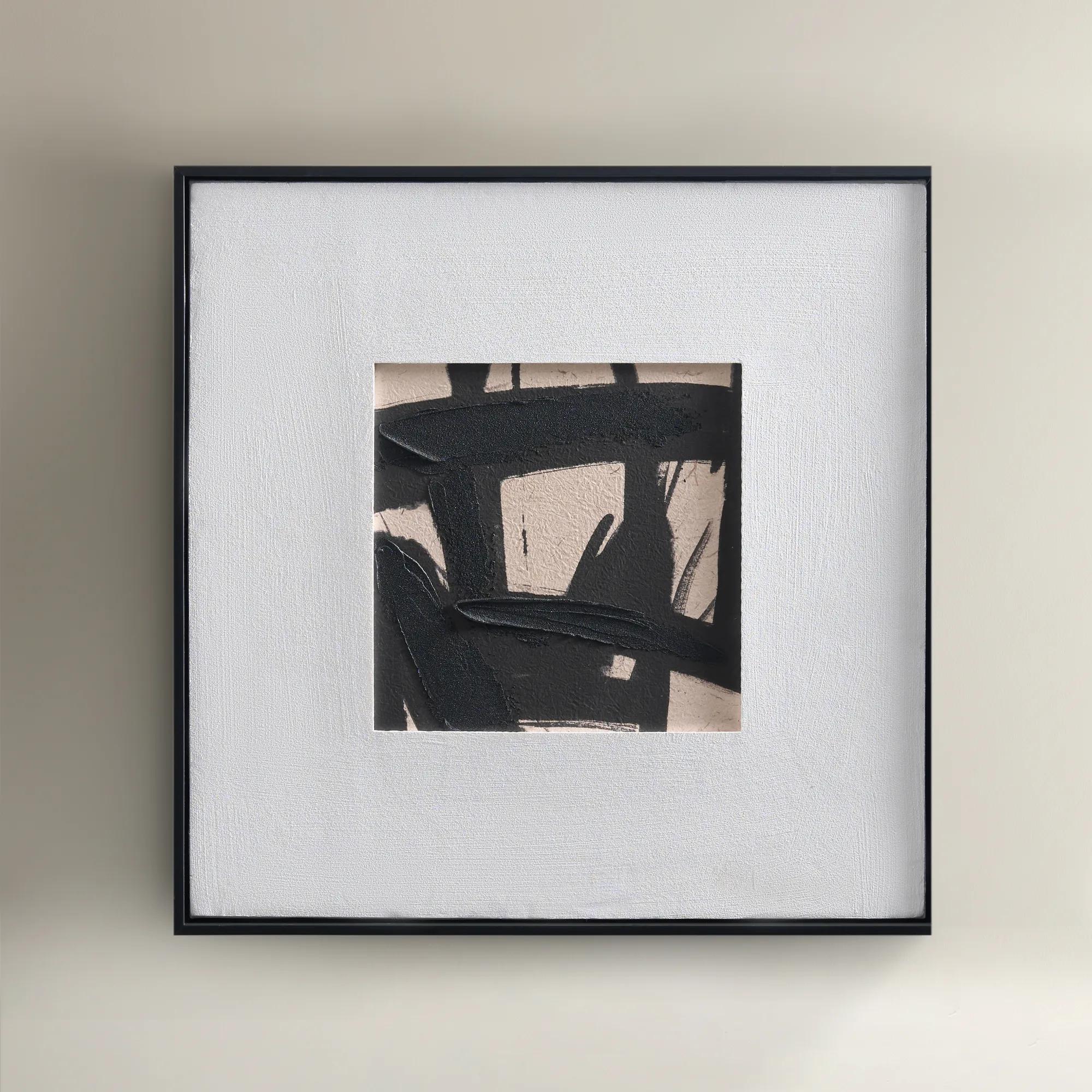
A dramatic abstract artwork featuring bold, dark brushstrokes on hand-painted canvas in a gold floater frame.
Add To Cart -
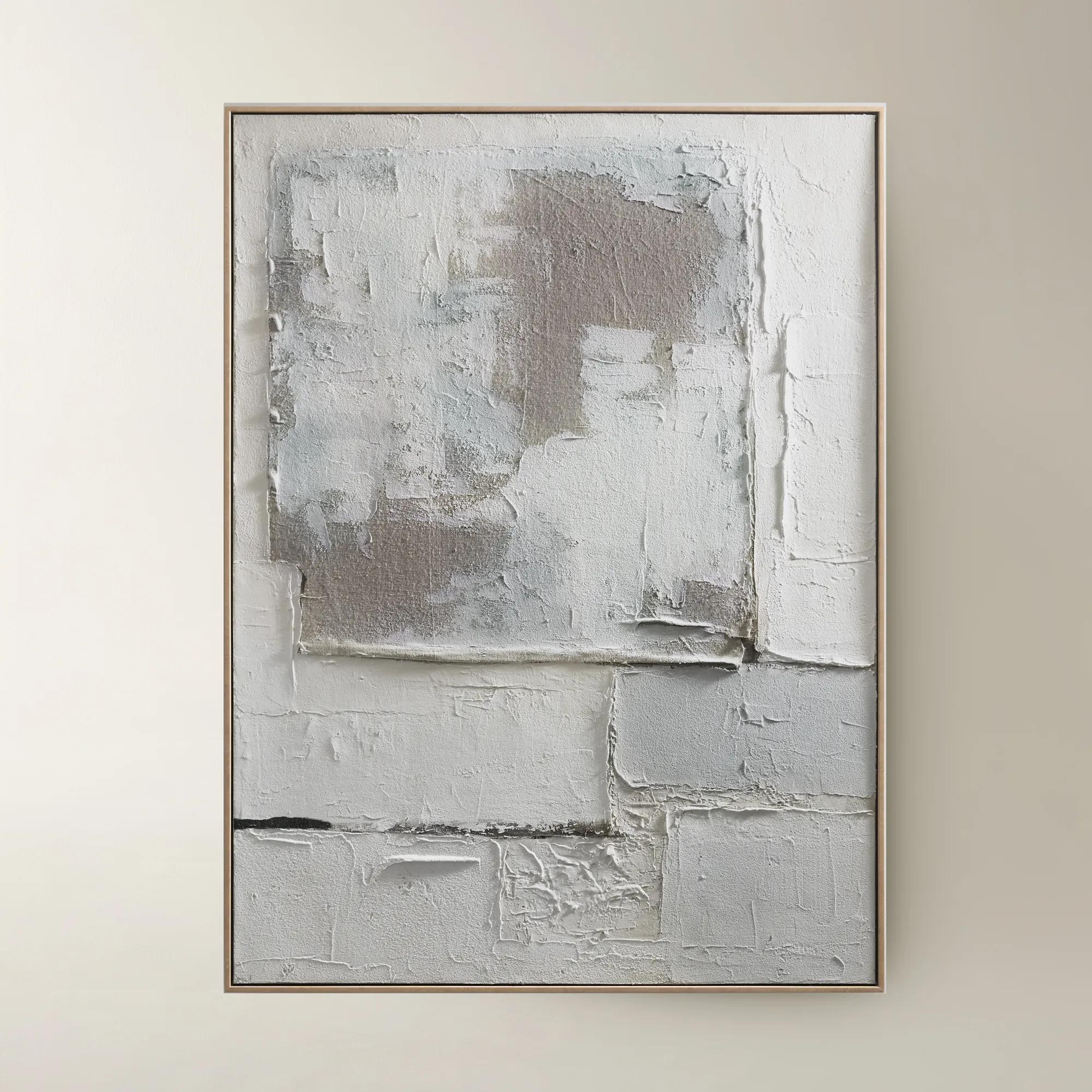
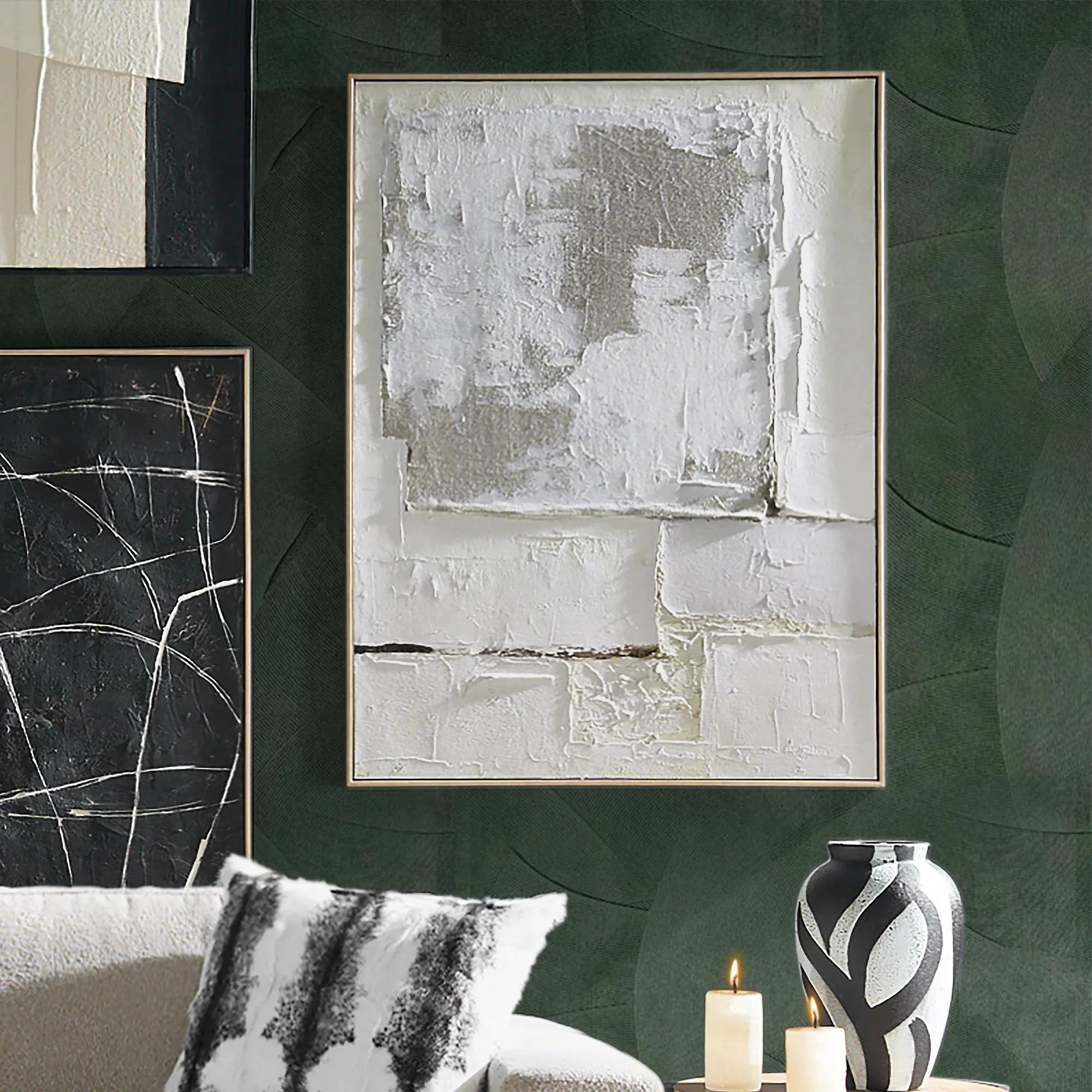 Marrow Painting$399
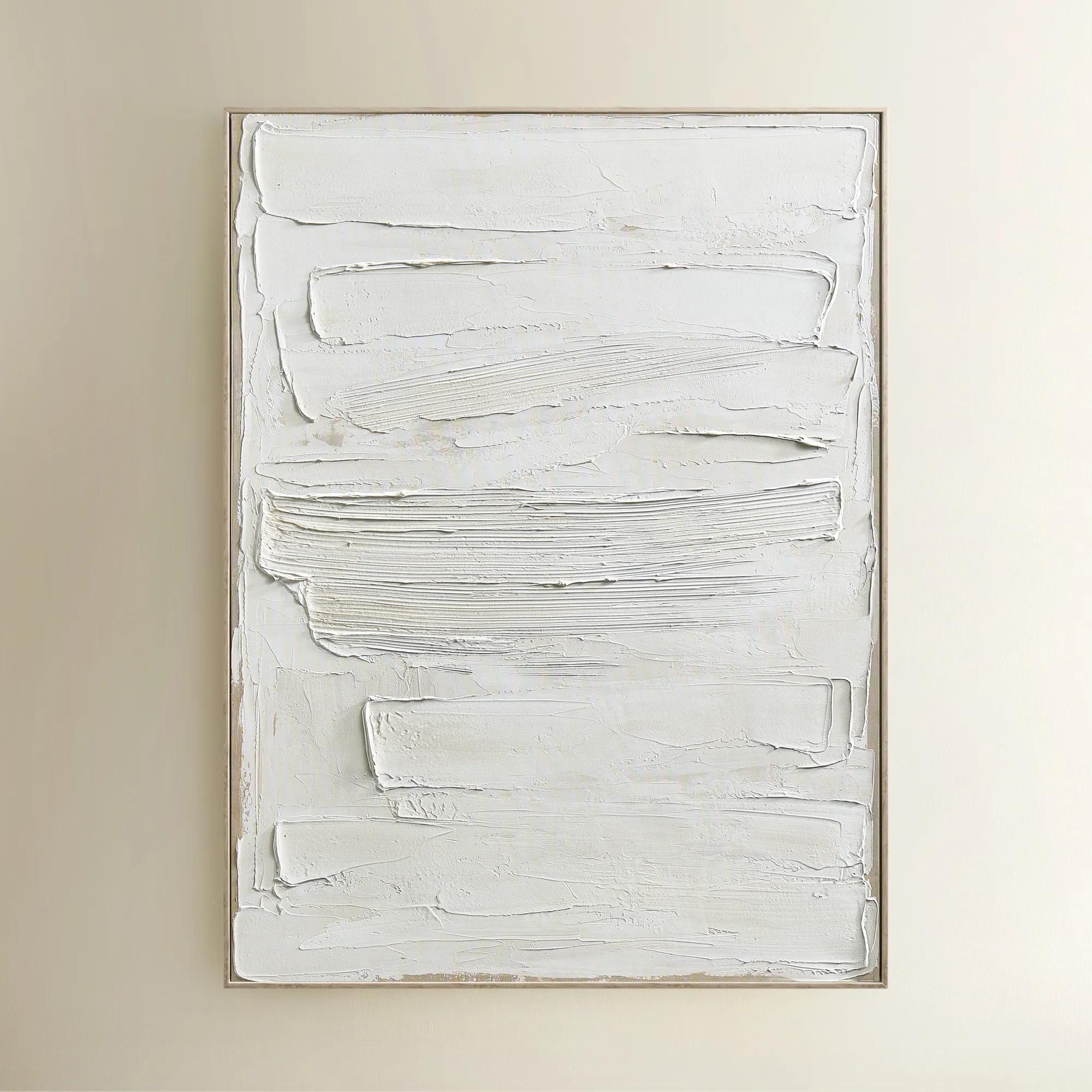
A hand-painted abstract canvas in subtle beige hues, elegantly framed in a warm beech wood floater.
Add To Cart -
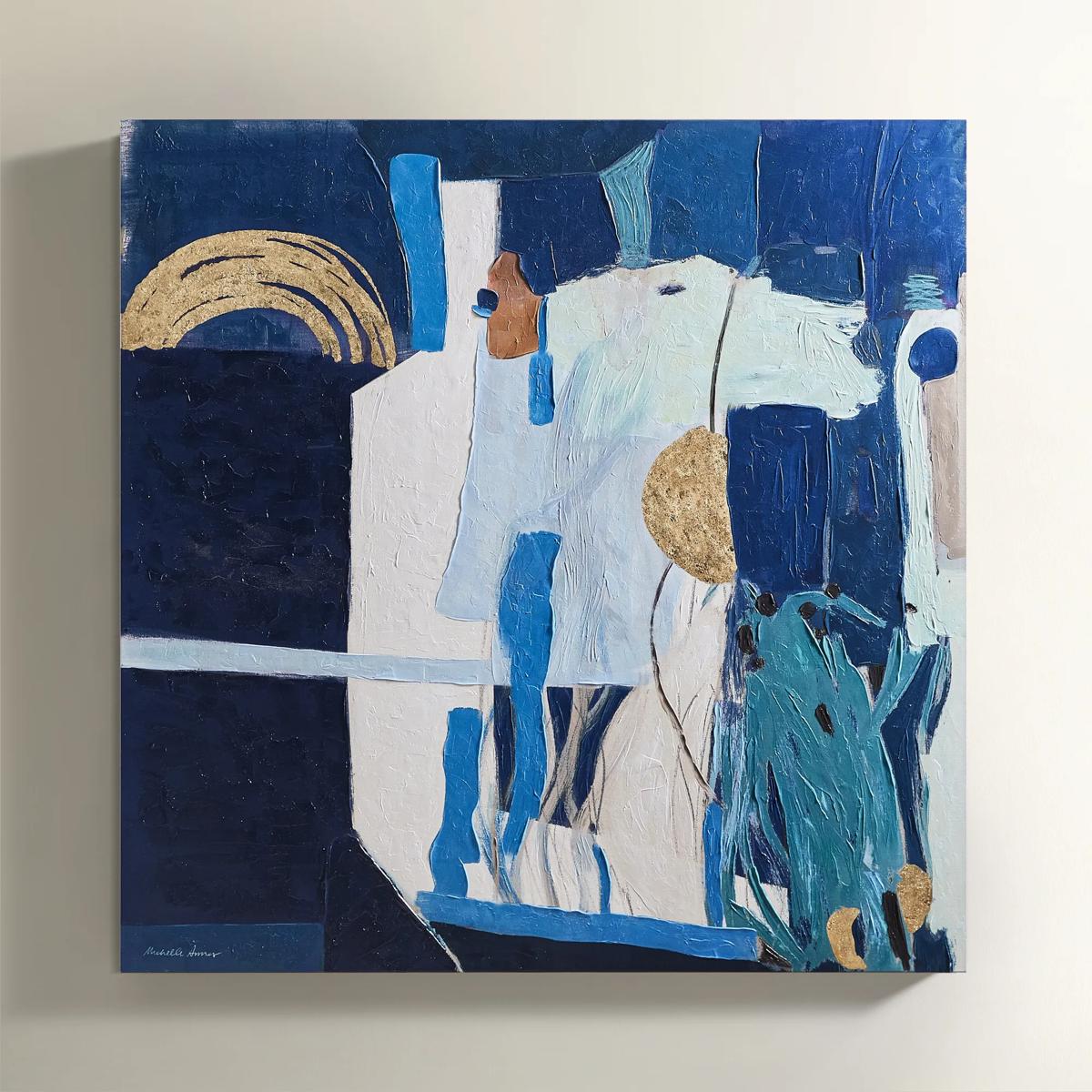
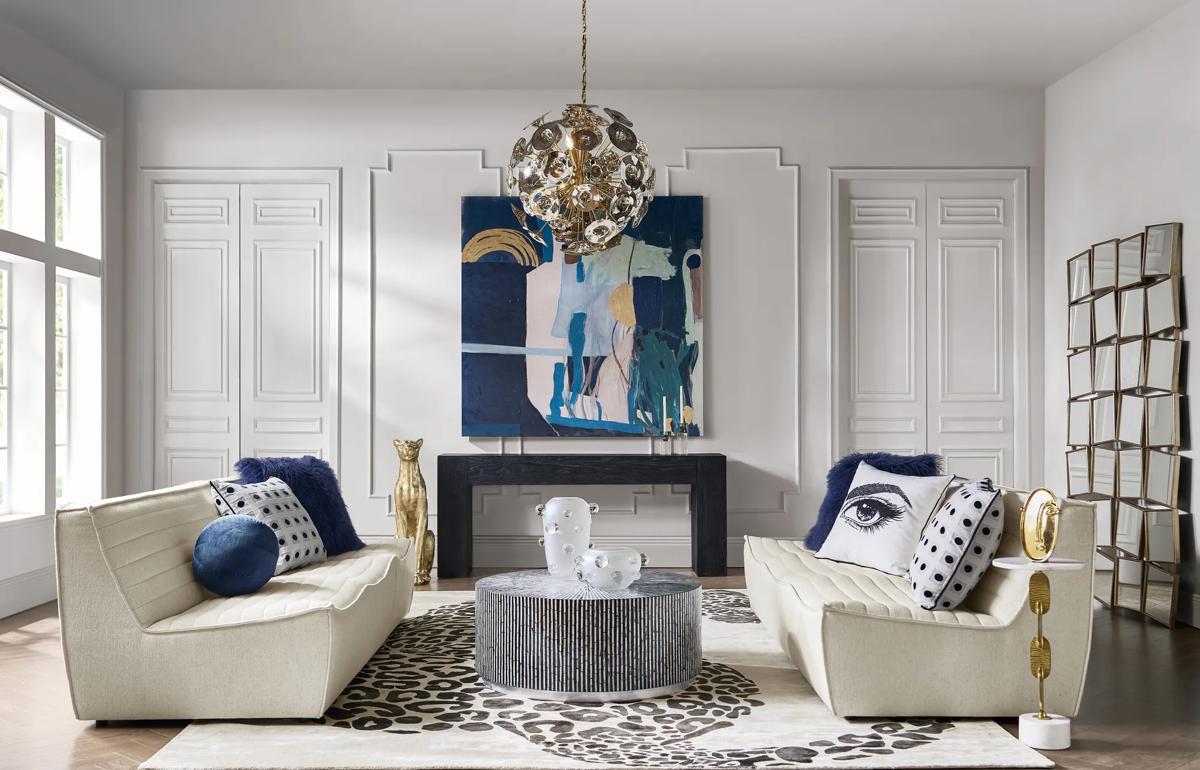 In Flux Painting$699
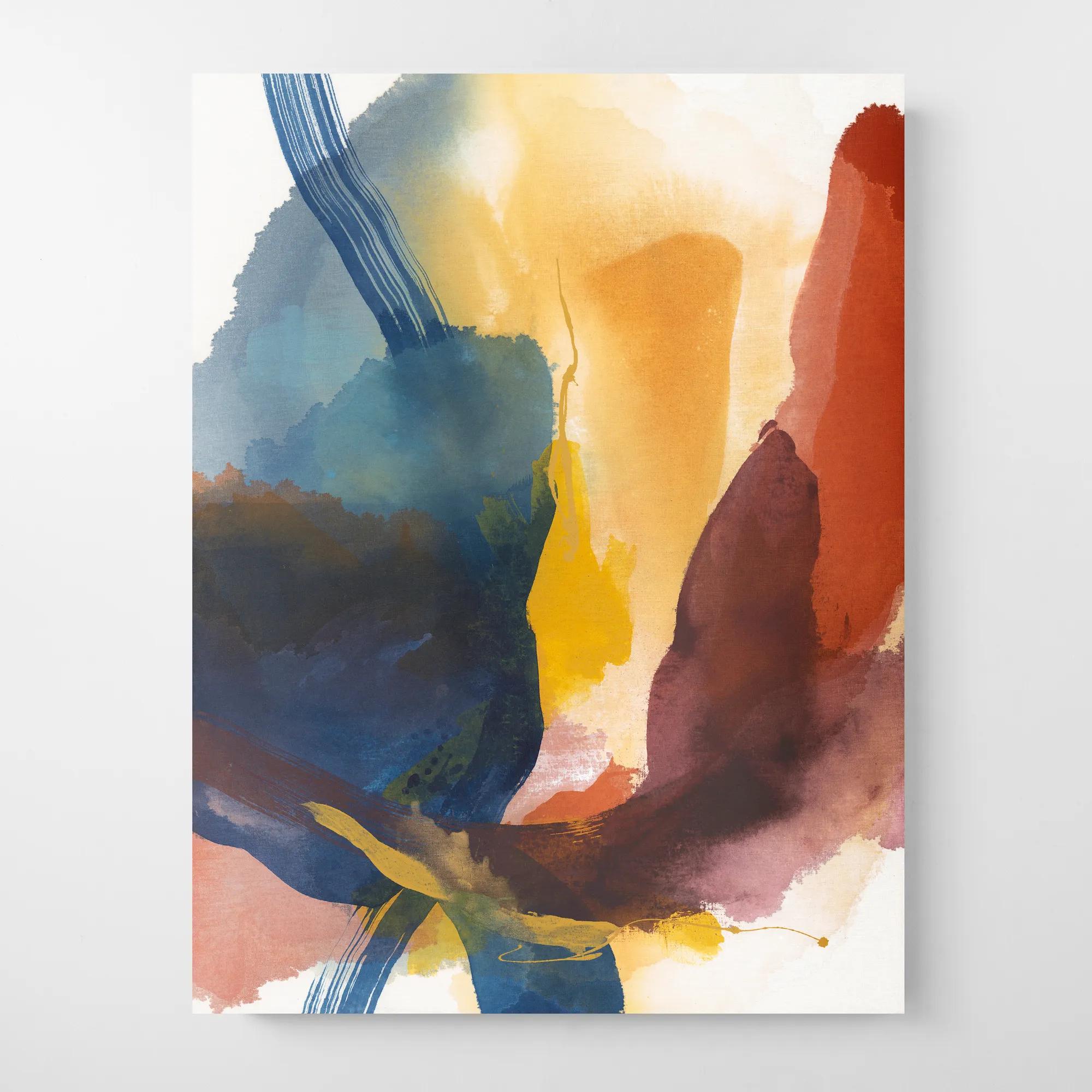
A hand-embellished canvas artwork featuring deep teal, green, ivory, and gold in a black Art Deco frame.
Add To Cart -
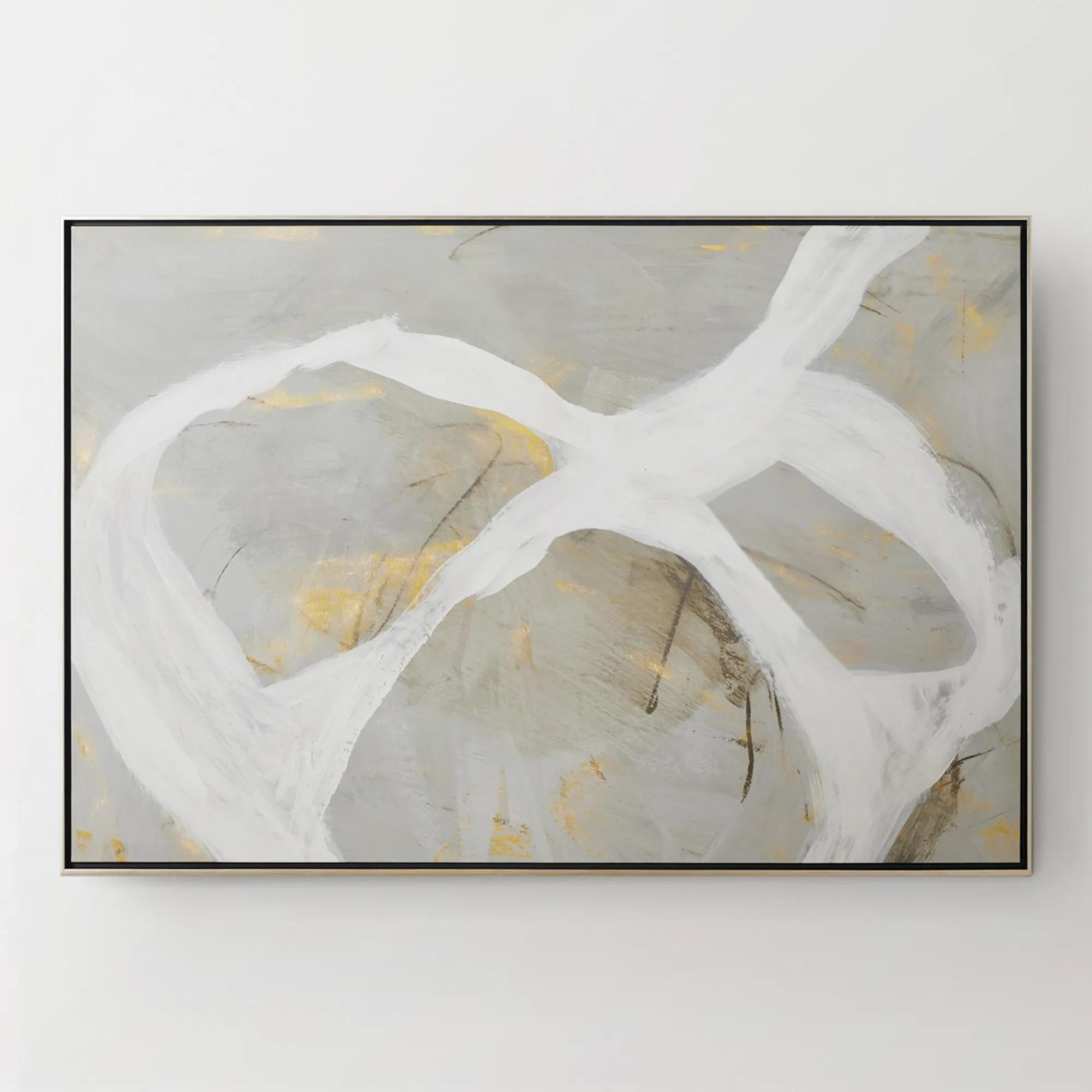
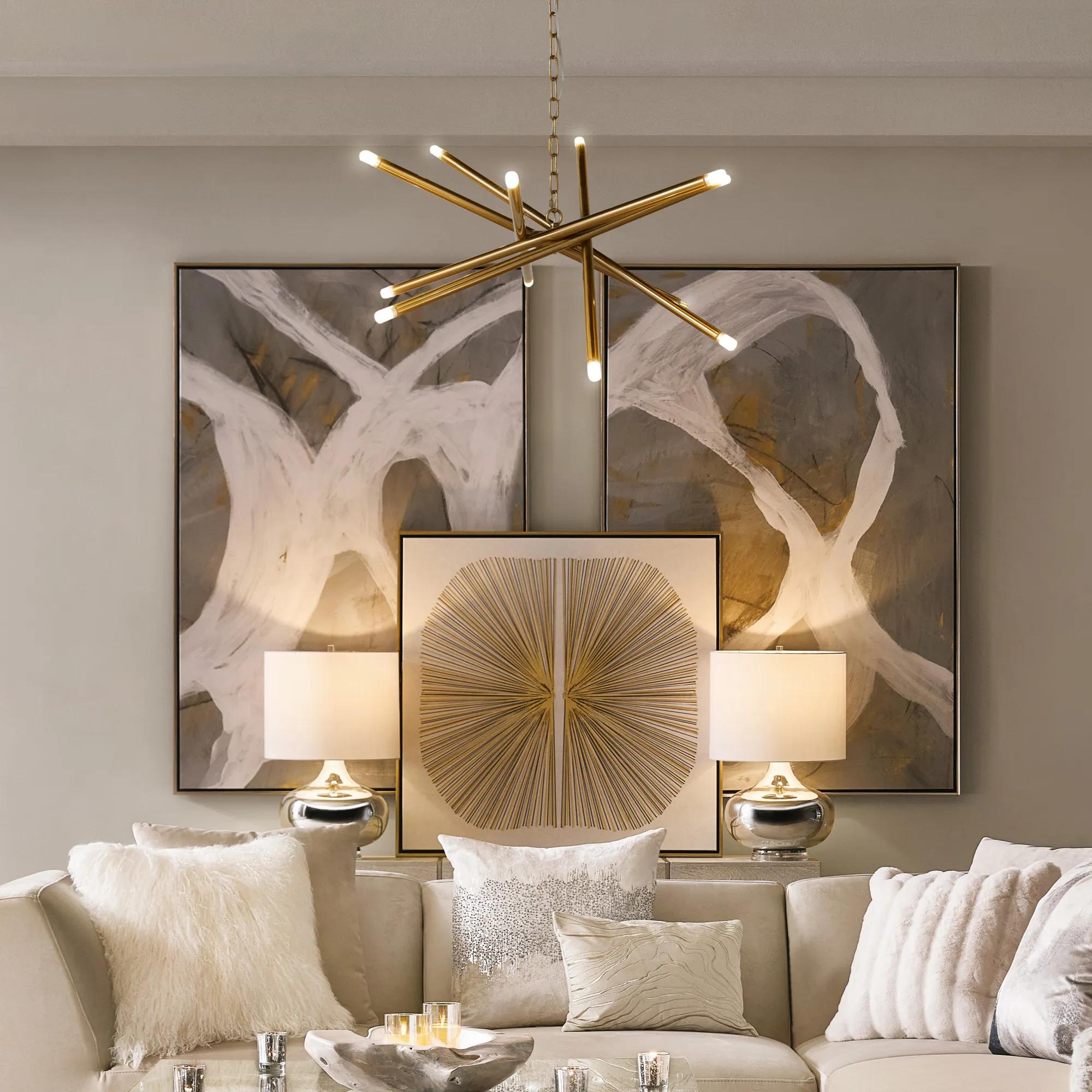 Les Series Framed Painted Wall Art I 61" x 41"$1099
An abstract canvas artwork featuring bold brushstrokes, hand-applied gold accents, and a silver floater frame.
Add To Cart -
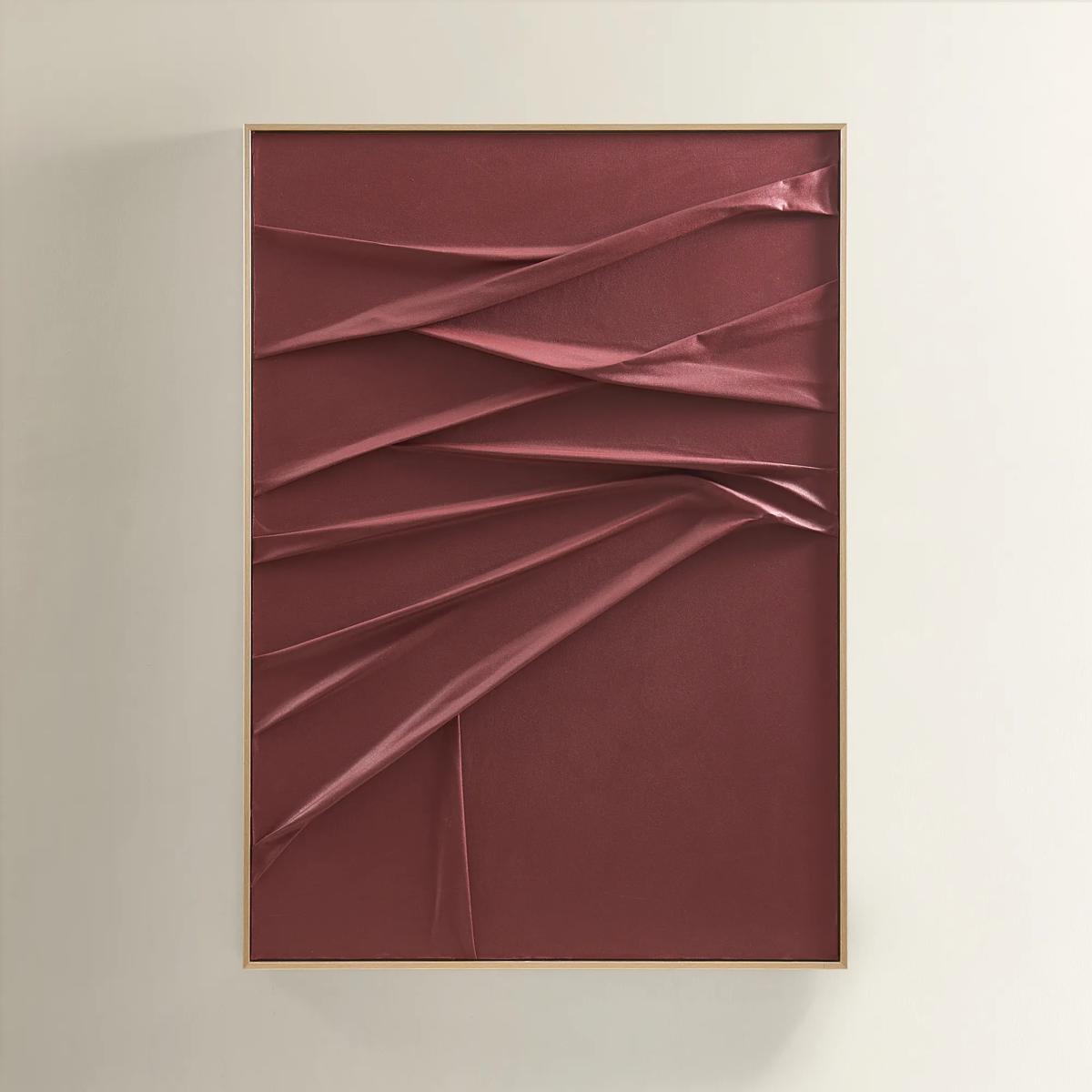
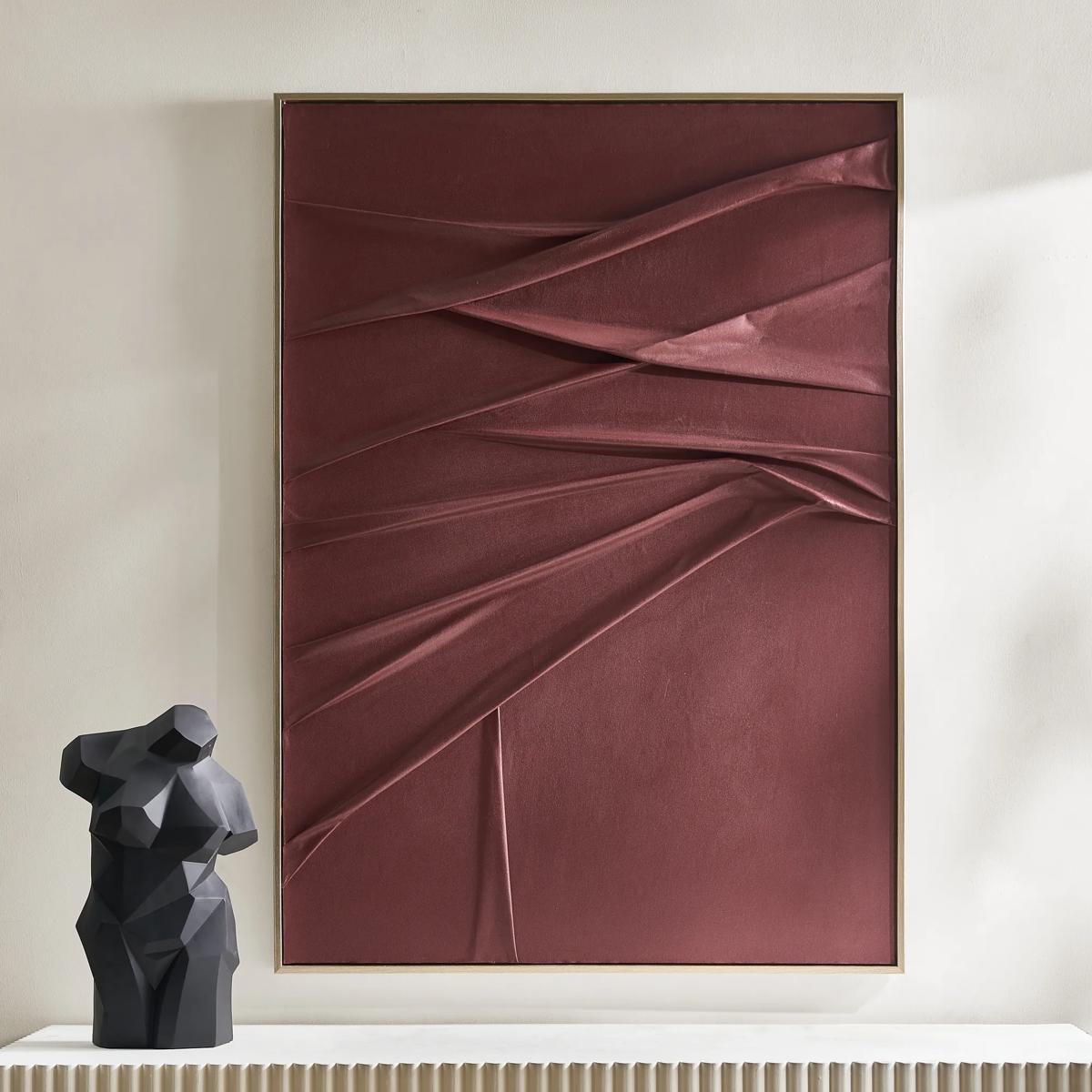 Crimson Painting$599
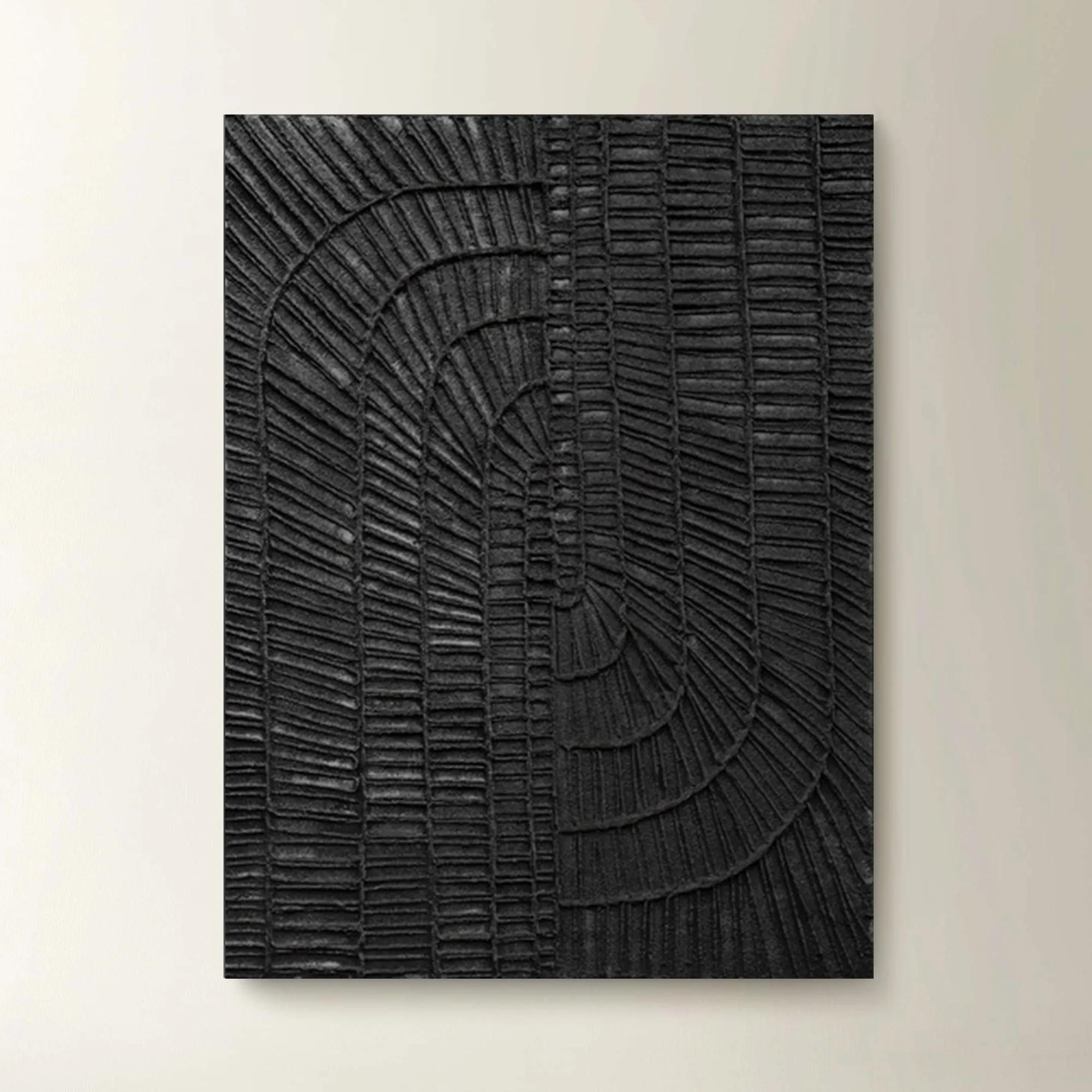
A handcrafted burgundy canvas artwork with sculptural folds, framed in champagne for a dramatic, textured effect.
Add To Cart -
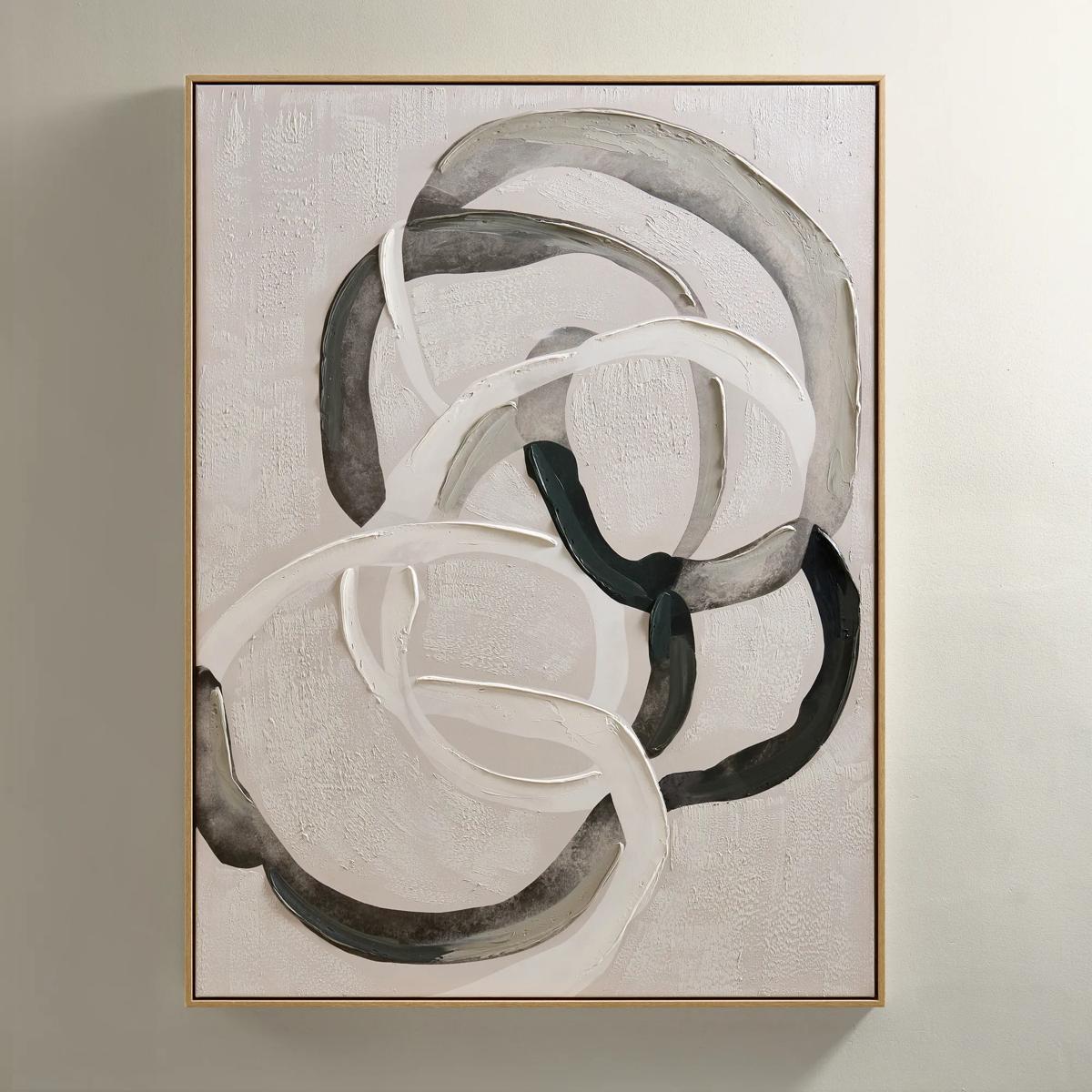
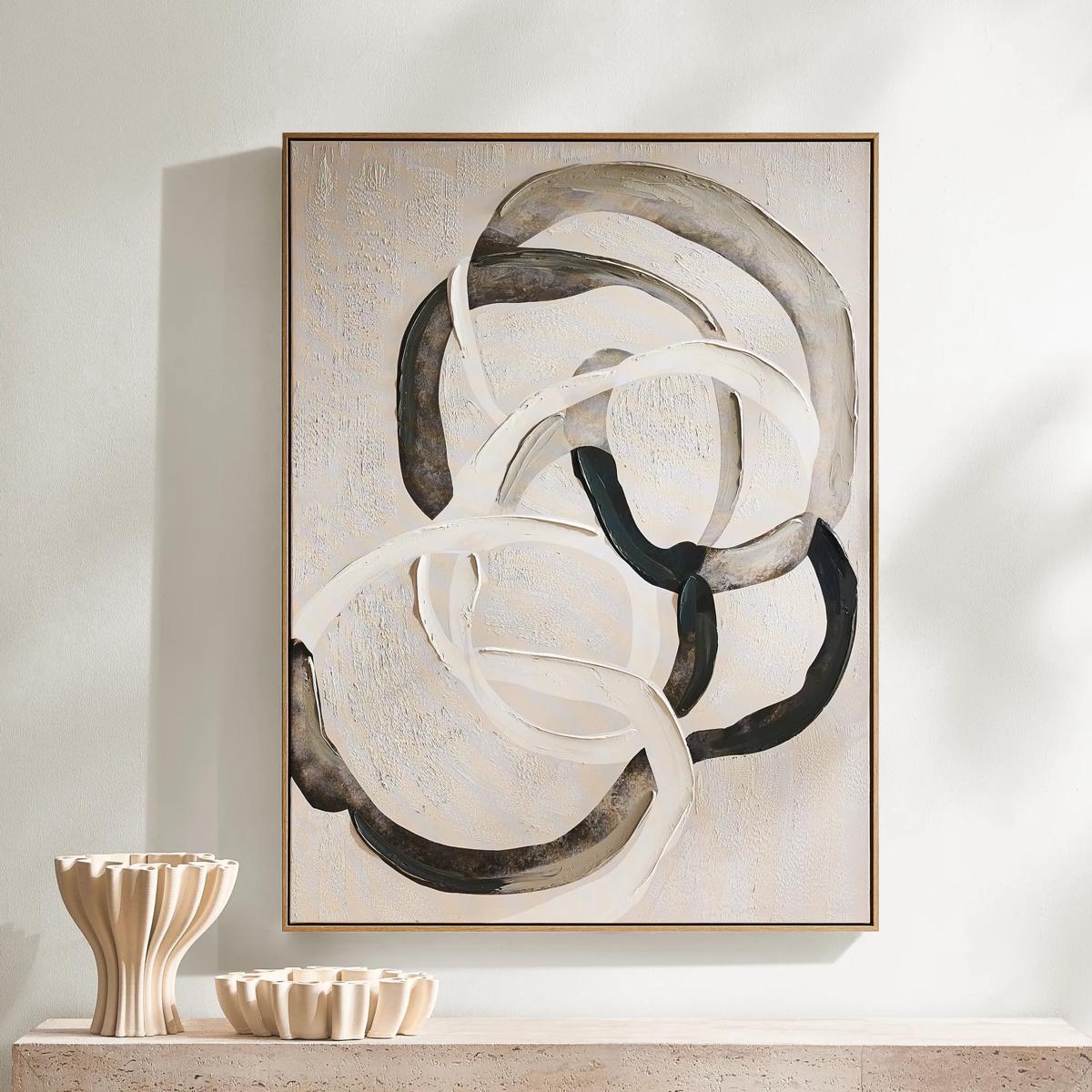 Round About Framed Painted Wall Art 35.25" x 47.25"$349
An abstract hand-painted canvas with tonal whites, charcoals, and taupes in a light wood floater frame.
Add To Cart -
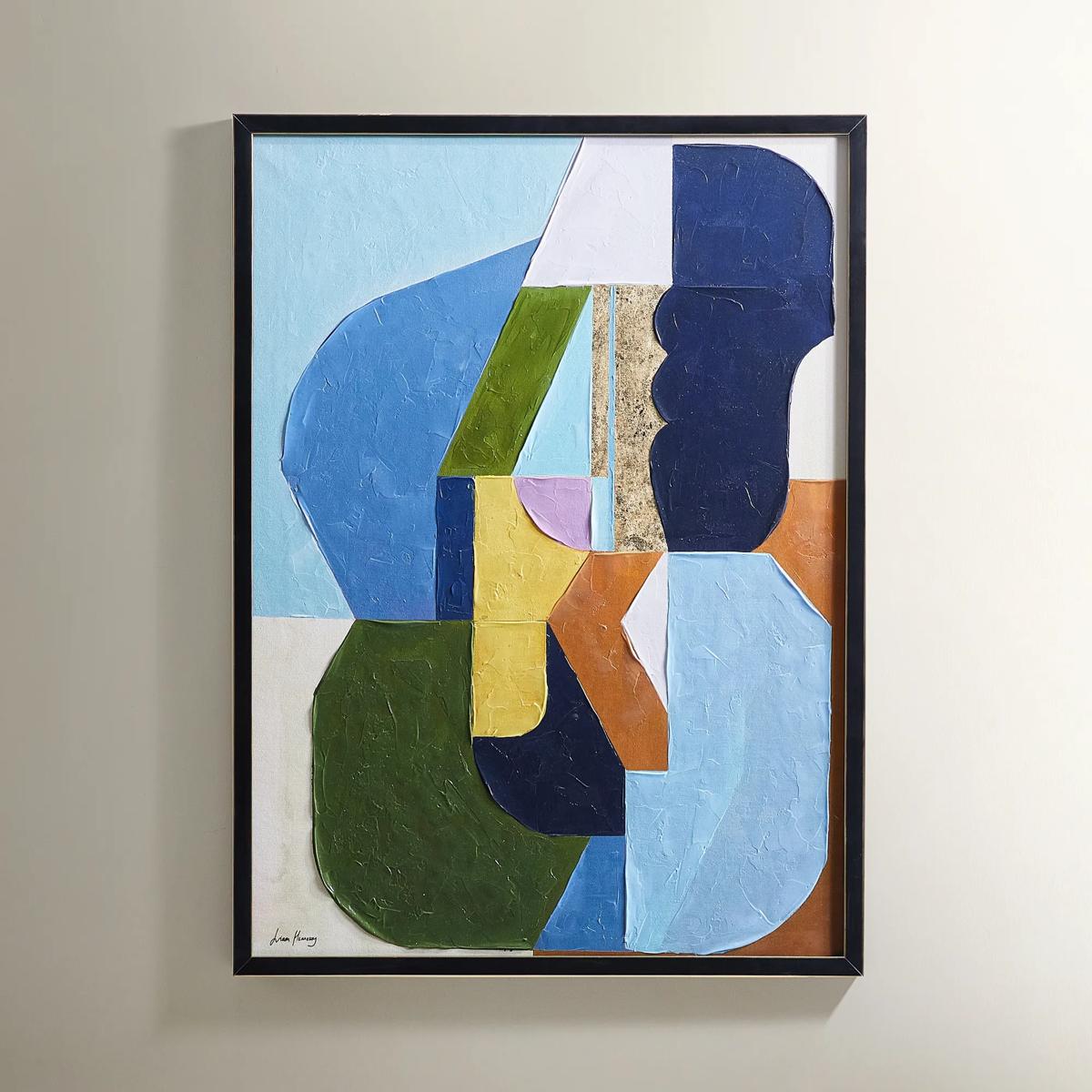
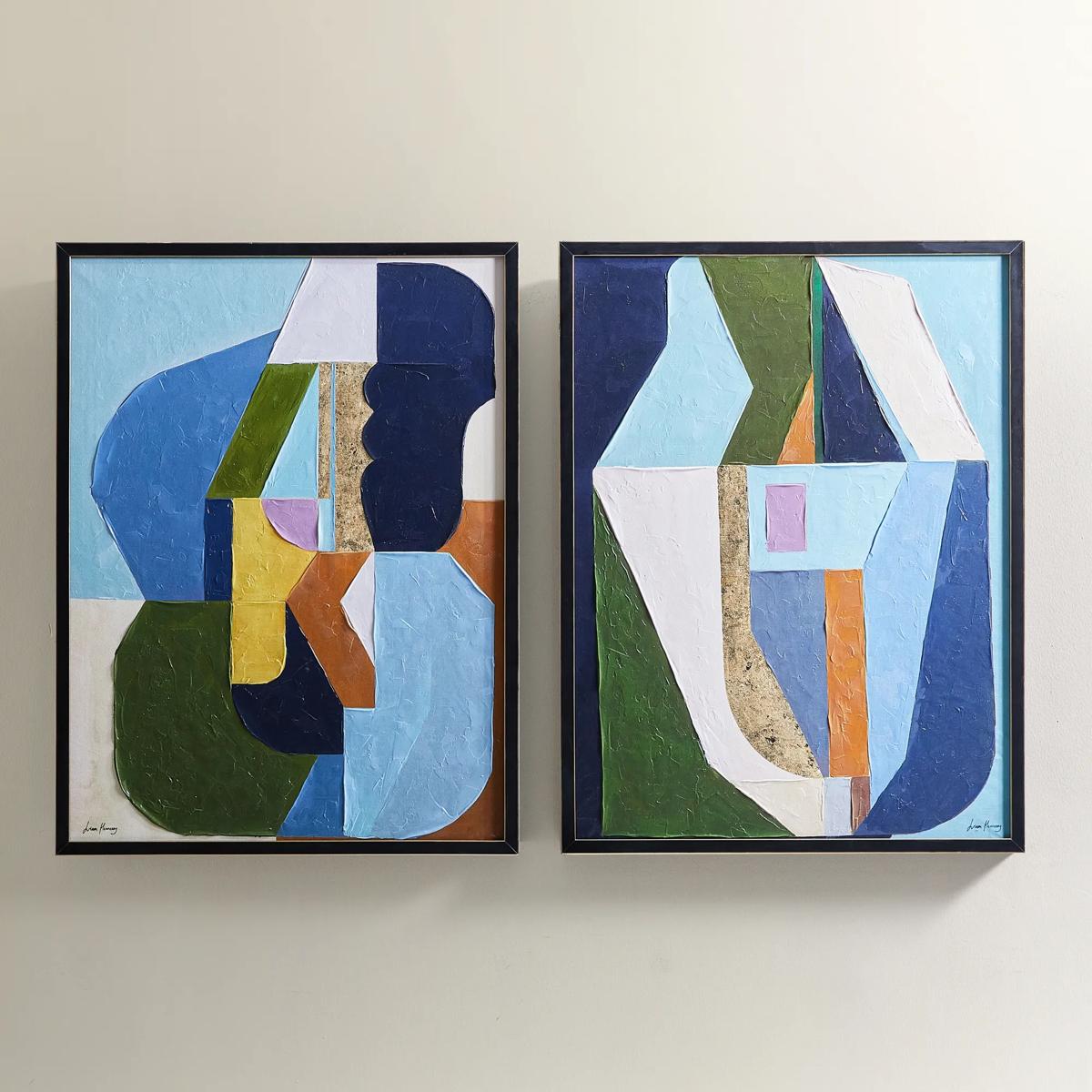 Thought Provoking Painting 1$249
A hand-embellished canvas artwork featuring textured strokes in deep blue, olive green, and gold accents.
Add To Cart -
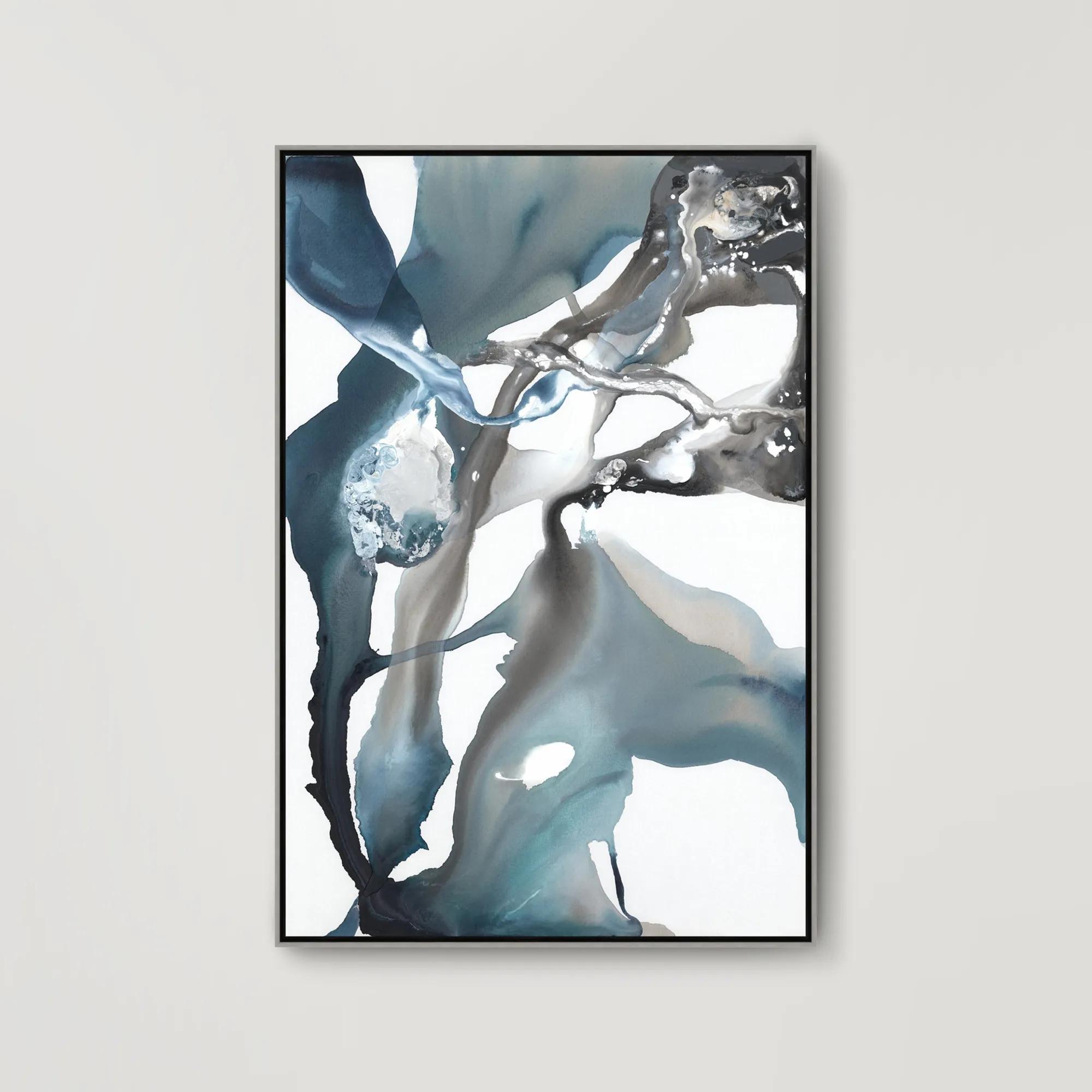
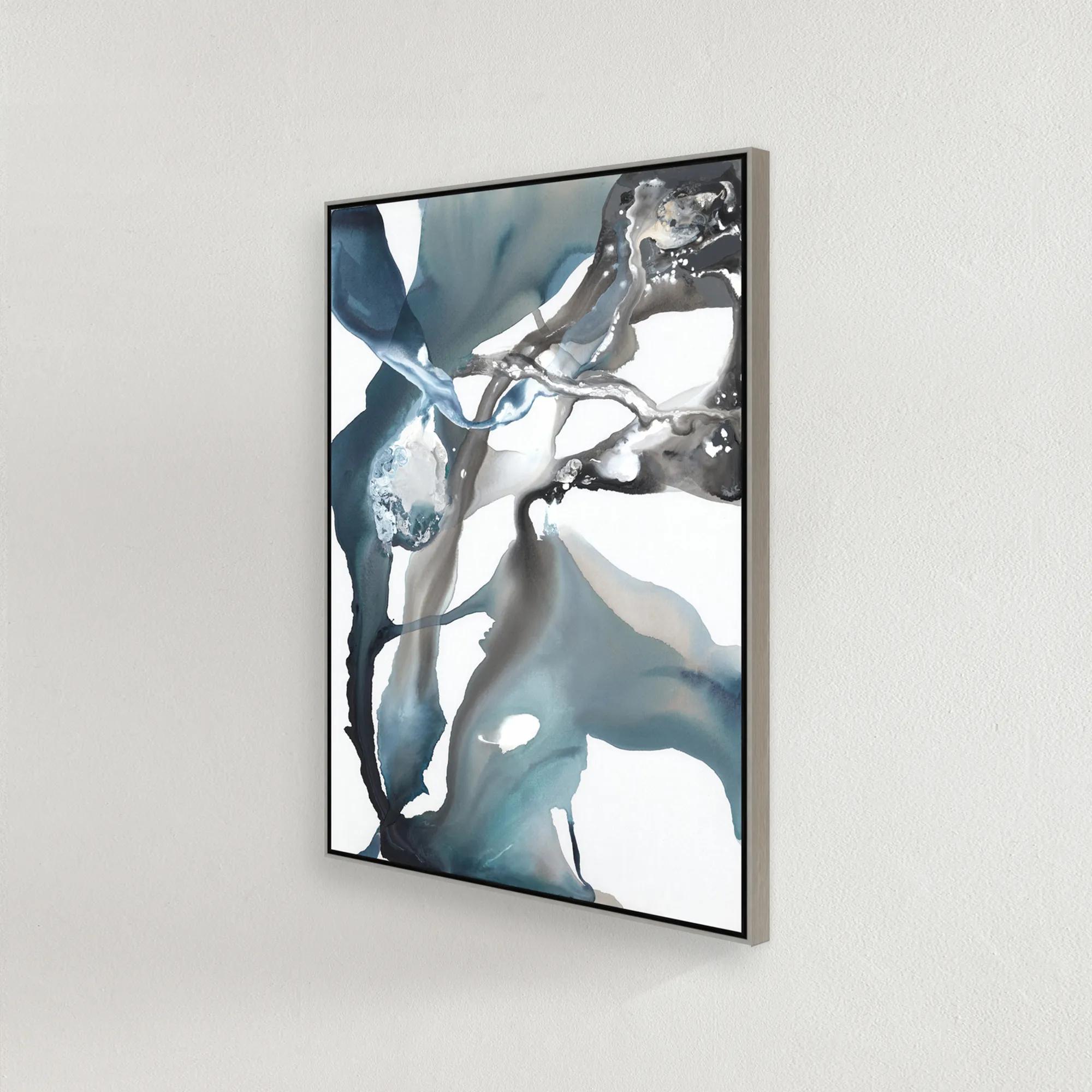 Cool Cascade Framed Wall Art 37.5" x 55.5"$849
A gallery-wrapped canvas artwork featuring expressive colors, hand-applied brush gel, and a gunmetal floater frame.
Add To Cart -
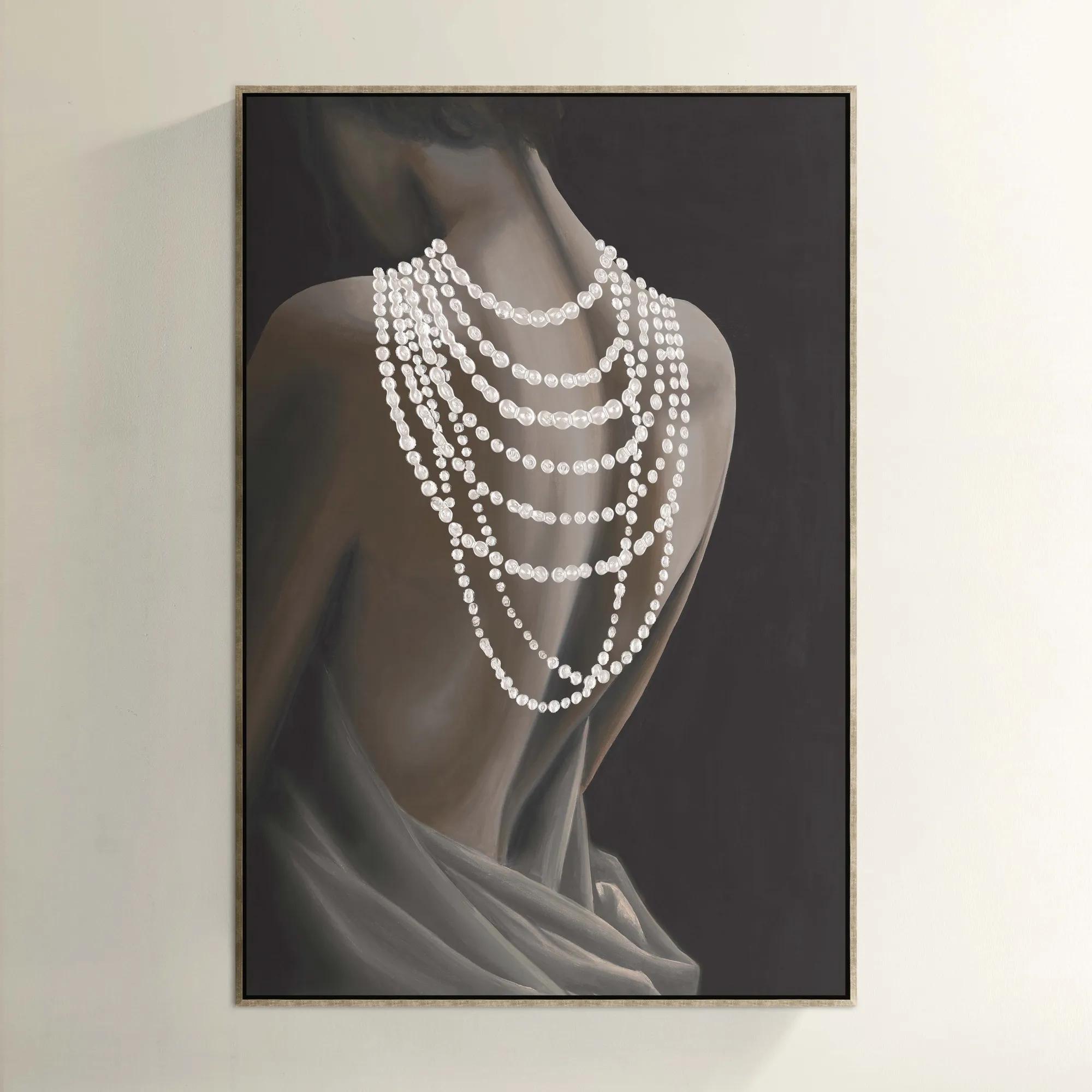 Luminescent Pearls Framed Wall Art 40" x 60"$1119
A hand-embellished canvas artwork featuring textured brush gel, set in a sleek silver floater frame.
Add To Cart -
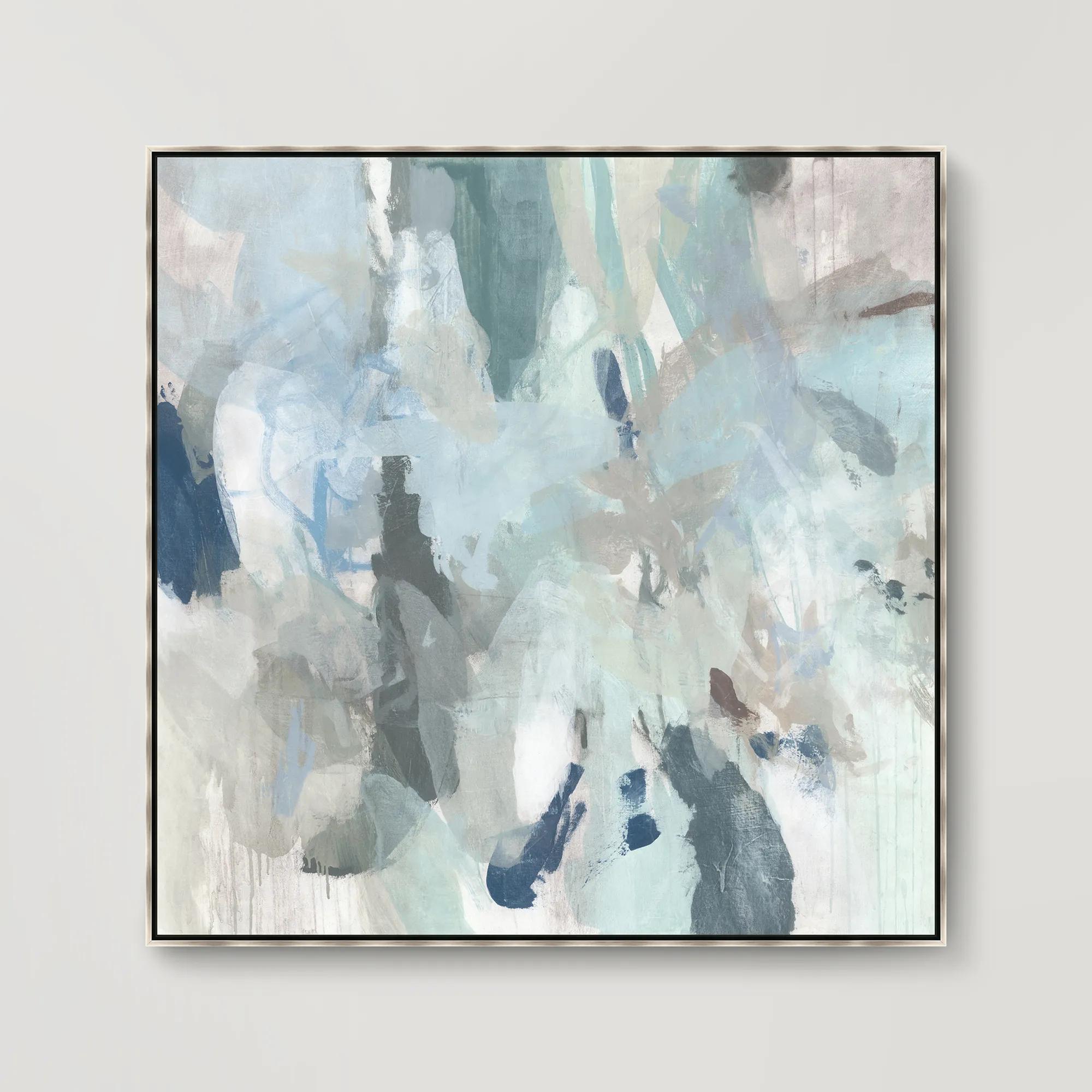
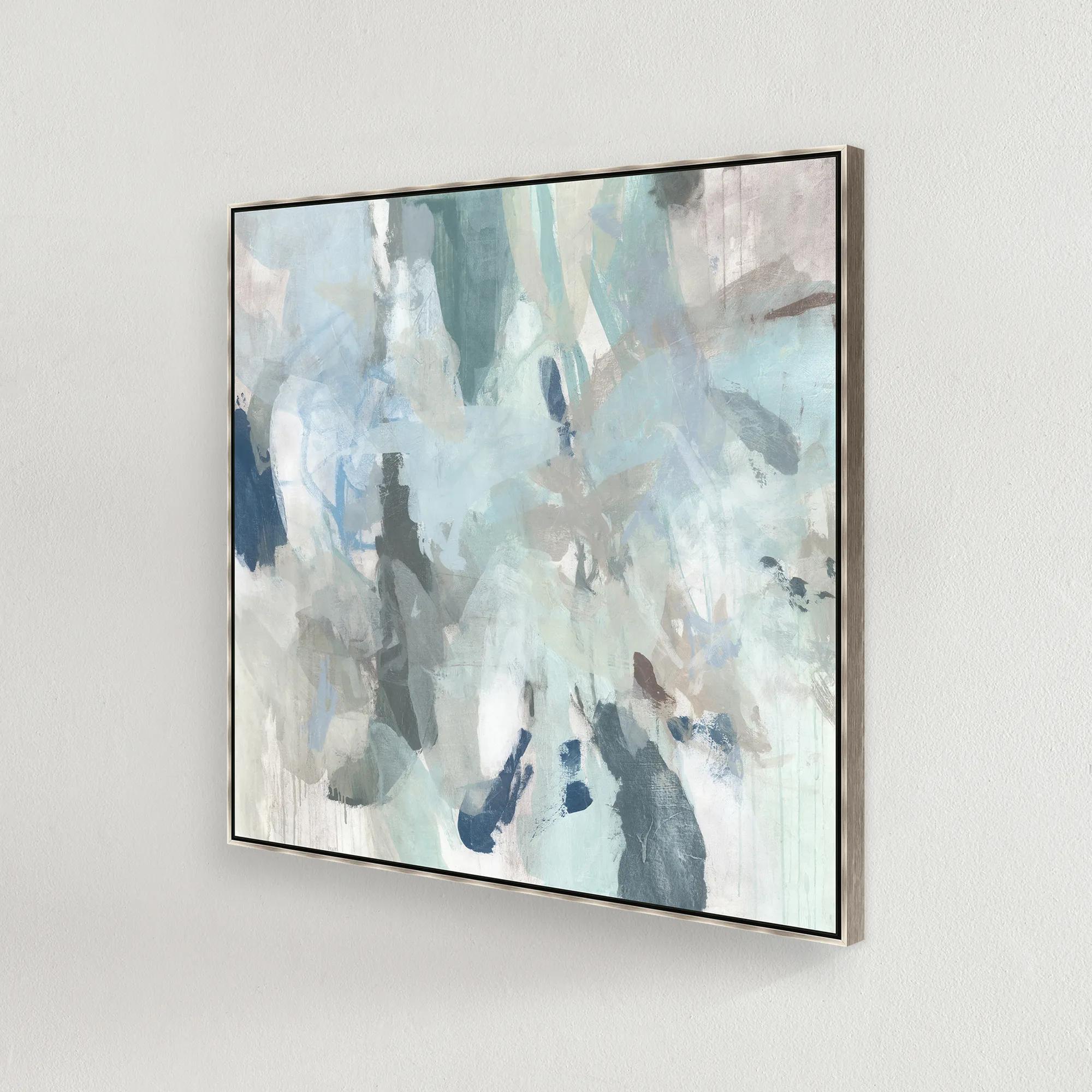 Sage Honey Dew I Framed Wall Art 41.5" x 41.5"$749
A gallery-wrapped abstract canvas featuring hand-applied gel finish in a silver floater frame.
Add To Cart -
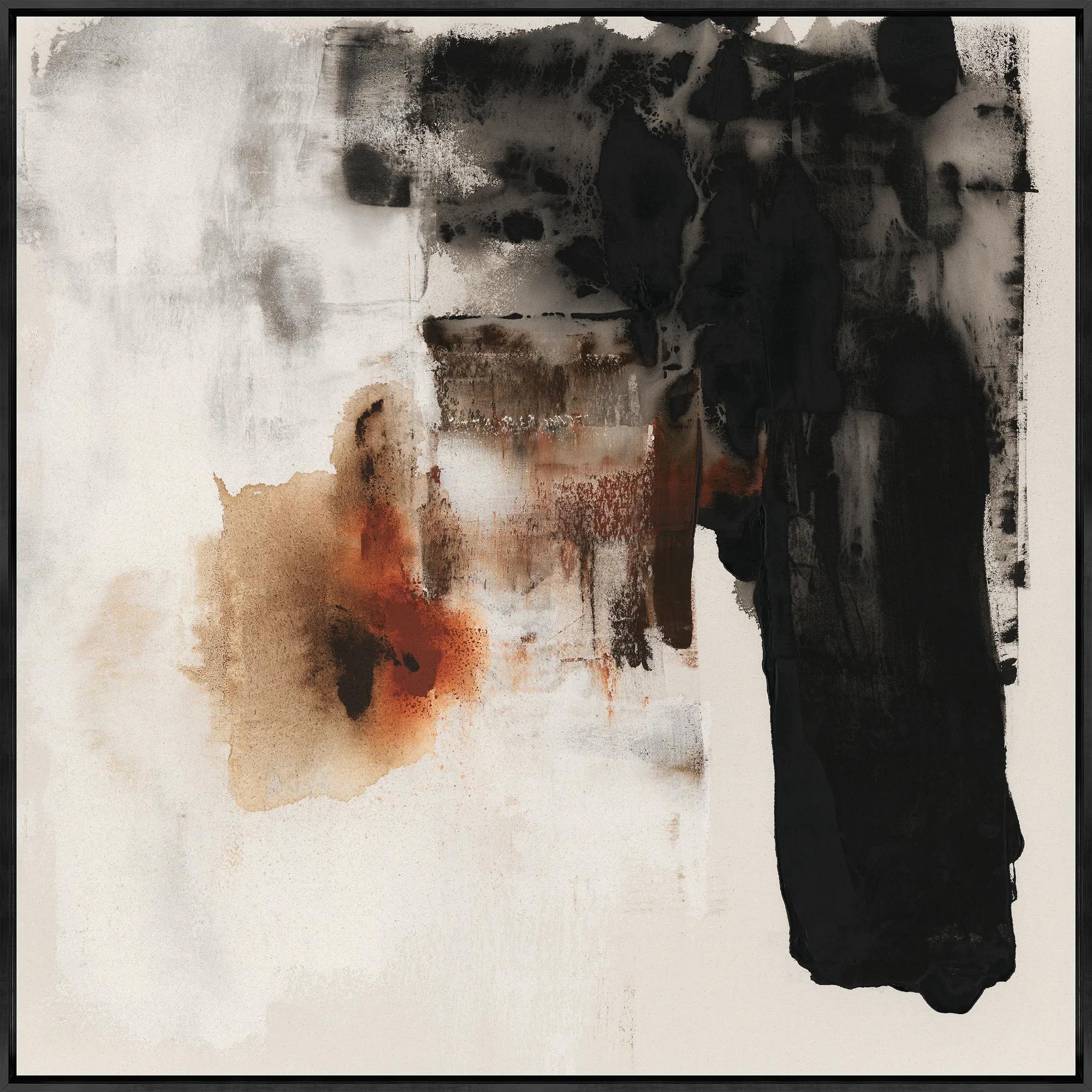
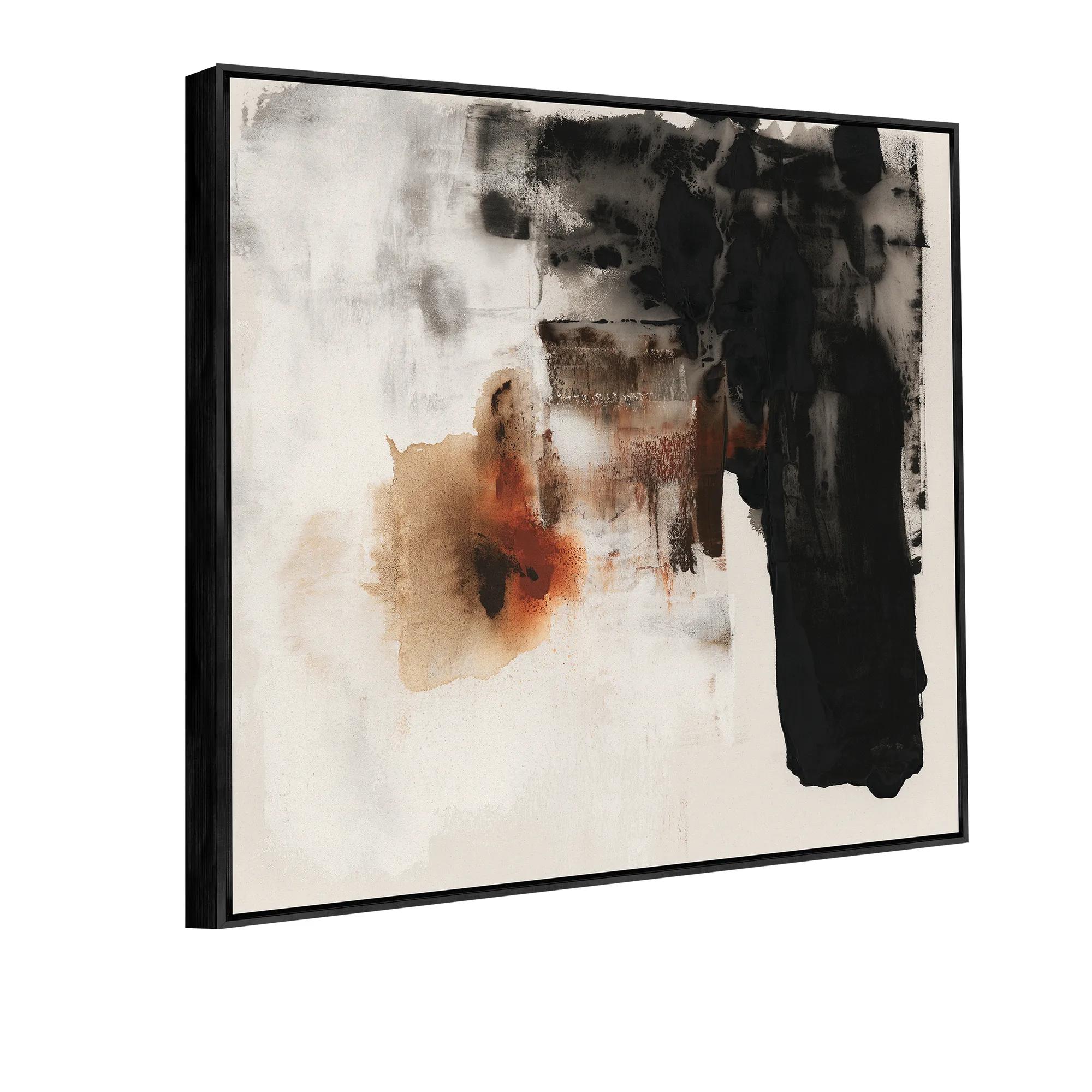 Burning for You II Framed Wall Art 40" x 40"$799
A gallery-wrapped canvas artwork with hand-applied brush gel, set in a sleek black floater frame.
Add To Cart -
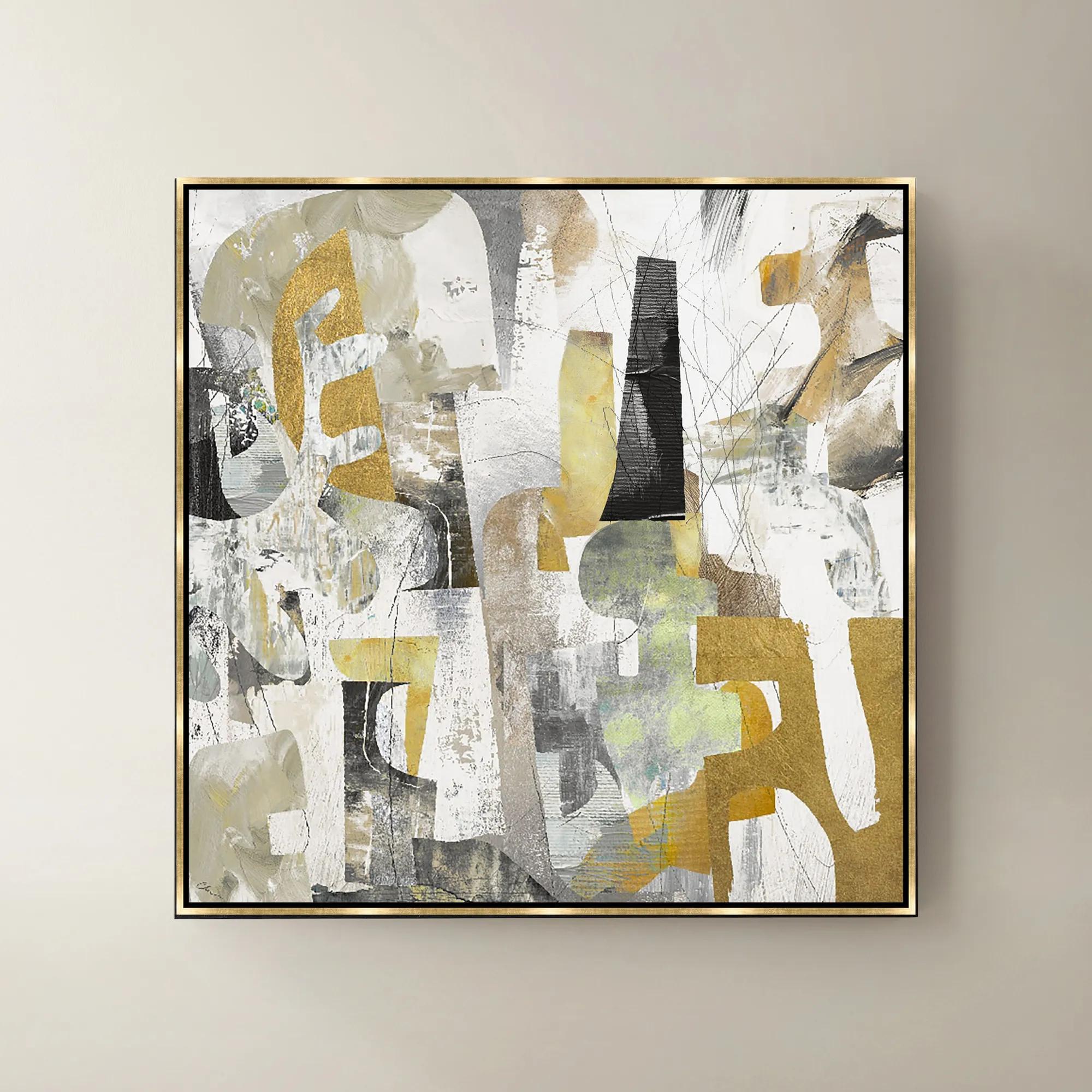
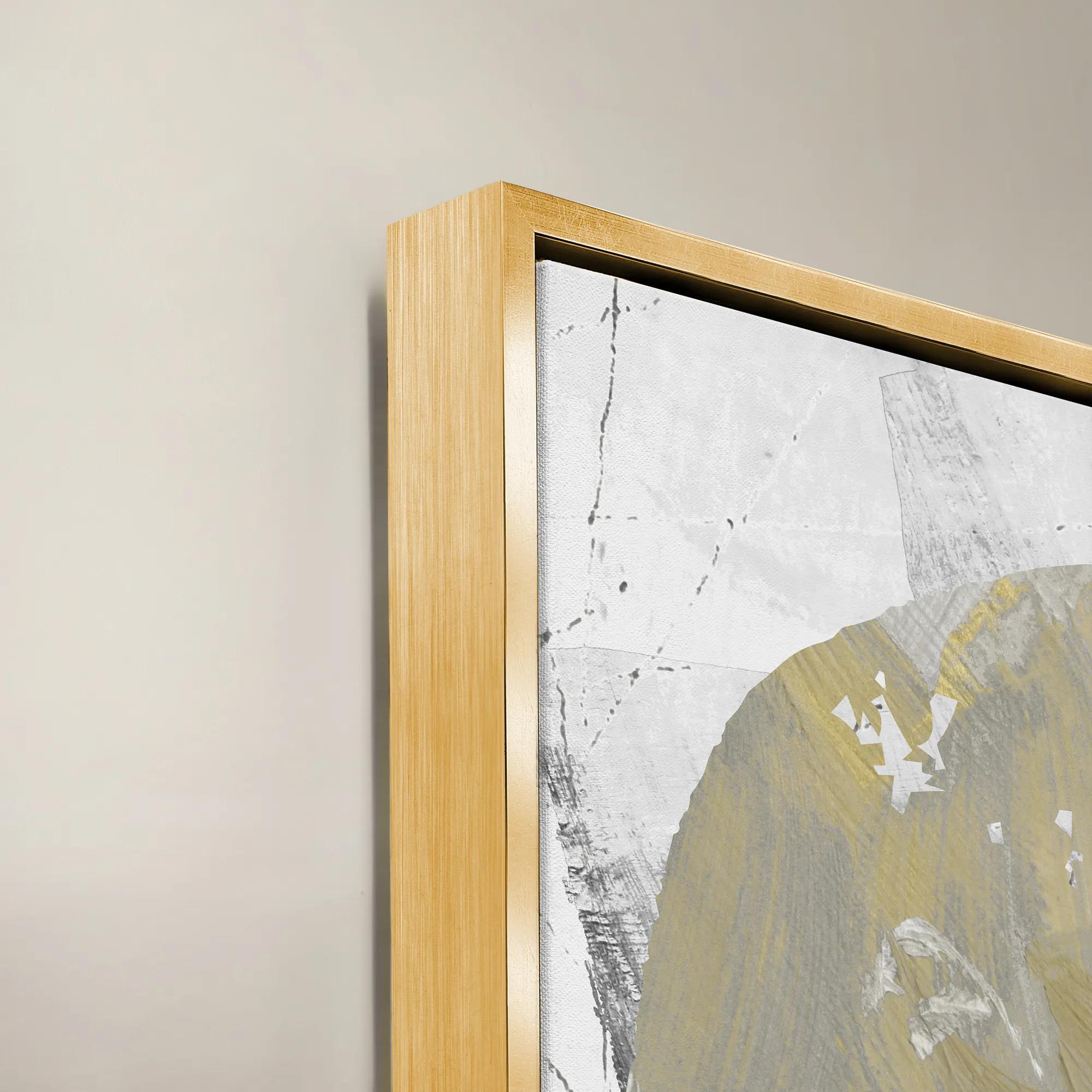 Abby II Framed Wall Art 40" x 40"$849
An abstract art piece inspired by Nikki Chu’s modern design aesthetic and creative expertise.
Add To Cart -
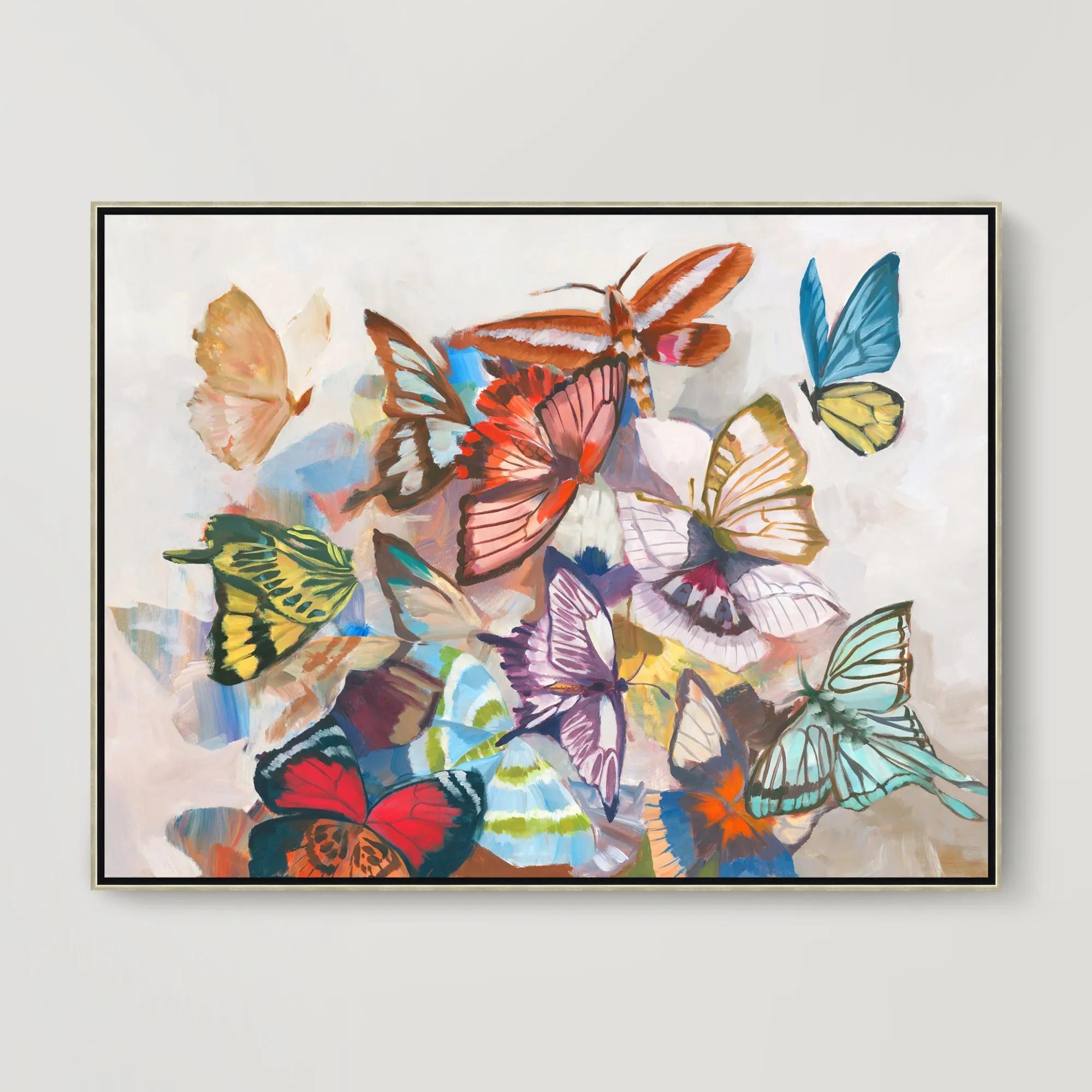 Sugar Wings Framed Wall Art 49.5" x 37.5"$799
A vibrant gallery-wrapped canvas artwork with hand-applied brush gel finish in a sleek silver floater frame.
Add To Cart -
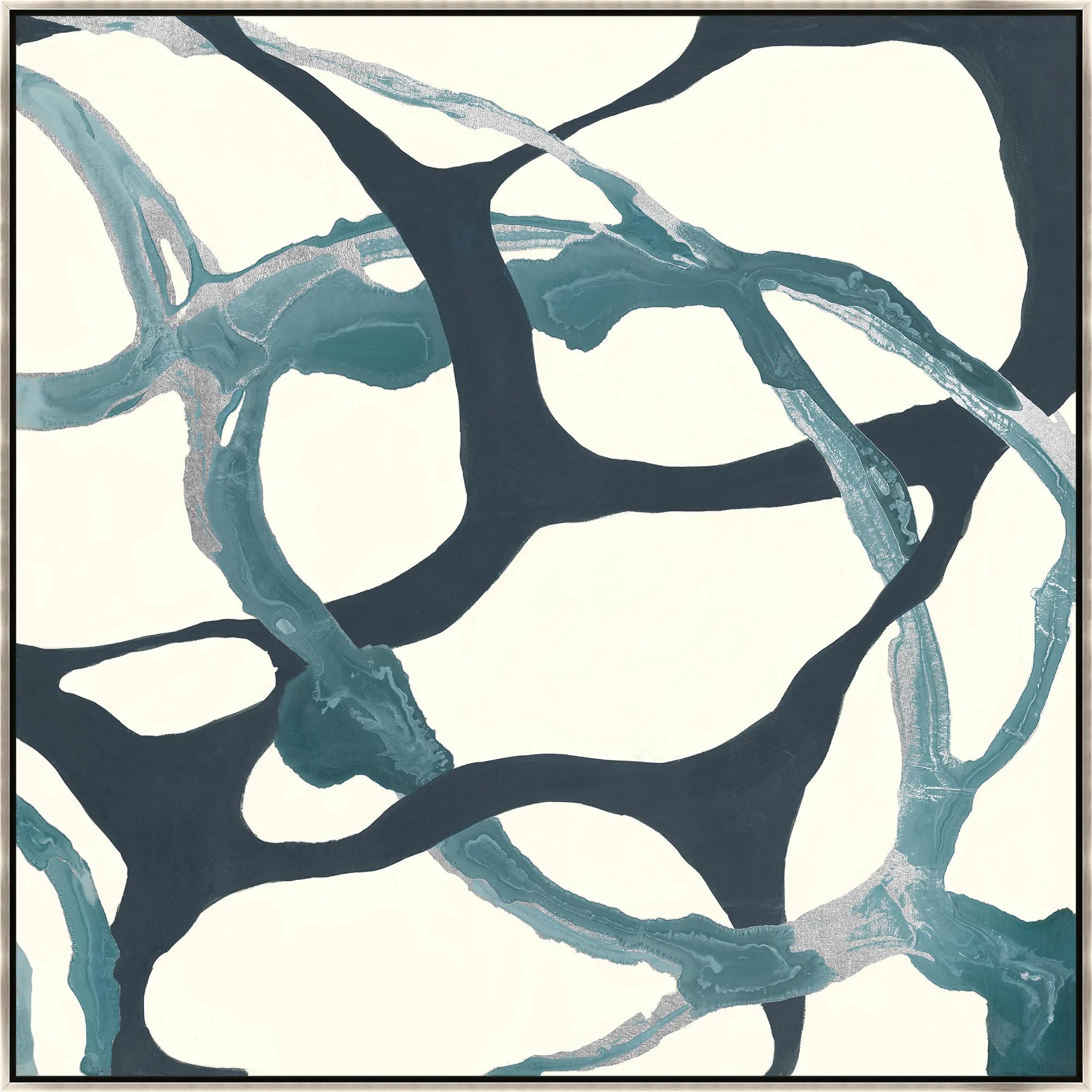
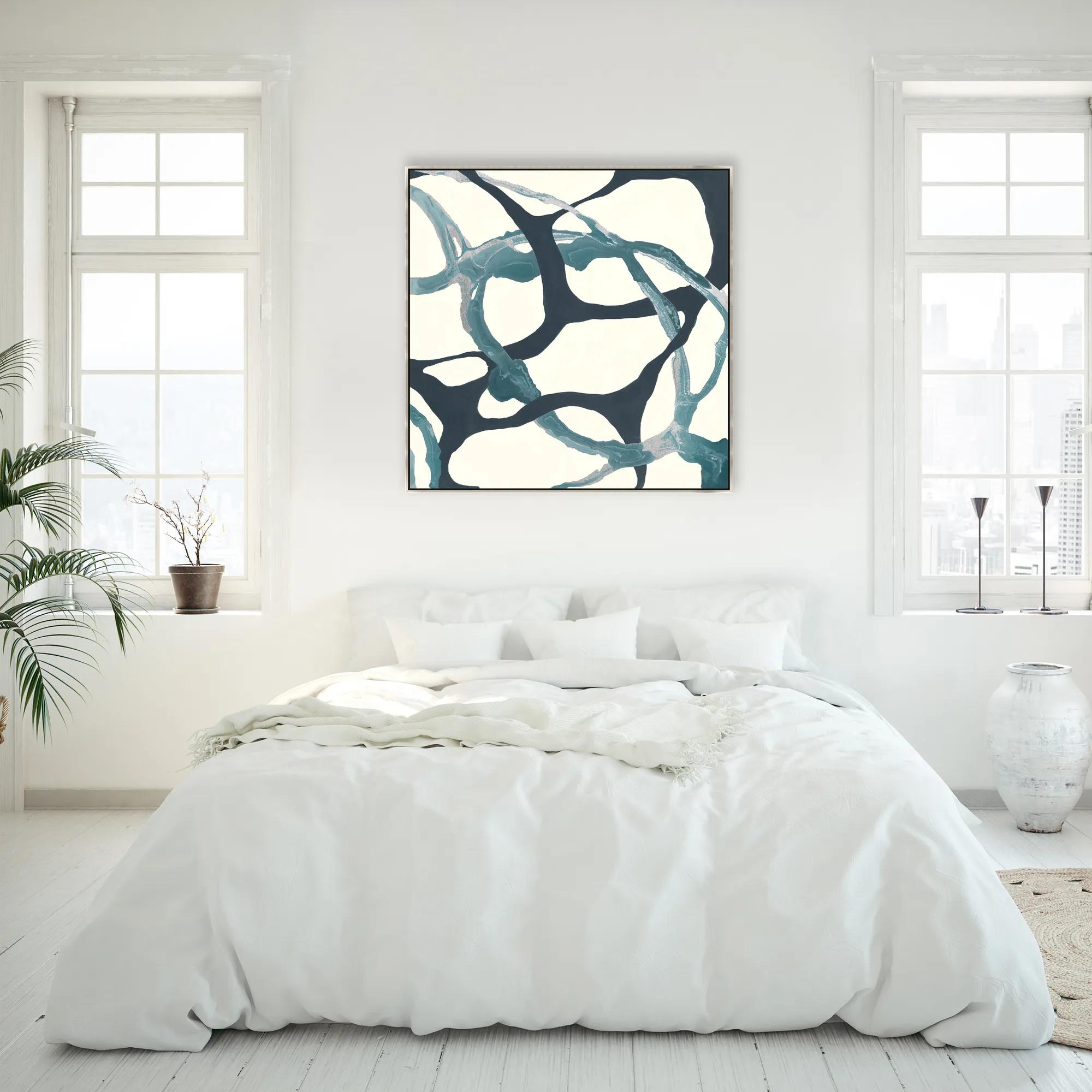 Alignments II Framed Wall Art 40" x 40"$899
A gallery-wrapped canvas featuring gilded silver accents and hand-applied brush gel in a silver floater frame.
Add To Cart -
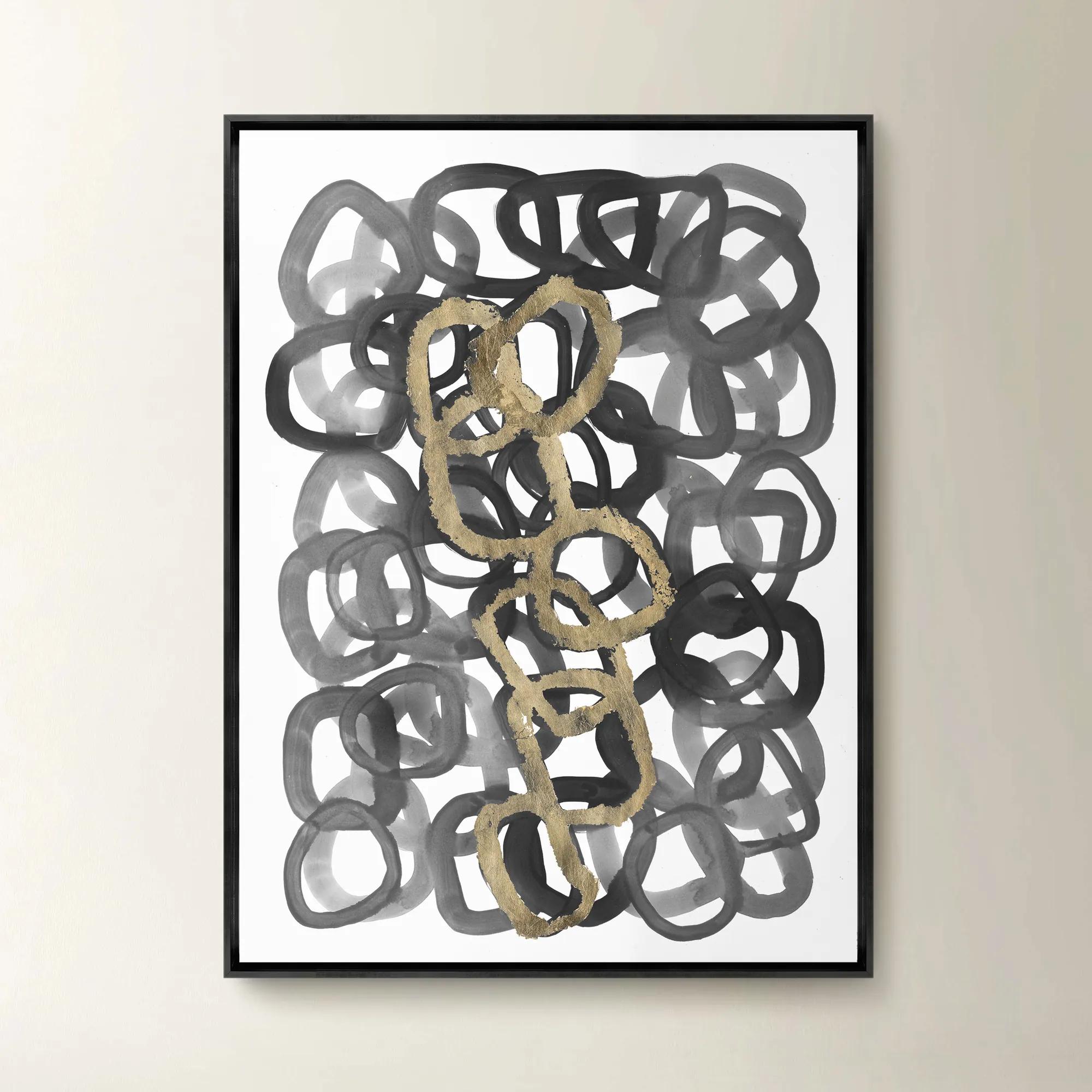
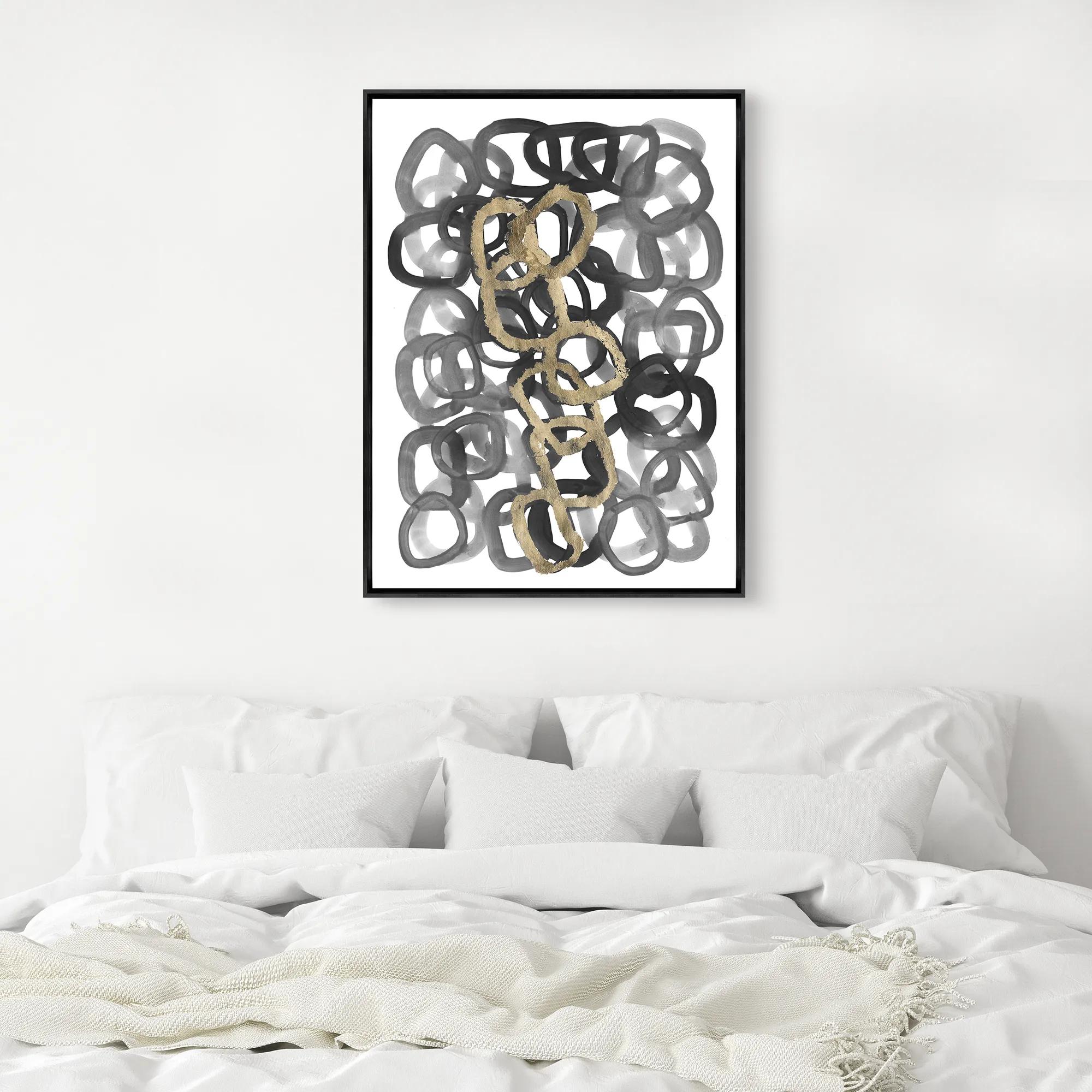 Unbroken Framed Wall Art 26" x 35"$499
A gallery-wrapped canvas artwork with a hand-applied gel finish, set in a sleek black floater frame.
Add To Cart -
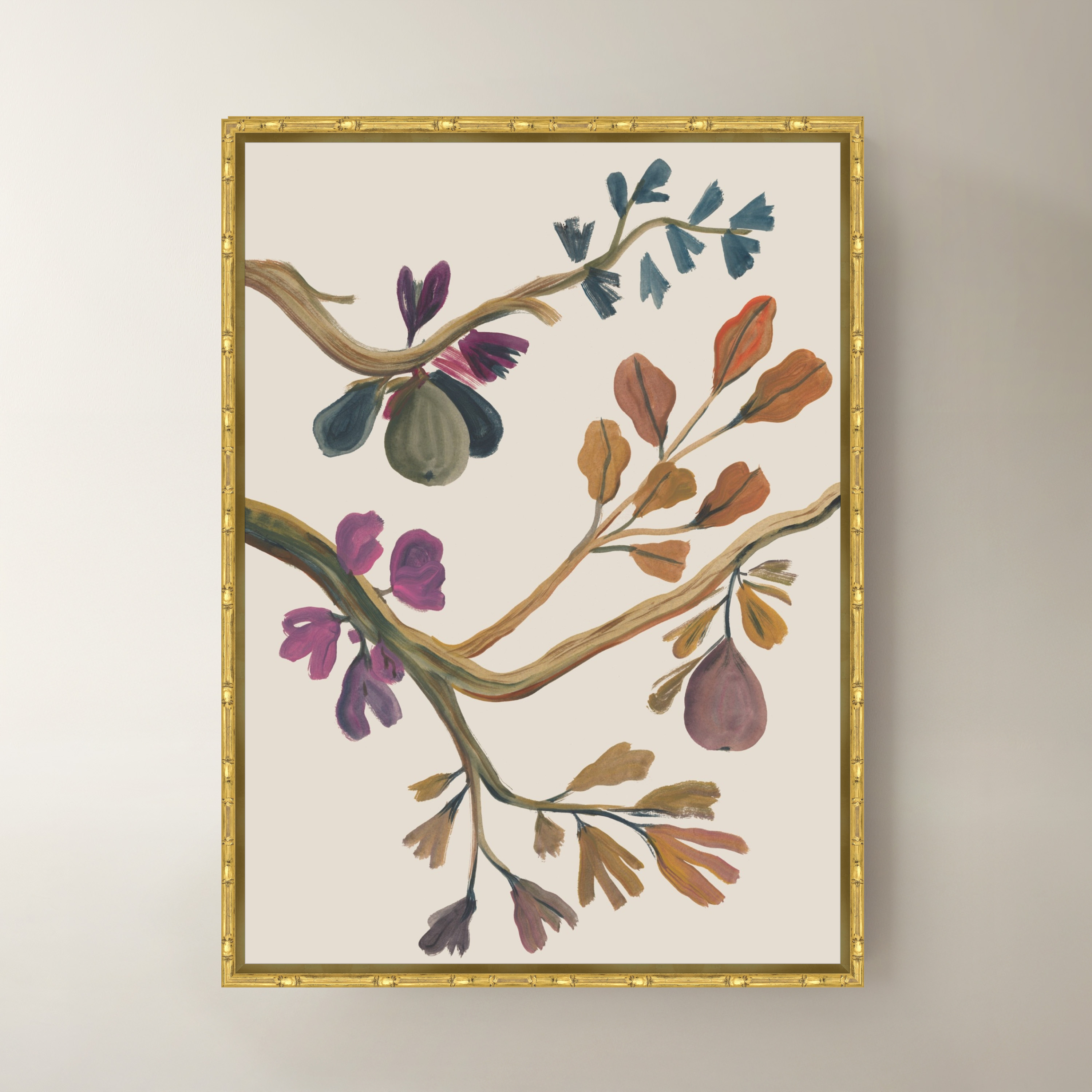
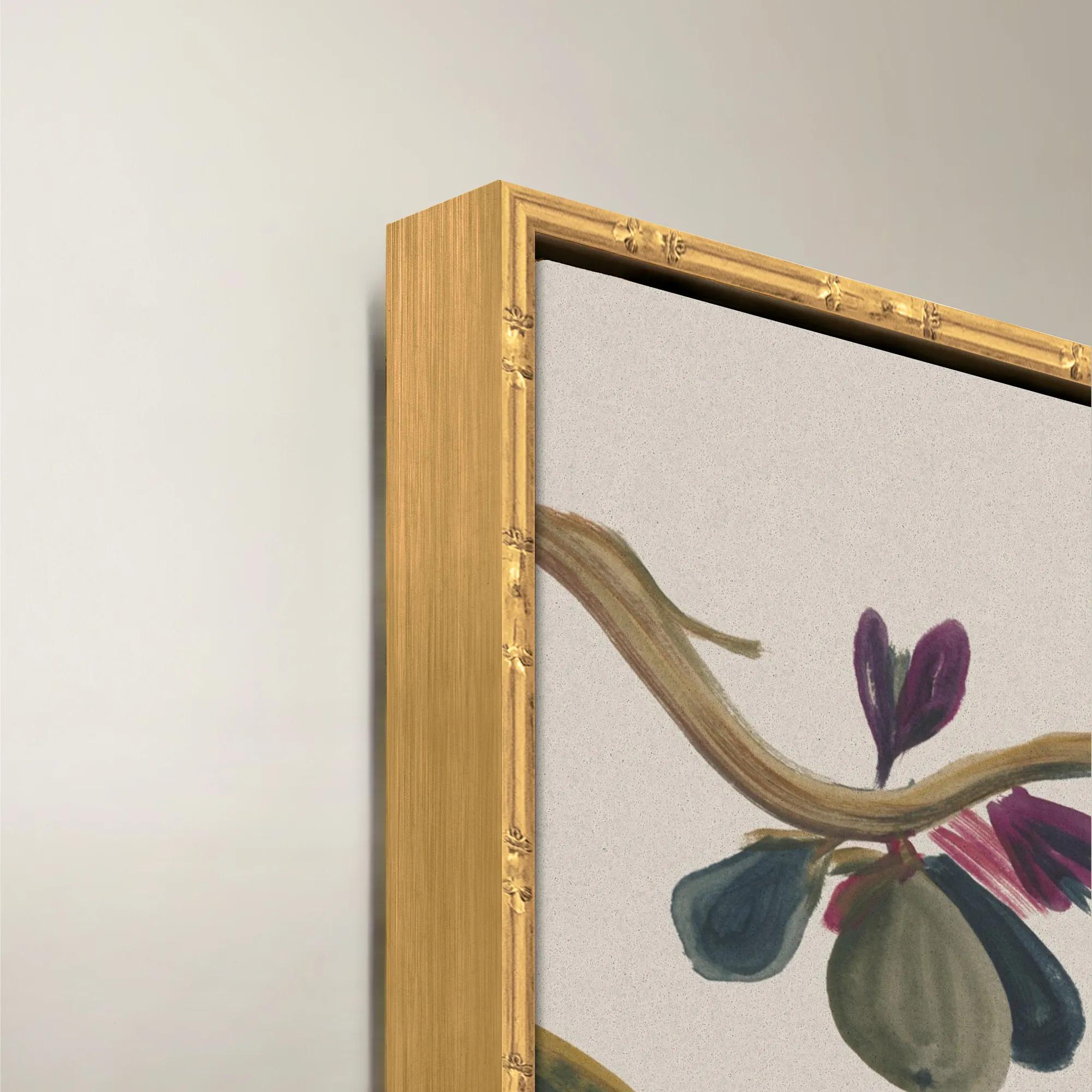 Whispering Orchard II Framed Wall Art 24" x 33"$749
A multicolored canvas wall art piece presented in an elegant frame for contemporary interiors.
Add To Cart -
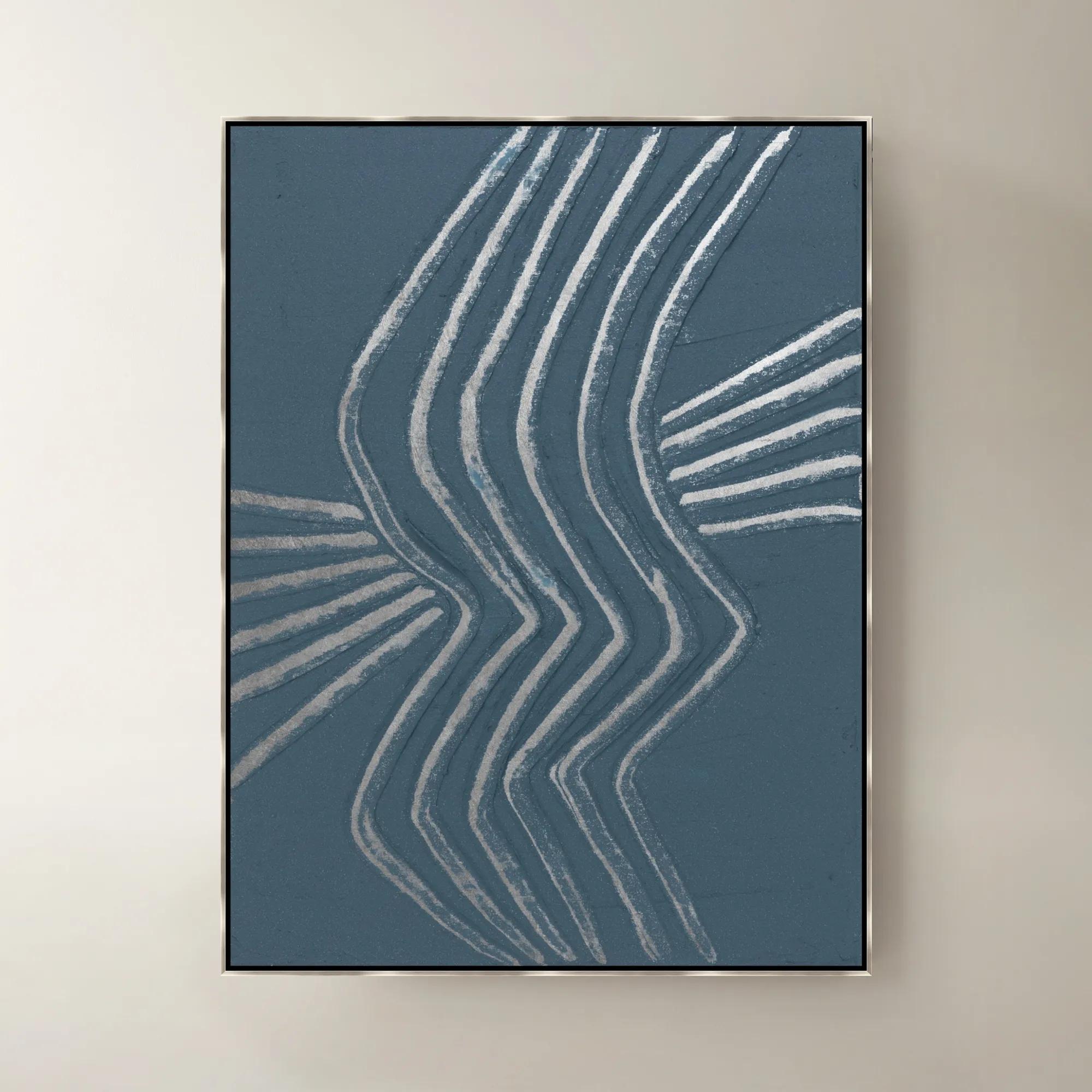
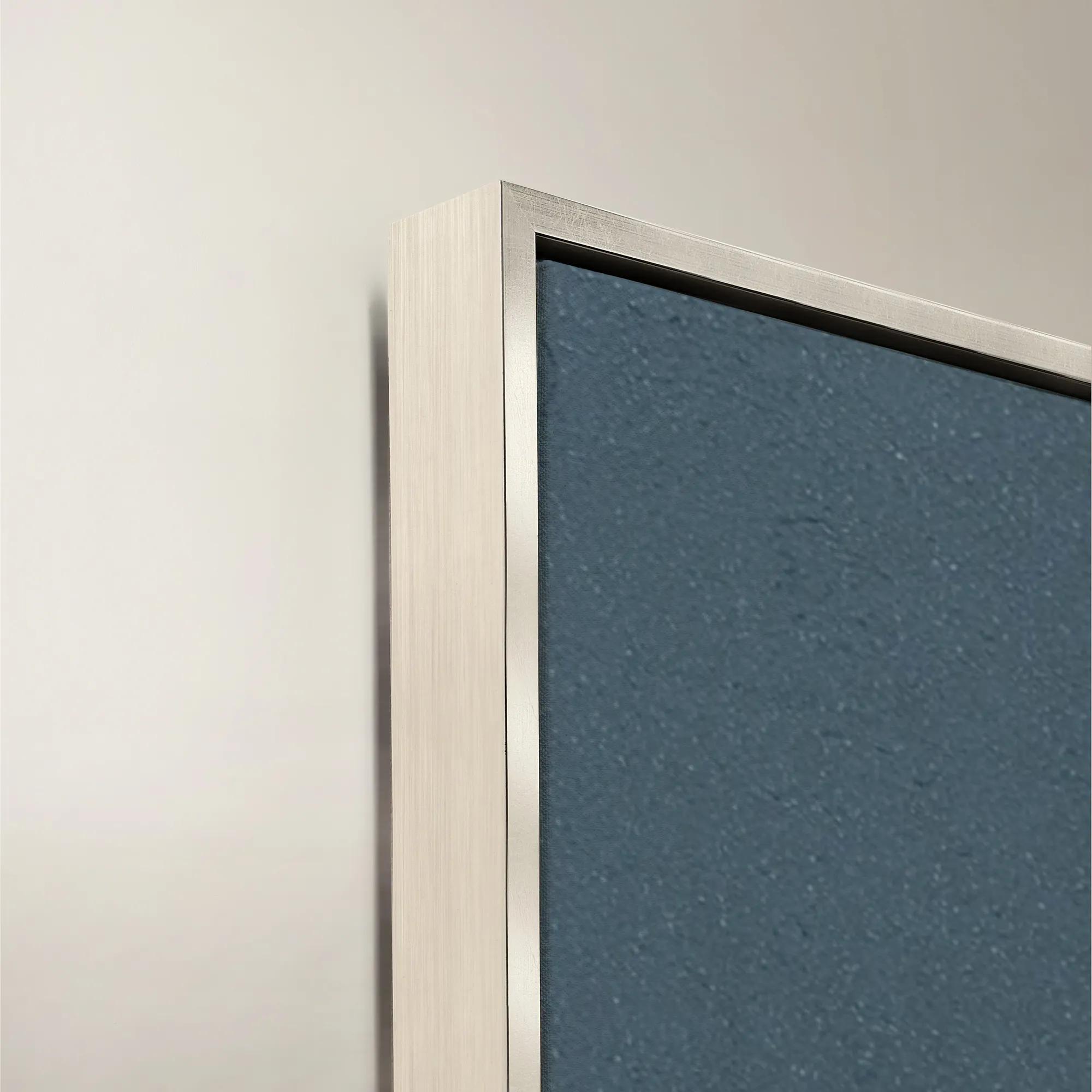 Gilded Waves IV Framed Painted Wall Art 40" x 53"$1399
A framed painted canvas artwork featuring flowing gilded waves in soothing blue and purple tones.
Add To Cart -
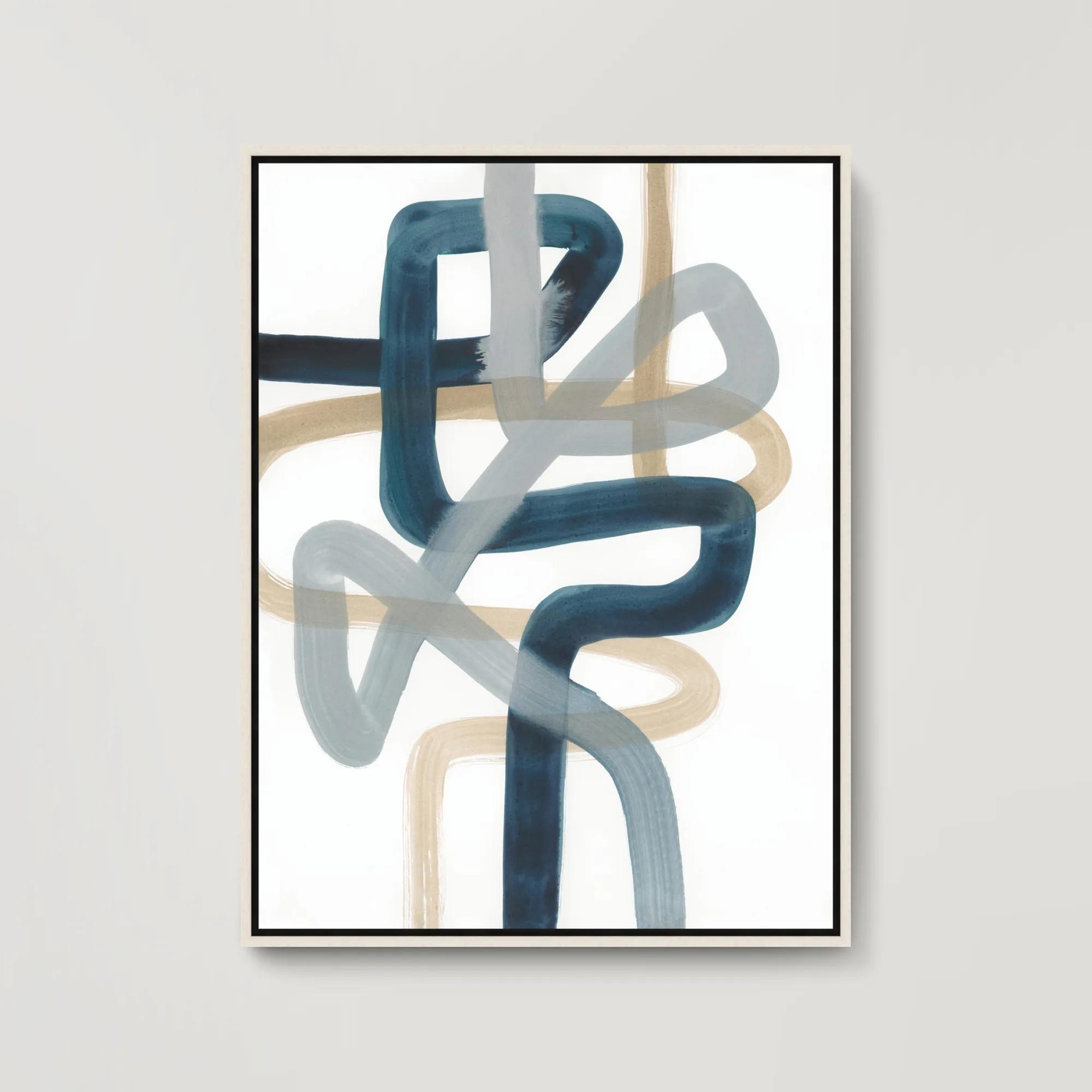
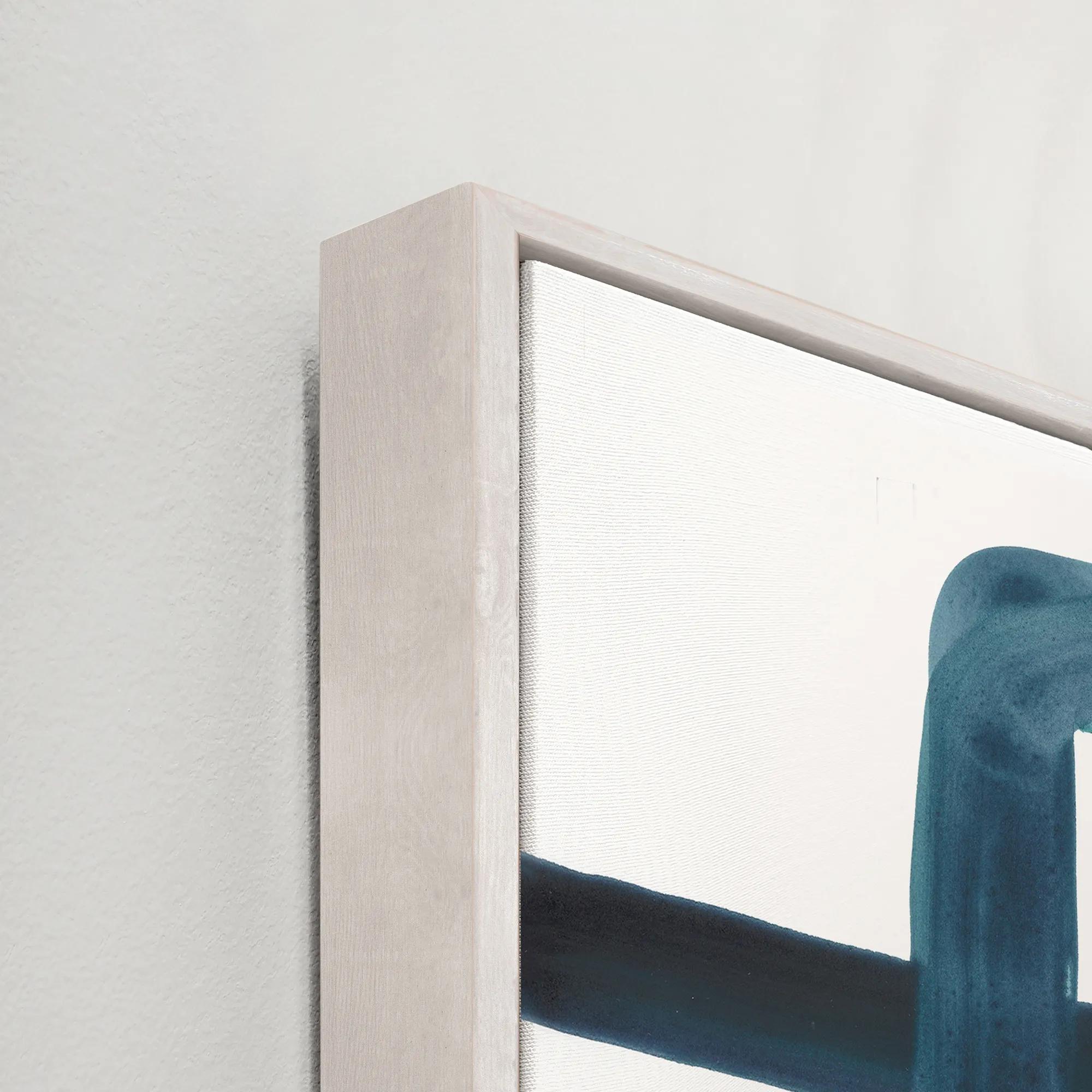 Looped In I Framed Wall Art 31.5" x 41.5"$699
A gallery-wrapped abstract canvas featuring hand-applied brush gel and a sleek white floater frame.
Add To Cart -
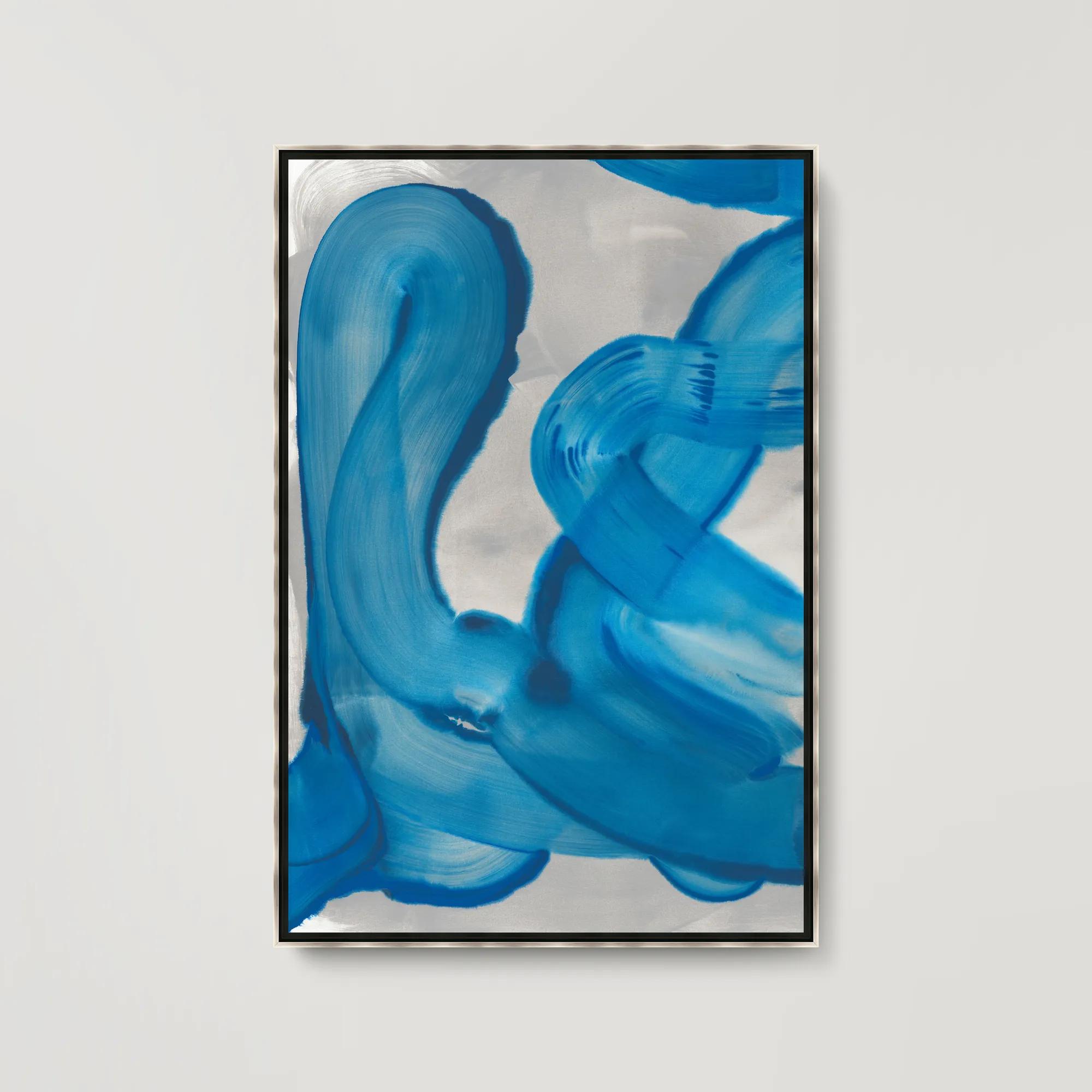 Royal Waves I Framed Wall Art 31.5" x 46.5"$699
A gallery-wrapped abstract canvas featuring hand-applied brush gel and set in a sleek silver floater frame.
Add To Cart -

 Blooming in Her Own Time Framed Wall Art 40" x 50"$1029
A vibrant multicolored canvas wall artwork featuring an expressive botanical-inspired design in a framed presentation.
Add To Cart -
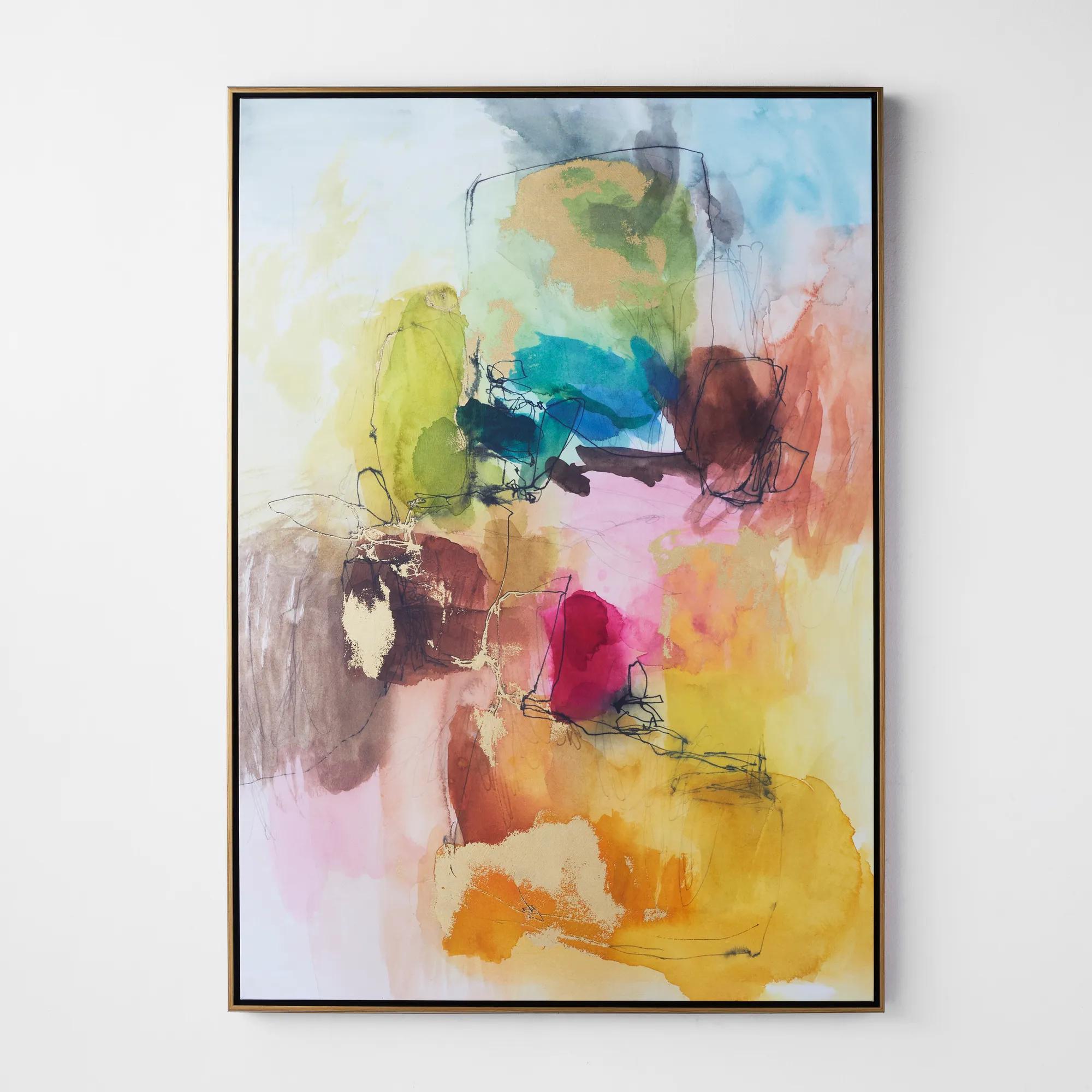 Apricity 3 Framed Wall Art 41" x 58"$899
A vibrant giclee on canvas featuring hand-applied gold gilding and a gold floater frame.
Add To Cart -
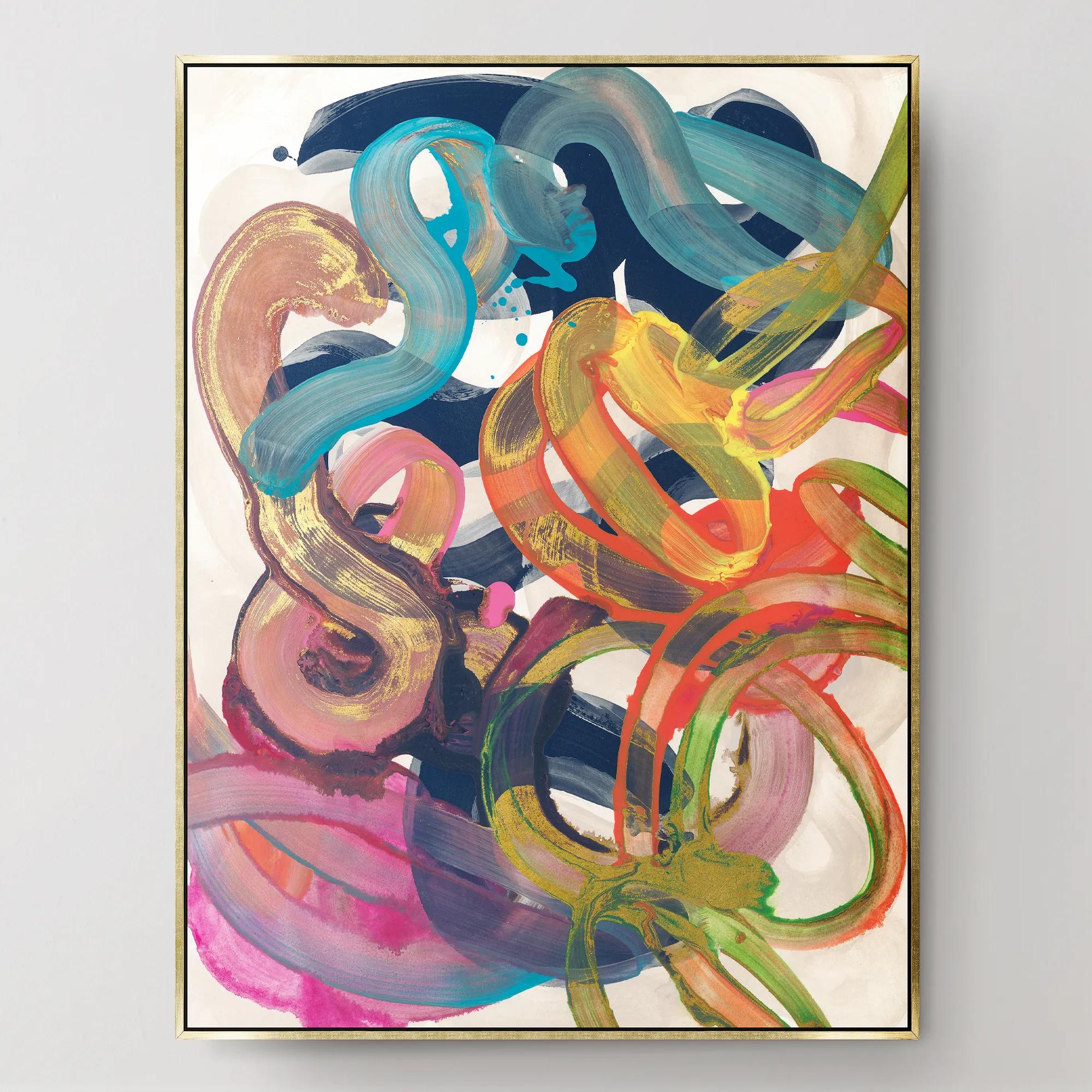
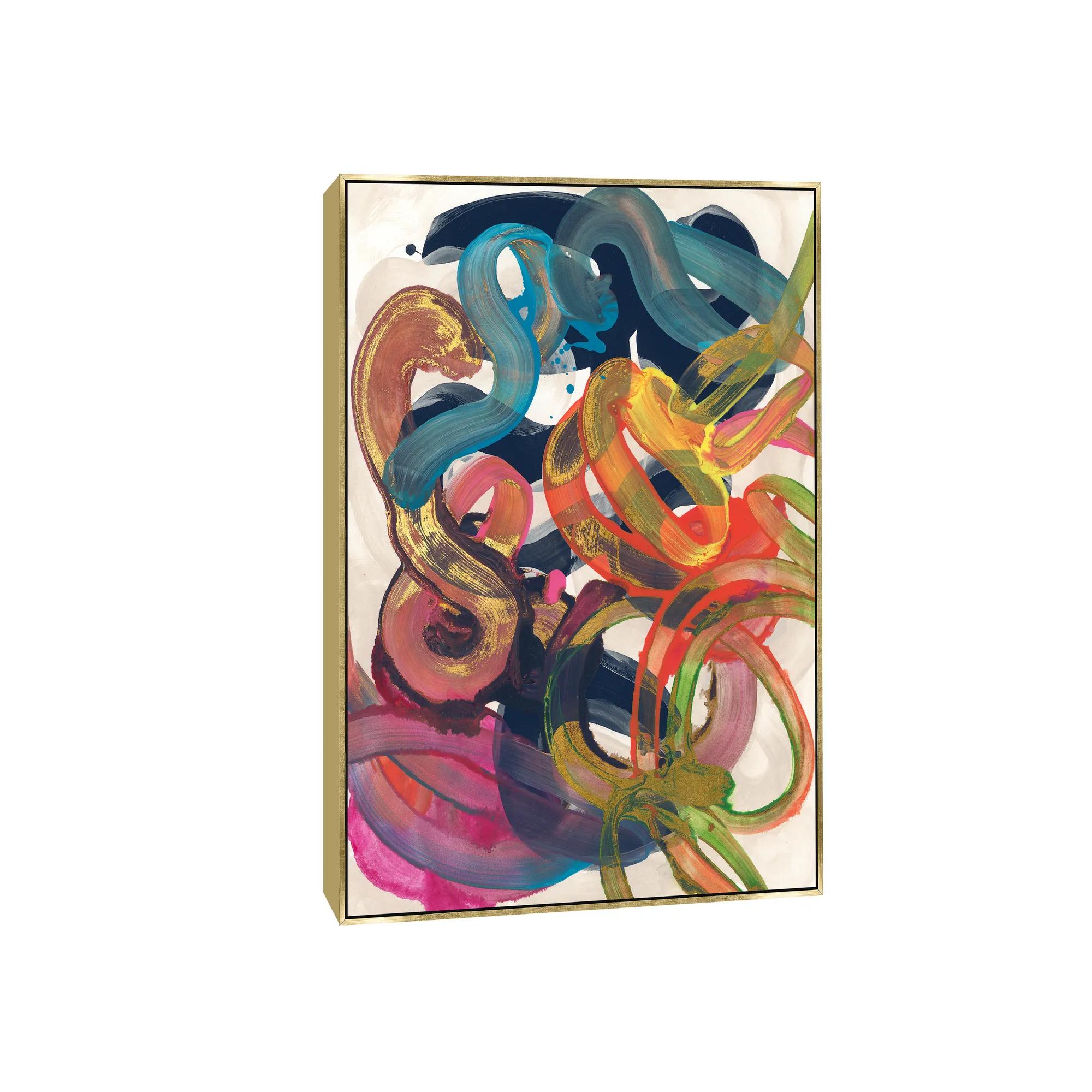 Illogical Conclusions Framed Wall Art 26" x 35"$499
A gallery-wrapped canvas artwork with a hand-applied gel finish, set in a gold float frame.
Add To Cart -
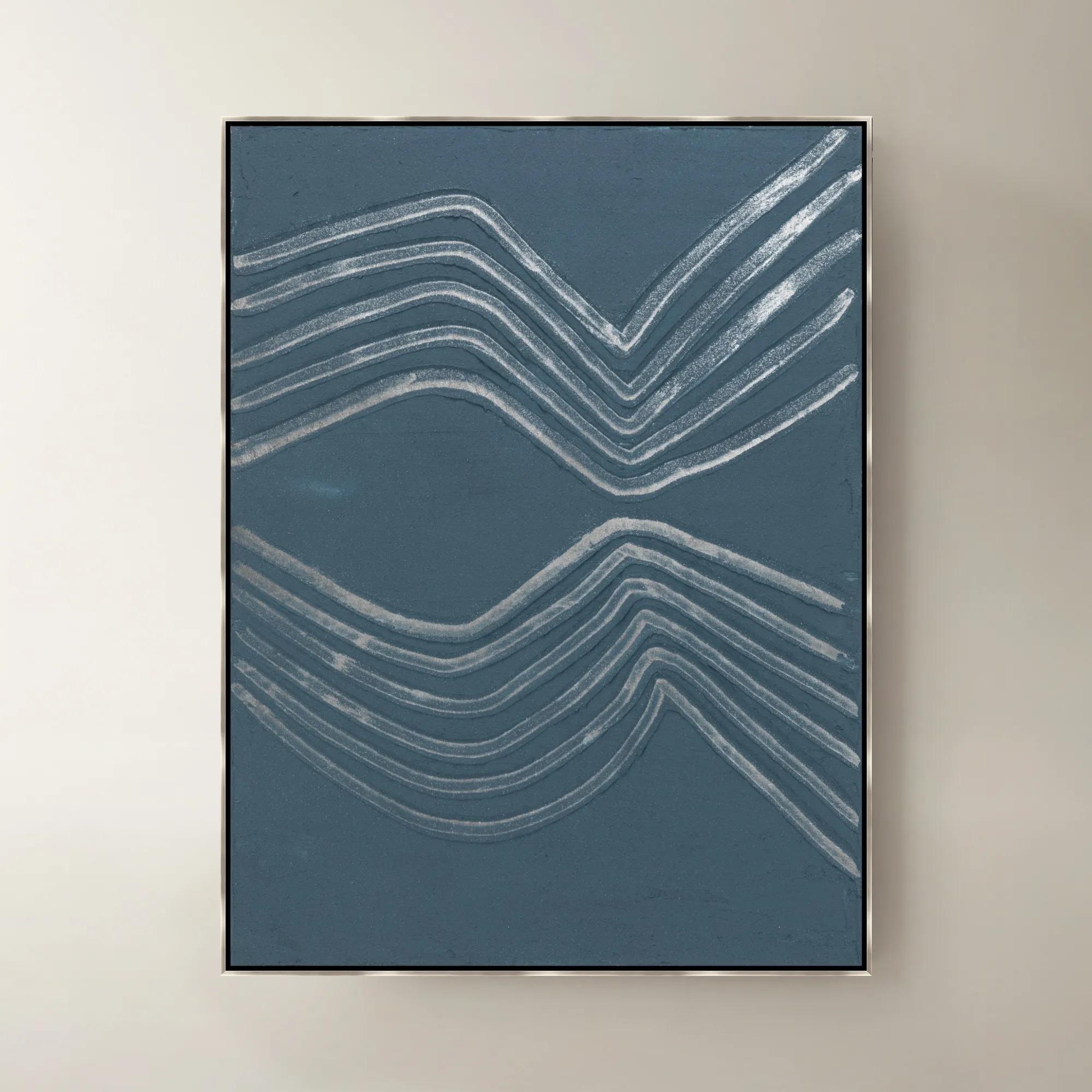
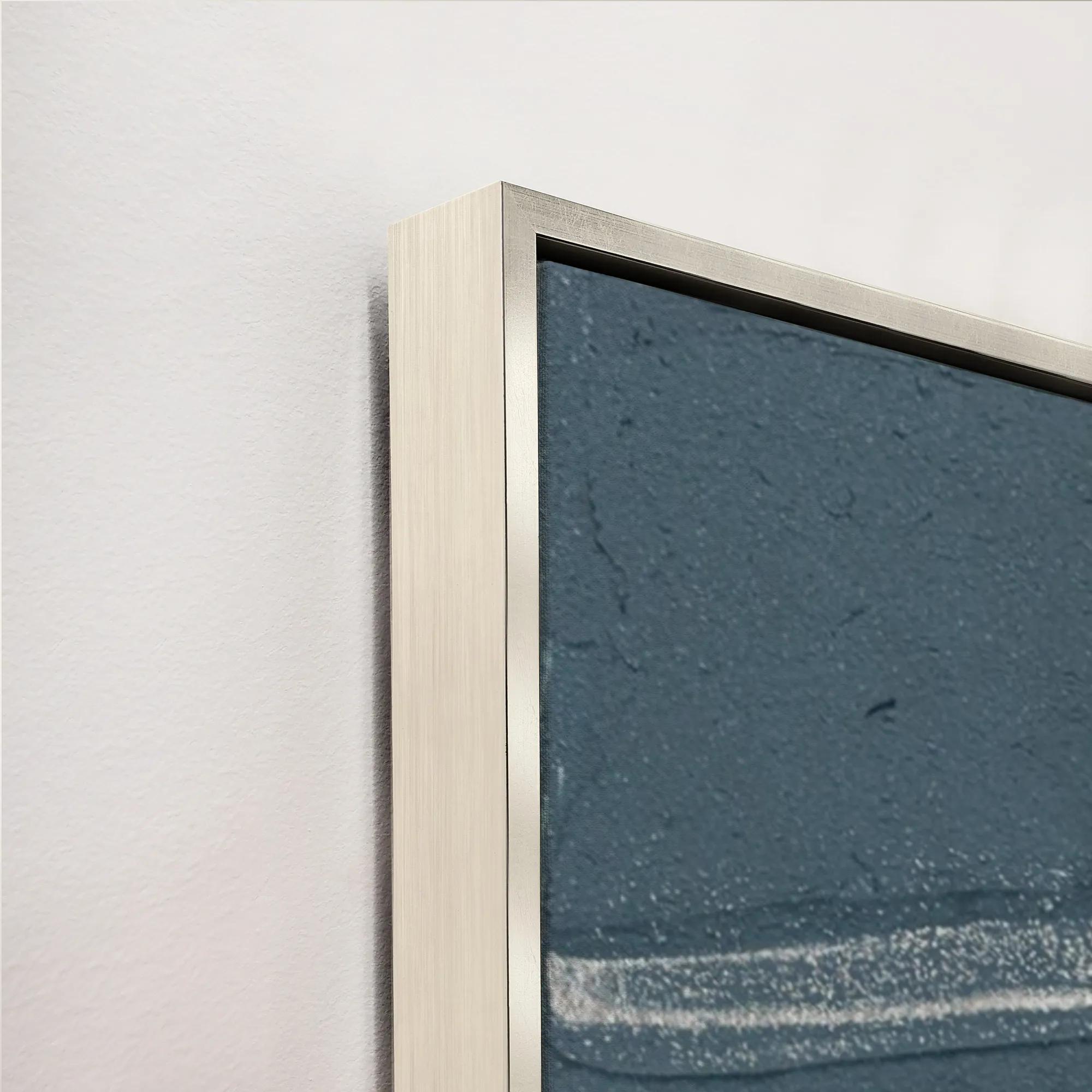 Gilded Waves VI Framed Painted Wall Art 40" x 53"$1399
A framed painted canvas artwork featuring sweeping gilded waves in rich blue and purple tones.
Add To Cart -
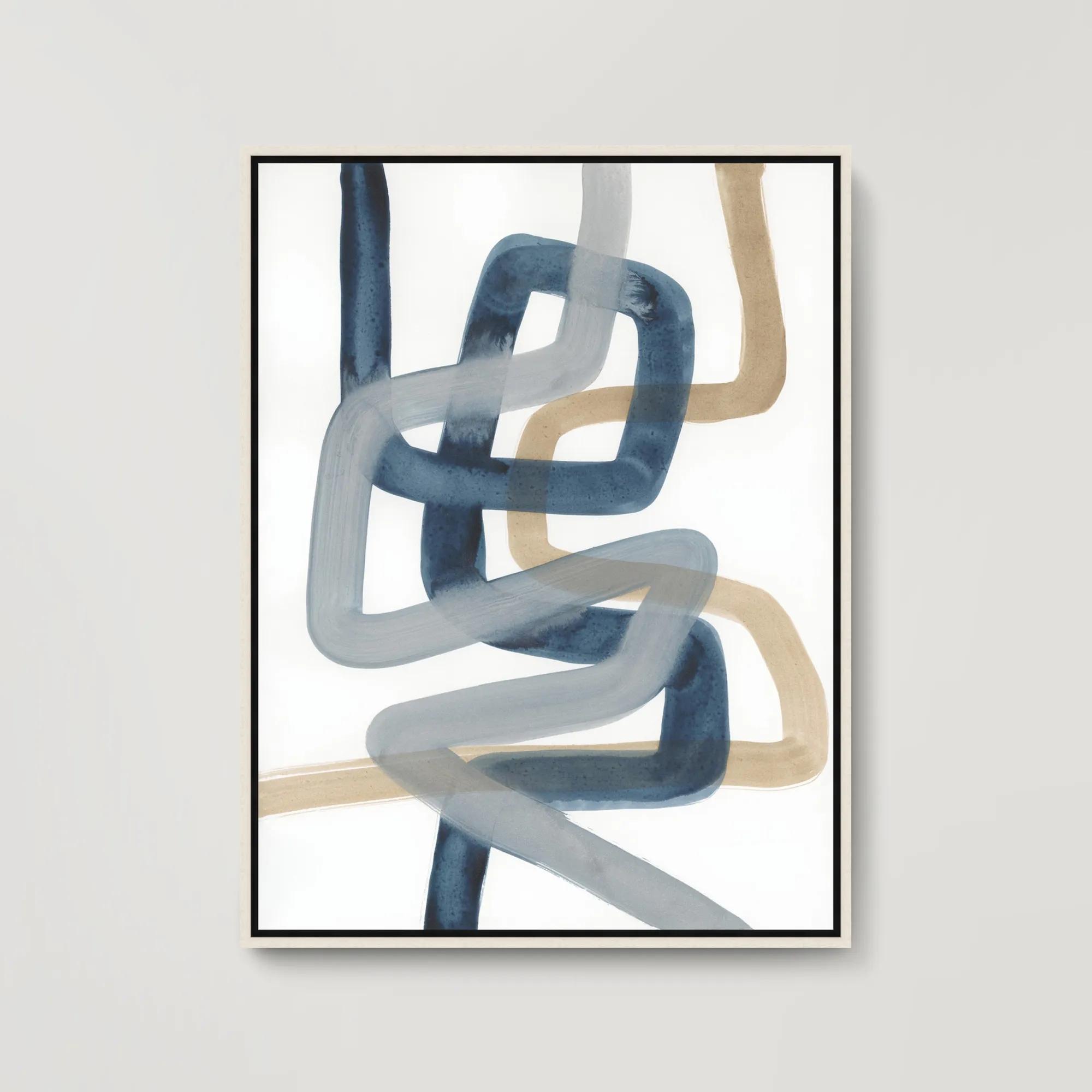 Looped In II Framed Wall Art 31.5" x 41.5"$699
A gallery-wrapped abstract canvas with hand-applied brush gel finish, set in a sleek white floater frame.
Add To Cart

Framed Abstract Canvas Wall Art
Explore framed abstract canvas wall art that brings expressive composition and a defined finish to your walls. Consider how color, shape, and scale will complement your room, whether you’re creating a dramatic focal point above a sofa or adding an artful accent to an entryway. Choose a piece that connects with your palette while giving your space a distinct point of view.
Framed abstract canvas wall art brings color, movement, and a distinct point of view to a room, turning an open wall into a composition with presence. Sweeping gestures can lend energy to a tailored living space, while layered washes of ivory, charcoal, and soft taupe create a quieter kind of drama. Unlike representational artwork, abstraction leaves room for personal interpretation: a ribbon of pigment might suggest water, a fractured shape might recall architecture, and a luminous field of color might evoke nothing more literal than a feeling. That openness makes abstract art especially compelling in interiors built around expressive furnishings and collected objects. The canvas contributes its own character, with a woven surface that can soften the precision of a printed image or complement the texture of painted marks. Depending on the artwork, cotton, linen, or blended canvas may be stretched over an underlying support, while the outer frame gives the composition a defined boundary. Wood, metal, and composite framing materials offer different profiles and finishes; their visual weight matters as much as their color. A slender black edge can sharpen pale, atmospheric artwork, a warm metallic finish can echo the gleam of a nearby lamp, and a deeper frame can give a spare composition a more architectural presence. Floating frames create a narrow space around the canvas, allowing its edges to read as part of the presentation rather than disappear behind a border. Printed canvas, original painting, and prints with hand-applied embellishment can each offer a different surface experience, so descriptions and close-up images are useful for understanding whether an artwork’s texture is physical, depicted, or a combination of both. The most persuasive composition need not repeat every color already in the room. A single shared undertone or a recurring curve can establish a connection, leaving the rest of the artwork free to introduce contrast, tension, and visual depth.
Scale determines how that expression lives within the space. Above a long sofa, framed abstract canvas art can anchor the seating arrangement and give generous upholstery a visual counterweight. Over a console, it can draw the eye upward from sculptural vessels and a low arrangement of decorative objects without making the vignette feel crowded. In a dining room, a broad composition can hold its own against a substantial table, while a vertical canvas can lend distinction to a narrow wall beside an entryway or between windows. For expansive walls and furniture groupings that call for a more commanding focal point, Large Abstract Framed Wall Art offers a related direction to explore. The dimensions of the entire framed piece, rather than the canvas alone, are what determine its fit. Artwork measuring roughly two-thirds to three-quarters of the width of the furniture below can provide a balanced starting point, although nearby windows, ceiling height, and adjacent furnishings may suggest a different proportion. A frame that looks delicate in a spacious living room may feel substantial in an intimate sitting area, and a richly layered painting needs enough breathing room for its details to register. Hanging height also changes the relationship between art and furniture: a piece placed too far above a sofa can seem disconnected, while one brought closer to the seating arrangement becomes part of the room’s composition. Paired canvases and coordinated groupings can create rhythm, particularly when their frame finishes or color stories relate, but each piece still benefits from a clear interval of wall space. Consider the view from the doorway as well as the view from a favorite chair. A bold gesture should remain legible across the room; finer marks and subtle tonal shifts reward a closer look. Lighting completes the effect. Diffused illumination reveals the canvas surface without forcing harsh shadows, while carefully positioned accent lighting can bring out dimension in textured passages. In rooms with glossy tables, mirrors, or polished metal accents, the comparatively matte character of many canvas surfaces adds a welcome contrast, giving the eye somewhere rich yet restful to land.
The lasting appeal of framed abstract canvas wall art depends on both its construction and the setting in which it is displayed. A well-supported canvas and securely joined frame help the artwork maintain its presentation, while the frame’s finish contributes to the character of the room. Smooth lacquered edges feel crisp and deliberate; visible wood grain introduces an organic note; metallic tones can connect a composition to the sheen of lighting, hardware, or decorative accents. Weight, backing, and included hanging hardware vary, making the product specifications important when choosing an appropriate location and mounting method. Large or heavy artwork requires hardware suited to its weight and the wall material, especially above seating or in a frequently used passageway. Canvas art is generally best suited to interior spaces where it will not encounter splashes, persistent humidity, or abrupt environmental changes. A bedroom, living room, dining area, or home office offers opportunities for thoughtful placement, whereas a position directly beside a shower or above a heat source may expose the materials to unnecessary stress. Prolonged direct sunlight can affect pigments and finishes, so a bright wall with indirect light is often a more considered choice than a sun-drenched surface. Routine care should remain gentle: dust the frame with a soft, dry cloth, avoid pressing against the canvas, and follow the artwork’s care instructions before cleaning its surface. Household sprays, abrasive tools, and excess moisture can compromise finishes or disturb applied texture. Beyond its decorative role, abstract art can make a meaningful gift for someone establishing a first home, celebrating a move, or shaping a personal workspace. Taste is individual, so familiar colors, preferred frame finishes, and the recipient’s available wall space offer more useful direction than a presumed interpretation of the image. Whether chosen for a collector of dramatic interiors or someone drawn to restrained tonal compositions, framed abstract canvas art gives a room an expressive center: an arrangement of color, texture, and form that feels intentional without dictating how the space must be lived in.
FAQs
Framed abstract canvas wall art introduces expressive color, movement, and visual intrigue, while the frame gives the composition a defined finish. Whether your style leans toward sweeping gestures or disciplined geometry, abstract artwork can establish a room’s mood and create a compelling focal point.
Let your room’s palette guide the conversation without requiring an exact match. Echo an accent from your upholstery or decorative objects for a layered, cohesive look, or introduce a contrasting hue for deliberate drama. Tonal abstracts offer quiet sophistication, while vivid compositions bring an expressive burst of energy.
A streamlined frame lets an expressive composition command attention, while a more decorative profile adds another layer of artistry. Dark frames create crisp definition, metallic finishes introduce a luminous accent, and lighter tones lend an airy quality. Choose a frame that complements both the artwork’s character and the room’s decorative details.
Yes. Abstract canvas art creates an intriguing contrast with traditional furnishings, pairing free-flowing forms or graphic shapes with ornate silhouettes and classic details. Connect the artwork to an existing accent color, then let the contrast feel intentional. The result is a room with a collected sensibility and a distinctly personal point of view.
Build a visual thread through recurring colors, related frame finishes, or complementary shapes. Pair abstract compositions with photography or line drawings to create an artful dialogue, allowing each piece room to hold its own. Balance energetic artwork with quieter imagery for a gallery wall that feels expressive rather than crowded.