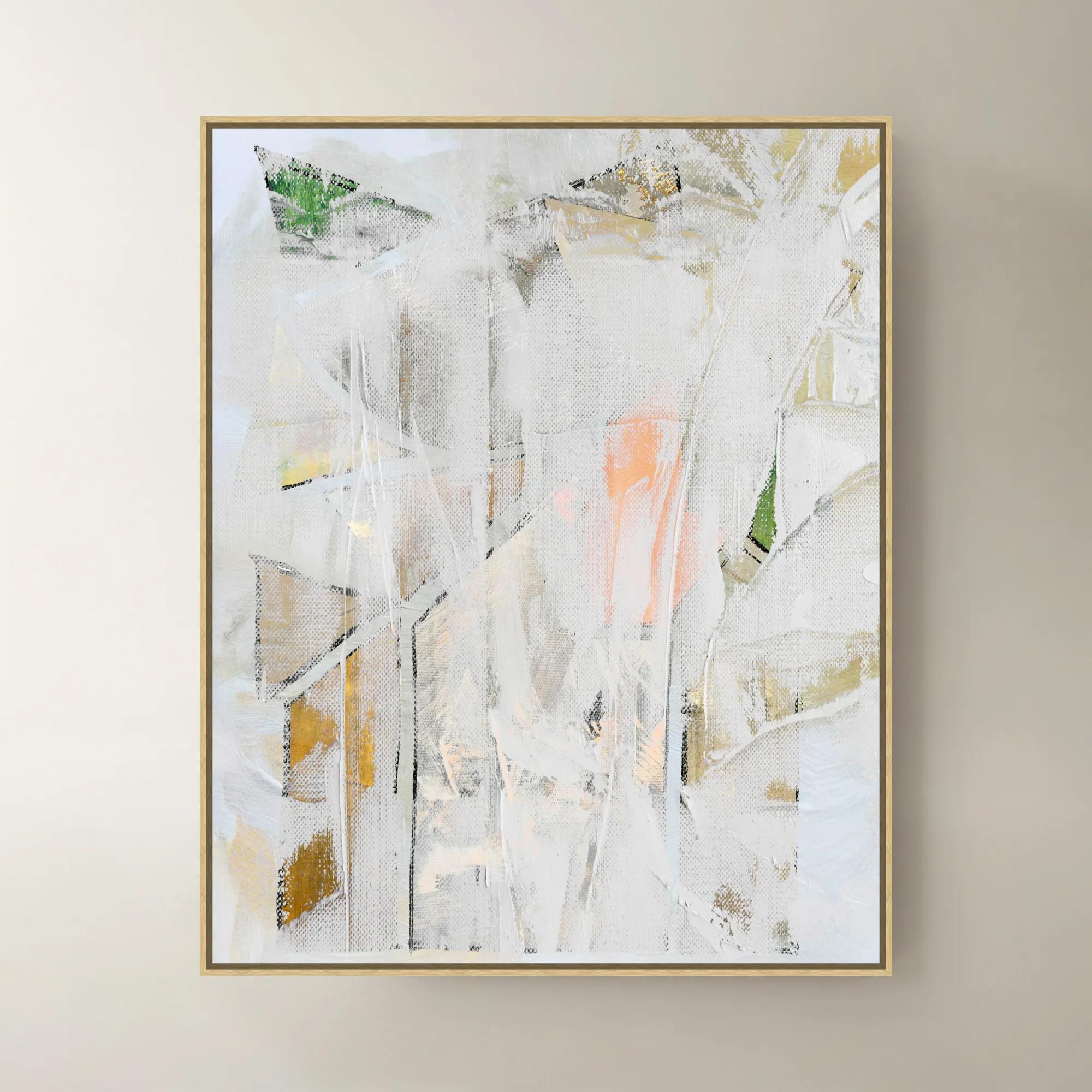
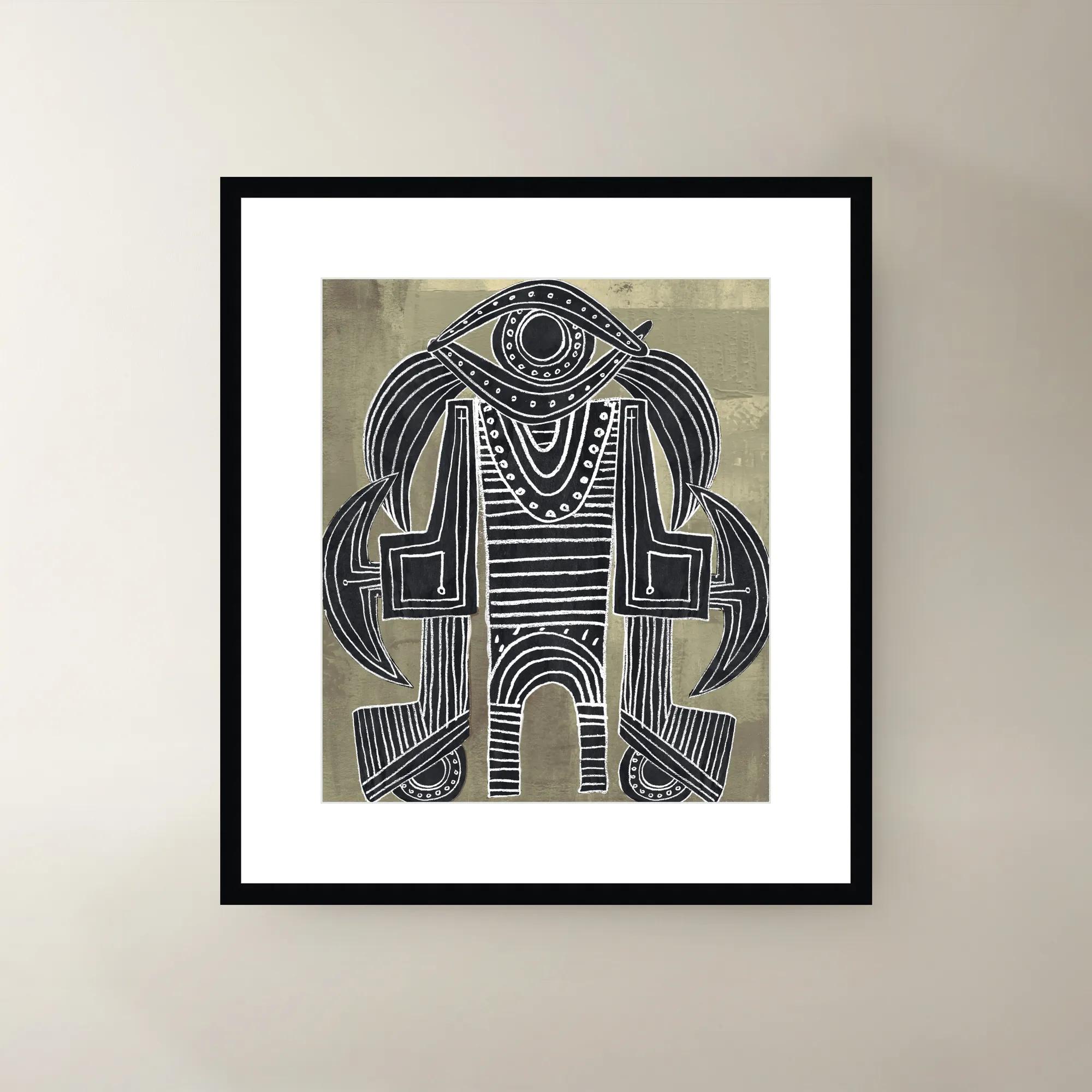
Framed Modern Abstract Wall Art
Framed Modern Abstract Wall Art
-
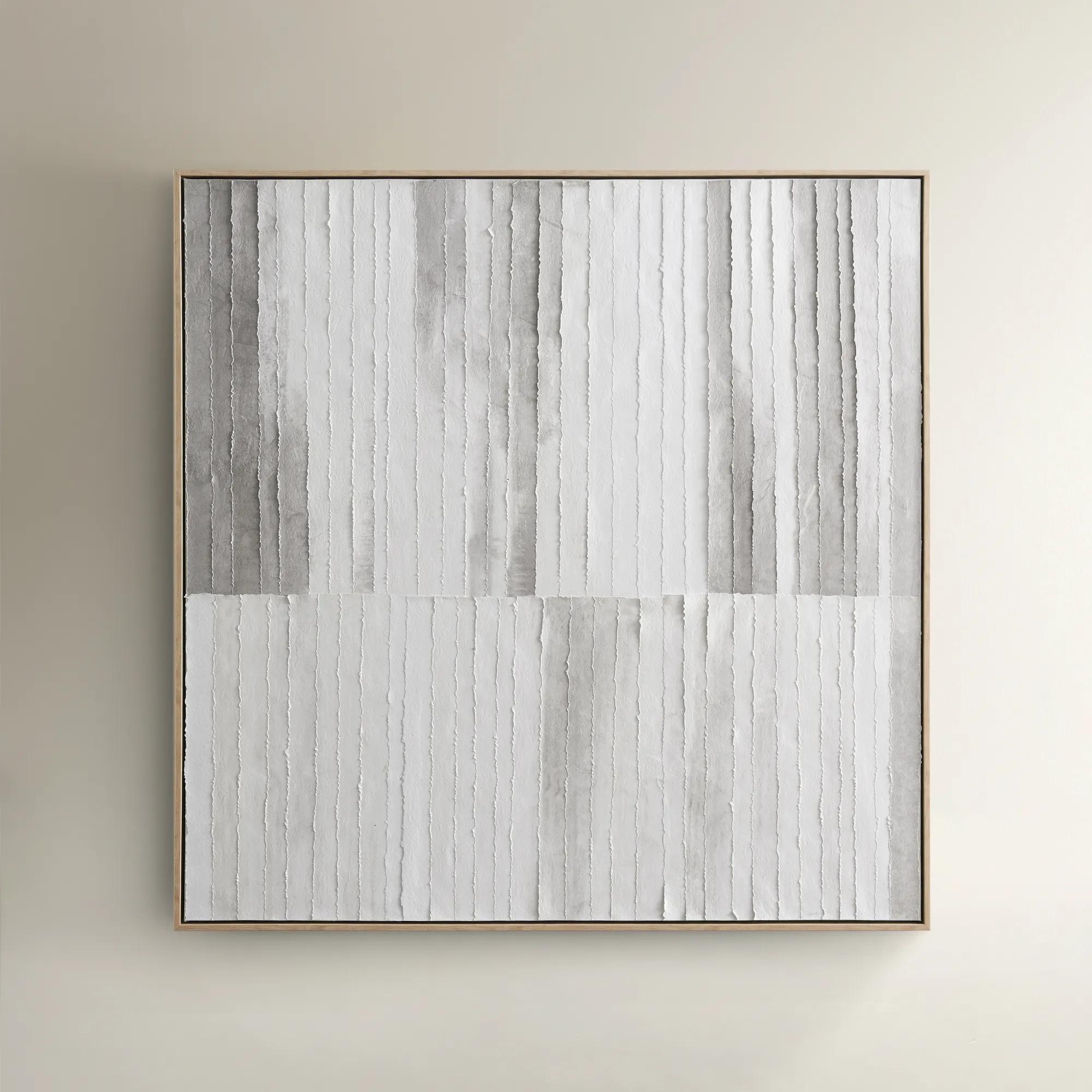
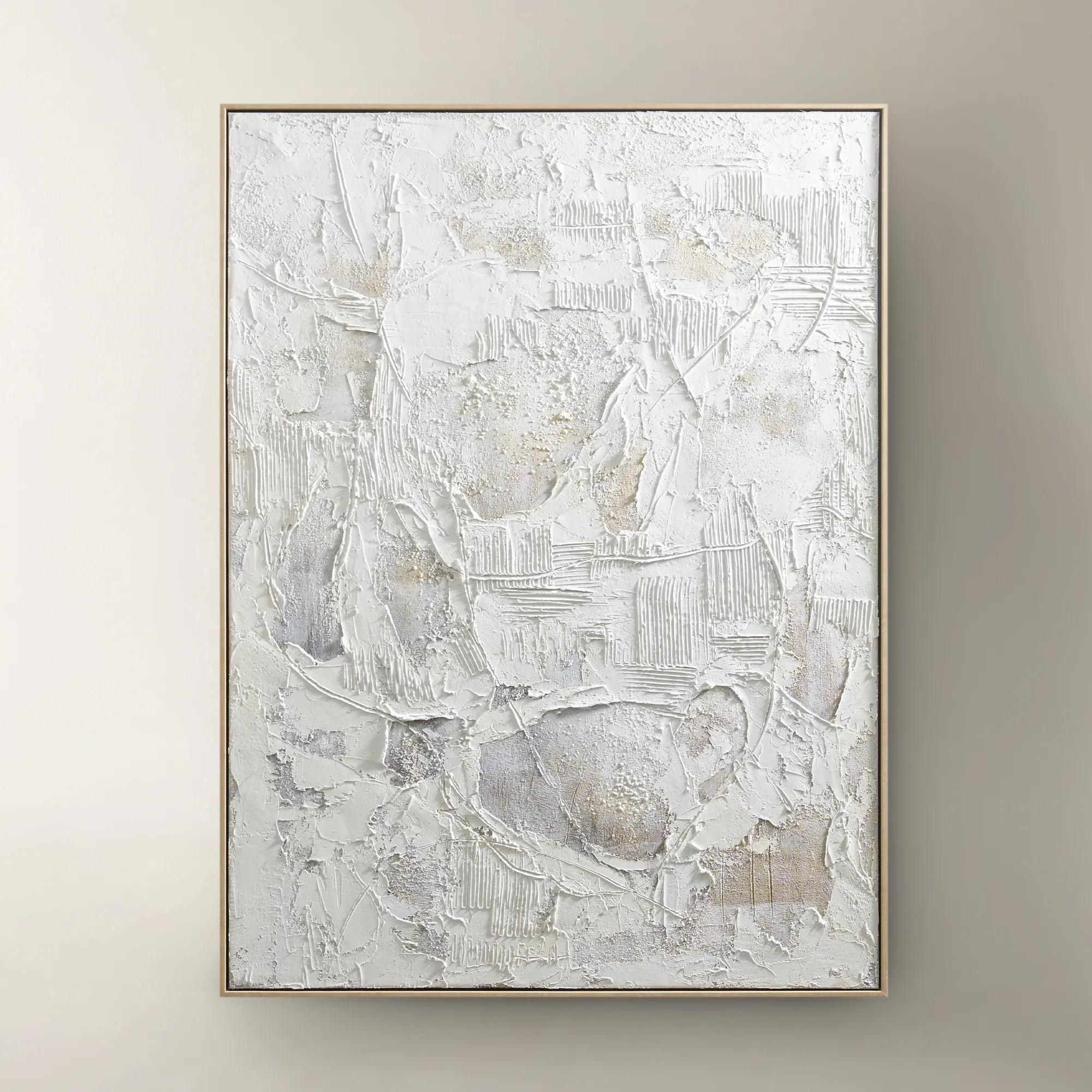
 Morning Mist Paper Art$329
A hand-painted canvas featuring rhythmic grey lines in a textured, whitewashed floater frame for serene style.
Add To Cart -
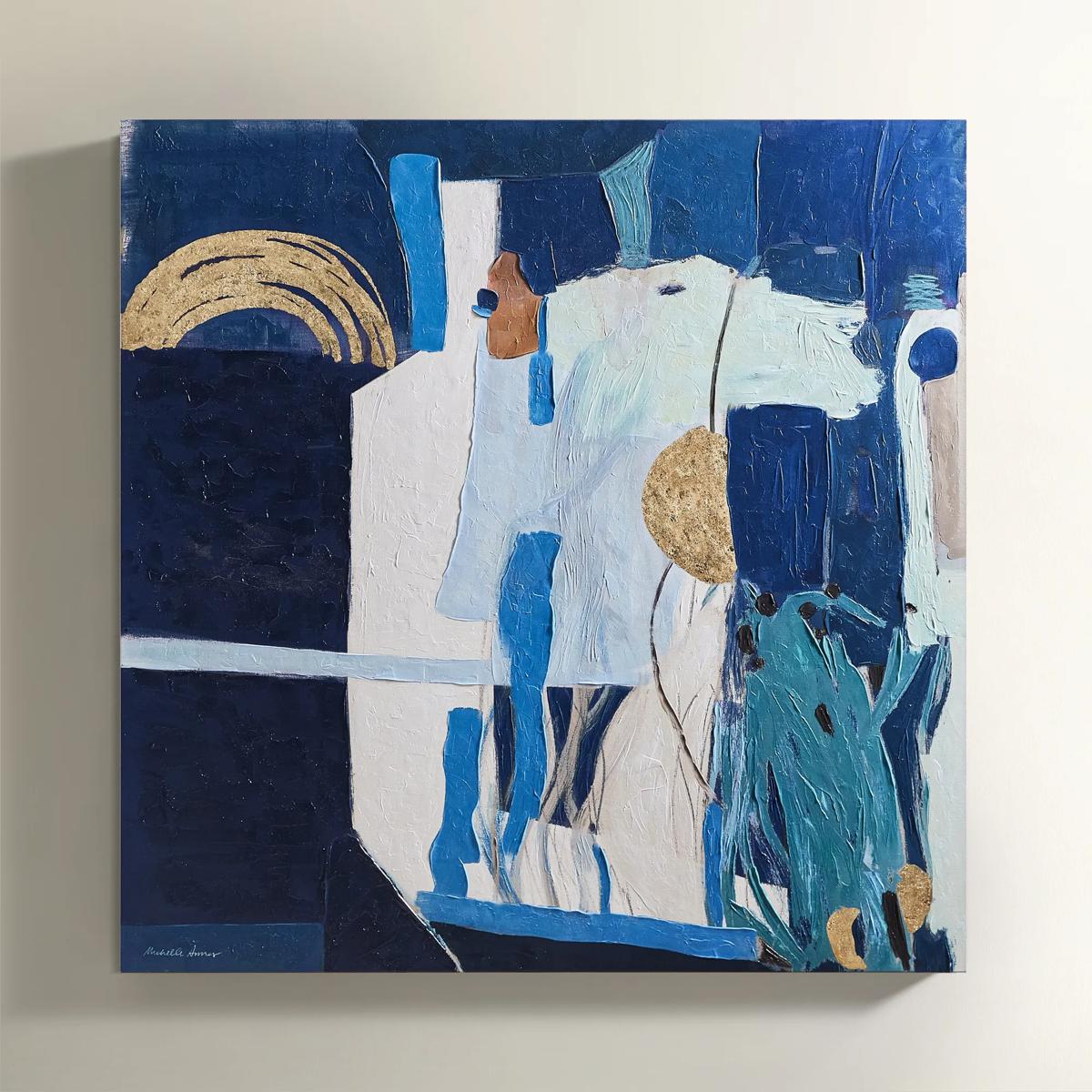
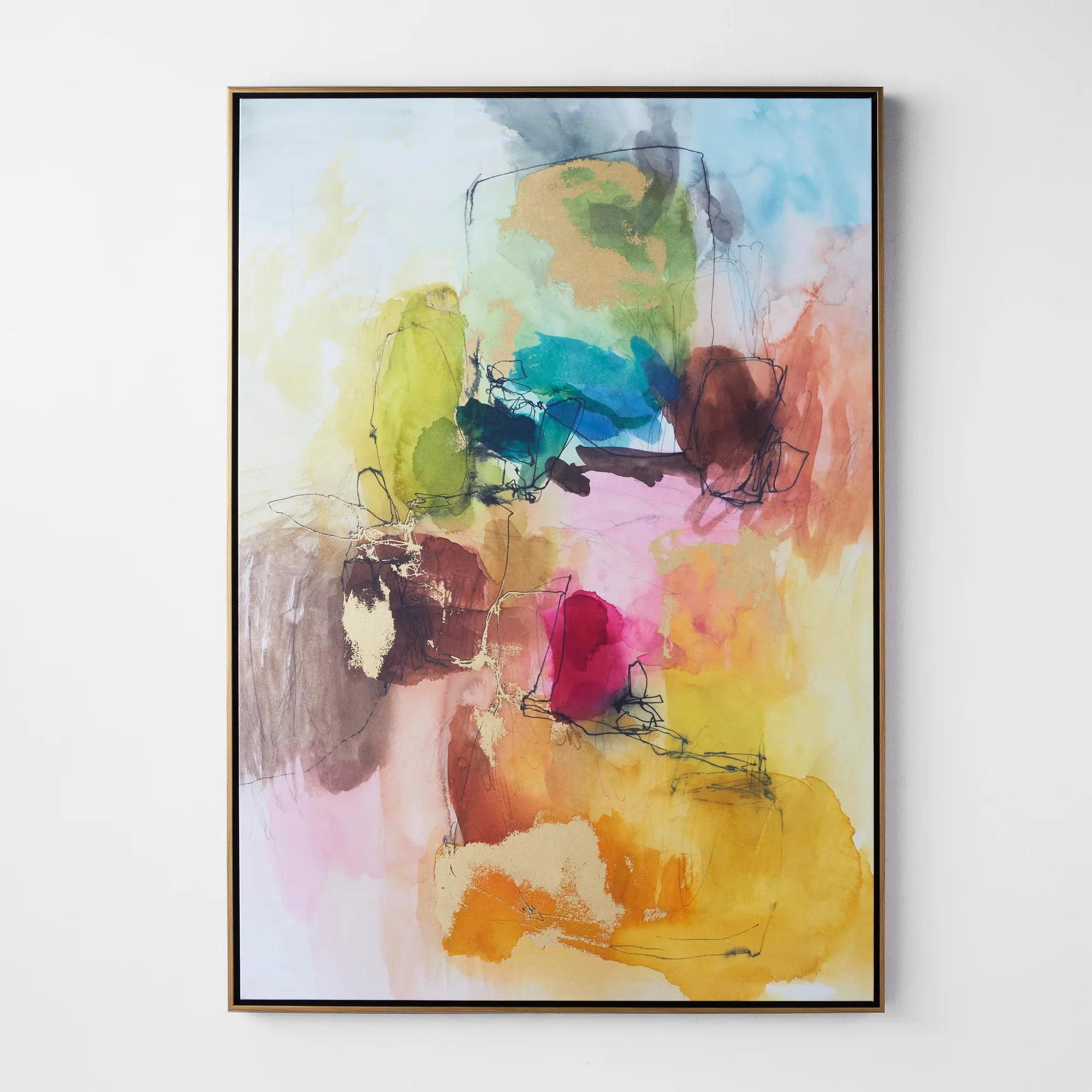
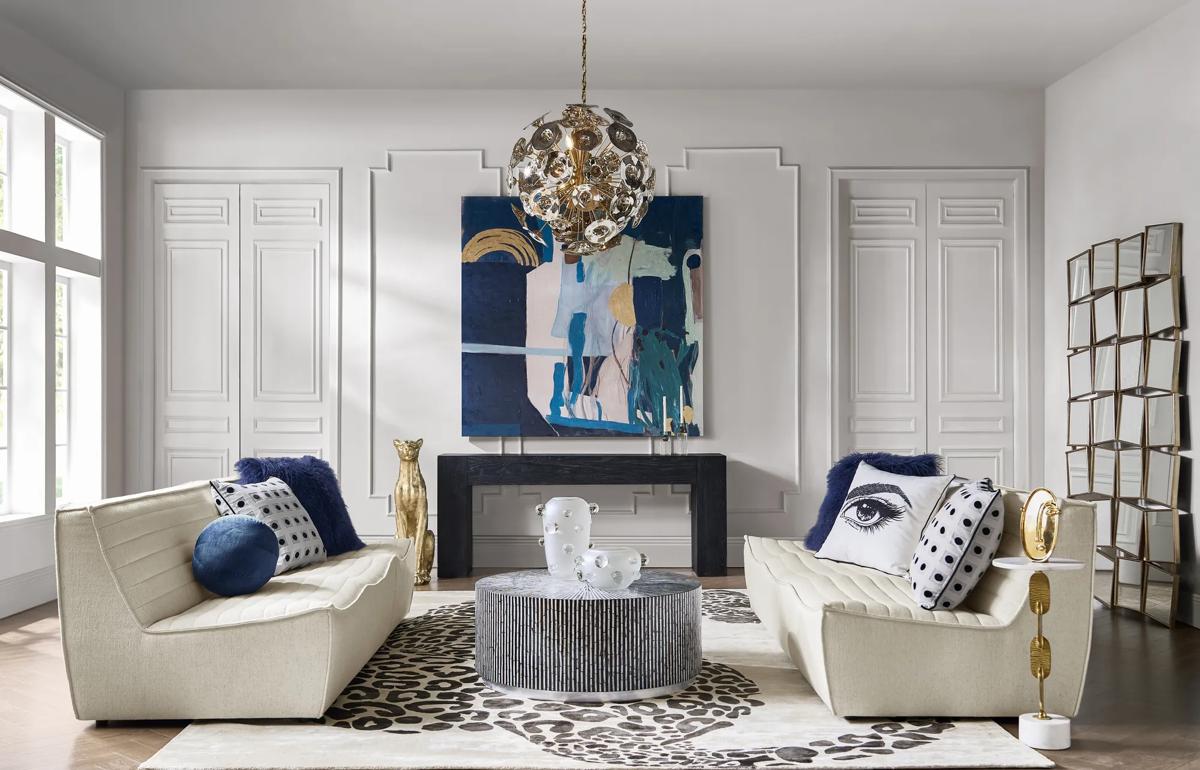 In Flux Painting$699
A hand-embellished canvas artwork featuring deep teal, green, ivory, and gold in a black Art Deco frame.
Add To Cart -
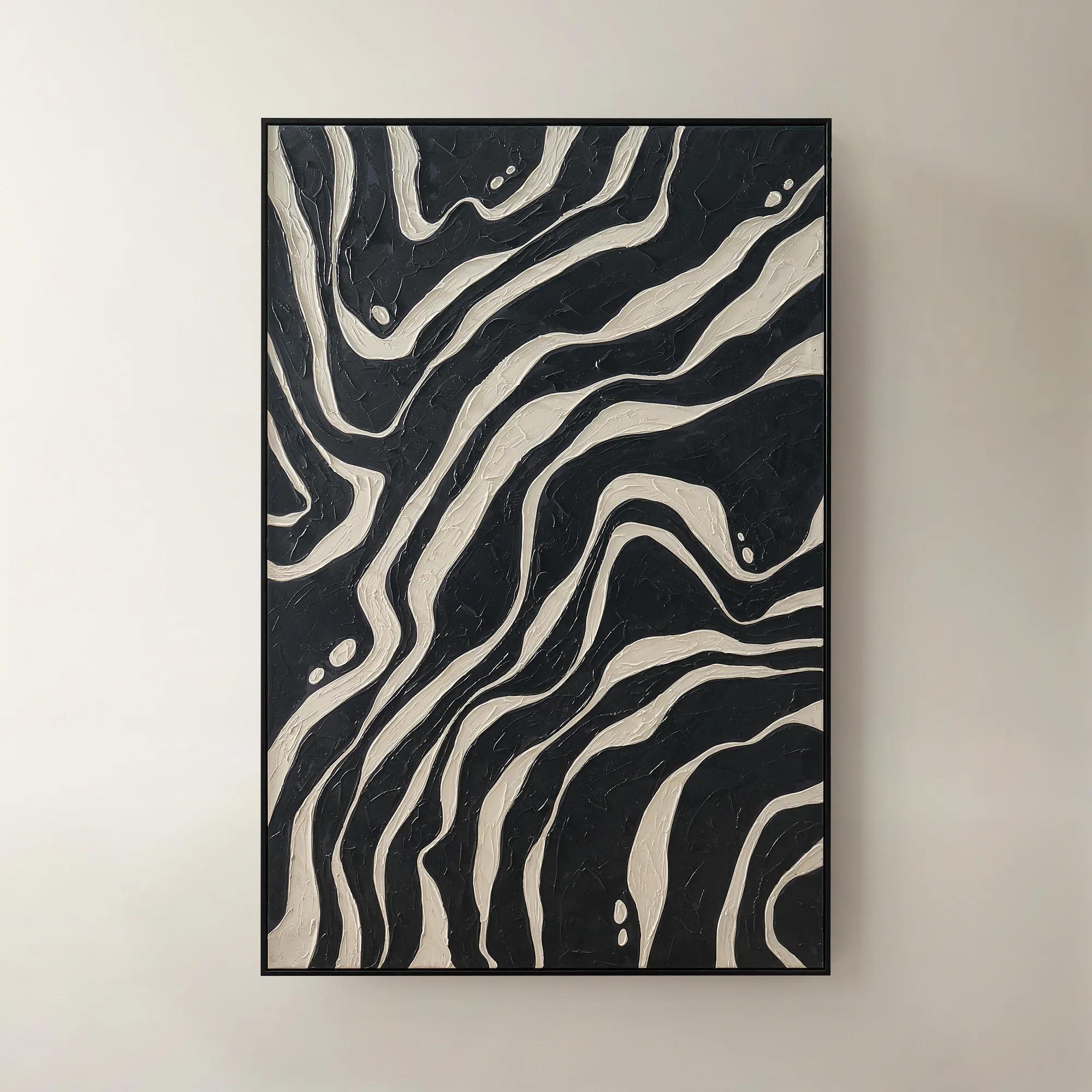
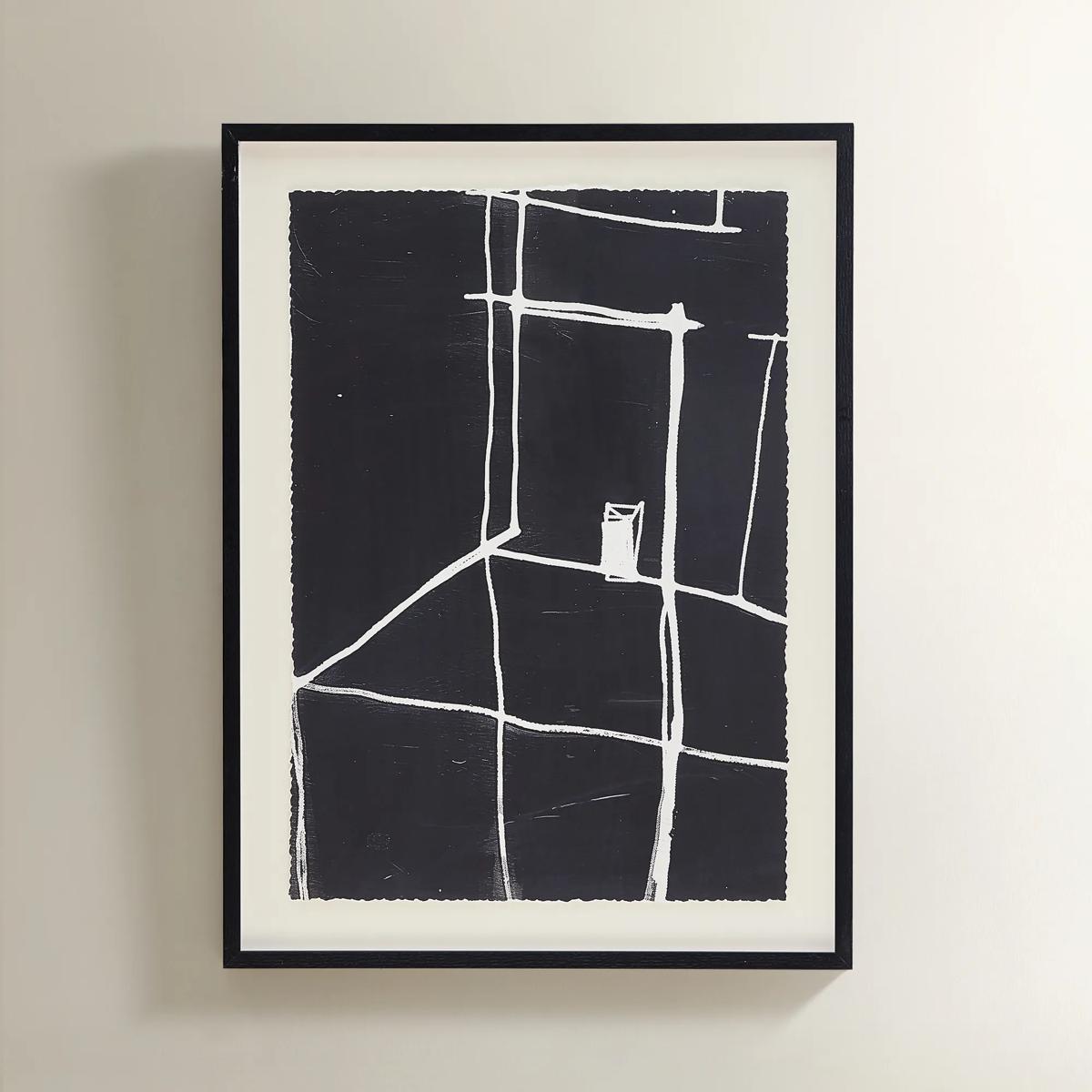 Solitude Art$269
A minimalist black-and-white abstract print featuring bold white lines in a sleek black polyresin frame.
Add To Cart -
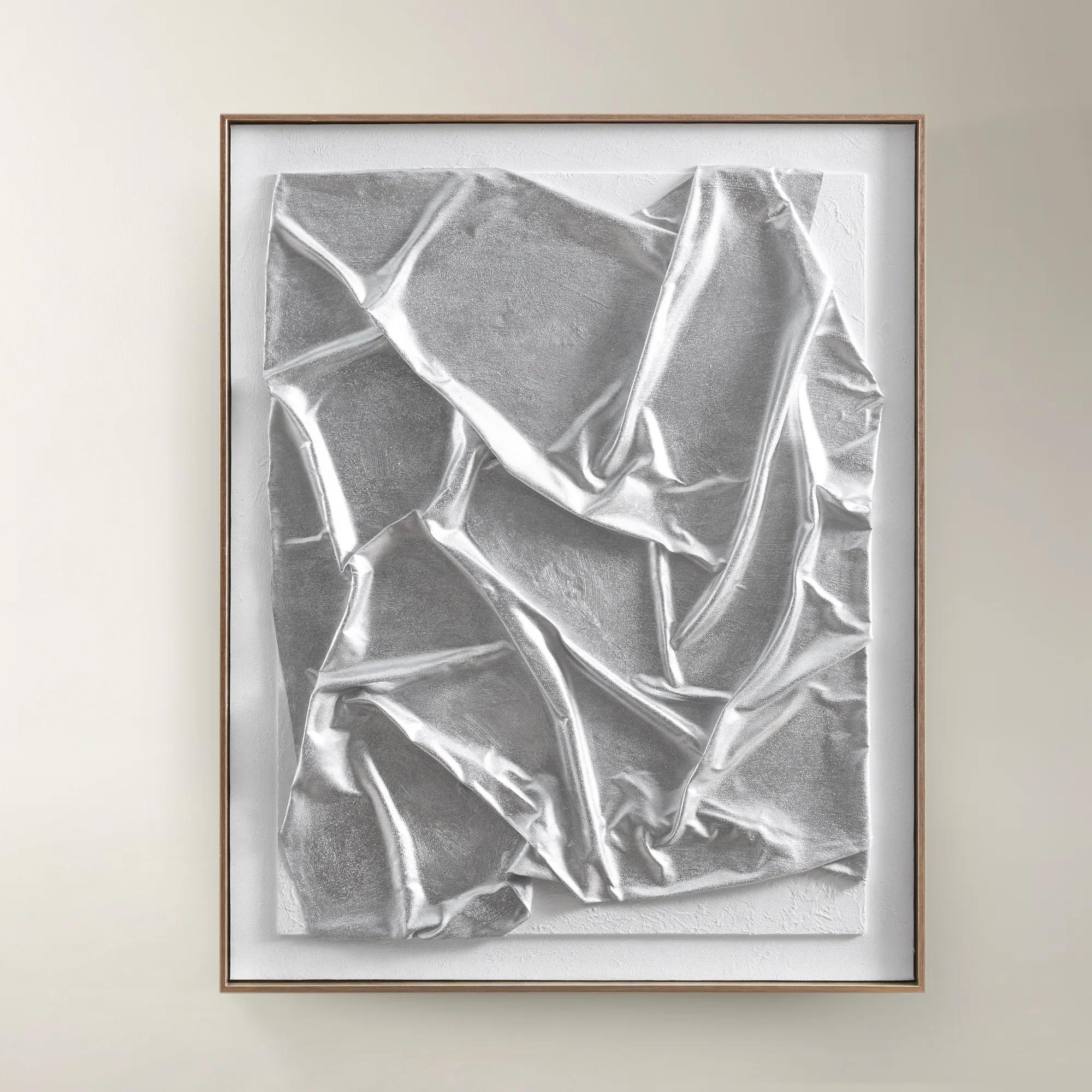 In the Mood Framed Painted Wall Art 31.5" x 39.5"$199
A hand-painted abstract canvas in shimmering silver tones, set in a warm champagne floater frame.
Add To Cart -
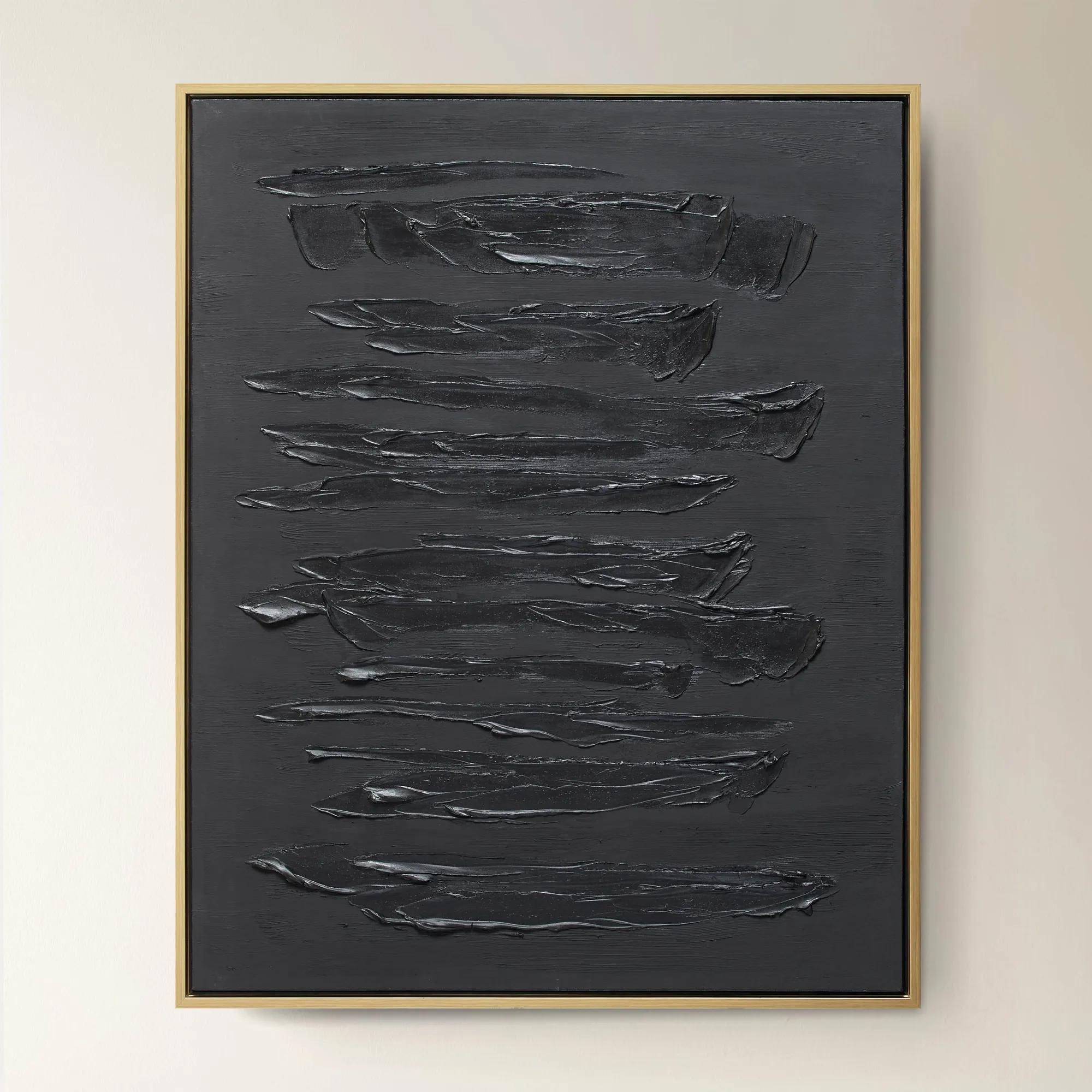
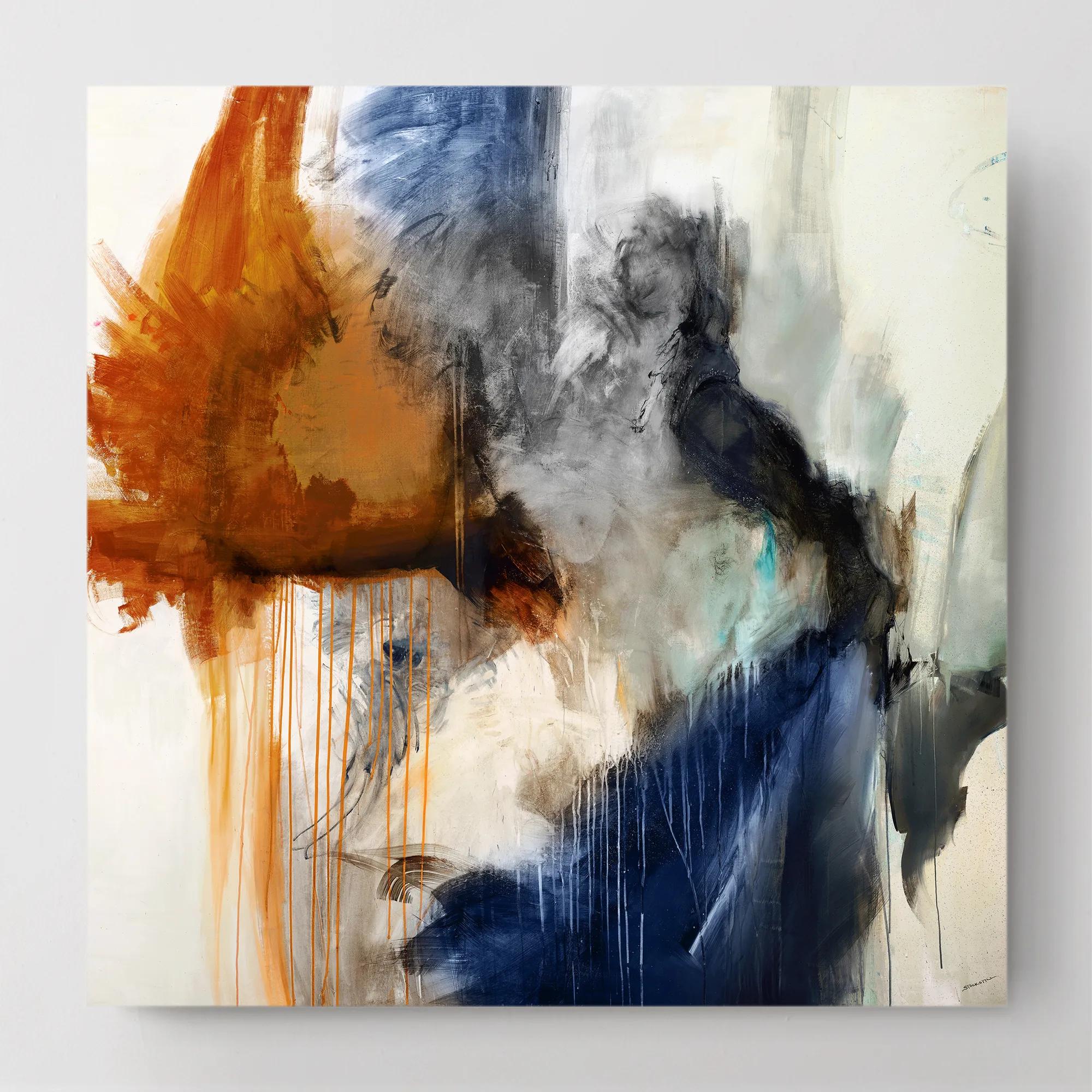
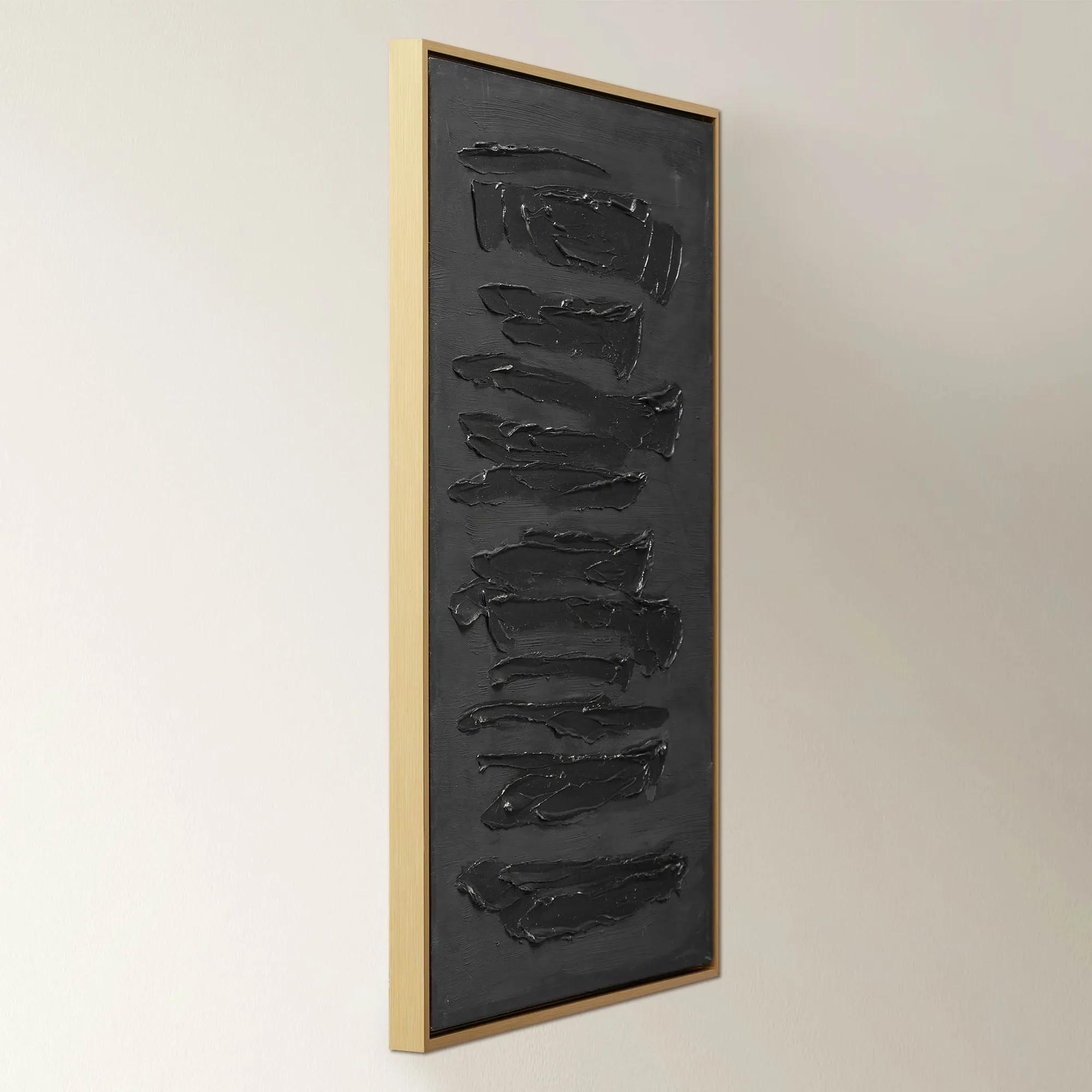 Nocturne$599.95
A dramatic abstract artwork featuring bold, dark brushstrokes on hand-painted canvas in a gold floater frame.
Add To Cart -
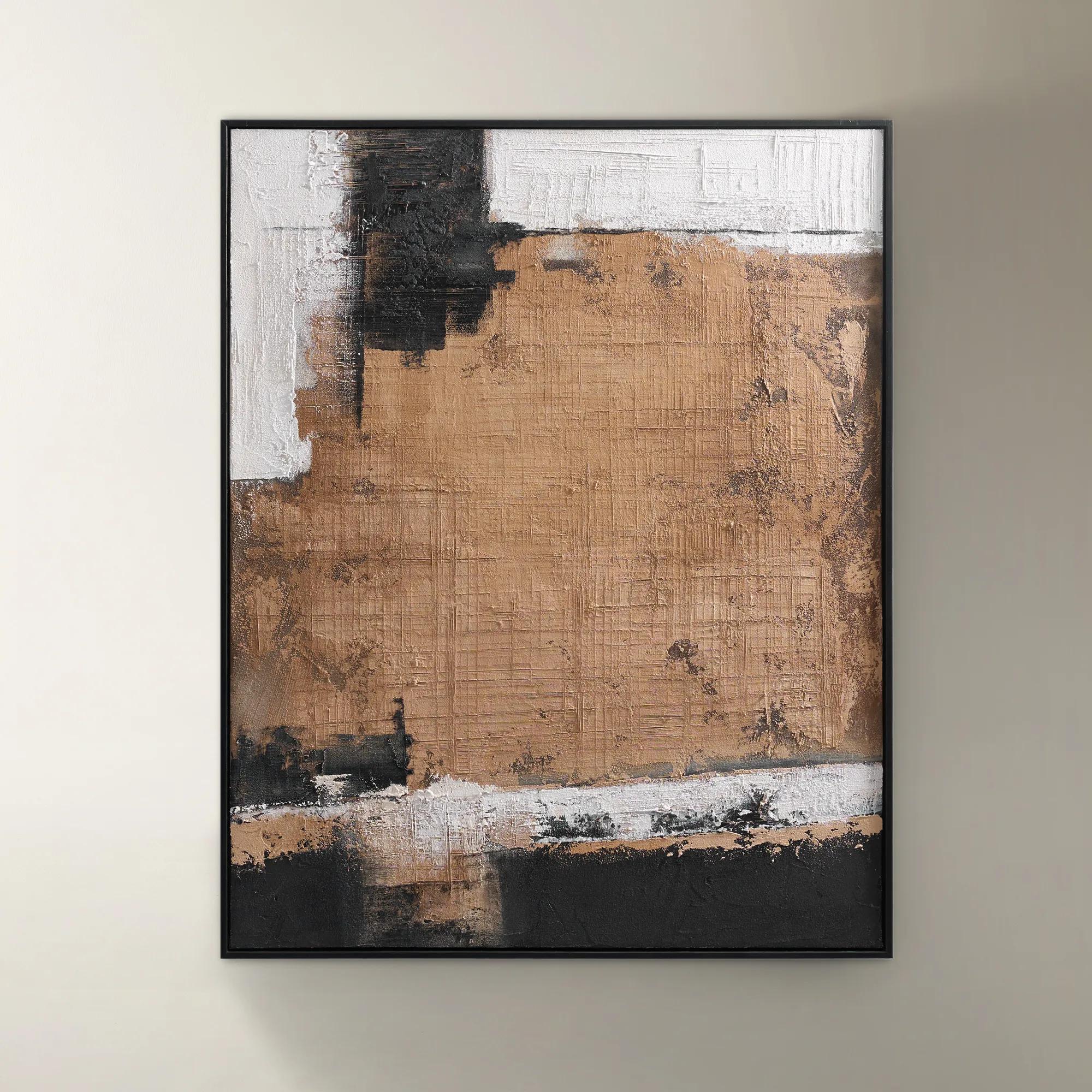
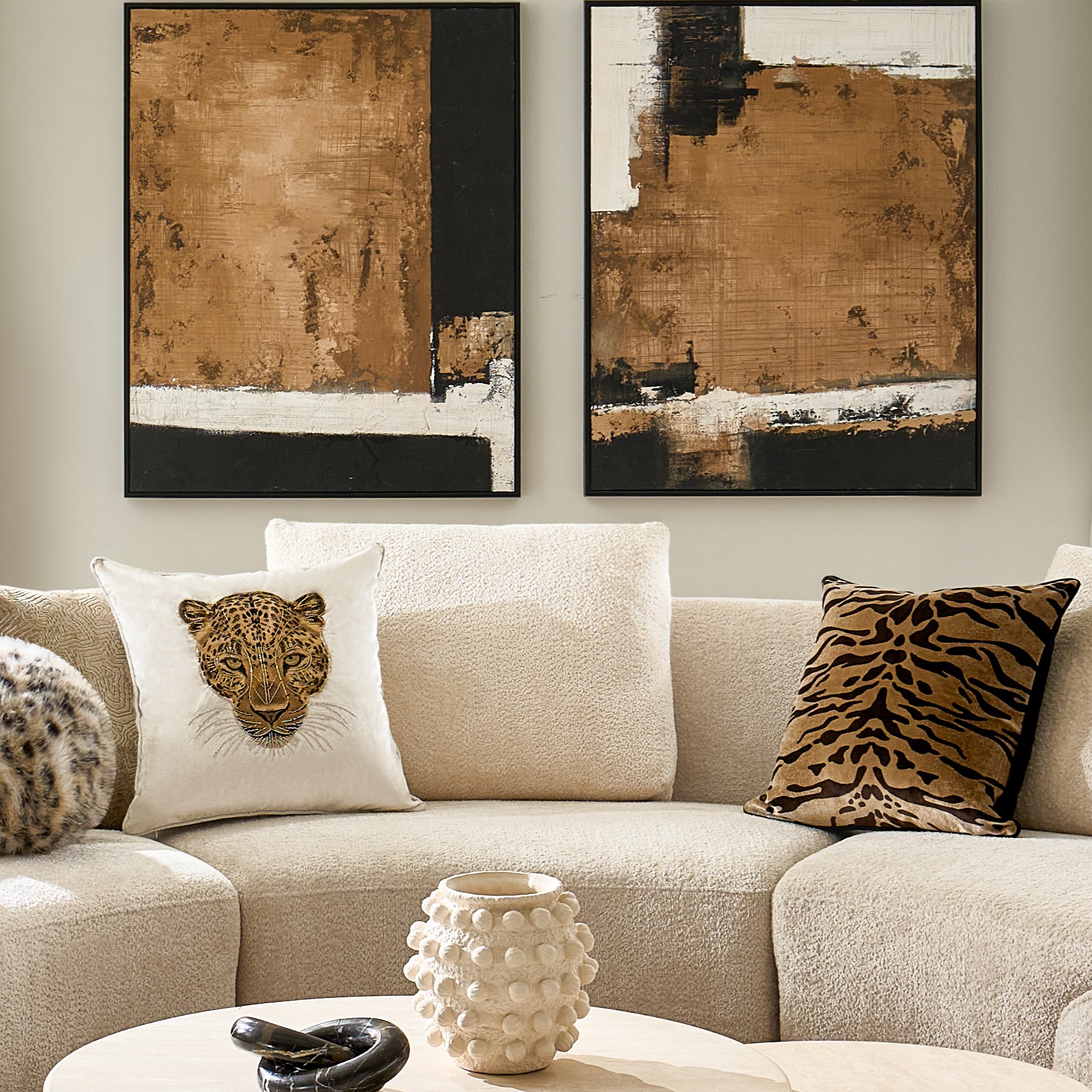 Drift Framed Painted Wall Art II 39.4" x 31.5"$299
A hand-painted canvas in brown, featuring bold texture and color interplay within a sleek black floater frame.
Add To Cart -
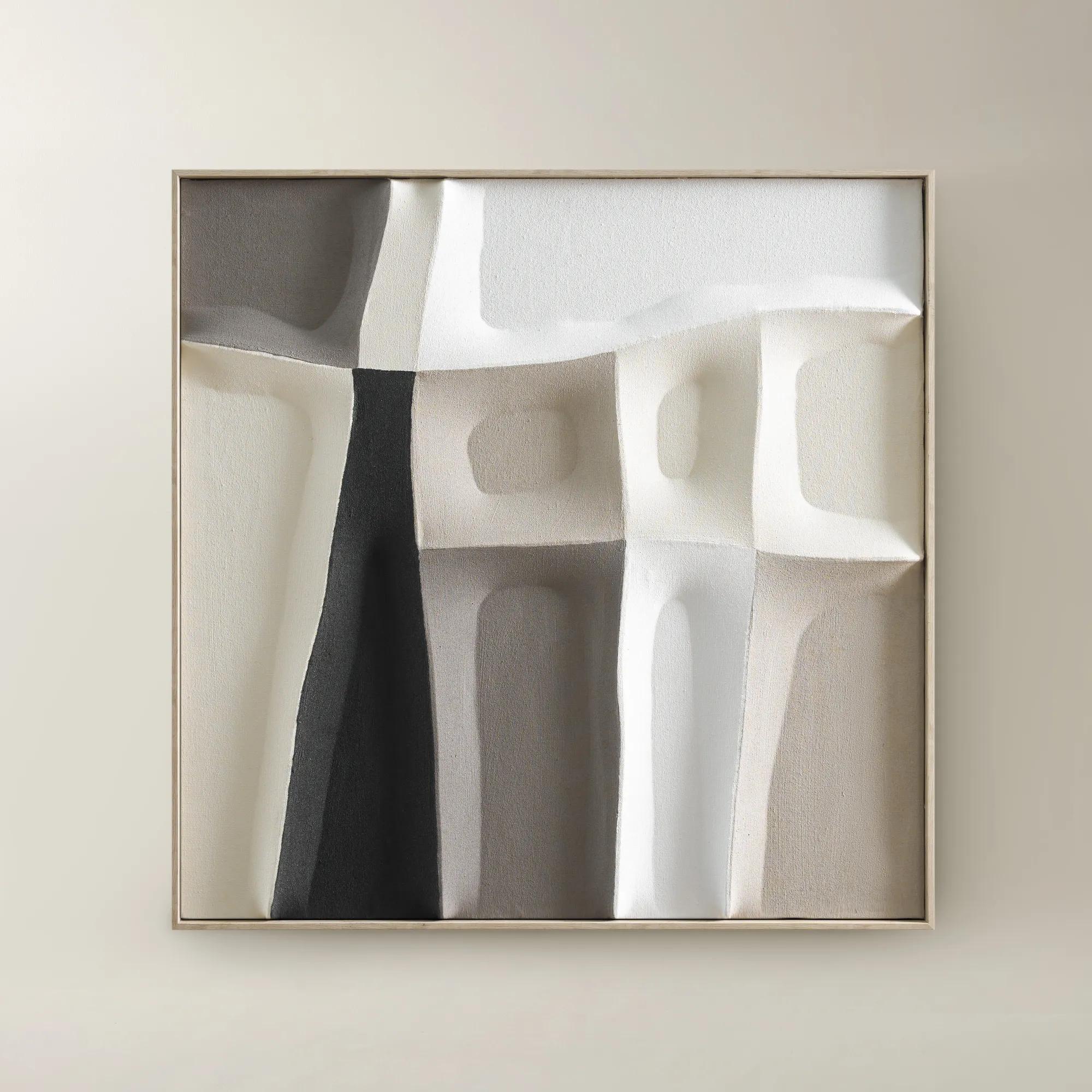 Shadow Painting 1$179
A hand-painted canvas featuring bold colors and sculptural textures in a warm whitewash floater frame.
Add To Cart -
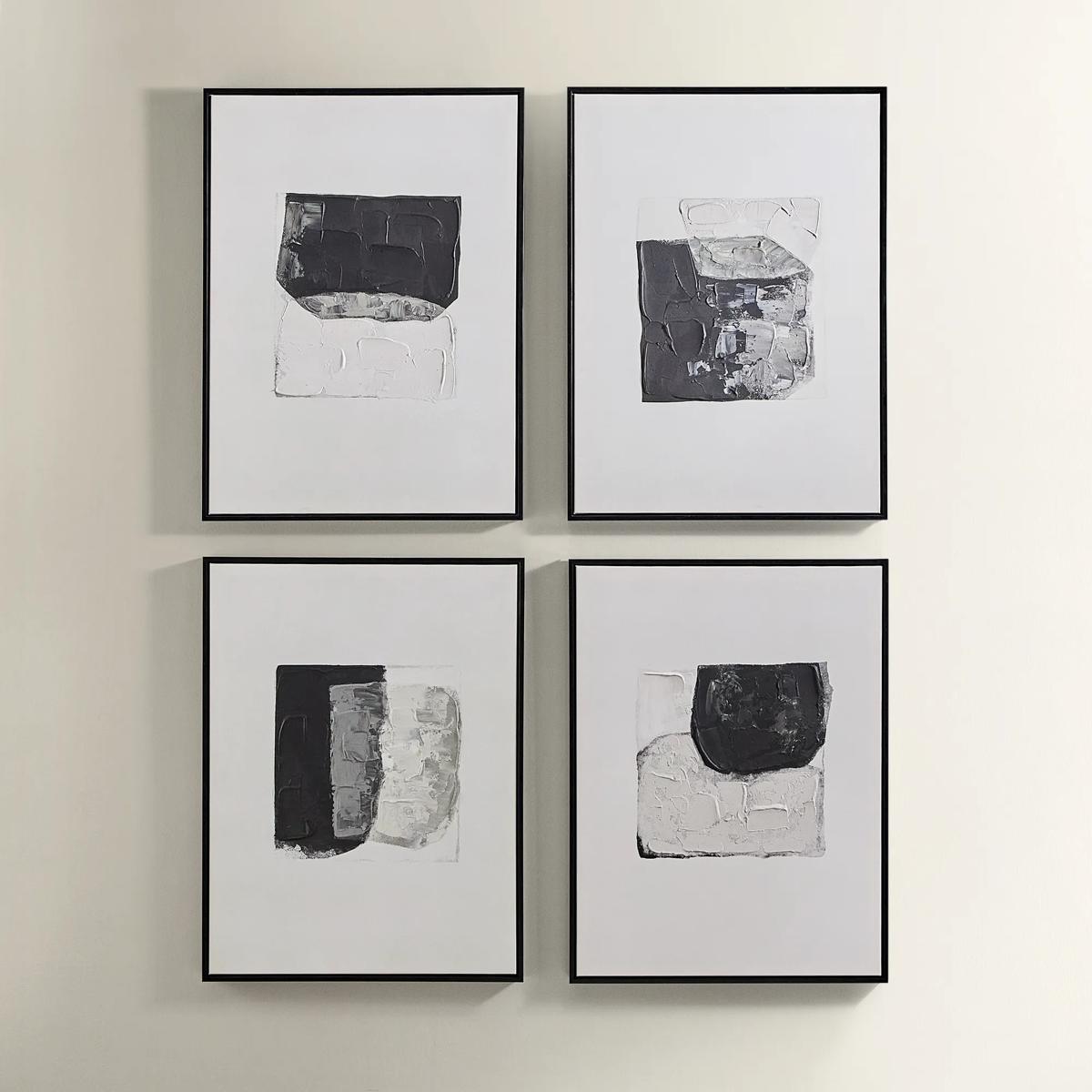
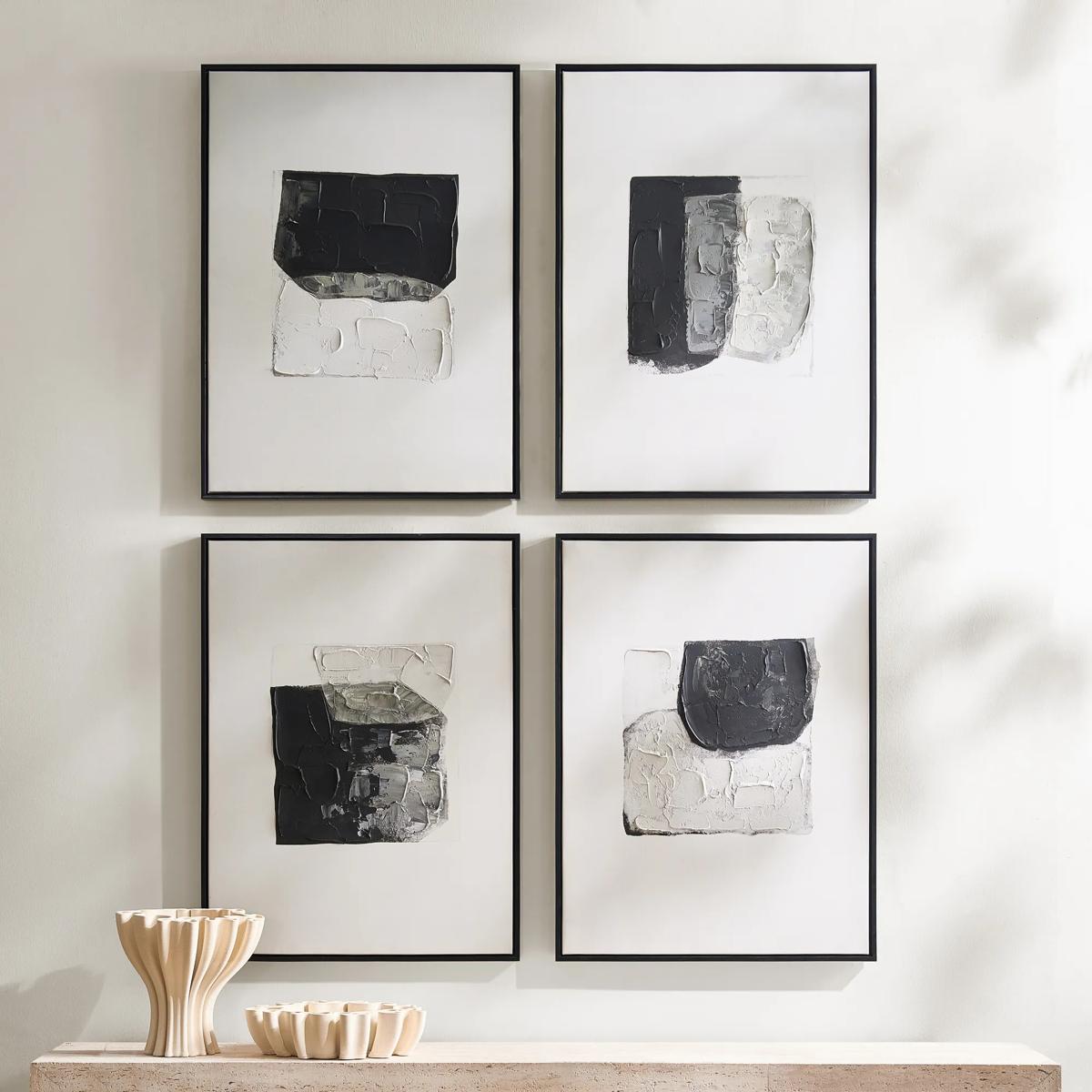 Shadows Framed Painted Wall Art Set of 4$299
A set of four hand-painted abstract canvases featuring black, white, and gold accents in black frames.
Add To Cart -
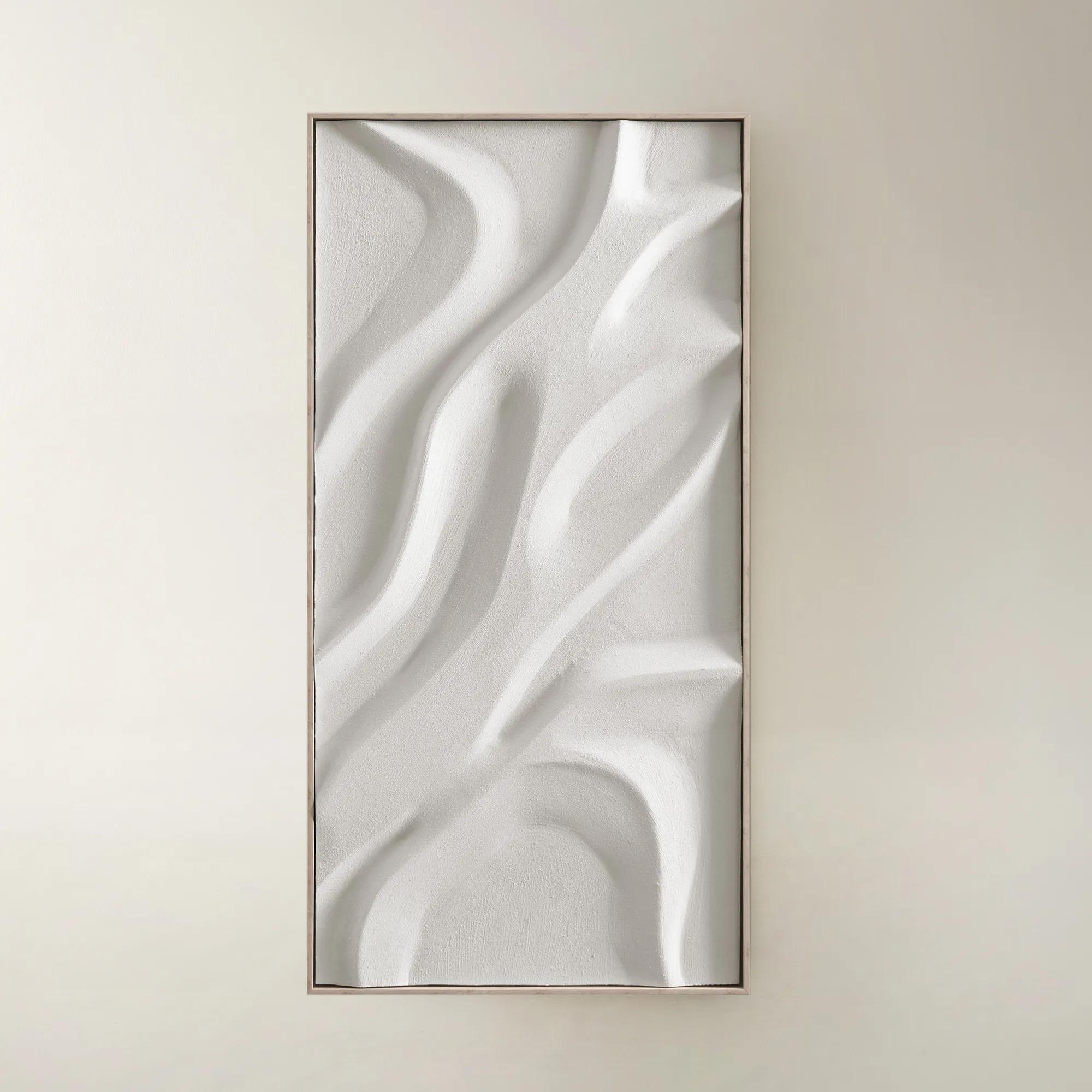
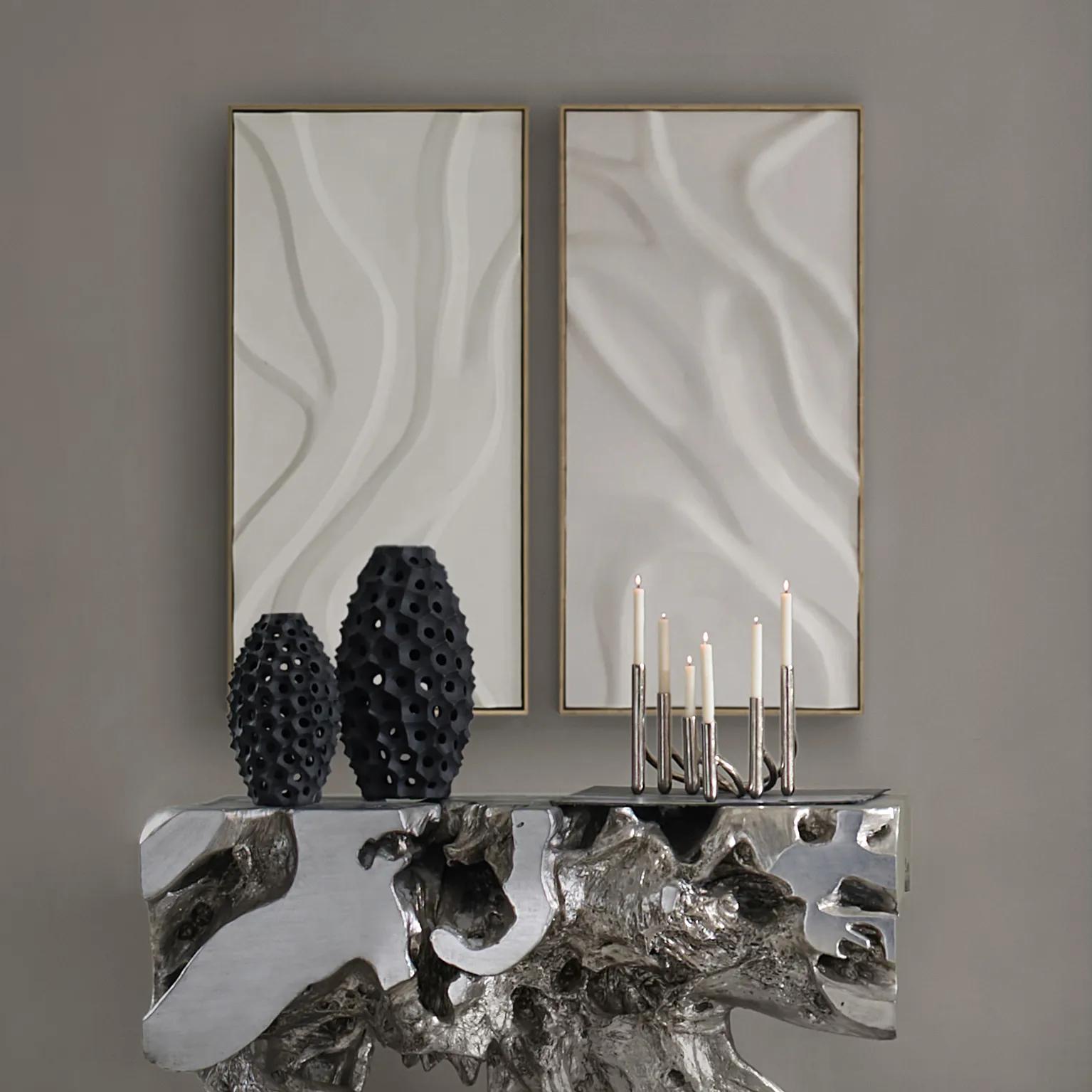 Au Lait Framed Painted Wall Art II 47.2" x 23.6"$199
A serene hand-painted canvas in beige, set in a warm whitewash floater frame for modern interiors.
Add To Cart -
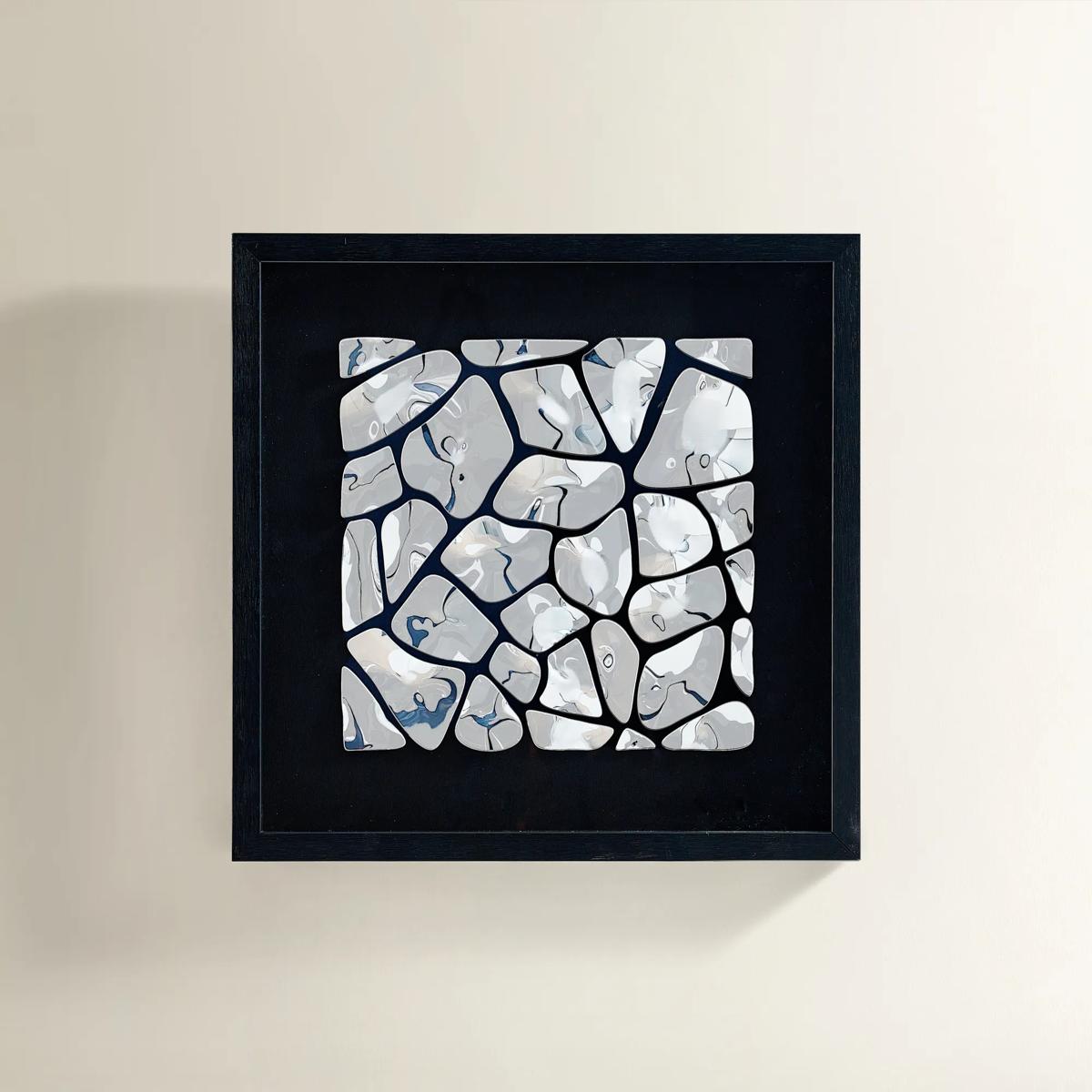 Reflect Silver And Black Shadowbox Art I$189
A dimensional metal wall art piece featuring polished silver and black forms in a sleek black frame.
Add To Cart -
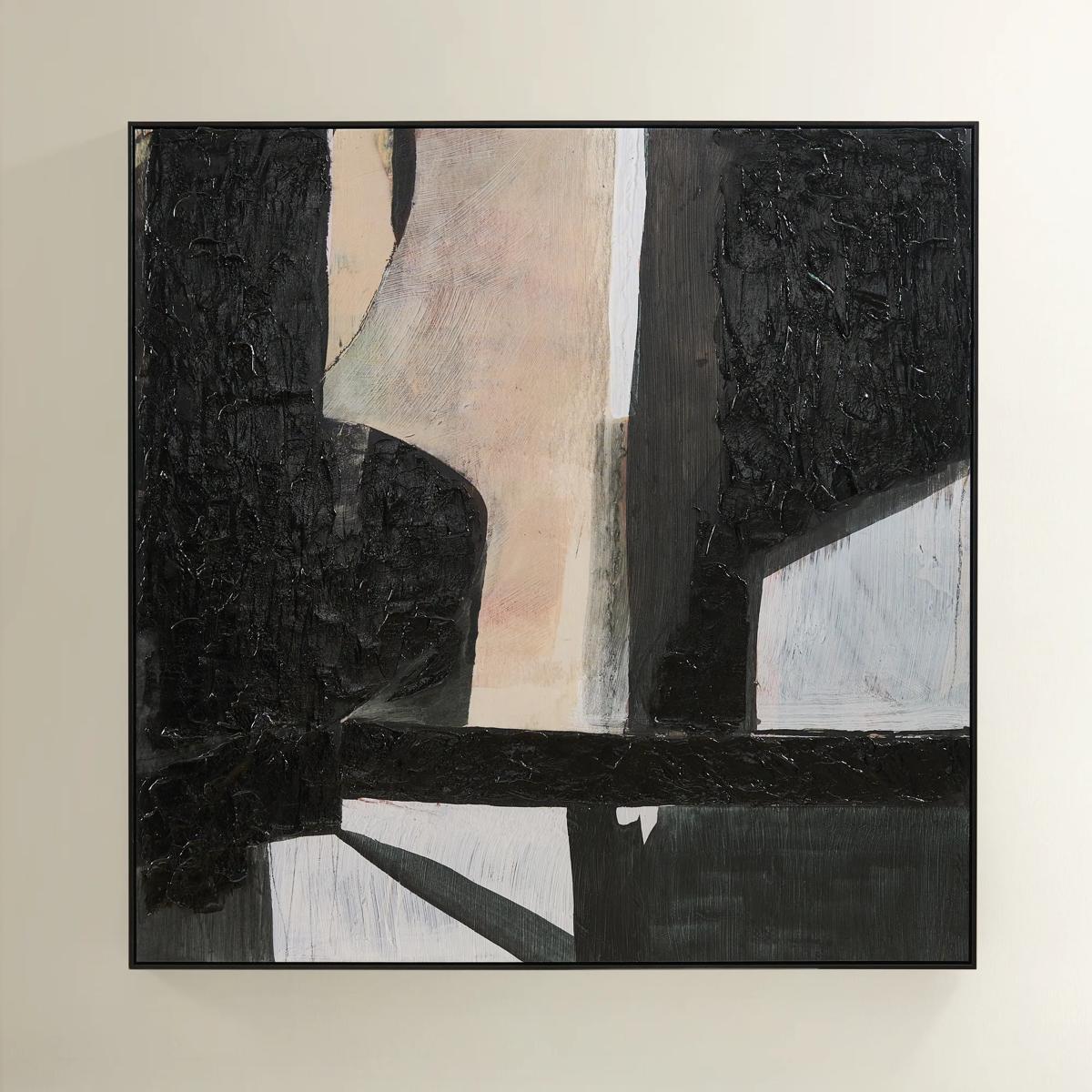 Grounded Painting$699
A hand-painted abstract canvas featuring black, cream, and earth tones in a sleek black floater frame.
Add To Cart -
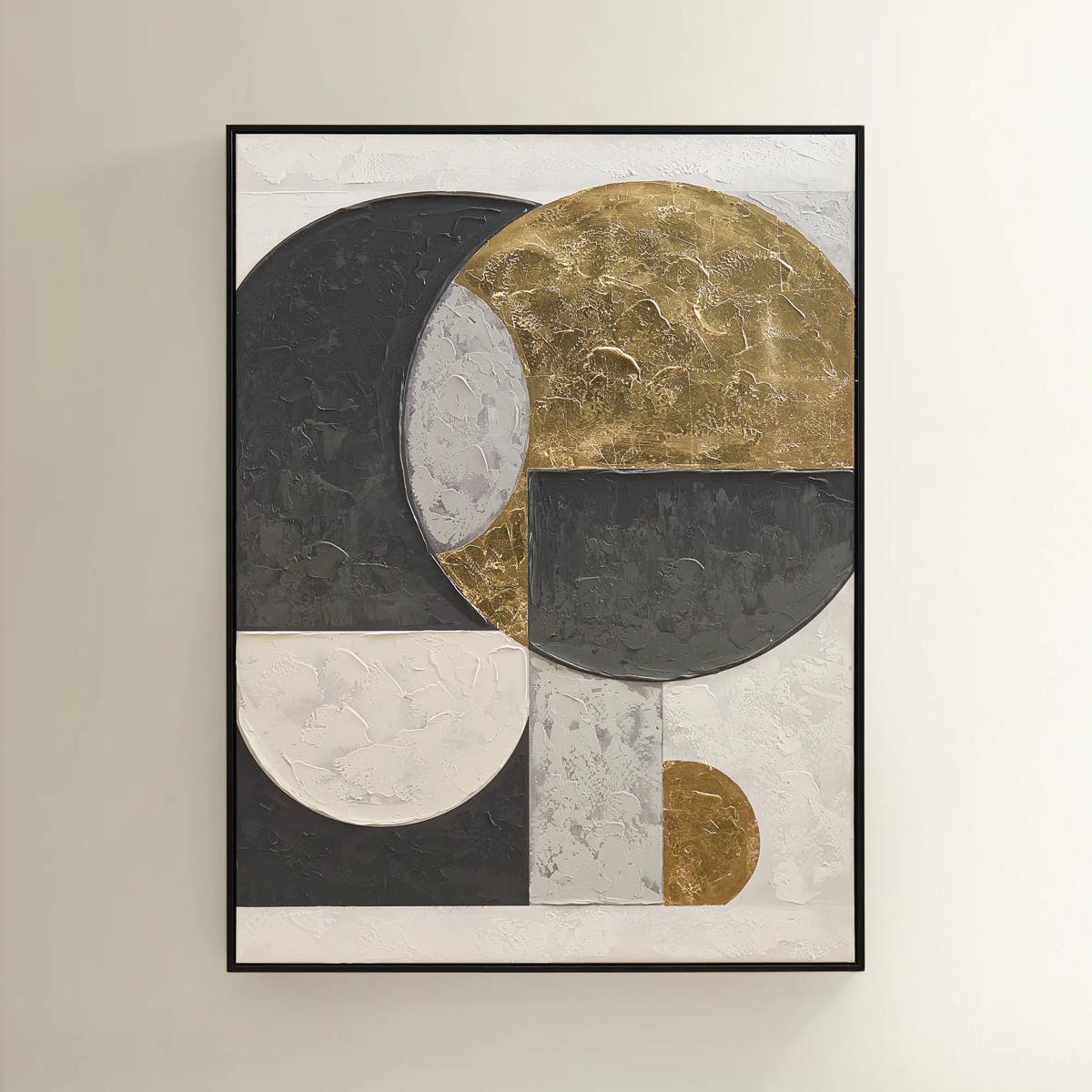
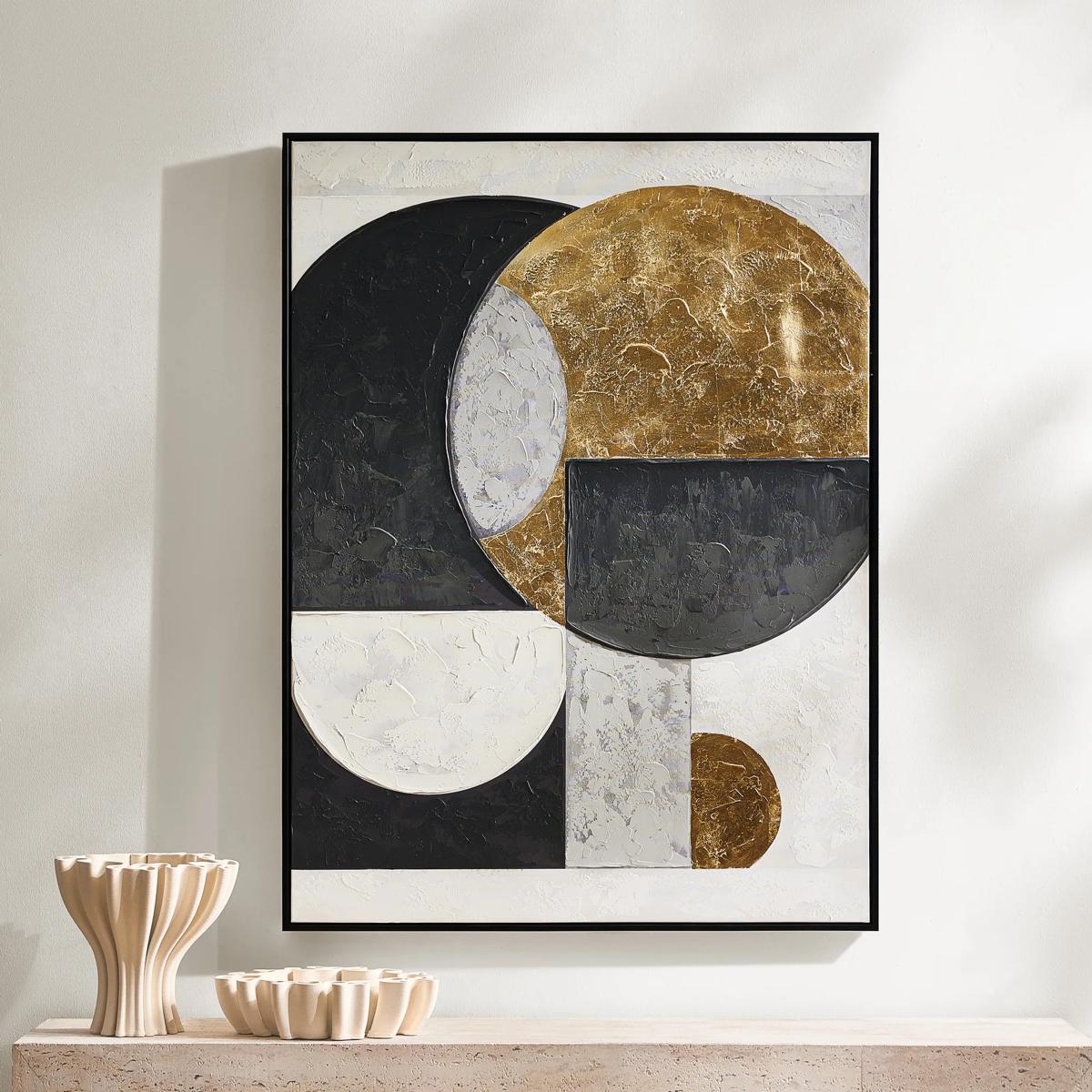 Eclipse Framed Gold Leaf Painted Wall Art 35.25" x 47.25"$449
A hand-painted canvas featuring bold black, grey, and gold geometric shapes with shimmering gold leaf accents.
Add To Cart -
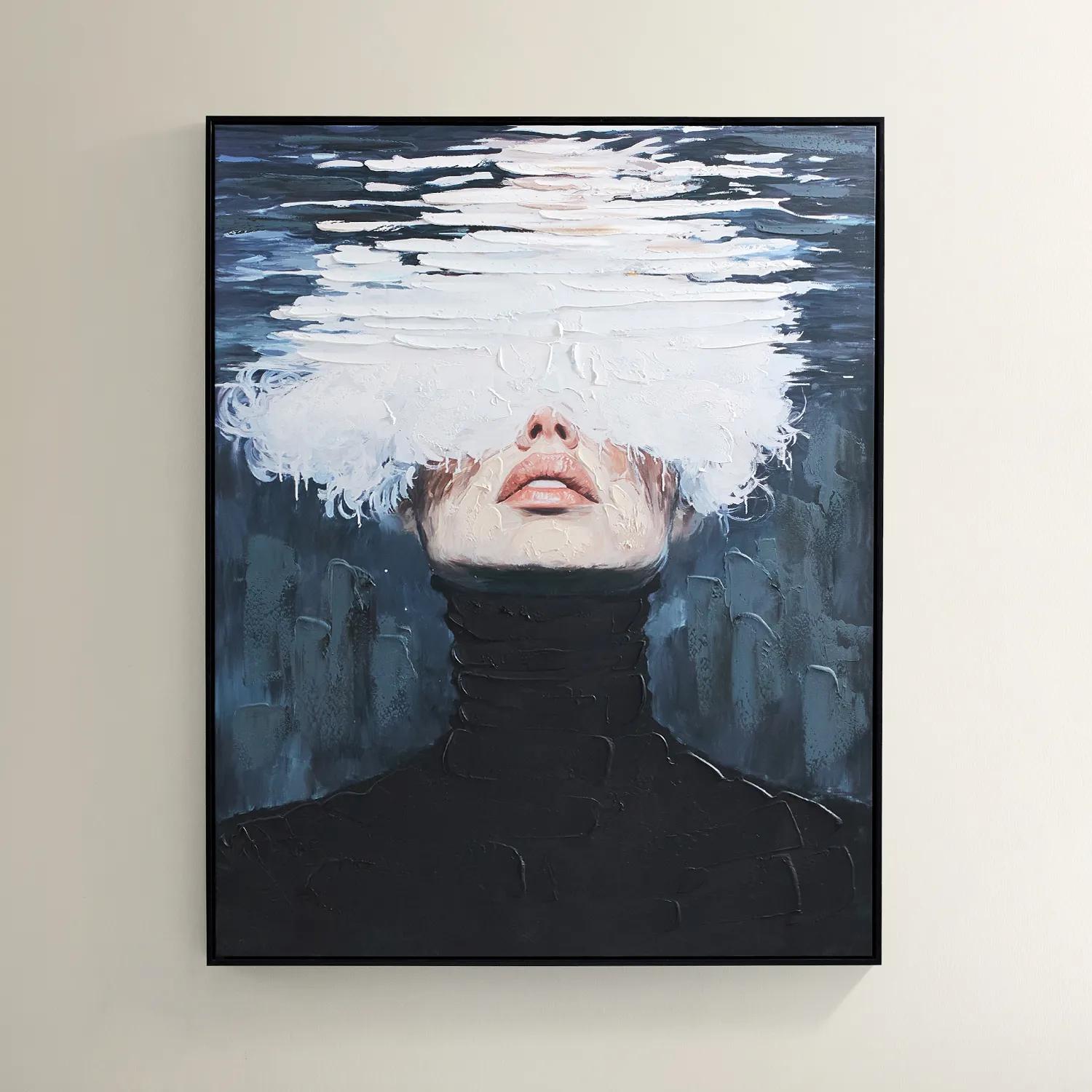
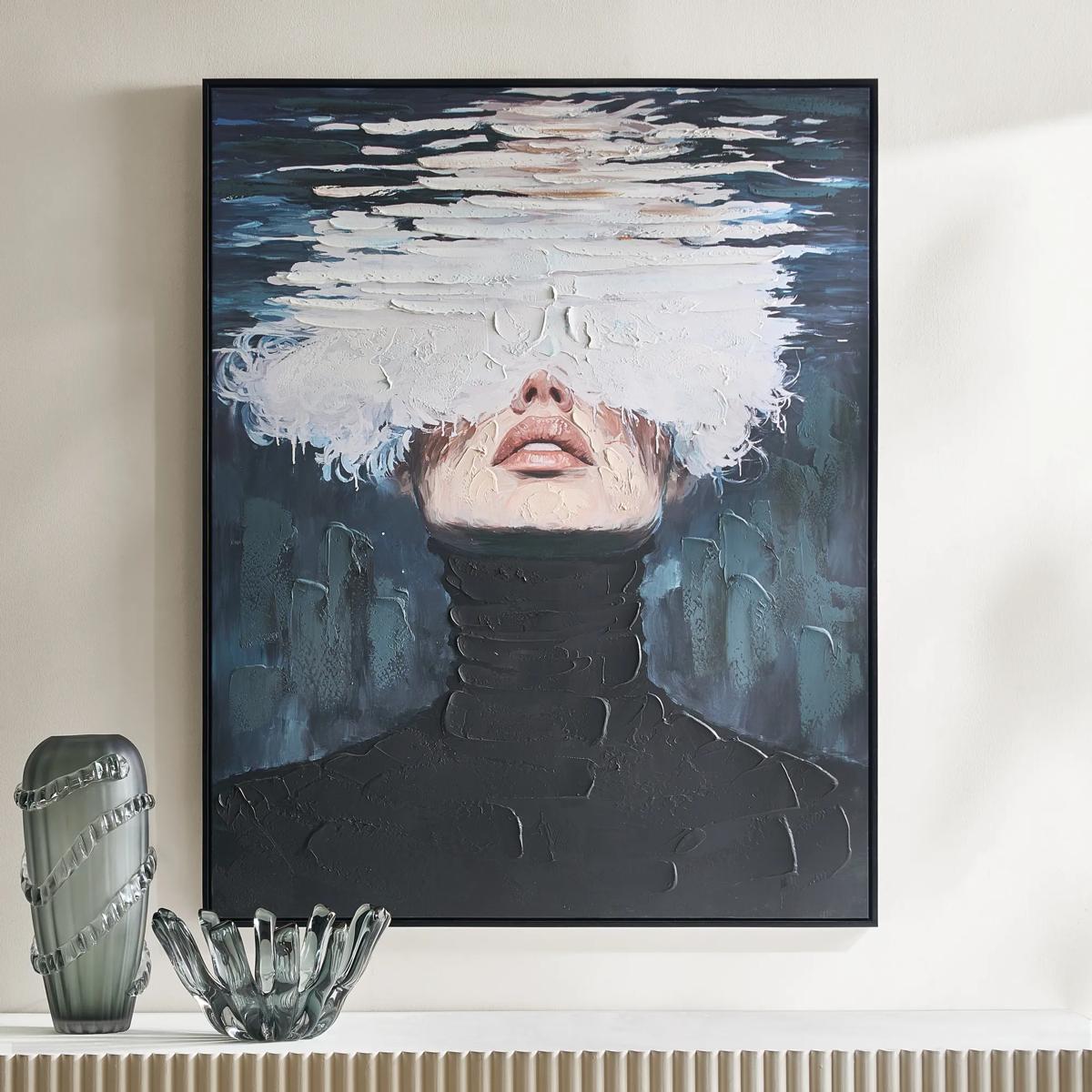 Submerged Framed Painted Wall Art 40" x 50"$599
A hand-painted canvas featuring a surreal portrait in black, blue, and white with a black floater frame.
Add To Cart -
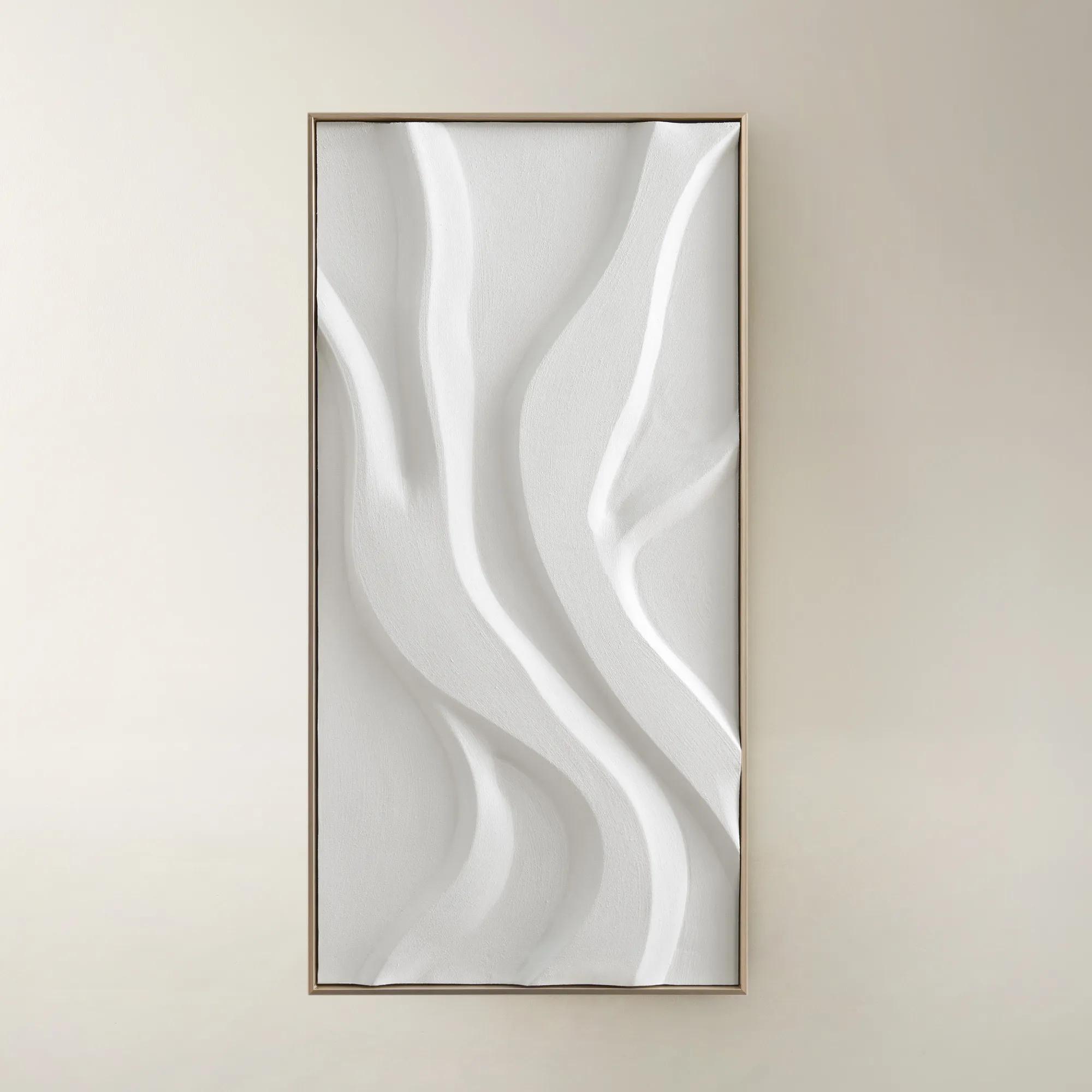
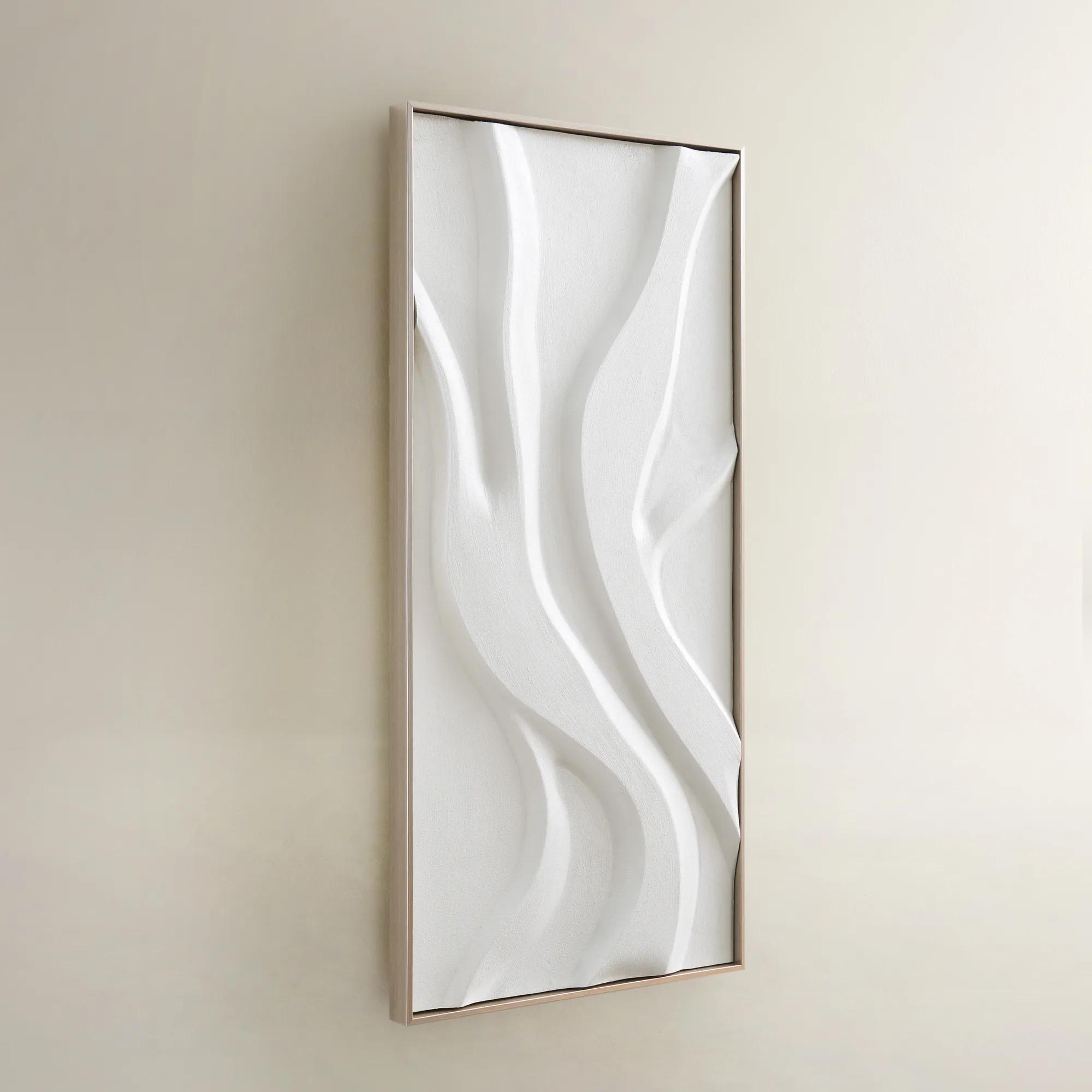 Au Lait Framed Painted Wall Art I 47.2" x 23.6"$199
An organic hand-painted canvas featuring flowing white forms in a warm champagne finish floater frame.
Add To Cart -
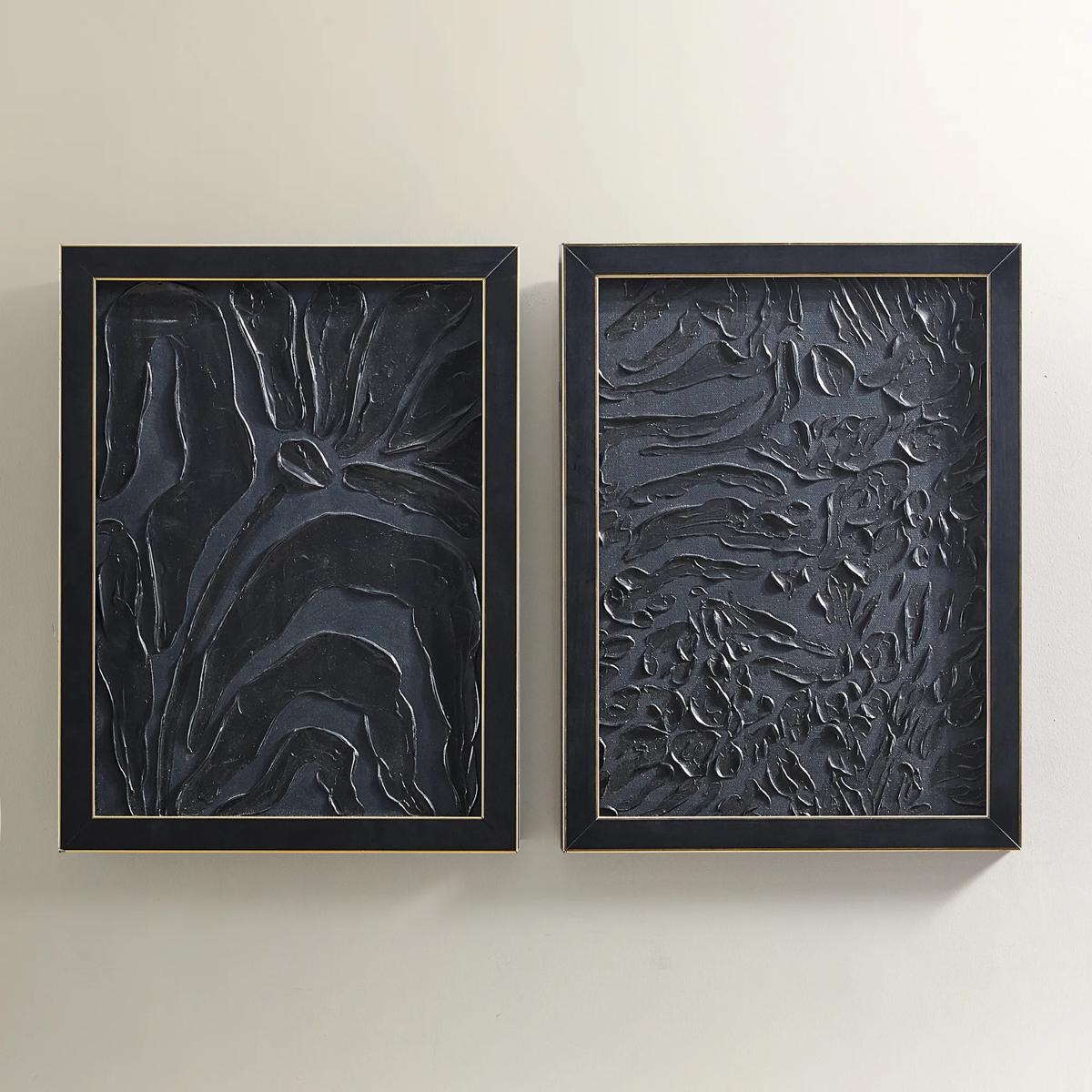
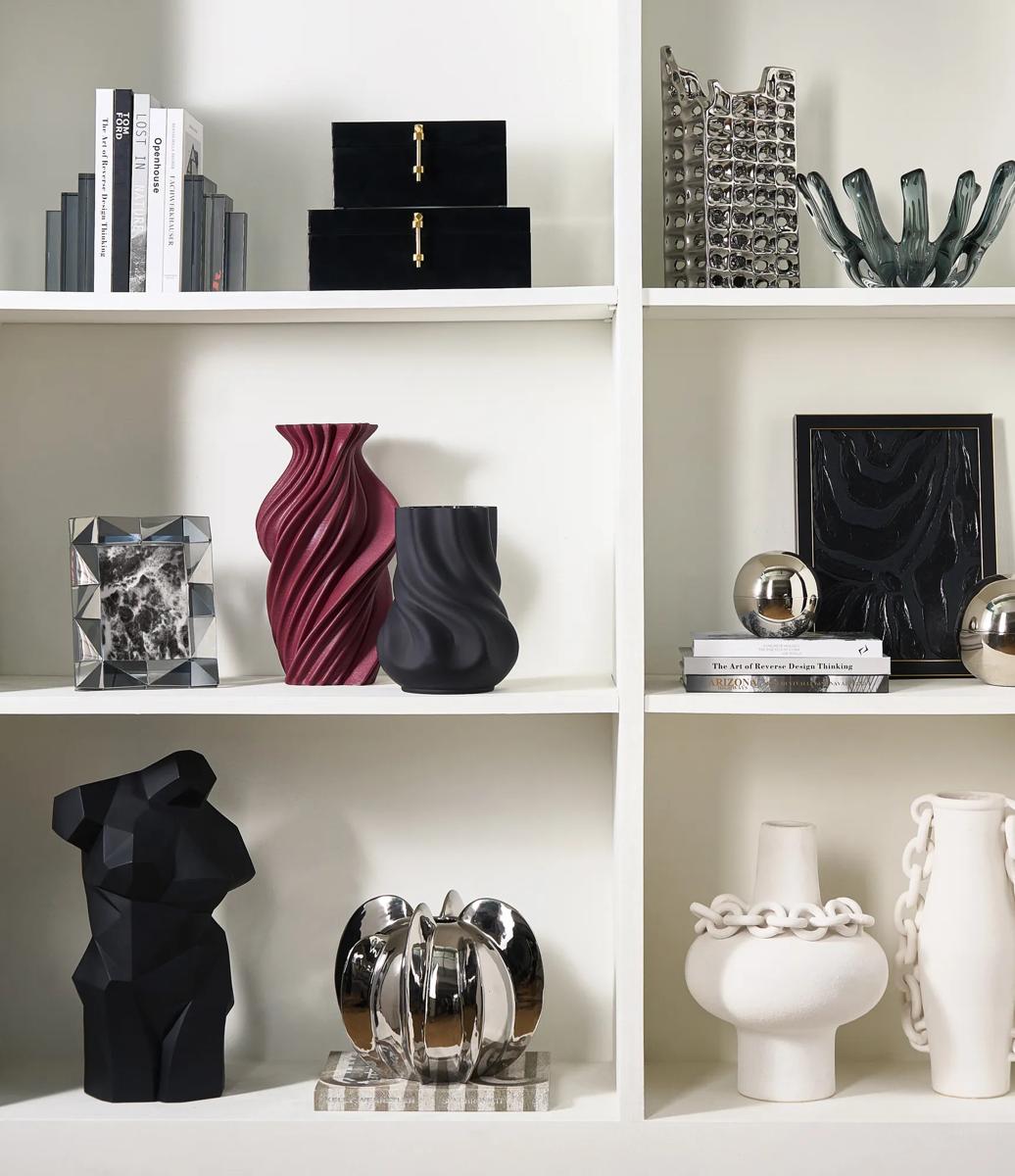 Midnight Animal Painting - Set of 2$119
A set of hand-embellished canvas artworks in black and gold frames, adding depth and warmth to interiors.
Add To Cart -
-0.jpeg?w=1200&h=1200)
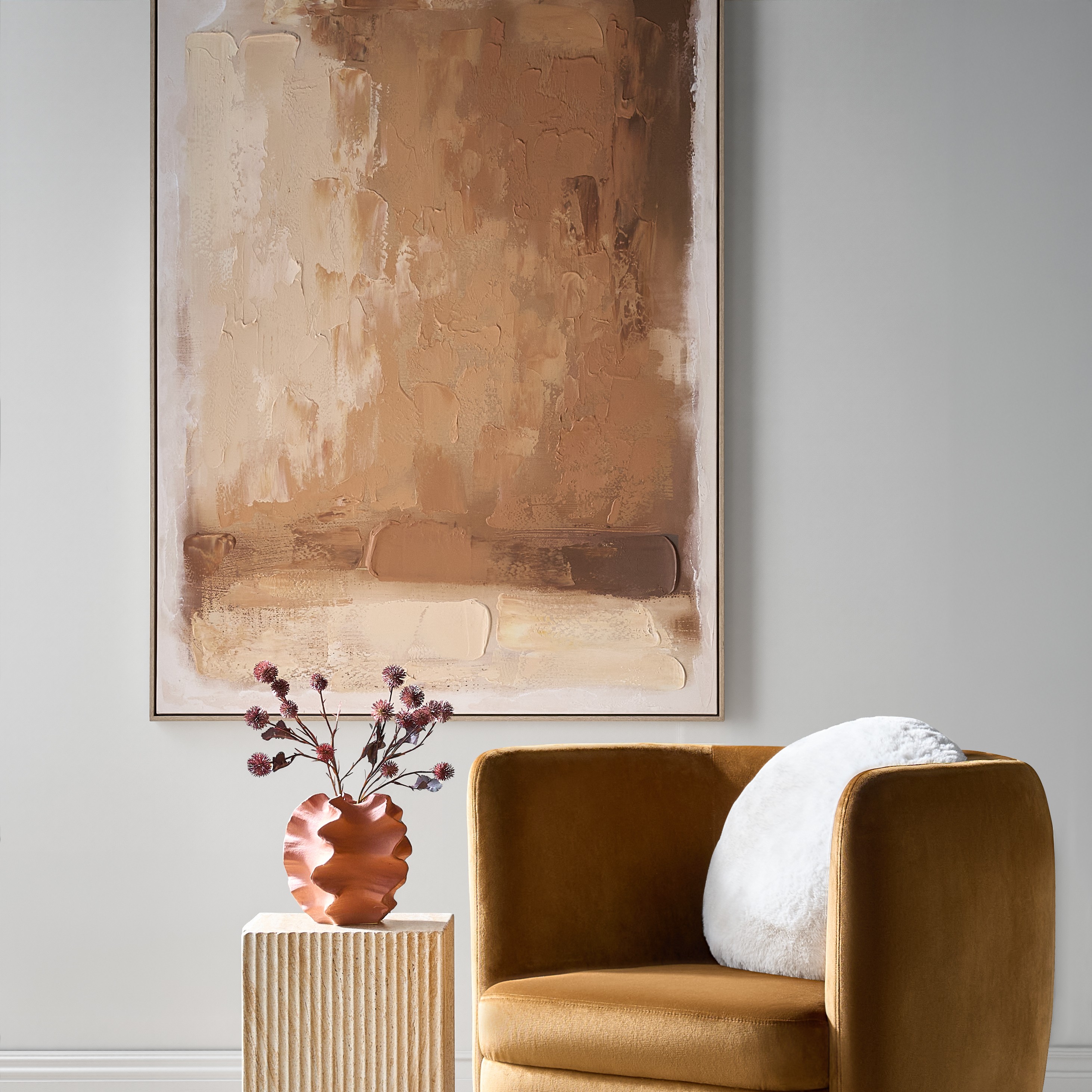 Ember Glow Framed Painted Wall Art 39.25" x 55"$499
A hand-painted abstract canvas blending ochre, terracotta, and golden clay hues in a light natural frame.
Add To Cart -
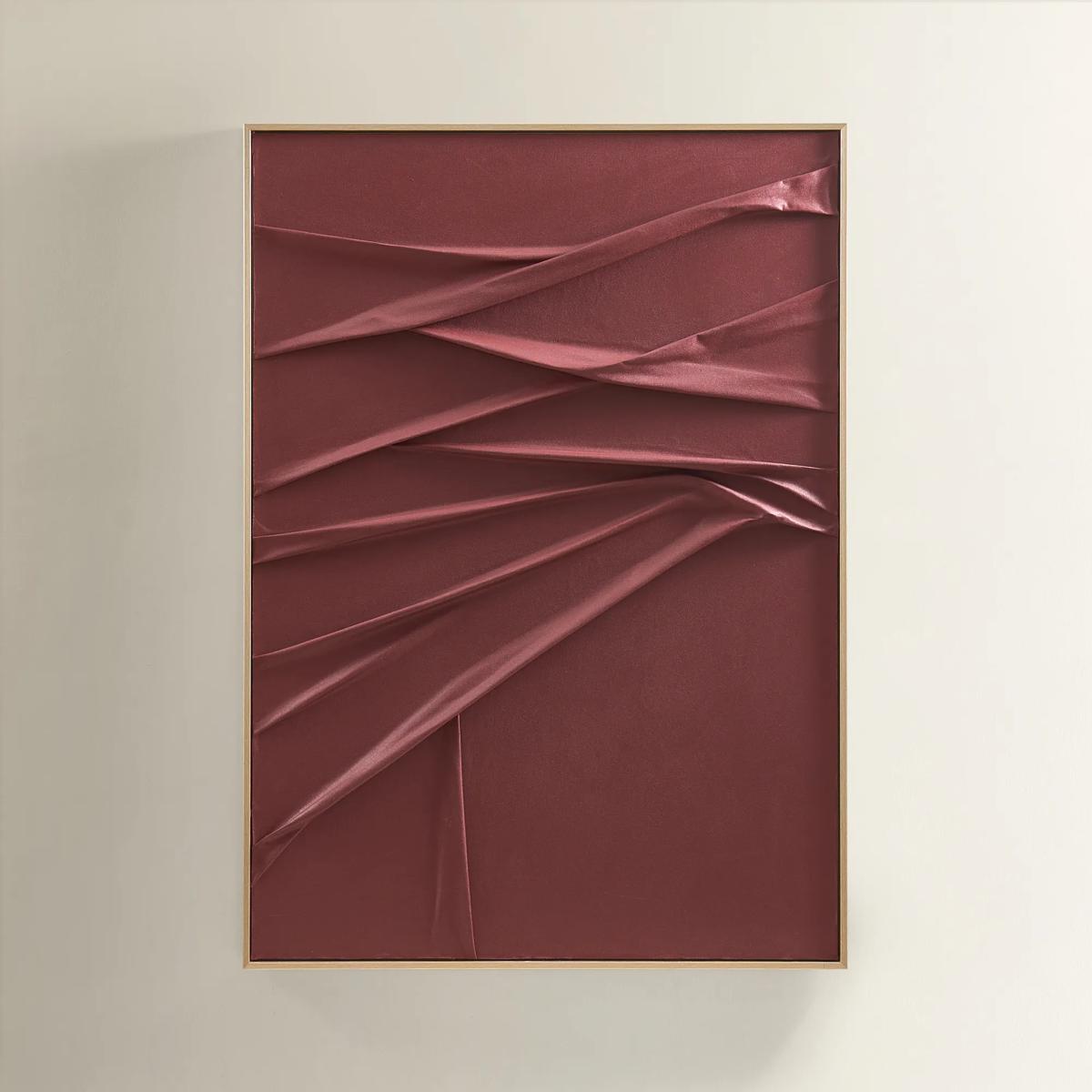
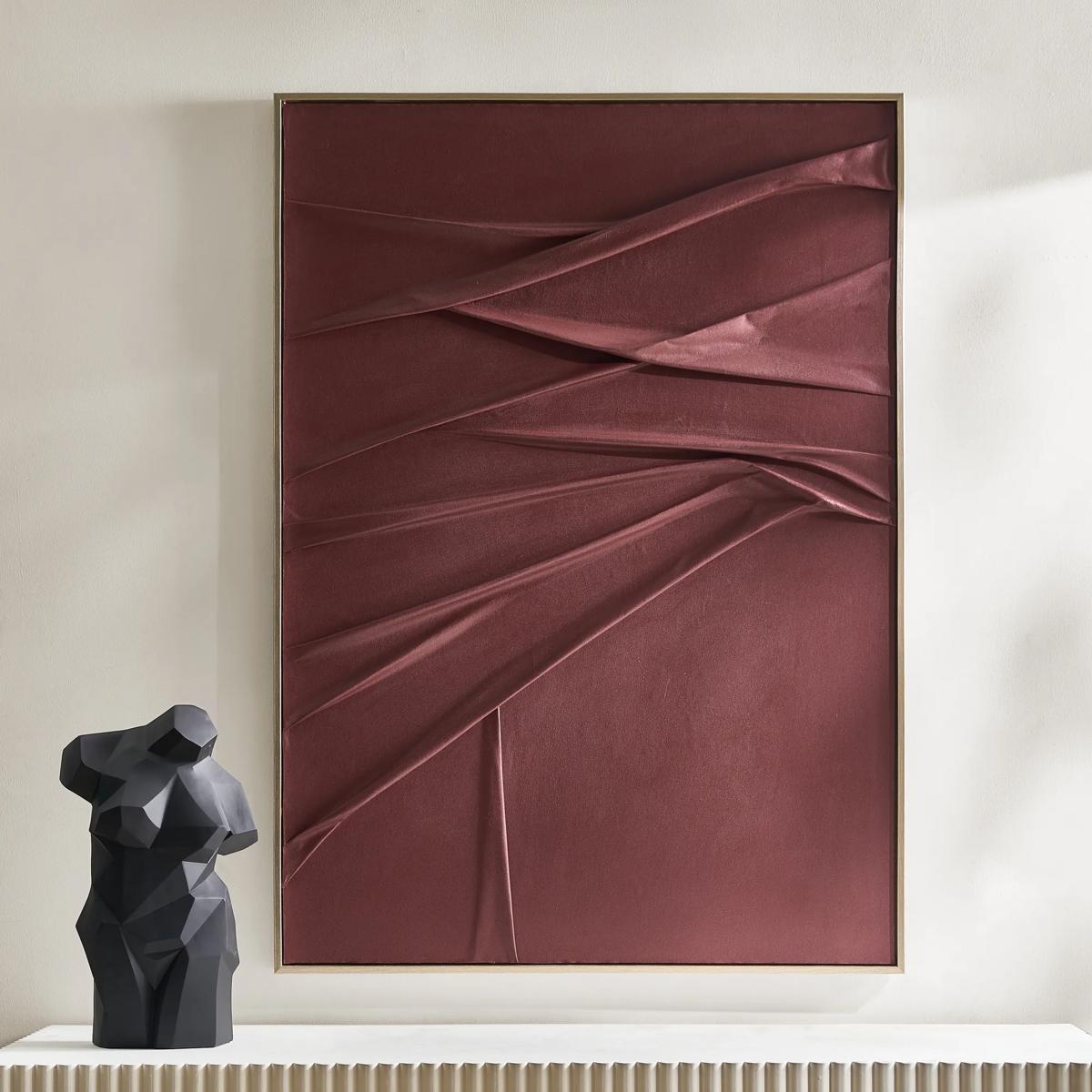 Crimson Painting$599
A handcrafted burgundy canvas artwork with sculptural folds, framed in champagne for a dramatic, textured effect.
Add To Cart -
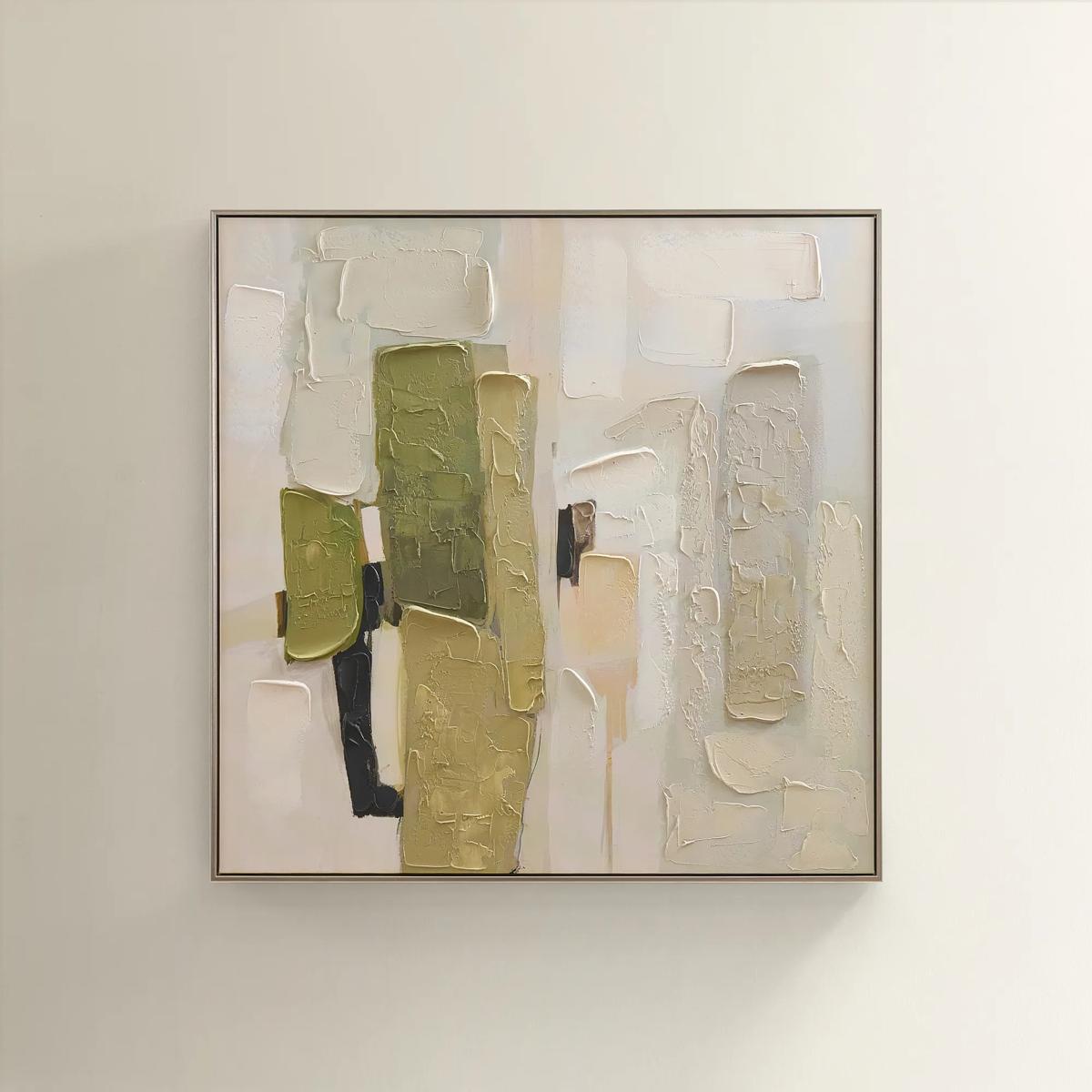 Verde Crush Framed Painted Wall Art 39.25" x 39.25"$349
A hand-painted abstract canvas featuring rich green tones, layered neutrals, and a champagne floater frame.
Add To Cart -
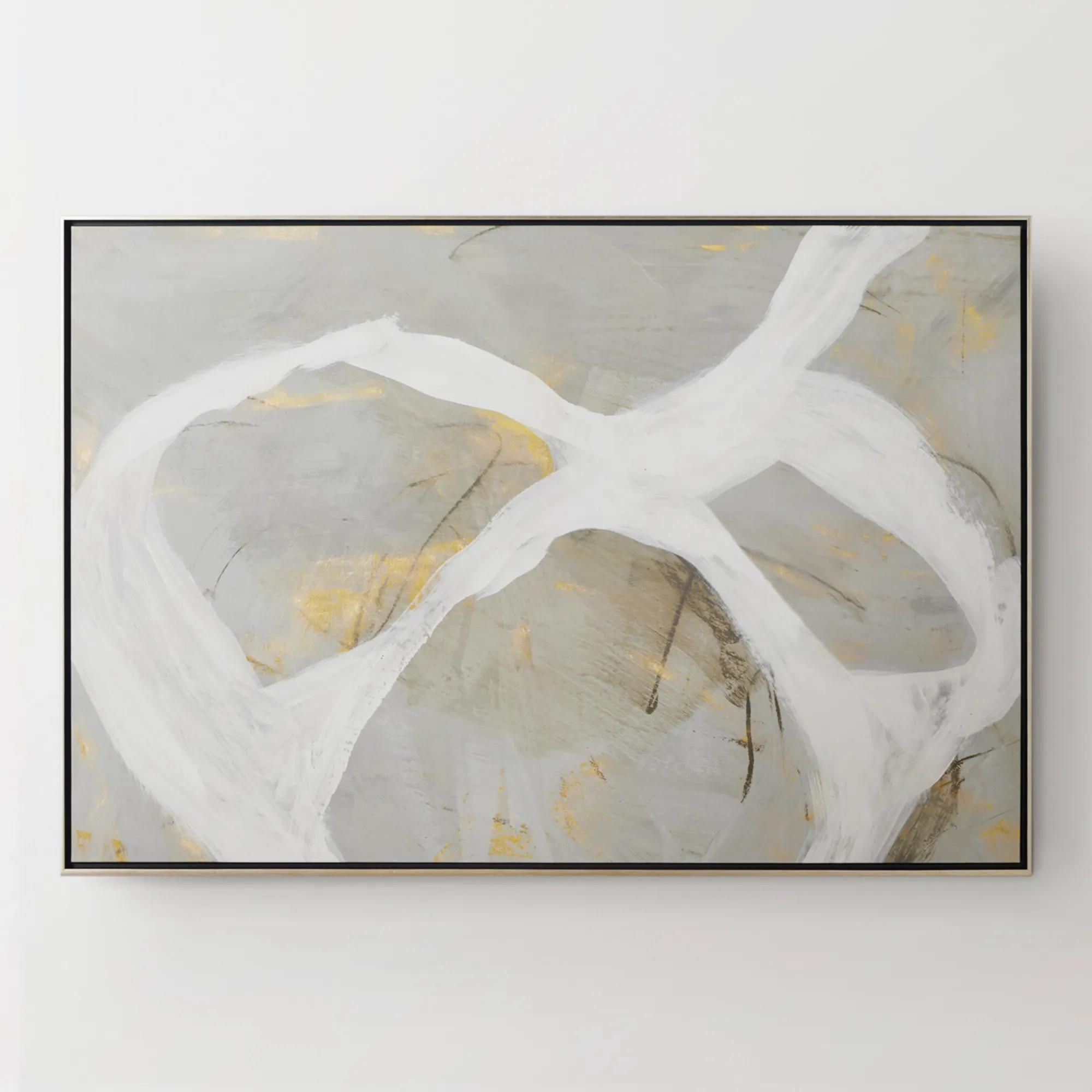
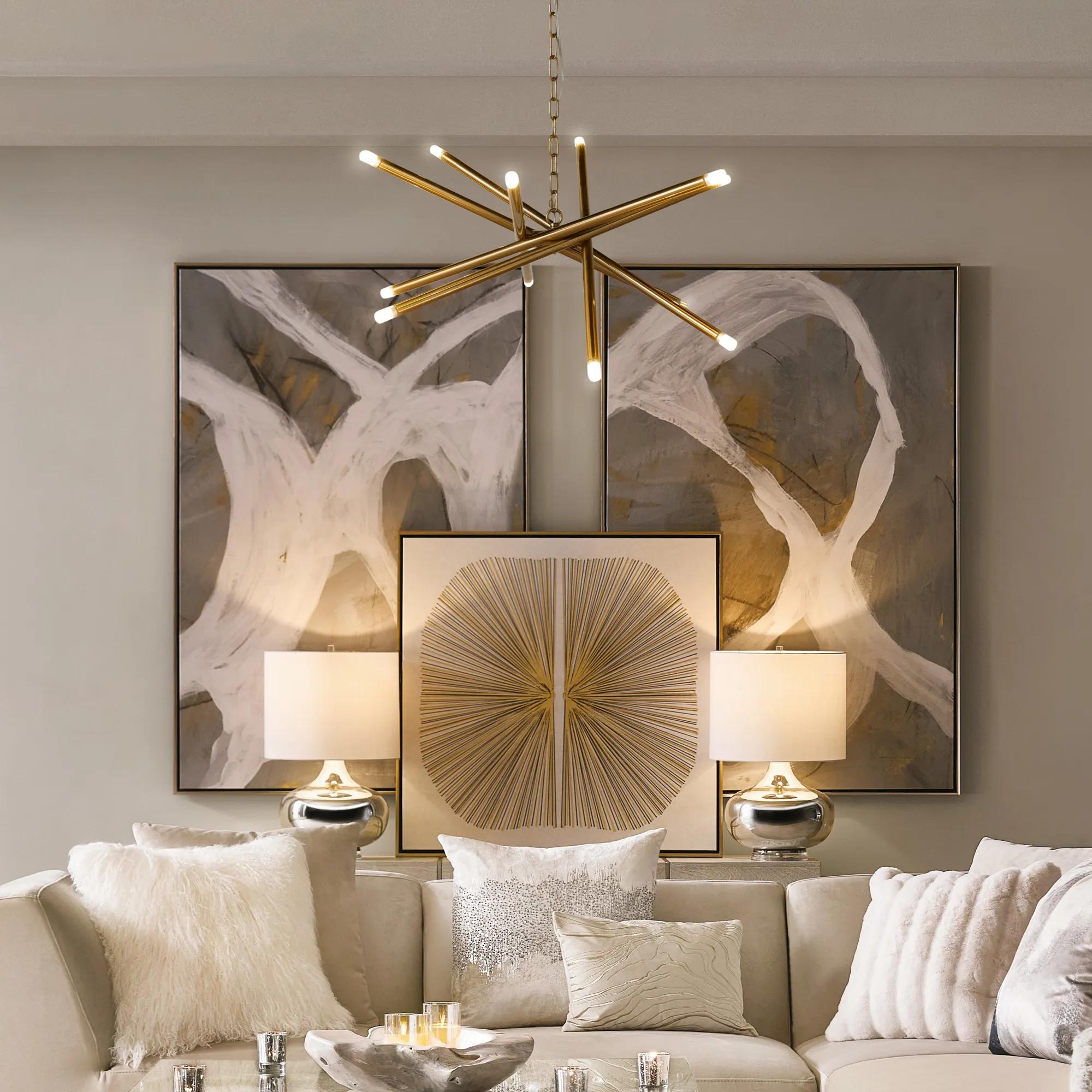 Les Series Framed Painted Wall Art I 61" x 41"$1099
An abstract canvas artwork featuring bold brushstrokes, hand-applied gold accents, and a silver floater frame.
Add To Cart -
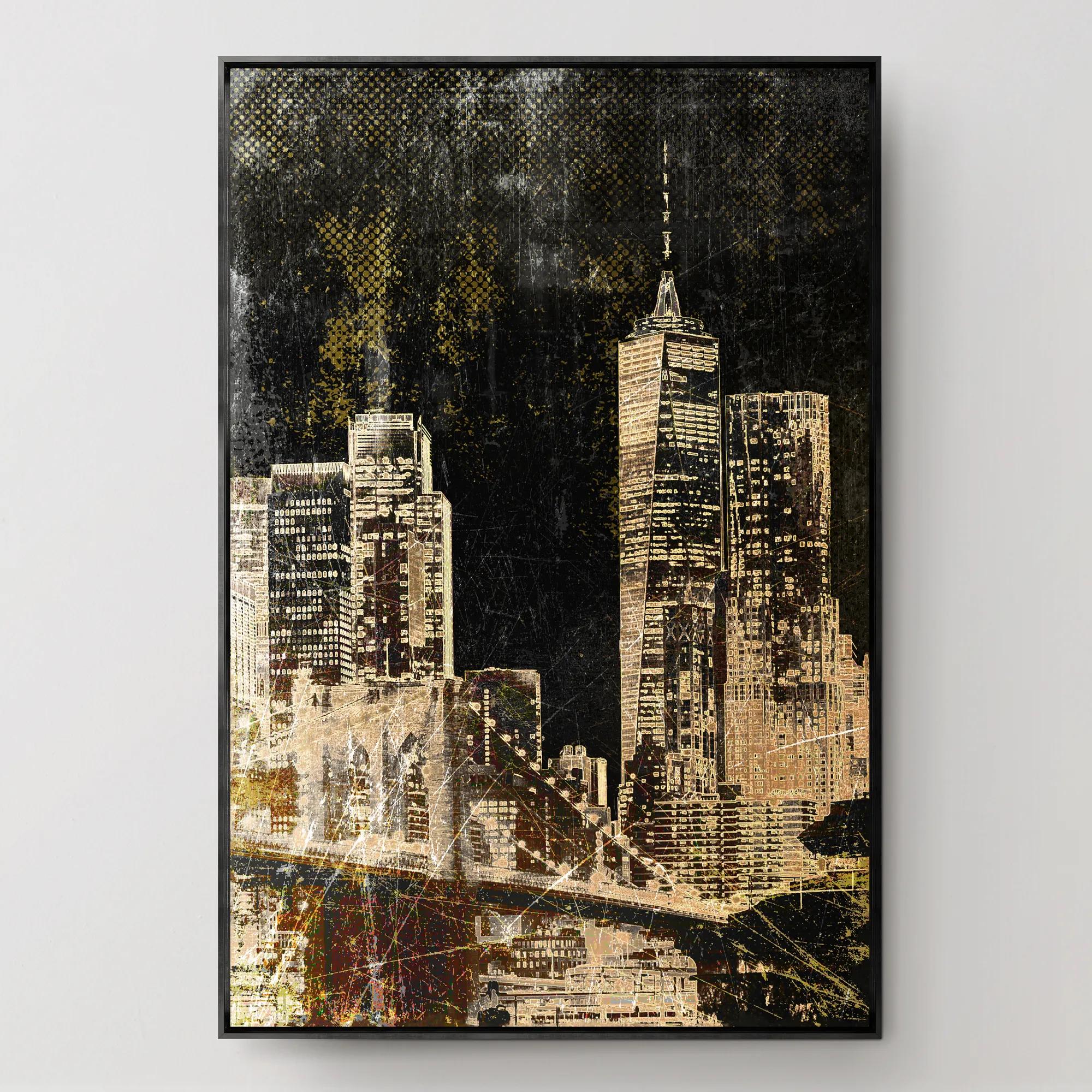
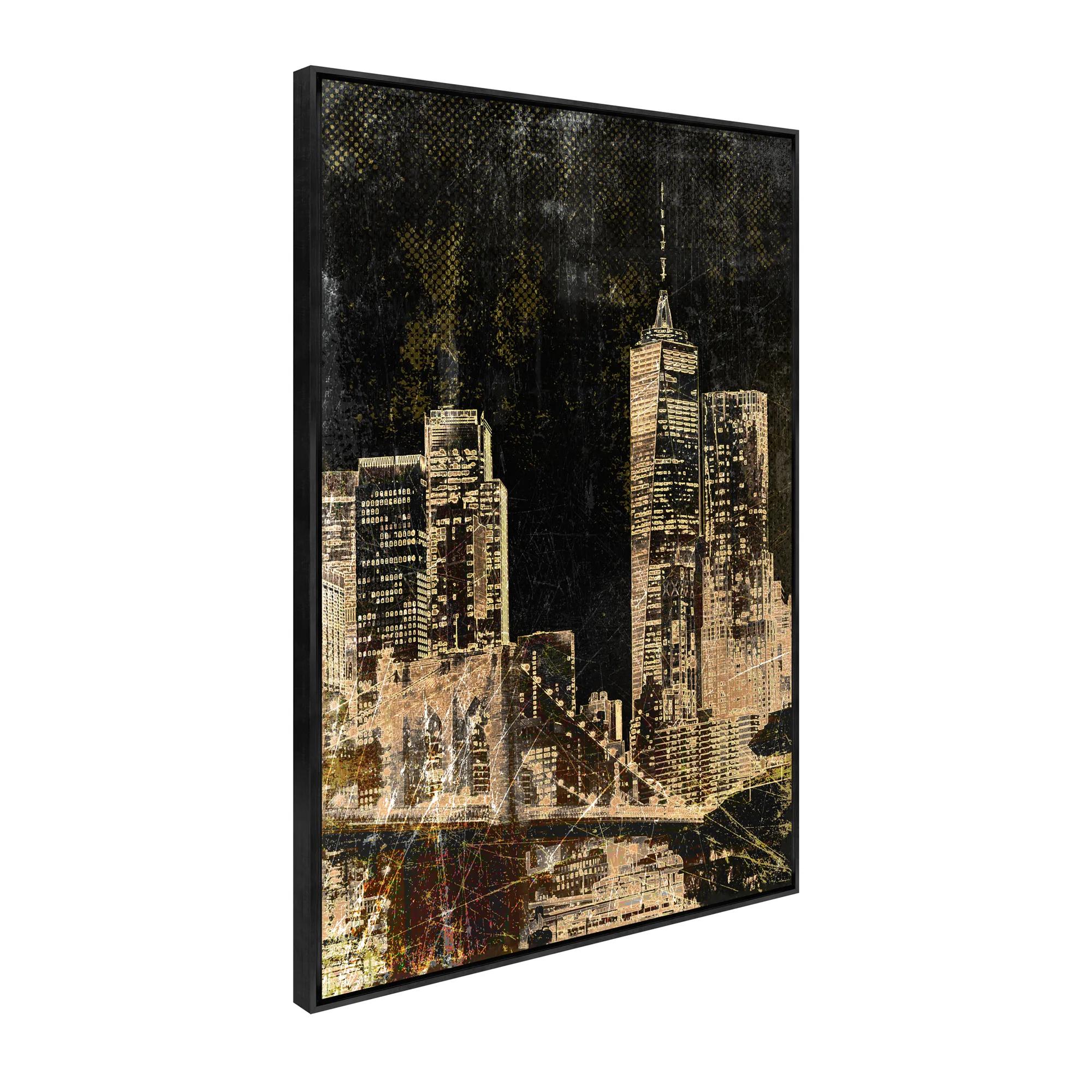 New York Lights Framed Wall Art 30" x 45"$649
A gallery-wrapped canvas artwork featuring a hand-applied gel finish and sleek black floater frame.
Add To Cart -
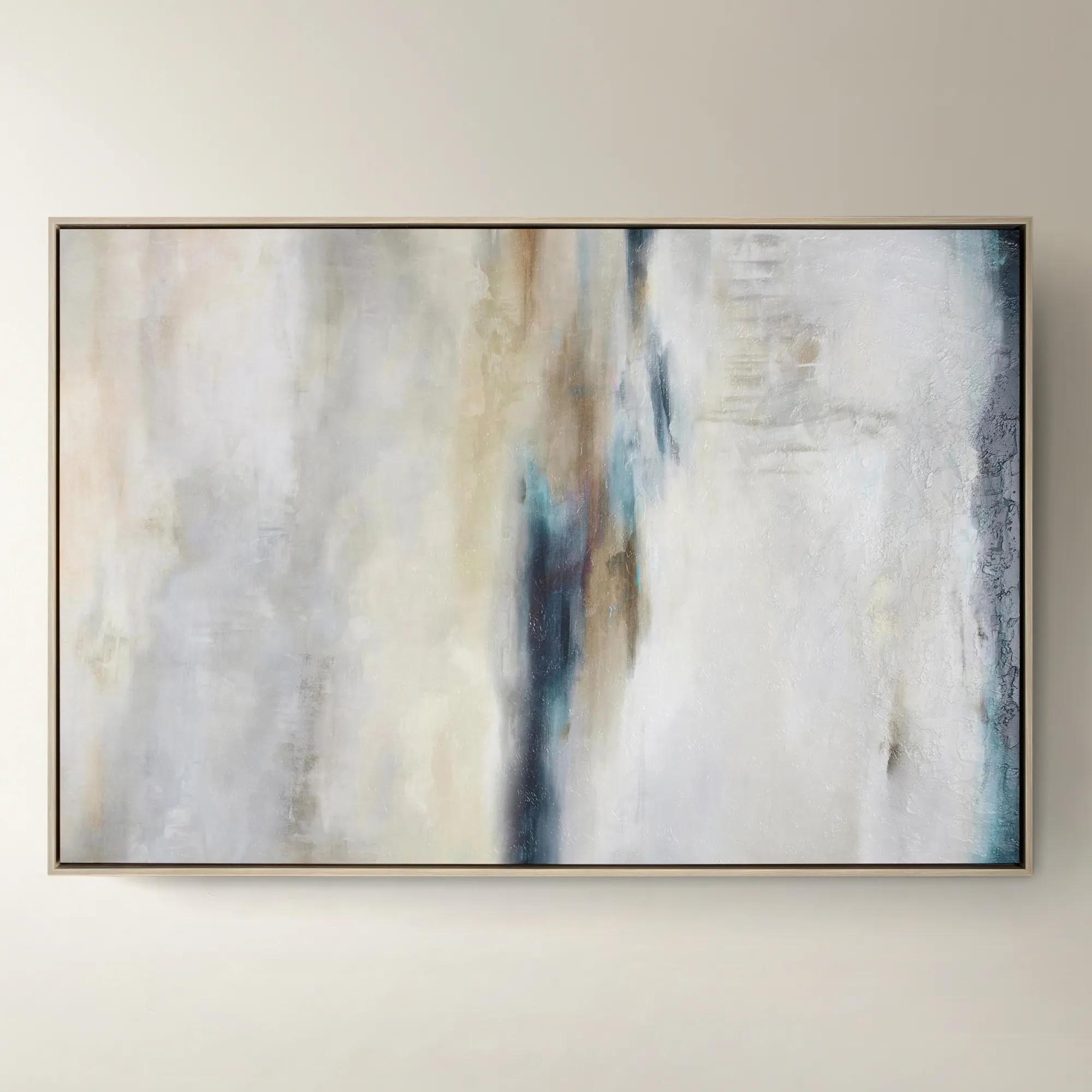
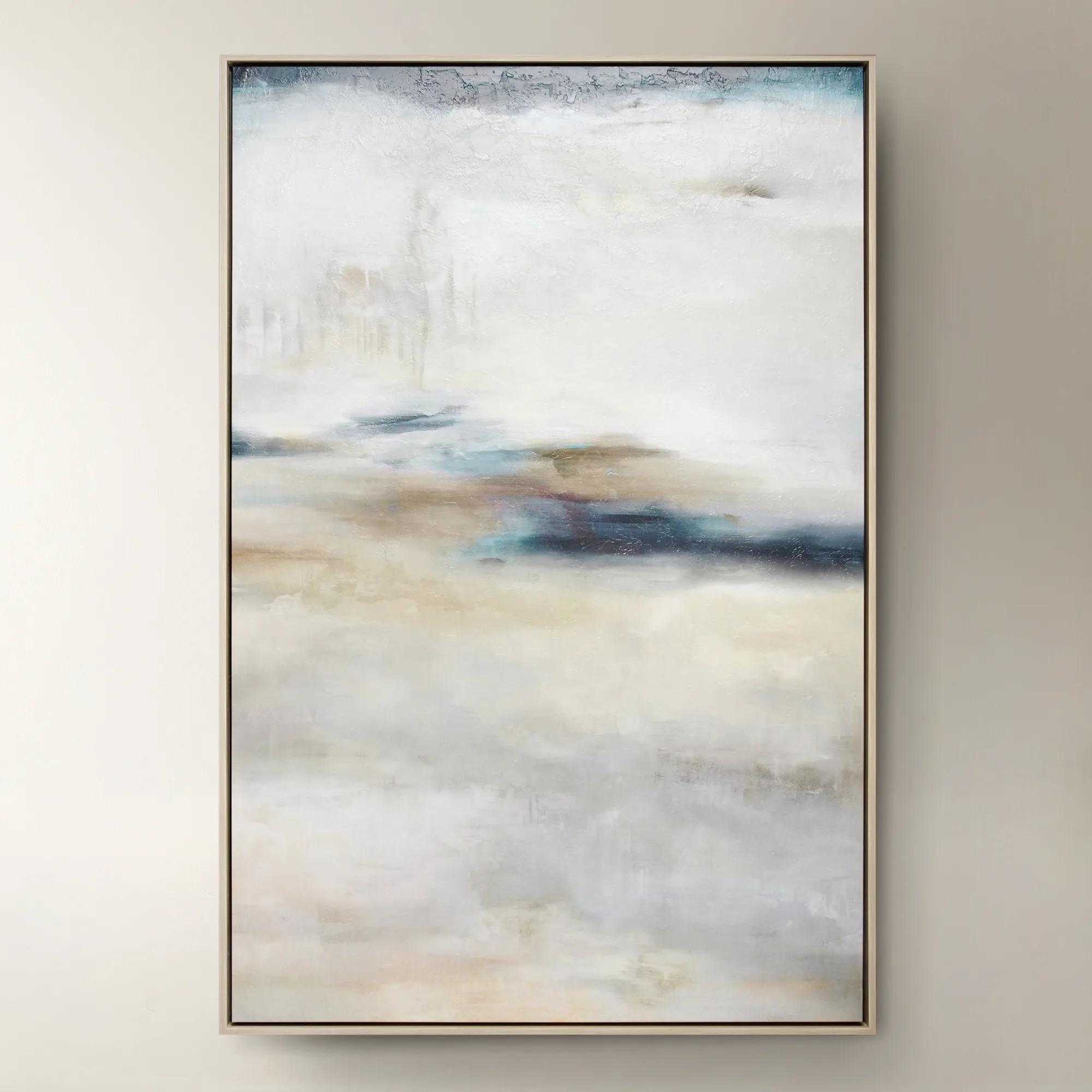 Forward Looking$1299
A softly layered abstract canvas print with a gel finish, set in a natural-hued floater frame.
Add To Cart -
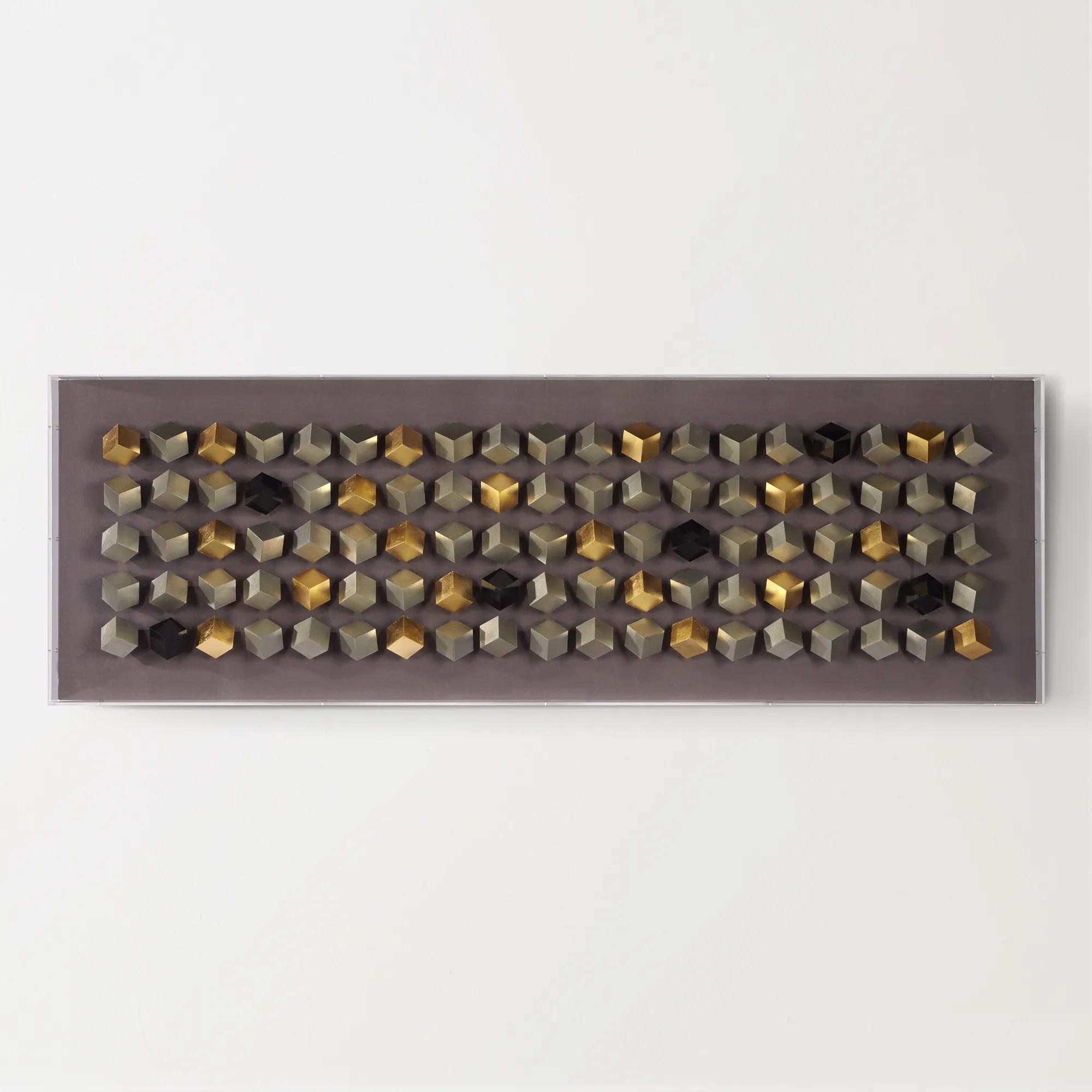
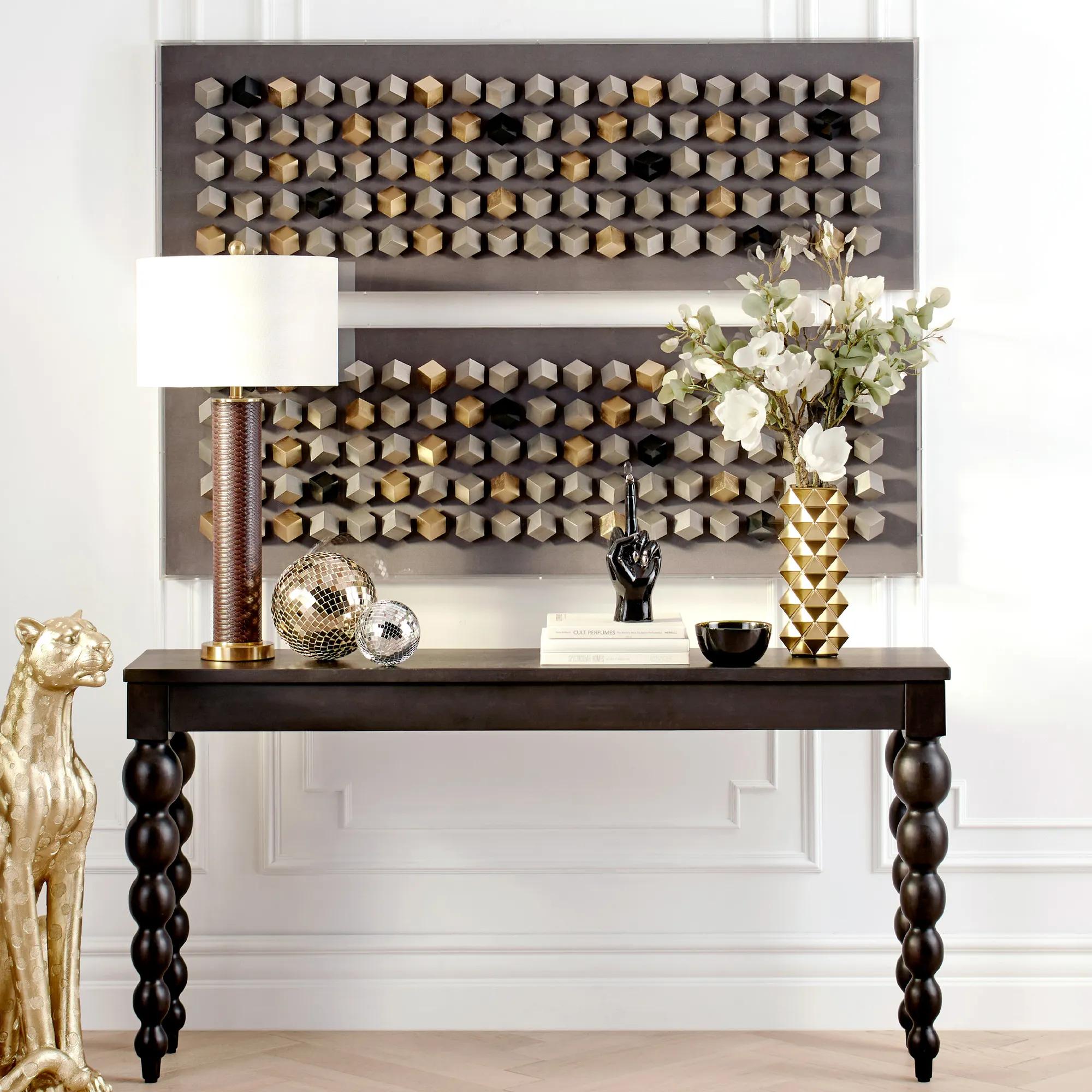 Cubic Array Dimensional Wall Decor in Acrylic 59" x 19.75"$599
A striking shadowbox wall art featuring a cubic, dimensional design with a tri-tone metallic finish.
Add To Cart -
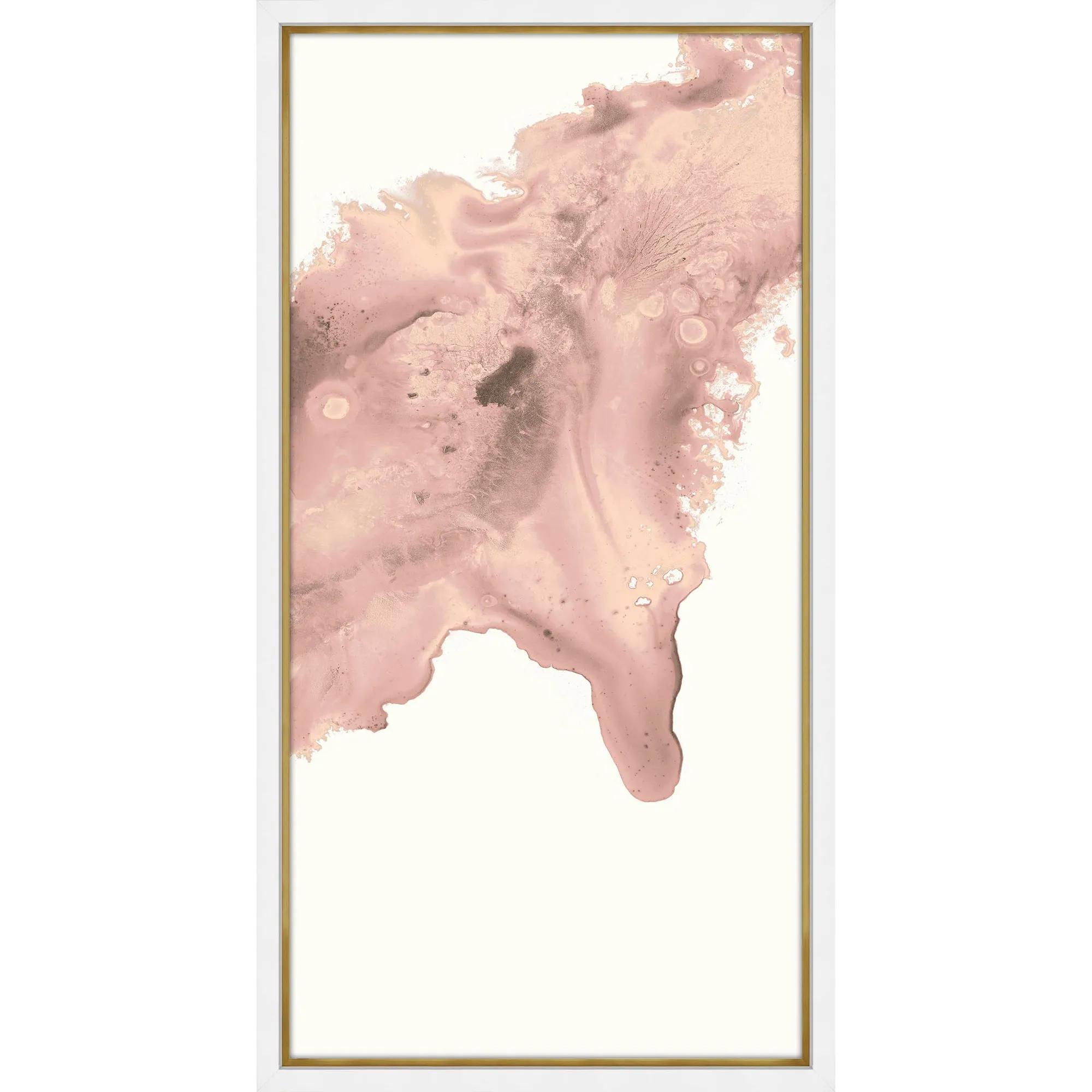
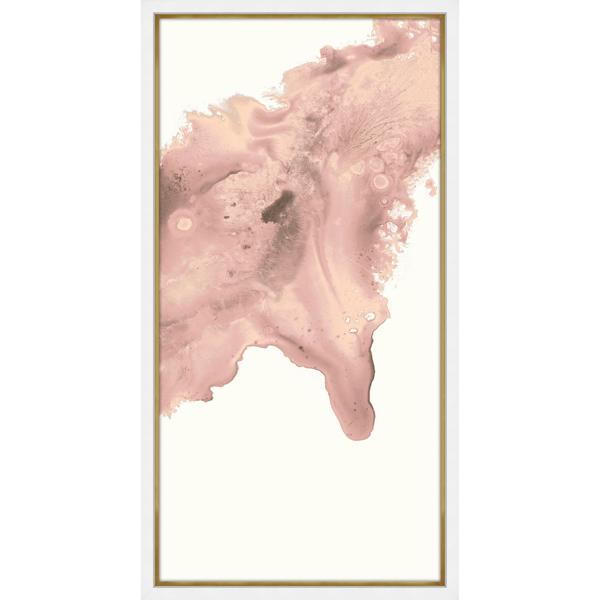 Blush Conduit 2 Framed Wall Art 24" x 48"$849
A striking abstract print on pearl paper, elegantly framed in gold and matte white for modern appeal.
Add To Cart -
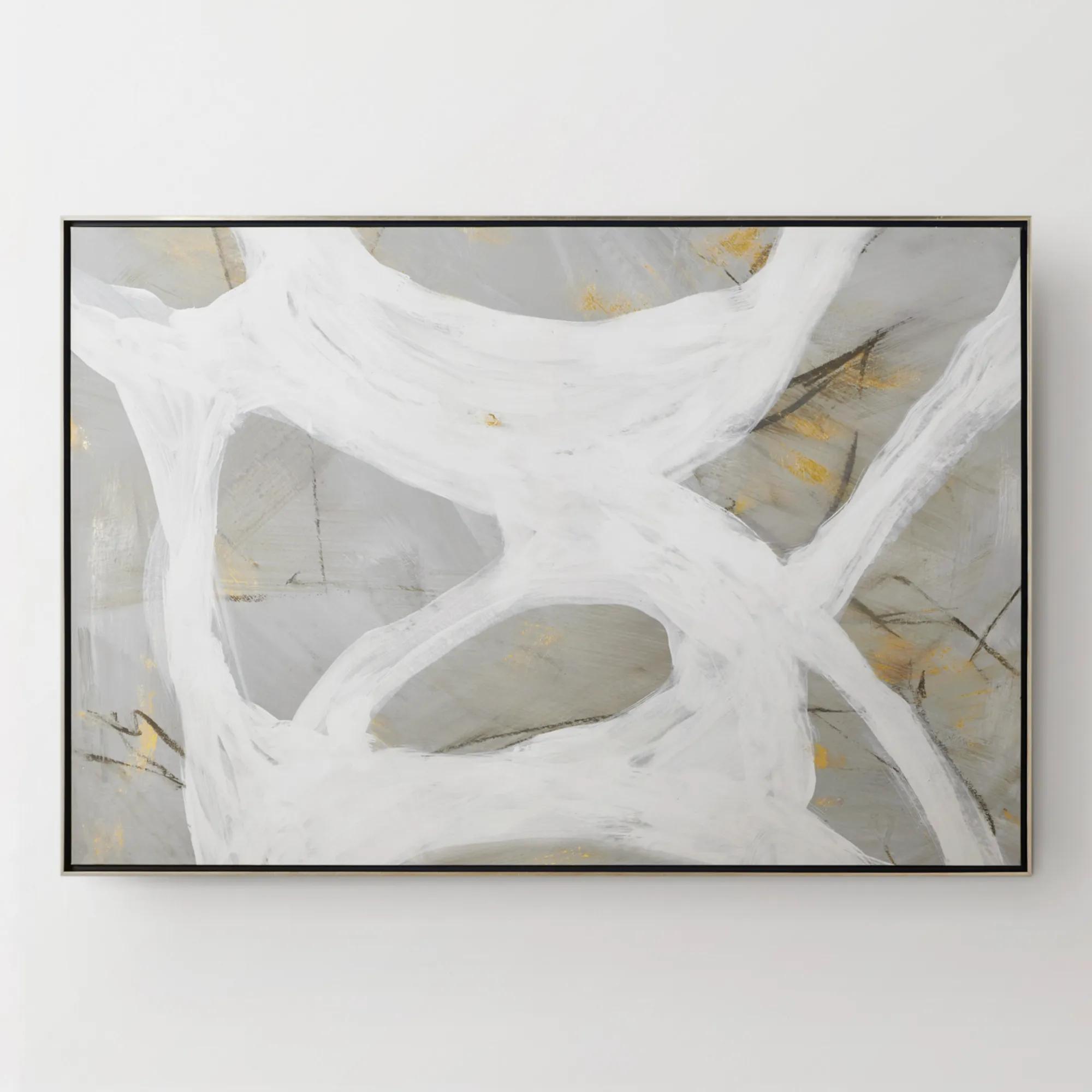
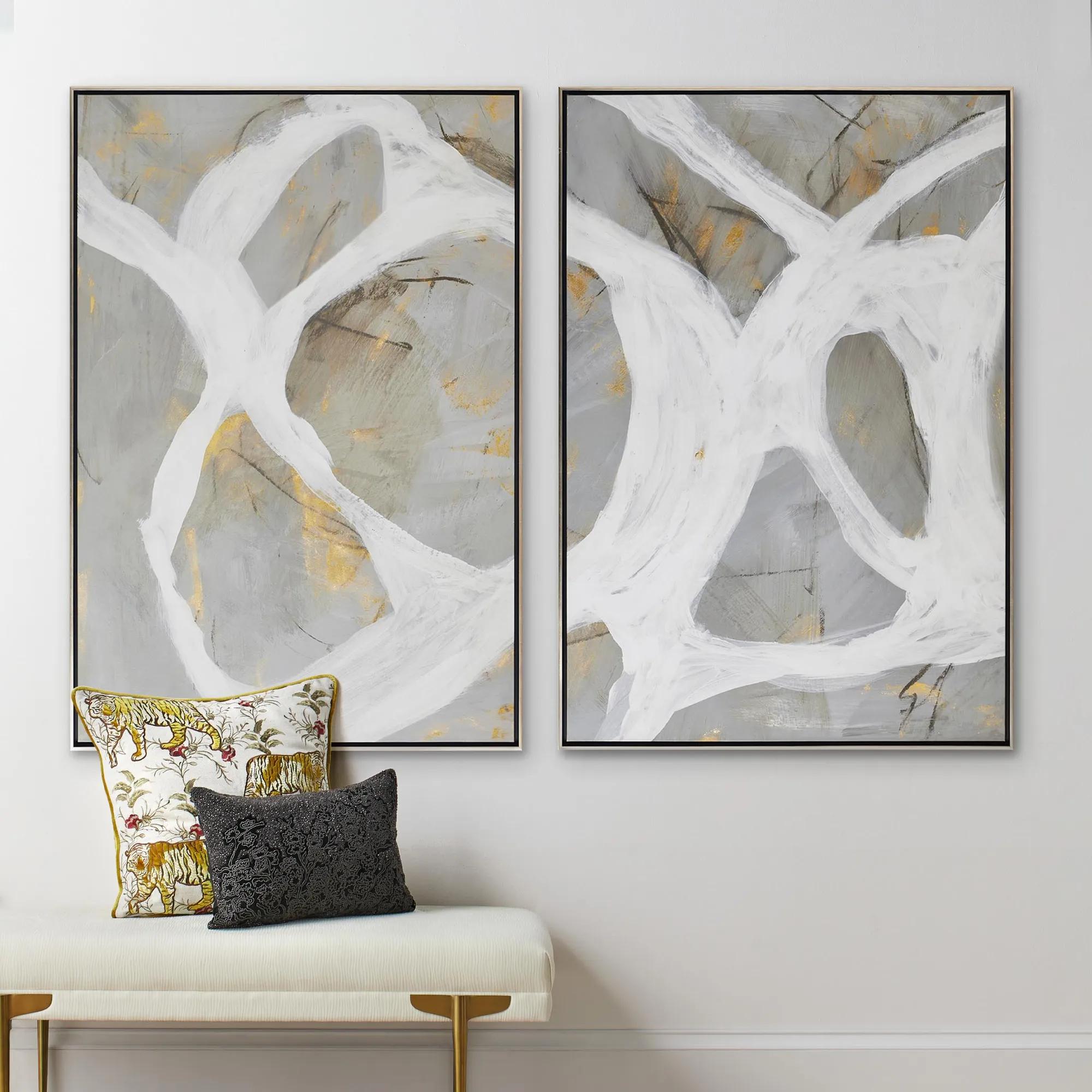 Les Series Framed Painted Wall Art II 61" x 41"$1099
An abstract canvas artwork featuring bold brushstrokes, hand-applied gold accents, and a silver floater frame.
Add To Cart

Framed Modern Abstract Wall Art
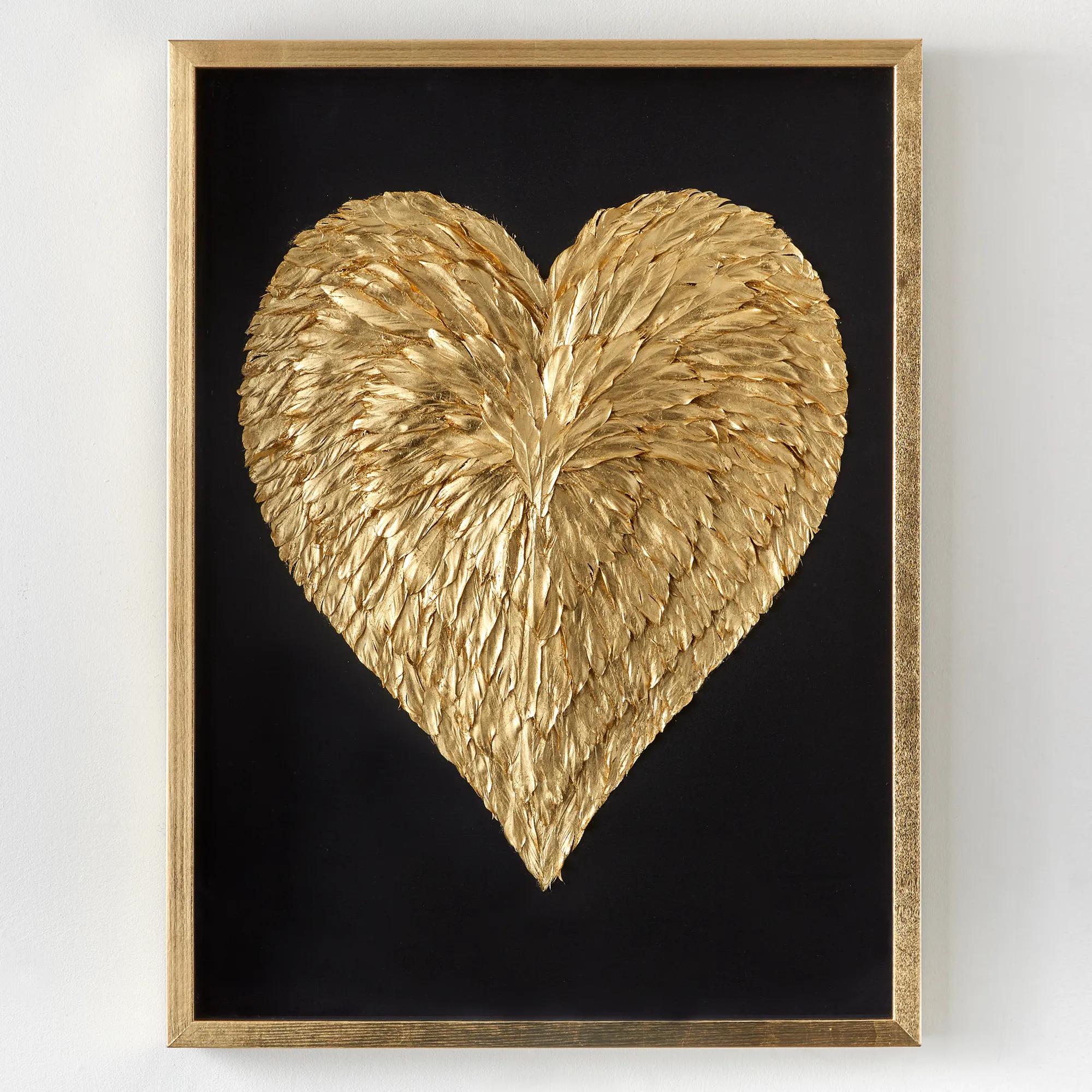
Explore framed modern abstract wall art to create an expressive focal point or bring a contemporary gallery wall into focus. This selection pairs abstract compositions with the definition of a frame, giving your space an artful finishing touch. Consider color, composition, and scale to choose a piece that complements your room’s palette or introduces a daring contrast.
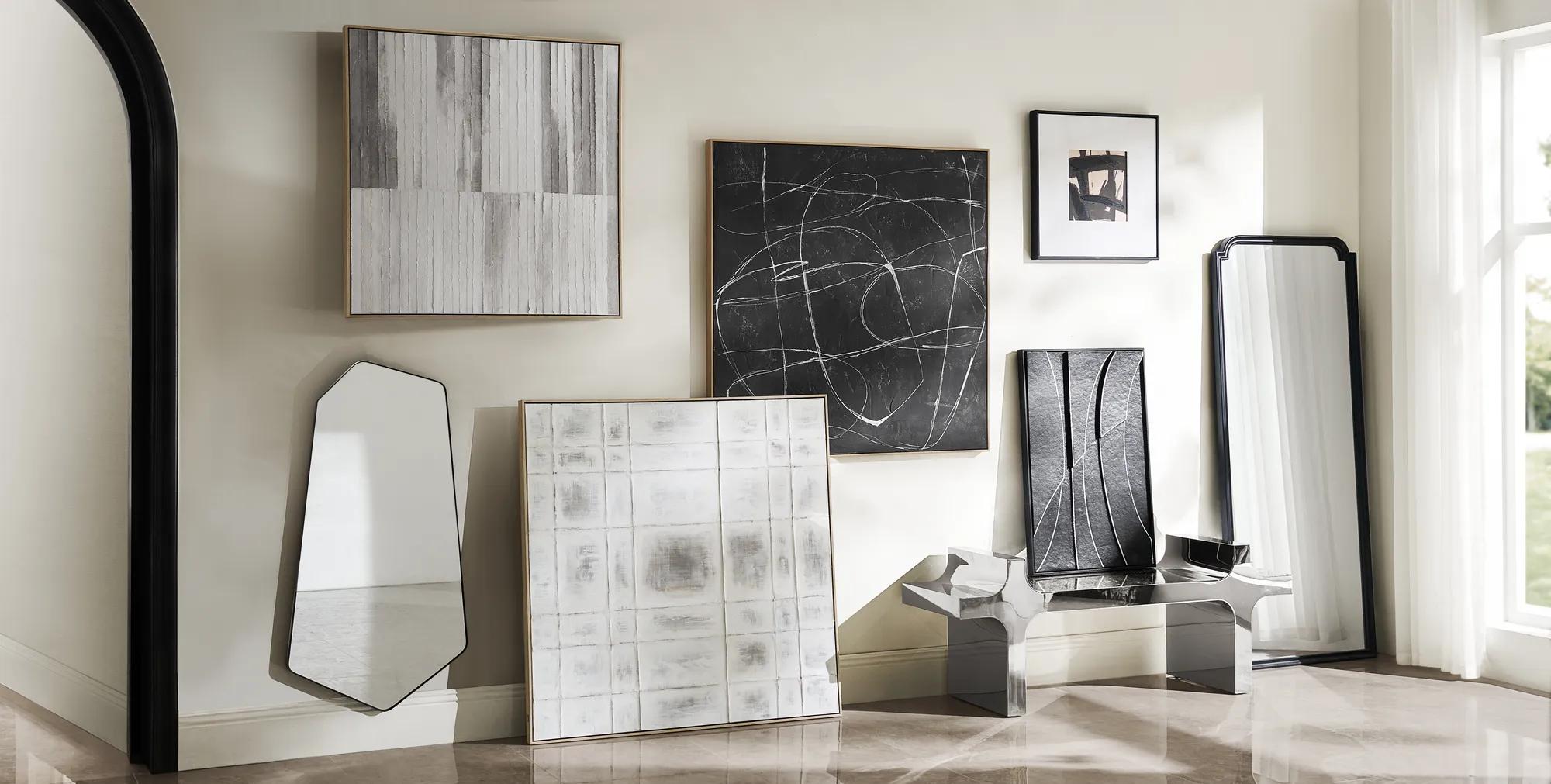
Framed modern abstract wall art brings expressive color, intriguing form, and a polished sense of drama to your interiors. From sweeping gestures to precise geometric compositions, abstract artwork invites interpretation, giving a room an artistic identity that feels distinctly yours. Look for a palette that creates the atmosphere you want to inhabit: luminous neutrals can lend an airy space quiet depth, while saturated hues and striking contrasts introduce a more theatrical mood. In a living room, large framed abstract wall art can establish a compelling focal point above a sofa or console, drawing surrounding furniture and decorative accents into a cohesive composition. For a bedroom, consider fluid shapes and tonal transitions that feel enveloping without fading into the background. The frame adds another visual layer, defining the artwork’s edges and shaping its relationship with the wall. A slender profile can keep attention on an intricate composition, while a more pronounced border gives restrained imagery an architectural presence. Choosing framed modern abstract wall art is as much about proportion and placement as it is about personal taste. Before selecting a piece, measure the available wall space and consider the furniture beneath it; artwork that spans roughly two-thirds to three-quarters of a sofa’s width often creates a balanced starting point. Leave enough space around the frame for the composition to feel intentional, particularly if the artwork features energetic brushwork or bold blocks of color. For an expansive wall, an oversized abstract art piece can command attention, while a coordinated arrangement of smaller framed prints creates rhythm and encourages closer looking. Build continuity by echoing a shade from the artwork in a sculptural vase, decorative pillow, or rug, rather than matching every element. Frame finishes can also connect contemporary wall decor with nearby lighting and furnishings, creating a subtle thread through the room. Whether your aesthetic leans toward high-contrast glamour or layered, tonal sophistication, thoughtfully chosen modern abstract wall art transforms an open wall into a confident expression of your point of view.
FAQs
Framed modern abstract wall art uses color, line, shape, and gesture rather than literal imagery to create a visual statement. From fluid compositions to bold geometric arrangements, abstract artwork invites personal interpretation. The frame gives the composition a deliberate finish, turning expressive imagery into a polished focal point.
Begin with the atmosphere you want to create. Sweeping gestures and saturated colors bring theatrical energy, while tonal compositions and open space introduce a quieter sophistication. Echo a hue from your furnishings for a cohesive look, or choose a contrasting palette to give the room an unexpected artistic edge.
A slender, understated frame lets expressive color and movement command attention. A dark frame adds definition, a light-toned frame lends an airy finish, and a metallic finish introduces a glamorous accent. Choose a frame that complements the artwork’s character while connecting with details elsewhere in the room.
Modern abstract art creates a compelling counterpoint to traditional furnishings. Free-flowing shapes can soften the formality of tailored upholstery, while graphic compositions bring fresh energy to ornate details. A shared color or complementary frame finish helps unite the contrast, creating an interior that feels collected and distinctly personal.
Give your gallery wall a visual thread, such as a recurring color, related frame finishes, or a shared artistic mood. Mix gestural compositions with more structured imagery to create rhythm without making every piece compete for attention. Let one expressive work lead, then build around it with quieter artwork for a layered, gallery-inspired narrative.