Whitewash Frame Abstract Wall Art
Whitewash Frame Abstract Wall Art
-
.jpeg?w=1200&h=1200) Shadow Painting 2$179
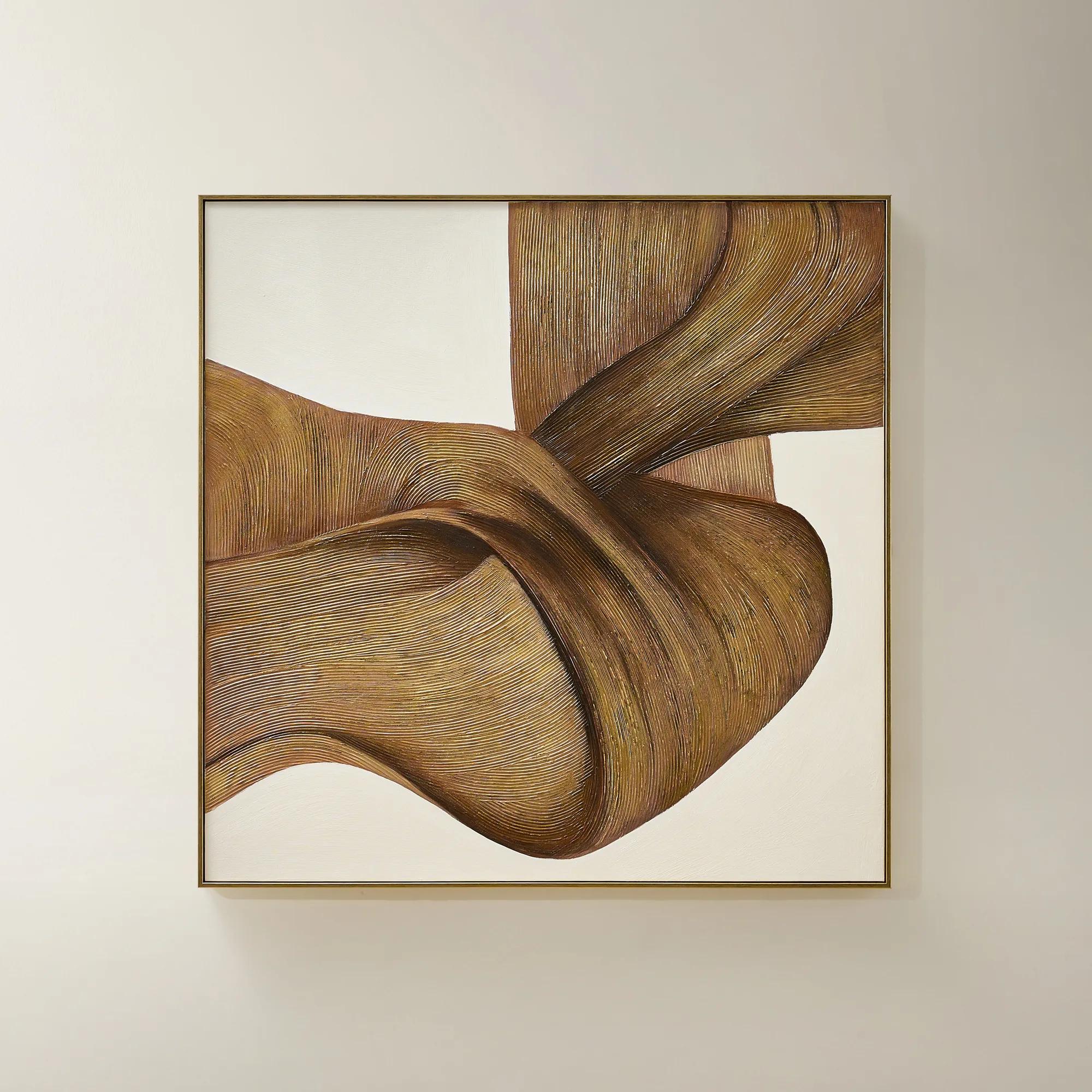
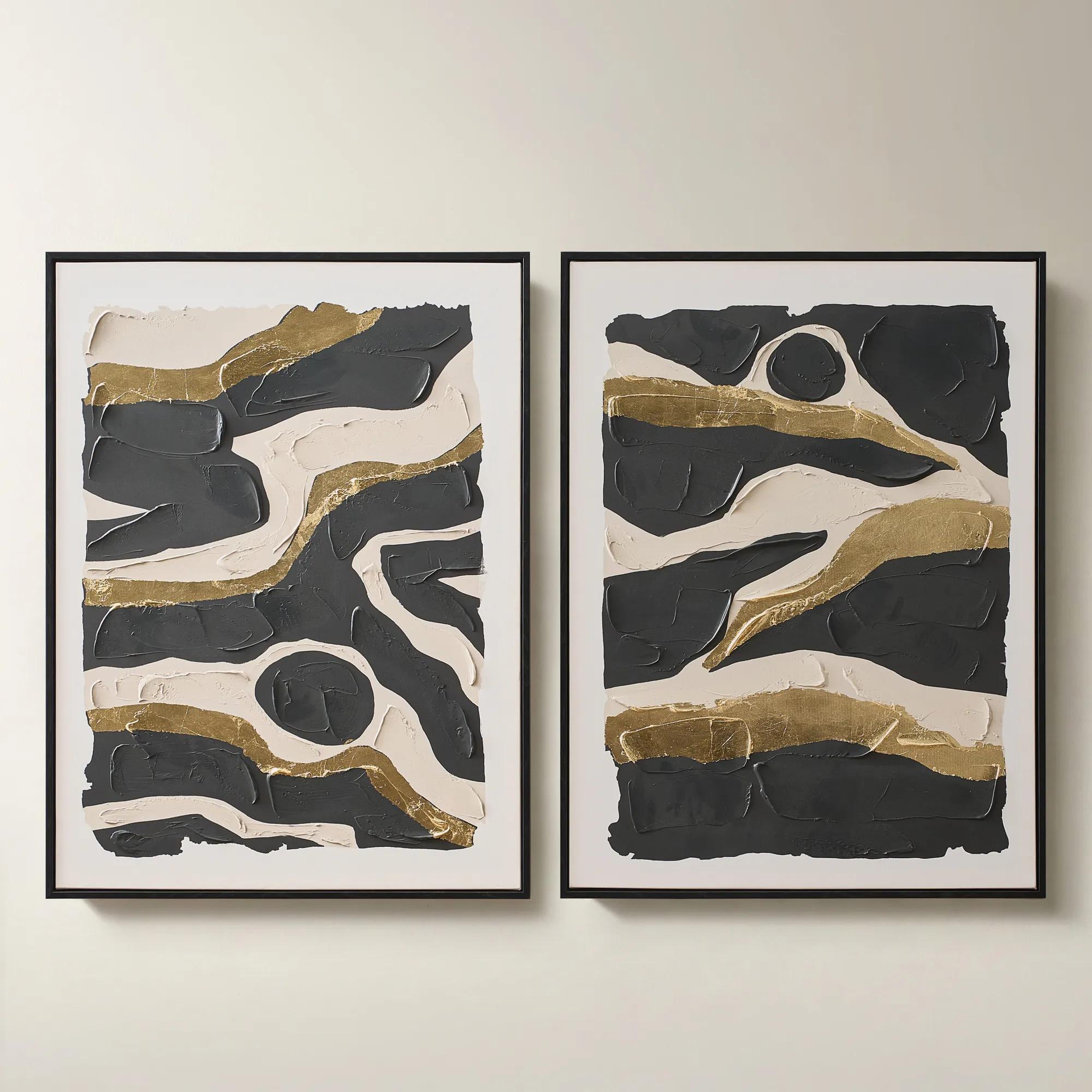
Shadow Painting 2$179A hand-painted abstract canvas featuring bold textures and brown hues in a warm whitewash floater frame.
Add To Cart -
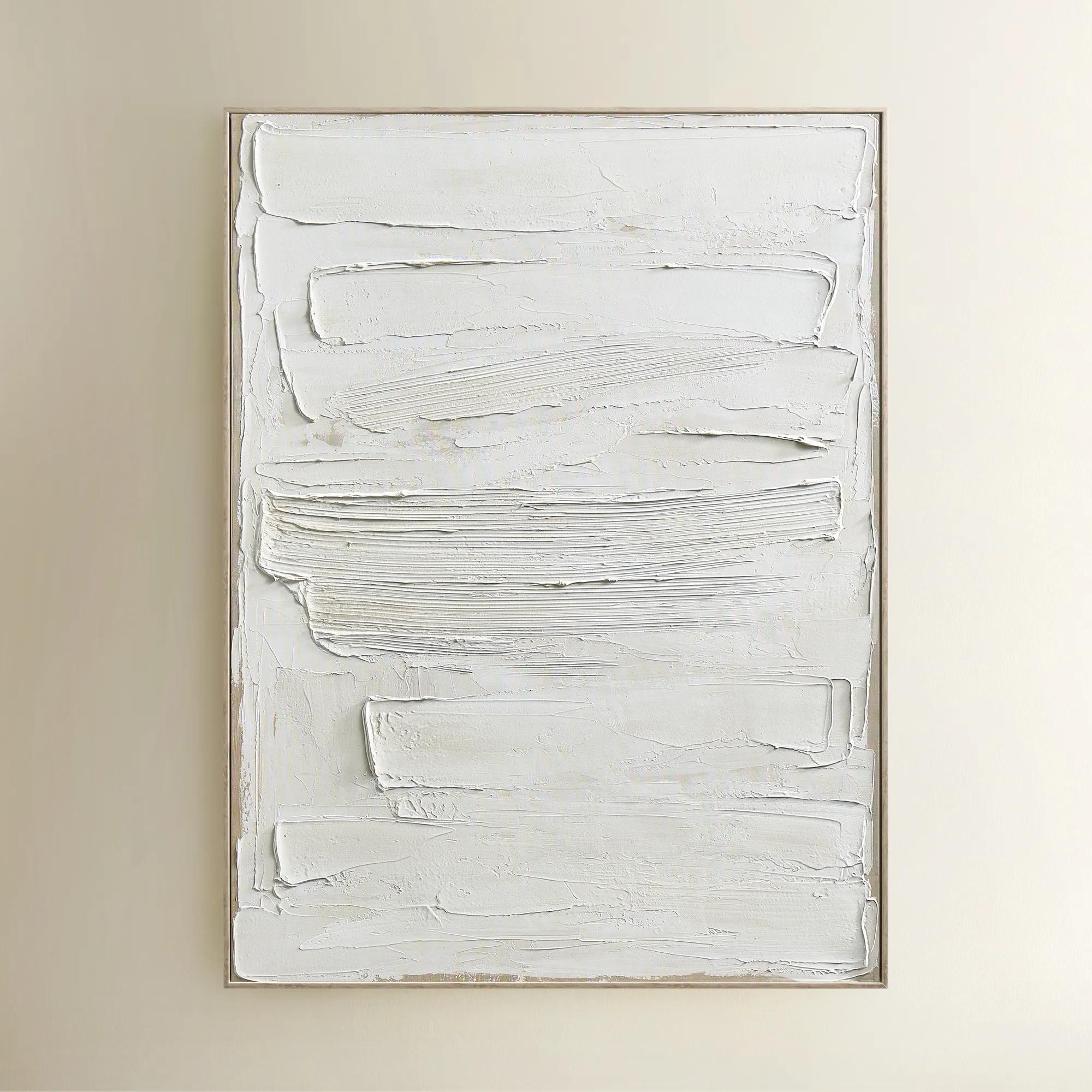
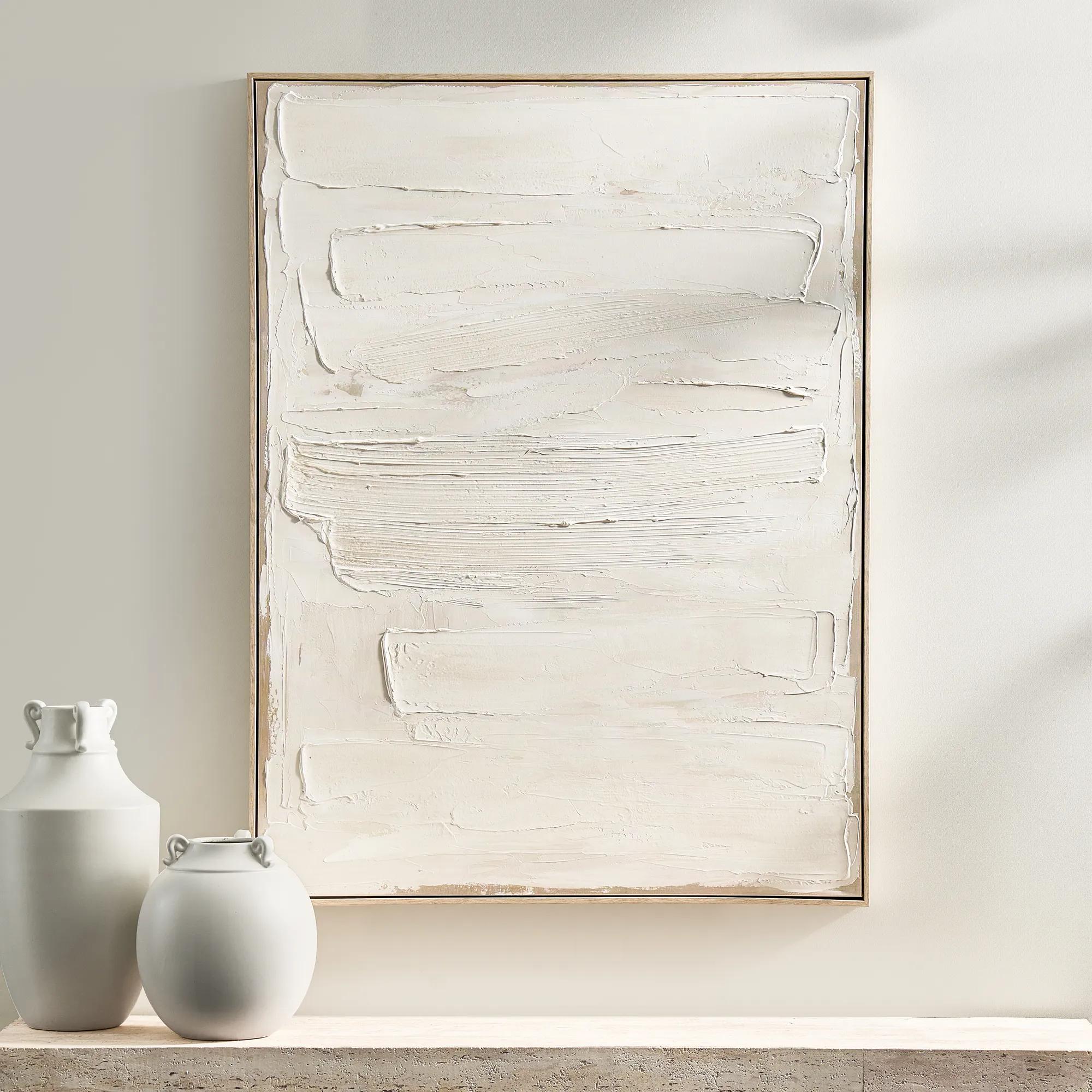 Monotype Canvas 1$399
A hand-painted abstract canvas featuring layered white tones and textured paint in a whitewashed wood frame.
Add To Cart -
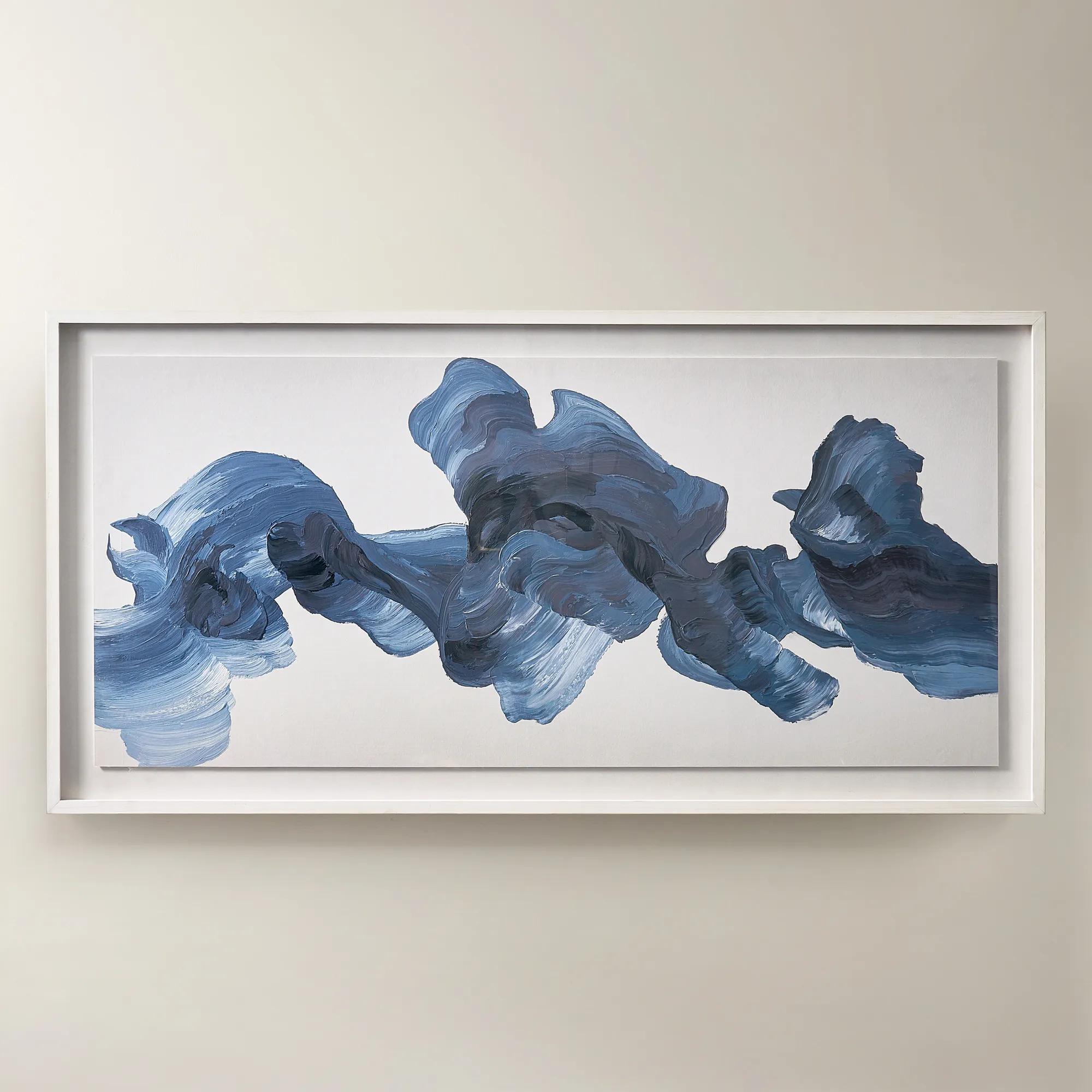
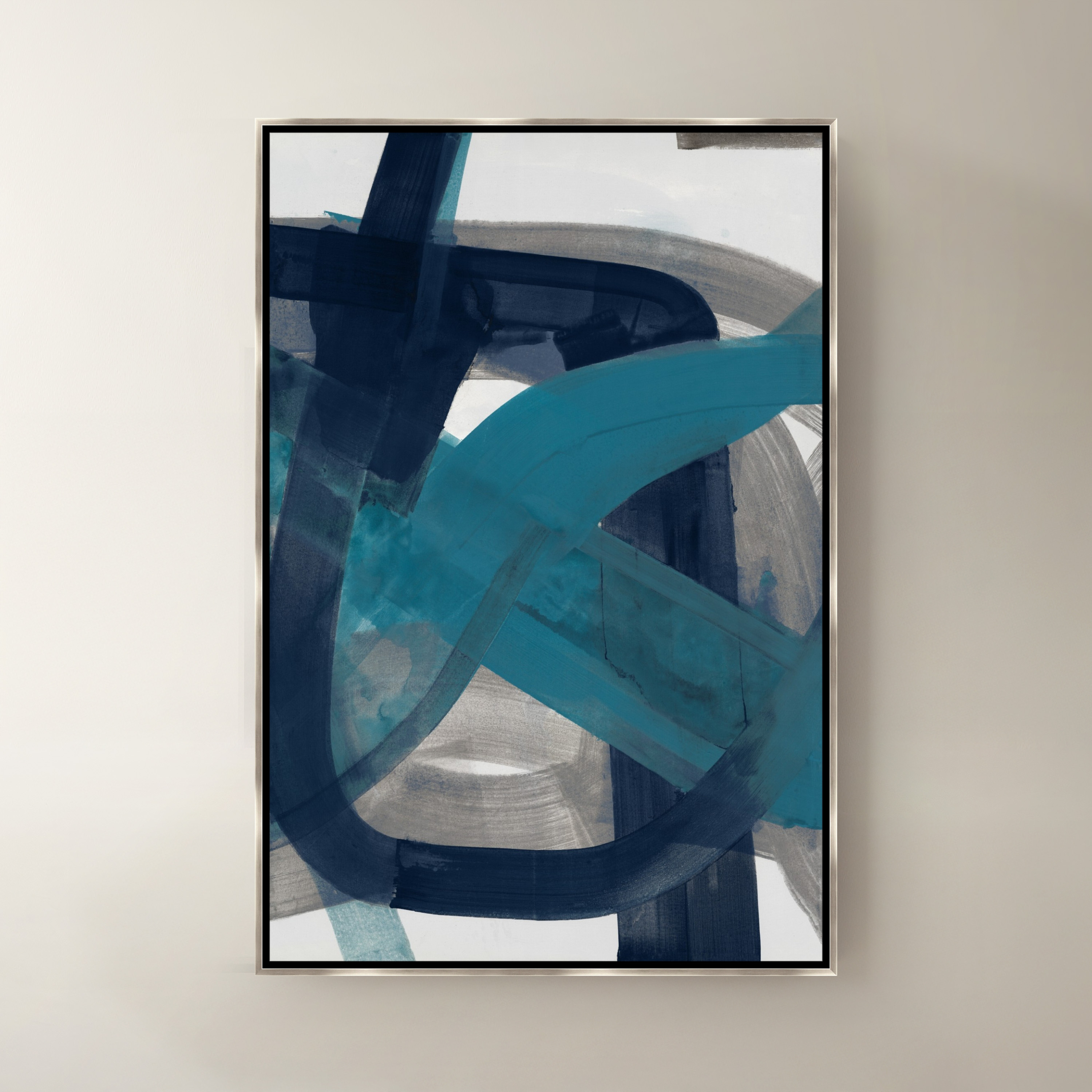
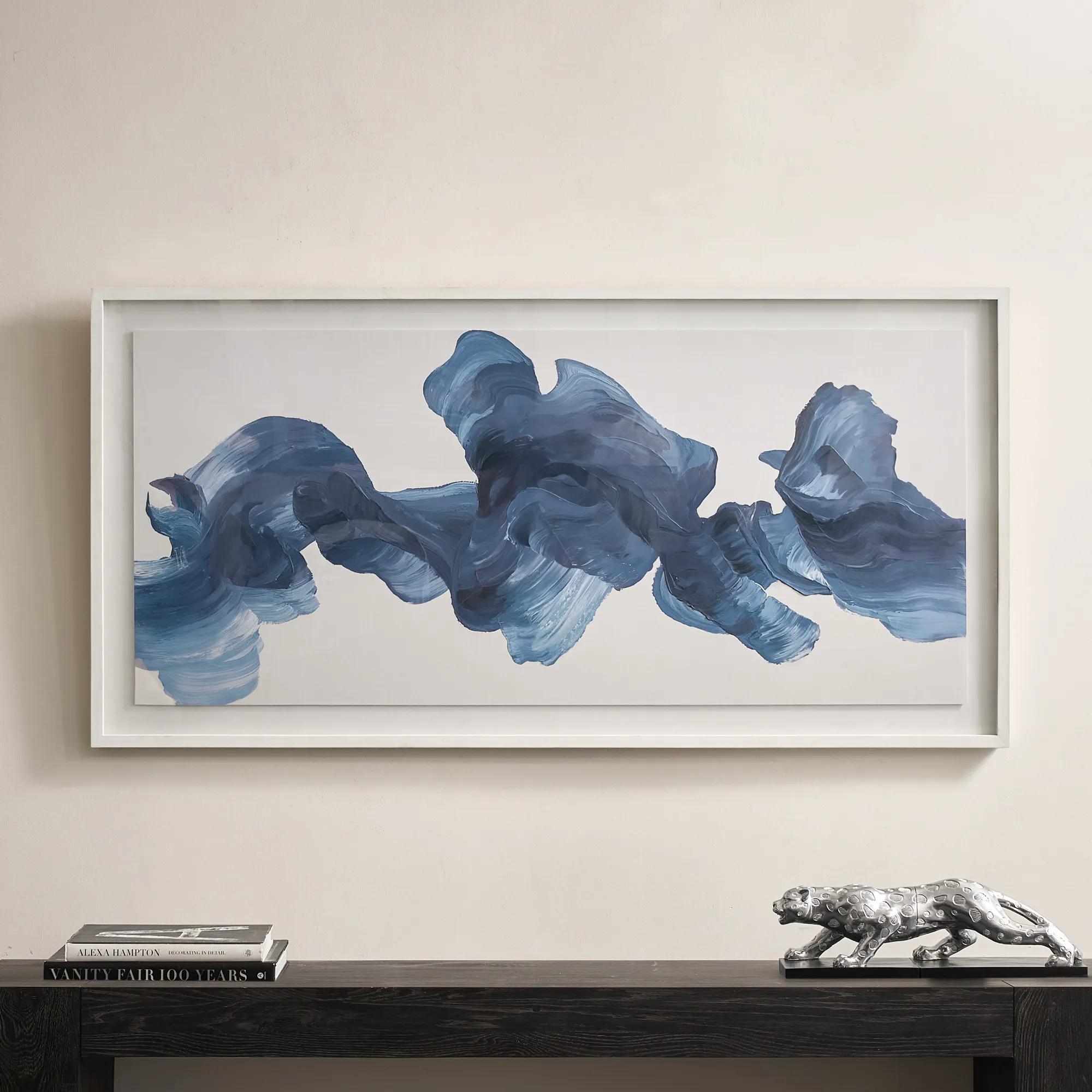 Blue Theory Framed Painted Wall Art in Acrylic 60" x 30"$499
A hand-painted canvas in deep ink blue, framed under acrylic with a whitewashed wood frame.
Add To Cart -
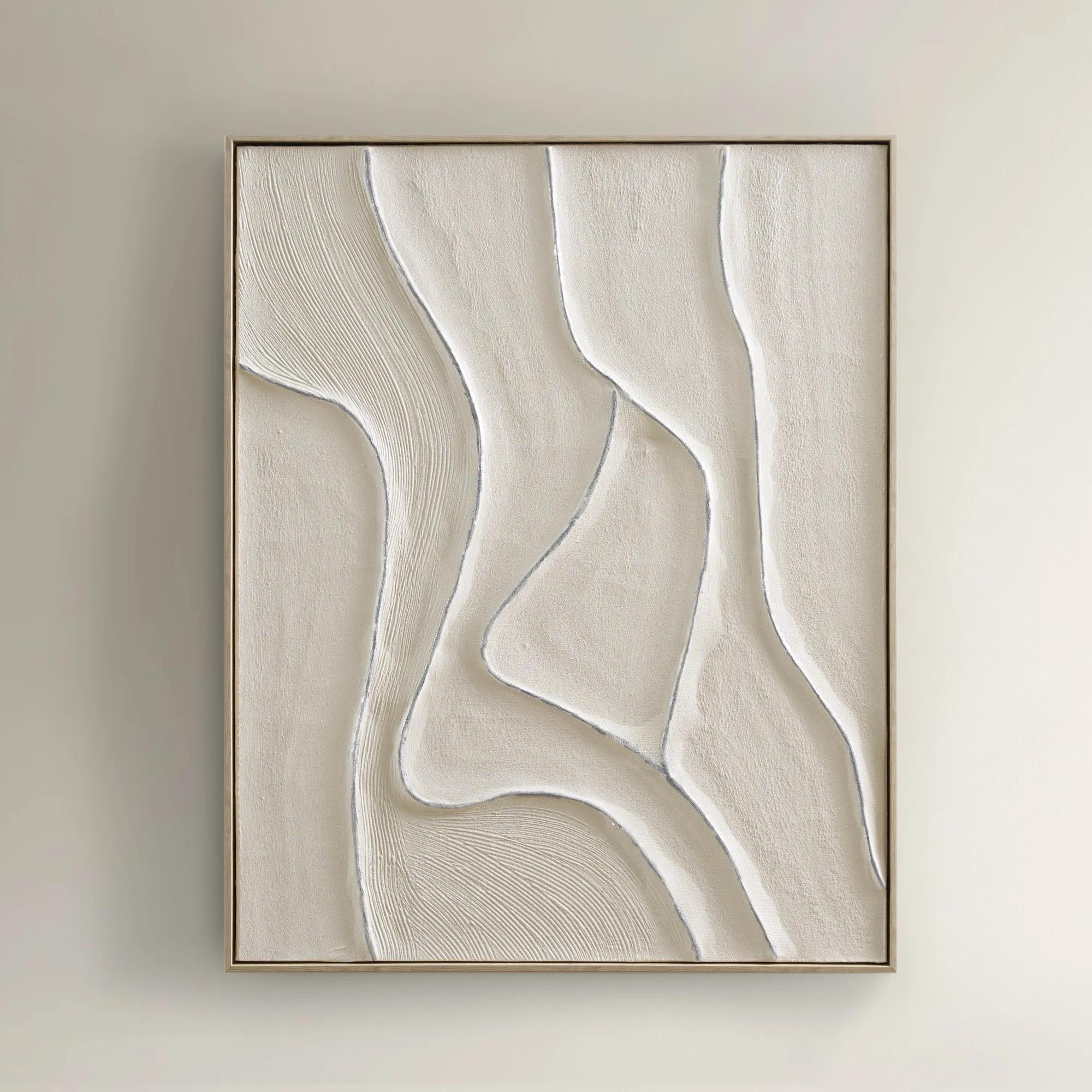
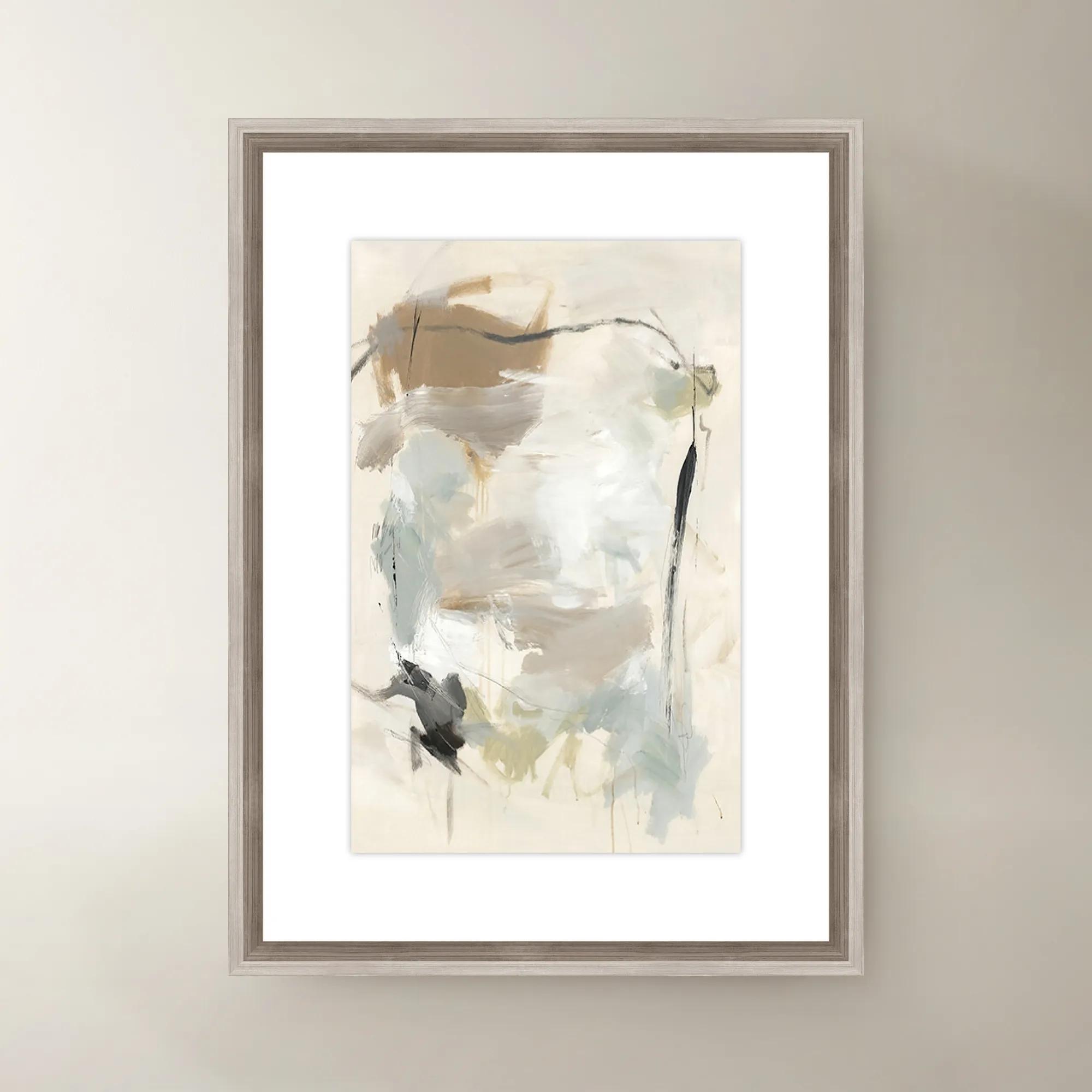
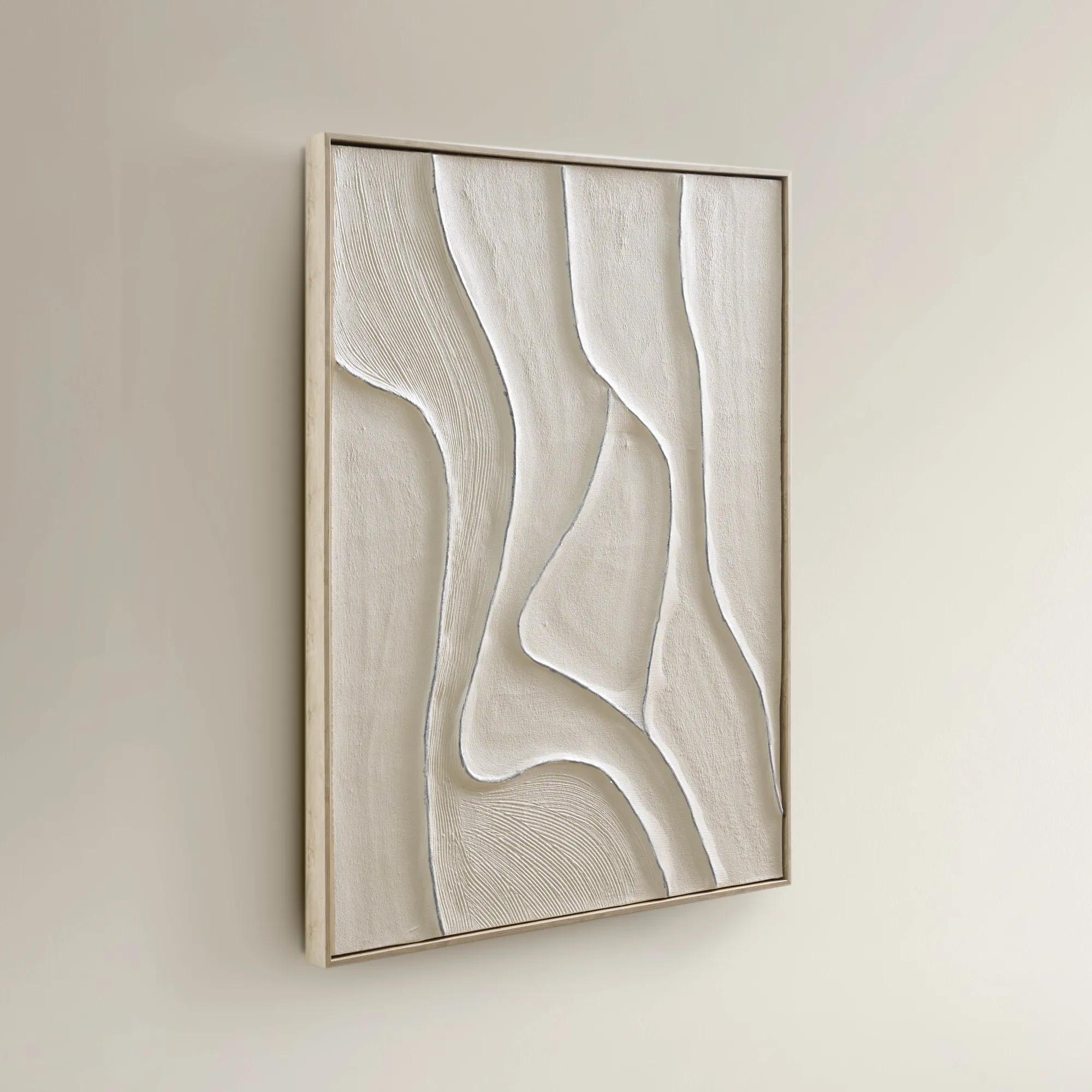 Vivre Framed Painted Wall Art 39.25" x 31.5"$199
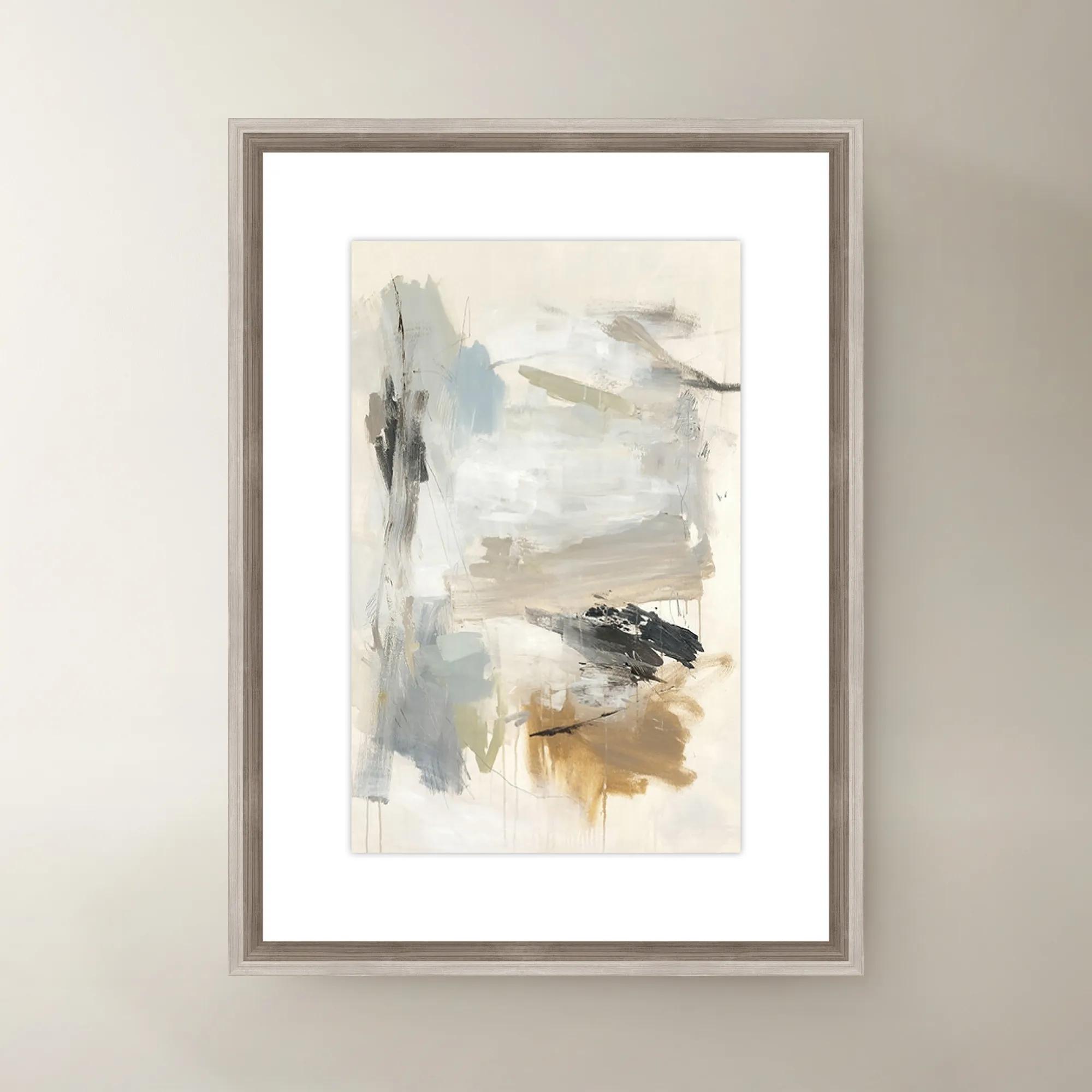
A hand-painted canvas featuring tranquil beige hues and flowing lines in a warm whitewash floater frame.
Add To Cart -
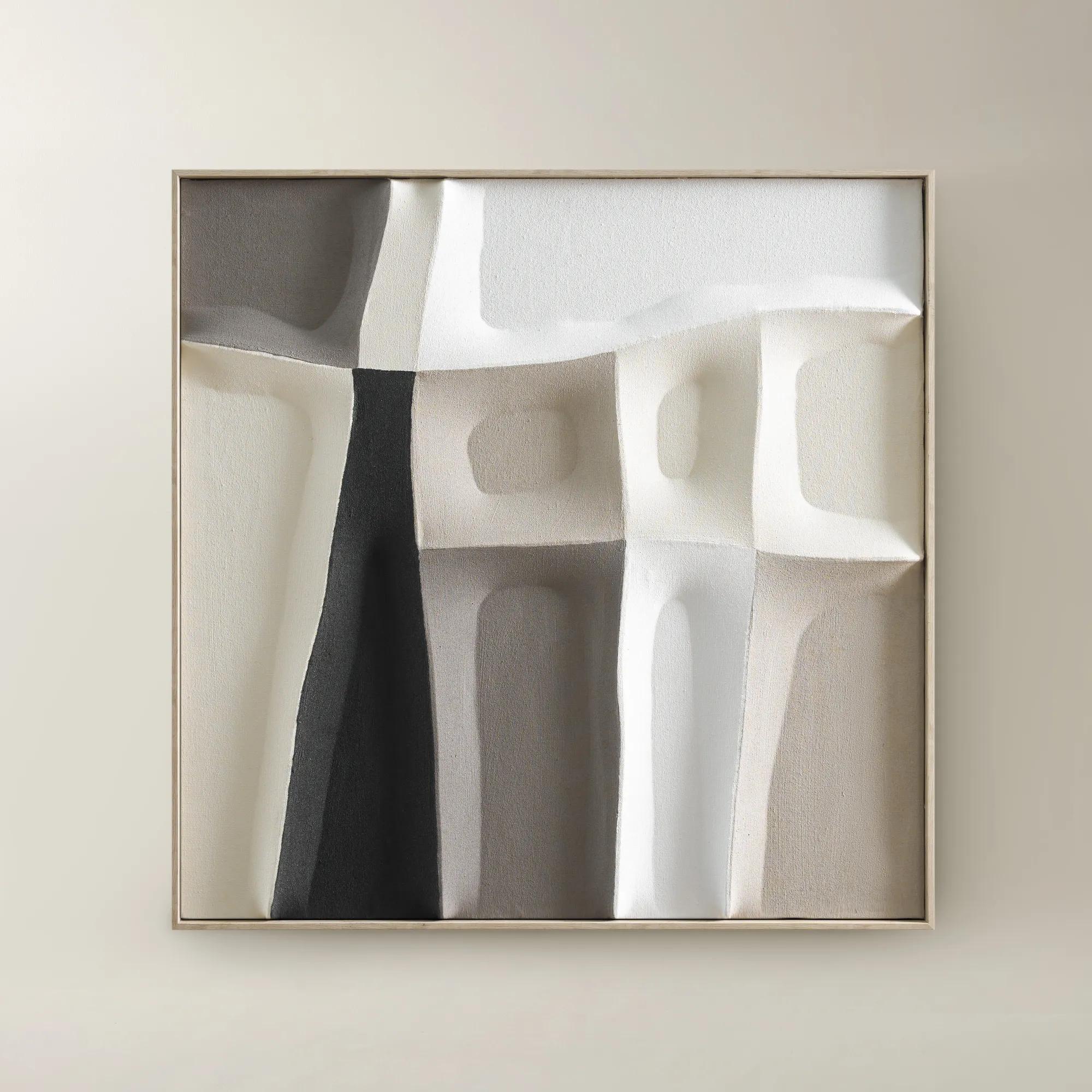 Shadow Painting 1$179
A hand-painted canvas featuring bold colors and sculptural textures in a warm whitewash floater frame.
Add To Cart -
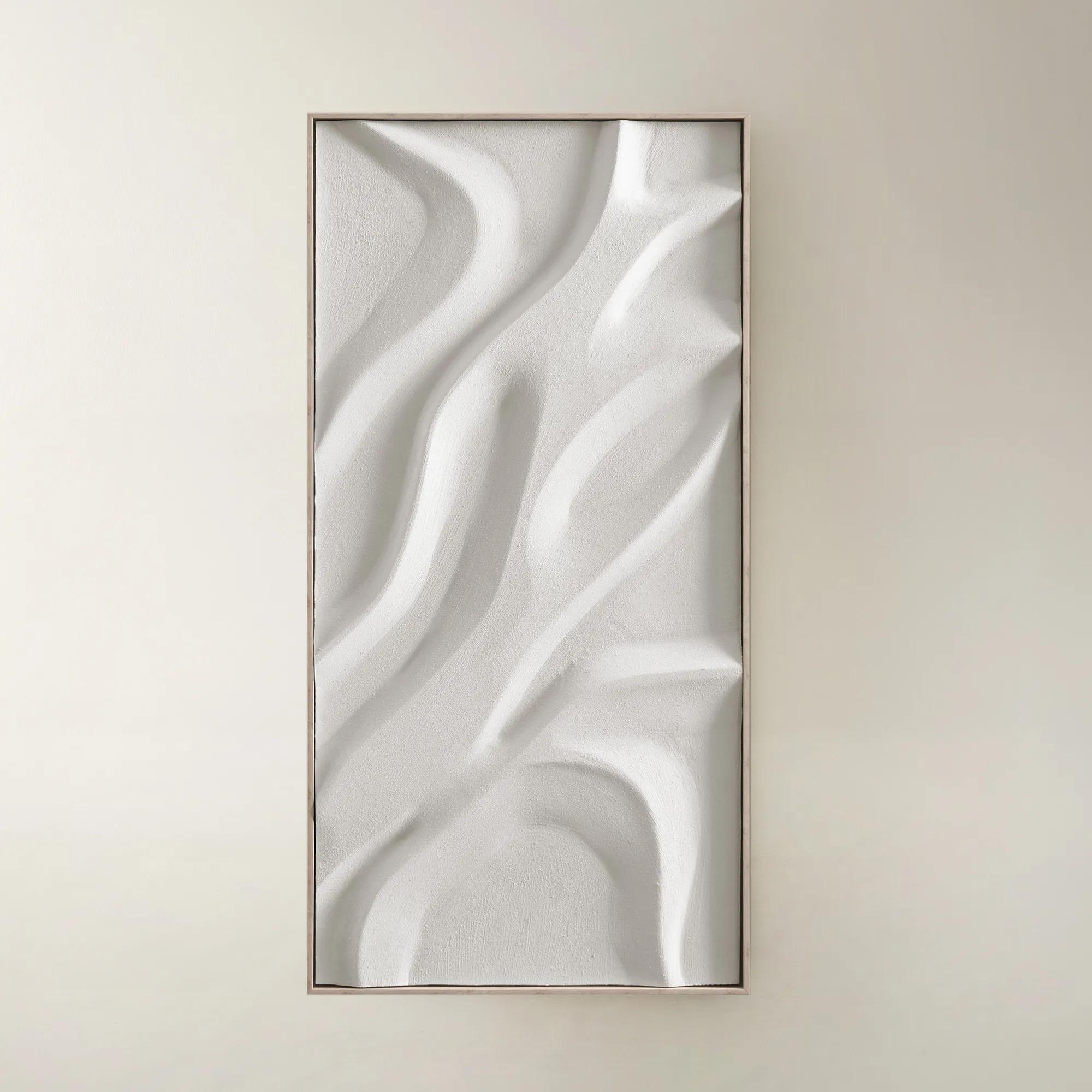
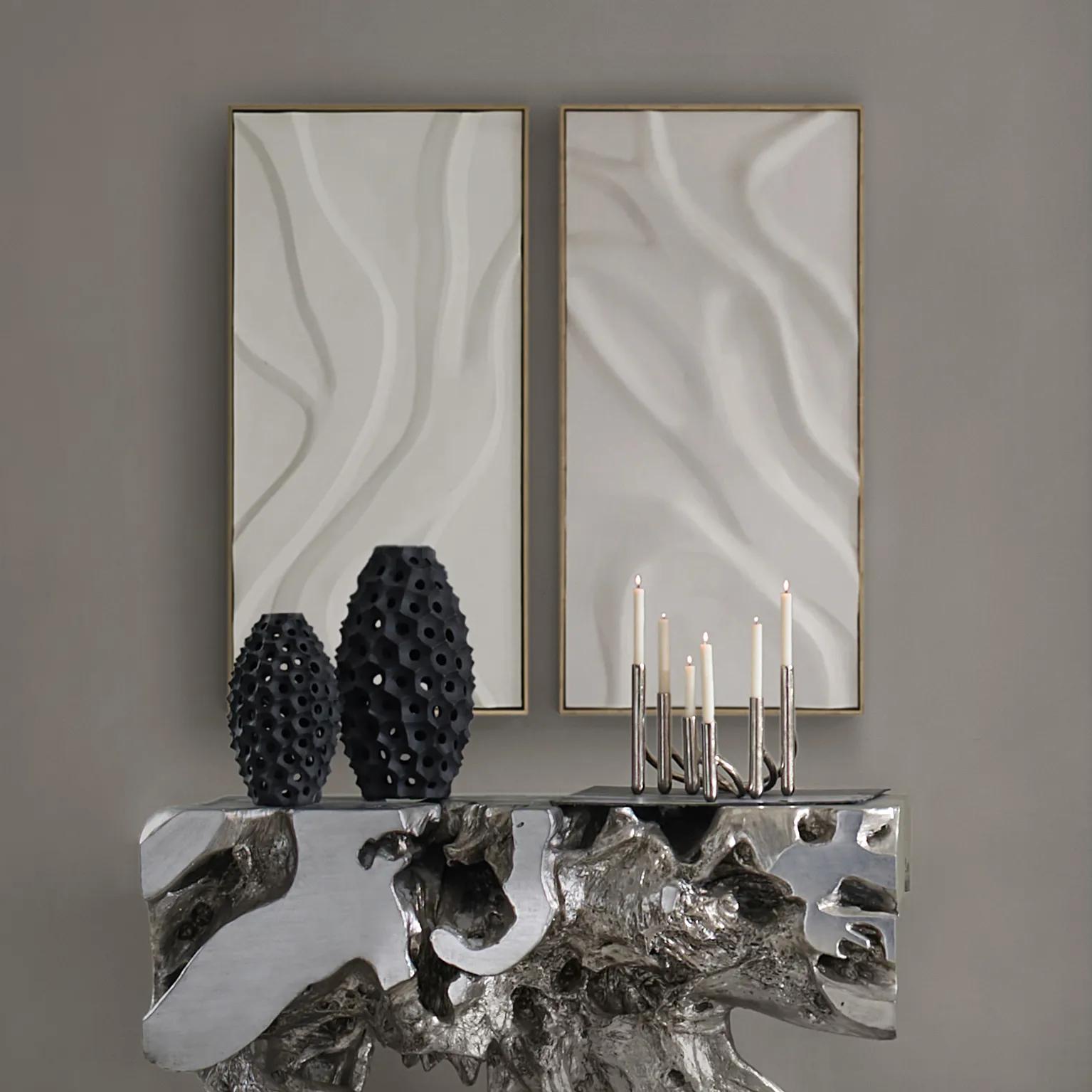 Au Lait Framed Painted Wall Art II 47.2" x 23.6"$199
A serene hand-painted canvas in beige, set in a warm whitewash floater frame for modern interiors.
Add To Cart -
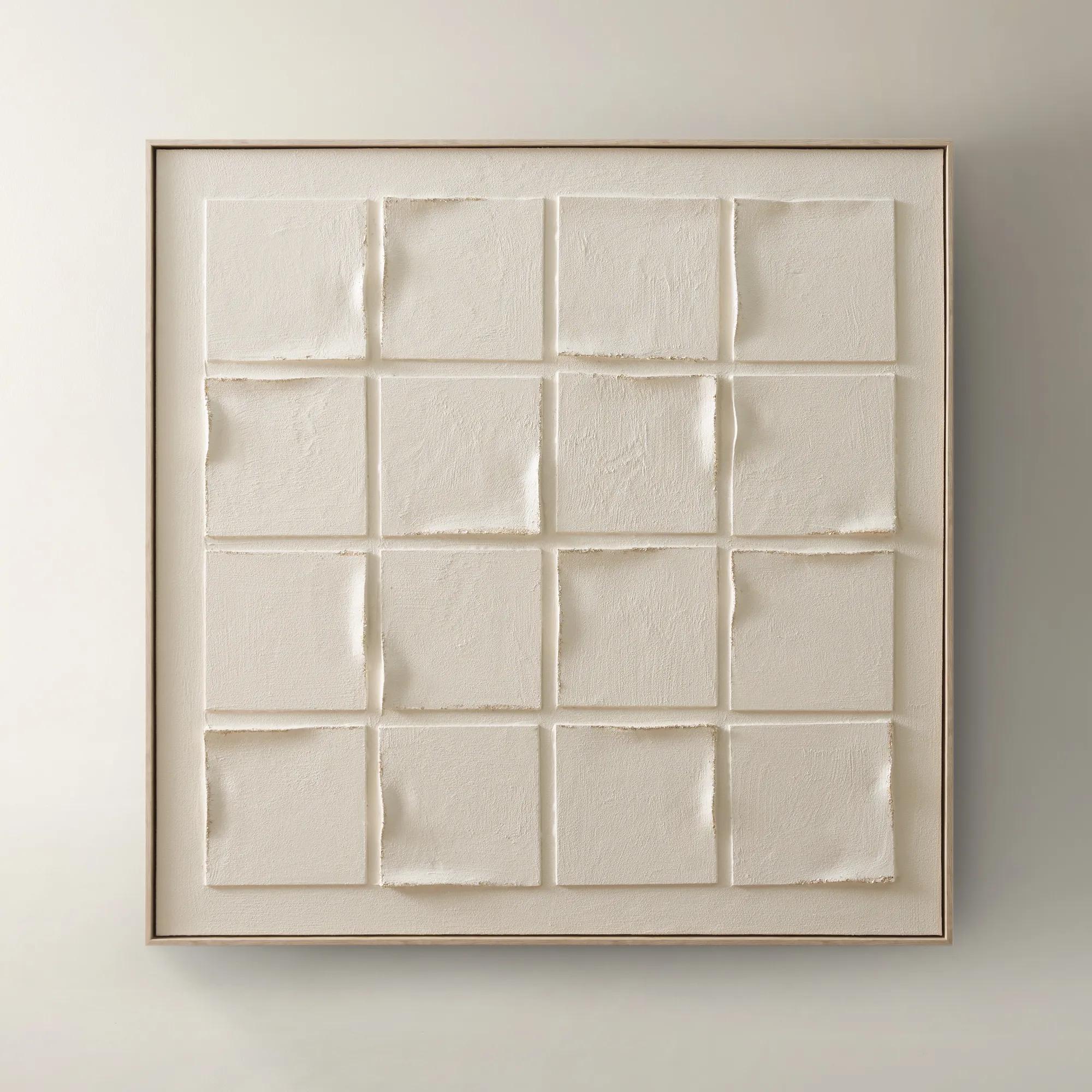 Gaze Framed Painted Wall Art 39.4" x 40"$329
A hand-painted canvas featuring subtle beige tones and textured depth in a warm whitewash floater frame.
Add To Cart -
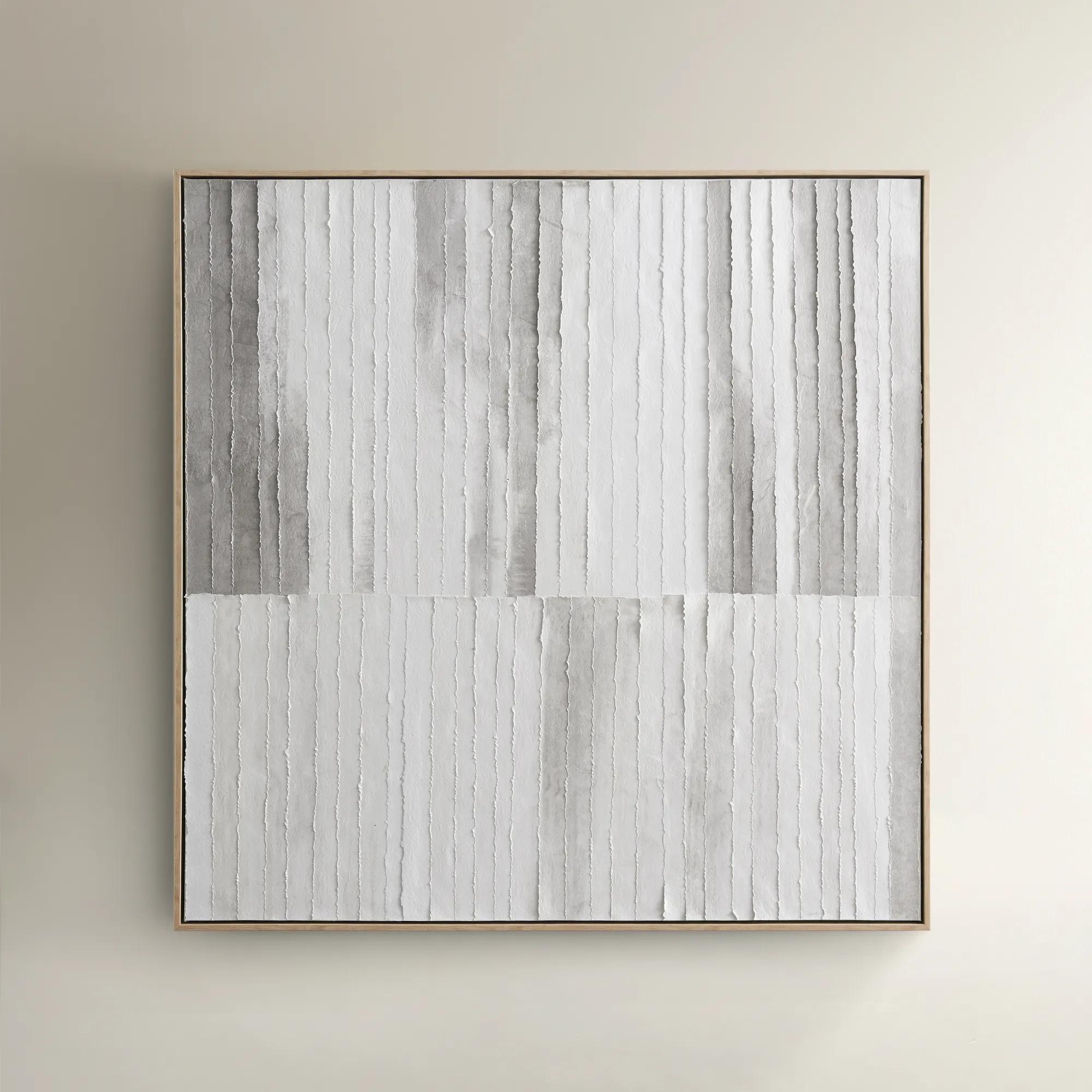
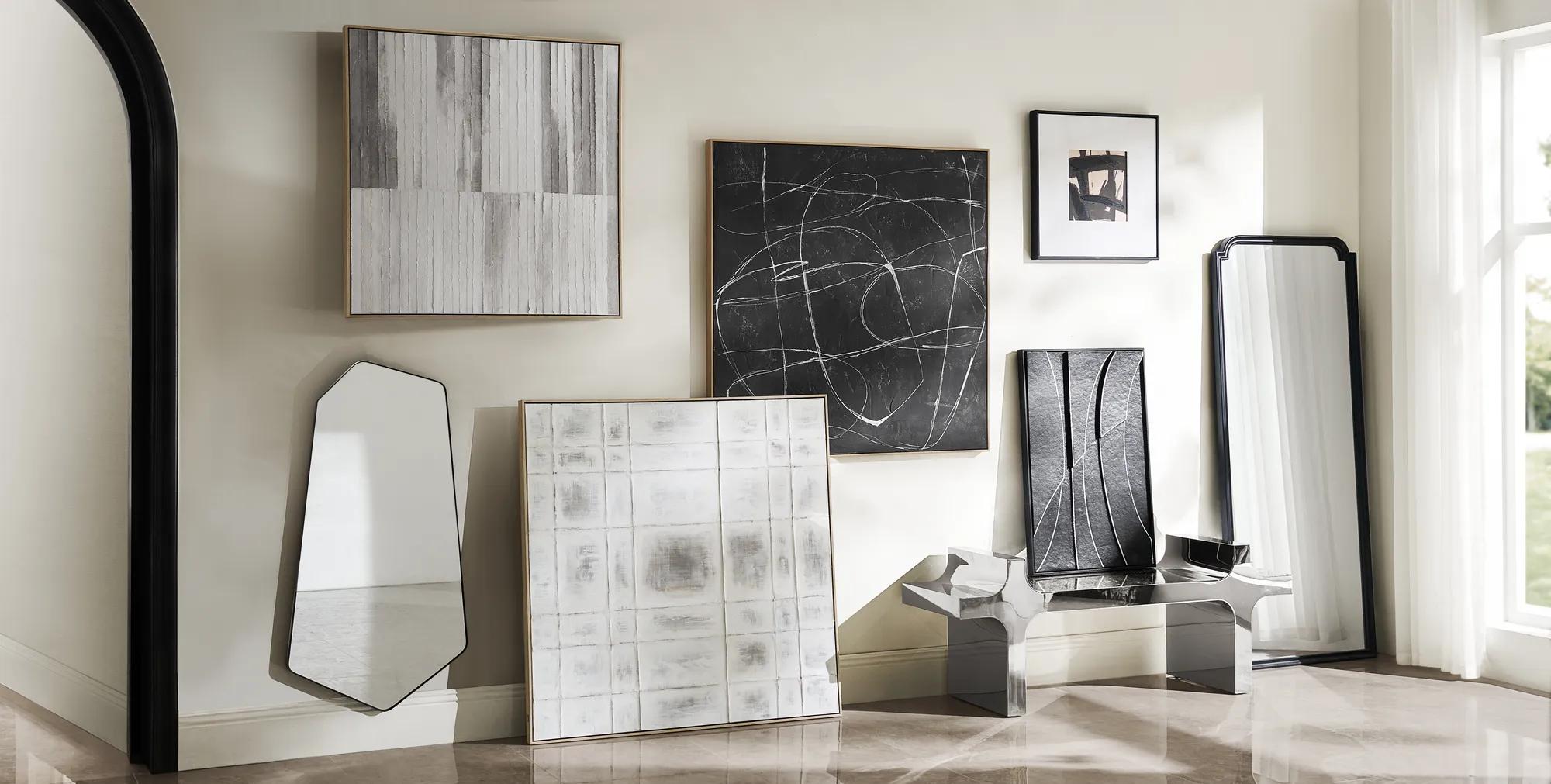 Morning Mist Paper Art$329
A hand-painted canvas featuring rhythmic grey lines in a textured, whitewashed floater frame for serene style.
Add To Cart -
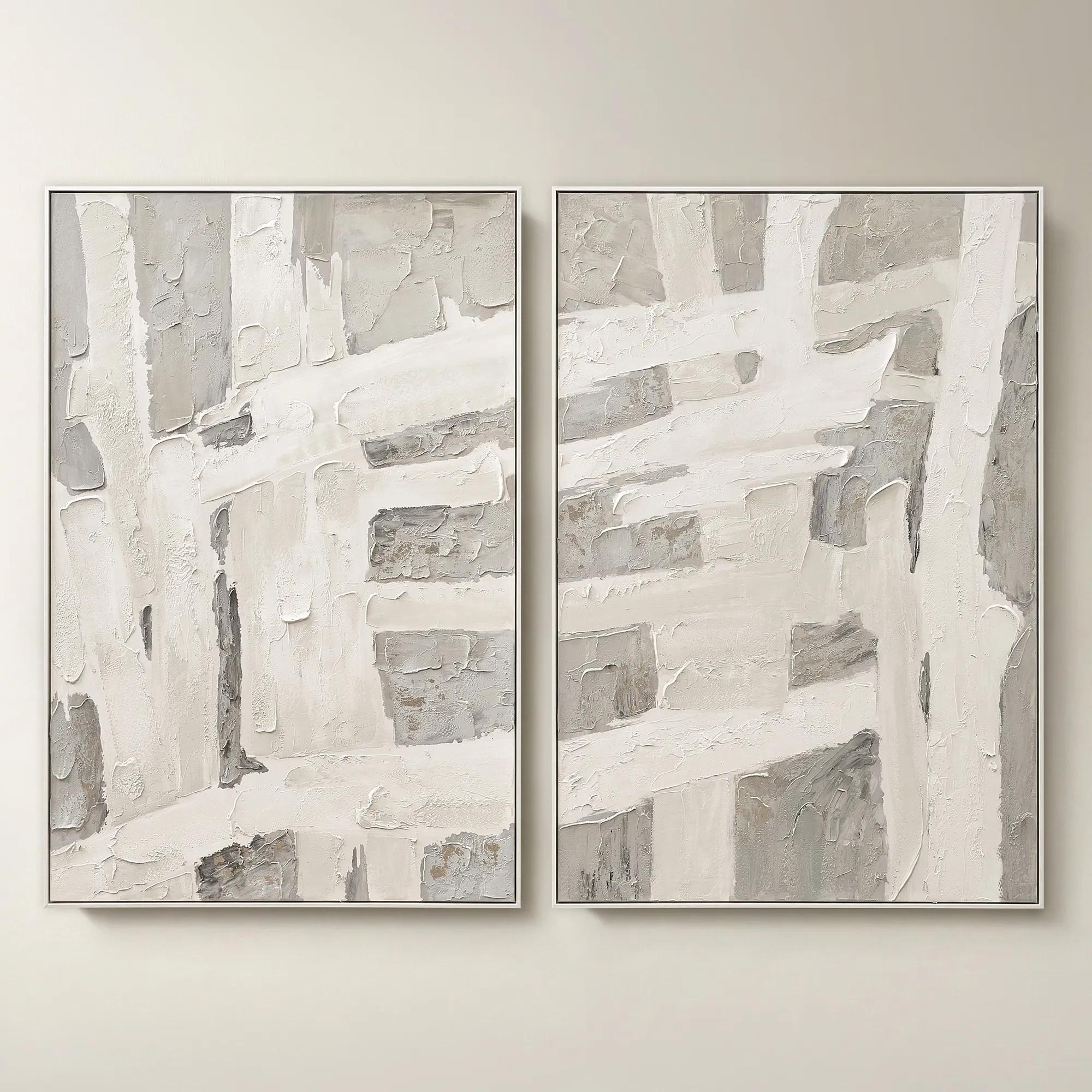 Traverse Framed Painted Wall Art 40" x 60" Set of 2$799
A hand-painted abstract diptych features champagne accents and soft grey, pearl, and alabaster tones in white frames.
Add To Cart -
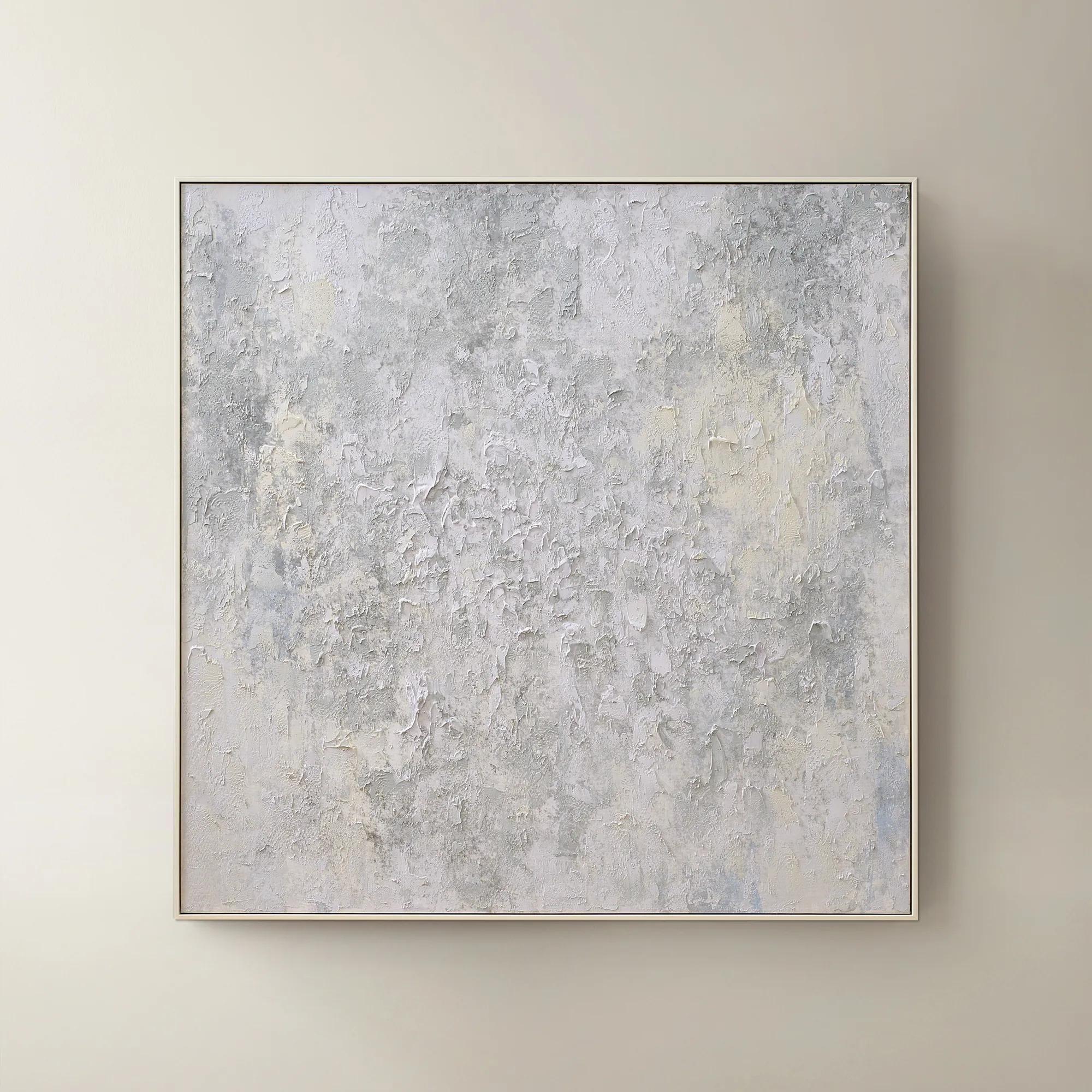 Breathe of Fresh Air Framed Painted Wall Art 50" x 50"$499
A hand-painted abstract canvas in dusty blue hues, elegantly framed in white for a serene, modern accent.
Add To Cart -
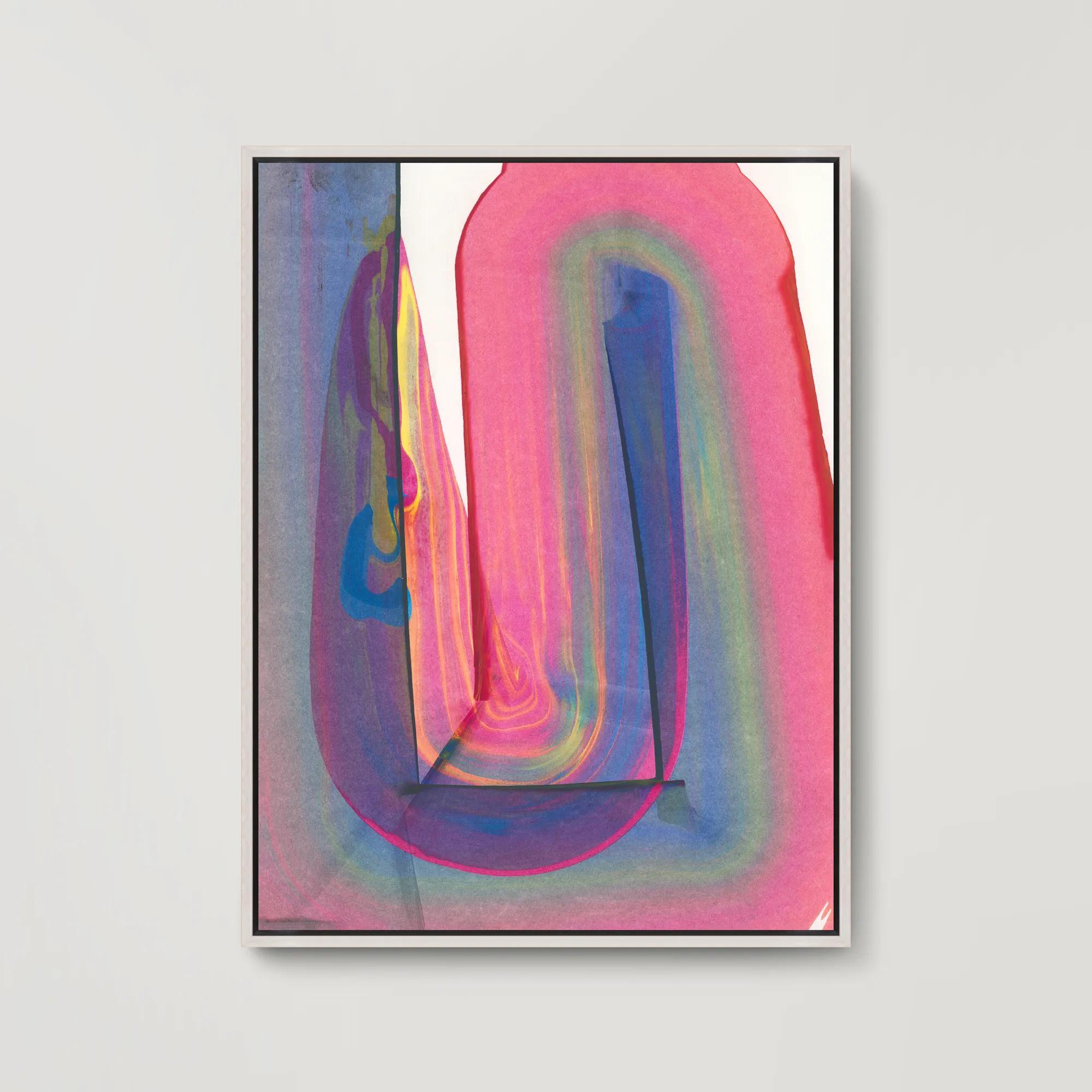
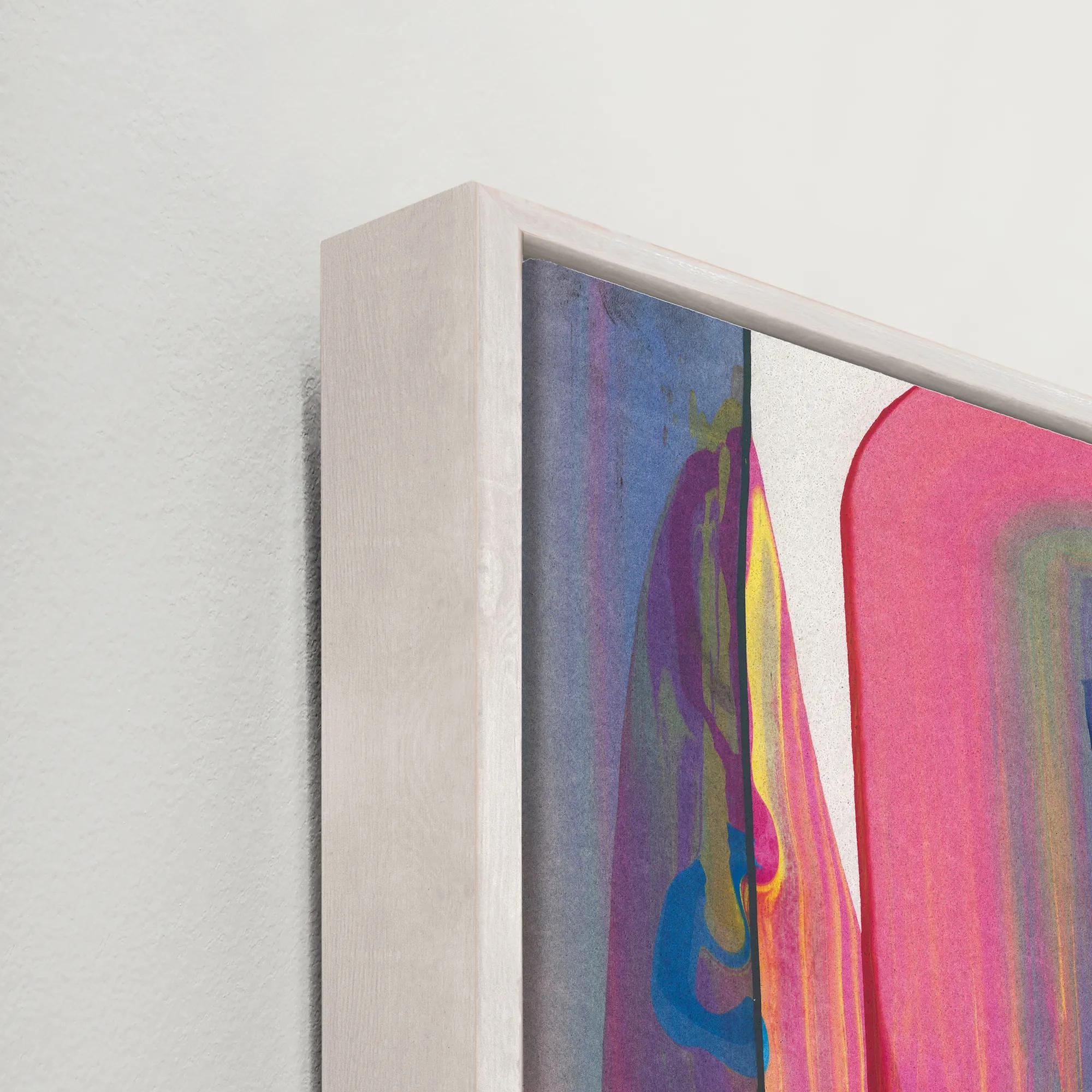 Color In Motion Framed Wall Art 31.5" x 41.5"$699
A gallery-wrapped abstract artwork featuring layered translucent paint and expressive brushstrokes in a white floater frame.
Add To Cart -
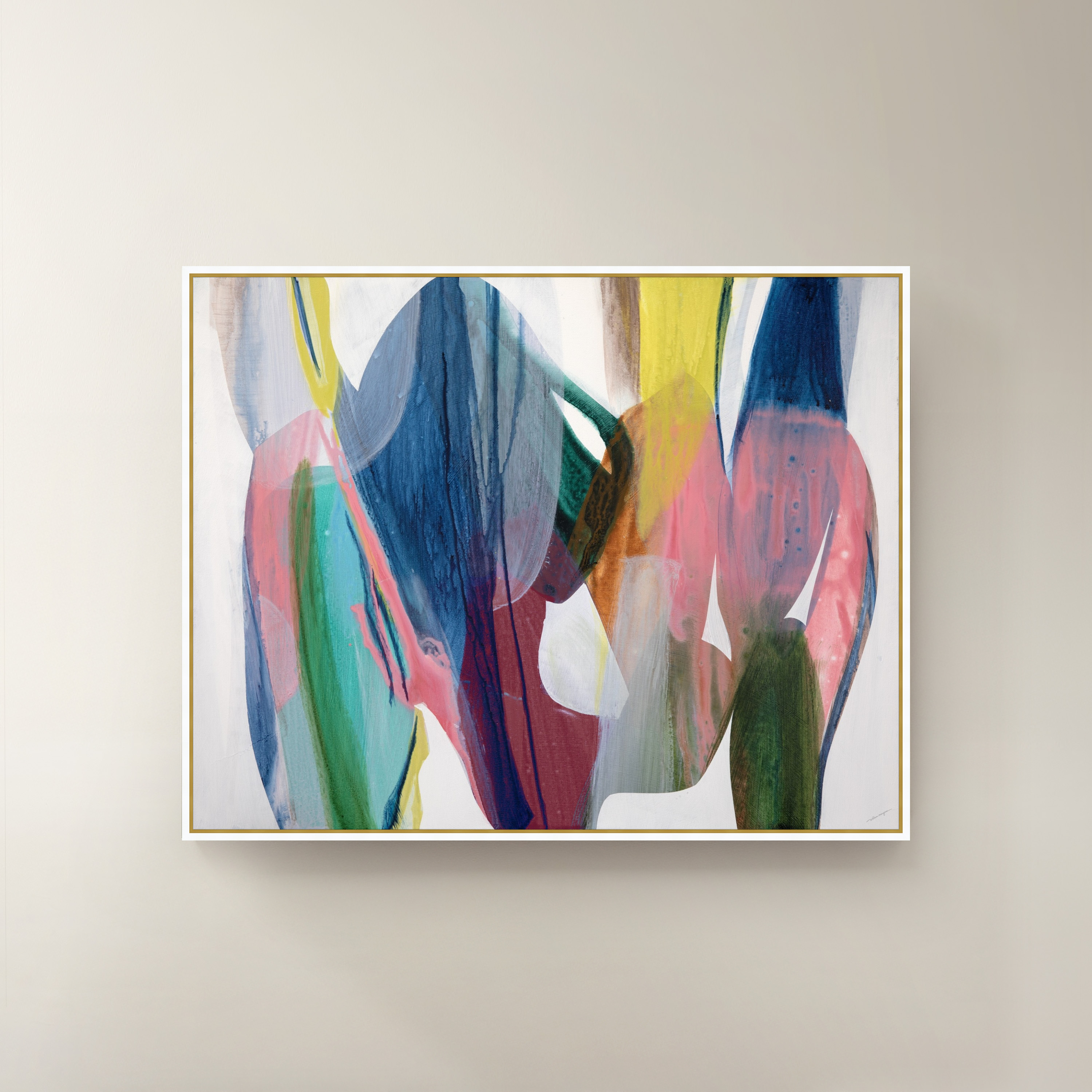
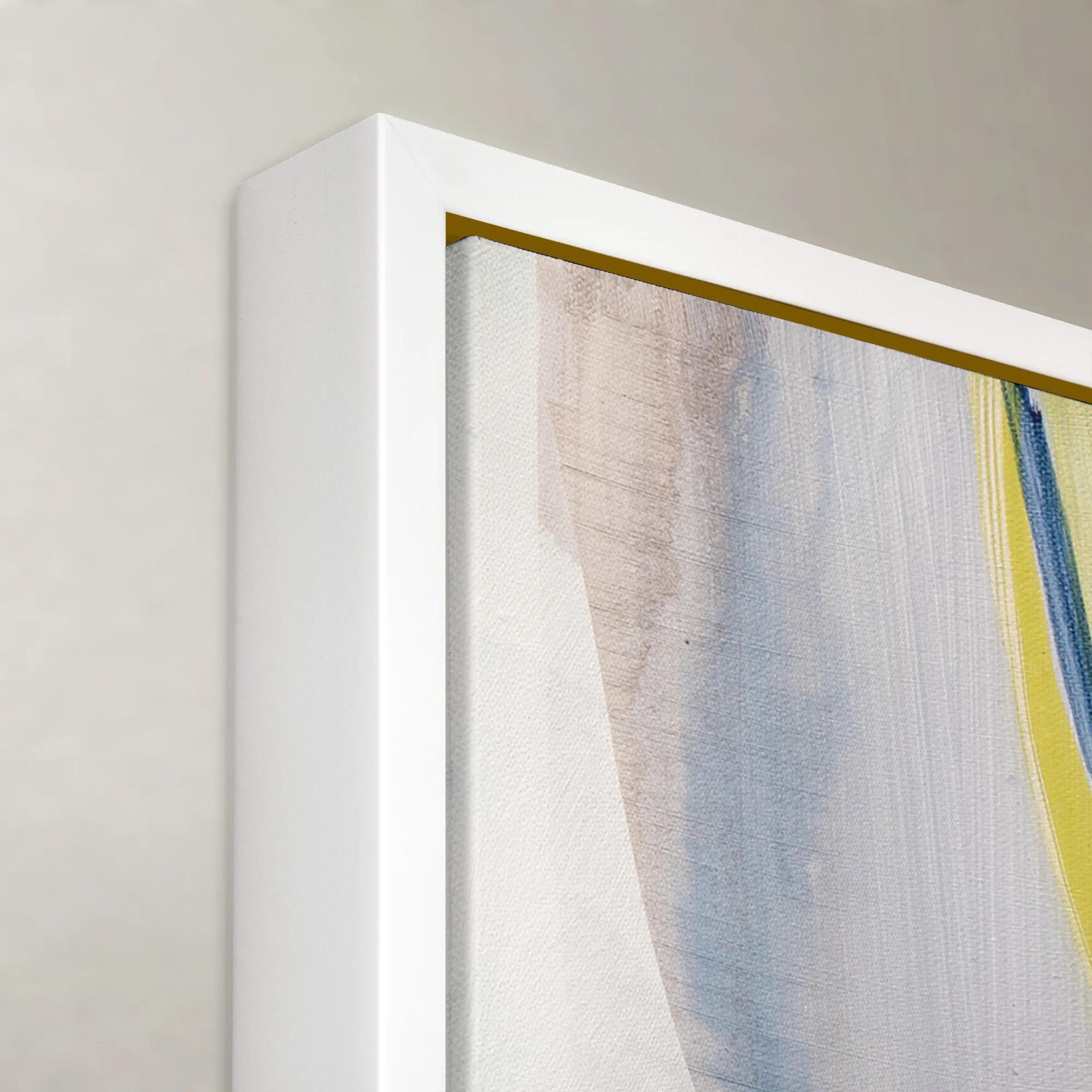 Dreams Take Flight Framed Wall Art 60" x 47"$1299
A vibrant multicolored framed canvas artwork adding expressive, contemporary style to any wall.
Add To Cart -
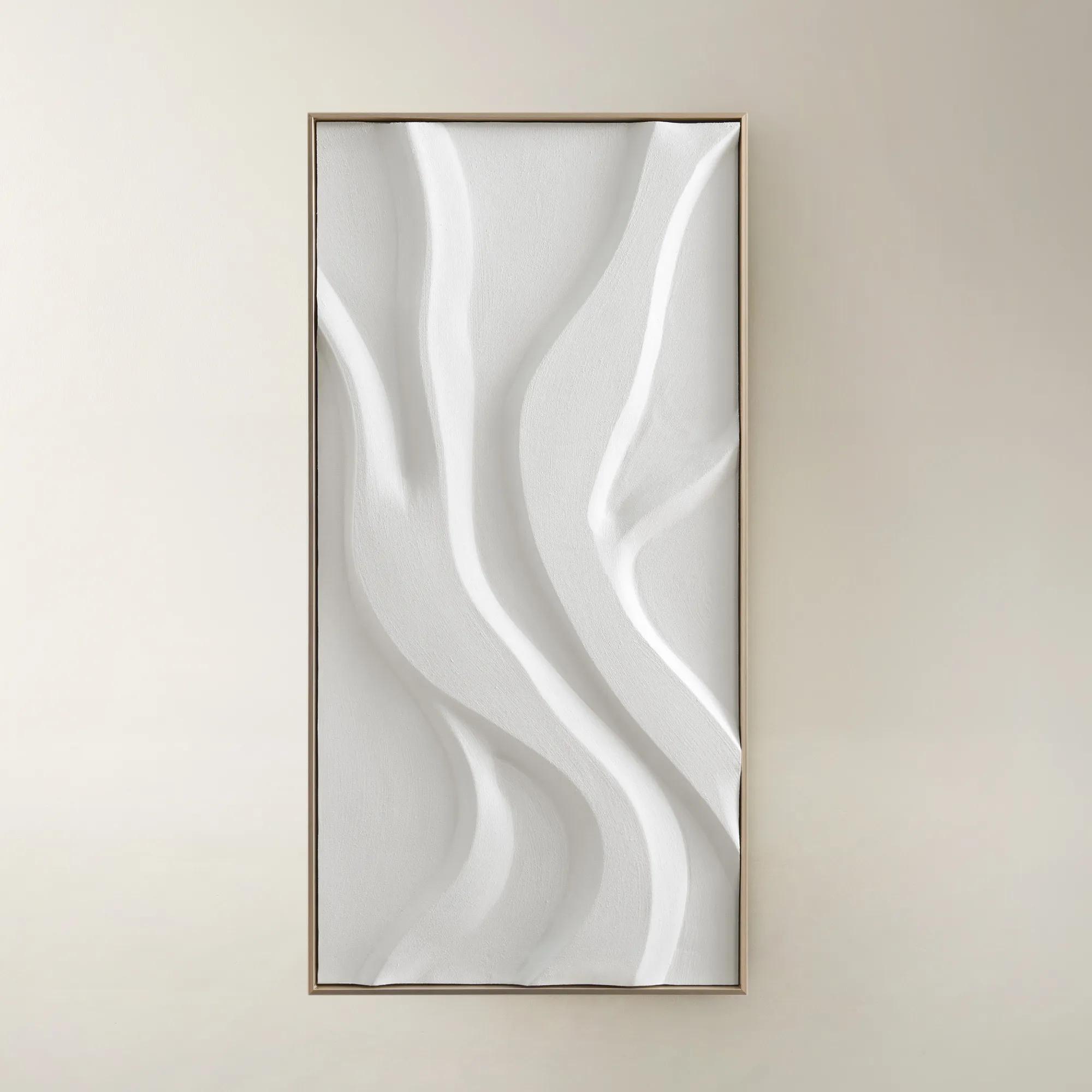
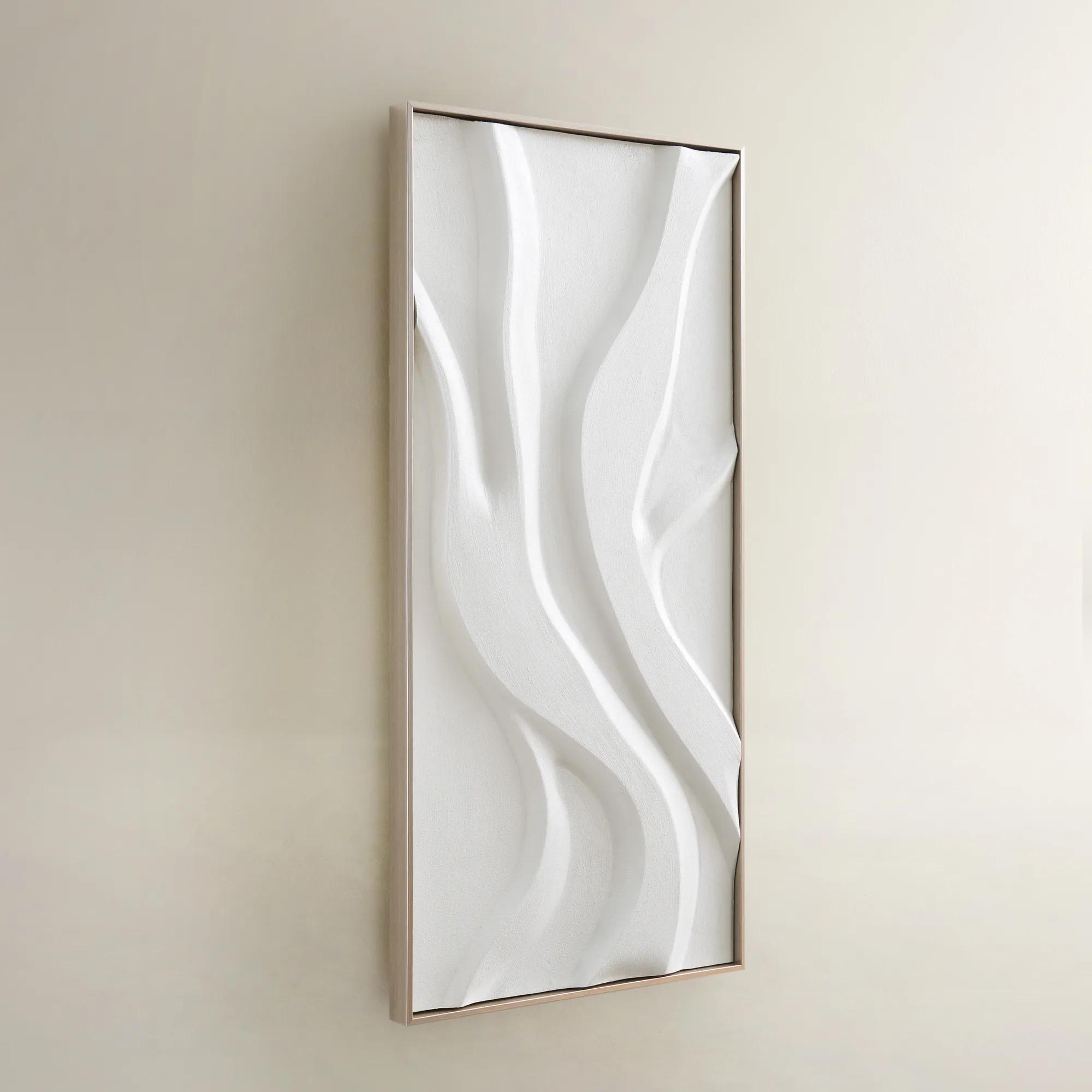 Au Lait Framed Painted Wall Art I 47.2" x 23.6"$199
An organic hand-painted canvas featuring flowing white forms in a warm champagne finish floater frame.
Add To Cart -
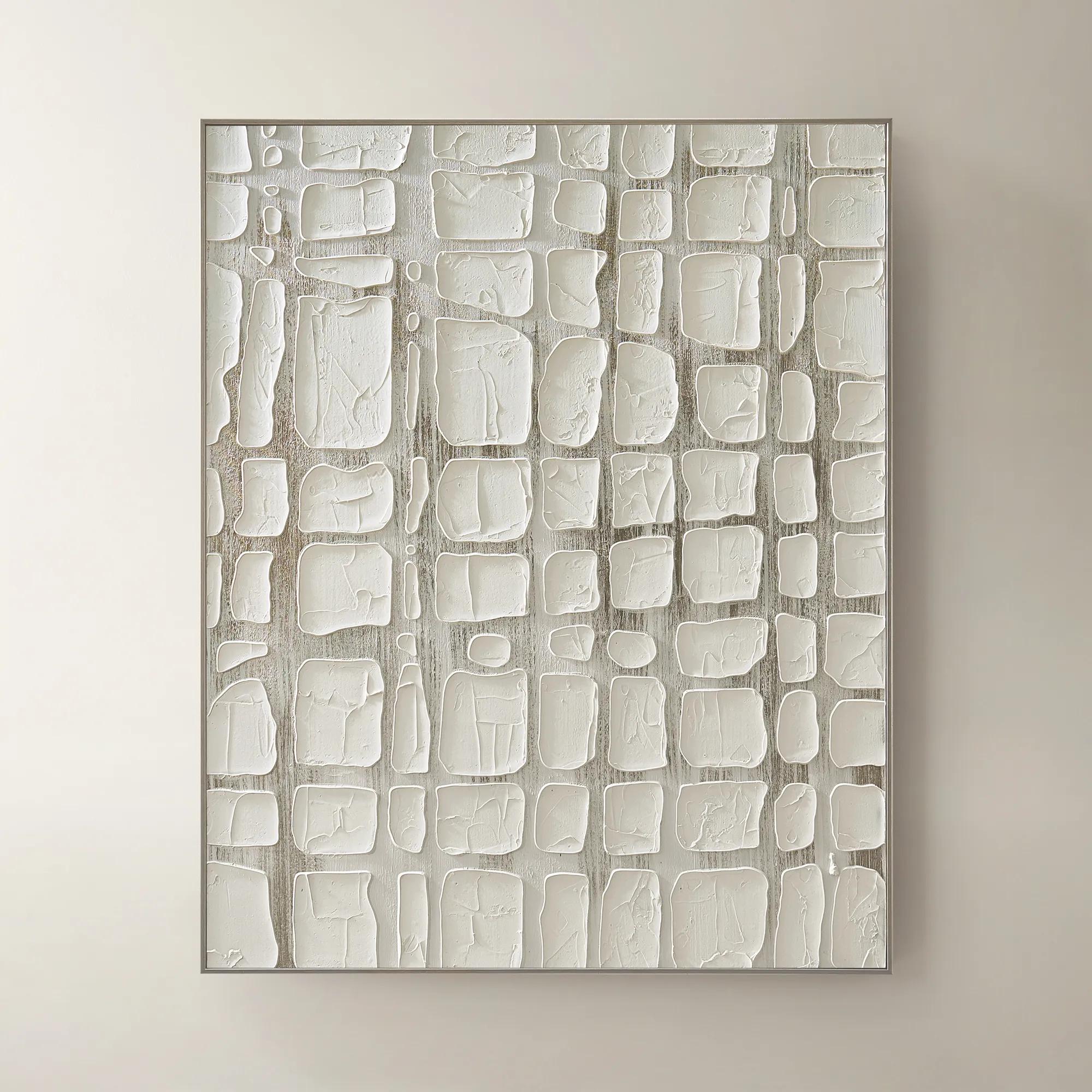
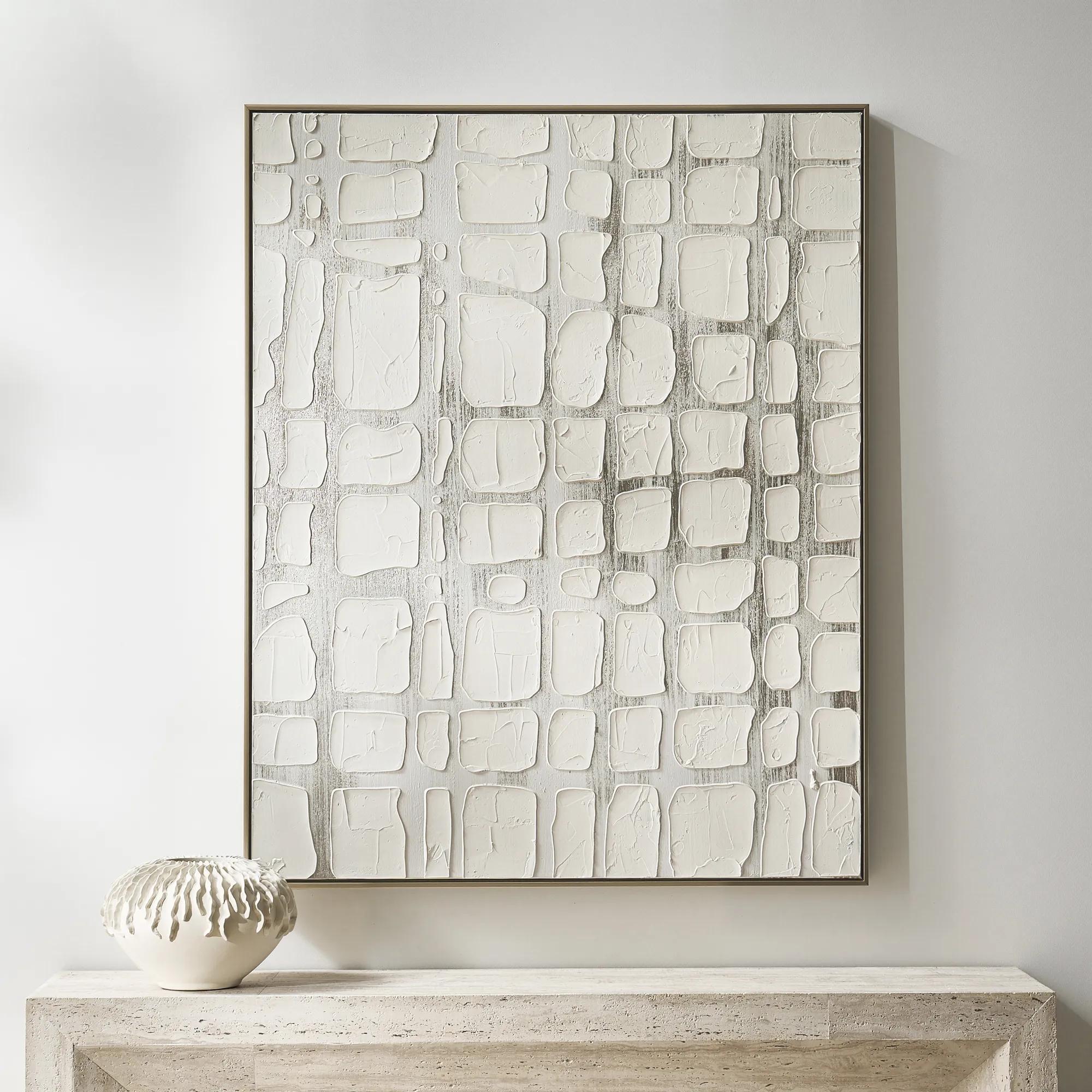 Vanish Framed Painted Wall Art 40" x 50"$499
A hand-painted canvas with raised white forms over champagne metallic ground in a refined floater frame.
Add To Cart -
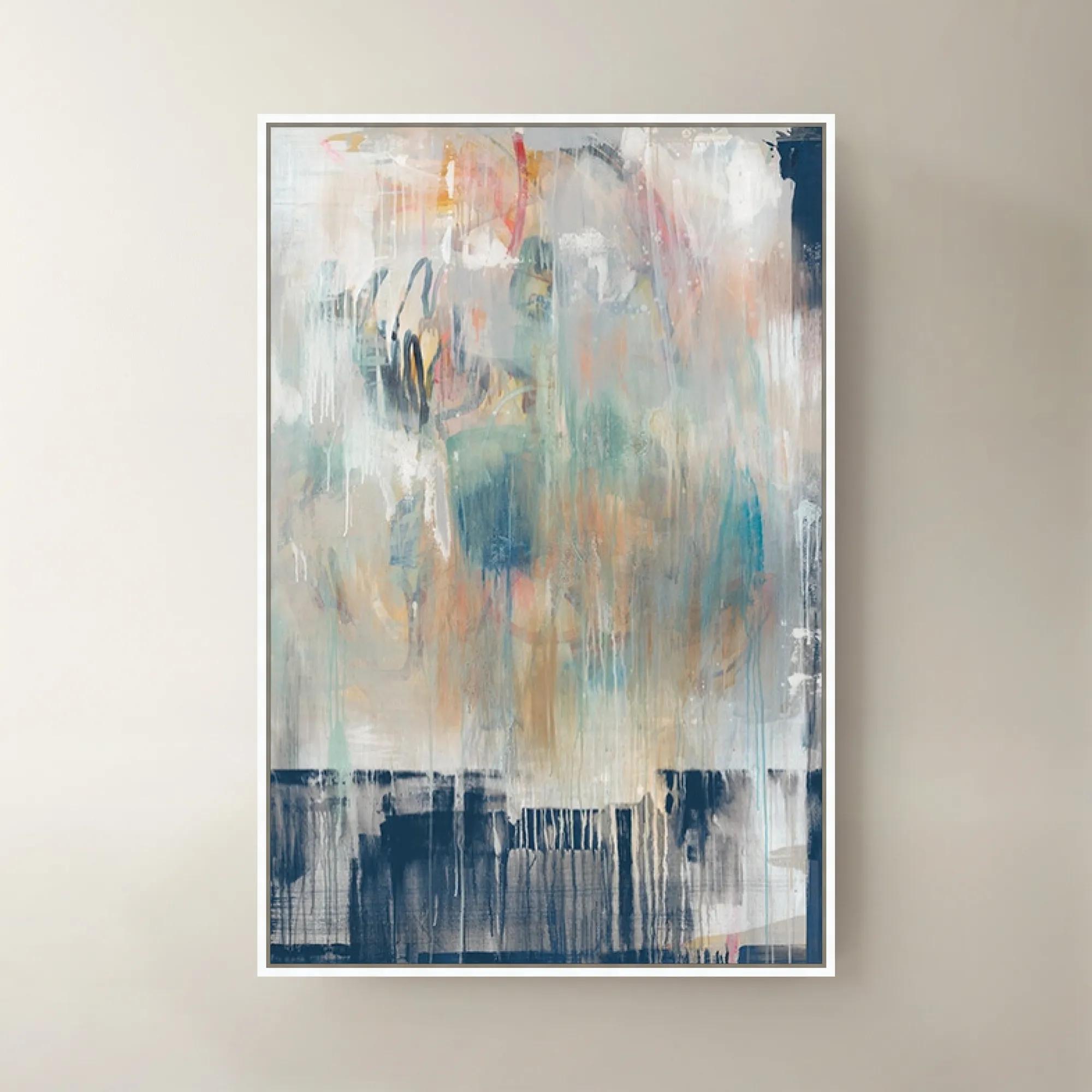
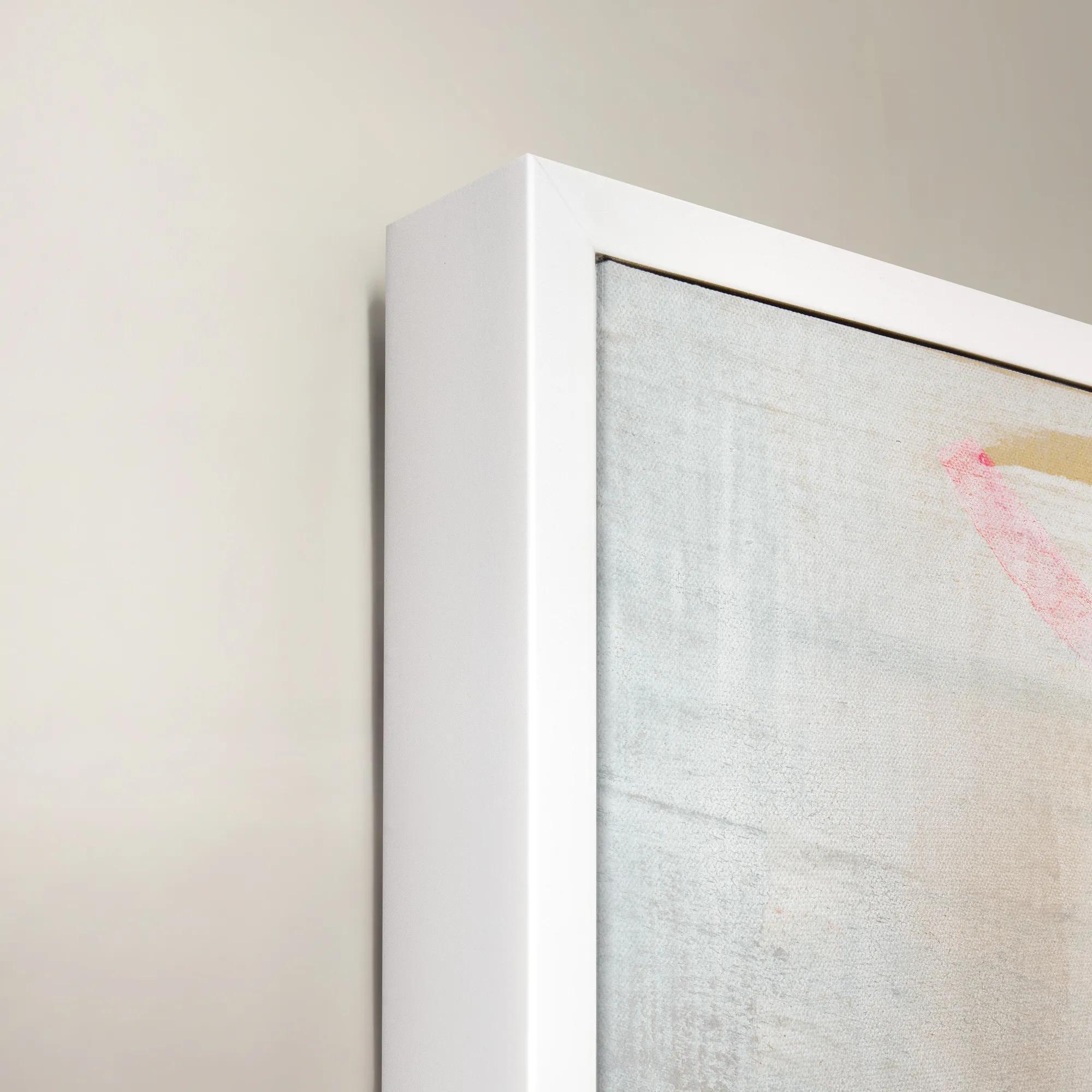 Disrepair III Framed Wall Art 40" x 60"$1099
A multicolored canvas wall artwork in a framed presentation, bringing expressive contemporary character to interiors.
Add To Cart -
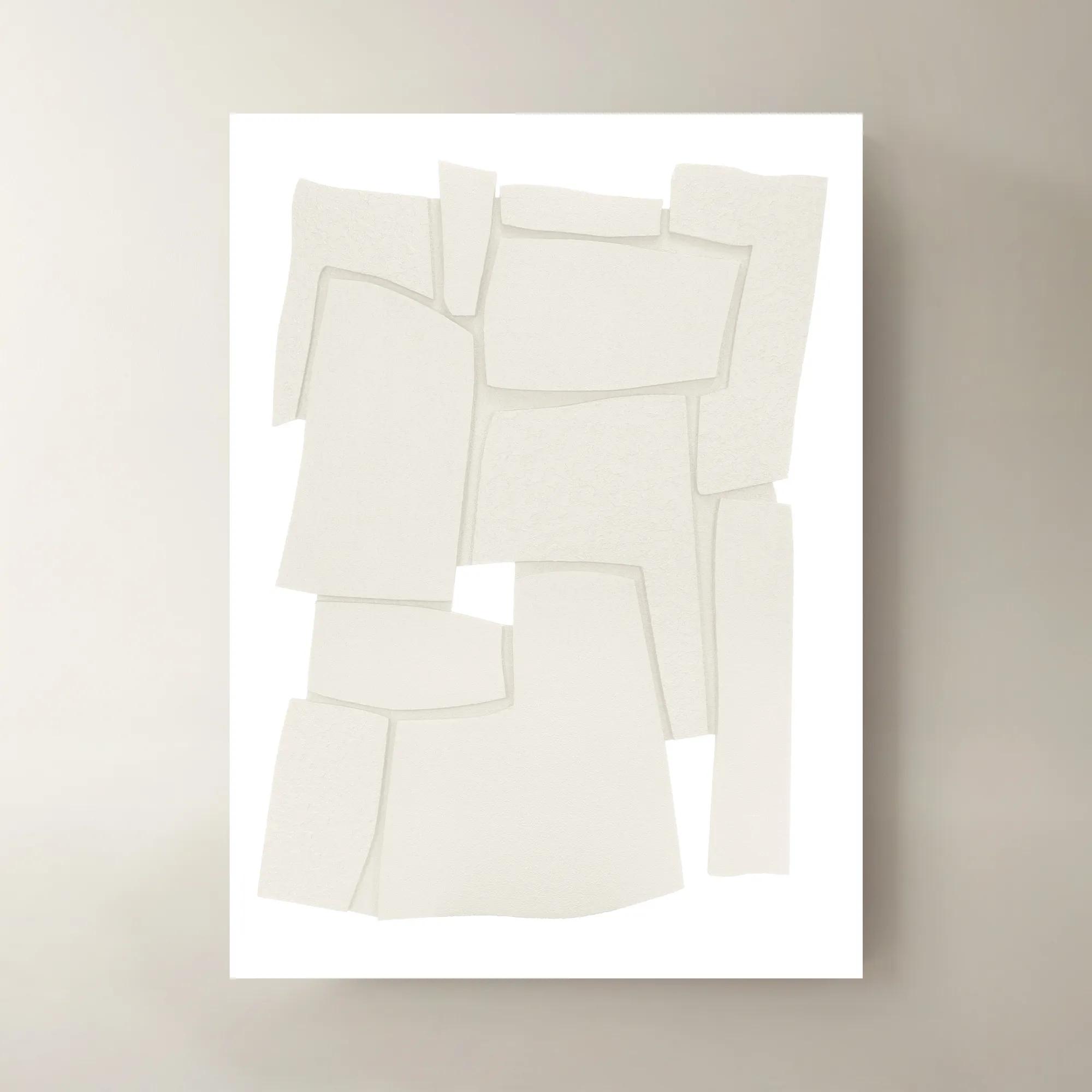
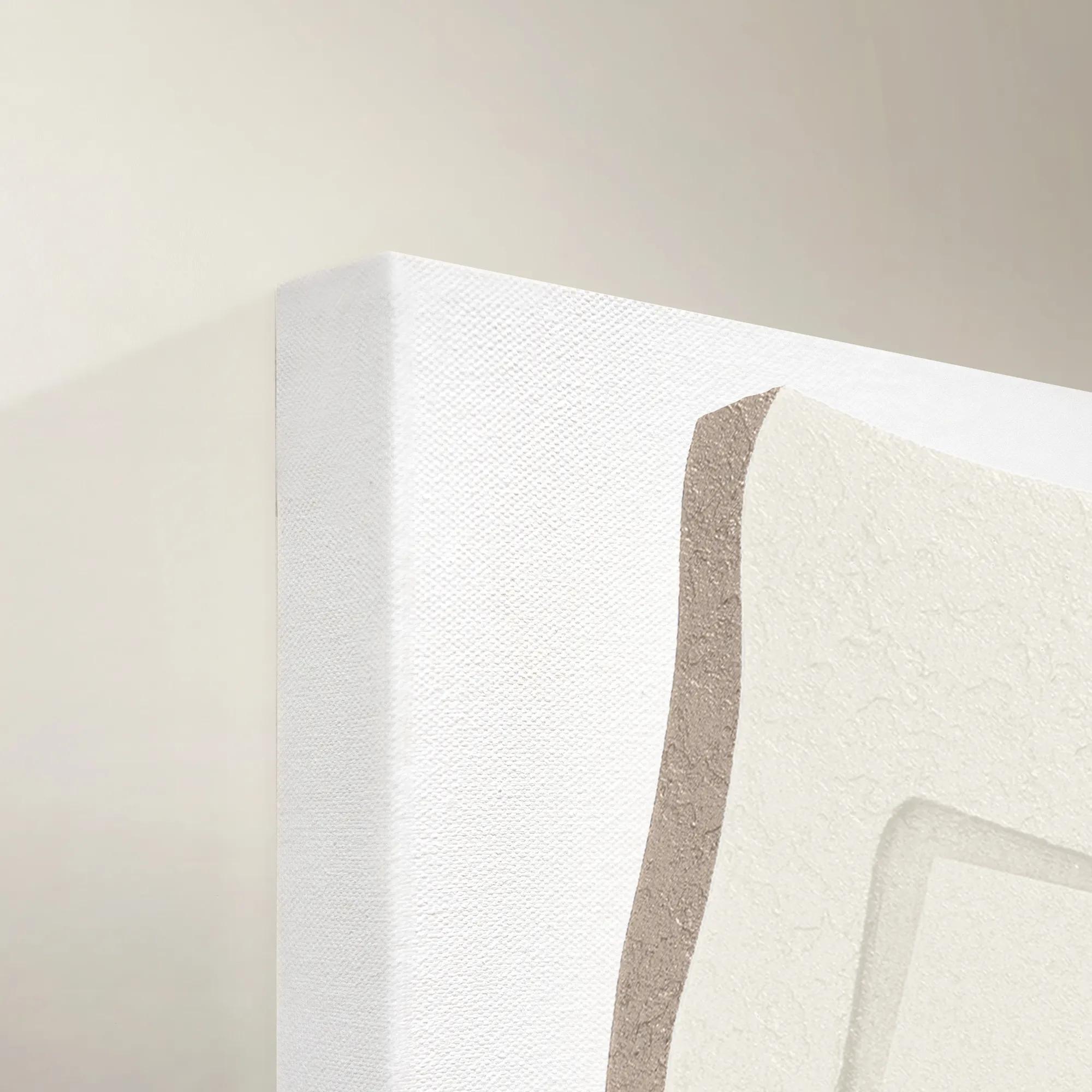 Wonder Maze III Wall Art 40" x 55"$1699
A contemporary canvas wall art piece featuring an intriguing abstract maze-inspired design.
Add To Cart -
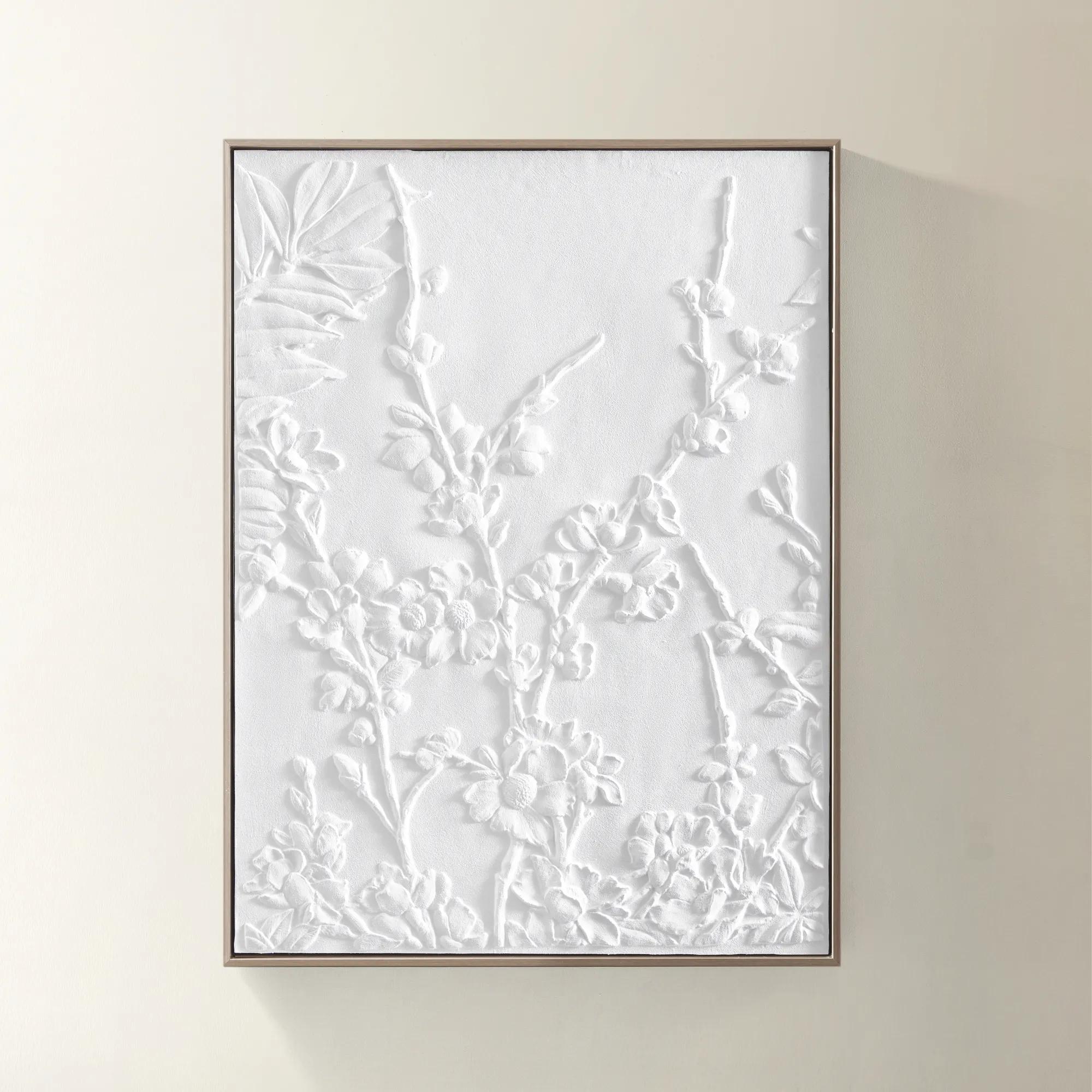
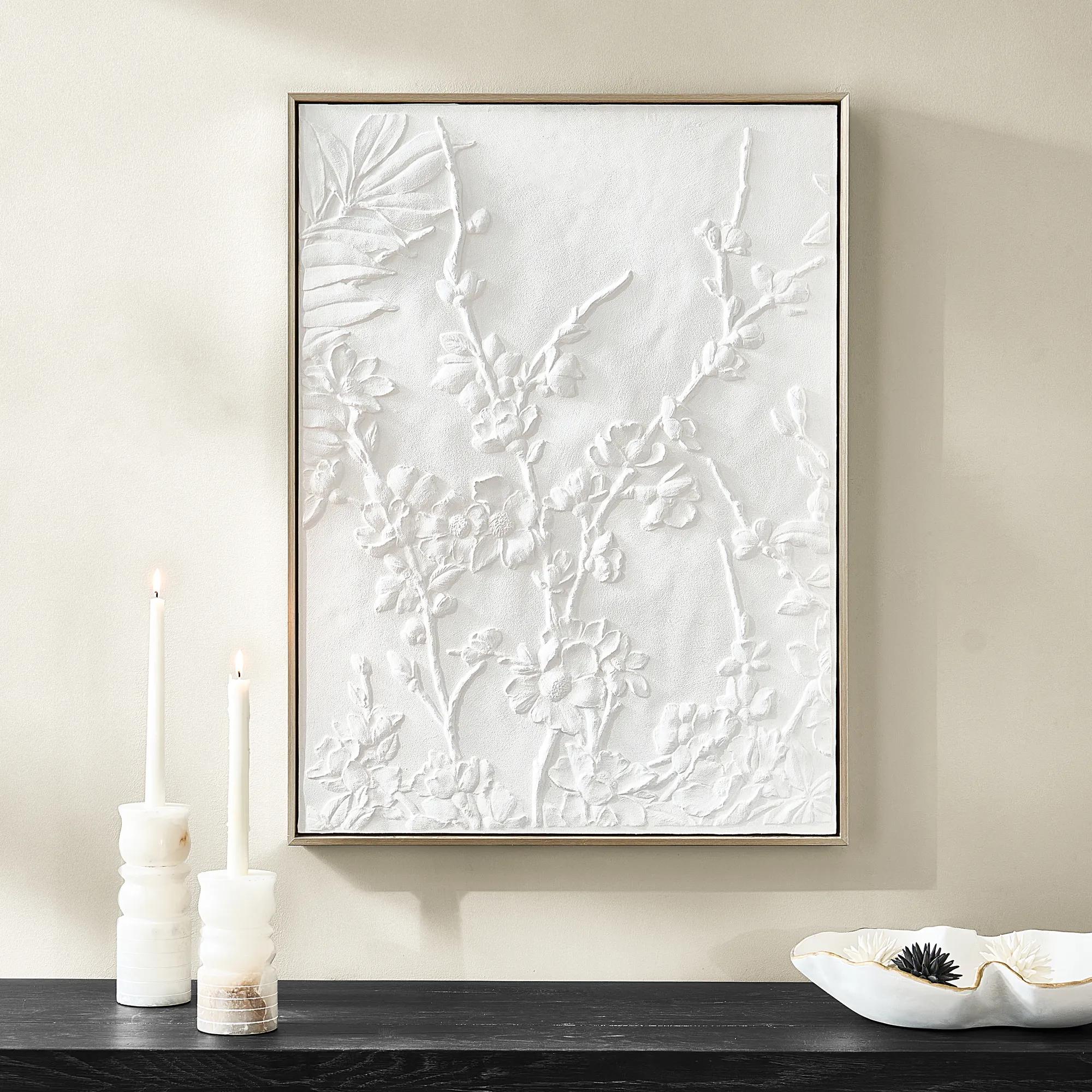 Allegro Framed Painted Wall Art 31.5" x 23.6"$109
A hand-painted canvas featuring textured floral motifs, framed in a warm champagne finish for subtle sophistication.
Add To Cart -
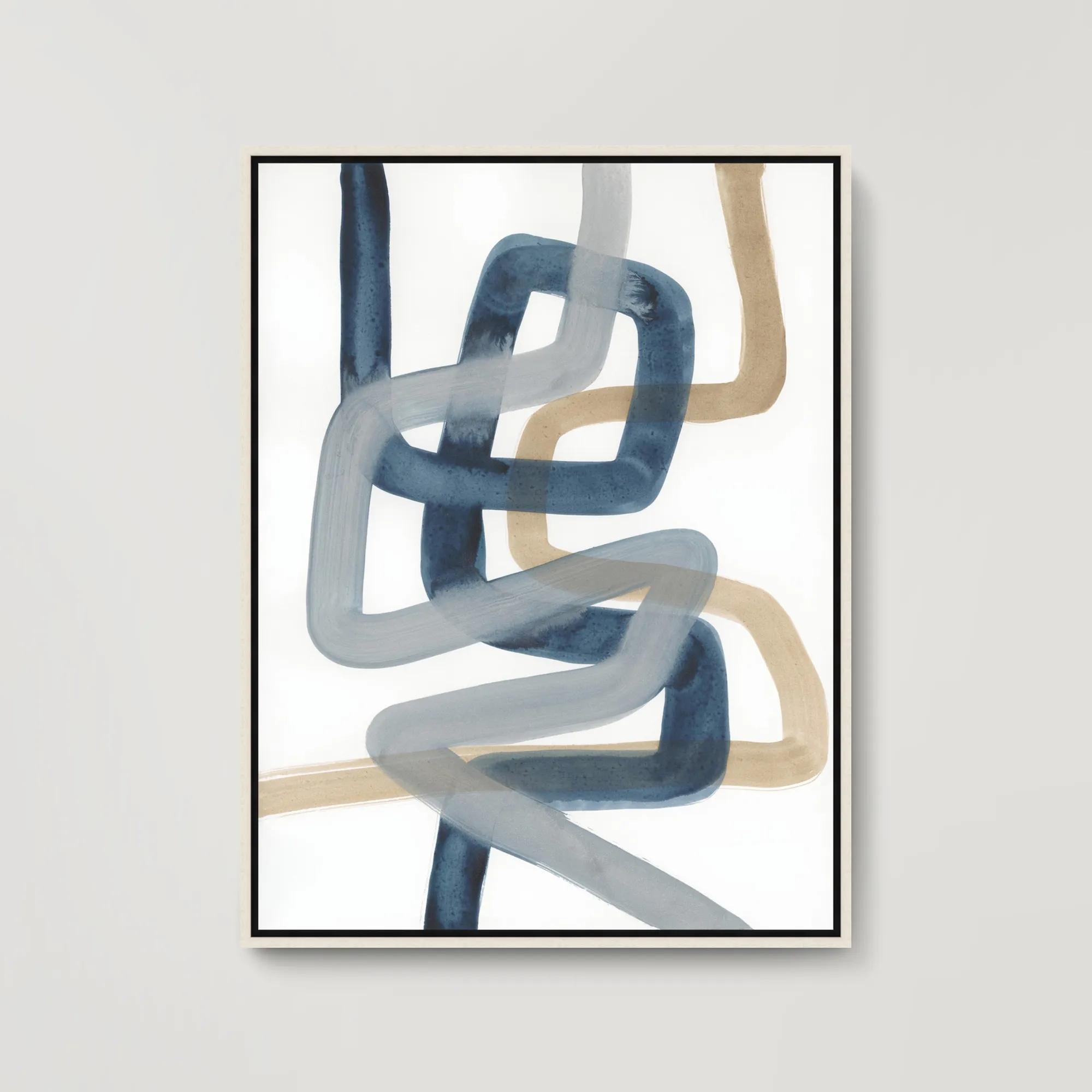 Looped In II Framed Wall Art 31.5" x 41.5"$699
A gallery-wrapped abstract canvas with hand-applied brush gel finish, set in a sleek white floater frame.
Add To Cart -
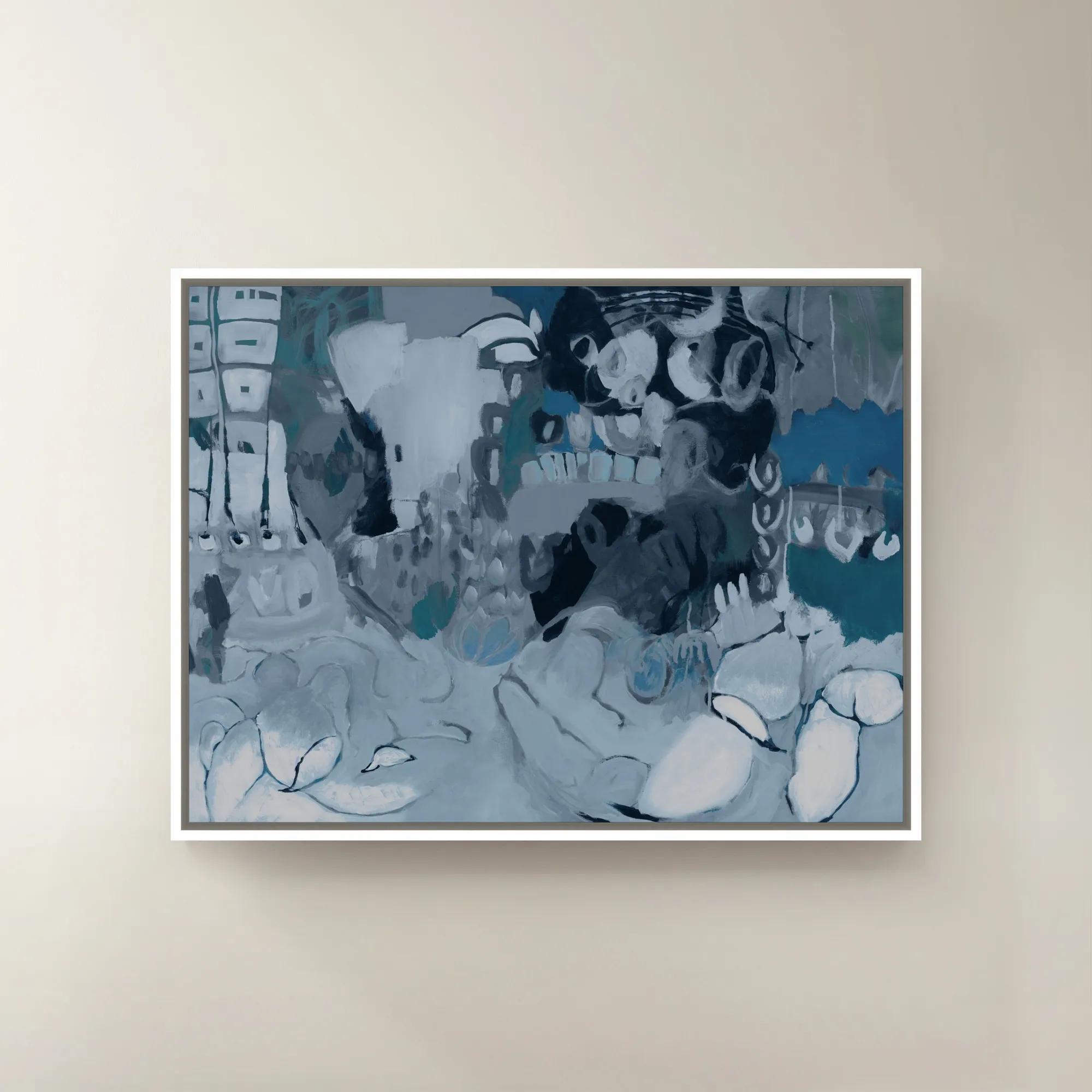
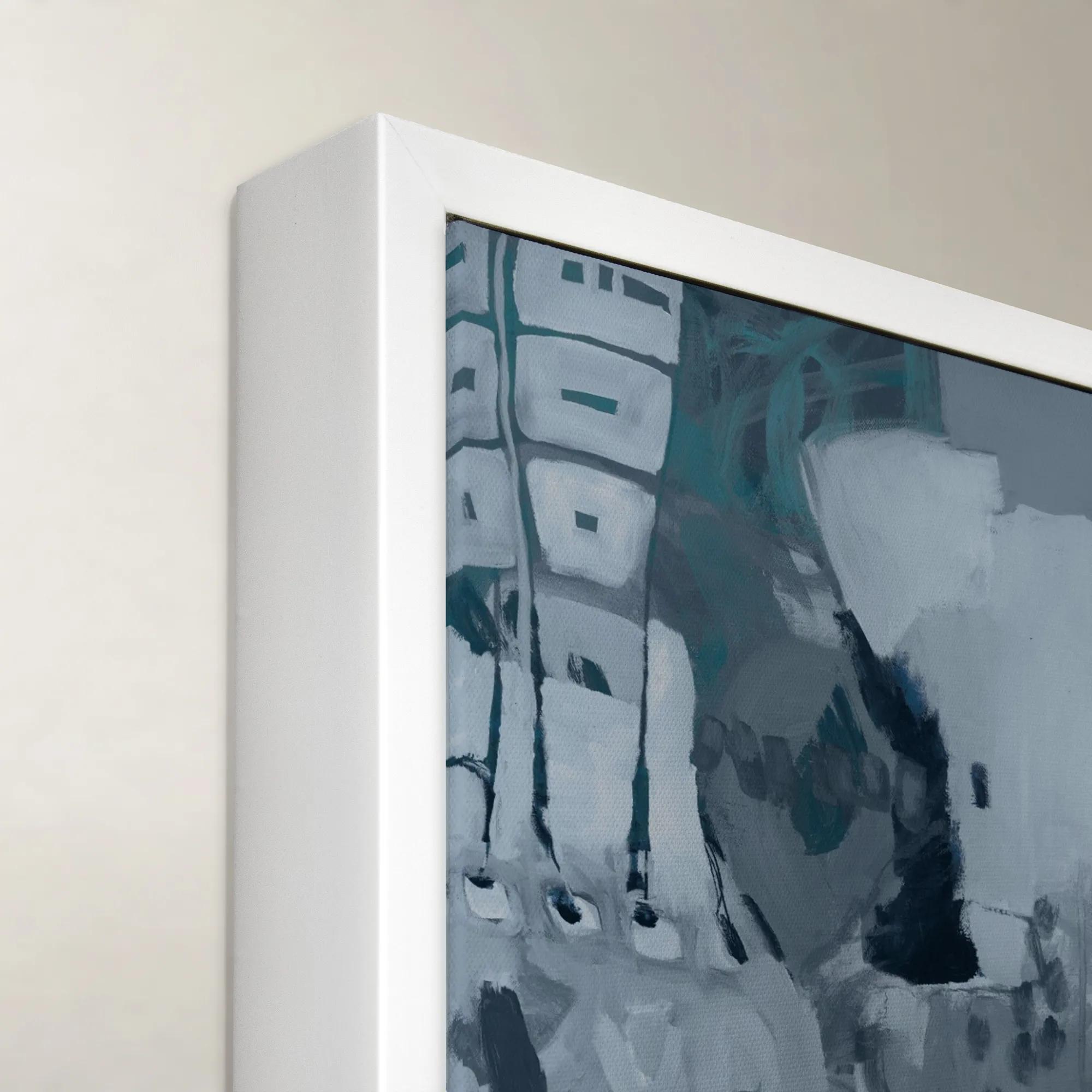 Wrap me in Forever II Framed Wall Art 40" x 30"$699
A striking blue and purple canvas wall art piece presented in a refined frame.
Add To Cart -
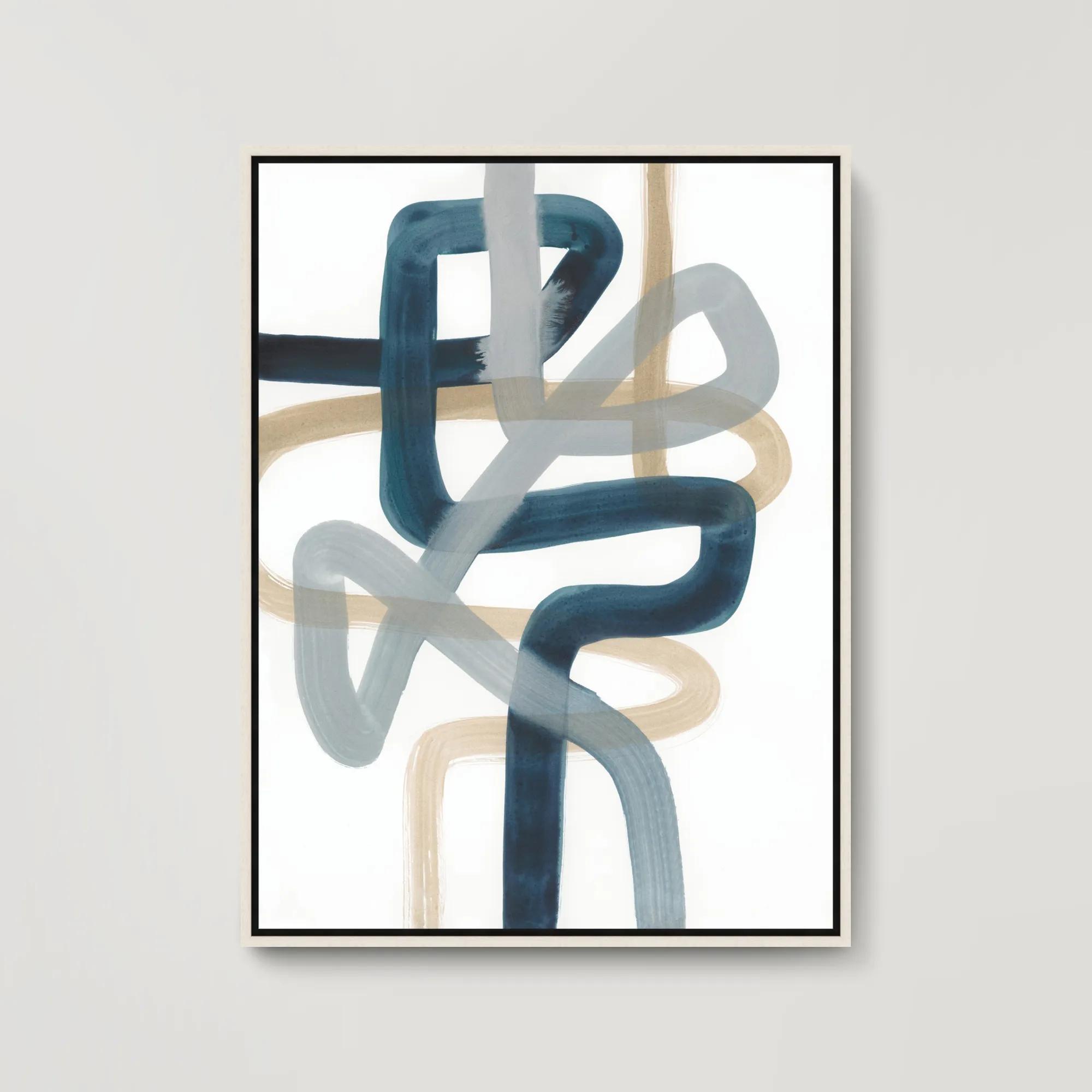
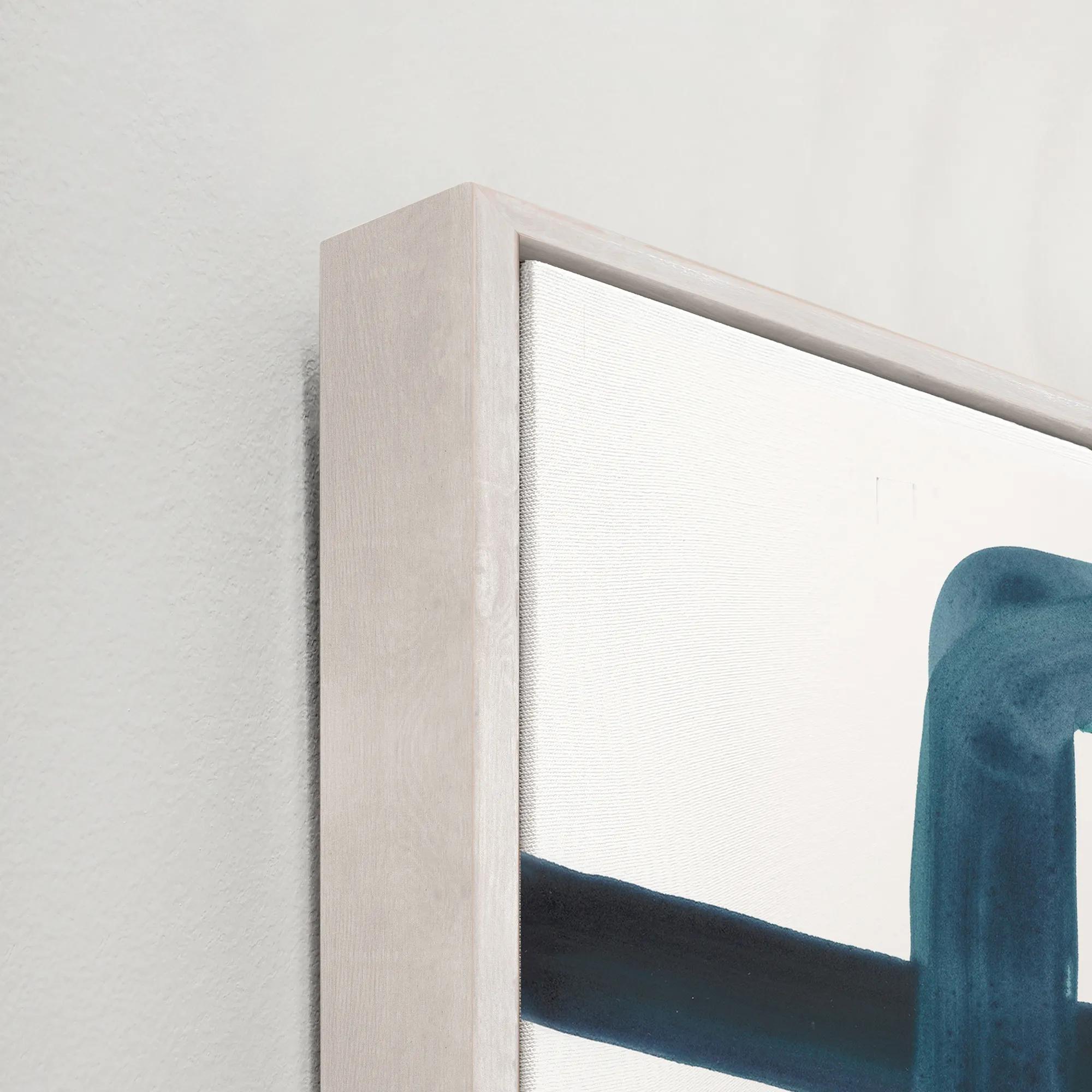 Looped In I Framed Wall Art 31.5" x 41.5"$699
A gallery-wrapped abstract canvas featuring hand-applied brush gel and a sleek white floater frame.
Add To Cart -
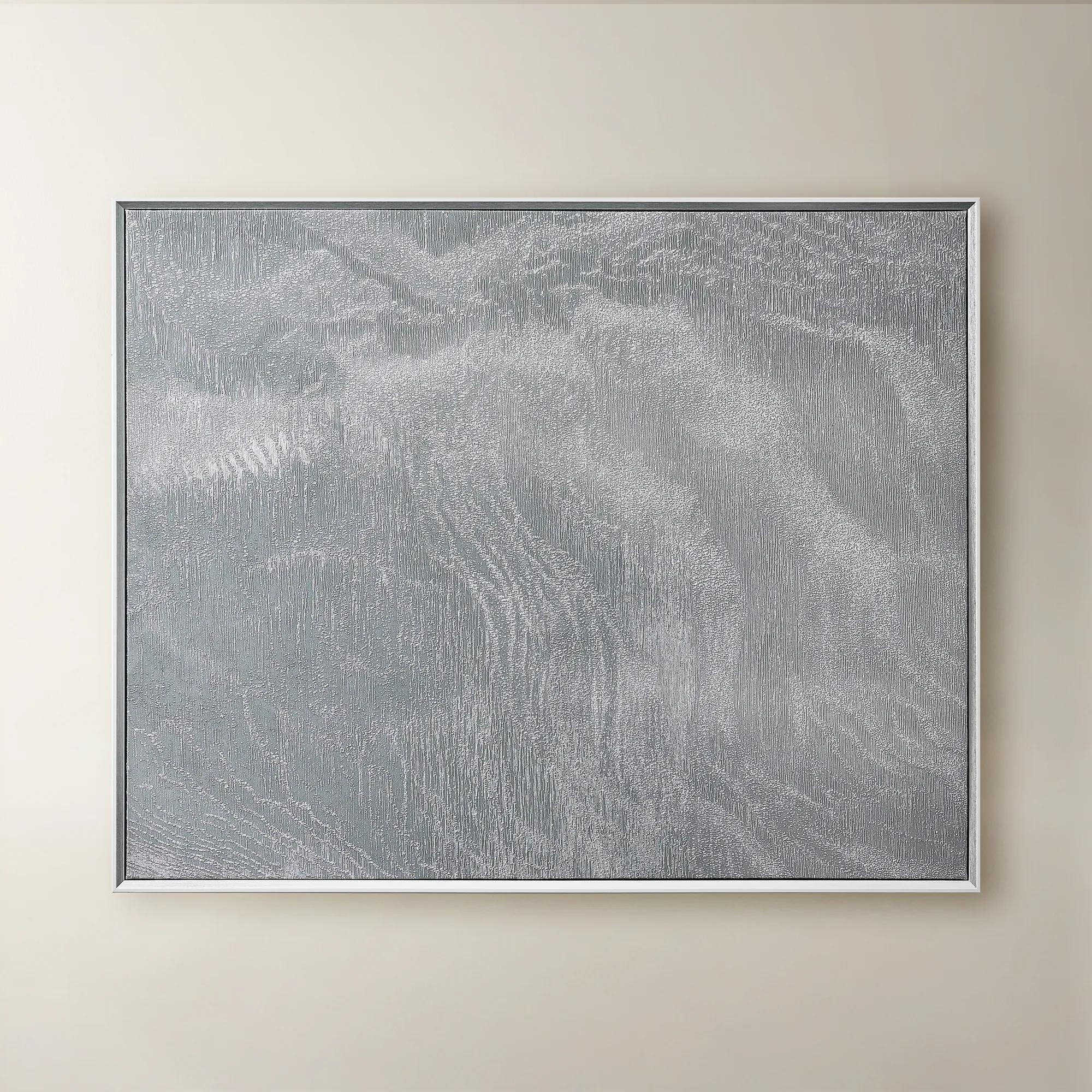 Slow Blue Morning Framed Silver Foil Wall Art 48" x 60"$599
A serene powder blue abstract canvas with silver foil accents, framed in silver and white for modern elegance.
Add To Cart -
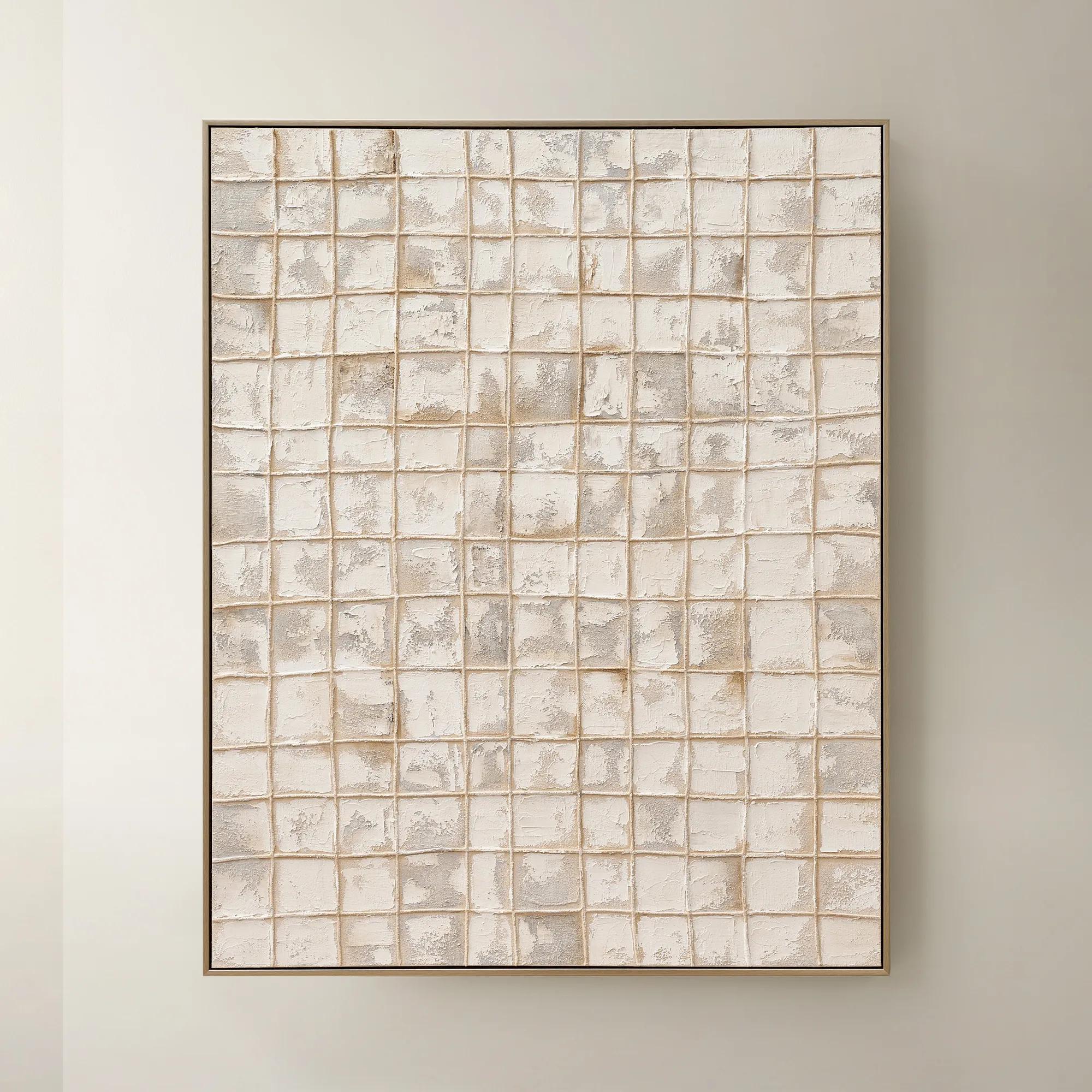
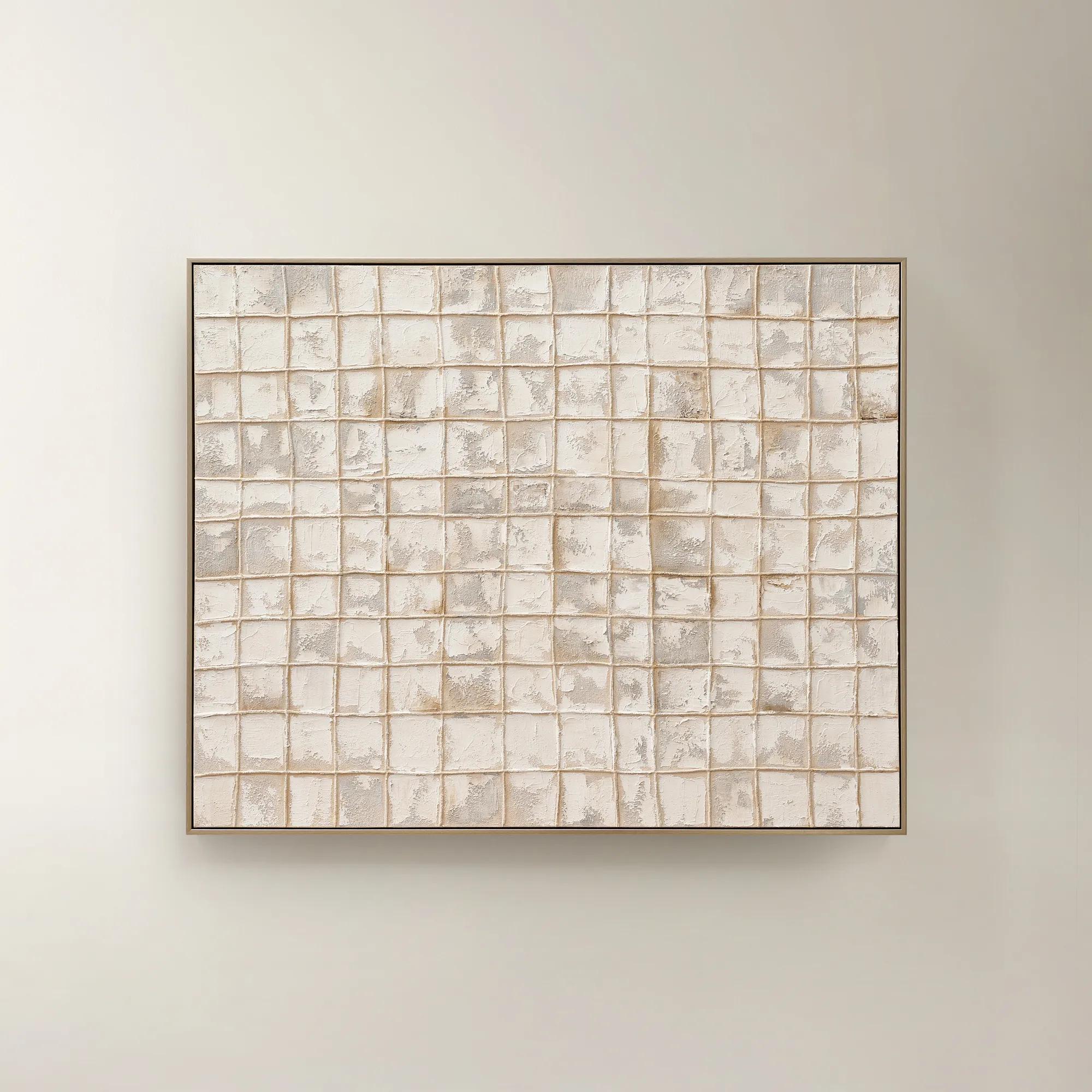 Painted Echos Framed Gold Leaf Wall Art 60" x 48"$699
A hand-painted abstract canvas with gold leaf accents and a champagne frame for modern, versatile display.
Add To Cart -
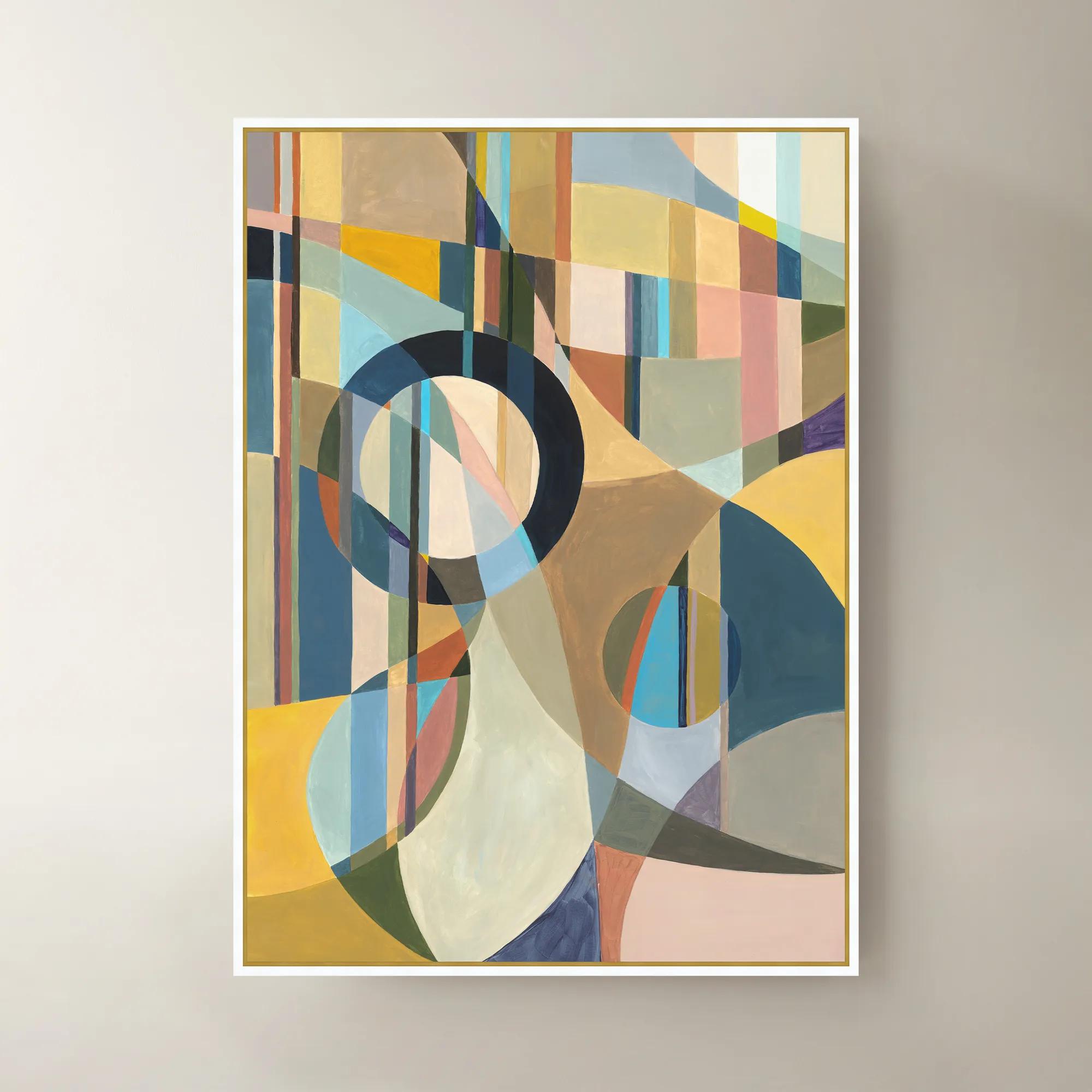
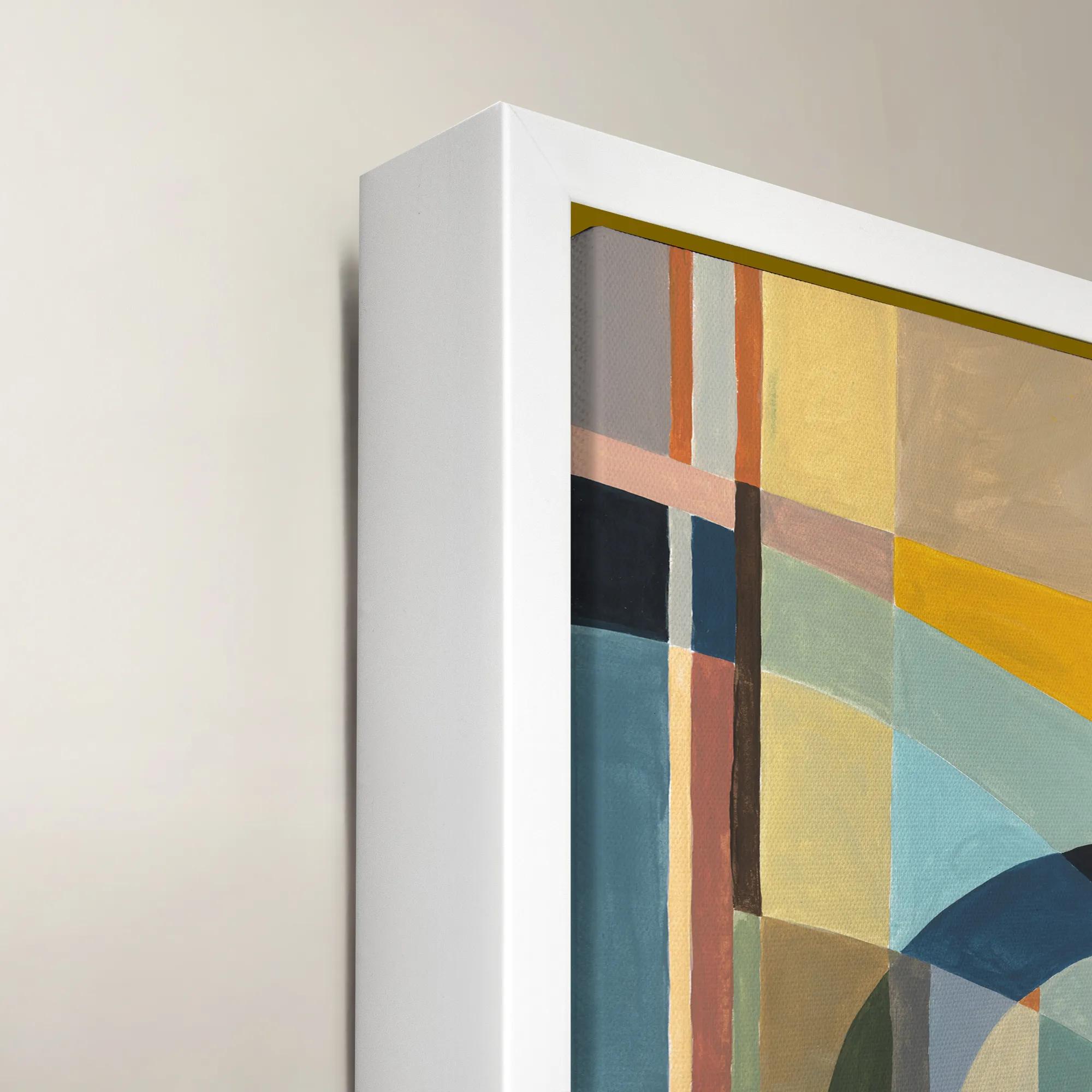 Happy Mistake Framed Wall Art 40" x 54"$1099
A vibrant multicolored framed canvas artwork adding expressive style to modern interiors.
Add To Cart -
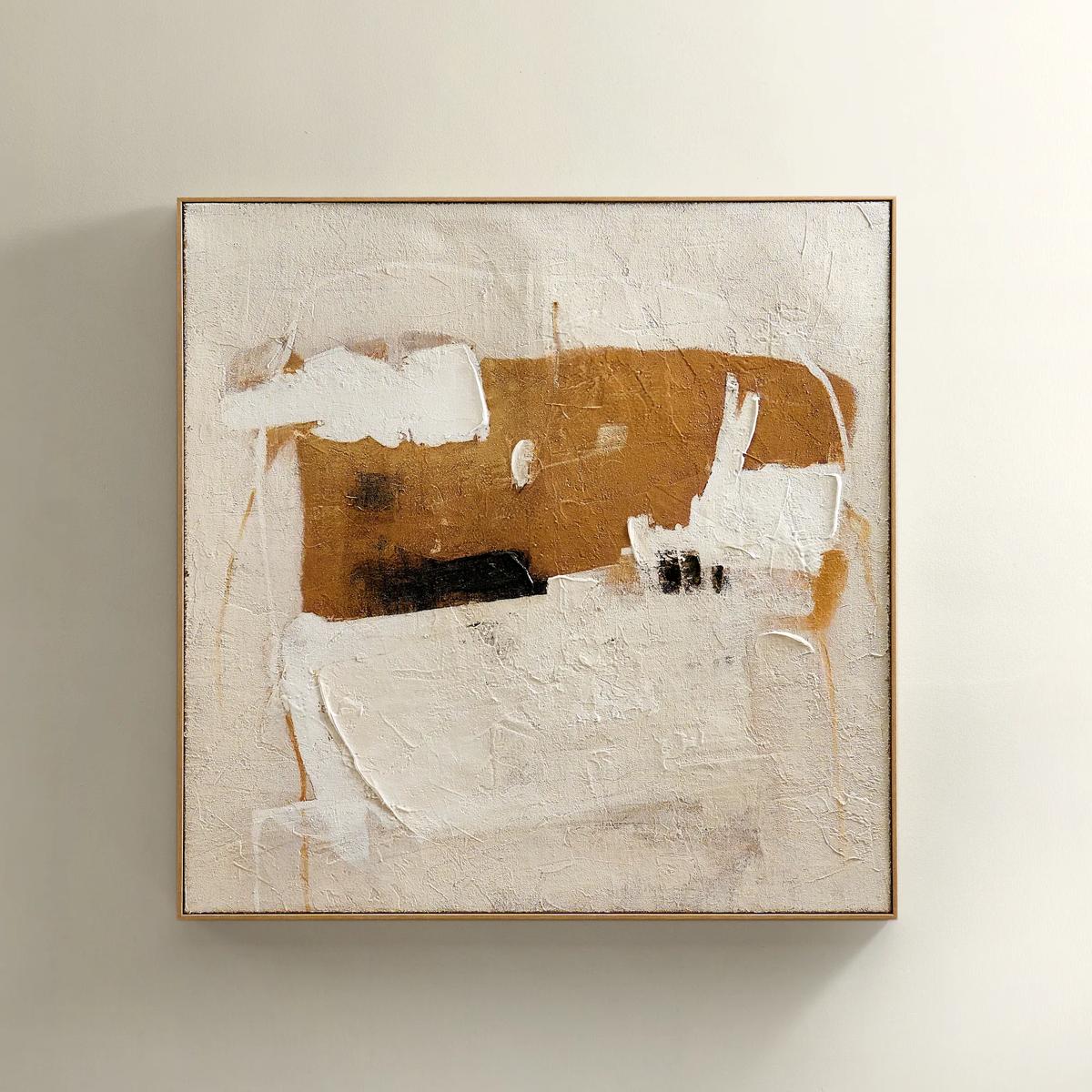 Instinct Framed Painted Wall Art 39.25" x 39.25"$349
An abstract hand-painted artwork featuring warm neutrals and black strokes on hessian with a light natural frame.
Add To Cart

Whitewash Frame Abstract Wall Art
Whitewash frame abstract wall art transforms any room into a gallery of modern intrigue and luminous serenity. Each piece becomes a poetic interplay of texture and tone—where ethereal brushstrokes meet the gentle allure of whitewashed wood, creating an atmosphere that is both tranquil and strikingly sophisticated. These works are more than mere decoration; they are invitations to pause, reflect, and revel in the unexpected beauty of artistry reimagined. With whitewash frame abstract wall art, every wall becomes a canvas for your boldest expressions, elevating your home with an air of effortless elegance and curated drama.
Whitewash frame abstract wall art brings a quietly dramatic finish to interiors, pairing expressive composition with the pale, weathered character of a light wood border. The frame may feature a distressed, whitewashed, or pickled grain that softens the transition between artwork and wall, while the abstract image introduces movement through layered brushstrokes, organic shapes, tonal blocks, or richly textured impasto. This balance makes the style remarkably versatile. Muted beige, soft gray, faded blue, ivory, and crisp white can create a serene, coastal atmosphere, while deeper marks or dimensional texture lend the piece greater presence in a modern transitional room. Unlike artwork that depends on a single bold color, neutral abstract art invites the eye to linger over its details and allows the rest of the room to evolve around it. It can echo the warmth of natural wood, complement linen upholstery, or bring a softened counterpoint to polished metal, marble, and lacquer. For a more curated collection of related silhouettes and finishes, explore White Wash Floater Frame Artworks. These pieces are especially appealing to anyone who wants a room to feel composed yet personal: a host preparing a refined living space for cooler evenings, a new homeowner shaping a first dining room, or a design lover adding an artful final layer to a bedroom or entryway. The effect is not stark minimalism. It is an atmosphere of light, texture, and considered imperfection—an impression that the room has been gathered slowly, with every detail chosen to contribute to the larger story.
Scale is one of the most important considerations when selecting whitewash frame abstract wall art. A smaller or medium-sized work, often measuring approximately 20 by 29 inches through 24 by 36 inches, can bring distinction to a hallway, reading nook, home office, or narrow wall beside a console. These proportions are also useful when creating a layered arrangement with a mirror, sculptural object, or additional artwork, provided the surrounding pieces share a visual connection in palette or material. For a sofa, bed, sideboard, or expansive dining-room wall, a larger statement work—approximately 40 by 52 inches or beyond—can establish a strong focal point without requiring an abundance of additional decoration. As a general guideline, artwork above furniture should feel anchored rather than adrift; a piece that spans roughly two-thirds to three-quarters of the furniture width often creates a balanced silhouette, while extra-tall ceilings may call for a vertically oriented composition. Before purchasing, measure the wall and the available furniture, then use painter’s tape to outline the prospective dimensions. Seeing that shape in the room can reveal whether the final impression will be graceful and enveloping or visually crowded. Pay attention to depth as well. A floated or raised frame can cast a delicate shadow around the canvas, enhancing the sense of dimension, while textured surfaces may catch changing daylight and lamplight in subtly different ways. Many framed artworks include pre-installed hanging hardware, such as flush-mount hangers, but it is wise to confirm the mounting method, weight, and wall type before installation. For substantial pieces, secure anchoring is essential, and hanging at approximately eye level generally allows the composition to be appreciated without straining the room’s proportions.
Whitewash frame abstract wall art is a thoughtful choice for gifting because its restrained palette can suit a wide range of interiors without feeling impersonal. It may commemorate a move into a new home, add warmth to a newly renovated room, or mark a milestone with a lasting object that becomes part of everyday life. For a couple, an abstract composition can represent the shared beginning of a dining room or bedroom; for a design-minded friend, it offers an opportunity to bring texture and artistry to a blank wall; for someone welcoming guests during the cooler months, it can lend the living room a finished, inviting presence before gatherings begin. Its neutral character is equally at home in a coastal retreat, a rustic farmhouse setting, or a polished city apartment, making it easier to give with confidence when personal style is not fully known. In your own home, consider placing these artworks where they can be seen often: above a console in an entry, where the pale frame creates a luminous first impression; behind a sofa, where broad brushwork grounds the seating area; or above a bed, where softened tones encourage a calm, collected mood. Keep the surrounding styling intentional. A sculptural vase, a gleaming lamp, a richly woven throw, or a restrained arrangement of natural branches can reinforce the artwork without competing with it. During the darker, cooler stretch of the year, its light frame and layered neutrals can make a room feel brighter and more open, while in brighter seasons the weathered finish adds welcome depth. Whether used as a solitary statement or as part of a carefully measured gallery arrangement, this art transforms an empty wall into a moment of expression—subtle in color, sumptuous in texture, and unmistakably shaped by your eye.
FAQs
Whitewash frame abstract wall art harmonizes beautifully with a range of interior styles, from coastal and Scandinavian to modern farmhouse and transitional. The soft, sun-bleached tones of the whitewash frame add a touch of relaxed elegance, while the abstract artwork itself introduces a contemporary, expressive element. Whether your space is filled with natural textures, metallic accents, or bold color pops, these pieces serve as a sophisticated anchor that ties the room together.
To achieve a cohesive gallery effect, consider selecting pieces that share a similar color palette, frame finish, or artistic style. Whitewash frames naturally unify a collection, allowing you to mix different abstracts while maintaining visual harmony. For added interest, vary the scale and orientation of each piece, and experiment with spacing to create a curated, layered look that feels intentional and artful.
Absolutely. The pale finish of a whitewashed frame reflects available light, brightening even the dimmest corners. Abstract art with lighter backgrounds or metallic accents can further amplify this effect, making rooms feel more open and inviting. Placing these pieces opposite windows or near light sources enhances their luminous quality and brings a fresh, airy ambiance to your space.
Yes, these artworks make exceptional gifts for occasions like housewarmings, weddings, or milestone celebrations. Their versatile style and timeless appeal ensure they complement a wide range of tastes and interiors, while the abstract design allows for personal interpretation. Gifting a piece of whitewash frame abstract wall art is a thoughtful way to offer lasting beauty and inspiration.
To showcase the textures and brushwork of your abstract piece, consider strategic lighting such as picture lights or adjustable sconces that cast a gentle glow across the canvas. Pairing the artwork with tactile elements—like a plush rug or sculptural vases—can further enhance the sensory experience. The natural wood grain of a whitewashed frame also adds depth, amplifying the art’s visual and tactile richness.