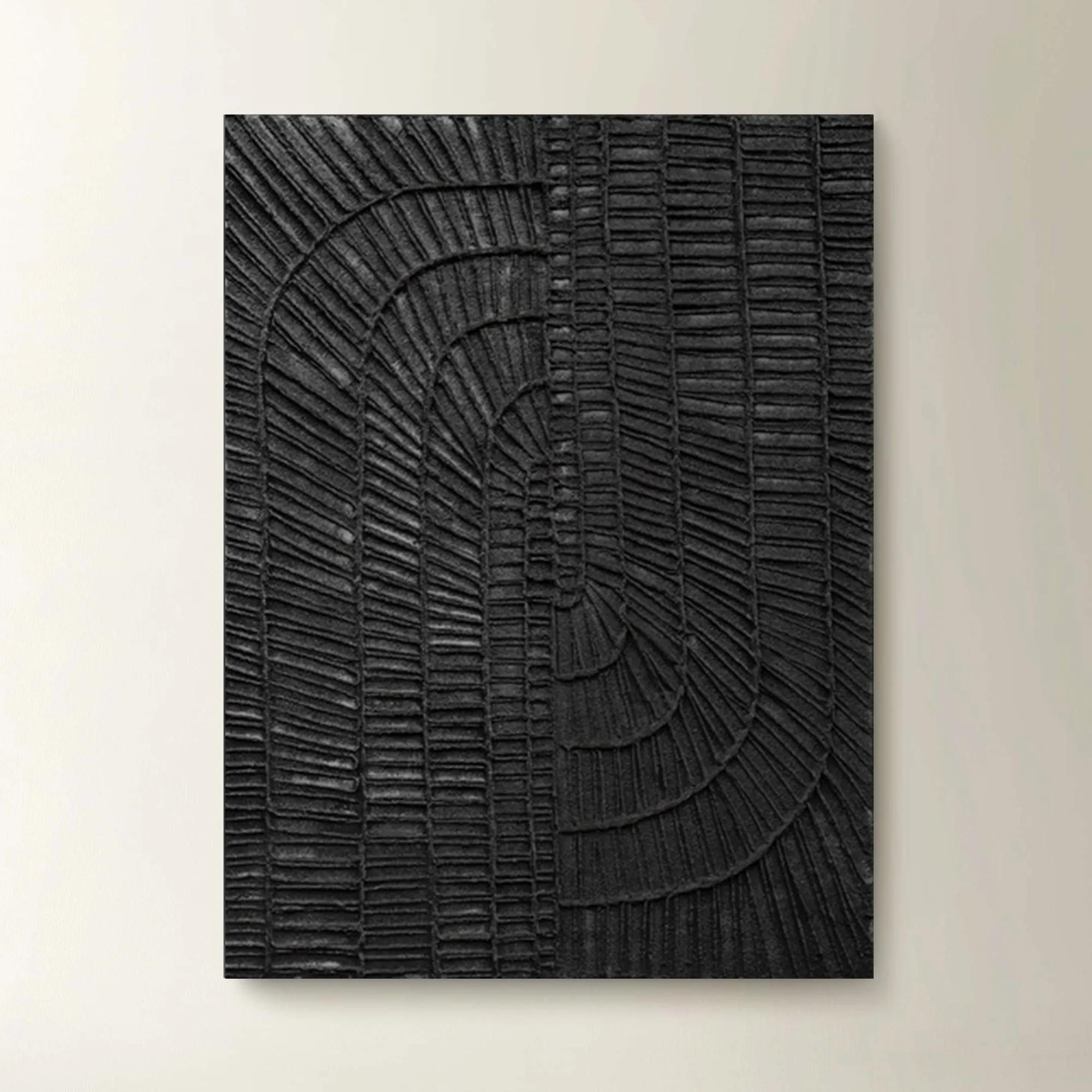
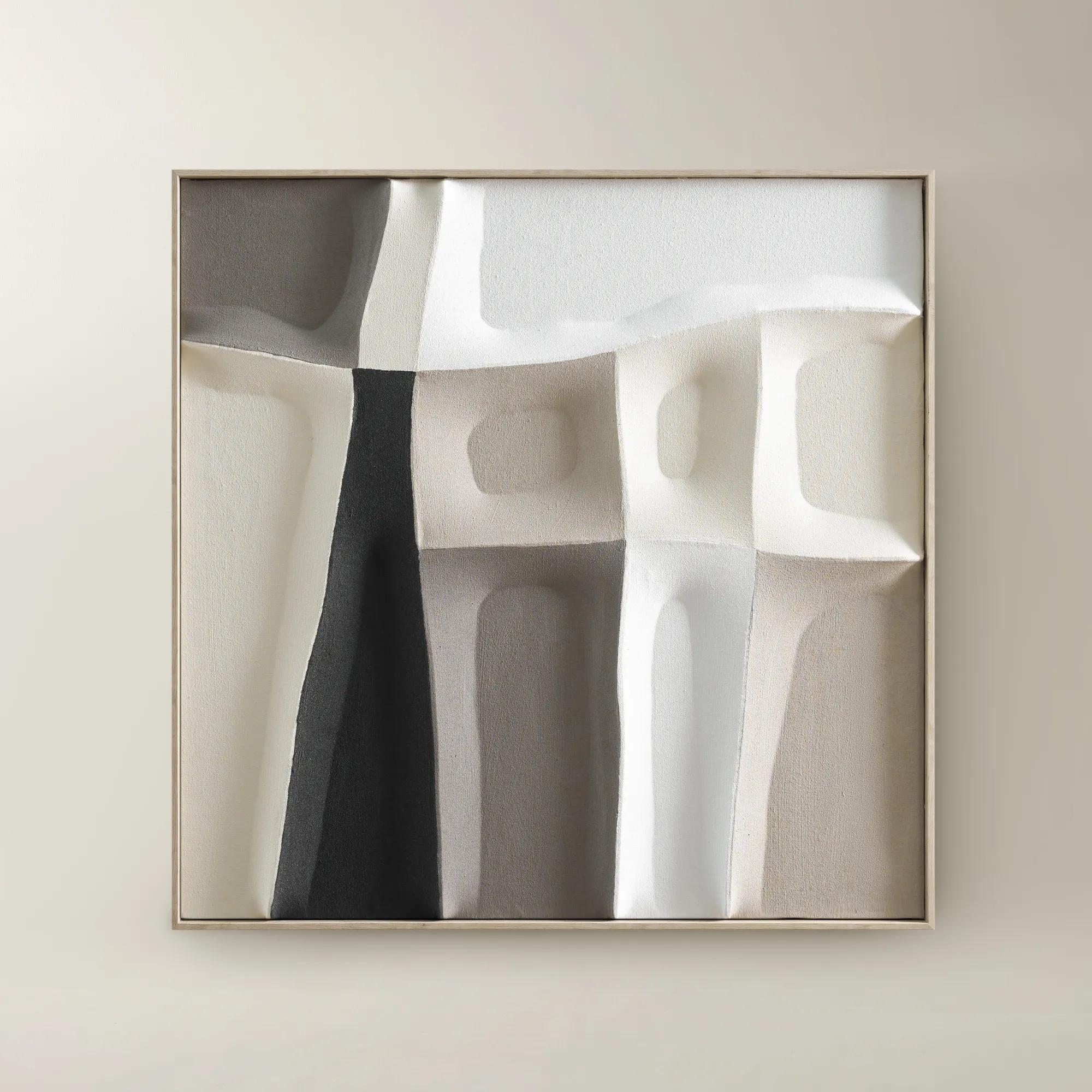
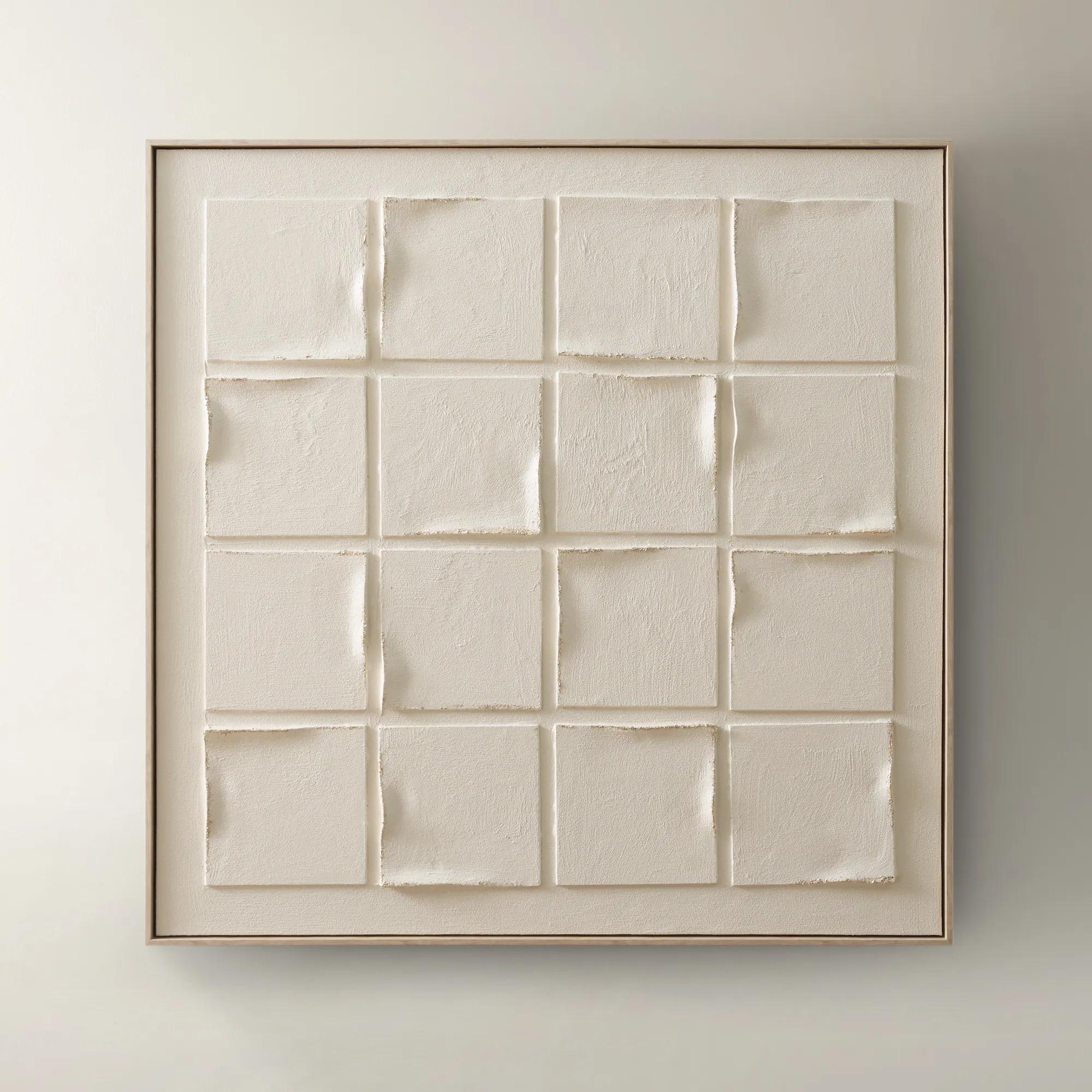
White Washed Wood Wall Art
White Washed Wood Wall Art
-
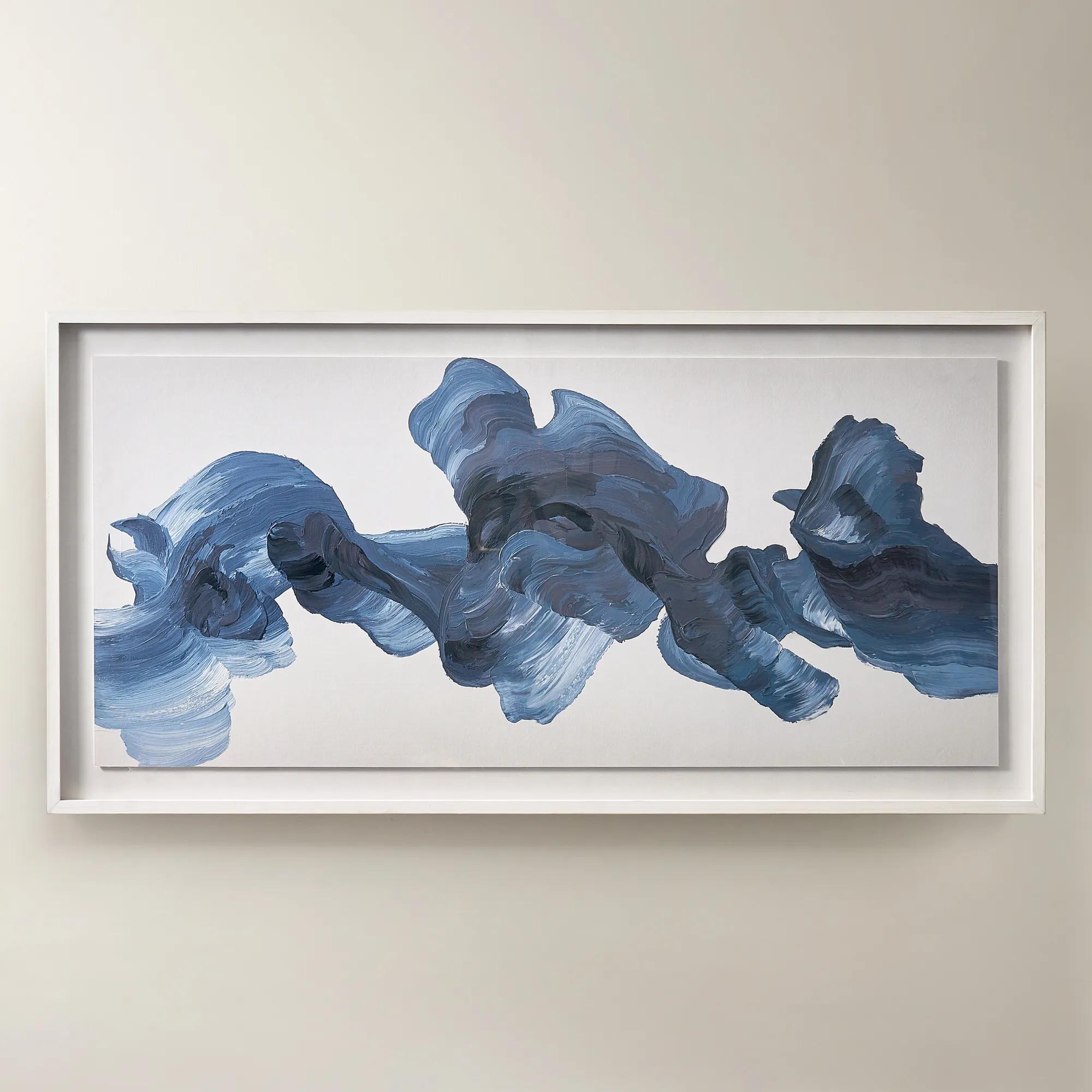
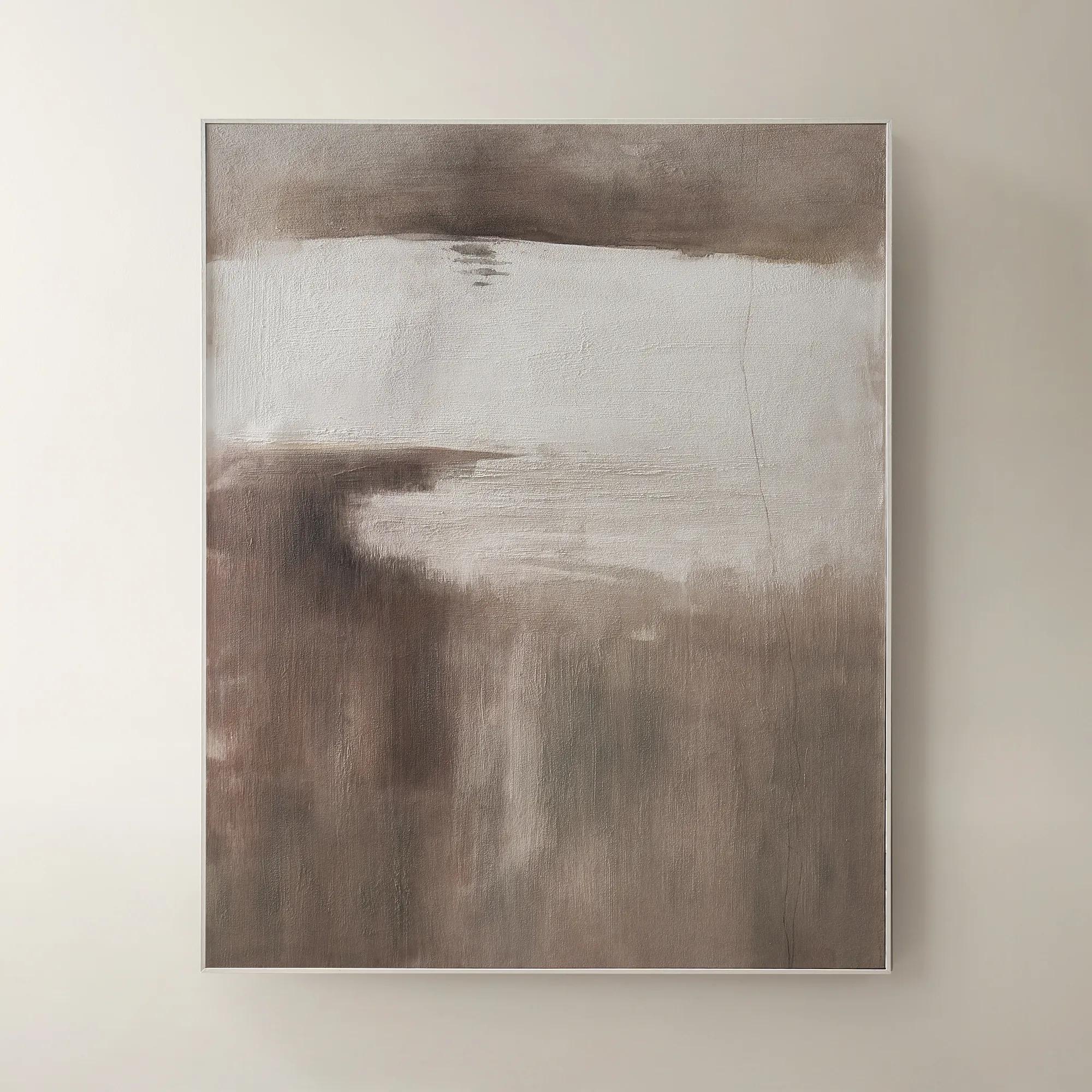
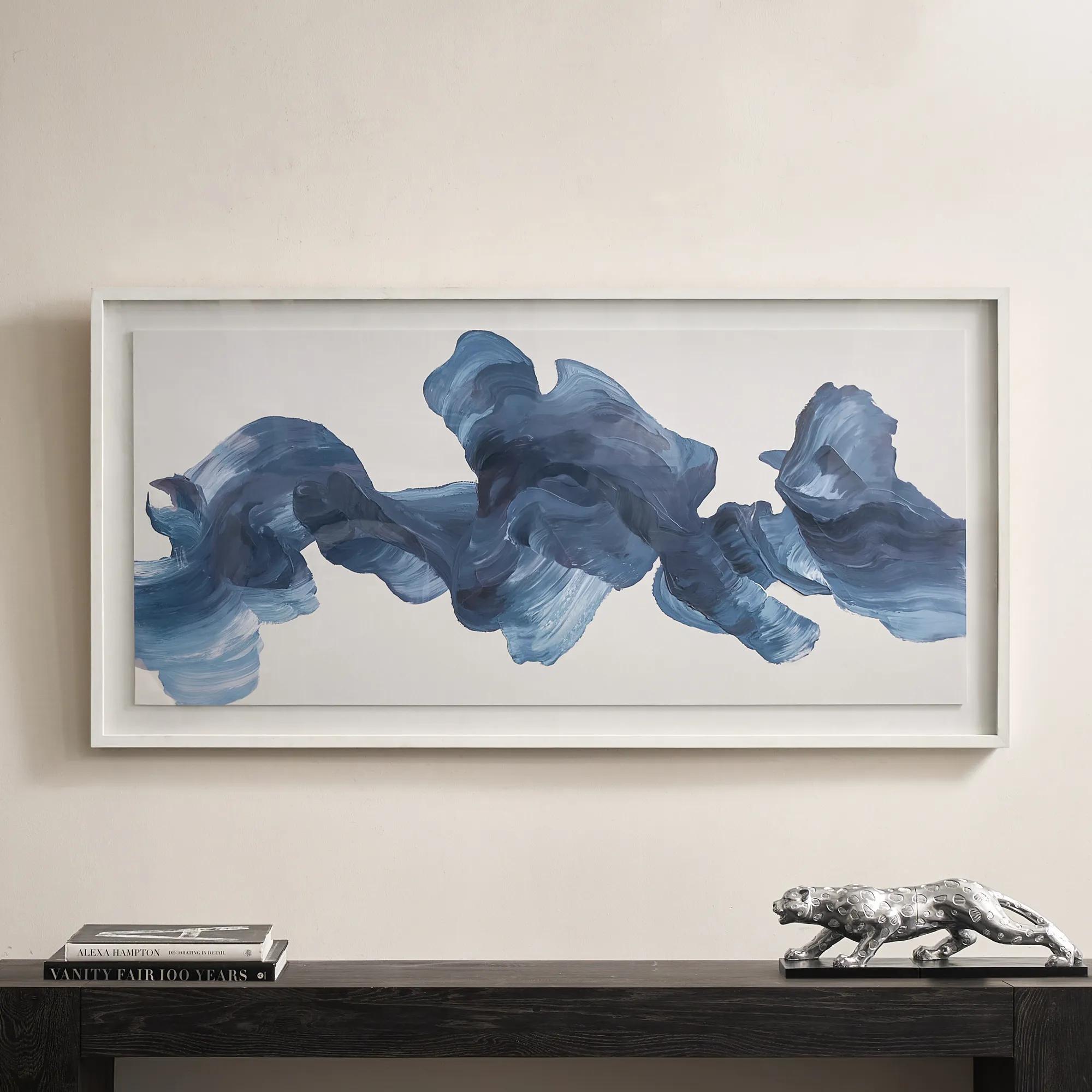 Blue Theory Framed Painted Wall Art in Acrylic 60" x 30"$499
A hand-painted canvas in deep ink blue, framed under acrylic with a whitewashed wood frame.
Add To Cart -
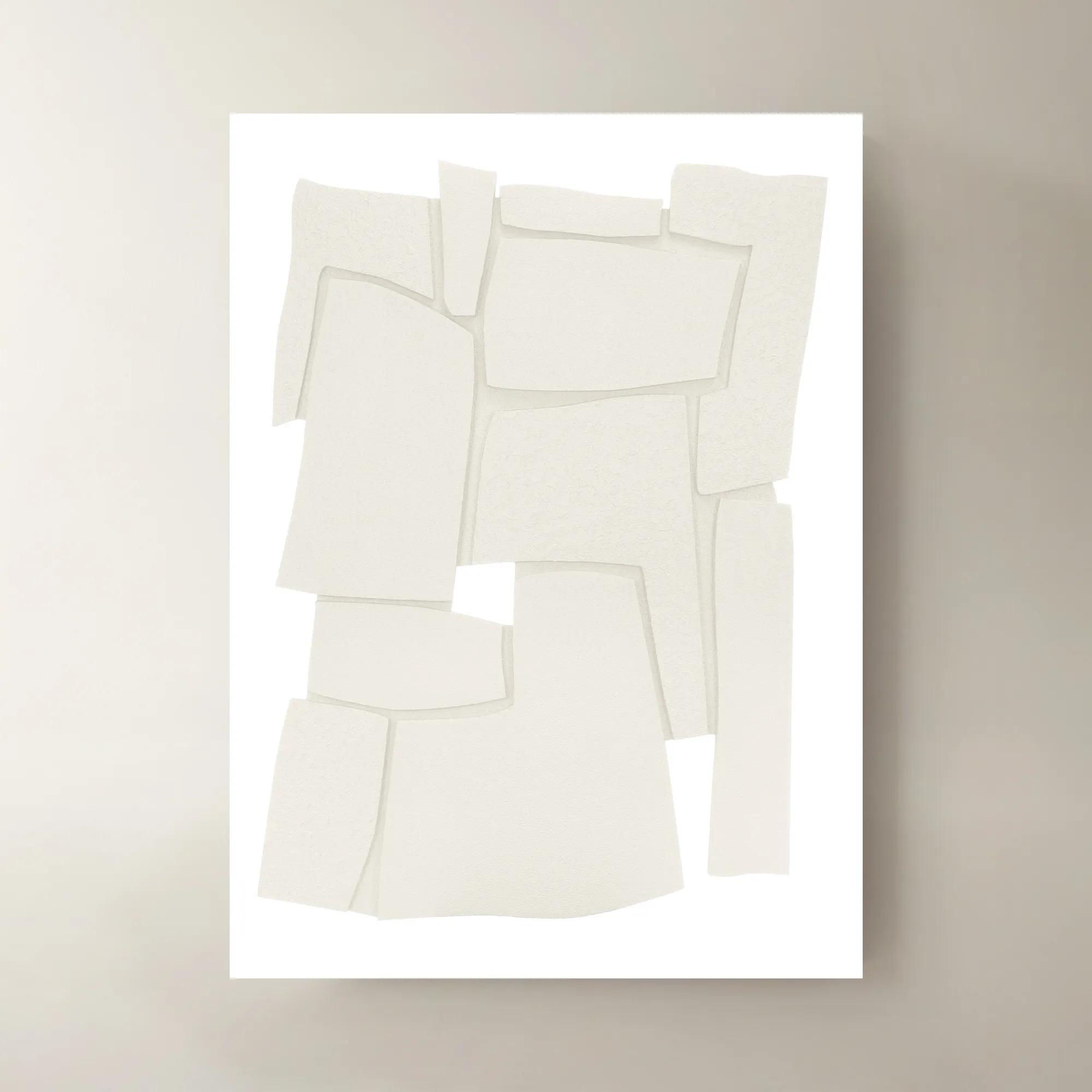
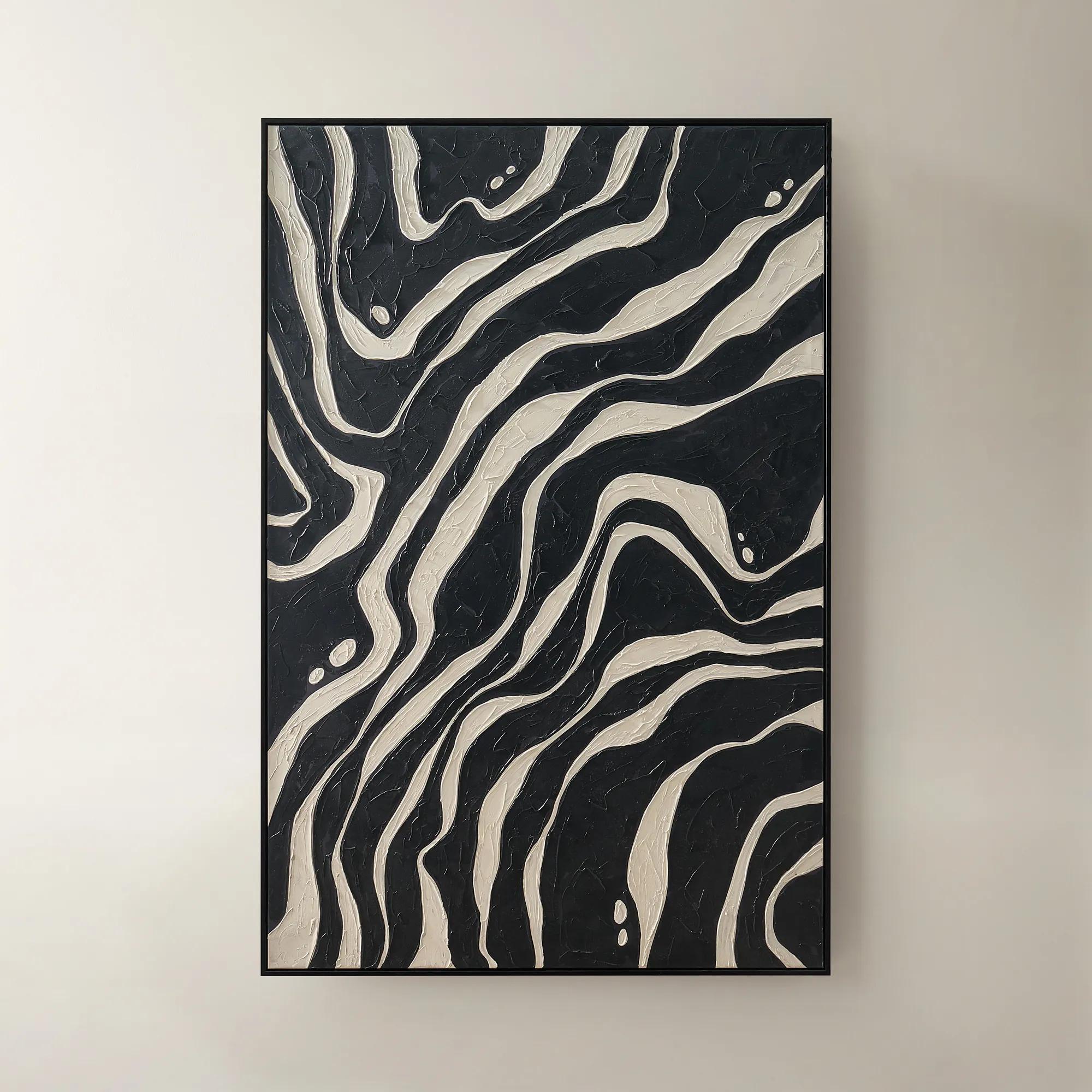
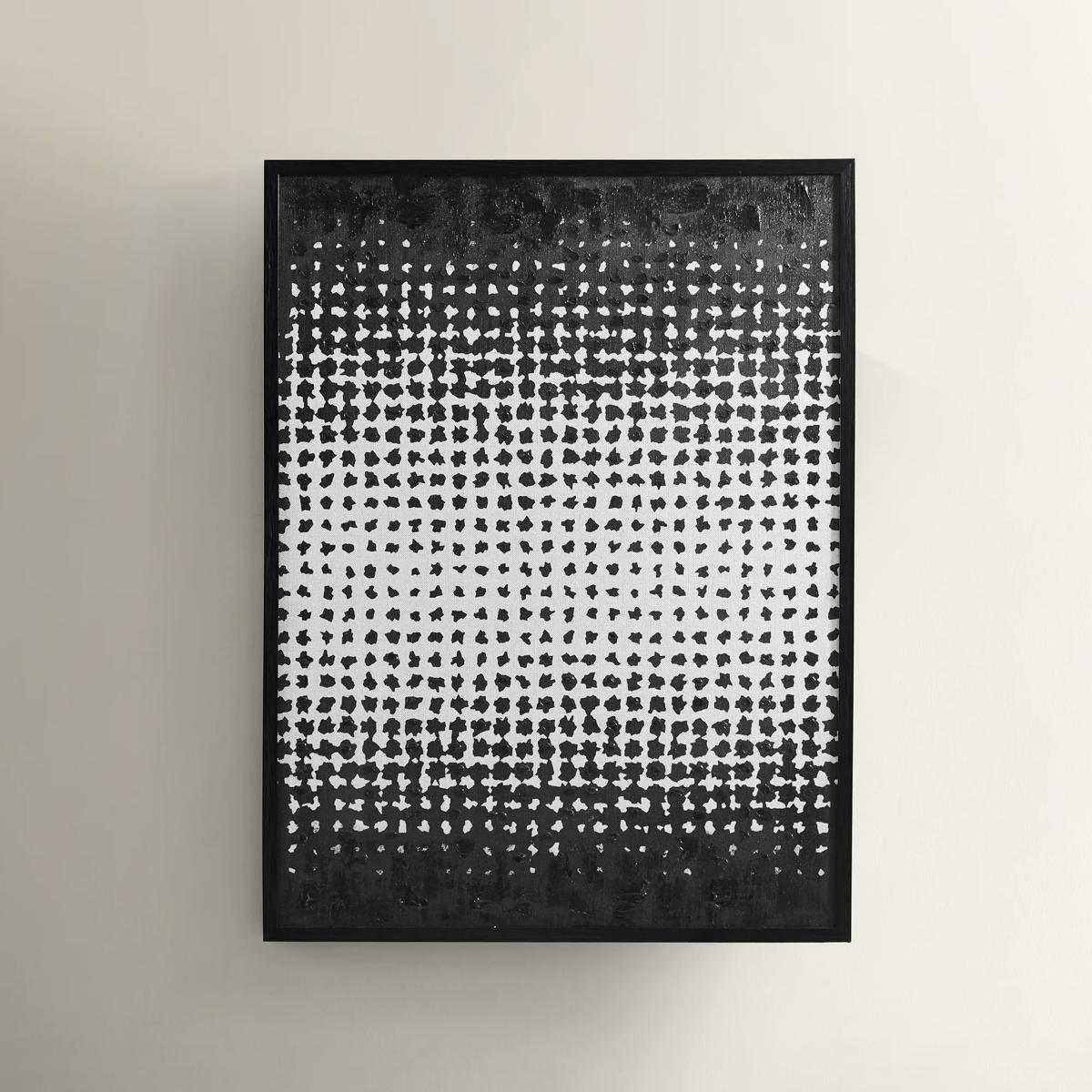
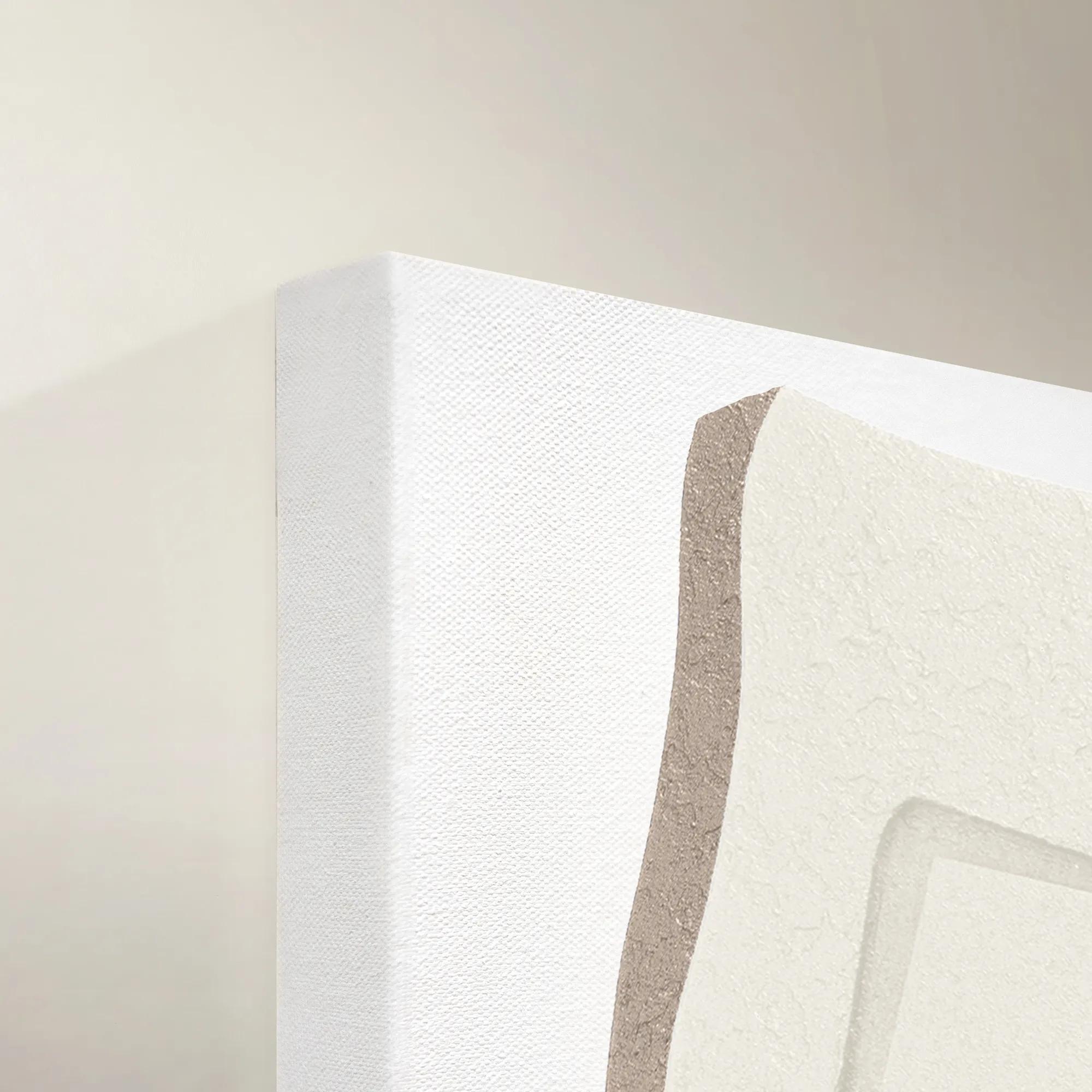 Wonder Maze III Wall Art 40" x 55"$1699
A contemporary canvas wall art piece featuring an intriguing abstract maze-inspired design.
Add To Cart -
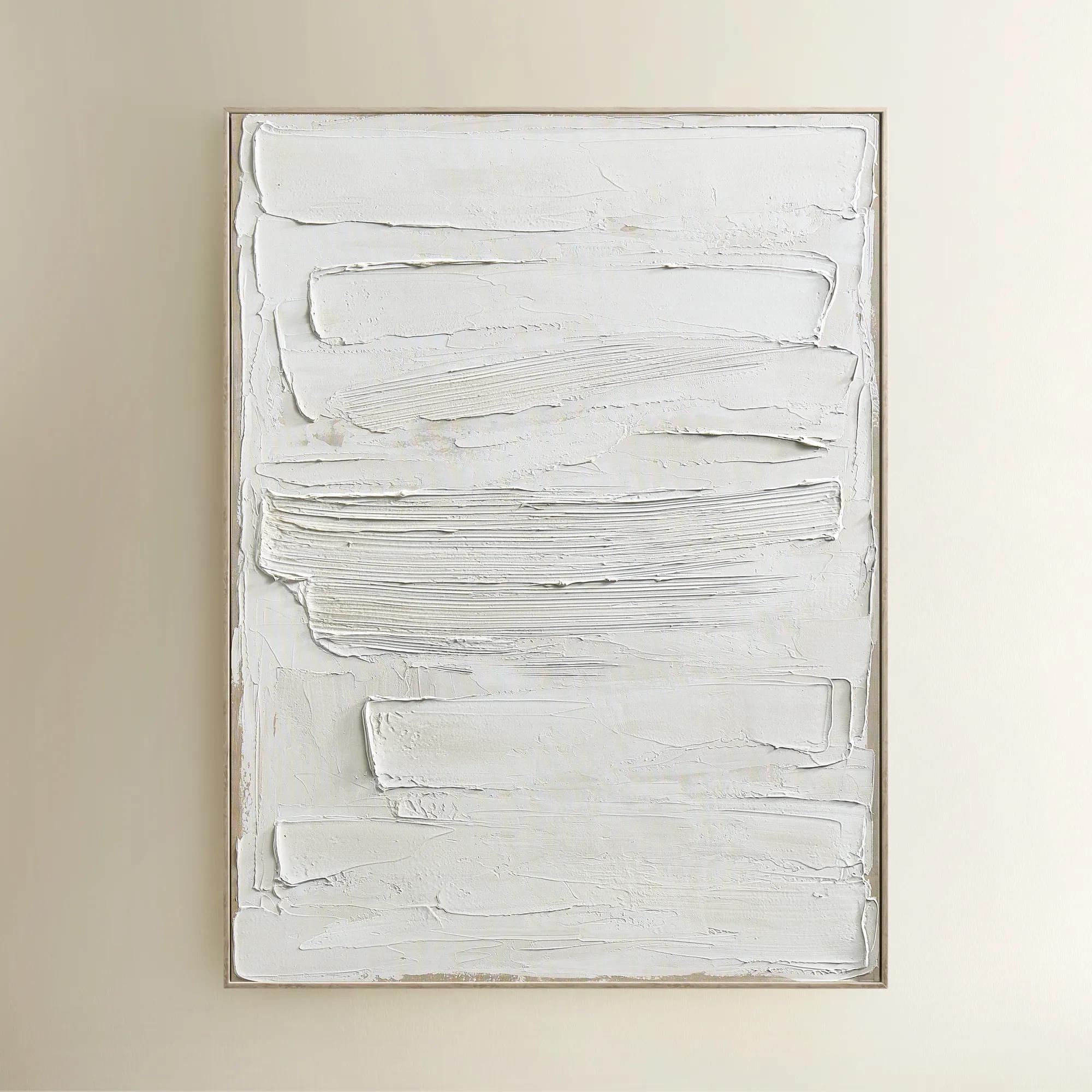
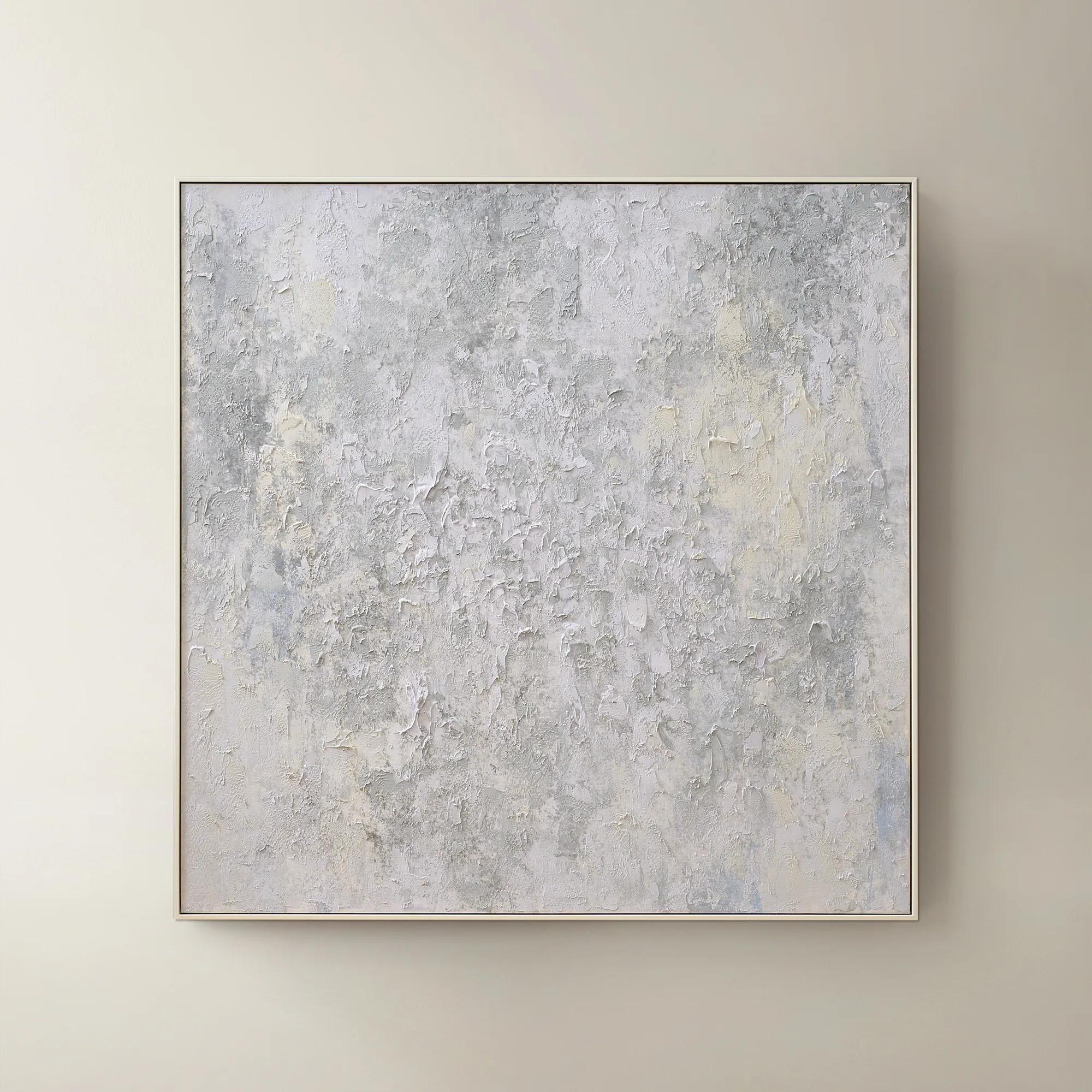
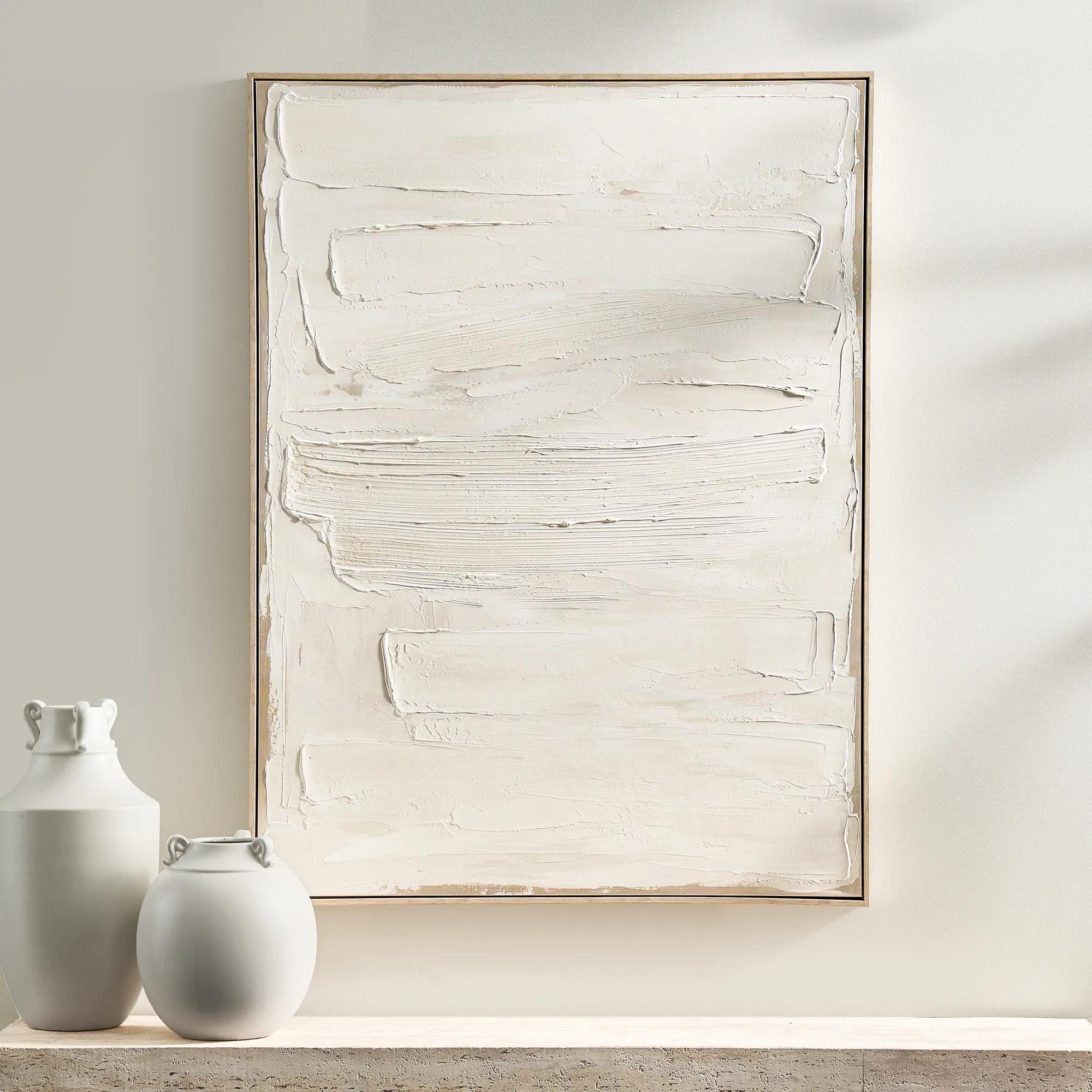 Monotype Canvas 1$399
A hand-painted abstract canvas featuring layered white tones and textured paint in a whitewashed wood frame.
Add To Cart -
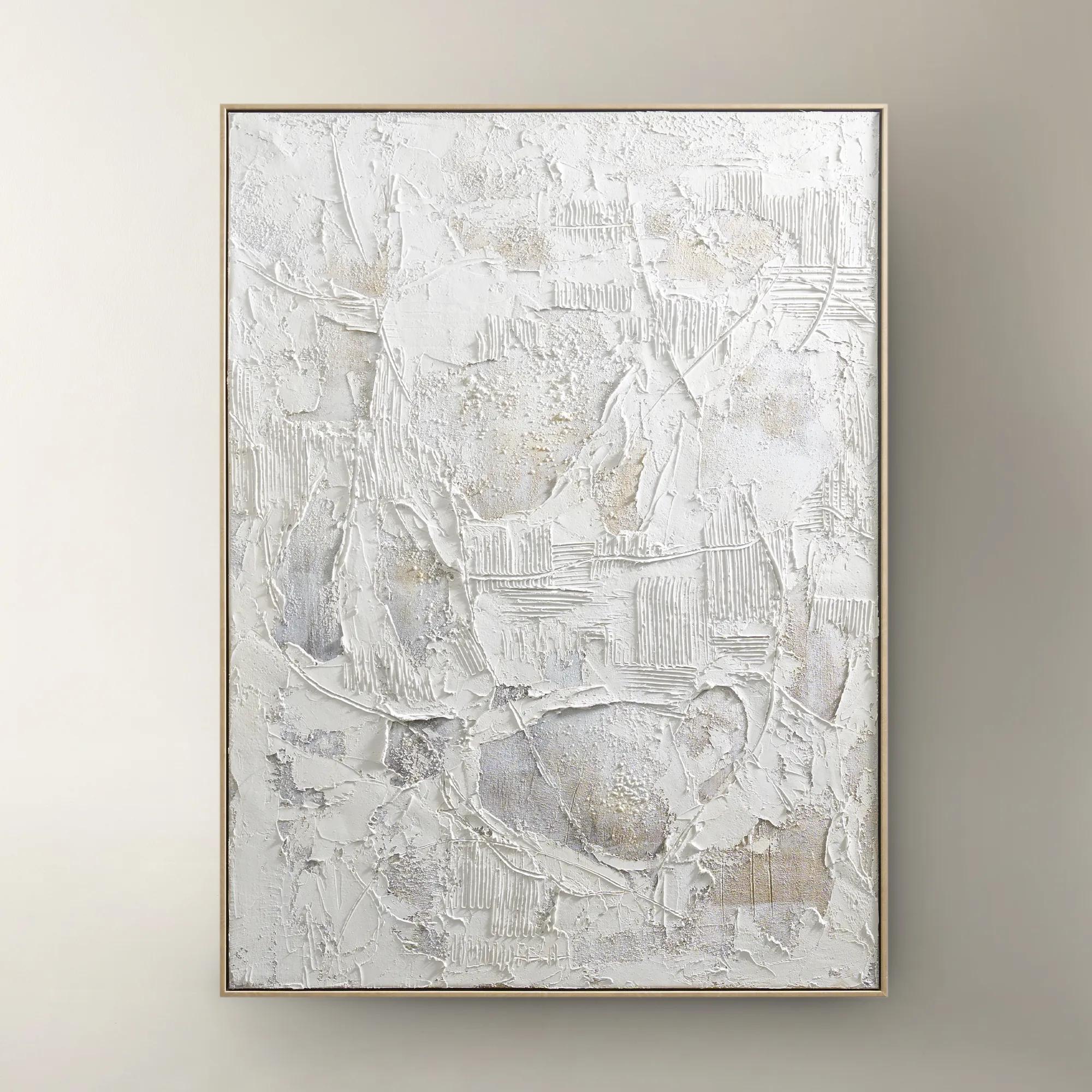 Stone Heritage Painting$399
A hand-painted canvas featuring textured white tones, elegantly framed in warm beech wood for refined appeal.
Add To Cart -
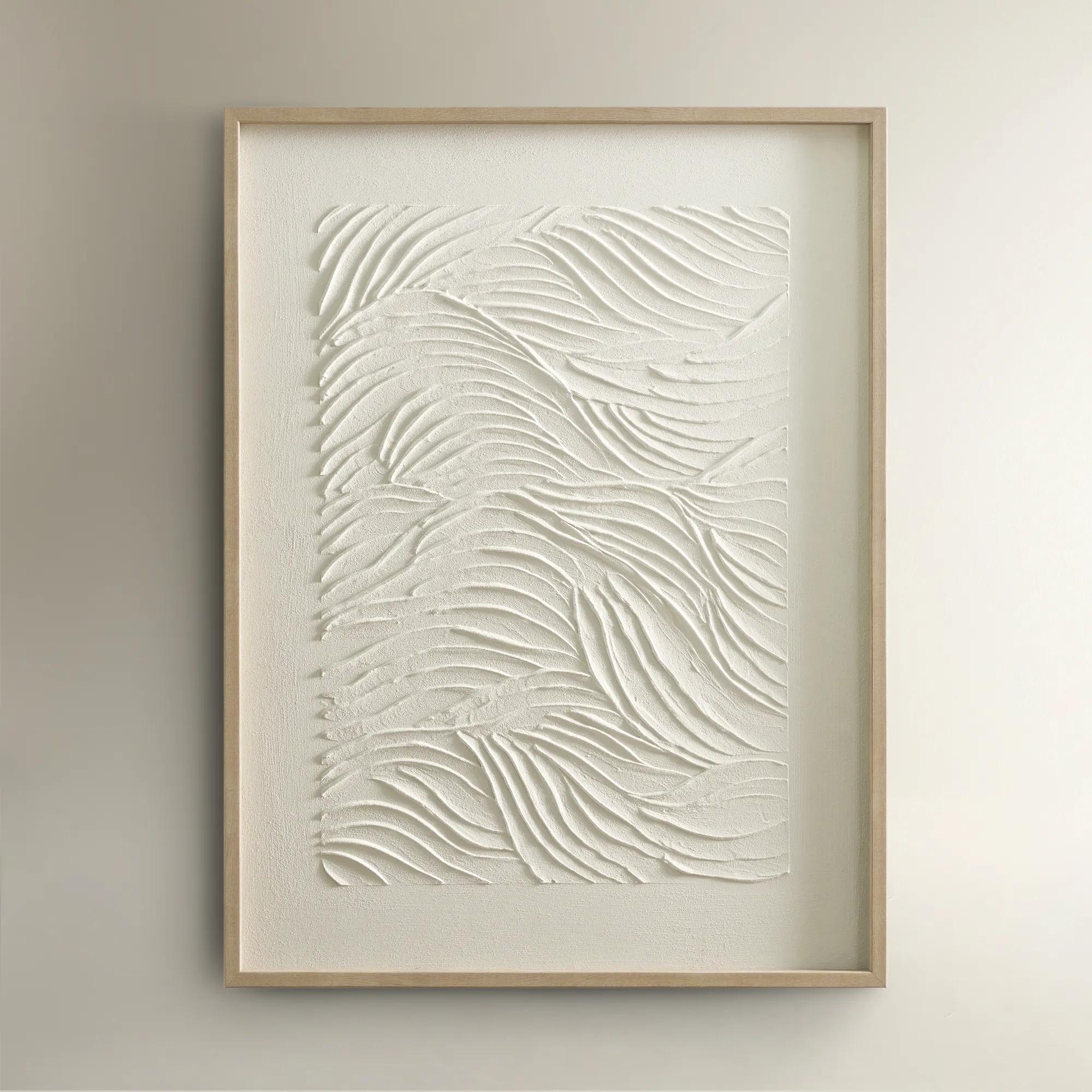
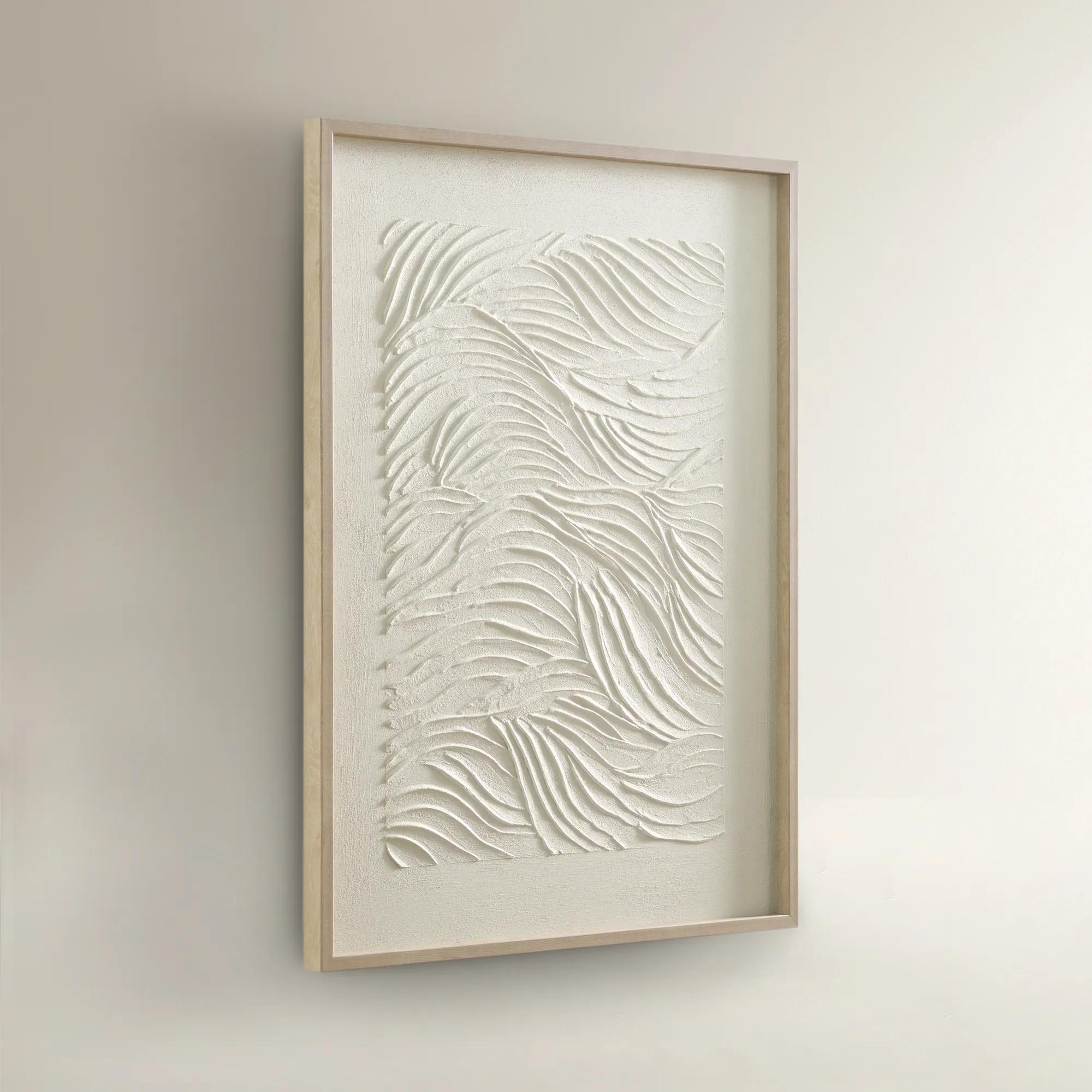 Sonnet Framed Painted Wall Art 23.5" x 31.5"$99
A hand-painted canvas featuring textured white shades and a warm blonde wood frame for elegant depth.
Add To Cart -
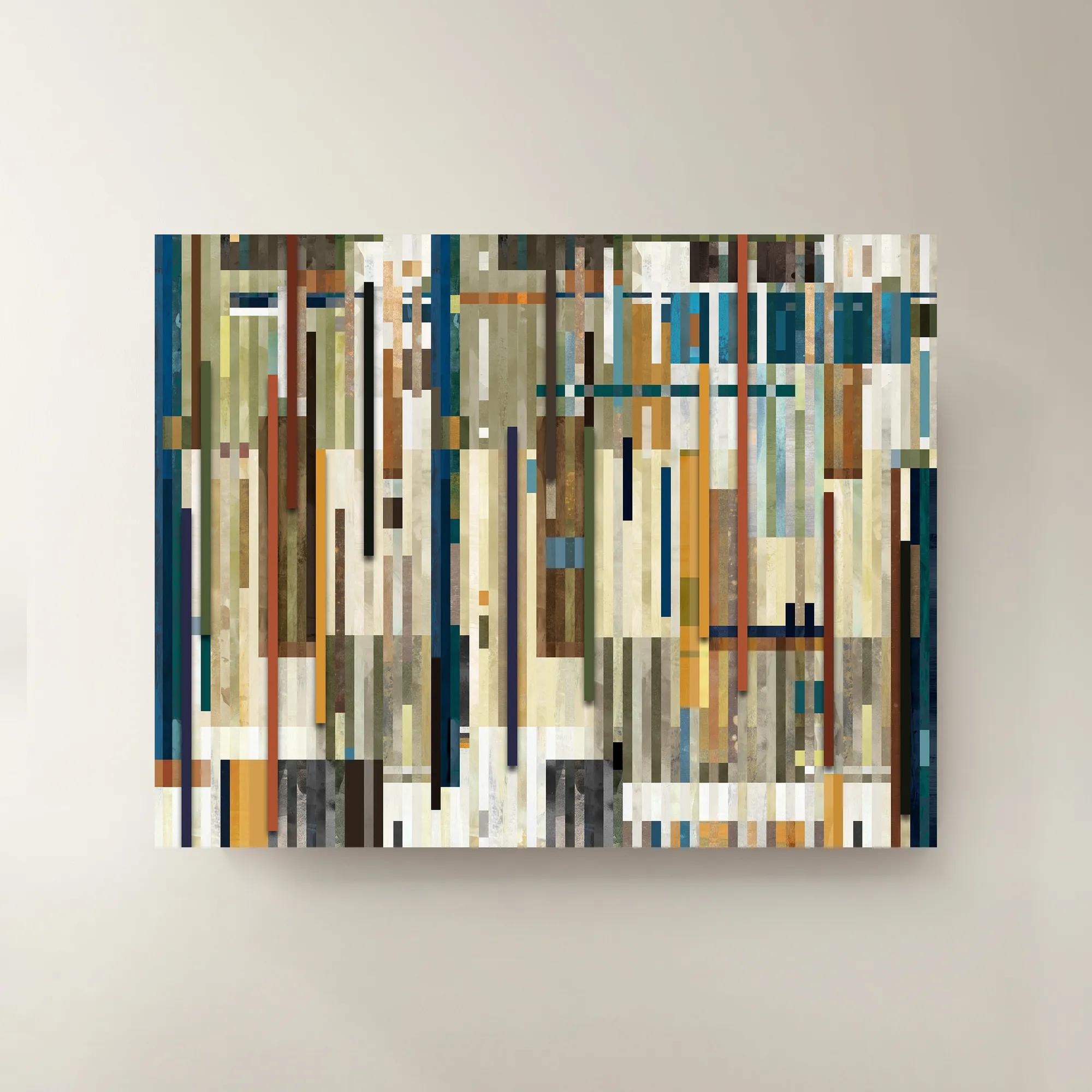
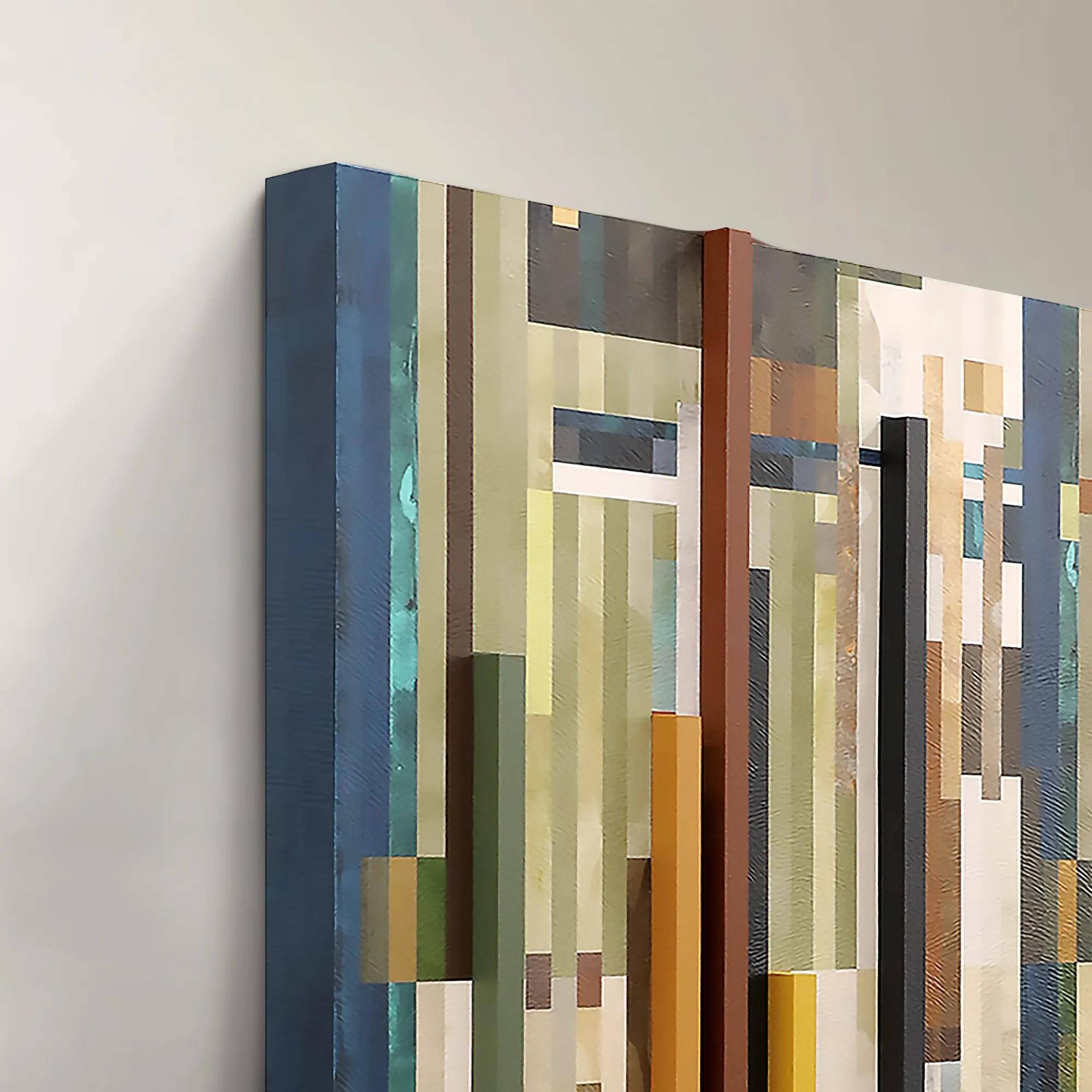 Chromatic Rhythms II Wall Art 60" x 47"$1899
A dynamic blue abstract canvas artwork featuring rhythmic geometric composition.
Add To Cart -
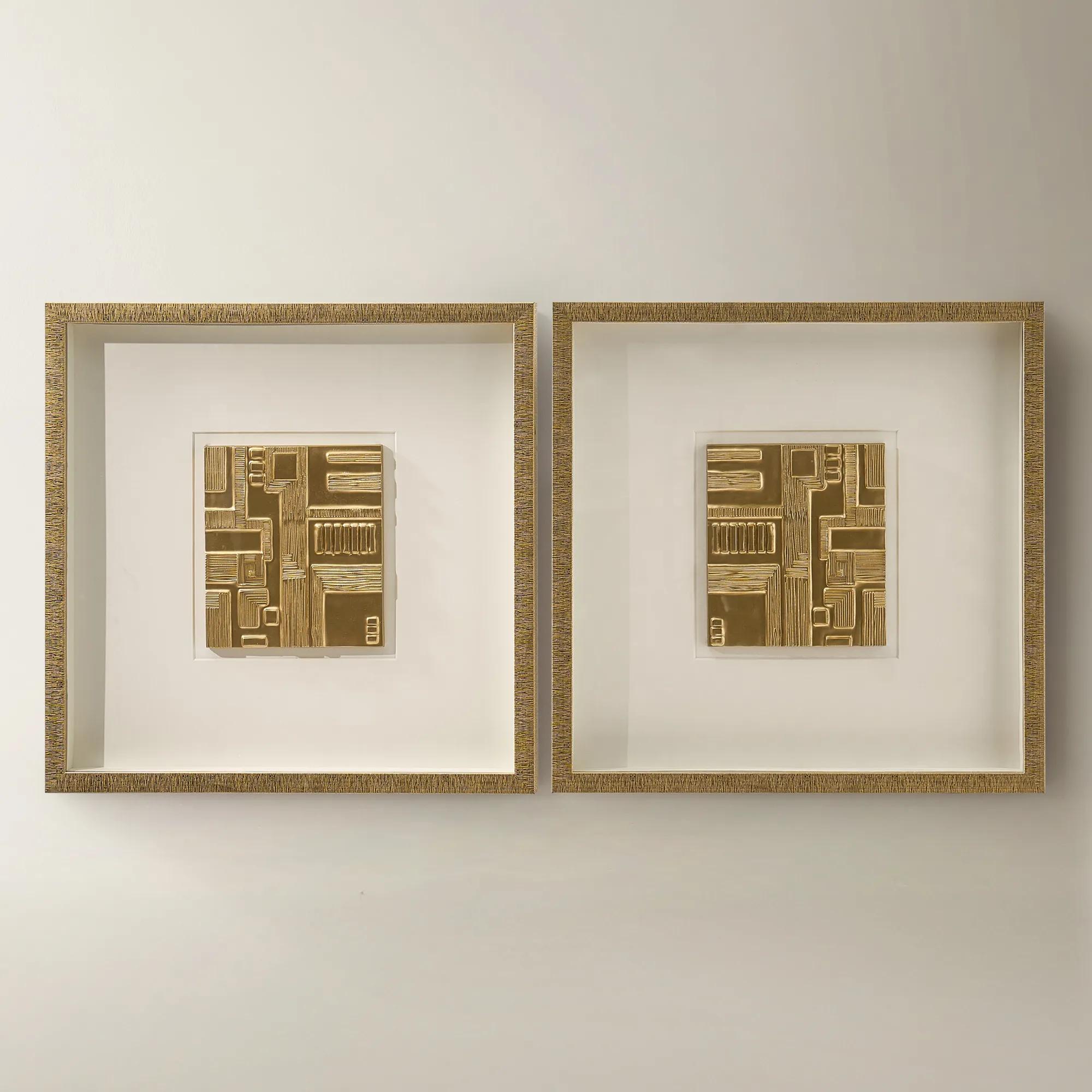
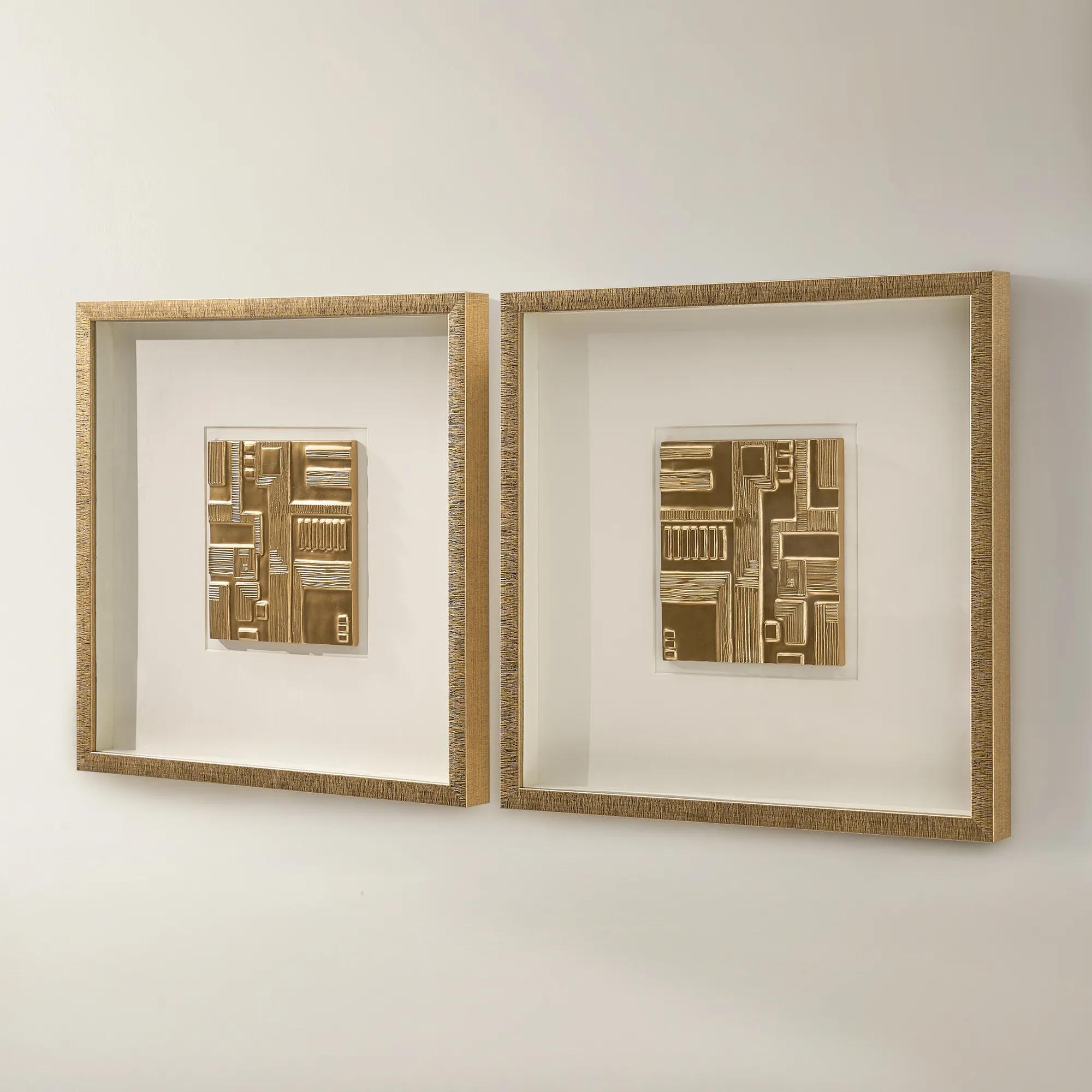 Ritual Framed Woodcarving Wall Decor Set of 2$329
A set of two gold-framed woodcarvings with ivory mats and dimensional relief for gallery-style wall decor.
Add To Cart -
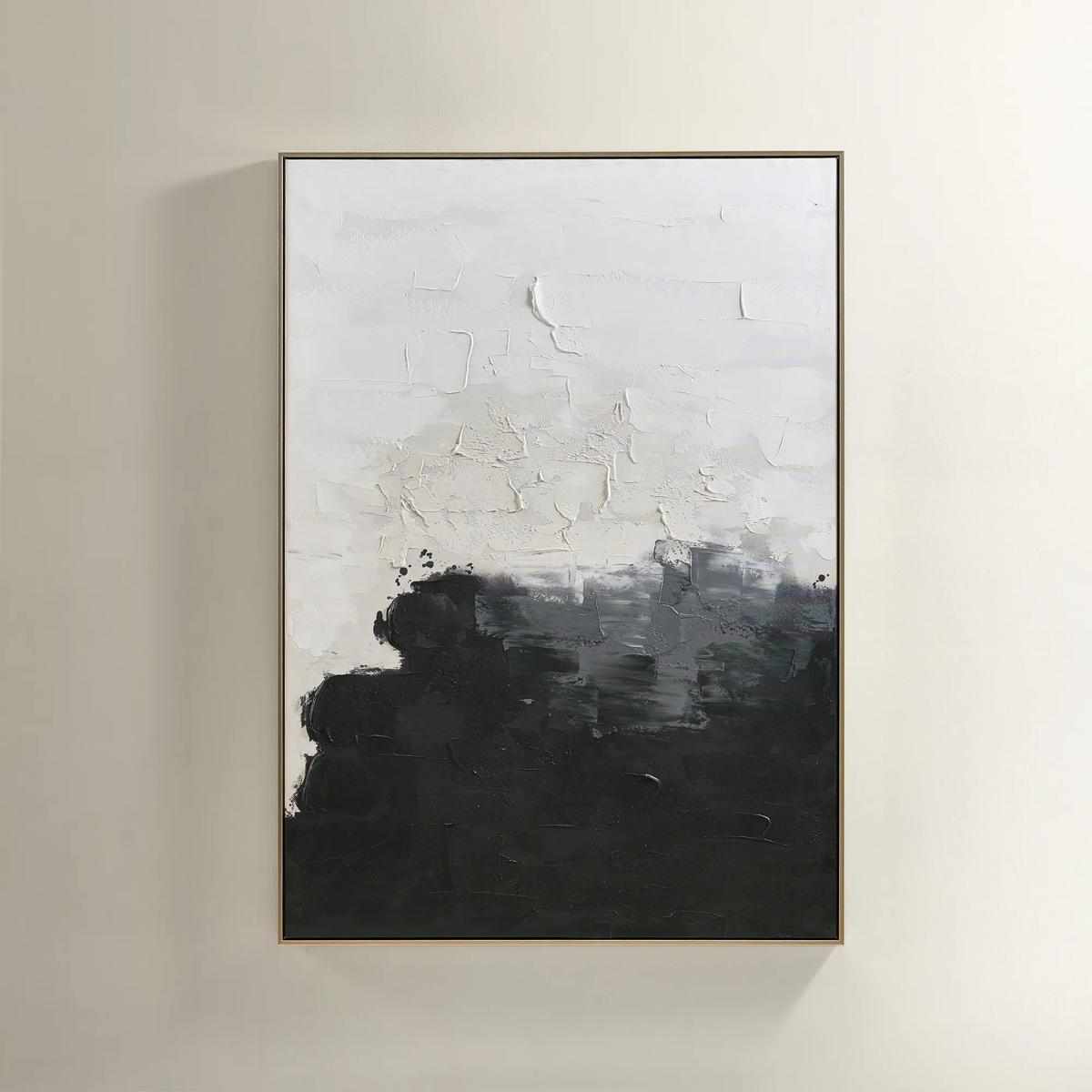
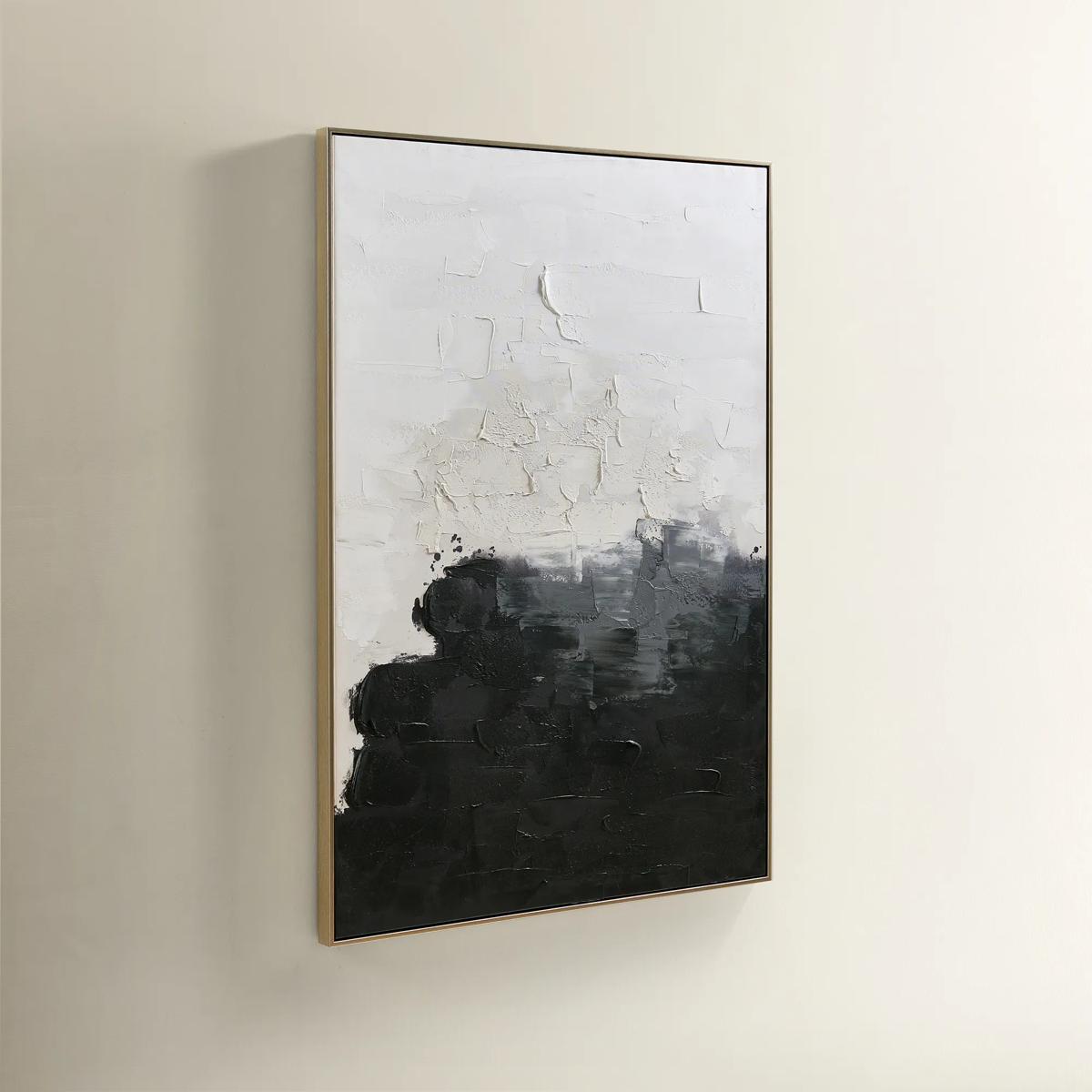 No Rush Painted Wall Art 39.25" x 55"$499
A hand-painted canvas featuring textured strokes of white, ivory, and charcoal in a natural wood frame.
Add To Cart -
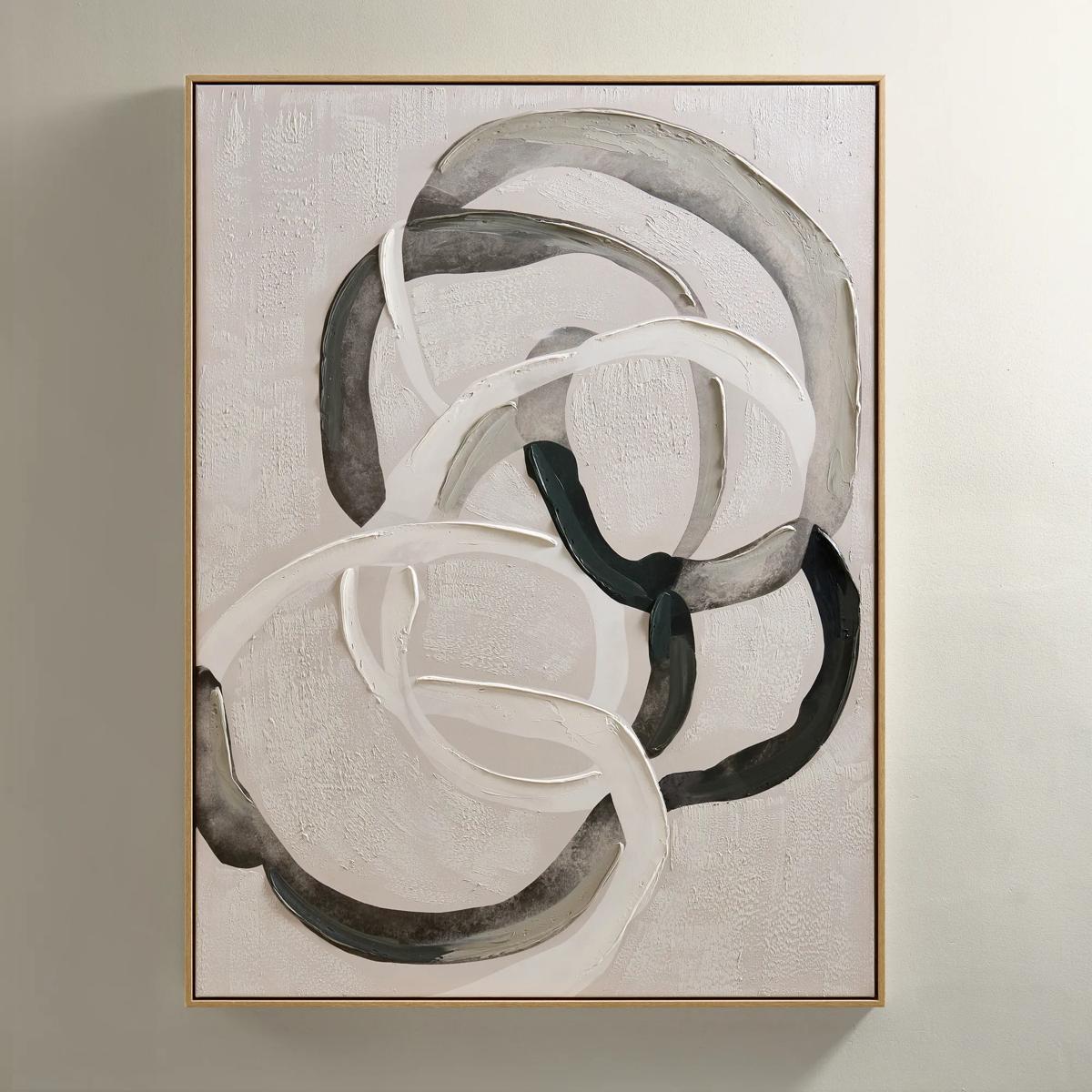
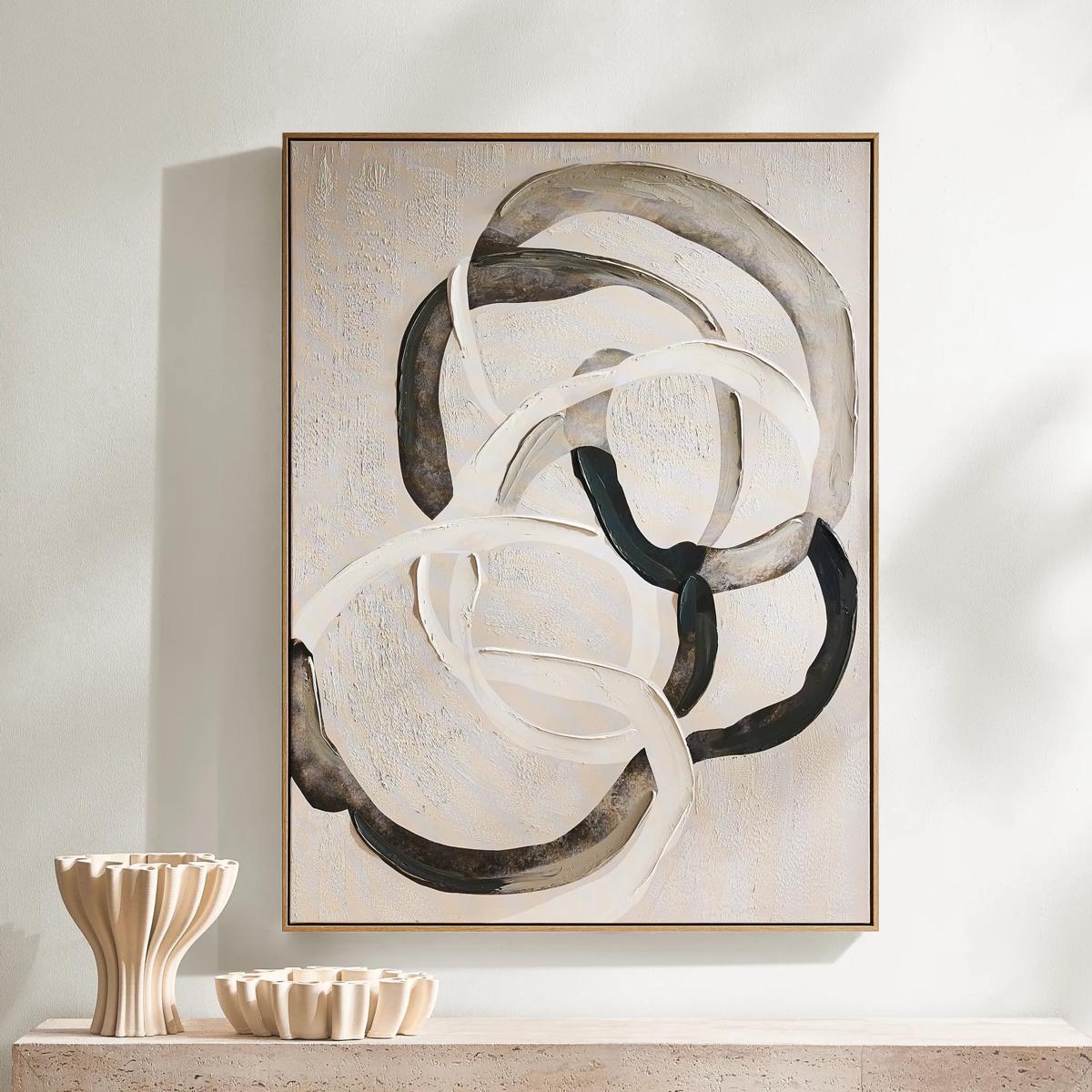 Round About Framed Painted Wall Art 35.25" x 47.25"$349
An abstract hand-painted canvas with tonal whites, charcoals, and taupes in a light wood floater frame.
Add To Cart -
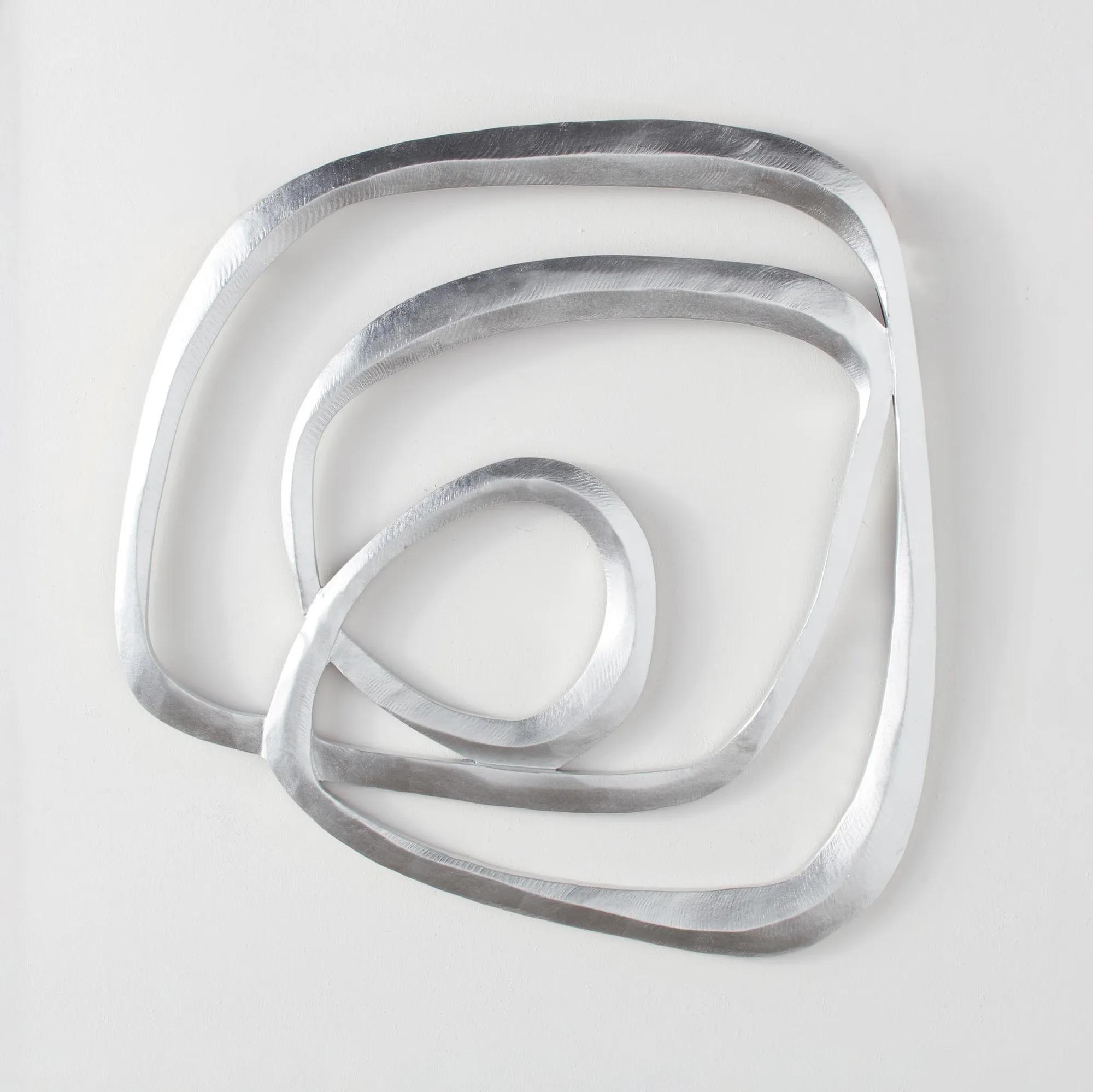 Infinity Silver Leaf Wood Wall Decor II 31.5" x 31.5"$299
A swirling wooden wall sculpture featuring a striking metallic silver finish for modern visual impact.
Add To Cart

White Washed Wood Wall Art
White washed wood wall art transforms blank walls into captivating canvases, infusing every room with a whisper of coastal allure and timeless elegance. Each piece is a study in contrast—airy yet grounded, rustic yet refined—evoking the sun-bleached serenity of driftwood and the artistry of hand-finished detail. Whether casting subtle shadows in a serene bedroom retreat or anchoring a dramatic gallery wall, white washed wood wall art invites texture, light, and an irresistible sense of calm sophistication into your home. Embrace the transformative power of art that speaks softly but leaves a lasting impression.
White washed wood wall art brings a luminous finish to a material prized for its depth, grain, and individual character. A whitewashed surface typically allows some of the wood’s natural pattern to remain visible beneath a translucent or lightly layered white finish, creating a softer effect than opaque white paint. Depending on the treatment, the result may appear chalky and subdued, gently streaked, or deliberately distressed along carved edges and raised details. That interplay between pale color and tactile structure gives wood wall decor its distinctive presence: light enough to complement an airy room, yet substantial enough to hold its own beside sumptuous upholstery, polished metal, and dramatic lighting. Carved botanical motifs, concentric patterns, geometric reliefs, and plank arrangements each express the finish differently. Intricate carving creates pockets of shadow, while broad wood surfaces let the grain become the composition. In a glamorous living room, a pale carved panel can soften the gleam of a mirrored console without diminishing its impact. Above a linen-upholstered bed, whitewashed wood introduces architectural detail and a sense of calm. The look also moves comfortably among coastal, traditional, farmhouse, and eclectic interiors, especially when the surrounding furnishings give it a clear point of view. Pairing the finish with brass, smoky glass, or deep charcoal keeps the composition polished rather than overly rustic. Materials matter as much as the surface treatment. Solid wood can display knots and varied grain; wood veneer offers a thin layer of real wood over a supporting core; engineered wood can provide a consistent base for patterned or dimensional designs. Reclaimed wood may retain marks from its previous use, though its history and composition should be confirmed in the product details. Whitewashing describes the finish, not the wood species, construction method, or origin, so those distinctions deserve attention when choosing a piece for a particular room.
Scale determines whether white washed wood wall art becomes a compelling focal point or disappears into the architecture. Consider the full composition, including any frame, the depth of raised carving, and the spacing between multiple panels. A substantial piece above a sofa can establish a strong visual center, while a pair of slender panels may suit a narrow entry or the wall space beside a tall cabinet. As a starting point, artwork spanning roughly two-thirds to three-quarters of the furniture beneath it often feels balanced, although ceiling height, nearby windows, and the shape of the artwork can change that relationship. A paper template makes those proportions easier to judge before any holes are drilled. Above a console, leave enough breathing room for a sculptural lamp or an arrangement of branches without allowing the objects to conceal the artwork’s defining details. Over a headboard, account for both visual balance and secure mounting, with appropriate clearance from anyone sitting up in bed. Multi-panel wood wall decor rewards precise spacing: even gaps let the eye read separate elements as a single composition, while generous surrounding wall space keeps an intricate design from feeling crowded. Orientation should follow the piece’s intended hanging method rather than the assumption that every panel can be rotated. Check the listed dimensions, weight, and hardware requirements, and use fasteners suited to both the artwork and the wall construction. Dimensional carvings also benefit from thoughtful lighting. Gentle light from the side can reveal relief and grain, whereas strong frontal illumination may flatten those details. Against a white wall, the artwork’s shadows and undertones become especially important; on a deep blue or charcoal wall, the pale finish creates a more pronounced silhouette. For a complementary expression of this palette, explore White And Wood Framed Wall Arts and consider how framed compositions and textured wood surfaces can share a room without competing for attention.
The lasting appeal of whitewashed wood wall decor depends on choosing a construction and finish that suit its surroundings. Natural wood responds to changes in indoor humidity, and both solid and engineered materials can be affected by excessive moisture. Unless a piece is explicitly rated for another setting, an interior wall away from splashing water, direct heat, and prolonged direct sunlight is the more suitable placement. A bathroom with frequent steam or a covered outdoor area may look inviting, but a decorative whitewash alone does not make wood moisture-resistant or suitable for outdoor use. For everyday care, follow the maker’s instructions and begin with the gentlest method: a soft, dry cloth for broad surfaces and a clean, soft brush for recessed carving. Avoid saturating the wood or allowing liquid to collect in grooves. Abrasive pads, harsh cleaners, and furniture polish can alter a pale finish, leave residue, or change its sheen, particularly on deliberately matte or distressed surfaces. Occasional inspection of hanging hardware helps preserve a secure display, especially for larger or heavier compositions. When comparing finishes, look closely at the relationship between color and texture. An ivory wash can feel warm beside cream upholstery and honey-toned furniture, while a cooler white may connect more naturally with silver accents and crisp painted trim. Intentional distressing should also suit the room’s mood: pronounced wear creates a more rustic impression, while a smoother wash lends itself to tailored, glamorous surroundings. Variation in grain and finish can be part of the material’s character, but it should not be confused with loose joints, unstable construction, or unintended damage. These considerations also make wood wall art a thoughtful housewarming or wedding gift for someone who appreciates expressive interiors. The most personal choice reflects the recipient’s available wall space, preferred palette, and willingness to install a substantial piece, rather than relying on color alone. Chosen with that attention, white washed wood wall art gives a room more than a pale accent. It brings the movement of grain, the precision of pattern, and the quiet drama of light across a dimensional surface.
FAQs
White washed wood wall art effortlessly complements a wide range of interior styles, from coastal and farmhouse to modern and Scandinavian. Its subtle tones and textural details bring warmth and visual interest to both casual and sophisticated spaces, making it a versatile choice for any room where you want to evoke a sense of tranquility and refined artistry.
To accentuate the textures of distressed white wood wall decor, consider installing it in a space where natural or directional lighting can cast gentle shadows. Pairing it with matte wall finishes or contrasting materials—such as velvet, glass, or metallic accents—will further draw attention to the tactile beauty and handcrafted details of each piece.
Absolutely. White washed wood wall art makes a thoughtful and memorable gift for housewarmings, weddings, anniversaries, or milestone celebrations. Its timeless appeal and artisanal character offer a meaningful way to help loved ones create a home that feels both curated and deeply personal.
Mixing white wood decor with other wall art styles can create a layered, gallery-inspired look that feels curated and dynamic. Combine painted wood wall art with framed prints, mirrors, or metallic accents to add depth and contrast, ensuring each piece contributes to a cohesive and expressive story within your space.
When arranging multiple white wall sculptures, experiment with asymmetrical groupings or vertical stacks to create visual movement and interest. Varying the shapes and sizes of each piece while maintaining a consistent color palette will allow the collection to feel harmonious yet artistically bold, transforming your wall into a striking focal point.