Large Wooden Wall Art Pieces
Large Wooden Wall Art Pieces
-
 Gilt Collage Gold Hand Crafted Wood Dimensional Wall Panel 30" x 60"$799
A glamorous gilt-finished collage wall panel bringing sculptural dimension and contemporary elegance to your decor.
Add To Cart -
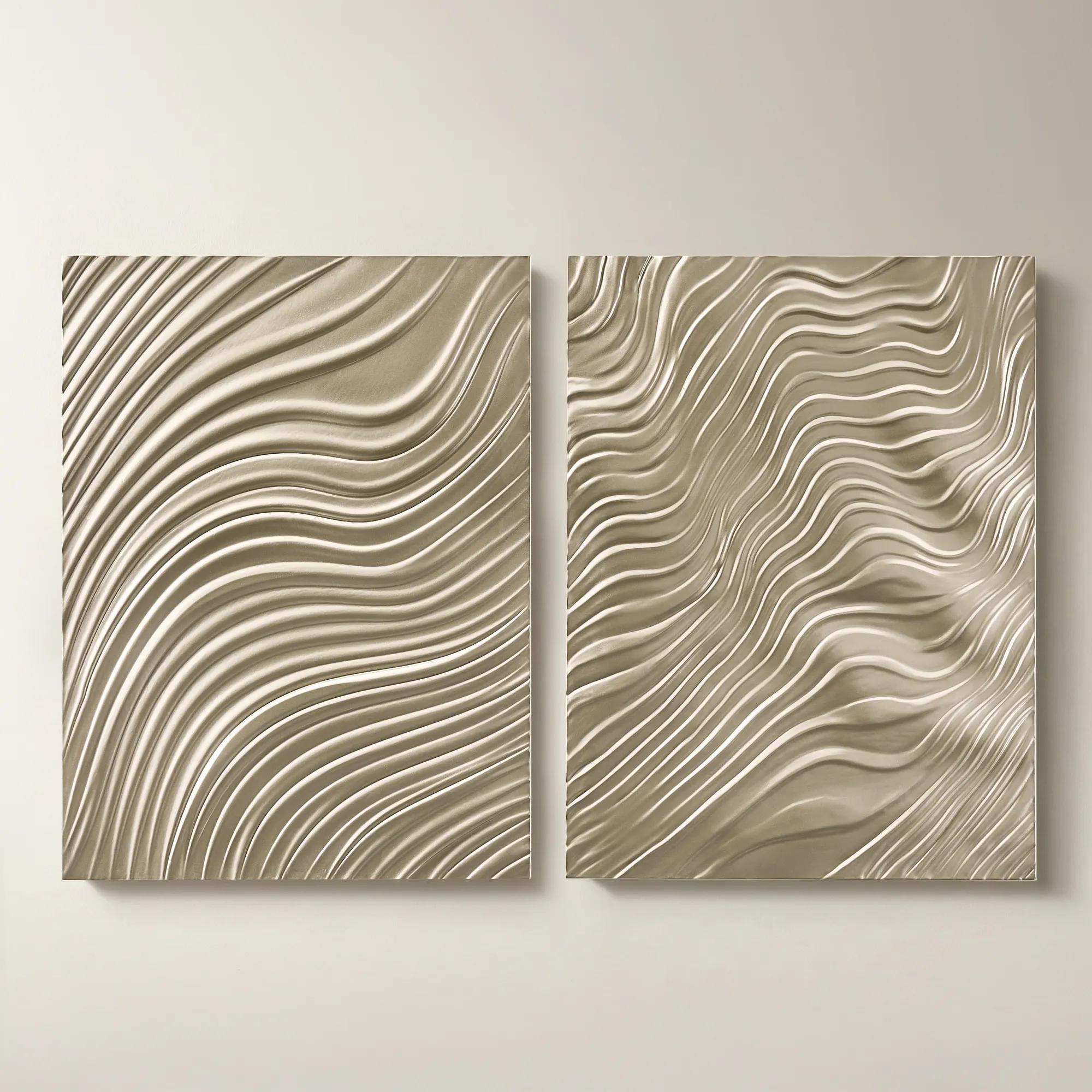
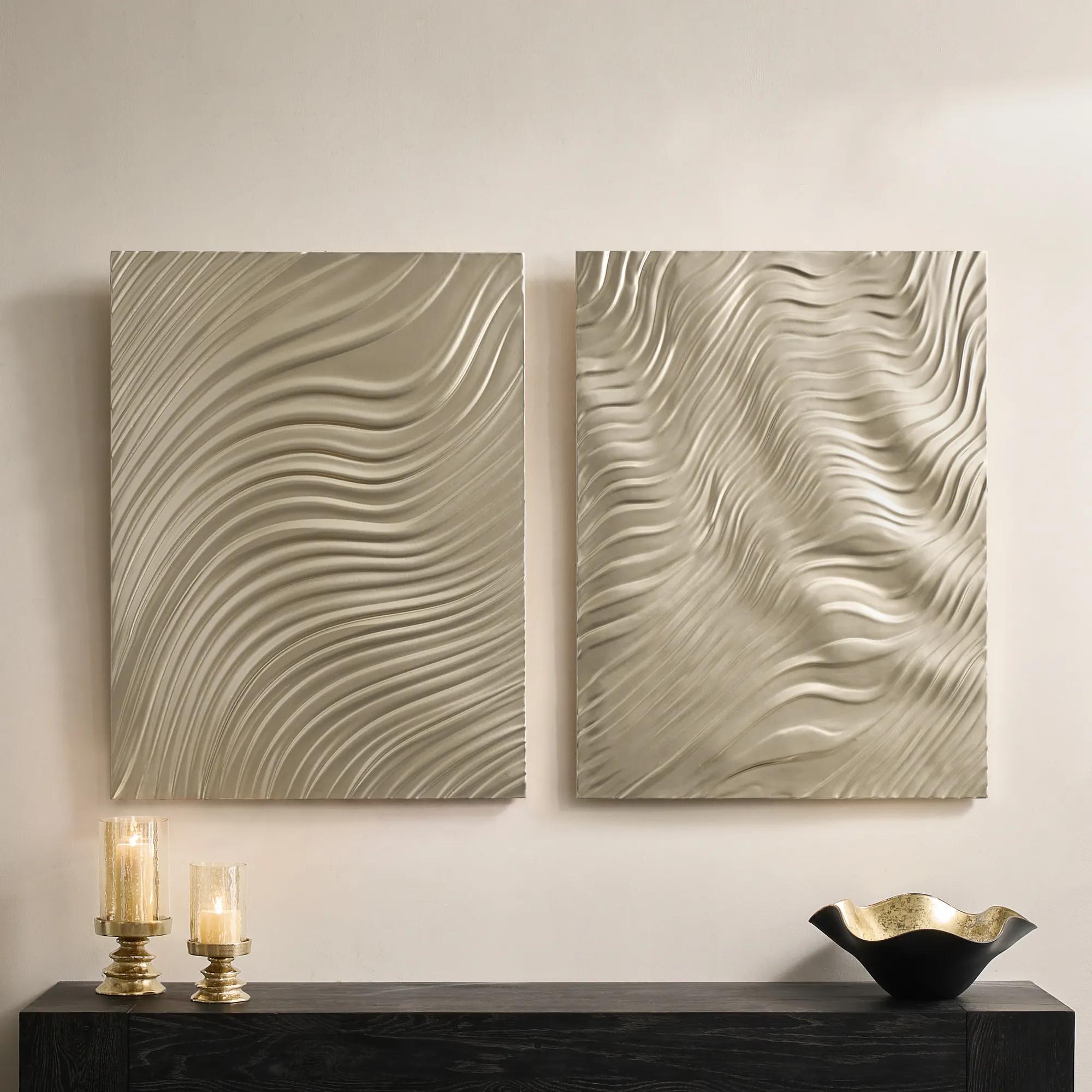 Mirage Champagne Carved Wood Wall Panels 30" x 40" Set of 2$799
A set of two intricately carved wood composite panels in a champagne finish with flowing 3D patterns.
Add To Cart -
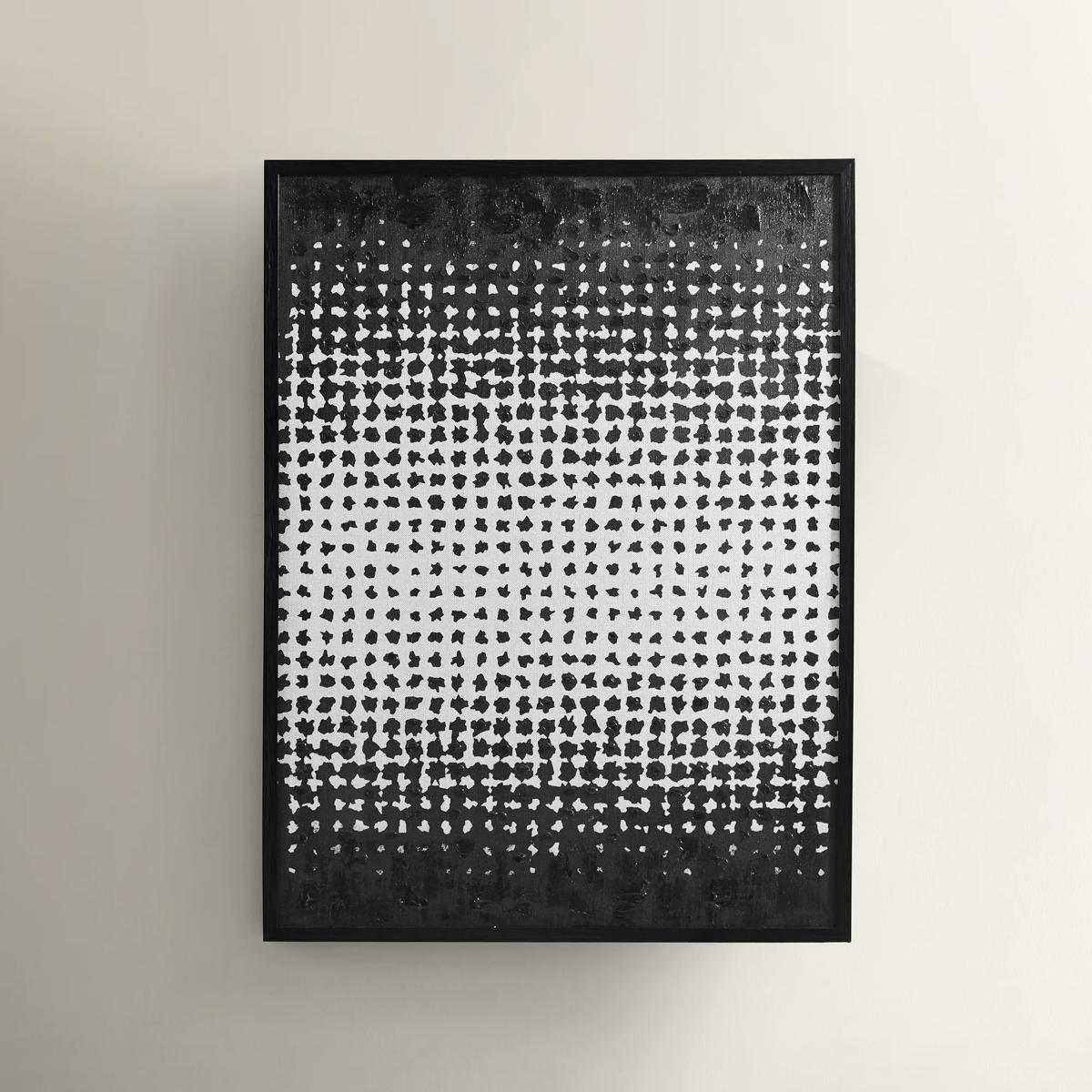
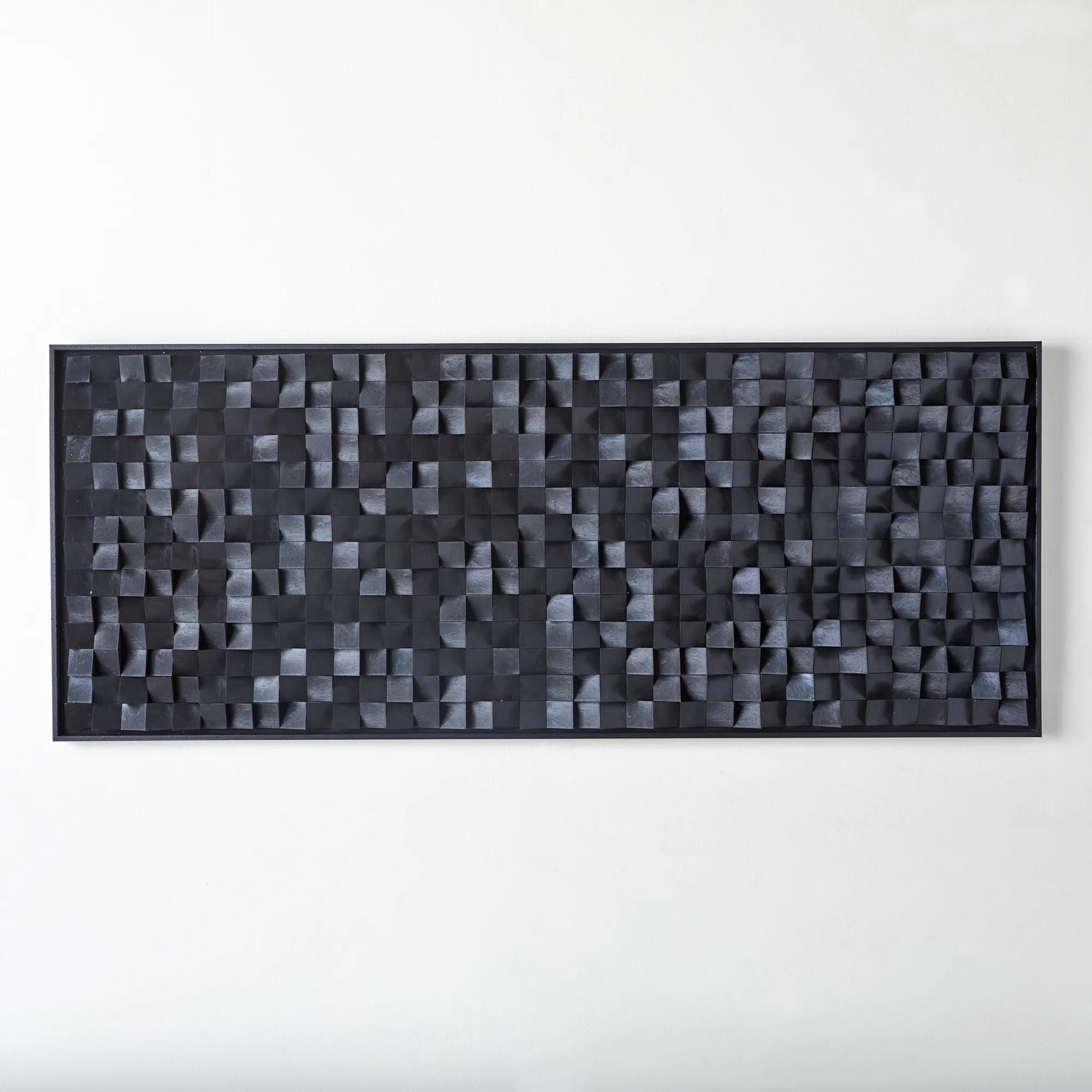 Nightfall Black Wood Dimenisonal Wall Panel 59" x 23.5"$599
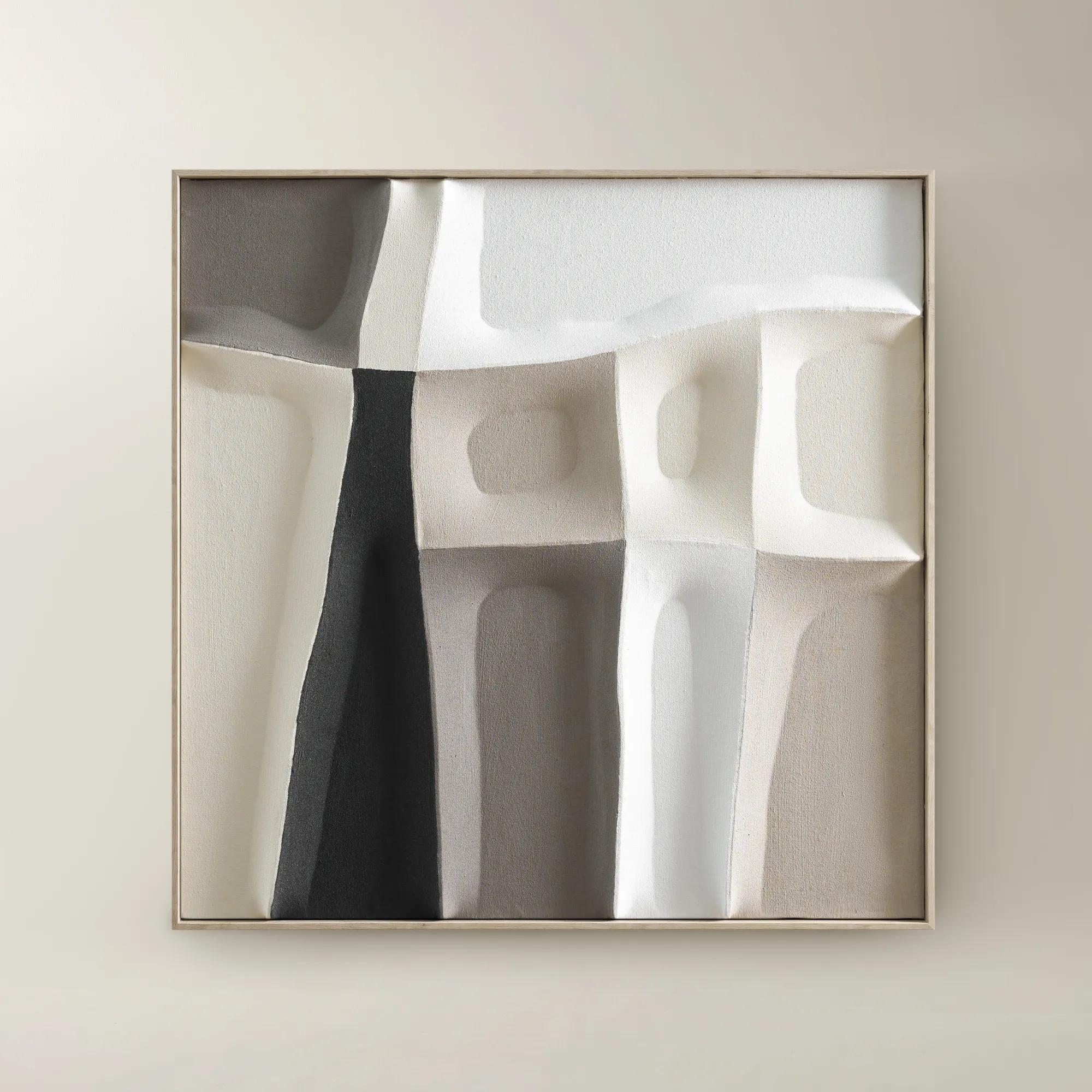
An abstract wall art piece featuring cut black blocks in a sleek, low-profile black frame.
Add To Cart -
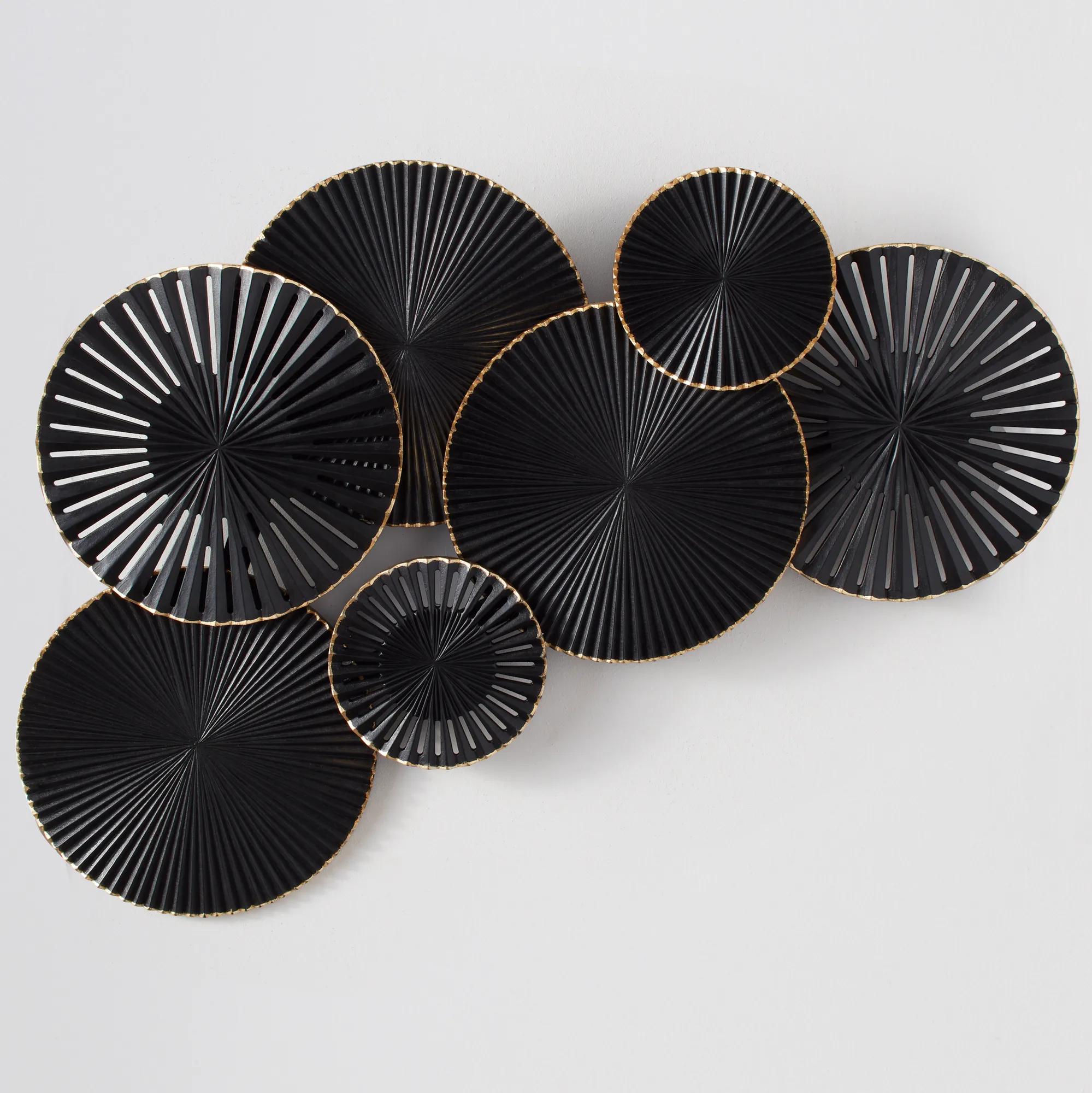
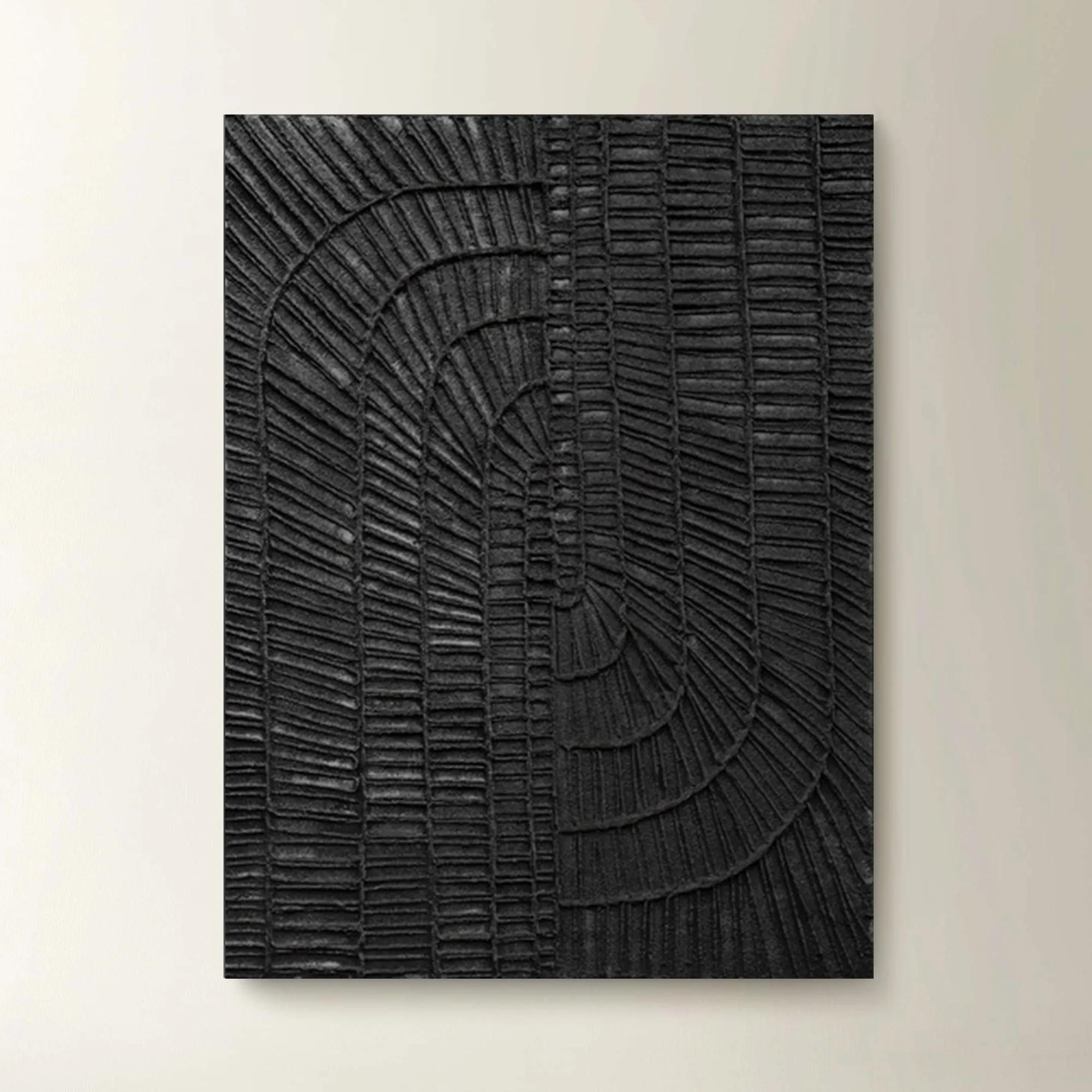
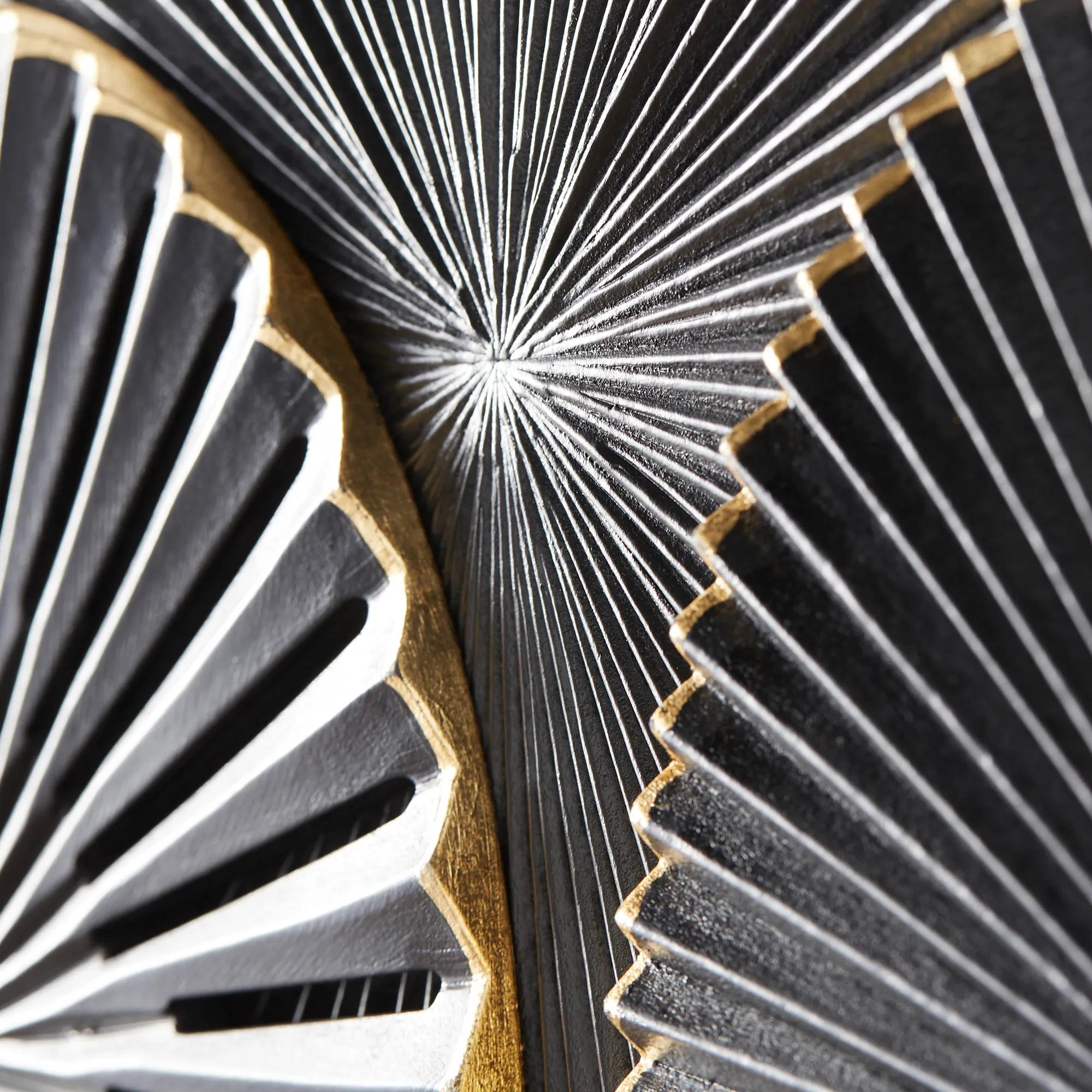 Circa Black Carved Wood Dimensional Wall Panel 47.25" x 27.5"$499
A carved wood wall art panel in black and gold that adds abstract intrigue to any room.
Add To Cart -
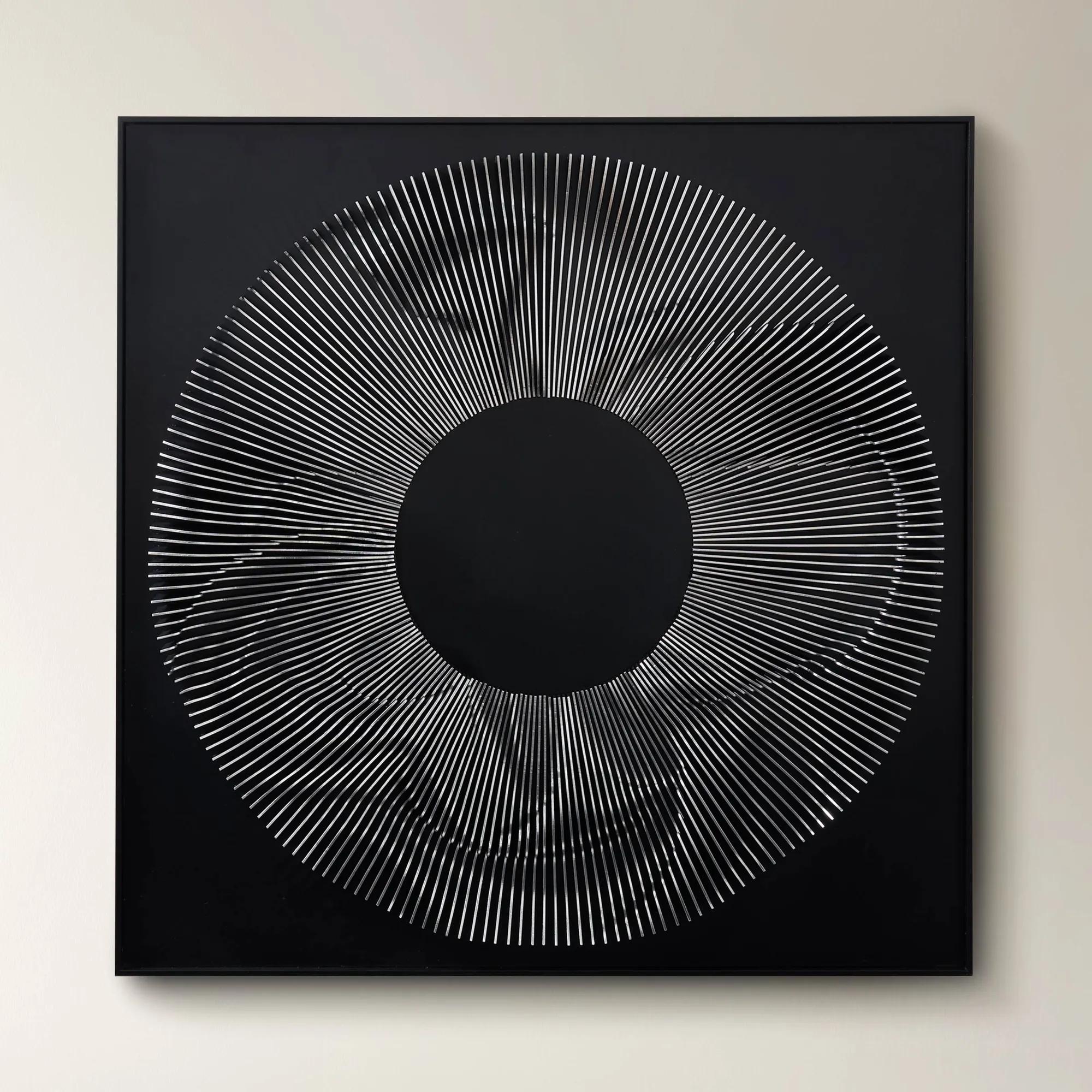 Efflorescence Wood Carving$799
A three-dimensional pine wood panel features a flowing carved motif in a striking silver finish.
Add To Cart -
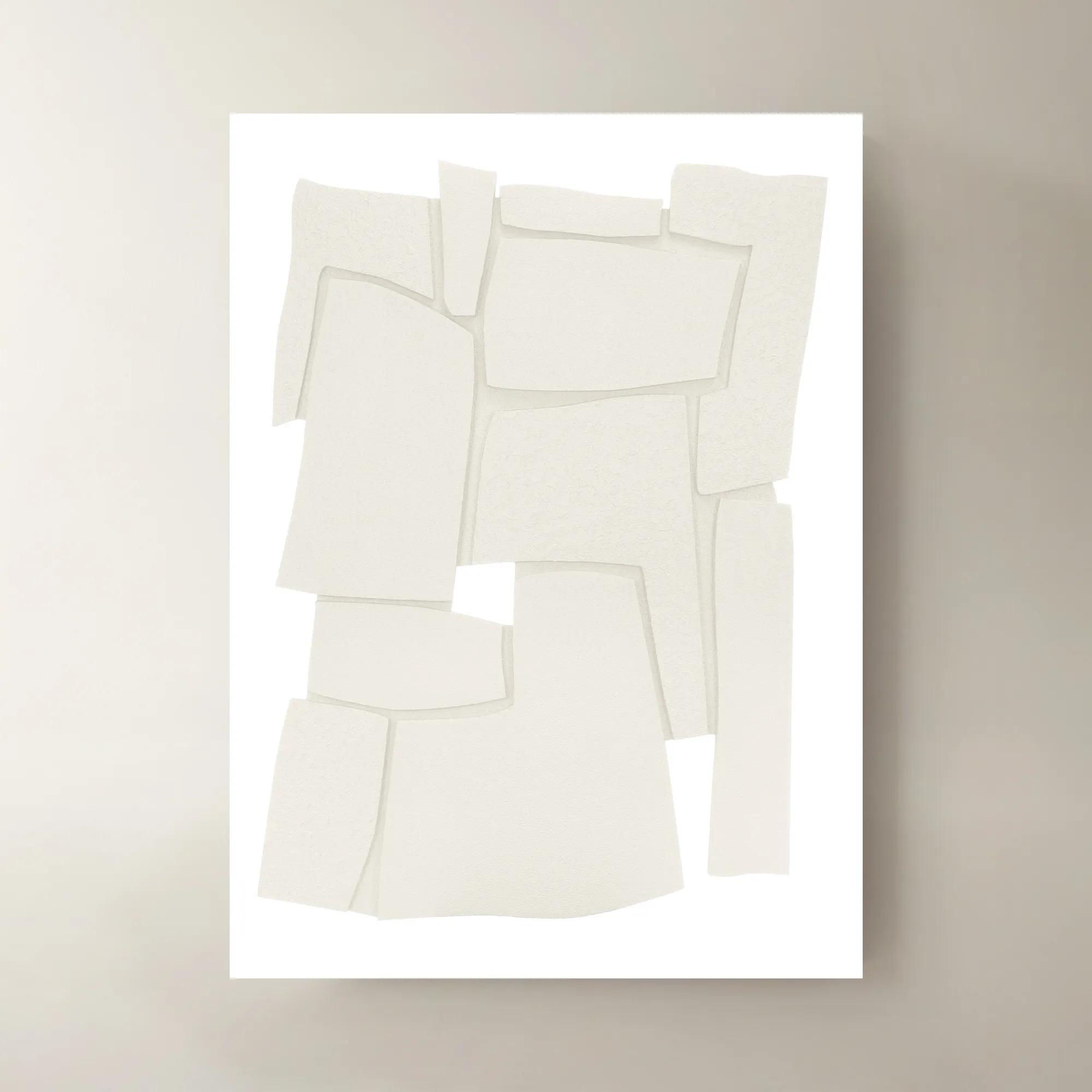
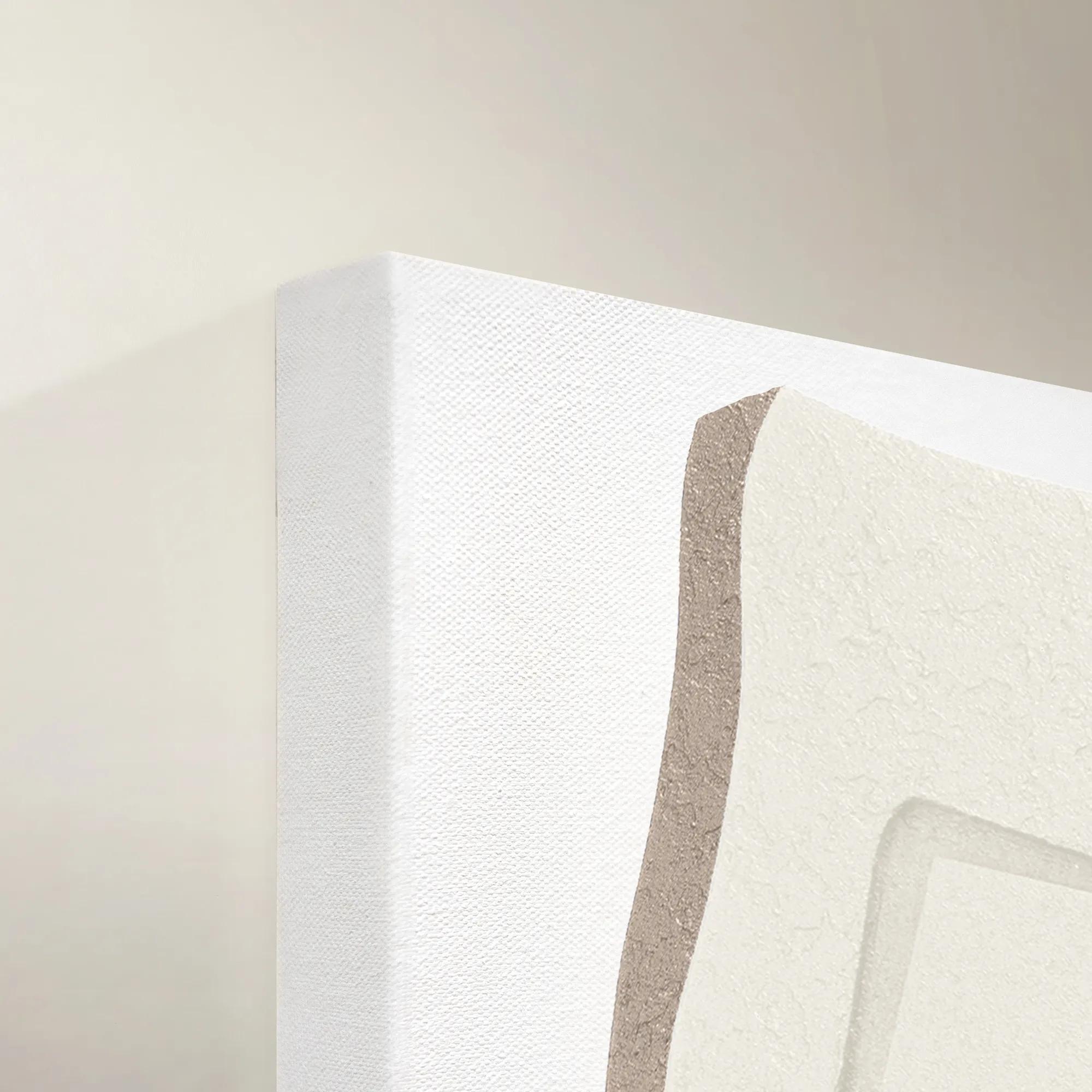 Wonder Maze III Wall Art 40" x 55"$1699
A contemporary canvas wall art piece featuring an intriguing abstract maze-inspired design.
Add To Cart -
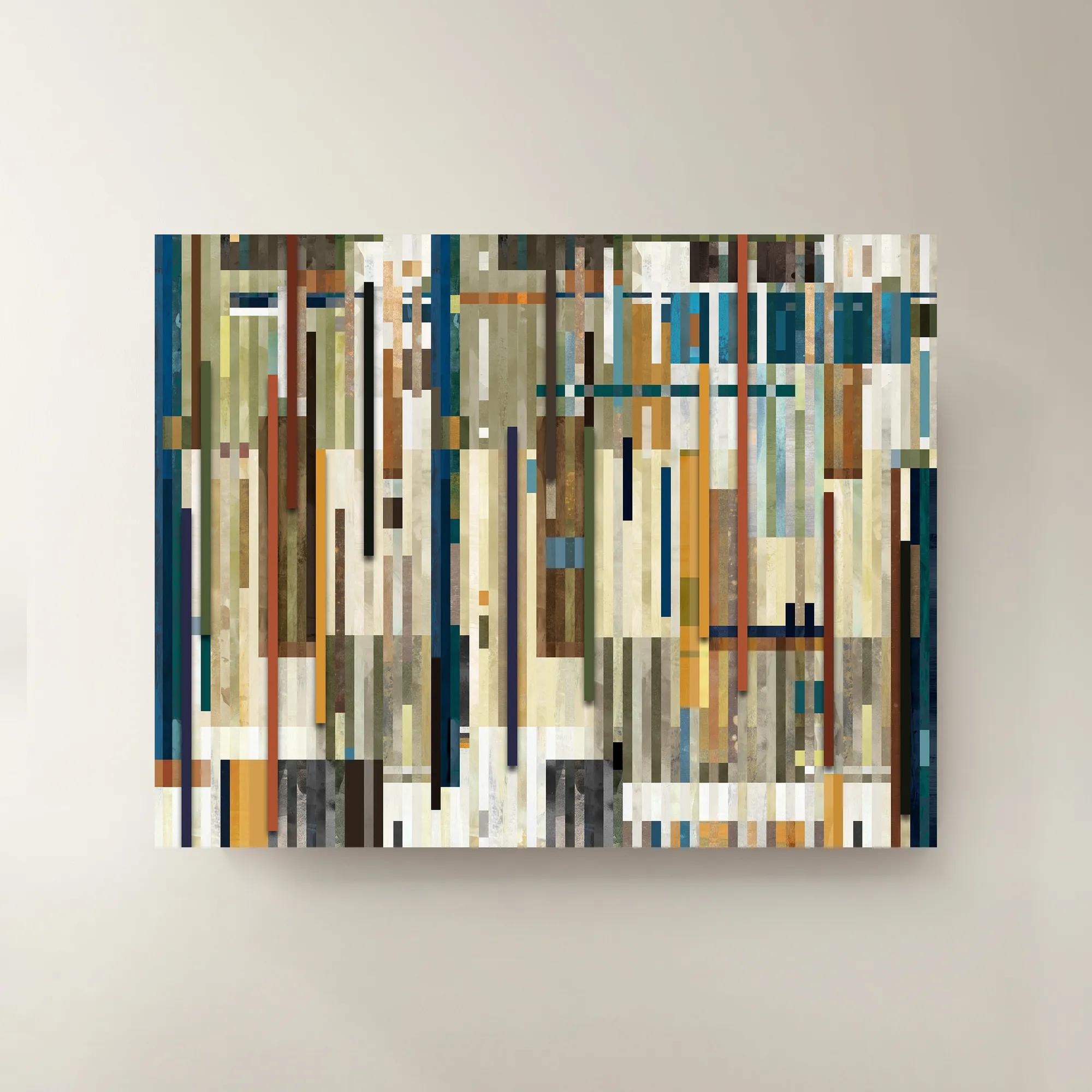
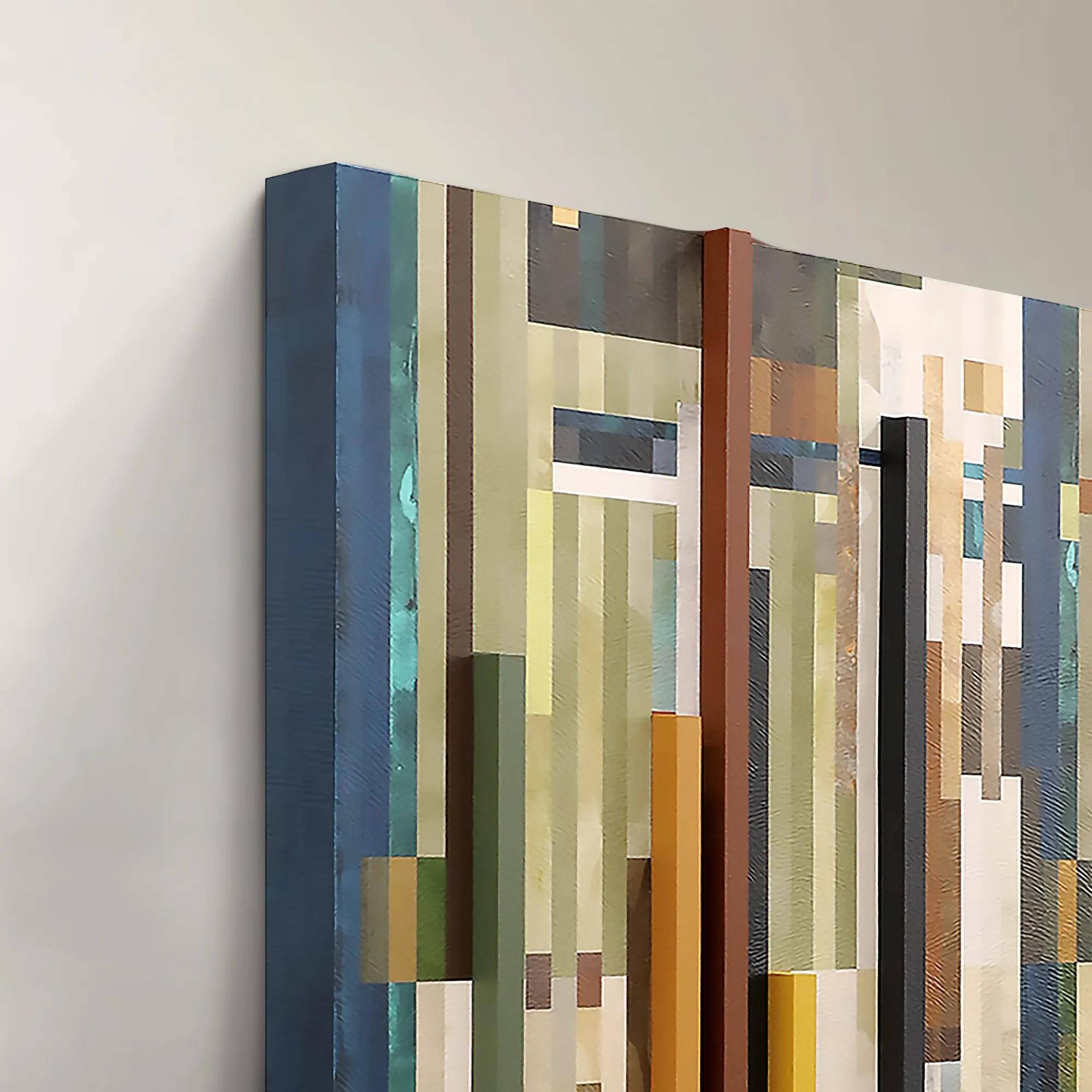 Chromatic Rhythms II Wall Art 60" x 47"$1899
A dynamic blue abstract canvas artwork featuring rhythmic geometric composition.
Add To Cart -
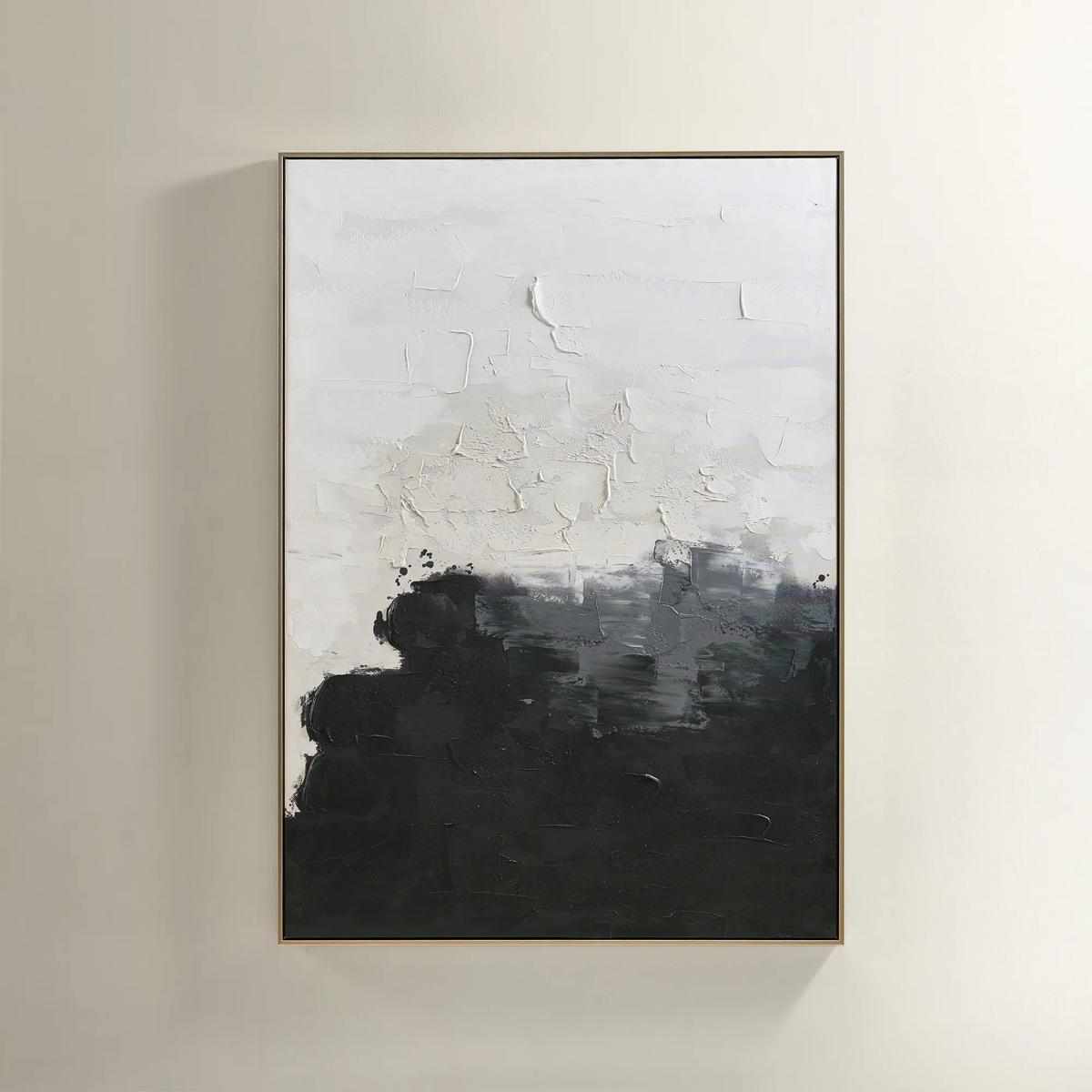
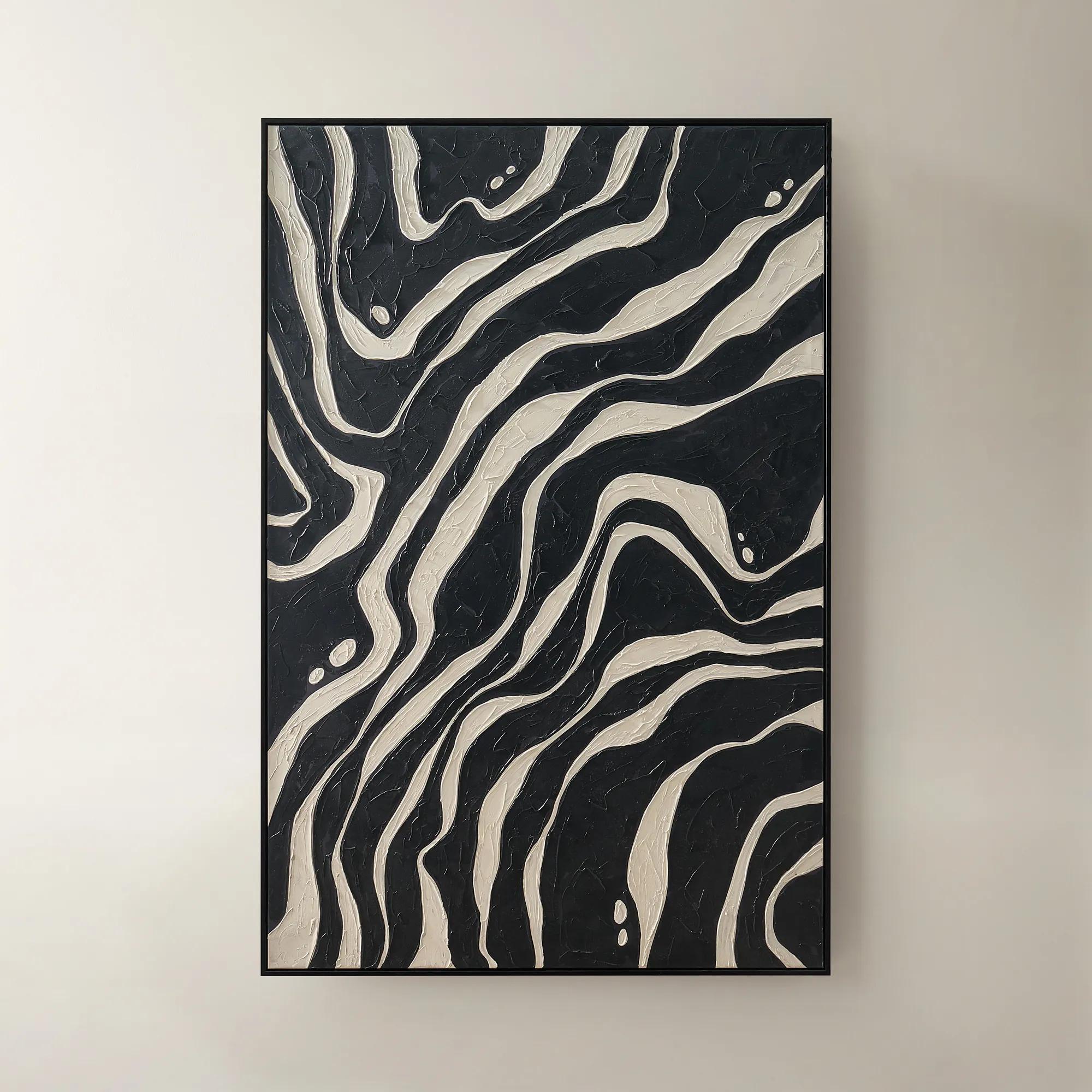
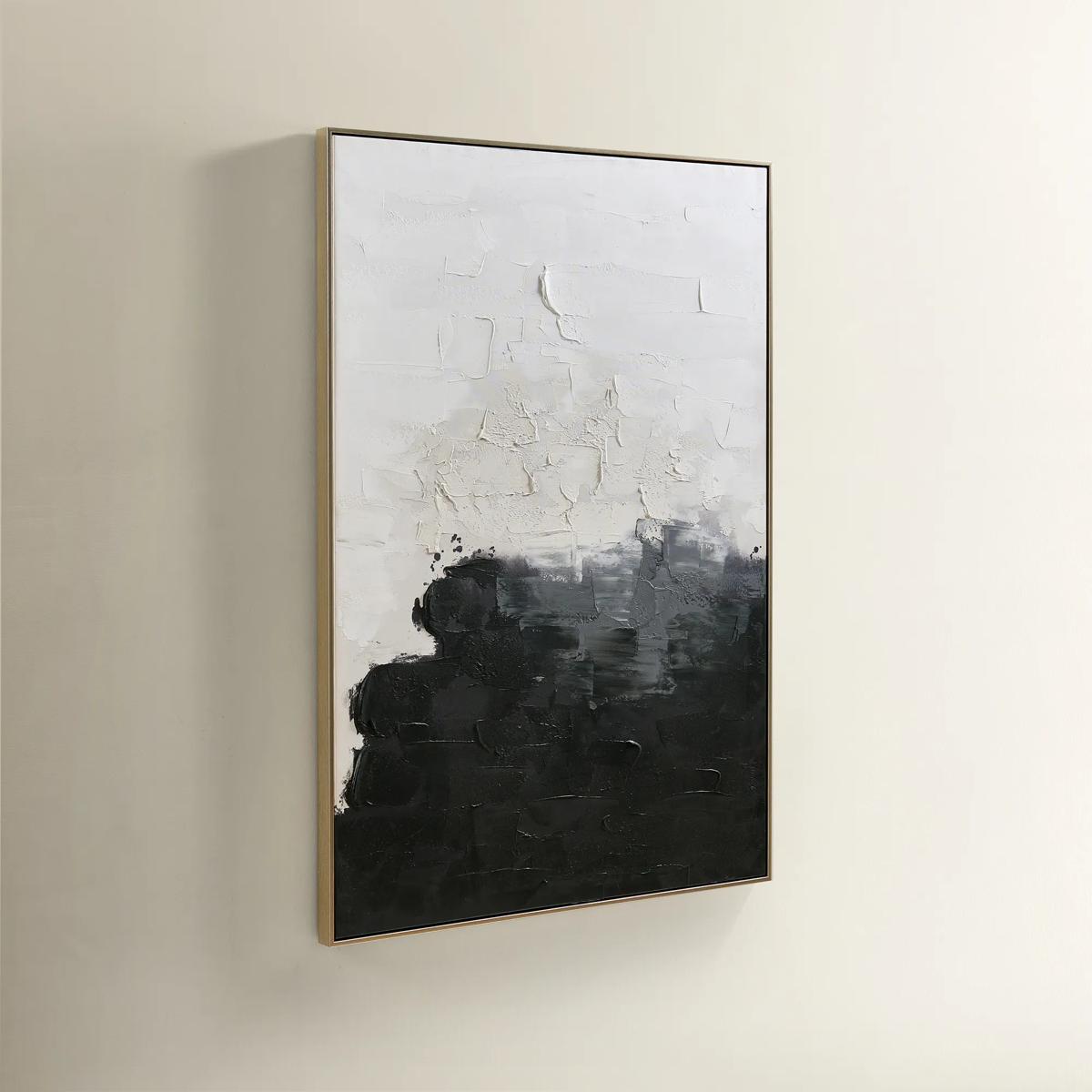 No Rush Painted Wall Art 39.25" x 55"$499
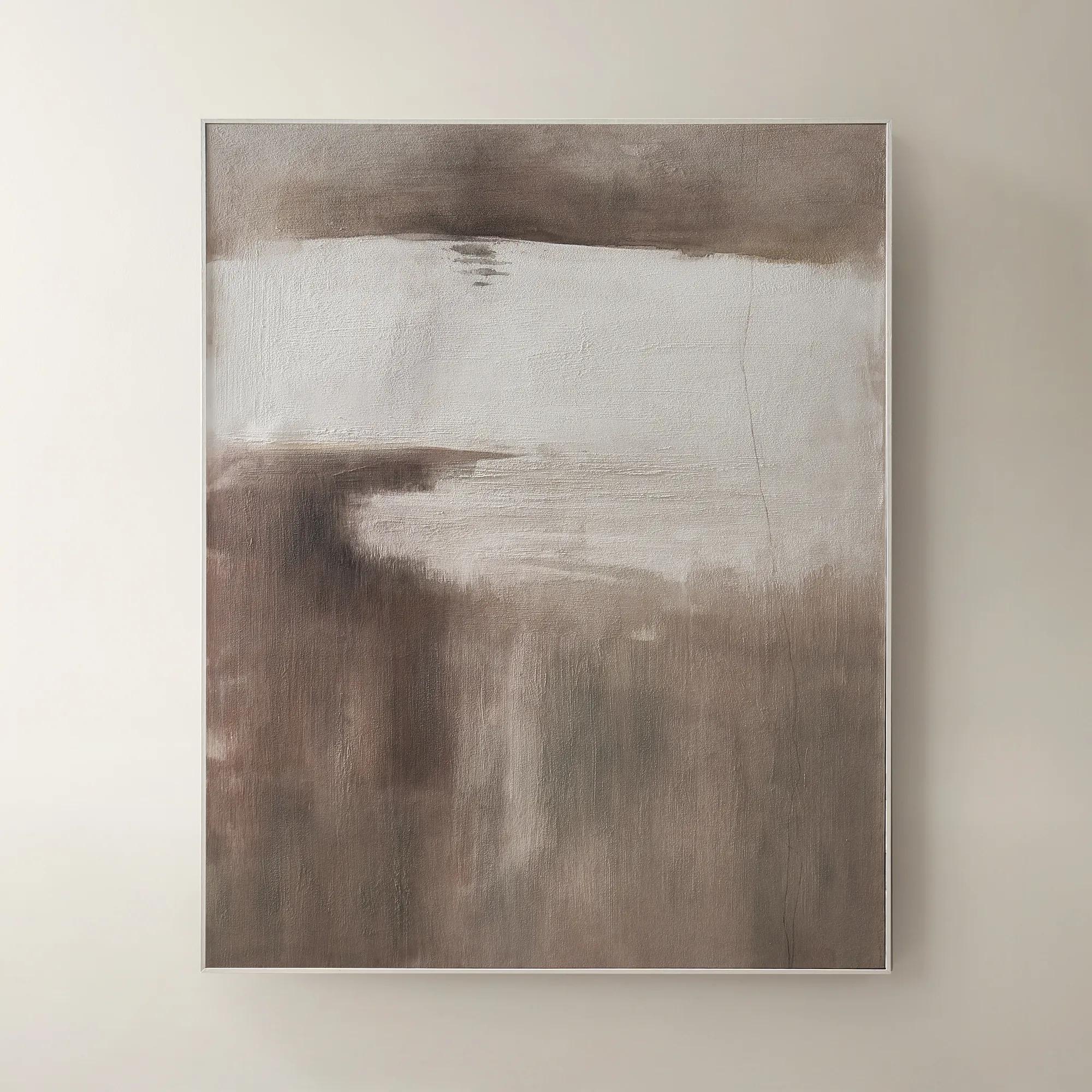
A hand-painted canvas featuring textured strokes of white, ivory, and charcoal in a natural wood frame.
Add To Cart -
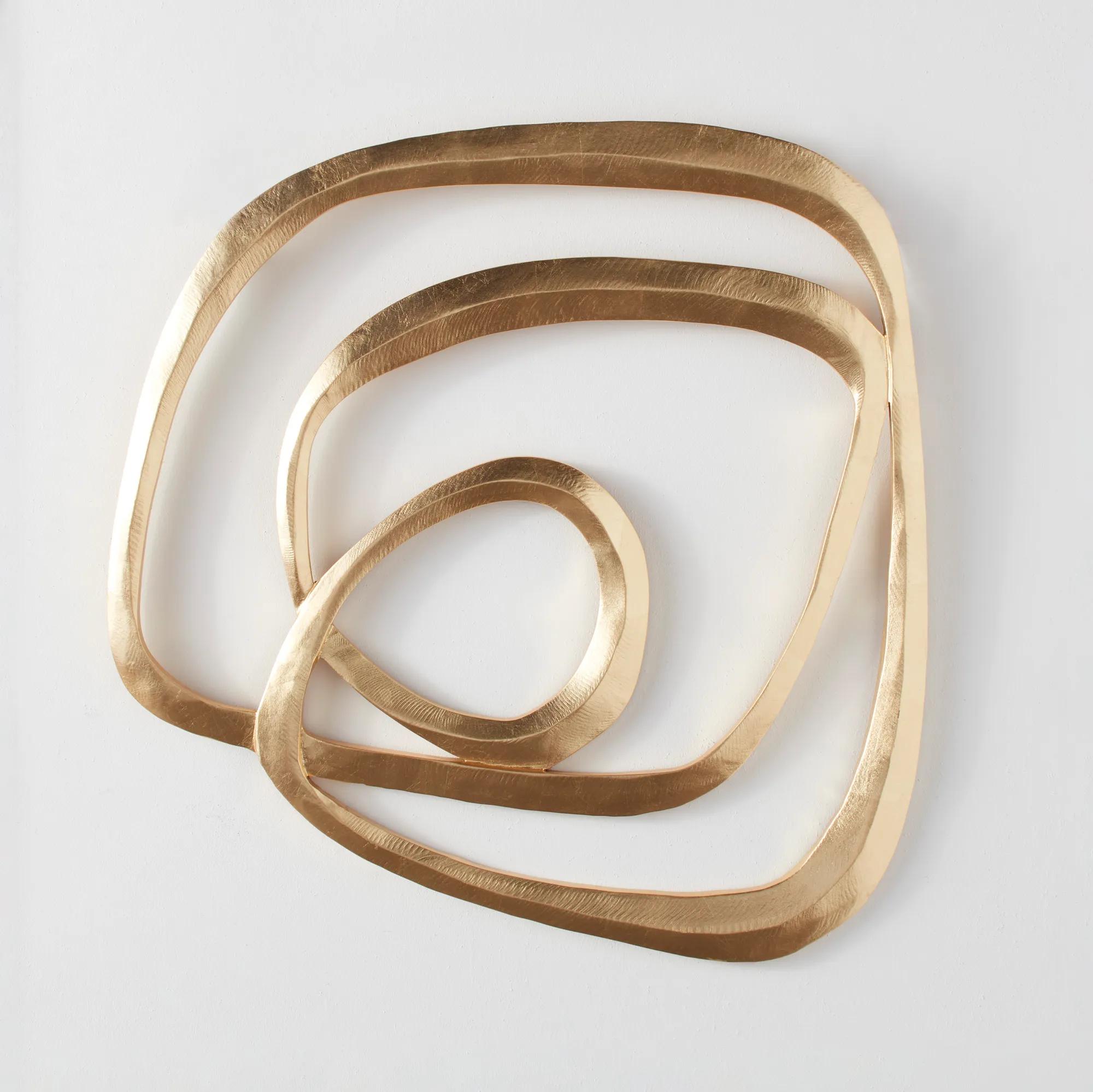 Infinity Gold Leaf Wood Wall Decor II 31.5" x 31.5"$299
A swirling wooden wall sculpture featuring a striking metallic gold finish for a modern statement.
Add To Cart -

 Sand Storm Framed Gold Foil Wall Art 32" x 47"$329
A refined abstract artwork with gold foil accents, sand and charcoal tones, framed in solid wood.
Add To Cart -

 Flip the Paint Buckets Framed Wall Art 40" x 60"$1899
A vibrant multicolored canvas wall artwork featuring playful paint buckets in a framed presentation.
Add To Cart -
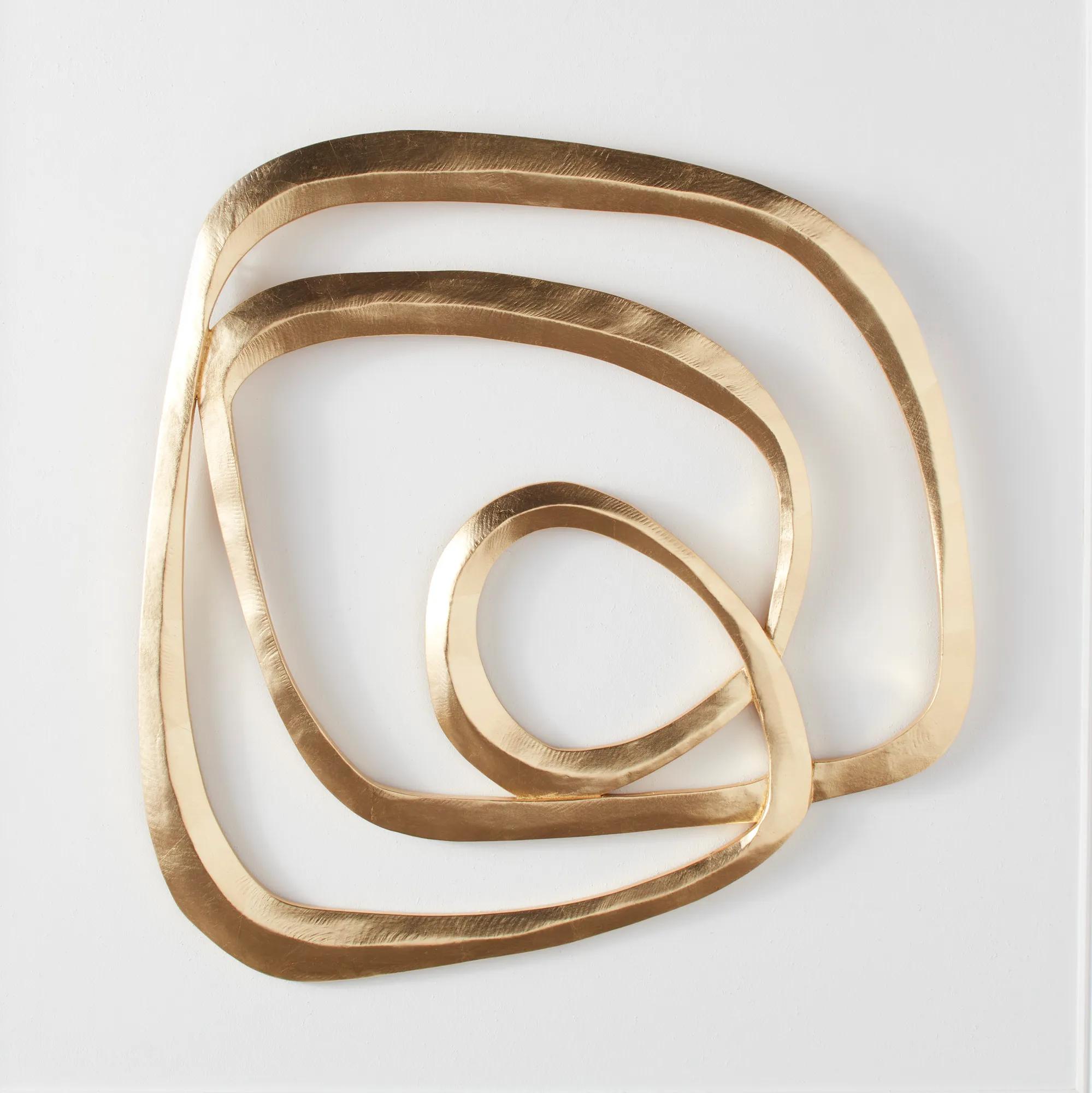 Infinity Gold Leaf Wood Wall Decor I 31.5" x 31.5"$299
A swirling wooden wall sculpture featuring a striking metallic gold finish for a bold decorative statement.
Add To Cart -
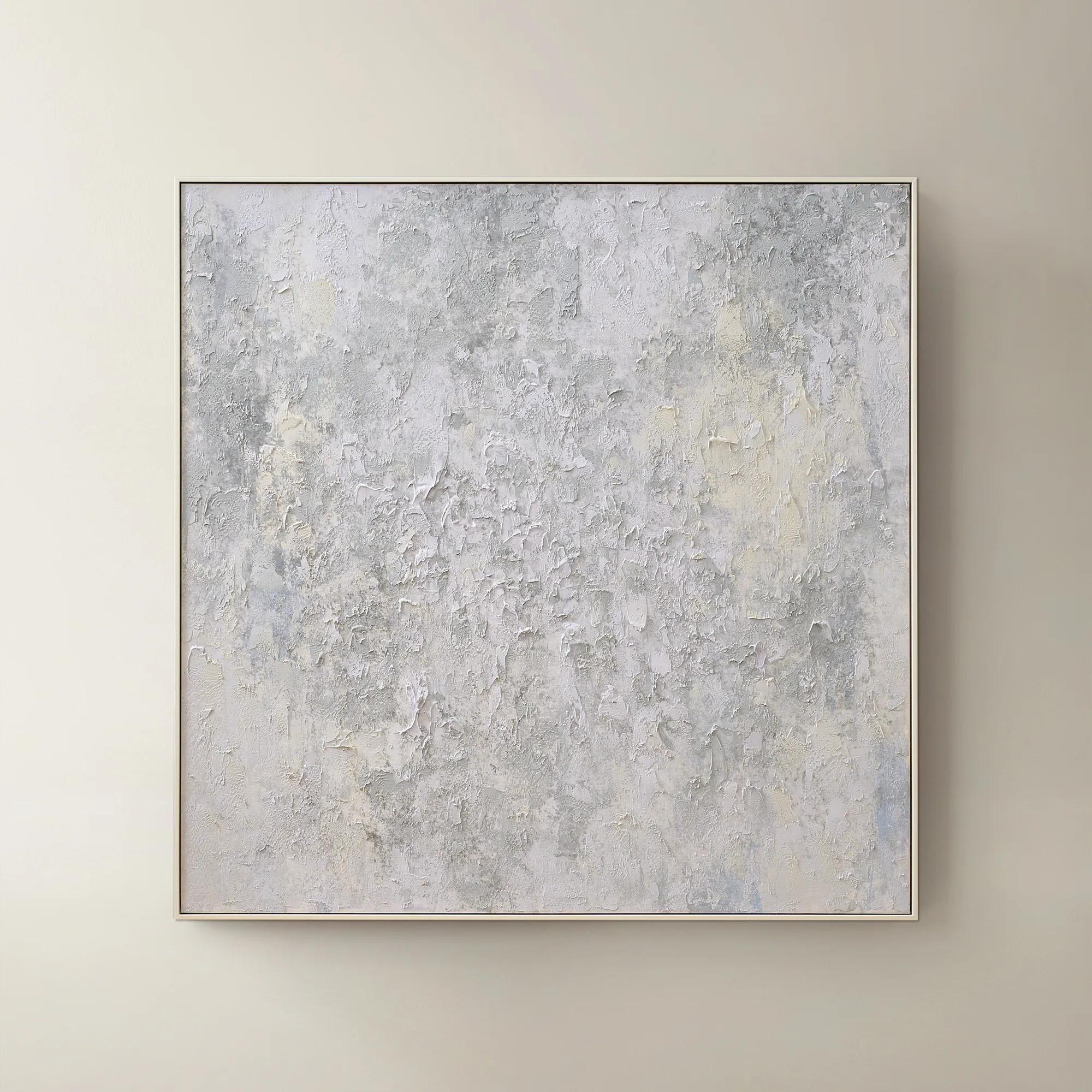
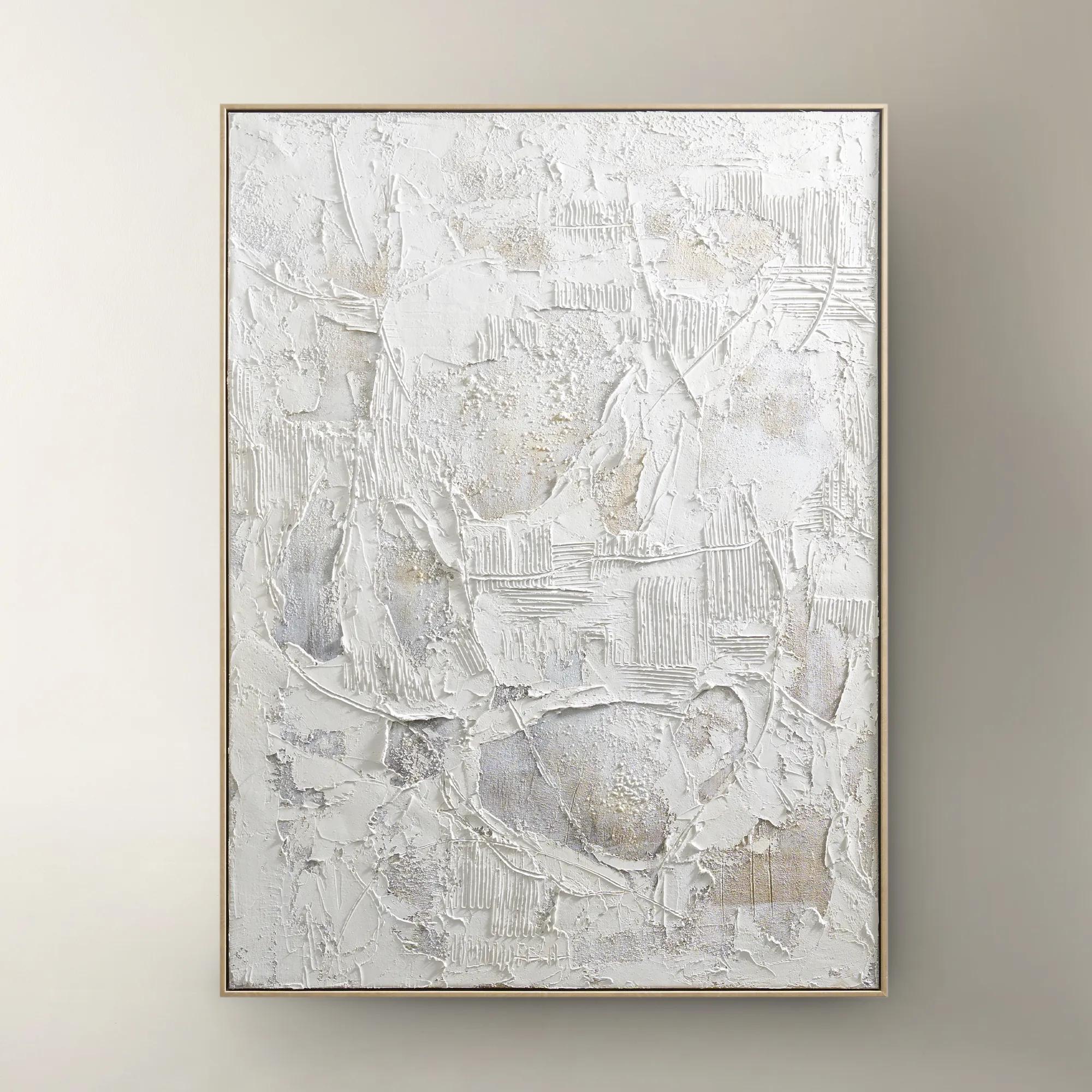 Stone Heritage Painting$399
A hand-painted canvas featuring textured white tones, elegantly framed in warm beech wood for refined appeal.
Add To Cart -
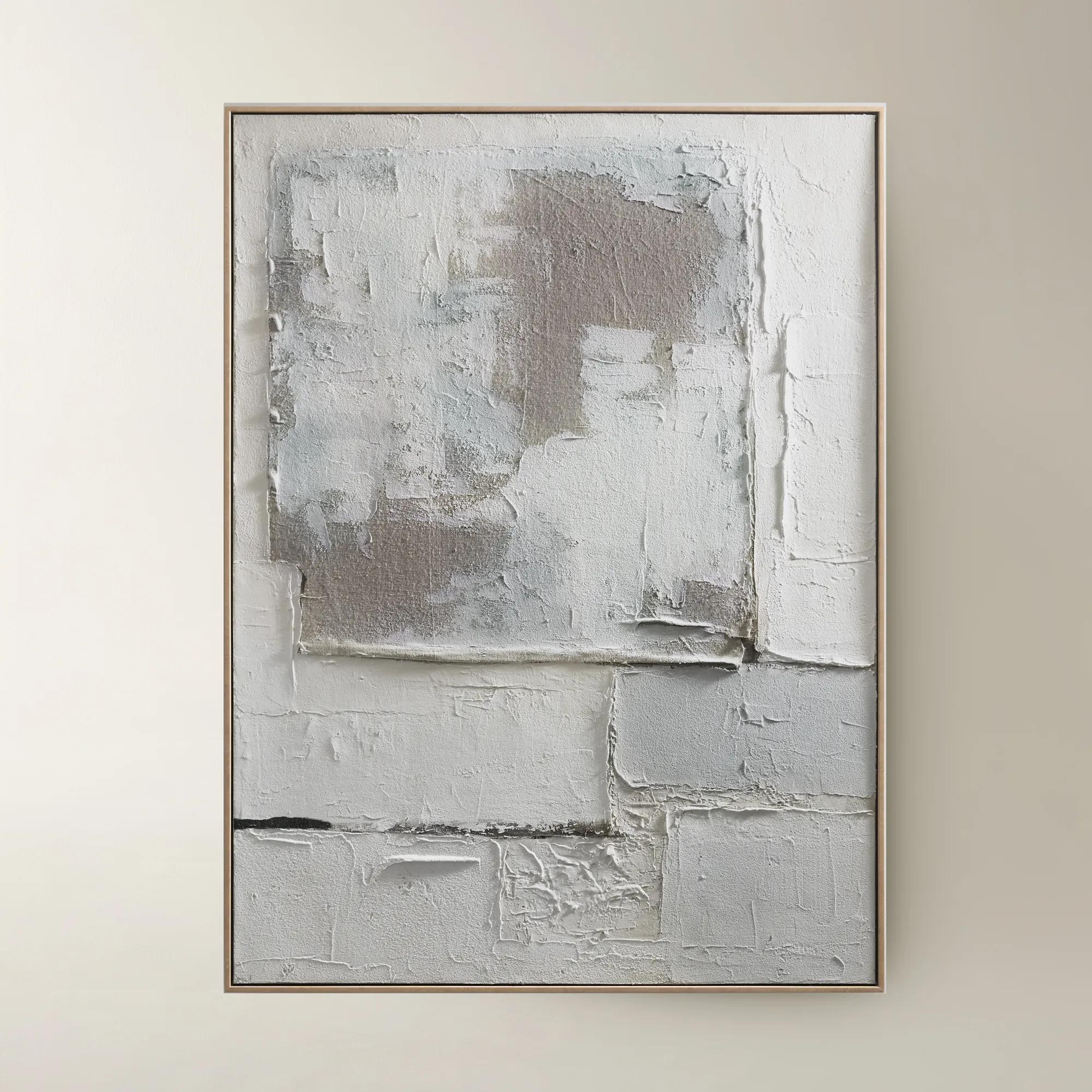
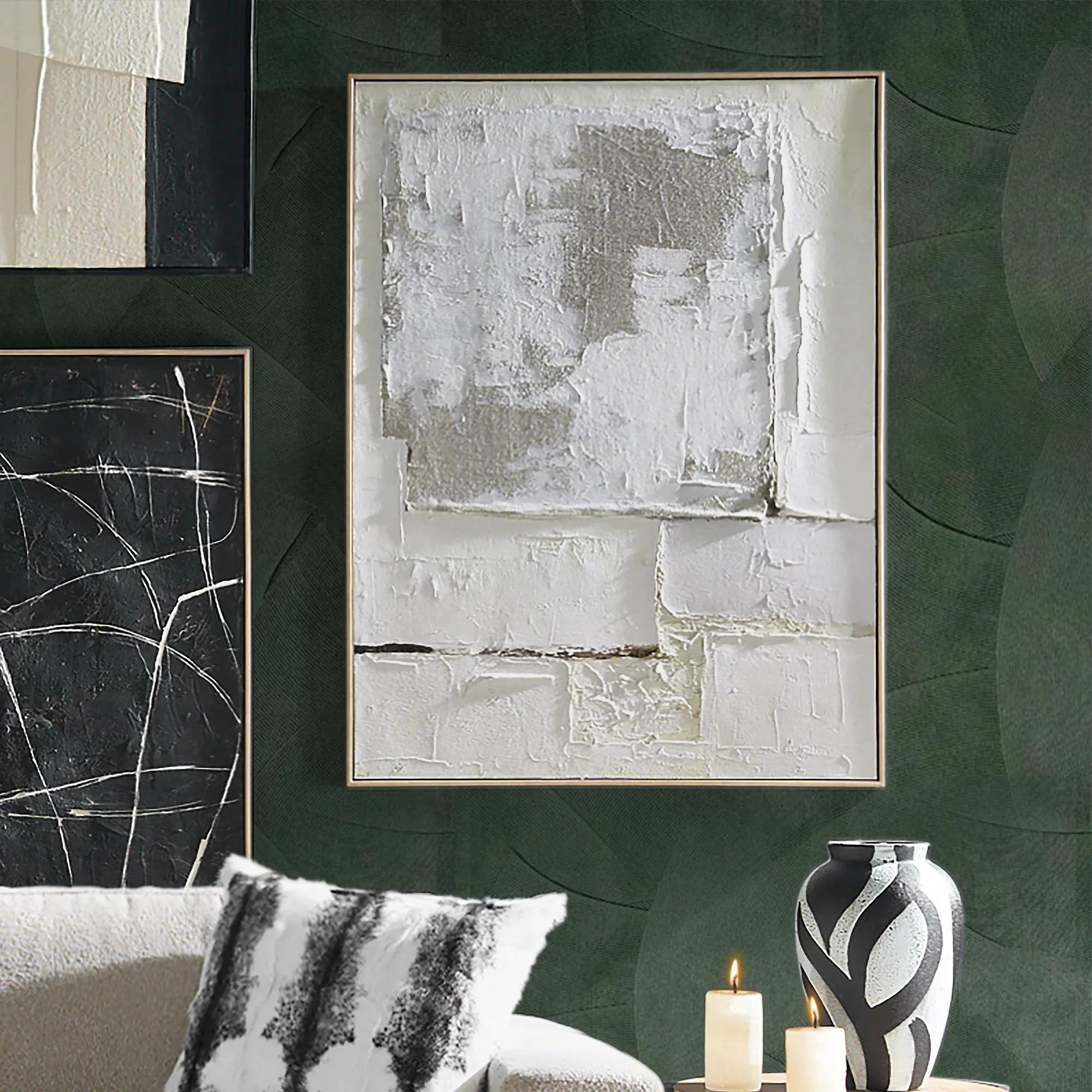 Marrow Painting$399
A hand-painted abstract canvas in subtle beige hues, elegantly framed in a warm beech wood floater.
Add To Cart -
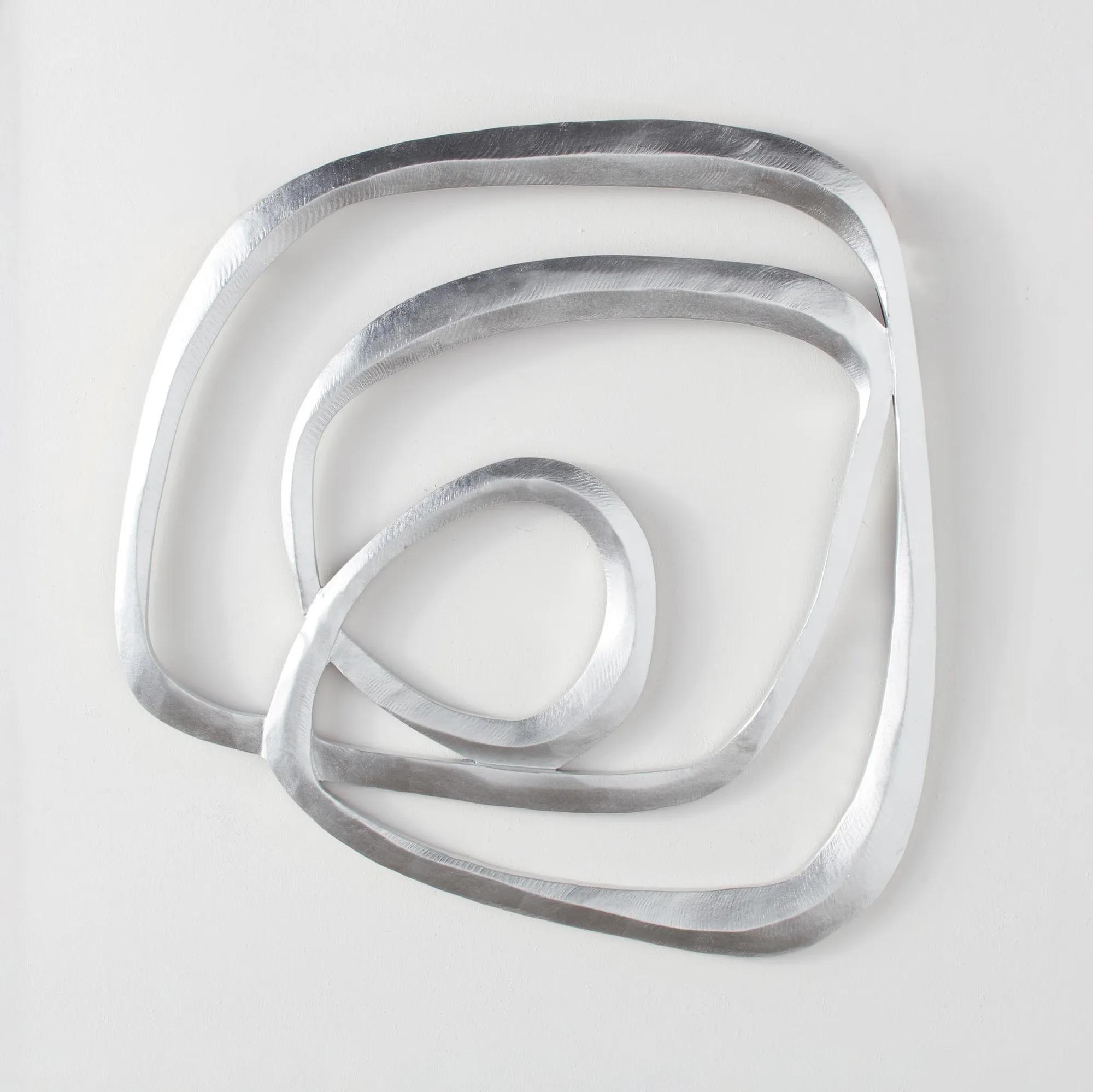 Infinity Silver Leaf Wood Wall Decor II 31.5" x 31.5"$299
A swirling wooden wall sculpture featuring a striking metallic silver finish for modern visual impact.
Add To Cart -
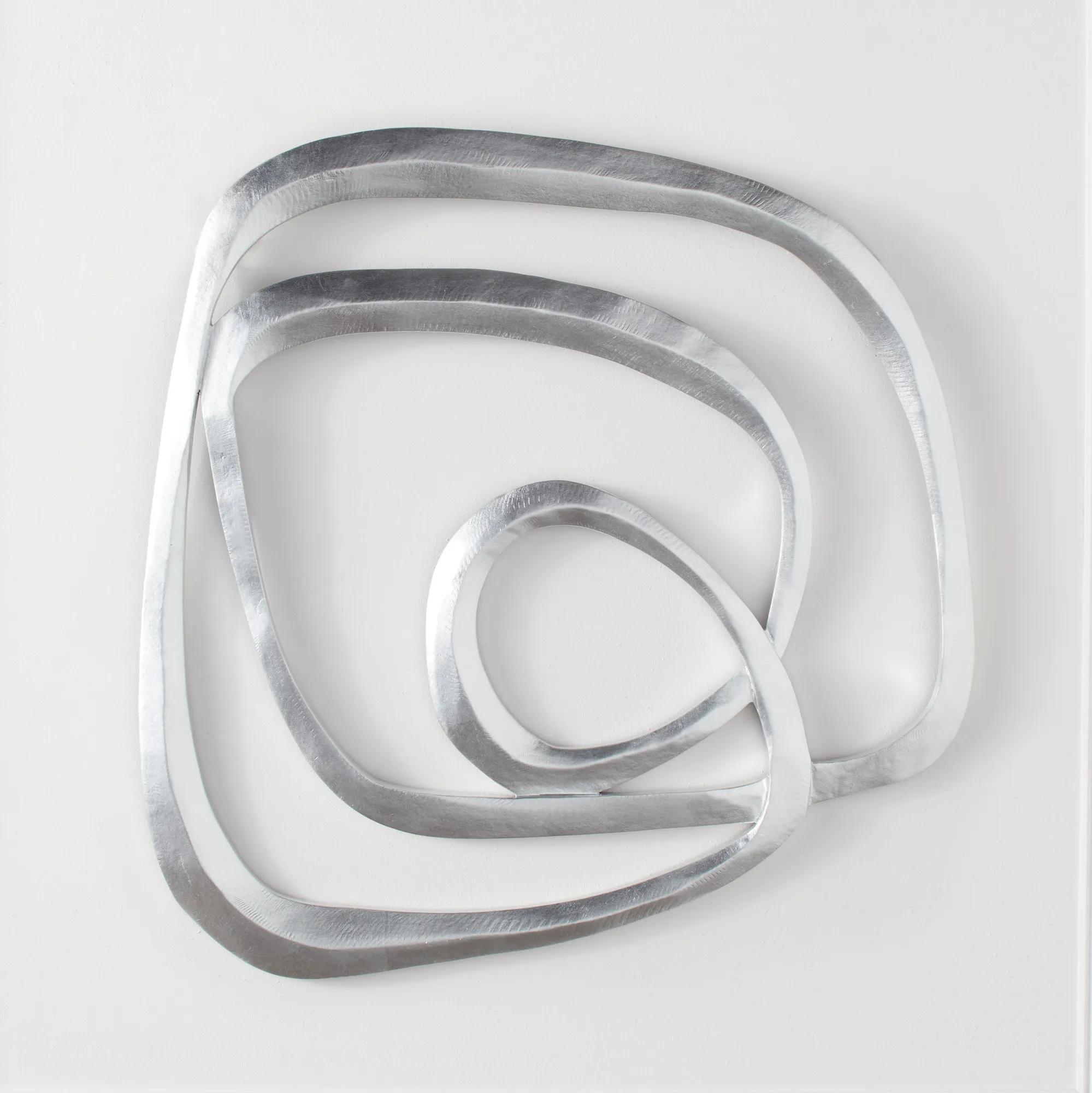 Infinity Silver Leaf Wood Wall Decor I 31.5" x 31.5"$299
A swirling wooden wall sculpture featuring a striking metallic silver finish for modern visual impact.
Add To Cart -
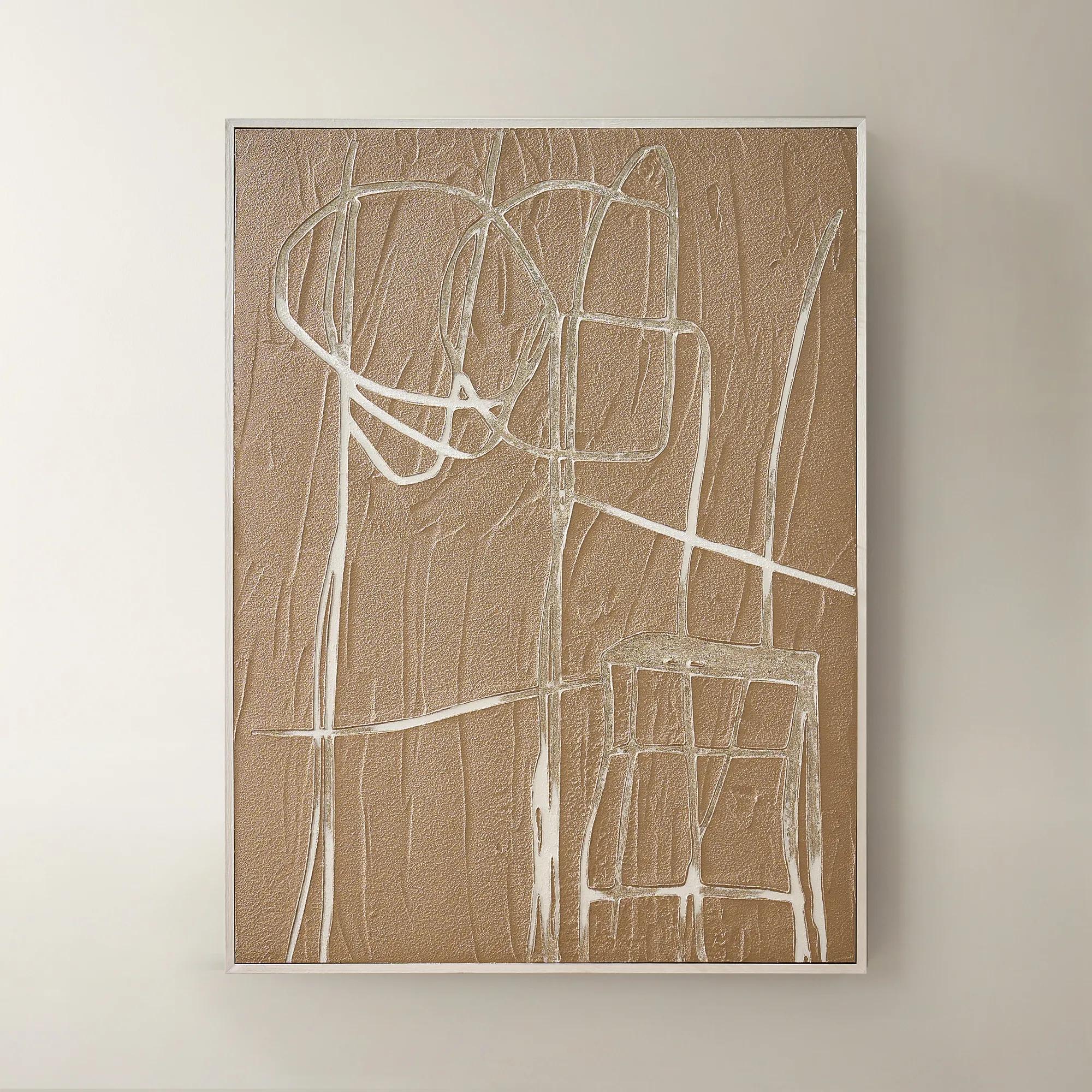
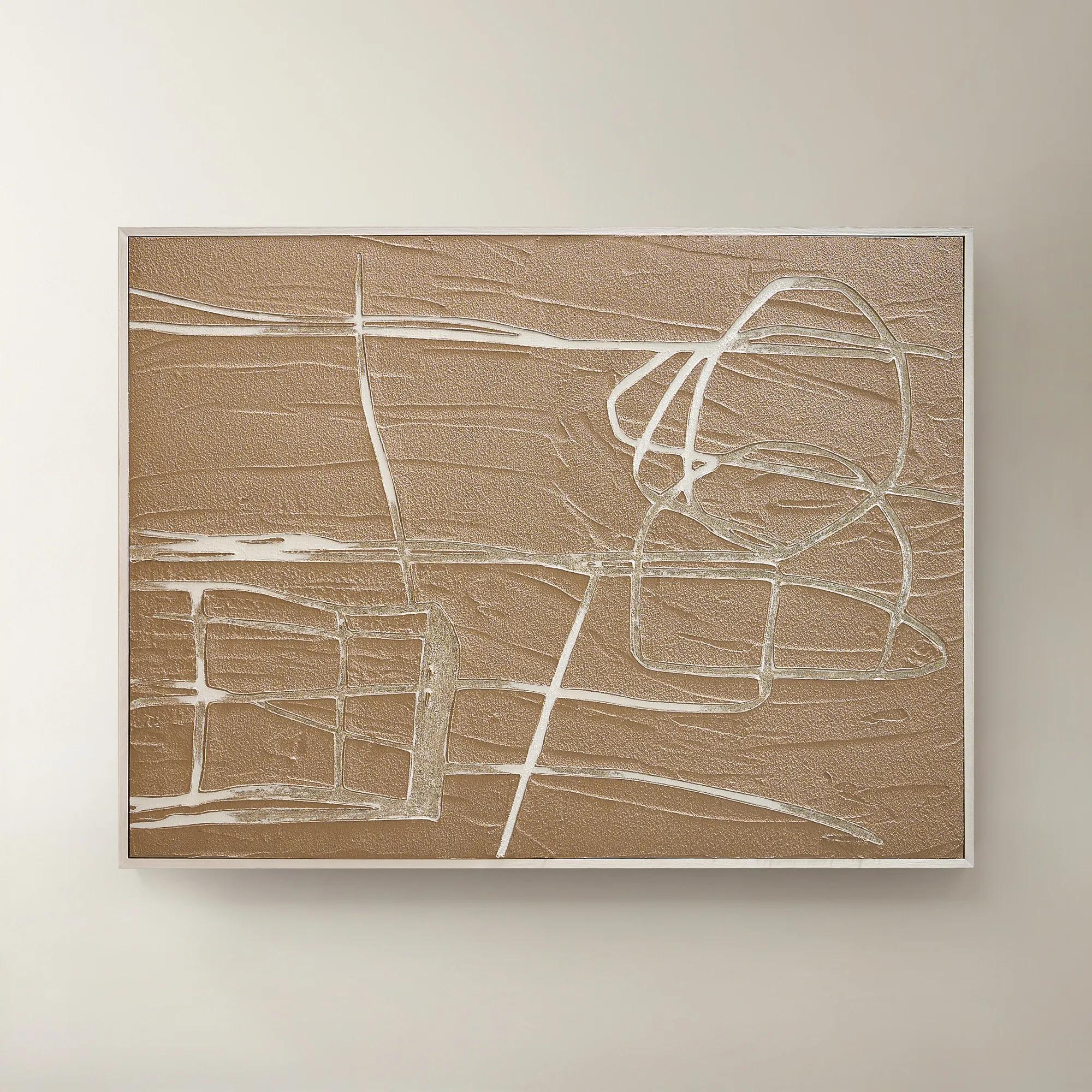 Linear Sand Framed Painted Wall Art 35" x 47"$369
A contemporary sand-toned painted canvas artwork framed for sophisticated modern interiors.
Add To Cart -
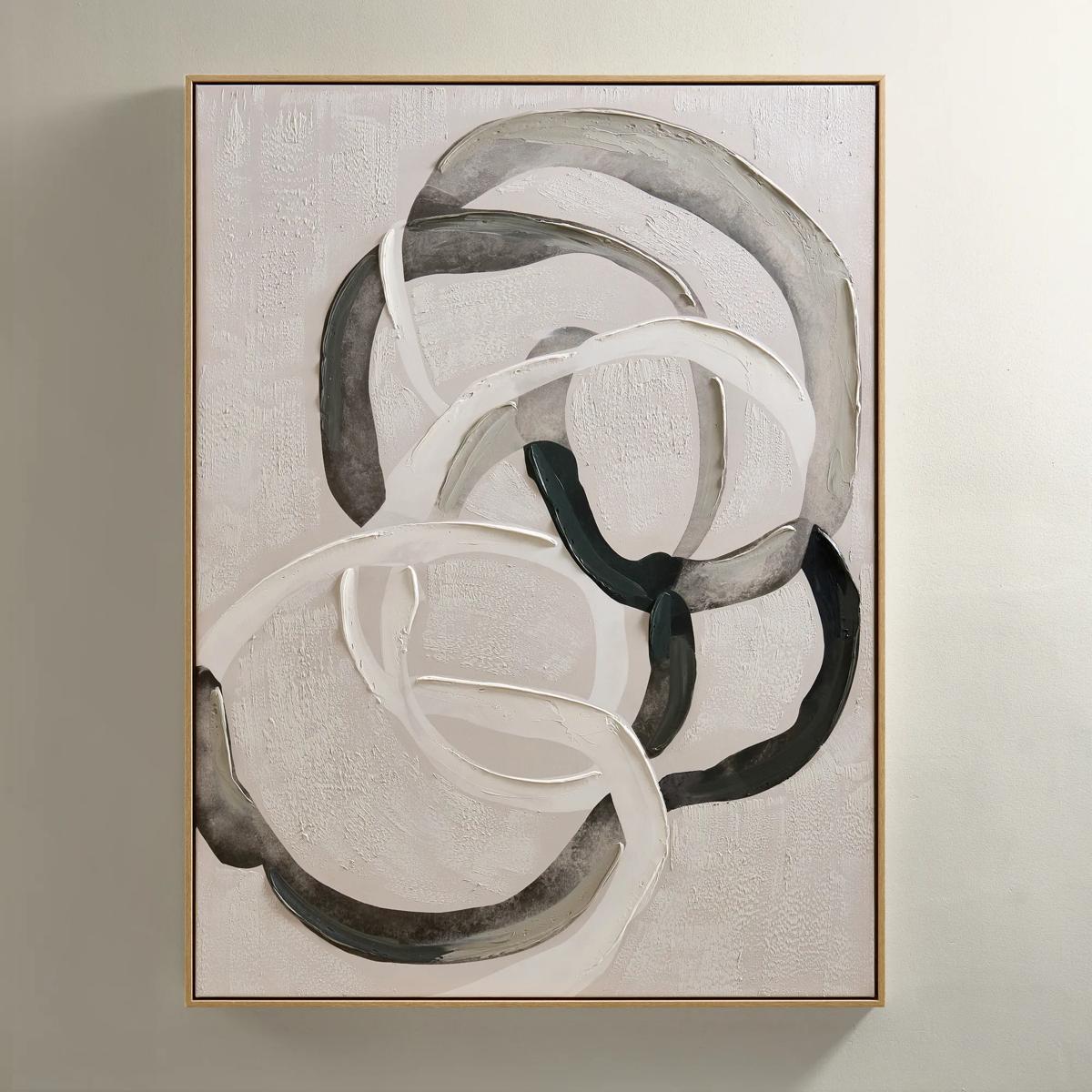
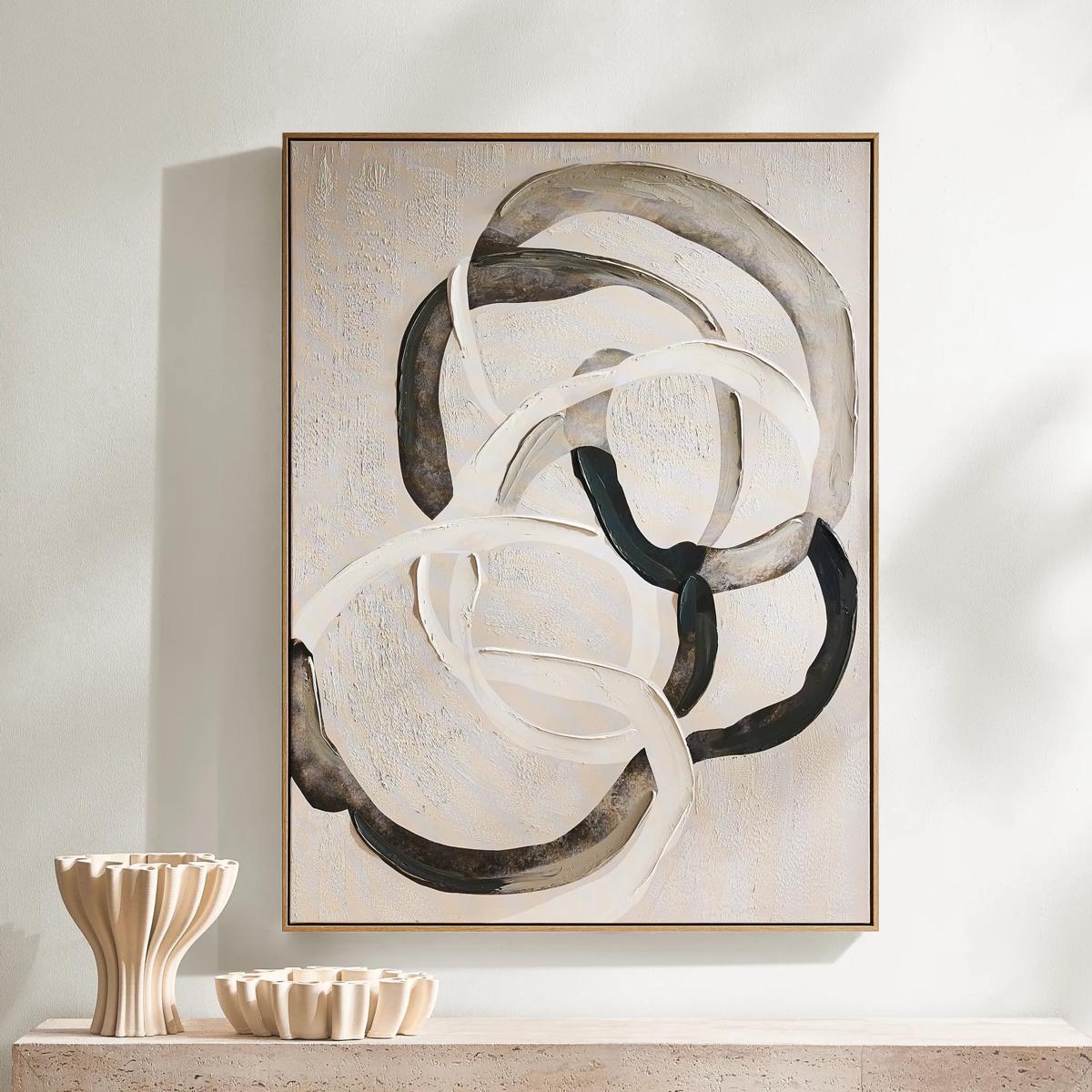 Round About Framed Painted Wall Art 35.25" x 47.25"$349
An abstract hand-painted canvas with tonal whites, charcoals, and taupes in a light wood floater frame.
Add To Cart -
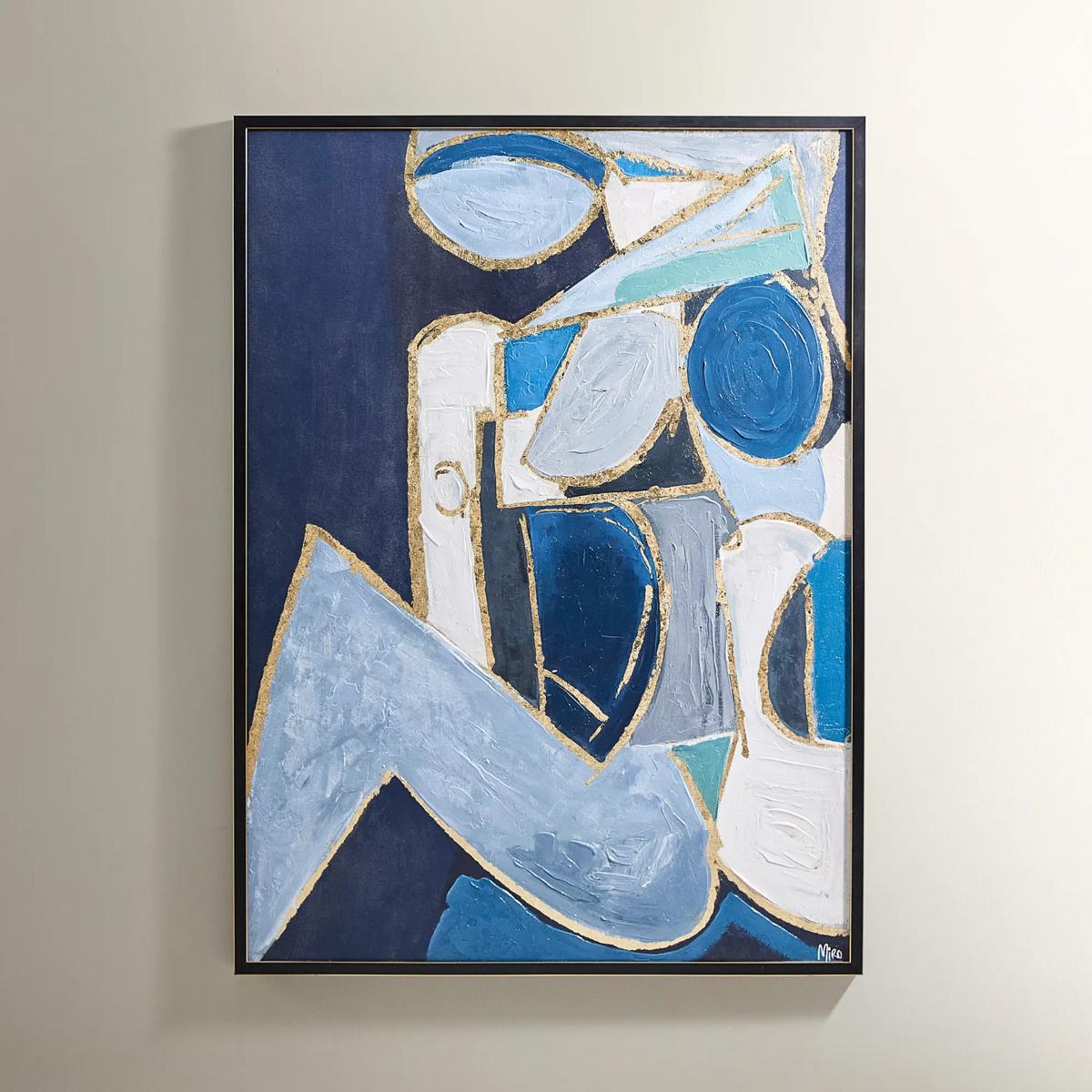
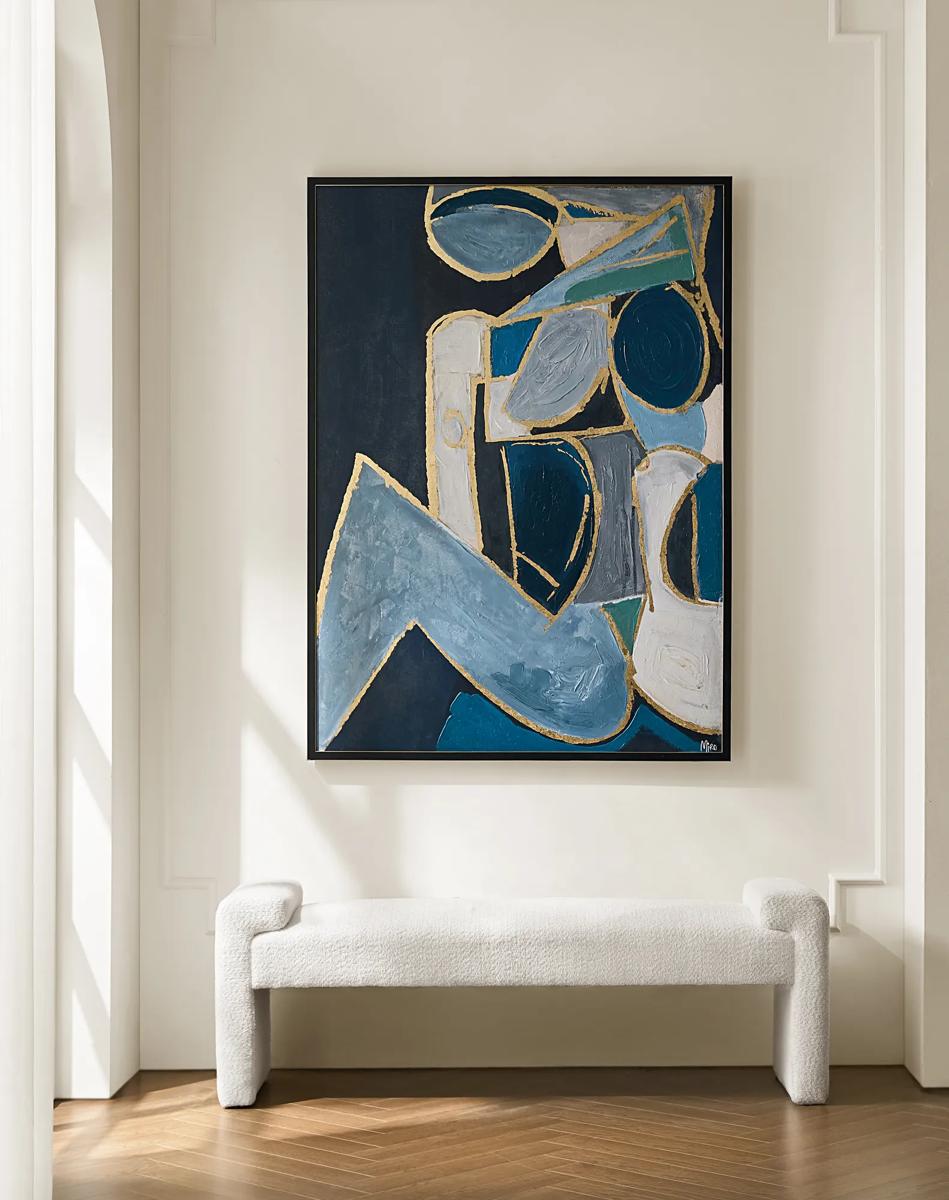 Figure in Cubism Painting$599
A hand-embellished canvas artwork featuring blue, gold, and white hues with elegant silver foil accents.
Add To Cart -
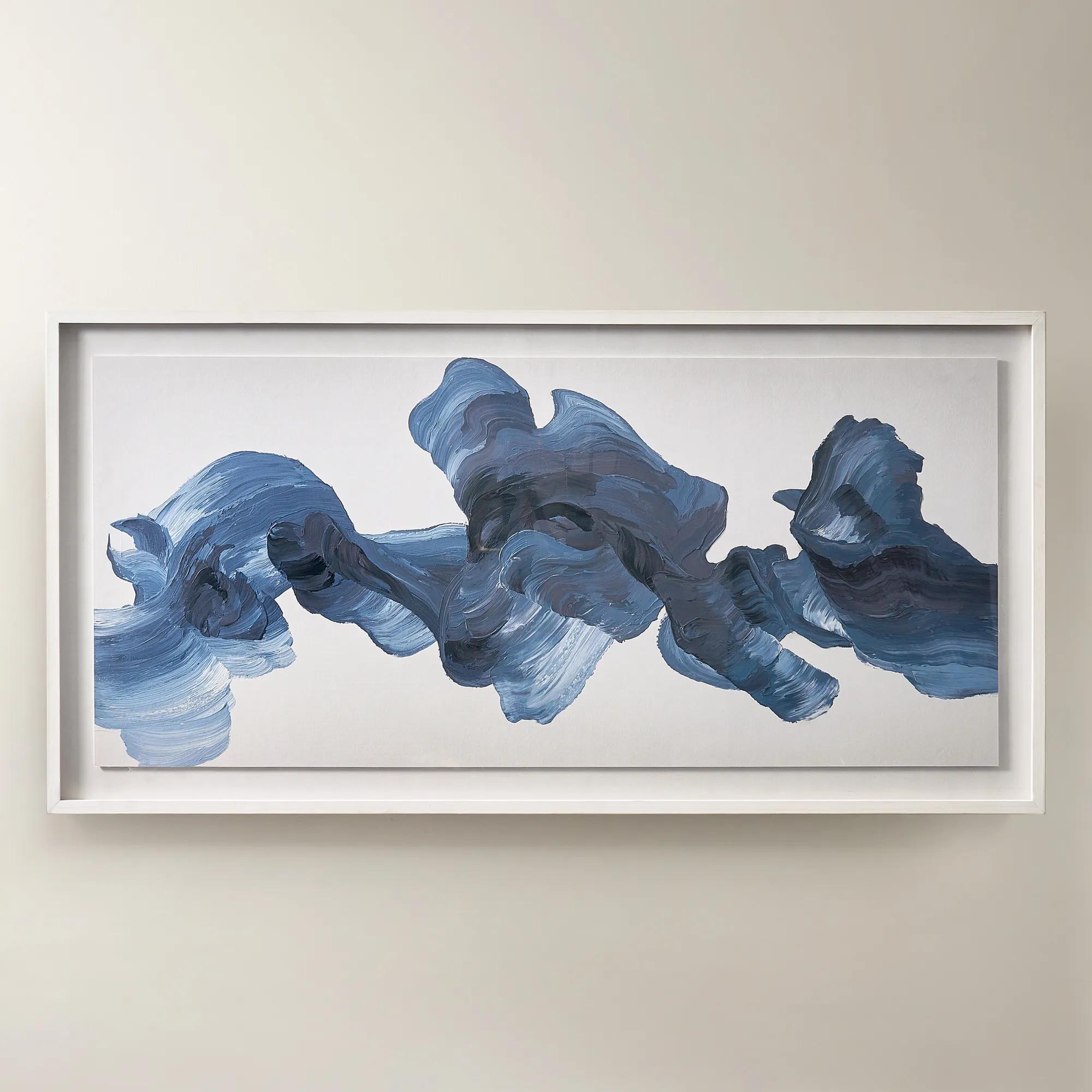
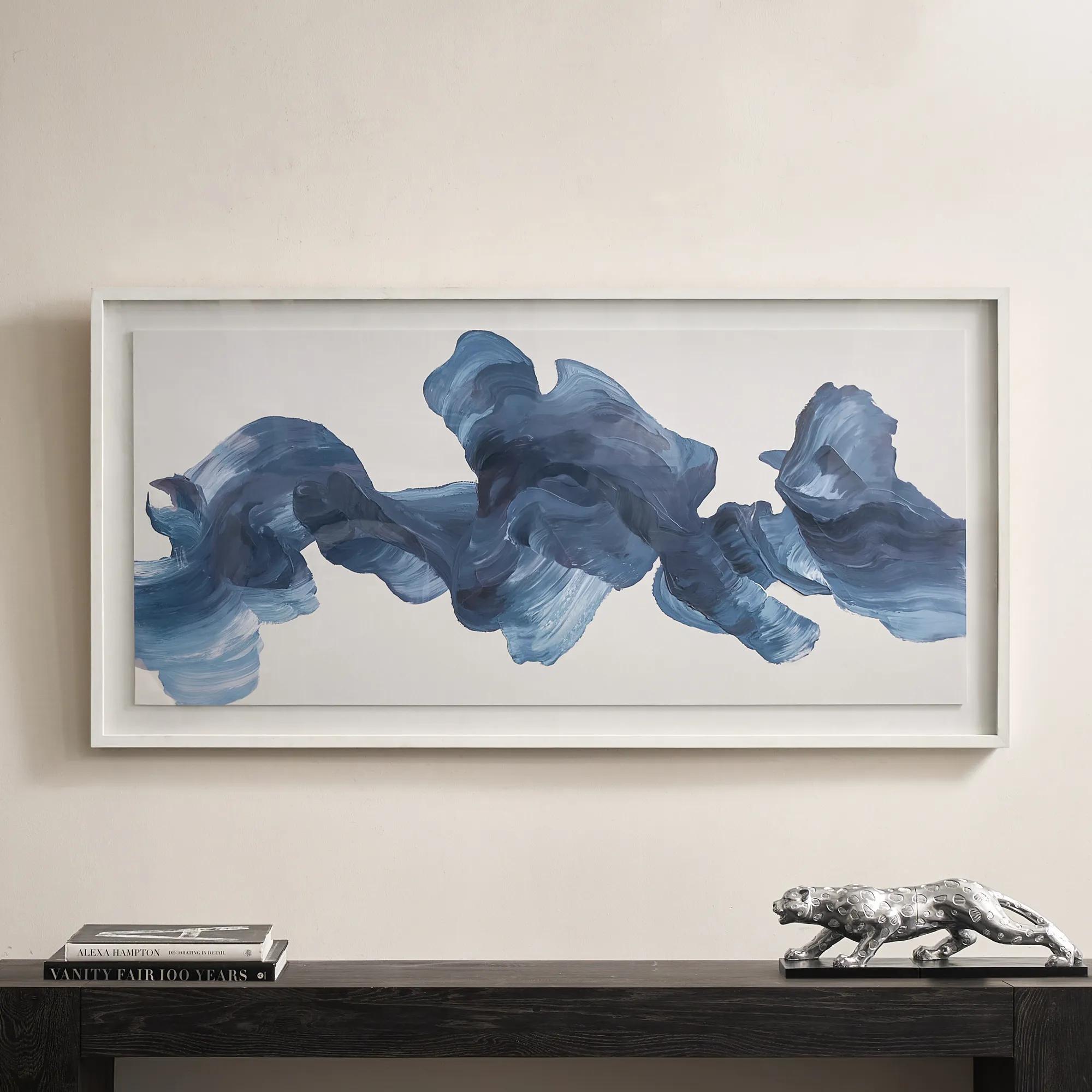 Blue Theory Framed Painted Wall Art in Acrylic 60" x 30"$499
A hand-painted canvas in deep ink blue, framed under acrylic with a whitewashed wood frame.
Add To Cart -
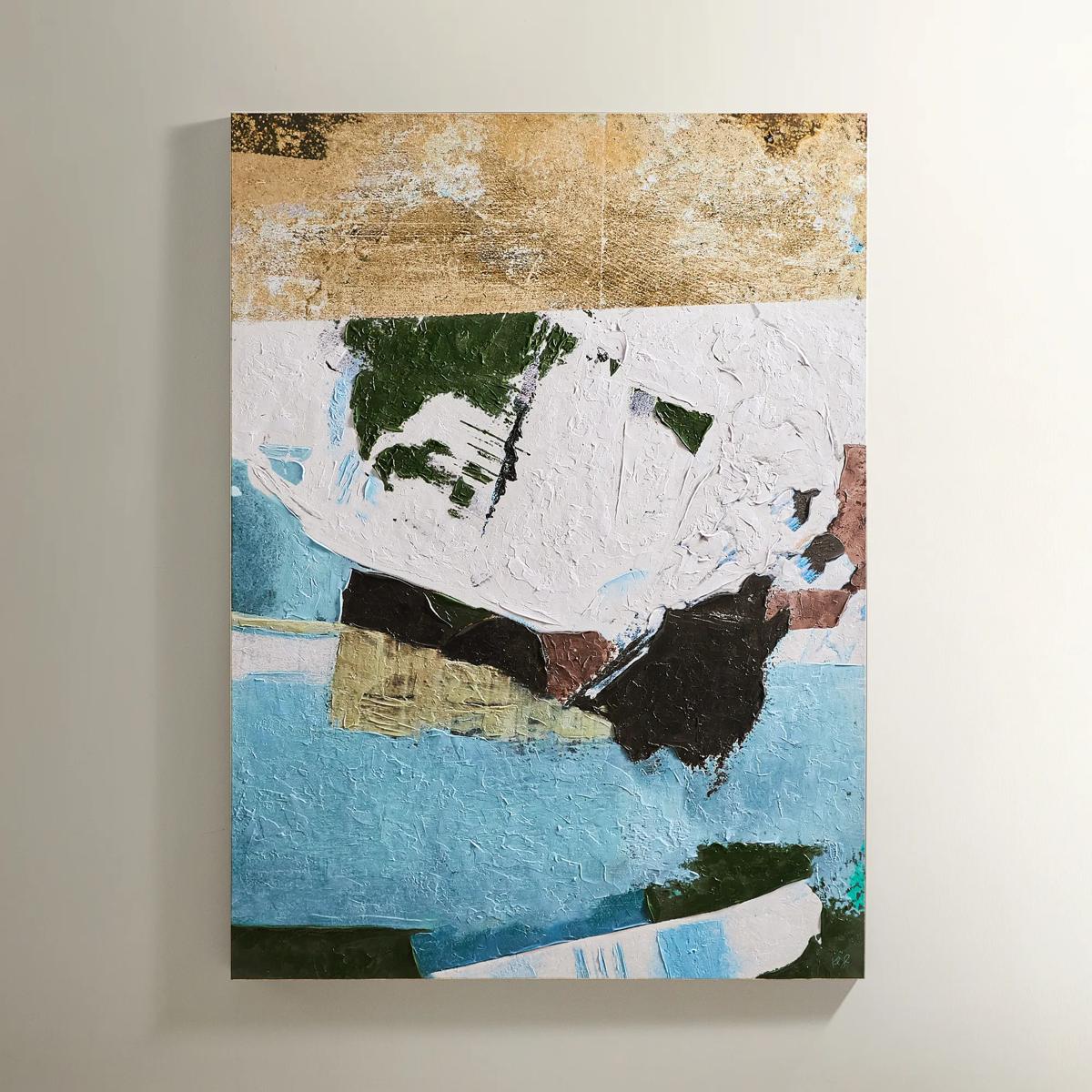 Cadence Painting$599
A hand-embellished canvas artwork featuring textured olive, gold, and ivory strokes in a black and gold frame.
Add To Cart -
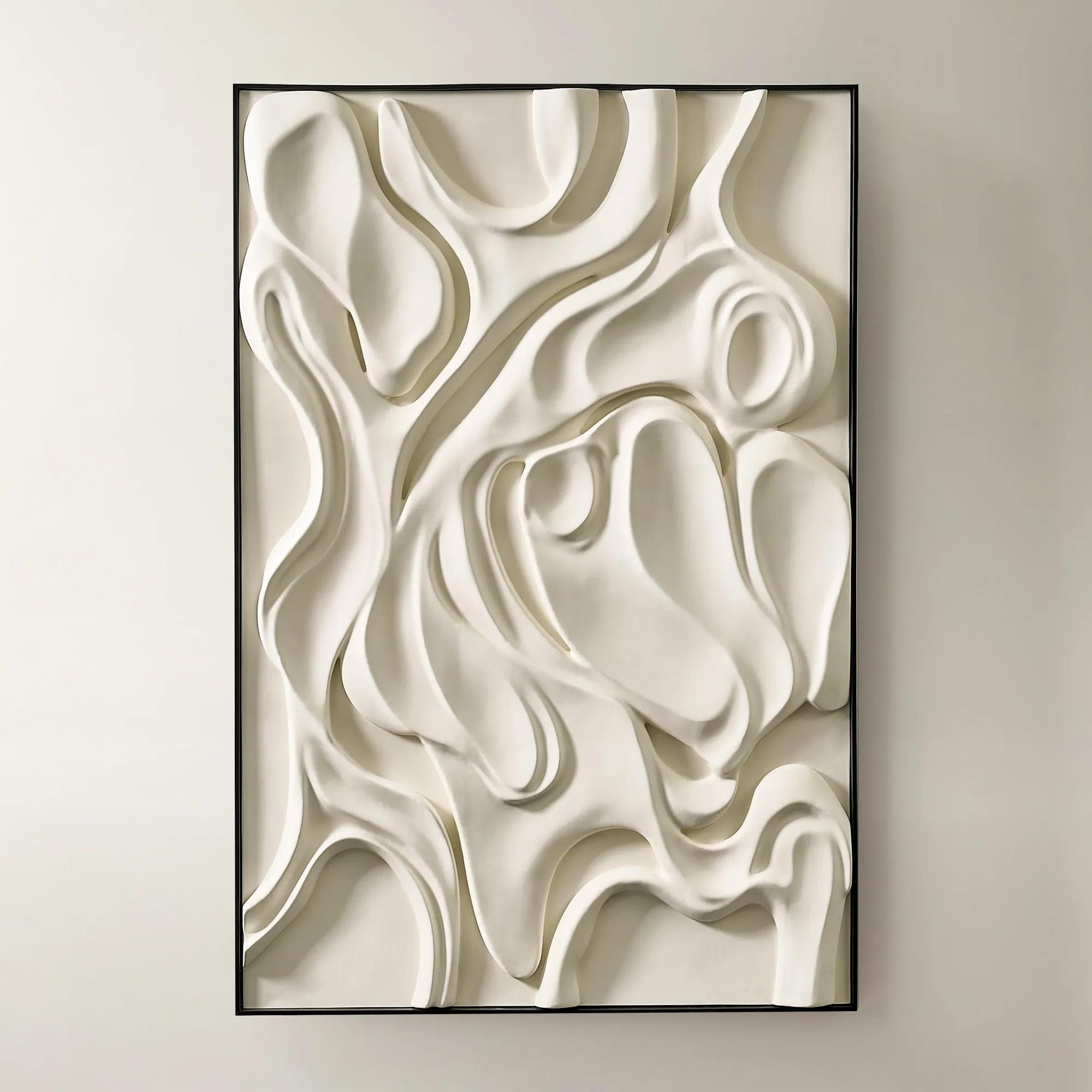 Overflow Alabaster Sculpted Resin Wall Panel 40" x 60"$699
An alabaster fiberglass resin wall panel with sculptural texture and a versatile black frame for modern spaces.
Add To Cart -
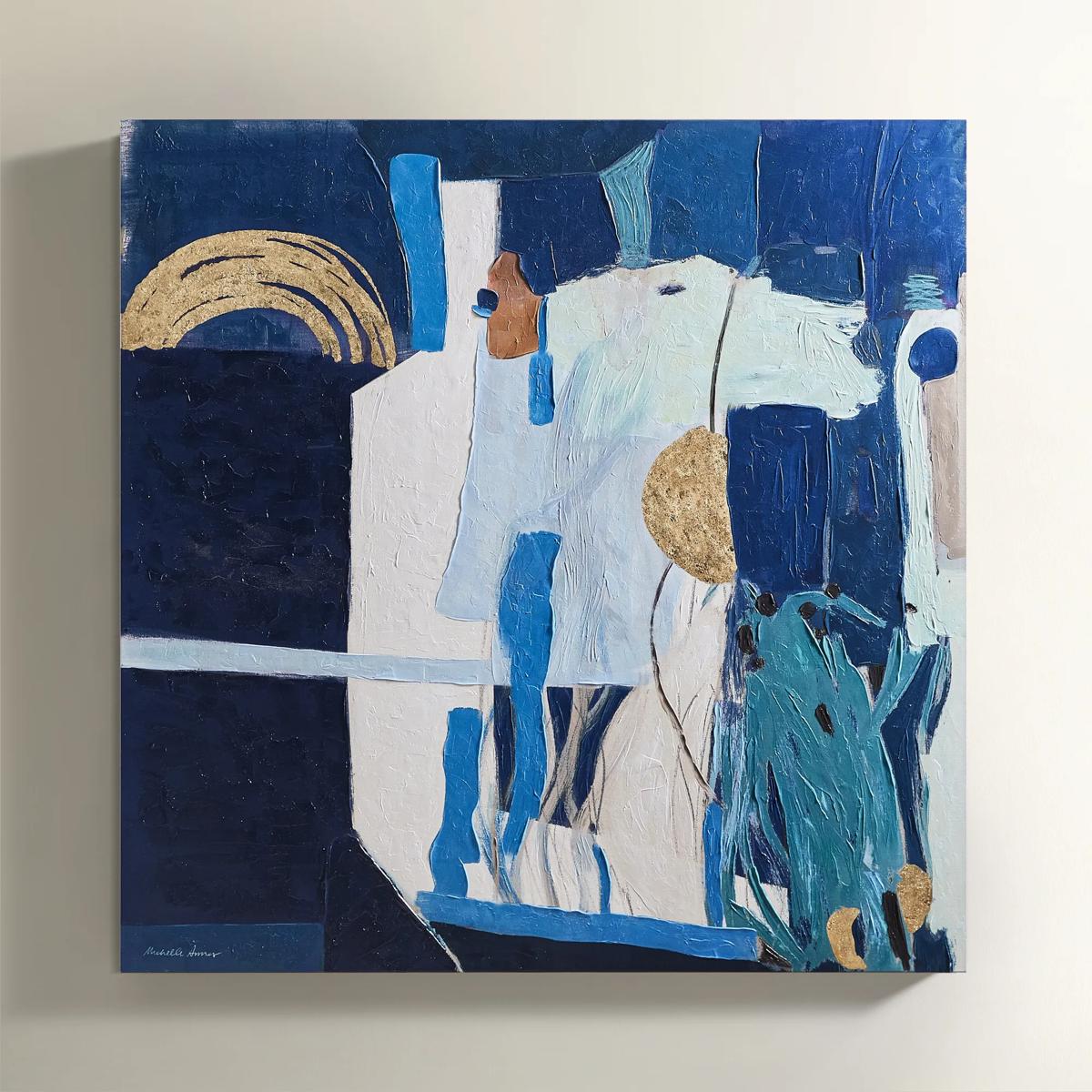
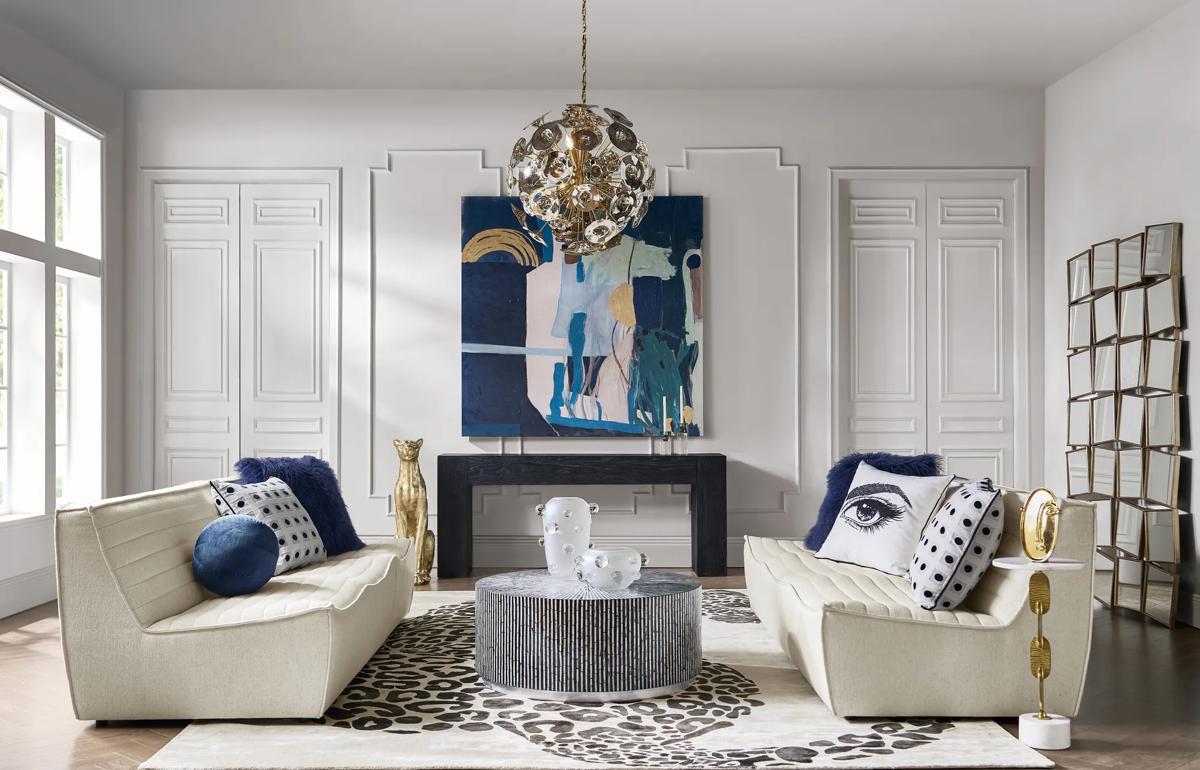 In Flux Painting$699
A hand-embellished canvas artwork featuring deep teal, green, ivory, and gold in a black Art Deco frame.
Add To Cart -
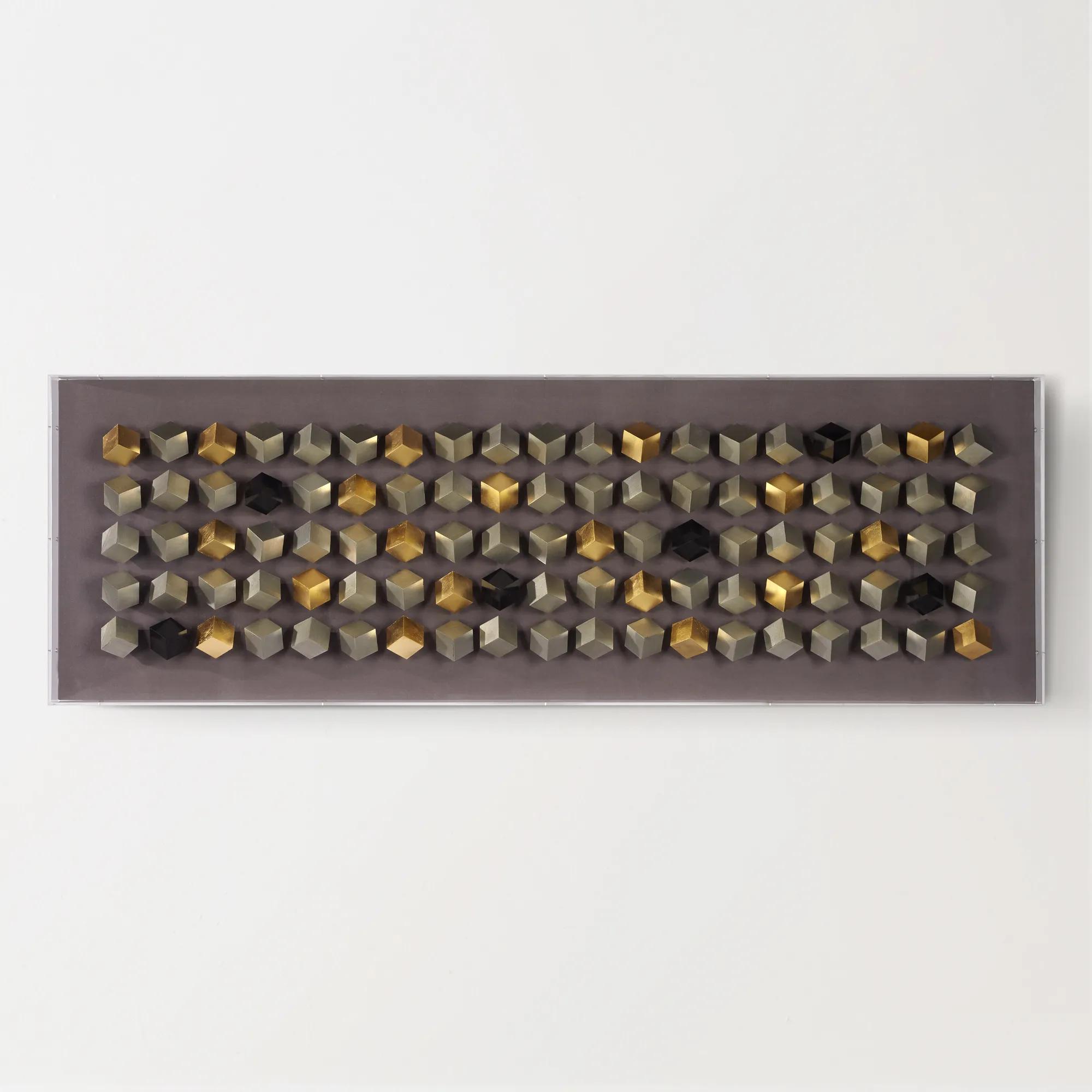
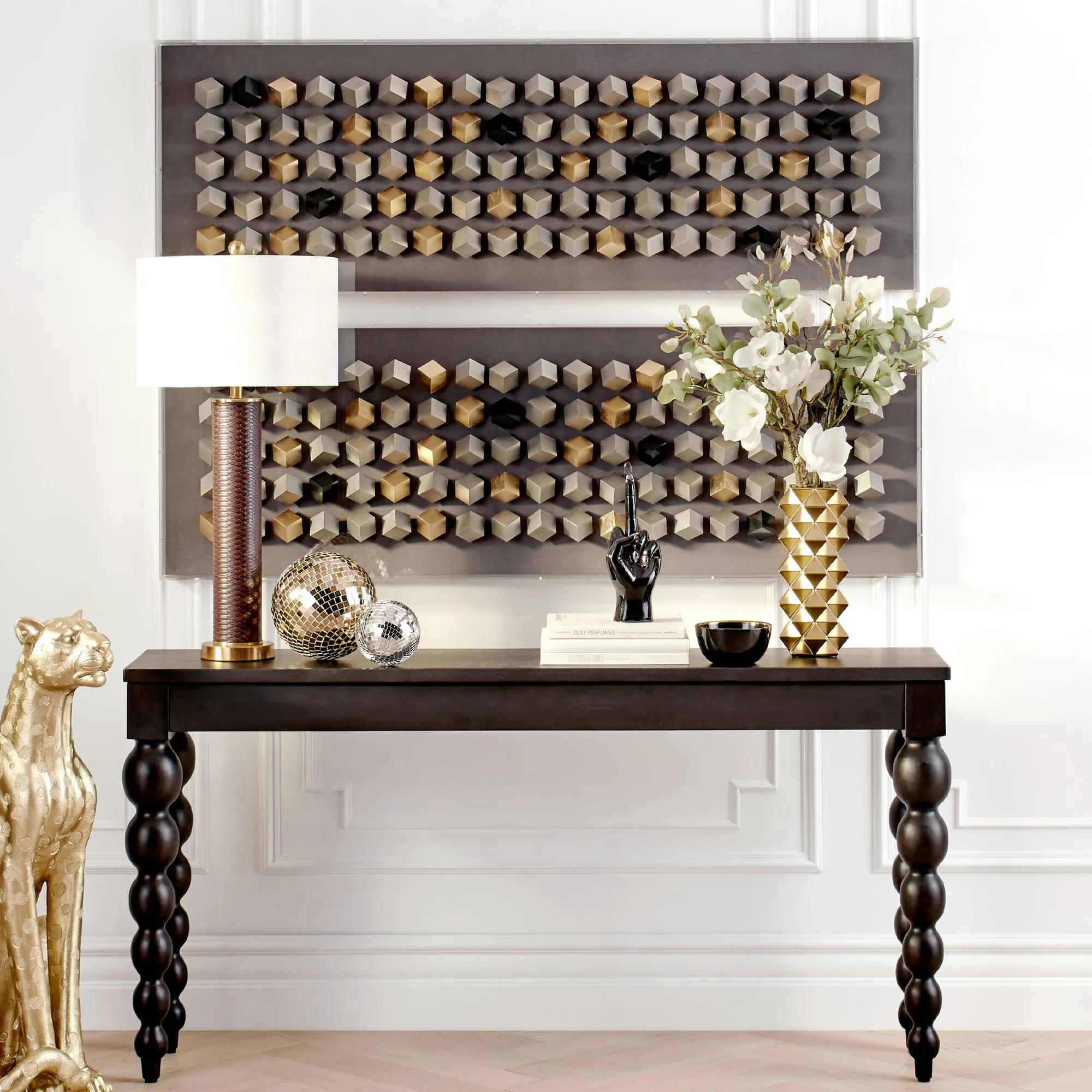 Cubic Array Dimensional Wall Decor in Acrylic 59" x 19.75"$599
A striking shadowbox wall art featuring a cubic, dimensional design with a tri-tone metallic finish.
Add To Cart

Large Wooden Wall Art Pieces
Large wooden wall art pieces command attention, transforming blank walls into living masterpieces. Each sculpted panel or carved tableau invites the eye to linger, infusing your space with warmth, artistry, and a sense of curated grandeur. Whether you crave the organic drama of natural grain or the architectural intrigue of geometric reliefs, these statement artworks promise to anchor your room with texture and soul. Elevate your décor beyond the expected—let large wooden wall art pieces become the signature flourish that turns your home into a work of art.
Large wooden wall art pieces bring natural grain, sculptural depth, and commanding scale to an interior, turning an expansive wall into a deliberate focal point. Unlike a flat image, dimensional wood art changes subtly with the light: carved channels deepen into shadow, raised blocks catch a soft highlight, and sweeping contours reveal the movement of the material. The effect can be serene or boldly theatrical, depending on the composition. Geometric wood wall art introduces rhythm through repeated slats, chevrons, or interlocking shapes, while abstract reliefs feel more fluid, with layered curves and irregular forms that soften architectural lines. Circular medallions and carved botanical motifs offer intricate detail; live-edge compositions celebrate an expressive silhouette and visible grain. Reclaimed wood mosaics can add weathered character, although their color variation, surface texture, and construction depend on the individual design. For interiors that call for pronounced dimension, Wooden Wall Sculptures make depth and shadow essential parts of the composition. Material and finish shape the mood just as strongly as pattern. Pale wood tones feel luminous against a charcoal wall, dark stains lend definition to a light interior, and painted finishes can emphasize a silhouette rather than the grain beneath it. Oak often displays prominent grain, walnut is associated with rich brown tones, and mango wood can show considerable variation in color and pattern. Actual appearance depends on the cut, stain, and finishing process, so material descriptions and close-up images deserve attention. Solid wood, wood veneer over a substrate, and engineered wood constructions each offer different visual and structural qualities; none should be judged by appearance alone. A sharply carved panel above a velvet sofa creates contrast between crisp detail and sumptuous upholstery, while a broad organic form beside polished metal introduces a more tactile note. The strongest compositions allow wood to retain its character without requiring every surrounding furnishing to share the same finish. A room can feel richly layered when its materials relate through undertone, shape, or texture rather than exact matching.
Scale determines whether oversized wood wall decor feels intentional or disconnected from the room. Begin with the usable wall area, accounting for doorways, windows, switches, and nearby furniture rather than measuring the wall in isolation. Above a sofa, bed, or console, artwork spanning roughly two-thirds to three-quarters of the furniture’s width is a useful starting point, not a rigid rule. A single substantial panel creates a concentrated statement, while a diptych or triptych distributes visual weight across a wider span. With multiple panels, include the gaps when calculating the full installation width; generous spacing can make a composition feel fragmented, while overly narrow gaps may obscure the intended rhythm. Painter’s tape or paper templates help translate listed dimensions into a believable arrangement before any holes are made. Above furniture, a clearance of about six to ten inches often establishes a visual connection, provided headroom, upholstery height, and the artwork’s projection allow it. On an open wall, placing the center near eye level can provide a starting point, with adjustments for ceiling height and the room’s main sightlines. Depth matters, too. A deeply carved work may be magnificent across from the entrance yet feel intrusive along a narrow passage where shoulders or bags could brush its edges. In a dining room, position dimensional art where chairs can move freely; above a headboard, consider both secure installation and comfortable clearance. Large wooden wall art suits living rooms, bedrooms, entryways, and home offices, particularly where a broad surface needs presence without the busier effect of many small frames. A restrained surrounding arrangement lets elaborate carving command attention. More linear designs can share a wall with expressive upholstery or patterned rugs because their repetition provides order. Lighting completes the composition: a carefully positioned picture light or adjustable fixture can reveal relief, but the beam should illuminate the surface evenly rather than produce a distracting hot spot. The result should feel composed from the doorway and rewarding at closer range.
Construction, installation, and care help preserve that visual impact. Wood is a natural material that can respond to changes in indoor humidity, and its movement varies with species, construction, and finish. Solid wood may expand or contract across the grain; veneer and engineered constructions have their own handling requirements and should not automatically be treated like solid timber. Check the stated weight, backing, hanging system, and intended orientation before choosing a location. Large panels and multi-piece arrangements need mounting hardware suited to both their weight and the wall construction, following the manufacturer’s directions. The correct approach for drywall may differ from masonry or another surface, and professional installation is worth considering for heavy, awkward, or overhead placements. Avoid treating decorative hanging hardware as interchangeable: an integrated cleat, keyhole fitting, or wire system should be used as specified. For everyday care, a soft, dry microfiber cloth is usually the gentlest starting point, with a soft brush useful for lifting dust from carved recesses. Support delicate details rather than pressing into them, and follow the care instructions before using moisture, furniture polish, oil, or any cleaning solution. Abrasive pads and unapproved sprays can damage finishes or leave residue in textured areas. Prolonged direct sunlight may alter wood color, while locations near heating vents, fireplaces, or persistent moisture can be unsuitable unless the piece is expressly designed for those conditions. A bathroom, covered patio, or other humid or exposed setting requires more than an appealing aesthetic; the stated intended use must support the placement. Properly selected and cared for, wooden wall art can become a lasting part of a room’s identity, offering tactile interest without relying on constant rearrangement. It can also make a meaningful housewarming or wedding gift when the recipient’s taste, wall dimensions, and installation preferences are known. Whether chosen for a dramatic entry or a richly layered living space, the most compelling piece balances material character, confident proportion, and enough breathing room for every carved line to register.
FAQs
Large wooden wall art pieces are celebrated for their versatility, ranging from geometric patterns and abstract dimensional designs to intricately carved mandalas and botanical motifs. These styles bring movement, depth, and a sense of artistry to any room, making them ideal for those who want their walls to tell a story of bold expression.
Big wood wall decor is remarkably adaptable and can complement a wide array of interiors, from modern glamour to rustic chic. Pair a statement piece with metallic accents for a luxe look, or layer it with plush textiles and greenery for a cozy, curated vibe. The natural texture of wood adds warmth and dimension, effortlessly enhancing your unique style.
Absolutely—extra large wood wall art makes a memorable and sophisticated gift for housewarmings, weddings, anniversaries, or milestone celebrations. Their timeless appeal and handcrafted detail ensure they become cherished keepsakes, adding a personal and artistic touch to the recipient’s home.
Strategic lighting can dramatically amplify the texture and depth of big wooden wall art. Position your piece where it will catch natural light during the day, or use spotlights and sconces to cast gentle shadows and highlight carved details in the evening. This interplay of light and shadow brings out the art’s sculptural qualities, making it a true centerpiece.
Handcrafted wooden wall art pieces are distinguished by their individuality, artisanal detail, and the natural variations in wood grain and finish. Each piece is a work of art in its own right, reflecting the vision and skill of its maker—perfect for those who appreciate originality and seek to infuse their space with character and craftsmanship.