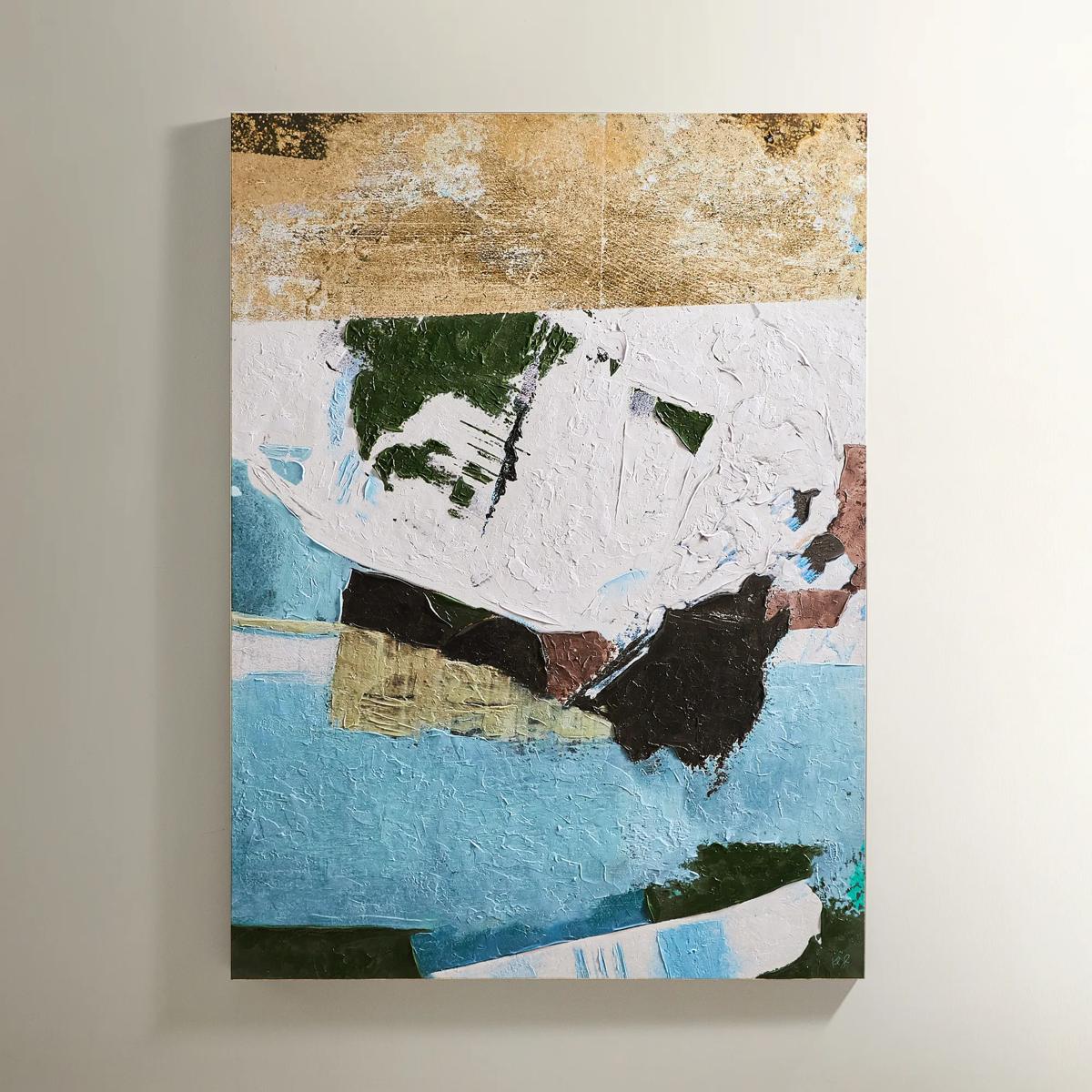
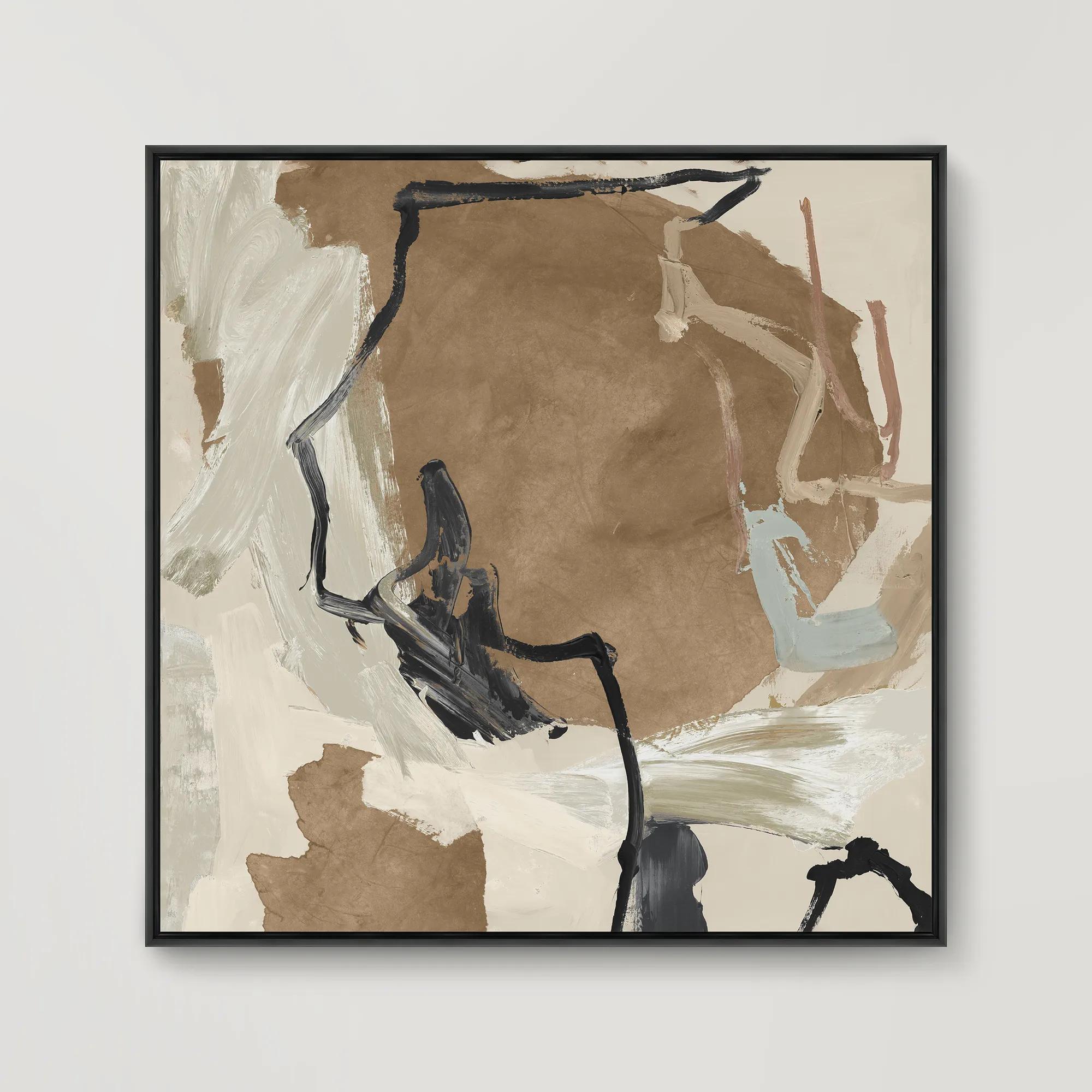
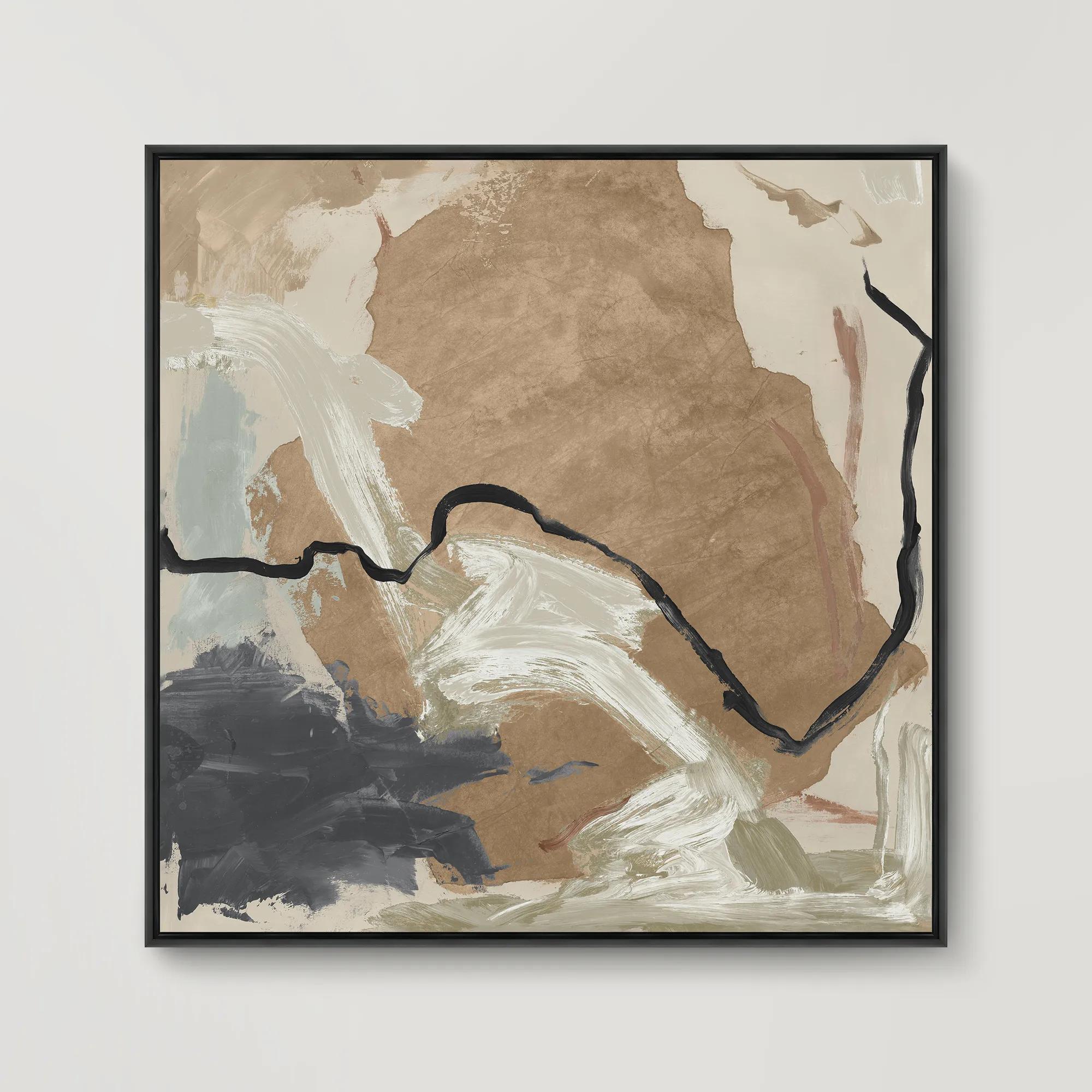
Light Wood Framed Wall Art
Light Wood Framed Wall Art
-

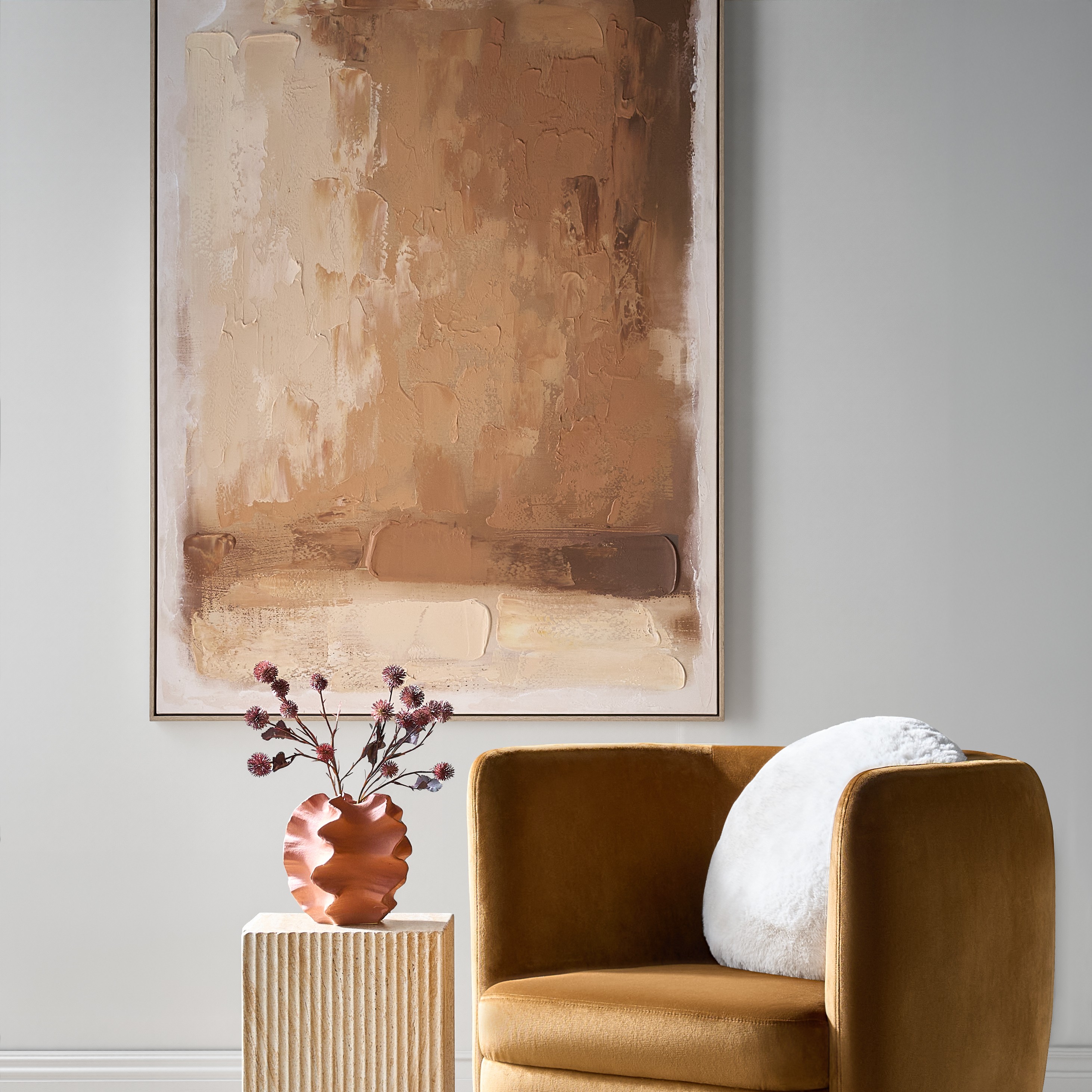 Ember Glow Framed Painted Wall Art 39.25" x 55"$499
A hand-painted abstract canvas blending ochre, terracotta, and golden clay hues in a light natural frame.
Add To Cart -
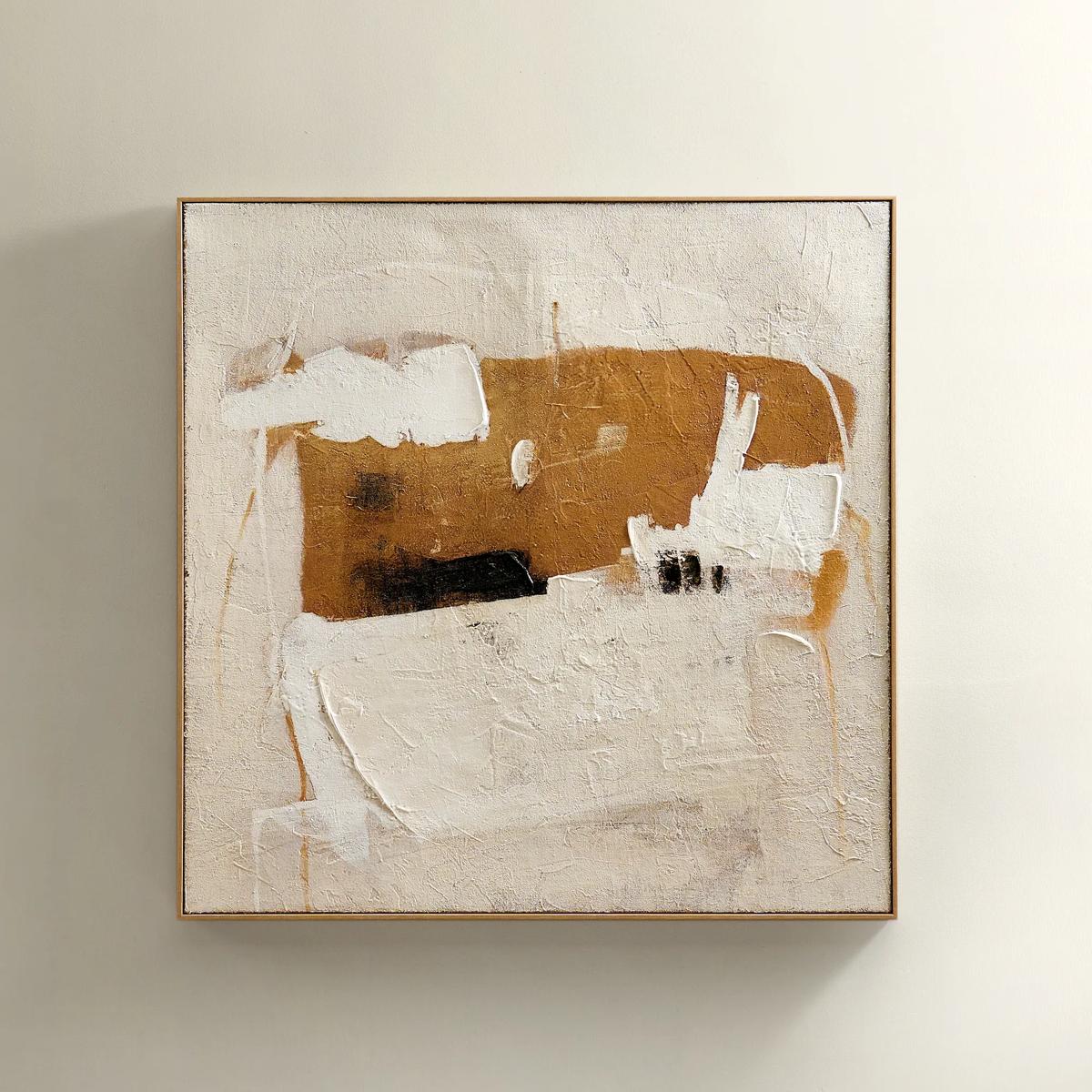 Instinct Framed Painted Wall Art 39.25" x 39.25"$349
An abstract hand-painted artwork featuring warm neutrals and black strokes on hessian with a light natural frame.
Add To Cart -
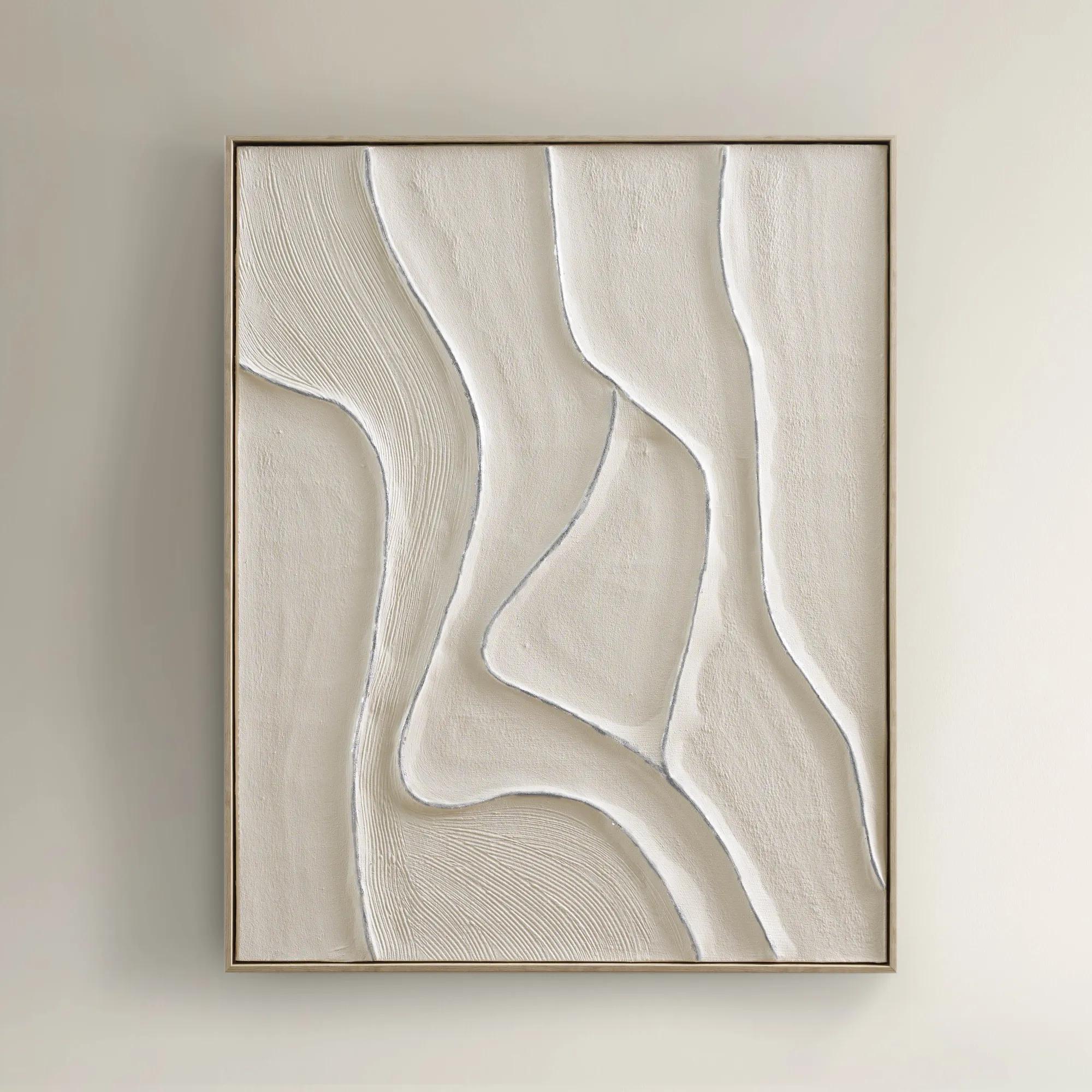
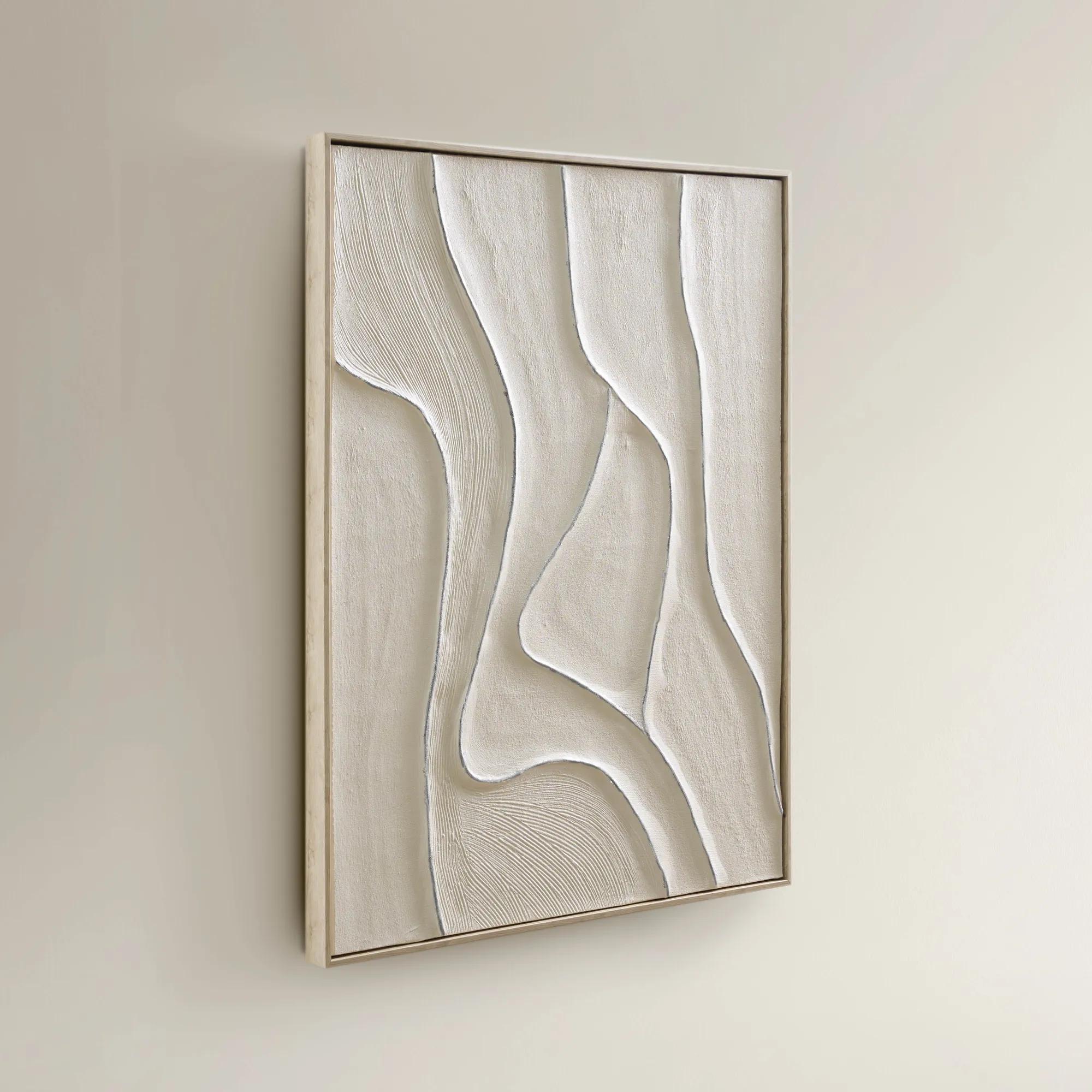 Vivre Framed Silver Leaf Painted Wall Art 39.25" x 31.5"$199
A hand-painted canvas wall art featuring flowing linework, beige tones, and a whitewash floater frame.
Add To Cart -
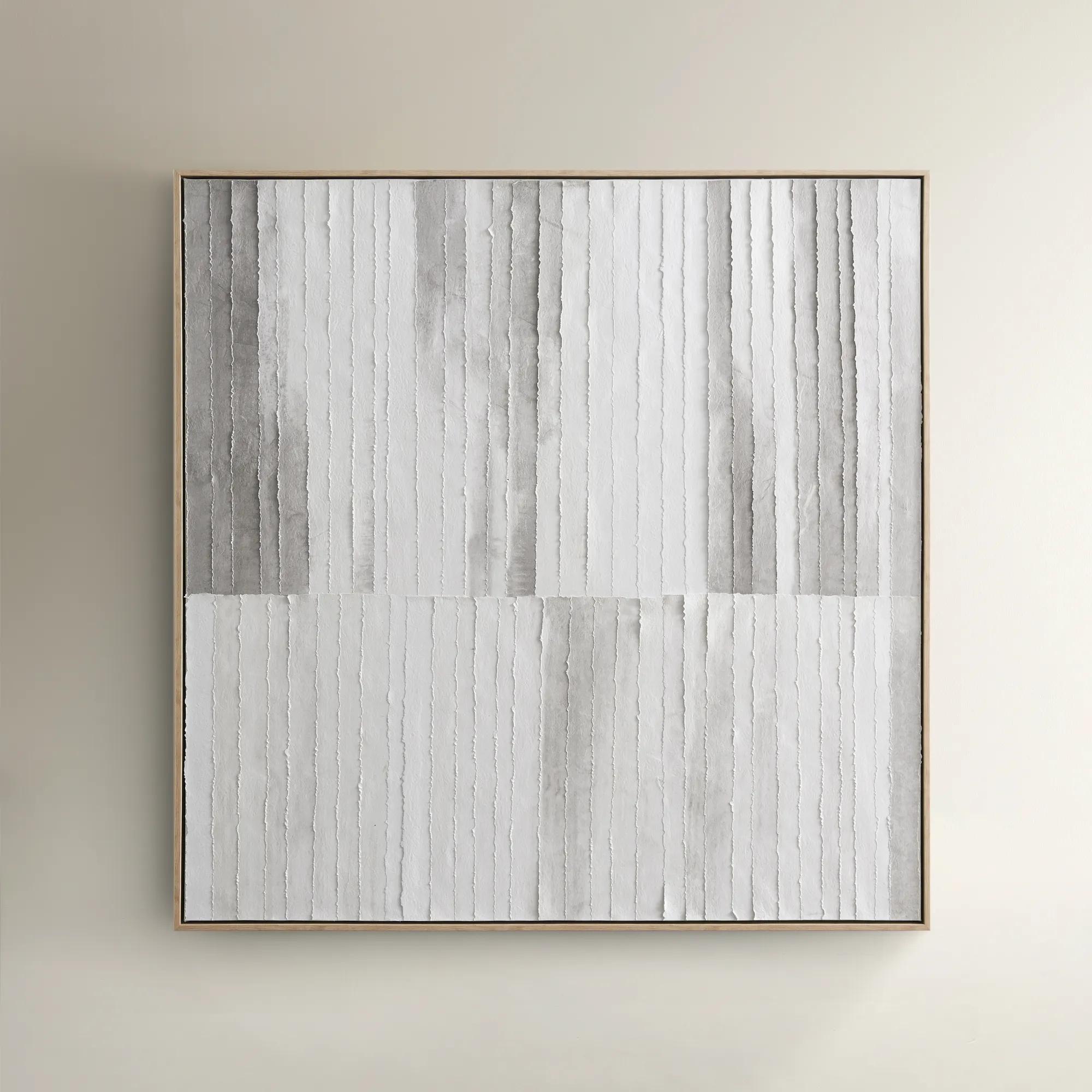
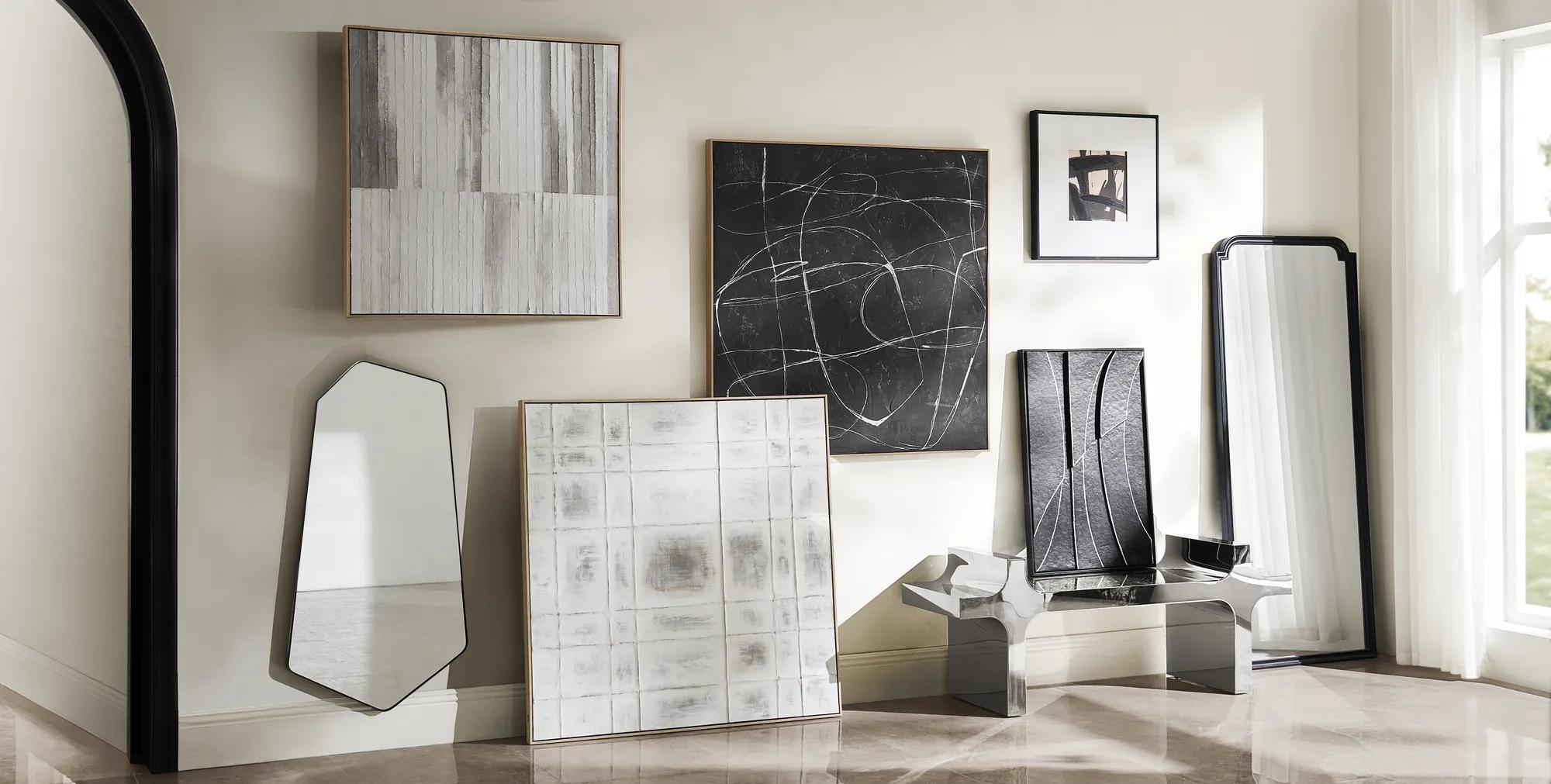 Morning Mist Paper Art$329
A hand-painted canvas featuring rhythmic grey lines in a textured, whitewashed floater frame for serene style.
Add To Cart -
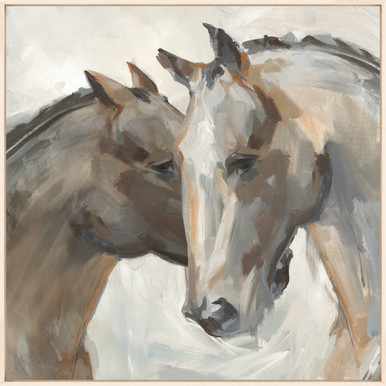
 Equine Duo Framed Wall Art 40" x 40"$699
A gallery-wrapped canvas featuring hand-applied brush gel and set in a natural floater frame.
Add To Cart -
 Espresso Framed Painted Wall Art 31.5" x 31.5"$149
A bold abstract artwork featuring rich brown hues on hand-painted canvas in a light wood floater frame.
Add To Cart -
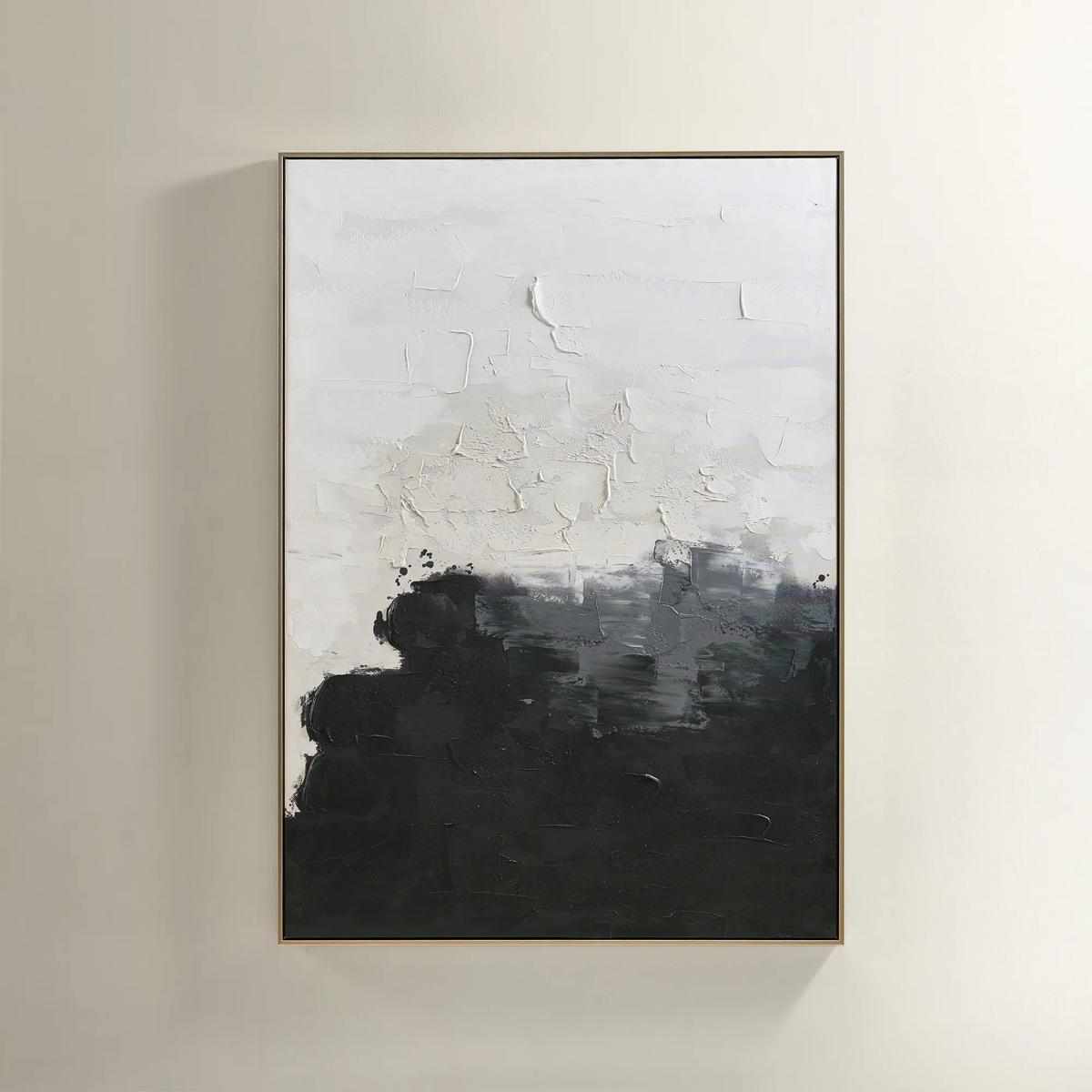
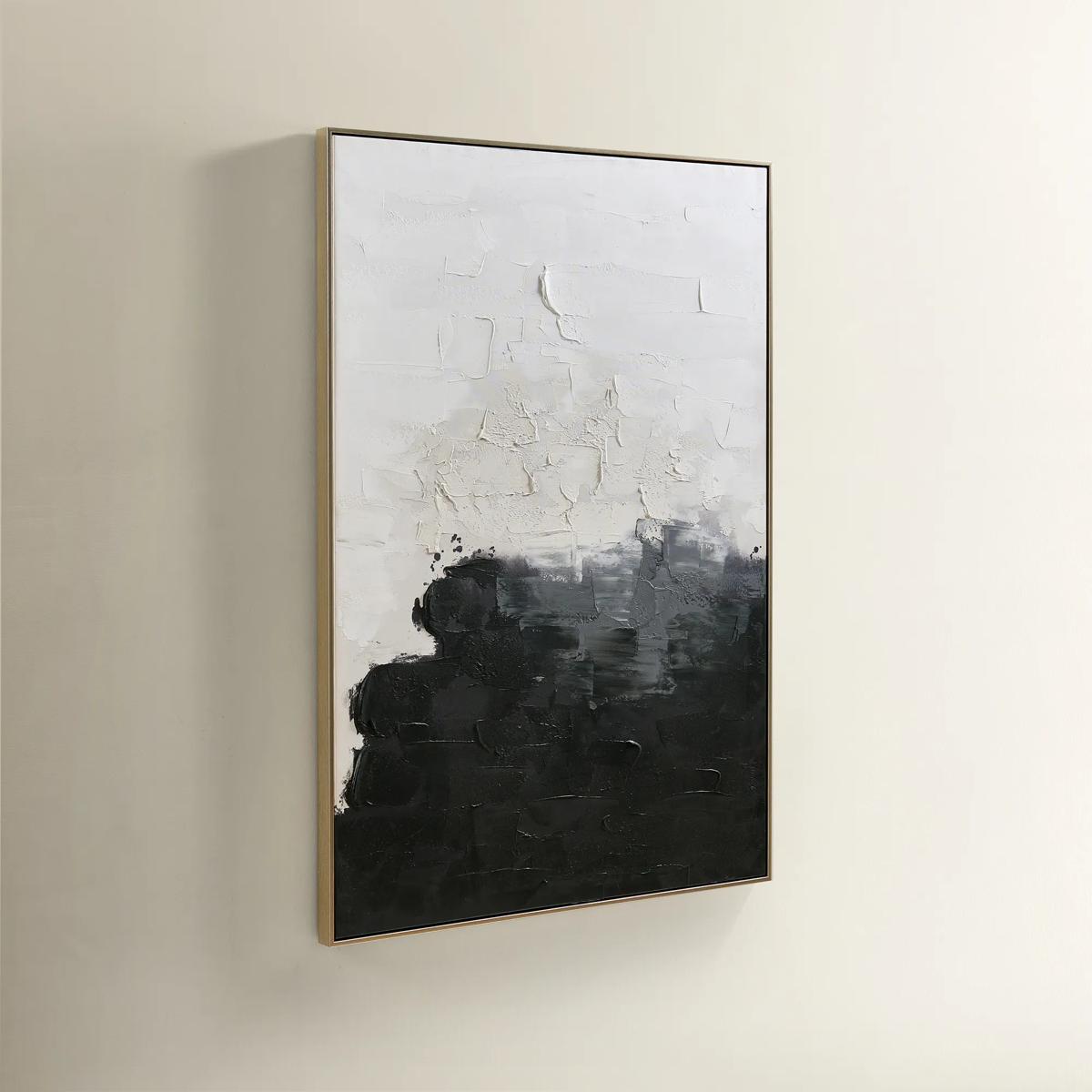 No Rush Painted Wall Art 39.25" x 55"$499
A hand-painted canvas featuring textured strokes of white, ivory, and charcoal in a natural wood frame.
Add To Cart -
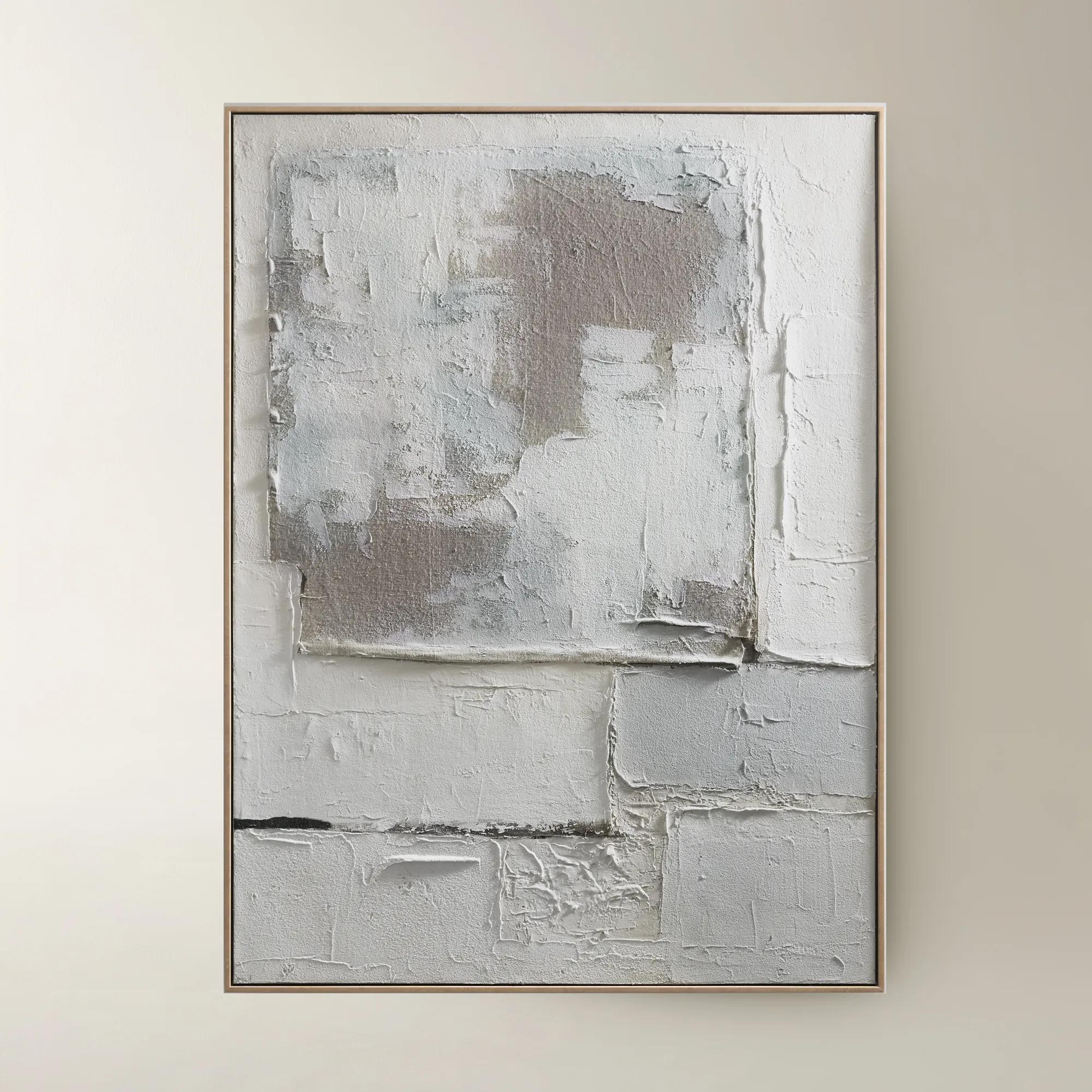
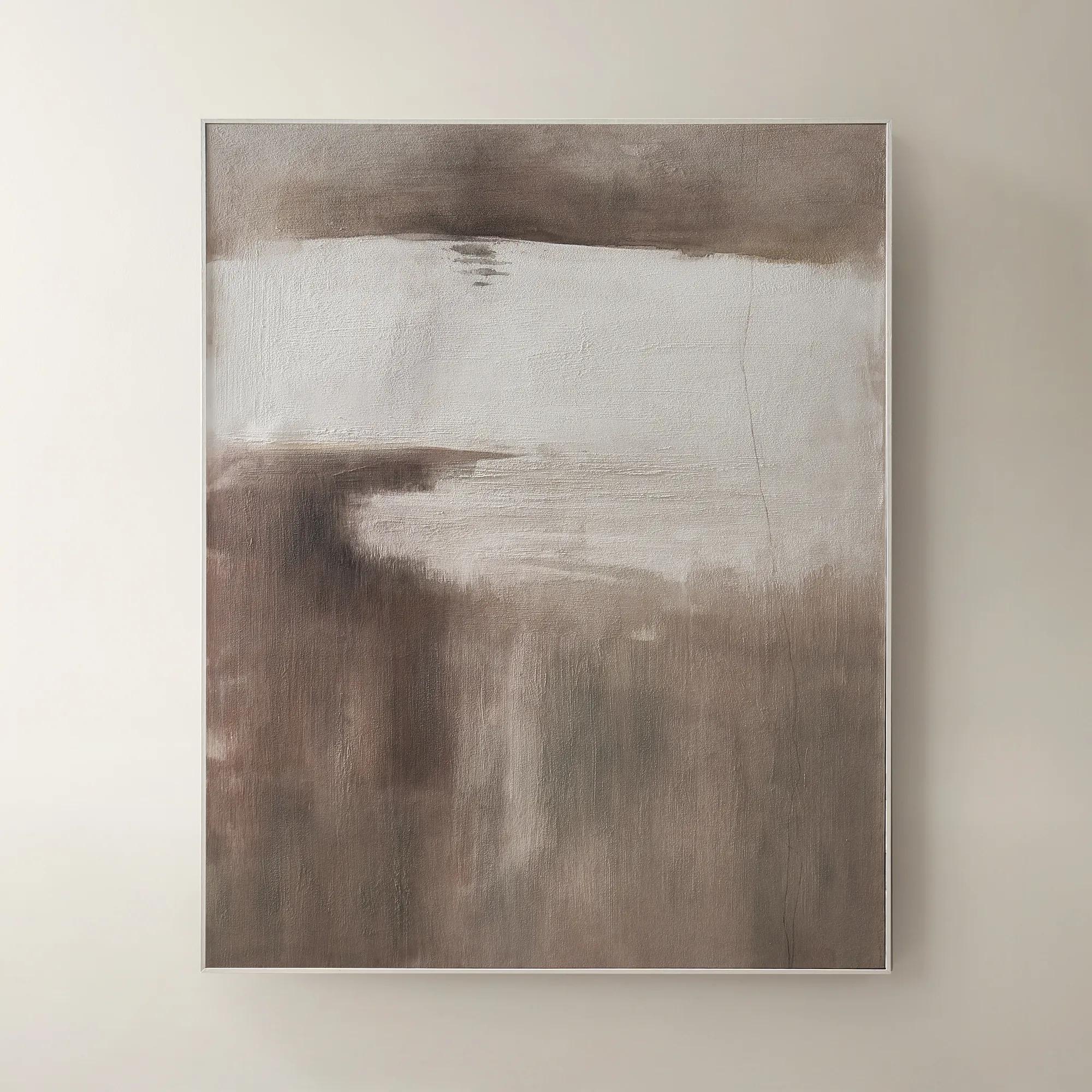
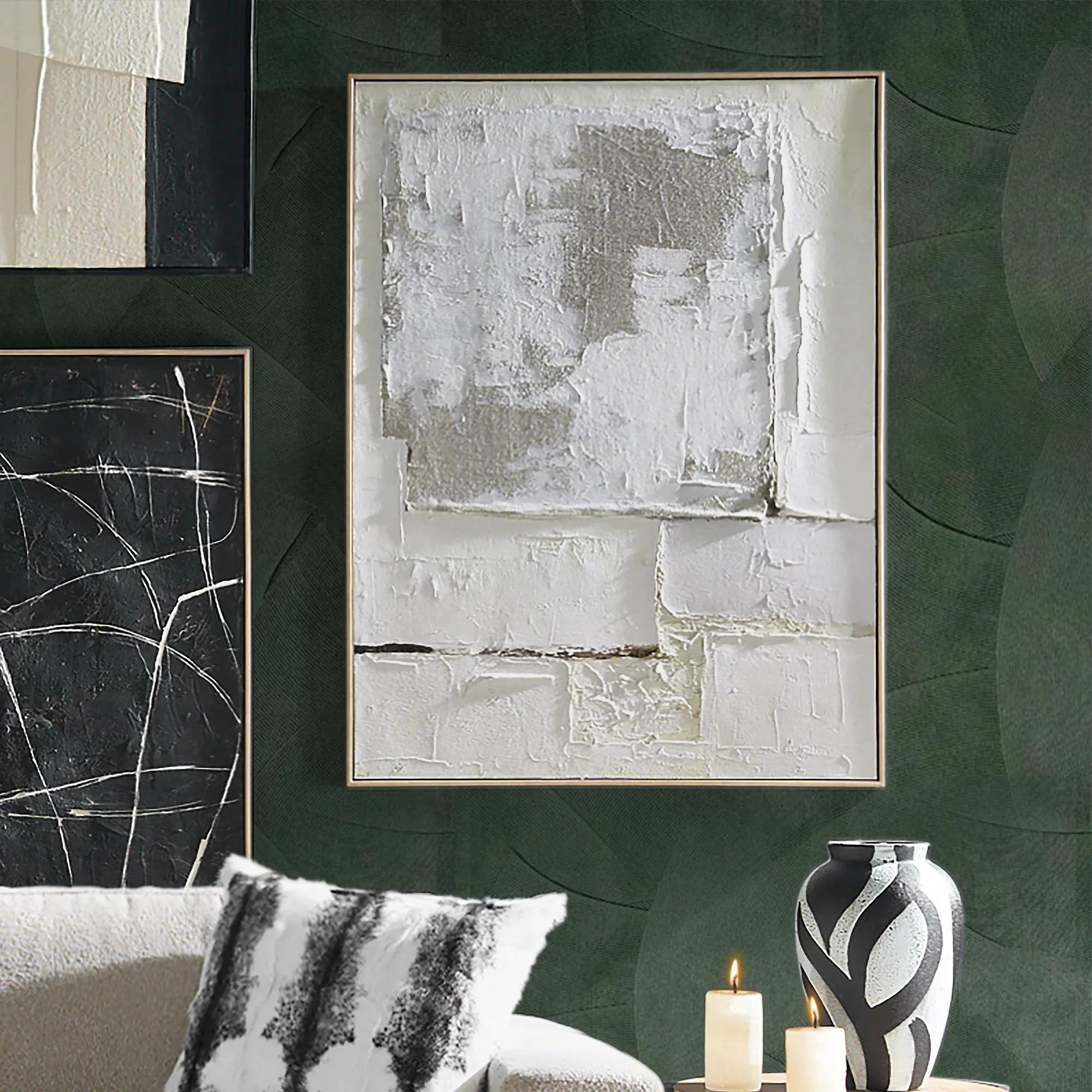 Marrow Painting$399
A hand-painted abstract canvas in subtle beige hues, elegantly framed in a warm beech wood floater.
Add To Cart -
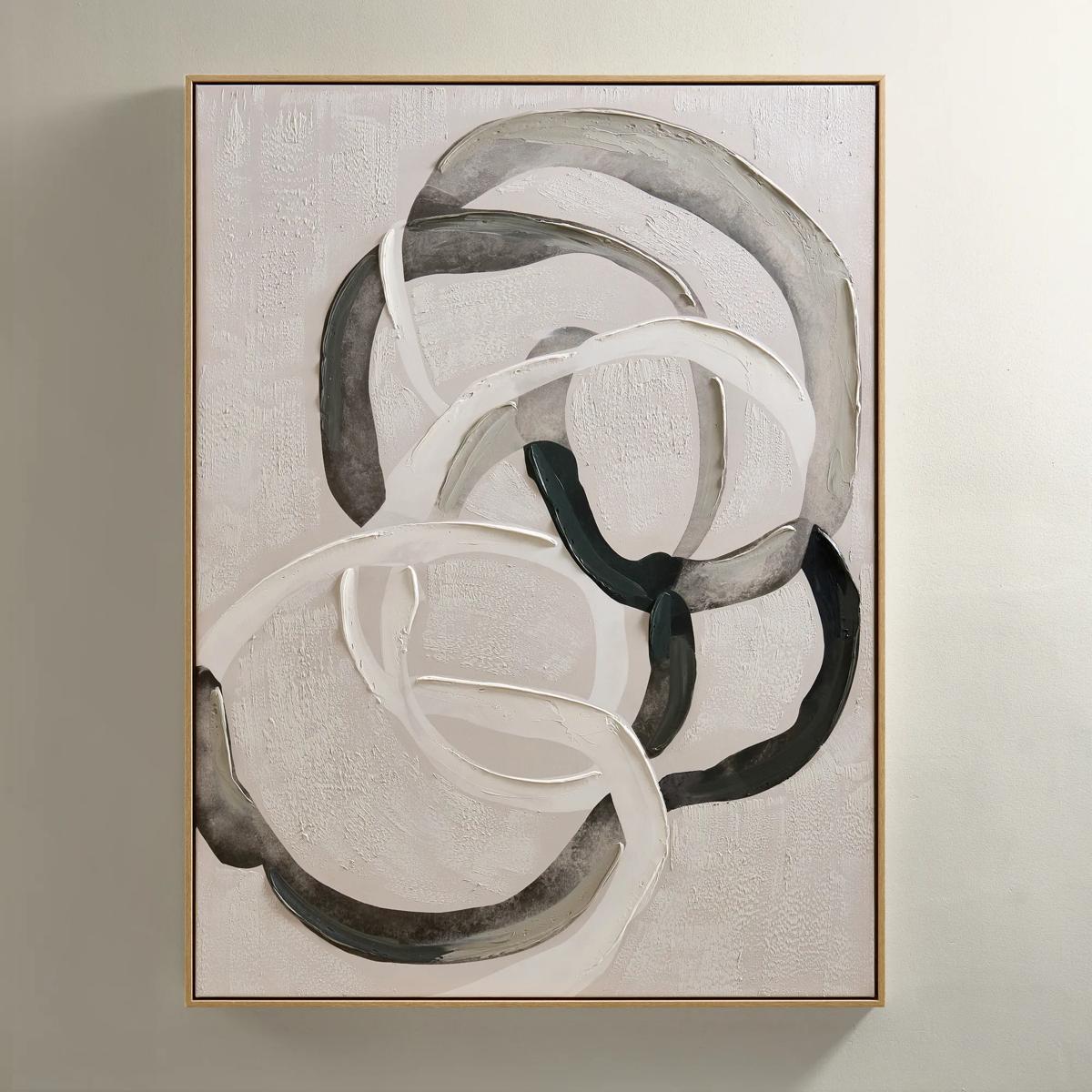
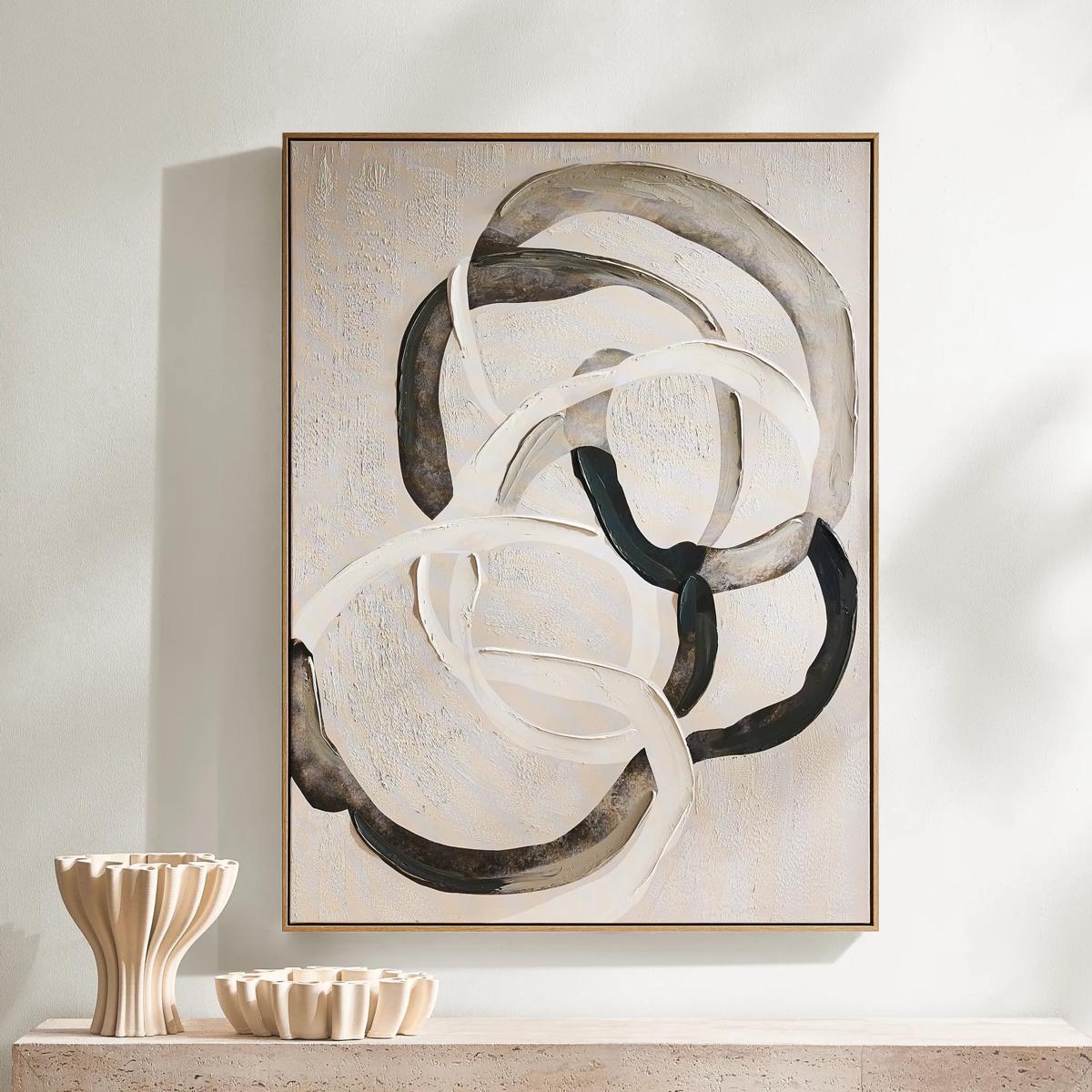 Round About Framed Painted Wall Art 35.25" x 47.25"$349
An abstract hand-painted canvas with tonal whites, charcoals, and taupes in a light wood floater frame.
Add To Cart -
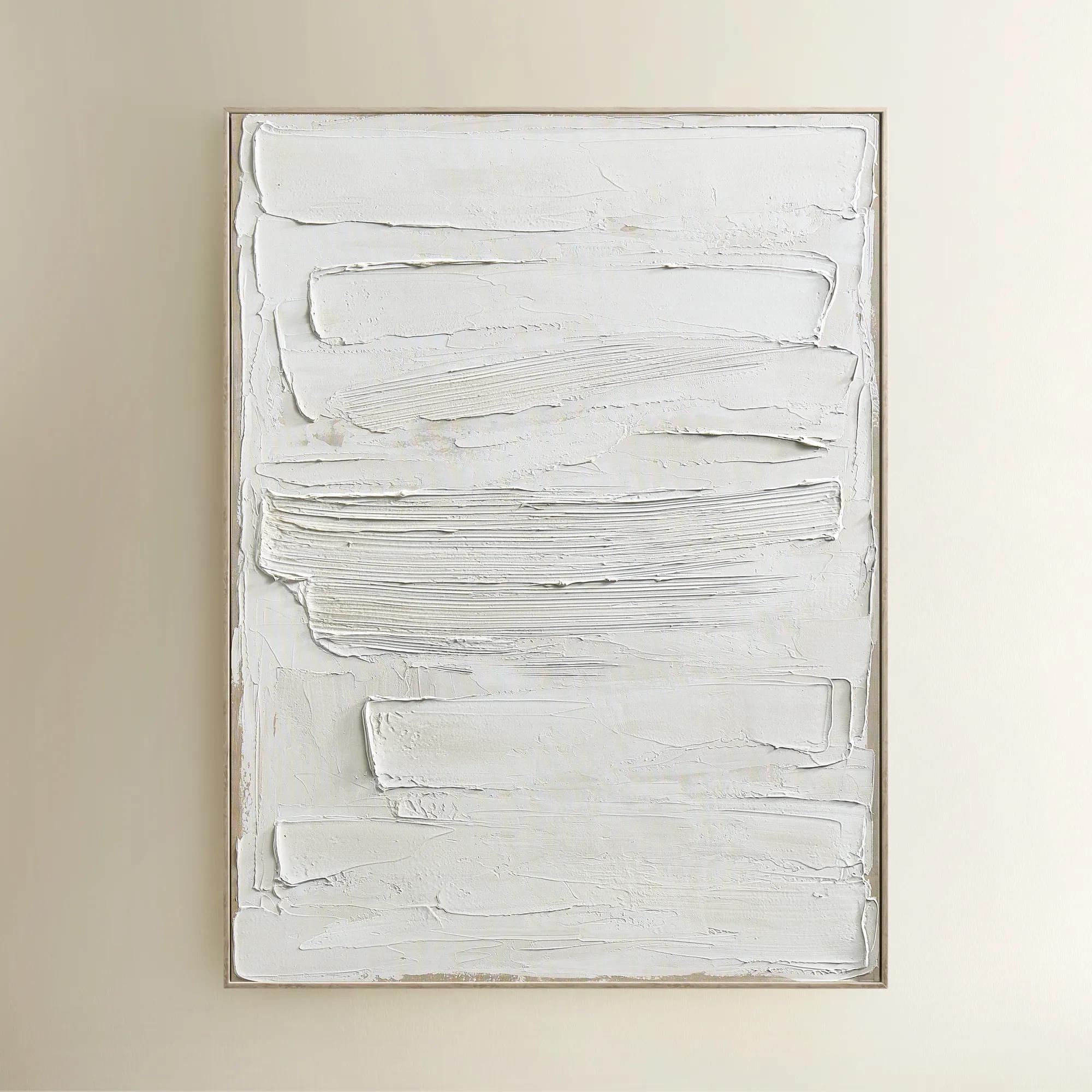
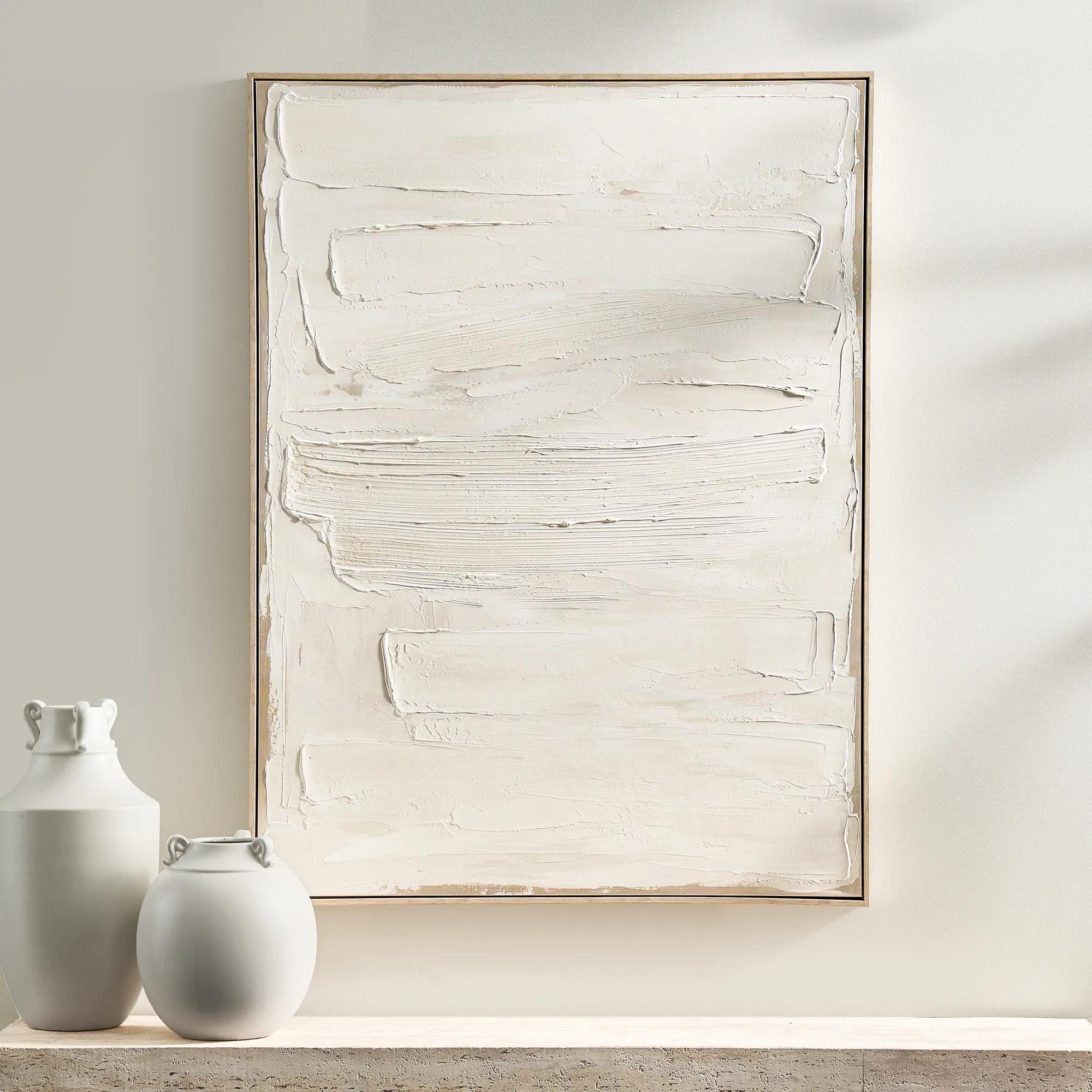 Monotype Canvas 1$399
A hand-painted abstract canvas featuring layered white tones and textured paint in a whitewashed wood frame.
Add To Cart -
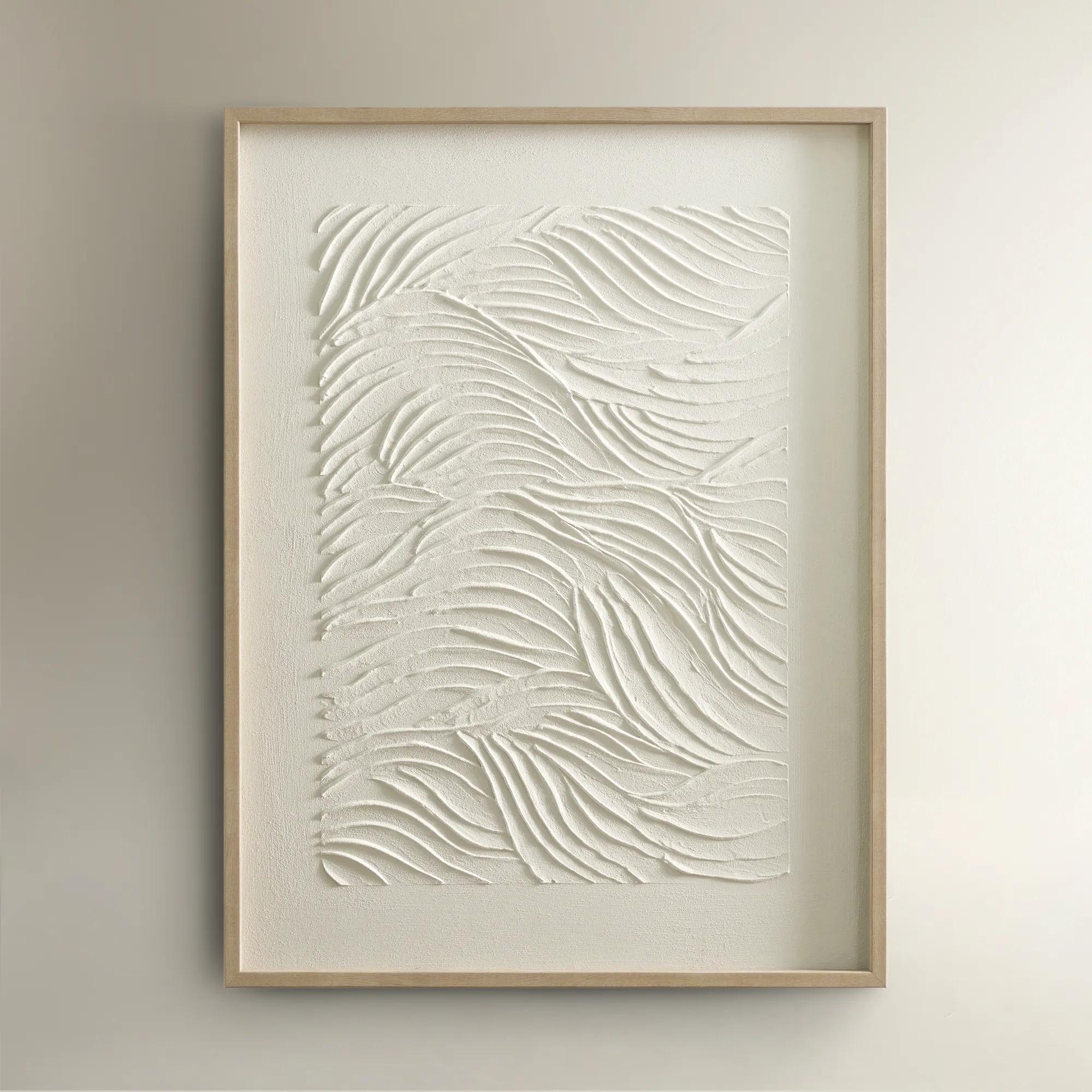
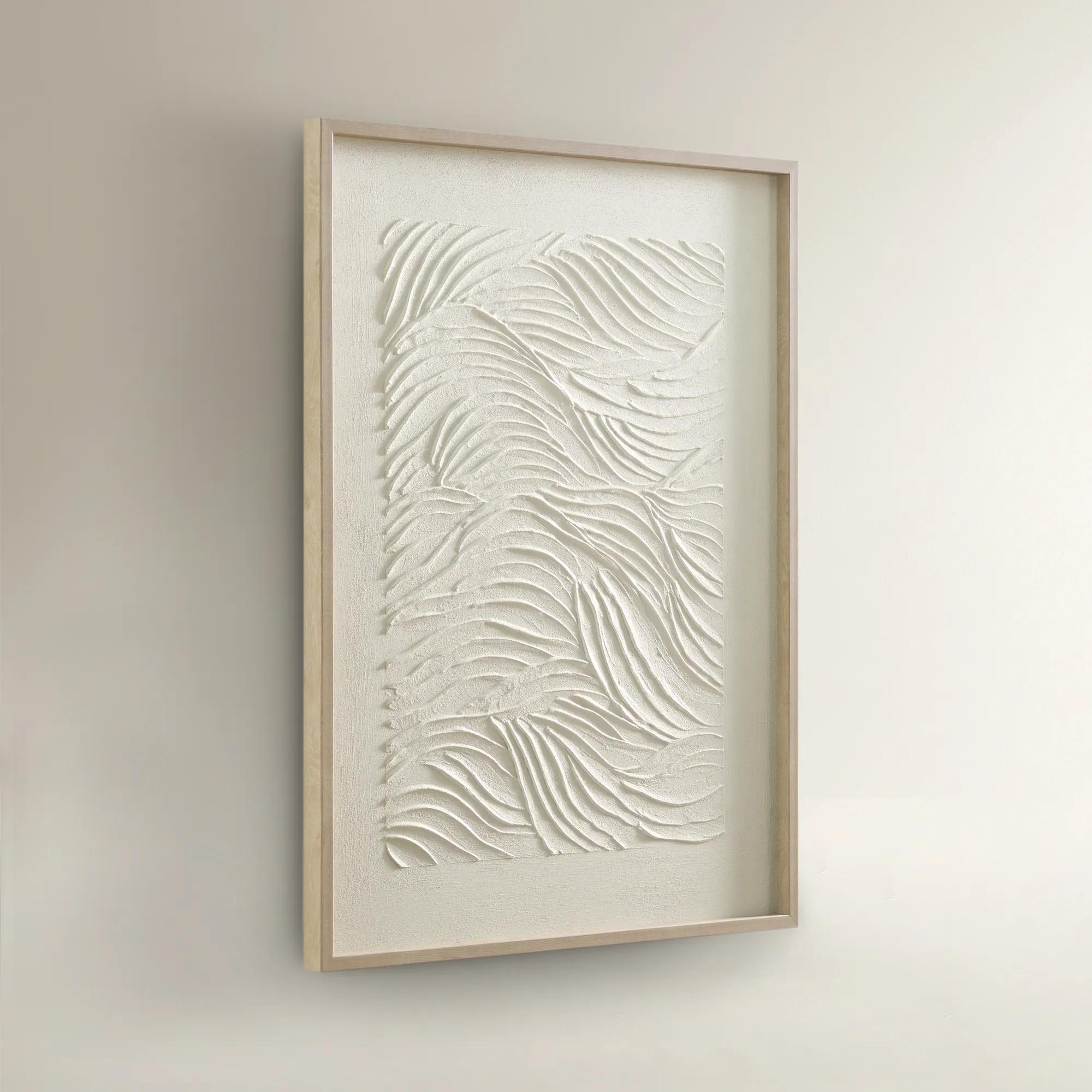 Sonnet Framed Painted Wall Art 23.5" x 31.5"$99
A hand-painted canvas featuring textured white shades and a warm blonde wood frame for elegant depth.
Add To Cart -
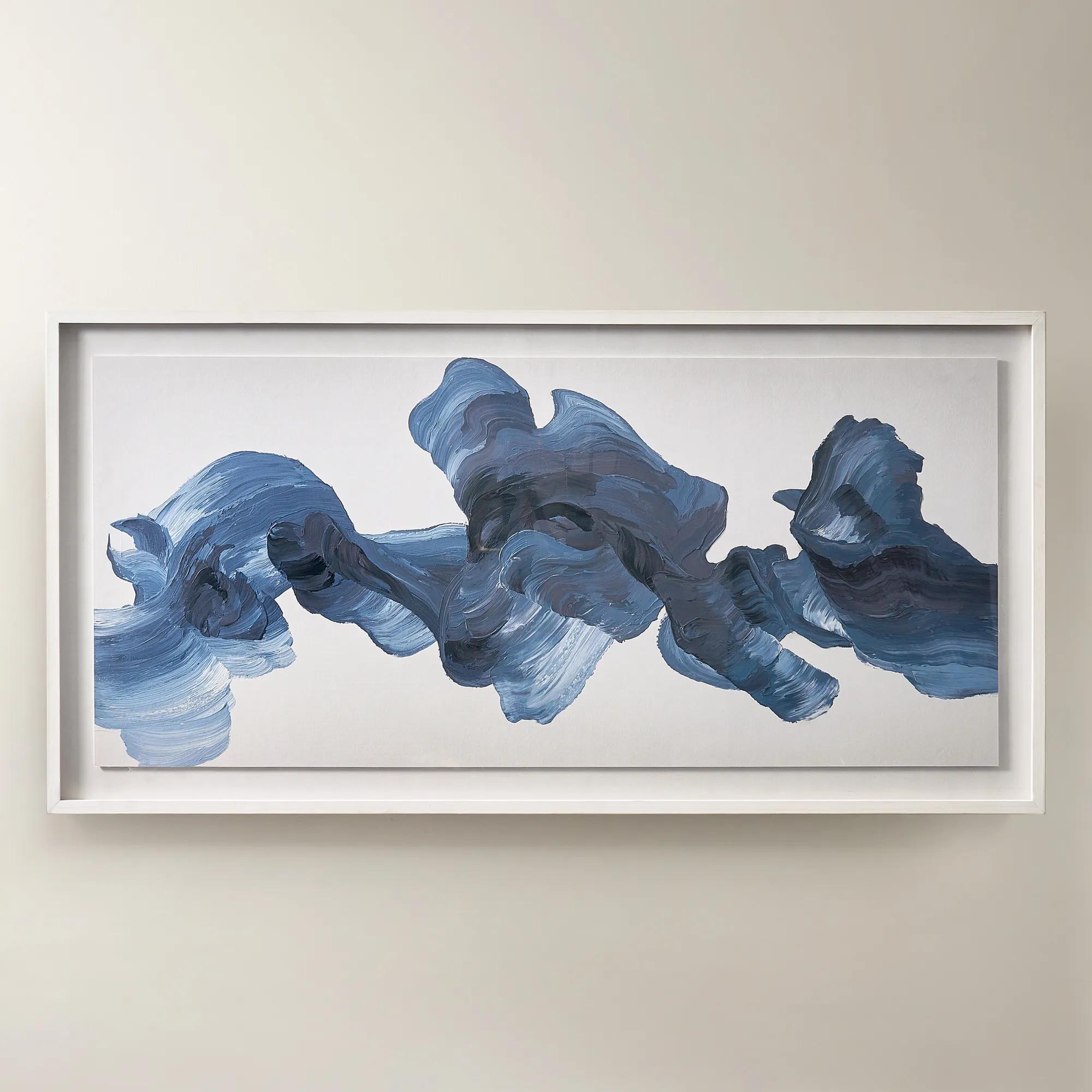
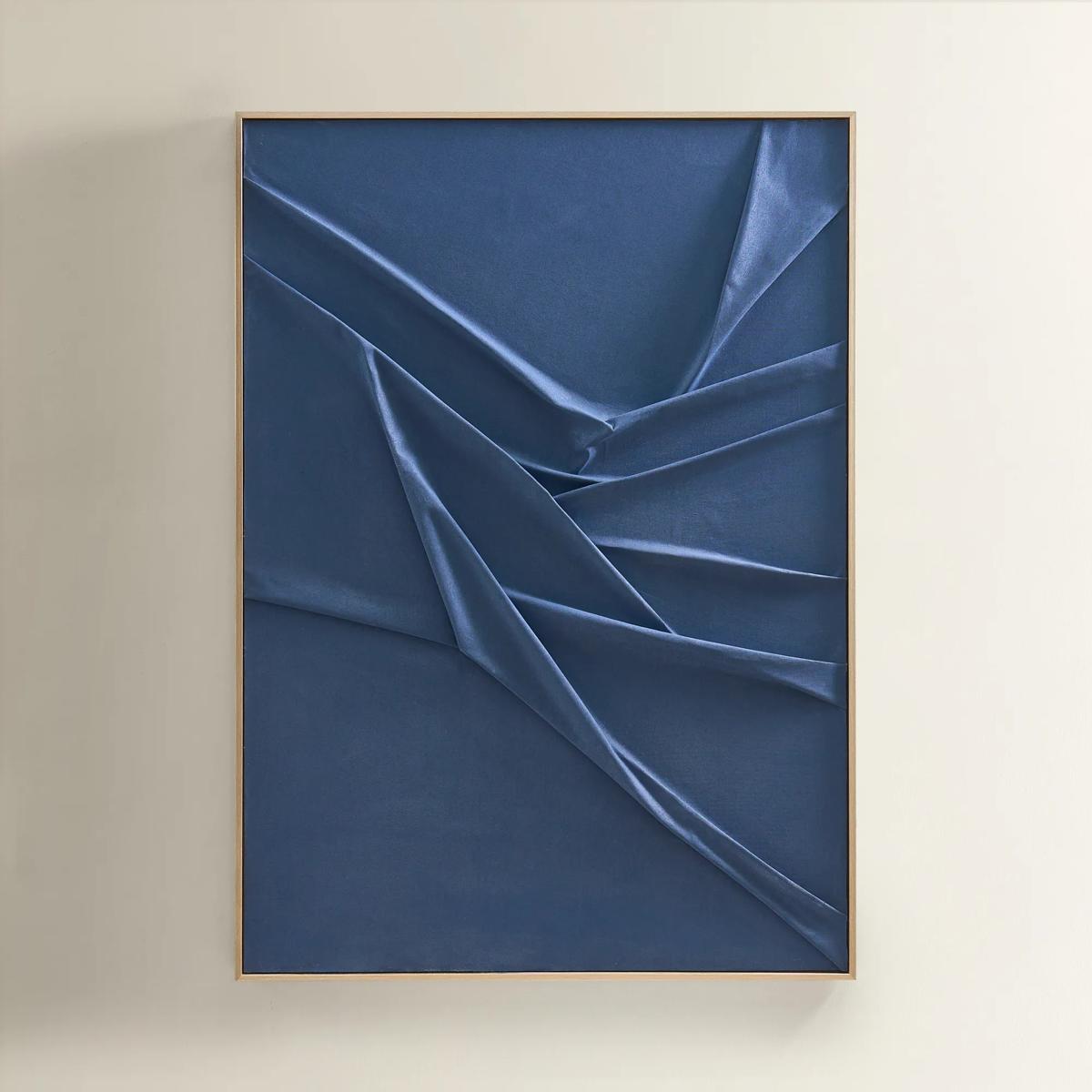
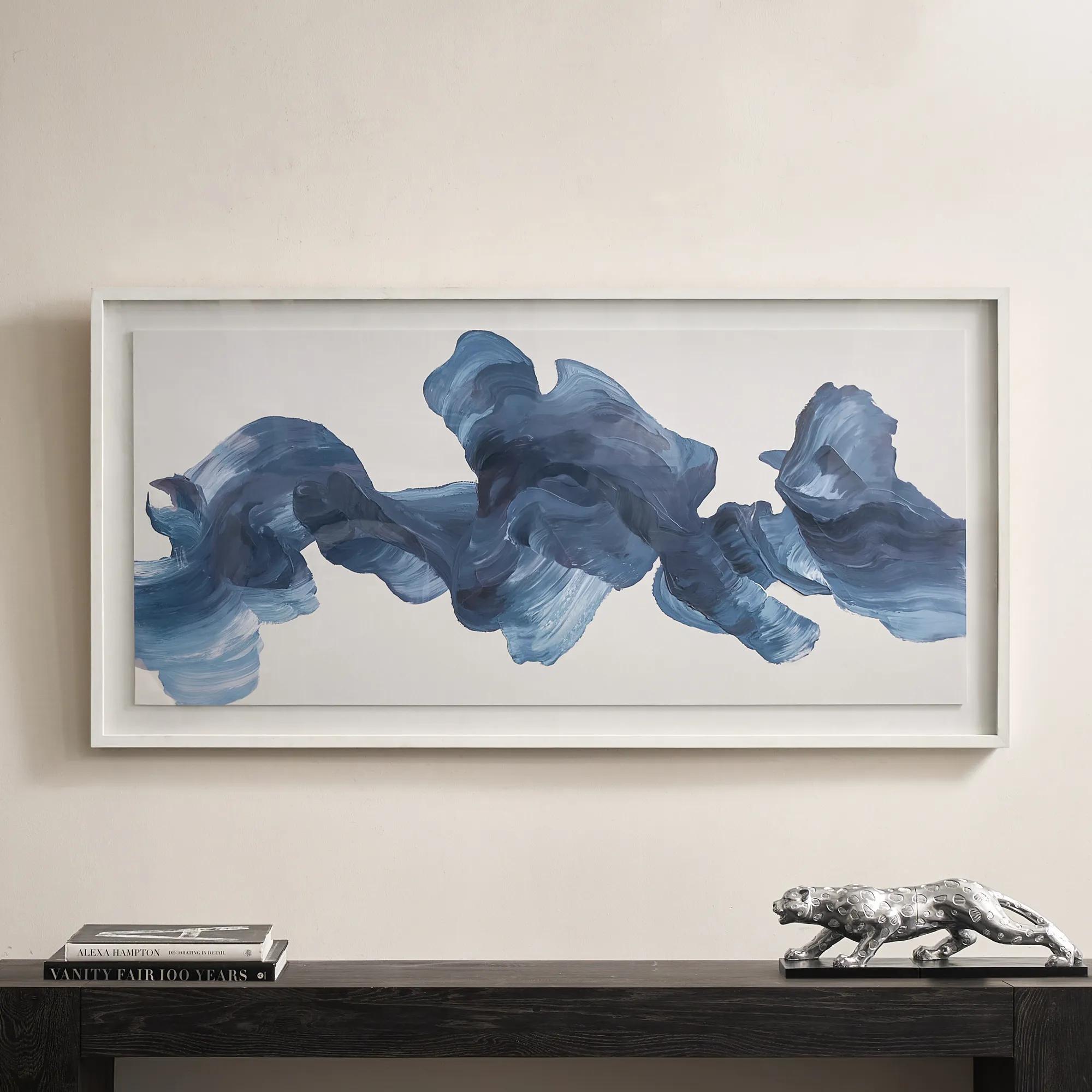 Blue Theory Framed Painted Wall Art in Acrylic 60" x 30"$499
A hand-painted canvas in deep ink blue, framed under acrylic with a whitewashed wood frame.
Add To Cart -

 Saeng Myeong-Ui II Framed Wall Art 30" x 30"$699
A sophisticated green canvas wall artwork presented in a refined frame for contemporary interiors.
Add To Cart -
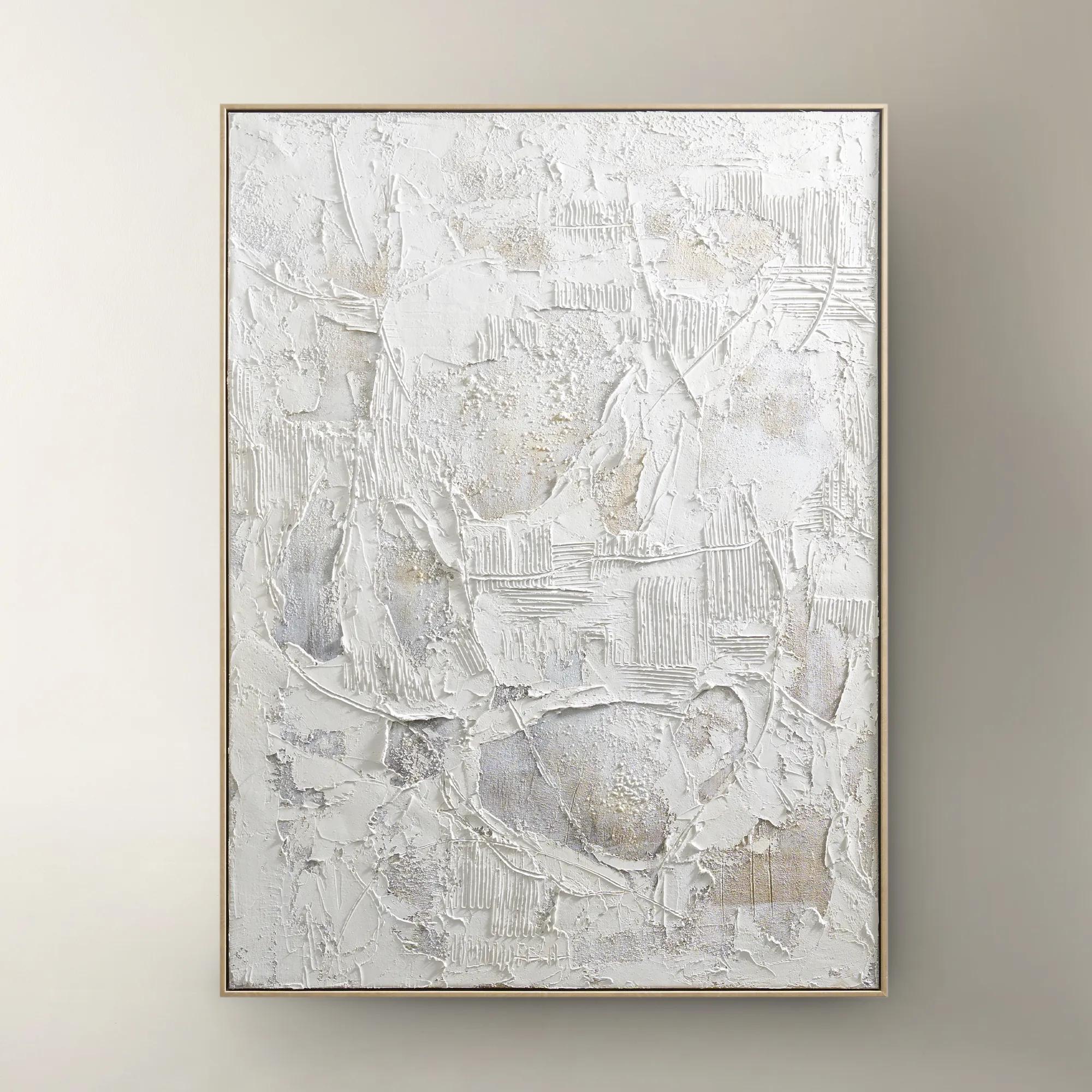 Stone Heritage Painting$399
A hand-painted canvas featuring textured white tones, elegantly framed in warm beech wood for refined appeal.
Add To Cart -
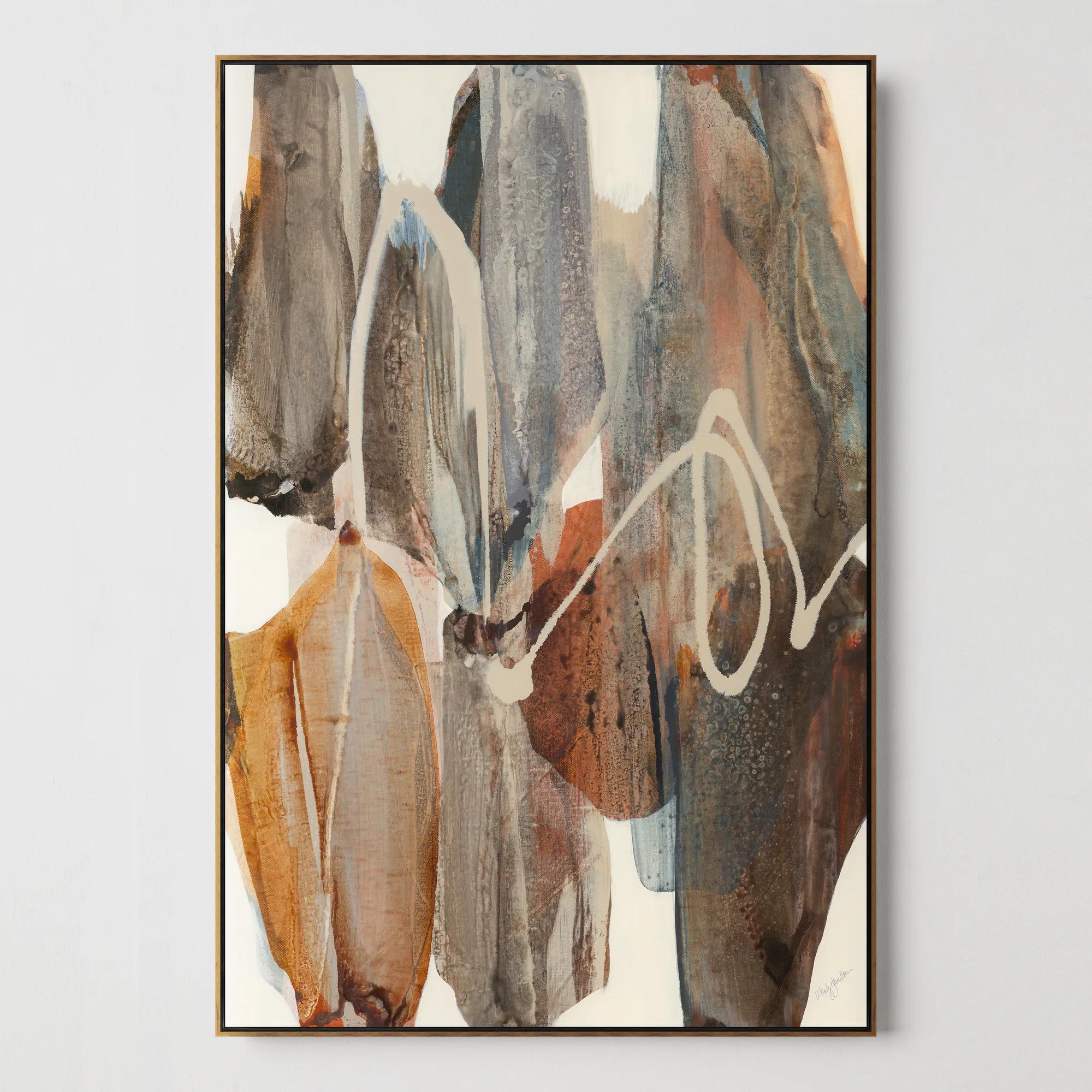
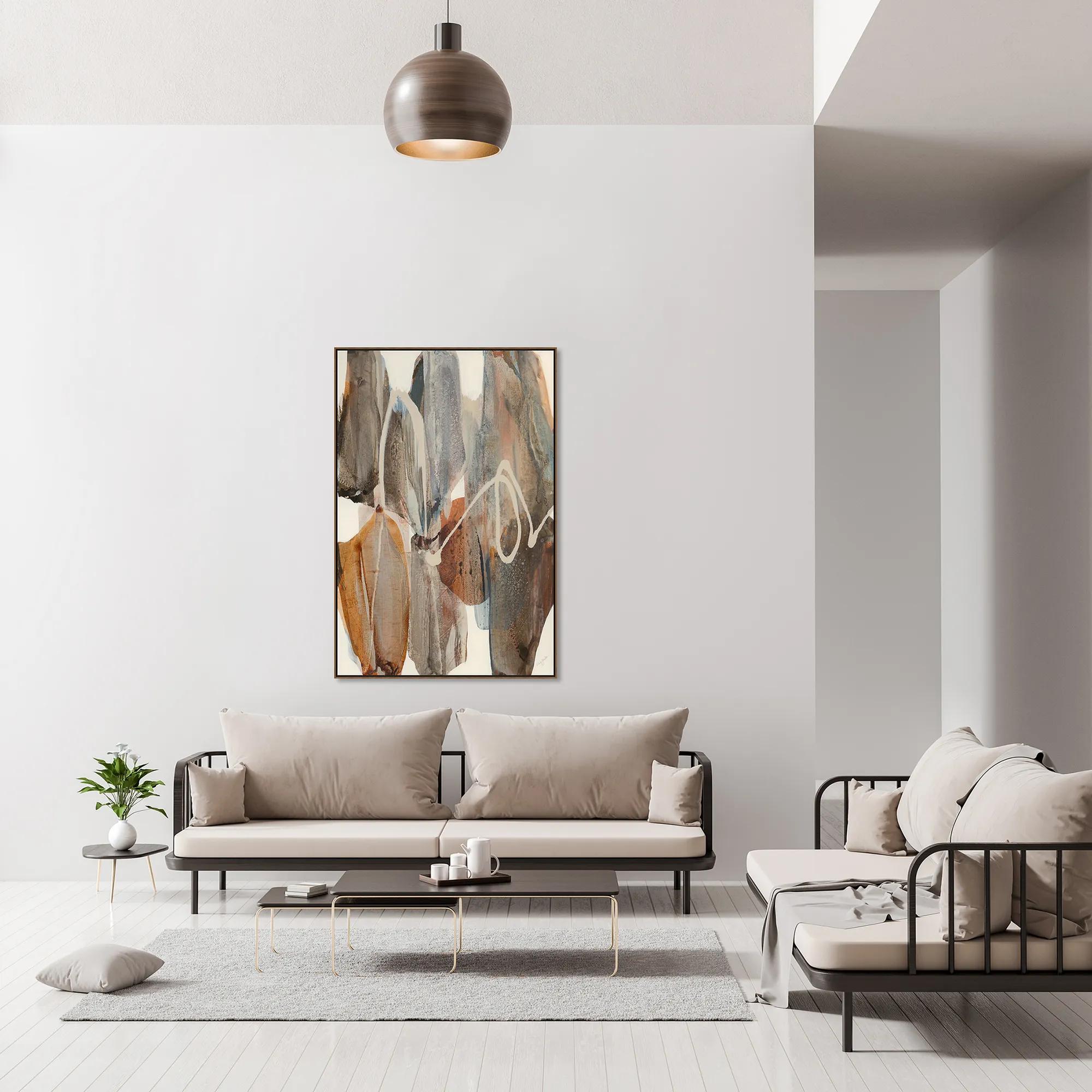 Boundless Framed Wall Art 40" x 60"$999
A gallery-wrapped canvas artwork with hand-applied brush gel finish in an oak floater frame.
Add To Cart -
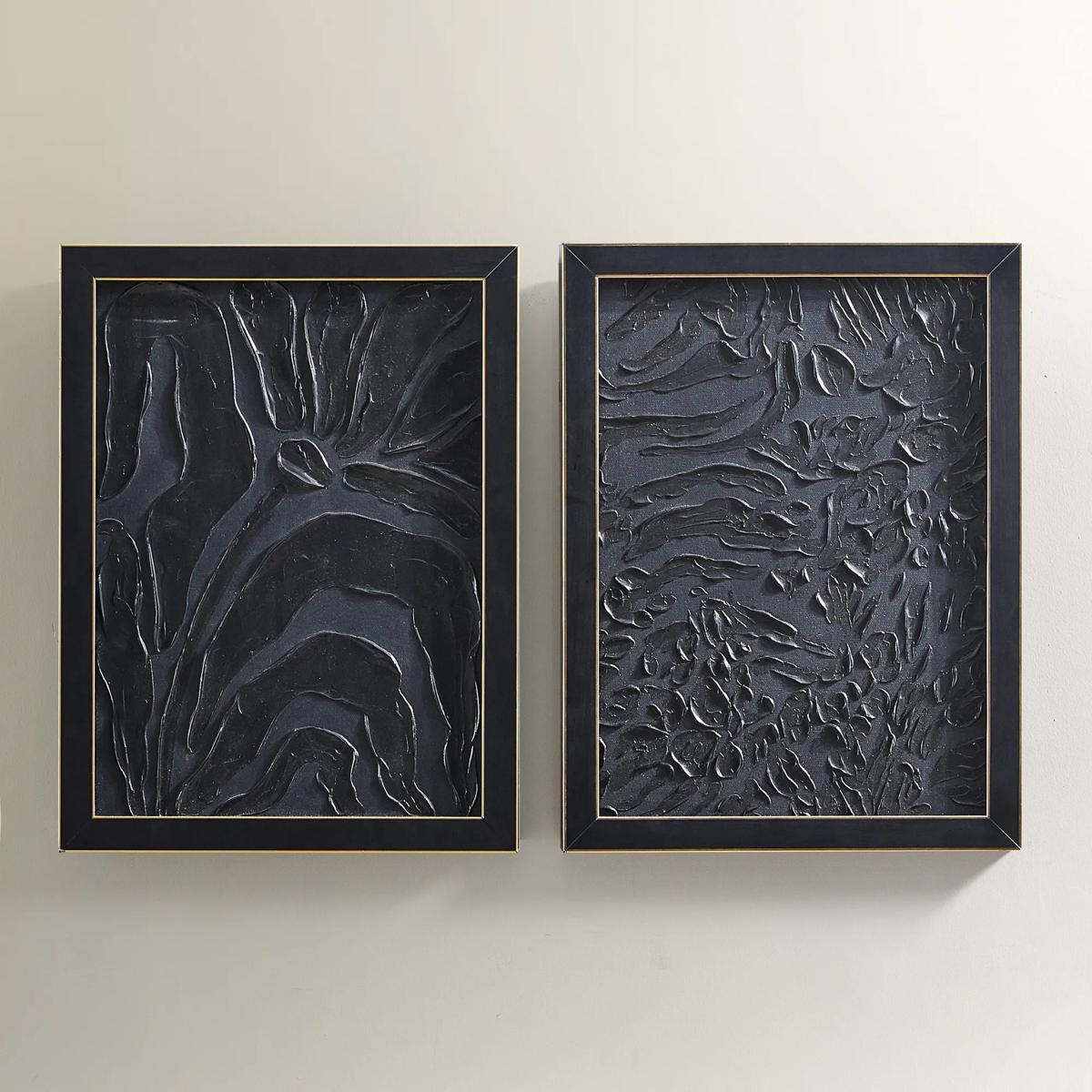
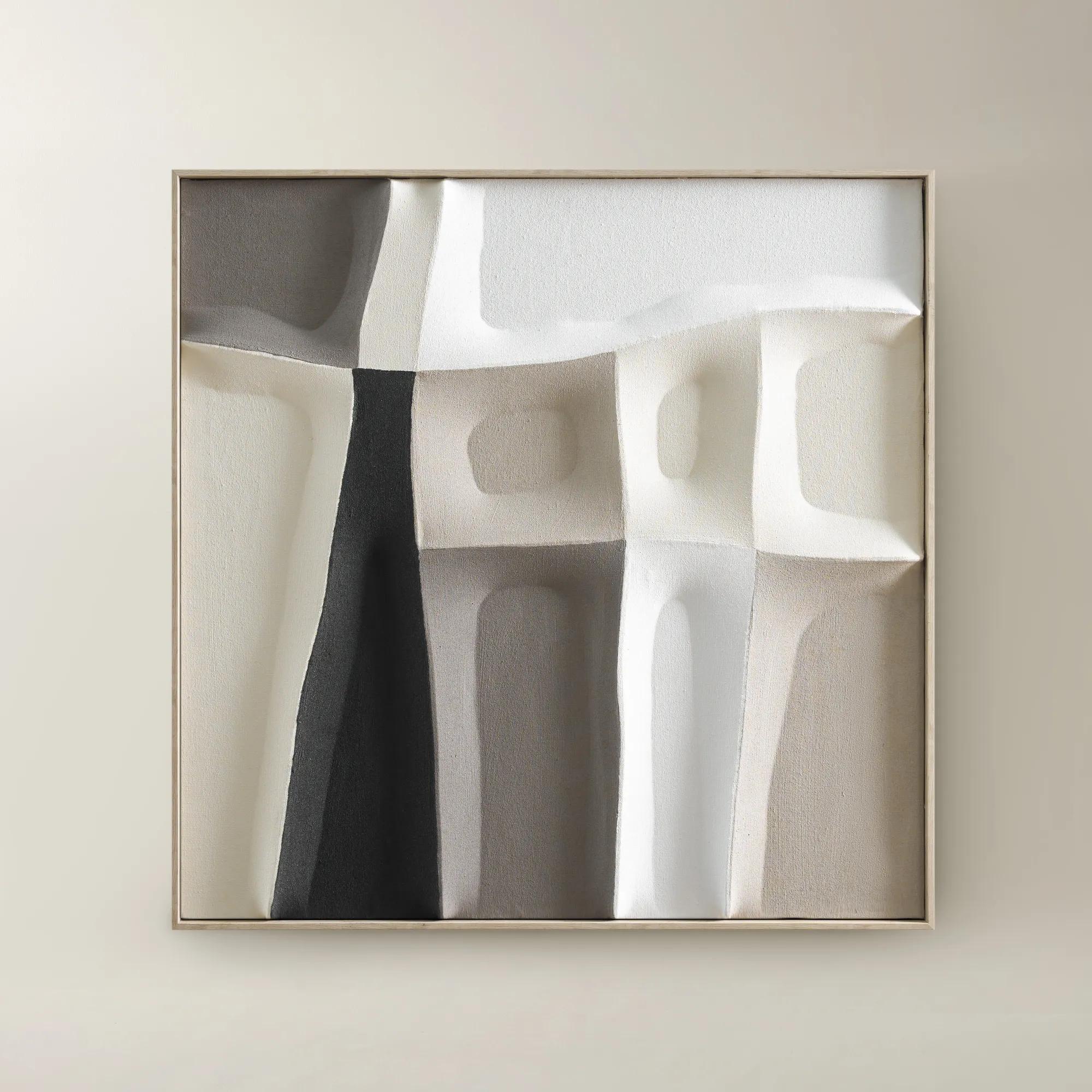 Shadow Painting 1$179
A hand-painted canvas featuring bold colors and sculptural textures in a warm whitewash floater frame.
Add To Cart -
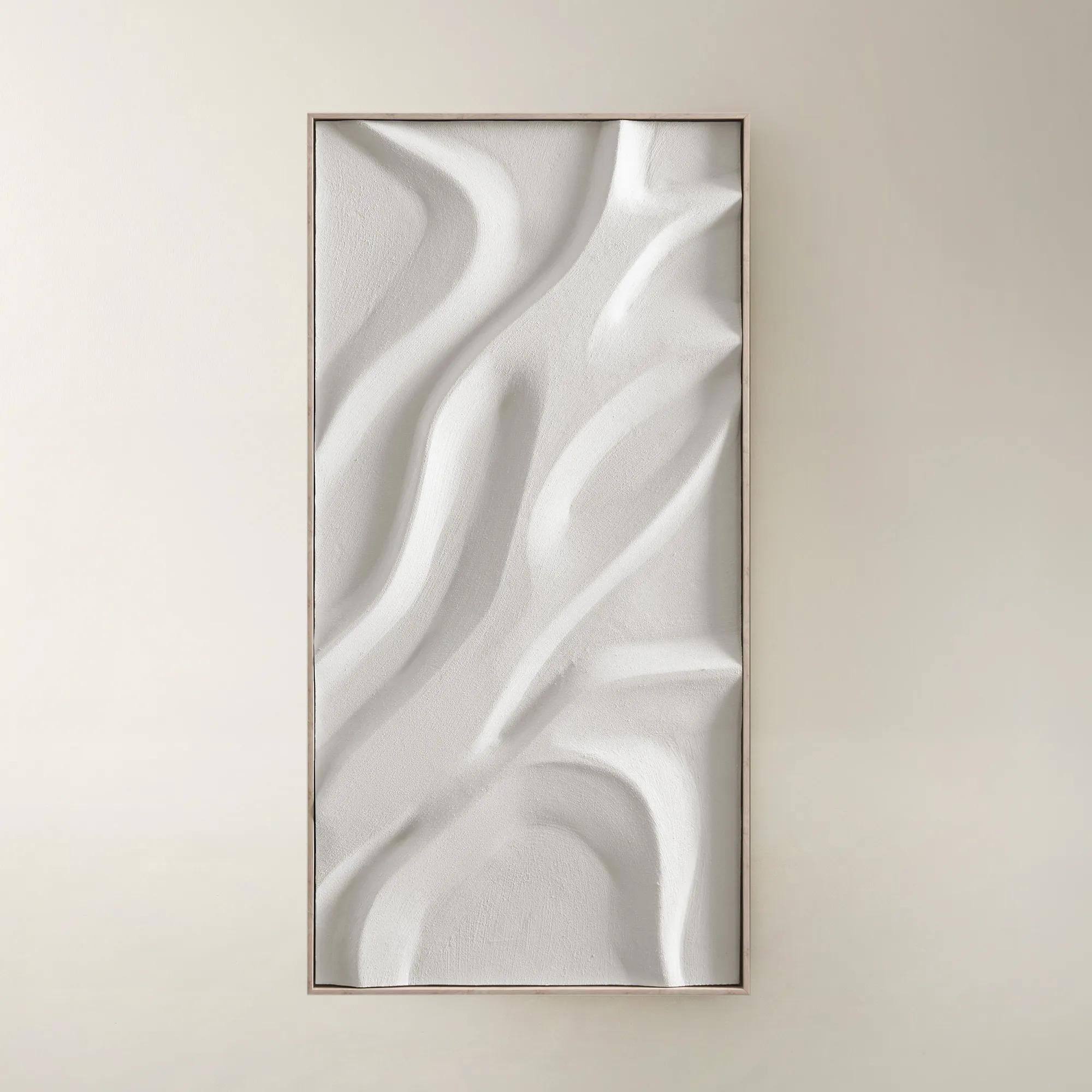
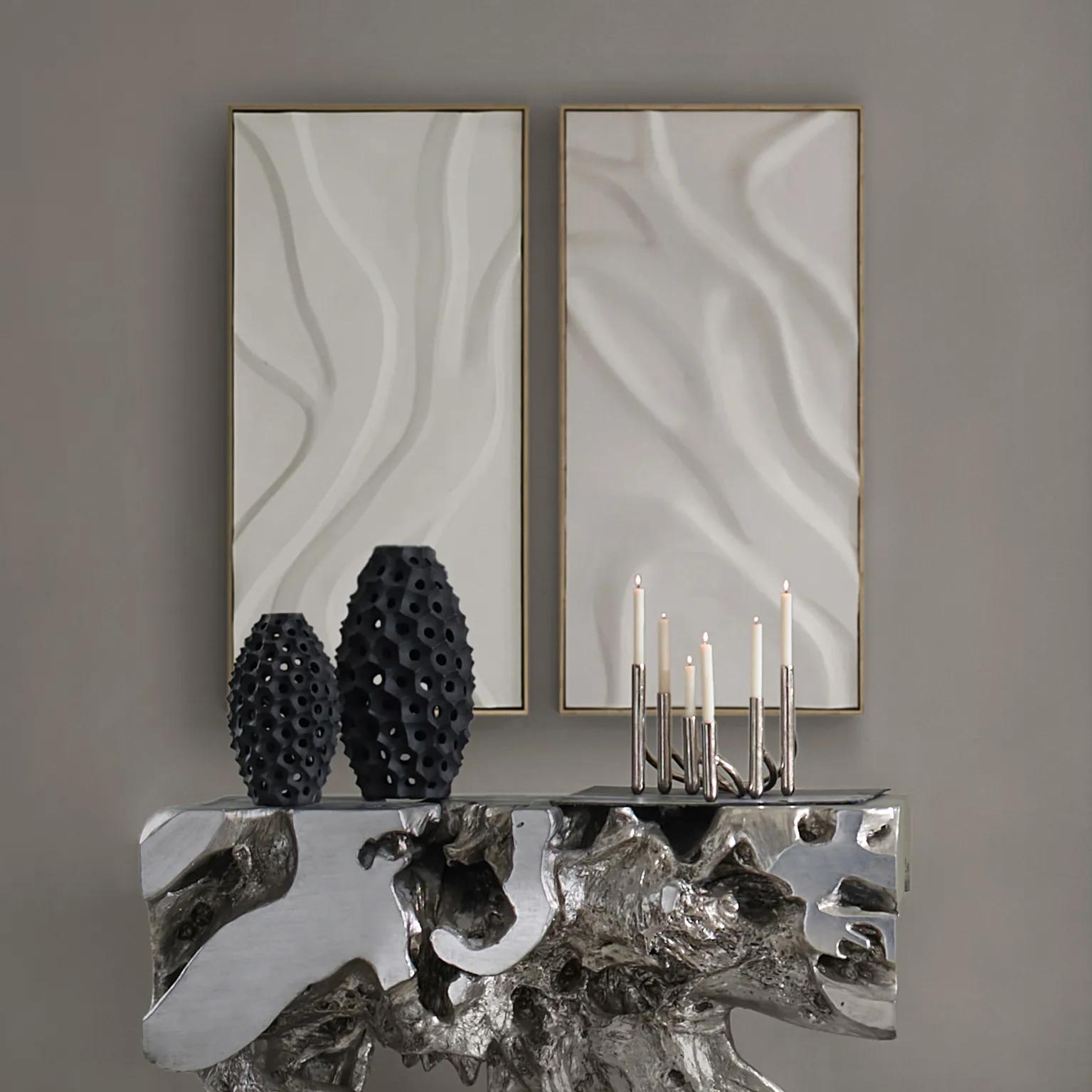 Au Lait Framed Painted Wall Art II 47.2" x 23.6"$199
A serene hand-painted canvas in beige, set in a warm whitewash floater frame for modern interiors.
Add To Cart -
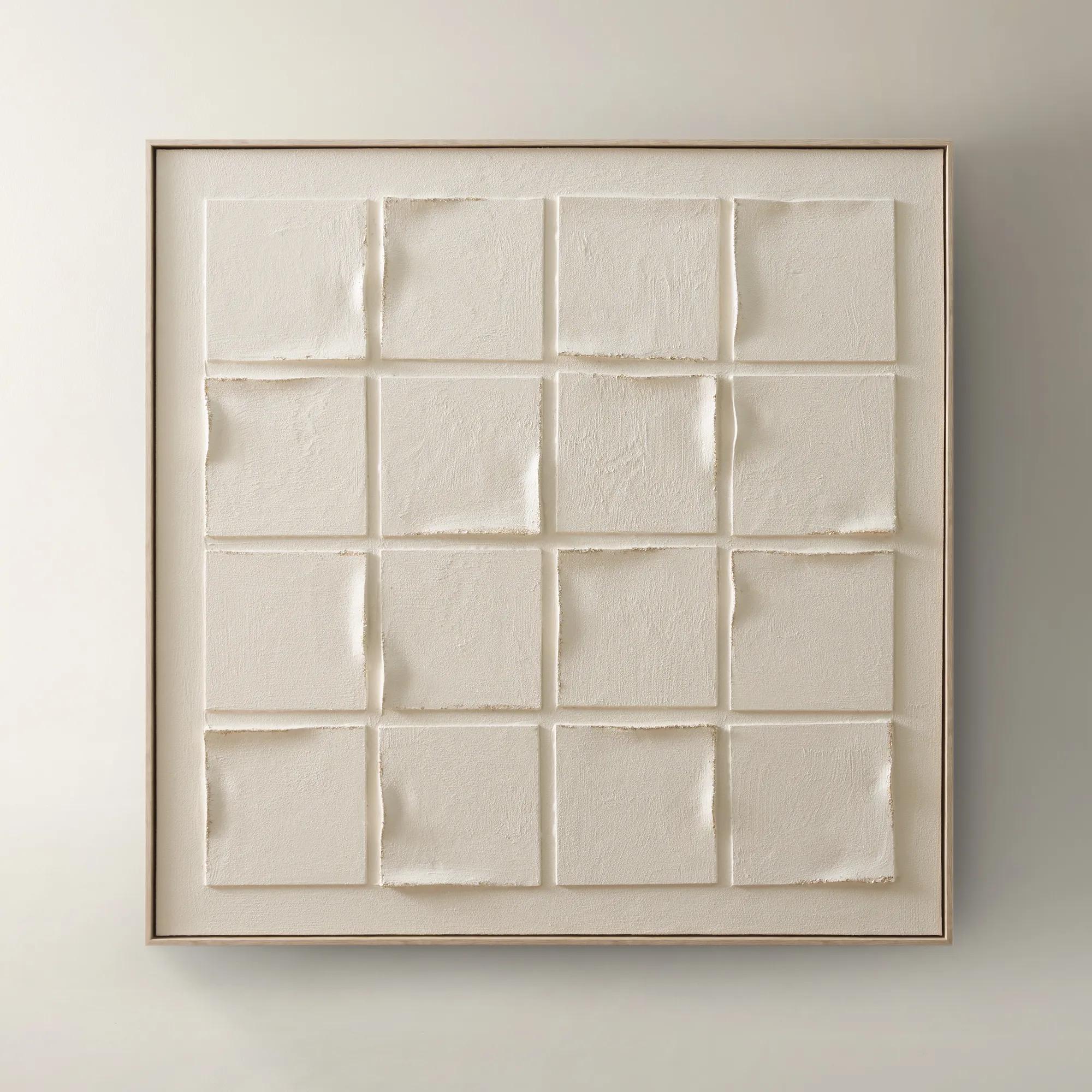 Gaze Framed Painted Wall Art 39.4" x 40"$329
A hand-painted canvas featuring subtle beige tones and textured depth in a warm whitewash floater frame.
Add To Cart -
 Shadow Painting 2$179
A hand-painted abstract canvas featuring bold textures and brown hues in a warm whitewash floater frame.
Add To Cart

Light Wood Framed Wall Art
Explore light wood framed wall art for a warm, refined look that lets the artwork command attention. Light-toned wood frames offer a softer contrast than dark framing, making them a considered choice for an airy gallery wall or a striking focal point in a richly layered room.
Light wood-framed wall art pairs artwork with a pale, wood-toned border, bringing warmth, definition, and a sense of openness to a room. Finishes can range from creamy, nearly neutral tones to soft honey and muted sand, with visible grain adding character around the image. Unlike a dark frame that creates a pronounced outline, a light wood frame often makes a gentler transition between the artwork and the wall, allowing color, composition, and texture to command attention. That subtlety leaves plenty of room for drama. An expansive abstract above a velvet sofa can feel expressive without becoming visually heavy, while a finely drawn botanical or architectural composition gains presence from a beautifully proportioned frame. Light wood framed wall art works especially well in contemporary, Scandinavian-inspired, coastal, and transitional interiors, but its appeal extends beyond any single aesthetic. Against ivory upholstery and a sculptural glass table, it introduces an organic note; beside polished metal and richly textured fabrics, it balances the gleam with something tactile. A pale frame can also connect furnishings in different finishes without requiring every wood surface to match. A shared undertone often matters more than identical color: golden wood tends to complement warm neutrals, while cooler, washed finishes can sit comfortably with silvery gray, soft blue, and crisp white. The artwork itself determines much of the mood. Loose brushwork and generous negative space create a quieter focal point, while saturated color or bold geometry gives the same light frame a more commanding role. In a bedroom, that balance can feel serene yet distinctly personal. In an entryway or living room, it offers a graceful introduction to the home’s larger design story. Even on a richly painted wall, pale wood can create a luminous edge, separating the image from its surroundings without the sharper contrast of a black or metallic frame. The result is an artful balance of visual softness and deliberate presence.
Scale and placement give light wood-framed artwork its architectural impact. A substantial piece above a sofa can establish the entire seating area, while a pair of related works can bring rhythm to a dining room or define the space above a long console. For artwork positioned over furniture, a combined width of roughly two-thirds to three-quarters of the furniture below is a useful starting point, not a rigid rule; nearby windows, lamps, and the visual weight of the composition all influence the final balance. The listed dimensions deserve particular attention because image size, mat opening, and overall framed size are not interchangeable. A wide mat can make a delicate image feel expansive, while a narrow border keeps the emphasis closer to the artwork. A slim light wood frame offers a crisp silhouette, whereas a deeper or broader profile adds sculptural definition and reveals more of the wood’s grain. In a gallery arrangement, repeating a pale wood tone can unite different subjects and sizes, creating cohesion without making the wall feel overly coordinated. Mixing light wood with a restrained selection of white or metallic frames can be equally compelling when spacing and visual balance remain consistent. At a desk, a smaller framed work can create a considered backdrop without competing with task lighting or shelving. Along a hallway, several compositions with similar outer dimensions can establish an elegant cadence. Placement also affects how the artwork is experienced: the center of a standalone piece often feels comfortable near eye level, while work above furniture usually benefits from a closer visual connection to the surface below. Leaving several inches between the frame and a sofa back or console helps the arrangement feel intentional rather than disconnected. Before hanging, a paper template of the outer frame dimensions can clarify proportions, particularly beside a doorway or beneath a sloped ceiling. The most successful arrangement makes the artwork feel integrated with the room while preserving enough surrounding space for its composition to register.
Materials and construction shape both the appearance and the lasting performance of light wood-framed wall art. Frames may be made from solid wood, wood veneer over a supporting core, or engineered materials with a wood-look finish; these constructions can look similar from a distance but differ in grain variation, weight, and care requirements. Solid wood may display natural shifts in tone and pattern, while veneer provides a real wood surface over another material. A pale finish does not necessarily identify a particular wood species, so material descriptions are more informative than color alone. Natural-looking and whitewashed finishes also create different effects. The softened, partially veiled grain associated with White Washed Wood Wall Art offers a related expression, especially where chalky neutrals and layered textures define the room. The artwork’s surface matters just as much as its frame: paper prints may sit behind glass or acrylic, while some canvas presentations remain uncovered. Glass can add weight, and acrylic can be lighter but more susceptible to scratching; glazing alone does not guarantee protection from fading. Where conservation is a priority, details such as UV-filtering glazing and acid-free matting are worth confirming rather than assuming. For everyday care, a soft, dry cloth is generally appropriate for the frame, with any additional cleaning guided by the material’s care instructions. Spraying cleaner directly onto a framed piece can allow moisture to reach the edges or artwork, so glazing should be treated separately and cautiously. Direct sunlight, persistent humidity, and placement close to heat sources can affect artwork and framing materials over time. Secure mounting also depends on the piece’s weight, the wall construction, and suitable hardware, especially above seating or a bed. With those practical details considered, framed art becomes a lasting expression of its owner’s taste. It can also make a thoughtful housewarming or wedding gift when the recipient’s preferred palette, subject matter, and available wall space are known—a personal gesture with the presence to help define a room.
FAQs
Light wood framed wall art brings a warm, organic note to modern, transitional, and coastal-inspired interiors. For a more glamorous expression, pair its understated finish with sculptural furnishings, sumptuous textiles, and gleaming metallic accents.
Soft ivory, warm white, and muted taupe create a tonal backdrop that lets the artwork take focus. For greater drama, place light wood framed wall art against charcoal, deep navy, or rich green—the contrast gives the pale frame a striking presence.
Yes—light wood frames can bring warmth and visual balance to a gallery wall featuring black, white, or metallic finishes. Repeat a color or artistic theme across the arrangement to make the mix feel intentional, while allowing each piece its own expressive character.
Abstract compositions, expressive line drawings, botanical imagery, and atmospheric landscapes all pair beautifully with light wood frames. Pale framing can echo the softness of neutral artwork or offer a warm counterpoint to saturated color and bold graphic detail.
Build a vignette around contrasts: light wood framed wall art above a refined console, a sculptural vase nearby, and a luminous accent to catch the eye. Draw one color from the artwork into surrounding decor for a room that feels richly layered and thoughtfully composed.