White And Wood Framed Wall Arts
White And Wood Framed Wall Arts
-
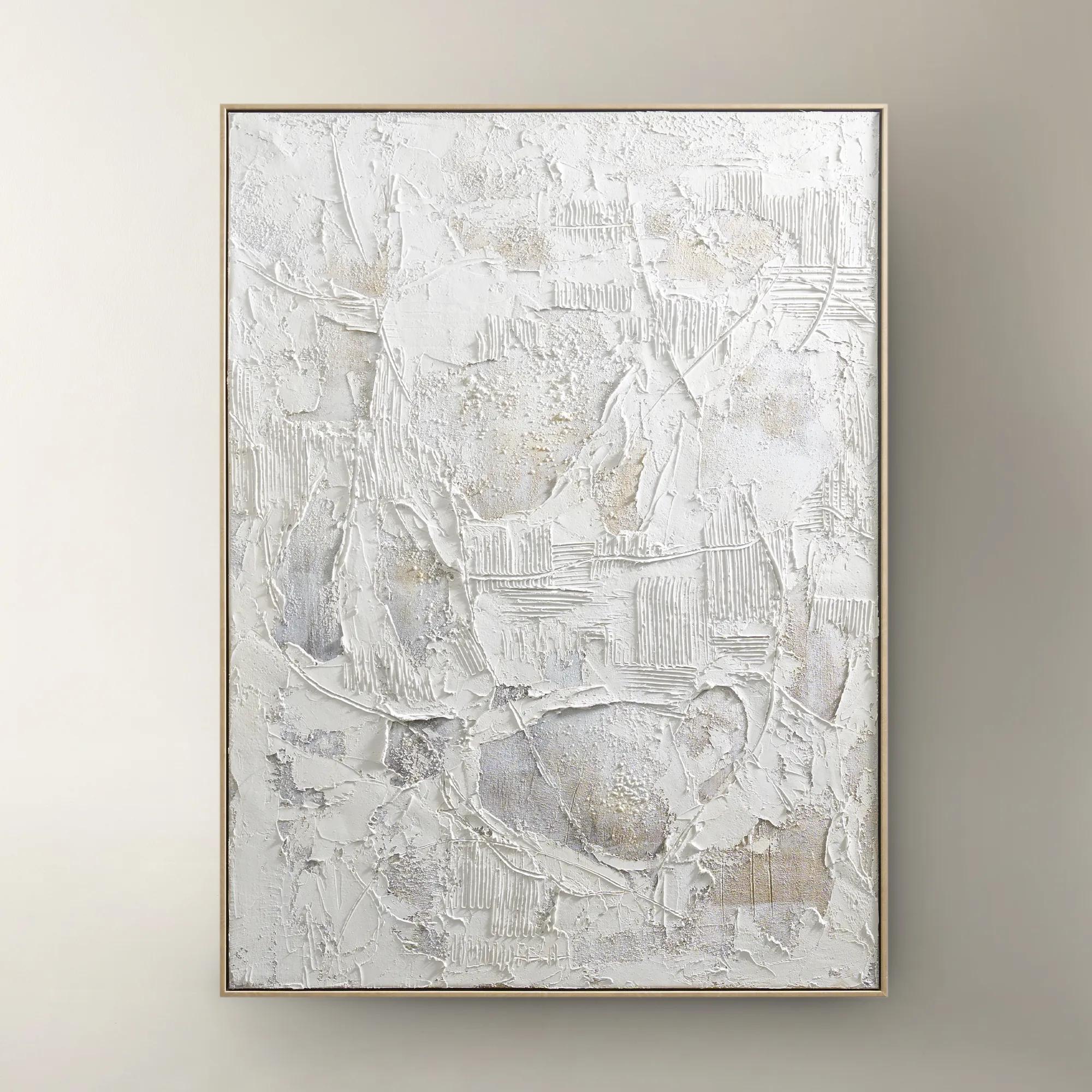 Stone Heritage Painting$399
A hand-painted canvas featuring textured white tones, elegantly framed in warm beech wood for refined appeal.
Add To Cart -
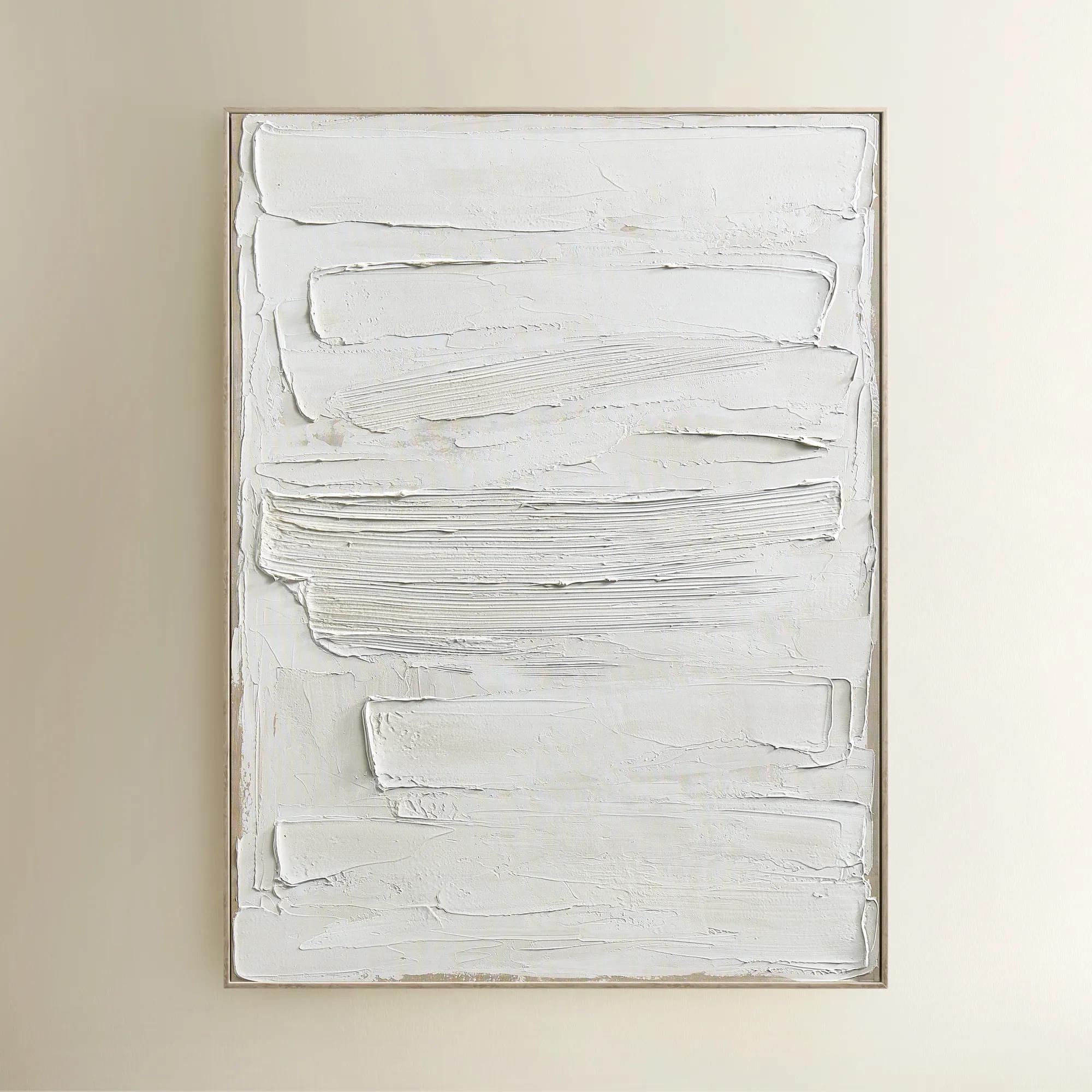
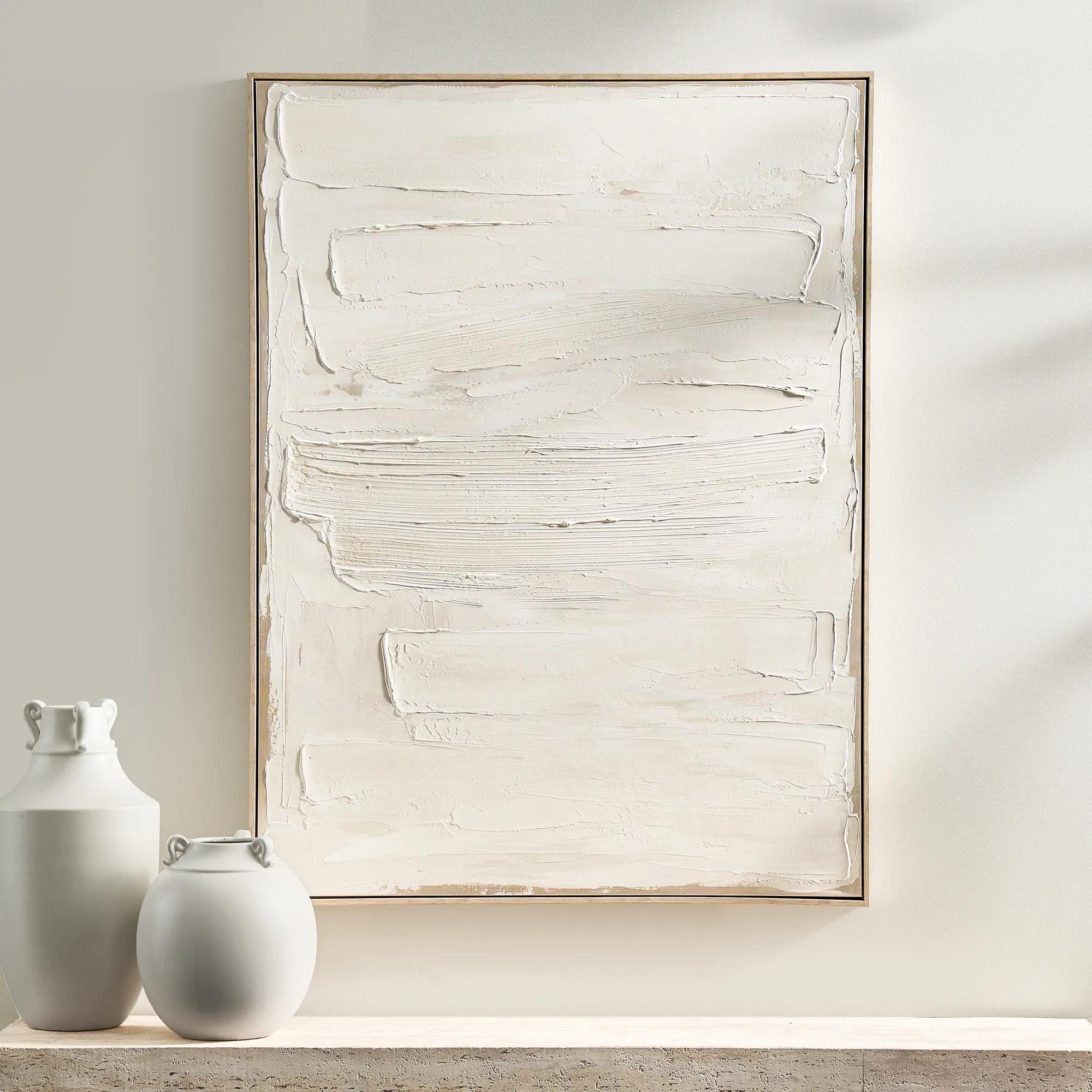 Monotype Canvas 1$399
A hand-painted abstract canvas featuring layered white tones and textured paint in a whitewashed wood frame.
Add To Cart -
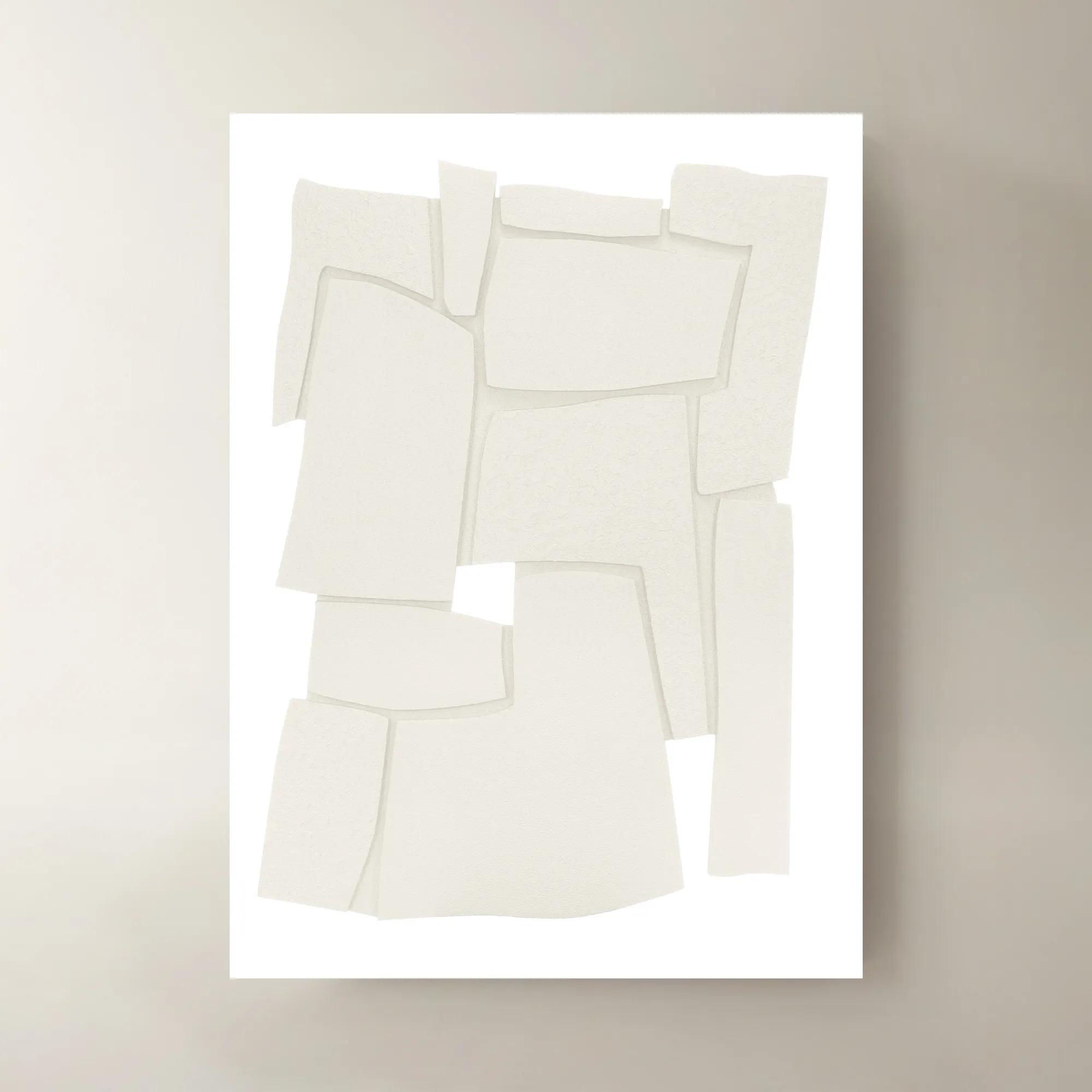
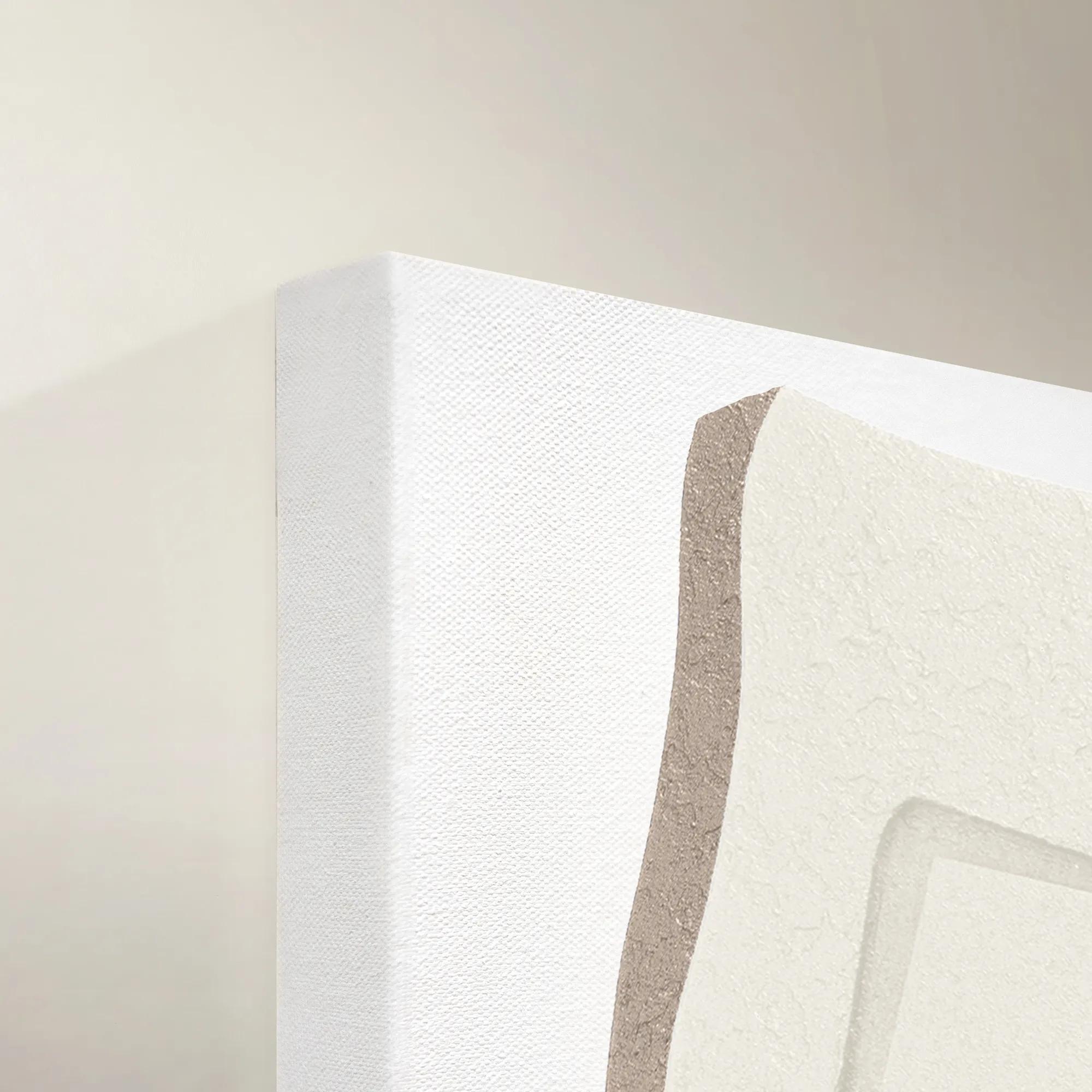 Wonder Maze III Wall Art 40" x 55"$1699
A contemporary canvas wall art piece featuring an intriguing abstract maze-inspired design.
Add To Cart -
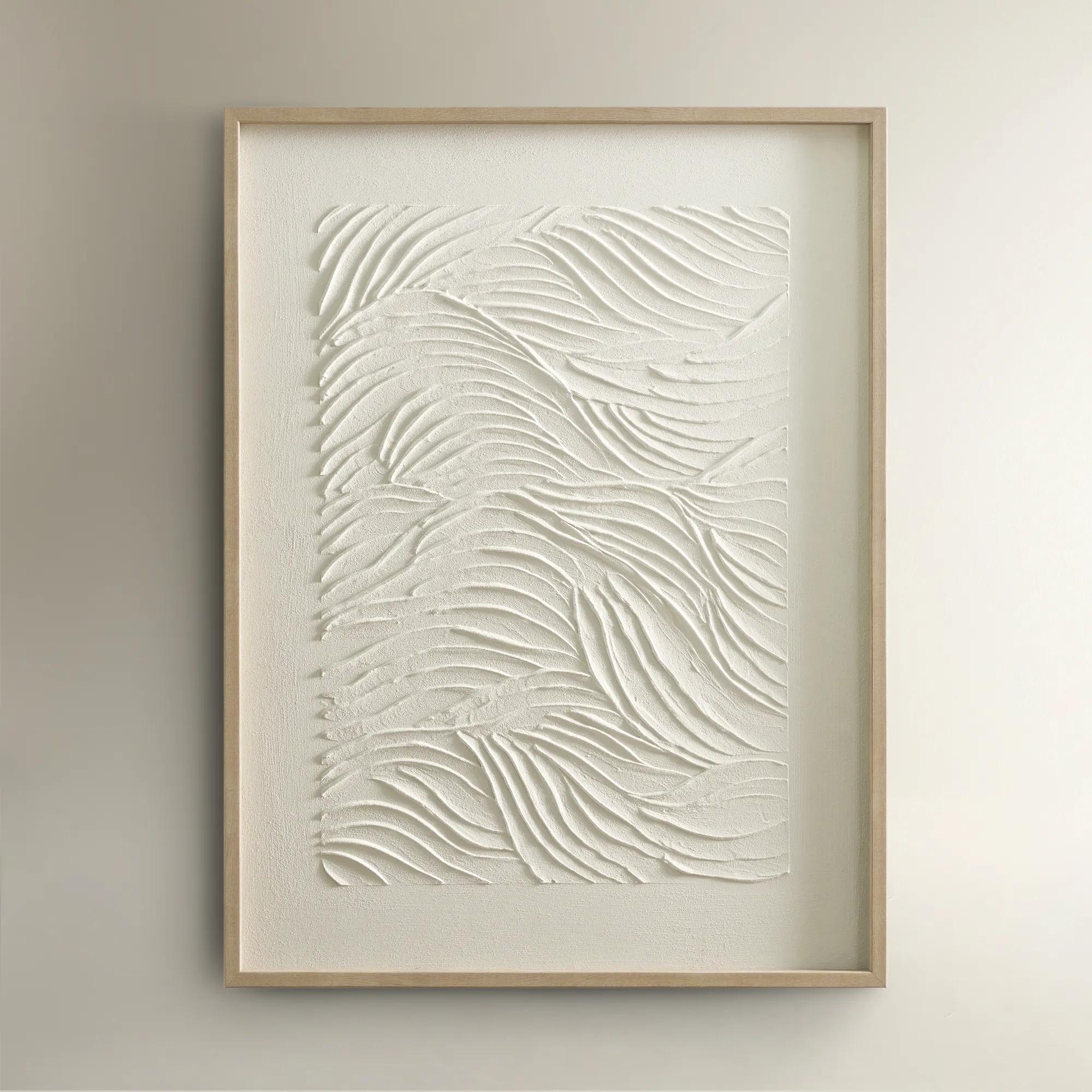
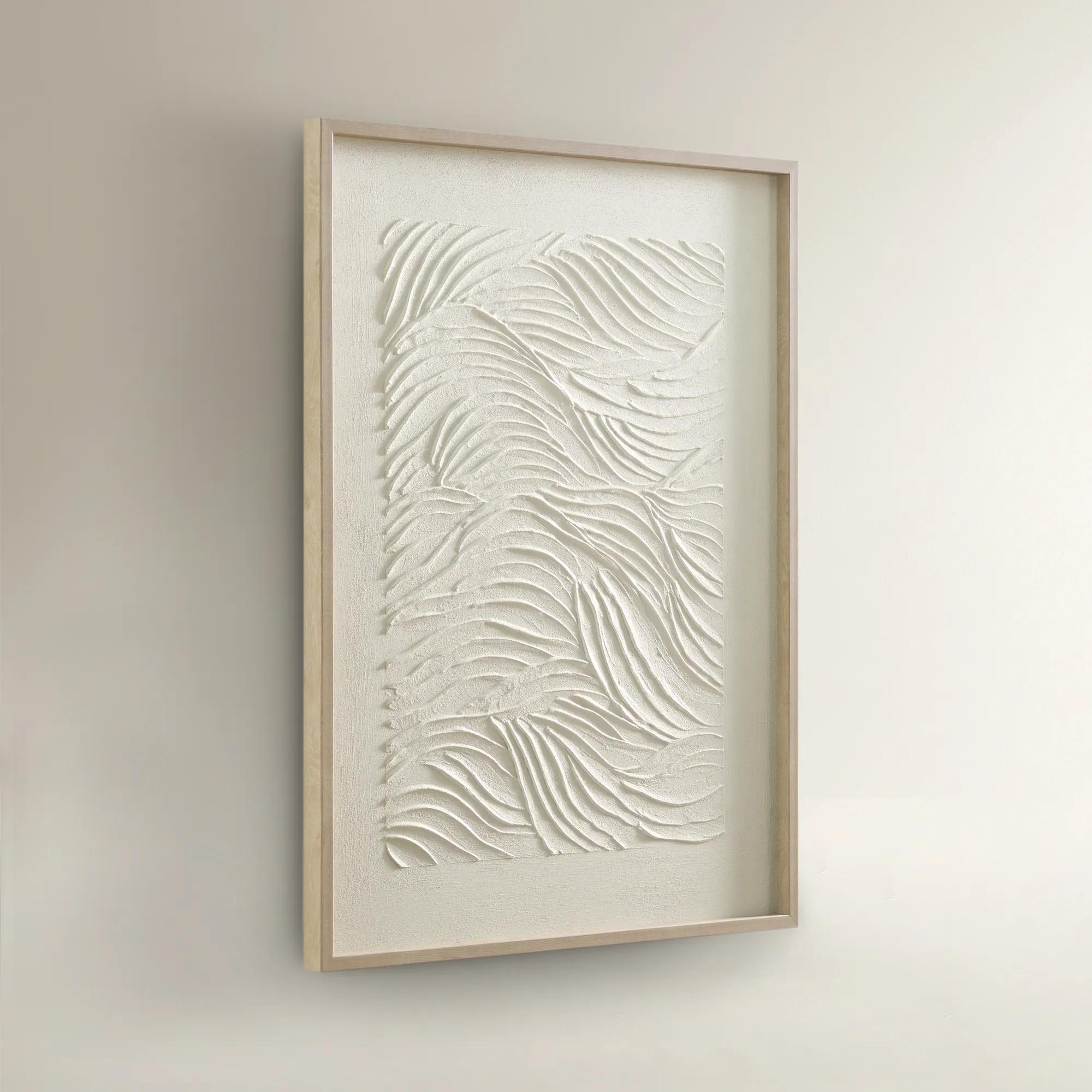 Sonnet Framed Painted Wall Art 23.5" x 31.5"$99
A hand-painted canvas featuring textured white shades and a warm blonde wood frame for elegant depth.
Add To Cart -
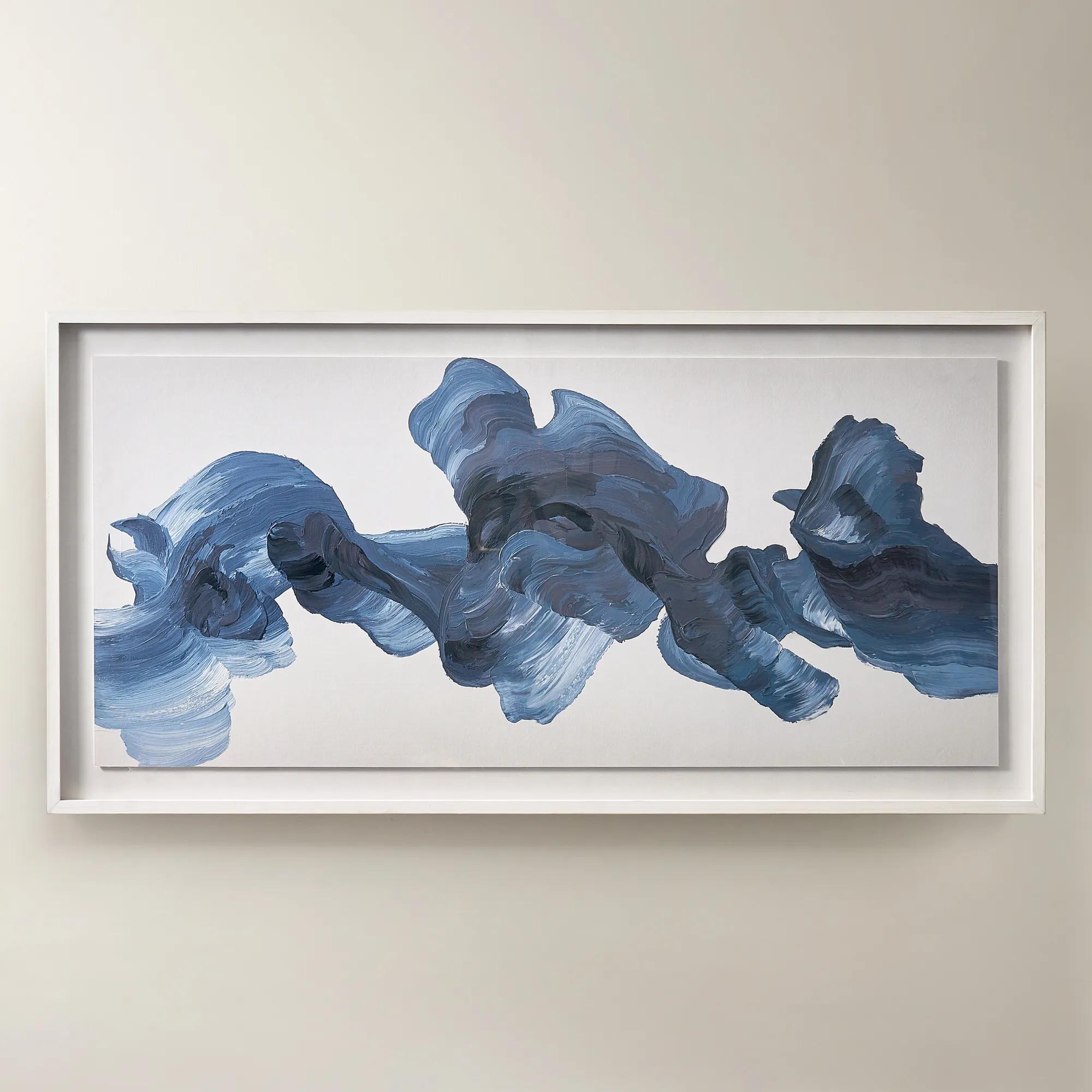
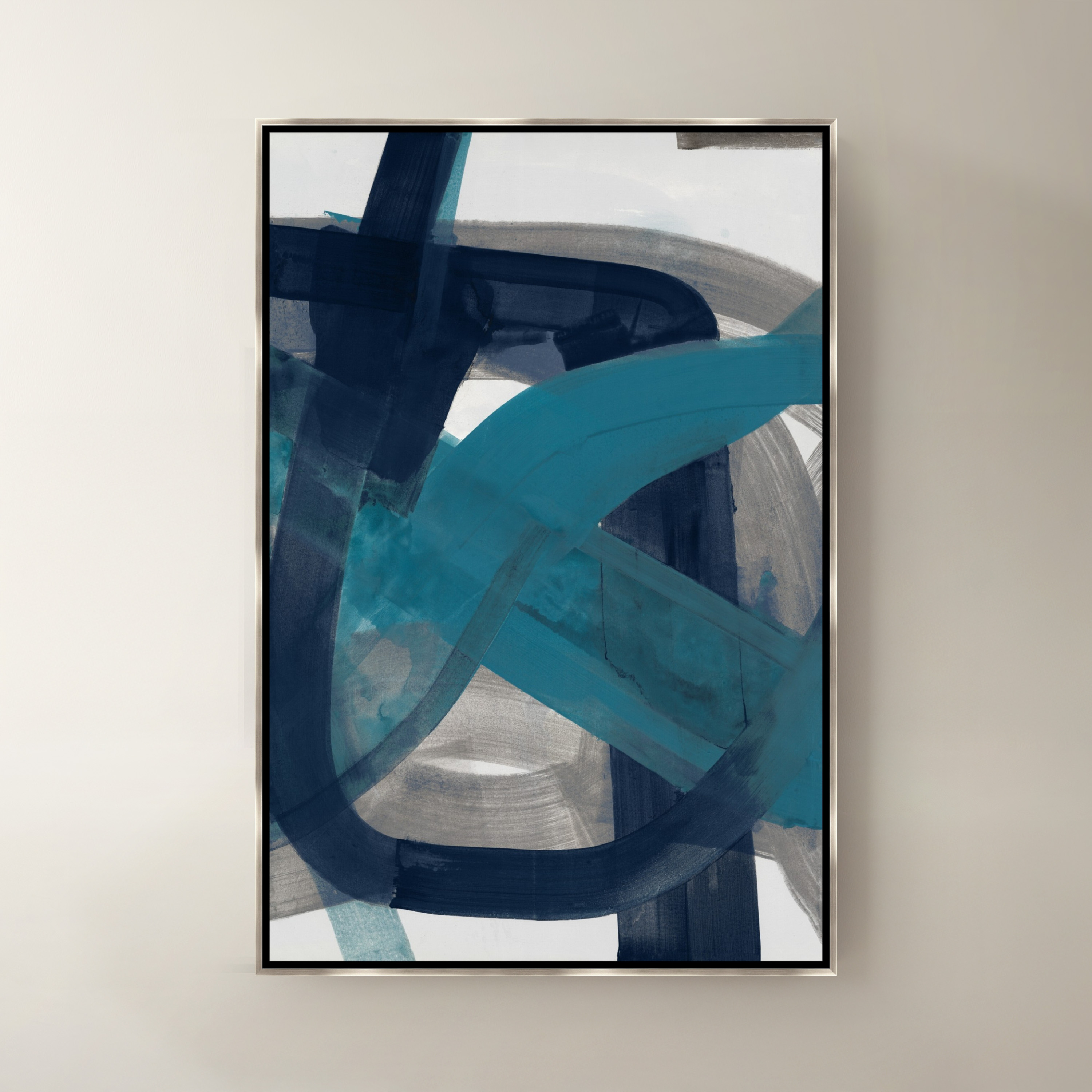
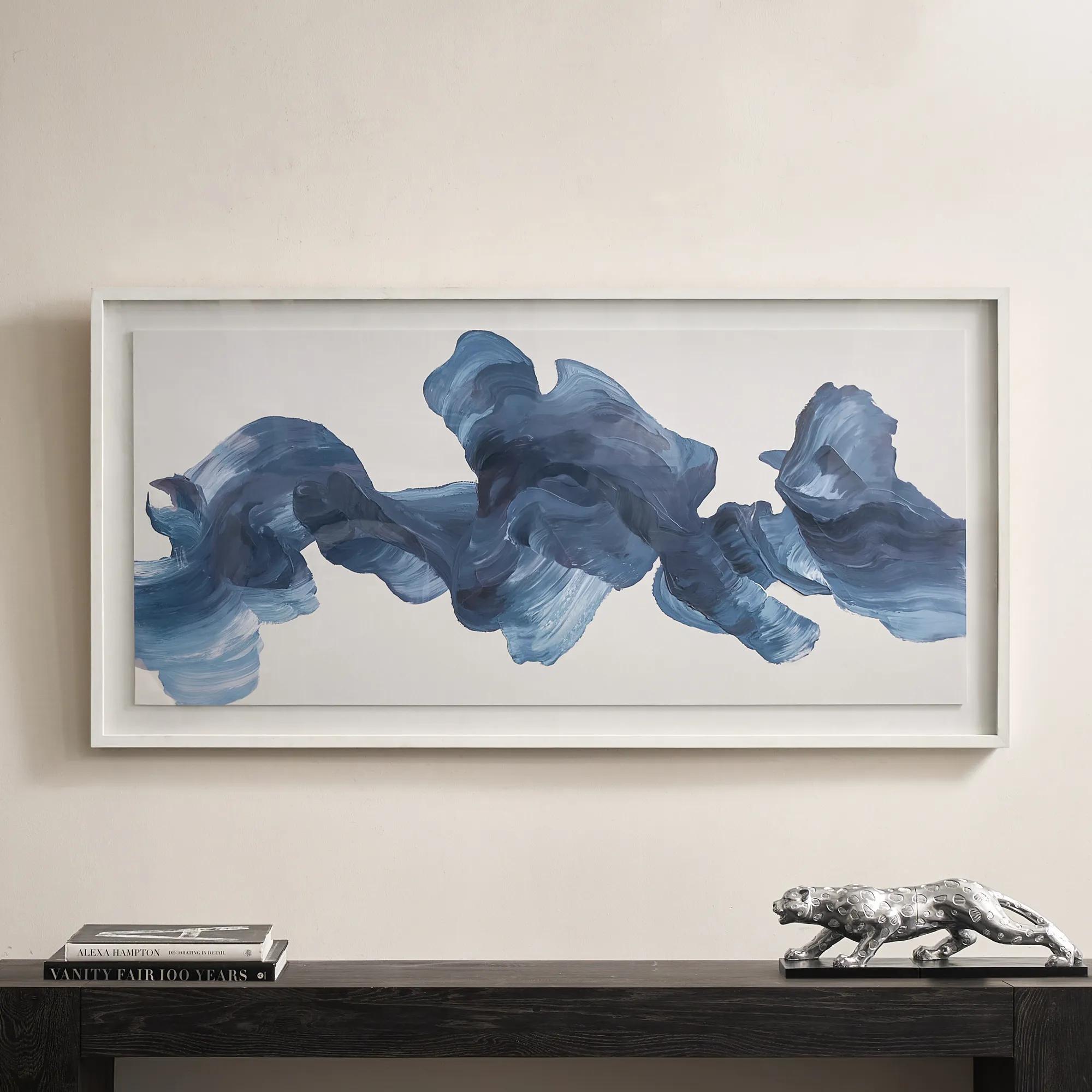 Blue Theory Framed Painted Wall Art in Acrylic 60" x 30"$499
A hand-painted canvas in deep ink blue, framed under acrylic with a whitewashed wood frame.
Add To Cart -
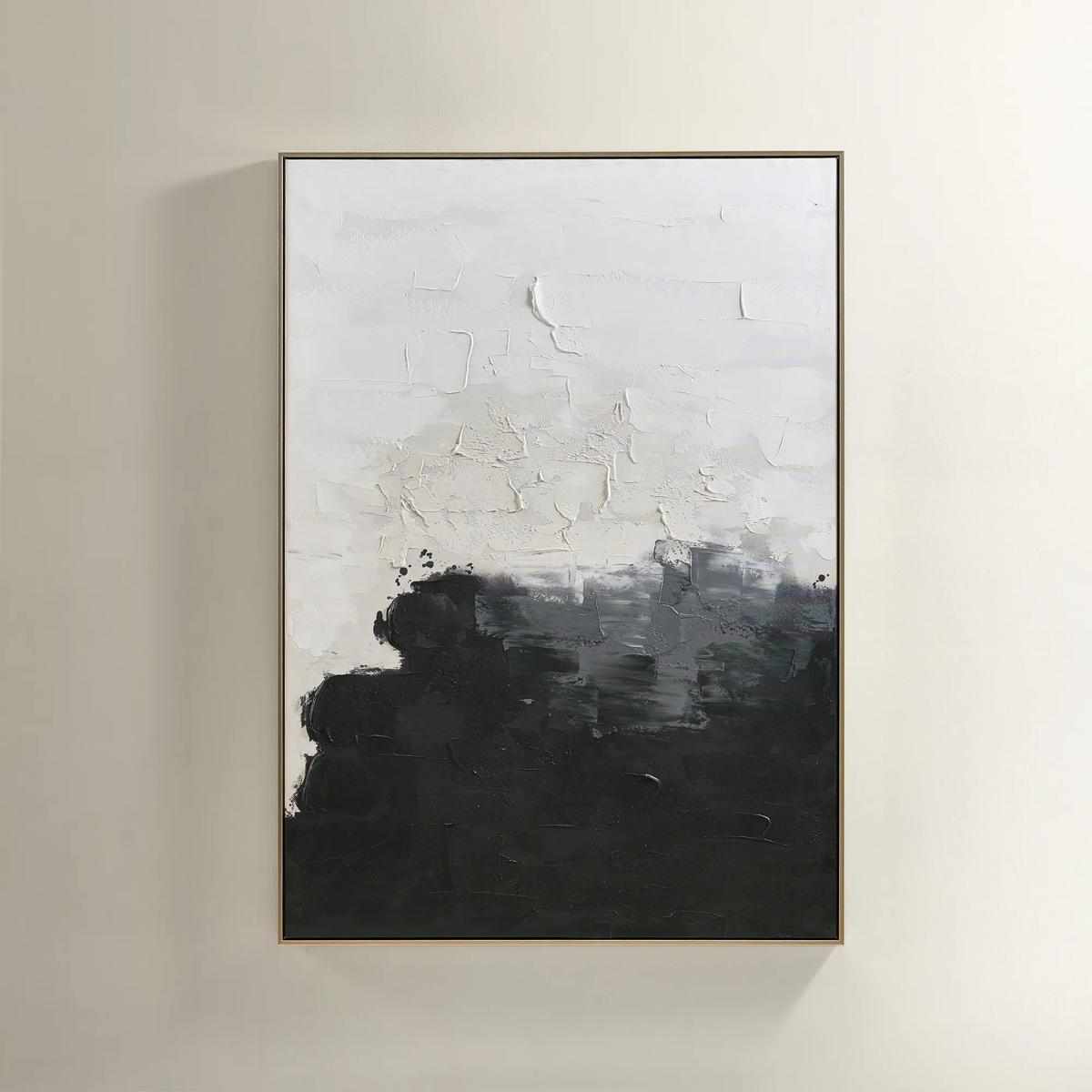
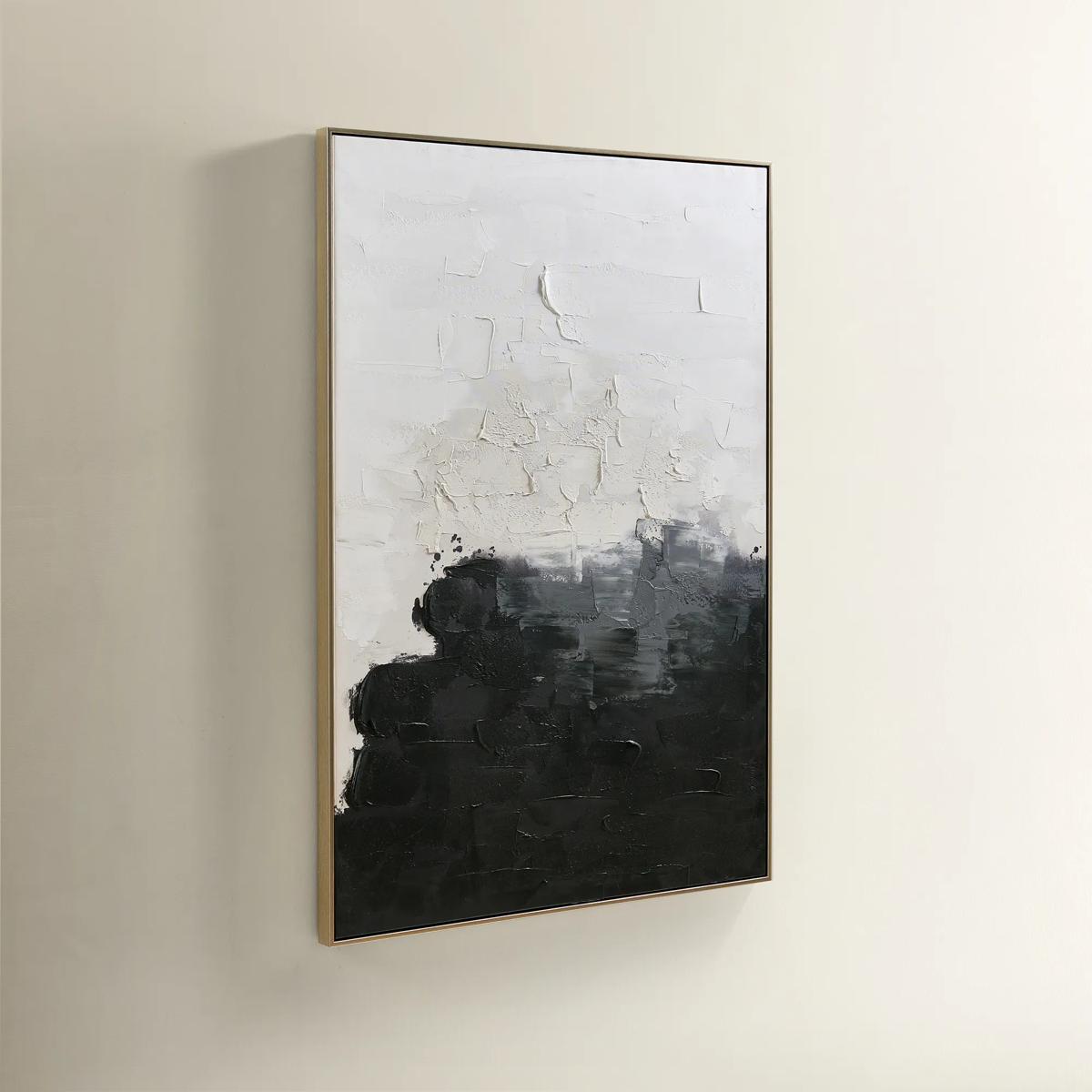 No Rush Painted Wall Art 39.25" x 55"$499
A hand-painted canvas featuring textured strokes of white, ivory, and charcoal in a natural wood frame.
Add To Cart -
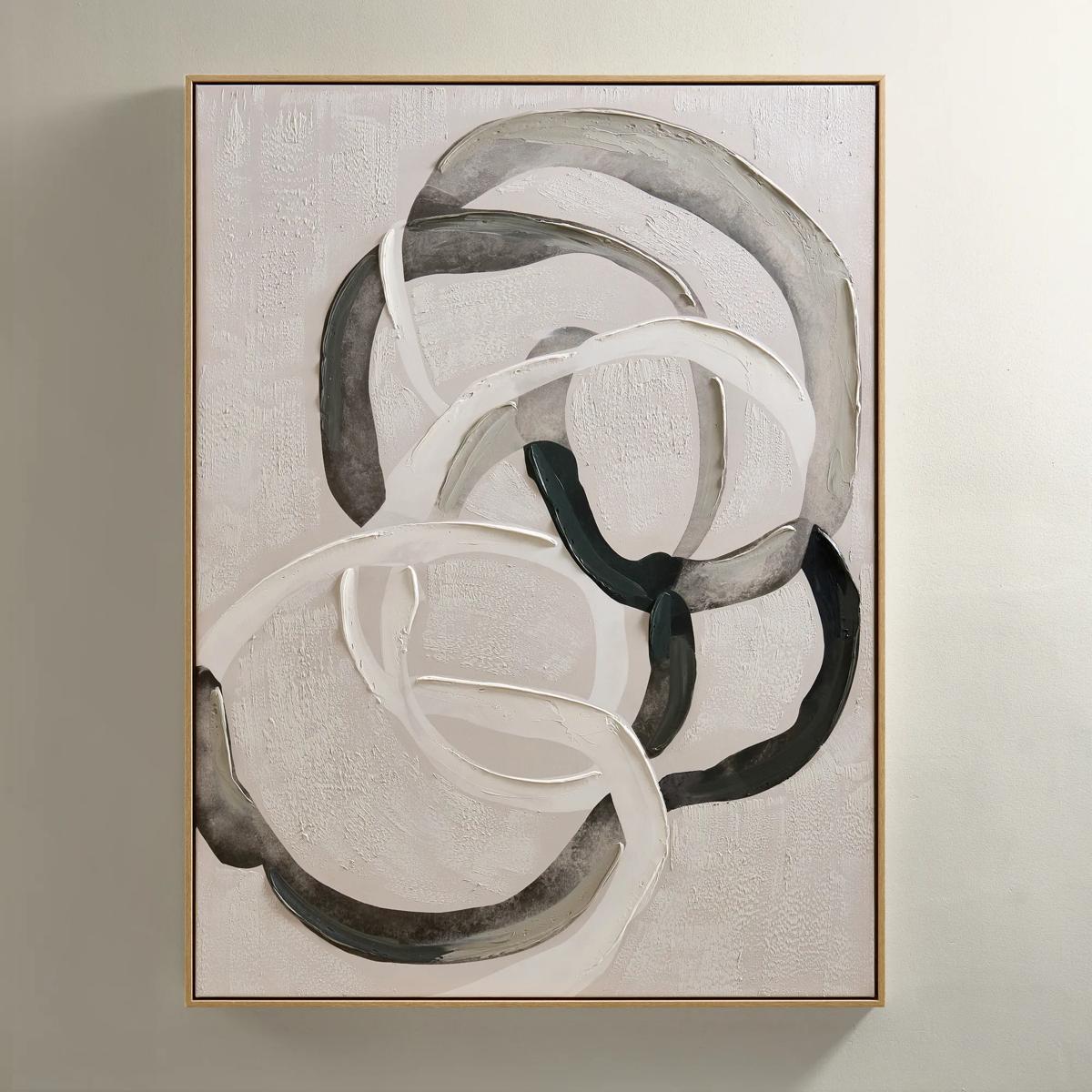
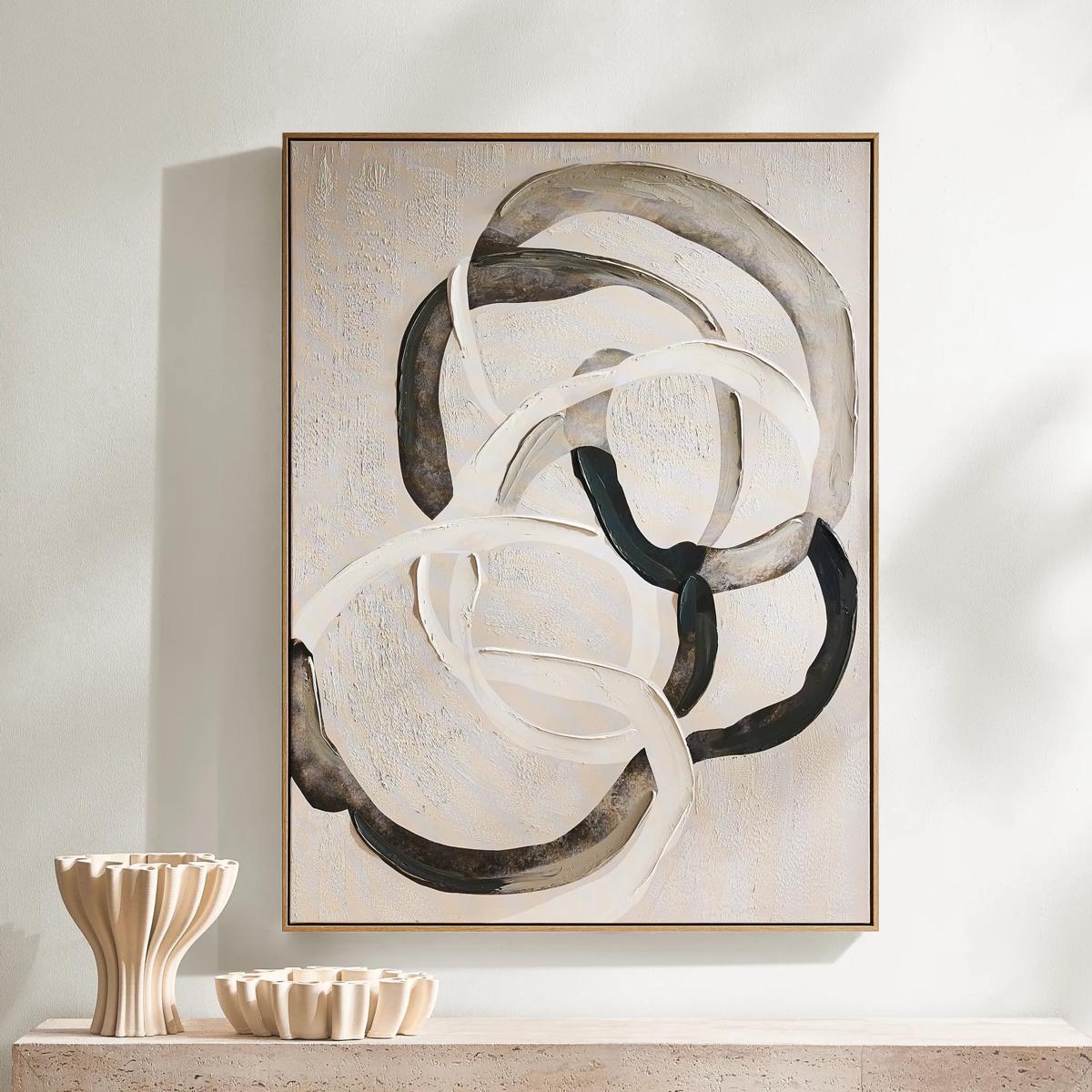 Round About Framed Painted Wall Art 35.25" x 47.25"$349
An abstract hand-painted canvas with tonal whites, charcoals, and taupes in a light wood floater frame.
Add To Cart -
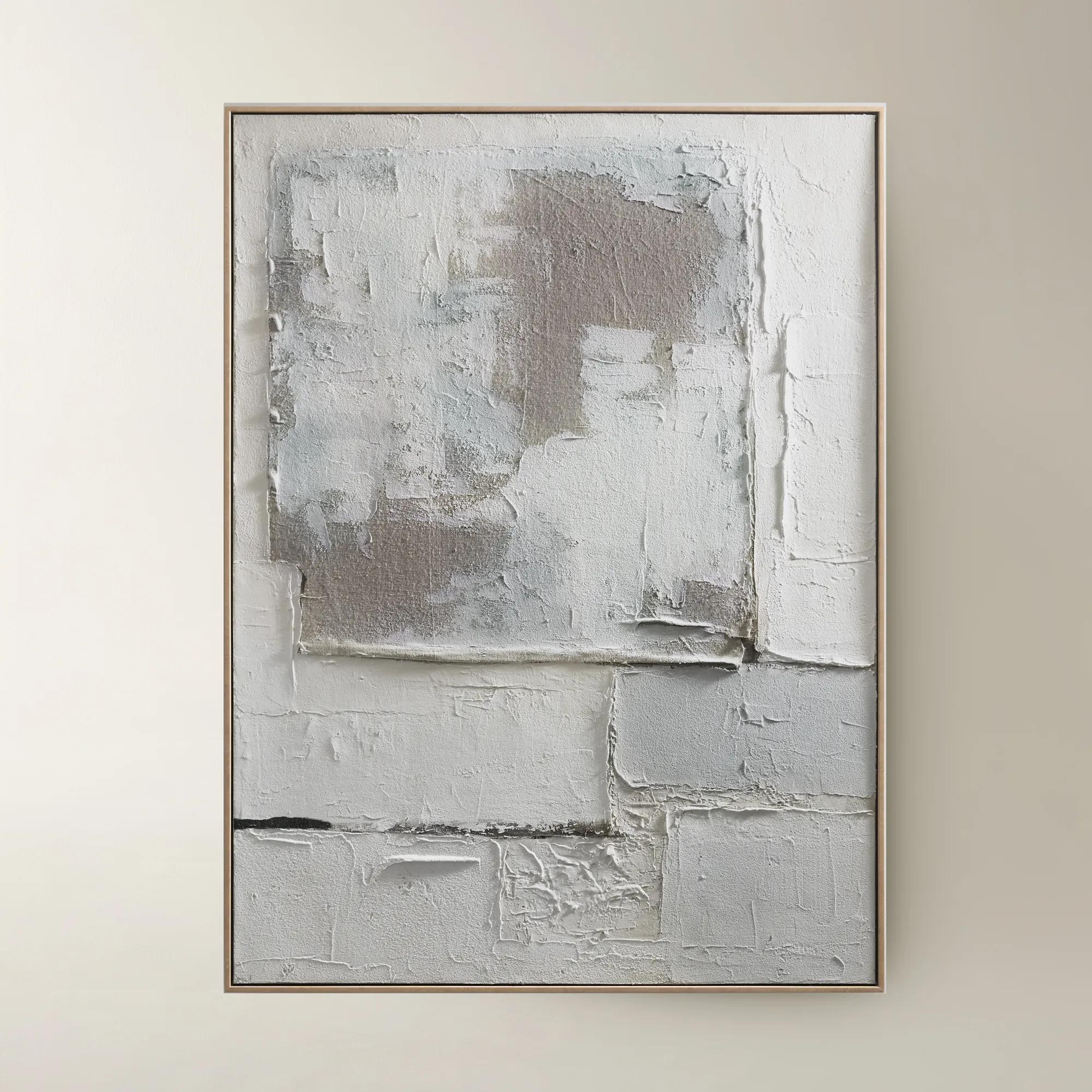
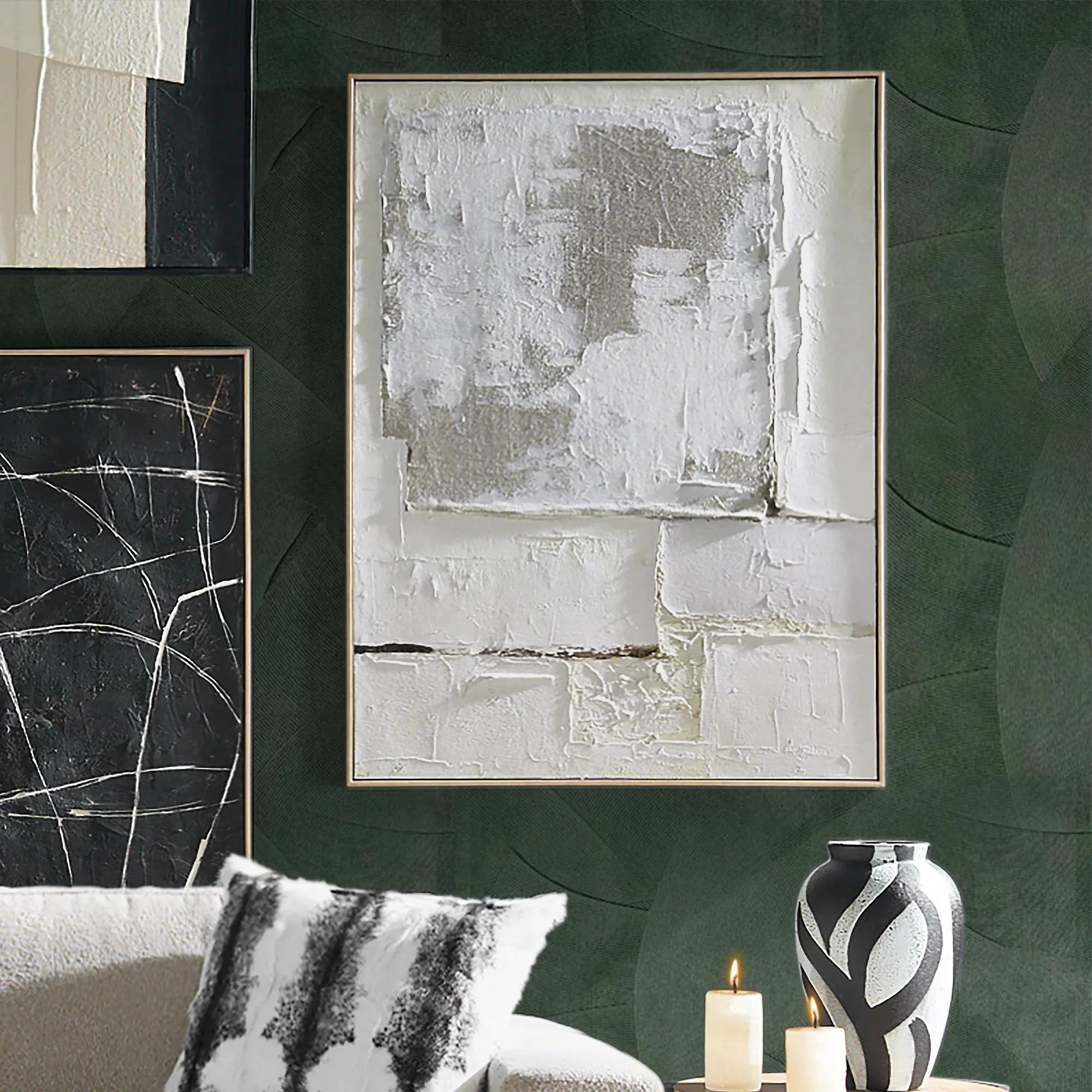 Marrow Painting$399
A hand-painted abstract canvas in subtle beige hues, elegantly framed in a warm beech wood floater.
Add To Cart -

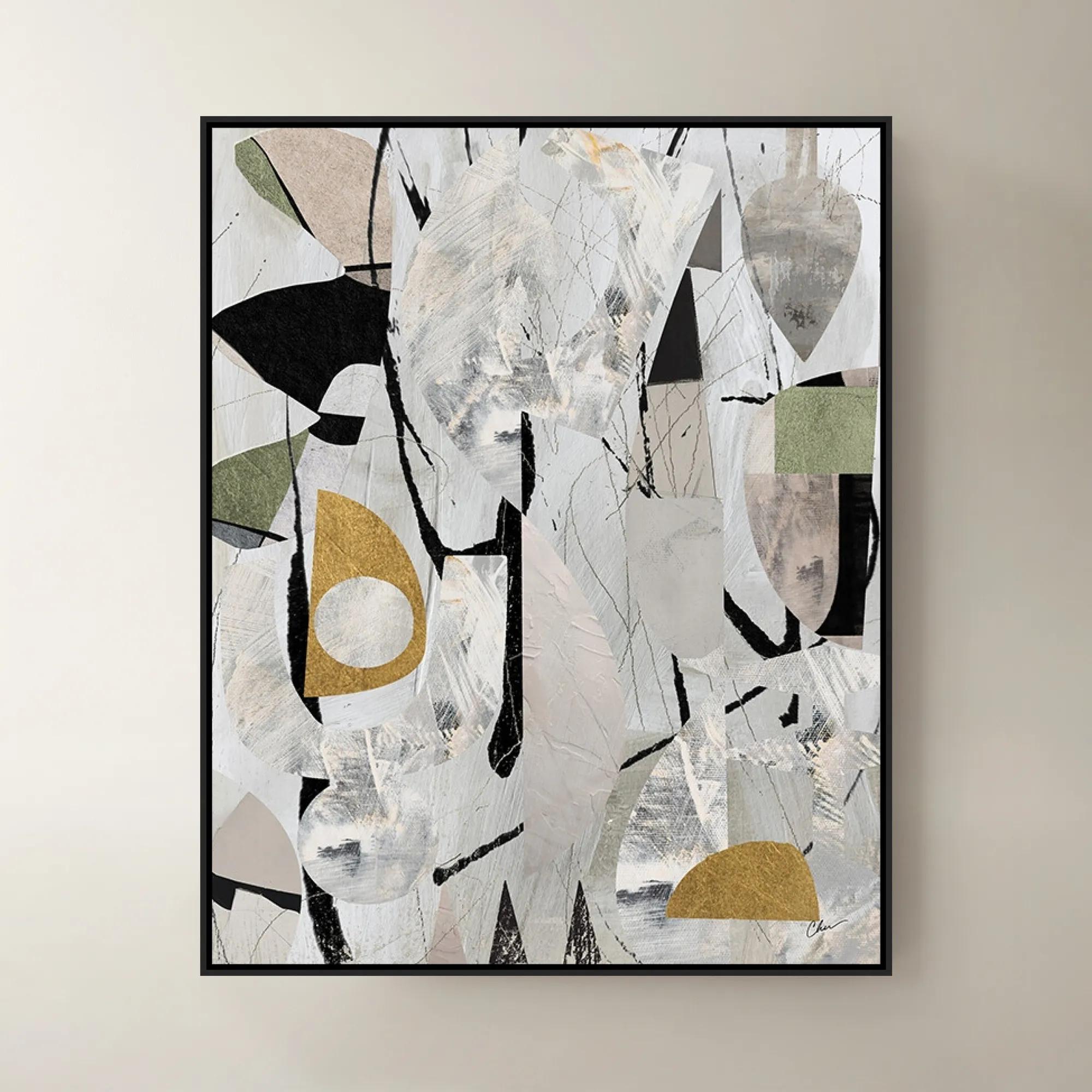
 Tribe V Framed Wall Art 24" x 28"$599
A striking contemporary art piece designed by acclaimed interior designer Nikki Chu.
Add To Cart -

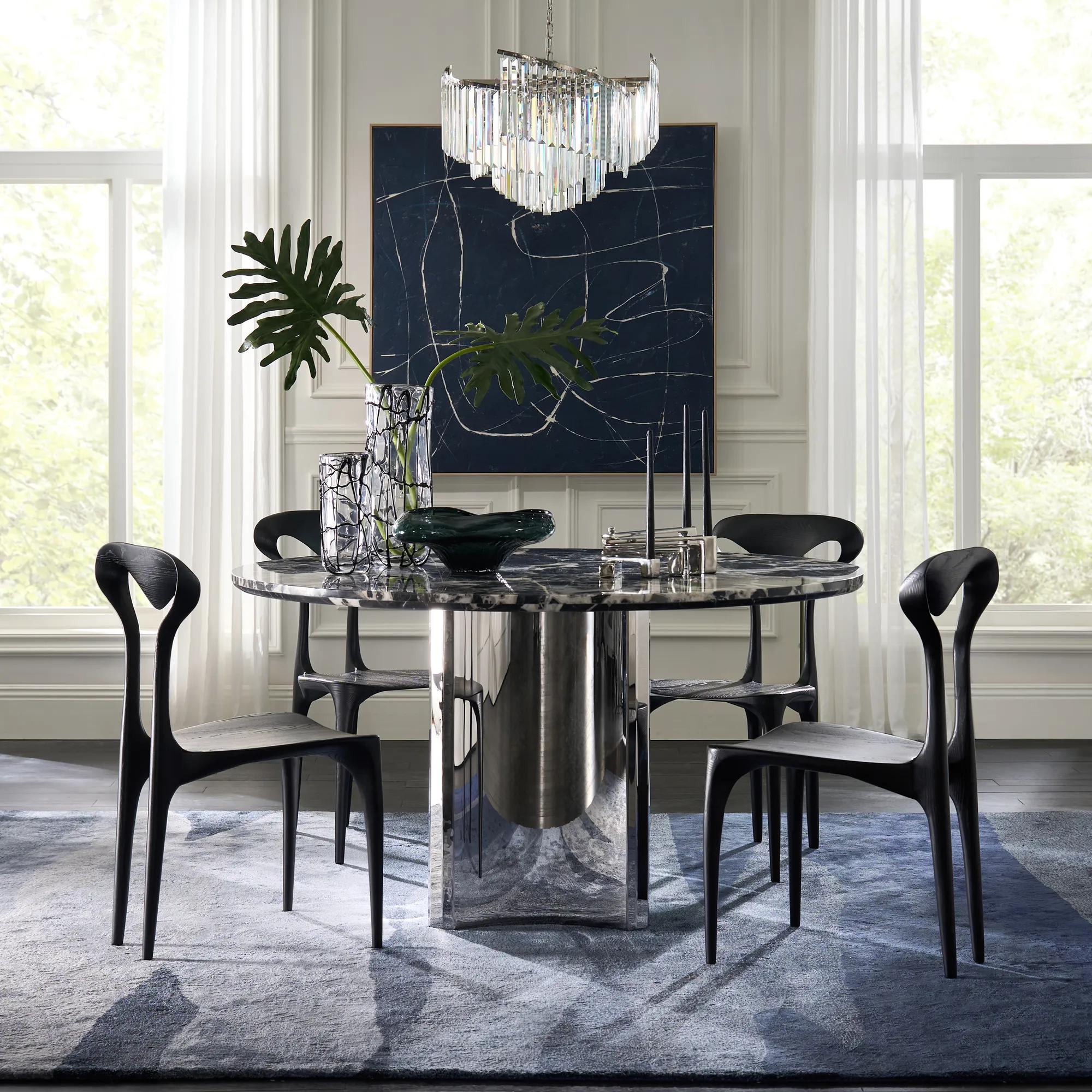 Almost Midnight Painting - Blue$439
A hand-painted canvas featuring bold blue and black tones with delicate white lines in a light wood frame.
Add To Cart -
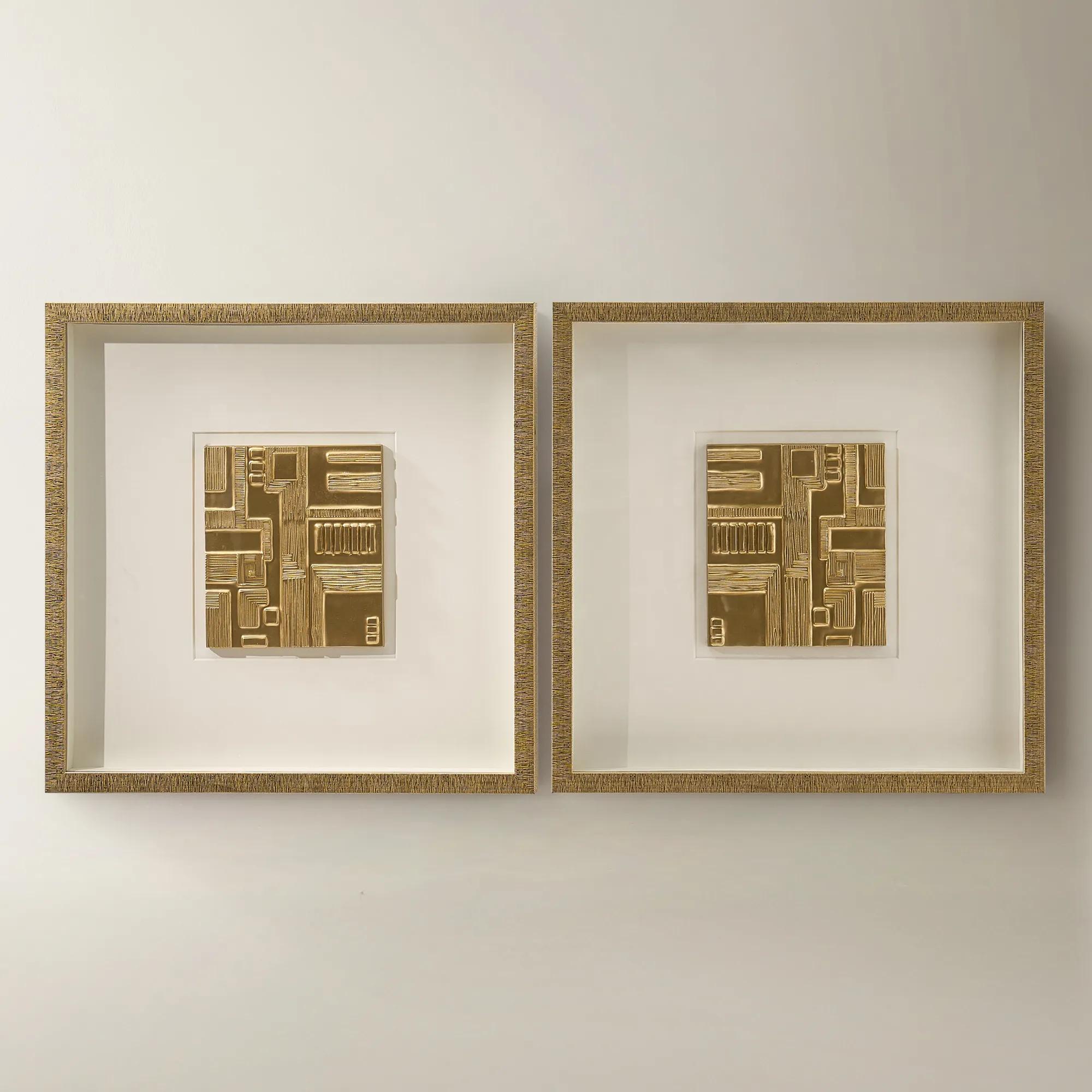
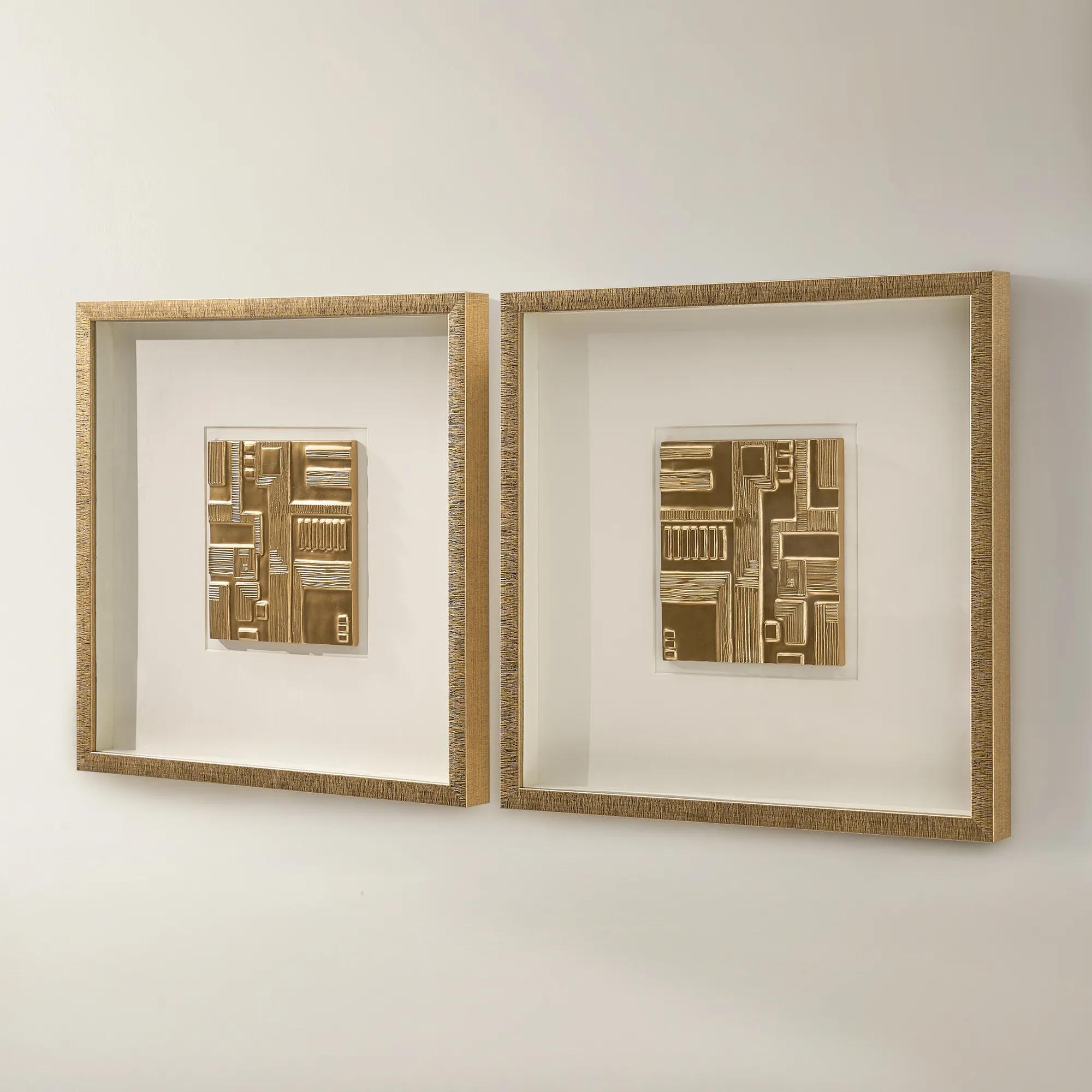 Ritual Framed Woodcarving Wall Decor Set of 2$329
A set of two gold-framed woodcarvings with ivory mats and dimensional relief for gallery-style wall decor.
Add To Cart -

 Flip the Paint Buckets Framed Wall Art 40" x 60"$1899
A vibrant multicolored canvas wall artwork featuring playful paint buckets in a framed presentation.
Add To Cart -

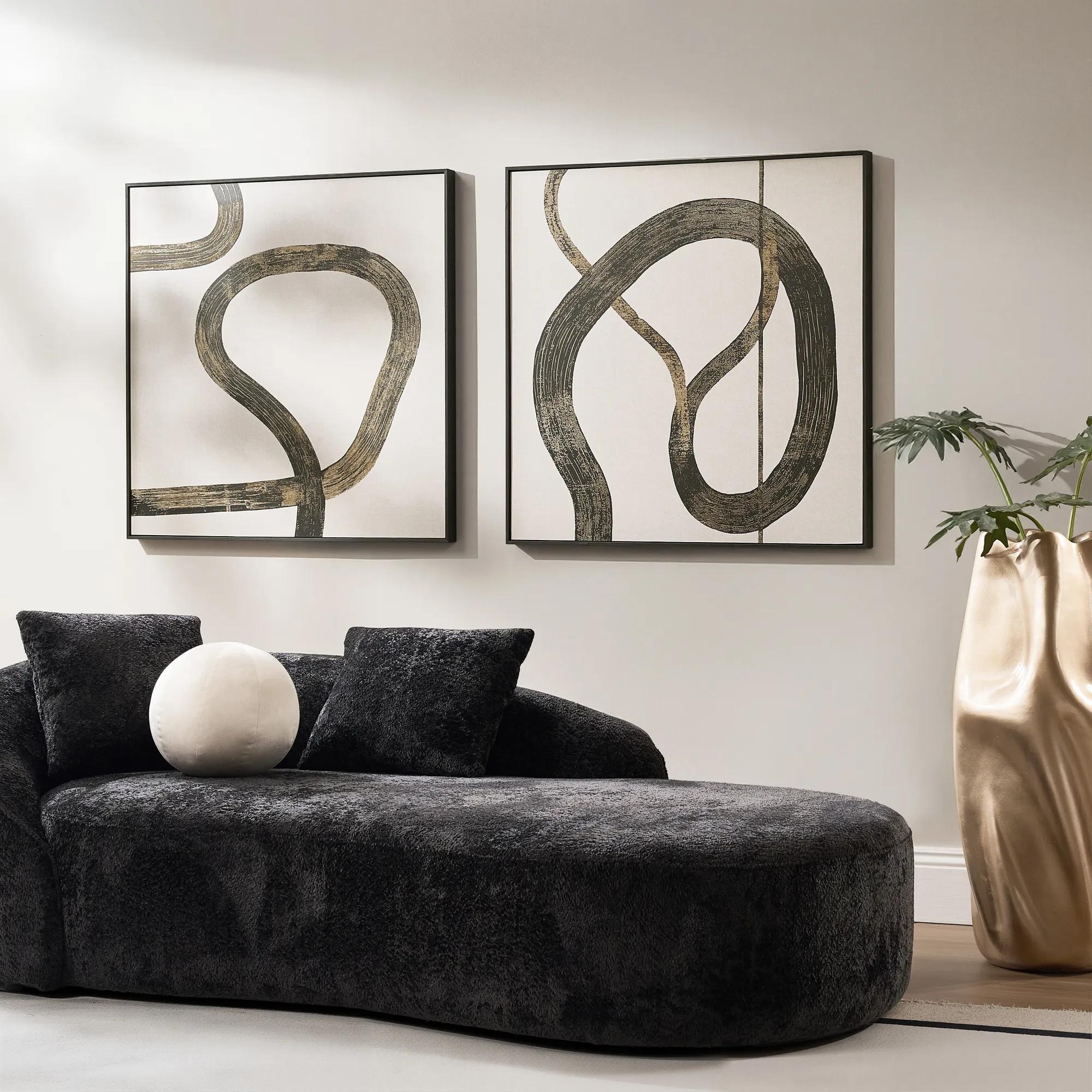 Live Wire Framed Gold Foil Painted Wall Art II 39" x 39"$349
A framed wall artwork featuring gold foil-painted detailing for glamorous modern display.
Add To Cart -
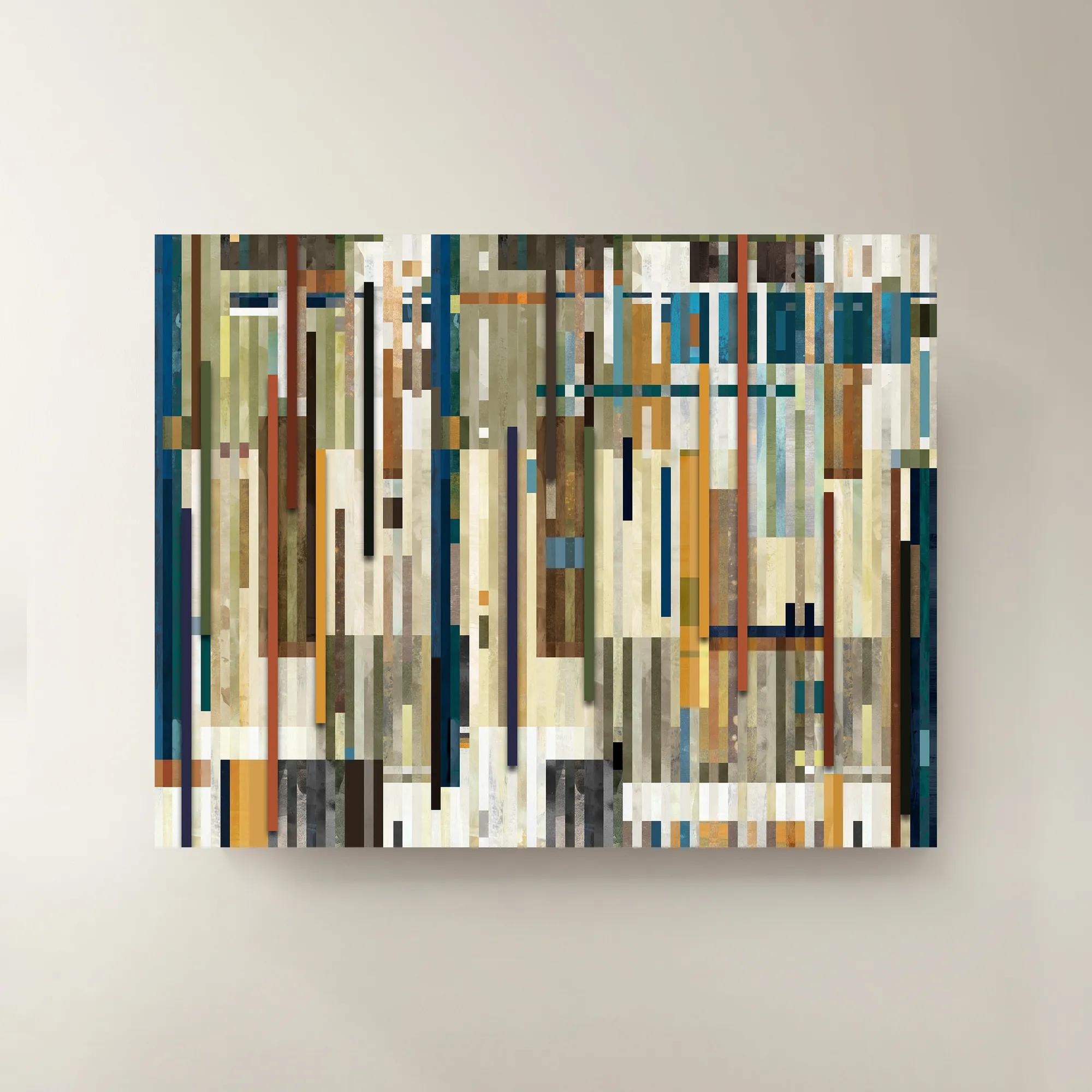
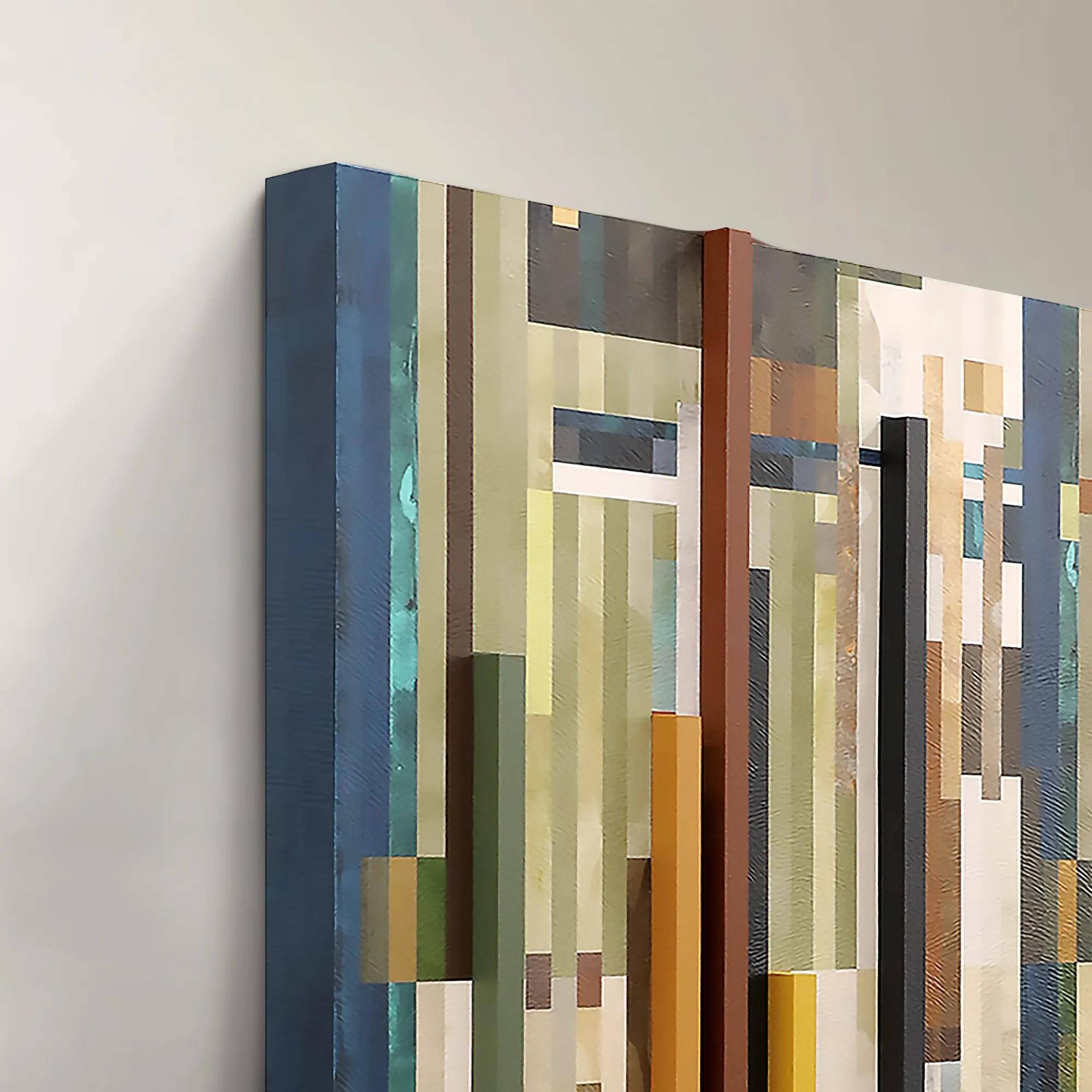 Chromatic Rhythms II Wall Art 60" x 47"$1899
A dynamic blue abstract canvas artwork featuring rhythmic geometric composition.
Add To Cart -
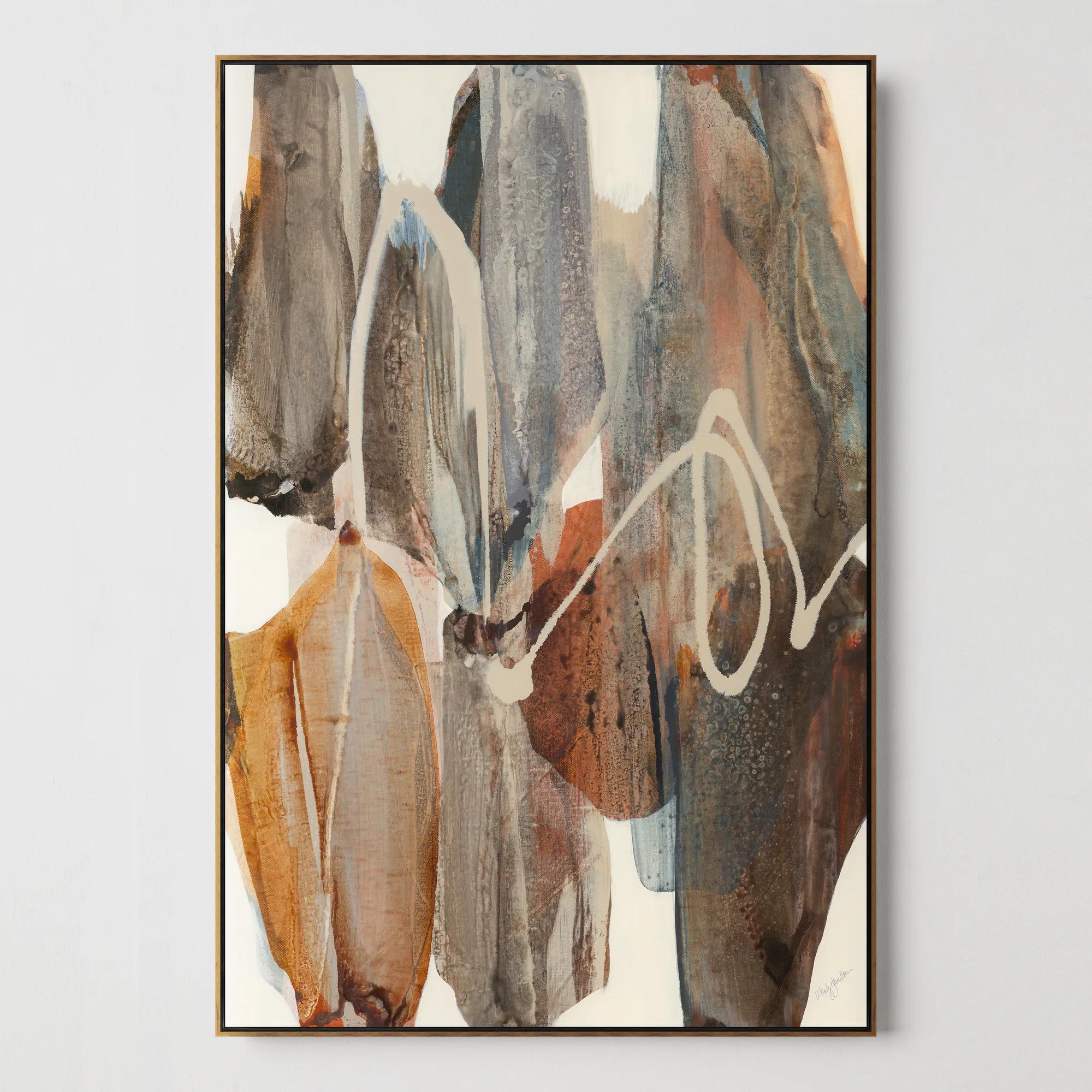
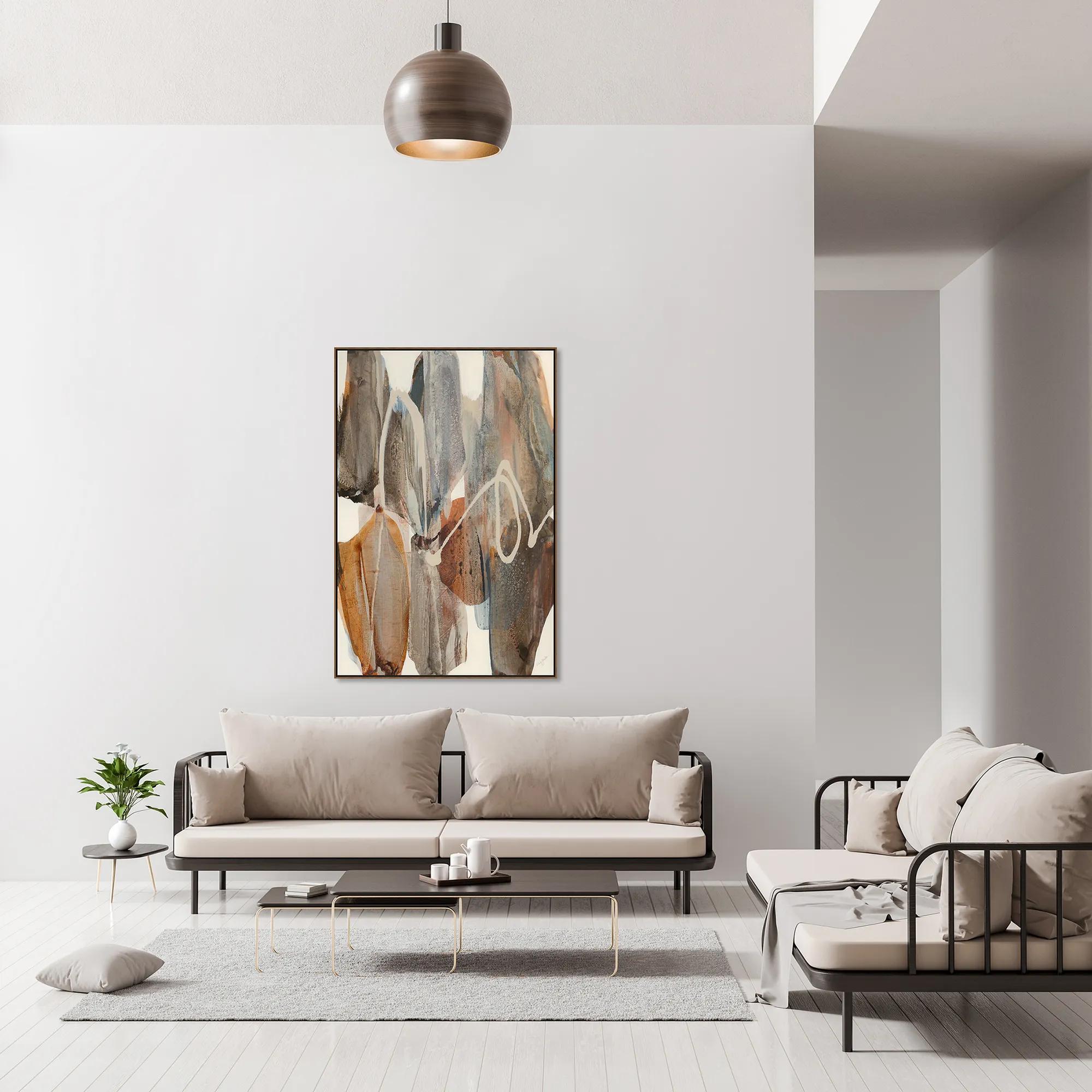 Boundless Framed Wall Art 40" x 60"$999
A gallery-wrapped canvas artwork with hand-applied brush gel finish in an oak floater frame.
Add To Cart -
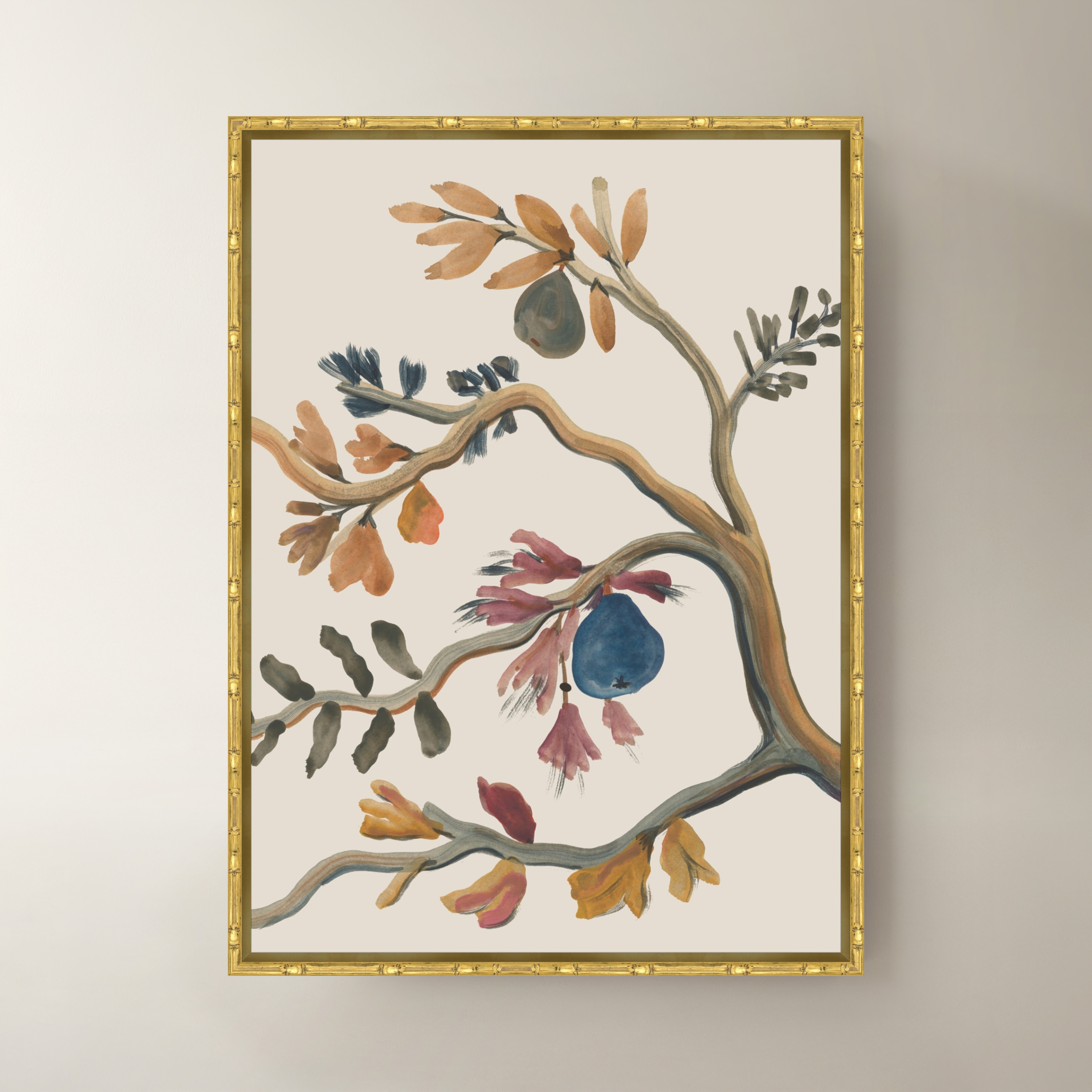
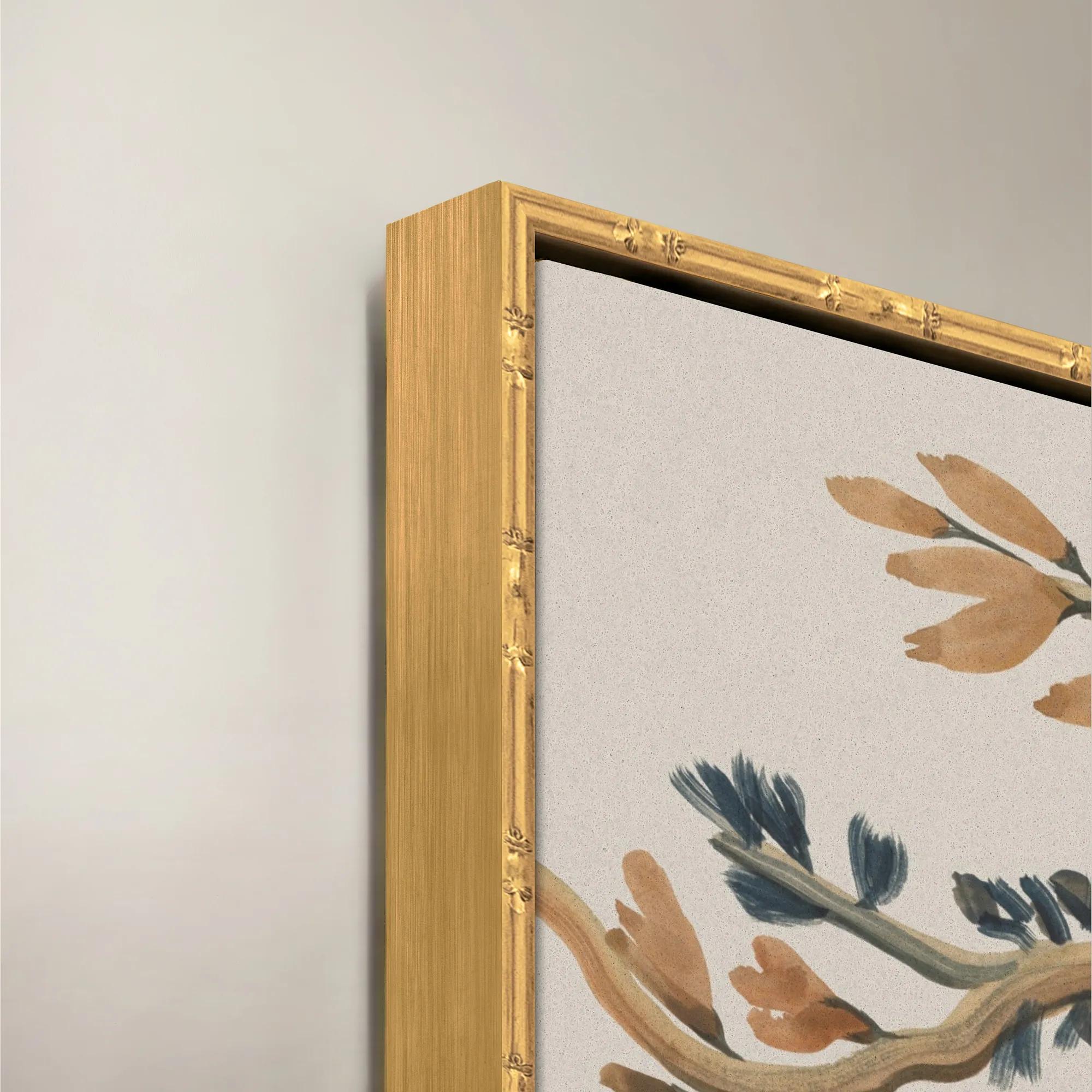 Whispering Orchard I Framed Wall Art 24" x 33"$749
A multicolored canvas wall artwork presented in a refined frame for vibrant, gallery-inspired styling.
Add To Cart -
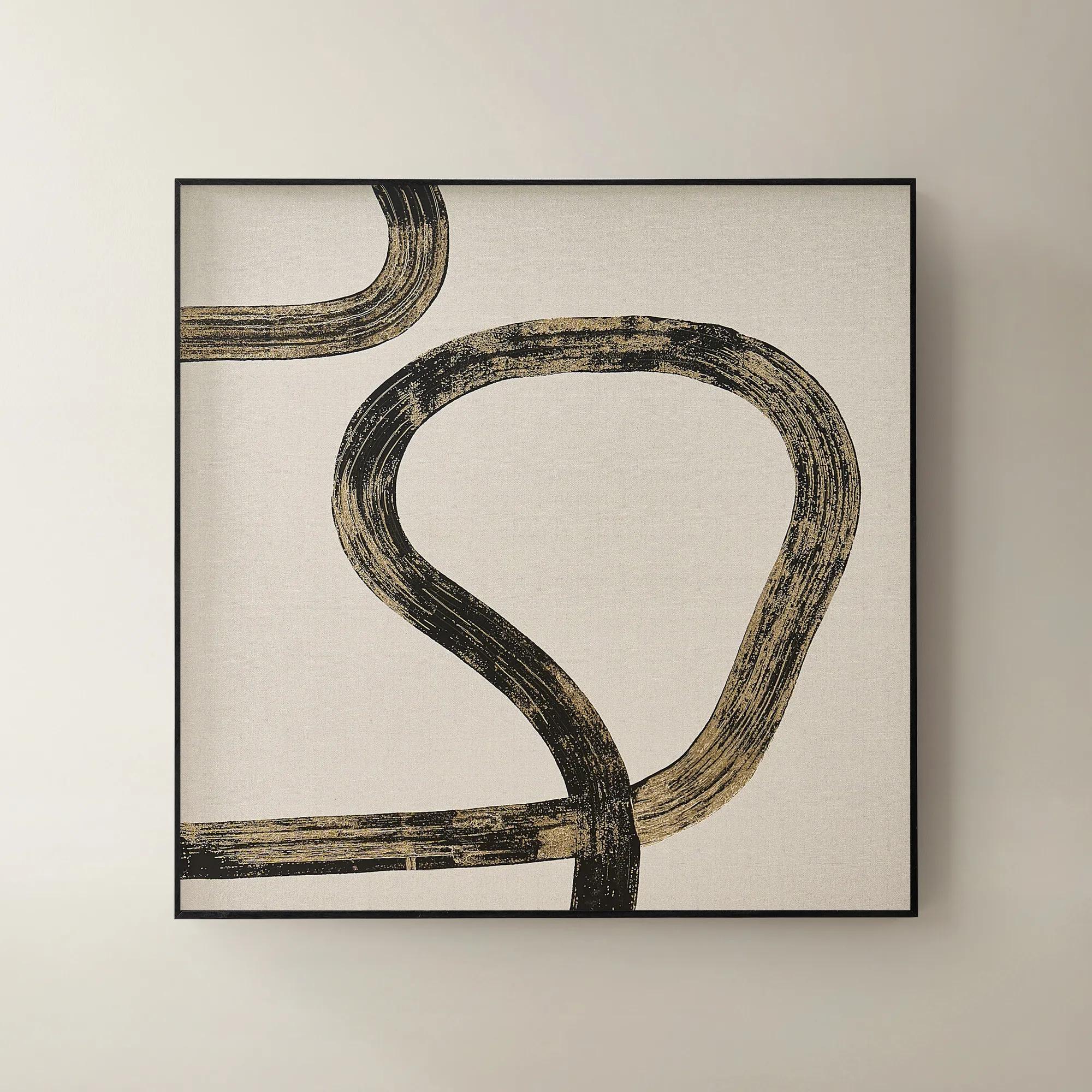 Live Wire Framed Gold Foil Painted Wall Art I 39" x 39"$349
A striking gold foil painting framed to bring modern artistic elegance and luminous texture to any wall.
Add To Cart -
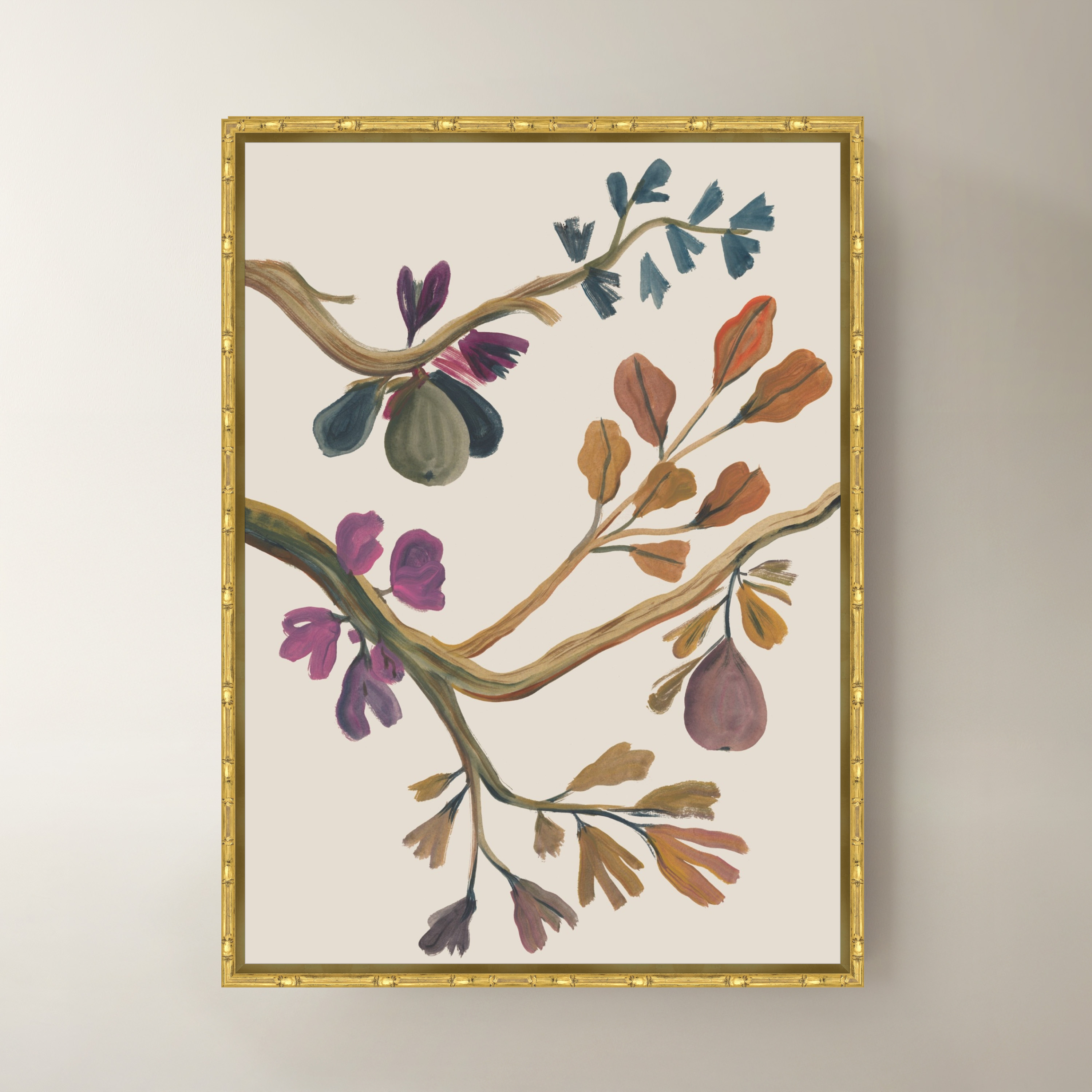
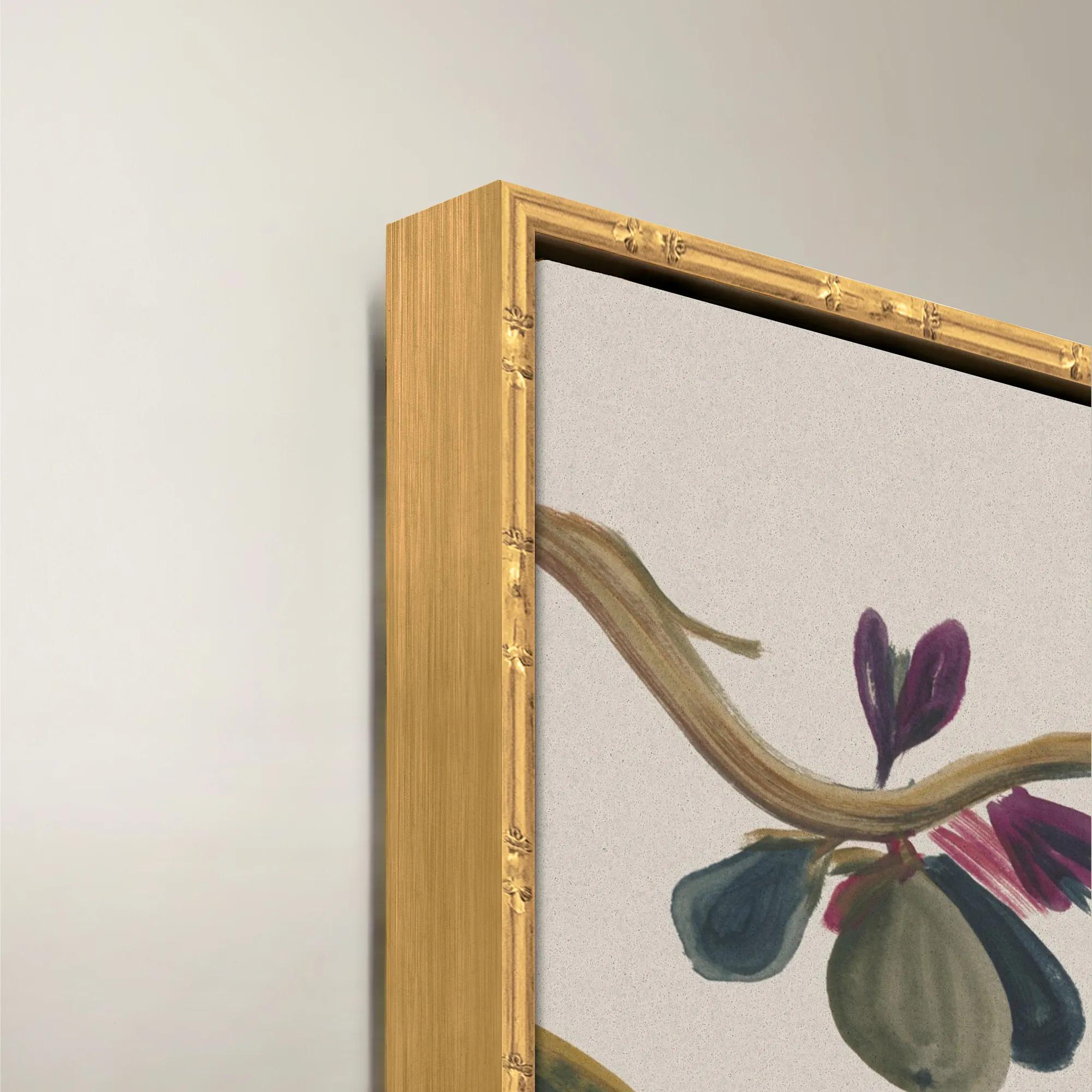 Whispering Orchard II Framed Wall Art 24" x 33"$749
A multicolored canvas wall art piece presented in an elegant frame for contemporary interiors.
Add To Cart -
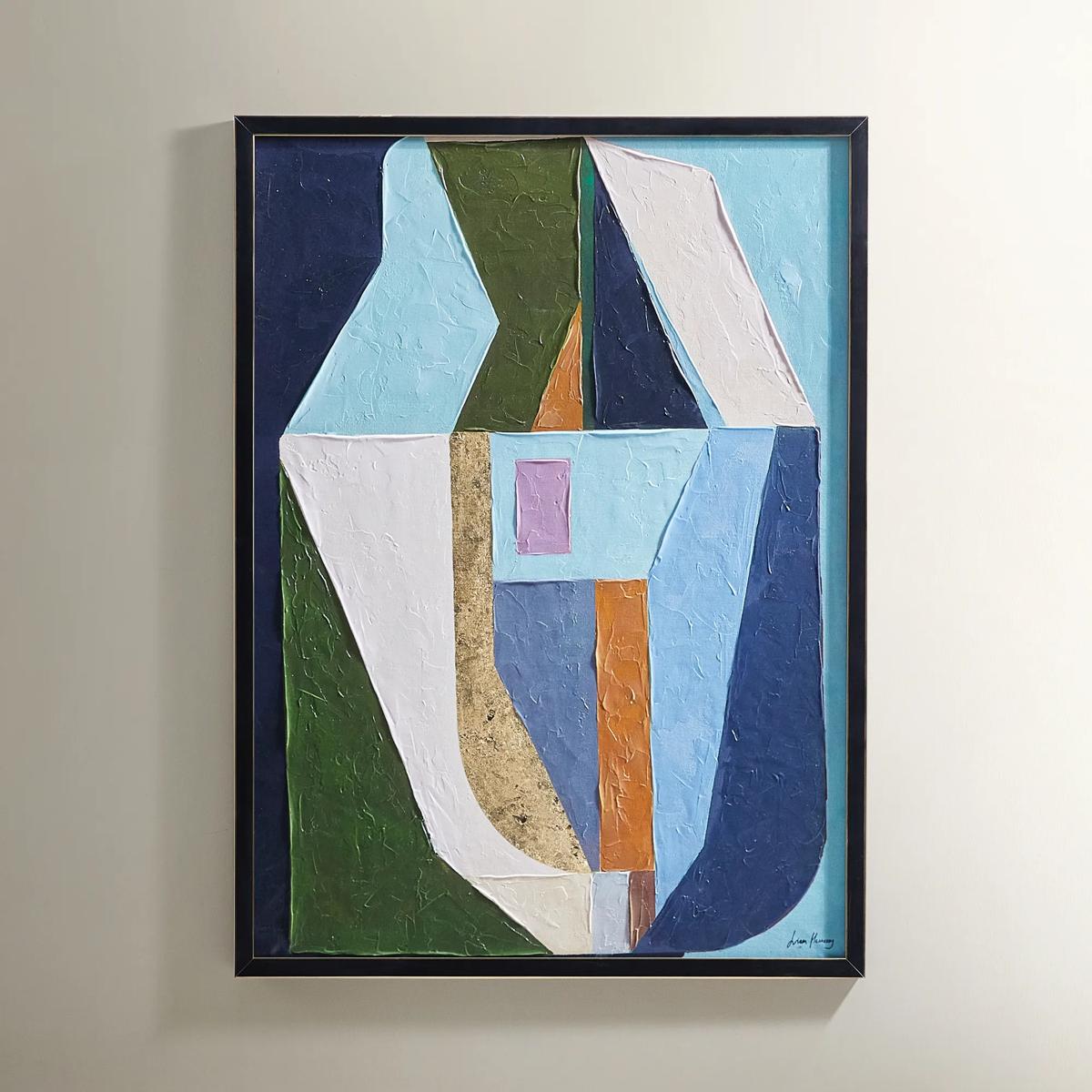 Thought Provoking Painting 2$249
A hand-embellished canvas artwork featuring textured strokes in deep blue, olive green, and gold accents.
Add To Cart -
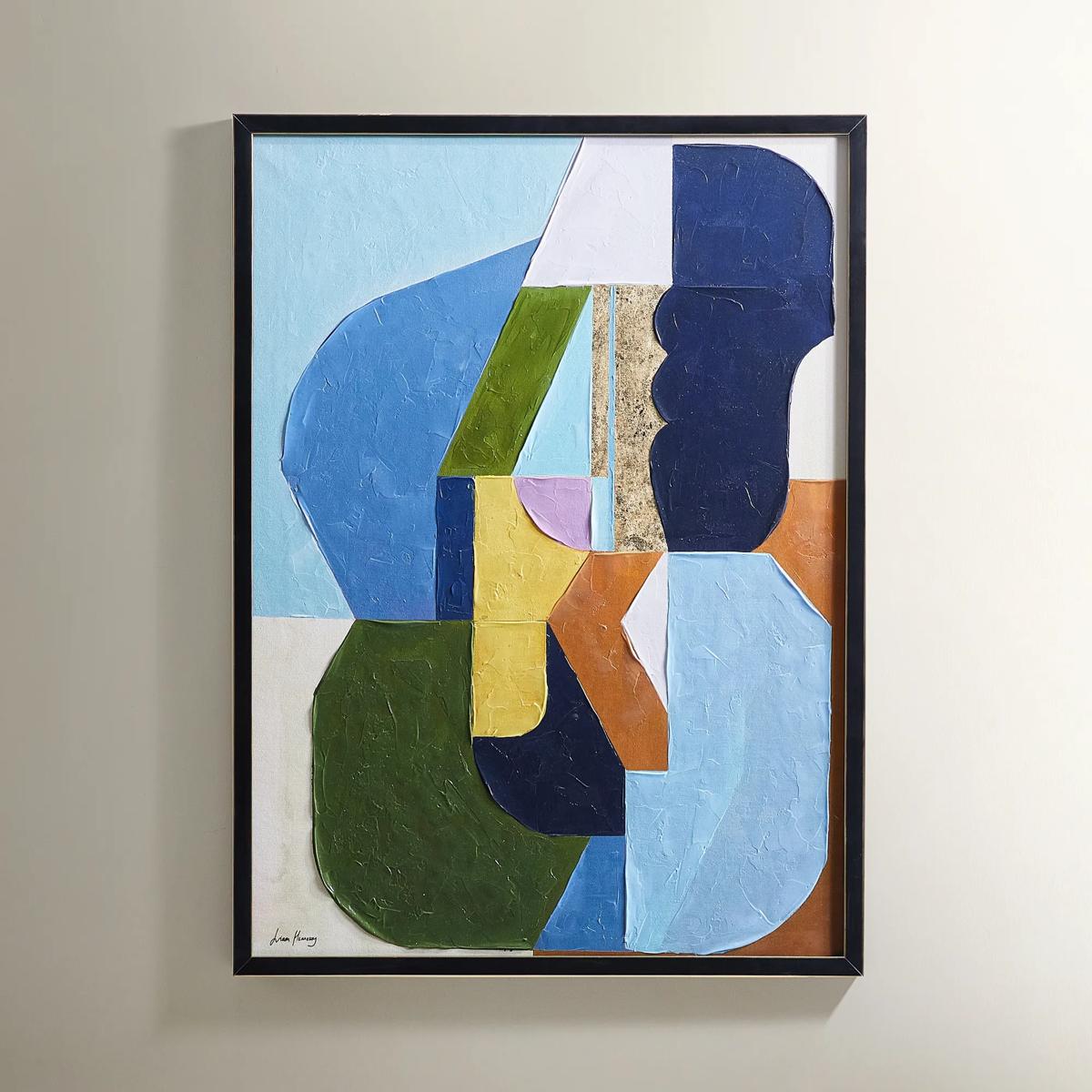
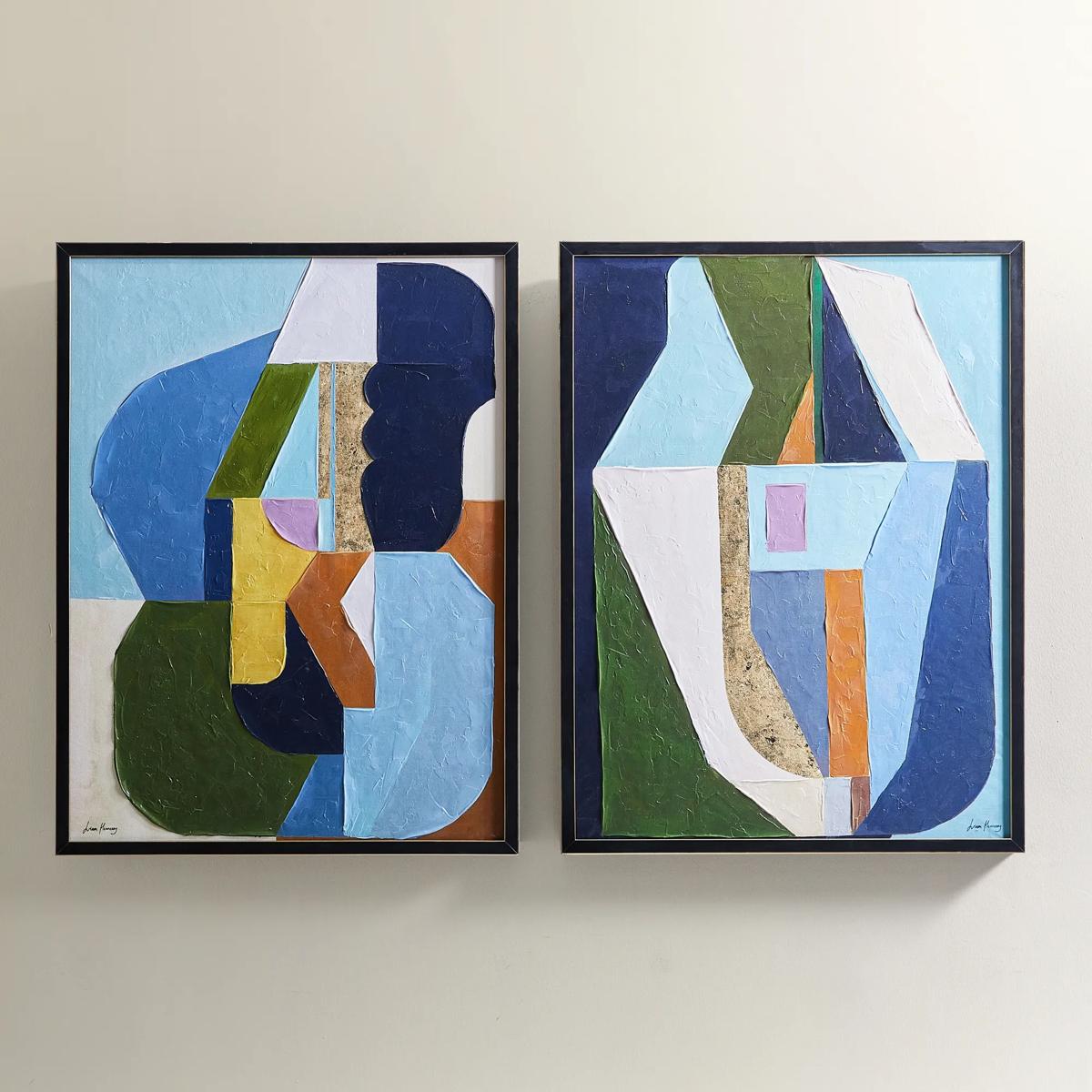 Thought Provoking Painting 1$249
A hand-embellished canvas artwork featuring textured strokes in deep blue, olive green, and gold accents.
Add To Cart -
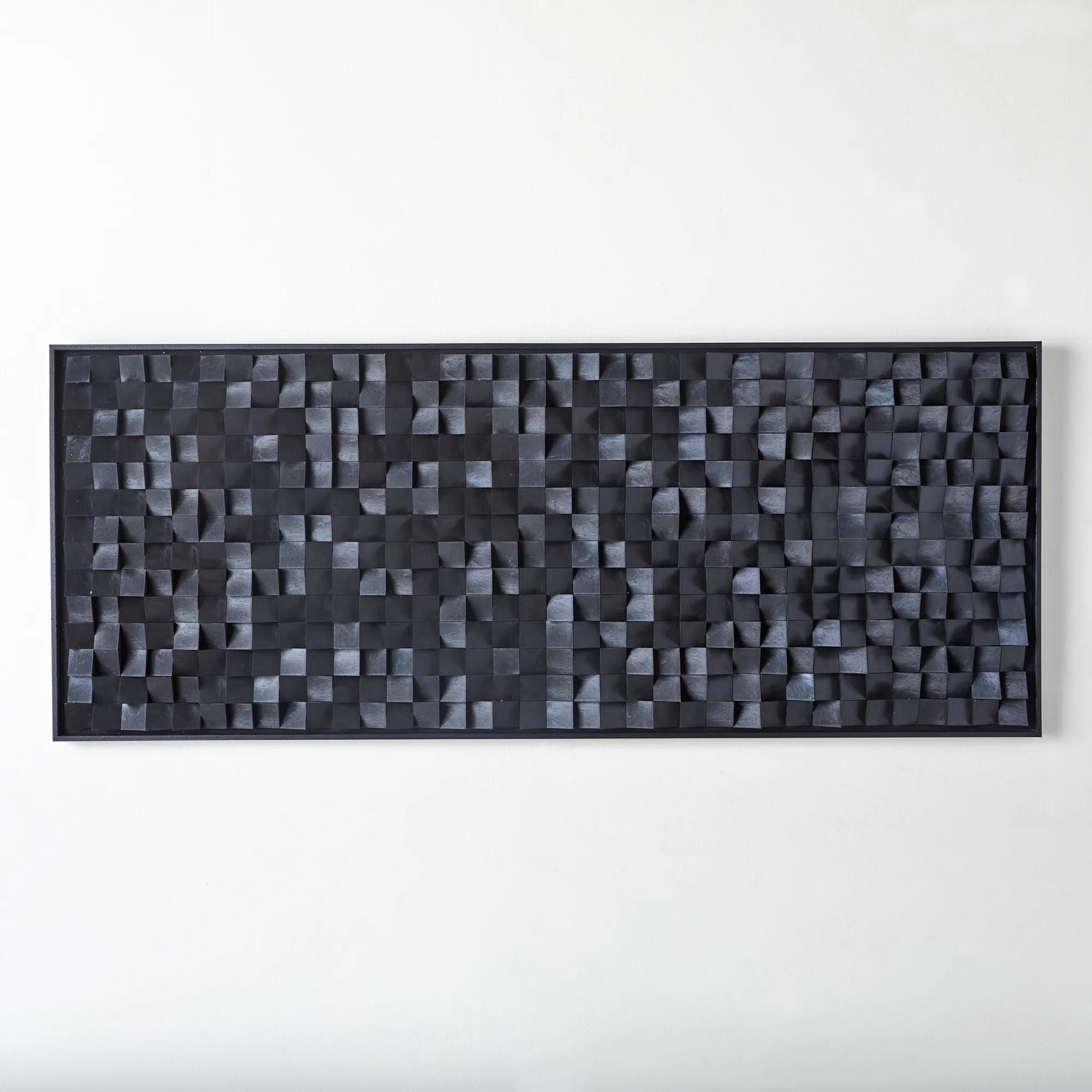 Nightfall Black Wood Dimenisonal Wall Panel 59" x 23.5"$599
An abstract wall art piece featuring cut black blocks in a sleek, low-profile black frame.
Add To Cart -
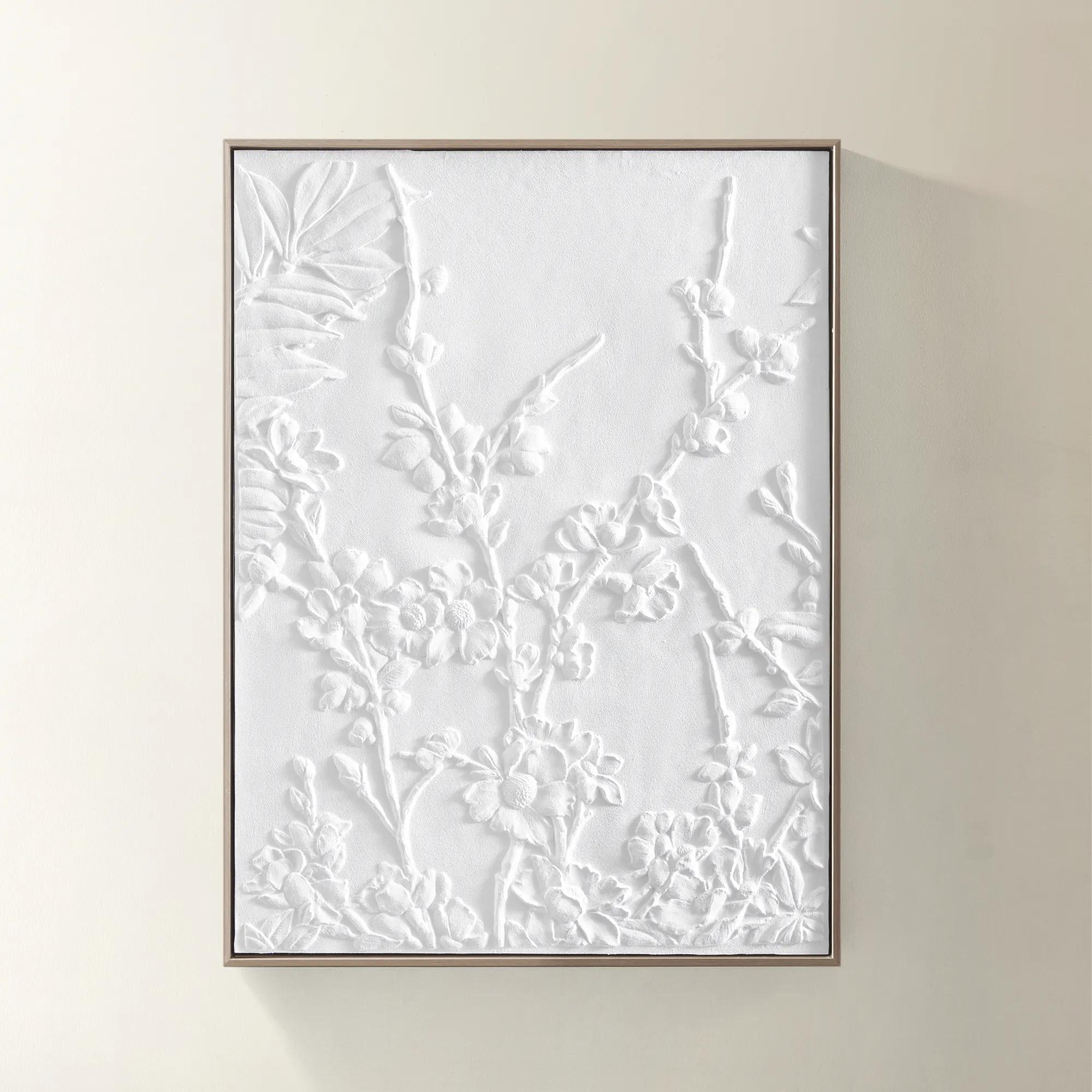
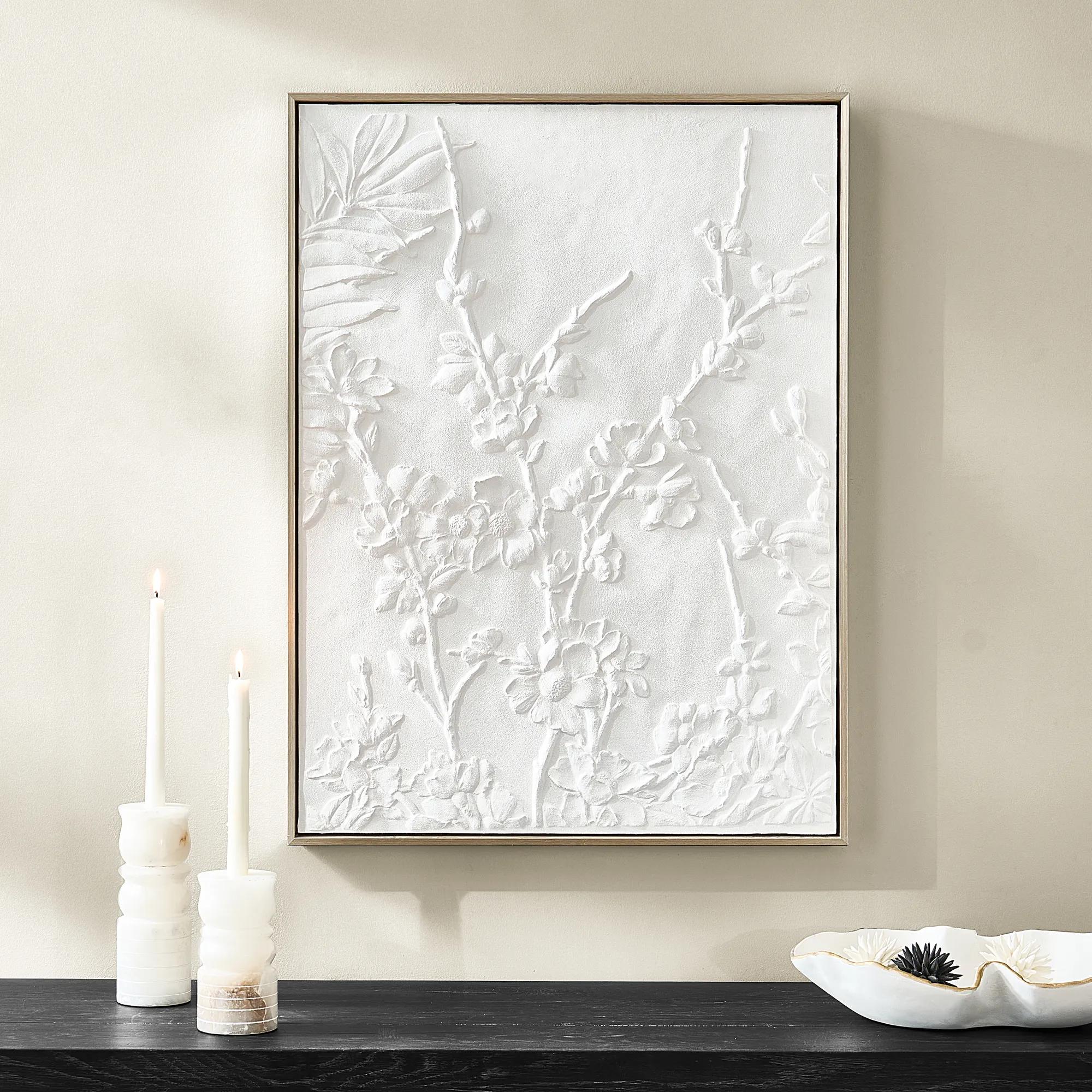 Allegro Framed Painted Wall Art 31.5" x 23.6"$109
A hand-painted canvas featuring textured floral motifs, framed in a warm champagne finish for subtle sophistication.
Add To Cart -
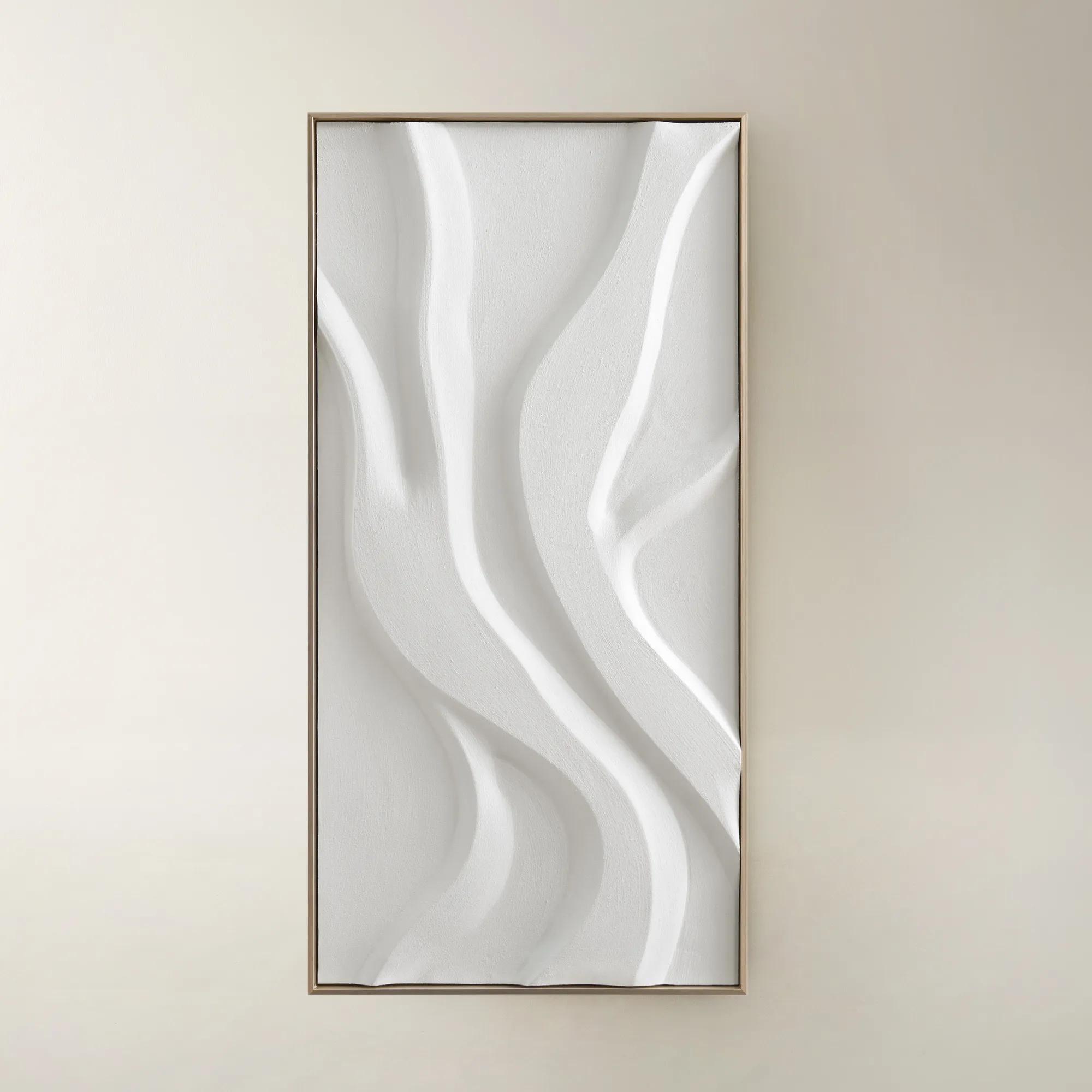
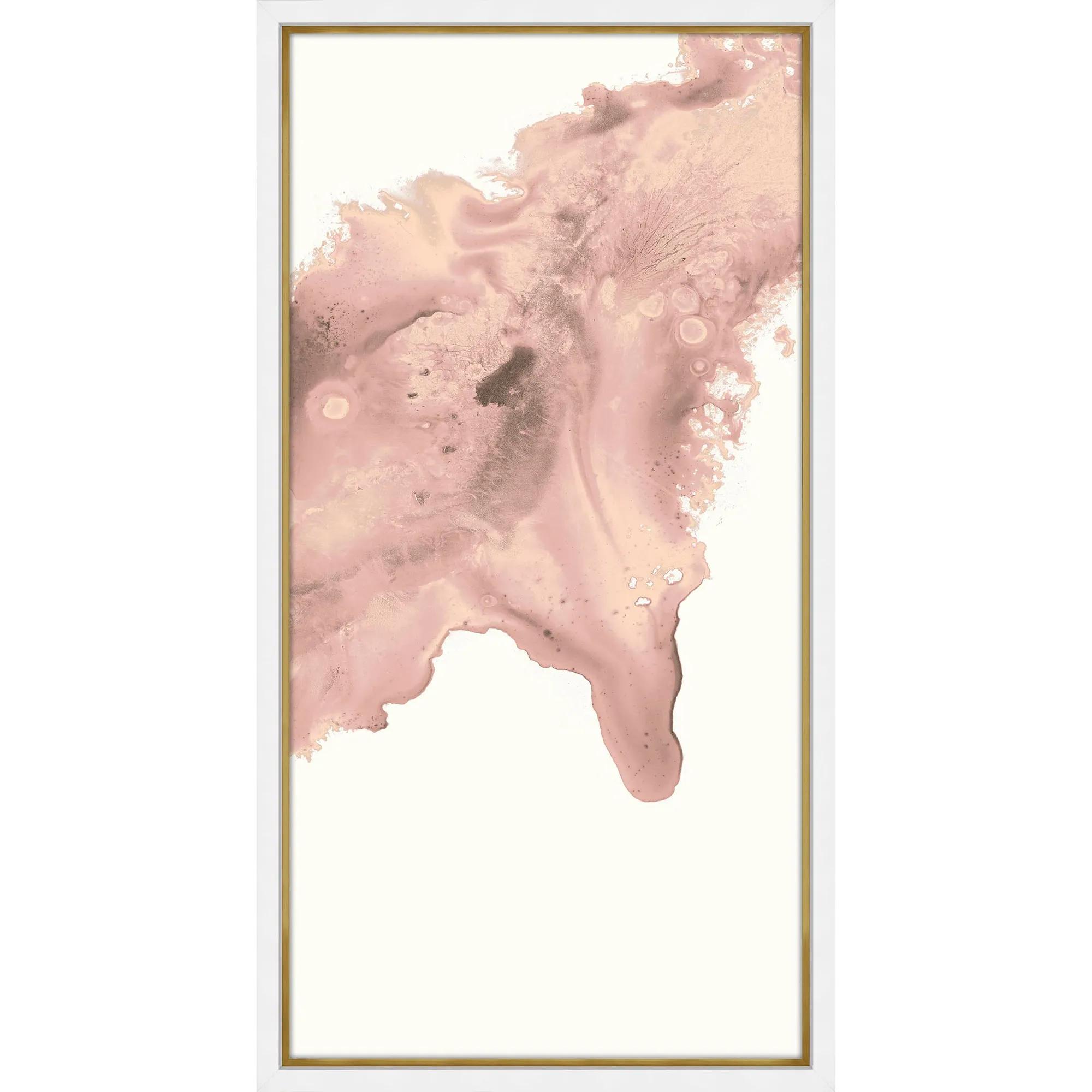
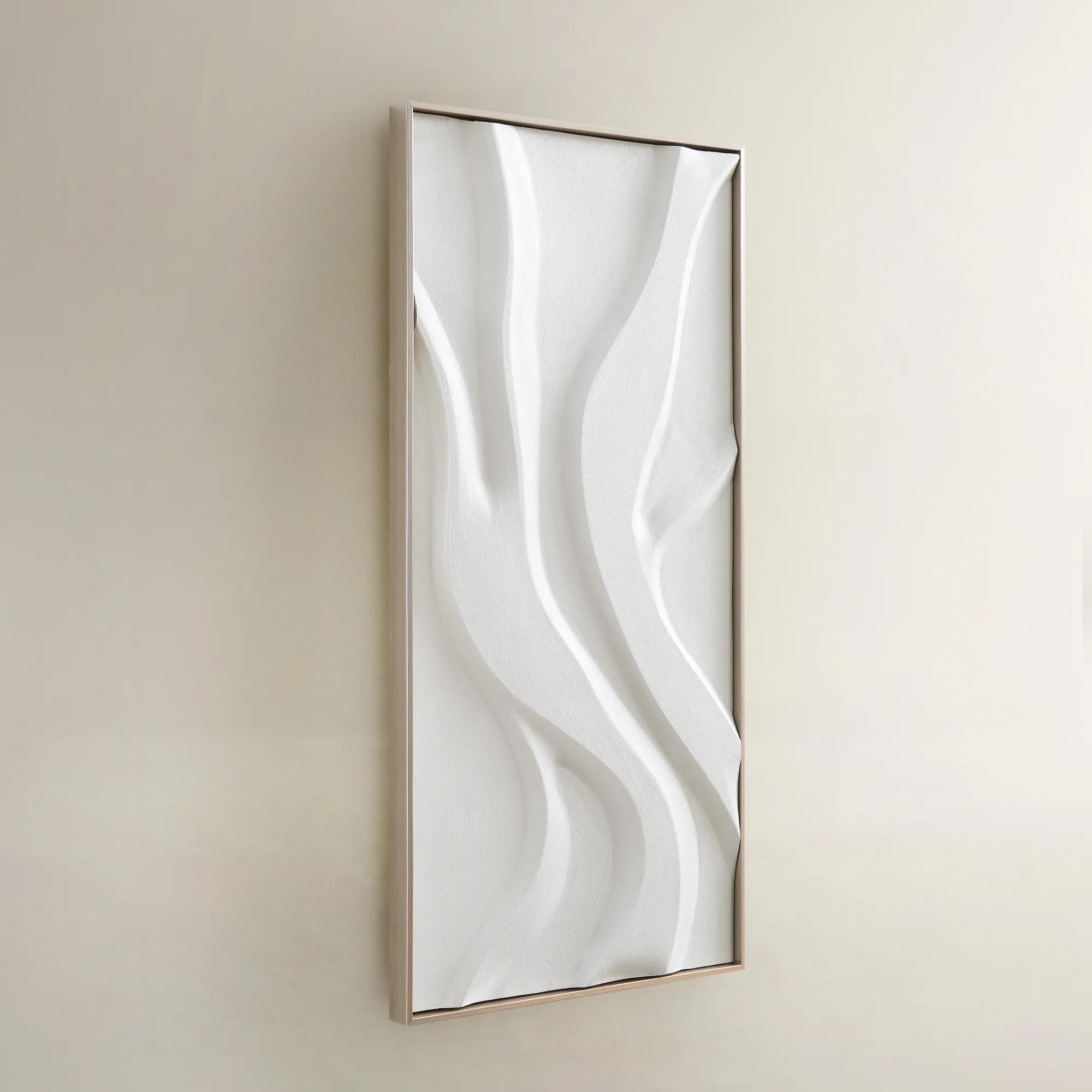 Au Lait Framed Painted Wall Art I 47.2" x 23.6"$199
An organic hand-painted canvas featuring flowing white forms in a warm champagne finish floater frame.
Add To Cart -

 Titan II Framed Printed Wall Mirror 40" x 60"$1529
A striking modern mirror designed to elevate contemporary spaces with artistic flair.
Add To Cart

White And Wood Framed Wall Arts
White and wood framed wall arts invite a sense of effortless sophistication into every room, marrying luminous clarity with the organic warmth of natural grain. Each piece becomes a curated moment—where crisp, gallery-inspired whites meet the inviting texture of wood, creating an artful contrast that feels both modern and timeless. Whether you’re seeking to elevate a serene sanctuary or add a touch of understated drama to your living space, these works transform blank walls into bold statements. Discover how white and wood framed wall arts can infuse your home with visual poetry, offering the perfect balance of purity and presence for those who believe every detail deserves its own spotlight.
White and wood-framed wall art pairs crisp white, ivory, or cream tones with the organic character of timber, creating a balance of luminous color and natural texture. The look can come from pale artwork inside a wood frame, a white-finished wooden frame around a richly detailed image, or a composition that brings both elements together. Across abstract art, botanical imagery, landscapes, and dimensional designs, this pairing gives a room definition without demanding a saturated palette. Wood grain introduces warmth and movement; white creates breathing room around the image and draws attention to its shape, brushwork, or surface detail. Together, they lend themselves to interiors as varied as a tailored coastal living room, a sculptural contemporary bedroom, or a modern farmhouse dining space with an elevated finish. The effect depends as much on contrast as on color. A slender pale frame around a sweeping charcoal composition feels precise and architectural, while a substantial wood border surrounding a textured ivory canvas gives the wall a more tactile presence. Against deep navy paint, white artwork becomes luminous. Above a cream sofa, the same palette creates a layered composition distinguished by grain, shadow, and subtle shifts in tone. These pieces are particularly compelling for anyone who loves expressive interiors but prefers drama through scale and texture rather than bright color. Their neutral foundation also leaves room for velvet upholstery, gleaming metal accents, patterned textiles, and sculptural lighting to share the setting. A quiet image can hold its own beside a richly veined stone console when the frame has enough presence, while an airy composition can soften the visual weight of a dark cabinet. White and wood are not a single aesthetic so much as a versatile design vocabulary: polished or weathered, graphic or atmospheric, restrained in palette yet full of character. That flexibility makes framed wall art in these tones a lasting part of a room’s composition, even as surrounding textiles and decorative accents evolve.
The materials and proportions of white and wood-framed wall art shape how it feels within a space. Solid wood may display distinctive grain patterns and tonal variation, while wood veneer can offer a natural surface over an engineered core; the construction and finish are worth distinguishing rather than assuming every wood-look frame is the same. Painted white finishes create a more uniform outline, whereas washed finishes allow some of the underlying grain to remain visible. For an interpretation that emphasizes that softened texture, White Washed Wood Wall Art explores the interplay of pale finishes and wood character. Within the frame, paper prints can reveal fine linework and delicate tonal transitions, while canvas offers a woven surface that changes the way an image catches the light. Dimensional artwork brings another layer of shadow and relief, giving an otherwise quiet palette a sculptural quality. A mat adds visual space between an image and its frame, and its shade matters: a bright white mat feels crisp beside cool grays, while an ivory mat can sit more naturally with oatmeal upholstery and warm wood furnishings. Glazing also affects the finished impression. Glass or acrylic can protect paper artwork from dust and handling, though reflections vary with the material, surface treatment, and surrounding light. Scale deserves equal attention. Over a generous sofa, a larger composition or a coordinated grouping has the presence to connect with the furniture below; a small frame alone may feel disconnected from that broad silhouette. A vertical format can emphasize height beside a doorway, while a horizontal landscape echoes the length of a console or headboard. Outer frame dimensions, rather than image dimensions alone, determine the actual wall space required. In a gallery arrangement, repeated white tones or related wood finishes create continuity without requiring every frame to match. Keeping the spacing consistent allows contrasting images, grain patterns, and frame widths to feel intentional rather than crowded, giving each composition enough room to be appreciated.
Intended placement helps determine which details matter most over time. In a living room, white and wood-framed artwork can establish a focal point above seating or bring a quieter counterpoint to richly patterned furnishings. In a bedroom, soft ivory imagery and pale grain can support a composed atmosphere without making the space feel bare. A dining room welcomes a bolder gesture: an expansive abstract, a rhythmic arrangement of frames, or a textured composition that holds visual weight above a sideboard. An entryway offers a different opportunity, where a well-proportioned frame can introduce the home’s palette beside a statement lamp and a sculptural vessel. Longevity depends on both construction and surroundings. Direct sunlight can fade artwork and alter some wood finishes, while persistent humidity may affect paper, canvas, and wooden components. Walls away from splashes, steam, and strong direct light generally provide a more suitable setting than exposed areas near a sink or shower. Secure installation should reflect the artwork’s weight, its supplied hanging system, and the wall material, with appropriately rated hardware supporting the finished piece. Routine care is usually unobtrusive: gentle dusting with a soft, dry cloth helps preserve the frame’s appearance, and cleaning directions should take precedence for textured surfaces or protective glazing. Spraying cleaner directly onto framed art can allow moisture to reach edges and backing, so any permitted glazing cleaner is better applied to a cloth first. Acid-free mats and conservation-quality materials, when specified, can offer added protection for works on paper. For gifting, this palette has particular appeal for a housewarming, wedding, or meaningful home refresh, especially when the recipient favors natural finishes and a considered neutral interior. The most personal choice reflects their taste in imagery and the proportions of their space, not simply a familiar color scheme. Whether anchoring a conversation area or completing an intimate alcove, white and wood-framed wall art gives the wall an expressive role through the relationship between image, frame, and room.
FAQs
White and wood framed wall arts are remarkably versatile, blending seamlessly with a range of aesthetics—from modern farmhouse and coastal chic to Scandinavian minimalism and bohemian eclecticism. Their harmonious blend of crisp white tones and natural wood texture makes them ideal for spaces that celebrate light, warmth, and a sense of ease.
To curate a cohesive gallery wall, mix various forms of white and wood framed artwork—such as abstract prints, carved wood panels, and delicate botanicals—while keeping a consistent color palette. Vary the frame thickness and orientation for visual interest, and anchor your arrangement around a central piece to create balance and flow.
Absolutely. These artworks make thoughtful, elegant gifts for housewarmings, weddings, anniversaries, or milestone celebrations. Their timeless appeal and neutral palette ensure they complement a wide range of personal tastes and home décors, making them a cherished addition to any recipient’s space.
Yes, the luminous quality of white artwork, paired with the warmth of wood framing, can help reflect light and visually expand darker spaces. Placing these pieces opposite windows or light sources enhances their ability to lift and energize a room’s atmosphere.
Popular motifs include botanical illustrations, serene coastal landscapes, intricate geometric patterns, and abstract compositions. Many pieces highlight natural textures or distressed finishes, bringing a sense of artistry and organic charm to your walls.