Large Metallic Wall Art
Large Metallic Wall Art
-
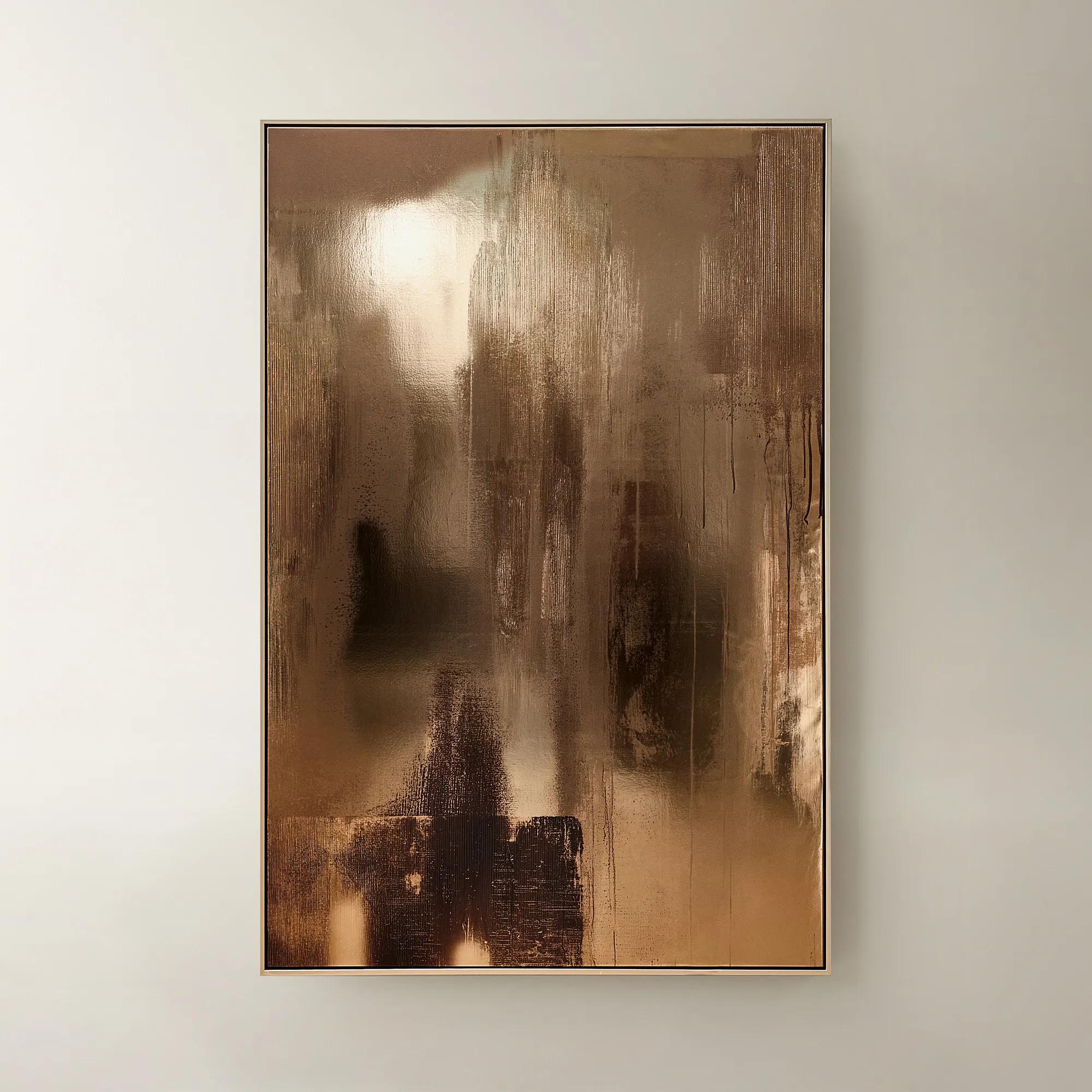
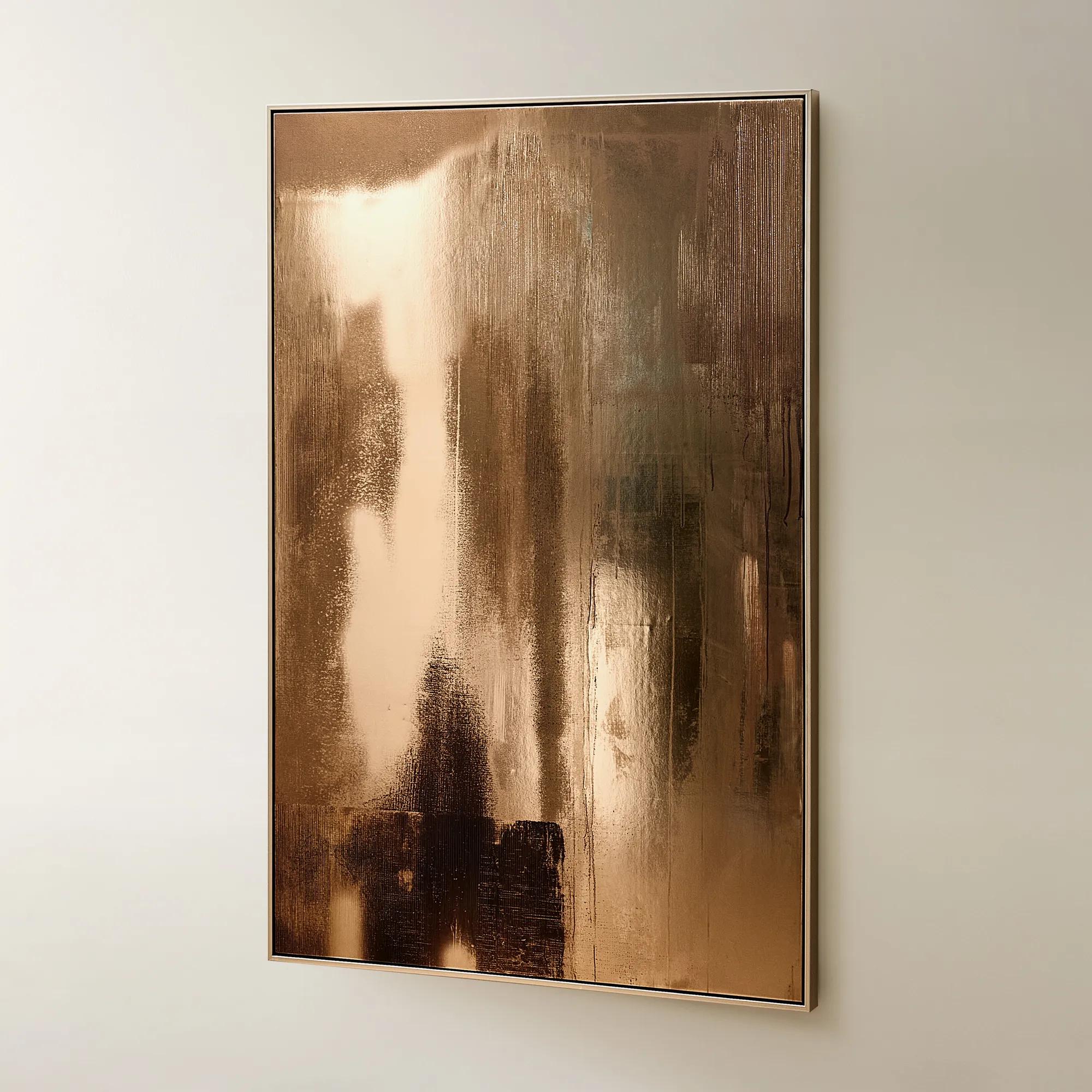 Bronze Reflective Framed Leather Painted Wall Art 40" x 60"$799
A hand-painted abstract wall art featuring reflective bronze faux leather and a warm champagne metallic frame.
Add To Cart -
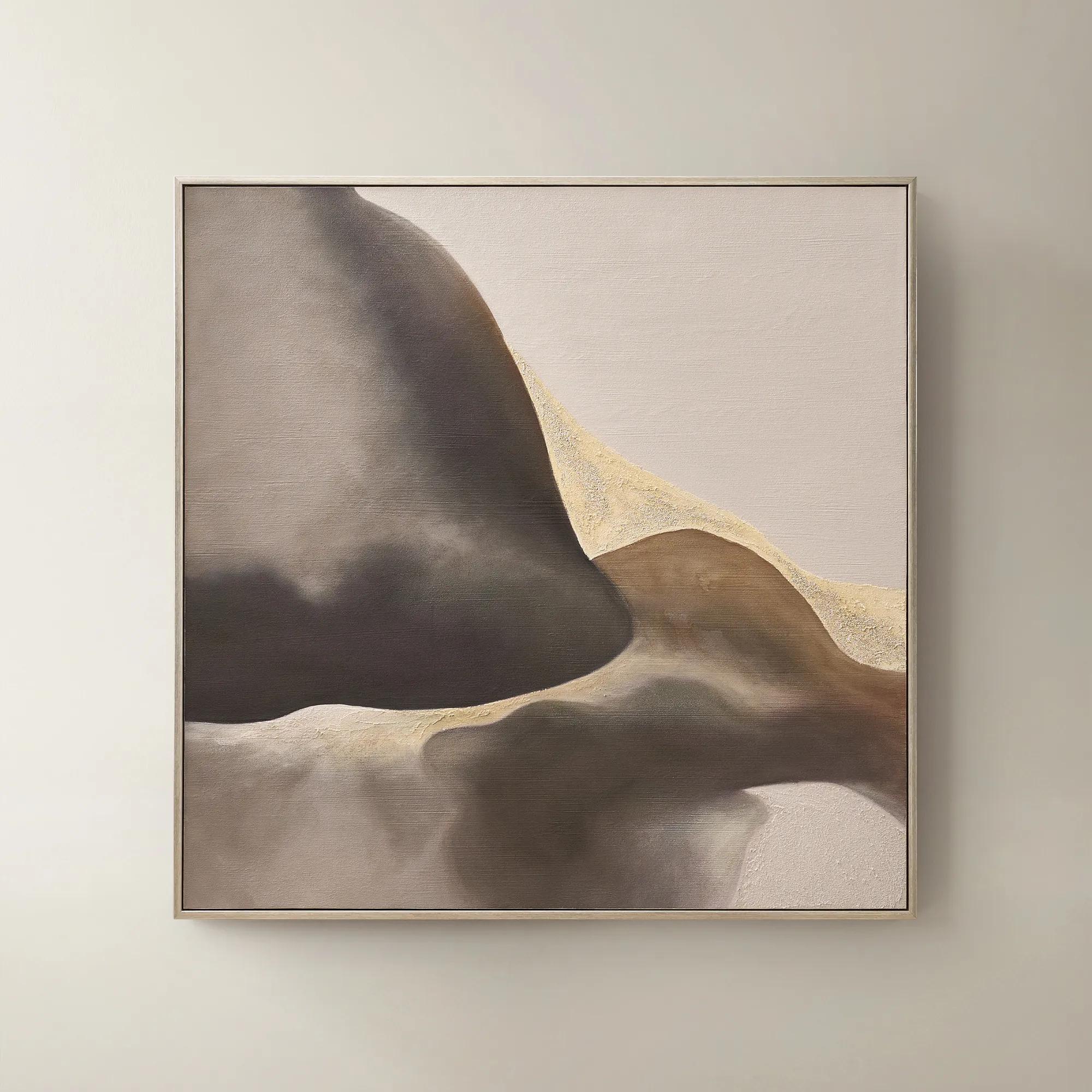 Windswept Framed Gold Leaf Painted Wall Art 50" x 50"$549
A hand-painted abstract canvas in plum truffle with gold leaf accents and a brushed champagne frame.
Add To Cart -
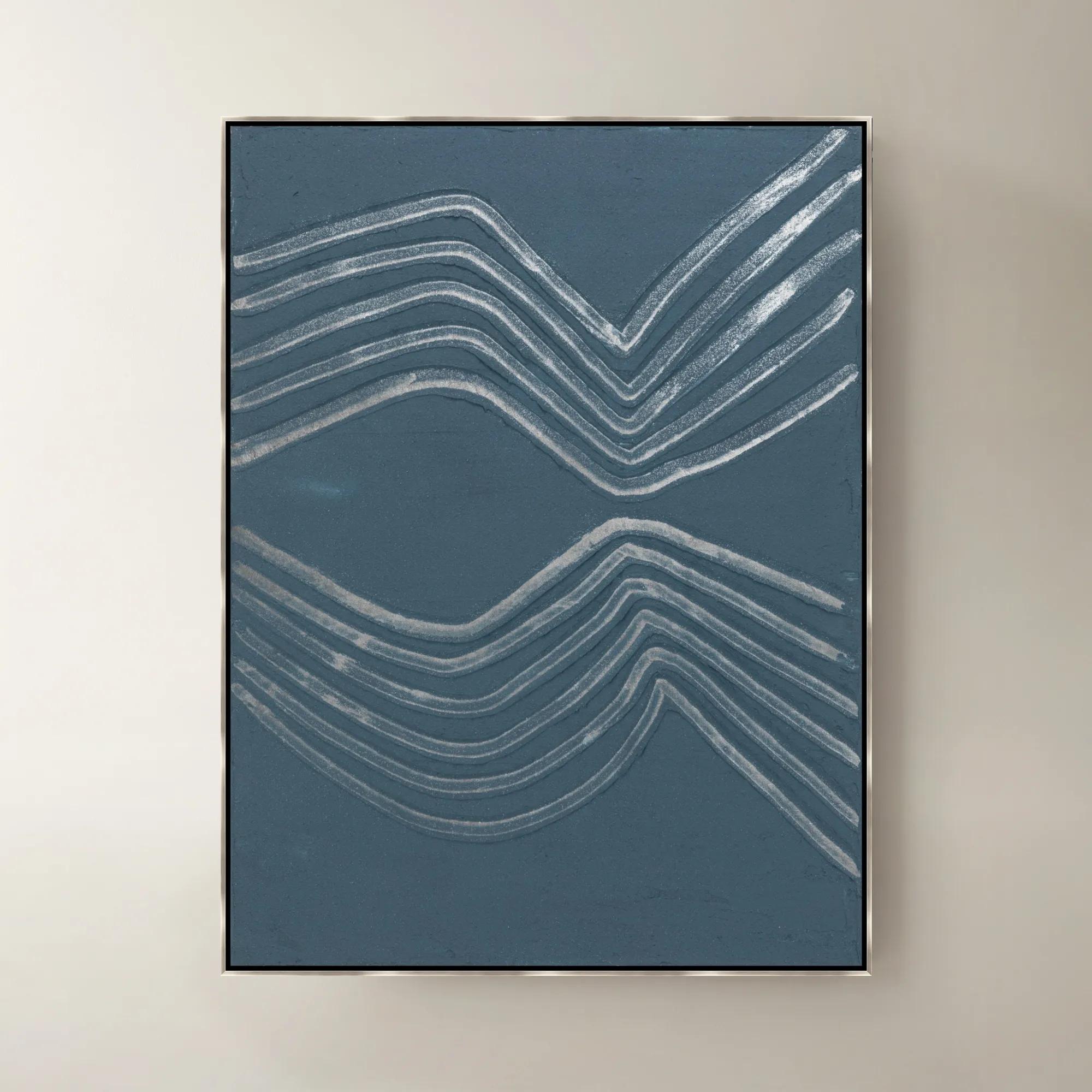
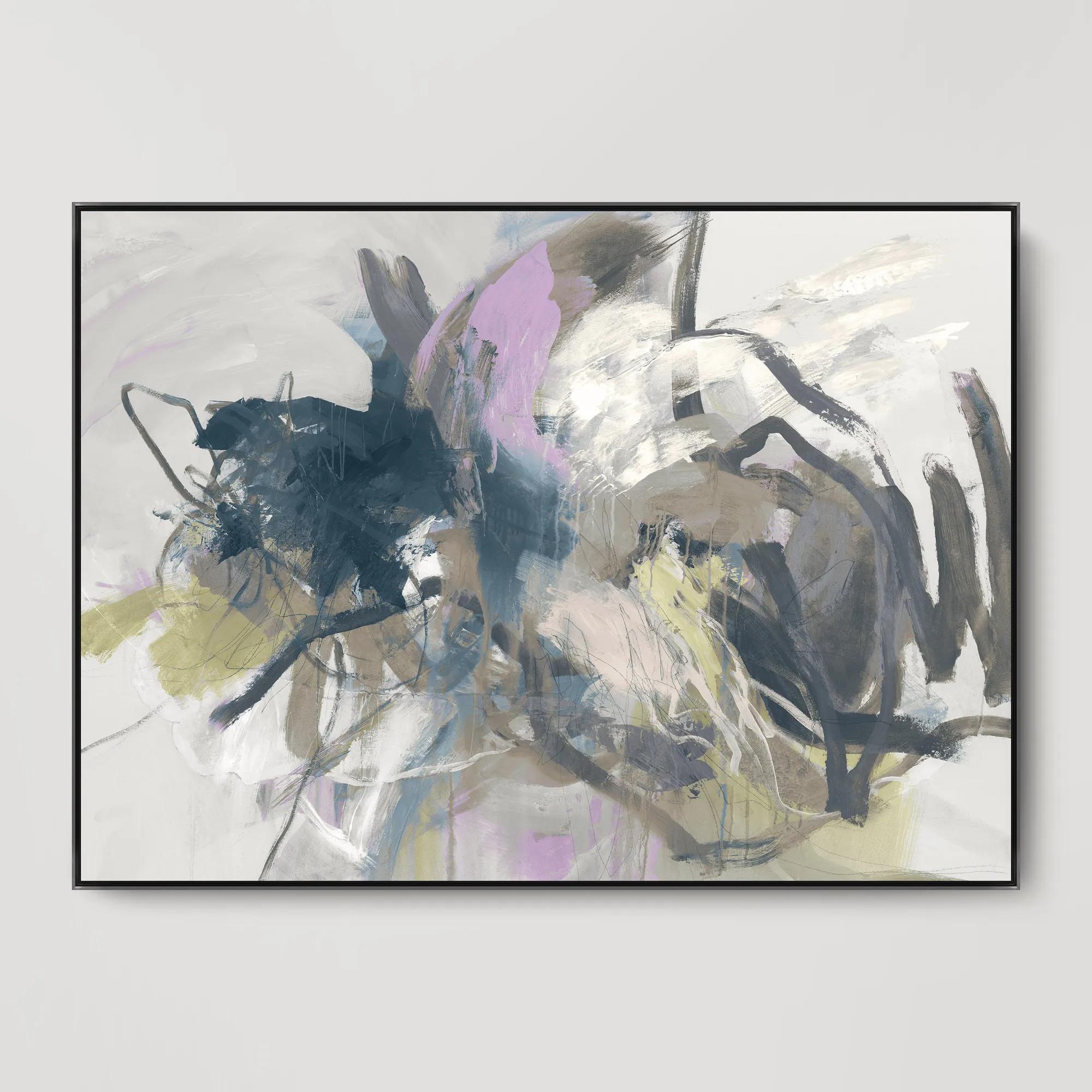
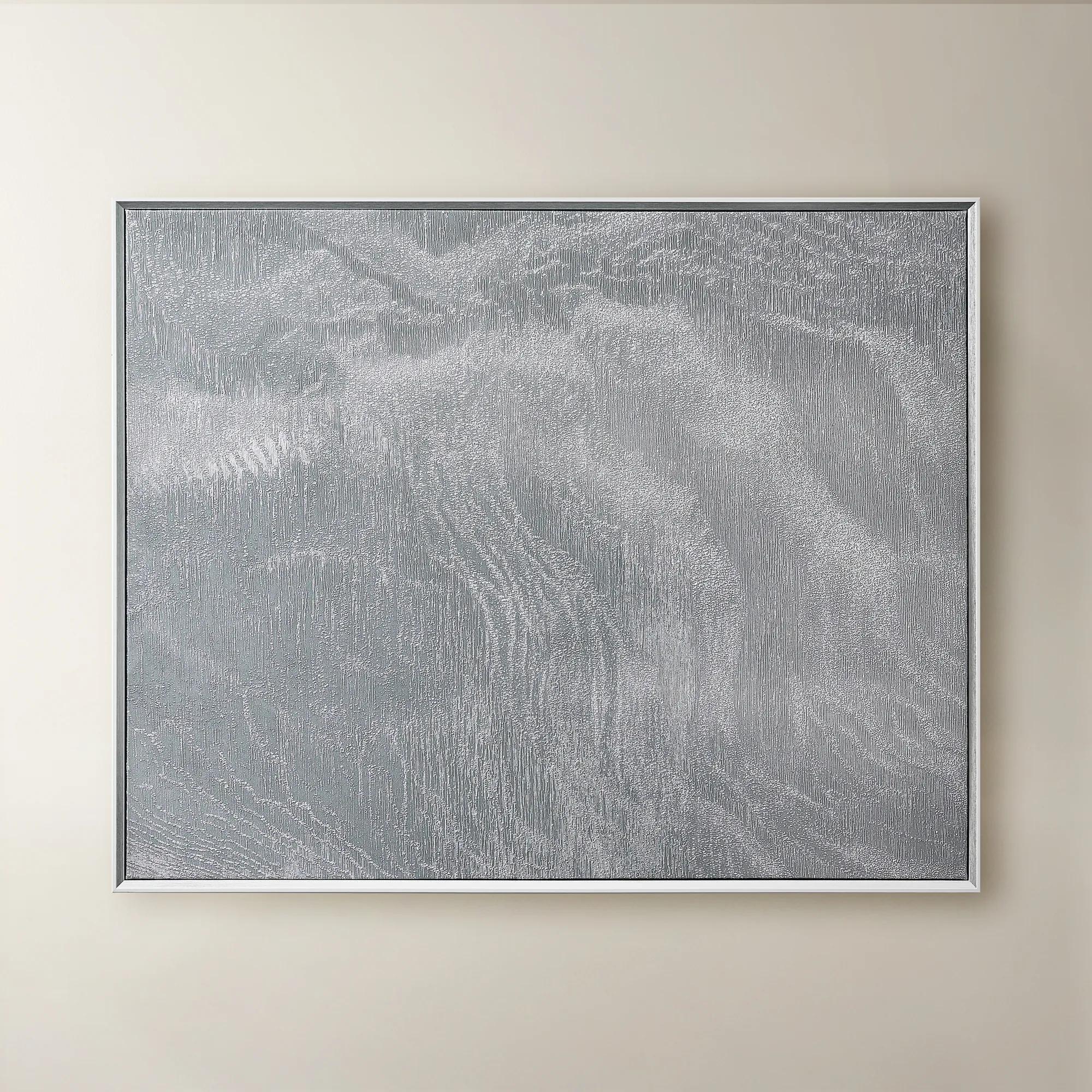 Slow Blue Morning Framed Silver Foil Wall Art 48" x 60"$599
A serene powder blue abstract canvas with silver foil accents, framed in silver and white for modern elegance.
Add To Cart -
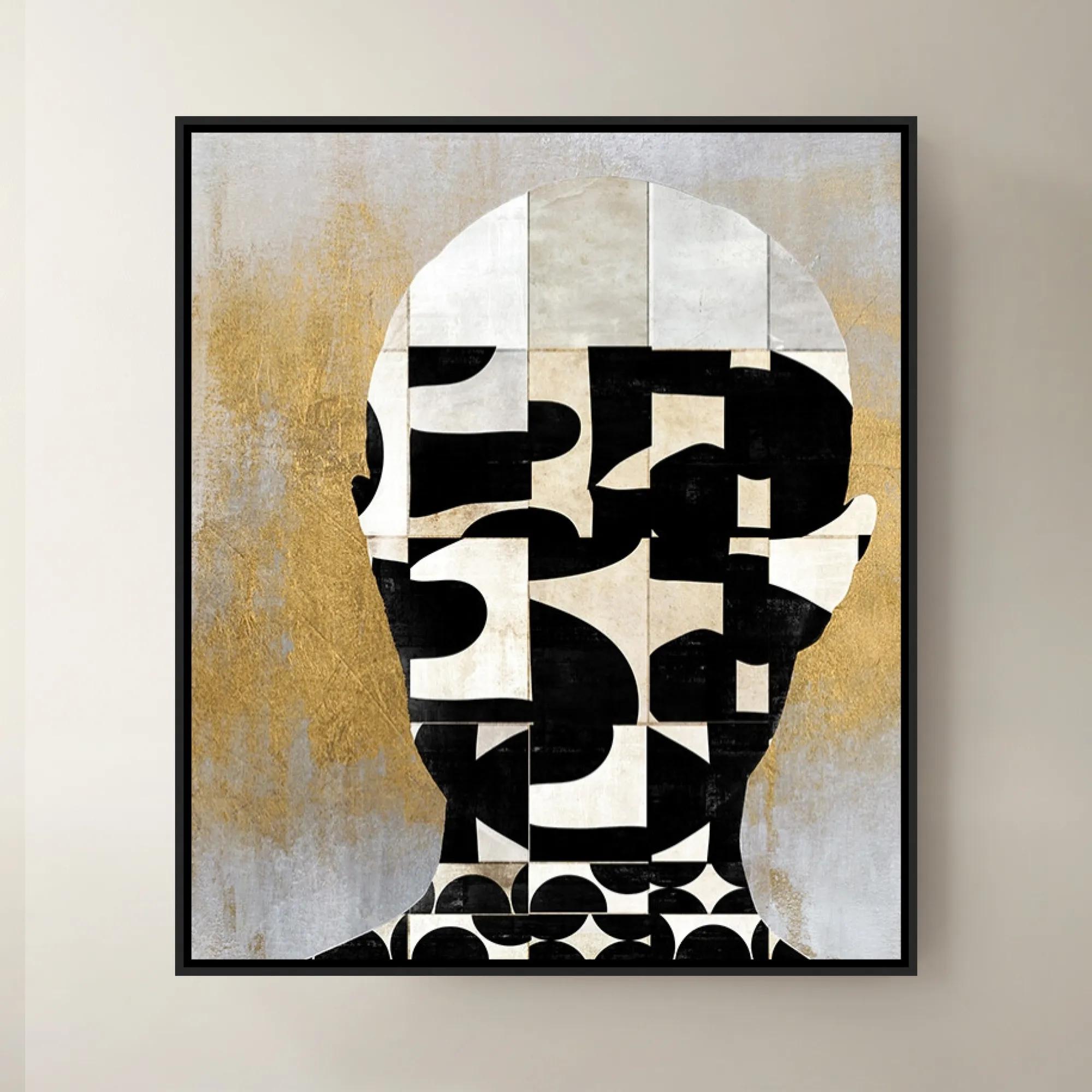
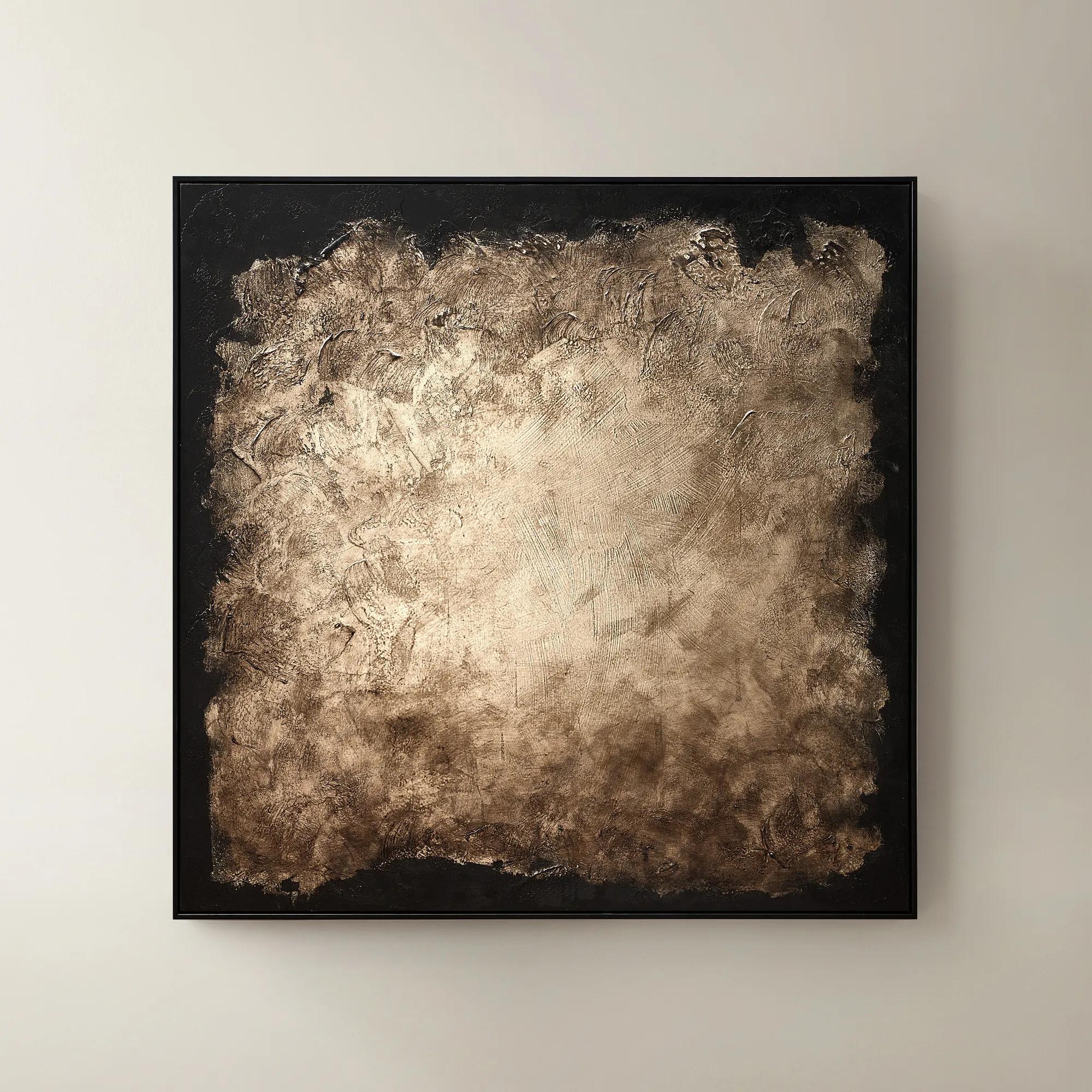 Edge of Knowing Framed Gold Leaf Painted Wall Art 50" x 50"$599
A hand-painted abstract canvas featuring gold leaf accents and a smoked champagne and black palette in a black frame.
Add To Cart -
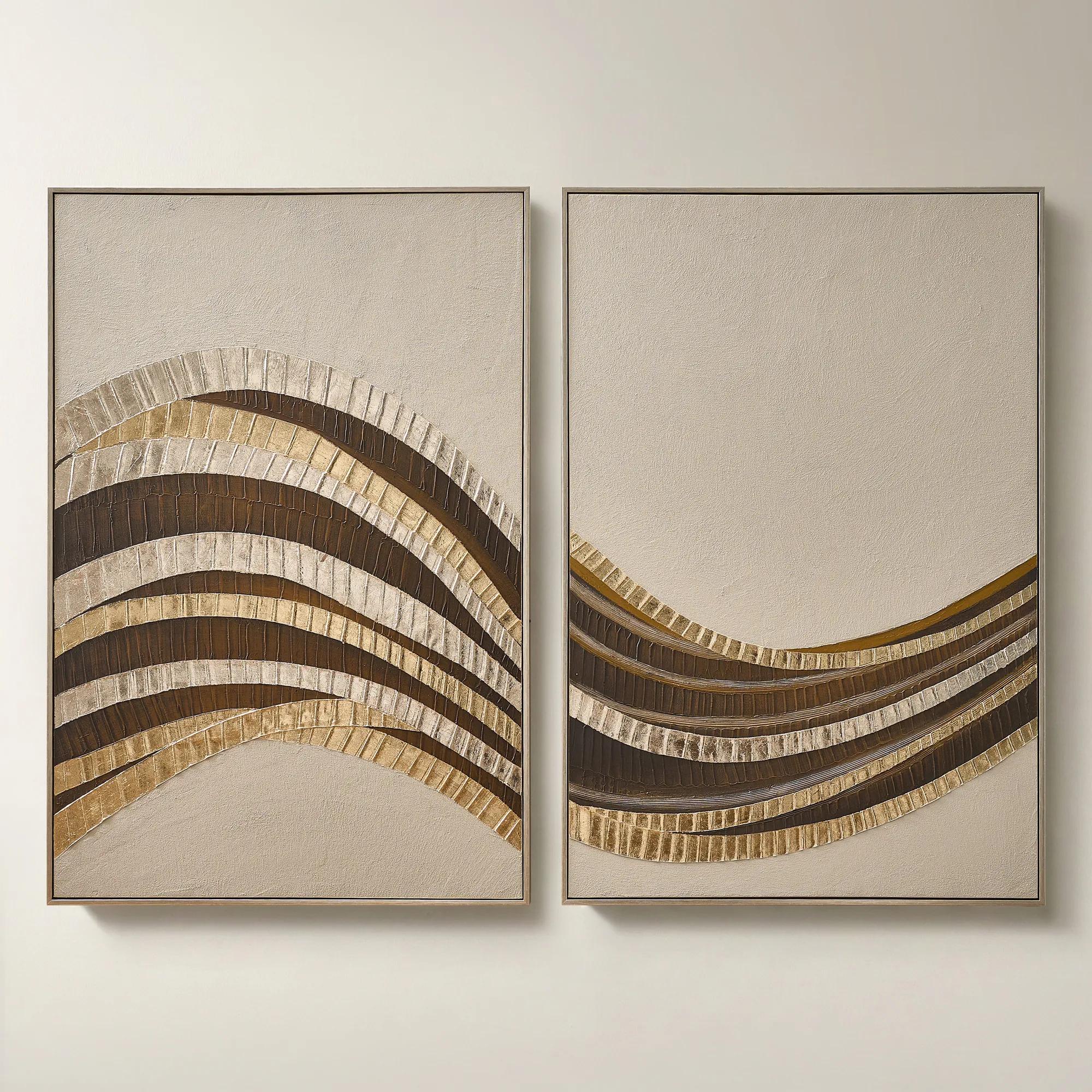 Stillness in Motion Framed Gold Leaf Painted Wall Art 40" x 60" Set of 2$899
A hand-painted abstract diptych with gold leaf accents, textured surface, and brushed champagne frames.
Add To Cart -
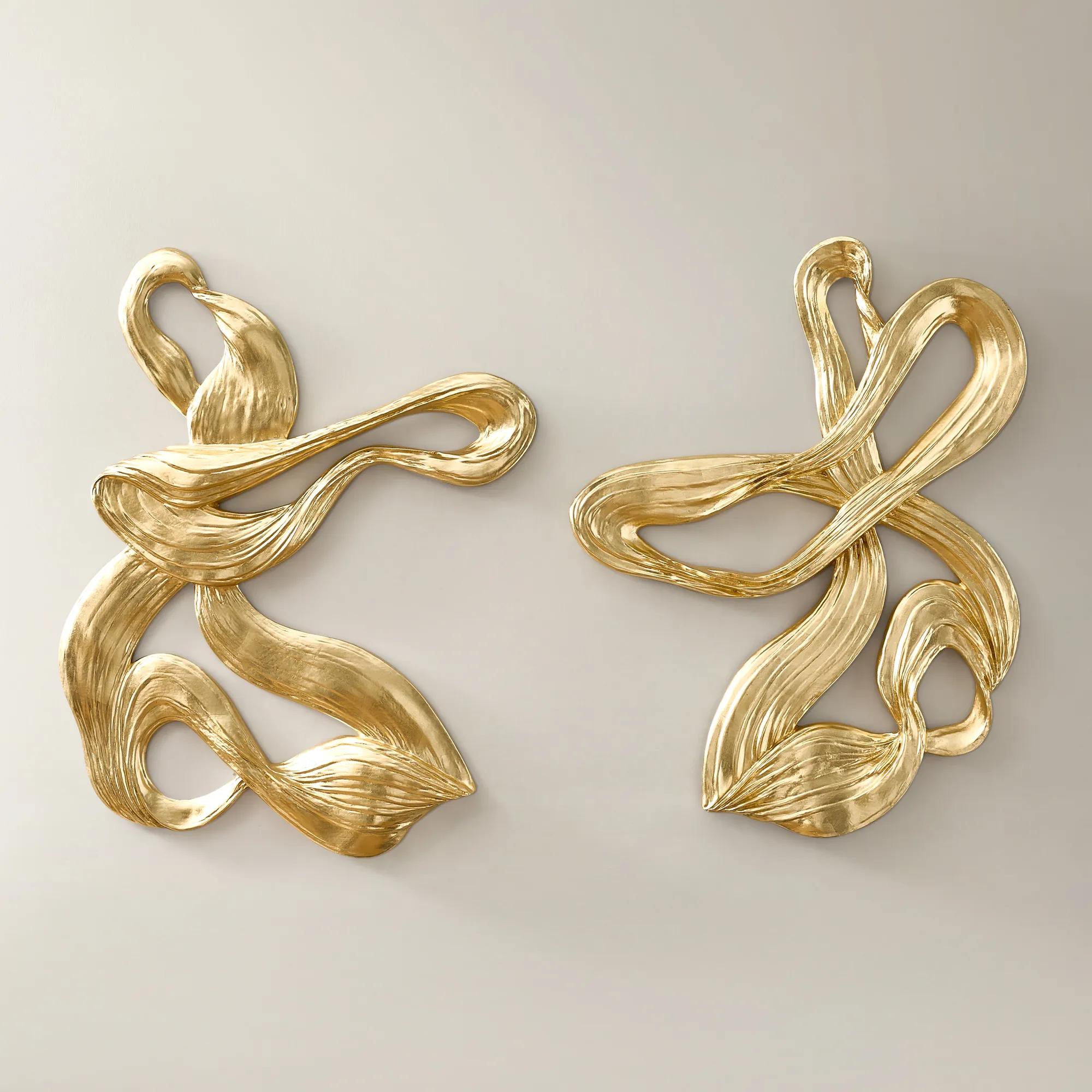
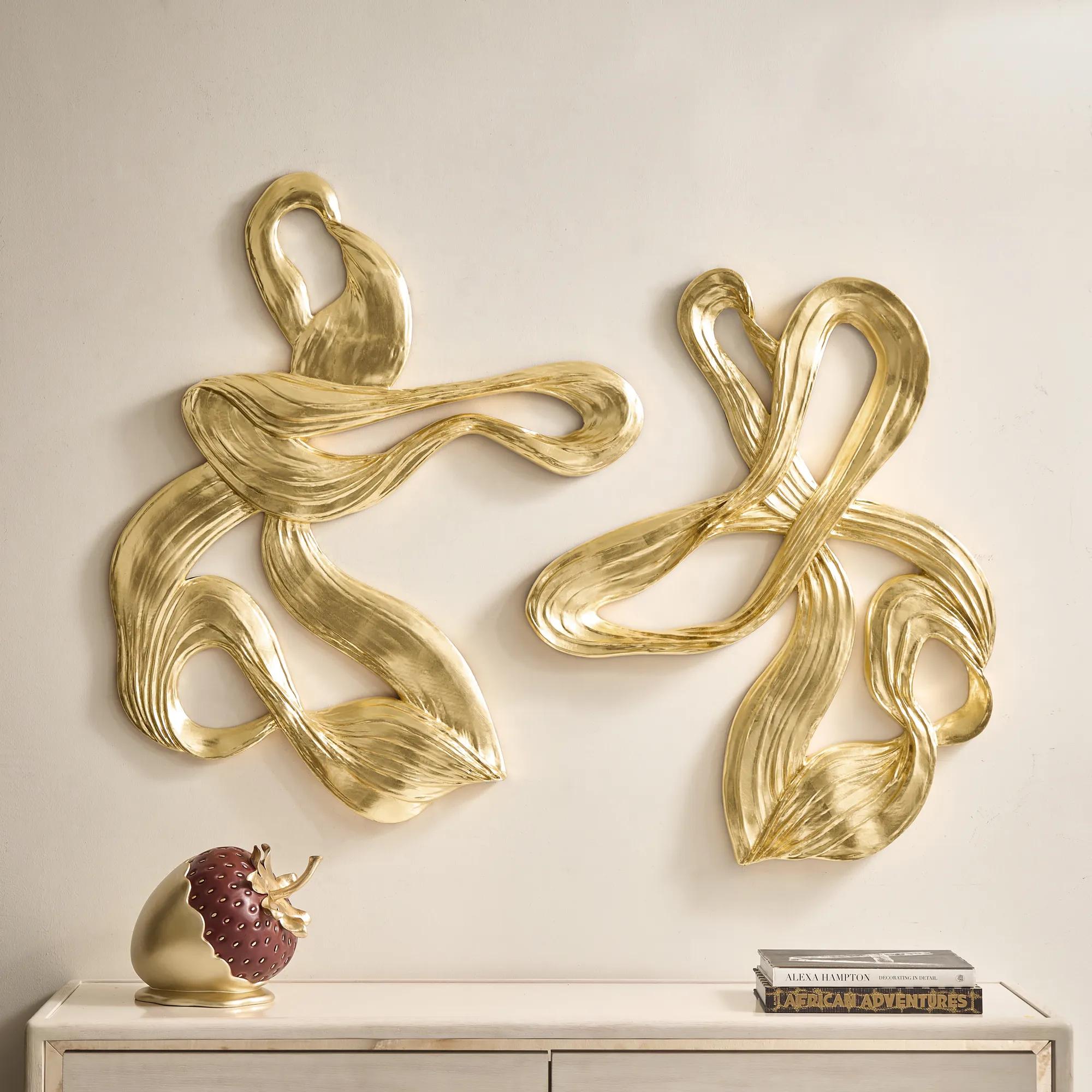 Vela Gold Leaf Sculpted Resin Wall Decor 30.5" x 39.25" Set of 2$699
A set of two resin wall sculptures featuring abstract loop designs and soft gold leafing for modern elegance.
Add To Cart -
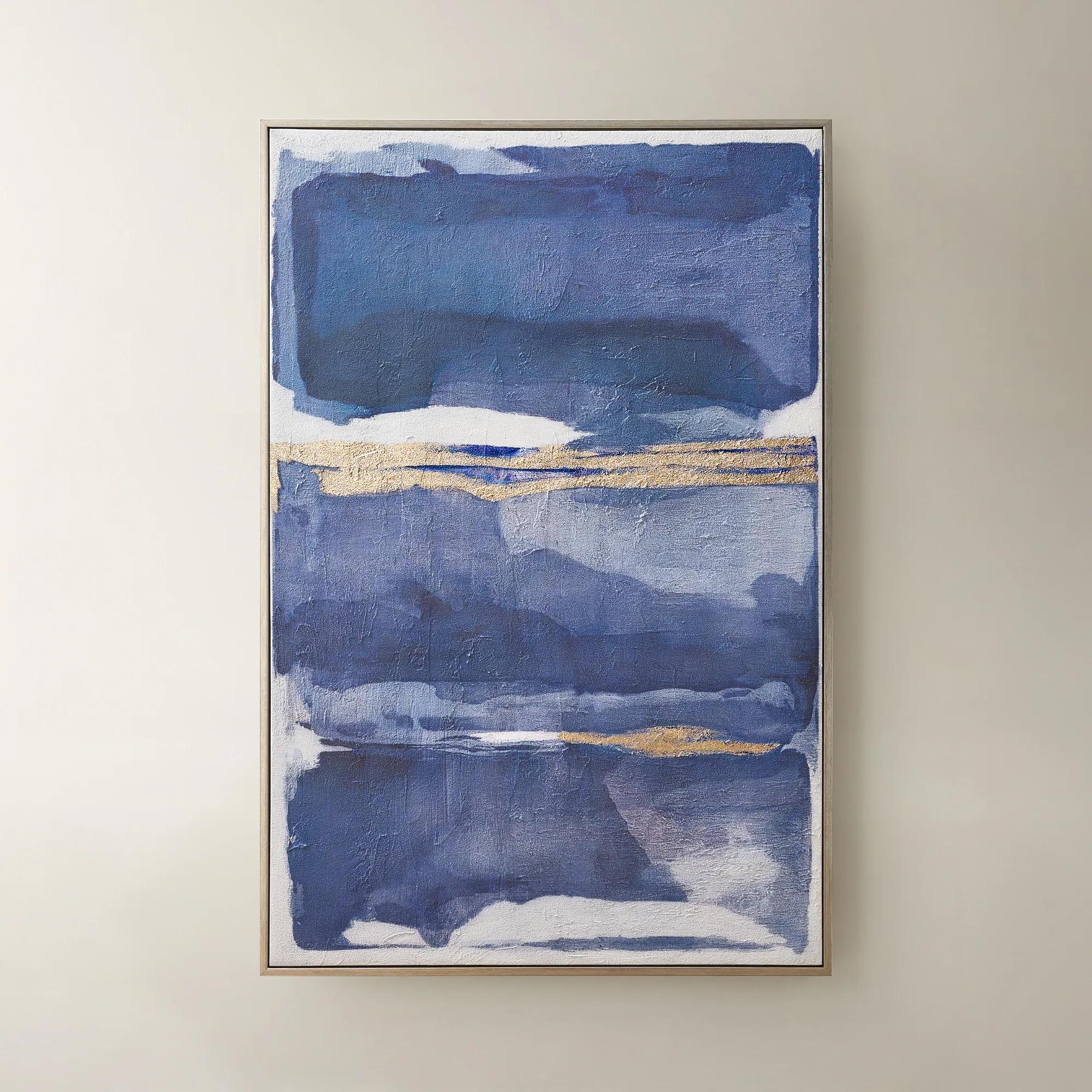
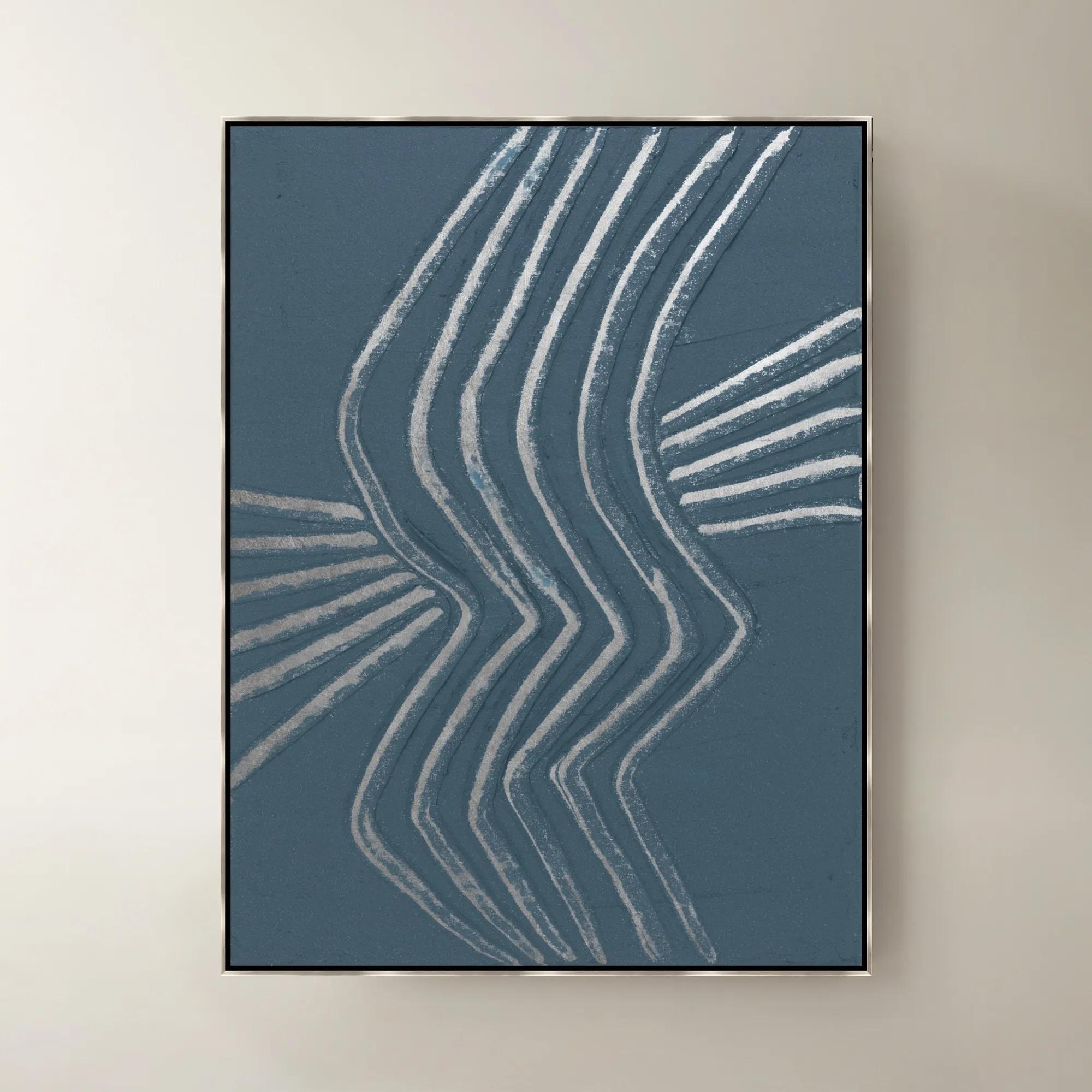
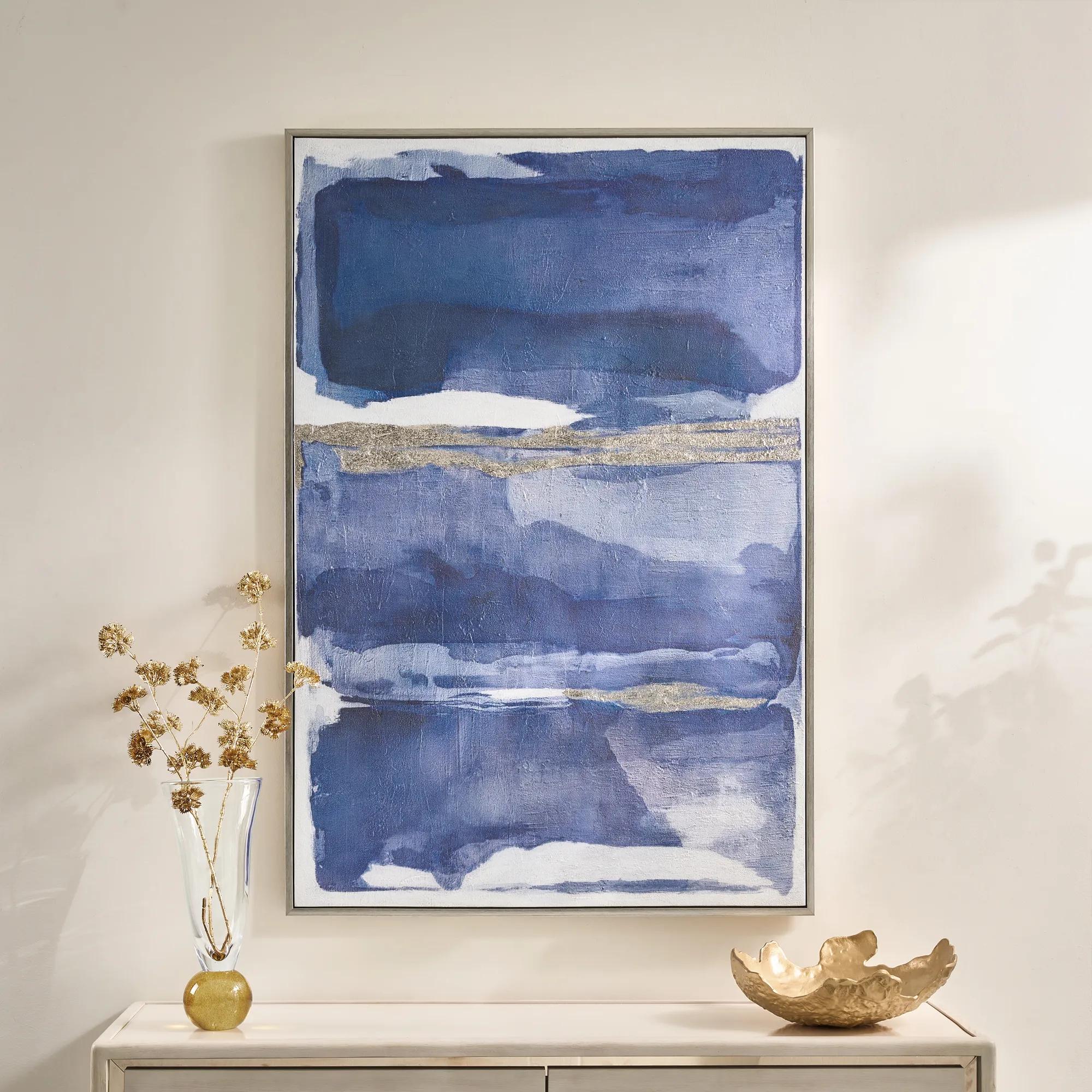 Memories in Blue Framed Painted Wall Art 40" x 60"$499
A hand-painted canvas in deep ink blue with champagne leafing for a sophisticated, gallery-inspired look.
Add To Cart -
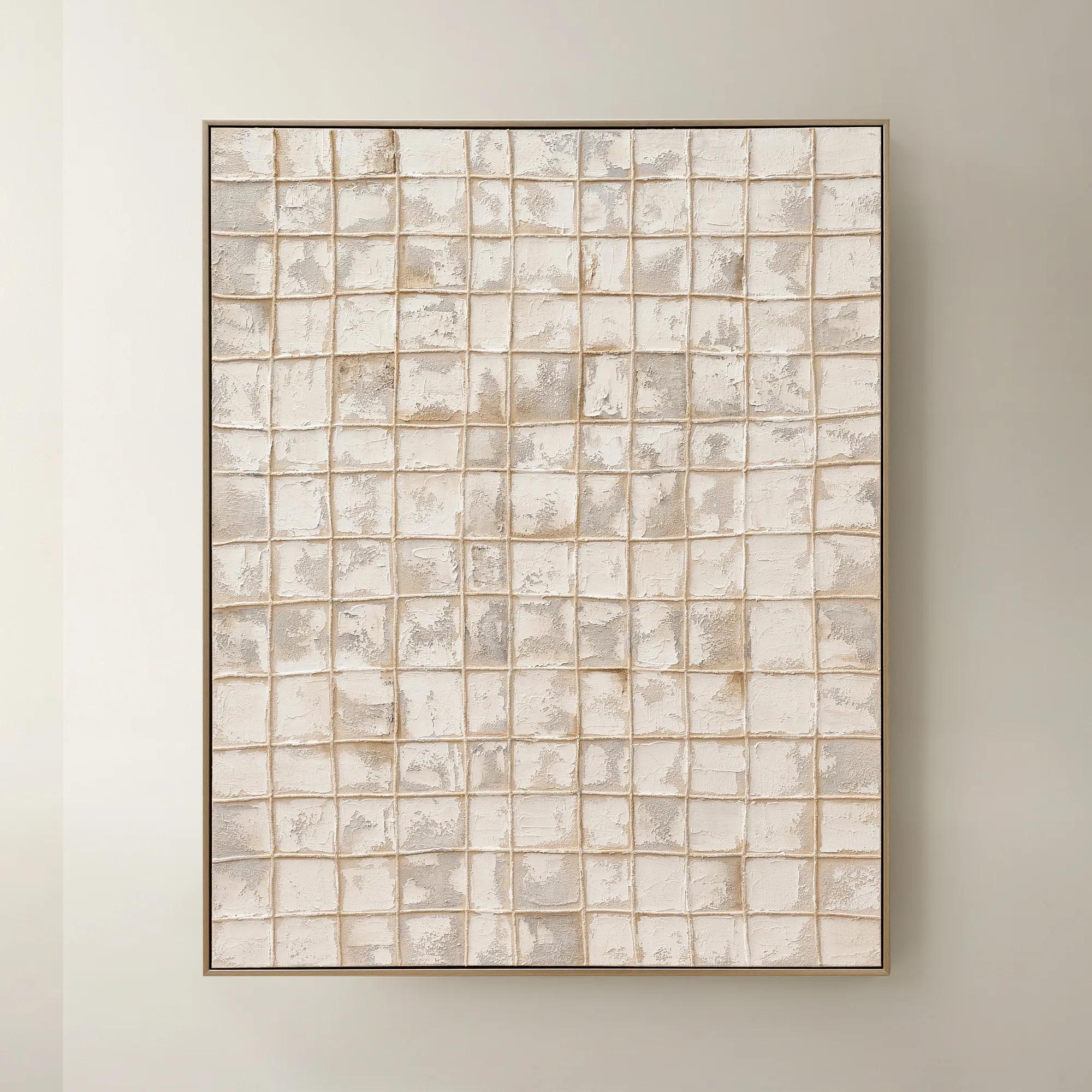
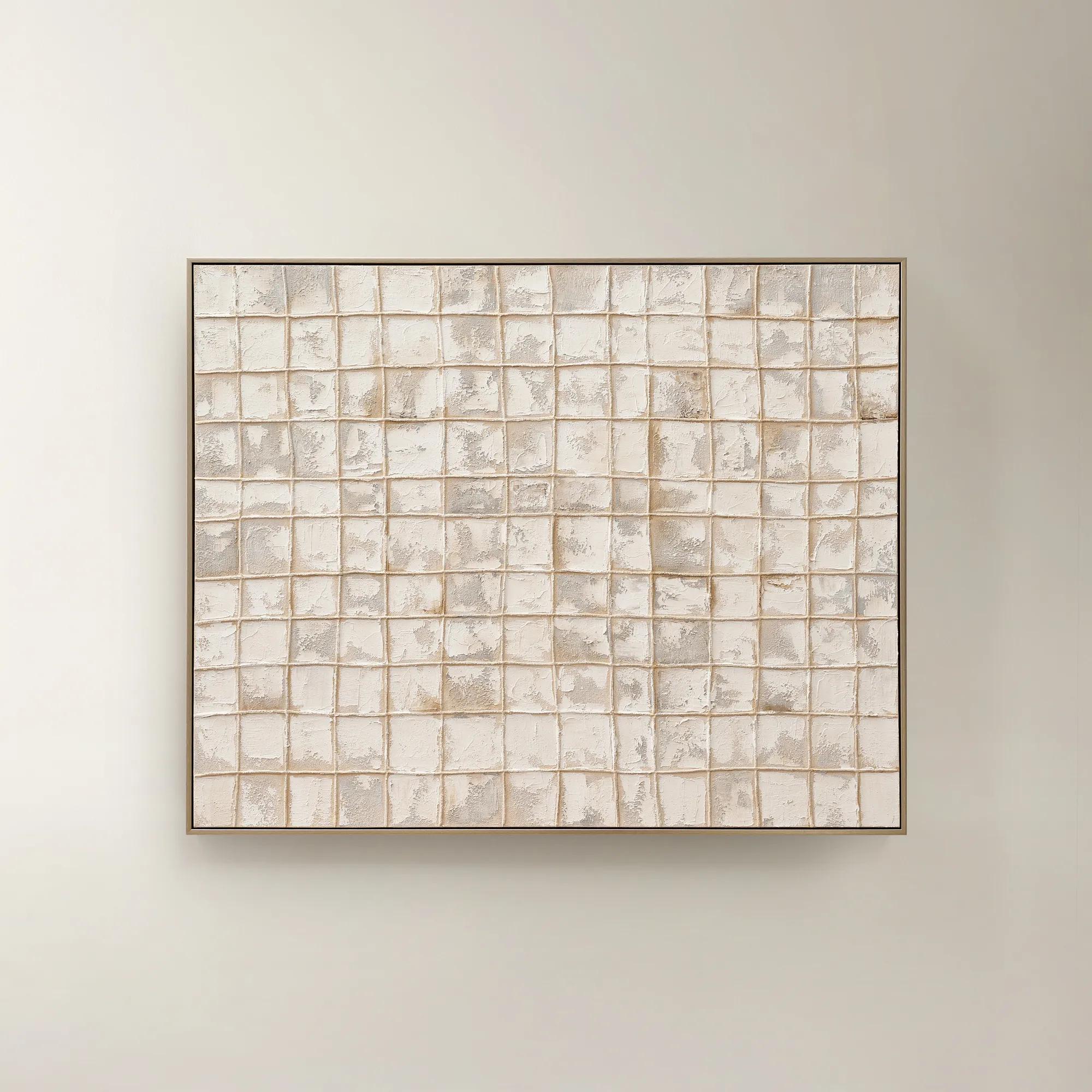 Painted Echos Framed Gold Leaf Wall Art 60" x 48"$699
A hand-painted abstract canvas with gold leaf accents and a champagne frame for modern, versatile display.
Add To Cart -
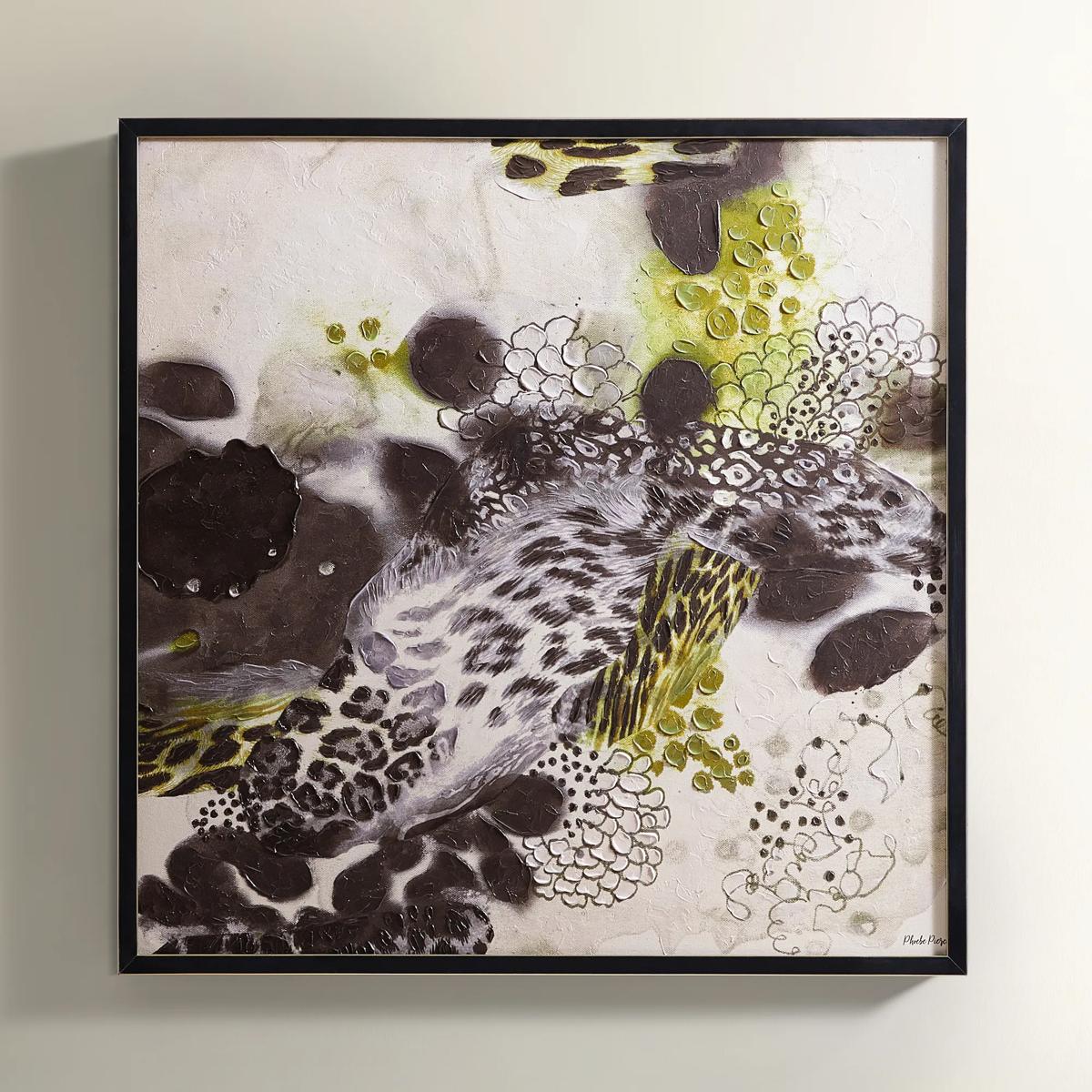
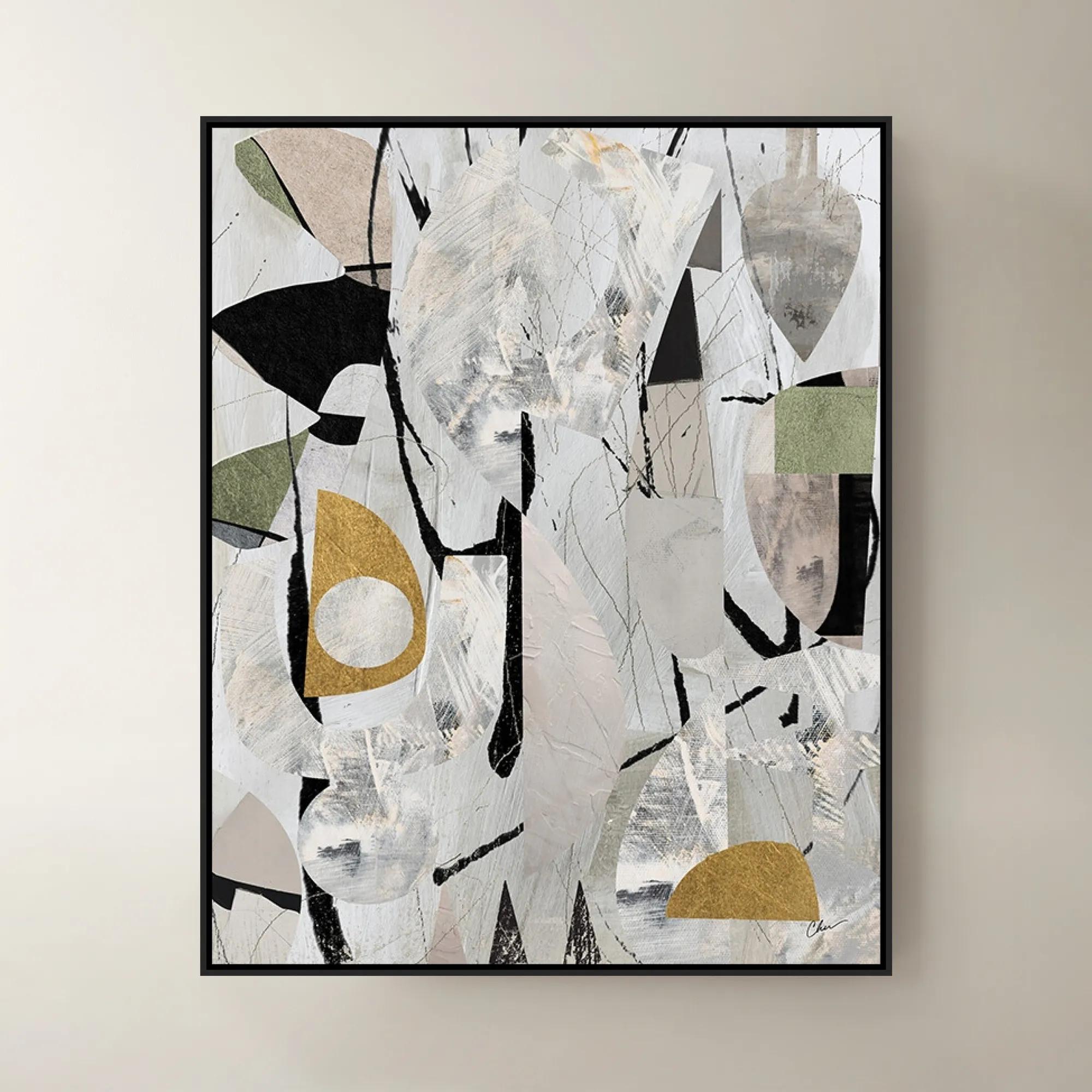
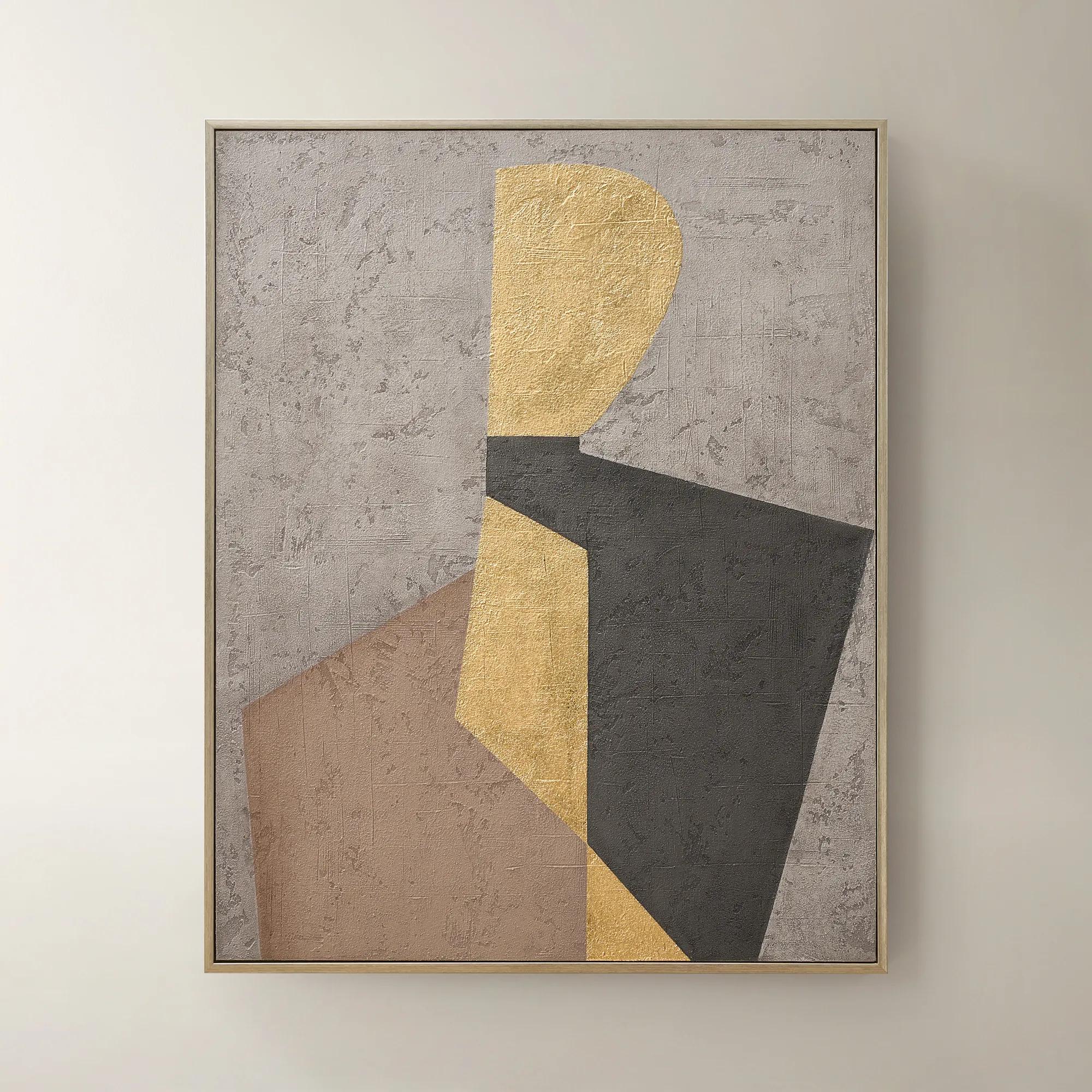 Aura of Gold Framed Painted Wall Art 40" x 50"$399
A hand-painted canvas with champagne leafing and a brushed champagne frame in mocha, grey, black, and gold.
Add To Cart

Large Metallic Wall Art
Large metallic wall art gives a living room a luminous focal point, pairing expressive composition with light-catching detail. Explore the distinctive effects of foil, leafing, and reflective metallic surfaces, from delicate shimmer to bold passages of shine. Choose a finish and palette that complement your furnishings while giving the artwork room to command attention.
The most compelling metallic artwork makes shine part of the composition, rather than leaving it to the frame. Look for descriptions that identify foil, leafing, or a reflective metallic treatment on the artwork itself. Gold and champagne tones introduce warmth, silver lends a cooler brilliance, and bronze brings a deeper, burnished mood. Consider how much of the surface reflects light: scattered metallic accents can draw the eye through a painted composition, while broader reflective areas create a more pronounced statement. Texture adds another layer of expression, allowing highlights and shadows to shift across the surface. Against a richly colored wall, luminous details can feel especially dramatic; against a softer neutral, the interplay of finish and color becomes the focus. Give the artwork a deliberate relationship to the furniture beneath it. Compare its overall dimensions and permitted hanging orientation with the wall space above a sofa or console, leaving enough surrounding space for the composition to read clearly. For multipanel work, account for the gaps between panels as part of the complete arrangement. Then carry a color or metallic tone into a few supporting accents rather than repeating every finish throughout the room. Sumptuous upholstery and textured throw pillows can temper reflective surfaces with tactile richness, creating an inviting setting around the art. Let the artwork establish the mood, then explore statement art and living room decor for ways to extend its palette and personality across the space.
FAQs
Metallic wall art describes an artwork’s finish, which may come from foil, leafing, or a reflective metallic coating applied to another material. Metal wall art refers to work made from metal. The categories can overlap, but a metallic appearance does not mean the entire piece is metal, and a metallic frame alone does not give the artwork itself a metallic surface.
Start with the mood you want to create. Gold and champagne bring luminous warmth, silver offers cool contrast, and bronze introduces a richer, more enveloping tone. Consider the artwork’s painted colors as well as its metallic details—a cool blue composition with warm leafing can connect several finishes within one room.
Yes. Let the wall and artwork contribute different kinds of detail. A subtle wall texture can enrich a gleaming composition, while a pronounced pattern often pairs well with artwork that has clearer shapes or quieter passages of color. Repeat a tone from the wall within the art to create a considered connection.
An exact match is not necessary. Choose a dominant metallic tone, then use a contrasting finish selectively for depth. Artwork that combines warm and cool metallic details can help connect different finishes, while shared colors in upholstery and accessories keep the room feeling cohesive.
Metallic details can appear softly luminous or more pronounced as the angle and intensity of light change. Directional light may emphasize surface texture, while more diffuse light can create a gentler shimmer. Consider the view from your seating area as well as the room’s daytime and evening lighting to appreciate how the finish contributes to the atmosphere.