Contemporary Gold Metal Wall Art
Contemporary Gold Metal Wall Art
-
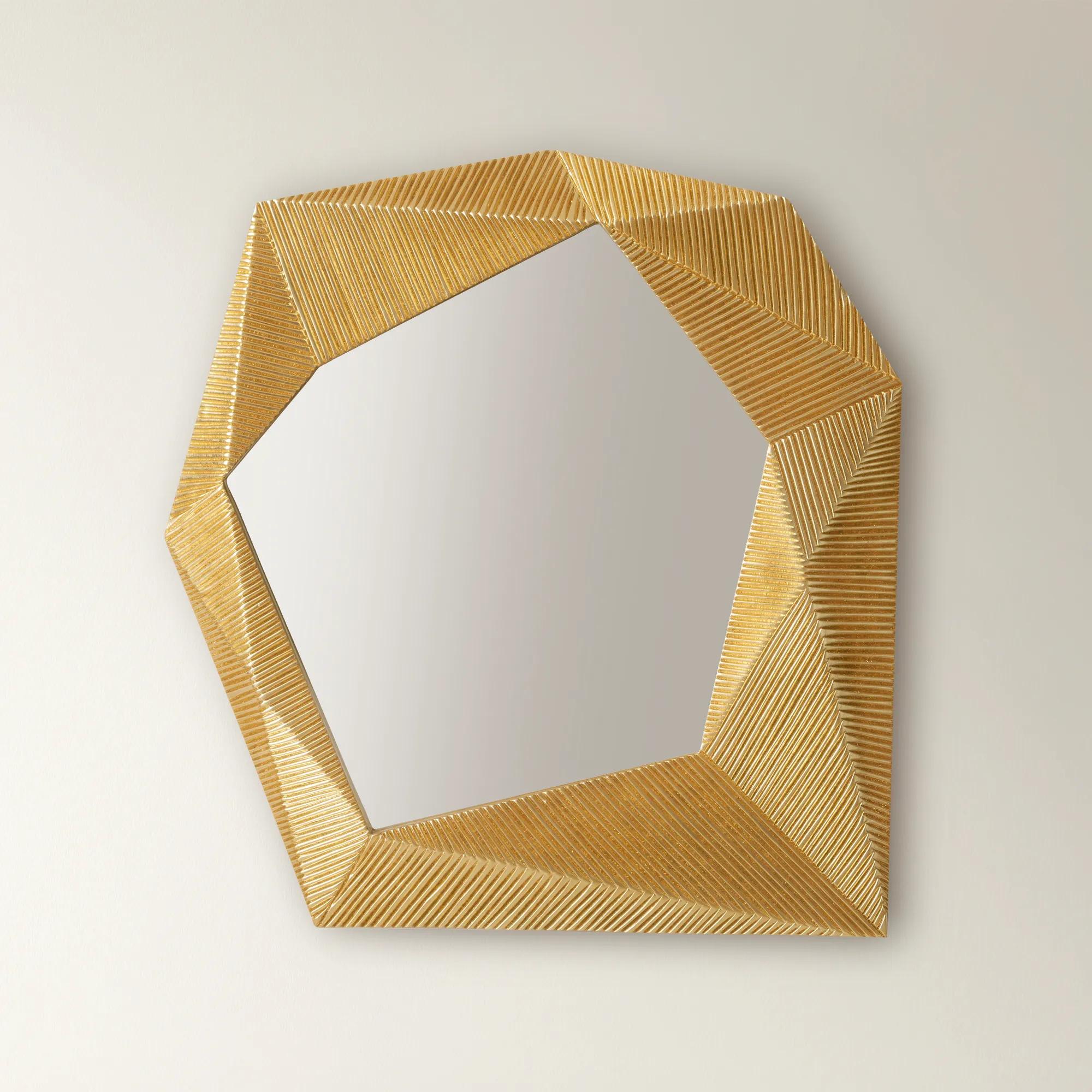
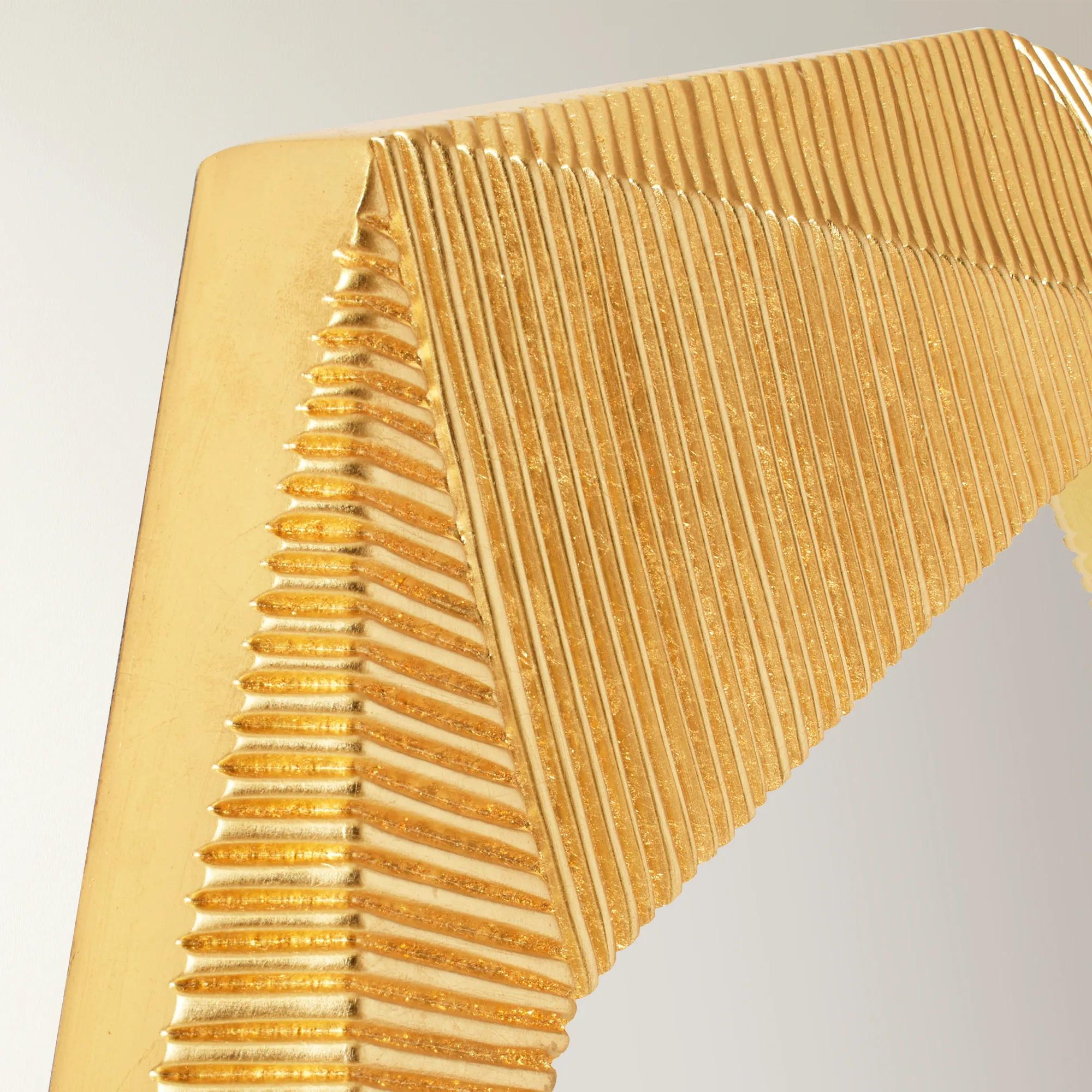 Nikki Chu Gold Steel Faceted Wall Mirror 31.5" x 35.5"$349
A modern mirror featuring a textured, faceted steel frame in a striking metallic gold finish.
Add To Cart -

 Checkered Wings Wall Art$199
A striking checkered wing-inspired wall art piece adding graphic drama to modern interiors.
Add To Cart -
 Cara Antique Gold Hand-Forged Iron Organic Shaped Wall Mirror 52.5" x 53"$1199
A sculptural wall mirror featuring a hand-hammered iron frame with radiant gold and organic edges.
Add To Cart -
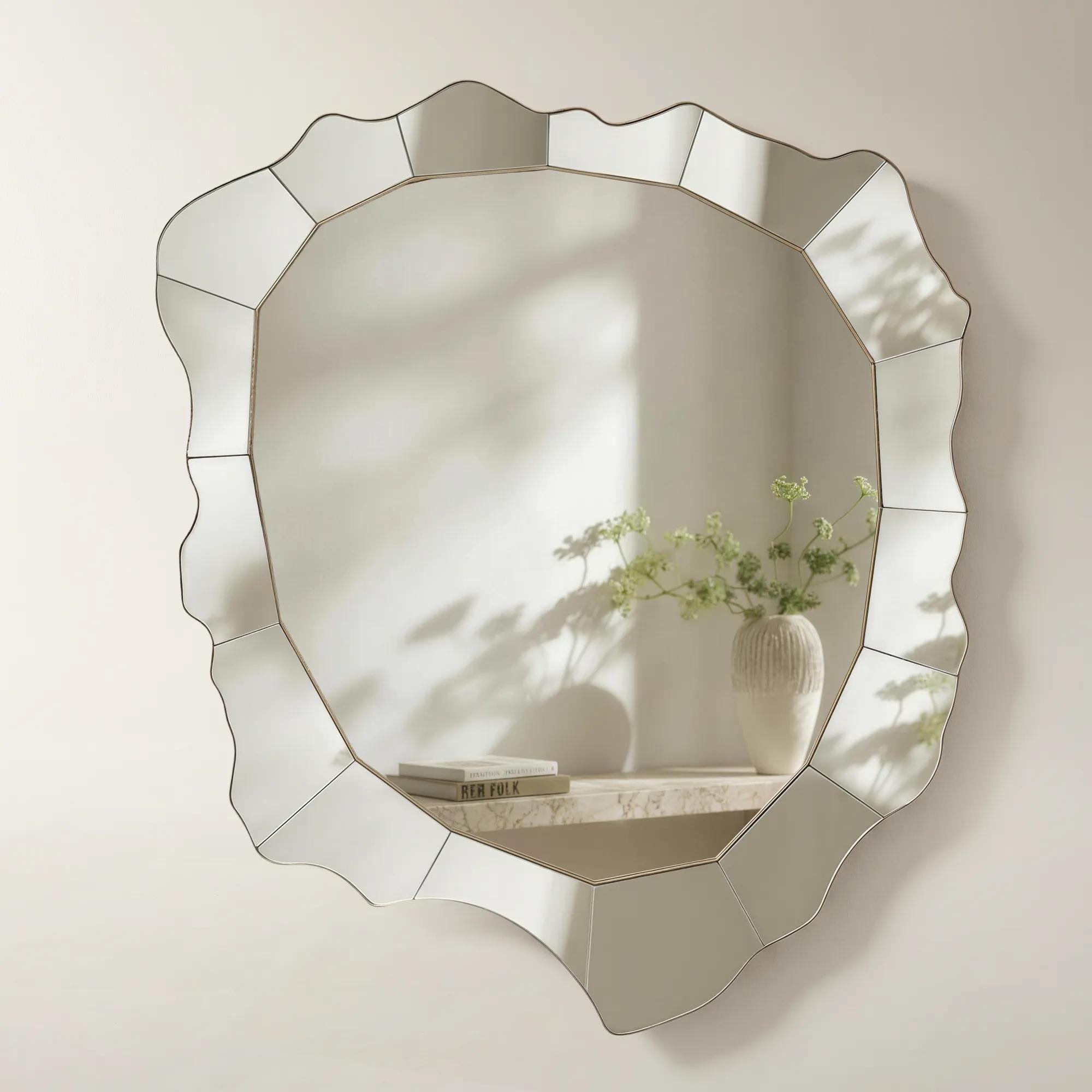 Gala Gold Trim Organic Shaped Wall Mirror 45" x 54"$999
An organic faceted mirror with soft gold iron trim adds sculptural movement and refined glamour to any room.
Add To Cart -
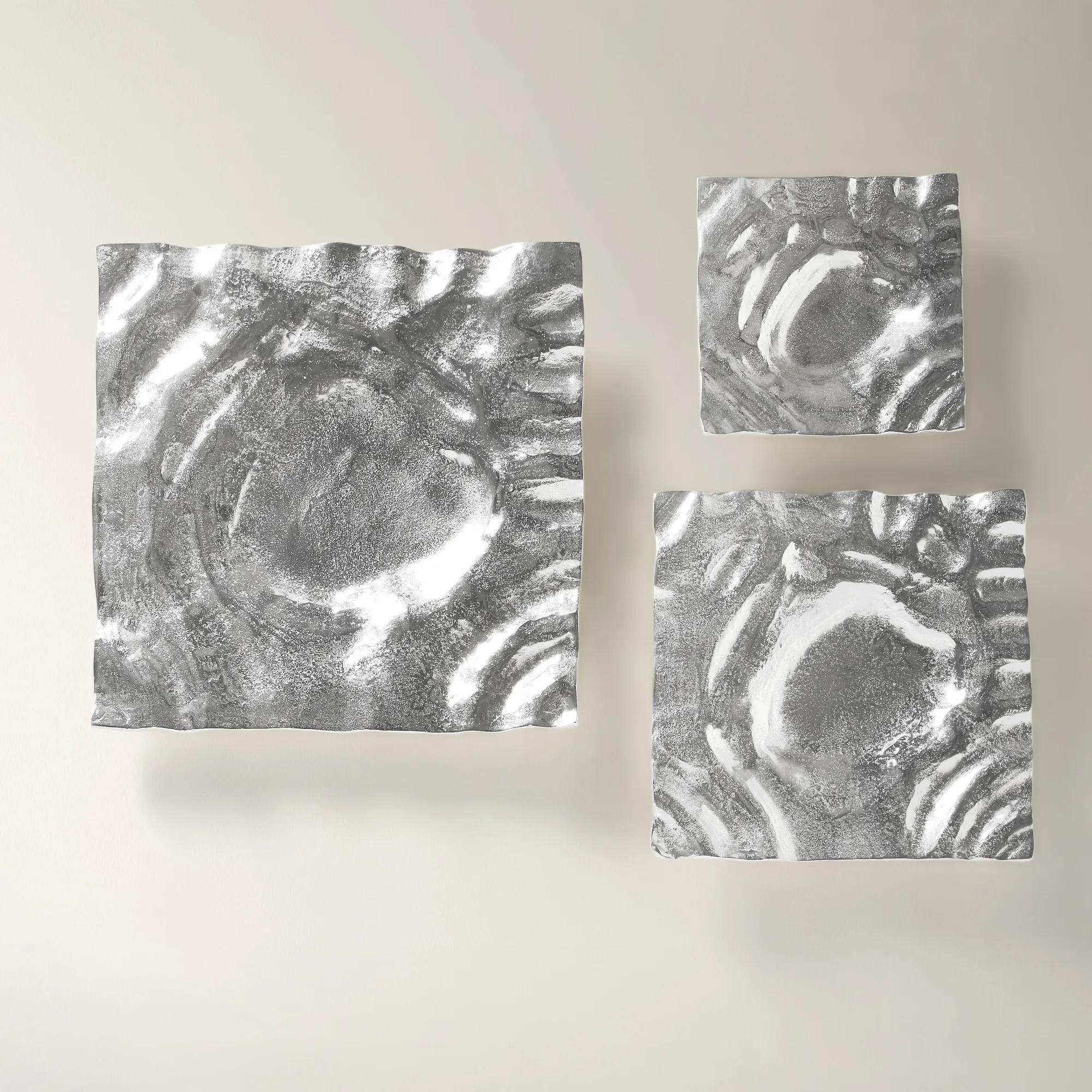
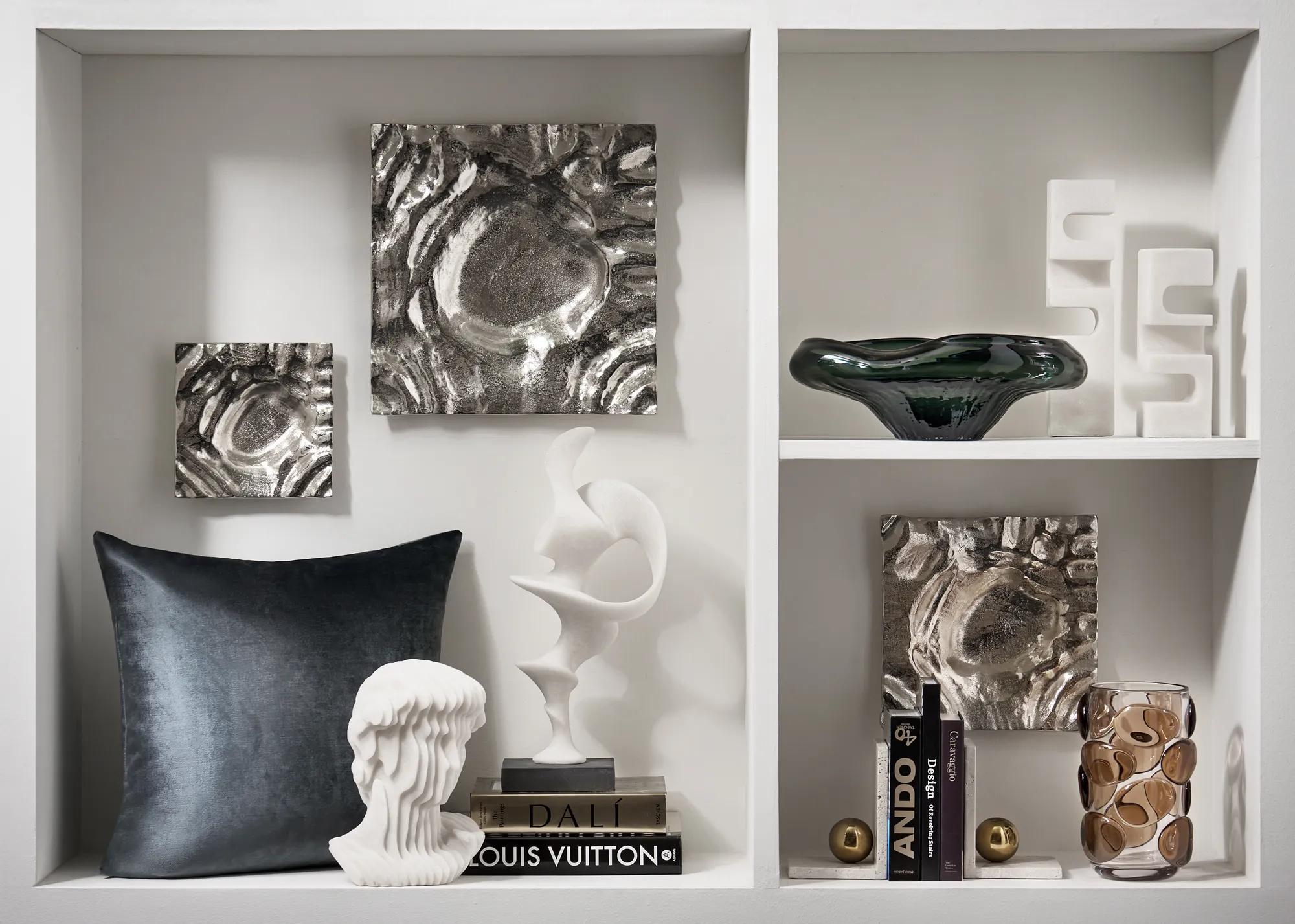 Cascade Wall Art - Set of 3$119
A set of three silver aluminum wall art pieces featuring textured surfaces that reflect and play with light.
Add To Cart -
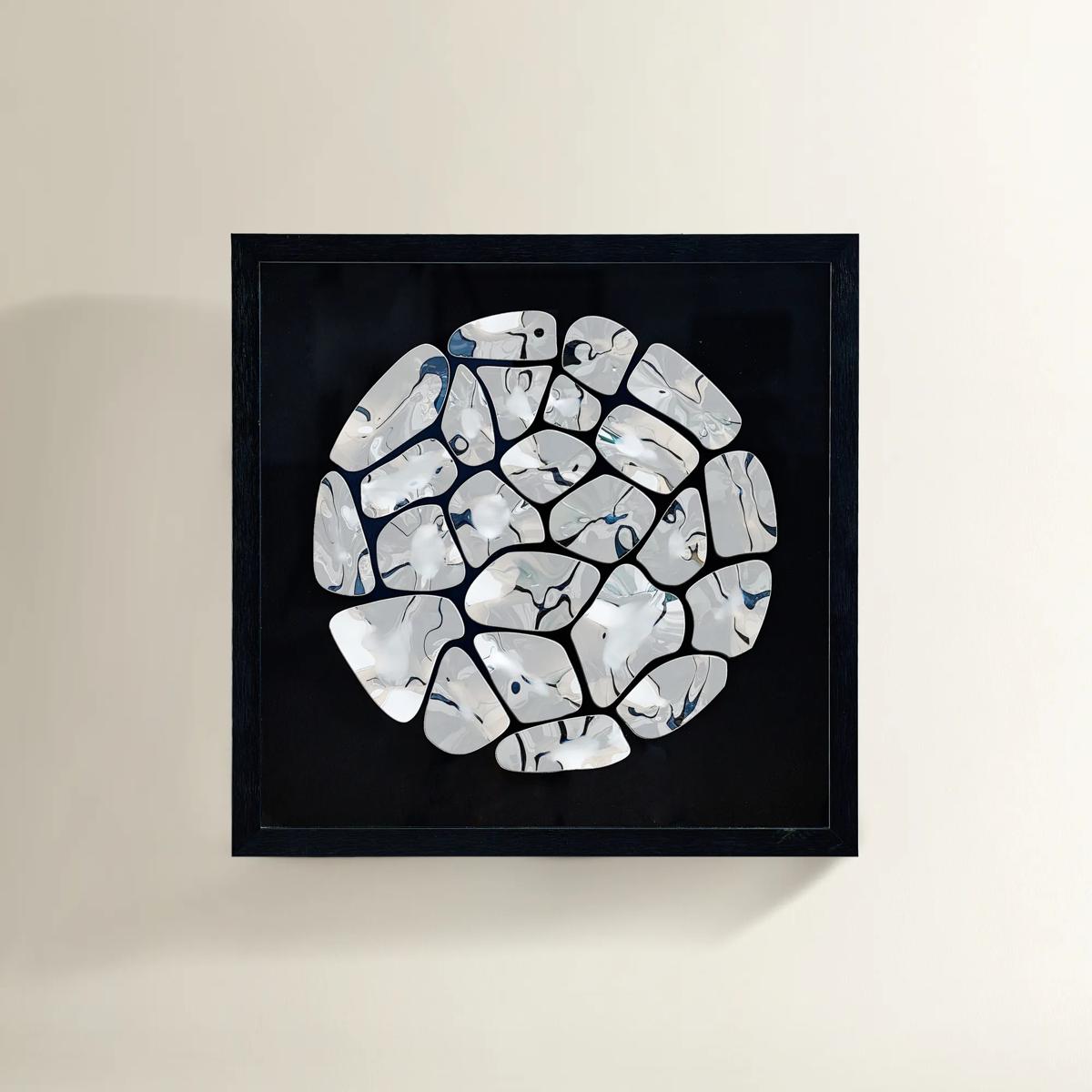
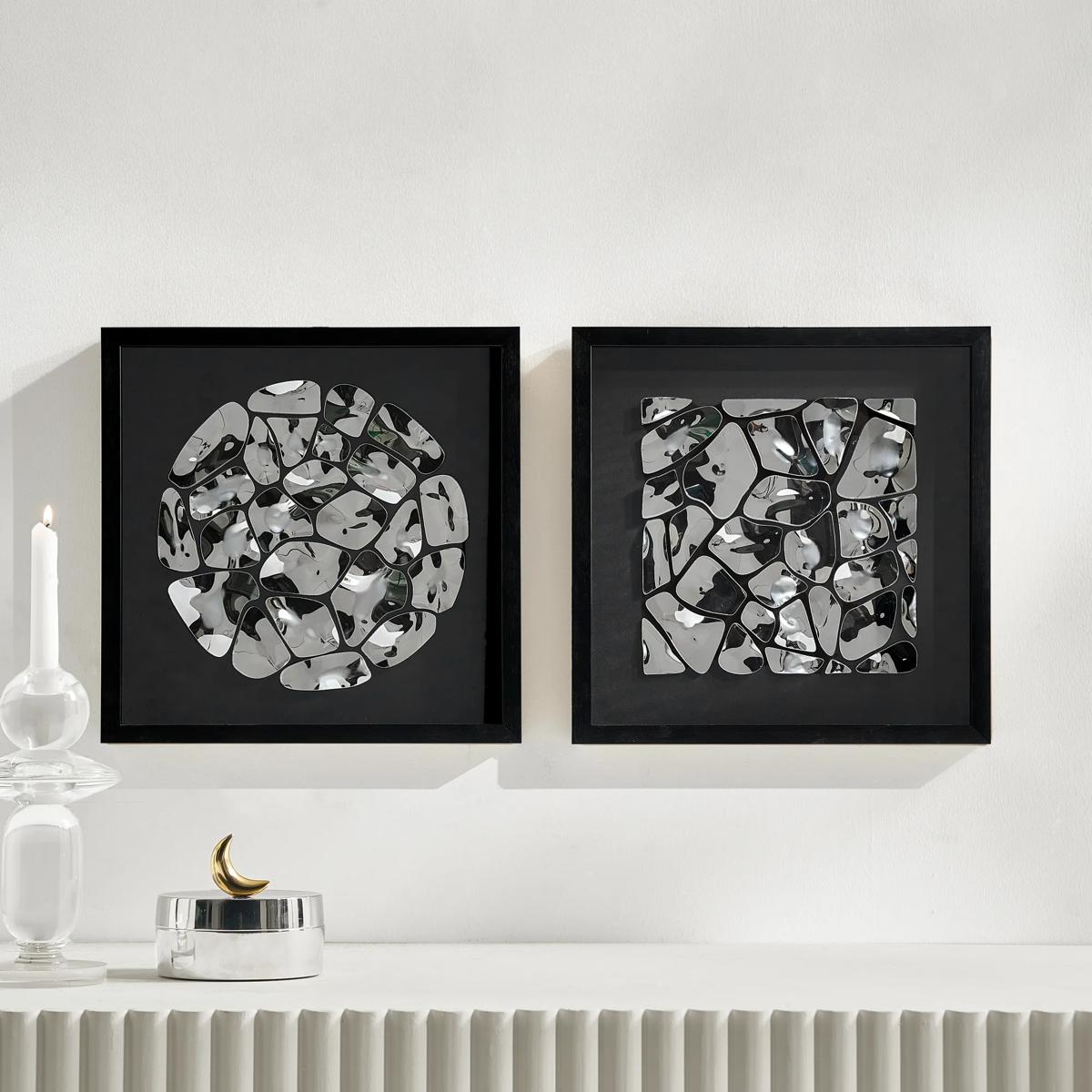 Reflect Silver And Black Shadowbox Art II$189
A dimensional metal wall art piece featuring polished silver and black forms in a sleek black frame.
Add To Cart -
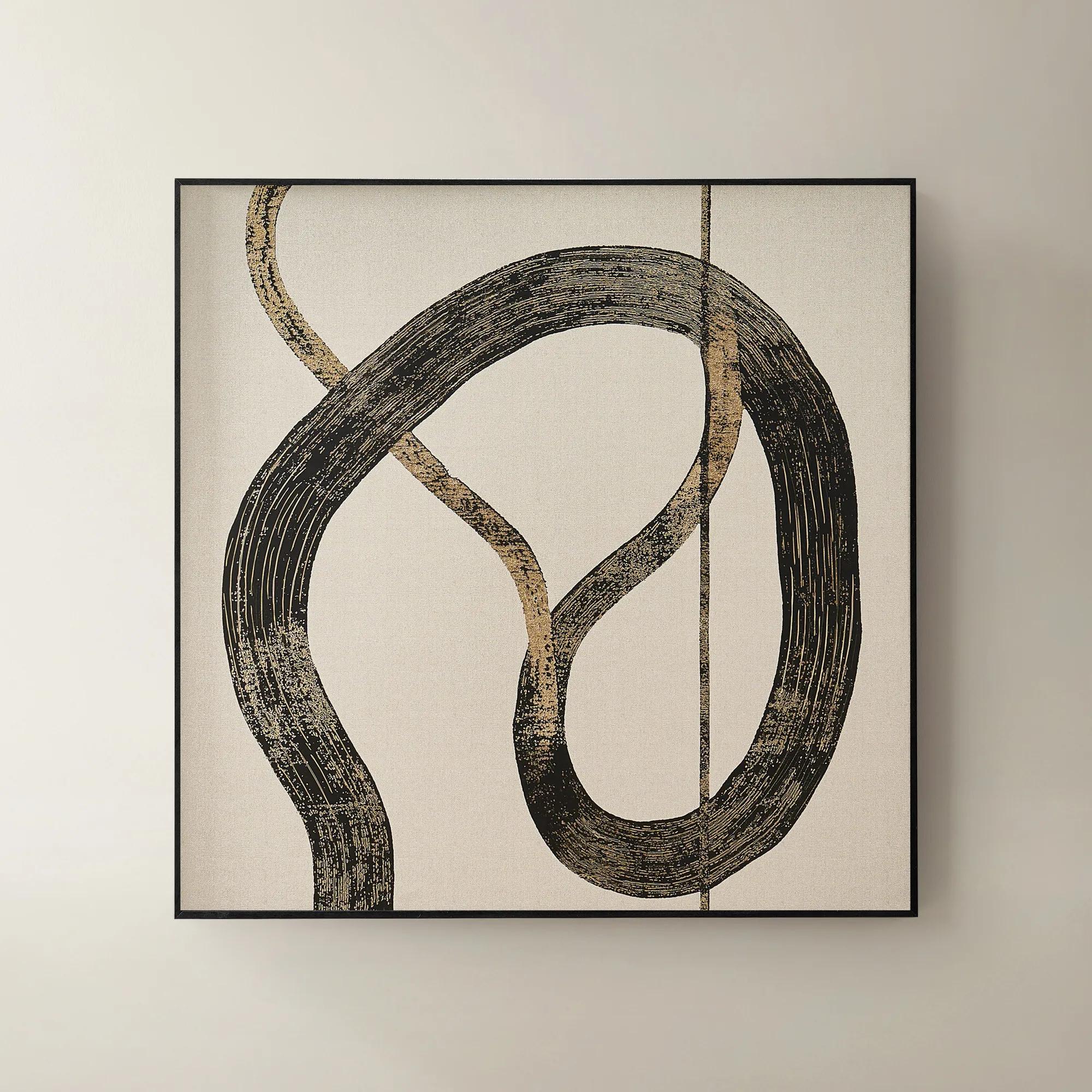
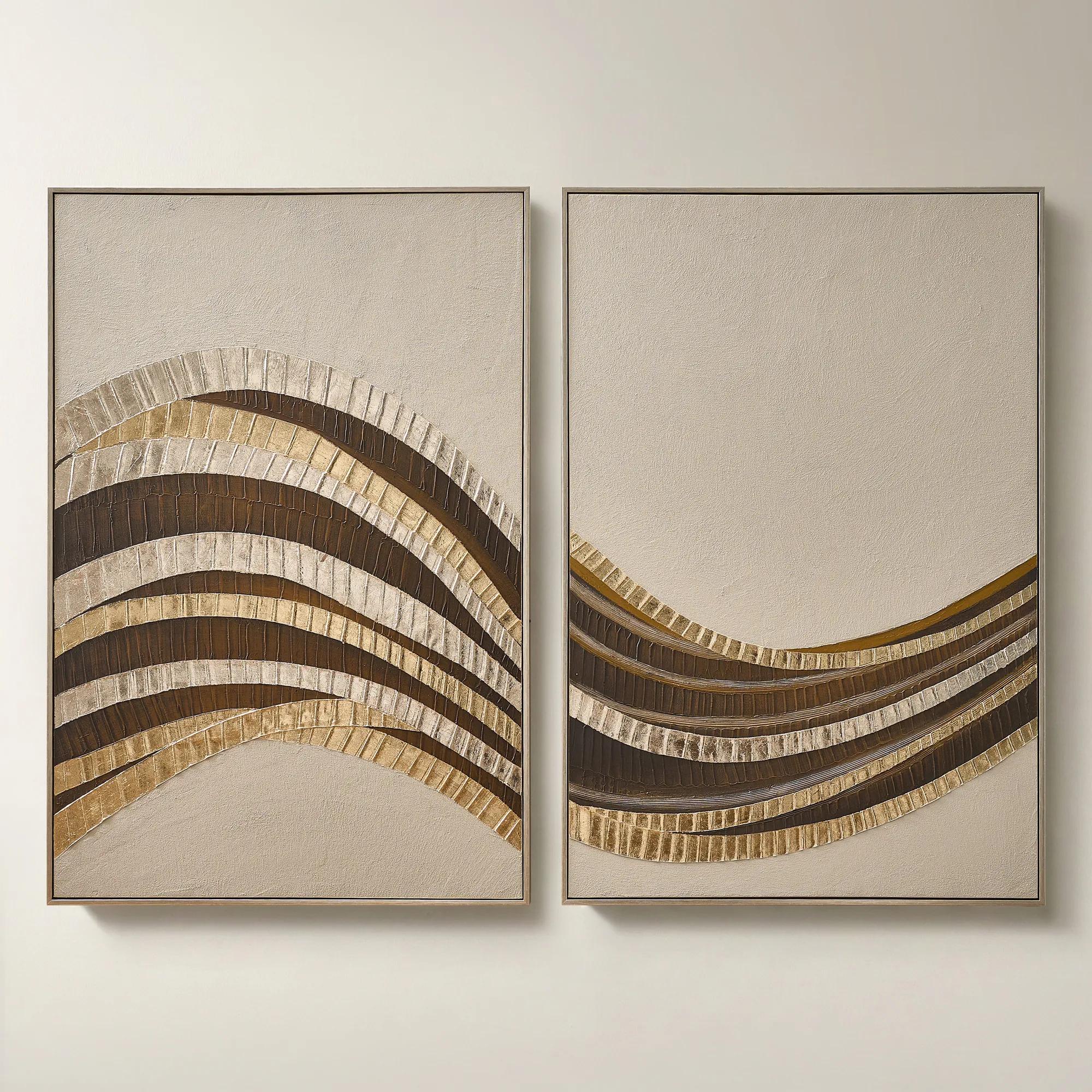 Stillness in Motion Framed Gold Leaf Painted Wall Art 40" x 60" Set of 2$899
A hand-painted abstract diptych with gold leaf accents, textured surface, and brushed champagne frames.
Add To Cart -
 Etched in Gold$229
A hand-carved gold copper artwork set in a sleek black alloy frame for modern contrast.
Add To Cart -
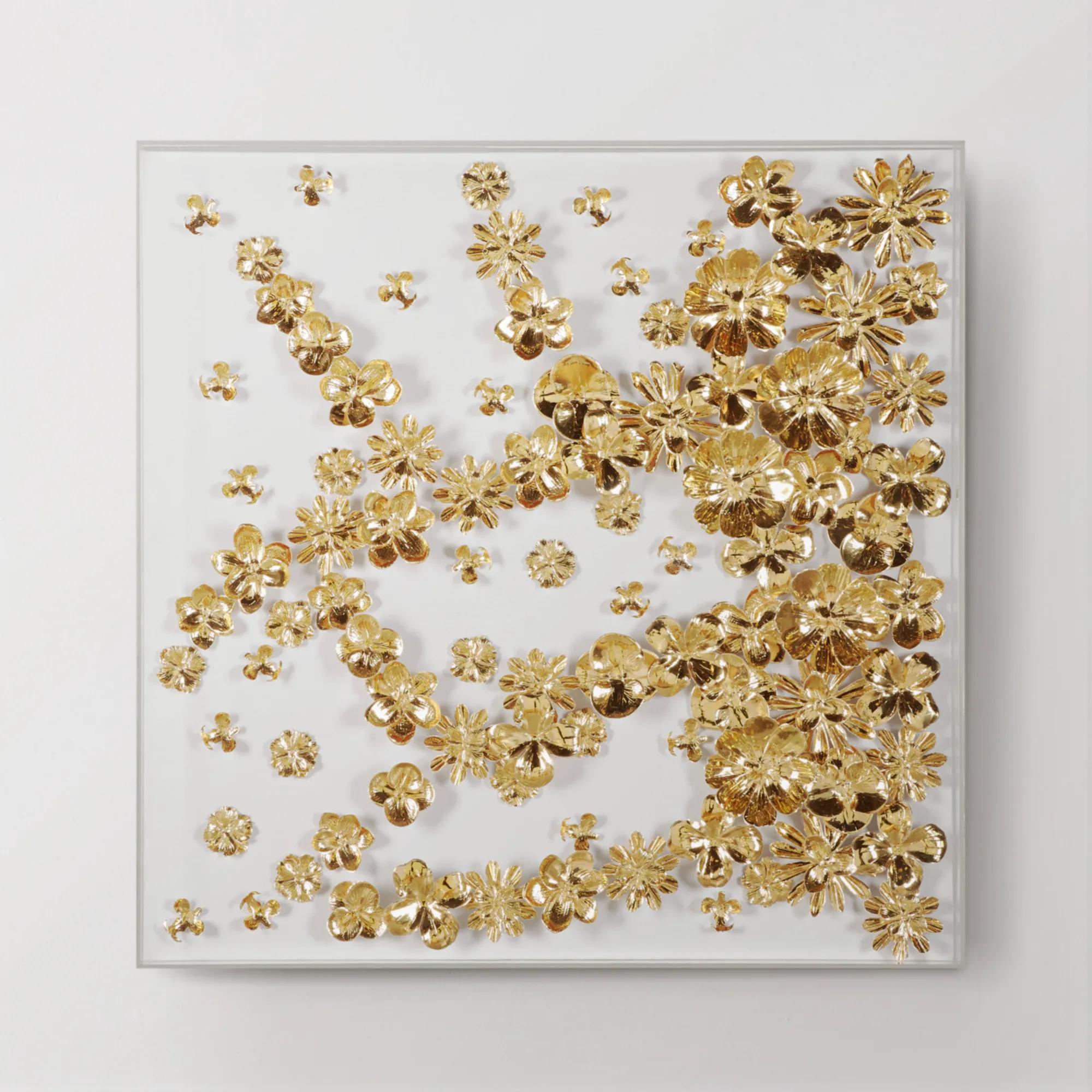
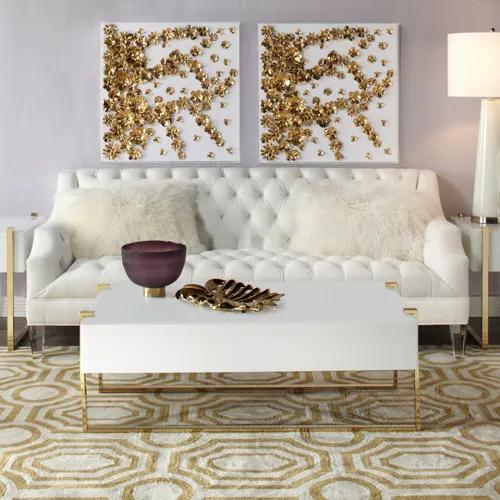 Gold Flora Handmade Foil Wall Decor in Acrylic 31" x 31"$499
A glam botanical wall art featuring handmade gold foil paper flowers on a white linen background.
Add To Cart -

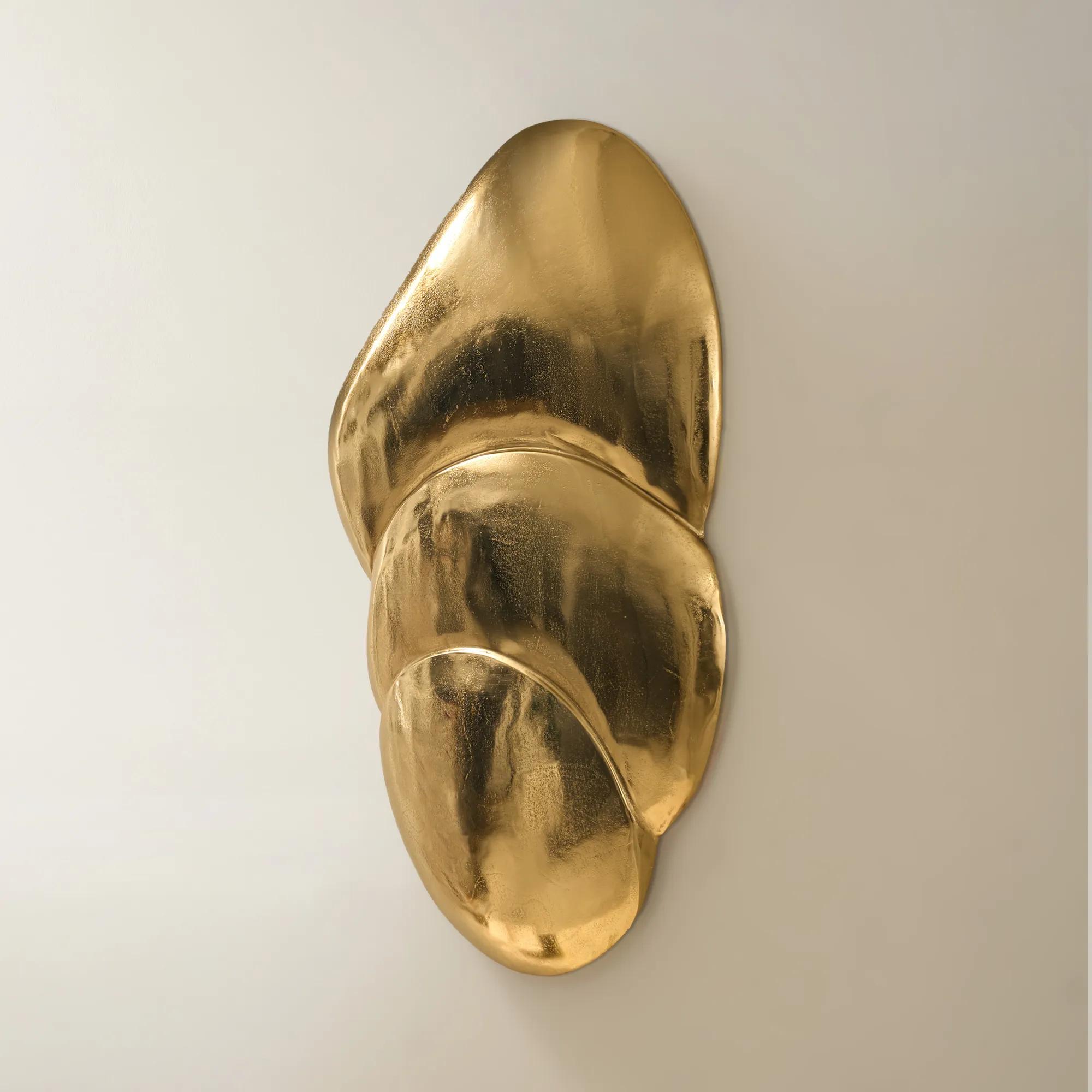 Echo Gold Handcrafted Aluminum Wall Decor 19" x 30"$169
A handcrafted gold aluminum wall sculpture with crisp definition and a polished, gallery-ready framed presentation.
Add To Cart -
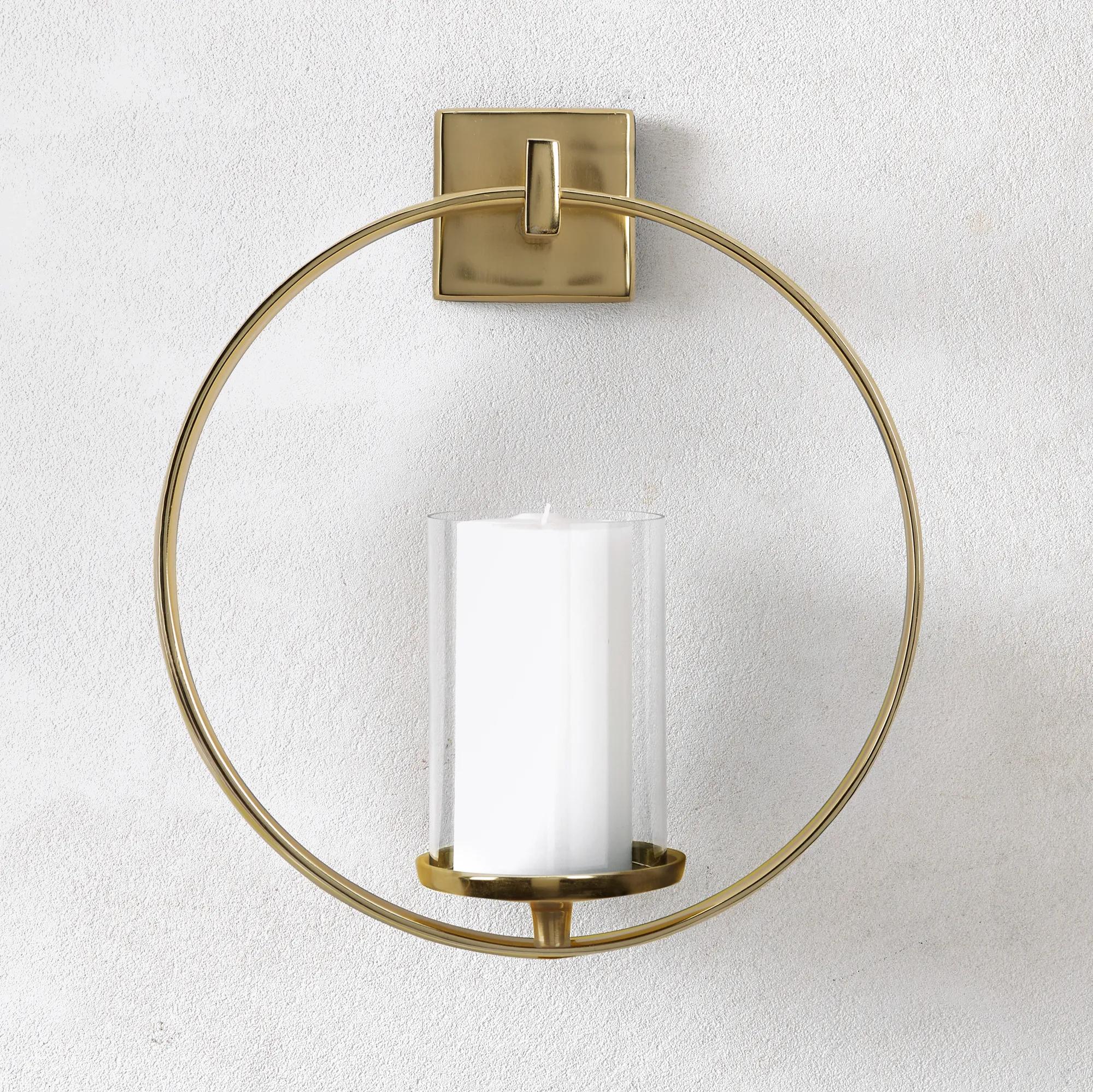
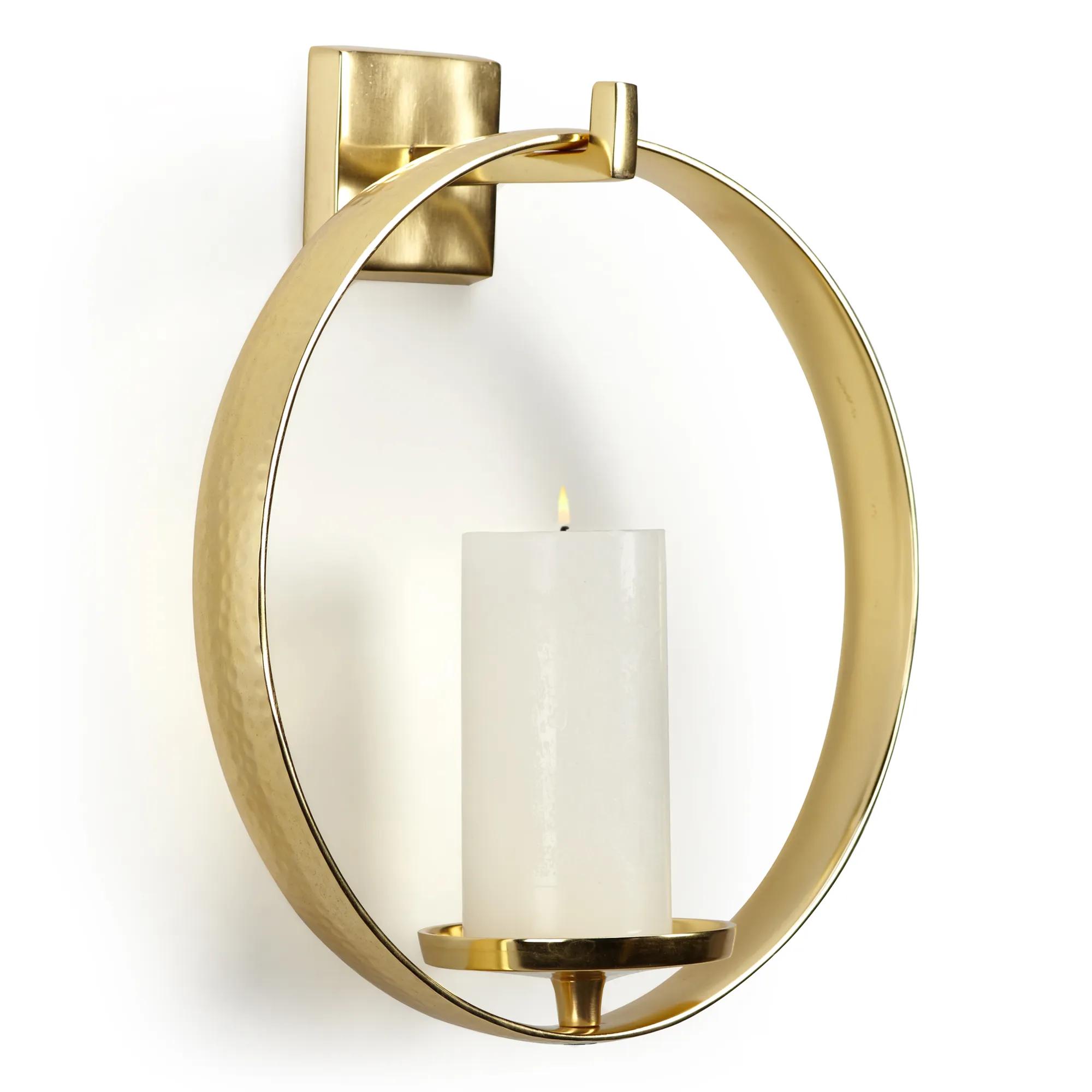 Cirque Hanging Sconce$79
A sleek aluminum wall sconce with a metallic finish, available in silver, gold, or black.
Add To Cart -
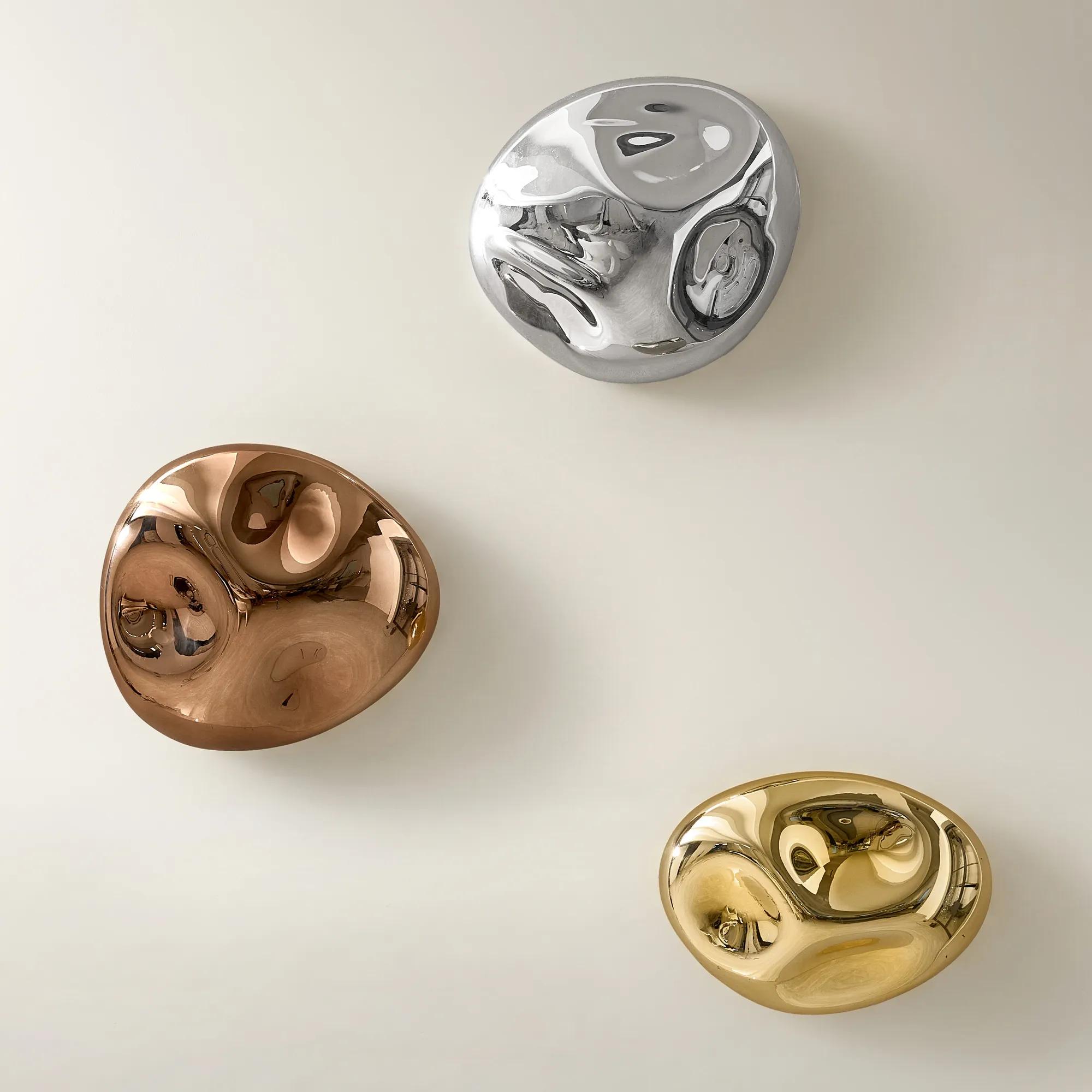
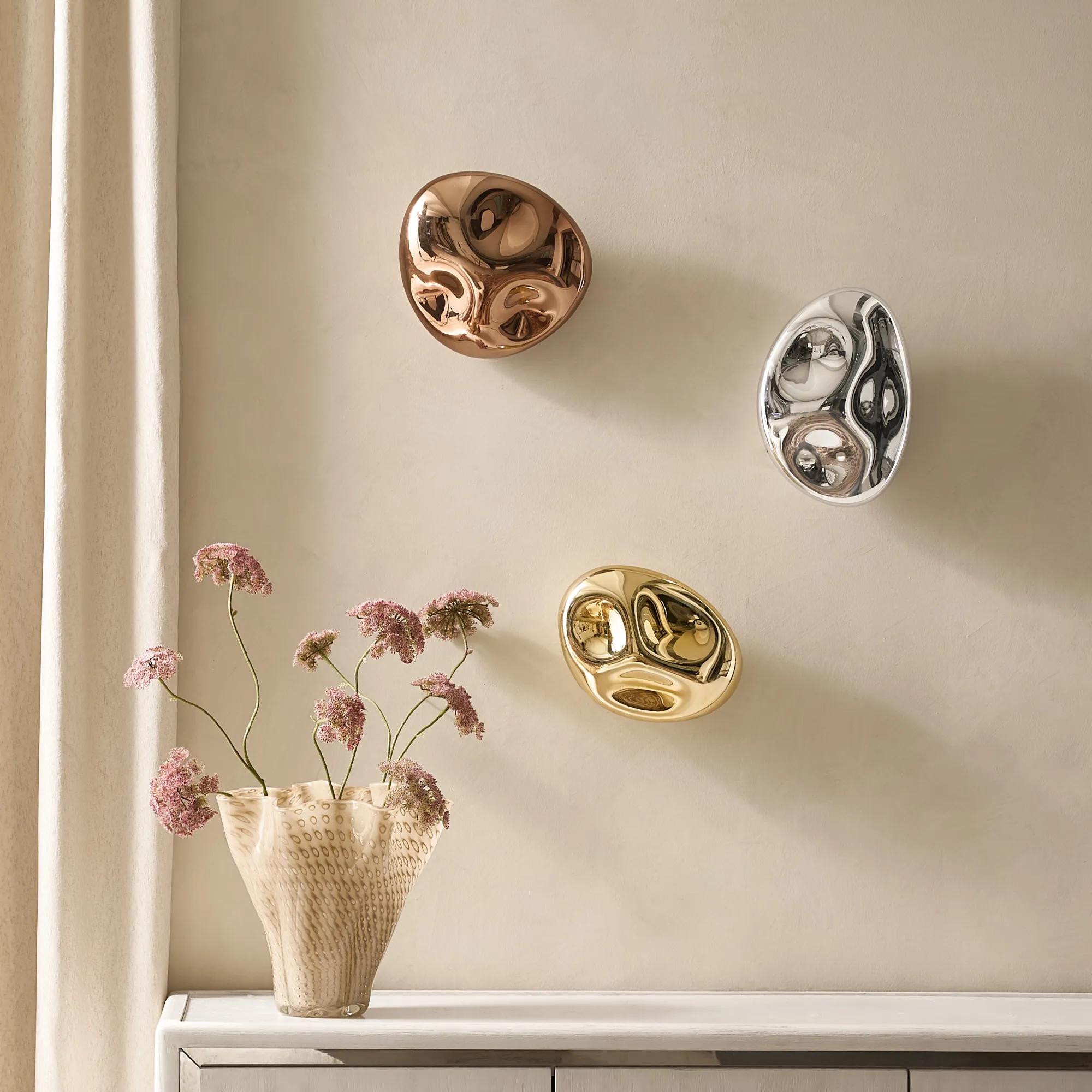 Nebula Electroplated Metallic Glass Wall Decor Set of 3$279
A set of three electroplated glass wall sculptures in polished silver, soft gold, and bronze tones.
Add To Cart -
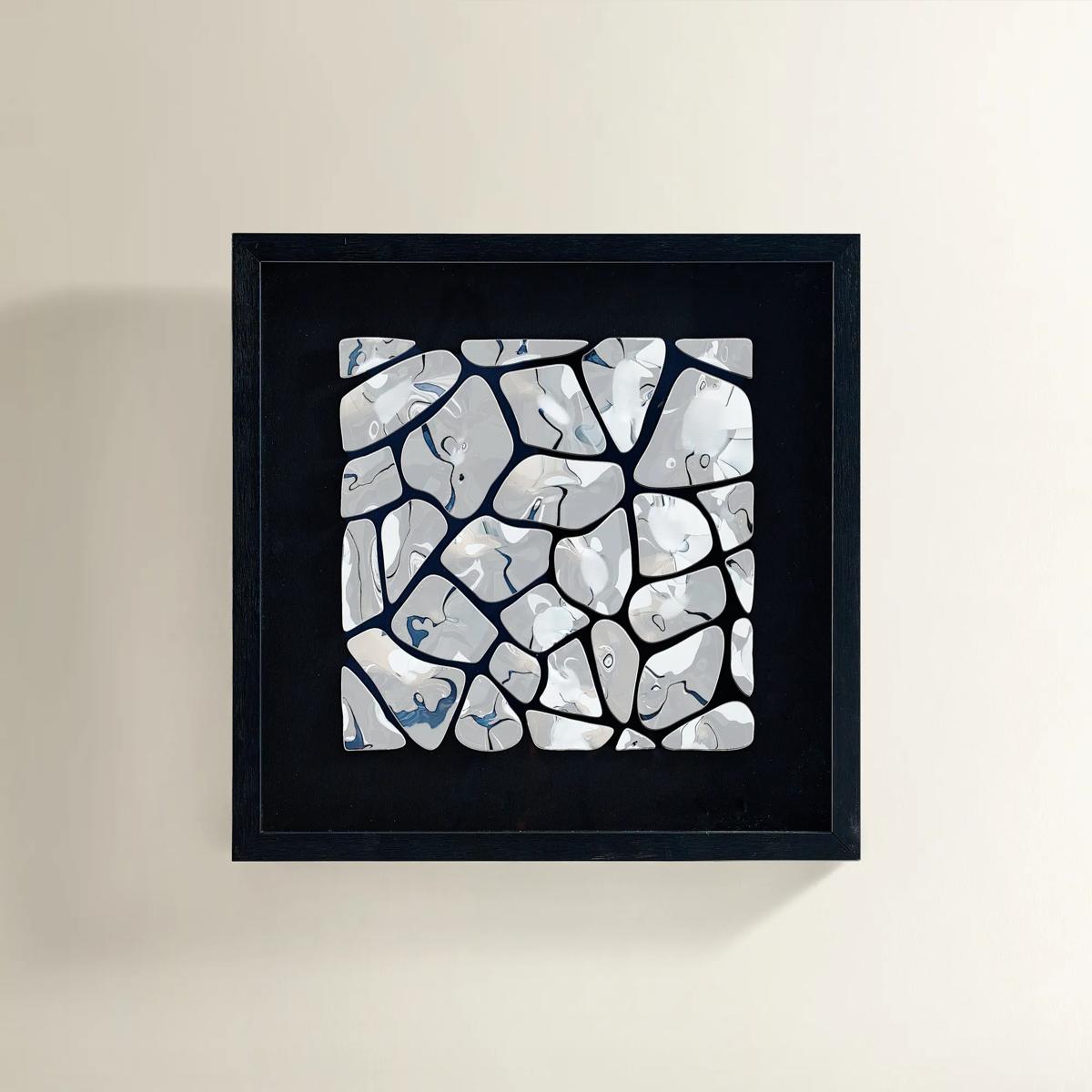 Reflect Silver And Black Shadowbox Art I$189
A dimensional metal wall art piece featuring polished silver and black forms in a sleek black frame.
Add To Cart -
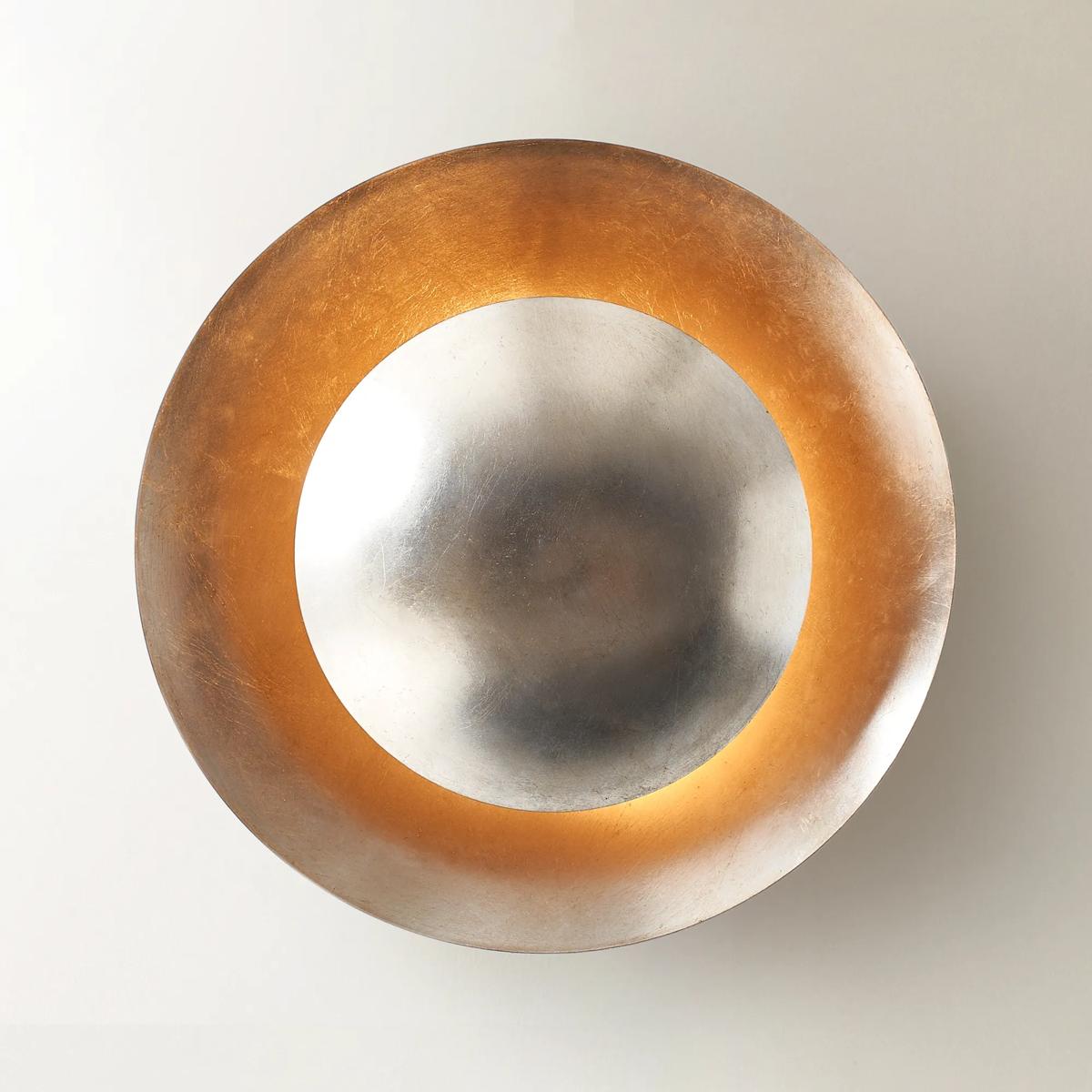
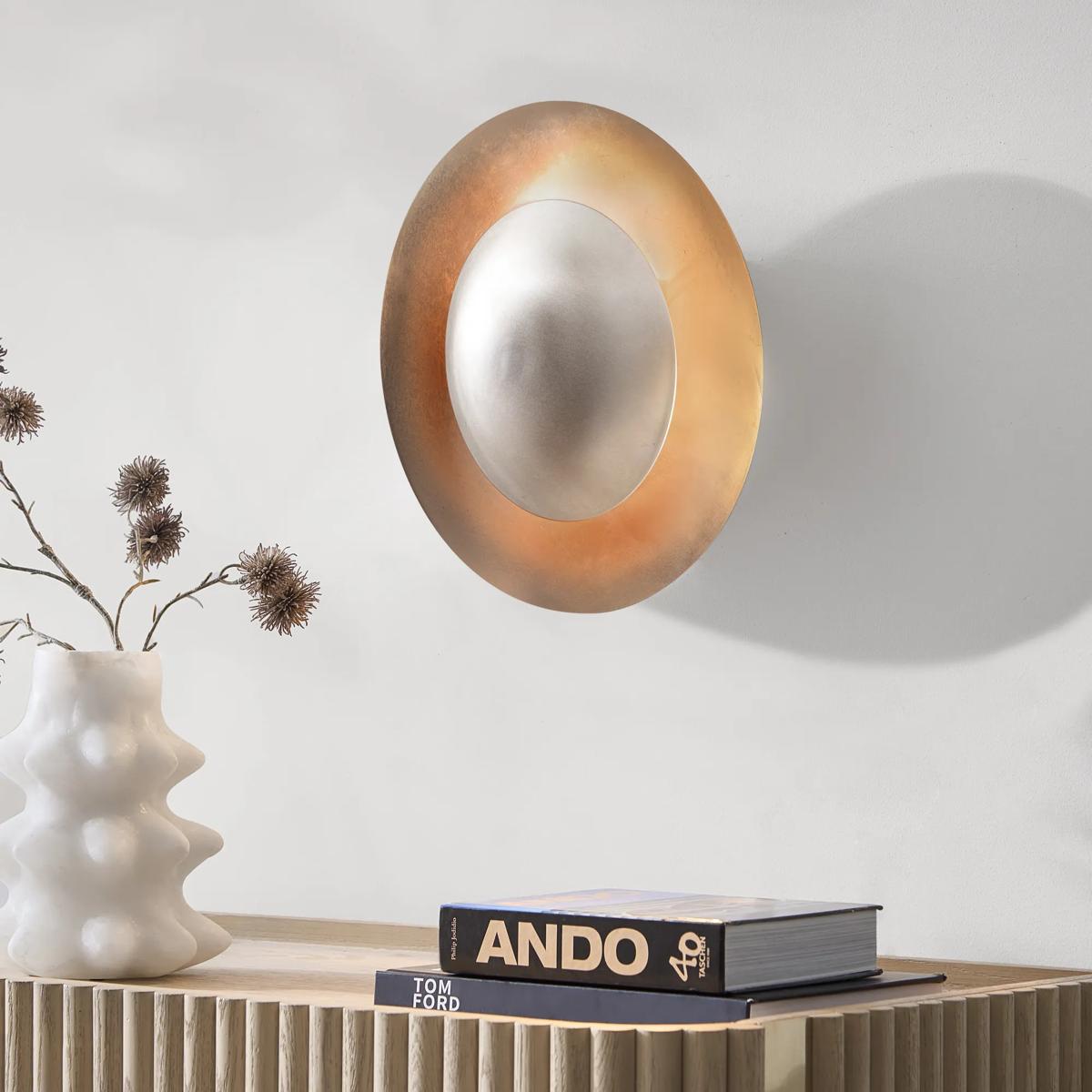 Ovid Wall Sconce 14" - Silver$199
A sculptural iron wall sconce in warm silver with a champagne gold backplate for modern ambiance.
Add To Cart -
 Etched in Silver$229
An abstract hand-carved aluminum wall art featuring shimmering silver tones in a modern black alloy frame.
Add To Cart -
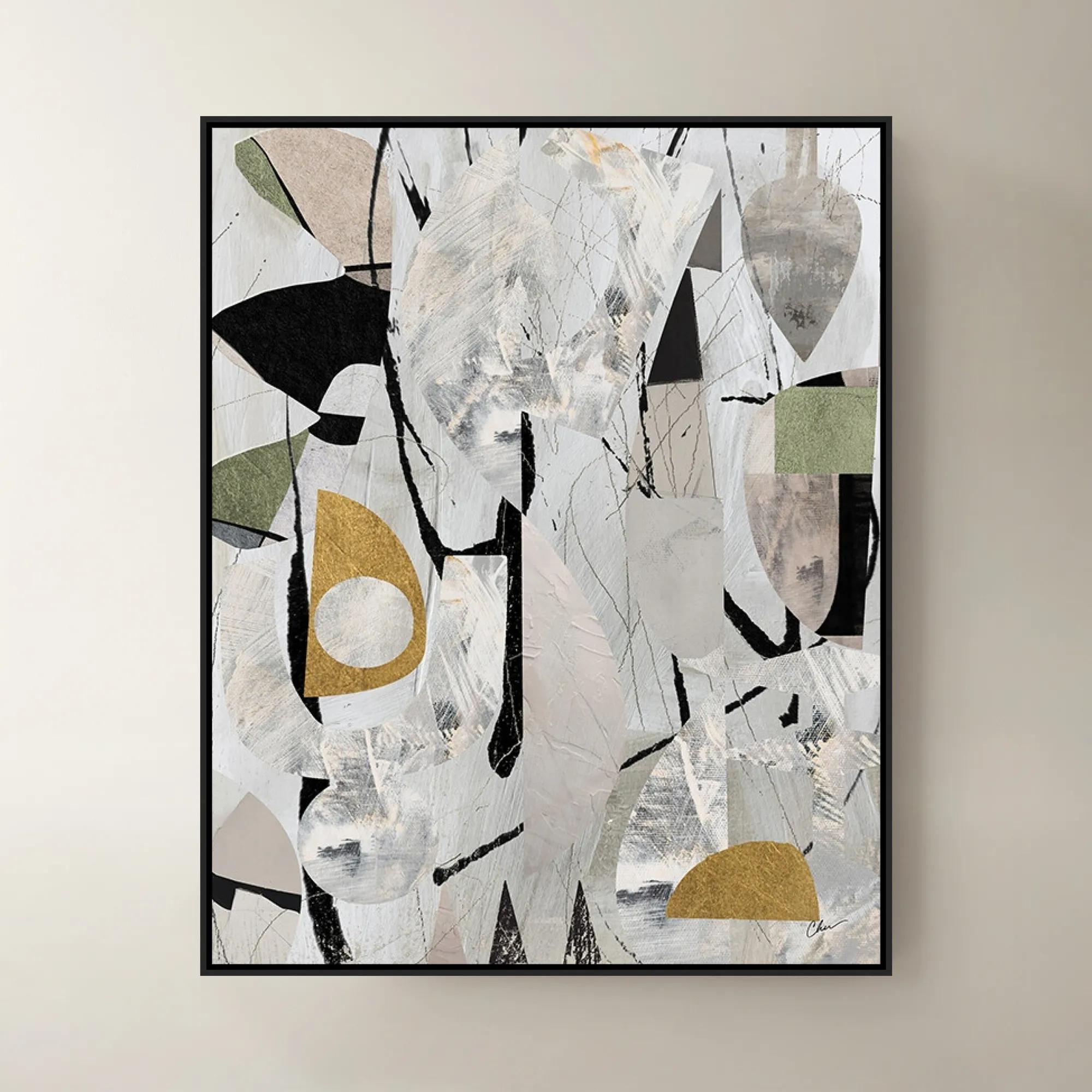
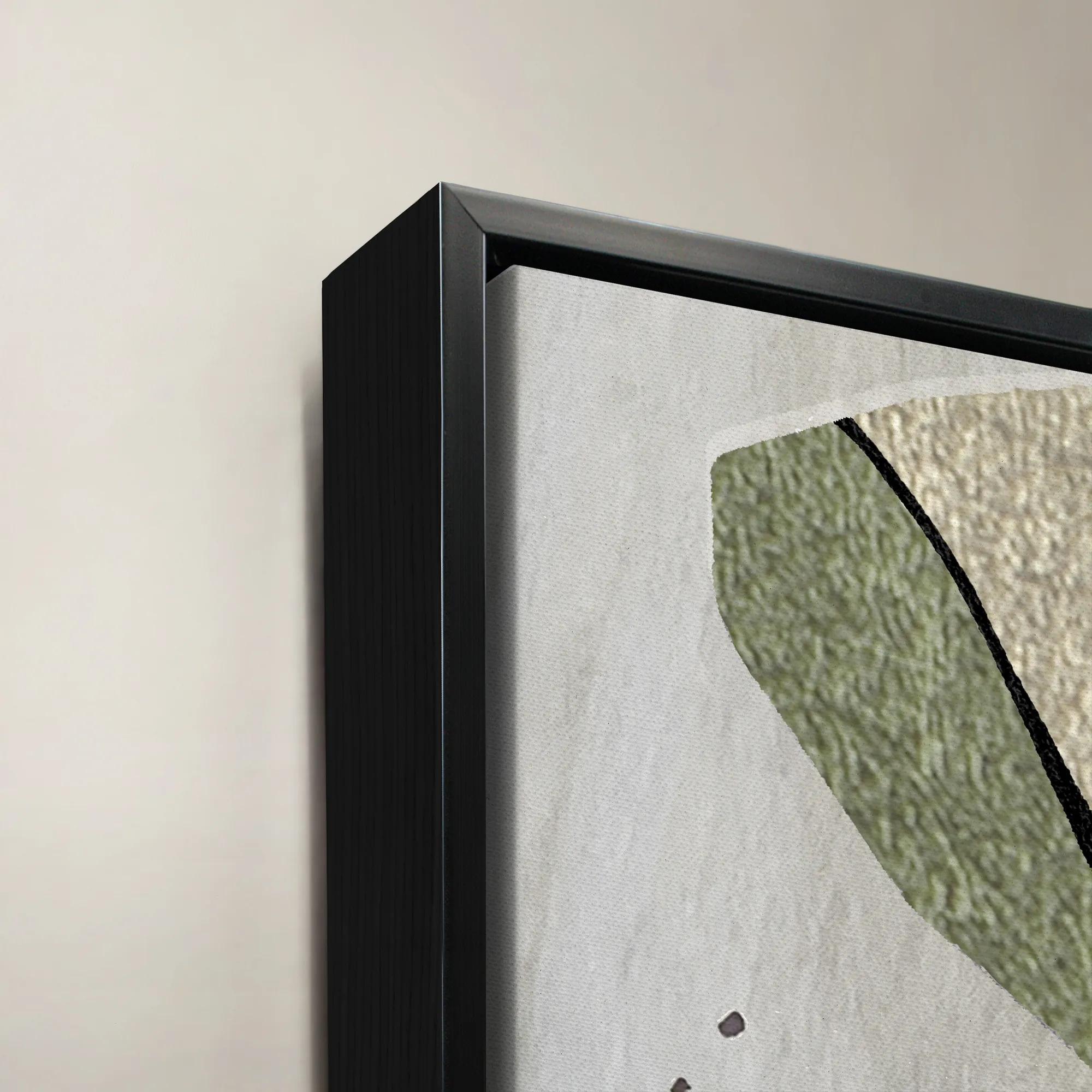 Rogue IV Framed Wall Art 40" x 50"$1199
An abstract art piece designed by Nikki Chu, blending modern style with artistic sophistication.
Add To Cart -
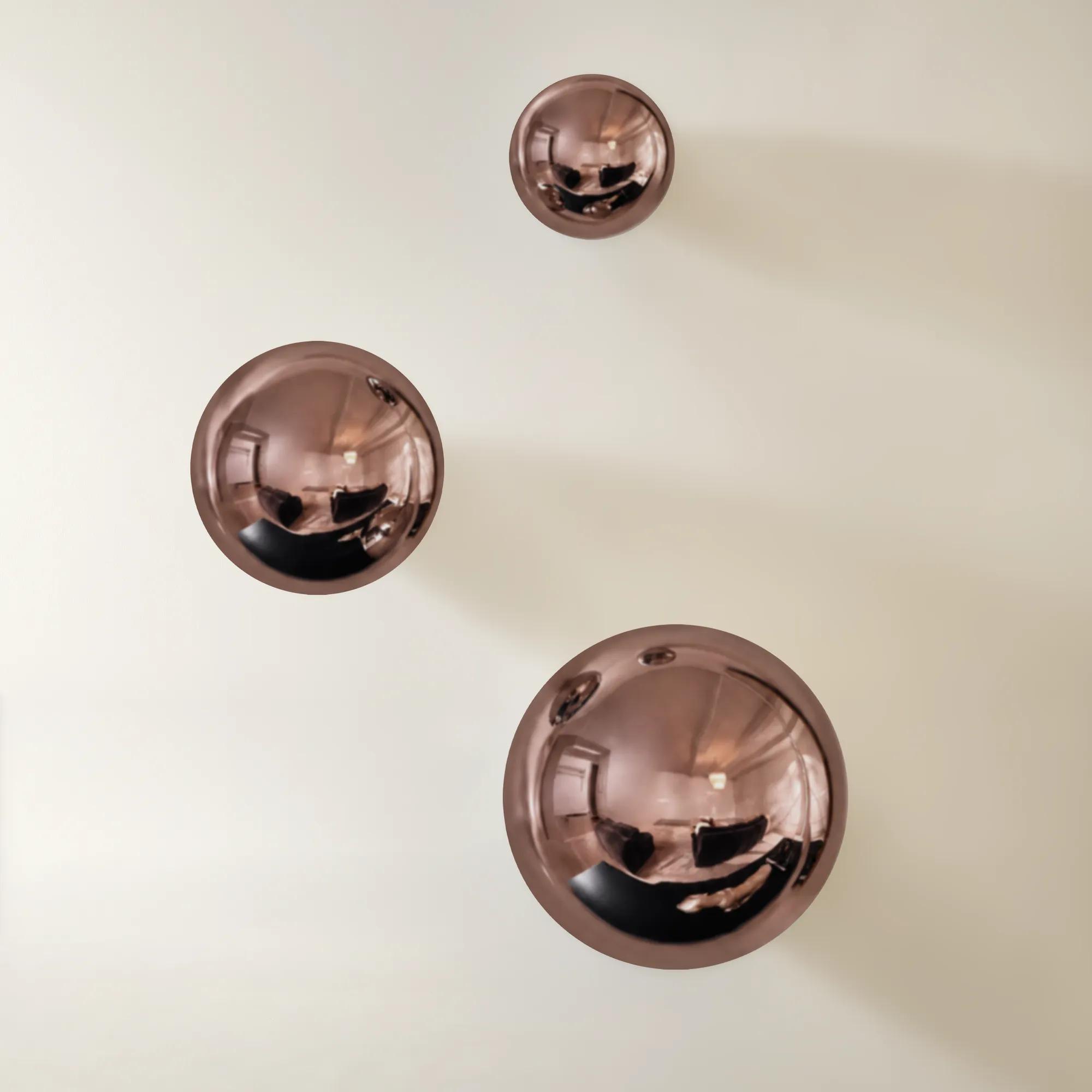
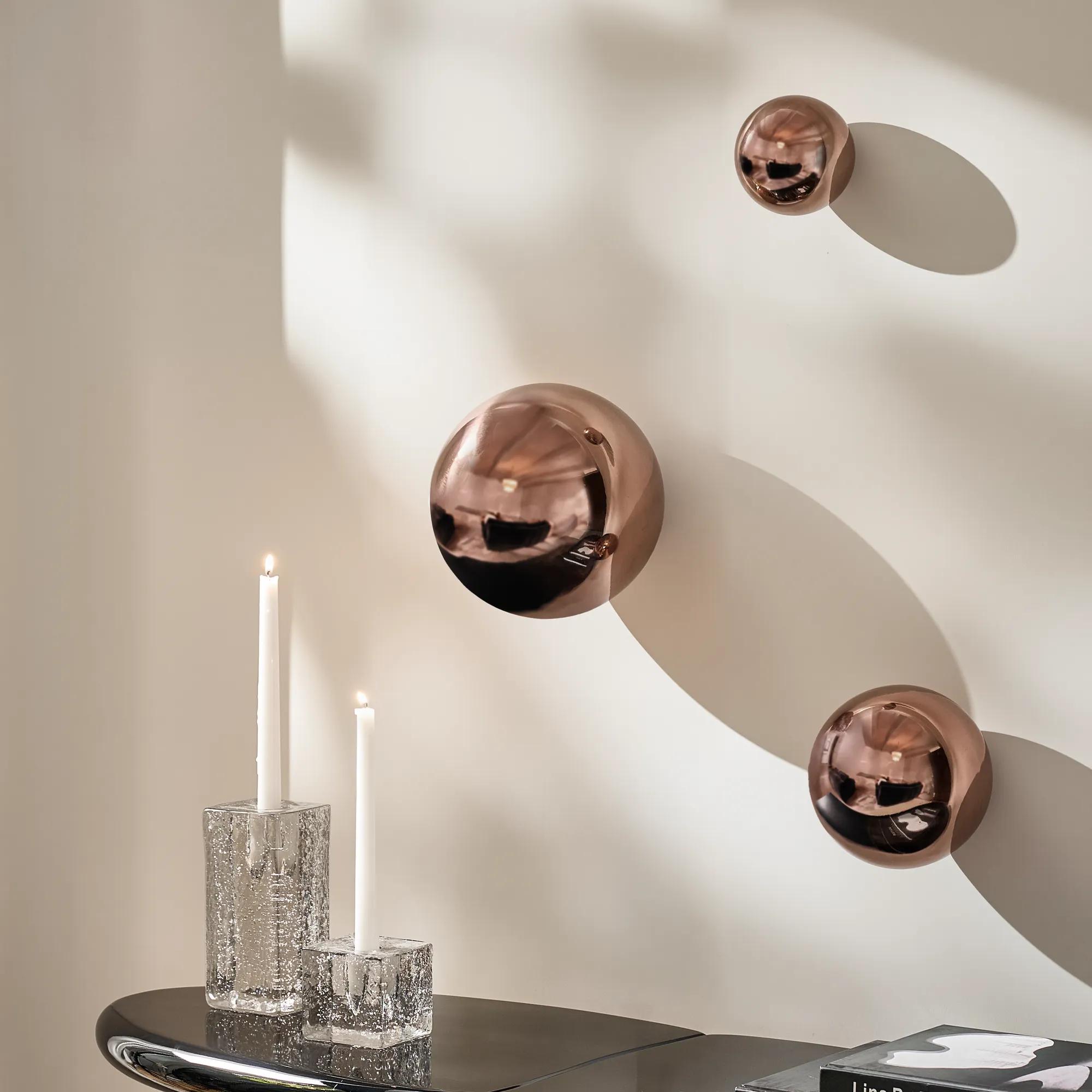 Bronze Spheres Stainless Steel Wall Decor Set of 3$129
A set of three polished bronze stainless steel spheres adds modern, sculptural shine to any wall.
Add To Cart -

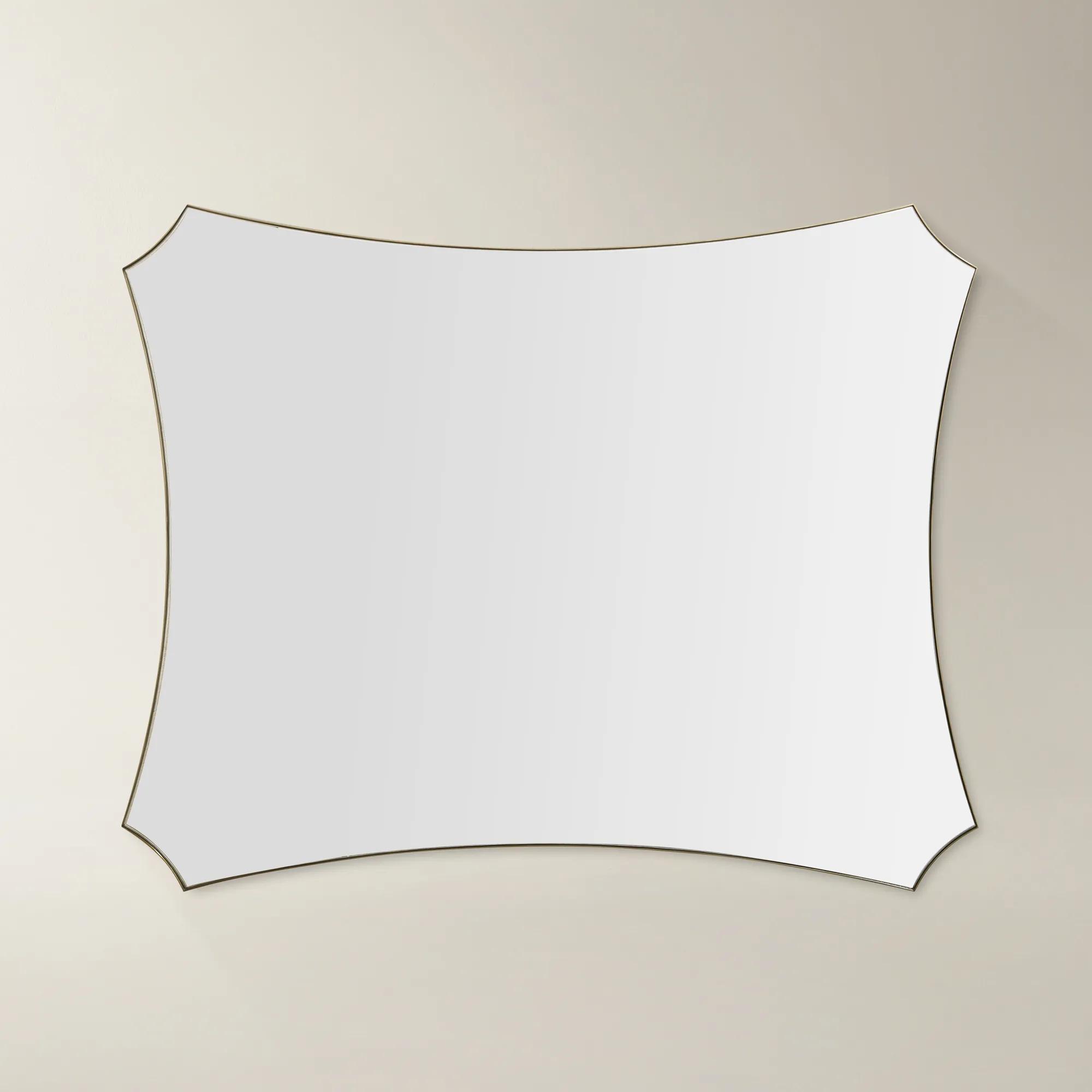 Ava Gold Stainless Steel Wall Mirror 40" x 50"$499
A contemporary wall mirror adding reflective style and sophistication to modern interiors.
Add To Cart -
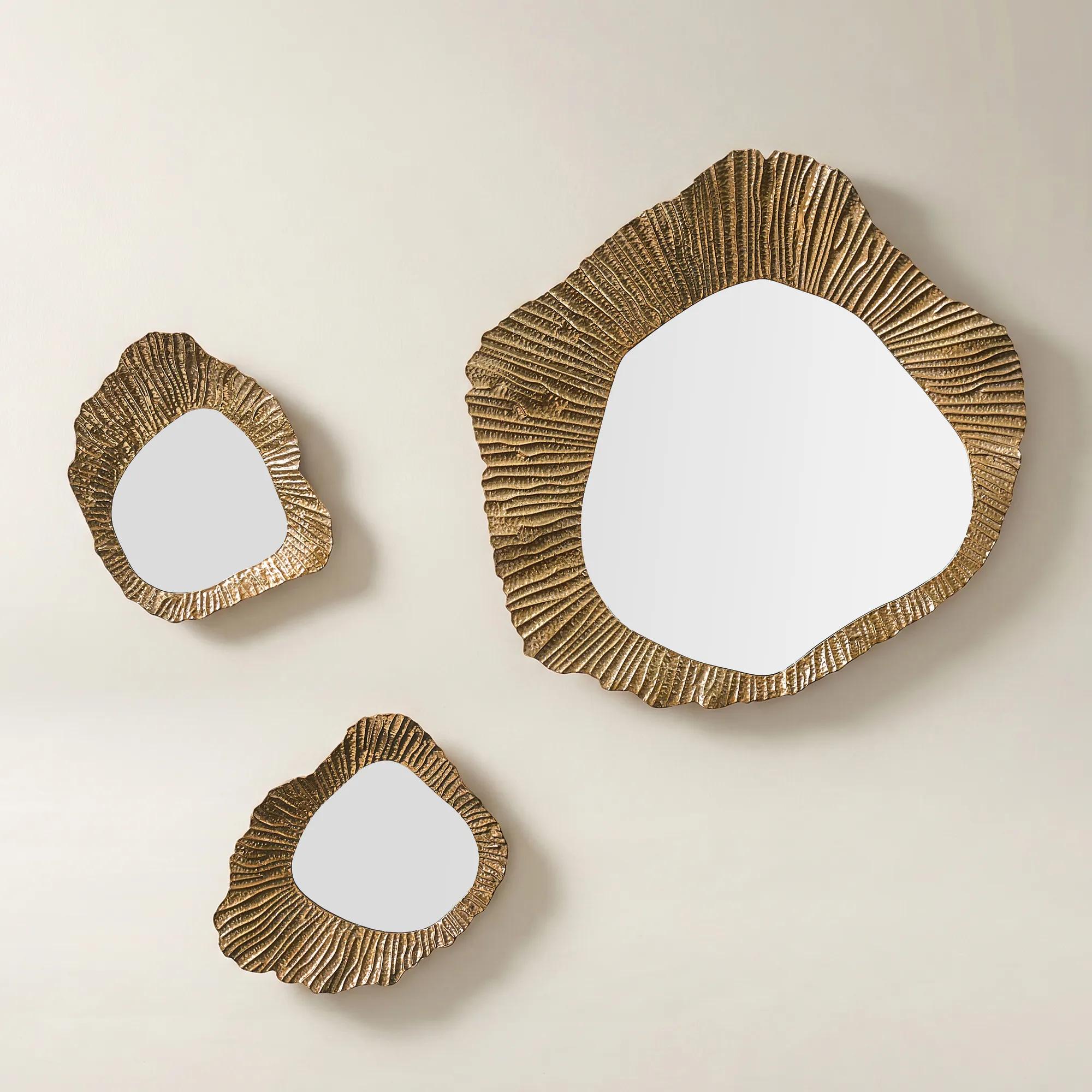 Cara Antique Gold Hand-Forged Iron Organic Shaped Wall Mirror Cluster Trio$1099
A set of three hand-forged iron mirrors in antiqued gold, featuring an organic, sculptural cluster design.
Add To Cart -

 Cade Gold Hand-Hammered Iron Round Wall Mirror 46.25"$699
A round wall mirror featuring a hand-hammered iron frame with a warm gold finish for elegant appeal.
Add To Cart -
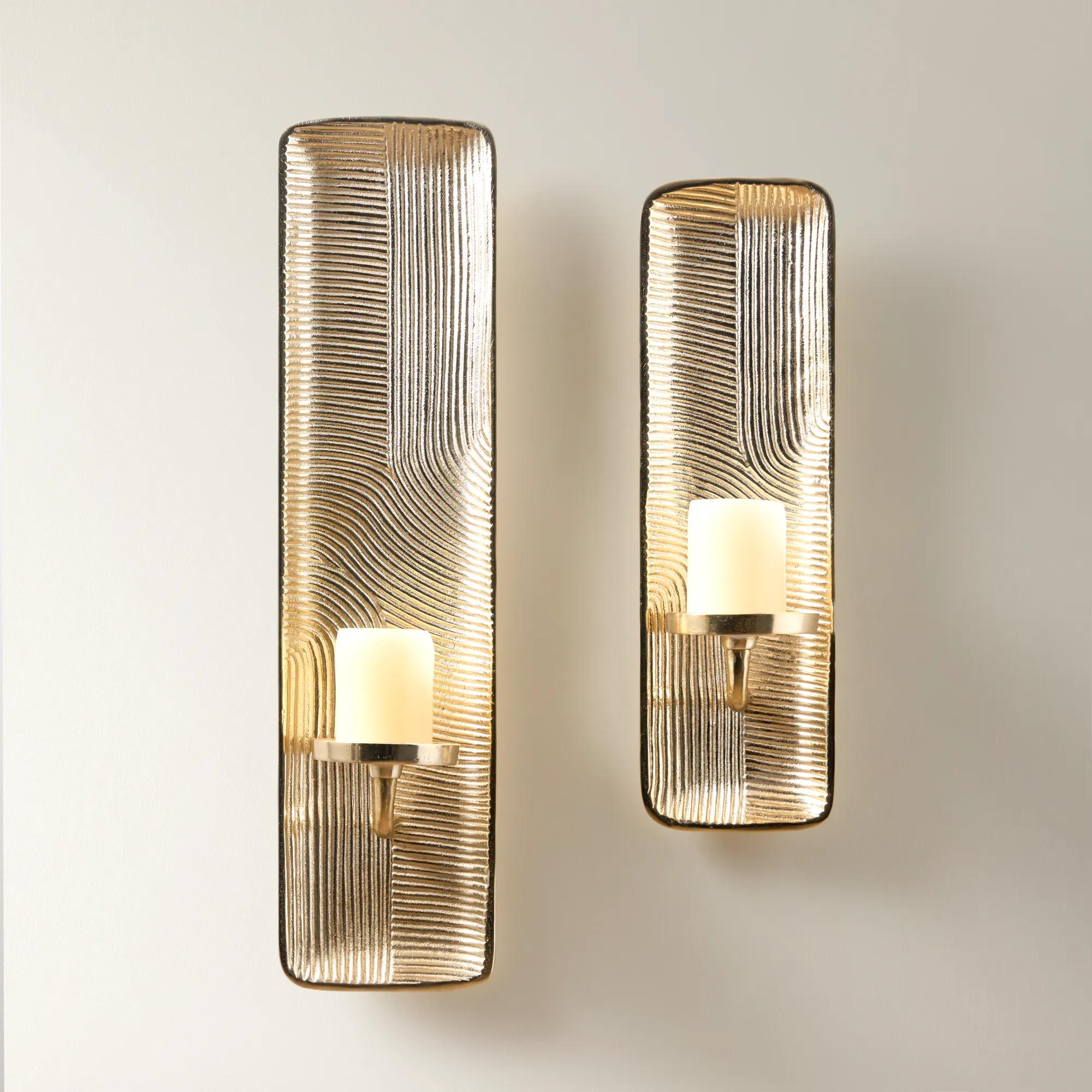
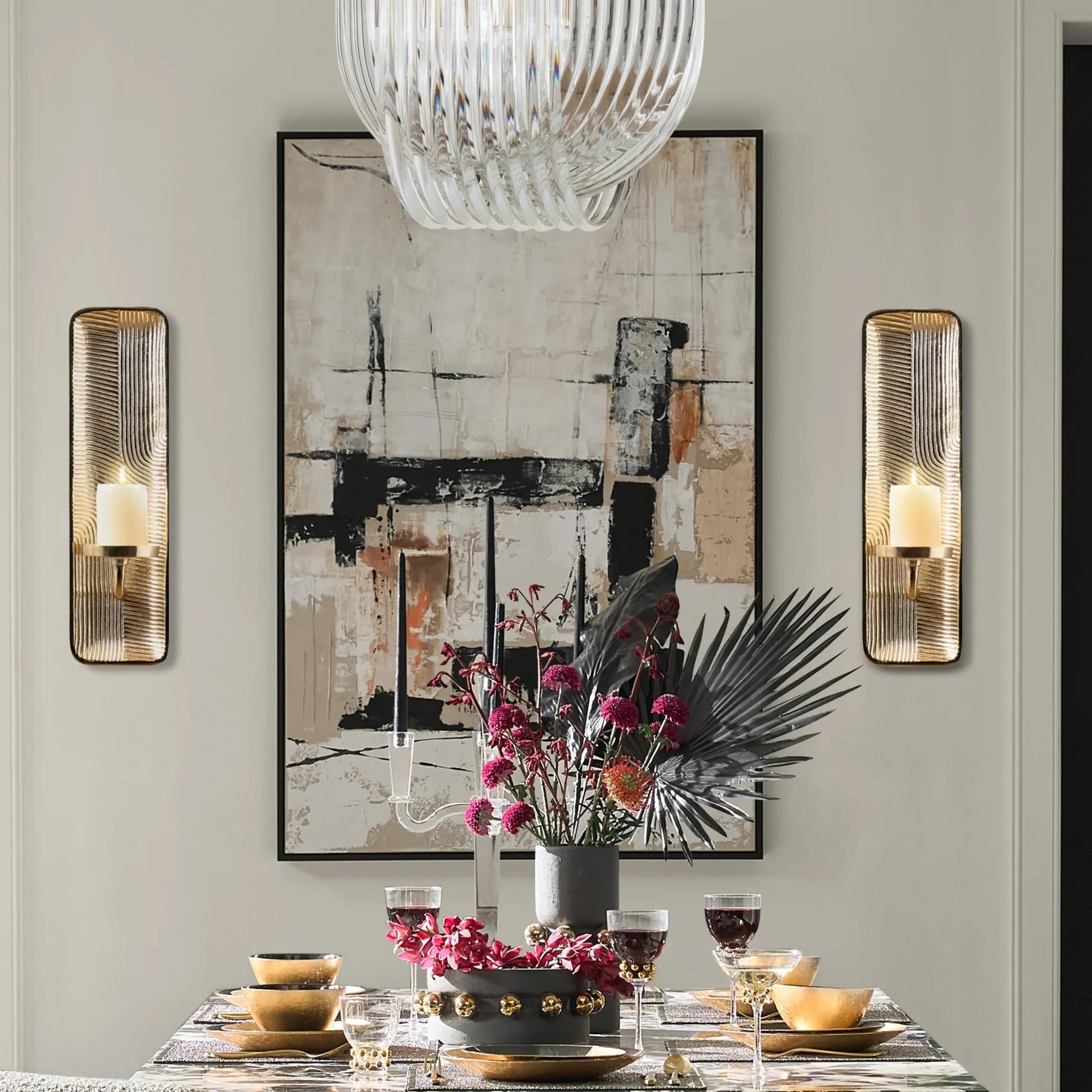 Ando Gold Aluminum Wall Sconces$69
A hand-textured gold aluminum sconce that adds understated elegance and a warm candlelit glow.
Add To Cart -
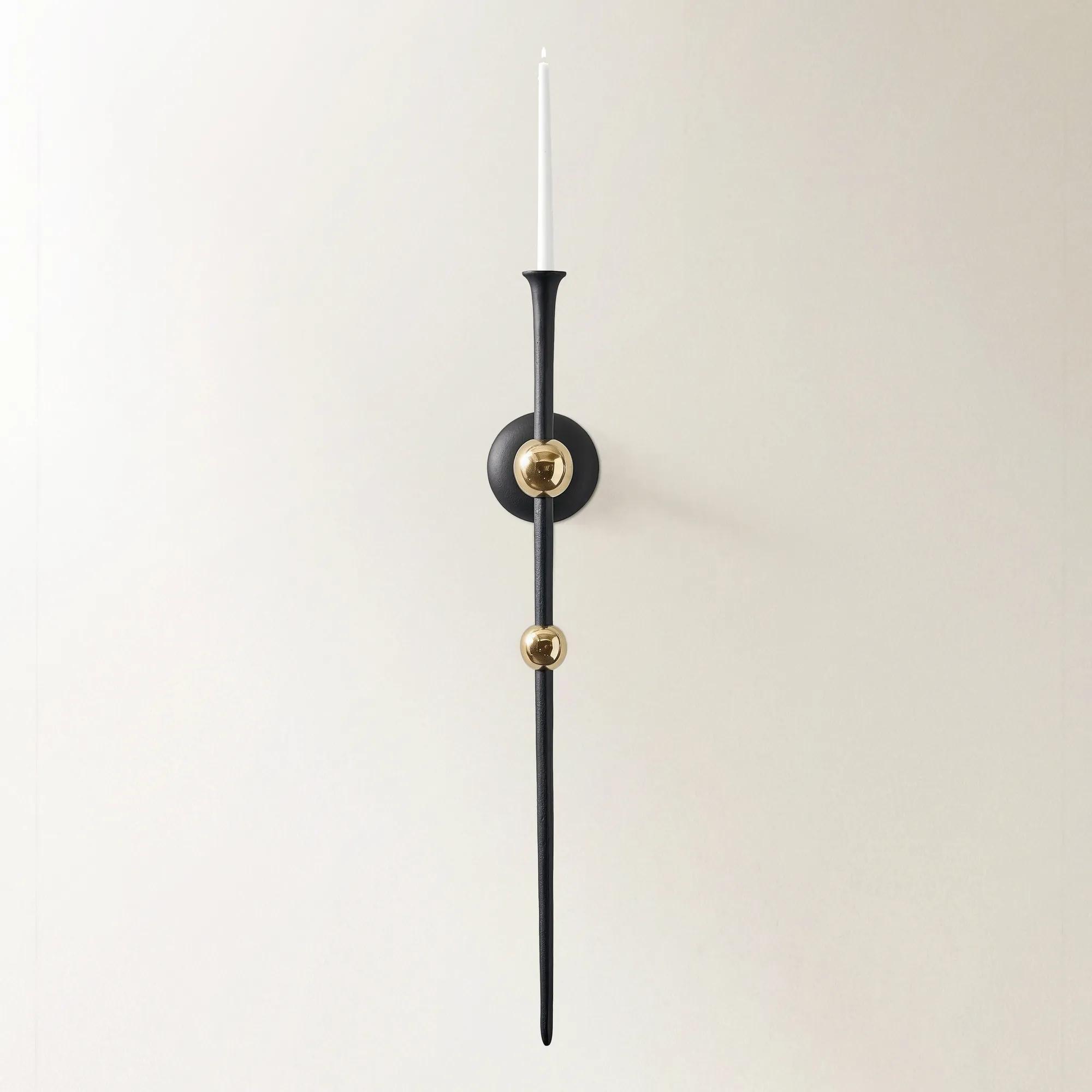 Aspar Soft Gold Bauble and Black Aluminum Candle Wall Sconce Large 33"$79
A sculptural aluminum wall sconce featuring a striking black finish with a soft gold bauble accent.
Add To Cart -
 Vince Gold Aluminum Candle Wall Sconce 18.5"$79
A sculptural gold aluminum sconce that cradles a single taper candle for modern, luminous ambiance.
Add To Cart -
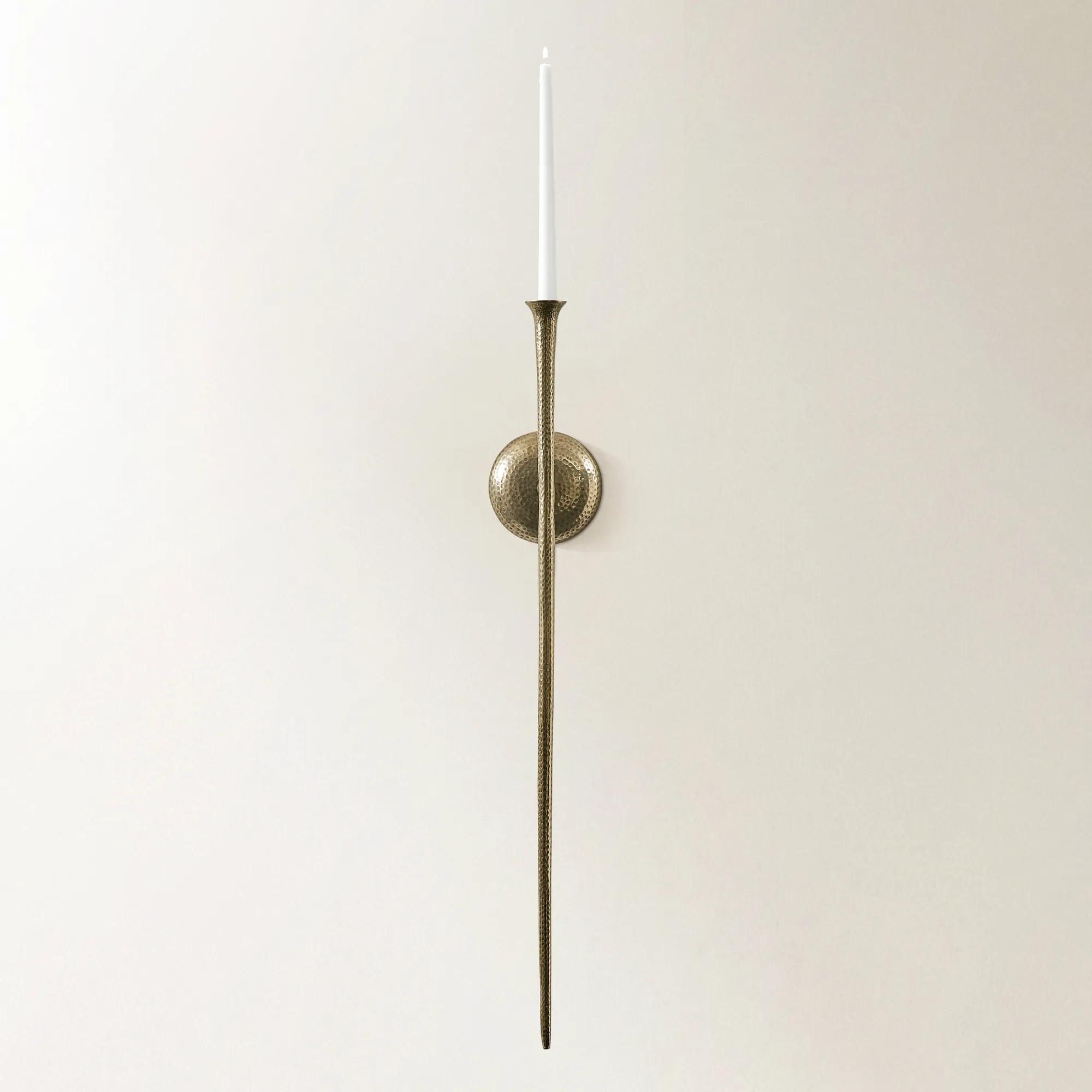 Aspar Hammered Antiqued Gold Aluminum Candle Wall Sconce Large 33"$79
A sculptural aluminum wall sconce featuring a hammered antiqued gold finish for rich texture and warmth.
Add To Cart

Contemporary Gold Metal Wall Art
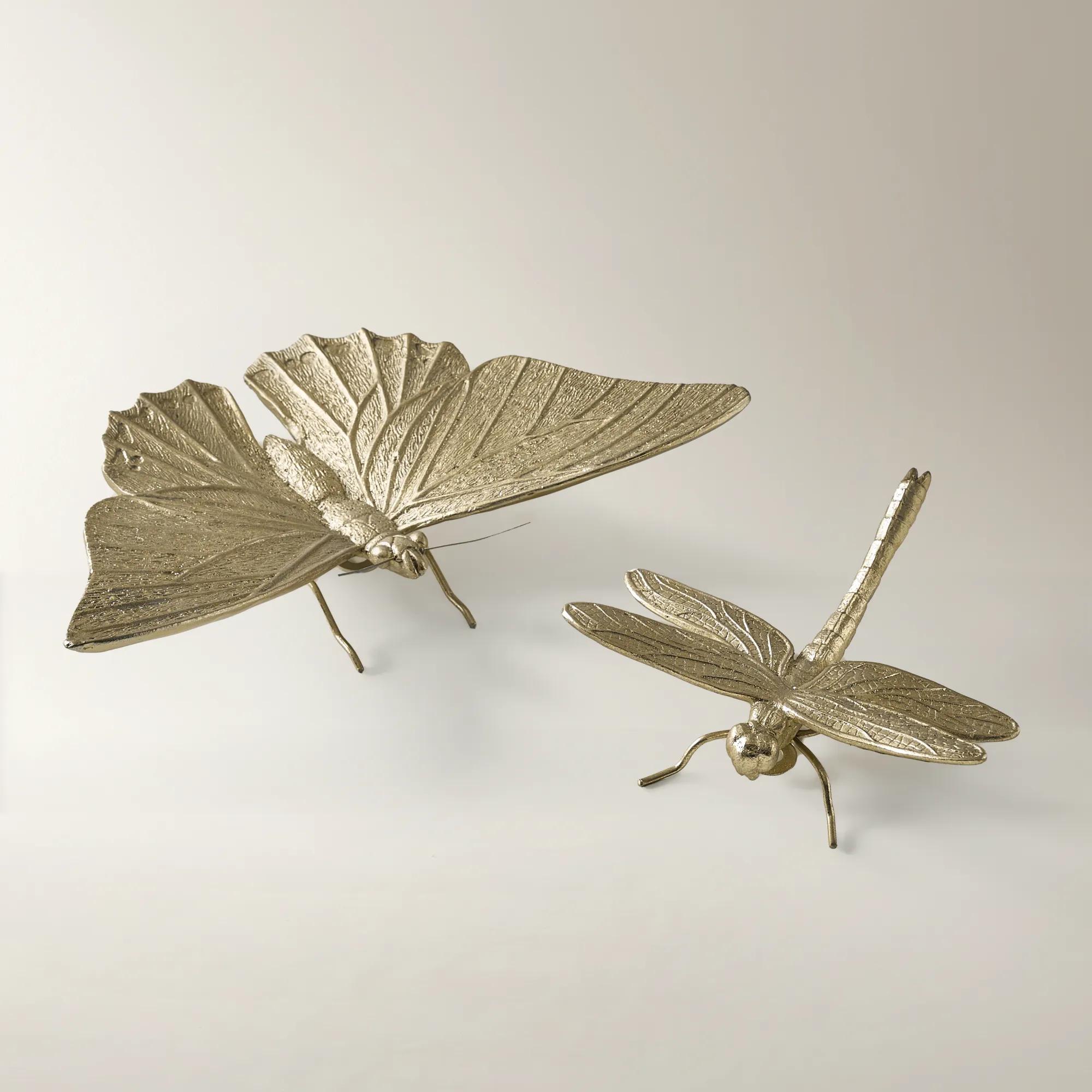
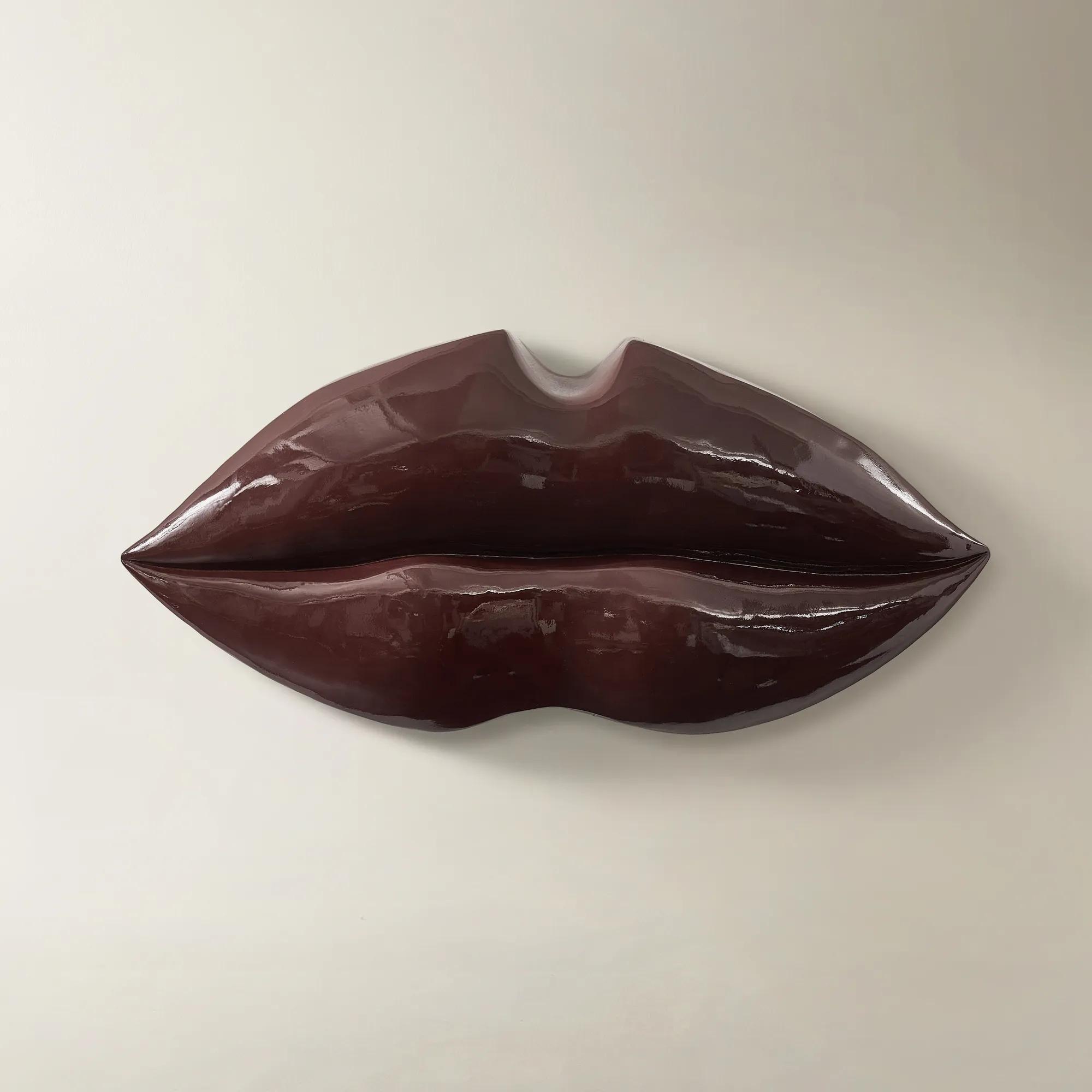
Explore contemporary gold metal wall art for a luminous focal point that brings warmth and dimension to modern interiors. Gold-toned metal wall decor offers an expressive finishing touch above a sofa, console, or bed. Consider scale and silhouette alongside your furnishings, leaving enough surrounding wall space for the artwork to command attention.
Contemporary gold metal wall art gives a room something a flat surface cannot: dimension that changes with the light. A slender curve catches a bright highlight, a folded plane holds a deeper bronze shadow, and an open framework lets the wall color become part of the composition. That interplay makes gold-toned metal especially compelling in interiors built around expressive shapes and contrasting textures. Against charcoal paint, its warmth feels concentrated and dramatic; against ivory, the same finish takes on a softer, almost luminous presence. Contemporary designs can draw their character from clean geometry, fluid gestures, botanical silhouettes, or irregular forms that feel closer to sculpture than traditional framed artwork. Some compositions rely on a single sweeping outline, while others gather repeated elements into a rhythmic arrangement. Both can command attention without introducing a busy mix of colors. The finish makes an equally important contribution. Polished gold reflects crisp highlights and brings a distinctly glamorous energy, while brushed, satin, or antiqued treatments offer more variation across the surface. A textured finish may reveal fine ridges or subtle tonal shifts that become more apparent at close range. Material and finish deserve separate attention: a gold-toned surface may be applied to iron, steel, or aluminum, and the underlying metal influences weight, structure, and the delicacy of the design. Depending on construction, metal can be cut, bent, layered, or joined to create depth that extends beyond the wall. Gold coloring does not necessarily indicate solid brass or precious-metal content, so material descriptions matter when comparing construction and care requirements. For interiors with velvet upholstery, veined stone, lacquered furniture, or richly grained wood, metallic artwork adds another tactile note rather than simply another color. Its strongest effect often comes from contrast: something gleaming beside something matte, a precise line above a sumptuous upholstered shape, or a sculptural silhouette against an otherwise uninterrupted wall. The result is an interior with a clear point of view and enough visual depth to reward a second look.
Scale determines whether contemporary gold metal wall art feels like a focal point or a finishing gesture. Above a substantial sofa, a broad horizontal composition can connect the seating area to the wall behind it, giving the entire arrangement a more deliberate presence. Over a narrow console, a taller silhouette draws the eye upward while leaving room for a lamp or a low decorative arrangement below. The relationship matters more than filling every inch: artwork needs enough visual weight to hold its place, but surrounding space allows its outline and shadows to remain legible. Width and height are only part of the fit. Projection from the wall becomes important in a hallway, beside a doorway, or anywhere people pass closely, and a deeply dimensional design benefits from a location where it will not be brushed by shoulders or opening doors. An open metal composition also behaves differently from a solid panel. On a pale wall, its individual lines may read clearly and delicately; on patterned wallpaper, those same lines can compete with the background. A quieter backdrop often gives intricate metalwork the strongest presence, while a bolder, simpler shape can stand comfortably beside richly patterned furnishings. Lighting adds another layer of expression. Side lighting brings out relief and casts defined shadows, while broad, diffused light produces a gentler sheen. A highly reflective surface positioned opposite a bright window may look quite different from one placed beneath softer ambient lighting, so the room’s existing light deserves consideration. Gold need not match every nearby metal exactly. A brushed gold artwork can sit beautifully with dark bronze hardware or restrained black accents when the room repeats those tones with intention. In a dining room, it can create a glowing backdrop without occupying tabletop space; in a bedroom, a quieter finish can complement layered textiles without overpowering them. For a home office or living room, sculptural metal offers a confident alternative to a conventional framed arrangement, especially where texture and shape carry the decorative story.
The lasting appeal of gold metal wall art depends as much on thoughtful construction and care as on its initial visual impact. Metal can provide durable structure for decorative indoor use, but it is not immune to scratches, dents, corrosion, or changes in the surface coating. Finish quality, joining methods, and the conditions of the room all influence how well a piece retains its character. Unless specifically designated for damp or outdoor settings, decorative metal belongs in a dry interior away from persistent moisture and direct exposure to the elements. Kitchens and bathrooms require particular attention to placement because steam, splashes, and airborne residue can affect a finish over time. Routine care is usually most restrained: gentle dusting with a soft, dry cloth helps preserve the surface without introducing unnecessary moisture or abrasion. Manufacturer instructions should take precedence, especially for textured, painted, plated, or intentionally distressed finishes. Metal polish is not automatically appropriate for a gold-toned coating, and abrasive cleaners can alter the very sheen that makes the artwork distinctive. Installation deserves the same care. The artwork’s weight, its hanging hardware, and the wall’s construction should determine the mounting method; secure support protects both the composition and the furnishings beneath it. Larger or unusually shaped works may warrant professional installation, particularly when several attachment points must align. Within a finished room, restraint around the artwork can make its sculptural qualities more persuasive. A nearby mirror, a low ceramic vessel, or a single richly upholstered chair can support the composition without repeating every curve or metallic note. For a coordinated wall arrangement, Contemporary Gold Wall Accents can extend the palette while introducing a different silhouette or texture. Gold metal artwork can also make a meaningful housewarming or wedding gift for someone whose taste favors expressive interiors, provided the scale, finish, and hanging requirements suit the recipient’s space. Chosen with that level of attention, it becomes more than a decorative addition: it gives an overlooked wall presence, brings light into the composition, and makes the room feel unmistakably personal.
FAQs
Contemporary gold metal wall art brings modern composition together with luminous gold tones. Abstract shapes, expressive lines, and sculptural details are hallmarks of the style, turning a wall into an artistic focal point with unmistakable glamour.
Let the artwork set the mood above a sofa, mantel, or console, then echo its gold tones through a few thoughtfully chosen accents. Pair expressive forms with tailored furnishings for a room that feels composed yet full of personality.
Ivory and warm white let gold tones glow, while charcoal, navy, and deep emerald create a more dramatic backdrop. For a richly layered palette, introduce accents of burgundy or plum and let the artwork provide a luminous counterpoint.
Yes—gold can share the spotlight with silver, bronze, or blackened metallic accents. Choose one dominant metallic tone, then repeat the others selectively throughout the room. That deliberate rhythm gives mixed-metal styling a polished, collected character.
Give gold metal wall art a distinct role alongside framed photography, abstract prints, or paintings. Connect the arrangement through a shared palette or recurring shapes, while allowing different artistic treatments to add depth. The result is a gallery wall that feels curated and deeply personal.