Contemporary Art Wall Decor
Contemporary Art Wall Decor
-
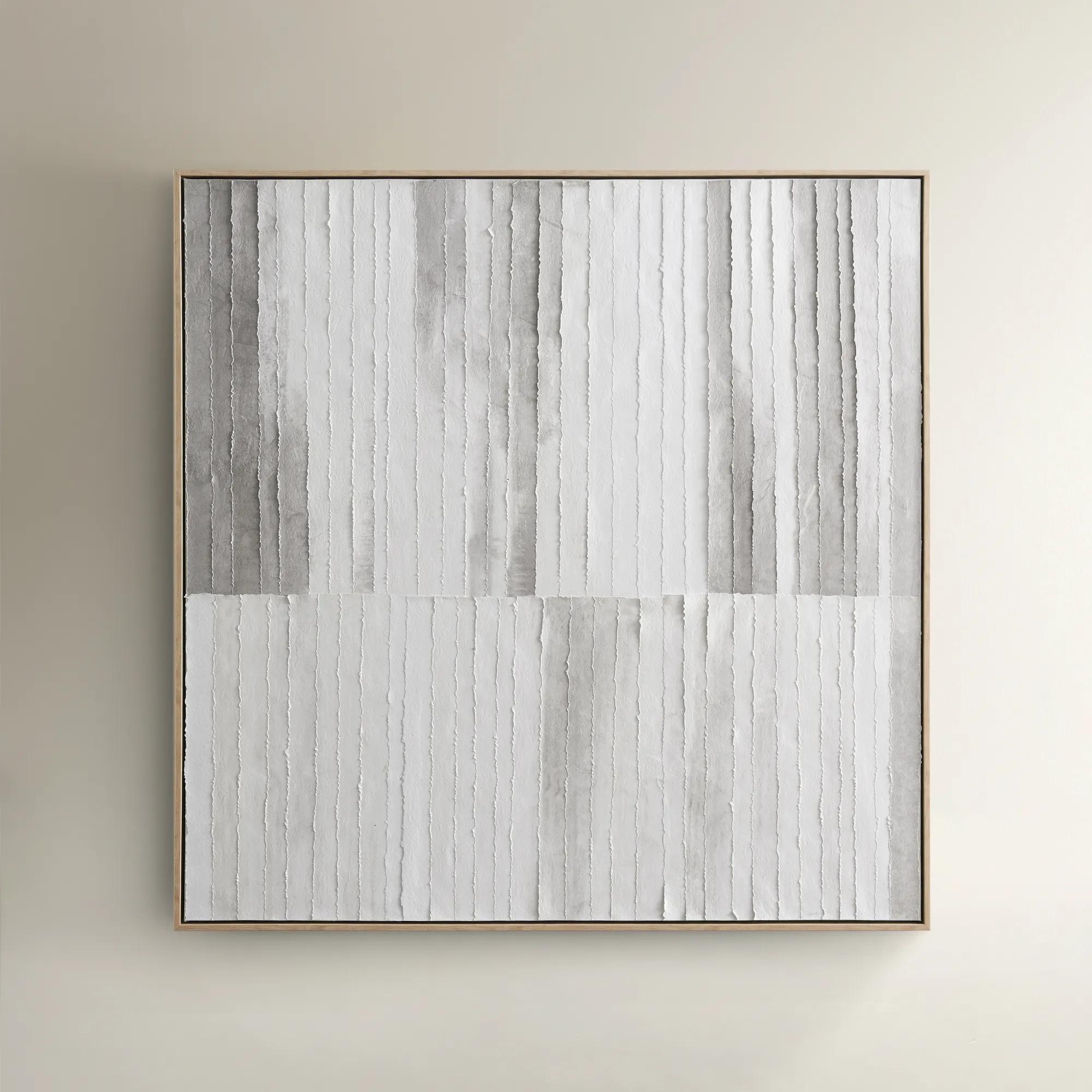
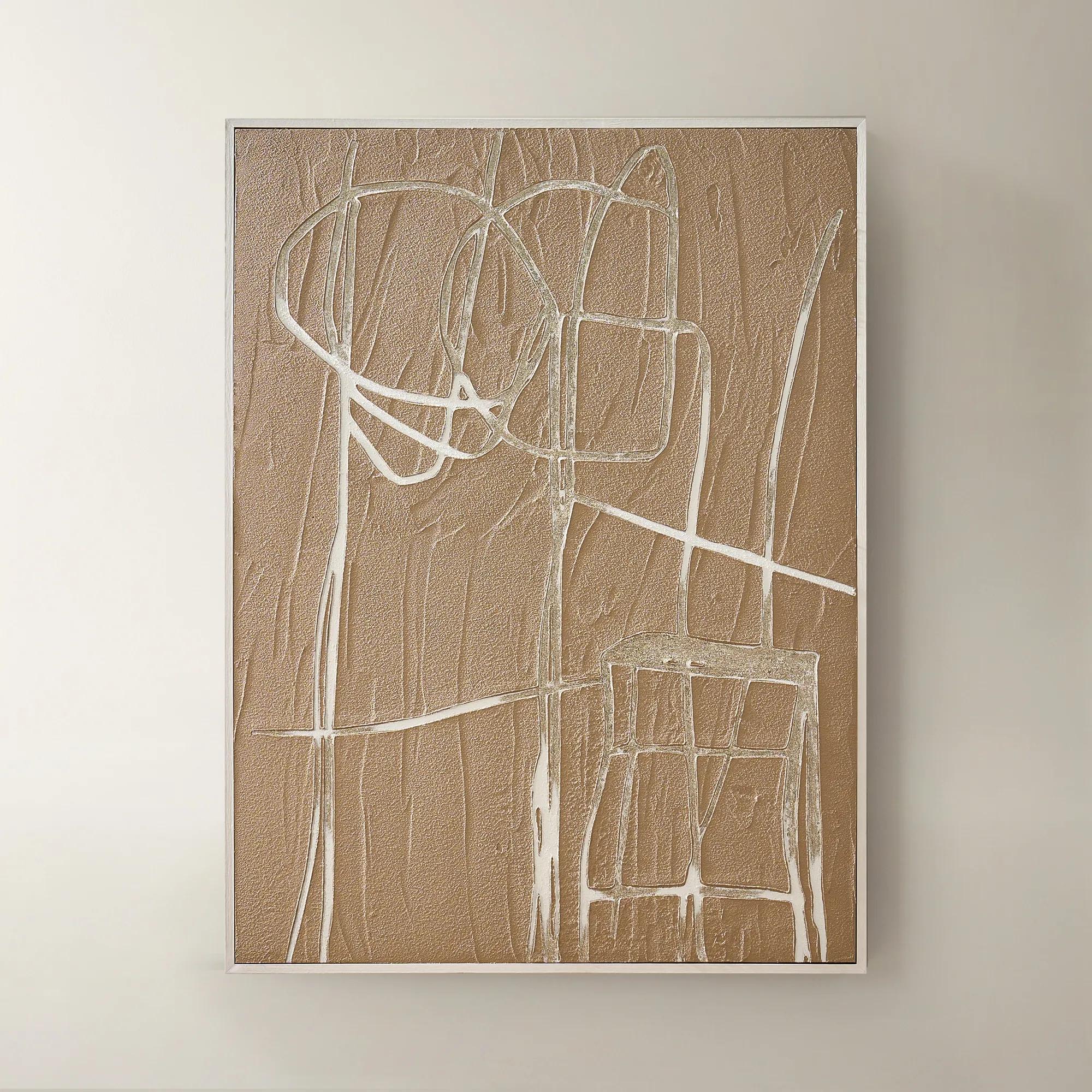
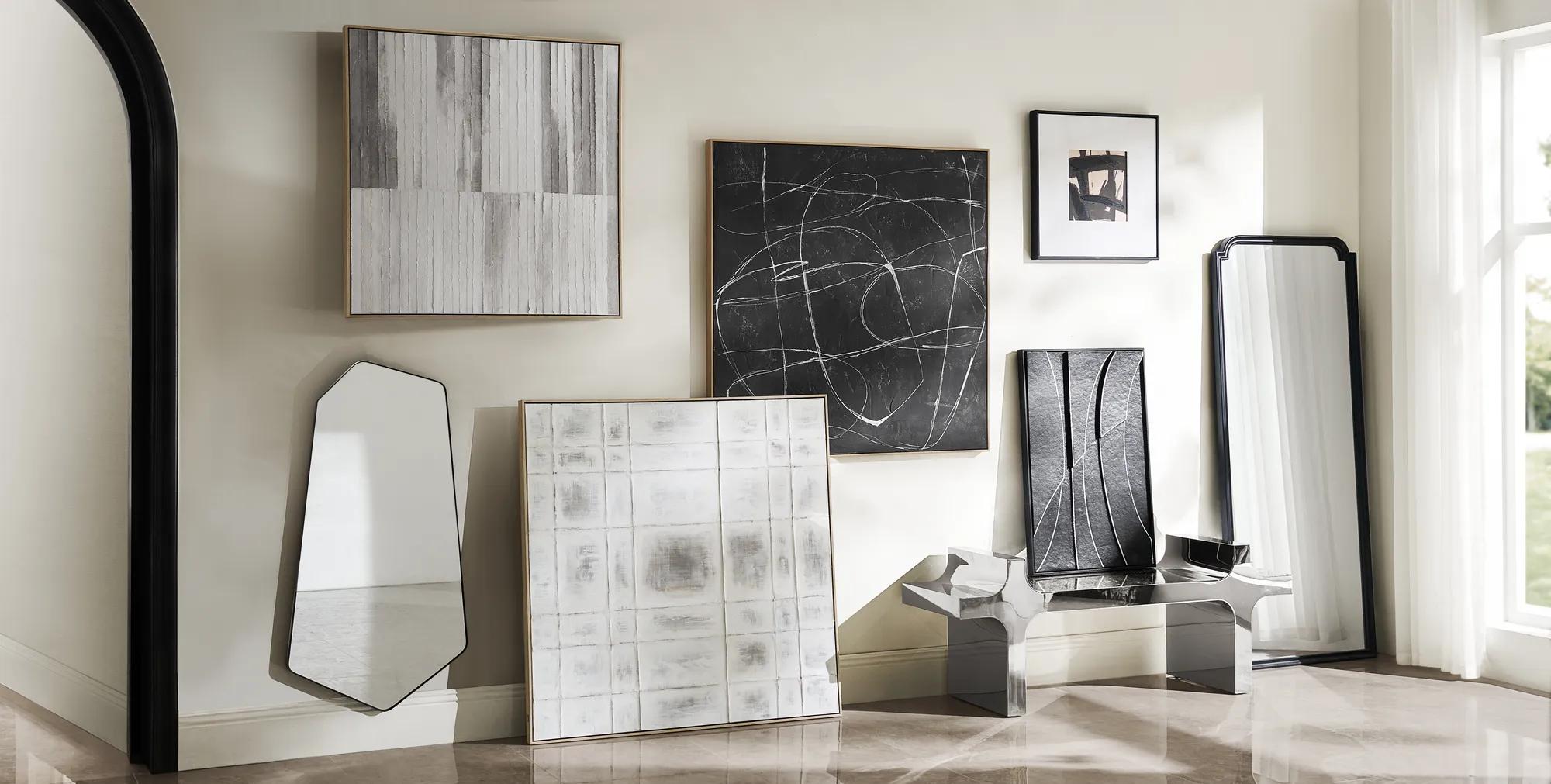 Morning Mist Paper Art$329
A hand-painted canvas featuring rhythmic grey lines in a textured, whitewashed floater frame for serene style.
Add To Cart -
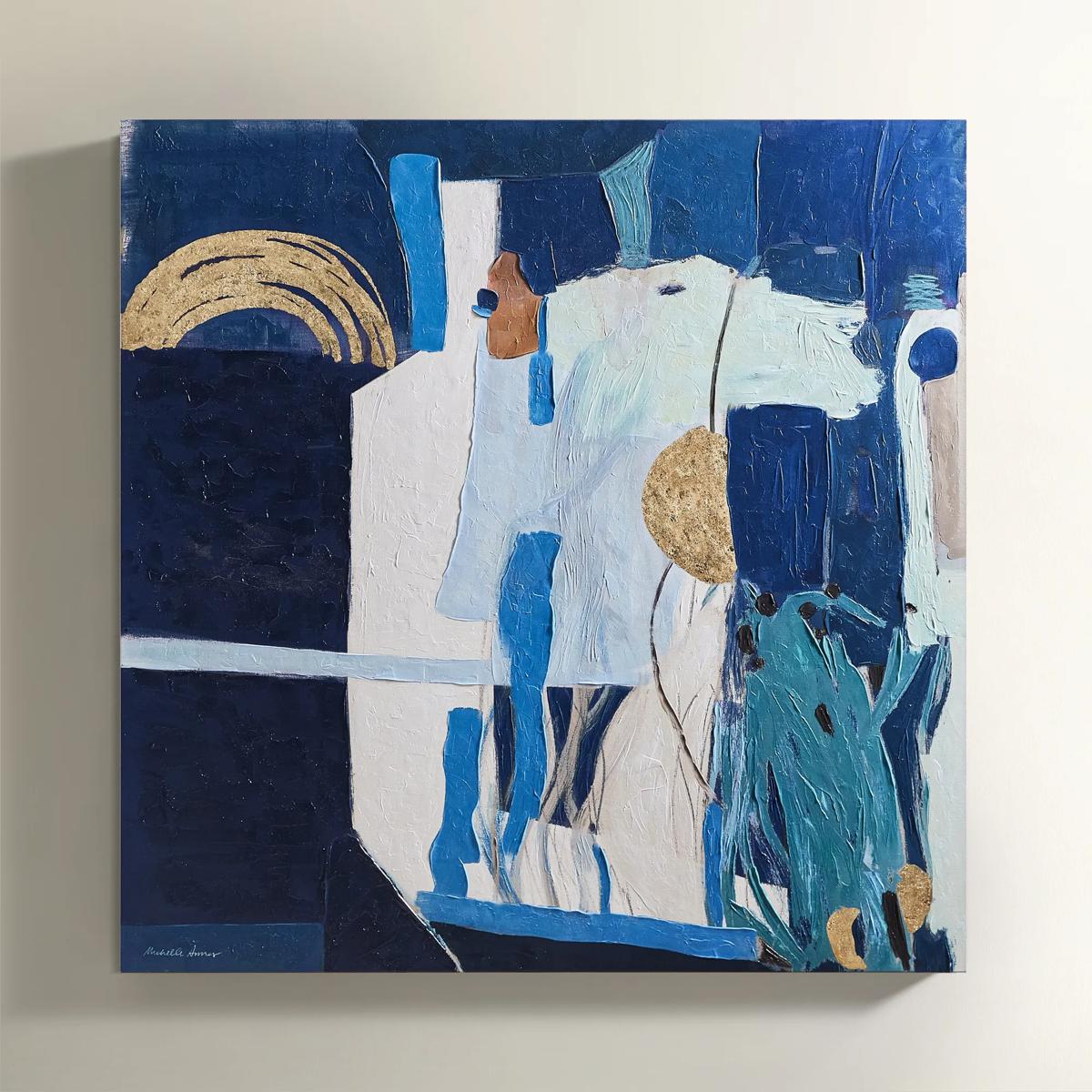
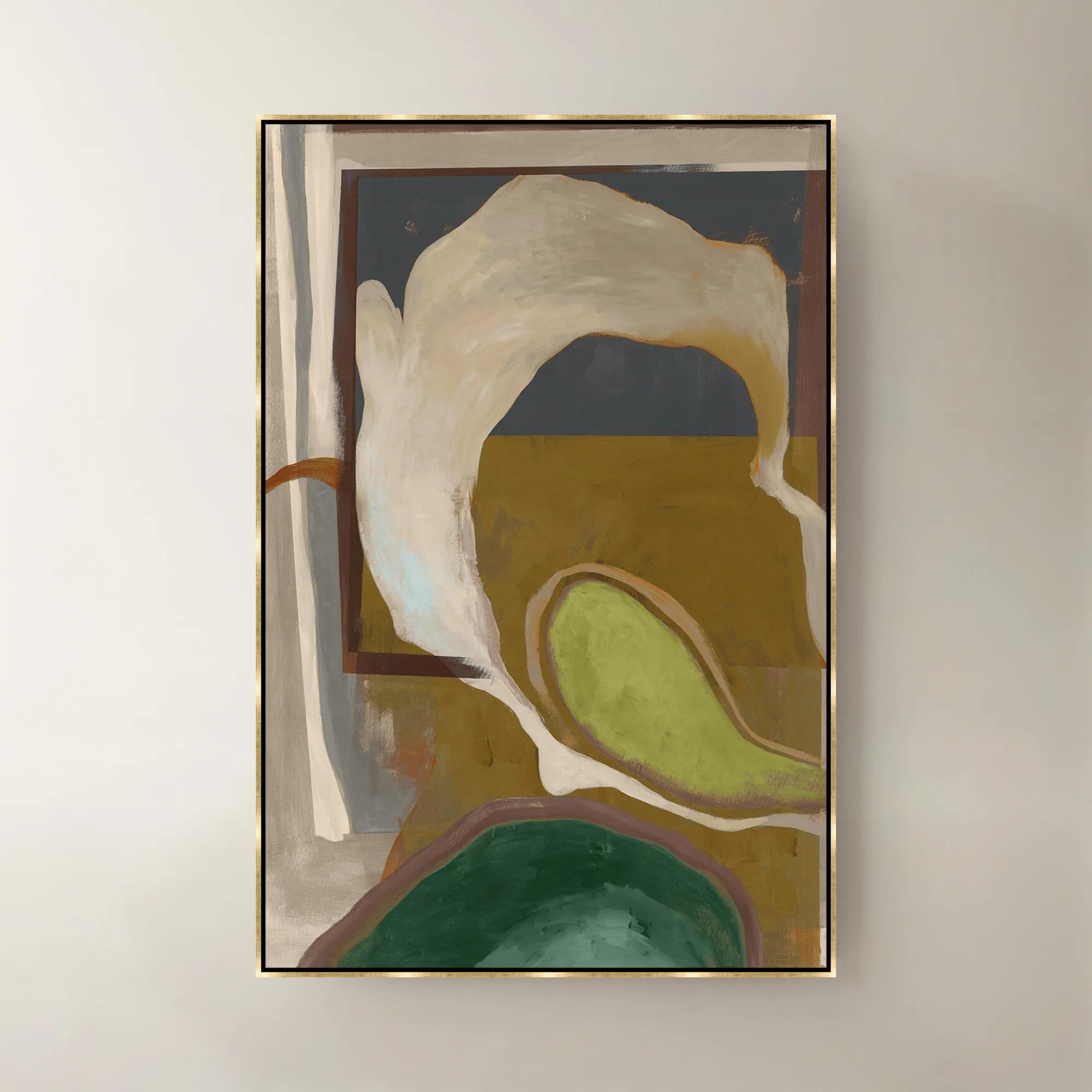
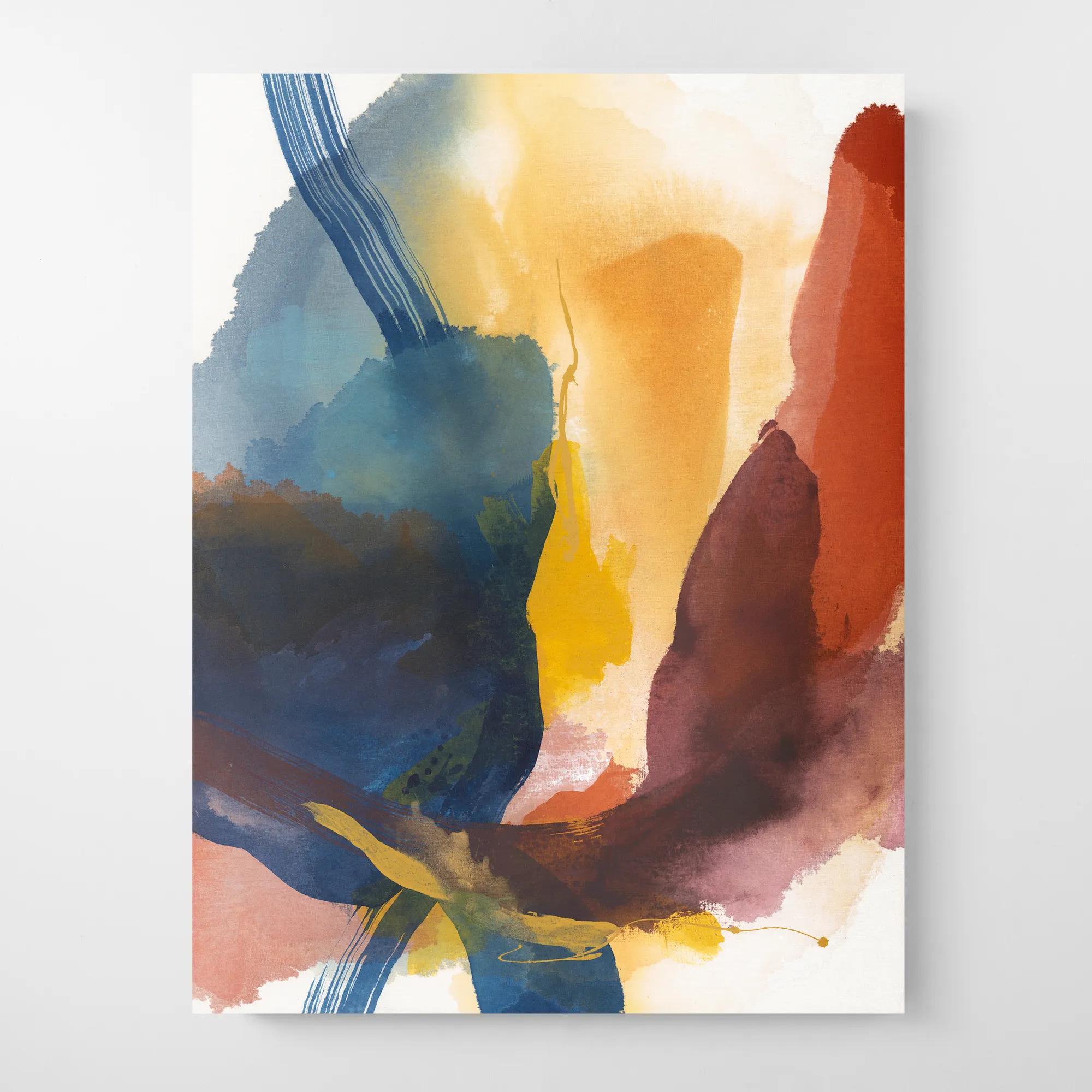
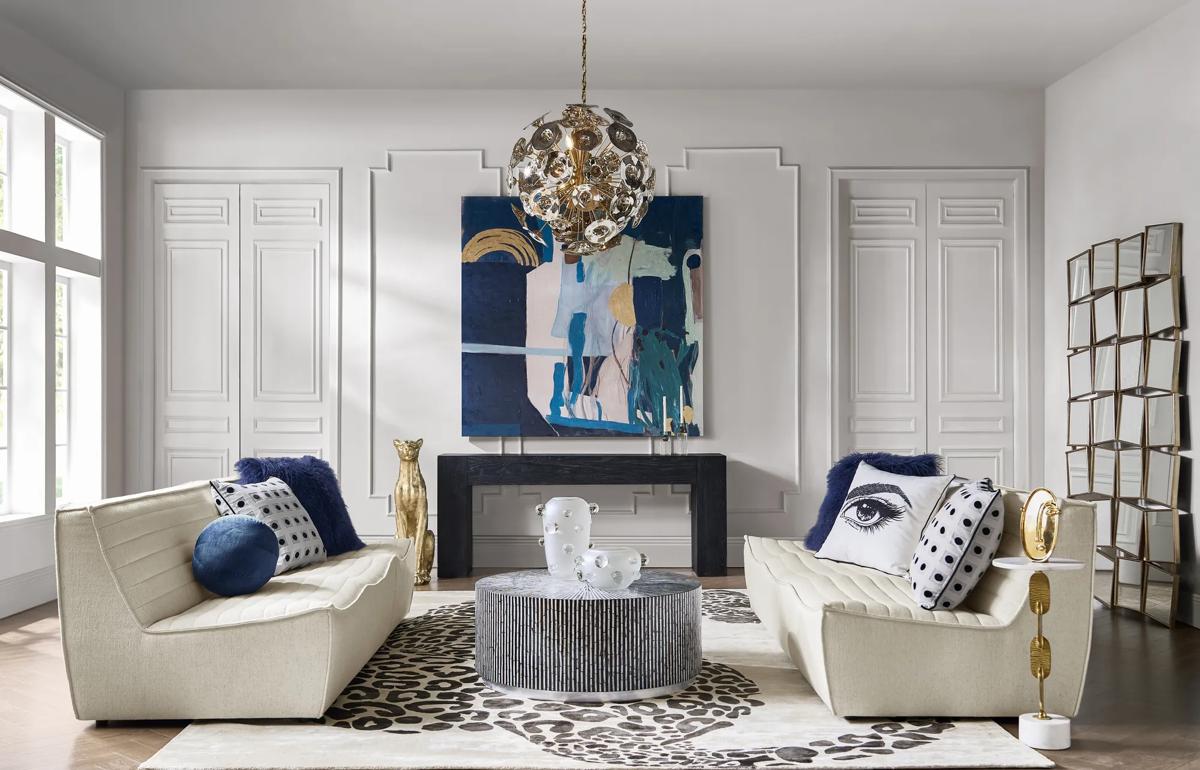 In Flux Painting$699
A hand-embellished canvas artwork featuring deep teal, green, ivory, and gold in a black Art Deco frame.
Add To Cart -
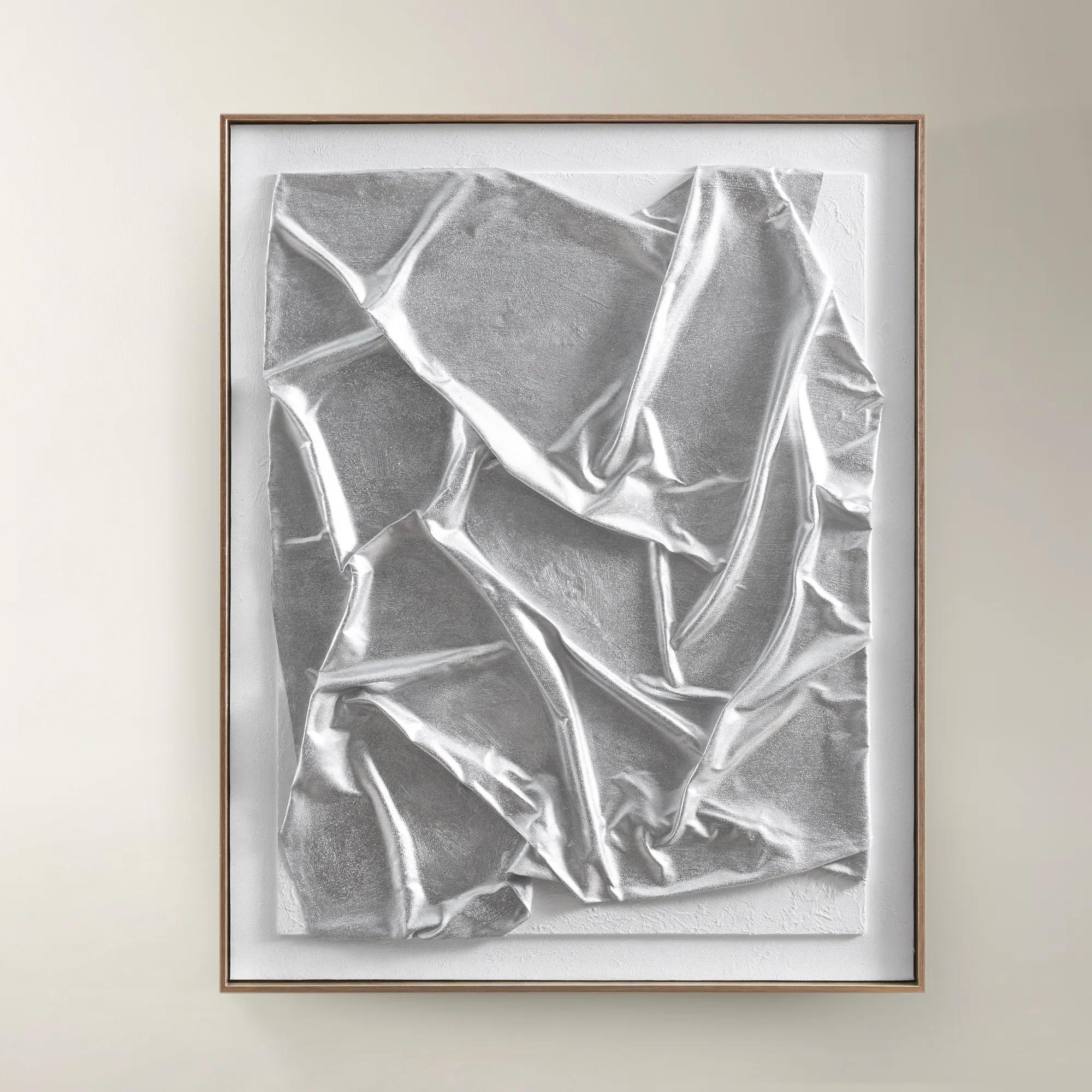 In the Mood Framed Painted Wall Art 31.5" x 39.5"$199
A hand-painted abstract canvas in shimmering silver tones, set in a warm champagne floater frame.
Add To Cart -
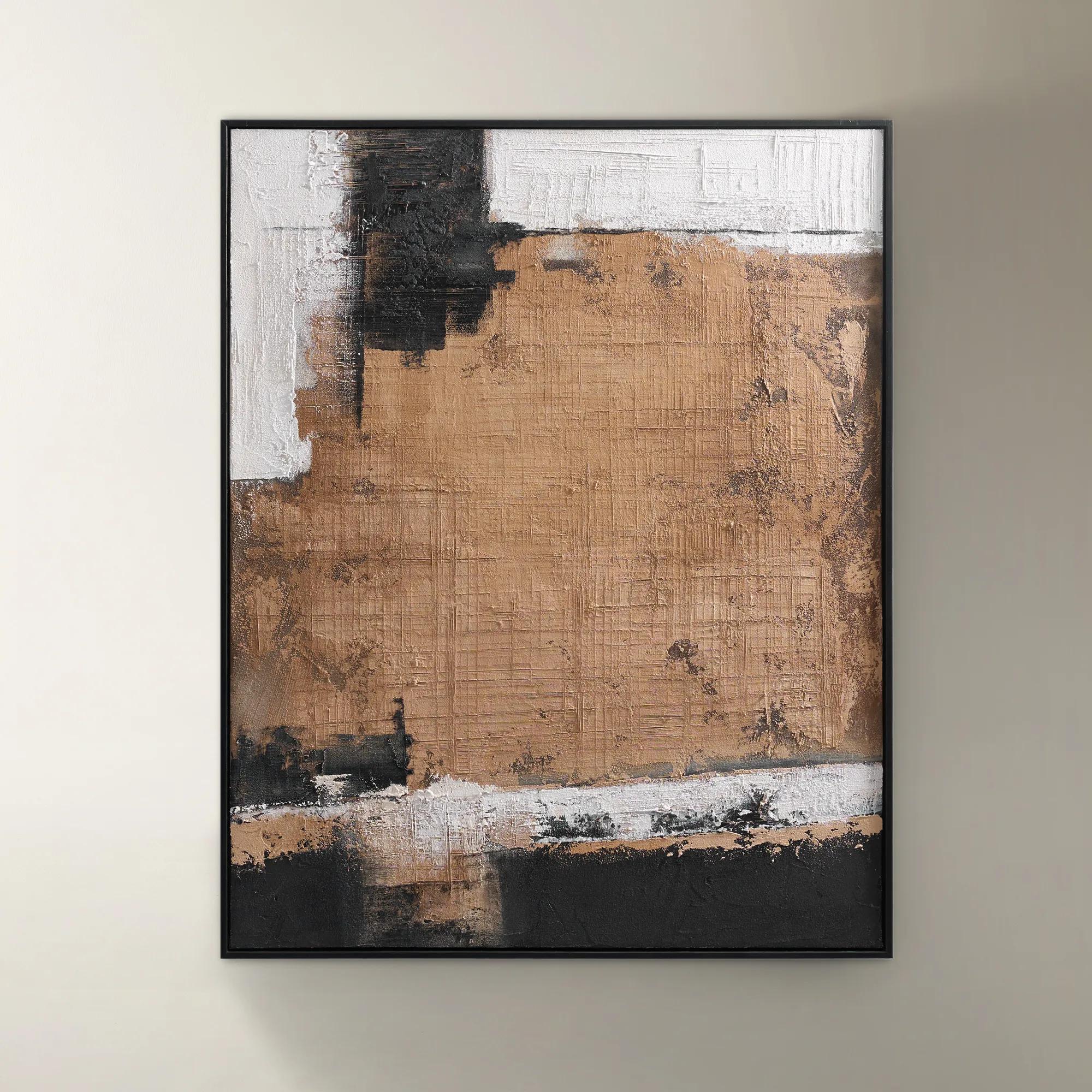
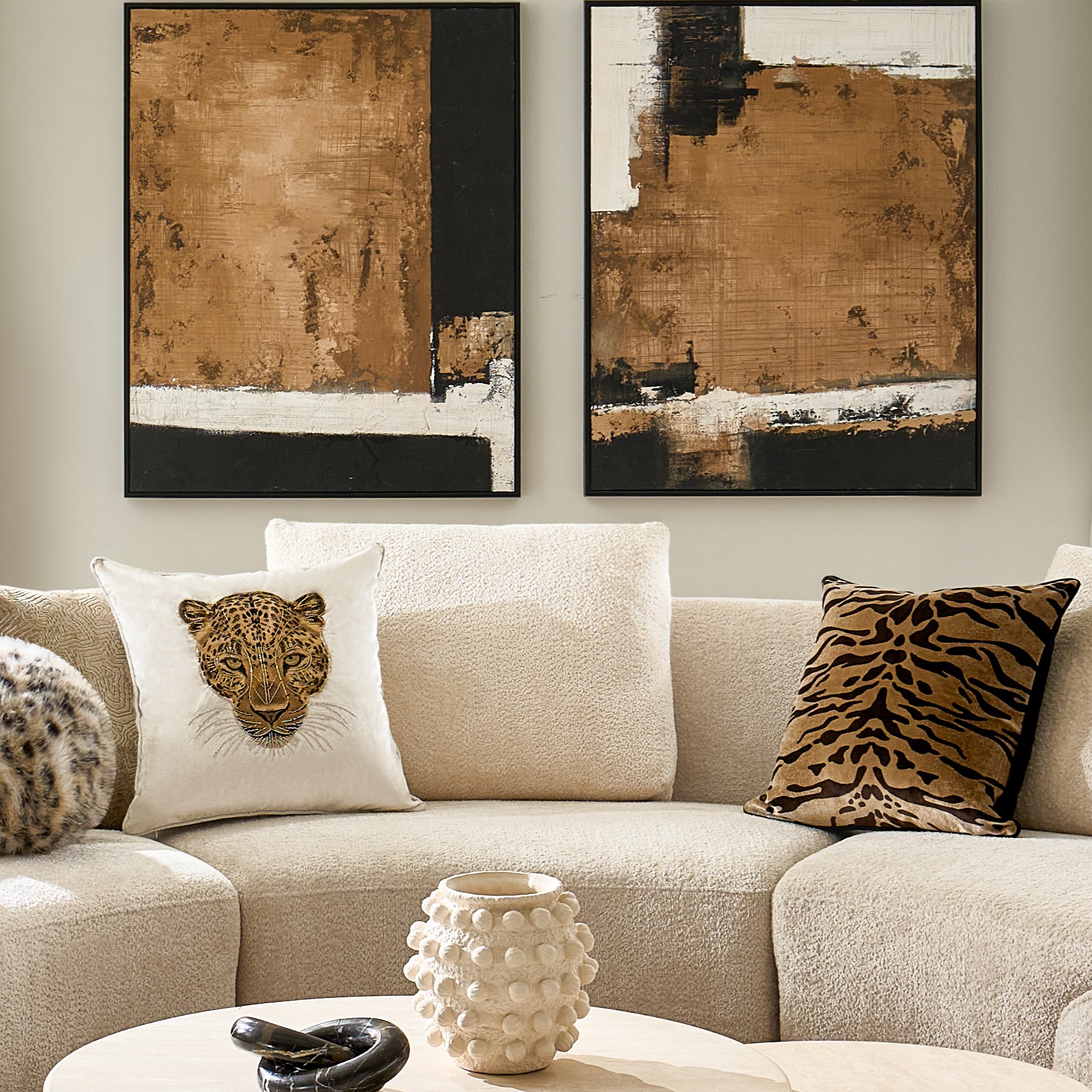 Drift Framed Painted Wall Art II 39.4" x 31.5"$299
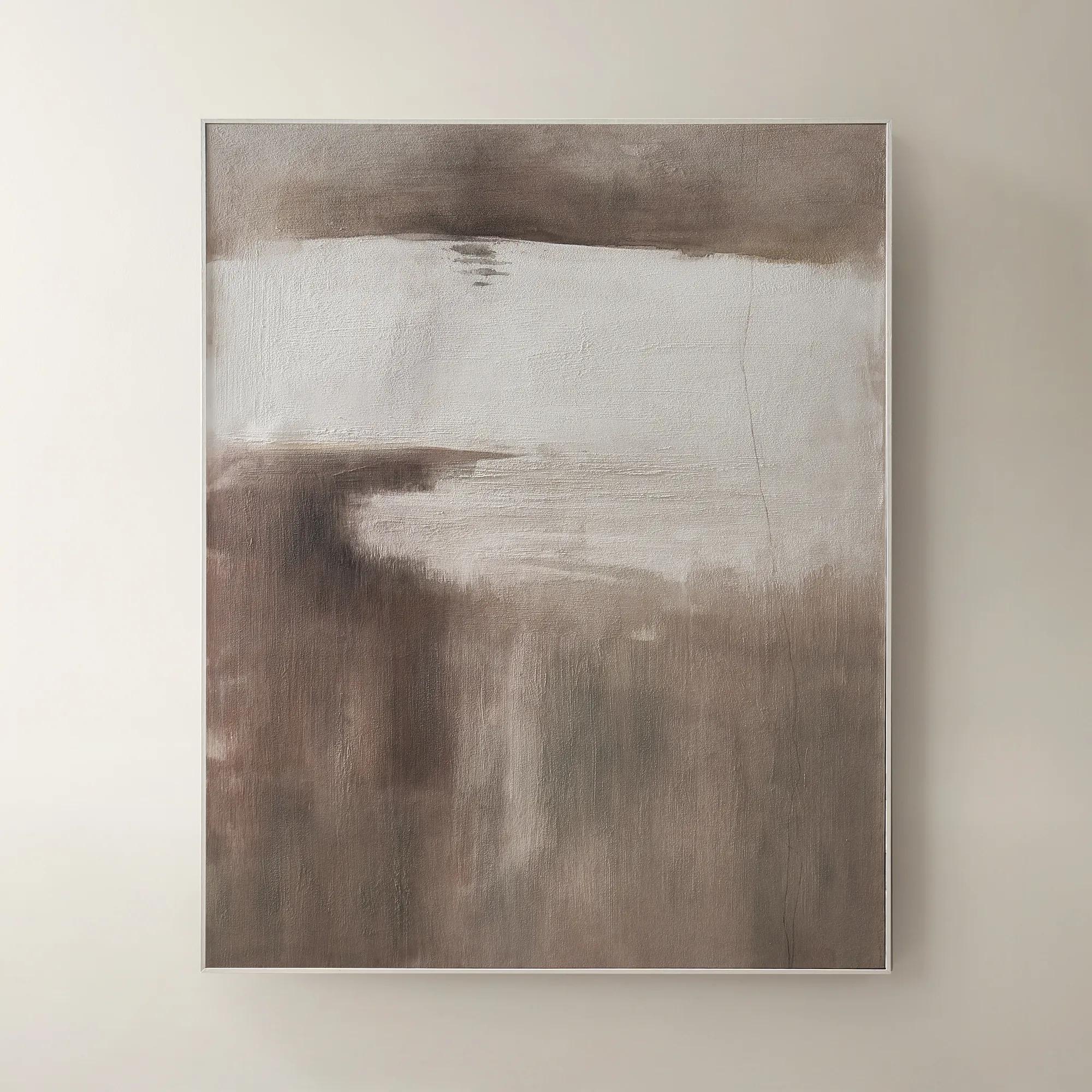
A hand-painted canvas in brown, featuring bold texture and color interplay within a sleek black floater frame.
Add To Cart -
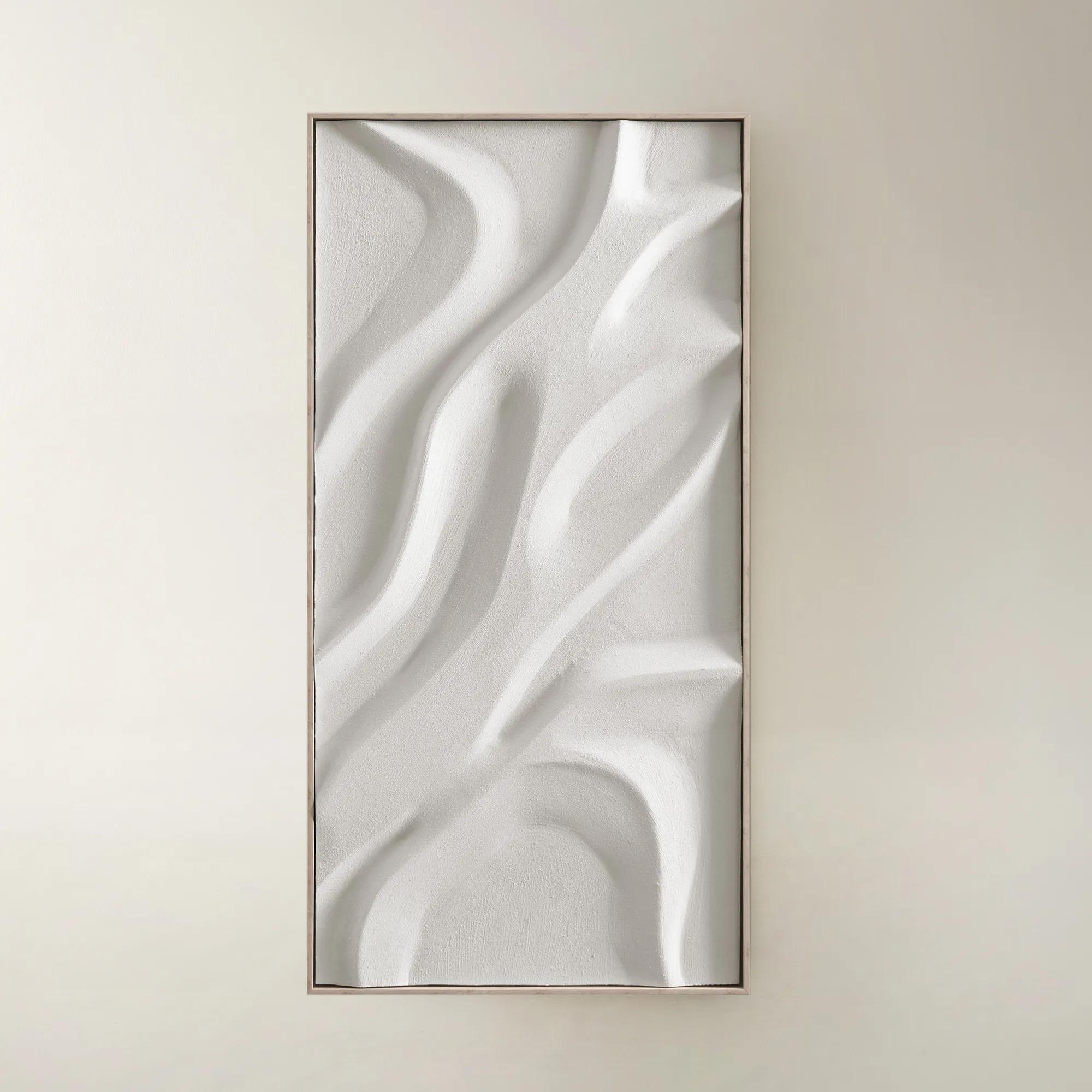
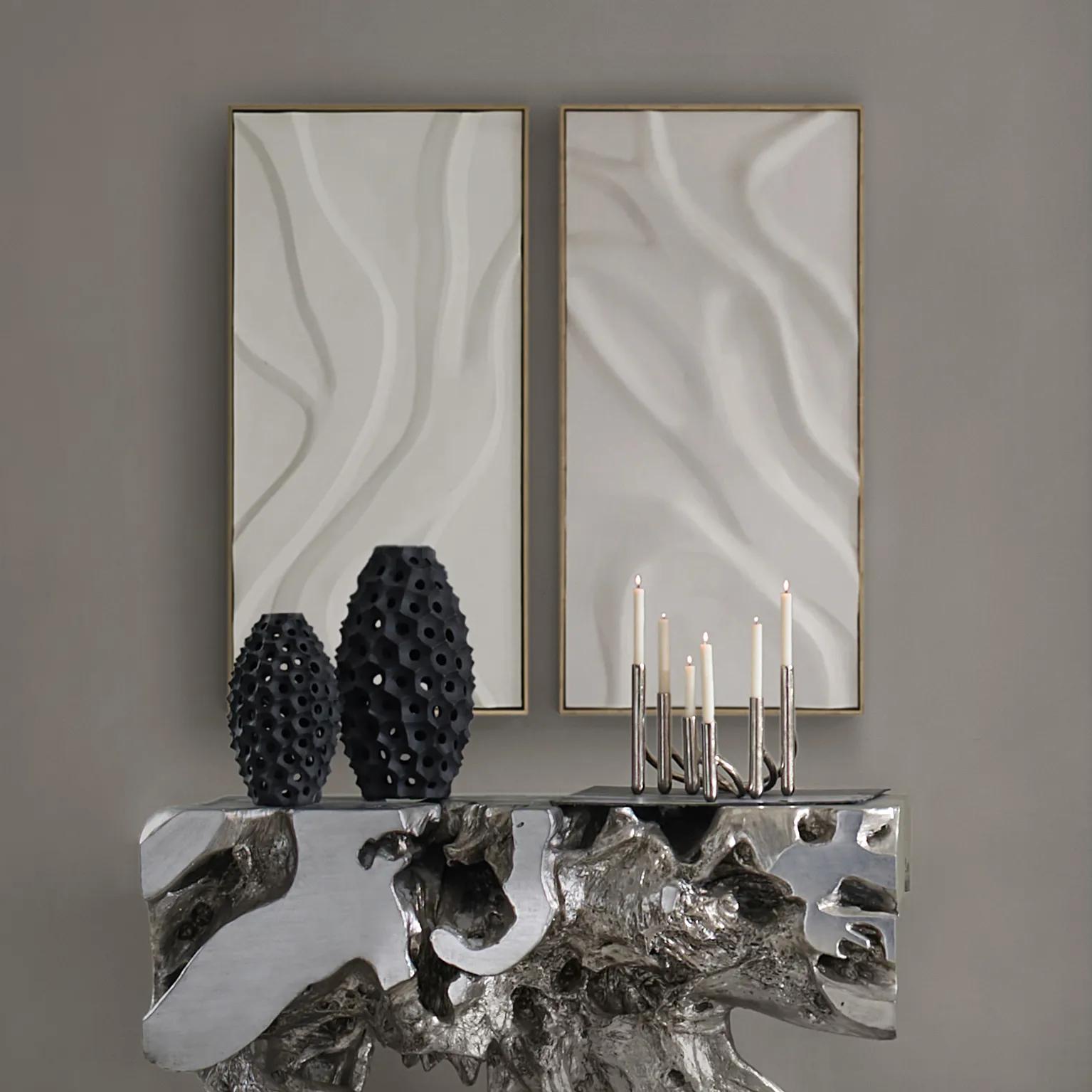 Au Lait Framed Painted Wall Art II 47.2" x 23.6"$199
A serene hand-painted canvas in beige, set in a warm whitewash floater frame for modern interiors.
Add To Cart -
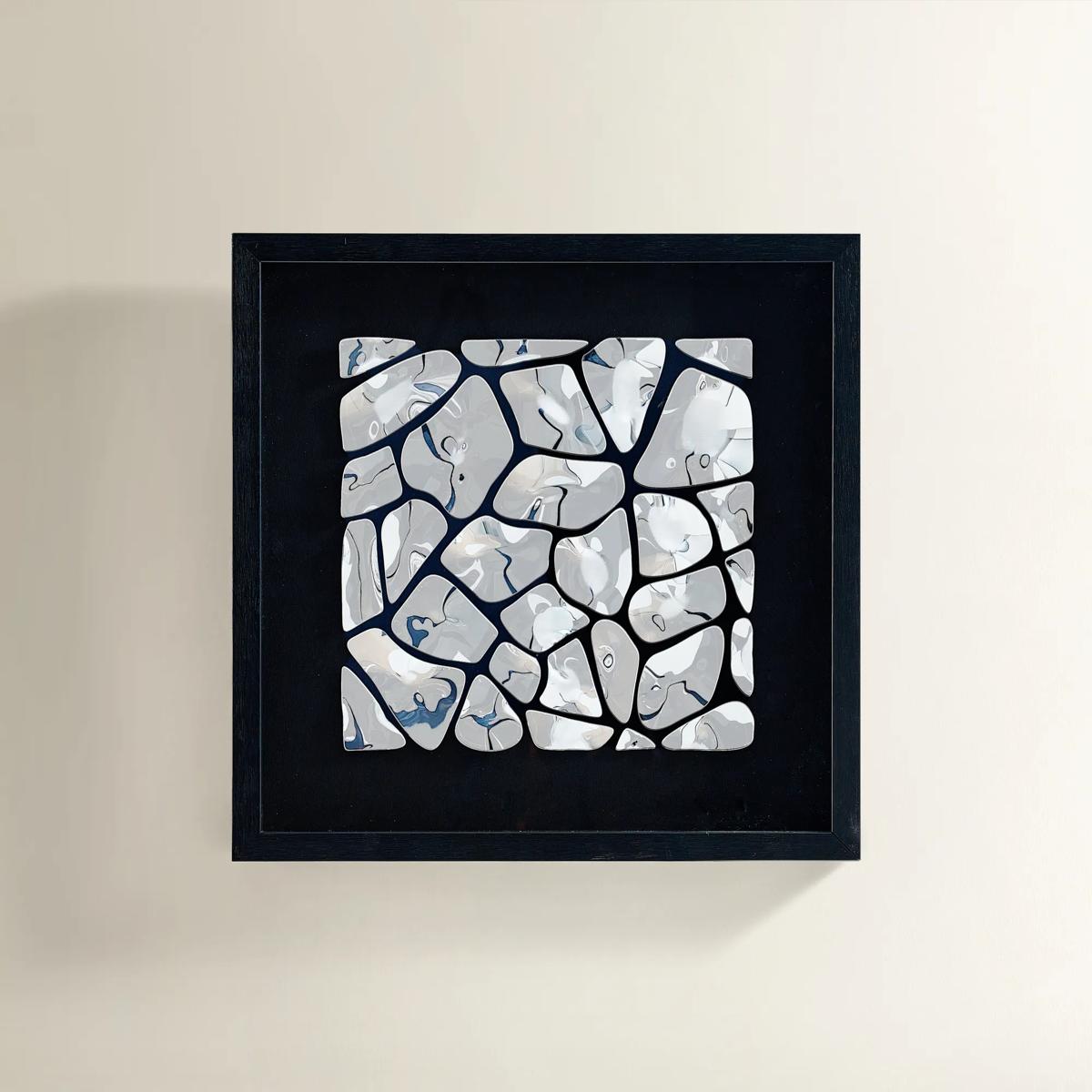 Reflect Silver And Black Shadowbox Art I$189
A dimensional metal wall art piece featuring polished silver and black forms in a sleek black frame.
Add To Cart -
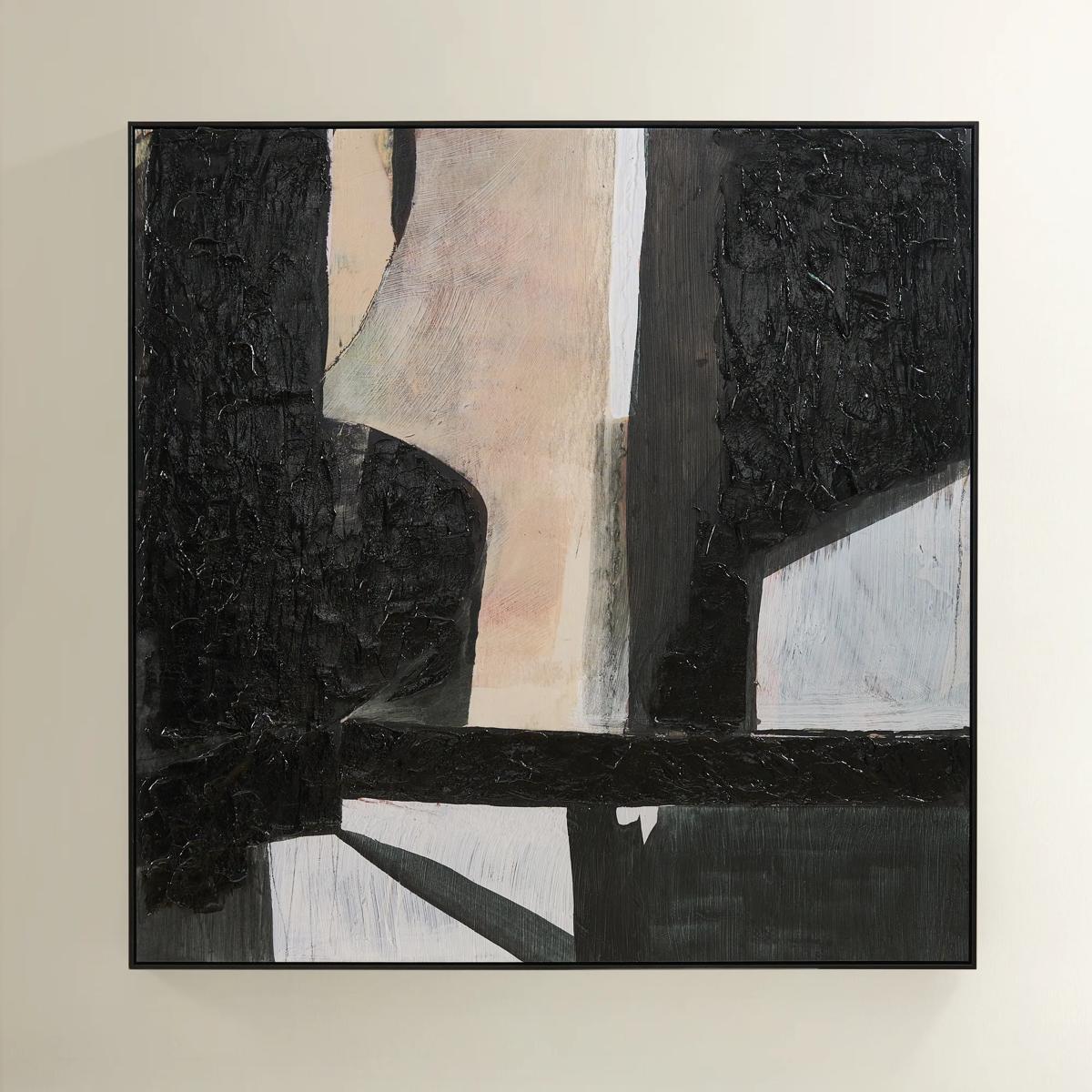 Grounded Painting$699
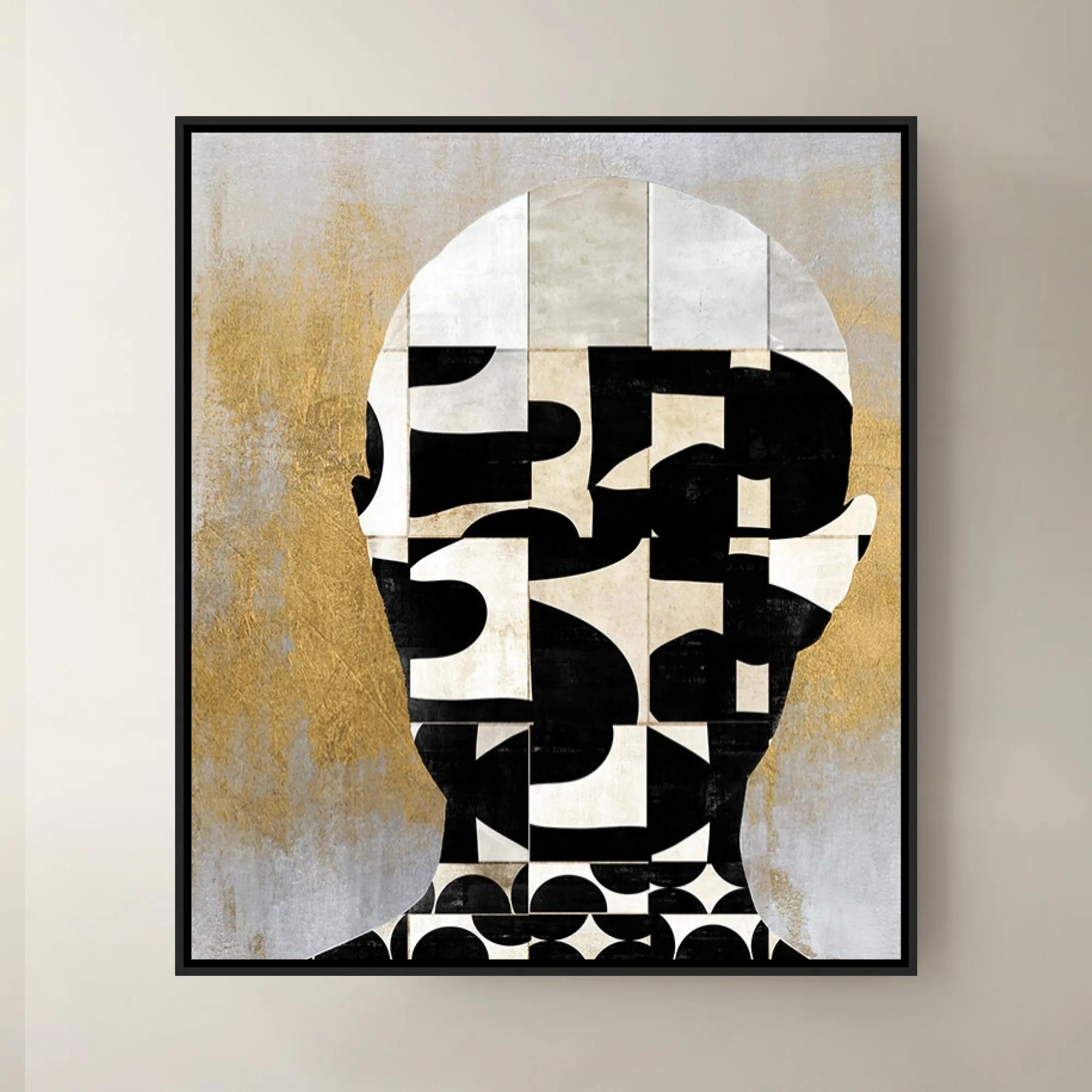
A hand-painted abstract canvas featuring black, cream, and earth tones in a sleek black floater frame.
Add To Cart -
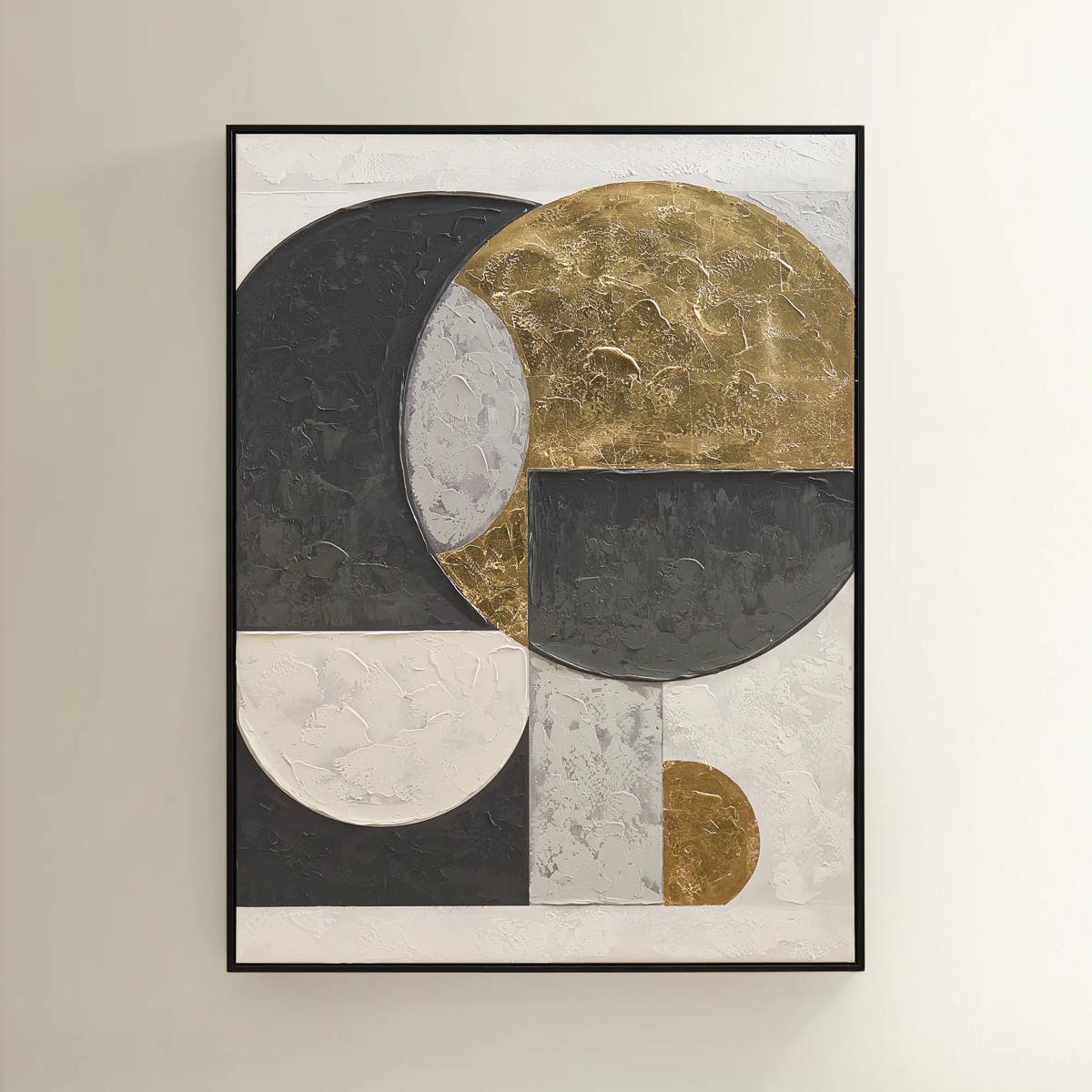
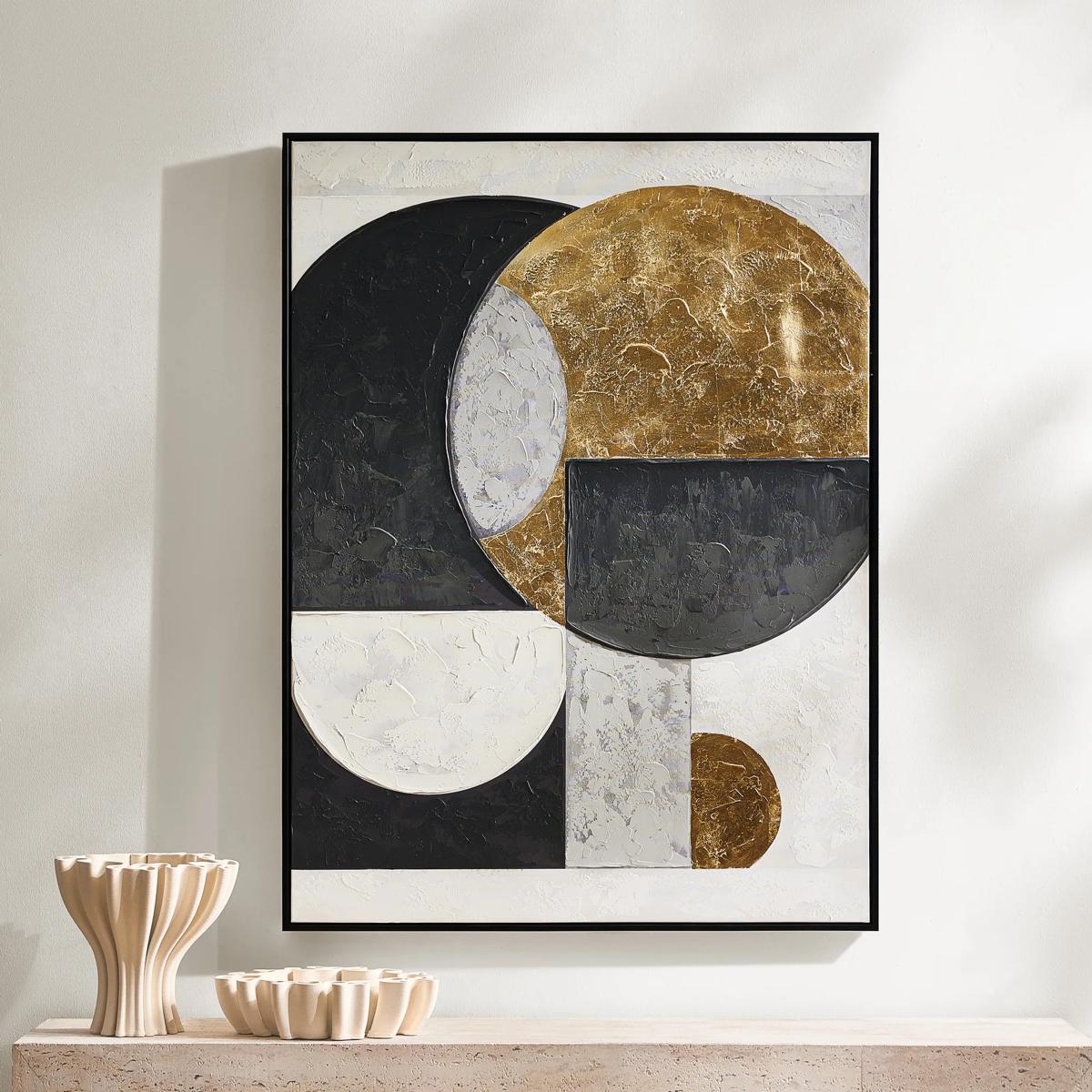 Eclipse Framed Gold Leaf Painted Wall Art 35.25" x 47.25"$449
A hand-painted canvas featuring bold black, grey, and gold geometric shapes with shimmering gold leaf accents.
Add To Cart -
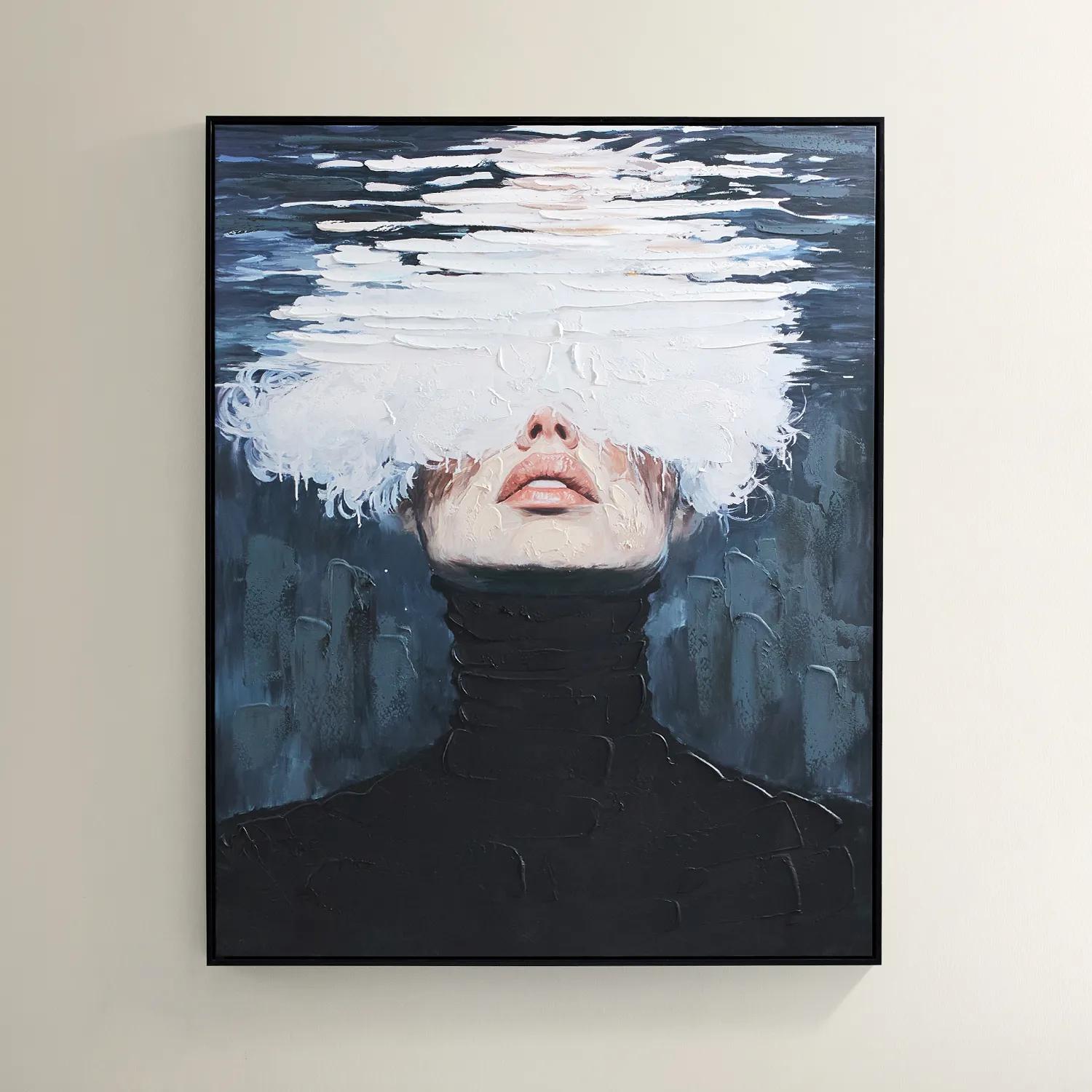
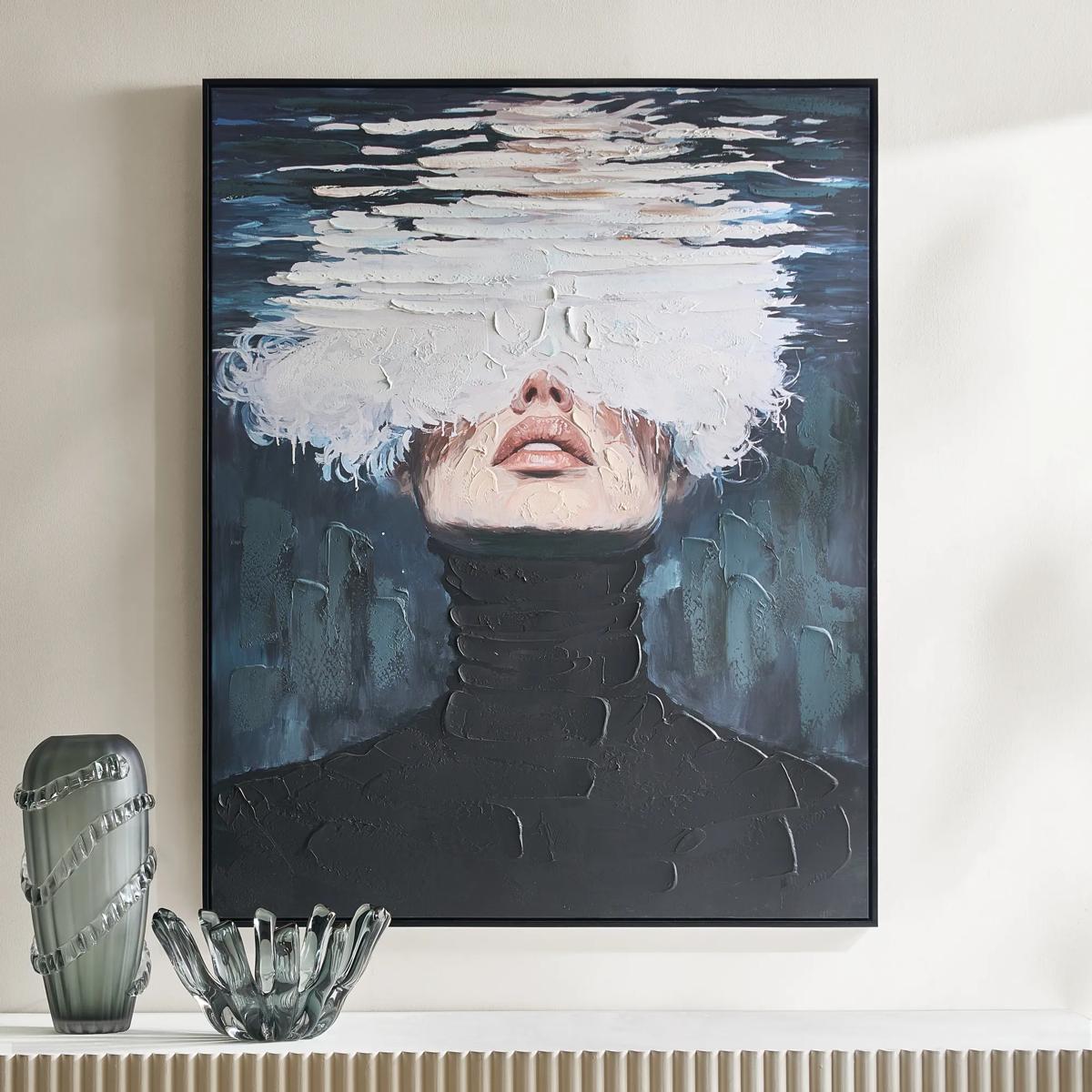 Submerged Framed Painted Wall Art 40" x 50"$599
A hand-painted canvas featuring a surreal portrait in black, blue, and white with a black floater frame.
Add To Cart -
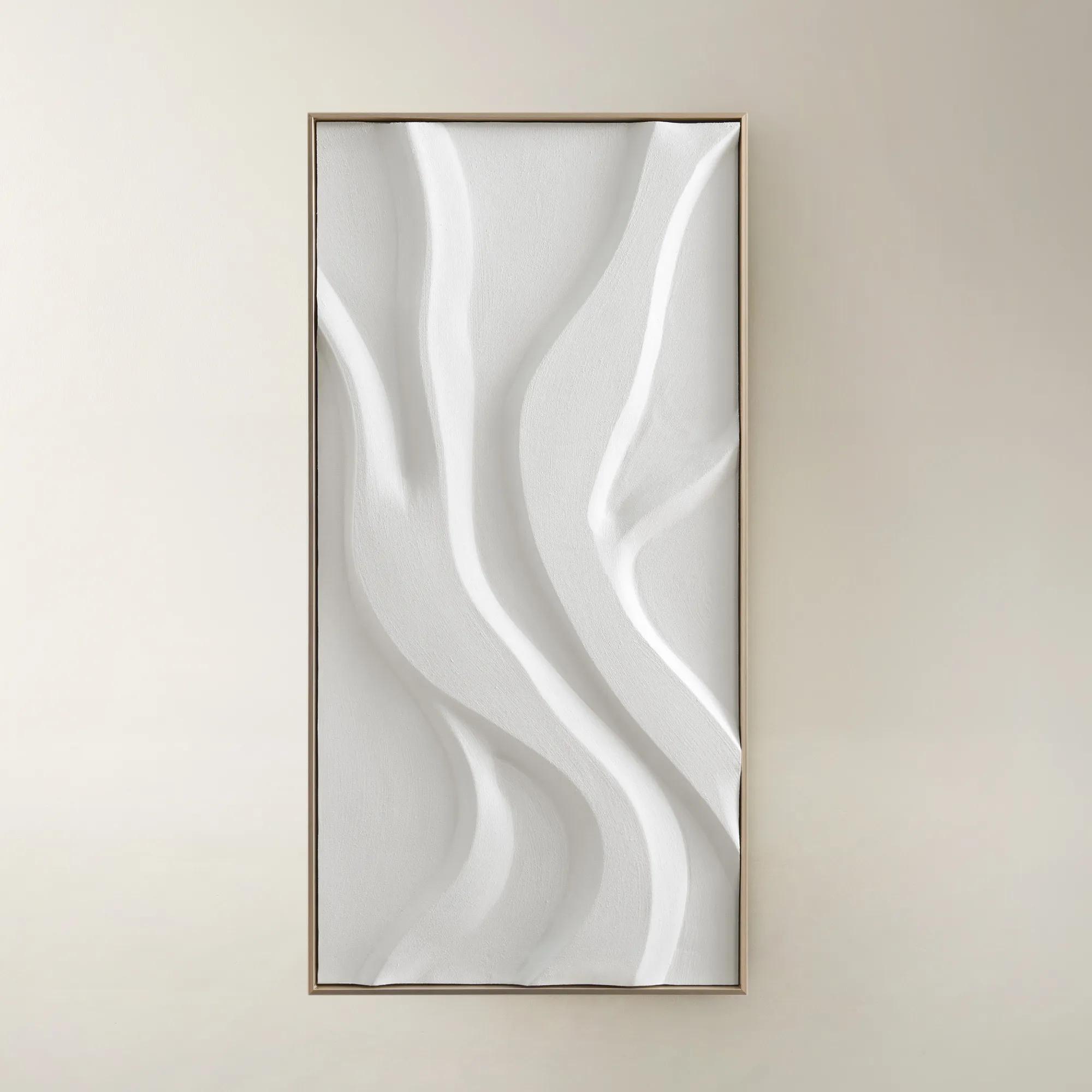
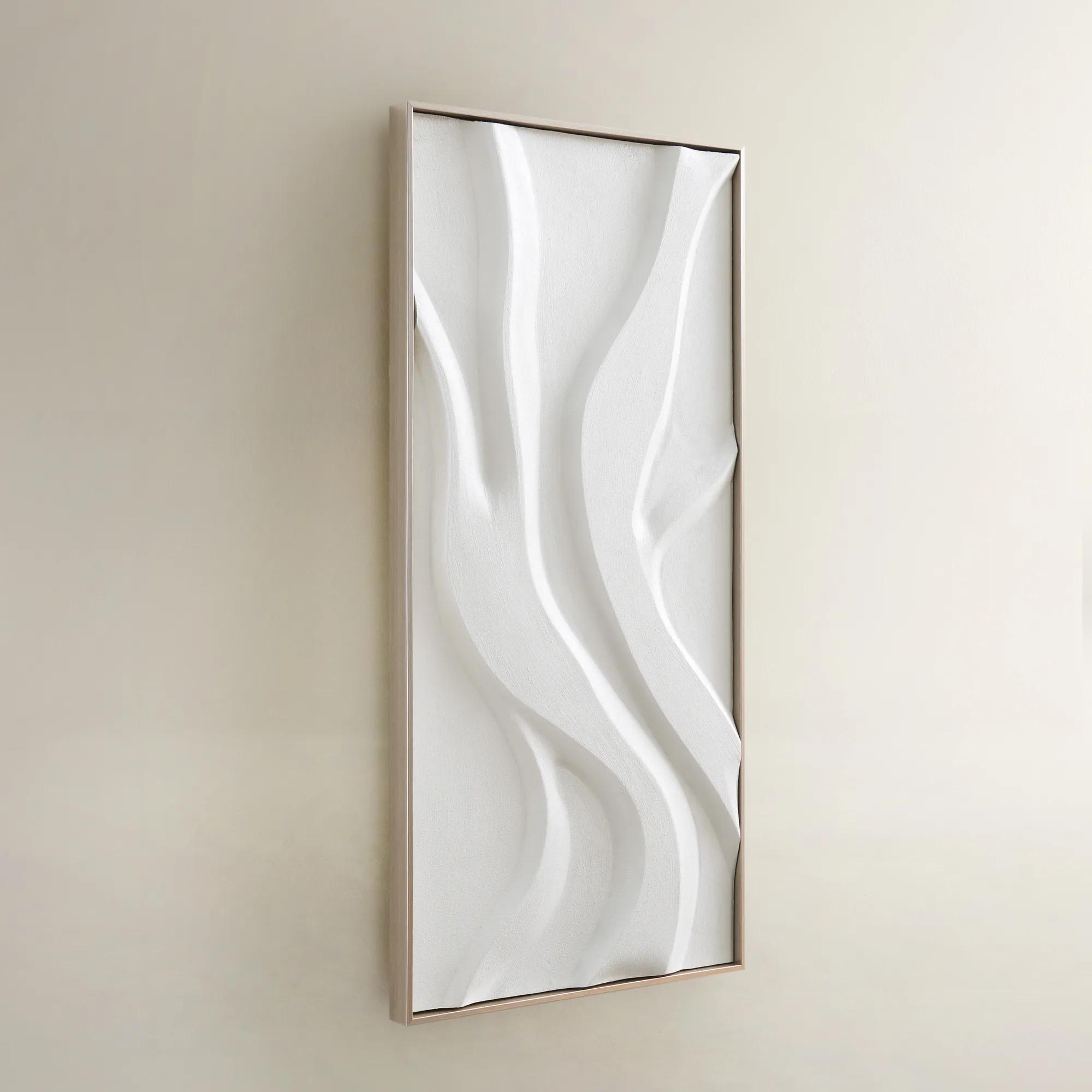 Au Lait Framed Painted Wall Art I 47.2" x 23.6"$199
An organic hand-painted canvas featuring flowing white forms in a warm champagne finish floater frame.
Add To Cart -
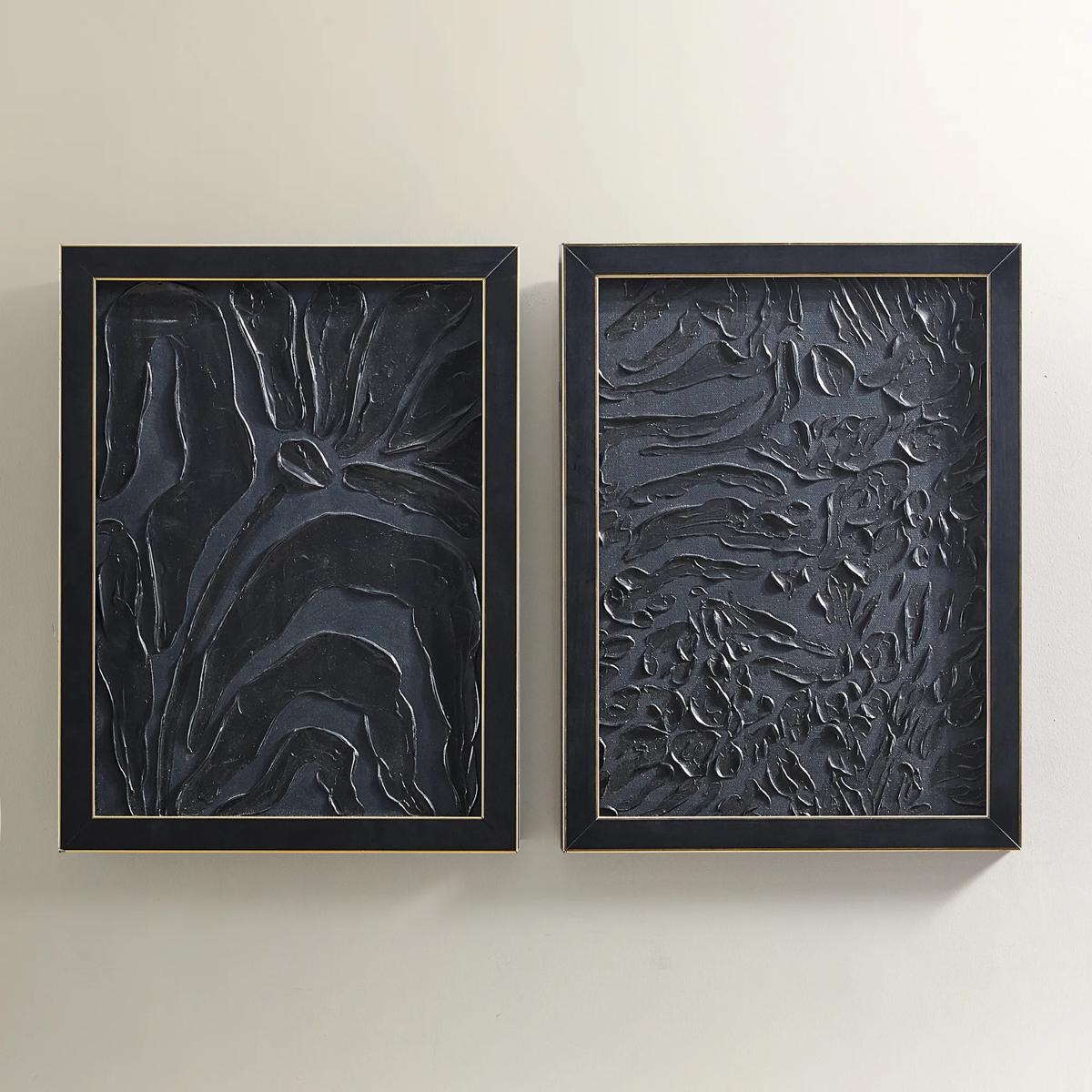
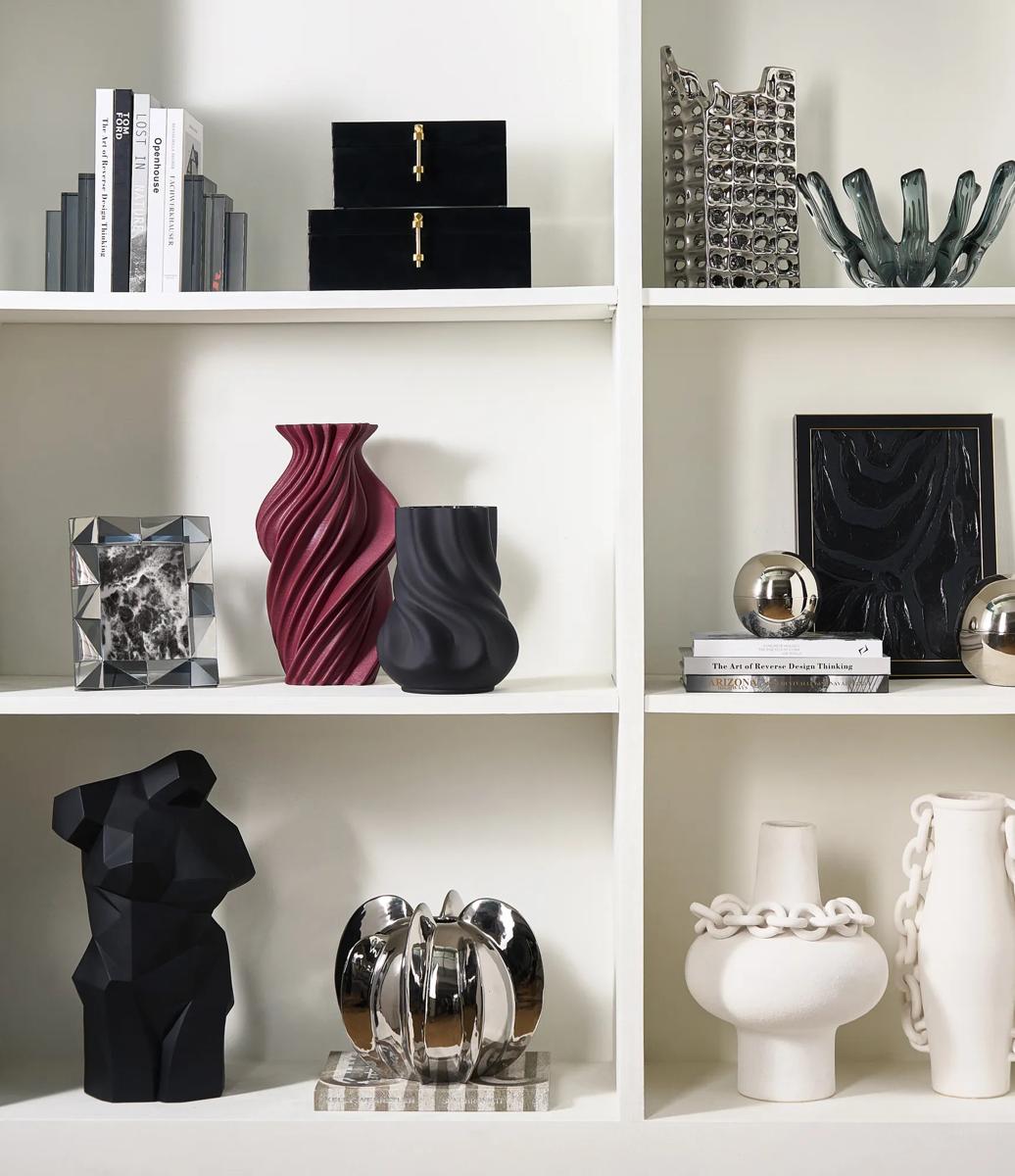 Midnight Animal Painting - Set of 2$119
A set of hand-embellished canvas artworks in black and gold frames, adding depth and warmth to interiors.
Add To Cart -
-0.jpeg?w=1200&h=1200)
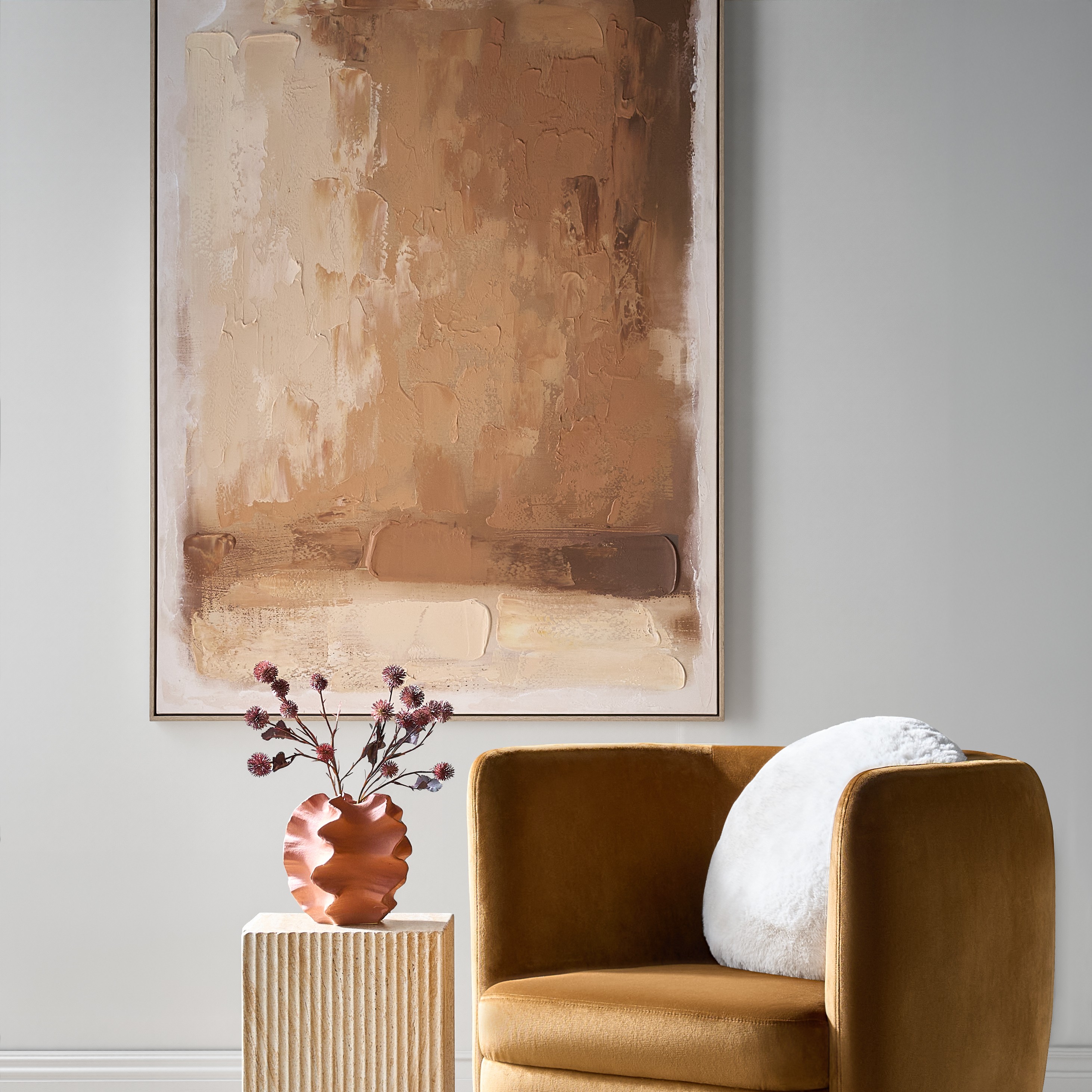 Ember Glow Framed Painted Wall Art 39.25" x 55"$499
A hand-painted abstract canvas blending ochre, terracotta, and golden clay hues in a light natural frame.
Add To Cart -
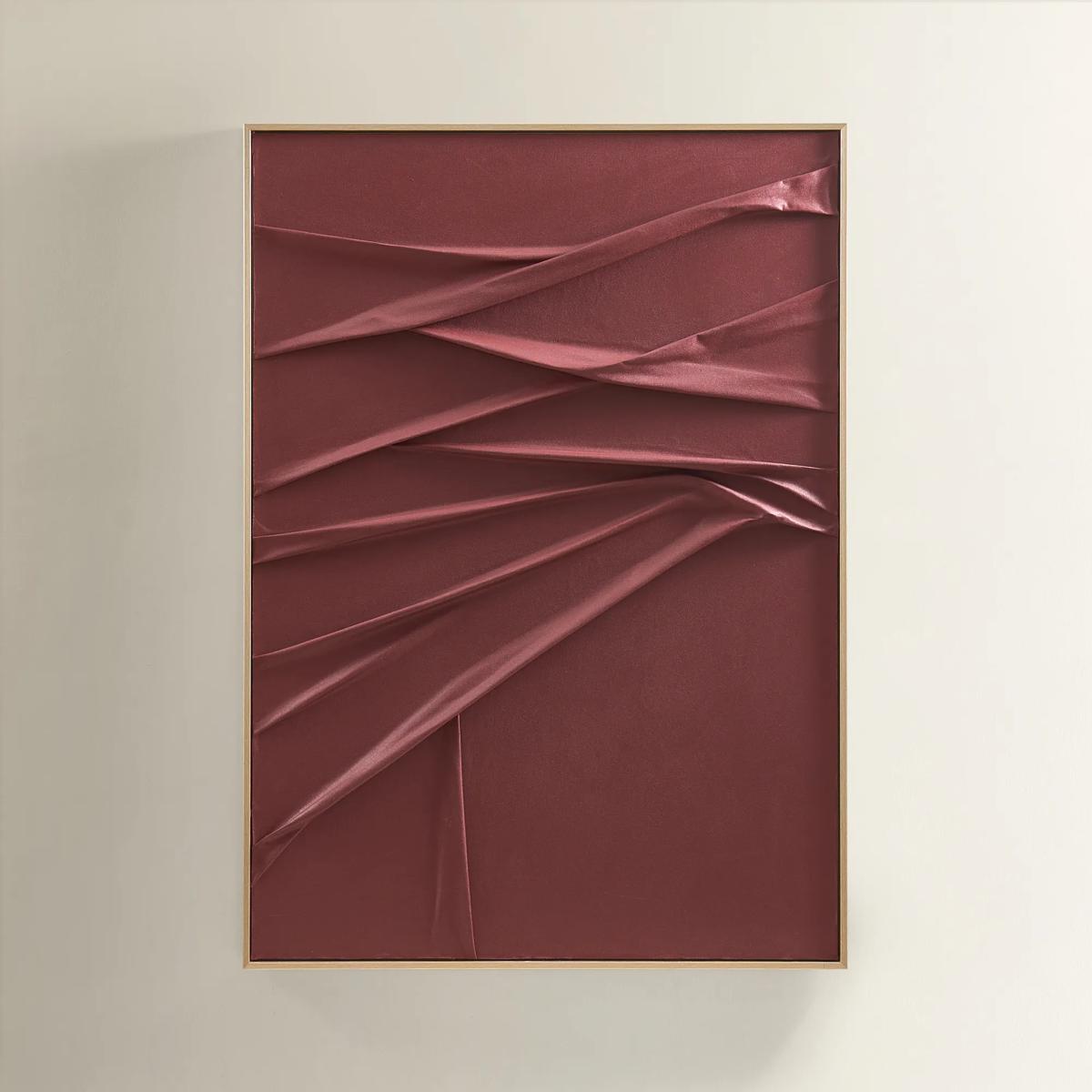
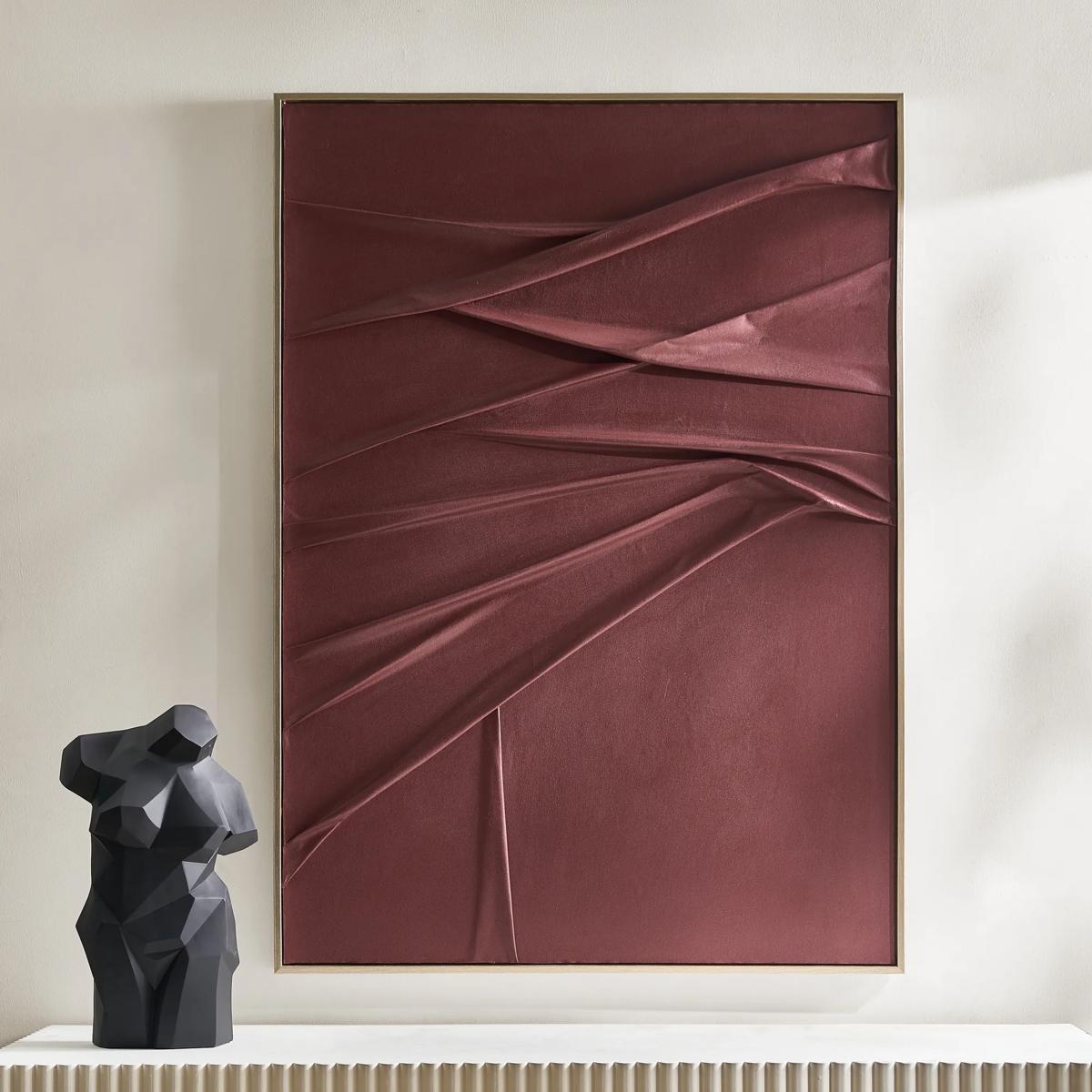 Crimson Painting$599
A handcrafted burgundy canvas artwork with sculptural folds, framed in champagne for a dramatic, textured effect.
Add To Cart -
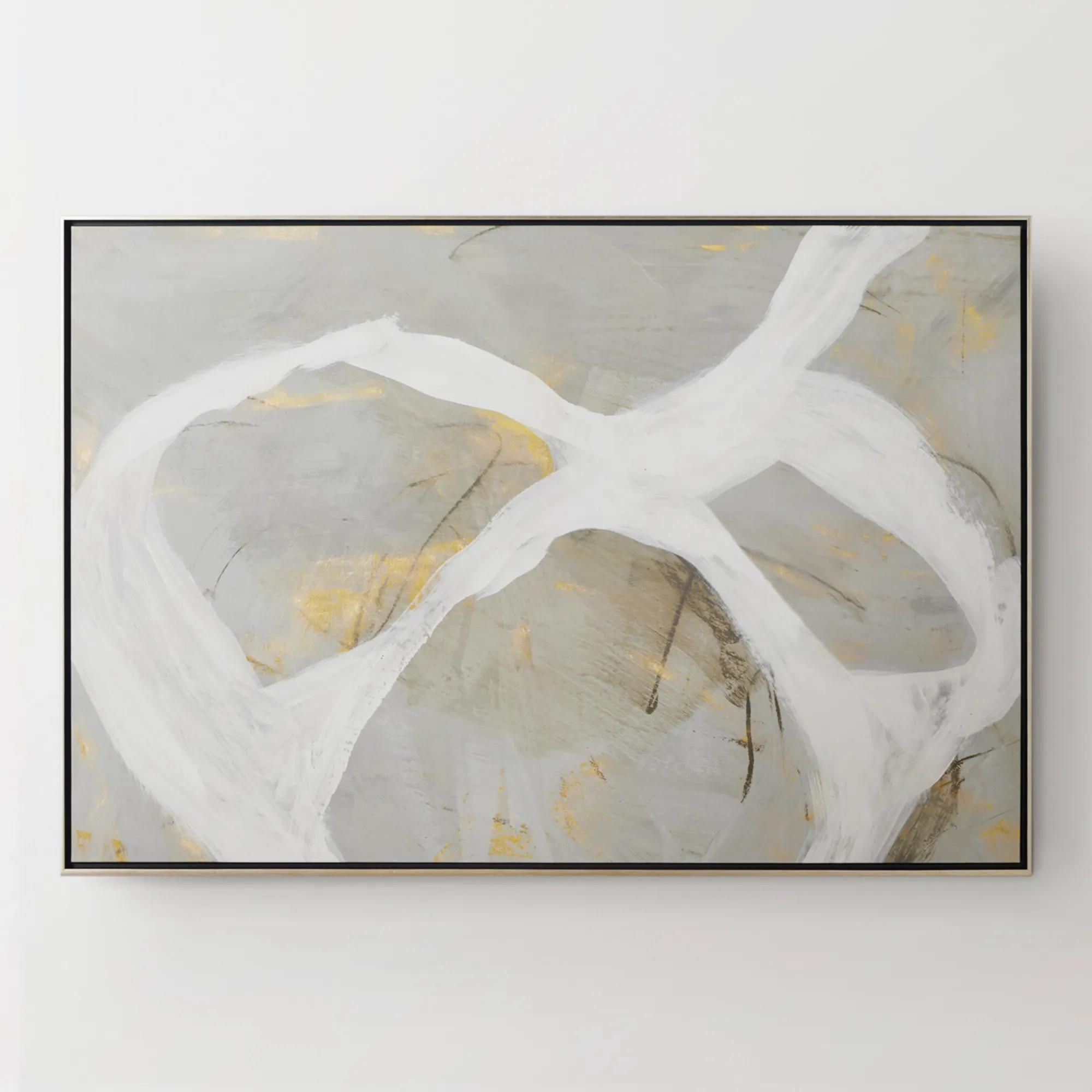
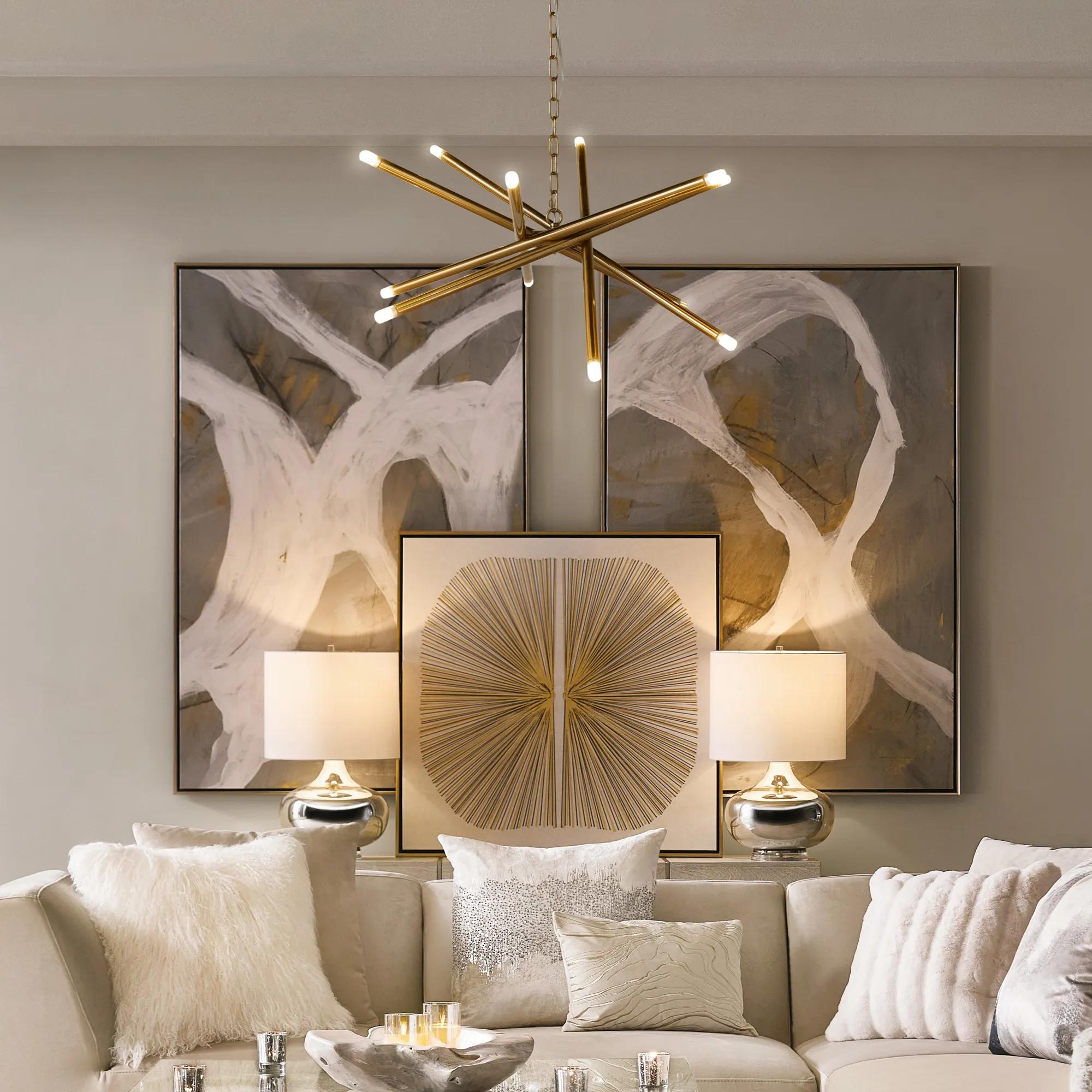 Les Series Framed Painted Wall Art I 61" x 41"$1099
An abstract canvas artwork featuring bold brushstrokes, hand-applied gold accents, and a silver floater frame.
Add To Cart -
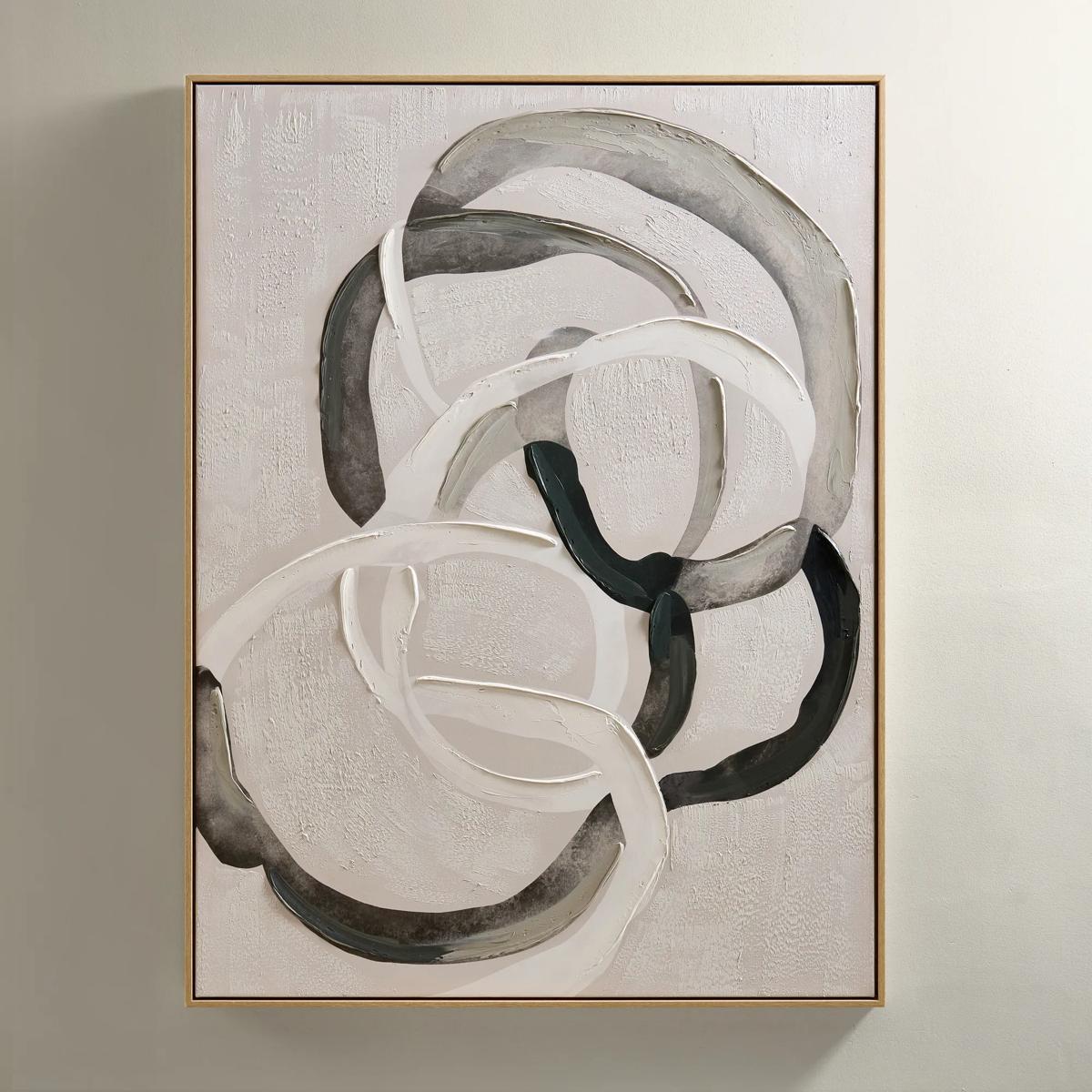
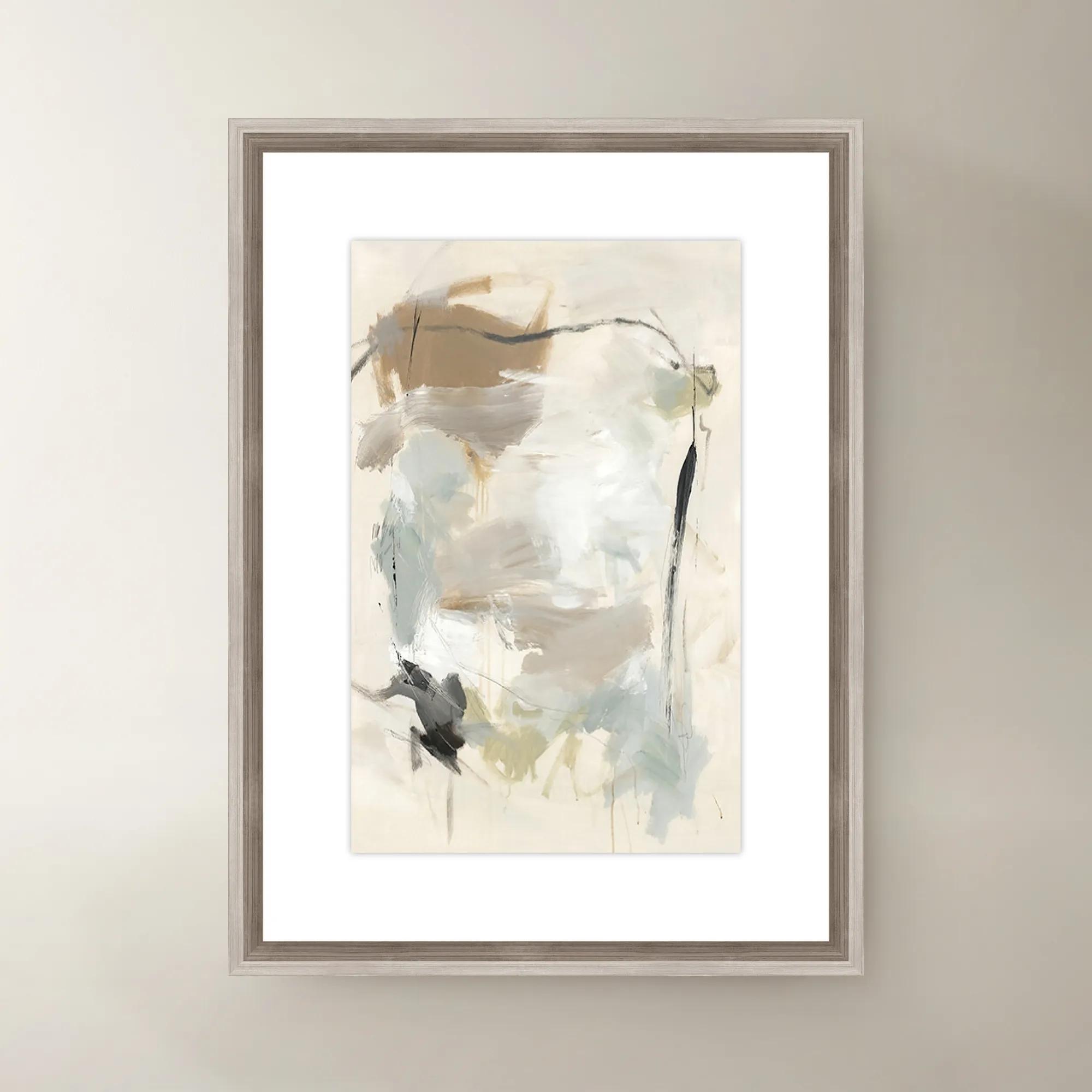
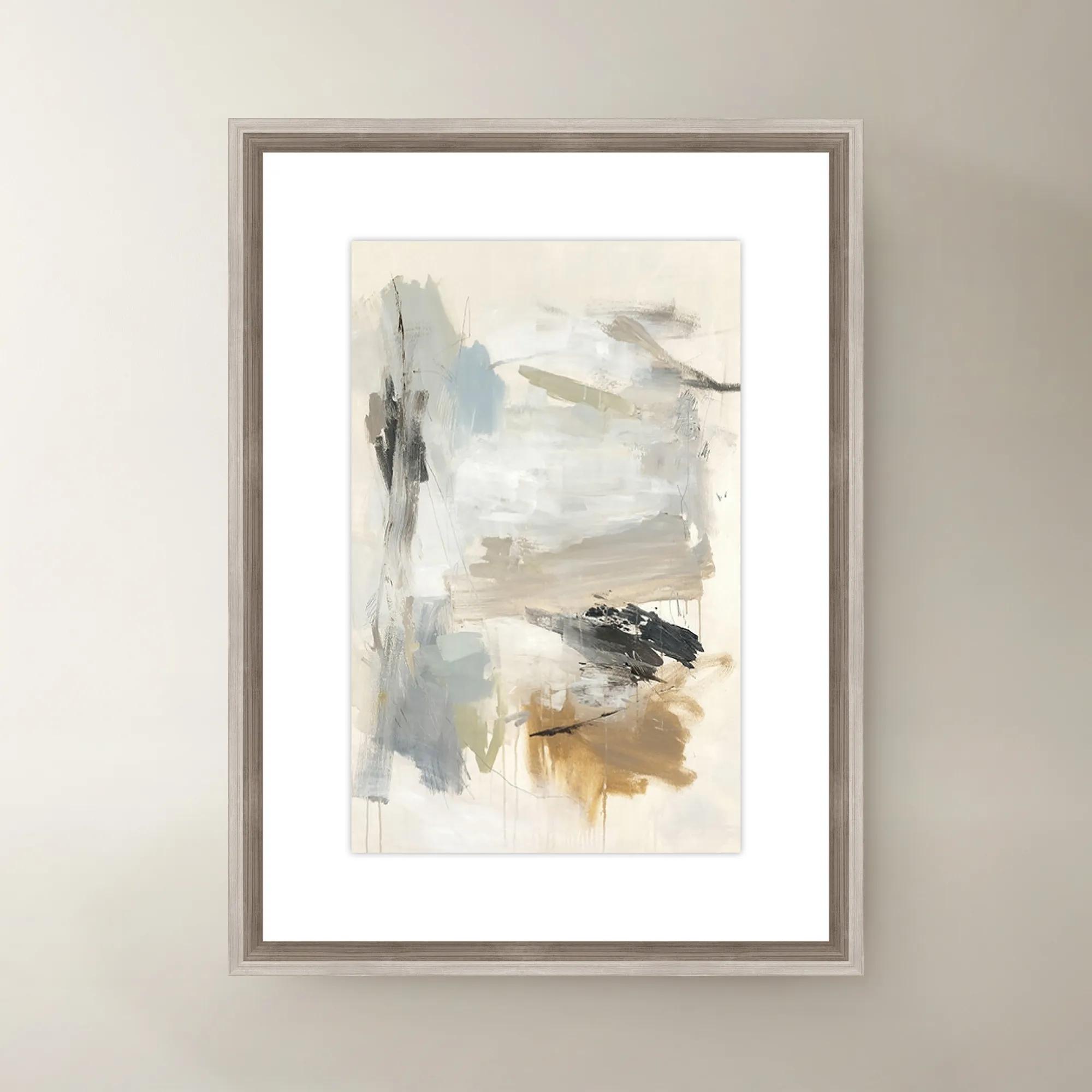
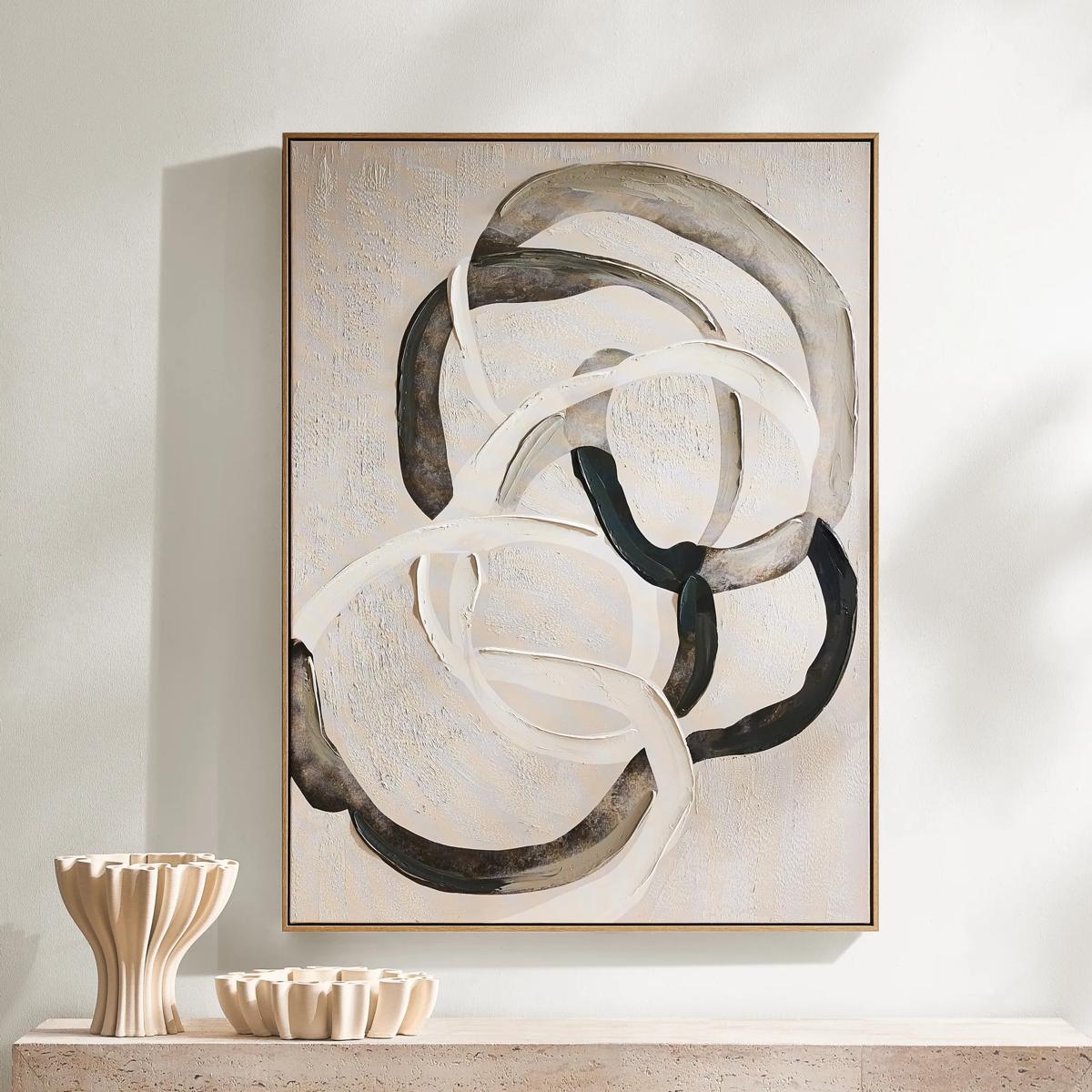 Round About Framed Painted Wall Art 35.25" x 47.25"$349
An abstract hand-painted canvas with tonal whites, charcoals, and taupes in a light wood floater frame.
Add To Cart -
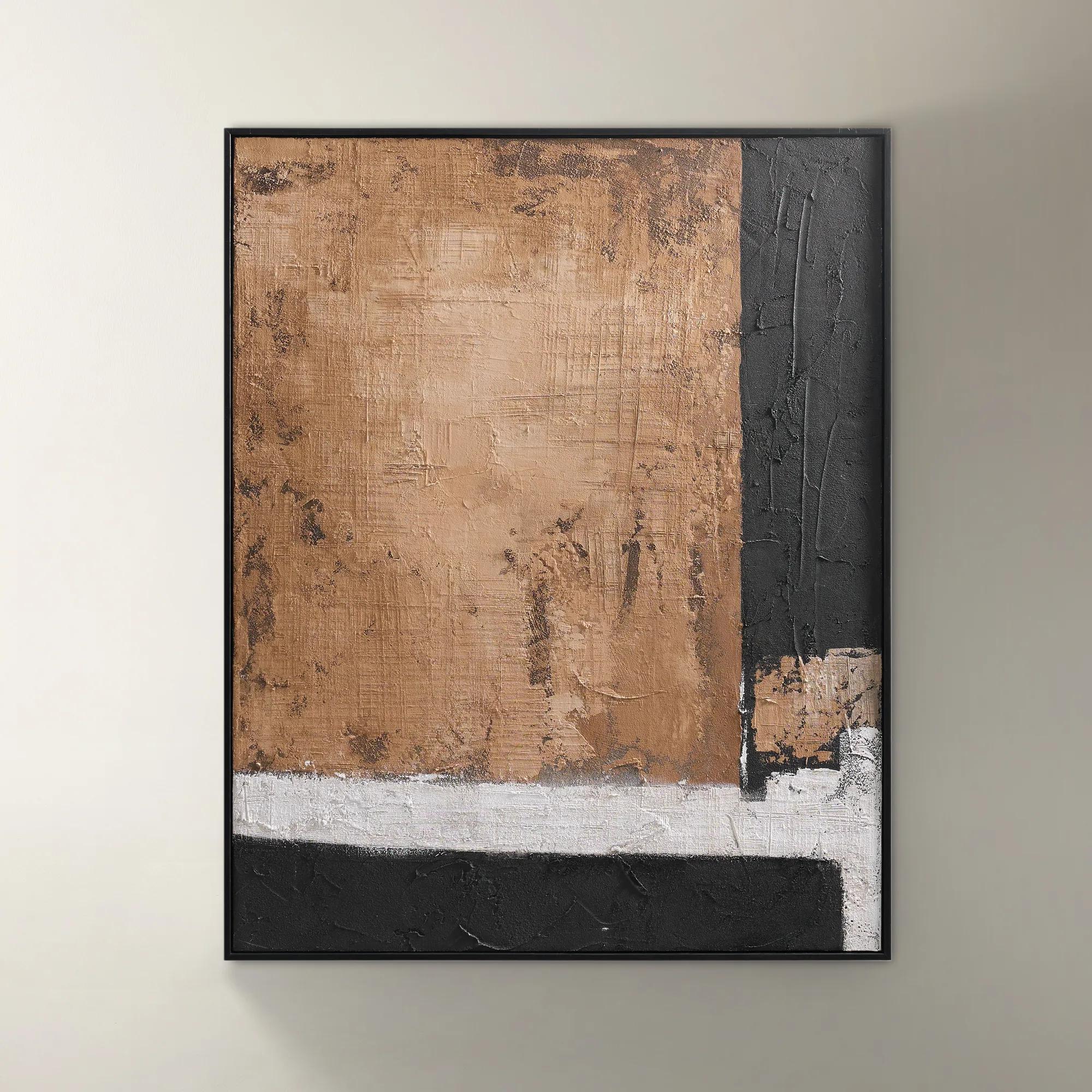 Drift Framed Painted Wall Art I 39.4" x 31.5"$299
A bold hand-painted abstract artwork featuring layered brown tones in a sleek black floater frame.
Add To Cart -
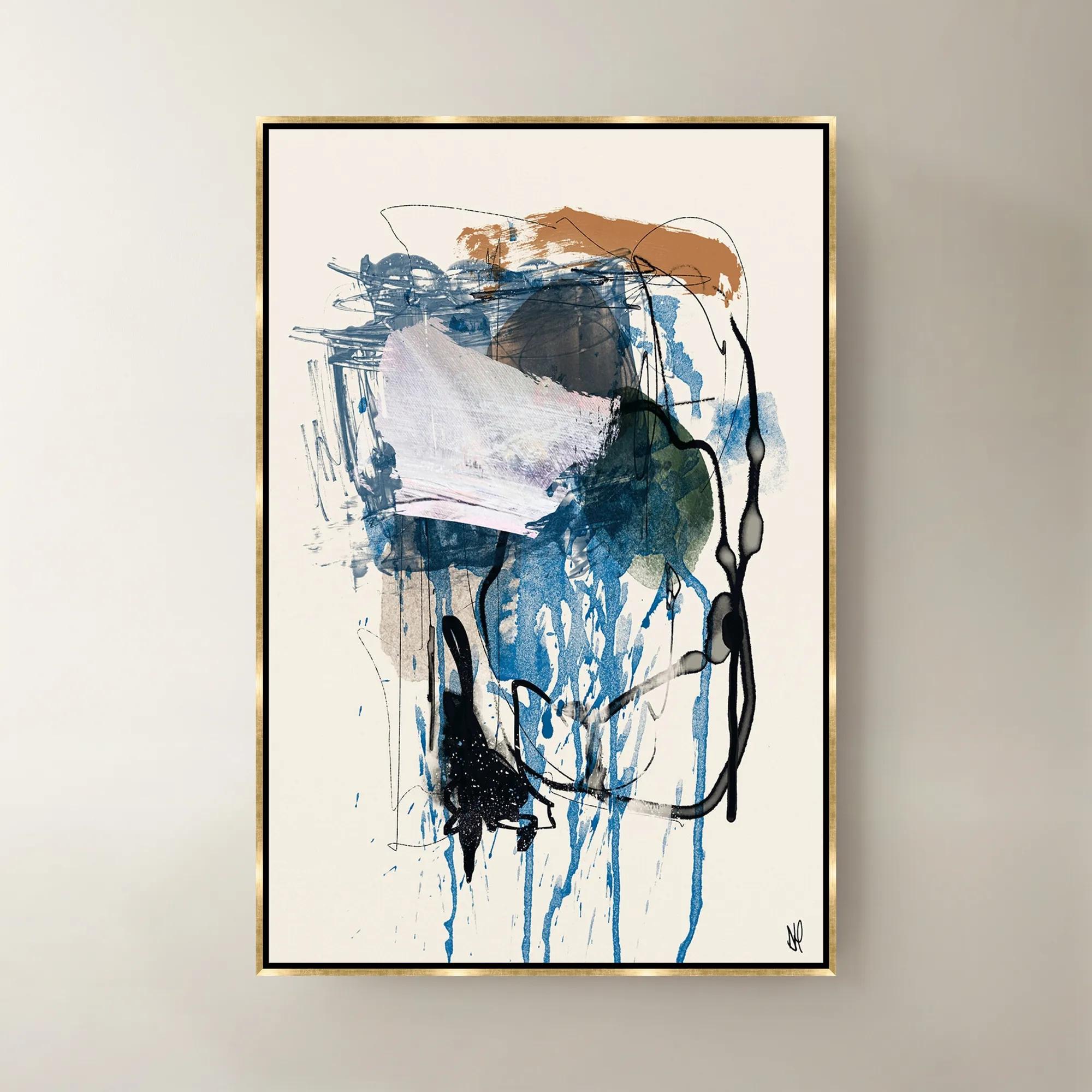
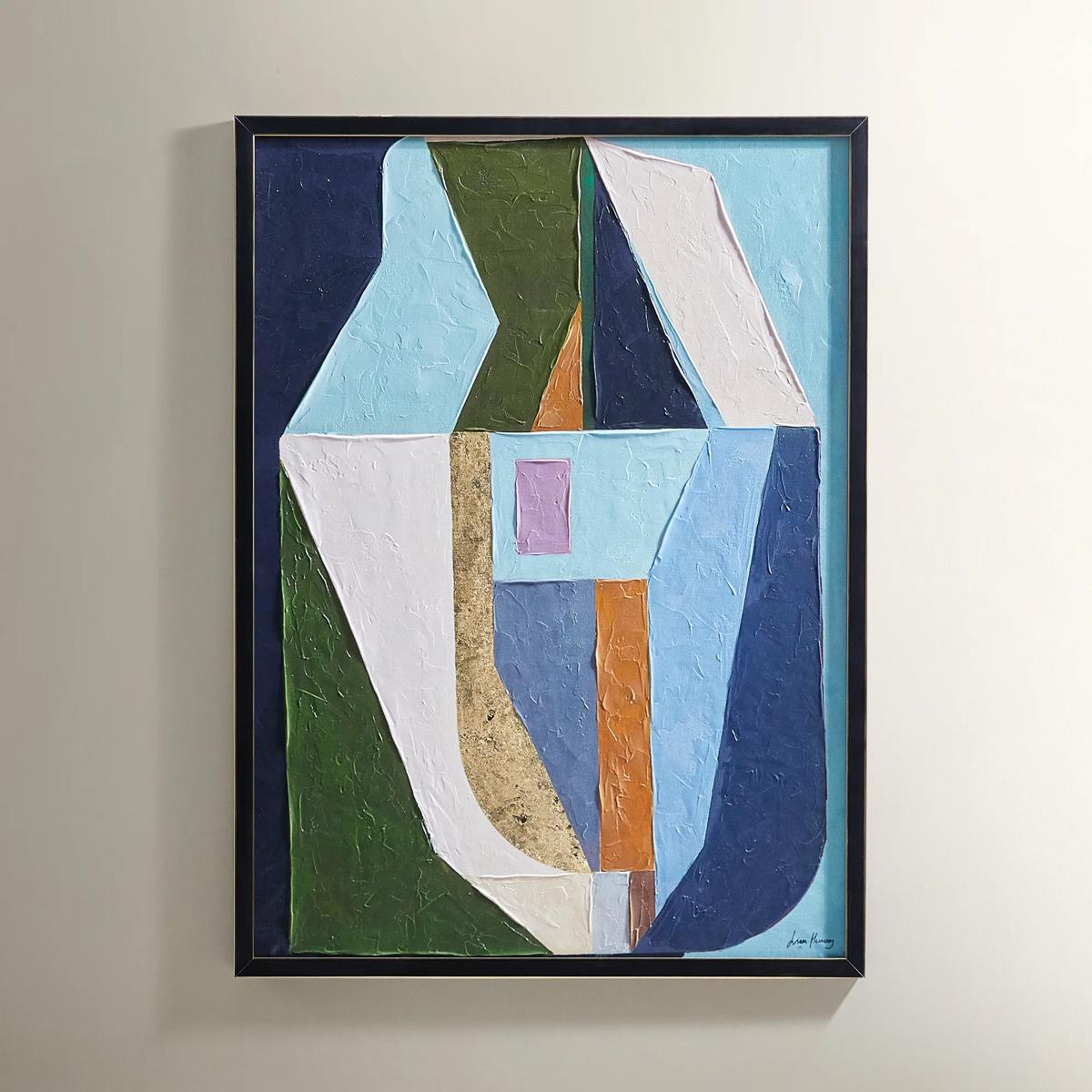 Thought Provoking Painting 2$249
A hand-embellished canvas artwork featuring textured strokes in deep blue, olive green, and gold accents.
Add To Cart -
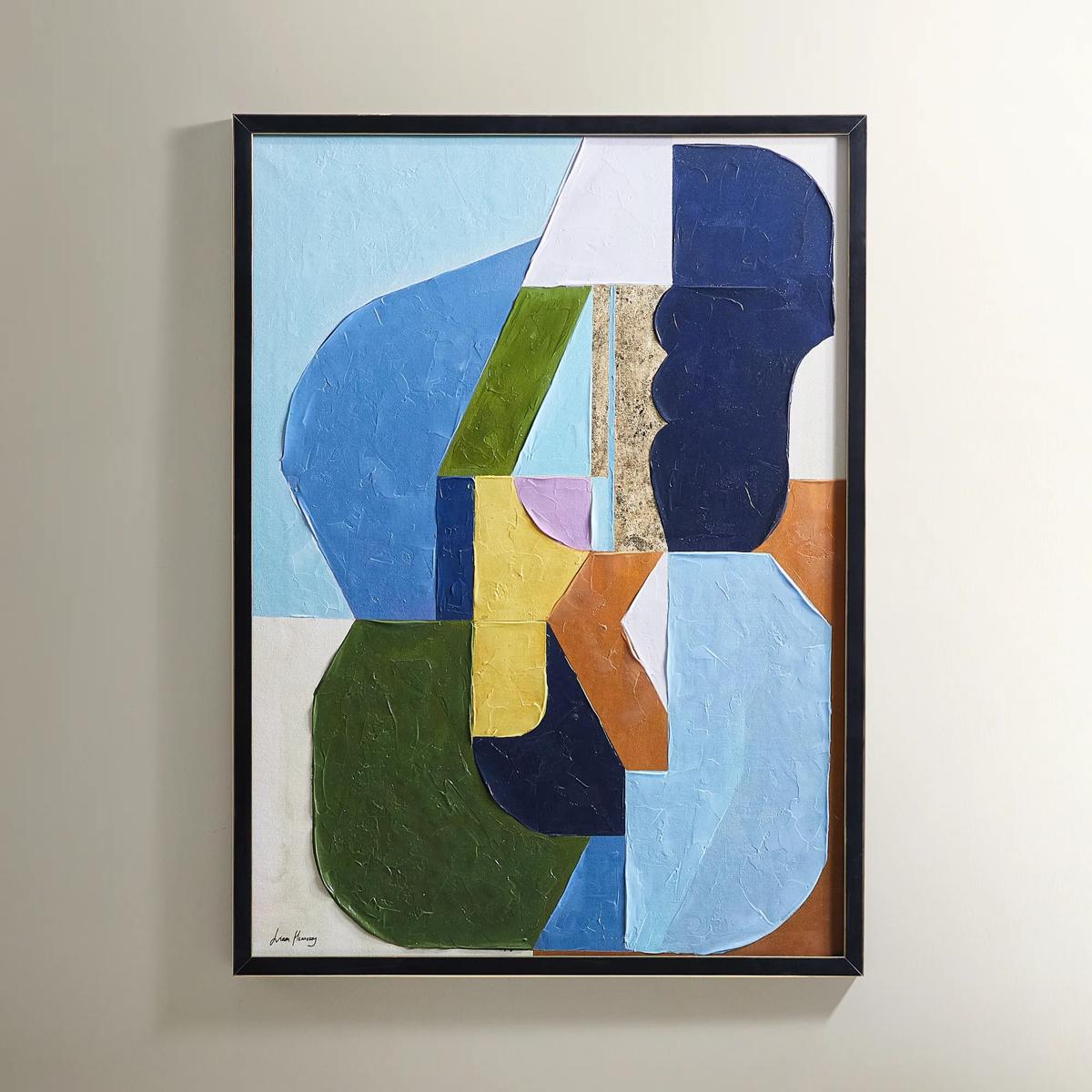
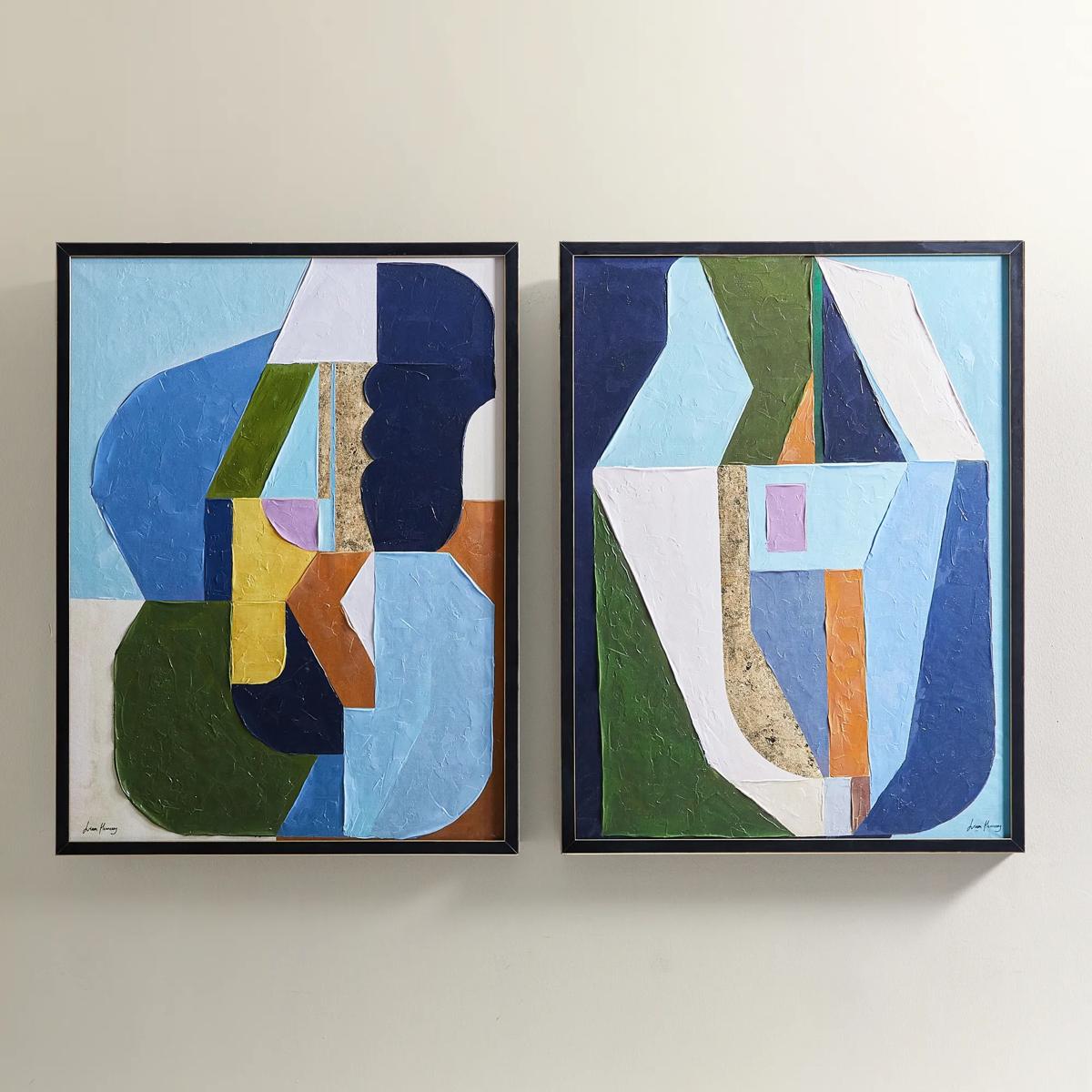 Thought Provoking Painting 1$249
A hand-embellished canvas artwork featuring textured strokes in deep blue, olive green, and gold accents.
Add To Cart -
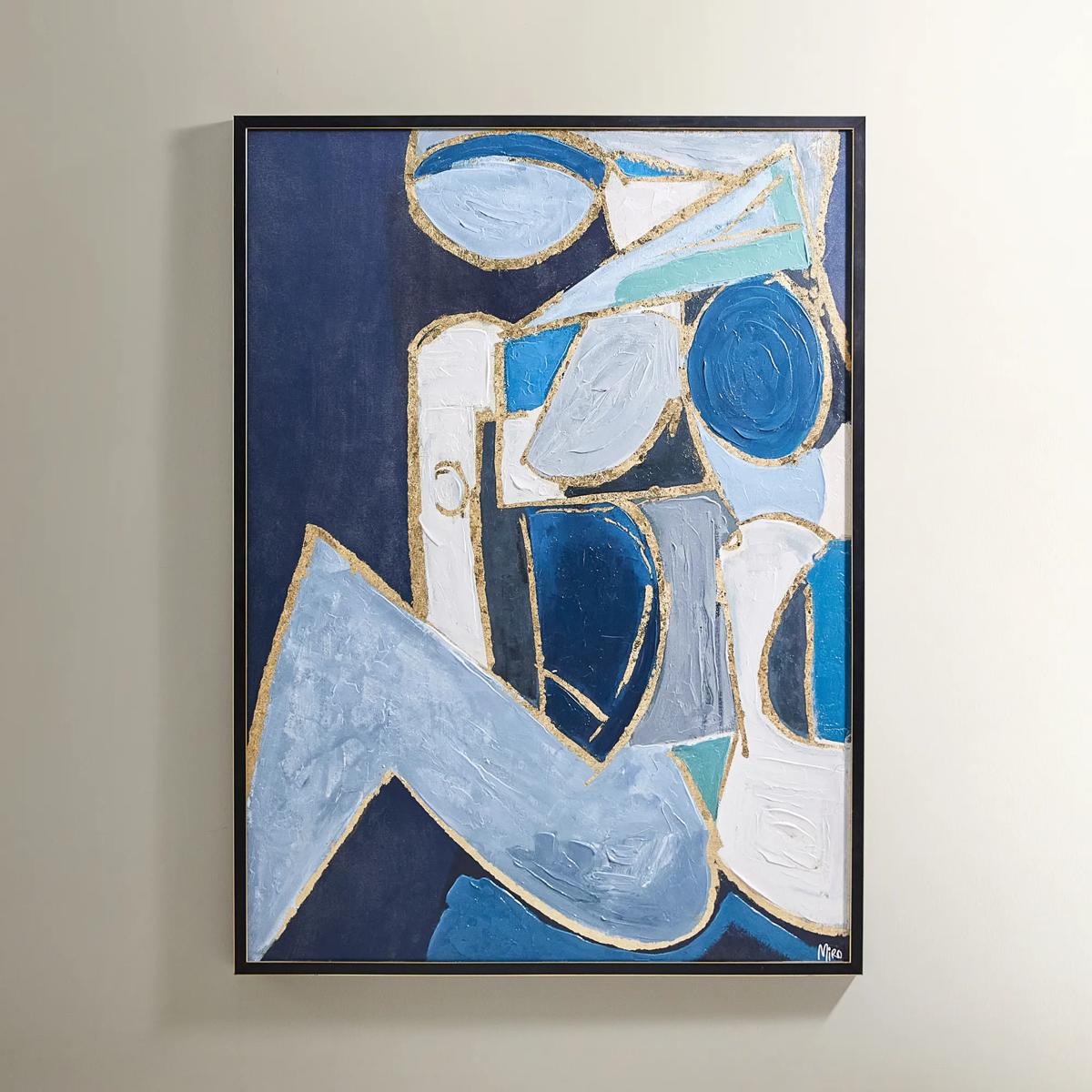
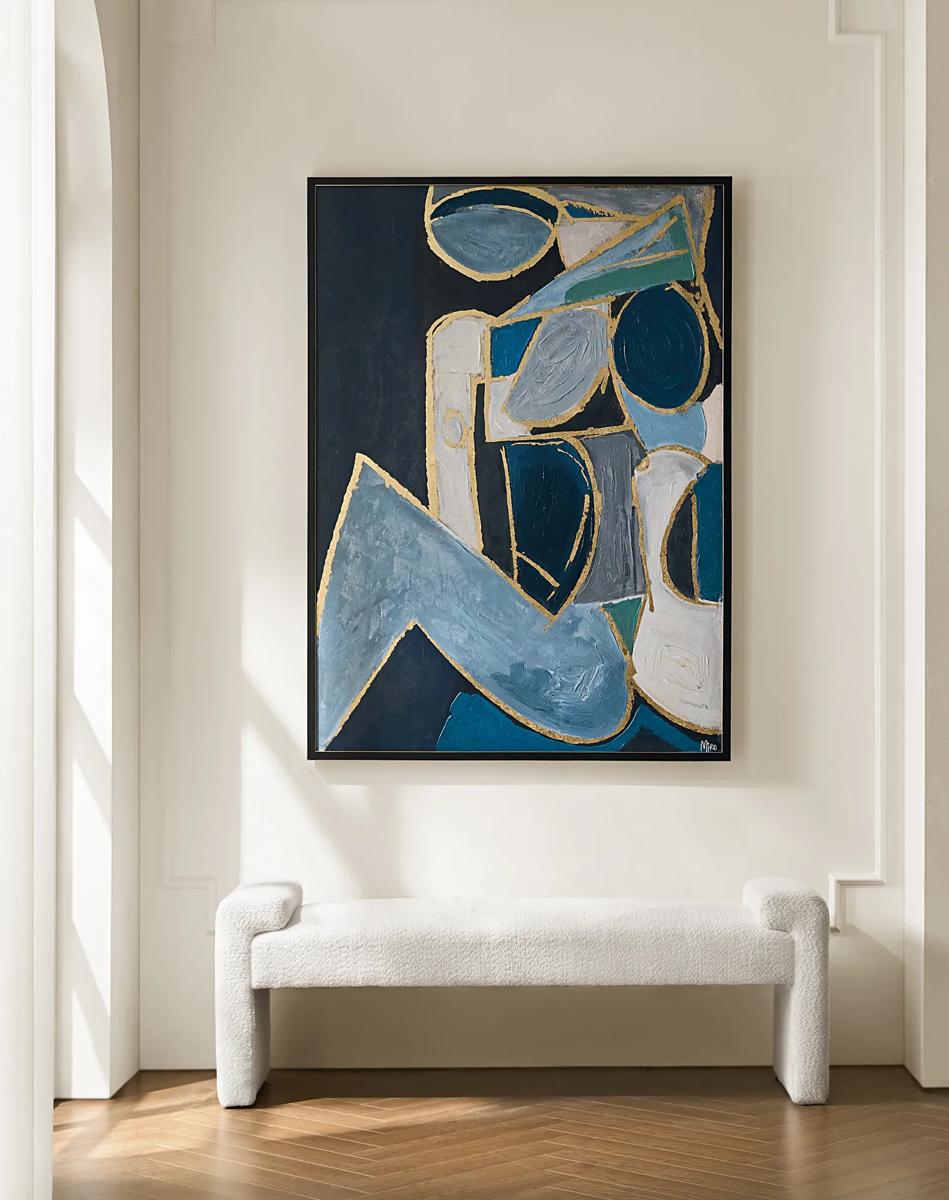 Figure in Cubism Painting$599
A hand-embellished canvas artwork featuring blue, gold, and white hues with elegant silver foil accents.
Add To Cart -
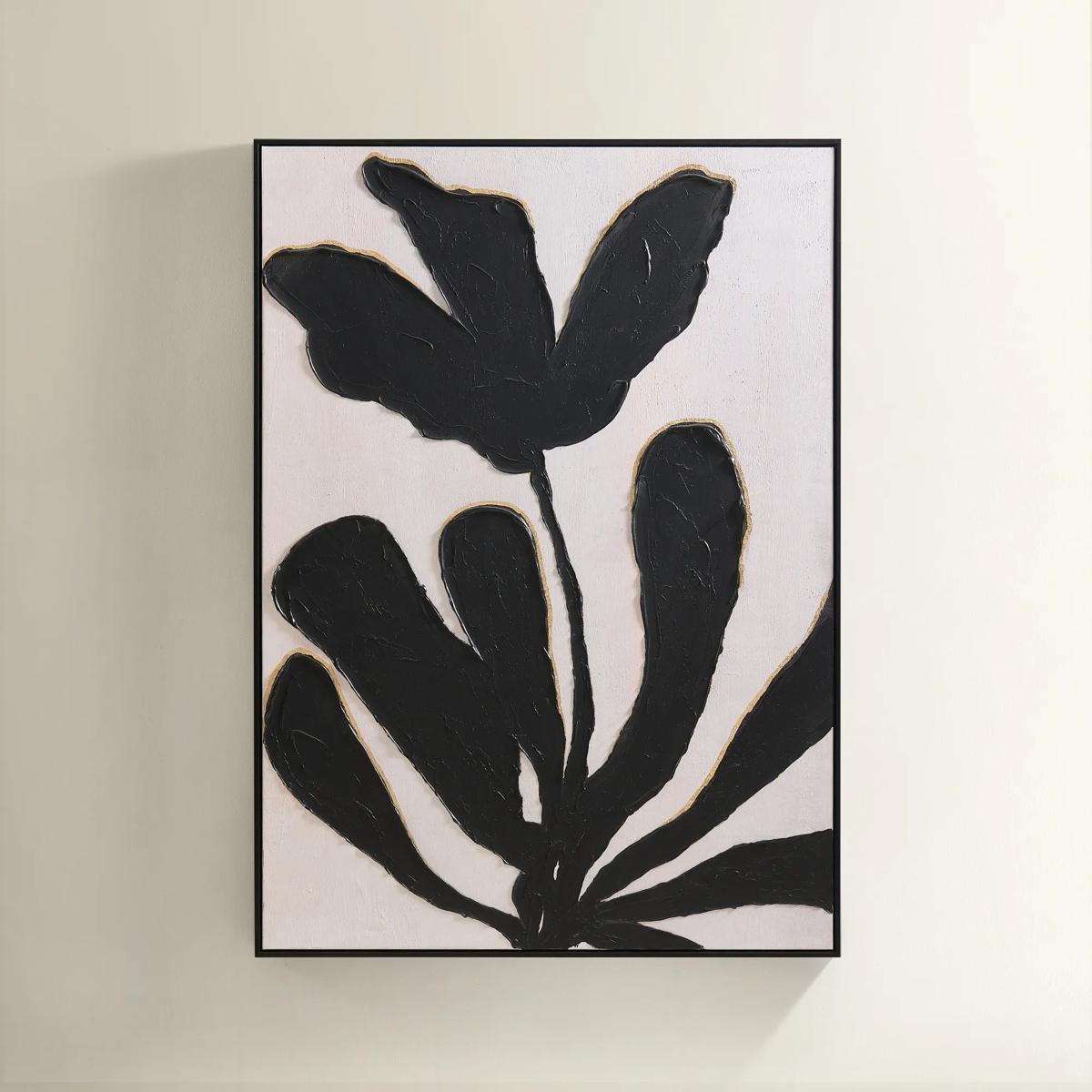
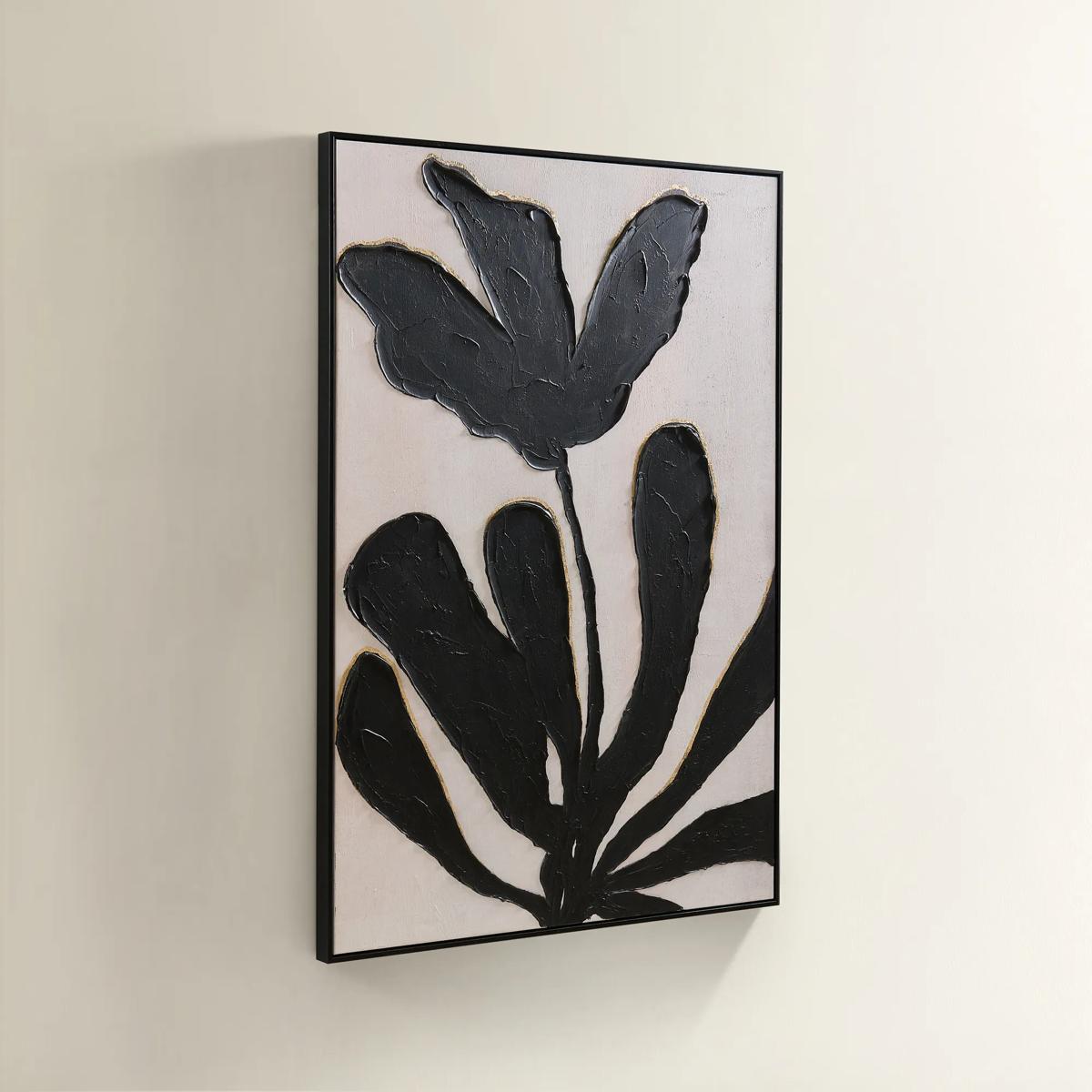 First Bloom Framed Painted Wall Art 39.25" x 55"$499
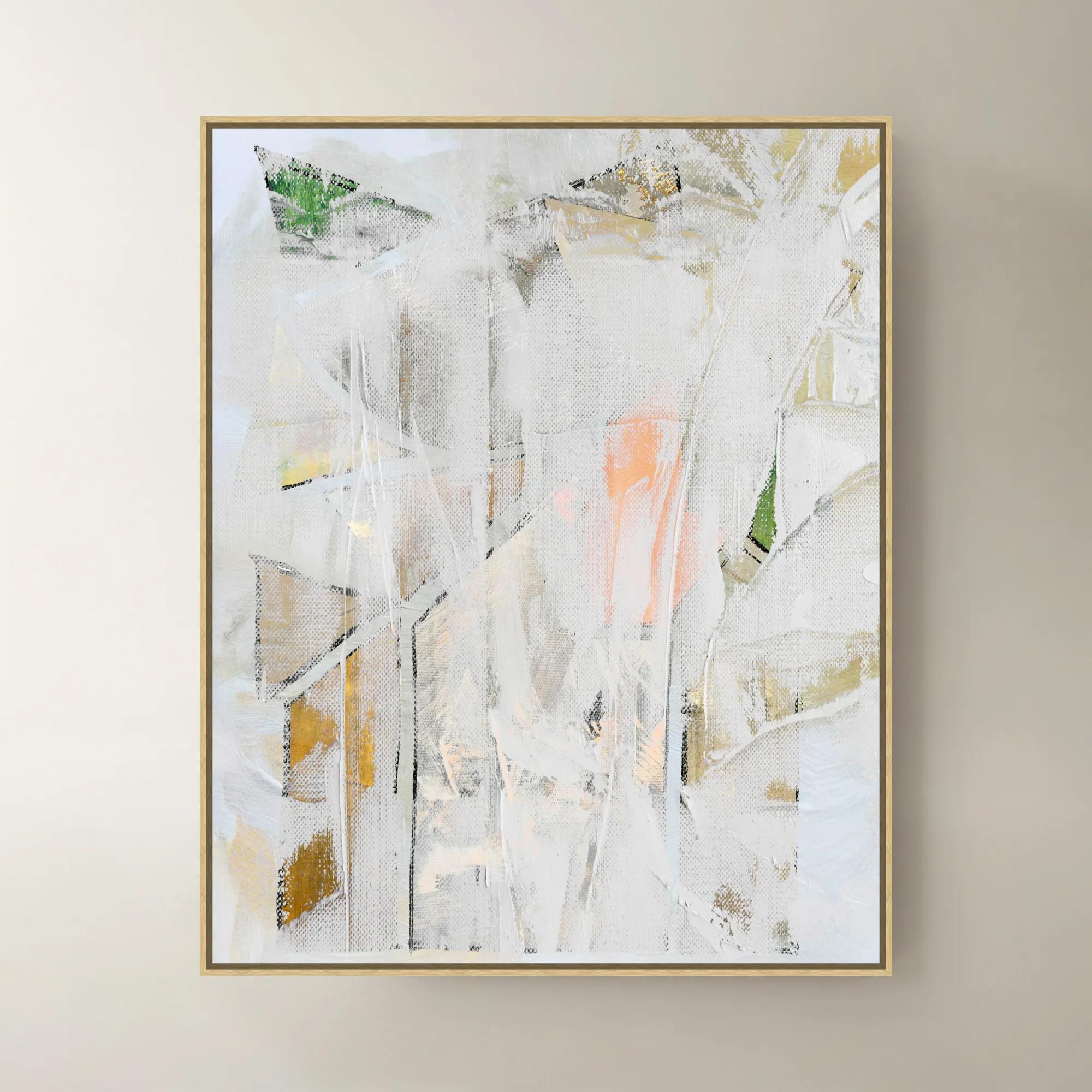
A hand-painted canvas featuring black abstract leaves and gold leafing on an ivory background in a black frame.
Add To Cart -
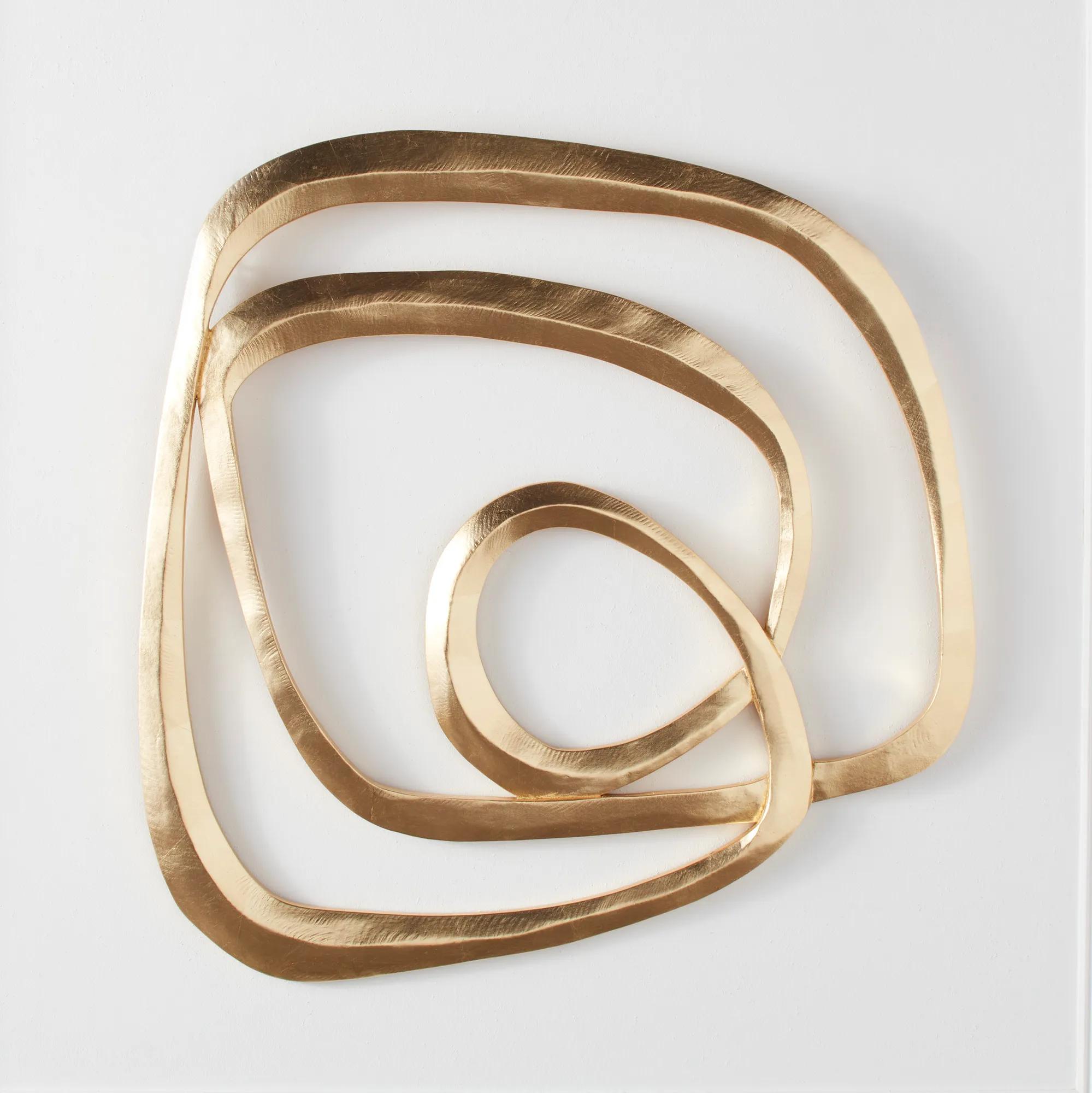 Infinity Gold Leaf Wood Wall Decor I 31.5" x 31.5"$299
A swirling wooden wall sculpture featuring a striking metallic gold finish for a bold decorative statement.
Add To Cart -
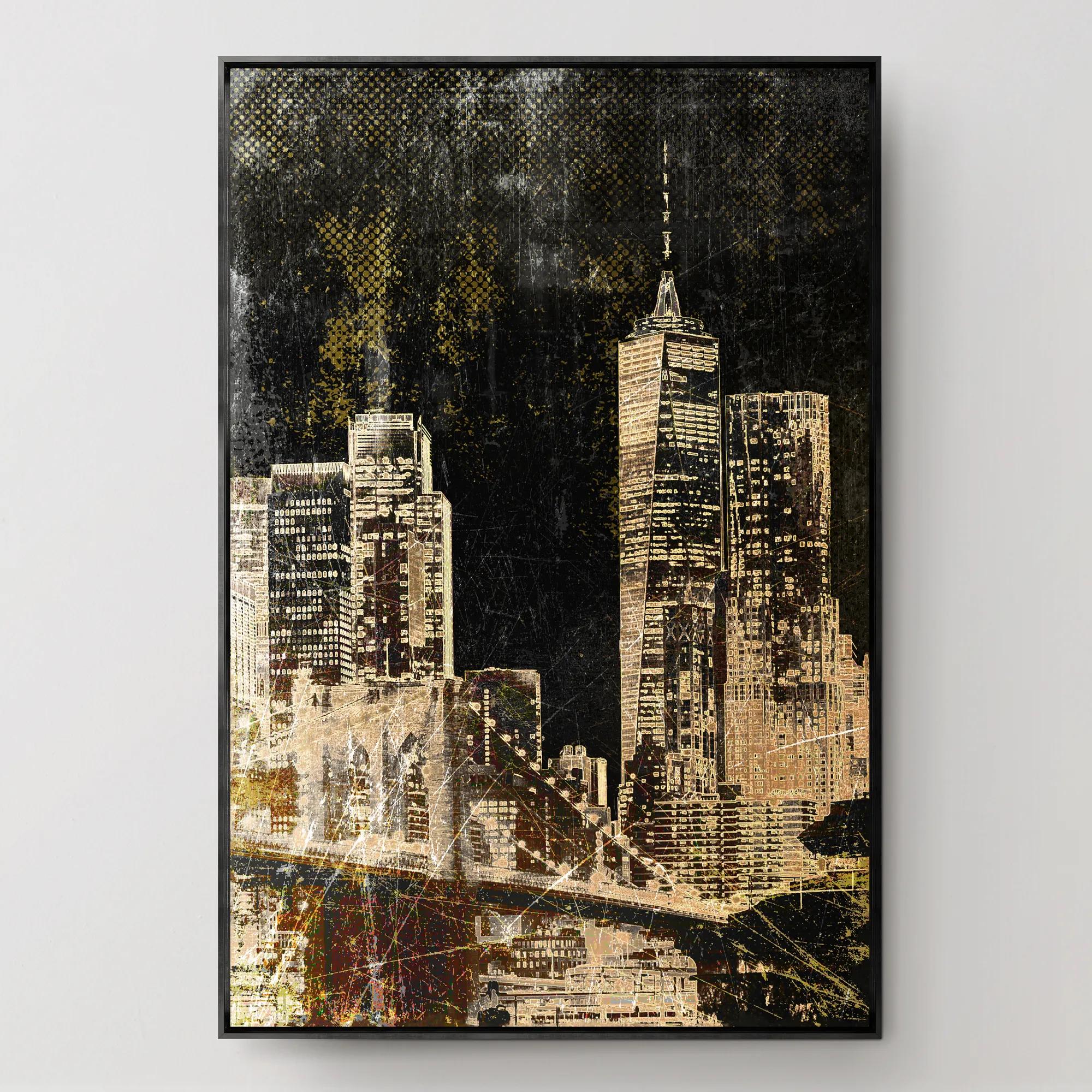
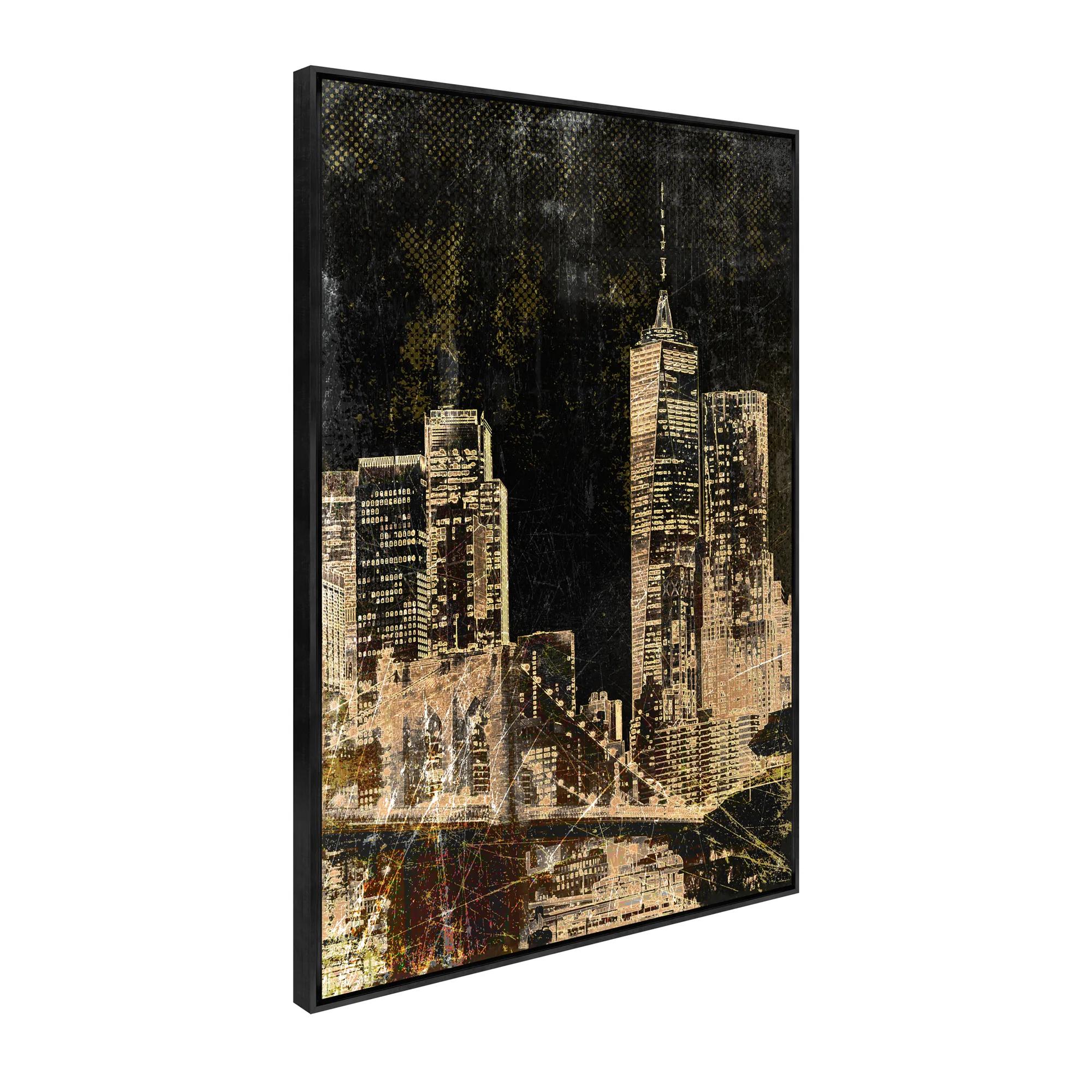 New York Lights Framed Wall Art 30" x 45"$649
A gallery-wrapped canvas artwork featuring a hand-applied gel finish and sleek black floater frame.
Add To Cart -
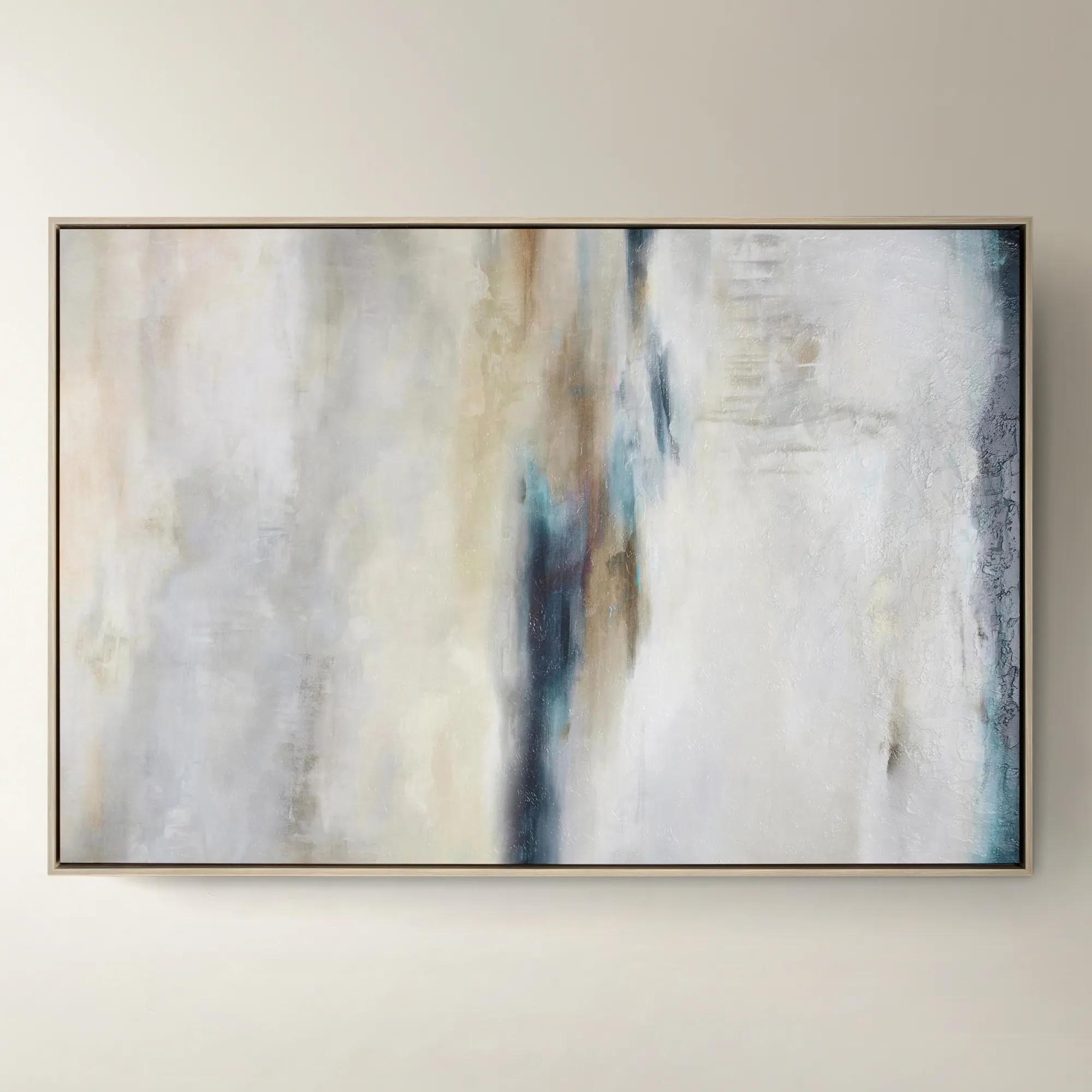
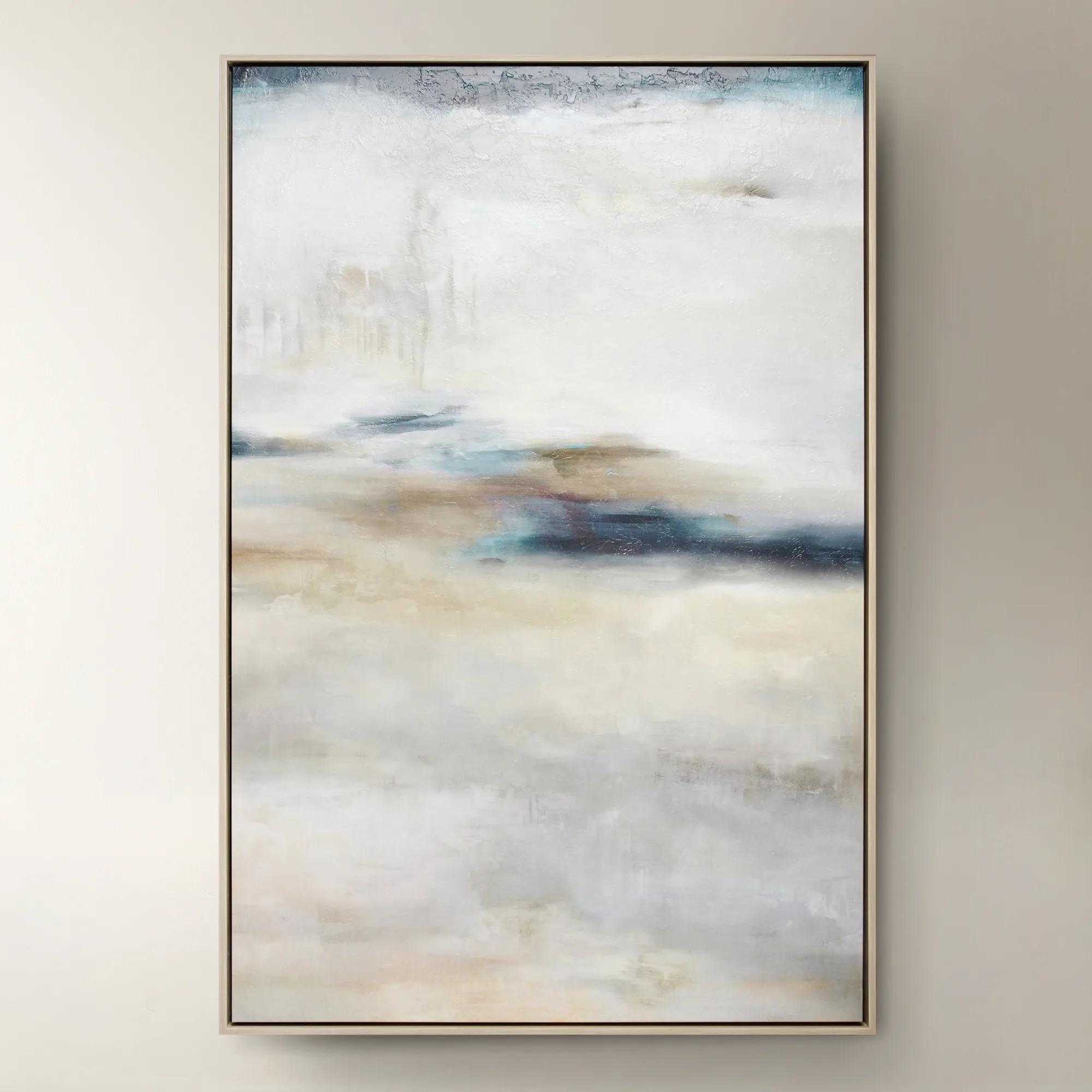 Forward Looking$1299
A softly layered abstract canvas print with a gel finish, set in a natural-hued floater frame.
Add To Cart -
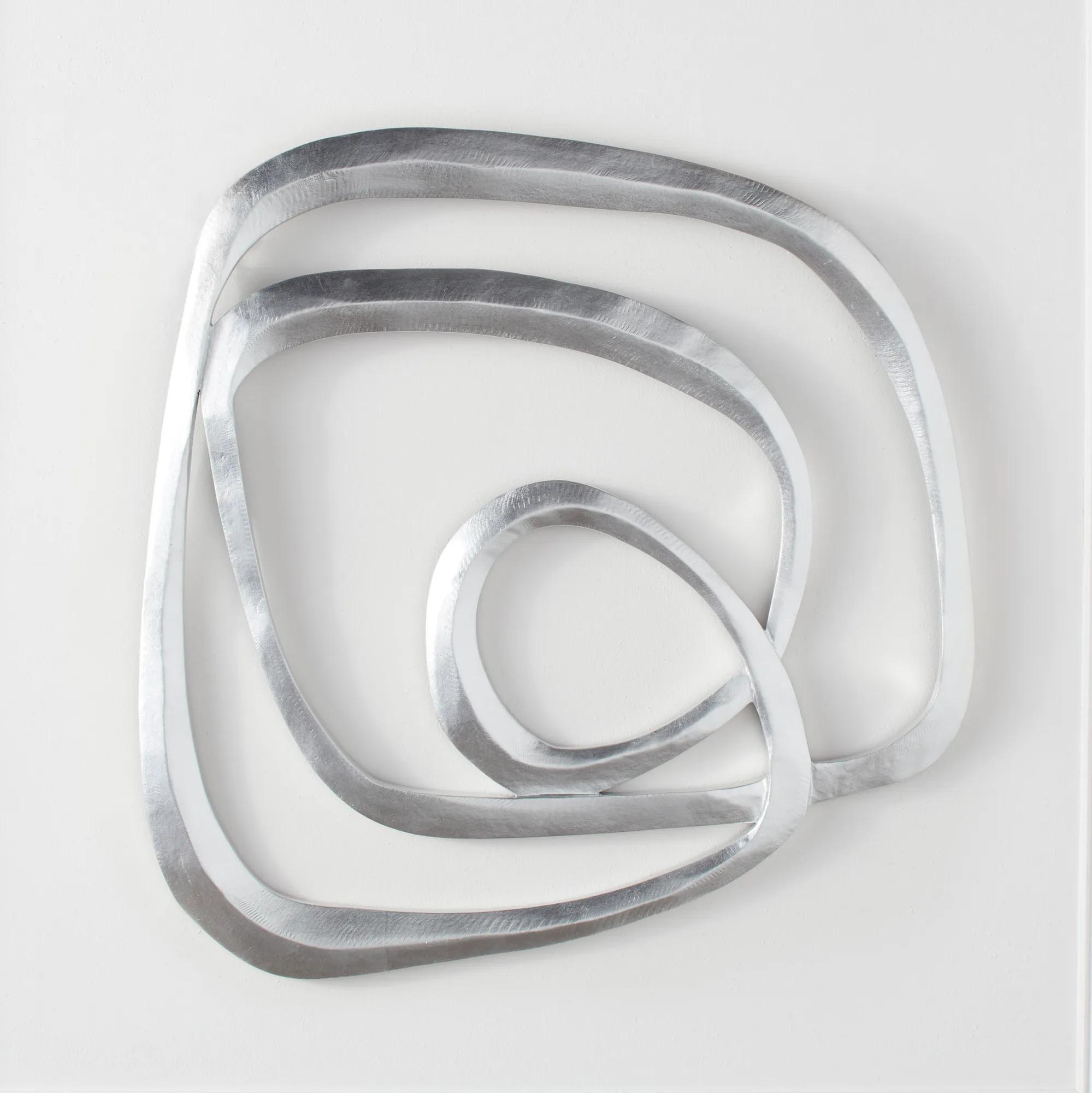 Infinity Silver Leaf Wood Wall Decor I 31.5" x 31.5"$299
A swirling wooden wall sculpture featuring a striking metallic silver finish for modern visual impact.
Add To Cart

Contemporary Art Wall Decor
Explore contemporary art wall decor to create a striking focal point or bring a modern room into focus. Discover wall art with an expressive, design-forward sensibility, and consider how each piece’s palette, composition, and scale will complement your furniture and surrounding decor. Choose a statement piece to anchor the room or arrange a grouping that reflects your personal style.
Contemporary art wall decor gives a room a distinctive point of view, turning an open wall into a composition of color, movement, and mood. Its appeal lies in the freedom to be expressive: a sweeping abstract can introduce energy above a tailored sofa, while a restrained study in black and ivory can lend a dining room quiet authority. Contemporary artwork embraces a broad visual vocabulary, from gestural brushwork and geometric forms to atmospheric photography, layered textures, and sculptural reliefs. That variety makes it especially compelling for interiors that mix influences rather than follow a single design formula. Against clean-lined furniture, an intricate composition adds richness; beside ornate silhouettes, a spare image creates contrast without diminishing the drama. Color can establish a connection with the room or deliberately interrupt it. A ribbon of cobalt echoed in a decorative accent feels considered, while an unexpected field of deep burgundy gives a neutral interior a more daring personality. The most persuasive combinations allow the artwork to have its own presence instead of asking it to match every surrounding detail. A piece with generous negative space can offer visual breathing room among richly patterned textiles, while densely layered imagery brings depth to an otherwise understated setting. Contemporary wall art also suits different ways of living. For someone who entertains, it can create a memorable backdrop and a natural point of conversation. In a home office, a dynamic composition gives the eye somewhere inspiring to land between tasks. In a bedroom, softly graduated tones and fluid shapes can establish a more contemplative atmosphere without sacrificing sophistication. The subject need not be literal to feel personal. A composition may evoke the rhythm of a city, the sweep of a landscape, or simply a favorite color rendered with unusual intensity. That emotional connection is what allows decorative artwork to feel collected rather than merely coordinated.
Materials and presentation shape the experience of contemporary art as much as the image itself. Canvas lends a tactile quality to printed or painted compositions, with its woven surface bringing subtle texture to broad areas of color. A gallery-wrapped format carries the composition around the edges for a sculptural presence, while a frame gives the artwork a defined boundary and another opportunity for contrast. Works on paper often benefit from matting, which introduces space around the image and helps distinguish delicate marks or tonal shifts. Glass or acrylic glazing can protect the surface, though reflections and the specific care requirements of each material deserve consideration. Metal wall art and dimensional compositions engage the room differently, catching light across raised contours and casting shadows that become part of the design. A polished finish feels luminous and precise; a brushed or textured surface offers a softer interplay of light. Frame finishes contribute their own character, with dark profiles sharpening graphic imagery, warm metallic tones enriching muted palettes, and pale finishes allowing an airy composition to remain visually expansive. Scale determines how those qualities register in a room. Above a broad sofa or sideboard, artwork with enough visual weight can anchor the furniture below it, while a small piece may feel more intentional in a narrow entry, between windows, or within a layered arrangement. Overall dimensions matter, including the frame and any projecting elements, not just the image size. Comfortable clearance above furniture keeps the composition connected to the setting without crowding it, and dimensional pieces need room where doors, drawers, and everyday movement will not brush against them. Substantial frames, secure hanging hardware, and mounting appropriate to the wall material support lasting placement, especially for heavier artwork. Lighting completes the presentation: an adjustable picture light or thoughtfully directed room lighting can reveal texture and color, while a position away from harsh glare allows the image to remain the focus.
A room gains depth when its artwork relates to both the architecture and the way the space is used. In an open living area, a confident composition can define the seating zone without adding another piece of furniture. A pair of complementary works may bring rhythm to a long wall, while a single expansive image can hold attention with fewer competing elements. Coordinating does not require identical subjects or matching frames; a shared undertone, repeated shape, or similar visual intensity can give varied pieces a sense of belonging together. For spaces centered on conversation and gathering, Contemporary Living Room Wall Art offers a related focus for carrying that expressive character into the main seating area. Elsewhere, a striking piece opposite an entry door creates an immediate impression, and a textured work along a hallway gives an often-overlooked passage its own identity. Most decorative artwork is best treated as an indoor accent, with placement guided by the material’s tolerance for moisture, light, and handling. Bathrooms, areas near cooking surfaces, and walls exposed to prolonged direct sunlight can present challenges for paper, canvas, finishes, and adhesives unless the piece is specifically intended for those conditions. Gentle maintenance helps preserve the original effect: soft, dry dusting is suitable for many frames and dimensional surfaces, while glazed artwork requires care that keeps cleaning liquid from reaching edges, backing, or the image beneath. Material-specific instructions should determine the method, particularly for textured paint, metallic finishes, and unglazed surfaces. Contemporary art can also be a meaningful housewarming or milestone gift when chosen with the recipient’s taste and available wall space in mind. A familiar palette or an affinity for graphic, painterly, or photographic imagery offers a stronger starting point than an assumed decorating style. In a personal space or a thoughtfully considered gift, wall decor brings lasting value through the daily experience of looking: a detail noticed from across the room, a color newly revealed by lamplight, a composition that continues to feel distinctly at home.
FAQs
Contemporary art wall decor reflects the creative spirit of today through expressive color, unexpected compositions, and distinctive materials. From fluid abstractions to graphic photography and sculptural wall accents, these pieces bring an artful point of view to your interiors. Choose work that feels personal—an arresting contrast, a luminous finish, or a composition that invites a second look.
Look to your room’s palette, textures, and mood for inspiration. An abstract composition with metallic accents can echo the glamour of velvet upholstery and polished furnishings, while expressive black-and-white artwork brings graphic tension to a richly layered interior. Rather than matching every detail, choose contemporary wall art that creates a compelling conversation with the pieces you already love.
Abstract paintings, fashion-inspired photography, and dimensional wall sculptures offer distinct paths to a glamorous interior. Look for jewel-toned palettes, reflective metallic details, dramatic brushwork, or luminous glass surfaces. A restrained composition can feel equally luxurious when paired with sumptuous textures, allowing contrast—not ornament alone—to shape the room’s character.
Use contemporary wall art to introduce a fresh counterpoint to traditional silhouettes. A gestural abstract above a carved console or graphic photography alongside tufted upholstery creates an expressive dialogue between eras. Repeat a color or finish across the artwork and furnishings to give the contrast a sense of intention while preserving each piece’s individuality.
Begin with a visual thread, such as a shared palette, recurring motif, or complementary frame finishes. Then layer abstract prints, photography, and textured artwork to introduce variety without losing that connection. Consistent spacing gives the arrangement rhythm, while a deliberate mix of compositions creates the richness of a collection gathered over time.