Contemporary Wall Art Ideas
Contemporary Wall Art Ideas
-
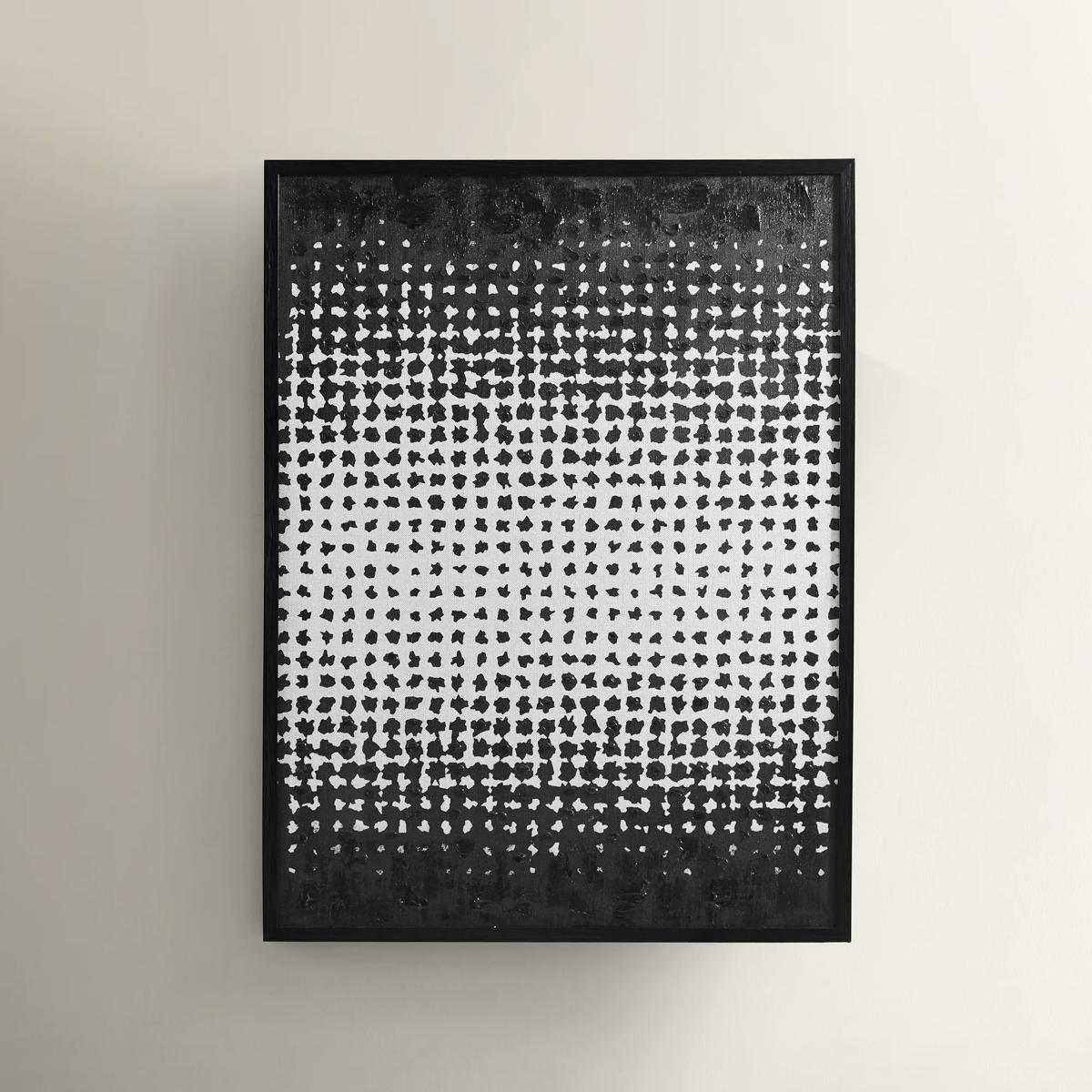
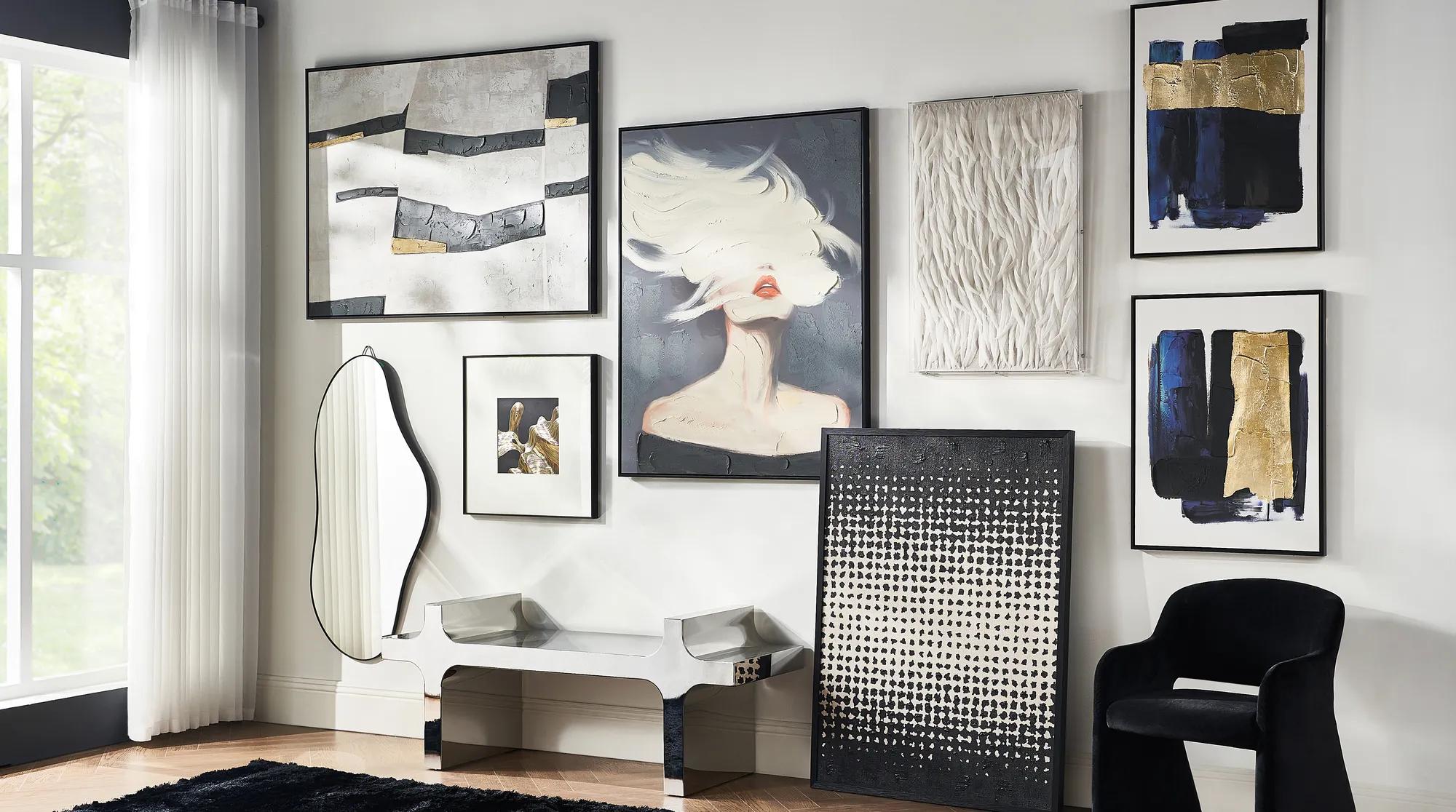
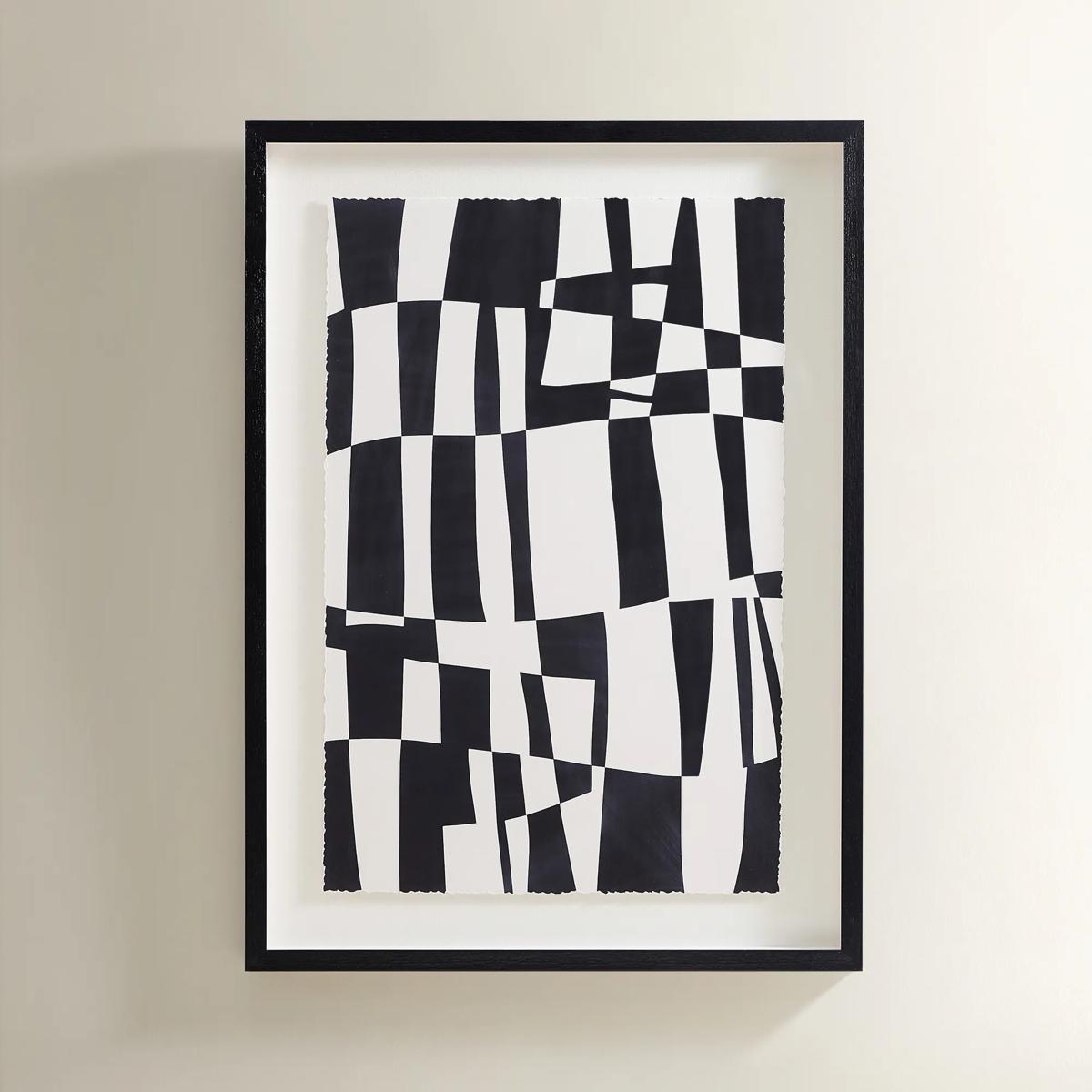 Matrix Art$369
A striking black and white abstract grid print set in a sleek black polyresin frame.
Add To Cart -
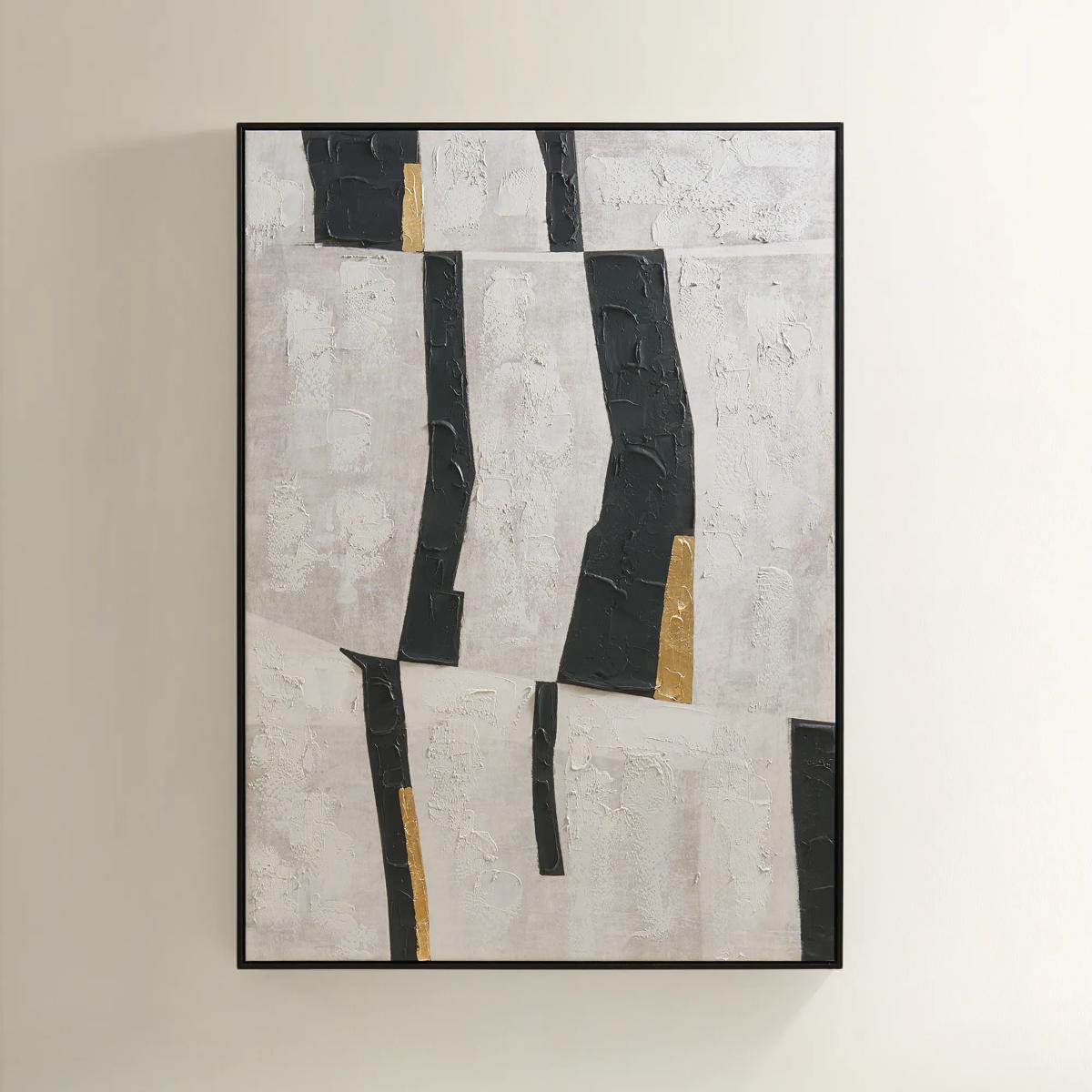
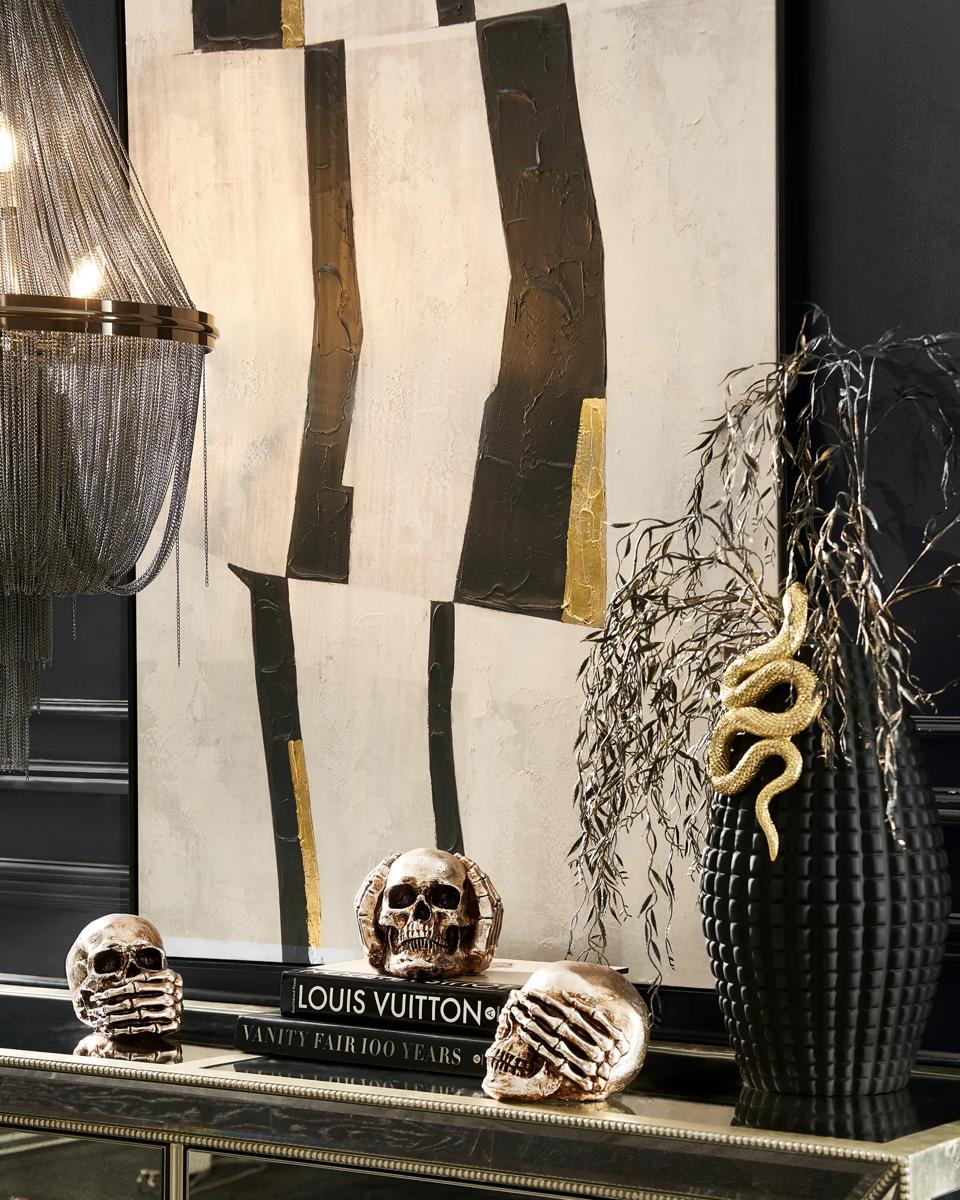 Into the Groove Painting$449
A modern abstract canvas featuring black, gray, and gold leaf accents in a sleek black floater frame.
Add To Cart -
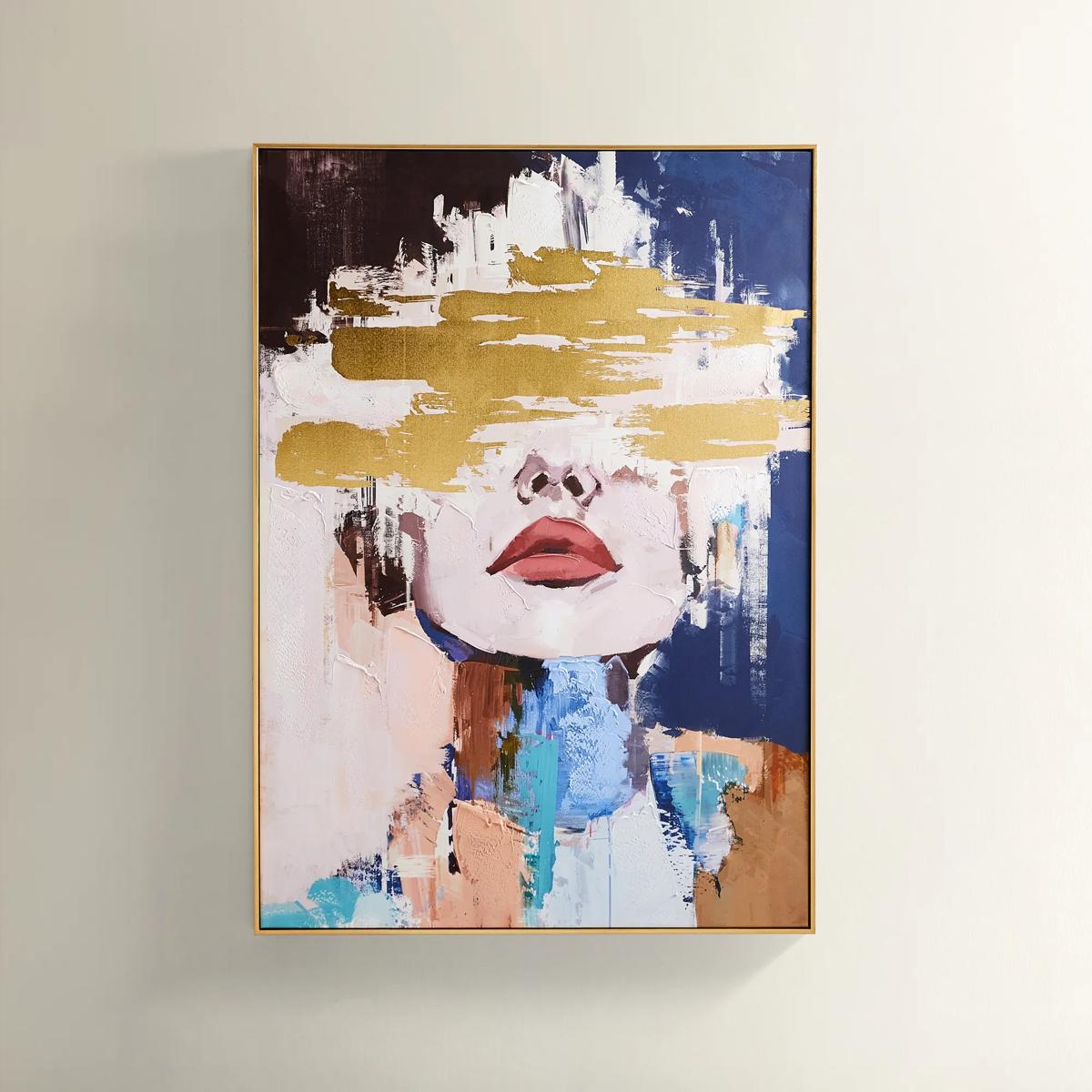
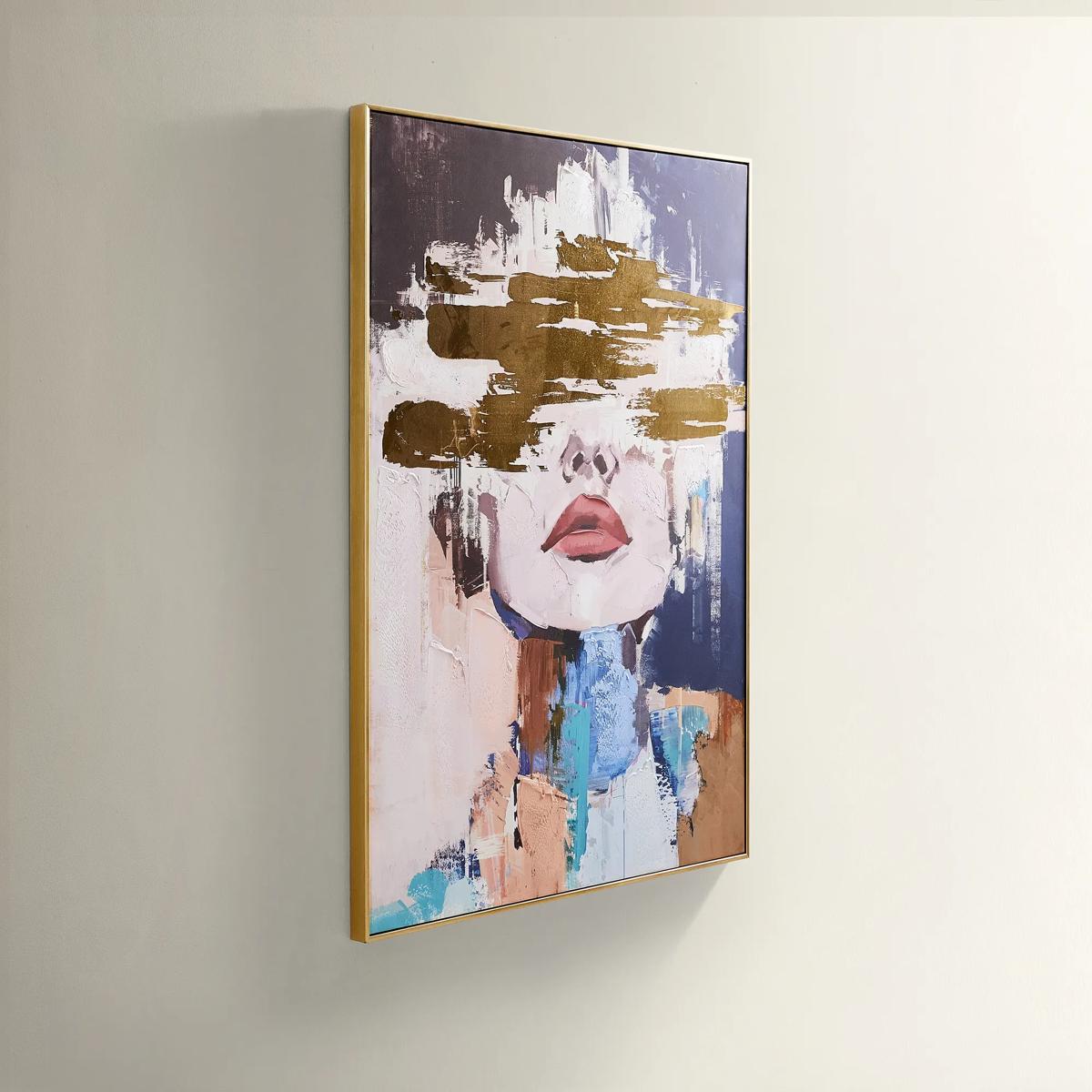 Waiting in Color Gold Foil Painted Wall Art 39.25" x 55"$499
A hand-painted abstract portrait in vivid blue, blush, and gold foil, framed in luxe gold.
Add To Cart -
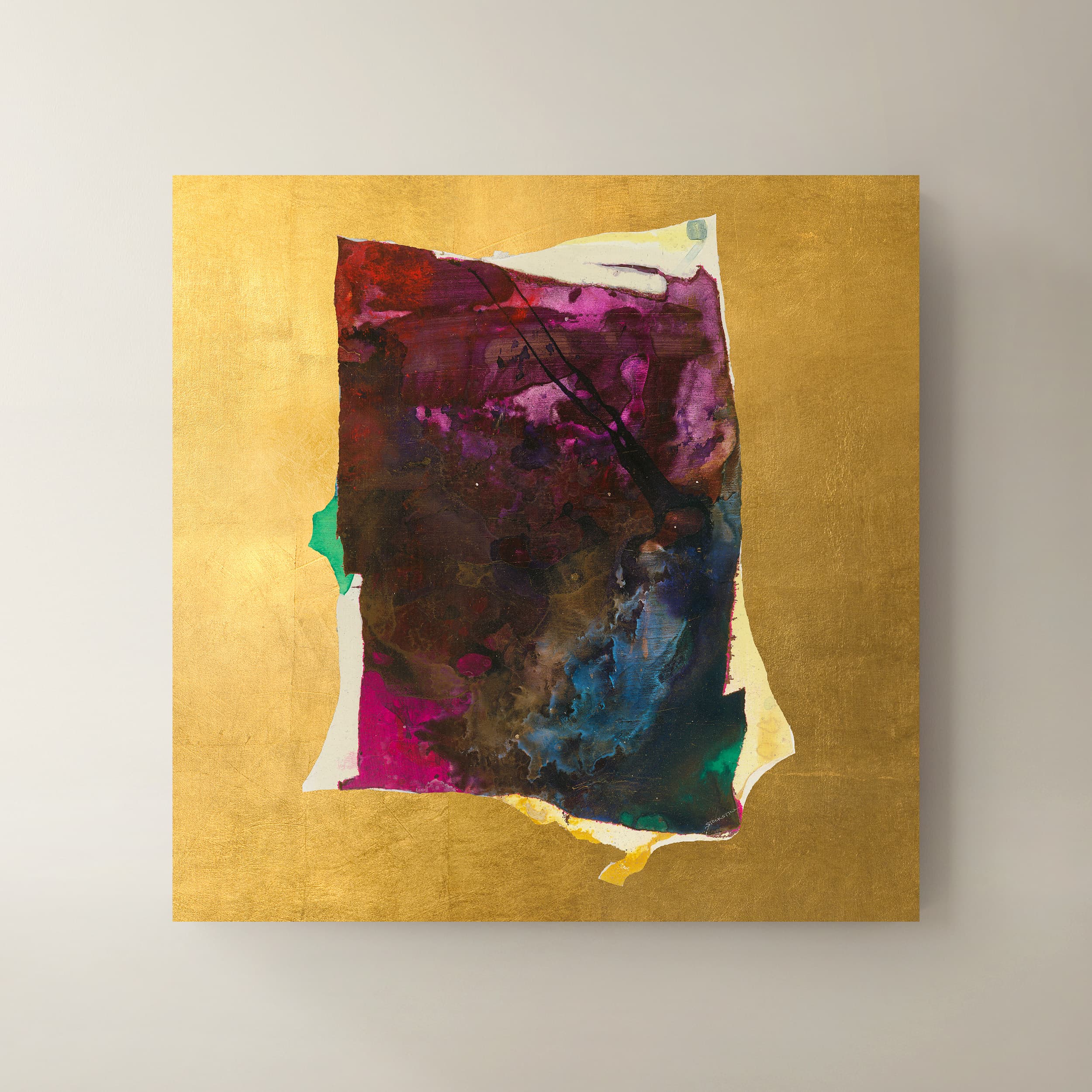 Supremo I Wall Art 40" x 40"$999
A multicolored canvas wall art piece adding contemporary visual interest to your interior.
Add To Cart -
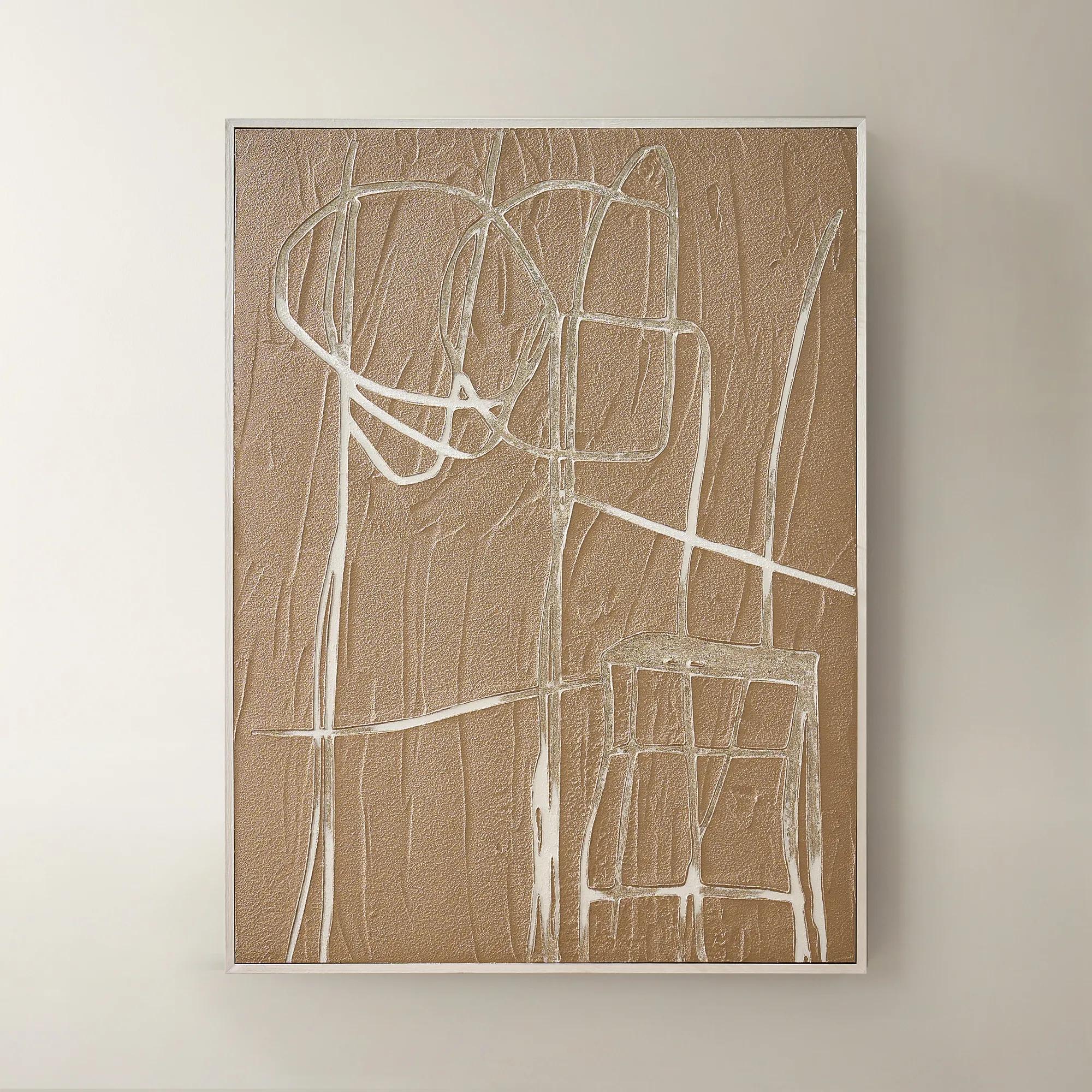
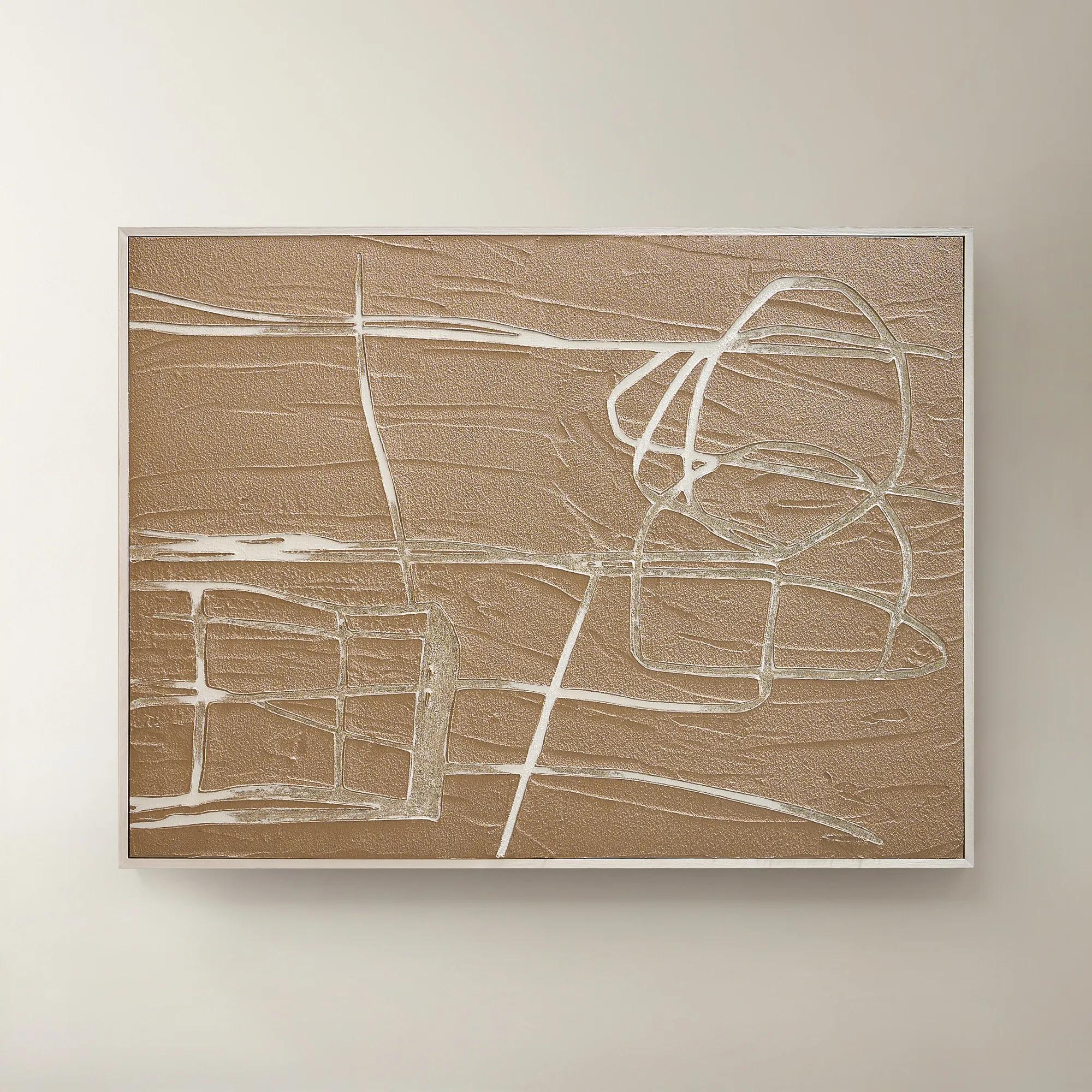 Linear Sand Framed Painted Wall Art 35" x 47"$369
A contemporary sand-toned painted canvas artwork framed for sophisticated modern interiors.
Add To Cart -
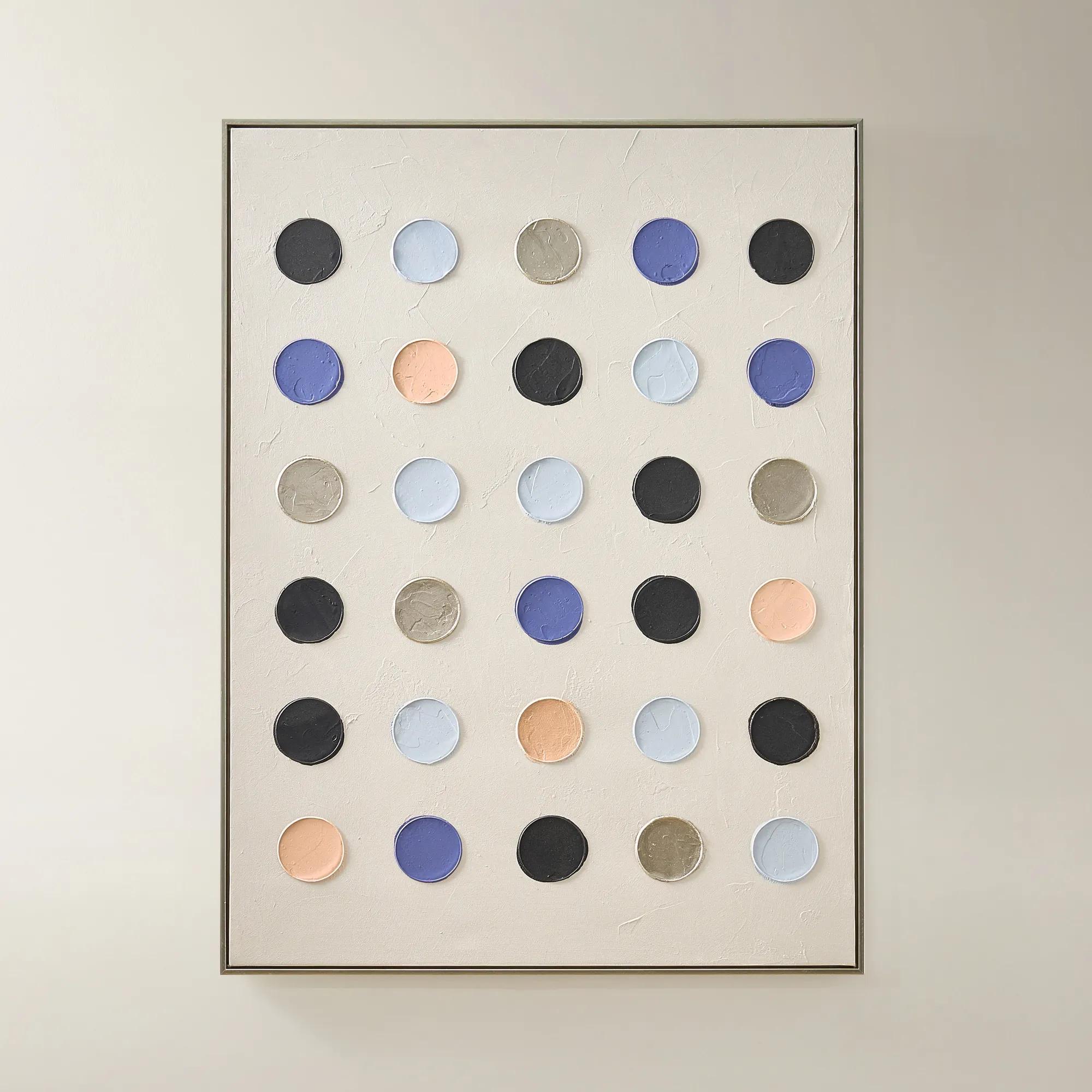
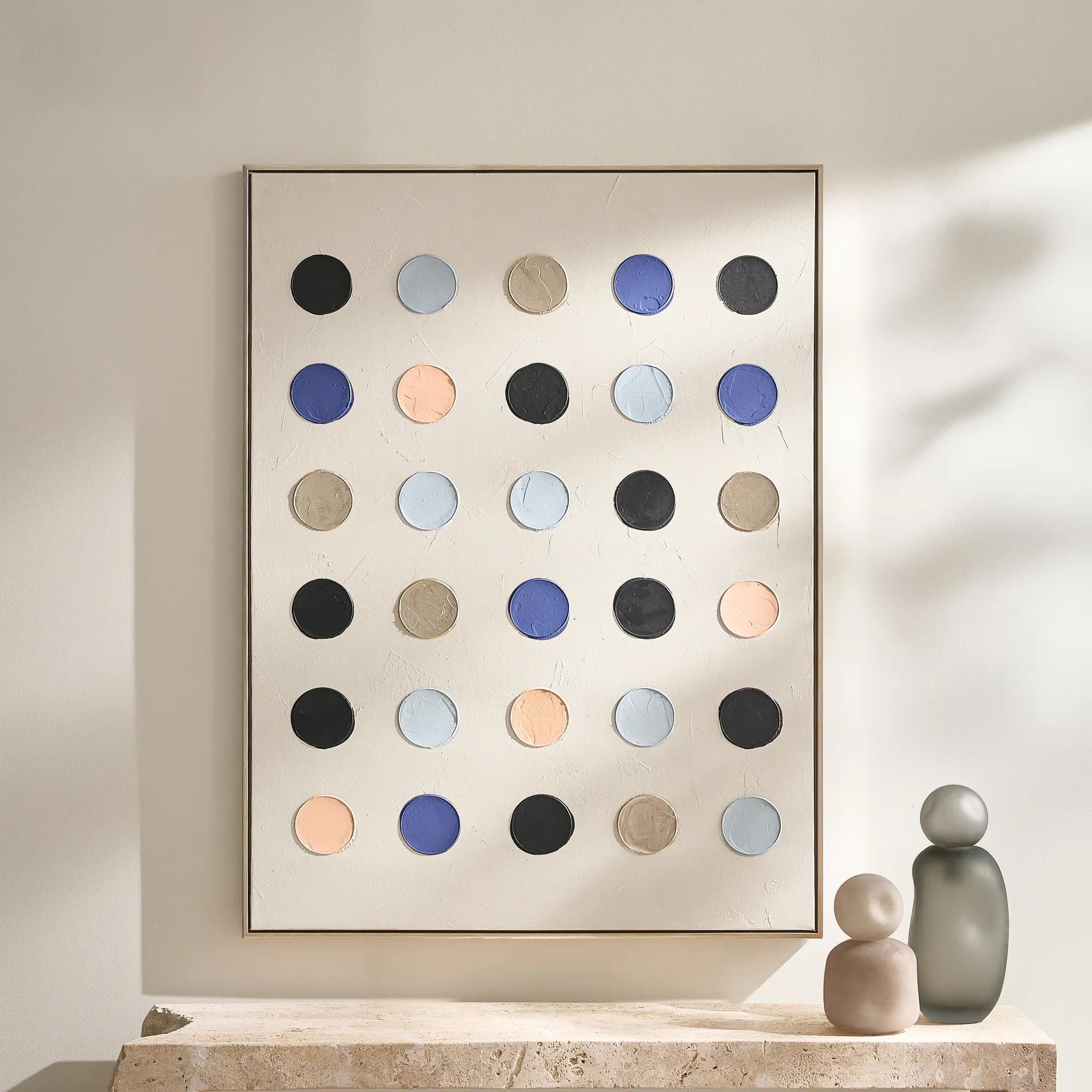 Polka Dot Framed Painted Wall Art 35" x 47"$299
A multicolored polka dot painting on framed canvas, bringing playful modern artistry to your walls.
Add To Cart -
 In Time Painting$399
A hand-painted linen canvas featuring cream and black dots in a modern, minimalist geometric pattern.
Add To Cart -
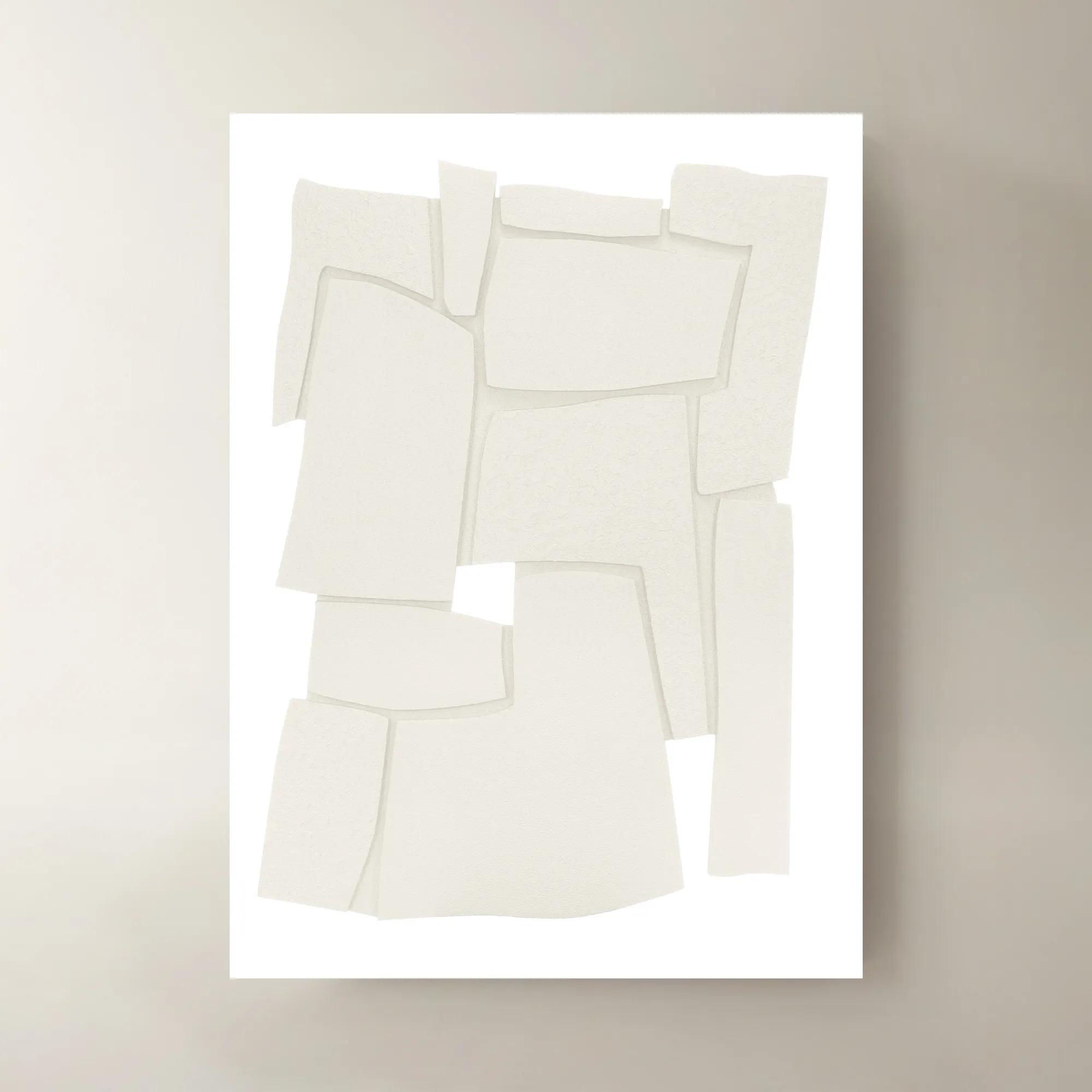
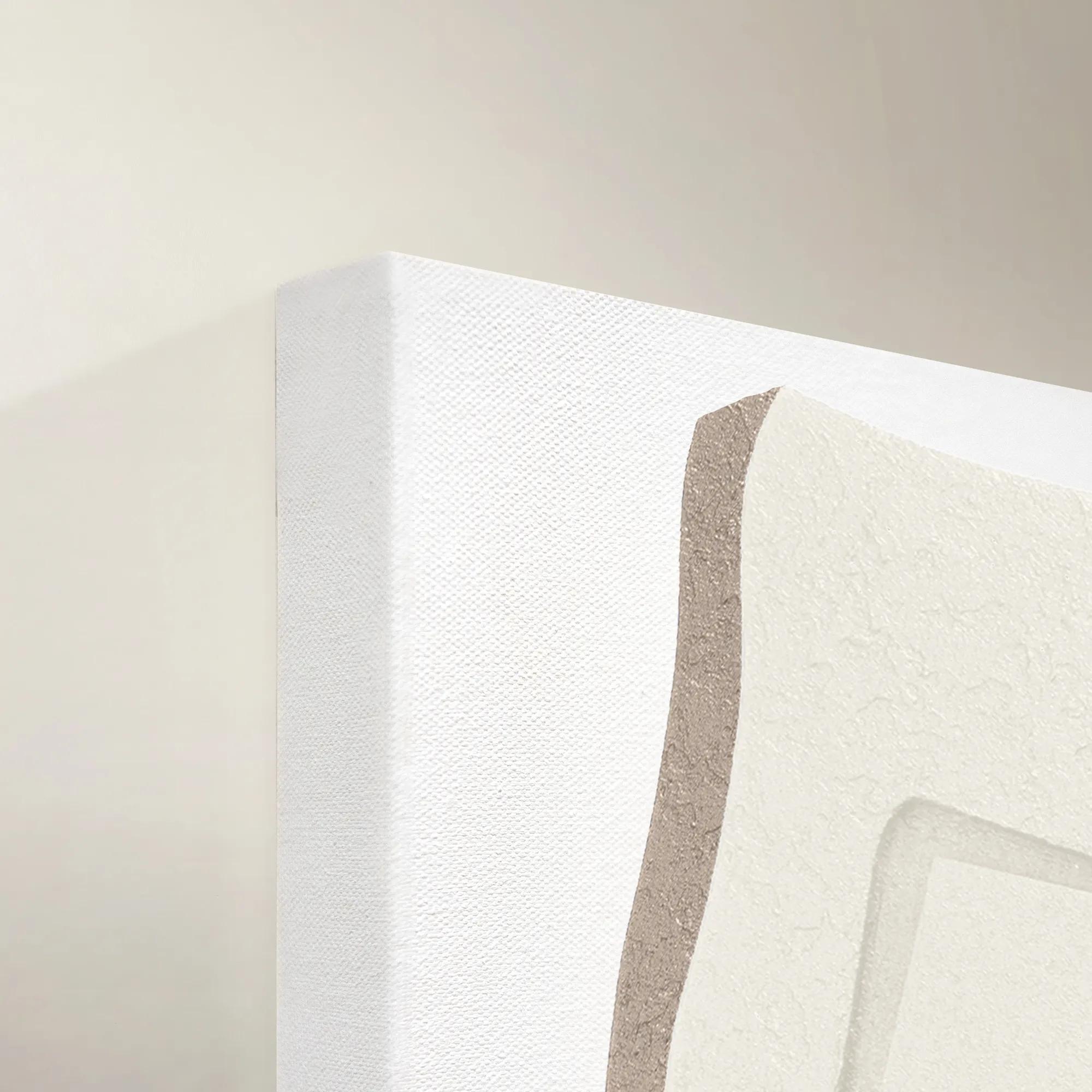 Wonder Maze III Wall Art 40" x 55"$1699
A contemporary canvas wall art piece featuring an intriguing abstract maze-inspired design.
Add To Cart -
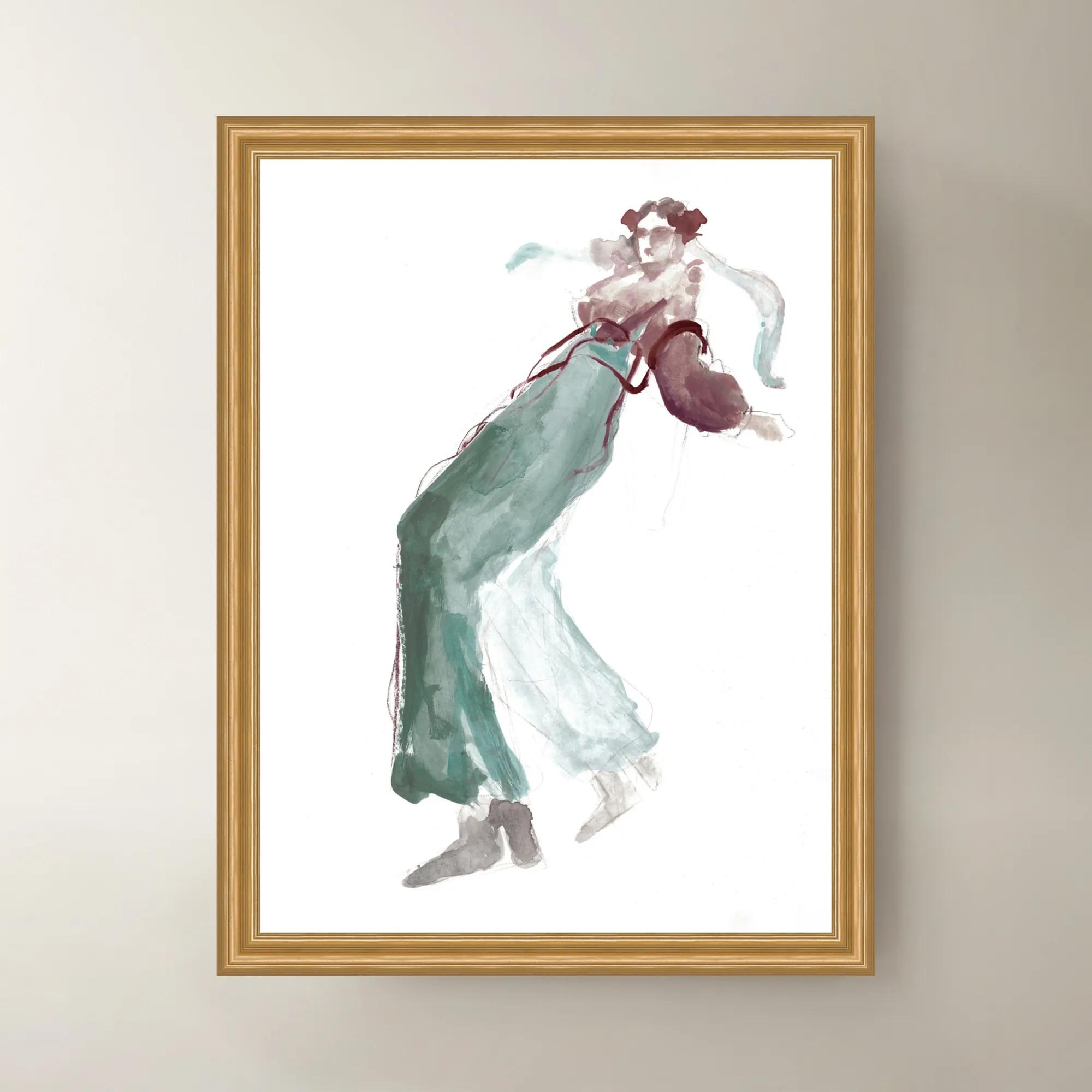
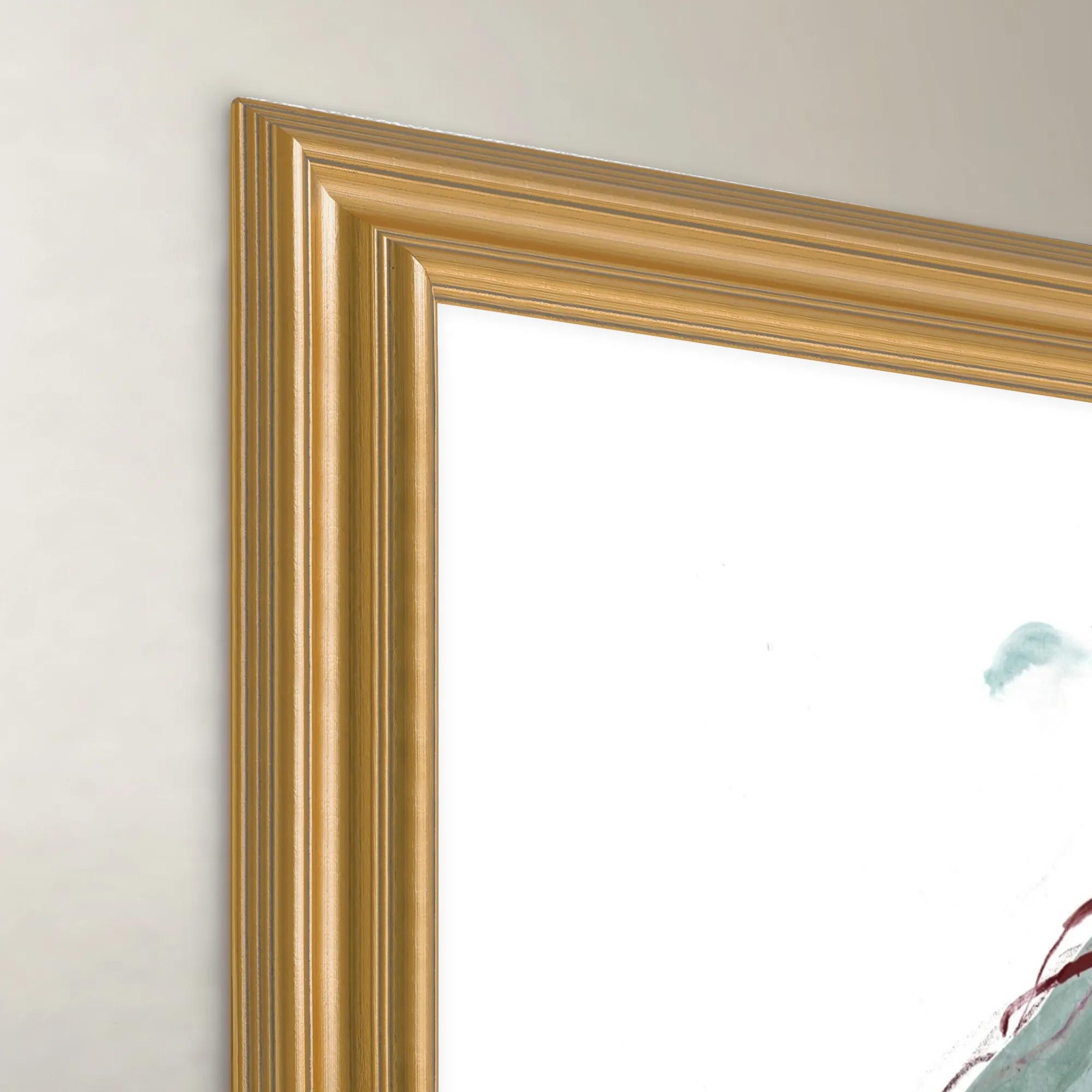 A Le Mode II Framed Wall Art 30" x 40"$799
A green canvas wall art piece presented in a sleek frame.
Add To Cart -
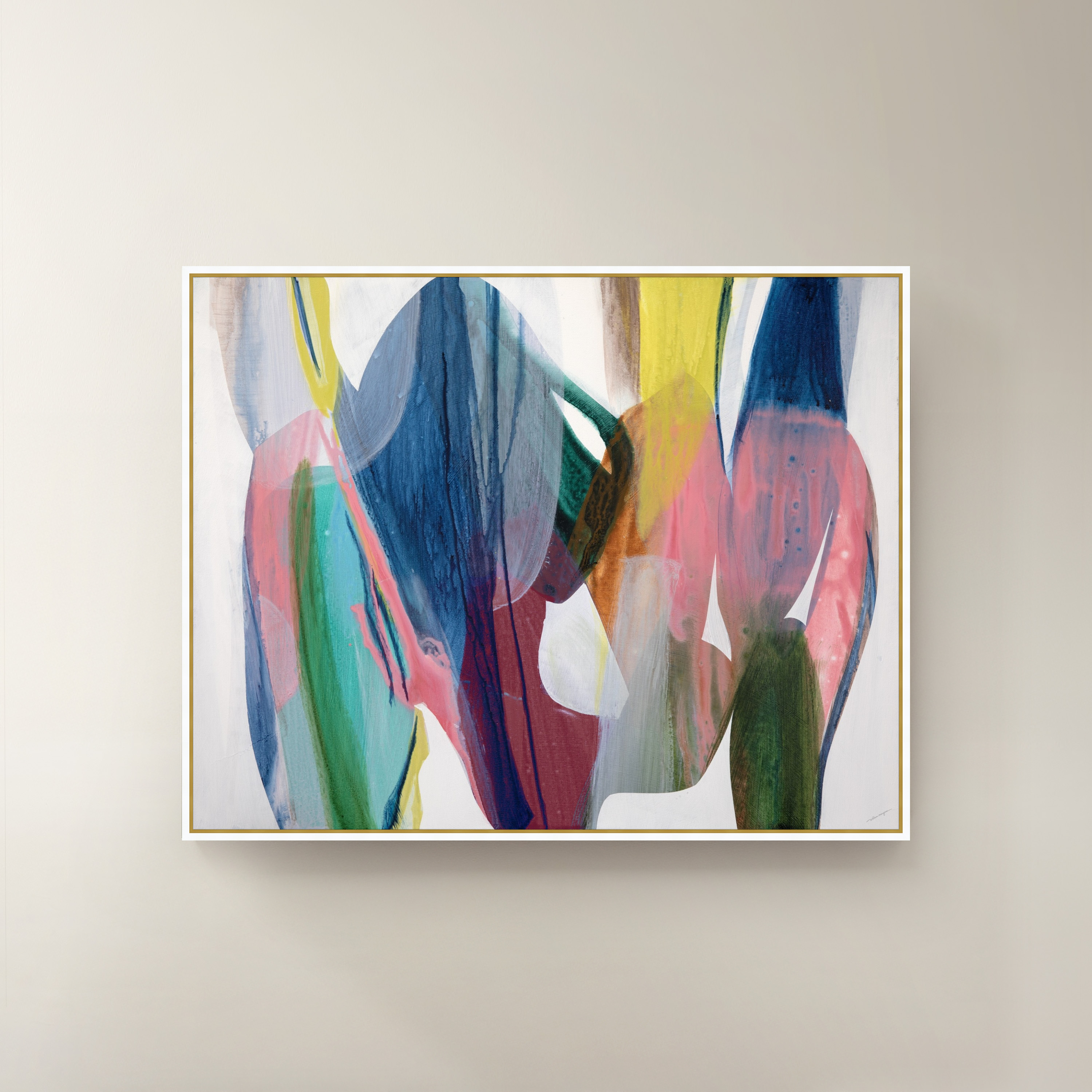
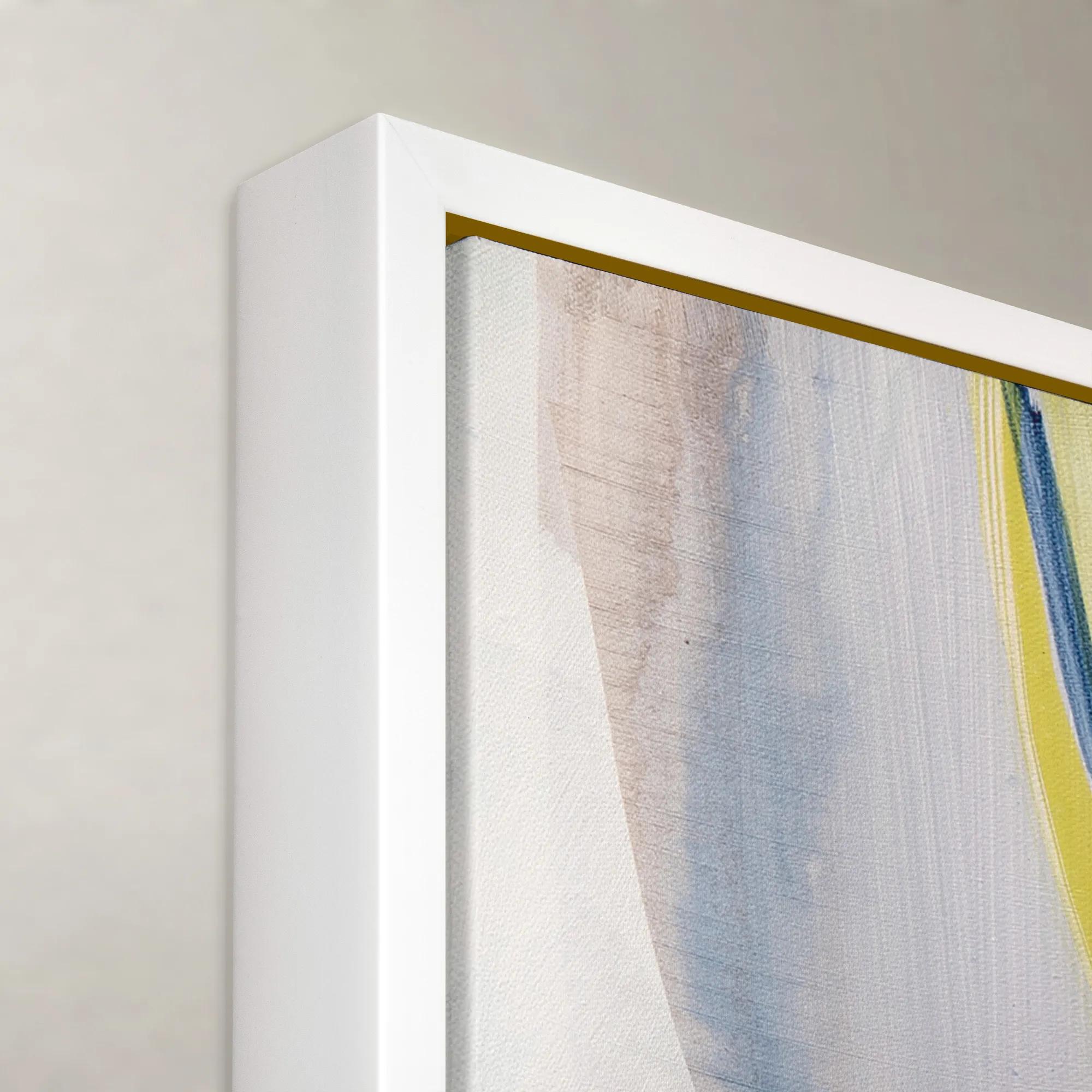 Dreams Take Flight Framed Wall Art 60" x 47"$1299
A vibrant multicolored framed canvas artwork adding expressive, contemporary style to any wall.
Add To Cart -
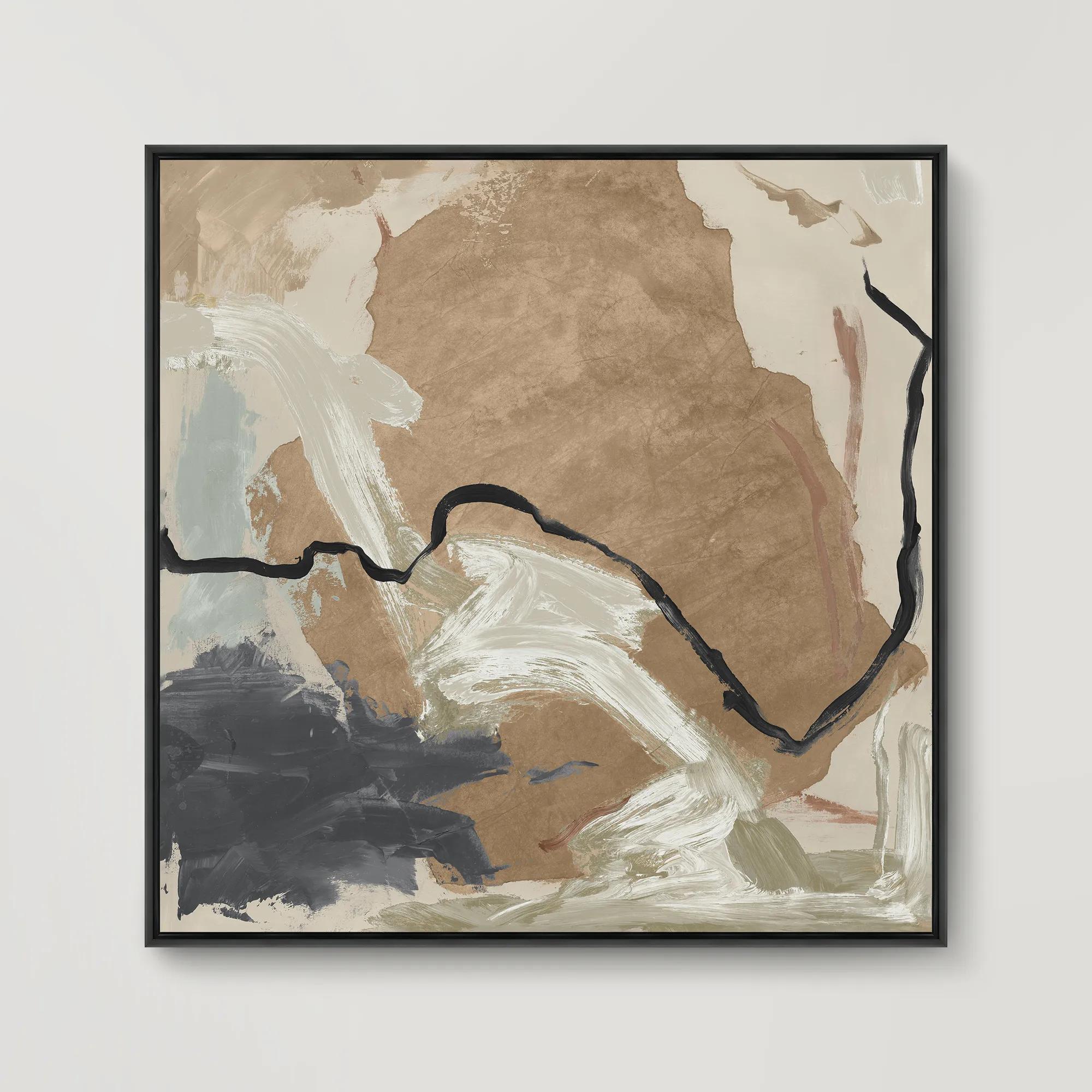
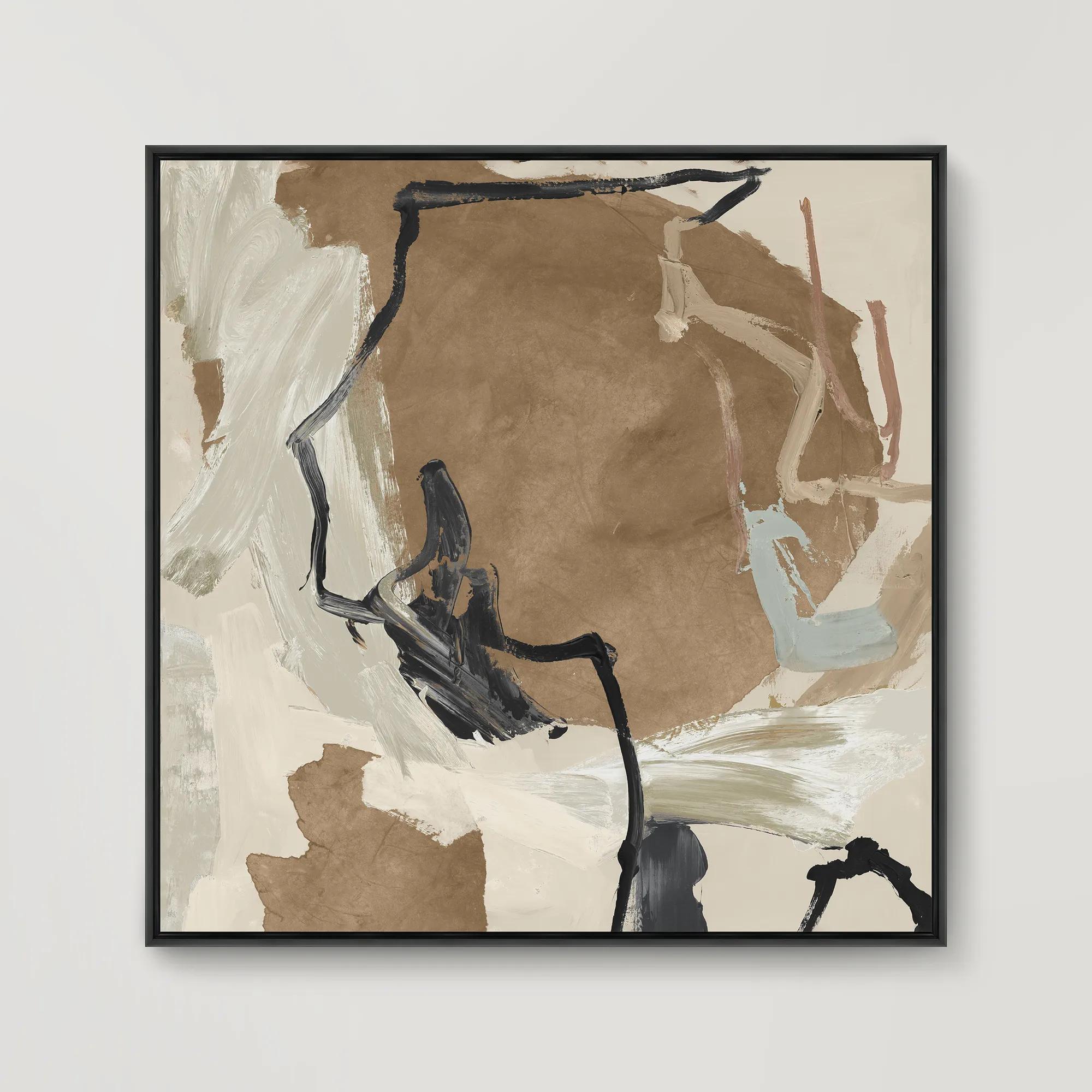
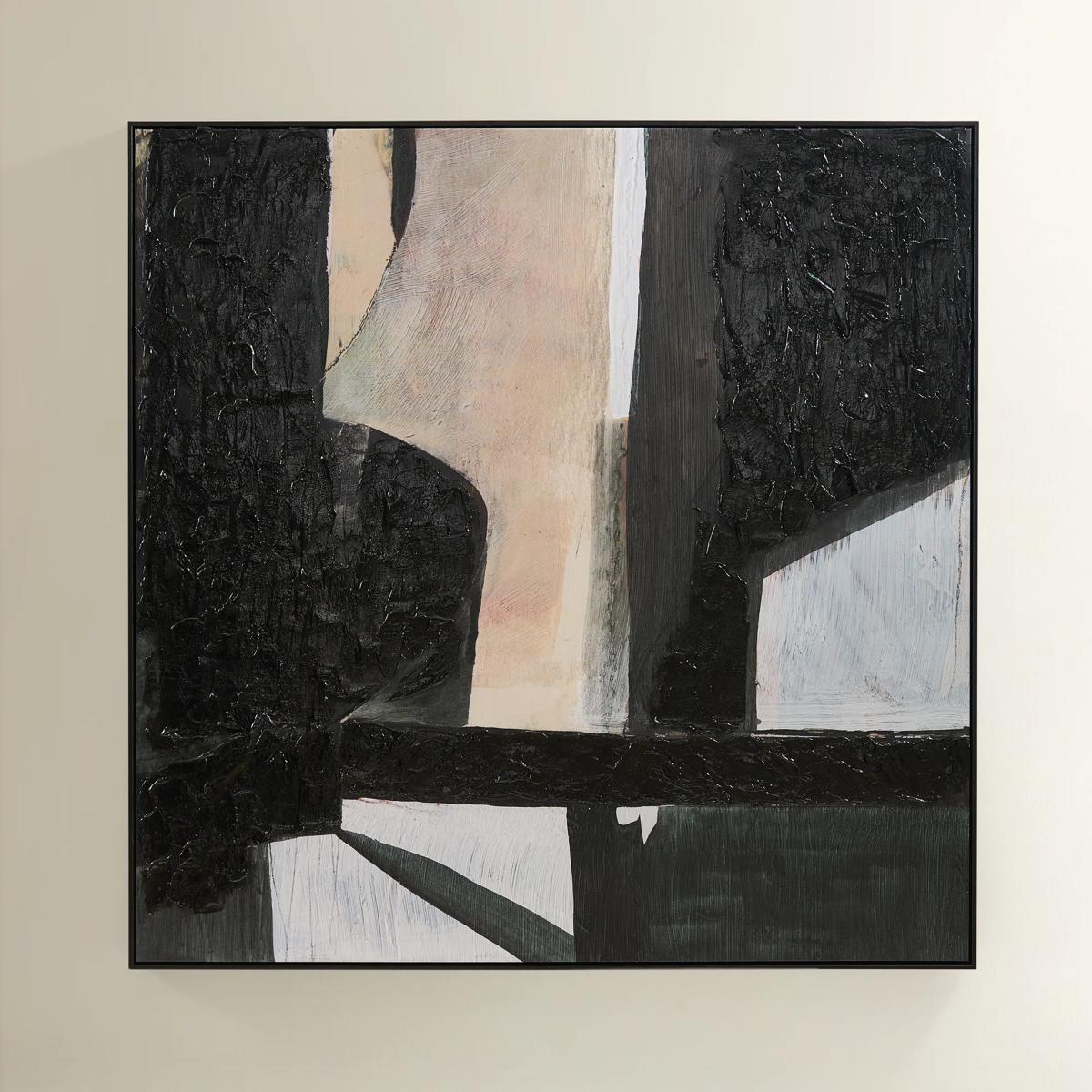 Grounded Painting$699
A hand-painted abstract canvas featuring black, cream, and earth tones in a sleek black floater frame.
Add To Cart -
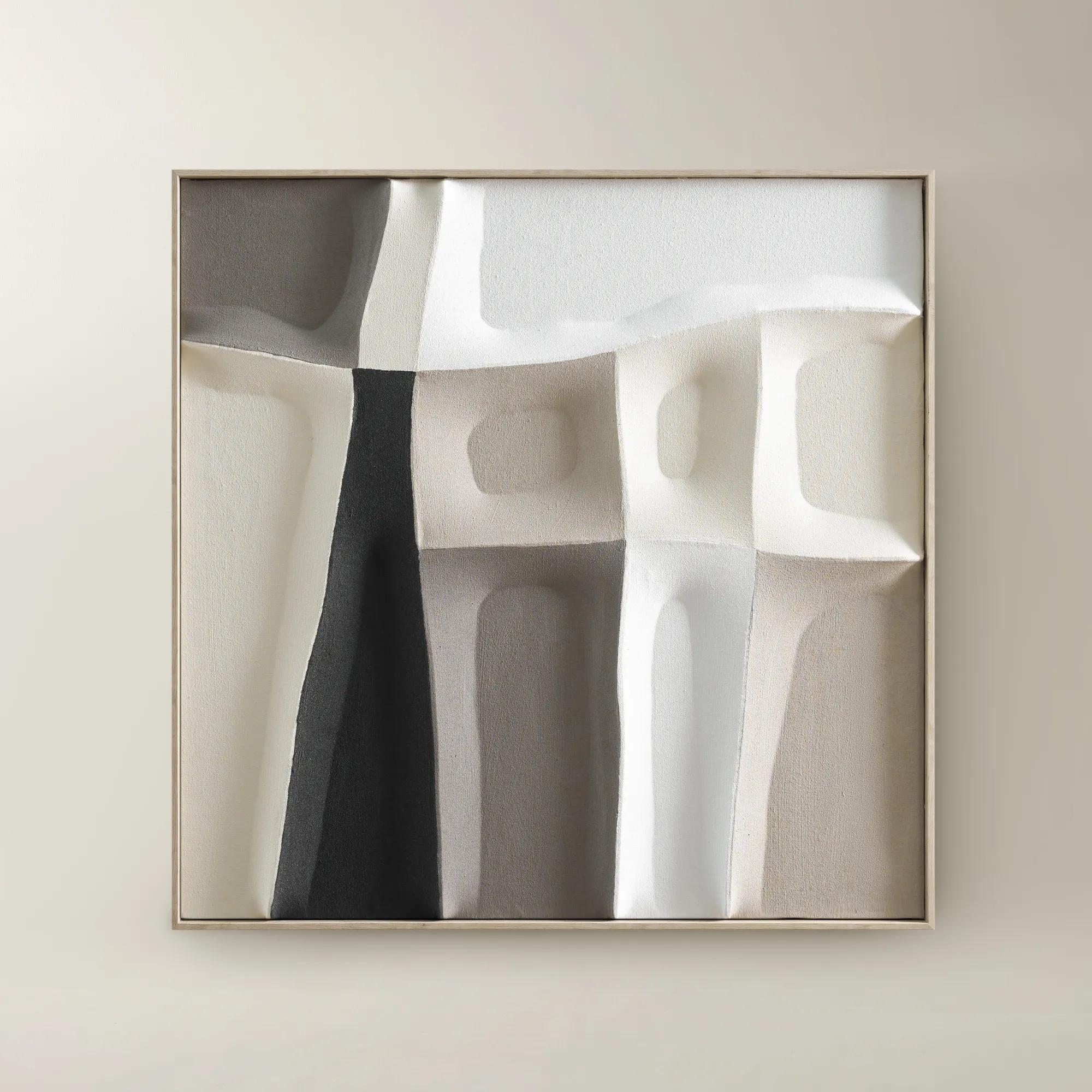
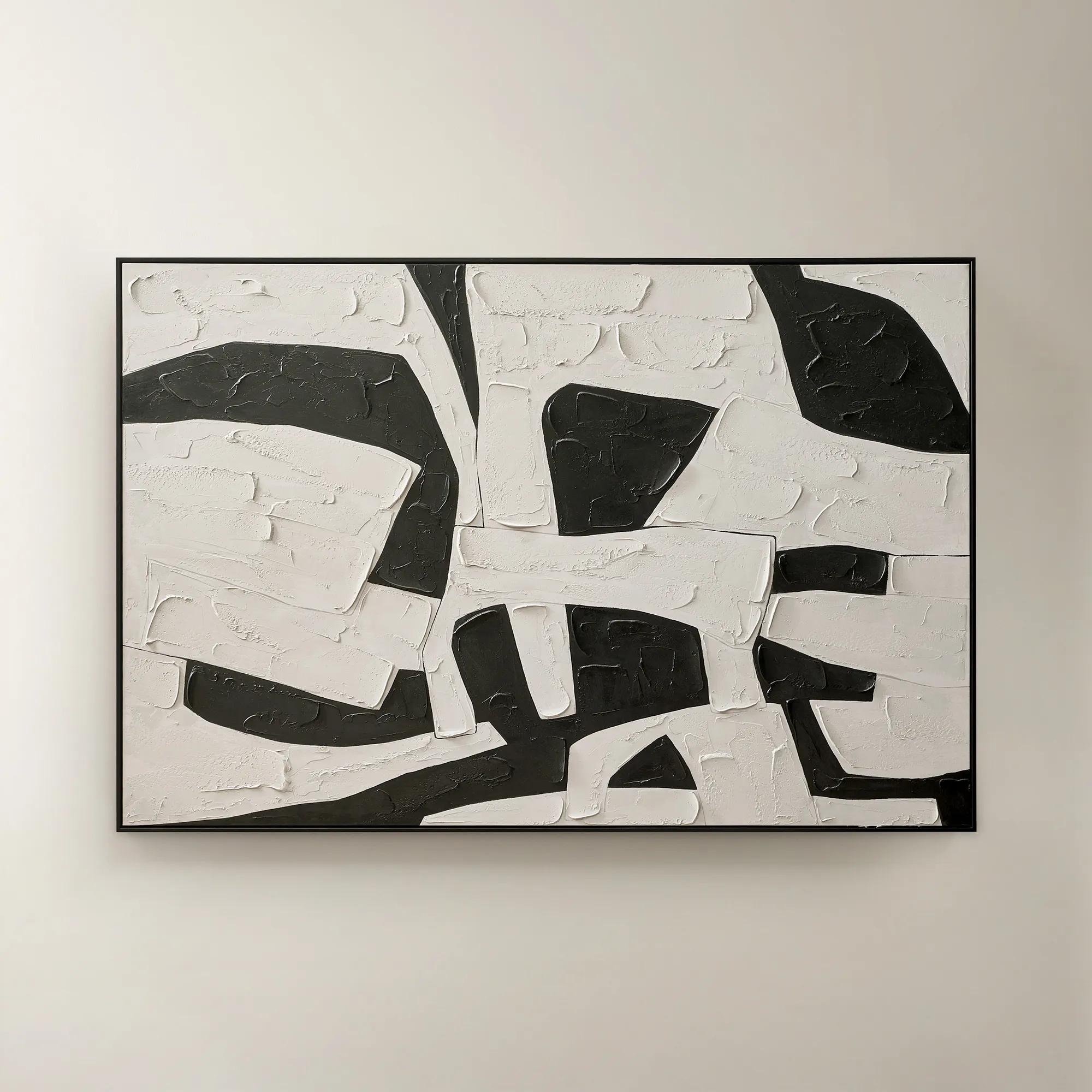 Space Between Shadows Framed Painted Wall Art 72" x 48"$799
A hand-painted abstract canvas featuring bold alabaster and black geometric forms in a sleek black frame.
Add To Cart -
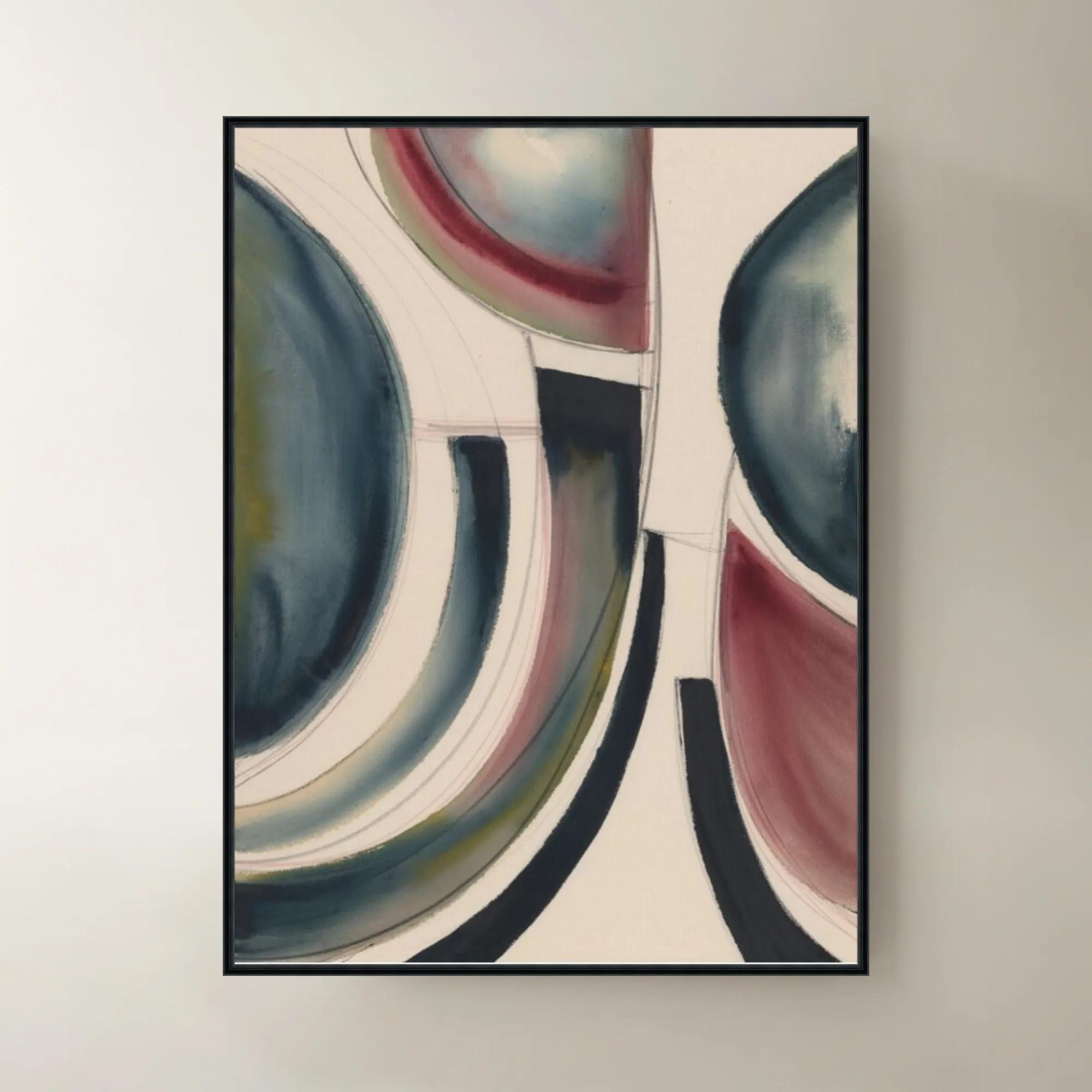
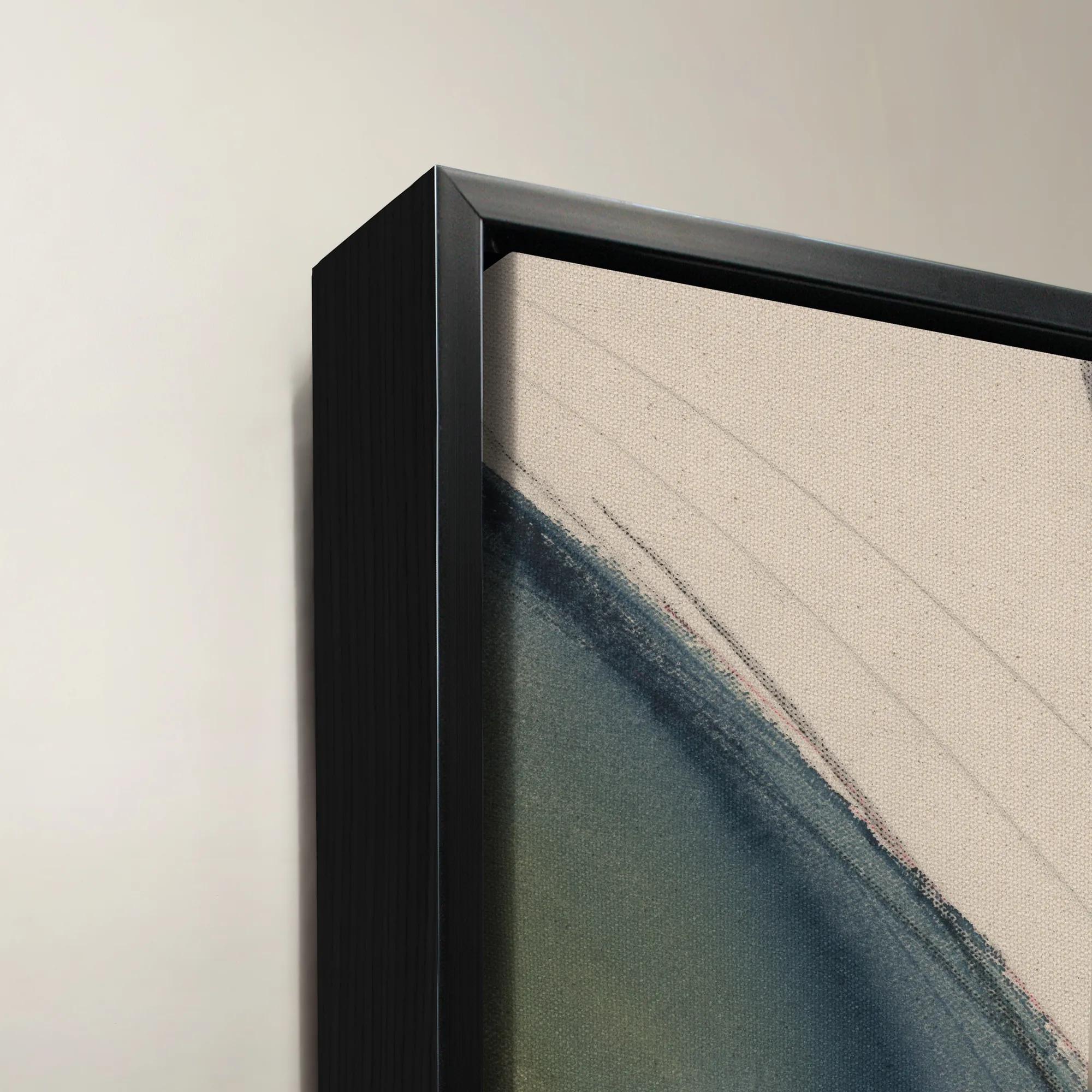 Dreamsicle Framed Wall Art 40" x 54"$1199
A vibrant multicolored canvas wall artwork presented in an elegant frame for contemporary interiors.
Add To Cart -
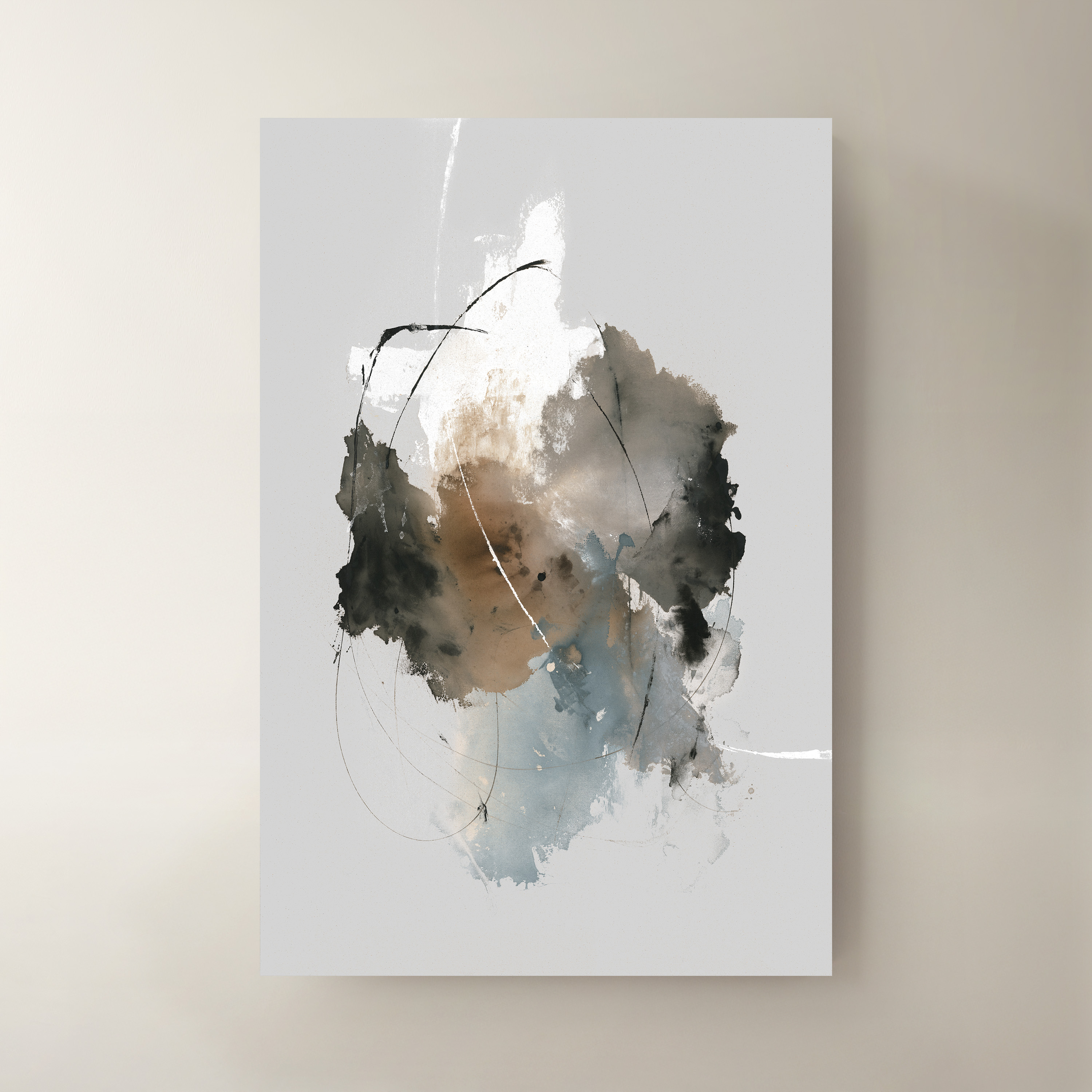
 Time IV Wall Art 40" x 60"$999
A striking multicolored canvas artwork bringing contemporary visual interest to modern interiors.
Add To Cart -
 Gilt Collage Gold Hand Crafted Wood Dimensional Wall Panel 30" x 60"$799
A glamorous gilt-finished collage wall panel bringing sculptural dimension and contemporary elegance to your decor.
Add To Cart -
 Remix Art$699
A vibrant multicolored canvas artwork adding contemporary visual interest to modern interiors.
Add To Cart -

 Disco Head Queen II Framed Wall Art 24" x 30"$499
A vibrant multicolored canvas wall artwork presented in a sophisticated frame.
Add To Cart -
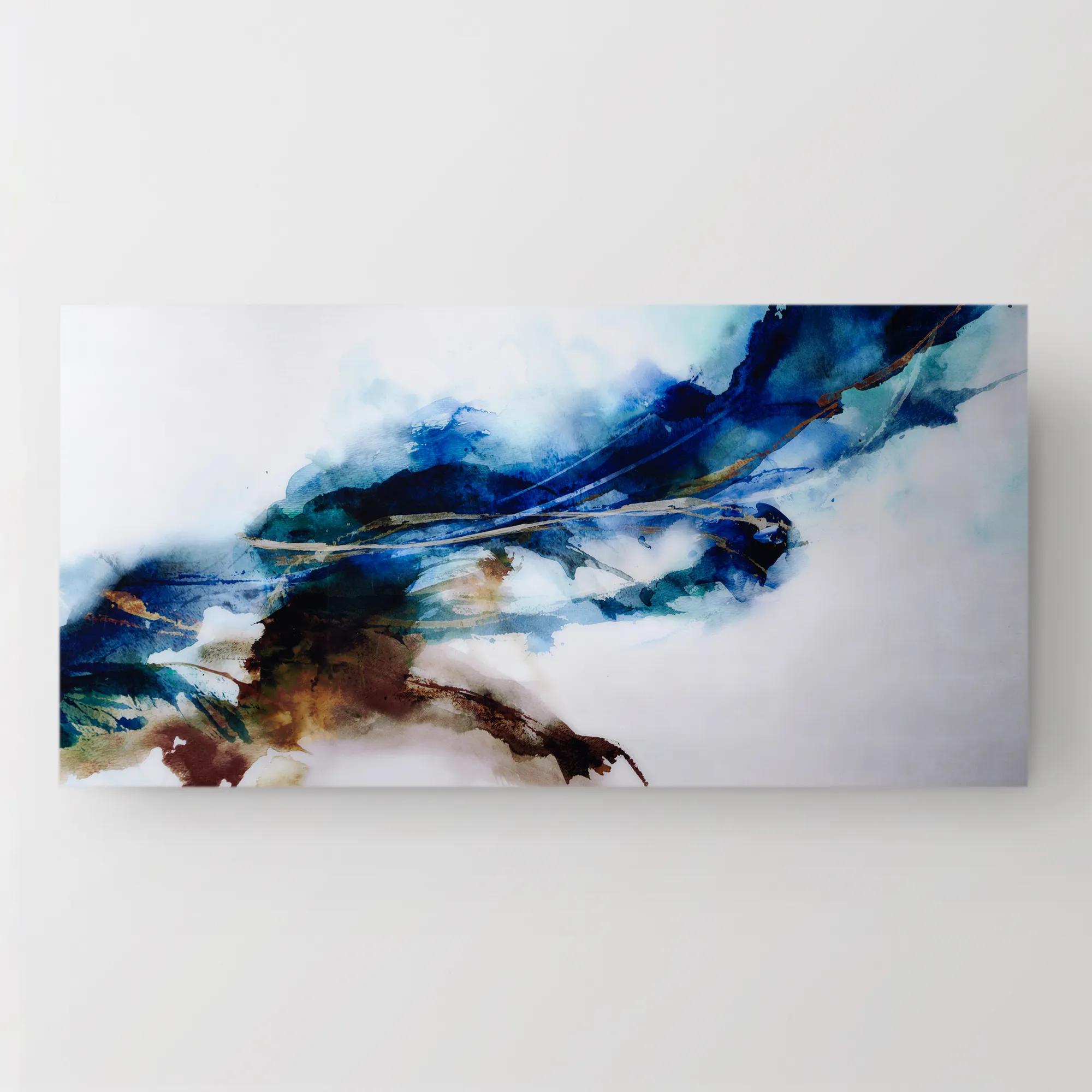 Cerulean Movement Acrylic Art 72" x 36"$1299
A vibrant abstract artwork printed on high-gloss acrylic, infusing your space with dynamic energy and movement.
Add To Cart -
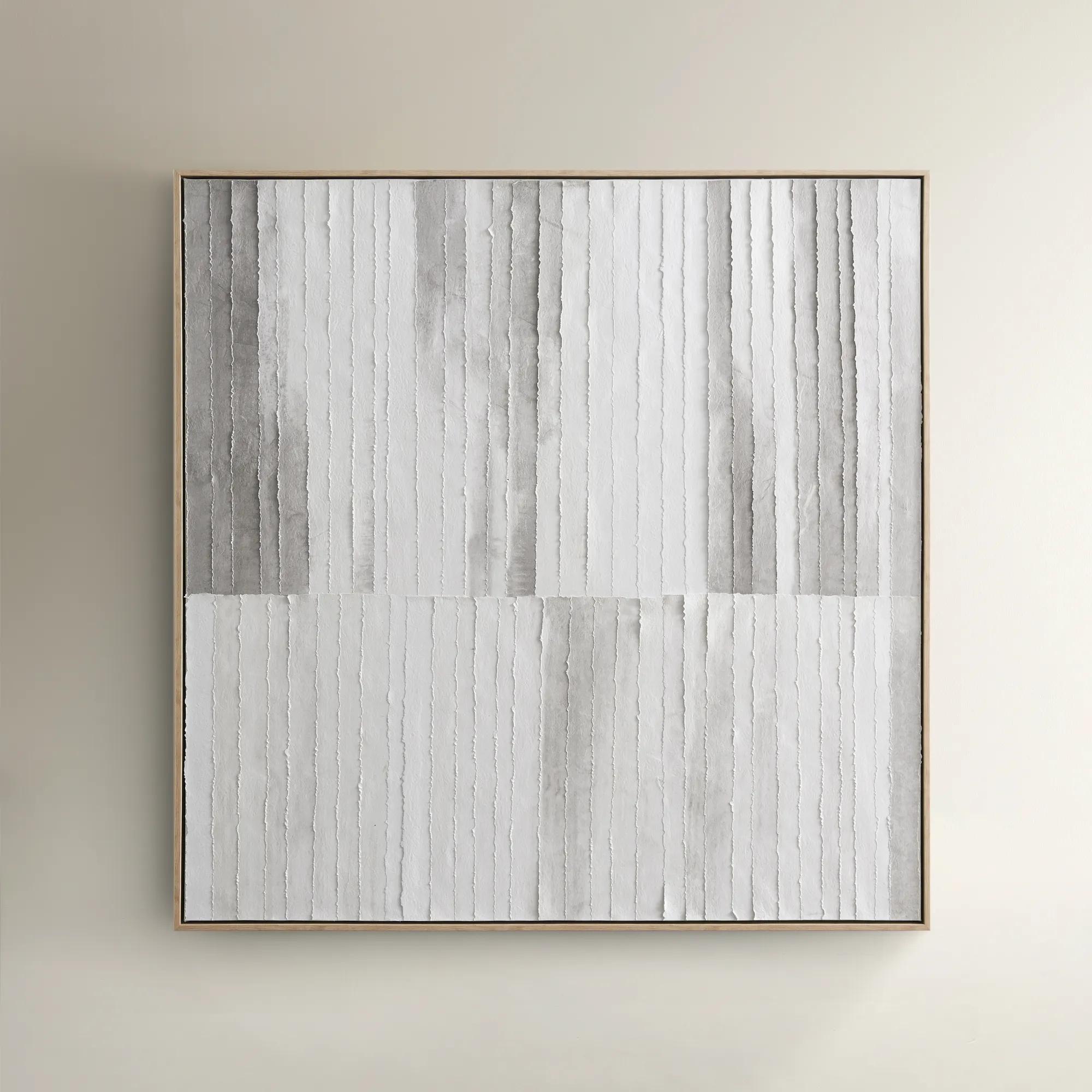
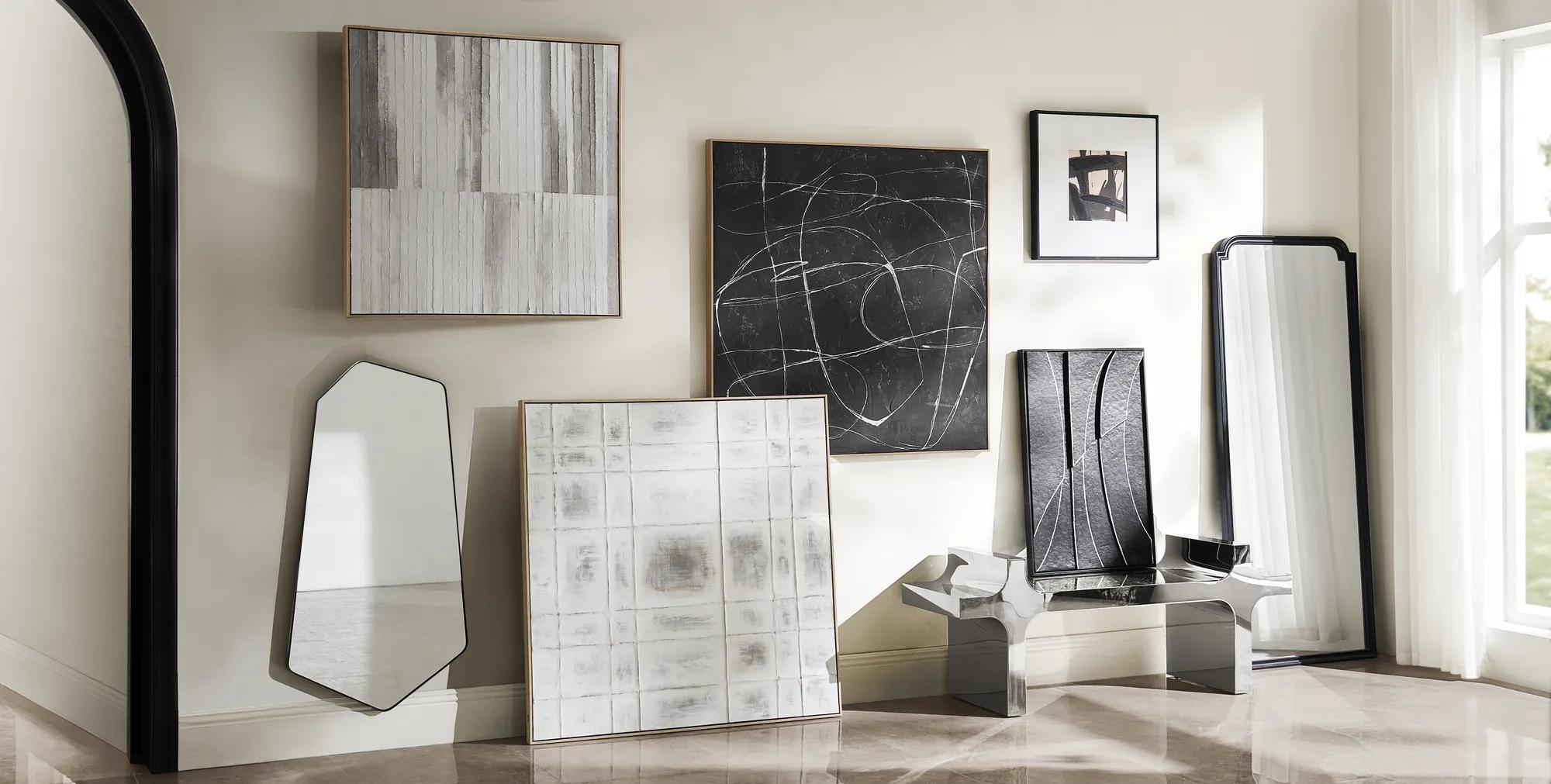 Morning Mist Paper Art$329
A hand-painted canvas featuring rhythmic grey lines in a textured, whitewashed floater frame for serene style.
Add To Cart -
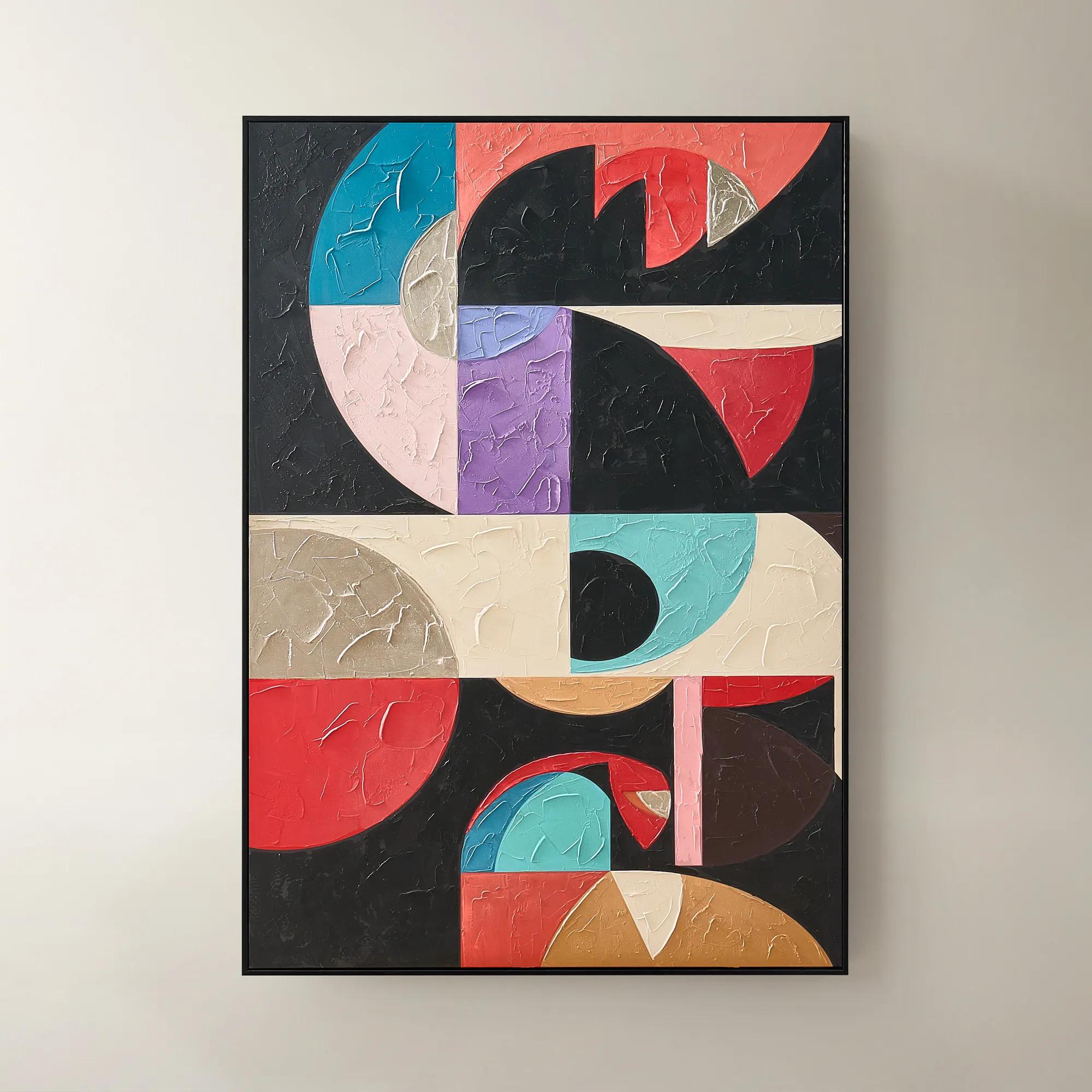
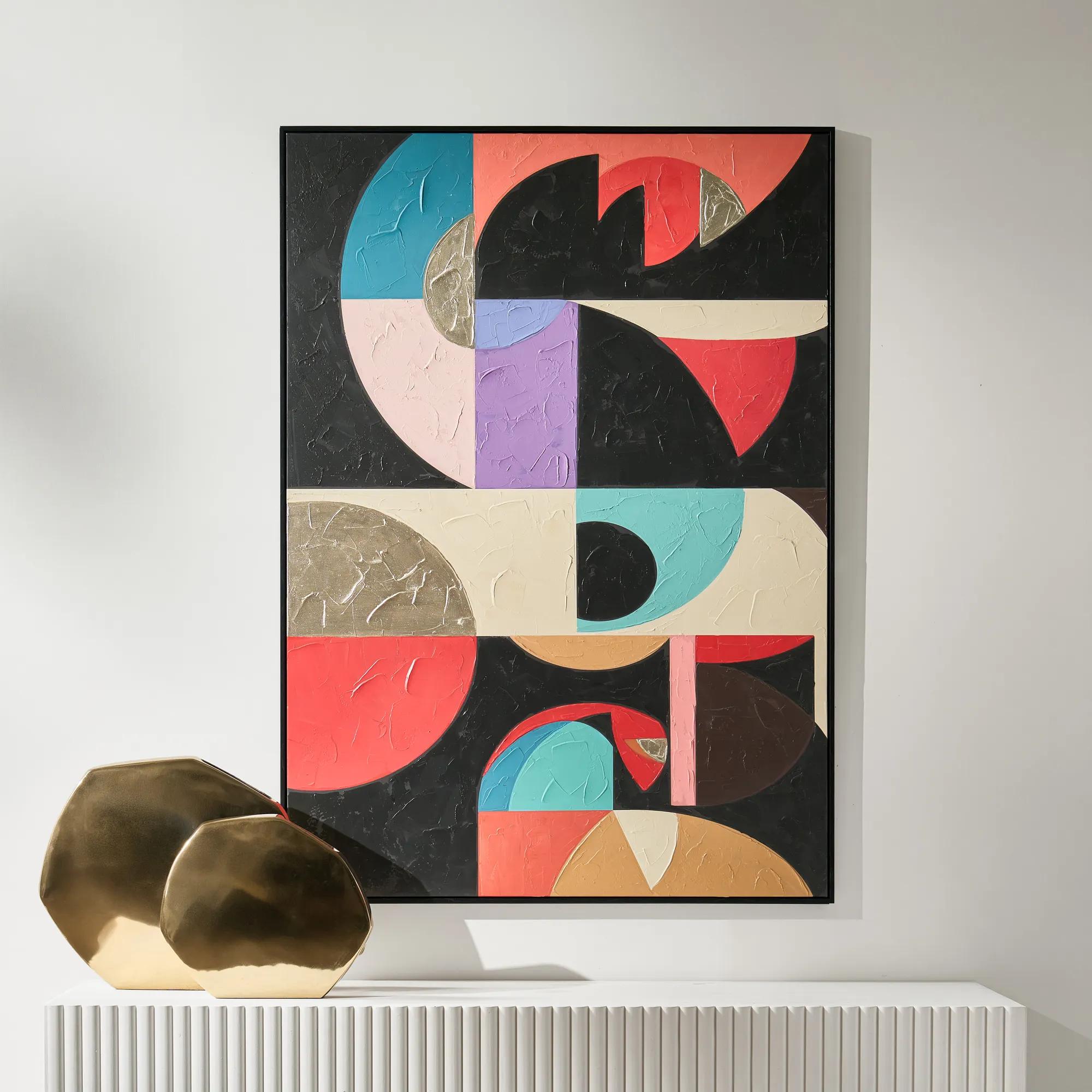 Labyrinth Art$499
A striking multicolored canvas artwork adding contemporary dimension to modern interiors.
Add To Cart -
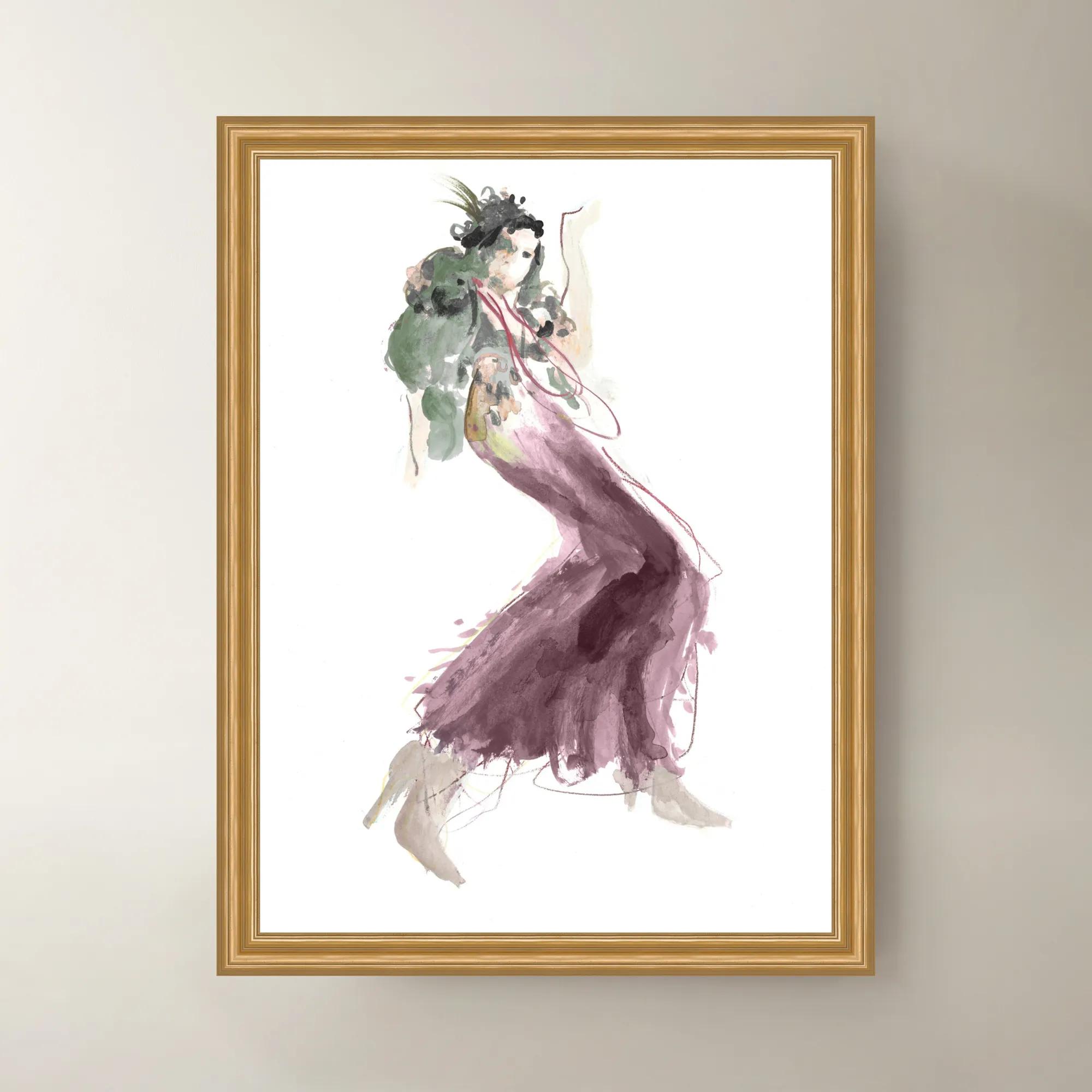
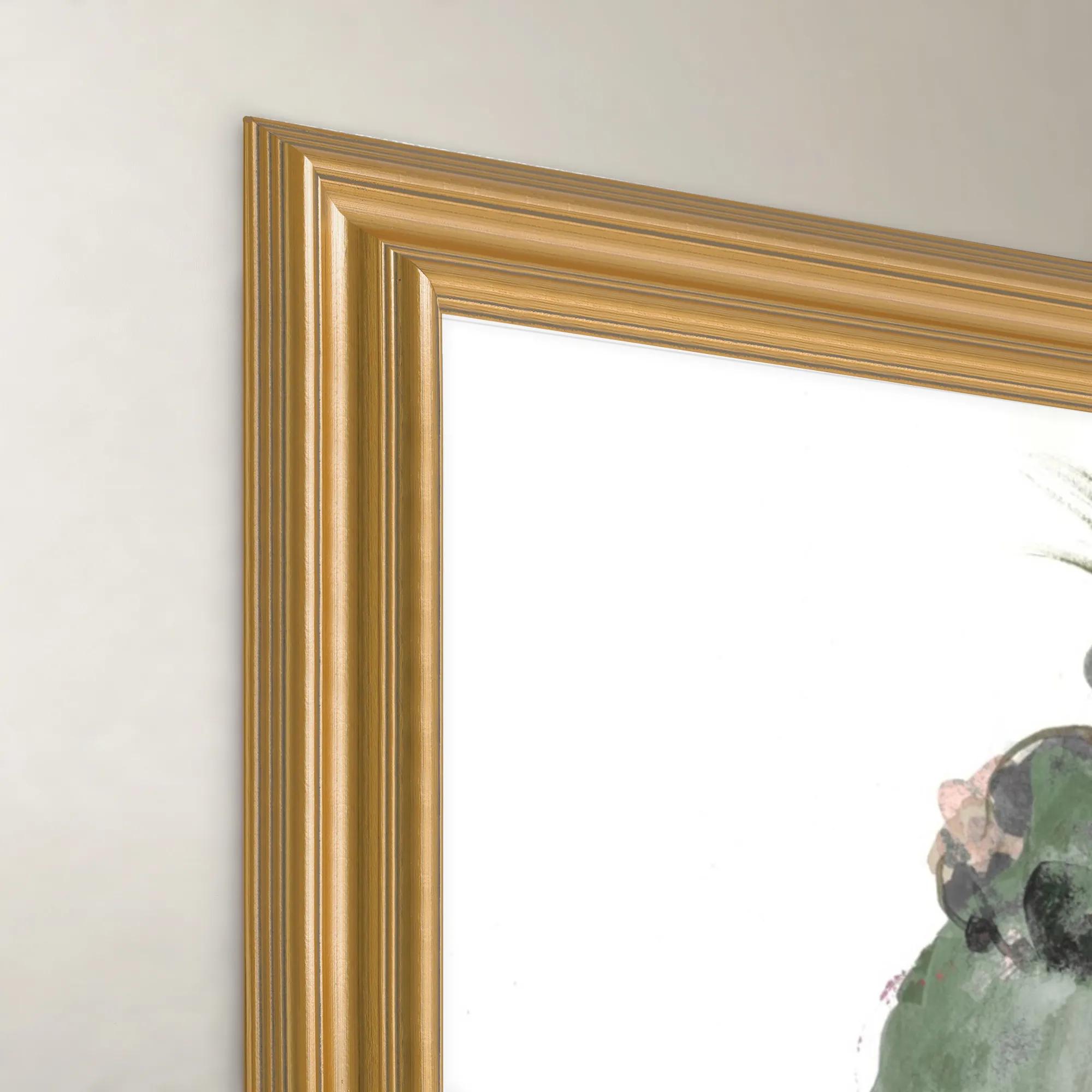 A Le Mode I Framed Wall Art 30" x 40"$799
A blue and purple framed canvas wall artwork bringing contemporary color and dimension to interior spaces.
Add To Cart -
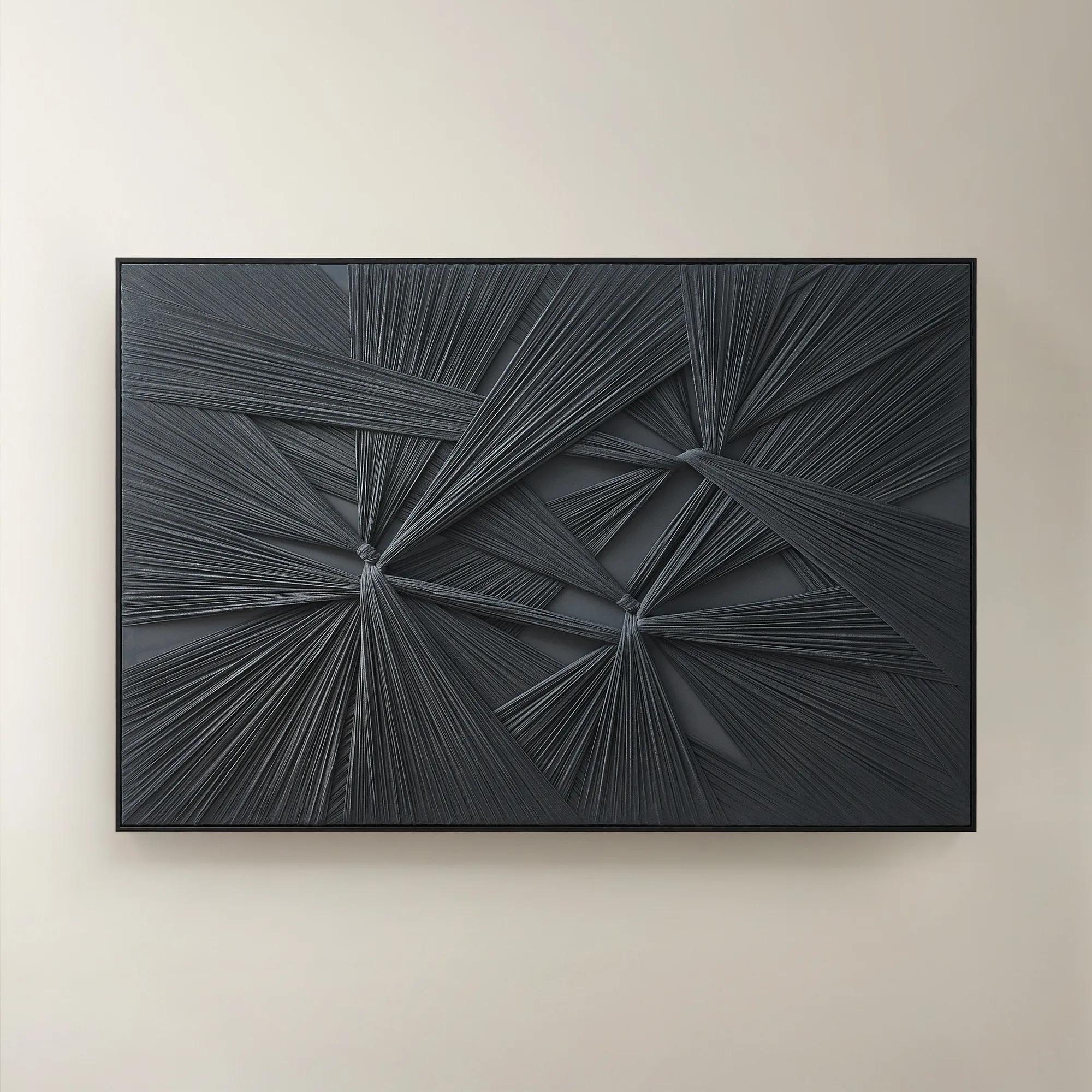 Grace in Dark Slate Hand-crafted Fabric Wall Art 70.75" x 47"$799
A hand-crafted textile wall art piece in dark slate, featuring sculptural texture and versatile display options.
Add To Cart -
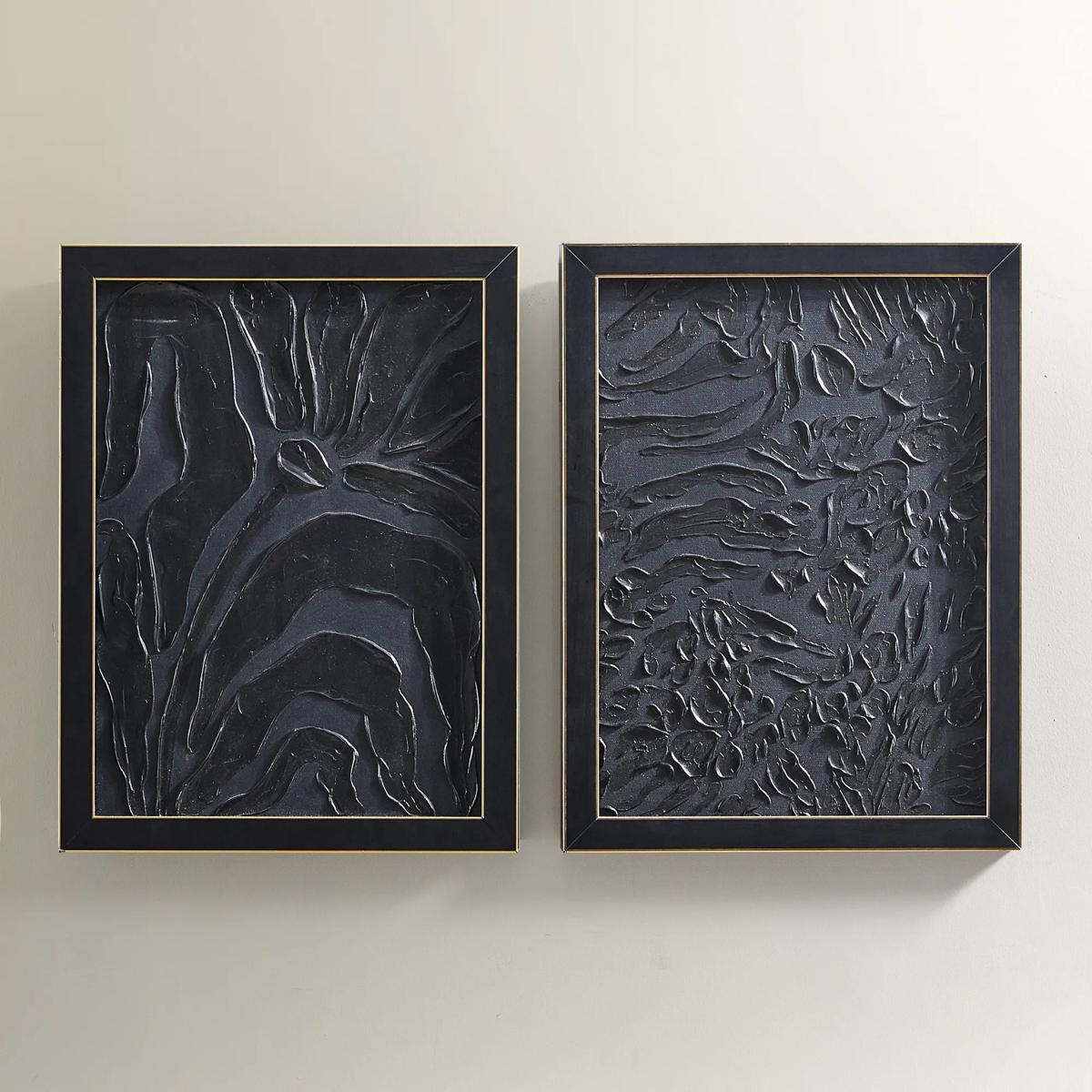
 Relic Framed Painted Triptych Wall Art Set of 3$399
A hand-painted abstract triptych in deep navy and neutral tones, set in sleek black floater frames.
Add To Cart -
 Lunar Art$119
A contemporary green canvas artwork bringing modern artistic character to your space.
Add To Cart

Contemporary Wall Art Ideas
Contemporary Wall Art Ideas invite you to reimagine your walls as a vibrant showcase of personality and panache. Here, artistry meets innovation in bold brushstrokes, geometric intrigue, and captivating textures that transform ordinary spaces into extraordinary expressions of style. Whether you crave the drama of oversized canvases or the subtle allure of metallic accents, each piece is designed to ignite conversation and inspire awe. Elevate every room with art that commands attention and infuses your home with an unmistakable sense of modern glamour.
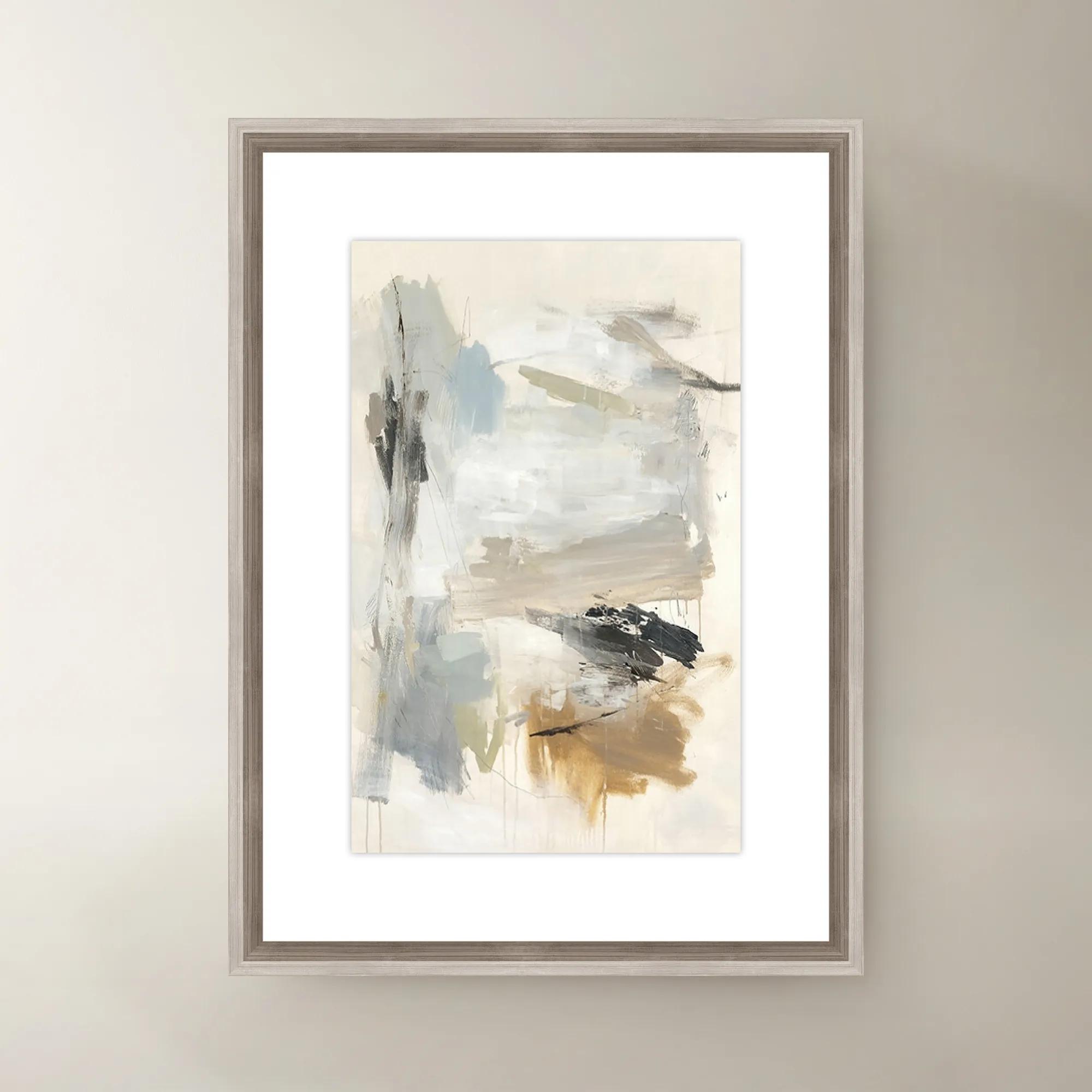
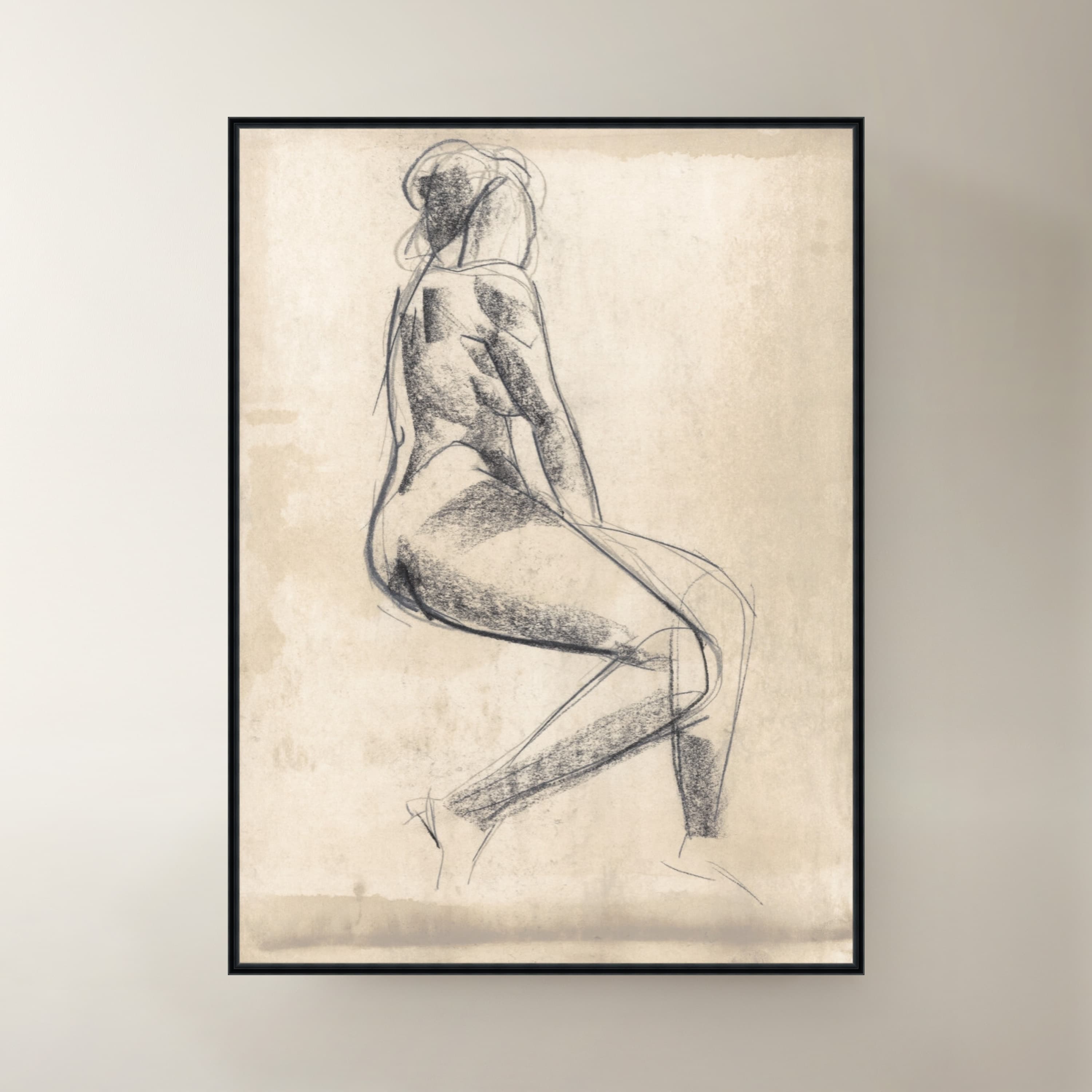
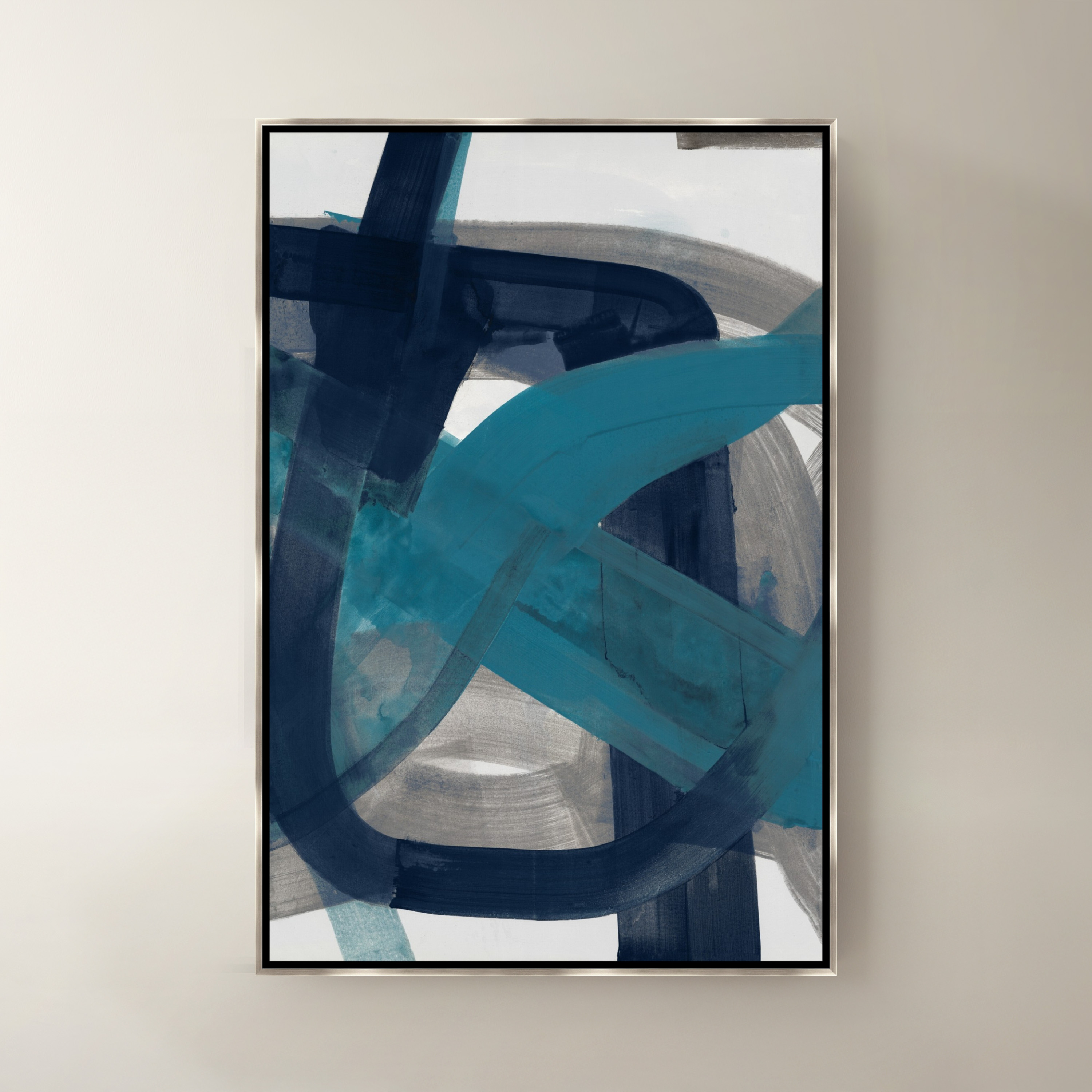
Contemporary wall art gives a room a distinct visual point of view through expressive color, striking composition, and unexpected texture. Contemporary wall art ideas often center on oversized abstract canvases, coordinated multi-panel arrangements, dimensional mixed-media pieces, graphic prints, and framed photography. Each approach creates a different atmosphere: sweeping brushstrokes bring movement to a composed living room, geometric forms lend architectural rhythm, and high-contrast photography introduces a sharply defined focal point. Contemporary art is not limited to a single palette or technique. It can be restrained in color yet commanding in scale, or richly layered with saturated pigment and metallic accents. An expansive abstract canvas above a sofa lets broad gestures and subtle tonal shifts carry the room, especially when surrounding furnishings have sculptural silhouettes. Black-and-white architectural photography offers another kind of drama, drawing attention to shadow, perspective, and the beauty of structural details. Graphic prints with crisp shapes or splash-like marks can echo the energy of a patterned rug without repeating its design. For interiors that need more physical depth, mixed-media wall art may combine raised surfaces, textiles, wood, or metal, allowing the composition to change as light moves across it. A triptych divides a single visual statement across three panels, while a coordinated set can establish continuity along a wider wall. These formats are especially effective where one compact frame would feel disconnected from the furniture below. The appeal lies in the relationship between the artwork and its setting: a luminous pale composition can soften dark upholstery, while a concentrated sweep of cobalt or ink-black pigment can sharpen a room finished in ivory and warm neutrals. A considered selection of Contemporary Wall Art for Modern Homes gives these expressive possibilities a place within everyday interiors, from generous gathering spaces to intimate reading corners. The strongest compositions hold attention from across the room and reveal finer details up close, making the wall feel intentional rather than merely occupied.
Scale, proportion, and placement determine how contemporary wall decor relates to the rest of an interior. Above a sofa or sideboard, an artwork or grouped arrangement spanning roughly two-thirds to three-quarters of the furniture’s width often creates a balanced relationship, though the room’s architecture and the visual weight of the composition matter more than a rigid formula. A broad horizontal canvas follows the line of a long sofa, while a vertical work can emphasize height beside a console or within a narrow wall section. Oversized wall art needs enough breathing room for its edges and gestures to register; nearby shelving, sconces, and doorways all influence the usable space. Multi-panel arrangements depend on consistent spacing so that separate canvases read as a connected composition rather than unrelated accents. In a gallery-style grouping, a shared frame finish, repeated color, or common subject can bring together different dimensions without making the arrangement feel overly matched. Placement at a comfortable viewing height keeps the artwork connected to the people using the room, and pieces above seated areas may sit lower than art in a hallway. Color offers a similarly flexible way to create cohesion. A single shade drawn from a velvet chair, patterned pillow, or ceramic vessel can connect art to its surroundings while leaving room for contrast. Bedrooms often suit compositions with generous negative space and fluid transitions, while dining rooms can carry more concentrated color or gleaming dimensional surfaces. An entryway benefits from a statement that feels compelling at first glance, such as a bold geometric composition or an arresting photographic perspective. In a home office, an engaging piece positioned away from a screen can establish a separate visual focus. Lighting completes the relationship: soft, even illumination reveals texture, while glare on glass or reflective finishes can obscure detail. The effect should feel composed from the room’s main sightlines, not only when standing directly in front of the wall.
Materials and construction shape both the appearance and the everyday care of contemporary wall art. Canvas has a subtly woven surface that lends body to printed imagery and painted compositions, while art on paper can preserve delicate line work, photographic detail, and nuanced tonal transitions. A stretched canvas without an outer frame emphasizes the artwork’s edges; a floating frame introduces a narrow shadow gap that gives the piece a more defined architectural presence. Framed prints may use glass or acrylic glazing, with differences in weight, reflection, and scratch resistance worth considering for the intended location. Metal elements can add a polished glint or a brushed, light-catching texture, while wood and textile components bring a softer material contrast to sleek furnishings. Raised details and layered surfaces offer depth, but they also need sufficient clearance from passing traffic and furniture. Durability depends on the particular substrate, finish, framing, and environment rather than on style alone. Direct sunlight can fade pigments and printed images over time, and rooms with frequent moisture or abrupt humidity changes may be unsuitable for paper, textiles, or certain wood components unless the artwork is specifically intended for those conditions. Routine care is usually gentle: a soft, dry cloth or appropriate soft brush can remove surface dust, while cleaning methods should always follow the piece’s care instructions. Glazing may require separate attention, and spraying cleaner directly onto a frame can allow liquid to reach vulnerable edges or backing. Secure installation matters as much as surface care; hanging hardware must suit the artwork’s weight and the wall material, particularly for substantial framed or dimensional pieces. For a housewarming, wedding, or meaningful personal gift, wall art feels most considered when its palette, subject, and scale reflect the recipient’s space and taste. Whether chosen for a first apartment or a richly layered home, contemporary artwork brings lasting personal expression to the interior through a compelling meeting of image, material, and proportion.
FAQs
Contemporary wall art acts as a powerful mood-setter, infusing your space with energy, tranquility, or drama depending on the artwork you choose. Abstract compositions can evoke a sense of calm or movement, while bold colors and dynamic forms create excitement and intrigue. The right piece becomes a visual anchor, transforming the atmosphere and elevating everyday moments into something extraordinary.
Contemporary wall art spans a luxurious spectrum of materials, from hand-stretched canvas and gleaming metals to polished glass, acrylics, and mixed-media elements. Artists often experiment with texture, incorporating layers of paint, metallic leaf, or sculptural components to add depth and dimension, resulting in pieces that are as tactile as they are visually striking.
Absolutely—contemporary wall art makes a memorable and thoughtful gift for housewarmings, weddings, anniversaries, or any milestone occasion. Its expressive nature allows you to select a piece that resonates with the recipient’s style or celebrates a shared memory, ensuring your gift becomes a cherished part of their home’s story.
Begin by considering the color palette and style of your room. Look for artwork that echoes or contrasts with these elements to create harmony or a striking focal point. Pay attention to the mood you wish to evoke—serene, vibrant, glamorous—and select pieces that embody that feeling. Trust your instincts; art should speak to you and reflect your unique taste.
Beyond traditional single-piece placement, consider creating a gallery wall with a curated mix of artworks, or layering pieces for added depth and intrigue. Sculptural wall art can be paired with mirrors or decorative lighting to amplify its impact. For a daring statement, showcase oversized works above a sofa or bed, turning your wall into a dramatic focal point that commands attention.