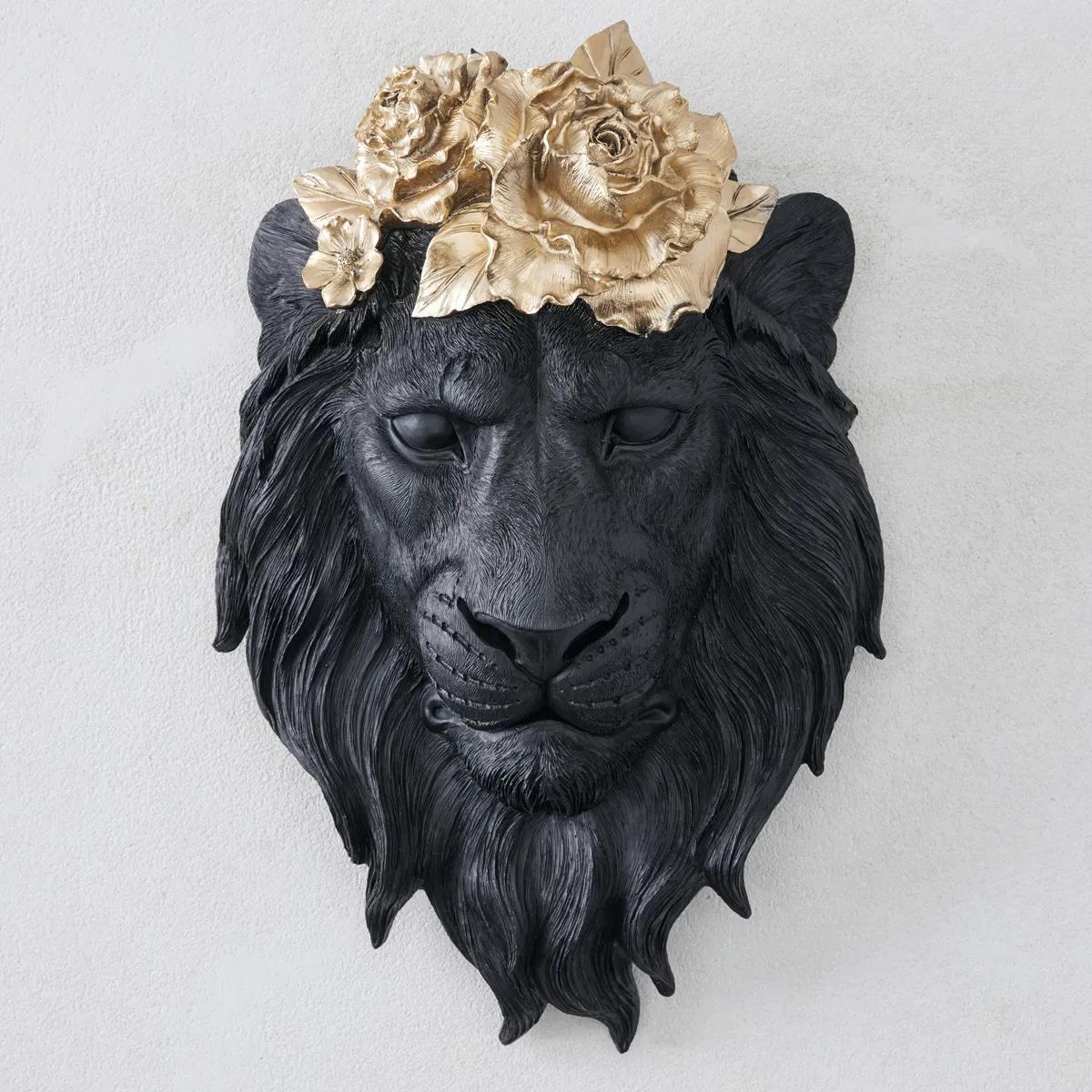
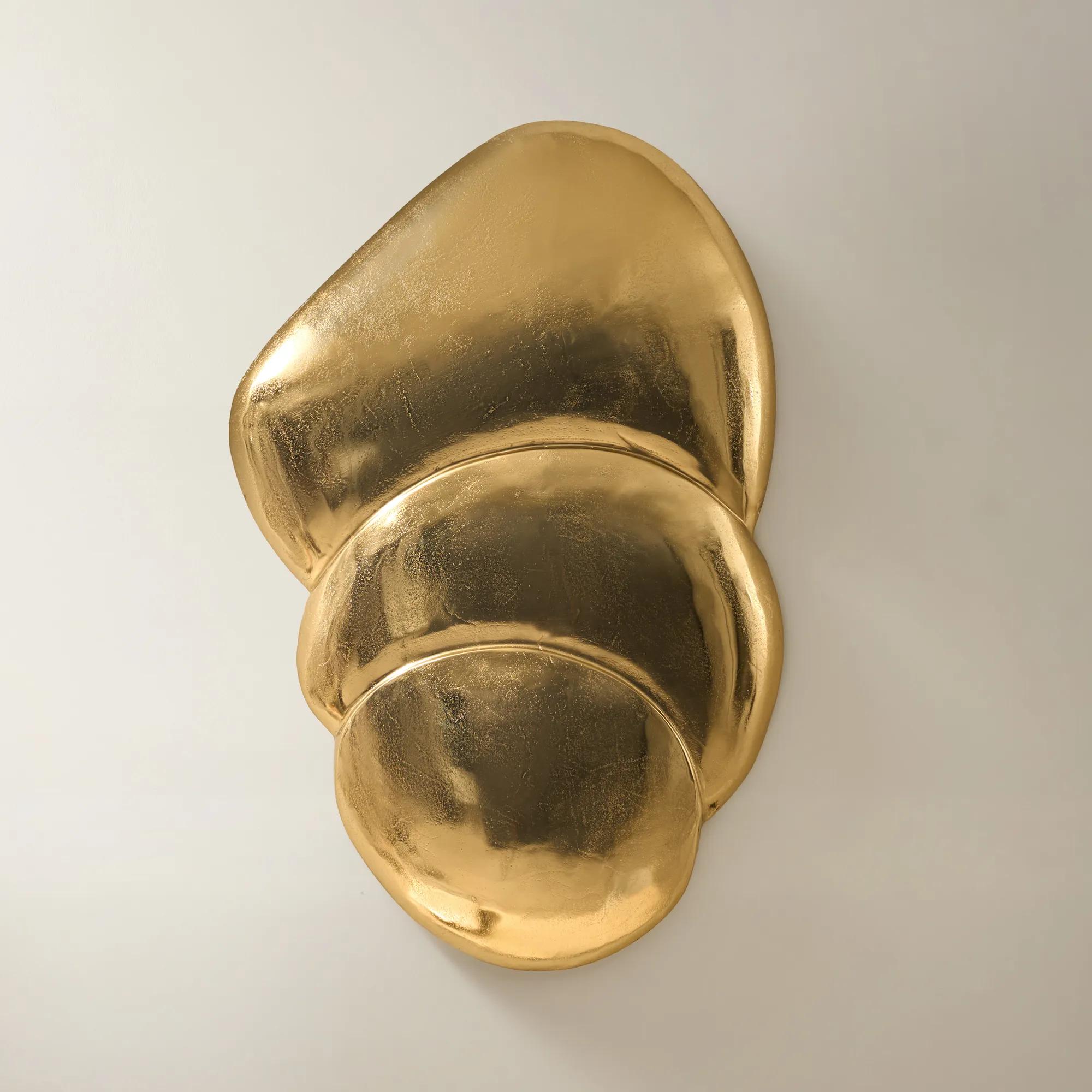
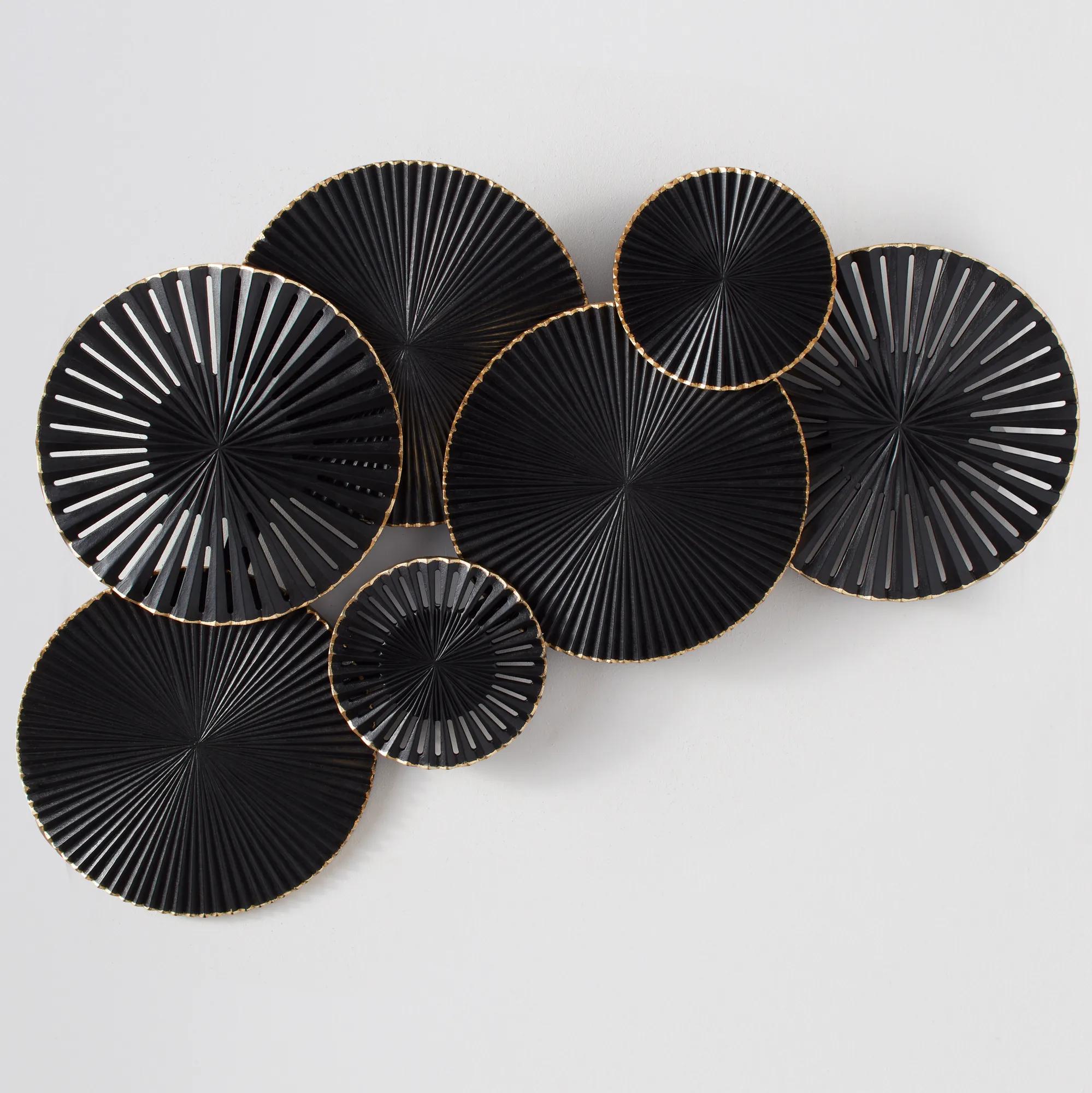
Metallic Wall Art For Hallways
Metallic Wall Art For Hallways
-
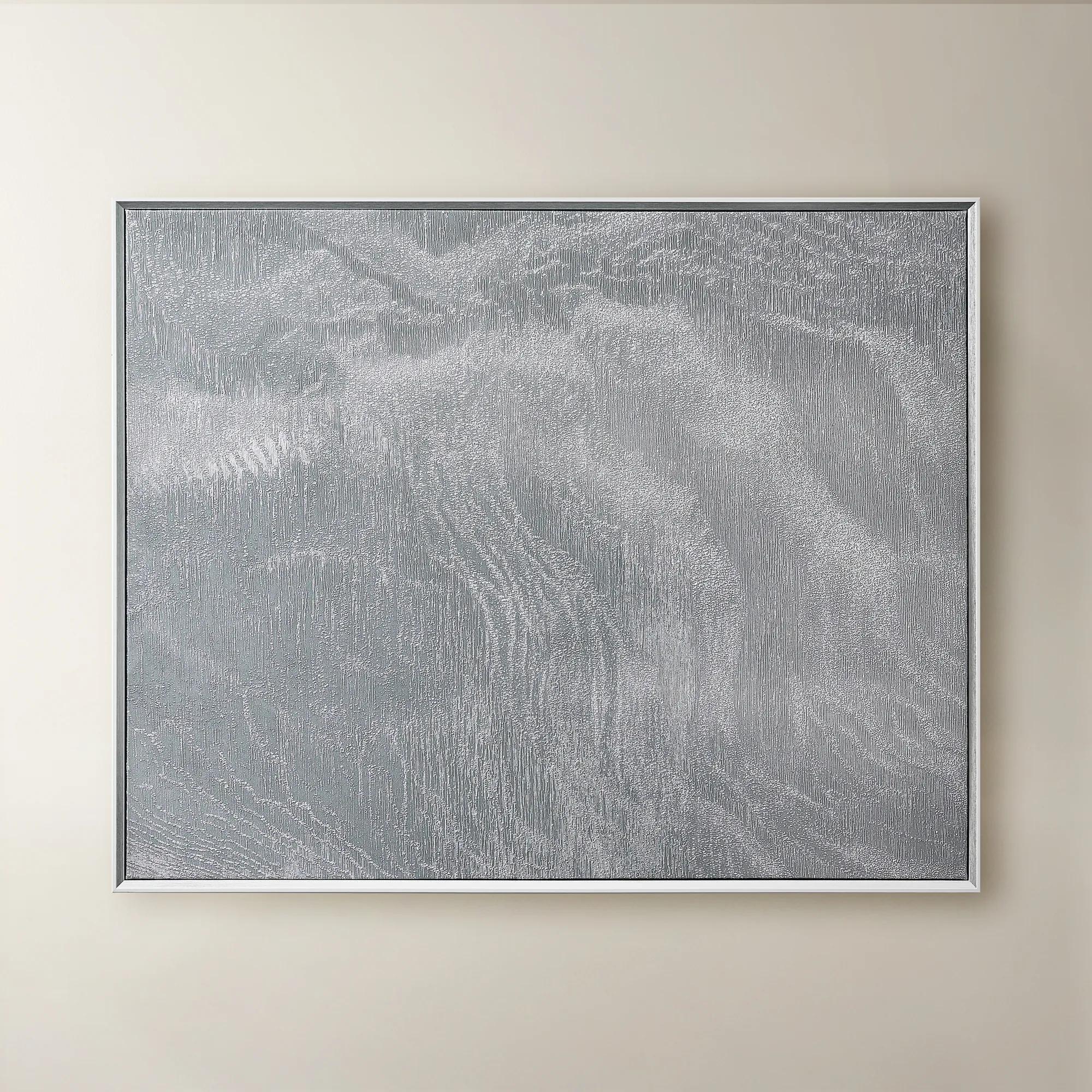 Slow Blue Morning Framed Silver Foil Wall Art 48" x 60"$599
A serene powder blue abstract canvas with silver foil accents, framed in silver and white for modern elegance.
Add To Cart -
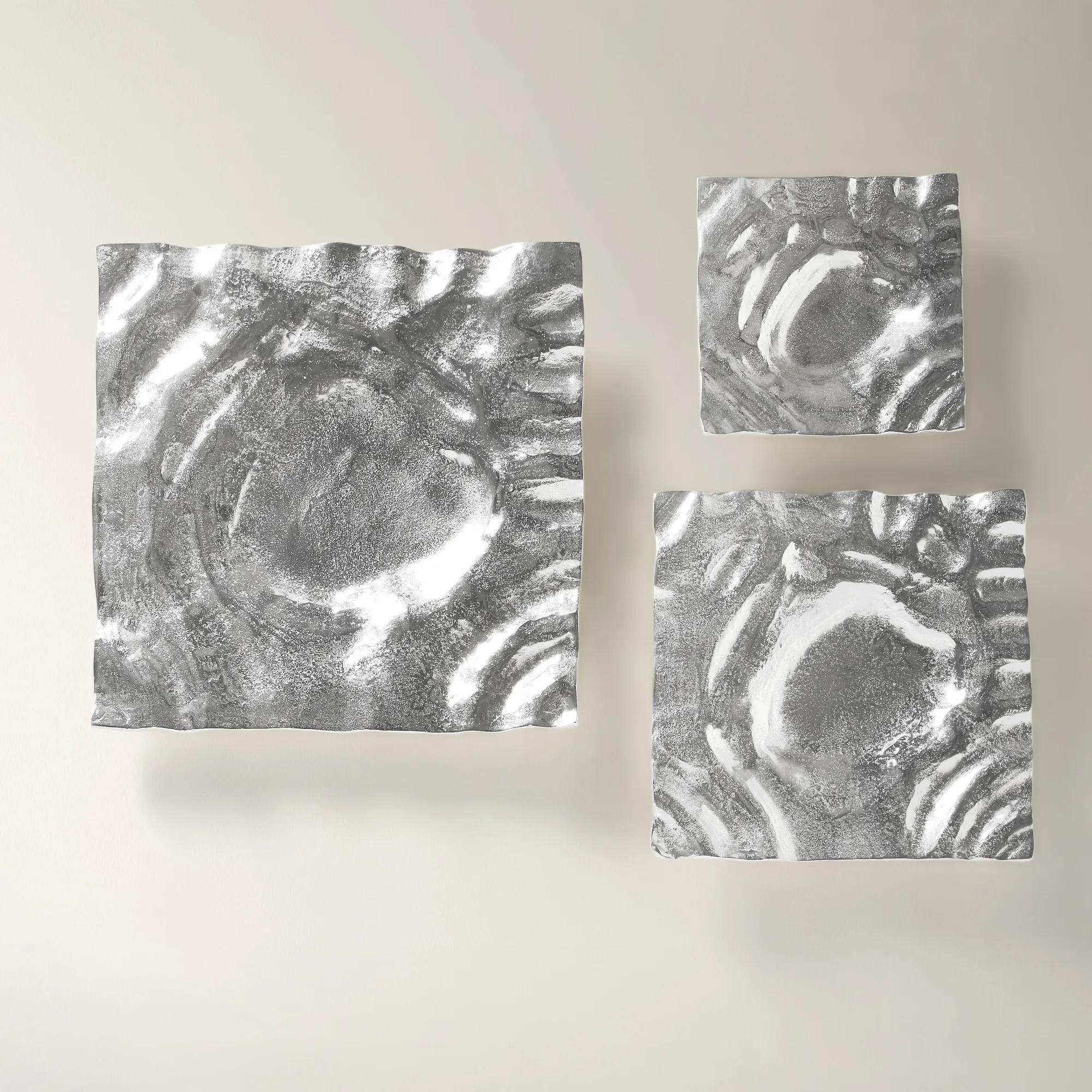
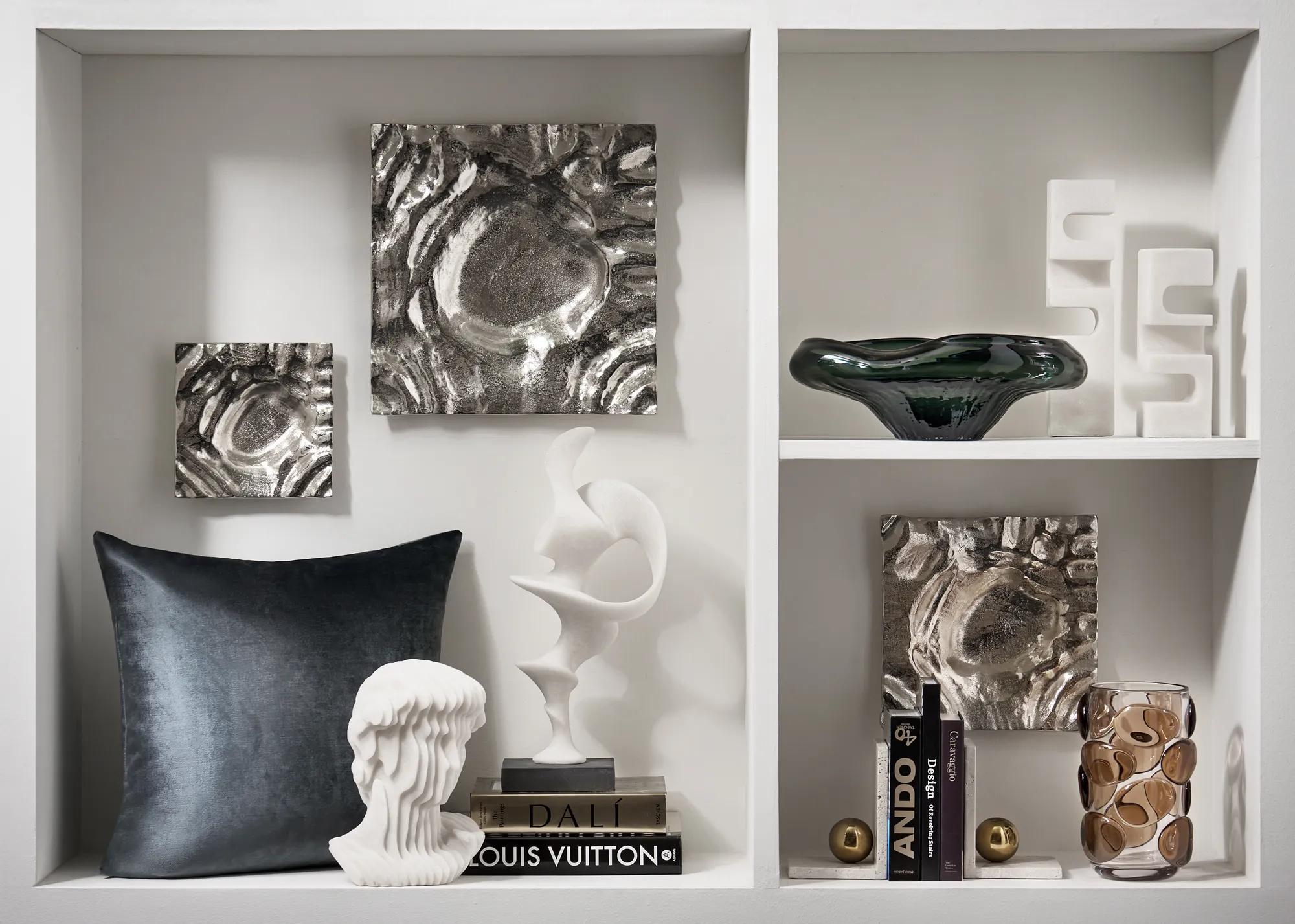 Cascade Wall Art - Set of 3$119
A set of three silver aluminum wall art pieces featuring textured surfaces that reflect and play with light.
Add To Cart -
 Etched in Silver$229
An abstract hand-carved aluminum wall art featuring shimmering silver tones in a modern black alloy frame.
Add To Cart -
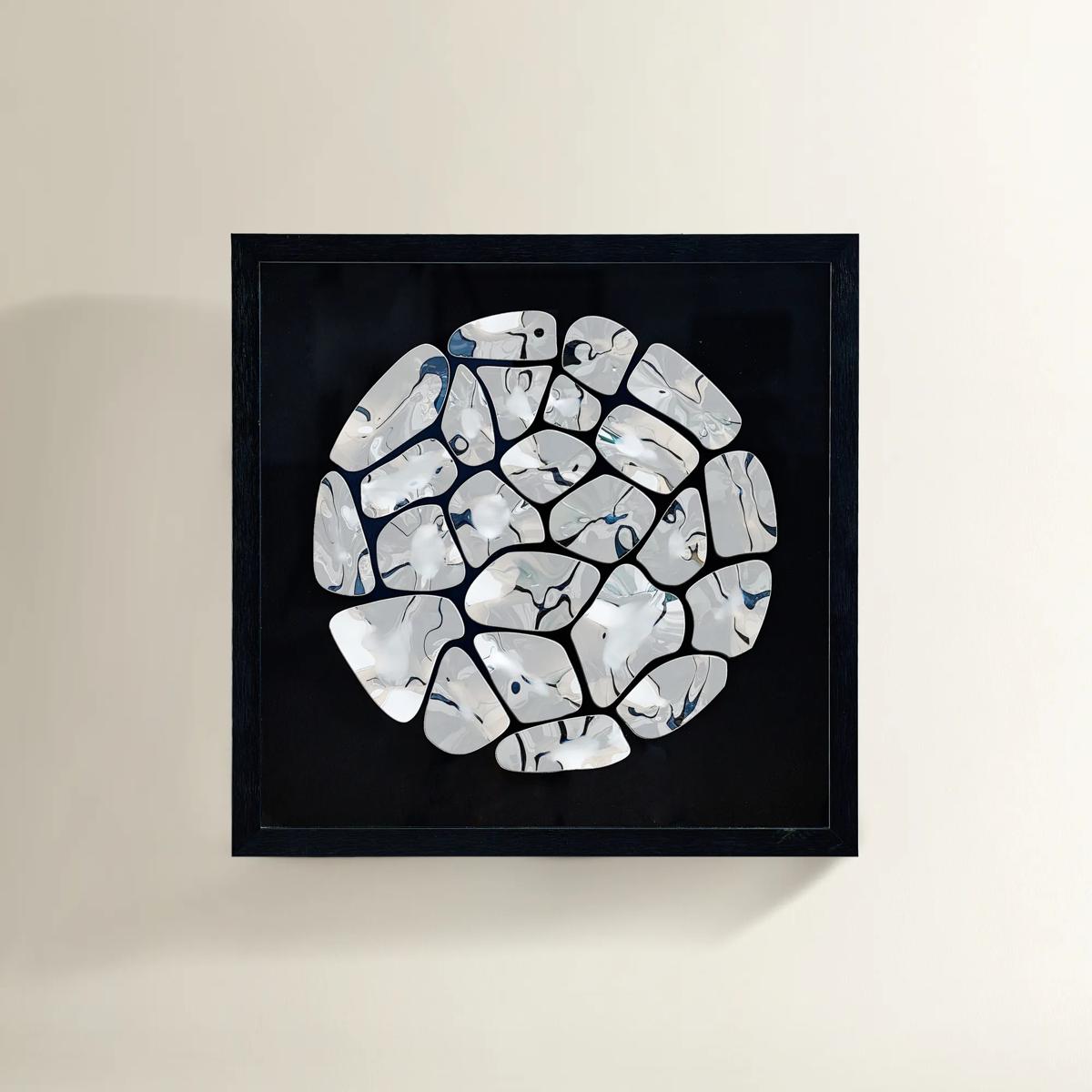
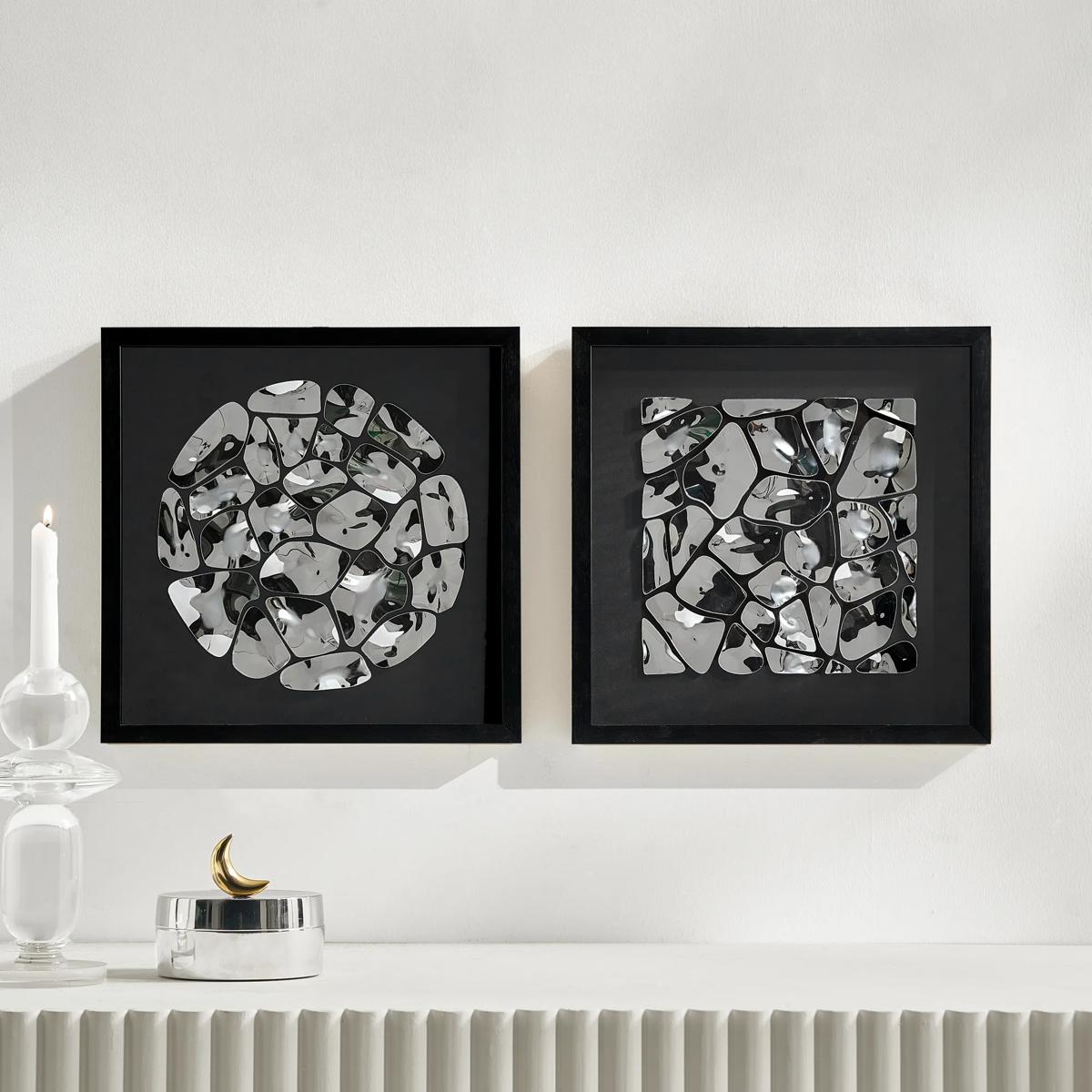 Reflect Silver And Black Shadowbox Art II$189
A dimensional metal wall art piece featuring polished silver and black forms in a sleek black frame.
Add To Cart -
 Etched in Gold$229
A hand-carved gold copper artwork set in a sleek black alloy frame for modern contrast.
Add To Cart -
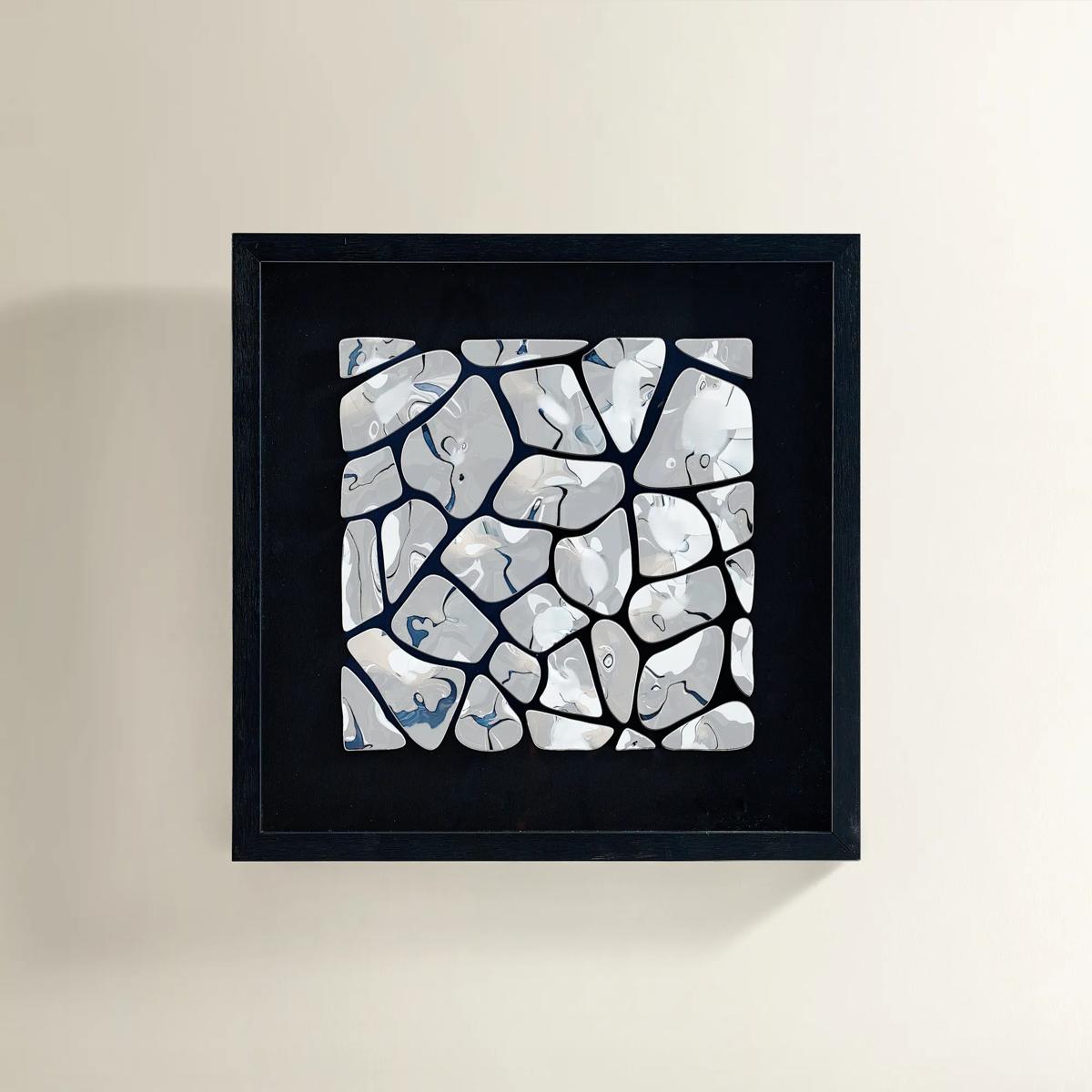 Reflect Silver And Black Shadowbox Art I$189
A dimensional metal wall art piece featuring polished silver and black forms in a sleek black frame.
Add To Cart -
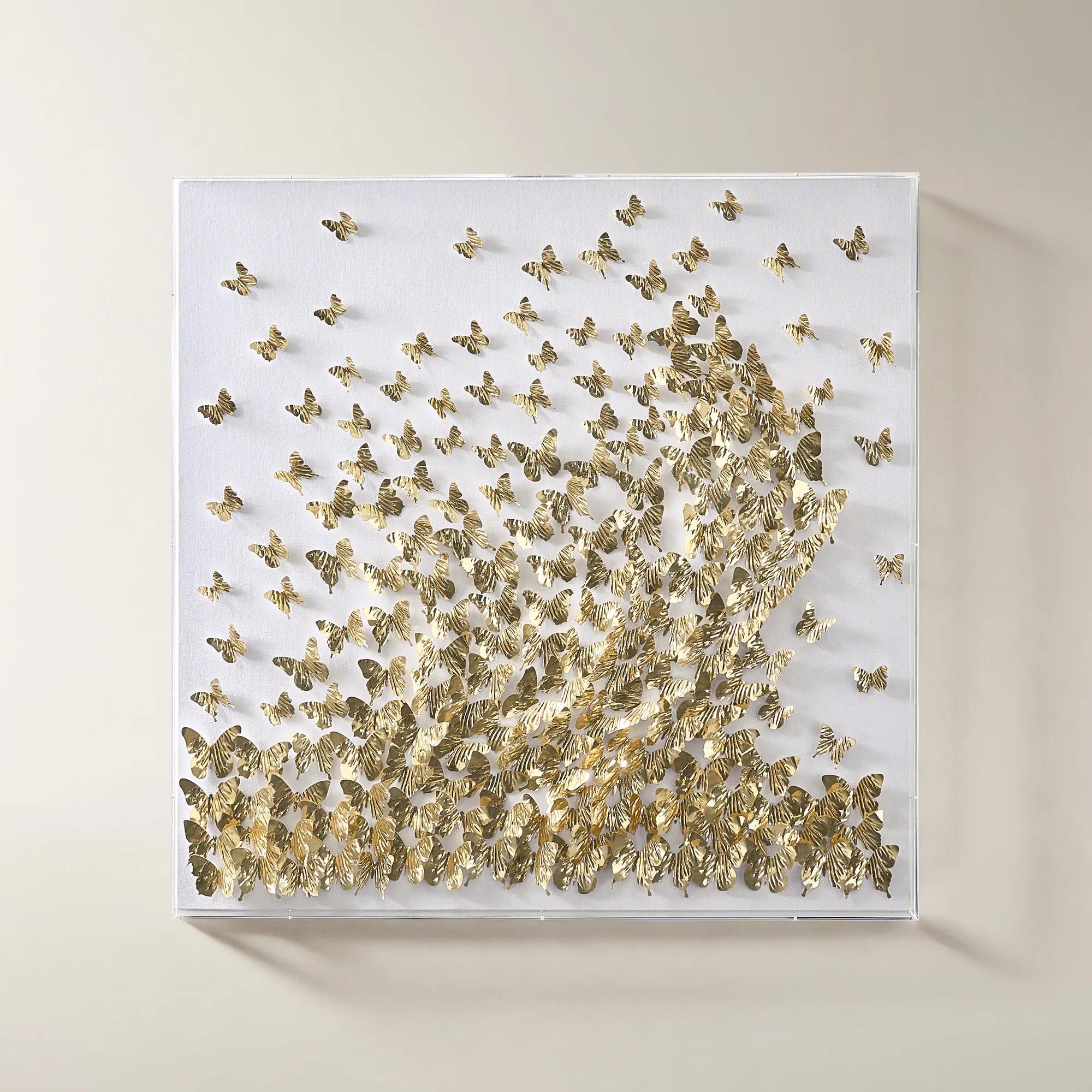
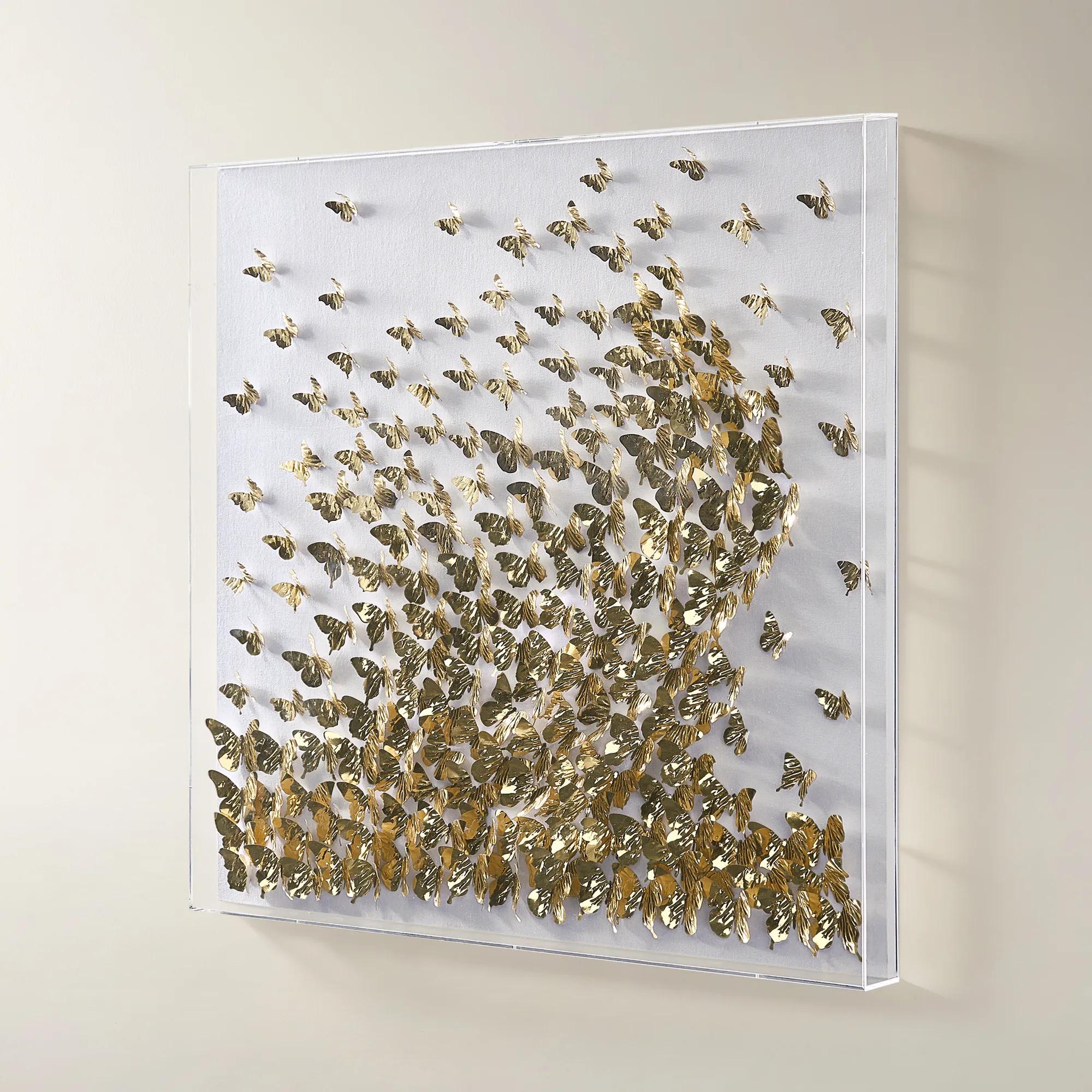 Butterfly Mist Handmade Gold Foil Wall Decor in Acrylic 39.25" x 39.25"$799
A sculptural wall art piece featuring handmade gold foil paper butterflies on linen, encased in a clear acrylic box.
Add To Cart -
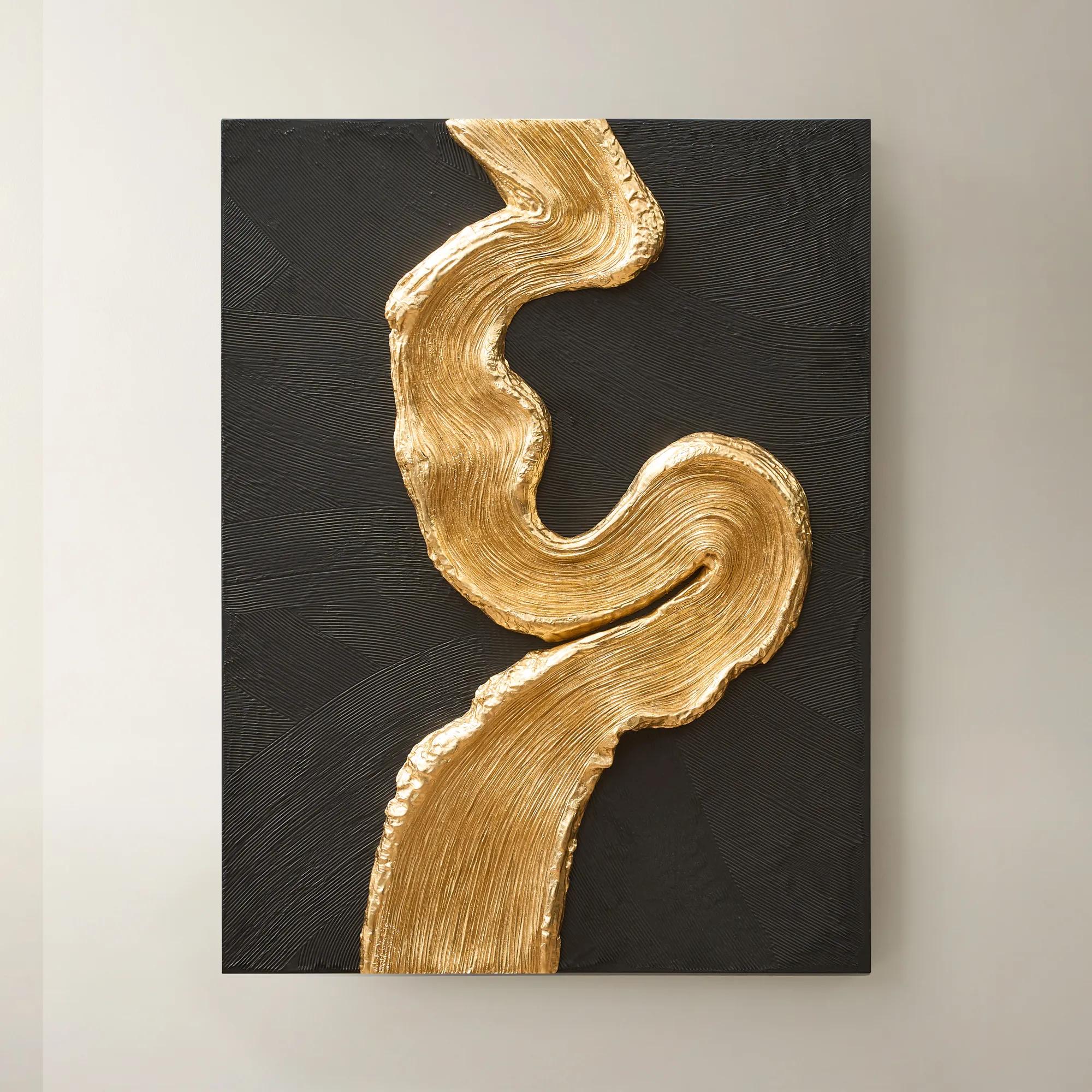
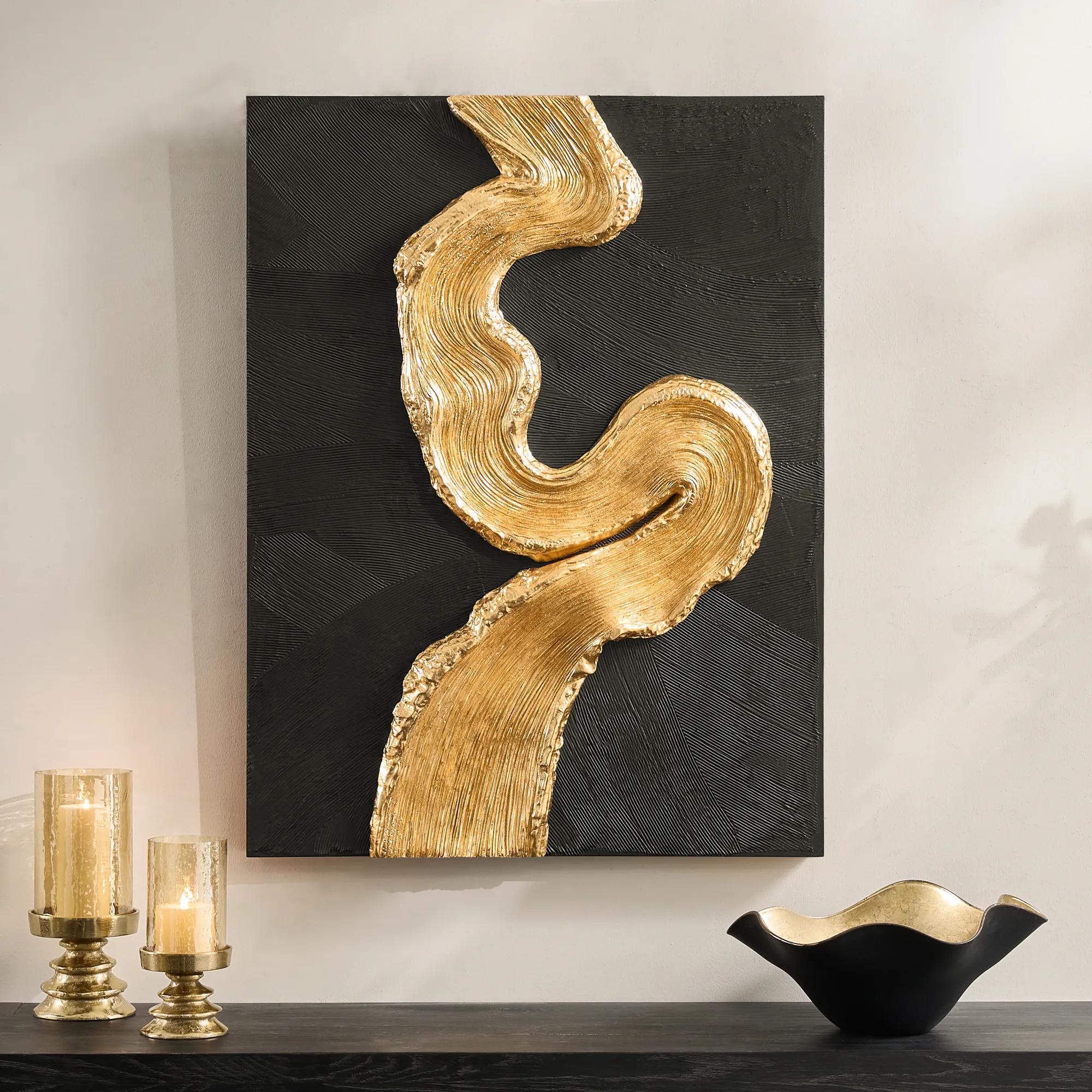 Gold Impasto Sculpted Resin Wall Panel 30" x 40"$499
A sculpted fiberglass resin wall panel featuring gold leaf detail and bold impasto texture on a black backdrop.
Add To Cart -
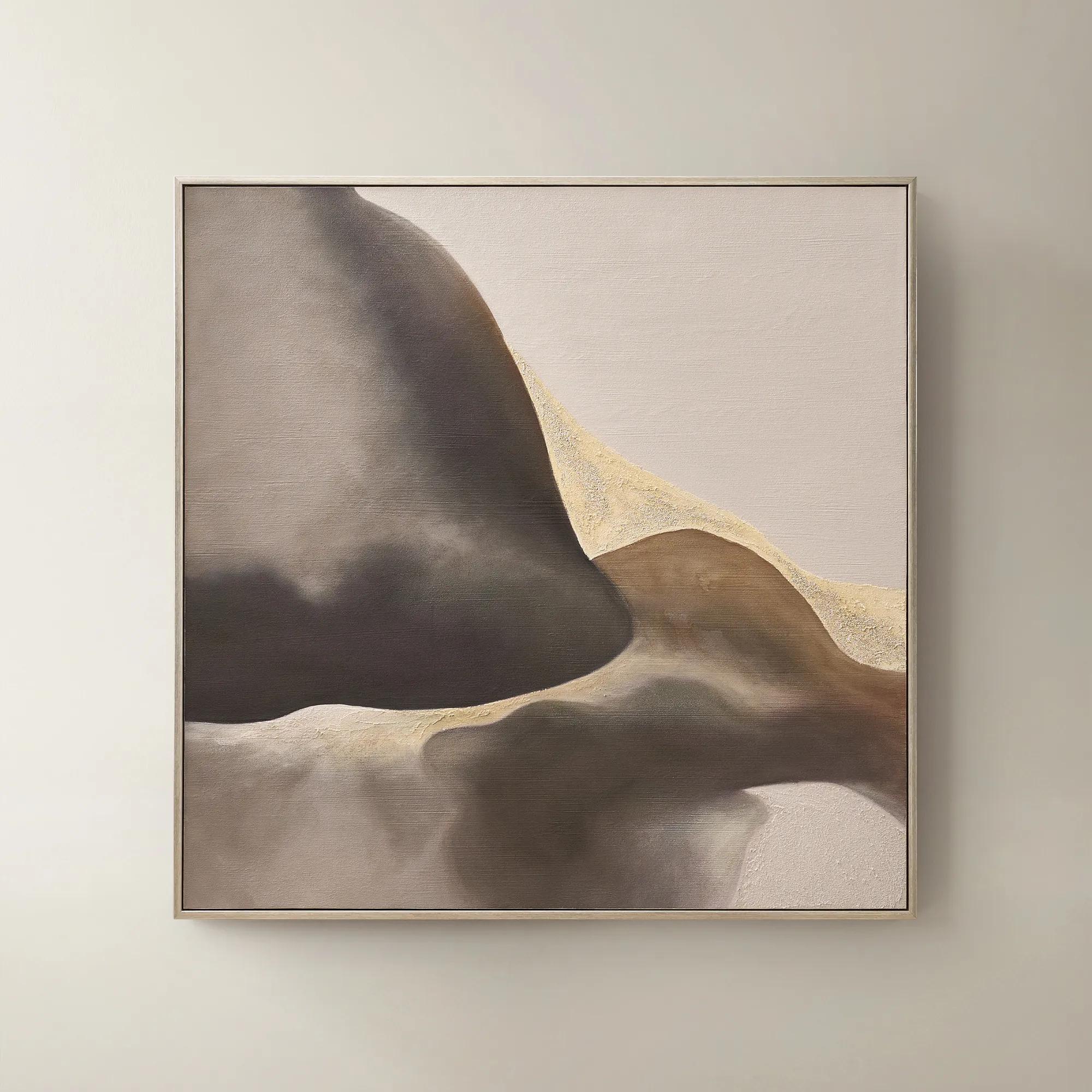 Windswept Framed Gold Leaf Painted Wall Art 50" x 50"$549
A hand-painted abstract canvas in plum truffle with gold leaf accents and a brushed champagne frame.
Add To Cart -

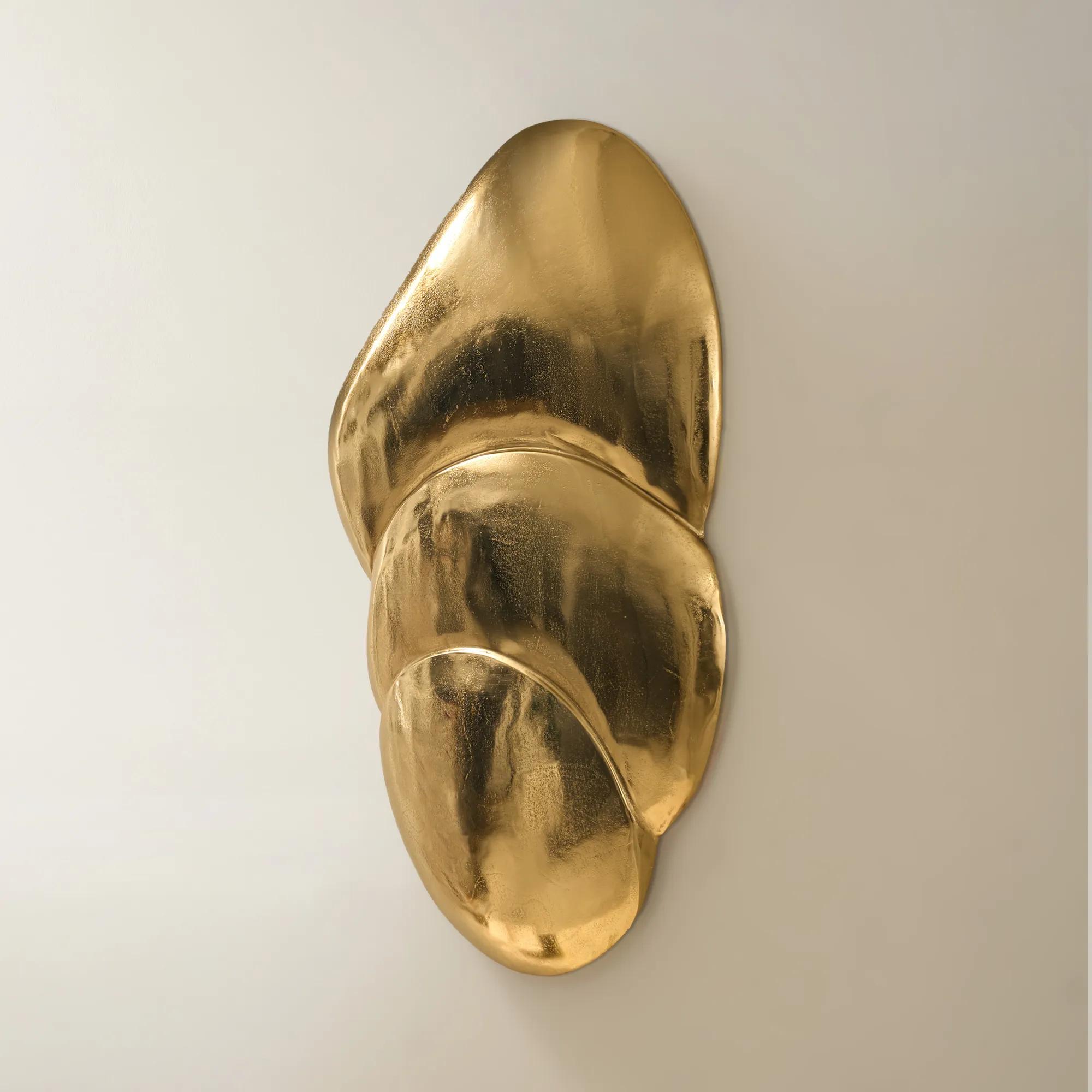 Echo Gold Handcrafted Aluminum Wall Decor 19" x 30"$169
A handcrafted gold aluminum wall sculpture with crisp definition and a polished, gallery-ready framed presentation.
Add To Cart -
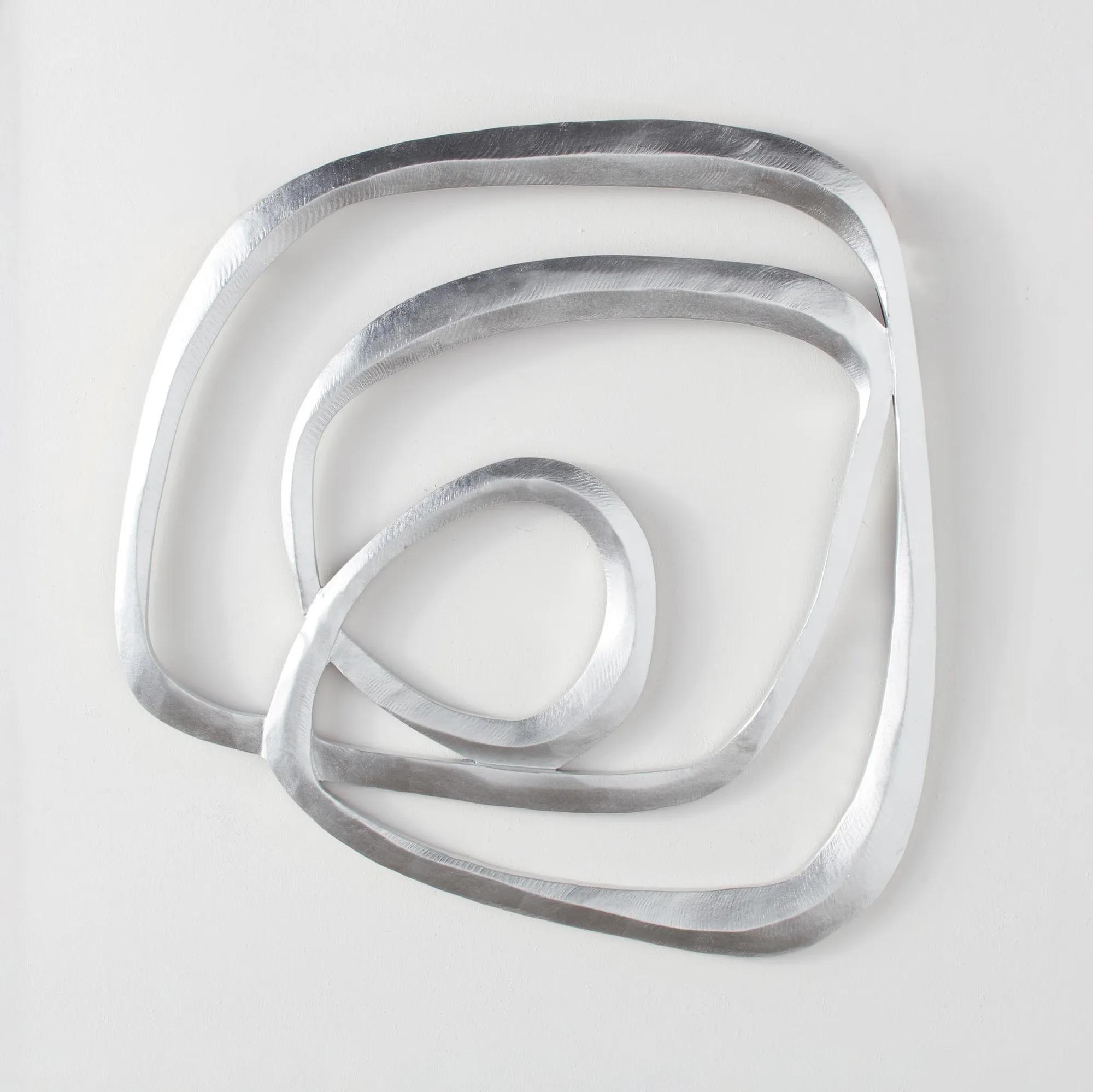 Infinity Silver Leaf Wood Wall Decor II 31.5" x 31.5"$299
A swirling wooden wall sculpture featuring a striking metallic silver finish for modern visual impact.
Add To Cart -
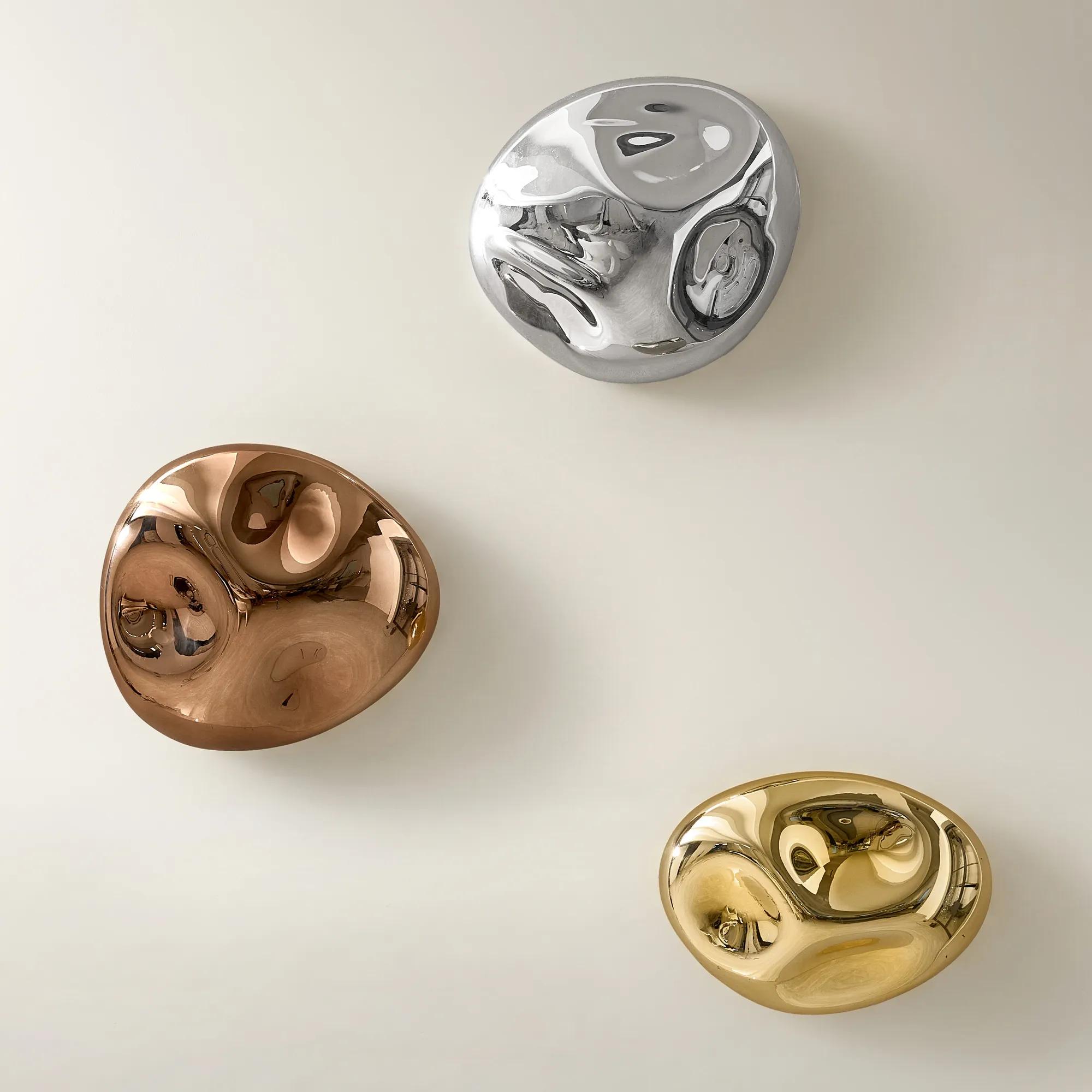
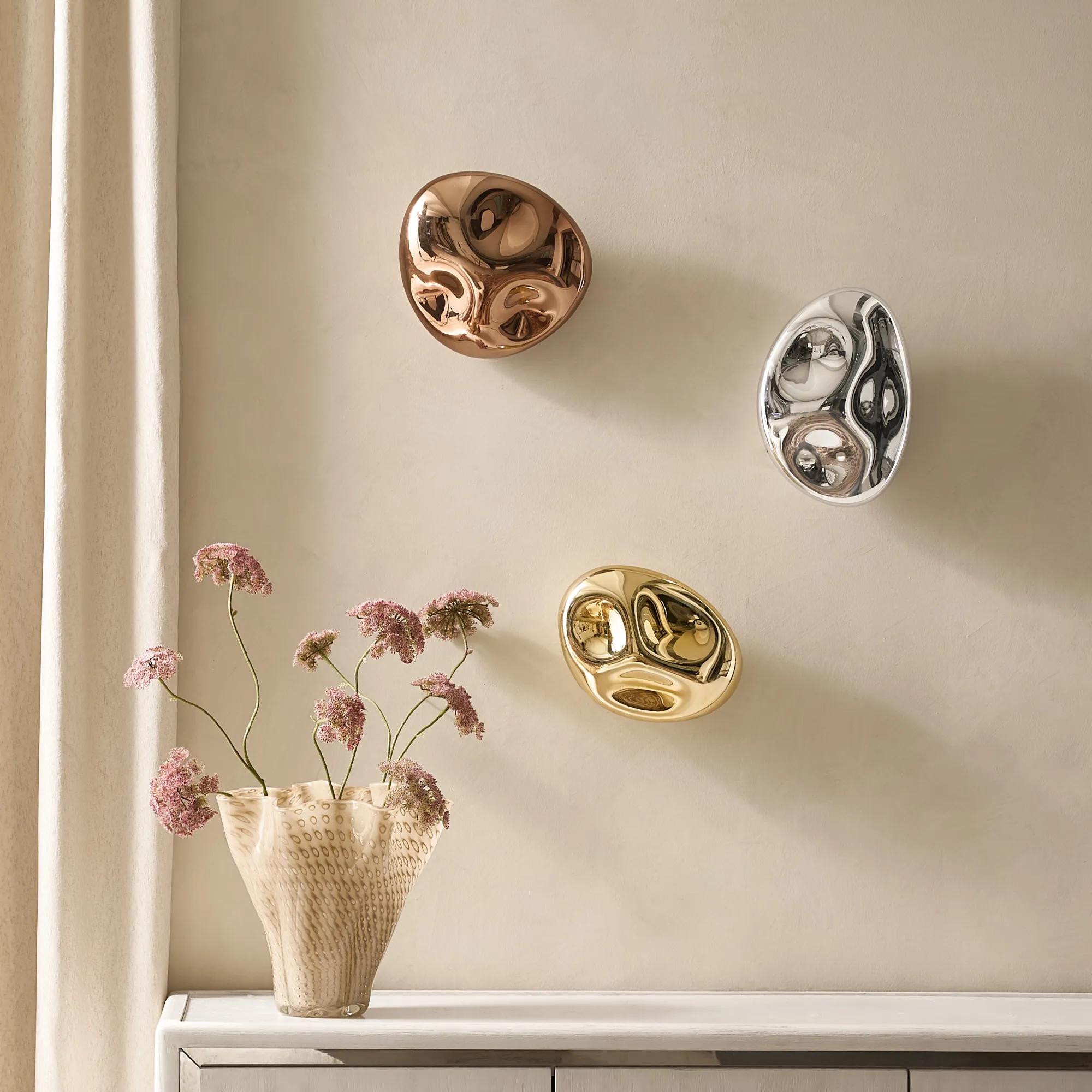 Nebula Electroplated Metallic Glass Wall Decor Set of 3$279
A set of three electroplated glass wall sculptures in polished silver, soft gold, and bronze tones.
Add To Cart -
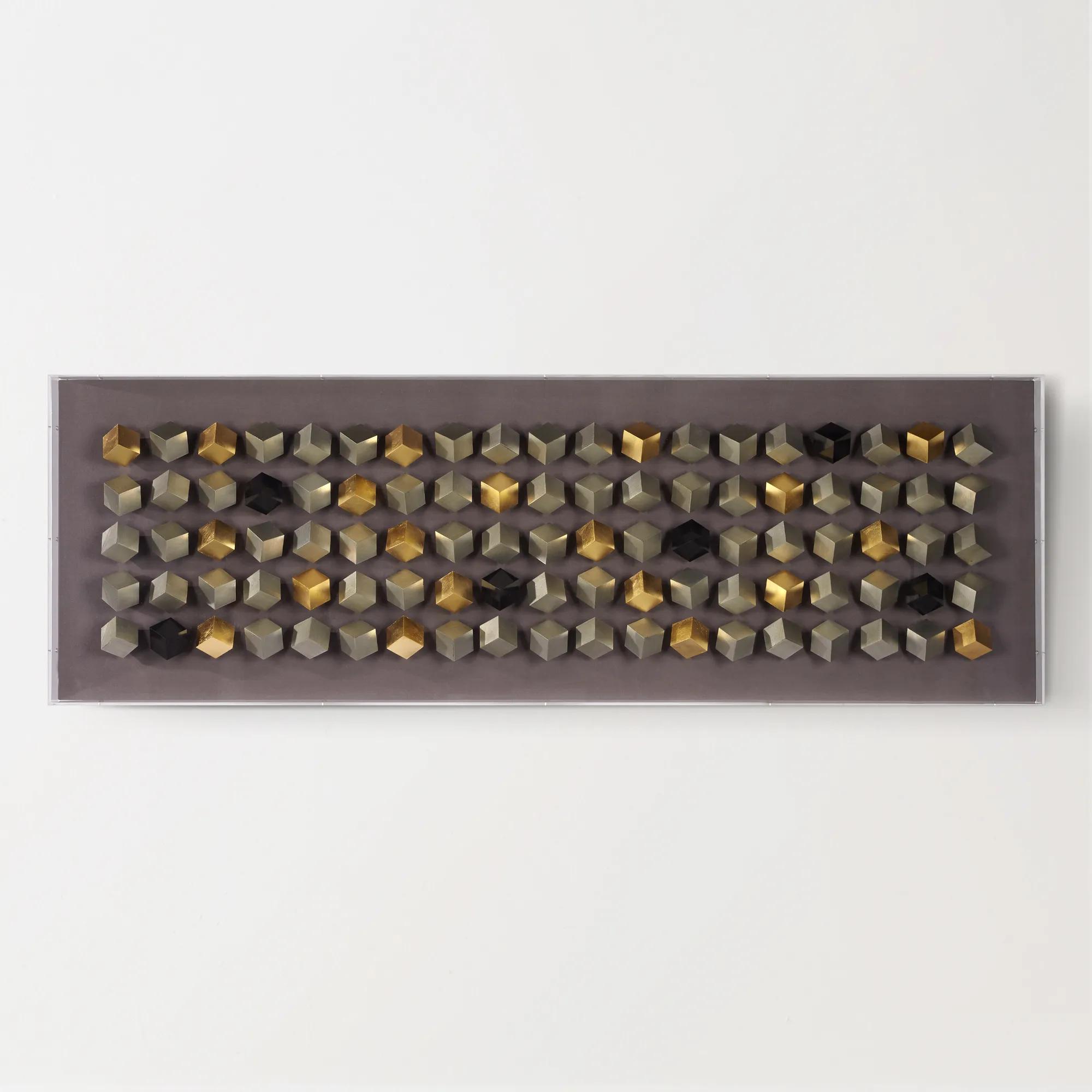
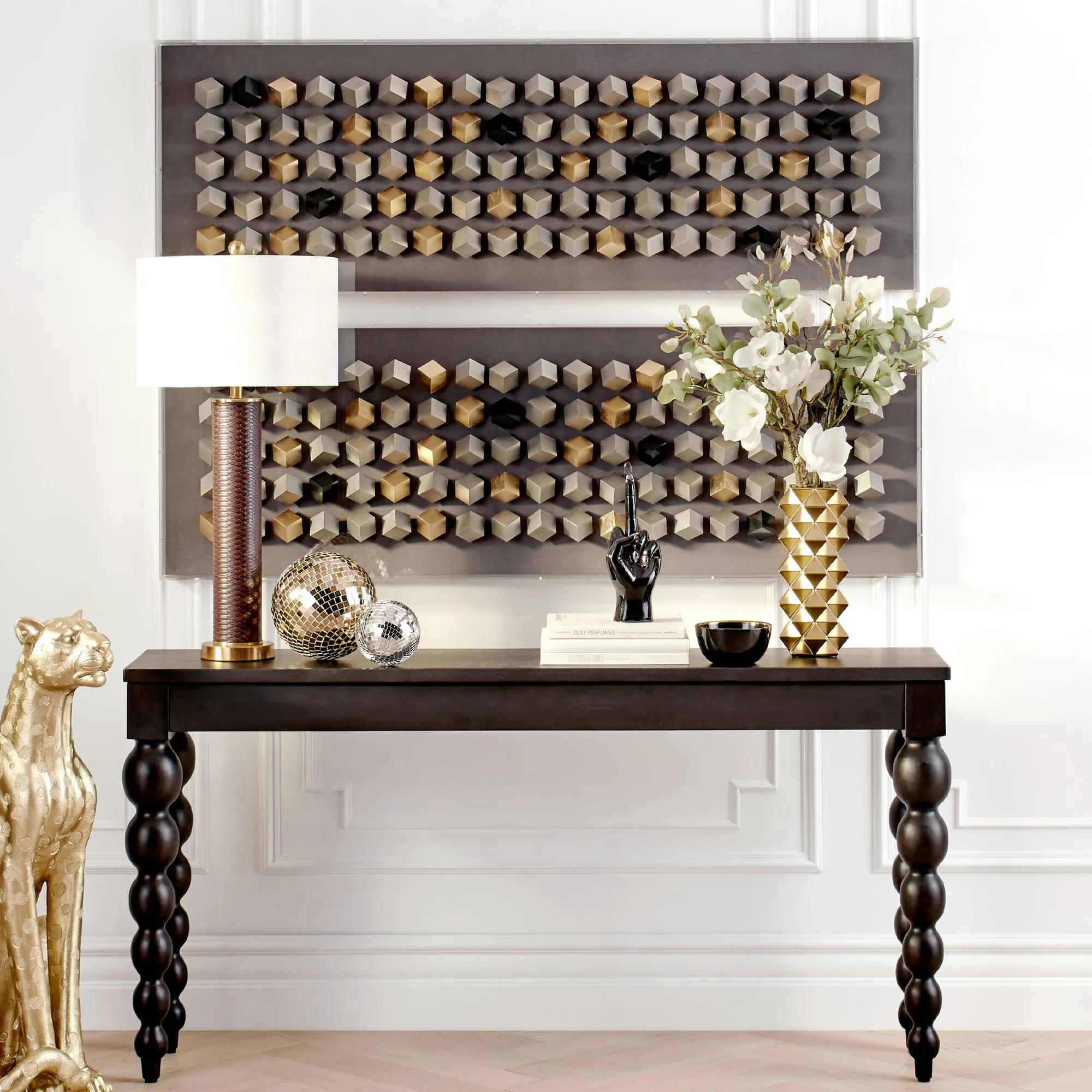 Cubic Array Dimensional Wall Decor in Acrylic 59" x 19.75"$599
A striking shadowbox wall art featuring a cubic, dimensional design with a tri-tone metallic finish.
Add To Cart -
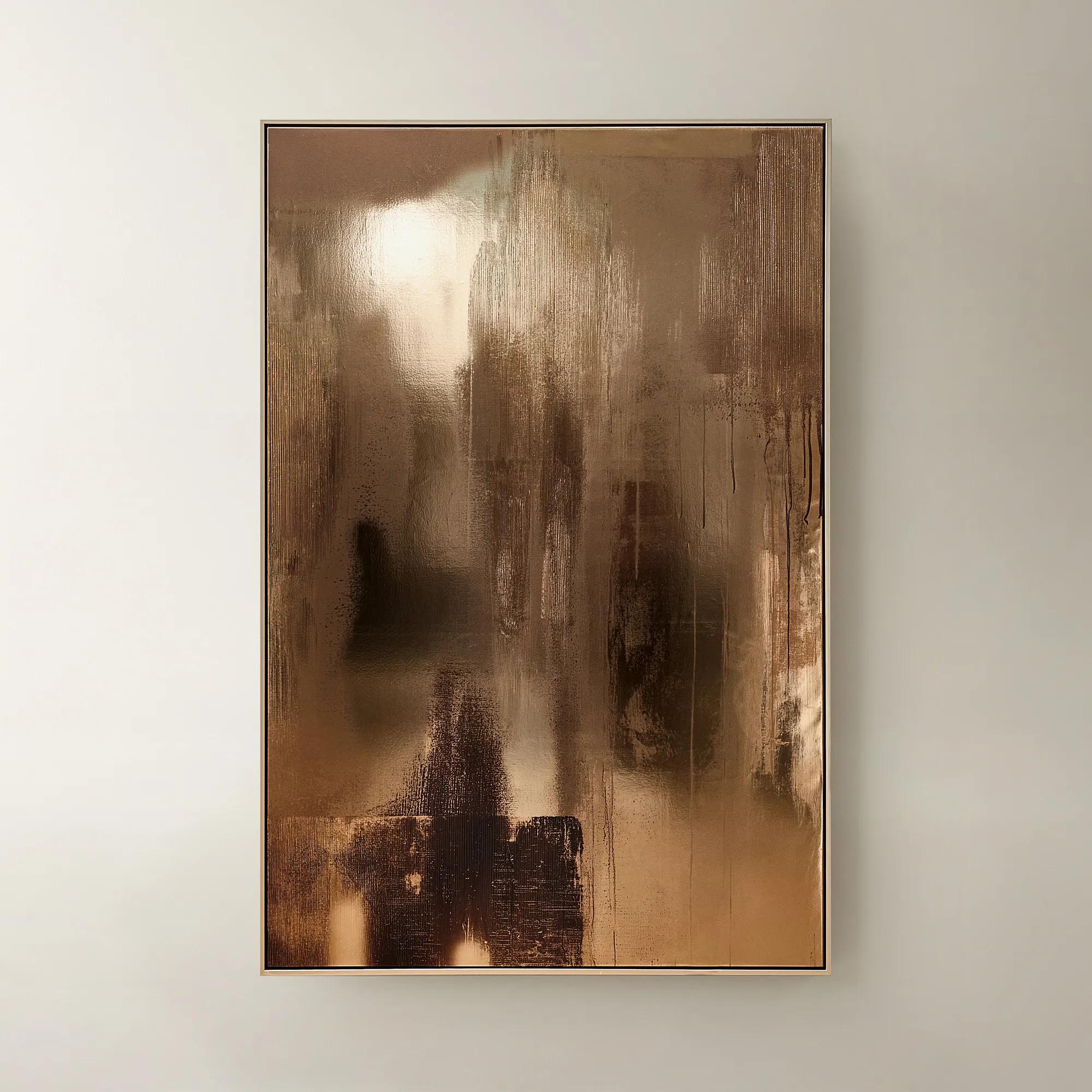
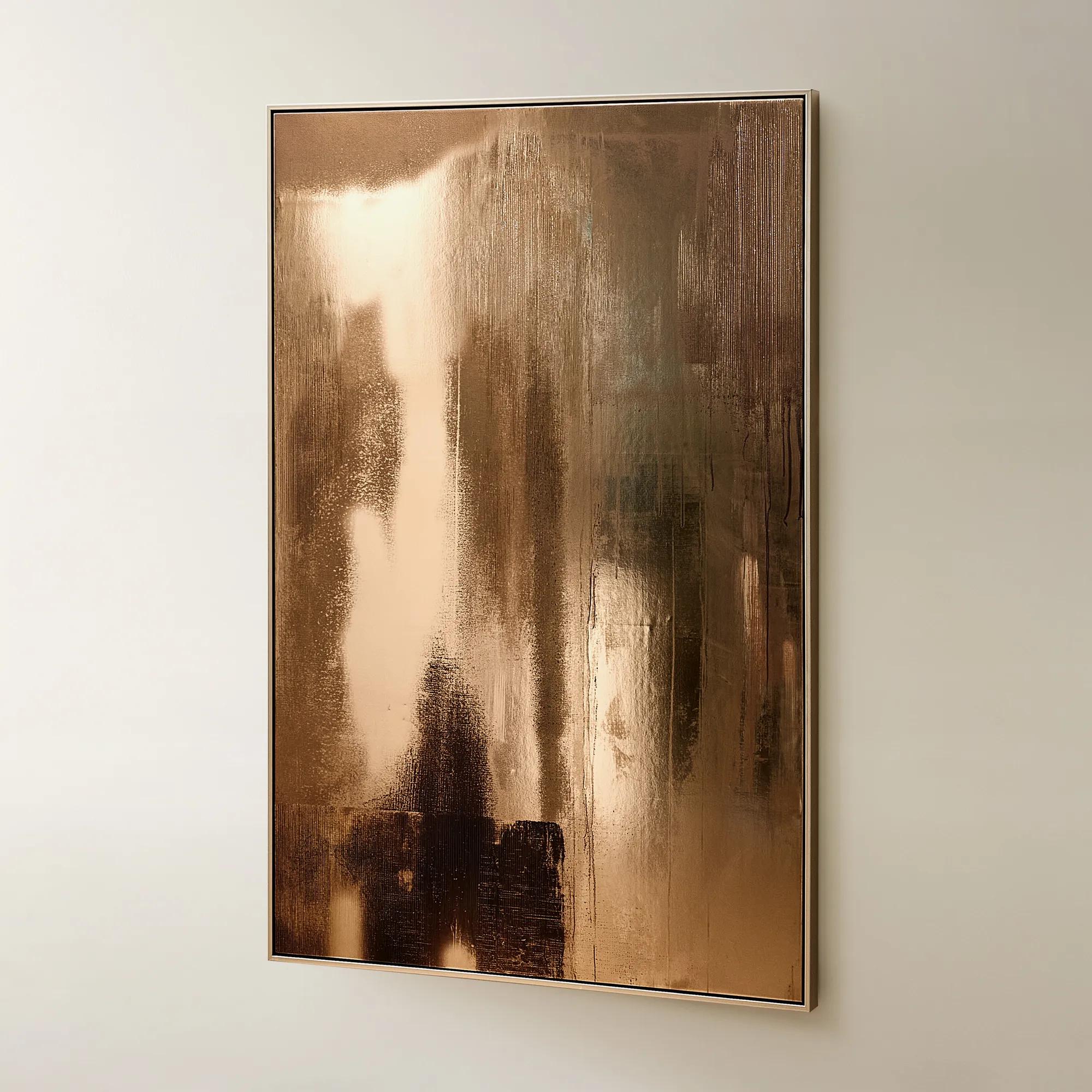 Bronze Reflective Framed Leather Painted Wall Art 40" x 60"$799
A hand-painted abstract wall art featuring reflective bronze faux leather and a warm champagne metallic frame.
Add To Cart -
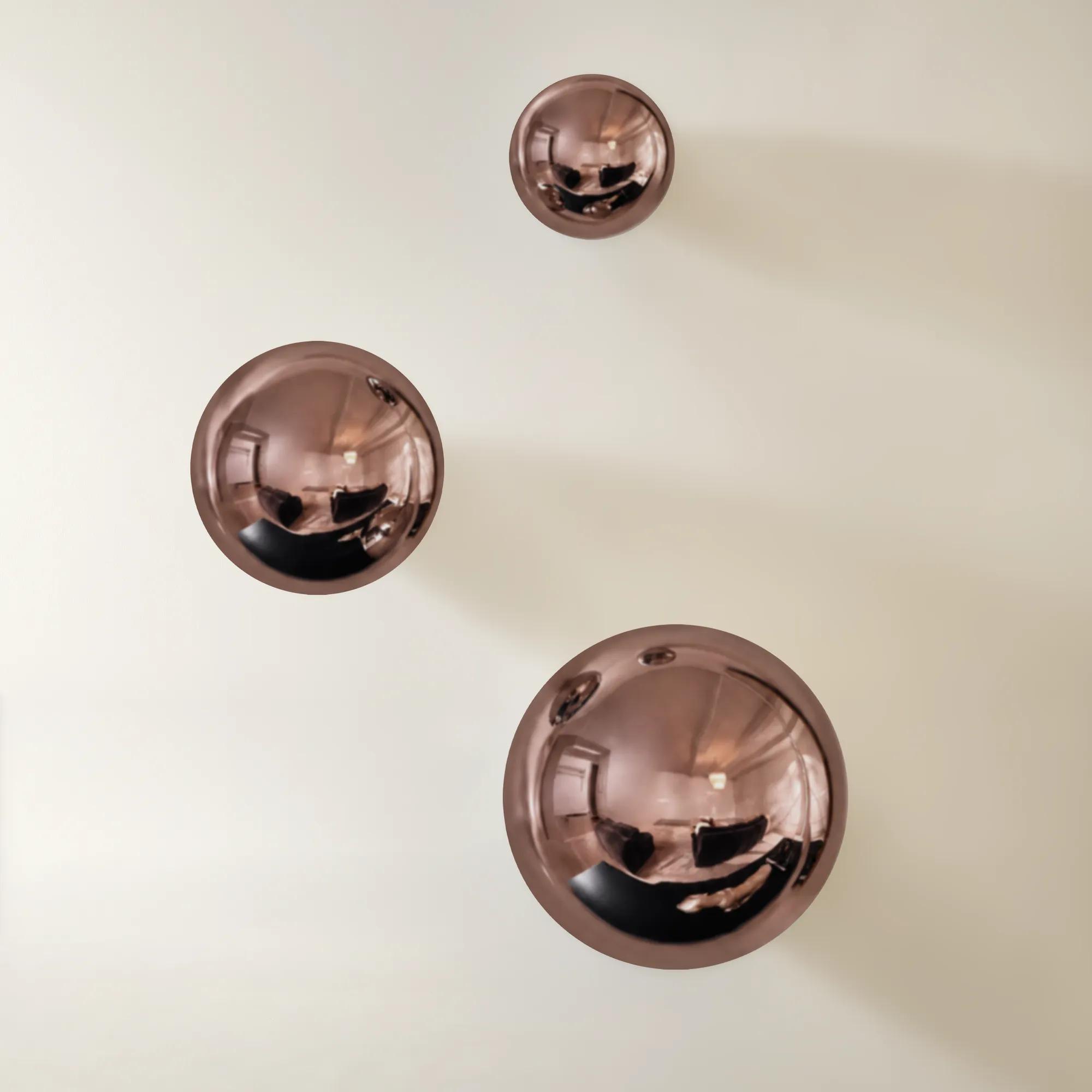
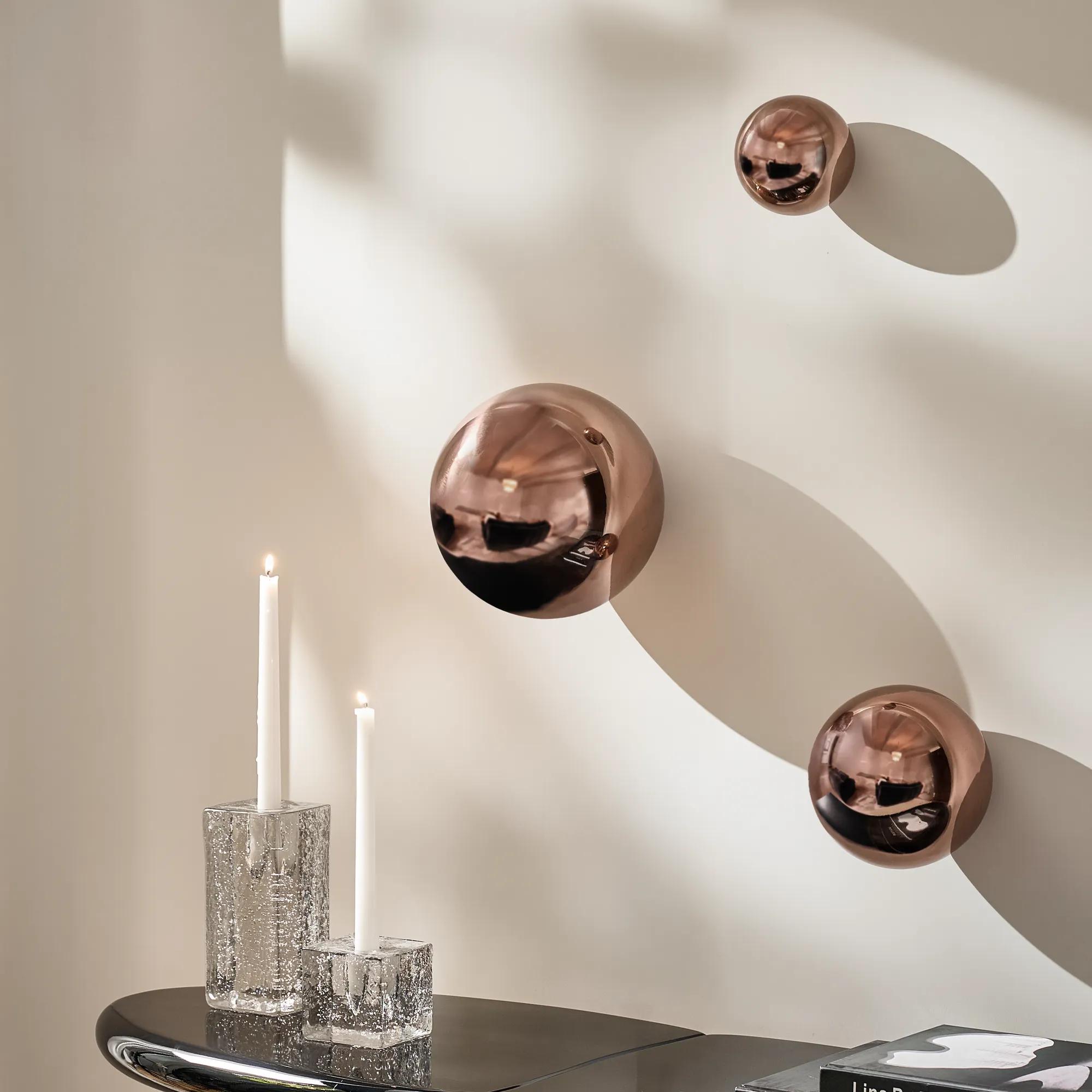 Bronze Spheres Stainless Steel Wall Decor Set of 3$129
A set of three polished bronze stainless steel spheres adds modern, sculptural shine to any wall.
Add To Cart -
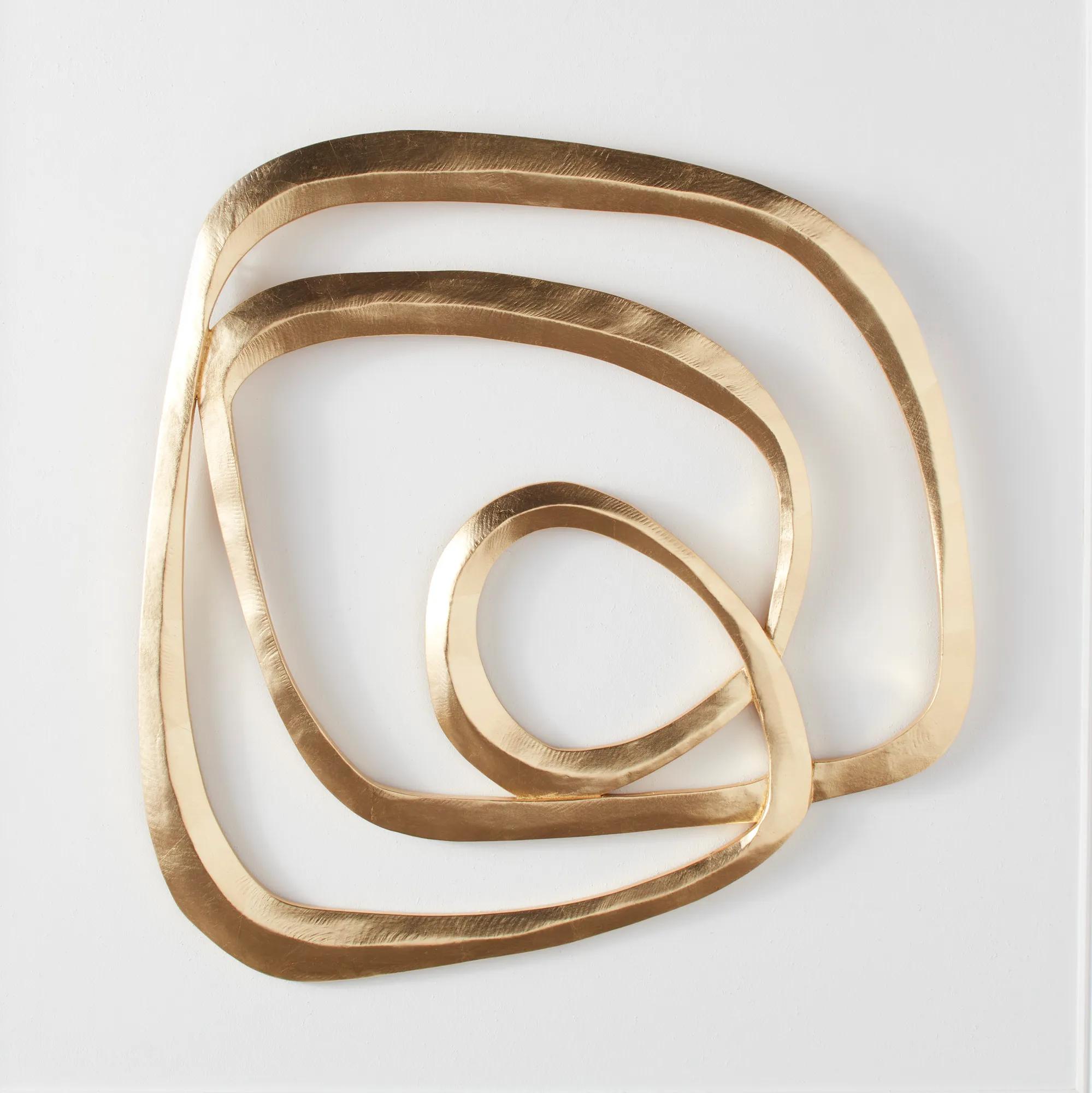 Infinity Gold Leaf Wood Wall Decor I 31.5" x 31.5"$299
A swirling wooden wall sculpture featuring a striking metallic gold finish for a bold decorative statement.
Add To Cart -
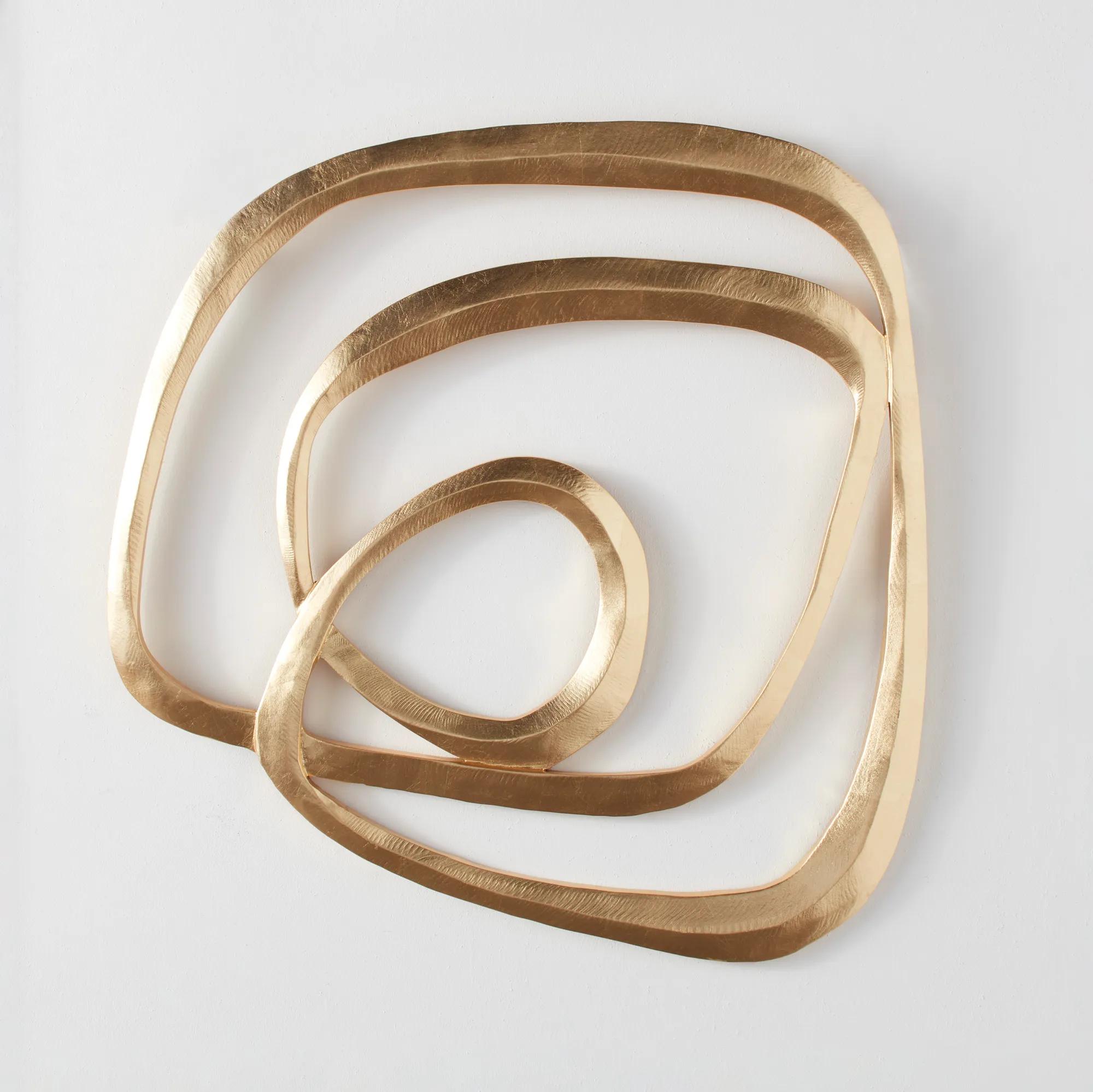 Infinity Gold Leaf Wood Wall Decor II 31.5" x 31.5"$299
A swirling wooden wall sculpture featuring a striking metallic gold finish for a modern statement.
Add To Cart -
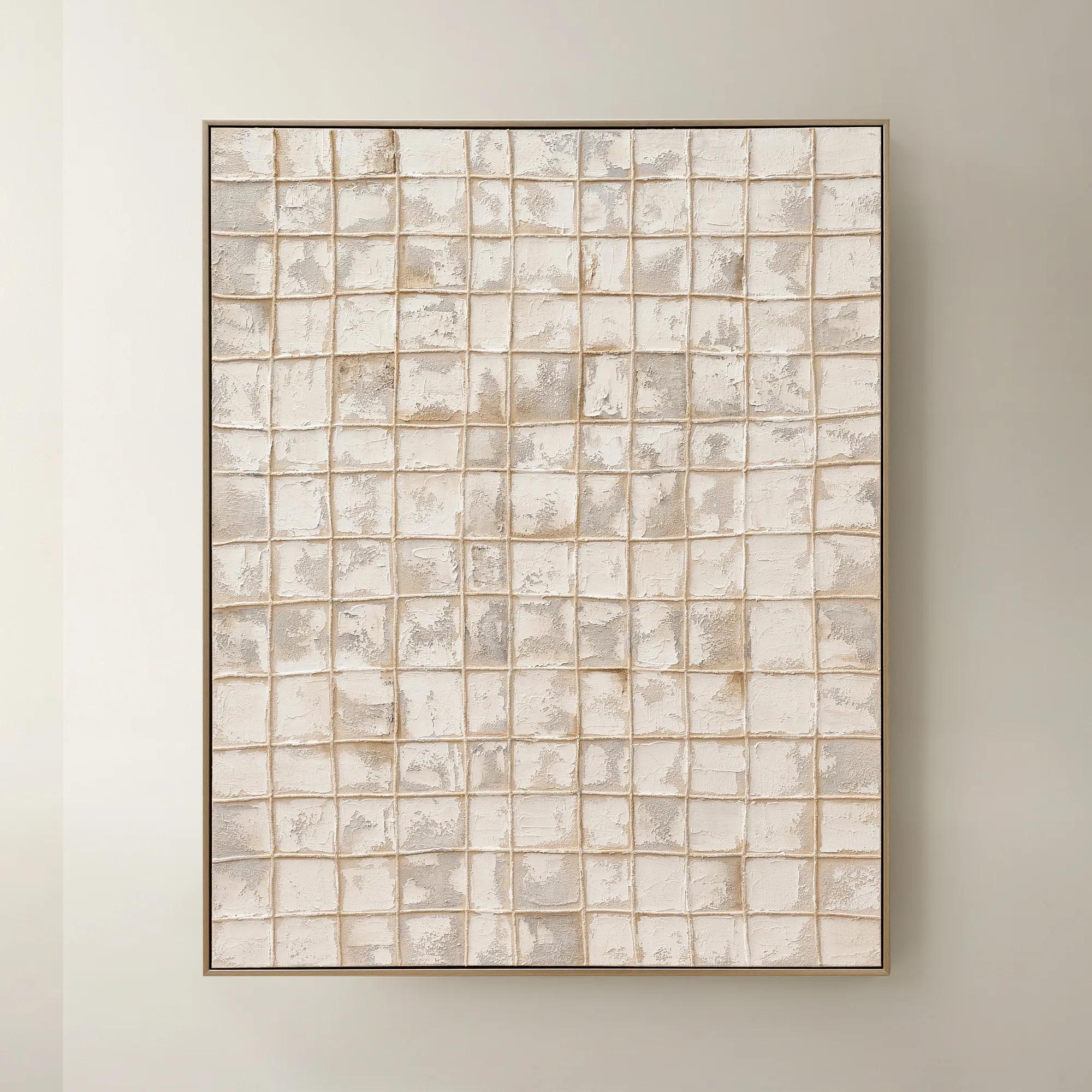
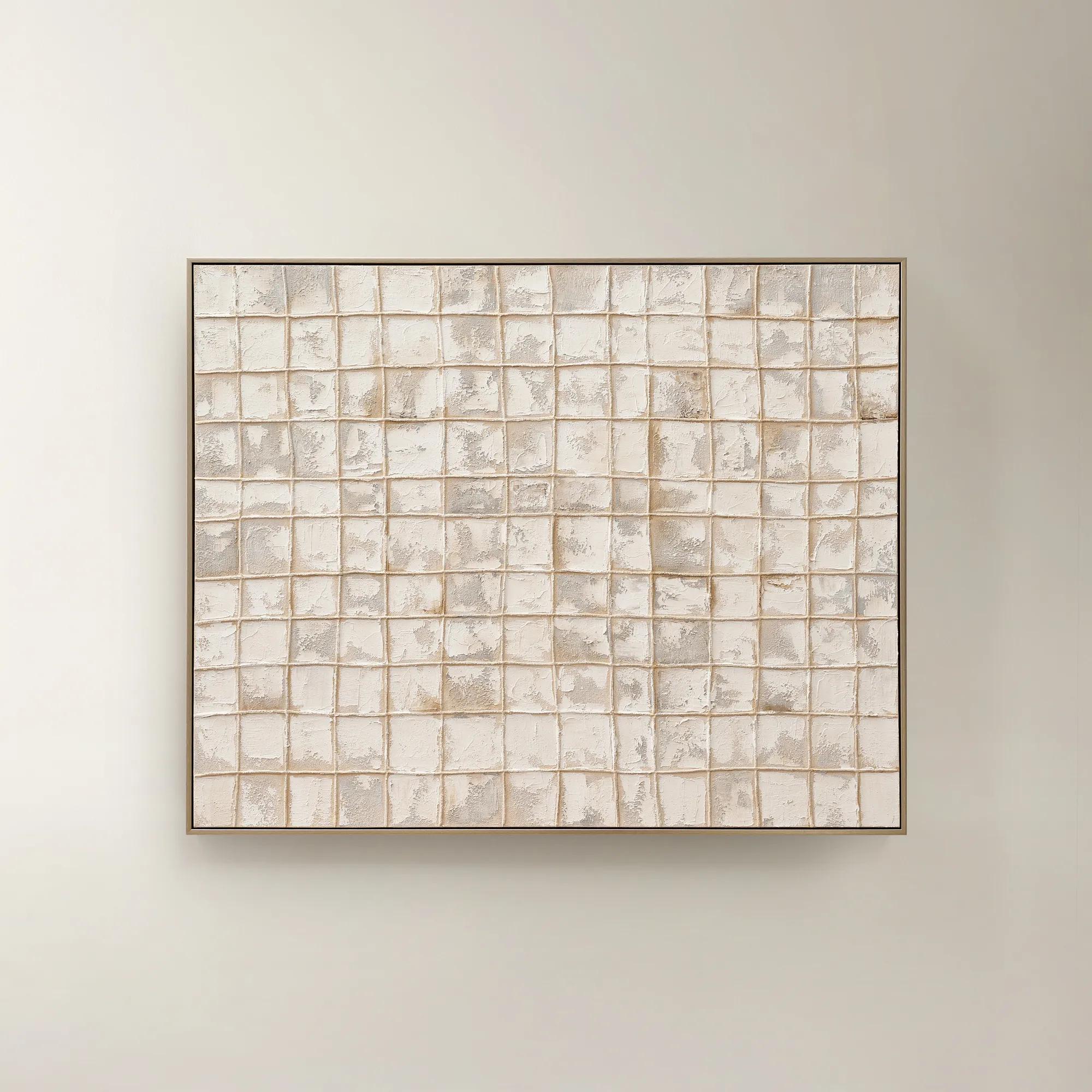 Painted Echos Framed Gold Leaf Wall Art 60" x 48"$699
A hand-painted abstract canvas with gold leaf accents and a champagne frame for modern, versatile display.
Add To Cart -
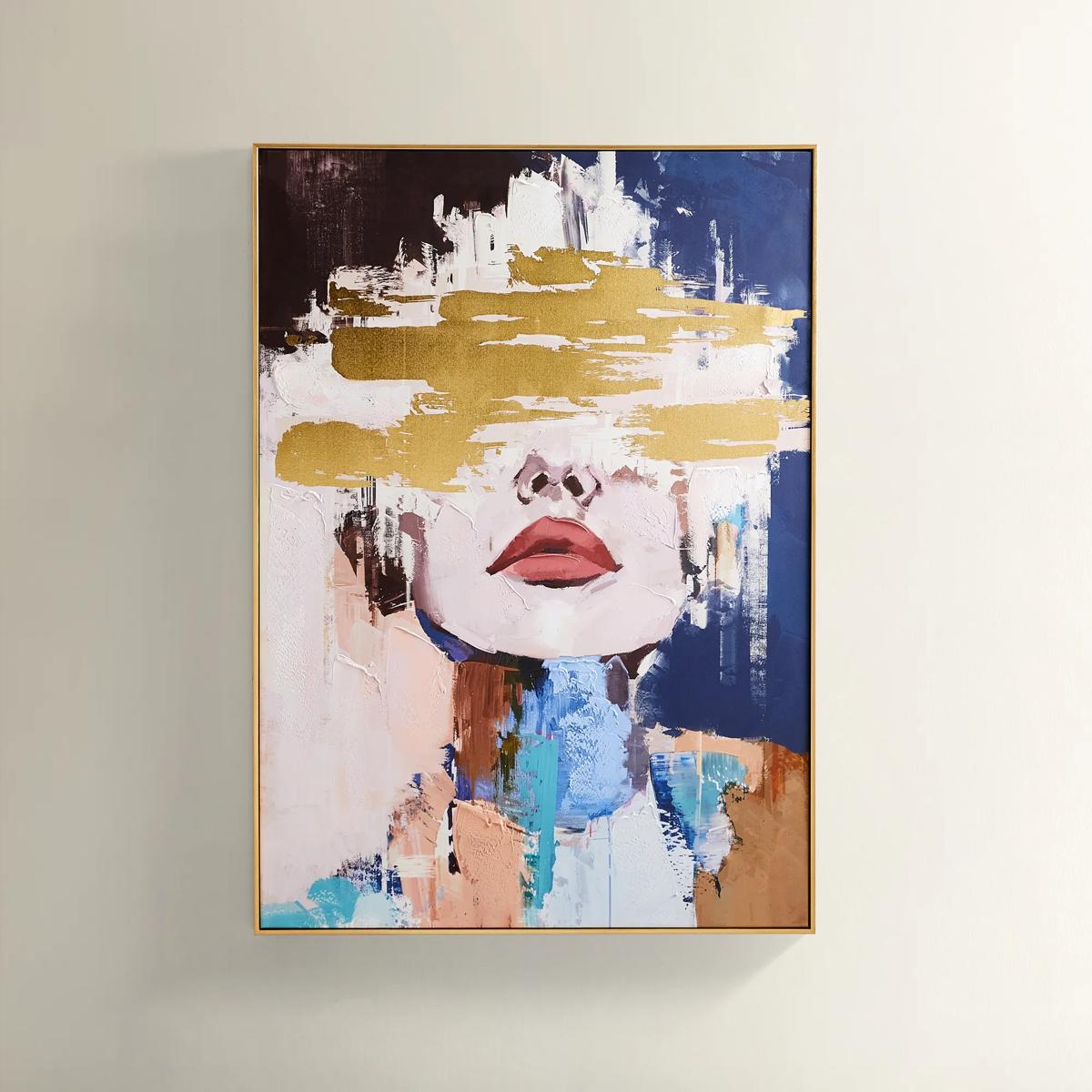
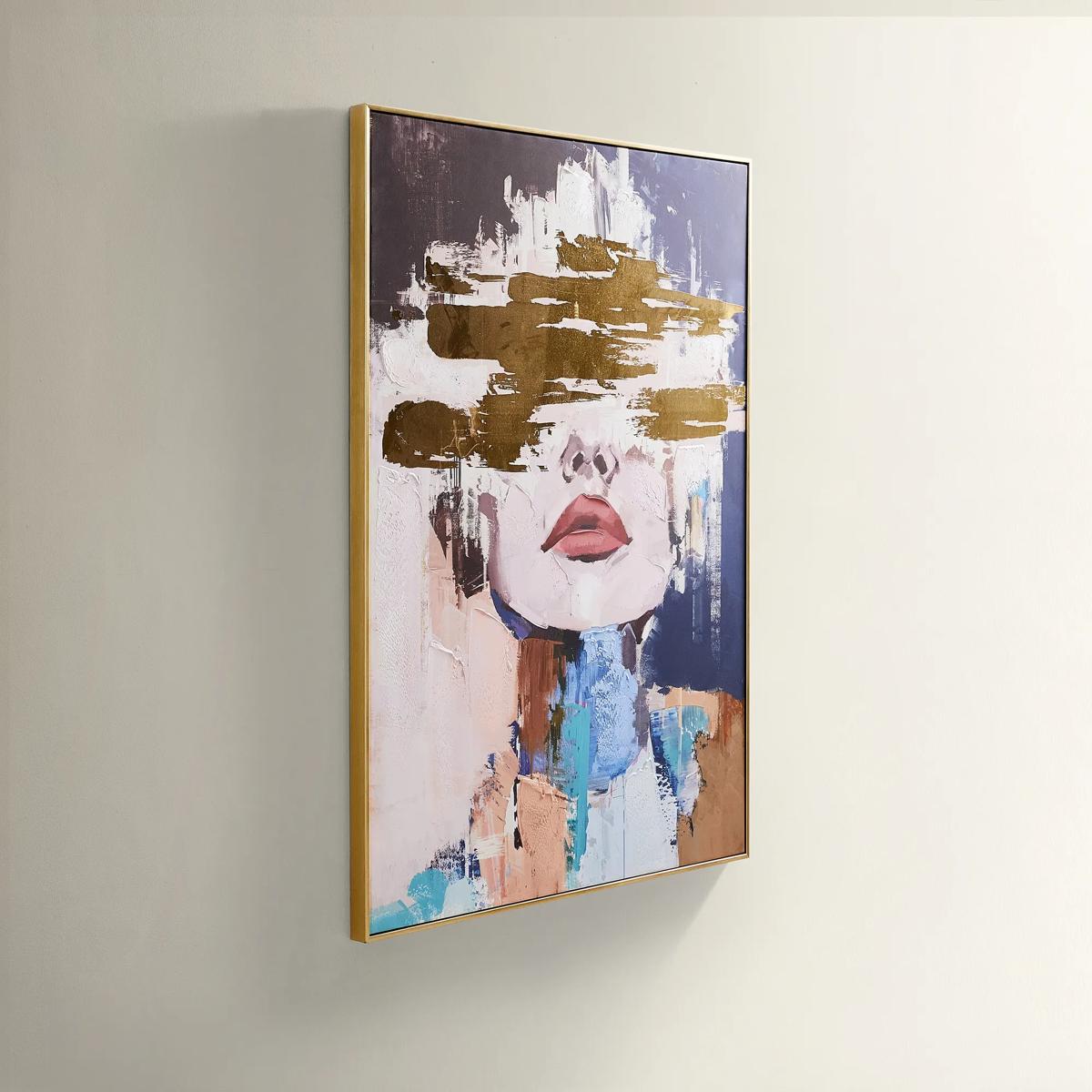 Waiting in Color Gold Foil Painted Wall Art 39.25" x 55"$499
A hand-painted abstract portrait in vivid blue, blush, and gold foil, framed in luxe gold.
Add To Cart -
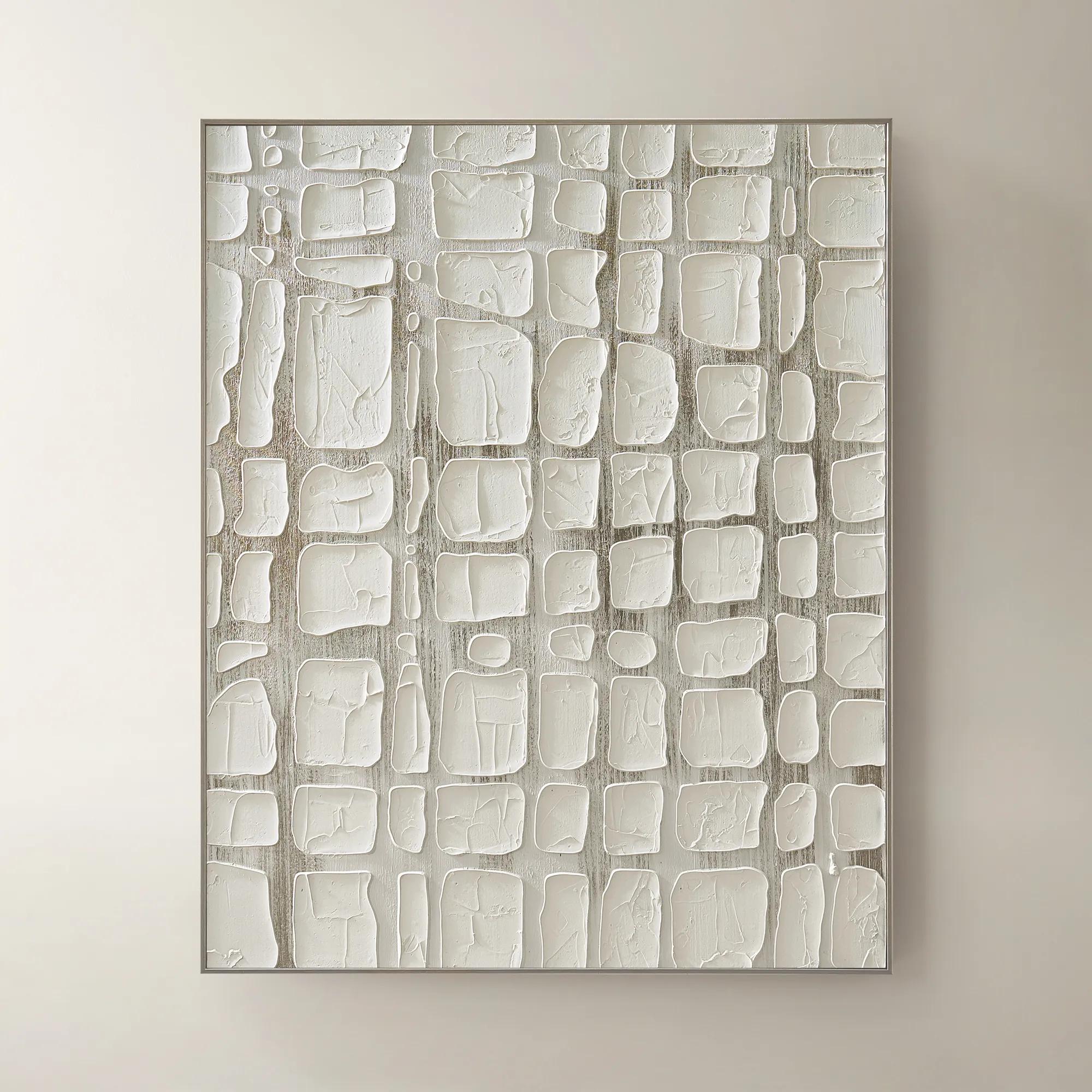
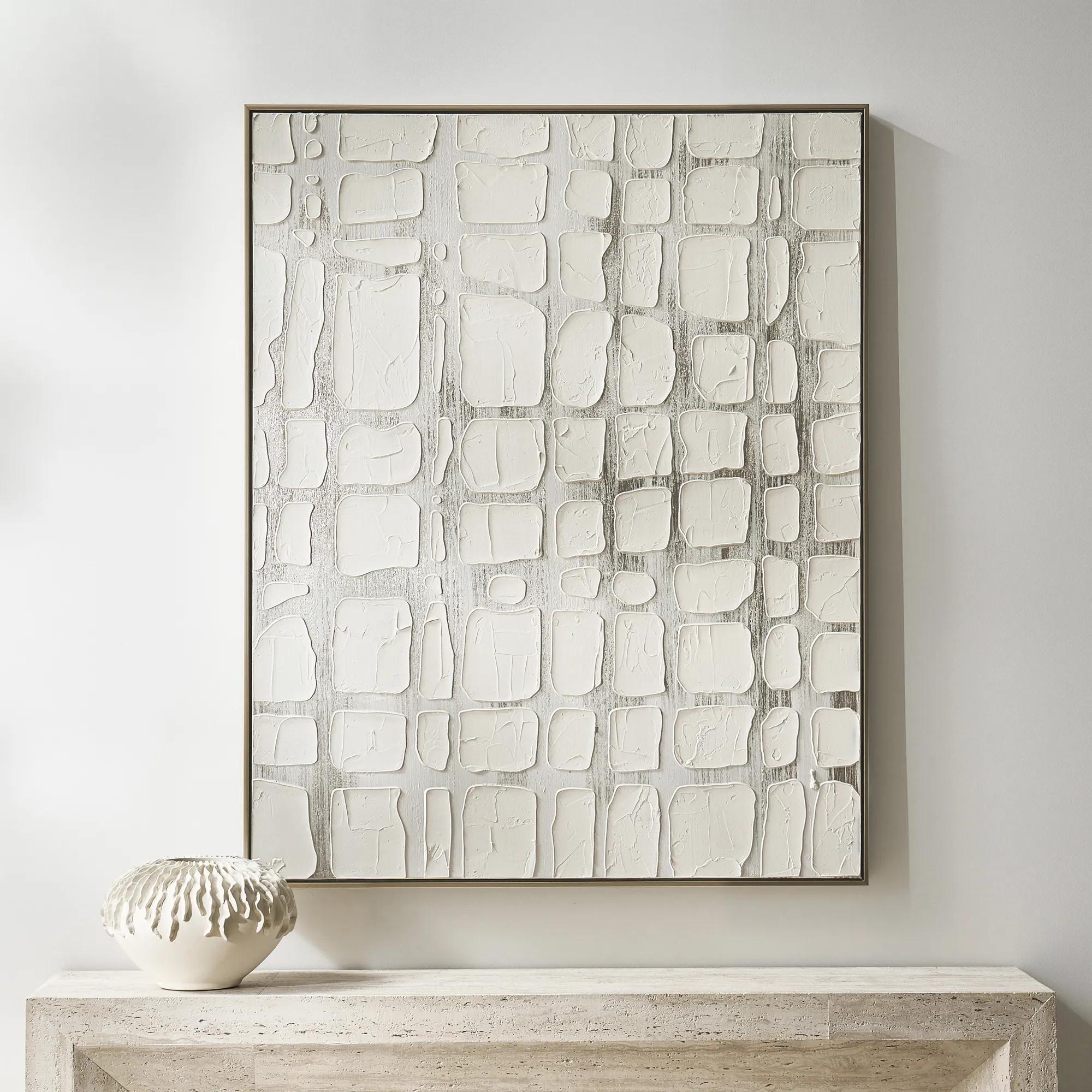 Vanish Framed Painted Wall Art 40" x 50"$499
A hand-painted canvas with raised white forms over champagne metallic ground in a refined floater frame.
Add To Cart -
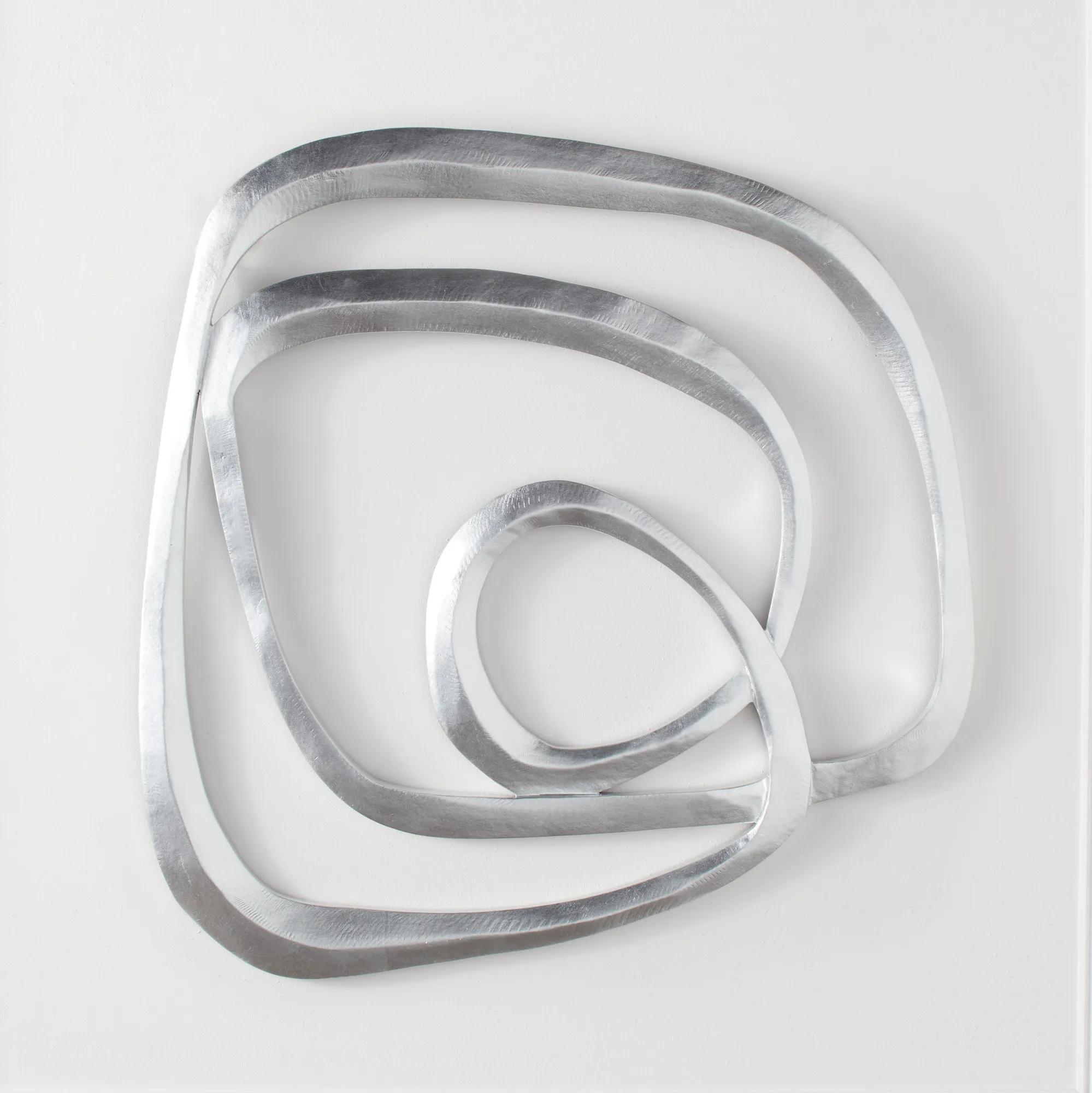 Infinity Silver Leaf Wood Wall Decor I 31.5" x 31.5"$299
A swirling wooden wall sculpture featuring a striking metallic silver finish for modern visual impact.
Add To Cart -
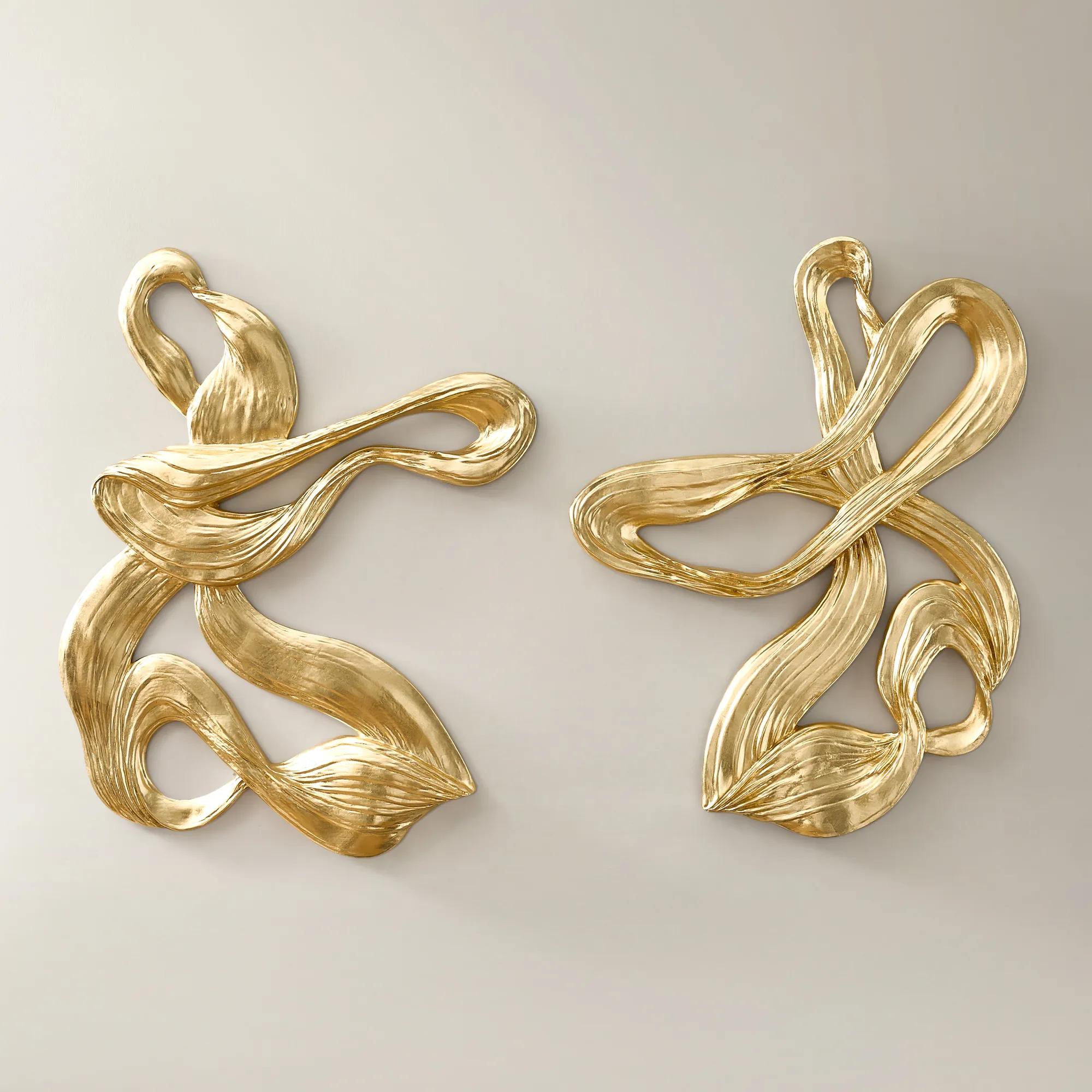
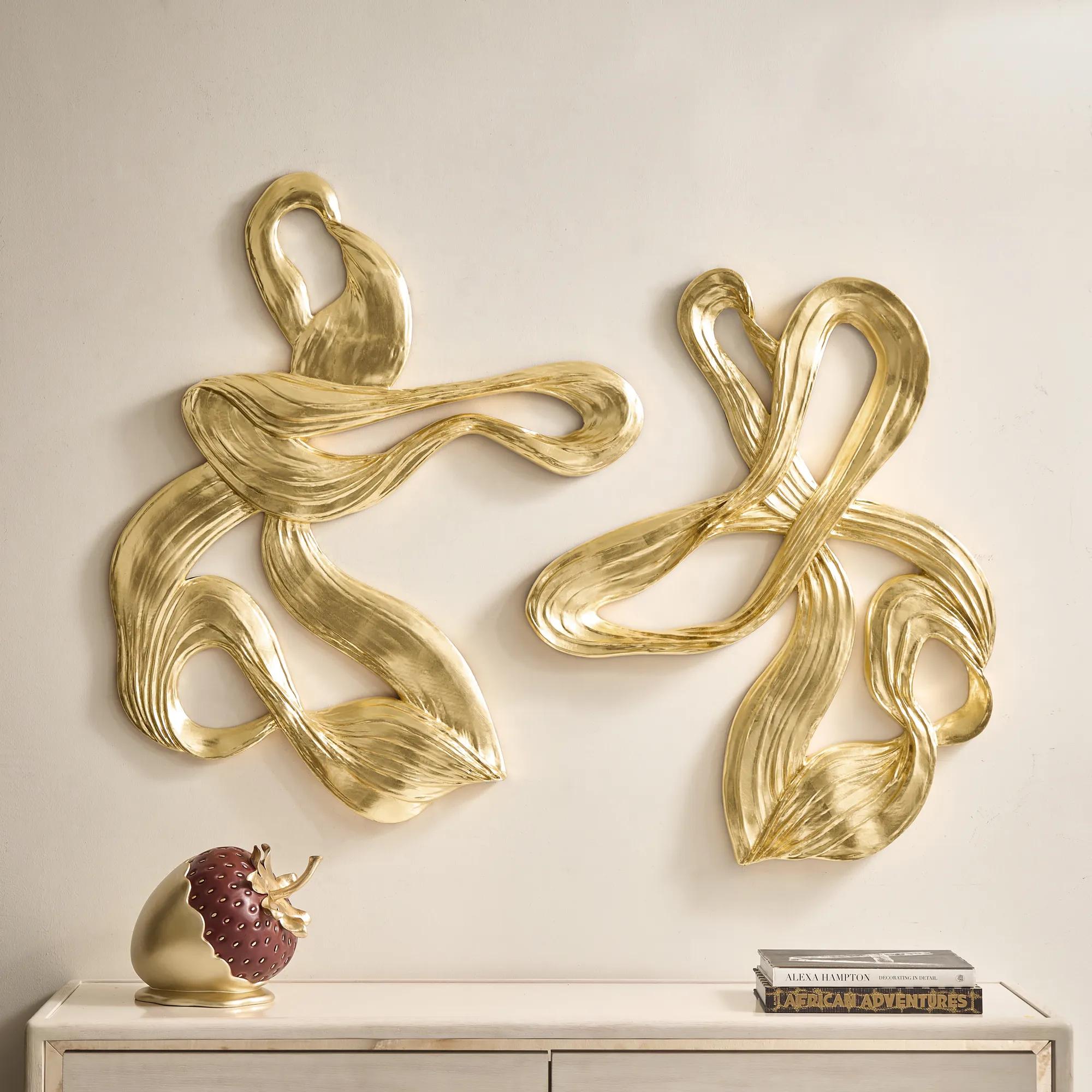 Vela Gold Leaf Sculpted Resin Wall Decor 30.5" x 39.25" Set of 2$699
A set of two resin wall sculptures featuring abstract loop designs and soft gold leafing for modern elegance.
Add To Cart -
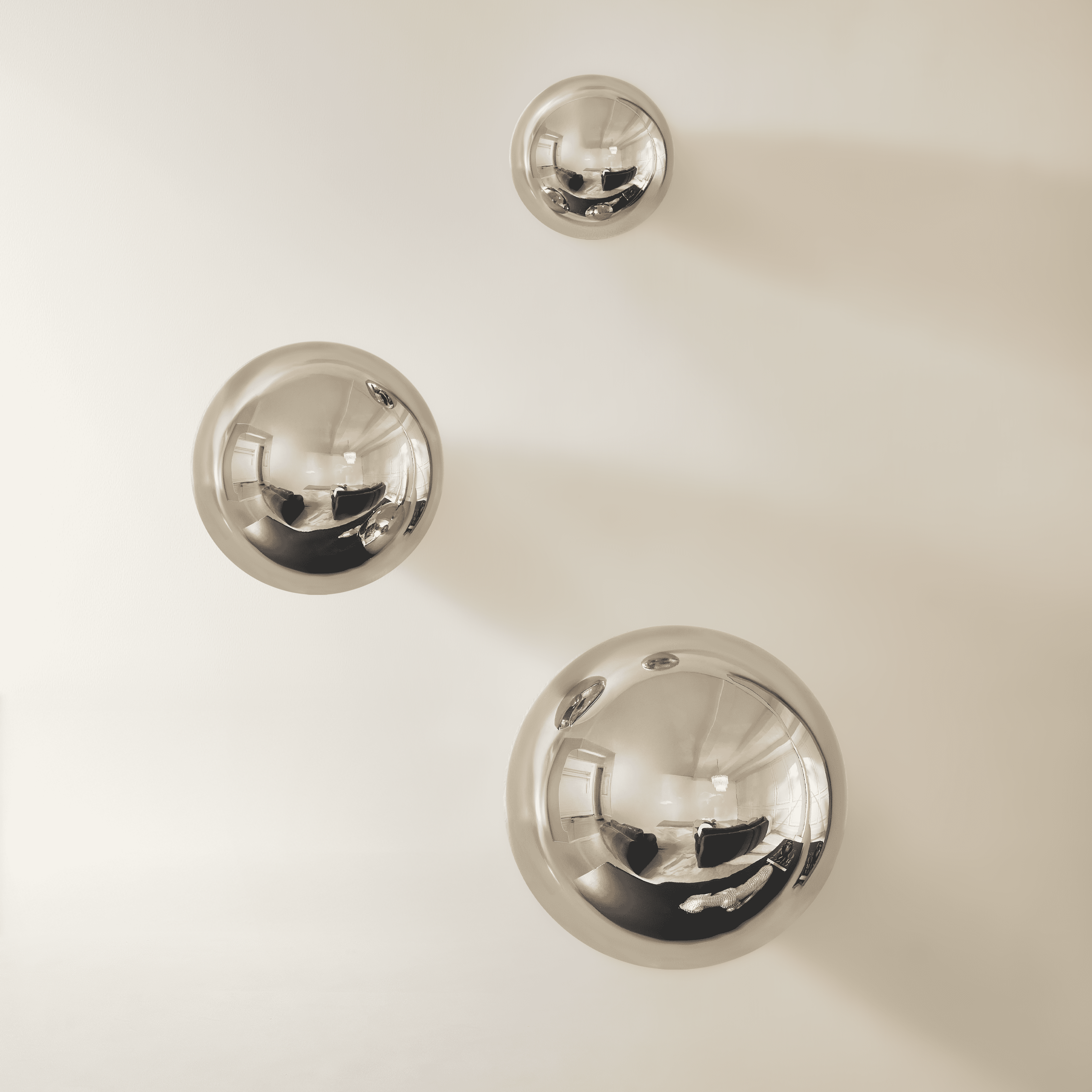
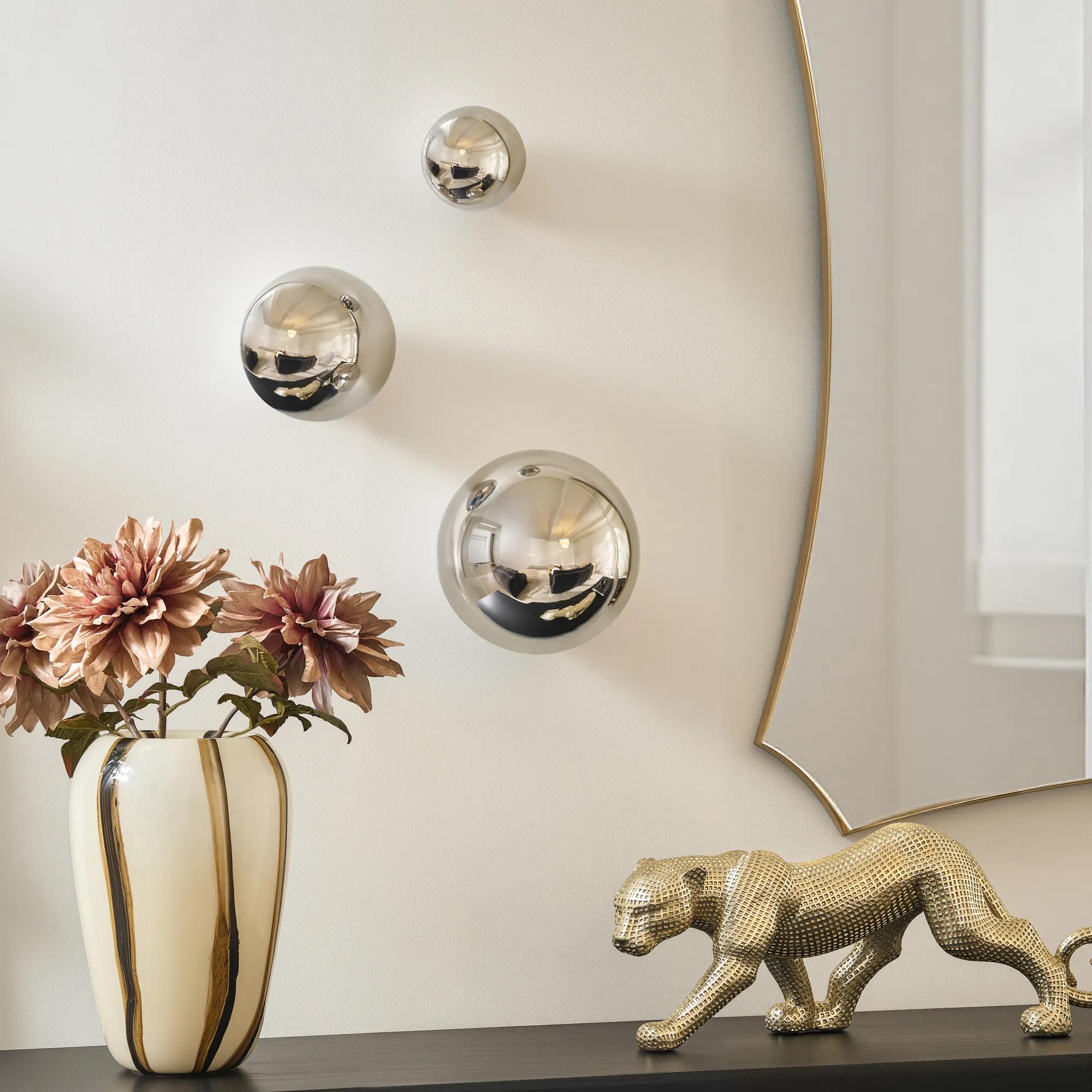 Chrome Spheres Stainless Steel Wall Decor Set of 3$129
A set of three polished chrome stainless steel spheres adds modern sculptural shine to any wall display.
Add To Cart -
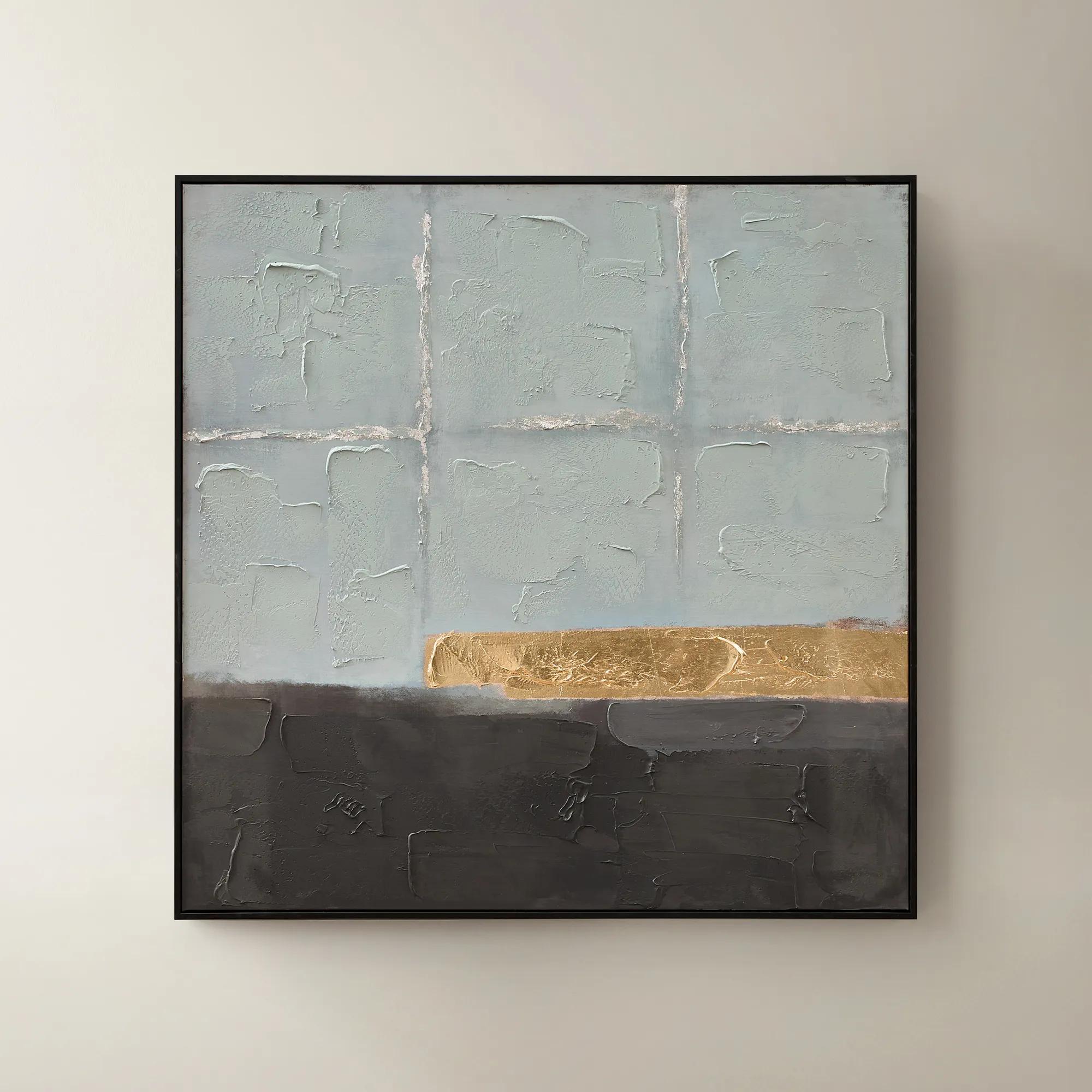
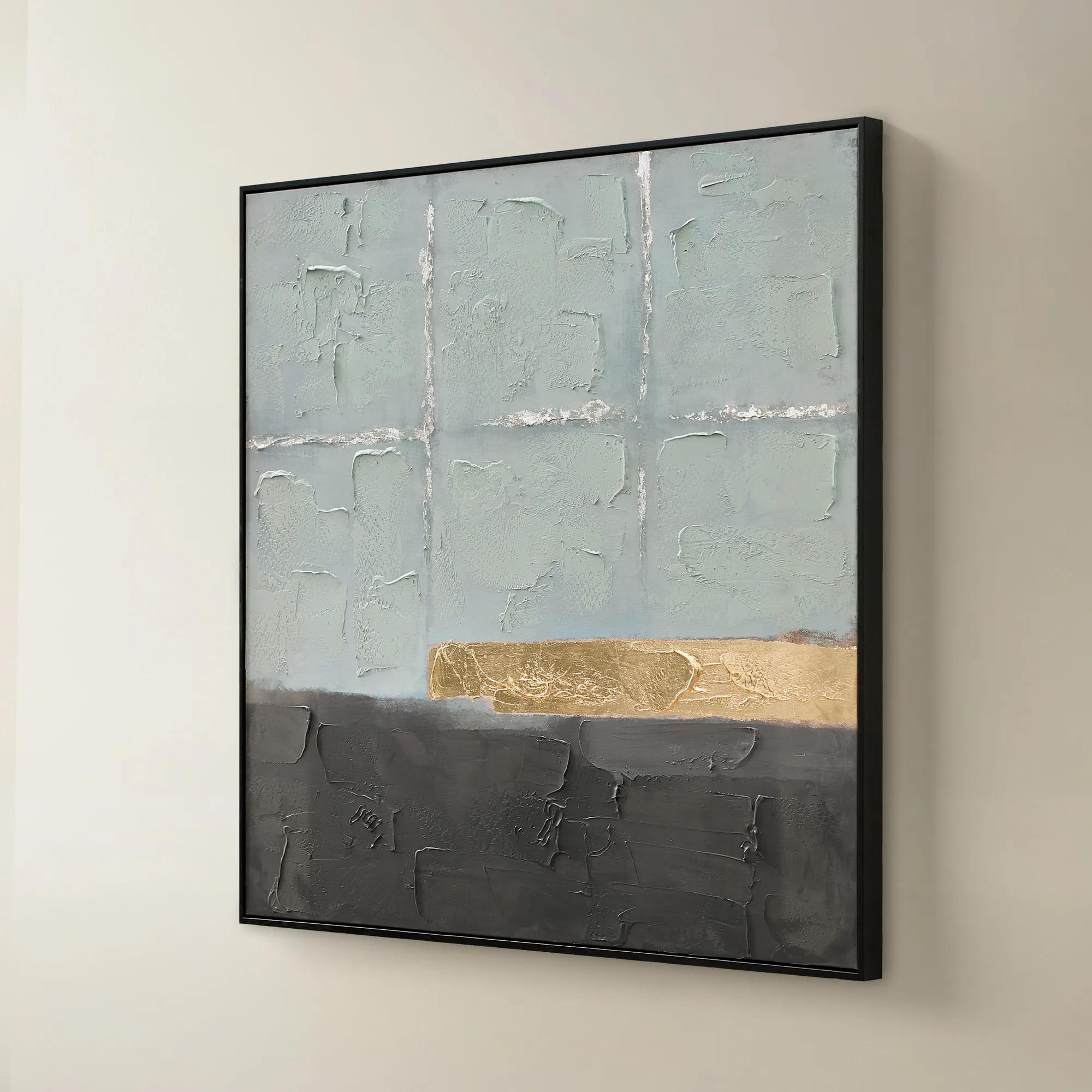 Jules Framed Gold Leaf Painted Wall Art 40" x 40"$299
A hand-painted canvas in mineral blue with gold leaf accents and a sleek black frame for modern appeal.
Add To Cart

Metallic Wall Art For Hallways
Metallic wall art for hallways transforms the everyday corridor into a luminous gallery, where every glance catches a glimmer and every step is elevated by artistry. Sculpted in shimmering finishes and radiant hues, these pieces invite intrigue and drama, reflecting your boldest self at every turn. Whether you seek to elongate a narrow space or create a dazzling focal point, metallic wall art for hallways infuses each passage with modern elegance and expressive flair—proof that even the journey between rooms deserves to be unforgettable.
Metallic wall art for hallways brings sculptural depth, reflective detail, and expressive design to spaces where floor space is often limited. Slim wall-mounted compositions can lend a narrow passage a striking focal point without the footprint of a console, while dimensional metal sculptures introduce shadows and movement across an otherwise quiet wall. Reflective finishes catch existing light rather than create it, so their effect depends on the placement of windows, sconces, and overhead fixtures. A brushed surface offers a restrained shimmer; a polished finish creates sharper highlights and more pronounced reflections. Both can transform the journey between rooms into a considered part of the home’s design. Abstract arrangements suggest motion, geometric forms establish rhythm, and botanical silhouettes soften crisp architectural lines. Materials and construction shape the effect as much as the composition itself. Aluminum can offer a lighter alternative to similarly sized steel work, while brass and copper bring warm undertones that feel especially rich against ivory, charcoal, or deep blue walls. A metallic appearance may also come from plating, metallic paint, or metal leaf applied to another material, rather than solid metal, making the stated construction worth considering alongside the finish. These distinctions influence weight, texture, care, and the way the artwork responds to light. Gold tones can create a luminous contrast against dark millwork, while silver and pewter complement pale stone, cool neutrals, and gleaming hardware. For a cooler interpretation, silver abstract wall art for hallways introduces fluid shapes and tonal variation without relying on bold color. The appeal extends beyond formal interiors: a single sculptural composition can give a contemporary apartment entrance definition, while a sequence of smaller works can bring continuity to a long residential corridor. The most compelling choice feels connected to the surrounding rooms without merely repeating them, offering a glimpse of the personality that unfolds throughout the home.
Proportion matters especially in a hallway, where artwork is often experienced at close range and from an angle before it is seen straight on. A broad, uninterrupted wall can support a substantial horizontal composition, while the narrow section between doorways may be better suited to an elongated vertical form. In a passage with several doors, smaller related pieces can establish a measured rhythm without competing with the architecture. Dimensions should include the full outer frame or sculptural spread, along with the distance the work projects from the wall. That depth is particularly important near coat hooks, door swings, and frequently traveled routes, where a dramatic silhouette still needs room to remain undisturbed. Low-profile metal wall decor is often a practical choice for tighter passages; deeper relief belongs where shoulders, bags, and open doors will not brush against it. A paper template can help reveal whether a composition feels balanced before mounting, especially when multiple elements must read as one arrangement. Eye-level placement is a useful starting point, but nearby trim, ceiling height, and the relationship to a bench or console should shape the final position. Above furniture, leaving visible space at either side helps the artwork feel anchored rather than crowded. Lighting deserves the same attention as scale. A textured metallic surface can reveal intricate ridges under a directional fixture, while highly polished planes may reflect a bare bulb or produce distracting glare when viewed from the end of the corridor. Viewing the intended location from both approaches helps anticipate those reflections. Mounting requirements also vary with the artwork’s weight and construction: use the specified hanging points and hardware appropriate to the wall material, with anchors or structural support rated for the load. Secure installation preserves the composition’s intended alignment and is especially important in active households. Where a hallway already contains expressive wallpaper or ornate molding, an open metal design can allow the background to remain visible, creating layers rather than a dense visual interruption.
The lasting appeal of metallic hallway art comes from the relationship between finish, texture, and the life of the surrounding space. A satin silver composition against a matte wall creates a subtle exchange of light; hammered gold against a smooth painted surface offers a more tactile contrast. Mixed metals can feel deliberate when one finish takes the lead and another appears as an accent, perhaps echoing a door handle, mirror frame, or light fixture farther along the hall. Exact matching is less important than a shared undertone and a balanced distribution of shine. In an entrance used by family and guests, a sculptural arrangement can establish a confident welcome; outside a bedroom, softer curves and muted metallic tones can create a quieter transition. Durability depends on the underlying material, protective coating, mounting, and exposure—not simply on whether the surface looks metallic. Steel may be vulnerable to corrosion if its protective finish is compromised, while unlacquered brass and copper can develop a patina that changes their appearance. Some finishes are designed to retain a consistent sheen; others are intended to evolve. Unless a piece is expressly rated for outdoor use, an interior hallway is the appropriate setting, away from persistent moisture and direct splashes. Routine care generally begins with gentle dusting using a soft, dry cloth or a soft brush for intricate relief, following the maker’s instructions. Abrasive pads, household sprays, and metal polish can damage painted, plated, leafed, or lacquered surfaces, even when they seem suitable for bare metal. Framed metallic artwork requires care appropriate to its glazing and underlying medium rather than treatment as a metal sculpture. For a housewarming or wedding gift, this category can be particularly thoughtful when the recipient’s preferred finish, available wall dimensions, and decorating style are known. Chosen with that attention, metallic wall art becomes more than an accent: it gives an often-overlooked passage its own presence, turning everyday movement through the home into an encounter with texture, light, and artistry.
FAQs
Metallic wall art instantly elevates the mood of a hallway by introducing reflective surfaces that play with light and shadow. The shimmering qualities of metal create visual intrigue, making even the narrowest corridor feel more open, dynamic, and artfully curated.
Popular finishes include brushed, polished, and patinated metals. Brushed finishes offer a soft, contemporary look, while polished metals provide a mirror-like gleam that amplifies light. Patinated surfaces introduce texture and depth, adding a sense of artistry and history to your space.
Absolutely. Metallic wall art’s versatility allows it to complement a range of styles. Sleek, abstract pieces work beautifully in modern interiors, while ornate or nature-inspired designs can add a sophisticated twist to traditional hallways, creating a harmonious blend of old and new.
Lighting dramatically influences the look of metallic wall art. Natural light highlights the reflective qualities and subtle color shifts, while artificial lighting—such as sconces or spotlights—can accentuate textures and create dramatic shadows, enhancing the art’s sculptural presence.
Yes, metallic wall art makes a memorable gift for housewarmings, anniversaries, or celebrations of personal milestones. Its timeless appeal and ability to transform a space ensure that the recipient enjoys a lasting, artistic statement that reflects both beauty and thoughtfulness.