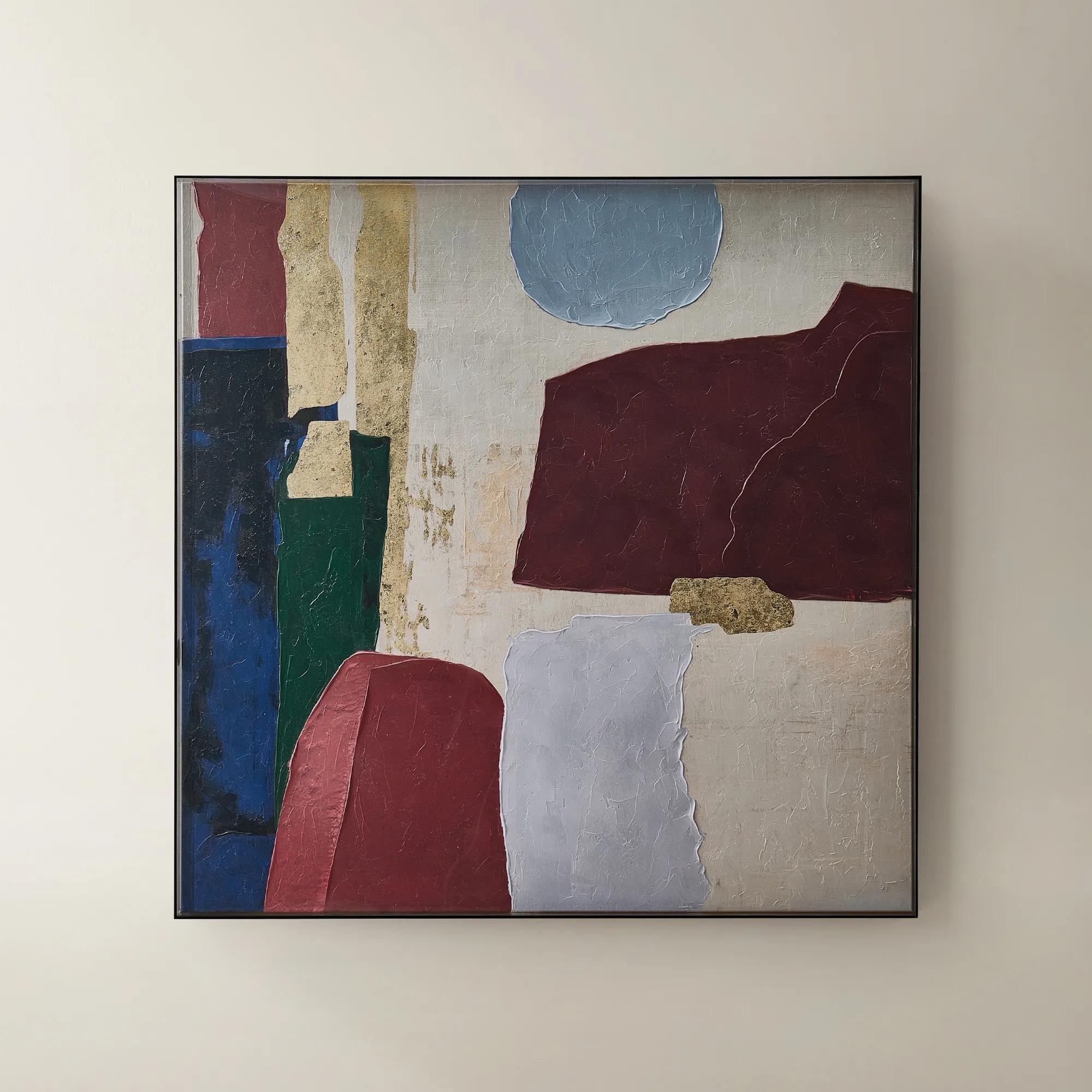
Modern Art For Hallway Walls
Modern Art For Hallway Walls
-
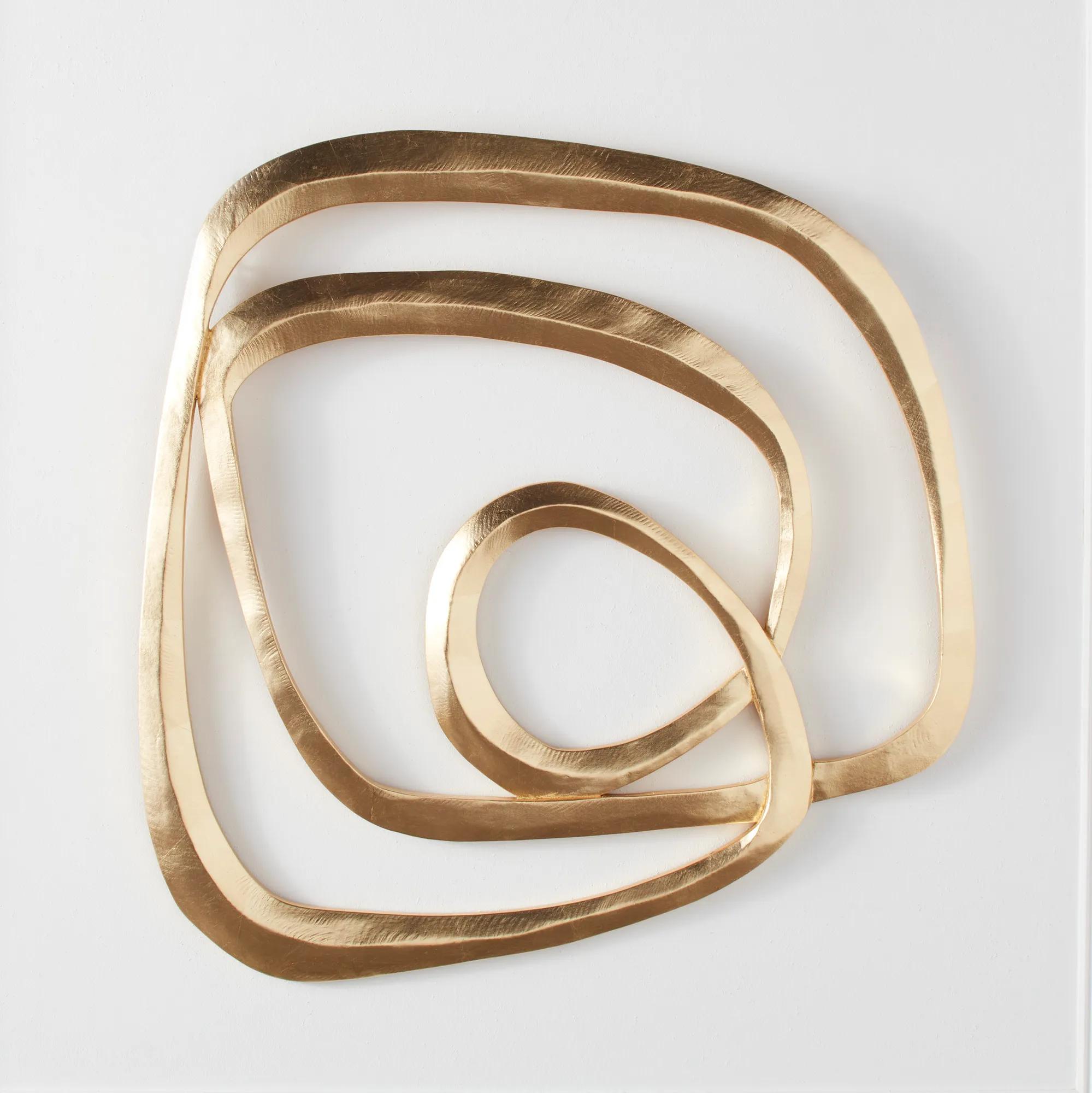 Infinity Gold Leaf Wood Wall Decor I 31.5" x 31.5"$299
A swirling wooden wall sculpture featuring a striking metallic gold finish for a bold decorative statement.
Add To Cart -
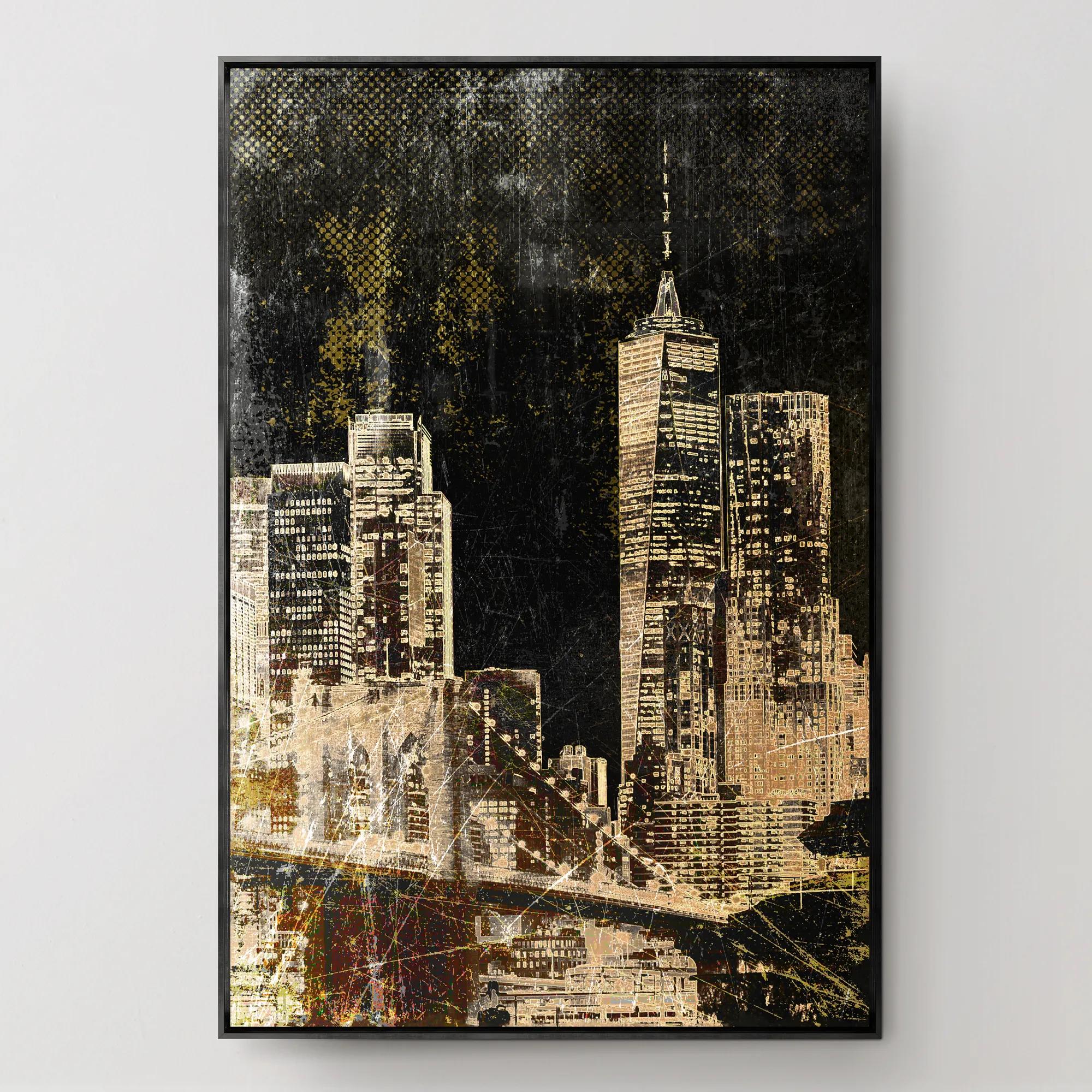
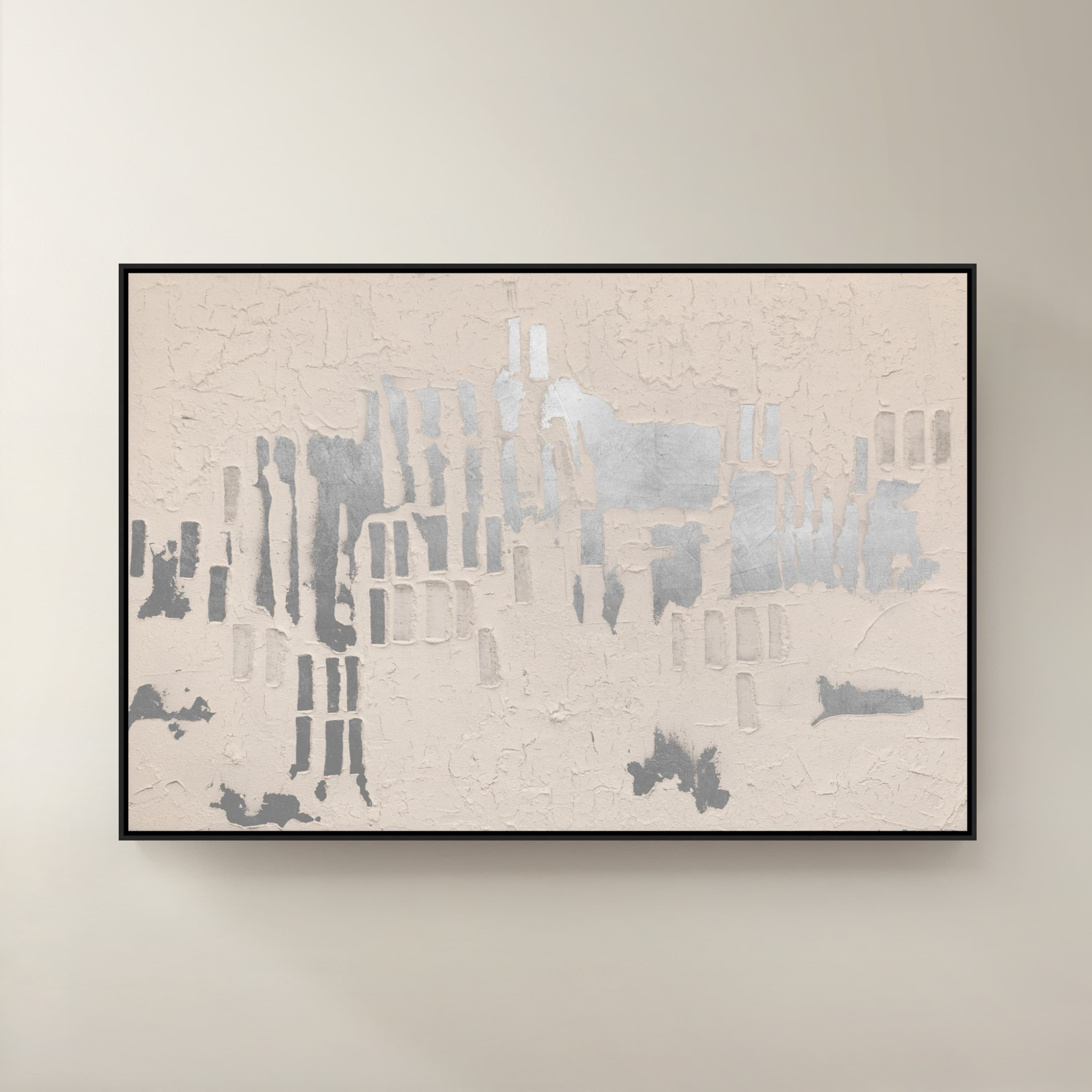
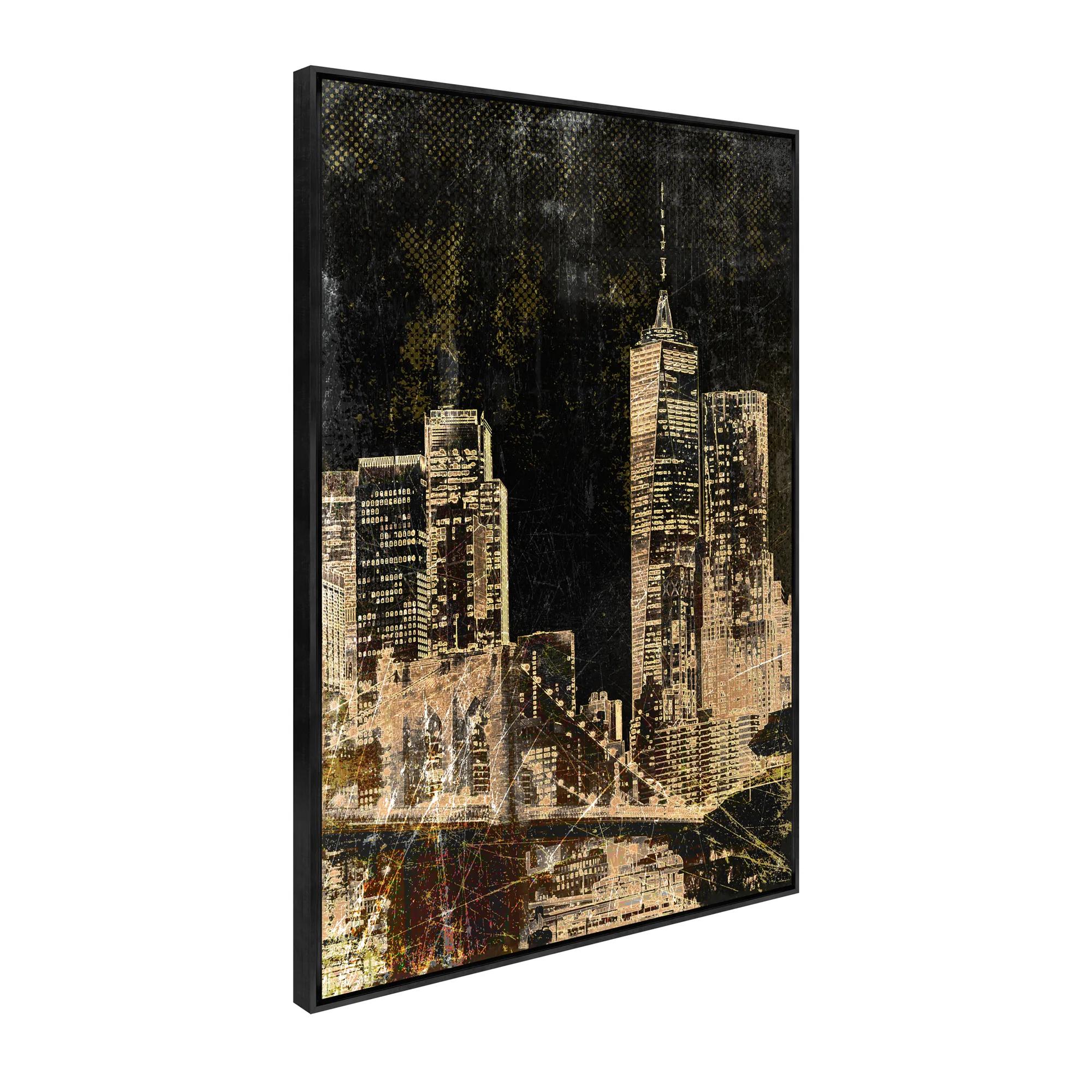 New York Lights Framed Wall Art 30" x 45"$649
A gallery-wrapped canvas artwork featuring a hand-applied gel finish and sleek black floater frame.
Add To Cart -
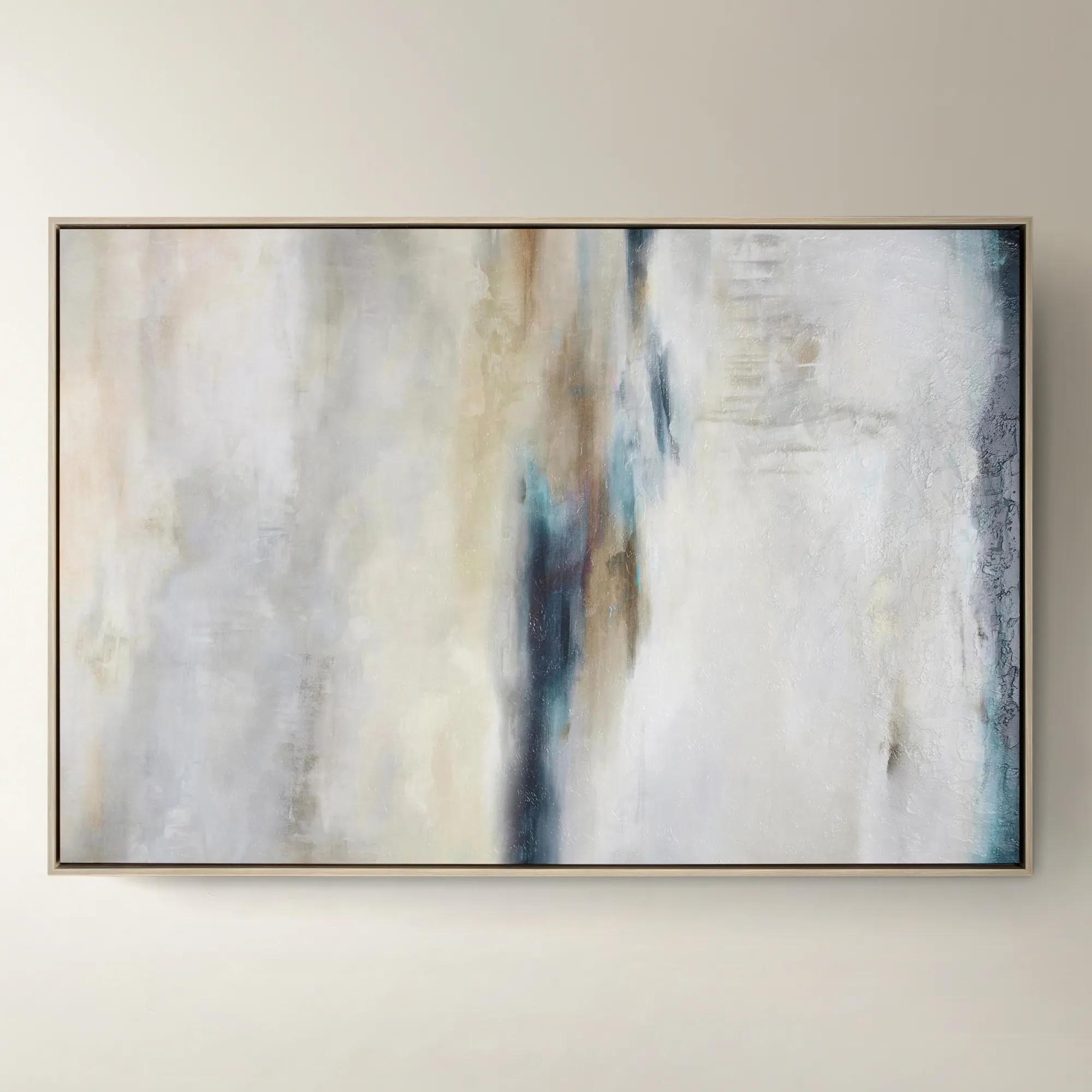
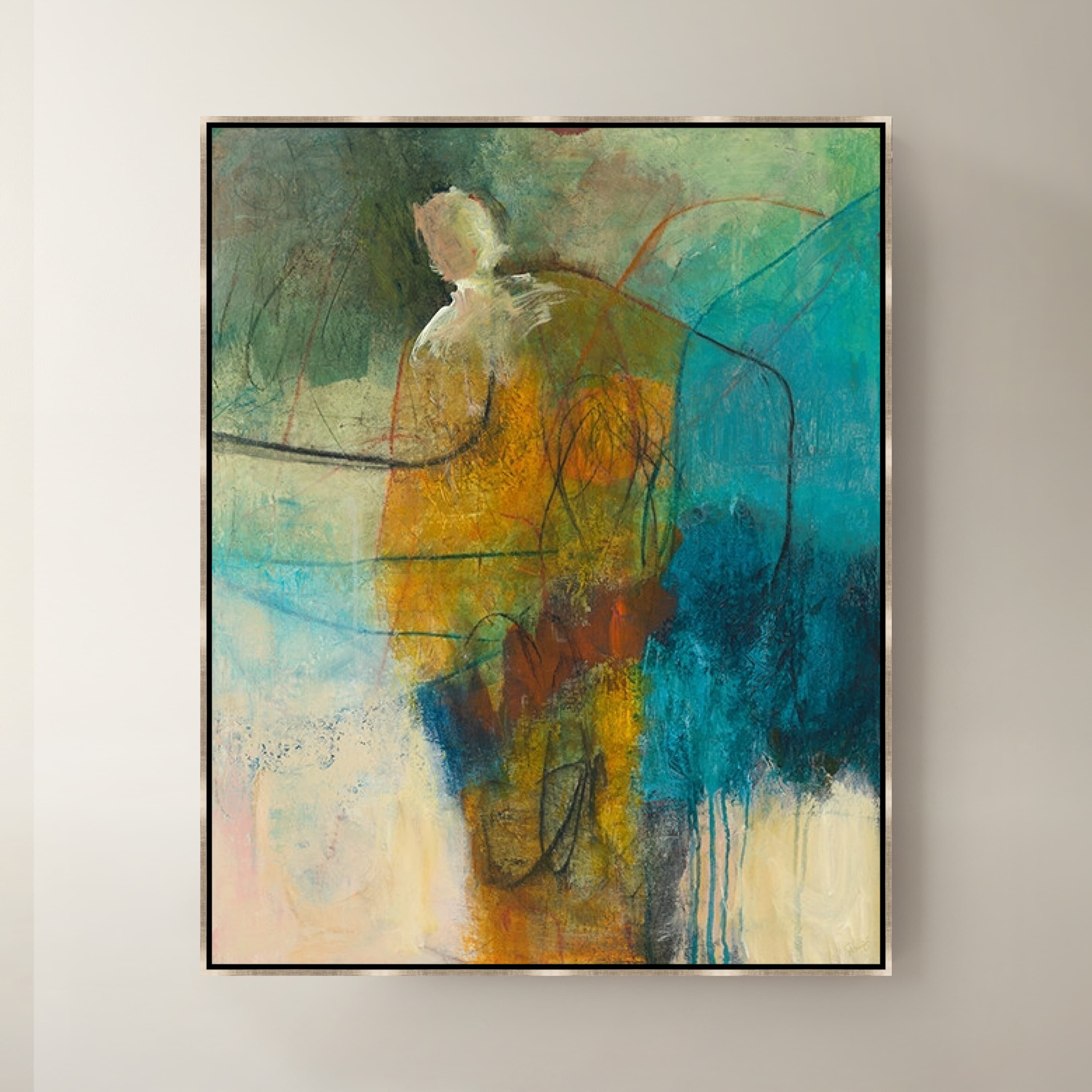
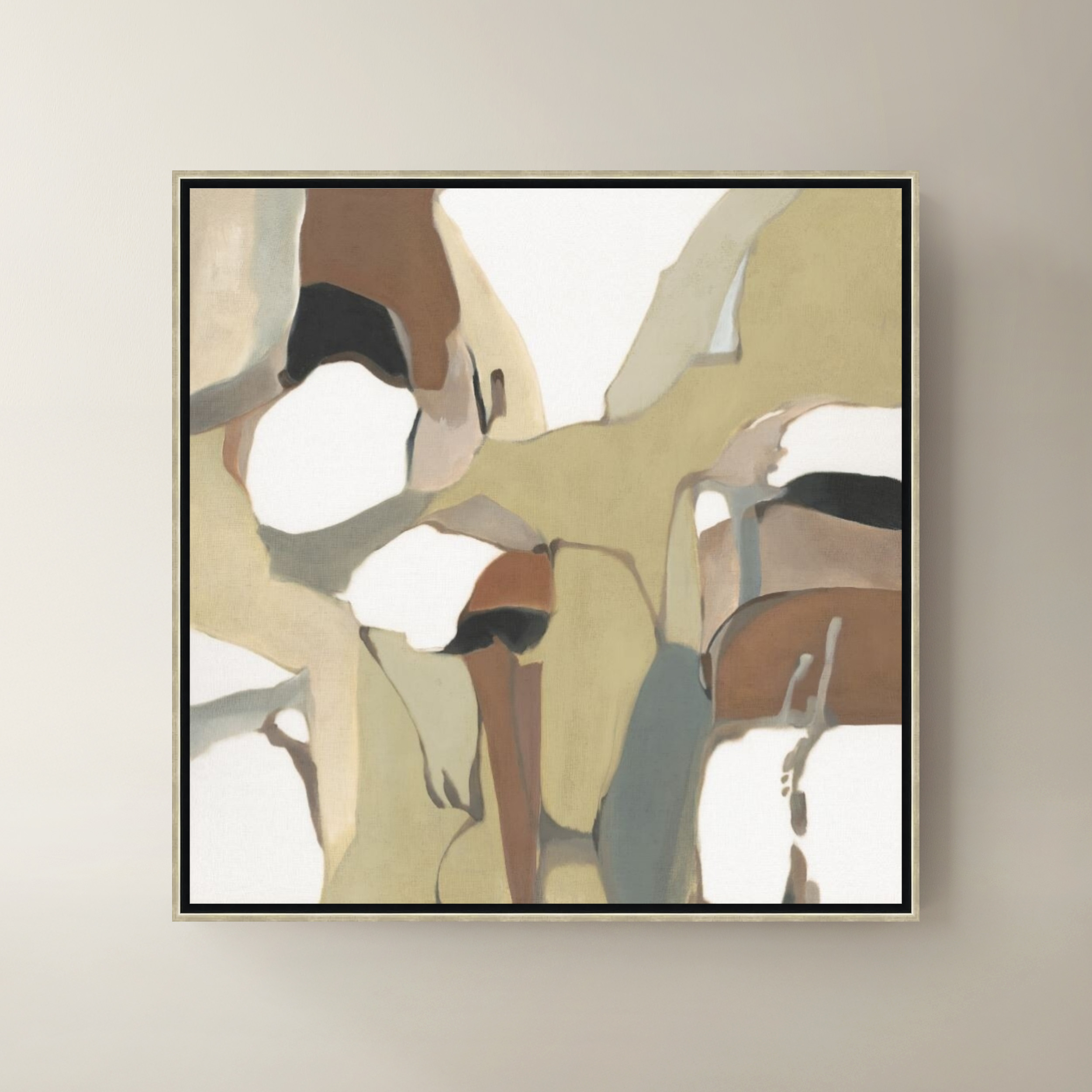
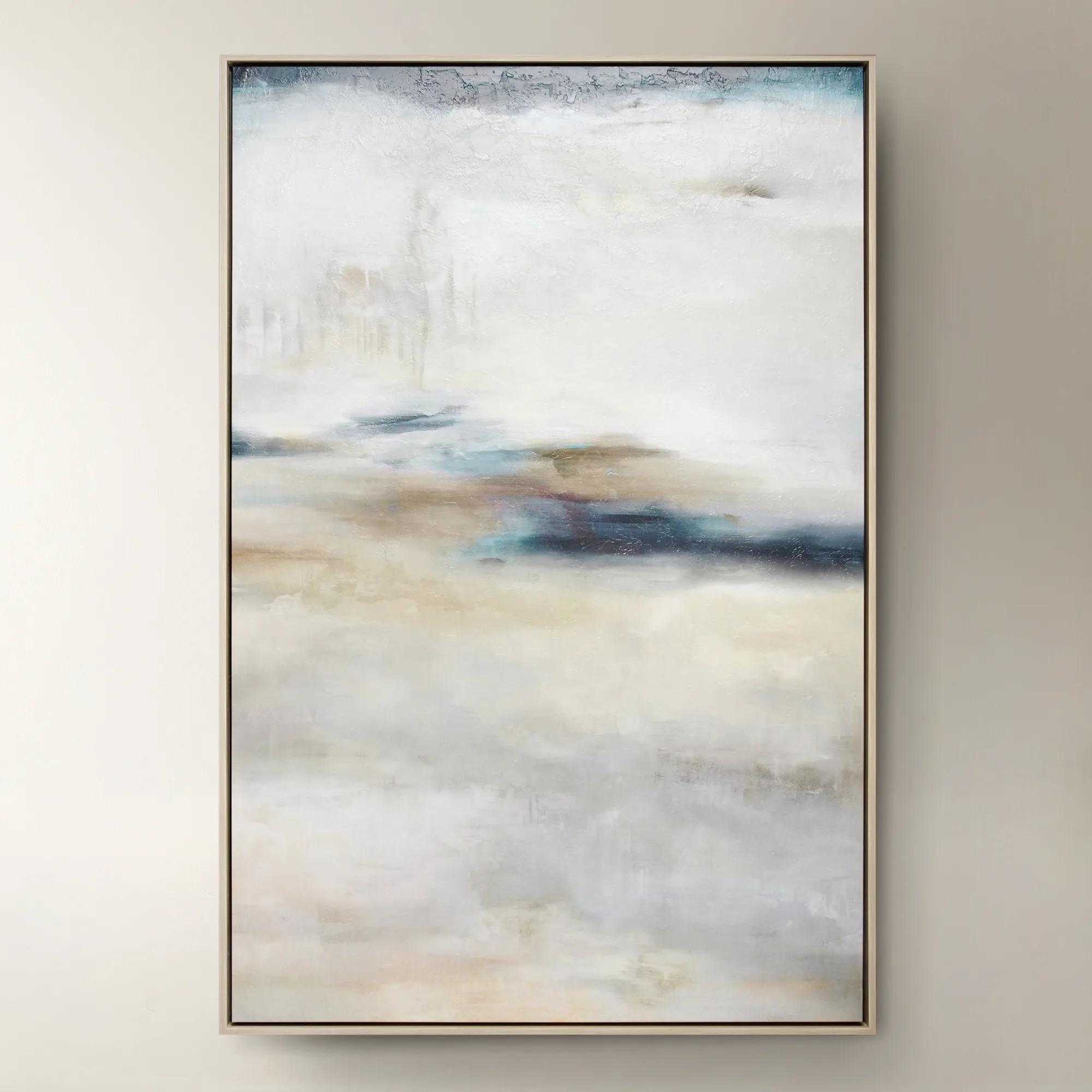 Forward Looking$1299
A softly layered abstract canvas print with a gel finish, set in a natural-hued floater frame.
Add To Cart -
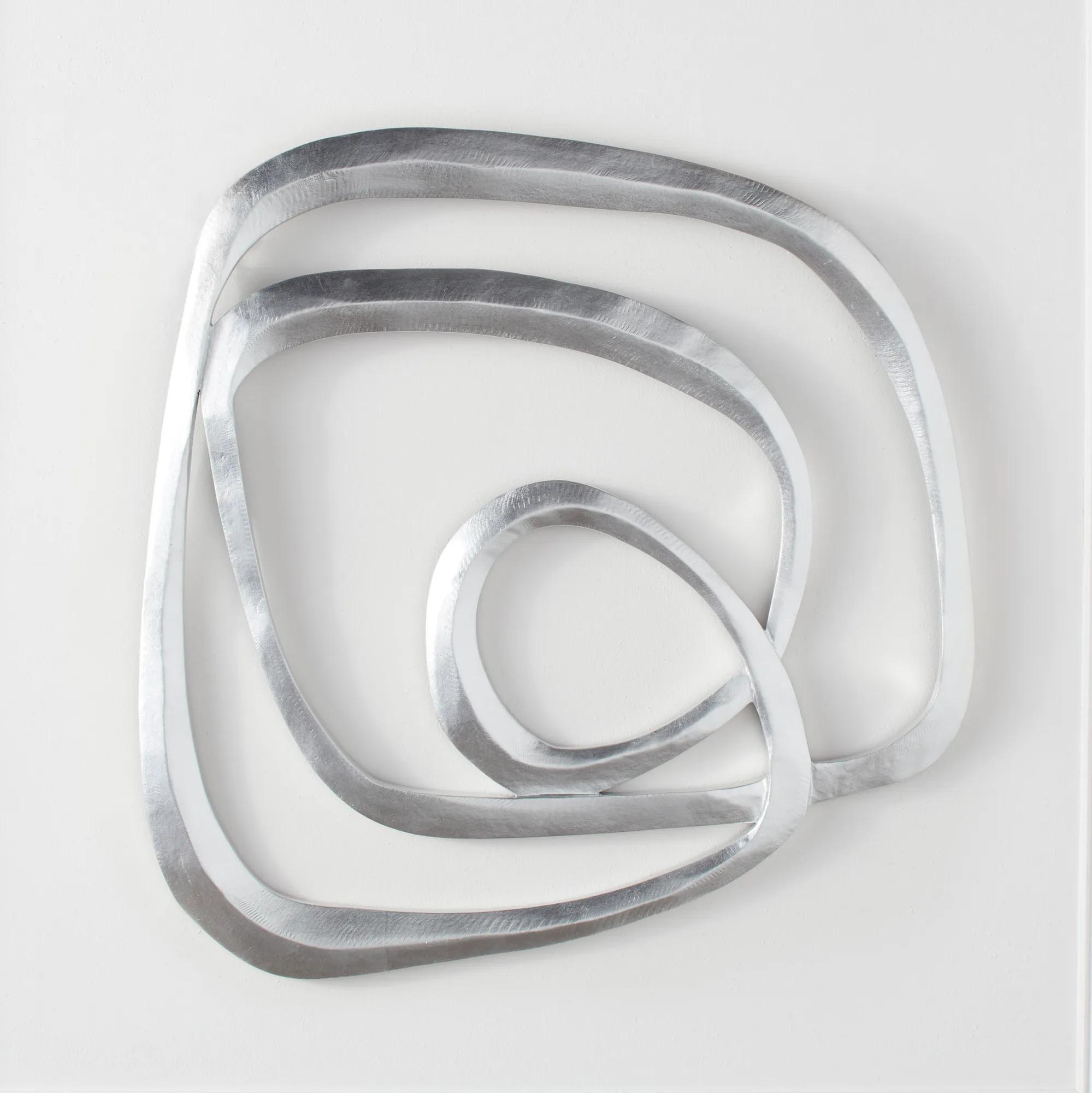 Infinity Silver Leaf Wood Wall Decor I 31.5" x 31.5"$299
A swirling wooden wall sculpture featuring a striking metallic silver finish for modern visual impact.
Add To Cart -
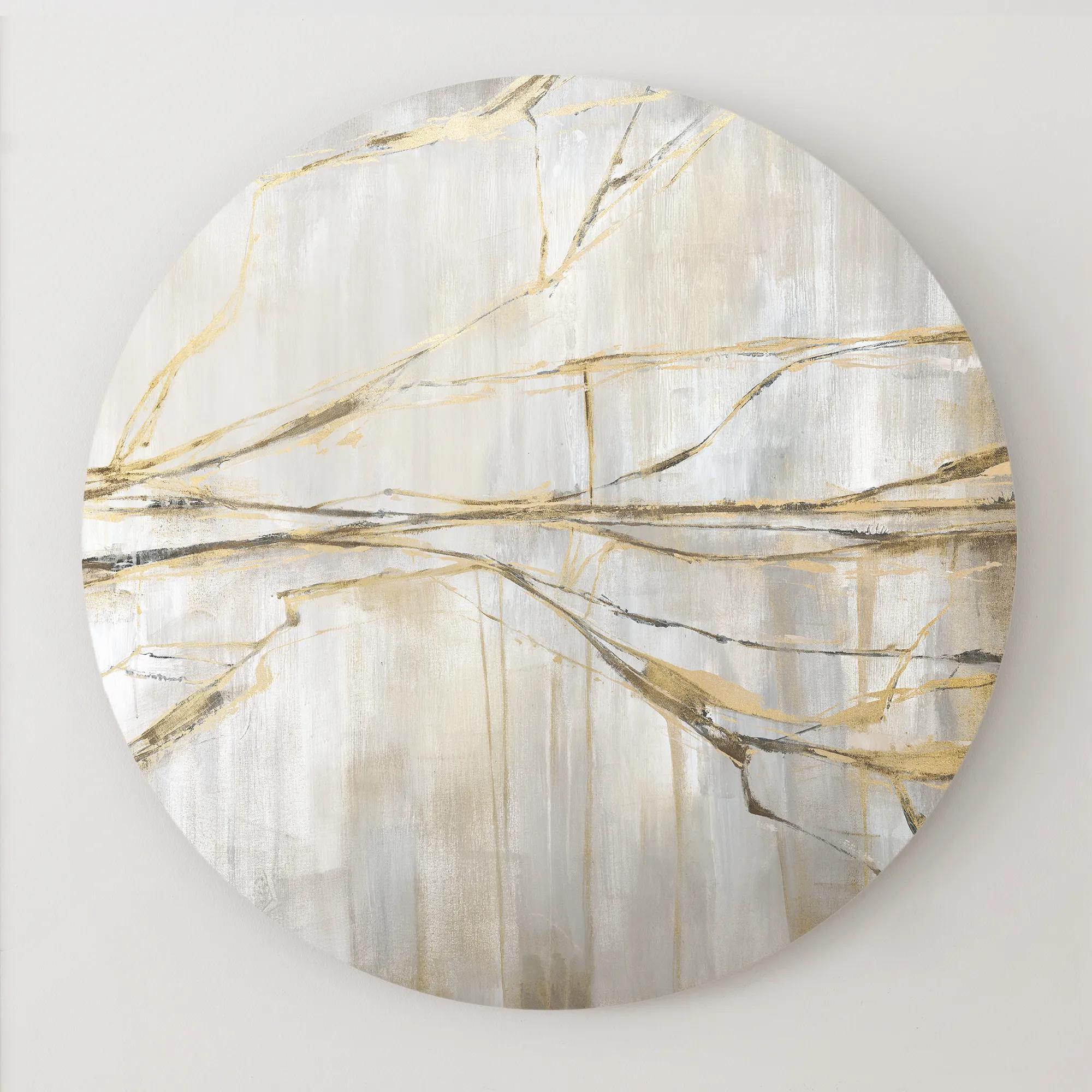
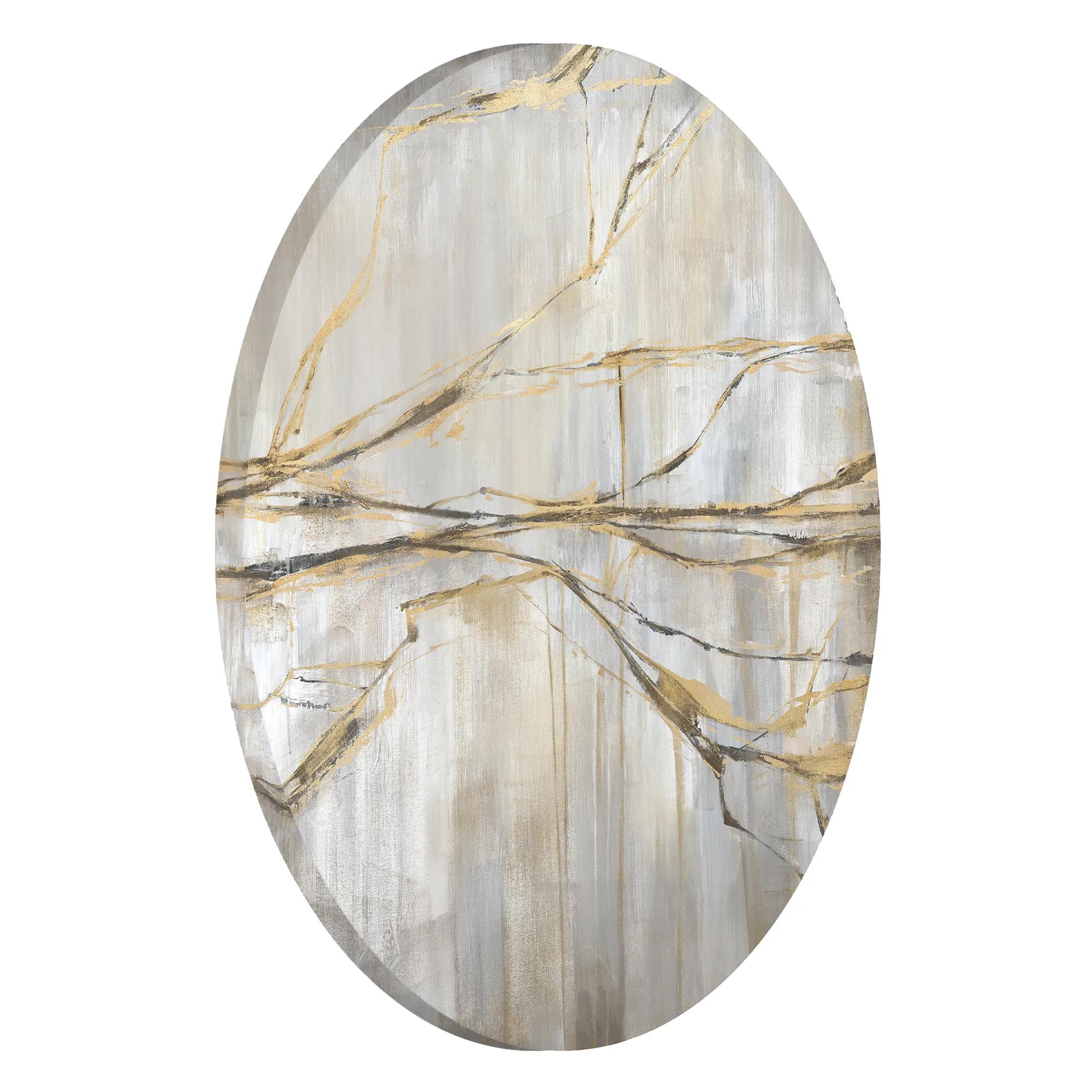 Lightening Crashes Round Wall Art 30"$899
A hand-textured circular linen canvas featuring a gallery-wrapped design for versatile wall display.
Add To Cart -
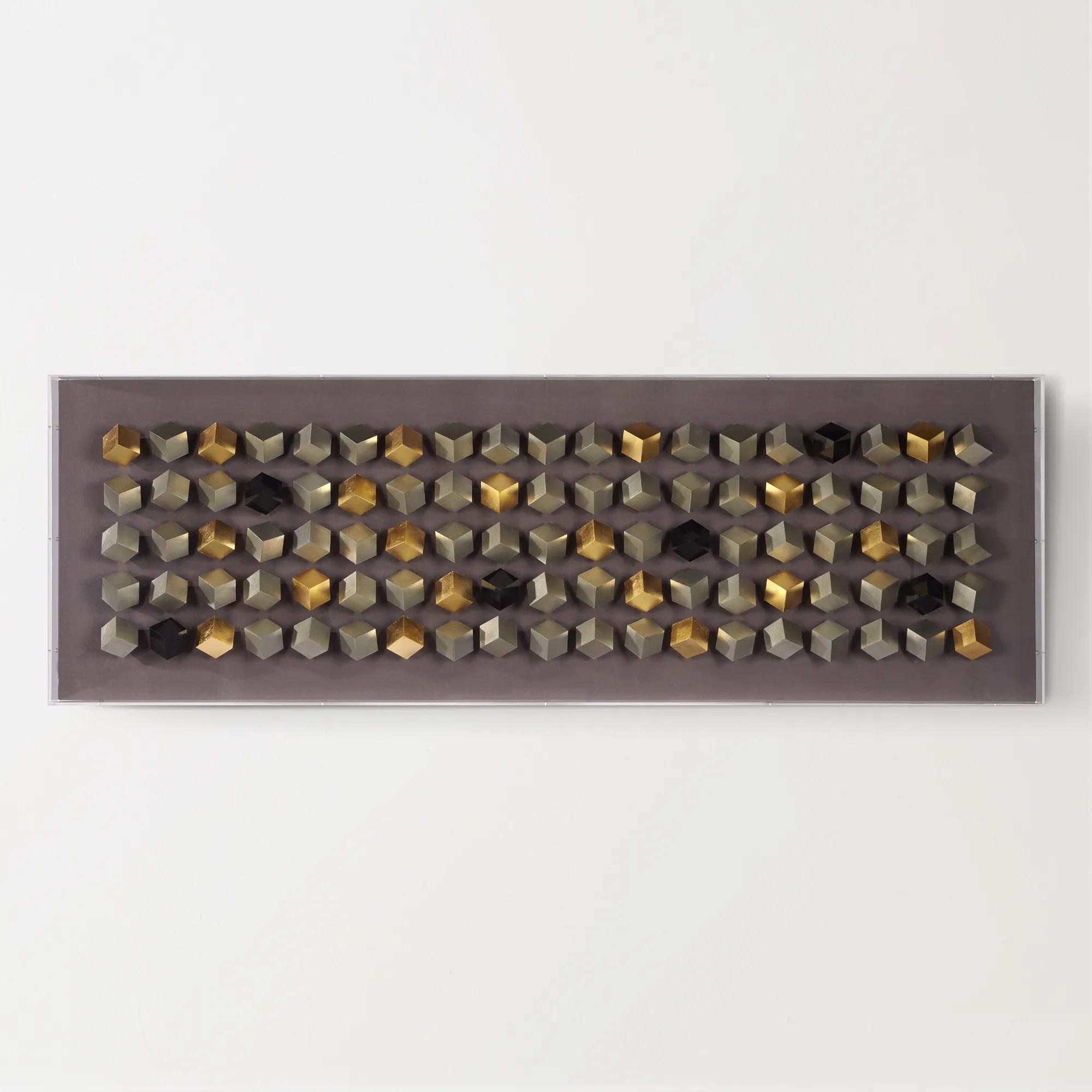
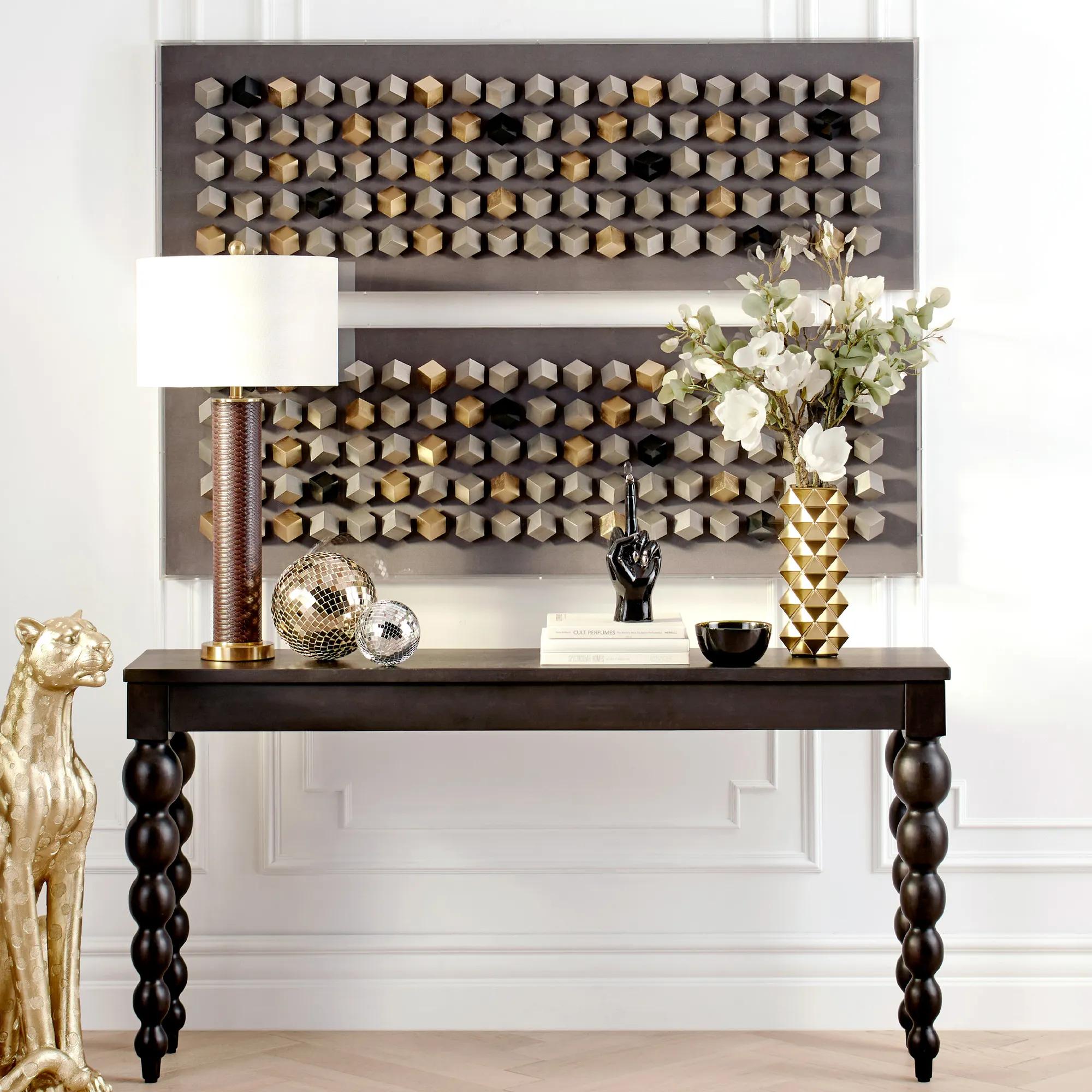 Cubic Array Dimensional Wall Decor in Acrylic 59" x 19.75"$599
A striking shadowbox wall art featuring a cubic, dimensional design with a tri-tone metallic finish.
Add To Cart -
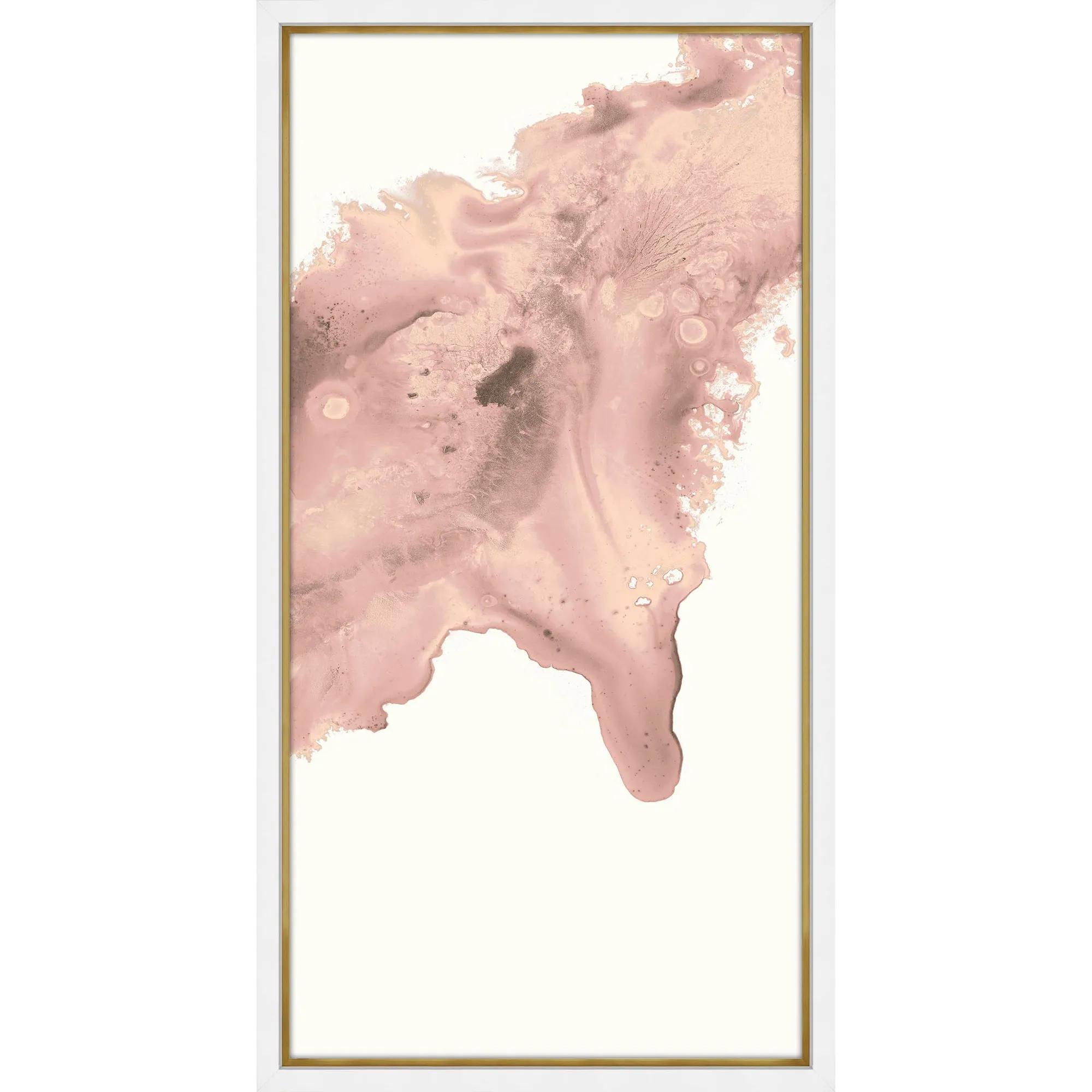
 Blush Conduit 2 Framed Wall Art 24" x 48"$849
A striking abstract print on pearl paper, elegantly framed in gold and matte white for modern appeal.
Add To Cart -
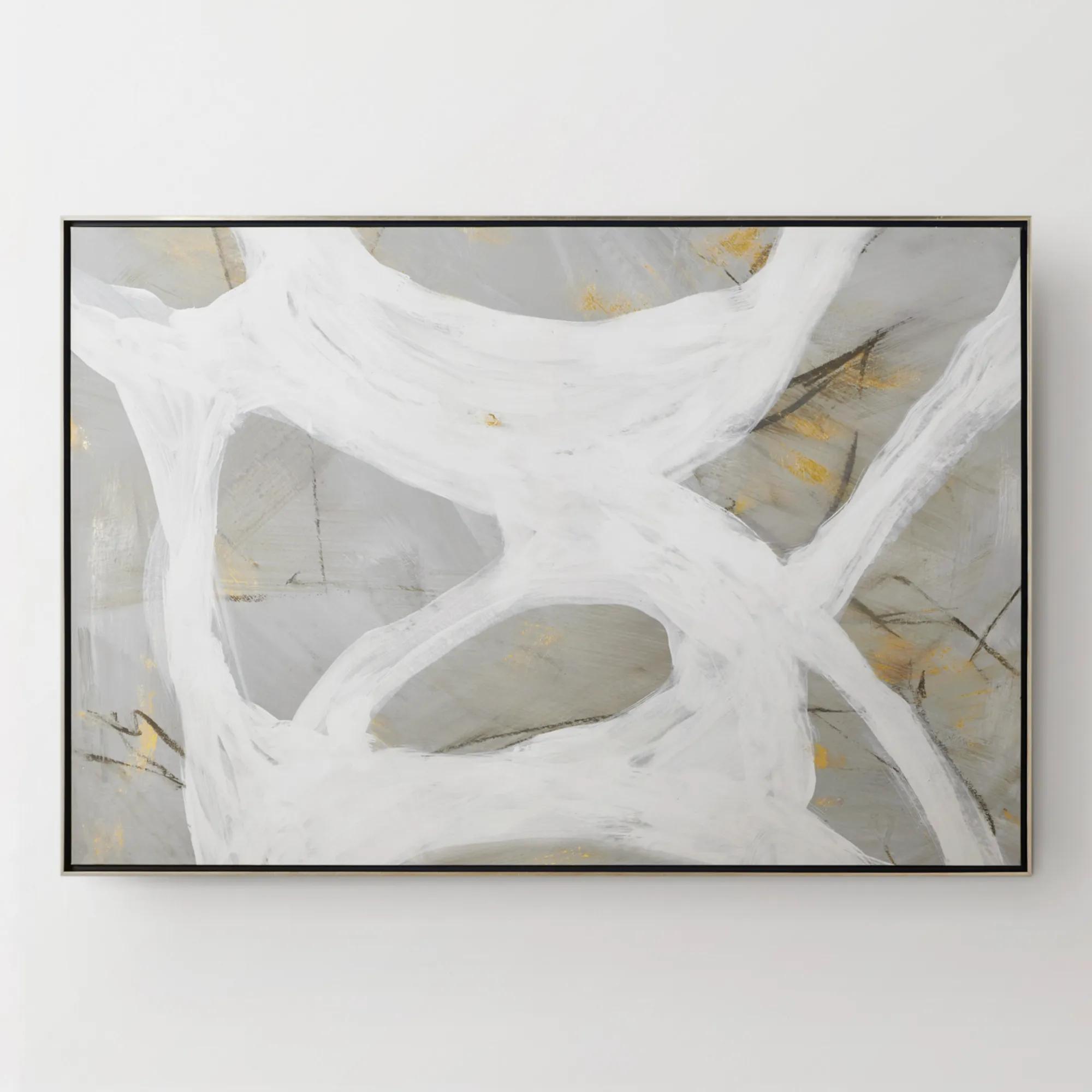
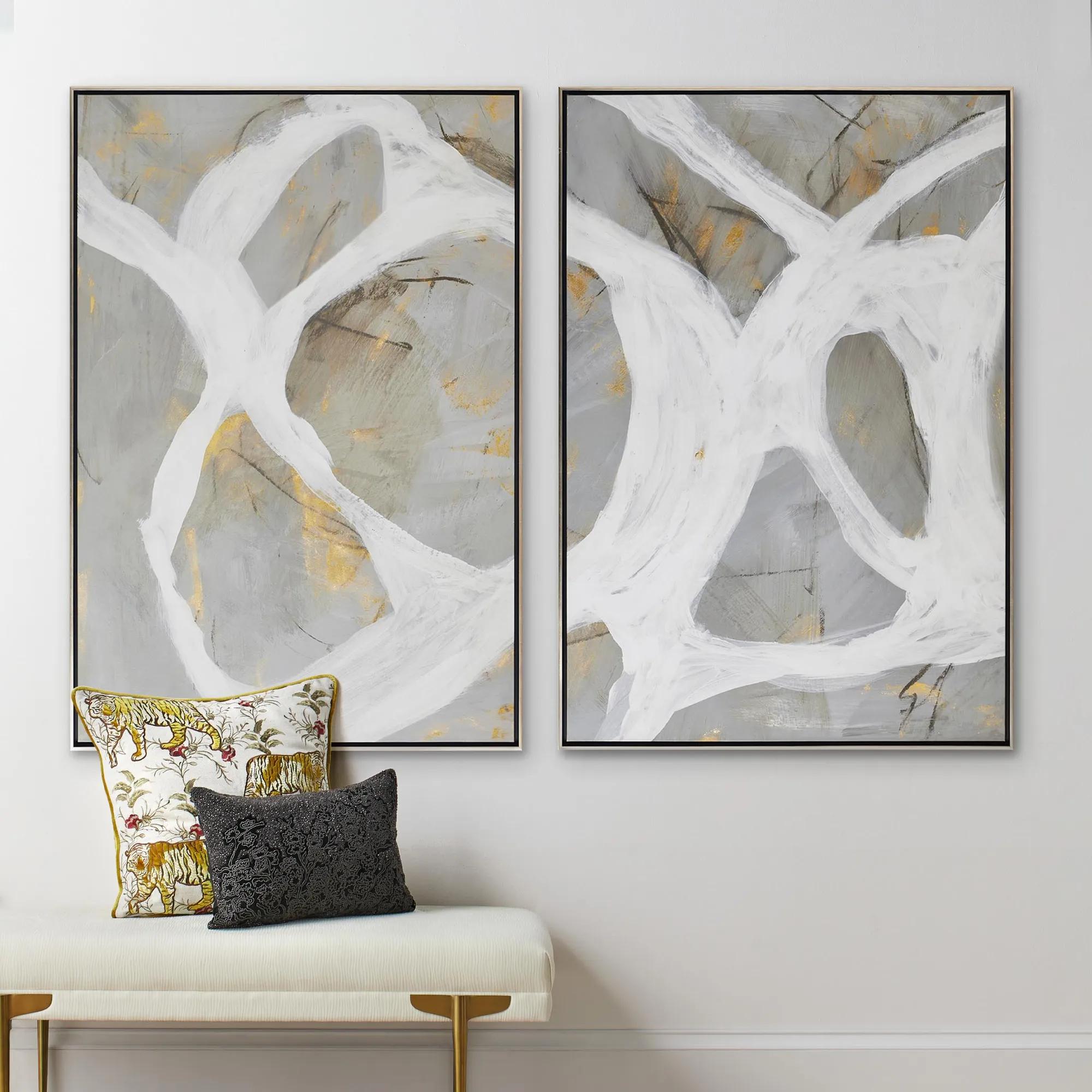 Les Series Framed Painted Wall Art II 61" x 41"$1099
An abstract canvas artwork featuring bold brushstrokes, hand-applied gold accents, and a silver floater frame.
Add To Cart -
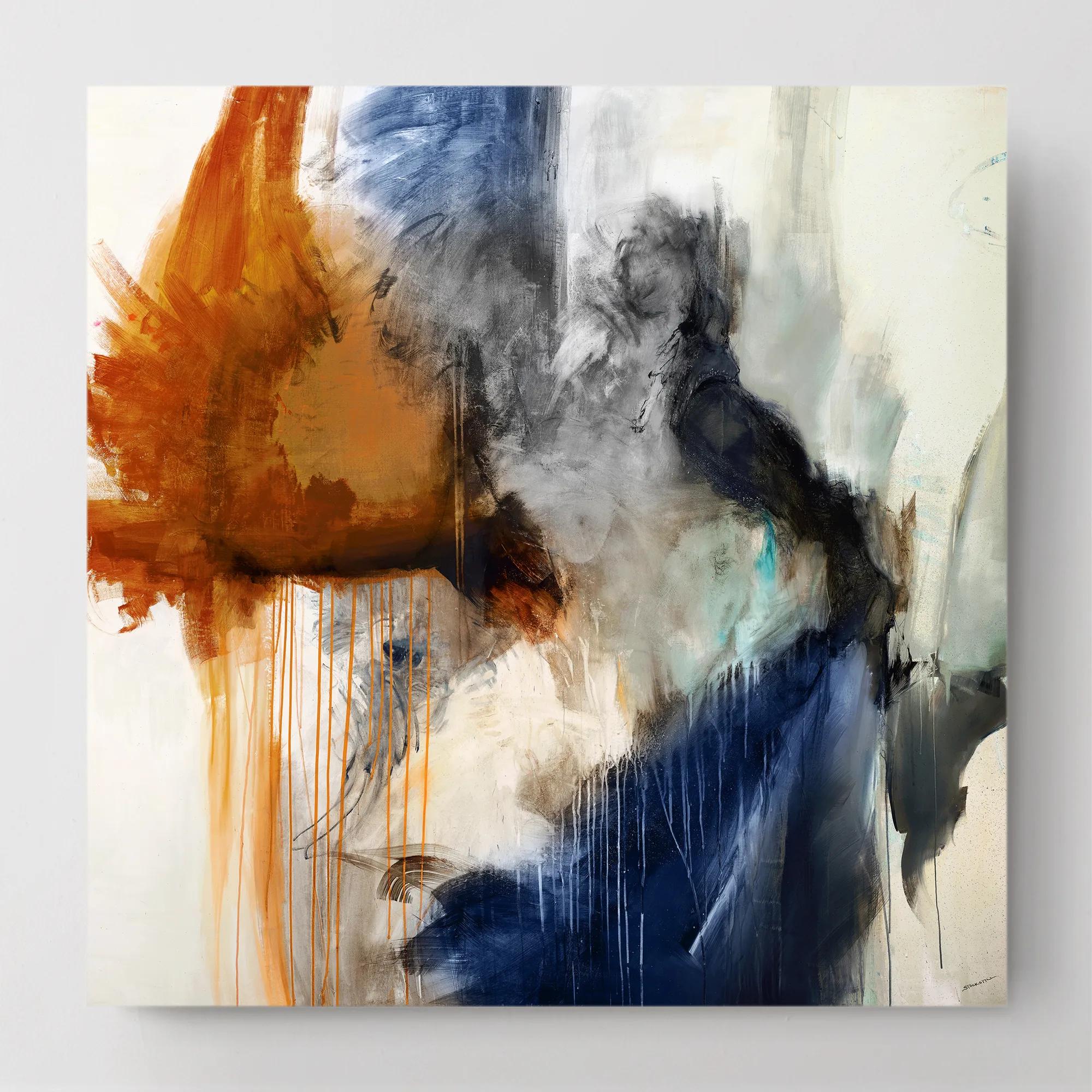
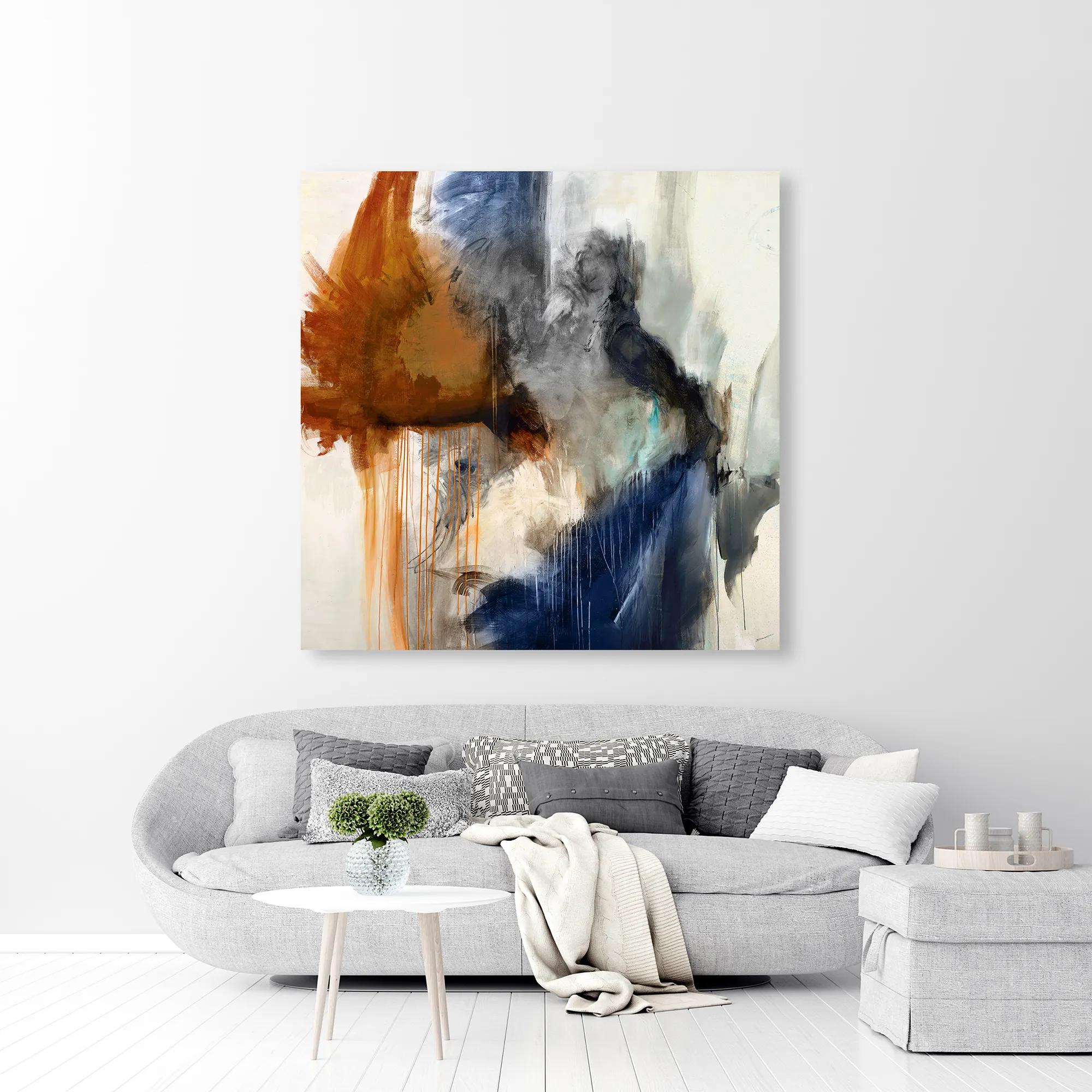 Swoon 6 Wall Art 54" x 54"$899
A gallery-wrapped canvas featuring a hand-applied image brush gel finish for a textured, artistic look.
Add To Cart -
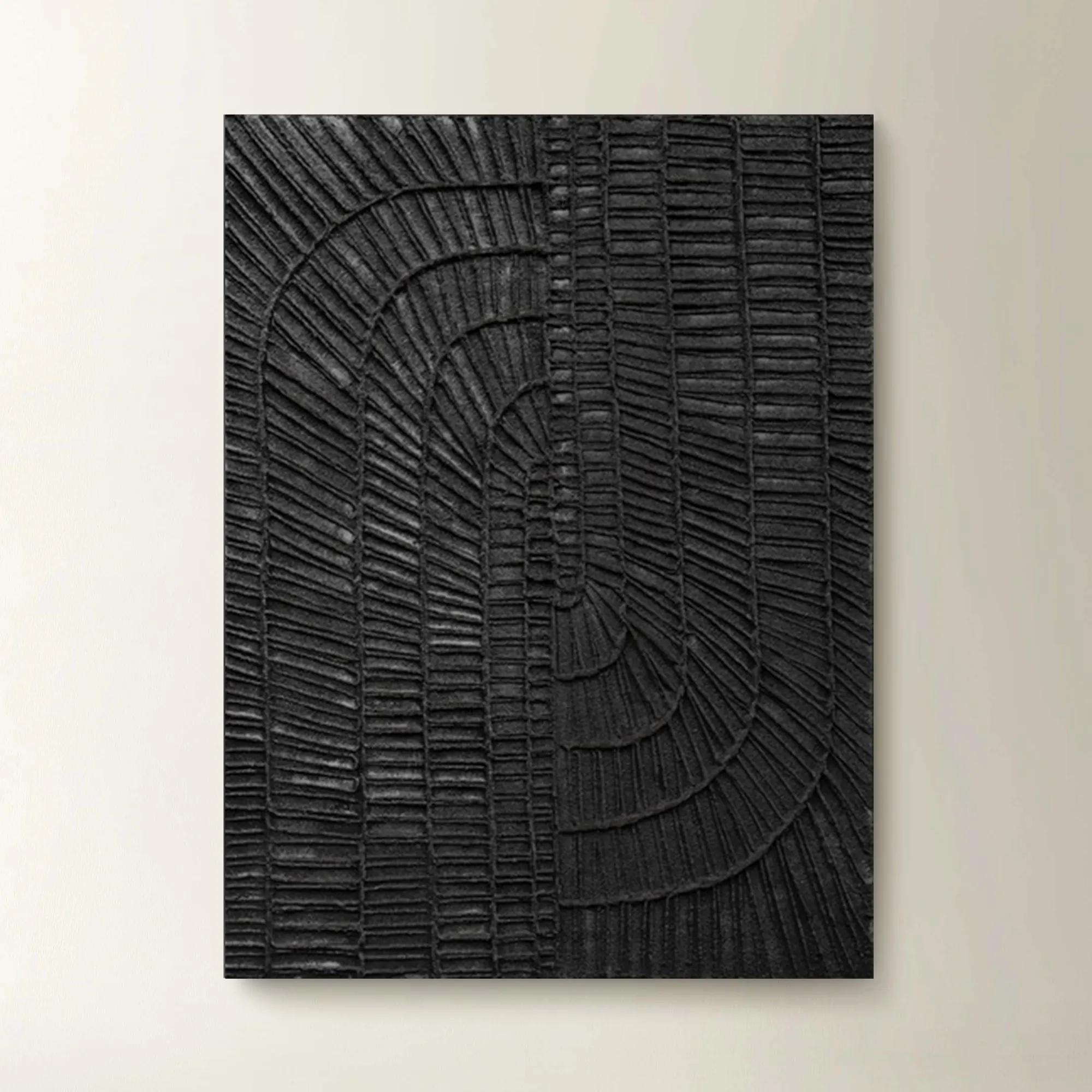 Textured Haze Black II Painted Wall Art 26" x 35"$499
A striking hand-painted black artwork featuring textured details for versatile vertical or horizontal display.
Add To Cart -
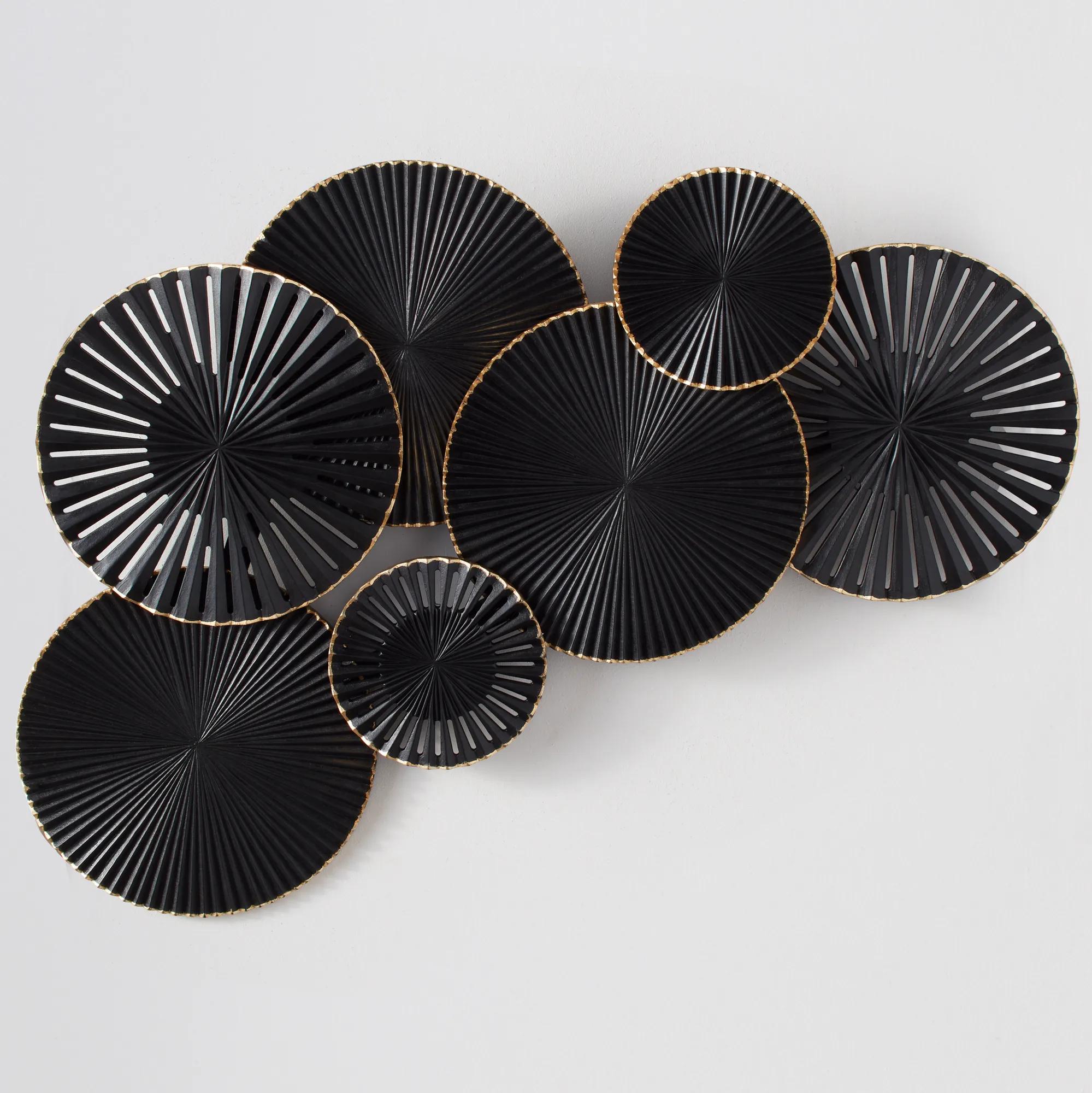
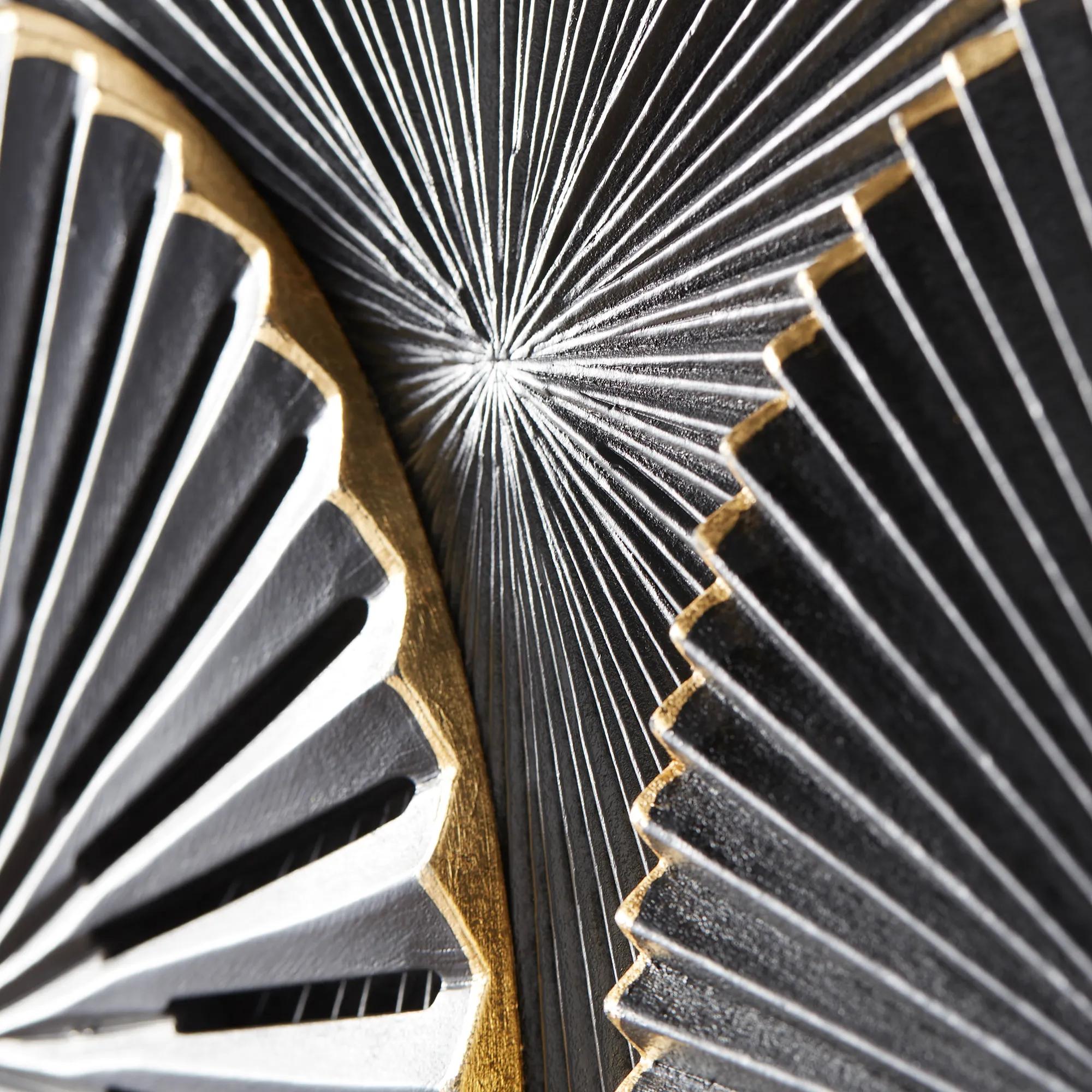 Circa Black Carved Wood Dimensional Wall Panel 47.25" x 27.5"$499
A carved wood wall art panel in black and gold that adds abstract intrigue to any room.
Add To Cart -
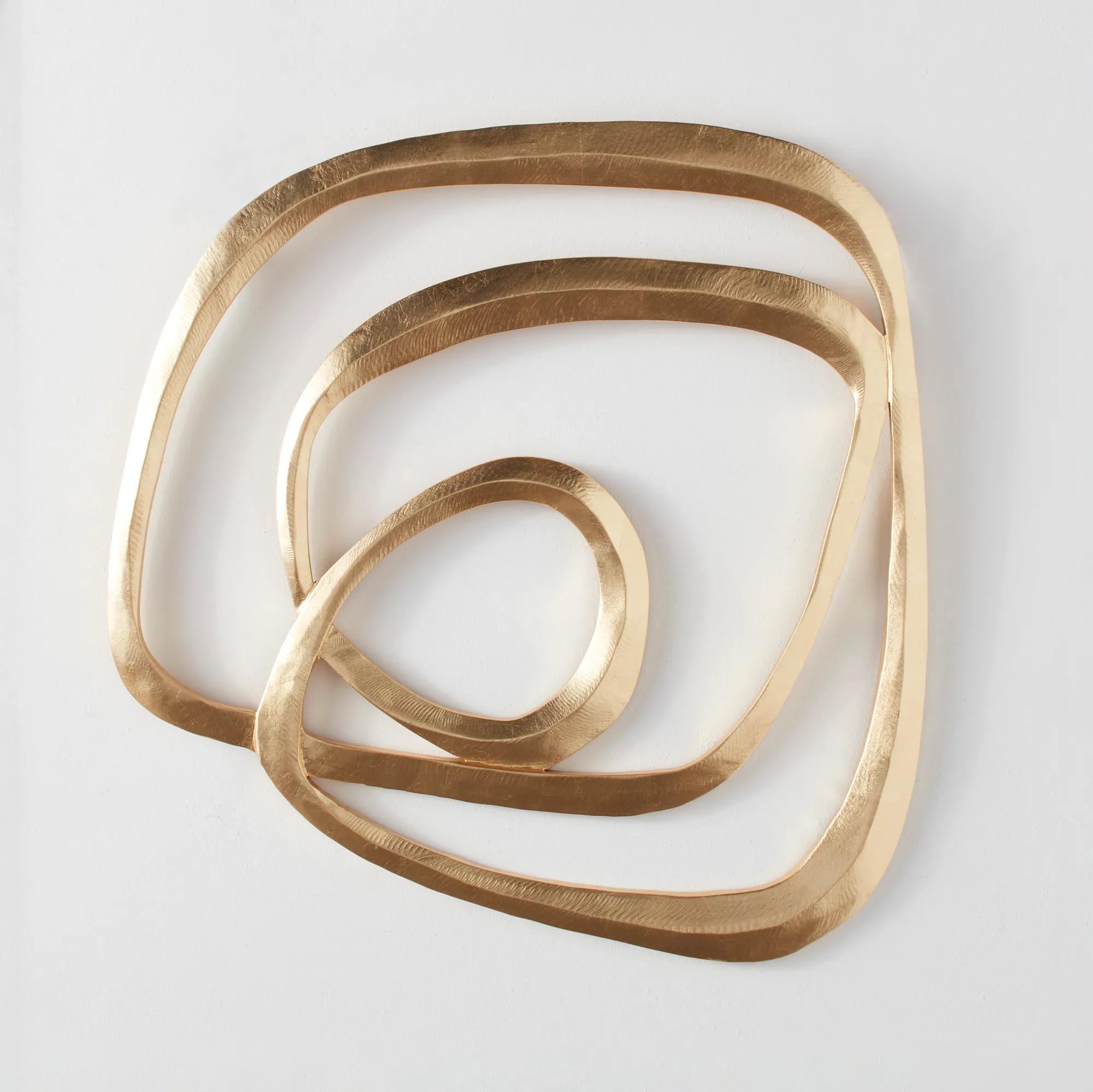 Infinity Gold Leaf Wood Wall Decor II 31.5" x 31.5"$299
A swirling wooden wall sculpture featuring a striking metallic gold finish for a modern statement.
Add To Cart -
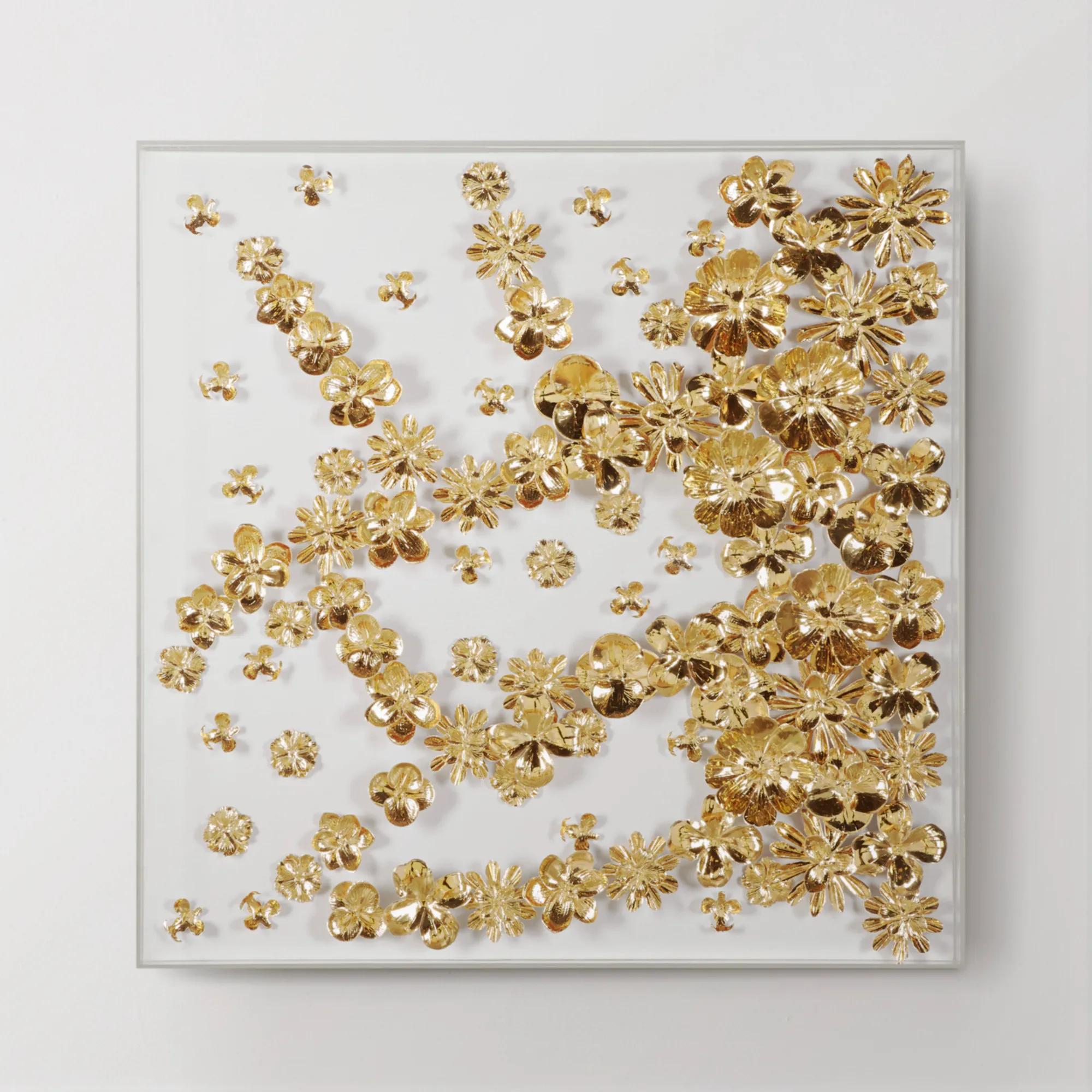
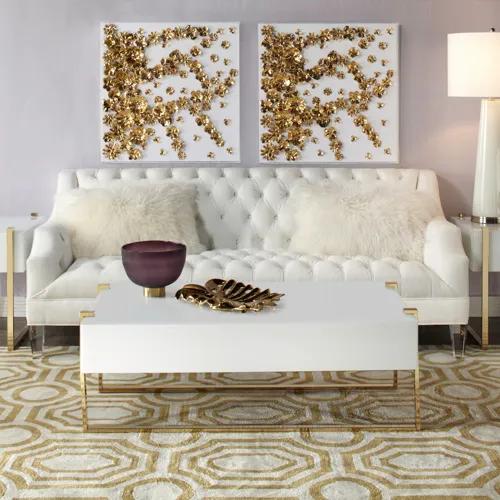 Gold Flora Handmade Foil Wall Decor in Acrylic 31" x 31"$499
A glam botanical wall art featuring handmade gold foil paper flowers on a white linen background.
Add To Cart -
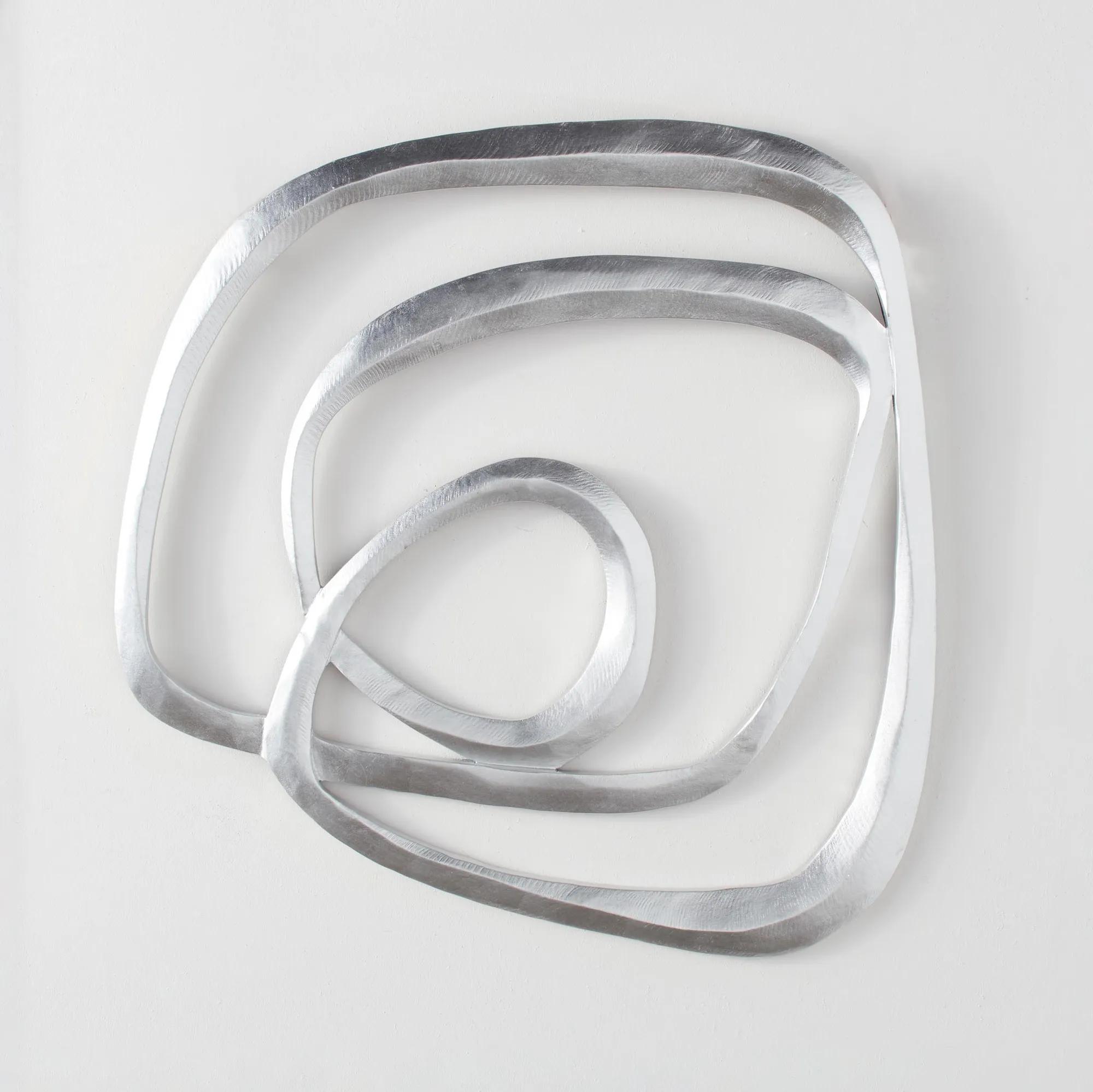 Infinity Silver Leaf Wood Wall Decor II 31.5" x 31.5"$299
A swirling wooden wall sculpture featuring a striking metallic silver finish for modern visual impact.
Add To Cart -
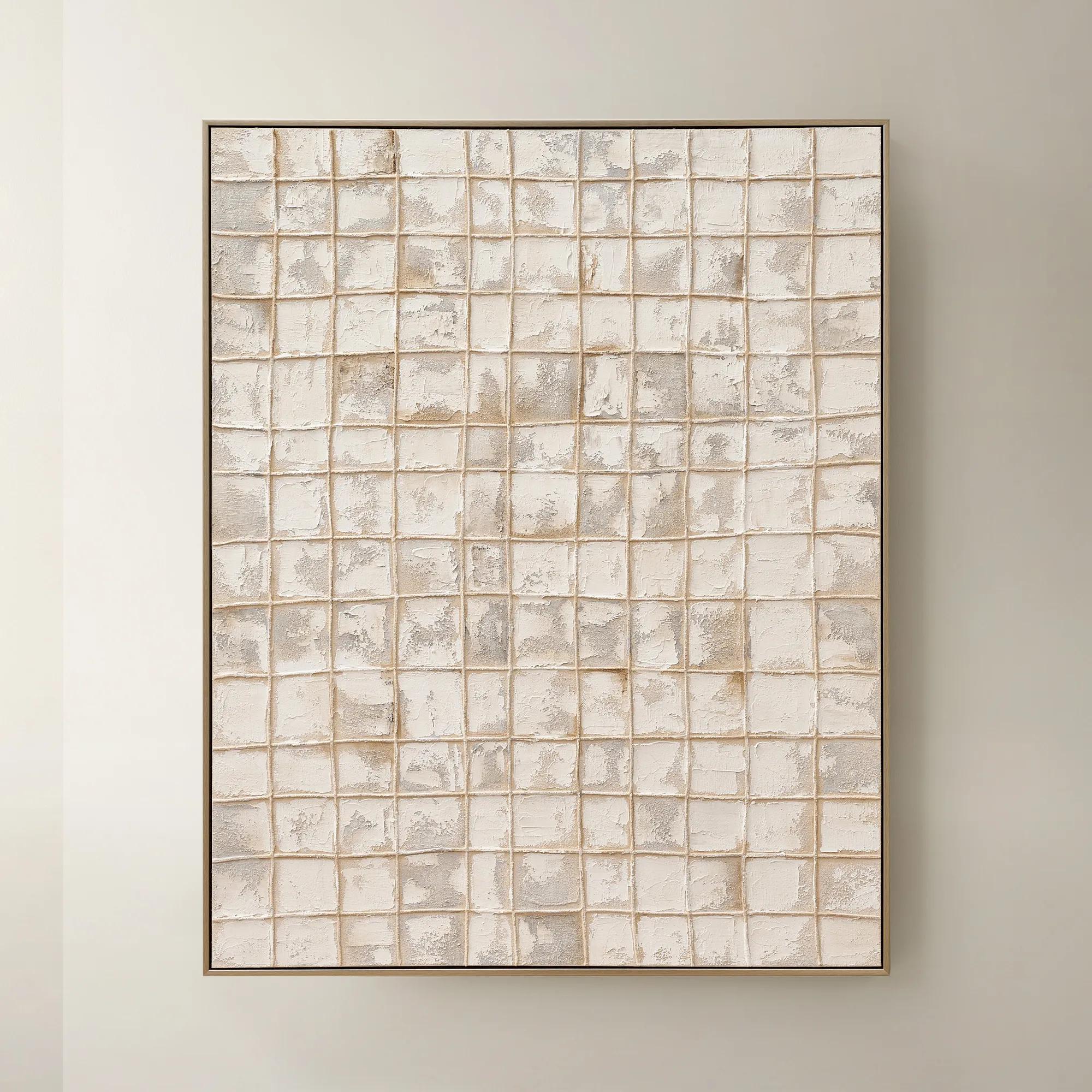
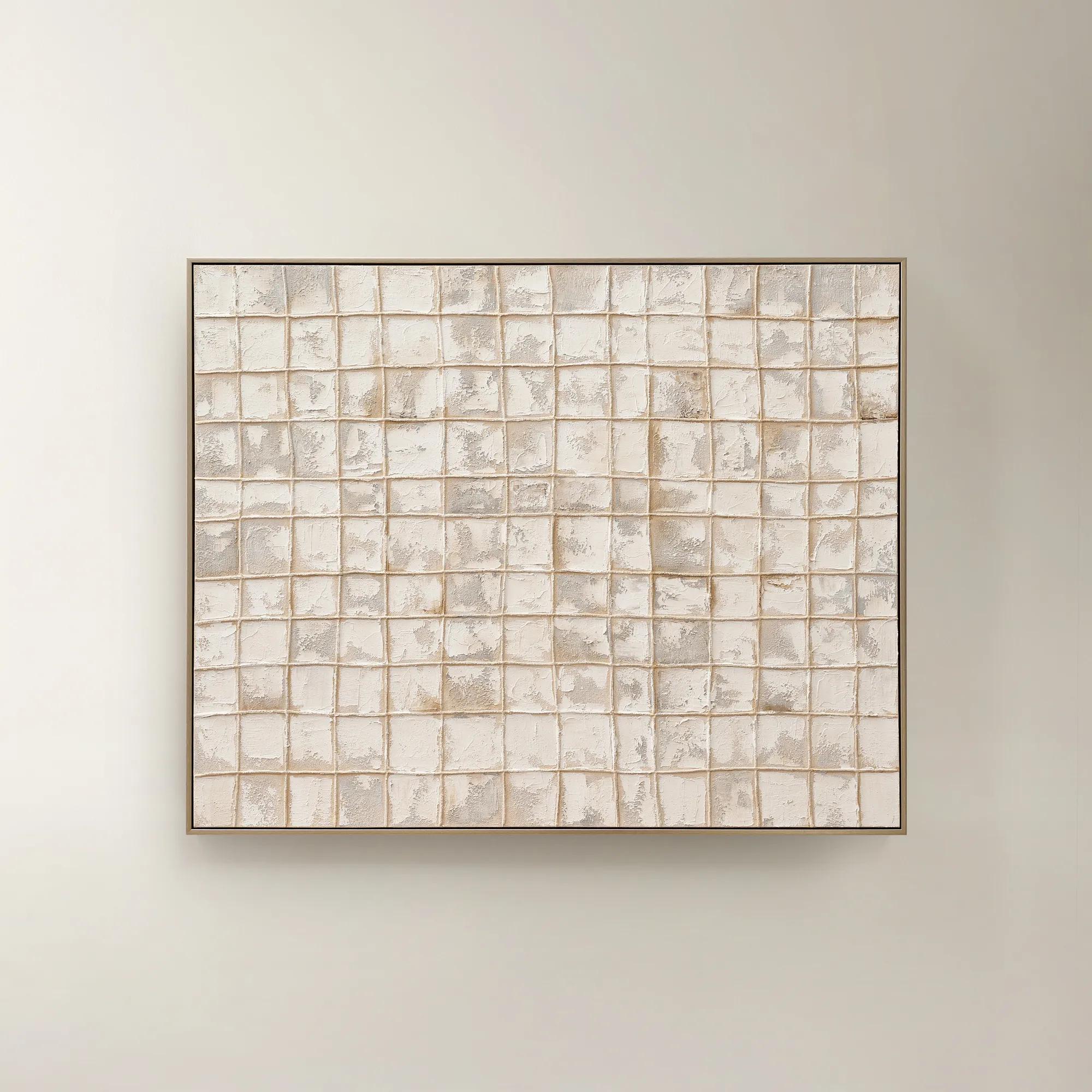 Painted Echos Framed Gold Leaf Wall Art 60" x 48"$699
A hand-painted abstract canvas with gold leaf accents and a champagne frame for modern, versatile display.
Add To Cart -
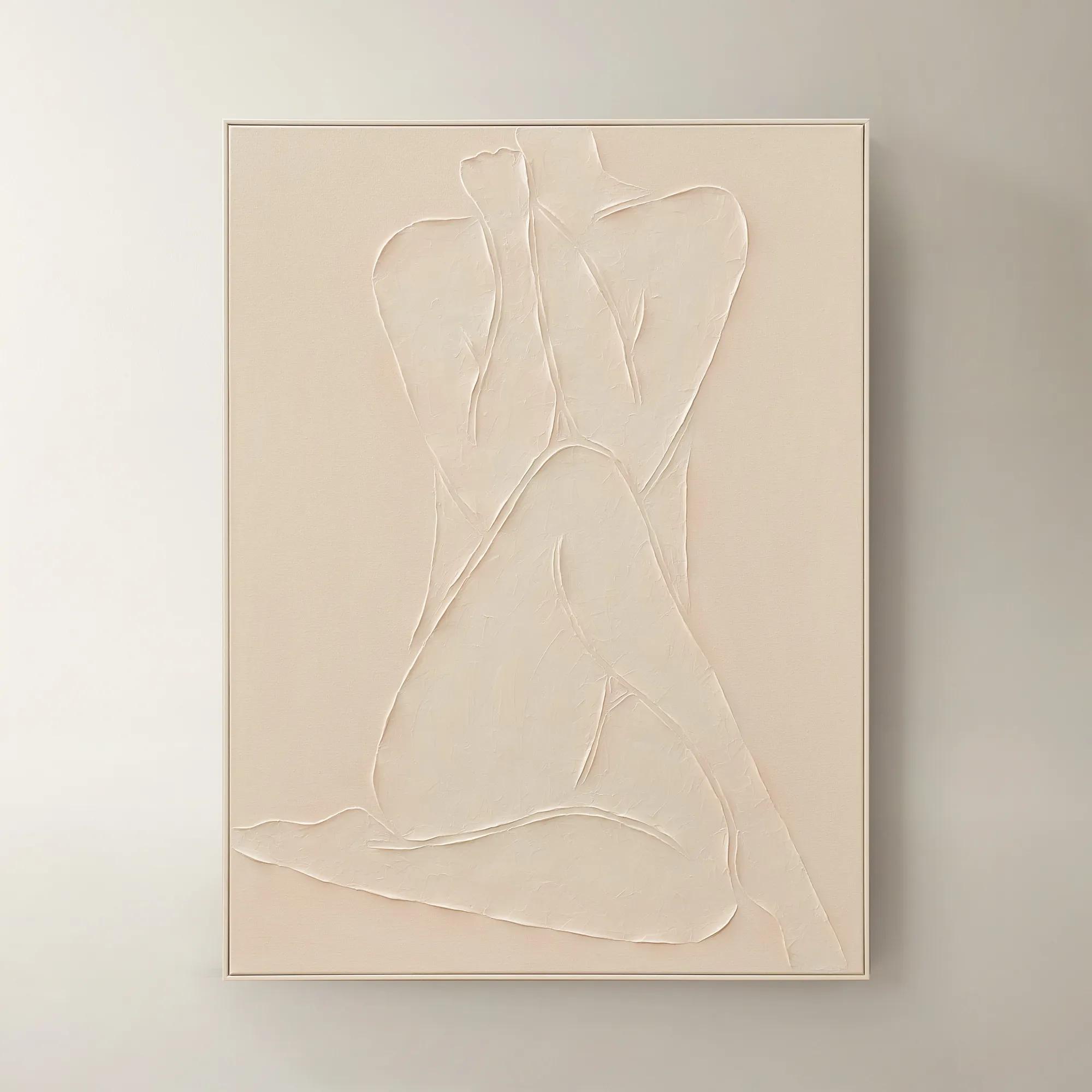
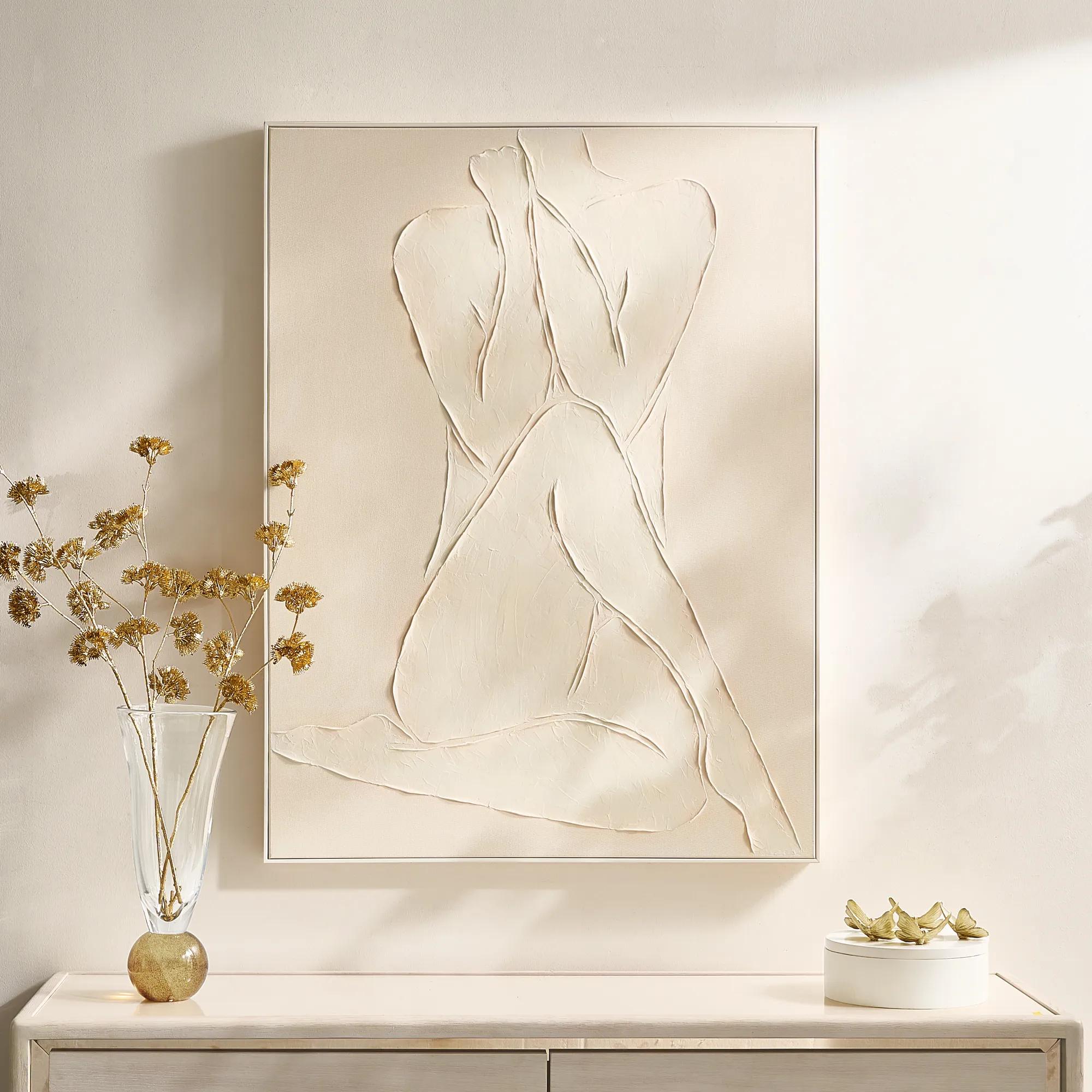 Modern Elegance Nude Ivory Framed Painted Wall Art 35.5" x 47.25"$599
A hand-painted ivory canvas in a white frame brings serene, modern artistry to any space.
Add To Cart -
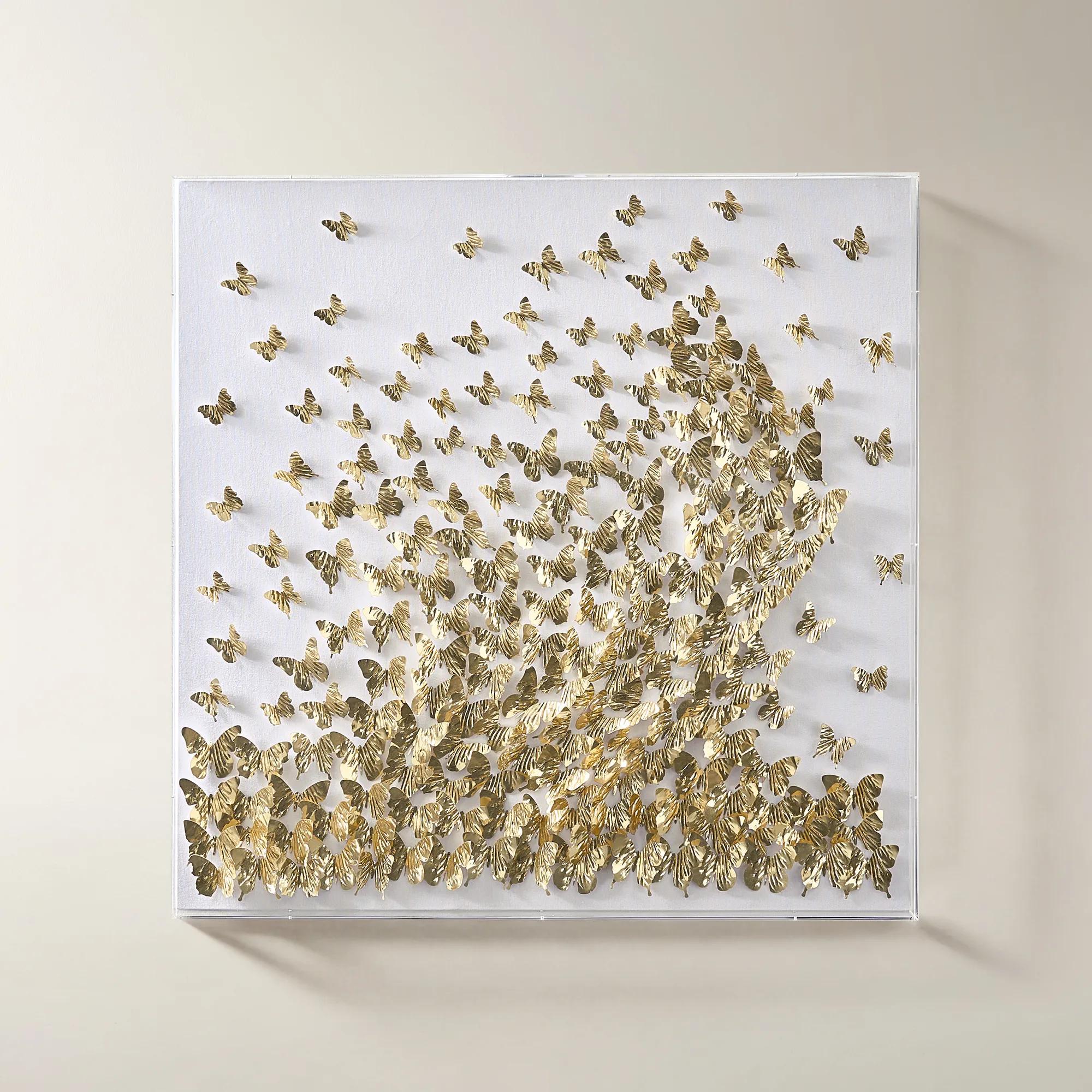
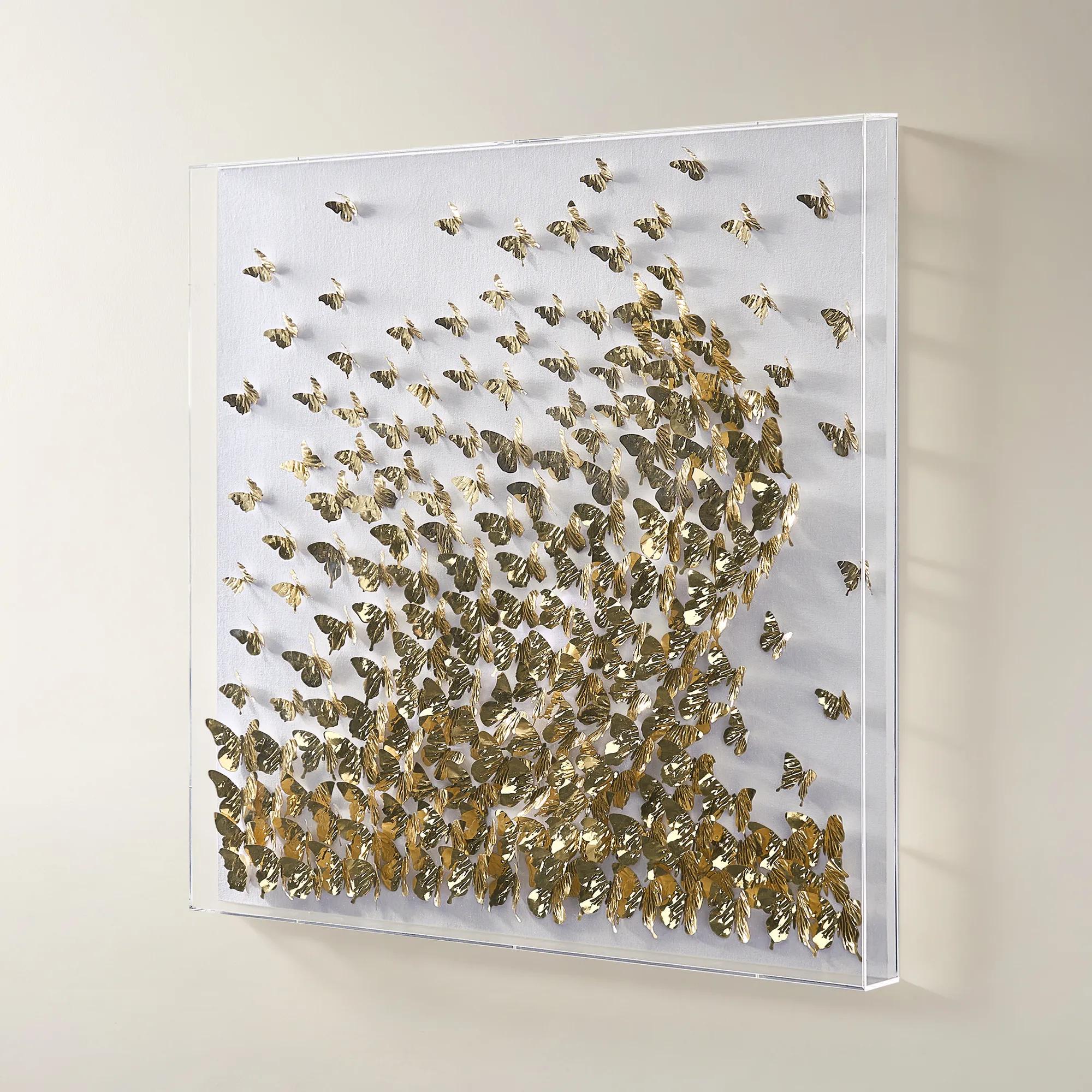 Butterfly Mist Handmade Gold Foil Wall Decor in Acrylic 39.25" x 39.25"$799
A sculptural wall art piece featuring handmade gold foil paper butterflies on linen, encased in a clear acrylic box.
Add To Cart -
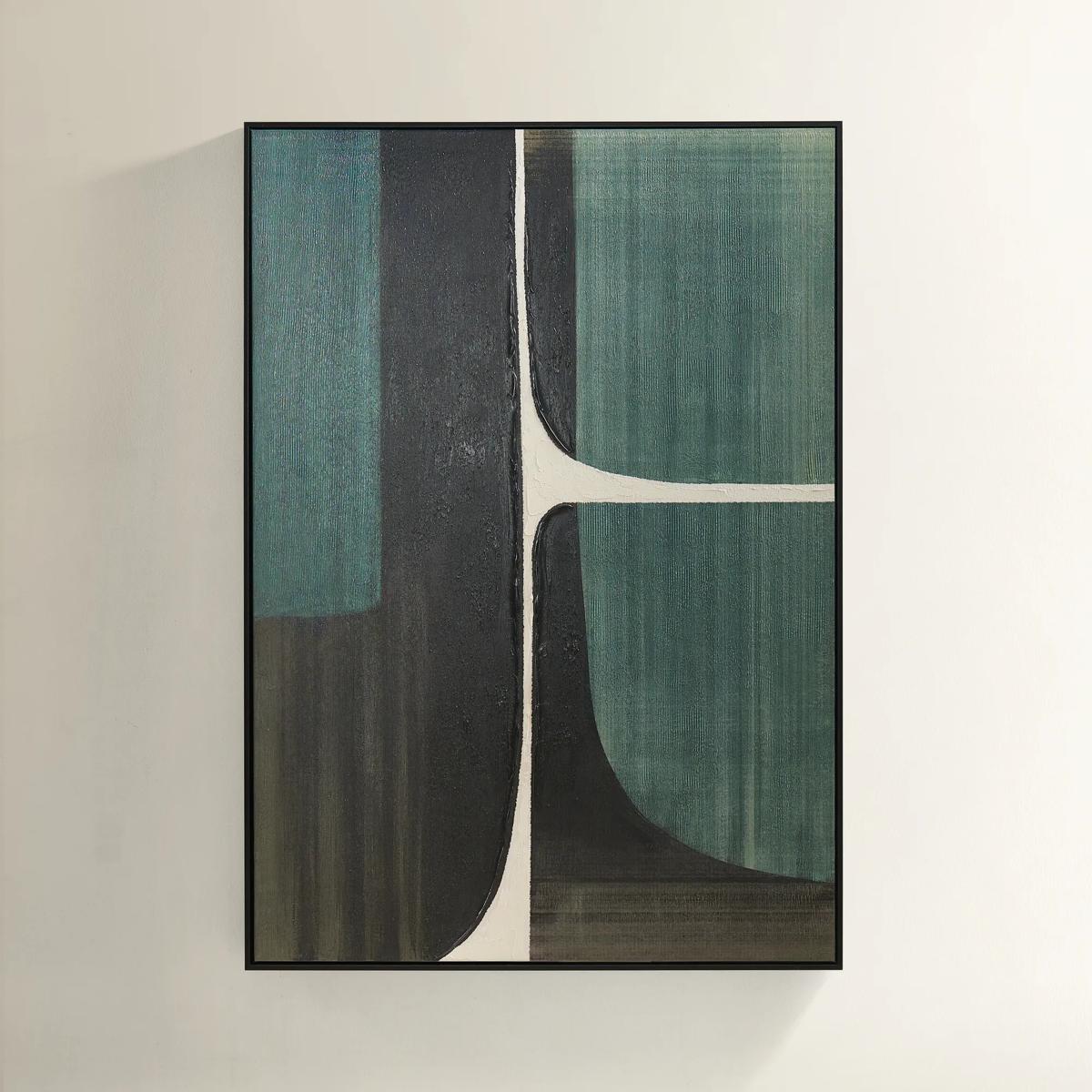 Plains Framed Painted Wall Art 39.25" x 55"$499
A hand-painted abstract canvas in forest green, ivory, and black with a sleek black floater frame.
Add To Cart -
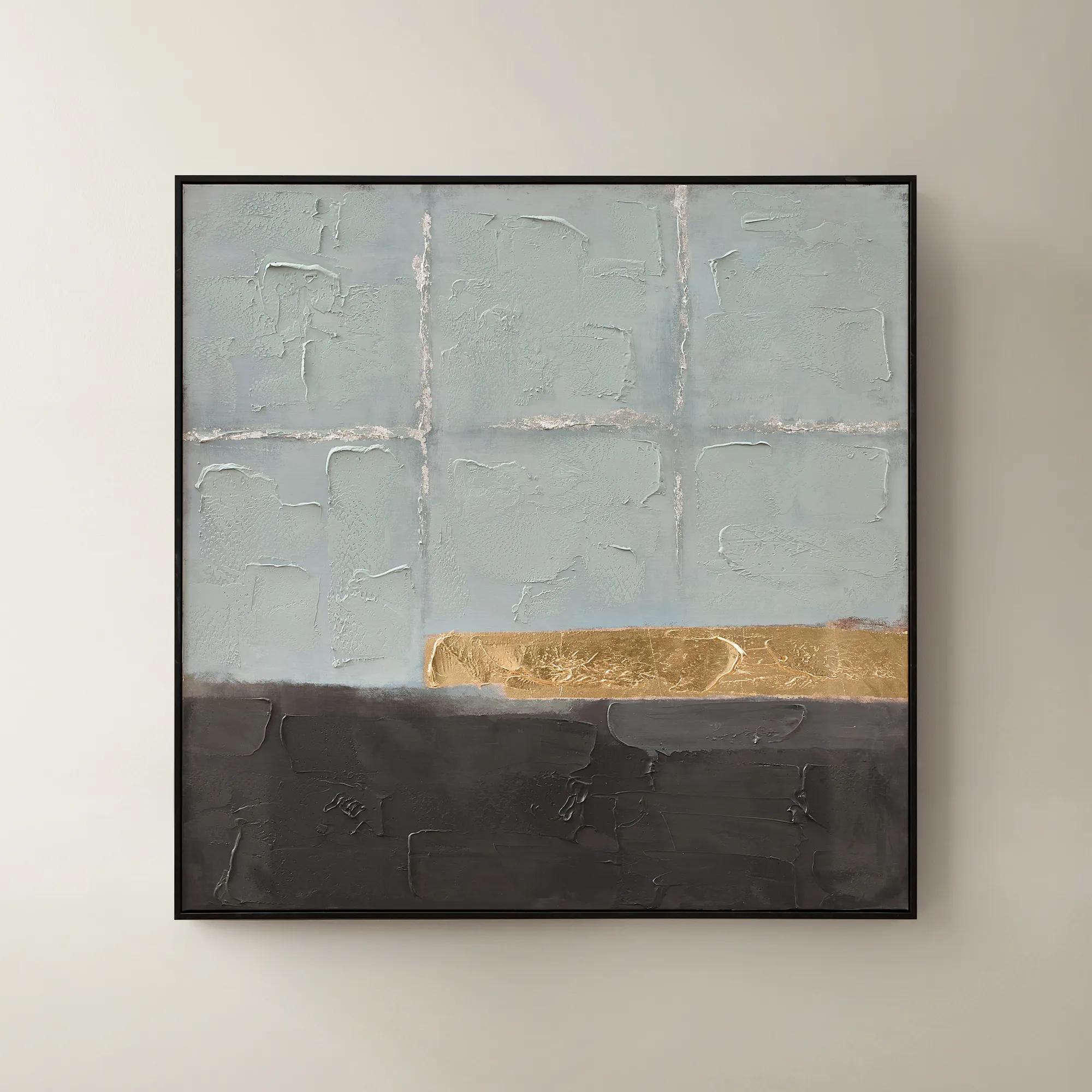
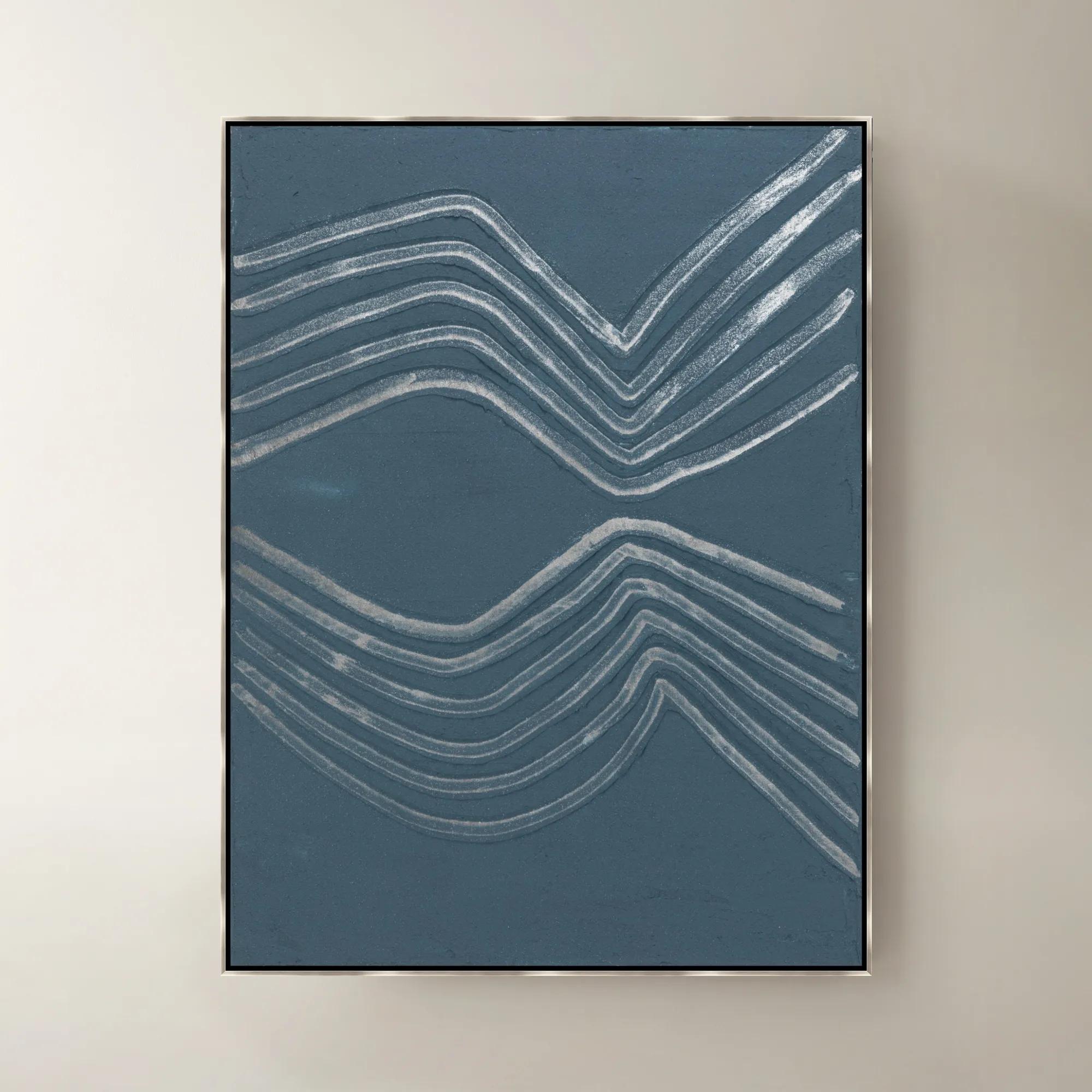
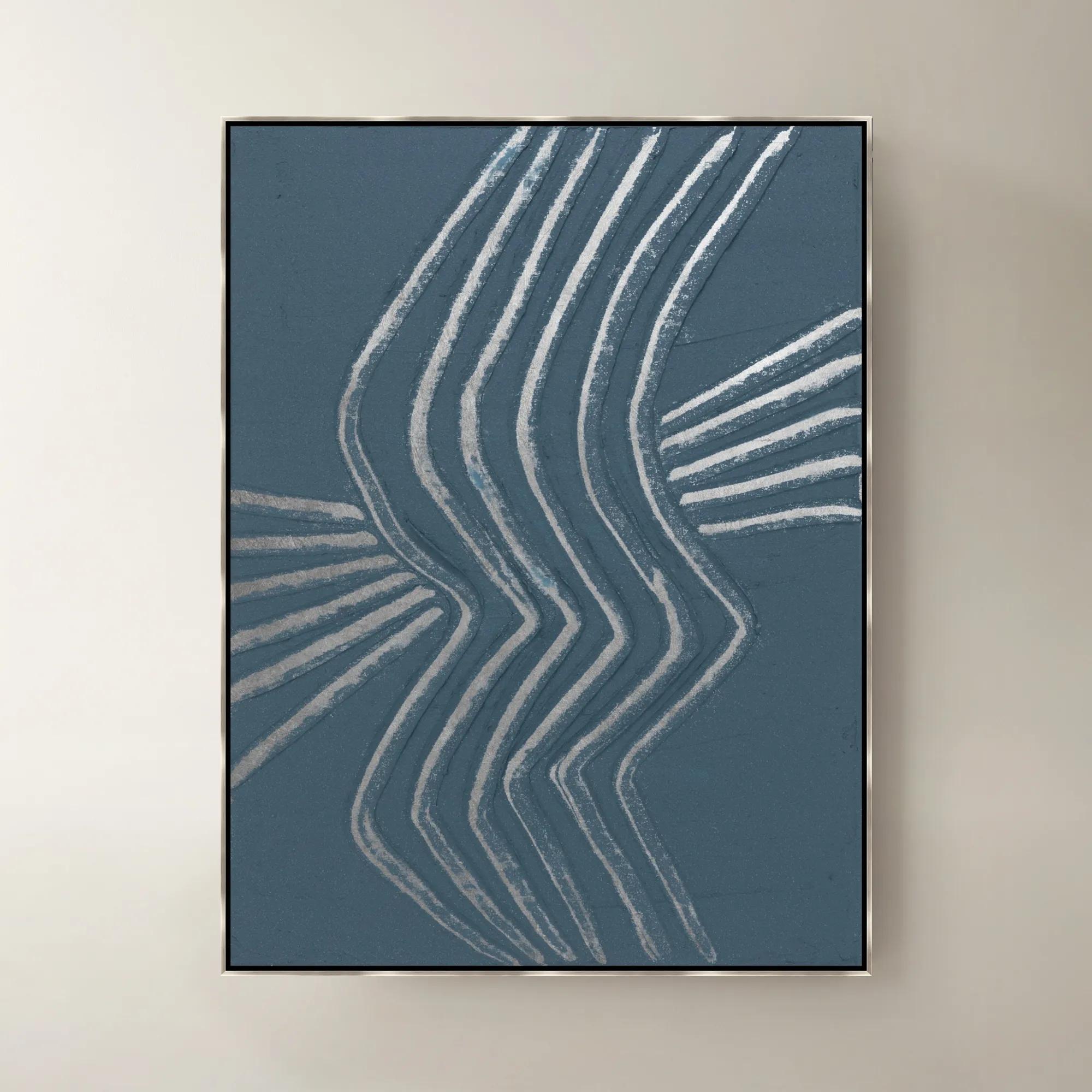
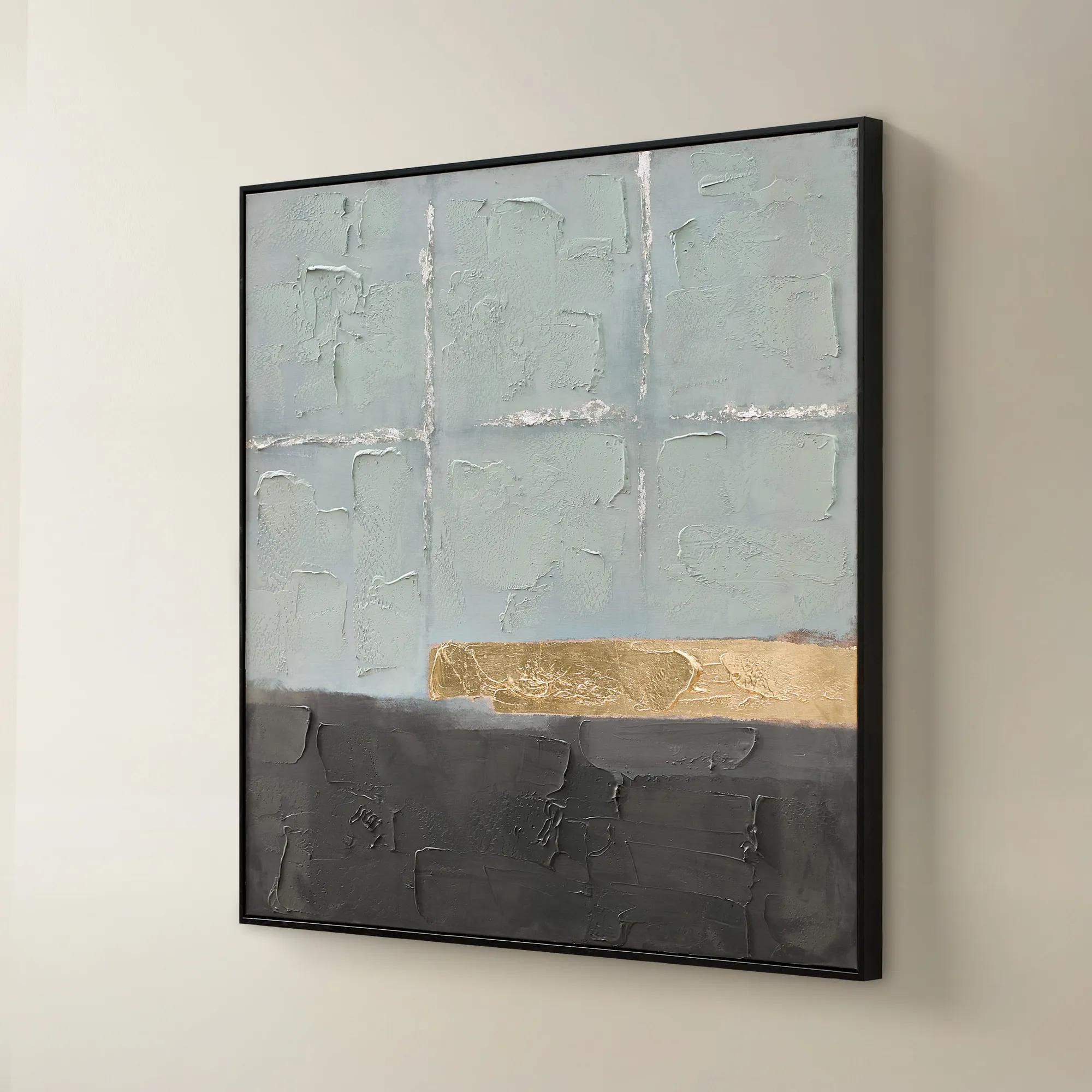 Jules Framed Gold Leaf Painted Wall Art 40" x 40"$299
A hand-painted canvas in mineral blue with gold leaf accents and a sleek black frame for modern appeal.
Add To Cart -
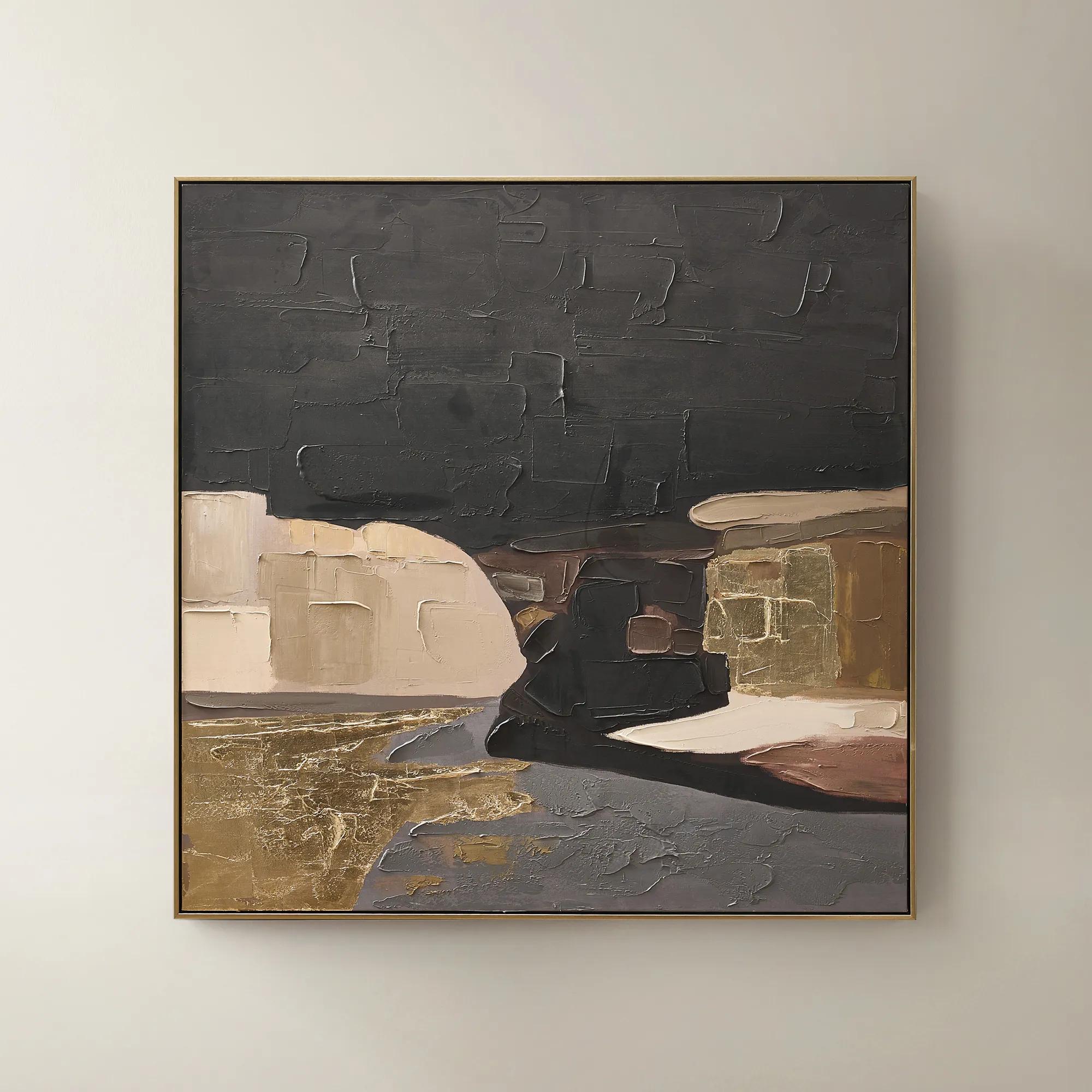 Obscured Light Framed Gold Leaf Painted Wall Art 48" x 48"$499
A hand-painted canvas with gold leaf accents and a black-gold frame in dramatic neutral tones.
Add To Cart -
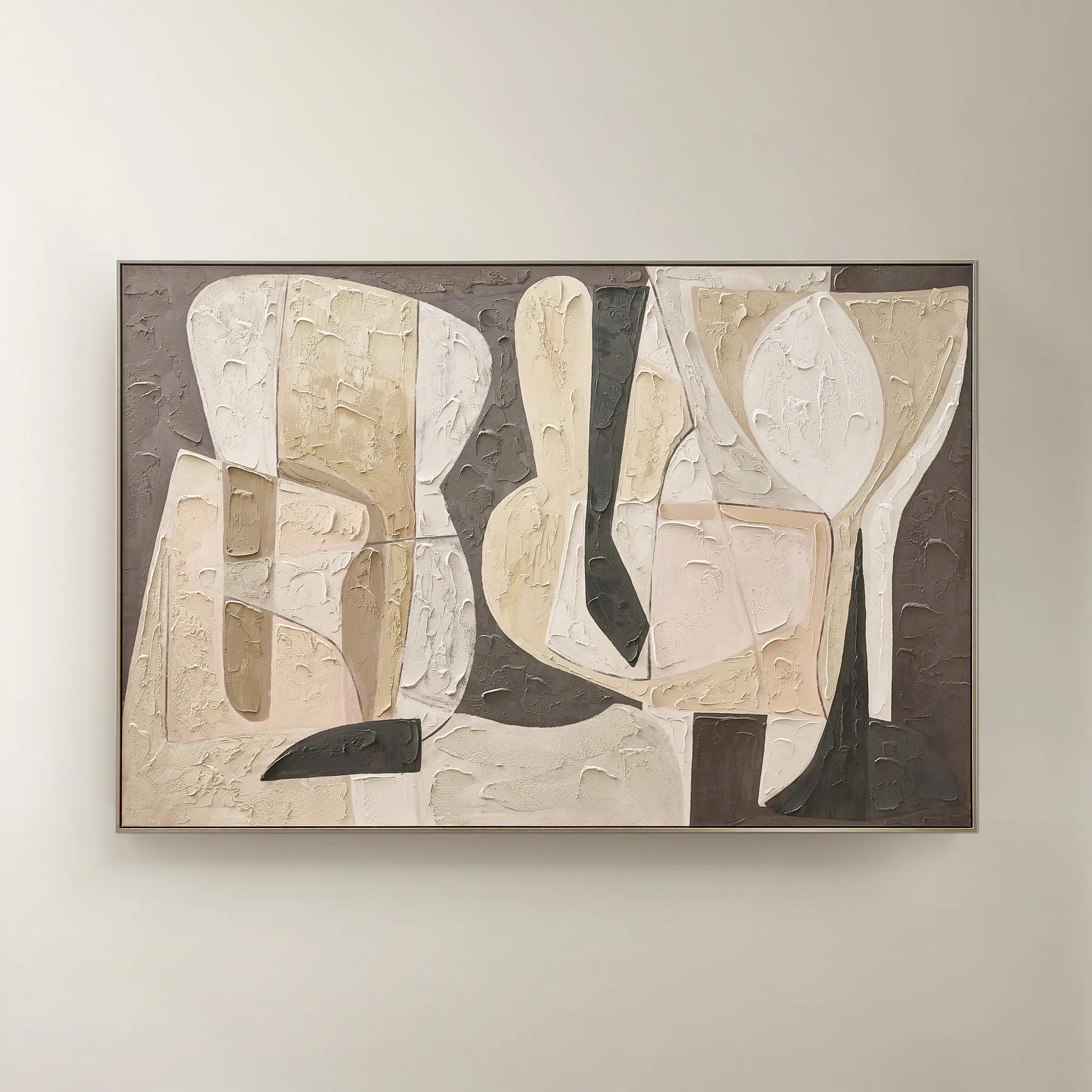 Wishful Thinking Framed Painted Wall Art 72" x 48"$599
A hand-painted abstract canvas featuring bold geometric forms and warm smoked plum, apricot, and tawny hues.
Add To Cart -
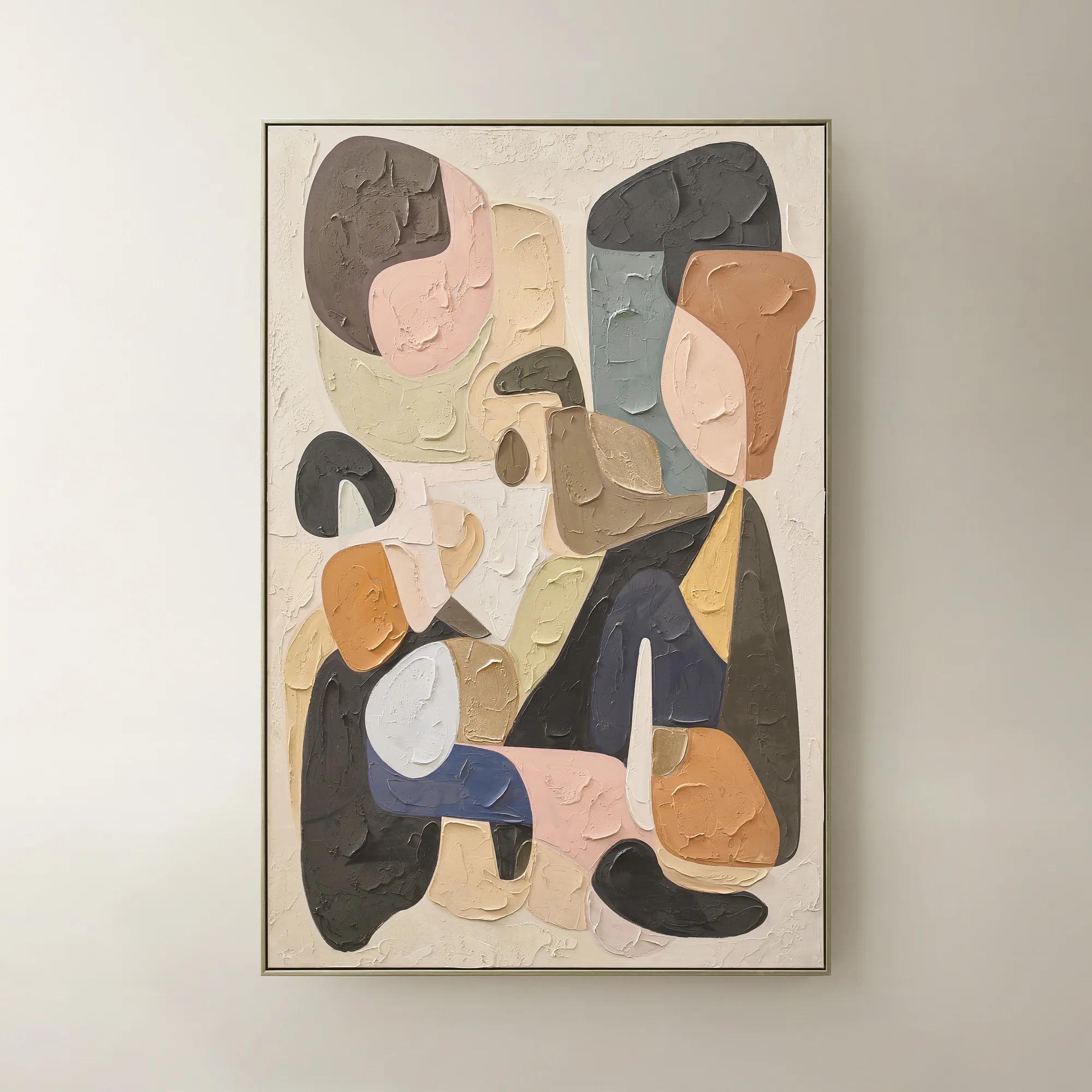 Chromatic Bloom Framed Painted Wall Art 40" x 60"$519
A hand-painted abstract canvas featuring a vibrant multi-color palette and shimmering champagne detailing.
Add To Cart -
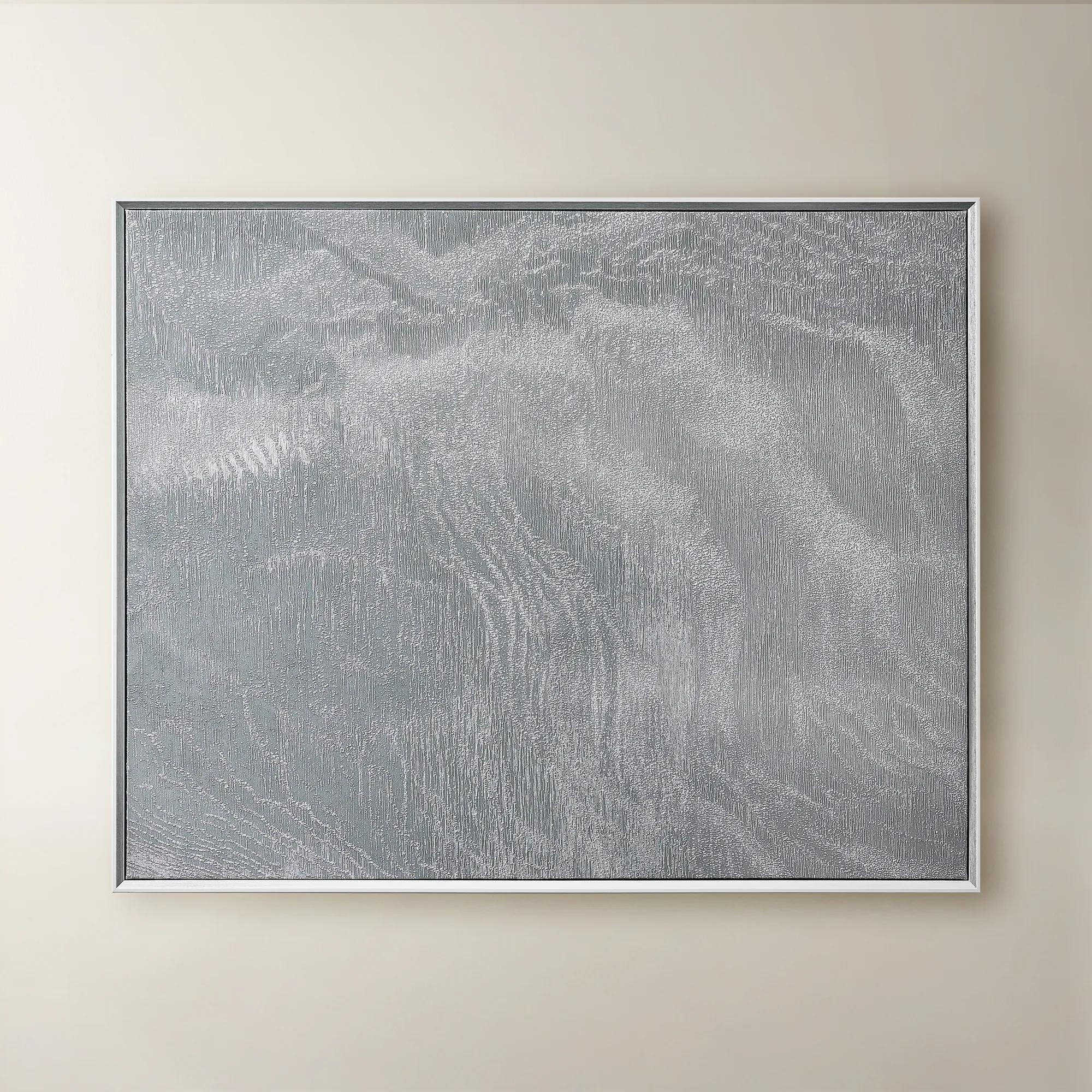 Slow Blue Morning Framed Silver Foil Wall Art 48" x 60"$599
A serene powder blue abstract canvas with silver foil accents, framed in silver and white for modern elegance.
Add To Cart -
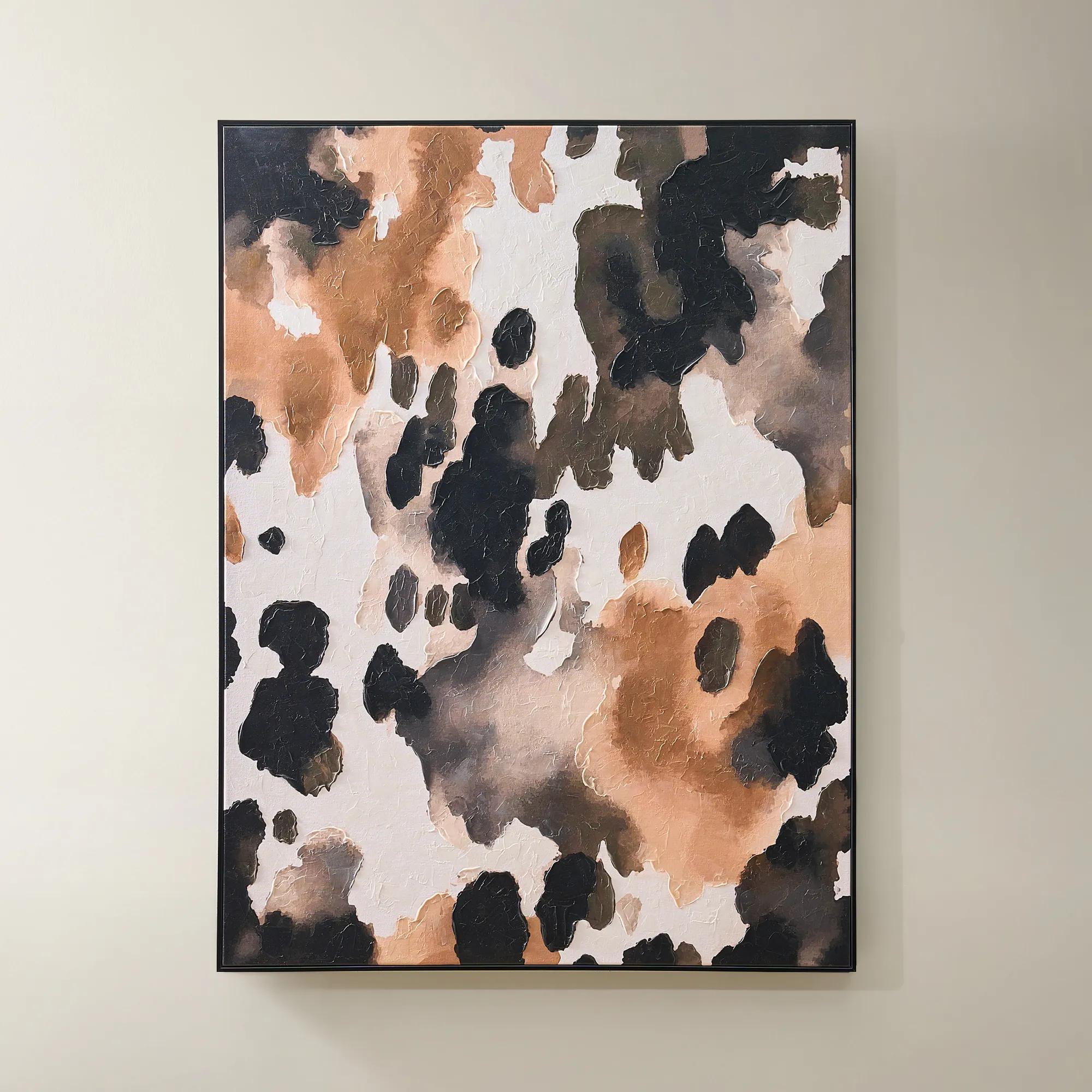
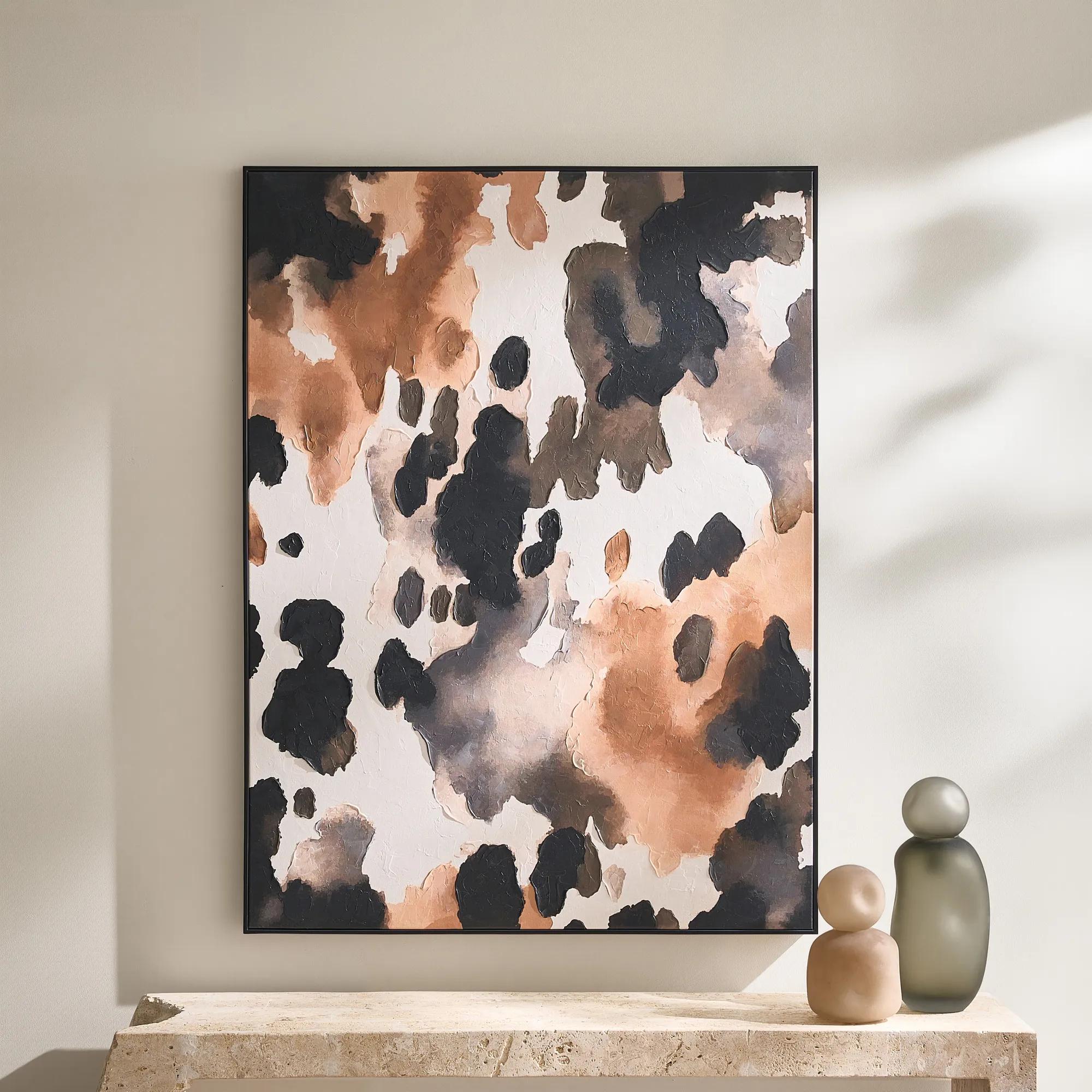 Wilder Framed Painted Wall Art 36" x 48"$499
An abstract hand-painted canvas featuring inky black, taupe, ivory, and coral hues in a sleek black frame.
Add To Cart

Modern Art For Hallway Walls
Modern art for hallway walls transforms the everyday passage into an extraordinary gallery, where each step becomes a journey through color, form, and imagination. Elevate your entrance with pieces that captivate at a glance—bold abstracts, striking geometrics, and evocative compositions designed to spark conversation and reflect your personal style. Let your hallway become more than a transition—it’s an invitation to artistry, setting the tone for the entire home with daring visuals and expressive flair.
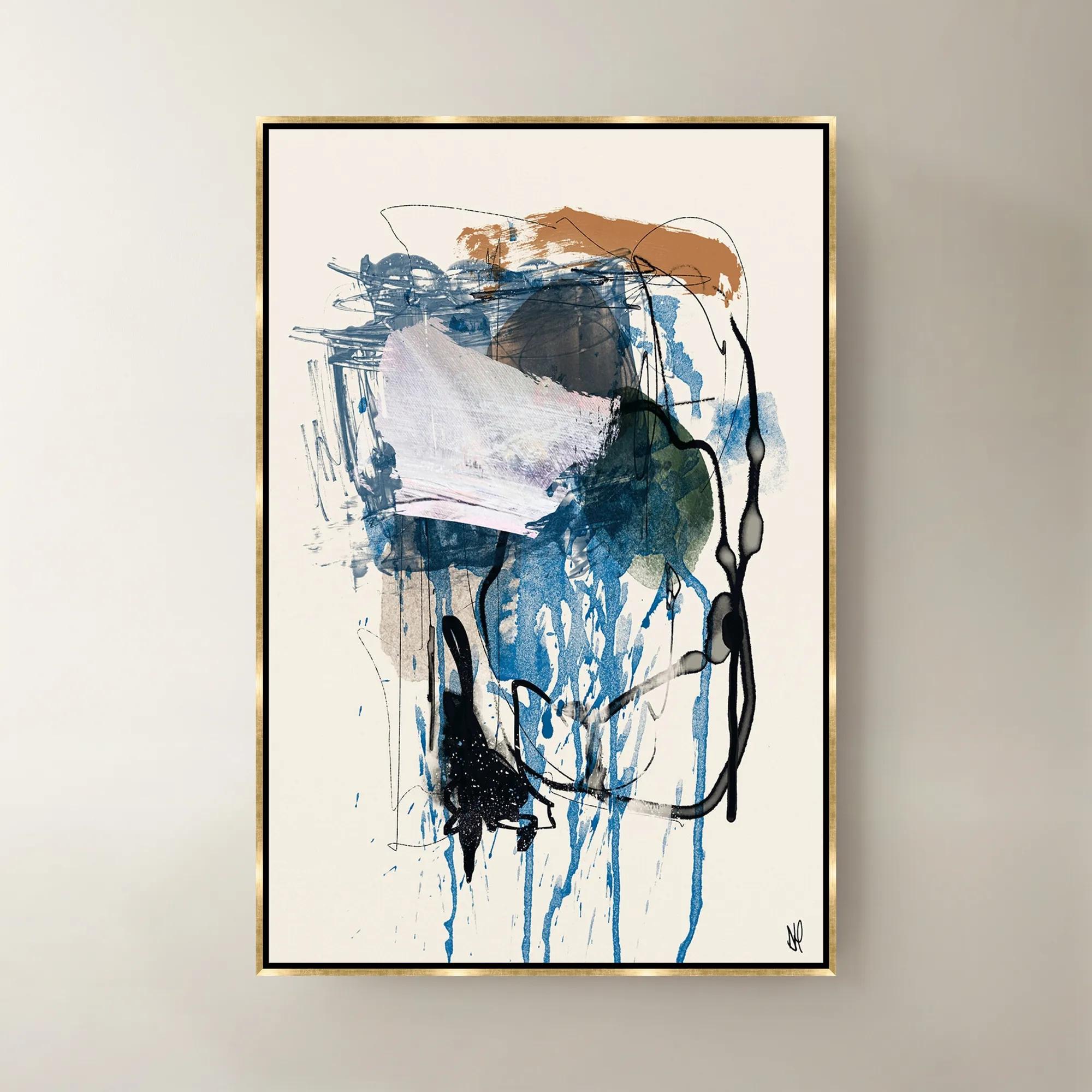
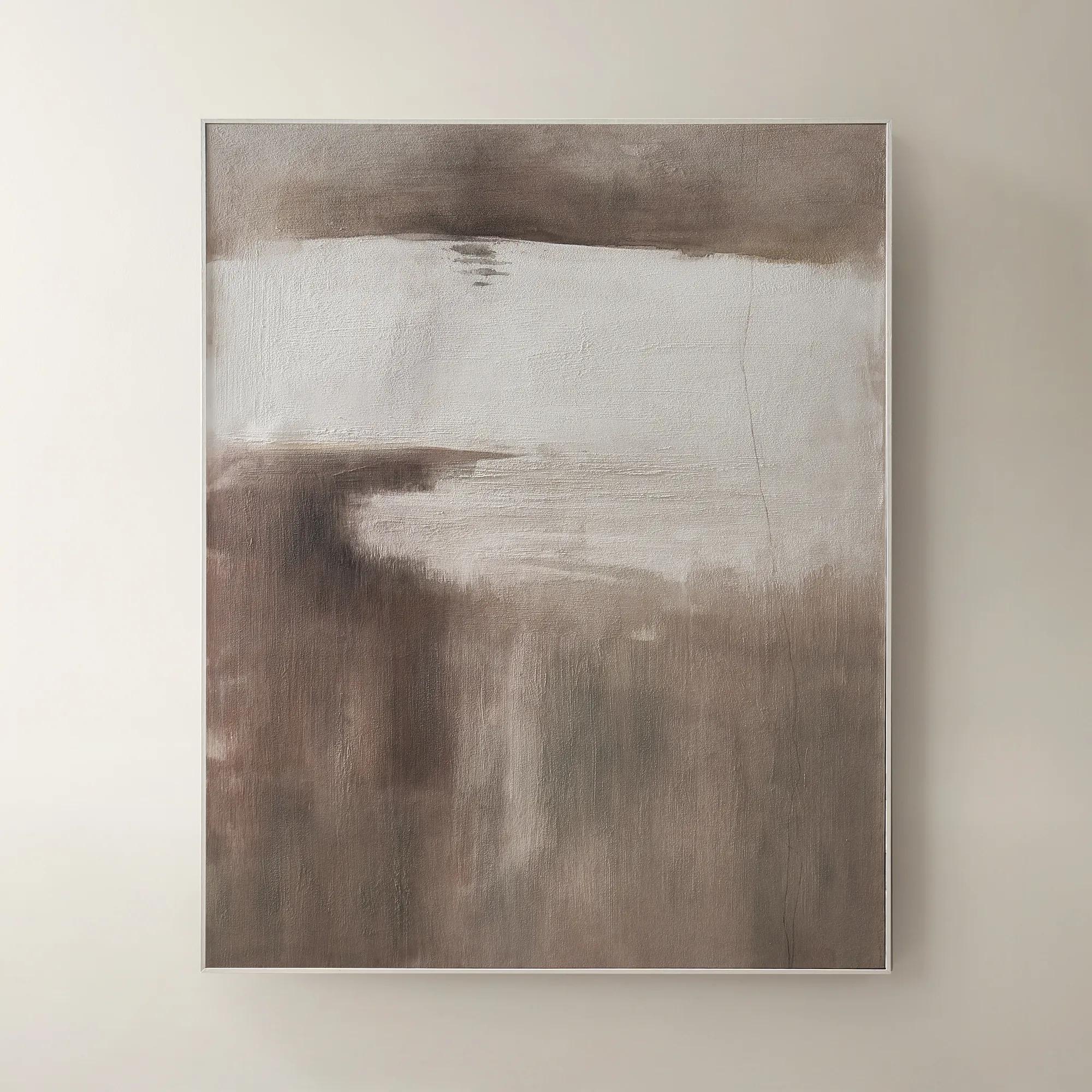
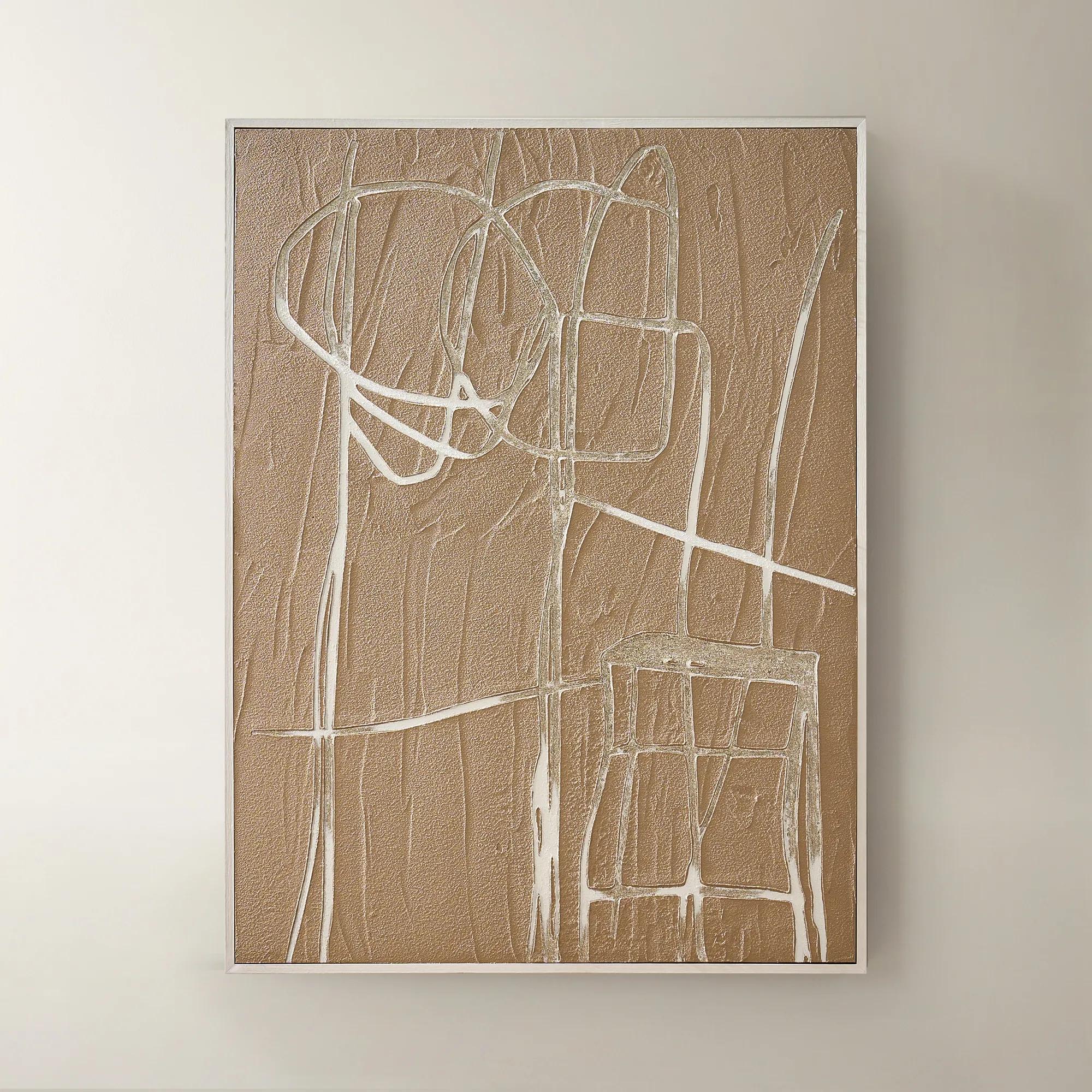
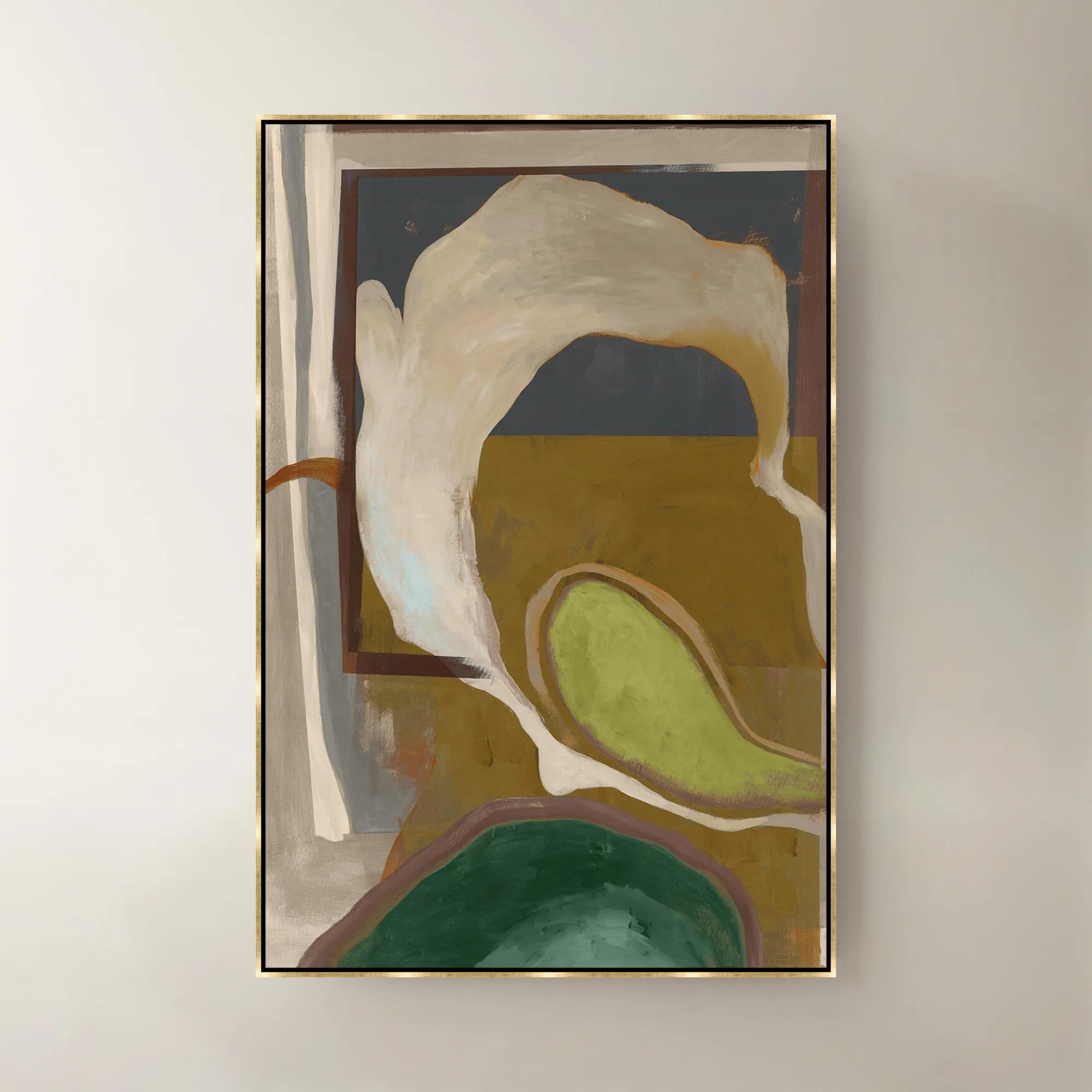
Modern art for hallway walls turns a space of passage into a place with presence. Bold abstracts, dimensional metal wall sculptures, geometric compositions, and restrained line drawings give transitional spaces a visual identity without occupying valuable floor space. In an entry corridor, a sweeping composition can establish the mood of the home before the living room comes into view; outside a bedroom, softer shapes and tonal layers create a more intimate atmosphere. The strongest hallway wall art feels connected to the rooms around it while giving the corridor its own expressive character. An ink-black gesture against an ivory ground can echo dark door hardware, while touches of bronze or champagne bring warmth to pale walls and polished stone. Saturated blue, aubergine, or emerald introduces a jewel-like intensity, particularly when the surrounding finishes are quiet. Neutral artwork has its own drama: overlapping shades of sand, charcoal, and pearl reveal subtle shifts in depth as the viewer moves through the space. Abstract art is especially compelling here because it can be appreciated at a glance and still reward a closer look. Fluid lines carry the eye along a long wall, while structured geometry lends definition to an otherwise uninterrupted stretch. Nature-inspired imagery, architectural photography, and spare graphic prints offer alternatives for homes where recognizable subjects feel more personal. Modern describes the visual language rather than a single mood; hallway artwork can be exuberant, serene, sculptural, or sharply graphic. A cohesive grouping does not need identical images, either. Shared undertones, recurring shapes, or consistent frames can connect distinct compositions into a collected display. For anyone furnishing a first apartment, refreshing a family home, or bringing personality to a guest corridor, these pieces make an often-overlooked area feel considered. The effect is particularly memorable at the end of a hallway, where one well-scaled work becomes a destination rather than another detail passed on the way to somewhere else.
Scale and placement shape how modern hallway art is experienced, especially in corridors where viewing distance is limited. A generously sized composition with broad marks can read beautifully from an adjoining room, while intricate drawings invite attention in a wider landing where there is room to pause. In a narrow passage, shallow-profile frames and low-relief artwork preserve clearance and keep the display from feeling intrusive. Dimensional metal pieces bring sculptural shadows and reflective accents, but their projection deserves as much consideration as their height and width, particularly near doorways, coat storage, or busy household routes. Tall, slender artwork complements narrow wall sections between doors, and two or three coordinating works arranged vertically can emphasize ceiling height. A horizontal arrangement creates rhythm along a longer corridor, with consistent spacing giving the grouping a deliberate cadence. Where a console anchors the wall, artwork that sits comfortably within the furniture’s width generally feels more balanced than a frame that stretches beyond it. For a solitary work on an open wall, a center point around 57 to 60 inches from the floor is a useful starting reference, adjusted for the composition, nearby furniture, and household sightlines. Stairway displays have a different rhythm, often following the incline rather than a single level line. Measuring the full outside dimensions, including the frame, helps clarify the fit; paper templates can reveal whether a grouping leaves enough breathing room around switches, sconces, and door trim. Lighting adds another layer of expression. Diffused illumination makes color and detail easier to appreciate, while thoughtfully positioned accent lighting can bring out raised surfaces without creating harsh shadows. Glass-covered prints opposite a bright window may catch distracting reflections, making the glazing and placement important considerations. Canvas offers a different visual experience, with its woven surface lending softness to expressive brushwork and layered color. Explore artistic canvas wall art for hallways for compositions that bring this tactile dimension to transitional walls, whether the setting calls for a single statement or a coordinated sequence.
Materials and finishing details influence both the atmosphere of hallway wall decor and how it holds up to everyday life. Canvas stretched over a sound support has a tailored, gallery-like presence, while a floating frame creates a fine shadow line that gives the image added definition. Printed canvas and hand-painted artwork can offer different surface effects, so the stated medium matters when texture is central to the desired look. Works on paper often benefit from protective glazing and appropriate matting, particularly when the image needs separation from the glazing surface. Glass provides clarity but adds weight and can break; acrylic glazing is lighter and more resistant to shattering, although it scratches more easily and requires compatible cleaning products. Metal wall art introduces another character entirely, from luminous polished surfaces to brushed finishes that scatter light more softly. Neither a metallic appearance nor a textured surface alone establishes durability, so construction, finish, hanging requirements, and care instructions deserve attention. Secure mounting is essential in an active corridor: hardware should suit the artwork’s weight and the wall material, with anchors or studs used as required. Large or heavy pieces may warrant professional installation, especially over a console or near a frequently used doorway. Frames resting on furniture still need protection against slipping or tipping, making secured wall displays a more practical choice in many homes with children or pets. Routine care is usually gentle rather than intensive. Frames and suitable surfaces can be dusted with a soft, dry cloth, while unprotected paper, painted textures, and delicate finishes may require more specialized handling. Cleaning fluid should never be sprayed directly onto artwork, and manufacturer instructions take precedence over general advice. Prolonged direct sunlight, damp conditions, and nearby heat sources can affect pigments, paper, canvas, and finishes over time. For a housewarming or wedding gift, hallway artwork feels especially personal when its scale and palette reflect the recipient’s home; a manageable framed composition may be easier to place than an oversized statement. Chosen with that same attention to proportion, surface, and sentiment, modern wall art gives a hallway something beyond decoration: a distinct mood that unfolds with every arrival.
FAQs
Modern art has the power to transform a hallway from a simple transition space into a striking visual experience. The right piece can introduce color, energy, and personality, setting the tone for your entire home and making each passage feel intentional and inspired.
Popular styles include abstract paintings with bold brushstrokes, geometric compositions, minimalist prints, and mixed-media works that play with texture and dimension. These styles bring a sense of artistry and contemporary flair to hallway spaces.
Absolutely—modern hallway art makes a thoughtful and lasting gift for occasions like housewarmings, weddings, or milestone celebrations. It offers recipients a daily reminder of your connection and adds a sophisticated touch to their living space.
To achieve harmony, select pieces that share a common color palette, artistic technique, or theme. Arranging art in a gallery-style layout or using similar frames can also unify the display, creating a curated and intentional visual story.
Consider arranging a series of small artworks in a linear or grid pattern for a gallery effect, or let a single large statement piece anchor the space. Experiment with unique framing, layered textures, and strategic lighting to enhance the drama and visual impact of your hallway art.