Organic Shape Wall Art For Hallways
Organic Shape Wall Art For Hallways
-
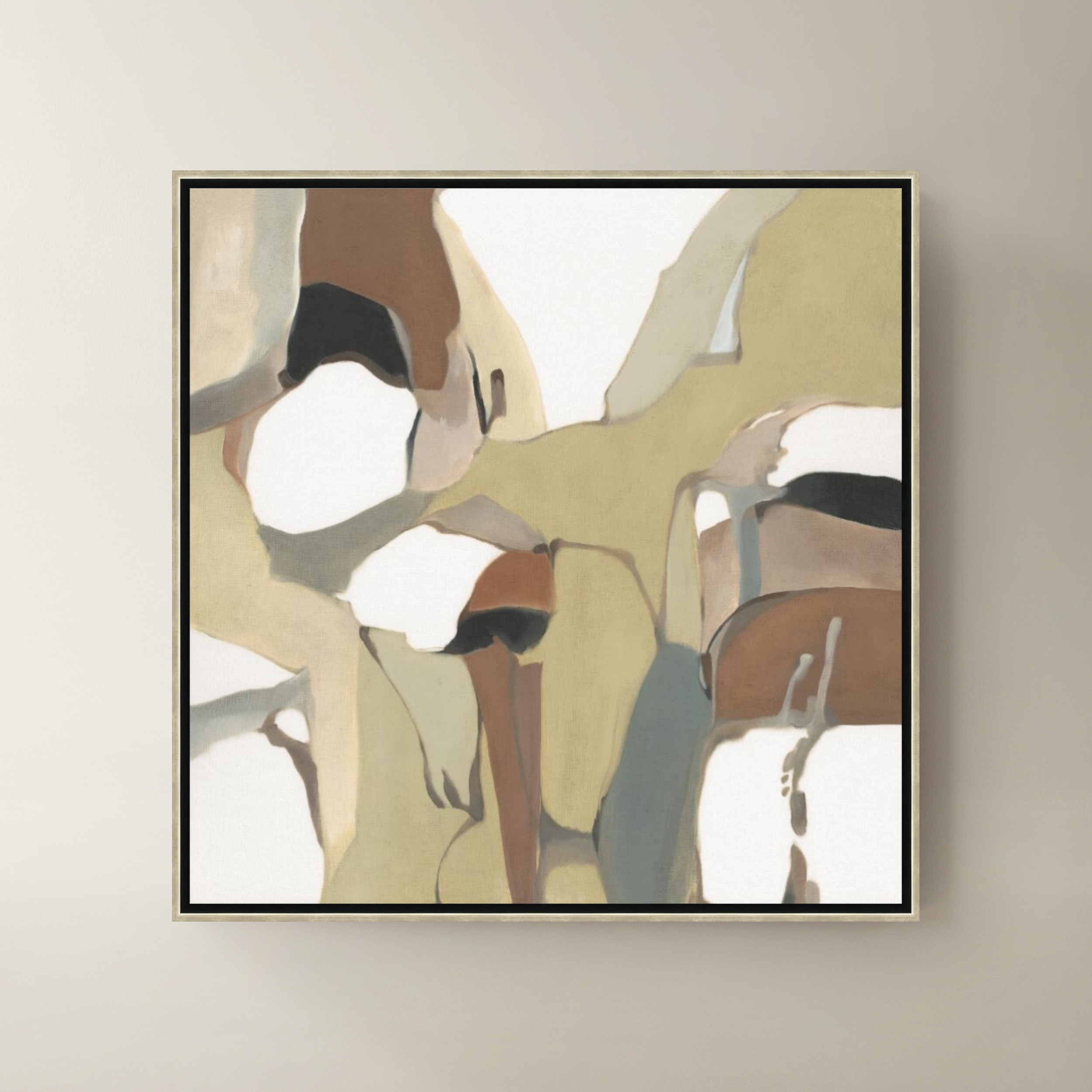
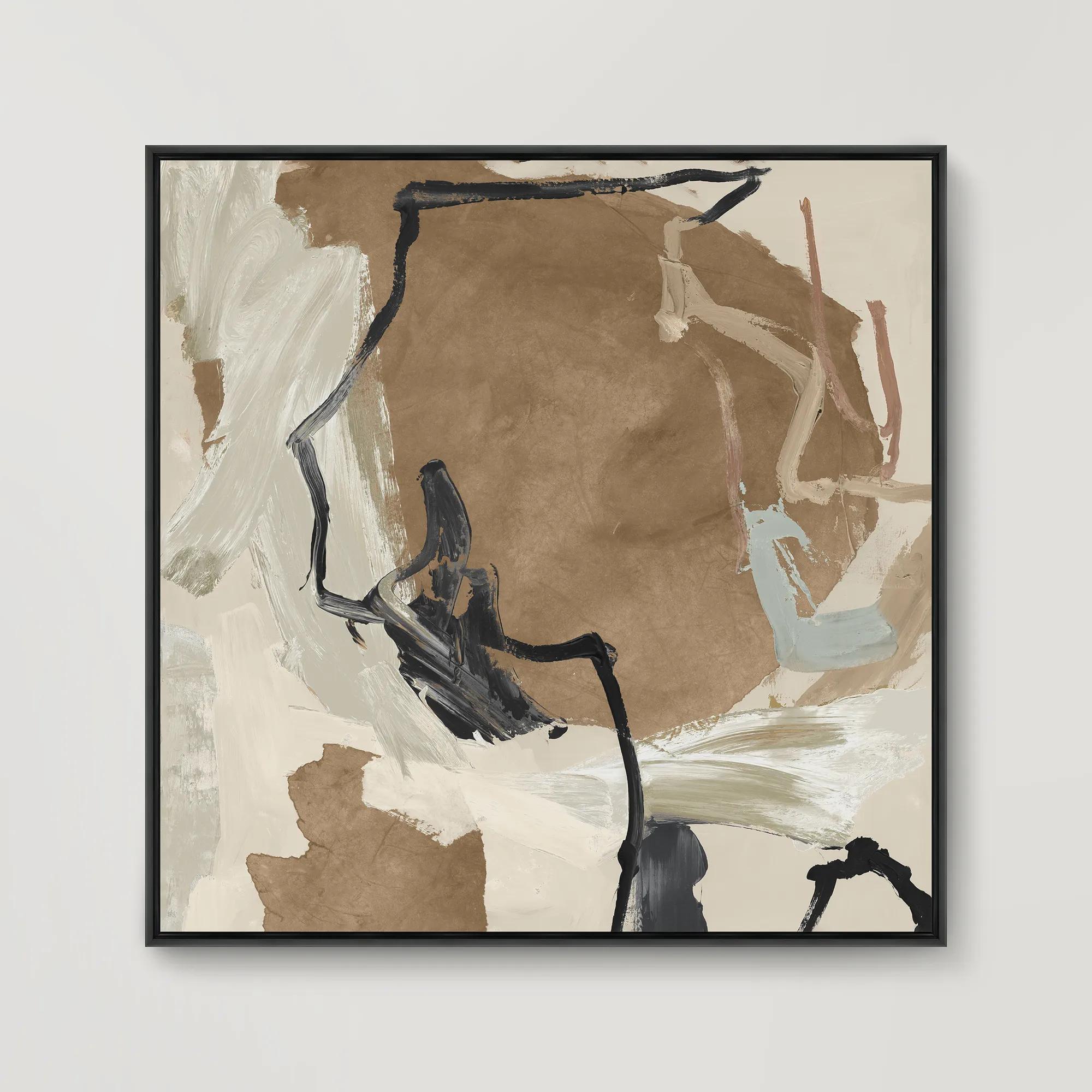
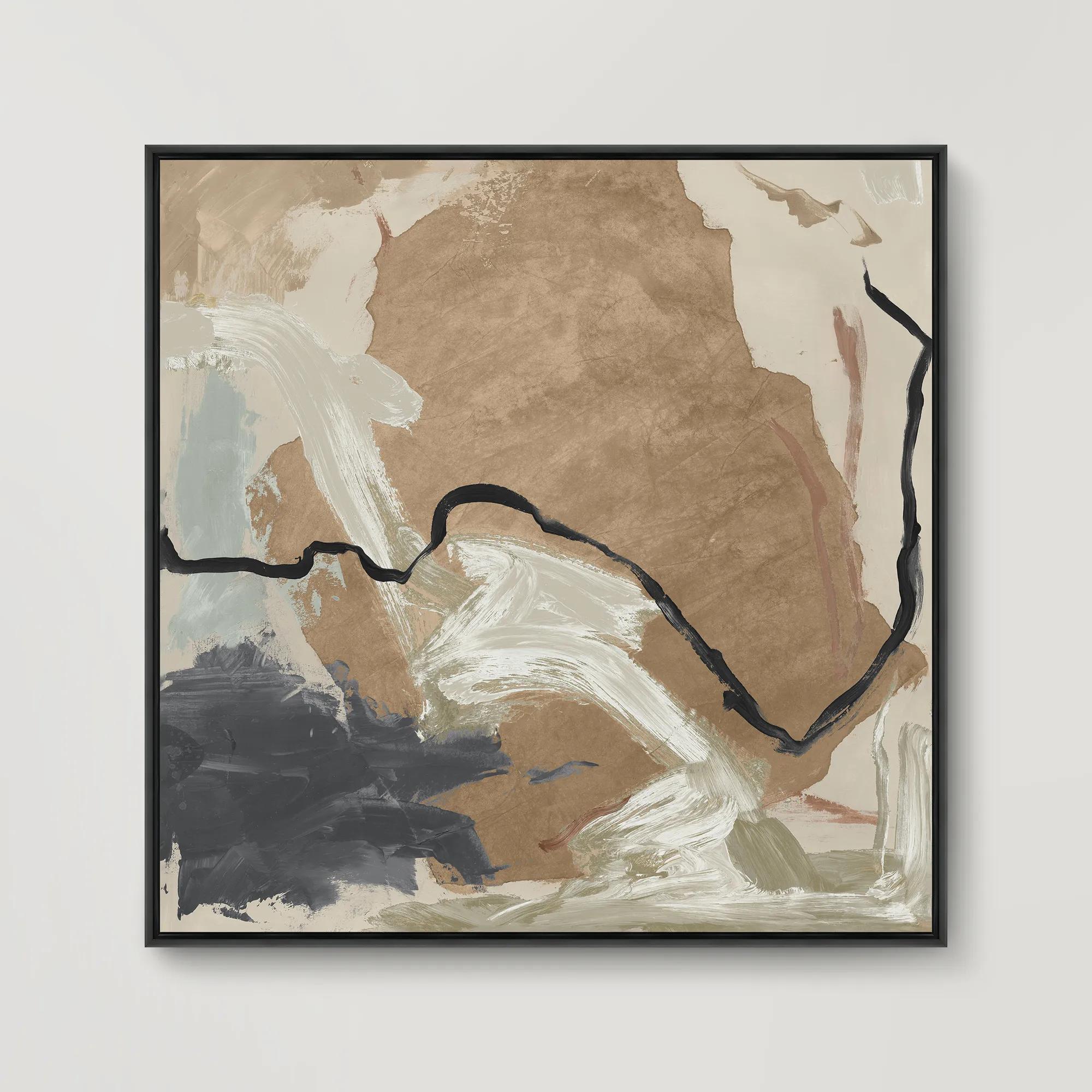
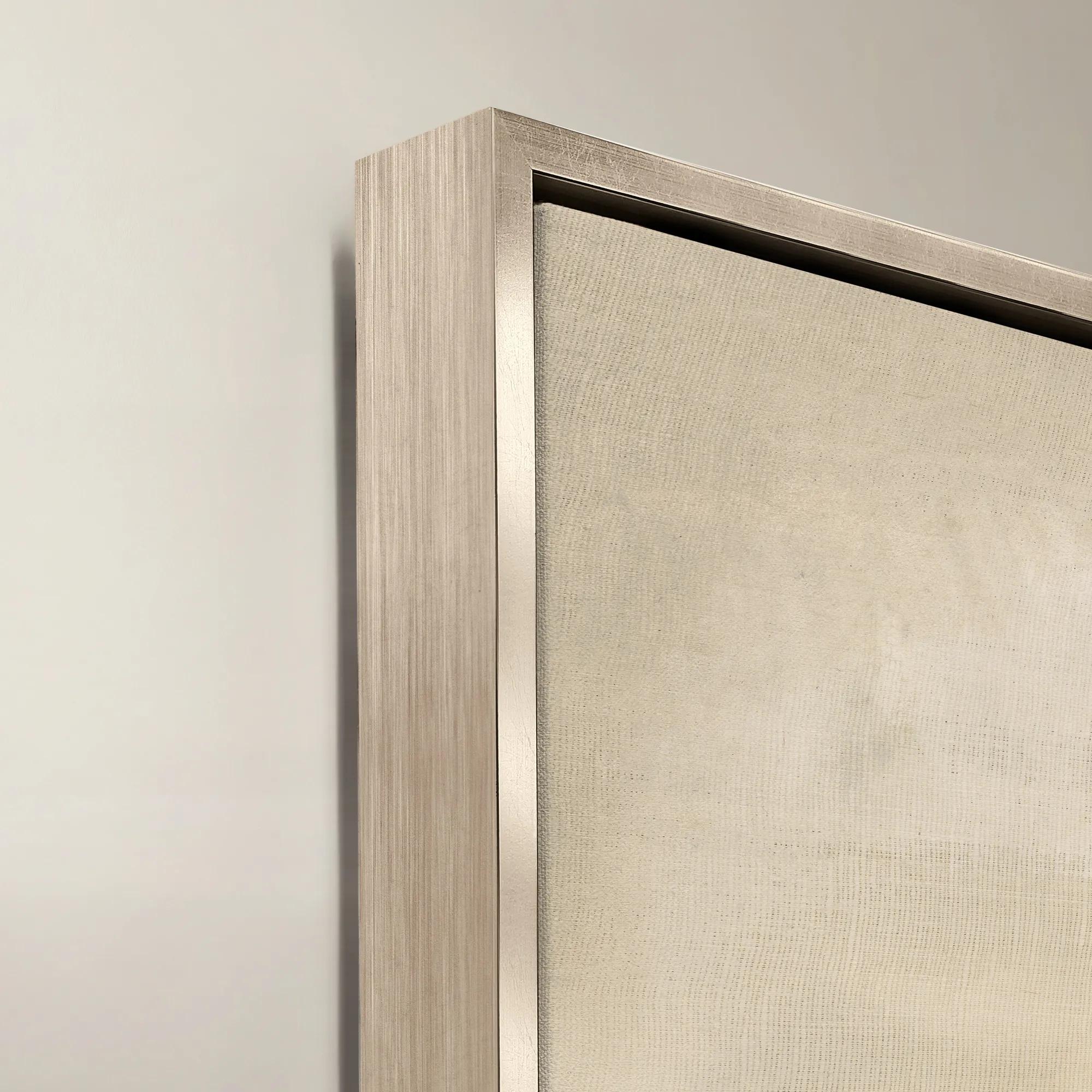 Organic Shape Framed Wall Art 47" x 47"$1099
A framed canvas artwork featuring an organic shape in rich brown tones.
Add To Cart -
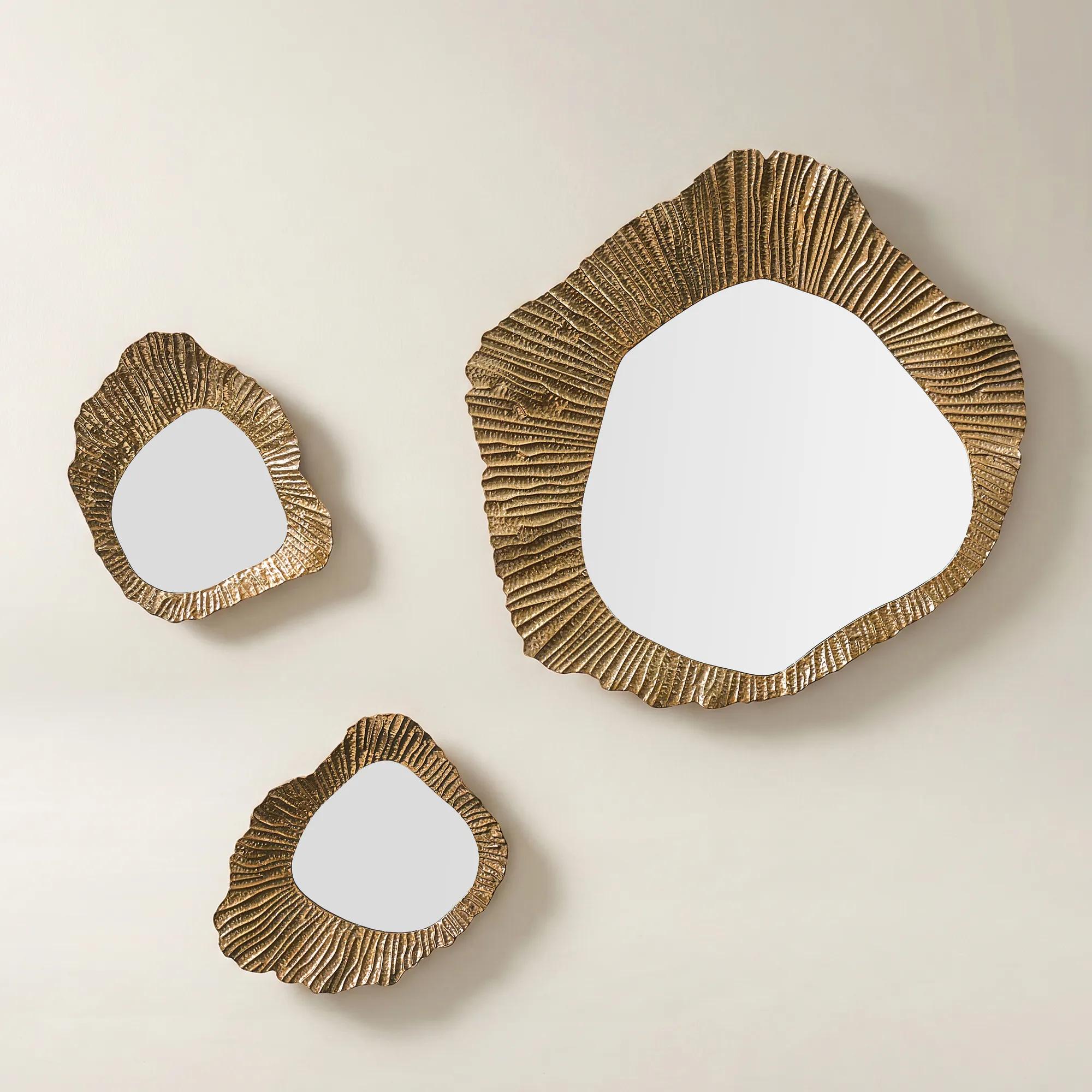 Cara Antique Gold Hand-Forged Iron Organic Shaped Wall Mirror Cluster Trio$1099
A set of three hand-forged iron mirrors in antiqued gold, featuring an organic, sculptural cluster design.
Add To Cart -
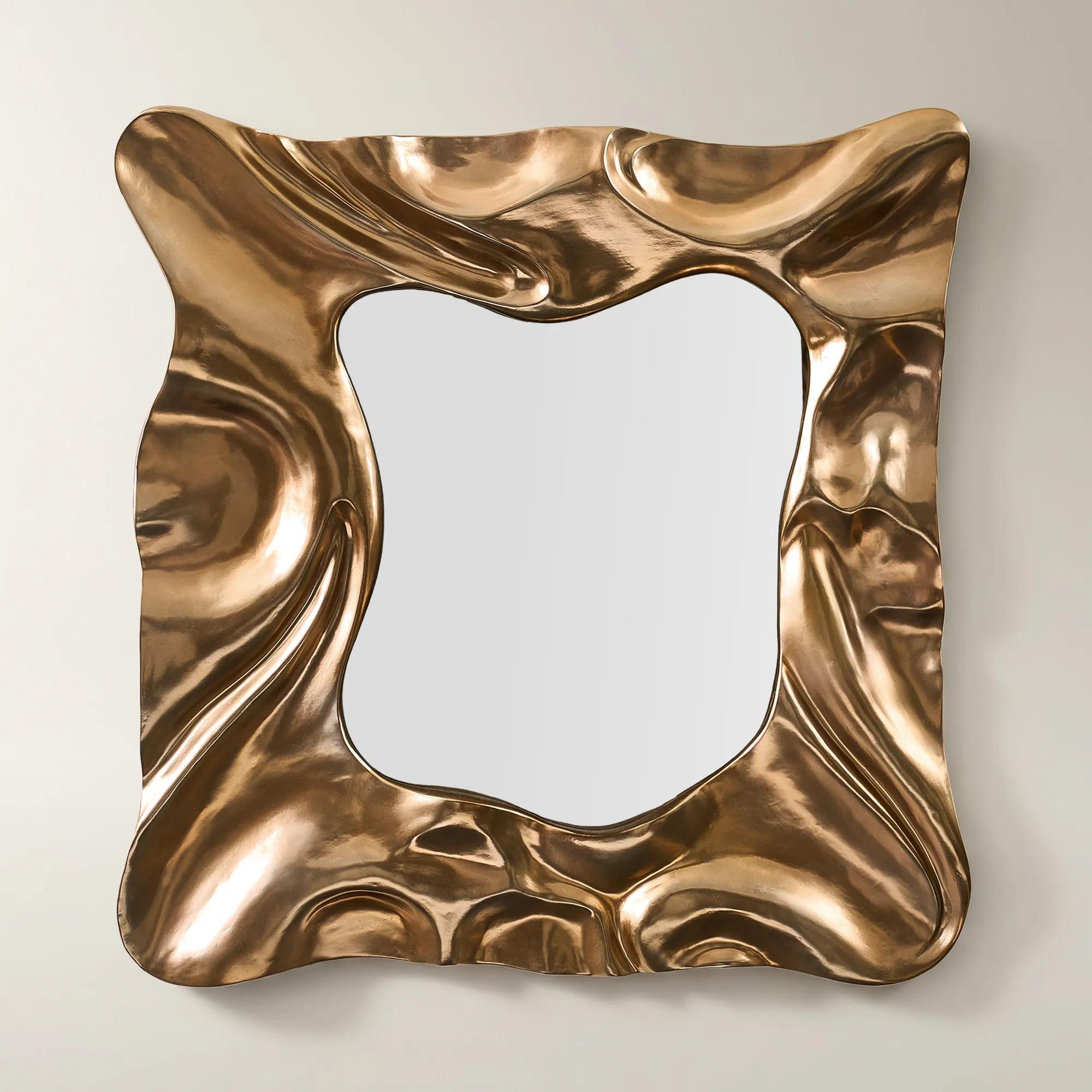 Surface Bronze Resin Organic Shaped Wall Mirror 40" x 40"$699
A sculptural bronze resin frame and organic silhouette create a striking, artful focal point for any room.
Add To Cart -
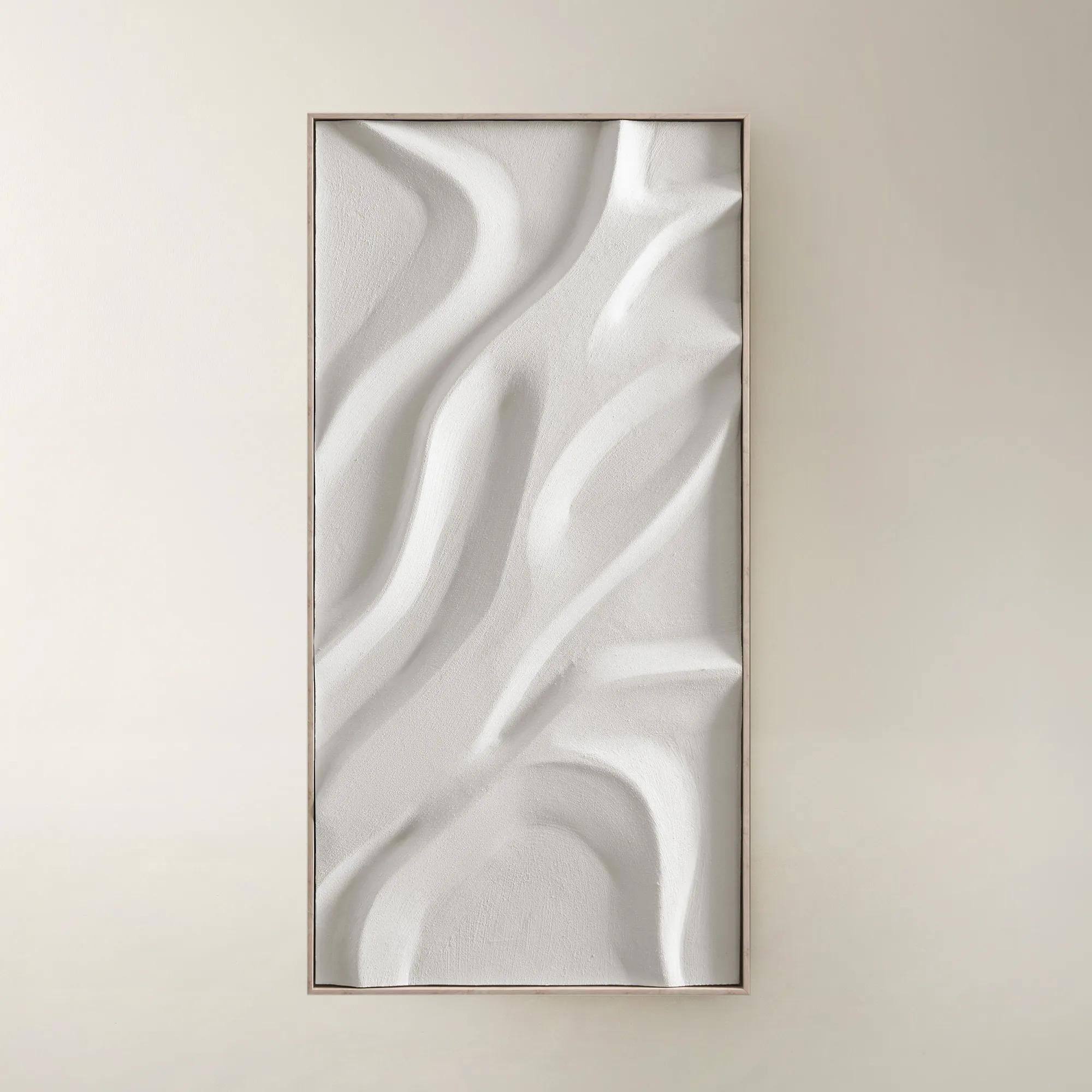
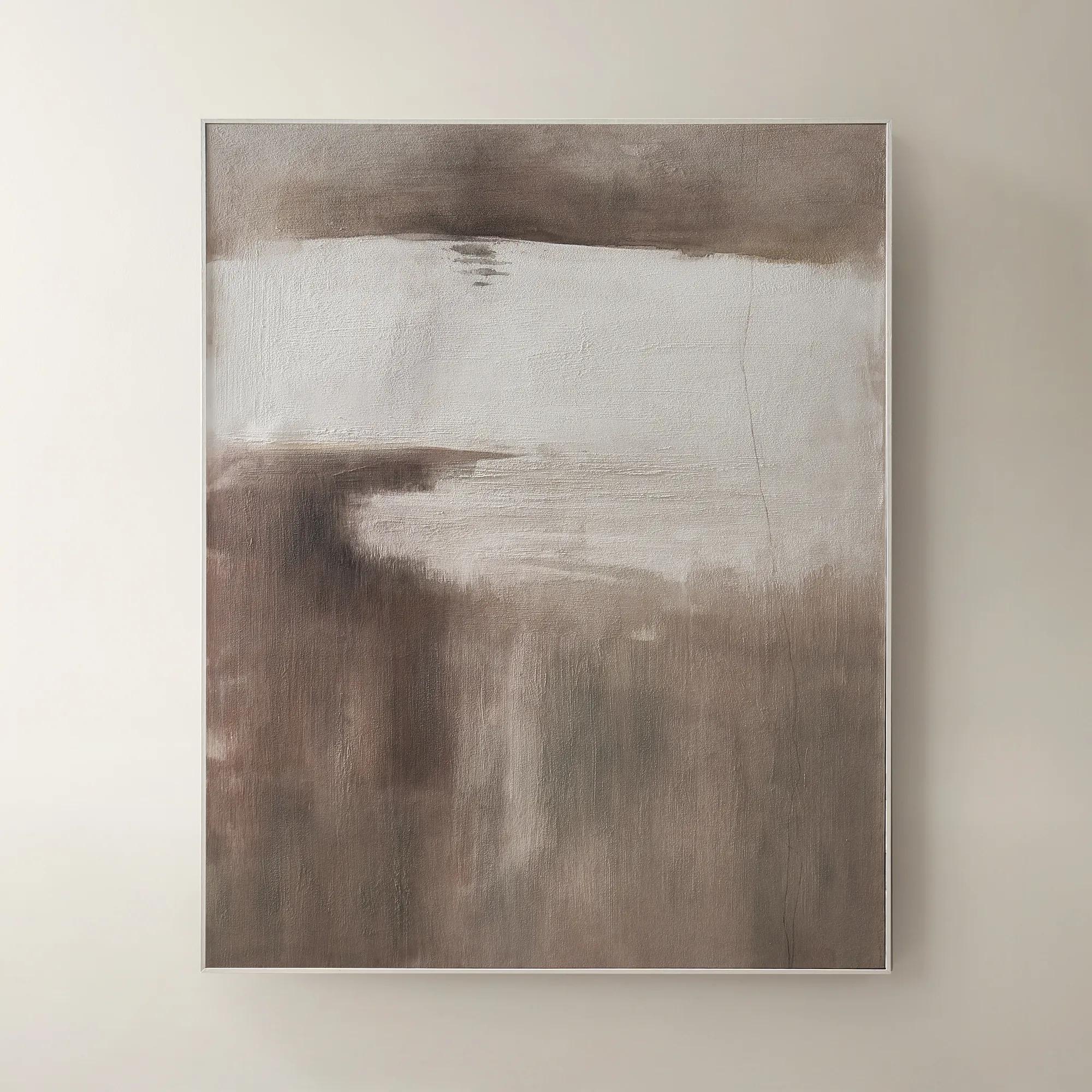
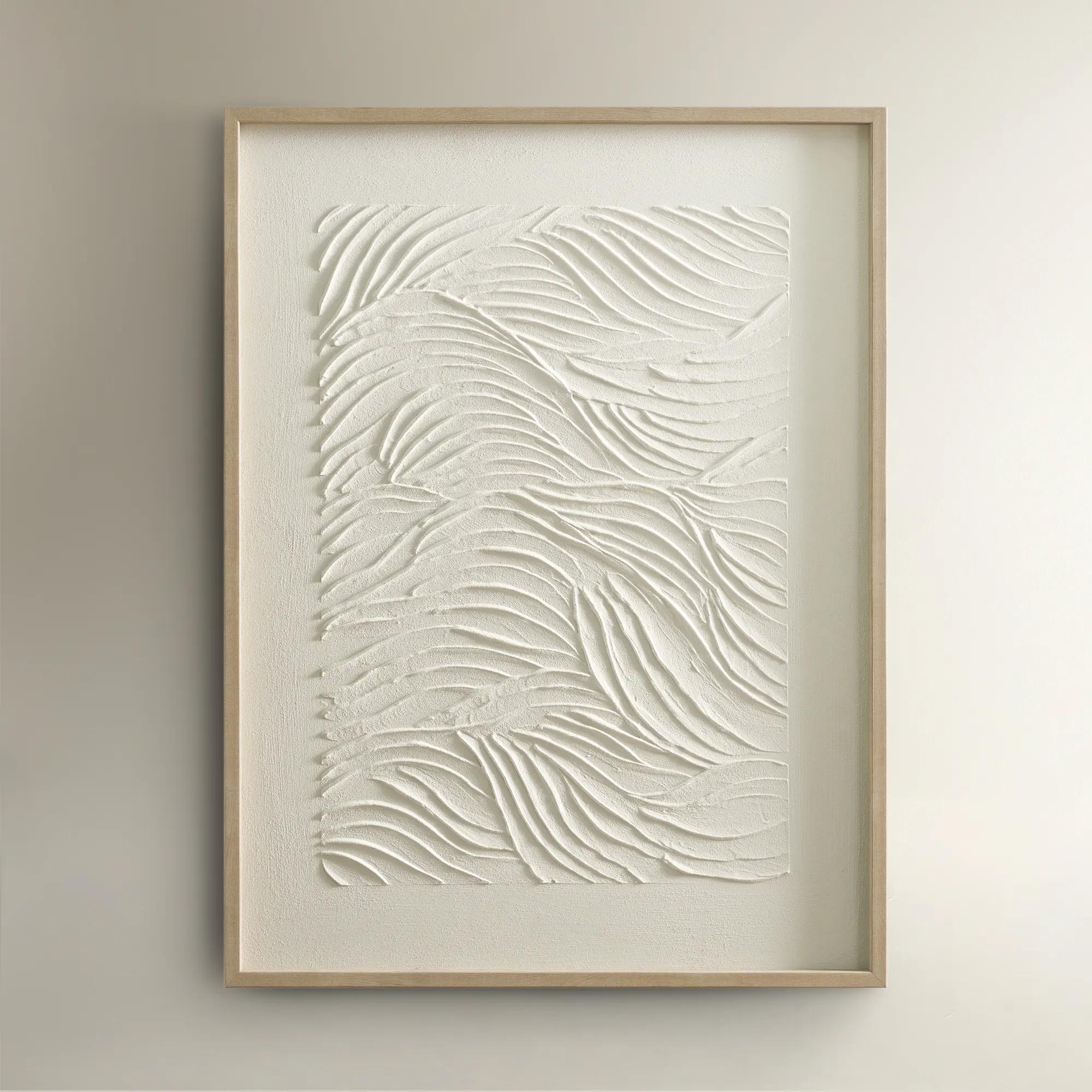
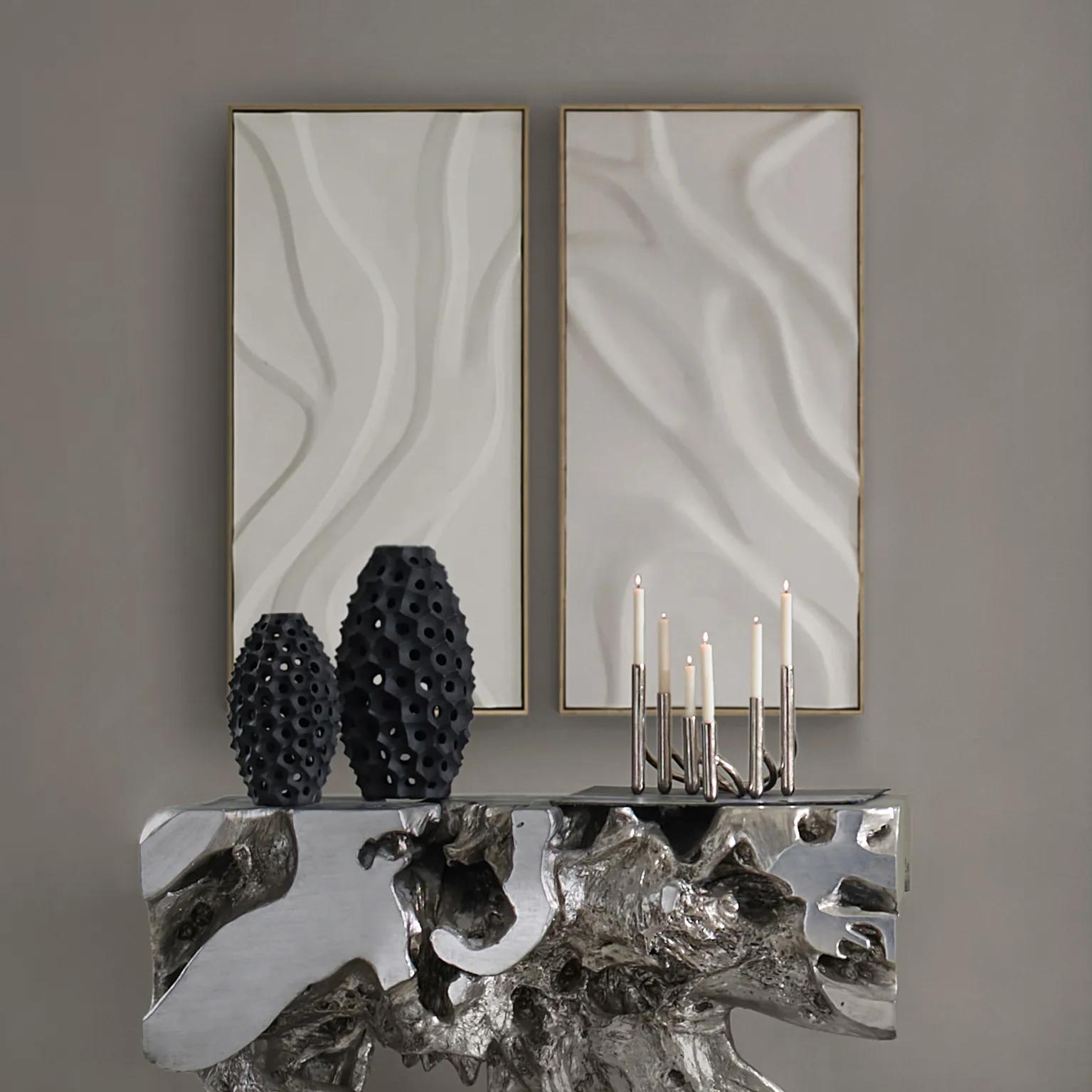 Au Lait Framed Painted Wall Art II 47.2" x 23.6"$199
A serene hand-painted canvas in beige, set in a warm whitewash floater frame for modern interiors.
Add To Cart -
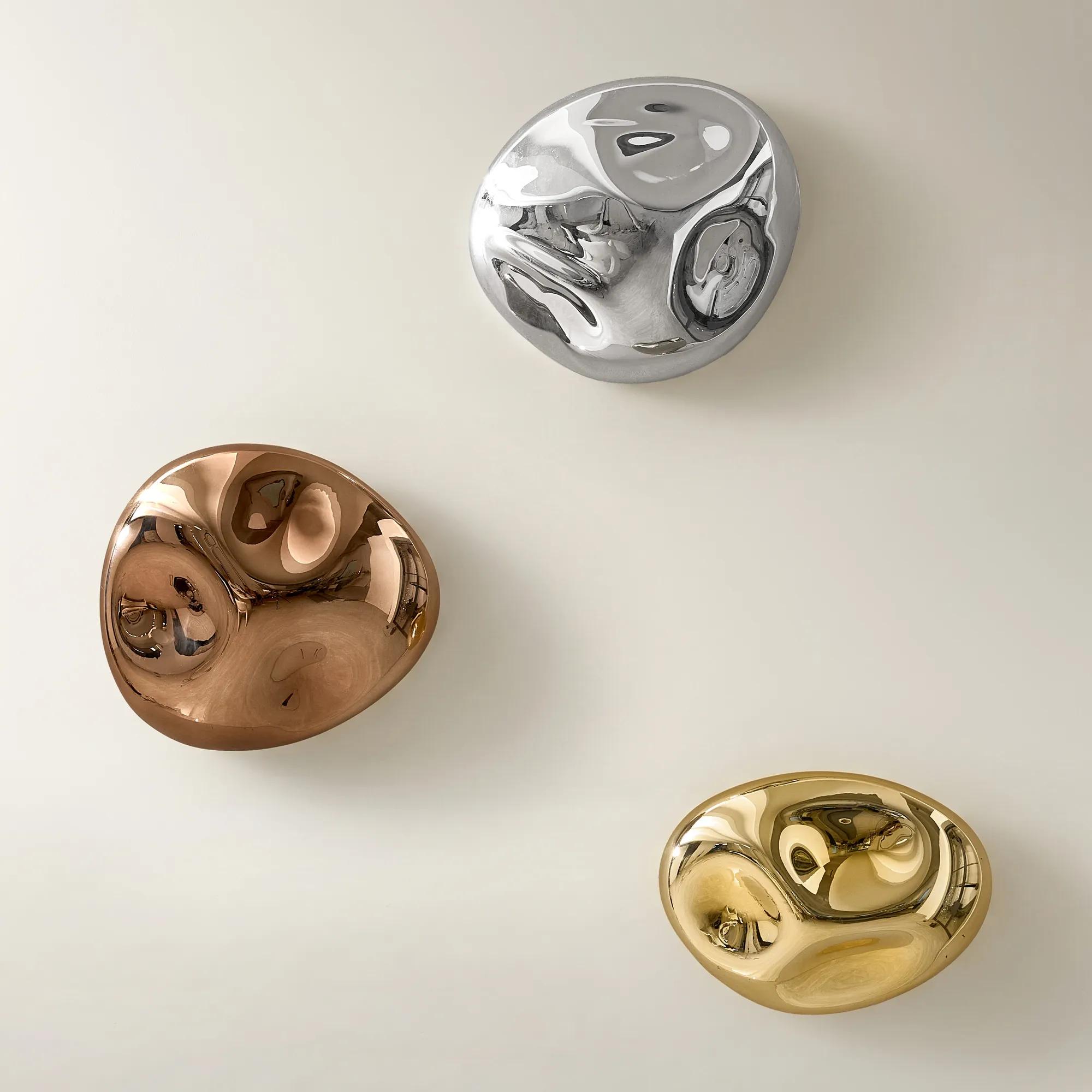
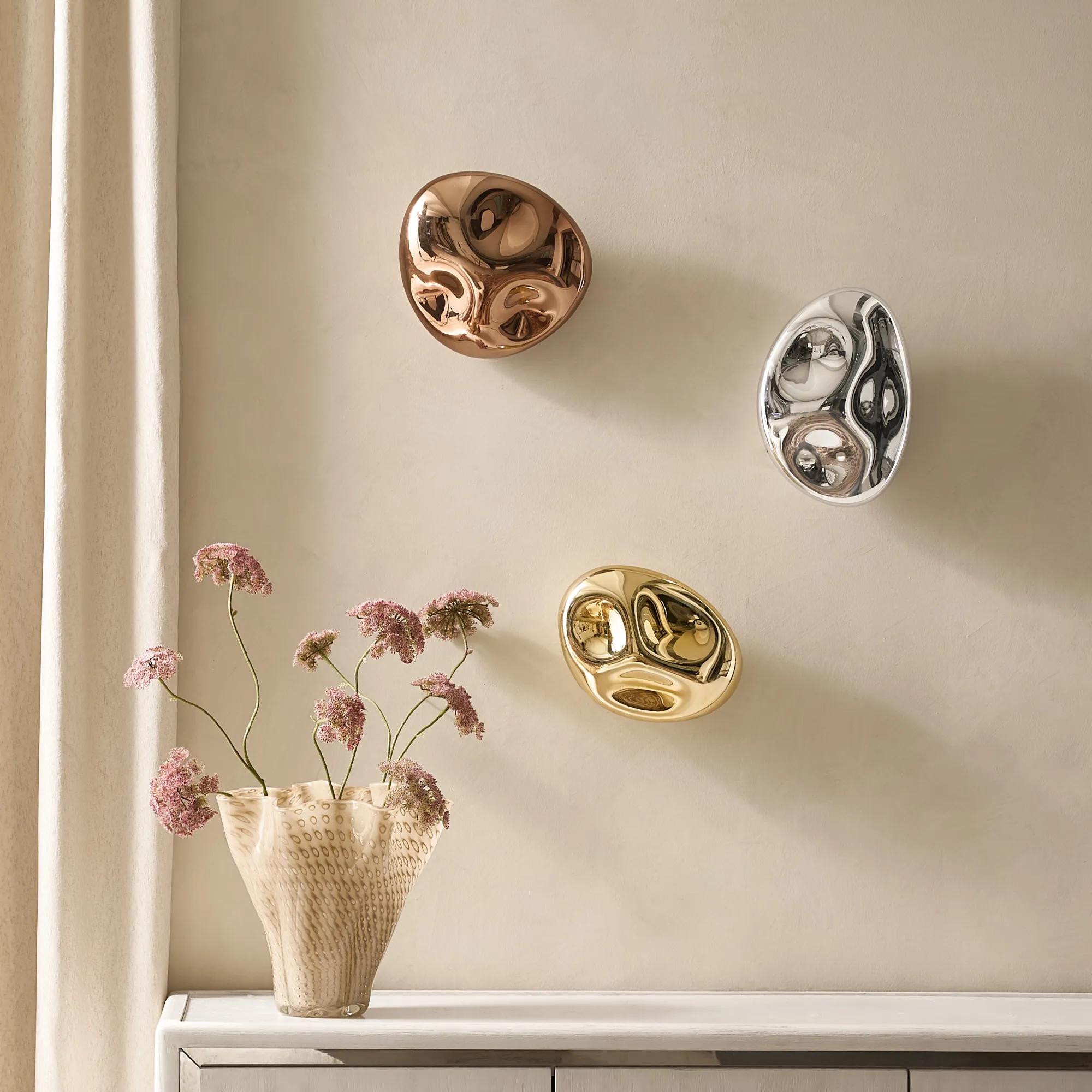 Nebula Electroplated Metallic Glass Wall Decor Set of 3$279
A set of three electroplated glass wall sculptures in polished silver, soft gold, and bronze tones.
Add To Cart -
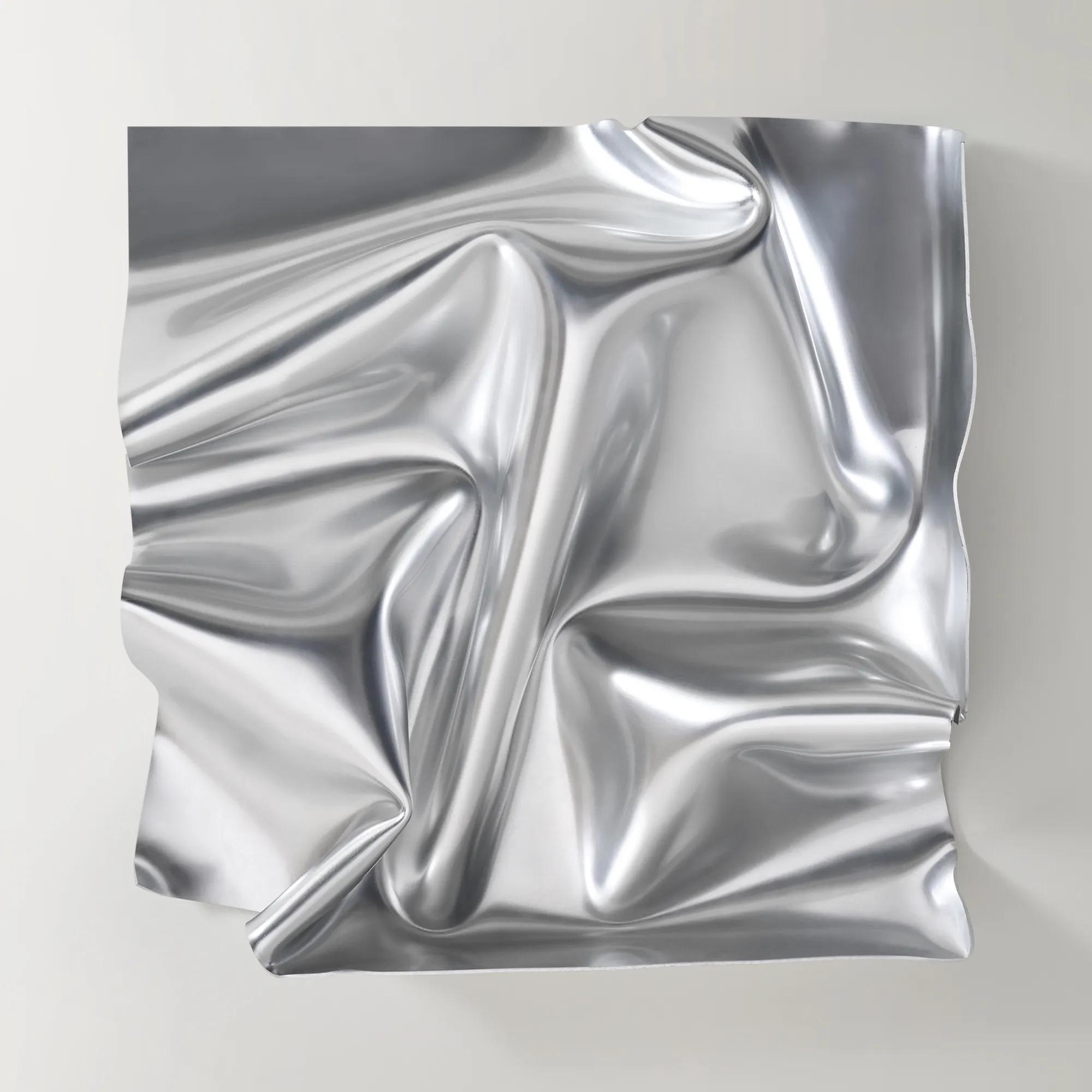
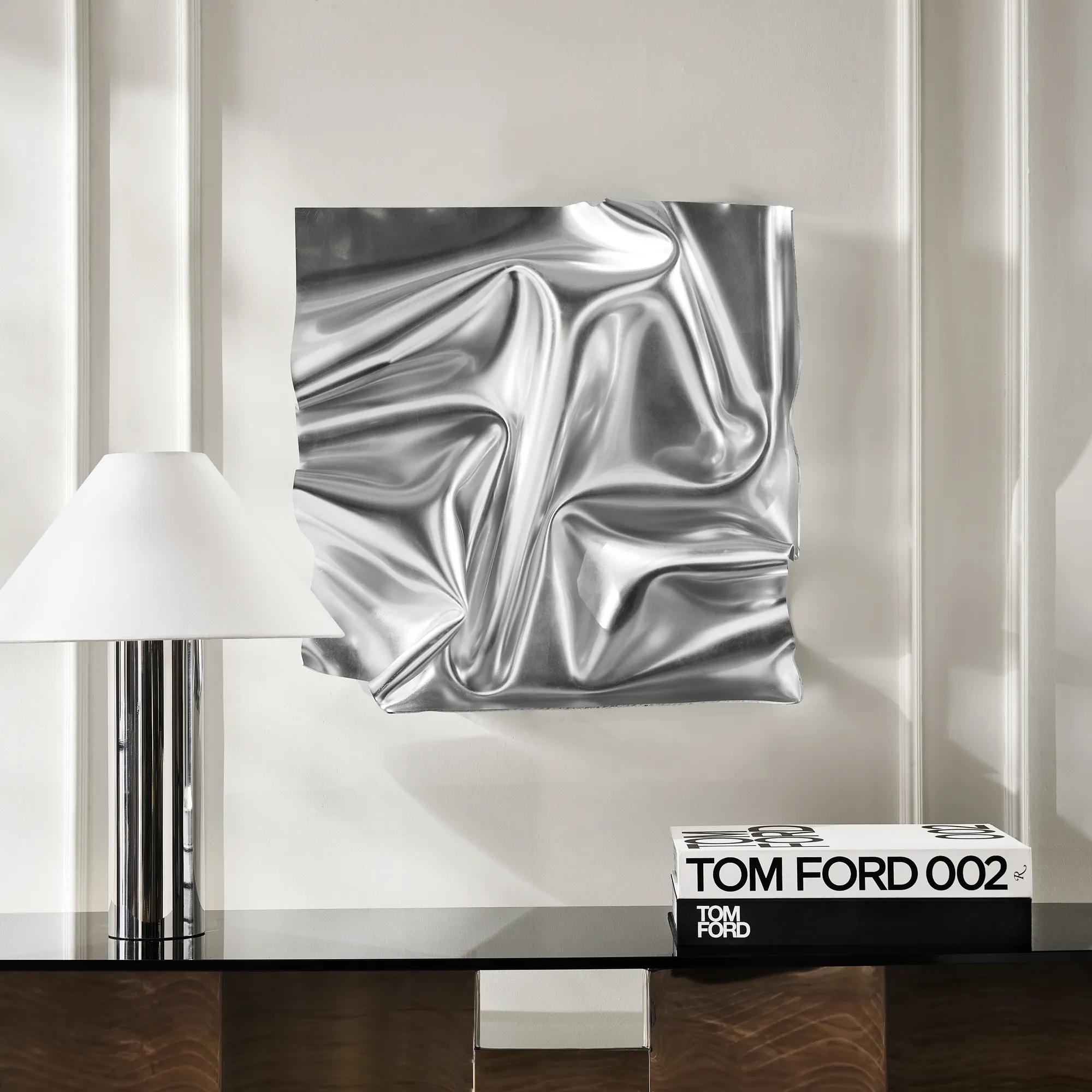 Surface Sculpted Silver Leaf Acrylic Wall Decor 23.6" x 23.6"$189
A striking acrylic wall piece featuring fluid, reflective silver shapes for dramatic, modern visual impact.
Add To Cart -
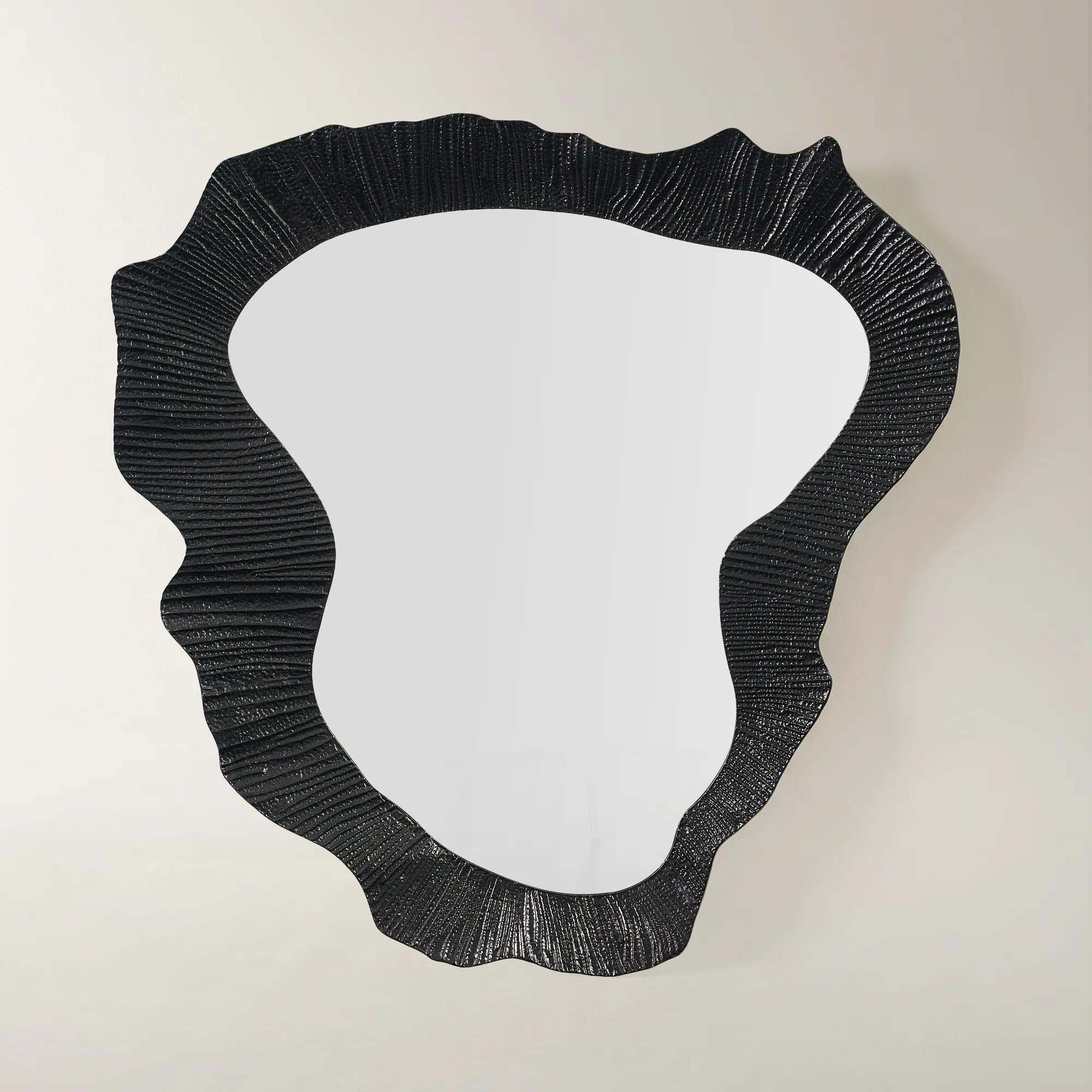 Cara Black Hand-Forged Iron Organic Shaped Wall Mirror 52.5" x 53"$1199
A hand-forged black iron frame and organic silhouette create a bold, sculptural statement for any room.
Add To Cart -
 Cara Antique Gold Hand-Forged Iron Organic Shaped Wall Mirror 52.5" x 53"$1199
A sculptural wall mirror featuring a hand-hammered iron frame with radiant gold and organic edges.
Add To Cart -
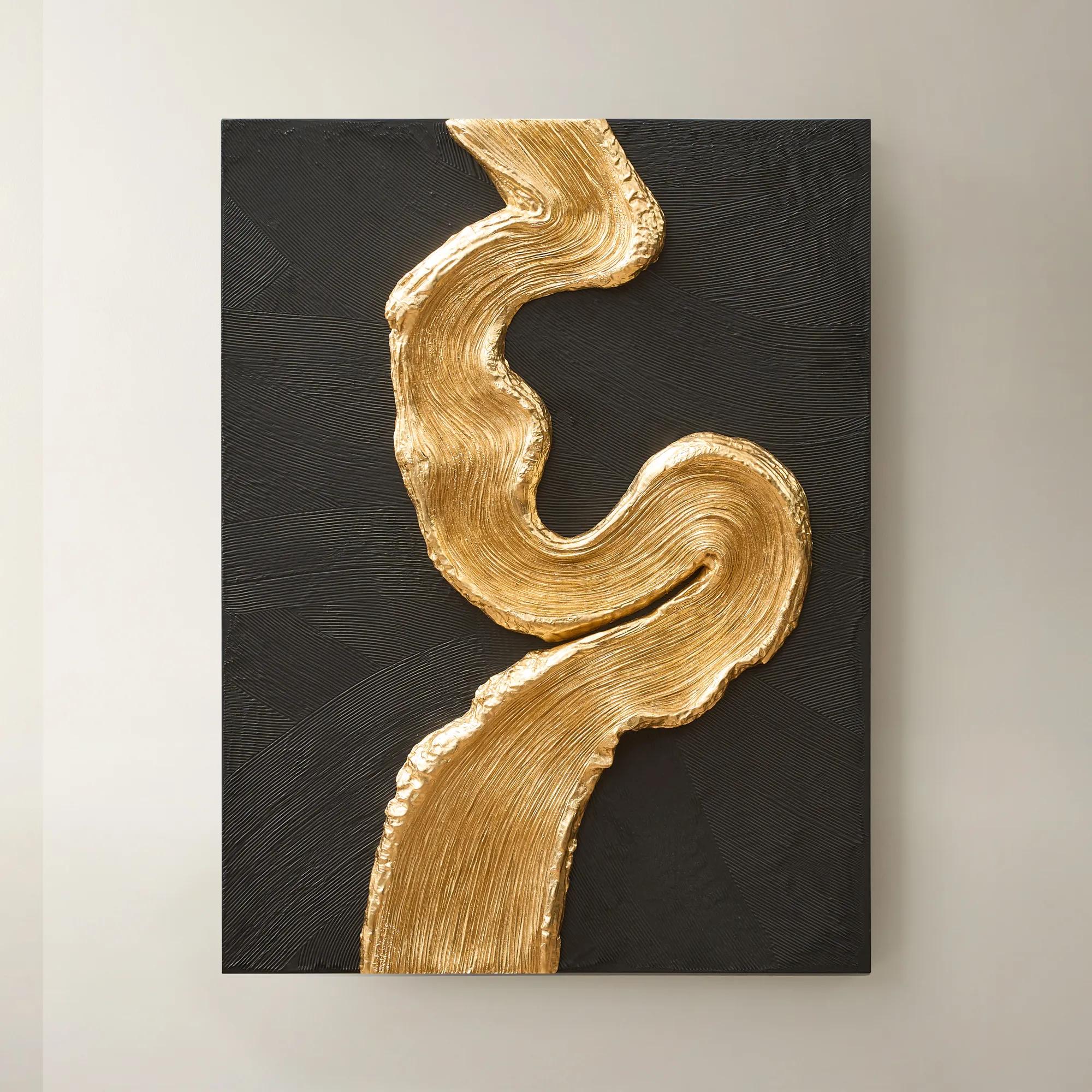
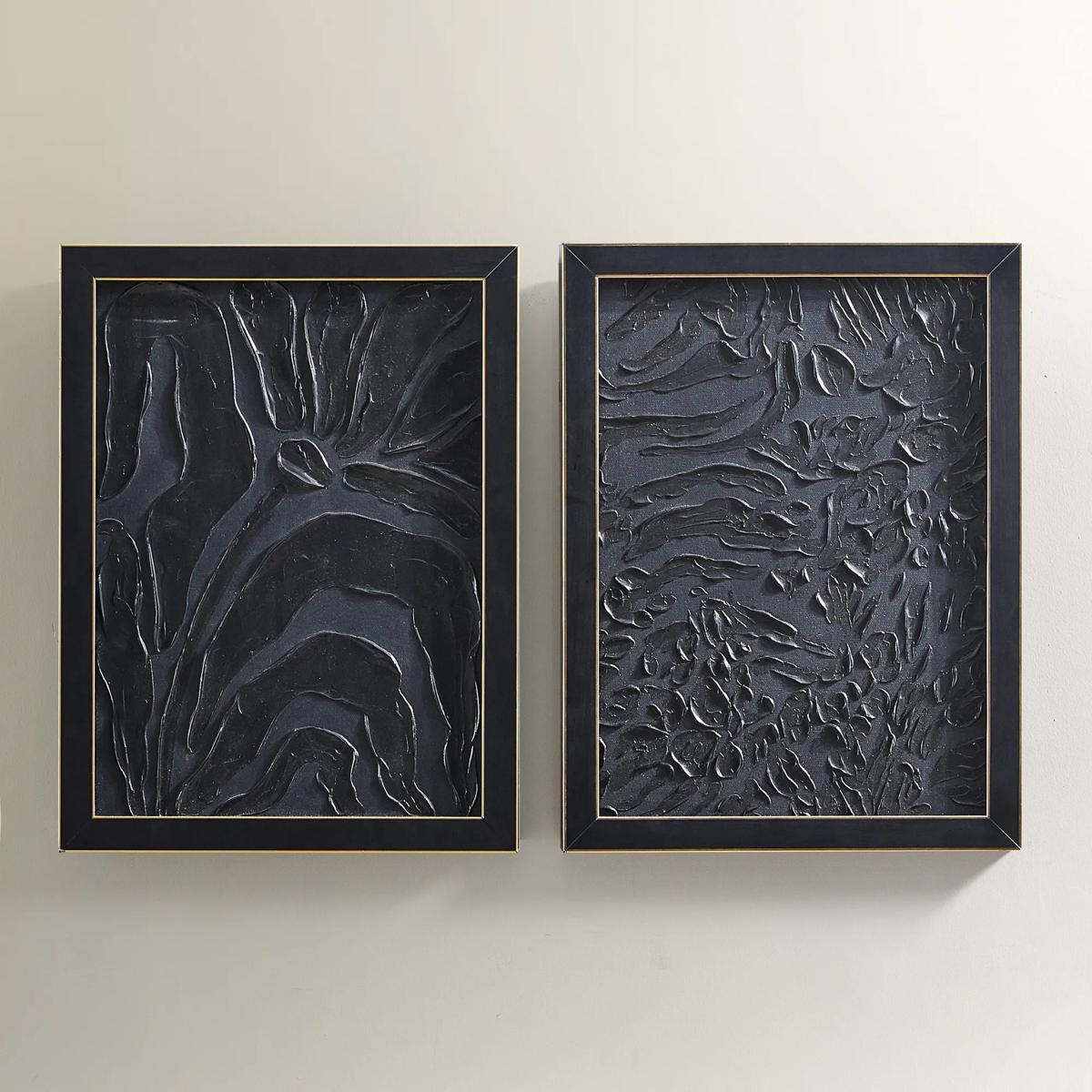
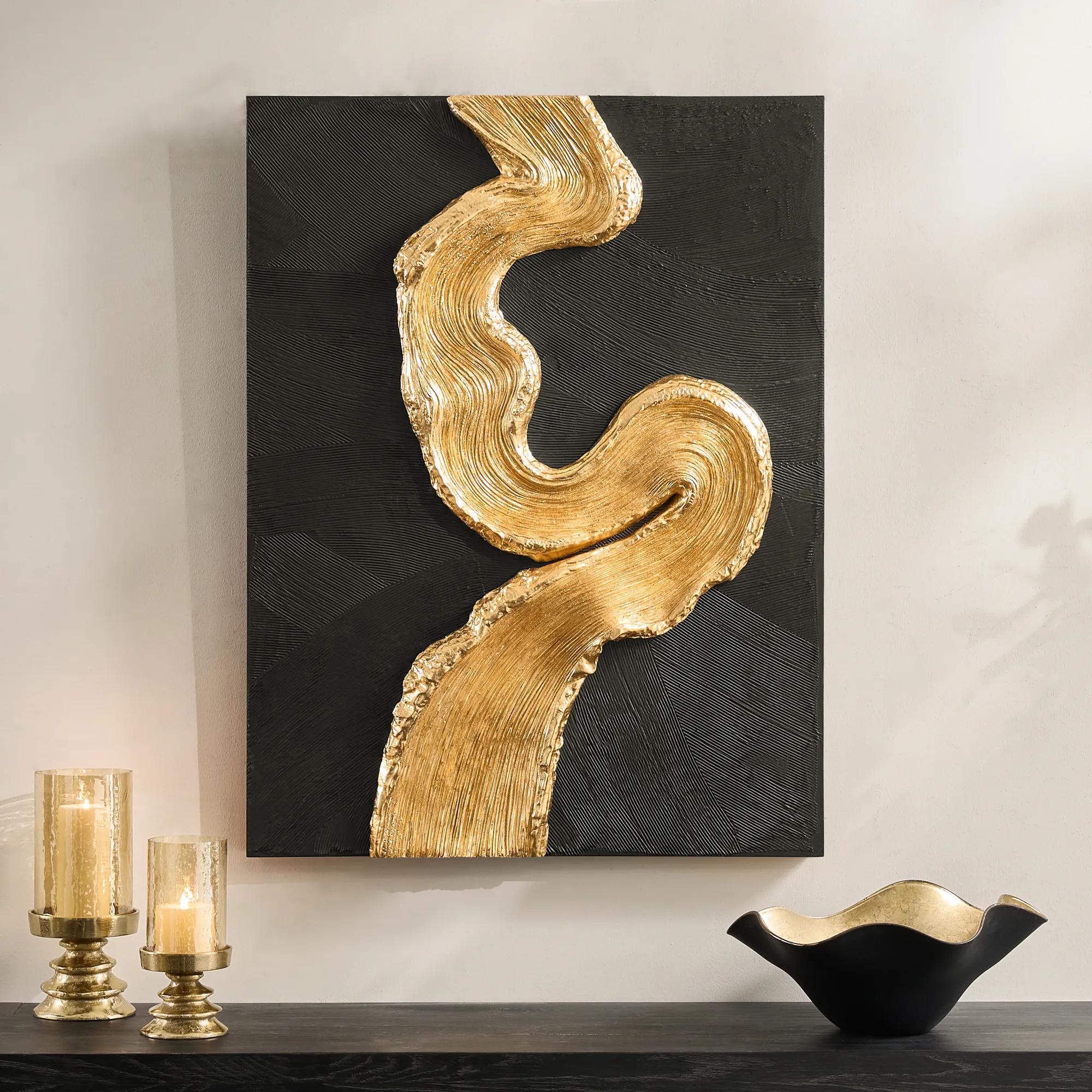 Gold Impasto Sculpted Resin Wall Panel 30" x 40"$499
A sculpted fiberglass resin wall panel featuring gold leaf detail and bold impasto texture on a black backdrop.
Add To Cart -
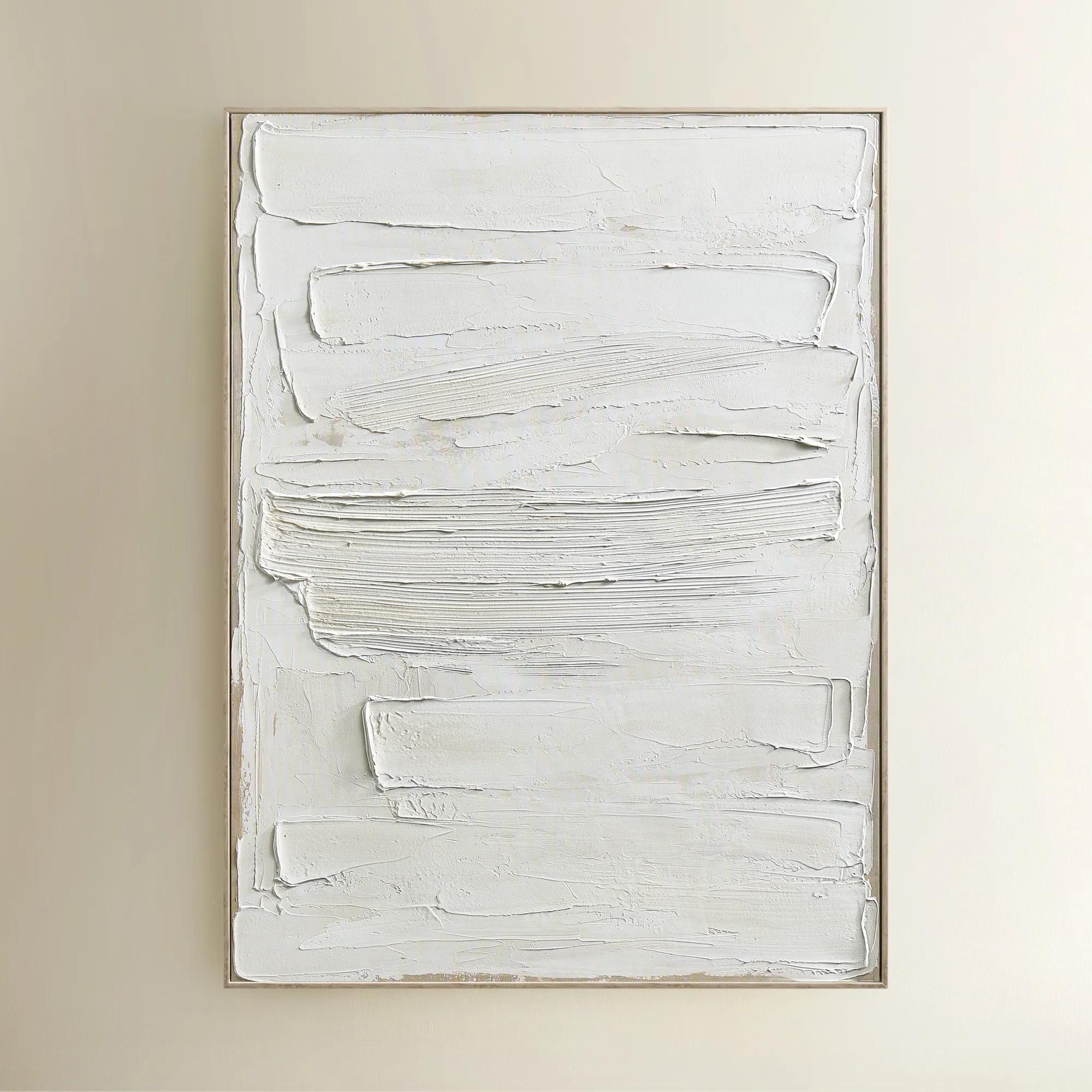
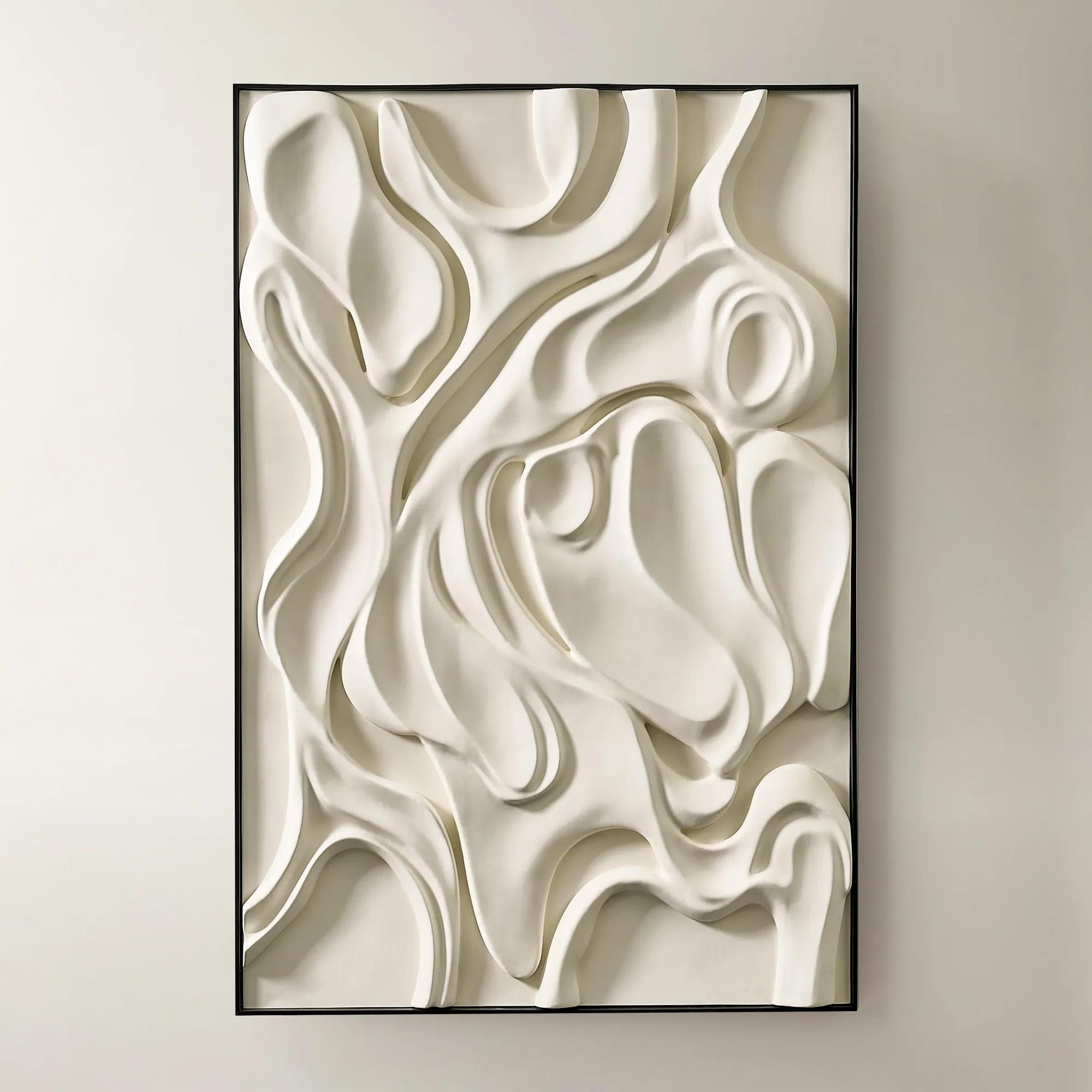 Overflow Alabaster Sculpted Resin Wall Panel 40" x 60"$699
An alabaster fiberglass resin wall panel with sculptural texture and a versatile black frame for modern spaces.
Add To Cart -
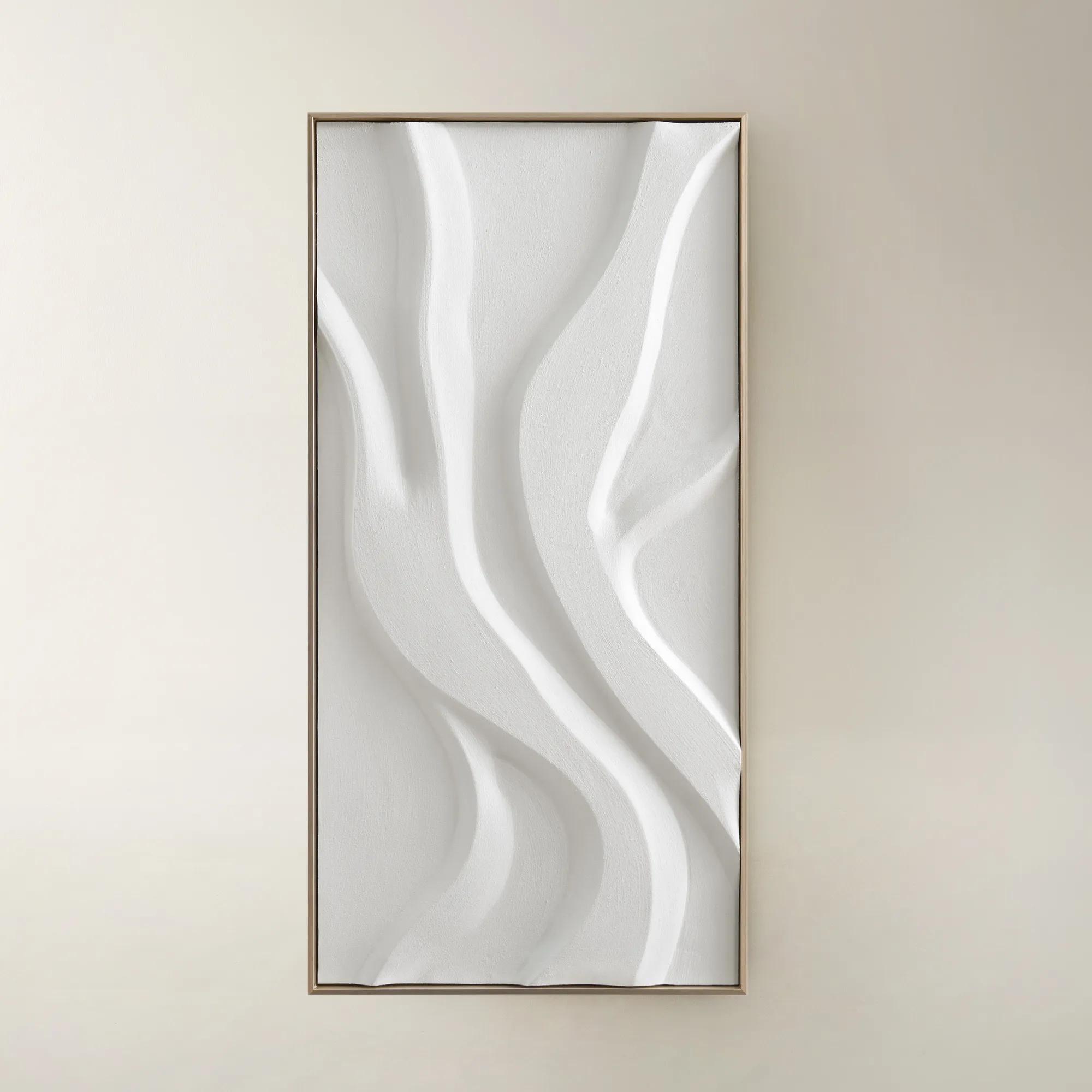
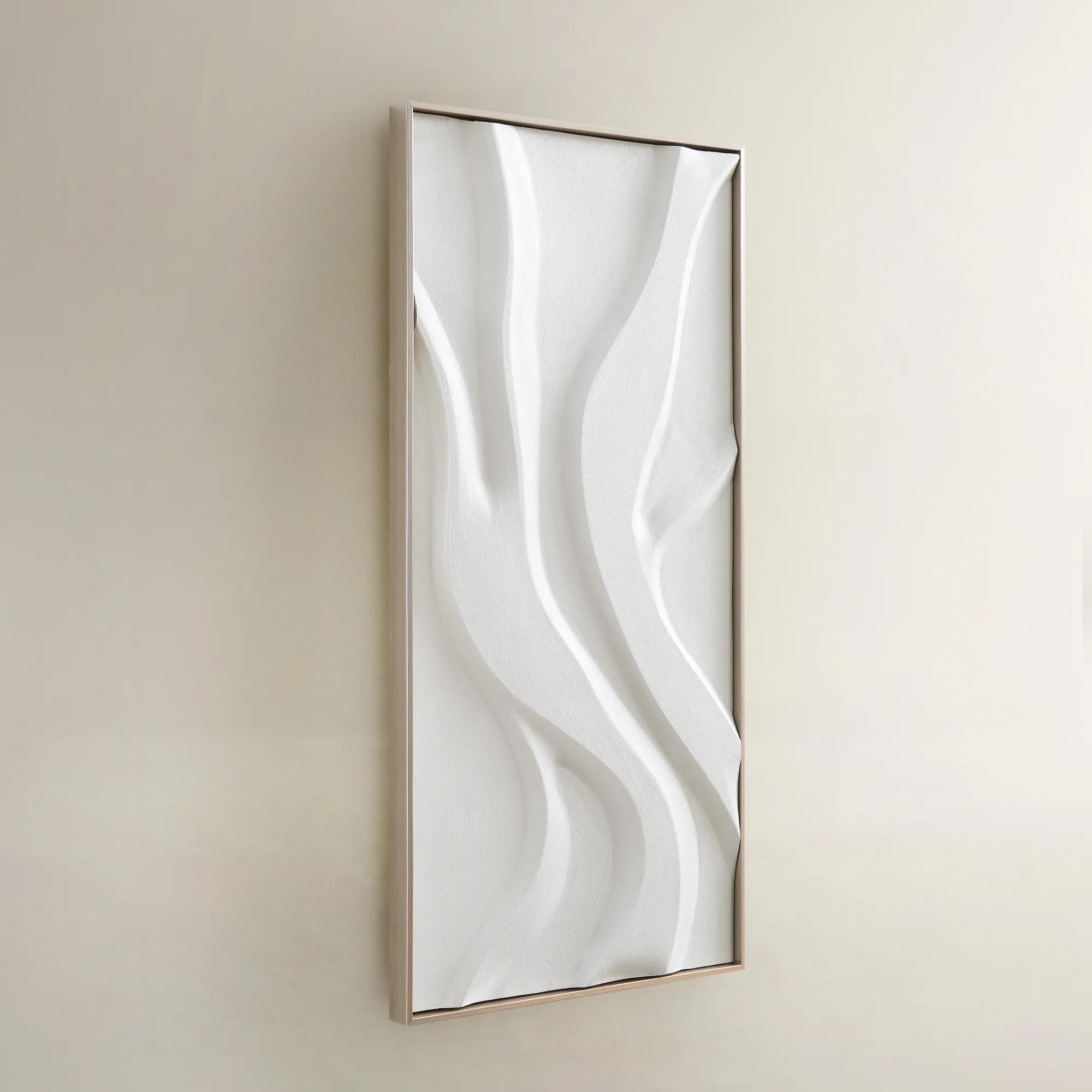 Au Lait Framed Painted Wall Art I 47.2" x 23.6"$199
An organic hand-painted canvas featuring flowing white forms in a warm champagne finish floater frame.
Add To Cart -
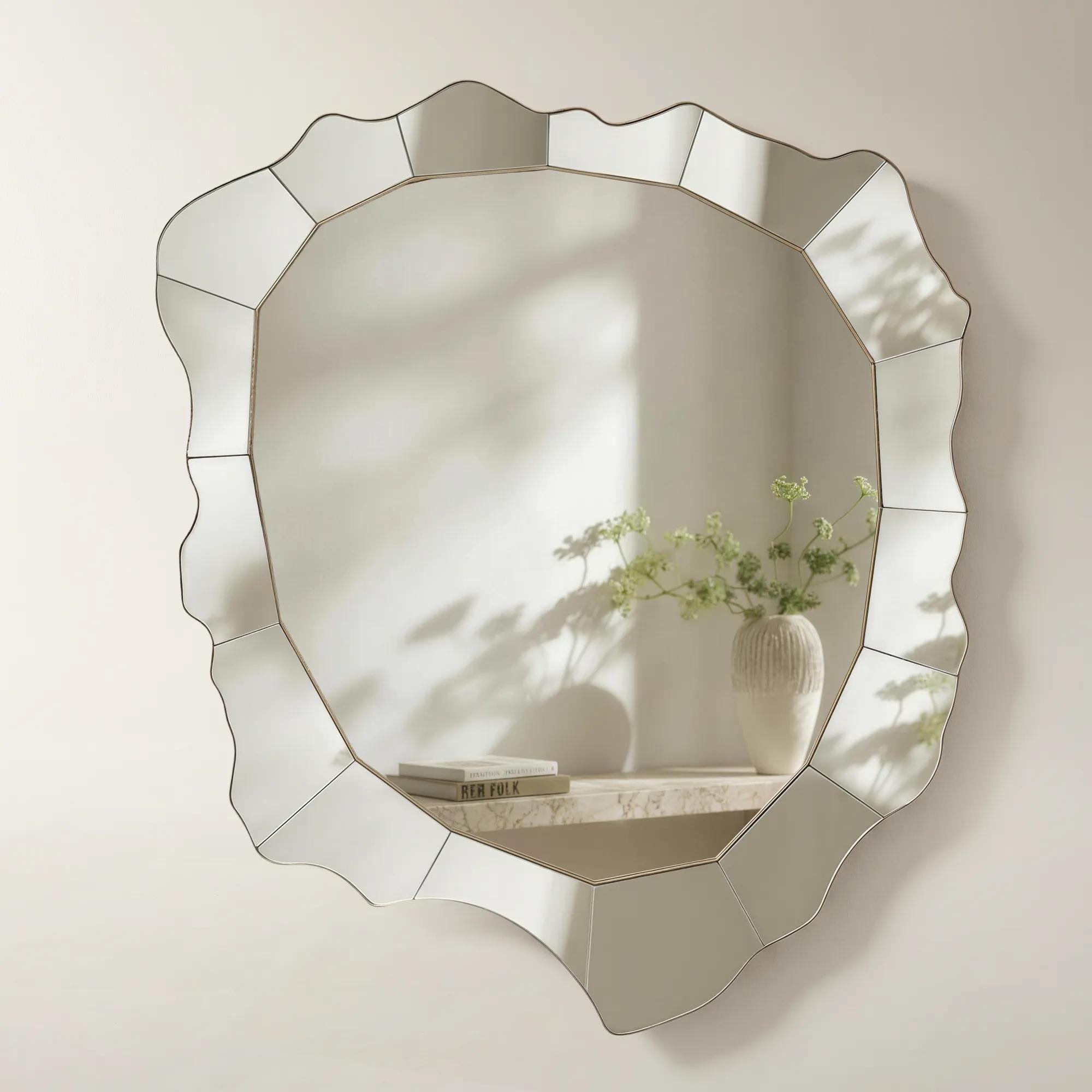 Gala Gold Trim Organic Shaped Wall Mirror 45" x 54"$999
An organic faceted mirror with soft gold iron trim adds sculptural movement and refined glamour to any room.
Add To Cart -
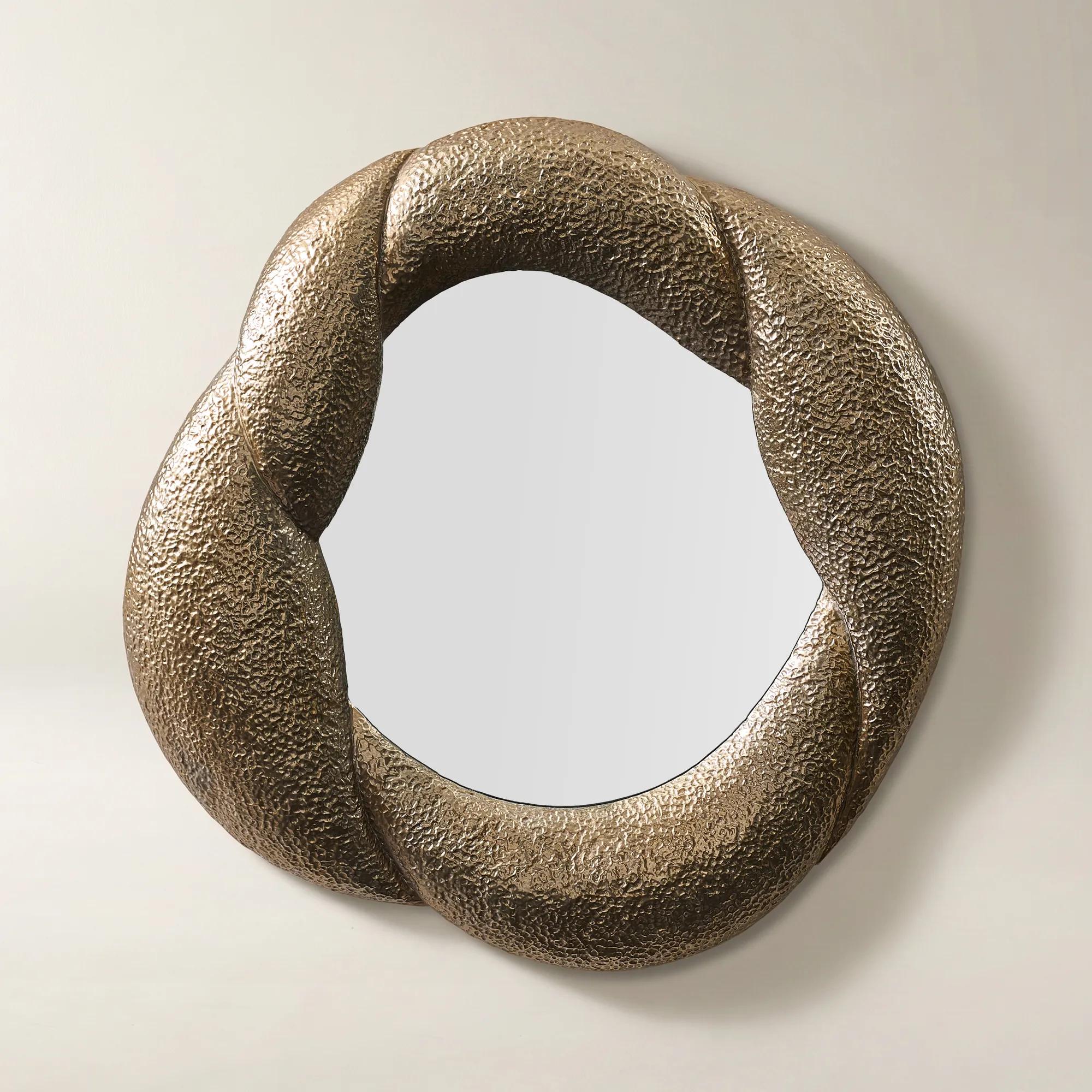 Bronze Age Hammered Texture Resin Organic Round Wall Mirror 34"$599
A round wall mirror featuring a chunky resin frame with hammered bronze texture for sculptural, modern appeal.
Add To Cart -
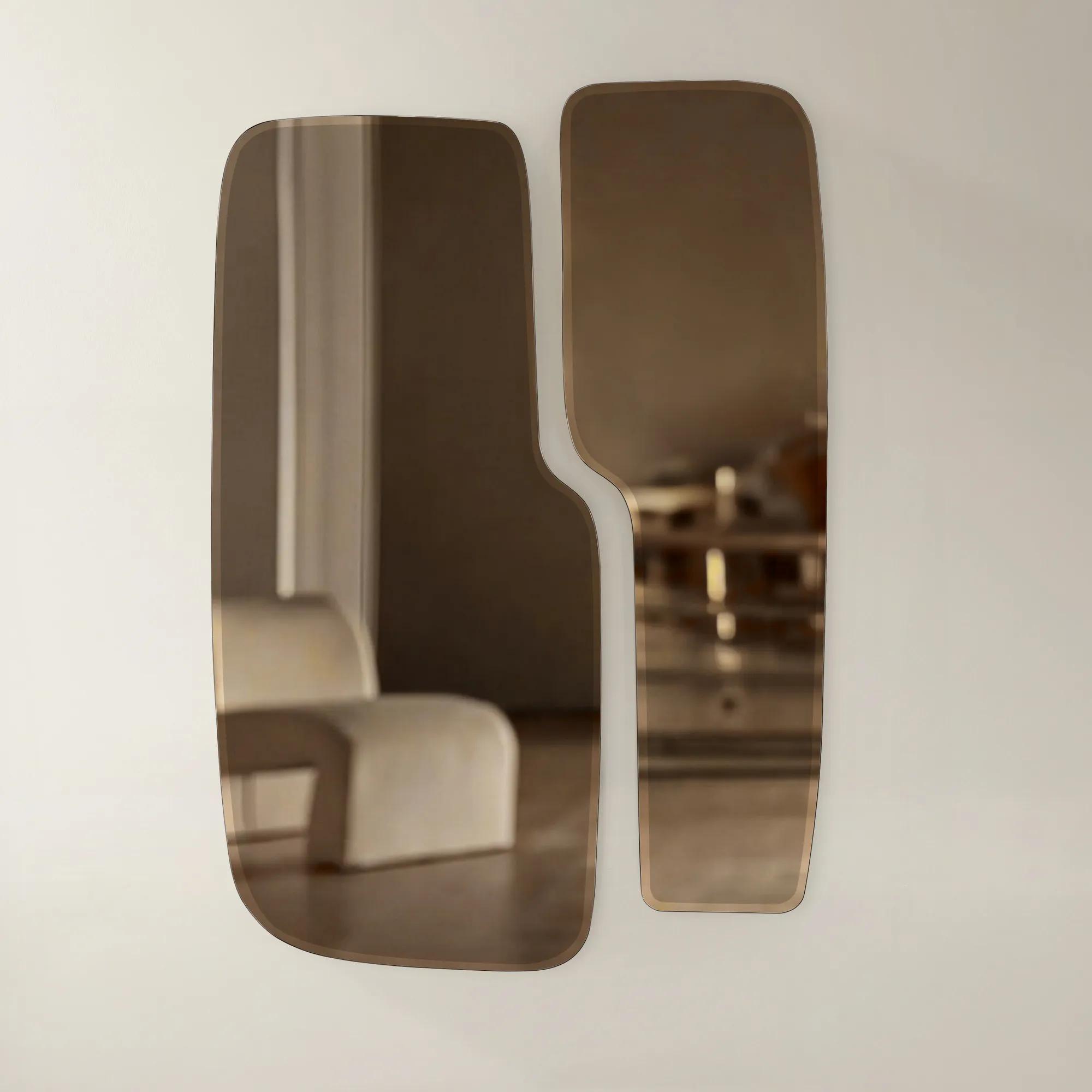 Puzzle 2-Piece Bronze Organic Shaped Wall Mirror 30" x 45"$499
A two-piece bronze wall mirror set featuring organic shapes for an artful, sculptural accent.
Add To Cart -
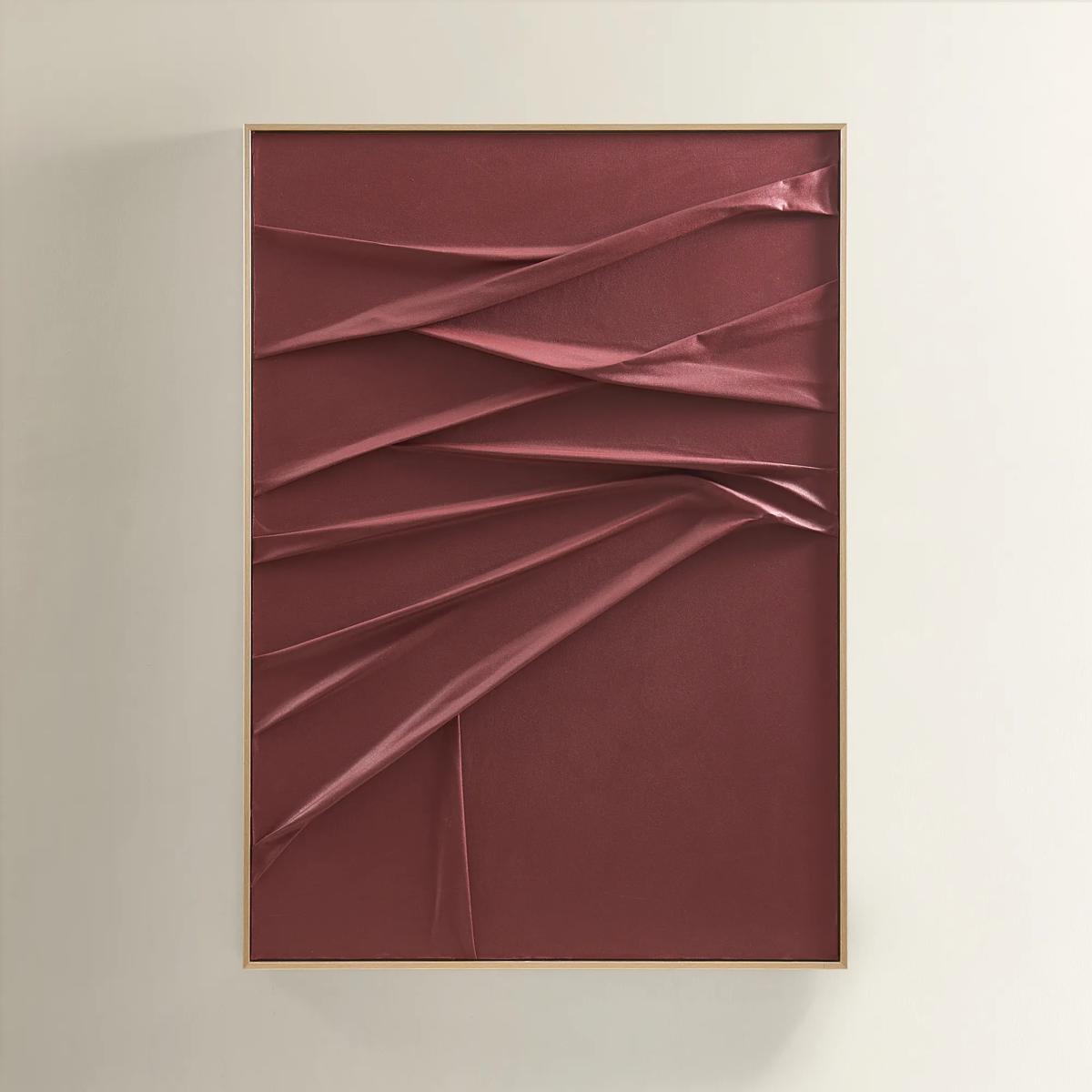
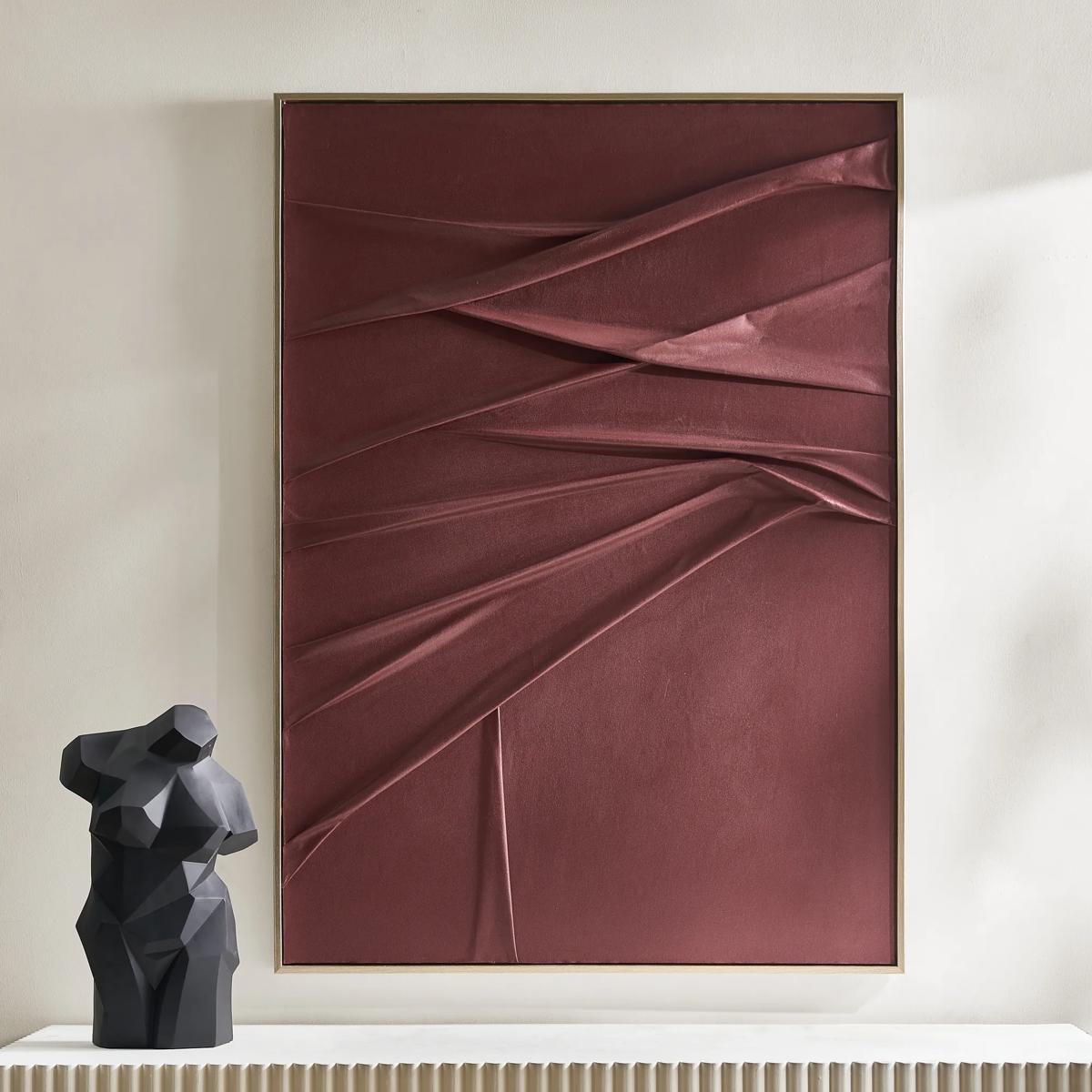 Crimson Painting$599
A handcrafted burgundy canvas artwork with sculptural folds, framed in champagne for a dramatic, textured effect.
Add To Cart -
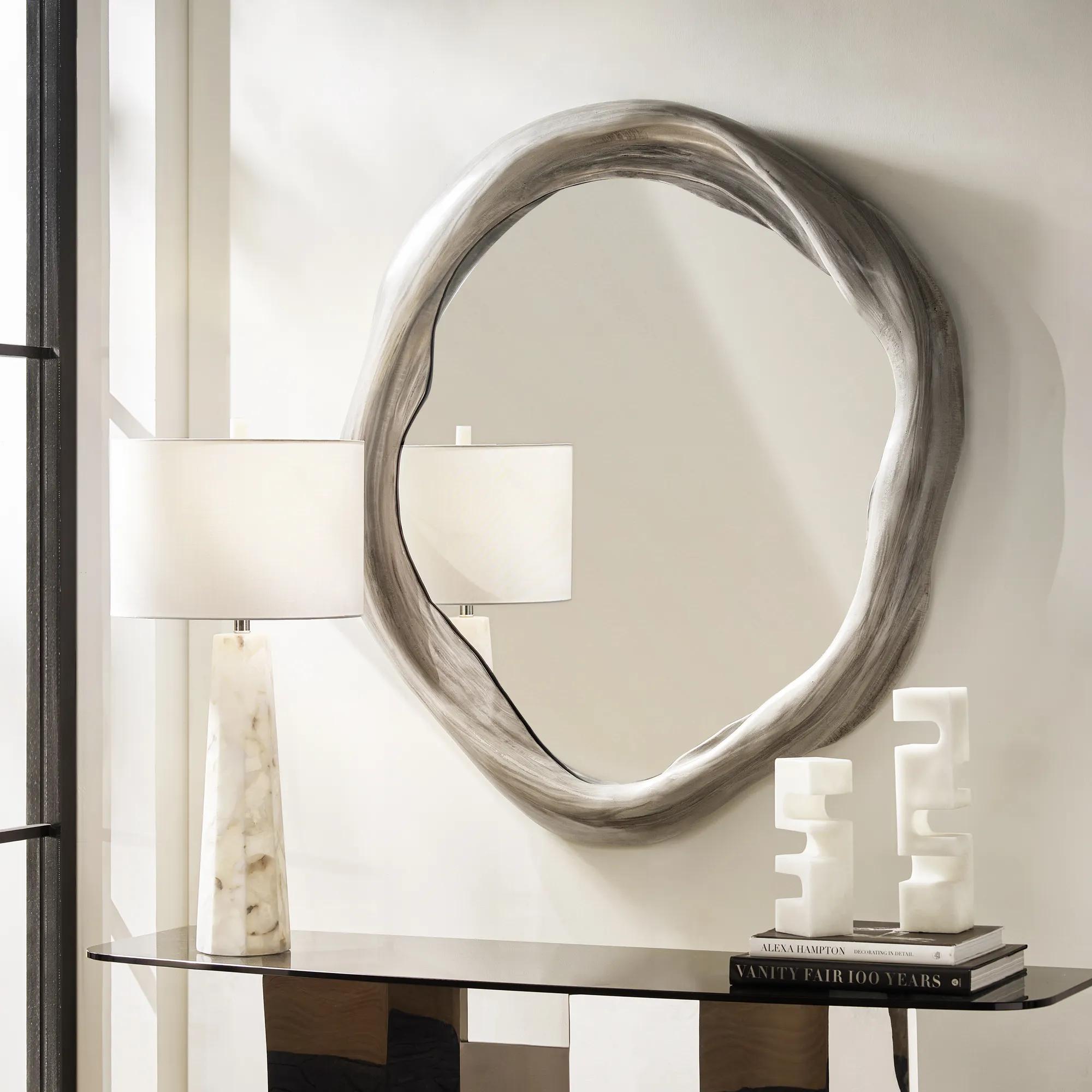
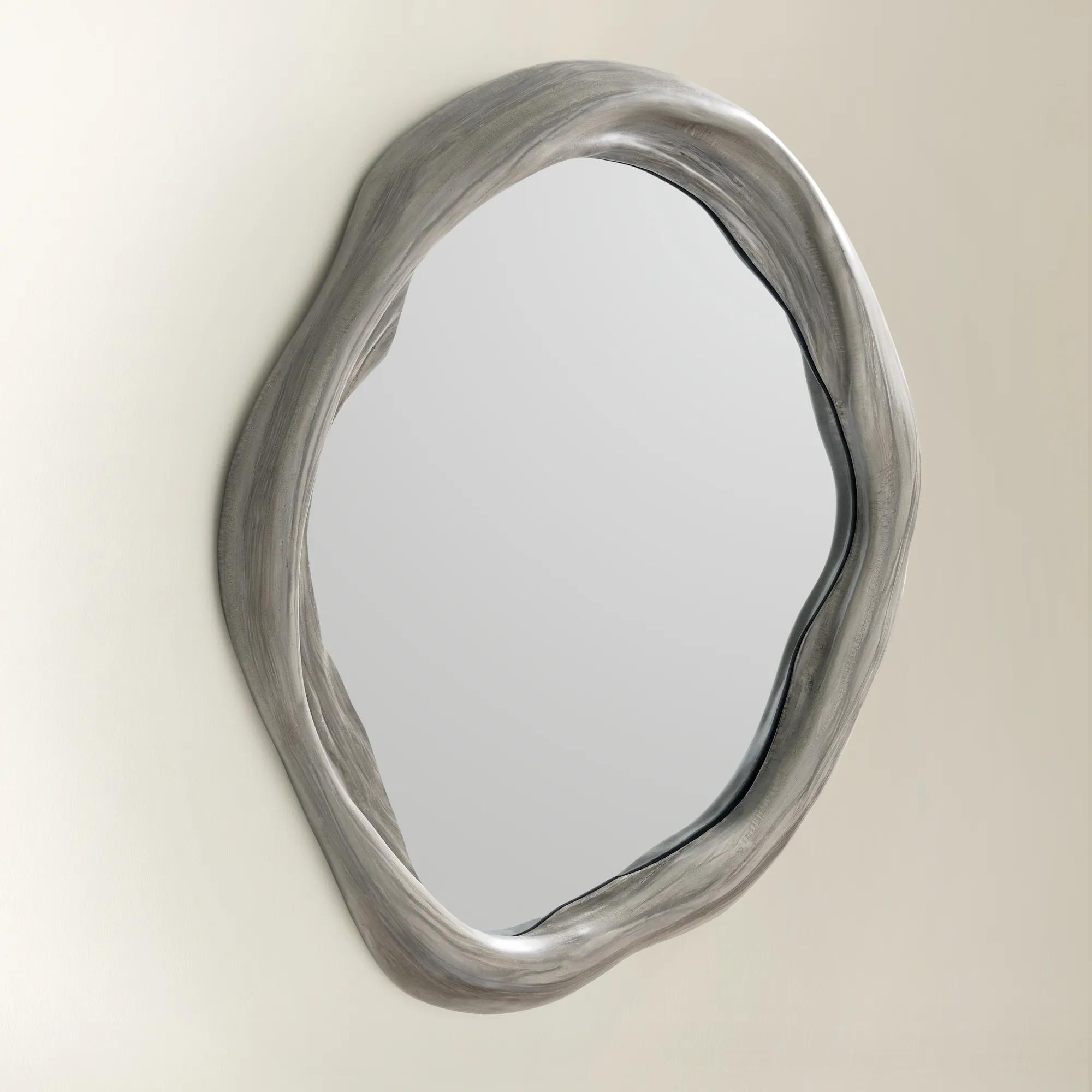 Dunes Wall Mirror$899
An organically shaped wall mirror with an artfully irregular gray frame, perfect for modern or minimalist spaces.
Add To Cart -
 Etched in Gold$229
A hand-carved gold copper artwork set in a sleek black alloy frame for modern contrast.
Add To Cart -

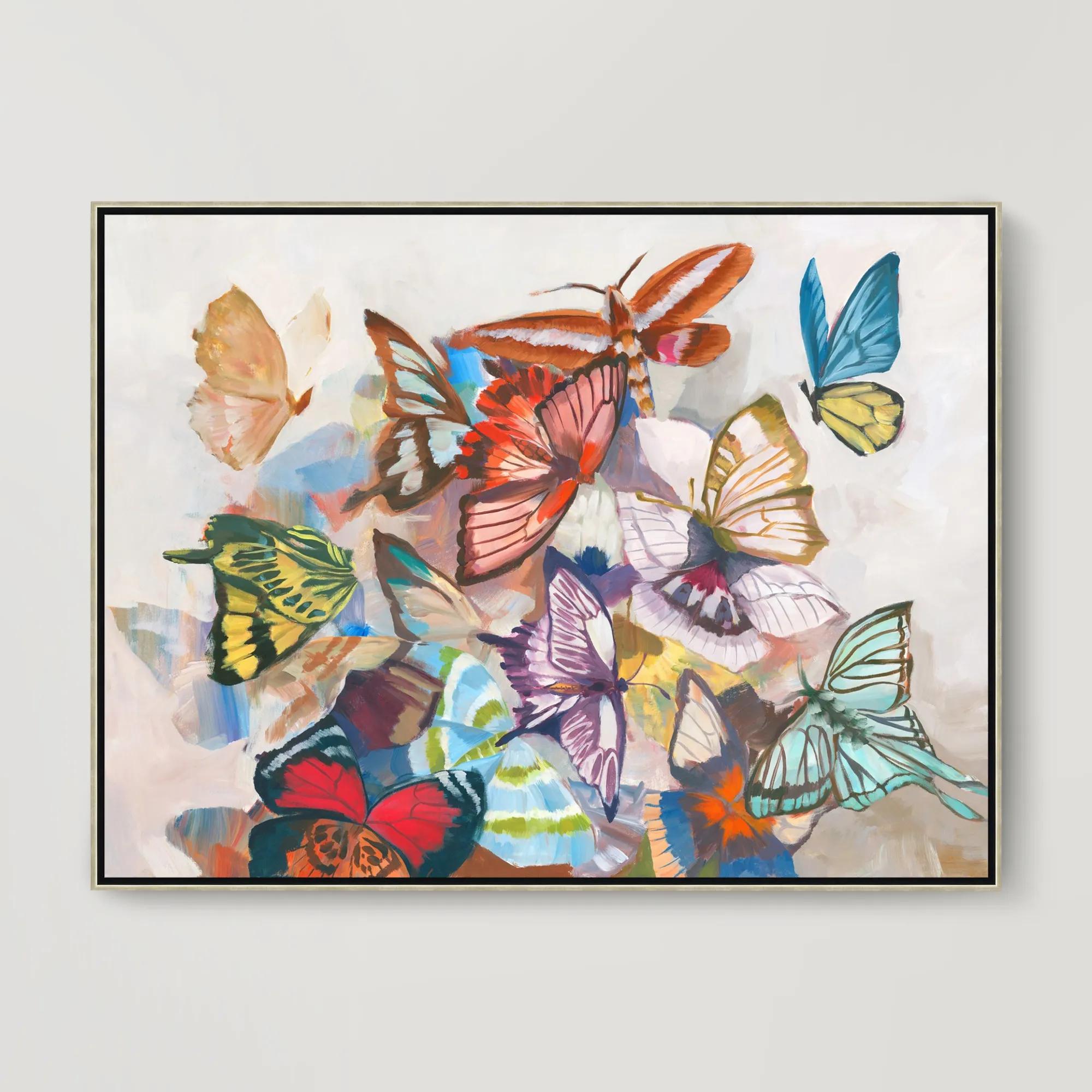
 Blooming in Her Own Time Framed Wall Art 40" x 50"$1029
A vibrant multicolored canvas wall artwork featuring an expressive botanical-inspired design in a framed presentation.
Add To Cart -
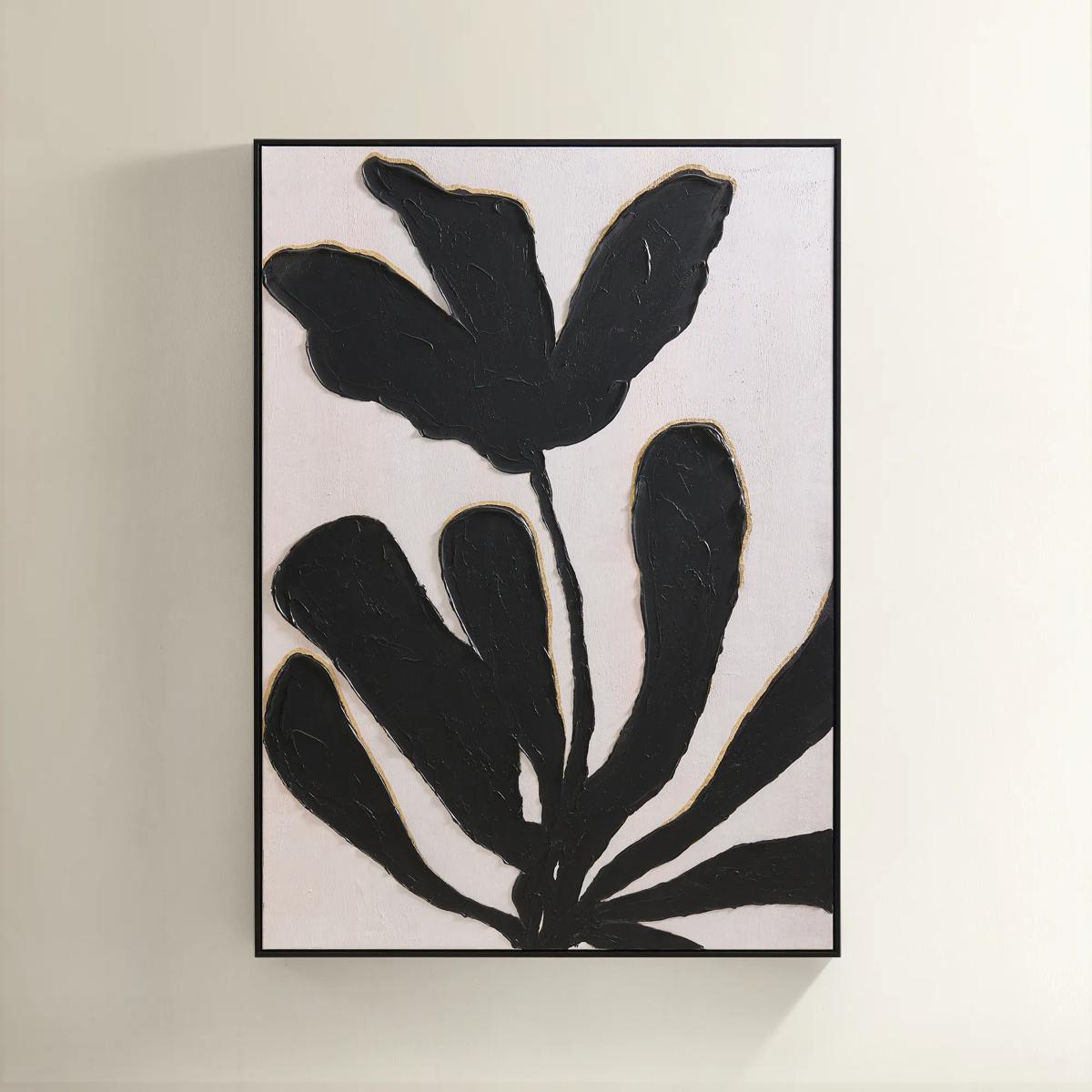
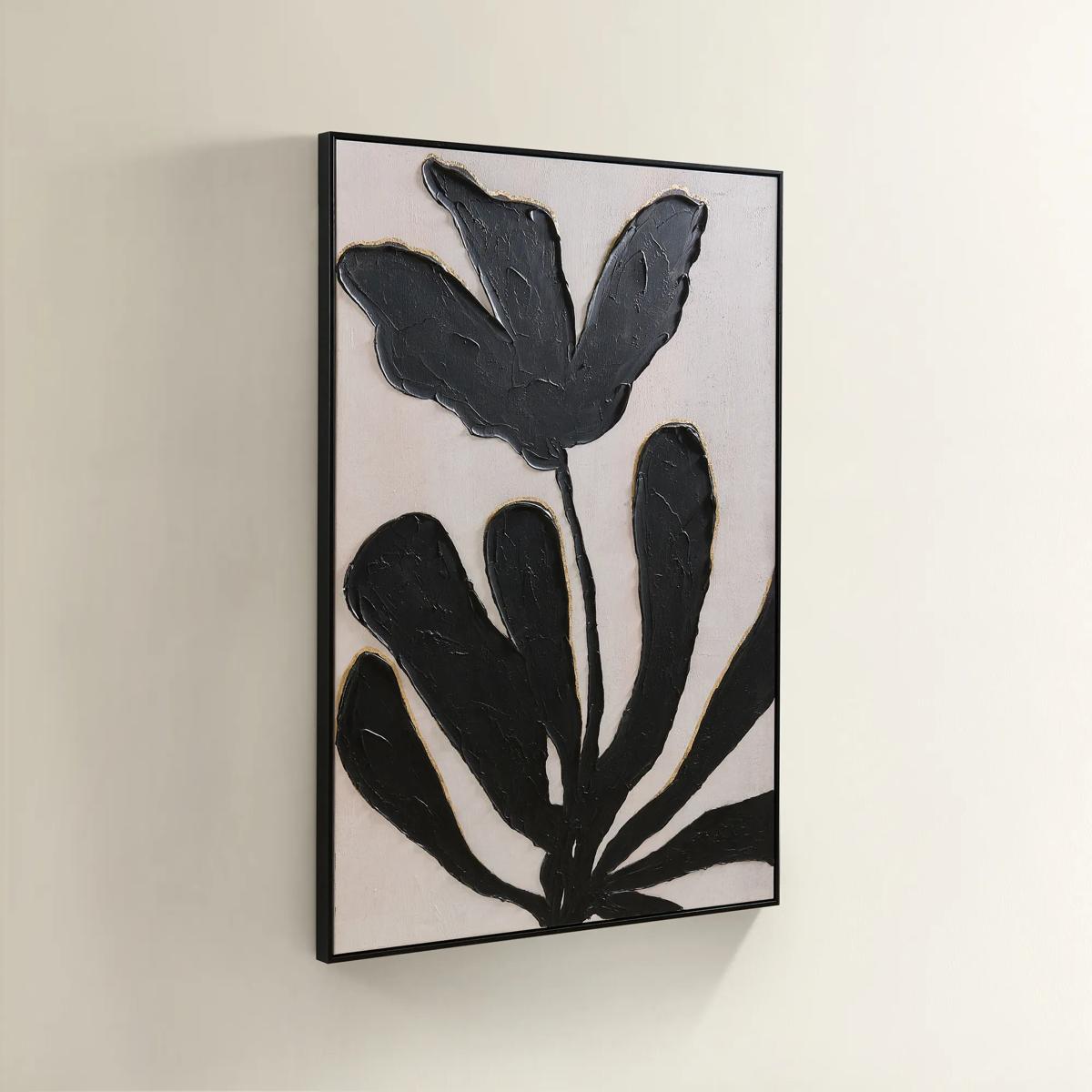 First Bloom Framed Painted Wall Art 39.25" x 55"$499
A hand-painted canvas featuring black abstract leaves and gold leafing on an ivory background in a black frame.
Add To Cart -
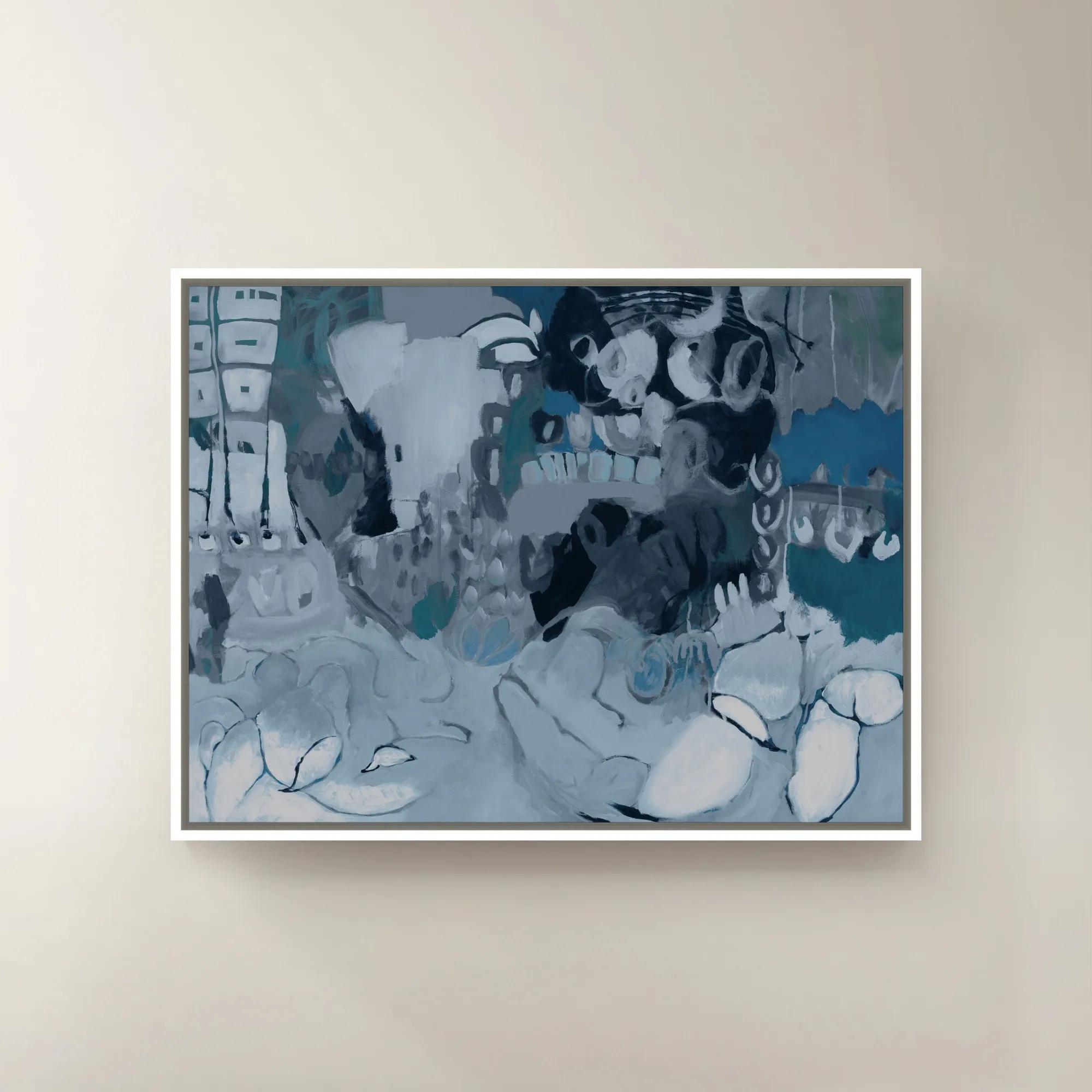
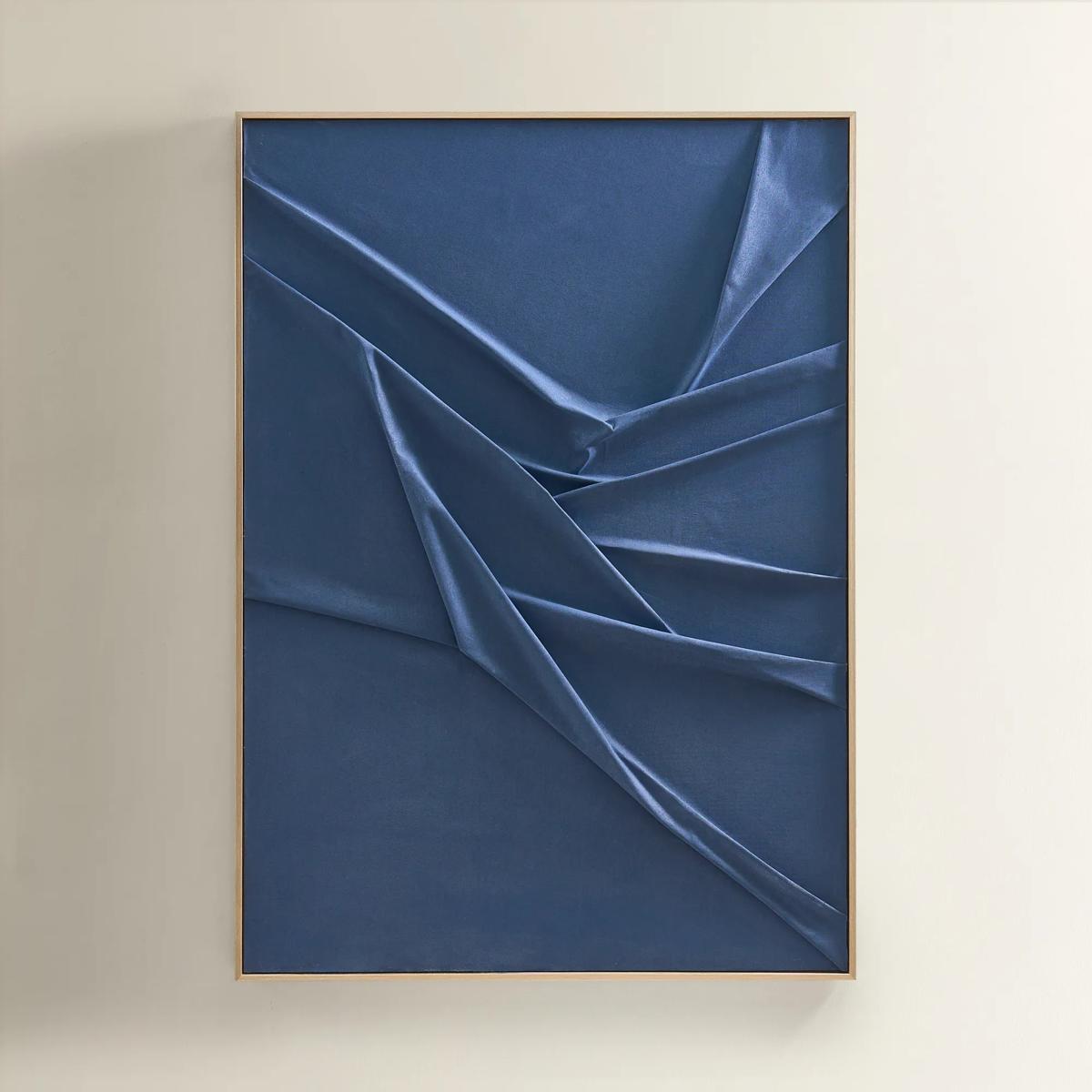
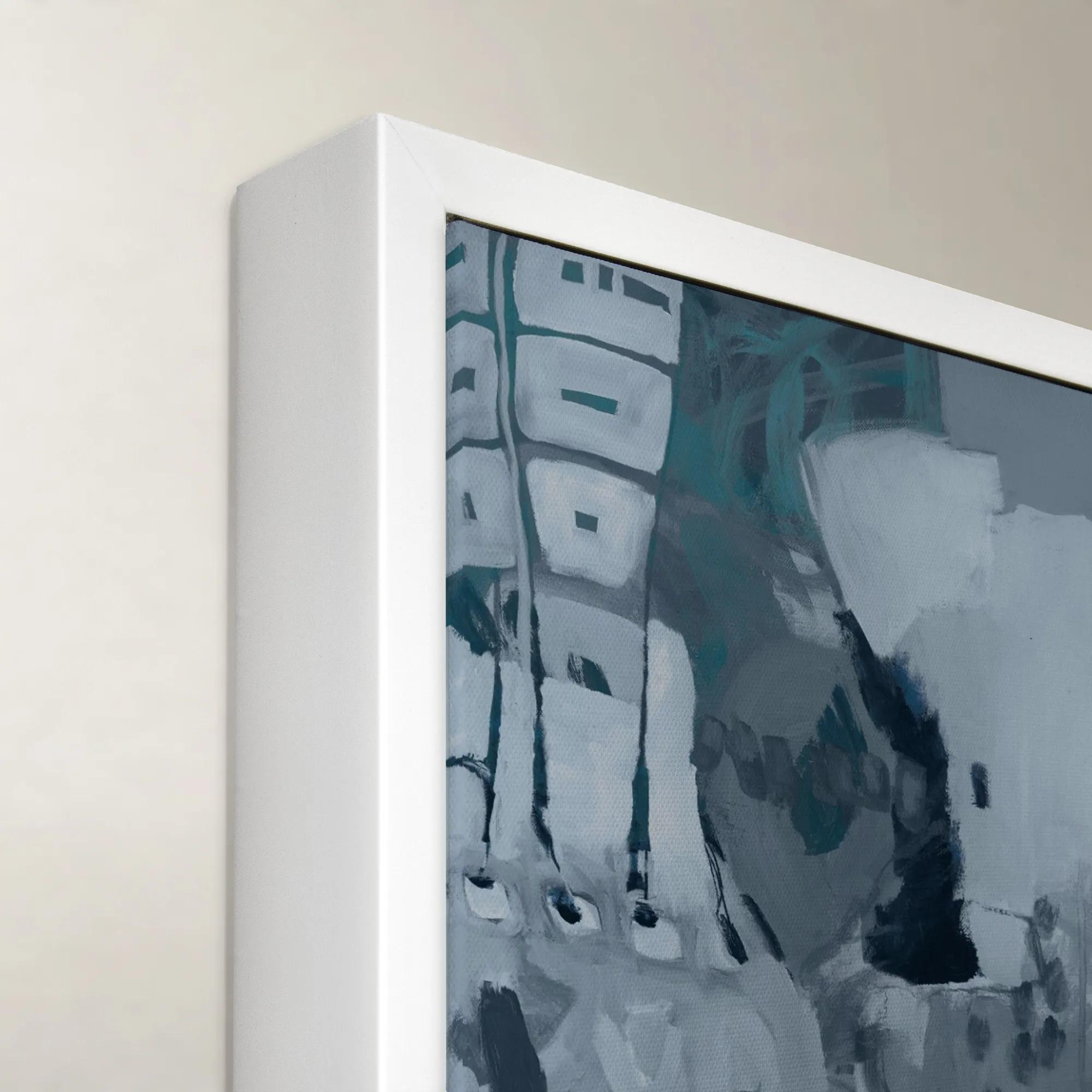 Wrap me in Forever II Framed Wall Art 40" x 30"$699
A striking blue and purple canvas wall art piece presented in a refined frame.
Add To Cart -
 Oceano White Resin Round Wall Mirror 42.7" x 40.2"$699
A white wall mirror featuring an organic shape and sandy texture for a serene, coastal-inspired accent.
Add To Cart -
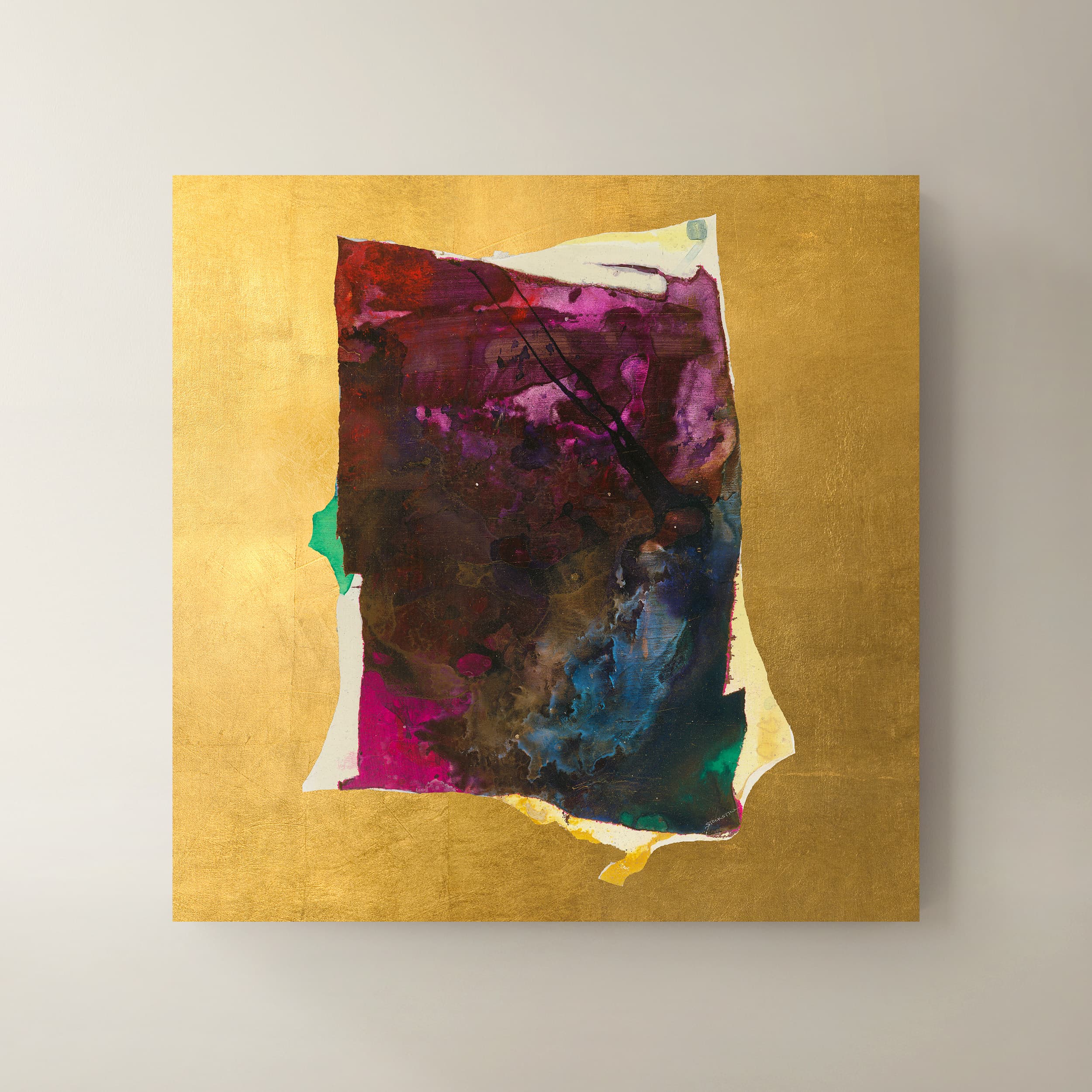 Supremo I Wall Art 40" x 40"$999
A multicolored canvas wall art piece adding contemporary visual interest to your interior.
Add To Cart -
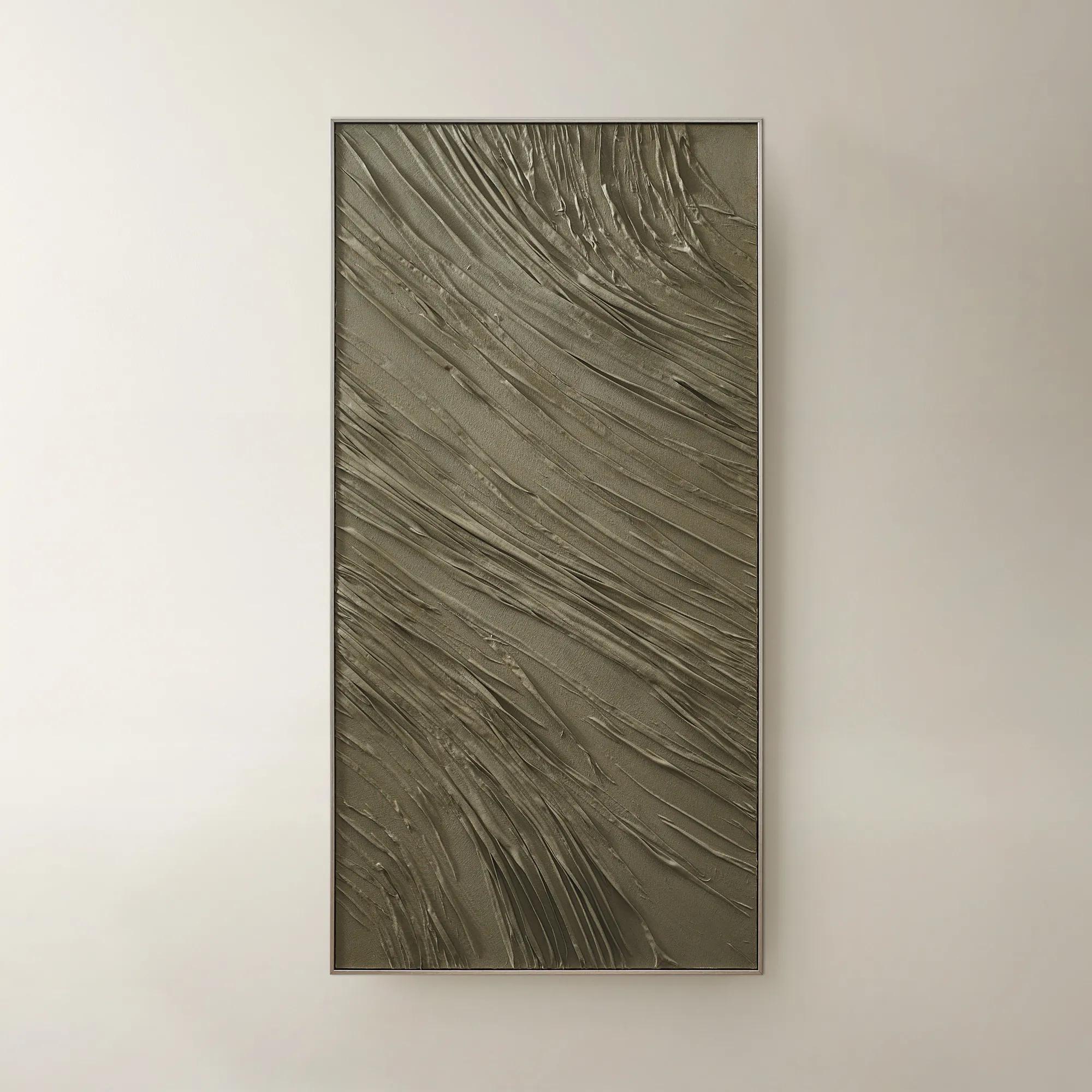
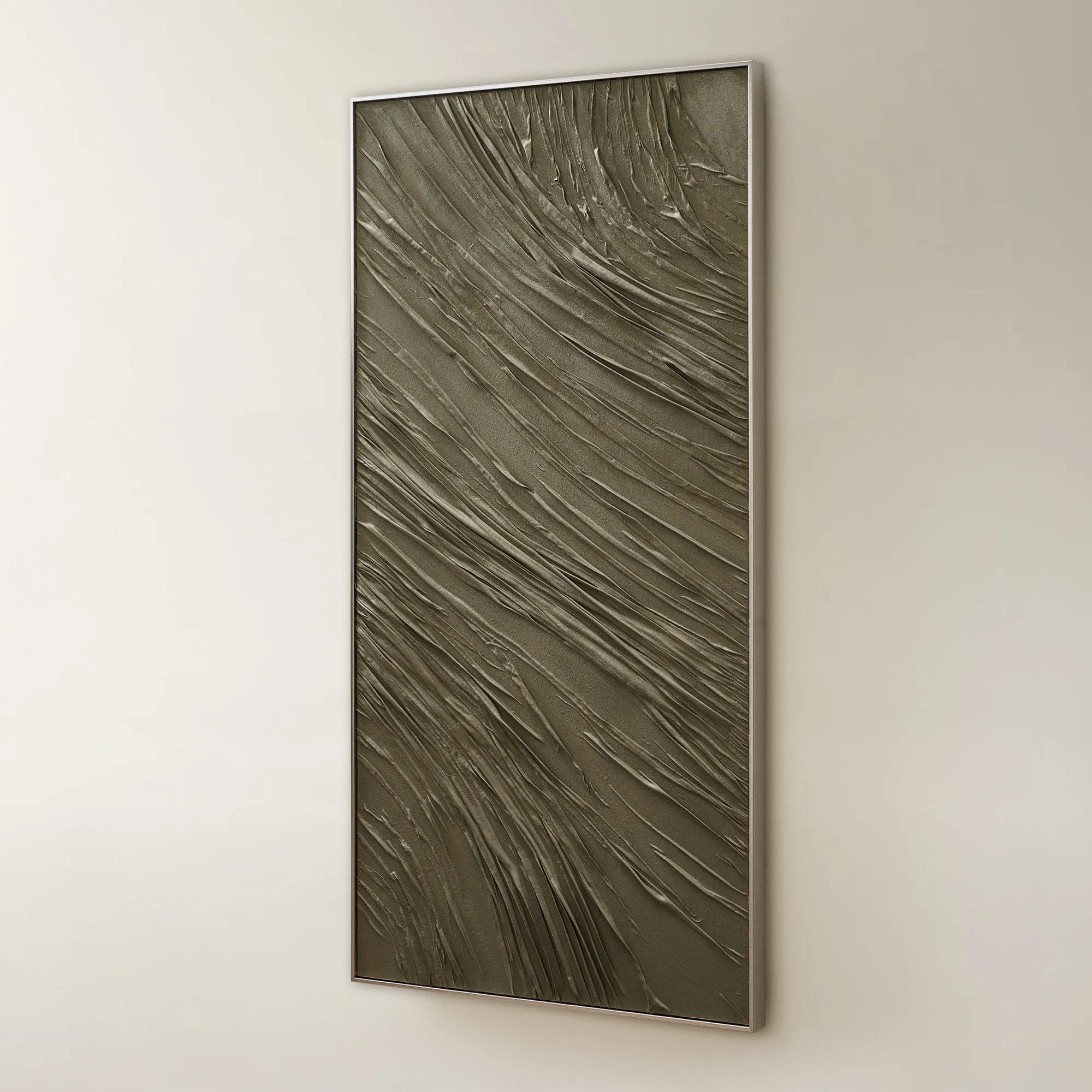 Grove Framed Hand-crafted Folded Fabric Wall Art 60" x 30"$349
A hand-crafted folded canvas in deep olive with a champagne frame for sculptural, modern wall art.
Add To Cart -
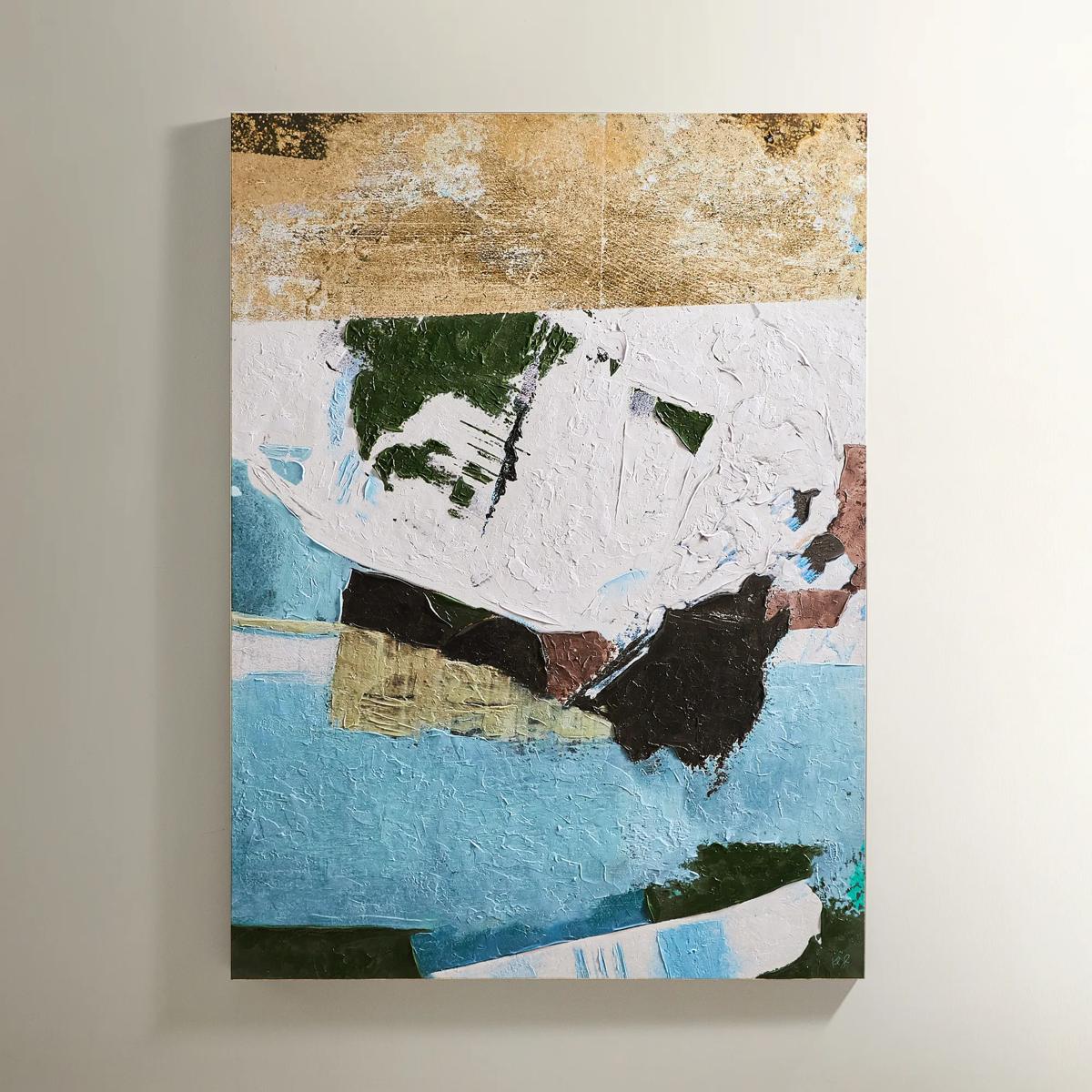
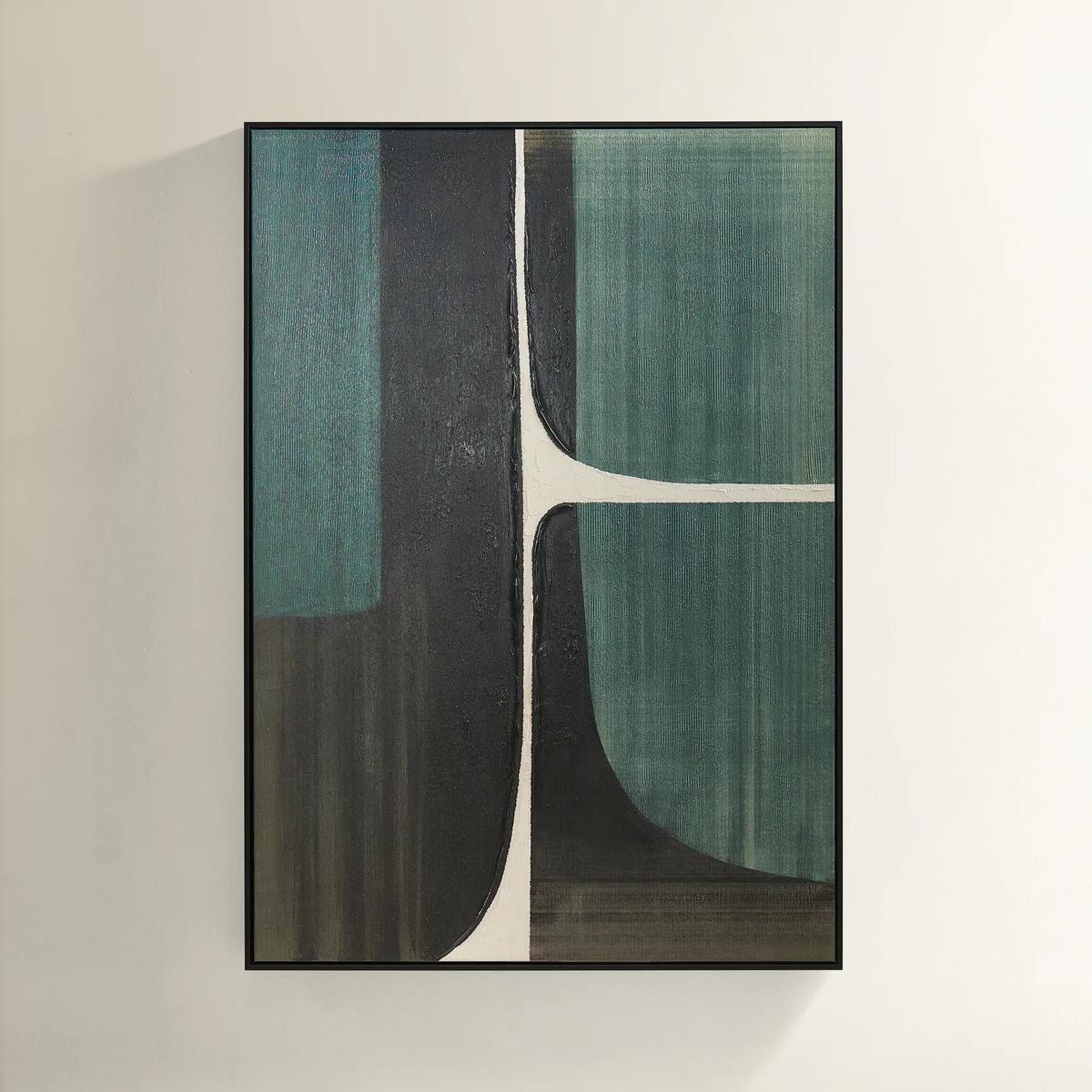 Plains Framed Painted Wall Art 39.25" x 55"$499
A hand-painted abstract canvas in forest green, ivory, and black with a sleek black floater frame.
Add To Cart

Organic Shape Wall Art For Hallways
Organic Shape Wall Art for Hallways transforms mere passageways into captivating journeys of form and flow. Undulating curves and fluid silhouettes breathe movement into every glance, turning blank walls into dynamic showcases of artistry. Let your hallway become a gallery of unexpected beauty—where sculptural lines and natural contours invite intrigue, soften angles, and spark conversation at every turn. With Organic Shape Wall Art for Hallways, even the simplest corridor becomes a curated expression of style, setting the stage for drama and delight from the moment you walk in.
Organic shape wall art for hallways brings flowing contours, asymmetrical forms, and tactile detail to spaces often defined by straight lines and repeated doorways. Inspired by river bends, weathered stones, unfurling leaves, and the movement of water, these compositions soften a corridor’s architecture without requiring additional floor space. Their appeal lies in the contrast: a generous curve against a crisp wall, a drifting silhouette beside a rectangular doorframe, a textured surface within an otherwise polished interior. In a hallway, where art is experienced both in passing and at close range, that interplay creates a sense of discovery. A sweeping abstract composition can establish a confident focal point at the end of a passage, while a sequence of related forms gives a longer wall a measured visual rhythm. Organic does not have to mean rustic or understated. Sculptural contours, luminous finishes, and richly layered surfaces can feel distinctly glamorous, especially alongside tailored furnishings and architectural lighting. Cream, sand, and warm gray offer subtle tonal depth; charcoal and black sharpen the silhouette; touches of gold or silver lend a more radiant expression. Color is only part of the effect. Negative space around an irregular shape lets the wall become part of the composition, creating an airy presence even when the artwork itself feels substantial. For homeowners drawn to expressive interiors, these fluid forms offer an alternative to conventional landscapes or neatly geometric arrangements. They can connect an entryway to adjoining rooms, echo the rounded profile of a nearby console, or introduce a softer counterpoint to angular furniture. The result is more than decoration along a route from one room to another. It is a distinct visual identity for a space that guests encounter immediately and residents move through every day, with enough nuance to reward a second look.
The character of organic wall art depends as much on its material and construction as on its outline. Canvas can bring a softened, painterly quality to broad abstract gestures, while art on paper often emphasizes fine tonal transitions and the intimacy of a drawn line. Wood introduces grain and warmth that can complement stone floors or contrast beautifully with lacquered furnishings. Metal gives curved forms a sharper sculptural presence, with brushed, polished, or textured finishes responding differently to nearby light. Cast materials such as resin can support rounded relief and intricate surface detail, although their weight and care requirements vary by construction. An organic shape describes the visual language of the work, not necessarily the origin of its materials; the product specifications remain the clearest reference for composition, finish, and intended placement. In a hallway, depth deserves particular attention. Low-profile artwork preserves breathing room in a narrow passage, while deeper relief has greater presence where the wall sits beyond the main walking path. Exposed edges, projecting elements, and the swing of nearby doors all affect how comfortably a piece fits into daily life. Durability also involves more than the visible surface. Secure framing, sound attachment points, and hardware suited to both the artwork’s weight and the wall’s construction help maintain a polished presentation over time. Busy household corridors benefit from thoughtful placement away from frequent shoulder contact, carried bags, and other incidental bumps. Care should follow the maker’s directions, since a method appropriate for sealed metal may damage delicate paper, textured paint, or an unsealed surface. Gentle dusting with a clean, soft tool is often preferable to vigorous wiping, and cleaning solutions should never be assumed suitable for every finish. Direct sunlight, moisture, and nearby heat sources can also affect color and materials. These practical details protect the very qualities that make the artwork compelling: a nuanced surface, a luminous accent, or the clean sweep of a sculptural edge.
Scale gives organic forms their authority. In a compact hallway, a single composition with a clear silhouette can feel more intentional than numerous small accents competing with doorways, switches, and trim. On a longer uninterrupted wall, an elongated arrangement or a grouping with shared colors can establish continuity without making every section equally busy. The artwork’s relationship to the surrounding architecture matters more than filling a prescribed amount of wall. A broad piece above a shallow console needs enough visual separation to let both profiles register; a vertical form between doors can emphasize height while preserving the rhythm of the passage. Sightlines also change the experience. Art visible from the front entrance can set the tone for the home, while a composition at a hallway’s far end draws attention through the space. Where the corridor opens into a living or dining room, repeating one material, undertone, or curved motif can create a connection without matching every detail. Lighting adds another layer of expression. Diffused illumination reveals subtle color, while carefully positioned directional light can bring out relief and cast delicate shadows around raised forms. Highly reflective surfaces deserve consideration near bright fixtures, where glare may obscure detail rather than enhance it. For interiors that call for a more pronounced gleam, metallic wall art for hallways offers a complementary direction, particularly when reflective accents echo nearby hardware or lighting. Organic compositions remain versatile across an array of personal styles: softly layered rooms gain definition from a dark, fluid outline, and highly polished spaces gain depth from a tactile, irregular surface. They can also make thoughtful housewarming or wedding gifts when the recipient’s palette, available wall space, and preference for framed or sculptural art are understood. Above all, the most compelling choice feels connected to the people who live with it. A hallway need not compete with the rooms it joins, but it can carry the same confidence, artistry, and sense of occasion. Flowing forms make that connection feel effortless, turning an overlooked stretch of wall into an expressive part of the home.
FAQs
Organic shape wall art is remarkably versatile, complementing a wide range of interior styles. It brings a sense of artistry and movement to contemporary, modern, and transitional spaces, while also adding warmth and intrigue to more traditional or eclectic hallways. The fluid lines and natural forms harmonize beautifully with both minimalist backdrops and layered, maximalist decor schemes, making these pieces a striking addition to any design narrative.
Organic shape wall art transforms a hallway from a simple passage into an immersive experience. The flowing curves, tactile surfaces, and sculptural silhouettes infuse the space with energy and a sense of movement. These pieces can create focal points, cast intriguing shadows, and evoke the calming essence of nature, all while encouraging guests to slow down and appreciate the artistry within your home.
Absolutely. Organic shape wall art makes a sophisticated and memorable gift for housewarmings, anniversaries, or milestone celebrations. Its universal appeal, artistic flair, and ability to complement diverse decor styles ensure it will be cherished by recipients who value expressive design and the transformative power of art in their living spaces.
Organic shape wall art often features a rich palette of materials, including hand-forged metals, carved wood, ceramic, glass, and resin. These materials are chosen for their ability to capture fluid, natural forms and to introduce varied textures and finishes—ranging from gleaming metallics to matte, earthy surfaces—adding visual and tactile interest to your hallway.
To achieve a harmonious display, consider balancing scale, color, and texture. Group pieces with complementary finishes or tones, and play with the spacing to allow each form to breathe. Mixing different sizes and materials can create a collected, gallery-like effect, while keeping a unifying element—such as a shared color palette or material—will ensure the arrangement feels intentional and visually connected.